Lime Pickle
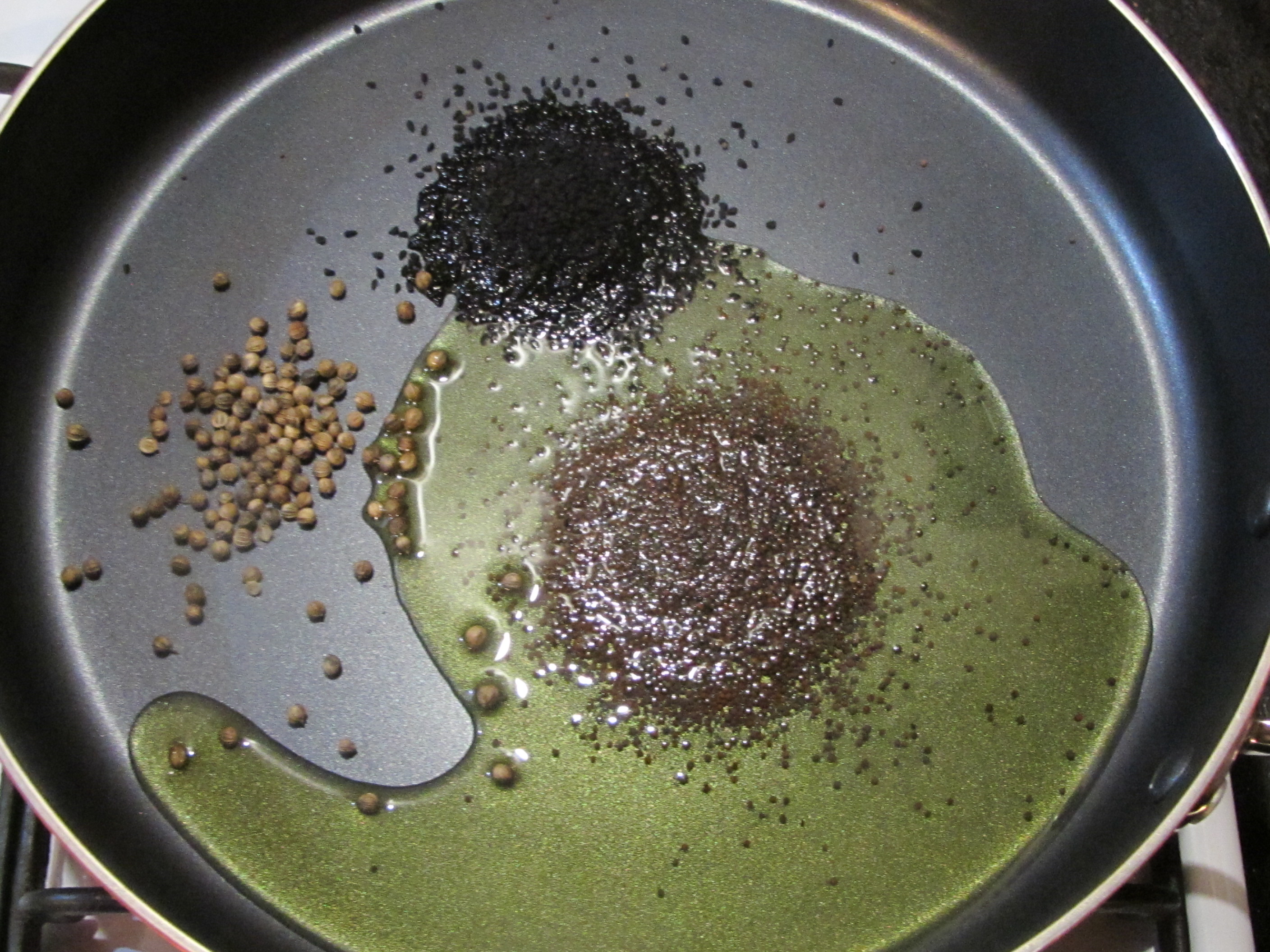
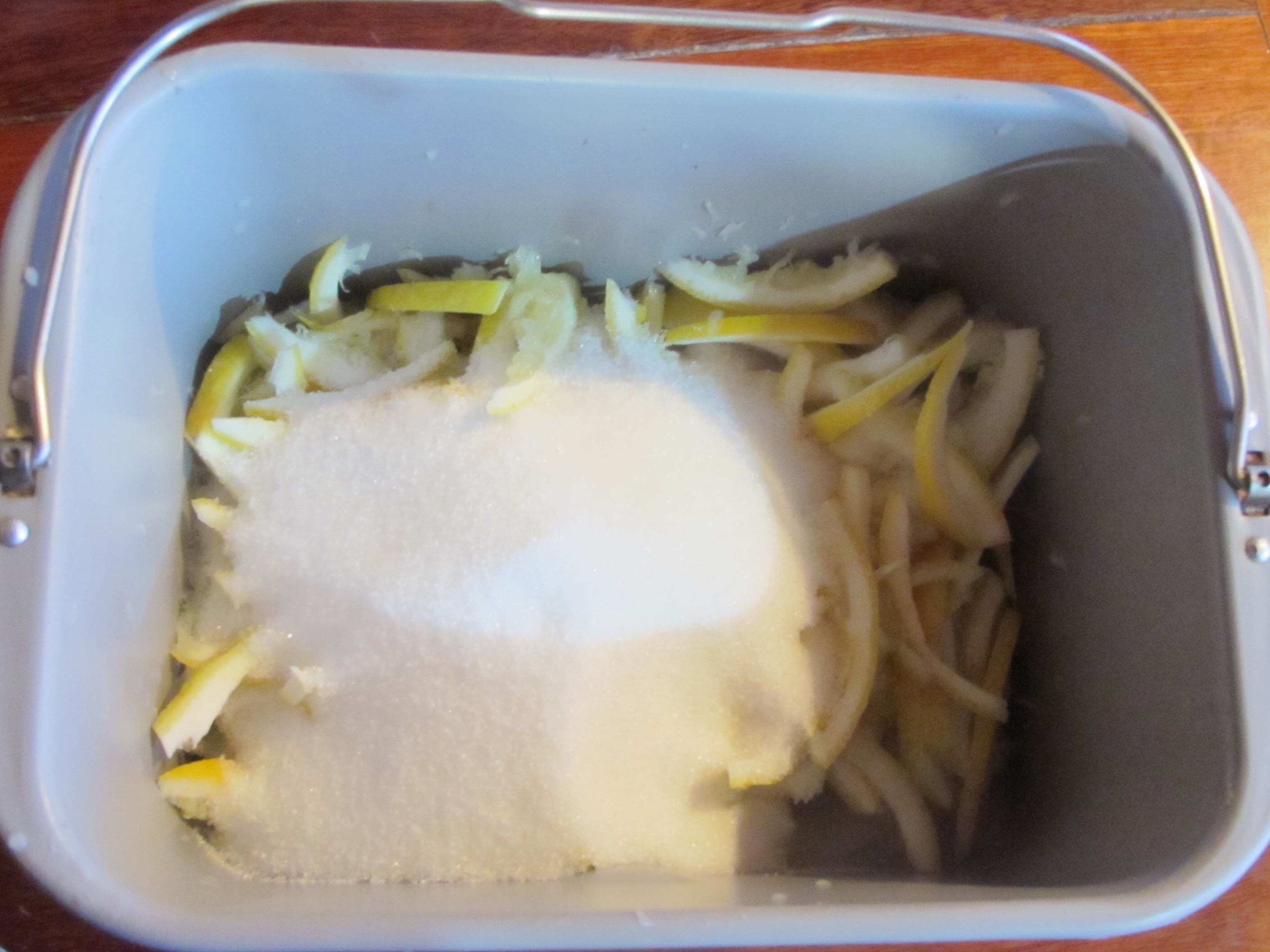
In these cooler, shorter, winter days. The evenings are long and there is plenty to do. Winter is the season for citrus. I have made 20 jars of marmalade so far, so now its time to make lime pickle. A good lime pickle is a great accompaniment with curry, it needs to be salty, sweet, sour and chilli hot.
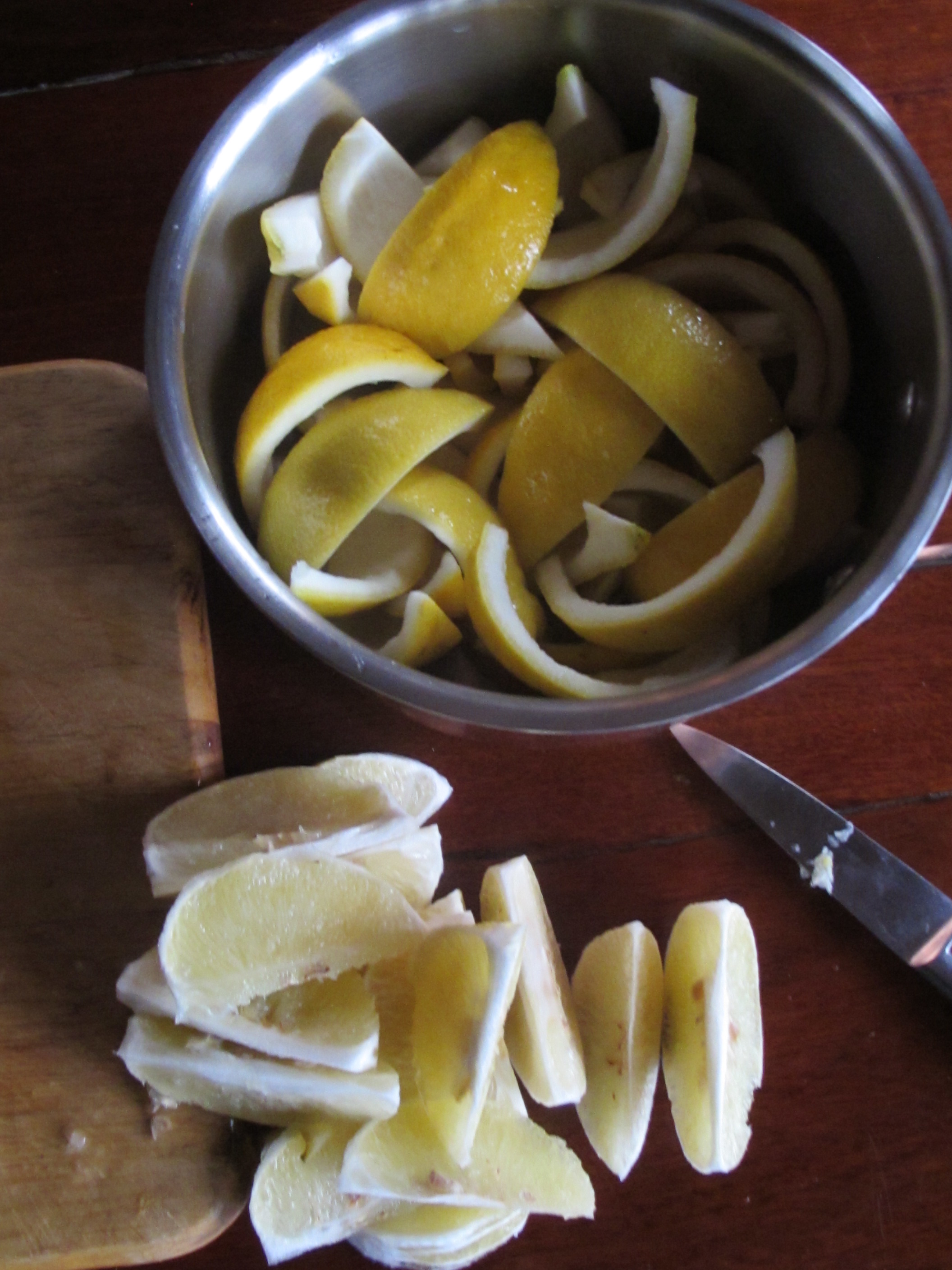
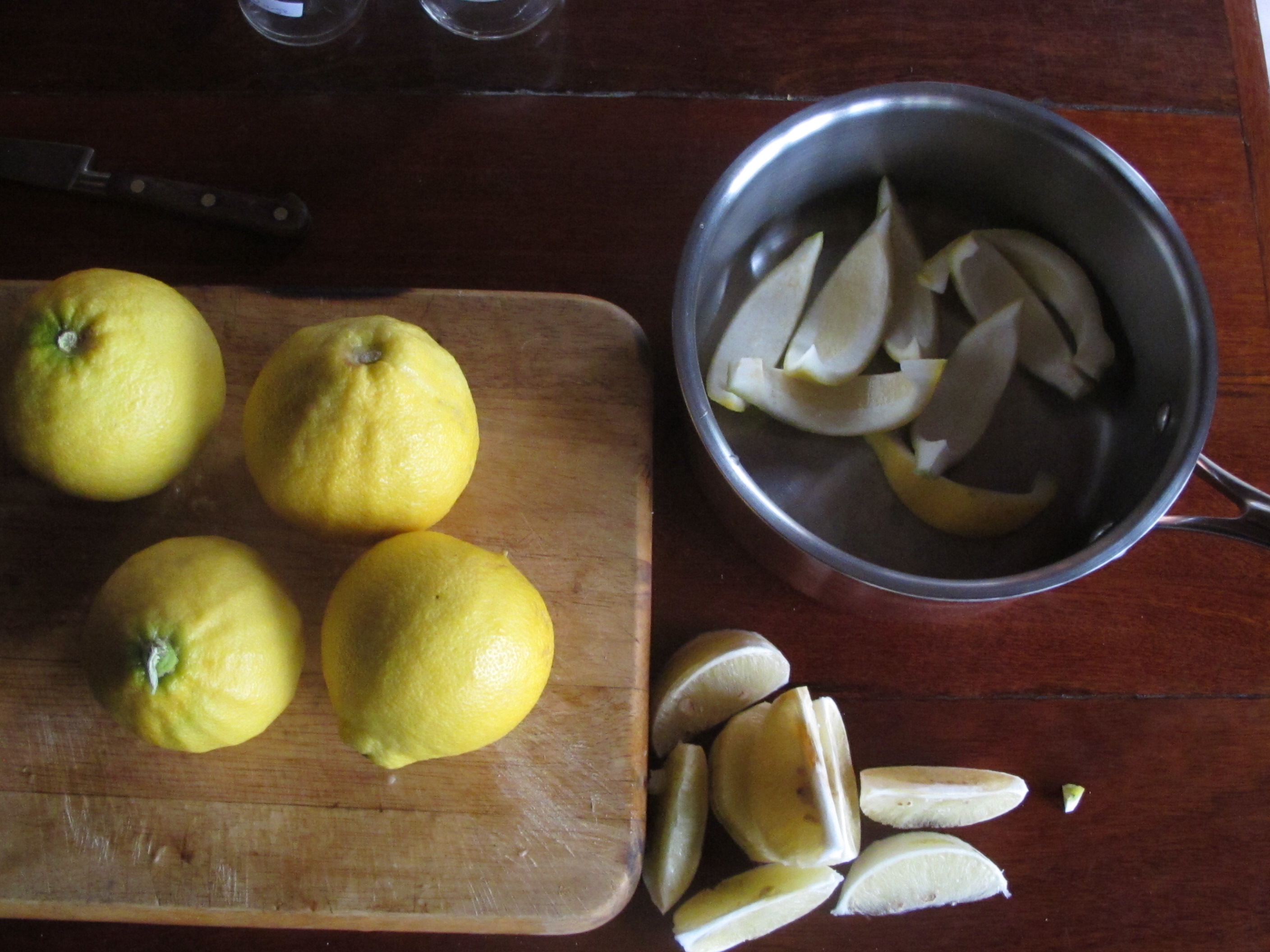
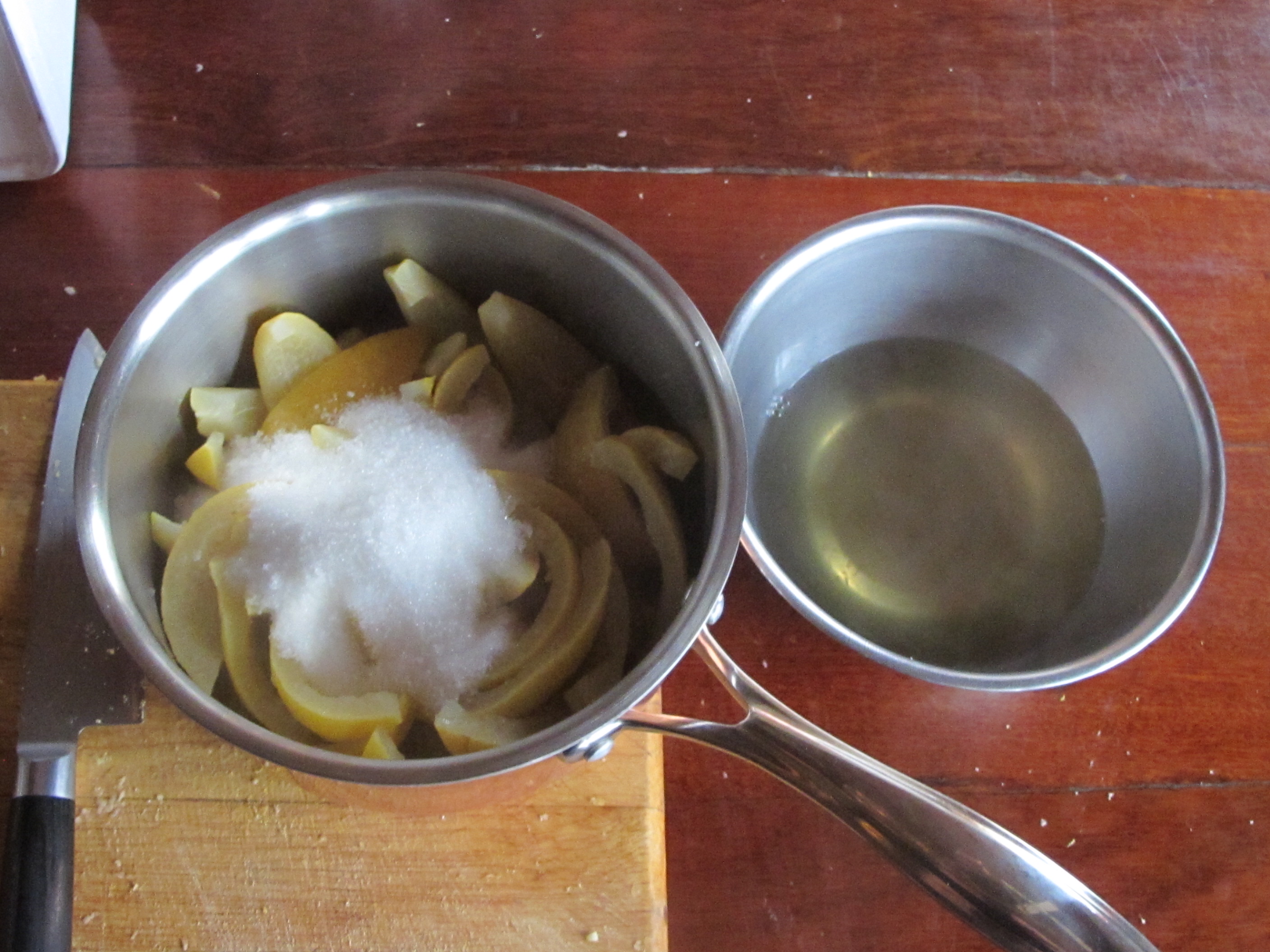
We have plenty of limes on the tree, so I slice them up length ways into 1/8 segments, salt then and then leave them covered for a day or two to soften.
House Concert – New Heath Cullen CD
We have just been to a local house concert to see Heath Cullen again. He’s particularly good. I like his music a lot. We already had both of his earlier CDs and they get quite a lot of amplification around the house and pottery workshop. Heath has a new CD about to be released. it’s been coming for some time now, like a slow train.
This new CD was recorded with Elvis Costello’s band, The Attractions, when they were in Australia last year.
More Meat Than I’ve Ever Eaten
I’ve just come to realise that the whole time that I was in China, I seemed to be eating meat 3 times a day. I usually only eat meat occasionally. However, as I think back, every meal seemed to have some sort of meat involved in some way. Even breakfast. I never eat meat for breakfast! But over in China the wantons in the soup or the steamed buns all seemed to have a little bit of meat in them. I must say that I enjoyed it immensely too. The food was great. I didn’t go out of my way to eat meat at every meal, it just seemed to be the way that it was. I just went along with what was on the table.
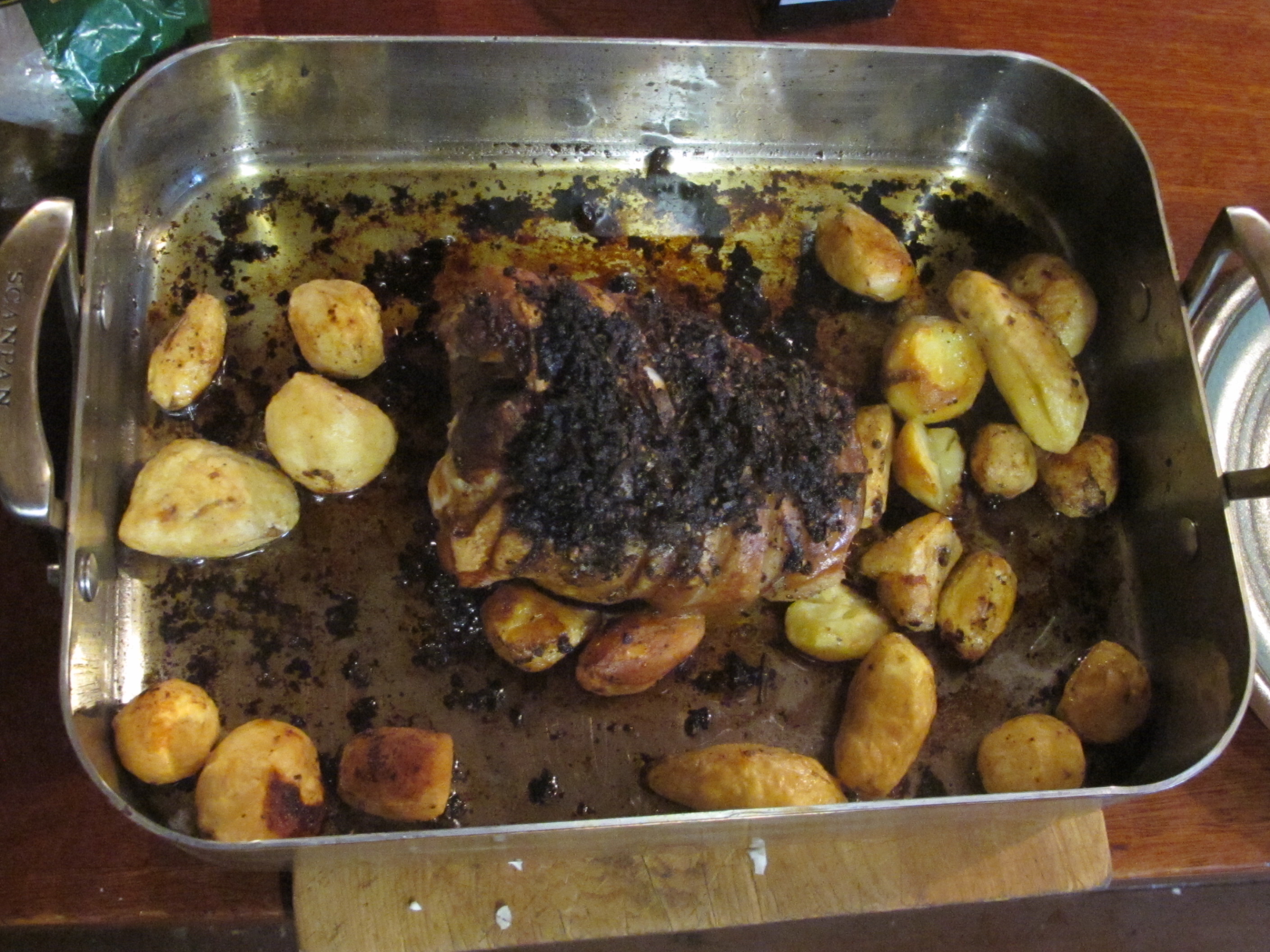
Now I’ve been home for a moth I decide to have a leg of pork for dinner. I get it boned, rolled and tied by the butcher. He also scores the skin for me. It takes a very sharp blade to do this and he is used to it, so I let him do it. I only tried once and was surprised how tough it was. none of my knives in the kitchen are kept in such a sharp condition, especially at the tip.
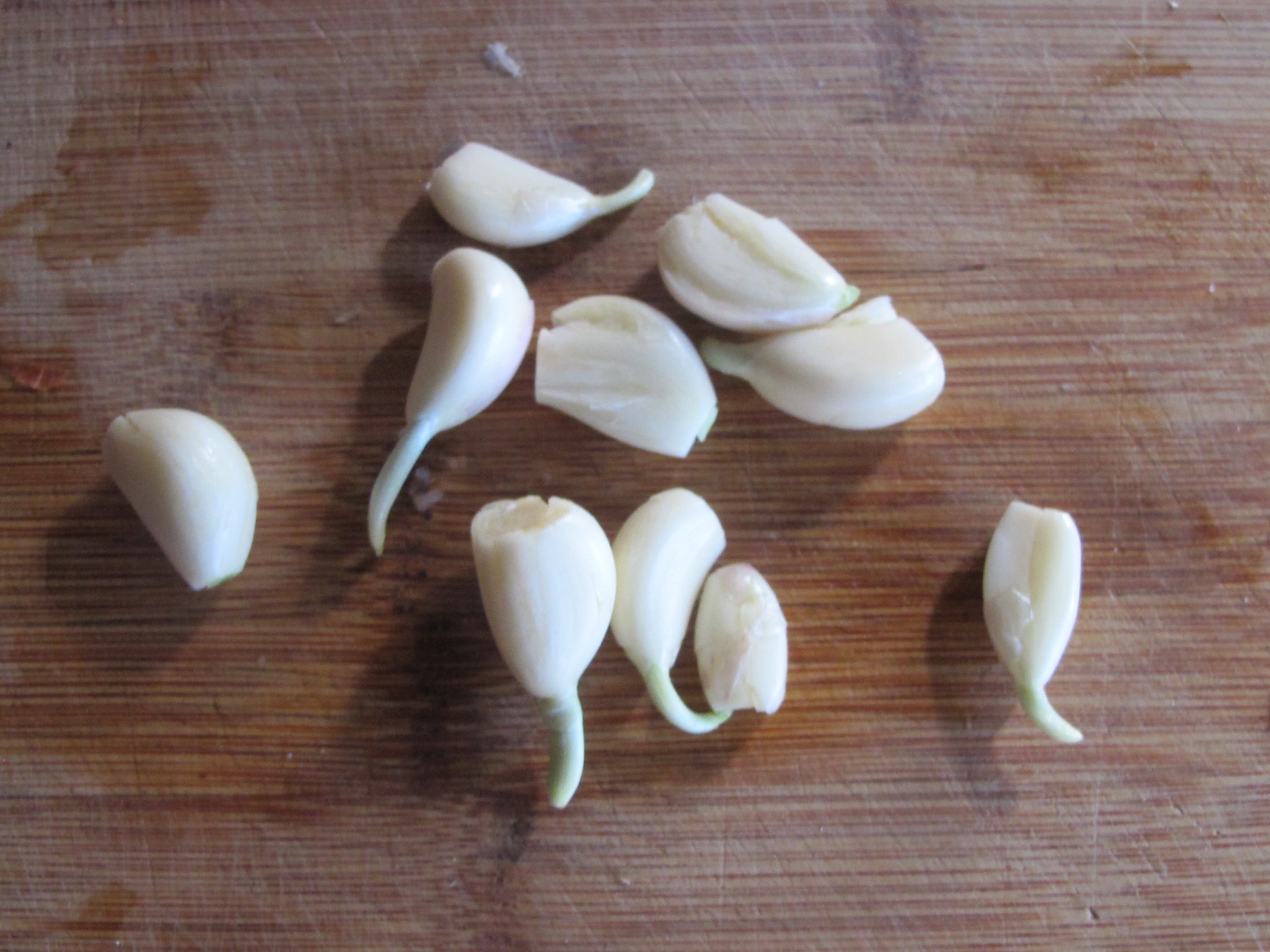
I make up a paste of garlic, bay leaves, pepper, some coriander seeds and a little salt. I pound all this together in one of our home made , wood fired, hand thrown mortar and pestles and crush it and grind it into a sort of paste. It needs a little bit of olive oil to get it to all flow in together. This paste is used to smear over the surface of the rolled roast before baking. It goes into a slow over for a very long time.
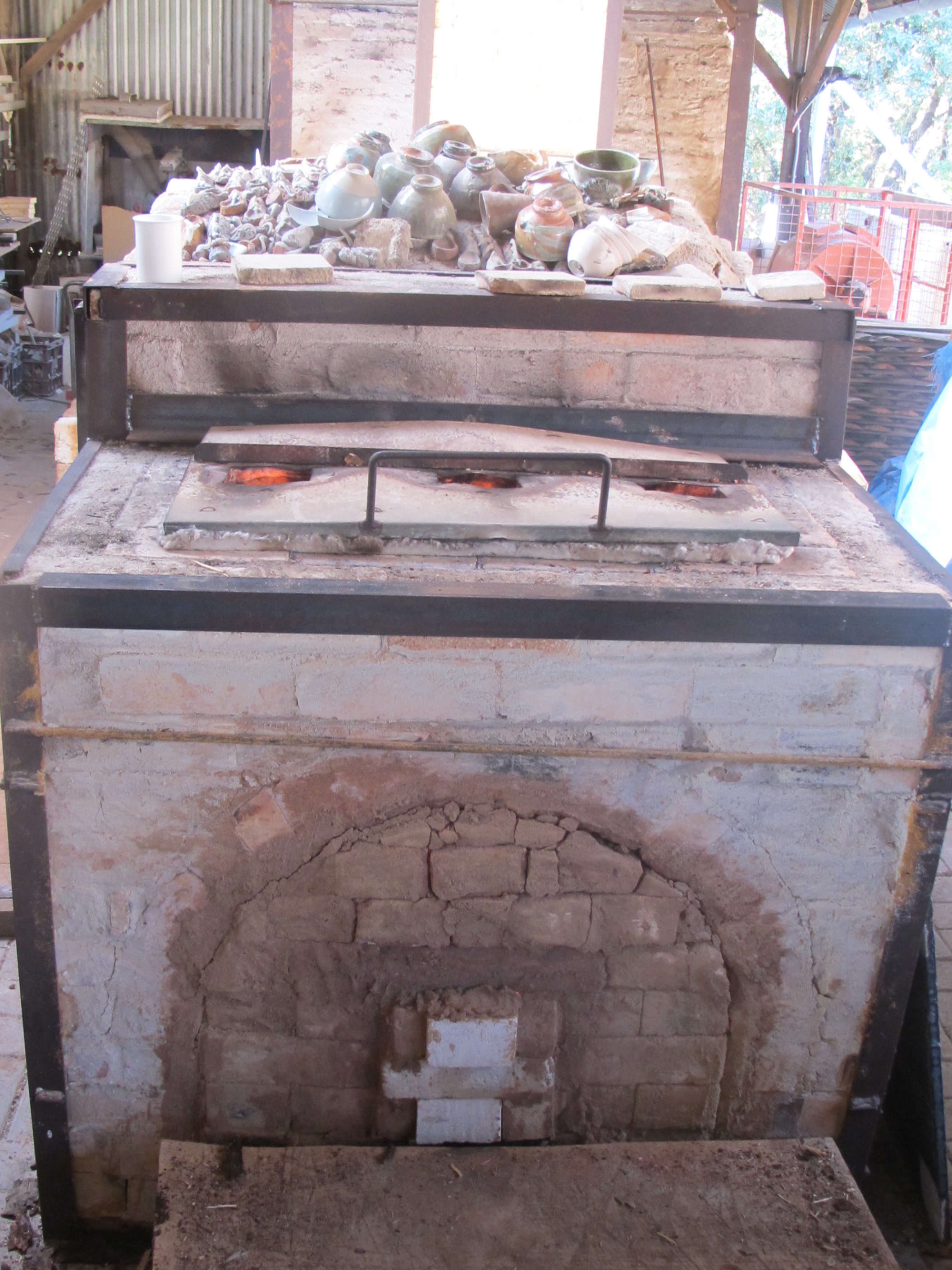
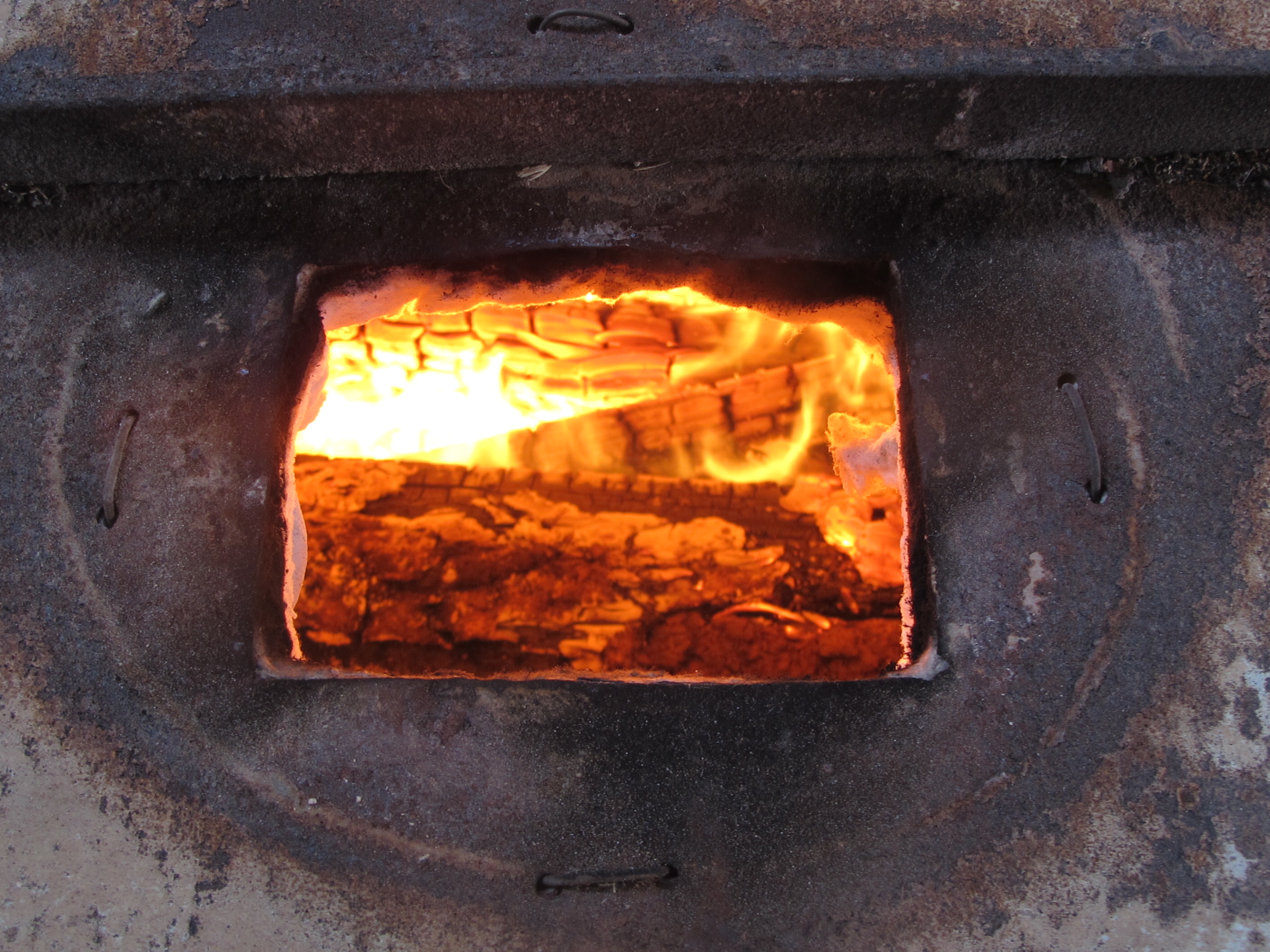
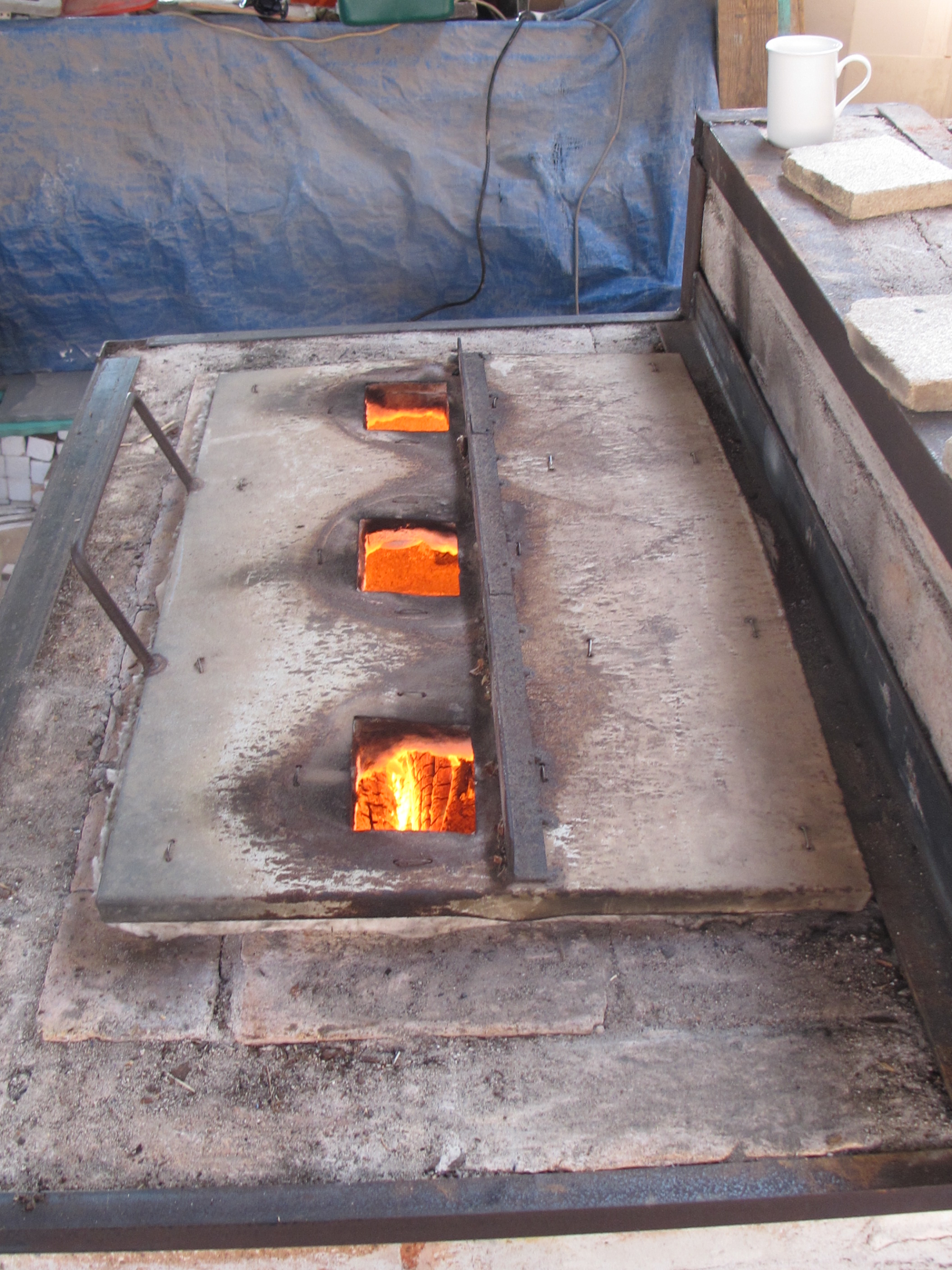
It stays cooking slowly for a few hours in the wood stove. As we are out working all day in the pottery, kiln shed, wood shed and garden. There are always more jobs to get done than there is time to do them. So we do what we can and let the rest just migrate to the bottom of the list and then fall off the end almost without noticing. But I do notice. I should just let them go, in true Buddhist style, but their ghost just lingers on in the back of my mind, as I sum up the day and try to let it all fade away with my out-breath, I “press the recline buttons down with dreamland coming on”. Of all the various activities that go into making up a life, most are just mundane, some tedious, lots repetitive, but it’s those few moments that are special that give a little sense of satisfaction, an achievement, that I remember. They are the glue that holds it all together. Picking fresh vegetables from the garden for a dinner like this is nothing special, we’ve done it almost everyday for 40 years, but it is always a pleasure and it is part of todays glue.
We are getting frosts most mornings these days. Only light frost, perhaps -1oC, I don’t know, but it is enough to kill everything that is sensitive, but not not so cold as to make its way down to the ‘Pantry Field’ garden. Down there in that secluded spot, where there is plenty of tree cover, we have a small plot of 60 sq. metres of fenced off garden, where we have found that we can grow a lot of frost sensitive plants , like over-winter potatoes and they are doing well, even the nasturtiums are still blooming. I found some time, just before a wood fired raku workshop, to get down there and do some more weeding, so as to give the plants a chance. The weeds grow so quickly! The peas are flowering now and so are the broad beans. I think that we will soon get a feed of peas from these plants. The garlic is very varied, some plants are surging ahead, while others have stayed quite small. Perhaps this is their individual habits. I have planted seven new varieties of ‘seed’ garlic this year. All down in the pantry field, where we haven’t ever grown garlic previously. fresh varieties in fresh soil. The last two plaits of garlic hanging in the kitchen ceiling are now a bit withered and starting to ‘shoot’ , but still have a good garlic flavour. They aren’t so juicy any more.
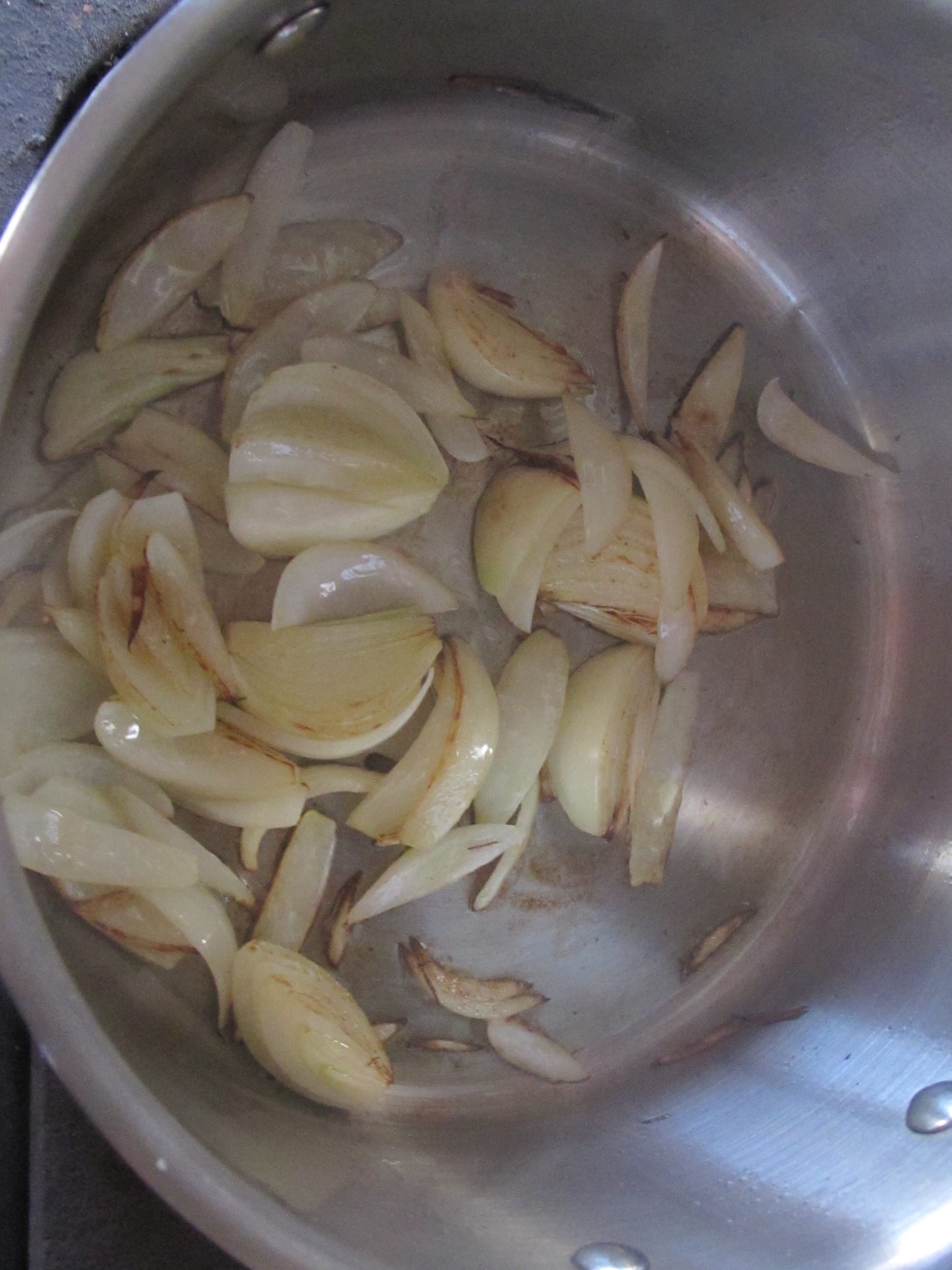
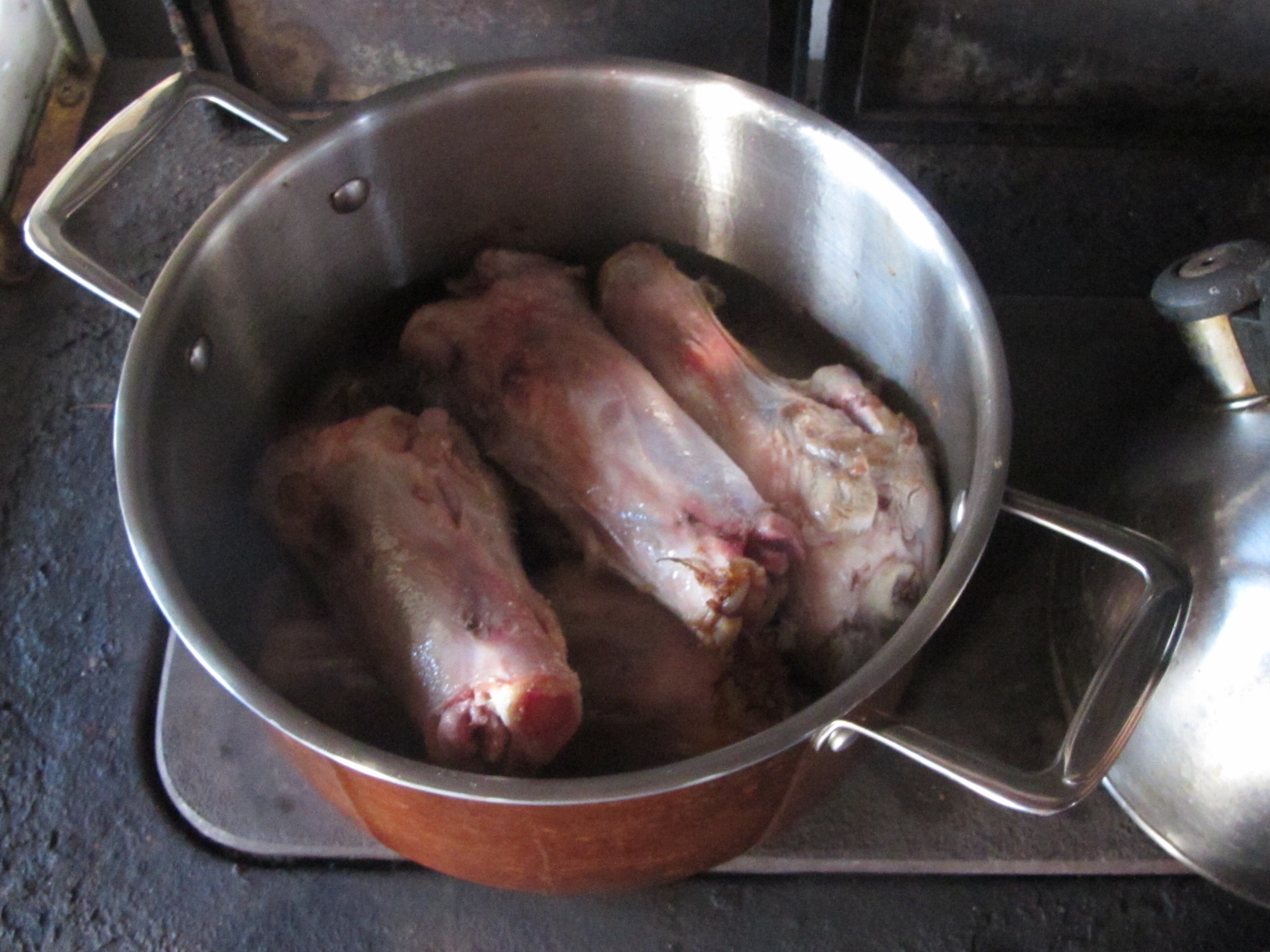
I guess that it is because the weather is cold and the days short. I seem to want to eat more meat these few weeks, so I buy a few lamb shanks and make a nice rich sauce for them to simmer in. Brown onions in olive oil, a whole knob of our garlic and lots of herbs from the garden. I brown the shanks and then add a whole bottle of merlot and let it simmer very slowly over a low fire for a couple of hours with half a tub of my marrow bone stock concentrate.
Nothing is Ever Finished
We have just finished another firing with a group of enthusiastic potters. The weather is glorious and warm in the sun, with no wind, so a good night for a frost. The firing went very well, even a little bit quick, so we will wait to see what the results are next week.
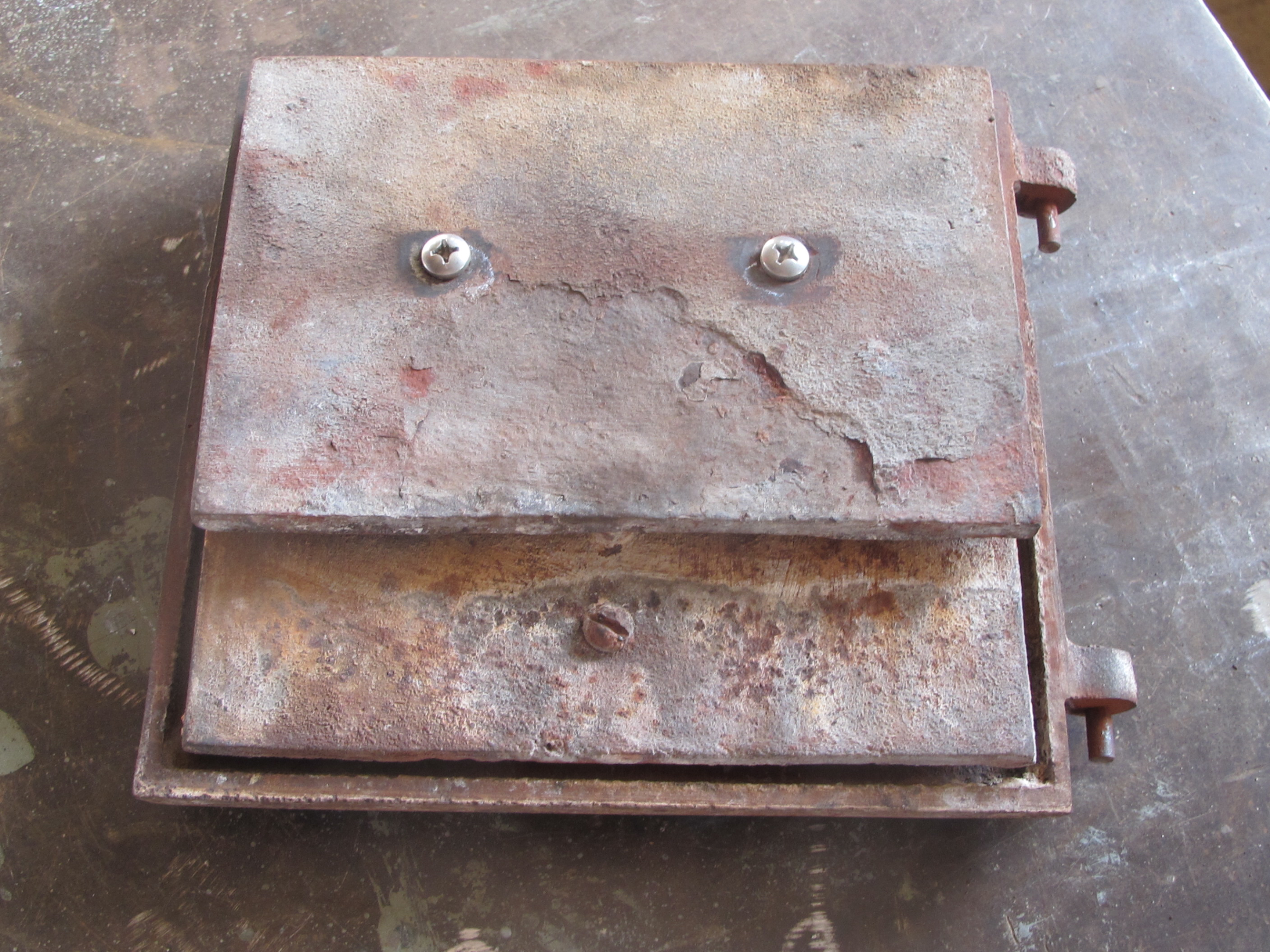
The night before the firing and just after I had written that Nothing lasts, nothing is ever finished and nothing is perfect. The heat shield on the door of the wood fired kitchen stove fell off at the end of dinner. The bolts holding it on had rusted away. I was stuck for just one second with a 2kg piece of red hot steel plate coming free and having to deal with it unexpectedly. Trying to stop it landing on the wooden floor of the kitchen. Fortunately, I installed a piece of thick copper sheet onto the floor in front of the stove, just in case any red hot embers might cascade out of the fire box on some occasion. This has hardly ever happened, but does occasionally. I’m glad that I saved up and did it when I did, thirty years ago, because I probably couldn’t afford to buy such a sheet of copper now. The copper looks great, has lasted well and on this occasion, might just have saved the house from burning down. I man-handle the glowing lump of red hot metal outside and into the ash bucket using the ember shovel.


In the morning, before everyone arrives for the next workshop. I’m up early and down in the workshop drilling out the corroded screws and re-tapping the threads to suit the stainless steel bolts that I keep in stock for kiln building purposes. It takes me about 45 mins to clean it up, dissemble it and then figure out what I should do to cobble it all back together again. The old bolt holes are well corroded and packed with swollen, rusted bolty remains. I find that it is next to impossible to reconstruct it as it was, without moving up from 3/8 whitworth to 10 mm. metric bolts, which I don’t have in stock. I decide to drill right through and use a longer, but thinner bolt. this works well and should last another 20 years. Probably longer than the remaining life of the rest of the stove. I get the door back on the stove just as the first of our guests arrive.

Small progress, problem solved for the time being. It isn’t perfect, it won’t last, it isn’t finished.
Next!
Fond regards from the imperfect Steve the stove bodger
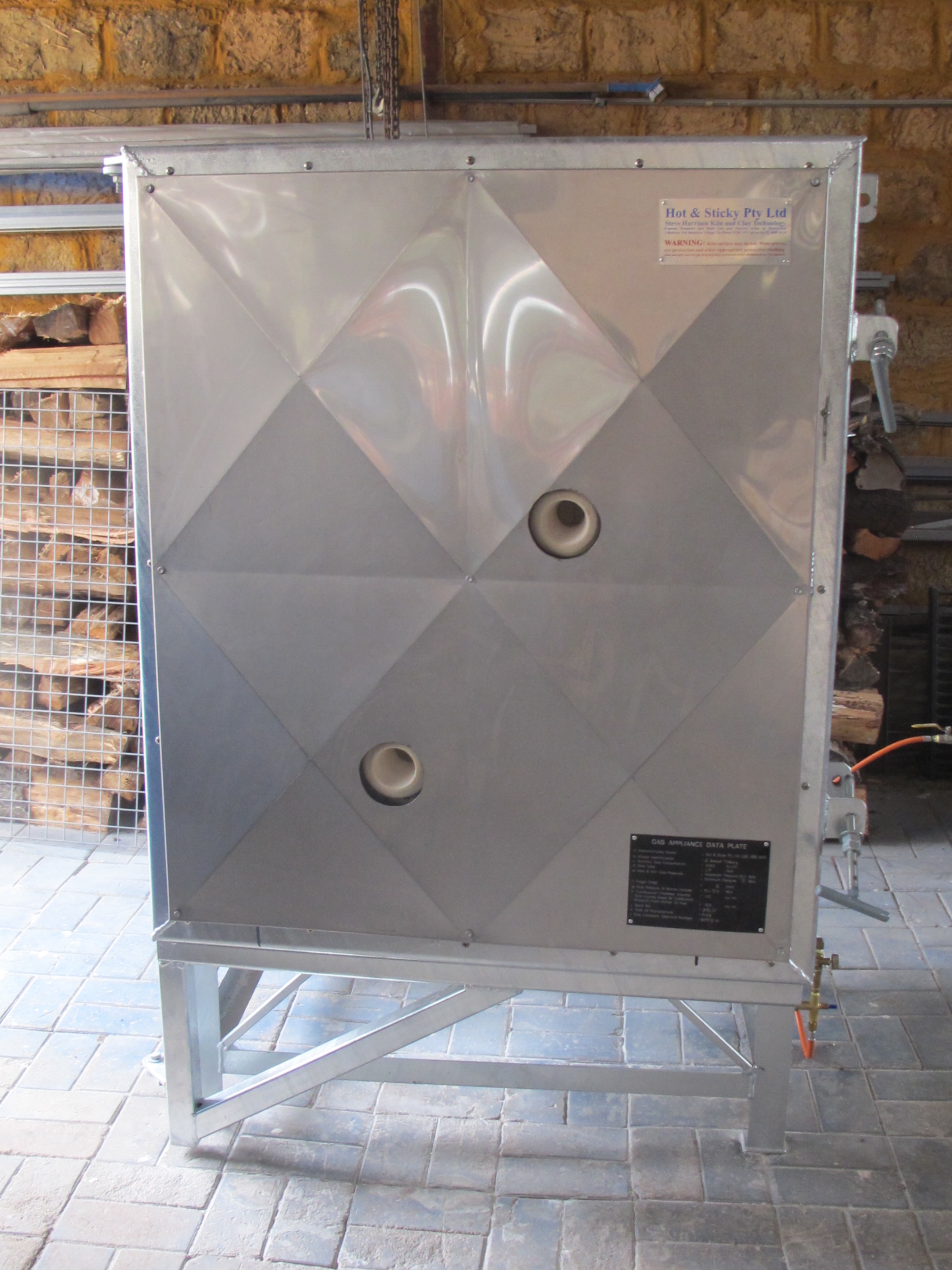
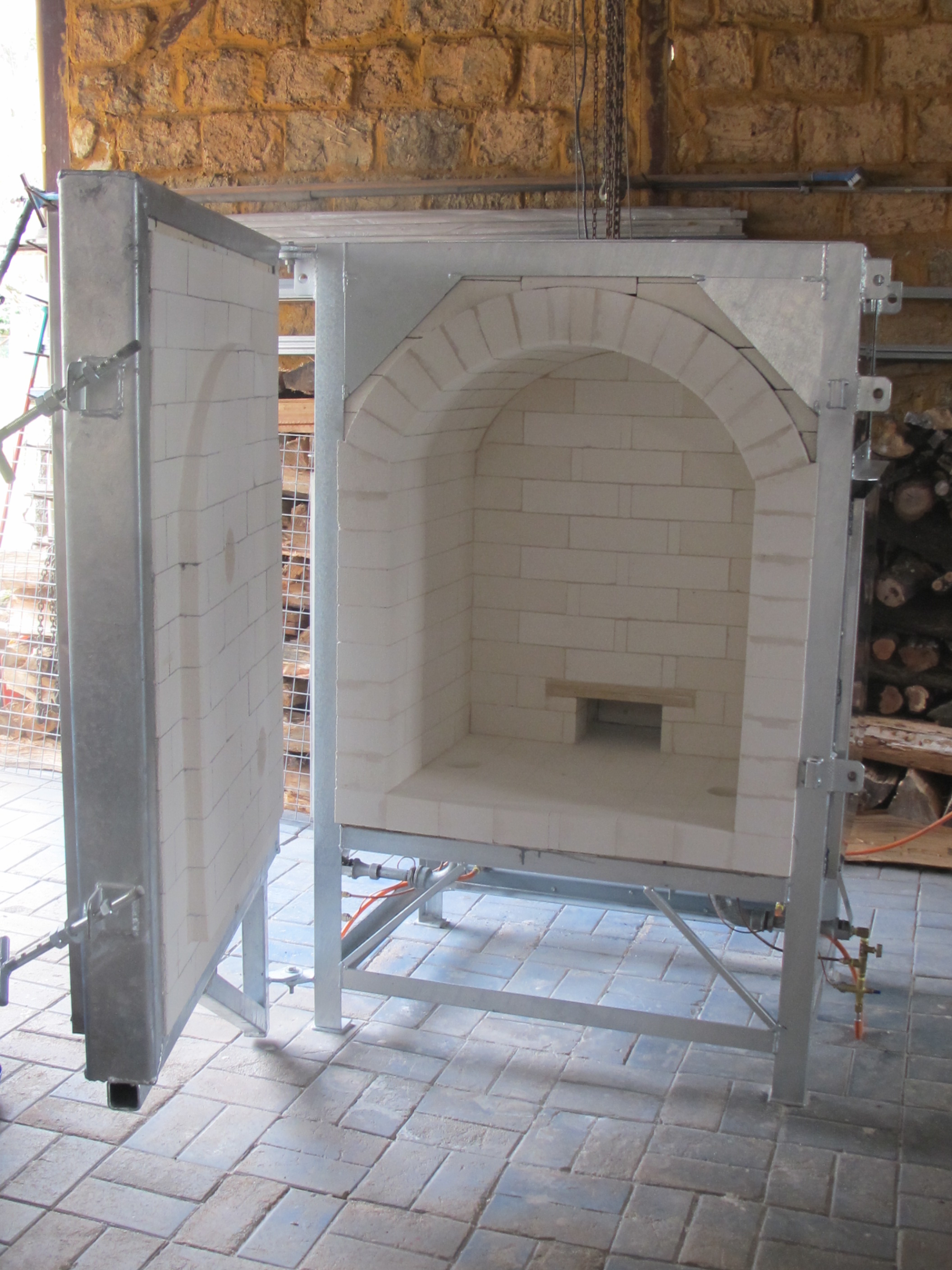
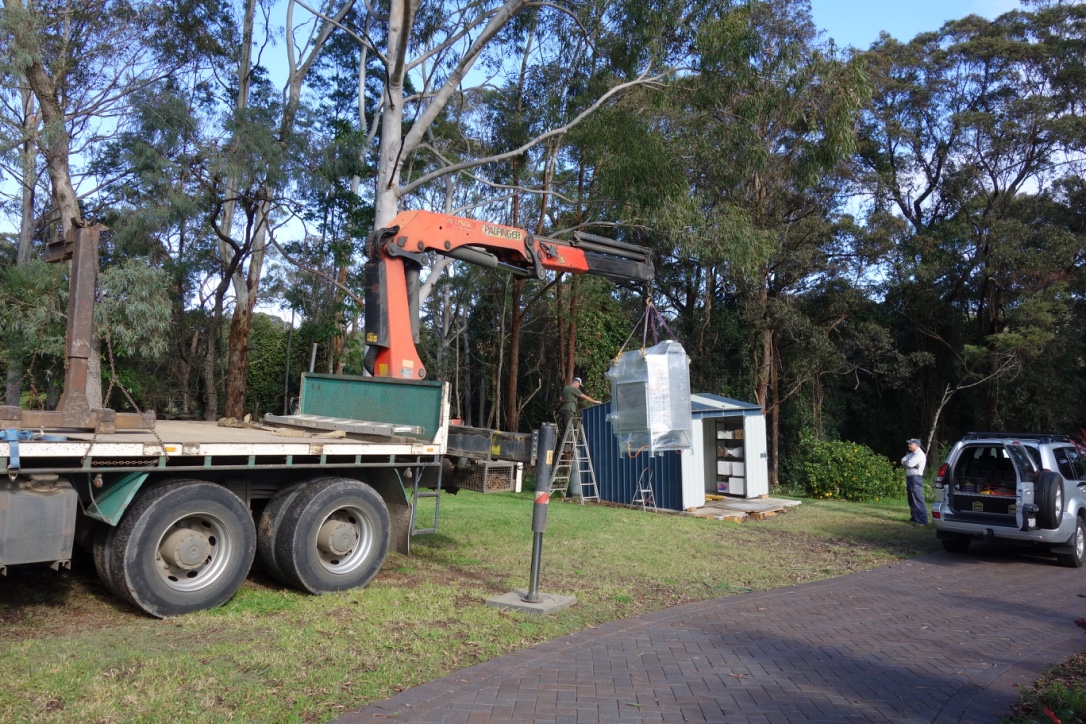
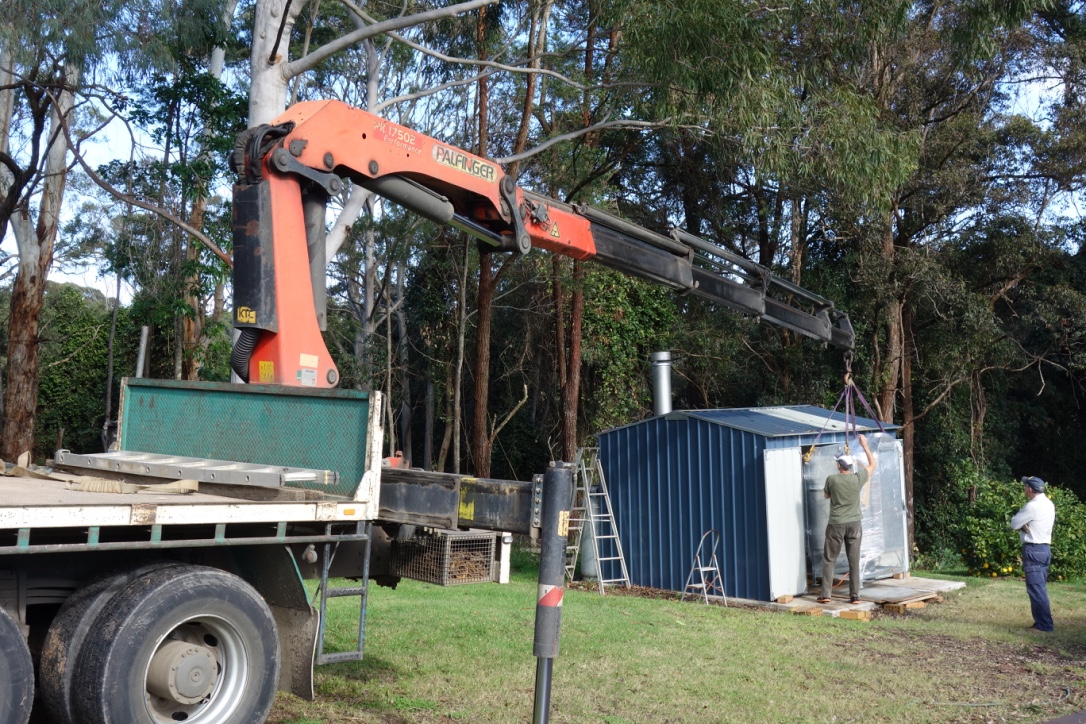
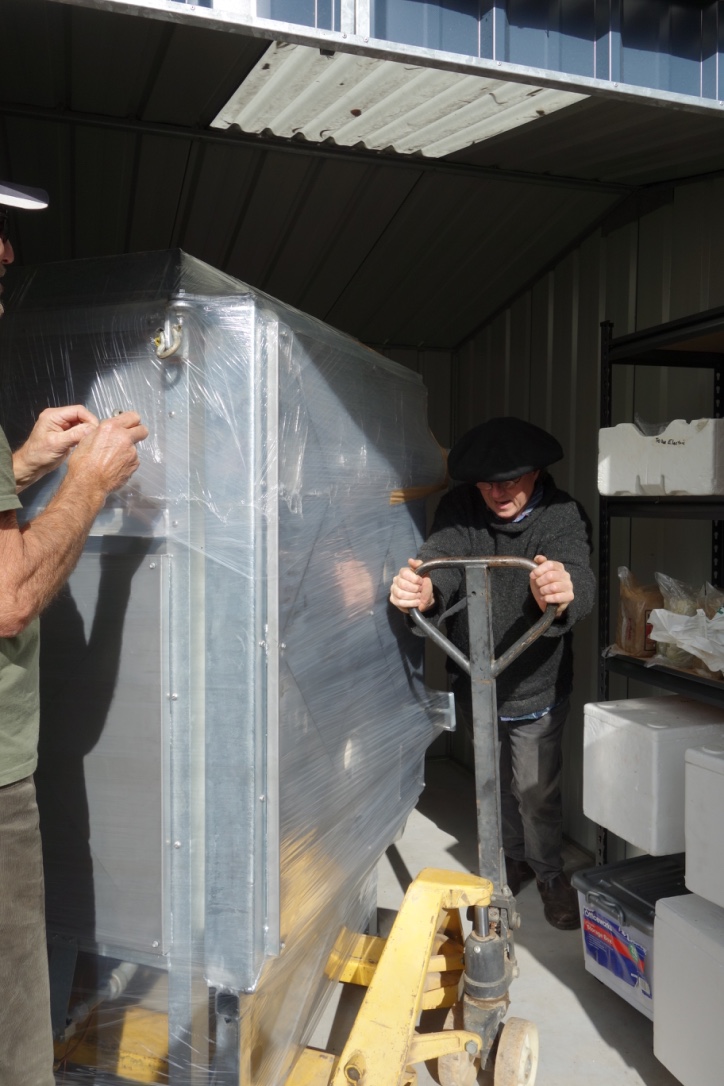
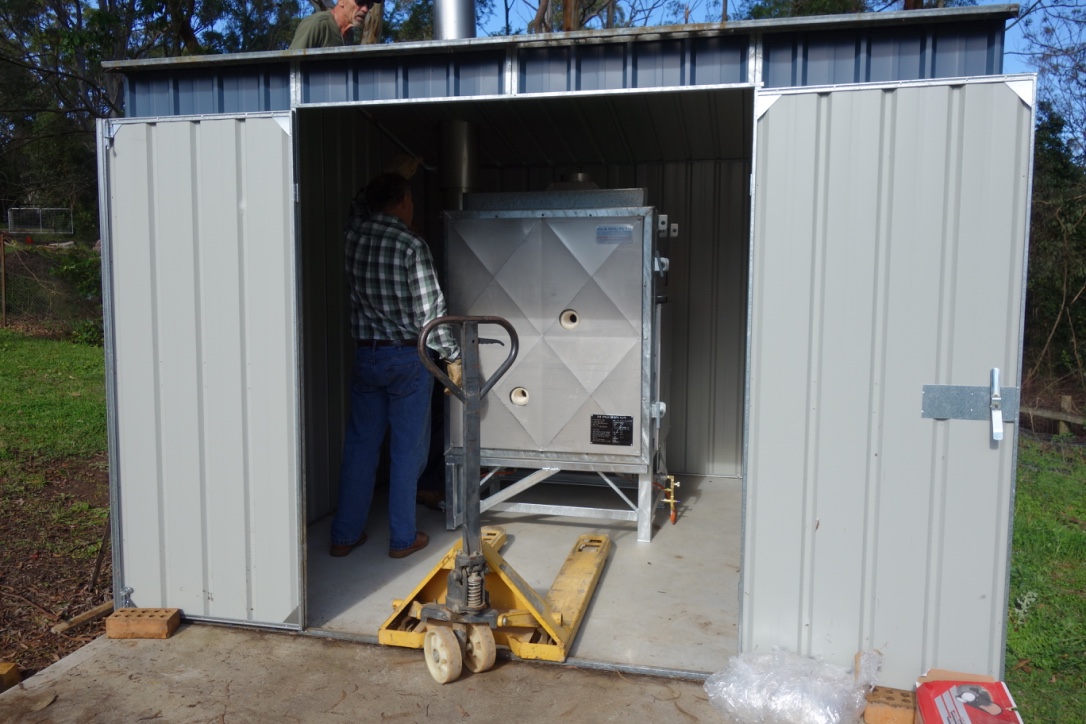
Delivering a Kiln, What Could Possibly Go Wrong?
Nothing is Perfect!
We have just had our latest wood firing and all went well, as usual, thank goodness. We do our best, but we can make no guarantees, only mistakes!. We found that only a few pots made from an imported Japanese porcelain clay dunted. Glazed only on the inside too. Maybe that was the problem? Apart from this it was a very good firing!
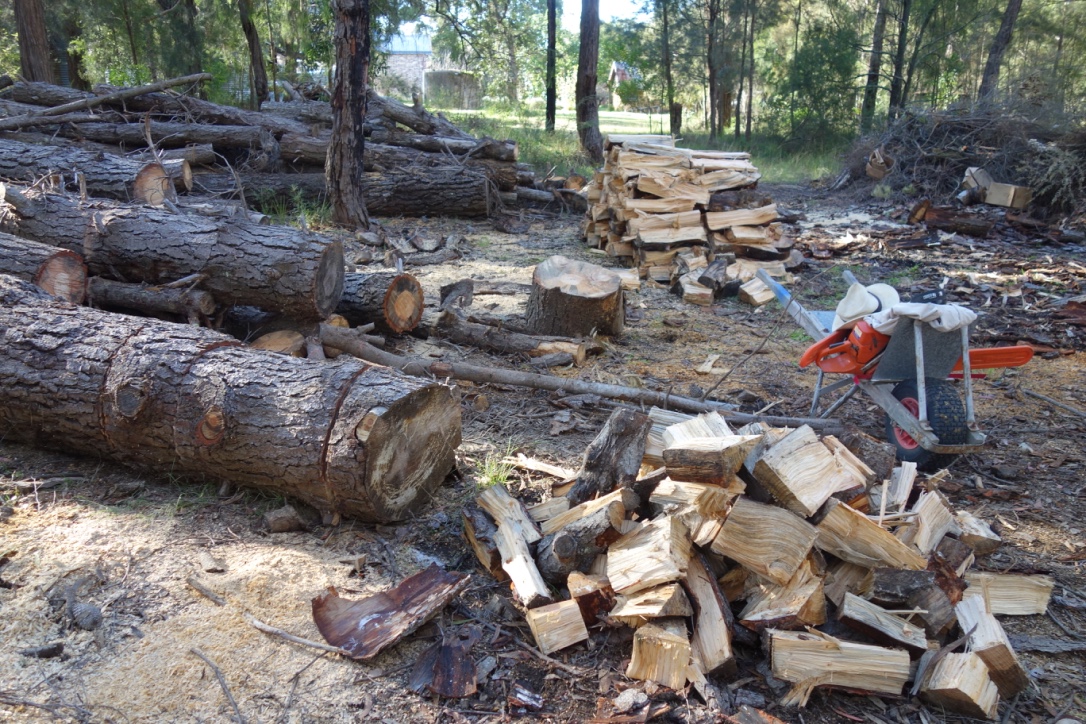
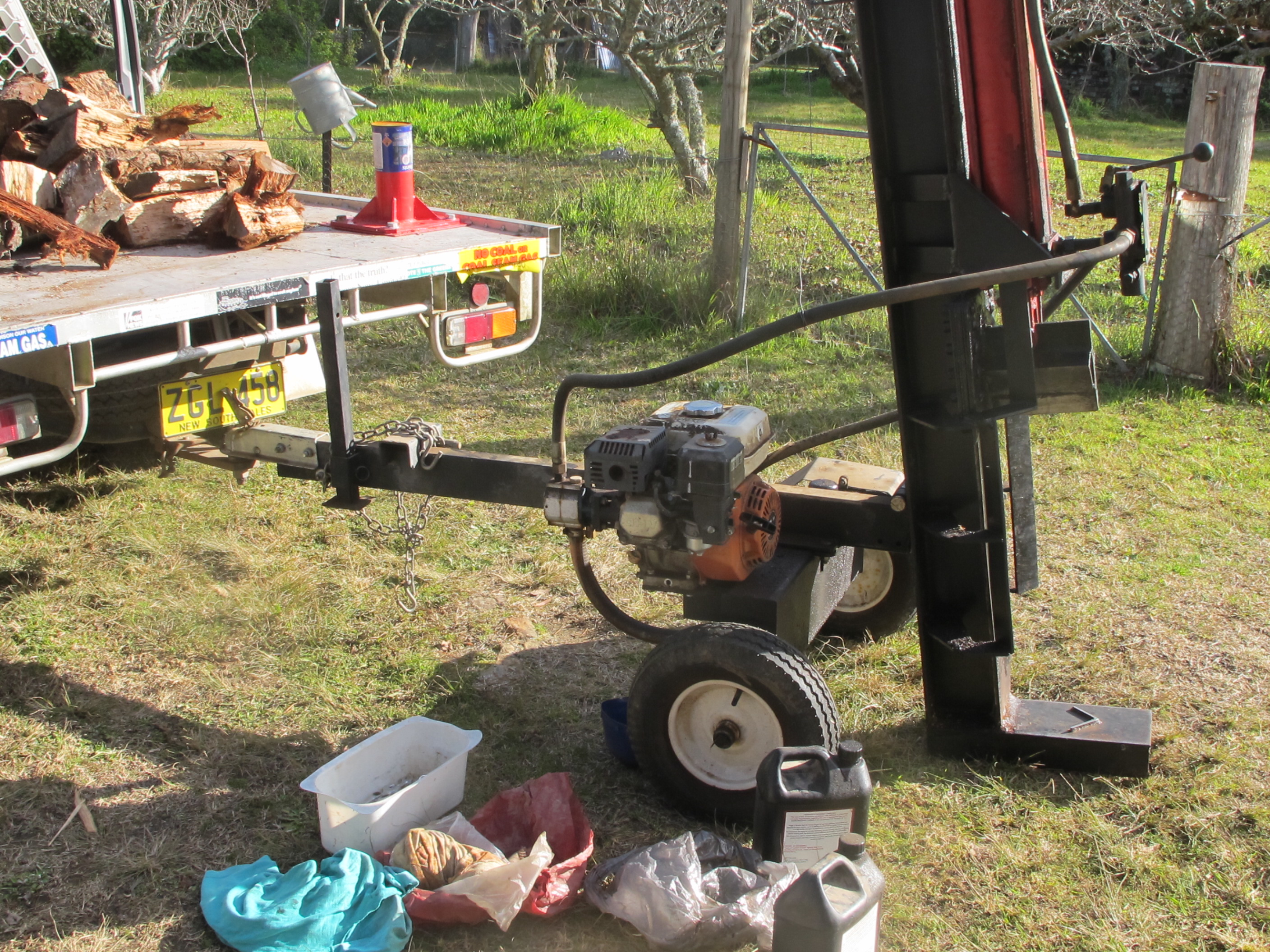
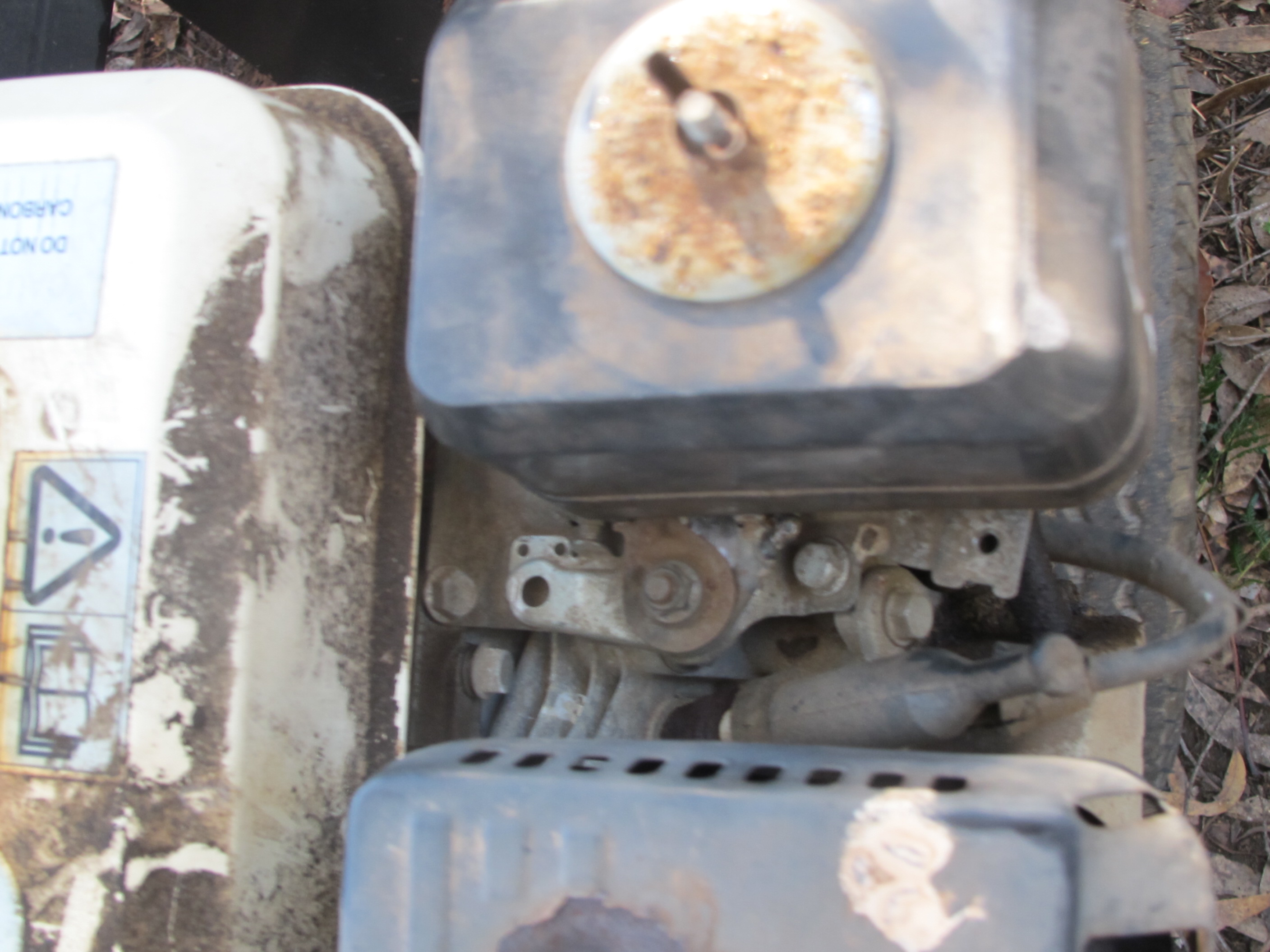
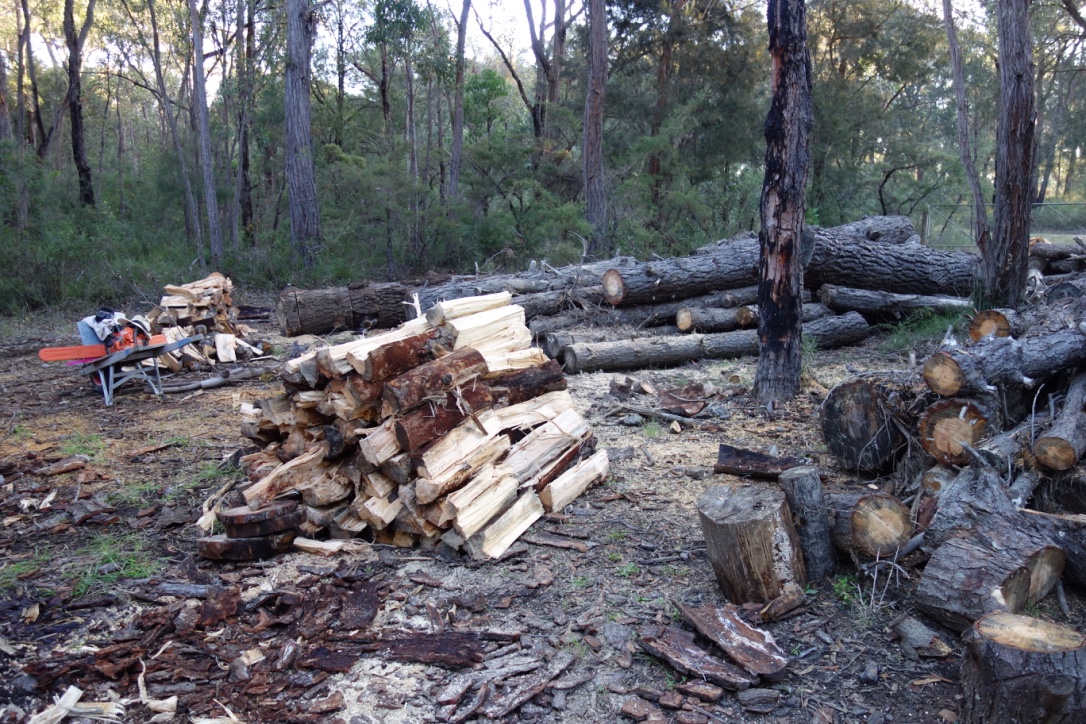
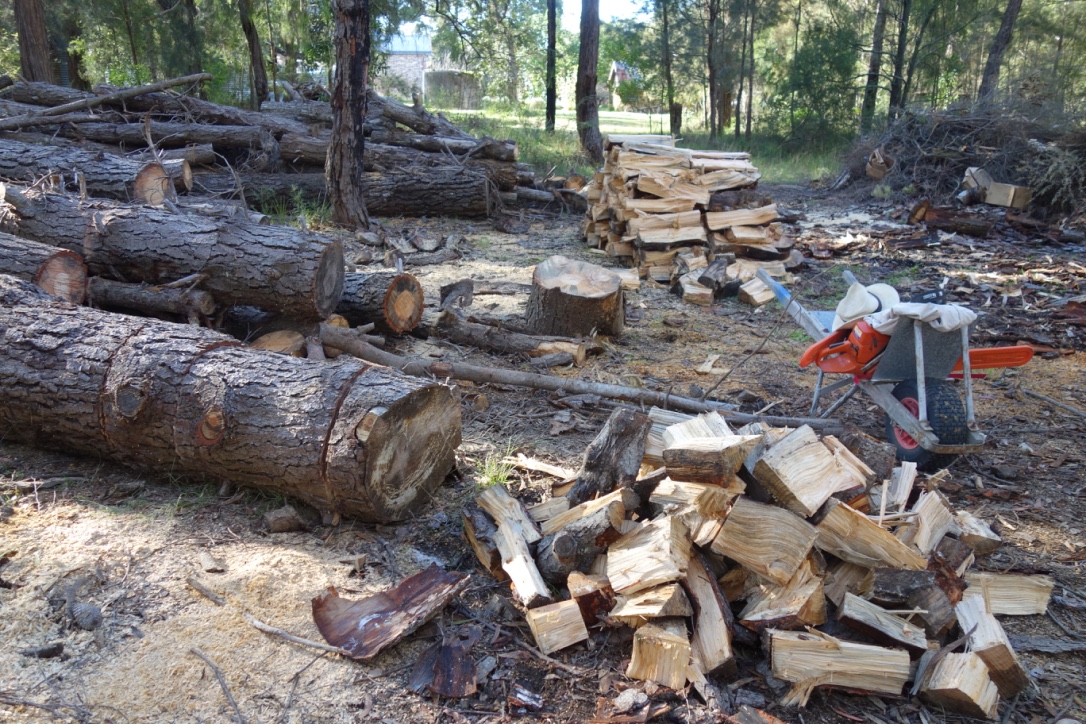
After the firing we get out and about and get stuck into some timber cutting and splitting. I’m up and out early with the chain saws, long before any one comes to help. Chain saws are dangerous enough without anyone else being around to watch out for and keep at a safe distance. We split about half of the 40 or so lengths that I have cut and prepared, but then the throttle lever on the splitter motor comes off in my hand. Cheap Chinese made splitter! So work has to come to a halt for the day while I fix it. We spend the rest of the time stacking and moving all that we have split over to the kiln shed. When everyone is gone. I take the splitter motor to bits looking for where the bolt or screw has fallen out. How could the throttle lever just come off in my hands? I can’t see where it has come from. Where it ought to be, but there ought to be an obvious spot with tell-tale wear marks, to indicate where it belongs. A place with a missing bolt! Just like in an Agatha Christie novel. there ought to be some clues, but the more I look, the less I know. I can’t believe it. Surely I’m not this inadequate and simple that I can’t see a missing bolts hole. I have removed half the engine, the air cleaner, and part of the carbie!
All the mechanism is installed under the air filter on one side and the muffler on the other. All the linkages are under the petrol tank. Everything is hard to get to and nothing is clear. There are metal wire linkages and tiny little, fine wire, return springs. I can’t see where any of it really belongs and to make it harder, the days are so short and it is starting to get dark.
Then, finally, it dawns on me. It hasn’t fallen off because of a missing bolt or nut. It has simply shattered in half from metal fatigue and the rest of it is still all attached. It has cracked in half. I need to remove more of the engine to get all of it off, so that I can weld it back together again. I can’t do it on the machine, next to the carburetor, and all that fuel! I take a couple of photos as I go to remind me later on when I’m re-assembling it. So that I can get it all back together again in the right order.
Years ago, I used to write all of this kind of thing down in my day book – sort of diary thing, but now I just take photos. Because I can! When I was young, my first car was an old, classic, red, MG sports car. When I had to pull the engine down the first time. I wrote everything down, step by step and recorded all the detail that I thought was going to be necessary to re-assemble it. I numbered and bagged all the parts in sequence. I had never had to do anything like this before and my father wasn’t much interested or even around to give any guidance, so I just muddled through with the help of my older brother, who also had absolutely no experience of this kind of motor mechanics, but make encouraging noises and was supportive, especially when it came to lifting the donk out. We were completely incompetent and naive, but we managed to get it all back together again and it worked! it was quite a triumph for us. Especially for me.
When it was all done and back together. I had one nut left over, and to this day I still don’t know where it belonged. but the car still worked! Nothing is perfect!
Today, I get this small engine all stripped down and then set about welding the shattered pieces back together again. I think about making a new one, but the thing is so complex and folded in so many different places with so many holes and little tags and bits sticking out, that I decide to just repair it. Nothing is perfect! I don’t know how long it will last. Nothing lasts! It is only very thin pressed metal material. I can’t give it too many amps. I don’t want to burn a hole through it, and I can only weld one side too, because it has to have a flush face on the other side, so that it will swivel properly on it’s seating. I weld it as best that I can, after testing the amperage on a test piece, so as to get the best result. I get good penetration! What more could a man want! But there is a little burn-through in one spot on the weld, so I have to grind it back a little to get it flush and smooth.
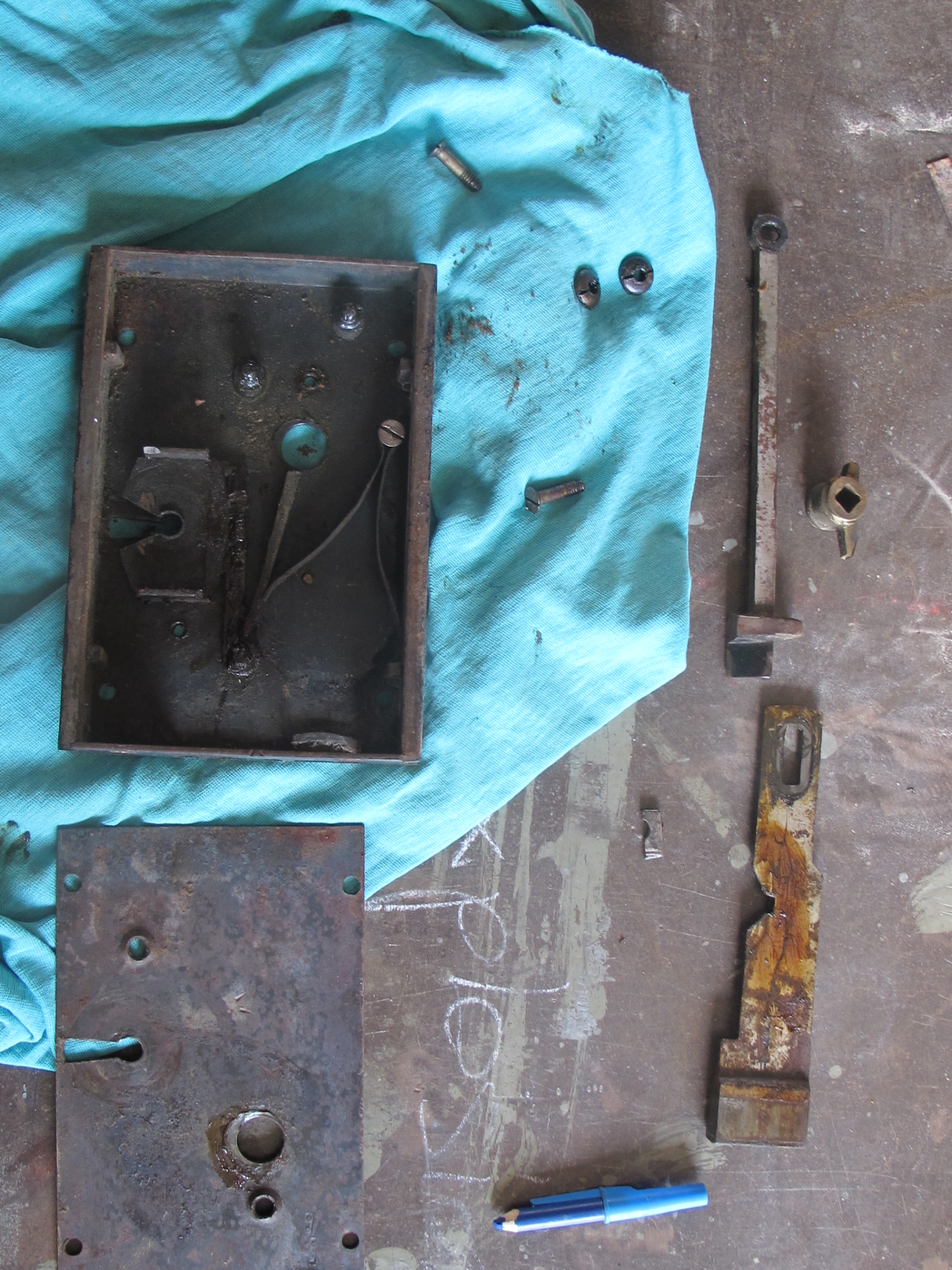
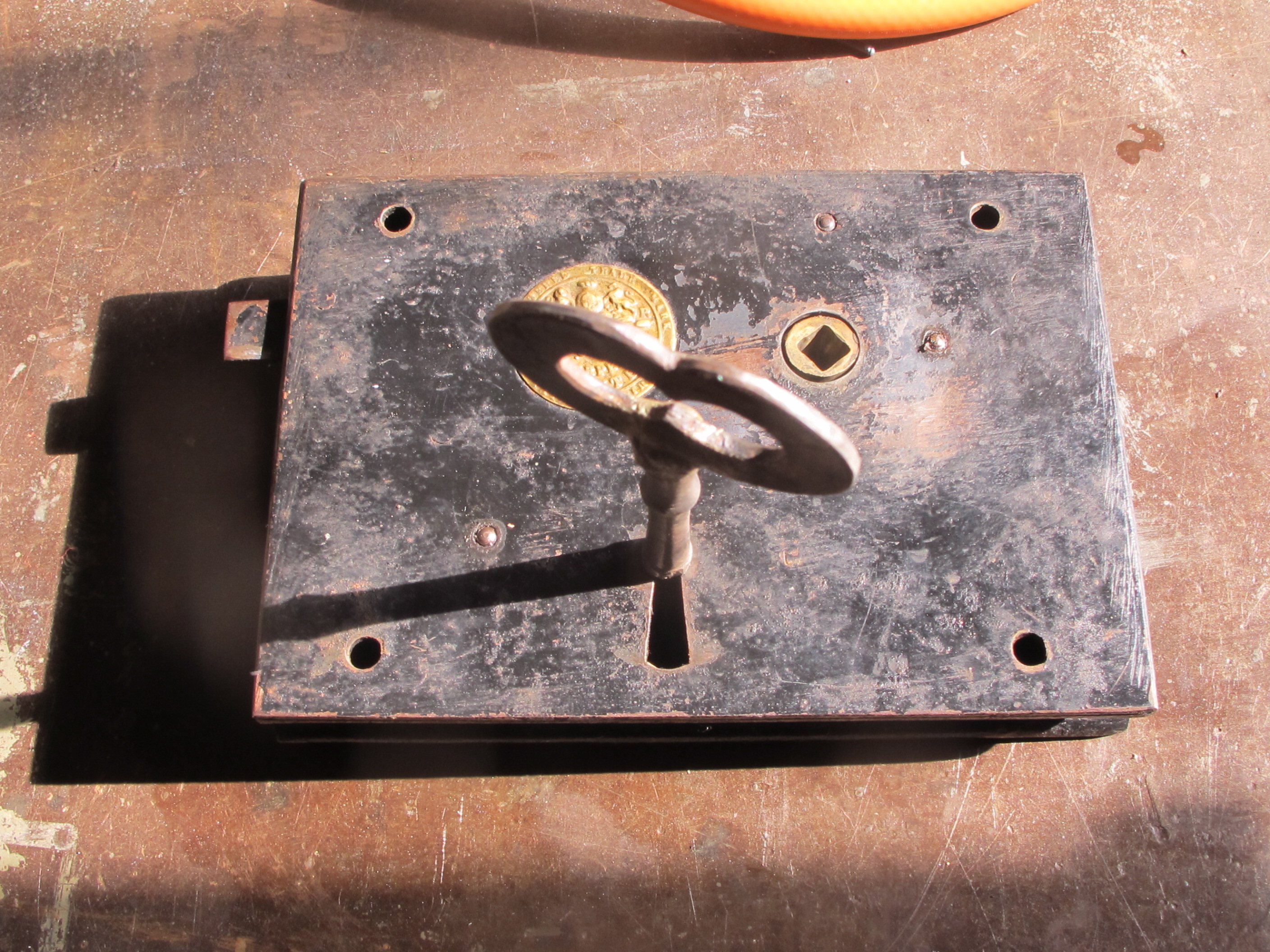
I manage to get it all back together before dark and back into the shed. It’s a bit of a rush, but there are no medals for giving up! I give it a trial run and it works OK. Time will tell if it continues to work for the long term. I go up to the house in the dark and the key snaps off in the lock. This is just what I need! One of the joys of living in a 122 year old house is doing the maintenance. I leave it till morning to take the lock off and fix it in daylight. I can’t see well enough in the dark and fixing locks, with all the fine moving parts is something that needs to be done in a clear frame of mind and good daylight. Fortunately it isn’t too difficult and it turns out to be something that I have had to do before, so it is relatively simple and straight forward and it is all back into working order pretty quickly and before lunch time. Nothing is perfect and nothing is ever finished.
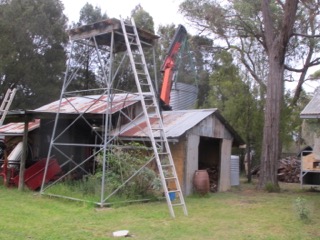
Because crap things always seem to come in threes, at least that is how it appears today. The water tank springs a leak. It has been leaking with a slow drip for a year or more now, but today, it springs a proper leak and The Lovely comes in to tell me that as she walked past the tank stand just now, and it felt like it was raining. This happened a couple of days ago too and she thought that she might have been imagining it. But today she is sure. We go and have a look. The timber tank stand deck is all wet underneath, just as it has been for a few years now, where the slow drip is, but now there is a little fountain pissing from the far side. It’s only very tiny, but it is surely a leak in the side of the tank now. I get the ladder and check it out at close quarters. The water has corroded through the zink coated corrugated steel sheeting. My highly imaginative and creative thinker thought that she was imagining it a few weeks ago when she felt a little fine water spray on her as she walked past the wood shed near by the tank stand. At that time, she imagined that it might be a cicada pissing from high up in a tree, or some other explanation. But now we know that it is real and not imagined. It’s a very tiny, fine spray of water from the pin prick sized hole, but once these things start. It’s always terminal.
I order a new tank, it’s all so specific these days. The height, the diameter, the colour, the inlet, the outlet side etc. It all goes on and on. This is not a current or popular size and configuration however. We will have to go on the waiting list. He rings me back the next day, They have one of those in stock it seems and so I can drive in and pick it up. Amazing! It has to be pretty much the same, because I don’t want to have to change over all the plumbing into a new configuration. When working up a 6 metre ladder. right at the top, it’s scarry enough.
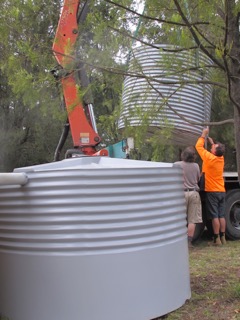
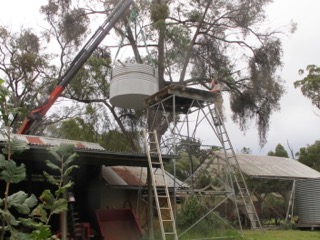
I ring my friend Dave with the crane truck. he can come very late today on his way home. I drain all the water out of the tank and strip it of all its fittings and connectors. I swap all of these onto the new tank. Now we have no water in the house to cook, wash or flush with until it is all put back to rights. I hope that Dave doesn’t forget. He rings to say that he will be a little late, but he is here before dark. Which is good, if you are working on a narrow ladder rung, right at the top of a 6 metre ladder, up from the ground, you don’t want to be doing it in the dark.
It all goes smoothly and all the fittings that I swap over are all in the correct place and in the right direction, or orientation for further use.
The old tank comes down and the new one goes into its place without a hitch. I only have to reconnect the inlet and outlet pipes.
Once it is back in place, Dave leaves for another job, I have to start the pump to refill it with water again, so that we can get on with our normal life.
The Wet One thinks that this tank is only a few years old. I think that it is probably a bit more than that, but not too old. Not more than ten years! Nothing lasts. However, when I check out the paperwork, it turns out that it is actually 20 years since we put it up on the tank stand. The earlier tank had lasted 21 years and would have lasted longer, but the tank stand rusted out first and fell, crashing to the ground with the water tank still on it. Needless to say, neither survived, nor did the wood shed that it landed on.
I’m just a bit concerned that this new water tank is made of plastic and not galvanised steel like all the others have been. I wasn’t ever happy with the first tank that was made of galvanised steel and sealed with lead solder! But it did last for over 20 years and our first storage tank lasted for over 30 years, but the zink finally corrodes and they start to leak, so we replaced them with new ones. These newer tanks were made from zincalume coated steel, so couldn’t be soldered, that’s good, but they had to be sealed with silicon rubber glue. Not too happy about that either. Nothing is perfect! The last metal tank that we bought was lined with a plastic membrane heat sealed on to the inside of the zincalume sheets. It was called aquaplate, but didn’t last any longer and it was silicone sealed as well. Nothing is perfect!
Plastic is in everything. It’s OK while it lasts, but what will happen to this plastic tank when it finally gets eaten away by the sunlight or what ever is its fate? Can it be recycled? Al least the steel ones can be. I still have and use my parents old galvanised steel water tank. They bought it second-hand in the fifties, so it’s been in constant use in this family for over 60 years and is clearly a lot older, it shows no signs of corrosion yet. It was made out of thick steel plate and hot dipped in molten zinc. That was a product made to last. I have been told that it was a ships tank, but I don’t know. In future I may have to weld up my own tank and get it hot dipped galvanised, just like I do with my kilns. I like things that are made to last as long as possible.
However, I’m also aware that nothing is ever finished, nothing lasts and nothing is perfect.
You live and learn!
Best wishes
Steve
Fruits of the Solstice
What a Privilege it is to be a Tax Payer!
Marmalade for Busy People
The solstice draws near, the days are cool and short. The mornings cold and misty. Mrs Grey Thrush is out and about celebrating this cold, cloudy, misty, drizzling morning. She flys down and serenades The Lovely with her beautiful haunting melodic song. she swoops down and continues from the verandah guttering, then up into the pine tree with her mate. They continue together for some time all around the garden with what might be some sort of call and response? It’s a shear delight on a dull morning.
During this cool, damp time It’s great to celebrate this colder weather and make the most of it while it lasts. We have had a few frosts, but only mild. Hopefully just enough to spur the older varieties of stone-fruit into fertile flower buds. I noticed the other day as I walked through the orchard, that one of the early peaches has its first blossom out! How amazing. So early.
Mid winter is the time for warm lingering breakfasts of coffee and toast with marmalade. I have been trying to keep up with the citrus fruit this year by making a batch of marmalade each day. Of course I’m not successful at this. It just can’t be done, but I hold it in my mind as an objective to aim for. There is so much to be done. Something has to give. Sometimes it’s cello practice, other times its preserving the garden excess. But the winter firing workshops must be prepared for and made to work smoothly.
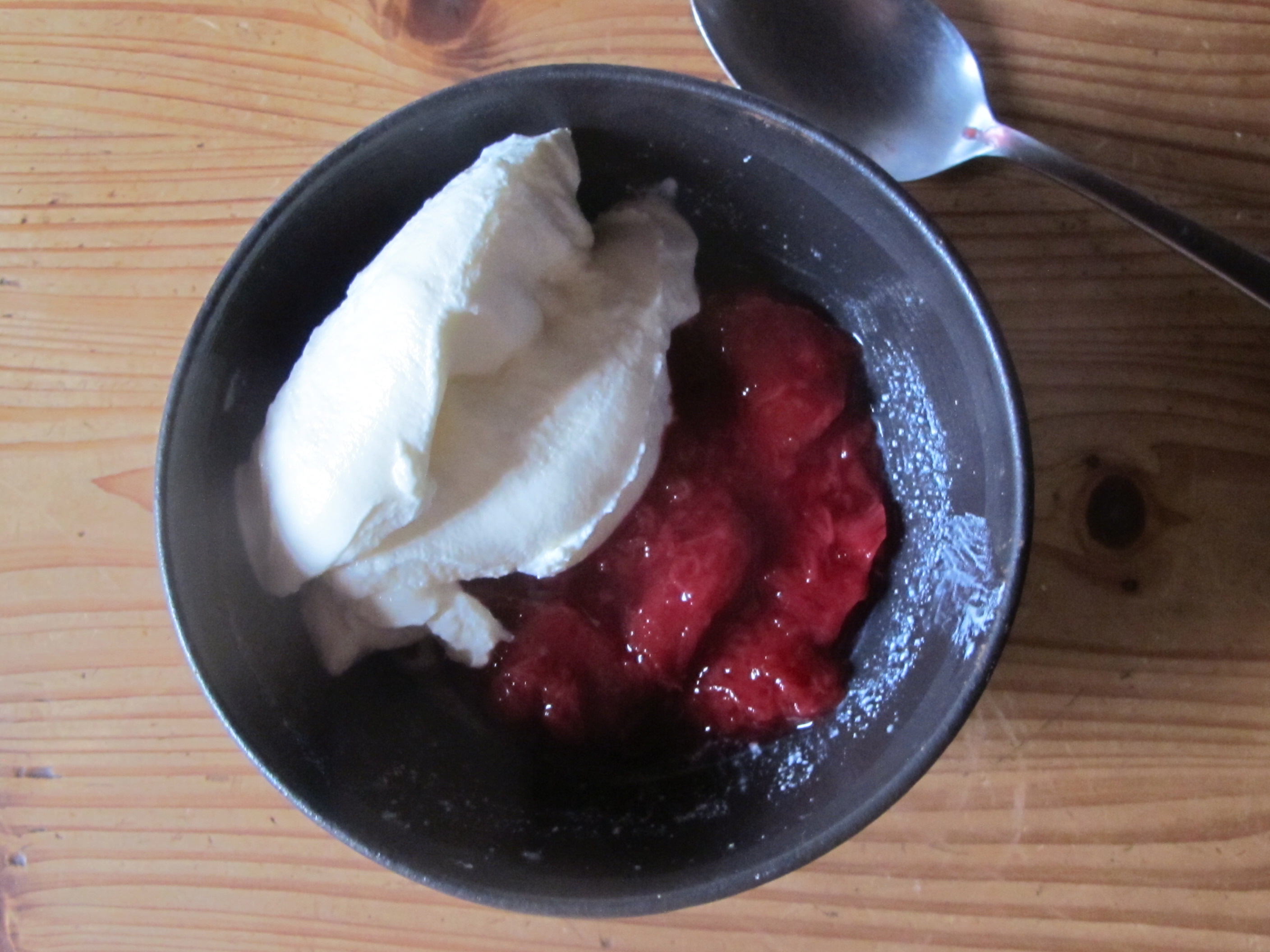
This mornings breakfast involved preserved blood plums from the summer with yoghurt. These are so good. Full of flavour, sweetness and the fruity acidic tang of a good blood plum. The colour is exceptional, dark and rich, with a complex texture that is both fibrous and smooth. We have been enjoying them on and off through the year and are now down to our last three jars. It’s a wonderful thing to have a pantry full of preserved food that you have grown and bottled yourself. A great sense of reward and satisfaction just to look in there and see all the colours ,and then to imagine all the concentrated flavours, that you know and are so familiar with. What is really good, is to know that non of it came from a supermarket or chemical factory and non of it is stored in plastic. All recycled glass. our oldest bottles date back to the mid seventies, and they were bought 2nd hand even then.
This week I have been developing the recipe for my marmalade a little bit further. I use more or less the same recipe every year. the only difference being the fruit that i use. Two years ago i was given some honey mercott Mandarins. these turned out to be so sweet that the marmalade was not nice. Too sickly sweet. I like my marmalade to be a bit tangy and slightly bitter, and definitely not too sweet. it has to taste of citrus and the tangy bitterness of the peel. I aim for a nice creamy smooth texture, not too runny, but definitely not stiff and rubbery.
So to this end I did a few experiments. I have always weighed the fruit. 1 kg of whole fruit to 300g of sugar and I use only the juice of the fruit as the cooking liquid. However, the juiciness of the individual fruits varies so much. Especially in regard to when the fruit was picked. I have noticed that the fruit is easier to juice if it has been picked for a week or so beforehand. fresh picked citrus is a lot harder to juice.
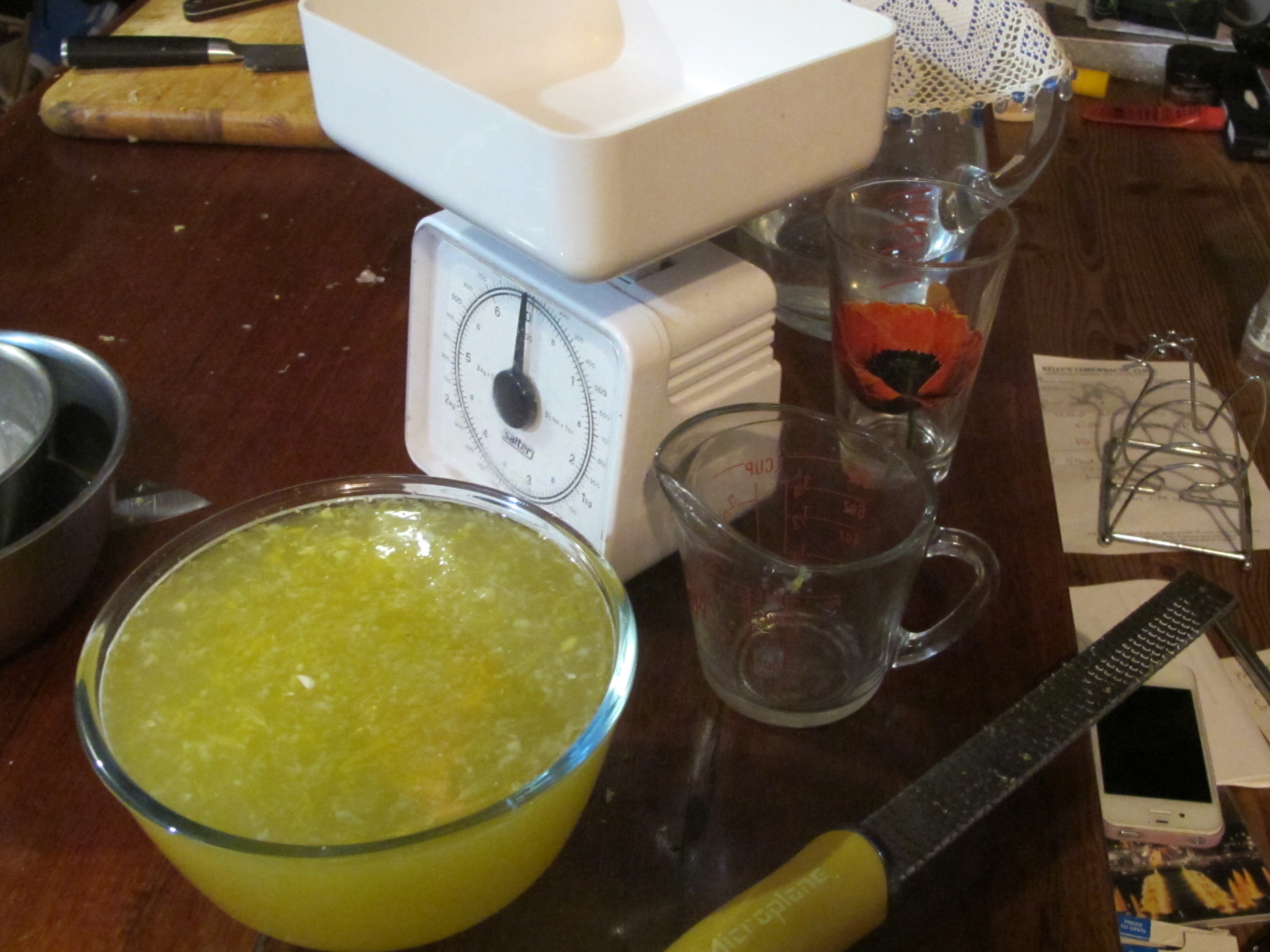
I have come to the following recipe, developed from the original one above, but reduced to separate weights of each of the components. recipes That I have read that say take 4 oranges and add ‘X’ sugar and ‘Y’ water aren’t reliable, because the size and the age of the fruit varies so much. I decided that achieve the best result, it would be necessary to weight the separate ingredients; the cleaned peel, the squeezed juice and the sugar individually.
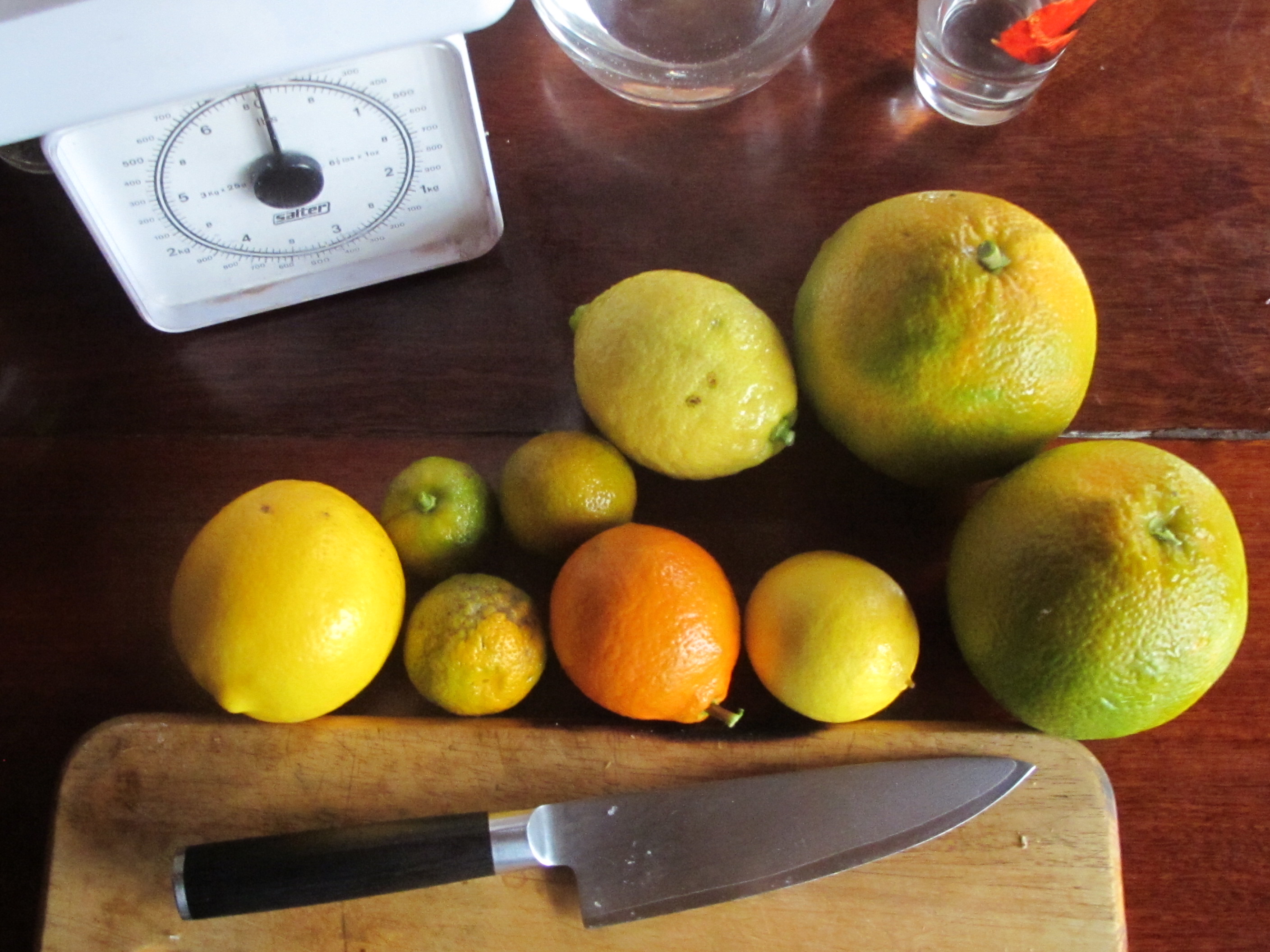
Yesterdays batch of mixed citrus fruits from the grove turned out quite well following this line of thought. I used;
1 ruby grapefruit
1 myer lemon
1 Tahitian lime
1 seville orange
1 Washington navel orange
1 tangelo and
1 Italian bitter chinnoto
I have come to the following recipe and method.
Recipe.
Cleaned citrus Peel = 100% = 550g
Juice 83% of the weight of the peel = 455g
Sugar 79% of the weight of the peel = 435g
Method.
1. Squeeze the juice out of the fruit and set aside
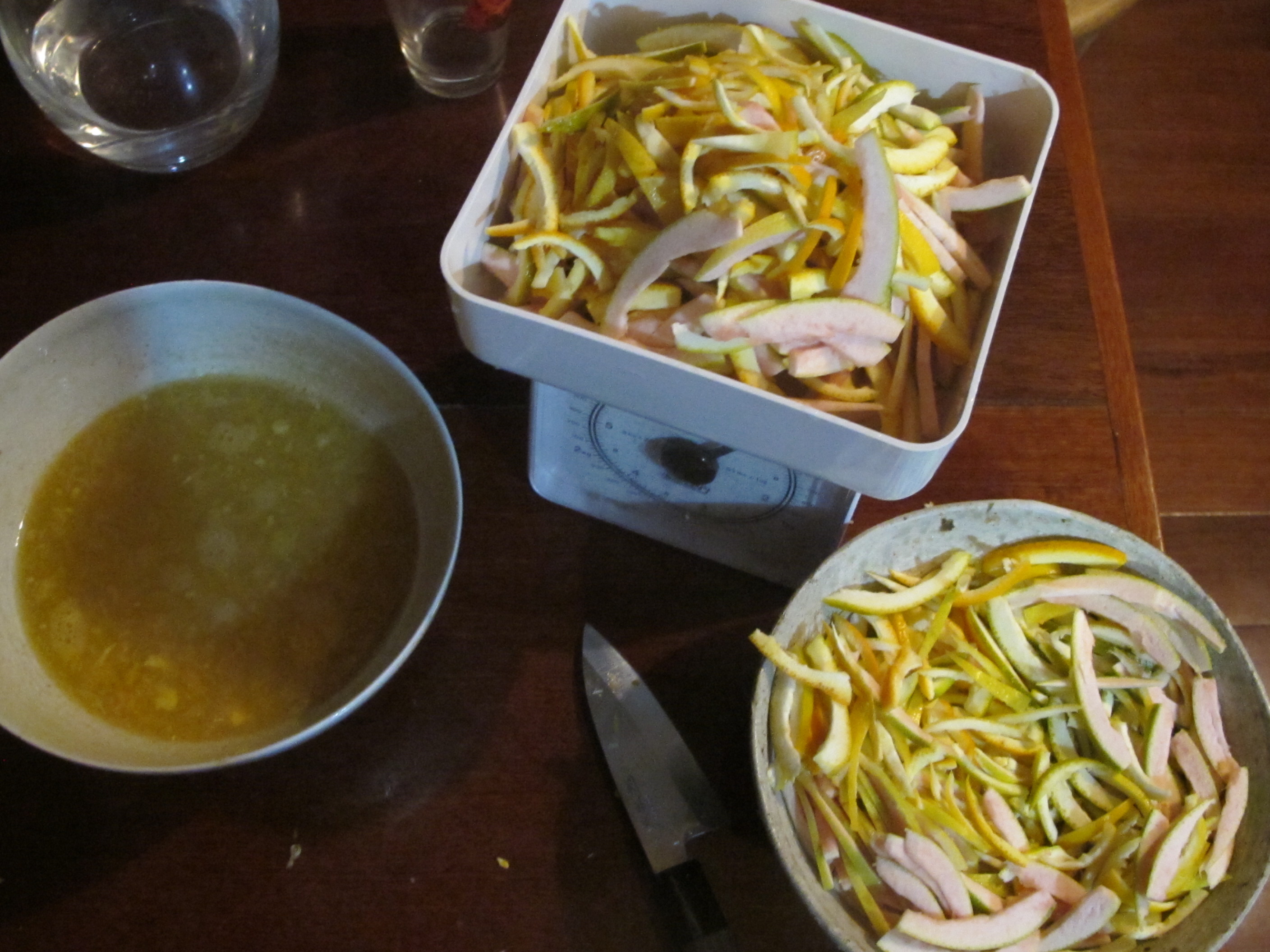
2. Strip the peel of all the spent fibrous core, to reveal the peel with a clean layer of white pith.
3. Thinly slice the peel into strips and weight it. What ever the weight of this peel, say 550g. call this amount 100%
4. Calculate 83% of 550g = 456g. Weigh the juice and make sure that it is 456g, or close to it. If the fruit is a bit dry and there isn’t enough juice, then juice another piece of fruit to make up the difference. If you have too much, drink the excess.
5. Calculate 79% of 550g. = 434g. Weight out 434g of sugar.
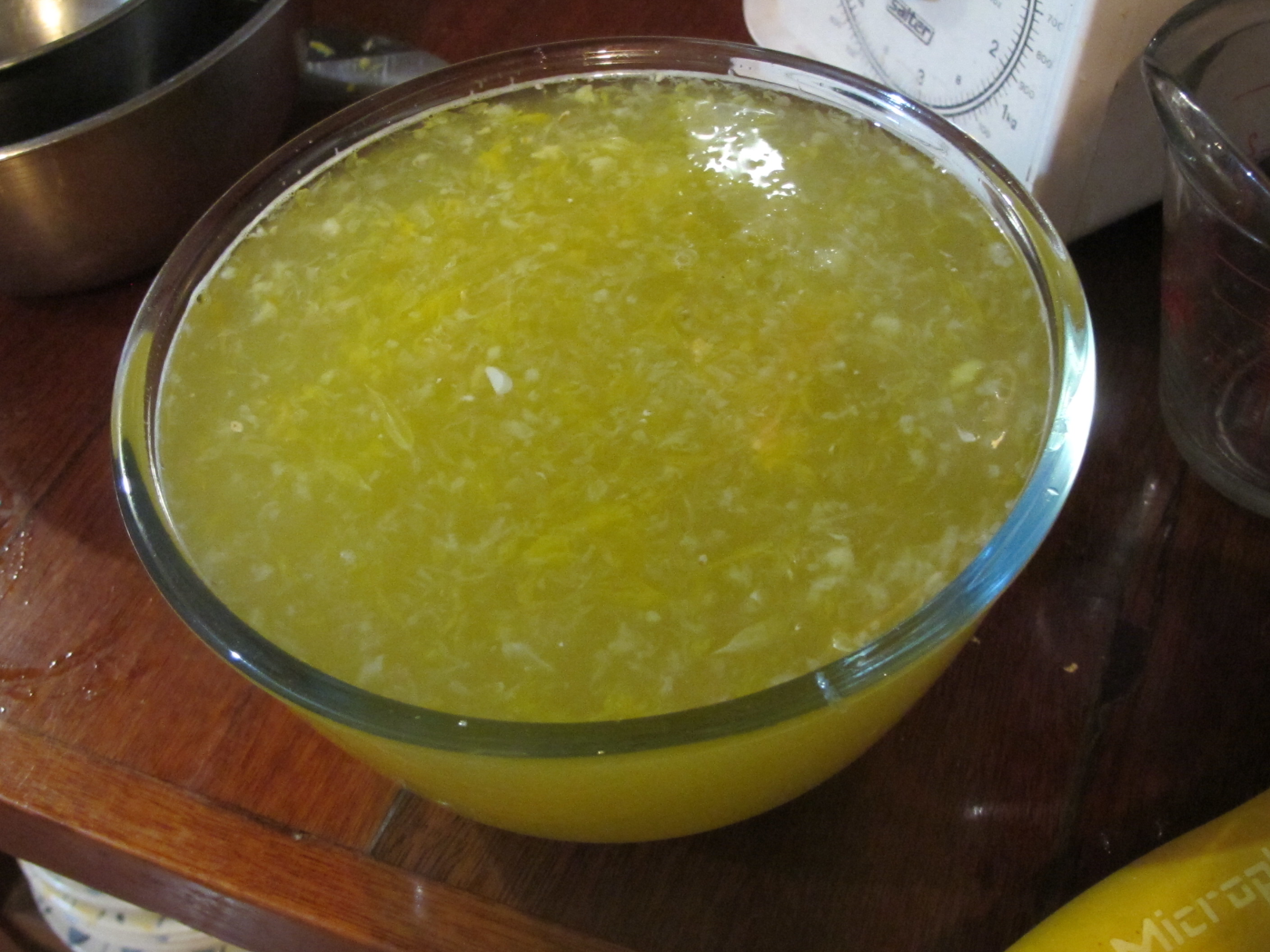
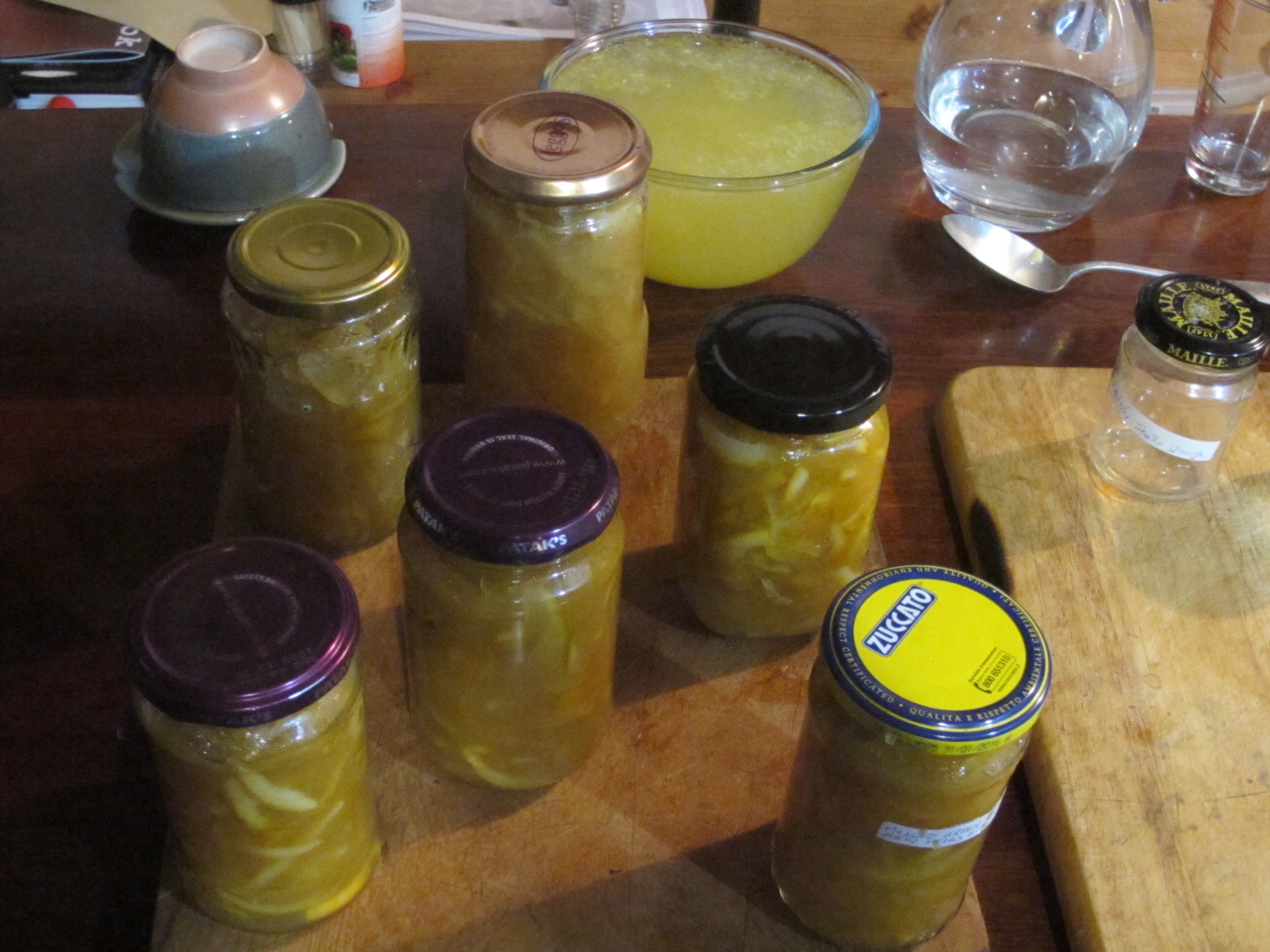
Place all ingredients in the bread-maker machine pan and set for ‘Jam’ setting. come back in and hour and decant into sterilised jars while still hot from the oven and seal with sterilised lids. They will make a loud ‘POP’ noise as they cool down and vacuum seal.
I am inclined to add a dash of whiskey into the hot marmalade as it comes out of the machine. Stir it through evenly, just before pouring into the jars.
Technically, sealed in this way, the marmalade should last for a few years, but never seems to last us till next season 🙂
You should end up with a creamy, smooth marmalade that isn’t too runny or stiff, and you don’t have to soak overnight or spend an hour at the stove stirring, or boil the pips in a calico bag. Marmalade for busy people!
Best wishes
Steve and Janine, a busy couple of people


You must be logged in to post a comment.