
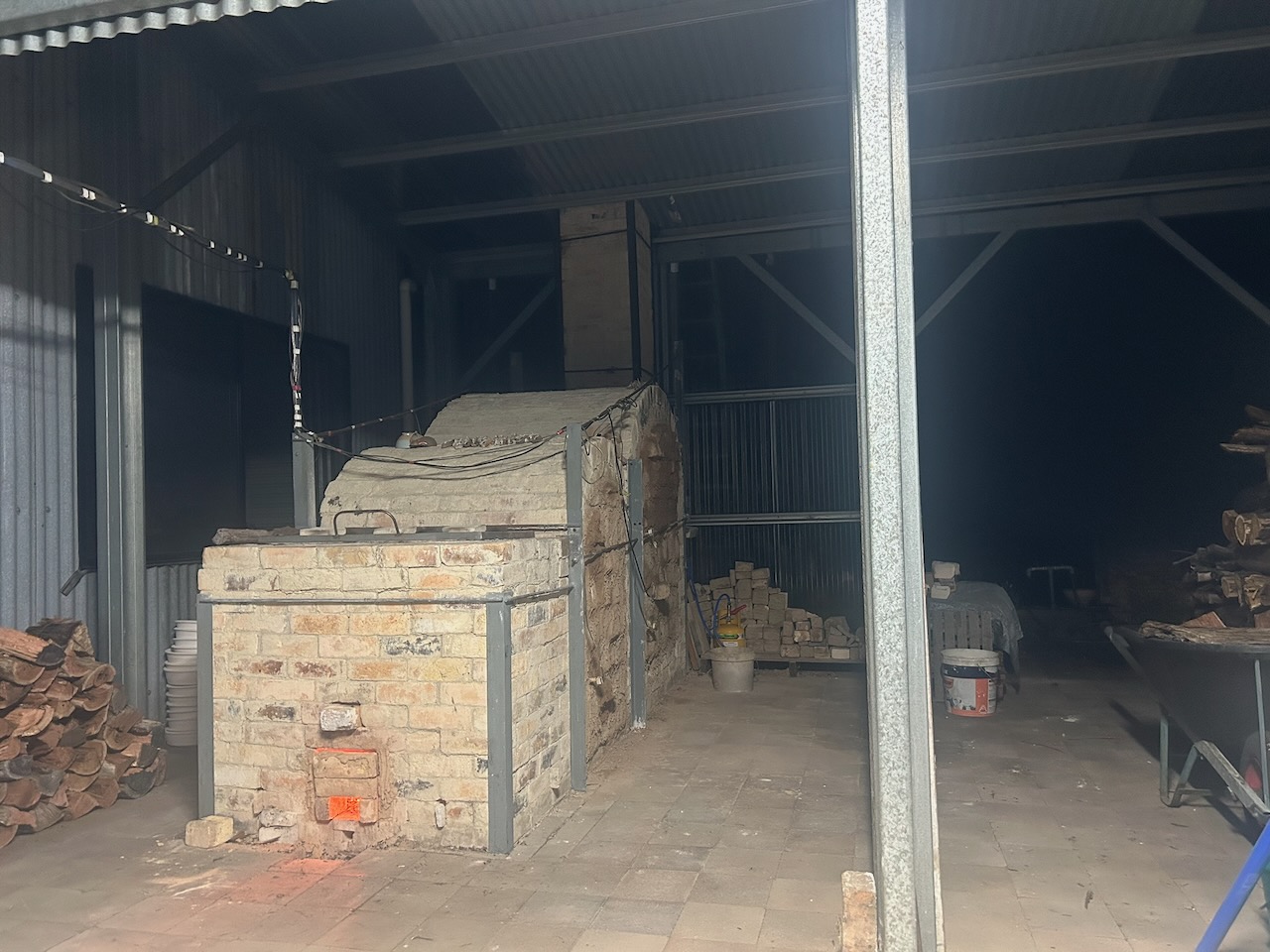
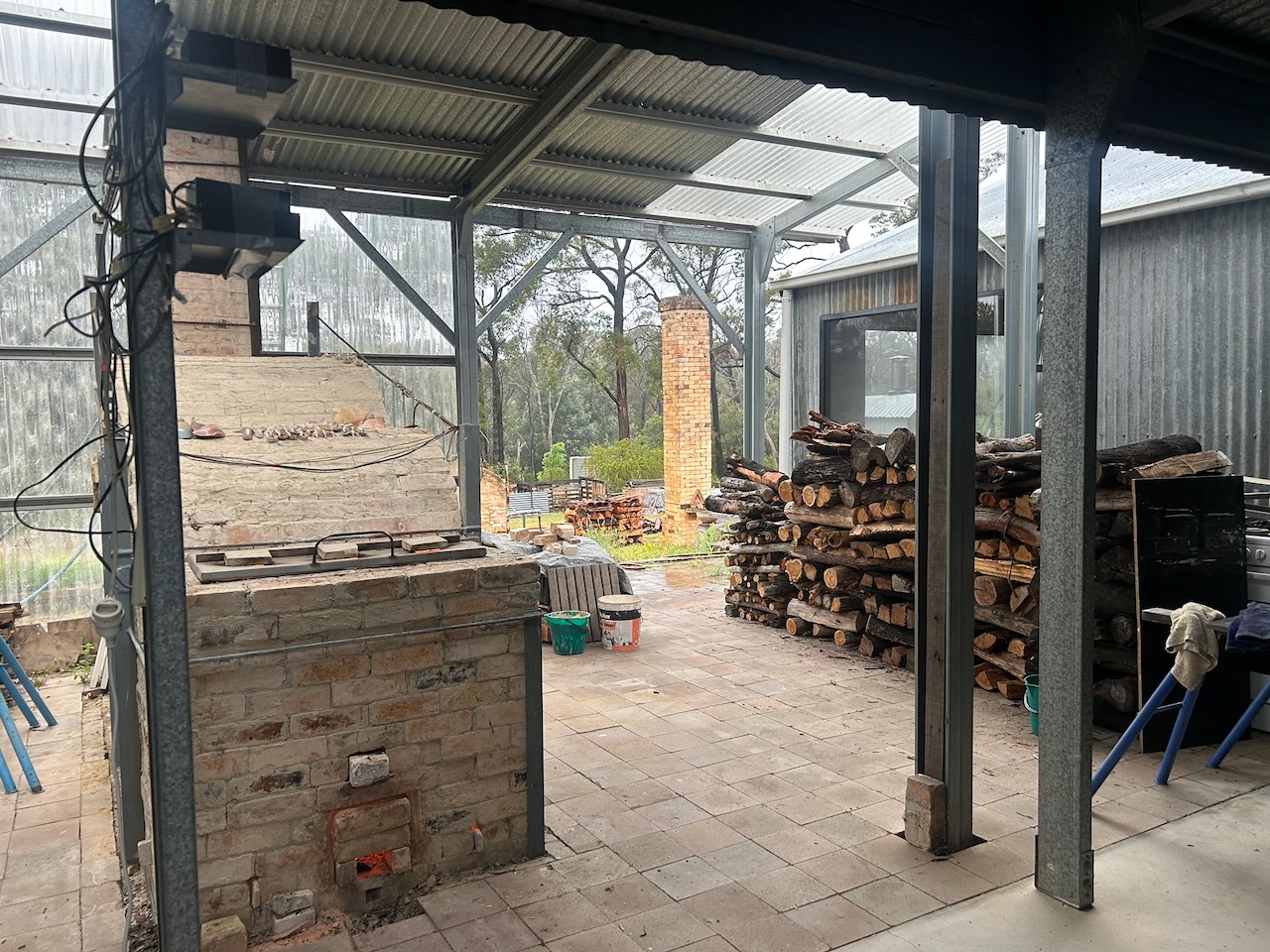
It’s 3 am, and I have just started the firing in the wood fired kiln. It’s absolutely and totally silent, except for the tiny patter of rain drops on the pottery roof. It’s raining ever so gently, which is perfect for me.
Firstly because we need the rain for the garden and fruit trees. It hasn’t rained very much for the past few months, so everything is just getting by with hand watering. Hand watering just keeps plants alive, but they don’t really thrive like they do when it rains.
All the water tanks are also very low now. I spent two days pumping water up from the big concrete water tank down the bottom of our land. It gets its supply from both the pottery roof and the barn. Both very large buildings, so they have a combined catchment of about 500 square metres of corrugated iron roofing. Its a great resource to have such a large roof area for rain water catchment.
Secondly, it’s very nice to have this light rain, because we are now into the fire season and when it is hot and dry, firing the wood fired kiln is dangerous because of the possibility of stray sparks. I have dealt with this issue, by installing a combined afterburner/spark-arrestor/water spray scrubber on top of the kiln chimney. But the rain is welcome, as it eliminates any issue to do with stray sparks, even though there aren’t any. But just in case.
I always ring the bushfire control office in Mittagong, to tell them that I am firing my kiln. I don’t ask permission to fire. I just call them to inform them that I am firing, so that if anyone calls in to say there is a smell of smoke in our village, they should call me first to check if it’s from my kiln, rather than send out a fire truck for no reason.
Nothing has ever happened. Simply because I alway fire so cleanly, with a just a minimum of occasional smoke after a heavy stoke. So no one ever really knows that I’m firing.
I recently decided to delay this firing by a few days, adjusting the chosen day in regard to the long term weather forecast. I have moved it twice to coincide with this expected rain event. Just a couple of days ago I moved it forward again, by one more day, as the forecast became more accurate, to make sure that the firing would coincide with this wet weather.
Just before 5 am, the dawn chorus starts up. It’s still quite dark, but there is the faintest glow on the horizon. The birds sense this change and are awake and ready to start their day.
Quietly at first, just a few delicate murmurs. A little tweet here and there, but slowly the other birds wake and add their voices. The calls build up, as all the others join in the chorus, then it subsides again, as they build up their confidence and fly off to do their days work. The pattering of rain drops on the iron roof slowly increases and out weighs the delicate bird song. Slowly the light increases and it’s dawn.
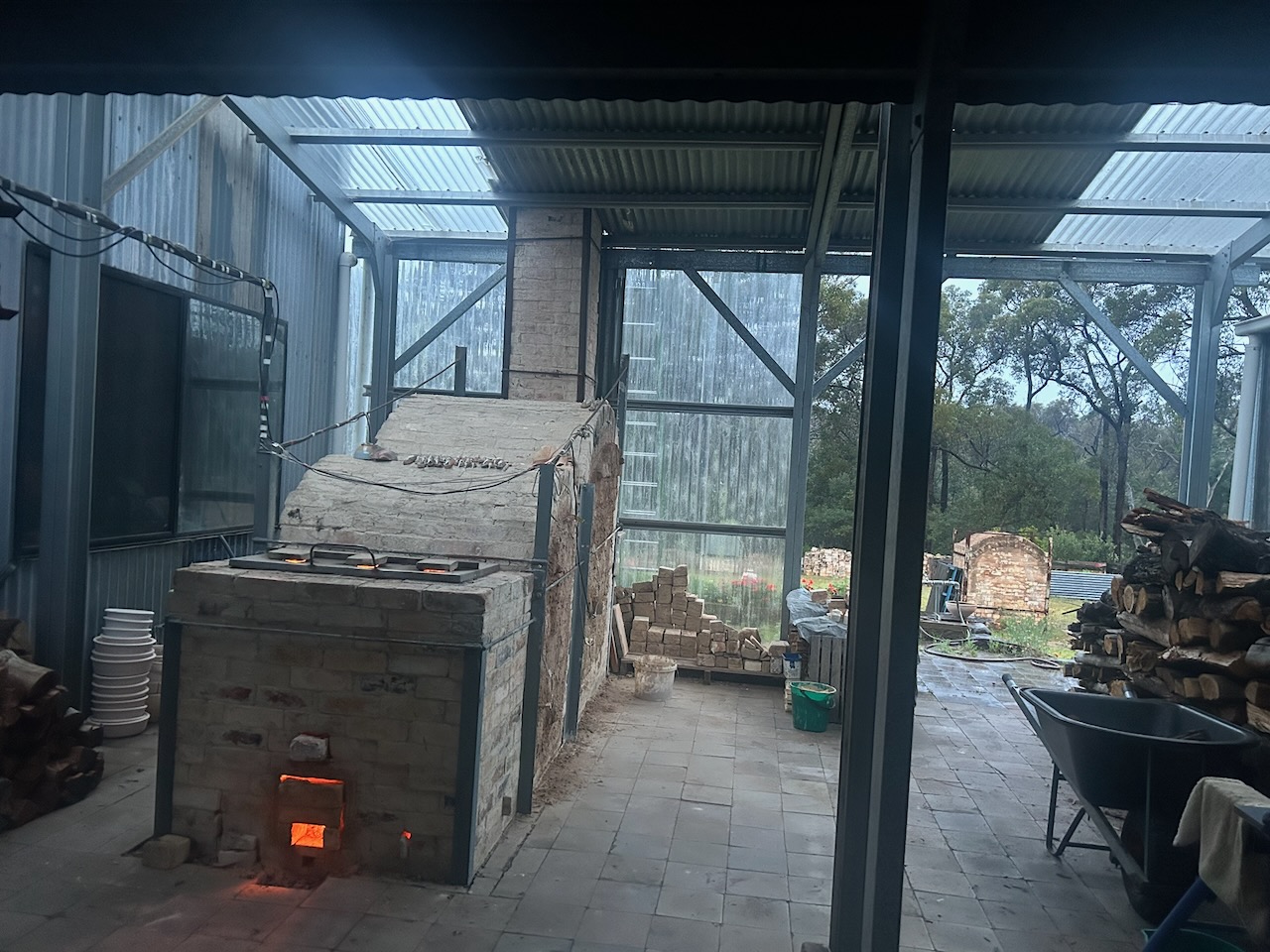
We have become so used to living here in this dry environment over the past 50+ years, that the sound of rain on the corrugated iron roofing is a very welcome and reassuring sound. I didn’t grow up with it, but have learnt to love it. We have to spend time cleaning gutters to catch any precious rain, whereas our friends in Wales spend their time digging ditches and drains to shift their rain away and off their sodden farm as quickly as possible. They rely on a well for their water supply and so far it has never dried up, even in these recent months, over a hot dry summer, they report that their well is still suppling their water.
We rely on rain too, but we catch our supply in rain water tanks for storage. We have learnt that ground water is too inconsistent here. Dams fill up in the winter, hopefully, if there is sufficient heavy rain storms to flood the gutters and flow down the water channels and hopefully fill the dams. But it doesn’t always rain that hard. Light showers of rain add to the total of measured rainfall, but it doesn’t fill dams. If the dams fill in the winter rain, they then dry out in the summer heat, evaporation is intense here in our hot dry summers. Especially when it’s windy. We have allowed native shrubs and small bushes to grow all around the edges of our dams to slow the air flow over the surface of the water and create some shade to slow down the evaporation, but they still dry out over time, we can only slow down the inevitable evaporation when the hot dry winds blow in from the desert country in the west.
So rain water storage tanks are the reliable option for our life here. You have to have storage in excess of the expected average rain fall, because it doesn’t always rain evenly throughout the year. We can get huge rain storms with tropical intensity, then nothing for months. We have learnt to catch the water from those heavy rain events, then store it and use it judiciously throughout the rest of the year.
I always keep a few buckets of water near the kiln and wood stacks, just in case of sparks jumping out of the air holes in the firebox. I have seen a few sparks pop up out of the lid occasionally, with some particular timbers that crackle and spit. It would take too long to run down to the dam and start the irrigation pump or fire fighting pump to get the pressure, so as to run a hose and extinguish a sudden fire in the wood pile. So several buckets are full and on hand around the kiln.
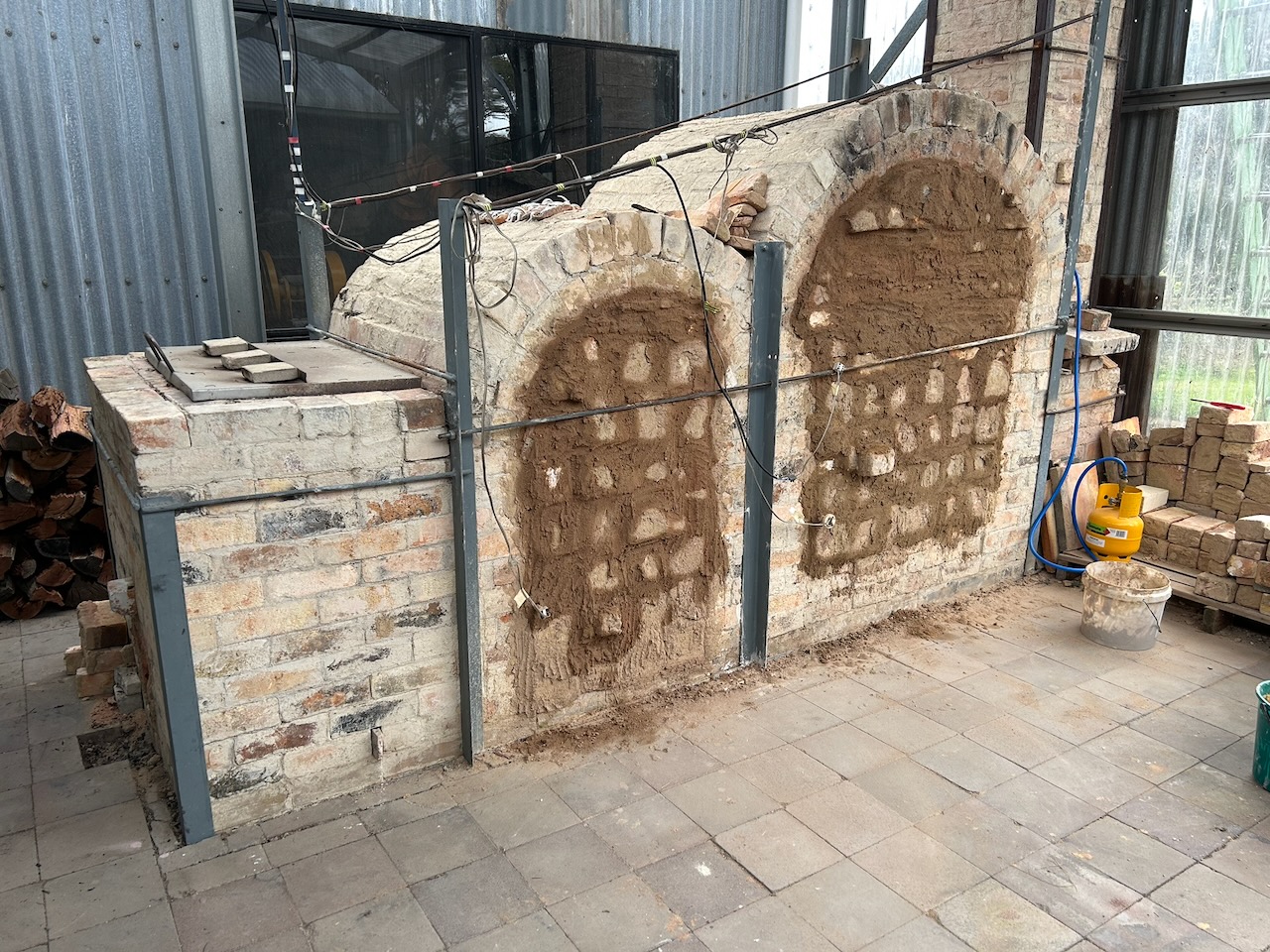
It’s now well past dawn and the kiln is burning well. I have the scrubber working in the afterburner/scrubber on top of the chimney. Everything is in order and ready for the long day of firing ahead. I usually get started when I wake up. Today that was 3.00 am, but sometimes as late as 5.00 am. I usually fire from between 12 to 15 hours. I like to finish around 9 or 10 pm, so that I can go back to bed on the same day that I got up. It helps keep my daily rhythm so that I don’t end up getting exhausted. Wood firing can be quite demanding on a potter and energy intensive, so every little thing that can ease the strain and effort expended is welcome and a good thing.
Cutting, carting, splitting and stacking wood takes a lot of time and energy in preparation for each firing. I spent 3 days on wood prep for this firing. I also spent another 3 days in glazing all the pots and then 2 days packing the kiln, one day for each chamber. Each pot has to have lots of little soft clay balls attached to its foot ring, to keep it up off the kiln shelf, as my kiln shelves have had a hundred firings over the years, and are covered in sticky ash glaze. Even though I clean them and re-paint them with kiln wash every time.
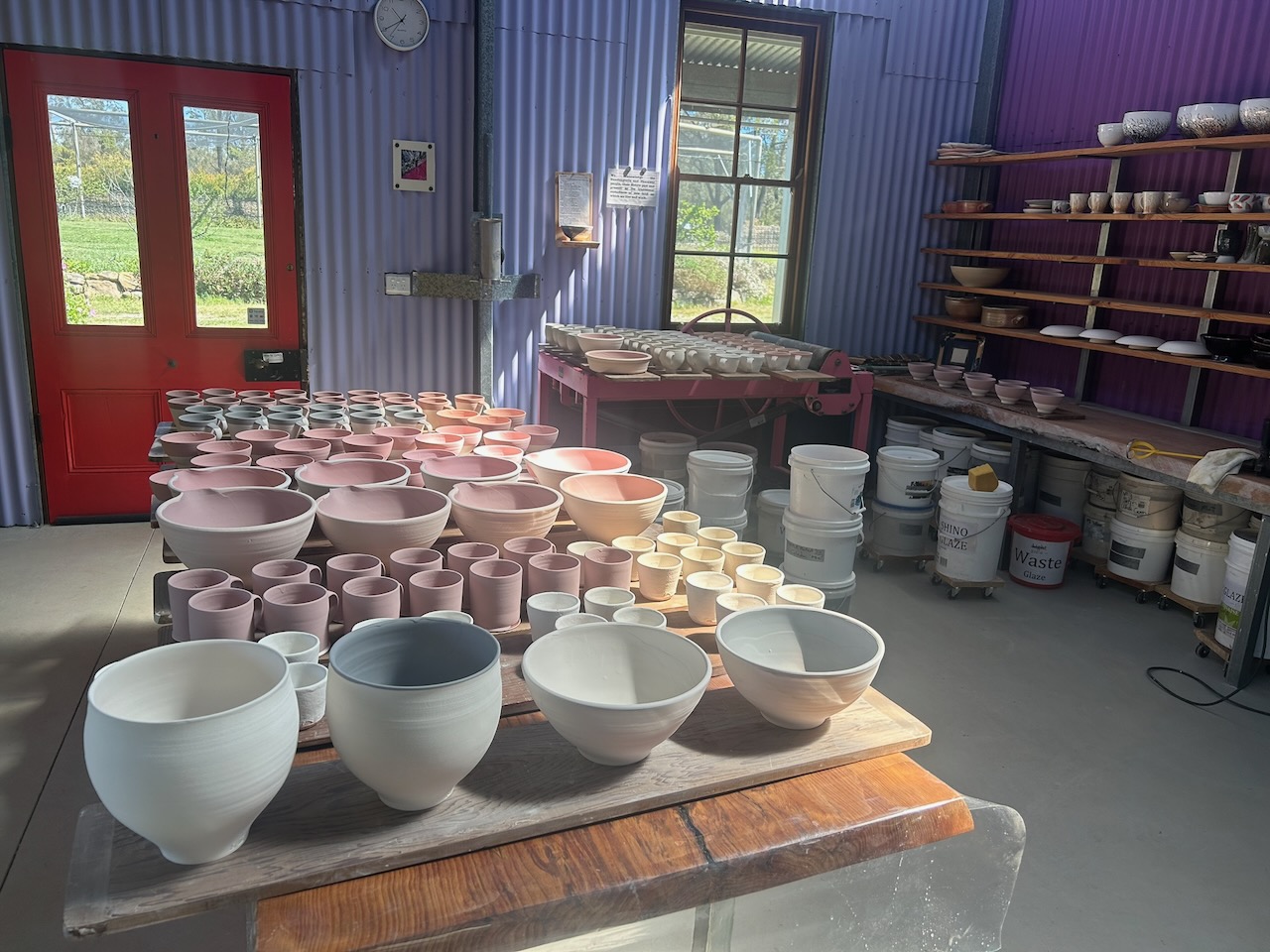
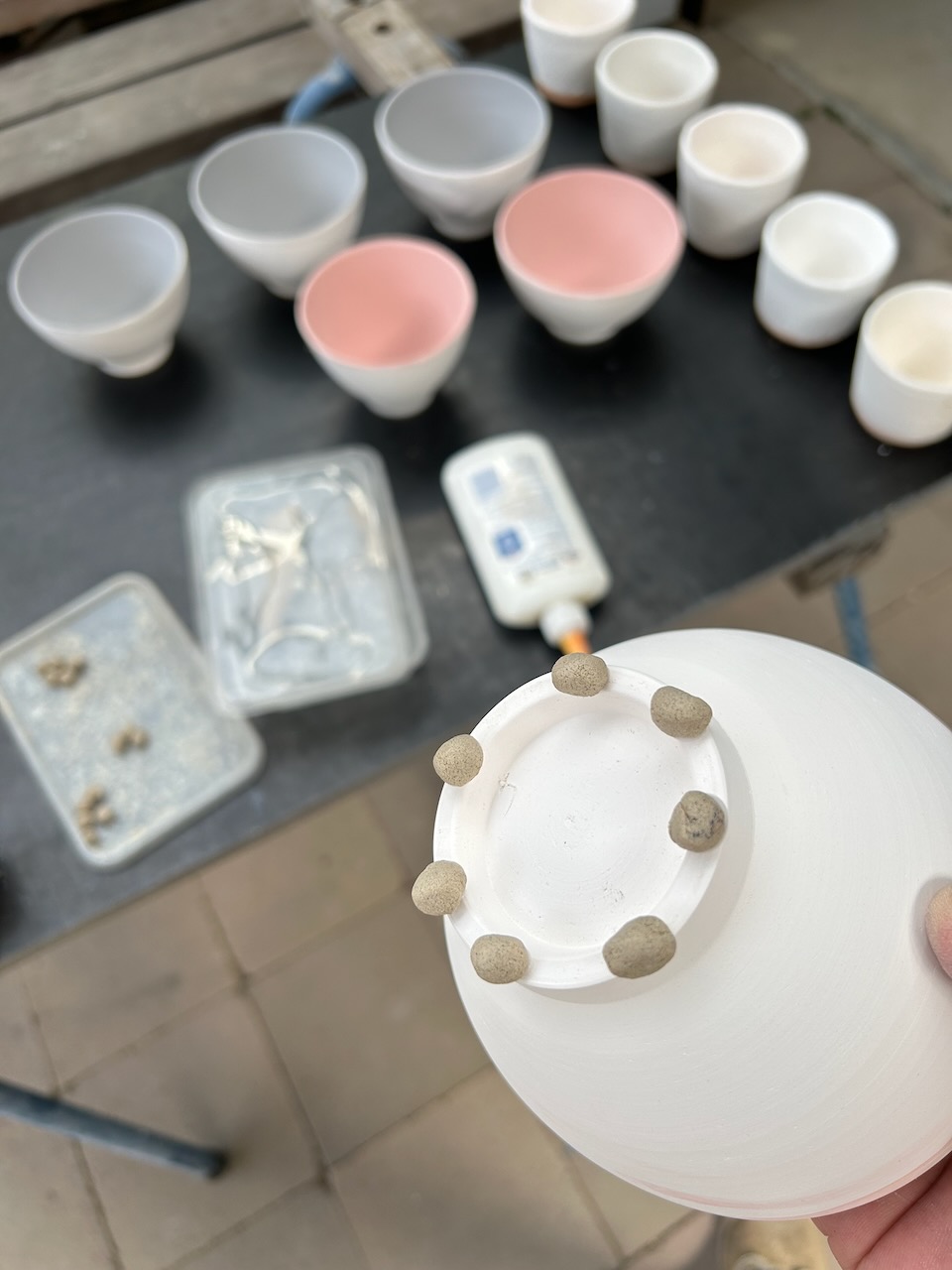
I refuse to start a firing until all the wood is properly prepared and stacked neatly onsite and every thing is completely in order and ready. I have witnessed the chaos of potters trying to fire and cut the wood in between stokes. Wood firing takes a lot of concentration and effort without having the stress of doing other demanding and energy intensive jobs at the same time. As I have become older, I have become more aware of how much energy it takes to prep the kiln and prep the wood, then pack and fire the wood kiln. It is at the end of a firing, when you are tired that you need to make the most critical decisions. It requires focus and acute thinking, hard enough without having to split wood at the same time. It is also important to have the area around the kiln to be neat, clean and free of trip hazards. Bad things could happen when you are tired, it’s dark and possibly in a rush.
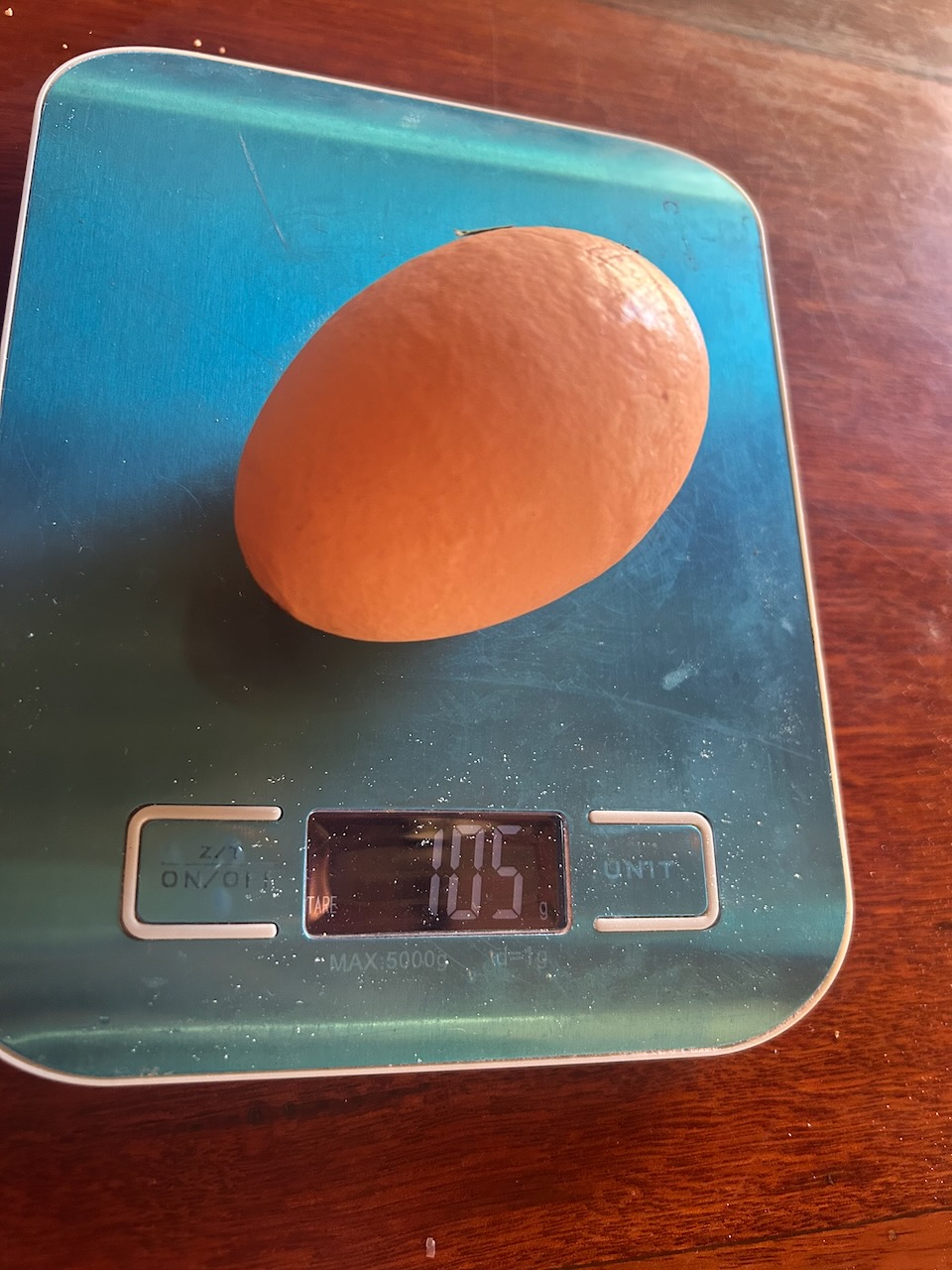
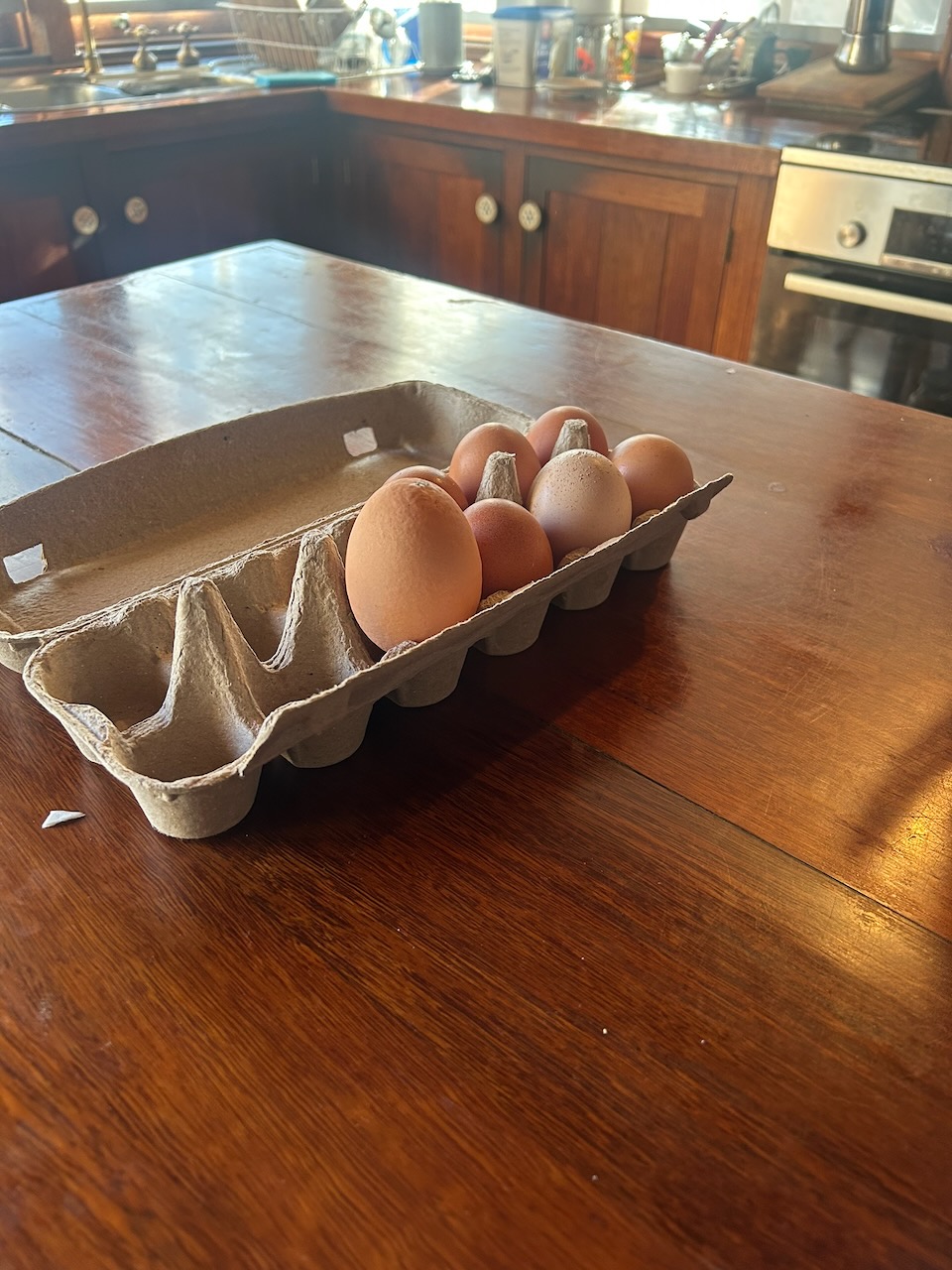
As it’s spring, we are getting a lot of eggs each day now, up to 5, so we are giving some away to the neighbours. One of our students, Sarah, has been here helping us, she likes to collect snails to feed to the chickens, the day after a very big snail collecting effort, one of the chickens laid this massive 105 gram, double yolker egg. So Janine made a savoury cheese soufflé. We are also in peak asparagus season too. Luckily, they go well together.
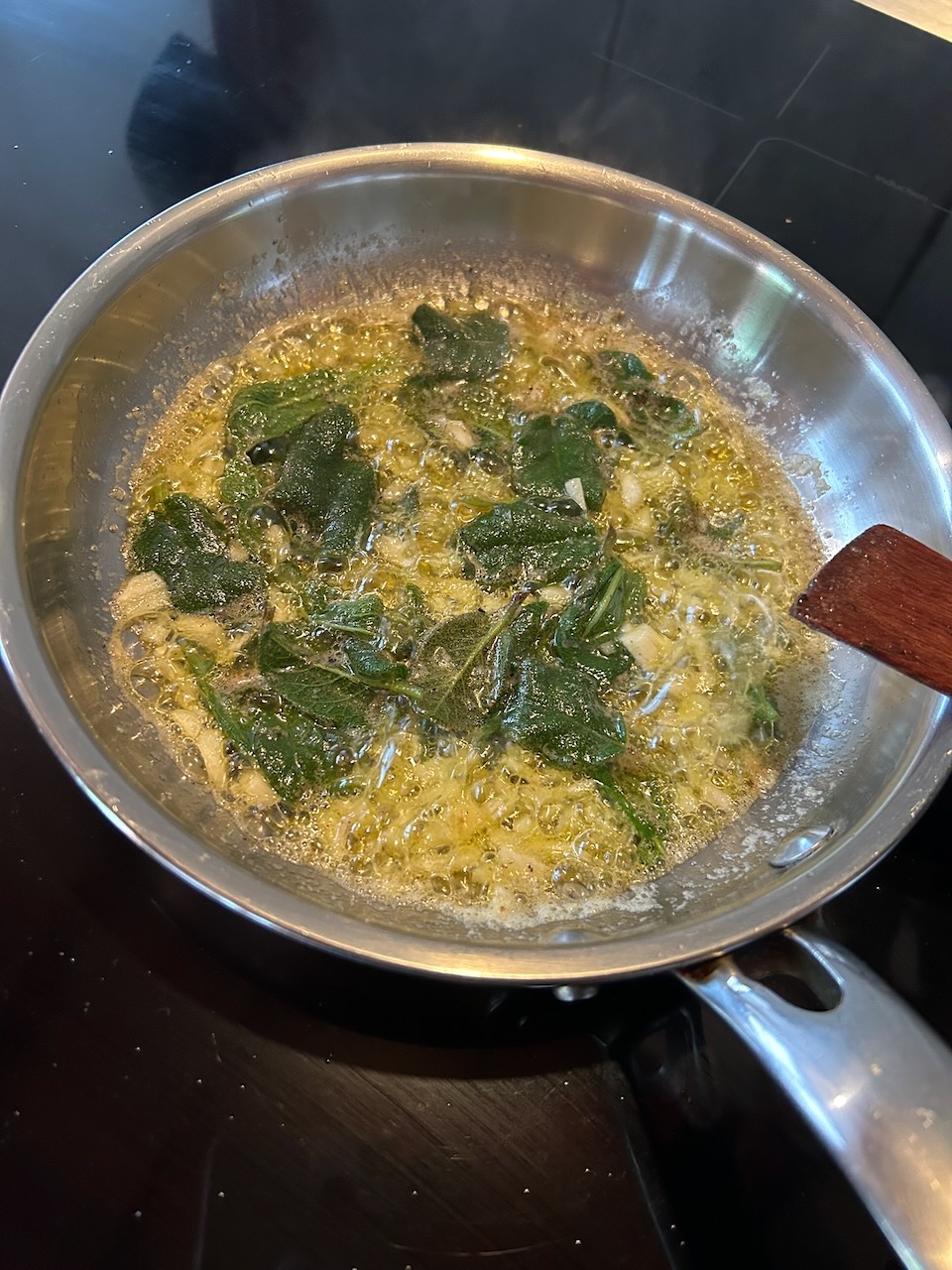
This week we made a very nice pasta dish by frying sage leaves in butter with garlic and serving this as a dressing over organic wholemeal pasta spirals with a few olives. SO good.
Welcome to our organic, wholesome, romantic idyl as post-modern peasants


You must be logged in to post a comment.