My New Book – 5 Stones

IMG_7383205 pages, 125,000 words, full colour, soft cover. Written, collated, printed and bound on the kitchen table. A very limited edition hand made book.
I have spent the last few weeks and months editing and formatting my new book. This will be my 6th book and 7th if I include my contribution to Handbook for Australian Potters.

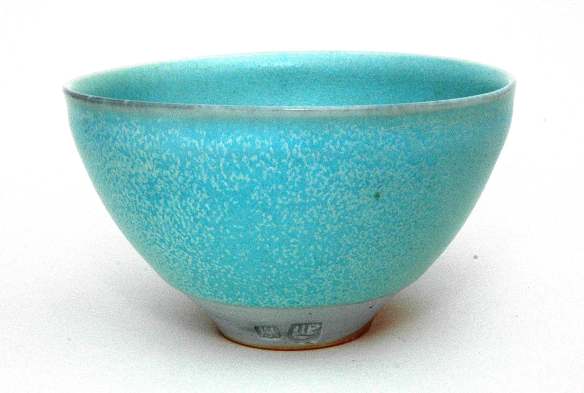
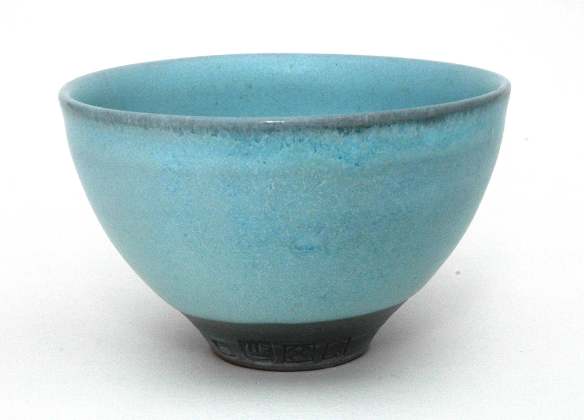
This new Book is titled 5 Stones, and details my recent research into single stone porcelain. The book will be launched by Grace Cochrane at the opening of my show at Watters Gallery on Wednesday 16th of August from 6 to 8 pm. I have a selection of single stone porcelain from all 11 sites on show in the exhibition.

15 years ago, I discovered a white porcelain stone near where I live. It made me think about where else porcelain has been discovered and when. Over the past 15 years, I have travelled to each of the places in the world where porcelain was originally discovered/invented independently from first principles and found that they all had something in common, and that thing was a stone called ‘sericite’. It turns out that originally, porcelain wasn’t made from the white clay at all. Kaolin wasn’t involved. All the original porcelains were made from a special type of stone called mica.
My travels led me to China, Korea, Japan, Cornwall, France and Germany. I even developed communications with academics in California, Alaska and London. Then finally back to Mittagong in Australia. Near to where I started.  I have made my porcelain pieces out of these weird and interesting materials in remote villages, artist studios, back rooms, workshops, even factories. Where-ever I could track down and find amenable people using this ancient technique who were open to collaboration. 
At each site that I visited I made works out of the local porcelain stone, but I also used the opportunity to collect samples of their stone and posted these rocks back to Australia where I could process them myself and make local, contemporary versions of these ancient porcelains. I collected native porcelain stone material from 11 sites around the world and have made what I think are beautiful pots from them, both on-site, where that was still possible and back at home in my own workshop. 
This exhibition shows results of my firings and 15 years of research into these single-stone native porcelains. To coincide with this show I have written a travel journal documenting my travels. My book, titled ‘5 Stones’ will be launched at the opening by Grace Cochrane. The book stands alone in its own right as a travellers tale, as it has its own characters and arc of narrative, but also helps to illuminate the story behind the actual works on display in the show.
I have works in the show that were fired on-site in clean conditions to give very white and translucent pieces and I also have the same materials fired at home in my wood fired kiln with very different results.
4 of the 11 examples are made from porcelain that is no longer available, as 2 of the sites are lost forever and another two have complications.
I consider my self very lucky to have been able to get my hands on all of these ancient and very special porcelain materials. This will be the first and only time that all these porcelain ‘clays’ have ever been shown together in the one place.
DSC_0002_00004
Unglazed and flashed wood fired Arita porcelain
DSC_0003_01_00005
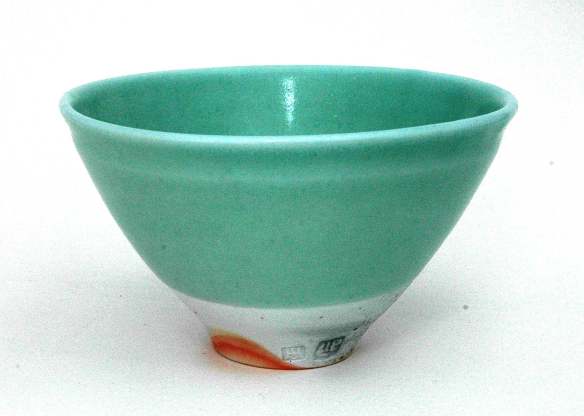
Wood fired and celadon glazed Japanese porcelain, fired in my kiln in Balamoral.
DSC_0022
Korean porcelain made onsite in Korea
DSC_0006_01_00007
Woodfired Japanese porcelain
DSC_0005_01_00006
My woodfired local Joadja porcelain, showing some carbon inclusion on rim and base.
DSC02831
Korean porcelain stone body, woodfired in my studio.
IMG_7238
Amakusa porcelain from Japan, made in Arita.
DSC_0025_01_00009
My local Joadja Aplite porcelain, wood fired with a lot of ember and ash contact. The intense carbon inclusion reduces the translucency.
DSC_0029_01_00010
My local Joadja Aplite porcelain, wood fired with ember and ash contact.

5 days in a perfect world

I fly in from China with my cargo of porcelain bowls safely stowed in my hand luggage. A dozen good reasons to feel happy.

I have one day to do 3 loads of washing and pack up the car with camping gear. We have season tickets to the National Folk Festival in Canberra. It is held over the 5 days of Easter each year. They bill it as 5 days in a perfect world. And this is true, but not for the reasons that they think! I’ll return to this later.

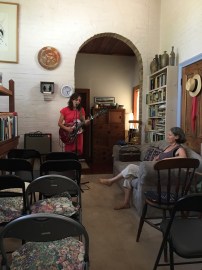
We enjoy the music, the food, the people, catching up with friends. It’s all good. We get to catch 3 different concerts with Heath Cullen, always good, but this year, 3 times better.IMG_1785

I also catch up with Mal Webb a really ‘out there’ performer working at the edge of what is possible with mouth percussion, 12 instruments and a loop machine!

A really great week.

We return home and work the washing machine to the max. I have a kiln to collect from the galvanisers. I welded it before leaving for China. It’s been ‘hot dipped’ now, and ready to collect. I have a week to fettle, clean, etch, prime, and top coat it before Janine and I fly out to Cambodia, at the end of the week, where we are volunteering for a couple of weeks.

To say that there is a lot a poverty here is such an understatement. Almost everyone is dirt poor. There is so much ingenuity here to ‘make do’. I’m so impressed with these people’s resilience in the face of grinding poverty.

If I ever hear another Australian winge  about how hard their life is……

We live in a perfect world. We are so lucky. We just don’t know how lucky we are.

A little time away working in a third world country really grounds you.

Writers Week

Janine and I managed to get all our work done and we spent last week at Writers Week. As always it was a thoroughly engaging time. So many great stories and discussions. 84 sessions to choose from, so many topics and so many books, so many writers. We find ourselves entertained, inspired, engaged, and challenged.

A thoroughly rewarding week out of the workshop and into the realm of ideas.

This year there was a lot of discussion about the death of the book, it cropped up again and again in different forms and forums, but that was the steady undercurrent this year. I’m not too worried. I believe that the book will survive in all its various forms for a long time to come. I’m sure that it will see me out.

I’m not digital native, so I still like to handle the thing in itself, to feel the weight, the smell and the texture of paper and ink. but then again, I’m very old-fashioned. I stubbornly insist on writing letters on nice paper with ink and a fountain pen. Sure its old-fashioned and out-dated, but so is making pots out of clay! Plastic replaced ceramics last century for all intents and purposes, but pots still persist as an art form and a better quality product. So that is how I see the book. Invoices have all graduated to electronic form, as have cheques and banking. Email has replaced most letters and fair enough. Electronic books are OK, but not for me. Not just yet anyway.

The book as an art form will persist for a very long time. I even attended a session on ‘The Book’. I even bought the book on ‘The Book’! and it’s a beautiful thing, as I also have his earlier book on some lesser known typographic characters.

IMG_4973 IMG_4974

You can just imagine the Sumerians saying,  “I don’t get these Egyptians, I can’t see papyrus catching on. I just love the smell of clay, and the texture and weight of a good clay tablet!

Tomatoes and Stale Bread

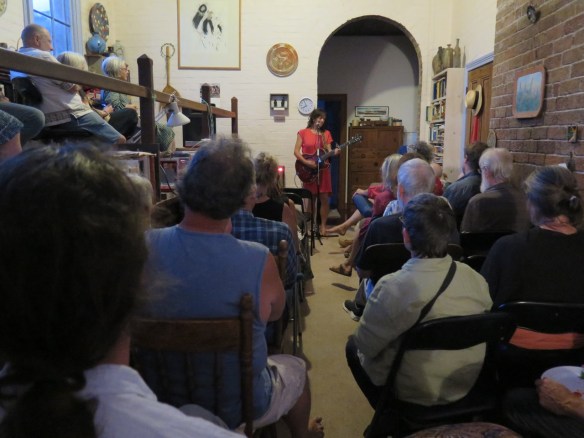
We recently had a lot of people here for our house concert. After we cleared up the next day, we found that we had a lot of food left over. We found that we had a half loaf of Italian bread. We decided that we would have a lunch of tomato on toast.

I pan fried the bread in a little olive oil with garlic and chilli. Then a slice of ham, sliced fresh, ripe garden warm tomatoes and cucumber, a few fresh torn basil leaves, plus a little fake salt and real pepper . WOW! delicious.

img_4558 img_4559

With what was left over, I cubed it and toasted it in the oven, so as to make a tomato and crouton salad. The roasted croutons were mixed with oil and balsamic vinegar dressing and then finely sliced red onions from the garden, with chilli, capsicum, and lastly big chunks of tomatoes. all tossed together with the seasoning s of your choice.

The croutons become softened on the outside with the tangy oil and vinegar, while remaining crunchy on the inside. This with the fresh fruity aromas of the herbs and tomatoes. It makes a great salad. So summery!

img_4577 img_4581

The First Ratatouille of the Summer

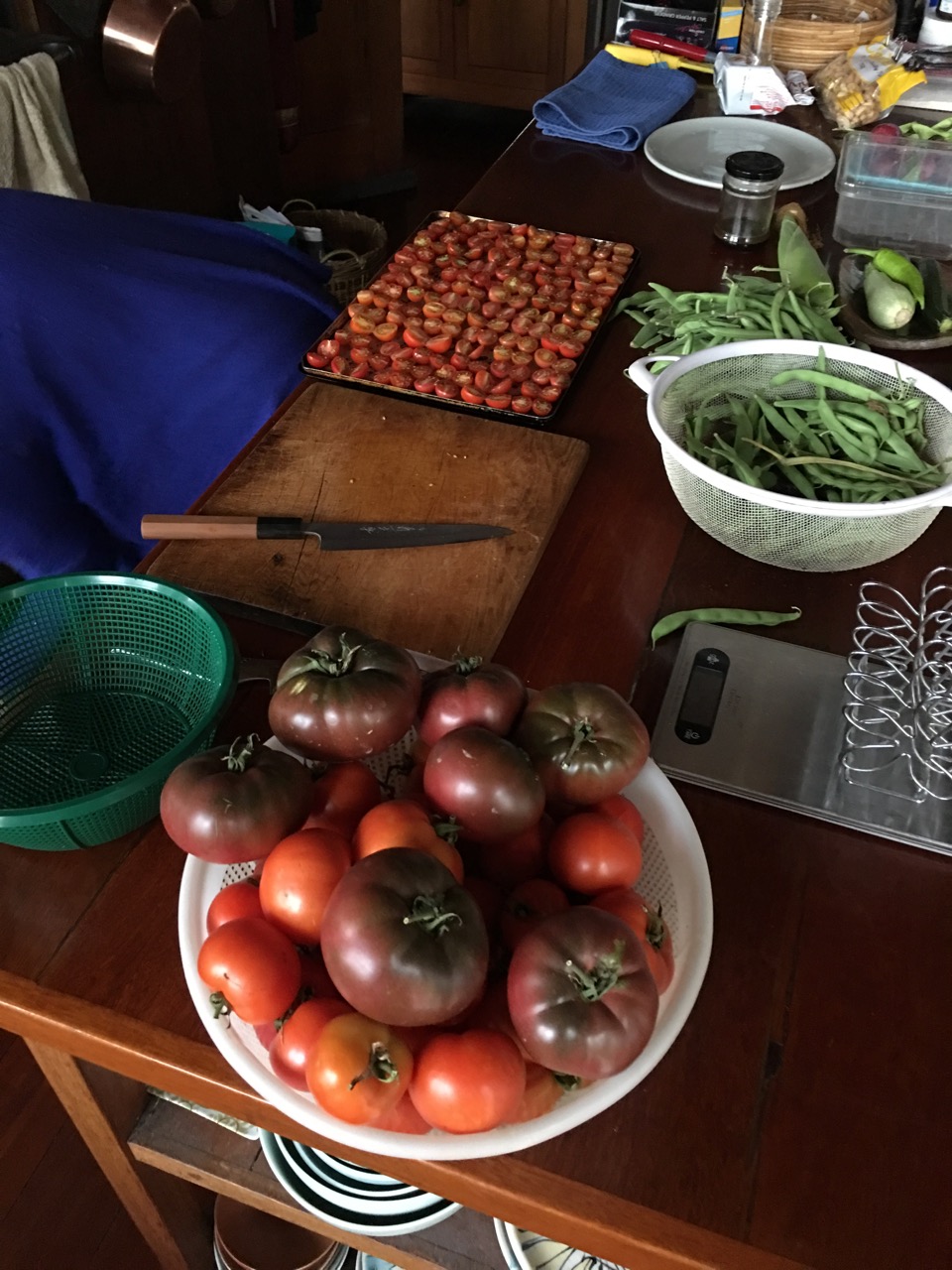
Ratatouille is one of those recipies that has a lot of different interpretations. It’s that time of year again, when all the necessary ingredients are all ripe together at the one time in our garden. We simply use what we have that is ripe on the day.

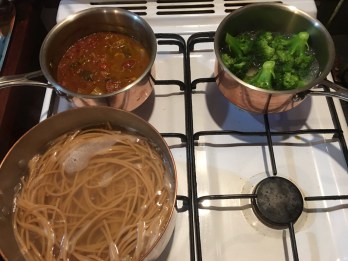
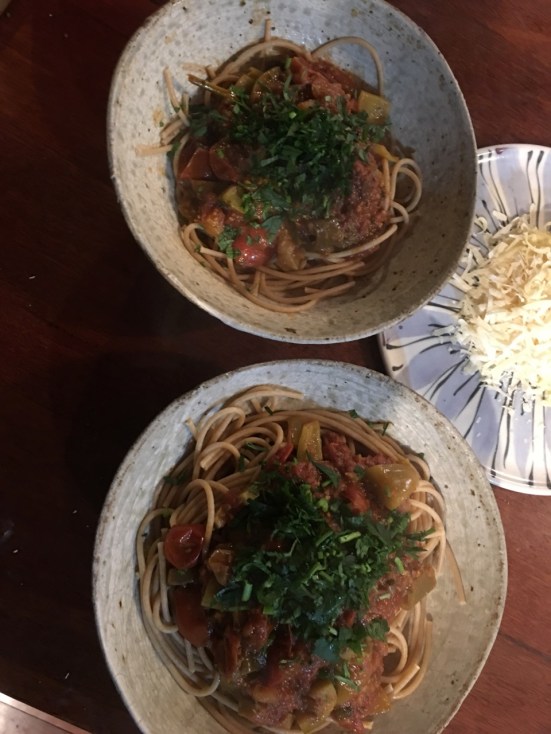
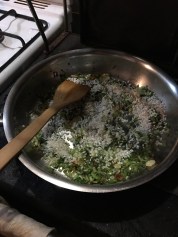
Today that is egg plant, capsicums, chillis, zucchini and red ripe tomatoes. I brown some of our onions and garlic that we have hanging in plaits in the kitchen and out on the verandah. Add in all the chopped ingredients, along with a small jar of tomato sugo that I bottled in the autumn. A few sprigs of sweet basil are added in and the whole lot is simmered together for a few minutes, until softened and then served. It couldn’t be easier or more immediate and wholesome. Not to mention delicious!

img_4451

img_4453


A Decade-long Project, Finally Completed

For the past ten years or so, I have been working on a long-term project, to save every champagne, prosecco and sparkling wine, cork capsule that we opened and make Xmas decorations out of them. I decided, for better or worse, that I would make a string of capsules hung all around the front verandah of our house.

In the first few years, when it was only a few feet long. I was able to take it down after the Summer Solstice holiday was over and put it away till next year, but as it grew longer year by year. I found that it was very easy to get all tangled up with itself. It became a tiresome job to un-tangle it each year and re-hang it. As we were adding to the length by about 4 feet or 1.5 metres a year. It soon became apparent that I should leave them up permanently. So it has become a fixture ever since. No-one sees it anymore, it’s become just part of the house.

So, I was very pleased today, to finally complete the bling-string by adding this years collection of sparkling wine capsules and found that it finally reached the other end of the verandah.

img_4442 img_4433

img_4434

Now that I’ve completed this epic art installation. I think that i will start on there BBQ area. It could use a little bit of sparkle too!

A good job well done

Last week, I delivered the latest kiln to its new home at the Sturt Pottery in Mittagong. Fortunately, everything went as it should, no drunks coming along to ‘help’. No neighbours off their ‘meds’, no visits from the police. Everything went just as it should.

I loaded the kiln on my truck and delivered it to the site. Dave turned up and met me there with his big crane truck, That crane is just the most amazing piece of technology. Every ten years, when Dave replaces his truck, he gets a new crane and it gets bigger and bigger each time. This one is so powerful that he doesn’t even have to turn the truck around to get the crane closer. It reaches right over the truck and lifts the kiln into position perfectly and without effort – but not without cost!

Dave is fitting me into his busy Xmas schedule, between other loads that he has booked in for the day.  The old kiln was moved out and the new one lifted off my truck and onto the lifter trolley. While we push the kiln into position, Dave packs up his crane and it is all over in 30 mins. Just as it should.

A big think you to Mark, Simon and Dave for all doing their essential parts. The kiln now has a new home for many years to come.

img_4222 img_4225

img_4229 img_4230

img_4233

Get your Claus off me

It’s that time of year again and the Village is having its Xmas party for the residents and the emphasis is on the children as always. That’s what Xmas is all about.

It’s my turn to be Santa again this year. This job is rotated around all the fathers about once a decade. This is my third turn. The first time, Santa turned up in a horse and cart. The next I was delivered in the Village Toyota Land Cruiser Ute from the fire shed. This year I’m in the big, shiny new, all wheel drive, 10 tonne tanker, fire trick. I arrive with sirens blazing and lights flashing.

It’s funny that they choose a Bah Humbug person like me to be Santa, but every other compliant father has already done it a couple of times too, so It’s my turn again. I remember the first or second time that I did it. I was wearing hand painted pink sand shoes that were visible from under the long red pants. My little son spotted them and the Jig was up, the game was over. Santa was really his Dad in disguise. Word soon spread through the kiddies in his milieu , that’s Geordie’s Dad under there. Look at the shoes!

Geordie is now in his 30’s, so no one will recognise me this time. I don’t know many of these little toddlers. My job is to turn up in the truck, say “Ho, Ho, Ho” and “Merry Xmas”, “Have you been good?” etcetera, etcetera. I hand out the presents and a bag of lollies each. Pink parcels for the girls and blue wrapped presents for the boys. It all goes off smoothly and my civic Santa duty is over for another year or two – or ten. Someone else’s turn next year.

Once all the kiddies have their presents and are gorging themselves on the lollies. I’m asked  to stay and sit for the photo shoot. I do, and this lovely grown-up girl comes and sits on my lap. I put my arm around her and she tells me to “get your Claus off me”.

IMG_6682.jpeg

Winter brings on the citrus

We are in the middle of the coldest time of the year. This cold weather ripens the citrus. Up until we got the frosts, the citrus were all green, but now the chill has sweetened them and made them turn yellow, or orange, or tangerine!IMG_2492 (1)

We planted the citrus grove only 4 years ago and it has grown well. Nearly all the trees are thriving. It’s just he native finger-lime that is finding the going hard. We are quite a bit out of it’s natural growing zone, so it’s to be expected.

IMG_3876

With loads of fruit ripening all at once, eating three pieces of fruit each day each isn’t going to make a dint on the harvest. I decide that it’s time to make marmalade. I make a few batches of pure Seville orange marmalade, but I must say that I’ve made better. It’s all a bit dull. Good enough OK, but could be better. The purists say that only Seville oranges can be made into true marmalade, but I disagree.

I’ve learnt over the years that I prefer the taste of a mixed fruit marmalade. Something that has Seville orange as a base, but also has a good quantity of  other citrus fruits like,  blood grapefruit, tangelo, lemon, lime and Italian Chinotto.

IMG_4024

IMG_4003

Our variety of Seville orange has loads of pips, and this is very good! Not so good if it were an navel orange for eating, it would be a pain. But as a Seville orange that we specifically grow for the purpose of making marmalade, then pips are a bonus.

Citrus pips, especially those of the  Seville orange, contain massive amounts of pectin, and they are large and there are loads of them. Pectin is what sets the marmalade into a gel, along with the large amount of sugar that is recommended.

IMG_3983 IMG_3982

I prefer to use very little sugar, as too much sugar is not at all good for you. One of the ways that Janine and I control our sugar levels, is to limit our carbs intake. I love marmalade, so I decided long ago to make my marmalade not too sweet and more fruity and bitter, with a lot of peel. In fact a lot of varied peels from all sorts of different citrus.

I have developed a recipe that limits the sugar down to very low levels and yet still ‘gels’ OK as a condiment. I do this by using the pectin from the pips, following this recipe;

1.2 kg of mixed whole citrus fruit

Juice the fruit to get 465g of juice

Clean the white pith off the peel to get 550g of sliced peel

add 300g of sugar and the pectin gel water off the boiled and simmered pips

Cut the citrus in half and squeeze all the juice out of the fruit. Save all the seeds. Seville fruit has loads of seeds. Ours does anyway, but I’m told that citrus fruit varies in the quantity of seeds. It all depends on which other citrus tree flower pollinates the fruit.

I put the pips in a small sauce pan with a minimum of water to just cover them and simmered to extract the pectin. This can be going on while you are slicing the peel. Push the resulting gel through a small sieve into the jam making pan. Add more water and boil again for a few minutes. Again, press all the gel through a sieve and then discard the seeds.

Save the juice and weigh it. It should bet about 455 to 465g. If there is too much, then pour some off into your mouth, or if there is too little, squeeze another piece of fruit to make up the total amount of juice, but don’t use the peel. Both options have happened to me. it all depends on the quality of the fruit. Fruit that has been picked for some time get juicier. Fresh picked fruit is a little dryer.

Cut the empty squeezed half citrus skins into 1/4s and scrape all the pith out of them then discard the pith. Save the clean peel and cut it into very fine, thin, slices. The peel should add up to about 550 to 560g of peel, add it into the bread maker machine and set to ‘jam’ setting. Add 300g of sugar and the 460 g of juice.

Turn on the machine and go about your other very important business for over an hour and come back to perfect marmalade. This week I unpacked a bisque firing and repacked another with this useful time saved.

IMG_3795 IMG_3988

Heat a few glass jars and lids to sterilise them and bottle the marmalade while hot. It can keep for years, but never gets a chance to.

While the citrus rush is on and there are plenty of fruit being eaten and juiced. I take the  opportunity to use the discarded skins to clean all the copper pans thoroughly and get them all shiny once more. A discarded, squeezed 1/2 citrus peel with a dash of salt sprinkled on cuts the developing verdigris oxide layer and gets copper pans looking new again.

IMG_3976

Mushrooming

The weather has been quite wet for the past month, but with a few warm, still days. The warmth seems to have brought on a last, end of season, flush of mushrooms. Usually the mushroom season here is from late summer through autumn into the beginning of winter, but this is a very late-blooming of fungal trove.

We have 10 potters here with us to pack and fire the wood fired kiln. Rochelle, one of our guests, decides to take a walk among the pines and comes back to ask for a knife to cut some mushrooms that she has found. Half the team suddenly take off. Janine tells them that she not only has a dedicated mushroom knife, but also a mushroom collecting basket. They’re all off and gone, returning half an hour later with the basket half full of fungi.

IMG_2499

Around here we get edible mushrooms growing on the pine tree roots. We have saffron milk caps and slippery jacks. There are lots of other fungi growing here, but these are the only ones that we know are edible and safe.

The fun-guys set to work cleaning and peeling the fungi. We cook up a couple of dishes for lunch. The saffron milk caps with olive oil and garlic. Then the peeled slippery Jacks tossed in butter with white wine and blue cheese. They are both pretty amazing dishes and couldn’t be fresher or more delicious.

Mushrooms are best cut from the stipe or stem, so as not to damage the rest of the ectomycorrhizal underground structure of the fungus. The less damage done, the better chance of a good crop next season – or so I’m told. Better safe than sorry. So much better to tread softly on the earth where ever possible, it costs us nothing and can reap great rewards.

This is self-reliance.

IMG_2501