Category Archives: self-reliance
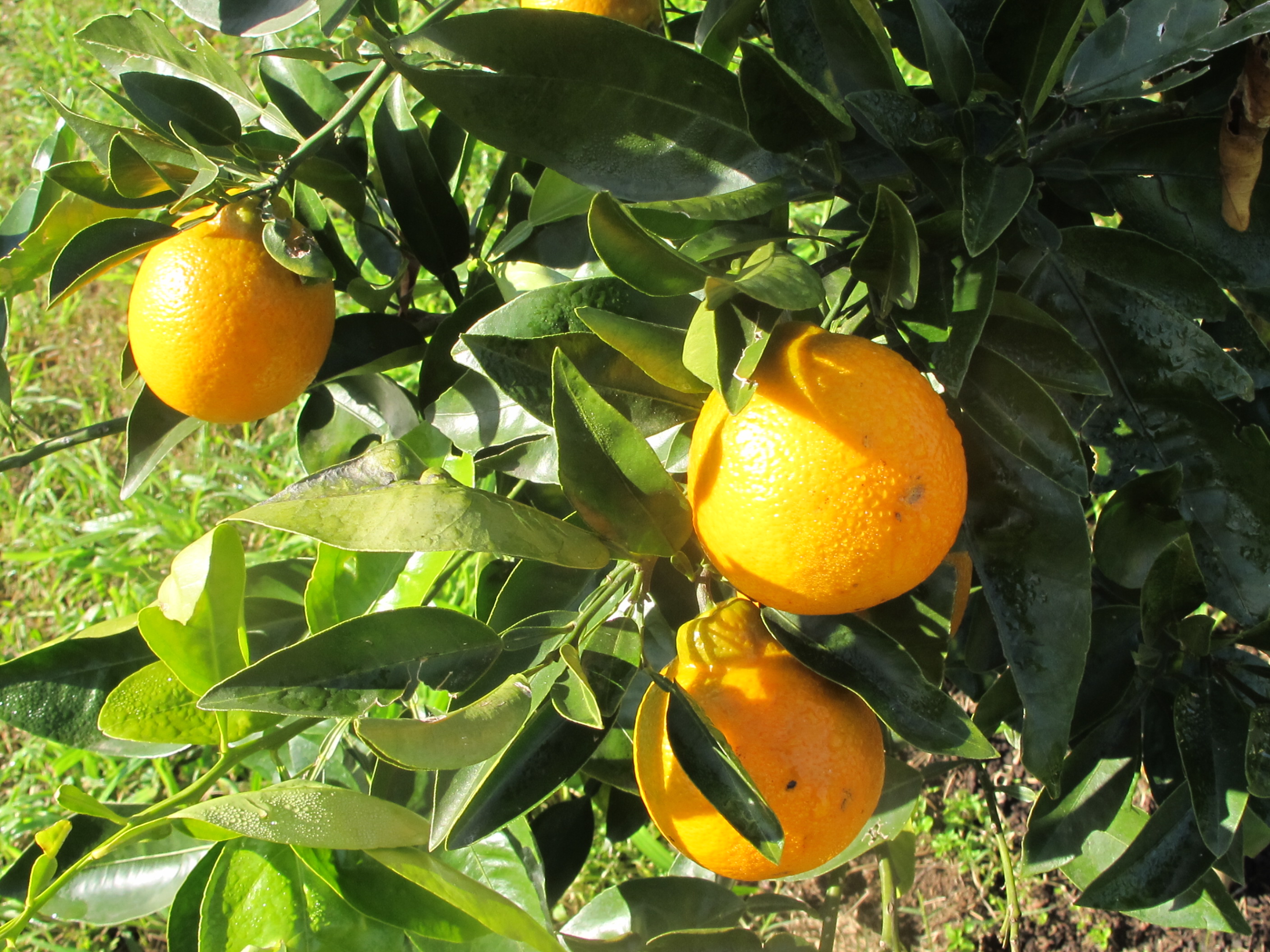
Marmalade for Busy People
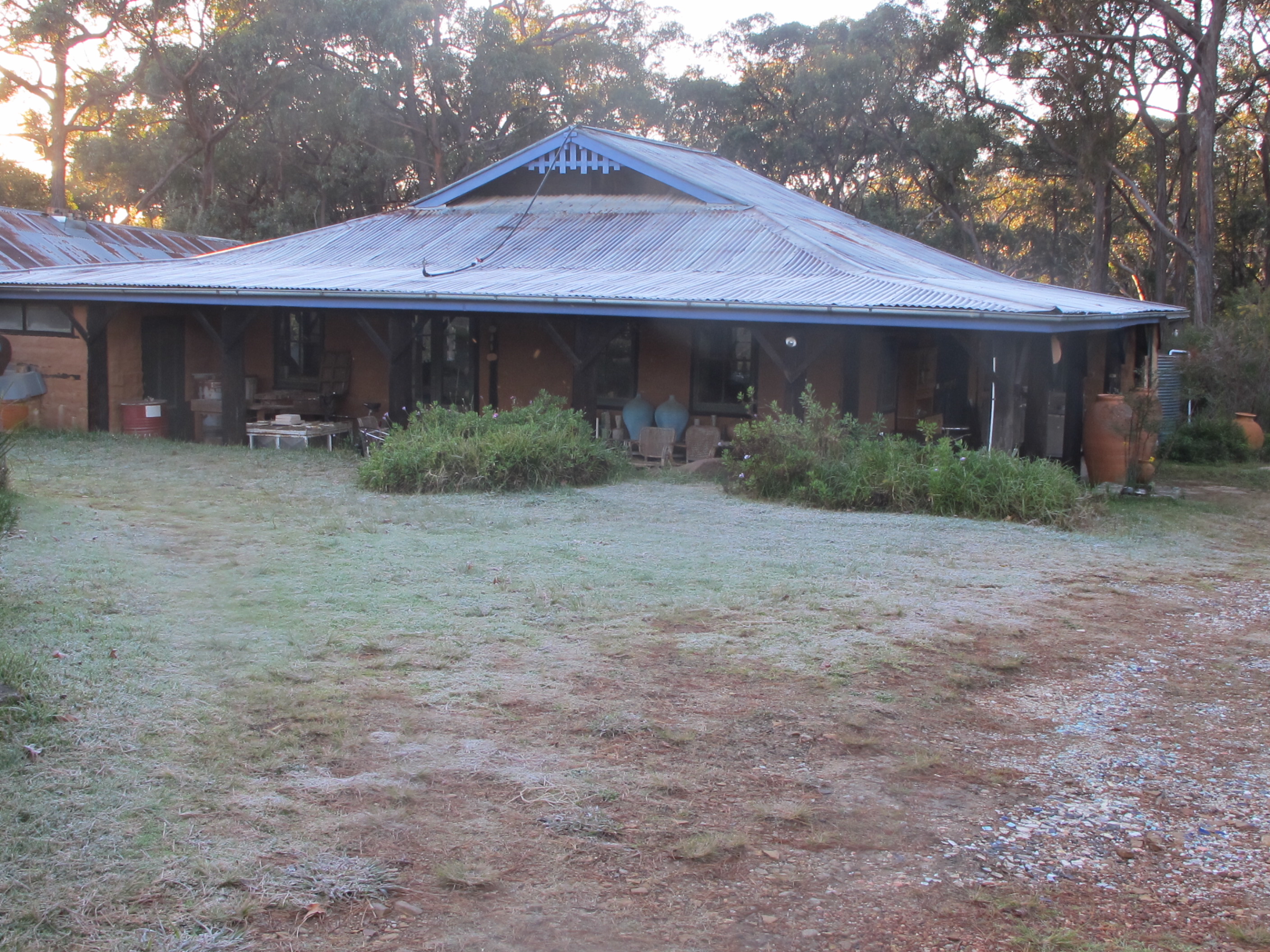
The solstice draws near, the days are cool and short. The mornings cold and misty. Mrs Grey Thrush is out and about celebrating this cold, cloudy, misty, drizzling morning. She flys down and serenades The Lovely with her beautiful haunting melodic song. she swoops down and continues from the verandah guttering, then up into the pine tree with her mate. They continue together for some time all around the garden with what might be some sort of call and response? It’s a shear delight on a dull morning.
During this cool, damp time It’s great to celebrate this colder weather and make the most of it while it lasts. We have had a few frosts, but only mild. Hopefully just enough to spur the older varieties of stone-fruit into fertile flower buds. I noticed the other day as I walked through the orchard, that one of the early peaches has its first blossom out! How amazing. So early.
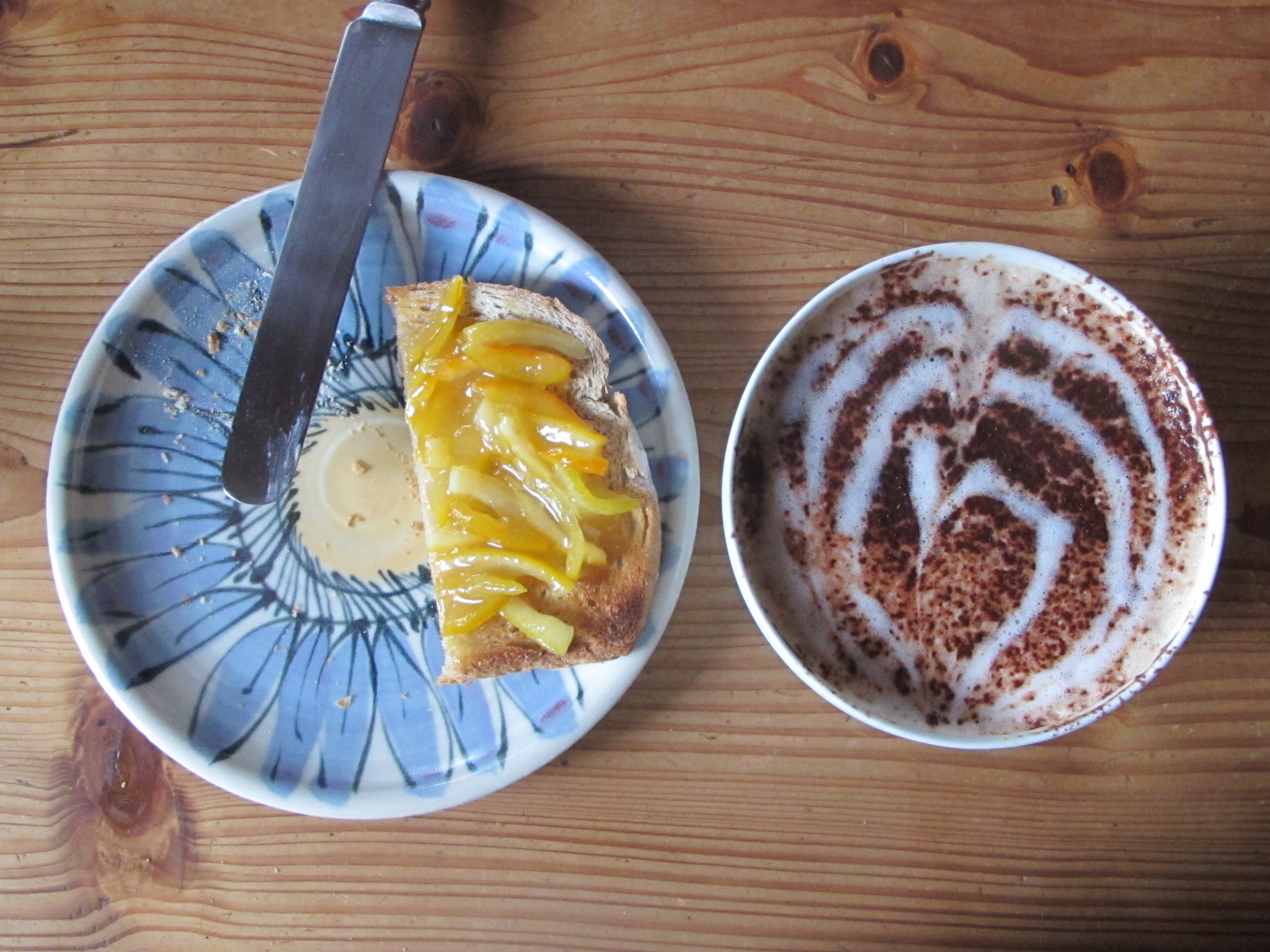
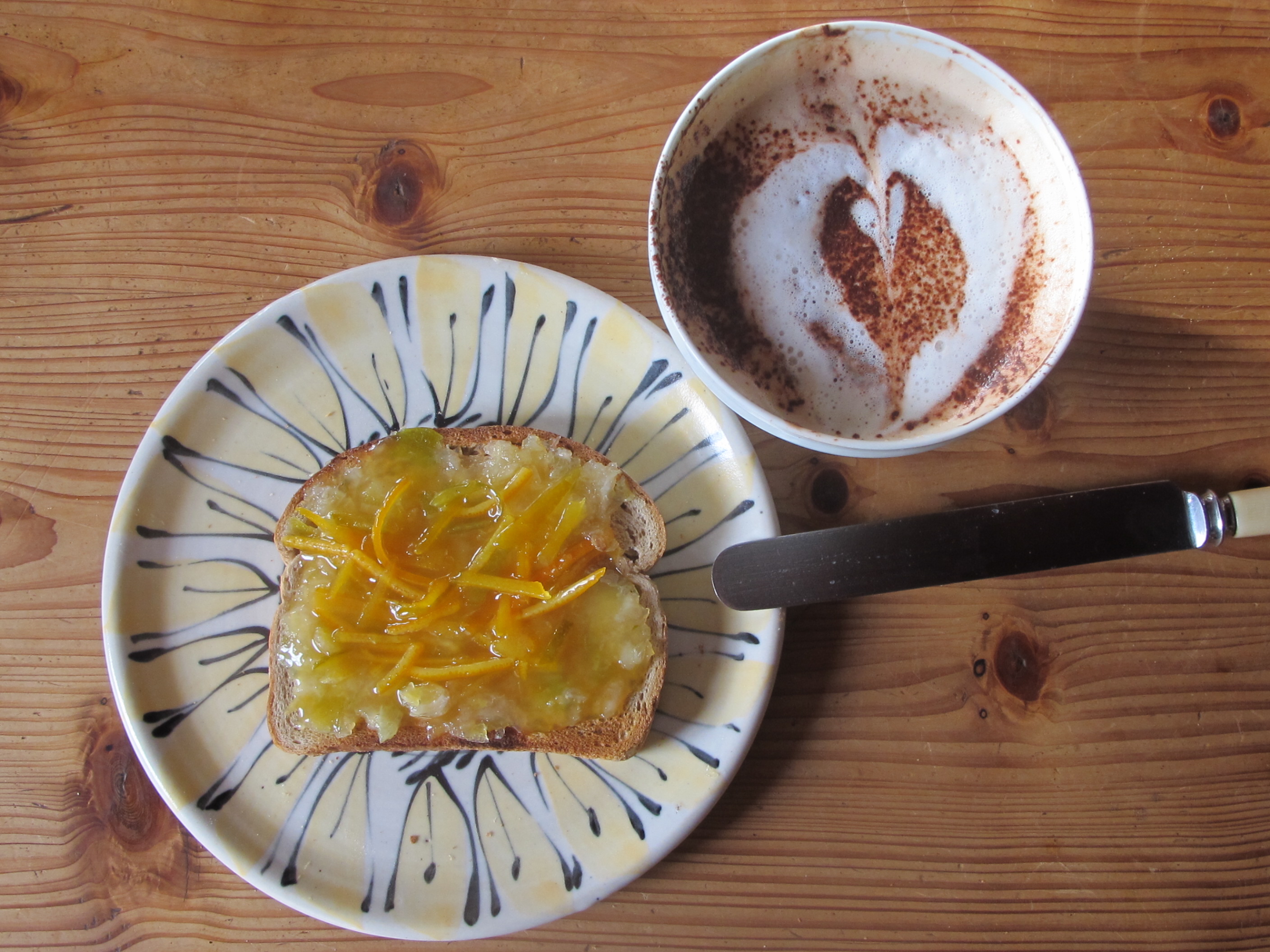
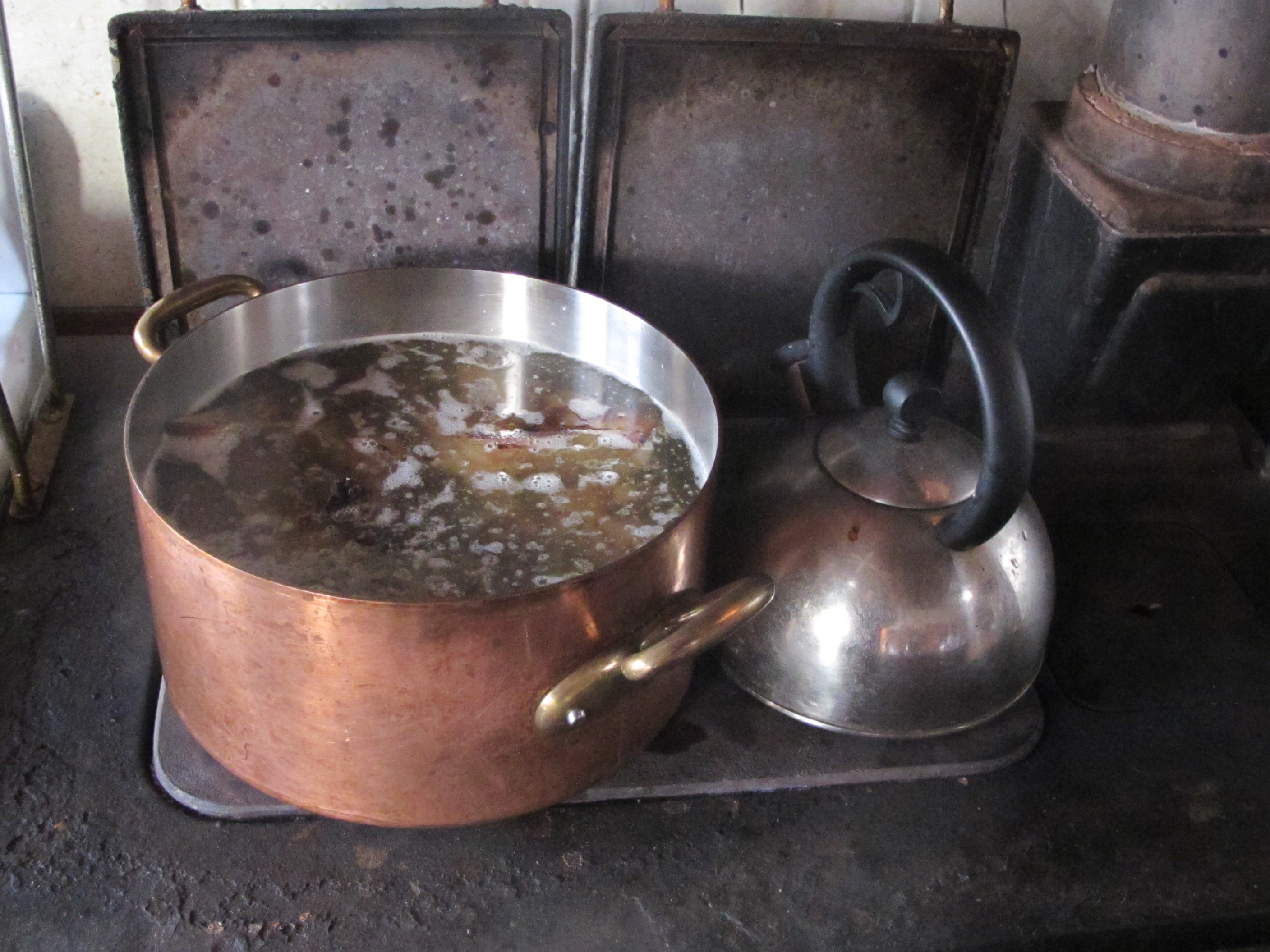
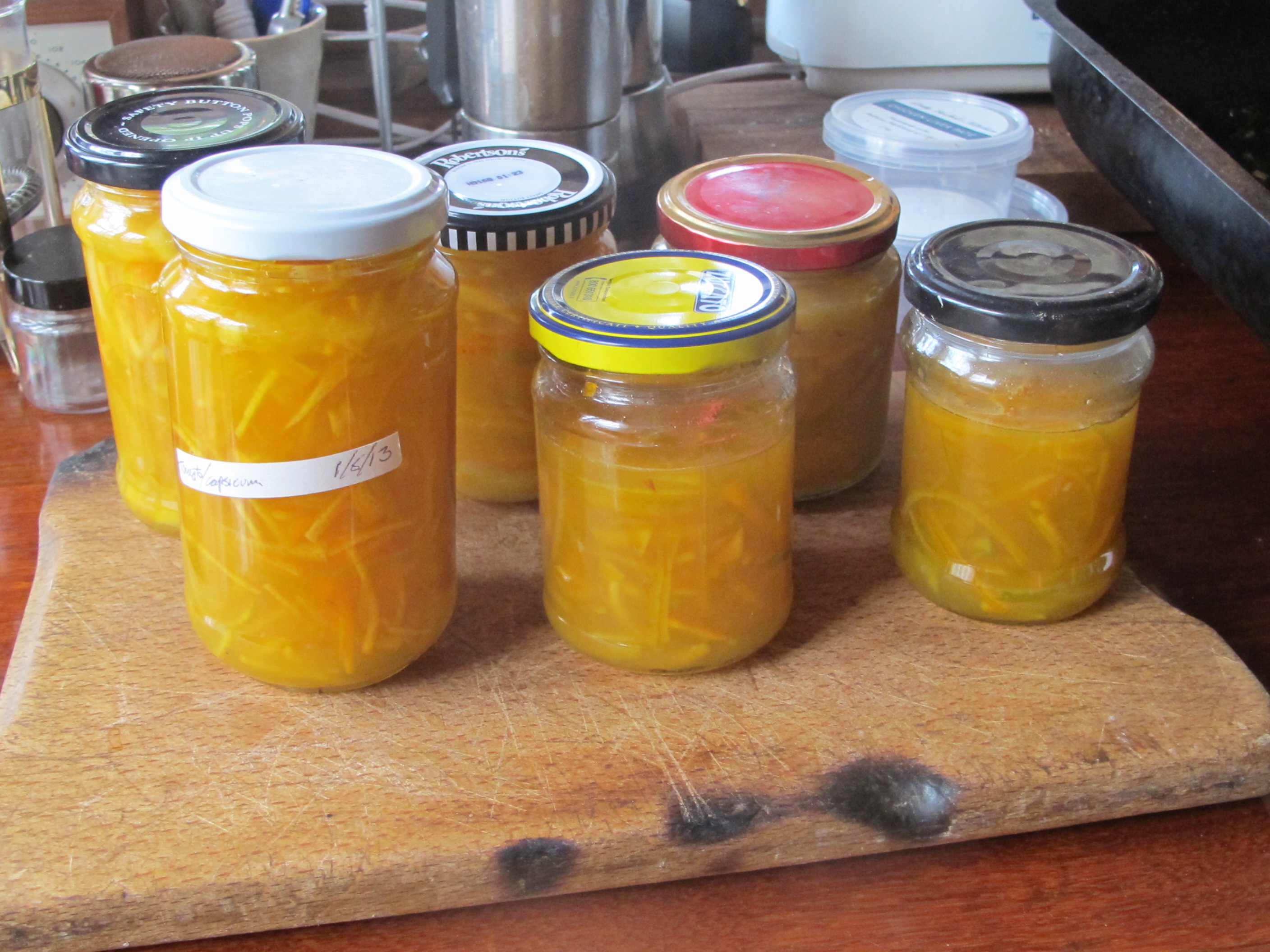
Mid winter is the time for warm lingering breakfasts of coffee and toast with marmalade. I have been trying to keep up with the citrus fruit this year by making a batch of marmalade each day. Of course I’m not successful at this. It just can’t be done, but I hold it in my mind as an objective to aim for. There is so much to be done. Something has to give. Sometimes it’s cello practice, other times its preserving the garden excess. But the winter firing workshops must be prepared for and made to work smoothly.
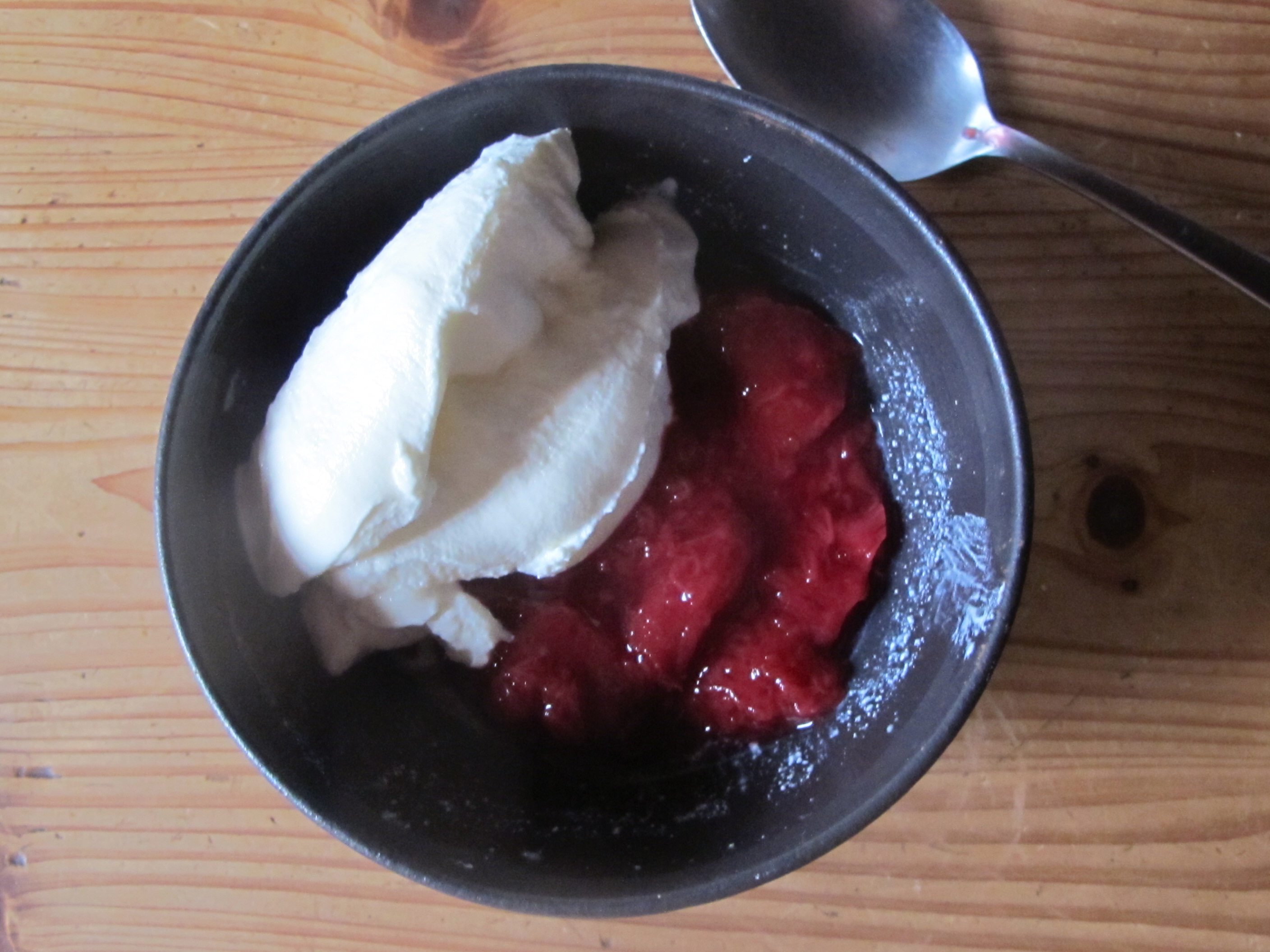
This mornings breakfast involved preserved blood plums from the summer with yoghurt. These are so good. Full of flavour, sweetness and the fruity acidic tang of a good blood plum. The colour is exceptional, dark and rich, with a complex texture that is both fibrous and smooth. We have been enjoying them on and off through the year and are now down to our last three jars. It’s a wonderful thing to have a pantry full of preserved food that you have grown and bottled yourself. A great sense of reward and satisfaction just to look in there and see all the colours ,and then to imagine all the concentrated flavours, that you know and are so familiar with. What is really good, is to know that non of it came from a supermarket or chemical factory and non of it is stored in plastic. All recycled glass. our oldest bottles date back to the mid seventies, and they were bought 2nd hand even then.
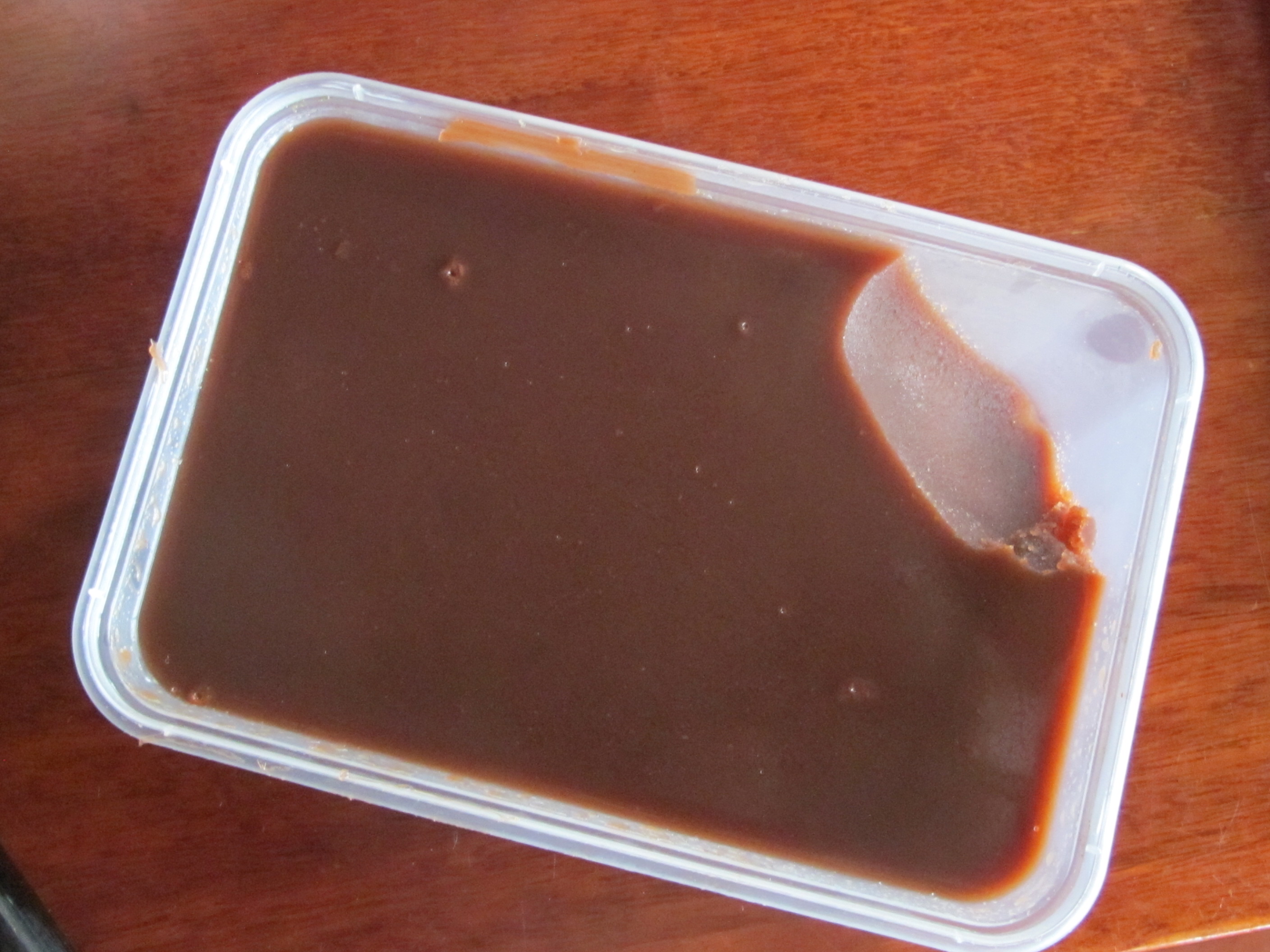
This week I have been developing the recipe for my marmalade a little bit further. I use more or less the same recipe every year. the only difference being the fruit that i use. Two years ago i was given some honey mercott Mandarins. these turned out to be so sweet that the marmalade was not nice. Too sickly sweet. I like my marmalade to be a bit tangy and slightly bitter, and definitely not too sweet. it has to taste of citrus and the tangy bitterness of the peel. I aim for a nice creamy smooth texture, not too runny, but definitely not stiff and rubbery.
So to this end I did a few experiments. I have always weighed the fruit. 1 kg of whole fruit to 300g of sugar and I use only the juice of the fruit as the cooking liquid. However, the juiciness of the individual fruits varies so much. Especially in regard to when the fruit was picked. I have noticed that the fruit is easier to juice if it has been picked for a week or so beforehand. fresh picked citrus is a lot harder to juice.
I have come to the following recipe, developed from the original one above, but reduced to separate weights of each of the components. recipes That I have read that say take 4 oranges and add ‘X’ sugar and ‘Y’ water aren’t reliable, because the size and the age of the fruit varies so much. I decided that achieve the best result, it would be necessary to weight the separate ingredients; the cleaned peel, the squeezed juice and the sugar individually.
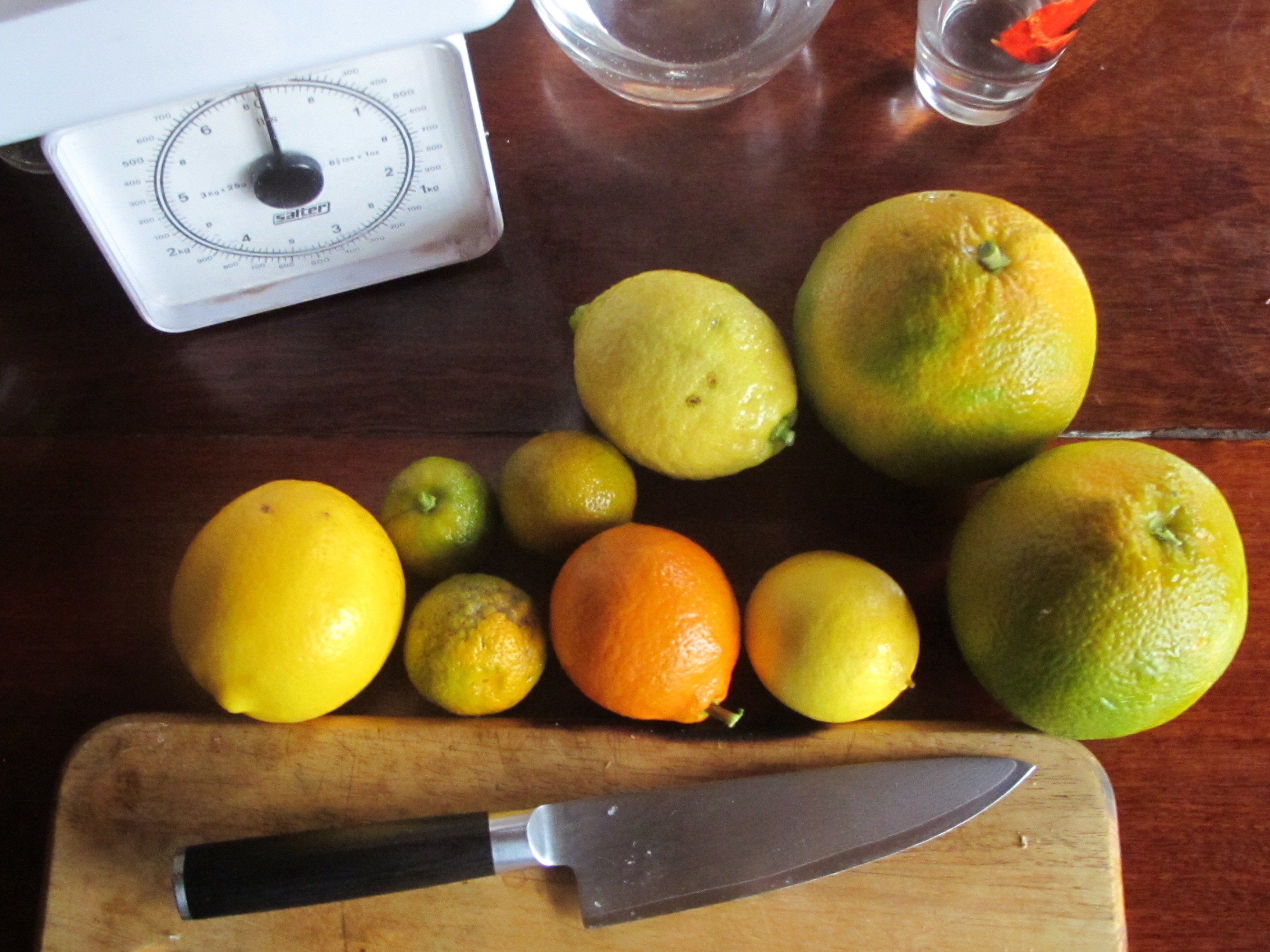
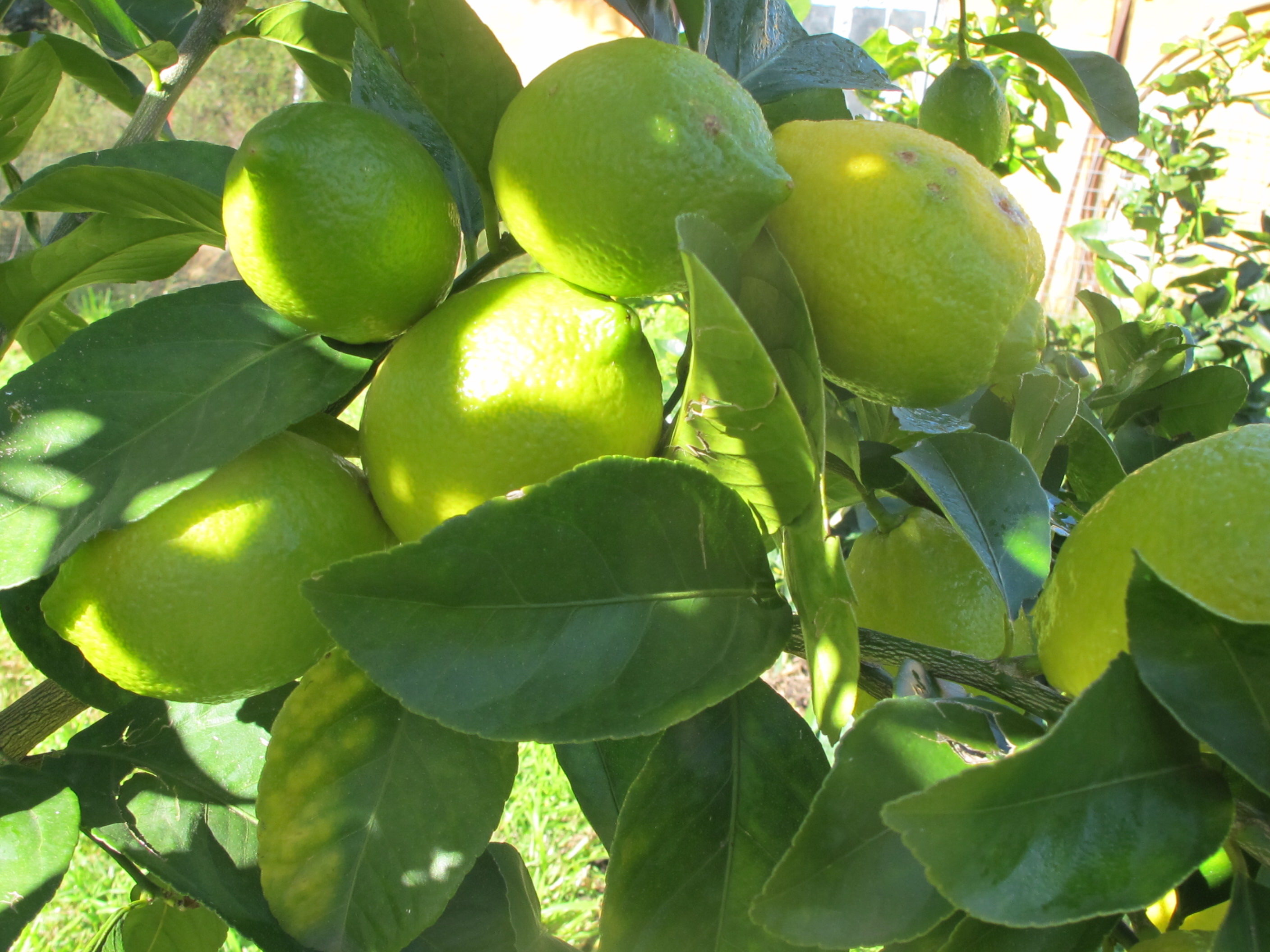
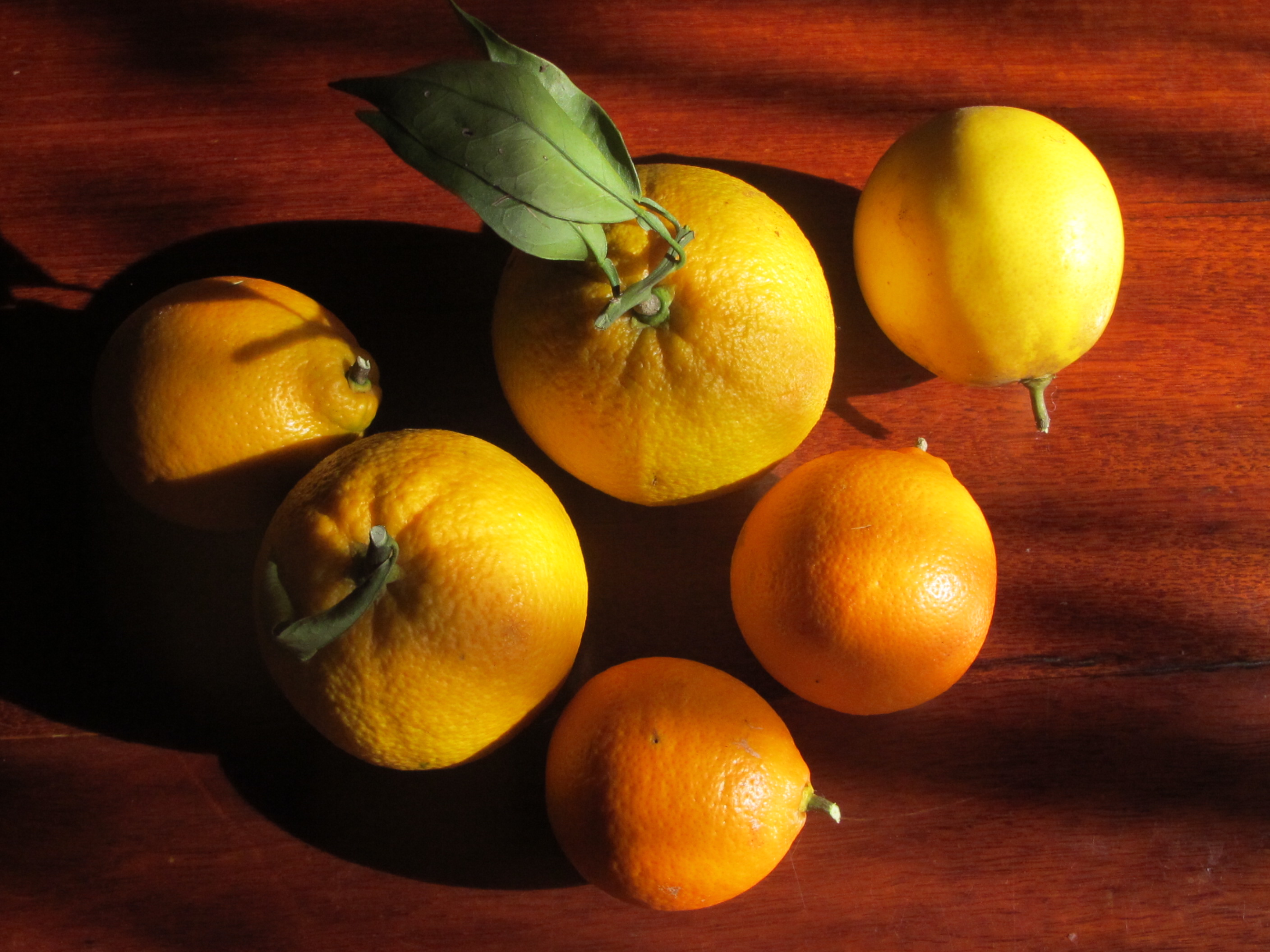
Yesterdays batch of mixed citrus fruits from the grove turned out quite well following this line of thought. I used;
1 ruby grapefruit
1 myer lemon
1 Tahitian lime
1 seville orange
1 Washington navel orange
1 tangelo and
1 Italian bitter chinnoto
I have come to the following recipe and method.
Recipe.
Cleaned citrus Peel = 100% = 550g
Juice 83% of the weight of the peel = 455g
Sugar 79% of the weight of the peel = 435g
Method.
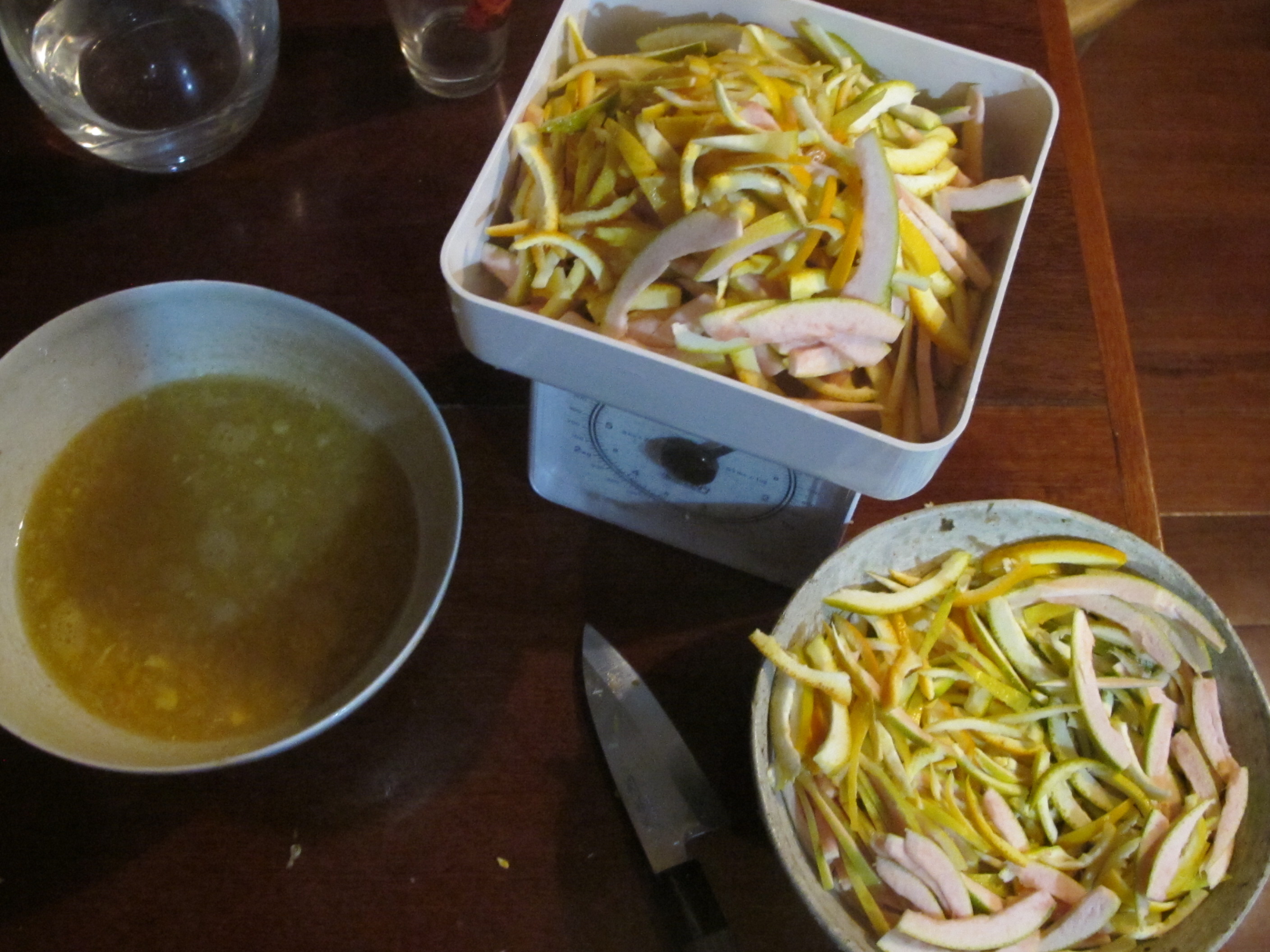
1. Squeeze the juice out of the fruit and set aside
2. Strip the peel of all the spent fibrous core, to reveal the peel with a clean layer of white pith.
3. Thinly slice the peel into strips and weight it. What ever the weight of this peel, say 550g. call this amount 100%
4. Calculate 83% of 550g = 456g. Weigh the juice and make sure that it is 456g, or close to it. If the fruit is a bit dry and there isn’t enough juice, then juice another piece of fruit to make up the difference. If you have too much, drink the excess.
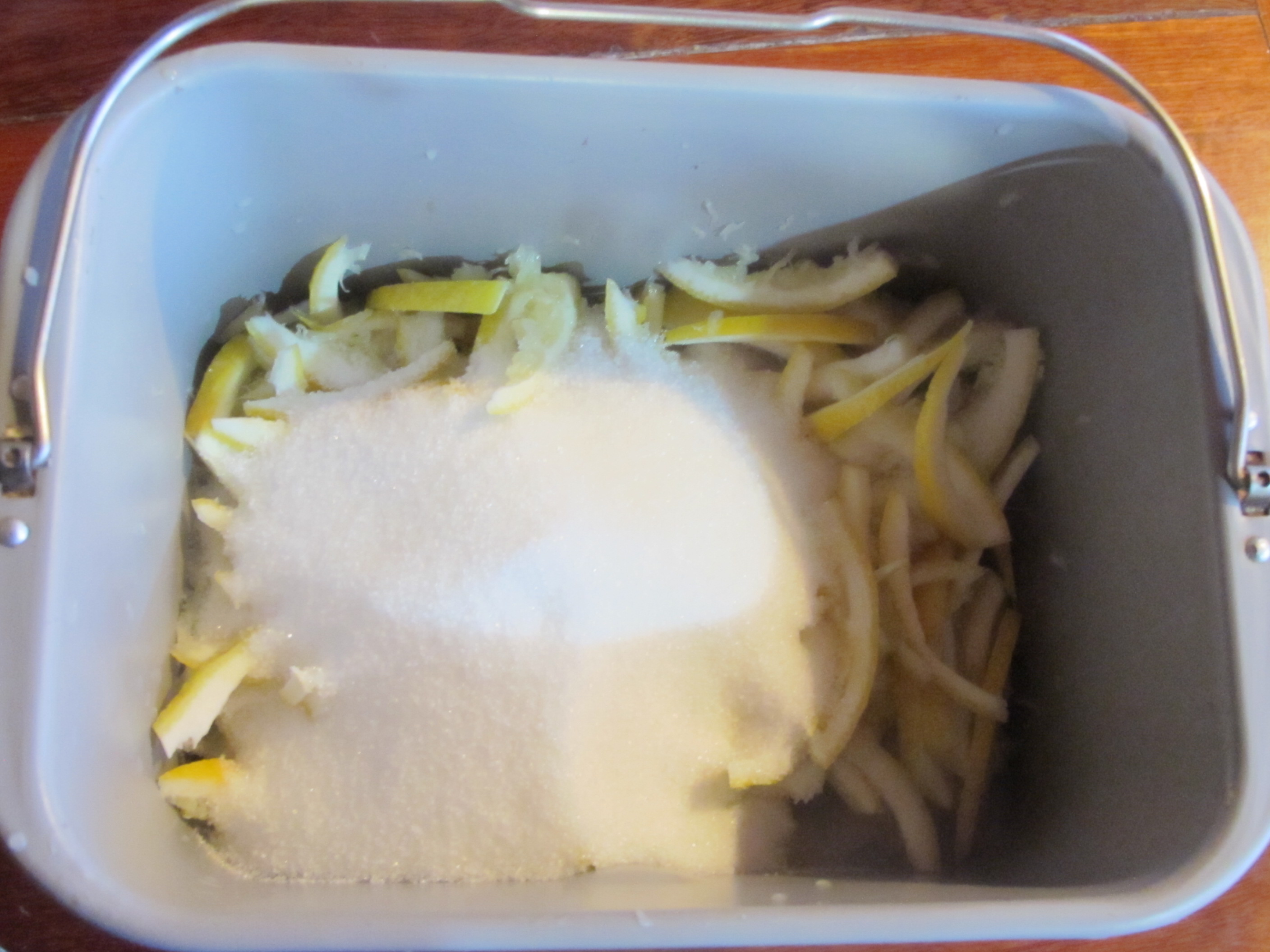
5. Calculate 79% of 550g. = 434g. Weight out 434g of sugar.
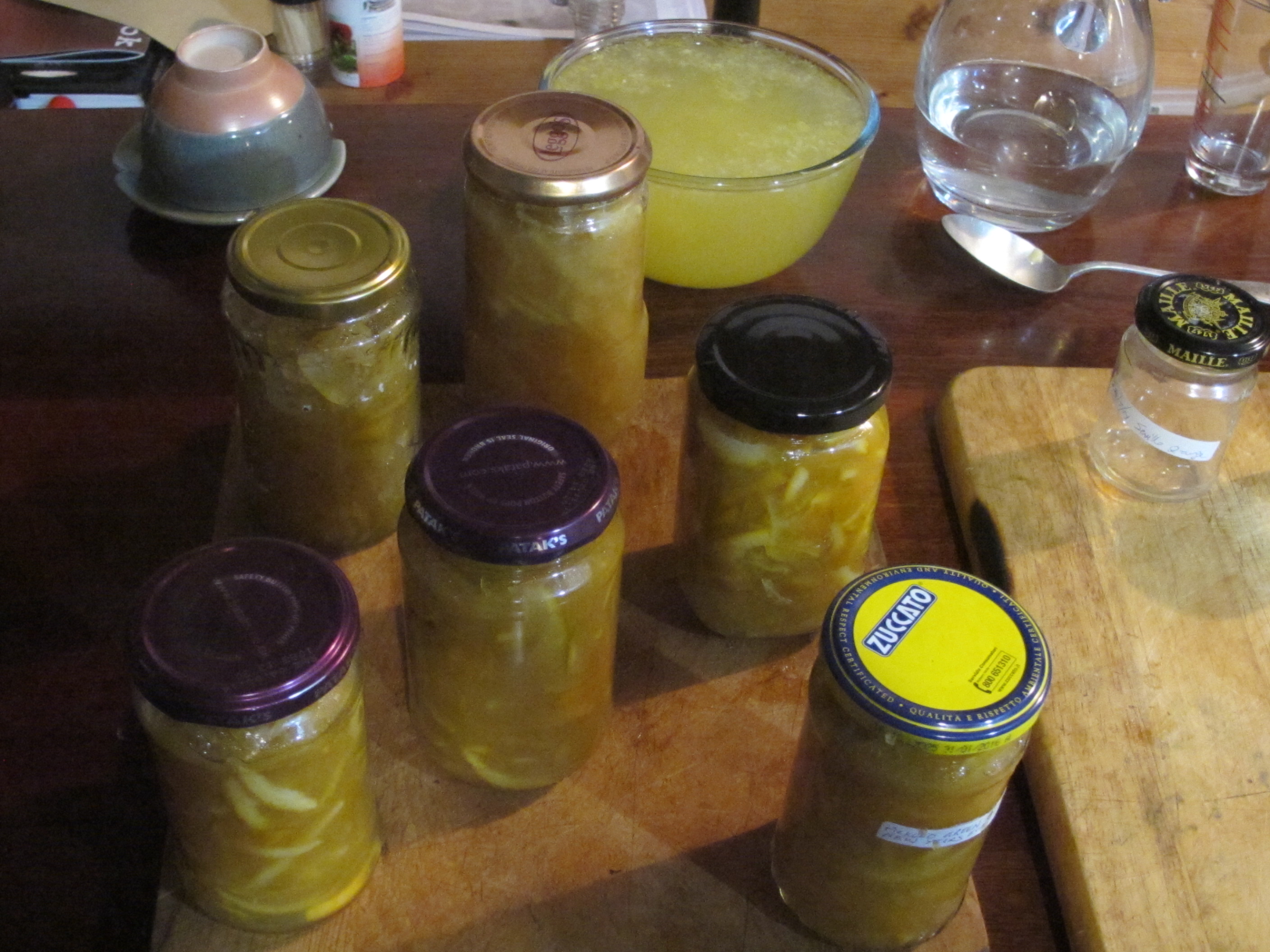
Place all ingredients in the bread-maker machine pan and set for ‘Jam’ setting. come back in and hour and decant into sterilised jars while still hot from the oven and seal with sterilised lids. They will make a loud ‘POP’ noise as they cool down and vacuum seal.
I am inclined to add a dash of whiskey into the hot marmalade as it comes out of the machine. Stir it through evenly, just before pouring into the jars.
Technically, sealed in this way, the marmalade should last for a few years, but never seems to last us till next season 🙂
You should end up with a creamy, smooth marmalade that isn’t too runny or stiff, and you don’t have to soak overnight or spend an hour at the stove stirring, or boil the pips in a calico bag. Marmalade for busy people!
Best wishes
Steve and Janine, a busy couple of people
To Get Rich Is Glorious
Back from the Lip
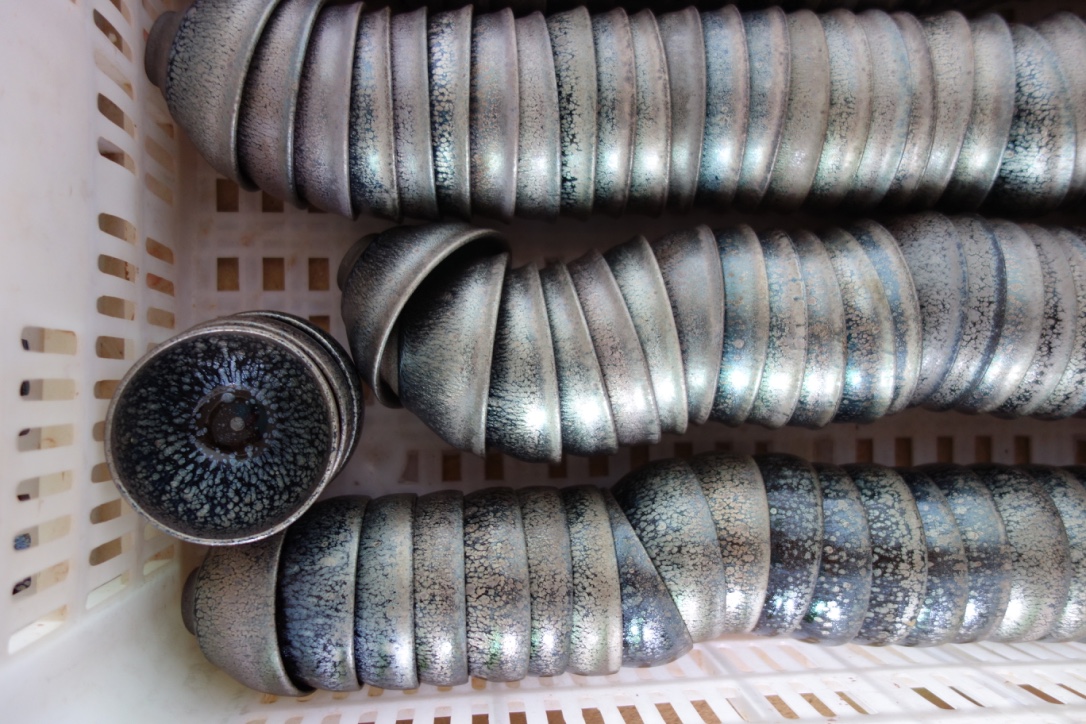
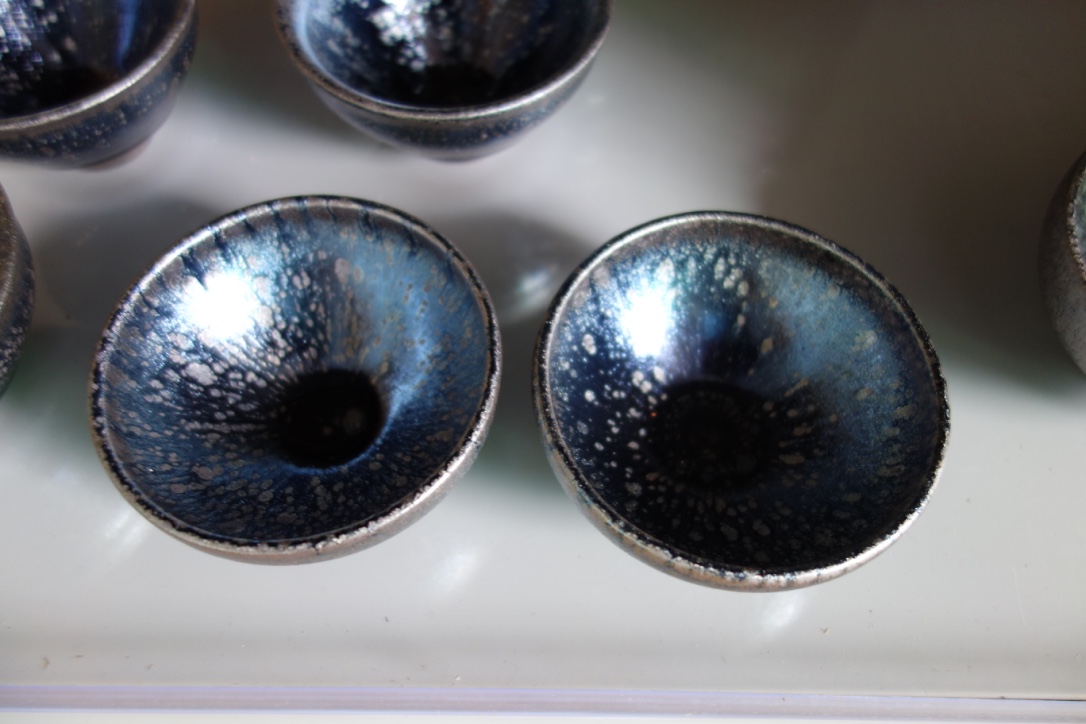
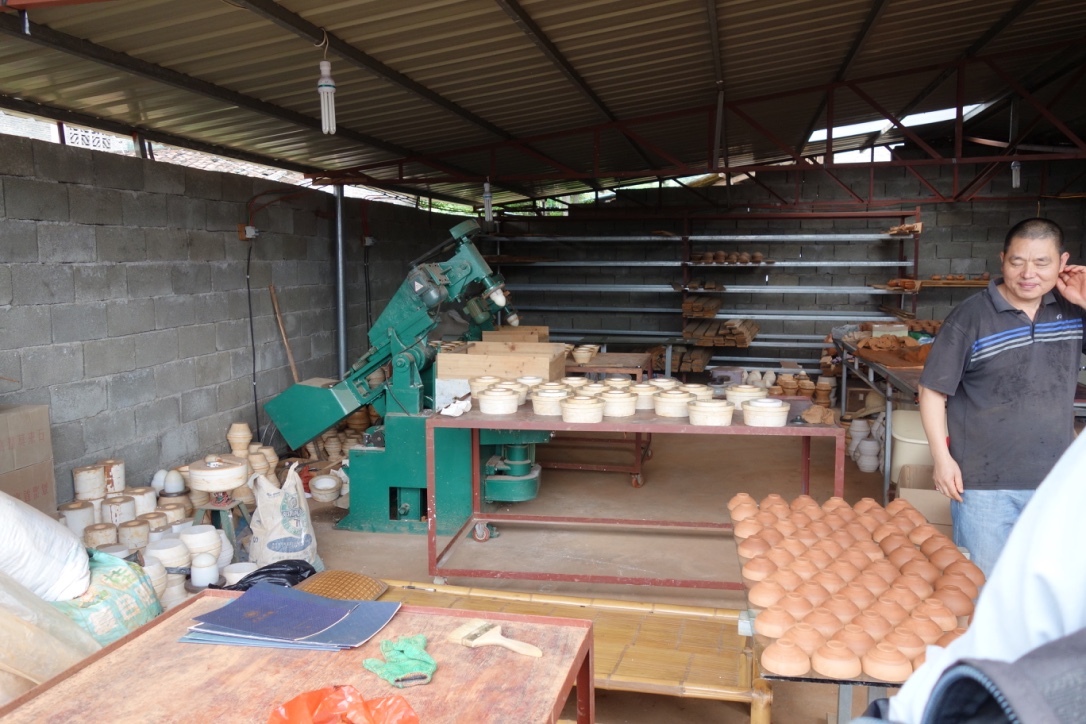
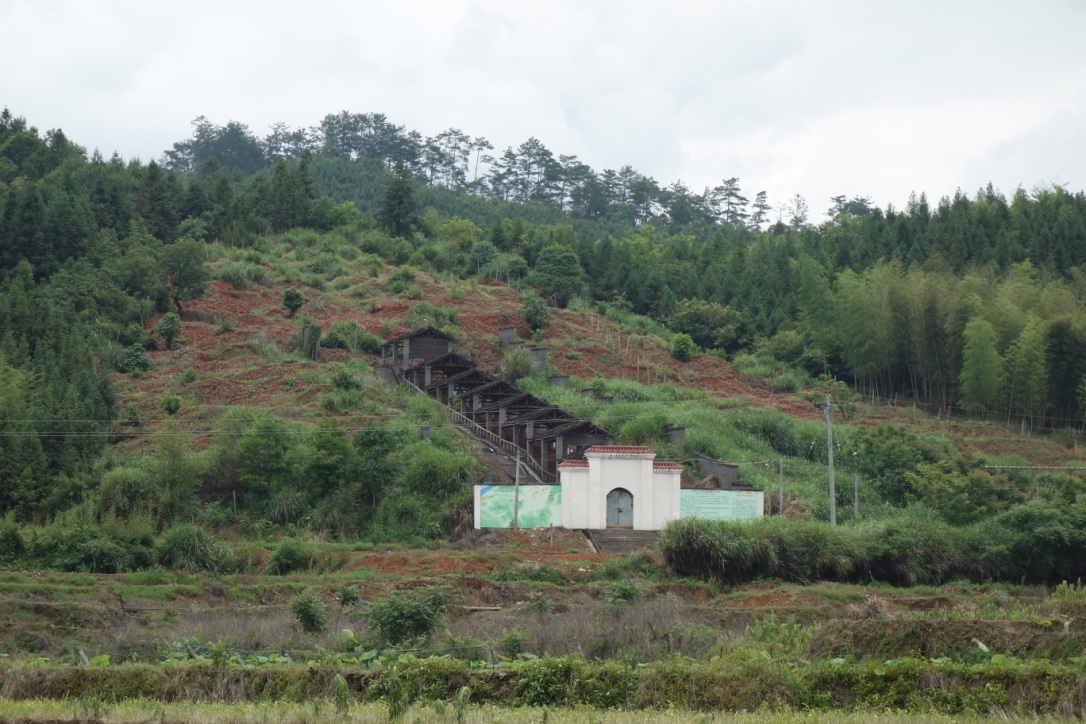
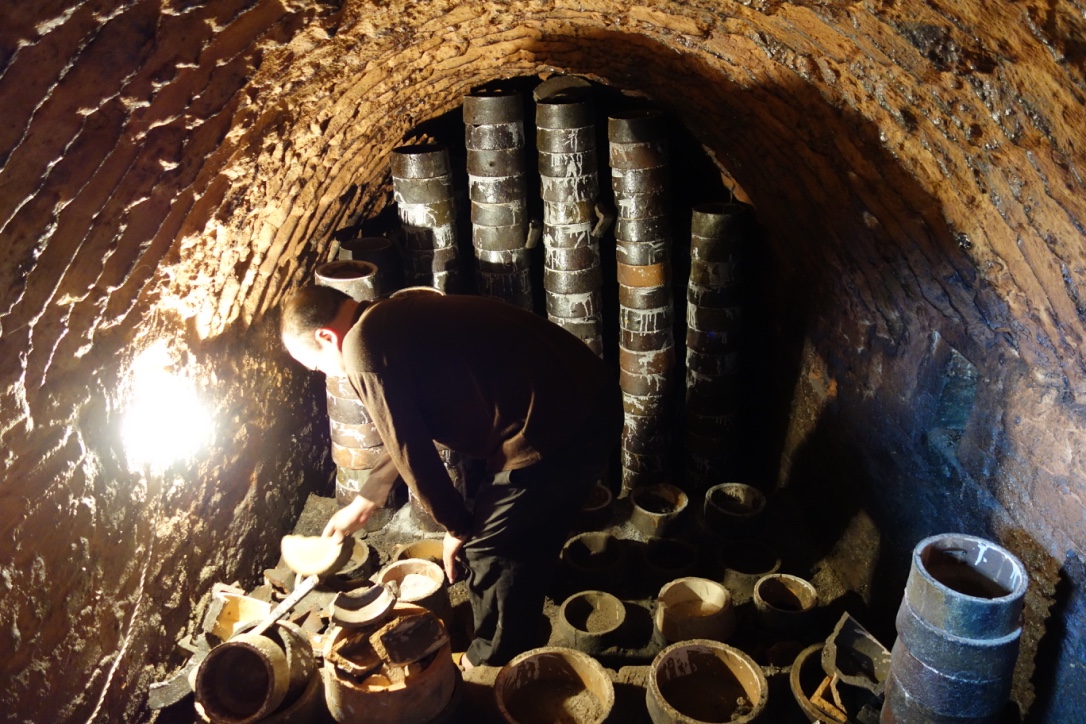
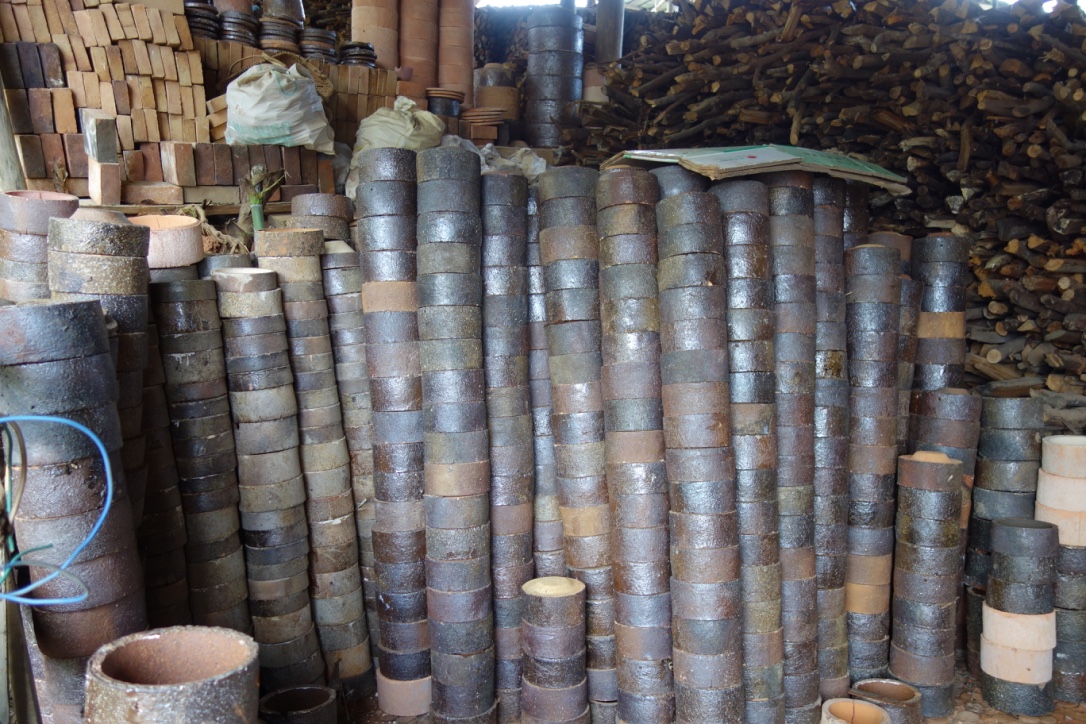
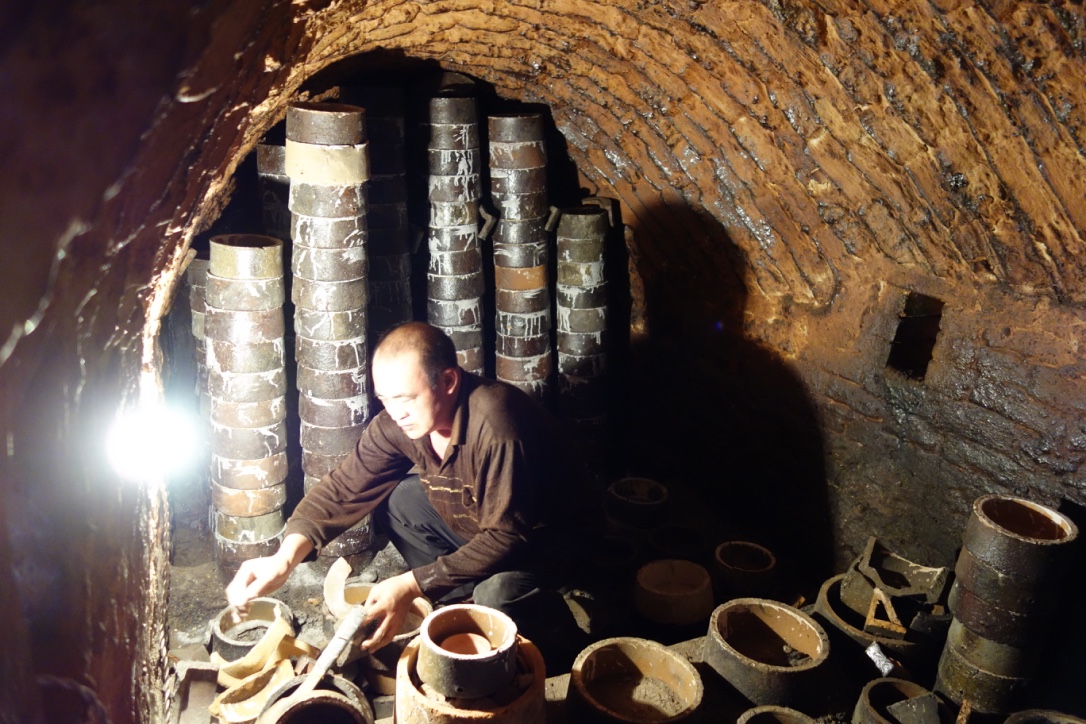
We prepare to leave the realm of our Colonel Kurtz of Tenmoku. We kurtzy, as a kurtesy and take our leave. But before we leave the valley completely, we want to spend a day visiting the contemporary potteries that still practice the forgotten art here in this little remote valley. They are reviving the old style here and dragging the lost art back from the brink. Re-inventing it as they need to as they go.
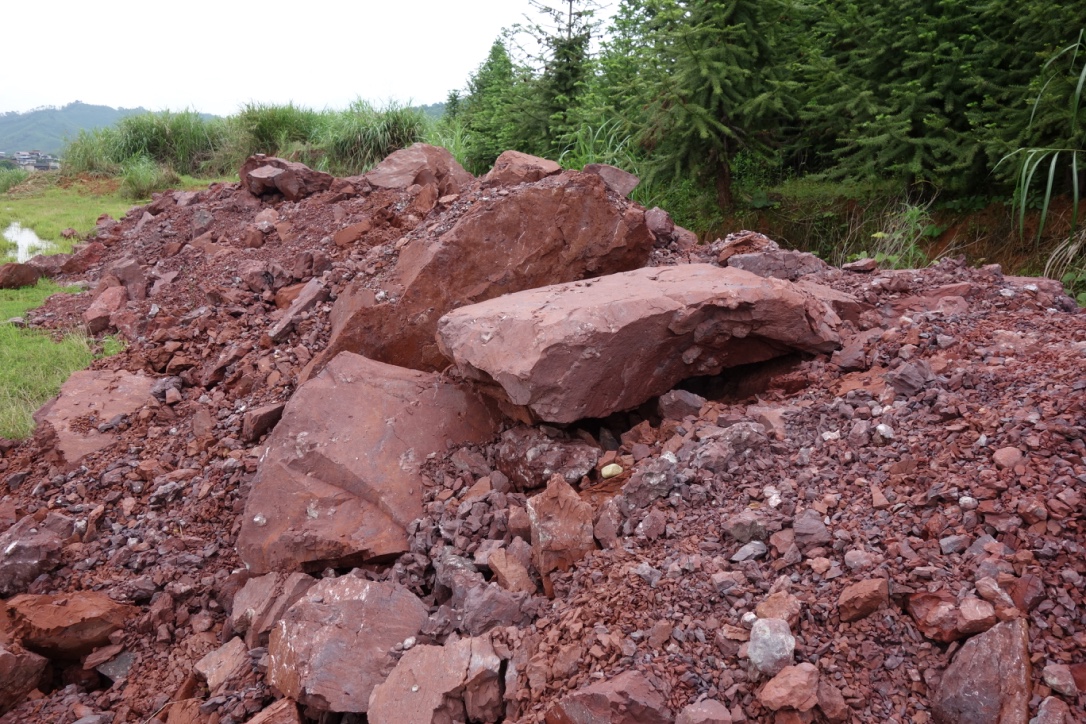
There a still a few potteries here and there around the area, a few either side of the valley and another over the river, plus several in the nearest town. They are all making contemporary interpretations, if not replicas of the old wares. None of them have really worked out how to do the most difficult and rarest styles. Even though they have the exact same raw materials and clays right here on site. We keep on finding the same purple, shale-like material, piled up in great heaps.
The best pots were so very rare, that we couldn’t even identify any broken pieces of shards in among the millions that litter the various sites. Even though our very own Kurtz took us to the actual site that he says was the place identified in the old records. However, we have no way of cross referencing this piece of information and there is no real difference in the nature of the shards here that differentiates this site from some of the others.
What there is here is an amazing little piece of information that is quite unexpected. Leo will have to present a paper on this and publish it to get some cred for it in the academic world. ‘Kurtz’ seems to be indicating that we can keep the shard from here, as he seems to own it??? Not too sure about this. Still, we take loads of photographs and record what we can of what we have found. This is a blog and not a peer-reviewed paper. So I’ll leave it there. Conrad would have had more to say on the matter I’m sure. But I’m not Conrad. Our Colonel Kurtz seems to rule in this remote valley, all the way ‘up-river’. And how appropriate it is that he should dress in a US Army camouflage uniform? But instead of finding Conrad’s ivory trader, we find that he’s a blackware trader. It’s not quite the same. In fact the difference is black and white!
Growing Old Together
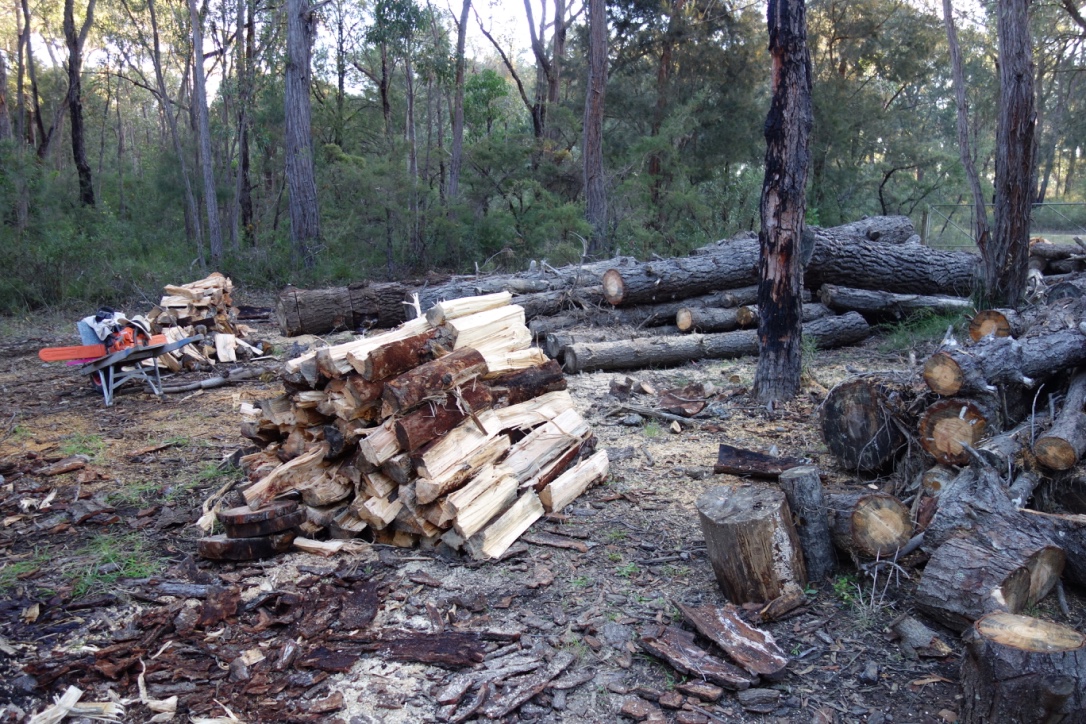
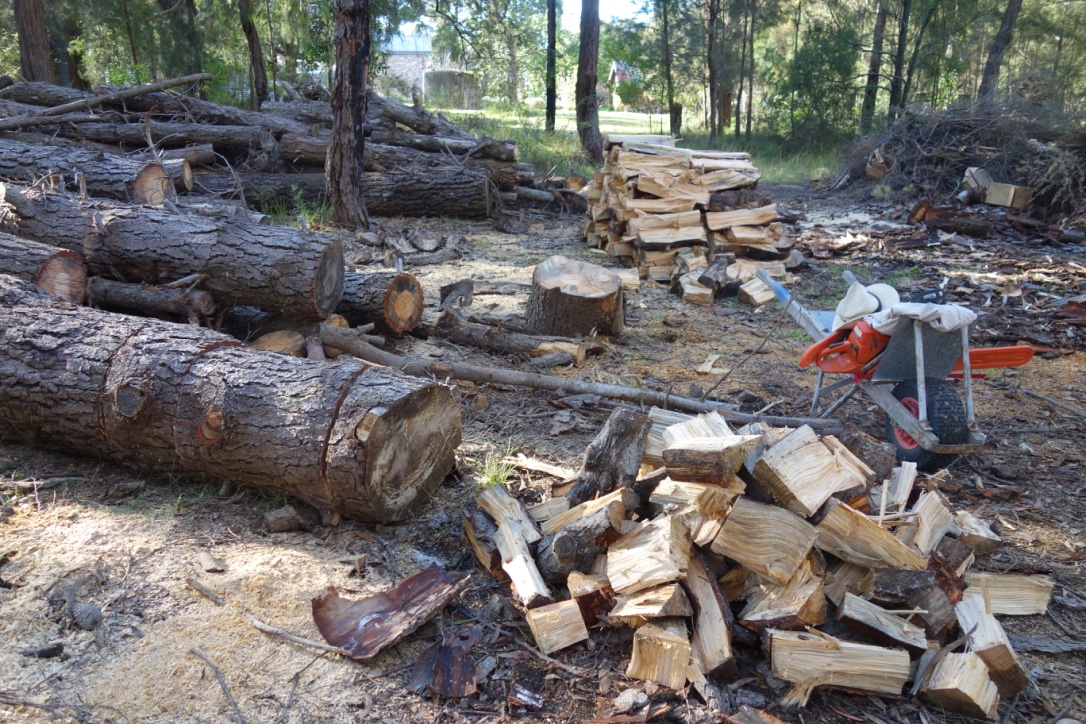
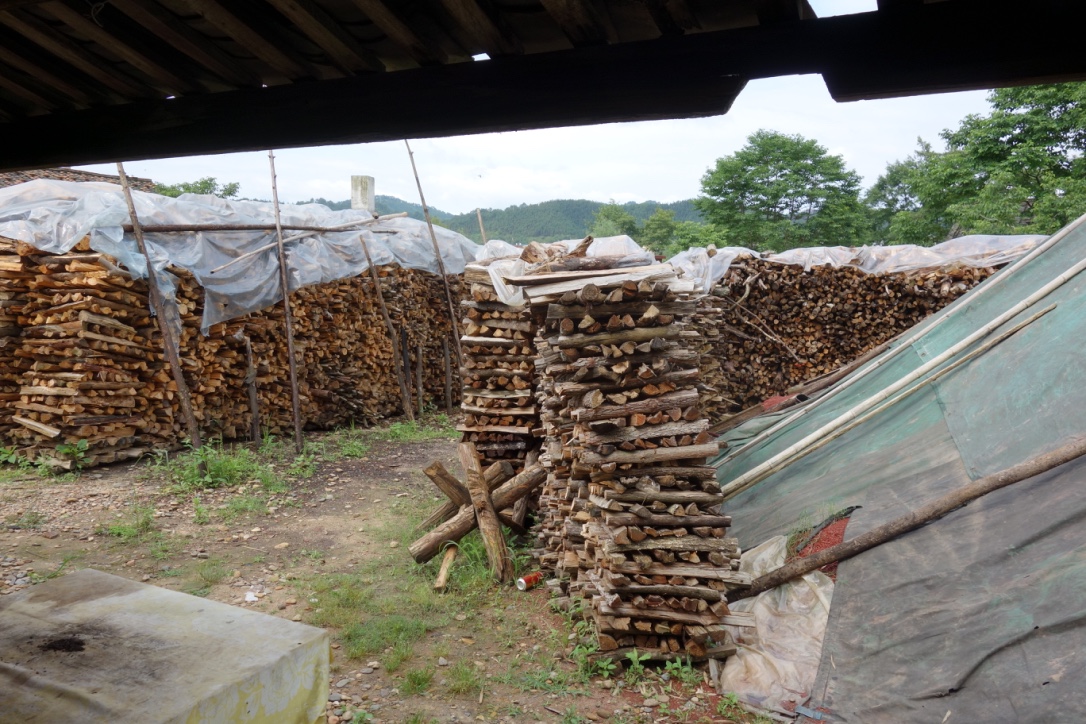
Potting, throwing, making clay, kiln packing, kiln firing, kiln unpacking, more wood cutting splitting and stacking, gardening, weeding, pruning, composting. It’s been a busy couple of weeks.
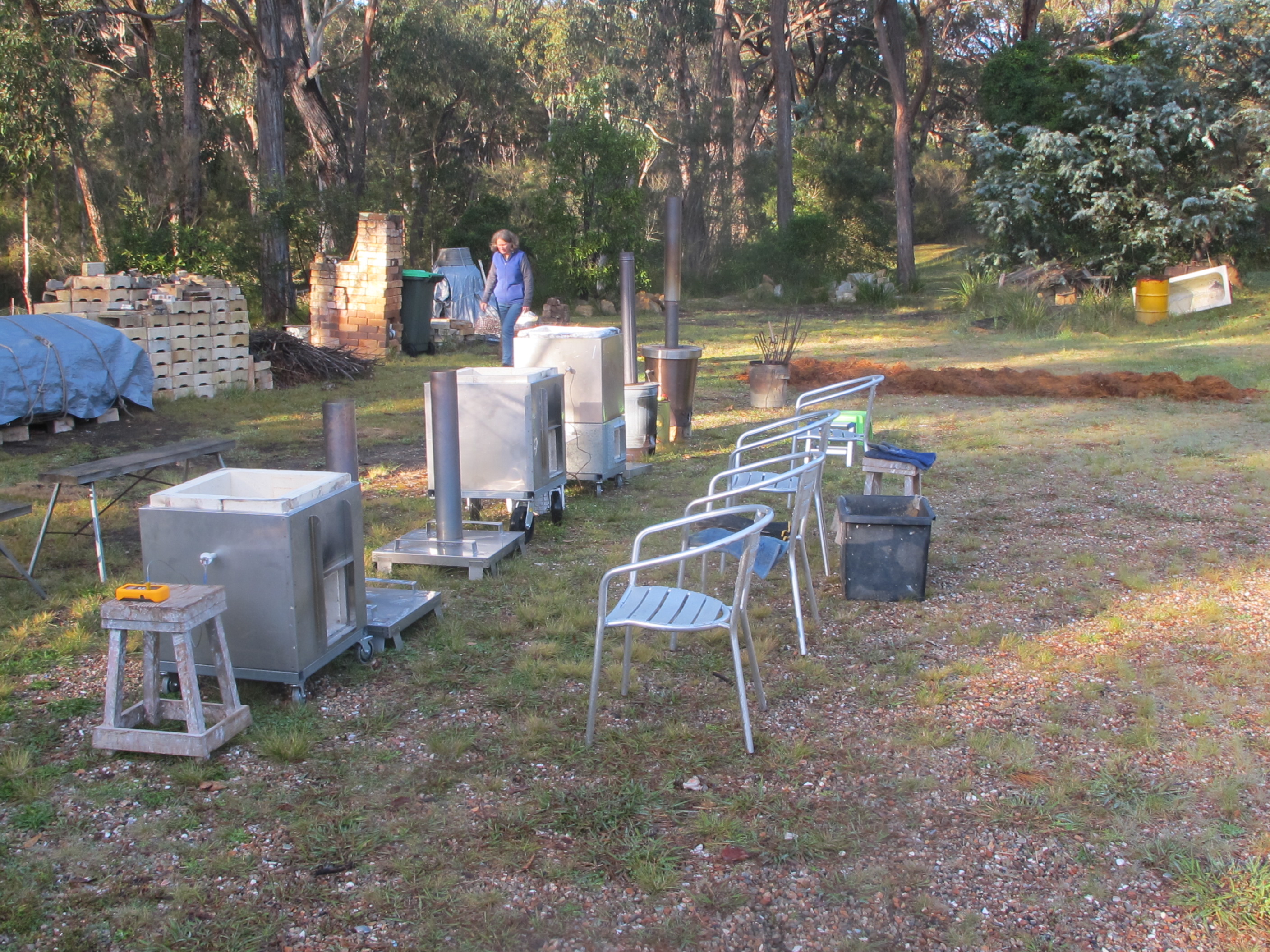
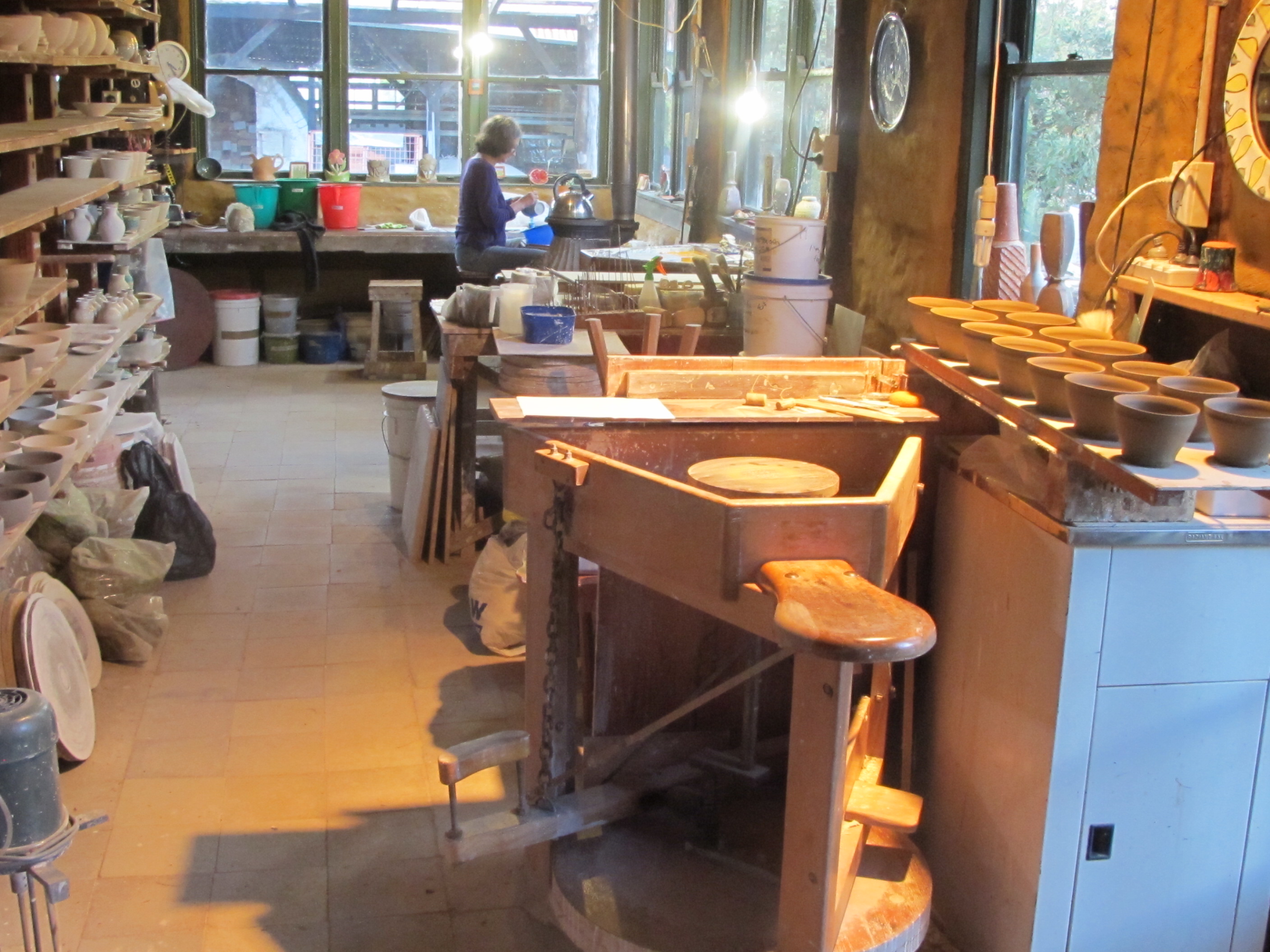
Recently we have been doing something different everyday. There is always the garden and the pottery, then the house and land maintenance, but we are also doing weekend workshops over the winter months. We have just completed the 4th weekend in a row, only nine more to go, with a possible tenth.
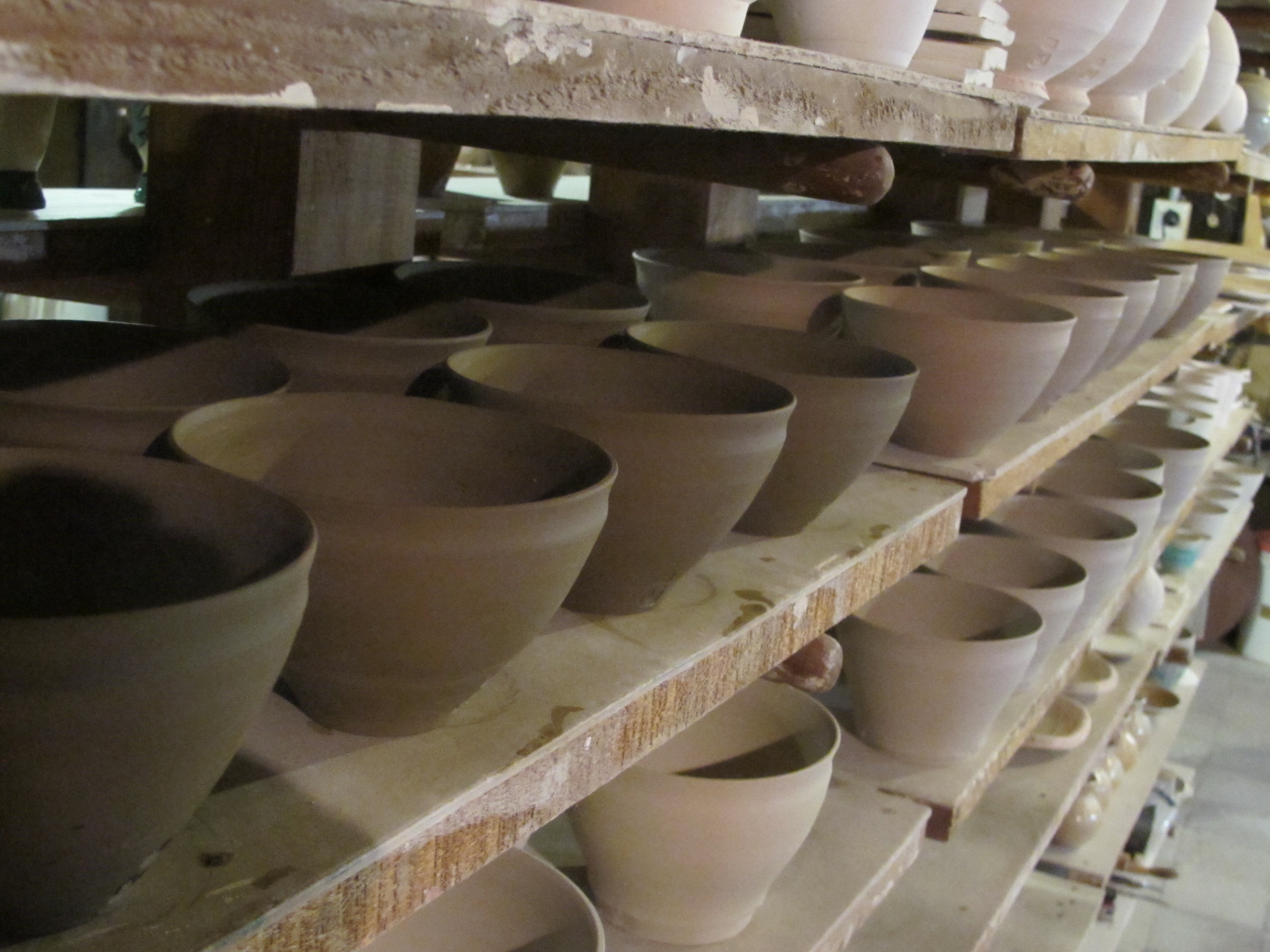
We started off the week in the pottery making pots. It’s always fun to get in there and let a few days slip by un-noticed in the joy of making. Clay is such a tactile and responsive medium. I’ve started to make some white tenmoku bowls out of my native bai-tunze porcelain stone. I also make a pot-board full of stoneware bowls and another of blended kaolin/stone based porcelain body. I finish up by making a board of Black ware tenmoku bowls. I plan to fire these unglazed in the wood kiln so that they will come out jet black. I think that this contrast of matt black and glossy white will work out well together. It’s just an idea. I’ll have to see how it goes. It’s starting out looking OK.
The kiln that I welded up last week is back from the galvanisers already. A 7 day turn around! unheard off!. What has gone wrong? It usually takes these buggers at least 2 weeks and more, usually 3 or 4. I’ve even waited 6 weeks for one of my jobs to get through their process. Still, it’s back here now and I’m very pleased, it takes the pressure off. I drove up to Sydney on Monday morning to collect it – to make sure that it was done. I have spent an hour or two each morning this past week grinding, etching, sanding, filing, priming, undercoating, and finally two coats of top coat will go on the inside to make sure that it is really well rust proofed inside for years into the future.
The customer has no idea what has gone on inside this kiln frame. It’s all covered over in Stainless steel, but I know that it is the best way to insure that this kiln will last a working life time and more. I don’t have to do it. I decide to do it, because it’s the right thing to do. No one will ever know, but I know. I build them as if I was going to own it myself. I want it to last for 20, 30 or maybe 40 trouble-free years.
I know that this effort will be rewarded. I have some kilns out there in Universities and TAFE colleges that are fired on a regular basis, every week and have been now for almost 30 years. I know their history and I also know that they have had only minimal maintenance issues over that time. I’m proud of that. If I buy something, I want it to last, all my life if necessary, with no built-in obsolescence. I want it to work perfectly, for as long as possible, and then to only need minimal attention. Something like the replacement of the thermocouple or temperature meter. This is my aim, and I’m all-in to go for it as best I can. It’s the product that I want to own!
Another little wood fired raku/midfire portable wood kiln rolls of the production line. This one fitted with all-terrain 200 mm. tyres, for wheeling over wet lawn and/or soft gravel.
I started weeding the last of the tomatoes from the summer garden and made a huge couple of heaps of compost of all the weeds and old tomato and spinach plants. At this time of year, the Worrigal greens (tetragonis) seem to spread everywhere. It’s a native plant that is something like spinach, but growing prostrate, and spreading wildly. It seeds prolifically at this time of year and there will be numerous seedlings appearing in the spring.
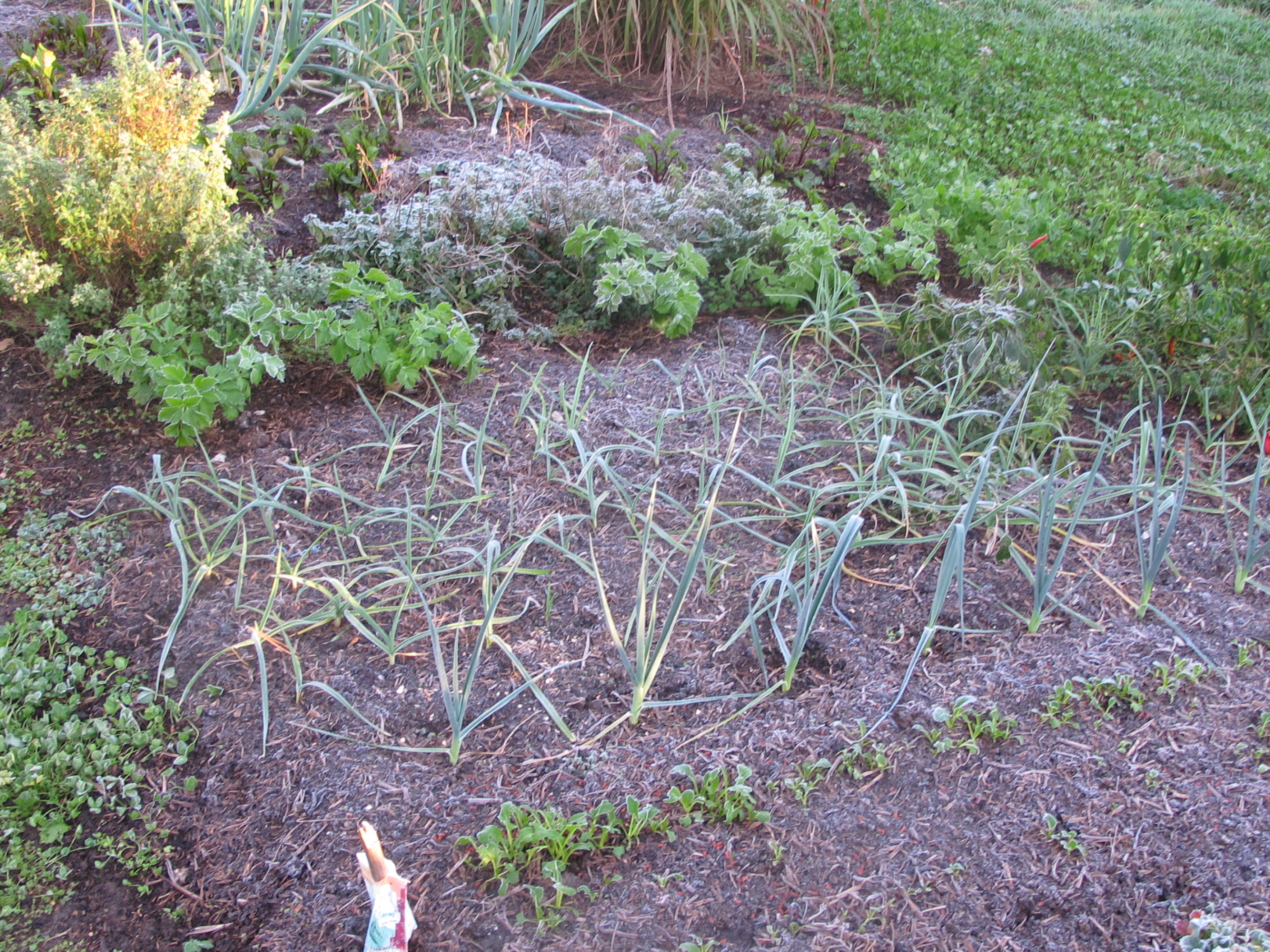
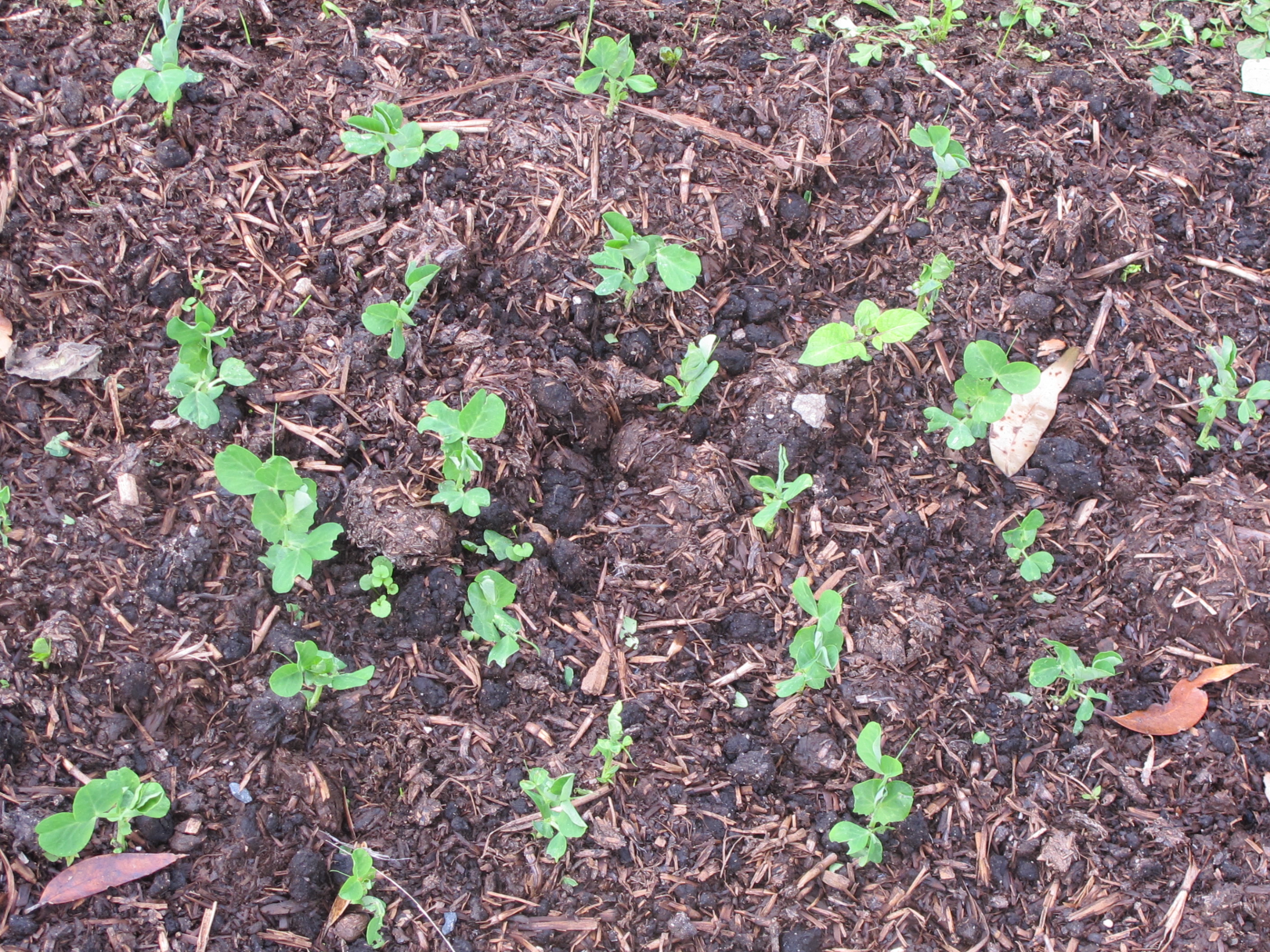
The garlic that I planted in March is all up now, early, mid-season and late varieties. All seem to be doing well. I also planted bush peas and broad beans on either side to accompany them and to fix a little nitrogen as well, while they are at it. We’ll see how the rest of the year pans out, and if the rainfall continues.
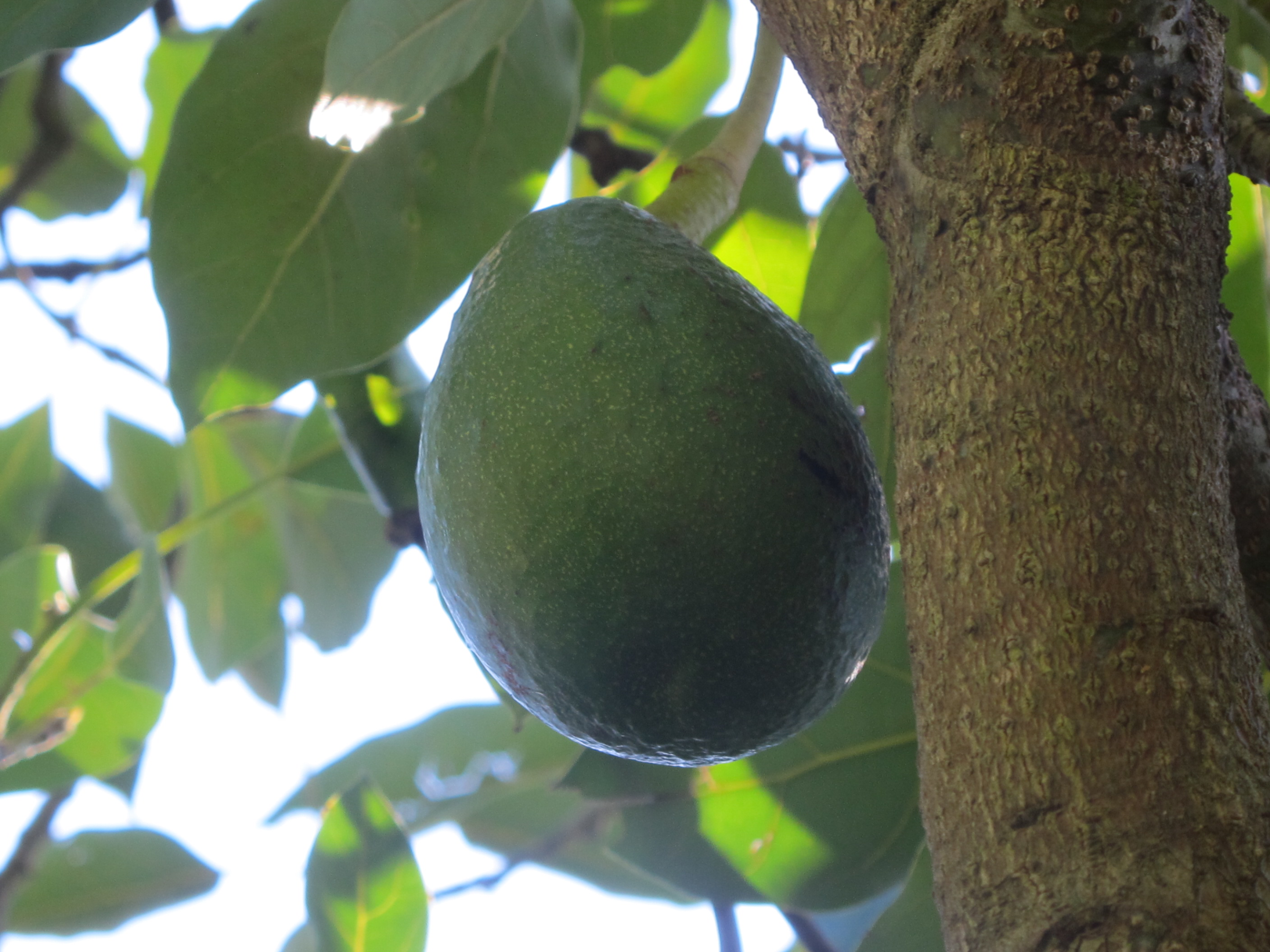
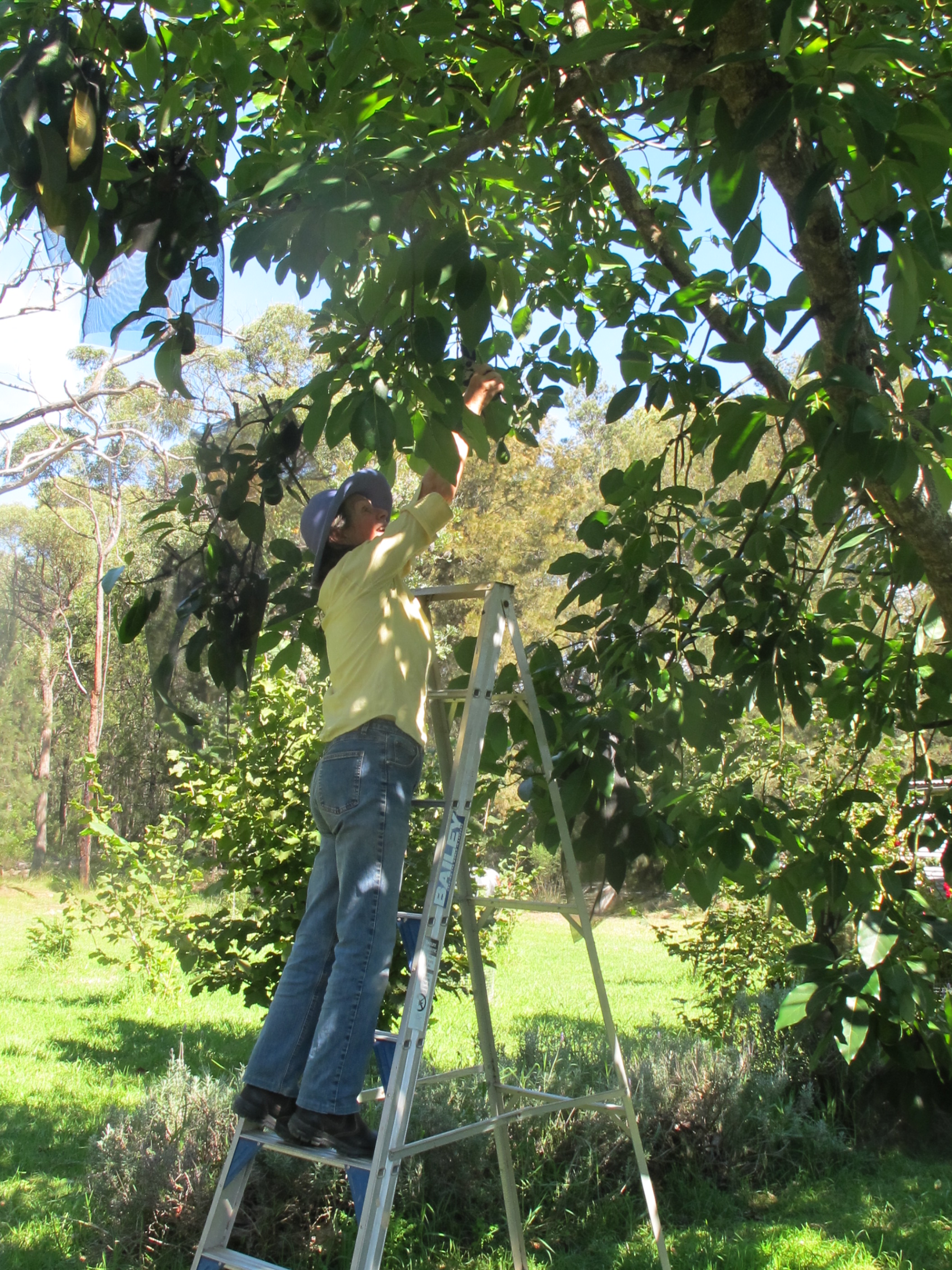
One plant that has thrived in all this rain has been the avocado tree. We have a bumper crop this year, hundreds! We’ll eat what the hail, birds and possum don’t ruin.
We had such a sustained hail storm last Saturday week. During one of our wood firings. The hail on the tin roof was so loud that I went and put on my industrial ear muffs! One of the potters measured the decibels with her phone app at 89 decibels. That’s as loud as my chain saw, according to the warning sticker! The hail continued and lapsed, then returned 3 times in all during the afternoon and evening. It will have made a mess of the avocados. However the vegetable garden is entirely under cover of both chook wire and small mesh plastic netting now, so I was able to look out of the kiln shed window and watch the hail bounce off the fine plastic netting. After the storm, I wandered out for a quick look, there was no noticeable damage to any of the vegetables. That netting was such an exertion of time, money and effort, but it was worth it in every way. This is part of the pay-back now. All those vegetables saved from a shredding from the hail.
In the evenings, early mornings, or whenever I can fit it in throughout the day, I manage to find a little time to play my cello. It’s a beautiful thing. It’s changing over time as the wood ages and settles in.
We are growing older together, Nina, me and this cello, the difference between us being that it’s the cello that is getting better with age !
Fond regards
Pau Harrison
A world tour of our garden, in 3 meals.
Breakfast, Lunch and Dinner, a world tour of our garden, in 3 meals.
Gardening is a very enjoyable activity. It gets us out into the fresh air, it’s good exercise and It provides most of all we eat each day. As the autumn progresses towards winter, the cooler weather encourages us to seek out more warming cooked meals. We indulge ourselves in reflecting on the people and places that inhabit our collective memories. Our conversations trigger memories of these people and places. Fond recollections of some past events and friends remembered through pots and food. We don’t attempt to make Italian, Spanish, Japanese or any other type of national cuisine. We make Australian food. Real food, home-grown, eaten fresh where possible, but when preserved, we do it without any added chemicals or preservatives. Preserved in glass jars, not plastic. and all home cooked. We just take the influences that we recall and weave them into our dietary choices, them combine our thoughts with what we actually have available to us from the garden.
This is what happened yesterday, in between, potting, gardening, wood cutting, kiln building and building maintenence. There is time for everything, in its own time.
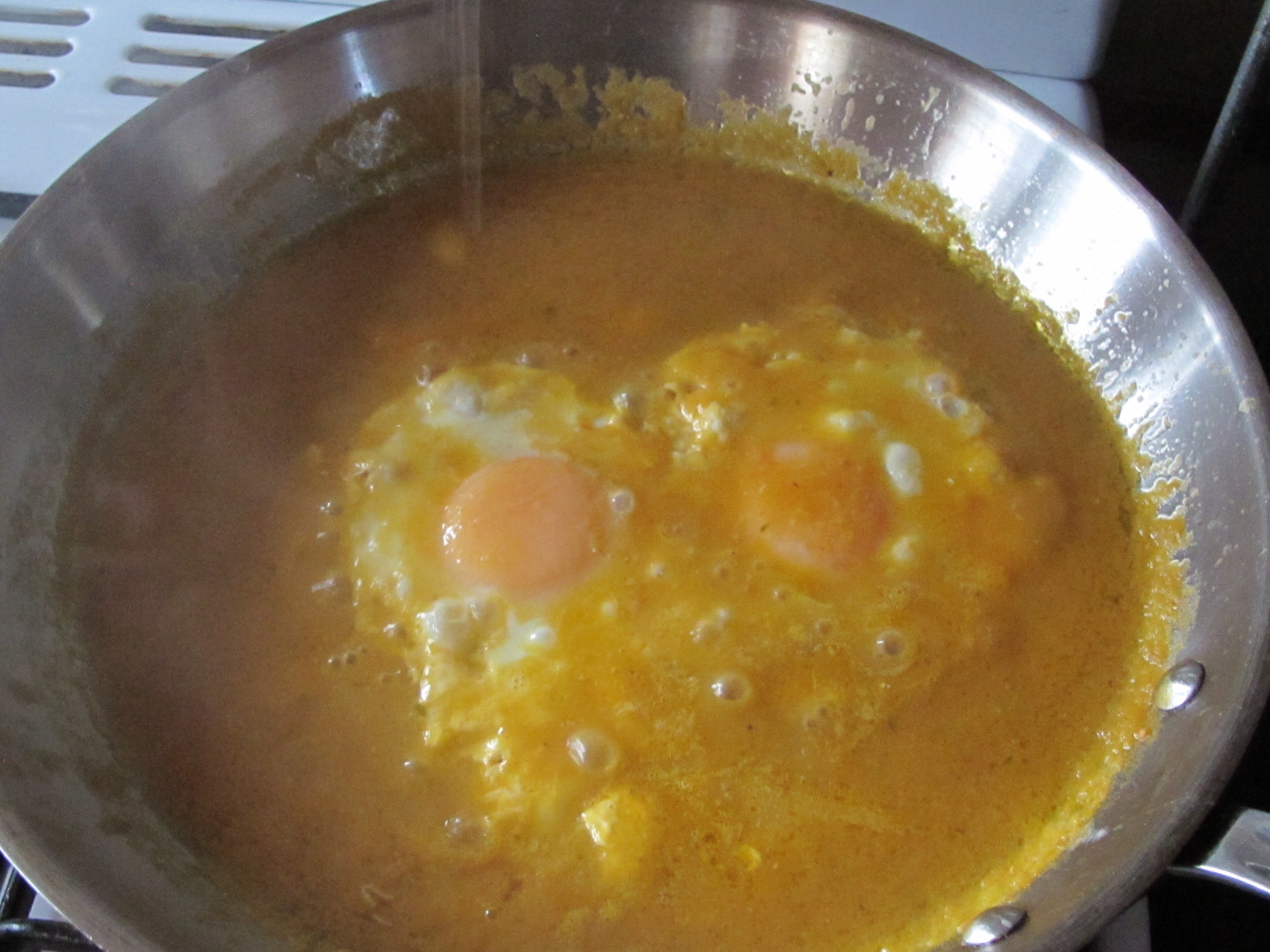
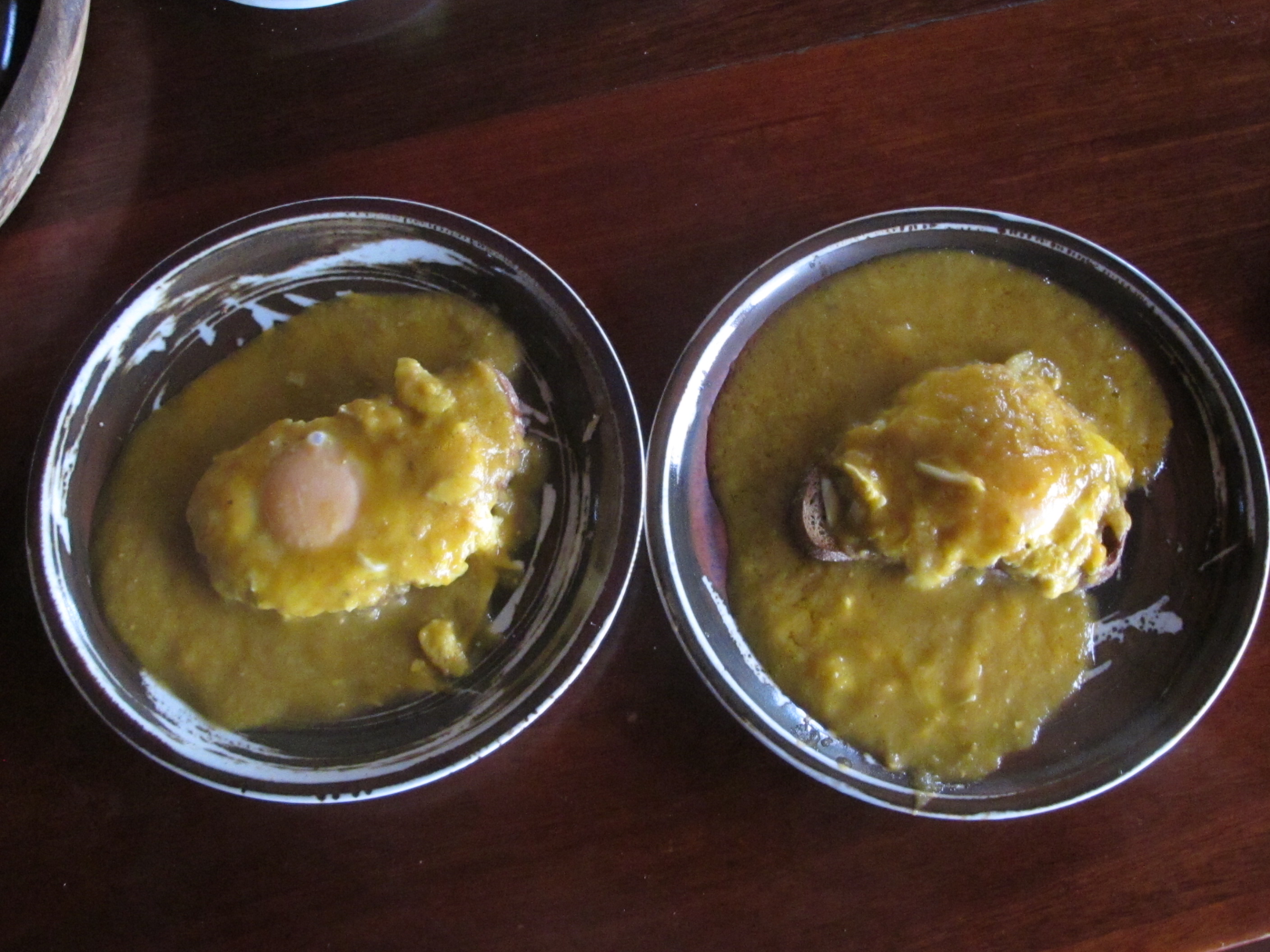
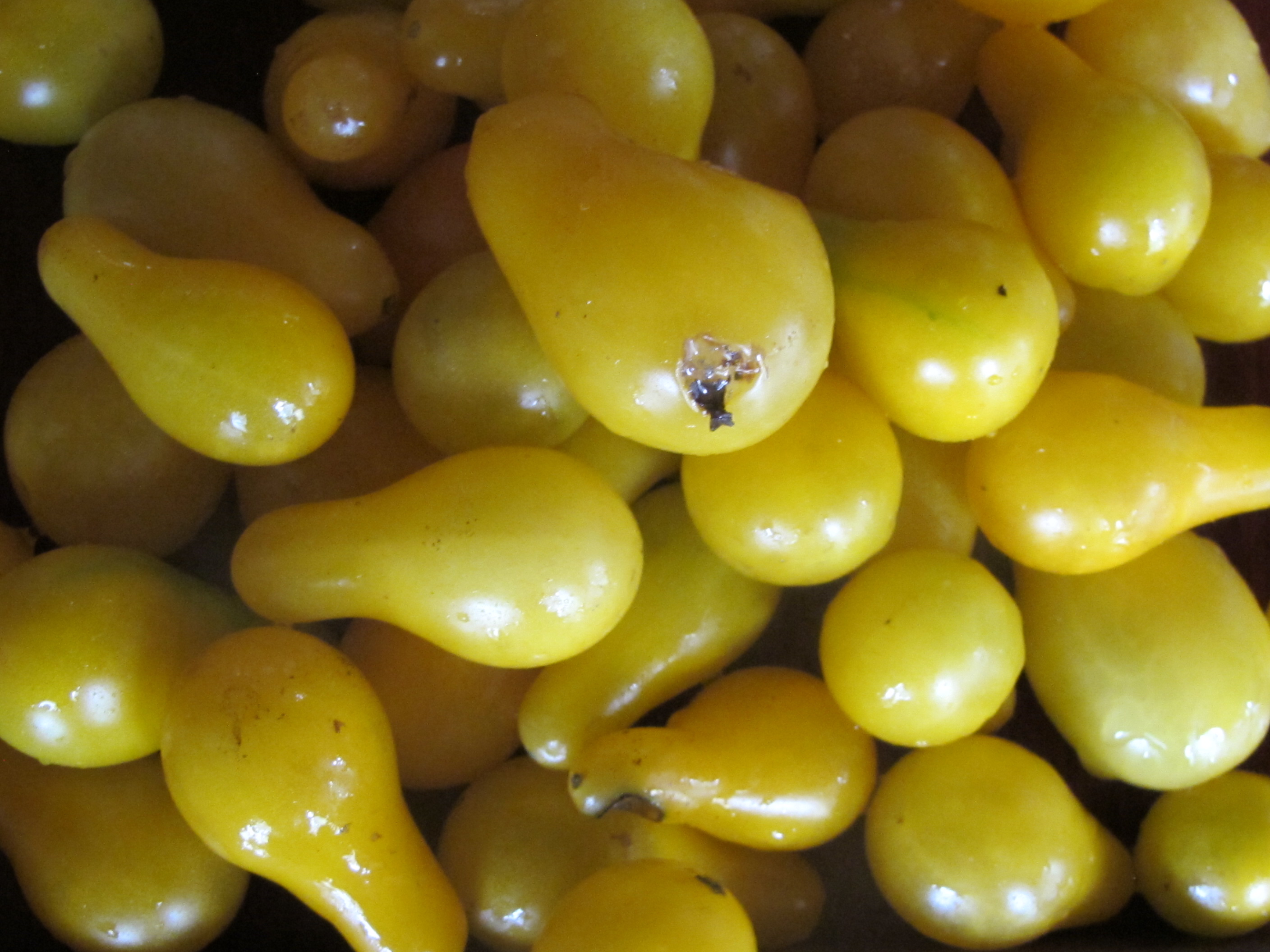
For breakfast I cooked eggs in passata with a few cloves of garlic warmed in good olive oil first. The passata I used on this occasion was made from little yellow, pear-shaped tomatoes that I preserved a couple of months ago, at the height of summer. The passata is heated up and the eggs cracked in and covered to gently simmer until the whites are firm. I served it up on a piece of rye sour dough toast.
I must say that it was just right for a cool, misty, foggy, morning breakfast. A little cracked pepper makes it perfect.
We don’t quite lick the plates, but there is certainly nothing left.
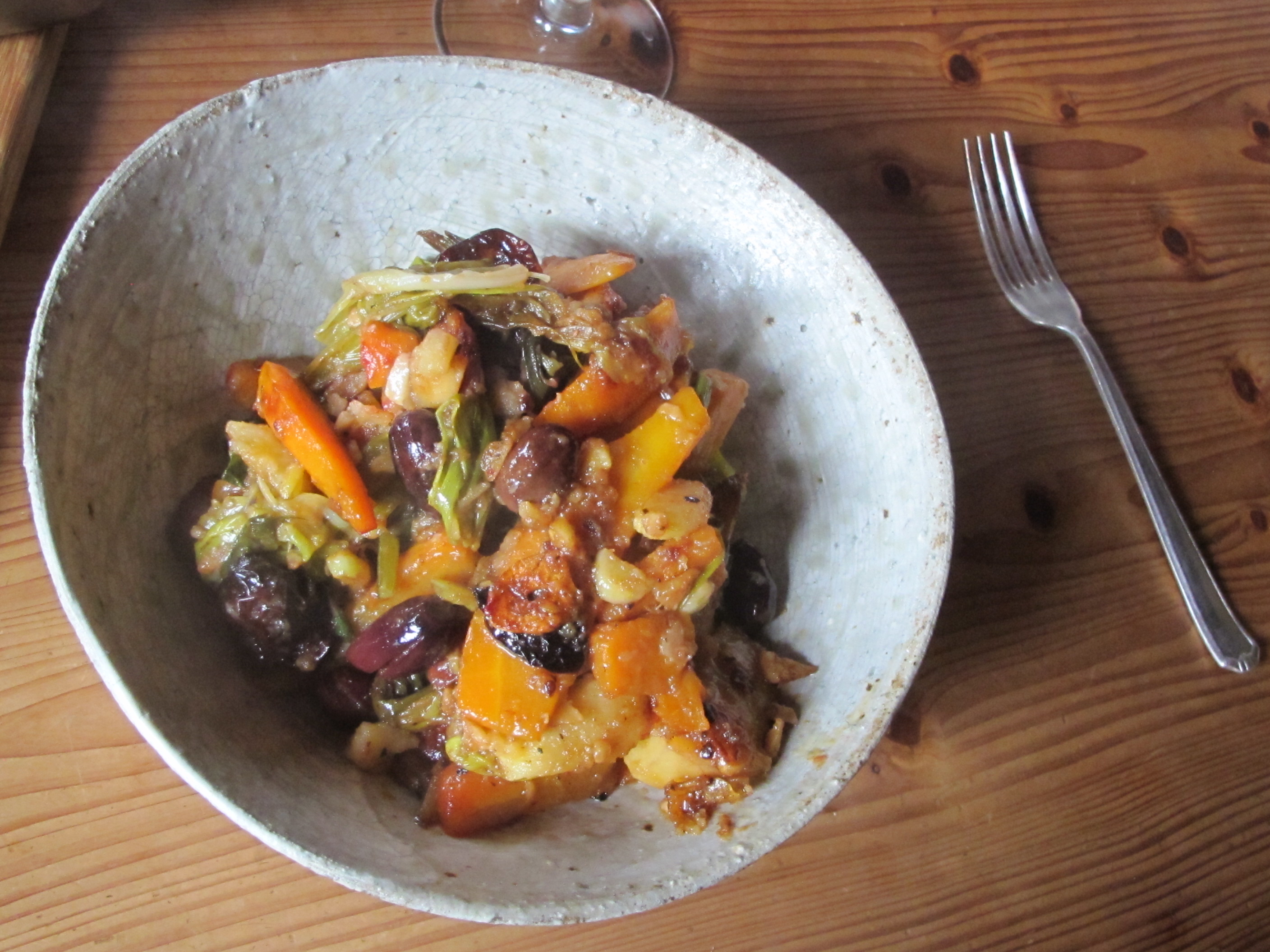
For lunch I made and hotch potch from the left over baked vegetables that Nona Nina made for last nights dinner. Brussel sprouts, parsnip, leeks, carrots, pumpkin, onions, zucchini and beetroot. We had that garnished with preserved spicy plum sauce from our summer orchard fruit.
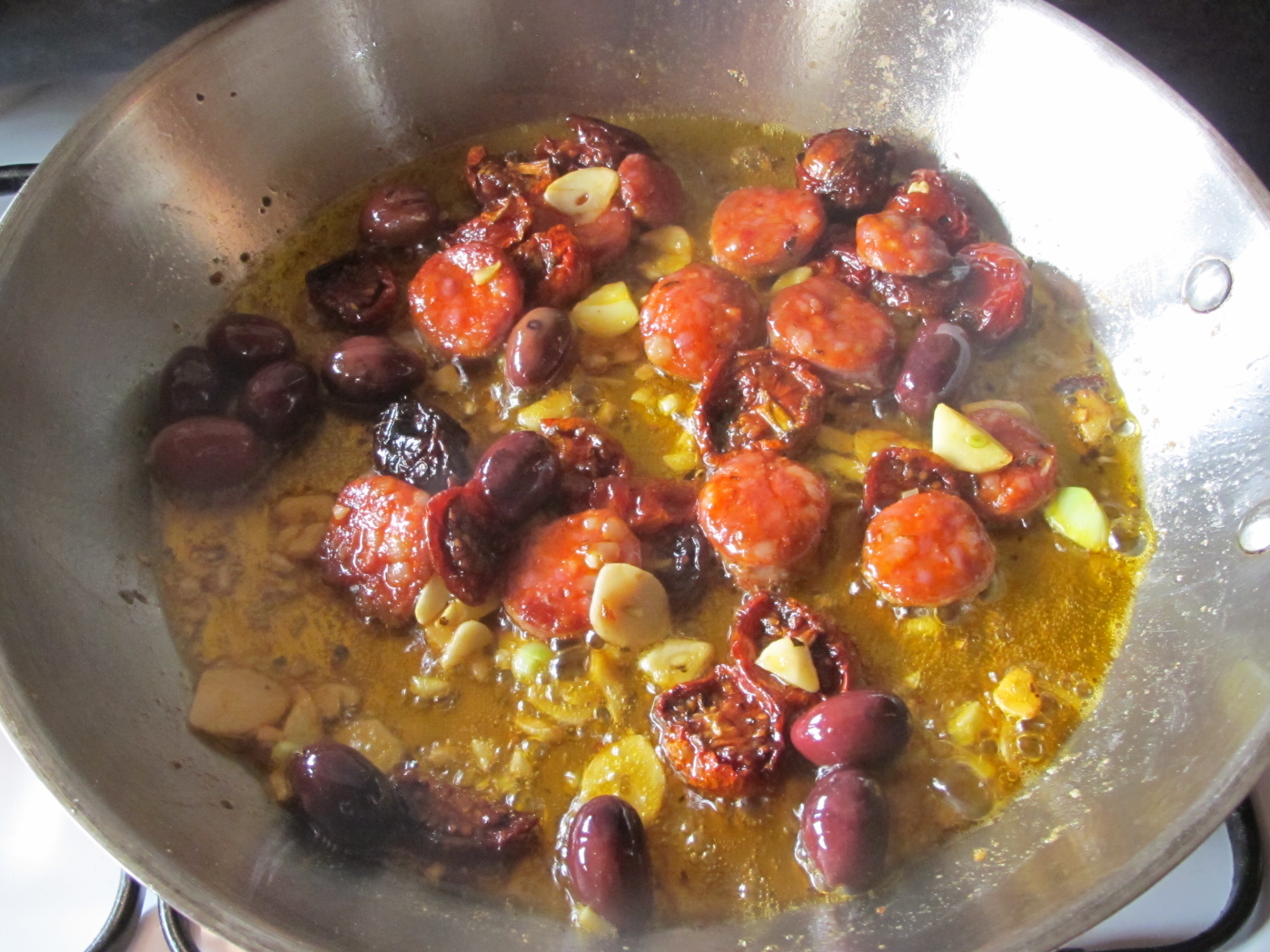
These left-overs were added to some chorizo sausage, our garlic, olives and home-made dried tomatoes from the summer excess. A lovely way to use up everything that we have in different and interesting combinations. We haven’t bought any meat since Xmas as far as I can recall. We aren’t vegetarians, but we don’t eat a lot of meat. So this is our little indulgence, veggie hot-pot with chorizo. Hot, spicy and nicely warming.
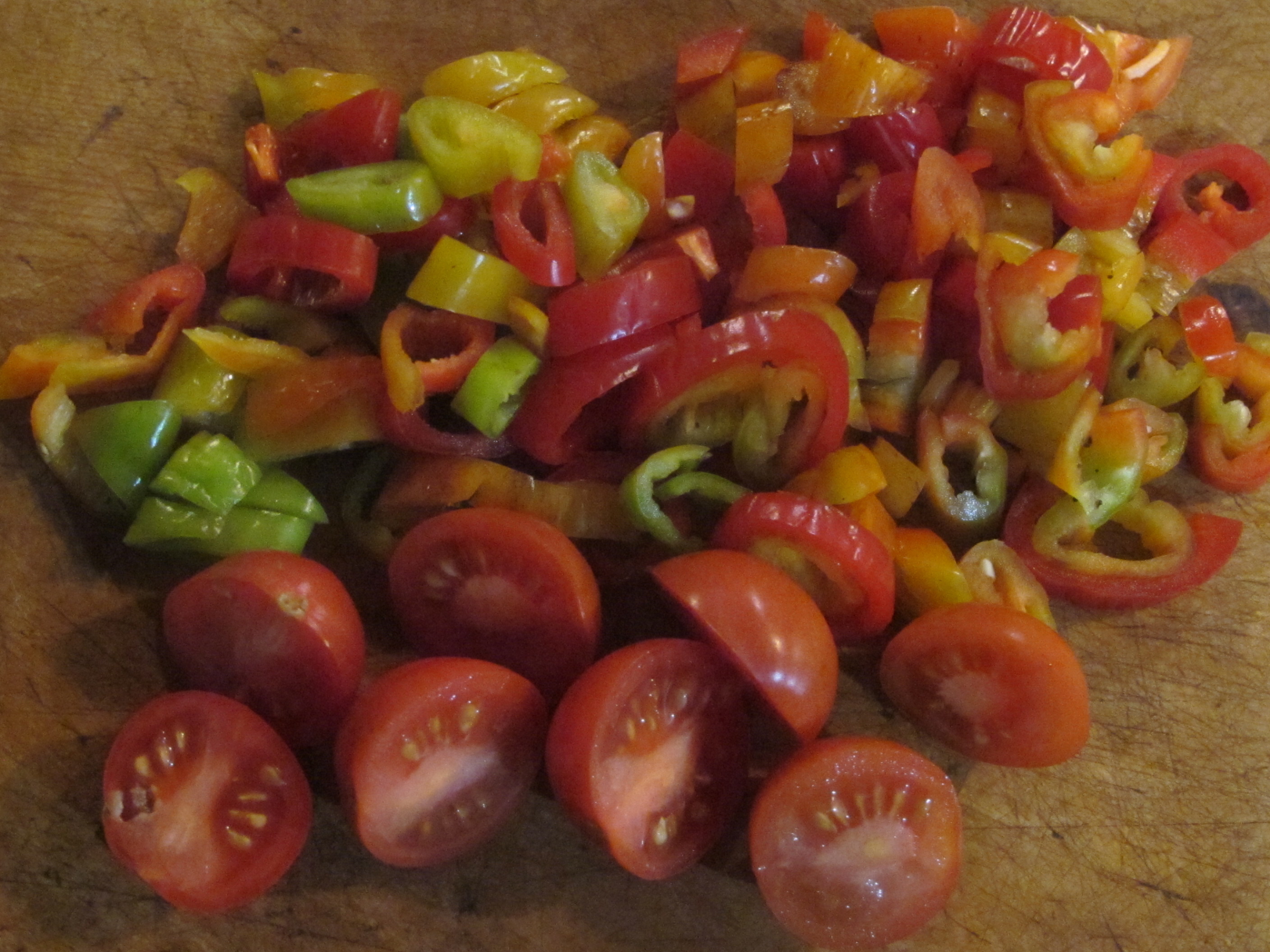
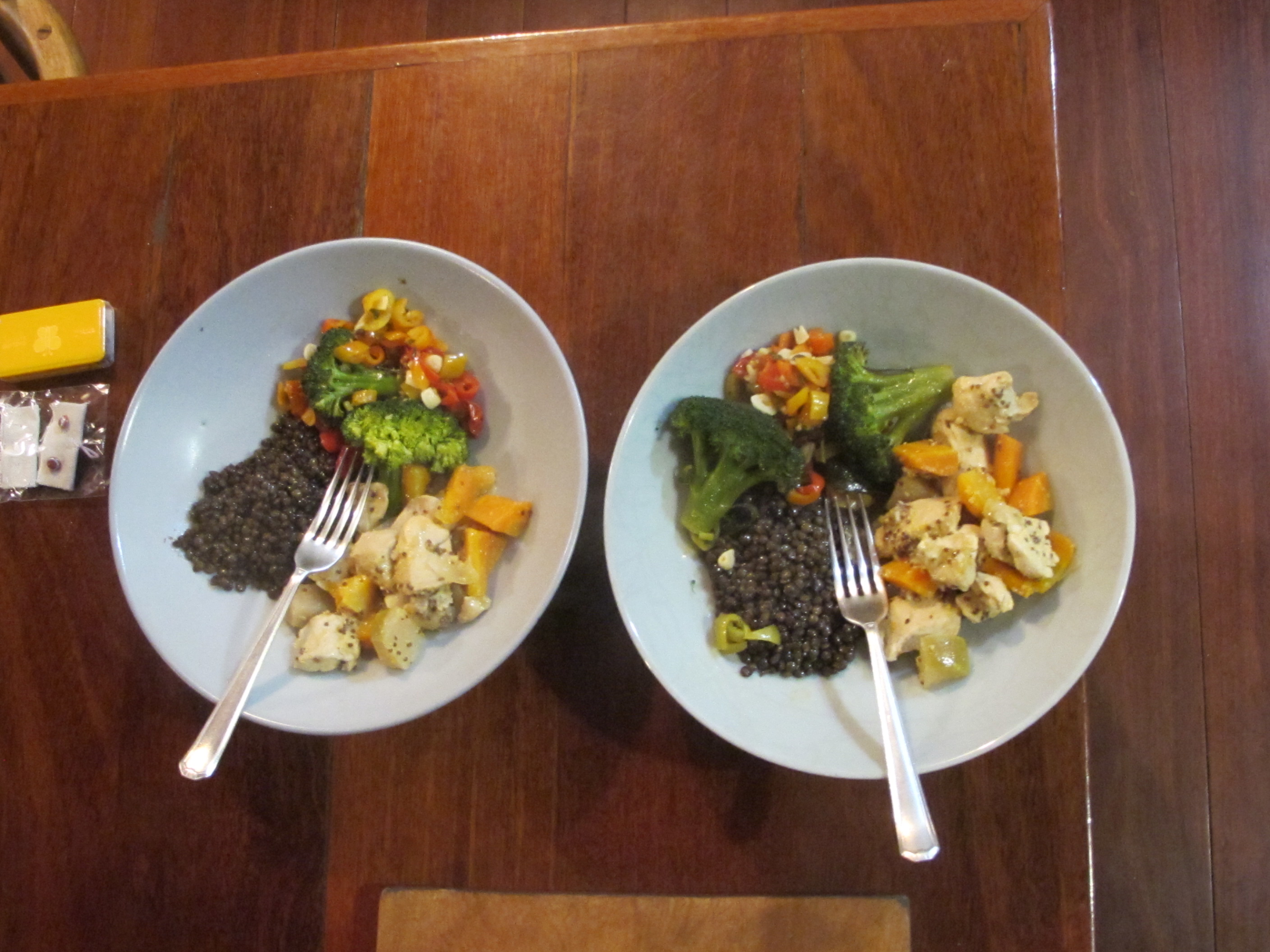
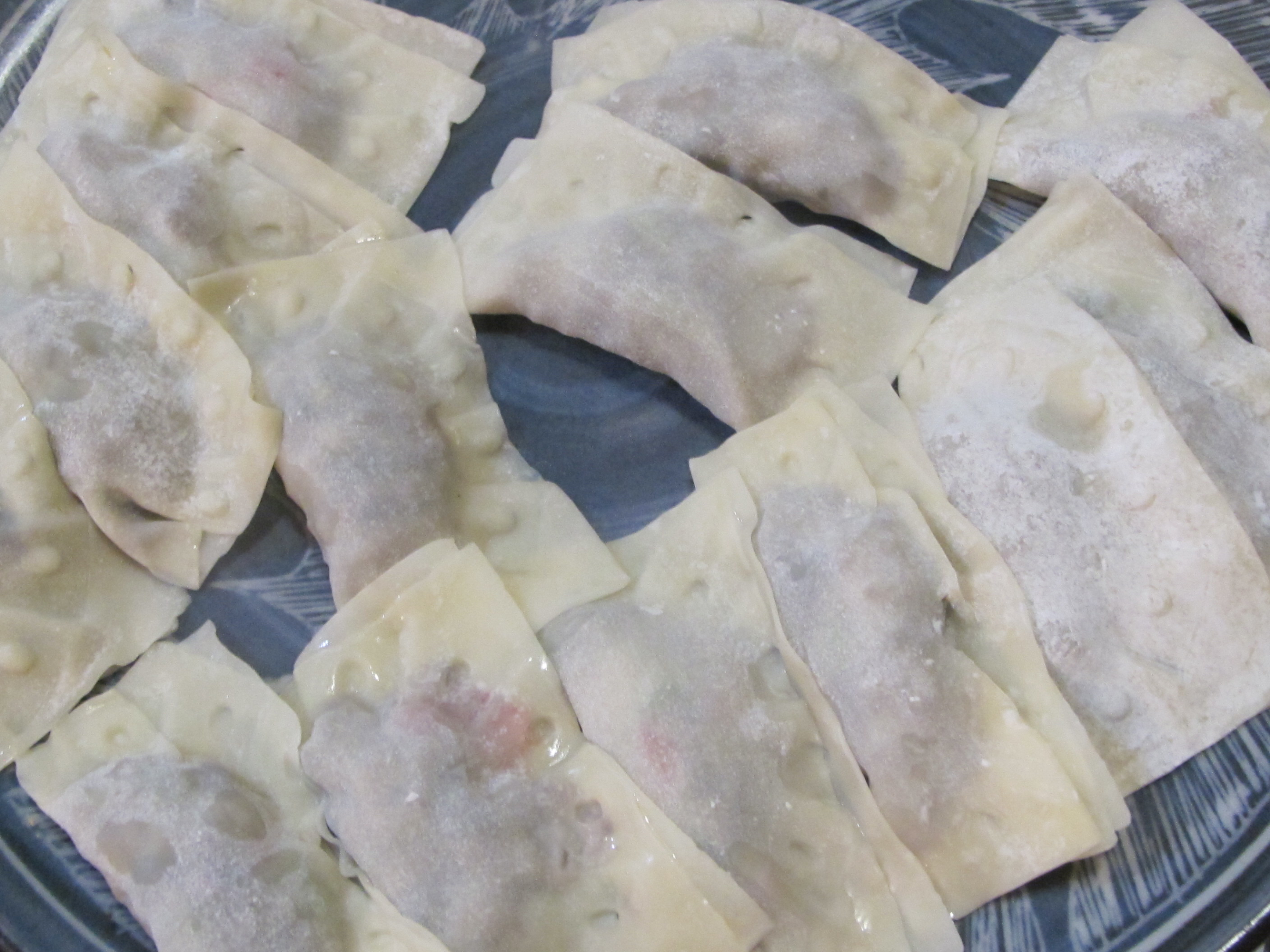
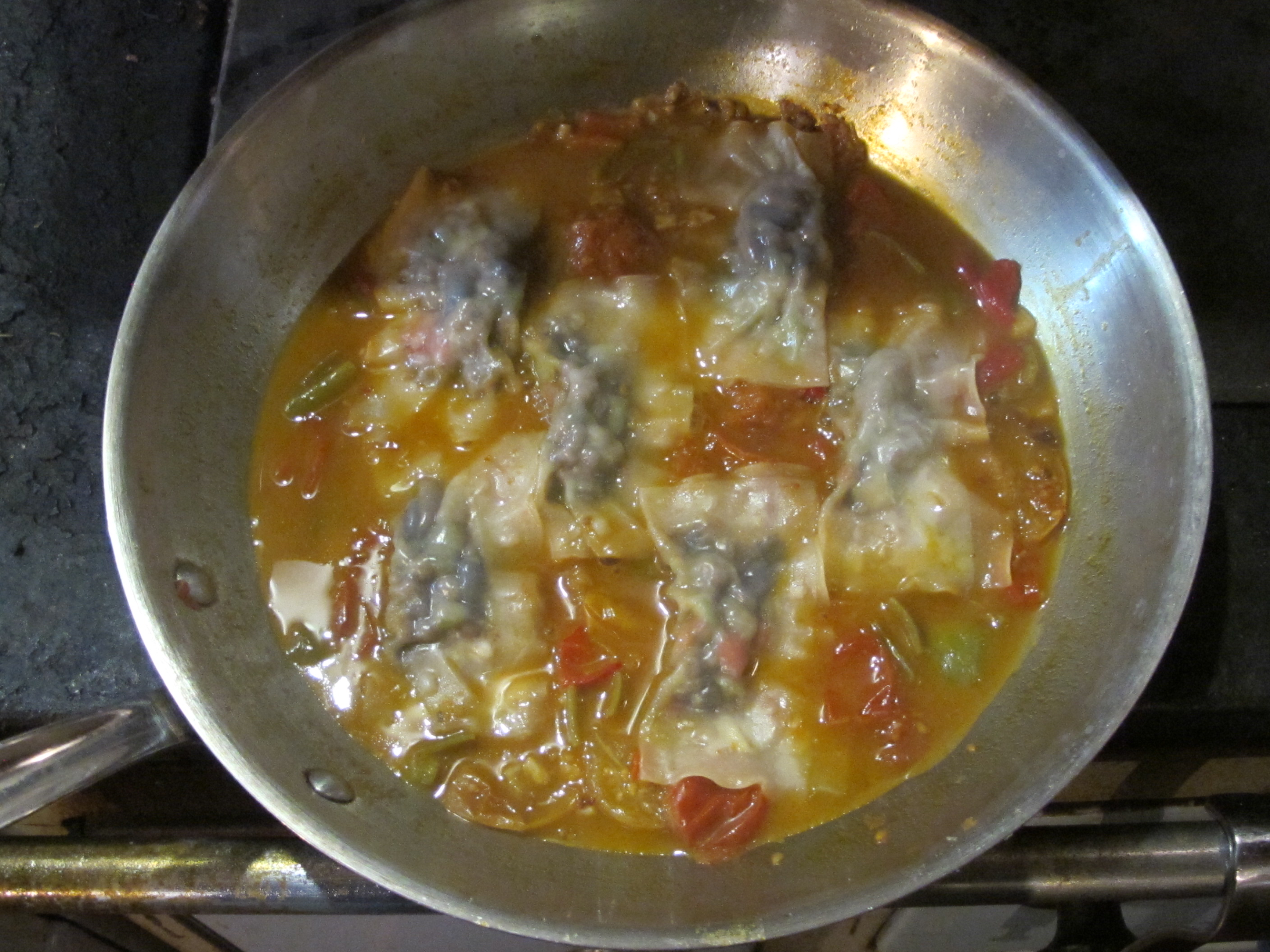
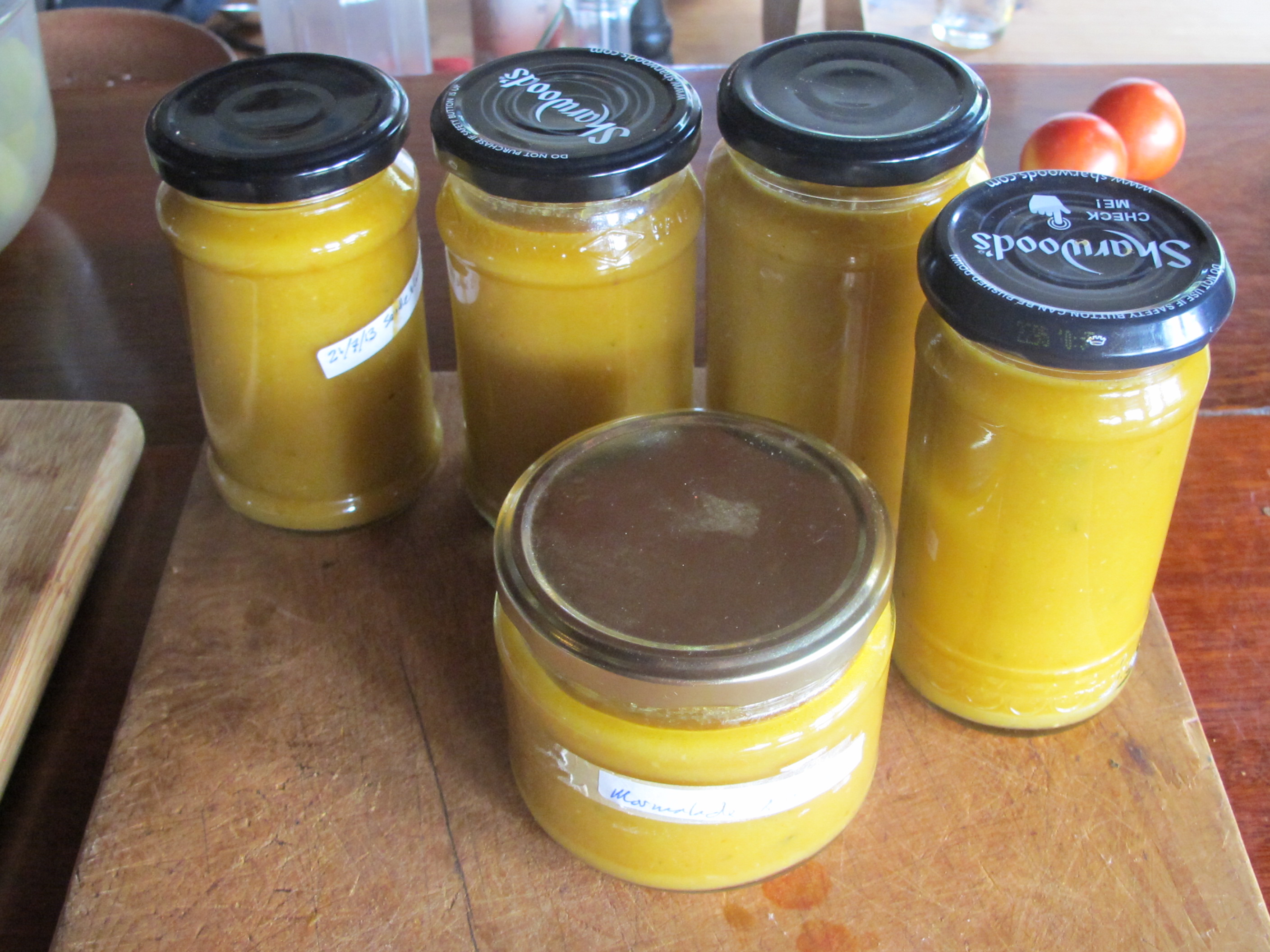
For dinner we decided to have Gyoza. I had previously bought 500g of lean pork and asked the butcher to mince it for me. I divided it into 4 parts and froze 3 of them for later. The 125g of pork mince is just the right amount to make gyoza for two. We fry the pork with lots of garlic in olive oil and some finely diced garden veggies. Then Ninako fills the small parcels with the mixture and I simmer and steam them in a sauce made from the last of the small red and yellow tomatoes from the garden, a few beans and some chillies. When this is reduced down, it makes a delicious simmer sauce.
It all mellows out very nicely. 7 each is just the right number of gyoza dumplings for one hungry potter. This sauce, although not culturally authentic, is very well matched to what we are enjoying, and most importantly it is entirely ours, from our garden. This is our Australian ‘gyoza’ influenced local dumpling experience. I’ll have another go at it some time in the future, and I’m sure to enjoy that too. Nothing is ever finished, nothing is perfect and nothing lasts. This meal certainly didn’t!
It’s such an indulgence to tour the world of our recollections with such wholesome and tasty food, and almost entirely from our own produce.
We are very lucky people and I am grateful.
I have arranged to donate one of my recent bowls from my Watters Gallery exhibition to the fund-raiser appeal for the Nepalese victims of the recent earthquake. The pot will be auctioned soon. Please see below;
I believe you will have heard about the recent devastating earthquake in Nepal.
With the help of Vicki Grima, The Journal of Australian Ceramics editor, I am organising a fundraising project called CLAY FOR NEPAL (#clayfornepal15) to raise funds for the Nepalese people affected.
The first part of the project is an AUCTION of ceramics from around the world.
In conjunction with the AUCTION, Adriana Christianson, has offered to help me organise a BUY NOW STORE offering more affordable items for immediate purchase.
Both events will be happening from Friday 15 to Sunday 17 May 2015.
AUCTION: www.stores.ebay.com.au/clayfornepal
BUY NOW STORE: www.clayfornepal.bigcartel.com
PREVIEW of available works for both events here
Thank you for your support,
Vipoo Srivilasa
contact :
AUCTION: vipoo@vipoo.com
BUY NOW STORE: mail@adrianachristianson.com
All funds collected, less any event expenses (eBay and Paypal fees), will be donated to Oxfam, Nepal Earthquake Relief Appeal.
Vipoo Srivilasa is authorised by Oxfam Australia to collect funds for the benefit of Oxfam.
Vipoo is a very nice and thoughtful bloke who has taken on this endeavour of his own volition. It’s a credit to him and I am proud to be associated with the enterprise. Janine and I have donated cash through the Red Cross, but this is a way that we can do more, by doing what we do best. Which is making beautiful, thoughtful, meaningful objects.
Best wishes
from
Stevbu and Ninako, gardeners of local produce and international flavours.
Home Made Chainsaw Saw Mill
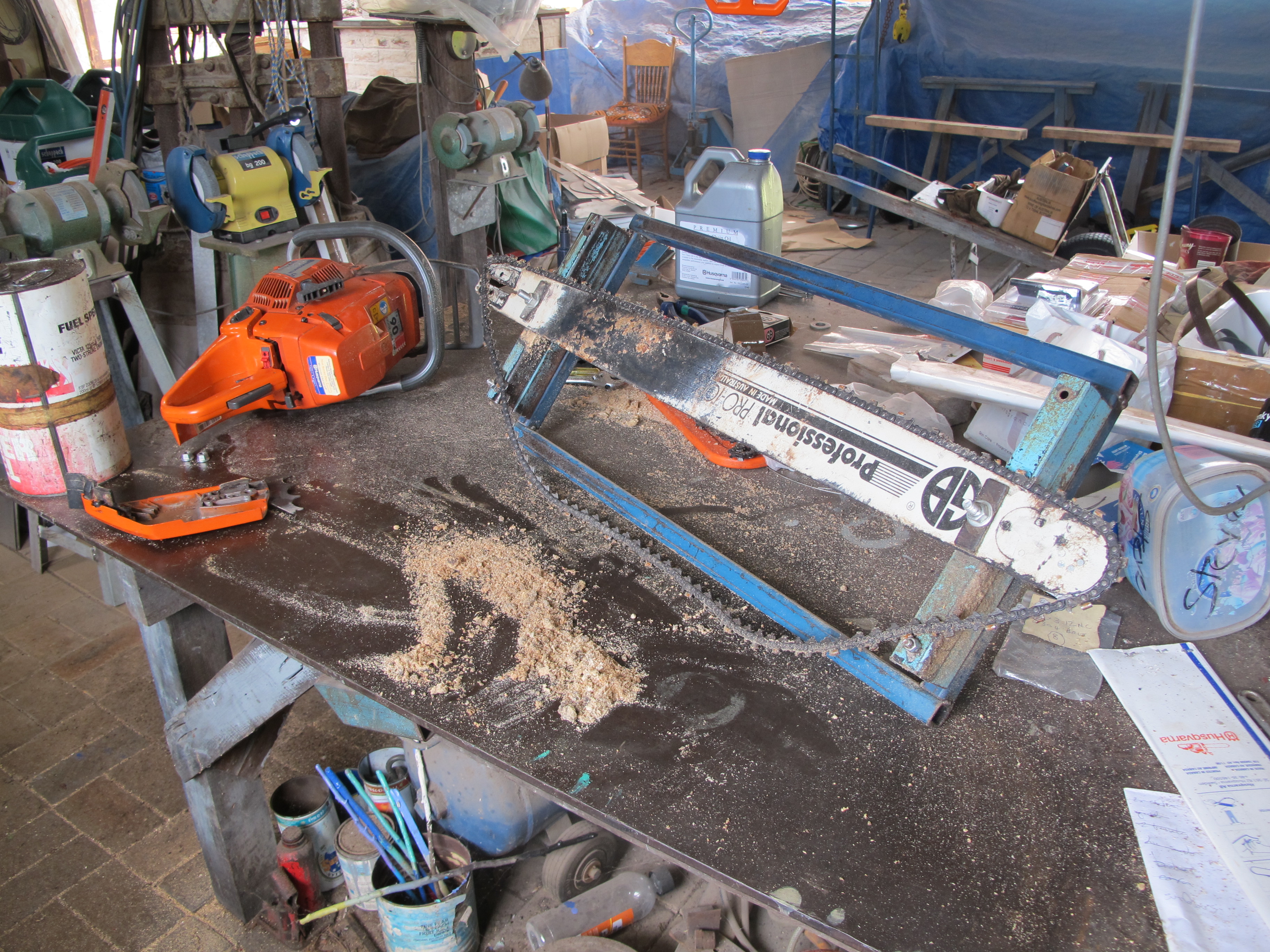
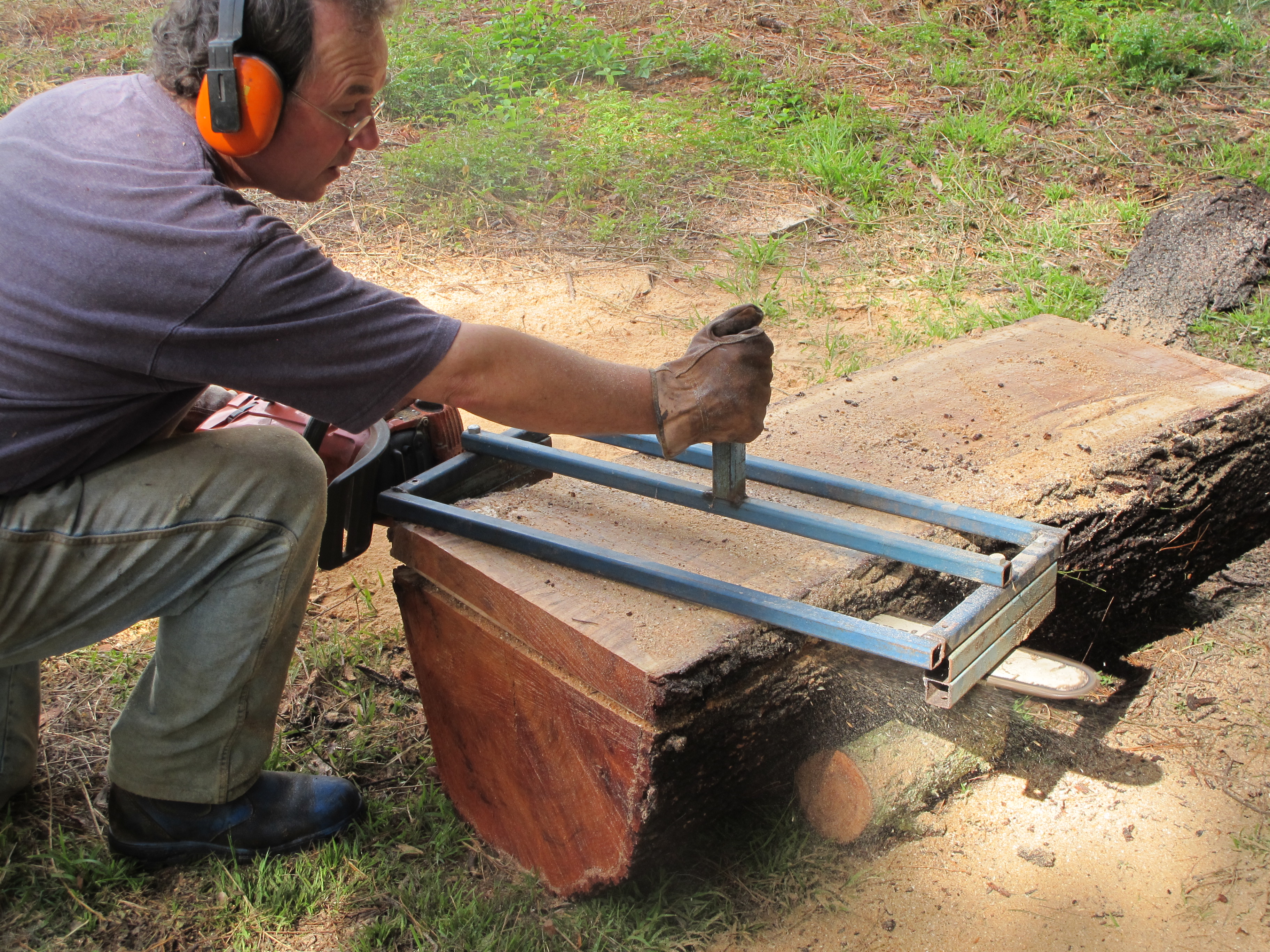
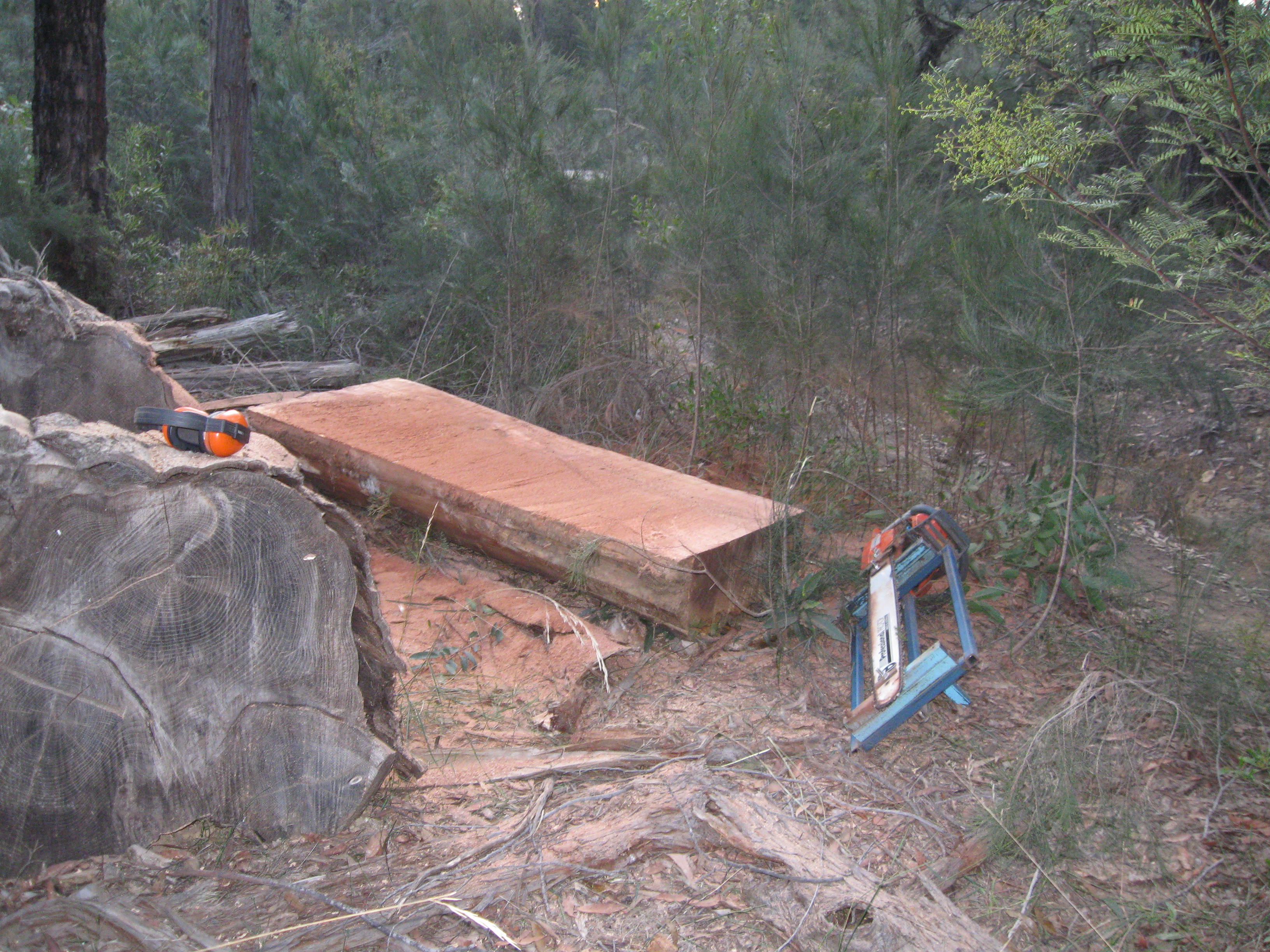
Over the past few weeks I have had over 500 hits on my article on self reliance including a little bit about milling my own timber. So I thought that seeing there is so much interest in building a home made saw mill attachment for a chain saw, I ought to put up a post with some more detailed explanation, including a few dimensions and some images to help explain what I did.
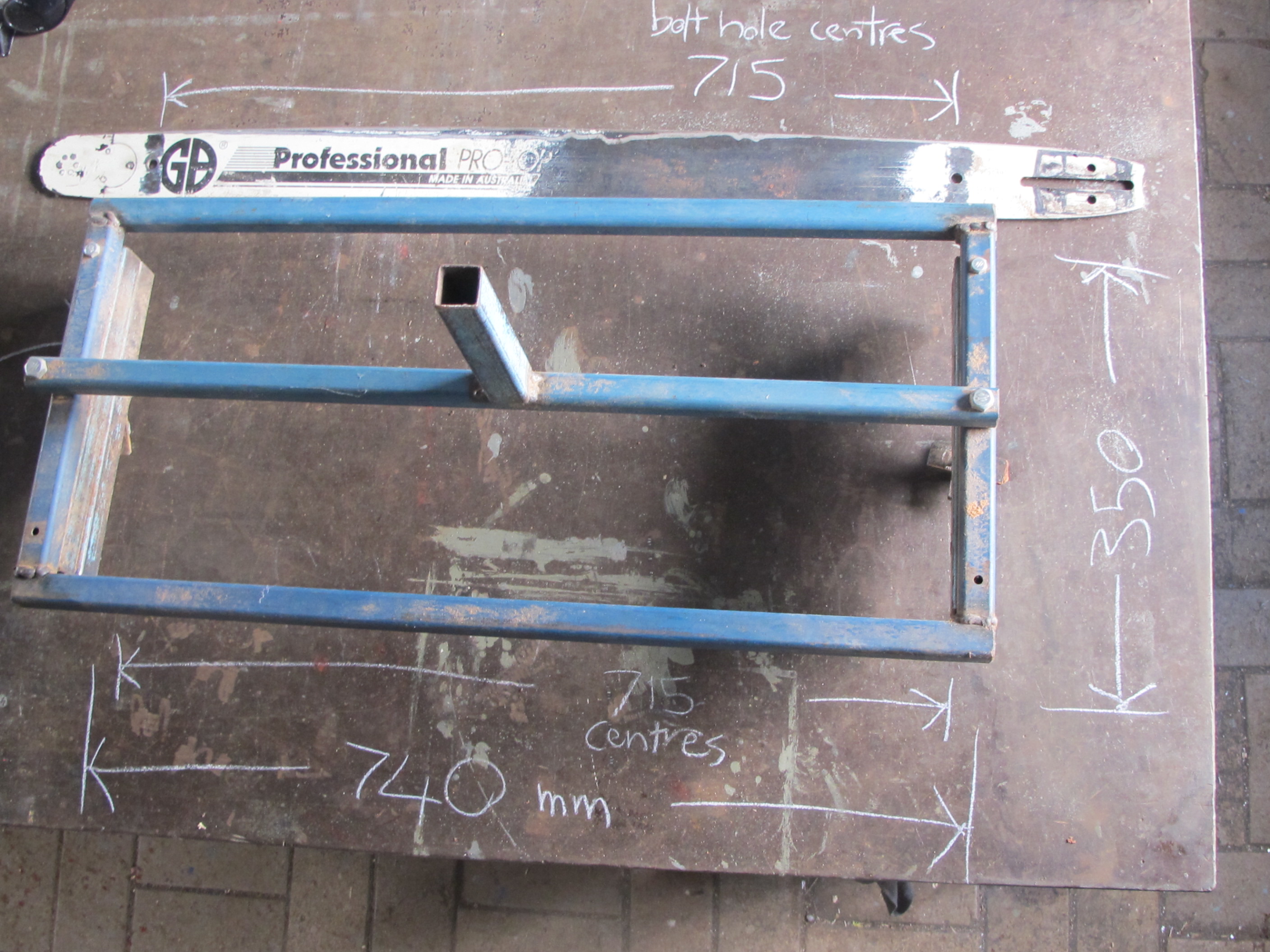
It’s pretty basic unit made out of scrap steel sections that I just happened to have laying about on the day, but it works really well for what I need it to do and that is to turn logs that are too good to burn, into usable milled planks. I haven’t studied this kind of gadget at all. This is my first attempt at building one. It seems to work OK, so i haven’t got around to making another one or changing it. If I was to, I would perhaps add a bit of rubber tube over the upright centre handle, just for comfort.
Since I moved here, I have built my own house and pottery building. We made all our own floor boards and made all the windows and french doors. I also made all of the kitchen furniture to go into it, chairs, tables stools etc.
All you seem to need is a few basic tools, an inquisitive mind, some perseverance and a bit of spare time to figure things out. The saw is an old (15 years) Husqvarna 371 60 cc. and the milling bar is about 900 mm. long. The effective cut is about 600 mm.
So here are a few pictures with measurements chalked onto the bench.
It’s The Season For Wild Passata
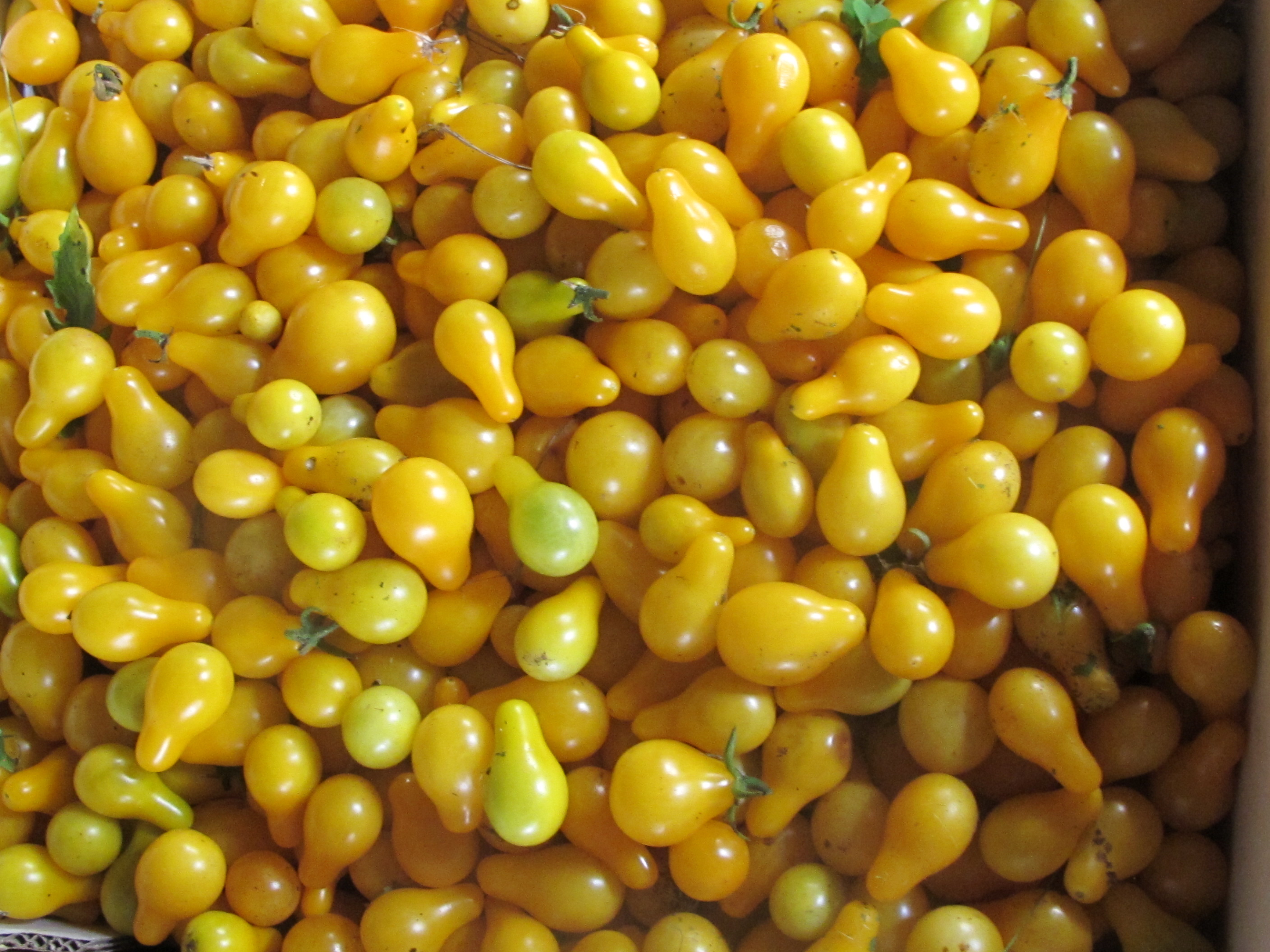
Another on-going job besides kiln maintenance at this time of year, is keeping up with the tomato crop as it slowly sprawls and proliferates all across the garden beds and over the lawn and down the pathways. They keep on flowering and producing loads of ever-smaller compact, flavoursome, little zingers. full of intense tomato flavour, but very small. These little beauties take a long, back-bending, time to pick. There is no easy way. I’ve tried kneeling and I’ve tried bending, but the problem is that there are so few places to put your feet, when the plants spread all over the place. I’m always aware of not crushing the fruit or the plant stems, which set down adventitious roots all along the way to feed and nourish the ever-expanding crop. It takes a long time, as there are so many of them, but it’s worth it. It doesn’t take too long to fill the first box.
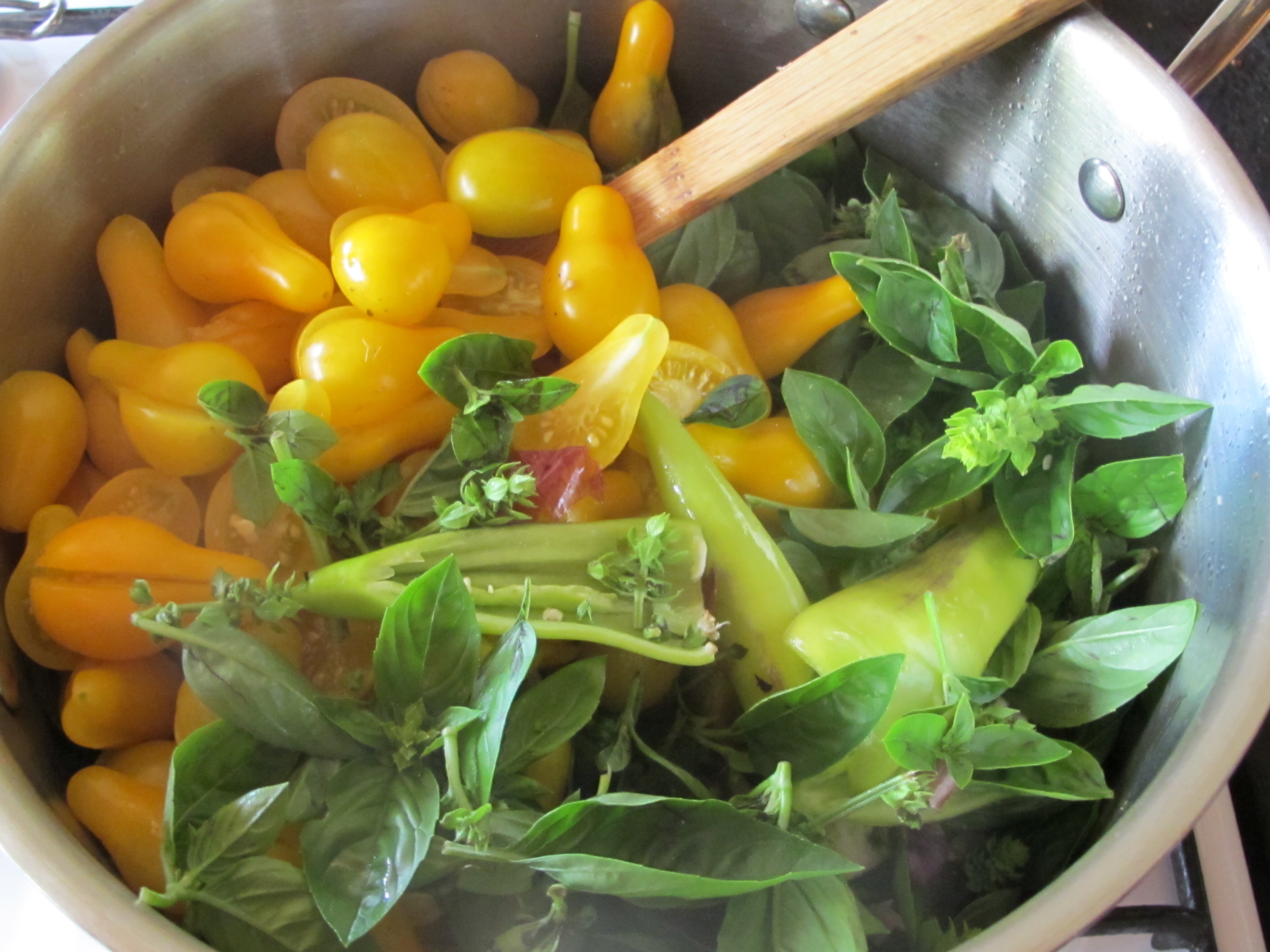
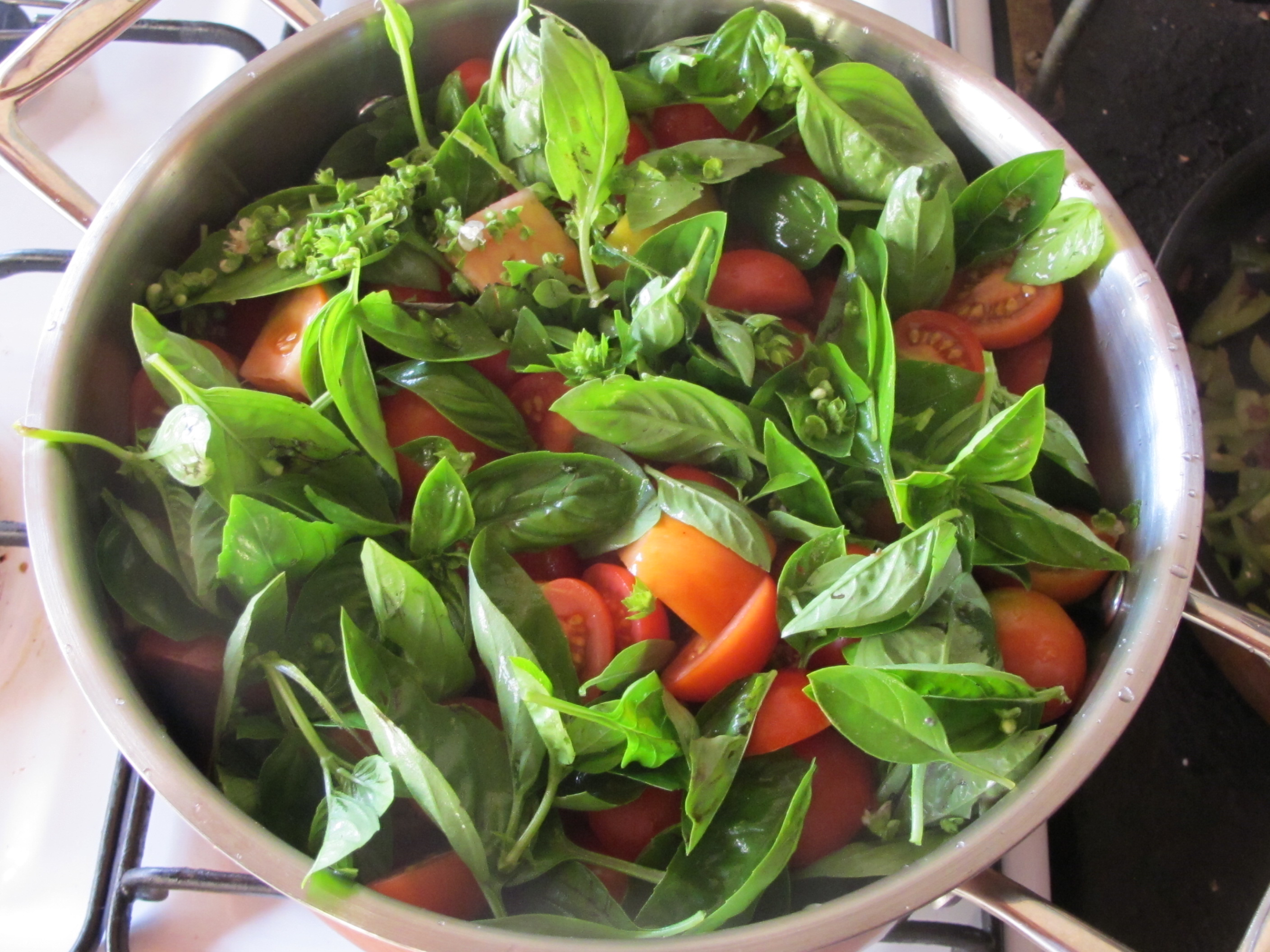
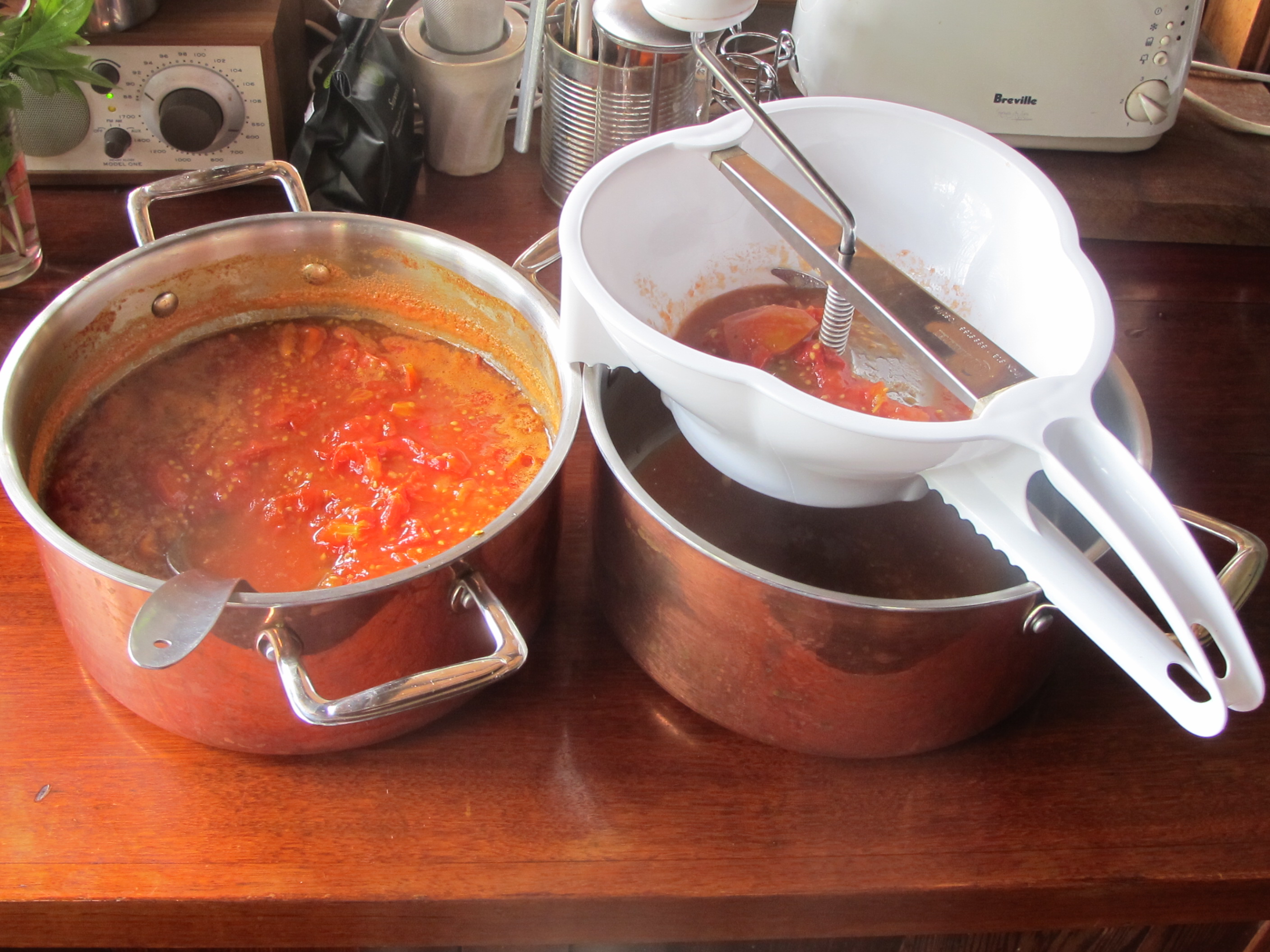
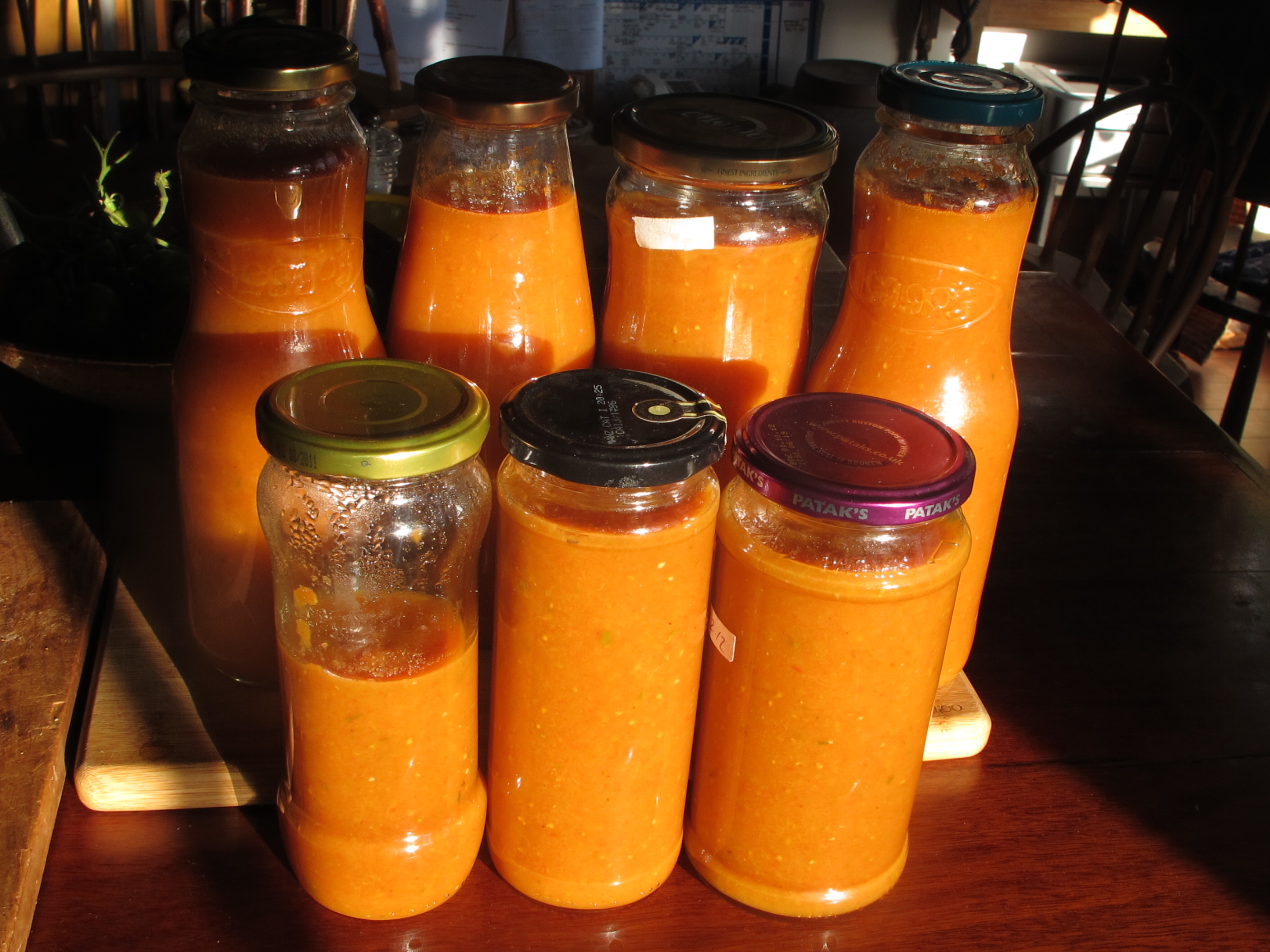
I don’t get all of them, there are just too many, but I fill the basket. it’s enough. We can do this every few days at this time of year, and do. Batch after batch, we slowly fill the pantry cupboard shelves. After cleaning and washing the tomatoes, I simmer them down in the evenings when we light the stove. I make them into tomato passata, some times just straight tomatoes if I’m pressed for time, but on other evenings, when I can make the extra time. I brown our own onions in good EV olive oil and then add garlic, capsicums and basil with the tomatoes. It makes a richer flavour, but the extra fibre takes a lot longer to pass through the mouli sieve. Sometimes it’s just a batch of the prolific little yellow tomatoes, they don’t have the same level of acidity in them, so the piquancy is somewhat less, but they are still worth the effort. A more usual batch is a mix of all of the above. It just depends on what there is the most of on the day. Every batch is slightly different and makes for a natural variety throughout the coming year.
After sieving out the skins and seeds, the sauce is placed back on the stove to be reduced and concentrated a bit more, by about a third. This intensifies the flavour considerably. I try to make enough passata to last the whole year, so that we don’t have to buy any later on. This has been the case for a long time now. I haven’t needed to buy any pasta sauce for some years. This is one of the few things that we have been completely successful at achieving during our long experiment here. Self-reliance in passata!
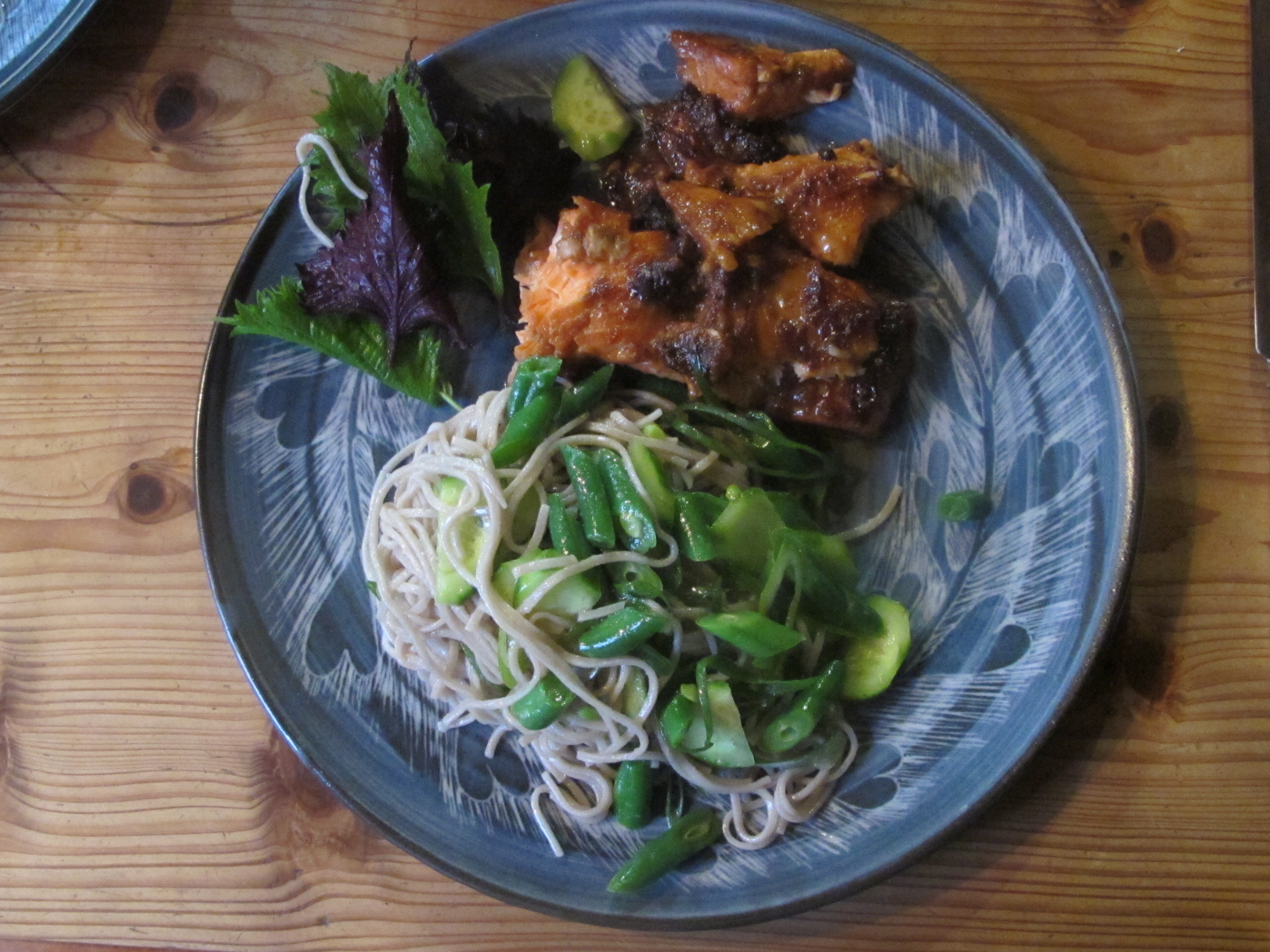
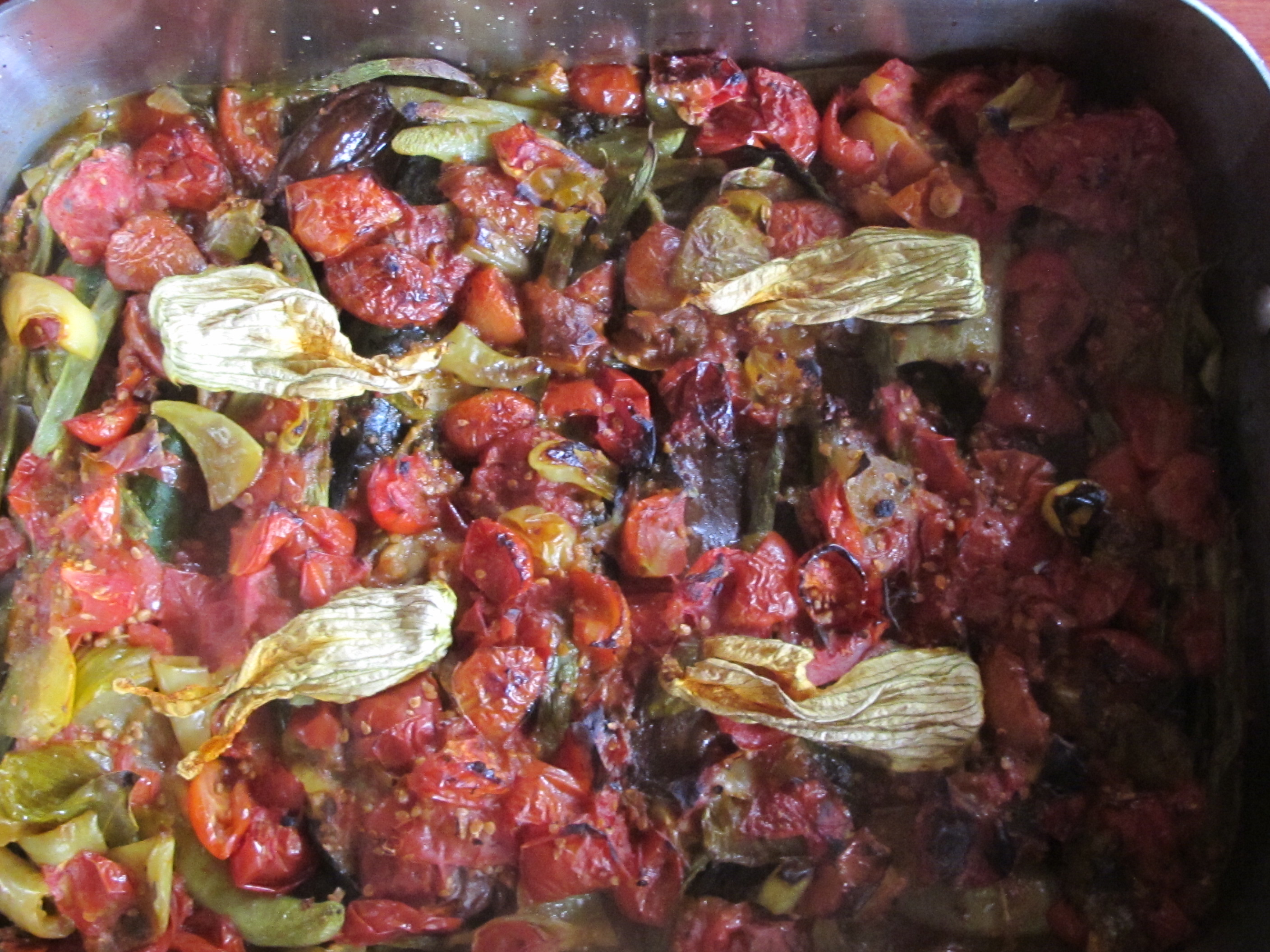
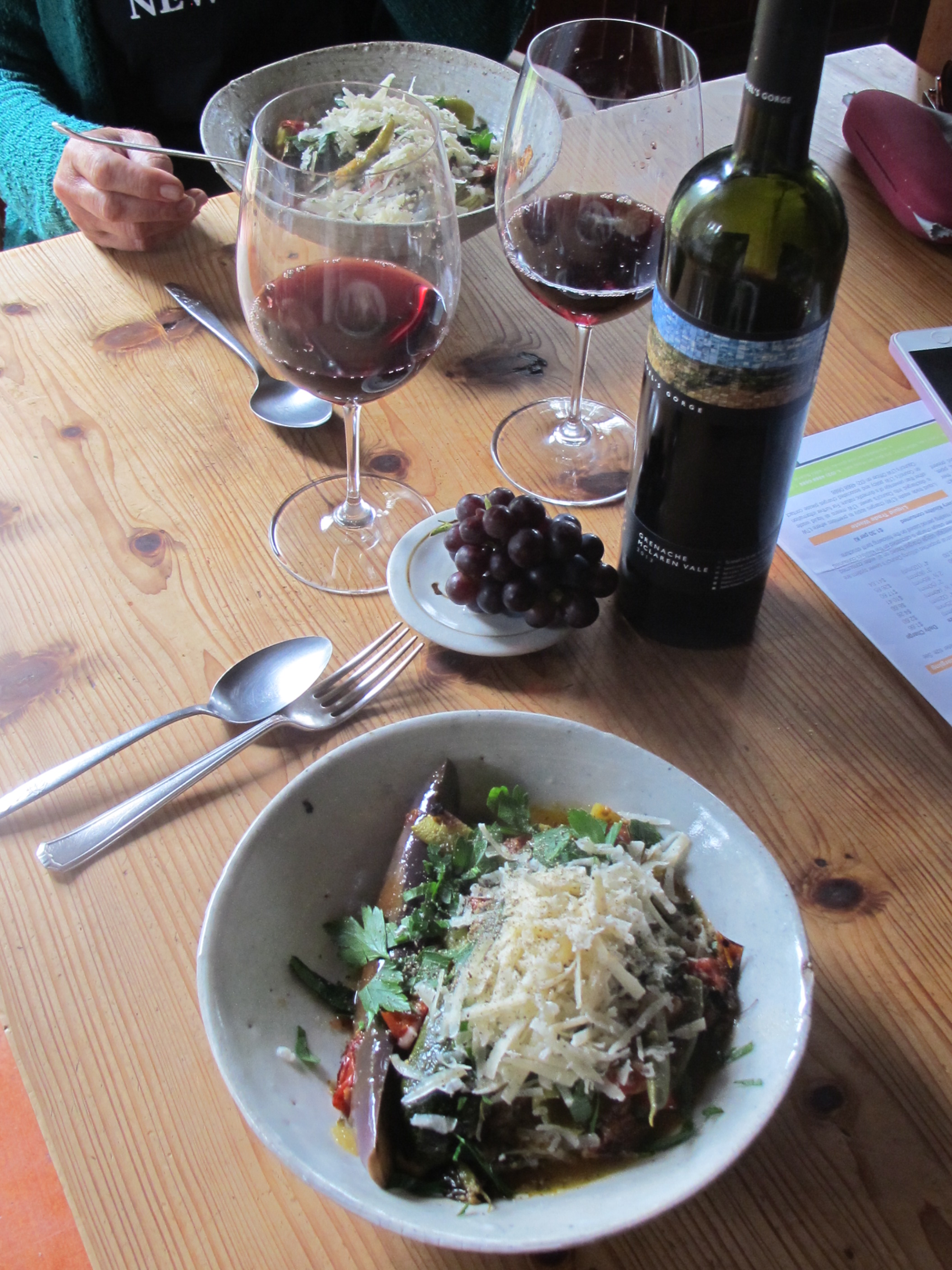
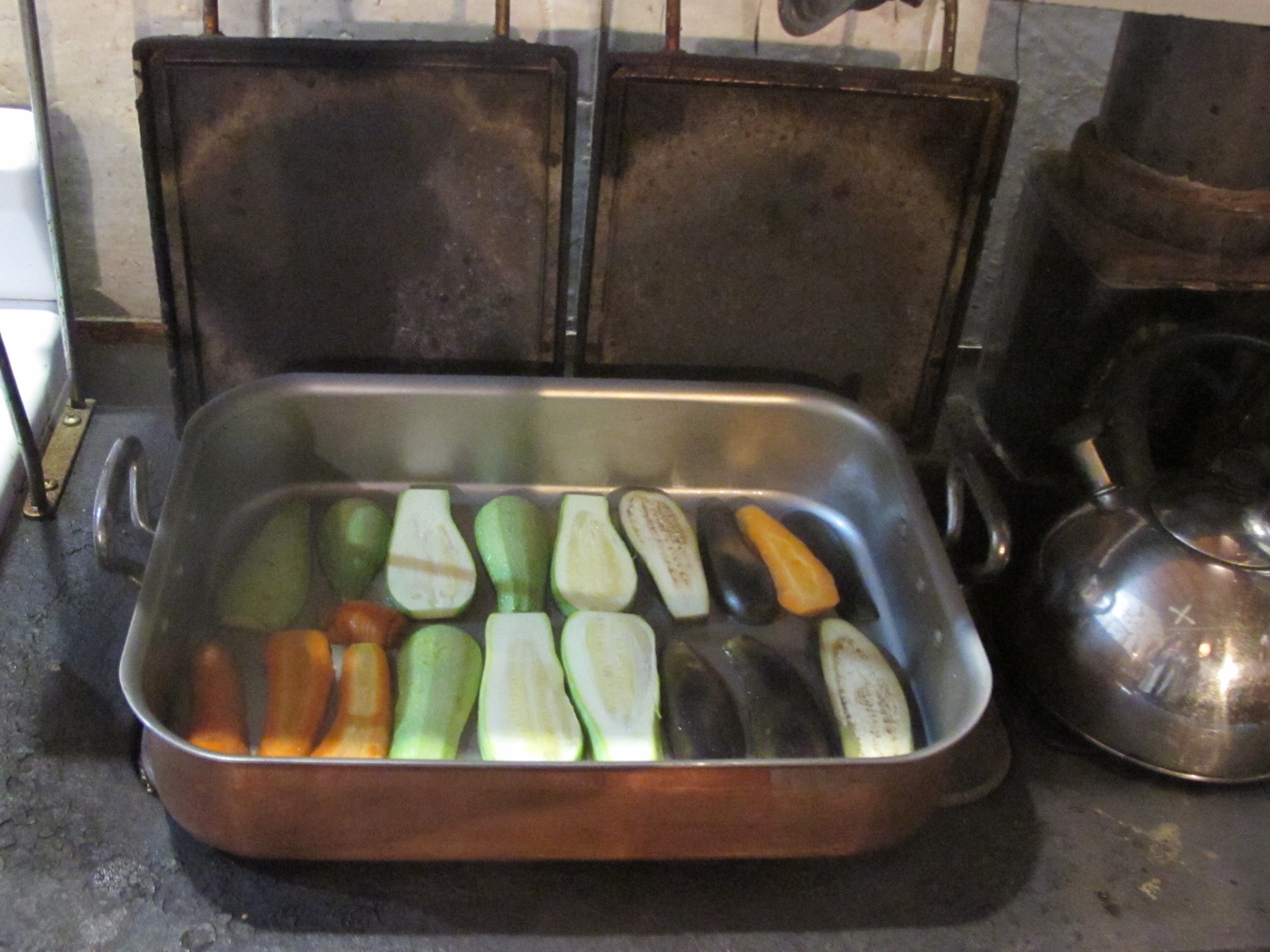
For dinner this night, I bake some carrots, zucchini and aubergines, fresh from the garden and serve it with a helping of tuna steamed with fresh Thai basil leaves, wasabi and a squeeze of lemon. While the oven is hot I use the heat to dry some of the small tomatoes. After an evening when we have guests and make a dozen pizzas. I use the remaining heat to dry a few trays of tomatoes. Dried tomatoes are great, full of concentrated sweet acid flavour. They keep really well without any extra energy needing to be applied. We use them in stews and soups and where-ever we need that little extra hit of added flavour.
Indulging myself in this kind of self-produced and preserved, essential larder-filling activity is one of the reasons that I came here, to a place like this, miles away from services, where there was clean air and a lot of space to live out an imagined ideal. It takes a few hours a day of extra work and then occupies our evenings after dinner at the stove, but what could be better and more rewarding? I could of course be sitting, watching some brain-dead and fake commercial television show about how the cook?
It seems to have worked out OK for us. We have managed to earn a living from various and diverse means, all more or less associated with pottery making. We have tried making and selling pots, ceramic tiles, making and selling clay to other potters, building kilns, writing books, doing weekend workshops and part-time teaching. None have proved to be sufficient in their own right, but all combined together, has provided us with a self-reliant, if unreliable income through most of the years. This combined with gardening and orcharding, as well as eliminating most tradesmen from our budget by doing all our own building and maintenance, means we have been able to continue to live out this self-reliant, utopian, creative adventure for the past 40 years together.
I beats working for a living.
Best wishes from Dr. Do-Little and his Ms Abundance
The Luxury of Frugal Simplicity
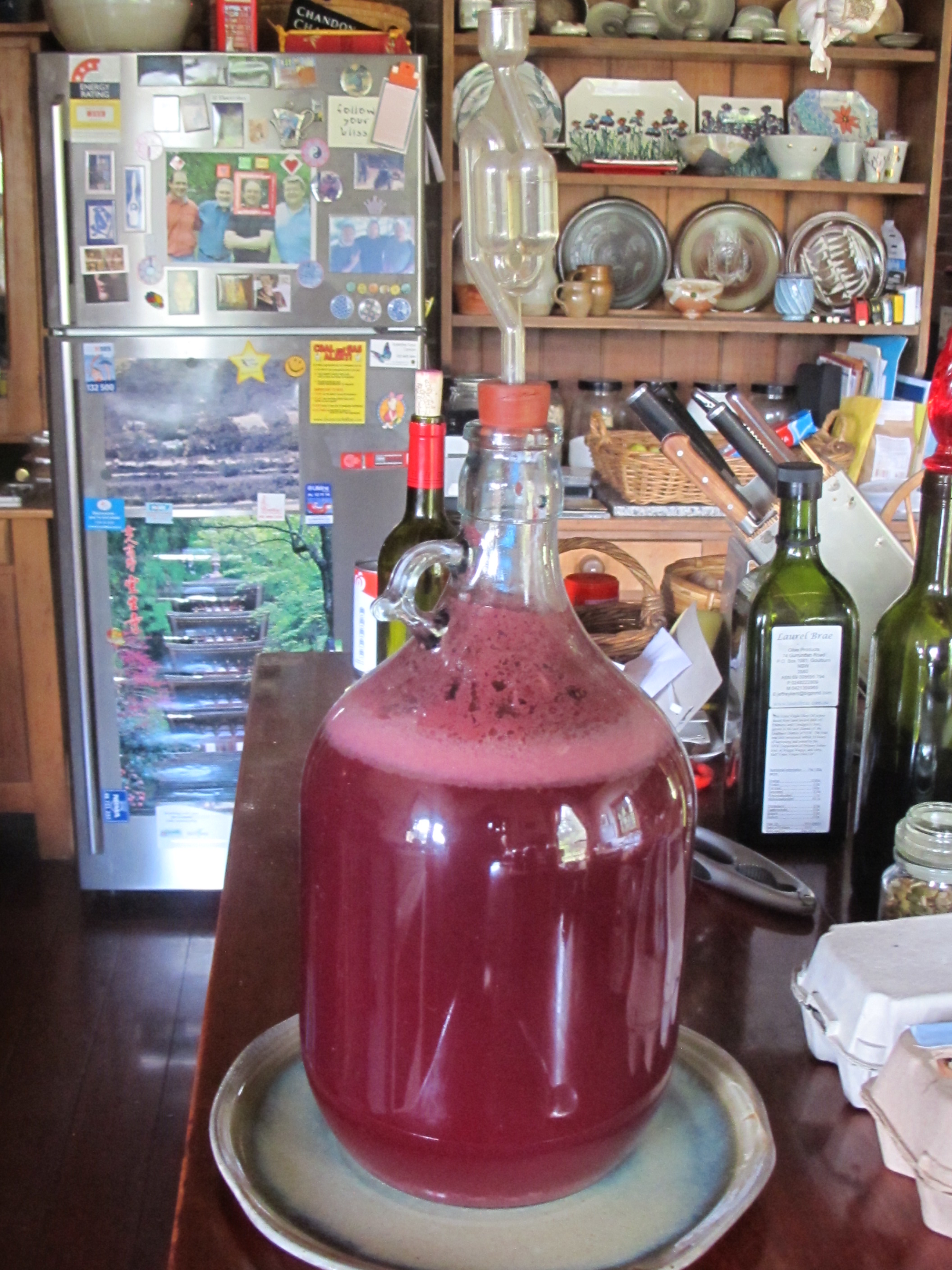
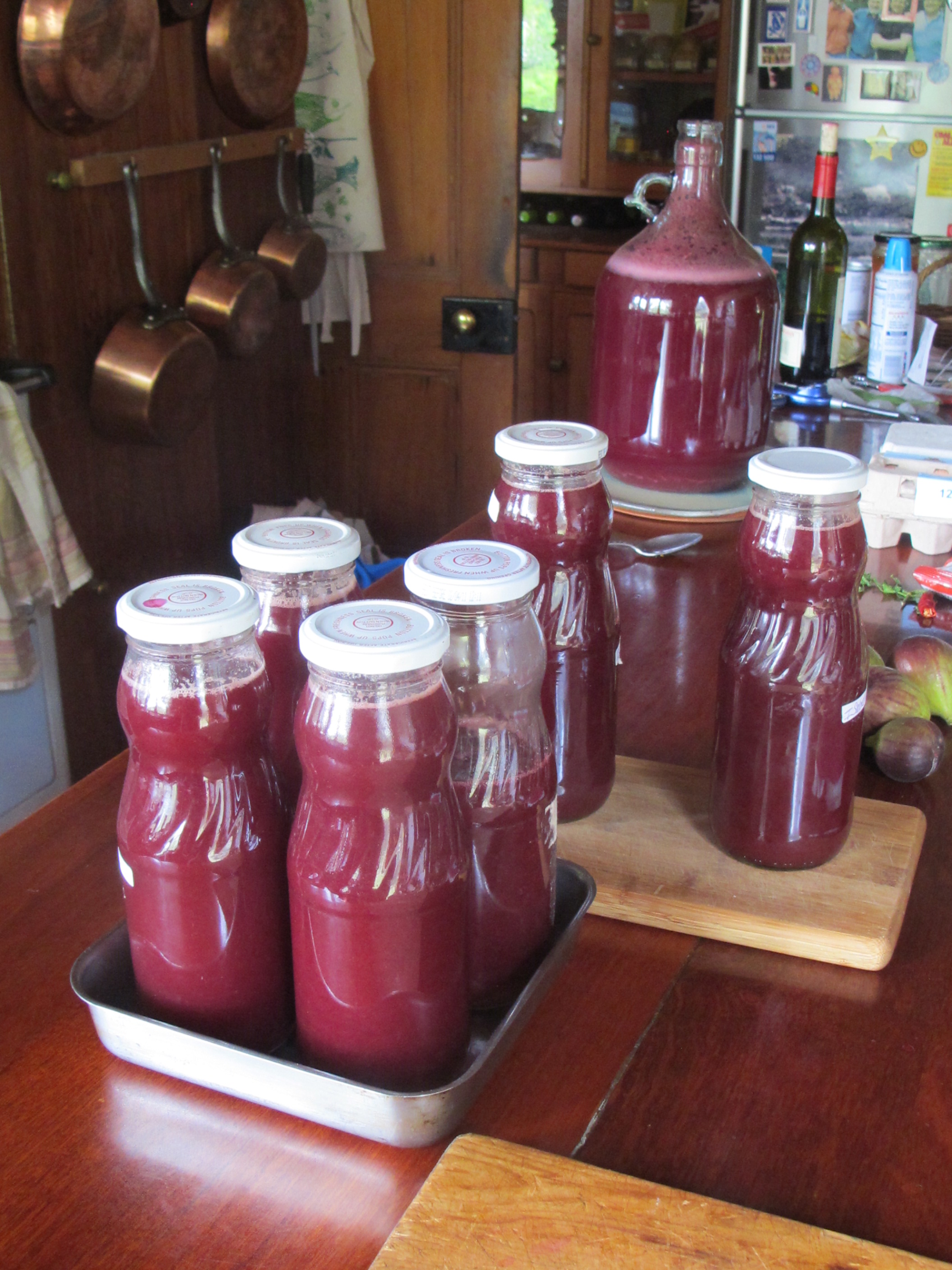
We’ve been making wine, making clay, making kilns, making pots, making preserves and in general making a living, in all the various and diverse ways that we have grown into during this big long experiment called life.
The luscious excess of the summer garden
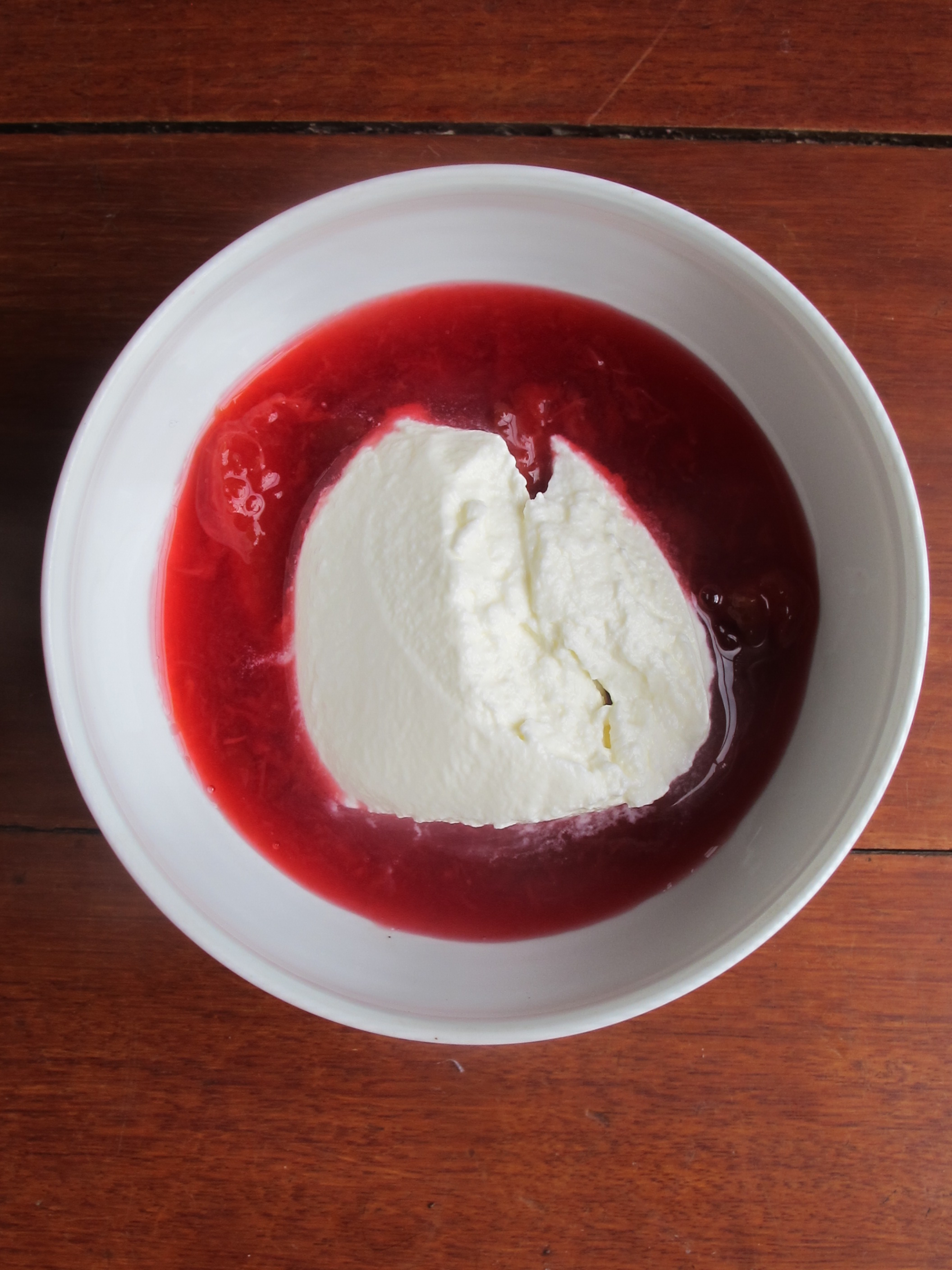
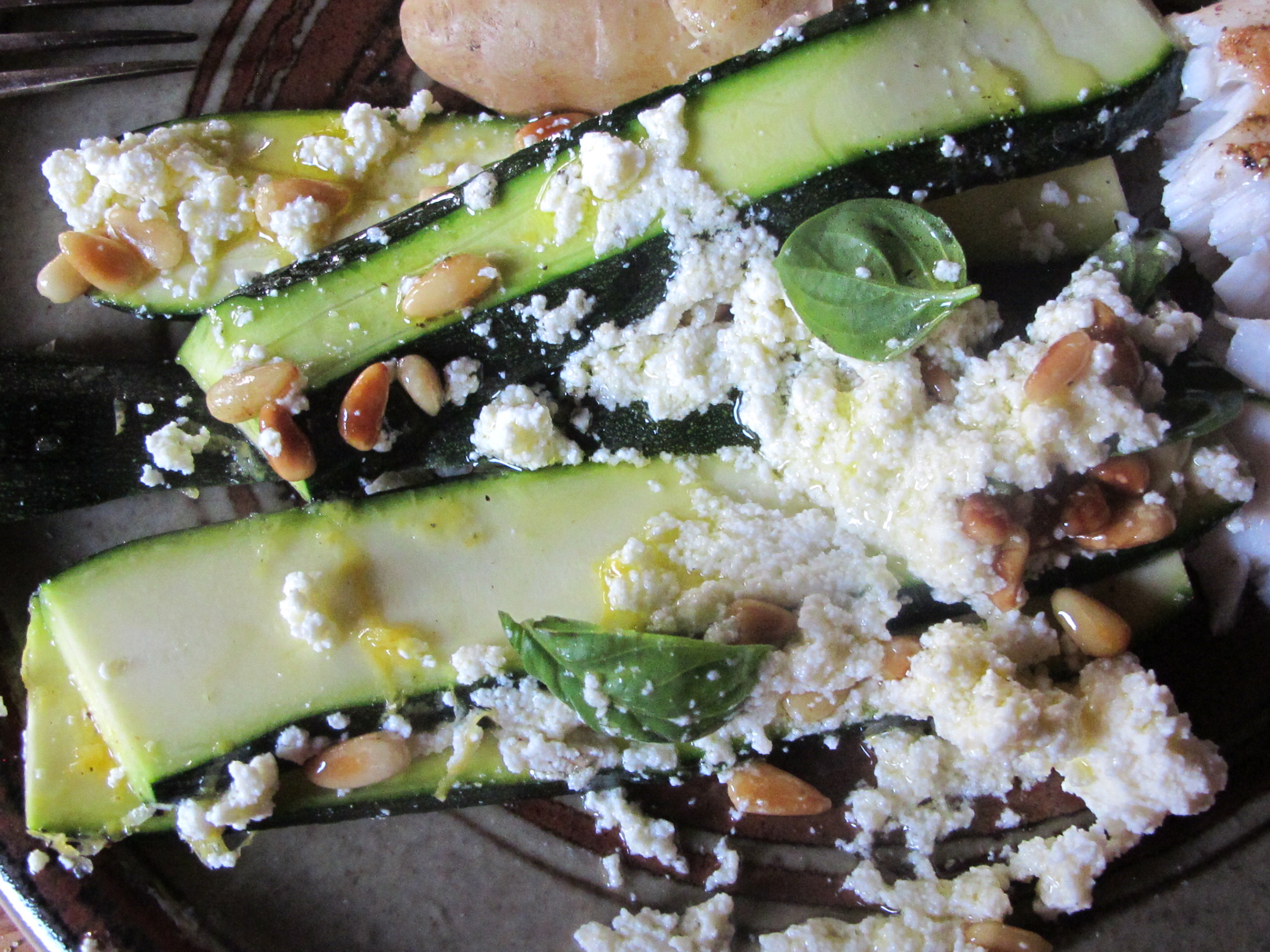
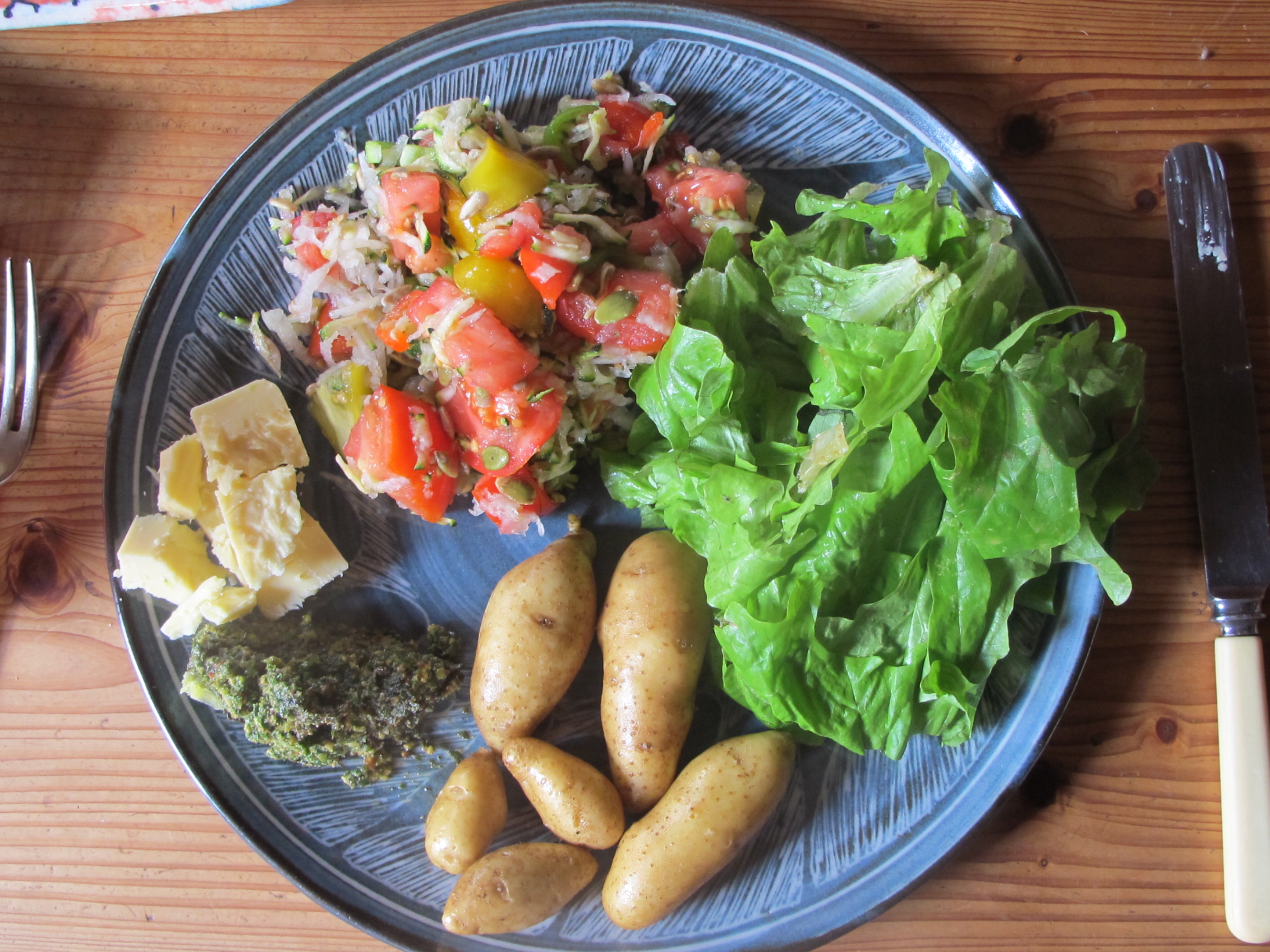
We have been experimenting with a few new ways of dealing with our excesses from the garden. We have our favourites that we love to cook every season with all the usual suspects as they front up in quantity. It’s just amazing how much I look forward to that first tomato of the season to get ripe enough to pick and eat, right there in the garden. It truly explodes in the mouth with sweet, acidity. Such a flavour. Then all those vitamins that I am obviously in need of, because I crave that first tomato so much. Just brushing the leaves of the tomato plants while weeding is nostalgic and gives me the Pablov’s Dog reaction. i can’t wait. I’m craving a fresh tomato after 6 months without having any. However, after a month of tomatoes with everything, I seem to have enough of the vitamins and minerals that tomatoes offer, and they lose some of their charm. They are still fantastically delicious, but there is no longer any urgency to eat them. They just become part of the menu landscape. In fact, so much so, that while I’m weeding and watering the plants, I try to avoid brushing the leaves, as the smell is no longer appetising, but slightly off-putting even. What is this reaction? How does it work? My body is telling me what I need to eat and when I’ve had enough. Time to move on, try something different.
The same can be said for zucchinis, capsicum and aubergines as well I suppose, but not with the same urgency.
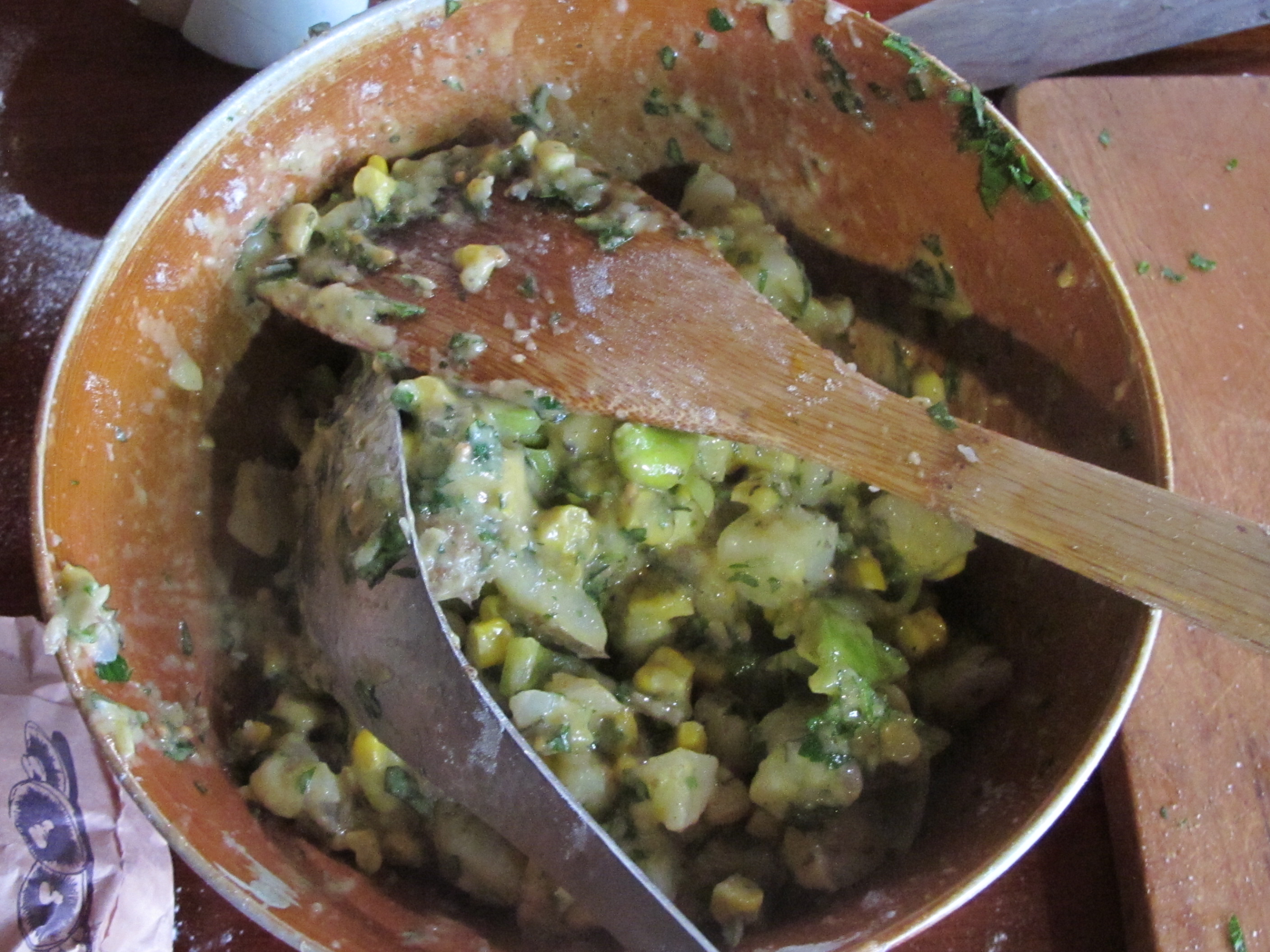
After we have cooked and eaten all the usual favourite dishes a few times, we start to consider other ways of thinking about what we have and how we can be creative with it.





















You must be logged in to post a comment.