The Firing

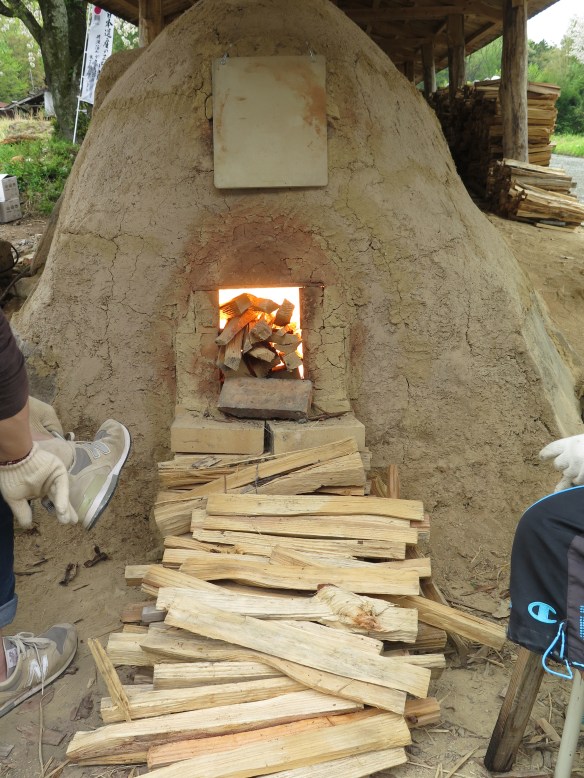
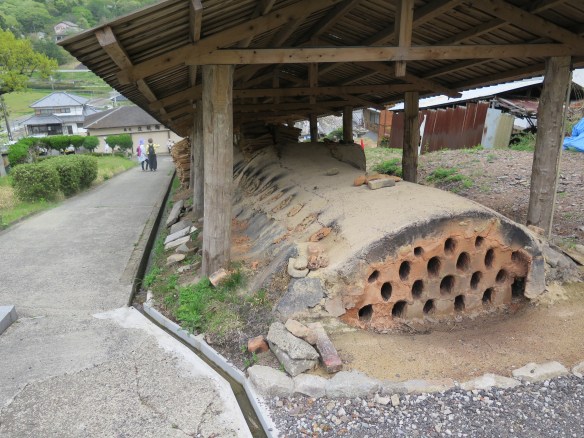
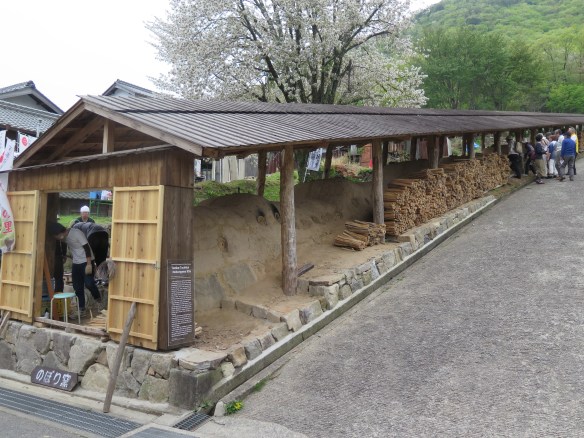
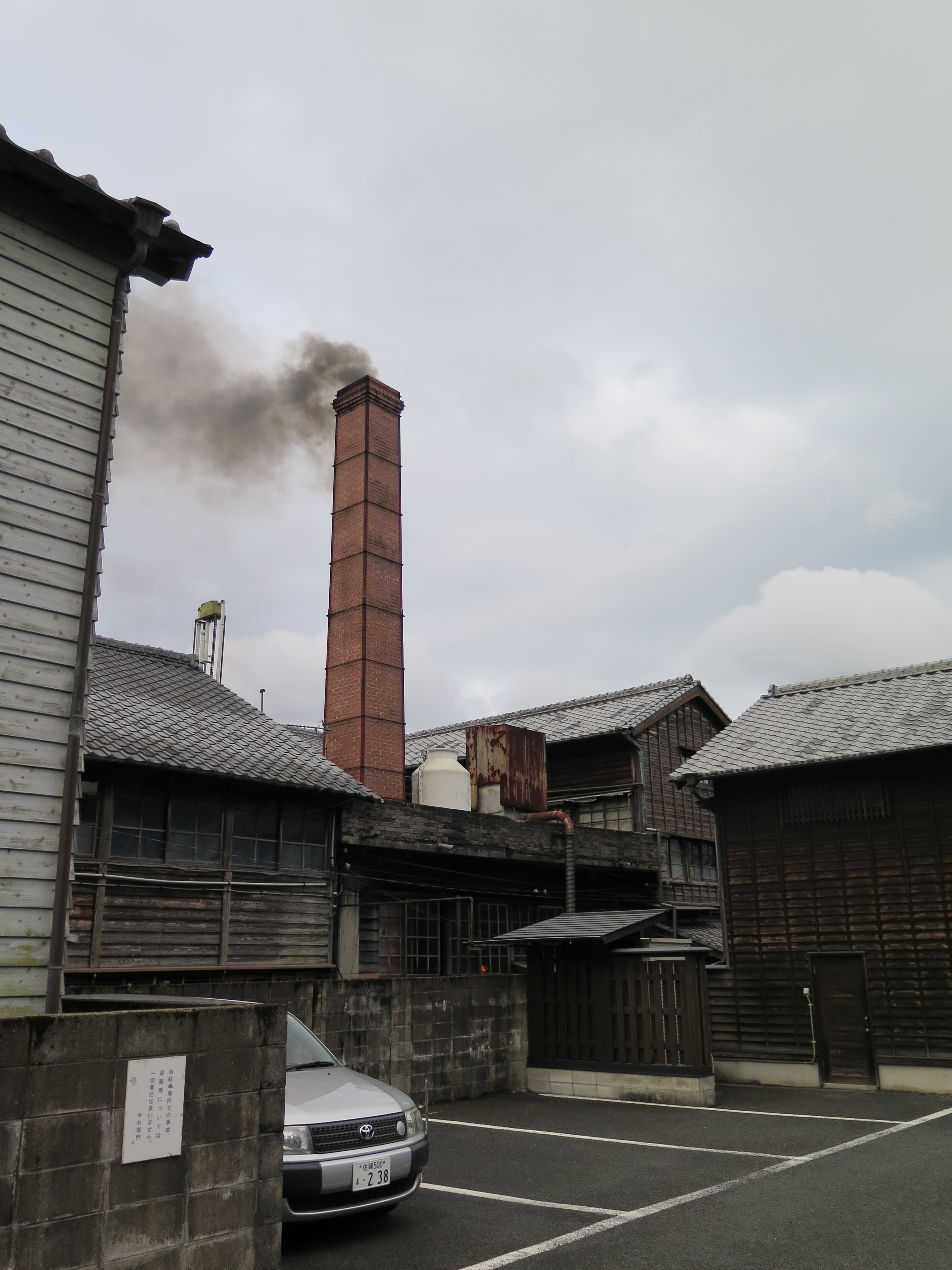
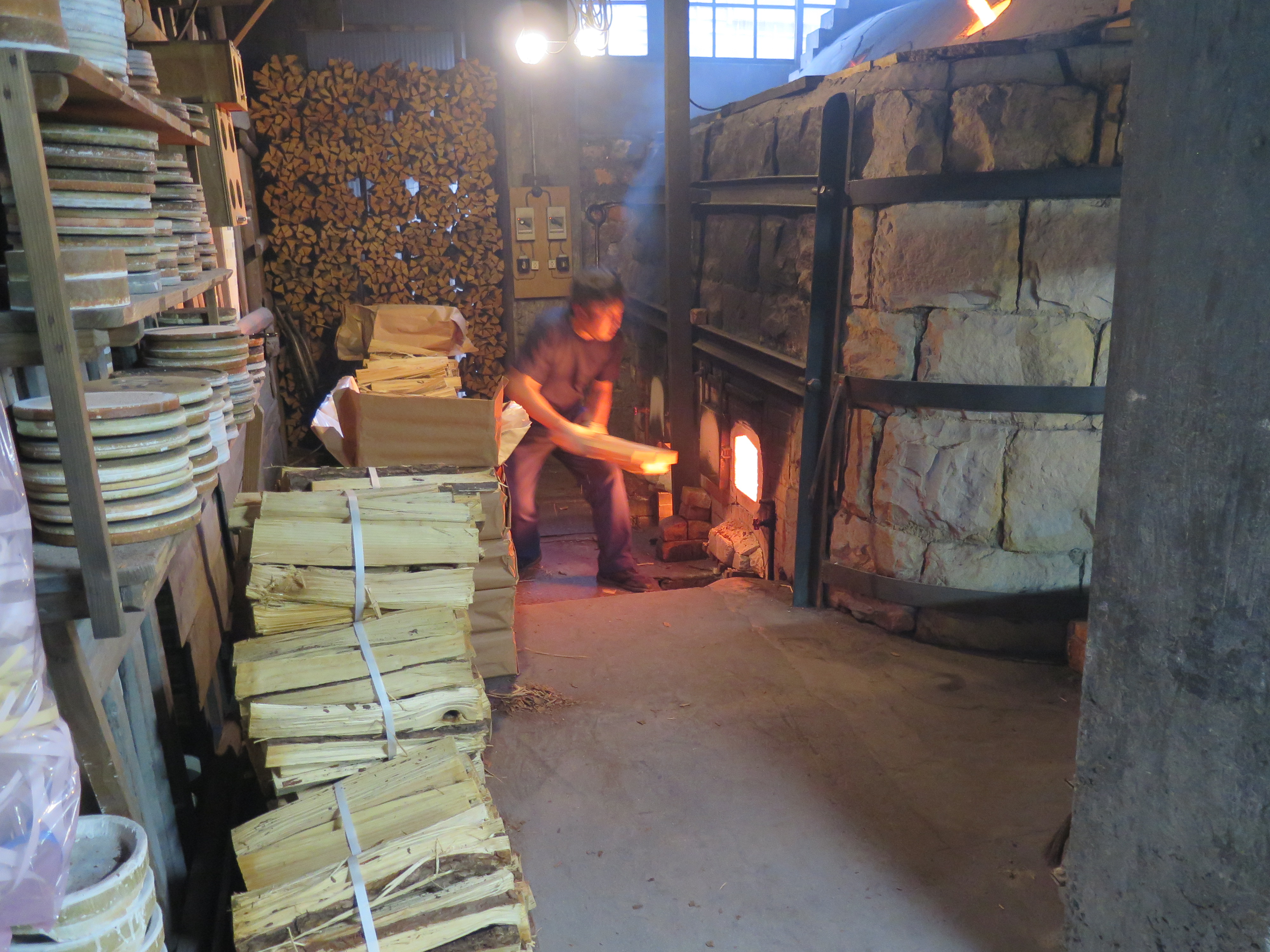
In these times, when we are so concerned about pollution and air quality. I’m amazed to find that it is still allowable to fire a fairly dirty, wood fired kiln right in the heart of Arita’s main street, old town centre.

IMG_0668

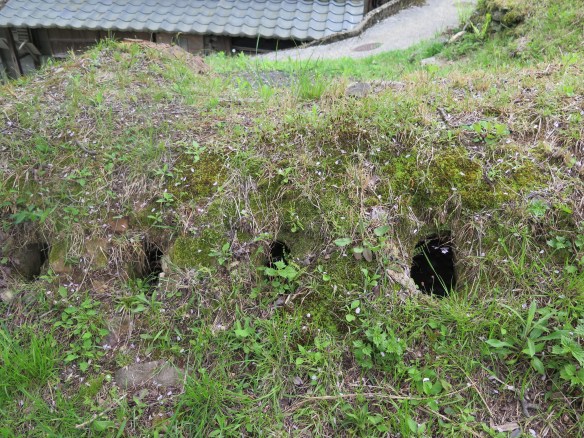
This is a fairly old-fashioned sort of standard European, industrial, down-draught design of kiln, used early to mid last century. There is no attempt to install any scrubber or smoke minimization at all, not that I can see, and if they do have something in place it isn’t working, as is obvious from the smoke billowing from the chimney.

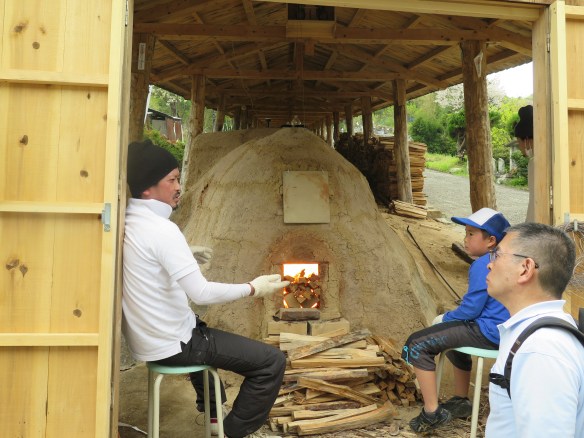
There are three men on shift over night, bringing it up to temperature throughout the day today. This is a stoneware reduction firing for the glaze. When this material is oxidised, it turns out a dark cream/dull beige colour. Not at all attractive. It’s because of the slight iron content. Even the hand-selected and hand-cleaned, super-white, ultra-expensive clay is just as dull. However, when this clay is reduced, it sings. It comes out a clear blue/white under a clear glaze and is a joy. This kiln is currently up to 1175oC and smack in the middle of its reduction cycle.

IMG_0670

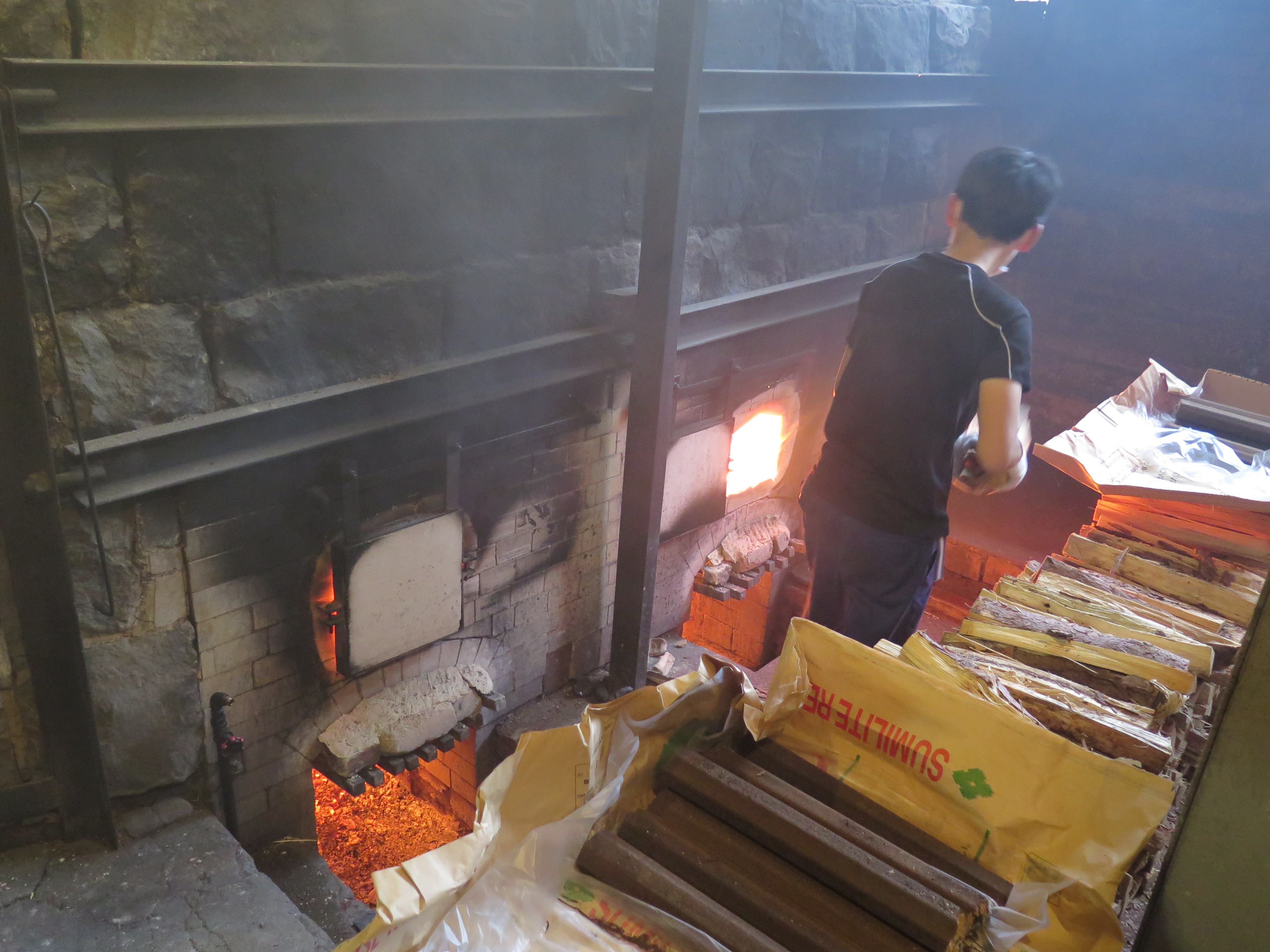
The air is super filthy inside the kiln shed. The ventilation is very poor, so the men have to wear paper dust masks, but they have chosen the very poorly fitting hygiene masks, that are ubiquitous here and designed to stop you breathing out or coughing on people in public and spreading mucus carried diseases. They are useless to prevent dust and smoke entering the lungs. If these guys work at this all their days, their lives will be shortened. I’m quite surprised that this is still allowed. The ventilation is so bad that it must be hell in here in summer.

IMG_0671IMG_0673

IMG_0674

I’m also surprised that they are still firing a kiln like this with wood, as all the glazed pots are stacked in saggars inside the kiln, so there will be no aesthetic of wood fly-ash contact. The saggars add extra weight to the thermal mass and makes the firing less fuel-efficient. Seeing that there is no aesthetic benefit  showing on the work. I wonder why they persist, especially as everyone tells me that they are doing it so tough here now and no one is making any money. They could reduce their firing costs significantly and clean the towns’ air quality by switching to a light-weight, low-thermal-mass, gas-fired, fibre or RI brick-kiln. If there really is some sort of aesthetic reason for persisting with the wood firing, then I can’t help but feel that the kiln should be moved out-of-town, changed to a downdraught firebox, or installed with a scrubber. I’m only an ignorant outsider here and have no right to be offering anyone any opinion, but these are the thoughts that go through my mind as I watch.

IMG_0675IMG_0676

There are 2 fireboxes on each side of the kiln. Most likely firing up and over a bagwall, then down through the stacks of saggars to exit flues in the floor. These fireboxes are stoked alternately, first on the left, then the one on the right, symmetrical on each side, alternating every few minutes. There is a lot of smoky flame escaping through the vent holes and spy holes in the door, walls and dome. This is to inform the fireman as to the state of the atmosphere inside the kiln. He wants to know when the smoke is lessening and about to disappear. This indicates when it is time to re-stoke the fireboxes, so as to maintain the air-starved reduction atmosphere in the chamber. If I were here, doing this, I’d have all the windows open and a vent installed in the roof to clear the smoke from the work area. Actually, I’d probably get rid of the dirty up draught fireboxes with their expensive and short-lived metal fire bars and replace them with much cleaner downdraught fireboxes. For the comfort and health of the firemen, as well as improving air quality and fuel efficiency. I wonder if they realise that all that smoke billowing out of the kiln room and chimney top, represents expensive energy wasted?

IMG_0667

I can only suppose so. Everything has a reason here. Just because I can’t figure it out, doesn’t mean that it isn’t important and valid. It’s just not what I’m used to. Even so, I can’t help think  that there will be some health ramifications for these employees, working in that filthy air.

I wonder what the towns folk think about it? Fortunately, as I’m here alone, I don’t have the language ability to get involved in this sort of in-depth conversation. Probably for the better. I don’t want to offend anyone.

Welcome to the new/old Arita!

Oka-No-Mi-Yaki

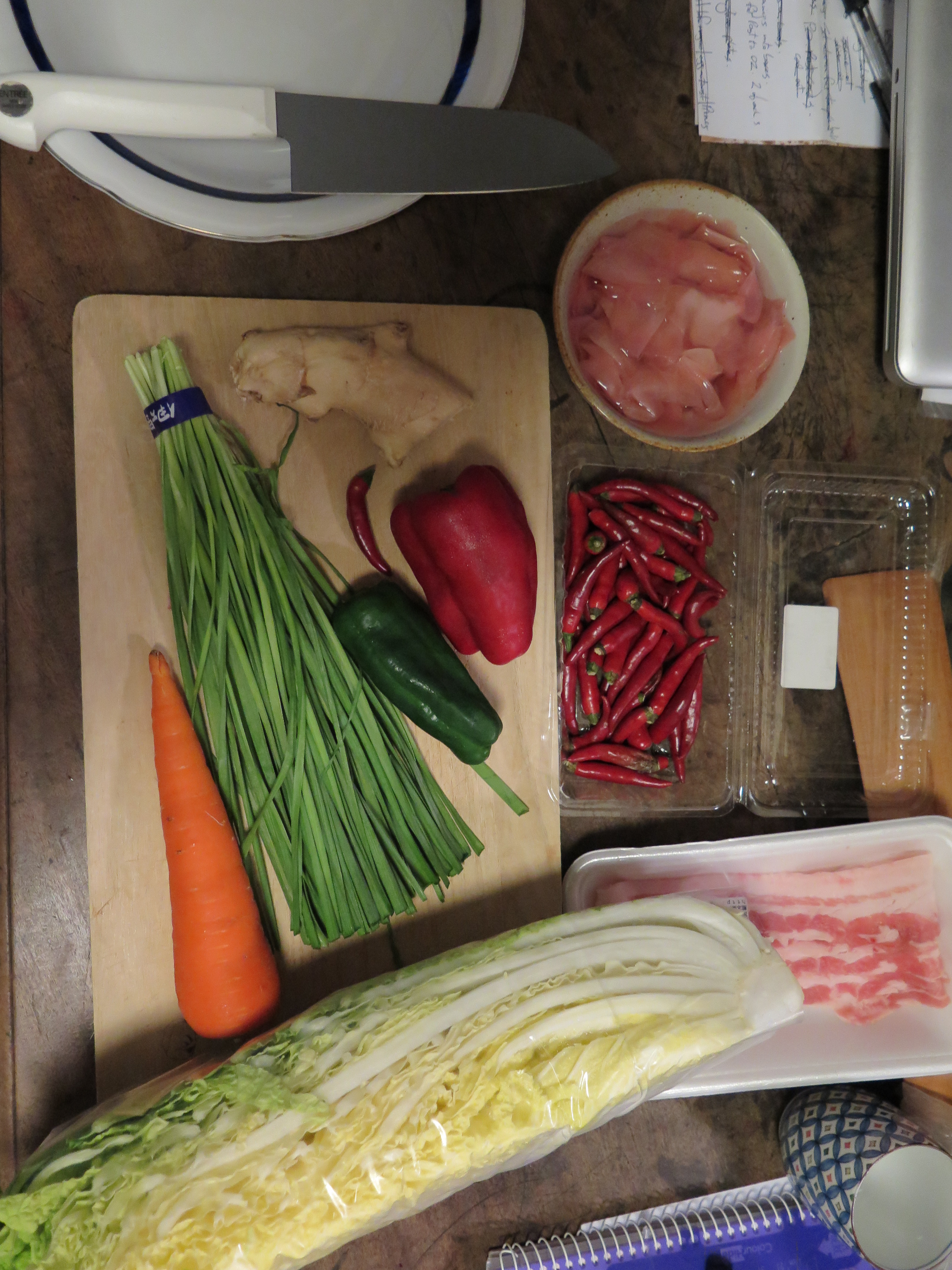
I’ve just finished working on my stretchy stick, ‘nobebera’, and now the mossies are driving me inside. It’s time for dinner and I have most of the makings of an okonomiyaki pancake on hand, but I’m going to make an  Oka version.

IMG_0303

Okonomiyaki is an interesting compound word, that has come to mean ‘pancake’ in common parlance, but if you break it down, okonomi can mean ‘your choice’, and yaki can mean ‘cooked’. So it has come to mean that you can make a pancake out of what ever you want to put in it.

I like that kind of recipe. I don’t have all the things that usually go into an okonomiyaki, but it’s my choice, so I will use what I have. Plenty of vegetables, held together with a bit of egg.

Okonomiyaki, can also mean ‘a stupid thing, of, my, pottery’. This could be a term used to describe my meagre efforts on the potters wheel here in Arita, so I have an affinity.

It’s quick, it’s fresh and it’s reasonably healthy. What more can you ask? I don’t have some of the normal essentials here in my tiny kitchen. I haven’t bought any mayonnaise and I don’t have any Japanese ‘tonkatsu’, BBQ style sauce, or any nagaimo, long yam root, but as the name implies, it’s my choice so I have what I want.

What I really like about this is that, apart from being really tasty, it is a one pan meal, so just right for my tiny kitchen, and so little washing up!

IMG_0304IMG_0305

IMG_0306IMG_0307

IMG_0308

This could be enough for 2 helpings, but I manage to eat it all. I even have some bonito flakes to put on top. I love the way that they quiver around in excitement at the thought of being eaten! They know that they are delicious.

Itadakimas.

from Steve in Arita

Te sukuri nobebera

The hand made stretchy stick!

Following on from my visit to the maker of Kanna turning tools and other wooden pottery tools. This afternoon, I have just found the time to make my commitment to my new hand-made stretchy stick. An implement used here for throwing the inside of open forms. This particular one is specifically made for throwing and opening up bowl forms, stretching them out, as it were. So why would I want one? 🙂

IMG_0297

It was impressed upon me at the time of purchase that this tool is a partnership for life. A tool made of superior, old, well seasoned, azalea wood, that will last my whole lifetime if looked after, but it needs to be customised to my hand and my feel for the clay, then adjusted for my technique and the specific bowls that I am making. I will probably end up needing several of these tools in various subtlely different iterations. I may make some of my own once I have got used to this one, and if I find that it can be accommodated to my own preferences for throwing. I have plenty of fruit tree pruning wood at home, some in reasonably large enough cross-section to be useful for this application. I also have some very old, well seasoned, red grained, eucalyptus. That might be good to experiment with?

IMG_0296

This afternoon I went to the hardware shop and had a sort of conversation, if you can call charades with funny noises a conversation? I don’t have sufficient vocabulary for this situation and they didn’t have much English, but together we managed to laugh our way through all the options until we arrived at the objective which was sand paper. If I were at home, I have all this stuff on tap in the workshop, but here every little job, becomes a much larger exercise in communication and perseverance, as well as good will and humour.
I ended up buying two sheets of sand paper. No. 60# and 240# mesh, to sand my new nobebera, This tool looks like a shoe-horn sort of shape.
I spent 2 hours working on it, so that it would fit my hand better, and now it’s looking and feeling pretty special and a lot more comfortable. Smooth as glass. This old seasoned azalea wood is really tough and hard to work. I wasn’t expecting it to take 2 hours, but it did, and it isn’t finished yet.
After I was reasonably happy with the fit and contour, I wet it and let it dry to rise the grain. Then sanded it all over again with the fine grade paper, to get it very smooth, so that the raised wood grain won’t leave streaky scratch lines inside the bowl during throwing.
I need to throw with it for a few hours to get a better feel for what else I need to do to get the best out of it. Once it was mostly right, or as right as I can imagine to begin with, all the roughness sanded off and the tip smoothed out, made silky smooth and with an even curve. I gave it a thin rub over with some olive oil to finish it off ready for some work. It looks and feels good. When you buy these tools from the maker, they are only roughly shaped and need a lot of finishing to bring them up to your personal preference for the precise shape and finish.
IMG_0301
IMG_0302
Tatsuya san took me to the maker’s workshop last week and chose what he thought was the best one for me. He also drew on it with a pencil, to indicate what he thought should be the correct finished shape.
It was $50 bucks and not even finished!
IMG_0098
IMG_6304
IMG_6305
Tatsuya demonstrated using his when we were there at his place this time last year and he threw for us. He has had his for the 40 years that he has been a potter. His are nicely wabi,sabi now and well-worn in. The azalea wood is very hard to sand. I can tell that it will be a good, hard-working tool with a long life.
Thank you Tatsuya. I am grateful!
Best wishes from Steve in the very special porcelain town of Arita

Stalking the wild Kanna

I came to Japan with a few projects in mind and as my stay here develops some of my plans have fallen into place, while it has become apparent that others will not be achievable on this trip. But there will always be the possibility of another time?

One of the little side projects that I had in mind was to buy some ‘kanna’. Kanna is the Japanese word for sharp edged tool, so it can be applied to razors, knives, wood working planes as well as potters turning tools. In particular, I’m here to find the source of the very special and quite rare, tungsten carbide tipped turning tools that the porcelain potters here use.

I have tracked down and visited 4 potters supply shops now, I find something of interest in each one. Today I followed a lead up into the hills to find a small workshop where I’m told that there is a man who actually makes the tools from scratch. I’ve been lucky enough to meet someone, who knows someone who can take me there

My guides took me to visit this special tool maker in his workshop right up in the hills, into the next provence. In a small shed in the bush, down a little lane, in a gully, under the huge concrete pylons of the freeway, that passes straight over the valley. Finally I have found the unremarkable workshop of the humble tungsten carbide turning tool maker. It’s a small unprepossessing shed. You wouldn’t look at it twice, and it’s ever so small to boot. No signage, no identification. You just have to know!
IMG_0103
We go in and straight away I can see that this is a real metal workers workshop. It has the taste and flavour of metal all about it. The types of machines, the black metal dust on the floor. The smell of burnt resin binder on the carbide cutting disks. It all seems, looks and smells  so familiar. Parts of it could be my metal working shed. So I finally get to track the shy and elusive, wild Kanna to its source. So this is it’s natural and unspoilt habitat. Don’t know what I was expecting, but it wasn’t this. Something corporate, larger and more commercial/industrial. It all seems so humble and small scale and it is!
IMG_0100IMG_0099
This is Japanese artisanal work. The sort of thing that is slowly dying out here. At least it has lasted this long. I am a very lucky man to get here now. In this place and this time. I am grateful. This lovely man is quietly spoken and very humble, as far as I can tell with no language to communicate with at a deep level. But you can sense a person’s character from their demeanour, even without words. I only have greetings and platitudes. I’m so glad that I have my friends and guides here to translate for me. Because I want to know more about the process and how he works.
IMG_0101IMG_0102
Apparently this workshop is only open in the mornings. After that he has other things to do?? Maybe a second job? or out on the road selling his wares, because not too many people will find him here in the this unmarked shed on an unsign-posted lane, out of the way from a small town. Although people in the know do find him here. While we are there a young girl drove up with two tools she bought a while ago. She wants them re-sharpened.
I looked through his boxes of stock and find two tools that will be of use to me. it’s a bit difficult for me, because firstly, I’m left handed and secondly I work in the reverse rotation to the Japanese style. So not all tools will be suitable for me. I can commission some to be custom-made, but this won’t be necessary. I can find everything that I need in symmetrically shaped Kanna. I buy two of his tools from him. That just about completes my set.
Then to my surprise, I’m told that he also makes wooden tools as well. A real renaissance man! So I can’t resist buying a hand carved ‘nobebera’, or ‘nijiki’ throwing profile from him as well. He has boxes of these in stock too. Different shapes for different pots. Funnily enough I want one for throwing small bowls! I don’t know which one to choose from his stock, as I am so inexperienced and naive the these matters, so I buy the one recommended by my friend. I get a quick lesson along the way about what to look for in an ideal nobebera.
I had no idea that this guy we were going visit was a complete all-rounder.  He also makes these special wooden throwing tools himself. It’s a very long process, 12 months in the making. Sometimes longer, it all depends on the cross-section of the wood, that has to be seasoned properly. Some of the thicker sections need  to be seasoned for up to three years in water, before starting the process. He uses ancient, thick cross-section, Azalea wood, called ‘nijiki’ here. 125mm in dia. that is up to 50 years old. He roughs out the shape and then soaks the wooden proto-form in water for several months, then slowly dries it for another few more, before shaping it to almost-right. It has to be cut from the branch in such a way that the eye of the grain is centrally located in the tip of the curve. He then lets it warp as it dries completely. As it finishes its drying and settles into shape it needs a bit more re-shaping. Finally, a few months later, when it has stabilised, comes his final shaping and it’s now ready to sell. 12 to 24 months to the day after it was cut.
IMG_0096IMG_0097
IMG_0098
My friend is at pains to point out that this is only the beginning of my mutual contract with the maker and this tool. It will warp to suit my methods and the humidity in Australia, when I get it home, so don’t expect that this is it. You have to use it and then re-shape it a little yourself, to get it just right for your purpose. It will probably need a little thinning out as well when you get tit home, to get it just thin enough to be flexible, but not so thin that it breaks under pressure. It is starting to sound like the making of a good cello, all the intricacies of the living wood and how it is never really stable, constantly responding to its circumstances and environment.
I buy the one that my friend has selected for me out of a box of about 50. He knows what to look for, He has some of these tools that are 40 years old in use in his studio.
Its a beautiful thing. I am proud to own it, and consider myself especially fortunate, to have met the maker in his native environment and seen where it is made. In-situ as it were.  It is such a privilege!

Best wishes from Steve at home in the natural habitat of the hand made Kanna and nobebera.

Being a Tourist in Kyoto

Kyoto is a marvellous city for someone like me who loves Japanese culture. It has so much to offer. I just love to spend some time detouring around the back streets and lanes on my way to what-ever project I have on for that day. It’s easy to navigate, as it is all set out on a grid system, it’s flat for the most part and very safe, even at night.

Wandering around in Kyoto is a very interesting way to spend time. One place that I always have to visit on my way to the antique sellers district is the Terramachi covered market and the cross street Nishiki market where all the traditional foods were sold.

DSC01363

Nishiki still has a lot of tradition there, but the tourist shops are creeping in, specifically because of people like me visiting. I try not to buy plastic crap, but others do apparently, so the foods sellers are being slowly squeezed out in favour of tourist junk, and as a tourist, I’m responsible in part. Isn’t it amazing how we kill that what we most cherish!

Still, although I don’t buy much food here, only finger food to eat on the go. I just don’t have a kitchen here, so there isn’t much point. I still can’t resist the stroll up and back along the Nishki street, taking in all the exotic sights and smells.

 DSC01352DSC01355

DSC01623 DSC01613

DSC01618

I love the smell of the pickle stand and the grilled fish stall, but one of my favourite shops is the knife makers shop, Aritsugu. They have been in Kyoto forever. Since the 1500’s I believe, this is currently the 18th generation. I wonder if his son will carry on? No pressure! The family used to be samurai sword makers, but when peace broke out, they changed to making domestic kitchen knives instead. I have bought a few knives here over the years, and one of the lovely things about it is that the knives on display are only samples. Each one represents a tray-ful of others. All waiting in their series ranks to be chosen and finished off. Each knife is almost ready tho sell, but needs that final honing and polish on the wet stone to get the edge extra fine and ready for work. Then, you can also get your name engraved in the blade to personalise it. At no extra cost. I have bought a few knives here, mostly for my chef son and other friends, but not today. I’m on a tight budget and I’m only here for the entertainment.

DSC01359DSC01629

When I emerge from the markets, Karate. Empty handed. I have to wait to cross the street, because there is an anti-war demonstration going on. It is about a kilometre long all the way down the street. Very orderly, with precise breaks, so that we can cross the road. I can’t read any of the verbiage, but I gather that they are protesting against the new changes proposed to go before the Diet – parliament. That will allow the Japanese military to change their role from a strictly defense force to something else, somewhat more ‘off-shore’ and possibly aggressive?

DSC01633 DSC01636

No trip to Kyoto would be complete for a potter without a visit to Kanjiro Kawai’s House and Museum. Secluded away in a back lane just off the main road. It is a quiet, tranquil respite from the traffic and a chance to go back 50 years or so to its heyday. It doesn’t seem to be as impressive this time around as it was the first time I went there 30 years ago. But is still good. I’m amazed that they could fire the 7 chamber climbing kiln smack in the middle of the city like this, right up until 1979. It must have been filthy!

DSC01550 DSC01317

DSC01538DSC01541  DSC01562

I stumble across a giggling twitter of girls who have just emerged from having a Maiko-makeover and are out to enjoy the Gion district in a mufti-reversal.

DSC01606

After a long days walk, I reward myself with a cup of tea at the temple in the afternoon. It’s a great caffeine hit to keep me going for the rest of the afternoon.

DSC01596

Fond regards from Steve in Kyoto

Taking Time to Take Tea

I have an interest in tea, only minor in the scheme of things, but it’s been consistent in my life. I love the old tea houses, especially when the thatch gets that mossy look of age, that special wabi, sabi  look. There are some especially intuitive, gifted and sensitive people out there to be sure. I’m not one of them, but in my better moments, I can see and appreciate the profoundly beautiful things that they have left behind for me to experience. It’s a joy that highlights my day.

DSC01328

DSC01331  DSC01332

One one of my walks I come across a temple where you can take tea. So I do. I take the time. I sit and I ponder. It isn’t in my vague plan for today, but it is very much welcome and appreciated. This is time unplanned and well spent. The caffeine really enlivens my step afterwards too.

DSC01432DSC01433

I did my washing today. What more could you want?

Much ado about Nothing

I’m finding on this visit to Kyoto that so many of the temples are being re-constructed, but not in a Post Modern way. Rather it’s in a Post Ancient, or using ancient posts kind of way. Most of the work seems to involve renewing the roofs. I was here more or less this time last year and we were able to walk through some of the Higashi-Honganji temple, even though the tradesmen were in doing the work. It was amazing to see them build such a big scaffolding structure over the end of the temple, all set up on tracks, so that as the work progresses, they can winch the covering building along over the next bit, until it’s finished. It will apparently take some years to complete.

thumb_DSC01397_1024 thumb_DSC01403_1024

The Largest-Cast-Bronze-Buddha-in-the-world-Temple, Todai-Ji, at Nara is now the Largest-Cast-Bronze-Buddha-Under-a-Temporary-Tin-Roof-Buddha-Temple-in-the-world. Everybody has to have something that defines us as special, even buddhists. It’s all about nothingness, but the biggest building in which to find nothingness seems to be important. Even the Kiyomizu-dera Temple is under reconstructive surgey at the moment.
thumb_DSC01306_1024thumb_DSC01510_1024thumb_DSC01516_1024thumb_DSC01517_1024

I’ve been visiting quite a few temples while I’m here. There are temples featuring wood, moss, stone, raked gavel, water, gold and silver(not), Apparently it’s important to be about something while your contemplating nothing. If zen is a sense of cohesion and tranquility found in emptiness, then I’m on the right track. I have come to terms with some sort of concept of emptiness while I’ve been visiting the temples here. Firstly, my wallet is a lot emptier, that’s for sure, I’m pretty certain about that. But one can never tell. Maybe it’s only an illusion?

My tummy is a lot emptier, as I’m on the 2nd day of fasting now and as I search for emptiness and nothingness. Emptiness sure feels like something to me right now. I’m finding it hard to tell, when or if I’ve found it. Nothing is a hard concept to achieve and inhabit while still being able to tell the difference. So I can safely claim that I have successfully found nothing so far. However, I’ll keep looking, just in case I don’t find more of it.

thumb_DSC01407_1024

thumb_DSC01421_1024thumb_DSC01415_1024  thumb_DSC01411_1024DSC01422

I start the day very early to beat the heat. The sun is casting oblique shadows across the land. The Golden Temple is beautiful. It too was under reconstruction on one of my previous visits. Now it’s all out of its wrappers and showing off in its splendid, glittering, blingy sort of way. So quiet, peaceful and unassuming. Hard to notice that it is even there sort of attitude, while screaming, “Look at me”!

Money, wealth and worldly achievements don’t matter apparently. I suppose that this includes gold? Just the sort of place to look for nothing. The guy who built it was really ripped off. When the builders covered it with gold at the end, they covered all the windows too. So he couldn’t even see out to look on the quiet lake at its foot or feet, I’m not too sure if temples have one or many? I think that he could have saved a lot of money and put in double glazing instead of gold leaf. The insulation value would be heaps better than gold and the view improved out of sight, well, actually into sight.

thumb_DSC01441_1024thumb_DSC01464_1024thumb_DSC01440_1024thumb_DSC01447_1024

Still, he did better that the guy who built the Silver Pavilion Temple. He didn’t even get any silver on it. The builders shot through before the silver was applied and all that they left was a big pile of white builders sand on the site. I did eventually find some silver there. It was all dropped into the wishing well pond. I wonder if it works – wishing I mean. As I’m looking for nothing, I didn’t bother throwing anything in, I don’t want my wish to come true. I might get something, while what I’m really after is nothing.

DSC01455

thumb_DSC01472_1024thumb_DSC01473_1024

thumb_DSC01475_1024

The weather changes while I am here and there is a storm, it’s been coming for a while now. I can sense it in the air and in me. I’m out on the path around the garden and it’s teeming down.

I stand and watch the not-quite Silver Temple melt away in the rain.

The storm has resulted in every one leaving. They scurry for the security of the visitors centre.

I’m here alone.

The path is empty.

The world disolves.

There is only the rain.

I walk across town to Ryoan-ji. Here the path is straight and true, but also strangely empty. It’s mid day now and the sun is almost directly overhead. The storm clouds are gone and the sun is beating down. It’s hot, muggy and humid.

thumb_DSC01481_1024thumb_DSC01484_1024 thumb_DSC01485_1024thumb_DSC01486_1024

Finally at Ryoan-ji I start to come to grips with the the paradox inherent in Zen. At Ryoan-ji, you don’t have to pay to walk around the lake and grounds like you do at all the other temples. Here you only pay to go in and see the raked gravel and the 15 stones. Here’s the paradox. When you go in, you can’t see the 15 stones, You pay for 15, but only ever see 14. If you walk to the other side you can now see the missing stone, but one of the original stones is now obscured. There are only ever 14 stones. Even though there are 15! Deep stuff! I paid money for this.

thumb_DSC01490_1024thumb_DSC01488_1024

thumb_DSC01494_1024

It’s hard to take it all in. Even for my little camera. I sit and think about this for quite a while. But nothing comes.

thumb_DSC01498_1024 thumb_DSC01496_1024

thumb_DSC01499_1024thumb_DSC01507_1024

Janine and I were recently reminded of the Zen concept of non-aquisitiveness when she spent a bit of time with the Tibetan Buddhist Monks. As a fund raiser, they sold her a Tibetan, hand-woven, woollen, mobile phone cover. There’s an example of encouraging non-acquisitiveness for you.

Best wishes from Steve in Kyoto, on the empty path, and not doing much about nothing,

Toji Markets

As it is the 21st of the month, and I’m in Kyoto, that means it is the day of the Toji Markets. They are held on the 21st of the month, regardless of the day. Today it is a Friday. So off I go. The markets are held in the grounds of the Toji Temple, hence the name, not too far from the main Kyoto station. It’s usually a very busy market and very full of all sorts of stalls. Today, however, it is only half full, as it  has rained pretty heavily over night and is still pissing down this morning. I guess a lot of the stall holders just stayed home. The rain cleared about 10 am. and then it was fine, getting very hot in the early afternoon. I eventually needed a hat, but only brought an umbrella.

DSC01366DSC01373

Everything that you could want is here, even on a slow day like today. There are fruit, veggies, clothes, pots, pickles, fabric, beads, furniture and hot food. You name it and it is probably here. I’m particularly looking for and old pot with character. perhaps a tea bowl? I missed one last time I was here. I could kick myself. I passed it up because it was Y45,000. Way above my budget, but I could have afforded it if I’d changed my other plans and rearranged my budget. It scarred me off. I should have extended my self. But travelling on a strict budget has its limits, and that was past mine, and now it’s past tense.

DSC01367

I’m still looking for something exotic, quirky, interesting, unusual, with just a touch of the sabi/wabi’s about it, but today, no luck. I can’t see anything in the way of an old pot that speaks to me. There are plenty of them here, but not one with my name on it today. I eventually settle for an old, not very old, maybe 80 to 100 years old, Soba noodle cup. The straight down the line white porcelain with washed out small blue brushwork, chipped foot ring and a bit of age staining. Delicate and light and speaking lots about old Japanese porcelain. I love the things. They are still fairly cheap and reasonably easy to find, but I notice that they are creeping up in price each year that I come here, and the best ones cost the most – of course!

DSC01376DSC01379DSC01378

To get it to the market, you have to pass through the temple gates. They are massive wooden installations and quite old, recently repaired and restored and beautifully done too. Just inside the gates there is an old lady with a stall selling old, used, indigo cotton fabric. I’m very fond of this stuff, both plain and patterned. I use it to patch my own worn out work clothes. I don’t really know what it is worth, so I don’t buy the first samples that I see. I make sure that I do the whole circuit of the site, looking at every stall first. Eventually I go back and buy some of the early bits that I saw, as they turn out to be the cheapest bits that are in reasonably good condition with still some wear left in them. The plain stuff is the best, as once it has been dyed in Indigo, it is toxic to bugs or something, so nothing will eat it. I find that the patterned fabric has some of the white bits eaten out, or just rotted away and become fragile somehow. Maybe it’s the ultra-violet in the sunlight? I don’t know.

DSC01369DSC01392 DSC01396 DSC01391

DSC01395DSC01393

There is so much good food here. I want to try it all, but I hold out for the okonomiyaki. It’s my favourite. I can’t think of anything more delicious and ever so fresh as this. Cooked in front of your eyes in a few minutes. I could describe it as chopped cabbage cooked in a light pancake batter, with bacon and egg and other bits of dressings and herbs and spices like red pickled ginger. Ever so yummy. Oishii Desu!

DSC01375 DSC01374

I see a few old wooden stools that are nice, but totally out of the question for me. I also see some of the freshest and plumpest ginger that I have ever seen. If only I had a kitchen!

A day spent wandering the Toji markets is a full days entertainment with almost free entrance, only a coin donation to the temple at the door.

After the firing – pruning in the garden

The weather has turned somewhat balmy after the snow. Maybe spring is on the horizon? Many trees are now in bud and the earliest peaches, plums and almonds are in flower.

IMG_1020IMG_1018

I get up very early to start the firing in the wood fired kiln. It’s 4am. It’s bitterly cold and there is a crunchy frost that I can’t see in the pitch darkness of the very late night/early morn, but I can hear and feel it ‘crunch’ underfoot as I walk down to the pottery.

The firing goes well enough. Pretty well straight down the line as expected. It ought to, as this is the 23rd firing of this version of this iteration of this kiln. Before I could pack the kiln, I had to crawl inside the fire-box to chip out the build up of ash glaze slag. This is fairly normal, but this time I also had to chip out the stump of a snapped off hob brick, that broke off during the last firing and dropped into the firebox. A tricky job as the space is pretty limited, there isn’t much room to swing a hammer in there. In the past I have drilled several holes into the brick and then broken it into smaller pieces that I can chip out. It happens every few years.

This time I try something different. I decide to drill a hole from the outside of the kiln, into the spot where the back of the broken stub of firebrick ought to be. I line it up pretty closely and then using a metal rod, I hammer the old firebrick remnant out of it’s hole, where it has been sitting glazed in tight with all the wood ash for some time. It obliges me and slowly lets go and comes out of its socket fairly easily in only two pieces and a lot of small rubble and spalls.

Maintenance seems to take up and extraordinary amount of my time at this end of my life. This job has gone well, but others are waiting and ongoing. The kind of wood firing that I have developed is quite sedate and well paced with plenty of time to do small jobs, clean up and put away all the tools used in the packing. I sometimes do small maintenance jobs, but they have to be very simple. I can’t afford to get too involved in anything other than the process of firing. I certainly have time to sit and think, plan and ponder. It’s so luxurious to have time to just sit and think. I can afford this luxury, precisely because I have made sure that I have all the necessary wood fuel, and more, cut, split and stacked inside the kiln shed before I start the fire. I make a mental list of all the repair jobs that are waiting to be attended to. I need to replace the last piece of plastic crap that has recently snapped off the pottery roof.

This second piece of plastic crap storm water gutter head has also disintegrated and fallen from the pottery roof, just a couple of months after the first one.

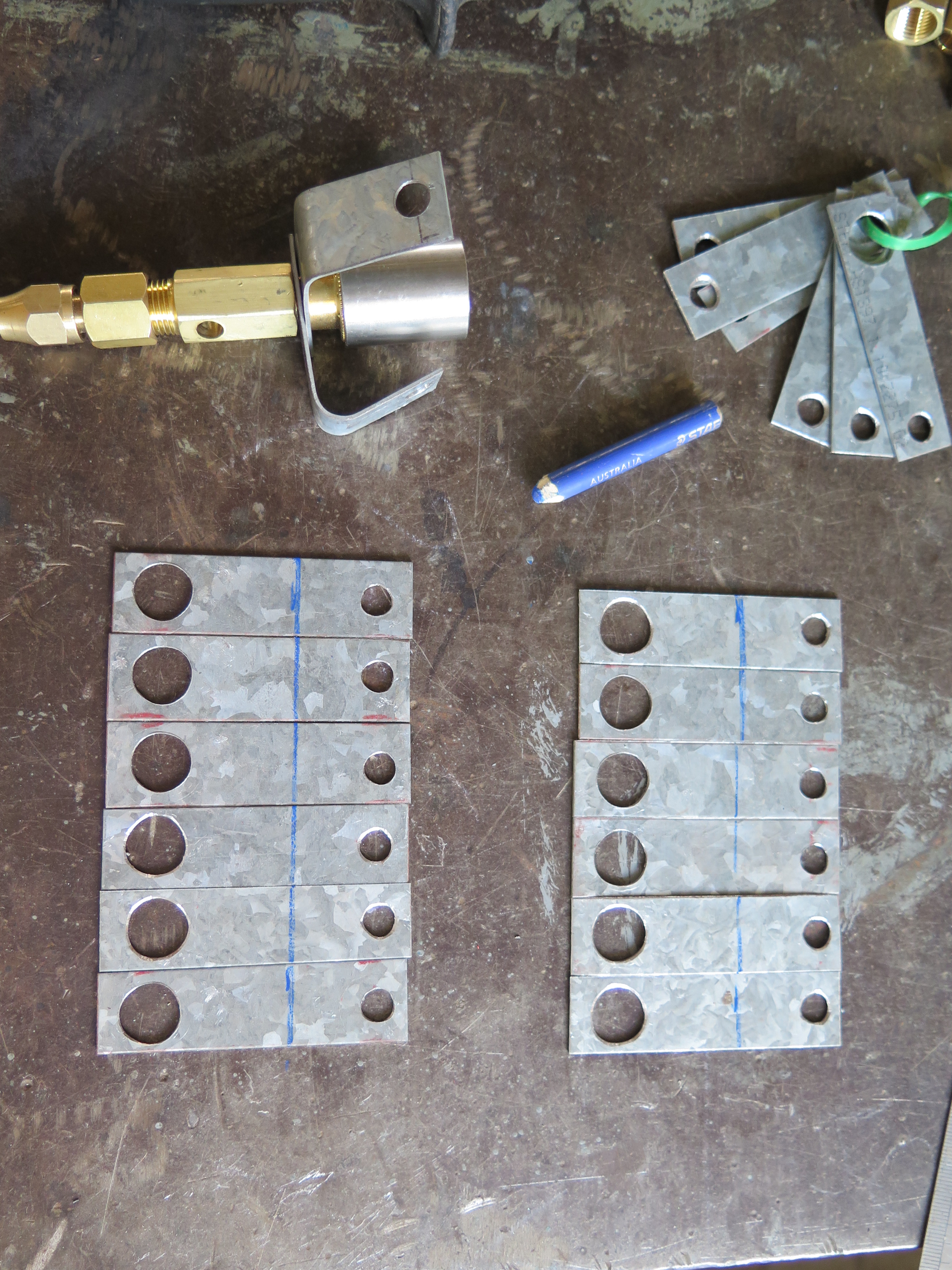
(see; “Note to self: Don’t buy plastic crap” Posted on 04/05/2015 ) I swore that I wouldn’t buy another modern plastic one, and I won’t. So I take an hour off and make a new one out of stainless steel off-cuts from the kiln factory. As it’s my second one in two months, I can still remember how I made the first one and this one goes very quickly, as I avoid all the mistakes that I made inventing and making the first one. The upper face has to be raked back at an angle of 45 degrees, so that it can be fitted with some stainless steel mesh that acts as a leaf deflector.

IMG_0946IMG_0949

IMG_0950thumb_DSC01252_1024

The list of jobs is endless. Now, the guttering on the wood shed has rusted through with all the leaf litter that blows onto that roof from the tree cover. I make a new gutter and fit it up. I’m proud to say that I don’t buy prefabbed stop-ends and down-spouts. I was shown how to make them by one of my mentors. Joe Enfield, the local village plumber 40 years ago. I worked for him as his labourer/assistant for a couple of years when I first came here and didn’t have a proper house and certainly no pottery workshop or kiln. It took me a couple of years to get established again here after we were burnt out in a bush fire in Dural, where we had been renting a place.

I learnt a lot working for Joe. I was only employed on a casual basis on bigger jobs, or where there was crawling under-floor work or a lot of ladder work, as Joe was in his 60’s and close to retirement. He wasn’t obliged to teach me anything, That wasn’t the deal,  but we got on well together and he invested a lot of time in me because he could see that I was keen to learn. I don’t make very good sheet metal work, roof flashing or plumbing, but what I do works and doesn’t leak. I work in the old fashioned way that I was taught by Joe. One of the last of the ‘Old School’ plumbers who still knew do all the old hand skills.

I’m often in at the plumbers wholesale suppliers. They know that I’m not a plumber. I ask all the dumb questions about taps and toilets etc. I only have an account there because I buy a lot of gas fittings for my kiln work. So when I get a length of guttering, but decline the stop ends and down spouts, that are usually sold with it, they question me about it. All the plumbers buy the prefabbed parts, why don’t I. I’m proud to say that I can make my own from off cuts, scrap and leftover bits. Just the way that I was taught. Sometimes I end up making the parts out of stainless steel – because I can! I have more stainless steel off-cuts than galvanised metal to work with.

IMG_0964IMG_0965

IMG_0966IMG_0967

IMG_0973

The firing proceeds slow and steady all the way up to top temperature. It turns out to be a glorious warm day with no wind. This firing, I go to 1320oC. Cone 11 down in the hot spot. 16 hours to top temp and then a 2 hour controlled burning down, until it is safe to leave it to cool naturally. I have my friend, Jim Black here throughout this firing. He helps me pack the kiln by rolling out all the little balls of wadding. During the firing, we sit and chat and solve all the worlds problems while we watch the kiln fire itself. Getting up every so often to stoke more logs into the firebox as necessary. We’re quite ready for bed when it’s all clammed up at 10pm.

thumb_DSC01244_1024thumb_DSC01245_1024

The next couple of days, while the kiln is cooling, I have my other friend Warren here to help with the winter pruning. We get stuck in and prune all the almonds, blue berries and grape vines, trim the hedge and then weed and mow all the almonds, vegetable garden and citrus grove. it’s a long day, but well worth it when we look back after it’s finished. Everything in there is in good shape for spring now.

thumb_DSC01253_1024thumb_DSC01255_1024

thumb_DSC01269_1024

The next day we take down some ageing wattle trees that are over hanging the fuel shed. Its a slow process, because there are three big terracotta pots under these trees. One of them is from the Parliament House Project, from back in 1988. To drop these trees safely, I need to eliminate the weight of the upper branches, in the right places, bit by bit, by taking off one branch at a time, until each tree is whittled down to a trunk that can be chained to the truck and winched over in the right direction, so that it falls safely into a vacant space in the garden. The trunk and larger branches are then cut up into small kitchen-stove sized lengths and wheelbarrowed over to the wood shed to season for a year. The three trees take us all day to deal with and then clean up all the mess.

thumb_DSC01263_1024thumb_DSC01258_1024

While I’m in a gardening mood, I optimistically decide to plant out a few carrot and beetroot seeds. Maybe it’s a little bit early yet, but it somehow seems to be a little warmer and the days are certainly getting longer. The garden trowel has completely rushed away at the end, by being left stuck in the soil while not in use. It’s rusted away down to half its length. I should have looked after it better. It’s only lasted 18 years. I make a new blade for it out of galvanised steel sheet, weld it on and give it a few coats of zinc paint. lets hope i get another 18 years out of it. I suspect that the old hardwood handle won’t last that long? Self reliance is all about making do and doing with what I can make.

IMG_0913IMG_0915

This is just one more of the many jobs that have been on my to-do list for some time now. I seem to cross one off and Janine adds two more. We can never get to the end of the list, but it’s fun trying and doing most things ourselves. It beats working for a living.

Best wishes

from the Artful Bodger

Giving What I Can

So it’s tax time. Something to cheer up this dreary, dull, cold time of the season.
I have my tax return back, and the good news is that I have earned a couple of thousand dollars more than last year.
I was listening to Philip Adams recently, on the Late Night Live replay. I was packing the kiln and the radio was on to keep me company. It filled the back ground space. I tuned in to this guy that Philip Adams was interviewing. He and his wife have dedicated their lives to the good will of others.
He is a philosopher and his wife is a doctor. They have formed a web site that encourages the reader to re-think the way that we pay a proportion of our savings to those less-fortunate than ourselves.
try googling ‘giving what we can’
Following their links I learned that I am in the top 8.6% of the worlds population.
and that my income is greater than 13.6 times the global average.
I was a bit humbled by this. I regularly give 2% of my income to charity. This is pretty pathetic, but I believe that it is widely accepted that this is the minimum amount that a well-fed person in an advanced western economy should be able to afford to give. I recognise that I am very well-off. I’m not doing enough, but I thought that I was doing what I could easily manage. I have now been eased into thinking that I could do more. Perhaps I’m a bit self-complacent, and just a touch lazy and out of the loop of knowing what life is like in the third world. I have some inkling, but I don’t spend any time dwelling on it.
As I have raised my income up from 32,000 PA  to 34,000 I decide to give 10% of this extra income to charity. Small fry, but it is some sort of gesture. I know that I am really comfortable in my life and I should do more, but I want to do lots of things. So I settled on this amount. It’s what I can live with.
I can’t give 40% of my income like these amazingly committed couple, I have already honed my lifestyle down to a pretty frugal minimum, but 10% of my excess above my usual standard income. I can live with that.
I have been giving to several charities over the years. I give them a nominal amount each time they ask, and then they ask for more, I give them my donation and the cycle repeats. I give many small amounts to a lot of organisations. Last year I decided to give each of the charities $100 each in a one-off payment for the year and then nothing else, for 12 months. In response, I Immediately got in the return mail $100 worth of glossy advertising material posted out to me. Clearly I had made a very big mistake. When I sent $25 each month to each of these charities. I didn’t show up on their radar at all. just small fry, to be ignored. But, when I increased my donation level up to $100, then I was to be considered a contender to be milked for a larger amount. Trying to get me onto a regular, larger, automatic donation. As I don’t have any regular income, I can’t commit to any regular payments. I can only give when I know that I have it in the bank to be able to do so.
I can now see that my effort to do ‘the right thing’, was mis-interpreted by the charity cash-raising industry that is employed by the charity organisations.  Without a salary, or any ‘regular’ income. I can’t afford to give a large sum regularly. I can see now that giving a larger amount was a mistake, because I gave $100 in a lump sum to the charity and got $120 worth of glossy paper encouraging me to give more, now!
I declined. I realised that I wasted my small amount of precious money, on that occasion.
We live and learn.
This year I decided to give the total amount in one lump sum to a local charity, that is so small that it doesn’t even have a glossy brochure. Its mission is to build a home for the care of challenged people who need help and support. It is organised, by the parents of these children/adults , such that they might be eased out of their ageing parents homes and into a supportive environment, in a caring way, so that they might be able to become self-supporting eventually. It’s a brave venture and I believe, worthy of support. It’s entirely locally organised by and for these local people.
I sent off all my money and what do you think that I got in the mail the very next week?
Thankfully, all I got in response was a receipt!
I hope that this money is well spent and that the venture is completely realised in the fullness of time.