Tomatoes for 5 Months

We are now just back from our 5 weeks in Japan continuing our research into single stone porcelain. We were lucky enough to get to many more sites on this visit, where porcelain stone is, or has been mined. See my earlier posts below.

I have been able to make a few nice pots while I’ve been here. Actually, I made a lot of pots, but destroyed all of inferior work that wasn’t up to scratch and didn’t make the cut.  I’m not here to make rubbish. I want to make things that I can be proud of, nothing less. My rejected pots have all been crushed up to dry powder, packed into boxes and shipped back home for a possible 2nd life. My best work was glazed and fired onsite and also shipped home. All my efforts are currently in containers at the port or on the high seas. I will see them again in 2 months. Hopefully they will still look as good when we are reunited.

This work is all a part of my 10 year project to go to all the places in the world where single stone porcelain has been made and then make some work at each of these places, out of the material that is to be found there. These works will then be shipped back here to Australia, where I will exhibit the whole body of work from all the sites along-side my own single stone porcelain pots, that I have made here, in one big show. I’m rather hoping that it will look good when all amassed together in one show. Only time will tell. I’m almost finished. Next year should see the end of it.

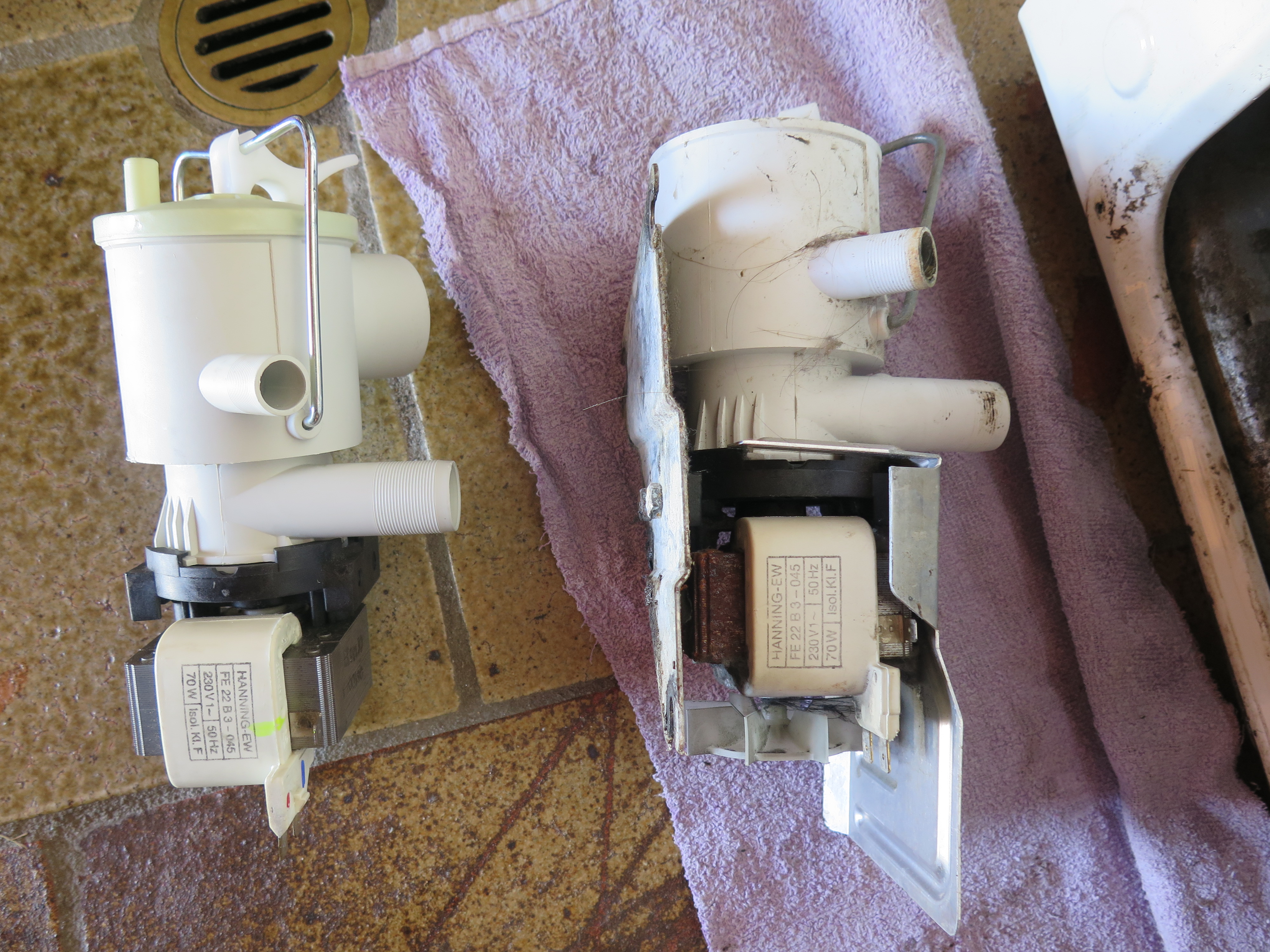
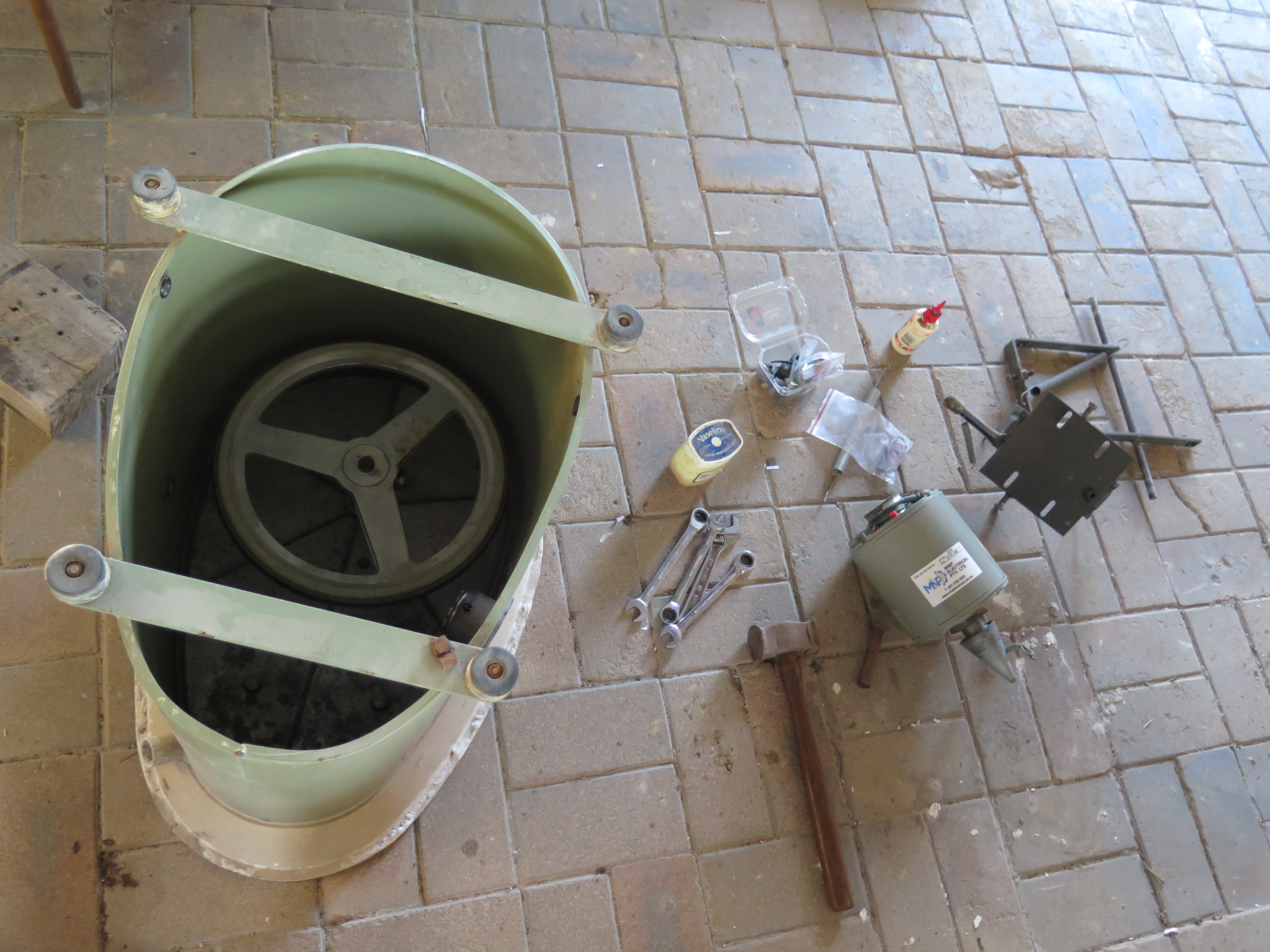
As soon as we are back home and settled in. We unpack our bags and put on a load of our soiled clothes into the washing machine, which grumbles and squeeks as it grinds along. I can’t complain, this machine is over twenty years old and still going – just. I think that it is the leaking water pump that is the problem. I have a new one in stock. I ordered it months ago when I noticed the water starting to leak from underneath. It took months to get here. It arrived just a week before we left on our long trip. I didn’t have time to install it before we left. Now that I’m back, I will have to make time.

After the basics are dealt with, then it’s straight out into the garden to check out how all the plants have fared while we have been away. Apparently it has been very dry for most of the time, with just one proper fall of rain. Annabelle Slougetté has been living here in our absence and has kept everything alive for us.

IMG_3723  IMG_3717

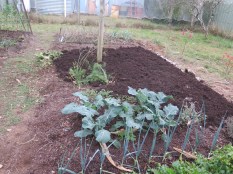
The first thing that I notice when I get into the garden, is how dead so much of the garden is. The last of the summer corn, has finished, dried out and turned up its fibrous toes. We made an effort to mulch as much of it as we could in the week before we left and this has really paid off for us. There are so few weeds now. A couple of days of intensive work will bring it all back into healthy production again, as there are loads of winter vegetables coming on. I made an effort to get all these planted early in the season, at the end of summer/early autumn. So, now we have broccoli, brussels sprouts, cabbage and spinach ready to pick.

Surprisingly, many of the late summer plants are still lingering on and still producing food. Others, their time being up, have gone to the big veggie patch in the sky. They will soon be headed into the compost bin, where they will rot down and be fertiliser for next seasons crop of summer vegetables.

As I look around, I see that there are still some little yellow tomatoes ripening on the old, almost dead, vines. We have been picking tomatoes now for 5 months, pretty amazing for us. So this is global warming?

This will likely be the last pick, as the plants have lost all their leaves and are pretty much dead now. Interestingly though, there are still some small new tomato plants germinating and growing up. One is even flowering, but I can’t believe that this will amount to anything, as the first day of winter is only 2 days away. The first frosts can’t be too long after that.

We  used to get our first frosts at the beginning of May, now its the end of May or early June and possibly later? A couple of years ago, we went right through winter with only minimal frosts, to the point that we didn’t get any apples on any of the trees the following summer. Apples need a minimum number of frosts (or winter chilling hours) to develop the hormones that are necessary to make the flowers fertile.

I go straight back out into the garden with my basket and fill it with little yellow tomatoes, the last of the lingering sweet basil and a load of capsicums and chillis.

IMG_3749

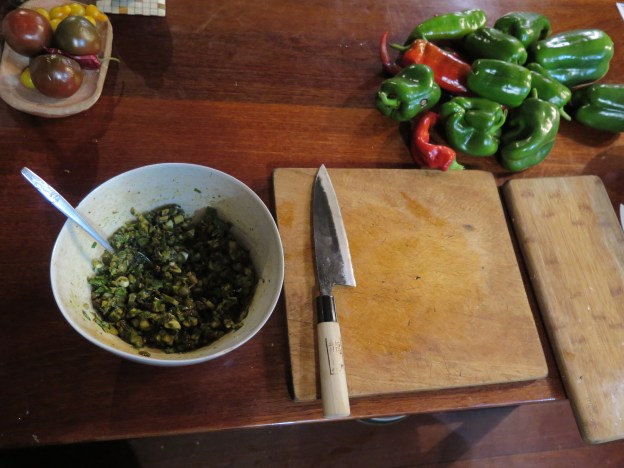
I set about making a tomato/caps/chilli salsa by browning a few onions in good olive oil and adding 6 small knobs of garlic. The ones that are so small at 20 to 30mm. dia. that it really isn’t worth peeling them. They will add heaps of flavour to this mix and the small amount of skins and paper will be removed when I strain the whole batch. I let them softening down along with all the diced fruit over a long time at low heat on the wood fired kitchen stove.

IMG_3750

I will  pass it all through the kitchen mouli sieve to take out all the tomato and capsicum  skins and seeds, then reheat it to sterilise it and bottle it in heated glass jars. It will keep for a year or so, but probably won’t last that long. It’s too delicious, although very ‘hot’ with chilli flavour. It will make a great addition to winter stocks and sauces over the coming cooler months.

This little effort marks the end of our summer preserving for this year. I’m very pleased, as I wasn’t expecting there to be any fruit left to preserve. This simple garden-to-kitchen-to-pantry excercise grounds me and resets my emotional and spirituual compass to ‘home’ after being away. This is what I do. This is what I live for. This is me. The self-reliant potter/gardener.

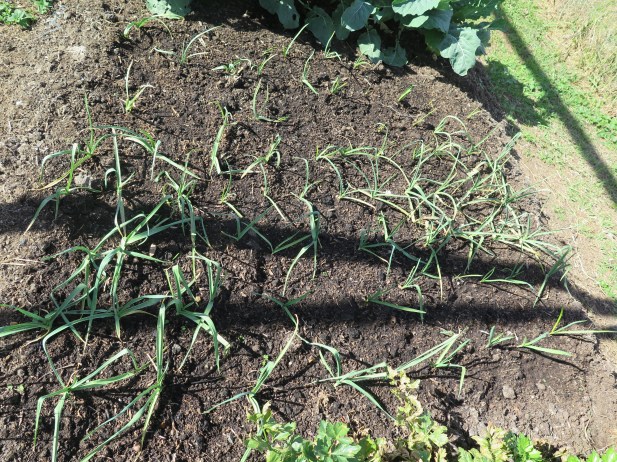
A close inspection of the garden beds reveals a lot of little germinating seedlings of onions, carrots, beetroot and rocket. I planted these seeds just the week before we left. I also planted a few hundred cloves of garlic. Most of which have now germinated and are showing their green shoots. Peas are also up and growing quite strongly, I hope to see them flowering soon.

IMG_3718  IMG_3722

IMG_3721

There are a lot of capsicums ready to pick, so I decide to stuff them with ricotta and bake them in the oven, as the stove is lit, we are making hot water and warming the house up as well, seeing that we are now home and the weather is so windy and cold. Such a change from the weather in southern Japan, where it was almost summer and the weather was balmy to hot.

IMG_3726

IMG_3725 IMG_3728

I make a stuffing out of whatever we have at hand in the fridge. Before we left I had bottled some little cucumbers and some dried tomatoes. I add these into a lump of fresh ricotta. I add a few cloves of our garlic, along with a few capers and an anchovy or two, a few olives, a shallot and some parsley. I dice it all up and mash it together with some veggie and herb salt substitute. I would like to add a little bit of finely diced feta cheese to give it a little bit of chewy texture to the cheesey mix, but I don’t have any at this time. I’ll add to my shopping list for next trip into town. There are plenty of capsicums left to pick, so we will be having a meal, not unlike this one again in the coming days or weeks. I like to use what I have in the garden and pantry. Our main food expense these days since we lost our chickens and ducks is protein, which these days consists mostly of fish.

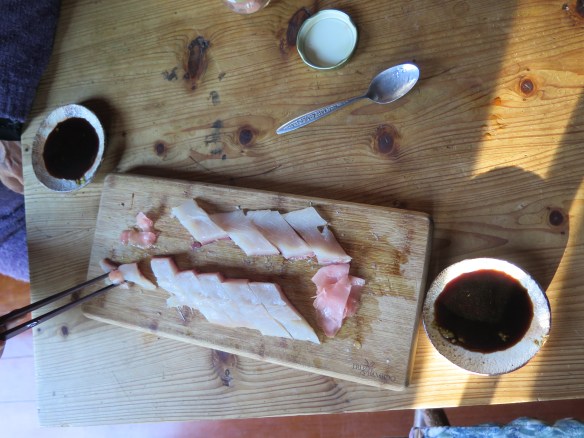
The fresh fish truck is up from the coast today, so I buy a small piece of super-fresh sashimi grade kingfish, we have a small fillet for lunch. I skin it and slice it up and we have it with a little soy sauce, wasabi and pickled ginger in vinegar. Yum. Itadakimas!

IMG_3746

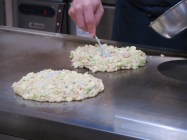
Teppanyaki

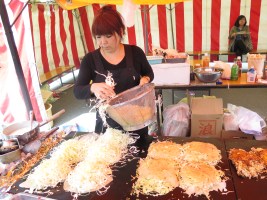
On our way home, we let our hair down and go out for dinner a few times. Just cheap places, mostly okonomiyaki. We get three different meals in 3 different cities. We get to try okonomiyaki in Kyoto, Osaka and Tokyo.

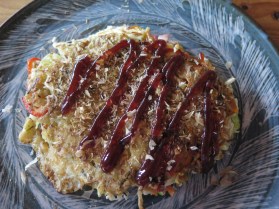
Although the technique varies from city to city, from restaurant to restaurant. The general taste is pretty much the same, because most of the ingredients are the same. The overriding flavour is that of the brown okonomiyaki sauce and cabbage. The sauce, which is not unlike brown BBQ sauce and the smothering of kewpie mayonnaise add a very distinctive character. These tend to be the dominant flavours.

There is however, a noticeable variation in texture from place to place. In Osaka the texture of the batter is a little bit creamier. In Tokyo, it was a bit more dense and solid in texture. In Kyoto we saw one place where so little batter was used, that it was mostly the egg holding the whole thing  together. Yet in another, there was plenty of flour in the mix.

Of course, I realise that you can’t just eat half a dozen meals and say that these represent the whole of each locality. We were eating at the markets and in cheap cafes and restaurants while in transit around the country. So what I write has to be taken with a sprinkle of bonito flakes and a pinch of salt!

DSC01369

It was an amazing series of taste and textural experiences in a short period of time. The  Tokyo version was quite firm with what seemed like a lot of flour in the batter. I noticed that when the chef flipped it over to cook on the other side, the thing bounced a bit like rubber! Very dense indeed. I watched the other chefs cooking other varieties for other customers at the long teppanyaki grill table, and they were all of the same dense texture.

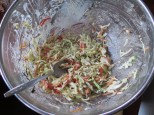
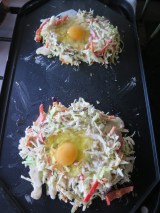
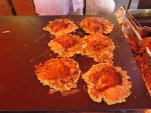
I Kyoto, the batter was a lot thinner and the resulting texture was a lot more fibrous with the cabbage showing a major influence on the finished dish. There is a very slim layer of batter applied to the hot plate first. Then a big pile of cabbage is placed on top. a dressing of some sort of liquid is ladled onto it and after some time a little hole is made in the pile and an egg is cracked into it.

IMG_2241 IMG_2242 IMG_2266 IMG_2268

Some more batter is ladled onto the cabbage pile and then the whole thing is flipped over and the other side is cooked. If bacon is to be included, it is added on top just before flipping over.

IMG_2269 IMG_2270 IMG_2254 IMG_2277

While in Osaka, the texture was soft and creamy. I’m told that they use a local mountain potato or yam, that when it is grated, it turns directly into a thick, sticky liquid and it is this that defines the taste and texture. I don’t know, so I can’t say. This is just what I was told, so I’m repeating it.

IMG_3699 IMG_3702

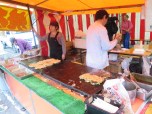
At the Toji markets in Kyoto we make a point of always having the okonomiyaki from the same stall. It’s a hot day this time around and the pancake goes down very well with a chilled beer. It’s a filling cheap and cheerful respite from the crowds and all the hussle and bussle and delicious with it.

IMG_2855 IMG_2857 IMG_0845

In Arita, down in Kyushu, we were served a special okonomiyaki, made at the table of our friend, for a dinner party of mixed international visitors. This was the most rewarding to eat, because of the circumstances and company. We are very fond of the friends that we have made here in Japan and we value their friendship highly.

IMG_5881

I get it!

The only bad thing about travel is the travelling! We have got used to traveling light. we can both pack bags that are under weight at 12  to 14 kgs. This is quite enough to sustain us for the 5 weeks that we will be away. Some of the extra weight that I carry above Janine’s slim baggage, is all the electronic garbage that we tote along to ‘keep in touch’. Taking all the necessary electronic chargers and adaptors to be able to keep more or less in touch while we travel is an extra few kilos that aren’t really essential, but optional. We travel  prepared for all situations, communications wise.

Of course, we could just travel ultra-light with no ‘telecoms’, but I do like to upload our on-going adventures to our blog as we go and to do that we need cameras, phones and a lap top. This is of course showing our age. If I were a young person, I’d just have a modern phone and that would do all of that in one go. I must think seriously about updating and get with the light-weight modern option.

IMG_3667 IMG_0119

Janine has a rather more capable phone than I do. Hers is an iphone4 and it has a remarkably good camera on it. As good as my small pocket-sized Canon handy cam.

Another important thing that I have learnt to take on a long trip is a comfortable pair of shoes. I can’t go past these old leather ‘Walking shoes’ from Adelaide company ‘Slatters’. They are very comfortable for walking around in, something that we do a lot of when we are away. Slatters don’t make this model of shoe any more. They are now a discontinued line and this is very sad. They are not good-looking at all, but by gee, they are comfy!  These are my second pair and have lasted quite a few years. The new range that replace them are not as good for me. They don’t suit me or fit as well, nor are they as soft and snug fitting. From now on, I will be looking out for some other solution for the comfortable footwear conundrum.

IMG_3711

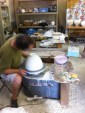
While we have been in Japan, we have been renting some studio space and making some work. This is all part of my 10 year long project to go to each place in the world where they make single stone porcelain and make some work there in each of those places. I want to have a show of this collected work next year at Watters Gallery in Sydney. I only have one more place to go now, so I’m getting quite excited at the prospect of seeing such a long term project mature to some kind of completion.
IMG_5943 IMG_5947 IMG_5948 IMG_5944

Some of my work, before and after glaze firing.

IMG_3600 Copying

IMG_3610

Outside the studio, the bamboo is putting up new shoots. Its spring time here and everything is so green and luscious. The bamboo grows about a foot or 300mm. per day, so in a few days, it’s as high as Janine. We consider collecting some of the new small shoots, while they are still just 100mm. high, but there just isn’t enough time if we want to get our ceramic work done. And after all, this is what we have come all this way for. We see some fresh picked bamboo shoots in the local organic farmers market and this is excellent, as it is just as good and saves us so much time. It’s delicious added to a simple stir-fry/steamed mix of vegetables and brown rice.

Just finding brown rice at all in the supermarket here is such a breakthrough. I’ve never seen it for sale before. It’s a sign! However, it is only available in little slim 500 gram packs for extremists and health food weirdos, whereas white rice still comes in bags and sacks of 5 and 10kgs, up to 20kgs!

The next night I find some sole in the fresh fish mongers little shop, just down the road from our lodgings. He’s a lovely guy, so helpful and sweet. His wife is so lovely too. They operate this little business 10 hours a day, 6 days a week. Nothing is too much trouble. They tell all about the days best choices and possibly all about how to cook it too, but I don’t speak any Arita dialect and very little Japanese, so little, that I can only just pick out a few words. This couple are so patient with me though, I can’t help being totally grateful to them for persevering with me.

Each day they have something else different in their shop, whatever is the best option for the day, plus all the usual offerings. We get some super-fresh sashimi from them when-ever we pass the shop. One day, I call in a bit early in the afternoon and I suddenly get it. There is no sashimi in the ice tray display counter as yet. He hasn’t got around to it, too busy preparing all his other orders? He says to me a sentence that includes two words that I recognise. “sashimi” and “mata” and I get it!  “The sashimi will be ready later on in the afternoon. I haven’t had time to do it yet” at least that is what I take from it. I nod, “mata” I reply and sure enough it is all there to choose from 2 hours later. I’m a bit chuffed at this little exchange. I suddenly feel like I’m starting to fit in a bit. I have experienced this sense of being able to hear more than I can speak on other visits to Japan. After a few weeks, I start to get my memory cells activated and somehow, I seem to know what people are talking about, without knowing all of the words that they are speaking. Freaky, but it happens consistently on each of my 6 visits here over the years.

IMG_3611

I also choose some lovely lemon sole, or that is what I think that I am buying. I have no way of telling, but that is what it looks like. Mr Fish Monger San tells me a lot about it. I nod appreciatively, so then he cleans it and guts it, trims the fins, etc. His wife, Mrs Monger Okesama wraps it and then shows me the price on her calculator. I pay and then they pack some ice in a plastic bag for me to carry it with in my back pack, as they know all about me and where I am working and living. I haven’t told them a thing about me, but they know. The grapevine is working. They know that I’m walking, it’s a hot day and that I have a way to go. It’s all so civilised and pleasant and inclusive. I feel like a little part of me really belongs here. I serve the sole, steamed in a little olive oil, lemon juice and pepper with some steamed, fresh, hot, still crisp, broccoli on a bed of fresh finely shredded cabbage with some shiso dressing. Yum!

The next day at Mr Fish Monger San’s there are a dozen slim garfish sitting there on the ice. I buy them all, and cook them under the grill. They are so fresh that they don’t even smell of fish, just ocean!  I share them with the others in the kitchen.

IMG_3416

Now for something entirely different!

When I get a lift to go to the big supermarket in another town, I’m suddenly aware that there are pictures of whales on the freezer cabinet. I look closer and see lumps of frozen whale meat in vac-packs. I can’t say that I’ve ever seen whale for sale anywhere before, ever! I can’t resist taking a picture of it. So, this is where it eventually ends up. In little towns and villages, in the freezer section.

IMG_3643 IMG_3645

Later, when we are about to leave the supermarket, someone says to me that they saw me taking pictures of the freezer section with the whale meat in it.

Why?

I say that whaling isn’t approved of in Australia. We stopped doing it 40 years ago. They know precisely what I’m saying and put their hands over their mouths in a shy embarrassed sort of way. Oh yes! Australia doesn’t like it. With that, they let it pass.

I’m pretty sure that they know that Australia took Japan to Court and won the case. A little bit embarrassing for them, but they brought up the subject not me. Japan then withdrew from the court and refused to recognise the decision.  They have been ostracised and have decided to go it alone. An environmental pariah. It was made clear in the legal case evidence, that there isn’t and never was, any scientific basis for killing hundreds of minke whales each year. It was just an embarrassing lie, and they have been caught out. Where does the conversation go from here? It doesn’t!

The Japanese government obviously decided that there was more political mileage to be made by going feral and pleasing its political backers with this unjustified whale slaughter circus, than there was in being a good global citizen. Even if it is all done at a loss and isn’t universally popular. We both probably know that there isn’t any profit in whaling. As I understand the situation, no company wants to fund it, to take the financial risk. It is entirely funded by the government, simply because it’s a loss-making operation. The decision is completely political. It’s desecration at a loss, funded by the political interests. We both decide to let it pass at that and we make our way out of the market. My own position on this is that Japan is an independent country and can probably do as it likes. As it is doing. However, they should be brave enough to tell the truth about it and not lie about the fake science.

IMG_3599

Our time is up now and we have finished our time here. I crush all of my pots that were not good enough make the cut. About 50% of what I have made here this time. I burn my poetry. I clean up my wheel. I dry all of my turnings. I pack them into strong plastic bags and pack them securely into strong cardboard boxes and post them back to Australia. I’ll see them again after 2 months spent at sea in the cheap surface to surface mail system. It’s so much cheaper to post dry turnings than fresh wet plastic clay with 30% water content. We have perfectly good water back home in Australia to make good clay from these dry fragments. They may yet have another life?
IMG_3682 IMG_3683

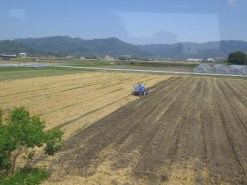
As we catch the train out of Arita, I see the fields of over-winter barley are being harvested now. They were looking very ripe and going to head when we trained into here 5 weeks ago. The stubble is being ploughed in in preparation for the next crop. The other fallow fields are being flooded and ploughed ready for the next rice crop. The weeds and purple flowering, nitrogen-fixing ‘vetch’ that has been allowed to grow in the fallow period needs to be turned in as a green manure. It all looks good from the window of the train as we speed by.

IMG_3709

When I was here 8 months ago the rice was being harvested, now it’s the early, over-wintered’ barly coming in, with the summer rice being planted.

The circle of life turns. I suddenly feel the need to get back to my own garden and do all of the weeding and planting that I know will now be needing to be done. Annabelle Slougette has been working in our pottery and keeping the place under care-and-maintenance for the past 5 weeks.

I can hardly wait to get home, now that I’m starting on the way back. I’m consoled by the beautiful bento box lunch on the train. It helps!

IMG_3685

fond regards from Southern Japan



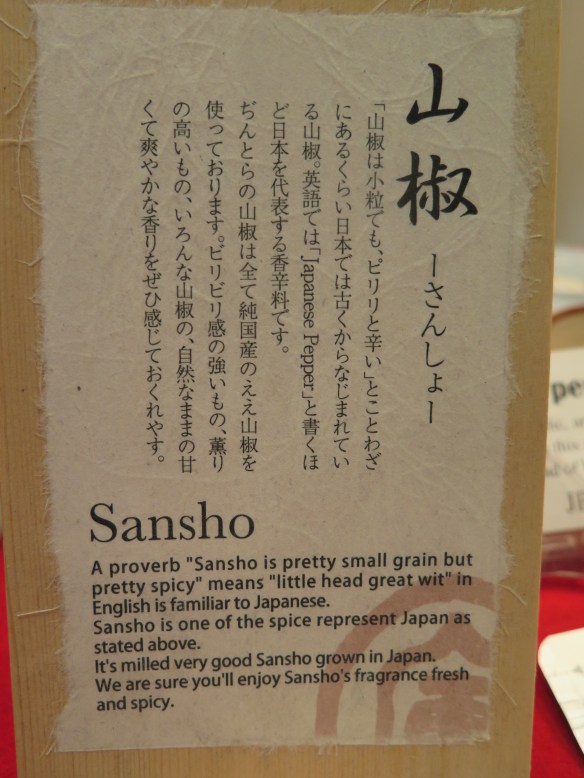
San-sho Pepper

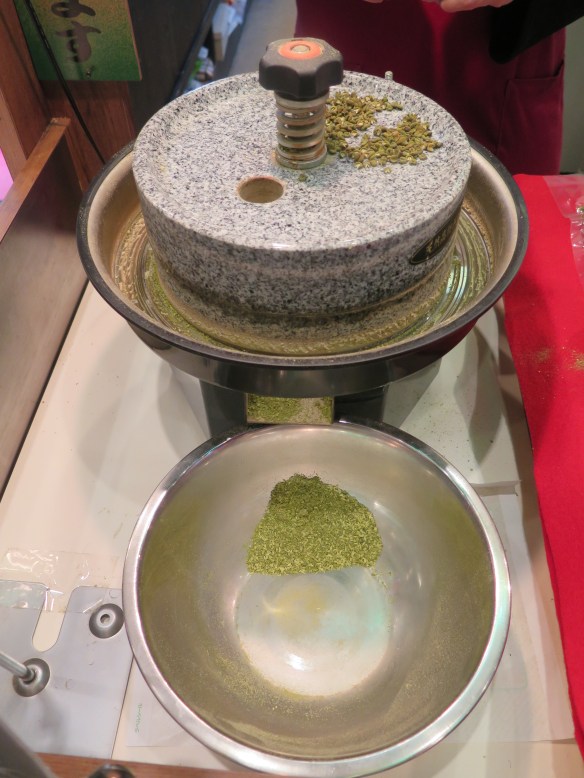
I love San-sho pepper. It seems to be quite hard to find in Australia. We can get some that is already ground, from the Japanese supermarket in Sydney, but it is quite old by the time that we get to it and has lost a lot of its flavour. I’ve always been happy with it, but I didn’t know how good it could be fresh.

We are lucky enough to stumble onto a place where they are preparing some fresh san-sho pepper. We get to see, smell and taste the whole seeds, as well as the freshly ground san-sho pepper directly after being ground.

I didn’t know that it has a high citrus note in the aroma when it is fresh. It’s great stuff. It’s hot and spicy and so delicious. Be careful however, because if you get too greedy like me and take too much, then it suddenly overdoses the taste buds in the tip of my tongue and my tongue goes numb. It’s powerful stuff. Restraint is the key.

A little goes a long way.

IMG_2862IMG_2864IMG_2865IMG_2868

We Go To The Markets

We go to the markets in the grounds of the Kitano shrine and see some amazing thing, but not what we expected.

On our way to the bus station we see men at work.

IMG_3215IMG_3220

IMG_3217

At the markets, we see how okonomiyake is really cooked here in Kyoto, or at least one of the versions of it. best of all we get to eat it and it is delicious.

IMG_3230 IMG_3231

We meet the amazing cat lady and her fashionista cat.

IMG_3226

We see lots of old pots, a few of which I buy. But only the smallest sake cups, as we still have 5 weeks to go and I don’t want to be carrying too much.

IMG_3224 IMG_3225

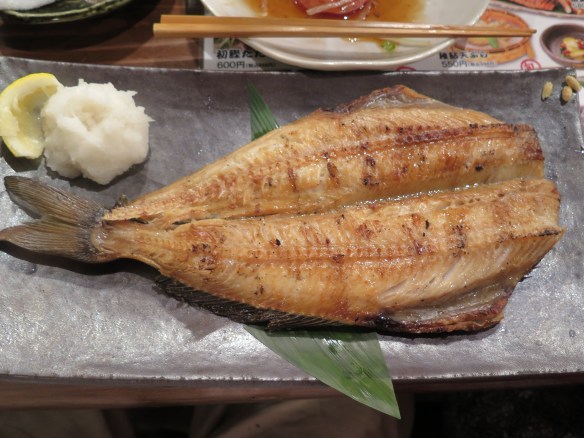
We end an amazing day with a meal of fish grilled over charcoal. Oishi des!

IMG_3242

IMG_3243

The Last Beta Firing? Success at iteration 7

Janine has just completed the 7th firing and design iteration of the little wood fired kiln. It worked well and there are now no more obvious and glaring changes that need to be made to the design. Of course there are a lot of little issues that will need to be tweaked over the coming months. But I can’t see anything that will require a major rebuild. I think that this design as it stands now is a good one. – Until I think of something better!

The verandah of the pottery now has a collection of these little prototypes all parked there out of the weather. They all work well enough at lower temps, so I will use them for our raku firing weekend workshops. The image shows a very full wheel barrow of wood, enough for two or more firings to stoneware.
The design that I have ended up with is now ready for a limited production run.
This last firing of Janine’s was more or less perfect. Except that we managed to crack a kiln shelf. Janine had a lot of flat ware, so I retrieved a kiln shelf from the rack that hadn’t been fired for over 20 years. I think that the shock of a fast firing and possibly moisture absorbtion that couldn’t escape fast enough was the problem, as this hasn’t happened before. I would usually like to season a new kiln shelf more gentle. Perhaps by rubbing in salt and pepper with a little olive oil might work next time?:) By lunch time we’re famished. Because I managed to catch up with the fresh fish man, we have ultra-fresh sashimi grade tuna. So its sashimi for lunch.
IMG_2609
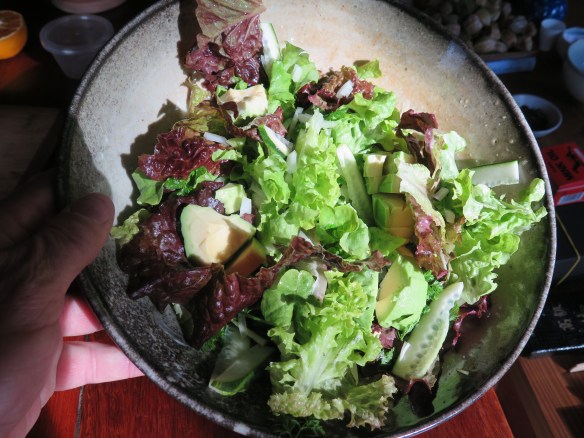
I also make fresh pippies in white wine, chilli and saffron sauce for dinner. What more could you want to celebrate a successful firing day. Followed by a fresh salad from the garden. We have a local grower of saffron now, so we support them.
IMG_2583
I have been making a new batch of spy holes for my kiln factory. I throw them on the wheel, very slowly, out of a very coarse mix of crushed high alumina grog and a small amount of kaolin to bind it. The mix is so aggressive that my hands are starting to hurt after just one pot-board full. This mix really takes your skin off. But that’s OK. 20 or so will last me for another year. If I wanted to make any more I’d have to wear gloves. I’ve heard some potters claim that they throw till their fingers bleed, but I’m not that stupid. I know when to stop.
I fire the spy holes in the little wood kiln. This little wonder fires cone 8 on the bottom shelf, cone 9 in the middle and cone 10 at the top. A perfectly useable working stoneware temperature range. Certainly OK for a 3 to 3 1/2 hour firing schedule. My bowls turn out well too. Some nice, soft, pastel glazes.
I’m really pleased that everything has come to a clear resolution at this time. As for the next couple of months. I’m fully booked on other projects and I wont have any time to play with this little kiln for a while. In the evening we de-seed chillies for drying in the kitchen window, along with beans and corn, destined for drying and grinding for polenta. I also finish drying some tomatoes in the oven. Once dried in this way they have the potential to keep almost indefinitely, but they never do. They are so yummy that I eat them like lollies. They never last the year. It’s great to add a handful into winter stocks. They add that certain piquant, sharp sweetness to sauces or a ragu.
This is just another day in the mixed household of self-reliance.
Best wishes from Mr. Beta and Ms Better

Pan Fried Figs in Apple Toffee

Because we are now past the solstice, it is time for the figs to begin to ripen. We enjoy them cooked in a little butter with a squeeze of lemon juice and a dash of our own preserved, concentrated apple juice. It slowly simmers down to a concentrate of apple toffee with soft poached figs.

It is pretty amazing, but last nights figs in preserved rich red preserved plum juice was  even a little better I feel. It’s all so hard to say, as every bit of it is so, fragrant, soft and delicious. Wonderfully soft and engaging while being a little bit sharp and sweet and delicately textural. It’s one of the few times where a little bit of ice-cream goes so well. It improves it and extends the texture, mouth feel and flavour.

So simple, so flavourful, so easy. Plant yourself a fig tree and enjoy the benefits – if you can keep the birds away!

Nina had to spend quite some time bagging the fruit to protect it from the birds.

IMG_2584

Peppers, with Peppers, with Pepperoni

This months meat meal is pork. Pork in the form of a hot spiced sausage. I know that I shouldn’t be eating preserved meats. There is plenty of evidence out there to indicate that the preservatives like sodium nitrate and not at all healthy, but on a special occasion once a year. I think that the phrase, everything in moderation might apply.

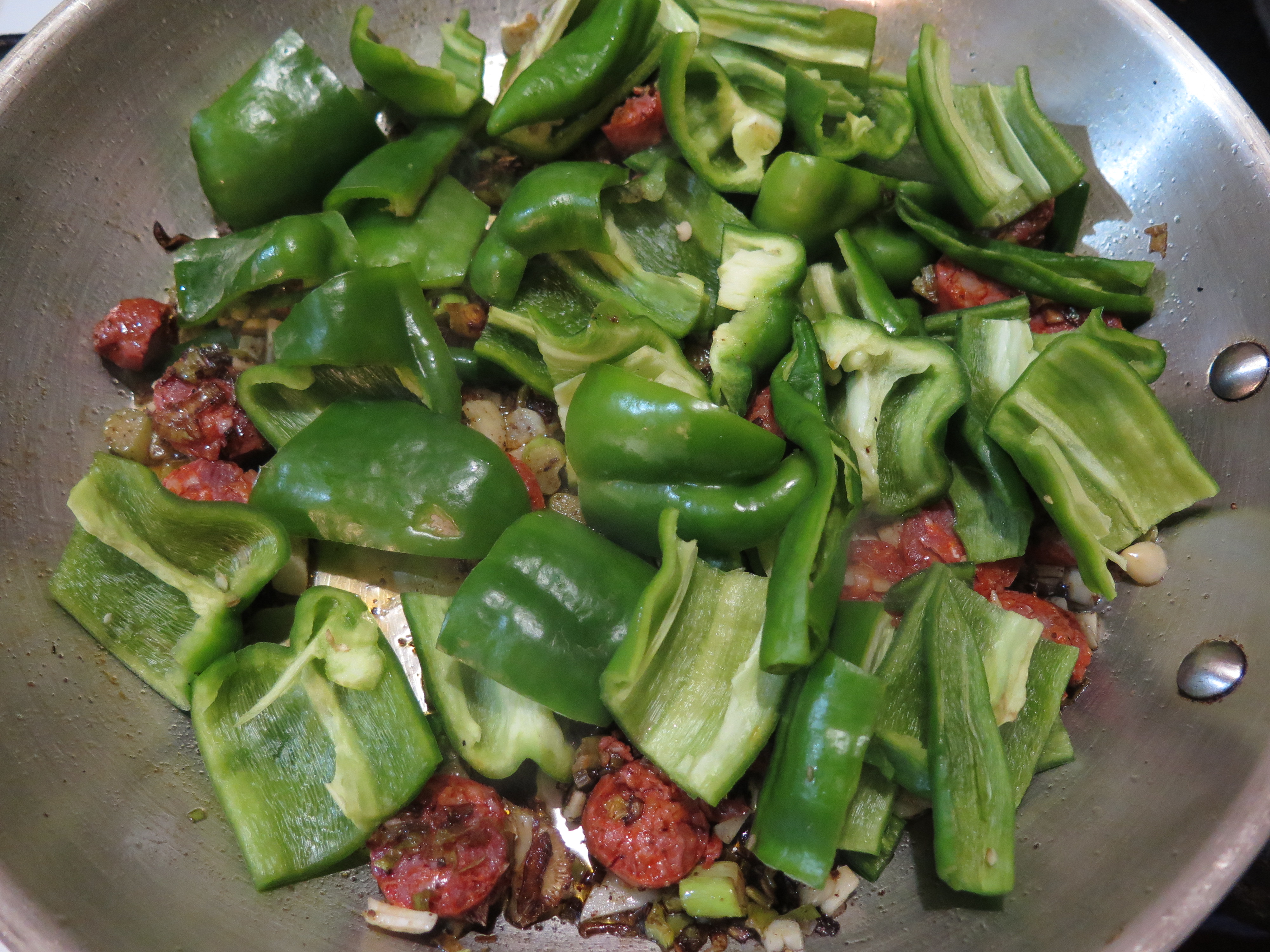
So, last night I made green peppers (capsicum), with chilli peppers and pepperoni sausage. Actually, it wasn’t pepperoni at all, it was chorizo, but I like the sound of the alliteration. I could have called it chorizo with chilli and chapsicum, but that isn’t as good.

It turned out pretty well. I was pleased with it. Everything except the sausage came from our garden. I started by frying very finely sliced leeks in olive oil until they were golden and crispy, then added 1/2 a knob of finest diced garlic along with the roughly chopped capsicums and chills, plus the chunks of chorizo. Stir fried for a few minutes and then simmered with the lid on for a couple more to sweat out all the juices.

It was hot and spicy, but still crisp and crunchy to bite into. lovely!

IMG_2517

I am very grateful to be able to live this wholesome, self-reliant life.

Sugo and Passata

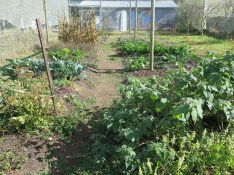
The summer is over and we are now firmly into the autumn. The leaves on the fruit trees in the orchards are turning yellow and dropping, but there is still plenty of action in the vegetable garden. In this late season, the little yellow tomatoes are doing well and sprawling all over the garden beds, putting down adventitious roots as they go and still flowering and fruiting well. They sprawl about the place like drunken revellers at the end of a very boozy party, making a mess and refusing to leave. I’ve picked a wicker basketful full of these little wonders. They are slowing down now, but I can still fill the basket once a week.

IMG_2496

 I am engaged in the repetitive task of boiling them down into tomato sugo, then sieving the result and heating it again to reduce it further and concentrate the full flavour of summer tomatoes. I will find lots of uses for it in the coming months for the winter stews and casseroles. Then in spring and even early summer I will use it up in all manner sauces. We don’t get our first ripe tomatoes here until around, or even after Xmas, but even then, they start of in a very shy way, only giving us just enough ripe fruit for our salad lunches.
The really productive time for tomatoes is now, right at the end of the season. So it’s sugo and passata making time.
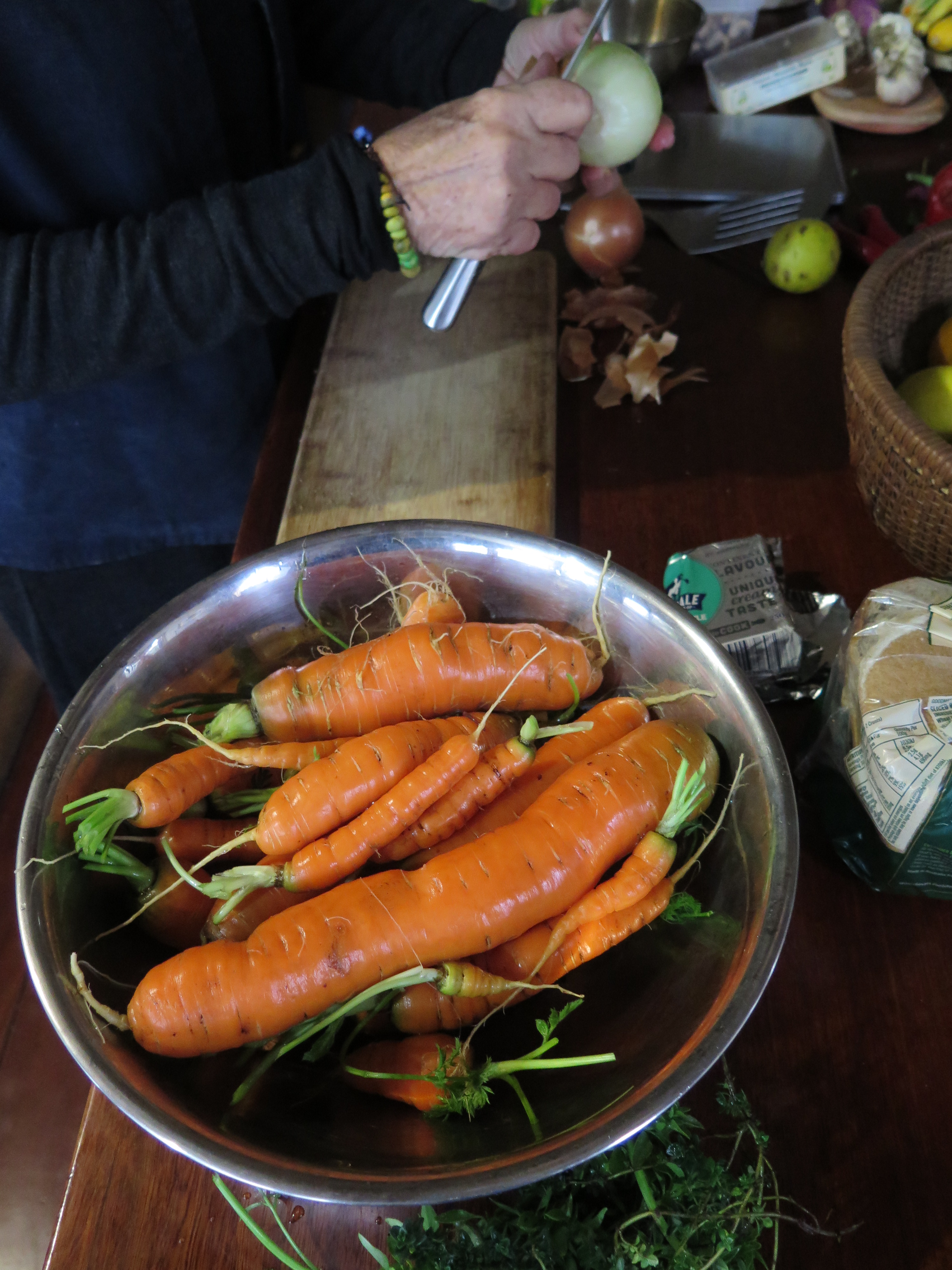
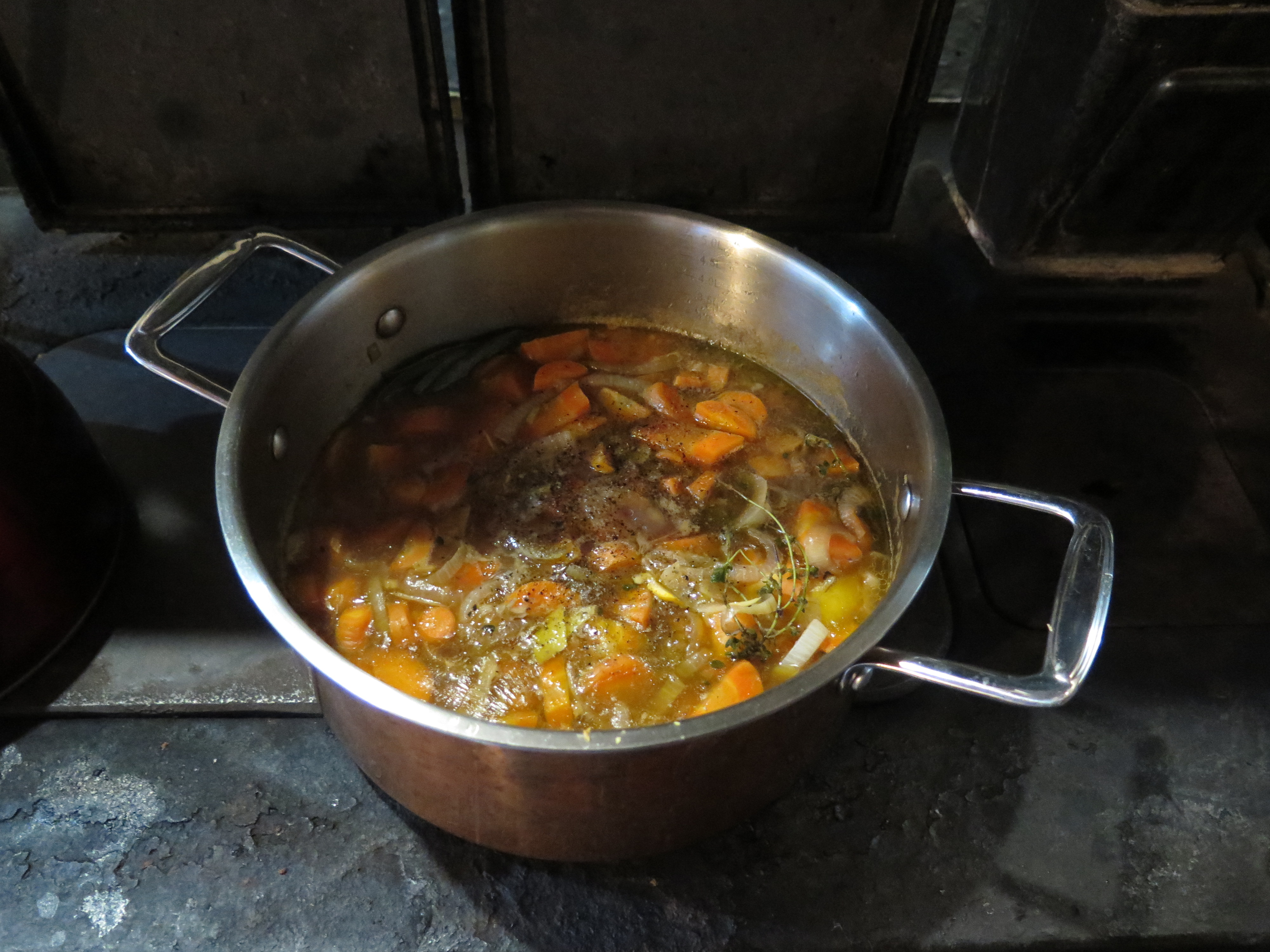
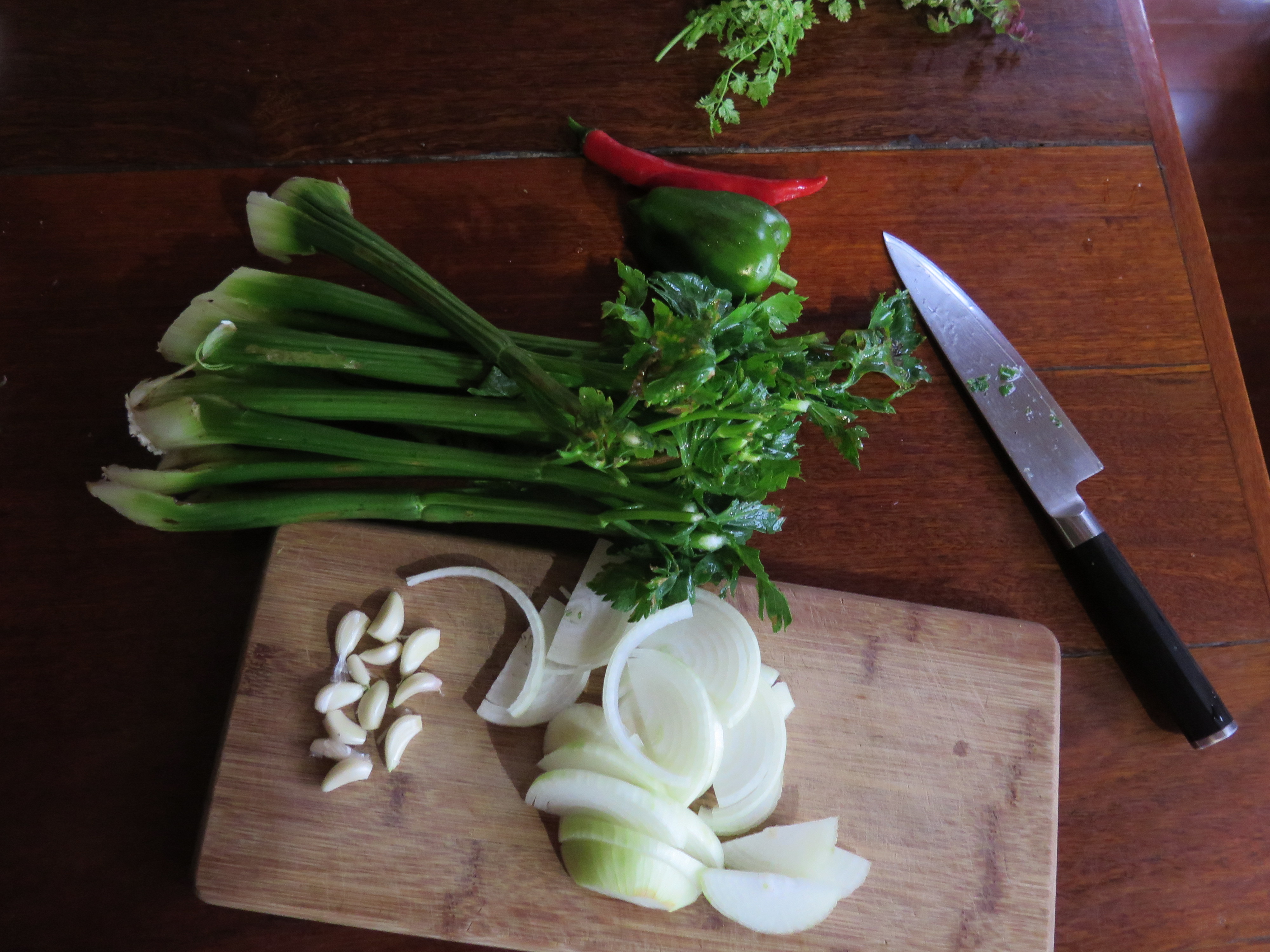
I make my own version of preserved tomato pulp. I add in onion, garlic, capsicum, chilli and basil, as these are all producing well at this time of year, so it makes sense to incorporate all that I have in the garden that is compatible.
If I’m pressed for time, and aren’t we all, always pressed for time? I just make a quick boiled down sugo or sauce. Mostly tomatoes, placed in a big stew pan and brought to the boil. Seeds and skins all left in and the whole lot ladled into heated glass jars straight from the oven. This works OK, but the flavour from the seeds and skins that are left in there is not as good as when they are removed. It seems to make the sauce a bit thin and sharp somehow? So, I’ve found that it is worth the effort to pass the whole lot through the rotary moullii sieve. But time is always in short supply, so time has to be made for a good passata. Passata sauce has to be sieved. I believe that ‘passata’ means passed through a sieve in Italian? Passata = passed? Whereas ’sugo’ just means sauce.
I haven’t made sugo for two years now. I prefer the flavour of passata, so that is what I plan to do again this season and every year. But the best of intensions often get side tracked or even de-railed completely. So when everything goes temporarily pear shaped. I can still make sugo. I have tried to make time to get every batch of this autumns tomatoes twice cooked and moulied. so far I have been successful and have let other things go temporarily to make the time for it. Something has to give and that something is watching the grim offerings on what Peter Rushforth use to call ‘The idiot box’! No loss there.
I like to add some herbs of whatever takes my fancy. I must say that my favourite is always basil, sweet basil, and plenty of it, but I also vary it with sweet marjoram, thyme and or bay leaves. And of course pepper, but very little salt, just a touch. I make my own salt substitute mix, but that’s another story for another blog.
IMG_2500
 I like to brown some brown onions in olive oil to start with. We are getting to the end of our own onions by this time of the year. I’ve never been very successful with growing a years worth of onions. The small seeds soon get swamped out with weeds and it’s a lot of work to get them up and above the competition, so that I can mulch them to suppress the weeds. I do what I can, but it’s never enough. Still, we do get some onions to dry for 3 or 4 months use.
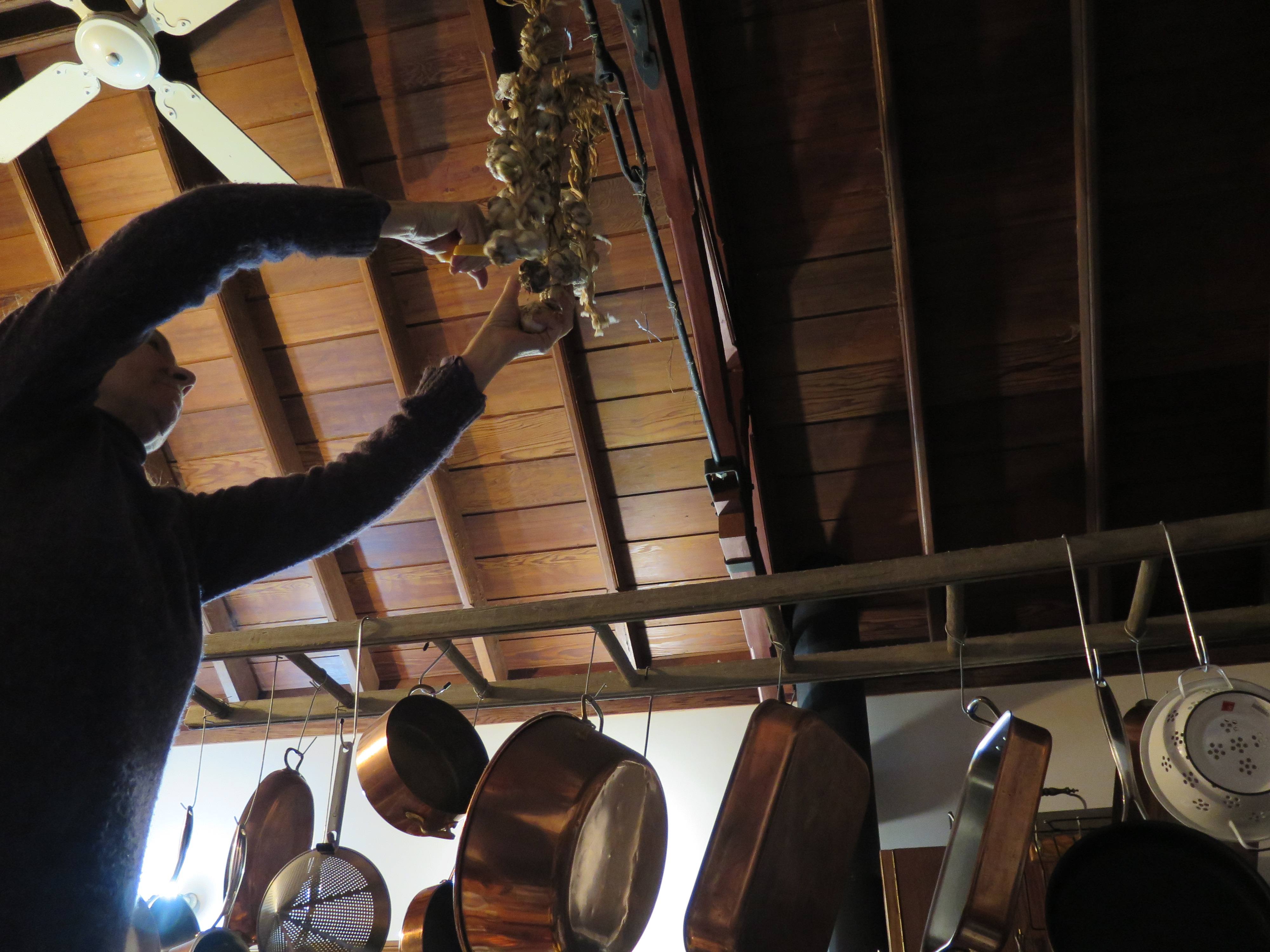
I dice the onions very fine so that they will break down easily and eventually pass through the fine mouli easily. I soften them out slowly in Australian olive oil and when they are translucent, I add in a few knobs of our smallest, under-size garlic. We grow a few hundred knobs of garlic each year and about a quarter of them never reach a suitable size, for one reason or another. They remail small, about 1.5 to 3 cm acress, not worth plaiting and hanging. They all get sun-dried and then stored in a large wooden bowl on the kitchen counter. I top and tail them and cut them in half, crush them with the side of a knife to break down the fibres and release all the flavour and them drop them into the pot with skins and all. It will all get sieved out at the end, so it won’t matter. Peeling small garlic cloves is a really slow and in this case an almost pointless job as I’m going to sieve it anyway. So this is my easy, fast solution to the small garlic clove problem. How to use everything that we grow, the good, the ugly and the undersized!
IMG_2396 IMG_2398 IMG_2399
I put on two medium sized boilers of tomatoes, capsicum, chilli, basil mix. This time there is even a few zucchini’s in there and a couple of very ripe aubergines. It is easily reduced down to just one medium boiler of passata after it has all been passed through the mouli. I re-heat it all and bring it to the boil for a few minutes and then let is simmer slowly to reduce and concentrate. It also sterilises it. Meanwhile I get the glass jars washed and ready to pre-heat in the oven to 120oC for 10 minutes or so and I simmer the lids equally.
IMG_2503 IMG_2406 IMG_2504IMG_2505IMG_2424 IMG_2509
The easiest part of the whole exercise is to pour the concentrated liquid puree into the jars and screw on the caps. As they cool, I can hear the sharp, loud ‘clack’ noise as the whole lot shrinks and creates a vacuum in each of the jars in turn, sucking down the ‘pop-top’ lid, to indicate that it is now vacuum sealed These jars will now keep for up to 12 months without any further energy being applied to them. It’s a wonderfully fast and efficient way to preserve food. It’s the cooking and sieving that takes the time, but spread over a couple of evenings, it’s not such a big job and I really enjoy it. It’s a seasonal special event. Something to be looked forward to and relished because it’s a real, honest, creative activity. It might also be supremely healthy, tomato juice concentrate, loaded with lycopene, especially the way that we do it, entirely organic and free of any fertilisers, sprays and preservatives. Even if lycopene isn’t as healthy as some people claim, passata is still amazingly delicious.
I don’t think that many people are aware of this kind of activity these days and how important it is to take control of your own life and take as much personal responsibility for your actions and your own health as possible. It doesn’t get exhibited, or advertised, talked about or reviewed. It is not sexy or marketable. It is just one of the small invisible things that we do to make a tiny part of our larger life here.
The really big job as always, is the washing up!
IMG_2507
Best wishes
The saucy Ms Sugo and her concentrated Mr Passata

Vendange

It’s autumn now and the grapes are fully ripe. We have been dealing with them in batches over the last few weeks. Yesterday we made the last pick. The Vendange is over for another year. All safely picked, juiced, heat-treated, sterilised and bottled. The rich red dark grape juice bottled in this way will keep for 12 months easily. We make it now in the autumn and drink most of it as a refreshing cool drink next summer in 9 months time.

We have preserved dark grape juice from both our shiraz grapes as well as our isabella fragolino varieties. They both make good dark grape juice, but I think that I prefer the slightly foxy, aromatic density of the fragolino juice to the somewhat austere and peppery shiraz. We abandoned making wine from our grapes sometime ago, as it takes a lot of effort for something that is just plain ordinary and we can buy good wine quite cheaply here in Australia. We have learnt to be selective about where we expend our limited energies, so as to get the best return on our efforts.
IMG_8529IMG_2106IMG_2107
After a lot of experiments, we have learnt that dark grape juice is the best that we can do with what we’ve got, although, this year, early in the season, The Resourceful One also tried her hand at making very early season verjuice.
IMG_2363 IMG_2364 IMG_2366
We macerate the grapes and sieve out the fresh unfermented ‘must’, skins and seeds. The pure juice is heated on the stove to sterilise it and then bottled into heated jars, fresh from the oven. It all takes time, but this is the quickest and most efficient way that we have found to deal with the harvest, that gives and exceptional quality of product. It also has the added benefit of requiring no energy to store it for a year and keep it beautifully preserved for when you really appreciate it.
IMG_6349
We have been out and when we return in the evening, we find Annabelle Sloujetté’s ute spread-eagled across the front of our house. She has her own key and has let herself in. She is on her way somewhere, or back, and slides her ute into a sort of parked position in the front garden. She asks where Janine is and I have to say that I don’t know. She was here with me just a minute ago. “Ah! Slougetté responds. ‘Miss Flit’. That is why I call her Miss Flit. She flits in and she flits out, never stays still long enough to carry on a complete conversation. A complete conversation with ‘Miss Flit’ is like a Dickens serialised novel. It takes time and you have to be patient as it evolves.”
We end the day with a vegetarian BBQ. Nothing special, just quick and simple, place your sliced, freshly picked vegetables on the barbie and turn them when they are softened, Zucchini, aubergines, little golden nugget pumpkin and capsicums. They couldn’t be fresher and cooking outside at this time of year in the evening is a delight. The cooling breeze has arrived and the aromas emanating make my mouth water in anticipation. I make an autumn salsa out of our little, late-season, yellow  tomatoes, some garlic and chillis, while the bbq looks after itself. The girls are tête-à-tête, deep in gossip.
I plate up to table and we eat them with relish. I like a spoonful of my piquant home-made spicy plum sauce on my bbq’d veggies, but quince paste also works well I think.
IMG_2359
When we wake, she is gone. Only her tell-tale signature circle work on the front lawn tells the tale of her visit.
Best wishes
From Mr and Mrs Flit