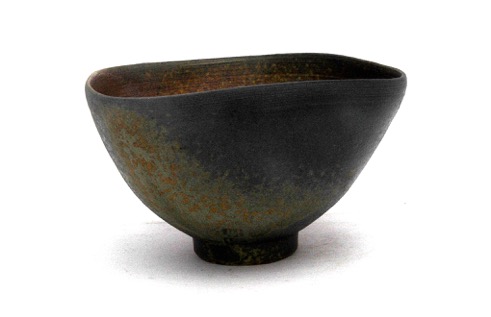
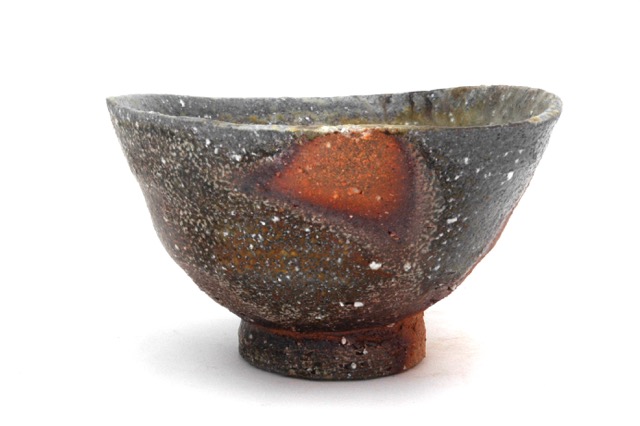
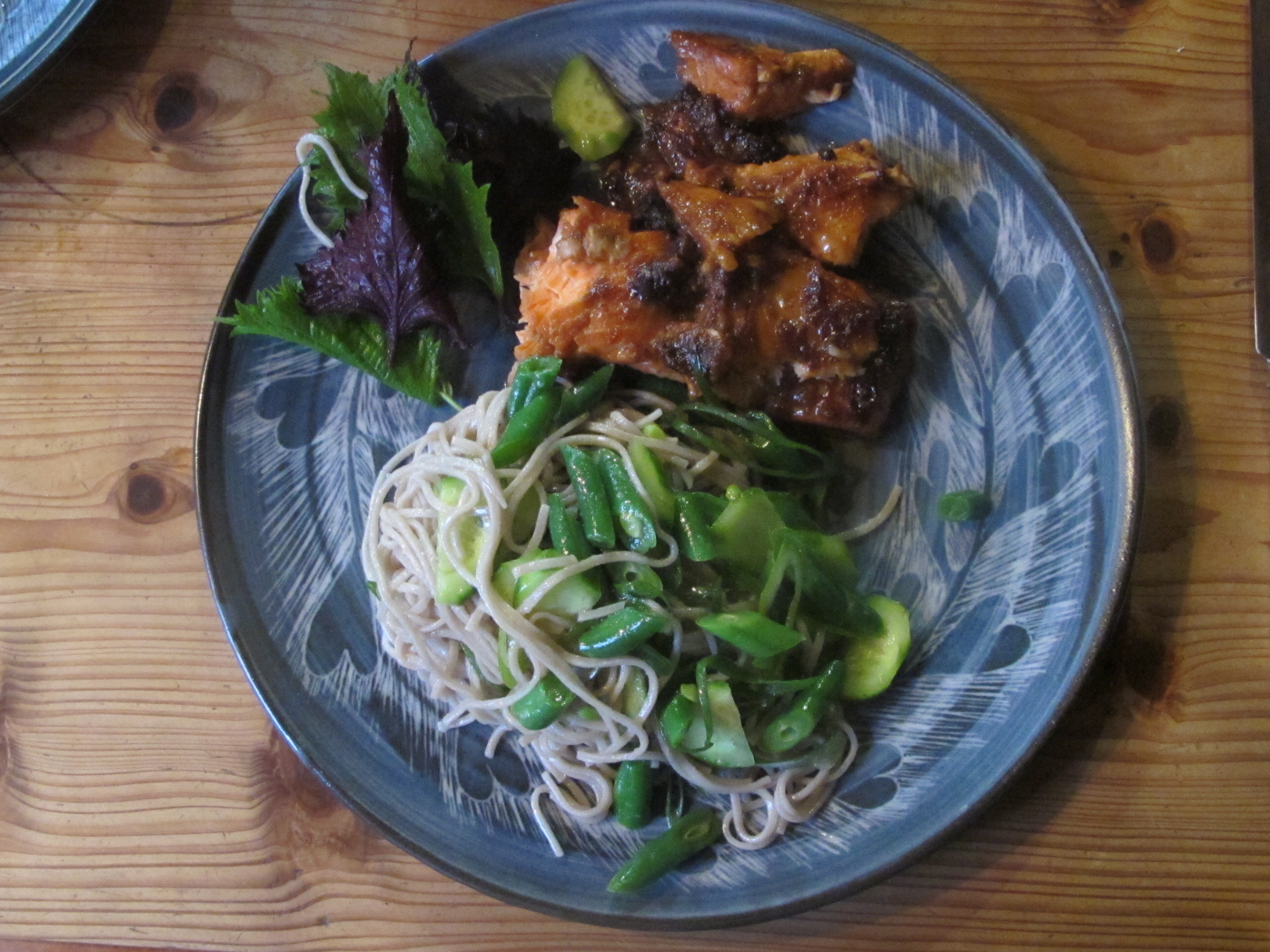
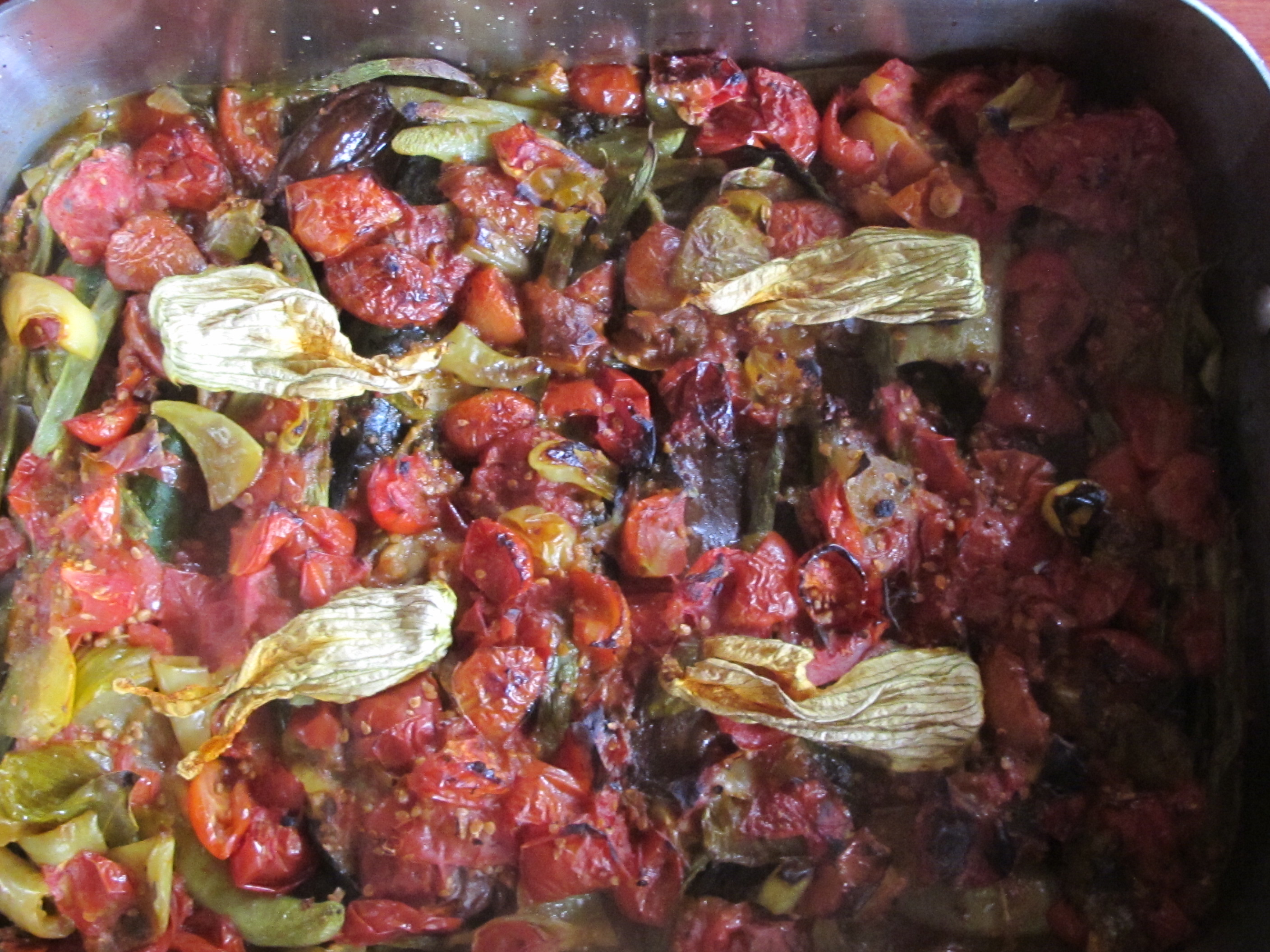
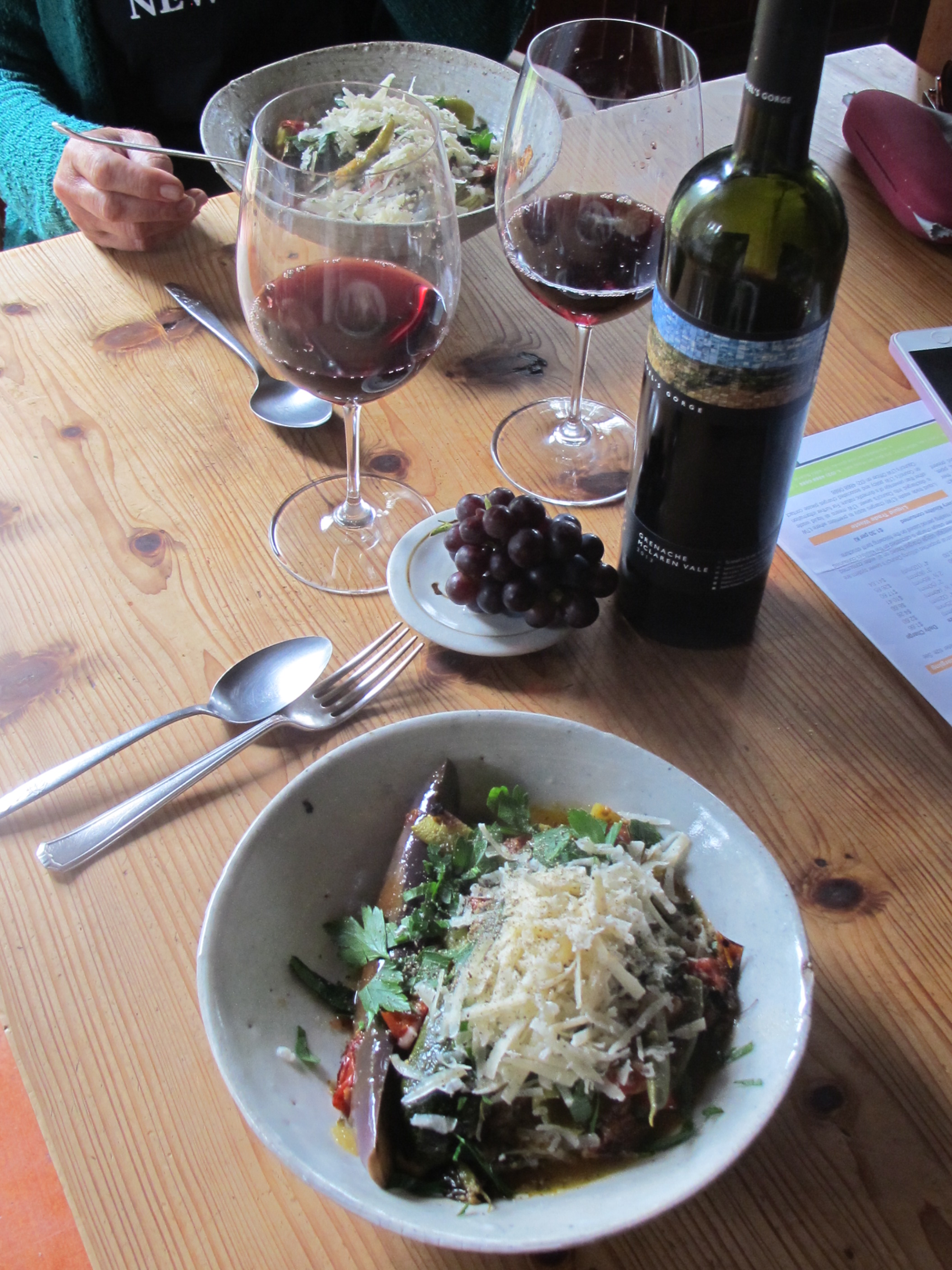
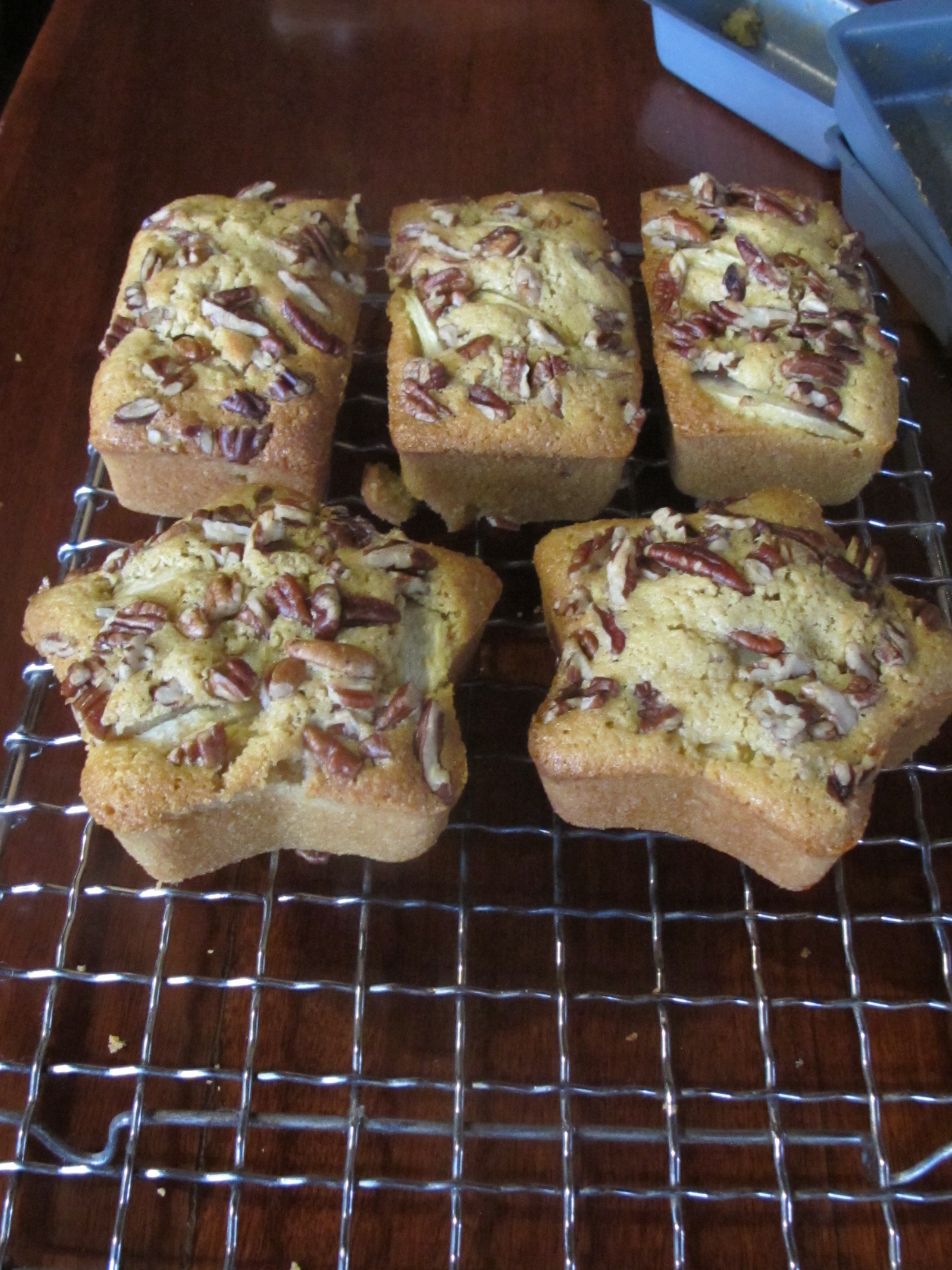
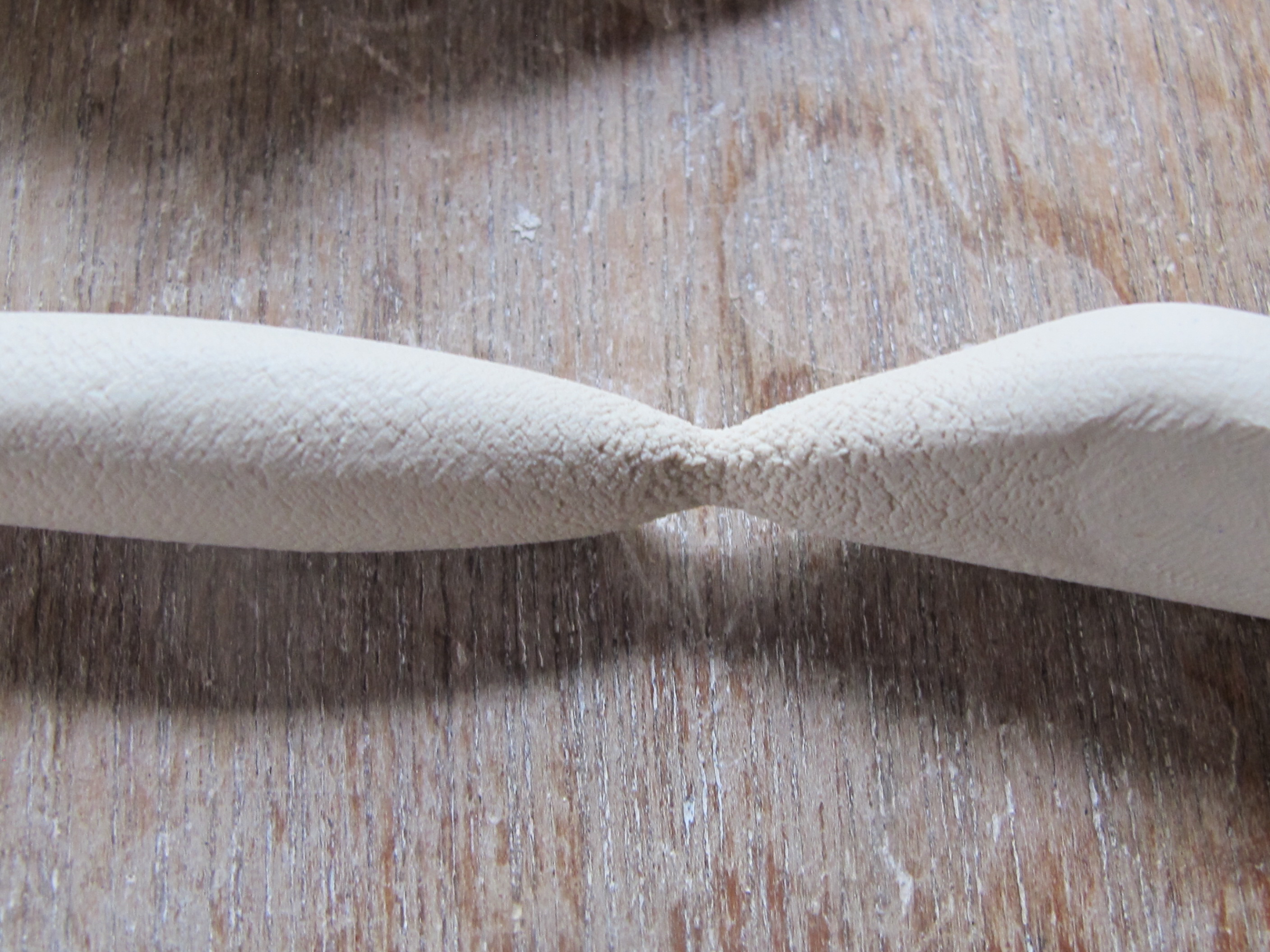
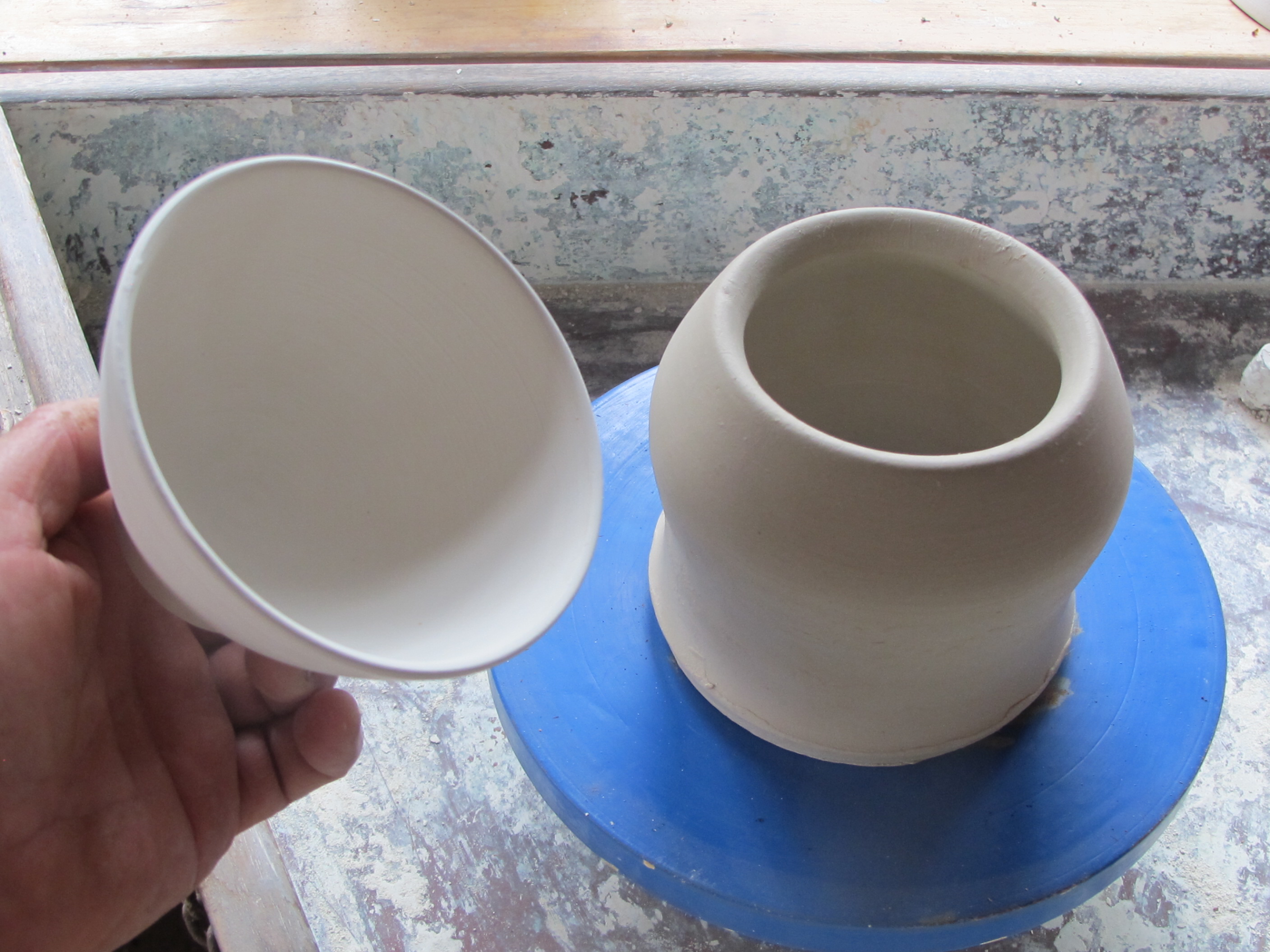
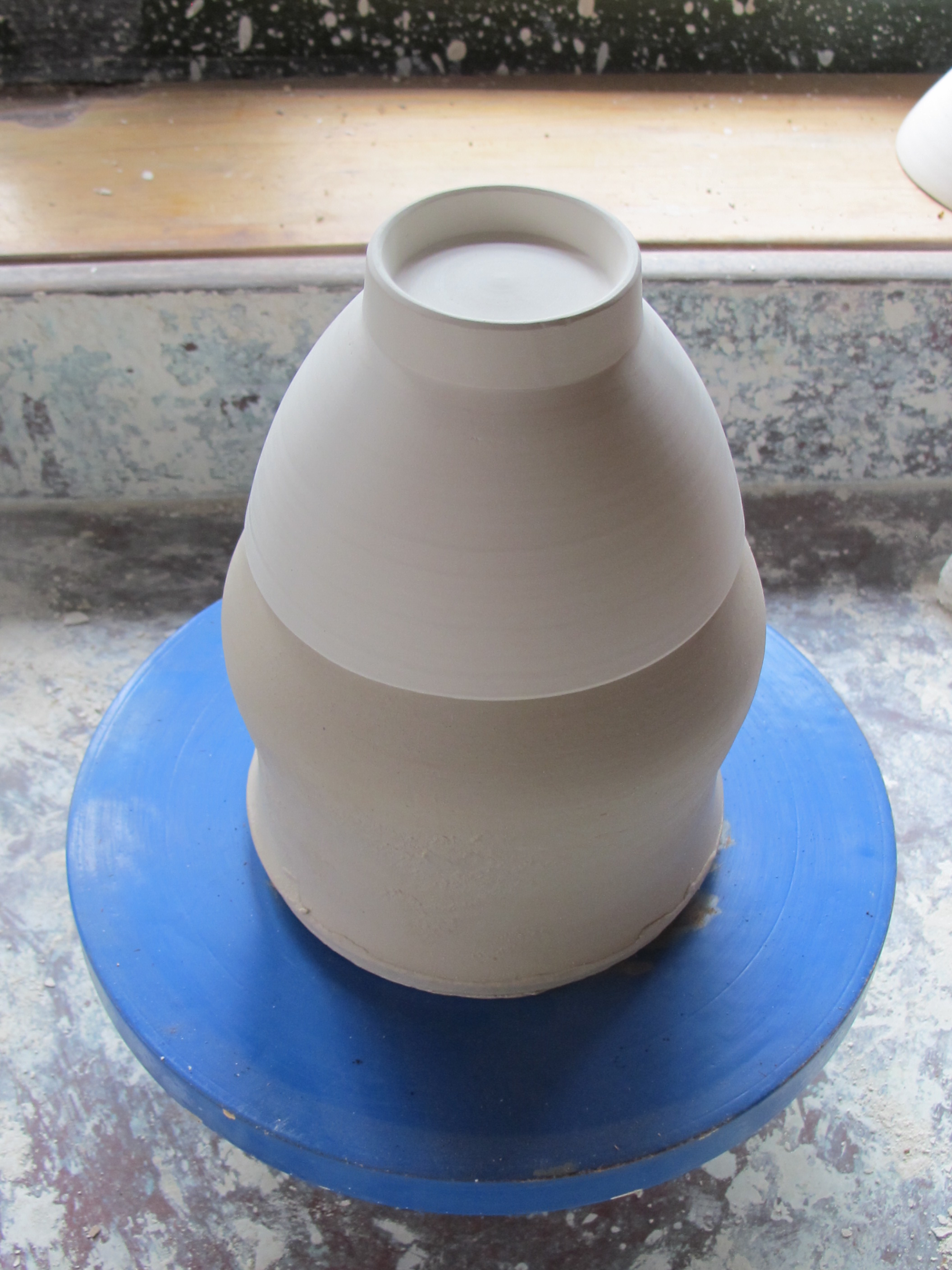
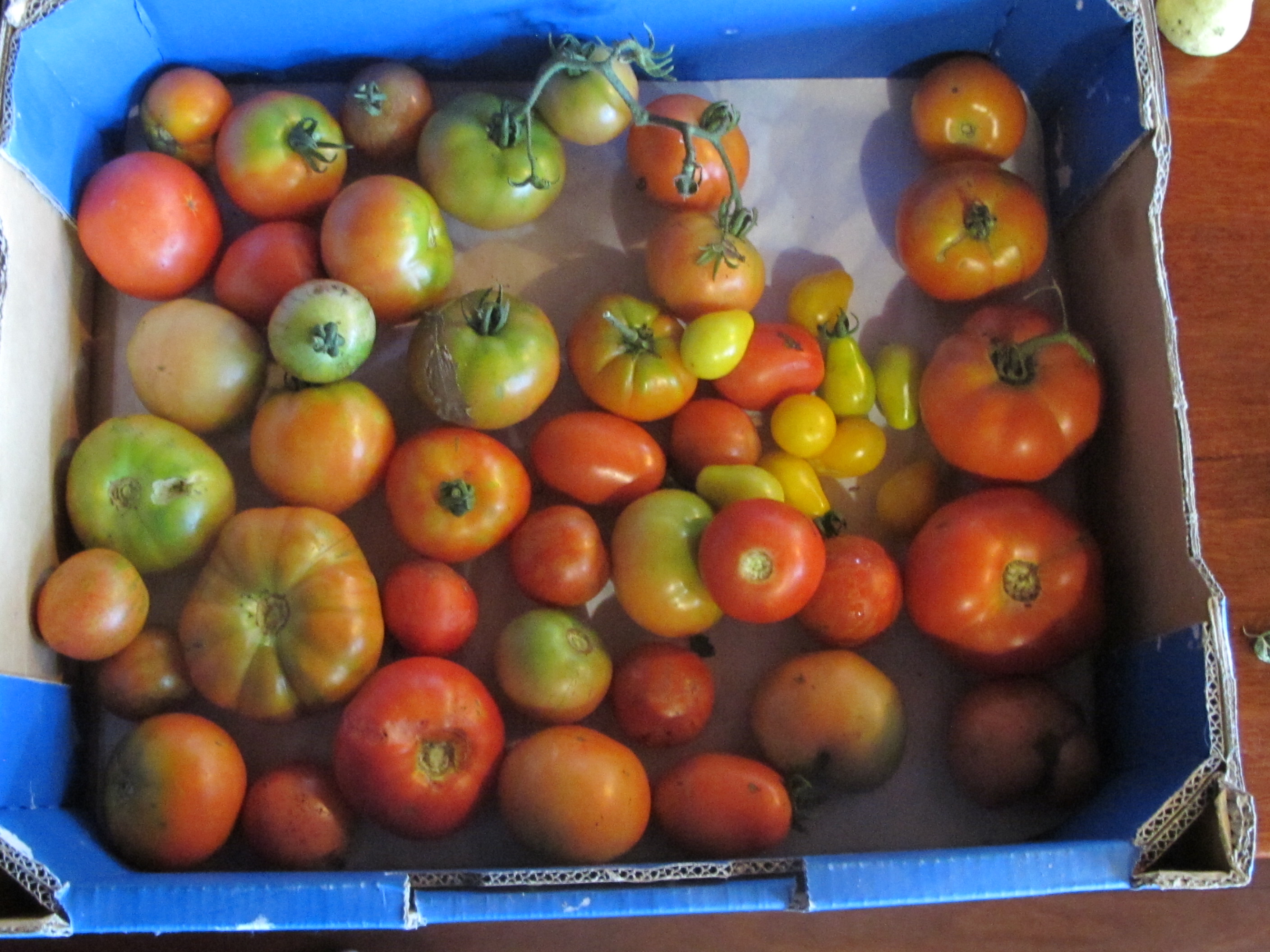
We have just finishing the unpacking and cleaning of our last firing.
The Firing
I’ve been up since before dawn firing the kiln. I spent all day yesterday packing the pots in and all of the day before that cleaning out the firebox, which is a regular job with a wood fired kiln, chipping the wood ash slag off the fire bricks around the air inlet holes. The blast of air into the hot coals during firing is so intense that it melts the wood ash from the charcoal in the ash pit into a molten flowing lava of ash glaze. It has the ability to stick to the brick work like shit to a blanket. Even though I wash the bricks with alumina powder to try to create a resistant barrier. The fluid stuff finds a way through the wash and into every crack and crevice. I chisel out some new air holes. This time I try a new larger ‘mouse-hole’ cover, so much larger, that all the liquid flow from the edges should be a lot farther from the hole underneath and therefore not block up as readily. It’s worth a try.
Living Well – Frugally
Following on from our beautiful shoulder of lamb a couple of weeks ago. We decide to reduce the load in the fridge and have a leg this week. Two red meat meals in a month – what will become of us?
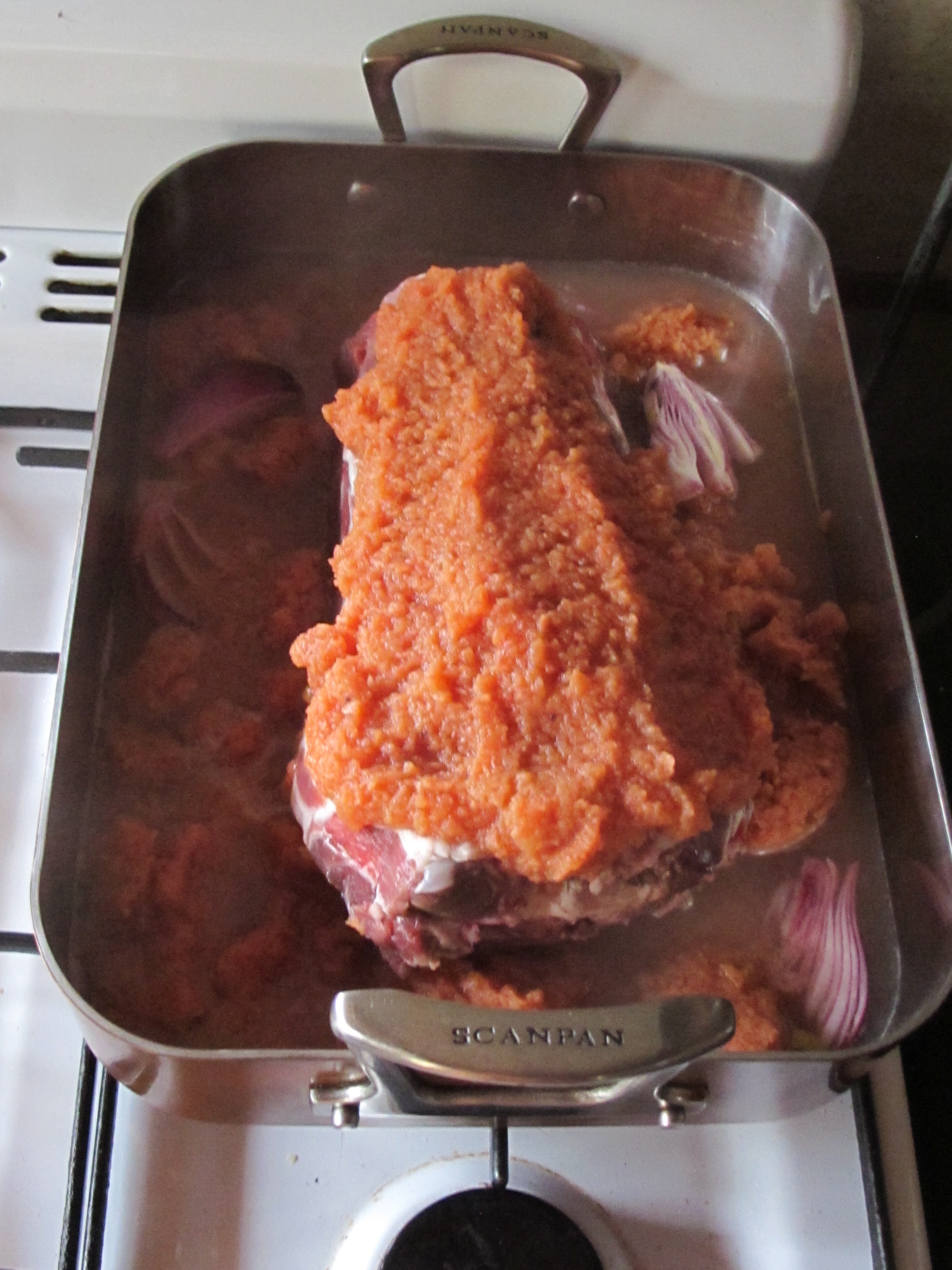
I decide to do a very slow bake. The leg is quite large and won’t fit in our baking tray. The wood fired kitchen stove only has a small oven. I have to go down to the workshop and bring up the hack saw and shorten the leg. Now it fits. I pour just a little olive oil into the pan and some sliced onions. I brown the leg all over as best I can. It’s lunch time and Janine has only just lit the wood fire in the stove. It is just getting hot enough to brown the leg. Janine prepared it by rubbing some of Geordie’s special seasoning mix well into the skin a few hours ago. I pour a cup of water into the baking tray and cover it well, then slide it into the oven. The oven thermometer, reads just 60 oC as it goes in. That’s not unusual, as we have only just lit the stove. It is going to stay in there well covered for the next 6 hours as the oven temperature slowly rises.
By 6 pm it’s 180oC and I un-cover it and let it finish un-coverd so that it will caramelise somewhat in the dry heat.
When it comes out it is crispy on top and looks succulent and juicy. It smells terrific. We really enjoy the tender, melt-in-our-mouths lean meat.
We have it with some of our new harvest broccoli.
This head of broccoli, is so big that it exceeds the size of my large chef’s knife blade.
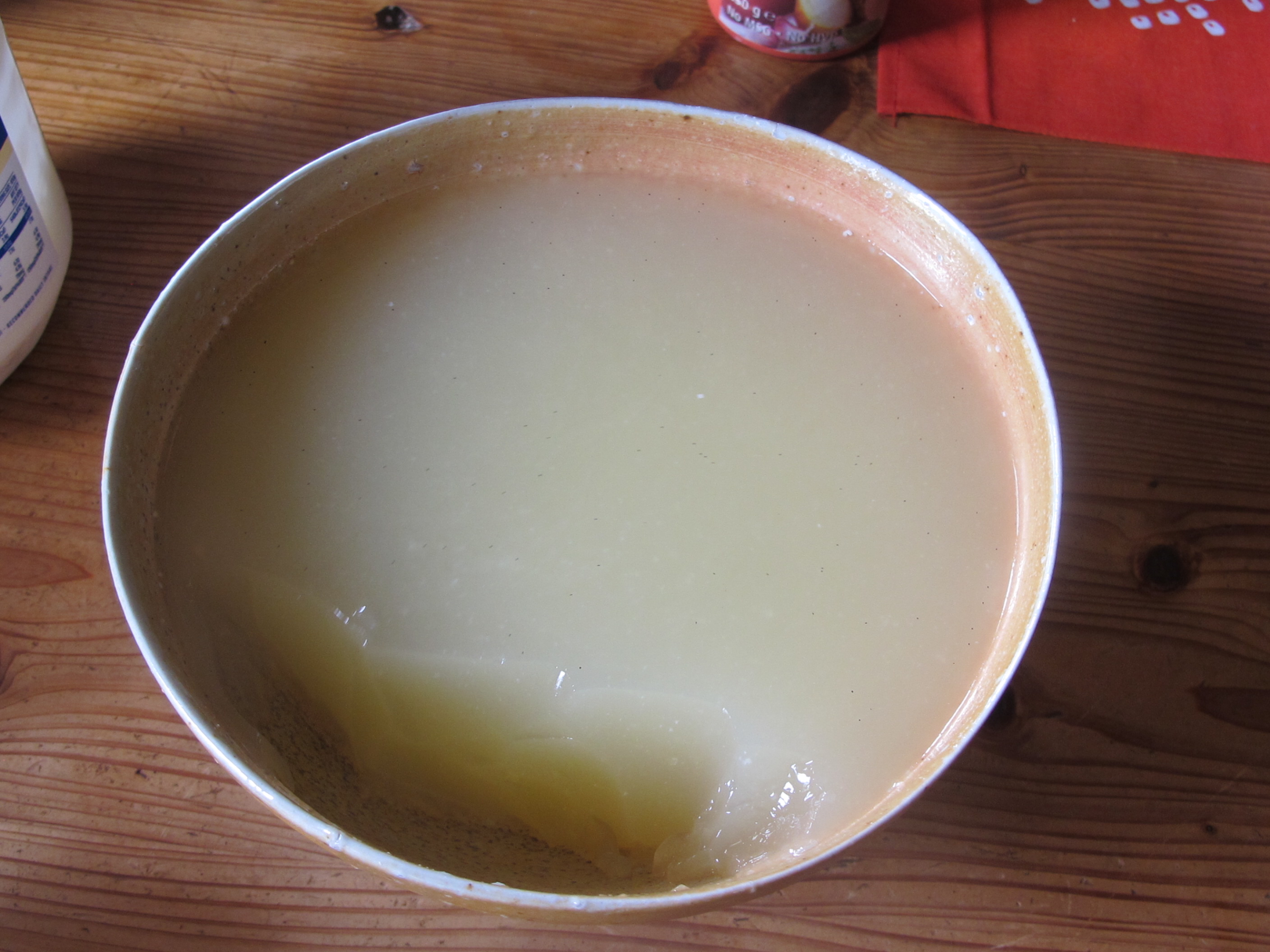
After the long slow covered baking, the baking pan is a-wash with meaty pan juices. It hasn’t dried out at all and is swimming in marrow bone jelly and cooking fat from the leg, plus some olive oil. I slice the meat and preserve the juices. The next day, we re-heat the pan and pour off the marrow bone jelly and fat through a sieve into a jar. We chill it overnight and scrape off the cloudy opaque white fat. The clarified jelly is there calling out for us to use it in something very special.
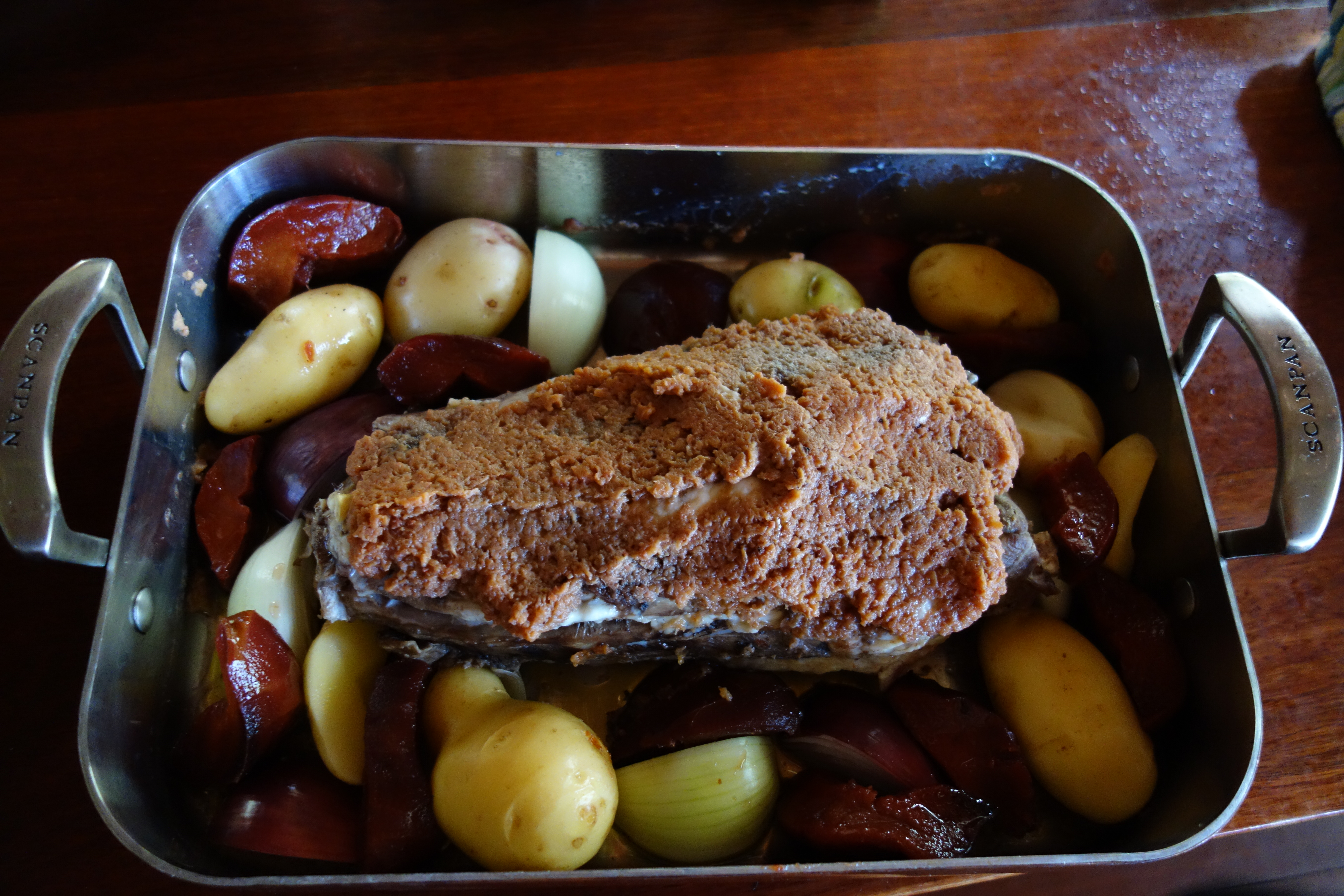
We took our time getting through all the meat on the leg. We had our first meal hot, as a baked dinner and then a few cold cut lunches. Tonight The Lovely has used the remaining slices to make a luscious ragu. The meat is sliced up fine, with the clarified marrow-bone jelly from the jar added back into the pan and a glass vacuum-preserving jar of summer’s tomato passata, preserved from the summer excess. It cooks down into something special. ‘The Lovely’ adds some green split peas and lets it simmer.

You can’t believe that something this simple could be this tasty and wholesome. It’s just so easy, but I suspect that most families don’t bother to do it anymore. Several meals from one roast, and so tasty and flavoursome. There is hardly anything in there, a few slices of cold meat, some clarified marrow-bone jelly, all tawny/claret-red and exploding with flavour. A jar of preserved summer garden tomato purée, and a hand full of dried peas. Wow!
Just a little extra effort to clarify the roasting pan juices and hey presto! It was so worth that little extra effort. She, the Reigning Monarch of Ragu serves it with a couple of small slices of organic rye sour dough.
It’s so good, I have two helpings.
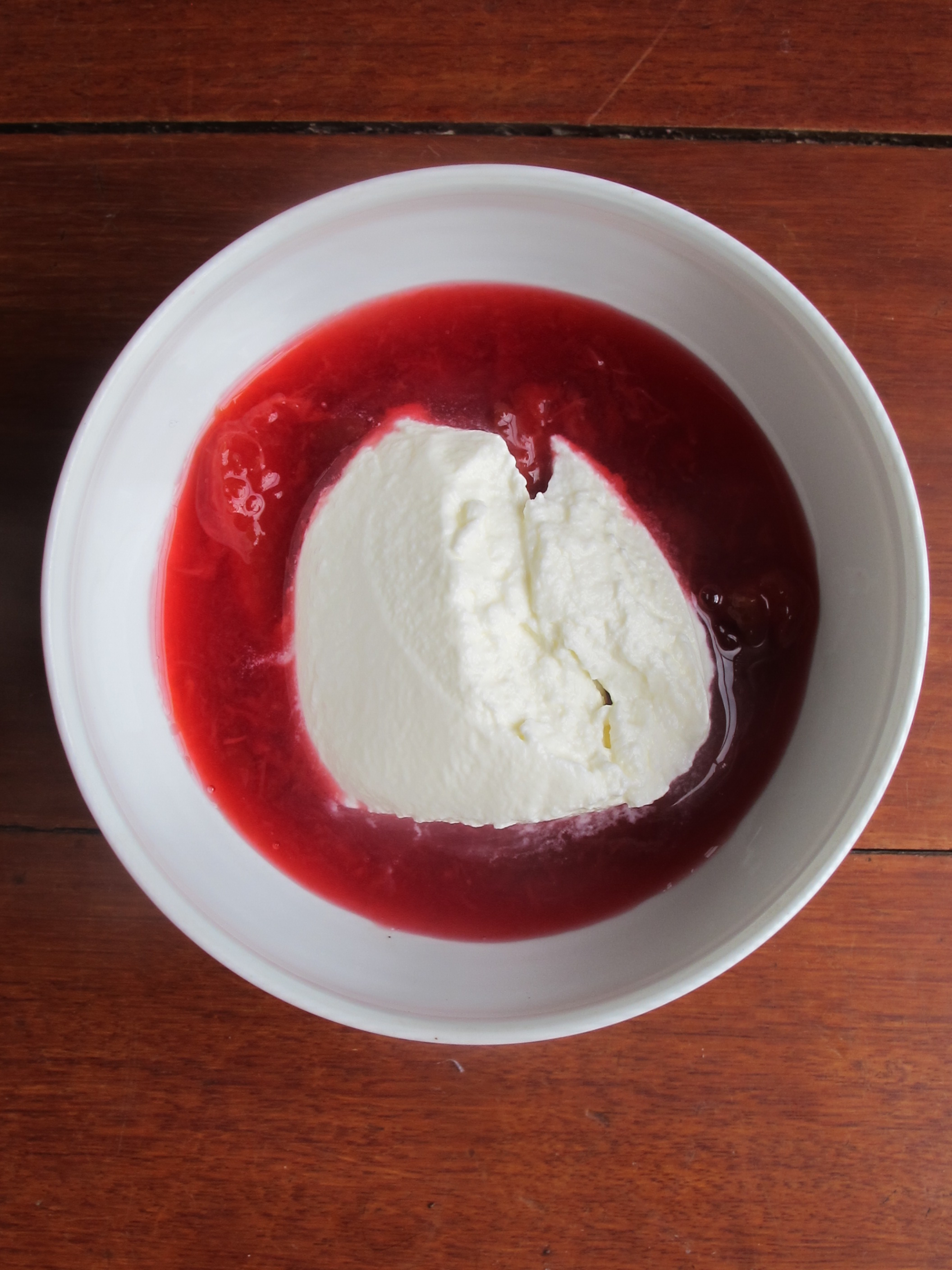
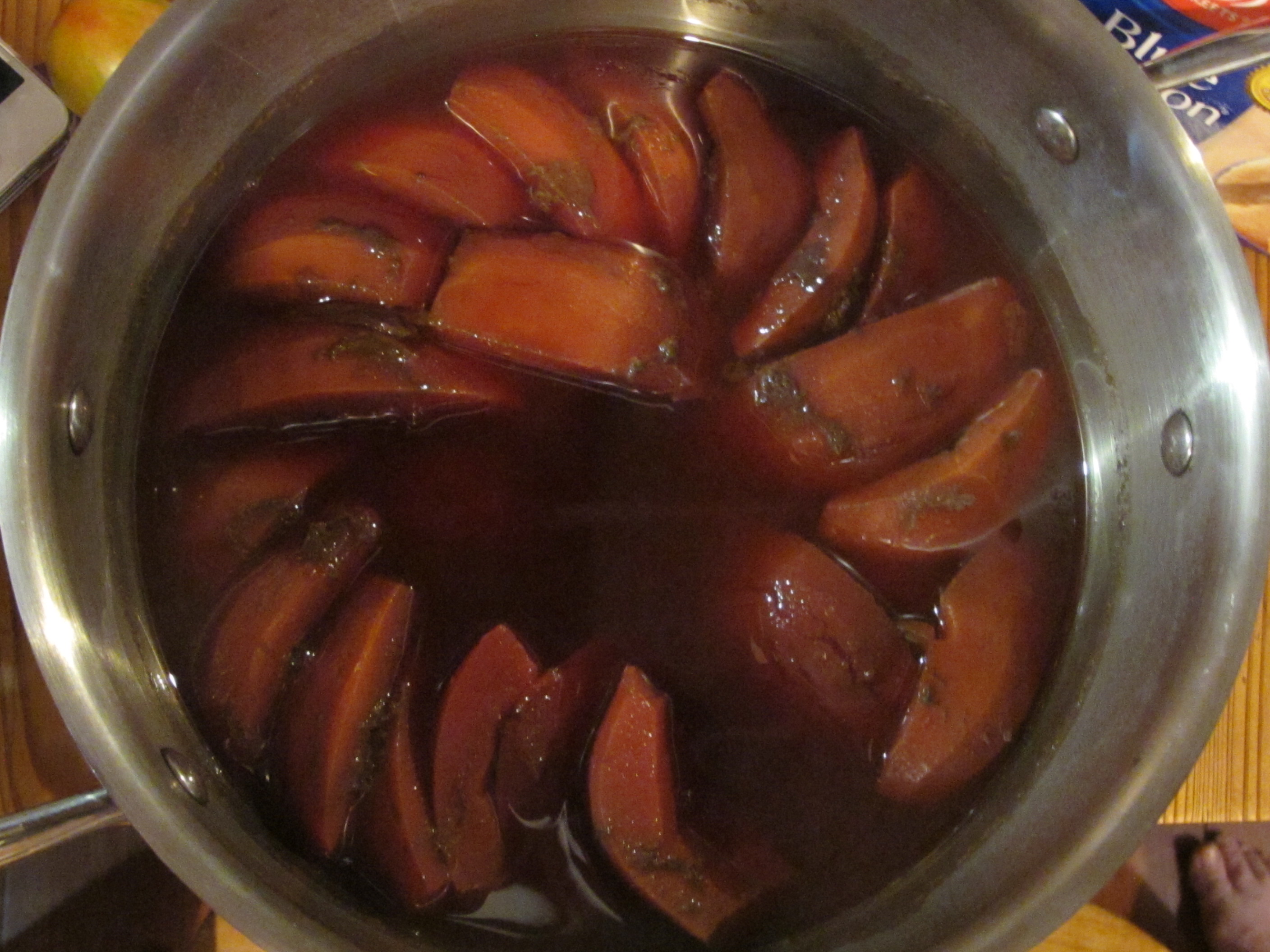
For desert there are preserved plums from the summer served with yoghurt. It’s a pleasure and a thrill to be able to eat our excess summer produce in the cold wet days of winter.
I’m so fortified that we go right back out there and make some fire bricks to replace the current door bricks on the wood kiln. The door of the kiln has to be bricked up each time that it is fired. There is a bit of effort involved in laying so many bricks each firing. There are about 140 bricks used to brick up the door of the kiln at the moment.
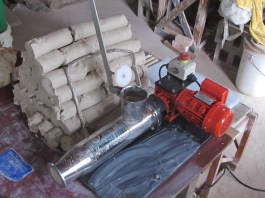
I have been making my own kiln shelves and props for my kiln since 1974. I made all the firebricks for this kiln by hand about ten years ago and have continued to make all my own firebricks ever since. This current kiln is the second one made from hand crafted bricks on this site. Now I decide to make some new larger format door blocks. This time in a larger block size, 150 x 150 x 230mm, equal to about 3 full bricks in one go. It will make the bricking-up of the kiln door much faster. It’s a lot of work to make fire bricks by hand, but we are not scarred of hard work and I am fully committed to being as self-reliant as possible. This is a simple example of what we do to achieve this self-reliance on a low budget and maintaining a small carbon foot print. These firebricks are not the best in the world, but they are hand-made, cost effective and have very low embedded energy. I try to do so many things, that I end up being not very good at any of them, but it gets things done frugally. I’m determined to live below my means.
Making things like this ourselves saves energy and transport costs, as nearly all firebricks on sale in Australia at the current time come from China. We are also maximising our use of recycling, as the grog and the coffee grounds are both recycled commercial waste. These bricks will be fired in the wood kiln, at the back of the stack, 20 at a time over several firings. They are made on-site from re-cycled, mostly local materials and will be fired using our own self-grown and harvested wood from our own property. All the carbon in these trees has come from the air and when burnt, will go back to the air. No additional carbon will be involved. No trans-global shipping costs bringing in product from China. It’s simple and effective. It just takes energy and commitment. We get our personal energy mostly from the vegetables that we grow in our garden. Finally, the residual ash from the fire box after the firing will be used either to make glazes or used as fertiliser in the garden to help fuel us.
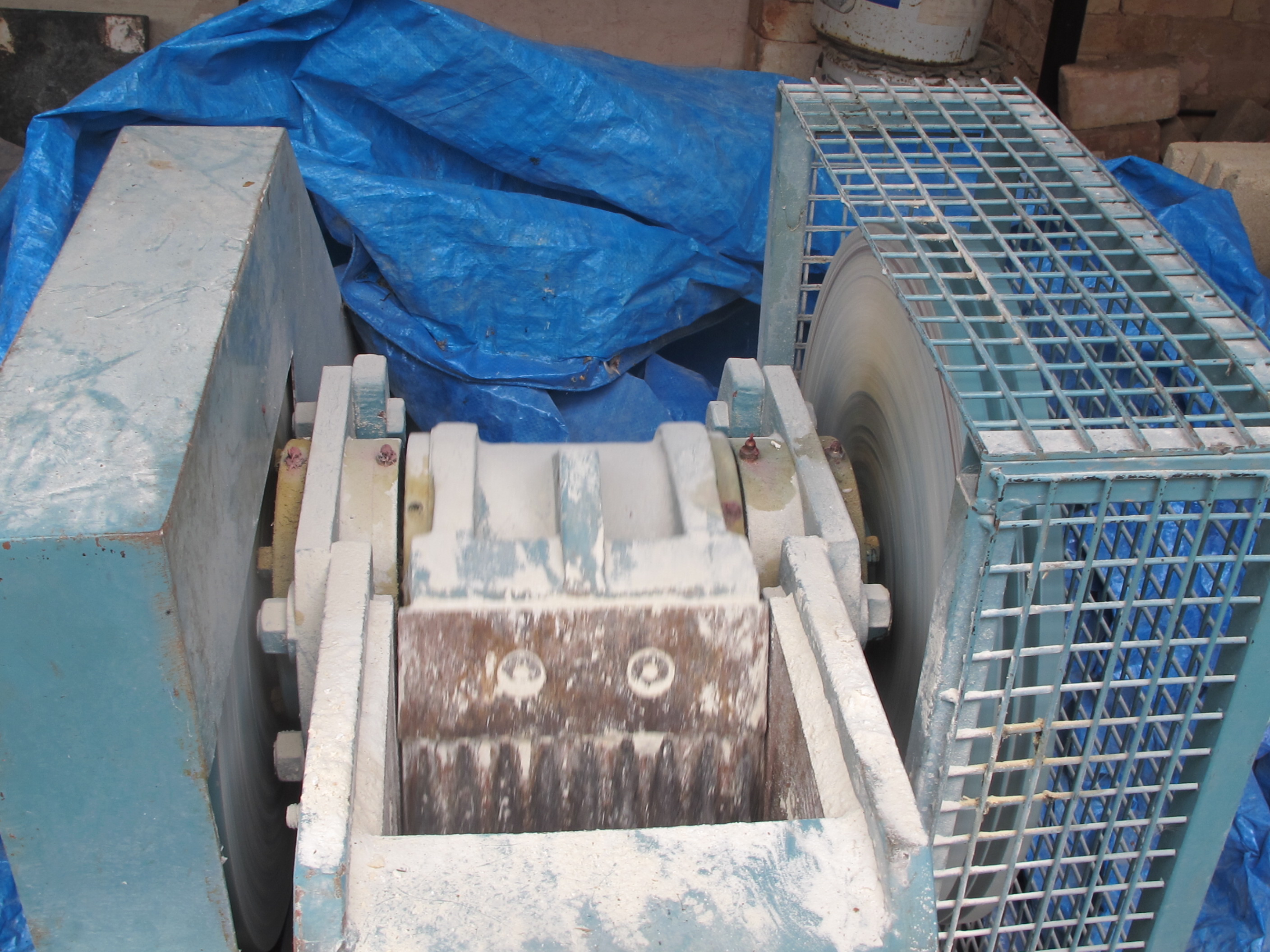
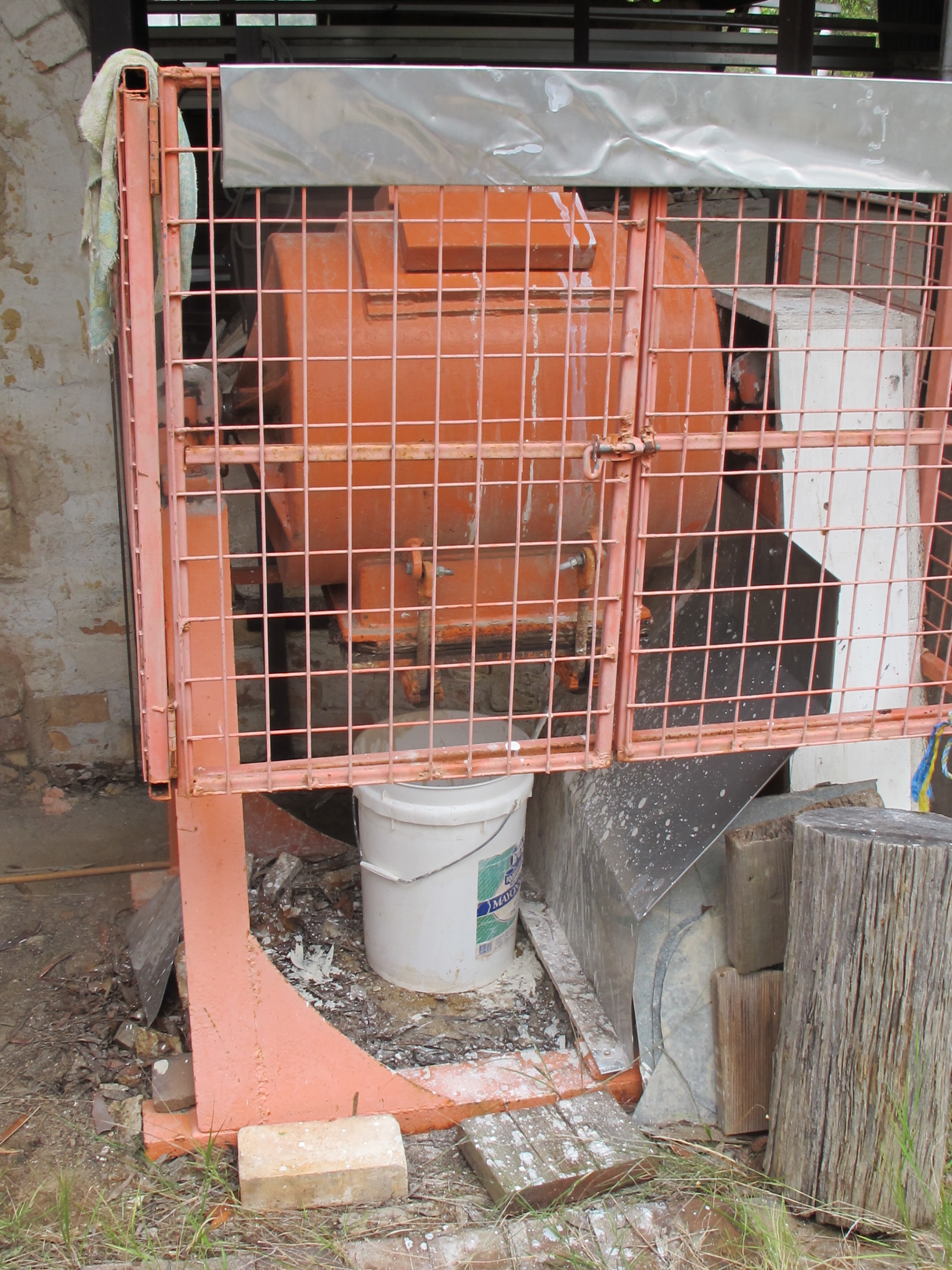
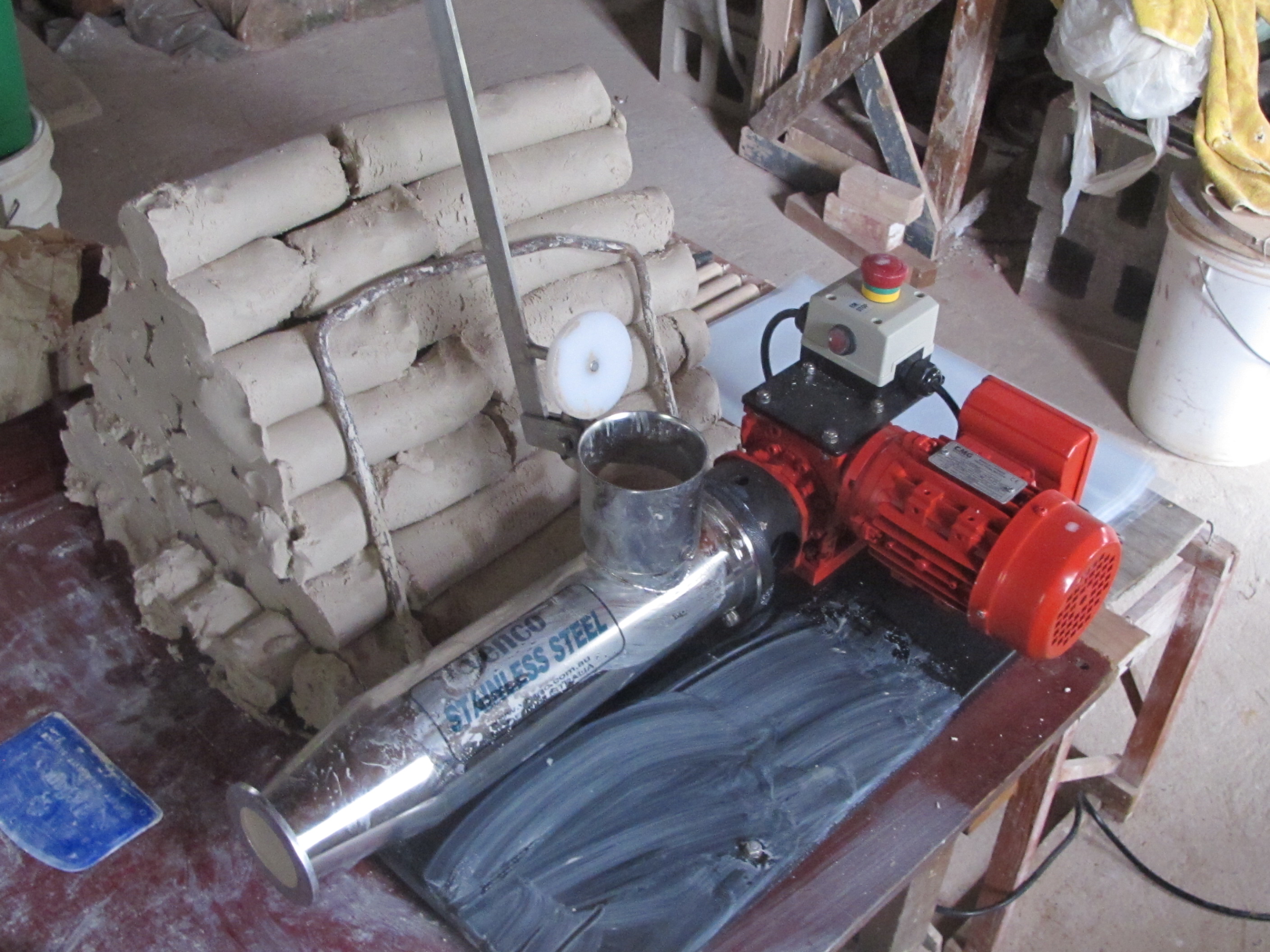
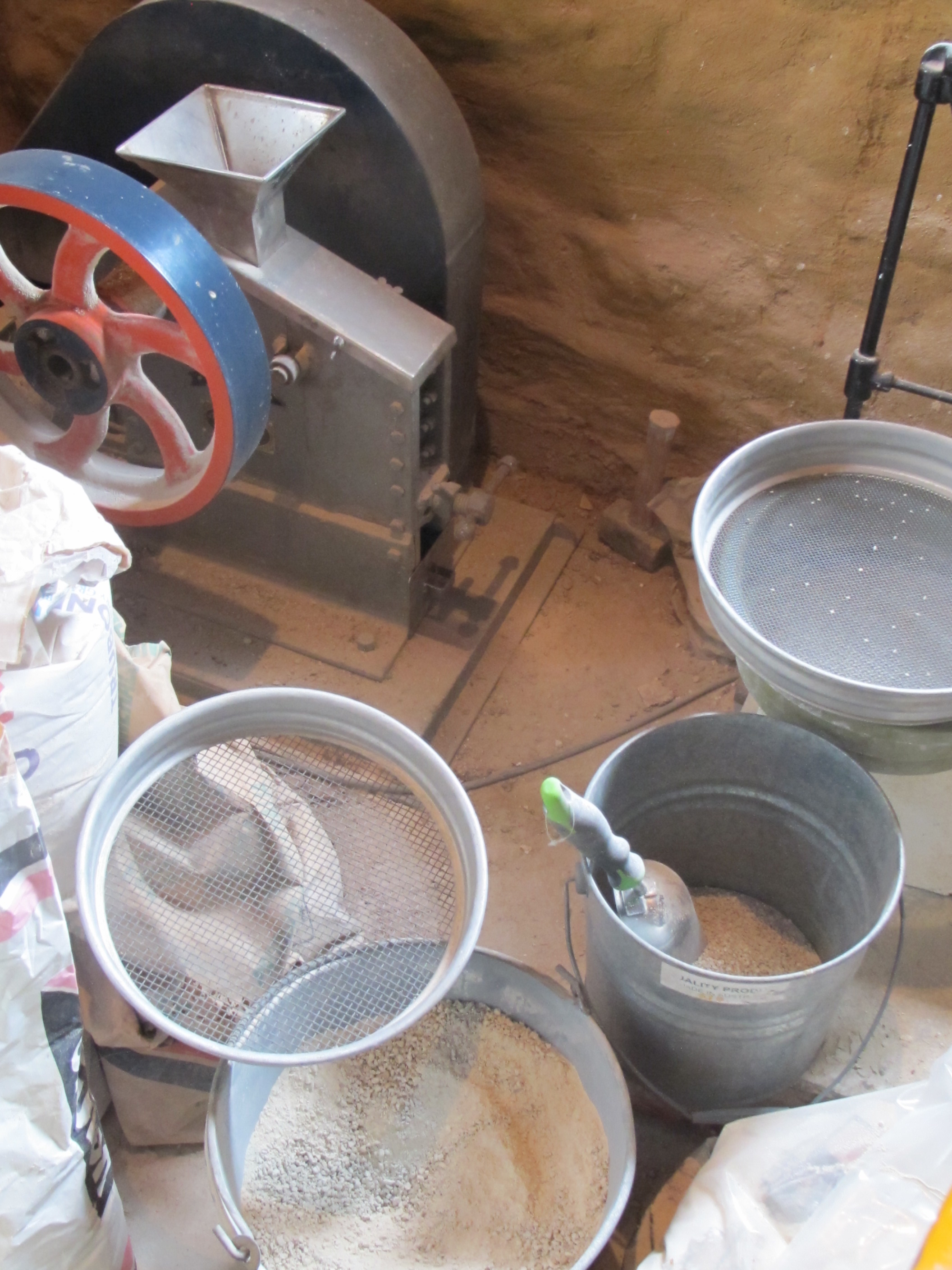
I use coffee grounds and crushed firebrick grog.
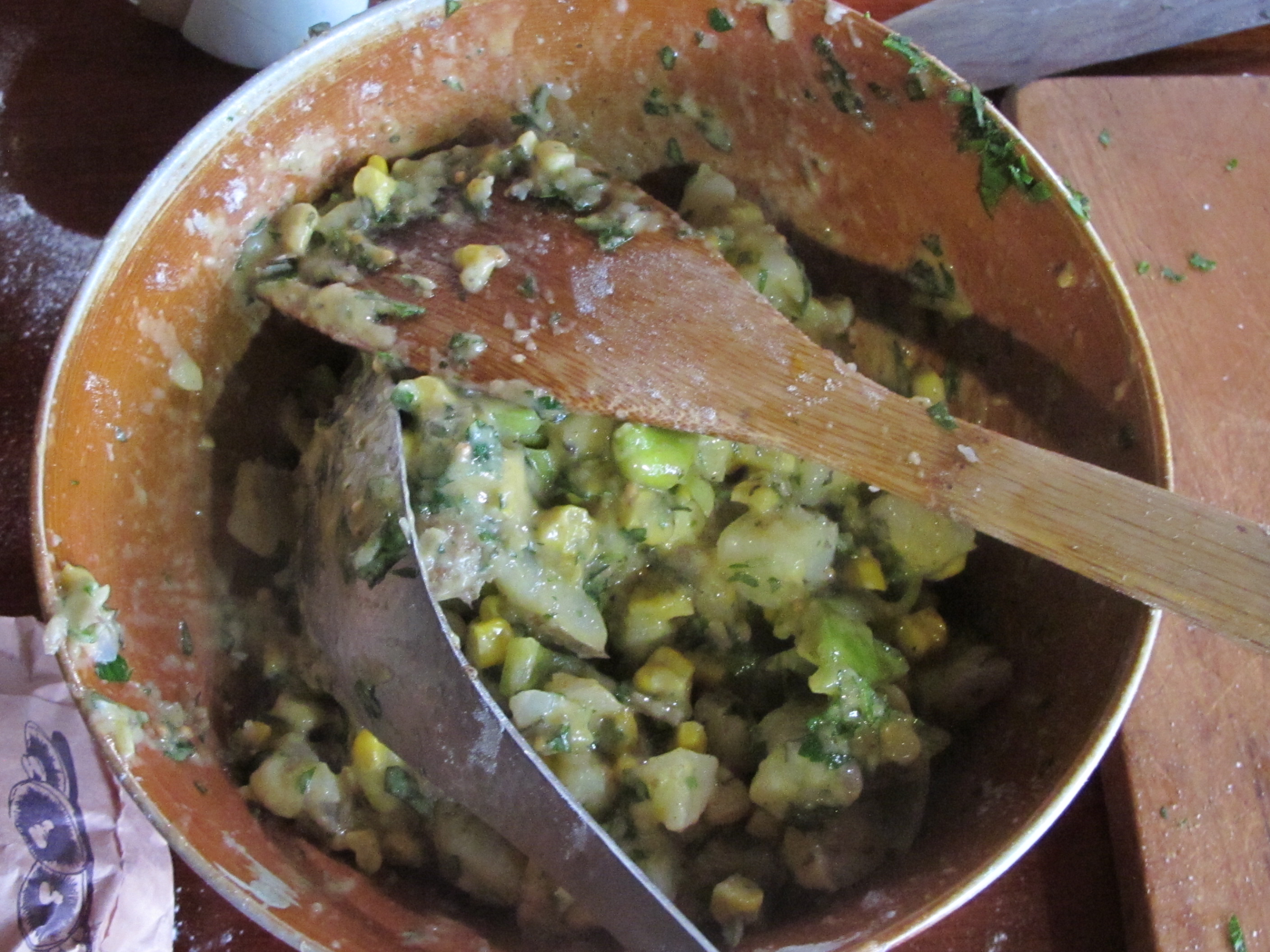
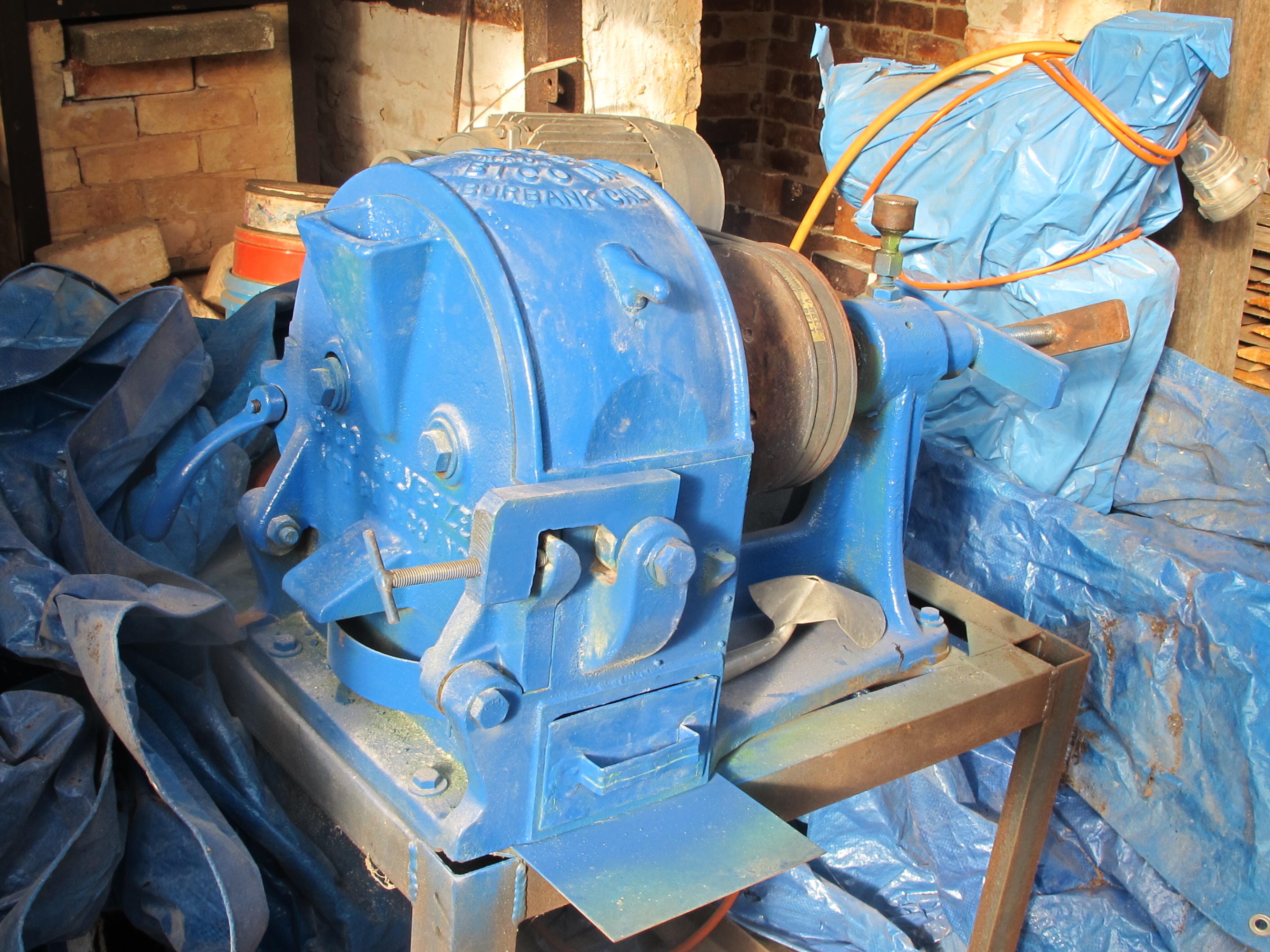
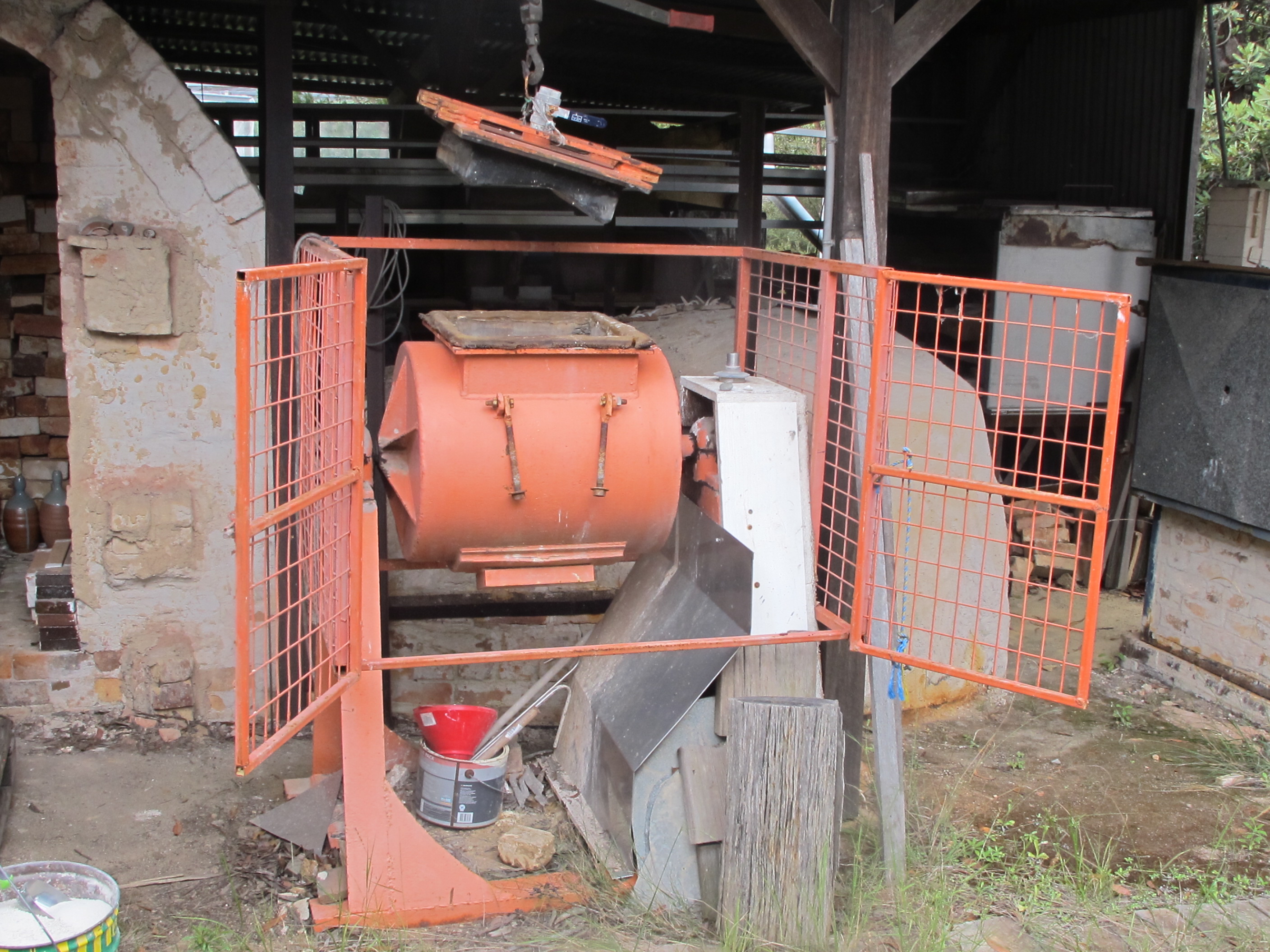
All mixed in the dough mixer
We make 50 of these large blocks with the help of our dear friend Warren. We originally planned to do some orchard pruning together over the weekend, but the weather has turned quite wet and gusty, so we make bricks instead. We end up getting 6″ or 150mm of rain. It’s just what the trees need just now at this critical time of the year. It couldn’t be better for us and the trees.
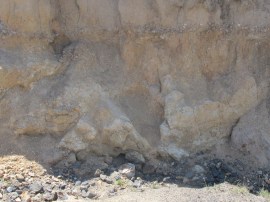
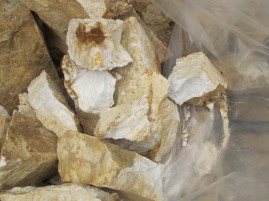
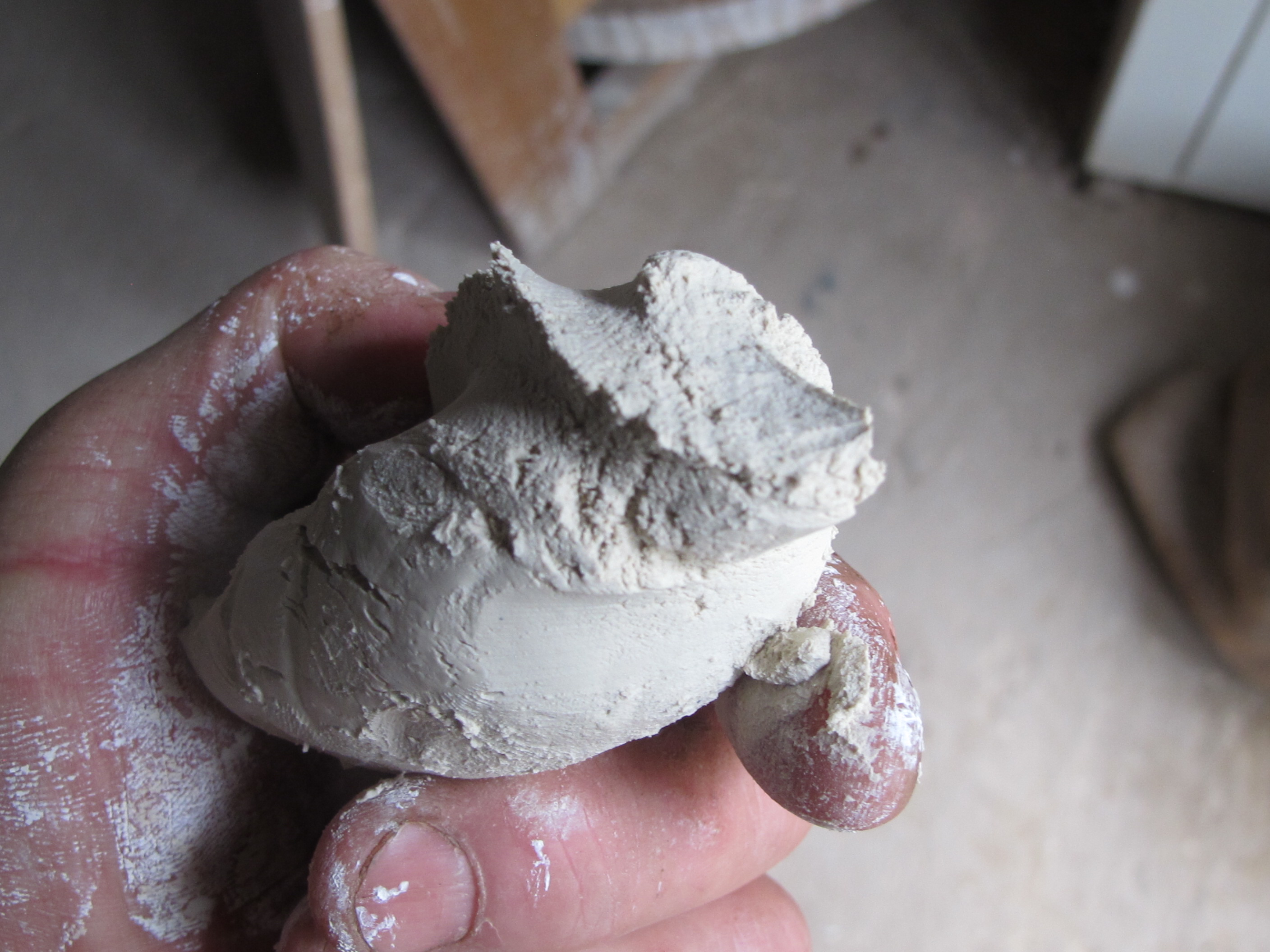
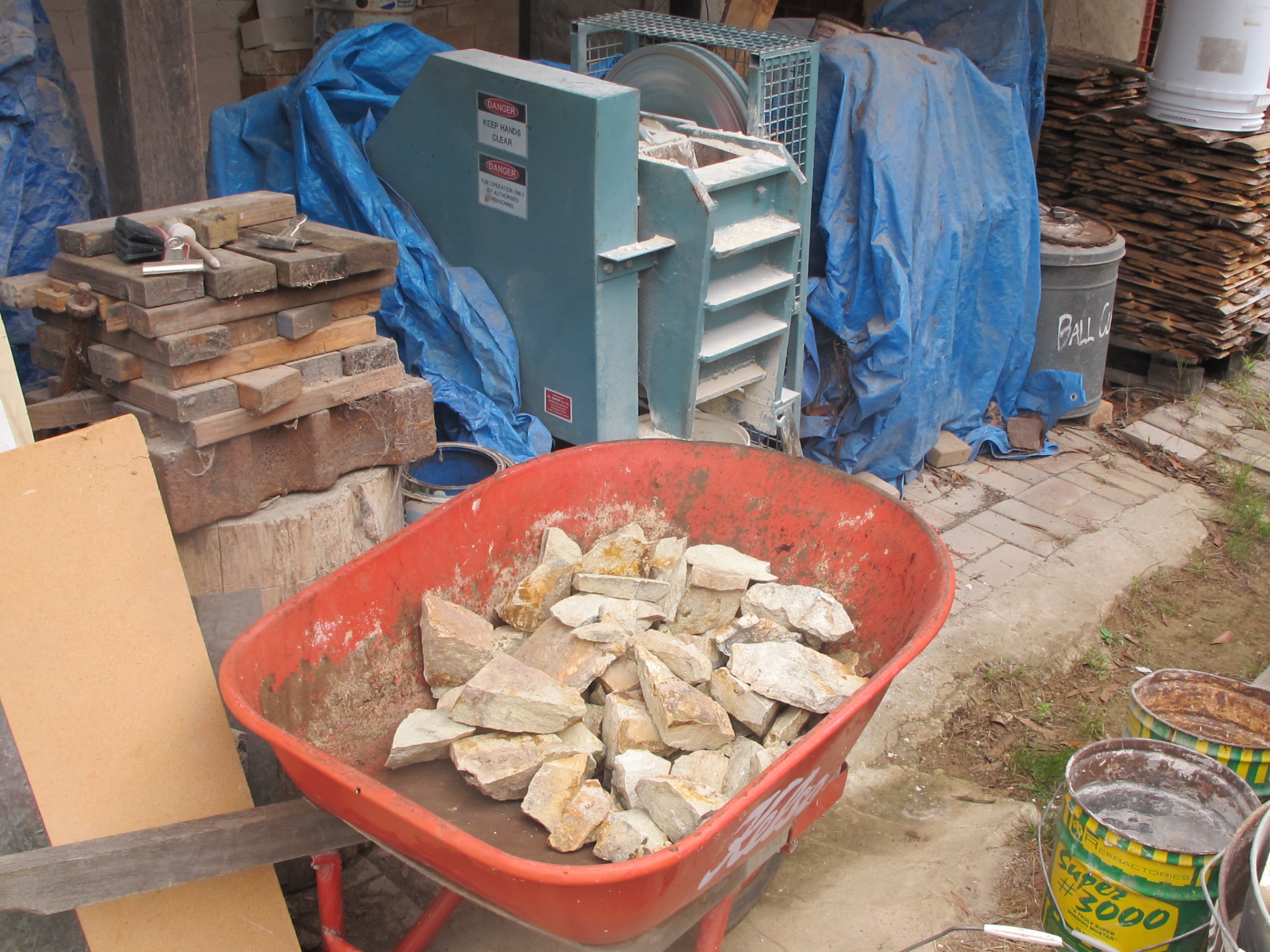
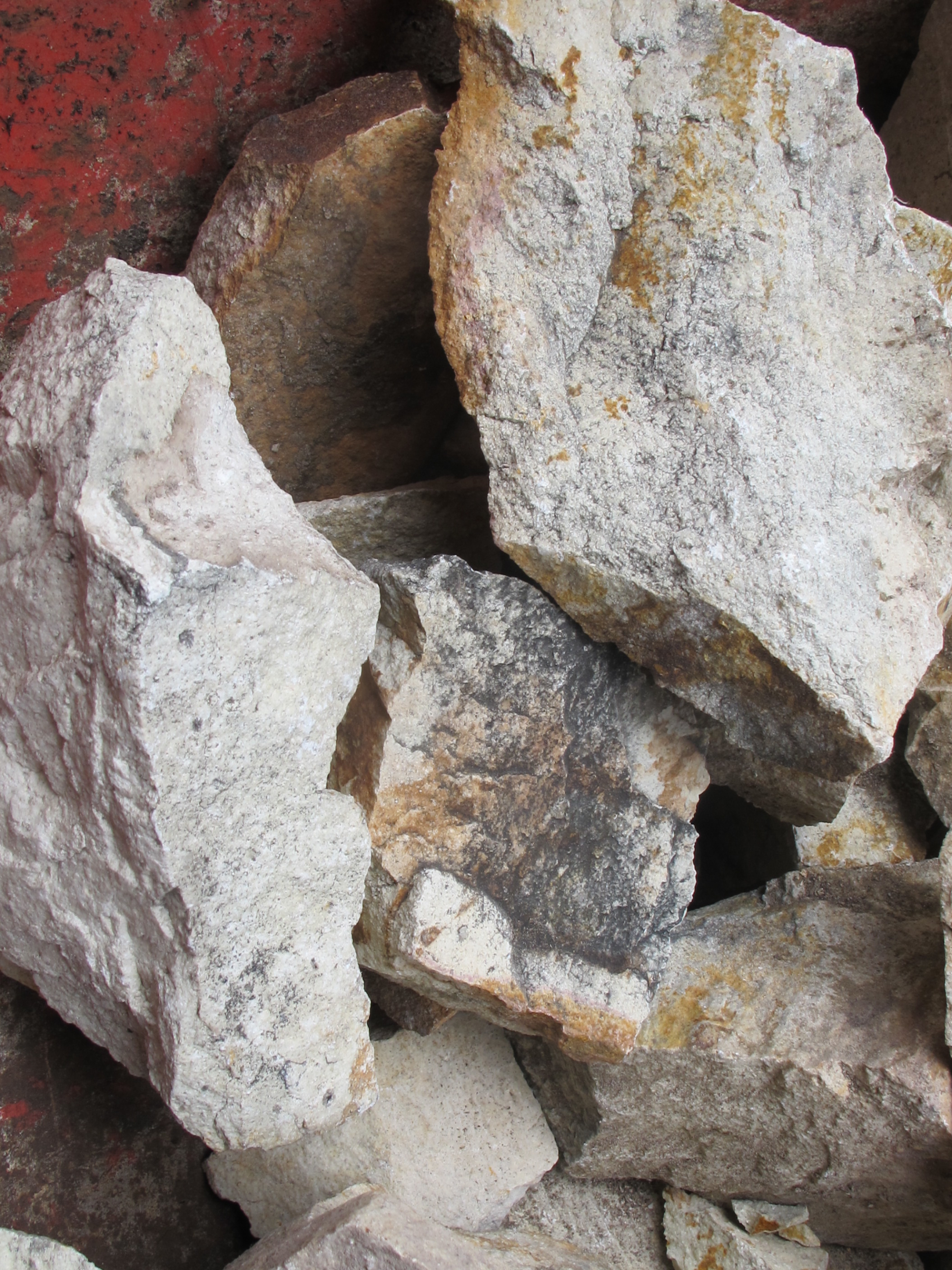
We make our fire bricks from more or less equal parts of or own grog, crushed, re-cycled broken fire bricks and kaolin. I also add in a good measure of coffee grounds collected from our friend Cathy’s local cafe espresso machine used ‘shots’ tray. Cathy very kindly kept all of the used shots for me all week, so that I could collect them for my research. The coffee grounds will burn out from the fired bricks and leave little air pockets that will act as insulation. This will make the kiln more fuel-efficient. I collected the coffee grounds some years ago, dried them and stored them away, preserved as dry powder in the kiln shed. What I didn’t use back then to make all the bricks to build the new kiln, are being used now for these new bricks.
with love from the well preserved Dr. and his fresh and radiantly blooming Ms.
Responding to the Warmth
I have been back in the pottery making pots again. Now that all our winter firing workshops are finished. I have my kiln back to myself. I am throwing more pots for my own firing. As the weather warms up, pots don’t take quite so long to firm up as they were taking a couple of months ago. On a few days it is cold enough to light the pot-belly stove in the pottery. It’s nice in here with the fire going. I respond to its warmth. It’s an old, solid, cast iron thing that we have been using continuously for the past 35 years. I have given it one overhaul about ten years ago as all the joints were creeping apart. The original bolts had long since corroded away and it was more or less held together by the rust and friction. It had never had the correct flue pipe fitted for its size. The original flue outlet was designed for a 100mm. dia pipe, which was woefully too small and it always smoked, as it couldn’t get enough draught going through it to burn the capacity of the wood that it could hold.
I decided to take it to bits and overhaul it, by sealing a lot of the joints with a clay paste and reassembling it with new stainless steel bolts. I also increased the flue pipe size from 100 mm. to 125 mm. I make an adaptor out of some stainless steel sheet off-cut that I have that seems to be just about the right size – because I can. It’s taken me 20 years to get around to it and now in just 3 hours, it’s working just as it should, if the designers had bothered to build it and test it, to see if it worked OK, then re-designed it with the correct flue outlet. Now it works a whole lot better. Nothing is ever finished and nothing is ever perfect.
Don’t get to know the farm animals too well – Geordie’s Choice
So that was nice. Possibly better than I had any idea that I knew of. Life is made of such unexpected exchanges.Annabelle Sloujetté, the Dream Weaver
13 Years of Hard Work Up in Smoke
Winter Delights.
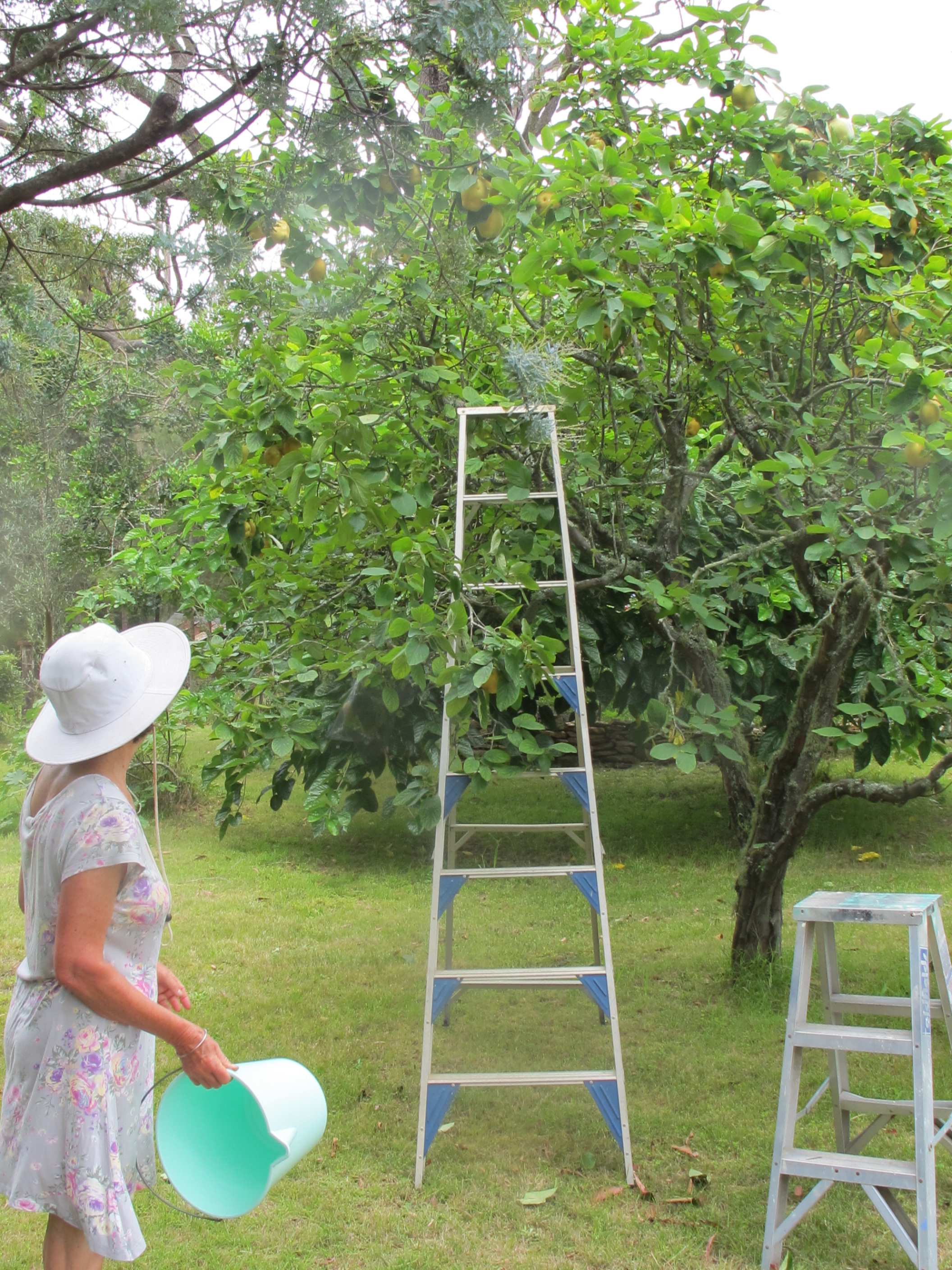
It’s the middle of winter and it’s time for pruning. I spend the morning pruning the dozen or so almond trees and then go on to prune the shiraz grape vines, as they are close together. These young almond trees are just coming into their 13th year now, we have other, older almonds that are 38 years old as well, but they are in another part of the garden, in with the original stone fruit orchard and are quite established.
Once you get into it, it’s an easy, mindless job. The sun is warm on my back, as there is no wind this morning. It’s a nice job, so much better than cleaning out the kiln firebox. My only difficulty is when I’m working around the trees and have to prune into the sun, which is low in the sky and makes me squint with it’s brightness. If this is the only thing that I can find to whinge about, then I am a happy man.
While I’m at it, I can’t help but recall Peter Mayle’s fictional neighbour ‘Massot” who he encounters while ‘Massot’ is pruning his vineyard. He has been pushing a wheel barrow along the rows depositing all the prunings into the wheel barrow. There is a small fire glowing in the bottom of the metal barrow and as each new collection of cuttings is deposited, it is ignited from the coals and ashes of the previous vine. As it is described, I can visualise that it’s a beautiful system of ancient ancestry. It removes the dead wood from the vineyard. It doesn’t require any cartage. It sterilizes the woody plant material that might otherwise spread infected material from vine to vine and as there is a hole in the bottom of the barrow, all the ash from the fire is slowly drained out along the rows of vines as soluble fertilizer for when it rains. A pretty perfect system. Beautiful in it’s simplicity. I’ve thought about burning my prunings in one of our metal barrows. Sending 13 years of hard work up in smoke.
Mayle takes great pleasure in humiliating his hard-working peasant neighbour for his earthy roots by pointing out that he has seen small bundles of vine cuttings for sale in posh English department stores, sold as kindling – selling for 10 Euros per bundle. Massot looks back along the long rows of vine trellises and can visualise hundreds of Euros of kindling gone up in smoke. It’s meant to be funny, but maybe it can be read in a different way. Perhaps it illustrates that Mayle feels inferior to the local French man in his natural environment. Mayle can’t see the beauty of the system, only the money and we know that the peasant isn’t getting the money, he has a life deeply embedded in the terroir. Mayle will never be part of this environment, never really comfortable, never naturalised into it, always the expat, his clean hands will always tell that he is from somewhere else.
I bundle my prunings, not for sale, but for kindling in our own fire place. Often used to start the kiln. I like the symmetry of the closed loop. Use what you’ve got. The prunings have to be removed from the orchard and vineyard. The best way to deal with the issues of disease is the burn them, but rather than burn them for no beneficial outcome, using them to start the kiln is a positive use, appropriate for a post-modern peasant-potter.
I water the big potato patch down in the Pantry Field and find that they are still growing wonderfully well, as are the field mushrooms in among them. The tall tree cover has worked wonderfully well to keep the frost off. I wasn’t fully aware up until now just how warm it was down there in that secluded little clearing. I collect a dozen big mushrooms for dinner from in amongst the spuds. We’ll have mushroom soup tonight. A few bunches of herbs and an onion browned in olive oil till soft, then the diced mushroom added and sautéed, some marrowbone and garden mirepoix stock added in and all left to simmer down and reduce, lastly a little flour and oil Roux to thicken it up a little, some pepper, a lovely warming and filling garden delight on a winters night.
We have a huge pile of stumps, old logs too big for the chain saw and too heavy for the tractor to move around, These massive sections of pine tree trunk were given to us to burn in the kiln by my friend’s Mother, when a hundred year old pine snapped off in a severe storm, crashing down in her garden narrowly missing her house. The tree was 1.8 metres across and each section weighed more than a tonne. It was delivered by bobcat and tip truck, 20 tonnes of it over three trips. I cut up what I could manage by myself, the section up to 1.2 metres, but some of the larger base sections were just too big. Now, after 3 or 4 years, the white ants and wood rot have set in, so I have to deal with it. I get the bobcat back and get what’s left pushed up into a pile. We add some nasty weeds that we don’t want to seed around the garden and woody garden waste too thick for the shredder, but too small for hob wood. It’s all piled up on the spare block, where we stock pile our kiln wood.


As the weather is clear and fine with no wind, it’s winter and there are no fire bans, we decide to burn off all this otherwise difficult to deal with herbage. In the evening we light it and it goes up like a Guy Fawkes’ night celebration. We have the long fire hoses ready and the high pressure fire pump going. It’s a good chance to give it a run and check that everything is in working order, ready for the summer.


We crack a bottle of home-brew beer, congratulate ourselves for a long day of hard work and watch it burn, The flare of light tinder is all over in half an hour, but the massive stumps and log sections remain glowing and smouldering into and through the night. Janine is up at 1.00 am to check it and I’m out there again at 6am.
In the early morning light there are three separate collections of smouldering lumps. I get the tractor out and push them all together, back into one big pile and they burst back into flames and continue to burn throughout the day. I hate to waste wood like this, but without the machinery to deal with such big lumps, there doesn’t seem to be any other option for me. I can’t afford to pay the bob cat driver to come and work here regularly, while I work my way through the pile, I don’t want to have a massive termite nest on my door step and now that it has spent a few years in the weather, what’s left of this spongy pine has all gone quite ‘manky’, and lost most of it’s calorific value. A fire seems to be the best way.
We spend all of the next day tending and supervising the fire. Cleaning up a lot of small rubbish, rotten wood and weeds. Someone has to stay with it all of the time, just to be safe. There might be some good ash to be collected, if there isn’t any wind or rain before it all cools down, so that I can get to it.
I cook tofu in sesame oil for lunch with garden vegetables, broccolini and coriander. A little bit of fish sauce makes it sing.
Day 3 of our fire sees very little left of the pile. Just one big block that started off as a 1.8 x 1.8 metre stump, weighing several tonnes, is now mostly gone. We have to drag in other pieces of wood to keep it alight. It’s a chance to clean up the back block and the little lane that wanders through the centre of our land. This pretty little wandering bushy lane was once the main east west road through the village. It was never legally gazetted, but just used by the locals as the shortest route between A and B. There were 3 attempt to make an access path through to the east ridge and 2 of them went through our place. They were both abandoned because the land there is so low-lying and boggy in wet weather. Parts of the lane were paved with stones to try to overcome this, but never satisfactorily. Eventually a legally gazetted road was built in the right place, but it meant a lot of very expensive earthworks.


Our small lane is almost completely over grown now. We’ve seen to that by blocking it off at both ends to stop weekend 4 wheel drivers winching their way through our land without asking on long weekends. It’s a very pretty place to go now, and as it isn’t used anymore, except by us to get to the back of our land to collect firewood, it has soon become over-grown. I decide to take the tractor down there, mow it and clean out all the dead wood, and while I’m at it, I cut up a few dead trees that have fallen down along the track and up on the dam bank of the ‘Max Lake’ out biggest dam, The one that we had built in order to collect and store water for irrigating our vineyard.
Janine has a stroke of genius in getting onto the hot smoldering coals and hot ashes to poke at the fire and shift logs with her rake without melting her shoes. She places thick sheets of stringybark bark down on the ashes first then steps onto them to do the work. She then retrieves them before they burst into flames. I have ruined one pair of old boots by working in the hot ashes and melting the soles.


As it’s Friday and the end of the week, we celebrate by not eating any mushrooms. We have lightly fried tofu again with more garden greens.
So that’s what ‘s been happening this week with the hot-footed, self-reliant Guy and Girl Fawkes, who are lighting the blue touch-paper and standing back to wait and see what happens.
With fond regards from his Naked Flame and her Rake
Go Slow, Look fast
Old Slag and a Tosser
We have another weekend wood firing workshop. Another amazing group of wonderful people. Everyone so engaged and enthusiastic. I have to cut split and stack more wood. Prepare the kiln and its furniture, kiln shelves and props. Check out all the fittings and structural elements to make sure that it all goes smoothly. The fire box lid lining is on its last legs, but will last a few more firings. It takes a few hits from our enthusiastic new stokers, with well-meaning, but miss-placed logs at high temperature.
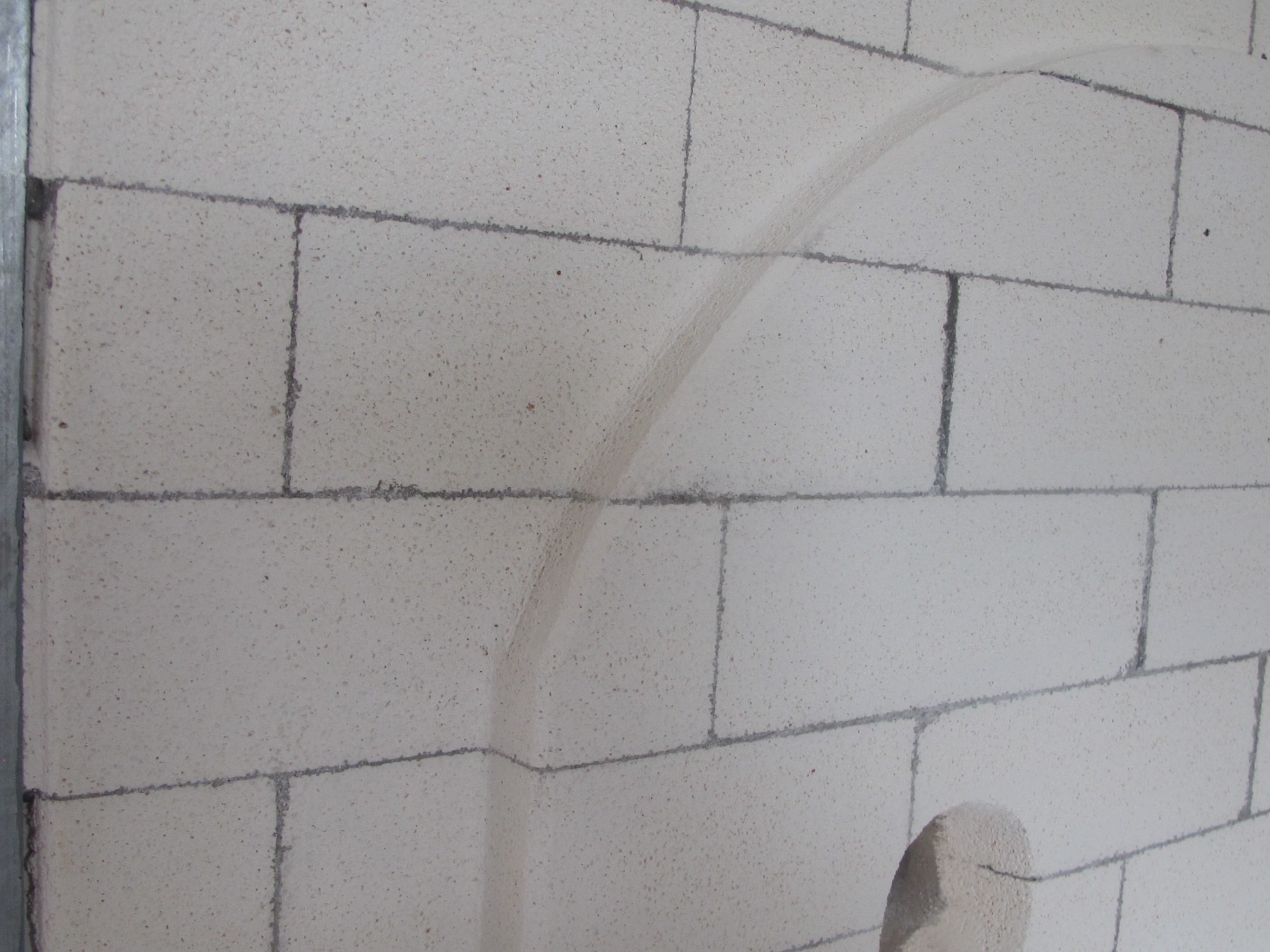
Before we can fire the kiln again, There is maintenance to do. I have to get inside the fire box of the kiln to chip out the molten ash glaze slag from the last firing. This has to be done after every firing. The ash from the firing collects in the base of the firebox and accumulates to the point that it melts into a molten slag at the high temperatures at the end of the firing. It forms flows of liquid natural ash glaze that pool into the floor bricks. This is the same natural ash glaze that decorates our pots during the wood firing and gives them their distinctive wood-fired look.
There is alway some minor repair work required after each firing . Sweeping out the dusty ash and charcoal, chipping out the slag that threatens to block off the air holes. This is normal maintenance. However, when I get inside the firebox this time I see that the last firing had such fluid ash glaze formed at the end of the firing that it has run and pooled into the very important mouse hole in the base of the ash pit. This hole is most important to keep the ember level under control during the firing. It has to work properly, otherwise I can’t control the fire as easily and everything could go pear-shaped.
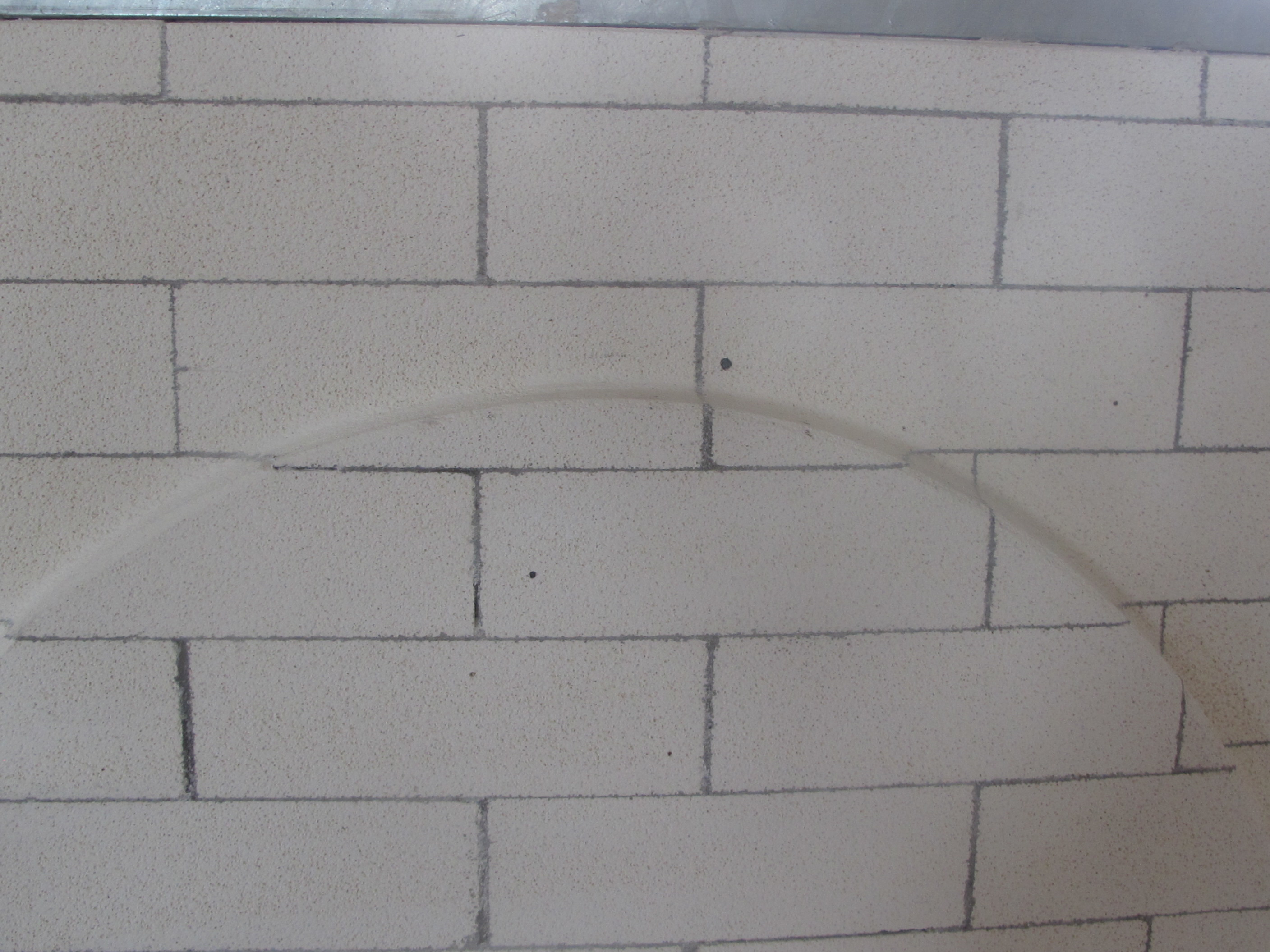
On close inspection I find that the ash glaze slag has completely filled the air hole and sealed it off completely. To avoid this occurrence, I place a special little kiln shelf ‘lid’ over the hole to deflect most of the ash to the periphery of the hole and this usually works. But the combination of wood that I have used this last time has created a very fluid slag and every thing had disappeared into a grey/brown puddle of lava. I can’t even see the ‘lid’ or the hole beneath it. I work on the principal that I know that it is under there. I have to climb into the firebox base armed with a 2 kg hammer and cold chisel, a crow bar and a skutch hammer. I have protective goggles over my glasses and a dust mask as I set to work in this cramped space, hammering and chiselling as best I can without being fully able to swing the hammer properly. I bash, chip hammer and prize my way through the glassy, lava-like slag. It is brittle and smashes into jagged, conchoidal, shattered spalls. Bits fly everywhere. It’s in my hair and all through my clothes. I have to be careful not to cut my fingers trolling through the pieces, tossing them back into a bucket in the kiln chamber. I finish by sweeping up the small fragments and dust. It’s a crap job, stuffed into this small space with all the dust and sharp edges, but it has to be done and no-one else, including the kiln fairy, is likely to volunteer. I keep putting it off, hoping that the kiln fairy will do it, but no such luck there. It’s all part of being self-reliant. I often put it off till the last minute, because I just don’t enjoy it, other times I get stuck into it first thing. It all depends on my energy levels and state of mind. There is no avoiding it. It just has to be done.
Although it doesn’t look it, it’s actually all cleaned out and ready for more work.
I’m lucky and very grateful that this is the worst job that I have to put up with. It’s certainly the least glamorous job in the pottery. It’s all very well, sitting in the sun being creative and making lovely things that are visually engaging and wonderfully tactile. Unpacking the kiln is like Xmas, but no-one daydreams of all the hard graft that goes into ‘creativity’. Don’t give up your day job!
We have a -2 oC frost overnight, during the firing. It keeps us sitting up close to the kiln during the midnight to dawn shift. Our European friends will call us pathetic wimps. That isn’t cold! Minus 40 is cold. I know that, but we are in Australia, the land of heat and sunshine, draughts and heat waves and not used to the severe European cold. Minus 2, certainly felt cold enough to me. If it got colder than this on a regular basis, I’d build a different shed. One that had walls!
A quick walk around the garden reveals that the last 2 rows of very late potatoes in the garden have now had it. The frosts are coming regularly now. Not severe, but light and regular. I think that this must put an end to these spuds, but they still have a few green leaves. I don’t need the space just now, so will leave them to their own devices, till spring. I can’t see anything coming of them. However the single red Flanders Poppies growing among them seem to love it.
There are lots of pretty images in the garden of leaves tinged with white frost and ice crystals. The ground crunches under foot as I walk about. There have been several frosts like this one now. It’s good. It will finish off a lot of bugs like the fruit fly, that can over winter in milder climates. This ‘chill’ will help all the old varieties of fruit that need their winter chill to become fertile in the spring.
I walk down to the Pantry Field garden. It’s situated down at the bottom of our land, in a clearing in among the tall eucalypts. the tree cover of the tall crowns gives a modicum of protection. I have a quick look around and see that the frost hasn’t penetrated here as yet. The big potato crop is still doing just fine, no frost damage. But on closer inspection I see that a lot of the tender tops of the plants aren’t burn’t off, but completely missing. Nibbled off by our resident Eastern grey kangaroos that wander through here attracted by the grass, tree cover, undergrowth protection and the availability of 4 dams to choose from for water. No wonder that they hang around. They treat the place like they own it, and they do! They were here first. We haven’t fenced our land at the boundaries at all. It is all open for them to pass through and enjoy. What we have decided to do is to fence off the various islands of garden and orchard, to keep some possibility of getting a crop to ripen. These plants haven’t been attacked till now, so now is the time to do something about it, If I don’t, they all be gone in a week or so.
I make it a priority to extend the fencing wire up to 1.5 metres. Up until now we had got by with only rabbit proofing fencing. Wire mesh that we could step over. Now I need to make a taller fence with a walk in gate, plus an openable end to allow the tractor to be able to get in and out for tilling once a year. While thinking all this through I see that there are another crop of mushrooms coming along. I can count about twenty or more. We’ll be changing our diet slightly now and for the next few weeks to include Mushroom soup, mushroom sauces, mushroom risotto, mushroom in white sauce and eggs and bacon for that leisurely late brunch. If we can find a day that we can declare to be leisurely?
Fond regards from the old fun-gi
A brief History of Thyme
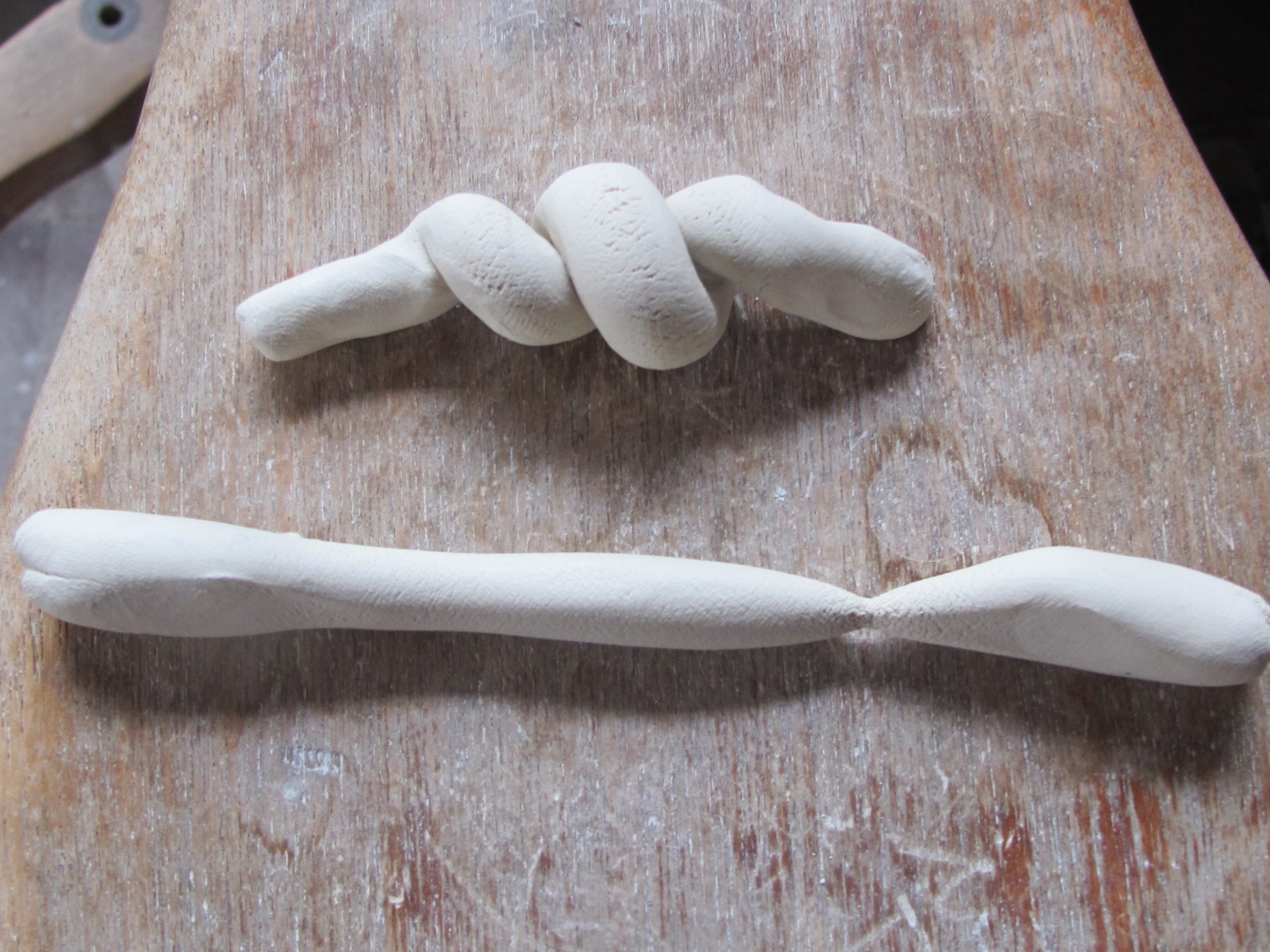
In the few days between workshops, we spend a day in the garden with Our Lovely Wwoofing Friend Kate. She is a good worker and keeps us going all day. She is full of energy and good ideas. No slacking off with Kate in charge. The two Lovelies go down to the pottery and make some 50 odd ceramic buttons for kiln building and repair work, while I take the truck down to the mushroom farm to get a load of spent mushroom compost to spread around the fruit trees and various vegetable plots so as to stifle weed growth. It works as a great mulch and weed suppressor, while it also has some fertilising effect as well. Best of all it’s cheap! Most plants seem to thrive with it around them. It is a little bit alkaline, so I don’t use it on any of the acid dependant plants like blueberries.
Kate stripping the thyme leaves, sitting in the sun on the verandah.















You must be logged in to post a comment.