Annabelle Sloujetté, the Dream Weaver


Annabelle comes to visit.
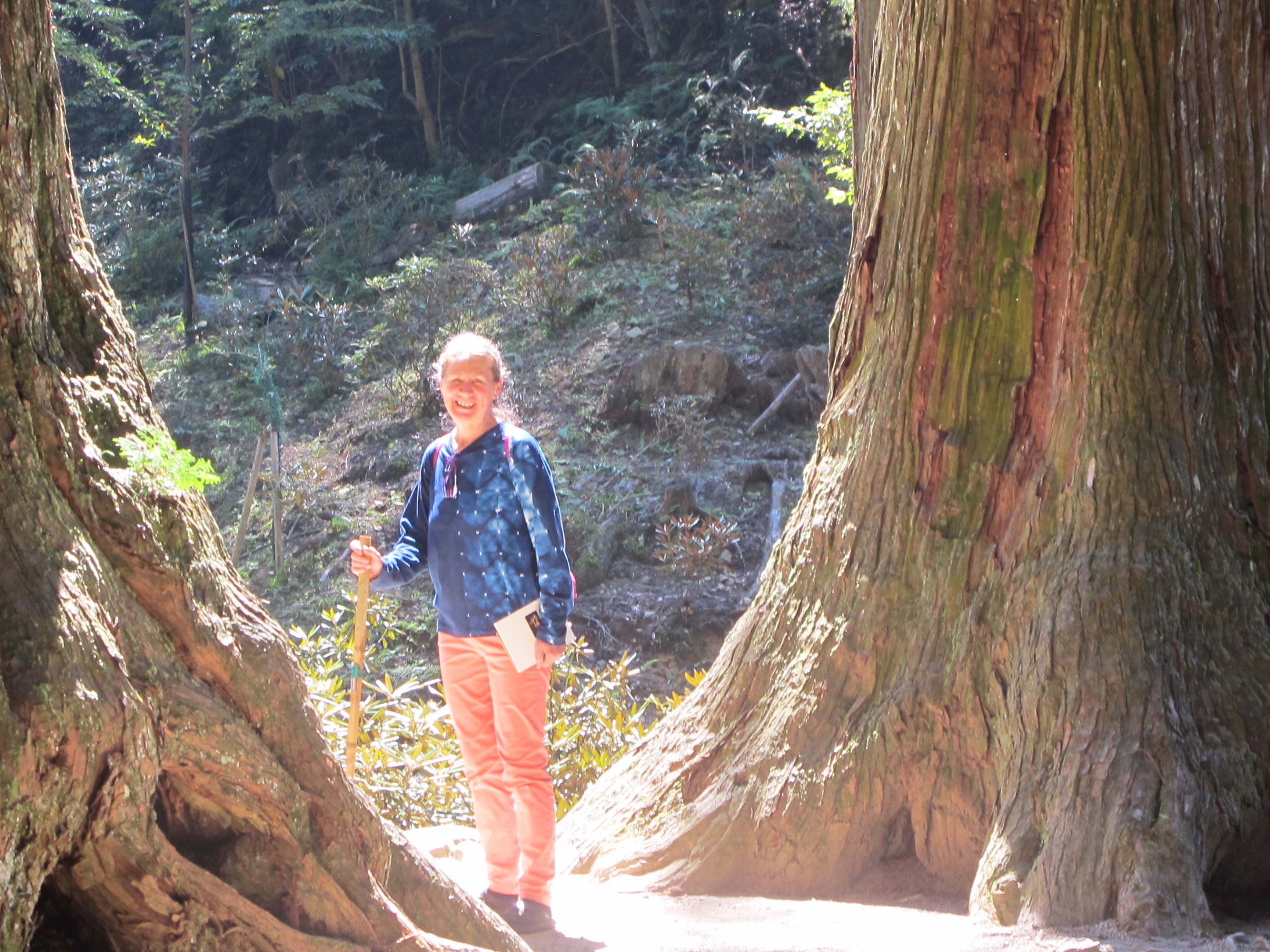
She calls in every now and then. Usually at short notice, often unexpectedly. She is buxom and gorgeous and fills the room with her personality. Always bearing gifts of focussed thoughtfulness and appropriate application. Not expensive, often hand made, and by her own fair hand at that. A beautiful creative spirit. She lets herself in. She has her own key.
We awake in the morning to find her car in the garden. She emerges late for breakfast. She arrived quite late. It was a long drive here from where-ever she has been previously. She sits down at the kitchen table and starts to tell me her meaningful dreams. How they inspire her art works and keep her endlessly entertained. She has learned over her lifetime to be able to control her dreams and make them conform to her desires and deepest wishes. I ask her how she does this, but she doesn’t know. It’s something that she can just do. It happens, just like shit happens, only in this case, in the reverse sort of way, and a much better outcome. It’s a great skill to have and she really enjoys exercising it.
It has inspired her latest series of drawings. She’s putting together a show, this time of drawings, so different from the last one of welded, re-cycled metal junk sculptures. She starts to tell me all about the drawings in detail, but stops. Gets up and loads the stove top espresso machine and then starts to tell me more. This is interrupted by her trip to the loo, but she is right back and picks up mid sentence where she was with her pet black cat sitting on her windowsill and wanting to come in or out, whichever she isn’t at the time, while her lover caresses her and adores her. There is a ‘bleeped-out,’ deleted-scene here as the coffee machine hisses and gurgles to its orgasmic conclusion and she ends her tale of fulfilment with a sigh.
Bringing the percolator over to the kitchen table, she places it down and continues. It’s a long story of her younger life on the high seas circumnavigating the Pacific in a small hand made sailing boat. After she ran away from home, over summering in Rarotonga to avoid the hurricane season. The Cook Island girls are the best hula dancers in the world apparently. With special gifts of hip rotation at high speed, mesmerising and hypnotic, if not erotic.
There is a brief interlude where the story of the wild Pacific is intertwined with her other life with a publican in an Irish pub two decades apart. The smell of burning peat and the thick black velvety Guinness and Porter, so ideally matched to the cool damp weather and an entire village of characters that flow in and out of this period of her life. The tale so involved and convoluted, that it images the wild growth of the jungle on the Pacific Island where she slept on the beach and lived for a season on fruits and by beach-fishing, where drift wood was burnt instead of peat.
There is a rapid segue into Sydney in the seventies after leaving her post with the Embassy on that hot humid archipelago with all the stuffed-up Expats and their prim and proper wives who’s only conversation was their children and what they would do when they got back to Canberra. How she loved the native children and how they laughed all the time and how everyone in the villages walked just sooo slowly. There was always plenty of time for everything, no one had any money and everyone ‘made-do’. And keeping the wild Pacific Island theme of head hunting and being sought out and ‘head-hunted’ herself by a big advertising firm in the city, which wasn’t all that it was cracked up to be. All internal turmoil and not pacific at all. But it brought her obliquely into the world of fine art, and then craftsmanship, where she settled after jumping ship in New Zealand and learned pottery making in Nelson. A beautiful time in her life where everyone was on the same page and working together in a big loosely bonded creative community. There she also learnt spinning and weaving and as she spins her tale I’m woven into the filigree of her life’s fabric.
She swears that we met, when I taught her ceramics at the National Art School in Sydney where I worked for 25 years, or was it at Mackie college, where I briefly taught trainee art teachers, but I never taught an Annabelle Sloujetté that I’m aware of, there was a girl of Dutch heritage whose parents came out after the war and settled here, but I can still remember who that was and it wasn’t Annabelle. Is Sloujetté a Dutch name? Perhaps  Belgian? She knows an awful lot about good chocolate and how to work and cook with it.
However, there is something very familiar about that huge flowing mane of thick black locks, lightly tinted with henna. I’m trying to place her in my memory of over 2,000 student that flowed through the place during my time there. I was only casual, working one day a week, teaching ceramic technology. Not all the students came to my classes regularly. Mine was the least popular subject in an Art School where everyone came to be fabulously creative, and to express themselves artistically. I was asked to teach technology and set on a Friday afternoon, when the students returned from a long lunch at the pub. Not every student paid full attention. Some preferring to sit up the back and play air guitar instead of concentrating on the maths and physics of ceramic chemistry. I think that I only got the job, because nobody else wanted to teach it in that time slot.
Annabelle continues her living dream. She put herself through Art School by calling on her old skills and pulling beers in a pub, but this time without the smell of peat, just sticky nylon carpet, stale hops and cigarette smoke. She starts to tell me about the guy who lived upstairs and who was seriously weird and suddenly there are feral Greenies, Black Cats, White Witches, Blues musicians down at the cross-roads at midnight. He said that he would teach her music, but she wouldn’t have a bar of him, he was far too crotchety. His bass nature scared her, but then there’s a brief mention of a fling with a guitar maker during her time in California on the eastern leg of her Pacific odyssey and how she once met Neil Young at a party up laurel Canyon, He was funny, quite dry, and very cryptic. Then she’s off to Haight Ashbury, but doesn’t find any love there. She completely misses Woodstock because she doesn’t believe that it will be any good, and then regrets it, but not for too long.
Always a restless spirit, her story moves on to Swinging London and the Emergence of the School of the Masters of Wine, her admin duties and all the left-over tastings that she got to take home. It was the only way to keep warm in that little, expensive and very cramped bed-sit through the winter. Never seeing the sun, working indoors all day under fluoros and leaving for work and returning from it in the dark. Of being SAD and longing for something more than just a wage packet and a place to sleep. There always had to be some art. That’s what has always kept her going.
She pauses and looks around for the coffee. Apparently it’s still too hot. I’m trying to focus and maintain my attention, but I’m concerned about the coffee, I get up to fetch her a cup, which she refuses, and I miss the bit about the drawing teacher at the Slade School of Art and something that happened there, which is a pity as I really was interested. But there is no going back and her story moves on to the south of France, sunshine and Vineyards,  the vendange, so much work to be had everywhere at this time, the money is very poor, but the food is fantastic.
She wants to be involved in the wine making but has no skills, she gets to see the plunging of the cap and the big old basket press at work. She works hard and they like her. The old man asks to see her hands, he can see straight away that she is a hard worker. Without much of the language, she understands that they will keep her on. Her new job is to help spread the spent ‘must’ from the early white grapes back onto the vines. The hillside is steep and the stony ground makes for difficult foot holds. She collapses into bed at the end of each day.
She has been sleeping on the ground next to her scooter, wrapped in a make-do swag, but now they warm to her and let her sleep in the old tobacco curing shed, it has no walls, but there is straw and it is much better than being outside, as the weather is starting to turn now.
She gets to see the conversion of the red ‘pomace’ into cheap spirit brandy by soaking the red spent must skins in water, adding beet sugar and re-fermenting the resulting liqueur into alcohol and then distilling it into spirit. This old farm doesn’t have its own still, so the 2nd ferment of the ‘must’ is sent away for the distillation. When it comes back as spirit, it’s stored in two huge old wine barrels. Strictly for family use – no tax to pay here. These peasants are canny and frugal. She finishes up washing, rinsing and filling the new wine into the red/brown wine-stained wooden barrels.
She loved France, there was glorious food, handsome men and a stint in a ‘very good’ restaurant where she learnt so much, not as a cook, but as a kitchen hand. Always with an eye to improve herself and make the best of any situation, she observes everything and makes careful notes when she gets back to her little Gité where she over-winters.
From wine to food and her time Cheffing back in London, in that little restaurant where they tried so hard, but her partner drank all the profits. She explains her method of making the best soufflé in the world and now it’s time for me to get out my notebook, but there isn’t time. This international woman of mystery reappears in an artists squat in a densely urbanised city, a living space crammed with little romantic lane-ways, medieval in their narrowness, stuffed with small bars, artists studios, brothels and pimps. Everyone is making some sort living here doing what they can do. She doesn’t intend to stay long but falls in love with a certain man and this place, where everyone speaks with a lisp, just like the King. There is live music every night and dancing. She finds out that he is already married and isn’t interested in any kind of commitment and neither is she, so she’s gone.
She’s with another artist now, a tough macho guy, but he’s a hollow man. He mistreats her and he is floored for his inappropriate behaviour. She walks out on him after having held a knife to his throat and seeing all the colour drain from his face, his swarthy complexion turns absolutely white and beads of sweat start to form on his brow. He sees the anger burning in her eyes, and he knows she means it. She sees the terror in his eyes, and knows that he now really knows her, and that she does mean it. It’s a fair exchange, she’s satisfied, but he wont get another chance. She slams the door on him and dumps all his stuff out the window into the street. This is one woman not to be messed with, but she knows that he has friends and that this is his city, so she’s moving on. Fully tanked with life skills now, she knows her way around and this time, it’s time to go, NOW!
While day-labouring on a farm, she finds an old antique BMW tourer in the barn and buys  it from the farmer. He doesn’t want to sell it, not to her or anyone, but she wins him over with her soufflé, or so she says. Then sets off overland to return to the Lucky Country, but the bike gets re-stolen in Italy and so she swaps to a big old Lambretta tourer, which she rides across into the middle East. She sleeps on the steps of the synagogue and wakes with a heavy Dew on her.
“I don’t believe that for a minute”….
but she doesn’t stop. She knows that she has got a laugh out of me, and that’s all that counts. I fell for it.
She smokes hashish with the border guards crossing into Afghanistan and bribes her way through Pakistan and into India by trading the last of her instant coffee and razor blades. She does things that she’s not proud of, but makes do as means must.
She always wanted to go to Tibet, but never managed to make the detour. “There’ll be another time”, but there wasn’t.
The story then slithers into The Territory and venomous snakes, cane toads, lay lines and her aunty’s secret woman’s business that I can’t know about, but it doesn’t matter, because I don’t need to know. I’m momentarily mesmerised by her aboriginal connections. Her work with them as a teacher, and how she learnt as much as she taught. Her love of their art and the strong linear motifs in their dot paintings. There is a reference to the similarities of tying ropes on the boat and the tying of fish hooks for beach fishing. The convoluted loops of this story morph into a story of Maori fish hooks and how they were traditionally tied without a hole in the bone. This story of knots and how to tie them is so amazing that I can hardly follow it. When the first white settlers arrived on the scene, The Maori learned to steal the galvanized steel staples out of the fence posts and use these as fish hooks! So adaptive and clever. She tells me of the woven fibre fish traps she saw while working in New Guinea, so simple and effective. She reels me in with a tale of cooking fresh fish on the beach over an open fire, skewered on sticks and later baking the bigger ones packed in potters clay in among the fading coals and ash.
I’m starting to think that her coffee will be way too cold if she doesn’t pour it soon. But I’m reluctant to try and slide a word in edgewise into her flowing narrative, in case it breaks the spell. I’m enjoying this torrent of language and the associated images of a rich, full life. When I look, I think that I can see some Maori influence in her amazing long black hair, so thick, dense and rich with a beautiful sheen. But Sloujetté isn’t any Maori name that I’m aware of. I think it’s Dutch? There hasn’t been any mention of a Mr Sloujetté in the story so far. I’m wondering if she really is of Pacific or Maori decent? If she has any secret hidden ‘tatoos’? But I’m too scarred to ask her to ‘Show us yer tats!’.
She just might!
She has perfected the art of removing her bra while sitting at table without adjusting any of her other clothing. She unclips it at the back and removes each shoulder strap from under her tea shirt, one at a time, while still talking, and without mentioning what she is in fact doing. Slowly, effortlessly, without drawing any attention to herself. Suddenly, the under-garment is in her lap and she sighs in relief as her marvellous breasts fall free. Later, she flips around to make a point and I have to duck, lest I loose an eye from one of those free swinging nipples under her T shirt, bouncing around like a sack full of puppies.
There was a brief episode in a Buddhist retreat and a quiet reflective mood comes over her. She reflects on her love of drawing and the inner calm of mindfulness and its relationship to good draftsmanship. There are deep connections to be followed through with, but she digresses with a few bars of her life with a jazz and blues musician and the few bars that they frequented together in their time. Drunken nights and lost days. Blue notes and a miss-placed G string.
Her story then remembers a summer of lovemaking in an apple orchard. The season is heading into summer and the giving is easy. She kneels to please him, But one swallow doesn’t make a summer. She’s living with the orchardists son in a little batch up-back. The orchardist’s bee-keeping neighbour went on to conquer the tallest summit and got a step named after him, while the tall orchardist father stayed home, because he couldn’t leave the farm, his ageing parents or even raise enough money to make the trip. Her very tall orchardist, so tall that he didn’t use a ladder to pick the fruit, most of the time, loves her for loving him and wants her to stay, She recalls all the hard work and the sore muscles, long soaking baths in a big wooden tub out in the field with an amazing view down over the valley. A wood fired, cast iron stove, fired on the prunings and apple cobblers after dinner with Edmonds agar custard. She stayed on after the summer for the harvest, but couldn’t stand the cold and cut free before the winter pruning, she leaves and follows the sun. Later, she eventually ends up walking to base camp as a right of passage. Maybe she could have gone further if the times had been different, but that was then and those were the times.
As her story rises to its conclusion, she decides that the coffee is now just the right temperature and picks up the espresso machine, flips the lid open and drinks the straight short black directly from the percolator. Then, satisfied that I’ve taken it all in, she wanders back to bed to catch up on her sleep. “To sleep, perchance to dream, and there’s the rub, for in that sleep, what dreams may come?”
When I return from work, she is gone. The spell is broken and the only reminder of her ever having been here are the scorch marks on our lawn, where she did a bit of circle work with her ute before leaving.
It’s amazing how one visitor can fill your week.
Fond regards from the ever so boring ‘stay at home Steve’

Old Slag and a Tosser

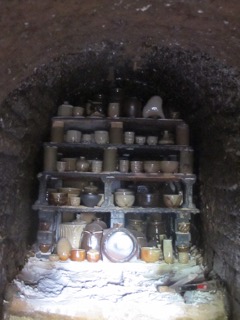
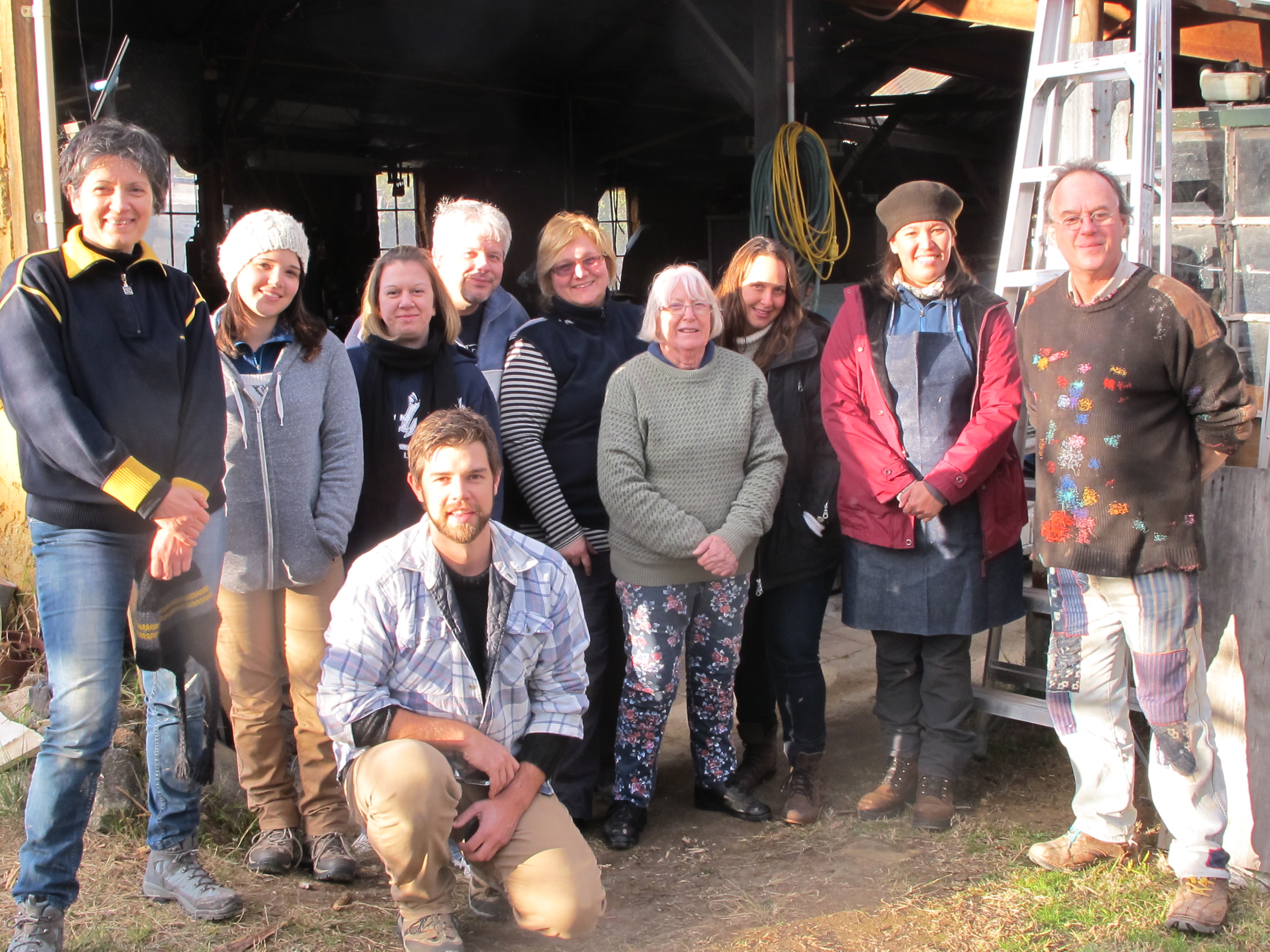
We have another weekend wood firing workshop. Another amazing group of wonderful people. Everyone so engaged and enthusiastic. I have to cut split and stack more wood. Prepare the kiln and its furniture, kiln shelves and props. Check out all the fittings and structural elements to make sure that it all goes smoothly. The fire box lid lining is on its last legs, but will last a few more firings. It takes a few hits from our enthusiastic new stokers, with well-meaning, but miss-placed logs at high temperature.

IMG_4594

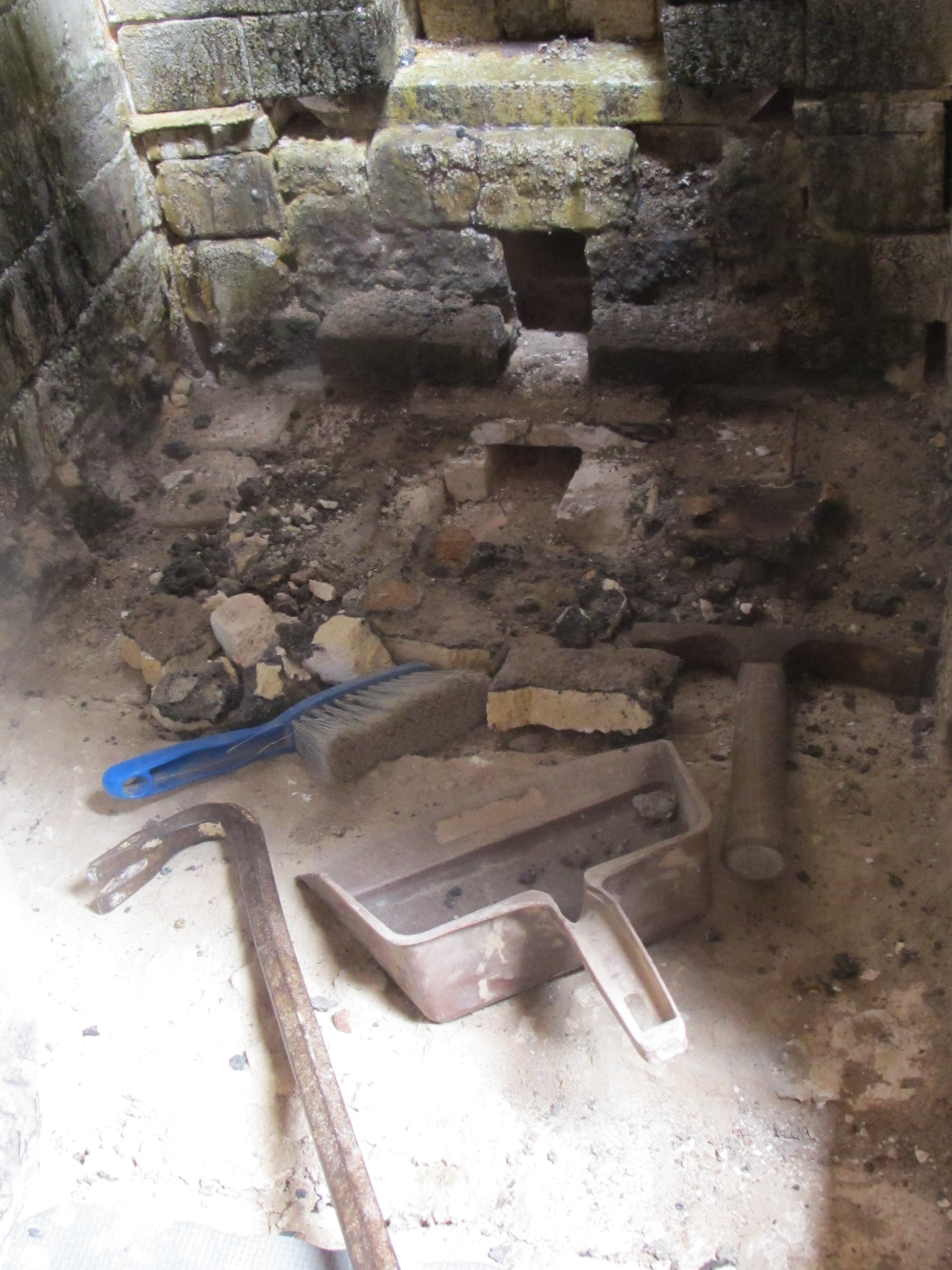
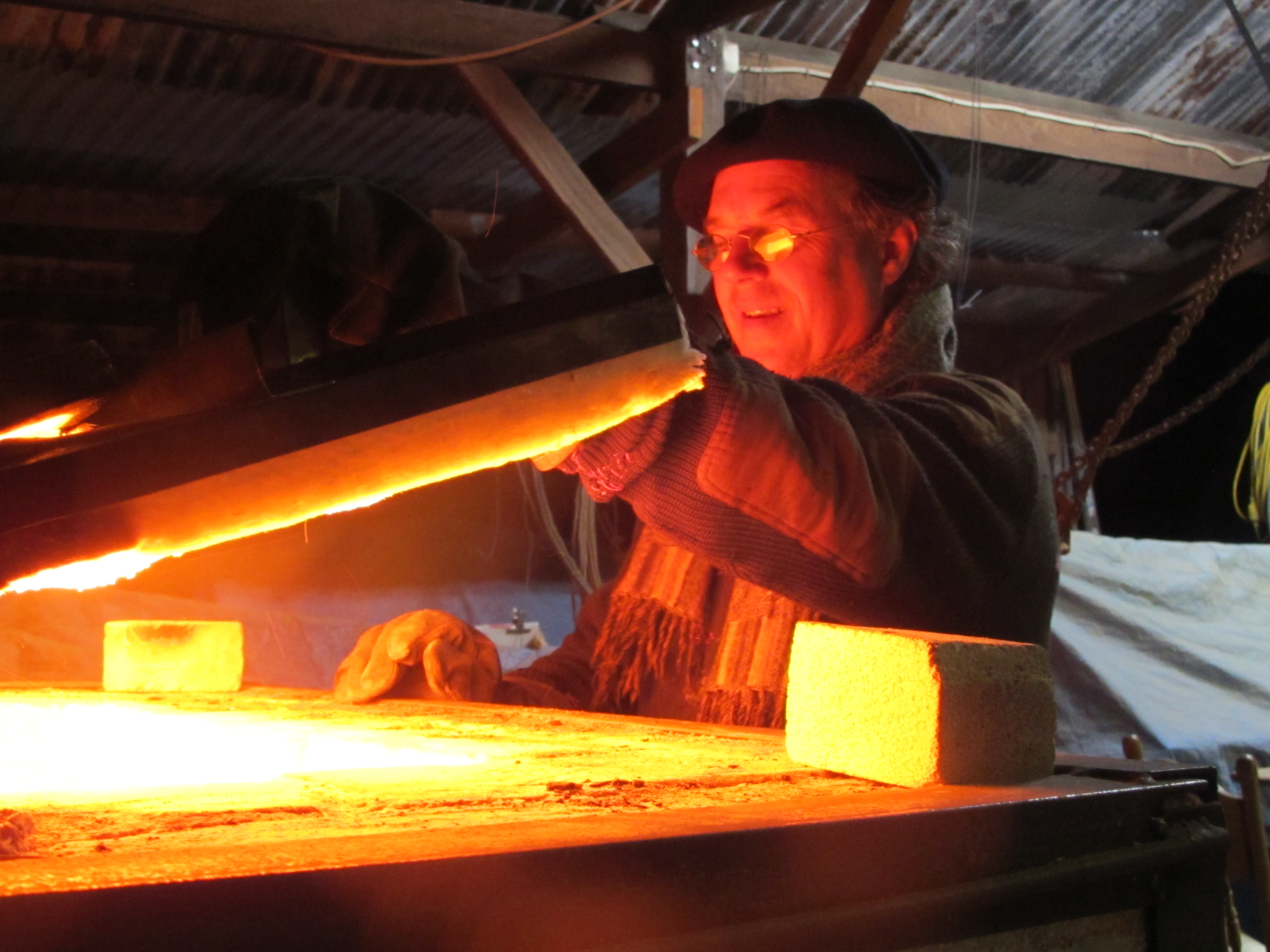
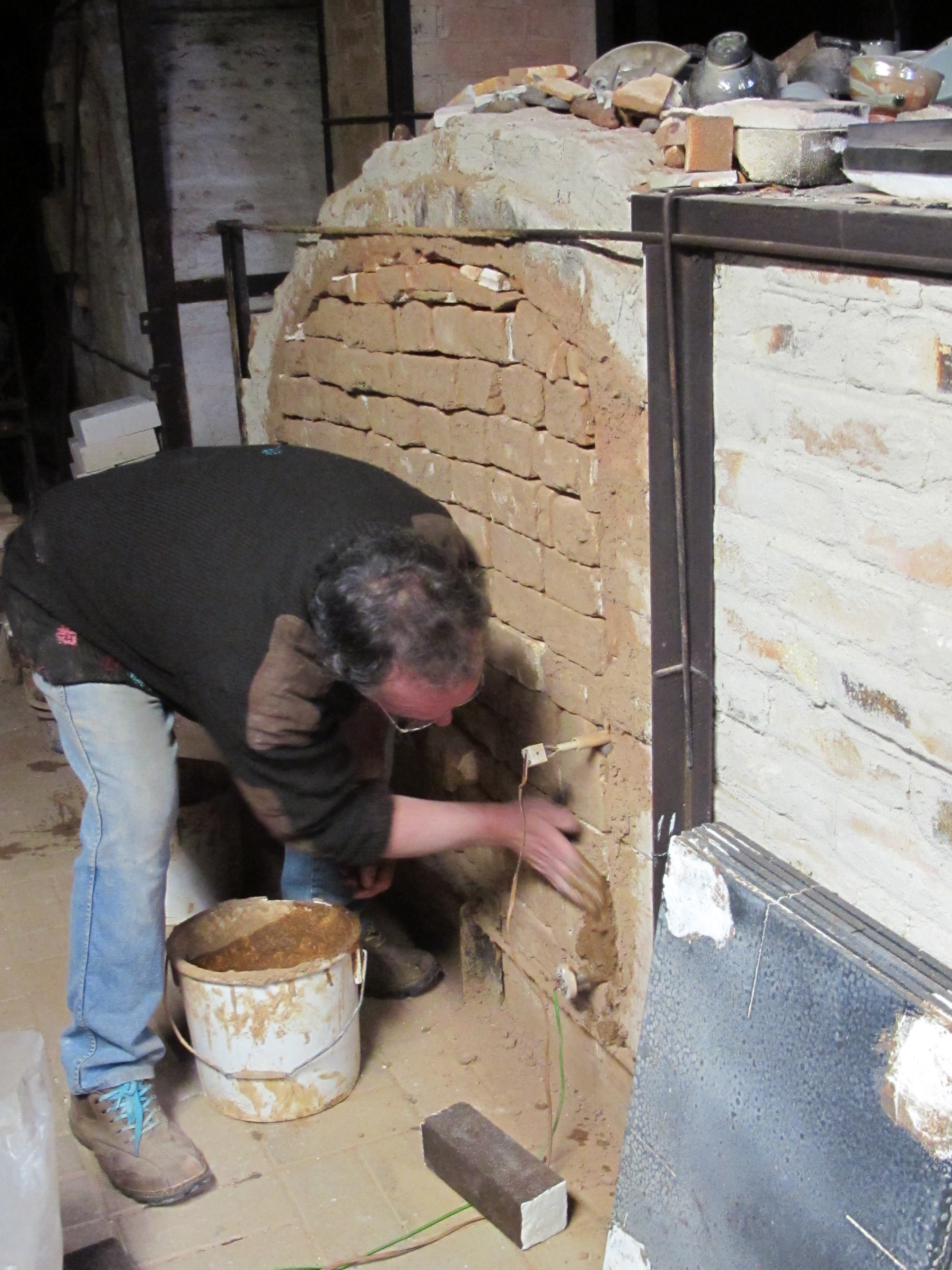
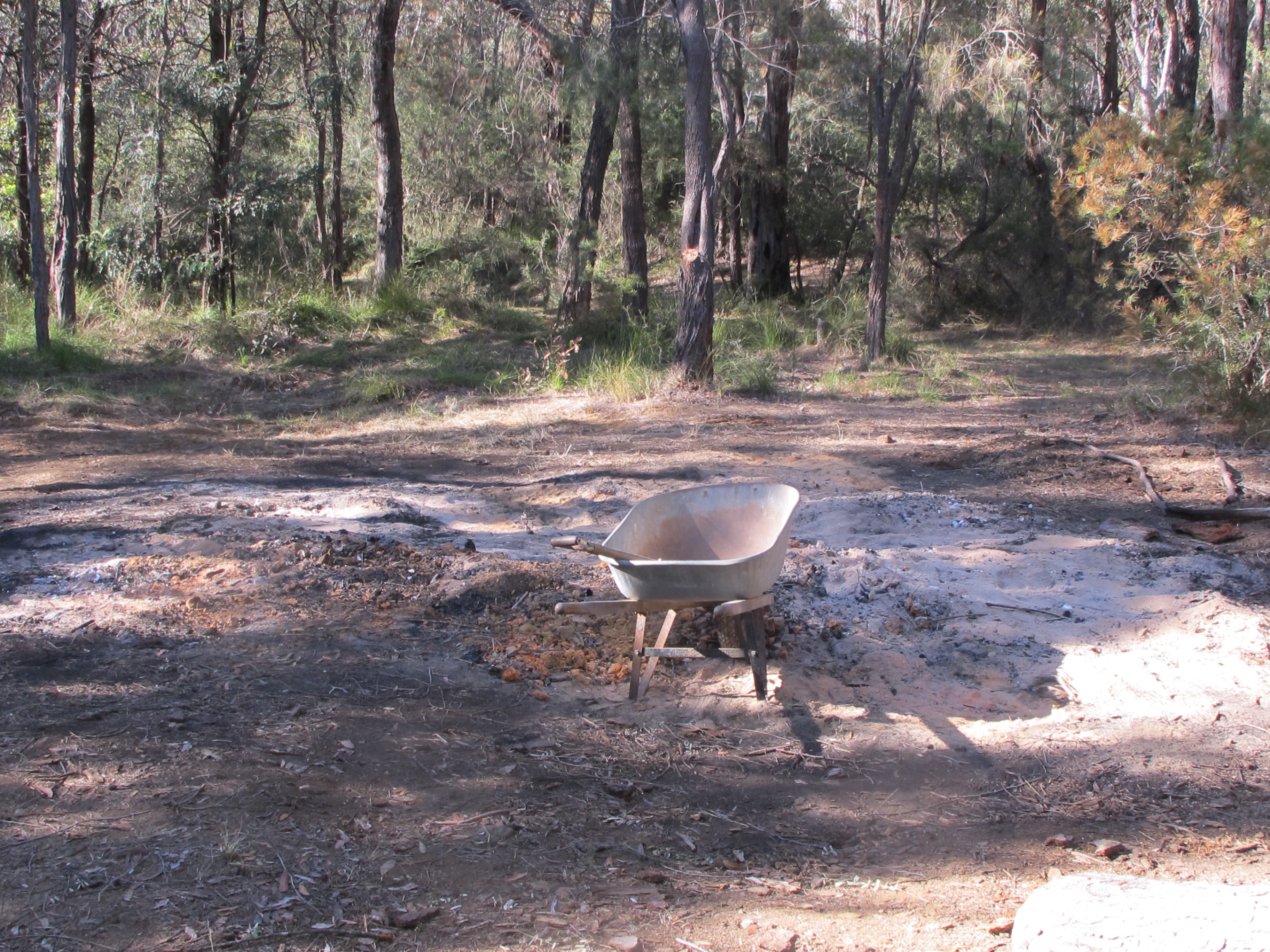
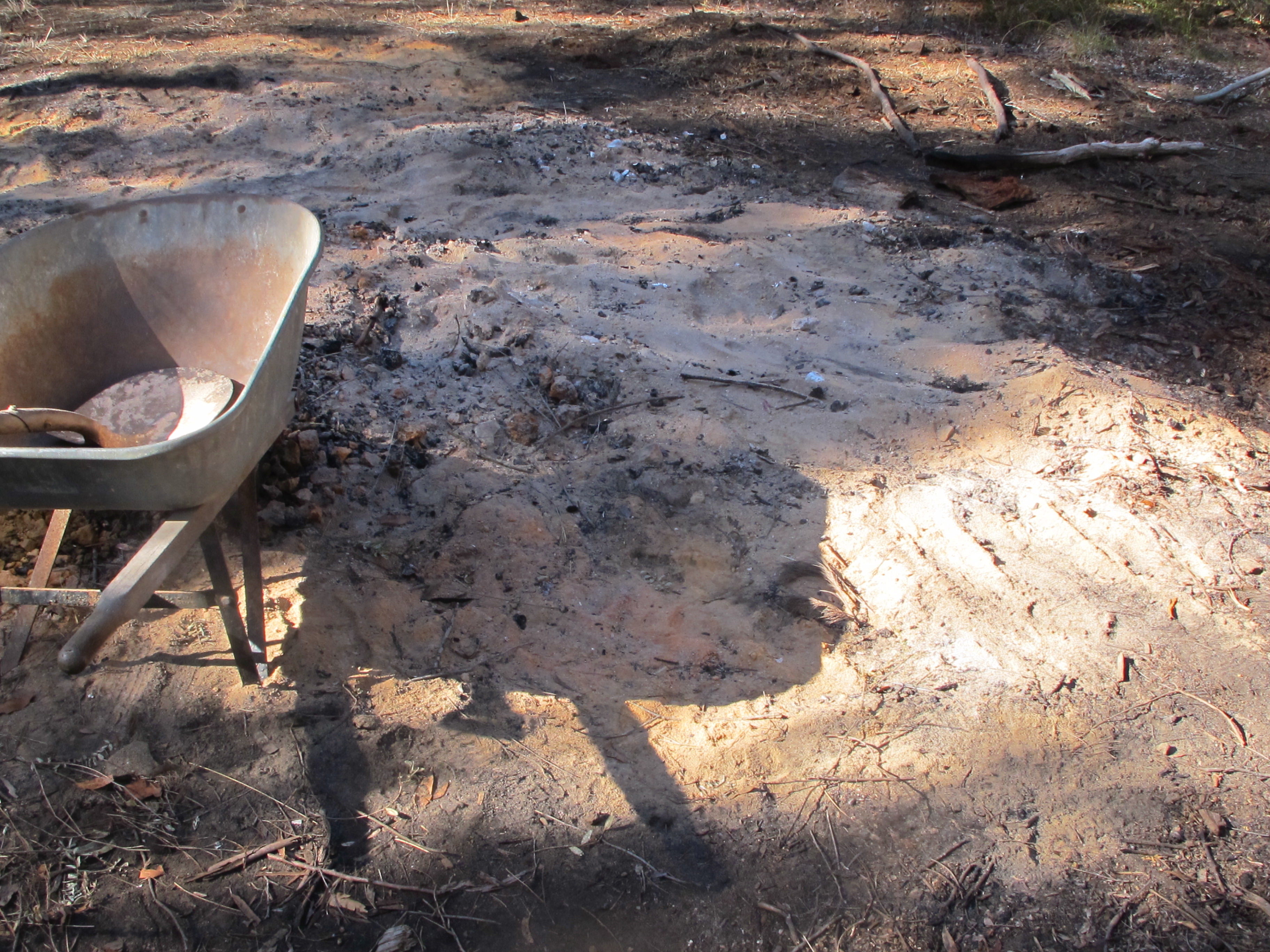
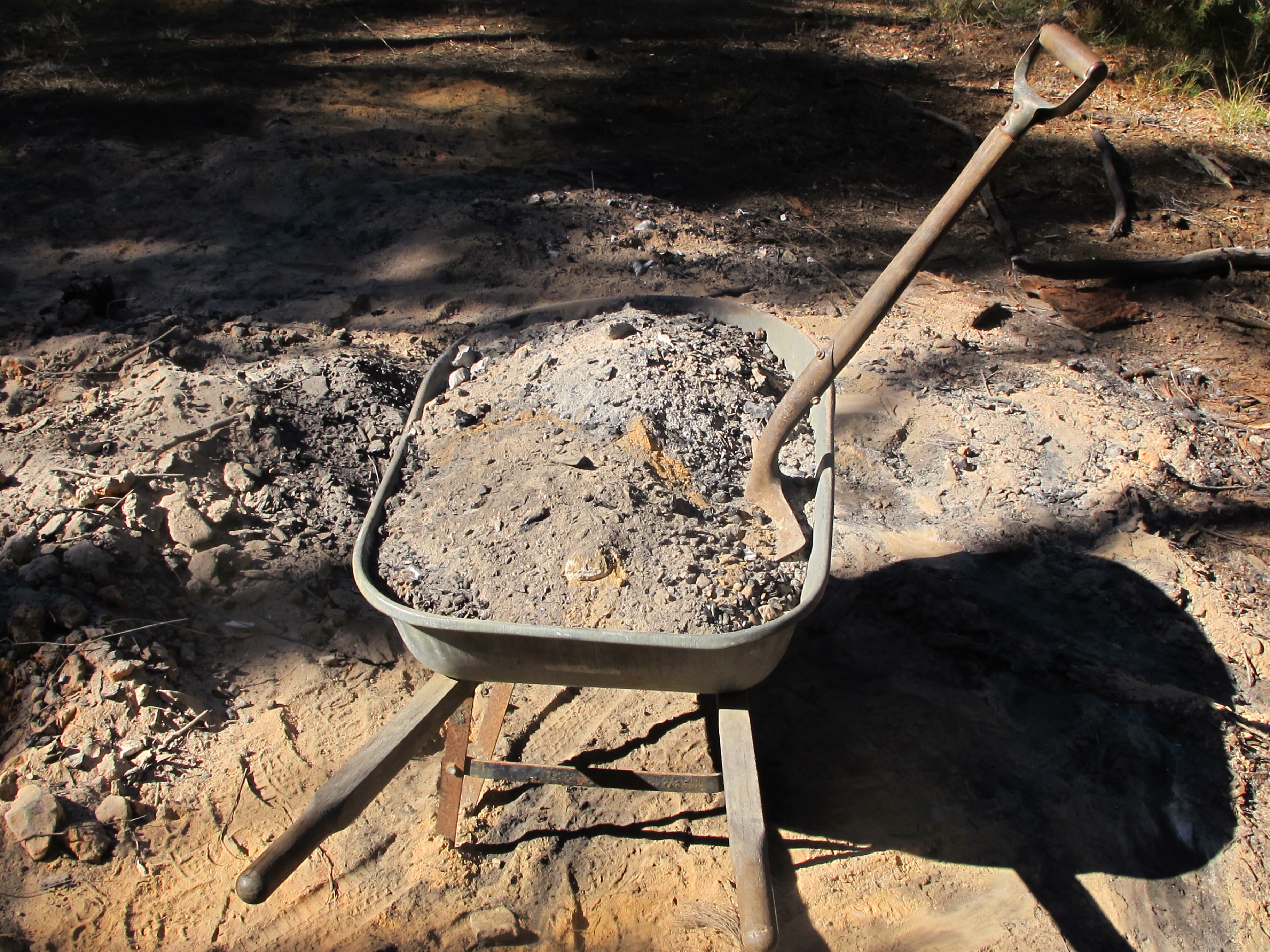
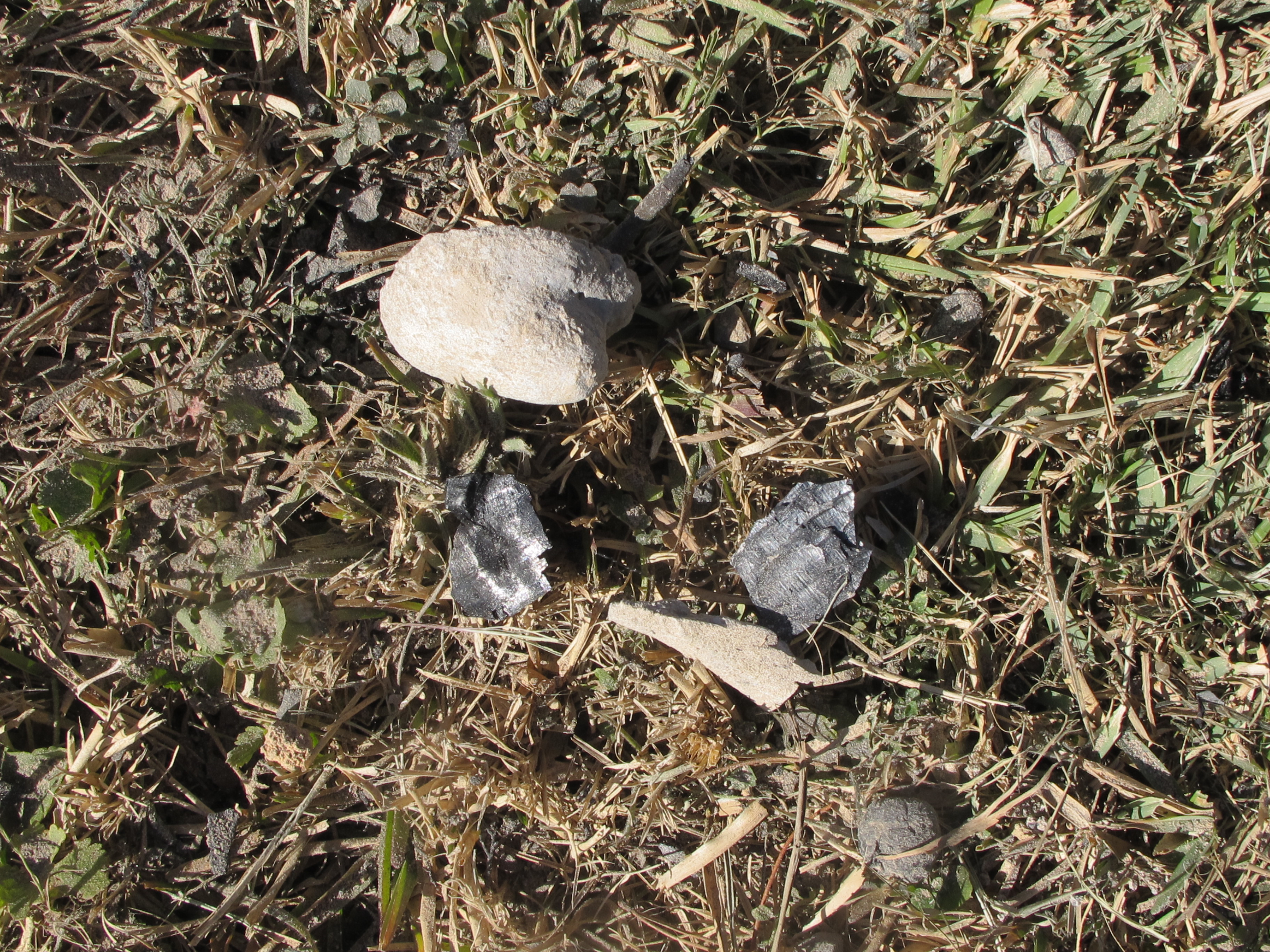
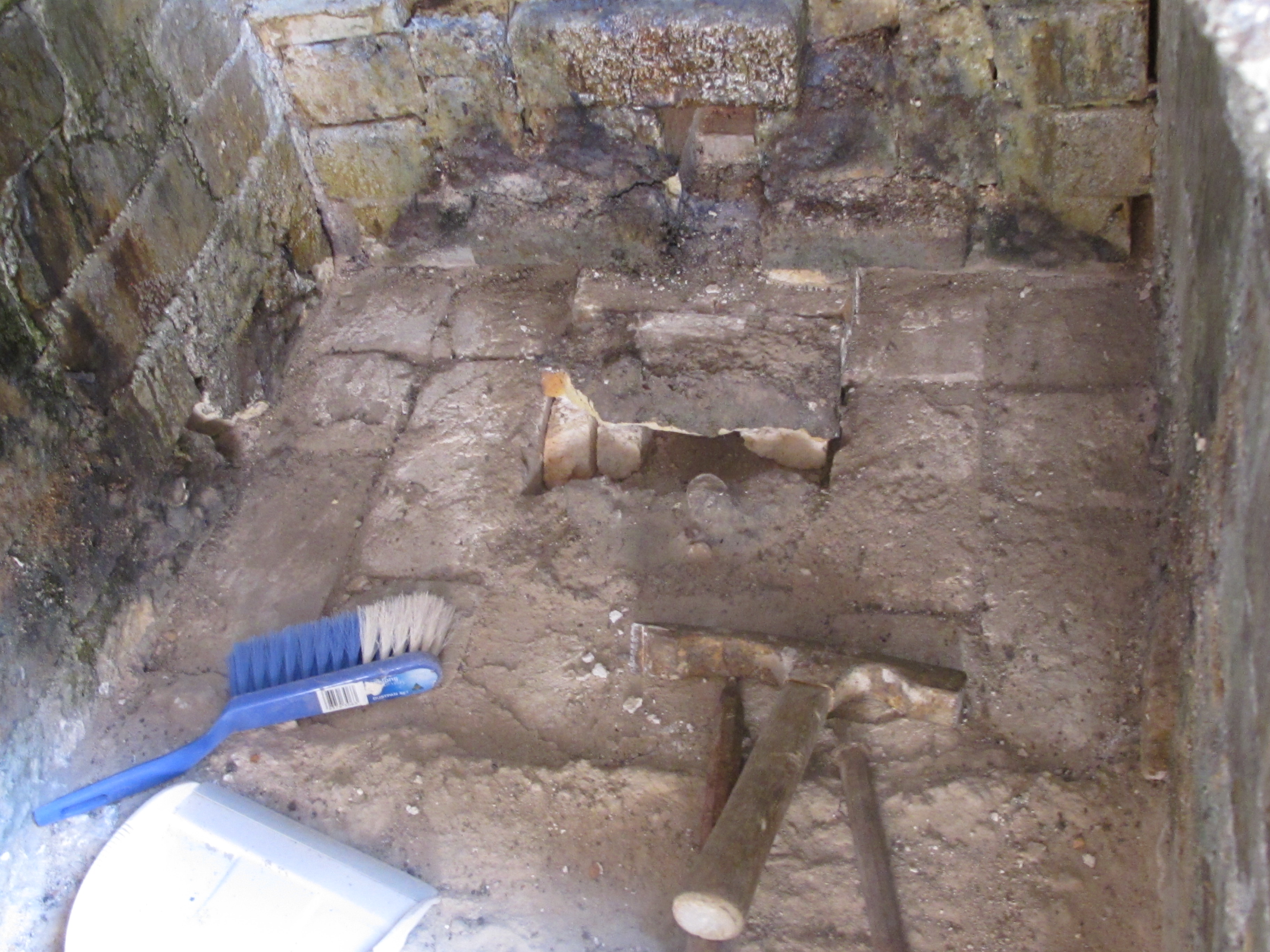
Before we can fire the kiln again, There is maintenance to do. I have to get inside the fire box of the kiln to chip out the molten ash glaze slag from the last firing. This has to be done after every firing. The ash from the firing collects in the base of the firebox and accumulates to the point that it melts into a molten slag at the high temperatures at the end of the firing. It forms flows of liquid natural ash glaze that pool into the floor bricks. This is the same natural ash glaze that decorates our pots during the wood firing and gives them their distinctive wood-fired look.

There is alway some minor repair work required after each firing . Sweeping out the dusty ash and charcoal, chipping out the slag that threatens to block off the air holes. This is normal maintenance. However, when I get inside the firebox this time I see that the last firing had such fluid ash glaze formed at the end of the firing that it has run and pooled into the very important mouse hole in the base of the ash pit. This hole is most important to keep the ember level under control during the firing. It has to work properly, otherwise I can’t control the fire as easily and everything could go pear-shaped.

On close inspection I find that the ash glaze slag has completely filled the air hole and sealed it off completely. To avoid this occurrence, I place a special little kiln shelf ‘lid’ over the hole to deflect most of the ash to the periphery of the hole and this usually works. But the combination of wood that I have used this last time has created a very fluid slag and every thing had disappeared into a grey/brown puddle of lava. I can’t even see the ‘lid’ or the hole beneath it. I work on the principal that I know that it is under there. I have to climb into the firebox base armed with a 2 kg hammer and cold chisel, a crow bar and a skutch hammer. I have protective goggles over my glasses and a dust mask as I set to work in this cramped space, hammering and chiselling as best I can without being fully able to swing the hammer properly. I bash, chip hammer and prize my way through the glassy, lava-like slag. It is brittle and smashes into jagged, conchoidal, shattered spalls. Bits fly everywhere. It’s in my hair and all through my clothes. I have to be careful not to cut my fingers trolling through the pieces, tossing them back into a bucket in the kiln chamber. I finish by sweeping up the small fragments and dust. It’s a crap job, stuffed into this small space with all the dust and sharp edges, but it has to be done and no-one else, including the kiln fairy, is likely to volunteer. I keep putting it off, hoping that the kiln fairy will do it, but no such luck there. It’s all part of being self-reliant. I often put it off till the last minute, because I just don’t enjoy it, other times I get stuck into it first thing. It all depends on my energy levels and state of mind. There is no avoiding it. It just has to be done.

IMG_4590

IMG_4591

Although it doesn’t look it, it’s actually all cleaned out and ready for more work.

I’m lucky and very grateful that this is the worst job that I have to put up with. It’s certainly the least glamorous job in the pottery. It’s all very well, sitting in the sun being creative and making lovely things that are visually engaging and wonderfully tactile. Unpacking the kiln is like Xmas, but no-one daydreams of all the hard graft that goes into ‘creativity’. Don’t give up your day job!

We have a -2 oC frost overnight, during the firing. It keeps us sitting up close to the kiln during the midnight to dawn shift. Our European friends will call us pathetic wimps. That isn’t cold! Minus 40 is cold. I know that, but we are in Australia, the land of heat and sunshine, draughts and heat waves and not used to the severe European cold. Minus 2, certainly felt cold enough to me. If it got colder than this on a regular basis, I’d build a different shed. One that had walls!

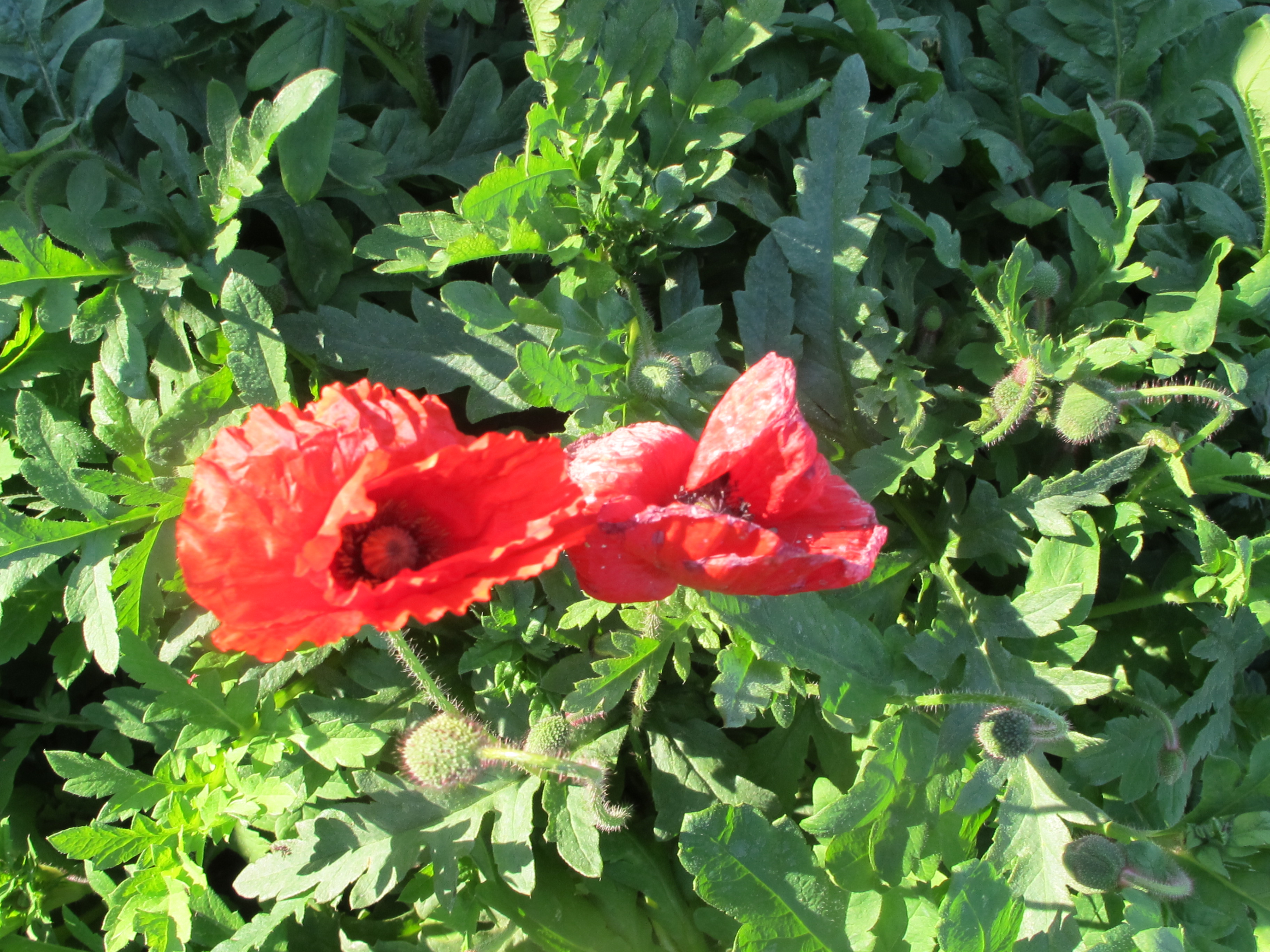
A quick walk around the garden reveals that the last 2 rows of very late potatoes in the garden have now had it. The frosts are coming regularly now. Not severe, but light and regular. I think that this must put an end to these spuds, but they still have a few green leaves. I don’t need the space just now, so will leave them to their own devices, till spring. I can’t see anything coming of them. However the single red Flanders Poppies growing among them seem to love it.

IMG_4620IMG_4656

IMG_4643IMG_4603

IMG_4604

IMG_4619

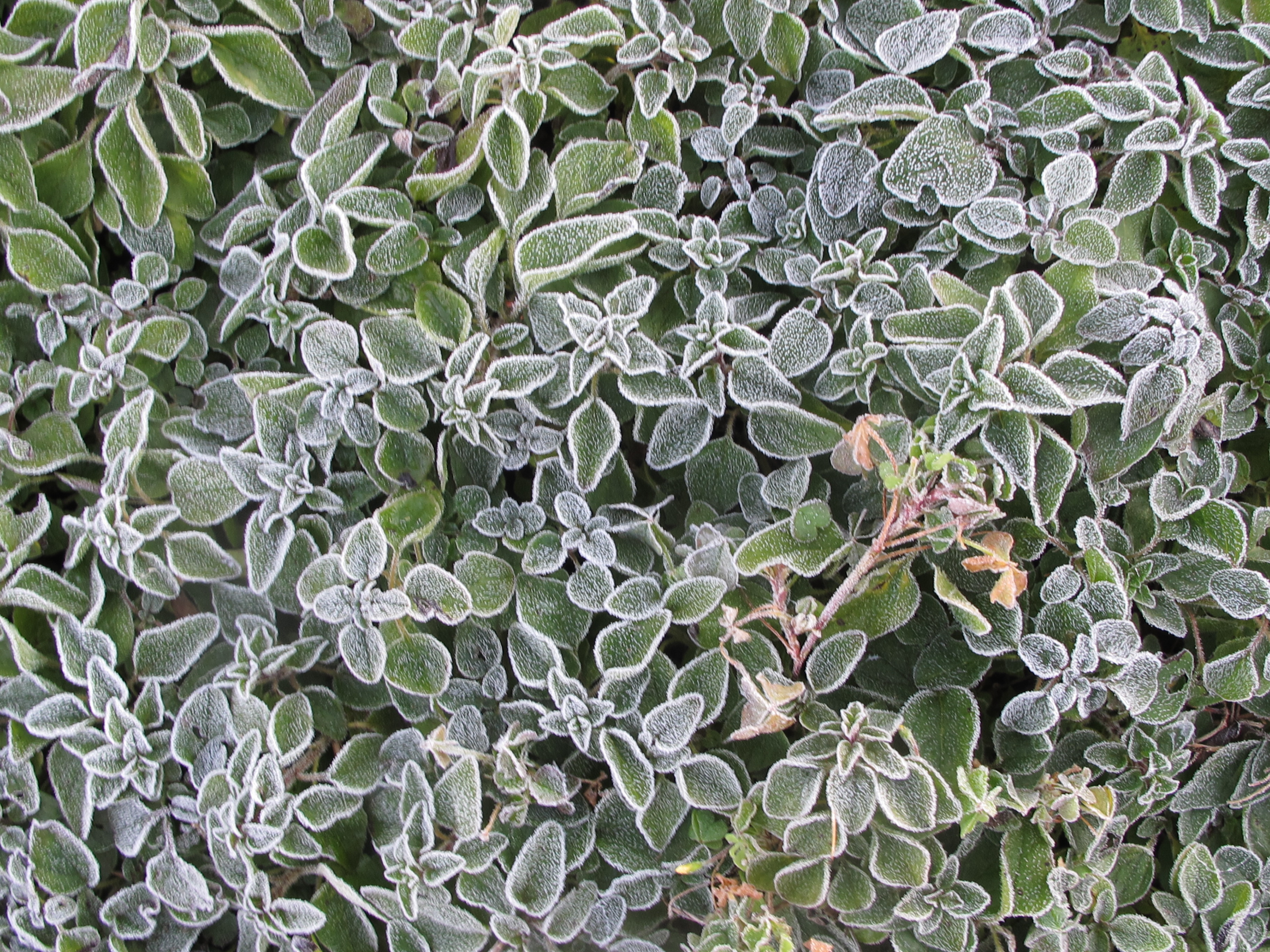
There are lots of pretty images in the garden of leaves tinged with white frost and ice crystals. The ground crunches under foot as I walk about. There have been several frosts like this one now. It’s good. It will finish off a lot of bugs like the fruit fly, that can over winter in milder climates. This ‘chill’ will help all the old varieties of fruit that need their winter chill to become fertile in the spring.

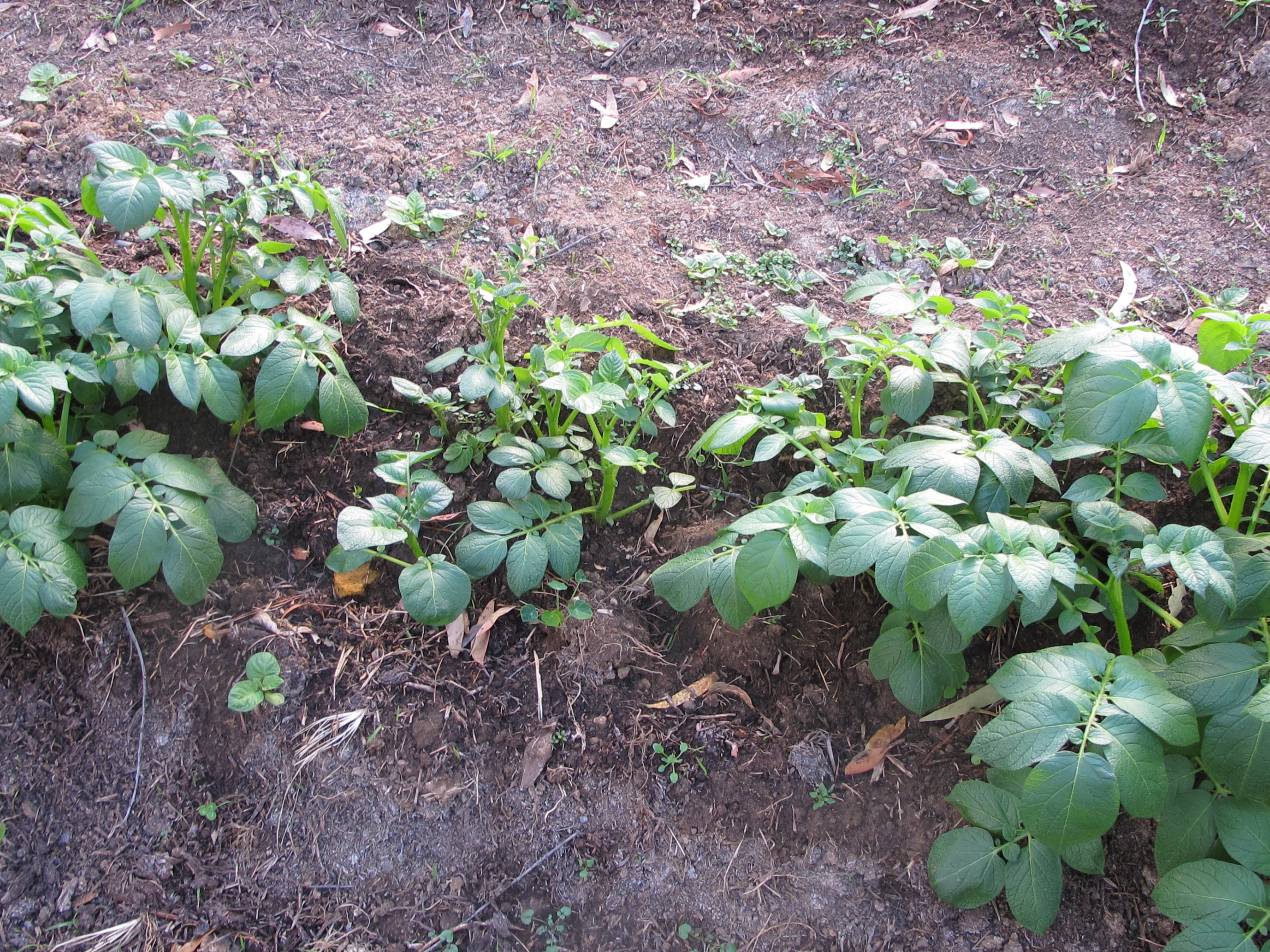
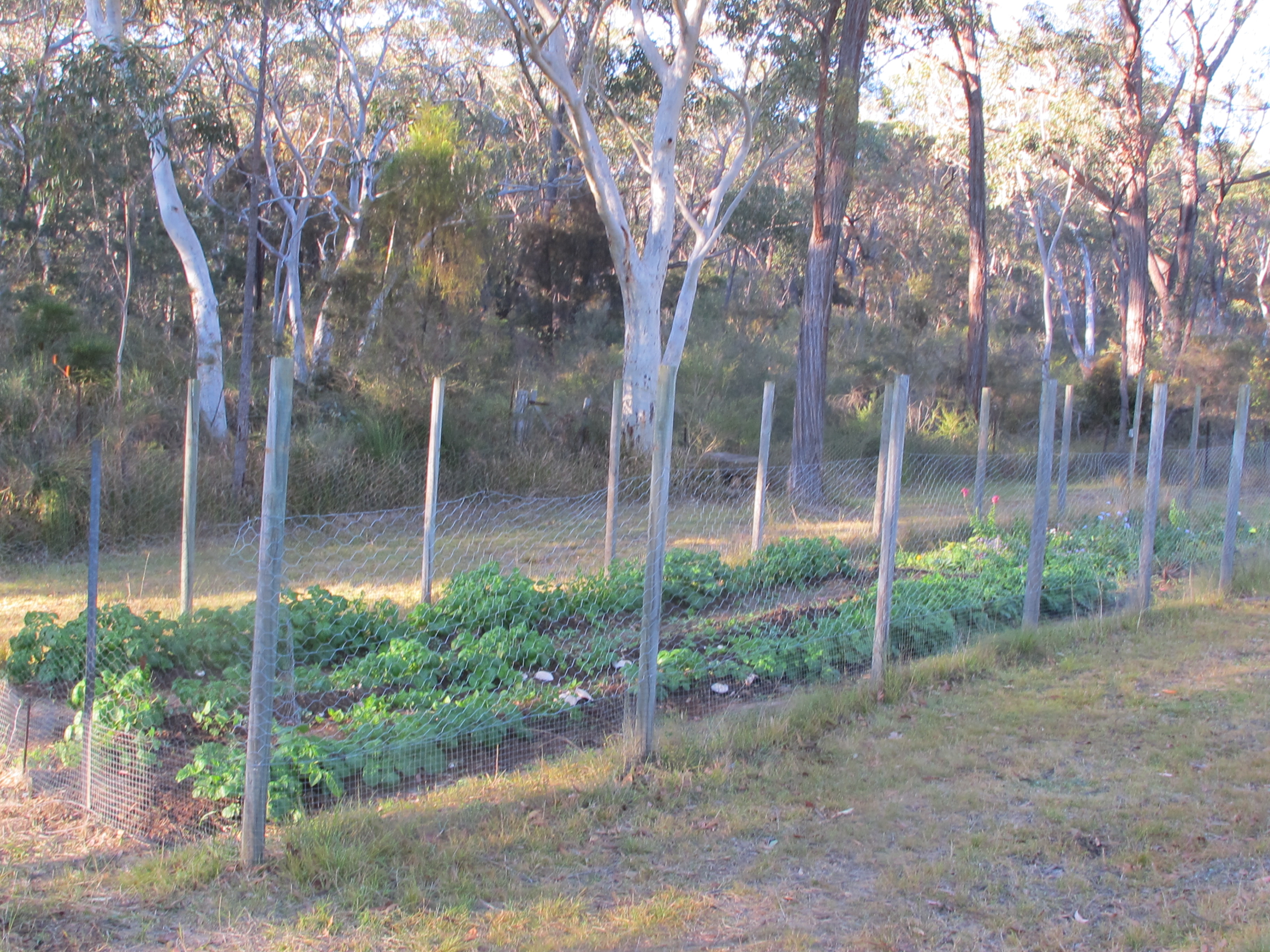
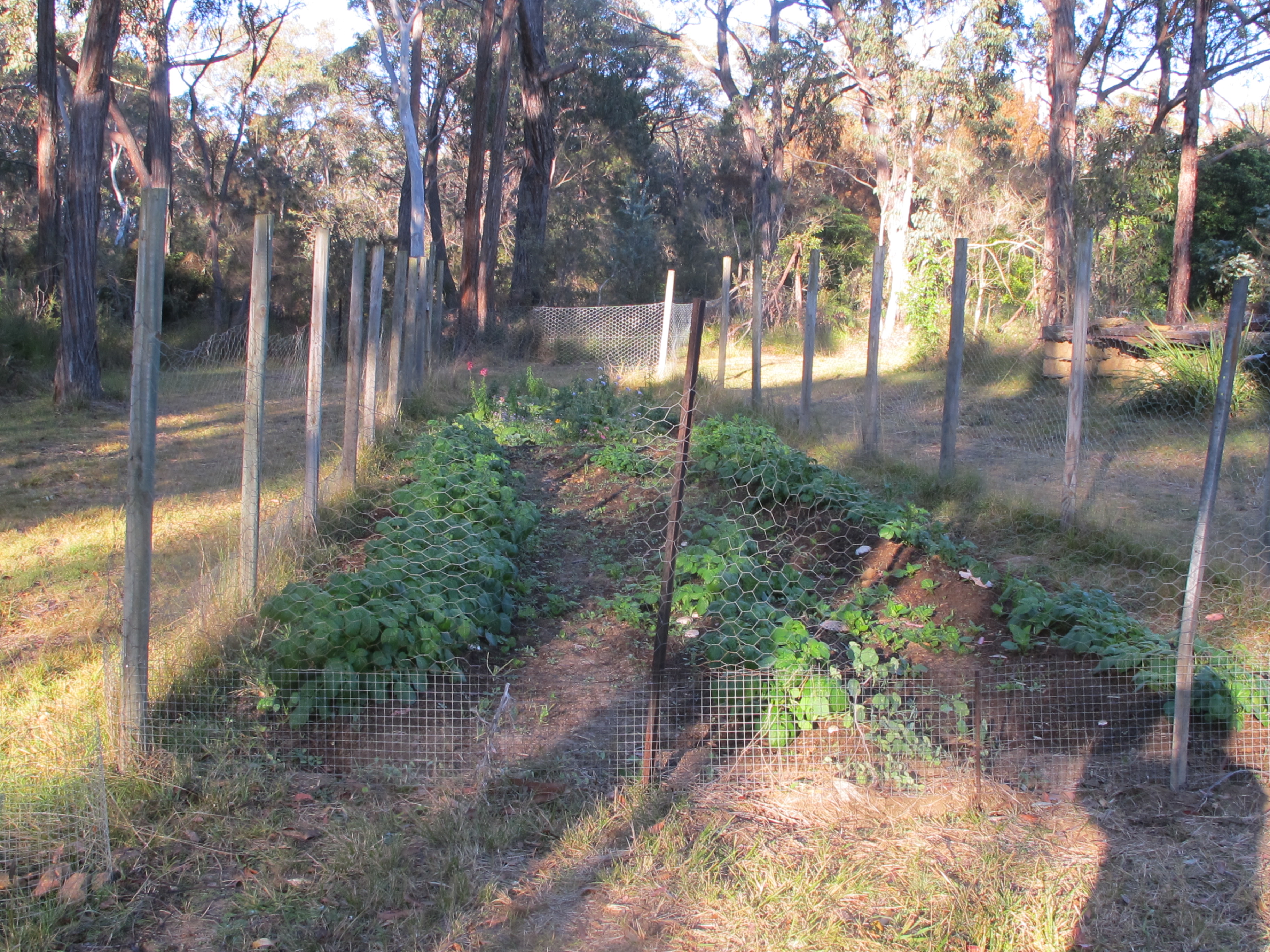
I walk down to the Pantry Field garden. It’s situated down at the bottom of our land, in a clearing in among the tall eucalypts. the tree cover of the tall crowns gives a modicum of protection. I have a quick look around and see that the frost hasn’t penetrated here as yet. The big potato crop is still doing just fine, no frost damage. But on closer inspection I see that a lot of the tender tops of the plants aren’t burn’t off, but completely missing. Nibbled off by our resident Eastern grey kangaroos that wander through here attracted by the grass, tree cover, undergrowth protection and the availability of 4 dams to choose from for water. No wonder that they hang around. They treat the place like they own it, and they do! They were here first. We haven’t fenced our land at the boundaries at all. It is all open for them to pass through and enjoy. What we have decided to do is to fence off the various islands of garden and orchard, to keep some possibility of getting a crop to ripen. These plants haven’t been attacked till now, so now is the time to do something about it, If I don’t, they all be gone in a week or so.

IMG_4612IMG_4611

IMG_4628IMG_4629

IMG_4630IMG_4639

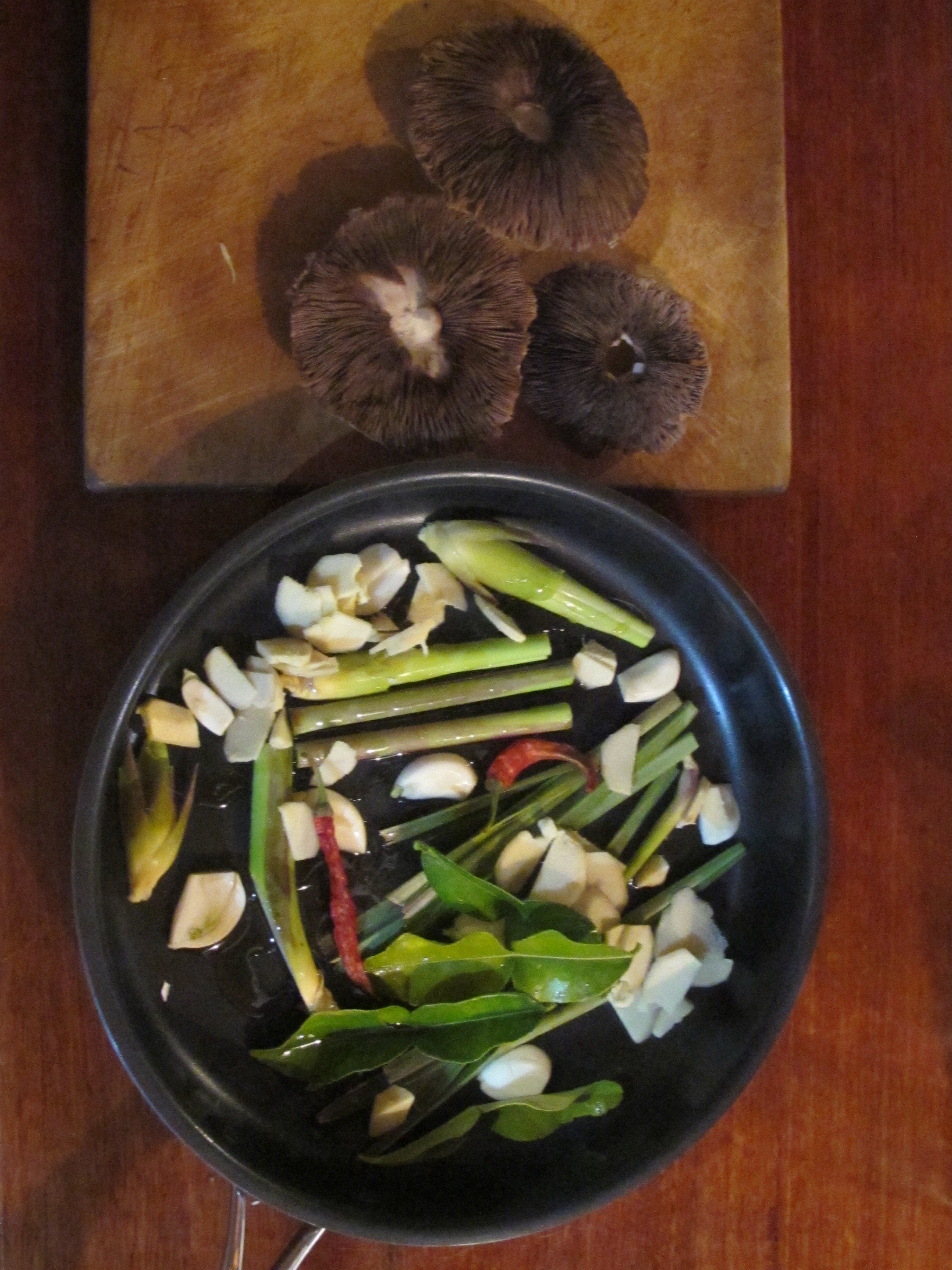
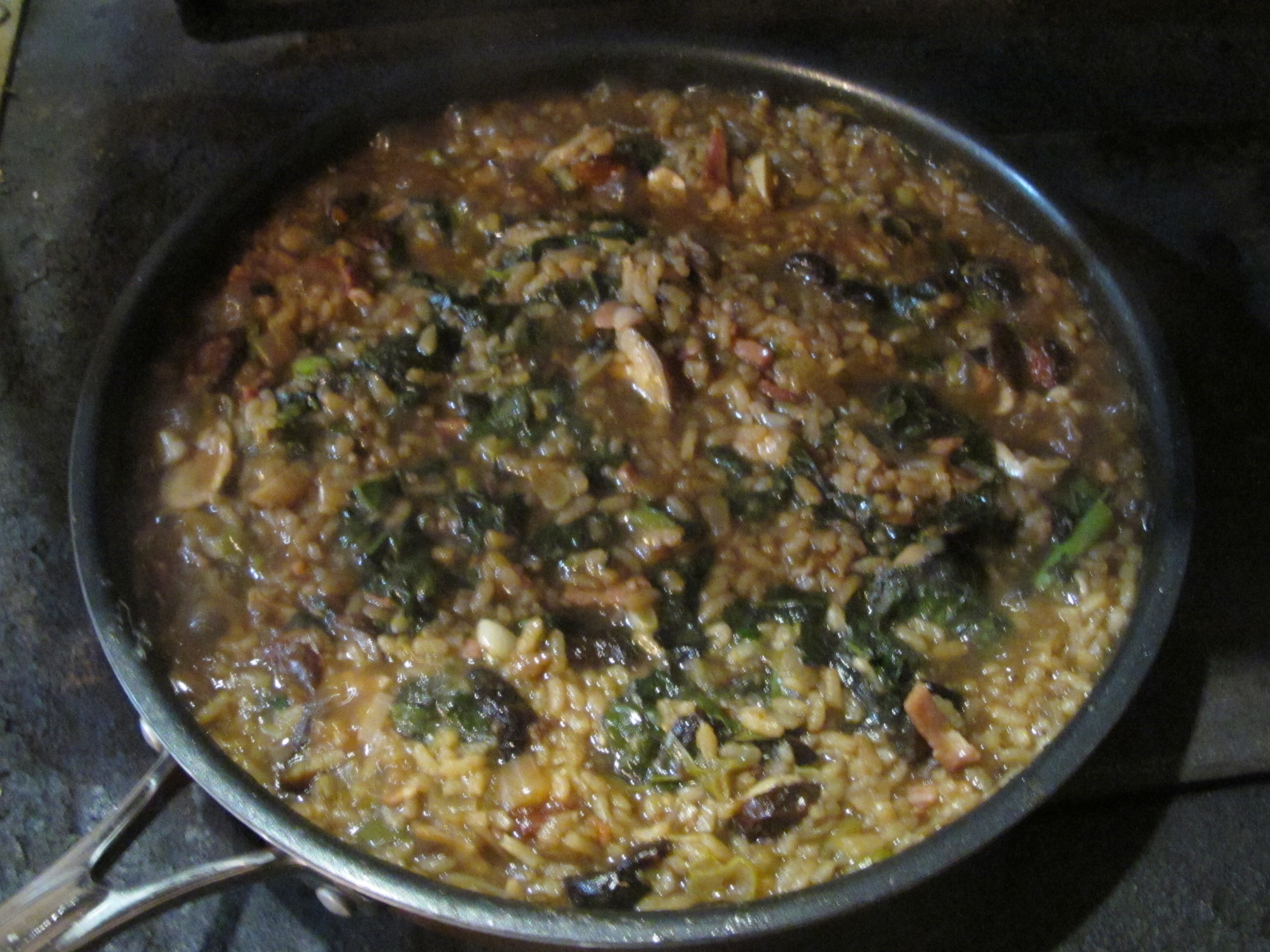
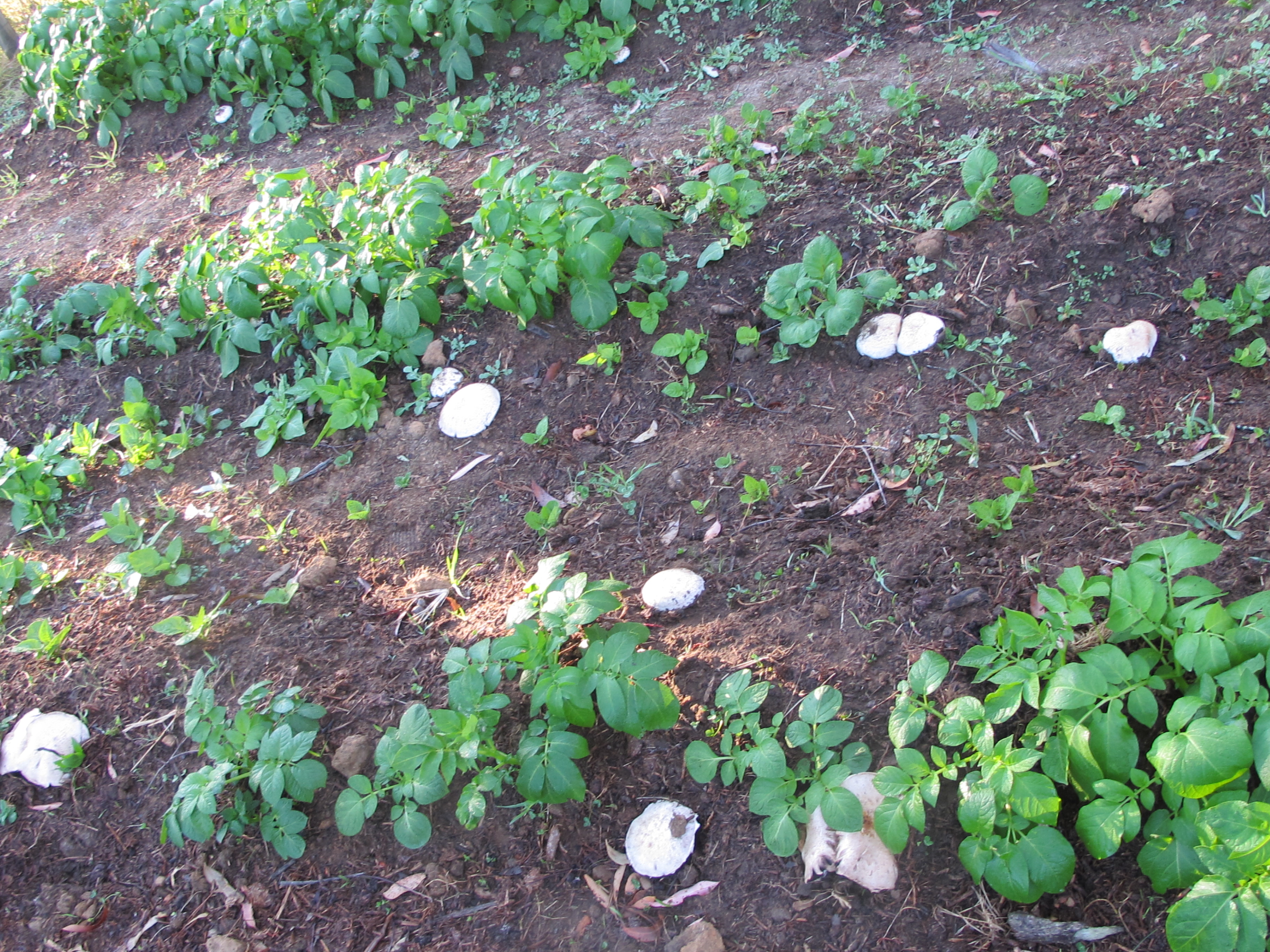
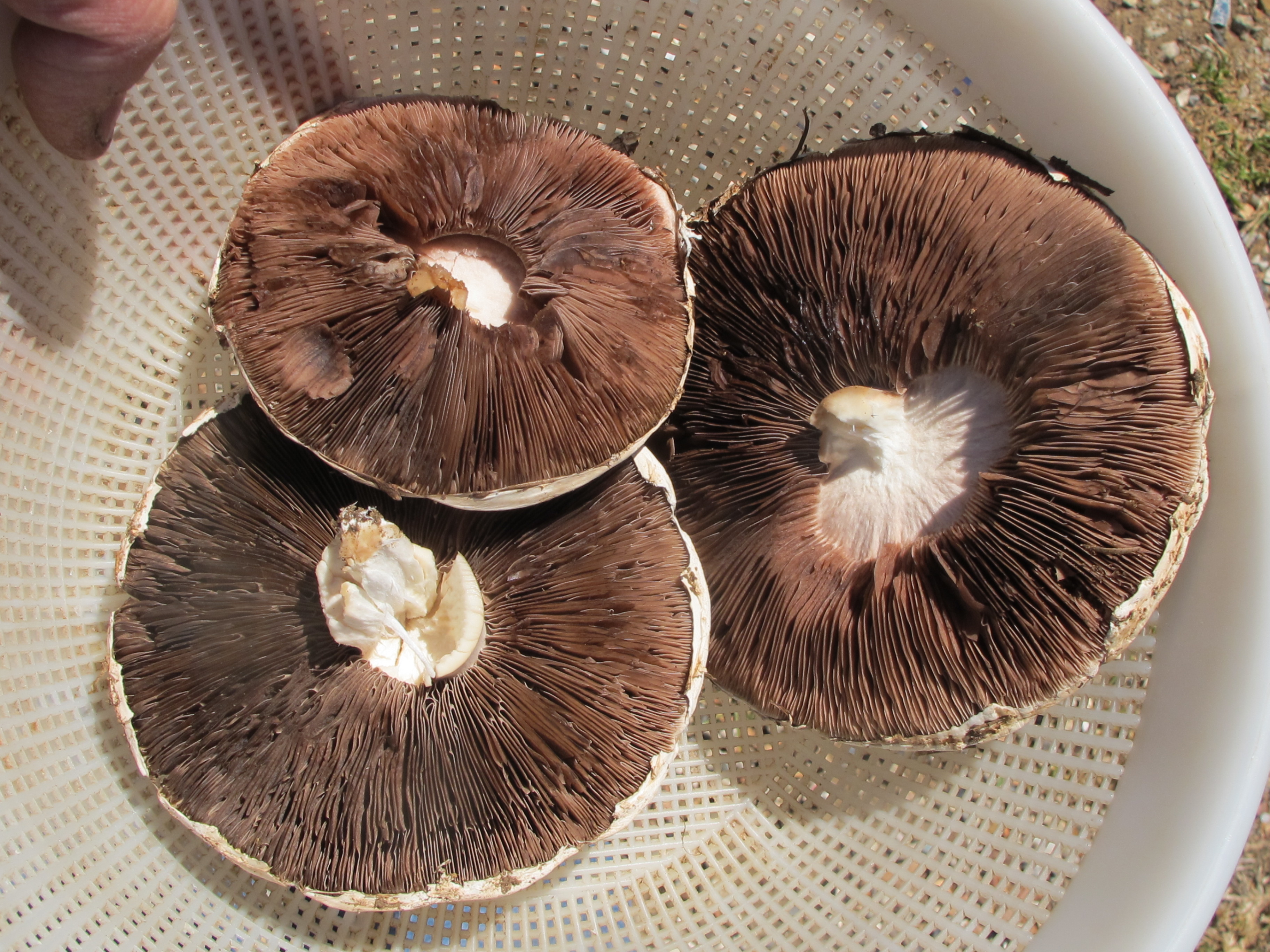
I make it a priority to extend the fencing wire up to 1.5 metres. Up until now we had got by with only rabbit proofing fencing. Wire mesh that we could step over. Now I need to make a taller fence with a walk in gate, plus an openable end to allow the tractor to be able to get in and out for tilling once a year. While thinking all this through I see that there are another crop of mushrooms coming along. I can count about twenty or more. We’ll be changing our diet slightly now and for the next few weeks to include Mushroom soup, mushroom sauces, mushroom risotto, mushroom in white sauce and eggs and bacon for that leisurely late brunch. If we can find a day that we can declare to be leisurely?

Fond regards from the old fun-gi

A brief History of Thyme

In the few days between workshops, we spend a day in the garden with Our Lovely Wwoofing Friend Kate. She is a good worker and keeps us going all day. She is full of energy and good ideas. No slacking off with Kate in charge. The two Lovelies go down to the pottery and make some 50 odd ceramic buttons for kiln building and repair work, while I take the truck down to the mushroom farm to get a load of spent mushroom compost to spread around the fruit trees and various vegetable plots so as to stifle weed growth. It works as a great mulch and weed suppressor, while it also has some fertilising effect as well. Best of all it’s cheap! Most plants seem to thrive with it around them. It is a little bit alkaline, so I don’t use it on any of the acid dependant plants like blueberries.

Janine harvests a couple of small rows of potatoes, left over from the late summer. With what we already have in store, this will be enough to see us through to the end of winter. She cleans them and dries them in the sun before she packs them away in a dark place.

IMG_4550IMG_4572

 IMG_4538IMG_4541
 IMG_4542
I’m back late morning and we clean out a few garden beds of frosted and dead late-autumn stragglers, like chillies and capsicums. Kate strips off all the freeze dried chillies. We thread some of them and hang them in the kitchen. These will keep us going till next summer, when the next crop will be ready.
IMG_4588IMG_4589
We’re ready for an early lunch. I cook stir-fried, green, leafy vegetables from the garden, 10th pick micro broccoli and firm tofu, fresh ginger and coarsely crushed and chopped, end of season garlic that has been hanging in the kitchen ceiling since Oct/Nov. It’s a little dry, so I add a slosh of white cooking wine from the fridge and a spoonful of garlic/chilli/tomato puree. It’s fresh, crisp and warming. While I am busy doing this, the girls are de-stemming very large mustard leaves and rubbing them with a little oil to make green leafy crisps that they bake quickly in the oven. They are fresh and crispy, but with a little bit of salt to spark them up a bit. They just melt in your mouth, they are so fine and delicate. Totally ephemeral, but delicious as an amuse before a meal.

IMG_4577IMG_4575

After lunch, we clean out a few garden beds ready for mulching. We start with the herb row. The thyme has grown out into the path and abandoned growing in the garden bed altogether. It has decided to migrate over a number of years. Progressing by layering itself bit by bit, metre by metre. We got our first rooted pieces of thyme from our neighbour, the famous Australian writer, musicologist and historian, John Meredith. He kept s superb herb garden, vegetable garden stone fruit orchard and apothecaries garden. Everything that he did, he did well. John was a fantastic mentor. He took us under his wing and educated us in ‘country’ ways and hospitality, folk lore, gardening, self-sufficiency, and bush music.
We were so lucky to find out that he was our neighbour. So our first sprigs of thyme came from him. I try explaining this to anyone who will listen. But no-one is, when the lovely comes over and explains to Kate that, “Steve’s hawking his brief history of thyme”. I know my place and I go back to work shovelling s%#t and spreading compost. I divide the thyme into a dozen small rooted pieces and replant them back into the herb bed. They’ll continue to grow there for while, at least until they start to migrate again.

IMG_4547IMG_4576

After lunch we make yeasted dough in the marmalade making machine. In the later afternoon we come in from our labours and I make 3 disks of dough and let them continue to rise in the oven while the girls come in. Kate is shredding the tiny leaves from the pruned and cropped thyme, collecting them in a small colander. It’s a labour of love, as the leaves are very tiny and it takes her some time. We appreciate it, as she is about to use it all to teach us how to make manakish ‘Zataar’ , fragrant middle Eastern herbed flat bread.

IMG_4551

Kate stripping the thyme leaves, sitting in the sun on the verandah.

IMG_4560IMG_4562

IMG_4563IMG_4564

Kate starts with the fresh thyme leaves that she has just stripped from the stalks, then fresh oregano,These are all finely chopped up together, then freshly pan roasted sesame seeds, sumac. These are all mixed together with olive oil to make a fragrant paste. This is spread over the flat bread dough, with a little extra drizzle of olive oil over the top and placed in a hot oven at 220 oC for 10 mins. When it comes out we grind a little salt over it and sprinkle a few shredded olives on top. We try 3 different variations using dried tomatos and even yoghurt on top . They are all delicious and it takes no time at all to finish most of them off.  It’s a fabulously fragrant and energy rich carbohydrate hit to end off a day of working in the garden.
We send Kate home with 1/3rd of each one for her own family to try.

IMG_4565IMG_4566

IMG_4569

I love this exchange. We give and we receive. It’s all good and everything is as it sound be. We consider ourselves so fortunate to have such great friends, mentors and associates to help us along on our way.
I am grateful!

IMG_4557

More of the days pick, potatoes, beetroot, carrots, parsnips, coriander. Abundance!
Best wishes from the Low GI, un-leavened Lovely and her dough-boy!


The completeness of it all


I love the completeness of it all.

We have had all our firing partners back again for the unpacking of last weeks woodfiring. A lot of nice pots come from the kiln and everyone makes a line of human-chain to pass them all the way to the top of the kiln shed. It’s a slow process, as each and every pot is examined and discussed all along the way. 

These potters have helped pack the kiln with all of their own work. They have stacked the wood and stoked the fire. Shared meals together and stayed up all of the night in shifts to see the firing successfully reach the bright white heat of stoneware temperature, then fired down to a safe state, where the kiln could be left to cool un-attended.
Now we are all back together again to experience the un-bricking of the door. Cleaning and carefully stacking all our home-made, hand-made, fire bricks, then carefully sorting, cleaning and re-stacking our kiln shelves and home-made props. Together, we share the delights and disappointments of the results. Fortunately, nearly everything comes out really well. There are so many beautiful pots here. We have experienced the completeness of the firing cycle together.
This isn’t ‘virtual’. It’s real, gritty, up all night, bags under the eyes and soot on the sleeves reality. It’s just one part of our attempt at a sustainable process here. The wood for most of this firing was cut just 20 metres away from the kiln site, where we are now growing potatoes, down below the pottery.
IMG_0006IMG_0008IMG_0022IMG_0029IMG_0031IMG_0034IMG_0035
Janine, The King of Glaze Testing has her own special moment, when her ‘StONeS of beaches’, glaze test tile emerges. The Princess of Pumice, she has tested the new pale ‘wild’ beach pumice with limestone in known and reliable recipes as a control against the same pumice fluxed with cuttlefish ‘bone’ from the same beach and mixed to the same recipes.
There is no discernible difference between the mineral ‘Whiting,’ calcium carbonate powder and the ground up cuttlefish bone powder. They have behaved identically, if anything the cuttlefish is purer and whiter than the limestone.
We are satisfied that cuttlefish bone is composed of calcium carbonate. We are also very pleased to see that the glaze is quite stable and a lovely mid to dark bottle green celadon. We will call it our Sealadon glaze. The third test on the tile is straight pumice and it looks like it will be quite good just by itself. So further testing is in order. I love the completeness of the idea that we can make a total stoneware glaze from the sea, just picked up off the beach in front of our friends house, like so much flotsam. I suppose that if the glaze needed some extra quartz, we could use the sand and fire the kiln with drift wood? I like it.
IMG_4509_023IMG_4509steve Harrison 2
Just to make it a complete series, the Queen of Quadaxials has mixed all seven test samples together and glazed one of my small coffee cups with it. It has turned out terrific, so now we have a new cup with added meaning in the kitchen. ‘StONeS of beaches’ glazed short black.
The beautiful potter is already back in the pottery making some pots to try this new glaze on.
IMG_4534IMG_4532
Although we only have glaze tests in this firing, I am feeling quite good about it. Isn’t it amazing how something so small can have such an effect? We rarely get out of the kiln what we packed in. We pack our pots in there to be sure, but we also pack in all our hopes and dreams, but all we get out are cups and bowls. So when there is something else that has that ill-defined promise of potential, then that is a real reward. I was interested to see what the effect of cuttlefish fluxed pumice would be and now I know. It has a completeness about it that is very sustaining and intellectually rewarding, not to mention frugal.
Meanwhile, in the orchard, the almonds have just burst into blossom. Spring is almost here.
IMG_4518IMG_4519
The over-winter trial of potatoes down in the ‘Pantry Field’ garden are doing well and have managed to avoid the frost so far. I’m hoping that we will be able to get away with it. Not that it matters. If they don’t thrive or even survive, then that is just the way that it is. They would have died anyway if we hadn’t planted them out. We’ll plant more in spring.
We are forecast to have more frosts this weekend, during our next overnight wood firing, brrrrr!
Where we have situated this garden, seems to be quite well protected in amongst the tall trees. There are also some remnants of the cottage garden flowers still lingering on down there.
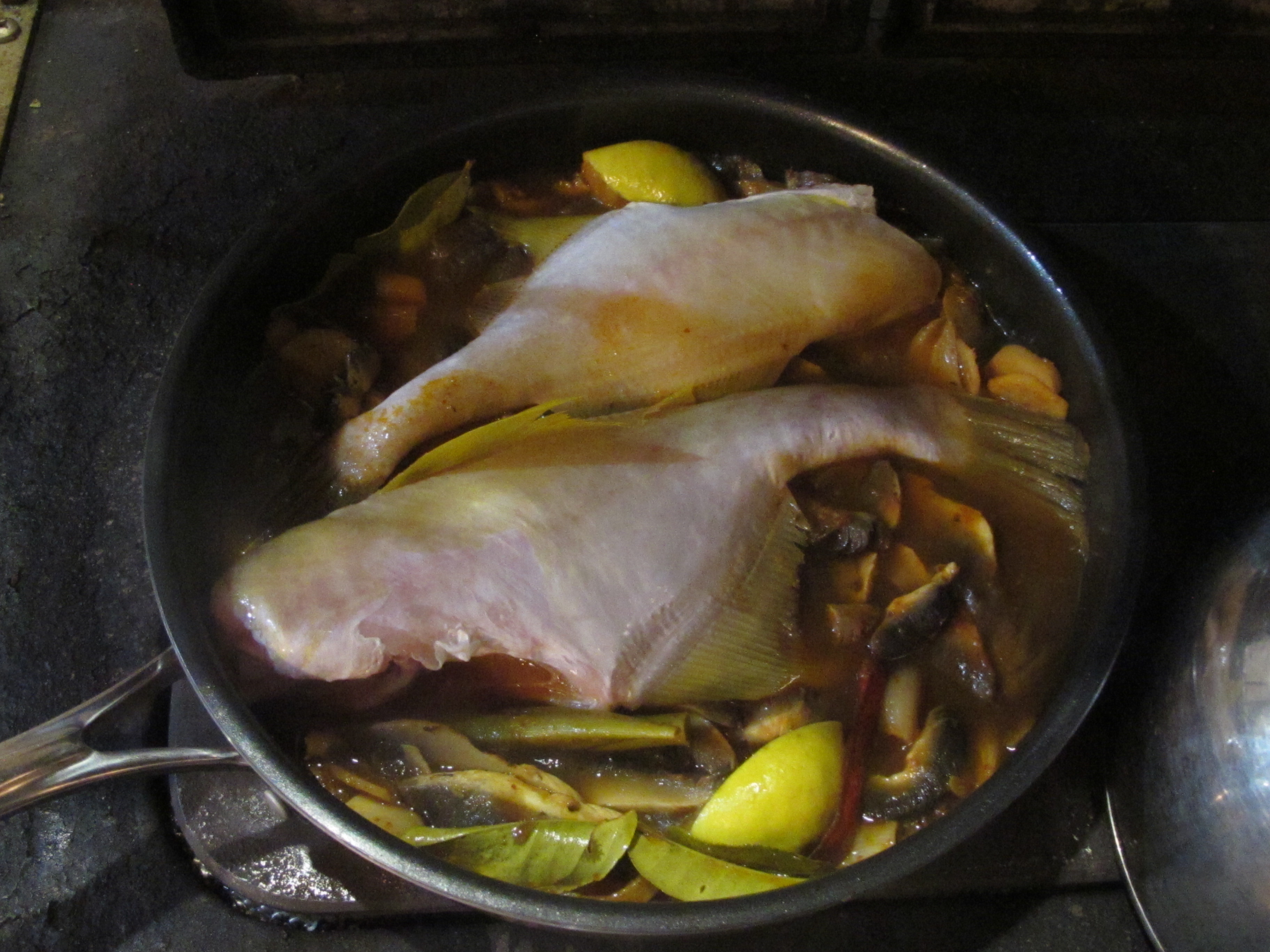
A big surprise yesterday, was to find a few really nice, big plump mushrooms growing in with the potatoes. It isn’t all that surprising, as we used a ute load of spent mushroom compost to fertilise this patch of garden when we planted these potatoes in late autumn. There are more mushrooms emerging as well, with some other larger ones coming along as well. We picked four of them and had a mushroom risotto for dinner.
IMG_4521 IMG_4523IMG_4525IMG_4526IMG_4527
Fond regards from the complete Mr cephalopod fluxed ignimbrite and his Regal sealadon glaze tester, who compliment and complete each other.

A special moment

A precious friend drops by quite unexpectedly.
We get a call. “just passing by on route to help an ailing relative, will be there shortly.”
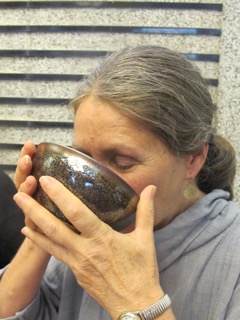
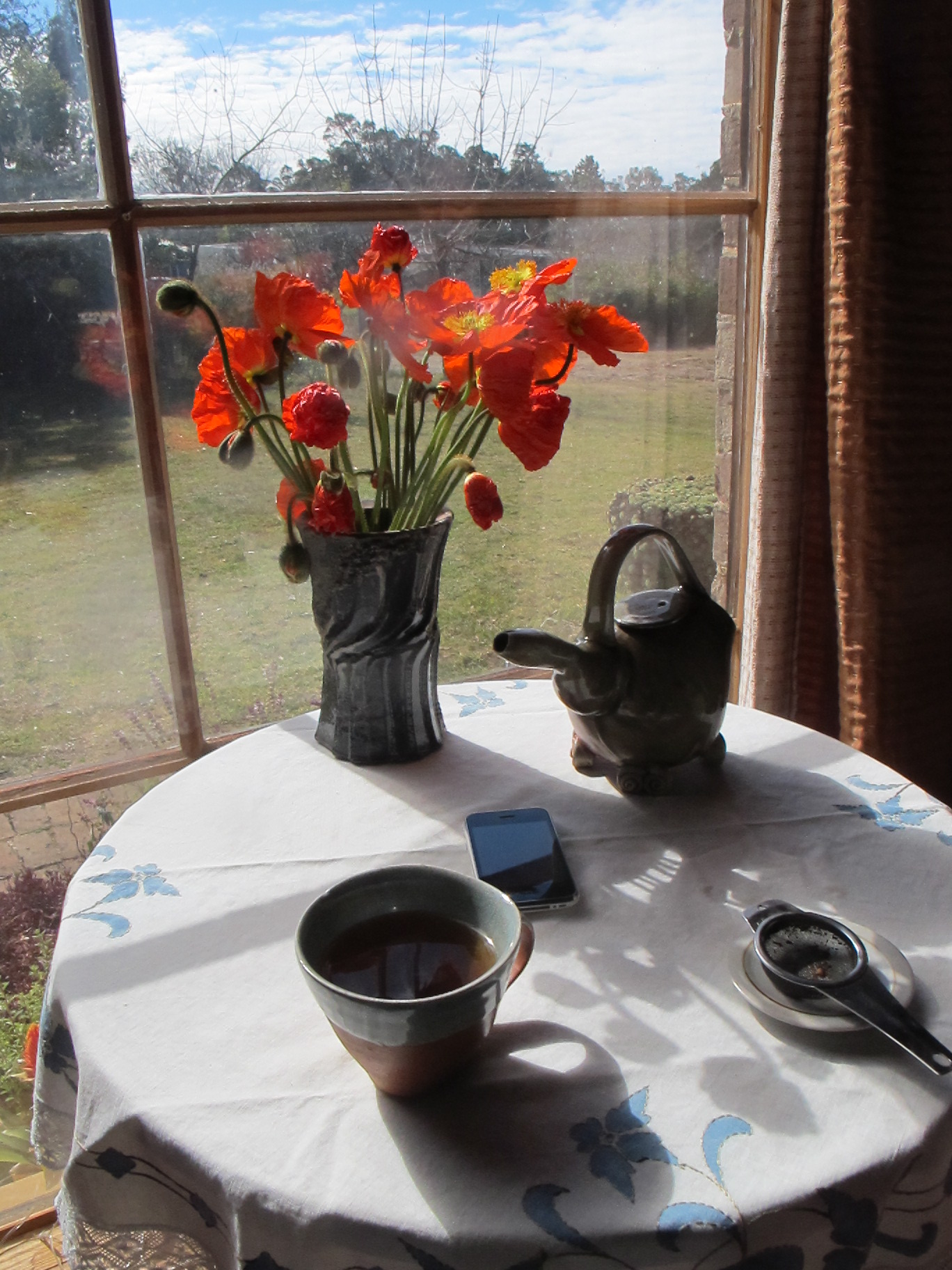
It’s a big surprise and a wonderful one. We offer coffee, tea? What about green tea? “Yes. Lets have green tea”.
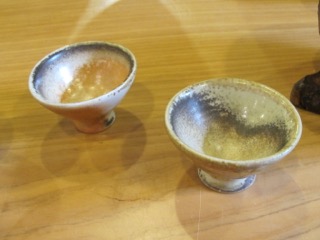
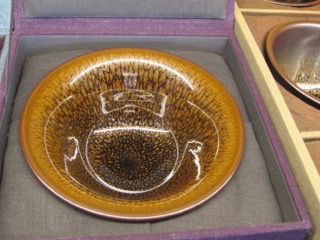
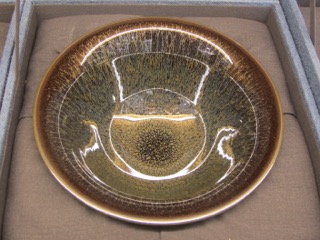
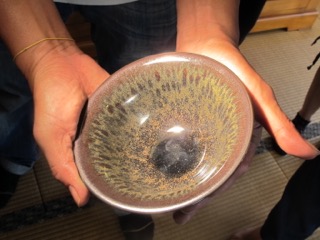
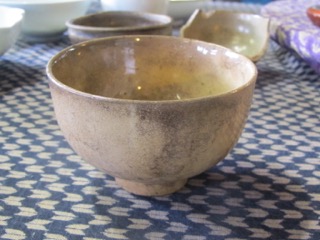
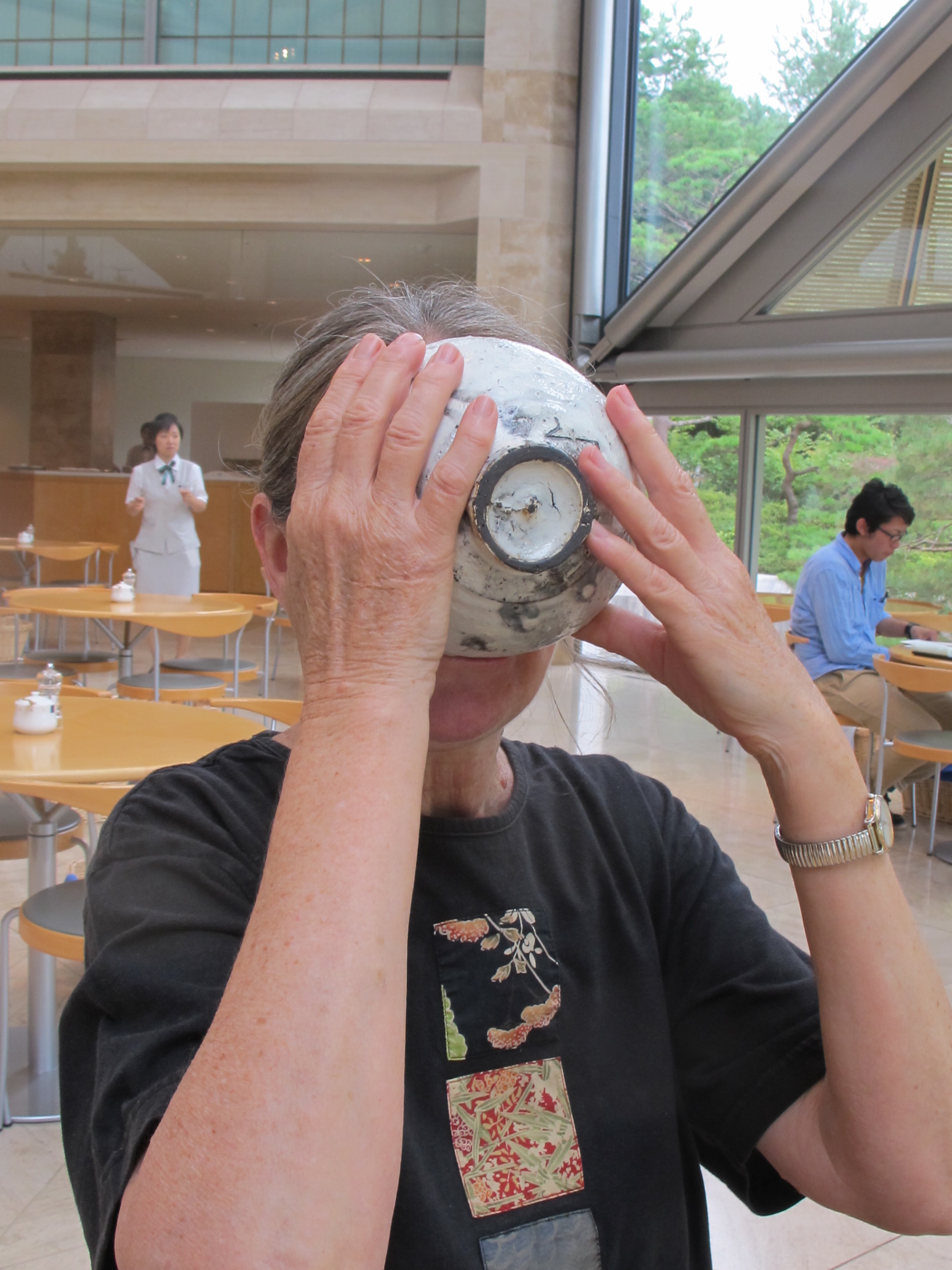
Whisked in beautiful bowls.
We don’t often get out our really beautiful tea bowls very often. It’s a special occasion. So lets celebrate.
We share tea and a few sweets. It’s good!
We are both stimulated, enriched and enlivened by the shared experience.
We examine, share, appreciate and discuss the bowls, the process, the taste and the experience. We are uplifted by each others company.
It’s a special moment and I am grateful.
Life goes on.

IMG_4143

IMG_4145

IMG_4161

IMG_4480

Defying Entropy

I’ve been out all day way down south, doing a repair job on a kiln. Not one of mine. Fortunately most of the kilns that I have built have not needed repairing — so far. They seem to last a very long time. I’ve made it my business to build out any chance of obsolescence. Everything is so over specified that it is my intension that they out-last me. This was a repair job as a favour for a friend. I don’t do repair work generally. I prefer to custom build from scratch. However, I’m also committed to the concept of reducing waste and not throwing anything out until it is really worn out and not able to be repaired any more. There is so much embedded energy in all our modern ‘stuff’ It is a crime against society to throw ‘stuff’ away.
Our parents generation had an excuse, in their time there was a place called ‘Away’ and things could be thrown there. But now that we have taken an interest and gone out looking. We have found — or not found, that place called away. It isn’t anywhere to be found. Everywhere is some where and what’s more, it’s someone else’s backyard, and they are not too happy to have everyone else’s junk dumped there. We don’t have our parents excuse. We’ve been told. We know. So we can’t go on doing it. Pretending that we can just throw things ‘away.’
This is why I will do some repair work on other manufacturers kilns. To forestal waste and preserve the embedded energy a little bit longer. But everything has a time, and that time has to come to an end at some point. Life is terminal and all flesh is grass. I’ve spent my life so far trying to defeat entropy. I know that ultimately I will fail, but like King Cnut (Canute) I’ll give it a good try.
So as a special favour to my friend, I spend the day re-furbishing this old kiln. I’ve taken along a lot of new furbishes to replace all the old furbishes. So now it’s totally re-furbished. Actually it’s still an old piece of worn out junk, but it will keep on going and working for a few more years now. I can’t make a silk purse out of it, at least not for a few hundred dollars, I can’t. Still, everyone is happy with this outcome it seems.
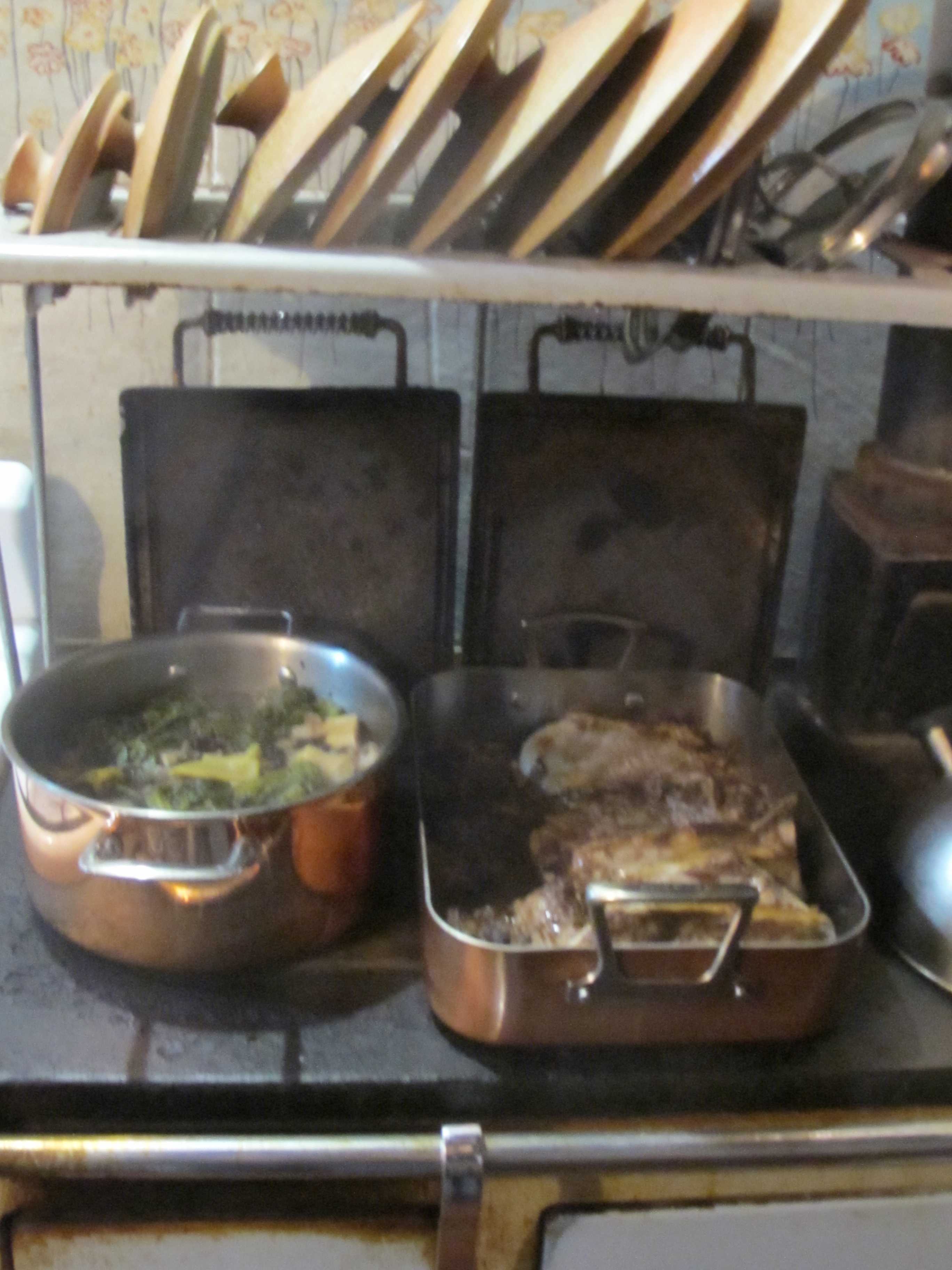
When I return home. I find that that my very own lovely Mrs Beaton of garden, kitchen and household management has our friend and garden helper Kate here to do some work in the garden and pottery, but the weather is so windy and unpleasant outside, that they have spent the day in the kitchen, making marmalade, candied peel and other culinary delights, like spinach and ricotta cheese pies. She has also been baking Ethiopian cabbage and mustard greens, rubbed with a little olive oil, so that turn crispy and delicious, add a little salt and they are just like crisps. This works well with all sorts of other firm green leaves as well, especially the brassicas like kale.

IMG_4414 IMG_4416

Kate makes the pastry from the recipe that we got off Marta Armarda from Spain when she was visiting here. It’s so quick and works a treat. I don’t know how we got through life to this point without knowing about this simple recipe. I suppose that it was because we were always so head-down and butt-up everyday, that we just didn’t get out enough. It’s so simple. Just 1 tablespoon of oil, and another two of water and wine each, then firm it out with enough flour to bring it to consistency. It couldn’t be easier or quicker. We don’t chill it or leave it to settle, just roll it out and cook it.
We dine on hot pie from the oven for dinner.

IMG_4419 IMG_4422

IMG_4427

A full tummy and a glass of wine makes entropy all that much easier to defy.

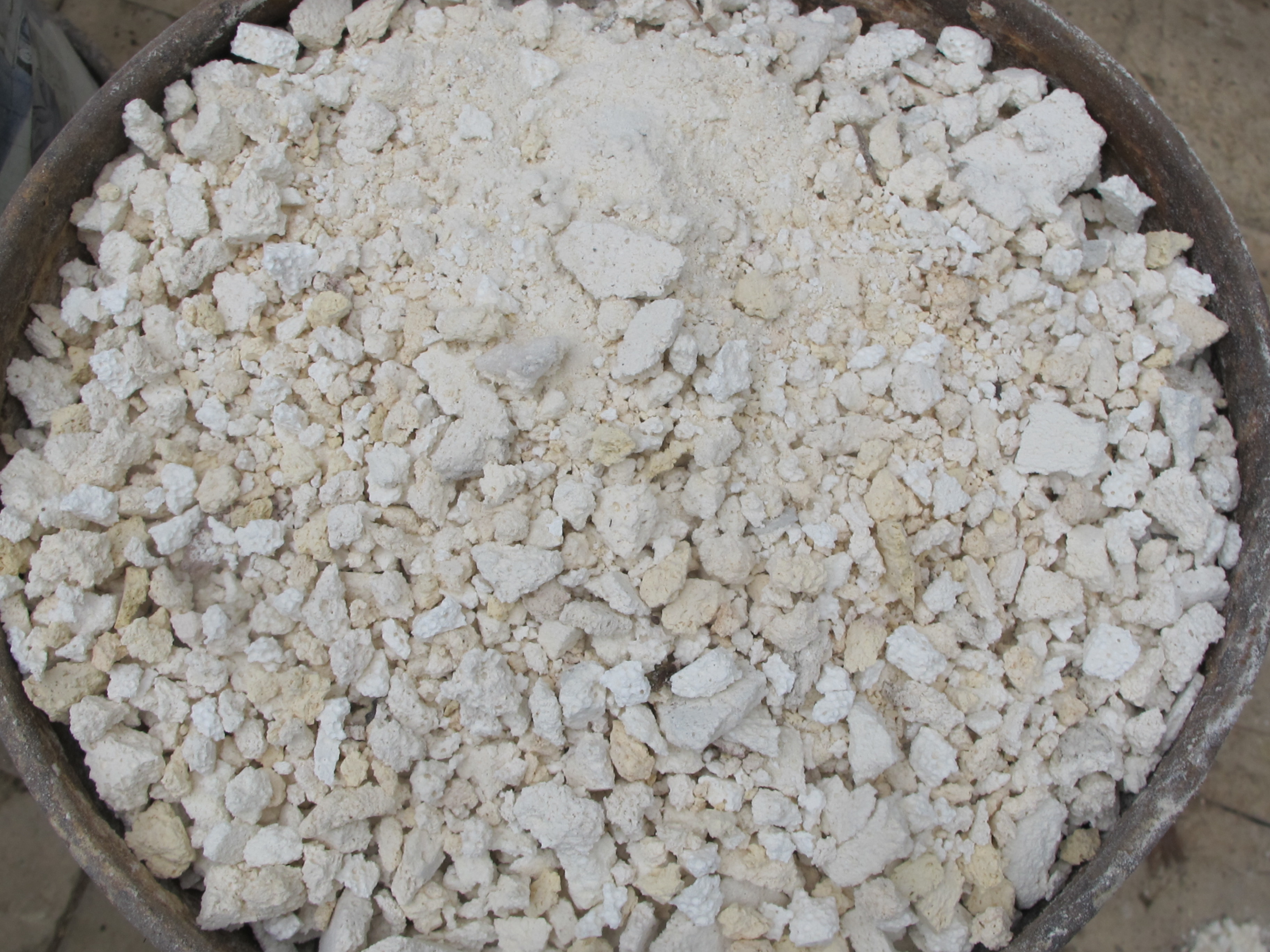
Kate and Janine crush pumice (ignimbrite) that we collected on our mid-week, weekend down at the coast recently. Pumice is such an amazing rock. It’s an aerated volcanic glass composed mostly of felspathic minerals. These minerals (magma) are very viscous when hot and when forcefully ejected from a volcanic explosion, the trapped gasses in the rock, created under the intense pressure of the volcanic process are suddenly released. They can’t escape from the viscous magma quickly enough and so expand rapidly exfoliating the rock as it cools. Fluffing it up, like aero chocolate, Not unlike the way that grains of rice are ‘exfoliated’ into rice bubbles in a similar synthetic process.
My very own Mrs Beaton of household and pottery management grew up at the beach on the far North coast. Back in the early seventies, she collected beach pumice from the wild beaches up there to make her own local celadon. This recently collected ‘weekend’ pumice is rather paler than that which we are familiar. We hope that it will make a paler glaze.
We also found cuttle fish on the beach, so I have this crazy idea that cuttlefish ‘bone’ is possibly made of calcium? It’s possible. Many sea creatures utilise calcium from sea water to create their shells and carapaces. It occurred to me that it might be possible to make a sea-blue celadon glaze from the products of the sea? Sealadon?
Janine Beaton has just the recipe in her cornucopia of “The Woman Potters Big Book of Useful Recipes and Techniques for Every Glaze Situation,” No doubt soon to be serialised in 24 convenient monthly instalments. She fills a grid-tile of possible recipes and ‘control’ reference tests.
I’m keen to try her drift-wood, salt glaze, wood ash recipe!
Thanks to her stirling efforts, the ‘StONeS of beaches’ glaze tests are all made up and ready for the current firing.
I feel compelled to play something by Elgar to celebrate!

IMG_4432 IMG_4433

IMG_4431

The pumice is quite damp from its journey across the sea. We have been told that this current appearance of pumice has come from a massive underwater volcanic eruption somewhere in the Pacific near Samoa or Tonga, and has spent the last few years floating it’s way here, driven by wind and sea currents.
It passes through the big ‘jaw’ crusher OK, but needs some encouragement, as it tends to stick to the jaws because it is so fresh and still damp. We try it through the other crushers, it won’t grind well, it jams up the small jaw crusher and will only passes through the Cornish rolls with some persuasion, as it packs into a damp ‘clag’ and binds up the milling process. It really needs drying well first. It packs to the wall of the ball mill and I have to switch it off and break up the mass, then add water and do a wet milling. This works OK but, no butts, it’s a pain in the butt. It mills down well, however, now it will need to be settled, dewatered and finally thoroughly dried out before we can use it for weighing out the glaze tests that we need to do to find the best recipe for this particular batch of unknown mineral. Mrs Janine Beaton, manages this one evening on the side of the wood stove after dinner.
To get things going we put the remaining rough crushed granules from the primary crushing into the electric kiln, packed in bisque-fired bowls and fired up to 400 oC to thoroughly dry it out, prior to dry milling. Pumice is a very soft rock and is very easy to dry mill, but only when it’s quite dry. In the past, my lovely Mrs Beaton of sea-side glaze management, would dry it in the sun and wind for a few weeks or months before milling, as there was no real rush, it was just a constant flow of material that was well understood. A job that needed doing to keep ahead of her usage. This time it’s something new and we want to see the results of this new material and what it will do. So Mrs Beat-on gets the heat-on.

IMG_4471IMG_4474

We have just had a weekend wood firing workshop with another 10 potters working with us to make it a great success. All very enjoyable, but hectic. Everyone enjoyed roasting marshmallows for breakfast over the firebox towards the end of the firing. Janine has Beaten the rush, worked so very hard to get everything ready for this latest workshop. There is so much prep to do, but Mrs Beaton can’t be beaten when it comes to workshop management.
We have our sea glaze sealadon/celadon tests in this firing now thanks to her, so we are keen to see the outcome next weekend and just like everyone else, it will be like Xmas for us too.

IMG_4452IMG_4447

 IMG_4450IMG_4449
 P1210747P1210756
With love from Mrs Capability Beaton and her workshop assistant, Mr Furbisher, The Kiln Whisperer, who are attempting to be so well organised — defying Entropy.

The Talented Ms Rippley

Have kiln will travel and unexpected visitors on our return

In between our hectic schedule of 10 weekend workshops in a row, we have managed to fit in a brief visit to the coast for a little break. Surprisingly, it takes us most of the week to prepare the kiln, props and shelves, cut, split, cart and stack the wood. I also want to slip a couple of rock glaze and woodash tests into the firing for my own interest. Weighing out glaze tests also takes a lot of time.

We are very lucky to have friends who own a part share in a holiday shack down the coast and we are extra lucky to be invited down to spend a couple of nights down there. We get to see the sea and it’s good!
IMG_4301
We get away for a couple of days and as it is a potters holiday house, we take one of Stefan Jakob’s brilliant little Ikea rubbish bin kilns with us. It fits in the car with all our bedding, clothes and other travelling parafinalia, plus a big esky of produce from the garden. We know that there will be oysters down the coast, so we take a couple of bottles of cider along as well. Dry cider has to be my favourite accompanyment to go with fresh shucked oysters – maybe a little pepper too.
IMG_4342IMG_4355IMG_4359IMG_4363
We enjoy the best sunsets and walks along the beach and a time spent in among the rock pools.
IMG_4378IMG_4374

After settling in, we spend the day firing the little kiln with brushwood from around the site. It burns well, and the kiln fires quickly and easily all day with good results. We’ve brought along a bucket of glaze and some gloves, tongs and oxide etc, so we idle the day away sitting in the sun, looking at the view and occationally stoking the kiln. It’s a perfect pottery busmans holiday.
IMG_4323IMG_4327
IMG_4328IMG_4329
A fun day, good company, a nice meal and a bottle of wine and all is well with the world.
We return home to find a couple of unexpected visitors using our place as a short cut from the back gully up to the disused train line.
They are wondering what we are doing in their yard.
IMG_4428
Our workshop students return to unpack the wood kiln and take their pots home. They all seem to be happy. I gave them a talk about the periodic table of the elements in the early hours of the morning during the firing. Something to fill the deadly hours of midnight to dawn. Lucky I didn’t put them all to sleep! They ask me if I have studdied science. I haven’t, but I’m an enthusiastic amateur. To make pots the way that I’m trying to do it, from a few buckets full of soil and some burnt plants from the garden, you need to be able to find your way around a little bit of everything. Chemistry, geology, engineering, maths. Even a bit of artistic talent would come in handy, but it’s The Lovely that has all the talent. Now that she has seen the tide marks on the sand, she’ll probably start making rippley textured pots. I find that hard slog and determined commitment gets me where I want to go. There is no substitute for hard graft.
I get to see my new woodash and local granite rock glaze tests come out of the kiln.
I get a lovely new version of my pink/mushroom ash glaze with a flat, dense, matt crystal surface. There’s a good mustard yellow with grey carbon inclusion where it’s thick. A very clear bright apple green and the usual runny chun, milky opalescent and white crystal glaze amongst others.
All in all a very good result. New buckets of all these can now be made up again. As wood ash varies from tree to tree and from limb to trunk, not to mention season to season. I always have to test every new batch for consistency before commiting to a bucket sized batch. It can take several days to a month to collect, crush, grind, mill, sieve, dry and otherwise prepare these rocks and ashes. I can’t aford to make any mistakes. But I always do. No batch is ever the same as the last using the same recipe. It’s the continual natural variations that make this kind of research so interesting.
IMG_4409IMG_4411
fond regards from The Talented Ms Rippley and her Busman.
 

Pugging our Way Through Life

There is nothing quite so meaningless than pugging badly de-aired clay through a 4″ Venco with poorly fitted or leaky seals.
No matter how many times we re-pug it doesn’t get any better.
It is a beautifully rewarding example of futility, Sisyphus tried to tell me.
I’ve rolled a few stones up a hill or two, but I usually end up crushing them into glaze powder.
Preparing clay can fill our meaningless days in an endless cycle of pugging and re-pugging.
I’d better fix that seal.
But how can I fix that seal when there is so much pugging to do?
Pirsig tried to tell me in Zen and the Art of Venco Maintenance.
Still, everyday comes to an end.
.
Nothing lasts.
Nothing is ever finished.
Nothing is perfect.

The Gautama tried to tell me.
.
The Lovely is busy washing up. Washing-up like clay prep never ends, there is always more
The Lovely One tried to tell me.
.
Is this my beautiful wife?
Is this my beautiful House?
How did I get here?
Even Brian Eno and David Byrne tried to tell me!
 
.
Same as it ever was.


A Bastielle Day Cassoulet

A letter from the kitchen and the garden

Winter has finally arrived, very late with cold gusty buffeting winds, off the snow. We have finally had a mild frost that has killed off the little tomato plants that were bravely thinking that they might get in a very late/early crop. They got as far as flowering, but they are well and truly shrivelled up and blackened this morning. The potatoes however are not that badly affected, only a little bit of damage to the growing tips. While down in the ‘pantry field’ garden, in the clearing among the tall eucalypt trees, there is no frost. At least not yet. All the plants down there are looking fine for the time being.

IMG_4291  IMG_4290
Potatoes doing fine
IMG_4260IMG_4258
Tomato plants flowering out of season
The early peach is so early that we just ate what was the very last peach of the autumn or the very earliest of the spring.
Smack in the middle of winter!
It has another crop coming along and is also flowering as well. It’s quite mixed up! I don’t know what to make of this tree. It’s the only one that is acting this way. Very strange. The variety is Sherman’s Early 3-1. and it was planted in 2006, so it is 8 years old now, and has fruited well for the past few years, but this is the first time that it has tried to flower and fruit all year round. Despite the cold weather, it still persists in retaining a few leaves. I can’t understand how it can get enough energy from those few leaves to ripen a crop of fruit?
IMG_4273  IMG_4278
IMG_4280  IMG_4282
All the other fruit trees in the stone-fruit orchard have lost all their leaves revealing a host of birds nests in among the branches. Some of these trees have five nests in them. We have a host of small birds nesting in and around the garden. They do a fantastic job cleaning up a lot of little insect pests in the veggie patch.
.
This months red meat meal is pork. Well, maybe that isn’t a red meat meal.
As it is almost Bastille Day and we have so many friends in France from our trips there, I have decided to make a cassoulet to celebrate. Last year we celebrated by making a cassoulet based on kangaroo fillet rather than on duck and pork. I called it ‘Hop-a-long Cassoulet’. A truely Australian cassoulet.
This year I have some pork fillet and some hand made pork sausage that my beautiful Son Geordie has made. Geordie is the Sous Chef at Biota Fine Dining in Bowral. A two hatted restaurant.
 http://www.biotadining.com
Check it out. They are working really hard to be the best that they can be.
He is a good Chef and has made a hand-made pork sausage that will go very nicely with our home grown and dried beans and vegetable mirepoix as a base for the cassoulet. We don’t have ducks here anymore so we will make it without the duck. Well, we are in Australia after-all, so it doesn’t have to be exact. It’s the thought that counts, and today we are thinking of our friends in France. Cassoulet was traditionally a dish made from what was available at the time of the season. We have dried beans left over from the Summer excess. We also have some tomato/caps/onion/garlic sugu in vacuum sealed jars these can be mixed with carrots, celery and a bouquet-garnet of fresh herbs from the garden. It’s all looking good.
IMG_4402
I have some pork back-strap fillet and bacon rashes from the local farm butchery in Burrawang. The Maugher Family have their own farms and a butchery where they process their own animals. The Maughers, who I pronounce More-ger, because that’s the way that it’s spelt, have a very good local reputation. We are particularly fond of their home smoked bacon rashes. They have their own smoke house and the bacon has a distinctly smoky original flavour. Not at all like the stuff that they serve up at the supermarket.
There are apparently a few ways in which you can pronounce ‘Maugher’. Some of the locals pronounce it as ‘Marr’, then there are others who swear it’s pronounced ‘Meere’. My former neighbours swore that it was pronounced ‘Moore’. Well maugher or less! I don’t believe them, because they call themselves ‘Chumli’, but they spell it ‘Charmondelay’, These people, who have mis-pronounced English for generations in such a blatant way, can’t be trusted with the (English) language.  So I’m Sticking with ‘MoreGer’!  Whichever way you say it or spell it, it’s ‘gud mheet’, as the ‘Chumli’s’ might spell it!
I don’t suppose that I’ll ever know, Maughers the pity!
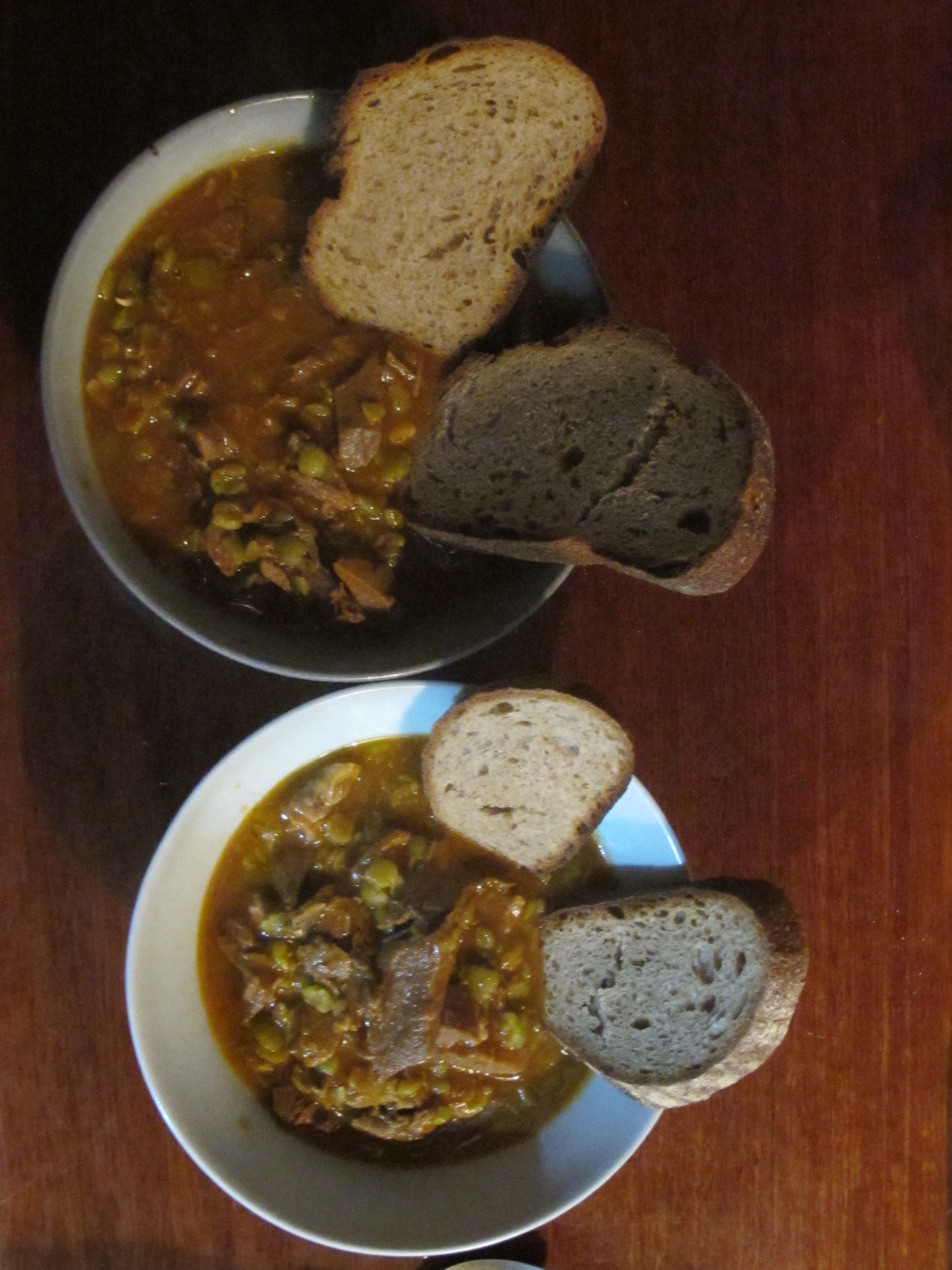
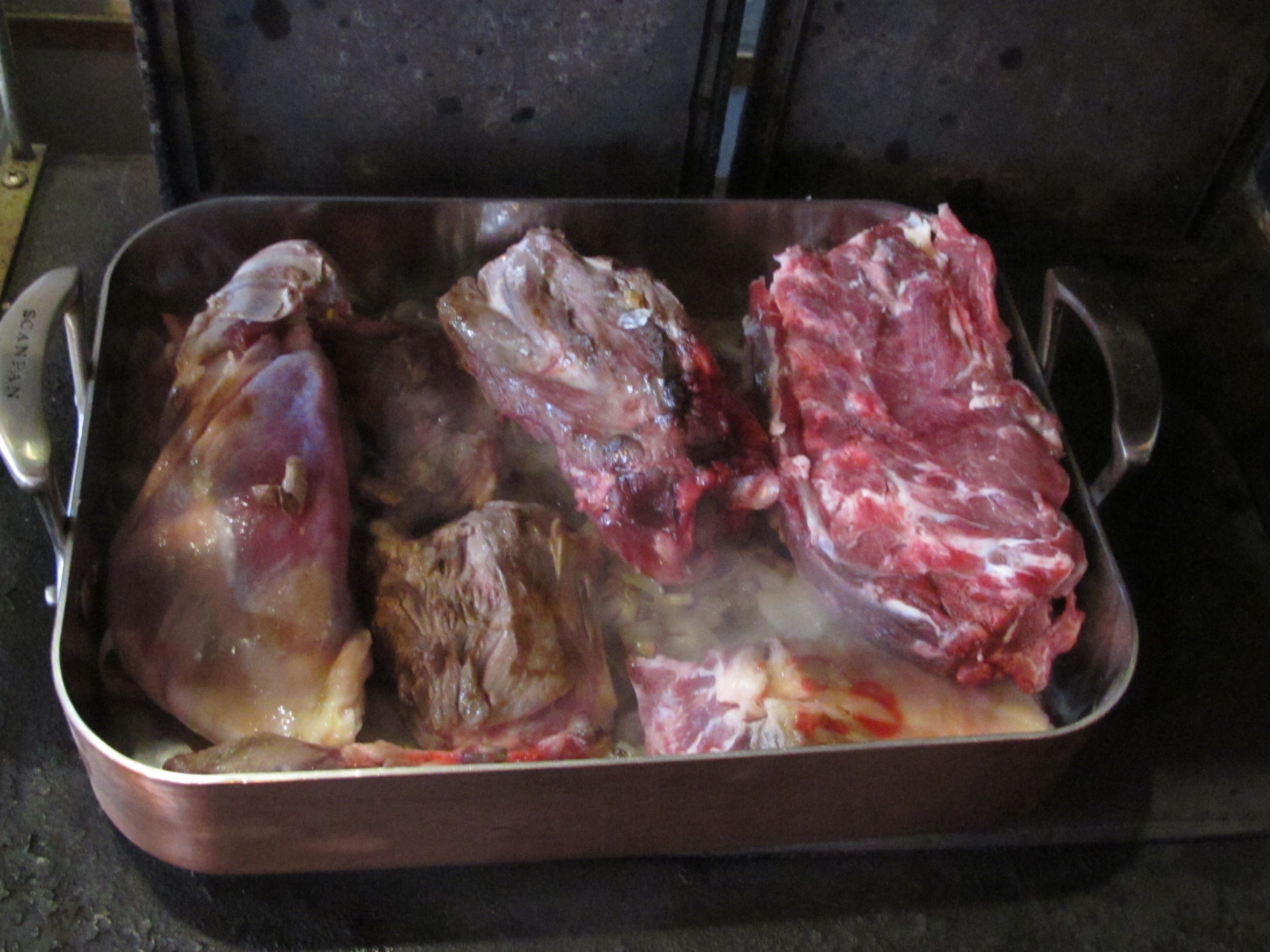
I sweat some of our onions in olive oil and garlic, then add the MoreGer bacon, finely chopped, with all the fat removed, then the back strap and toss until it’s lightly browned. I’ve soaked the dried beans overnight and boiled them for an hour. I mix in the chopped celery and carrots from the garden with the boiled beans. I add a big chunk of frozen stock from the freezer and let it all meld in for a while. Lastly I chop up Geordie’s sausage and add it all together and let it simmer. After cooling down. I let it sit over-night in the fridge so that I can skim off the fat in the morning. I get most of it off, but there is still maugher floating there.
IMG_4403  IMG_4406
Of course, What I’ve cooked, isn’t anything to do with real French cassoulet. It is cassoulet in thought only. It’s a Post Modern Peasant Cassoulet. Cooked without salt or sugar or even too much saturated fat. It’s a cultural disaster, but it’s delicious and warming on this cold night and there is maugher left over for another night as well.
We try to be as frugal and self-reliant as we can be, but we don’t get too religious about it. We just do our best and that’s all we can hope for. As I have never had a job – a real job, I mean. One that I worked at 5 days a week and had a salary paid to me for. We have been self-employed and part-time employees and I’m proud to say that I have never been on the dole, always independent. We have become quite used to being frugal and salting away our excesses to be relied on later when times were leaner – Like now for instance.
We feed our selves pretty well from our garden and try to eat healthily. I was at a Writers Festival today with The Lovely Girl and I was waiting at the coffee counter to be served. There was a person there in deep discussion with the counter staff quizzing them about the type of tea that they were serving. This person was going on about how the tea had to be pure and uncontaminated, and that it also had to be harvested without the use of slave labour. Also that it must be free of anything artificial and they must guarantee that it contained no preservatives, because this individual valued the holy temple that is the human body and nothing less could pass the lips of such a committed practitioner. The staff all agreed that they couldn’t make any such undertaking or guarantee, because they just didn’t know. All this while the rest of us were held up waiting.
Eventually the pure and untainted one said. ” Oh, forget it, I’ll just have a Coke”!!!
I didn’t quite know what to make of that. It was such an extraordinarily stupid thing to say, that I was left speechless, as were the staff.
I know that we are all capable of holding several contradictory and incompatible views simultaneously. I know that I do. It’s the human condition. We only see these contradictions as a problem when someone else expresses them.
I used to cook for the students at the Art School where I worked for many years, on a one day a week basis. Each Friday I would take in my pots and pans, a portable stove and something from the garden to make sure that all the students had at least one good meal each week. This all came about because on one evening between the afternoon class and the evening class. There was a one hour break. I was working on a kiln repair, in the kiln room in my spare time and over-heard two students discussing how much money that they had between them. I heard them tell each other that they only had less than $2 between them. Not enough to buy anything substantial for dinner at this dog-end of the week. “So, it looks like we’ll have to go down to the Hare Krishna’s and sit through a few hours of indoctrination before we can get some food from them for free”!
I felt very sad for them, running out of money for food, until they could get paid from their Saturday night waitressing job. At least they were going to get some good wholesome vegetarian food from the Hare Krishna’s, but at the cost of missing the night class time in the studio. I thought about this and decided that I should do something proactive and positive to be helpful.  I decided that I would cook for all the students that were in the pottery workshop on that evening in future. Sometimes it was lunch and sometimes dinner, depending on the vagaries of the time table. My only condition that I put upon myself was that I had to aim to bring it in at a cost of less than $1 a head. Over the years, this was increased to $2 to allow for inflation. It seemed to work out pretty well. Everyone seemed to be happy to eat what I cooked. A number of the students even helped with prepping the vegetables and doing the washing up.
However, there were also some students who claimed to be very strict vegetarian, or vegan, or breathairian or something else weird and wonderful that set them apart as being very special and they made sure that there was a scene made to announce it. I have no problem with people’s special food requirements, but if you know that you have special needs, then you should make your own arrangements to make sure that you are OK. These special ‘needy’ students felt the need to quiz me about what I was cooking and where every ingredient had come from. It’s full pedigree and history. In those days I was young, idealistic, naive and tried my best to be ever so helpful.  These days I’d tell them to f$%k-off and not to eat my food. But back then I was compliant and tried to do my best to explain everything. I was making a simple brown rice with a can of Thai red curry flavour stirred through it, with a can of coconut milk added in,big chunks of galangal root and some chilli paste, then all boiled up together. A one pot vegetarian meal, eaten from one bowl with one spoon. Nothing could be simpler. Or at least you’d like to think so. But no!  Not for one girl. She quizzed me about every single ingredient, She settled on the chilli paste that I had added. It had a picture of a prawn on the label, and she went off! Clearly I was trying to fool her and poison her. In fact it smelt so bad, that she was going to puke. Or so she claimed. She ran out of the room, making a huge scene, gagging, screaming how she was going to throw up because of the smell of dead animals had turned her stomach! Wow! Such a ‘look-at-me, look-at-me’ scene. I don’t fully understand what is going on here, but can’t do anything about it, so continue with my work preparing the meal.
The rest of us ate it in peace in her absence and it seemed that everyone enjoyed the meal. While a few students volunteered to wash up, I retrieved the can and read the label more thoroughly. It was indeed only chilli paste, salt, vinegar and water. No Prawns were harmed in its making. When the girl came back into the room after lunch, I showed her the can and pointed out the ingredient list to her, it was written in english on the opposite side. I pointed out that it was as I had indicated to her – just chilli paste. It was a vegetarian meal.
She exploded again. “You bastard! How dare you! That smelt wonderful and you made me miss out. That would have been delicious!”
You can’t win with people who are out to make a scene. So from that day onward I side stepped the prima-donnas by saying. “I’m cooking dinner here. You’re welcome to watch and to share some. I’m going to eat some of it myself. If you think that it smells eatable, I suggest that you try some. If you think that it tastes OK, then you should try eating some. If you have any food allergies, please don’t eat it. If you can’t trust your senses and skills of judgement about what is eatable and what isn’t, then I can’t help you. I’m not telling you what is in it and I’m not entering into any discussing about it. If you want some, it’s here and it’s free. If you don’t, go away. To show that it isn’t poisonous, I’m going to have the first bowl-full.”
Any arguments were countered with please go away. I’m cooking here and you’re in the way. No, I’m not discussing it. No, I’m not telling you what’s in it.  Please leave. I had no further trouble. There were always a few newbies each year who tried it on and got ousted quick sharp. The rest of us enjoyed the meals. Of course that was back in the 80’s and 90’s. I could do that back them. Now I’m not so sure. Too much OH&S to save us from ourselves.
The cauliflowers continue to produce, but we are getting to the end of them. The Brussels sprouts are just starting and the second planting of broccoli is coming on. So we are fully into brassica season now.
IMG_4265IMG_4264
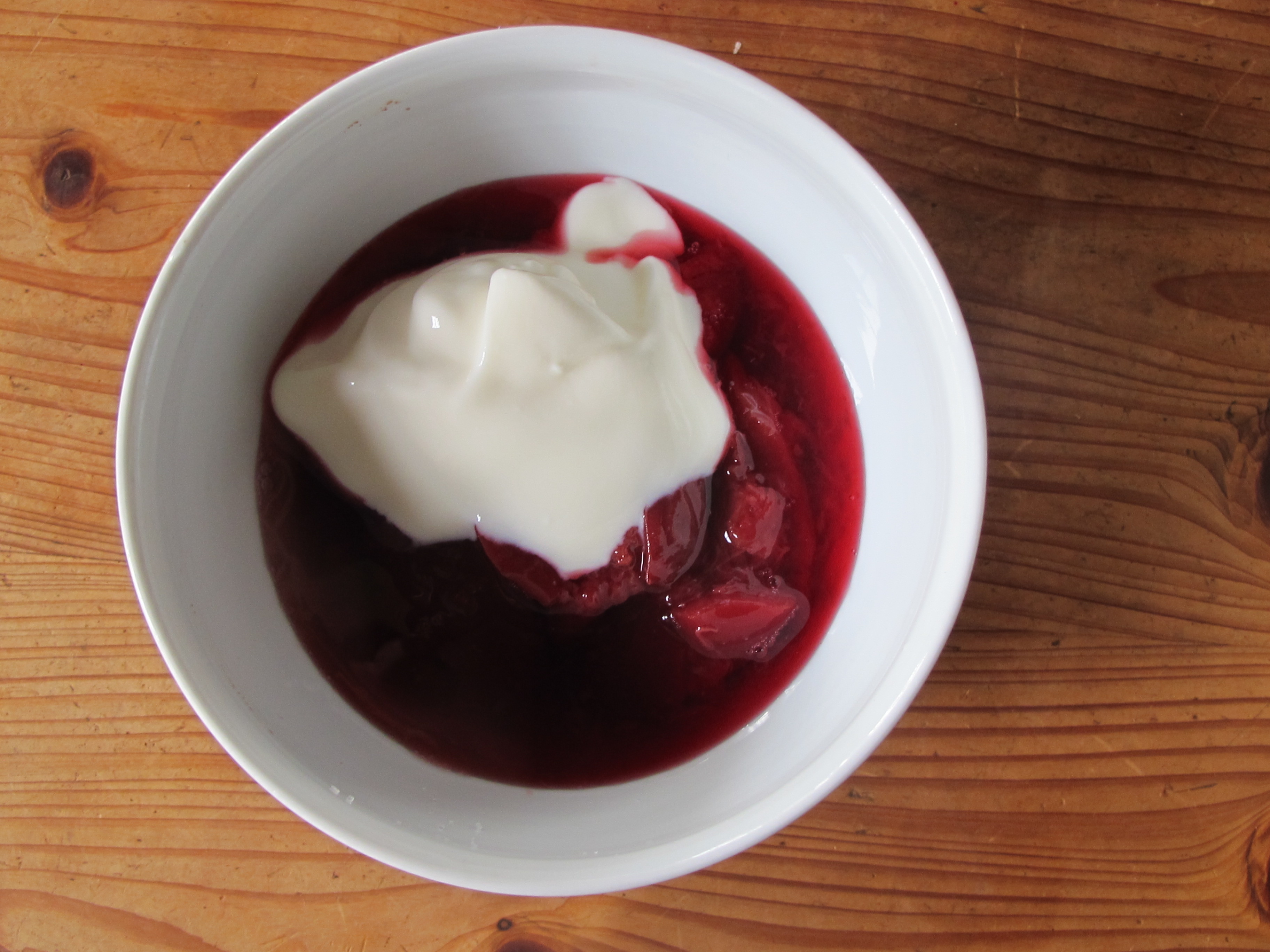
We have masses of rhubarb at the moment, so we are having it stewed for breakfast and for desert in many and varied combinations. The Lovely has made a rhubarb and hazelnut cake for morning teas, from a recipe that someone has given her. Quite yummy.
Rhubarb Cake.
Mix 125 g of butter with 1 cup of sugar as usual, then beat in 2 eggs, 2 cups of self raising flour,1/2 cup of milk, and 50 grams of hazelnut meal. Place in a greased and papered 9″ or 230mm dia pan.
Cut half a dozen stalks of rhubarb into 50mm. lengths and press into the batter and sprinkle with another 50g of hazel nut meal, sprinkle with a little bit more sugar.
Cook in a pre-heated oven at 160oC for an hour, or until the knife comes out clean.
It goes well with morning coffee, but needs to be served with brandy custard or some other liquid or sauce, if served as a desert.
IMG_4398
IMG_4397
Our Myer lemons are just finishing after a long productive season and the Seville orange is just starting. The Tangelos are all finishing and the other citrus are in full swing, so it’s marmalade time again. We have made two batches so far with another dozen planned.
We have one jar of last seasons marmalade left in the pantry. So the timing couldn’t be better.
Let the cold wind blow. We’re warm inside enjoying morning coffee with marmalade and toast.
IMG_0594  IMG_4875IMG_4882IMG_4944
IMG_4899IMG_4903
IMG_4933 IMG_4942
IMG_4964IMG_6312
Better Latté than never!
With love from the Double Doppio Macchiato and his Skinny Flat White
IMG_0334


Avant gardeners

The couch potatoes have left the building!
The weather is still cold and blustery again today, but work has to happen, jobs need to get themselves done and they won’t do it by themselves. We are up and about early. The lovely has to deliver pots for our part in the group show of woodfired pots at Kerrie Lowe Gallery opening on Friday. She has some lovely little rock glazed celadon inspired cups and I have made some tea pots. She catches the train up to Sydney using her ‘Woman of a Certain Age’ card to get the $2 all day fare. (See ‘Gallery’ more pictures)
DSC_0005_01IMG_0036
I don’t go as I have to get the wood kiln packed. We have our next woodfire weekend workshop next weekend, so I have to pack the kiln today, fire it on Tuesday, cool it on Wed/Thurs and unpack late Thursday and Friday morning. Then clean it and the kiln furniture ready for the Saturday morning workshop.
I must have been wicked!
If I have everything prepared, as I have, I can sneak in one of my own firings in the kiln in-between the weekend workshops. On the cooling days, I will be out with the chainsaw cutting new fuel for the weekend firing.
IMG_3967IMG_4019IMG_4028IMG_4037
In between all this we have had Kate, our fantastic and very lovely, hard-working garden and pottery helper. She came for a couple of days last week to give us a hand, and what a delight she is to have around and we get so much more done. With her help, we have planted the very late – so late that they may even be early, potatoes, down in the pantry field. It isn’t really the right time for planting here now, but we had 3 boxes of summer potatoes that had completely sprouted into long shoots. They wouldn’t last till spring, so what the hell. We turned the sod and our beautiful son Geaodie turned up to help us dig the furrows and plant the shooting tubers.
IMG_4026
Way too late for summer and very, very early for spring, so early that if they survive, they will make us Avant-gardeners. If the mild frost-free winter continues like it has so far, we may be lucky with them. If not, no loss, we’ll plant again in spring. If we make successive plantings, we can get 4 or 5 harvests of spuds per year. One every couple of months.
IMG_4217While I’m firing, Janine spends the day in the garden and while there, harvests a late row of King Edward potatoes. They look so good with their waxy, pale surface and beautiful pink blush.
We have been growing Kipfler, Dutch Cream, King Edward, Russet Burbank, plus purple congo varieties.
Purple congo grows very well here and self propagates, continually dividing and growing again from any little pieces that are missed at harvest. We have only planted it once 15 years ago, and it is still here and all over the place. We can nearly always find a plant or two coming up in some part of the garden. Dutch Cream, King Edward and Russet Burbank grow the largest crops for us and it was the remaining shooting tubers of these varieties that we have recently planted.
Purple Congo looks fantastic when it is included in a frittata. The colours look delicious!

IMG_0799_1IMG_0802_1

IMG_0804_1

I’m up very early and down in the kiln shed just before 3.00am. I woke up, so I got up, rugged up and went down to start the firing. I usually don’t start firing till 4 or 5am, but I woke up, so here I am. It’s very cold, I have several layers of shirt, jumper and jacket, but I’m not really warm. The wind has an icy edge to it this morning. I’m trying a new way of packing pots much closer to the firebox. This area is commonly referred to as the ‘Zone of Death’. I’m well into the firing at about 1000oC when I hear a very ominous, growling crunch sort of muffled sound. I think that I’ve just lost those front pots. Never mind, everything is worth a try. Failure brings me one step closer to understanding the meaning of success and what it is that I’m trying to achieve. I’ll keep going and see what it was when I unpack on Friday. I try out all my new ideas with my own work first, never with students firings. I keep them as safe and predictable as I can manage. I don’t want to risk loosing students pots. I’m sure that some sort of understanding will emerge from this bad omen, maybe even something good will come from it?
IMG_4223IMG_4224
I’m writing this in the quiet space between stoking the kiln. I can’t type with the gloves on and it’s very cold in the wind without them. Cold fingers makes me a clumsy typist. I’ve prepared well, so there is not too much to do between stokes. I can’t do anything that will take me away from the kiln. I must give it 100% of my time. I have to be here to listen and to observe, to take in all the silent signs of the fires progress. I have to anticipate the timing of the next stoke of wood into the firebox. It must be done at just the right time or the temperature won’t go up. It could even fall if I’m not very carefull. There is a rather disappointing feeling when the temperature drops.  It goes down so much faster than it goes up. It takes concentration and skill to understand what is happening with the combustion and get the temperature to rise slowly and at the same time stay in constant, slow steady reduction atmosphere.
IMG_4225
I only have time to make a quick loo stop. I piss in a bucket, then fill it with water and go behind the kiln shed and water one of the citrus trees in the orangery, out of the wind and behind the north facing wall. I’m fasting today, it’s the second day of my fast. it saves a lot of time preparing and eating food. Food can be such a distraction from concentrating on the firing. Anything can go wrong at any time. Usually nothing does, but if or when it does, then I have to be there and react instantly. My brother ran the emergency ward of St Vincent’s Hospital in Sydney for a decade, when he was younger. When I asked him what it was like, he told me that it was long periods of boredom punctuated with moments of sheer terror!
Firing isn’t quite that bad, but you get the feeling.
Our life, like our firings is in constant flux, We can’t make too many plans. We just don’t have the certainty, we take it as it comes and respond appropriately. Just like a firing, we prepare as well as we can and hope for the best. We try to stay as mentally resilient as possible, so we only make small plans and coping strategies, modest and frugal ways in which we can cope in a rapidly changing world. Our world changes all around us constantly and much faster than we can imagine, or even comprehend, never mind plan and adapt to those changes. We have to remain flexible and open-minded. It’s quite difficult to live without expectations. In fact although I try, I just can’t do it. It remains a desirable objective. However, I often remind myself how grateful I am to be able to be here doing this. I’m so lucky and privileged!
IMG_4230IMG_4236
We are enjoying the fruits (and the veggies and nuts) of our summer labours. We are down to our last basket of almonds, but everything else is in stock in good quantities. Tomorrow we have wonderful long-time friends coming for lunch and we will be having minestrone. I started by soaking the dried beans last night. I’m looking forward to a leisurely lunch, before returning to the chainsawing of the next load of kiln fuel.
Fond regards from the potter with dirt on his hands and his lovely Ava(nt) Gard(e)ner