Stihl Crazy After all These Years

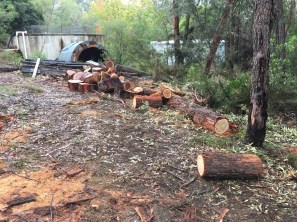
As we have been whittling our way through this epic journey of felling, cutting, splitting and stacking all the wood from the 5 huge, dead, eucalyptus trees in and around our 7 acres. We experience a curious sense of exhausted comfort in working our way through the last tree. Tomorrow should see the end of it.

We couldn’t have done this so quickly without the help of friends and students to do some of the carrying and stacking. We worked quite hard today in the light showery sprinkles of rain to get half-way through the last tree. It’s hard to say exactly how much wood we have processed and stacked to season in the last 3 weeks of part-time labour, but I imagine that it must be somewhere approaching 20 tonnes. I’ve gone through almost 8 litres of bar and chain oil and the same of two-stroke mix in maintaining the saws. Chain saws are such a great invention. They make so much work possible. I couldn’t have done all this without them.

IMG_0788

IMG_0792 IMG_0795

IMG_0736

IMG_0794

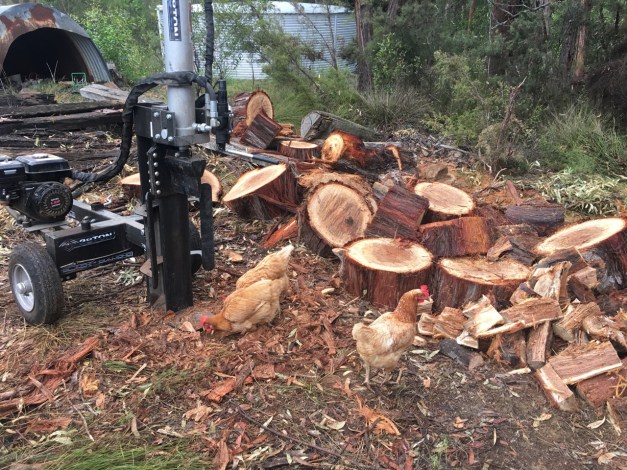
Of course we were aided at every moment by the chickens. They know the sound of the chain saw and the splitter, and as they are free ranging all day, every day. They know where we are and what we are doing from the sounds that we make. It only takes minutes for them to turn up. Freshly split wood means fresh bugs and termites.

IMG_0796

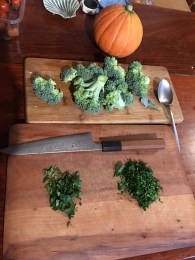
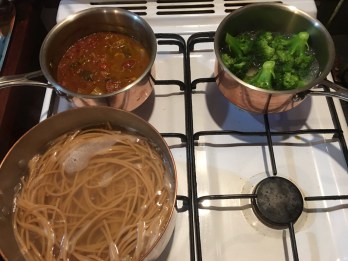
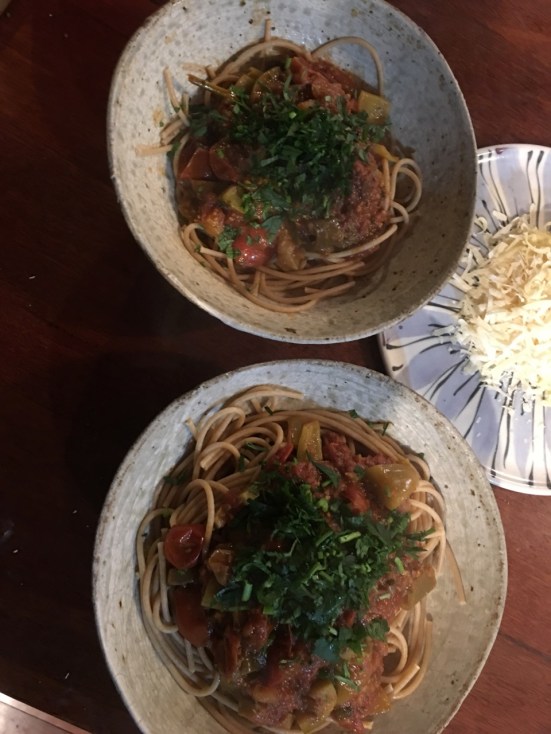
After all this work, we reward our selves with a high carb, but low GI meal of solid wholemeal pasta topped with a home-made tomato passata sauce and a side dish of lightly steamed broccoli from the garden. All this without the addition of oil, salt or sugar. Not to mention, there are no preservatives, pesticides, or fertilisers used along the way. This is wholesome, fresh, homemade, nutritious food. Simple and plain, but not boring. A green garnish of fresh-picked basil and parsley completes the meal.

IMG_0800 IMG_0802

IMG_0803

Our little small holding here produces fuel for our stove and kilns, but also fuel for our bodies. Real work with a defined and obvious purpose, that leads to a positive and creative outcome along with home-grown and home made whole foods, these are all part of a well-considered complete life. I’m not sure if all this is working, but we are certainly having a good go at it.

Autumn has finally arrived

The weather is finally taking the calendar seriously. We have had our first seriously cold evening of the year. We even lit the fire, and although it was nice, it wasn’t really necessary and we hardly stoked it as we weren’t that cold, but it was a nice thing to do, quite comforting. It seems that summer has lasted 7 months now. I’m sort of pleased that we can now have some cooler weather.

I have been finishing off half a dozen little wood fired kilns, but have been held up waiting for some parts. So in the mean time, we have continued our wood cutting epic effort. We have almost finished cutting up, removing and stacking all the timber from the dead trees that we had taken down by the arborist. It’s been a mammoth job and will provide us with wood fuel for some years to come.

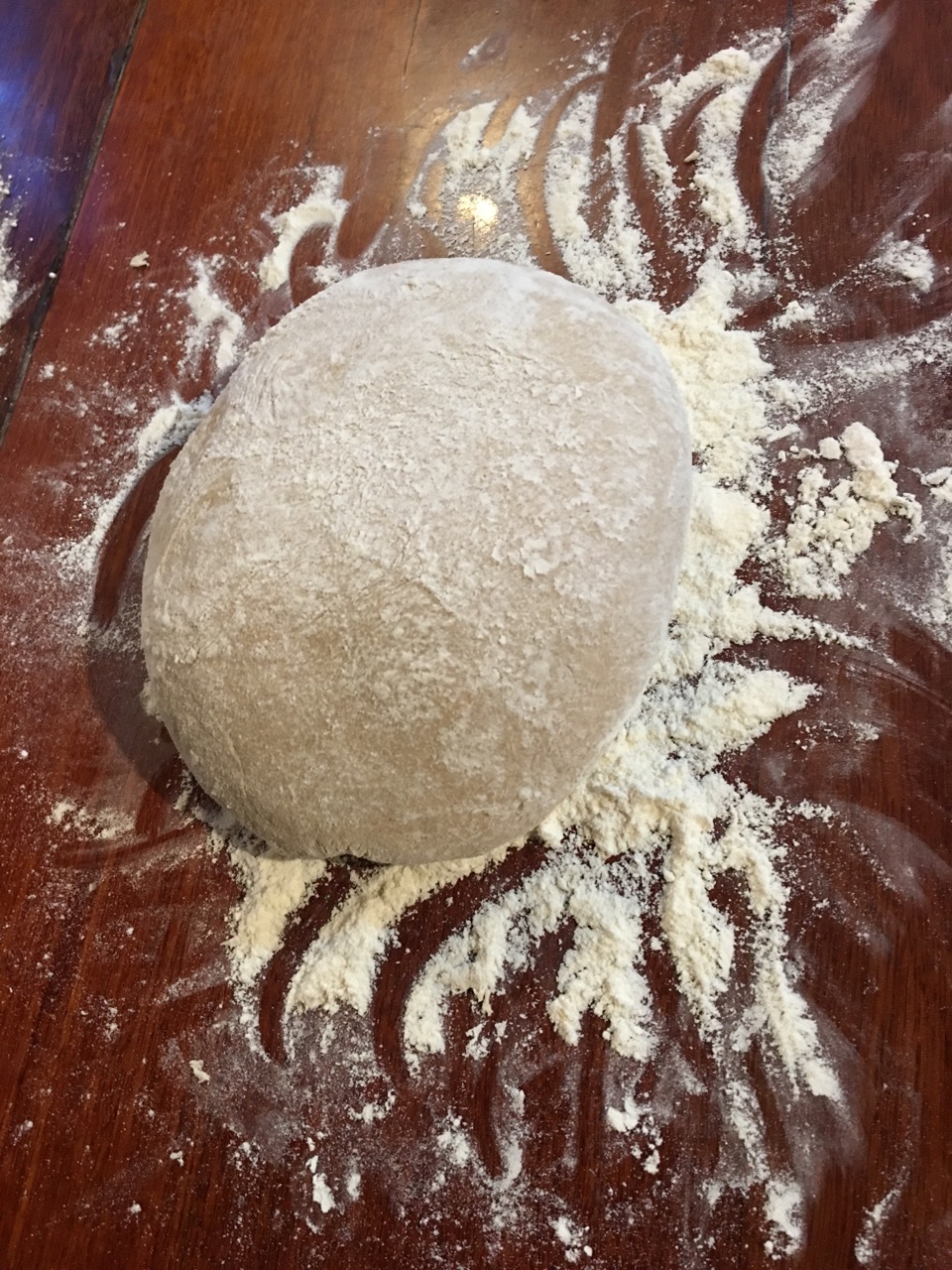
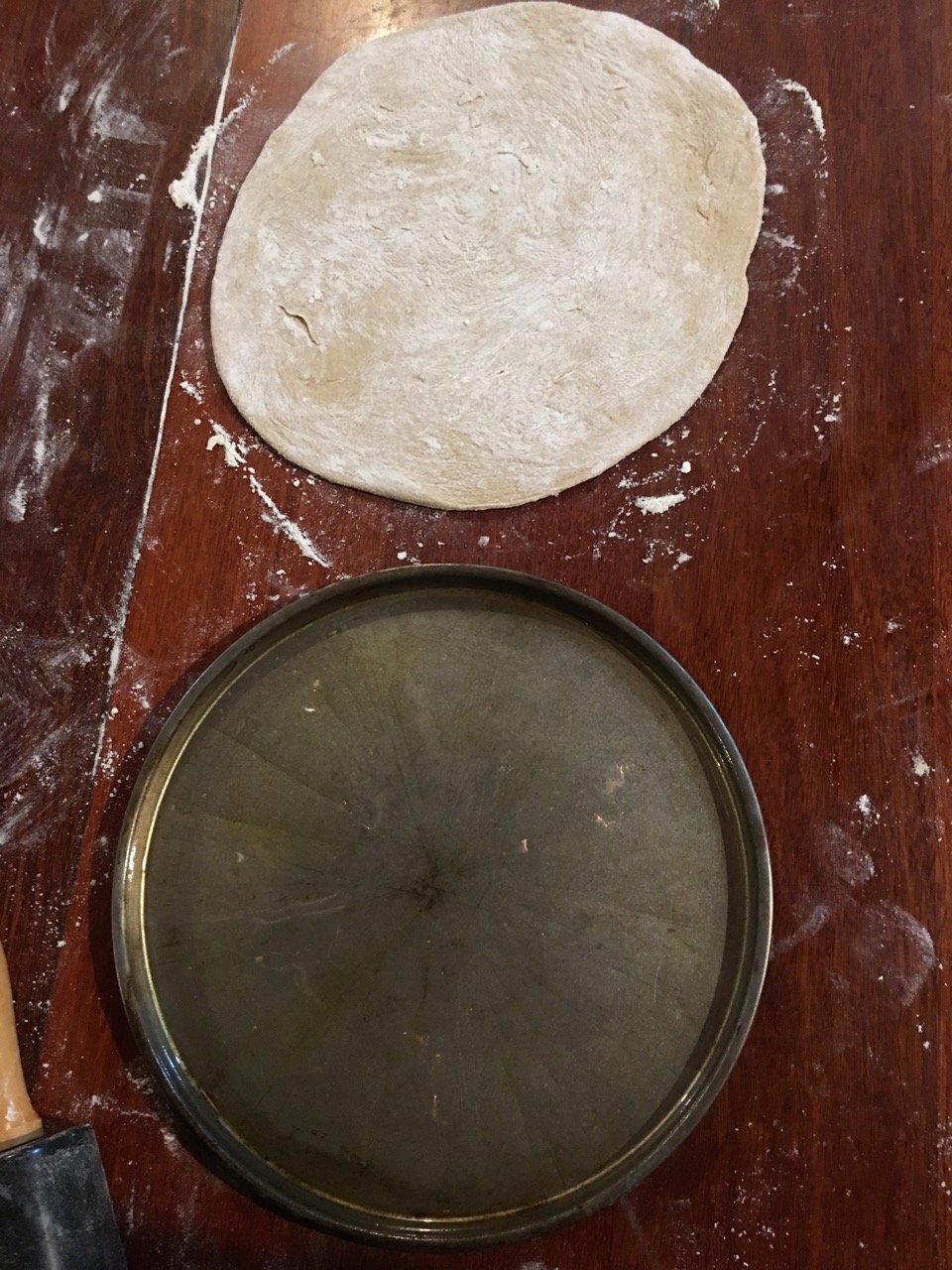
Having burnt off so much energy during the day, we feel that we can afford the calories and have pizza for dinner. I make up some rye flour dough during the afternoon and it is risen and proved by evening. I roll you a couple of thin bases and we use what we have in the fridge as toppings.


I start with a very basic wash of tomato passata sauce and then a sprinkling of finely chopped garlic. We build up the pizza with a few olives, capers and sliced artichoke hearts, topped with some cheese.

10 mins in a very hot oven does the trick.

IMG_0781

We make another one with sour cream, smoked salmon and red onion.

IMG_0783

We have a couple of slices from each one and put the rest in the fridge for lunch tomorrow. Home-made comfort junk-food is very nice once in a while.

Citrus Season Starts

We have the first of the citrus coming on now. Lemons, limes and lemonades. The trees are so loaded that a few of the breaches have snapped under the weight. Janine has made the first batch of lemon and lime marmalade. I use the spent skins of some of the excess to give my copper pans a good clean. After washing up, I give them a quick wipe over with the lemon skin and a dash of salt.

It brings them back to a shiny new look in seconds.

IMG_0770

IMG_0771  IMG_0772

Wood Cutting Working Bee

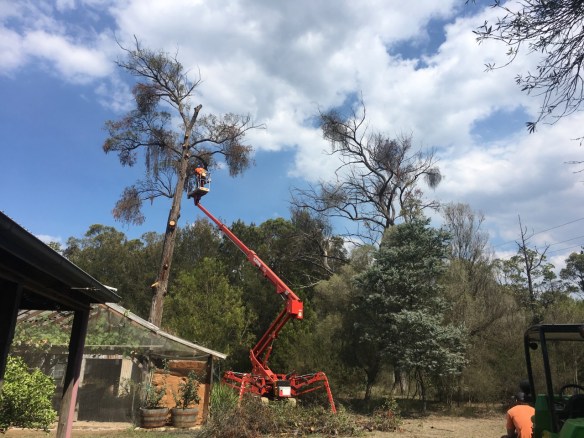
We have recently had 3 big dead eucalypt trees removed by our local arborist. One was struck by lightning, and the other two were killed by mistletoe. We paid the minimum, to just have them dropped to the ground. We took it on our selves to cut them up and remove all the blocks to storage and seasoning.

IMG_0655

IMG_0674

We spent several days cutting up al the logs into small sizes, such that we could manage to move them. Janine and I spent a week whittling away at the big number one log and   finished the first tree by ourselves, but then had the wonderful assistance of some friends and pottery students for a day.

We have been so lucky to have these people volunteer their help for a day and come along to give us a hand in shifting all the logs that Janine and I had spent the week cutting up. It’s a huge task to lift and load several tonnes of wood and then shift it and stack it for seasoning.

IMG_0738IMG_0739

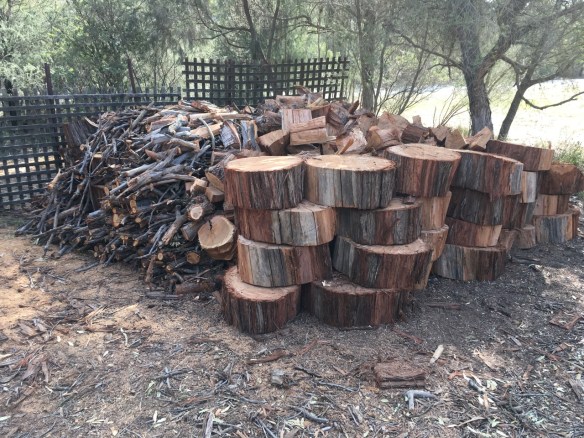
This is all very vigorous work and we sweat copiously in the heat. The larger, straight pieces were all cut to kiln size ‘hob’ length, while all the scrappy, small or bent pieces were all cut to 200mm. length for splitting for the house kitchen stove. The main central log was over 600mm dia. So it was too big to manage at ‘hob’ length of 700 mm. So I cut it to 200mm. just so that we would be able to manage the lifting and stacking. I rigged up a couple of planks , so that we could roll the bigger lumps up onto the truck to be carted to the wood shed and splitter.

IMG_0744IMG_0750

This should keep us going for a few years in the kitchen stove.

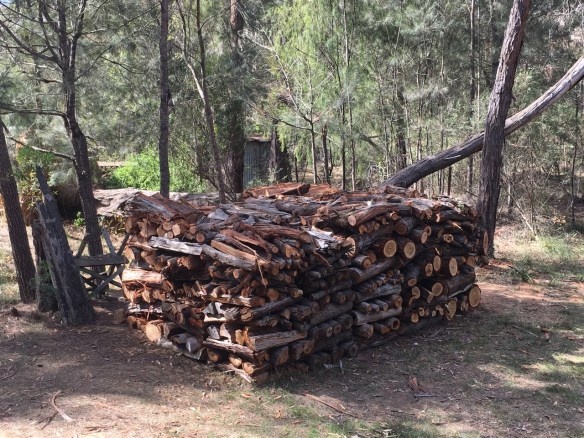
All the smaller dia. logs were cut to ‘kiln hob length’ of 650 to 700mm to suit the fire-box of the kiln, and then stacked for seasoning. A year or two should do it.IMG_0752

There is about 7 or 8 tonnes in this load of 19 stacks about 1200mm high.


Mid Autumn and the Chilis are Ripe

Up until last week we seemed to be in a perpetual summer. The temperatures were holding up in the mid 30’s and everything is so, so, dry. We haven’t had any meaningful rain storms since the March before last, that’s 13 months ago. so now we are using our drinking water from our rain water tanks to water the garden.

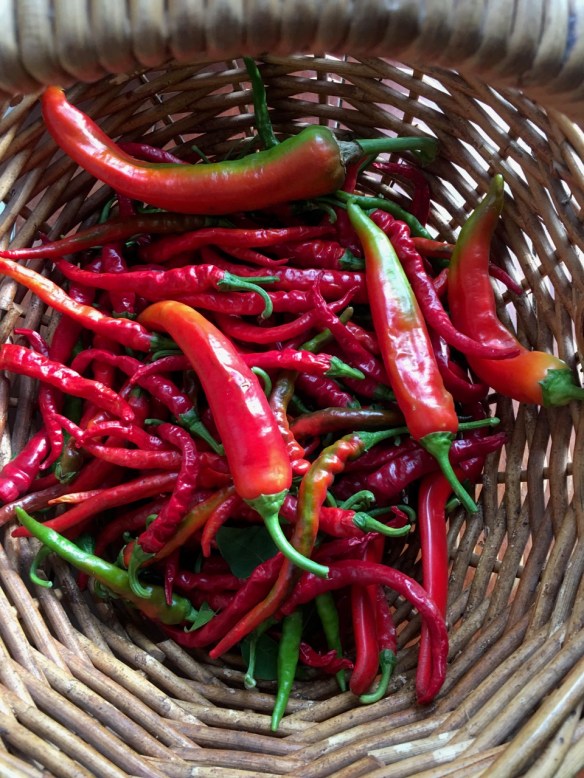
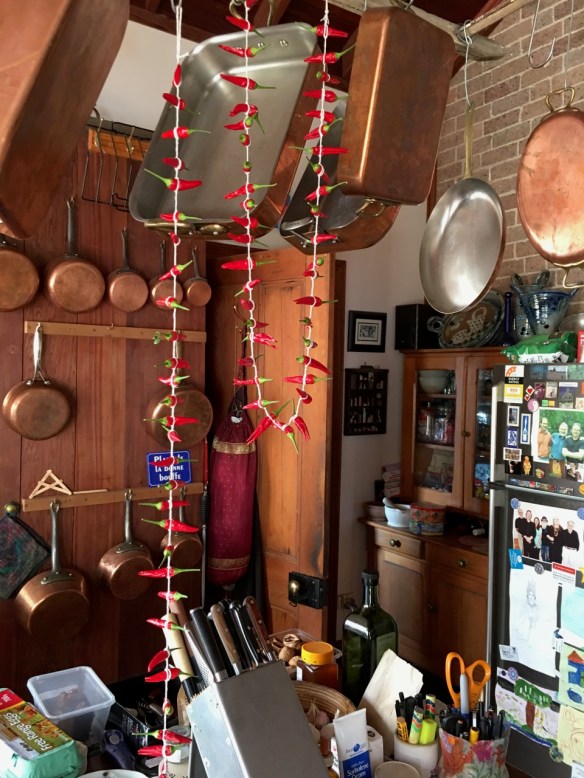
This extended ‘Indian summer’ has brought on the chilli crops. We now have many more chilis than we can eat, so we are starting to give them away to neighbours and friends,  and hang them up to dry for use later in the year.

IMG_0722

IMG_0724

One row of plants is quite enough for us. They seem to bear quite heavily, all culminating now in autumn. We’ve been picking them steadily all summer, from when they were quite green and only just big enough. Now they are fully ripe and have developed their full heat. We have grown 3 varieties this year.

IMG_0726IMG_0732

Small smooth round Thai chilli, crinkly hot cayenne, and mildly heated paprika  capsicums.

The First of This Years Little Wood Fired Kilns Goes Out the door

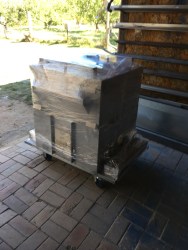
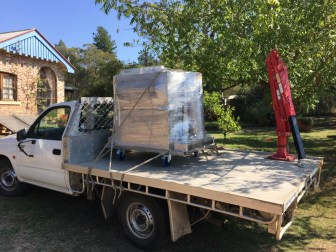
I have been busy working away at the first batch of little portable wood fired kiln for this year. I had too many to fit in the workshop in one go, so divided them into 2 batches. The first batch of 6 is almost finished. I had to finish one in a hurry to catch the boat to Tasmania last week.

IMG_0668 IMG_0671

The rest of the little ‘Daleks’ are calling out “incinerate, incinerate!” But they are toothless, as I haven’t welded the stainless steel fire-box grates or made the burners as yet, so we are all still safe. They still need another weeks work on them to fit out all the additional features, but he main body of each of them is complete.

IMG_0721If you are one of the dozen people who contacted me and asked to be on my build list for this year. This is where I am up to. I will be contacting the first 6 customers who have paid their deposits in the next week or so.

Mustard Pickles

Mustard Pickles are an odd thing. You need cucumbers from the heat of summer, and cauliflowers from the dead of winter to be flowering and bearing at the same time. I have no idea how this might have originated in history. I can only imagine that it is a modern invention. Sometime since global transport was invented, so that food stuffs could be hauled from warm to cold climates and vice versa.

I can’t make this kind of pickle to the traditional recipe. I choose to only make from what I can grow, so this is the time that we have our first early cauliflowers coming on. We have had our first plantings of cauliflower roasted, stir-fried, steamed, gratin’d, and as cauliflower soup, but still they come. So it’s time to pickle the last of the first plantings. When I think of cauliflower, I think of that thick, yellow, acidic/astringent/sweet/salty mustard pickle.

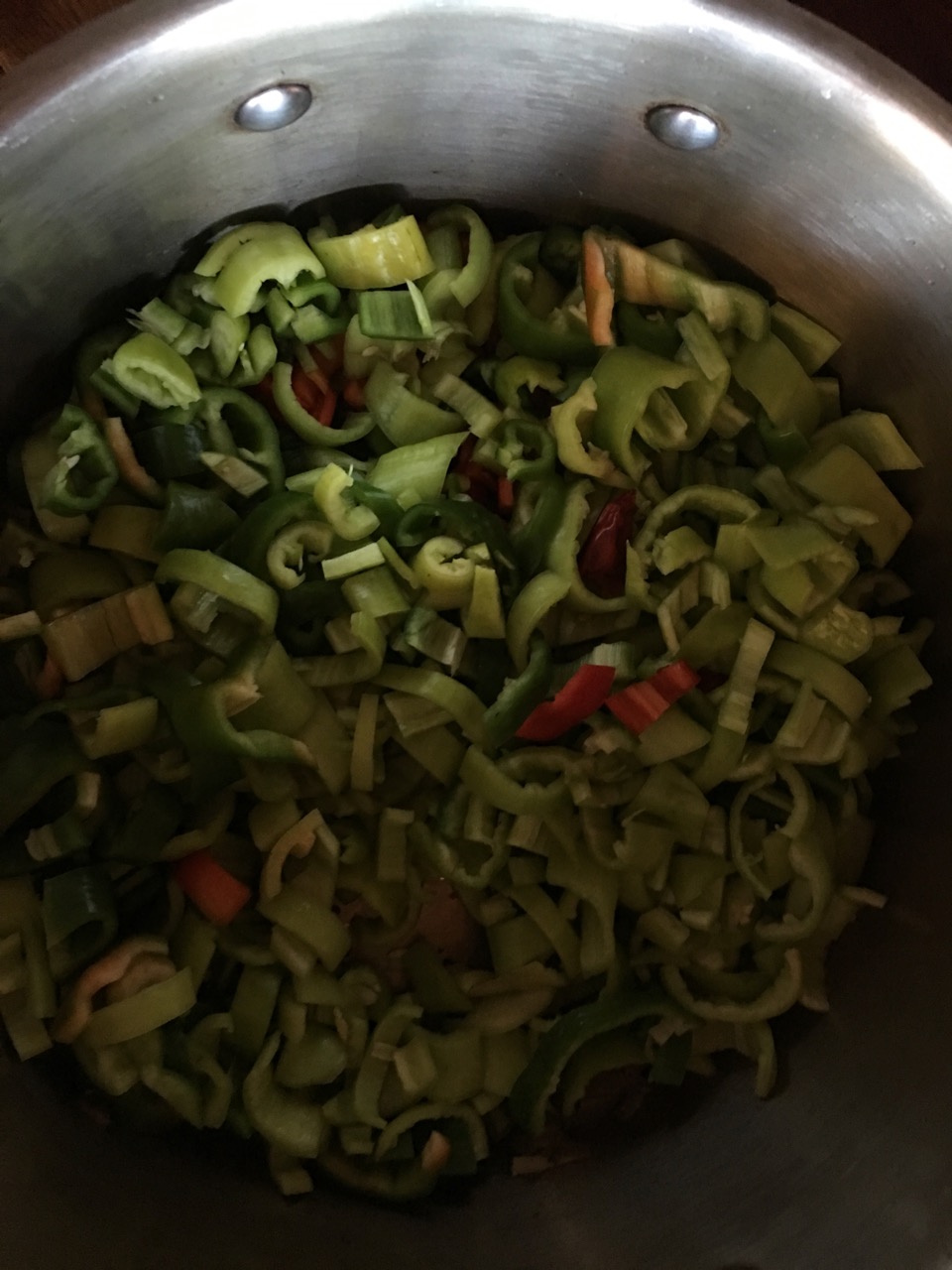
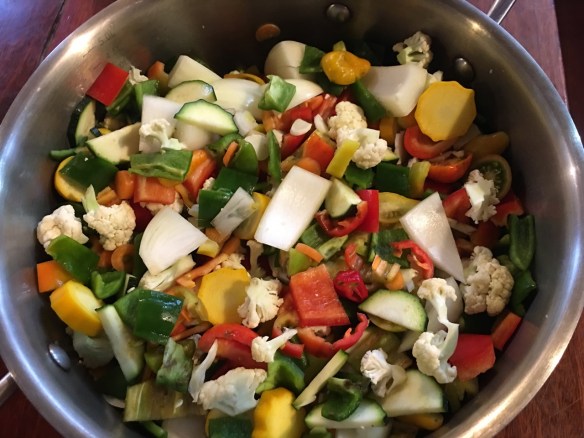
Cucumbers are listed as an essential engredient, But the cucumbers have all shrivelled and died in the hot and dry summer, weeks ago. So I do what I always do on these occations and I do what I can, with what I have. I have the last of the zucchinis, yellow, green and black. They will replace the cucumbers. I have capsicums, long and bell, both green and red, some sweet and some hot peppers, yellow, lime-green and red. Chilli  and onions, the last of the tomatoes, round red, pear shaped yellow and not quite ripe green. Plus some small carrots and a small celery plant. The last few items are not usually included in mustard pickles, but this is what I have. So this is what I will use. I decide to leave out the beetroots. I have lots of them, but I want the pickle to turn out yellow-ish, not red! This is not the usual blend, but its my own home grown autumnal blend. Zucchinis will work fine instead of the cucumbers.

Pickling has been used since the most ancient of times to preserve food from the summer harvest bounty, well into the winter and salting was always the preferred mode. If you add 2.5 % of the weight of the veggies as salt and massage it through the mix, the vegetables will sweat out their juices and then pickle themselves in their own brine over night, while at the same time setting up a natural ferment of lactic acid that consumes the sugars and stops any bacteria from growing in the acidic, low pH environment over the next few days.

Modern mustard pickles however, use a mix of salt, sugar and vinegar to preserve the vegetable mix. I wash and then chop up all the vegetables into small bite sized chunks, place them all in a 5 litre pot and add a good handful of salt. The mix is left to sweat out its juices overnight.

IMG_0711

IMG_0713

After sitting in its own brine over-night, I pour off all the salty liquor and rinse a couple of times. When rinsing, I fill the pan with water, just to cover the vegetables, I pour off the water into a measuring jug and measure the amount water needed to fill the gaps between the veggies. This tells me that the 3 litres of chopped vegetables in the pan leaves 1.12 litres of gaps that need to be filled with the pickling liquid. So that is how i know how much pickling mix to make, as I’m not using a recipe with exact volumes of vegetables. I’m just making something by the seat of my pants and improvising. It doesn’t matter, it always tastes good, and I don’t want to make up too much or too little to cover the vegetables. Having rinsed all the salt off the vegetables,

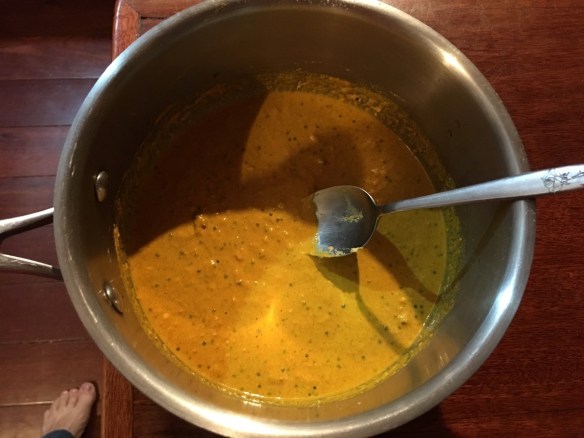
I prepare a pickling mix of ;

1/2 cup of flour

2 teaspoons of mustard powder

1 table-spoon of Tumeric

2 teaspoons of black mustard seeds

2 teaspoons of white mustard seeds

1 teaspoon of curry powder

1/2 teaspoon of home-made dried cayenne pepper flakes

1/4 teaspoon of home-grown and dried hot chilli granules/flakes.
IMG_0716

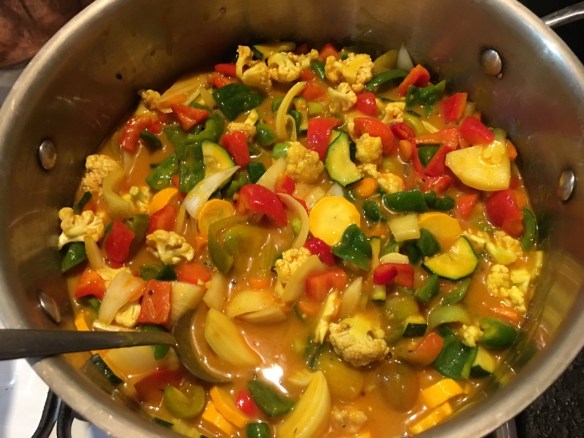
I add Just enough cider vinegar to make a thin paste, that when heated, thickens, while being constantly stirred. Add a spoonful of salt and another of sugar to taste. This is then poured over the vegetables and the whole lot brought to the boil and simmered for just a few minutes to complete the thickening of the sauce and vegetable mix.

Pre-heat glass jars in the oven and simmer the lids. Spoon the thickened mix into the hot jars and seal with sterilised lids while still hot. Perfect! Don’t worry if the liquid seems a little bit thin. It will thicken when it cools.
IMG_0717

IMG_0718

Serve as a condiment with a well aged cheddar style cheese or with cold meats. My own particular favourite cheese is 32 months aged, ‘Epicure’ Cheddar style cheese from New Zealand. Bitey and flavour-some. An excellent combination!

Sterilised in this way, these pickles will last all year, till the next cauliflower glut. If you don’t eat them all first!


Colour, Sound , Movement, – then Stillness

We have recently been in Adelaide for the Adelaide Arts Festival, the Fringe, Writers Week and finally WOMAD. It’s our annual holiday, Art pilgrimage and music fest binge. A really engaging, thoughtful and enjoyable couple of weeks. Womad was the best that it has ever been. There was a really captivating event staged each evening over the stage 1 area involving ‘angles’ working on high-wires high above the crowd, dropping feathers as they went about their angelic business. First, a single angel with white umbrella casting a few feathers to the crowd.

DSC02985

Appearing one at a time, the ‘angels’ floated across the dark sky, initially dropping hands-full of feathers, then more of them, one with a suitcase dropping fists-full. As the performance progressed, there were several angels some with huge barrels full of feathers that they set free in the spot light and the breeze.

DSC03035

The performance progressed, with a giant inflatable ‘Putti’ angel dancing with them in the sky. More and more angels appeared on multiple high wires and distributed ever more feathers to the audience below, so that by the time the one-hour performance was coming to an end, the entire sky was filled with angels, beautifully performing their ‘angelus’, distributing their feathery messages to us on the ground in our eathly domain. Their delicate messages slowly fluttering effortlessly to the ground.

DSC03012 DSC03003

DSC03017 DSC03028

Error
This video doesn’t exist

On the ground, the ‘angels’ danced and cavorted amongst the crowd in a haze of floating feathers while the putti hovered above.

DSC03061

Finally as the music slowed, the angels stood up on some elevated platforms and each took a bow.

DSC03072

DSC03102

It was a really delightful surprise, totally engaging and truly spectacular, as I had no idea what was going to happen, I just went with it. I think that it was the best one-hour performance that I have experienced there. Funnily, It wasn’t as surprising or spectacular the 2nd time around, but I still enjoyed it.

I did wonder who was going to clean up the many cubic metres of feathers from the park.

In total contrast to this spectacular and very loud musical event. We also went to see Kirsten Coelho’s show at the Jam Factory, as part of the 2018 Adelaide Biennial of Australian Art. In almost total darkness and absolute quiet we arrived early in an empty room to view this very beautiful installation. From furious activity to quiet contemplation.

IMG_0423

Beautiful.

Boiling and boiler-making

The first batch of new little wood fired dual/fuel kilns takes shape in my workshop. I could say ‘rolls off the assembly line’, but I’d be telling a lie. My kiln shed is only just big enough for 8 of these little gems at one time and there is definitely no assembly line, just a kind of organised chaos as all the parts get made individually and then assembled. I have 9 kilns ordered this time round. I can’t fit them all in comfortably, or even uncomfortably, so I decide to split the work into two parts. The 6 large and then 3 small units.

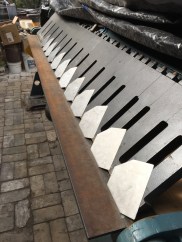
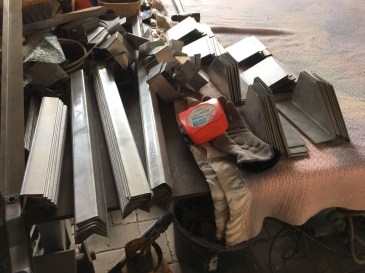
I spend an extraordinary amount of time making all the fiddly parts that go into handles and locating lugs etc. I spend 3 days on these parts, even with a bit of help from my lovely Swiss intern Catherine assisting. There are 100 lugs to be manufactured for just one small part of the first 6 kilns. Each part needs to be filed on all 4 sides and also have the corners filed down and rounded for safety, then a safely edge folded over to make it extra safe. In all there are about 1,000 individual actions that need to be performed on these tiny bits, just make one small part that no-one even realises is there.
That is until it is not there!
After three days of this monotony, I need a day in the garden!
IMG_0578 IMG_0582 IMG_0584
IMG_0609
While all this industry is going on, there is still gardening to be done to continue the flow of food from the garden in 3 months time. The equinox is the time to plant garlic, as well as leeks, brocoli, cabbage and Kale. Cauliflowers and Brussel sprouts were already planted in January. Today I am planting radish seeds to make sure of a continuous supply of salad next month. The lettuce seeds are already up and thriving.
The 2nd planting of corn is all over and we are onto the 3rd crop now. The few small 2nd cobs on the old corn plants are rather small, but I pick them and dry them in the sunny kitchen window to dry them out. when they are fully dried, I’ll mill them up into polenta for winter comfort food.
IMG_0602 IMG_0612
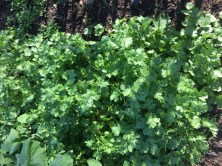
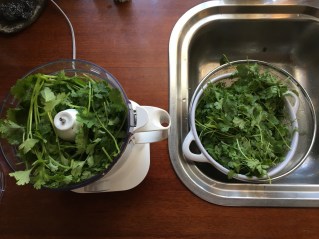
Today, I also harvested half of the coriander crop, as it is at peak leaf just now. This is the seed from the summer planting, which was the seed from the spring planting etc. I decided to make a coriander based green chilli paste.
Recipe;
A bucket of fresh picked coriander leaves
A hand full of green onions
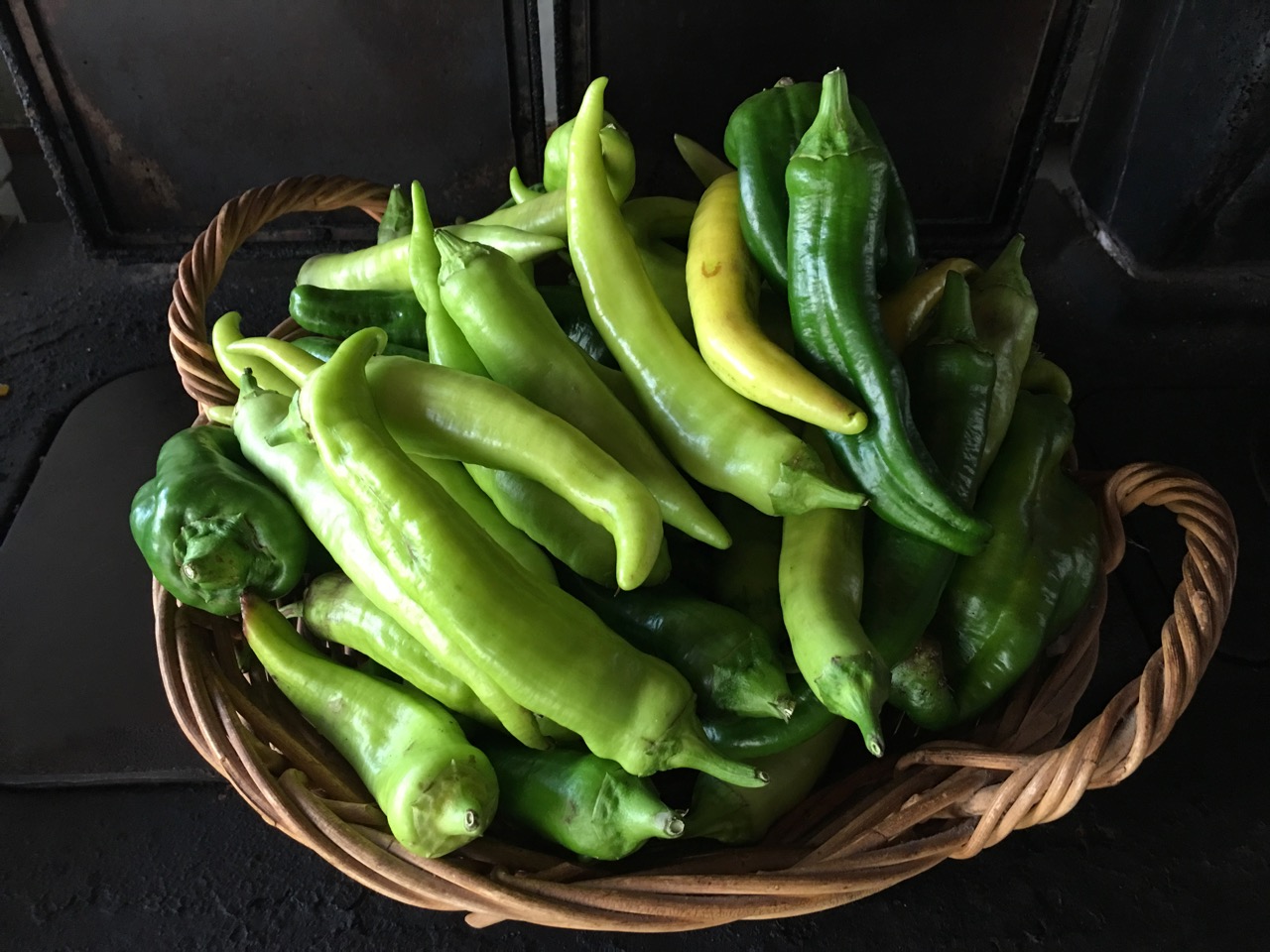
4 long green chillis (hot)
The juice of one each, lemon and lime
Some salt to taste, I keep this to the minimum, but without it the full flavour profile insn’t realised.
Salt is evil stuff, it hardens your arteries and causes hypertension. It is added in far too greater quantities than is really needed to every processed convenience food. We all get way too much of it without even realising it! It’s up there with sugar as a harmfull ingrediant, simply because we eat too much of it.
We don’t buy any junk food, and hardly ever buy much processed foods, but it is still very wise to limit the intake of salt. As a result we don’t have high blood pressure. I think that the two are related.
Still, a tiny pinch of salt goes really well with just a few particular foods like; tomatoes, eggs, curries, pickles and this coriander paste.
IMG_0605 IMG_0607 IMG_0608
I manage to fill 2 plastic tubs with the concoction. It’s tangy, spicy, hot and very aromatic. 3/4 of it goes into the freezer in this way, so that it will keep for the rest of the year, as needed. The rest goes into the fridge for immediate use.
Items like pesto and coriander paste are not cooked, so can’t be sterilised with heat to preserve them. We don’t own a freezer, so we have to limit what we choose to freeze. This raw paste, pesto, bone marrow stock concentrate and a couple of meals, cooked in excess at the time to be frozen for emergency meals.
The last of the summer beetroot crop needs to be dealt with before it bolts, so I give them a fast roiling simmer for a few minutes to boil them and soften them a little and then drained and straight into hot bottles from the oven with preserving vinegar. i.e. cider vinegar with a spoon full of sugar plus a 1/2 of salt and brought to the boil with a few spices like, cloves, cinnamon, star anise, pepper corns, bay leaves, chillis and mustard seeds. Such a mix is variable and is different with every batch, as it takes my fancy. Pour the mix over the sliced beets and cap straight away while almost too hot to touch. They vacuum seal as they cool.
IMG_0594 IMG_0595
Best wishes from Steve the industrious, well-preserved, boiler and boiler-maker.

The Equinox and Preserving Autumn in Jars

The Autumn equinox has just passed and the vegetable garden is doing well despite the prolonged dry spell. We have now had a little rain, but the dams are still very low or empty.

There are still some summer crops lingering on even though the night-time temperatures are falling, some of the days can still be quite hot. We pulled out a lot of spent summer plants and made room for the winter season plants.

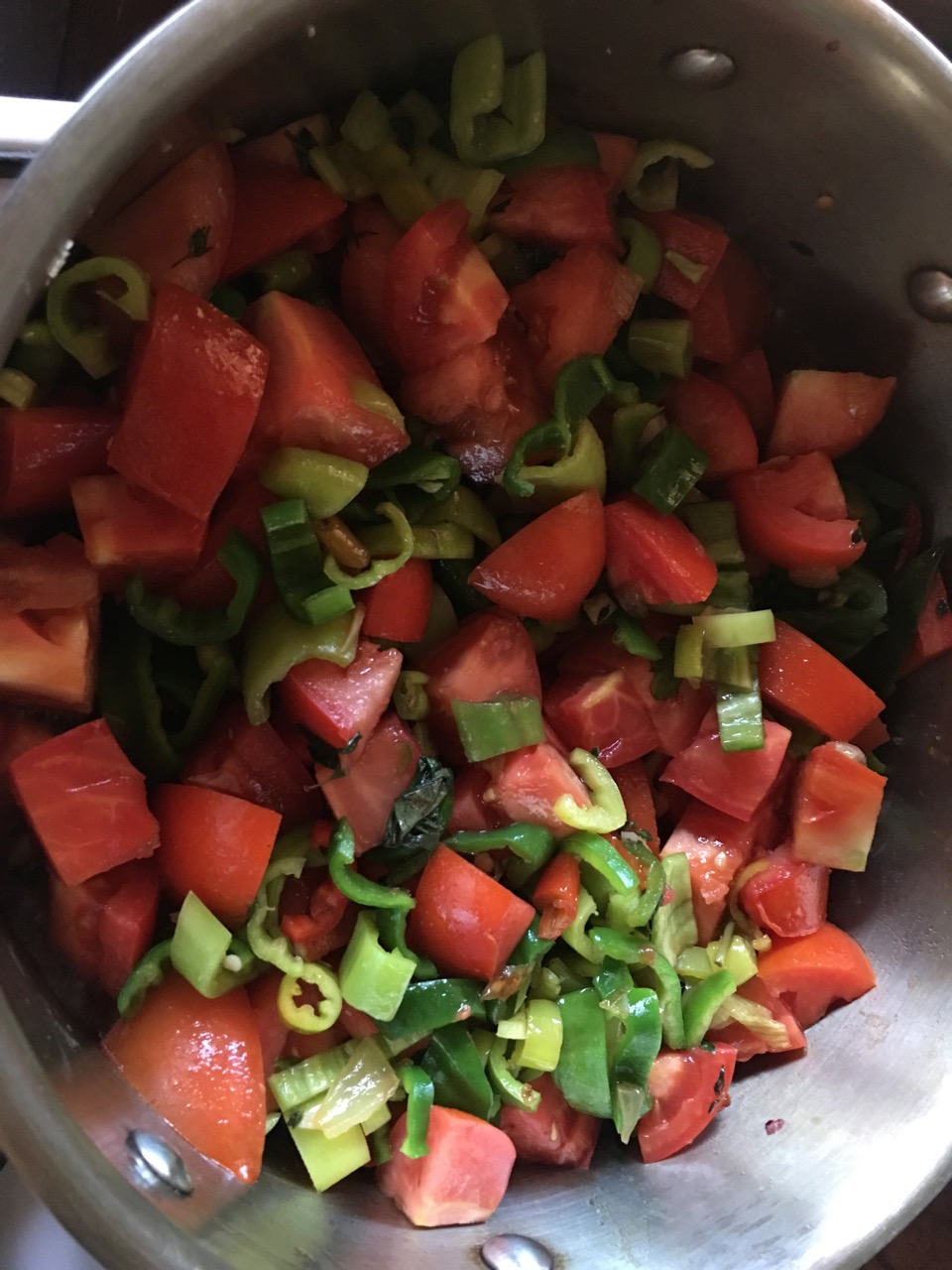
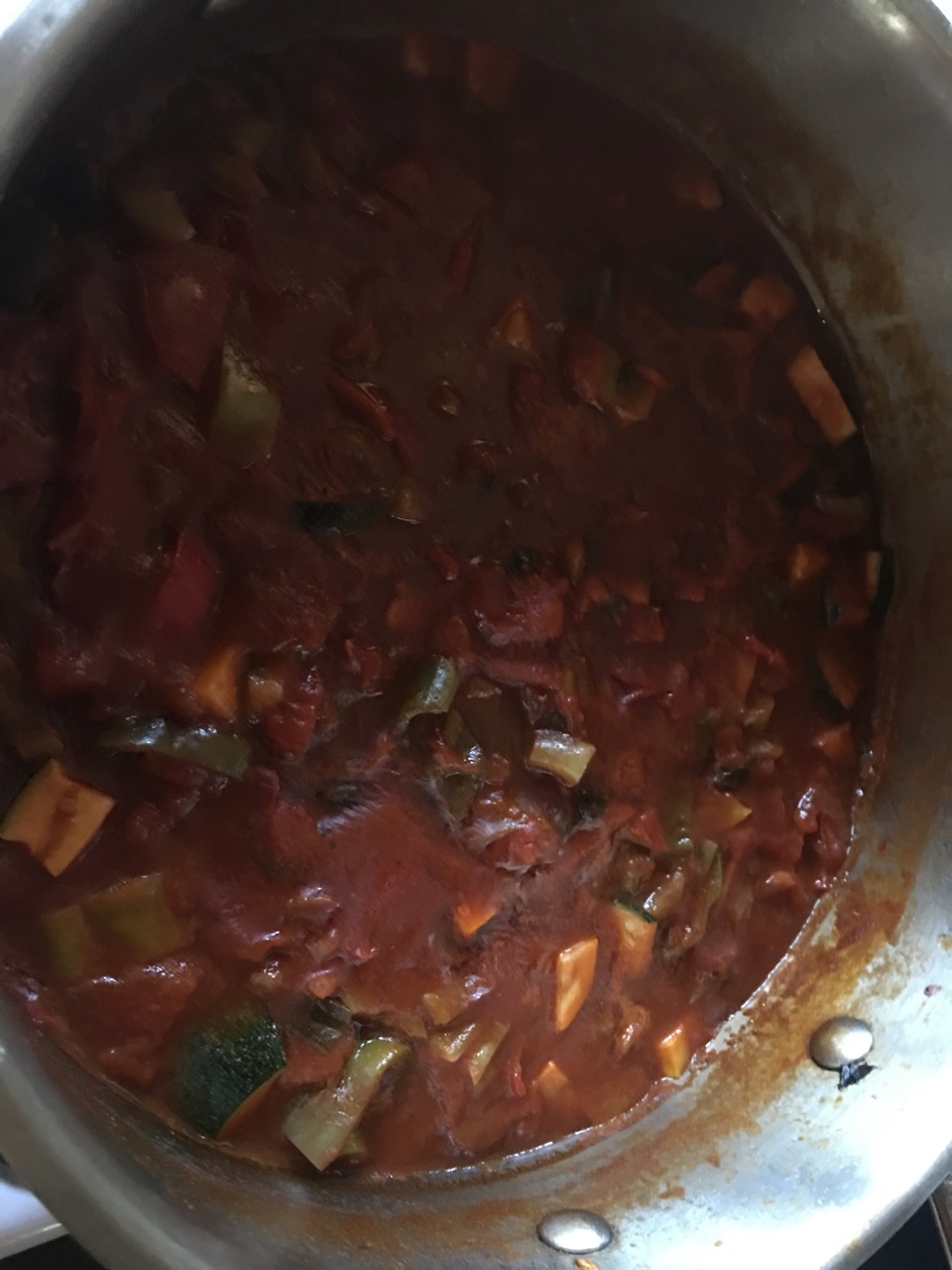
We have already harvested the first cauliflowers and broccoli. We still have some late lingering tomatoes and the last planting of corn to go. But the capsicums, aubergines and chilis are thriving. I managed to get some late zucchini seeds in after Xmas and they have been producing modest numbers of fruit, so ratatouille and all its variations is still on the menu. There is even enough for me to make a couple of batches of passata pasta sauce.


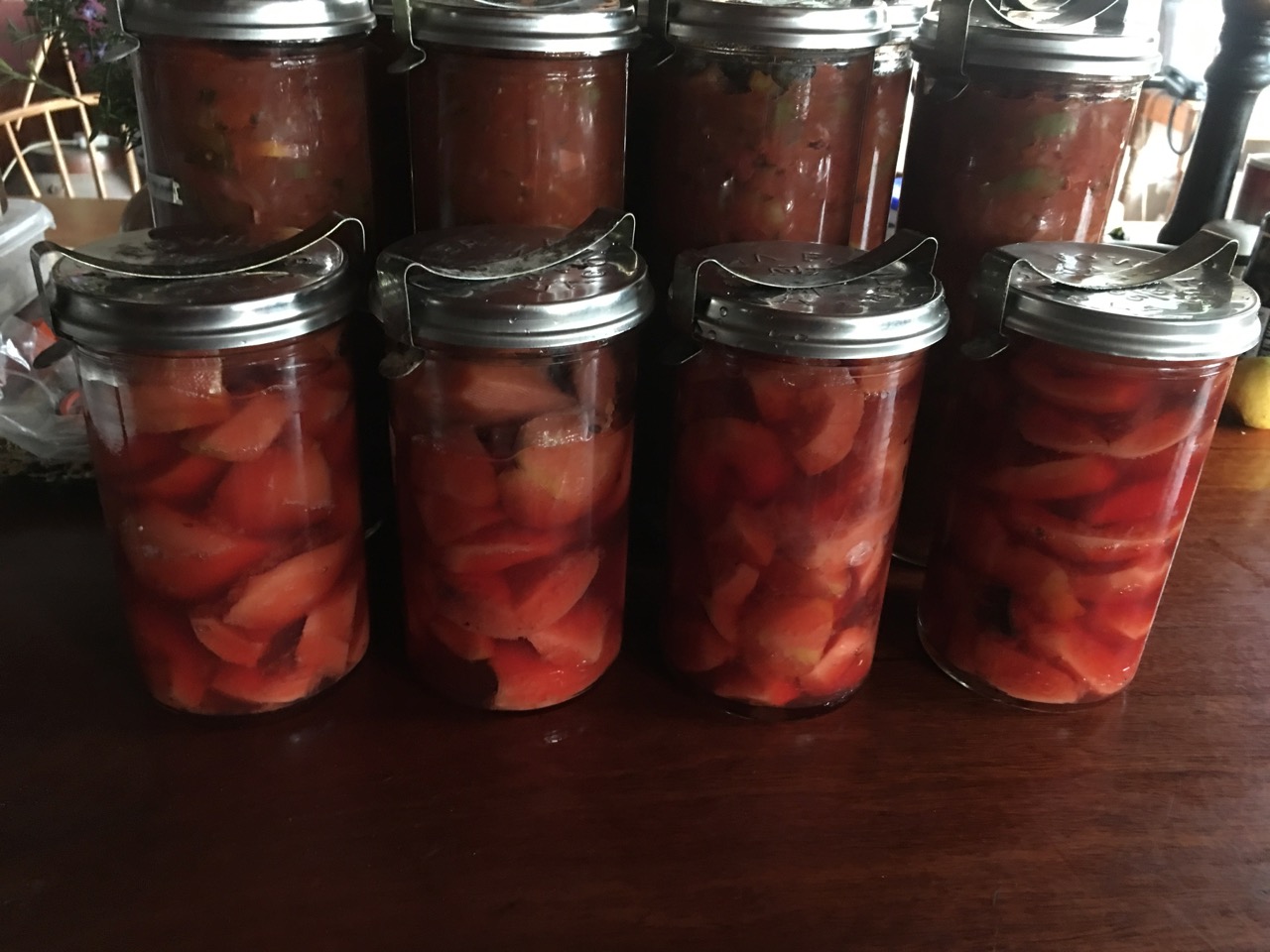
I use some of the last remaining brown onions from our Xmas harvest and a few small knobs of our garlic, lightly browned in good olive oil. The smell fills the house. It’s one of life’s simple pleasures. Hot olive oil with onion and garlic frying. I simmer all the roughly chopped veggies down with a bottle of red wine to make a chunky style pasta sauce. Once its been reduced well and thickened up some what. It is ladled into our 40-year-old, glass Vacola jars and lidded and clipped down to be simmered for 40 mins to be sterilised and vacuum sealed. In this way, it will keep for a year at least, if not longer, if required.

The spring clips are removed the next day after the jars have cooled over night. We test the seal to make sure that they are all perfectly vacuum sealed. Then they are transferred to the pantry cupboard.

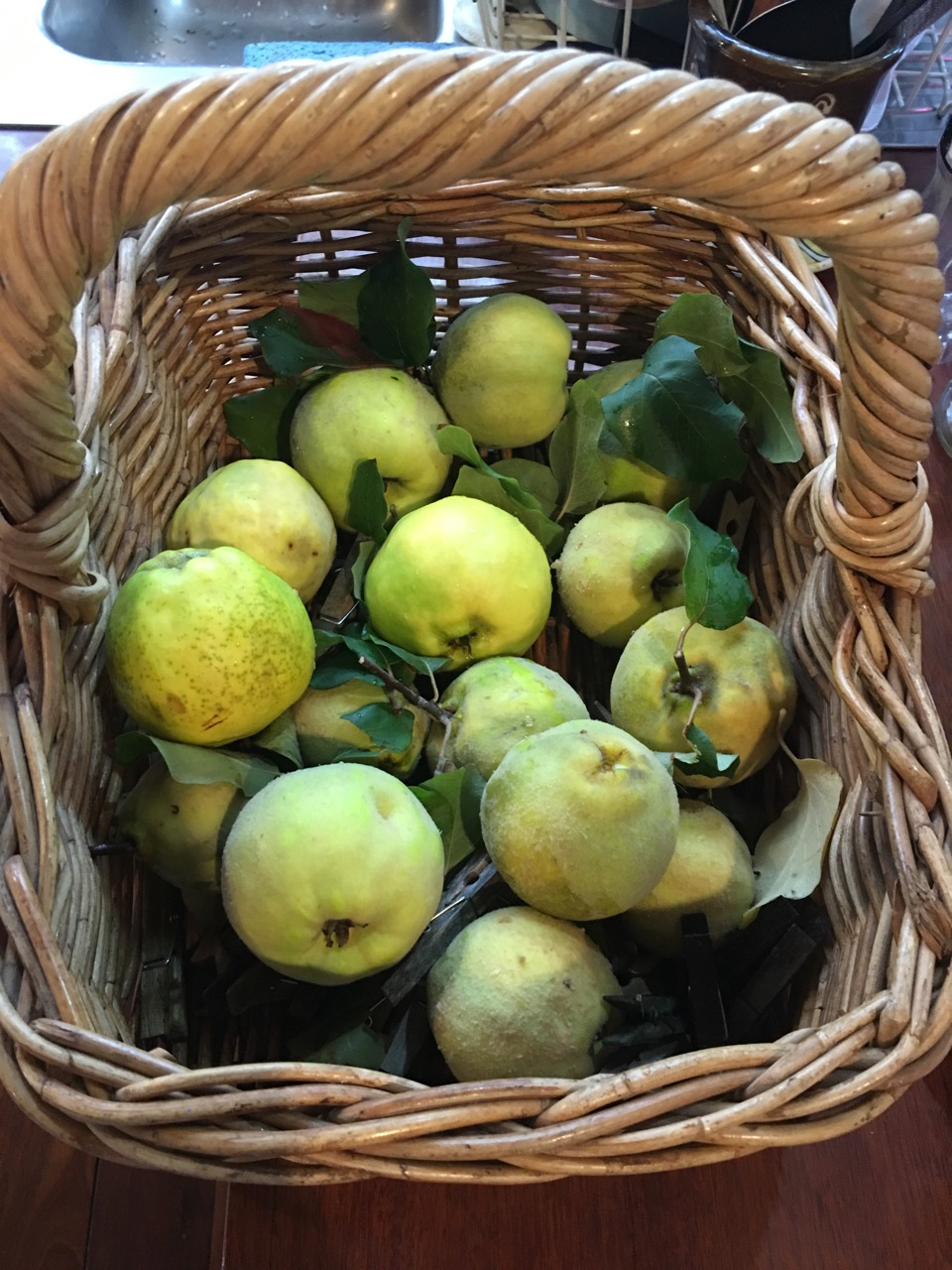
Autumn is also the time for preserving quinces. The quince crop is very small this year due to the drought, but there are a few fruit to pick. This is only because Janine was out in the garden early and netted and bagged the fruit to prevent the birds from getting them. The birds have been very aggressive this years, as I assume that the drought has driven them to hunger. We have more wallabies coming into the orchard too, looking to find extra tucker during the dry. Not to mention the influx of fruit bats or flying foxes, that have migrated up from the colony in Picton recently, possibly also driven by hunger?

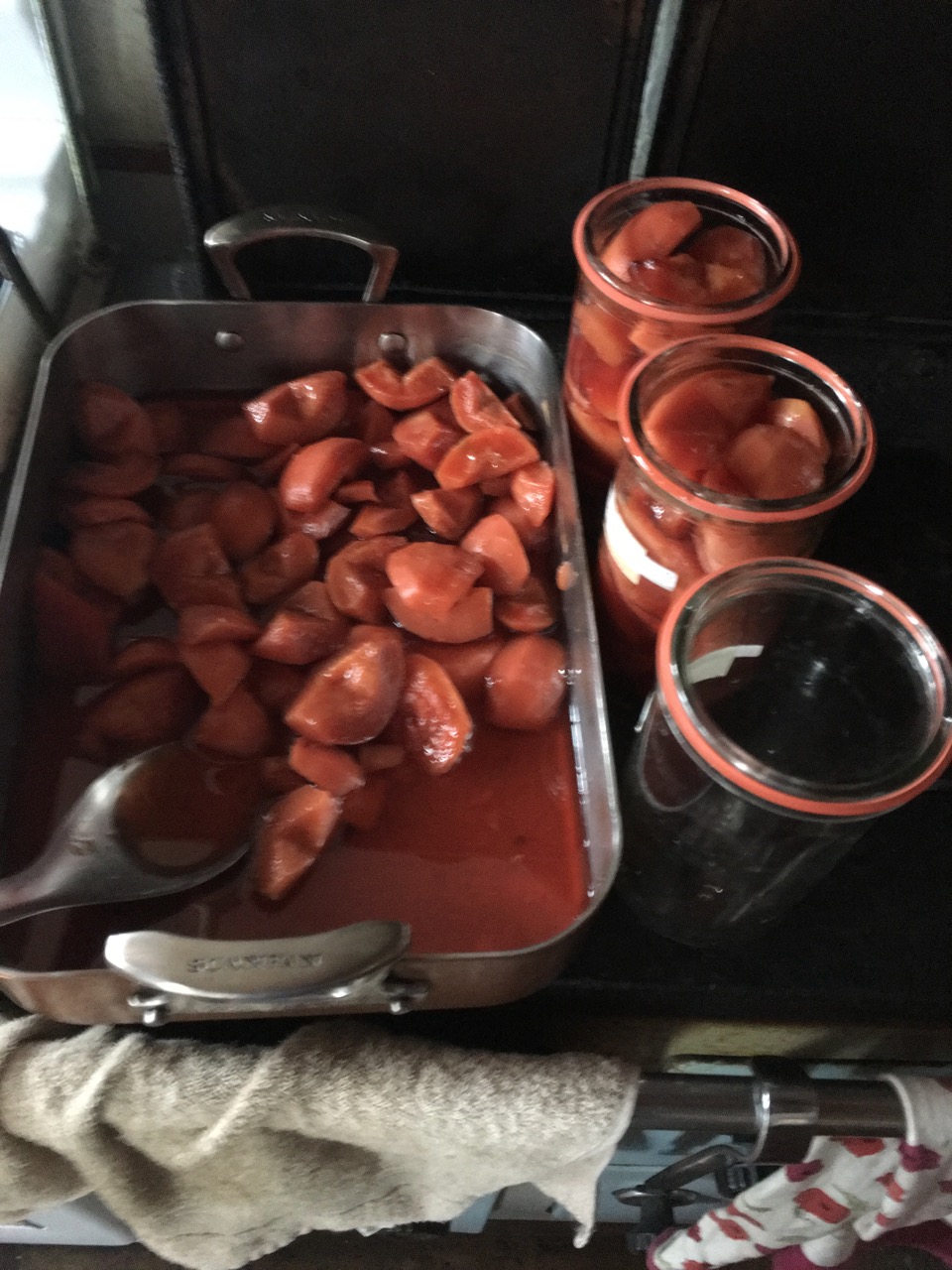
The quinces are washed to remove the ‘fluff’ coating then peeled, cored and sliced. I baked them in a light sugar syrup with some cloves, cinnamon and star anise, and after baking, they turn an inviting ruby/russet colour.  We have some immediately for desert and then again for breakfast the next day. Totally yummy! The remainder are vacuum sealed in ‘Vacola’ jars for use later in the year.


We have harvested the last two late season almond trees and spend the evening de-husking and shelling the small late crop. We have 14 almond trees in our nuttery. We have many different varieties, from very round and almost spherical, to very long and thin. Some are hard shell and others paper shell. Some are slightly salty tasting, while others are somewhat bitter, I suspect that this bitterness is from the naturally occurring cyanide that is found in all the almond/peach related stone fruits. What ever it is it doesn’t seem to be doing us any harm over the past 40+ years of eating them.


Warm autumn wishes from Steve the nutter.