The Talented Ms Rippley

Have kiln will travel and unexpected visitors on our return

In between our hectic schedule of 10 weekend workshops in a row, we have managed to fit in a brief visit to the coast for a little break. Surprisingly, it takes us most of the week to prepare the kiln, props and shelves, cut, split, cart and stack the wood. I also want to slip a couple of rock glaze and woodash tests into the firing for my own interest. Weighing out glaze tests also takes a lot of time.

We are very lucky to have friends who own a part share in a holiday shack down the coast and we are extra lucky to be invited down to spend a couple of nights down there. We get to see the sea and it’s good!
IMG_4301
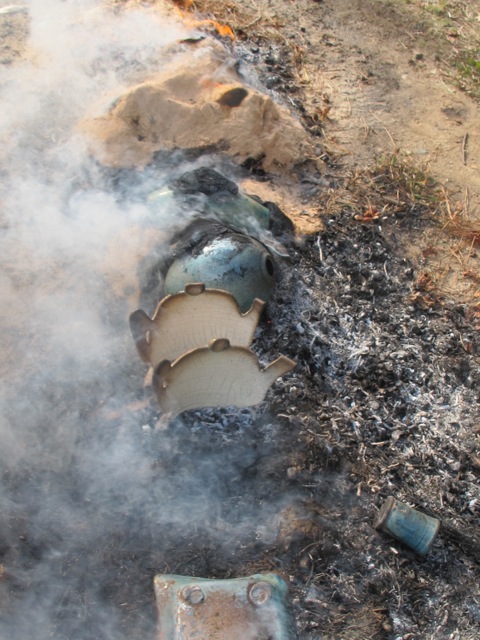
We get away for a couple of days and as it is a potters holiday house, we take one of Stefan Jakob’s brilliant little Ikea rubbish bin kilns with us. It fits in the car with all our bedding, clothes and other travelling parafinalia, plus a big esky of produce from the garden. We know that there will be oysters down the coast, so we take a couple of bottles of cider along as well. Dry cider has to be my favourite accompanyment to go with fresh shucked oysters – maybe a little pepper too.
IMG_4342IMG_4355IMG_4359IMG_4363
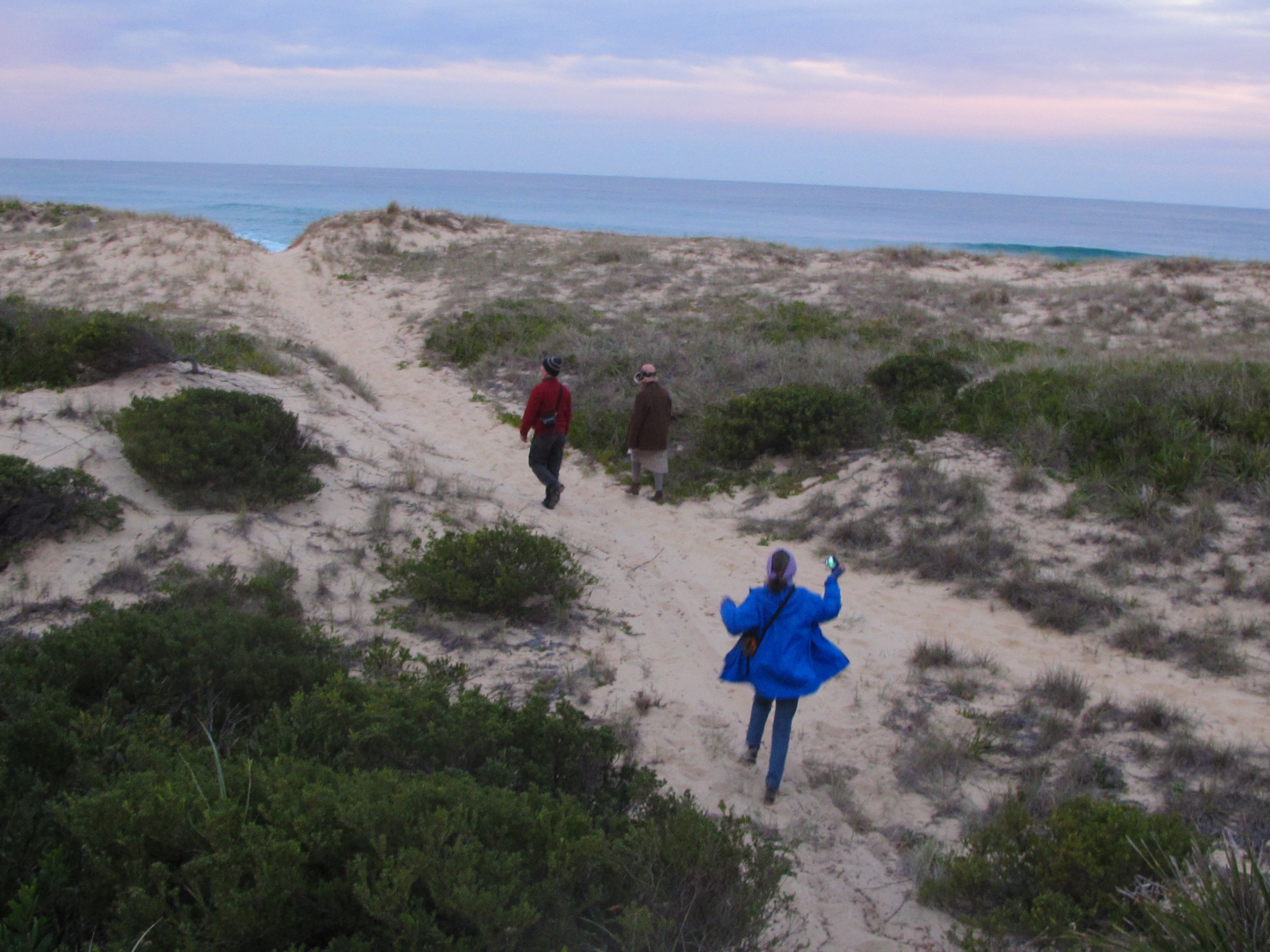
We enjoy the best sunsets and walks along the beach and a time spent in among the rock pools.
IMG_4378IMG_4374

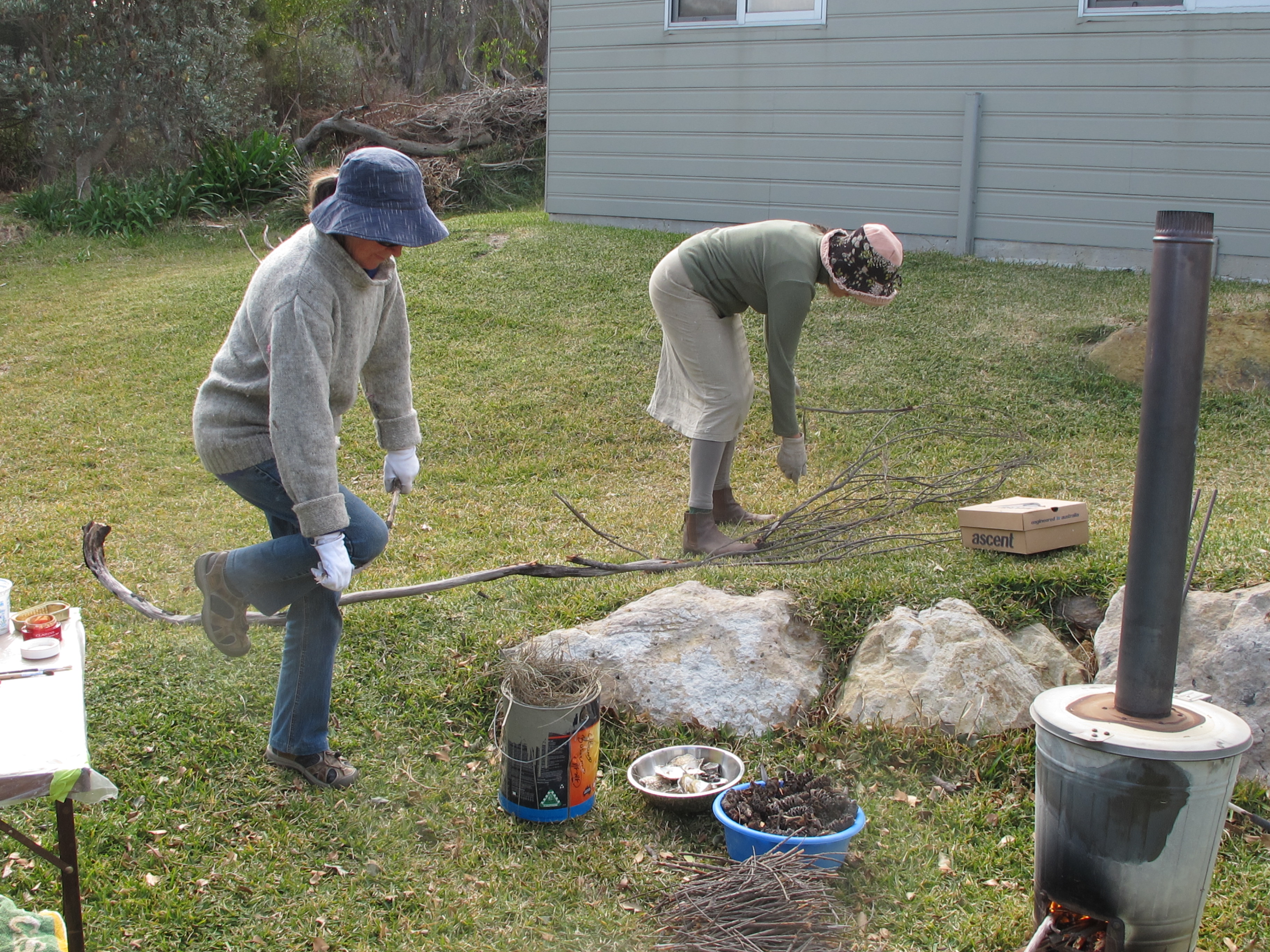
After settling in, we spend the day firing the little kiln with brushwood from around the site. It burns well, and the kiln fires quickly and easily all day with good results. We’ve brought along a bucket of glaze and some gloves, tongs and oxide etc, so we idle the day away sitting in the sun, looking at the view and occationally stoking the kiln. It’s a perfect pottery busmans holiday.
IMG_4323IMG_4327
IMG_4328IMG_4329
A fun day, good company, a nice meal and a bottle of wine and all is well with the world.
We return home to find a couple of unexpected visitors using our place as a short cut from the back gully up to the disused train line.
They are wondering what we are doing in their yard.
IMG_4428
Our workshop students return to unpack the wood kiln and take their pots home. They all seem to be happy. I gave them a talk about the periodic table of the elements in the early hours of the morning during the firing. Something to fill the deadly hours of midnight to dawn. Lucky I didn’t put them all to sleep! They ask me if I have studdied science. I haven’t, but I’m an enthusiastic amateur. To make pots the way that I’m trying to do it, from a few buckets full of soil and some burnt plants from the garden, you need to be able to find your way around a little bit of everything. Chemistry, geology, engineering, maths. Even a bit of artistic talent would come in handy, but it’s The Lovely that has all the talent. Now that she has seen the tide marks on the sand, she’ll probably start making rippley textured pots. I find that hard slog and determined commitment gets me where I want to go. There is no substitute for hard graft.
I get to see my new woodash and local granite rock glaze tests come out of the kiln.
I get a lovely new version of my pink/mushroom ash glaze with a flat, dense, matt crystal surface. There’s a good mustard yellow with grey carbon inclusion where it’s thick. A very clear bright apple green and the usual runny chun, milky opalescent and white crystal glaze amongst others.
All in all a very good result. New buckets of all these can now be made up again. As wood ash varies from tree to tree and from limb to trunk, not to mention season to season. I always have to test every new batch for consistency before commiting to a bucket sized batch. It can take several days to a month to collect, crush, grind, mill, sieve, dry and otherwise prepare these rocks and ashes. I can’t aford to make any mistakes. But I always do. No batch is ever the same as the last using the same recipe. It’s the continual natural variations that make this kind of research so interesting.
IMG_4409IMG_4411
fond regards from The Talented Ms Rippley and her Busman.


Pugging our Way Through Life

There is nothing quite so meaningless than pugging badly de-aired clay through a 4″ Venco with poorly fitted or leaky seals.
No matter how many times we re-pug it doesn’t get any better.
It is a beautifully rewarding example of futility, Sisyphus tried to tell me.
I’ve rolled a few stones up a hill or two, but I usually end up crushing them into glaze powder.
Preparing clay can fill our meaningless days in an endless cycle of pugging and re-pugging.
I’d better fix that seal.
But how can I fix that seal when there is so much pugging to do?
Pirsig tried to tell me in Zen and the Art of Venco Maintenance.
Still, everyday comes to an end.
.
Nothing lasts.
Nothing is ever finished.
Nothing is perfect.

The Gautama tried to tell me.
.
The Lovely is busy washing up. Washing-up like clay prep never ends, there is always more
The Lovely One tried to tell me.
.
Is this my beautiful wife?
Is this my beautiful House?
How did I get here?
Even Brian Eno and David Byrne tried to tell me!
 
.
Same as it ever was.


A Bastielle Day Cassoulet

A letter from the kitchen and the garden

Winter has finally arrived, very late with cold gusty buffeting winds, off the snow. We have finally had a mild frost that has killed off the little tomato plants that were bravely thinking that they might get in a very late/early crop. They got as far as flowering, but they are well and truly shrivelled up and blackened this morning. The potatoes however are not that badly affected, only a little bit of damage to the growing tips. While down in the ‘pantry field’ garden, in the clearing among the tall eucalypt trees, there is no frost. At least not yet. All the plants down there are looking fine for the time being.

IMG_4291  IMG_4290
Potatoes doing fine
IMG_4260IMG_4258
Tomato plants flowering out of season
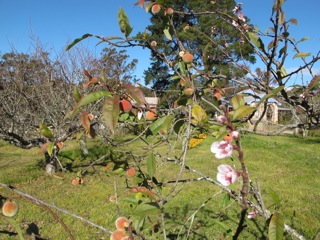
The early peach is so early that we just ate what was the very last peach of the autumn or the very earliest of the spring.
Smack in the middle of winter!
It has another crop coming along and is also flowering as well. It’s quite mixed up! I don’t know what to make of this tree. It’s the only one that is acting this way. Very strange. The variety is Sherman’s Early 3-1. and it was planted in 2006, so it is 8 years old now, and has fruited well for the past few years, but this is the first time that it has tried to flower and fruit all year round. Despite the cold weather, it still persists in retaining a few leaves. I can’t understand how it can get enough energy from those few leaves to ripen a crop of fruit?
IMG_4273  IMG_4278
IMG_4280  IMG_4282
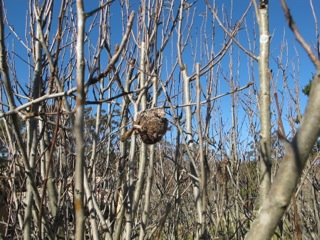
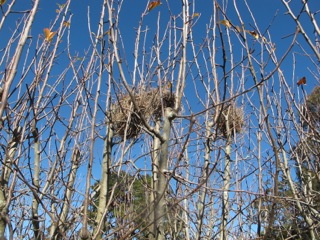
All the other fruit trees in the stone-fruit orchard have lost all their leaves revealing a host of birds nests in among the branches. Some of these trees have five nests in them. We have a host of small birds nesting in and around the garden. They do a fantastic job cleaning up a lot of little insect pests in the veggie patch.
.
This months red meat meal is pork. Well, maybe that isn’t a red meat meal.
As it is almost Bastille Day and we have so many friends in France from our trips there, I have decided to make a cassoulet to celebrate. Last year we celebrated by making a cassoulet based on kangaroo fillet rather than on duck and pork. I called it ‘Hop-a-long Cassoulet’. A truely Australian cassoulet.
This year I have some pork fillet and some hand made pork sausage that my beautiful Son Geordie has made. Geordie is the Sous Chef at Biota Fine Dining in Bowral. A two hatted restaurant.
 http://www.biotadining.com
Check it out. They are working really hard to be the best that they can be.
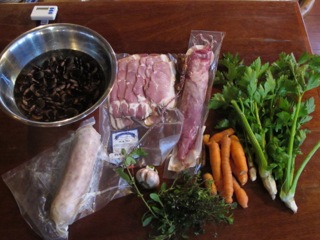
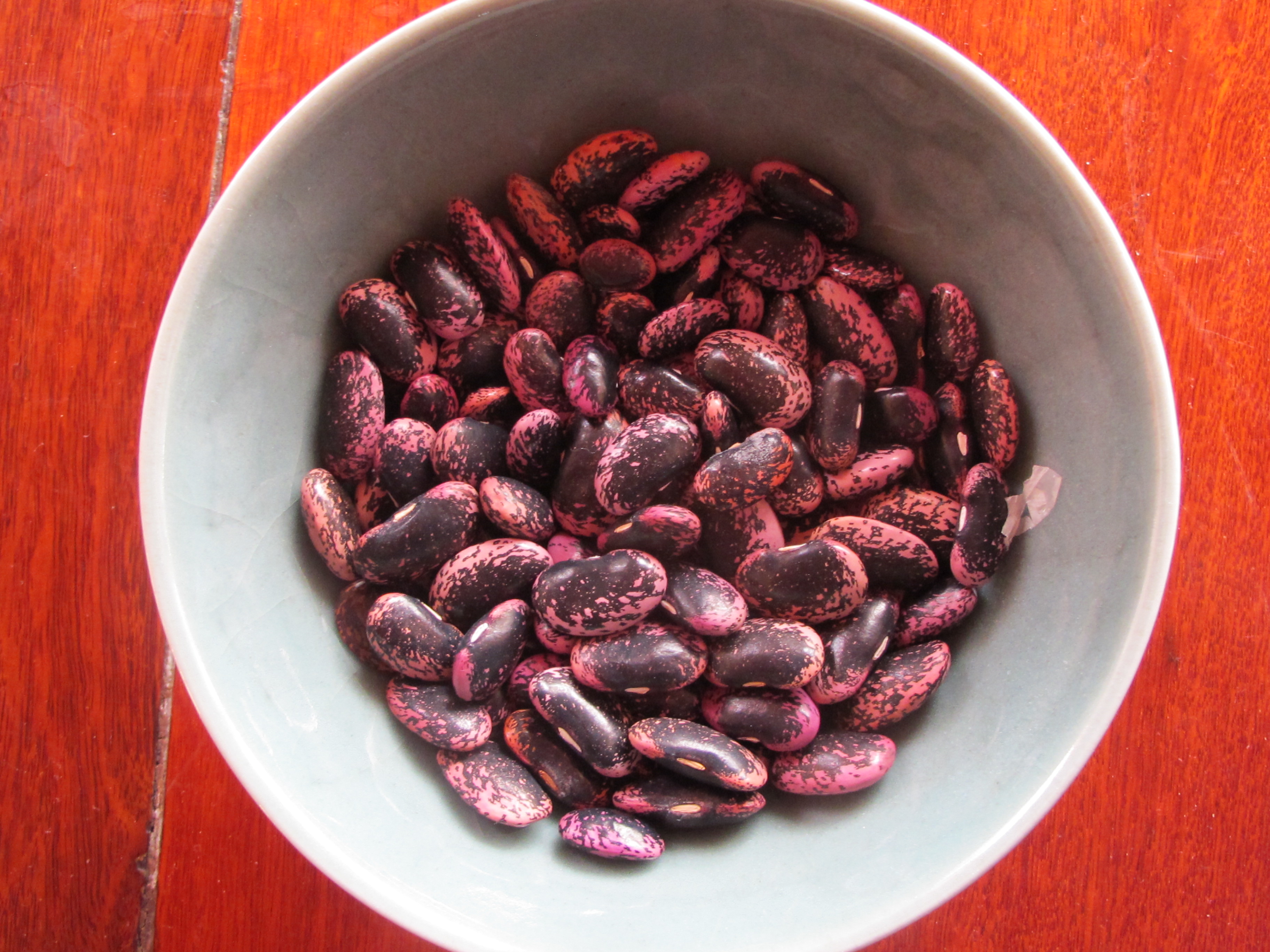
He is a good Chef and has made a hand-made pork sausage that will go very nicely with our home grown and dried beans and vegetable mirepoix as a base for the cassoulet. We don’t have ducks here anymore so we will make it without the duck. Well, we are in Australia after-all, so it doesn’t have to be exact. It’s the thought that counts, and today we are thinking of our friends in France. Cassoulet was traditionally a dish made from what was available at the time of the season. We have dried beans left over from the Summer excess. We also have some tomato/caps/onion/garlic sugu in vacuum sealed jars these can be mixed with carrots, celery and a bouquet-garnet of fresh herbs from the garden. It’s all looking good.
IMG_4402
I have some pork back-strap fillet and bacon rashes from the local farm butchery in Burrawang. The Maugher Family have their own farms and a butchery where they process their own animals. The Maughers, who I pronounce More-ger, because that’s the way that it’s spelt, have a very good local reputation. We are particularly fond of their home smoked bacon rashes. They have their own smoke house and the bacon has a distinctly smoky original flavour. Not at all like the stuff that they serve up at the supermarket.
There are apparently a few ways in which you can pronounce ‘Maugher’. Some of the locals pronounce it as ‘Marr’, then there are others who swear it’s pronounced ‘Meere’. My former neighbours swore that it was pronounced ‘Moore’. Well maugher or less! I don’t believe them, because they call themselves ‘Chumli’, but they spell it ‘Charmondelay’, These people, who have mis-pronounced English for generations in such a blatant way, can’t be trusted with the (English) language.  So I’m Sticking with ‘MoreGer’!  Whichever way you say it or spell it, it’s ‘gud mheet’, as the ‘Chumli’s’ might spell it!
I don’t suppose that I’ll ever know, Maughers the pity!
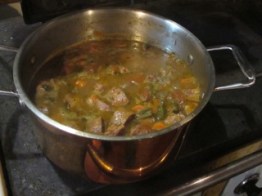
I sweat some of our onions in olive oil and garlic, then add the MoreGer bacon, finely chopped, with all the fat removed, then the back strap and toss until it’s lightly browned. I’ve soaked the dried beans overnight and boiled them for an hour. I mix in the chopped celery and carrots from the garden with the boiled beans. I add a big chunk of frozen stock from the freezer and let it all meld in for a while. Lastly I chop up Geordie’s sausage and add it all together and let it simmer. After cooling down. I let it sit over-night in the fridge so that I can skim off the fat in the morning. I get most of it off, but there is still maugher floating there.
IMG_4403  IMG_4406
Of course, What I’ve cooked, isn’t anything to do with real French cassoulet. It is cassoulet in thought only. It’s a Post Modern Peasant Cassoulet. Cooked without salt or sugar or even too much saturated fat. It’s a cultural disaster, but it’s delicious and warming on this cold night and there is maugher left over for another night as well.
We try to be as frugal and self-reliant as we can be, but we don’t get too religious about it. We just do our best and that’s all we can hope for. As I have never had a job – a real job, I mean. One that I worked at 5 days a week and had a salary paid to me for. We have been self-employed and part-time employees and I’m proud to say that I have never been on the dole, always independent. We have become quite used to being frugal and salting away our excesses to be relied on later when times were leaner – Like now for instance.
We feed our selves pretty well from our garden and try to eat healthily. I was at a Writers Festival today with The Lovely Girl and I was waiting at the coffee counter to be served. There was a person there in deep discussion with the counter staff quizzing them about the type of tea that they were serving. This person was going on about how the tea had to be pure and uncontaminated, and that it also had to be harvested without the use of slave labour. Also that it must be free of anything artificial and they must guarantee that it contained no preservatives, because this individual valued the holy temple that is the human body and nothing less could pass the lips of such a committed practitioner. The staff all agreed that they couldn’t make any such undertaking or guarantee, because they just didn’t know. All this while the rest of us were held up waiting.
Eventually the pure and untainted one said. ” Oh, forget it, I’ll just have a Coke”!!!
I didn’t quite know what to make of that. It was such an extraordinarily stupid thing to say, that I was left speechless, as were the staff.
I know that we are all capable of holding several contradictory and incompatible views simultaneously. I know that I do. It’s the human condition. We only see these contradictions as a problem when someone else expresses them.
I used to cook for the students at the Art School where I worked for many years, on a one day a week basis. Each Friday I would take in my pots and pans, a portable stove and something from the garden to make sure that all the students had at least one good meal each week. This all came about because on one evening between the afternoon class and the evening class. There was a one hour break. I was working on a kiln repair, in the kiln room in my spare time and over-heard two students discussing how much money that they had between them. I heard them tell each other that they only had less than $2 between them. Not enough to buy anything substantial for dinner at this dog-end of the week. “So, it looks like we’ll have to go down to the Hare Krishna’s and sit through a few hours of indoctrination before we can get some food from them for free”!
I felt very sad for them, running out of money for food, until they could get paid from their Saturday night waitressing job. At least they were going to get some good wholesome vegetarian food from the Hare Krishna’s, but at the cost of missing the night class time in the studio. I thought about this and decided that I should do something proactive and positive to be helpful.  I decided that I would cook for all the students that were in the pottery workshop on that evening in future. Sometimes it was lunch and sometimes dinner, depending on the vagaries of the time table. My only condition that I put upon myself was that I had to aim to bring it in at a cost of less than $1 a head. Over the years, this was increased to $2 to allow for inflation. It seemed to work out pretty well. Everyone seemed to be happy to eat what I cooked. A number of the students even helped with prepping the vegetables and doing the washing up.
However, there were also some students who claimed to be very strict vegetarian, or vegan, or breathairian or something else weird and wonderful that set them apart as being very special and they made sure that there was a scene made to announce it. I have no problem with people’s special food requirements, but if you know that you have special needs, then you should make your own arrangements to make sure that you are OK. These special ‘needy’ students felt the need to quiz me about what I was cooking and where every ingredient had come from. It’s full pedigree and history. In those days I was young, idealistic, naive and tried my best to be ever so helpful.  These days I’d tell them to f$%k-off and not to eat my food. But back then I was compliant and tried to do my best to explain everything. I was making a simple brown rice with a can of Thai red curry flavour stirred through it, with a can of coconut milk added in,big chunks of galangal root and some chilli paste, then all boiled up together. A one pot vegetarian meal, eaten from one bowl with one spoon. Nothing could be simpler. Or at least you’d like to think so. But no!  Not for one girl. She quizzed me about every single ingredient, She settled on the chilli paste that I had added. It had a picture of a prawn on the label, and she went off! Clearly I was trying to fool her and poison her. In fact it smelt so bad, that she was going to puke. Or so she claimed. She ran out of the room, making a huge scene, gagging, screaming how she was going to throw up because of the smell of dead animals had turned her stomach! Wow! Such a ‘look-at-me, look-at-me’ scene. I don’t fully understand what is going on here, but can’t do anything about it, so continue with my work preparing the meal.
The rest of us ate it in peace in her absence and it seemed that everyone enjoyed the meal. While a few students volunteered to wash up, I retrieved the can and read the label more thoroughly. It was indeed only chilli paste, salt, vinegar and water. No Prawns were harmed in its making. When the girl came back into the room after lunch, I showed her the can and pointed out the ingredient list to her, it was written in english on the opposite side. I pointed out that it was as I had indicated to her – just chilli paste. It was a vegetarian meal.
She exploded again. “You bastard! How dare you! That smelt wonderful and you made me miss out. That would have been delicious!”
You can’t win with people who are out to make a scene. So from that day onward I side stepped the prima-donnas by saying. “I’m cooking dinner here. You’re welcome to watch and to share some. I’m going to eat some of it myself. If you think that it smells eatable, I suggest that you try some. If you think that it tastes OK, then you should try eating some. If you have any food allergies, please don’t eat it. If you can’t trust your senses and skills of judgement about what is eatable and what isn’t, then I can’t help you. I’m not telling you what is in it and I’m not entering into any discussing about it. If you want some, it’s here and it’s free. If you don’t, go away. To show that it isn’t poisonous, I’m going to have the first bowl-full.”
Any arguments were countered with please go away. I’m cooking here and you’re in the way. No, I’m not discussing it. No, I’m not telling you what’s in it.  Please leave. I had no further trouble. There were always a few newbies each year who tried it on and got ousted quick sharp. The rest of us enjoyed the meals. Of course that was back in the 80’s and 90’s. I could do that back them. Now I’m not so sure. Too much OH&S to save us from ourselves.
The cauliflowers continue to produce, but we are getting to the end of them. The Brussels sprouts are just starting and the second planting of broccoli is coming on. So we are fully into brassica season now.
IMG_4265IMG_4264
We have masses of rhubarb at the moment, so we are having it stewed for breakfast and for desert in many and varied combinations. The Lovely has made a rhubarb and hazelnut cake for morning teas, from a recipe that someone has given her. Quite yummy.
Rhubarb Cake.
Mix 125 g of butter with 1 cup of sugar as usual, then beat in 2 eggs, 2 cups of self raising flour,1/2 cup of milk, and 50 grams of hazelnut meal. Place in a greased and papered 9″ or 230mm dia pan.
Cut half a dozen stalks of rhubarb into 50mm. lengths and press into the batter and sprinkle with another 50g of hazel nut meal, sprinkle with a little bit more sugar.
Cook in a pre-heated oven at 160oC for an hour, or until the knife comes out clean.
It goes well with morning coffee, but needs to be served with brandy custard or some other liquid or sauce, if served as a desert.
IMG_4398
IMG_4397
Our Myer lemons are just finishing after a long productive season and the Seville orange is just starting. The Tangelos are all finishing and the other citrus are in full swing, so it’s marmalade time again. We have made two batches so far with another dozen planned.
We have one jar of last seasons marmalade left in the pantry. So the timing couldn’t be better.
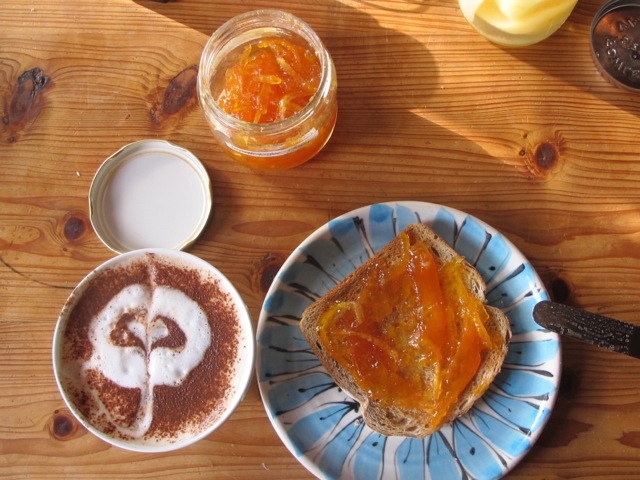
Let the cold wind blow. We’re warm inside enjoying morning coffee with marmalade and toast.
IMG_0594  IMG_4875IMG_4882IMG_4944
IMG_4899IMG_4903
IMG_4933 IMG_4942
IMG_4964IMG_6312
Better Latté than never!
With love from the Double Doppio Macchiato and his Skinny Flat White
IMG_0334


Avant gardeners

The couch potatoes have left the building!
The weather is still cold and blustery again today, but work has to happen, jobs need to get themselves done and they won’t do it by themselves. We are up and about early. The lovely has to deliver pots for our part in the group show of woodfired pots at Kerrie Lowe Gallery opening on Friday. She has some lovely little rock glazed celadon inspired cups and I have made some tea pots. She catches the train up to Sydney using her ‘Woman of a Certain Age’ card to get the $2 all day fare. (See ‘Gallery’ more pictures)
DSC_0005_01IMG_0036
I don’t go as I have to get the wood kiln packed. We have our next woodfire weekend workshop next weekend, so I have to pack the kiln today, fire it on Tuesday, cool it on Wed/Thurs and unpack late Thursday and Friday morning. Then clean it and the kiln furniture ready for the Saturday morning workshop.
I must have been wicked!
If I have everything prepared, as I have, I can sneak in one of my own firings in the kiln in-between the weekend workshops. On the cooling days, I will be out with the chainsaw cutting new fuel for the weekend firing.
IMG_3967IMG_4019IMG_4028IMG_4037
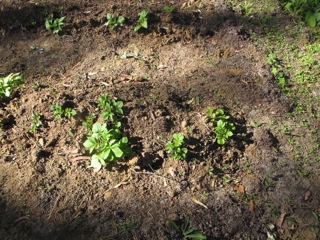
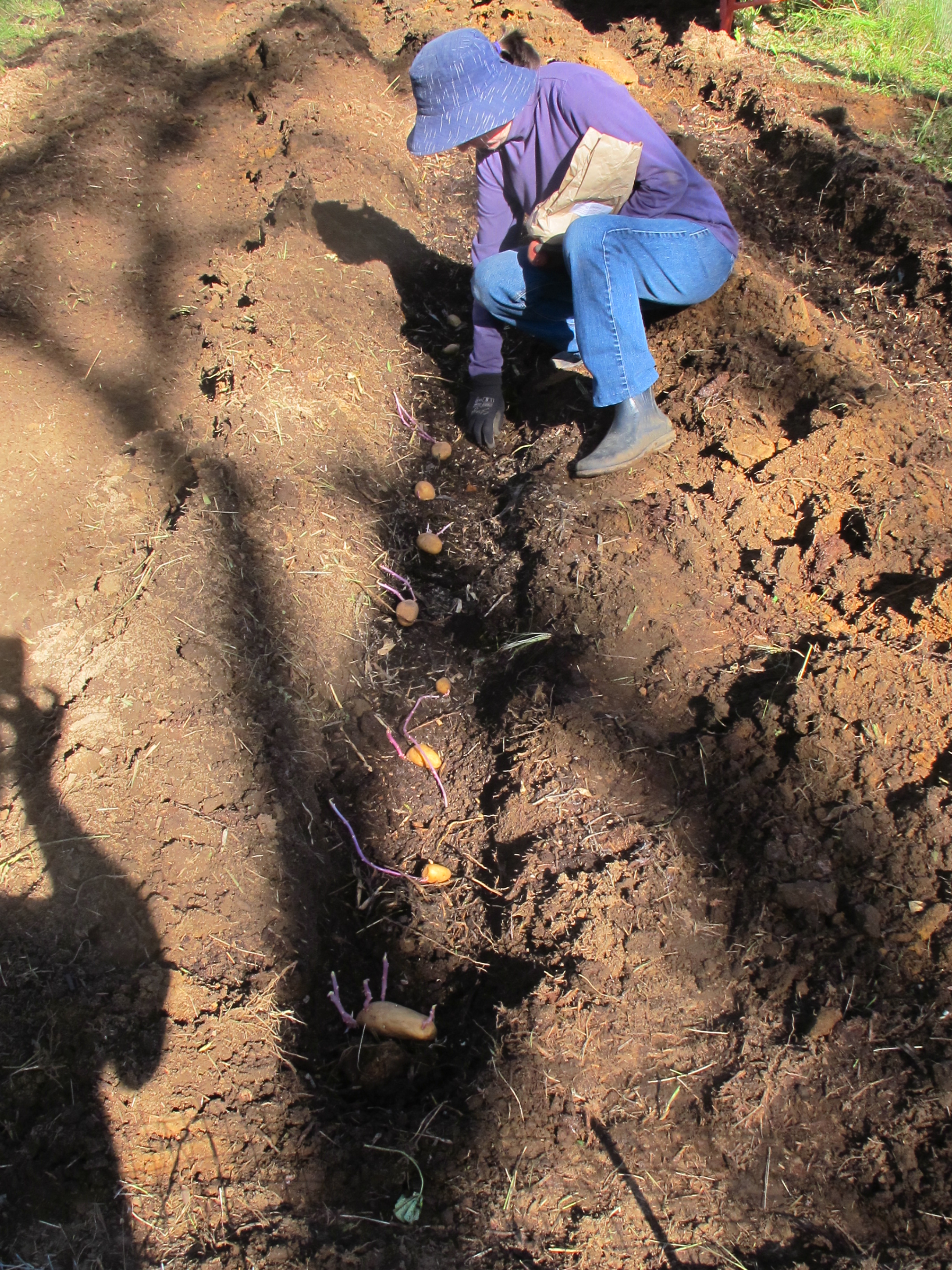
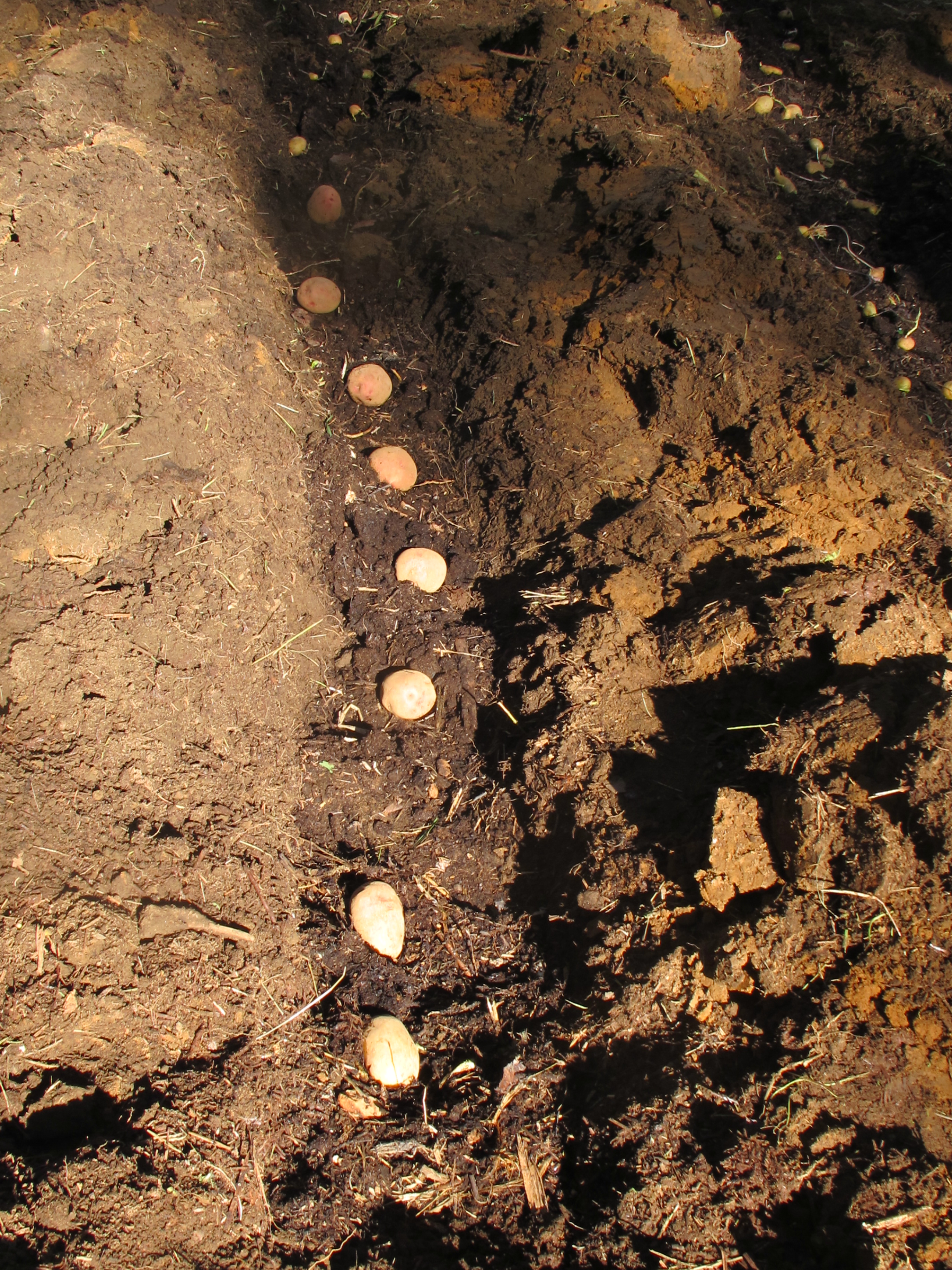
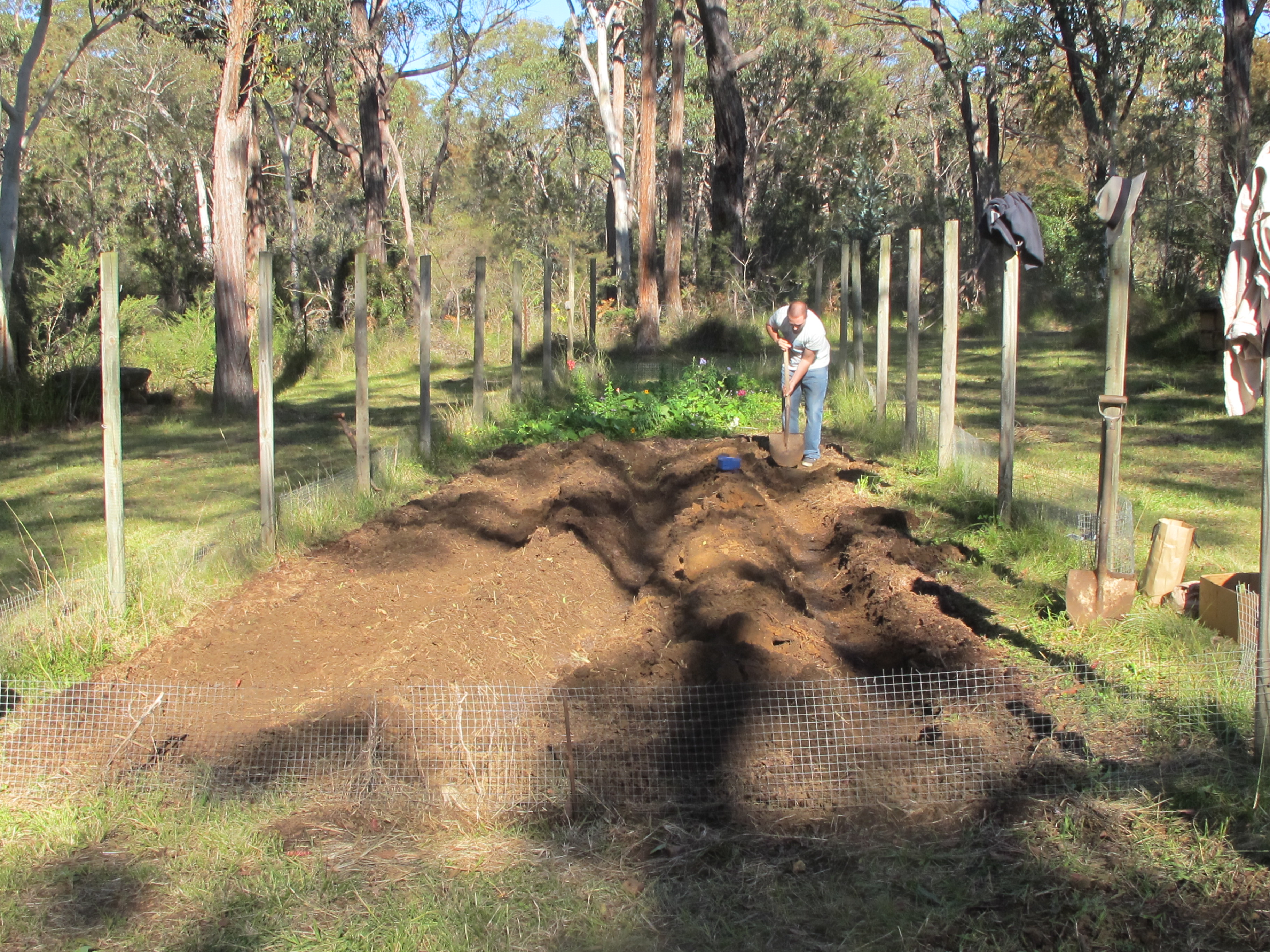
In between all this we have had Kate, our fantastic and very lovely, hard-working garden and pottery helper. She came for a couple of days last week to give us a hand, and what a delight she is to have around and we get so much more done. With her help, we have planted the very late – so late that they may even be early, potatoes, down in the pantry field. It isn’t really the right time for planting here now, but we had 3 boxes of summer potatoes that had completely sprouted into long shoots. They wouldn’t last till spring, so what the hell. We turned the sod and our beautiful son Geaodie turned up to help us dig the furrows and plant the shooting tubers.
IMG_4026
Way too late for summer and very, very early for spring, so early that if they survive, they will make us Avant-gardeners. If the mild frost-free winter continues like it has so far, we may be lucky with them. If not, no loss, we’ll plant again in spring. If we make successive plantings, we can get 4 or 5 harvests of spuds per year. One every couple of months.
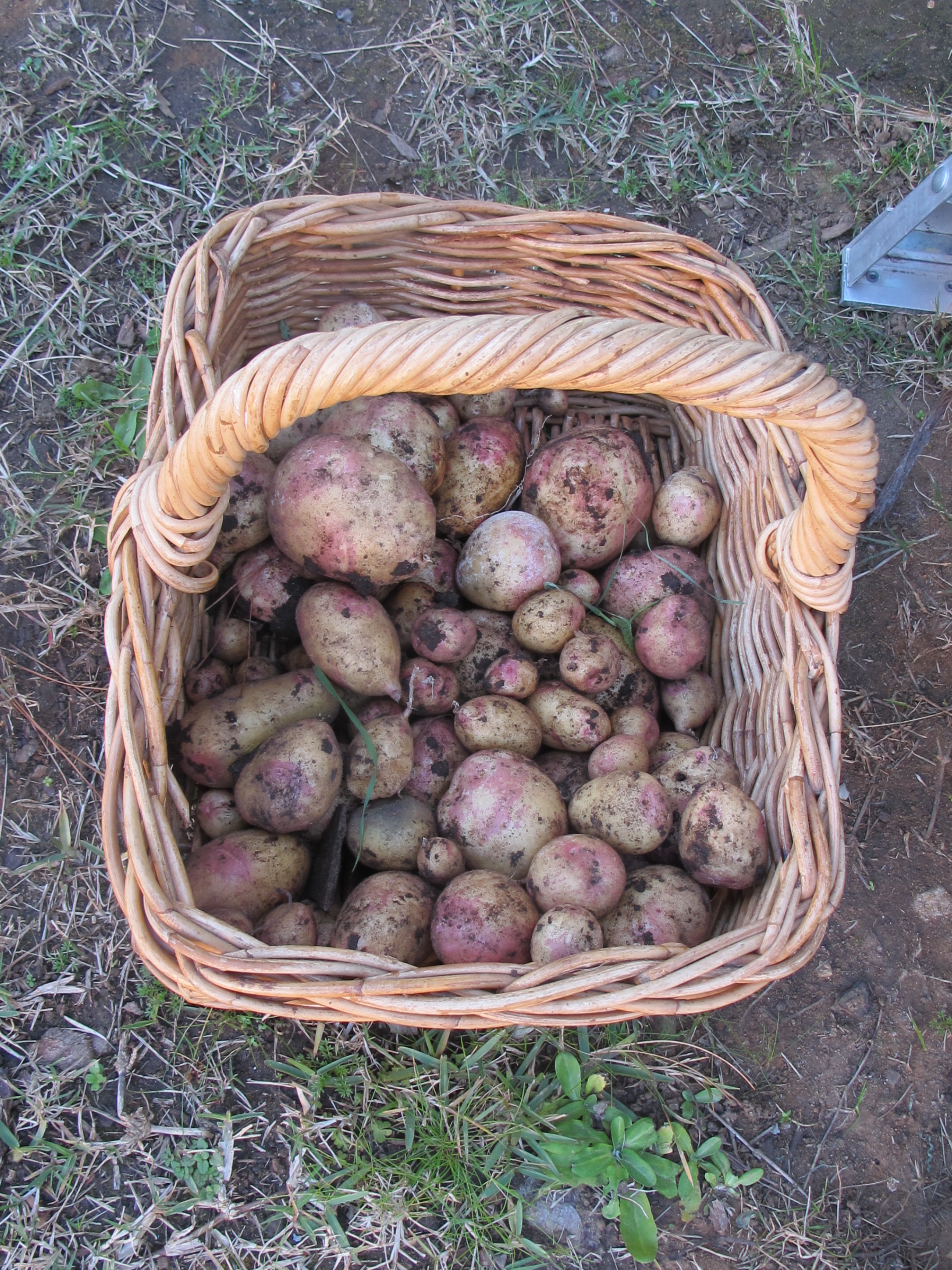
IMG_4217While I’m firing, Janine spends the day in the garden and while there, harvests a late row of King Edward potatoes. They look so good with their waxy, pale surface and beautiful pink blush.
We have been growing Kipfler, Dutch Cream, King Edward, Russet Burbank, plus purple congo varieties.
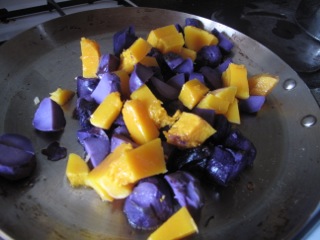
Purple congo grows very well here and self propagates, continually dividing and growing again from any little pieces that are missed at harvest. We have only planted it once 15 years ago, and it is still here and all over the place. We can nearly always find a plant or two coming up in some part of the garden. Dutch Cream, King Edward and Russet Burbank grow the largest crops for us and it was the remaining shooting tubers of these varieties that we have recently planted.
Purple Congo looks fantastic when it is included in a frittata. The colours look delicious!

IMG_0799_1IMG_0802_1

IMG_0804_1

I’m up very early and down in the kiln shed just before 3.00am. I woke up, so I got up, rugged up and went down to start the firing. I usually don’t start firing till 4 or 5am, but I woke up, so here I am. It’s very cold, I have several layers of shirt, jumper and jacket, but I’m not really warm. The wind has an icy edge to it this morning. I’m trying a new way of packing pots much closer to the firebox. This area is commonly referred to as the ‘Zone of Death’. I’m well into the firing at about 1000oC when I hear a very ominous, growling crunch sort of muffled sound. I think that I’ve just lost those front pots. Never mind, everything is worth a try. Failure brings me one step closer to understanding the meaning of success and what it is that I’m trying to achieve. I’ll keep going and see what it was when I unpack on Friday. I try out all my new ideas with my own work first, never with students firings. I keep them as safe and predictable as I can manage. I don’t want to risk loosing students pots. I’m sure that some sort of understanding will emerge from this bad omen, maybe even something good will come from it?
IMG_4223IMG_4224
I’m writing this in the quiet space between stoking the kiln. I can’t type with the gloves on and it’s very cold in the wind without them. Cold fingers makes me a clumsy typist. I’ve prepared well, so there is not too much to do between stokes. I can’t do anything that will take me away from the kiln. I must give it 100% of my time. I have to be here to listen and to observe, to take in all the silent signs of the fires progress. I have to anticipate the timing of the next stoke of wood into the firebox. It must be done at just the right time or the temperature won’t go up. It could even fall if I’m not very carefull. There is a rather disappointing feeling when the temperature drops.  It goes down so much faster than it goes up. It takes concentration and skill to understand what is happening with the combustion and get the temperature to rise slowly and at the same time stay in constant, slow steady reduction atmosphere.
IMG_4225
I only have time to make a quick loo stop. I piss in a bucket, then fill it with water and go behind the kiln shed and water one of the citrus trees in the orangery, out of the wind and behind the north facing wall. I’m fasting today, it’s the second day of my fast. it saves a lot of time preparing and eating food. Food can be such a distraction from concentrating on the firing. Anything can go wrong at any time. Usually nothing does, but if or when it does, then I have to be there and react instantly. My brother ran the emergency ward of St Vincent’s Hospital in Sydney for a decade, when he was younger. When I asked him what it was like, he told me that it was long periods of boredom punctuated with moments of sheer terror!
Firing isn’t quite that bad, but you get the feeling.
Our life, like our firings is in constant flux, We can’t make too many plans. We just don’t have the certainty, we take it as it comes and respond appropriately. Just like a firing, we prepare as well as we can and hope for the best. We try to stay as mentally resilient as possible, so we only make small plans and coping strategies, modest and frugal ways in which we can cope in a rapidly changing world. Our world changes all around us constantly and much faster than we can imagine, or even comprehend, never mind plan and adapt to those changes. We have to remain flexible and open-minded. It’s quite difficult to live without expectations. In fact although I try, I just can’t do it. It remains a desirable objective. However, I often remind myself how grateful I am to be able to be here doing this. I’m so lucky and privileged!
IMG_4230IMG_4236
We are enjoying the fruits (and the veggies and nuts) of our summer labours. We are down to our last basket of almonds, but everything else is in stock in good quantities. Tomorrow we have wonderful long-time friends coming for lunch and we will be having minestrone. I started by soaking the dried beans last night. I’m looking forward to a leisurely lunch, before returning to the chainsawing of the next load of kiln fuel.
Fond regards from the potter with dirt on his hands and his lovely Ava(nt) Gard(e)ner


Seat and two veg

We have just finished our 5th weekend workshop in so many weeks, with only three more double-weekend high temperature woodfiring workshops to go before the fire restrictions cut in again for another year. For this workshop today, I have made ‘The King’ a new kiln out of spare parts and off-cuts. A bigger version of Stefan Jakob’s ‘Ikea’ garbage bin kiln concept. Stefan is a genius kiln maker and raku potter from Switzerland. He is one of the most impressive people that I have ever met. Check out Stefan’s site here; <http://www.raku.ch> Keramik & Animation.

If you are in Switzerland or Germany, get along to one of his amazing workshops. I’m sure that you won’t regret it.
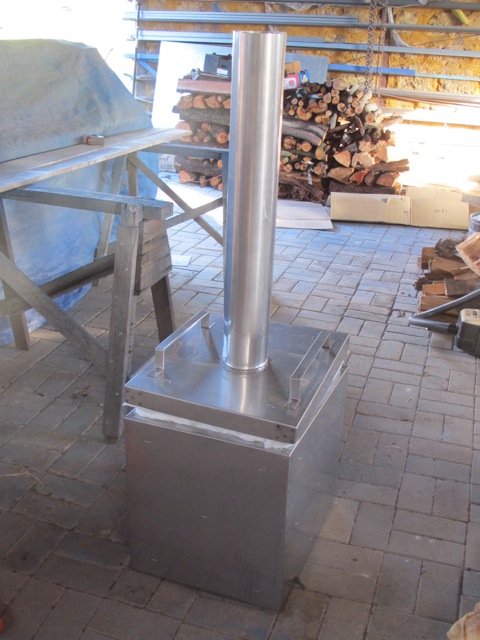
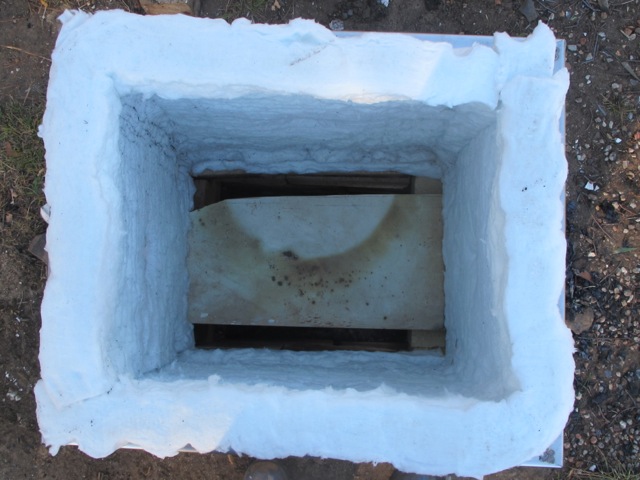
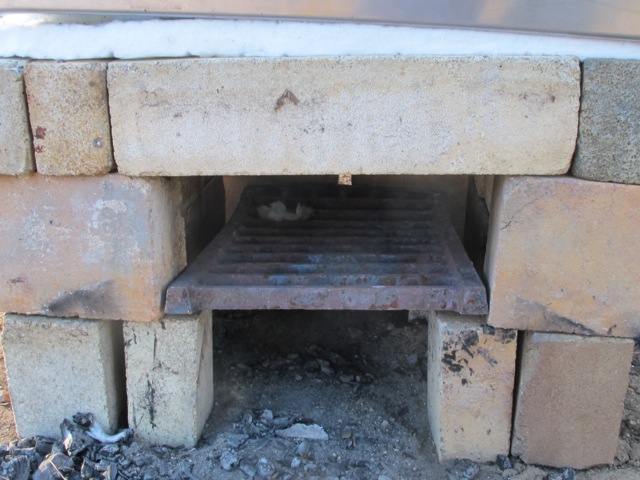
For this new ‘improved’ version of Stefan’s kiln. I’ve made a stainless steel box and lid from off-cuts of stainless steel — because I can. Then lined it with 50mm. of ‘soluble’ ceramic fibre. It sits on a fire brick base that is the fire box and fitted with an old cast iron grill as fire bars. It’s all rather Heath Robinson, but works a treat. It’s at least 4 times larger than the original and fires just as easily.
IMG_4192IMG_4194

IMG_4195IMG_4197

IMG_4199IMG_4203
 IMG_4206IMG_4211
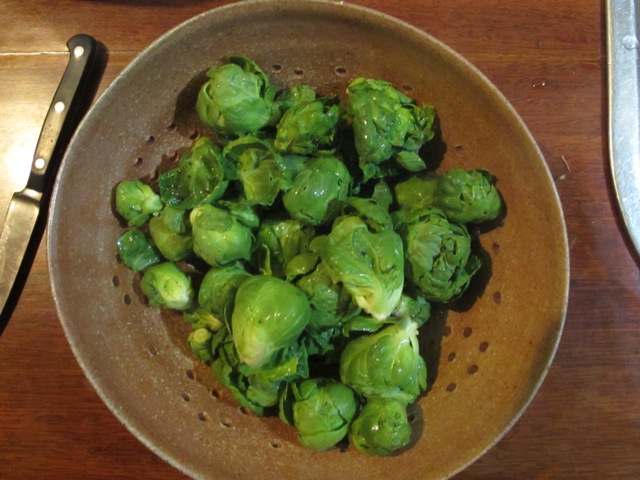
We are well into the winter season and well past the solstice, but still no frost as yet. Only down to zero, but not minus oC as yet. We are eating our way through the cauliflowers. The second planting of the broccoli, which is well on its way, and just this night, we have had our first pick of Brussels sprouts.
They are so slow compared to other brassica plants. We have cauliflower, cabbage, broccoli, kale and Brussels sprouts, all in their rows.
IMG_4183
IMG_4182
All the citrus are ripening now and The King has made the first batch of Royal marmalade. We are also having a mix of citrus fruits for breakfast as well.
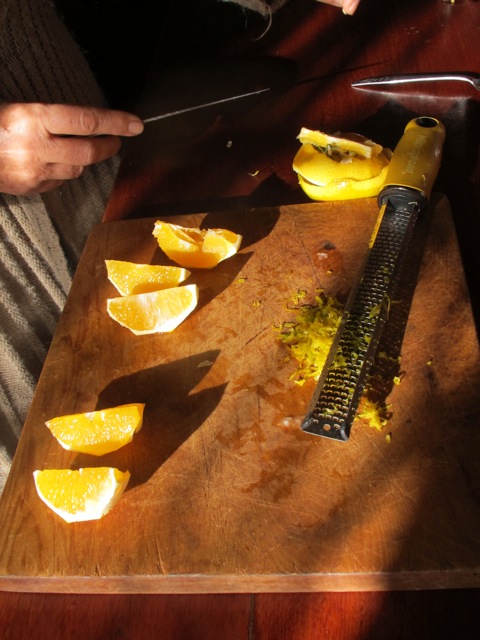
We zest the skins before cutting them up for breakfast.
IMG_3979IMG_3980
Marmalade is so nice with coffee and toast on a winters morning.
IMG_3933IMG_3935
Working so hard in the pottery and garden, getting my own work ready to fire tomorrow, cutting and splitting the wood for the firings and the for the workshops to come. Teaching the weekend workshops and fitting everything else in as well, we find that we are quite ‘bushed’ tonight after we come in from the last of our weekend workshop raku firing. It’s been quite cold and windy. So that now we have cleaned up and come inside, we light the fires, shower off the raku smoke smell and get warm.
We get quite tired after days like this and it is all we can do to get ourselves along to the veggie garden in the darkening gloom to pick the nights dinner, but we do. There is no other option. We are being self-reliant. The shops are all closed by now and they are all 30 kms away anyway, and it’s Sunday night, so that isn’t going to happen in a hurry.
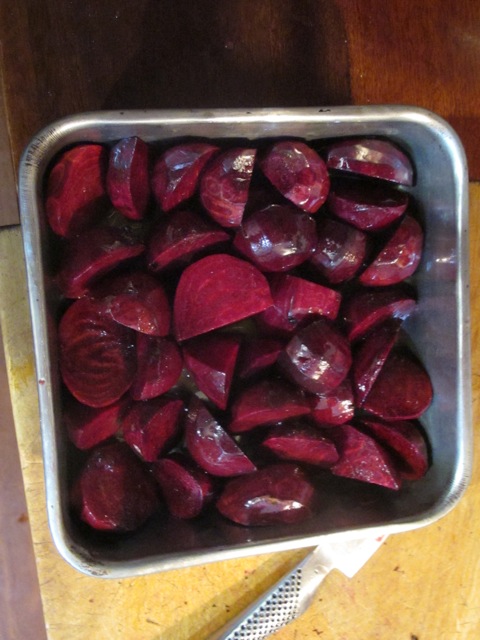
We have beetroots to roast, potatoes to boil, along with Brussels sprouts, and a fish to steam. It all works well and we are proud to be able to enjoy such bounty from our own back yard. It’s an honour and a privilege to be able to feed our selves like this.
IMG_4164
After dinner we both plonk ourselves down onto a seat in front of the idiot box to watch something or other on the TV or a DVD, I don’t know what and I’m past caring. We are going to veg out, we are too tired to do anything intellectual or meaningful.
This day is over and we’ve done enough, all we are good for is a seat and two veg.
Best wishes from the pale and waxy Mr ‘Dutch Cream-Kipfler’ and his regal (Janine)King Edward, the couch potatoes.


The tender ambiguity of failure.

While I spent some time converting the wood splitter from dirty petrol to clean solar, doing what shouldn’t be doable and succeeding against all odds,  and quite pleasantly surprised I was. I also spent time converting the garden shredder from dirty petrol to equally dirty, but more efficient diesel tractor power take off, PTO – and failed, or at least for the time being. As every failure is one step closer to eventual success.
Nothing is ever finished.
We bought a garden shredder, quite a good one from the US, not cheap Chinese. It wasn’t long before it needed parts for the engine though.
Nothing last forever.
It had a ‘Tecumseh’ 9 HP engine and I soon found out that it had gone out of production about the time that I bought it. So 2 years later when I needed parts. That wasn’t  going to happen, unless I could find old stock somewhere, or 2nd hand parts.
I had a quick look online but because I don’t know anything about engines I couldn’t make head-nor-tail of what I was finding.
I had a brilliant idea. Instead of continuing with the dirty small petrol engine, why didn’t I convert the whole machine to run off the power take off drive on the tractor?
I seemed like a good idea at the time. I stripped the old shredder down, removed the engine, which had the cutting disc attached to its own shaft. Problem 1. How to mount a new shaft on the old machine when there was nowhere to bolt it on. Just thin air, previously, everything had been mounted off the engine. Now that the engine was removed, there was nothing. I decided to weld up a sheet-metal base plate and stand, then use that as a base to bolt everything on to, to make the old machine work again. So far, so good.
Problem 2. the cutting disc of the shredder is mounted on a tapered shaft with left hand thread set screw to hold it on. I decided to turn down an old piece of steel bar to an approximate taper like the old one. A bit of careful guesswork, but it fitted OK. So that was good. This was quite tricky on my old hand-made, metal lathe and I had to buy a ‘tap’ to maker the new threaded hole for the retaining screw. I mounted the new shaft on some cheap bearings and added a splined shaft adaptor to suit the tractor PTO.
So further, so good. After re-assembly it turned by hand freely. I felt pleased with myself, even a little bit smug. A couple of weeks of spare-time tinkering, a few small items purchased and some re-cycled junk put to a better use and given a new life. I welded on a 3 point linkage mounting, primed it and painted it all bright red.
What could possible go wrong?
I back up the tractor and connected it all up. Three point linkages, PTO splined shaft drive, safety links on drive shaft cover, all good!  Start the tractor and engage the PTO drive. It all works, it rotates, it spins, it whirrs. It looks and acts like a bought one. Success!
But when I tried to put weeds into the shredder, they just wouldn’t go in, try as I might. Then it finally dawns on me that the old stationary petrol engine spun clockwise and the tractor PTO spins counter-clockwise. It’s all running backwards. No wonder that it doesn’t work!
Who ever decided that small engines should run one way and larger engines should run the other? I’m totally perplexed and completely crest fallen.
My new, bright red, grown-ups toy is never going to work like this. If it was an electric motor, I could reverse the polarity quite easily, but not a combustion engine.
There is some tender ambiguity in this failure. It’s a complete failure, no hiding the fact. But technically, it works beautifully, backwards!
Not to mention that it is a very impressive bright red colour, and very new looking and ever so shiny. So I can be proud of all that.
It just doesn’t work.
It looks great parked in the shed. It impresses everyone who sees it. I’m ever so proud of it.
It just doesn’t work – At least not yet!
Is it a failure — yes!
Am I proud of it – Yes!
Nothing is perfect.
I can’t afford to spend any more time on it now, as I have half a dozen group shows coming up and I need to fire all the pots that I’ve been making. I can’t change the shredder mechanism. It’s only built to work in the one direction. I can’t reverse the tractor engine. It’s a total loss. I’m a twat! But no-one told me!
Perhaps at a later date, when I can create some more spare time, I can fabricate a reversing gearbox out of some spare cogs on a 2nd shaft? A couple more bearings, weld up a hinged lifting mechanism to tension the system. It’s all do-able.
Time will tell.
This hasn’t been my finest hour, but I still have a few more fine hours left in me – at least I hope so!
And after all, it is so terribly red and ever so shiny.
It looks great. It just doesn’t work.
Failing is a strange kind of self-reliance
Watch this space.


The thrice-warming winter-solstice wood pile.

The thrice-warming winter-solstice wood pile.
It’s the winter solstice and we need to keep ourselves warm in front of the fire every night now. So a continuous supply of wood is needed to keep the home fires burning. “Cut your own wood and warm yourself twice”. We do a lot of wood cutting , splitting and stacking. Then wheel-barrowing and re-stacking. There is a sense of satisfaction and security in a generously stacked wood shed. As we change and get increasingly older, we have had to adapt and change from the initial brute strength and enthusiasm to a more considered longer-term approach of working smarter. Some might say that to be still living here like this in our sixties might be  proof that we aren’t so smart, and maybe we’re not, but this life of minimal consumption that we’ve chosen is still working for us, or should I say that we are still working for it!

IMG_4091

I’m so naive!  

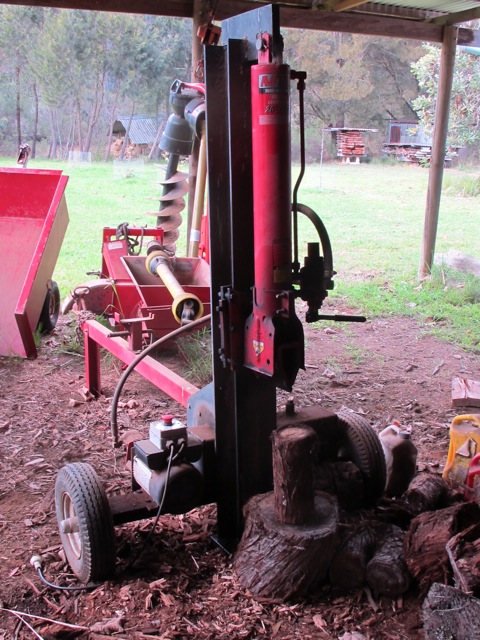
I try to do all sorts of things that I can’t do and have little expectation of succeeding at, bit I have a go at it because that is what self-reliance is all about. Sometimes things actually work out well and I’m surprised and thrilled at the end of it. Other times not. Take the wood splitter for example. Just about everything here runs on wood or solar power – except the car. (If only! I’m still waiting for the cheap solar/electric car). We cut and split a lot of wood each year to run the house and most of it is grown here on this little 2.5 hectare (7 acre) bit of land. I do the chainsawing and manhandling to the truck. These days I use a cheap, hand-pumped hydraulic crane to lift the logs up onto the truck. Then they are driven to the wood shed and the biggest ’rounds’ are stacked inside the shed ready for splitting. These days The Lovely does the splitting, but it wasn’t always so.

It’s not as bad as it sounds, because we have a hydraulic wood splitter.

I used to do it all with a block buster and axe. Janine would collect all the sticks and kindling up to sizes that she couldn’t snap and then stack it all near the wood pile. All the larger, unsnapable branches were dragged to the wood pile for me to cut up with the chain saw.
Initially we couldn’t afford a chain saw, but we came across a 2m. long two-man cross-cut saw. Our friend, fellow potter and experienced bush man, Mike Pridmore, called in one day and showed me how to sharpen and set it. We fashioned two wooden peg handles for the metal sockets at each end and we were away! Janine and I, one on each end of the ‘two-man’ saw. Rather oddly and badly named. In our case it was a two person, husband and wife saw. We would do 1 hour of cutting together before breakfast. Later we found a smaller 1.2 metre single handled variation of that saw, which I could use alone. But after 20 years of this my back got too worn out to continue with the block busting and heavy lifting, so eventually we bought a chain saw and a hydraulic wood splitter at great expense and the two big cross-cut saws are hung up in the barn for good now. These purchases were our second concession to the modern world, after the ride-on mower. It revolutionised our wood preparation efforts. The splitter had a 5 HP Briggs and Stratton petrol engine on it, and the motor lasted about 15 years, with minor work to keep it going, but eventually it was worn out and packed it in. I spent a hundred dollars on it , new rings and ground the valves and it went for another few years, but that was it.
Nothing last for ever.
I decided that now we had solar power installed, it would be good if we could convert any petrol usage to solar electricity. The splitter was a great candidate because it was stationary and could run on an extension cord from the house. The wood shed is only 20 metres from the house. I asked a bloke who was very experienced with machinery matters about this and he said it would be a ‘piece of piss’, nothing to it. Just get a three phase, 5 horse power electric motor of the same size as the petrol engine and swap it over. Having no background in things mechanical I wasn’t sure what to think, but I was sure that it wouldn’t be that easy.
We didn’t have 3 phase electricity anyway, so that was out of the question. The best that I could do was to buy a 3.25 HP single phase 240 volt motor. This would draw all of the available 10 amps of current to run it and even more on start-up. But 3.25 isn’t 5, and was way too small. I asked another bloke with farm machinery background and he told me not to worry, Petrol motors have very small horses powering them! Something to do with only one of the 4 strokes in a 4 stroke motor being powered, leaving a gap in the power curve being un-powered for 3/4 of the time. Or words to that effect. Whereas, electric motors have very strong horses powering them continuously and evenly. The word ‘torque’ comes to mind? He told me that a 3 HP electric motor would do what a 5 HP petrol engine would do!
I was sceptical, so I asked my friend Dave Hunt, who is a real engineer, if that was true and he told me that he’d never heard of that. Fair enough, it sounded a bit bodgy to me too. Nothing could be that easy!

IMG_4096

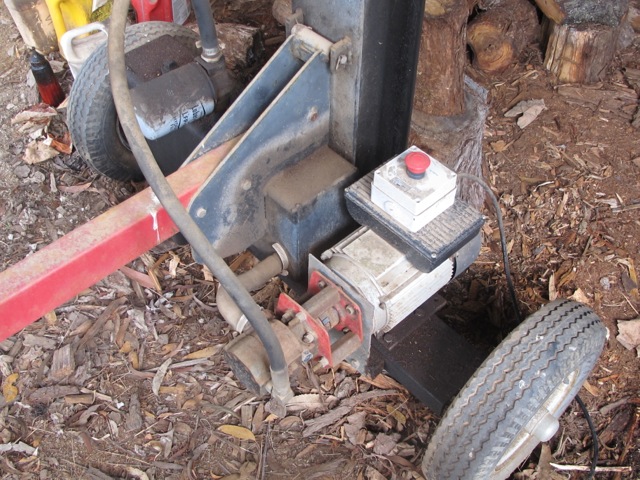
However, as I had no other real alternative, except buying another petrol engine, and this was quite unpalatable to me, knowing that small petrol powered engines are the most inefficient, polluting and wasteful of all motors. I though that I’d give a small solar powered electric motor a go. I bought the small single phase motor and managed to weld up a home made adaptor that suspended the old hydraulic pump in front of the new electric motor. The old system had the oil pump directly bolted onto the petrol engine. This was not possible with the small electric motor. My amateurish piece of bodged home-made engineering linked the old hydraulic pump from the old petrol motor to the new electric motor, even though they are completely different in configuration.
Amazingly it worked!
I didn’t know that it couldn’t be done, so there was a slim possibility that it could work. I may be naive, but I’m prepared to ask questions and give things a try. “Don’t believe anything you read, nothing you’re told and only half of what you see!” – Mark Twain. This one worked for us. It’s not quite as elegant as it was, or as powerful as the old 5 HP petrol engine, but almost. It can split almost everything that we put under it, and it has been working perfectly now for almost 10 years. Janine can start the motor just by switching it on at the power point. So I’m now redundant in the splitting process. She doesn’t even need me anymore to start the motor — which, at the end, had become quite troublesome and difficult with the petrol engine.
Nothing is perfect.

IMG_4094

 So now we use sunshine to split the wood to heat the house and cook the dinner. It’s nice.
Just the thought of it is warming.
Install solar panels to power the wood splitter and warm yourself thrice.
Luckily, although now mostly redundant, I can still be useful to herself for killing spiders and loosening tight jam jar lids, so she still feeds me. Otherwise I might expect to be pushed outside for the winter, like one of the drone bees! Actually I am still more competent than The Lovely when it comes to the big chain saw and using the hand pumped imitation ‘Hi-ab crane’ and fibre slings for lifting the biggest logs onto the back of the truck for delivery to the splitter.
I might just be safe for the time-being.
Nothing is ever finished.
Fond regards from the thrice-warmed, Mr Redundant and his competent Mrs. – Who haven’t split up.

Give Peas a Chance

Give peas a chance

The Lovely and I have been doing a bit of community service down at the Moss Vale Community garden. It was a joint meeting of the seedsavers, Permaculture and community gardeners groups. We went along to hear David Murray talk to us about preserving older ‘heritage’ varieties of peas and beans. He’s an ex-academic from Wollongong who’s specialty is peas and beans. I don’t want to pea in his pocket, but he was good! He really knows his stuff and now we know more than we probably need to about peas, beans, their propagation and the safe storage of the seeds. He has quite a complicated rigmarole of drying and desiccation using repeated applications of silica gel. Followed by a few days in the freezer to kill weevils and then double storage in glass jars with more silica gel in the intermediate space. Very thorough!  After the talk we spent a couple of hours fettling, sorting, winnowing and sieving various seeds for the community seed bank. We took along a big bag of our own vegetable seeds that we had saved and packeted for our own use in recycled envelopes, but as always, we live with abundance, so we have far too many seeds left over, more than we need, and as we collect more seeds every year, we end up with such a lot that we have to throw the older ones out eventually to make room for this seasons fresh seeds.

We’re not very thorough about it. We just let one of the biggest and healthiest plants grow on to seed after all the other plants in that bed have been harvested. I prefer a plant that is close to the end of the row so that it is more or less out of the way. In this way, I can reuse the bed without disturbing the roots of the seeding plant. These selected plants often grow into small trees and need to be staked to keep them upright. One plant like this can carry enough seed for the whole village. We only collect a small selection for our own use. There is always a lot that blows away and spreads all over the garden, the paths and the lawn.
We put the seeds into big paper bags along with some of the stems that they are attached to and place them in the linen cupboard in the laundry that has the hot water tank in it. The gentle warmth in there dries them out nicely over a few weeks or a month or so. This seems to have eliminated the need for the silica gel for us.
On this occasion, we donated coriander seeds to the seed bank and came home with some extra tall growing ‘skyscraper’ climbing peas. We haven’t grown these before, they are new to me. Apparently they can grow up to 3 metres tall! We’ll see what happens. I hope that they don’t as my trellis isn’t high enough. Growing this tall doesn’t sound like an advantage to me. The plant must put a lot of energy into making such a tall frame and then it might be  vulnerable to strong winds? However, we are promised that they are very tasty to eat. The seeds that we get are a couple of years old now and need to be ‘refreshed’ for the bank. So this will be our contribution back to the seed bank later in the year. We have tended to be pretty slack about our labelling up to this point. We have so much to get done each day that somethings don’t get done very well. As it turns out labelling the exact variety of seeds tends to be one of the things that we don’t always record. We just write something like “climbing peas 2014,” or ‘bush peas 2014’. This is enough information for us, but doesn’t make them very useful to a seed bank. The plants seem to grow well enough for us, we just don’t always know which variety that it is exactly and we haven’t needed to care about it either.
From now on we will try and be a little bit more attentive to detail, so that our efforts won’t be wasted and our seeds can be useful to others through the seed bank.

IMG_4084IMG_3603

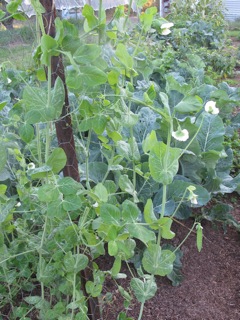
I can’t help eating a few peas every time I go to the garden at this time of year. I can’t walk past them. They have to be one of the most delicious vegetables that can be eaten raw directly in the garden. They are such a sweet treat.
In the Oxford Book of Food Plants, I read that there is a variety called ‘Harrison’s Glory,’ now that is the variety that I ought to be growing! But alas, I haven’t seen it anywhere as yet. It could be one of those older varieties that has slipped from general usage over time and probably only exists in a seed bank now? On the other hand, there is a variety called ‘Balmoral,’ listed in the CSIRO book, ‘The small food Garden,’ I certainly should be growing that variety here. But again, I haven’t seen it anywhere around as yet.

IMG_4082

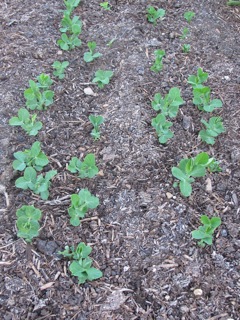
The follow-on crop of peas is just emerging. I’m determined to give peas a chance.
We also grow coriander on and off all through the year, just like everyone else does I suppose? I don’t know how many varieties of coriander there might be, but I can only surmise that there might be quite a few, especially in Asia. I don’t know which one we grow. We just grow our own ‘generic’ coriander and always have recycled our seed in this way. It’s a very prolific seeder.  Some years ago I bought some ‘cilantro’ coriander, that was supposed to be slow to bolt to seed and be more leafy, but it grew just the same as our ordinary variety, so I didn’t save any seed from it. We added our multi-generational ‘generic’ coriander to the seed bank as well.
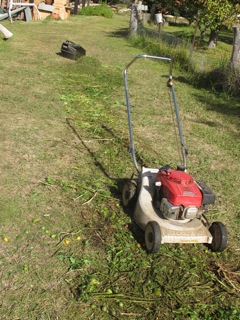
We have pulled out a lot of late summer/autumn stragglers from the garden and composted them. Firm dry material like corn stalks go through the shredder really well and make good compost, but anything that is at all damp just clogs it up, so I’ve found that piling it all up on the lawn and run the mower over it
gets it all shredded pretty fast.
IMG_3829
 IMG_3832

IMG_3833

 IMG_3834
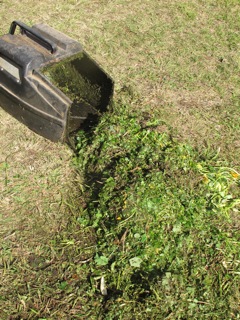
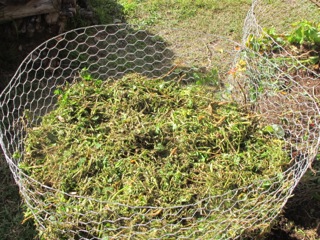
Once it has all been mown over a few times, it’s reduced to damp mush in the catcher, it then mixes really well with the dry material and a bit of chook poo to make very fast rotting compost. We fill the bin to the top in layers and it gets hot in hours, in a few weeks it’s rotted down to half way. We have 3 sites around the garden and orchards where we have these wire rings located. They are constantly being filled, rotted and emptied, every few weeks, as we need the compost for planting out. Shredding and mulching like this breaks down the plant fibre structures and they compost so much faster than if they are just all piled up without shredding.
 IMG_3835IMG_3838
This Honda Buffalo mower has given us terrific service for the past 25 years. It’s always easy to start and works hard all day, when it is used. I change the air cleaner and oil once each year, a spark plug each decade and new blades as required. It was a good quality brand and quite expensive in 1989 when we bought it. But it was a good investment and has paid off. This is one of the few things that we own that hasn’t needed to be re-built at some stage during its life. It just keeps on working.
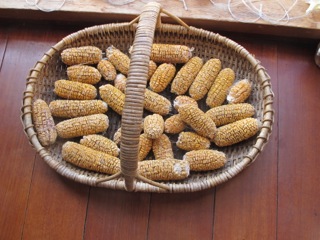
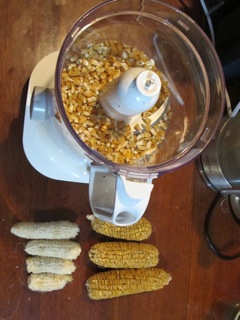
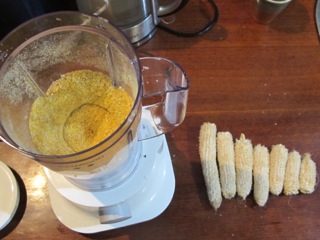
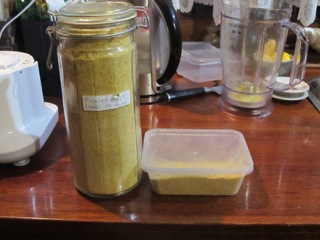
The last few cobs that were left on the corn plants were 2nd cobs. These are usually a lot smaller than the first cob. We left them on and allowed them to dry off, then collected them before we shredded the stalks. I finished drying the cobs in the sun in front of the kitchen window. After a few weeks they appear to be quite dry and shrivelled. I decide to put the kernels through the blender and make some corn meal for polenta. I end up with two very nice meals of ragu and polenta, plus a bit more than a large jar full of corn meal for more warming meals over the coming winter. Two cups of water to one cup of polenta, seems to work quite well and makes enough polenta for the two of us. It’s a bit dull and dry by itself. It needs some sort of sauce to lubricate it. I’ve tried it a few different ways and I like it better with a little cheese added in.

IMG_3955

 IMG_4070

IMG_4072

 IMG_4075

IMG_4076

 IMG_4077

IMG_4078

 IMG_4079
One more thing that we have done recently with the stripped out garden plants before mulching them all into compost, was to pick all the seeds from the nasturtium plants to make fake capers. After washing them well, I soaked them in salt water for a day, and after rinsing them well. I poured lightly salted pickling vinegar over them. They taste different from capers, but they are a very good substitute and it’s good to be able to use every part of the plant. Nothing wasted.

IMG_3605

 IMG_3604

IMG_3983

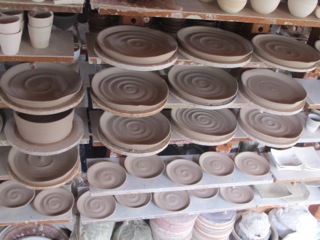
 Back in the pottery we’ve both been making plates. The lovely is making slab dishes and I am throwing plates on the kick wheel. I have a few very nice glaze tests coming along using wood ashes and ball-milled granite. They look good but need a flat surface because they are very fluid. When I stiffen them up to eliminate the running,  they aren’t the same glaze any more. The best looking glaze tests need to be very fluid to get the most attractive result. So that is why I’ve decided to make plates just now.Plates with a slight turn up at the edge, to allow for the very fluid glaze to pool without running off. Janine has wood fired raku workshops booked for the next 3 weekends so she is busy making pieces for demonstrating during those workshops.

IMG_4056

 IMG_4059

IMG_4016

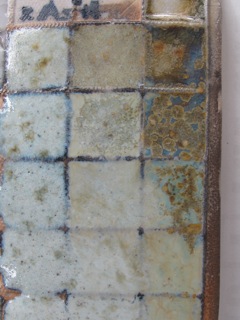
Wood ash and rock glaze tests, showing some interesting results with nice crystals

IMG_0535

IMG_0540

IMG_0542

IMG_0543
from the seed savers and wannabe self-reliant post modern peasants.
With love from Steve and Janine who are getting along together like two peas in a pod.


Nothing lasts forever

Nothing lasts forever.
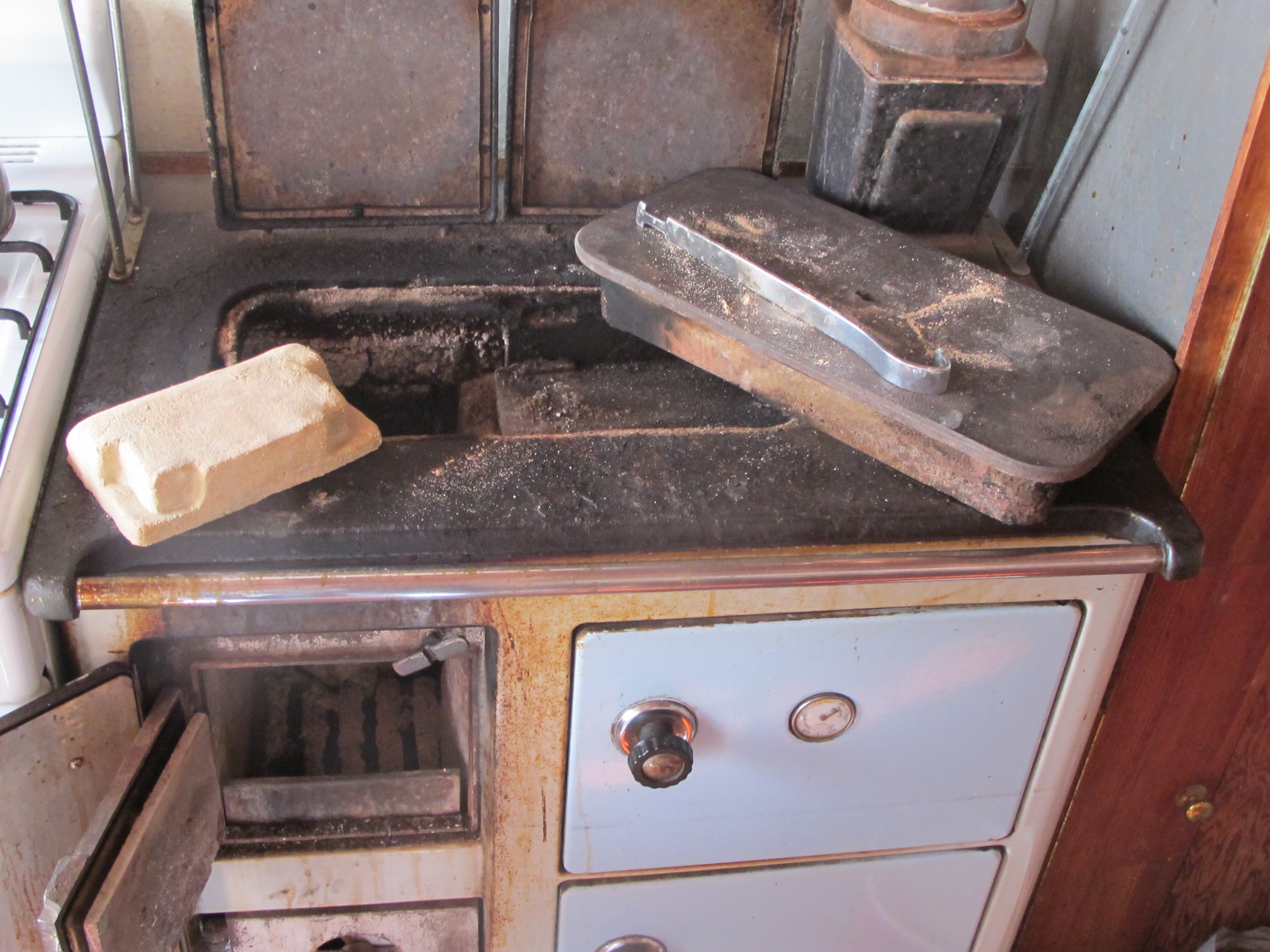
We wake up on the first day of winter to a foggy, wet, drizzly morning. I’m glad that it’s rained finally, the garden needs it. It’s been a month without rain now. We have been enjoying the prolonged Indian Summer of warm balmy days, but nothing lasts for ever. How true that is, is suddenly made very apparent when the front firebrick in the kitchen stove spalls into several pieces that fall into the fire box. It’s not a catastrophe as It’s happened before, nothing lasts forever. I know that. 
 
IMG_3994
 
I recently wrote a piece telling how this old stove has lasted us for close to 40 years and we bought it second hand even then. I shouldn’t have shot my mouth off!  Suddenly I’m up for a repair job again. I say again, because the original fire brick only lasted a few years and I had to quickly make a new one from our own refractory clay mix that I used for making fire bricks, kiln shelves and props to repair the kiln. I had to piece the old stove liner brick back together from the shards to approximate the shape and size needed. I hand formed the first brick into what I thought was the shape of the original one, with all its curves and cut-outs, such that it locks into place and is held there by gravity. Luckily, I made a plaster cast of that first hand made fire brick, so I could easily make some more. It was also lucky that Janine and I had made all of our own kiln shelves and props to support the pottery in our kiln during firing and so we had some special refractory fire brick mix already in stock. 
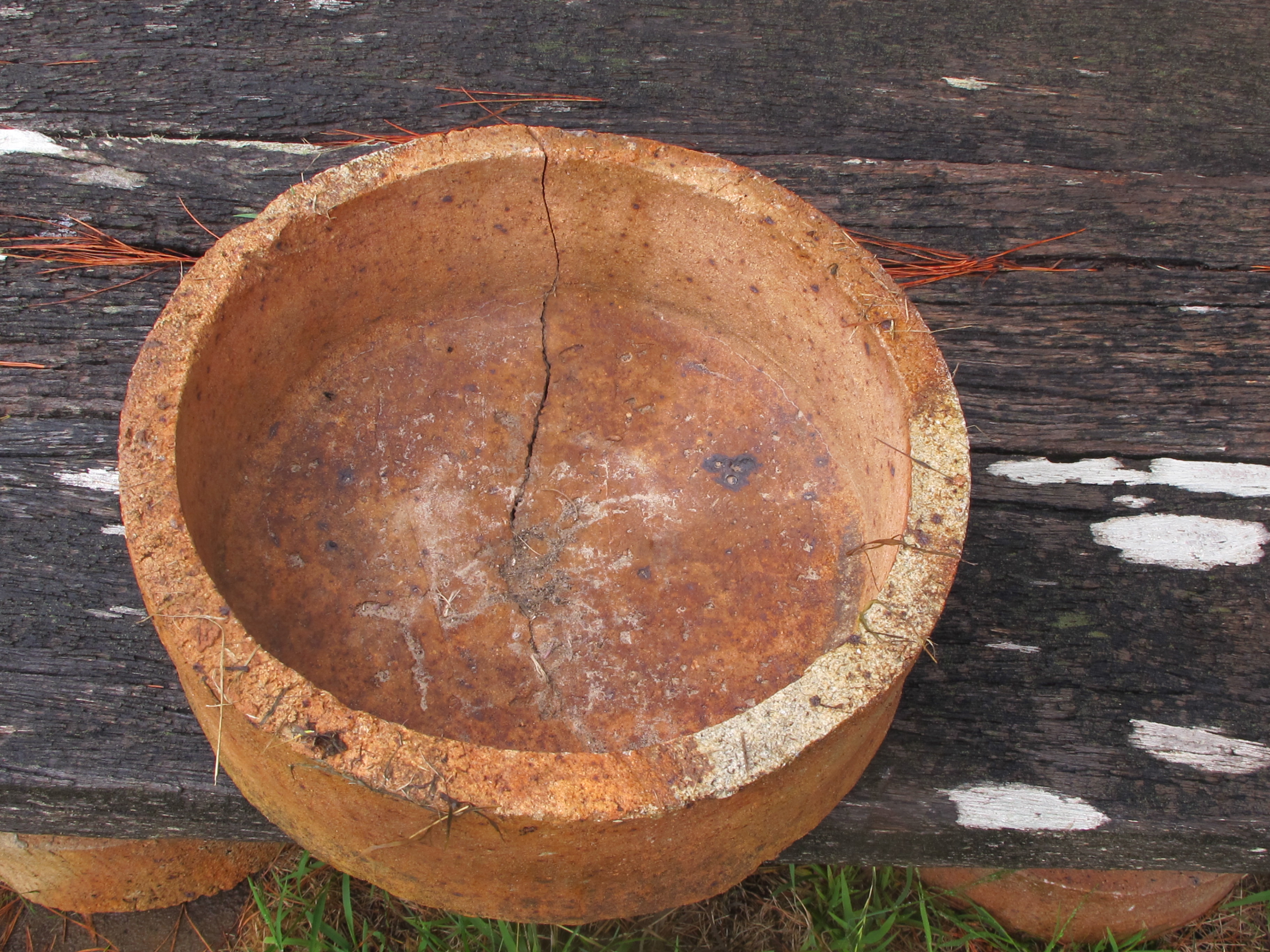
When we started out here we had no money and the kiln shelves used to load all the pots into the kiln were very, very, expensive. We were able to buy 2nd hand fire bricks to build our first big kiln for next to nothing, but the kiln furniture to fill it was prohibitively expensive. Our kiln was also quite large at 120 cu. ft. or 3.5 cu. m. This meant that we would need a lot of kiln shelves to be able to fill it with a load of small functional pots. Some potters got around this by making big planter garden pots that stacked on top of each other to fill the kiln, others made special shapes that sat inside each other, sitting on little wads,  still others cut special foot ring shaped grooves into the glaze surface so that  they could be stacked inside each other and didn’t stick during firing, and a few others tried making saggars, like ceramic cake tins, that held the pots and stacked on top of each other, but their life was short as they cracked easily and it was a lot of work to re-make them. We tried all of these singly and in combination.
IMG_3993
A failed, cracked, old-fashioned sagger. These cracks are typical of what happens to this kind of one-piece sagger.
IMG_3988
A dish with cut-out glaze ring in the centre, for the next pot’s foot ring to fit on top. Making for a vertical stack of bowls. In this way many bowls can be set on top of each other in the kiln without kiln shelves.
round kiln pack 6
Adding small fine wads to the foot ring of a dish. These are needed to allow for the slightly uneven surface of our ‘rough’ home made shelves.
Luckily, we got to work with Harry and May Davis in New Zealand in 1980, where we saw how they made their own kiln furniture quite successfully, so I just applied here, what I learned there, from the Davis’s. See; The Potters Alternative, Harry Davis, Methuen Australia, 1987. Harry had already been there and done that. He had already figured it all out and come to a very clever solution. As was his way. He used separate square kiln shelves and square corner props to make his saggars. Because they were already made in 5 pieces, they couldn’t crack apart like the old style one-piece saggars did. The Davis’s were a very impressive and admirable couple. Very ethical and socially minded.
To get the best outcome for hand made refractories we needed good kaolin. So we bought a train goods-car load of bulk, unprocessed, refractory kaolin, No157. from Phil Crossley, at ‘Puggoon’, near Gulgong. Approximately 10 tonnes. It was excellent quality, high alumina,  refractory kaolin, normally sold to firebrick companies to make high alumina fire bricks. The hardest part was having to climb into the rail car and shovel all the clay out into a hired tipper truck. Paying demurrage on the train car and paying the truck to wait for a few hours while I shovelled it all out was the most expensive part. It turned out that it would have been cheaper to have it trucked directly down to us and tipped out on site.
Nothing is what it seems.
round kiln pack 1round kiln pack 2 round kiln pack 3 round kiln pack 4
Packing our first kiln here with home made kiln furniture.
We were able to make all our own ‘inferior’ quality, hand formed, kiln refractories for many years. I say ‘inferior’ because we were not able to fire them high enough to make them really strong, but they were OK. Not brilliant, but just OK. I still have a little bit of this clay left. I stopped using it when I discovered my own local white bauxite clay substance, that although not as good as the ‘Puggoon’ kaolin, was local and within my 50 km radius, from where I have prospected nearly all of my materials. This is my equivalent of the 100 Mile Diet, applied to ceramics, the 50 km palette. It has become all part of our attempt to live as sustainably as we can manage.

In the past year I have extended this area a little to include a few more materials, as I find them on little trips into the countryside. I have also again bought some Gulgong kaolin to help to plasticise my local ground stone and washed gravel clay bodies. I must say it is such a relief to be able to throw almost normally again after ten years of struggling with the virtually non-plastic ground stone powder pastes. I’m changing and becoming a little more pragmatic in my old age. A step back from total self-reliance.
Nothing is perfect.

So I take one of the pre-fired stove fire bricks out of stock from under the hot water tank cupboard in the kitchen and replace the crumbled one with a brand new one. I make a mental note that the next time I see the stove firebrick mould down in the pottery. I must make two more stove bricks for stock.

Next it will be the cast iron grate that needs replacing. I can see that it is almost done in, but still has a few more months of life left in it yet. It is rusting away and is badly buckled up. I have two more of these home made replacements in the cupboard waiting in stock. so all is well there. The current one will stay in place until this one finally fails.
I found out very early on that cast iron driveway grating sections, when cut into 3 pieces with an angle grinder, work very well as replacement parts for the grate. They only cost $3 each and last longer than the original cast iron ‘raddle’ grate ever did.
I never like to throw out anything that isn’t completely worn out. So the old buckled grate stays for the time being. It’s not such a big job to replace this part when it’s had it. Self reliant maintenance is an on-going job that never ends.
Nothing is ever finished.
IMG_3853
So now the stove is back in working order again. In time for this cool, damp, first day of winter.
With respect, from the wannabe-self-reliant post modern peasant potters
Steve and Janine


The Look

More than a look
A letter from the pottery and the late autumn garden

I heard a couple of young designers talking about sustainability and recycling, as if they had invented it.

Aparently, it’s the new hot topic in design. It’s so interesting to listen to young people talk about things that they know very little about.
I must have sounded like such a twat when I was young  –  and probably still do for that matter.
These people were talking about sustainable design as a ‘feature’ of design. It wasn’t the effect of consumerism, or its consequences, that was of interest to them.  It was the look of things. It was all about design and The Look!
Real sustainability didn’t seem to be the core issue.
Being a baby boomer, I grew up through the sixties and seventies and was very involved in the ‘do-it-yourself’ kind of sustainability. The grass roots approach.
When I met ‘The Lovely’ at Art School and we set up house together in a flat in Bondi, I promised her, not a lovely home or plain comfortable house, not even a shed. I knew that I would never be able to buy a house earning the sort of money that potter could earn, so I was only looking for vacant land. I initially promised her a life in a tent!
Fortunately she said OK! Count me in! She didn’t mind a bit of hard work.
I thought that I would find some little piece of bushland and pitch a tent while I built a mud brick shed, a pottery, a kiln and then, at a later date, a house.
This was what a lot of people did here in Australia in the past. Especially the returned solders in the post war period. My own father bought a vacant bush block and cleared it with a mattock, and hand cut a track to get trucks to the site. Then we all lived in a caravan for a year while he built the first two rooms. After that, we all lived in that cramped building, while he built the next few rooms. The house was only just finished a few years before my older brother left home.
Everything was paid for, bit by bit, as you went along. There was no credit, or ‘LendLease’ in those days. No plastic card credit.
I was interested in living what I thought would be a less-complicated life. I was wrong. All lives are complicated. However, in my youthful enthusiasm. I considered that living directly on the land and eating from the that land as much as possible by way of gardens and orchards, then making pots to sell that were made out of the land, should all be doable. Well, as I said, I was naive and full of youthful hubris. For someone interested in DIY sustainability, the obvious choice was to build with earth, dug free from the land and turned into capital by sheer effort and will power. Creating capital out of virtually nothing is a pretty neat trick. So all but one of our buildings are made from mud bricks. Of course, keeping chickens and ducks and eating the vegetables that we grew ourselves in an organic garden were all part of that daydream.
Well, it all came true. It wasn’t a dream. It was made real by dogged hard work of two dedicated people who teamed up and concentrated in a single-minded effort to make it reality. Of course it didn’t all happen as planned. There were detours and setbacks. Lots of little hiccups along the way. But we made it happen. Janine turned out to be one hell of a tough girl. I’m so glad that she accepted my offer. And as it turned out, we didn’t need the tent.
A kiln was built and pots were made and sold, but we always had a big vegetable garden and one of the first things we did, was to plant fruit trees for the future. Once we were a little more secure. I made pots and glazes from the raw materials that occurred in the landscape around us. It took time to research and uncover all the potential of the local geology, but bit by bit, I found one material after another that I could use to replace a previously bought ingredient in my recipes. These days we buy very little, but I do still buy some ingredients that are very hard to find, or make from what we have here to work with, like bentonite and alumina powder. Recently, I have even bought some plastic kaolin to add to my mixtures to make them a lot more potter friendly on the wheel.
Unlike young designers in the inner city, we are not interested in ‘The Look’ of things so much as the reality in total, their cost, both in money terms but in particular the cost to the environment, their carbon debt and their running costs. That is why we have chosen not to own a big car, an air conditioner, a microwave, a large plasma screen and other energy hungry appliances. So we don’t have The Look, we have chosen not to buy into it. We have a busy sustainable life which takes a lot of time and personal effort  to maintain. We just don’t have enough time or energy to have a real job to pay for ‘The Look’. We’ve ended up with the blisters, the gritty, real, sustainability part, but without ‘The Look’.
One very good outcome of all this DIY, is that we don’t have a mortgage and we can afford to live this small life.
IMG_3944

IMG_3938

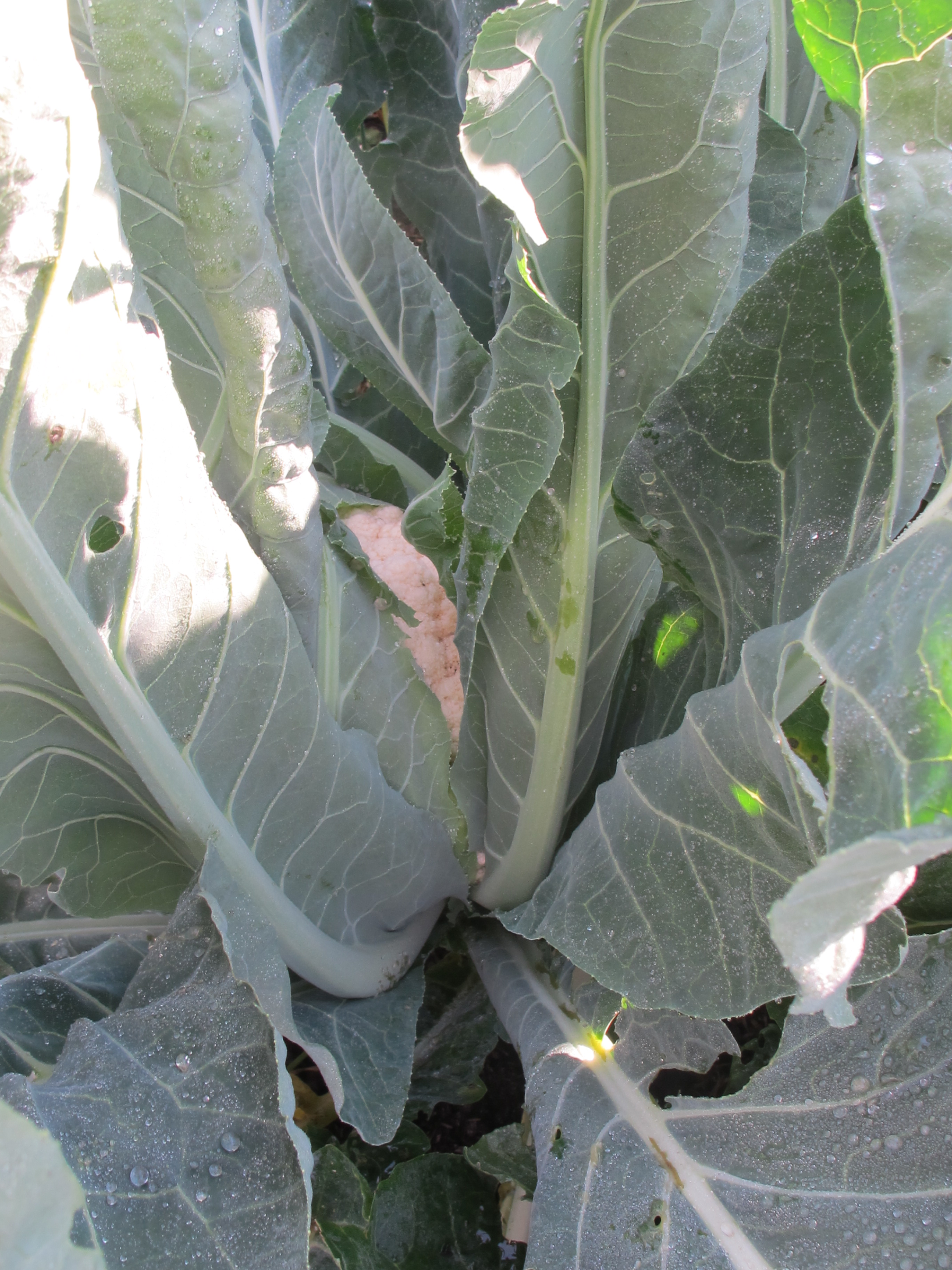
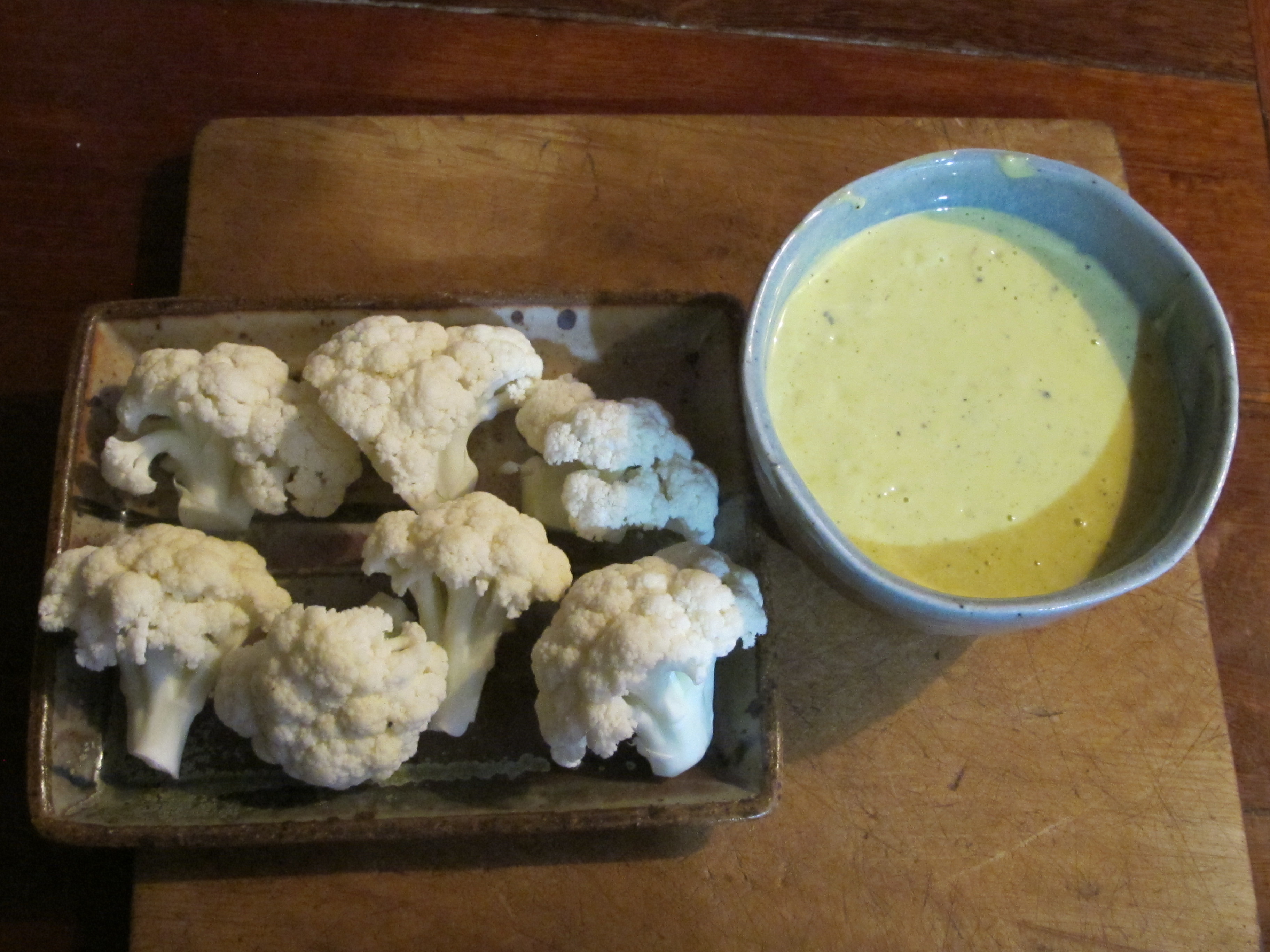
In the garden, the cauliflowers are in full flower just now, so we are finding ways to use them up. One of our long time favourites is to cut it into bit sized chunks and eat it raw dipped in aioli made from our own garlic, lemons, local organic eggs and locally produced olive oil. Thats an entrée that is worth waiting all year for. It’s just terrific, great flavours and textures. Almost a meal in itself.
IMG_3917IMG_3915
Aioli
1 egg
1 lemon
1 cup of olive oil
5 or 6 or 10 cloves of garlic, depending on size.
Chop up the garlic and add the egg, whip it up into a thick yellow frenzy with half of the oil and the lemon juice, lastly add the remaining oil and mix it into the emulsion, add pepper to taste and a little salt if you like. I don’t.
If your eggs are small, use less oil, or add a second egg.
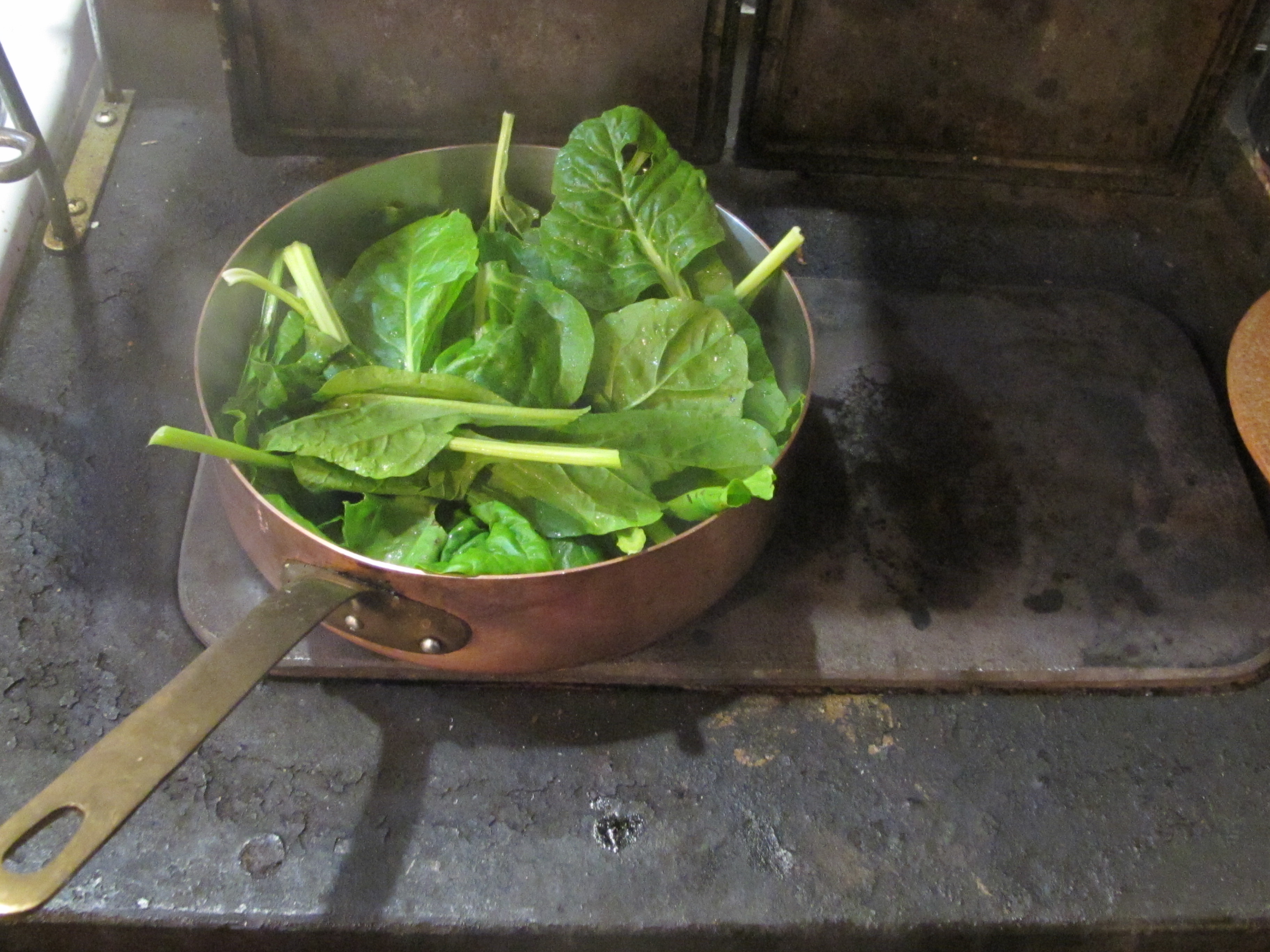
At the end of the summer, we ended up with a silver beet ‘tree’ that grew on the edge of the garden path. It grew as tall as me and finally had to be held up with a tall wooden stake. It finally ripened its seeds and the wind blew them all over the garden. We now have loads of the green stemmed silver beet growing everywhere. I’ve been mowing it to keep it down to a manageable amount. The Lovely transplanted a dozen or so seedlings into a bed, where they will be safe from my whipper snipper and garden chipper hoe.
IMG_3947
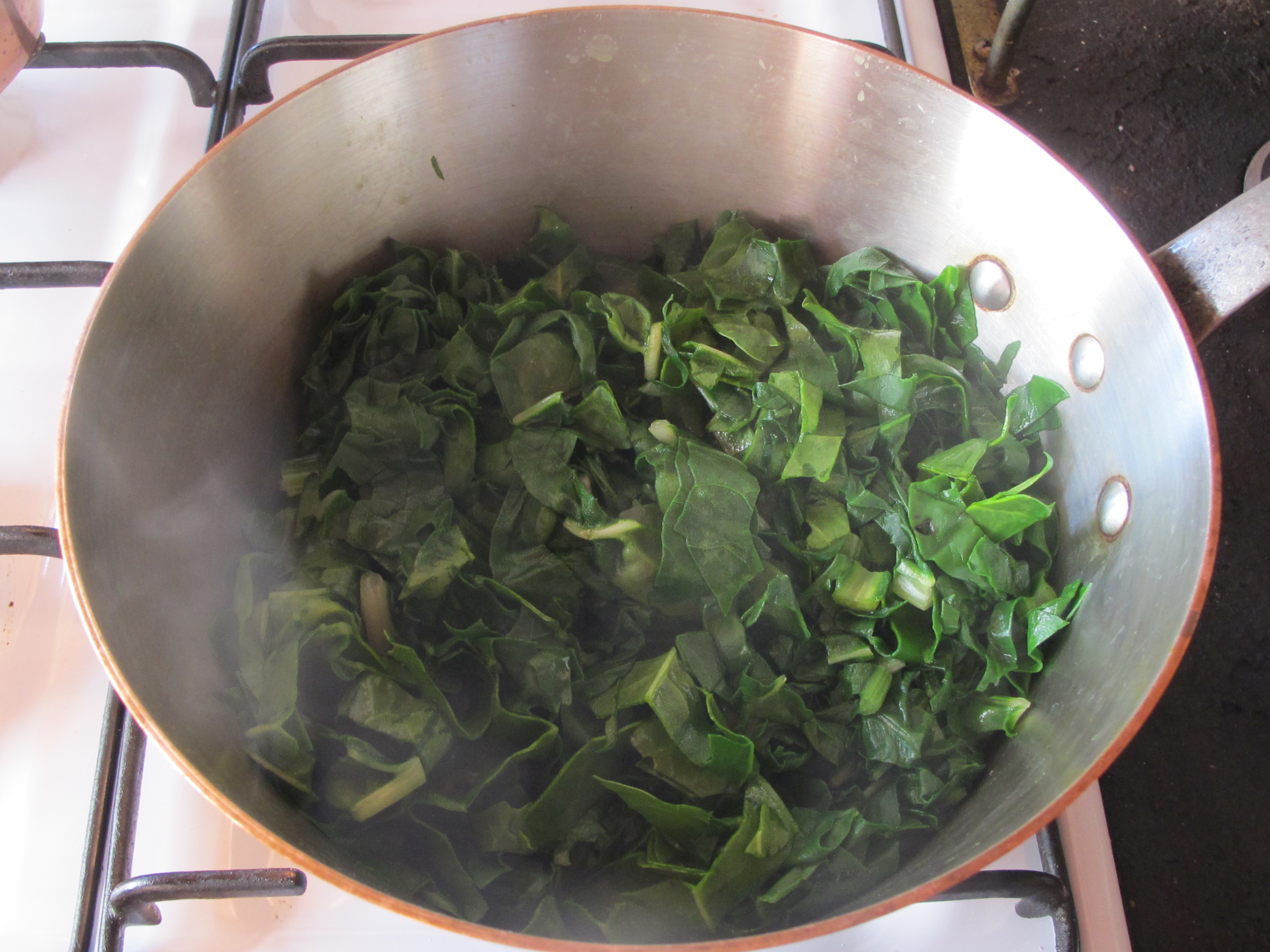
They grow so fast at this time of year, so we have to find ways eat it with out getting too bored. The usual way is to just scorch it in a fry pan and sweat it down to a small warm mass. I believe that it’s called ‘whilted’ spinach. What is nice about it is that it doesn’t involve any oil or even water, just some heat. We serve it with a little lemon juice or alternatively with a dash of white wine vinegar. It seems to go quite well with most things that we eat.
IMG_3749IMG_3752
Because these plants are so prolific just now we are constantly trying new ways to use it up. Not unlike the situation with zucchinis in the summer time.
It makes a lovely fresh side dish that is really quick to make and no washing up. just rinse the pan and it’s back up on the hook. A more substantial dinner at this time of year that is warm, satisfying and low fat is spinach and ricotta pie.
IMG_3918IMG_3921
IMG_3922IMG_3924
IMG_3925
Wilt the spinach, as above. You can make ricotta very easily from milk that is past it’s use-by date by heating it gently and adding some lemon juice to it. It will separate into curds and whey, drain off the whey and add the curds to the spinach and place into the pie crust, cap it off and add a little grated cheese and /or brush with the whey or milk to get a nice brown top.
Janine was given a really simple recipe for pastry from Marta Armarda, a ceramic artist from Spain, who was in residence at Sturt workshops in Mittagong.
Marta’s recipe for pastry is quick and easy – and foolproof!
1 tbspn oil
2 tbspn water
2 tbspnwhite wine
Add enough flour to make the correct consistency, which is about 1 cup, but this will vary with the choice of flour.
This amount makes enough for a spinach pie. 30 to 45 mins in the oven at 160 to 180. Until it browns and looks right The wood fired kitchen stove doesn’t have a reliable temperature measurement , and it depends whether the fire has been going all day, or whether it has only  been lit for a few hours.
We have completed 2 of our 5 wood firing, weekend workshops and had work shown in the Manly Regional Gallery and at Ivy Hill Gallery down the south coast to coincide with the International Wood firing Conference. I couldn’t afford the time to go for the whole thing, but managed to get down there for a couple of days. So now it’s back into the workshop to start throwing more work. I have shows coming up in Singapore and Taiwan in the next few months, so I need to get productive.
IMG_0350IMG_0347
IMG_0356IMG_0353
IMG_0359
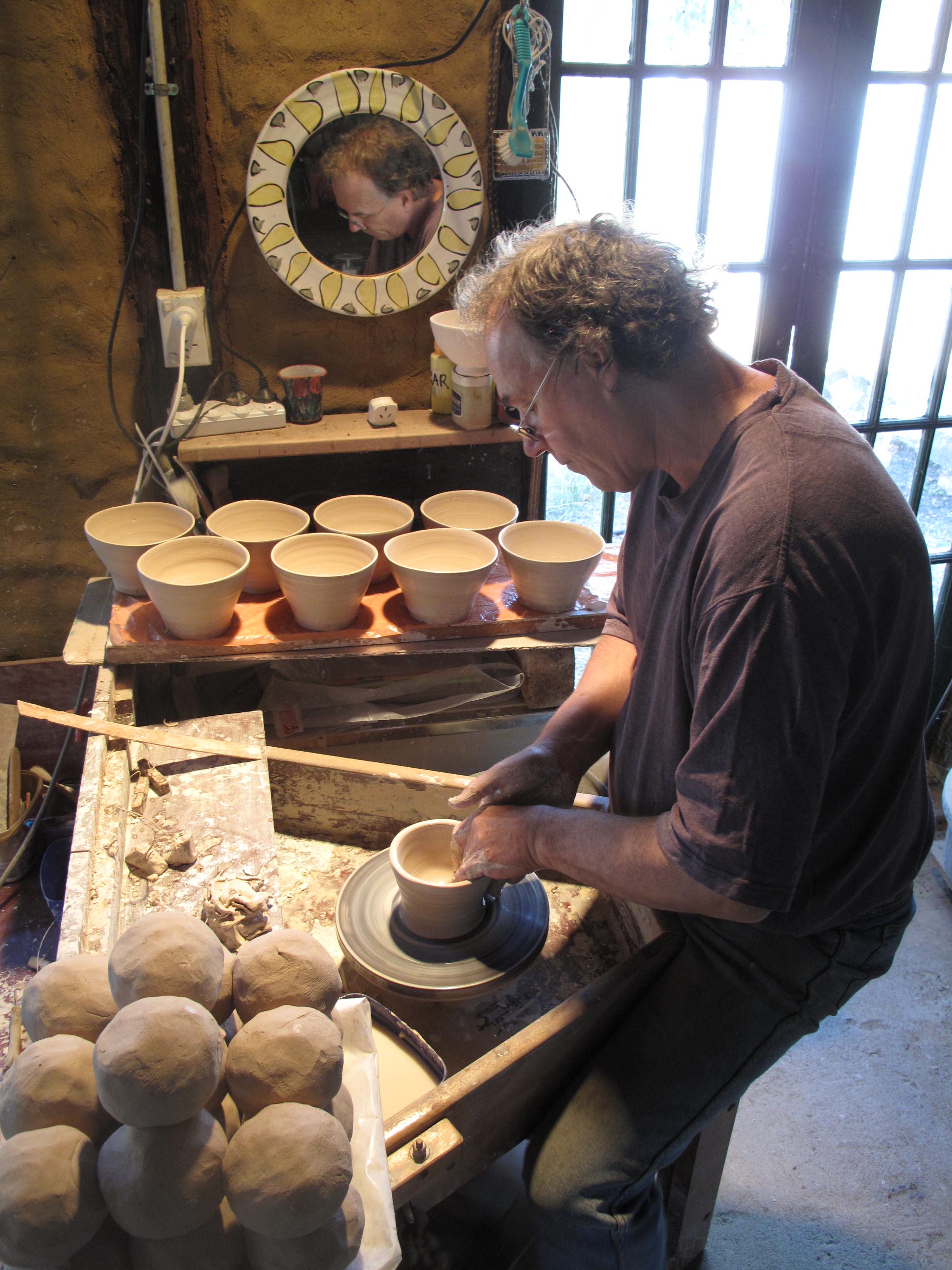
The Lovely, catches my visage in the mirror, so that it shows my bald spot.
It’s not a good look.
Its not ‘The Look’ either.
It’s just a look and that’s how I am.
Best wishes from the thinning potter, and I don’t mean waistline, and his happy snapper