Our Recent Woodfired Kiln Results

Our firing went as well as could be expected. I’m learning more all the time. The back of the kiln was under-fired, but 80% came out OK.

I ‘borrowed’ some of my friend and neighbour Sandy Lockwood’s wood. Sandy fires with wood too and lives only a few kilometres away in the same village.

Sandy buys all her fire wood in, so her stock of wood is totally different from ours. Our on-site burnt forest that has been left standing, but dead, after the catastrophic bush fires of 2019 doesn’t burn the way it used to.

We have been nurturing our few acres of eucalypt forest for the past 46 years that we have lived and worked here.  Carefully and very selectively dragging out the dead branches and tree trunks from the bush for use in our kilns and home. Almost everything that we do runs on wood for fuel. We obviously fire the kiln with it, but we also have a slow combustion kitchen stove that cooks our meals, warms the kitchen and also heats the hot water for the house. Then there is the slow combustion heater in the lounge room that we use during the cooler months to keep us warm at night. We also have a slow combustion stove and room heater in the pottery shed.

I get a lot of sowing done repairing my worn-out clothes, sitting front of the lounge room heater during the winter. I wear the clothes out chainsawing, cutting, carting, splitting and stacking all the firewood. It’s a bit of a circular economy. 

We have so much of this dead wood now, I have to find a way to use it creatively. I have another couple of firings scheduled in before the Australian Ceramics Assn, Open studio weekends of the 12th Nov. This overlaps with the Southern Highlands Arts Trail, Open Studio weekends on the first two weekends in Nov. We’ll be open for visitors on all 4 days of those weekends.

I will use these next firings to try out different approaches to solving my dilemma with this wood. If I can’t find a way of burning it successfully in its current form. I will have to change the fire box arrangement. But I’ll try all the easier options first. Side stoking the back chamber will probably work well, but I don’t want to do too much of that until I build an afterburner and flame tube with a spark arrestor on top. I don’t have time to build that until after the open studios in a few weeks.

So the next couple of firings will concentrate on fuel management, then packing and firing technique.

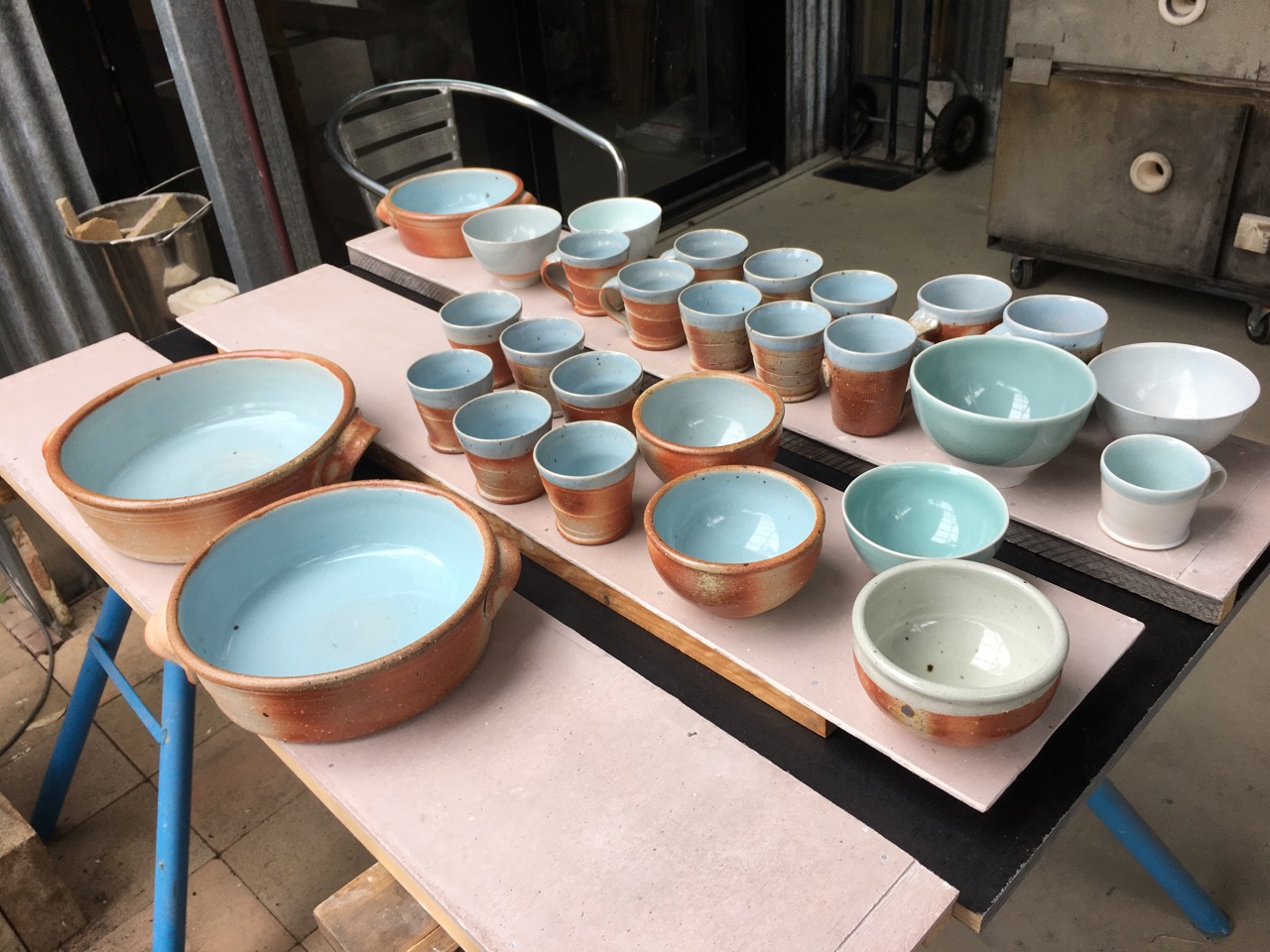
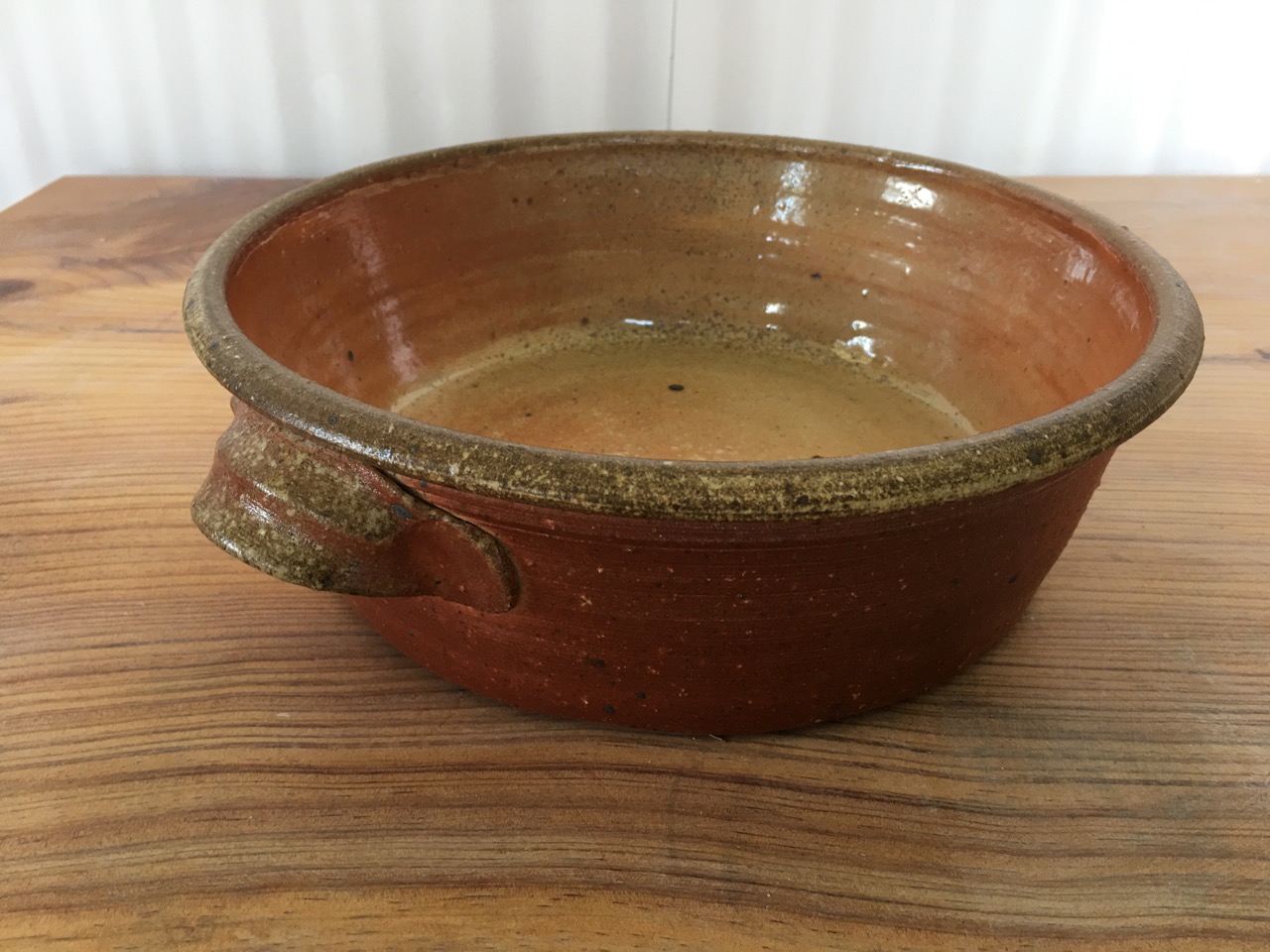
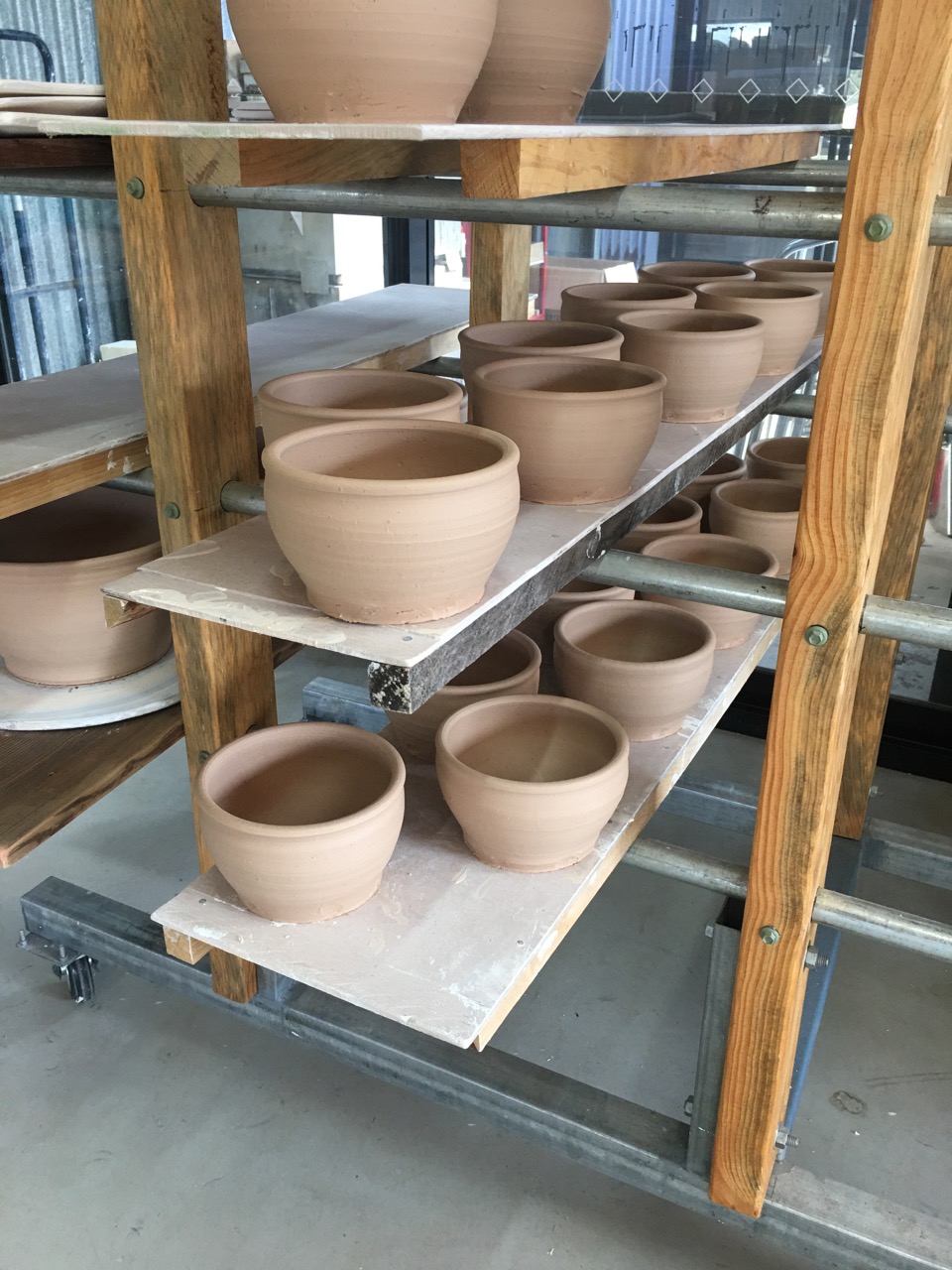
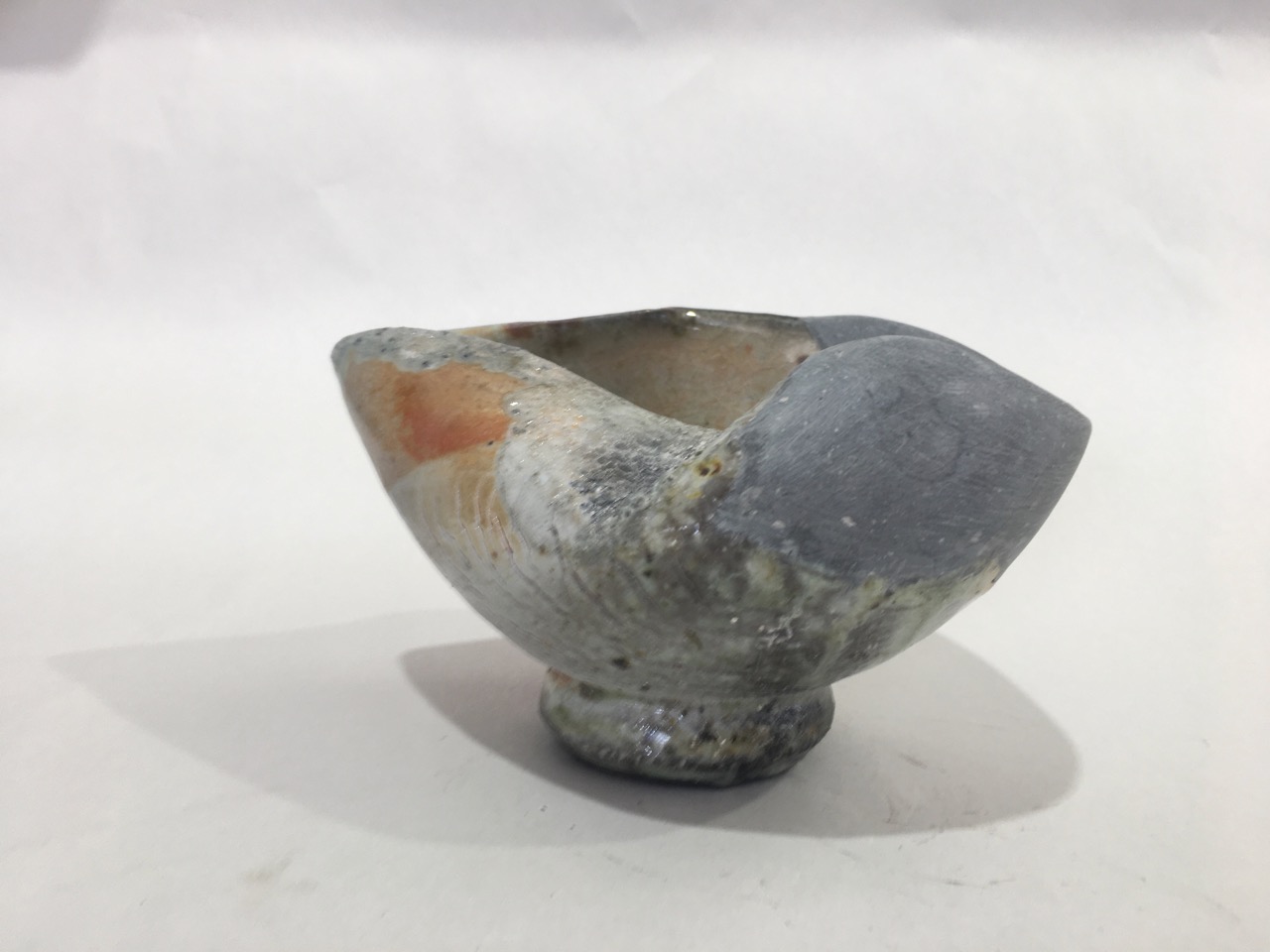
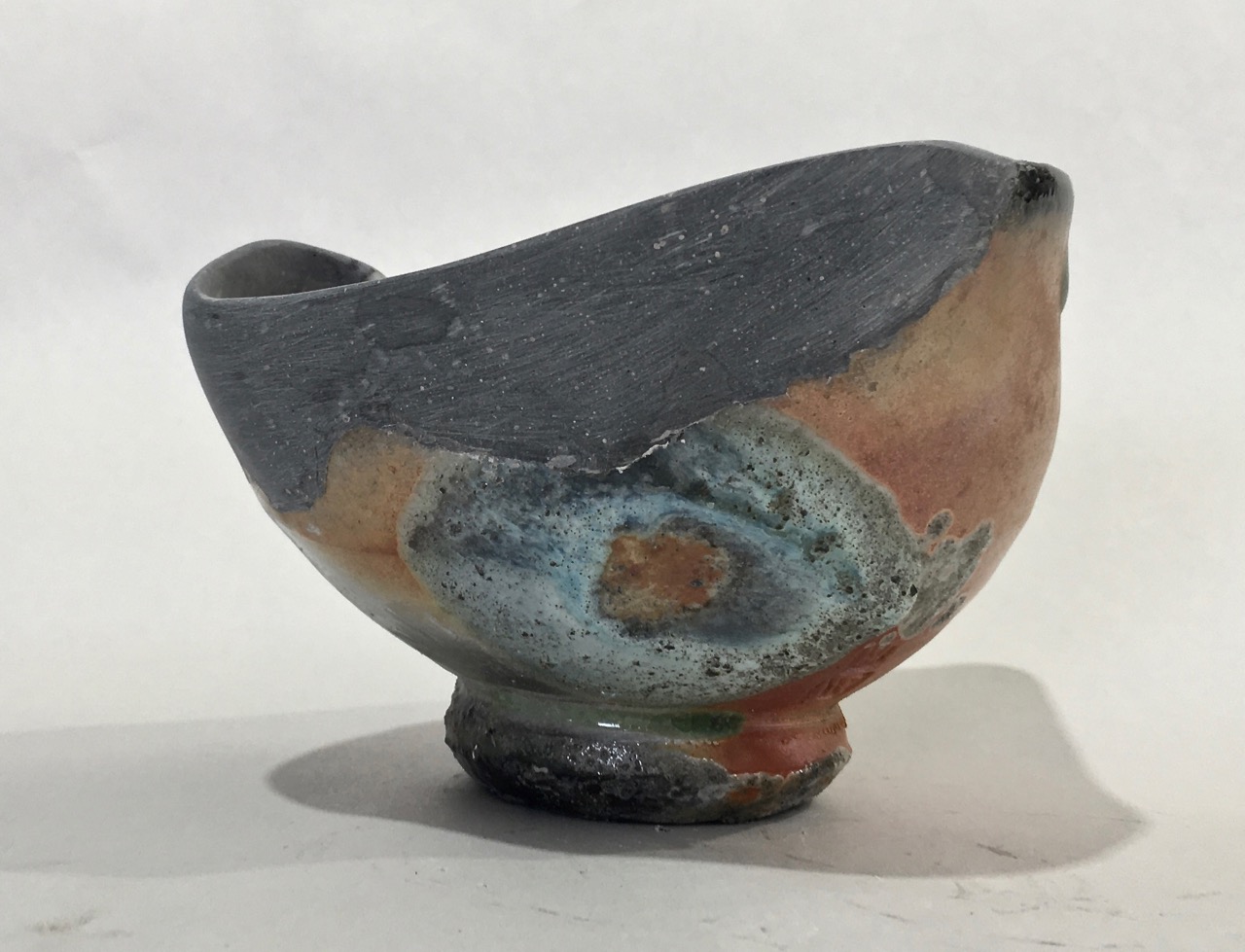
Here are a few of the roasty toasty pots that I left unglazed on the outside to pick up colour, fire flashing and a little wood ash from the one day firing. I used to fire the wood kiln for between 12 to 14 hours, but now with the change in the timber, I need to fire for 17 to 19 hours. Too long for an old guy and his hard working Missus. I was completely trashed the next day.

The colour is lovely and warm and the surfaces are very tactile.

Working with this rough, iron stained stoneware clay has been such a pleasure after the past few months of battling with the ground-up-sericite-stone bodies.

Recent wood kiln firing

In preparation for the up-coming Open Studio Weekends on the first two weekends in November, we have been hard at work making and firing to get everything ready in time.

We are still working on the pottery shed, as it isn’t quite finished yet. So much to do, but it is almost there. We have to stop the building work to concentrate on making pots now.

There are so many little bit and pieces of the building that need to be cleaned up and properly finished. The team of shed builders who erected the frame for us were working very quick and rough and left a lot to be desired in terms of details. I’m still finding out the places where they didn’t finish off the flashing, or didn’t put enough silicon in the joints here and there. But their biggest crime was not using metal screws with rubber seals, so I had to go around the whole building and squeeze silicon rubber over all the external screws to waterproof them. It probably only saved them $10. Such is the state of modern building trades. Fortunately we didn’t buy a high rise home unit with cracks in it, so we couldn’t live in it, but still had to pay the mortgage. That is so unforgivable. With all this rain over the past year, I’m still discovering places that leak or just little annoying drips that need attention. 

The framing crew did at least get the frame level, square and true. I’ll give them that much. The building inspector from the council who came and inspected our job, told us that this was one of the better frames that he had seen. Some were so bad, he had to call the builders back to straighten it up.

Janine and I have done nearly all of our building work over the years as owner builders here for the past 45 years, but this rebuilding job was just beyond us in our ’senior’ years. Especially the scale of it and particularly after working ourselves into the ground with all the clean-up work that we did after the fire. By the time it came to start re-building, we just didn’t have the energy. After the 6 months of cleaning up, we were ready to hand over to a team who supposedly knew what they were doing when it came to erecting a steel fame shed — sort of. They were certainly well practised at making short cuts.

This last weekend we fired the wood kiln. This was our 2nd firing in this new kiln and we are still learning how it works and getting to know its peculiarities and character.

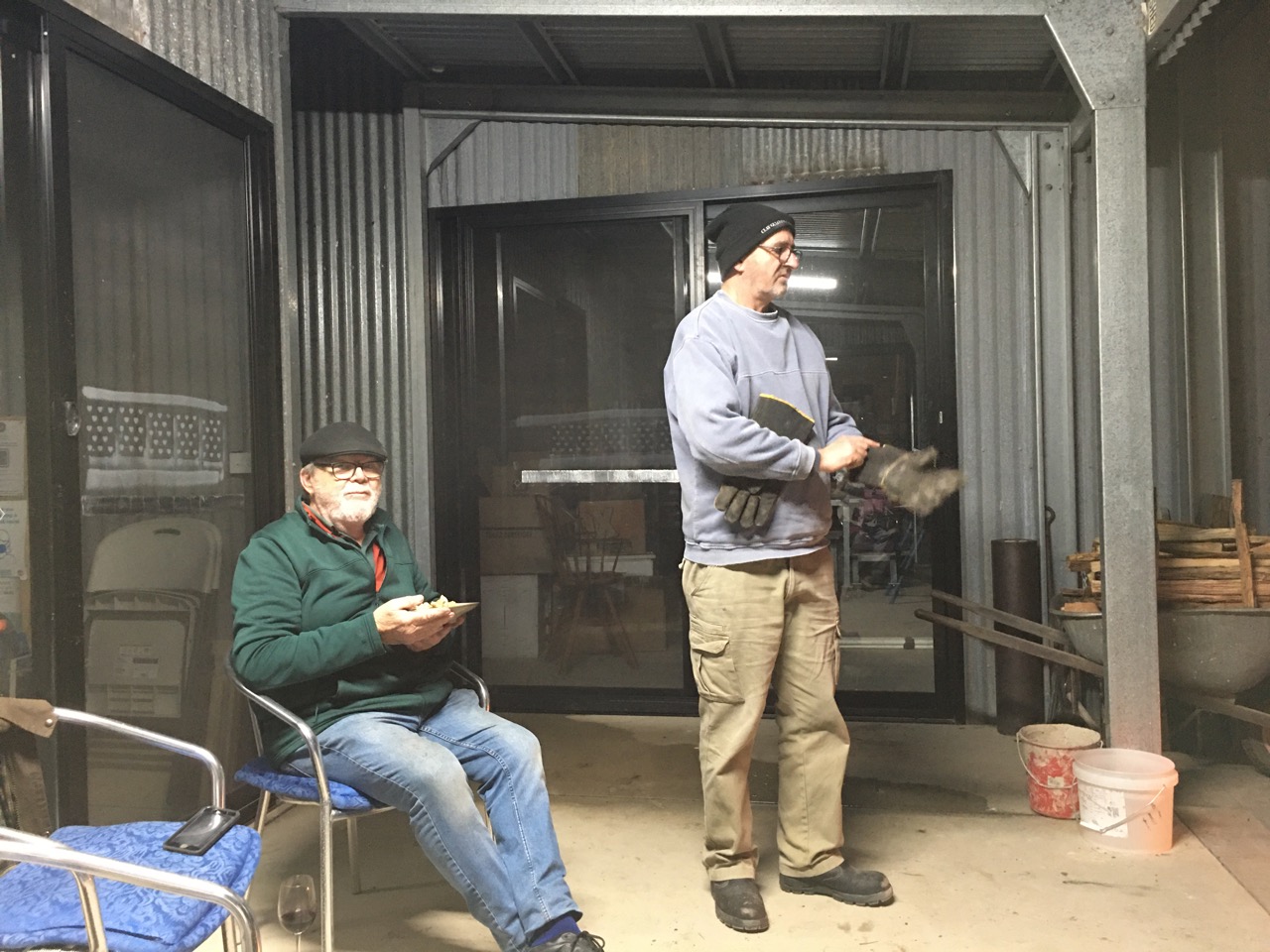
We had Len Smith, Rob Linegan to help and Jan Kesby called in after her workshop at Sturt Pottery to give us a hand, as she was in the neighbourhood.

Lighting the kindling fire with just bark and twigs.

The kiln at full fire, burning logs on the hobs.

Rob and Len doing their bit.

Jan Kesby showing us how it’s done.

We will unpack later in the week after it has cooled down.

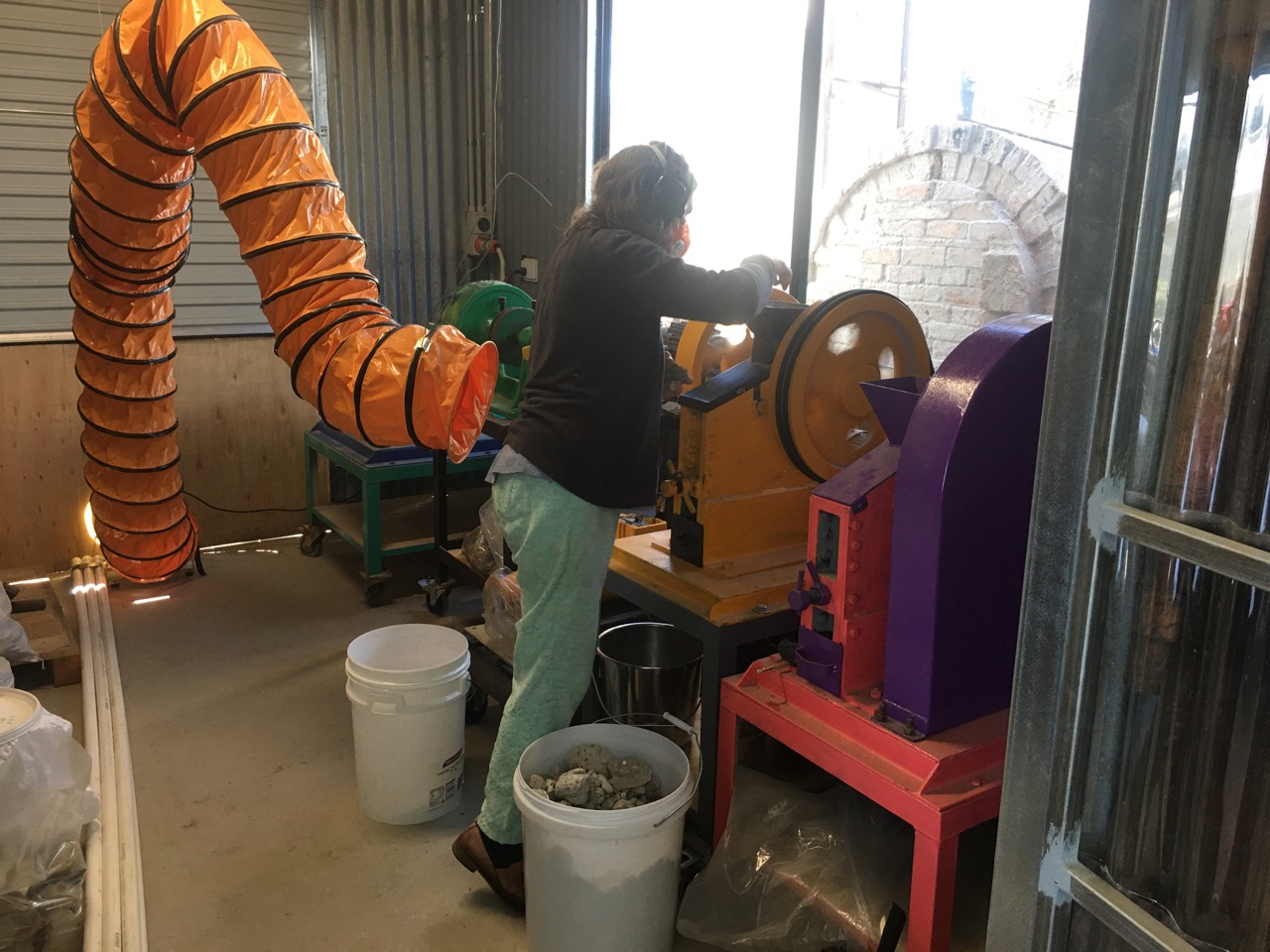
Janine putting stones into the rock crusher. Wearing her dust mask and with the exhaust fan pulling any dusty air from the room.

Janine has been crushing and grinding her beach pumice stones to make her sea-ladon green glaze. Made from just beach pumice and beach cuttle fish carapace ‘shells’.

She has also been making up her ‘Chun’ or ‘Jun’ blue opalescent glaze  that she makes from the ash from the kitchen slow combustion stove.

They both require crushing and then grinding in the ball mills to get the best result. There are so many little steps that go into being a self-reliant artist that most people just couldn’t imagine.

Then there is the splitting and stacking all the wood for firing. Everything takes time. We only have pre-burnt logs to fire with now, as every tree on our block of land was burnt. So we have a few hundred tonnes of standing dead wood to use up for the rest of our lives, but regrettably, since it is already pre-burnt. It has lost a lot of its volatiles, saps, kinos and resins. This means that we have to invent new ways of using it up in the kilns, as it is a bit like firing with charcoal than fresh timber. It still burns, but with a short flame and doesn’t really crackle and roar like it used to pre-fire. One solution I’m trying is to split it finer, where that is possible, but the stringy back that grows around here has a very twisty, gnarly, well integrated grain, that doesn’t easily lend itself to fine free-splitting.

Another option is to re-build the fire box to adapt it better to this charcoal rich environment, larger and with more provision for burning charcoal and ember? That’s a much bigger job, so I’ll try all of the easier options first. Time will tell.

Reading About Peasant Gardening and Cooking

I’ve been reading a few books on French cooking. Not, cordon bleu, or bistonomy, but old peasant recipes for home-grown, self-reliant peasants cooking of the South West of France in the Perigord and Gascon regions.

I’m interested in how people manage their vegetable gardens to keep a steady flow of food coming all through the year. How they preserve their excess and particularly, just how inventive they were at creating wonderful and delicious recipes from some quite un-promising ingrediants.

I was introduced to organic back-yard vegetable gardening by my grandfather and mother. But didn’t take sufficient interest in the details of it all at the time, as I was quite young, and kicking a ball around the yard was more fun.

When Janine and I moved into our first own rental property in 1975. One of the first things that I did was to dig up the back yard, start to plant veggies and build a compost heap. It seemed so natural to me. It was just what you did if you wanted to live cheaply and frugally. Planting vegetables went hand in hand with building the first little kiln, both equally important.

A year or so later, after we were burnt out in the first of 3 bush fires that we have lost potteries to, we bought the Old School building here in Balmoral Village, we started a vegetable garden as soon as we got the key, even before we had the title deeds. Long before we moved in. We would come down on weekends and plant and then water the seedlings, so that there would be food for us when we arrived permanently.

We were lucky to meet and become very close to a couple of the local residents, John Meredith the writer, musician and folklorist, and Dot and Roger Brown, who were the village’s longest residents. Dot’s mother was still alive then, she lived till she was 103 years old. Both of these older residents had extensive vegetable gardens and small household mixed orchards. They were a great inspiration to us and were so supportive in each passing on either chickens or ducks in breeding trios to get us up and running. We set up a pottery throwing room in the front room of the 2 room school classroom. We also cleared the land, fenced off the area for the stone fruit orchard, all in the first few months and had 30 fruit trees planted that first winter.

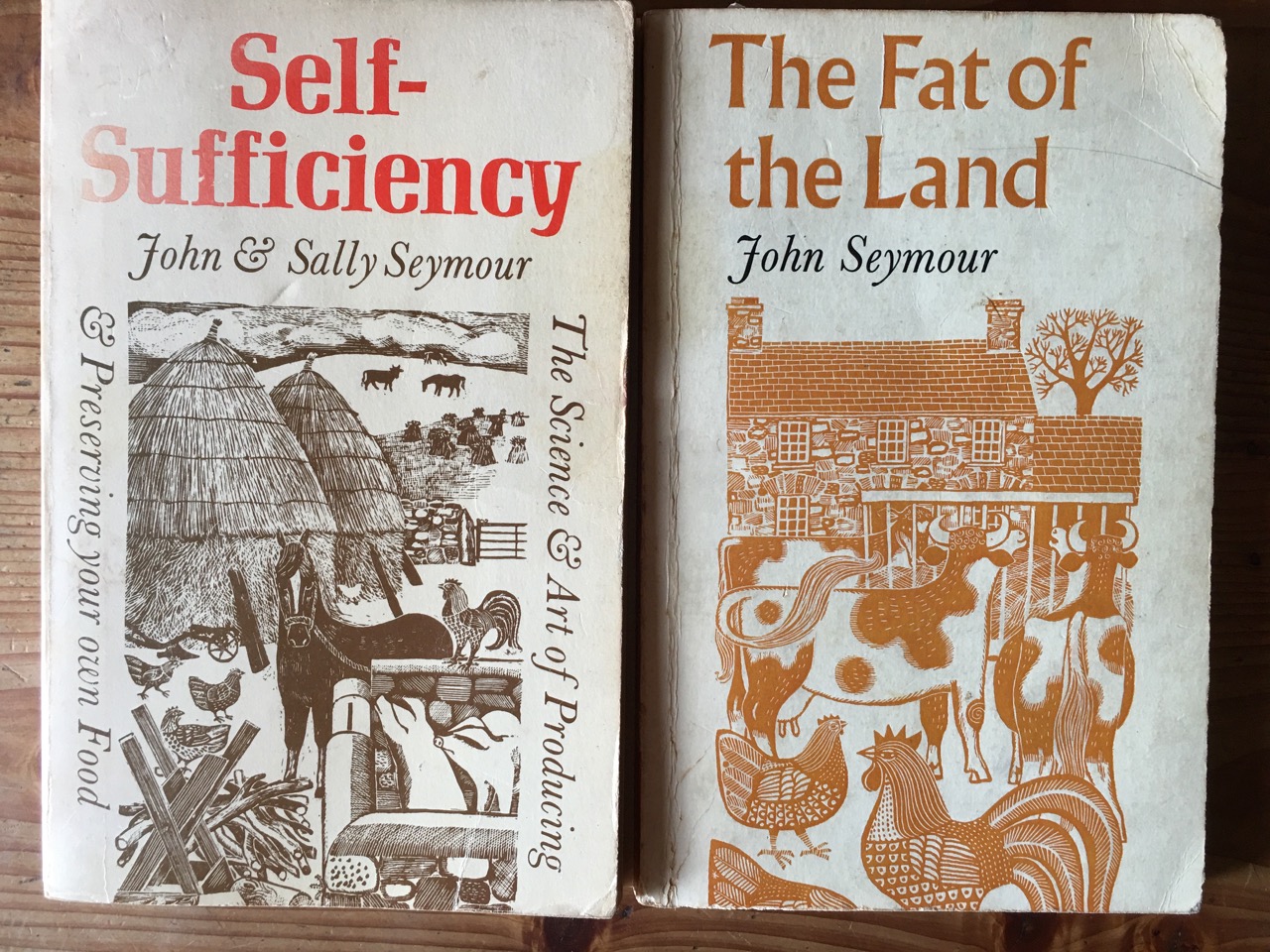
A few years later Sally Seymour came to visit us from Wales. She and her husband John Seymour wrote books about their life of living off the land in a small scale, self-sufficient way. She was so knowledgeable about everything that we needed to know. She was also a potter. Sally returned a couple of years later and lived here with Janine for a few months, while I was away in Japan studying.
We had already bought and read both of their earlier books before we met Sally. Sally is still alive and living in Wales with her daughter and son-in-law. You can check out how they still live and work creatively and sustainably at their web site. <https://www.pantryfields.com/sally-seymour>

‘The Fat of the Land’ is still in print and available from their website.

I enjoyed reading about Kate Hill’s life and travels on a barge boat in Gascony. I didn’t learn very much that I hadn’t already read elsewhere, or already learnt to cook myself, but it was a good read. 

I picked up this book for $2 in a 2nd hand book shop, an interesting read by an American food writer about his one year sabbatical spent in Gascony learning to cook.

Peter Graham was a professional writer who lived in France for 40 years. He died recently. He was ‘The Guardian’ newspaper’s food and restaurant critic for 20 years. The book is a list of recipes linked by anecdotes, and has less story line to support it, more in the vein of Patience Gray’s ‘Honey from a weed’. However, I actually preferred the book ‘Extra Virgin’ by Annie Hawes, which is all amusing story and no recipes, but she has humorous descriptions of the local wives preparing food and cooking. All described in a very lighthearted manner.

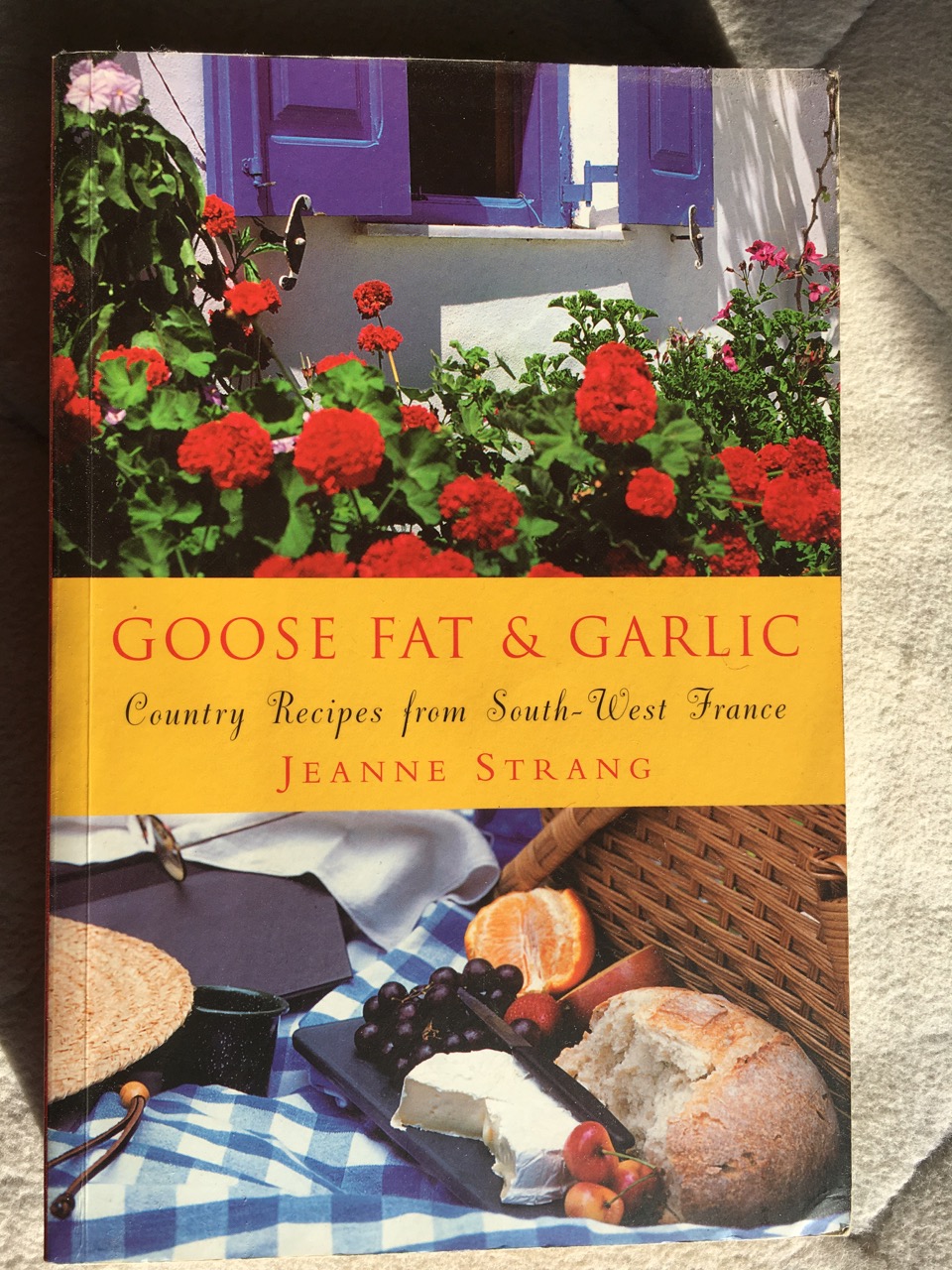
Jeanne Strang’s book was interesting mix of personal story line and recipe book. I learnt a few things that I have incorporated in to my cooking. On and Off.

None of these books are your typical recipe books. None of them have full page glossy photos of luscious food. You’ll need Jamie Oliver or the English food porn lady for those. These are all black and white, text based books, printed on cheap, pulp, paper by people who love cooking, and living in France. They have all lived and worked in Gascony and collected their anecdotes and recipes over extended periods of time living the life in amongst the locals.

Having digested all that these other books had to offer, I tempered my appetite for goose fat and foie gras, by reading Norman Swan’s latest on how to live a healthy life for longer. 

Basically his recommendation is not to eat all those fatty, rich, calorie loaded foods, instead he recommends to intensionally starve yourself – albeit with moderation. He recommends following the ‘Mediterranean diet’, based on pulses, vegetables, a little lean meat or fish and to avoid preservatives, salt and smoked or saltpetre treated meats. He also says to put in at least one hour of vigorous exercise each day. YES, one hour vigorously, each day! To stimulate metabolism and burn off calories to keep your weight down. 

I think that I might probably be OK, even better off,  to just eat those French cooking books listed above. Paper is fat free, high in ruffage and low in calories, just right. 

Normal would approve.

More Mottainai

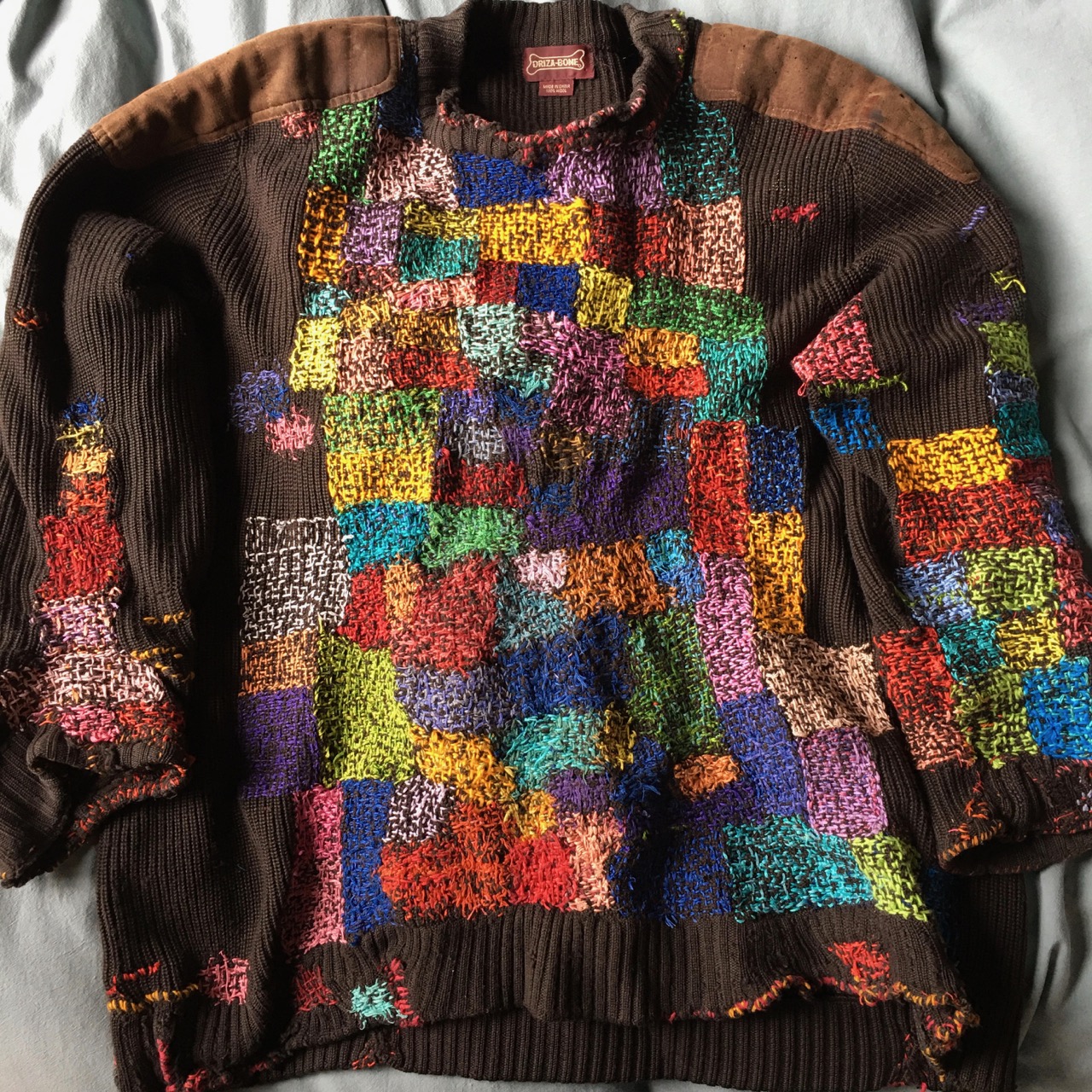
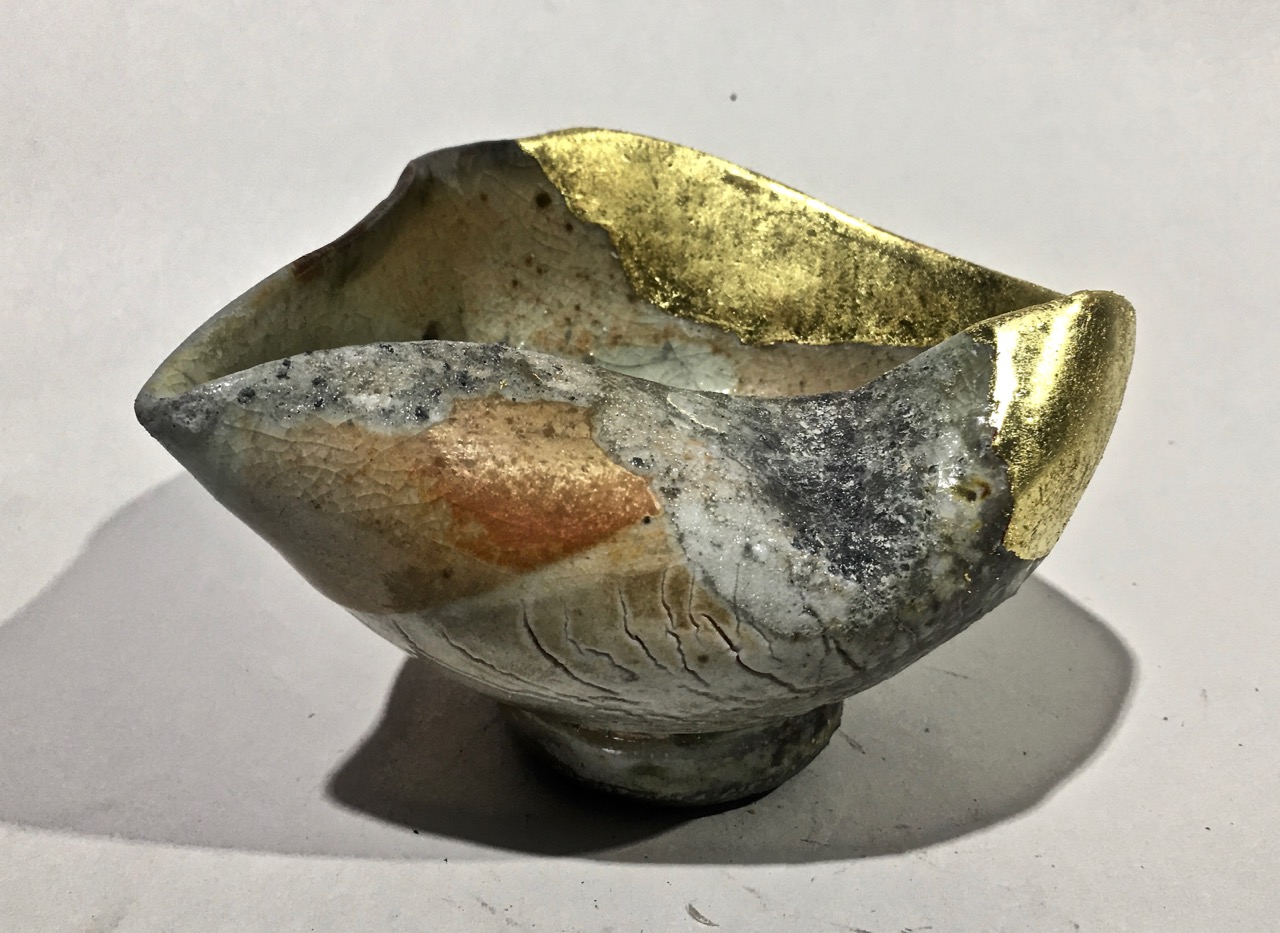
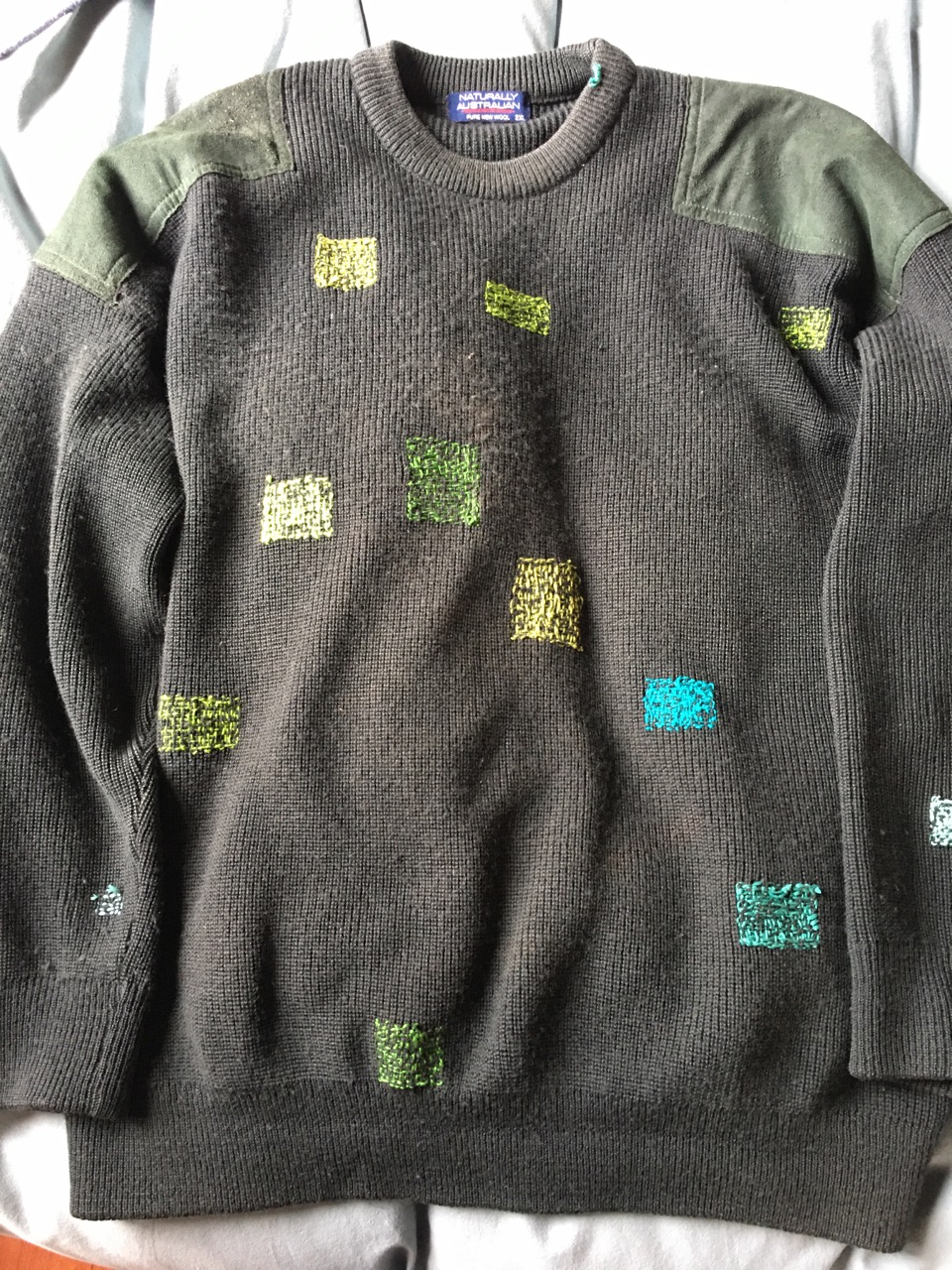
There is such a beautiful optimism about spring. The weather is warming up. We even have clear, bright, warm days when we take our jumpers off! My brown work jumper that I wear when I’m welding and/or firing the wood kiln has had a lot of holes burnt into it over the past 15 years. I have been slowly working on it over that time repairing the holes by darning colourful threads over the gaps. It has started to become something more than just an old, repaired, work jumper now, it’s becoming a work of art in itself. I’ve spent this last week of evenings in front of the wood fire fixing it up for another year of hard work. It’s become something more than just a jumper. It’s becoming a treasured item, embodied with effort and work. Not just the work that resulted in all the holes and burn marks, but the extra effort in its recovery and repair. It’s a bit like doing a kintsugi repair on a treasured pot that got broken. I do that too.

I also have a better, but also quite old woollen jumper that I used to keep ‘for best’. ie. for going out in.  I keep it in a plastic bag over the summer months, filled with herbs and lavender, to keep the moths out. But over the years, the little tenacious critters seem to have found their way in every now and then and now this jumper too has a few holes in it. So after I ‘finished’ the brown jumper. I started on the next one. It only has a few small moth holes, so it was a quick ‘two-nighter’ job. Done sitting in front of the wood fire, keeping warm and getting next years woollens up to speed for the next winter, before I put them away for the summer. Back into the fragrant herb lined plastic bag.

This series of repair sessions that began 13 years ago trying to extend the life of a good quality piece of clothing, slowly took on a life of its own. I think that I may have made this old brown jumper a bit too special for welding and firing now. It’s become rather special in its lovingly repaired old age. 

The Japanese have a single word that sums up this concept. Mottainai!

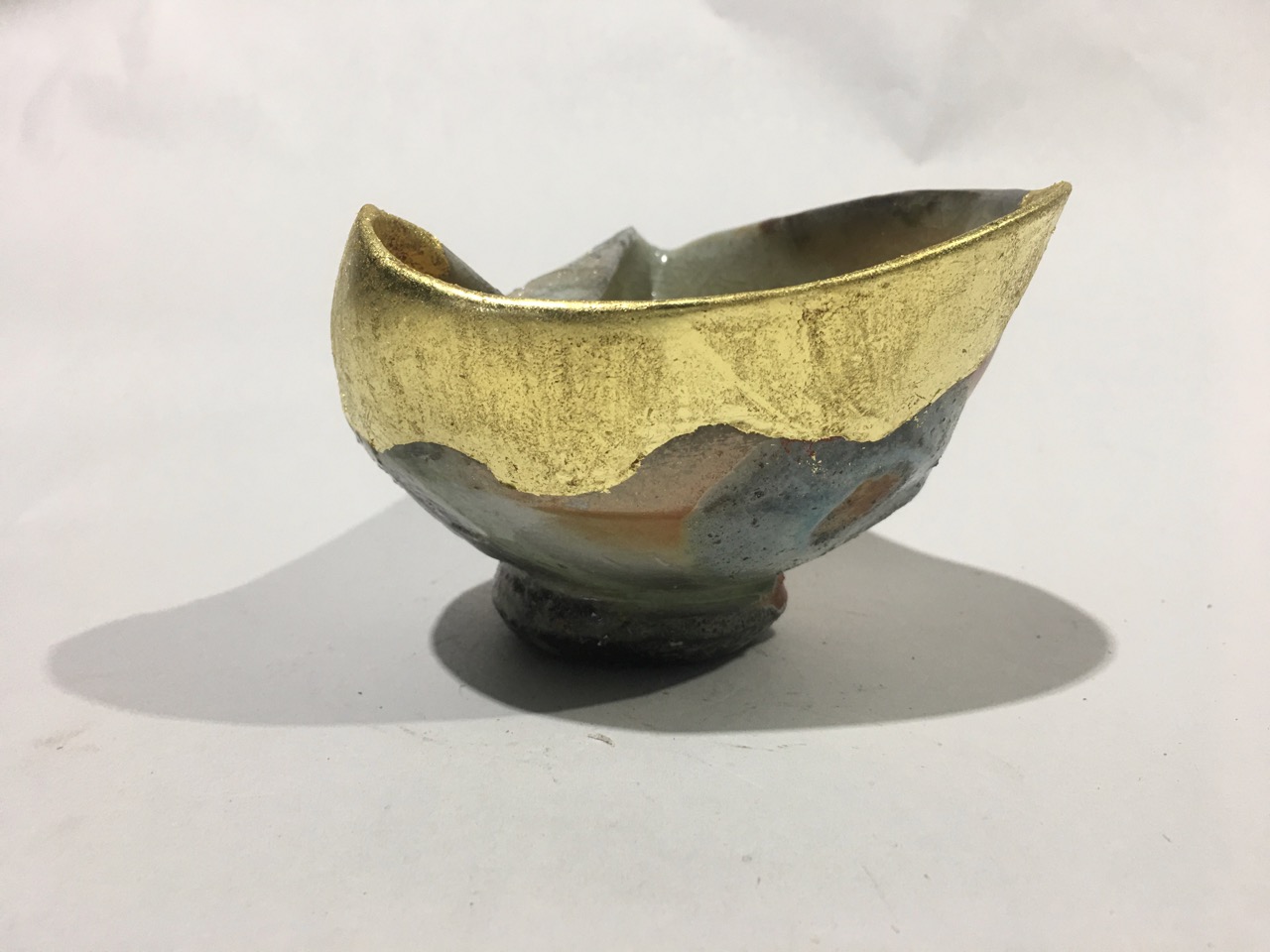
As for the concept of kintsugi that I mentioned above. I have been slowly working my way through a number of special pots that survived the fire. They are all broken, but still rather lovely in their own special broken and shattered way. I have re-built all the broken and missing sections of the bowls using my own home-made epoxy-based filler which I hand-build in small sections,  layer upon layer, grinding back and sanding each layer, then adding on another little section, slowly building the missing section back up to where it once was.

The really beautiful thing about something that you have done yourself, by your own hand, is rather special. These repaired items are more valuable and unique than they were beforehand, not in a financial way, but something more cerebral and emotional. The loving workmanship has transformed them up to another level of complex value. And, in the final analysis, probably also some sort of increase in monetary value, but this is hard to quantify, as such special personal items rarely ever really come onto the commercial market. 

Mustard Pickles

Because there has been absolutely nothing worth watching on the idiot box for the past week. It was like ground hog day. So I have spent the evenings cooking.I have been using our vegetable excess to make a batch of mustard pickles. I make pickles like this almost every year to use up our excess and preserve it for later.

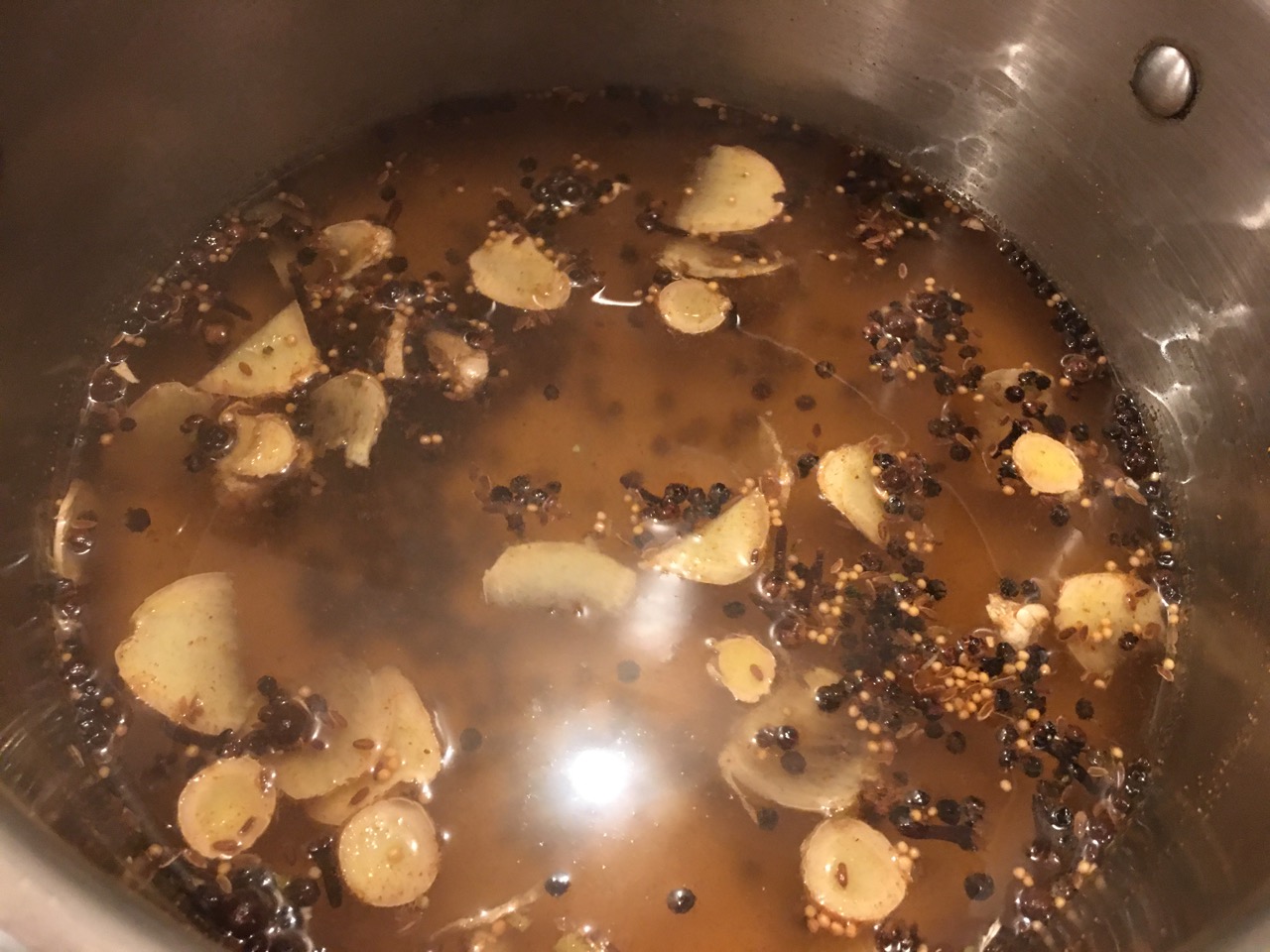
To preserve the vegetable mix, I first need to make up a pickling vinegar using 1 litre of cider vinegar with 13g of sliced of ginger, 13g of salt, the tip of a tsp of cayenne popper, 3 tspns of whole cloves, 3 tsps of pickling spices, 13g of whole pepper corns, and 1 tsp of mustard seeds. I also add 1/3 cup of sugar.

I boil this for 15 minutes to bring out and meld all of the flavours, then sieve out the spices and keep on ‘mijoteur’, at a very low simmer.
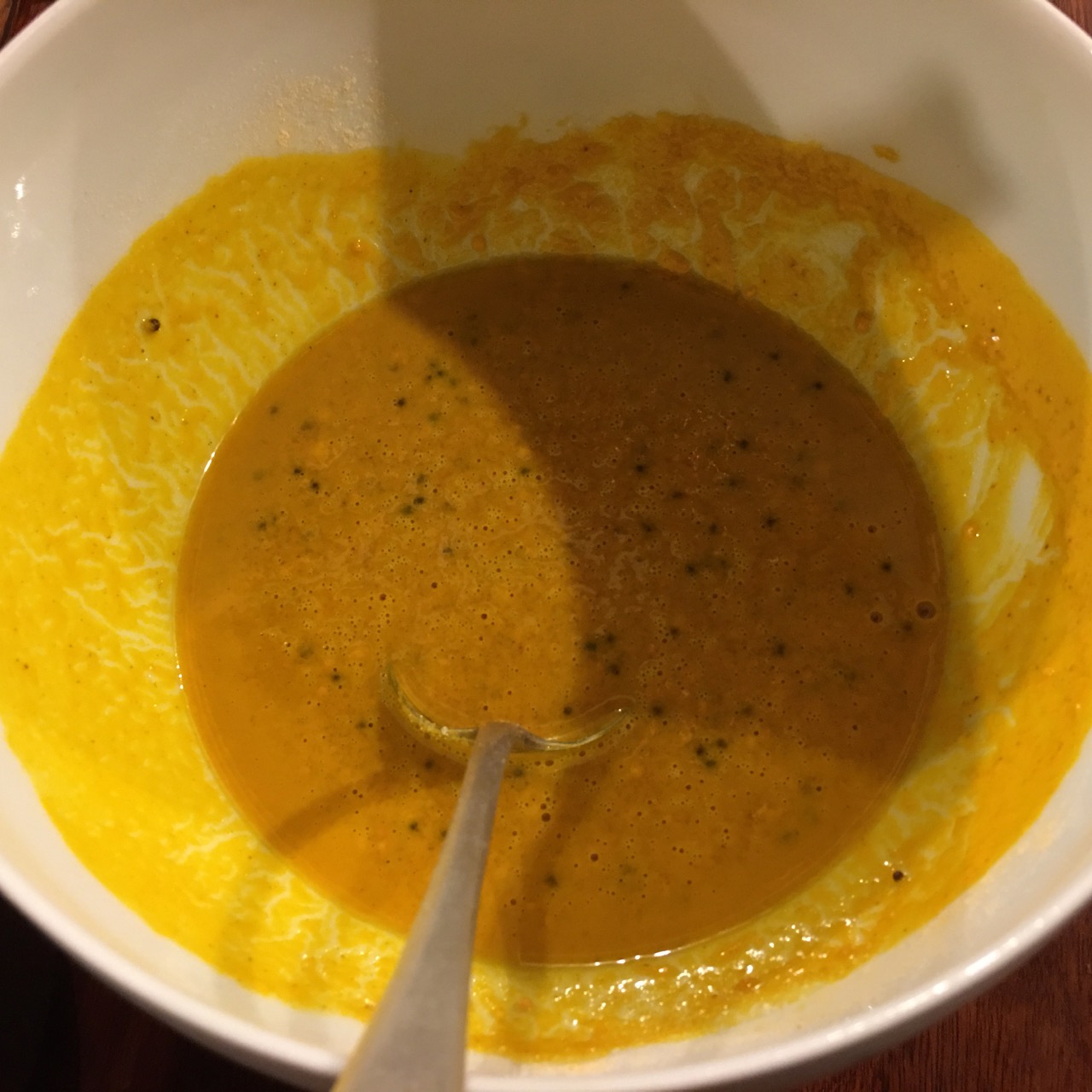
While this is boiling, make up a paste of turmeric powder, mustard powder, etc.

I use half a cup of flour, 2 tsp of powdered mustard, I tablespoon of turmeric powder, tip of a tsp of cayenne pepper, 1 tsp of mustard seed and 1 tsp of curry powder.
I add in some of the pickling vinegar slowly while stirring, bit by bit, until I can work up a smooth paste. Then I mix them both together and bring the mix to the boil for a few minutes.
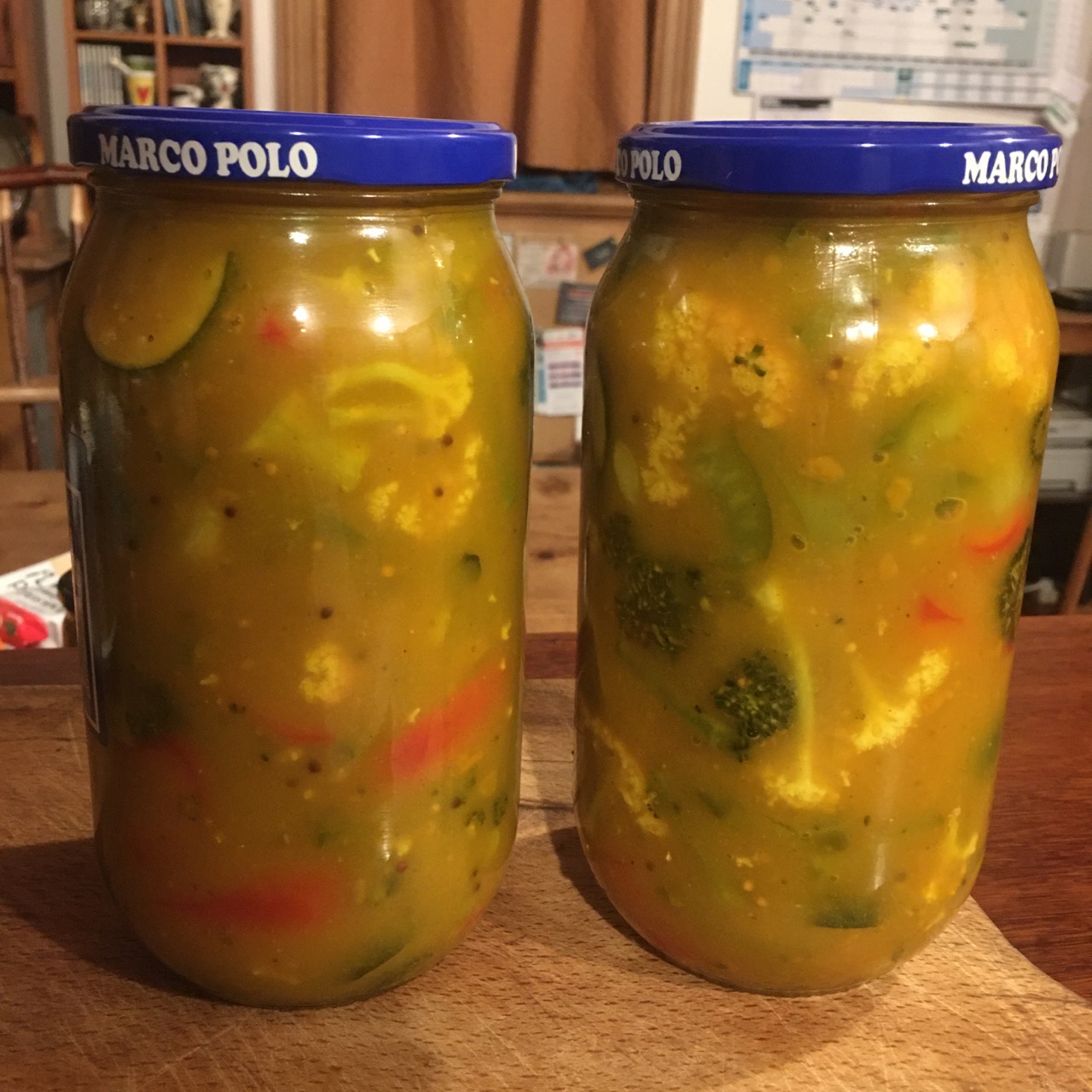
Drop in the vegetables and stir well to cover them all in spiced vinegar. Keep at a low simmer for 5 mins to amalgamate the flavour into the vegetable pieces and until it thickens.

Spoon into sterile glass jars, and seal. Over the next 10 to 15 minutes, you will hear the metal lids ‘pop’ as the mix cools down and vacuum seals the jars.

Great with cold meats, strong cheddar cheese or just as a side pickle.

You can start to eat it straight away. I do. But it will also keep for a couple of years if you have sterilised the jars properly. 

However mine never gets a chance to wait that long. It’s pretty yummy.

Wood fired baking dishes and duck egg soufflé

This week I have been making baking dishes in 3 different sizes and latté cups for the wood firing kiln. All this is leading up to the Australian Ceramics Assn Open Studios weekend, which also coincides with the Southern Highlands Arts Trail Open Studios weekends, so pencil in the first two weekends of November 5th, 6th and the 12th, 13th. We will be open for visitors on both days of both weekends.

If you can’t make it on any of those 4 days, just give us a call or email us and we can arrange to be open by appointment any time up until Xmas and over the summer.

Janine packed and fired the little portable wood fired kiln with some of her work a couple of days ago. It was the first time that we have fired this portable wood kiln since the fire. This kiln was burnt in the fire, but survived only because I fabricated it out of good quality Stainless steel sheeting. Spot welded together into a monocoque frame. We had to replace a few broken anchors and fit new wheels, find the stainless steel firebox grate, then build a pyrometer system from a broken thermocouple, that I cut the end off, shortened back to clean metal and re-welded back together. This kiln has only 100mm thick walls, so a short thermocouple is ideal.  It was a first experimental firing to test out new settings, kiln shelfs, T/C, glazes and timber fuel. It was only partially successful, but good for a first firing, so many ‘firsts’ in combination. We will fire it again next week to build on what we have learnt.  4 1/2 hours to stoneware in reduction, cone 9, she got a little nice flashing on the exposed clay and nice glaze melt on her ash glaze and pumice glazes. Next time we will try a slightly longer firing, maybe 5 or 5 1/2 hours?

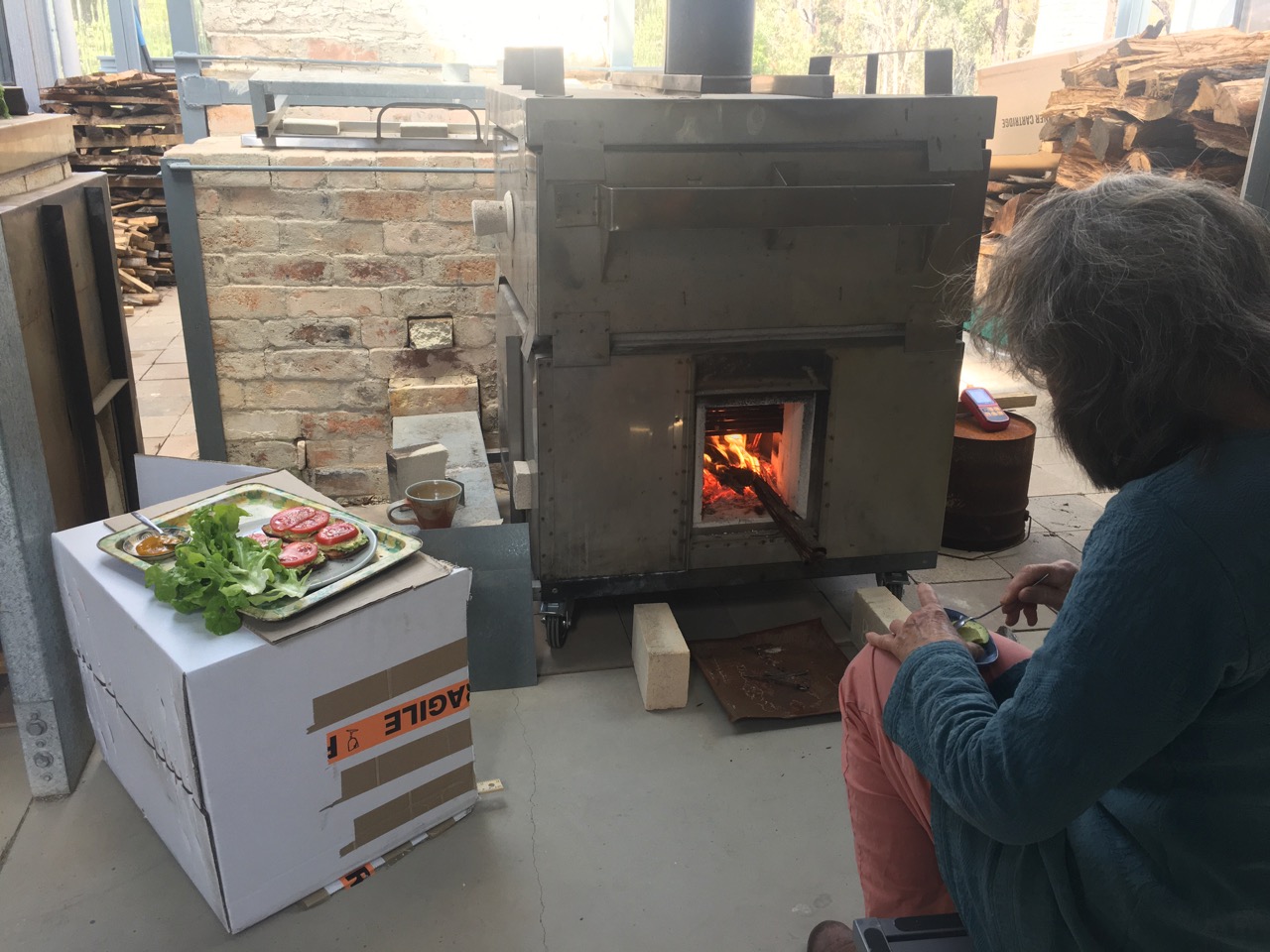
Because she was dedicated to the kiln all day, first packing, then collecting the wood and finally firing, I made her lunch, delivered to the kiln. Home grown smashed avocado on home made rye bread toast. We already own our home, so can afford to eat such luxuries. I put sliced tomato and home made mustard pickles on some and served it with a side salad of home grown lettuce leaves. The other half of the avocado I filled with lemon juice and sprinkling of ground black pepper and served it as an entrée, with a tea spoon for scooping it out.

I got no complaints.

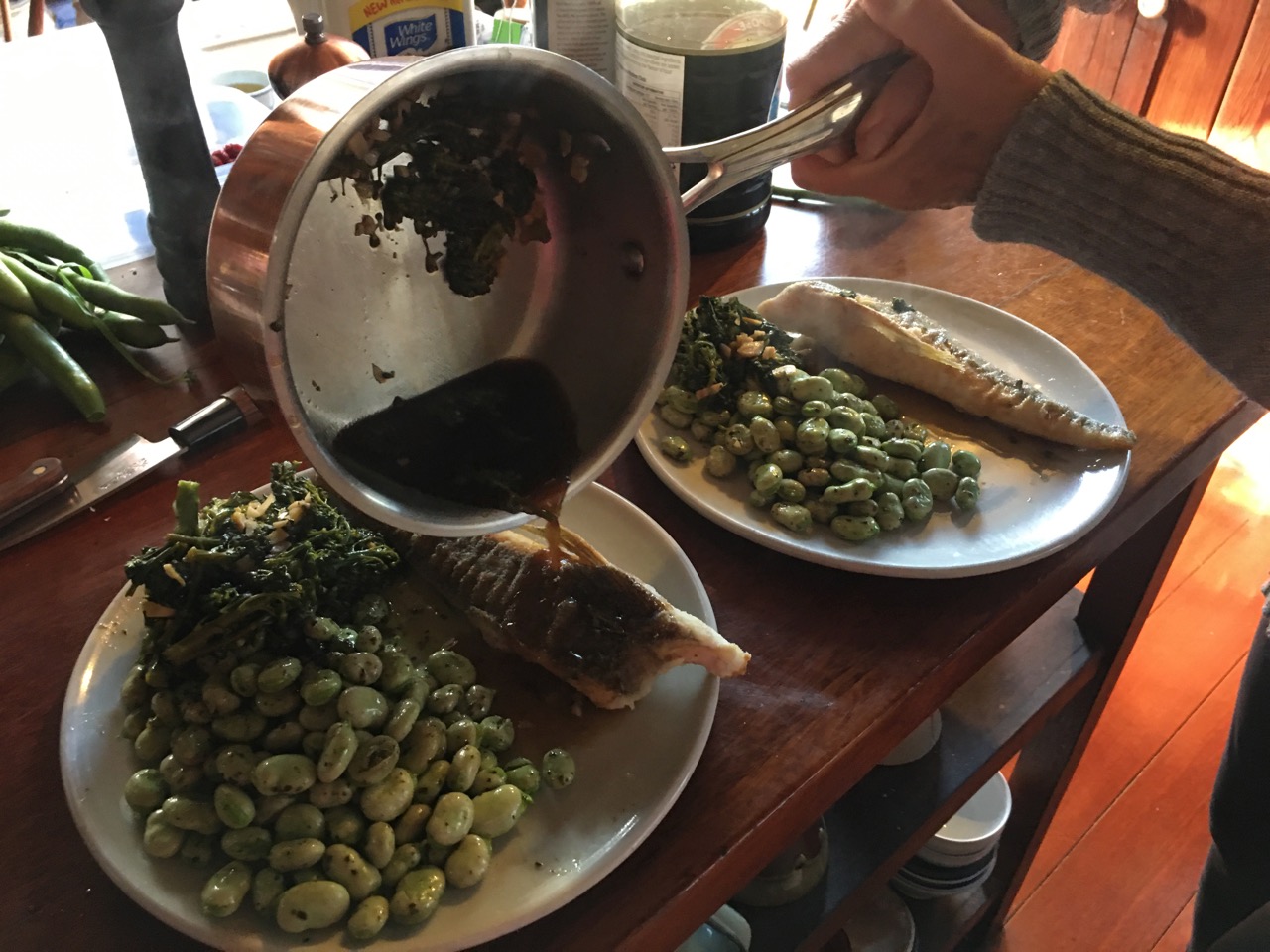
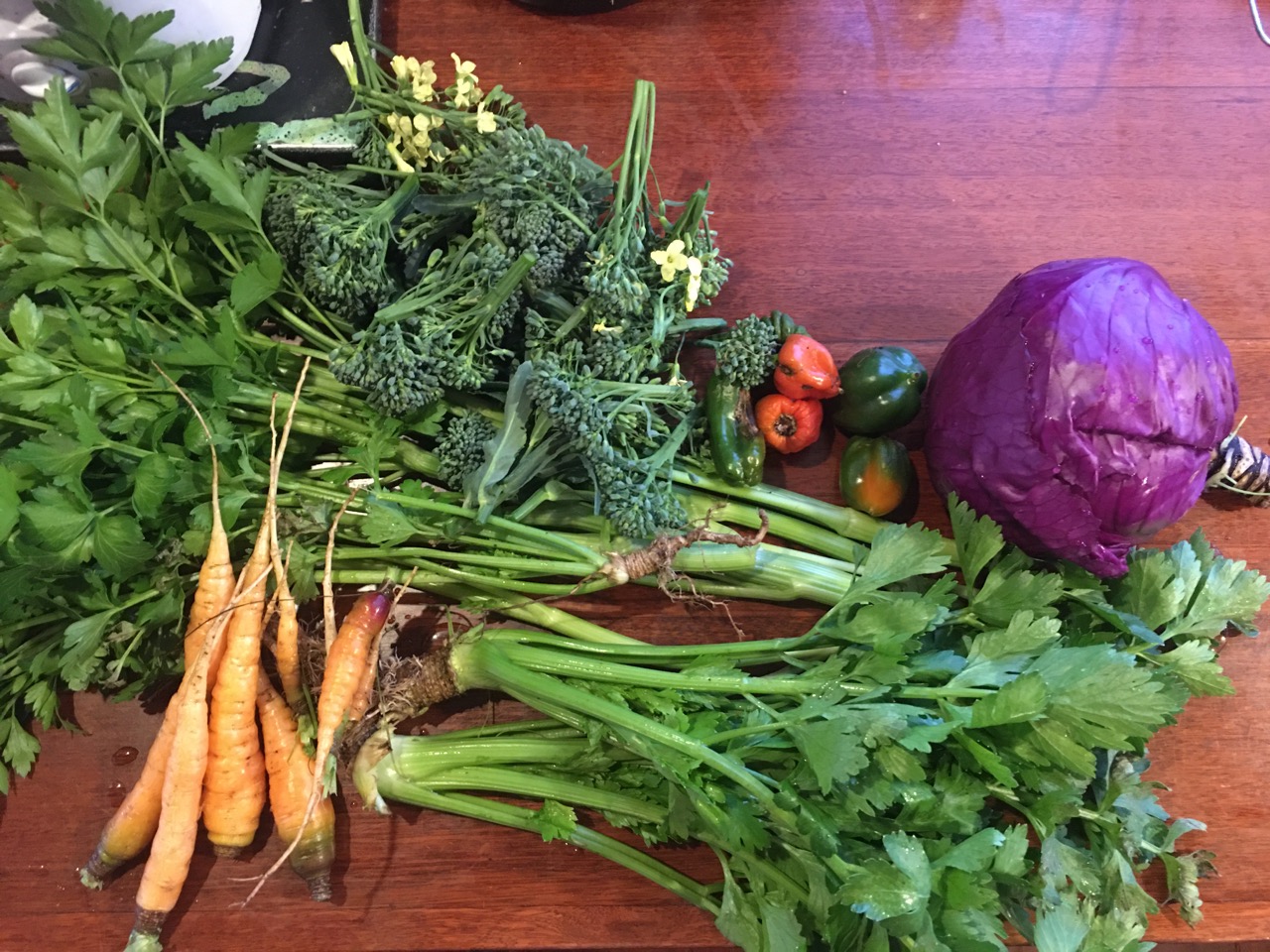
We have finished picking all the red cabbages, both the first large cabbage, and then the 2 or 3 heads of secondary cabbages that follow. Now the plants are going to seed, so I don’t want to waste the mini red broccoli-like flower heads. They are picked, washed, blanched in boiling water for 2 mins, then pan fried in sesame oil, with slices of garlic and ginger and served with a little freshly ground black pepper and a squeeze of lemon.

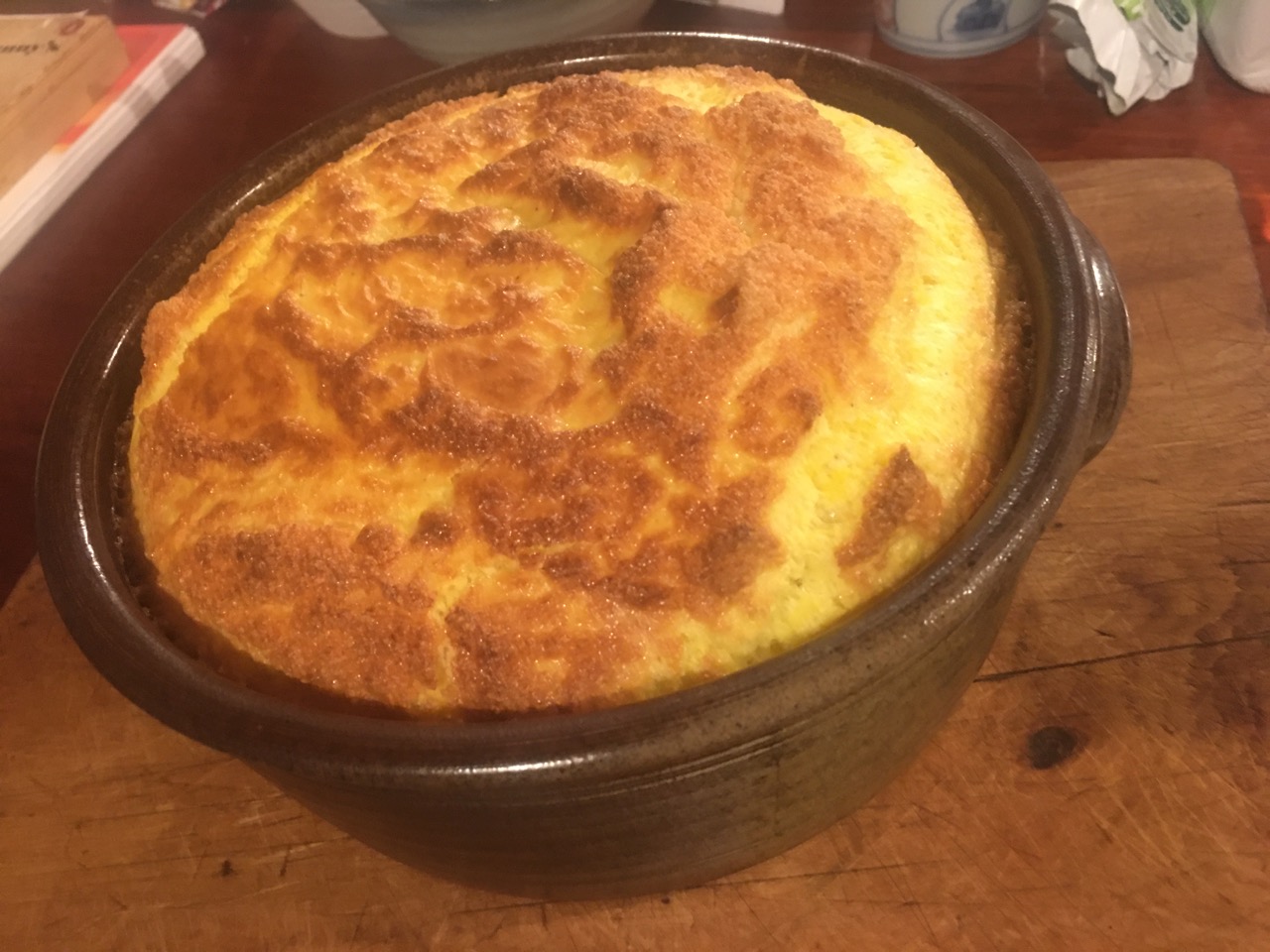
This was just a side dish to Janine’s main event – a duck egg soufflé. 6 duck eggs couldn’t be put to a better use.

Served in one of my wood fired baking dishes. A perfect combination. Thanks to our garden, eat well. We live on a low income by choice, but we enjoy a rich life due to our hard work and creative endeavours.

Spring is here

Life is a mix of endings and beginnings all mixed and intertwined.

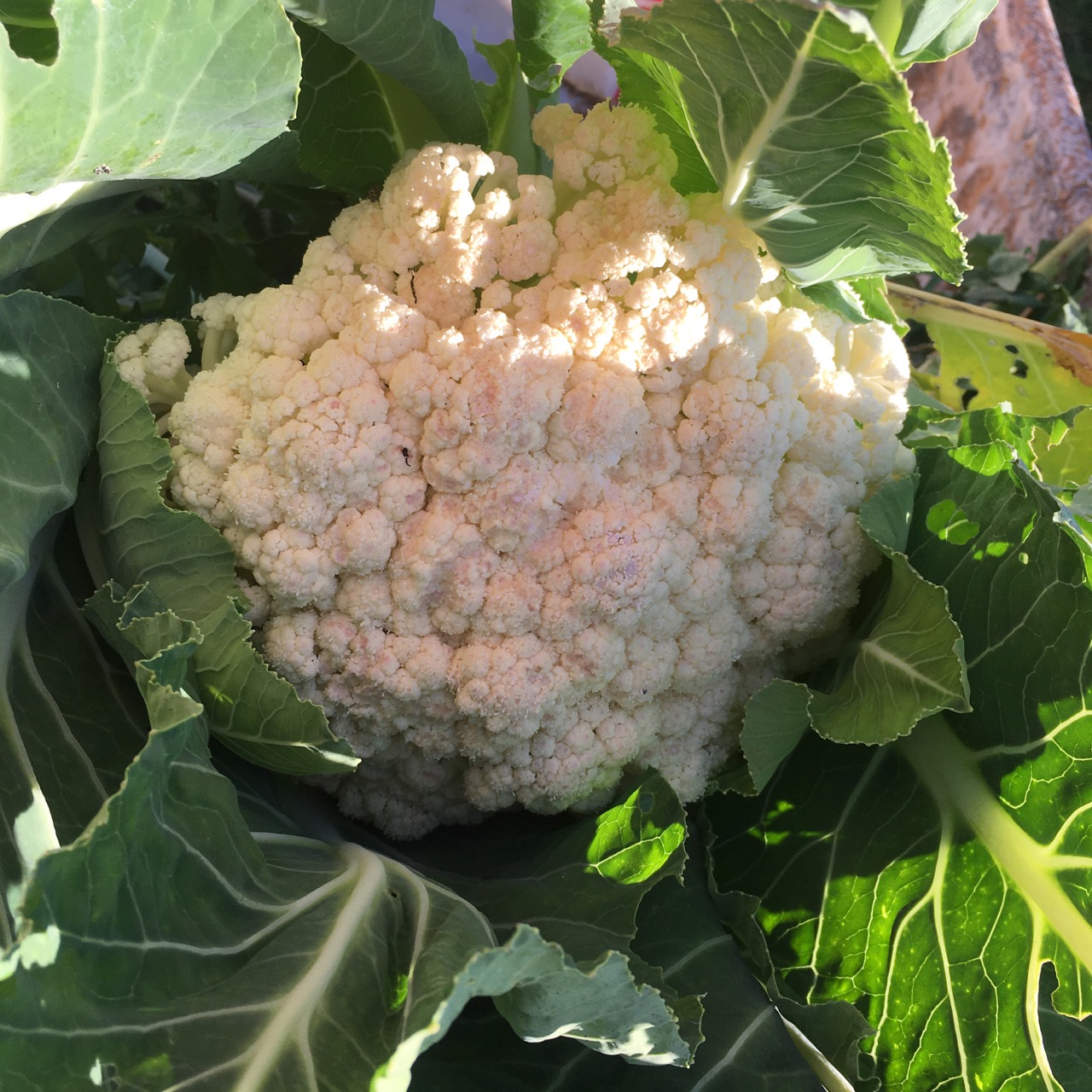
This week I picked the second last cauliflower. We ate it raw with a little mayonaise. Snappy crisp and so fresh. It couldn’t have been fresher, with the garden just a couple of minutes walk away from the house.

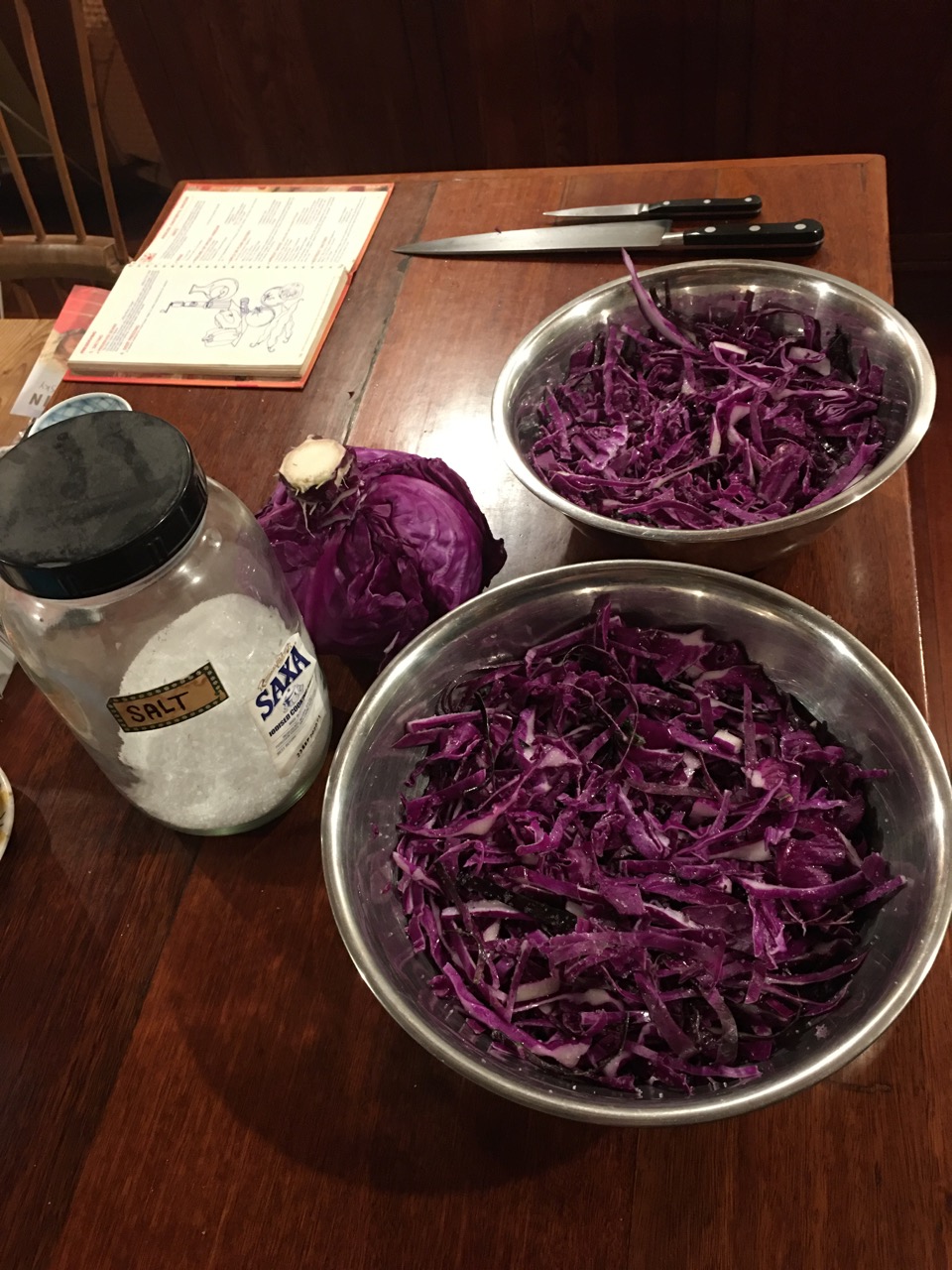
These cabbages and cauliflowers are the last signs of winter still clinging on in the garden. This red cabbage will be pickled and storred away for summer salad lunches.

Finely shredded and packed in jars with hot pickling vinegar, it will keep for up to 12 months or even a couple of years. But it never lasts that long. Once I get a taste for it, I can finish off a whole jar in a week.

I ended up picking a second smaller cabbage and making up enough to fill 4 jars.

Spring is here and I have been planting out seedlings in the garden.

I’m hoping that the frosts have finished…We bought a pot of sweet basil a week or so ago and left it out on the back verandah… It all shrivelled up in one night. It was just too early.

Now, a few weeks later on, we have tomatoes, more sweet basil, capsicums, chillies, egg plants, blackjack zucchini and yellow button squash all in and taking off.

I have also just planted out seeds of the first beds of sweet corn, green Lebanese zucchini and cucumbers. 

It’s been a busy two days getting all the fallow beds weeded out and into the compost, then digging them over to get out some of the more stubborn roots like mint and tarragon.

Half of the garden has been mulched with compost and it is all looking good.

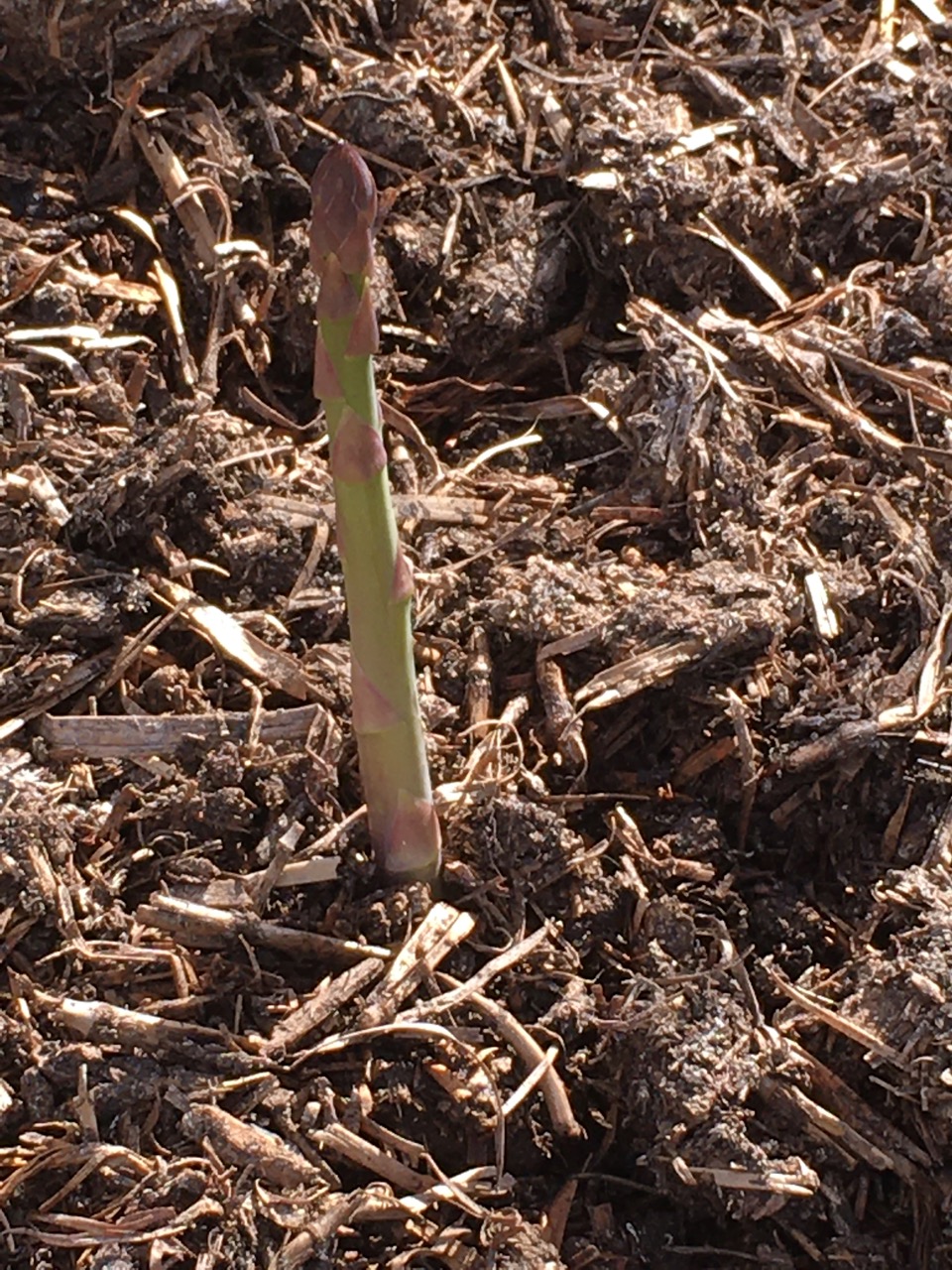
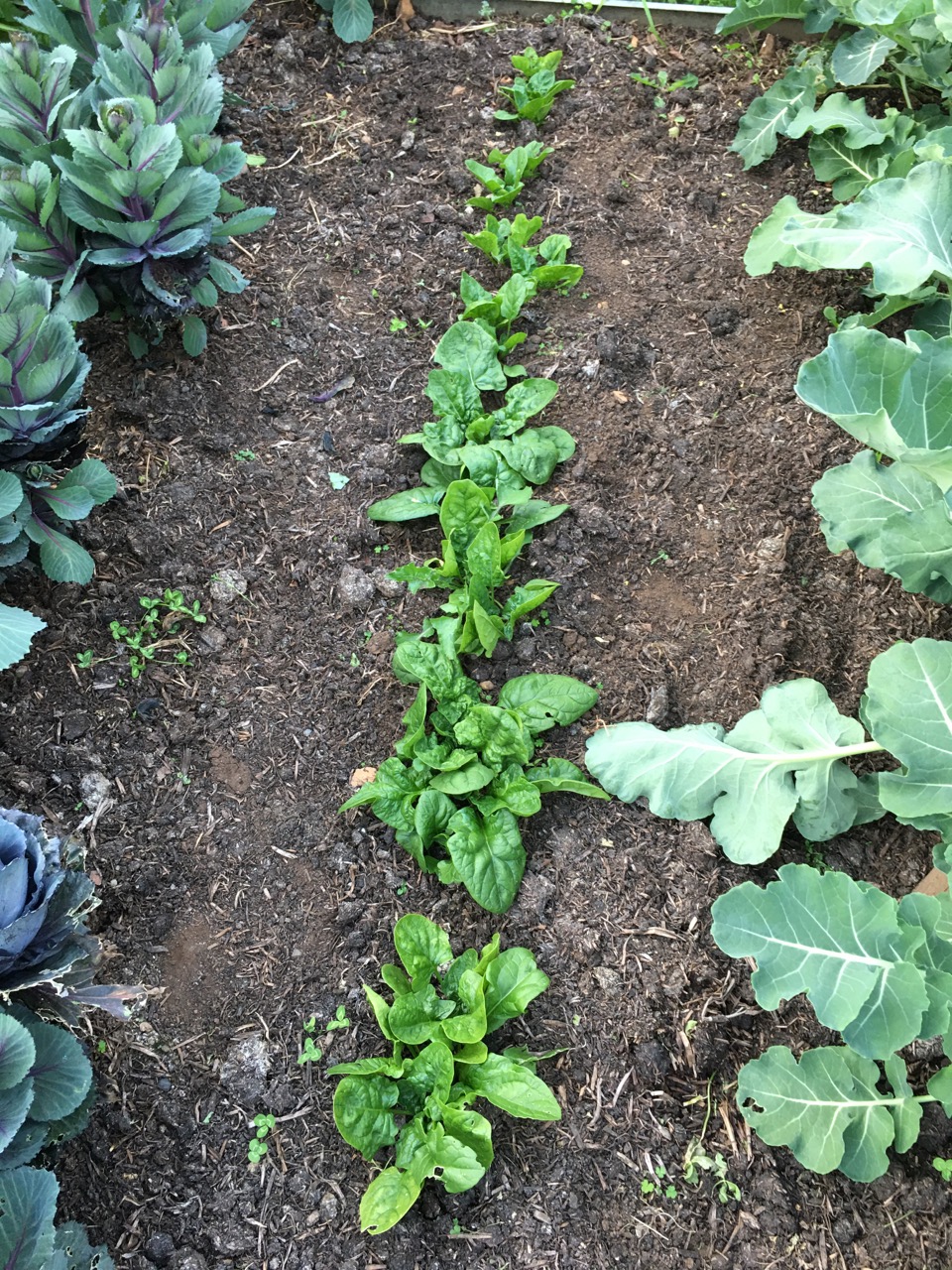
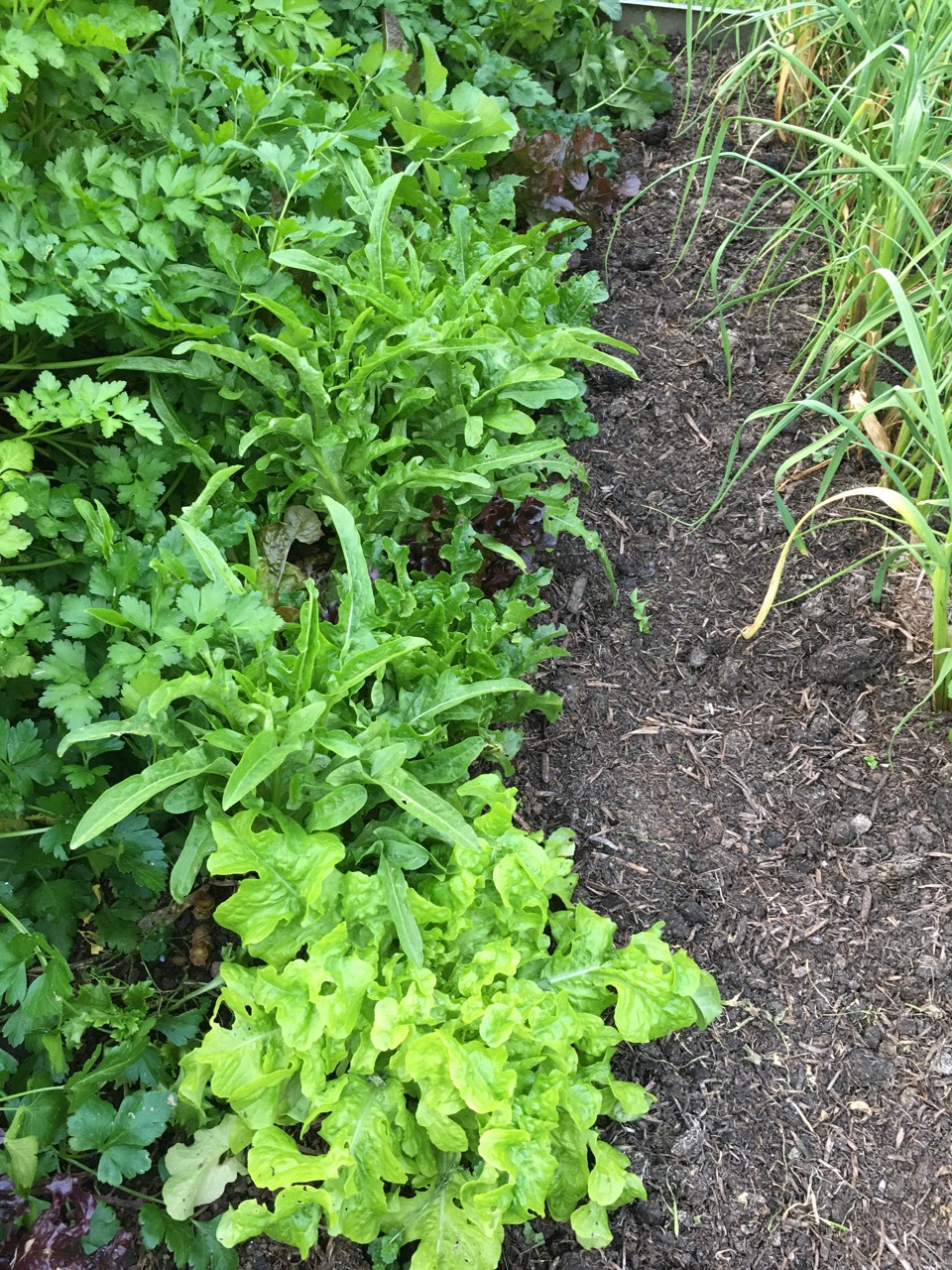
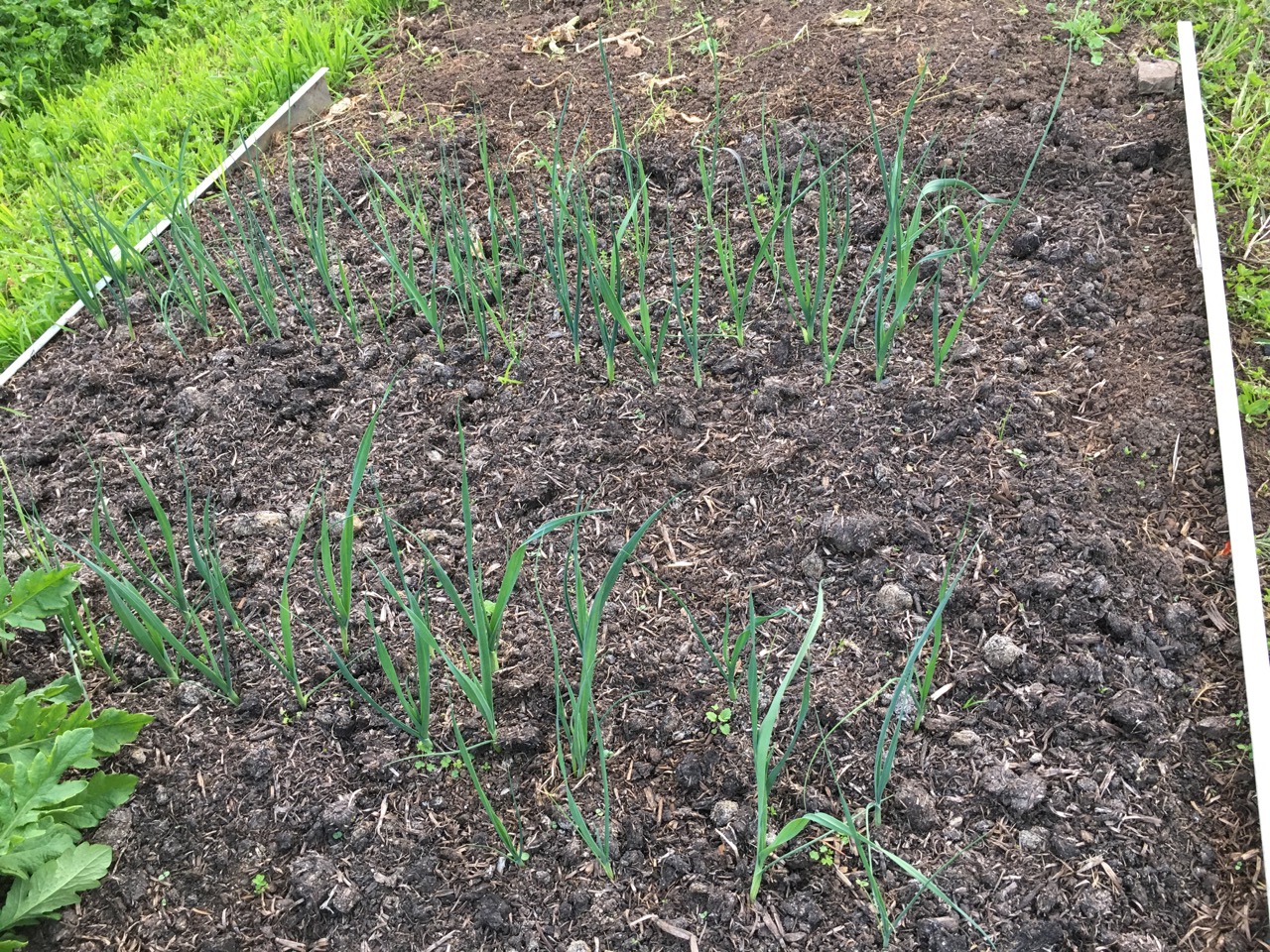
The spinach, lettuce and leek seeds that I put in a few weeks ago are doing well and starting to respond to the warmer, longer days. We even picked the first asparagus.

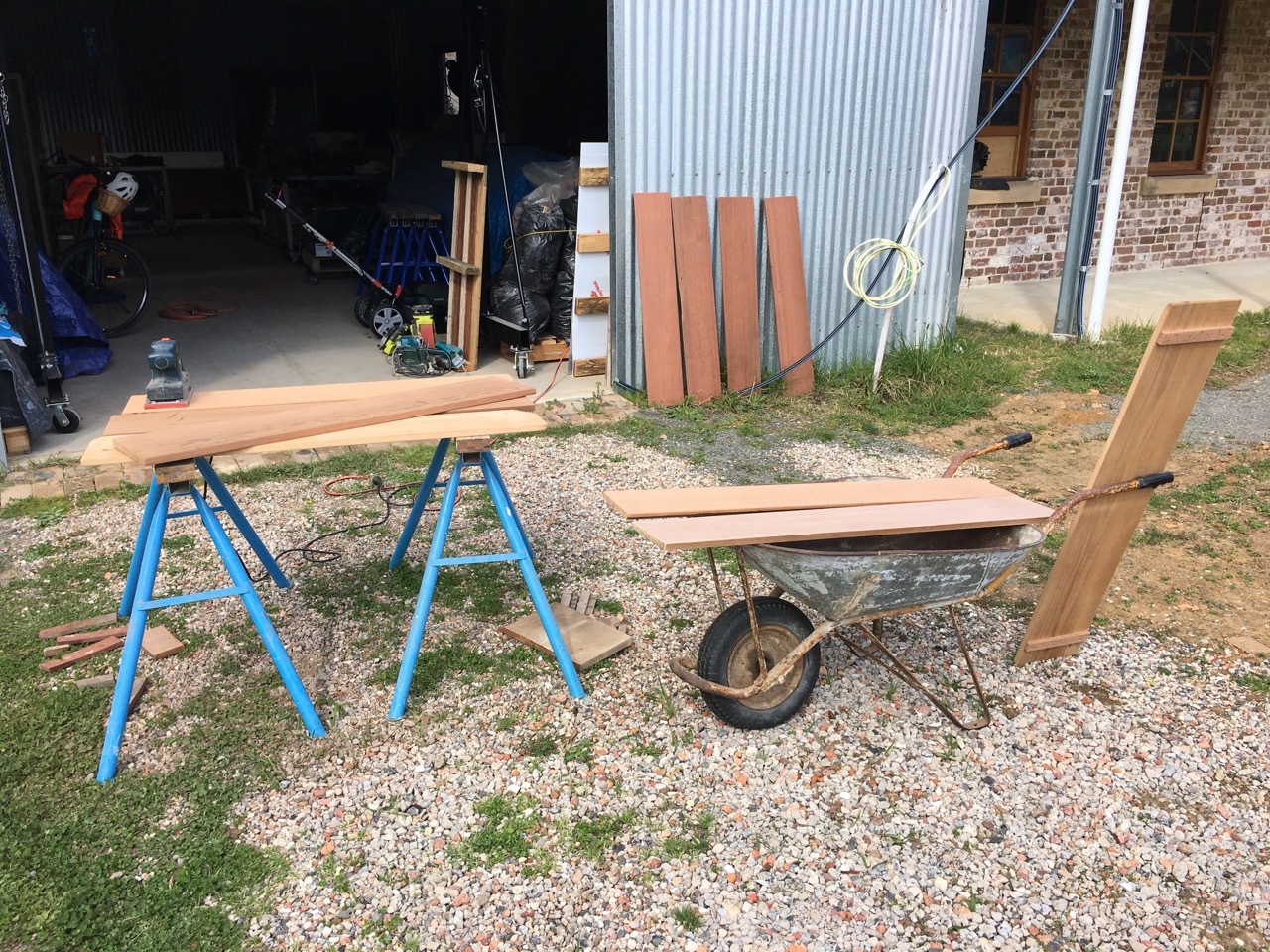
I spent half a day last week making more pot boards from old bits of flat, wide wood that was laying around. The top of an old dresser, the doors off an old wardrobe, both scrounged from neighbours on the way to the tip. More waste forestalled. Then 4 red stringy bark planks that I have had put away since the 80’s that were destined to be doors on a kitchen dresser that I was building in the pottery. The dressers all gone in the fire, but the 4 wide red planks remain, It’s a good thing that I never got the doors built, so the timber is now some of our new pot-boards. The main thing is that they are straight and flat and clear-grained.

A very big thank you to Len Smith, who gave me all his Makita power tools after the fire, to help me get going again. They have had quite a bit of work during the building phase, but they are being very useful all over again now.

I have been making dinner plates and other flat ware, as well as bigger pieces for the next wood kiln firing. The sericite is still giving me some issues with cracking on the wide flatware.

This brittle, non-plastic, short, ground-up, rock dust porcelain can be a bit temperamental if you don’t dry it very slowly.

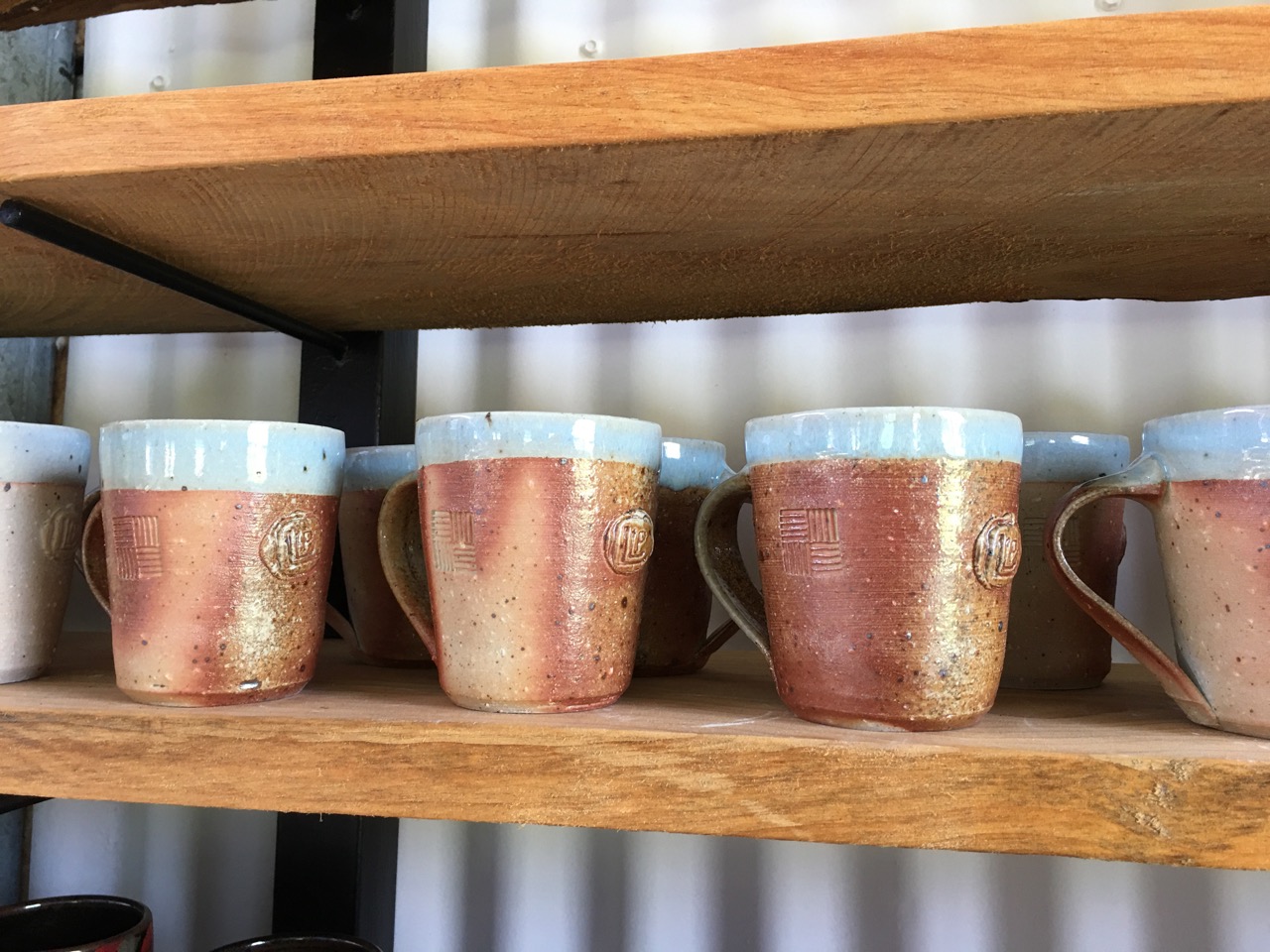
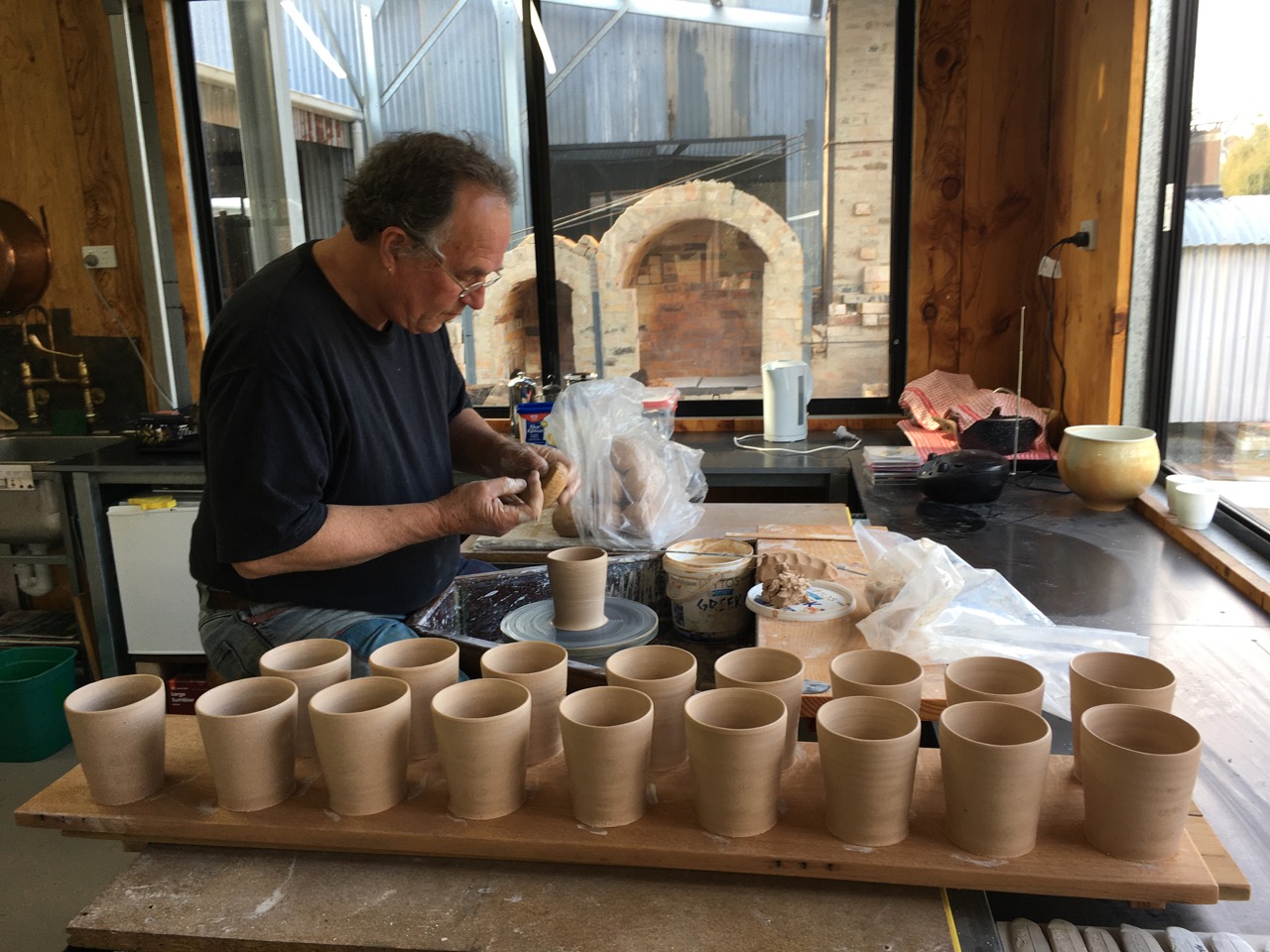
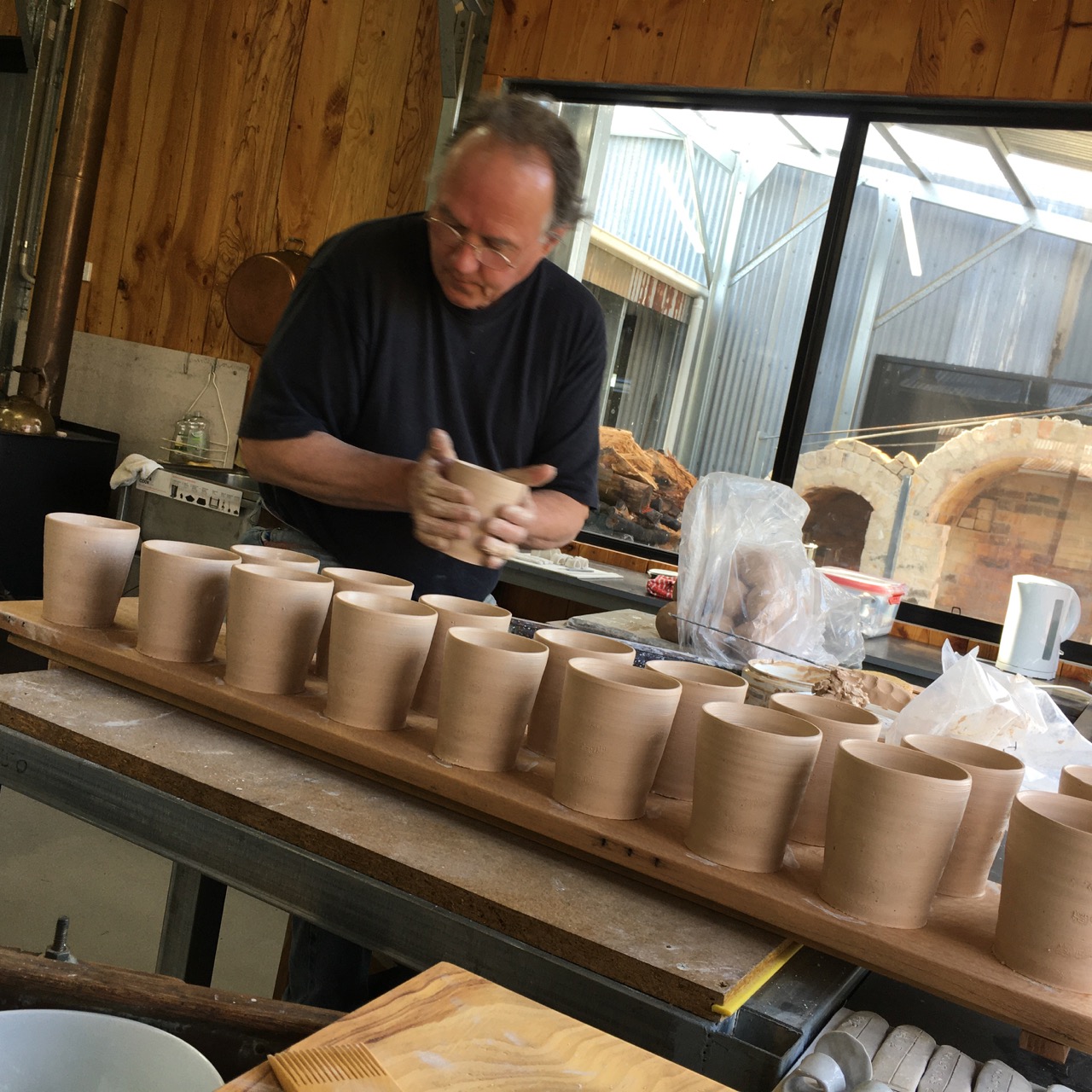
I’ve also been making some bigger tankard style mugs for the wood firing. I’m using a blend of clays that I have developed specially for the wood kiln.

This body has a small fraction of iron bearing clay that will respond well to the fire and hopefully give a nice warm toasty blush on the unglazed surface.

We haven’t really done enough research on this yet, but I’m going on what I learnt over many years of testing from before the fire. 

Now everything is different, and all the suppliers of minerals have changed. Everything needs to be re-tested. I was very lucky that my friend John Edye retired and sold me a lot of his dry, powdered glaze and clay materials. They are all names that I recognise, and know how to use and blend to get a good result. These materials are helping us get re-started again while we sort out the new recipes with the new materials.

The good news is that my Show at Sturt Gallery almost sold out! Just one piece remained unsold when I went down to the Gallery this morning to pull the show down. This is my best ever exhibition result. I’m very pleased.

Another pug mill drama happened last week while I was pugging the recent batch of wood firing clay. The old pug mill gearbox or shaft collar appeared to seize up. I cleaned it out and stripped it down. I’m getting pretty quick at this now. I even bought myself a 21mm rachet spanner to speed up the process. The shaft collar was very tight, presumably from corrosion, but that wasn’t the problem. Even with the barrel and shaft removed, the gear box is very noisey and only goes a few turns before the electric motor overloads and cuts out. I have no time to fix this now. It will have to wait until after the November Open Studios Weekends are over. I ended up hand wedging the last of the batch of wood fire clay. Luckily, the wood firing body is based on a plastic kaolin and is soft and easy to knead by hand. I’m too old for this, and my wrists are feeling even older!

The pug mill parts are all cleaned and scrubbed and stacked in the corner until I can get back to it. I’ll need to remove the motor from the gearbox and test them both independently to work out which unit is causing the trouble and needs the work.

I celebrated my triumph of hand wedging the woodfire clay, by cooking a Thai style dinner entirely from fruit and vegetables from the garden. My only purchase was a can of lite coconut milk.

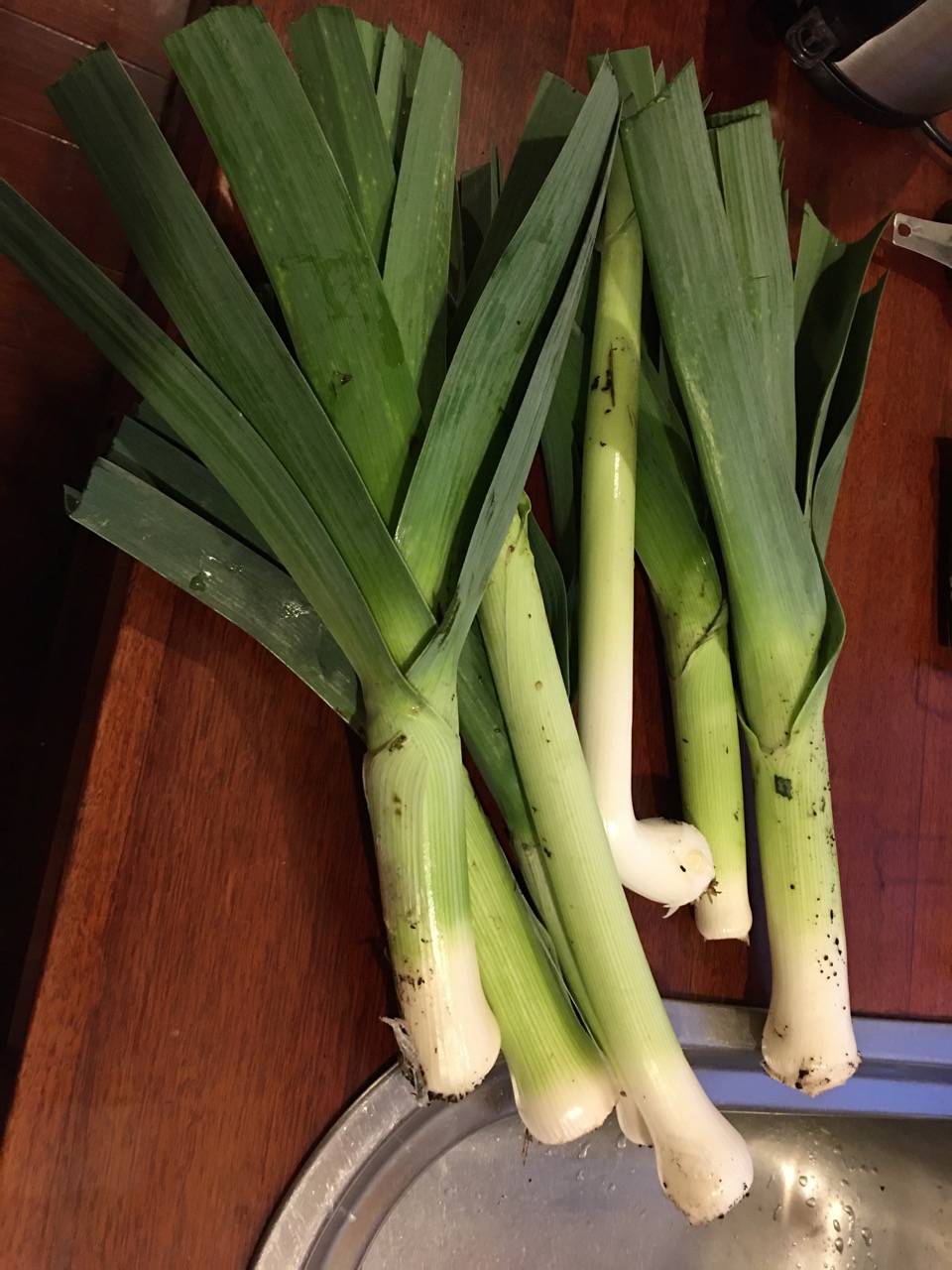
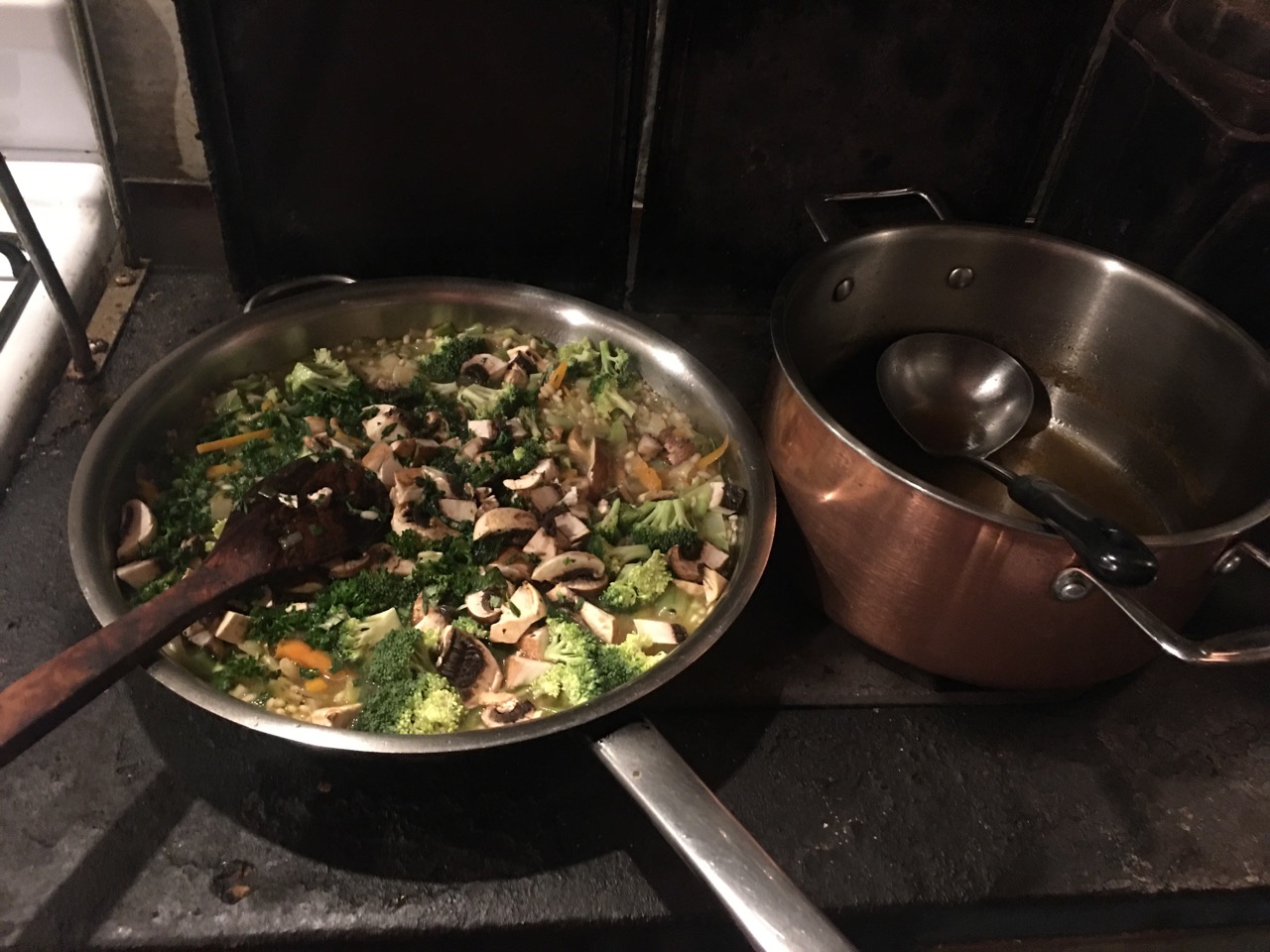
We have loads of leeks at the moment, so made a risotto style veggie meal with a load of leeks and a garden vegetable mirepoix stock.

Between the garden and the pottery, there isn’t any time for much else. We cook what we grow and fire what we throw. I’m trying to keep my life as simple as possible. Minimising my meat and salt intake. Maximising my vegetables and grains, cooking with just the minimum of olive oil, and after all this I could just so easily be hit by some of Elon Musk’s space junk or be run over by a bus.

Nothing is ever finished, nothing is perfect and nothing lasts.

August Seed-Savers Meeting

Yesterday we had the local organic gardening group here for a few hours. We actually spent the first hour and a half having morning tea, a chat, talking catch-up and plenty with plenty of cheese and crackers, then moving on to coffee and cake, etc.

We did an hour or so of weeding in the vegetable garden and then a leisurely lunch for another 1 1/2 hours, before people eventually all went on their various ways. We meet once a month in one another’s gardens and do a bit of work, but mostly we swap seeds and seedlings over coffee and cake, and then share a meal and chat. The day passes very congenially. Views are shared, seeds are collected and offered, weeds are pulled, news is passed on, reviews are opined, compost is spread, cuttings are taken and seedlings are swapped. It’s a very pleasant way to spend the middle of the day.

The day was cold with a bit of a wind, but by midday, the sun came out and it was very pleasant in among the vegetables pulling weeds. I even took my jumper off! Fortunately it didn’t rain until after dark.

The garden is looking loved again! 

The vegetable patch has always provided us with all our green food. Nothing has changed. A lot of the plants were burnt in the fire, but I watered everything very thoroughly straight away in the days after, and we were able to keep our selves in green food at all times. It has recently been a bit neglected, while I have been concentrating on getting the workshop back into production. So now that the Sturt show is up and I have started on the delicate work for the PowerHouse commission. It’s time to do a lot of catching up.

The orchards are now pruned, mowed and fertilised. The prunings are all burnt, the weeds are all composted, and thanks to our lovely friends the vegetables are looking good with their composted mulch. Many of the tiny seeds that I planted a month or so ago, were starting to disappear in a thicket of wild Flanders poppy seeds that are very energetic growers. The next big job in the garden to prepare the fallow beds for the spring planting of the summer veggies.

The Last Weeks of Winter

In these last few weeks of late winter, we have been picking loads of citrus for both juice and marmalade.

The avocado season is also in full swing with quite a good crop on this year.

This image has an empty alt attribute; its file name is img_4754.jpg
This image has an empty alt attribute; its file name is img_4807.jpg
This image has an empty alt attribute; its file name is img_4811.jpg

I have finally finished building the car port shed, Started in March 2020, completed August 2022. It’s only taken me 2 1/2 years. Slow but thorough.

One other reason for the long time interval from start to finish, was that apart from the initial frame, everything else was scrounged, re-cycled and repurposed.

This image has an empty alt attribute; its file name is img_9778.jpg

The last job was to fame up the East wall and clad it with poly carbonate sheeting. We were gifted a couple of very large recycled glass doors, by a lovely friend who had them taken out of her house to do extensions. I designed and built the wall out of left over steel sections that the pottery shed builders thew out on the scrap pile to go to the tip. I couldn’t bear to see such waste, even to see it go to the re-cyclers was a great waste of embedded energy, so I welded all the small section of scrap together to make long 6m. useful beams. I designed and built this last wall around the donated glass door sizes to make a snug fit.

I’m glad that it is finally done, as there was a lot of 5 and 6 metre high ladder work. More than I was comfortable with. Luckily, I had my very good friend Warren to give me a hand for a couple of days to get it completed. These beams are just too long to lift and fit one handed on a ladder by myself.

You can read the story of re-purposing the short steel off-cuts from a previous blog post here;

This image has an empty alt attribute; its file name is img_4813.jpg

I started framing this wall last December. I’ve been working on it on and off since then as time permits.

This image has an empty alt attribute; its file name is img_3475.jpg
This image has an empty alt attribute; its file name is img_3491.jpg


This image has an empty alt attribute; its file name is img_4791.jpg


Winter is also the time for fruit tree pruning. It’s been an on-going job for a few weeks now, on and off, as time allowed.

I didn’t do a lot of pruning over the last 3 years, as most of my orchard trees got burnt. Those that survived, just got ignored, as I was way too busy doing other more important jobs at the time.

So this year was a big year for catching up, reshaping and thinning out.

This image has an empty alt attribute; its file name is img_4793.jpg

The small chain saw got a bit of a workout as well as the usual range of secateurs and hand saws.

We generated quite a pile of prunings by the end of the work and had a good bon fire to clean it all up last week at the end of the work, but before the fire bans come back into force.

This image has an empty alt attribute; its file name is img_4796.jpg
This image has an empty alt attribute; its file name is img_4755.jpg


Recently, it was our sons birthday, so I made him a panforte as a birthday cake.

With all the usual ingredients and a lot of love.

This image has an empty alt attribute; its file name is img_4814.jpg
This image has an empty alt attribute; its file name is img_4815.jpg
This image has an empty alt attribute; its file name is img_4817.jpg


You can read about the recipe on my blog here; 

Happy gardening and cooking.

A Weekend at the Beach

We have been lucky to have been invited to spend a weekend at the beach with our friends Toni and Chris. We have been there twice before. On each occasion we collected pumice off the beach as well as cuttle fish bones. We mix these two materials together to make a green stoneware glaze that is reminiscent of a Northern Song Dynasty, Chinese inspired celadon, but because it is all collected from the sea, we call it our Sealadon glaze. 

Janine grew up at the beach on the North coast and for very many years, she would collect beach pumice each time she returned to visit her parents. After a large undersea volcanic eruption out in the pacific ocean about 15 or so years ago, there was a substantial ‘raft’ of floating pumice that was blown across the pacific and onto Australian shores arriving here on the South coast in around 2013/14. This material is still to be found on some remote beaches, where it washed up and got stranded in the sand dunes and coastal grasses. 

Pumice is an interesting rock. It’s an aerated volcanic glass composed mostly of felspathic minerals. These minerals (magma) are very viscous when hot and when forcefully ejected from a volcanic explosion under the sea, the trapped gasses in the rock, created under the intense pressure of the volcanic process are suddenly released. They can’t escape from the viscous magma quickly enough and so expand rapidly exfoliating the rock as it cools. Fluffing it up, like aero chocolate, Not unlike the way that grains of rice are ‘exfoliated’ into rice bubbles in a similar synthetic process.

We also found cuttle fish on the beach during our walk, cuttlefish ‘bone’ is made up of calcium. Many sea creatures utilise calcium from sea water to create their shells and carapaces. Calcium is a very good high temperature flux. So we worked out a recipe of 15 to 20% of cuttle fish bone and 80 to 85% of pumice works very well together. It’s also about the approximate proportions that we find them in together on the beach.

We filled a coupe of plastic bags with our booty. This will keep us going in dark green sealadon glaze for a few more years now.

We were pleased to see a sea eagle cruising and hovering over us in the afternoon.