Autumn is finally here

We are almost half way through autumn now, the Indian summer is over and the weather has turned cooler. No more 30 degree days. This past week has been steadily in the 20’s and with rain or showers almost every day. However there are bright sunny patches in between. I’ve been working my way through the big pots that I threw to begin this throwing session, bisque firing them in the electric kiln using only pure sunshine. The recent addition of extra solar PV panels last year, bringing us up to 17 kW total and the addition of the 2nd battery, means that we are able to fire without any withdrawal from the grid. I can even fire both electric kilns to bisque at the same time, or just one kiln to stoneware. This is a great sense of independence.

With the price of gas having gone up from $1.75 a litre last year to $2.50 this year with no additional increase in the production cost. It’s just profit gouging and it’s a complete rip off. 

So I’m very proud to be able to fire my kilns with my own sunshine. And drive my car off it as well! It’s amazing that there is enough to go around, but we still export our excess on the days when we are not firing. We even manage to export a little in the early stages of the firing.

This is from our most recent electricity bill. Our daily usage is down to 0.76 kWh per day. Down from 1.64 kWh per day the previous year. When we were doing more firings.

The average Australian 2 person household like ours is using 17.6 kWh per day. So, it seems that all our efforts to tread gently in the world are paying off. We run a very efficient, low energy house hold. 

Some time later this year, or maybe next, We will be getting rid of our old LP gas kitchen stove. That is our last big investment in our conversion to fully solar electric living. I’m waiting for induction cookers to become more widely available and hopefully a lot cheaper. I have already installed a twin induction cooktop in the pottery. It was only $350. Very affordable.

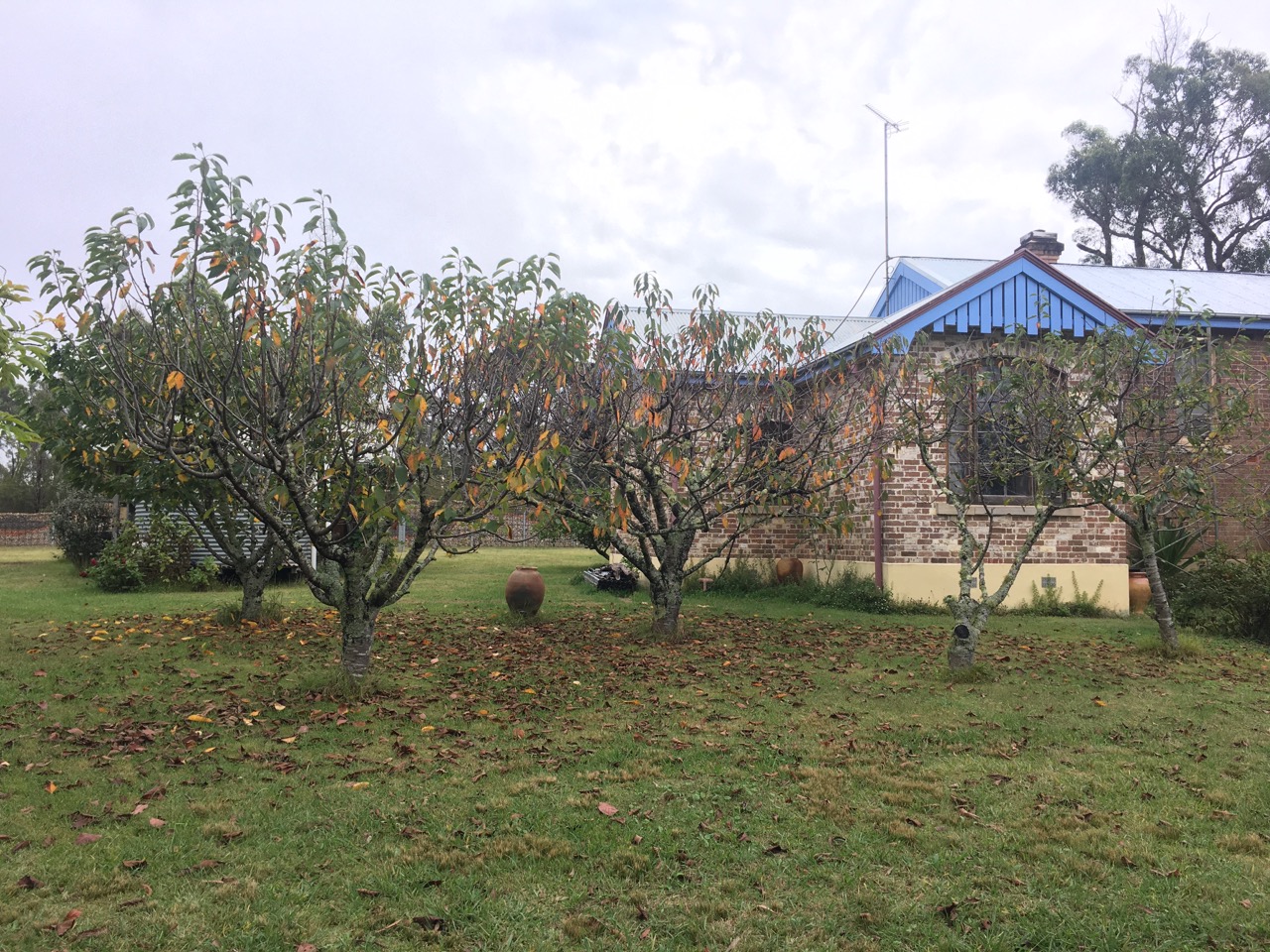
A sign that autumn is well under way here is the change in the Cherry trees, as they shut down and prepare for winter. They are early to fruit in spring, and correspondingly, the first to loose their leaves in the autumn. Our bedroom looks out on to the Chekov orchard. We currently have a carpet of yellow leaves out side our window, that is slowly turning brown.
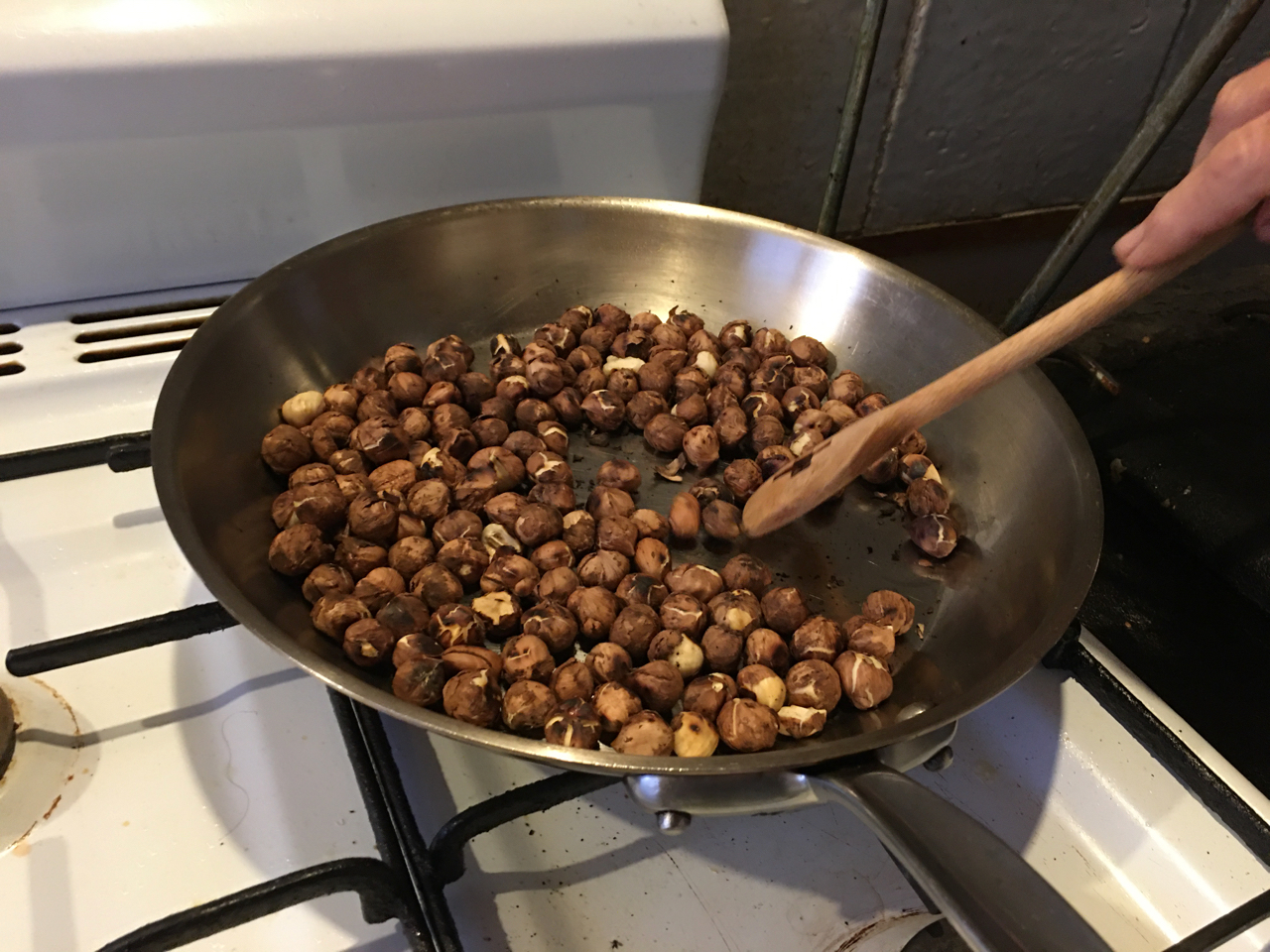
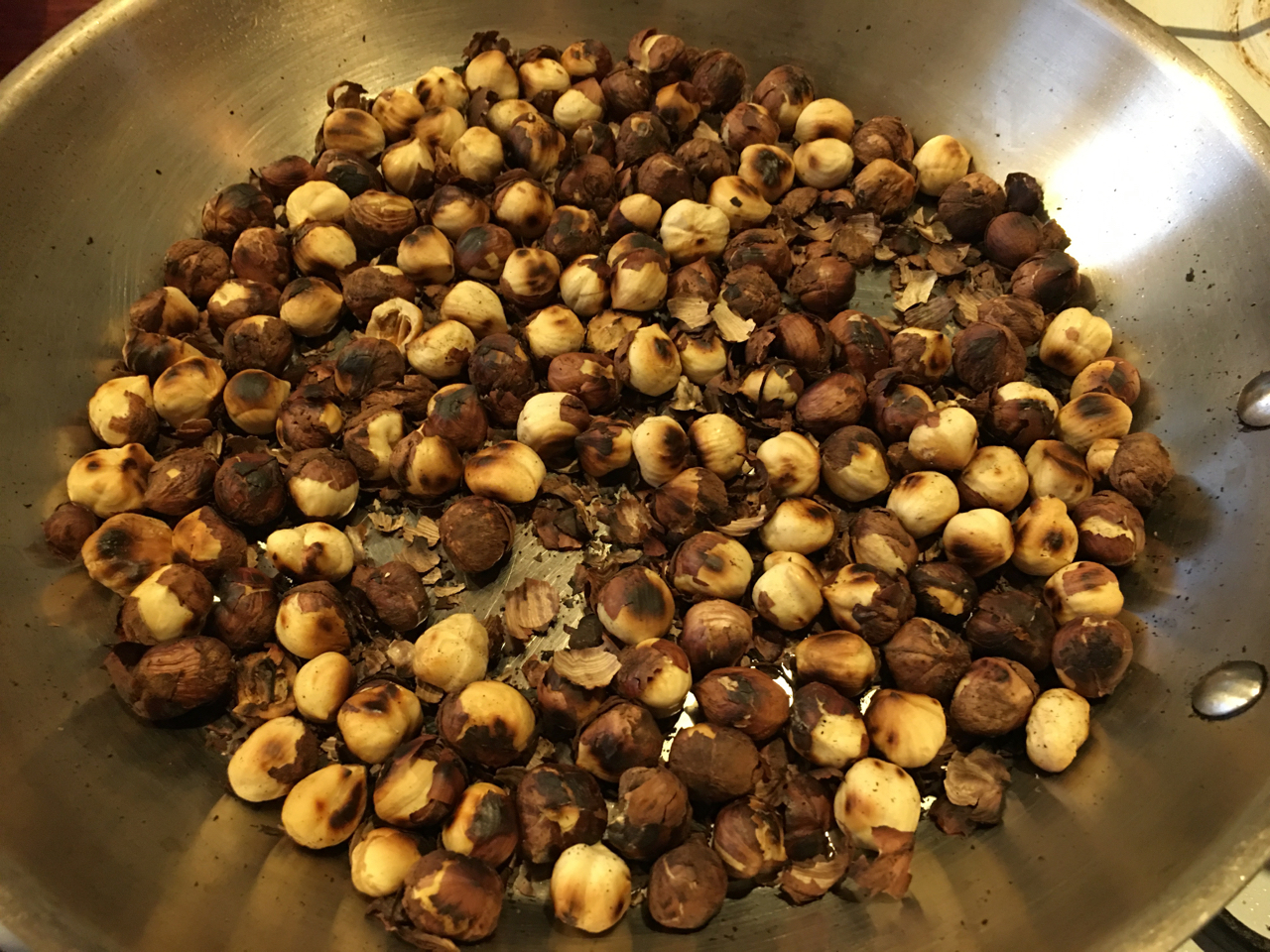
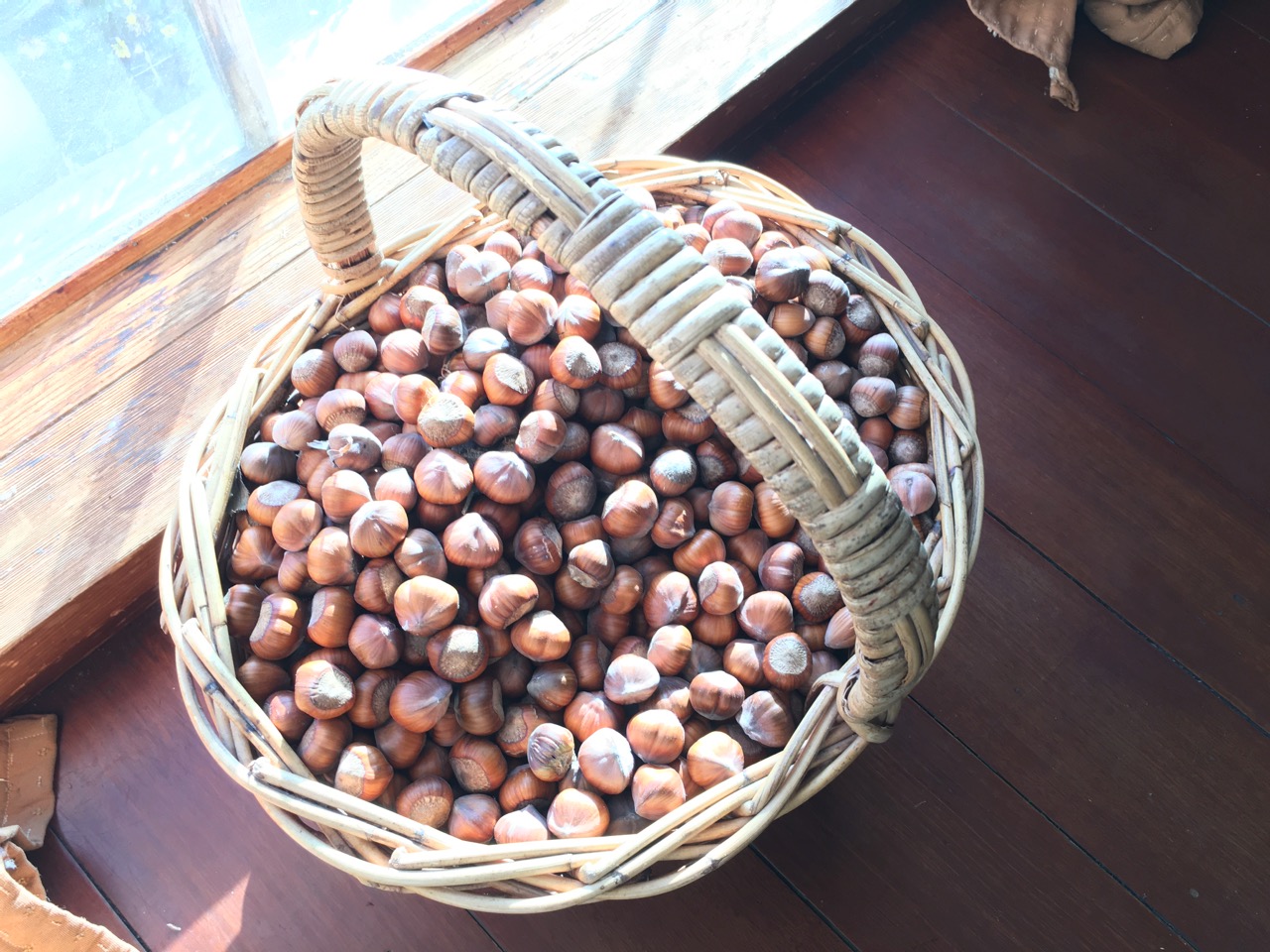
Janine has been collecting more hazel nuts. So far she has picked up 3 baskets full, and there are still more to come. First, she shells them, then checks them for nuts, by bouncing them on the table. If they bounce, they are empty and are discarded. Not worth the energy to crack them to find them empty. The full shells are then cracked open and the nuts are dried in the sunny window for a while. Later she roasts them in a pan on the stove to bring out that superb hazelnut flavour. It’s an ongoing job that is spread over a couple of months. Fitted in here and there whenever the time allows. Most often in front of the idiot box — if there is anything at all worth wasting time on, which is an increasingly rare event
The hazels have already started flowering again. The male ‘catkin’ flowers are out now. I often wonder why? As the female flowers don’t come out until the trees are dormant and have lost all their leaves. The female flowers are quite insignificant and very hard to see, just a pin head sized red dot. They don’t attract any pollinators at all and are wind pollinated, so we have planned out our hazel nuttery of a dozen trees, in such a way as all the best pollinator varieties are up-wind of the predominant winter gales that blow the male pollen down among all the waiting and fecund female flowers.

This is the Hazel nuttery and I am the Nutter. Two of these hazels were bought with an inoculation of French Black truffle spores. So we have some vague hope of truffles in the future — maybe? I planted a dozen different truffle inoculated trees of various types and they all got burnt to the ground in the fire. Only 3 trees re-shot from their root stocks. As truffles are a fungus that lives underground. I’m hopeful that the spores are still active and will one day produce a little surprise for us. But I’m not holding my breath.

In the pottery, I have been making smaller pots that are quicker to dry, so that they will all be ready for a wood kiln firing after Easter. I’m not sure if my skin is getting thinner and less robust with age, or these recent clay body experiments are just more aggressive, but I’ve found that I’m wearing away the skin on my finger tips so much more readily than I used to when I’m turning.

I used to only wear rubber ‘finger stalls’ when turning rather dryish hard stone porcelain bodies. Now I find that I have to wear them all the time when turning.

I’m really pleased with my home made larger format wheel trays that I built for the shimpo wheels. I can turn for an hour without filling them up. They hold 50 bowls worth of turnings.
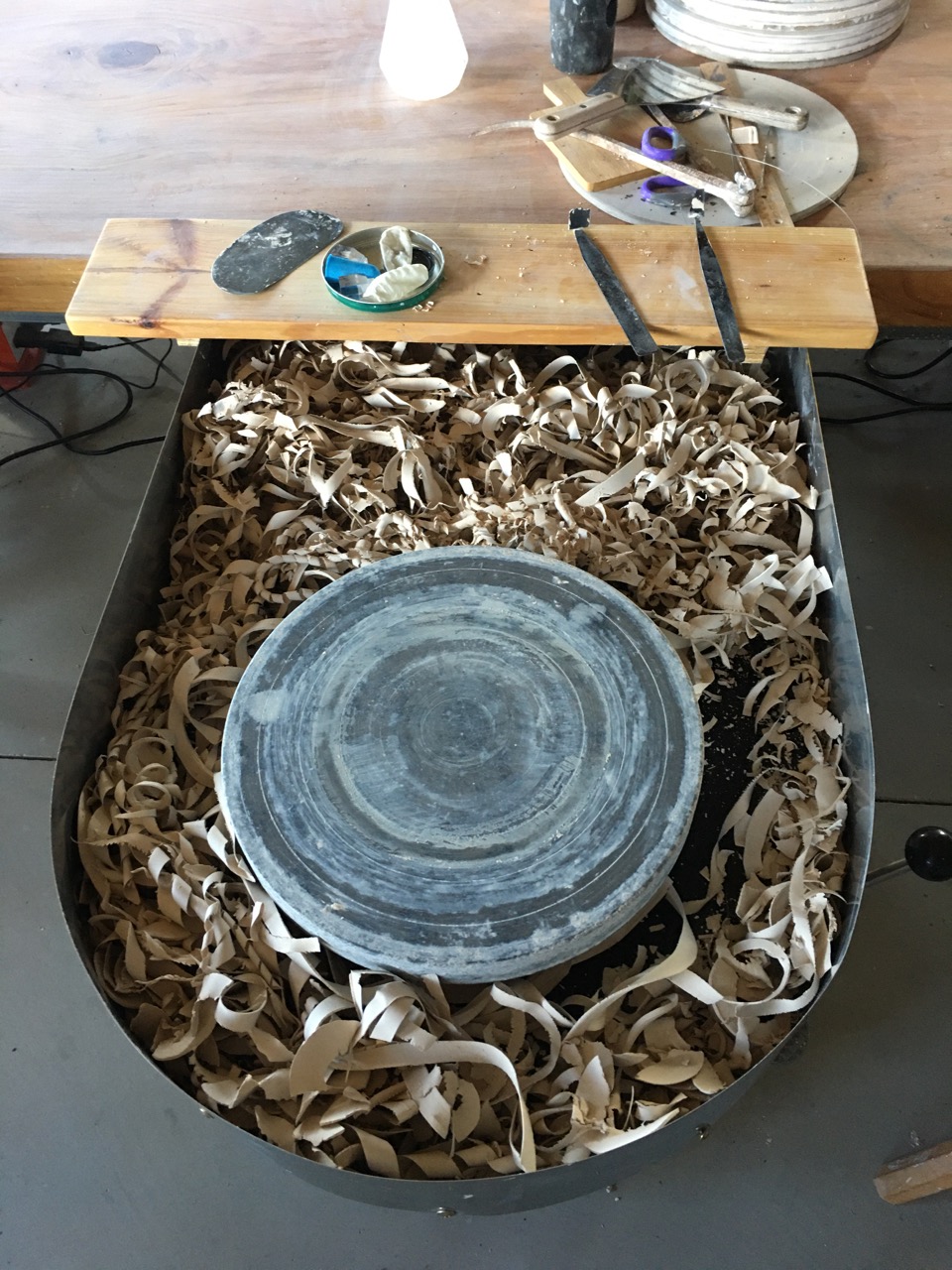
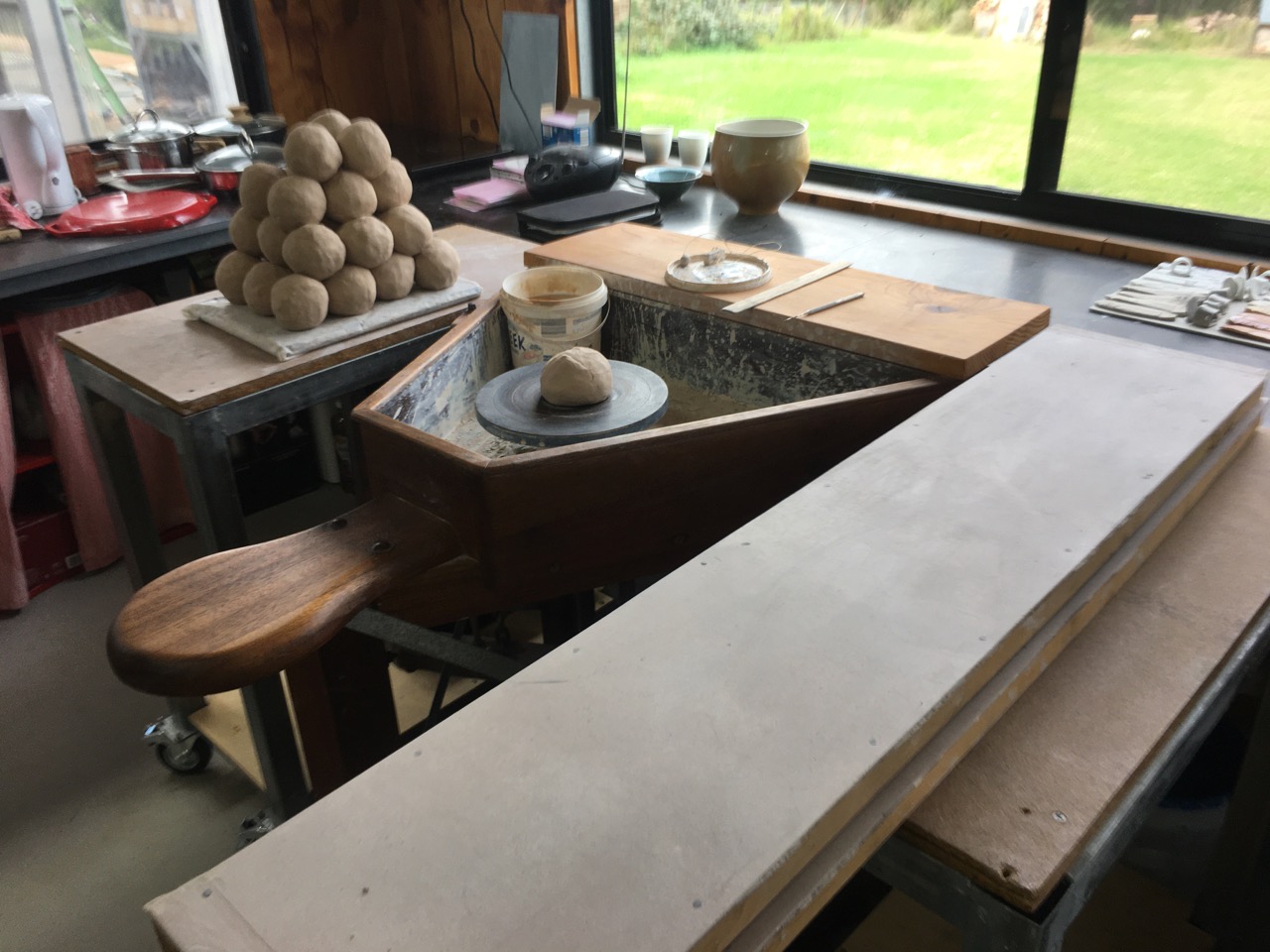
I have also been throwing on my kick wheel as well. It has a decent sized tray. I made 50 bowls on it yesterday. I started with a dry tray and ended with an almost dry tray. I have learnt to throw with a minimal amount of water. Just a few drips and splashes make their way off the wheel head.
Our local council is offering a bulky rubbish clean-up day this week. So the village has been dragging out it’s unwanted lumpy rubbish on to the side of the road to be taken away. Furniture, mattresses, electrical appliances, etc., it’s all piled up in clumps out in the street.

We have nothing to put out, But I make a point of riding my bike along the street to get a good look at everything that there is out there for the taking.

I went back with my truck and picked up 3 wheel barrows. One had a flat tyre and ruined wheel bearings. I pumped up the tyre and it held air over night, that was good, so I bought a pair of wheel barrow bearings for $6 each and in 15 mins, I have a perfect wheel barrow ready for work.

The 2nd one had a broken tray, but everything else was good, so off with the tray and back on the clean-up pile. A new replacement tray is $59, so I ordered one. The 3rd one is old and has been used for concrete, but works well. No issues there. Good to go.

Three wheel barrows for $70.

Reuse, repair, re-purpose and re-cycle. I’m happy.

Baking Dishes and Mixing Bowls

I’ve been back in the pottery on the wheel on and off all last week, but also fitting in some pressing needs to complete preserving and pickling, tomatoes mostly. We must have sufficient for almost 2 years now. It’s been such a huge crop and they’re still coming.
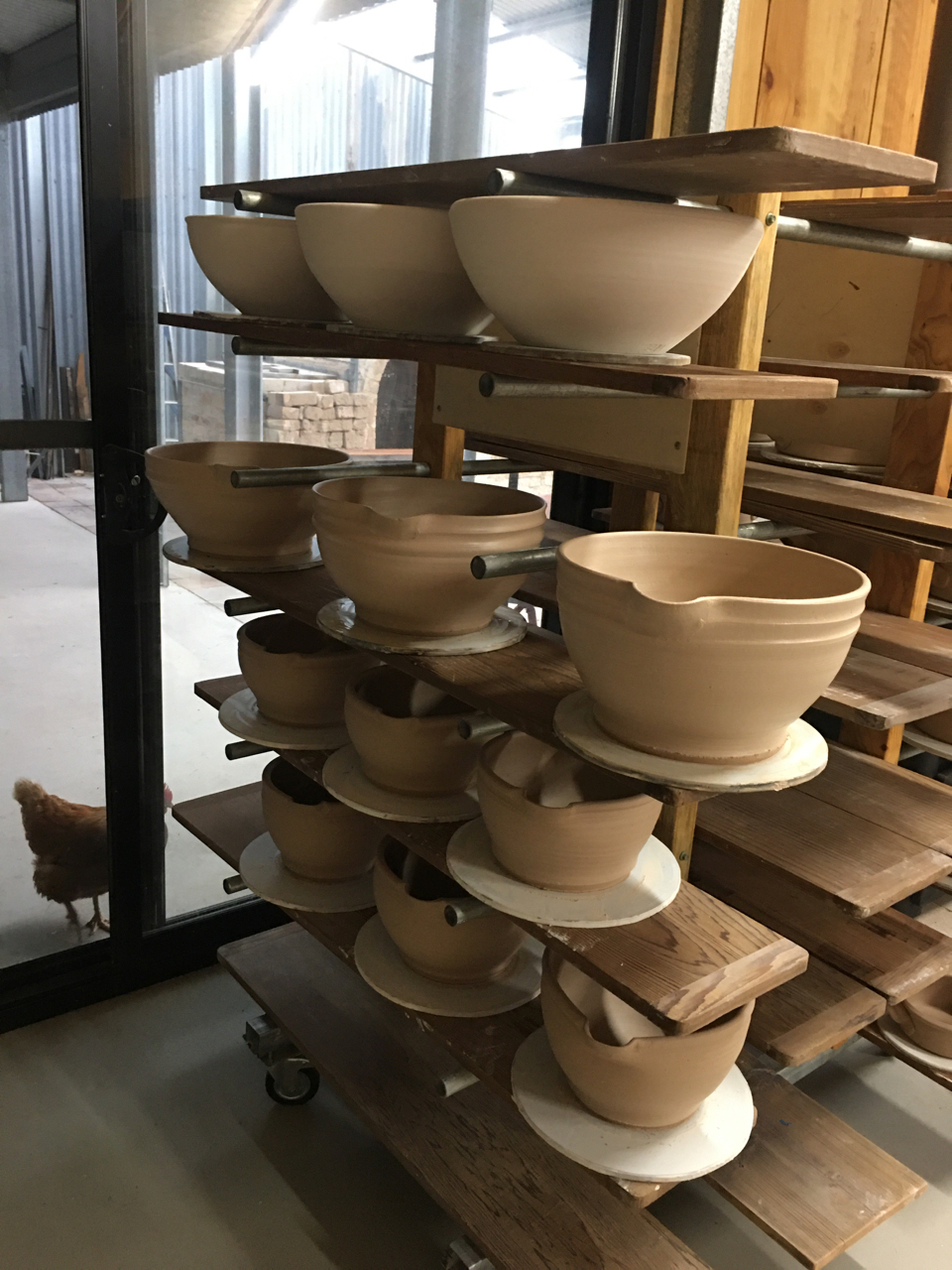
In the pottery I have been making baking dishes and Grandma style large mixing bowls with a pouring spout. They are fun to make and were very popular last year. I sold out, with only one small mixing bowl left in stock after Xmas. I make them out of my rough crushed shale clay mix. It wood fires really well and has an open texture that is really good for oven use.

I’ve made them in 3 sizes, S, M, L. This is one from last years batch, beautiful flashing on the body and glaze from the wood firing.

The old style cooks mixing bowls also all sold out. I remember fondly the one that my Mother used all her married life. It was exactly the same as the one her mother had, both brought over from England on the ‘Orient’ Line ships at different times.

I decided to make these so that I could have one for myself, but I sold them all, so maybe there will be one left from this batch? I usually end up with pots that are second grade pieces, with some tiny fault, Our kitchen is full of pots like this. That’s how we get to keep them.

On this side of the drying rack, I have also made 3 bathroom sinks for a customer who lives locally and asked specifically for a sink with one of my rock glazes on the inside and unglazed and wood fired on the out side. I couldn’t do that order till now, as it is not realistic to try to fire the wood kiln over the hot dry summer. Just too much risk of fire bans coming into force half way through the firing. That would be a disaster too awful to think about. So we just don’t attempt to fire during the hotter months.

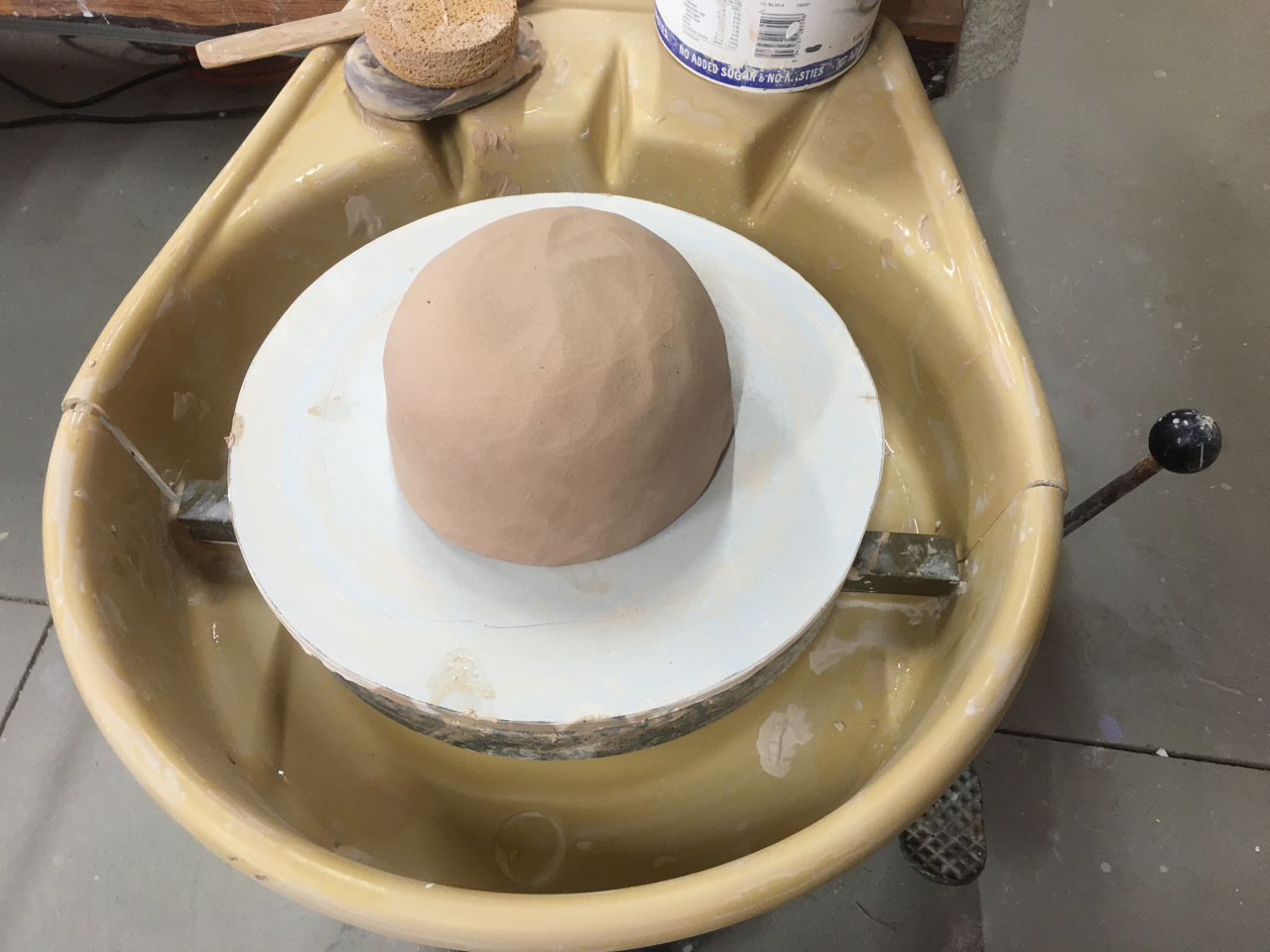
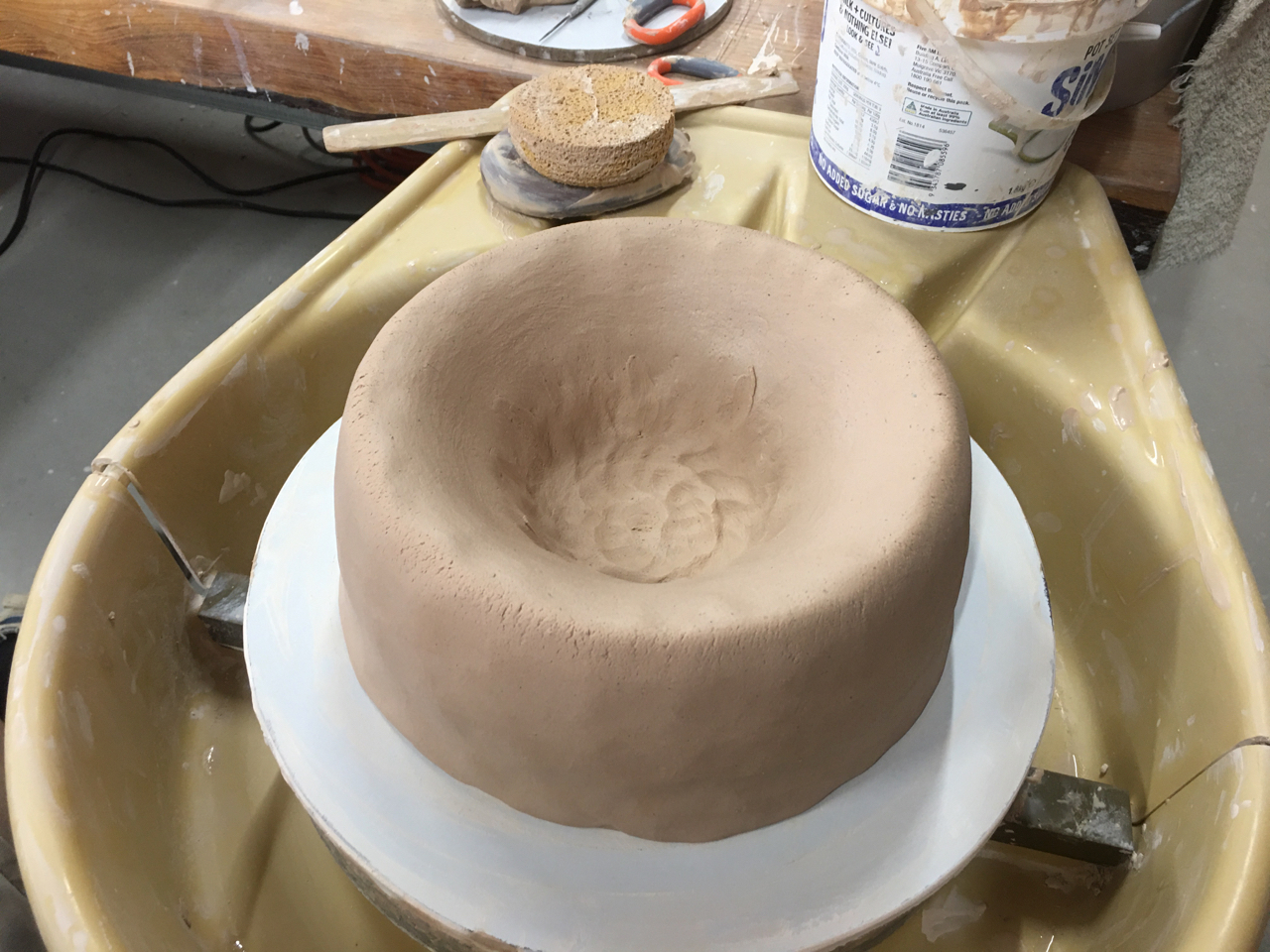
Some of the bigger mixing bowls are quite large, measuring 300mm. dia. and are made from 5 kgs of clay. My ageing wrists are not happy with wedging 5 kgs any more, so I wedge the clay up in two smaller lumps of 2.5 kg. Then join them back together on the wheel. I learnt to ‘slap’ the plastic clay into the centre of the wheel with my hands while still dry. No water involved in this centering technique.
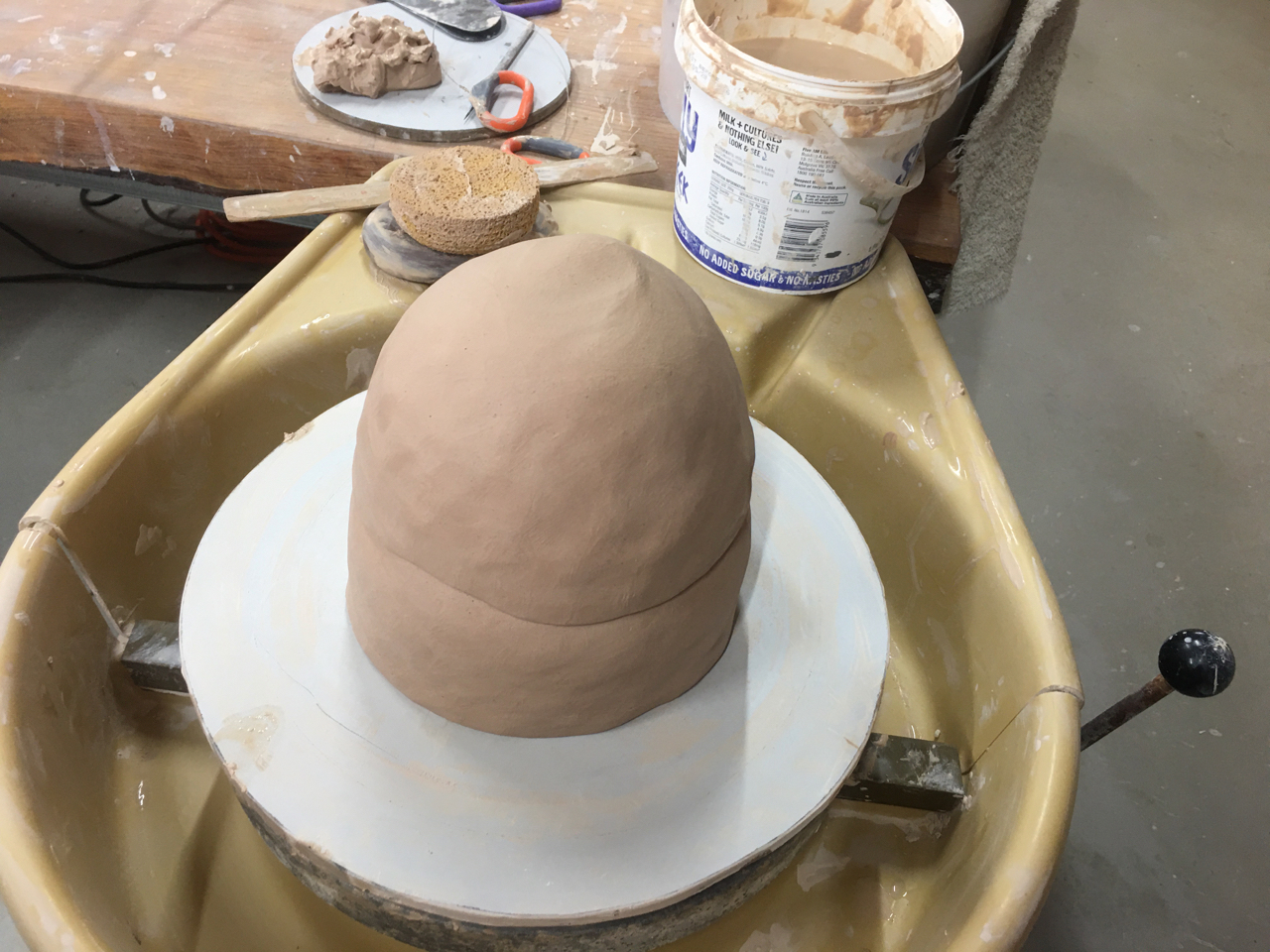
The first 2.5kg lump is slapped into place and rounded off while I rotate the wheel head very slowly. Not using the motor at all, just a slight flick of the wrist as I lift my hands up. This turns the wheel head just 10 mm. each time , so that the next ‘slap’ will be an equal distance apart , so the clay slowly finds the centre. Once it is just about right. I add the 2nd 2.5 kg lump and start the centering all over again.

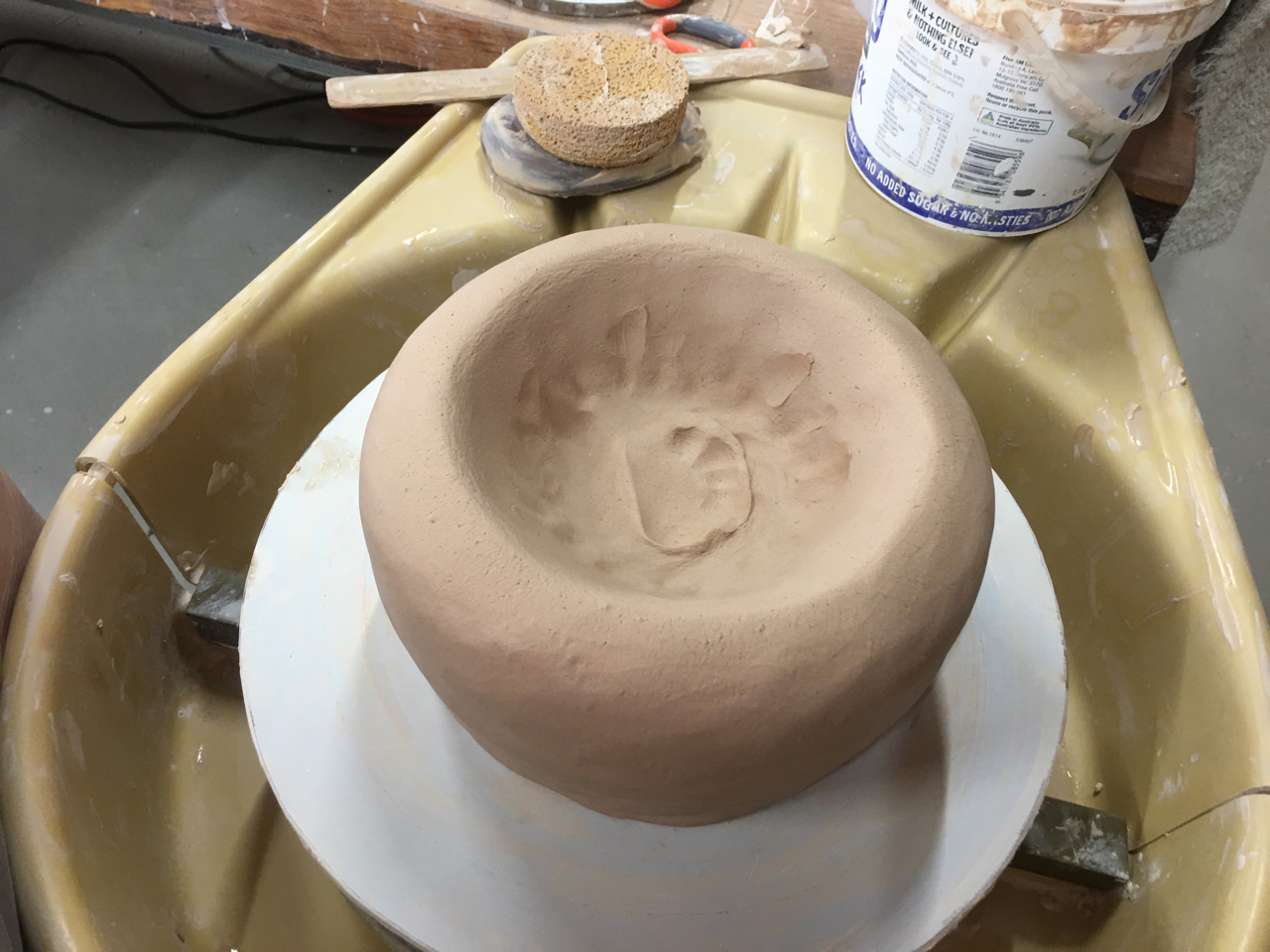
Once the whole 5 kgs are centred, then it is time to punch out the centre, slowly and gently, bit by bit. Lots of little hits while the wheel is very slowly rotated, just as with the first stage of the technique.

Once the lump is opened up evenly. I ‘slap’ the outside again with both hands evenly to get the lump back into a tight cylinder again.

The 5kgs are now centered, tightly bonded to the batt, and opened up ready to throw in a conventional way. The great beauty of a technique like this, is that half of the throwing is now complete, certainly the difficult and very stressful and high energy centering part, and the clay is still dry and ‘fresh’. With no water added up until this point, the clay hasn’t had a chance to get soggy and tired. It is also possible to stop at this point and take a little rest if you are new to the technique and need to rest your self for a minute or two. This is not advisable if you have already wet the clay and started throwing.

Once you have wet the clay to smooth out the surface and start the throwing proper, it’s best to just carry on and not stop for any reason.

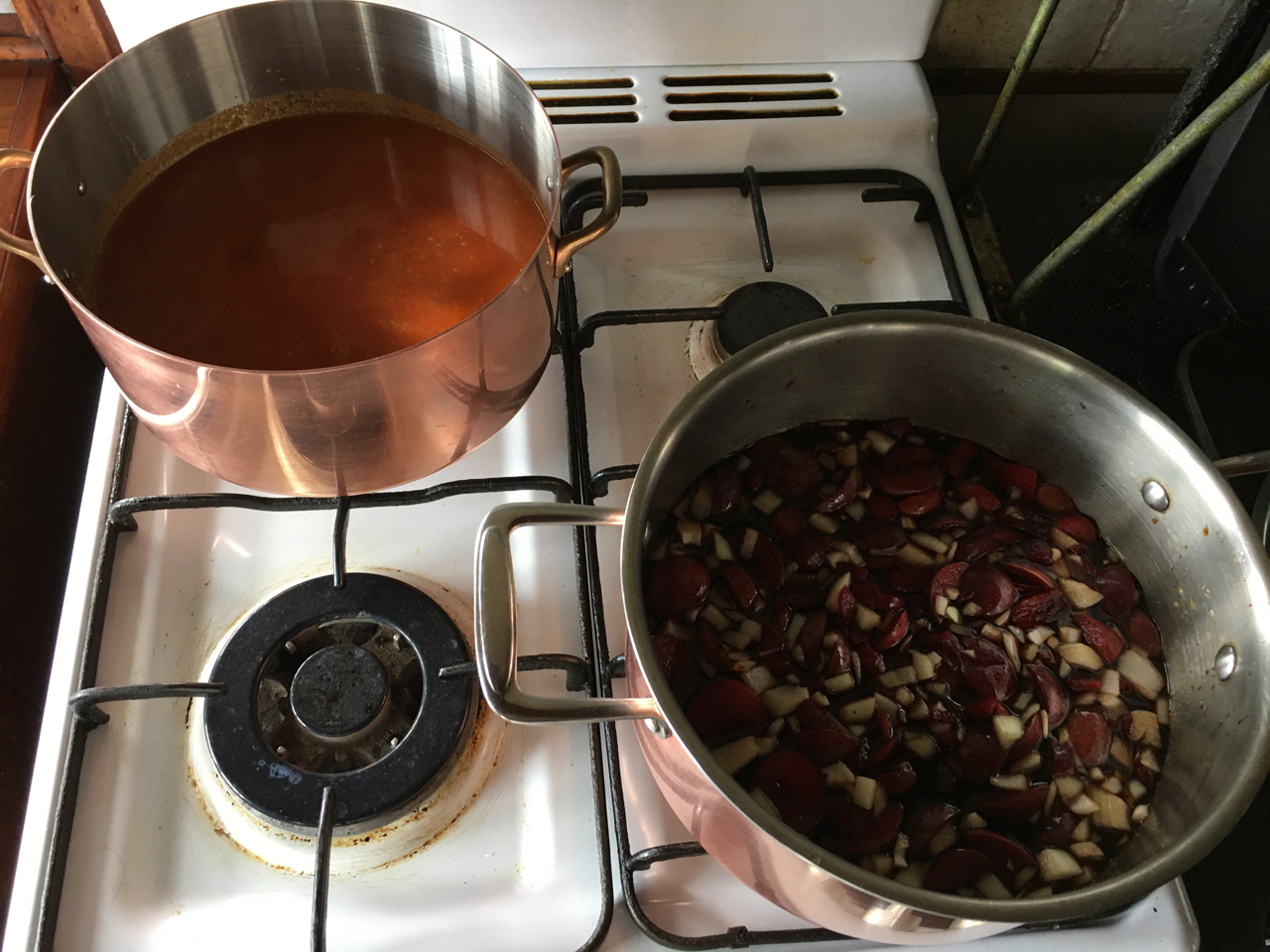
Meanwhile in the kitchen, I have been dealing with the great tomato explosion. This week besides making more passata, I made a couple of batches chilli jam. My friend Ian gave me his recipe, which has a lot less sugar and a little more spice than the one I got off the internet some time ago.

2 Kilos of tomatoes boils down to just 4 small glass jars of chilli jam once it has been reduced and concentrated.

Janine has been shelling and roasting the first few basins full of our hazelnut crop. Unlike tomatoes, there is no urgency to deal with nuts. Once they are collected and inside, they are safe. We have a dozen hazel nut trees and a dozen almonds. The almonds have not recovered well from the fire and are struggling, fighting off an attack of ‘shot hole’ fungus in this damp summer weather.

On the other hand the hazels were more of less burnt to ground level, but they are a smaller and very robust plant, perhaps more suited to be used as a hedging bush. This years crop is our best yet.

Once roasted, they become really flavourful. Before that, they are pretty dull. We don’t salt them for health reasons.

Finally it’s time to cook dinner. Tonight it will be baked, stuffed, ripe, red capsicums. I used a vegetable and herb mix, so it’s a vegetarian meal tonight, as it so often is most nights.

This is a small part of our attempts to be both creative and self reliant while treading as lightly as we can in this carbon constrained world.

Nothing is perfect, nothing is ever finished, and nothing lasts.

This meal isn’t, wasn’t and didn’t.

Fence Work and Garden Produce

We have spent the past week continuing to work on the new fence.

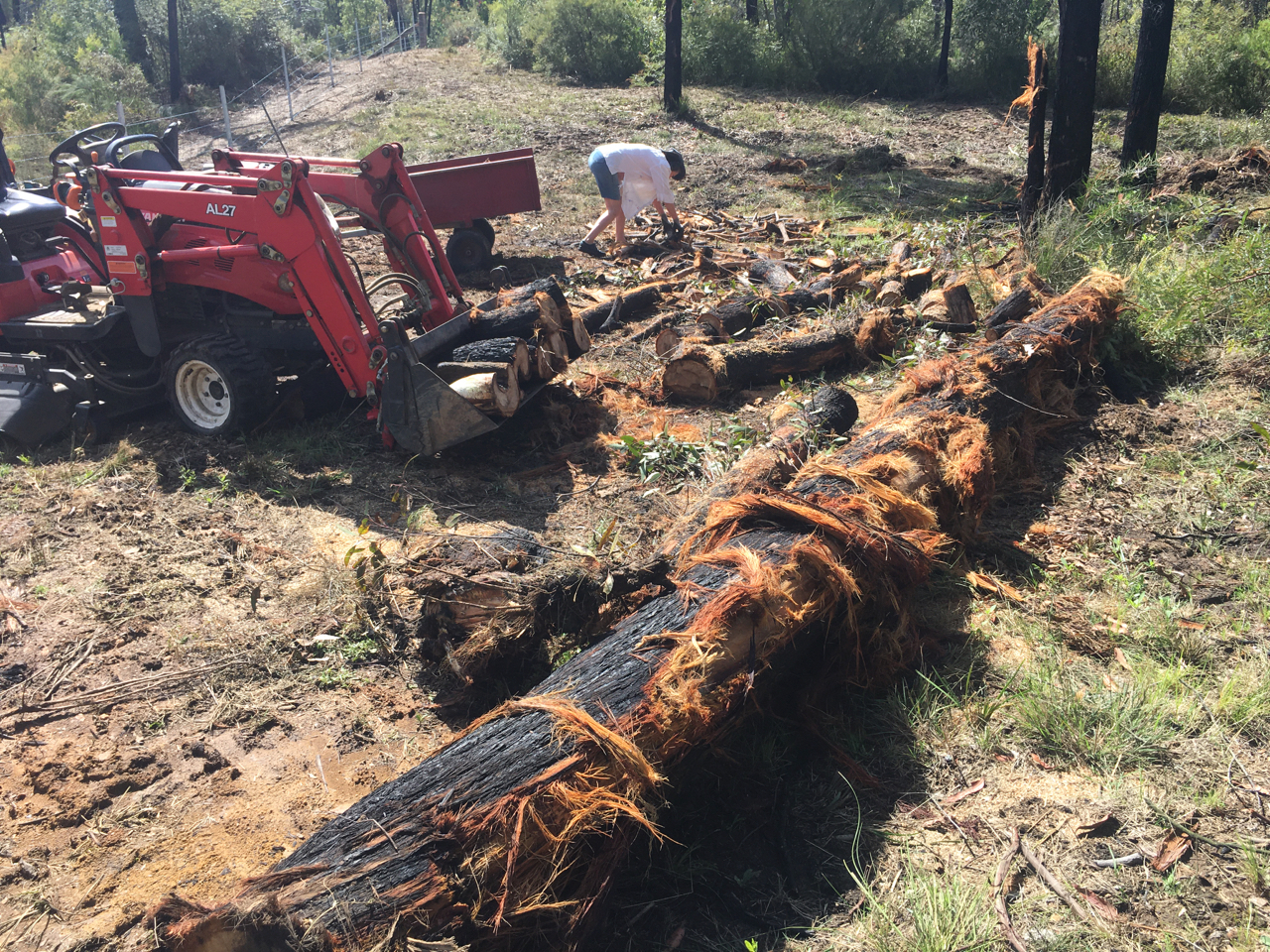
The fence is now finished the construction phase and we have been getting on with cutting up the dead trees that had to be removed to clear a straight line for the fence.

I had to have a few days off to rest my back and forearms that got a bit over worked.

I estimate that I have now cut and stacked 1200 to 1500 billets of timber. Enough for 2 years firewood, if not more. Of course some of them are only small, down to 50mm dia.

But some are up to 450mm dia. I cut up the whole tree. Nothing wasted.

All the felled trees that were within 50 metres of the house are now cleaned up, cut to stove lengths and stacked near the wood shed, ready for use in the winter.

The other trees that were felled are all still stacked along side the fence line. I may get around to getting out there, right down the back and cutting them up. 

However, experience has taught me that by the time I have used up all these stacked timber billets, All the logs laying on the ground will have been degraded by the white ants.

There are still so many standing dead trees within just a few metres of the gateway through the new fence that I will most likely be choosing to work on those trees.

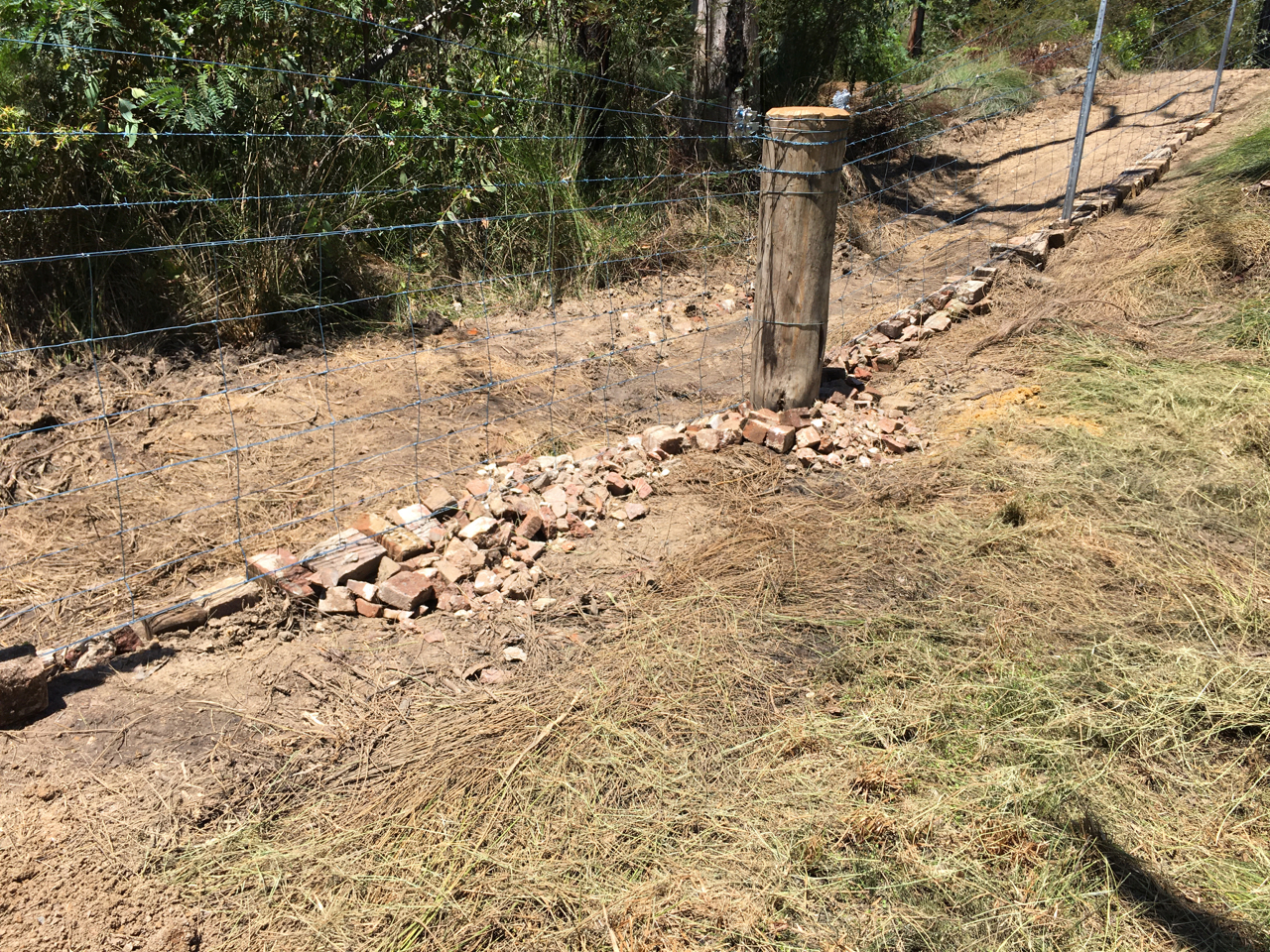
Each morning we get up early and do a few hours work wheelbarrowing broken bricks down the back to fill in the deep gaps under the fence.

This is to stop animals from shinnying underneath the fence in the lowest spots. We have almost finished this job. Maybe just one more cool morning’s work.

Once all the gaps are filled with brick bats and rubble, I start carting some left over crushed gravel from the pottery site footings, down to the fence line.

This gravel and dirt mix will cover the crushed bricks and level out the surface to make it easier in the future to keep the fence line mowed and clear of re-growth.

After lunch, it’s too hot to work outdoors in the full sun for us oldies. So we retire indoors to work on other projects in the shade.

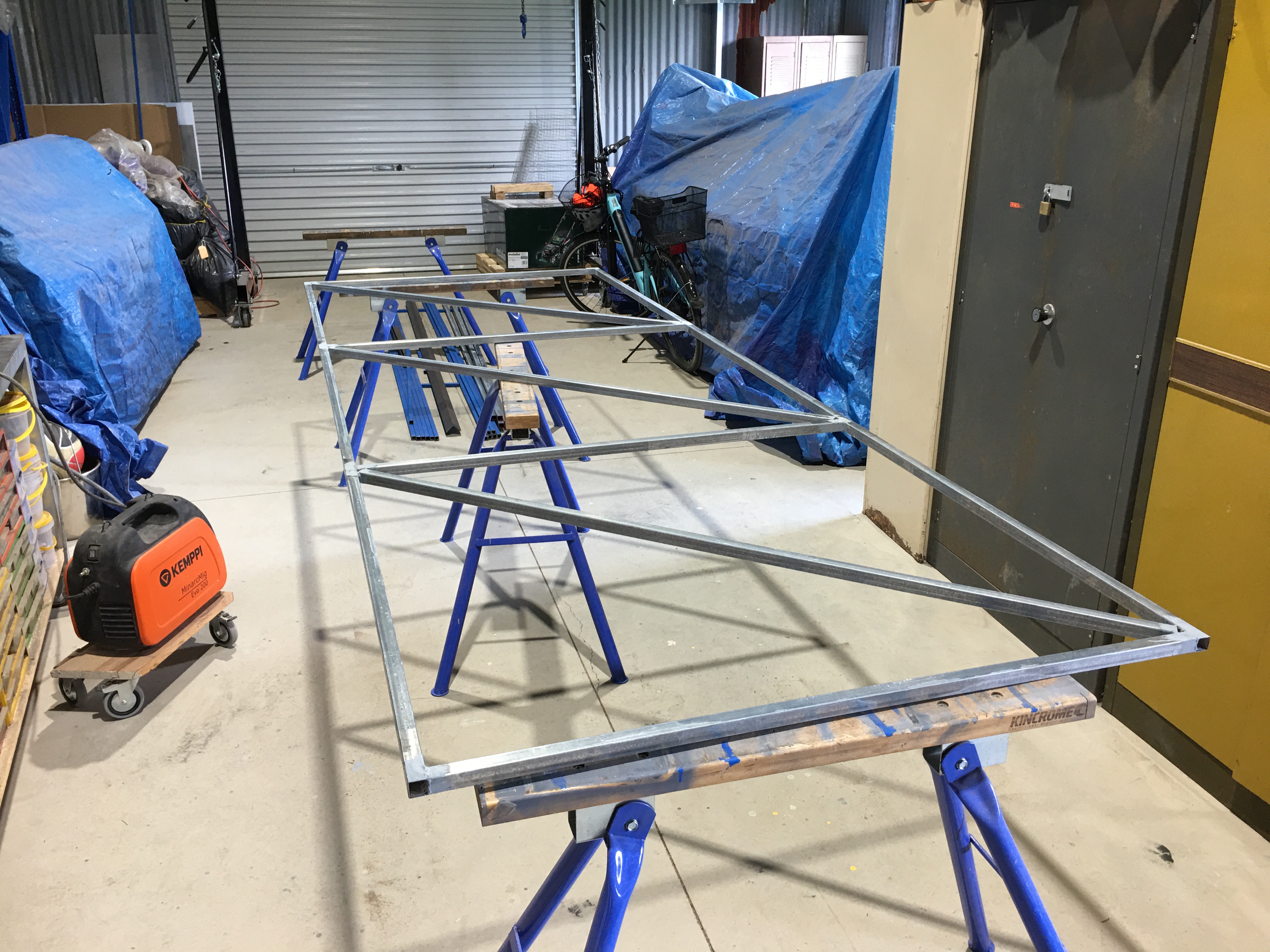
I’m currently working on welding up a set of 3 gates to complete the fence line securely. Our neighbour on the back fence line saw a full size stag in his yard the other day.

I really need to get this unscripted and unfunded crisis done and dusted as soon as I can, so that I can get back to my real work in the pottery.

In the evenings we make Tomato passata, Plum sauce and Onion jam. These all need to be made and stored away for later use to make the best of our excess produce.

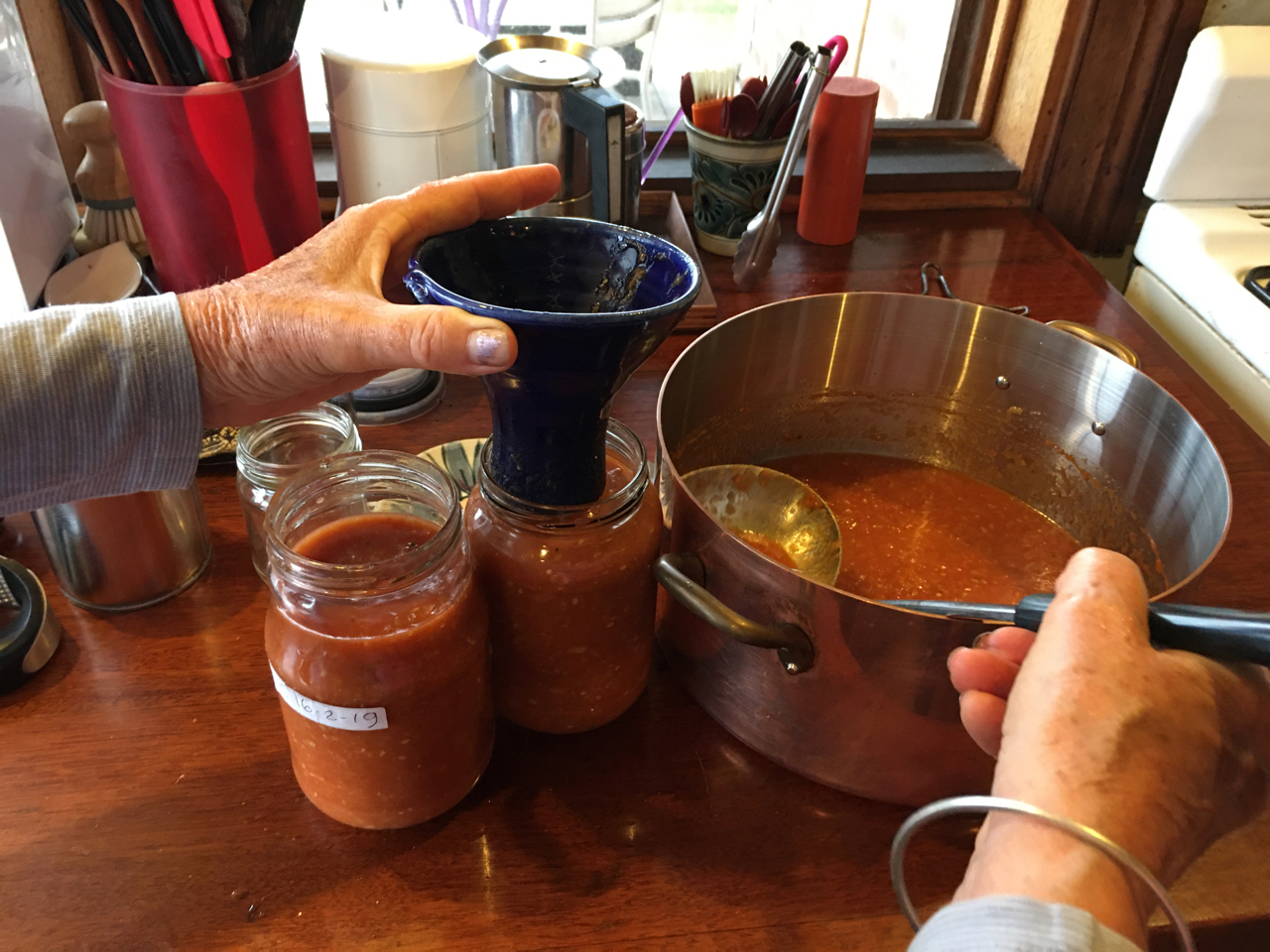
Bottling tomato passata

Plum sauce bottled and cooling.

At this time of year every meal starts to take on a certain ratatouille aspect. Tomatoes, basil, capsicum, zucchini, and squash.

Summer garden Ratatouille with steamed fish and hand picked capers in a white wine reduction.

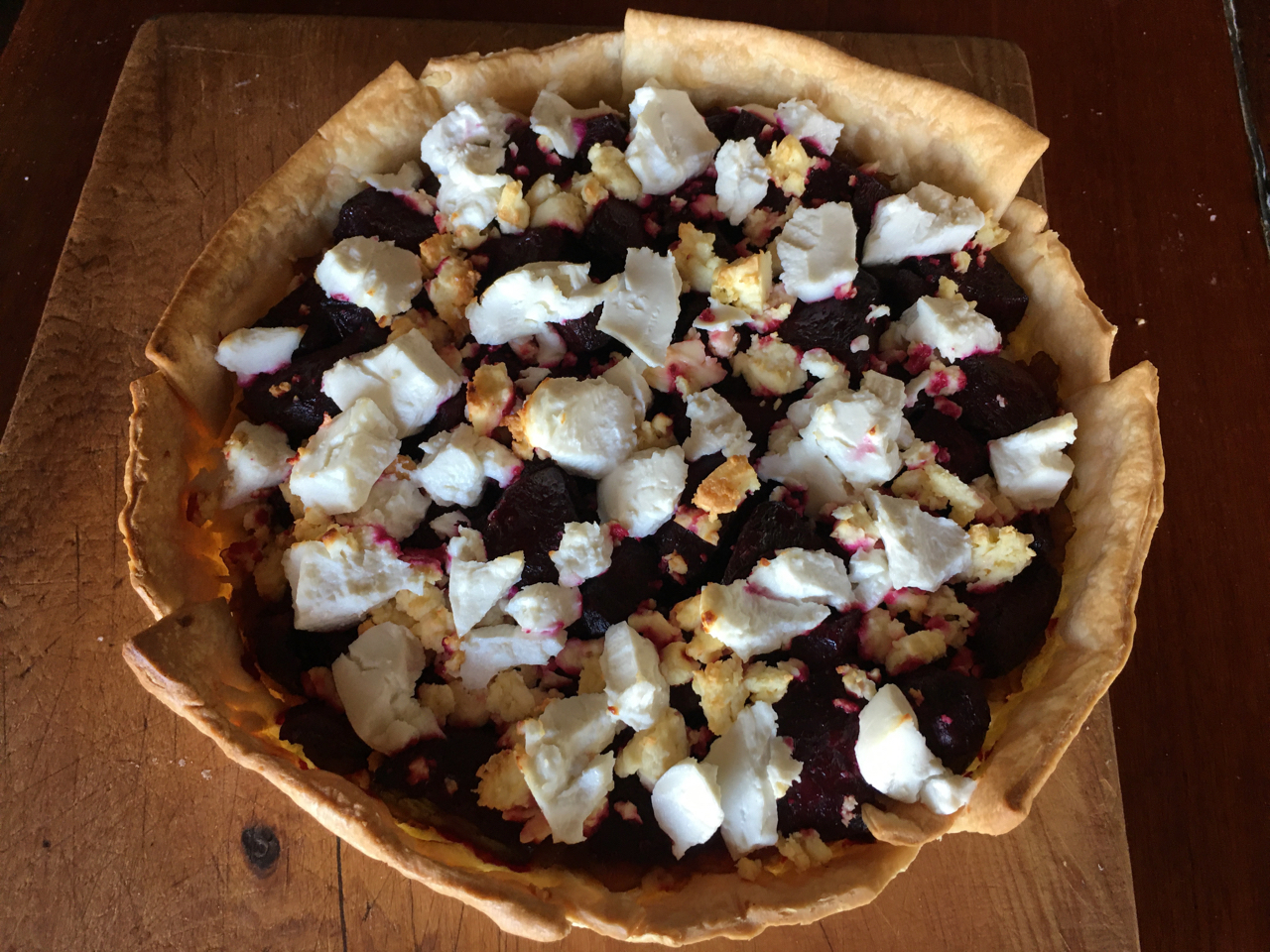
Garden beetroot, home made onion jam, and 2 cheeses tart.

Desert is freshly picked blueberries baked into a tart. We are picking 3 kgs every few days at this time of year. Some get preserved for later in the year. Some eaten fresh for breakfast, some are used in cooking like this and the rest are given away to neighbors and friends.

It’s a tough life, but we just have to work our way through it.

A change is as good as a holiday

Over the solstice break, I’ve been having a bit of time off.

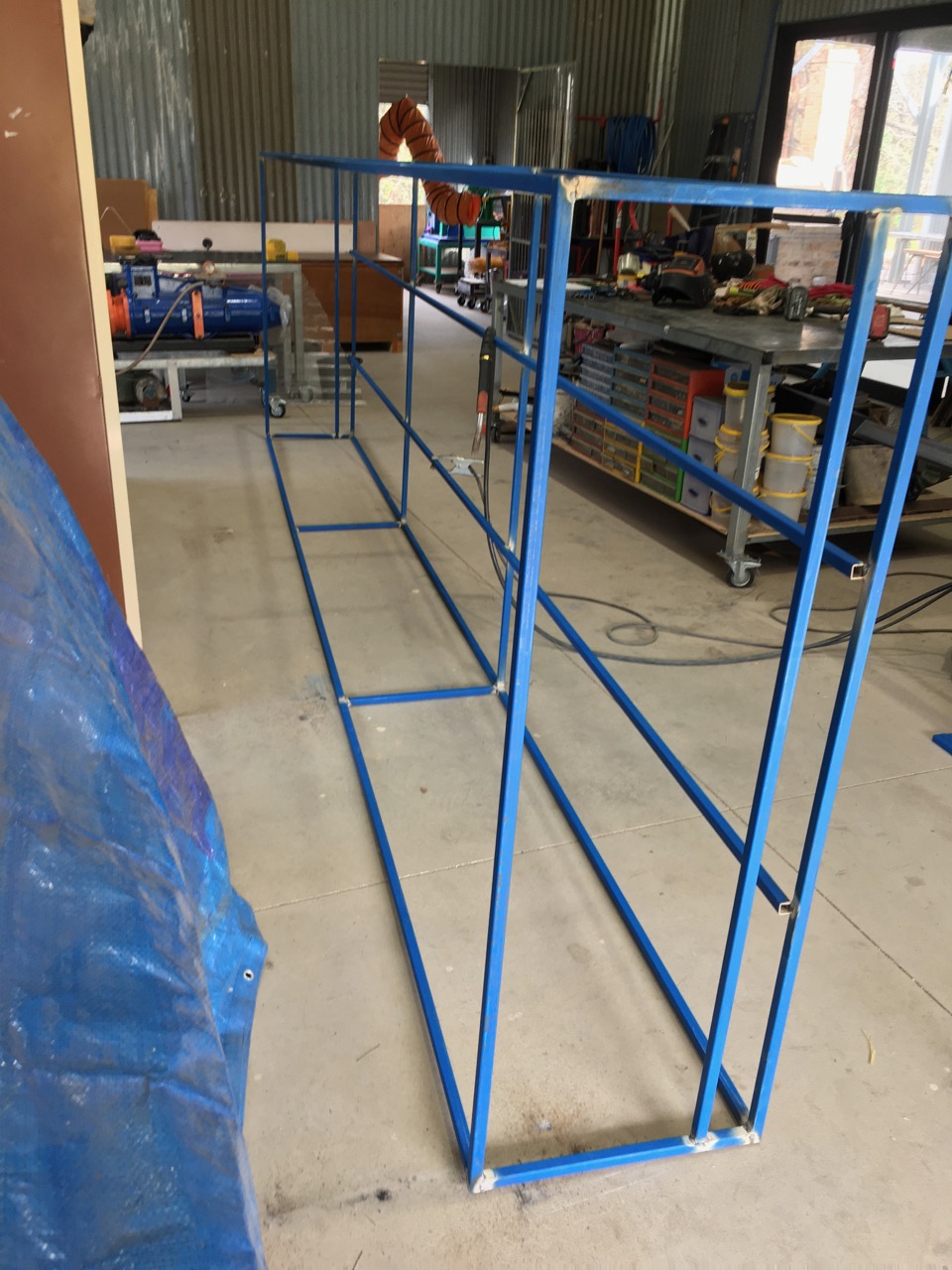
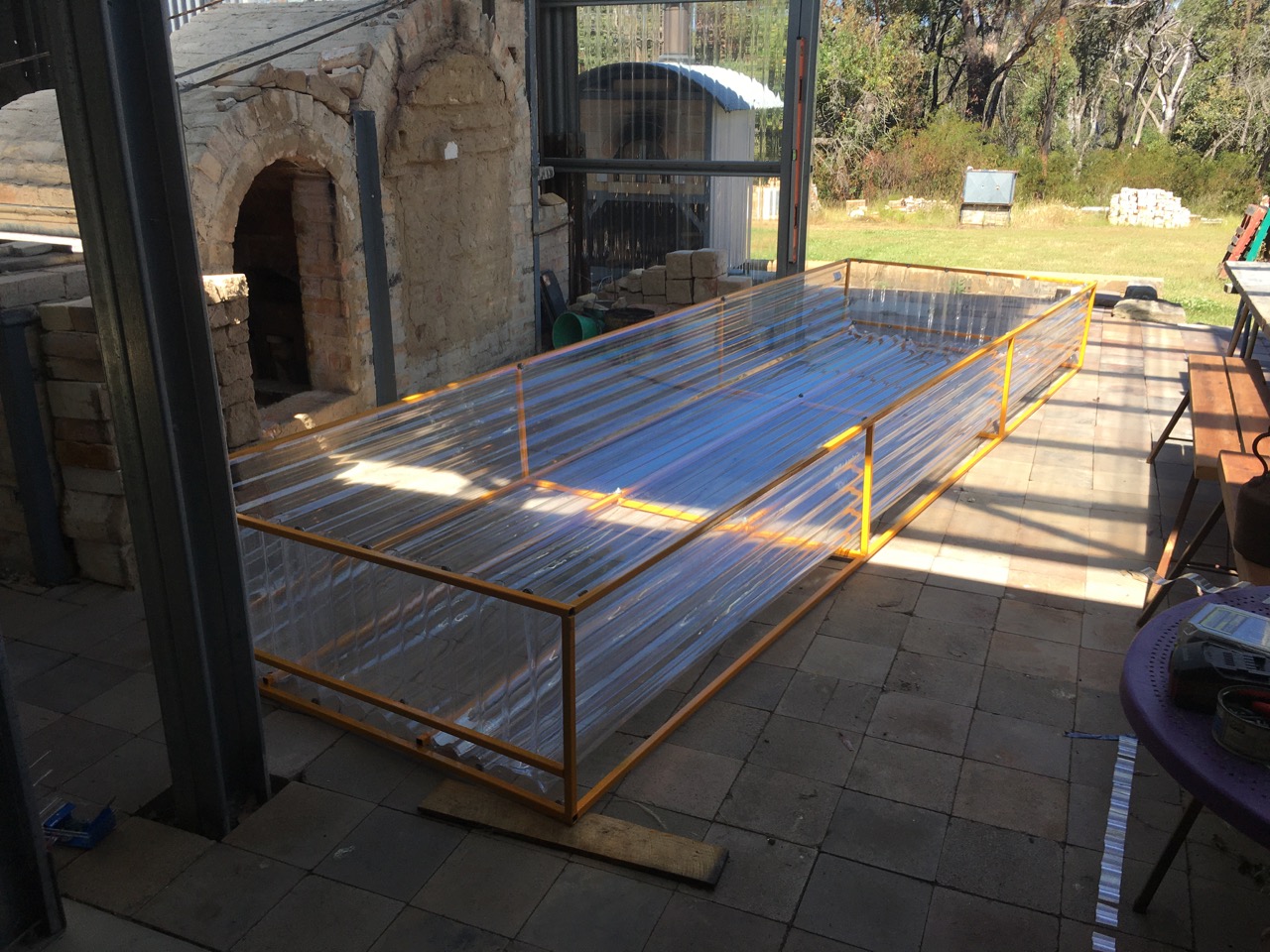
A change is as good as a holiday I’m told. So I took some time out to weld up a steel frame to make a fume extraction hood to go over all the electric kilns.

I have been ‘making-do’ with a bathroom exhaust fan set into the kiln room window, but it doesn’t catch all the fumes.

So we now have a ‘proper’ hood that covers all 3 kilns and there is room for a 4th kiln at the end, if I ever get round to building it.

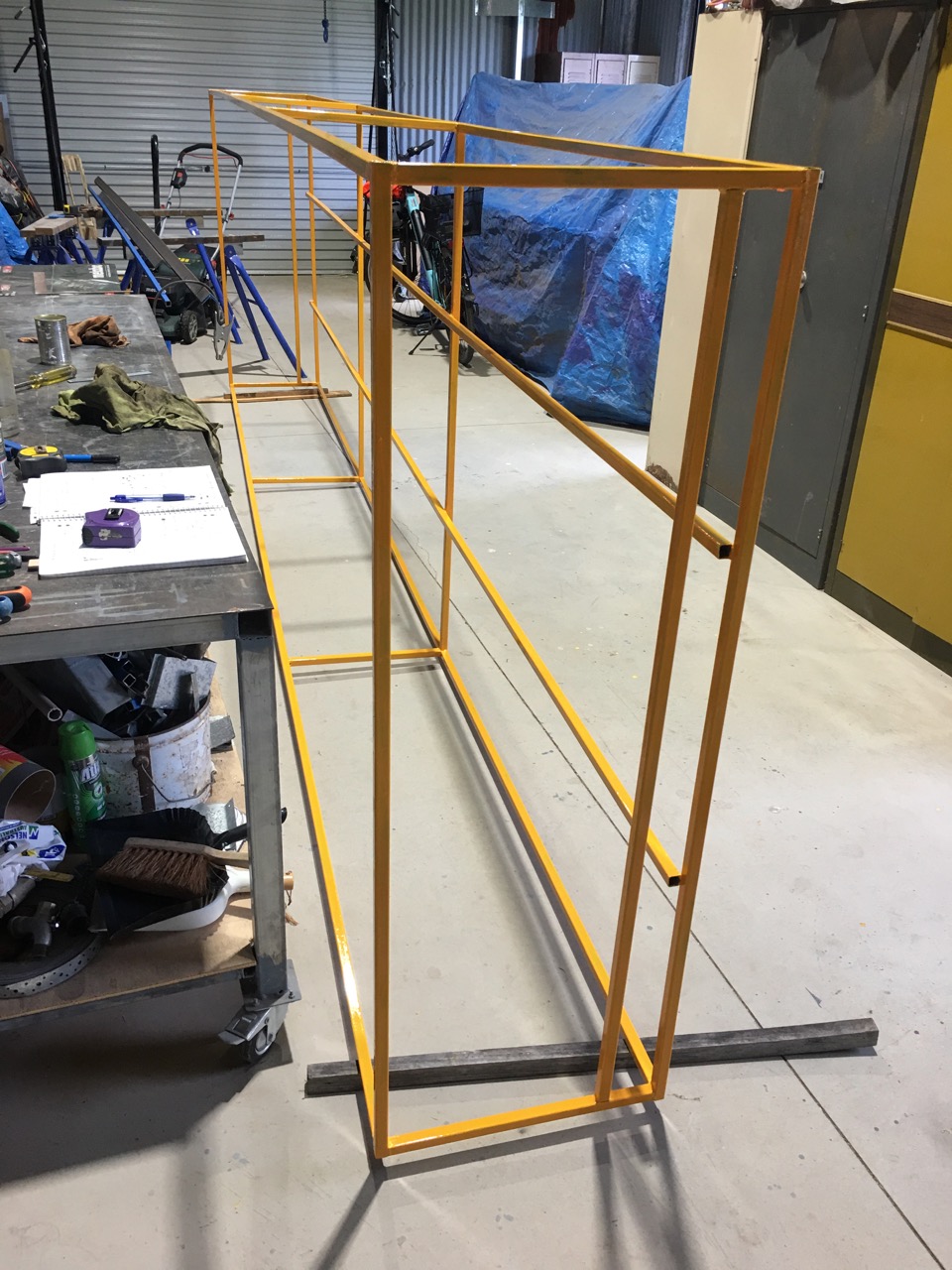
The frame is welded out of 20 x 20 RHS sq. section tube and then primed, undercoated and top coated with a strong yellow industrial grade paint. Something resembling ‘CAT’ Yellow, just to give it that heavy duty industrial look. Actually, I was thinking of the sort of colour that big factories have to paint over-head cranes, gantries and such.

It has turned out to be a massive edifice measuring 4.5 metres long by 1.5 m wide and 500 mm. high.

I had to build a special little trolley to manoeuvre it out of the welding area and into the court yard, where I could rotate it so as to allow me to screw in the poly carbonate lining.

I decided to use light weight RHS construction and poly carb sheeting because of the weight factor. I have to lift it up into the ceiling. But I also noticed after the fire, that poly carb doesn’t burn. It just melts, even at really high temperatures. So I thought that I’d give it a try as a fume hood lining. It wont get too hot, so shouldn’t melt. It is very light weight. It lets the light through, adding to the ambiance of the kiln room. It is cheap compared to any other sheeting. BUT most important of all, it doesn’t rust. The big killer of overhead hoods is the condensation of acid gasses and the rust that they create. This could be a solution?

Time will tell.

My son Geordie and my friend Warren came over for our Solstice lunch get-together, so before we ate, we did the install. It took all of 5 minutes, because I had every thing planned out and ready.

Now, the bathroom fan will be more effective at removing all the fumes from the kilns, and there is room for expansion.

Hopefully, a cheap and effective solution to the kiln vent fume problem.

While we had both Geordie and Warren here, I got them to help us move an exquisite old Japanese cupboard into our bedroom.

We were given this gorgeous old Japanese cupboard by my lovely friend Anne, who I have known for a very long time, getting on for 58 years in fact. Where does the time go?

Thank you Anne!

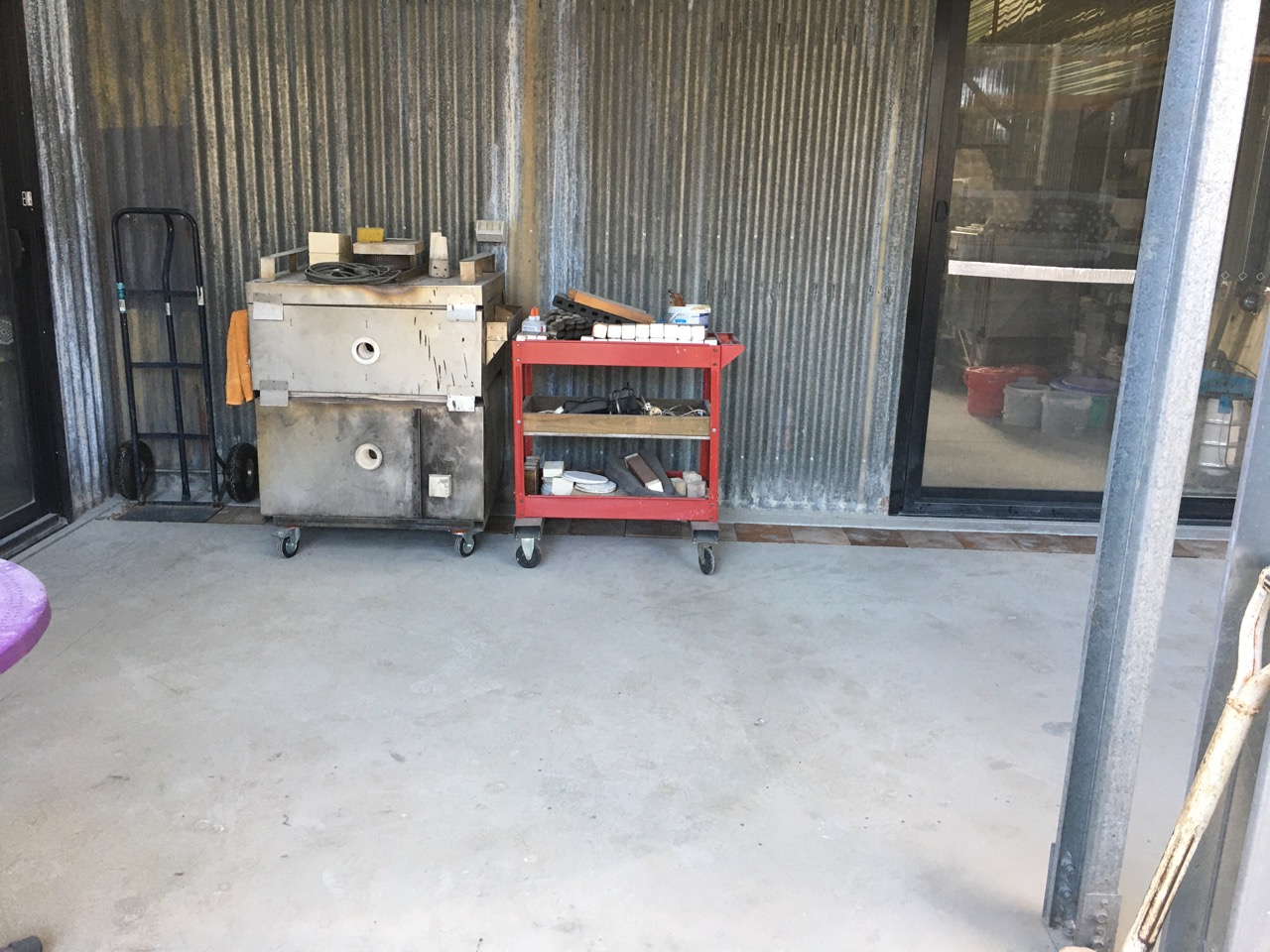
Somewhat disappointingly, we had another flood in the new pottery shed this week. Each time it happens, I look at the causes and find a solution and fix it. This time we had a brief, but severe storm of just 25 mins, but we got 25 mm of rain come down in that short time. It caused the gutters to over flow into the court yard around the kiln. However this time the rain all came it, not from the open wall leading into the courtyard, but deep in the enclosure against the kiln room wall from the gutters that couldn’t cope with the intense volume of water.

It has become apparent that the builders were pretty sloppy with their levels, such that the concrete slab is high at the edges and low in the middle of the kiln/glazing rooms. The result was that all the water flowed in under the gal iron wall and pooled in the centre of the kiln room, with some seeping into the glaze room.

There is absolutely nothing that I can do to change to the contour of the slab to stop this happening again. So my only option is the make a drain that can intercept the water before it reaches the wall and enters the building.

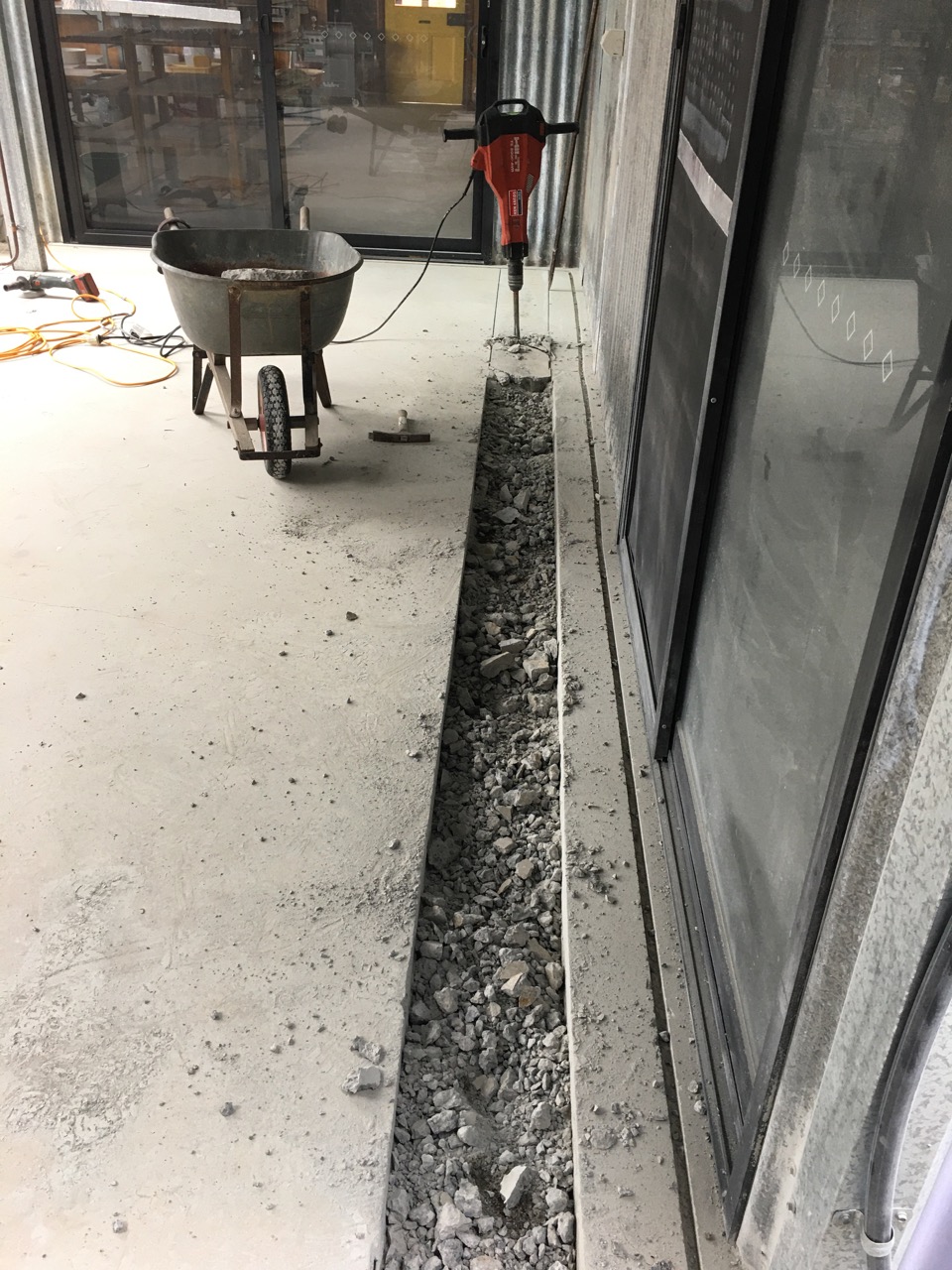
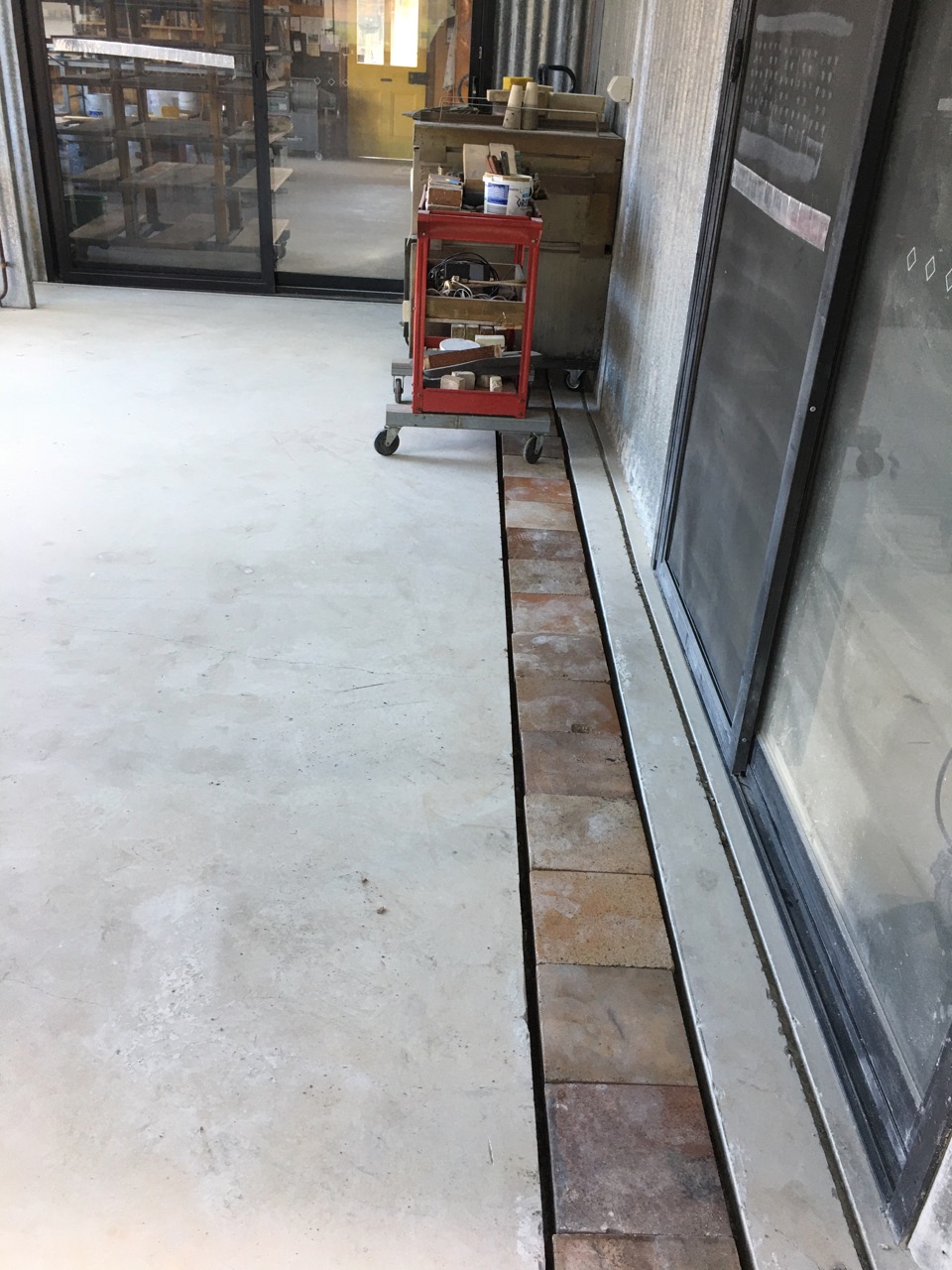
To this end, This morning I used a diamond saw blade to cut two 8 metre long slices through the 115 mm thick concrete slab down to the substrate of compacted rock dust and gravel. It was one of those nightmare jobs that nobody would ever want to do. But someone has to. Meet muggins.

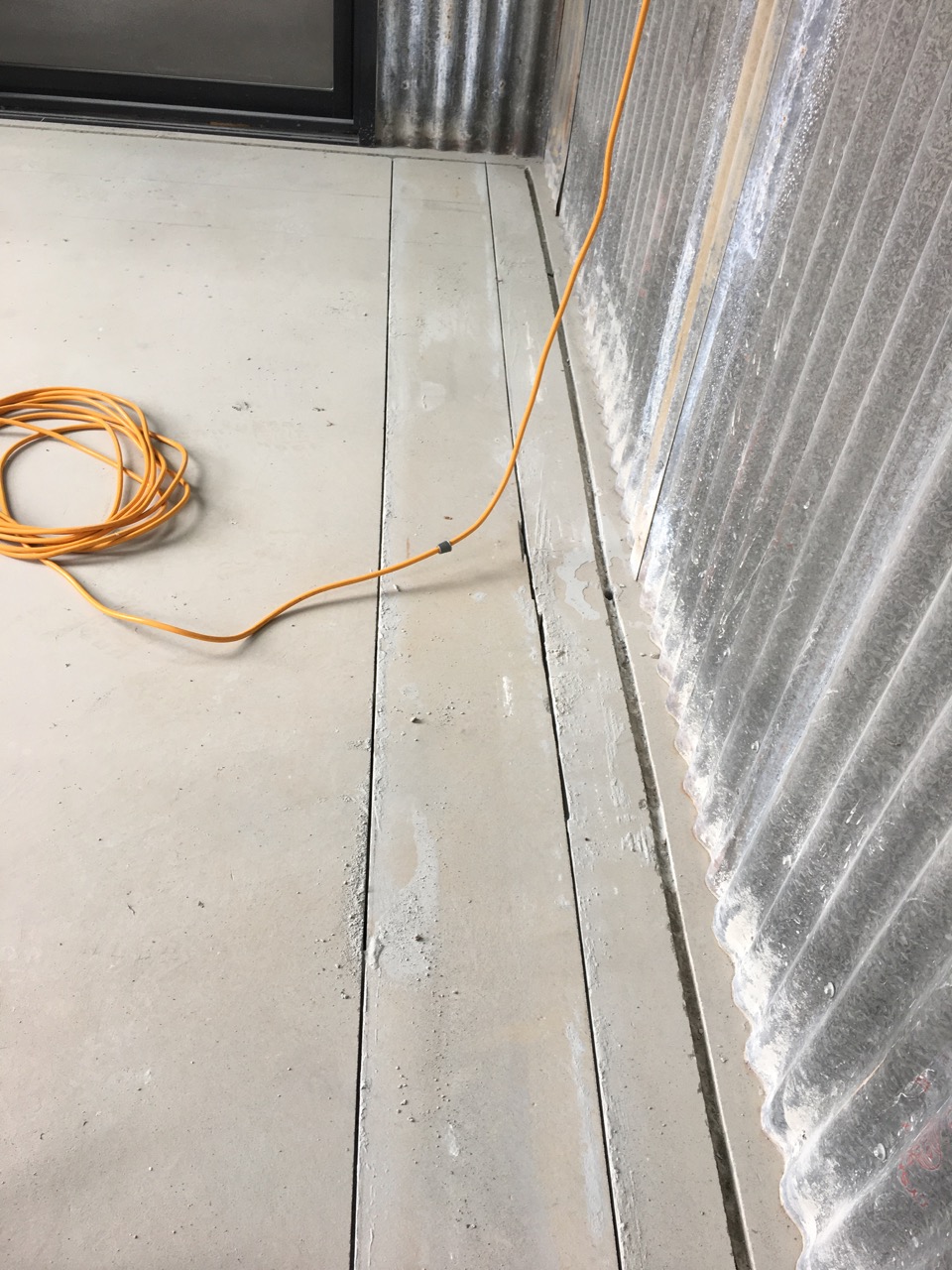
You can see in this image, where I had initially tried (unsuccessfully, as it turned out) to create a small diversion channel around the wall using a circular saw and a friction disc. This wasn’t deep enough to cope with the flood of water from this last storm. I realised that the drain needed to be substantially larger and deeper.

Then, I hired a jack hammer to break up the concrete into rubble. That was another big job.

Finally, I removed the broken ‘rio’ bars and the strip of black plastic waterproofing membrane, and then shovelled out all the larger pieces of crushed concrete and re-installed all the finer gravel.

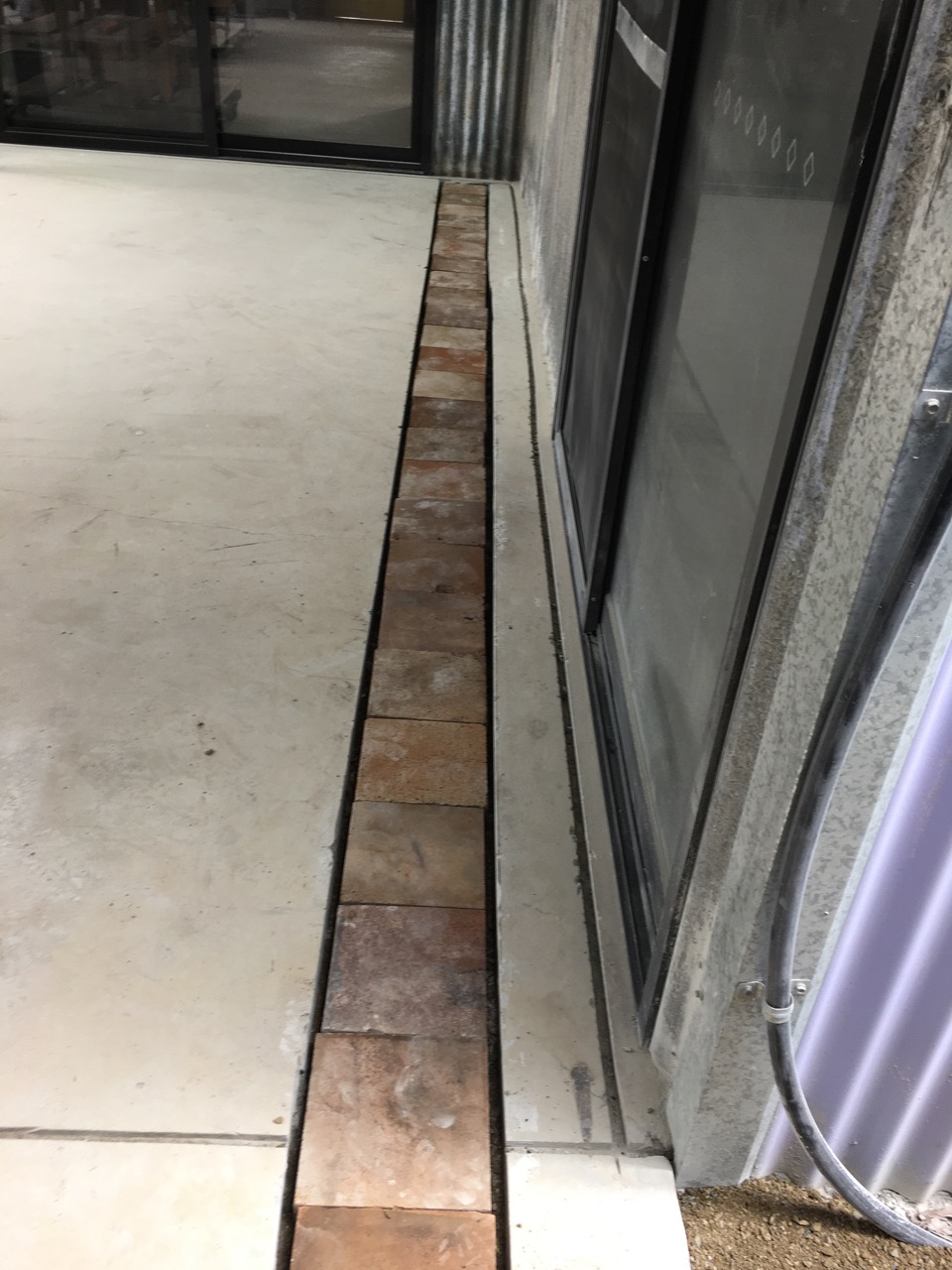
This allowed me to then lay pavers over the rubble to make an ‘agg’ drain.

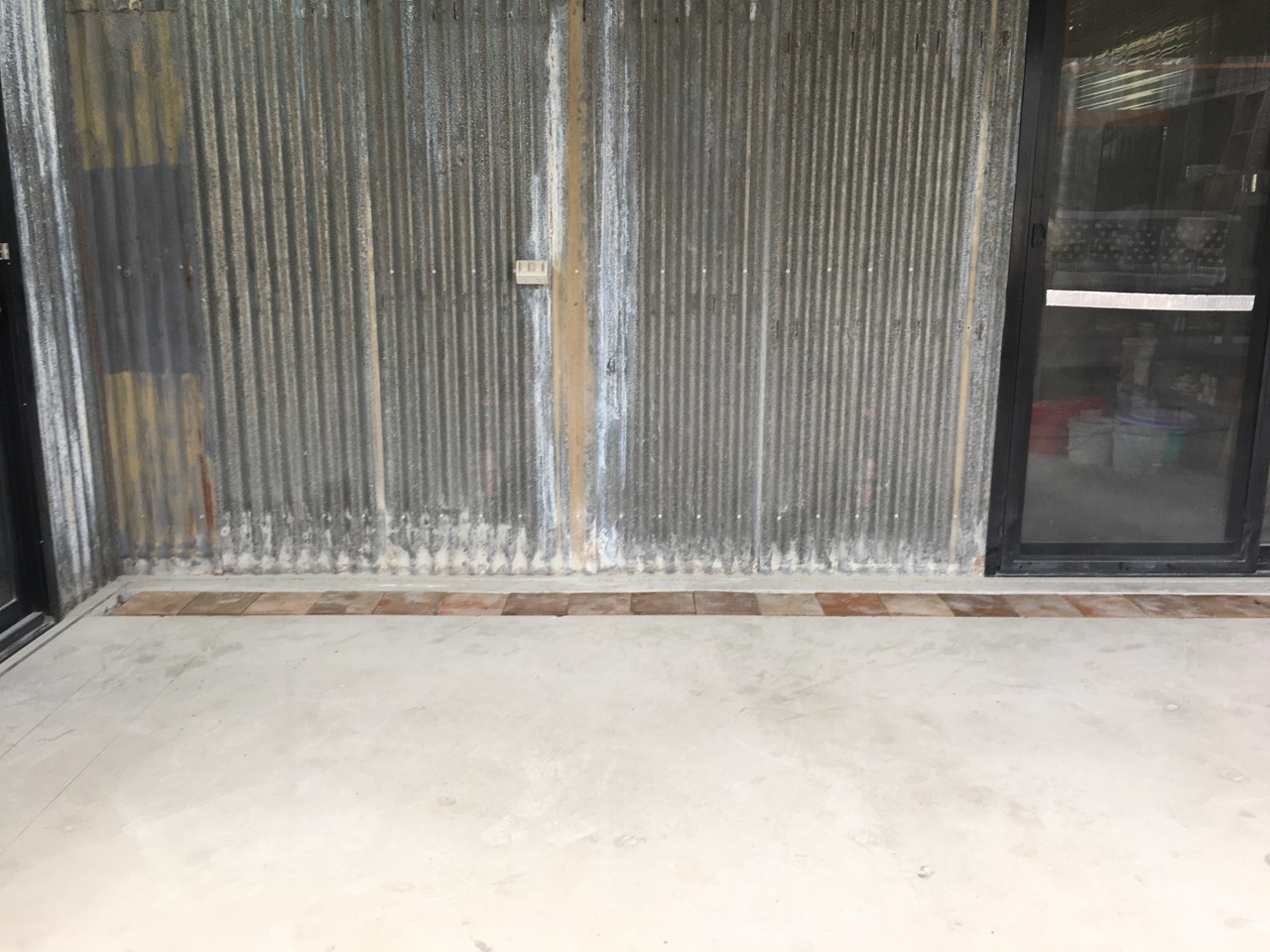
With my remaining energy, I completed the job by laying a line of terracotta pavers to cover the scar, but leaving a gap all along the trench to allow any future flood water to flow down into the rubble drain and seep out along the alley way between the two sheds. Hopefully a simple and effective solution to yet another problem left by our slack and seemingly incompetent builders. ( who have now gone out of business I’m told). I have noticed that any rain that is driven into the courtyard by the storm, just sinks into the porous pavers and their gravel bed. That paved part of the kiln shed/courtyard never holds any water. It’s just a total bummer that the slack builders cast the slab with the fall in the wrong direction.

It’s been a hard day. I’m pretty worn out from the effort of jack hammering, crow-barring and wheel barrowing all the broken-up concrete out of the trench, but very happy with the out come, now that it’s done!

I’m hoping that it will work.  I’m getting too old for all this strenuous high energy stuff.

I need to lay down.

This years tomato crop is developing

A new tomato crop is developing. I managed to get a few early tomato plants into the ground in September. I cheated and bought a punnet of seedlings. September is long before our own naturally germinated ‘wild’, self sown tomatoes seeds emerge. I bought a punnet of seedlings from the garden centre. In the past, if I got them in the ground in early September, then we might get a ripe tomato in the week between Xmas and new year. The past decade had been unusually hot and drought ridden here up until 2019. The extra heat allowed the tomatoes to establish so early.

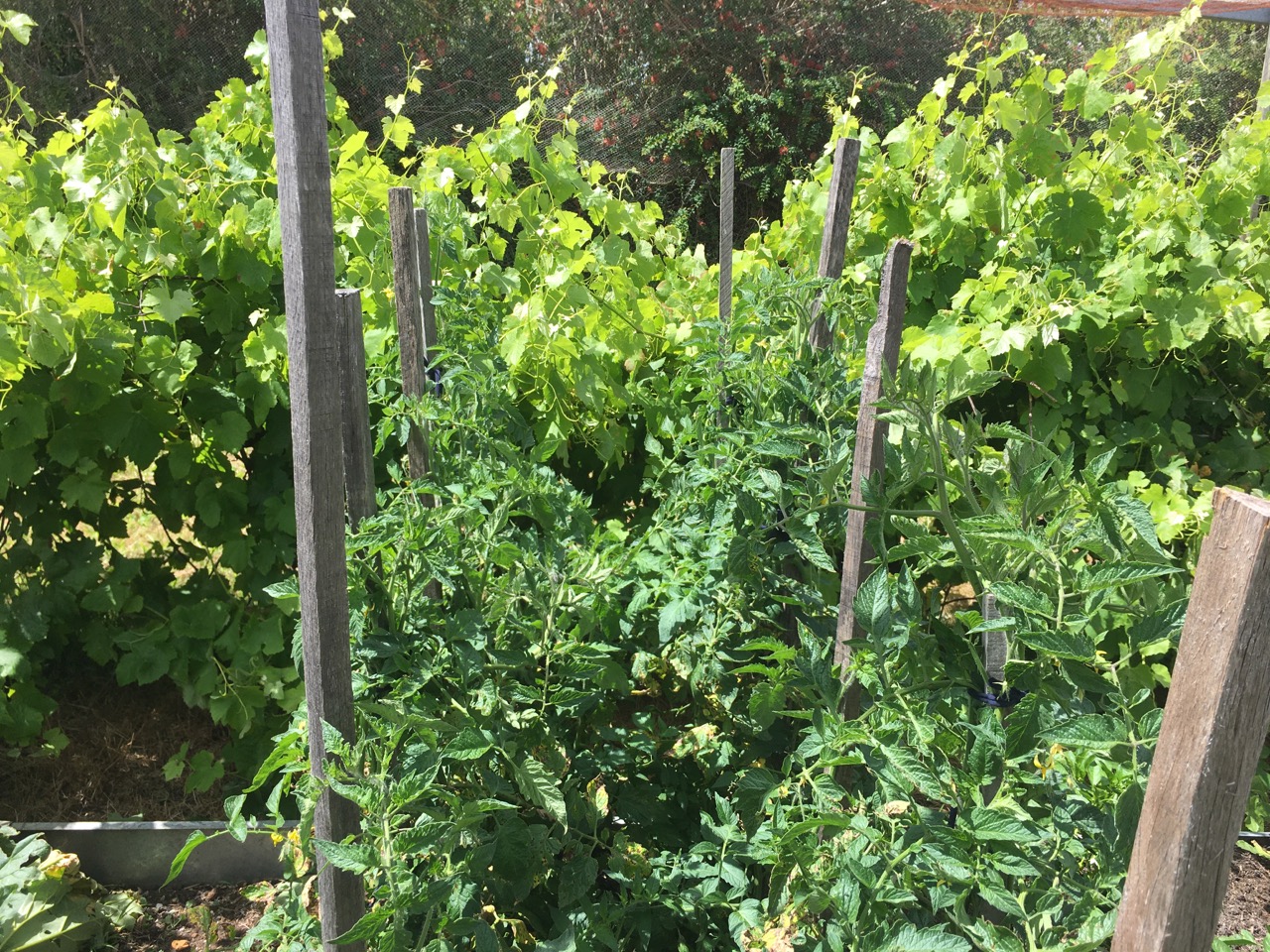
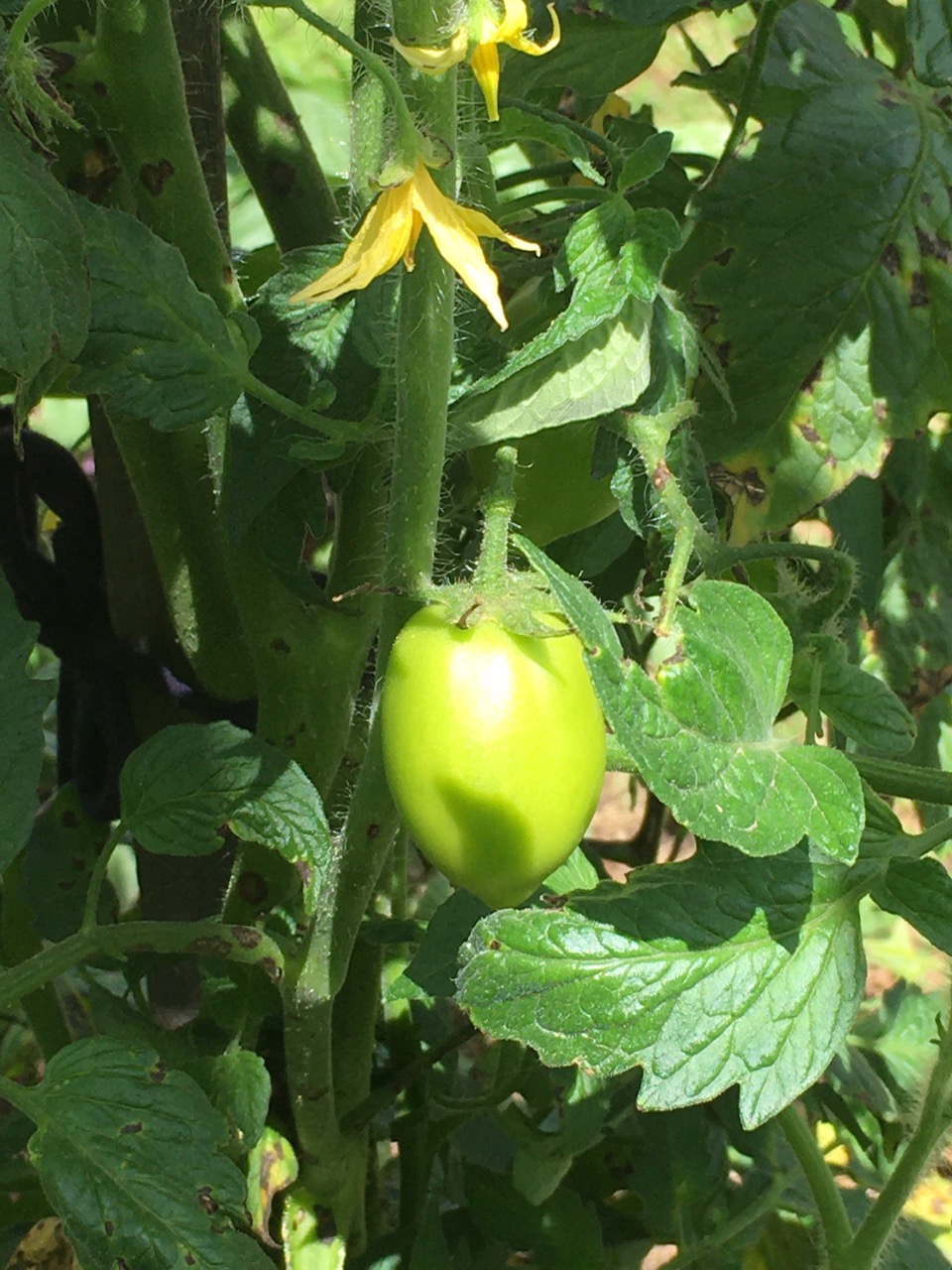
This past year however, it has been cooler and wet in comparison, so the season is delayed somewhat. We do have tomatoes climbing up the tomato stakes, the tallest being about one metre high so far. There are even a few small green tomatoes developing now. However, I doubt if there will be a ripe, red tomato for Xmas, never mind in the next 2 to 3 weeks.

I have planted 4 beds so far, around 10 plants in each bed. The earliest ones are all flowering well now, so it promises to be a good crop in the new year when the warmer weather develops. Well, I’m hoping so anyway.  I like to make all the jars of ‘passata’ that will last us all year, as well as all the tomatoes that we will consume in salads and ratatouille dishes over the summer.

Tomatoes need a warm soil temperature and longer daylight hours to thrive. Our own naturally germinating ‘wild’ tomato seeds are just now emerging in among the other beds. So the soil temperature must now be more or less OK. The ‘Diggers Club’ guide tells me that  the soil temp for tomatoes must be above 16oC, but I’ve never bothered to go out side with a temperature probe to test the soil temp to find out. Early September seems about right and the plants grow, albeit quite slowly at first. In years gone by I even started the young tomato seedlings off in late August under a sort of home made ‘cloche’ made by wrapping the industrial sized ‘glad-wrap’ that I used to have in the old kiln factory for delivering kilns, and wrapping this around the old wire mesh frames that we used to cover the garden beds before we built the bird proof enclosure. This early frost and cold night protection worked for the important first month, until the weather warmed more, or until the plants got so tall that they out-grew the height of the temporary cover.

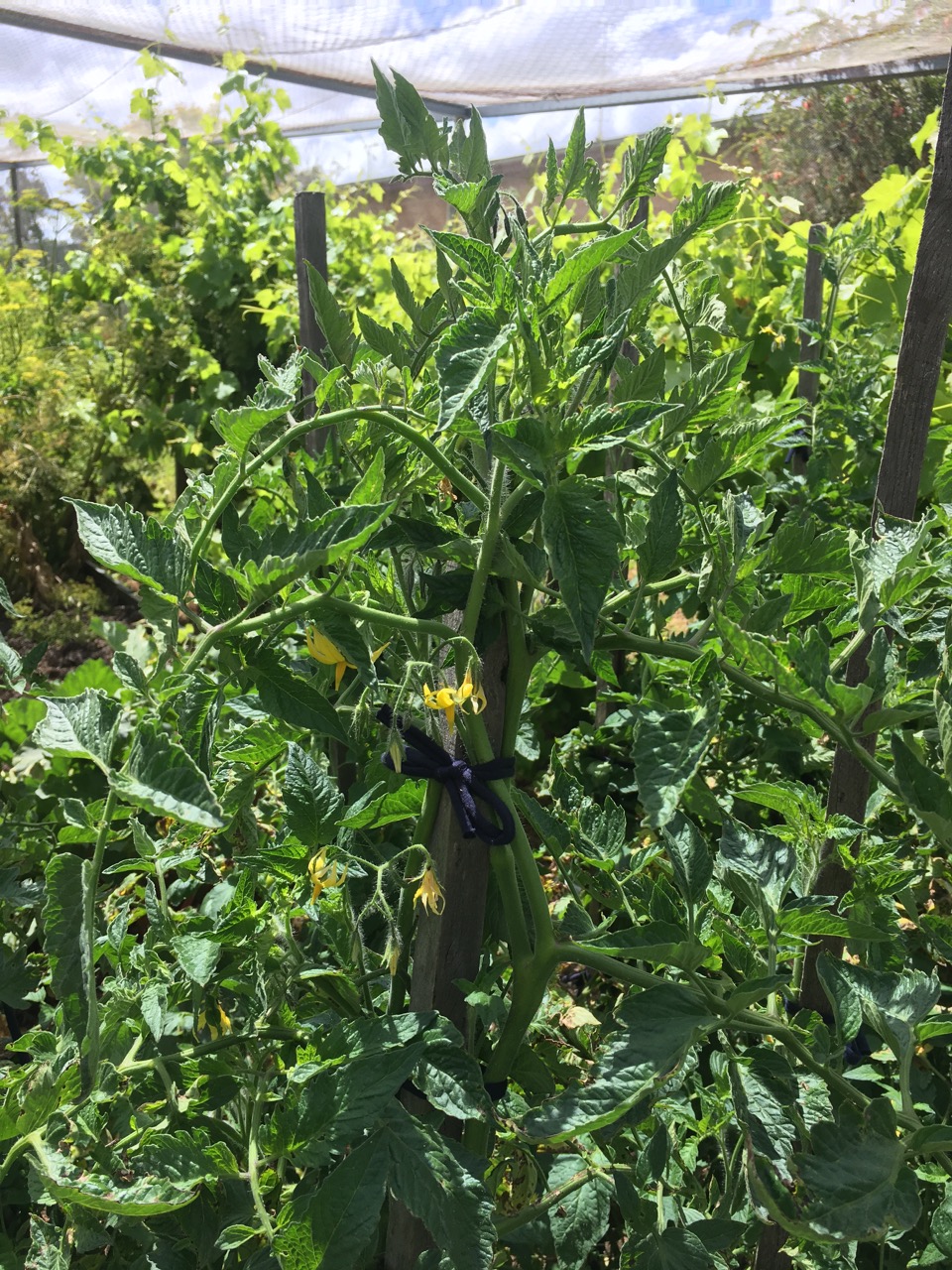
Yesterday I went into the garden after lunch to do a bit of tidying up and weeding. I ended up hammering in tomato stakes and tying up the tallest tomatoes. One thing led to another, then I suddenly realised that the chooks had put them selves into their house and were ready for bed as it was after 6 pm. The afternoon had just slipped away while I was being busy.

Tying up tomatoes is such a great job. The season is still early and there is no hope of seeing a tomato any time soon, but just touching the tomato leaves or even brushing against them gives off such an appetising smell. It makes my mouth water with anticipation. I don’t know what chemical is in the tomato leaves, but it is delicious to smell. So spending a few hours hammering in the wooden stakes and tying up the leaders with lengths of soft cloth is a wonderful experience. It promises so much. There is so much optimism tied up in each of those soft little bows.

My go-to reference about my vegetables and fruit growing info is The Oxford Book of Food Plants. It tells me that Tomatoes, ‘Lycopersicon esculentum’ are a native of the lower Andes, and are valued for their high vitamin content. It is part of the solanum family along with deadly nightshade, datura, petunias, the potato, capsicum, chilli and egg plants. In fact eating green or unripe tomatoes can make you sick. Unripe tomatoes contain a toxic alkaloid called ’tomatine’ which is an insecticide, fungicide and has anti microbial properties which are there to presumably protect it from predators, but are easily broken down by cooking, so it is OK to eat them in chutney. No one I know eats them raw when green.  However, I did see in ‘wikipedia’ that tests have been carried out and you would have to eat more than half a kilo of tomato leaves, where the tomatine is more concentrated, to get a toxic reaction, which wouldn’t be lethal. I love the smell of touching tomato leaves, but I have no inclination to eat them.

It also tells me that it needs a minimum temperature of 55 to 60oF or 12 to 15oC. This is considerably less than that stated by ‘Diggers’ and may explain why I can get away with starting them in a closh in August here. 

The Oxford also tells me that the tomato was originally called ‘pomo-d’oro’ or golden apple, presumably because the earliest varieties brought back from the Americas were a yellow variety? Quite possible? I don’t know. I did read online on a New Zealand web site that only the yellow tomato can be digested properly by humans and that all the red coloured varieties are only digestible by animals!!!  Something to do with different forms of lycopene as I remember. However, I have grown a few different yellow tomatoes and they were universally bland and lacking acid in the flavour profile, so I have avoided them ever since. Not worth the trouble to cultivate. I seem to be able to get all the lycopene that I need from the tasty red ones, but do I need any at all?

Michael Pollan, in ‘Defence of Food’ (p67), advises that red lycopene can be easily digested when cooked in olive oil. Italian cooks have always seemed to have known that. Dr Norman Swan in his book, ’So you want to live Longer’ (p 81). Lycopene reduces oxidative stress in the body from free radicals. “There’s a multi-billion dollar industry which sells this idea in a bottle. – Trouble is that they don’t work.” “you’re on much safer ground betting on what’s on your stove”. He consistently returns to the idea that tomatoes cooked in olive oil are really good for you – as part of a Mediteranian diet, low in meat and high in coloured vegetables and whole grains.

I have read elsewhere that all domesticated tomato varieties today are descended from the red-fruited wild tomato, Solanum Pimpinellifolium. Perhaps named after  the scarlet pimpernel?  One of the other early names for tomato, besides ‘love-apple’ and ‘golden-apple’ was ‘wolf peach’. Which accounts for the latinised name ‘lycopersicon’ used by Linnaeus to describe them in 1753, and still in use today. Tomatoes first appeared in Europe in around 1535 on the return of the Spanish conquistadors from Peru, It took over 150 years for the tomato to be integrated into everyday cuisine, starting in Italy,  then slowly spreading across Europe. It’s acceptance was rather slow.

John Ray, The English Botanist, son of a village blacksmith, went on to study at Cambridge, Trinity College, He became the college Steward. He travelled widely in England and Europe, and while in Italy in the 1660s he wrote. ‘The Italians cook tomatoes with marrows, peppers, salt and olive oil’. Perhaps the first ever reference to ratatouille?

Norman Swan would approve.

The Birds have eaten all the Mulberries

During the week between the two Open Studio Weekends, I ventured out to check out the mulberries. The crop wasn’t good, but there were quite a few coming on. Possibly ready to pick in a week or so once they ripened up a bit more.

After the last weekend sale, when I found some time to get to the orchard again, I realised that the birds had eaten all the mulberries. ALL THE MULBERRIES!

Recently, we have had quite a good number of wattle birds, Dollar birds, Frier birds and the constant regiment of endemic bower birds

There were just a very few immature pale hard berries left. So no mulberry tarts this year.

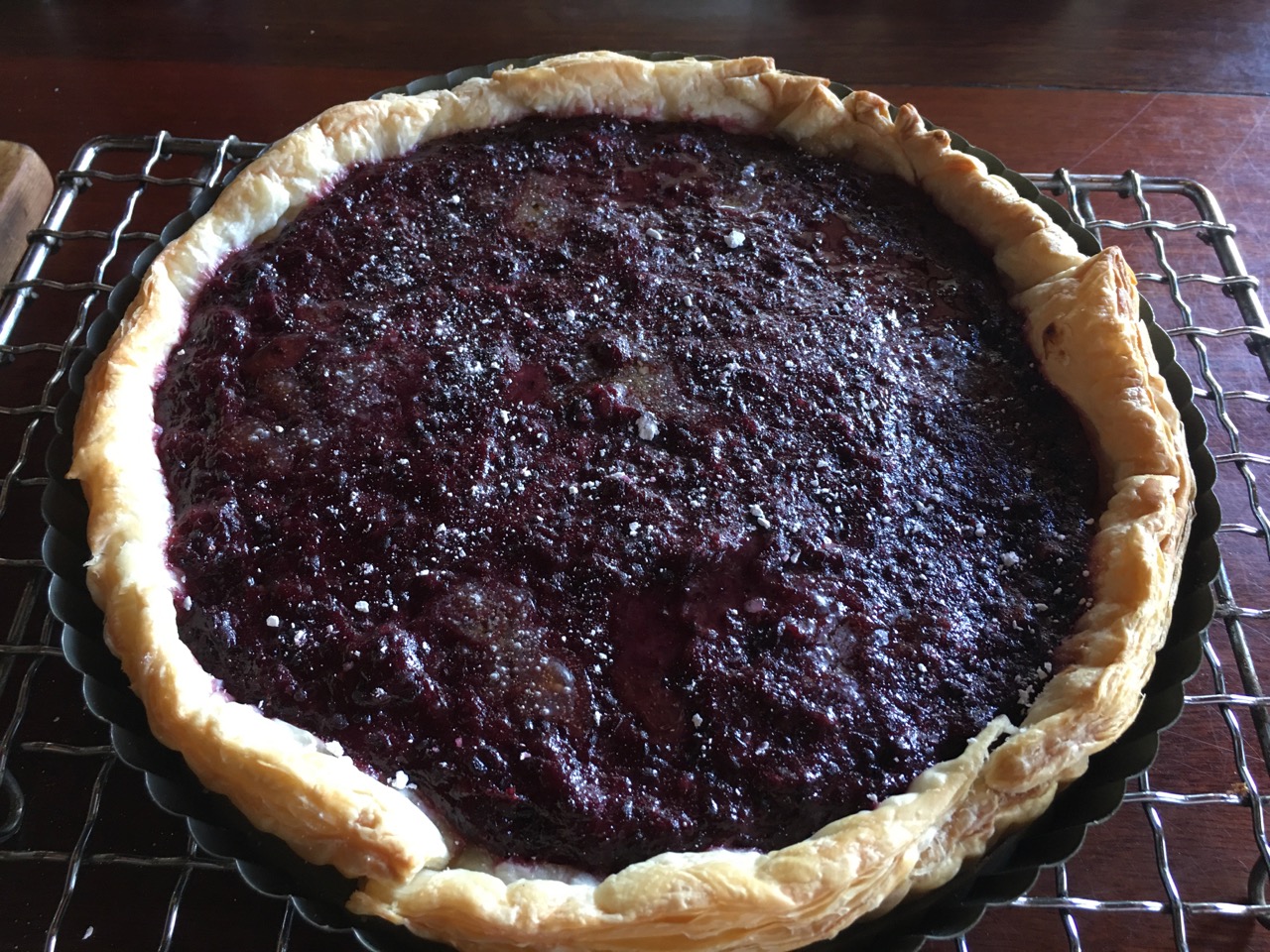
Instead, I decided to make a youngberry tart, using last years Youngberries that I preserved and bottled on the 4th of December ‘21.

It’s a lovely tart. It isn’t quite so good as when I use fresh berries, as fresh berries retain a lot more texture and structure to the substance of the tart.

This years berries aren’t ready yet, but the pantry has a few bottles of last years berries that have survived the hungry gap. Principally because we are trying to cut down on our sugar intake.

I don’t add any sugar to the preserved youngberries. They are sweet enough, and every little bit of sugar adds up. But they are wonderful, so rich, so lively with that special mix of acid and sweetness. I love them. They are so special, really unique to this time of year. I really look forward to their season. They follow the mulberries and preempt the cherries.

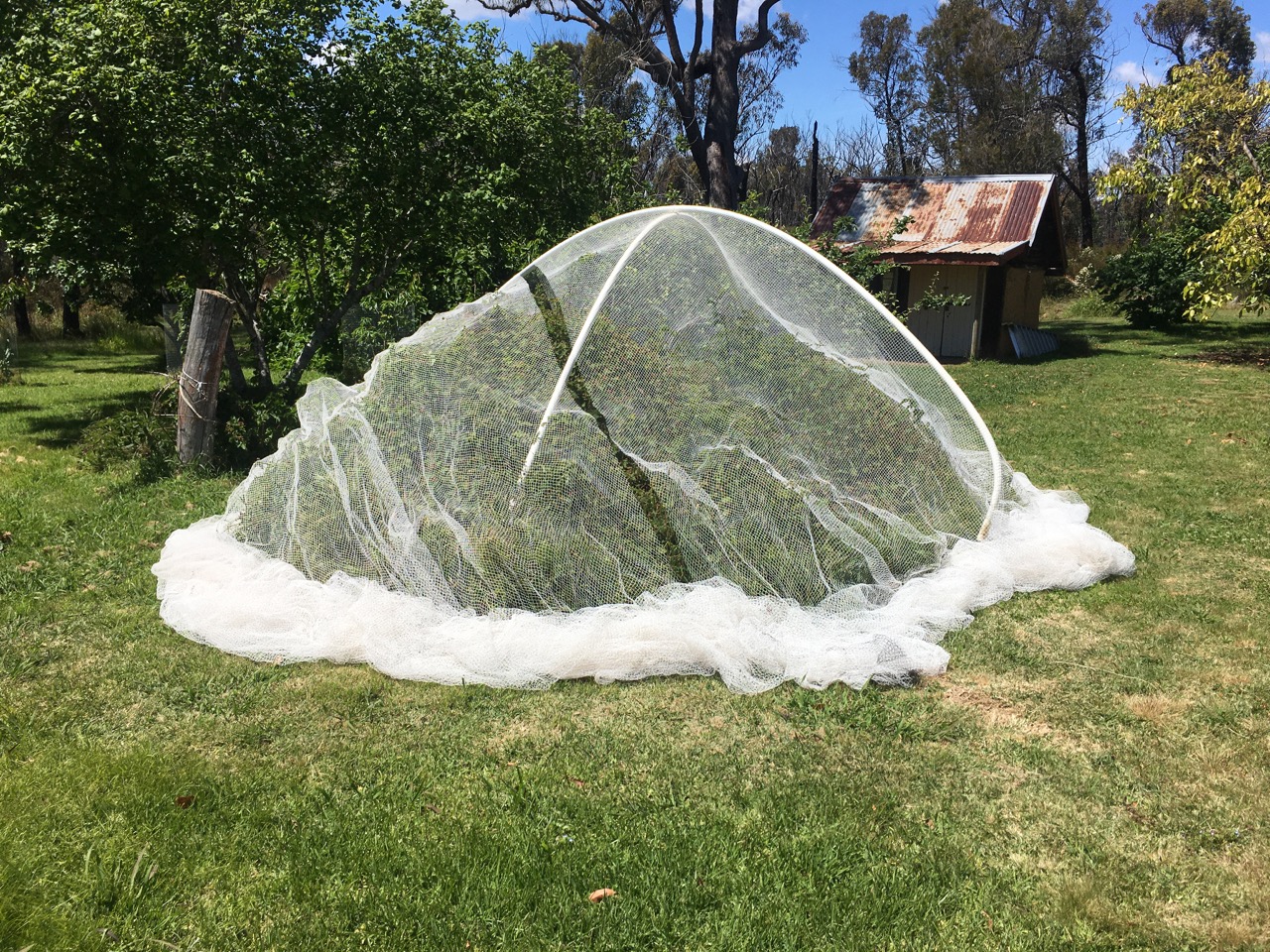
I couldn’t net the mulberries, the tree is too old and too big, so they are all gone, but I can net the youngberries, as they grow on canes at ground level. 

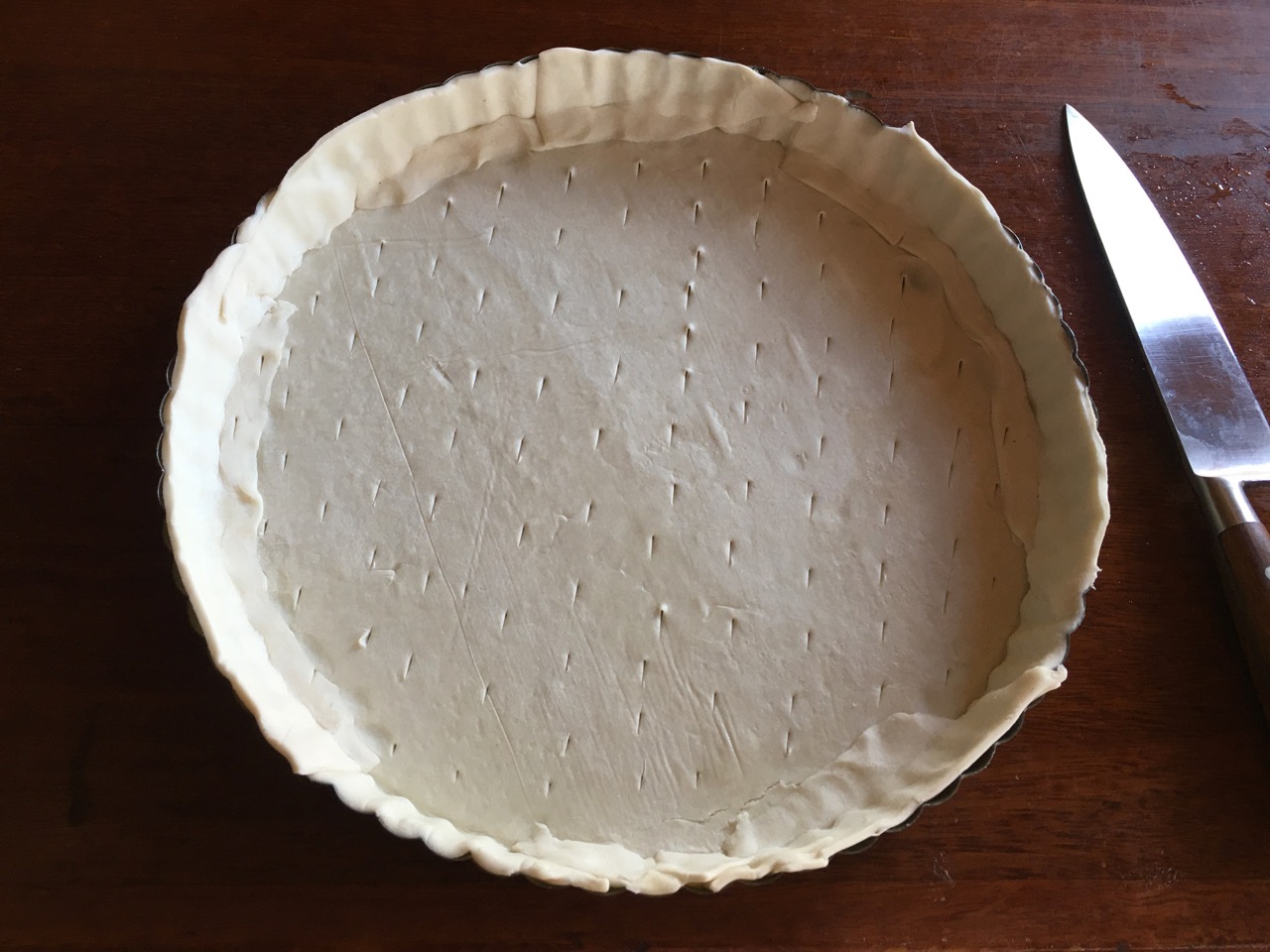
I blind-bake the pastry first to cook it through and then add the fruit, and bake it again to set the fruit.

As soon as we could find the time, we were out in the garden and netted the youngberries. Safe for this season now.

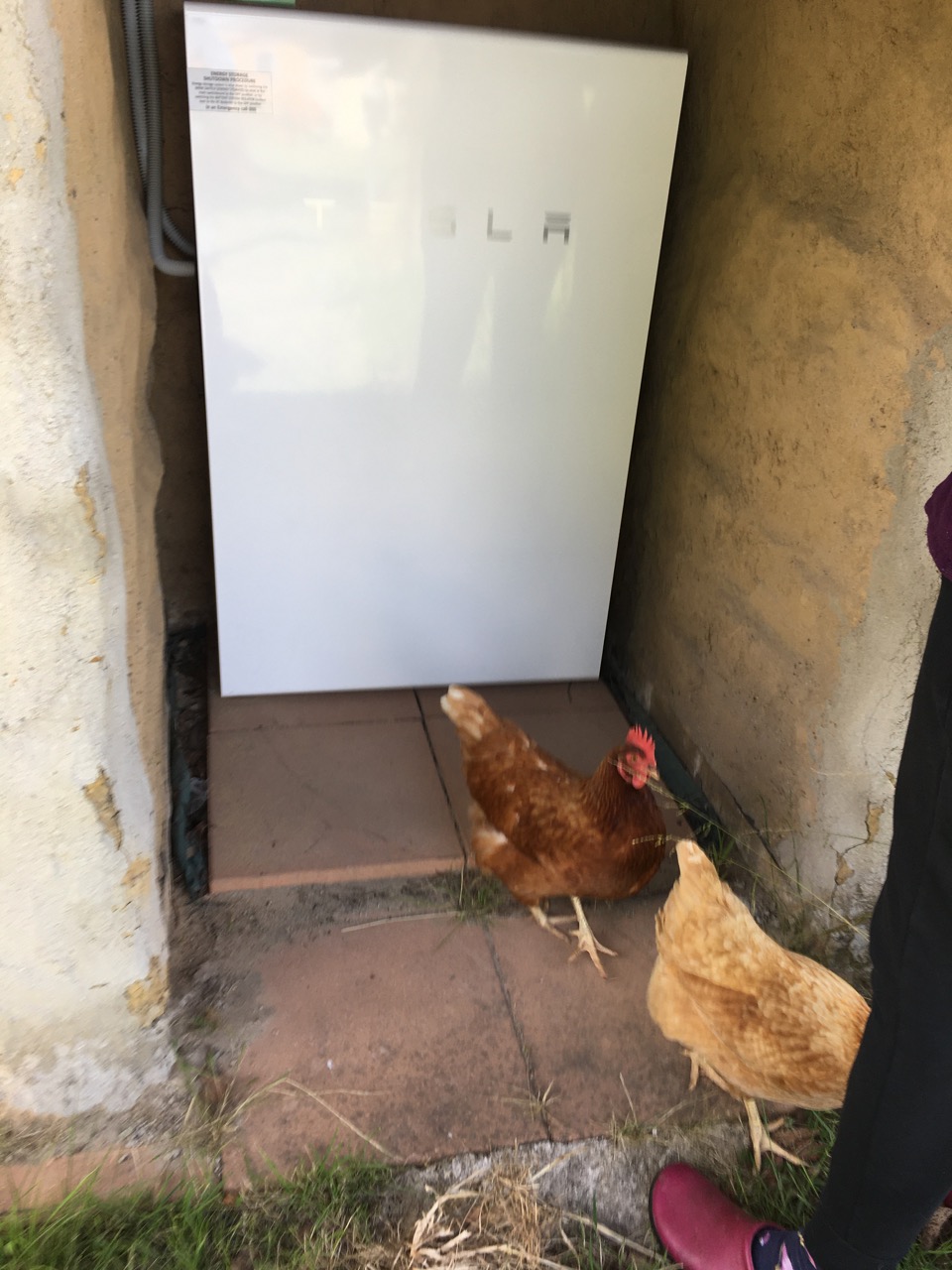
The chickens come out to see the new Tesla Battery. Perhaps they want to know what it is like to be a battery hen? They don’t appear to be very impressed. Battery hens! What’s all the fuss about?

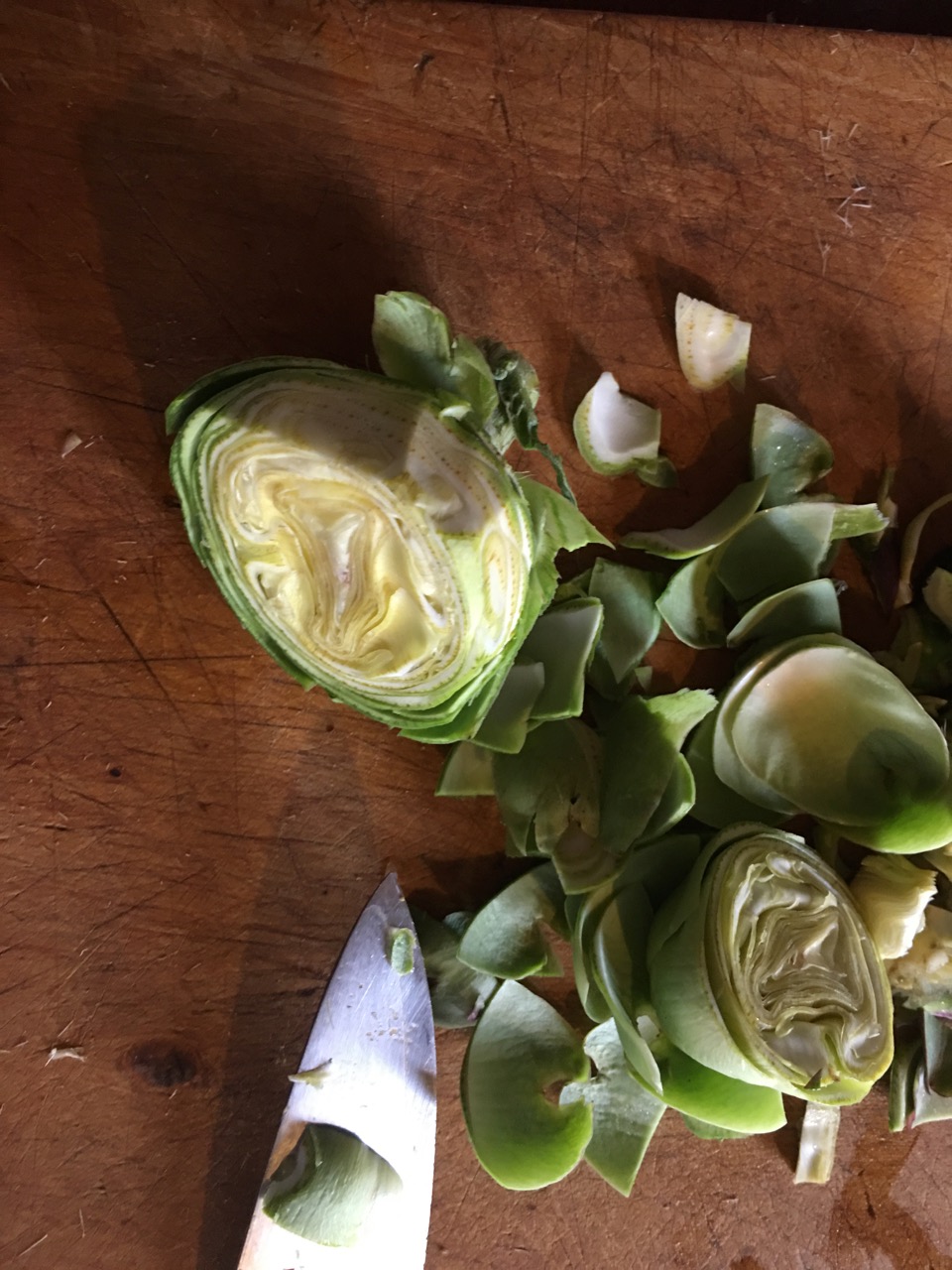
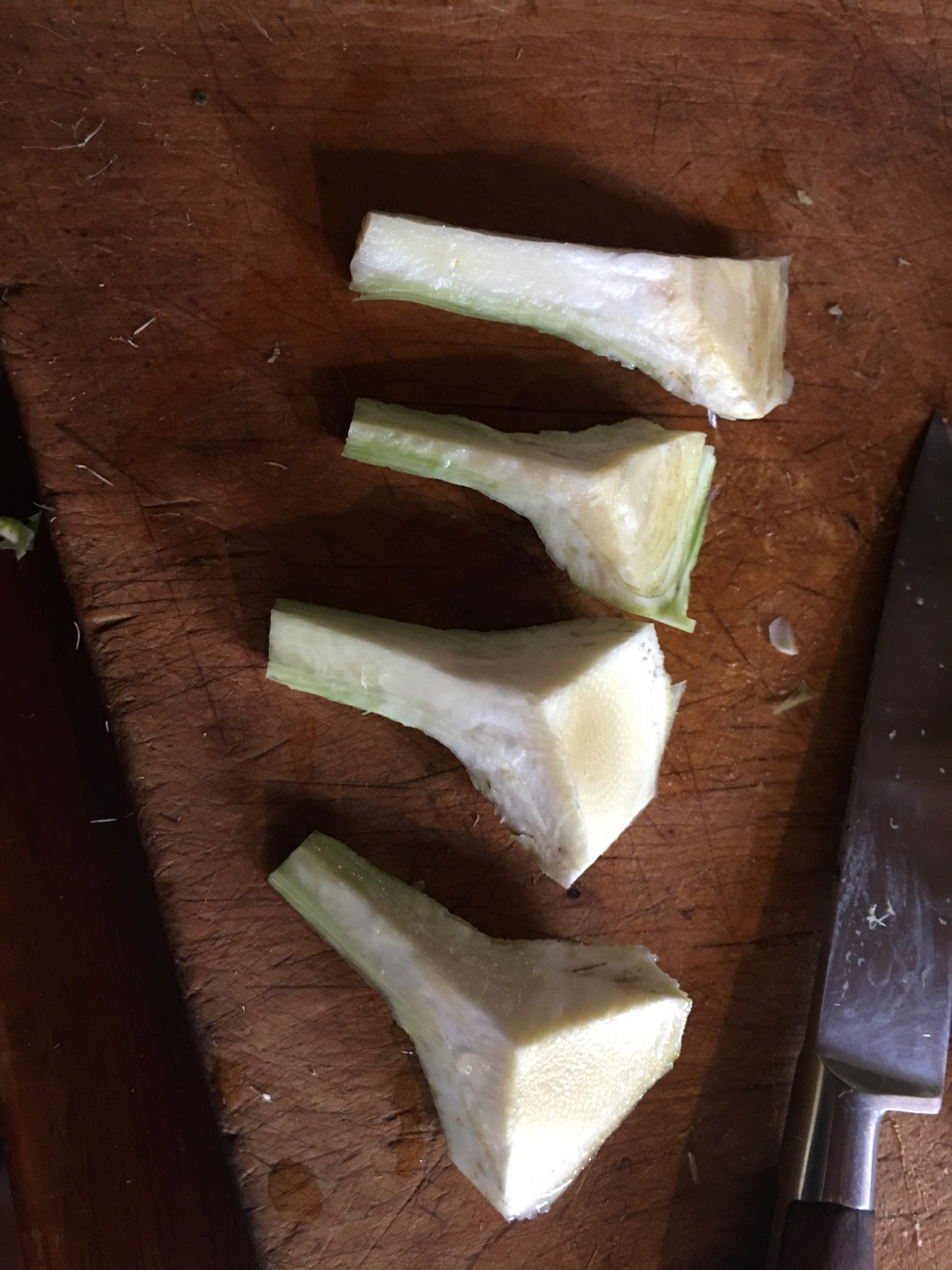
In the garden, we have picked the last globe artichokes. They are a bit past ‘best’, so need to be cut in half and have the ‘choke’ taken out.

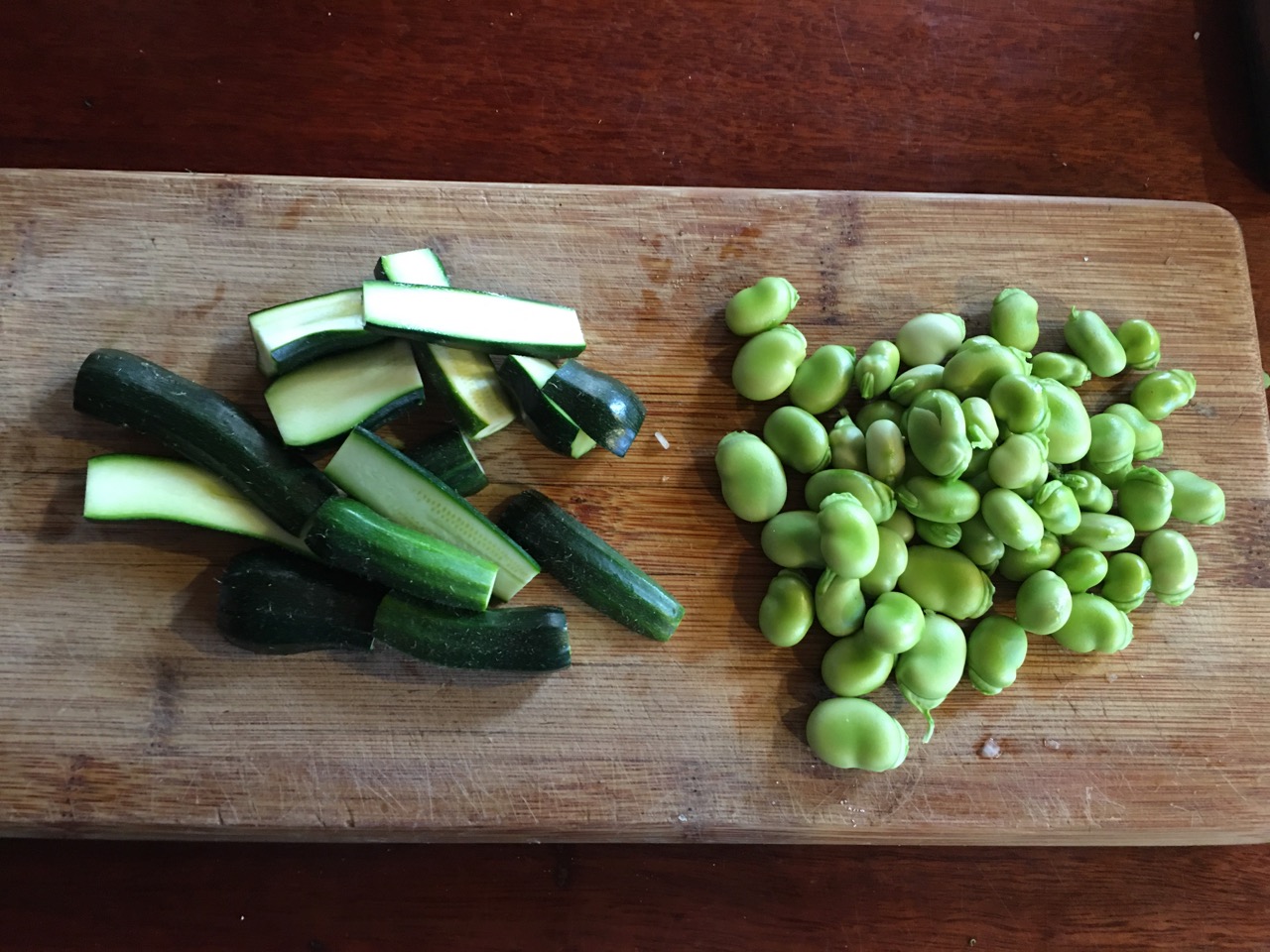
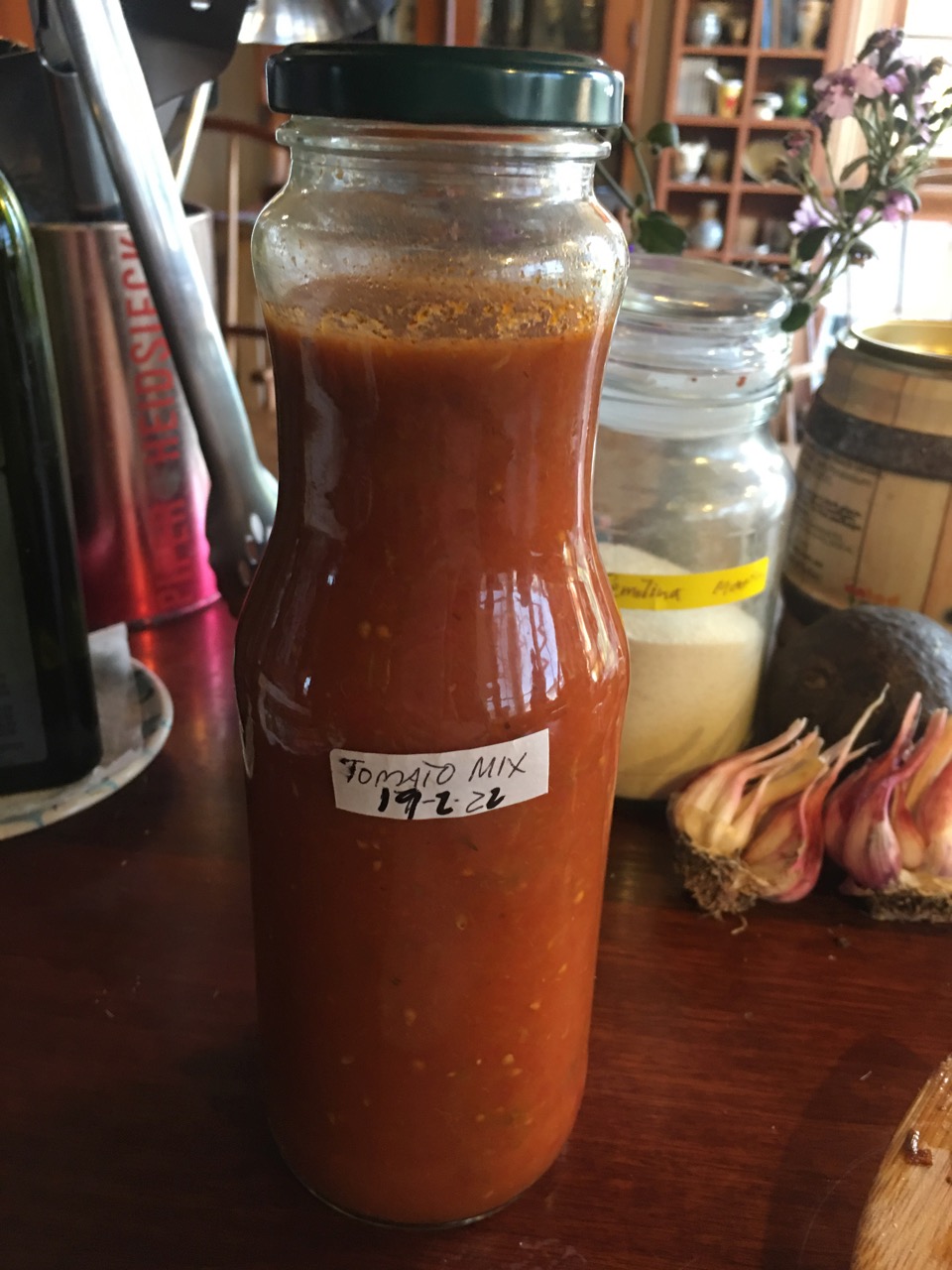
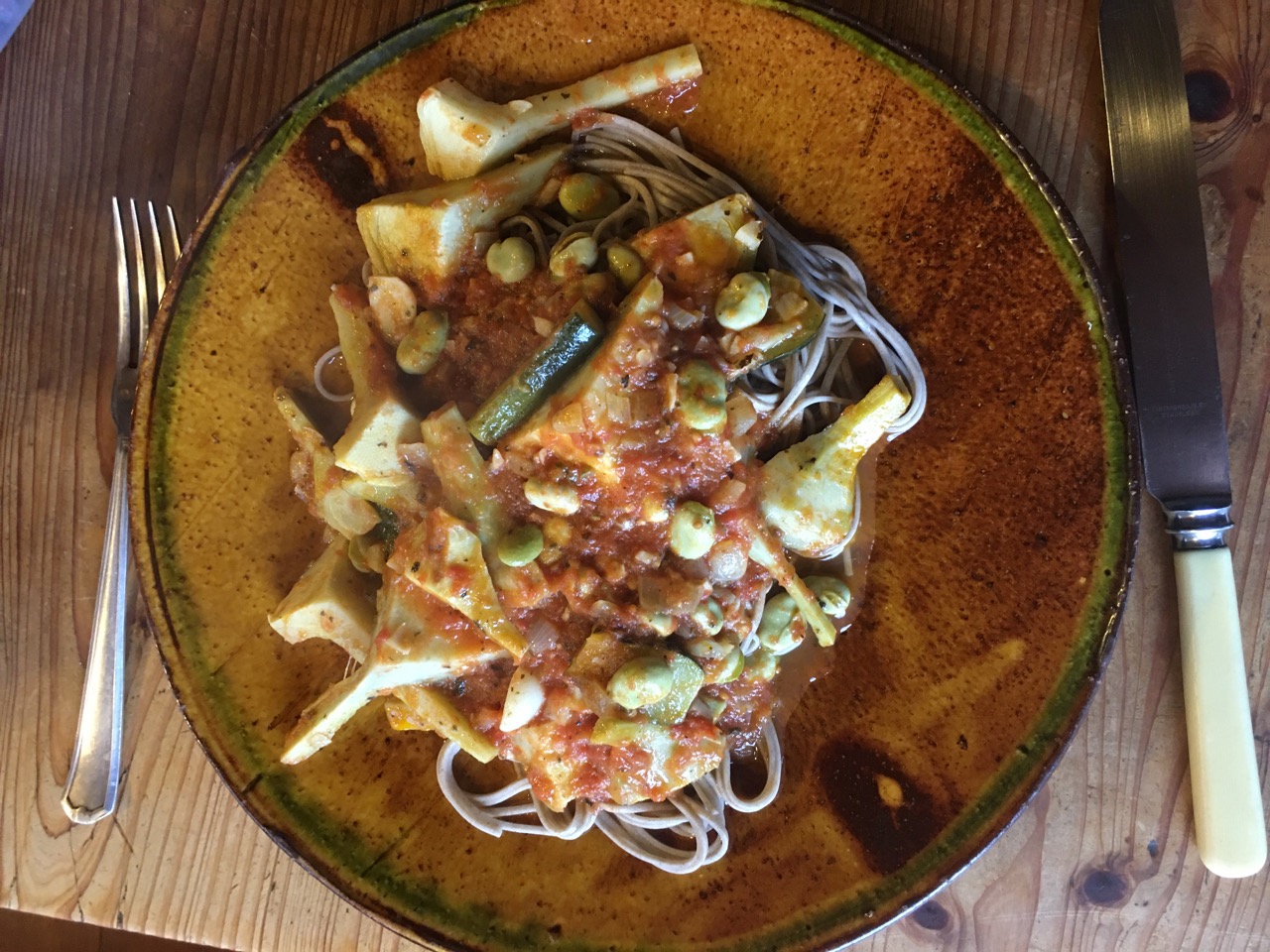
I cut them and trim them down to the essential core of flavour and drop them in lemon juice acidulated water, eventually to make a pasta sauce out of them with our home-made tomato passata sauce from last summer and some little zucchinis and broad beans from the spring garden.

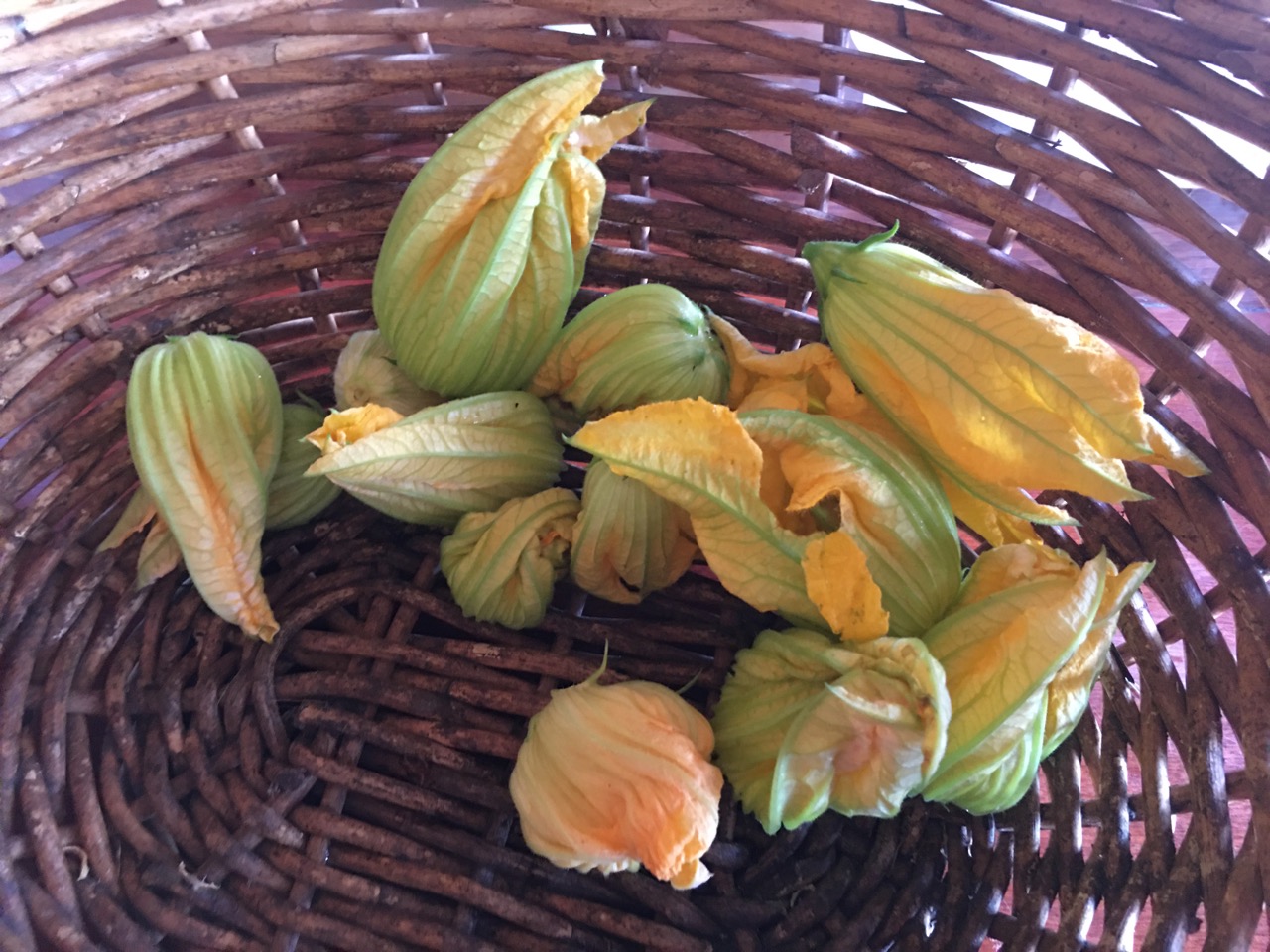
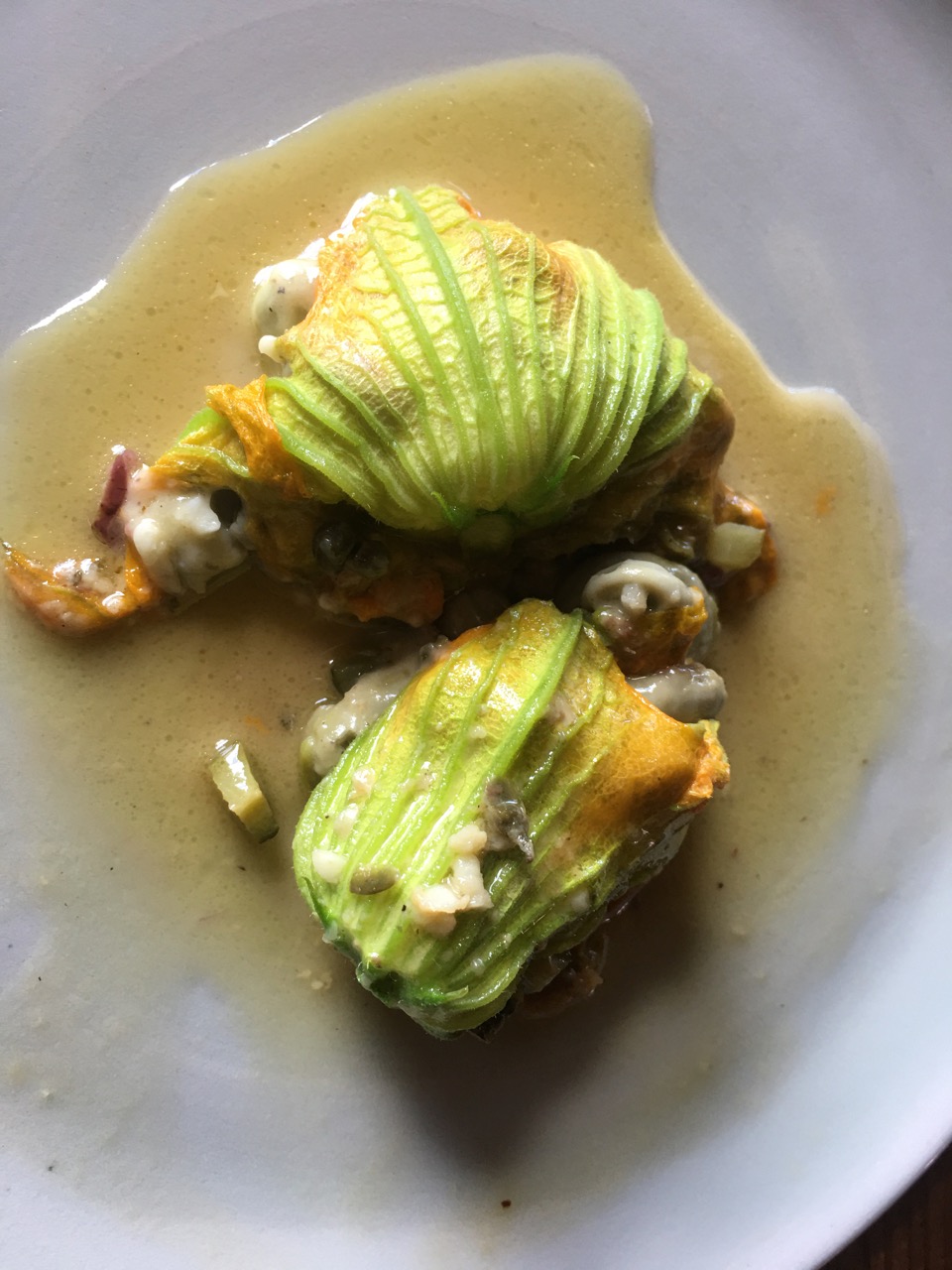
I stuff the zucchini flowers with broad beans, olives, cheese and some chopped gherkins. Not my filling of choice, but I am committed to use what we have in the garden and live with the seasons. We have a lot of broad beans at the moment, and

the last of the winters cauliflowers.

We eat the cauliflower raw with just a little bit of mayonnaise. It makes a lovely entrée.

Recent wood kiln firing

In preparation for the up-coming Open Studio Weekends on the first two weekends in November, we have been hard at work making and firing to get everything ready in time.

We are still working on the pottery shed, as it isn’t quite finished yet. So much to do, but it is almost there. We have to stop the building work to concentrate on making pots now.

There are so many little bit and pieces of the building that need to be cleaned up and properly finished. The team of shed builders who erected the frame for us were working very quick and rough and left a lot to be desired in terms of details. I’m still finding out the places where they didn’t finish off the flashing, or didn’t put enough silicon in the joints here and there. But their biggest crime was not using metal screws with rubber seals, so I had to go around the whole building and squeeze silicon rubber over all the external screws to waterproof them. It probably only saved them $10. Such is the state of modern building trades. Fortunately we didn’t buy a high rise home unit with cracks in it, so we couldn’t live in it, but still had to pay the mortgage. That is so unforgivable. With all this rain over the past year, I’m still discovering places that leak or just little annoying drips that need attention. 

The framing crew did at least get the frame level, square and true. I’ll give them that much. The building inspector from the council who came and inspected our job, told us that this was one of the better frames that he had seen. Some were so bad, he had to call the builders back to straighten it up.

Janine and I have done nearly all of our building work over the years as owner builders here for the past 45 years, but this rebuilding job was just beyond us in our ’senior’ years. Especially the scale of it and particularly after working ourselves into the ground with all the clean-up work that we did after the fire. By the time it came to start re-building, we just didn’t have the energy. After the 6 months of cleaning up, we were ready to hand over to a team who supposedly knew what they were doing when it came to erecting a steel fame shed — sort of. They were certainly well practised at making short cuts.

This last weekend we fired the wood kiln. This was our 2nd firing in this new kiln and we are still learning how it works and getting to know its peculiarities and character.

We had Len Smith, Rob Linegan to help and Jan Kesby called in after her workshop at Sturt Pottery to give us a hand, as she was in the neighbourhood.

Lighting the kindling fire with just bark and twigs.

The kiln at full fire, burning logs on the hobs.

Rob and Len doing their bit.

Jan Kesby showing us how it’s done.

We will unpack later in the week after it has cooled down.

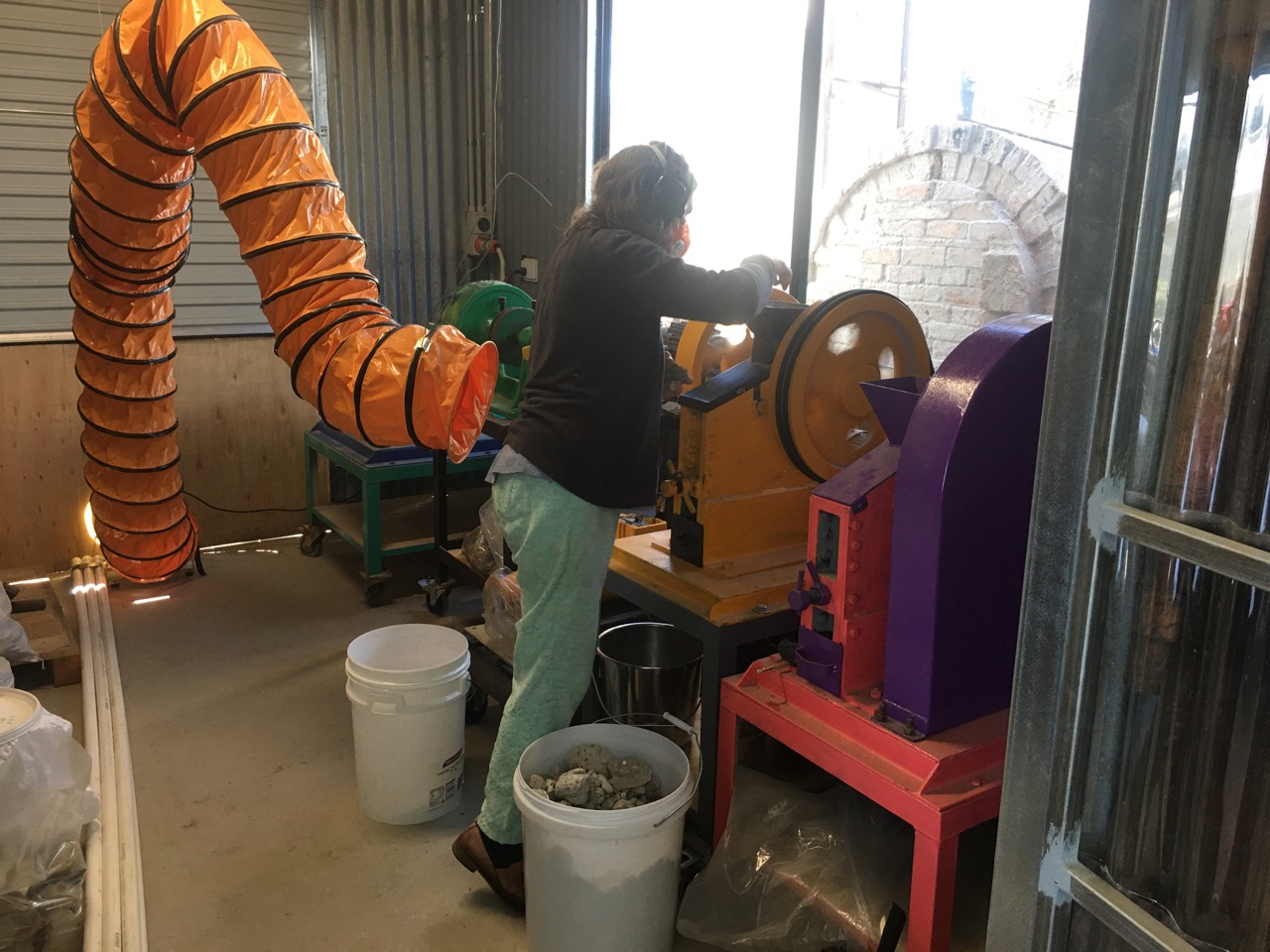
Janine putting stones into the rock crusher. Wearing her dust mask and with the exhaust fan pulling any dusty air from the room.

Janine has been crushing and grinding her beach pumice stones to make her sea-ladon green glaze. Made from just beach pumice and beach cuttle fish carapace ‘shells’.

She has also been making up her ‘Chun’ or ‘Jun’ blue opalescent glaze  that she makes from the ash from the kitchen slow combustion stove.

They both require crushing and then grinding in the ball mills to get the best result. There are so many little steps that go into being a self-reliant artist that most people just couldn’t imagine.

Then there is the splitting and stacking all the wood for firing. Everything takes time. We only have pre-burnt logs to fire with now, as every tree on our block of land was burnt. So we have a few hundred tonnes of standing dead wood to use up for the rest of our lives, but regrettably, since it is already pre-burnt. It has lost a lot of its volatiles, saps, kinos and resins. This means that we have to invent new ways of using it up in the kilns, as it is a bit like firing with charcoal than fresh timber. It still burns, but with a short flame and doesn’t really crackle and roar like it used to pre-fire. One solution I’m trying is to split it finer, where that is possible, but the stringy back that grows around here has a very twisty, gnarly, well integrated grain, that doesn’t easily lend itself to fine free-splitting.

Another option is to re-build the fire box to adapt it better to this charcoal rich environment, larger and with more provision for burning charcoal and ember? That’s a much bigger job, so I’ll try all of the easier options first. Time will tell.

Reading About Peasant Gardening and Cooking

I’ve been reading a few books on French cooking. Not, cordon bleu, or bistonomy, but old peasant recipes for home-grown, self-reliant peasants cooking of the South West of France in the Perigord and Gascon regions.

I’m interested in how people manage their vegetable gardens to keep a steady flow of food coming all through the year. How they preserve their excess and particularly, just how inventive they were at creating wonderful and delicious recipes from some quite un-promising ingrediants.

I was introduced to organic back-yard vegetable gardening by my grandfather and mother. But didn’t take sufficient interest in the details of it all at the time, as I was quite young, and kicking a ball around the yard was more fun.

When Janine and I moved into our first own rental property in 1975. One of the first things that I did was to dig up the back yard, start to plant veggies and build a compost heap. It seemed so natural to me. It was just what you did if you wanted to live cheaply and frugally. Planting vegetables went hand in hand with building the first little kiln, both equally important.

A year or so later, after we were burnt out in the first of 3 bush fires that we have lost potteries to, we bought the Old School building here in Balmoral Village, we started a vegetable garden as soon as we got the key, even before we had the title deeds. Long before we moved in. We would come down on weekends and plant and then water the seedlings, so that there would be food for us when we arrived permanently.

We were lucky to meet and become very close to a couple of the local residents, John Meredith the writer, musician and folklorist, and Dot and Roger Brown, who were the village’s longest residents. Dot’s mother was still alive then, she lived till she was 103 years old. Both of these older residents had extensive vegetable gardens and small household mixed orchards. They were a great inspiration to us and were so supportive in each passing on either chickens or ducks in breeding trios to get us up and running. We set up a pottery throwing room in the front room of the 2 room school classroom. We also cleared the land, fenced off the area for the stone fruit orchard, all in the first few months and had 30 fruit trees planted that first winter.

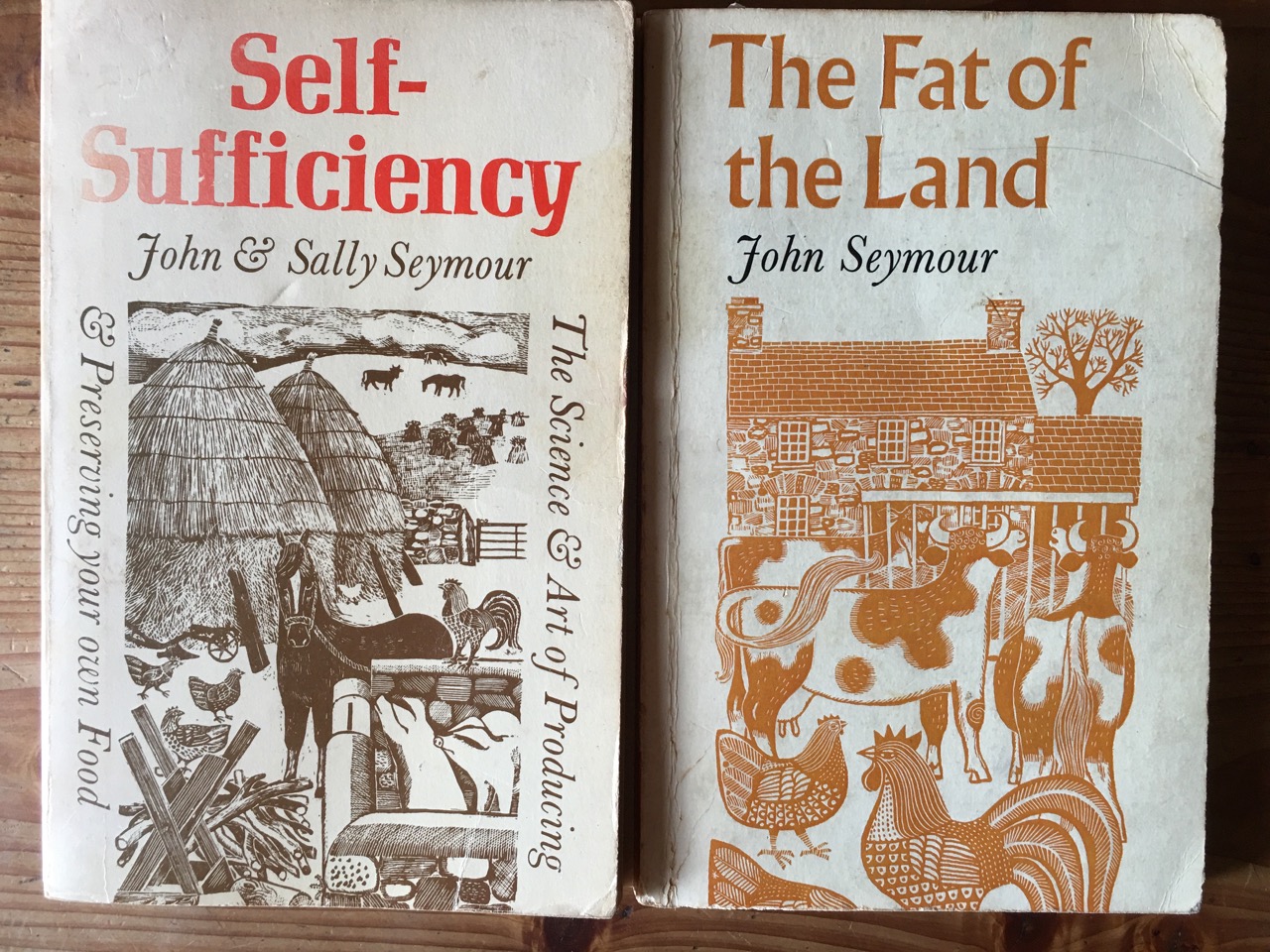
A few years later Sally Seymour came to visit us from Wales. She and her husband John Seymour wrote books about their life of living off the land in a small scale, self-sufficient way. She was so knowledgeable about everything that we needed to know. She was also a potter. Sally returned a couple of years later and lived here with Janine for a few months, while I was away in Japan studying.

We had already bought and read both of their earlier books before we met Sally. Sally is still alive and living in Wales with her daughter and son-in-law. You can check out how they still live and work creatively and sustainably at their web site. <https://www.pantryfields.com/sally-seymour>

‘The Fat of the Land’ is still in print and available from their website.

I enjoyed reading about Kate Hill’s life and travels on a barge boat in Gascony. I didn’t learn very much that I hadn’t already read elsewhere, or already learnt to cook myself, but it was a good read. 

I picked up this book for $2 in a 2nd hand book shop, an interesting read by an American food writer about his one year sabbatical spent in Gascony learning to cook.

Peter Graham was a professional writer who lived in France for 40 years. He died recently. He was ‘The Guardian’ newspaper’s food and restaurant critic for 20 years. The book is a list of recipes linked by anecdotes, and has less story line to support it, more in the vein of Patience Gray’s ‘Honey from a weed’. However, I actually preferred the book ‘Extra Virgin’ by Annie Hawes, which is all amusing story and no recipes, but she has humorous descriptions of the local wives preparing food and cooking. All described in a very lighthearted manner.

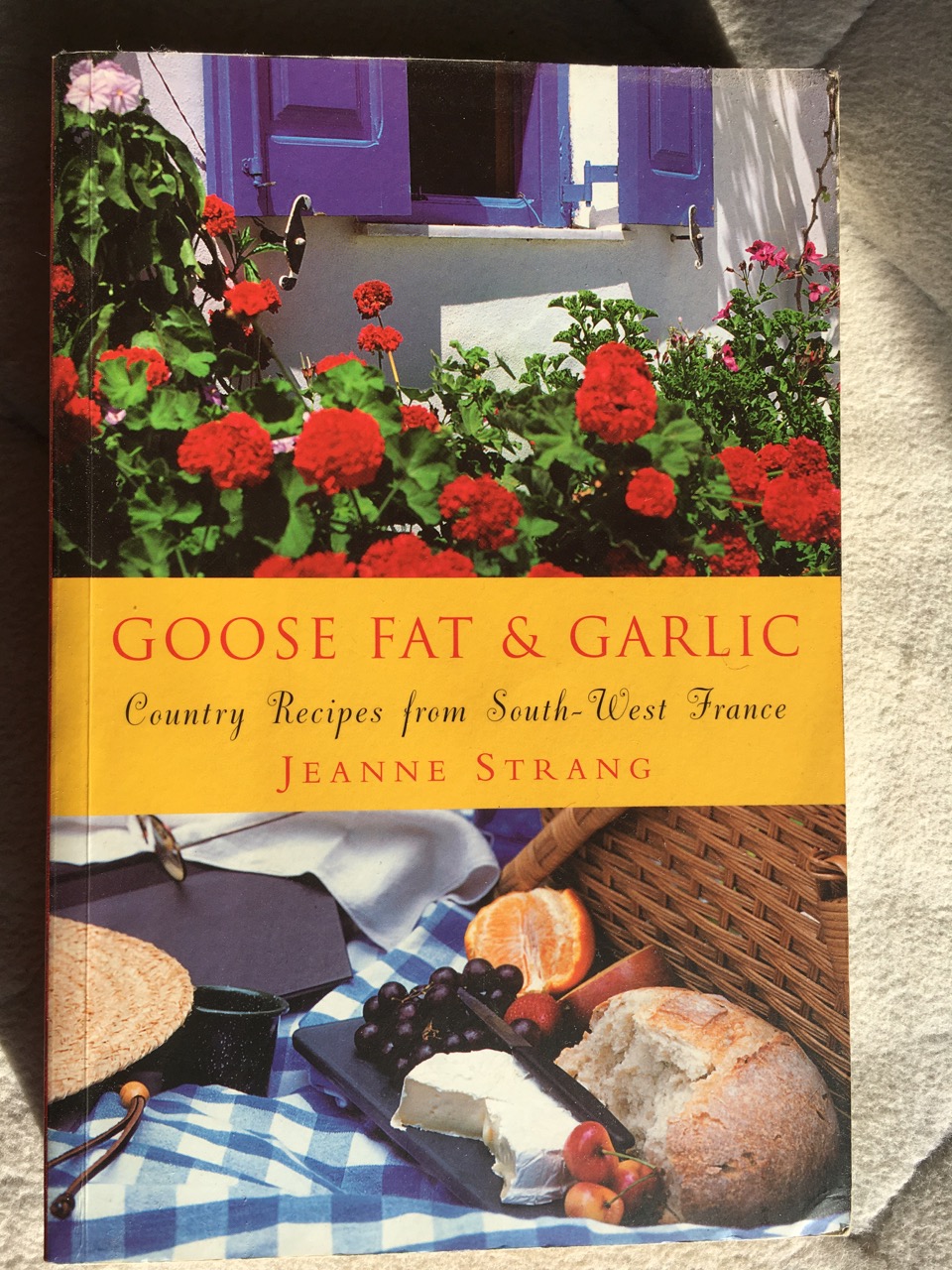
Jeanne Strang’s book was interesting mix of personal story line and recipe book. I learnt a few things that I have incorporated in to my cooking. On and Off.

None of these books are your typical recipe books. None of them have full page glossy photos of luscious food. You’ll need Jamie Oliver or the English food porn lady for those. These are all black and white, text based books, printed on cheap, pulp, paper by people who love cooking, and living in France. They have all lived and worked in Gascony and collected their anecdotes and recipes over extended periods of time living the life in amongst the locals.

Having digested all that these other books had to offer, I tempered my appetite for goose fat and foie gras, by reading Norman Swan’s latest on how to live a healthy life for longer. 

Basically his recommendation is not to eat all those fatty, rich, calorie loaded foods, instead he recommends to intensionally starve yourself – albeit with moderation. He recommends following the ‘Mediterranean diet’, based on pulses, vegetables, a little lean meat or fish and to avoid preservatives, salt and smoked or saltpetre treated meats. He also says to put in at least one hour of vigorous exercise each day. YES, one hour vigorously, each day! To stimulate metabolism and burn off calories to keep your weight down. 

I think that I might probably be OK, even better off,  to just eat those French cooking books listed above. Paper is fat free, high in ruffage and low in calories, just right. 

Normal would approve.

More Mottainai

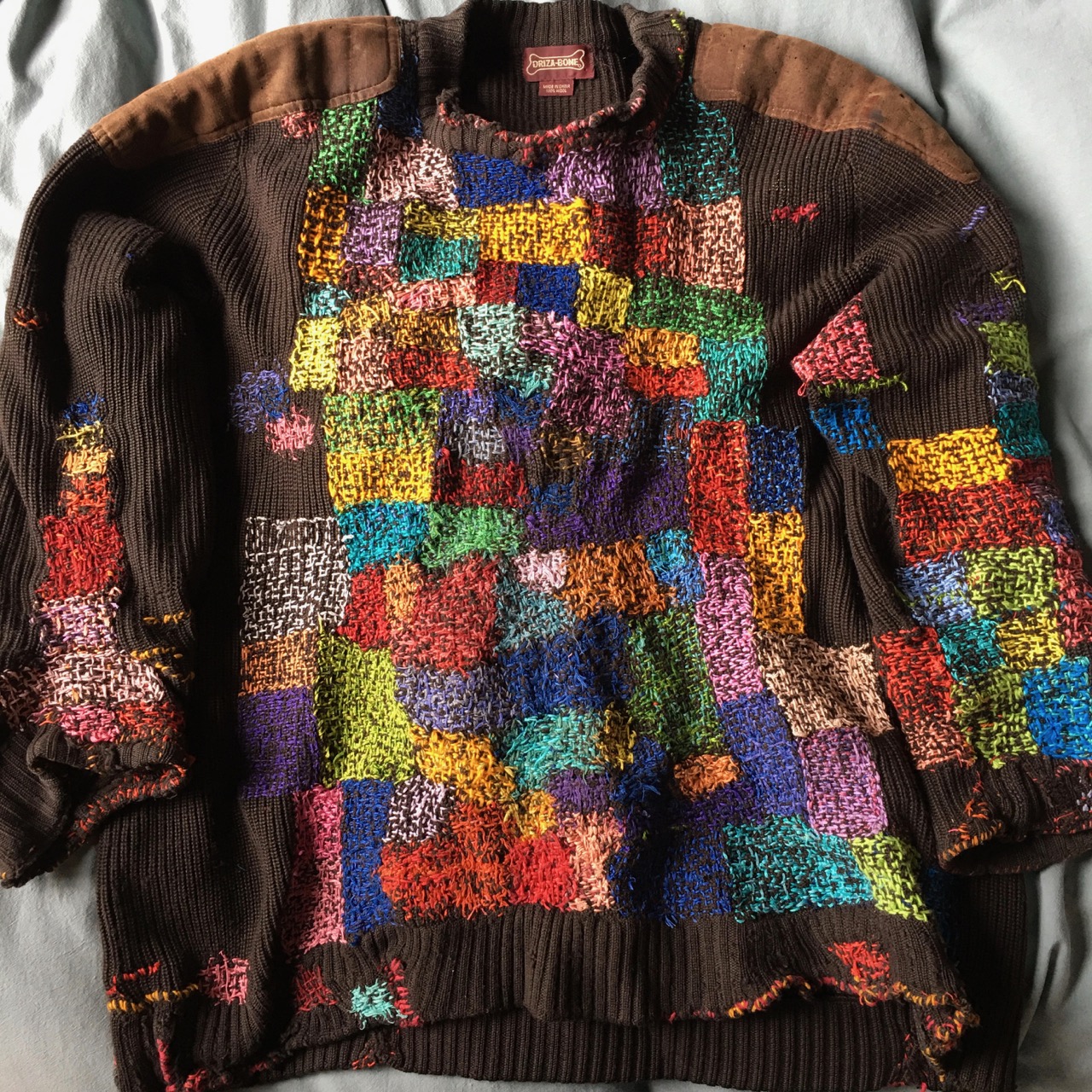
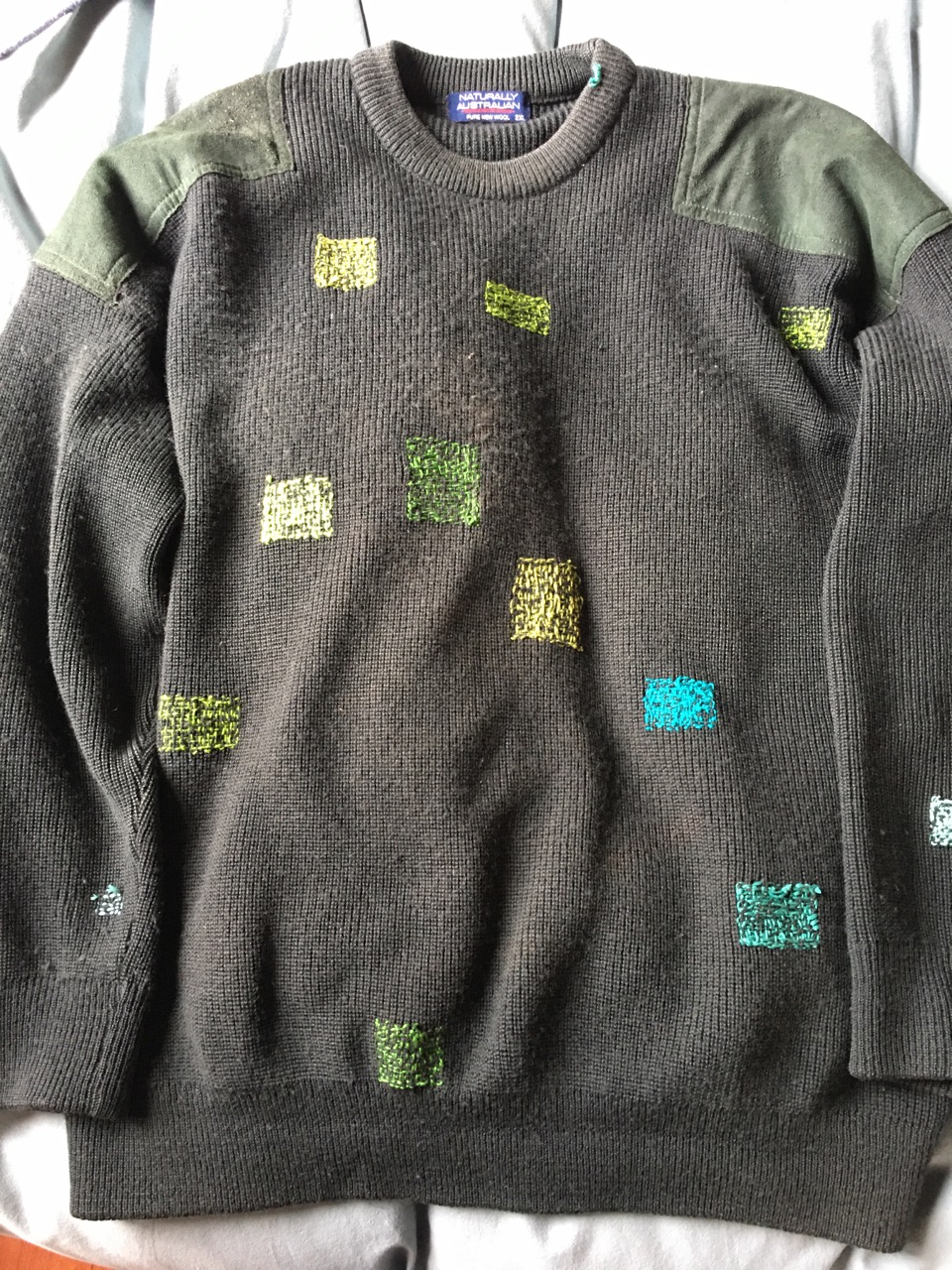
There is such a beautiful optimism about spring. The weather is warming up. We even have clear, bright, warm days when we take our jumpers off! My brown work jumper that I wear when I’m welding and/or firing the wood kiln has had a lot of holes burnt into it over the past 15 years. I have been slowly working on it over that time repairing the holes by darning colourful threads over the gaps. It has started to become something more than just an old, repaired, work jumper now, it’s becoming a work of art in itself. I’ve spent this last week of evenings in front of the wood fire fixing it up for another year of hard work. It’s become something more than just a jumper. It’s becoming a treasured item, embodied with effort and work. Not just the work that resulted in all the holes and burn marks, but the extra effort in its recovery and repair. It’s a bit like doing a kintsugi repair on a treasured pot that got broken. I do that too.

I also have a better, but also quite old woollen jumper that I used to keep ‘for best’. ie. for going out in.  I keep it in a plastic bag over the summer months, filled with herbs and lavender, to keep the moths out. But over the years, the little tenacious critters seem to have found their way in every now and then and now this jumper too has a few holes in it. So after I ‘finished’ the brown jumper. I started on the next one. It only has a few small moth holes, so it was a quick ‘two-nighter’ job. Done sitting in front of the wood fire, keeping warm and getting next years woollens up to speed for the next winter, before I put them away for the summer. Back into the fragrant herb lined plastic bag.

This series of repair sessions that began 13 years ago trying to extend the life of a good quality piece of clothing, slowly took on a life of its own. I think that I may have made this old brown jumper a bit too special for welding and firing now. It’s become rather special in its lovingly repaired old age. 

The Japanese have a single word that sums up this concept. Mottainai!

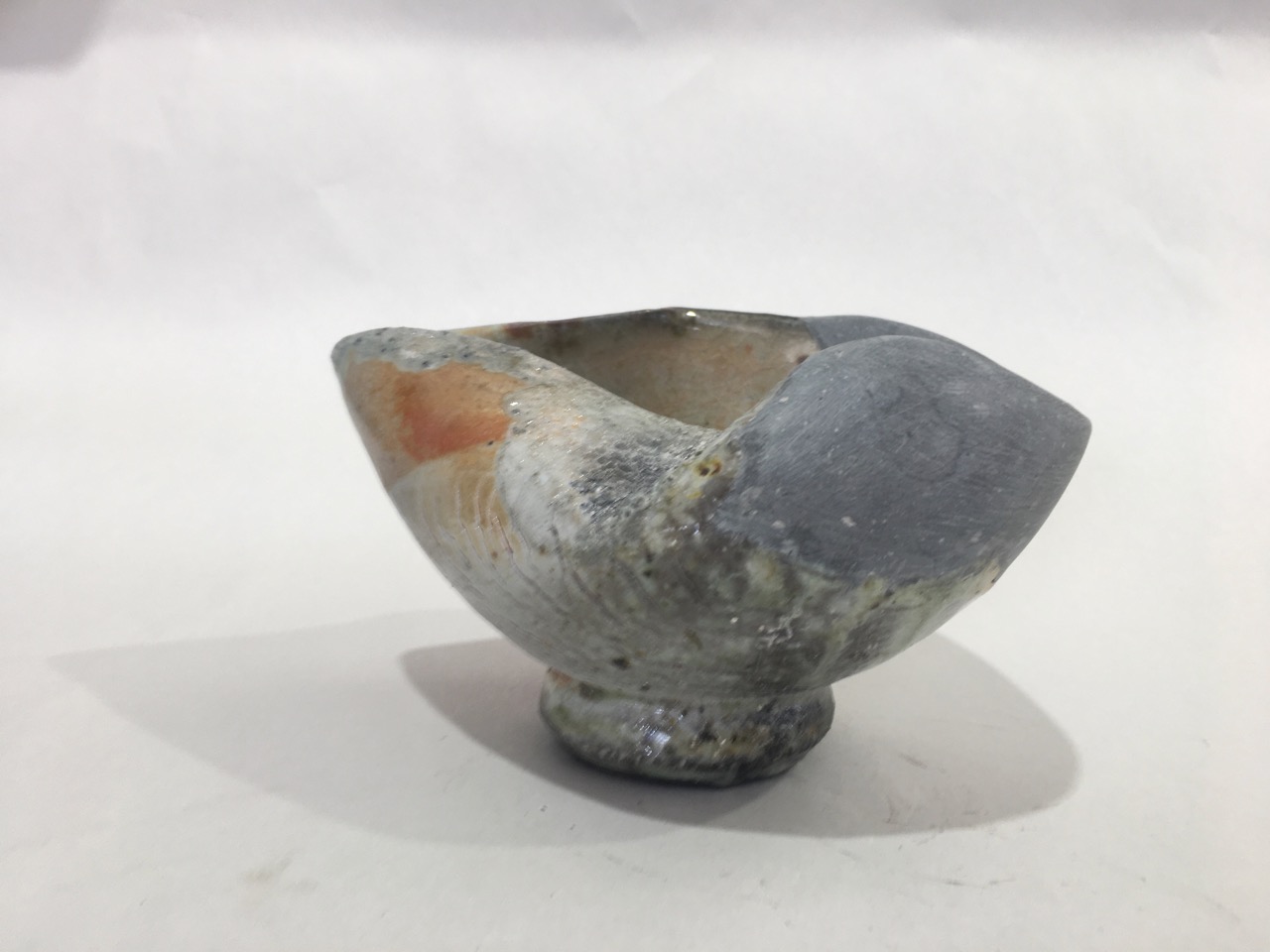
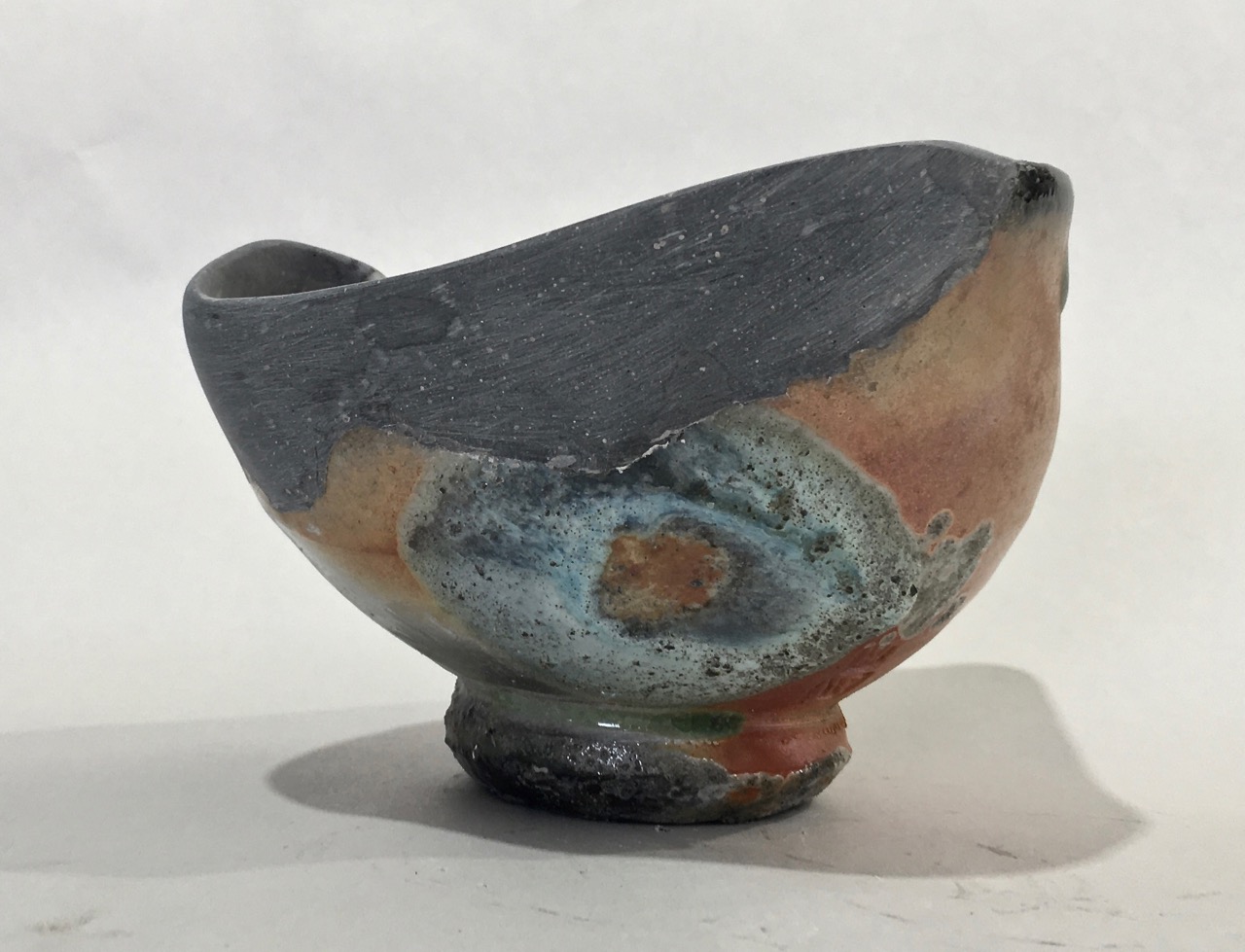
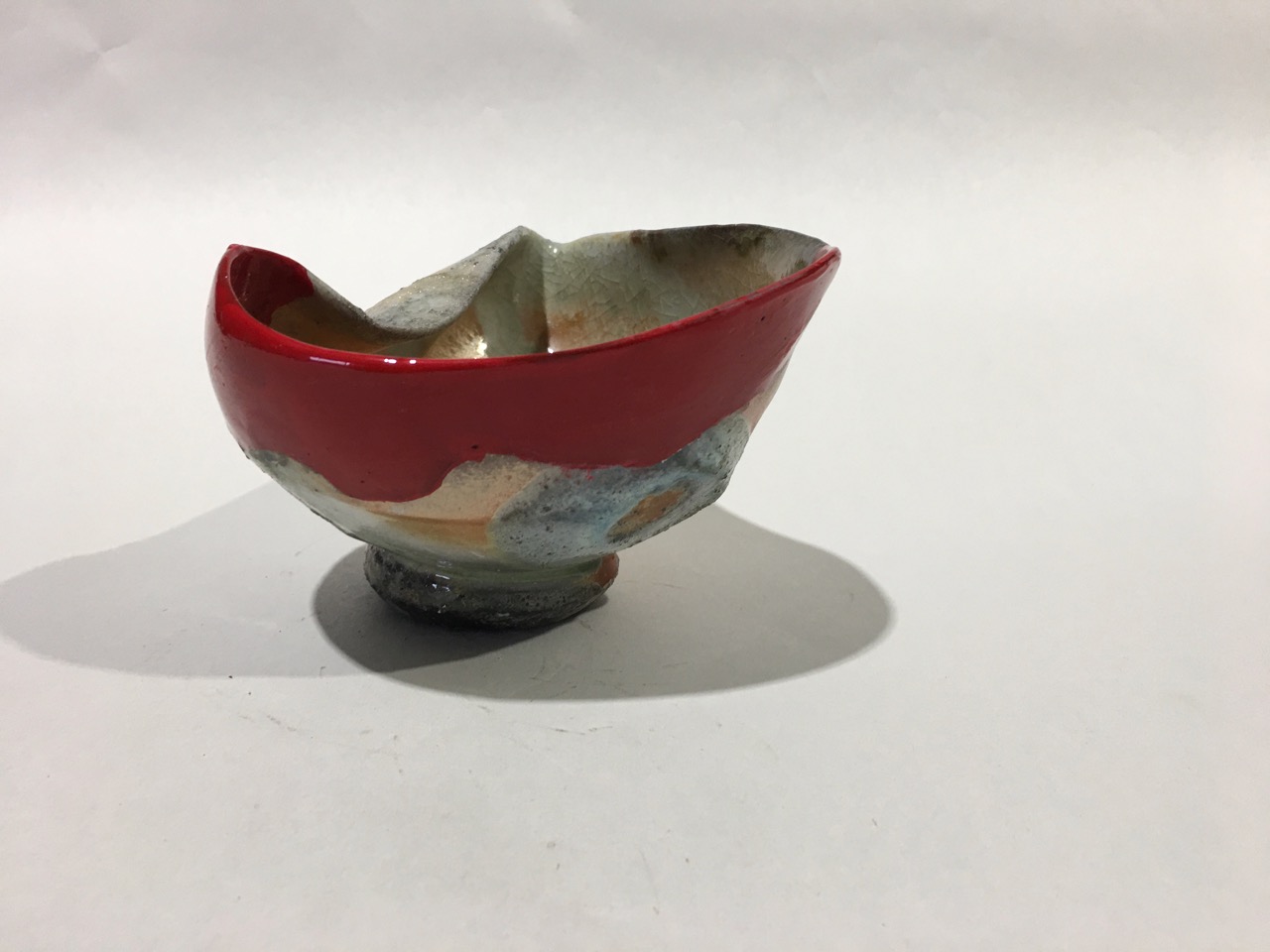
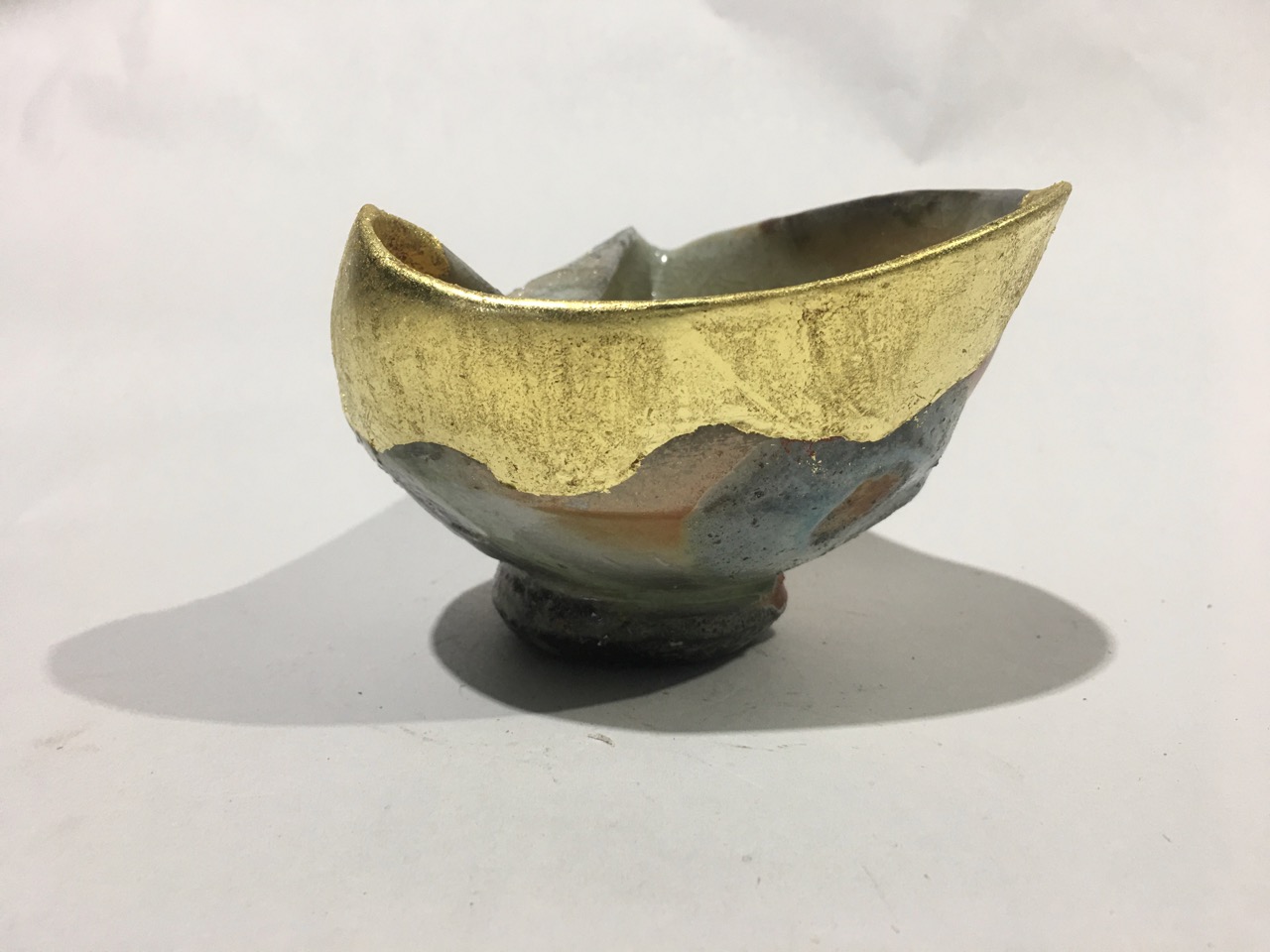
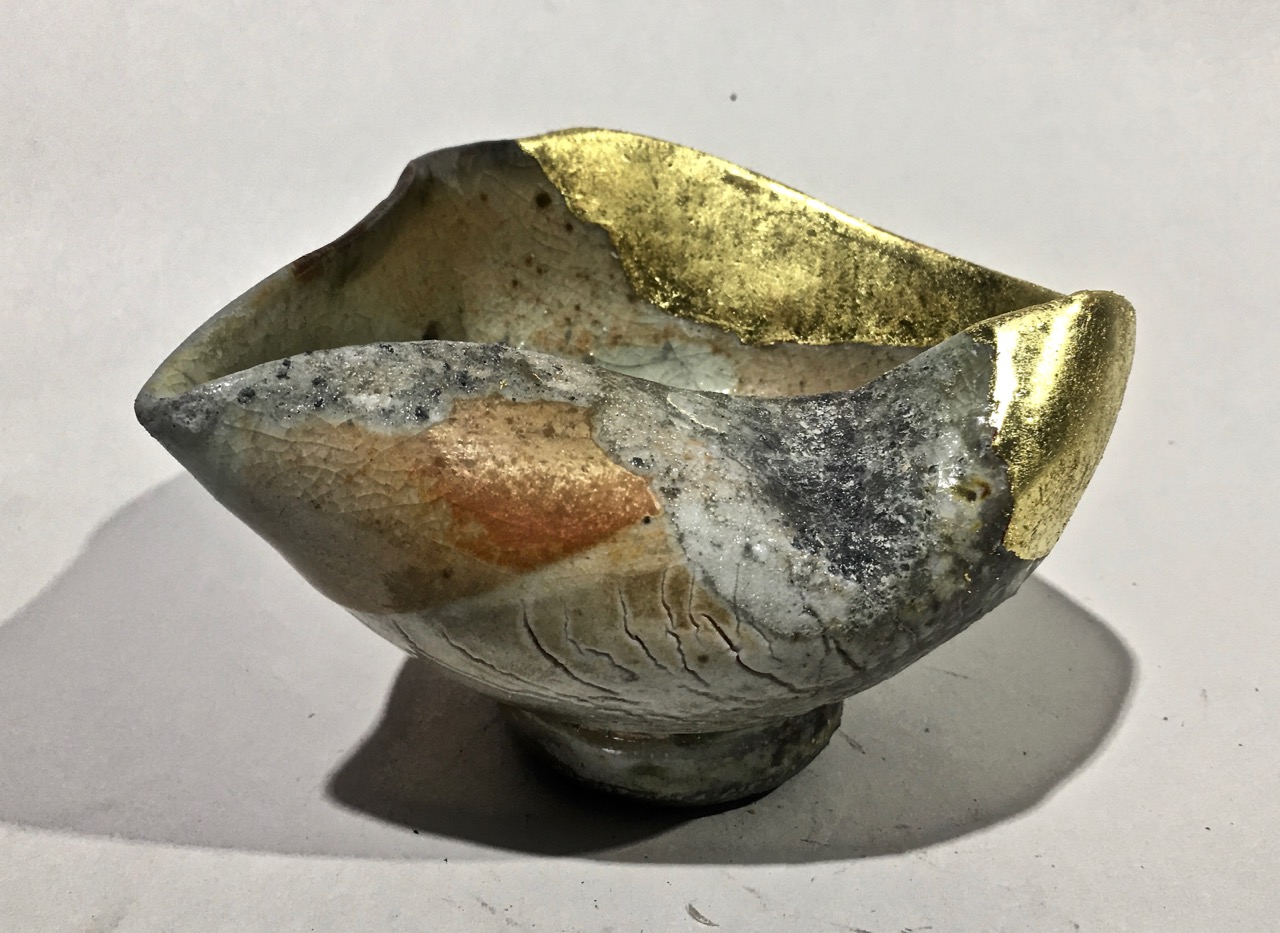
As for the concept of kintsugi that I mentioned above. I have been slowly working my way through a number of special pots that survived the fire. They are all broken, but still rather lovely in their own special broken and shattered way. I have re-built all the broken and missing sections of the bowls using my own home-made epoxy-based filler which I hand-build in small sections,  layer upon layer, grinding back and sanding each layer, then adding on another little section, slowly building the missing section back up to where it once was.

The really beautiful thing about something that you have done yourself, by your own hand, is rather special. These repaired items are more valuable and unique than they were beforehand, not in a financial way, but something more cerebral and emotional. The loving workmanship has transformed them up to another level of complex value. And, in the final analysis, probably also some sort of increase in monetary value, but this is hard to quantify, as such special personal items rarely ever really come onto the commercial market. 

The Last Weeks of Winter

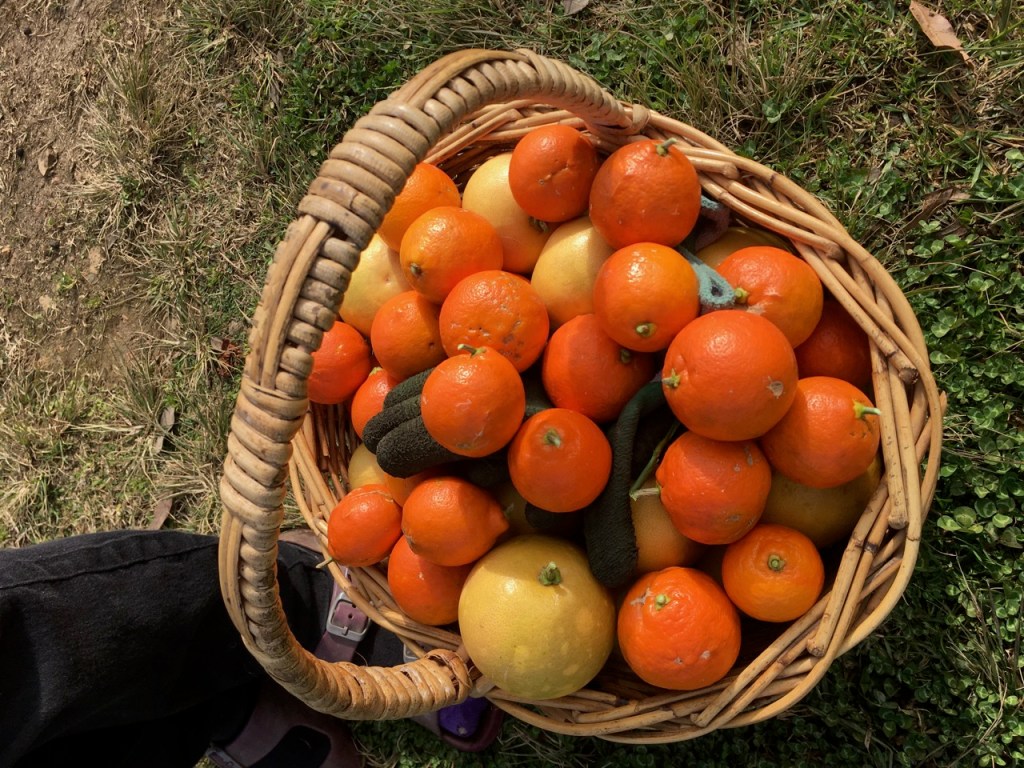
In these last few weeks of late winter, we have been picking loads of citrus for both juice and marmalade.

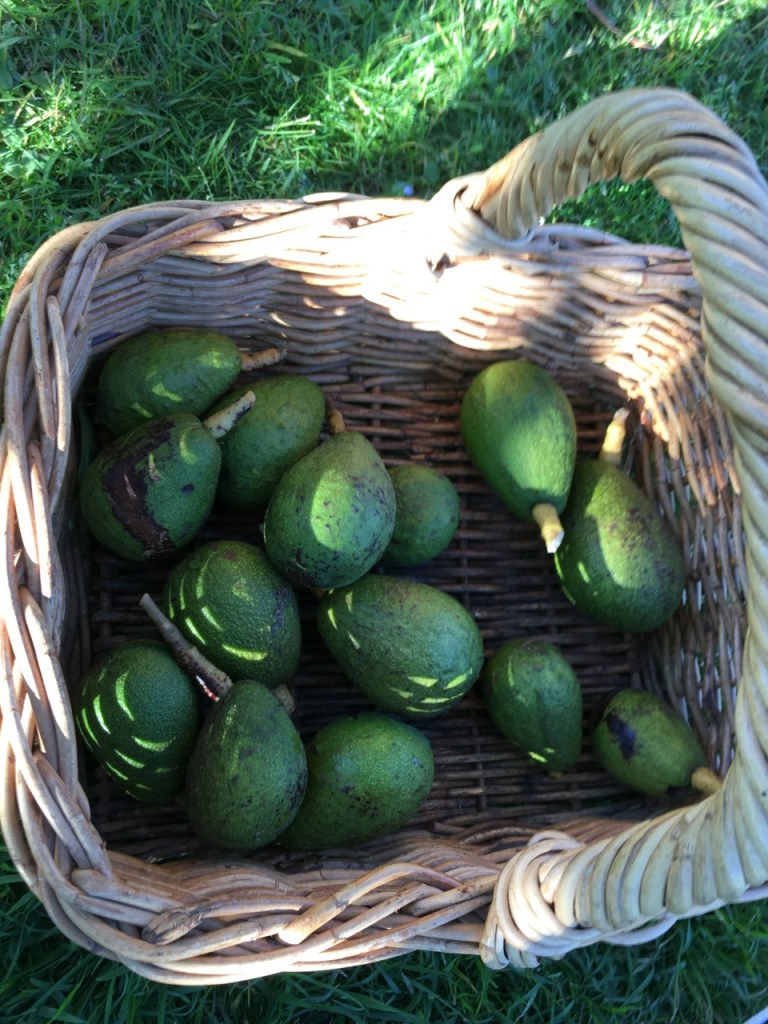
The avocado season is also in full swing with quite a good crop on this year.

This image has an empty alt attribute; its file name is img_4754.jpg
This image has an empty alt attribute; its file name is img_4807.jpg
This image has an empty alt attribute; its file name is img_4811.jpg

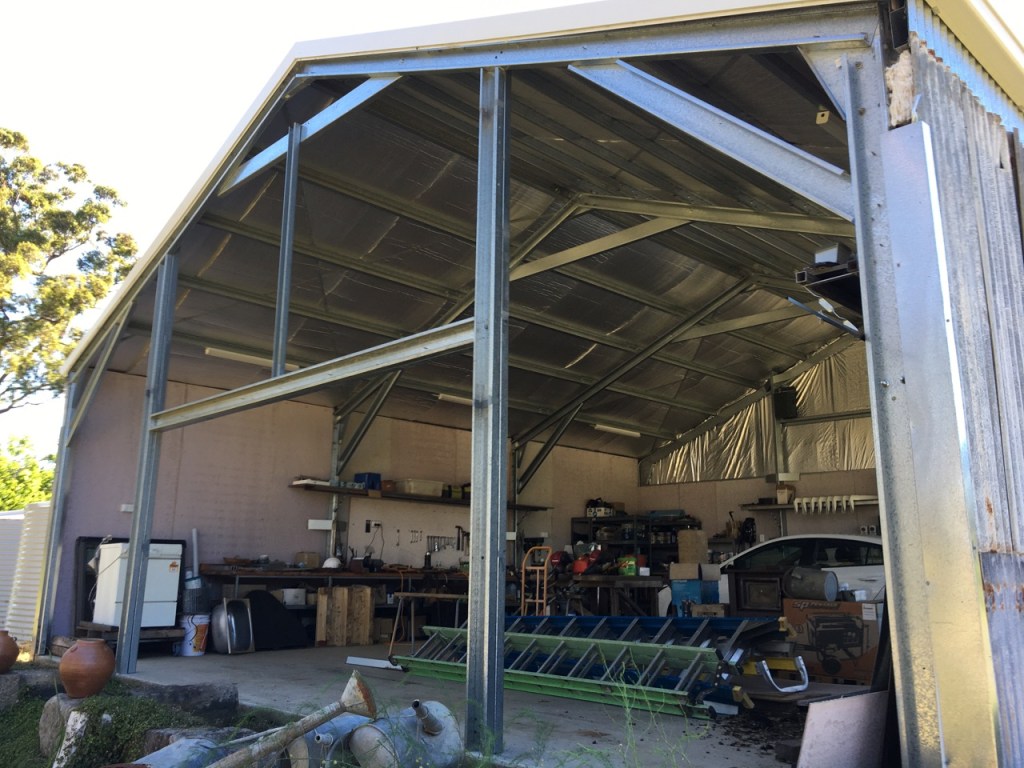
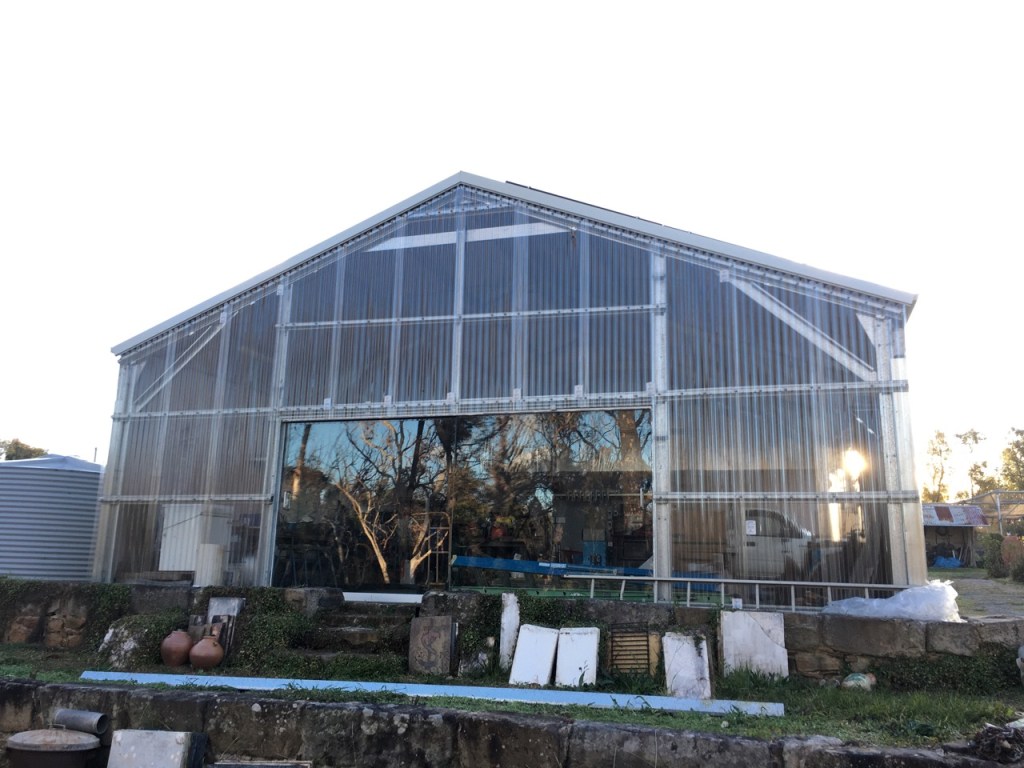
I have finally finished building the car port shed, Started in March 2020, completed August 2022. It’s only taken me 2 1/2 years. Slow but thorough.

One other reason for the long time interval from start to finish, was that apart from the initial frame, everything else was scrounged, re-cycled and repurposed.

This image has an empty alt attribute; its file name is img_9778.jpg

The last job was to fame up the East wall and clad it with poly carbonate sheeting. We were gifted a couple of very large recycled glass doors, by a lovely friend who had them taken out of her house to do extensions. I designed and built the wall out of left over steel sections that the pottery shed builders thew out on the scrap pile to go to the tip. I couldn’t bear to see such waste, even to see it go to the re-cyclers was a great waste of embedded energy, so I welded all the small section of scrap together to make long 6m. useful beams. I designed and built this last wall around the donated glass door sizes to make a snug fit.

I’m glad that it is finally done, as there was a lot of 5 and 6 metre high ladder work. More than I was comfortable with. Luckily, I had my very good friend Warren to give me a hand for a couple of days to get it completed. These beams are just too long to lift and fit one handed on a ladder by myself.

You can read the story of re-purposing the short steel off-cuts from a previous blog post here;

This image has an empty alt attribute; its file name is img_4813.jpg

I started framing this wall last December. I’ve been working on it on and off since then as time permits.

This image has an empty alt attribute; its file name is img_3475.jpg
This image has an empty alt attribute; its file name is img_3491.jpg


This image has an empty alt attribute; its file name is img_4791.jpg


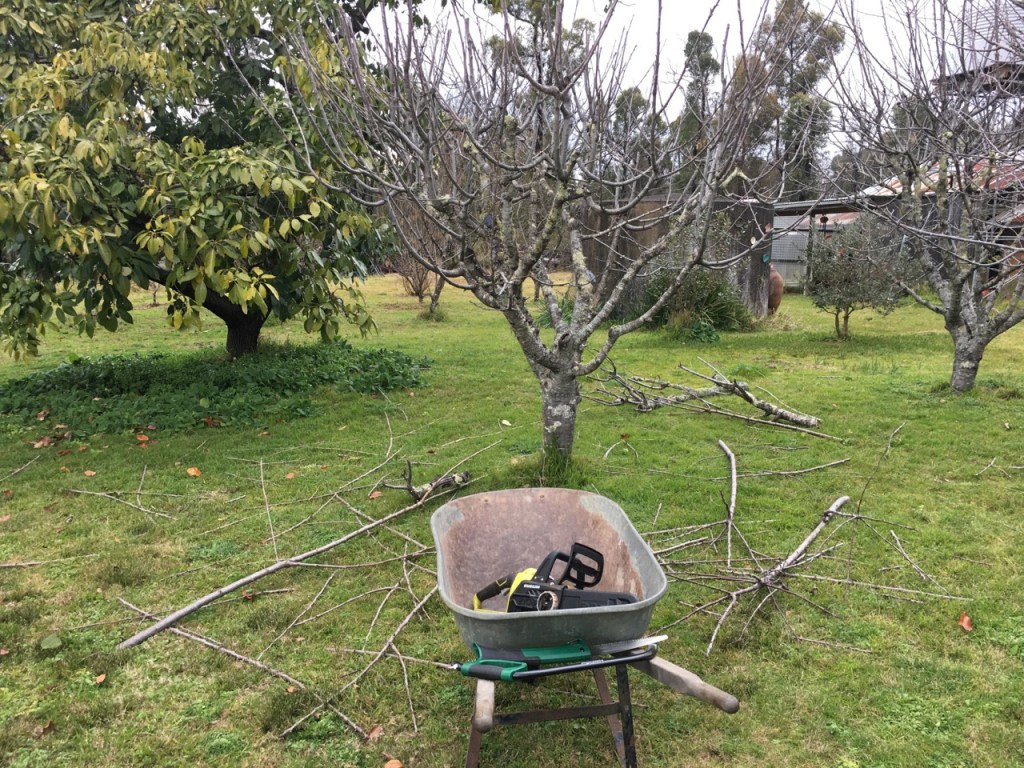
Winter is also the time for fruit tree pruning. It’s been an on-going job for a few weeks now, on and off, as time allowed.

I didn’t do a lot of pruning over the last 3 years, as most of my orchard trees got burnt. Those that survived, just got ignored, as I was way too busy doing other more important jobs at the time.

So this year was a big year for catching up, reshaping and thinning out.

This image has an empty alt attribute; its file name is img_4793.jpg

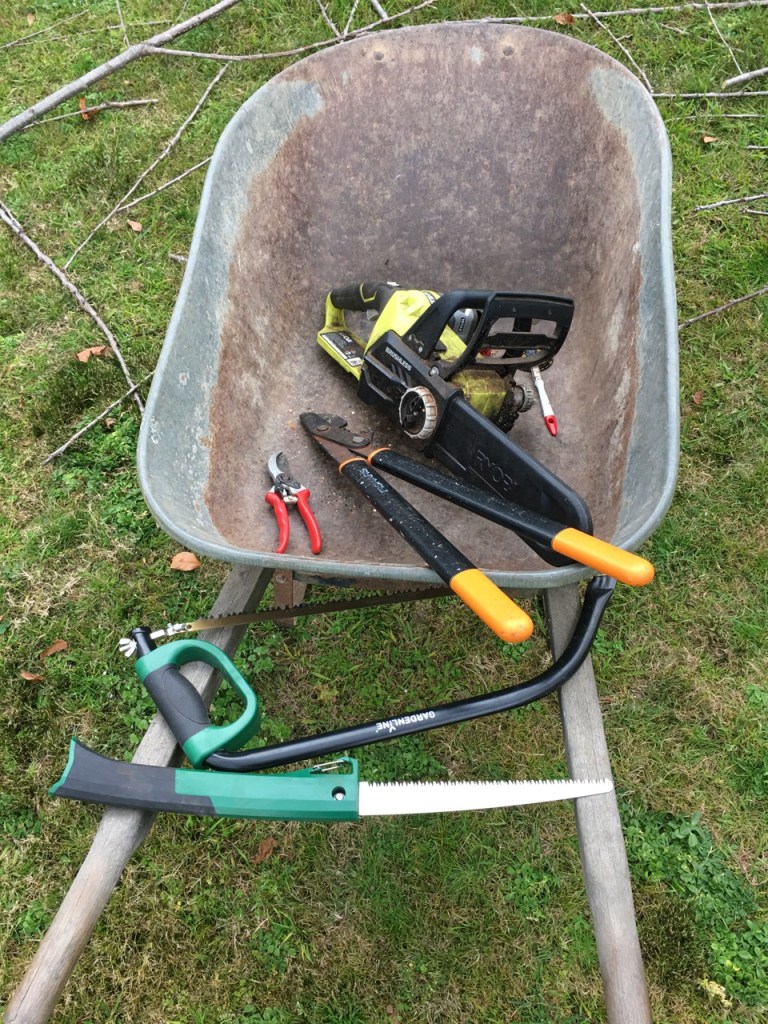
The small chain saw got a bit of a workout as well as the usual range of secateurs and hand saws.

We generated quite a pile of prunings by the end of the work and had a good bon fire to clean it all up last week at the end of the work, but before the fire bans come back into force.

This image has an empty alt attribute; its file name is img_4796.jpg
This image has an empty alt attribute; its file name is img_4755.jpg


Recently, it was our sons birthday, so I made him a panforte as a birthday cake.

With all the usual ingredients and a lot of love.

This image has an empty alt attribute; its file name is img_4814.jpg
This image has an empty alt attribute; its file name is img_4815.jpg
This image has an empty alt attribute; its file name is img_4817.jpg


You can read about the recipe on my blog here; 

Happy gardening and cooking.