Cold frosty nights, a good time to make stock

I have been sitting with my show at Watters Gallery each Saturday to ‘meetngreet’ and answer questions, if any, from the visitors. I spend some time with a few couples. I tell them stories, recount a joke, offer some insights into the work and its back history. They laugh, we chat, I explain the work, give details of its making, describe the provenance and importance to the overall story, of some specific pieces. I give them a brochure, a colour catalogue and then, after 45 mins., they walk out happily. I look to Frank sitting in the corner. He smiles at me benevolently. “welcome to the life of the gallerist”!

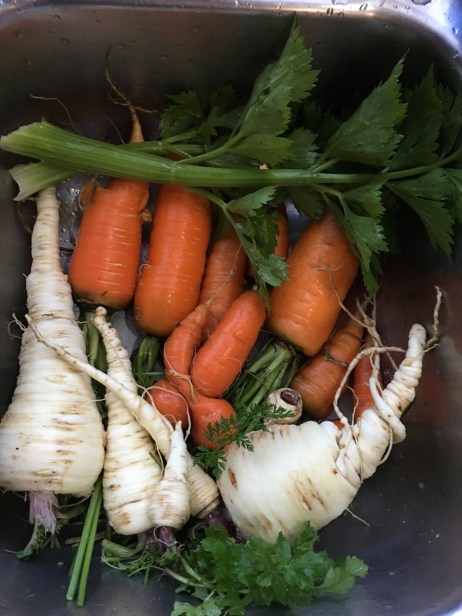
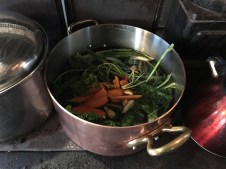
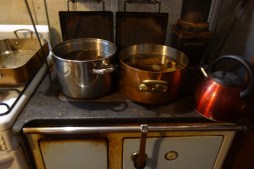
We have had a longish dry spell and the nights are again frosty. Cold evenings are an ideal time to make some stock. I buy a few beef bones and a pigs trotter. We roast them in the wood stove while we cook dinner. Then I boil them down over night on a slow declining fire along with a big boiler of mixed winter vegetables. Some parsnip, carrots, celery, parsley and a hand-full of mixed herbs, bay leaves, chilli, a star anise and a few pepper corns. All the usual suspects. The whole lot is slowly simmered and in the morning each of the big pots is decanted. The marrow extracted from the bones, which are then discarded, the vegetables sieved from the stock and sent to the worm farm.

IMG_7342

DSC02806 IMG_7373

IMG_7378 DSC02808

Both boilers and added together and re-simmered  the next night with a bottle of red wine. This is reduced down to 600mls of thick, gelatinous stock.

This is wonderfully flavoursome stuff. I keep it in the freezer and bring it out when I need a stock cube. This stock is so high in natural gelatine, protein and fat that it doesn’t really freeze. It just sets into a very firm gel that I can slice straight from the freezer. A chunk can be added whenever needed in just a minute. I’m sure that it would keep for a very long time in this frozen state, but it never gets the chance!

What is really good about this stock, which makes it so different from any commercial product is thatches stock is free of salt. Most commercially available stocks are loaded with salt. It’s probably their main ingredient.

This is entirely home made, flavoursome, free of preservatives, insecticides and is almost healthy by comparison. It is also a much better use of my time than watching the idiot box.


Have Wheel, Will Barrow

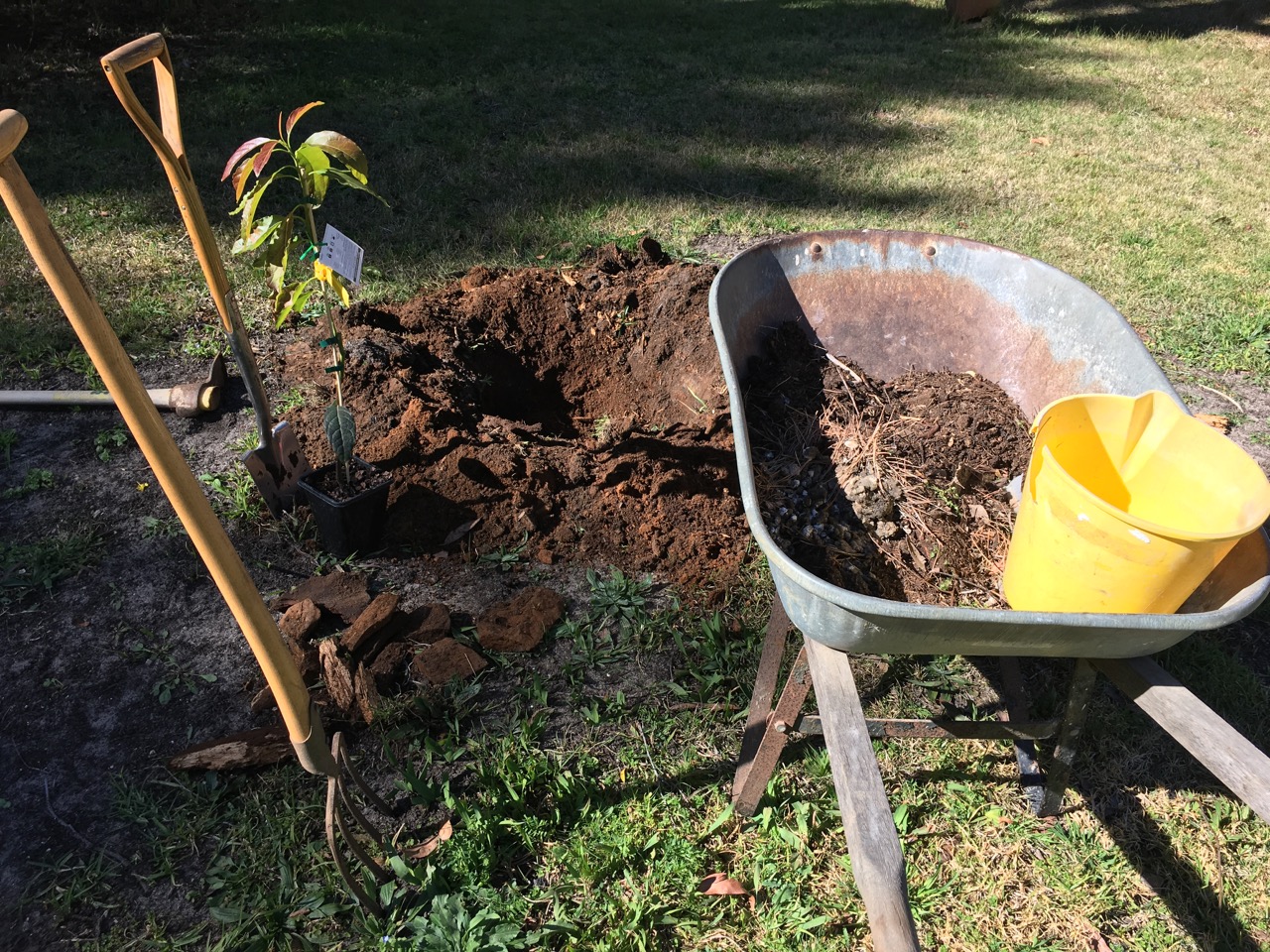
Now that the wheel barrow is back up and running again, and I have some time again. I get around to planting the new avocado tree.

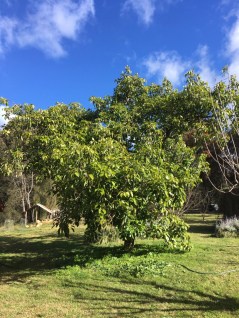
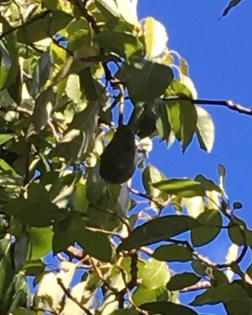
We have an avocado tree. We have had it growing in the yard between the cherry orchard and the hazel nut grove. It’s been growing well for the past 40 years and usually has a good crop of avocados each winter. We pick about half a dozen or so each week. It has to be done at least a week in advance of when you want to eat them, as they take 7 to 10 days to finish ripening up after picking.

IMG_7541 IMG_7545

IMG_7410

The tree has grown quite large over the years, so we now need a step-ladder and  extendable, long-handled, pruning secateurs to reach up to the top to get at them. We get out there, Janine underneath where we think that the fruit will land. I get up close to it with the long secateurs. When fully extended, this gadget gets to fruit up to 6 metres high and is quite unwieldy to handle up above your head with arms outstretched. I cut the stem and Janine catches the fruit in a towel that she has stretched between her arms, like a fireman blanket. It works quite well – usually. Unless the avocado hits a branch on the way down and spins off at a tangent.

We have been eating avocados for the past couple of months now and there are still plenty up there in the upper branches. Because they don’t ripen until they are picked. It’s the best fruit tree that we have. We can decide when we want to eat the fruit at our convenience. We have had an unseen avocado last up in the dizzying heights of the upper branches for 5 months and suddenly dropping off in December.

I learnt a few years ago that avocados are self fertile. BUT, you get a better fruit set if there are other different varieties close at hand. Avocados come in two families. Type A and B. It is best if you have one of each. So I decided to buy another tree. We currently have a variety called ‘bacon’ which is the cool hardy one. Hence it has survived the snow fall and the deep frosts of the early years. However, now with global warming and reduced frosts here, it seems to be doing very well. I don’t know how long avocados live, but 40 years is a good effort for a fruit tree growing at the very edge of its range, and lets face it, they are a tropical fruit. So we have been very lucky as well as industrious.

When I went to buy the second tree, it soon became apparent that you can’t just go out and buy an avocado tree these days in Australia. The fruit is so damn popular (and expensive) that people are planting vast orchards of them and the growers are flat-out keeping up with the demand. Selling thousands at a time to commercial plantations. I had to put my name down with a few growers, then wait a year for the chance to pick up one of the left-overs from large orders.

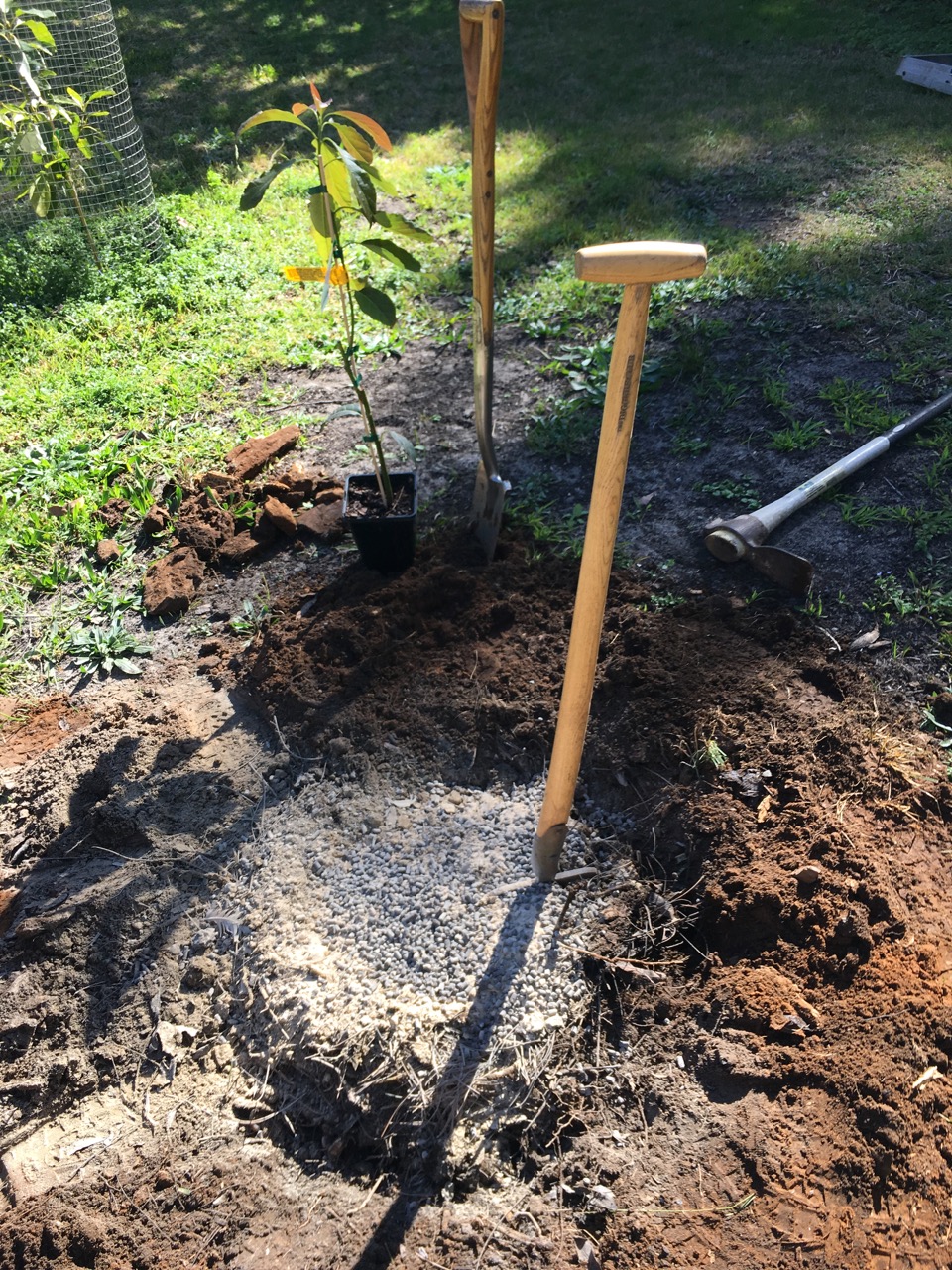
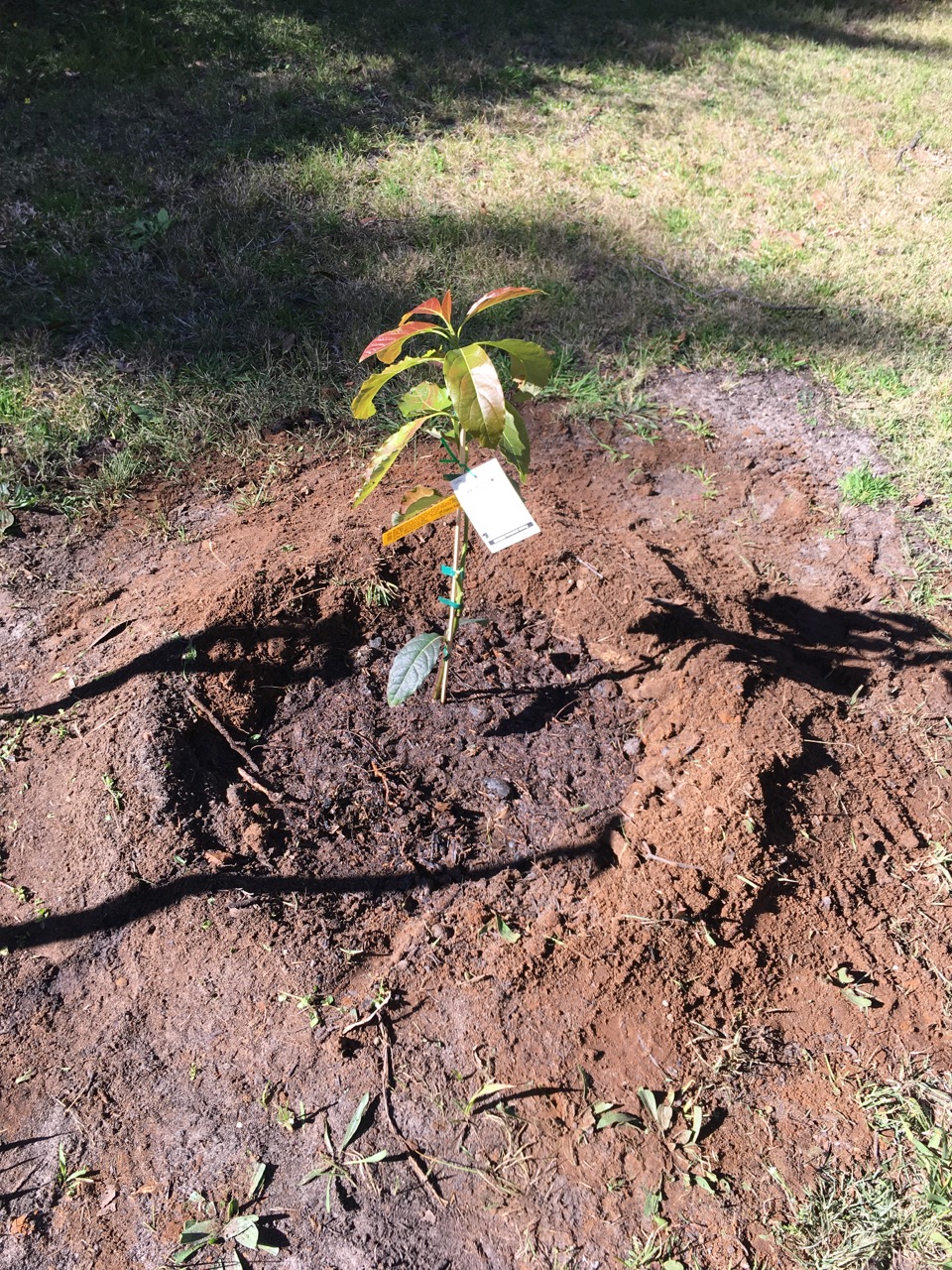
One year on and we now have 5 more trees. Making a balance of early and late fruiters and a balance of 3 of each type A and type B varieties. This latest tree, that was delivery last week, has been harden off by the back door, next to the water tank. It is now ready to plant. This one is a small-sized tree, only expected to grow to 2.5 to 3 metres, and is a bit frost tender. Depending on how big it grows, I’m hoping to be able to keep it protected for the first few years.

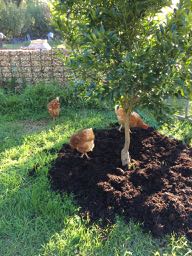
It gets a big, wide hole excavated for it and this is then filled with a mixture of old rotted manure and compost into the soil. Avacados are rich feeders. It also gets a steel mesh tree guard up to 1 metre high to stop the kangaroos from eating it in the first few weeks. The kangaroos took the top clean out of another tree that I planted on its first night, before I got the tree guard in place. They love to try anything new.

Some of the earlier trees that I planted in the autumn are now just about to burst their new buds into spring growth. They seem like they are growing very well.

If all goes well. In the future we might expect an avocado season of over 6 months.


 IMG_7547

IMG_7548

I shrink-wrap the wire frame to protect the tender little thing for the next month, until the cold winds blow them selves out and spring starts proper.

Catch-up

I’ve been so busy with the final stages of writing, editing and printing the book. Not to mention the organisation and documenting of all the work in my exhibition. It’s been a busy 15 years and a very hectic last 4 or 5 months.

So now it’s catch-up time. Janine has been carrying the major part of the load of running the house and garden recently. I need to inflate the tyre on the old wheel barrow, that has gone flat. On inspection it looks more like a repair job. But on closer examination, I find that the tyre has completely perished and isn’t worth repairing. It looks like a new tyre and inner tube will be the answer. At the garage, these turn out to be almost as expensive as car tyres! I’m shocked. I decide that the answer is to buy a new Chinese solid rubber, non-inflatable, wheel. $32 sounds like a bargain, until I get it home and find that it is made for the new 25 mm dia. axles that are now standard. My barrow is 30 years old and has a 19mm axle. It doesn’t fit.

Minor hiccup. I just happen to have a length of 25 mm steel bar in the shed. I cut it to length, clean off the flaky rust and hey-presto! It slides through the tyre, but  it doesn’t fit in the mounting brackets on the wheel barrow. Much too big! I have to grind off the old rusty bolts and then hold the brackets in the vice while I heat them up to red-hot with the oxy-torch and re-forge them into shorter, but larger dia. shapes to suit the new axle. It all goes smoothly enough, but then I find that the larger axle/bracket combination needs longer bolts. I don’t have any that are the right length, so I make some out of Stainless steel Boker bar and stainless steel nuts that I have in the kiln factory for kiln repair work. I’ll be retiring very soon from major kiln work. So I won’t be needing this kind of stuff in stock anymore. The last problem is that the spacers that locate the wheel in the centre of the shaft, don’t fit on the new larger axle. No problem. I cut a couple of pieces of sq. RHS to size and we’re away.

What could have been a 15 minute job has taken 2 hours. But it is up and working again. Hopefully, for another 30 years!

IMG_7521 IMG_7520

Frosty Mornings, Lovely Days.


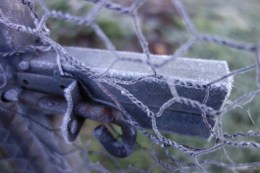
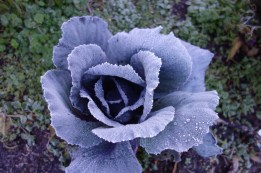
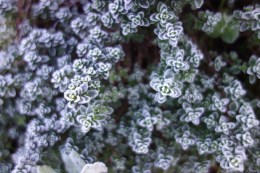
We wake to a cracking frost this morning. We have had a few good ones these last few weeks. It’s neither good nor bad, it’s just what it is. The frost has killed off every soft and vulnerable plant in the garden that were struggling on through the cold weather and short days. Plants like basil, just turn up their toes at the slightest hint of cold, quite early on in the season. The first really cool shift in the weather makes them lose a lot of their leaves. The next cold snap, especially if there is a cold wind with it and they are gone till we replant them in the spring.

Tomatoes hang on a lot longer, but the first light frost or near frost makes them lose their leaves. Funnily the lingering un-ripe fruit isn’t affected and can be brought into the kitchen and ripened on the window sill over the next few weeks.

Nasturtiums and capsicums seem to be able to tolerate a light frost and remain intact, although not exactly thriving. However, this mornings beauty has put an end to everything that was gamely battling on. This spells the end of the lingering autumn stragglers.

DSC02767 IMG_7325

What is great about a period of good solid frosts, is that they benefit the plants that have excellent frost tolerance and even rely on the freezing to establish the ‘chill-factor’ chemicals in the new growth that will emerge as fruiting buds in the spring. Some varieties of fruit trees need a good chill to become fertile. All the older varieties of plants like apples, pears, the stone fruits and particularly hazel nuts, need to get a hundred or more hours of below 4oC temperatures. If they don’t, the flowers cannot become fertile in the next growing season. A few years ago, we had a winter here without frost and didn’t get any fruit set on any of the apples or pears.

Hazels and filberts have slightly different origins, with one being rounder and the other more ovoid. Filberts have a longer skirt on the outer shell. They both seem to have originated in Asia minor/Turkey, but have been developed into stronger and more prolific bearers of larger nuts over the long period of domestication.

Hazel/filbert nuts are reliant on a high number of cold nights to establish their chill factor chemistry. A lot of work has been done on breeding local varieties of low chill factor nuts here in Australian in the post war period. In Australia, we just don’t get the sort of winters that are common in north America and Europe. However, we just happen to have a hazelnut farm research station near us here in the Southern Highlands.

We have been able to buy grafted varieties of local hazels that have been bred to fruit in warmer low chill areas like here. We have these low-chill fruiting hazel/filbert nut trees inter-planted in the nut grove with others that are inoculated with French black Perigord truffle fungus. We are hoping that the spores will spread to all of the other hazel/filbert trees at some time in the future.

IMG_7326

A good bit of cold weather really helps to colour up the citrus and sweetens the Brussel sprouts. In the mean time the frost looks great on the surviving plants until the sun comes up and melts it away.

  DSC02766 DSC02771

DSC02772 DSC02774

DSC02777

The sun shines and the days are glorious, as long as there is no wind.

When the weather changes and the wind blows off the snow. There is no frost but the days can be bleak. When we came here, the locals described it as a lazy wind. It doesn’t blow around you, but rather, straight through you.

Weekend Woodfiring Workshop

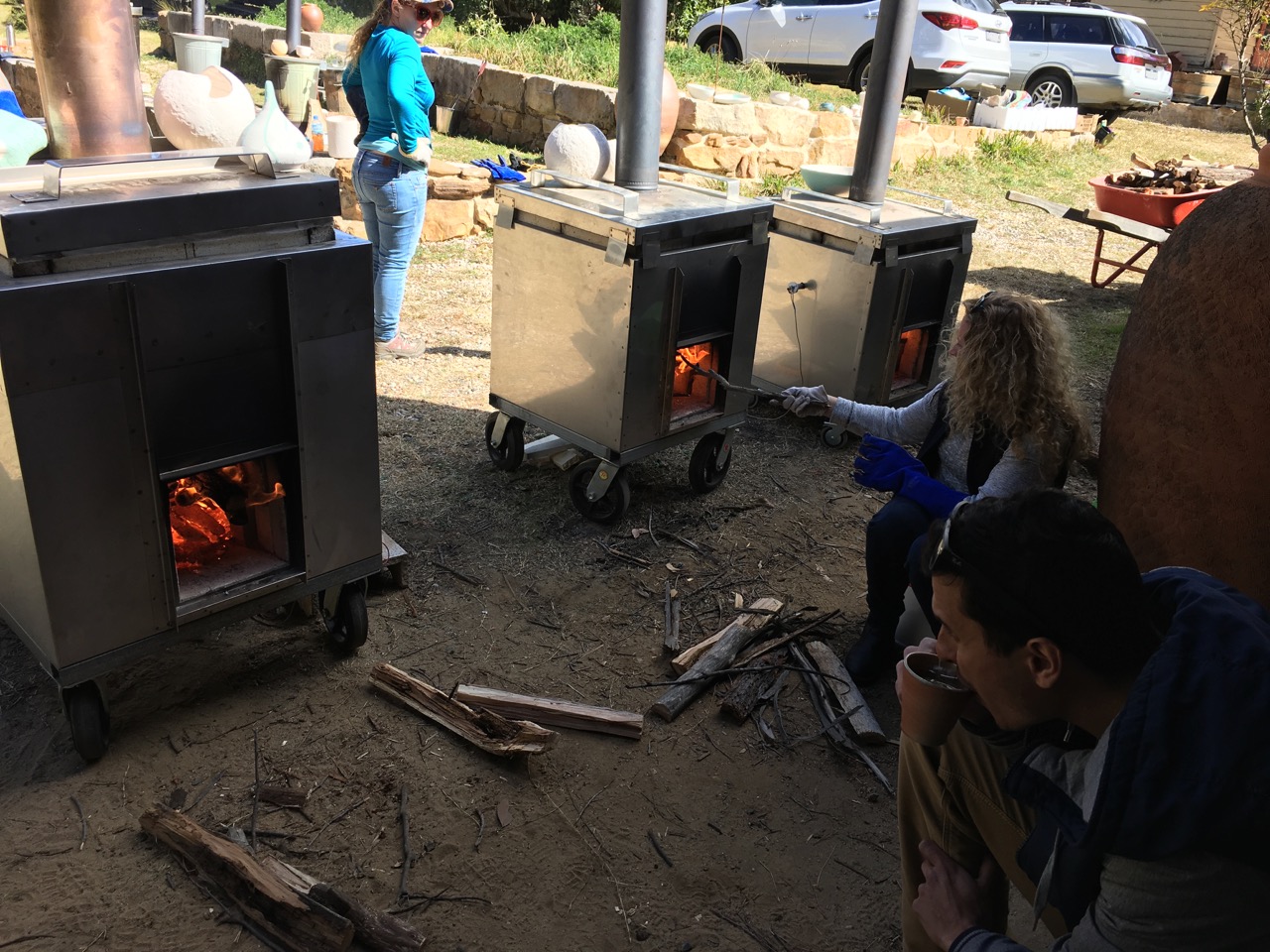
Winter brings on the season of wood firing workshops. We can fire our wood fired kilns almost all year round. With the only exception being the days of total fire bans in summer. We cope with this restriction, by packing the kiln as soon as the work is ready to fire and then we sit and wait until the fire restrictions are lifted, usually after a patch of rain. The pots can sit in the kiln comfortably for any length of time, as long as the kiln is sealed, so that no little animals can get in. We haven’t had  to wait long, a few weeks at most.

However, we can’t run a workshop kiln firing schedule on this basis. If we book in dates to run a wood firing weekend, then it has to go ahead as planned. Everybody has made their plans around the dates and is relying on it. We can’t cancel at the last-minute due to a fire ban. Our solution is to only book dates that are outside the likely fireban season.

We have had 3 weekend firing workshops over the past month since I returned from my last research trip to Korea. We were lucky to be blessed with fine weather most of the time. We are getting cold frosty nights, but many of the days are wind-free and warm in the sunshine.

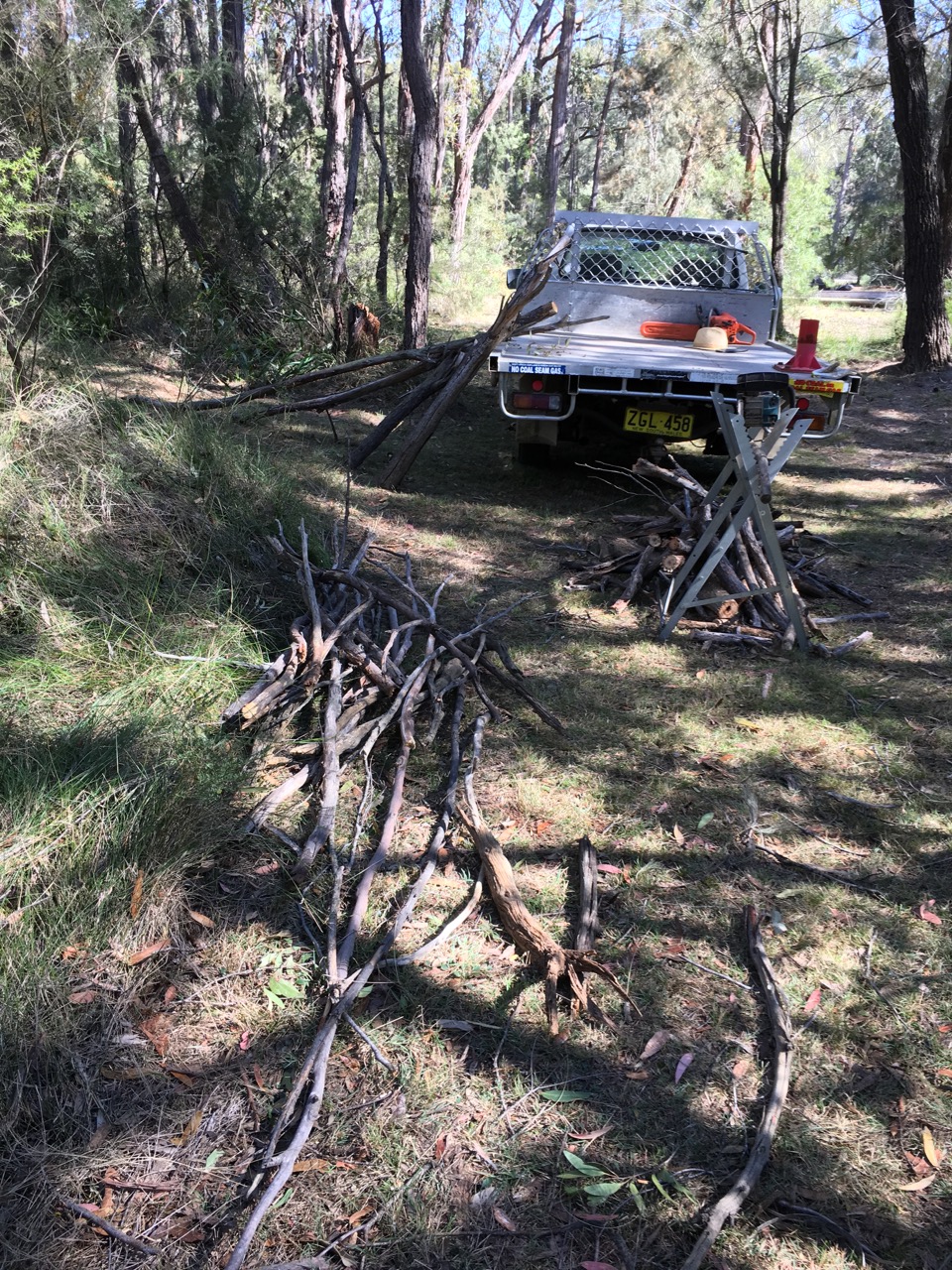
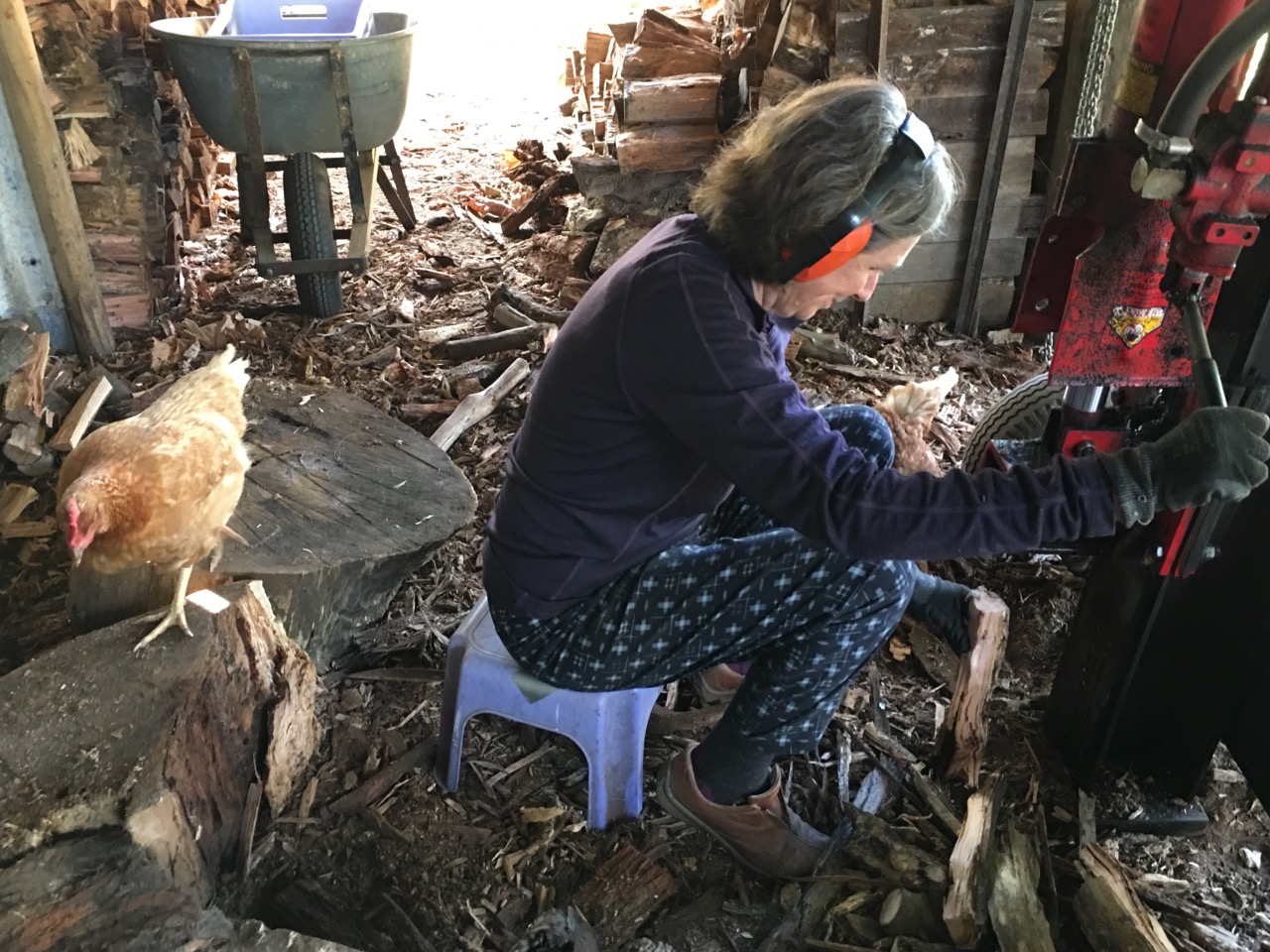
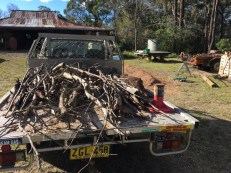
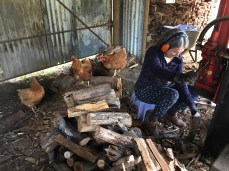
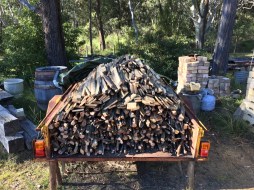
We spend most of the week in-between each workshop in preparation, cleaning up and transforming the space into a safe, functional firing environment. We also spend a lot of time collecting and preparing the wood. We use mostly dead wind-fall branches from our eucalyptus forest around the house and dams. throughout the year, these branches fall to the ground and need to be collected up and stacked, out-of-the-way, so as to keep the ground clear for mowing through the hot months for bushfire protection. This stack then needs to be sorted and cut or broken-up to a suitable length. The smallest twigs go to kindling and the first part of the firing. Thicker pieces up to 50 or 60 mm. dia. are used as-is for the main part of the firing, and anything larger is cut to length with the chain saw and taken up to the wood shed and split into suitable thickness, then returned to the kiln site. It all takes time, but the chickens help. They just love to be at the centre of the action.

We tell ourselves that all this exercise it is probably good for us 🙂

IMG_7279 IMG_7291

IMG_7281

Throughout the year I get fire bricks, stainless steel sheets and all sorts of other material delivered here on Pallets. Some of them. The ones with beautiful straight-grained wood, get dismantled and used for building things. It takes quite a bit of effort to dismantle a modern pallet. They are assembled with gang nailed corners and hot glued nails from the nail gun. I spend a fair amount of time priseing them apart and de-nailing them to save the wood in good re-usable condition. A successful pallet re-cycling session gives me a great sense of achievement – and usually a sore back and shoulders from all the bending, lifting, stretching, levering and hammering. But it’s worth it. I hate to see good wood wasted. It’s just another small step towards self-reliance, through making do, recycling and making the most of what we’ve got.

IMG_7283 IMG_7305

As we have 11 workshops booked in for this winter. We will need a lot more wood, than has fallen from the trees around the house over the summer. Janine has been making expeditions out into the ‘wild woods’ farthest from the house to drag back dead limbs to add to our stock. For this firing I also called in to visit the local mower shop. He gets a lot of his machinery delivered on Pallets and he has to pay to take them to the tip/recycling centre, So they are happy for me to remove them for them.

IMG_7306

One of these pallets is a monster. It has bearers with a cross-section of 200 x 100 mm. and beautiful solid decking of 25 x 150 or 200. All beautifully straight-grained and knot free. I made an effort to keep it all as pristine as possible. It’s so nice that I think that I may be able to make a beautiful chair out of it for the house. There are of course also a lot of ugly pallets. These are easy to deal with, because all I do is chainsaw off the ends of each side and the pallet falls apart into perfectly usable thin lengths of fire wood.

The students turn up knowing nothing of all this. The wood is ready and stacked in the trailer on-site. The kilns are all prepared and the glazes are out on the table. The days events proceed calmly and in an orderly fashion. Every thing happens as planned and the sun is warm in the middle of the day. Everyone seems happy.

IMG_7324

The result of all this effort on everyones part is some beautiful pots.

Wintum, A time for a clean out and change over

Here we are on the last day of autumn, on the threshold of winter. All the garlic that I planted on the evening before setting off for China is up and thriving. Garlic loves to get an early start. Late Feb and early March seems to suit it best around here. I know this because this is when all the old, last-years cloves that  missed harvesting, all start to shoot up, looking for the last of the warmth as the days get shorter. If these little fellows know that it is time to shoot up, then this must be the time. So in they go, or went in this case. I didn’t get time before leaving in the hectic weeks before setting off. So it was a case of do it now in the evening dusk or miss out. I’m glad that I made the effort now.

IMG_6568  IMG_6571

Its a very much smaller crop than I have managed in previous years. This time about 100 plants. It’ll have to do. At least it is something. I realise that I can’t do everything. I’m very happy with what I have achieved.

When I returned from our little break away in Canberra, but before we left for Cambodia. Apart from building a kiln and making some more porcelain stone bodies from my recycled turnings. Janine and I managed 2 half days in the garden. Cleaning out all the old dead and finished summer plants. It was all cleaned out and taken to the big compost heap behind the pottery. This is one of the chooks favourite places. They can spend hours in there. They really want to get into the vegetable garden to ‘help’ us! But alas, they are kept locked out. We don’t need their kind of help in there just now.

  IMG_6563.jpg  IMG_6562

The chooks like to see what is going to the compost and ambush Janine on her way demanding to see what is nice and possibly edible in the wheel barrow. They decide that un-ripe, green  and sour golden berries are just what they love. and as long as we peel of the paper coating, they gobble them down.

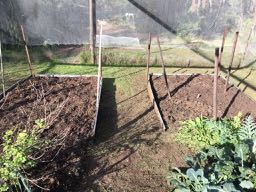
We prune off all the dead asparagus fronds and top dress the 2 beds with compost. It all starts to take on a look of care and attention again, instead of the wild riot of form and colour that was there at the end of the rampant summer growth. Janine mows the orchard while I wheel-barrow compost and spread over the garden beds and all around the citrus trees.

IMG_6567 IMG_6566

I will be time to start pruning the orchards and grape vines soon. But before I can do that, I have some Korean sericite porcelain to make. Everything in its own time.

Nothing is ever finished, nothing is perfect and nothing lasts.

However, for now, the garden and orchards look loved again.

IMG_6659 IMG_6660  IMG_6661

Welcome home

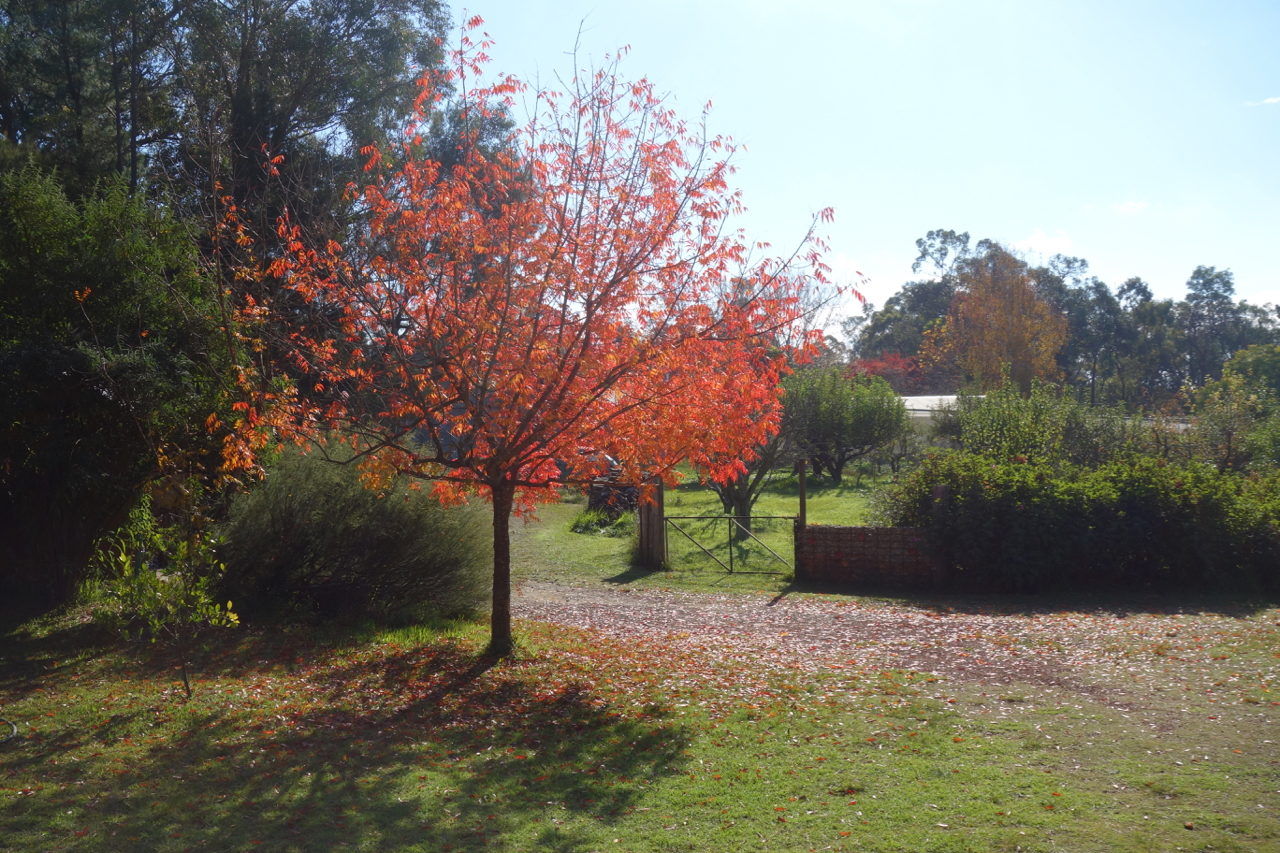
We arrive back home at the end of Autumn. The pistachio tree has turned red in our absence and the liquid ambers are loosing their leaves. We head straight to the chook house to see how the girls have been faring without us. Perfectly well it appears. They have changed their allegiance to Annabelle Slugette, because she has been living here, working in the pottery and feeding them treats for the past few weeks. Hens live for food! I know that it is only cupboard love, but I do feel a little bit abandoned. I’ll need to find them a few snails or other special treats to win their hearts ( and stomachs) back.


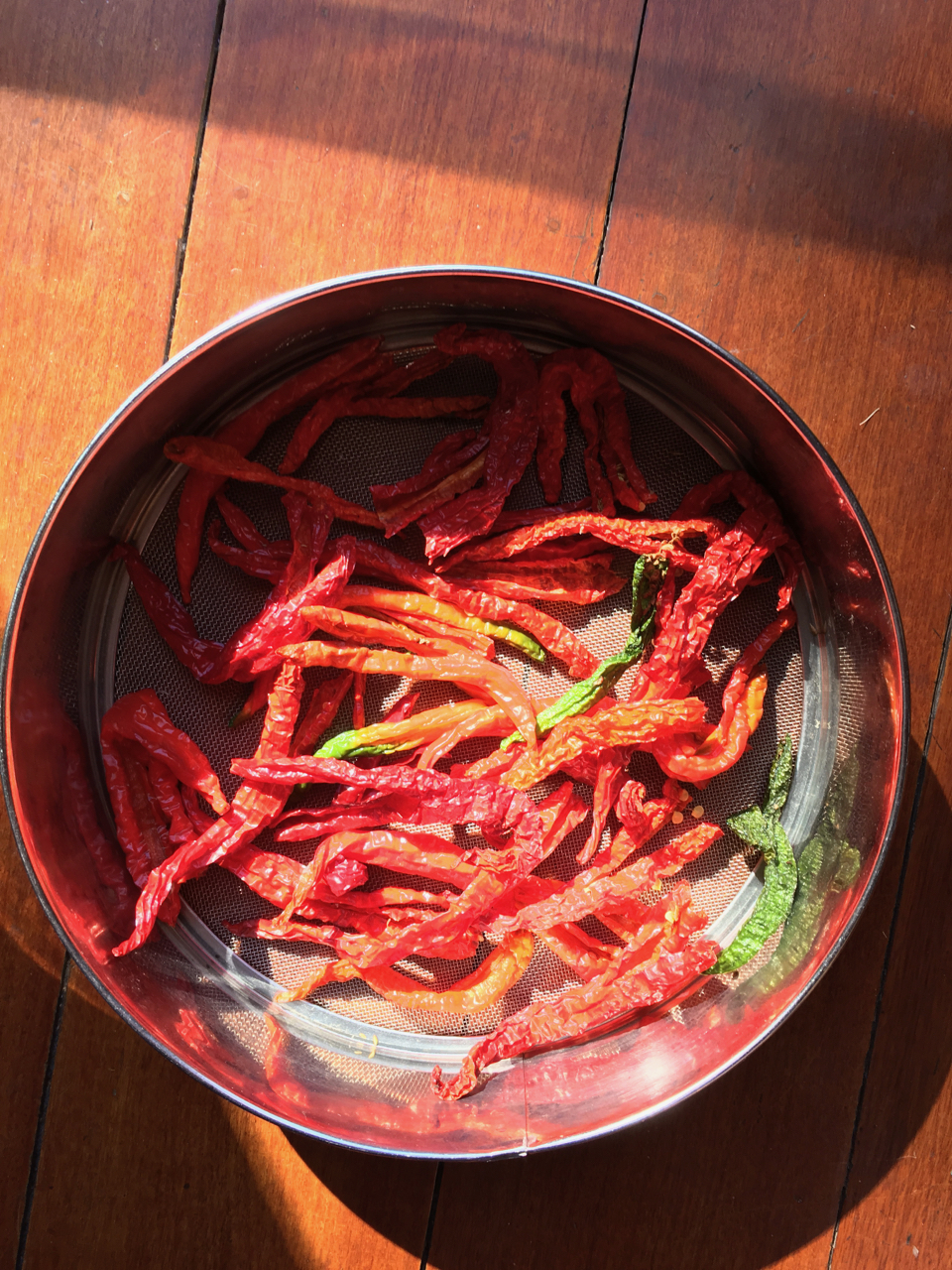
We head to the garden to see what there is for dinner. We find our selves in that special period of the year when there are just a few summer vegetables hanging on, while the winter crops are just starting, so we pick the last zucchini and the first cauliflower. There are only a couple of weeks when you can eat this combination of garden produce. The chillis have ripened a lot more while we have been away, so we pick some and dry them.


The next day I’m back at work in the pottery. I have  to slake down all my turnings that have dried out while I’ve been away. Clay slakes down so much faster when it is bone dry. I have lots of small batches to deal with. I have been working on my collected samples of porcelain stones from all around the world and I have to keep all the turnings from each batch of pots made from each special rock completely separate and well-marked, so that I don’t get mixed up or confused about which is which. I have 10 buckets marked with masking tape and felt fen, so as to keep it all under control.

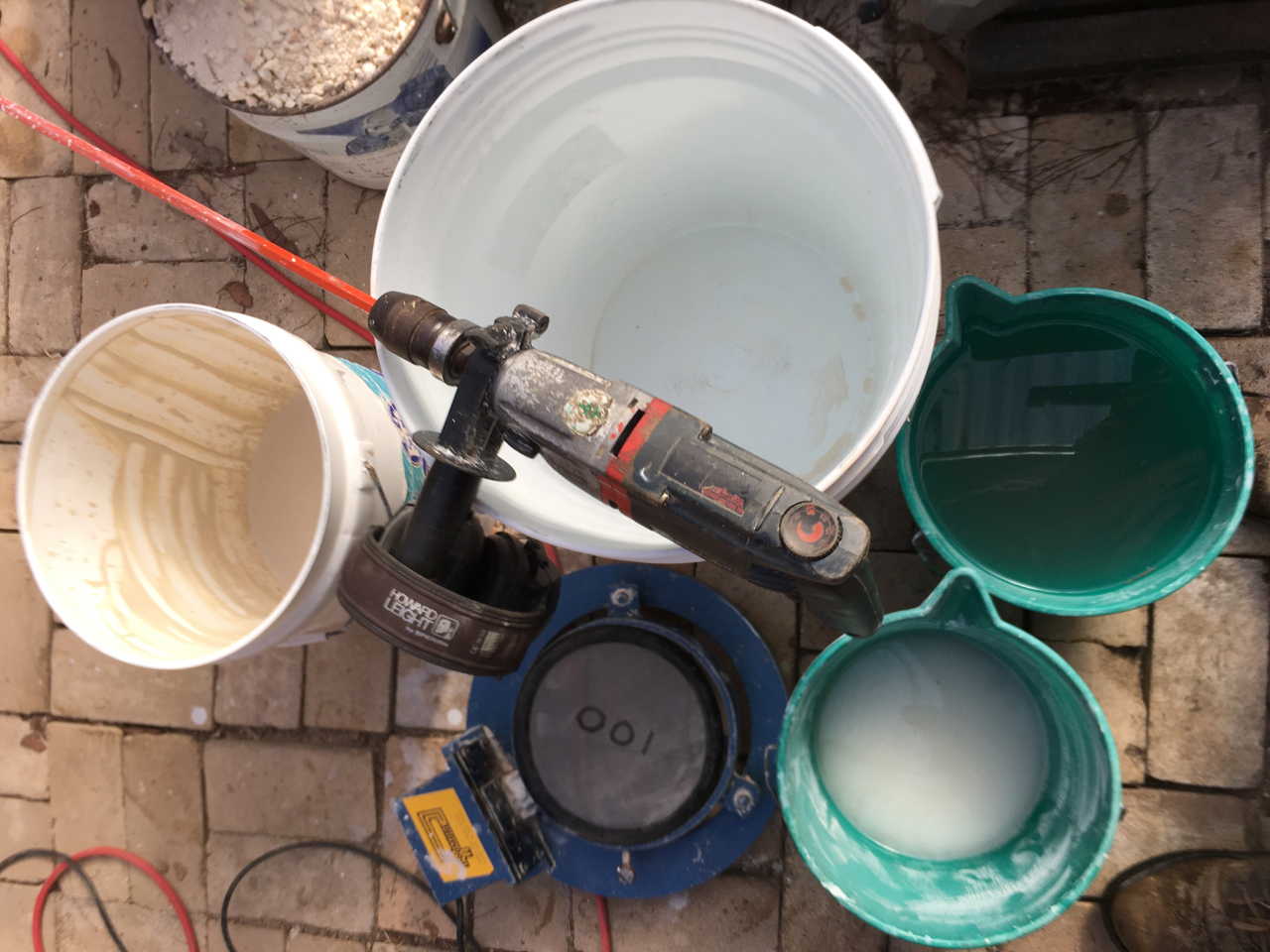
I start with the first 5 batches. I slake, blunge and sieve them all through a 100# mesh screen, then flocculate them and decant the excess water, it takes a while to get its all done. Eventually, they make it out onto the plaster drying tubs that I use for small batches of re-cycling like this..


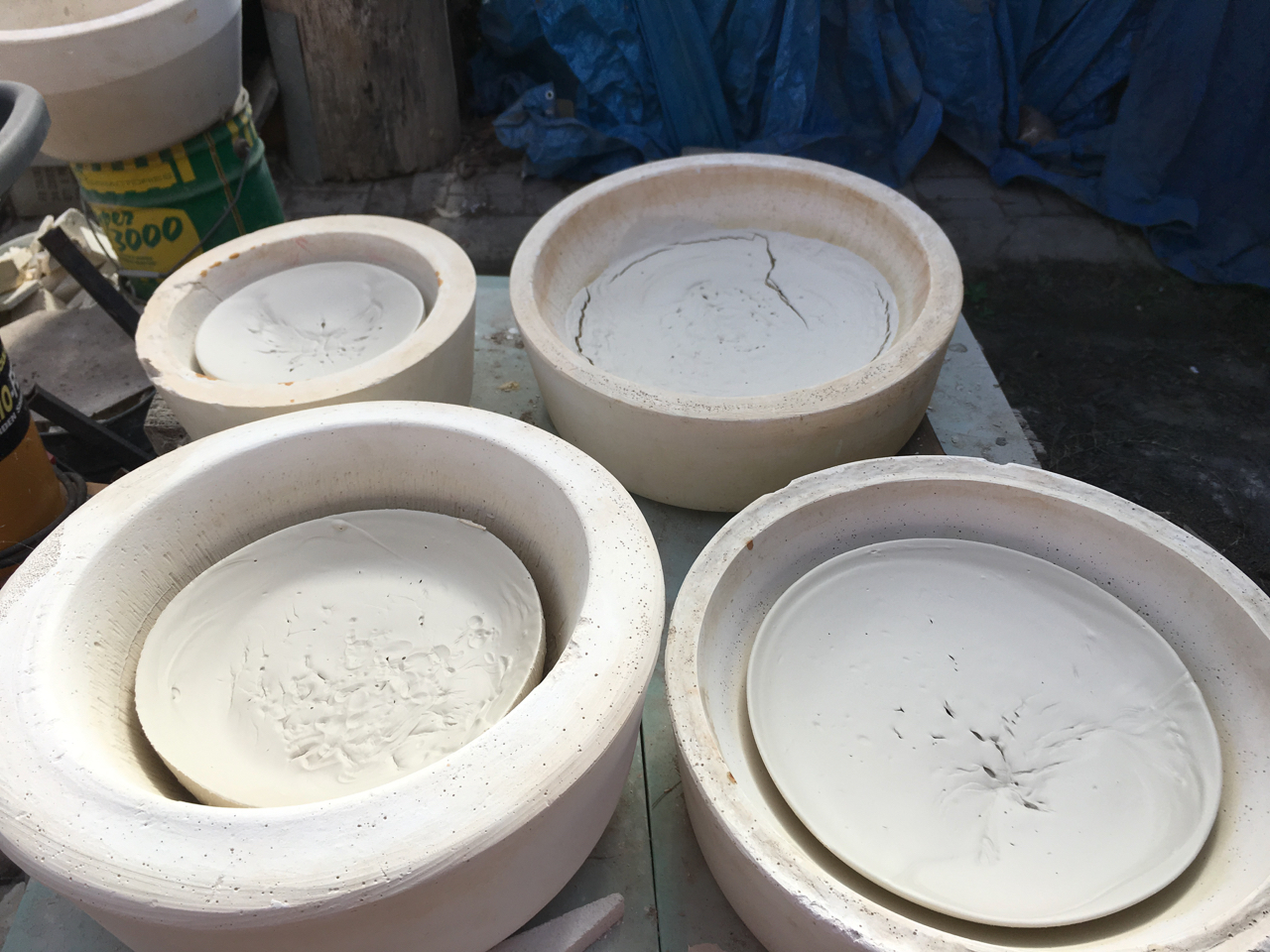
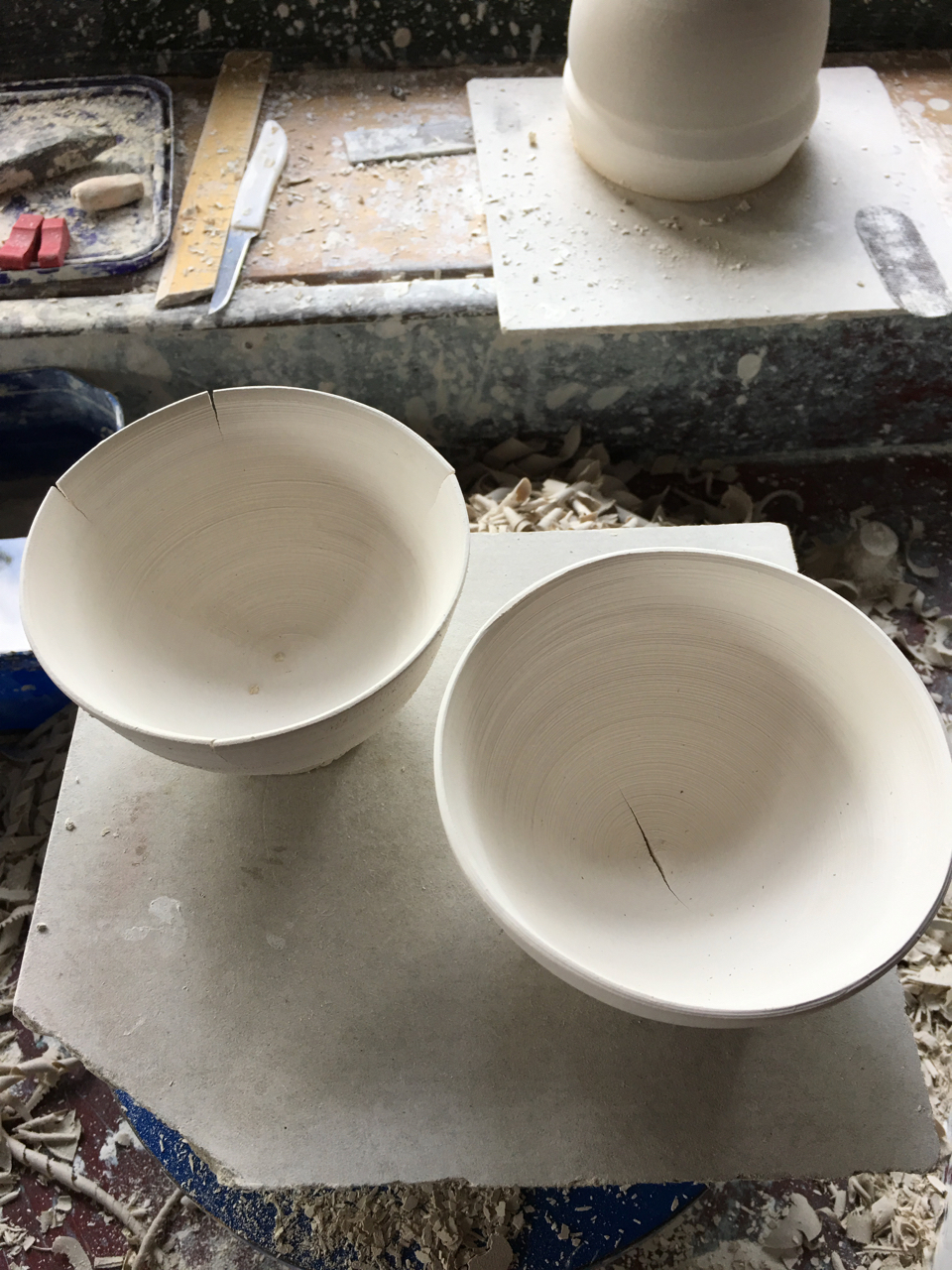
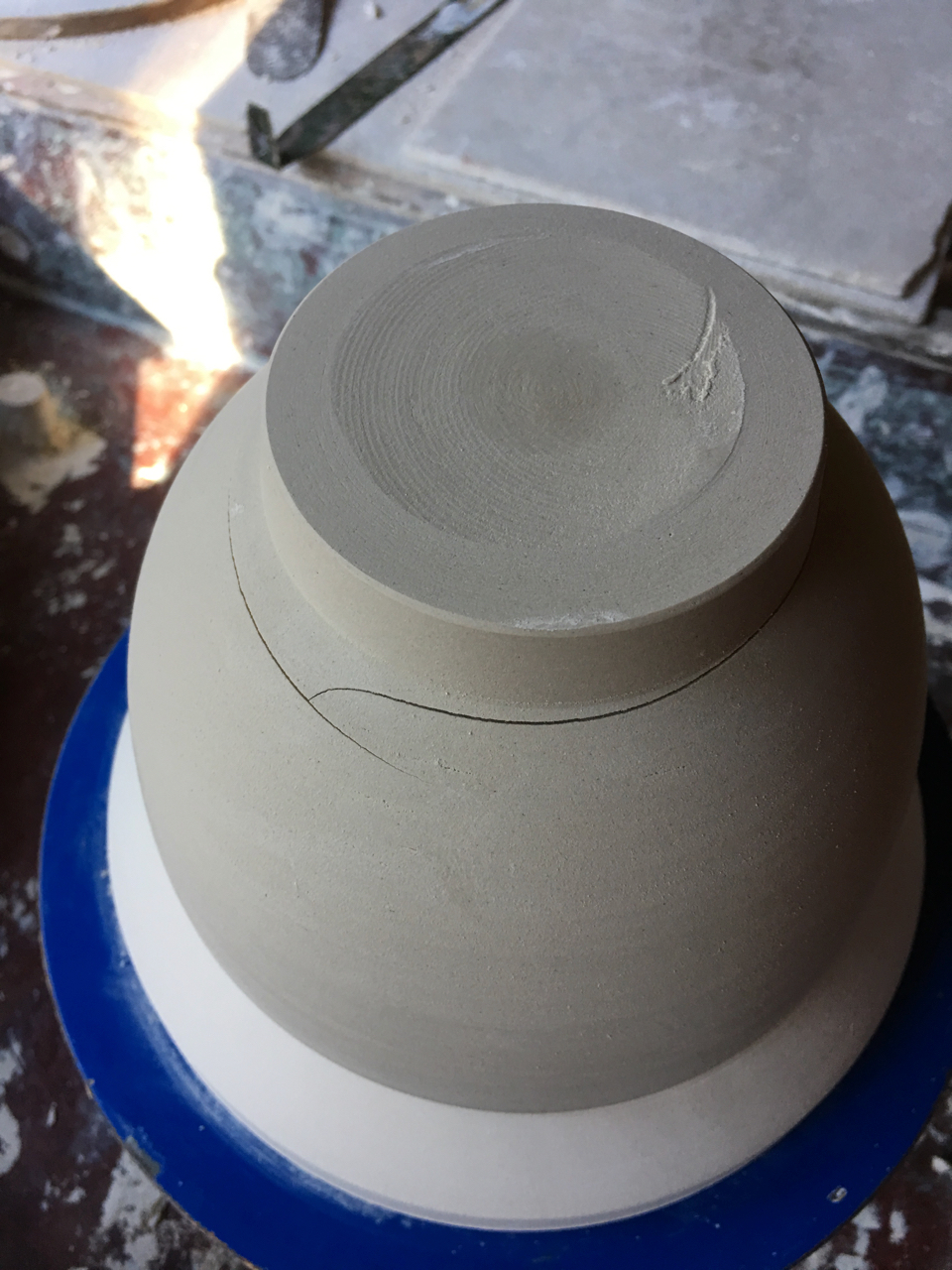
I’m not just dealing only with turnings here. Many of my pots don’t even get to the turning stage. These ultra-fine, ground stone bodies, with virtually no real ‘clay’ content, based solely on mica and quartz, with just a little illitic material. Consequently, they have no dry strength. They sometimes just split as soon as they are placed on the chuck, some don’t even get to the chuck, as they split during drying. Other decide to part company with themselves after the first turning at the ‘roughing out’ stage.


Some others tear themselves apart after the second trimming. Only a few make it to the final turning and bisque kiln. The only good thing about pots cracking during drying, is that at least I can re-work the material and have another go at making something that might survive to the kiln. What happens in the glaze kiln is another matter. I’ll find that out for these samples soon enough!


Porcelain, blah, blah, blah!

Not all porcelain is white.

The countryside around Mittagong is one of the few places where native porcelain stone occurs. 15 years ago, I discovered porcelain stone and it has enabled me to develop my wood fired porcelain and proto-porcelains made from this native rock. They aren’t the most translucent or the whitest of porcelains. But they are mine. I’m not pretending that just because I dig the stuff up, it makes for good pots. Good pots are made by good potters, by skill, judgement, intuition and innate ability, coupled with loads of practice. The ‘stuff’ doesn’t necessarily come into it. I’m not a good potter, but I enjoy what I do, and sometimes I think that I’m getting better, as some of my pots turn out to be quite lovely. But only some. There is still a lot of luck involved.

During the development of this work it became obvious to me that if I wanted this ground-up rock to have any sort of plasticity. It would need to be aged for several years. I set about doing this in ernest, over a decade ago.

This work is my attempt to produce a local product. Something that has all-but disappeared from Australian and other first-world economies in recent years. This work, with all its limitations and faults, and all its local character, can be described using the French word, ‘terroir’ that expresses some of this unique quality of ‘locality’.

The search for a personal aesthetic based on the essence of my locality and life experience is also the search for the essence of the potter. This is such an unpopular and old-fashioned concept, but I believe that this work grows out of the fact that I have lived and worked here for over 40 years. I’ve walked a lot of this country. I’m assuming that this is not an issue for most other potters, but it is for me. I exist and work, intimately connected to this place where I live.

I am a ceramic lacavore, I have chosen to limit myself to the 50 km palette of materials. I grow a lot of my own wood. I make the fire bricks for my kiln by hand, from local refractory white bauxite. My glazes are made from the porcelain stone or other local igneous rocks, shales, gravels and ashes, all crushed, processed and milled in my workshop inefficiently, in small batches often by hand, in a workshop built by my partner Janine and myself from mud bricks that we made from local clay. We also grow all our own green food in our extensive vegetable gardens and orchards.

It couldn’t be more wholesome, corny, or sickeningly idyllic. Homespun, organic and self-reliant as it all is, it is not for everyone, in fact, it’s most likely not for anyone these days. The sixties are over! But it suits me, someone who still believes in romance, passion and ideals. I’m firmly rooted in the  truth, i.e. (pre)post-truth era!

Many potters these days love to use the international, trans-global, ultra-white, concoctions of porcelains. These ‘international roast’ of clay bodies. They are very good! So white! But a lot of the work starts to look a bit the same for it. One local show of porcelain was apparently described as just so much ‘blah, blah, blah!’ recently, I wasn’t there, but I think that I know what one of those ‘blah’s might mean. One gallery director said that any work that values the material that it is made from or the method of its making can never be considered as Art.

Fair enough, I call myself ‘potter’, not artist, just a person revelling in the innate qualities of my own unique, wood fired, local porcelain stone. The wood firing draws out some unusual and interesting surfaces, not normally identified as those of porcelain. So what is porcelain anyway? Seeing that it is concerned with material ‘stuff’, it can’t be Art. The Orientals would have us think that it is all about the sound, what one hears when a porcelain bowl is struck. So, therefore its all about glaze fit. I don’t mind a bit of crazing, in fact I quite like it. So my work doesn’t always ‘ring’. One definition involves light shining through the thin sections. So that’s translucency. However, most people would think of the supreme whiteness, but porcelain isn’t always white, mine certainly isn’t. My pots don’t always ring and they don’t always show light through either. So my work only contains a bit of ‘blah’! Maybe it’s not porcelain?

I’ve come to the conclusion that I don’t really know what defines porcelain. What I do know is, that whatever it is that I’m crafting here in my pottery through old fashioned techniques and lots of attention to detail, but mostly a lot of time. It ends up having some lovely qualities that I can’t seem to achieve any other way.

It’s mine, it’s local, it’s ethically sourced, it’s low carbon, it’s pretty much unique to here and I love it. Blah, blah, blah, blah, blah!

What else do I need to know?

DSC_0006 copy (1) DSC_0038_01 copy 2 (1)

DSC_0048 copy 2 (1) DSC_0056_01 copy (1)

Environmental fellowship

We have had a Danish potter staying with us for the past month. He won the Environmental Ceramics Fellowship for for 2016, but for both of us it was just too difficult to complete it last year, so we postponed to this year.

He is a potter from Denmark who is interested in sustainability and new ways of exploring how to make a living in this new digital age. He has his own web presence in Denmark where he markets Potters wheels, kilns and clay bodies, as well as making his own work. He is a digital native. Whereas, I am, on the other hand, a dig-it-all-native. Making everything myself from the ground up – and that is what he is here to learn.

We crushed porcelain stone in the big jaw crusher to make single-stone porcelain body. We made clay tests to investigate unknown clays. We worked in the gardens and orchards. Ate all our own produce. Cooked up some wonderful meals. Lauge is a great cook, so that helped. We went on a geology excursion to look at some of the local stone deposits. Harvested the shiraz grape crop and made dark grape juice from the grapes.

IMG_4683 IMG_4684.jpg

All in all, the month flew by and it all went too fast, leaving so many things un-explored. A month just isn’t enough time to experience everything that we do here.

Janine and I are planning to do some volunteer aid work overseas soon. So we are working towards this by making clay tests out of the local clay that has been posted over to us to process. Our Guest lends a hand in everything that we do.

IMG_4764  IMG_4766

We decide to go exploring and looking at a few rocks for making glazes. Then, to complete the true ‘Australian’ experience, we take him to the local micro-brewery and have a meat pie with tomato sauce, accompanied by a tray of the brewery’s sample beers for lunch. Fantastic! I haven’t eaten a meat pie since I was a kid, so it was an experience for me too!

 IMG_5065 (1)IMG_5068

IMG_5006 (1)

You have to look closely at the image of the analcime basanite deposit above to focus on the small figure in the foreground.

We cook and eat what is in season in the garden this autumn equinox. An autumn garden risotto, a fresh garden salad of shaved beetroot, cucumber, raddish, quince. Served with wasabi rocket, lettuce, beetroot tops, chilli and crunchy pan-roasted almonds.

IMG_4977 (1) IMG_5076

We also make an alternate version of okonomiaki, using some very firm, third pick, red cabbage, our own home grown eggs, garlic, chilli and shiso. Everything from the garden. Red cabbage is too slow to cook straight off as a cabbage pancake. So I pre-cook the cabbage to soften it down before I blend in the pancake mix and all the other ingredients. It’s not really a traditional Japanese okonomiaki. It’s an improvised Aussie OKA-nomiaka. Served with mayonnaise and Japanese okonomi sauce. Topped with bonito flakes and some Japanese pickled ginger.

IMG_5072 (1) IMG_5074 (1)

We finish the meal with fresh figs and soft white cheese. We do this desert a lot at this time of year while the figs are coming on. We try it with all manner of different soft cheeses. Boconcini isn’t the best, but you don’t know these things until you try them out. We’ve tried it with blue cheese, fetta and soft white goats cheese which was best.

IMG_5073

Lauge helps me finish off the internal fittings for the 8 little dalek kilns. These are now  almost all delivered, leaving space for me to start welding up my 2nd kiln job of the year. There is just enough room to get both jobs in the factory at the same time, but it takes a little bit of planning and maneuvering to get everything into the tight space.

Now the shed is almost empty, with the big new frame gone off to be galvanised and all the little ones gone to good homes:)

IMG_4999 (1) IMG_4998 (1)

IMG_4997 (1)

Platform Heal

We bought the old Balmoral Village Railway Station building to save it from demolition back in the 70’s. The local ‘Loopline’ train line had been closed to passenger trains and all passenger services were replaced by a bus service. The line was still open to the odd freight train, or it was used as an alternate line to the main line if there was a derailment on the main line, which actually happened in 1978.

For a whole day and night we got all the Sydney to Melbourne train traffic off the main line diverted along our old loopline tracks. We got to see the Sydney to Melbourne Inter-capital Daylight Express and the Southern Aurora rumbling along past our house at 20 kms hr. on our old, little used, light gauge tracks.

We live on this old and now closed line. It was originally the main line south for about 50 years. It came through here in about 1864 and was replaced by the new main line in about 1916. The old line through here is now just a ‘loop’ off the new line.

The original line was difficult for some of the older steam engines, as the gradient was very steep. Digging cuttings through the hard rock of these steep hills was time-consuming and expensive. There is an extremely deep cutting just up the road from here. I was told that it was the deepest railway cutting in the Southern Hemisphere when it was built. This cutting allows the line up through a difficult part of the terrain to the next village that was originally called ‘Big Hill’.

Our village was, at the time, a place to keep and maintain an extra steam engine. When the Sydney train arrived here. The spare locomotive was hitched on to the train and used to pull the carriages up this steepest part of the line. Even so, it was a very slow and difficult job to get the train up the big hill.

There is an old story, and I can’t vouch for its truth, about a bush ranger stepping up onto the very slow-moving train at the front and robbing everyone on the train as he walked down through the carriages, and then hopping off again, not too far from where he got on!

There were originally 7 stations along this part of the original train line, now the ‘loop’. We live right in the centre of the loopline. As we are half way between the two ends of the loop. It was decided that a School would be built at the half way point to service all the children of the track ‘fettlers’ and engine maintenance men that were stationed here.

The school was opened in 1893 and operated full-time until the line was relocated to the new route in 1919 and the population started to decline, as the railway men and their families slowly moved away. The school then operated as a part-time school for a few more years, and then closed. It reopened during the Second World War as a part time school, sharing a teacher between here and the now named village of Hill Top, higher up the line. The school closed permanently at the end of the war. The station remained open until the line was closed to passenger traffic.

Once the line was closed to passenger traffic and the bus service instigated. It was decided to tender all the stations along the line for demolition. The first station to be offered up to tender for demolition was Hill Top station, next door. We heard on the grape-vine, that the only bidder just wanted the tin off the roof to build a chook shed, so only offered $2, won the bid, took the iron off and burnt the building down to comply with the clause that stated “remove to ground level”.

When the Balmoral Village station came up for tender next, we were keen to see it preserved and not destroyed, so we bid the ridiculous price of $250 to make sure that we would win and could preserve it. $250 was about half the cost of the wood to build a new one. We won of course. No-one in their right mind would pay that much for what amounted to a little old wooden shed.  A very old wooden shed indeed. It is thought to have been installed in 1864 or there-abouts, when the line opened. Making it the oldest building in the village. We thought it worth saving.

We measured it up and built footings to suit, then hired a crane and low-loader. We picked it up and drove it home to the school in one piece. Then lifted it into place. It was the biggest job that I have ever attempted and it all went like clockwork. It turned out to be the least troublesome thing that I have done. However, I did spend a lot of time planning, preparing and choreographing it.

Once we realised that we now owned all (both) of the public buildings in the village and there is no water works to buy. We could put a motel on Pall Mall and charge all passers-by to pay $200 dollars to pass ‘GO’!

Instead, we decided to sand blast off all the old flaky paint when we sand blasted the old School classroom. We had hired all the equipment for the weekend and had some spare time and ‘shot’ left on the Sunday evening, so we cleaned it back. I bought undercoat and we made some top coat our selves. We bought a one gallon tin of pale yellow oil based gloss top coat, then added an equal amount of turps mixed with mica and talc dust 200# that we had in the pottery for making our glazes. This gave us 2 gallons of paint. This rock dust saturated oil paint is still as good as new today. No drying out or flaking off. The stone particles guarantee that there will be no UV penetration. The little weatherboard waiting room is still in good shape. Well the paint job is anyway.

Interestingly, we noticed that after we cleaned and painted the waiting room. The train line fettlers that passed along the line each few days, saw the station building in its new location and new clothes and waved to us and we waved back. They saw that we thought that the building had some historical merit and was worth saving and restoring.

After that no more stations were offered for demolition. All the others have now been restored and painted creamy yellow! Personal activism does work sometimes.

Well that was 40 years ago, and the poor old wooden sleepers on the platform have been weathering away. I have no idea how old they are. Not 153 years I shouldn’t think. I’m sure that they are not original. Perhaps they were replaced in the 60’s when there was a derailment at the station when a goods carriage came off the line and ploughed into the end of the station destroying the Ticket Office building. Perhaps the original sleepers on the platform were replaced when the platform was repaired?

They are sill in good shape where they are under cover of the verandah, but the exposed ends are rotting away. We have our wet weather clothes line under the verandah and Janine has stopped using it because she feels that it is too unsafe.

I take a day ‘off’ and go down to the timber yard and buy new ‘treated’ sleepers. I slowly remove each of the old sleepers a few at a time, and replace them with the new ones. It all goes pretty much to plane and is finished by the end of the day. However, I still have to put up the new guttering.

Everything goes to plan, except that I drop one of the old heavy hardwood sleepers on my recently damaged and recovering finger, which splits it open again.
No good turn ever goes un punished. I’ve healed the platform, I now have to wait for my hand to re-heal.

img_4508 img_4506

img_4510 img_4509