The shelves have been re-stocked. The Pan Forte cake is mixed and is ready to bake. The coffee is freshly ground.
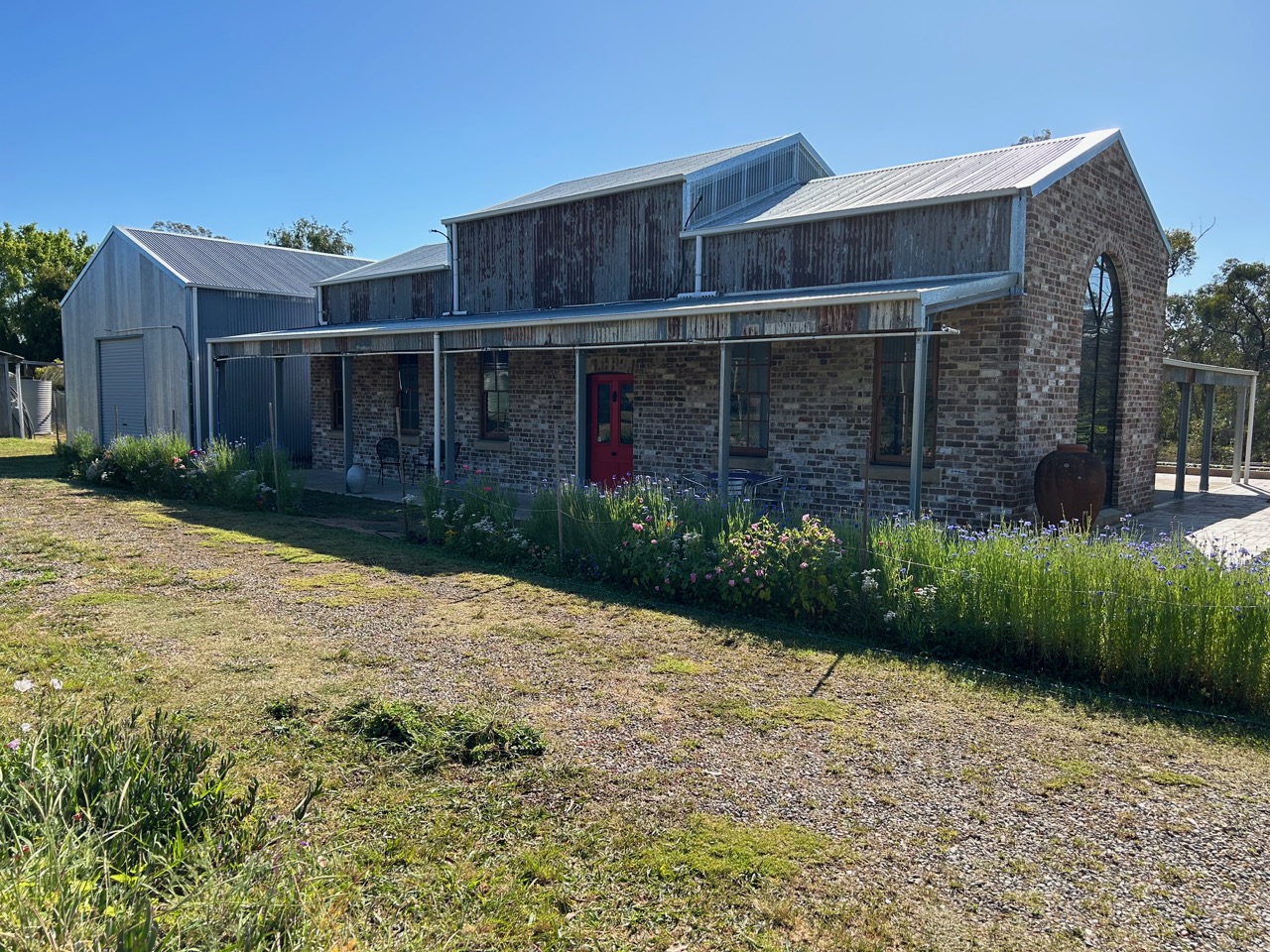
We are ready for the 2nd Open Studio Sale Weekend starting tomorrow. What could possibly go wrong? Hopefully nothing, as we had 22mm of rain yesterday which has freshened up the garden and topped up the water tanks.
Today started with a heavy mist from yesterdays rain. Regrettably, the rain wasn’t strong enough to flood the gutters and pour down the dirt road and flow into our dam. Most of it soaked in, but that is also very good for the garden and all our fruit trees, some of which had started to drop fruit in the prolonged dry spell. The lawn had turned brown and started to ’crunch’ underfoot it was so dry. However, it is amazing what a little rain will do. What was left of the burnt off grass has turned to a flush of green again over night. One blessing is that as it is only millimetres high, it doesn’t need mowing. There is always a bright side. The welcome rain has watered the english cottage garden flowers along the front of the pottery, so everything is looking bright and perky.
All the shelves are full and the gallery is looking good.
Call in and see us over the weekend if you are in the area. Stop for some cake and coffee if you have time, we’d love to catch up.
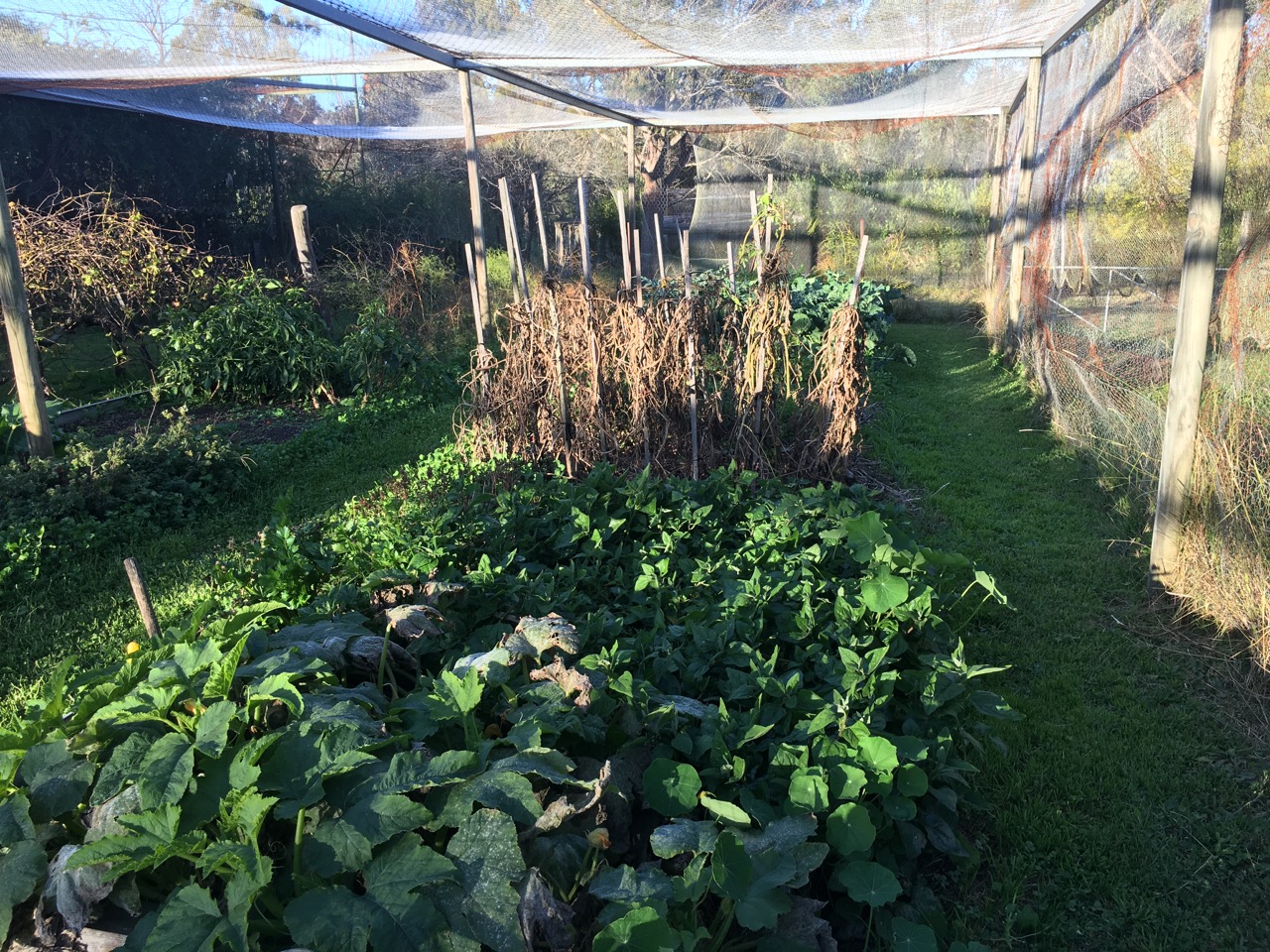
The veggie garden has been woefully neglected recently. It still feeds us well from our previous plantings, but because we were away for a lot of August and September. It was pointless planting any seeds in such dry weather, and then not being here to water and nurture them. So we missed out on our spring planting this year. I would normally have started seeds off in mid to late August, and then planted out in late September while keeping an eye on the frosts and possibly using our portable home made closh system of wire and shrink-wrap frames. However, as we have been so busy since our return, I have only just found time to work in the garden again. i found time in-between pumping water uphill to weed out and replant a few beds.
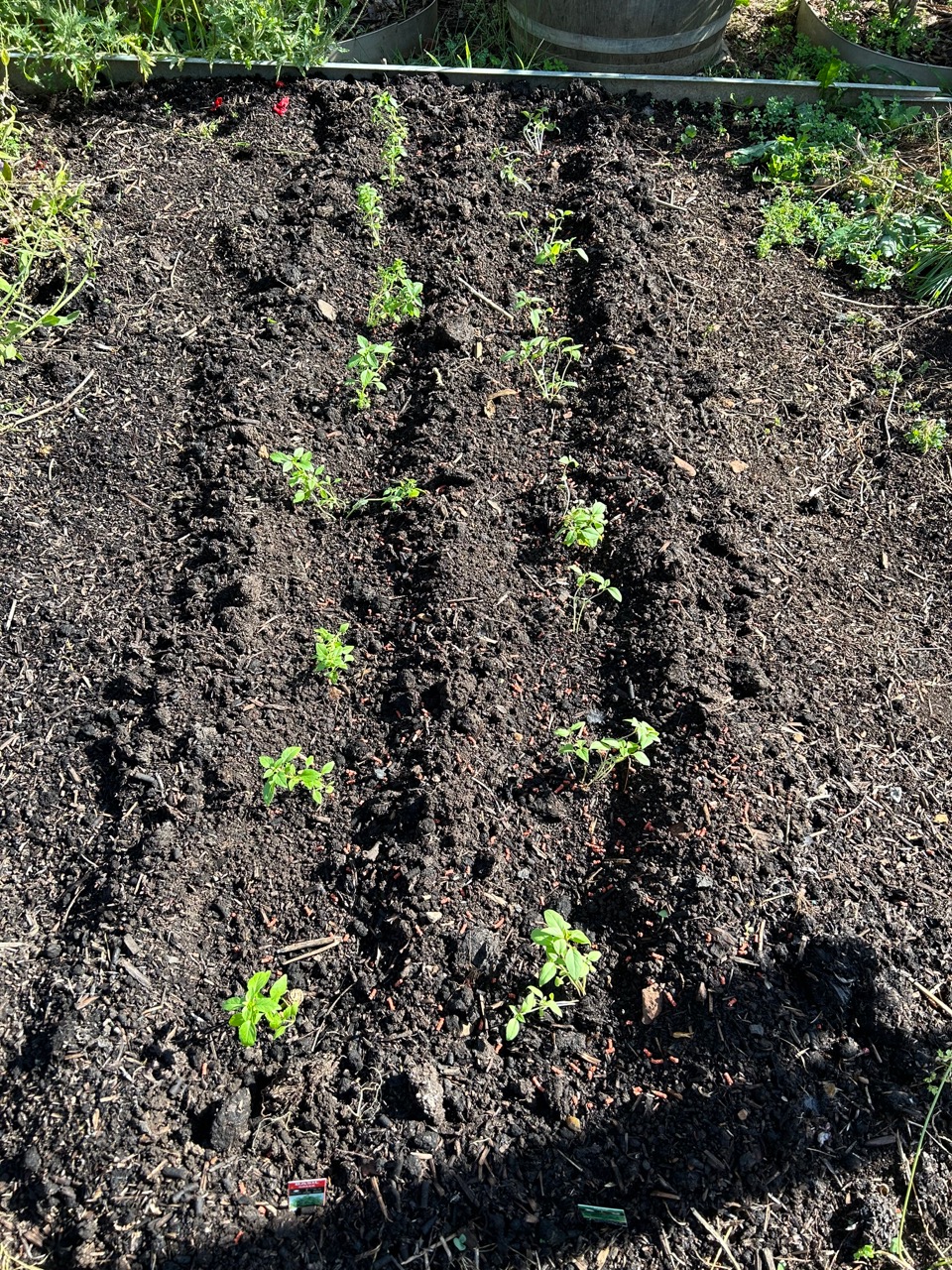
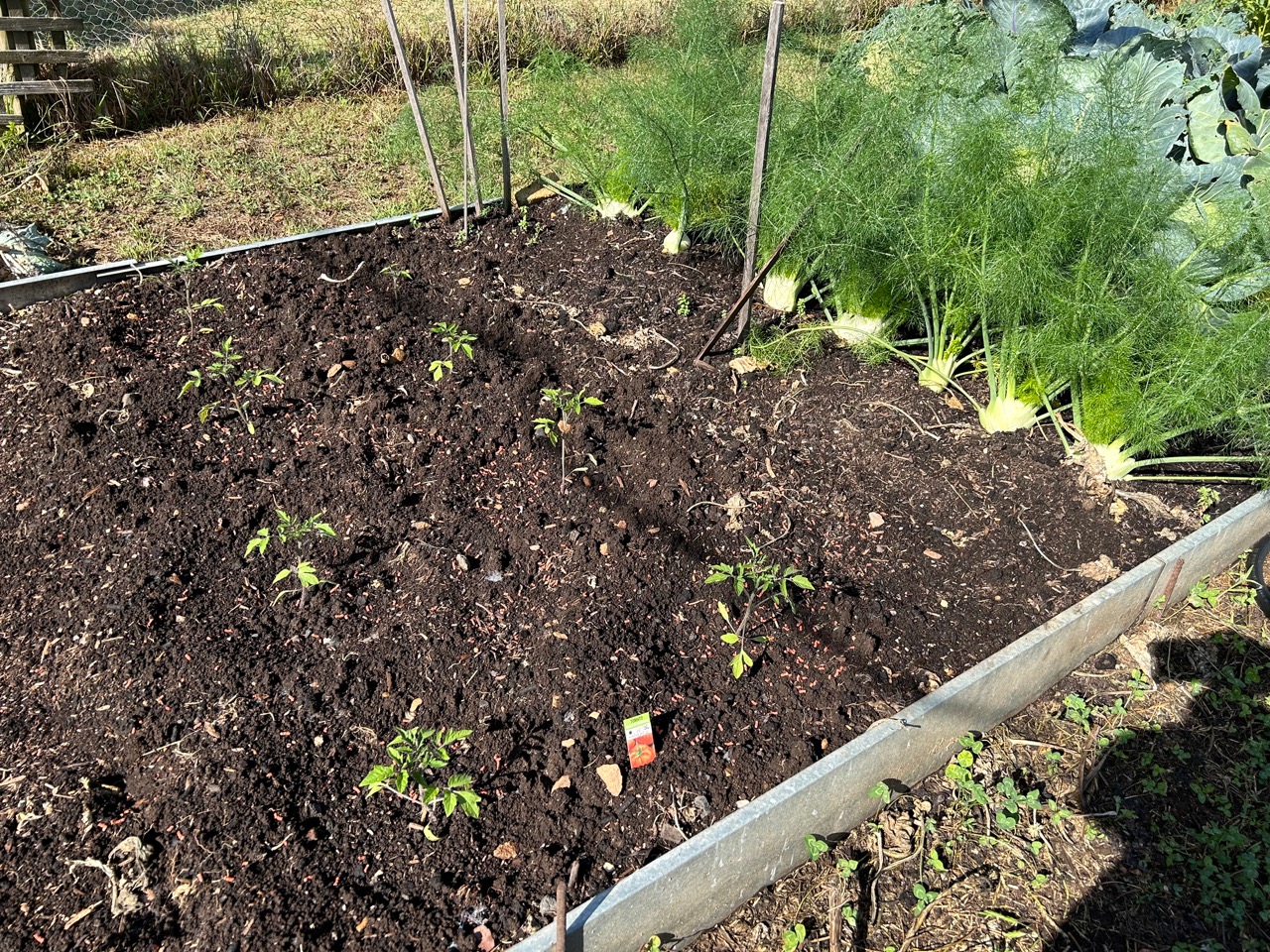
I have had to resort to buying seedlings in punnets this year, so as to get some advanced tomatoes in the ground, along with zucchini, egg plants and lettuce. I also planted out seeds of the same for a follow up planting in December. It will be a smaller vegetable garden this summer. But you can’t do everything.
Buying punnets is a bit of a come-down, but I’m only human and needs as needs must. My own home grown seedlings are on their way.
Nothing is ever finished, nothing is perfect, and nothing lasts. Enjoy the moment.
November is fast approaching. We will be opening our workshop for the first two weekends in November for the Arts Trail – Open Studios event here in the Southern Highlands. We have been getting ready for this open Studio sale since the end of the last Open Studio sale in July.
Straight after the last sale, we had our 1st throwing workshop weekend in the pottery and then got stuck in straight away making new batches of clay, so as to make the new work for this show. I wrote about it here on the blog in August. < Pugging ClayPosted on >
We spent September throwing, turning that new clay into pots. We had to be strict with our selves, as there is always so much to do here throughout the year dealing with seasonal events like pruning and making marmalade, before we left, but we got the pots made. We knew that we would be away for a lot of October doing a geological survey of potters materials in New Caledonia, so all the work needed to be made and bisqued before we left.
As soon as we returned we were solidly back at work in the pottery glazing and decorating those pots. Again on a tight schedule, as I was asked to give the 10th. Ian Currie Memorial Lecture to the Ceramic Arts Queensland ceramic group. I gave the first lecture in the series a decade ago, and they asked me back to give another lecture, this time with a theme of sustainability, but also to give a weekend workshop on making glazes from local raw materials. We had decided to drive up and back, so as to call in and visit all our relatives along the way. Folks that we hadn’t seen since before the fire, COVID and the lockdown, so we had to allow a couple of weeks for the trip.
We have planned the 2nd half of this year pretty well. So now we are back home again and doing the last few glaze and gold lustre firings ready for next weekends sale.
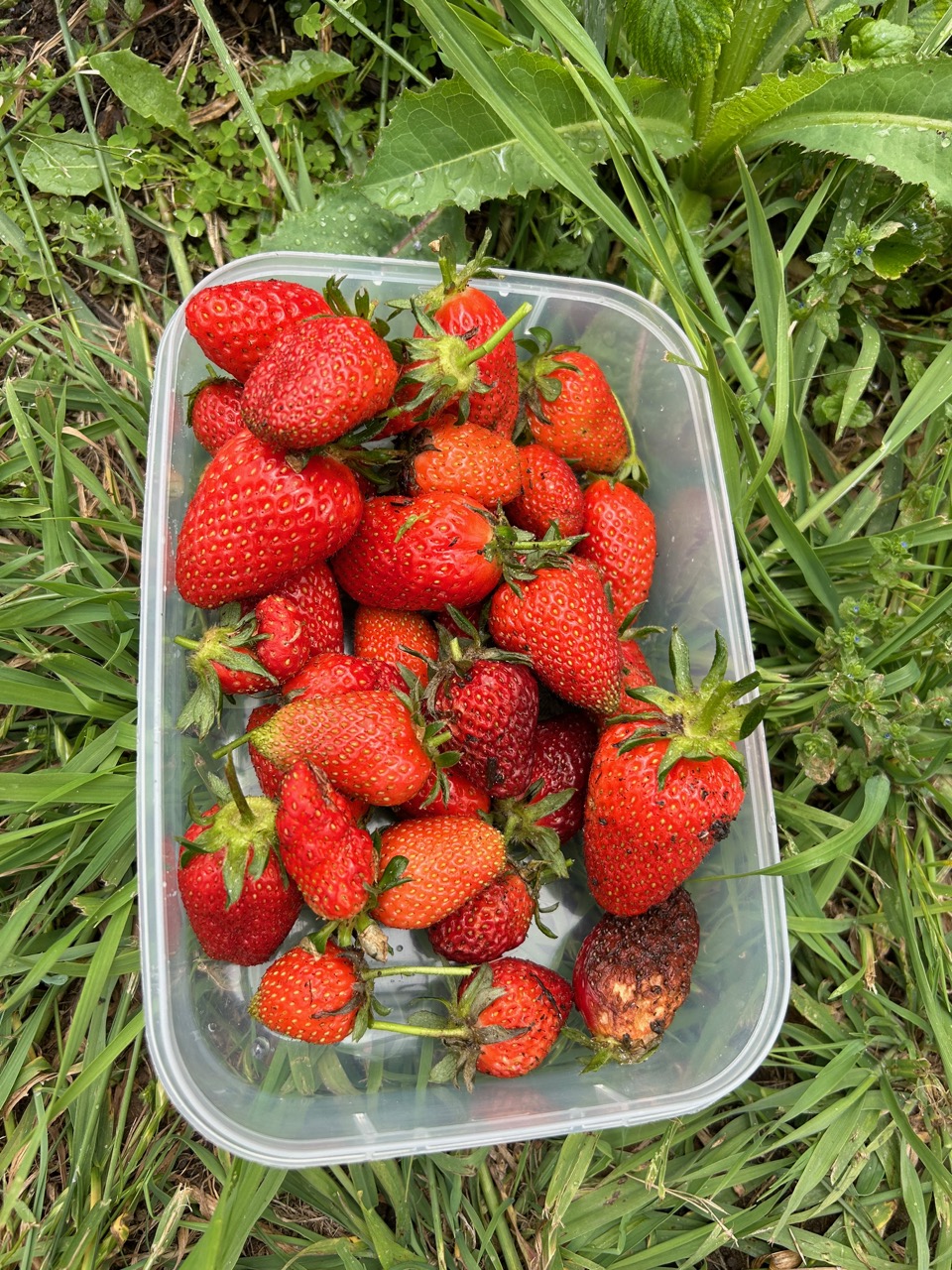
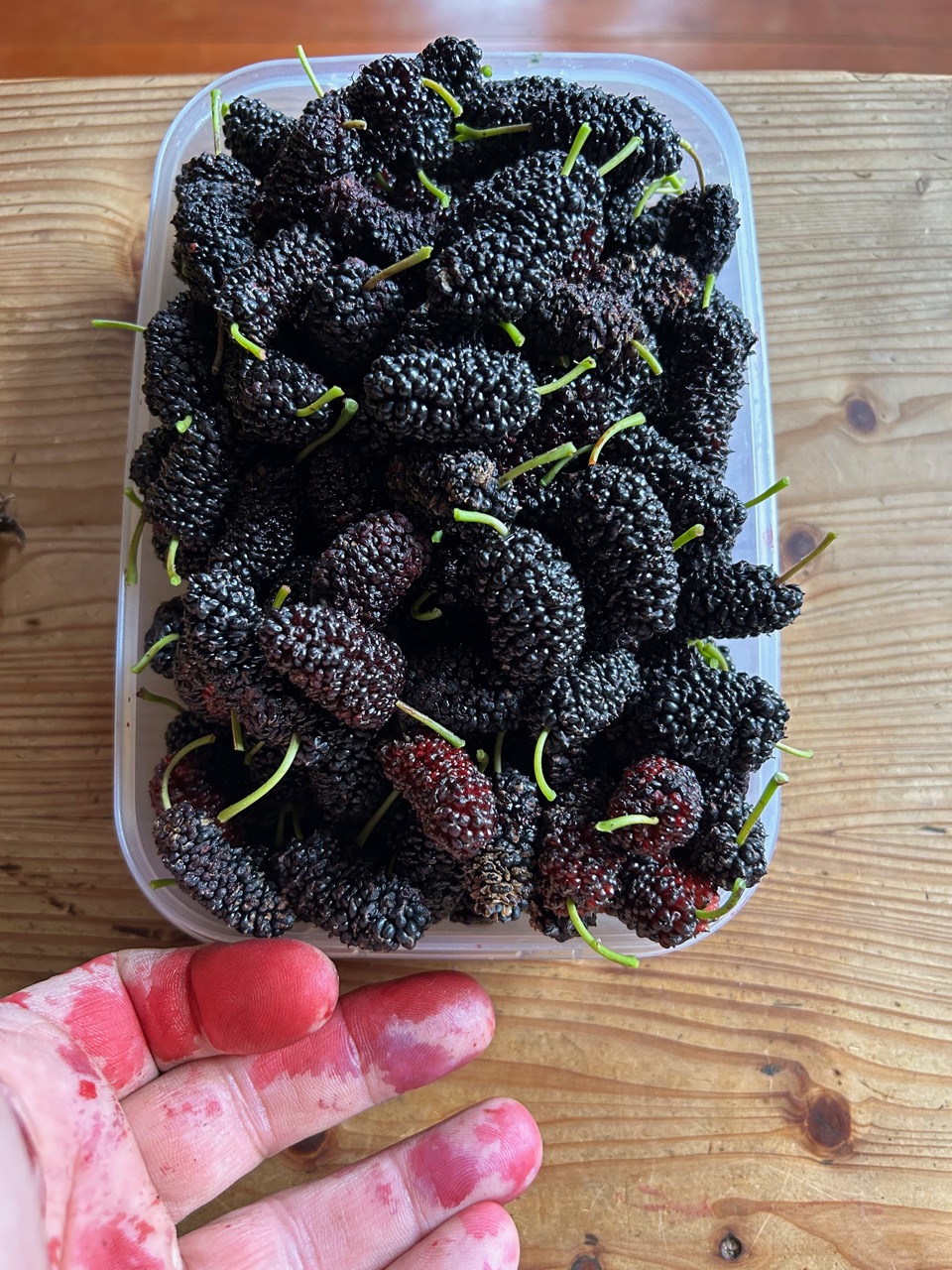
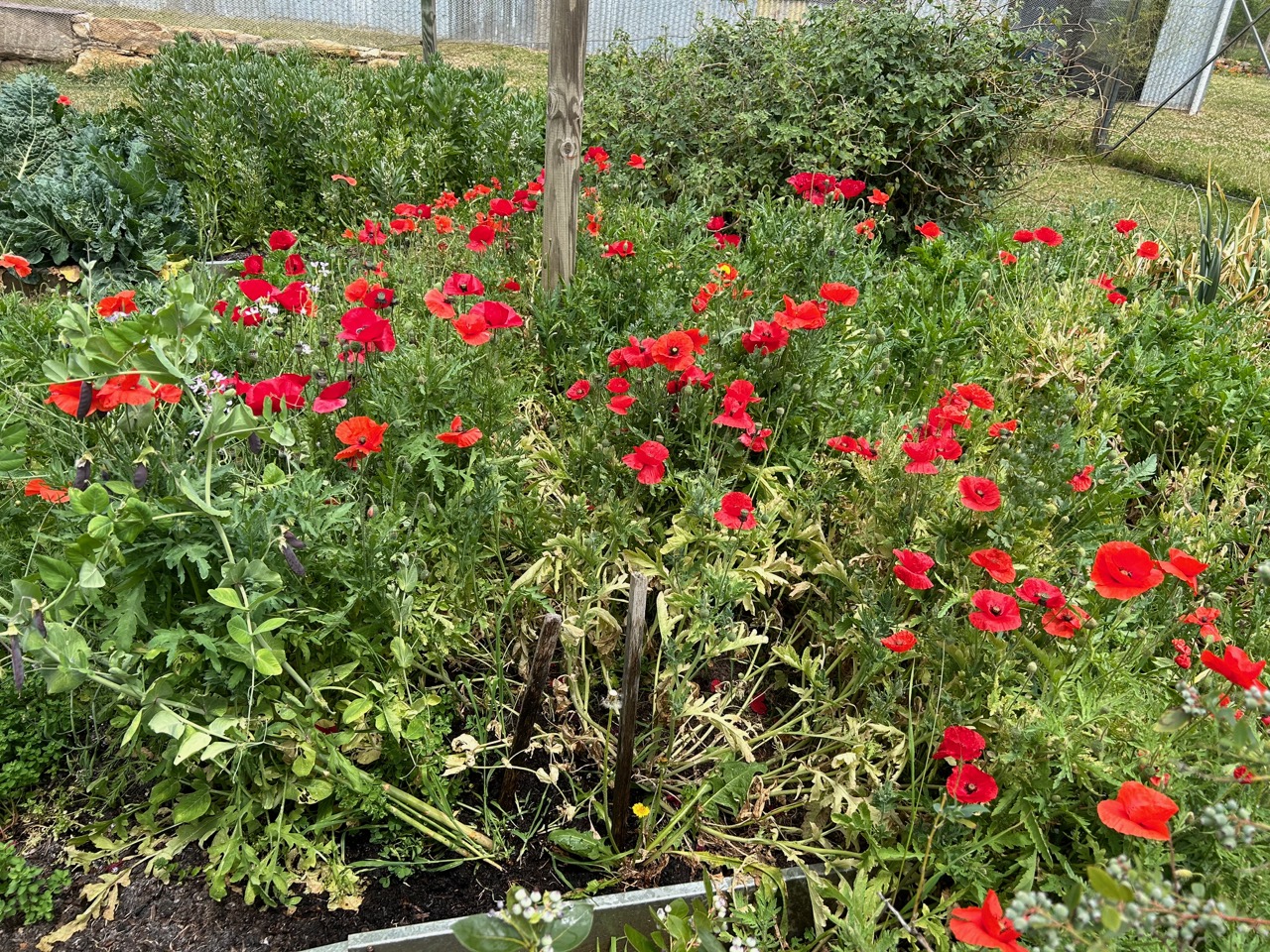
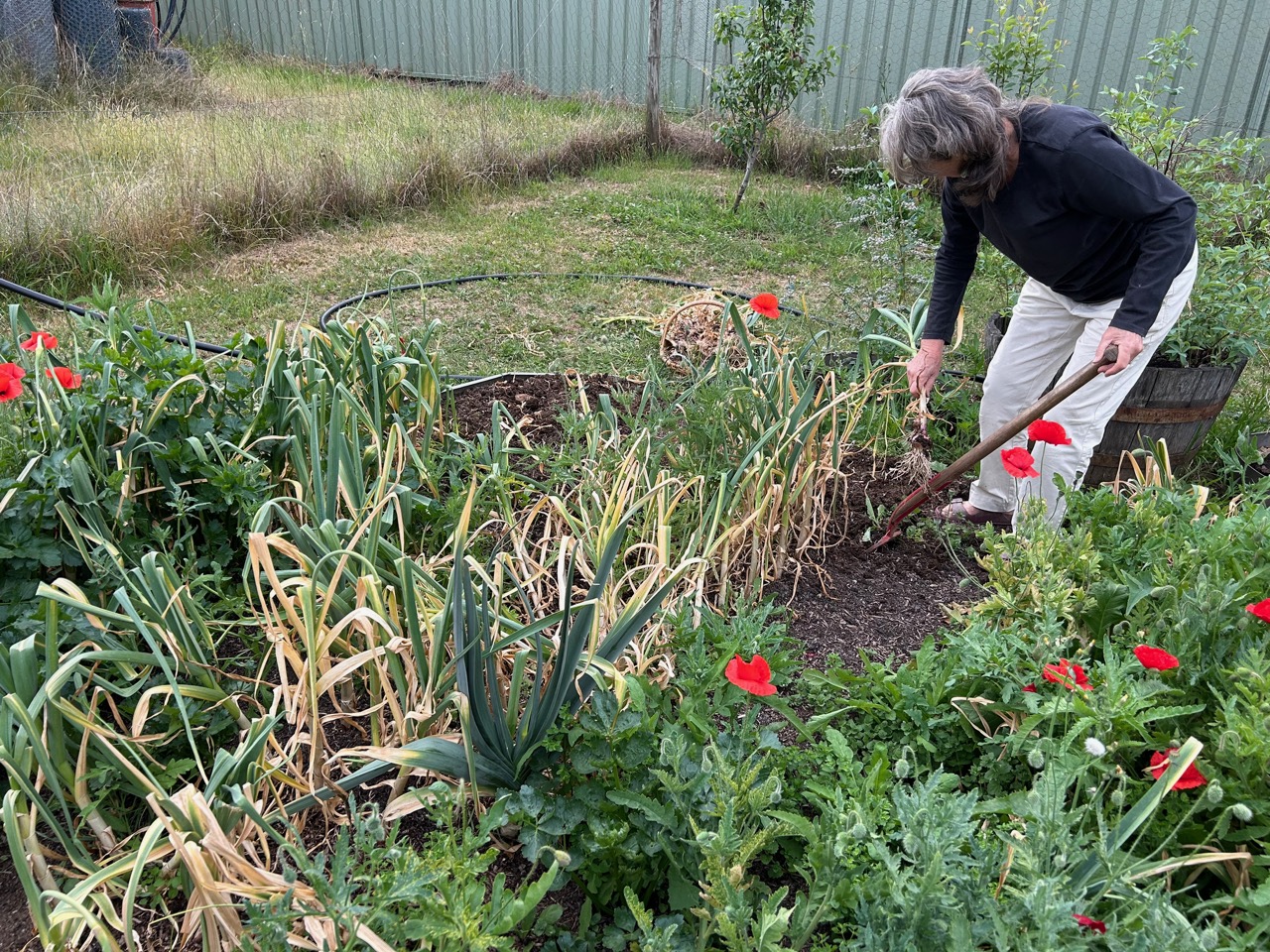
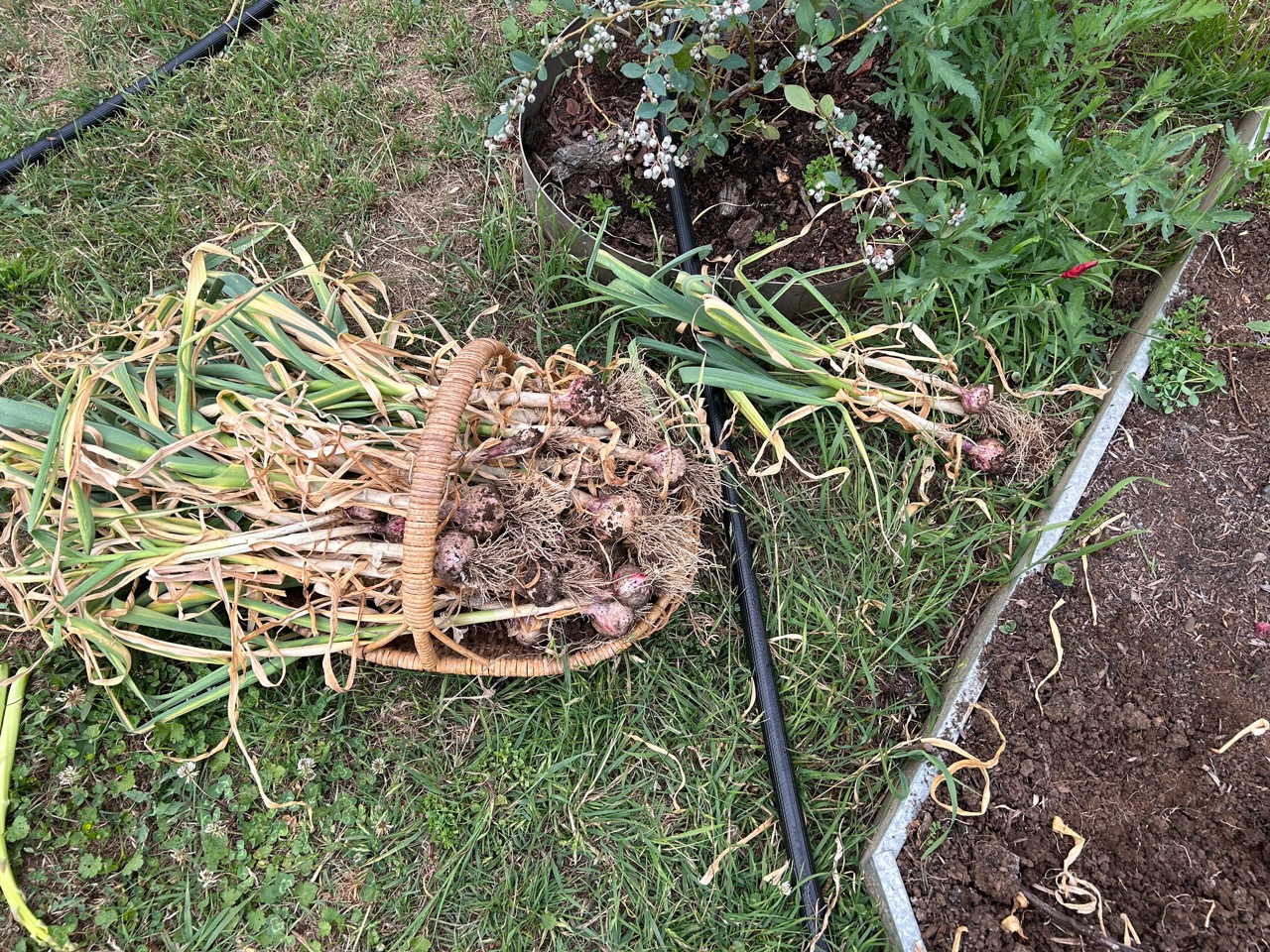
We came home to find a wealth of lovely things that had matured while we were away. The flower garden is still in bloom, the strawberries, cherries, mulberries are ripe and ready to pick. We got out of the car, unloaded the boot, put the washing on, then started watering the garden, picking fruit and lifting the garlic. No time to waste. Everything needs to be done now, so we have to schedule our time and energy appropriately.
The garlic is ready to lift.
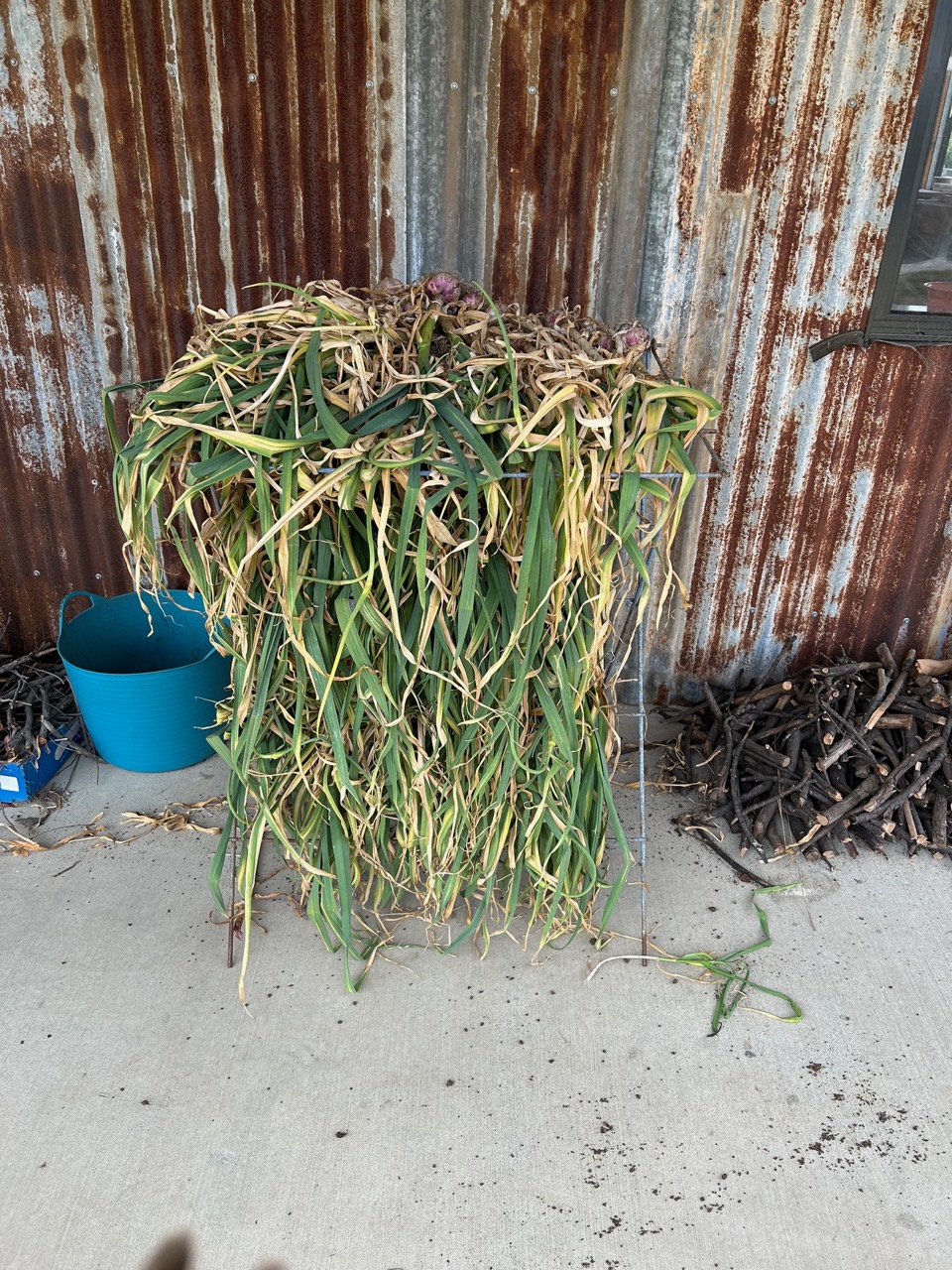
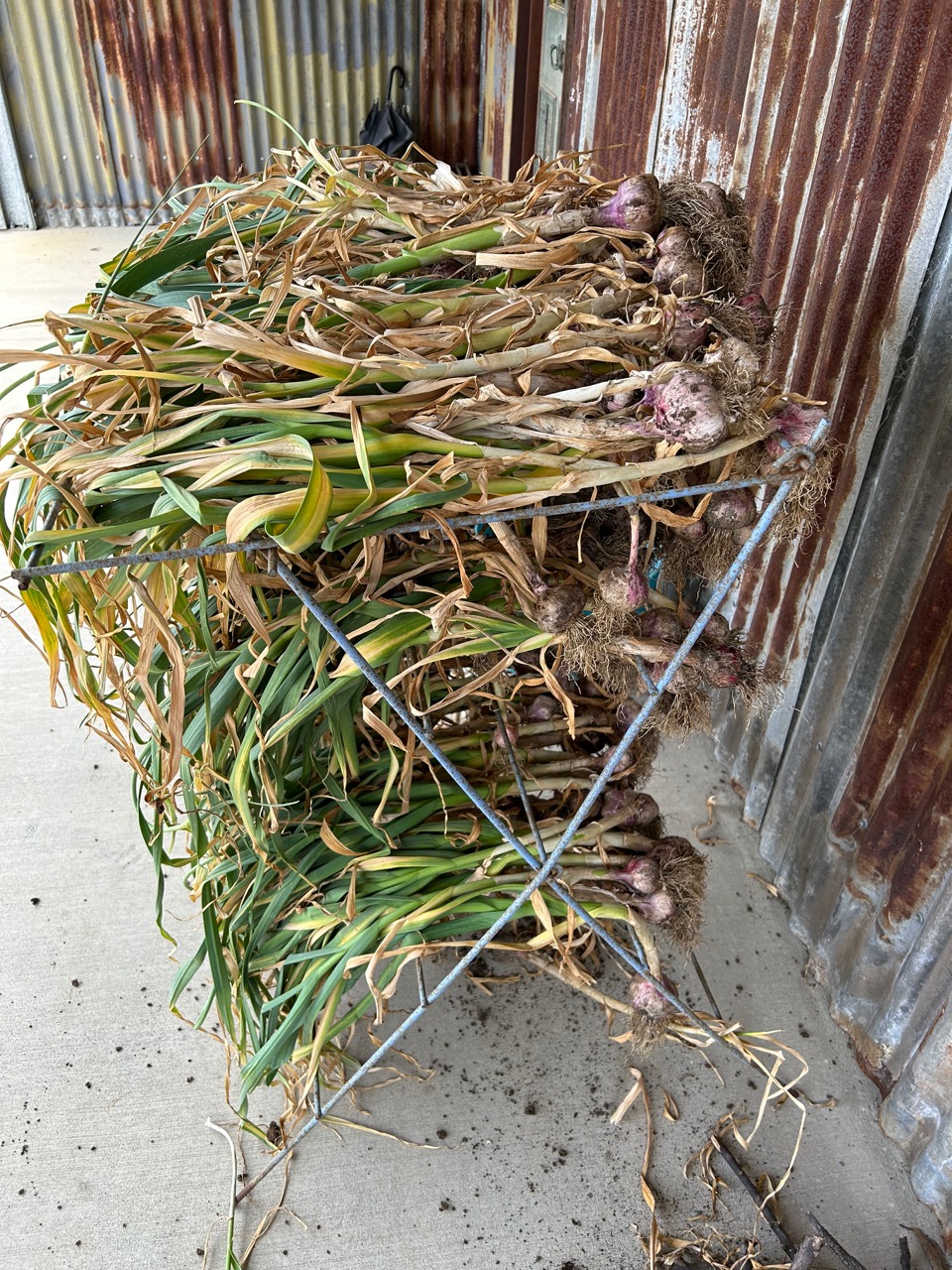
We lay it out on a metal rack to dry for a week or two before platting and hanging ready for use.
We have about 150 mature knobs this year. A small harvest compared to previous years. We have lifted up to 300 knobs in a good year, but I’m not complaining, any garlic is good garlic when it’s home grown.
By the time we take out the best 20 knobs for replanting, there will only be enough to last half a year.
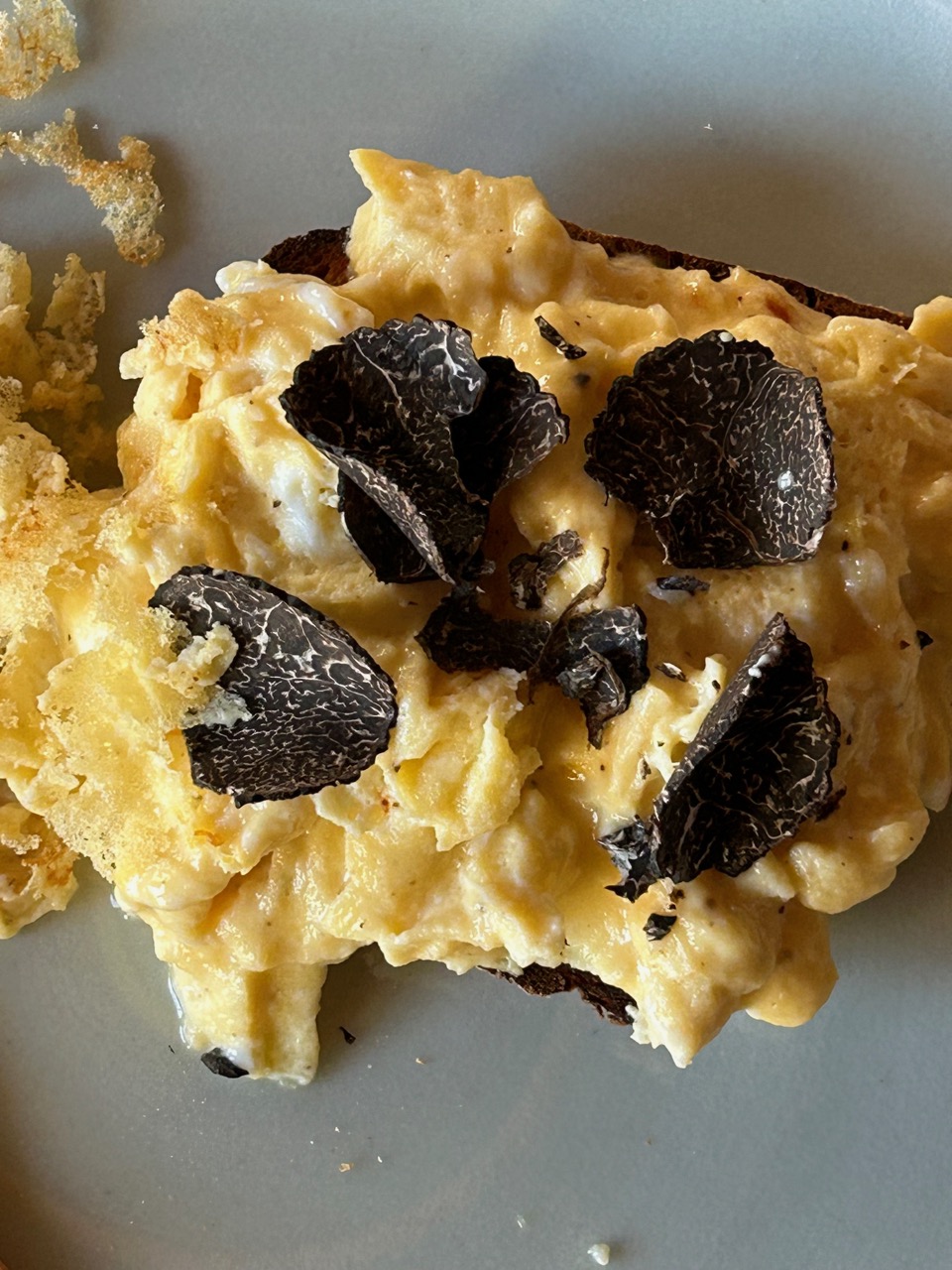
Today we finished off the last truffle of the season. It was romantic, mysterious, fragrant, exotic and delectable. It really elevates the humble scrambled egg into something special without taking anything away, just adding loads of romance and aroma. The warmth of the freshly cooked eggs releases so many aromatic oils and esters from the tiny black fungus. It fills my nostrils as I bend over doing the shaving. It’s a good thing that we only get to eat these delicious little morsels in the winter months, otherwise we may become somewhat blasé about it all. As it is, they are still a very special seasonal treat, If somewhat expensive. We can only afford to live this decadent gourmet lifestyle on our frugal budget because we have a son in the industry.
We are also probably making our last batch of marmalade too, as we have picked most of the Seville oranges now and eaten nearly all of the other citrus fruit. Although this is the beginning of spring, it is also the end of winter in another way, so it’s the end of the winter crops like citrus. We try and live with the seasons, so that’s it for the big citrus splurge in our diet.
It is one of the blessings of living in the Southern Highlands, that we have 4 distinct seasons. For instance, this morning we had another frost. This might possibly be our last really cold morning, but you never know with the climate emergency developing as it is, anything could happen.
I peel off the thin yellow layer of the skin without taking too much of the pith. I want the pith off! With my pile of curly peels, I end up with what can only be called ‘bitter and twisted’ .
Janine removes the pith and cuts up the juicy centre to add to the pan. The first pan is on for 30 mins. before we get the 2nd pan on the stove and the difference in colour is dramatic, it gets richer and deeper as it cooks. We try to use as little sugar as possible, while not making it too bitter and acidic, we also need enough sugar to make it ’set’. It takes about an hour of steady simmer to get it to thicken sufficiently. It’s worth all the effort, it tastes delicious, with just the right consistency. Seville oranges aren’t all that nice on their own. They are OK, but they really come into their own when it comes to making marmalade.
The stone fruit orchard is growing up well. This is its 3rd year and the trees are starting to look a lot more settled and established, with thicker trunks. I have been pruning them into open vase shapes where possible, but some of them have a very narrow vertical habit. They are all grafted onto ‘dwarf’ rootstocks, so they are keeping to a compact size. Most of them are now about 1.5 to 1.8 metres high, with an expected total height of 2.5 metres eventually. But I am well aware that plants can’t read their own labels! So there are bound to be variations.
We had a really great 1st Weekend workshop in the new pottery. It worked very well. The new studio is a great space to teach in. The light is good and the layout works ergonomically for 10 people, 8 students and 2 teachers. After everyone left I got stuck in and started making more pots for myself. The Open Studios, Arts Trail is coming up at the end of the year, so I need to get back to work making pots for that. I started back at it by making 30 straight sided mugs.
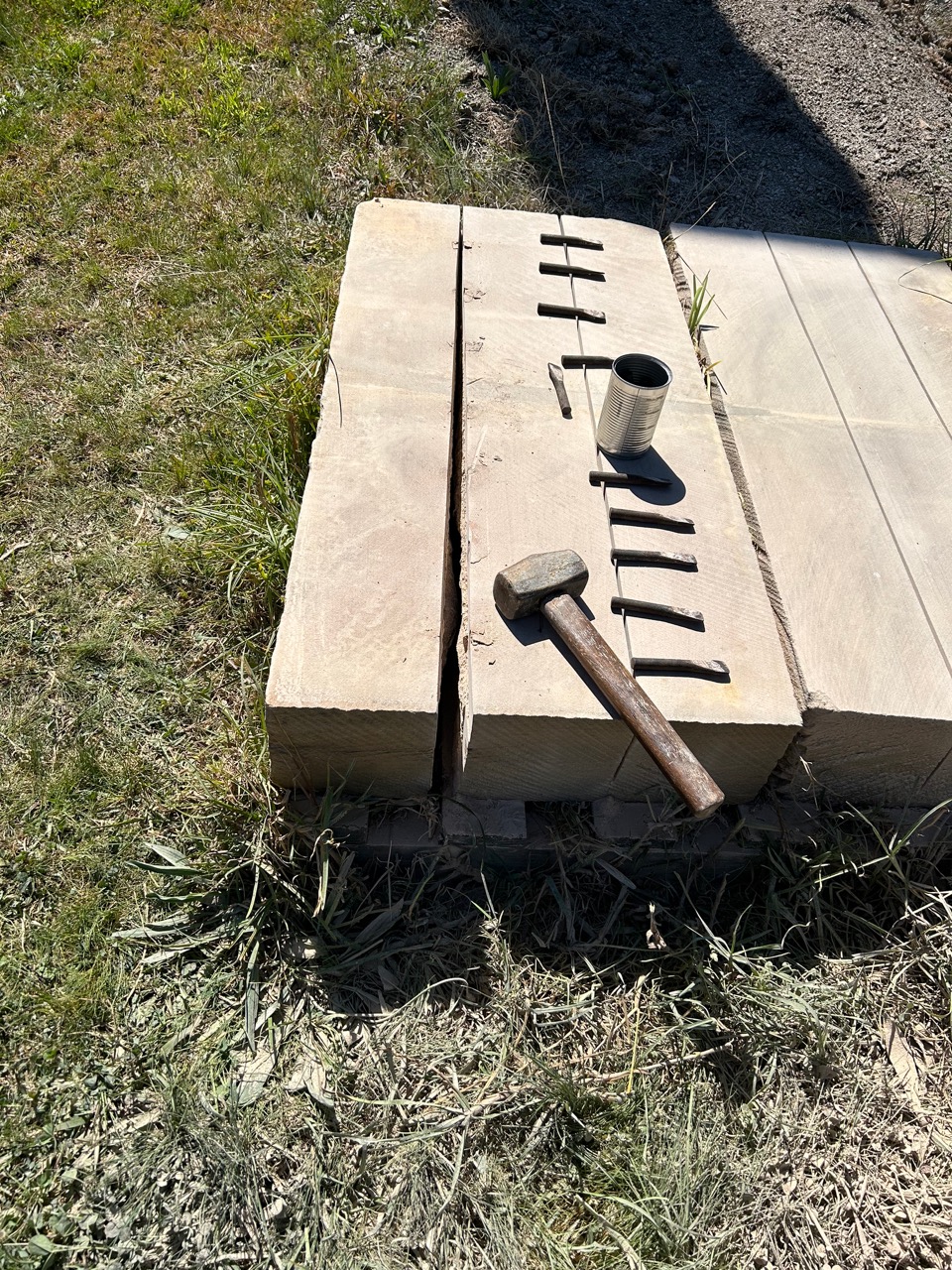
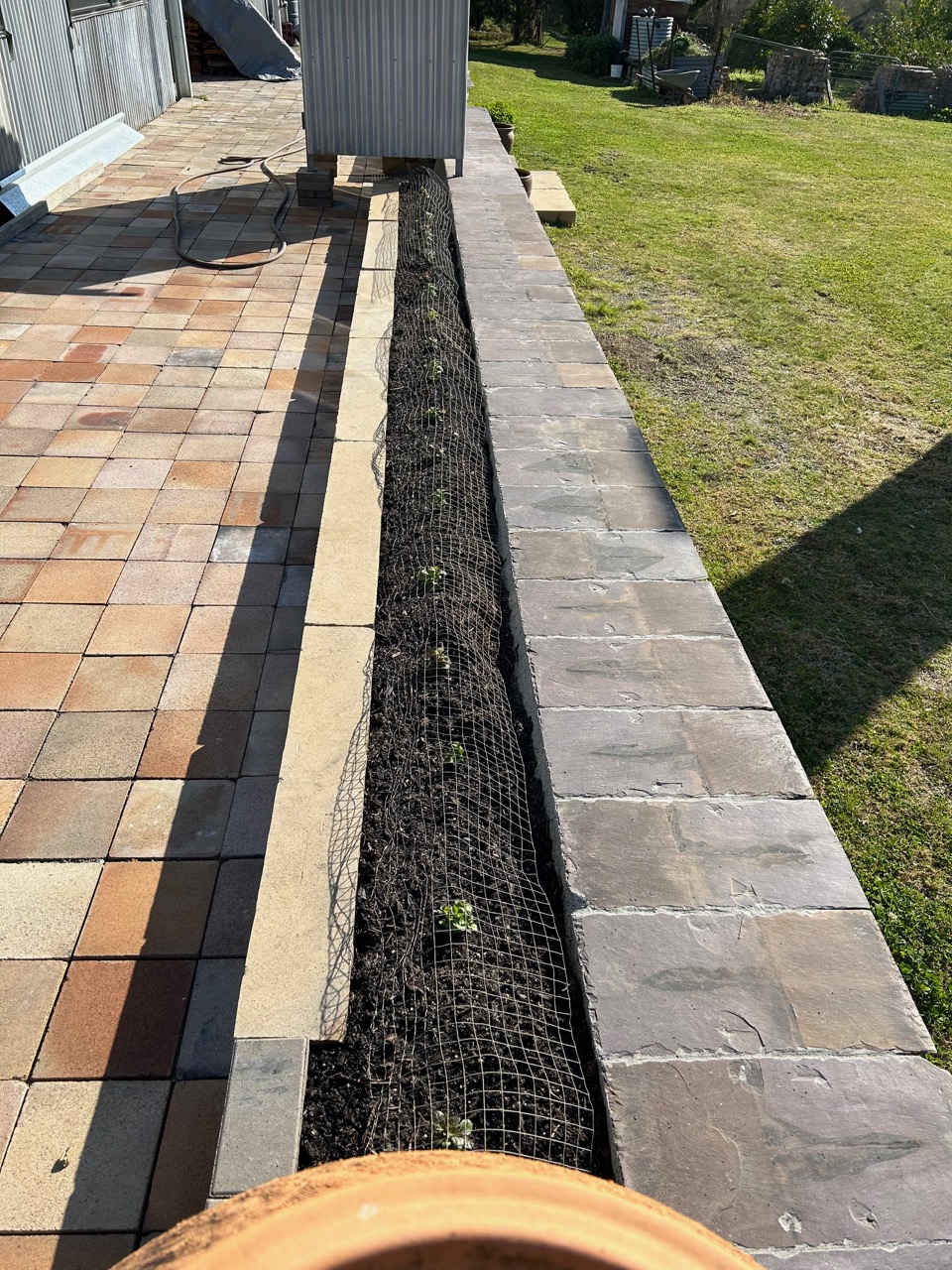
I spent a few days since the recent weekend workshop, in the afternoons, in my spare time, splitting and dressing sandstone blocks, to make some garden bed edging along the recently finished slate capping on the big sandstone retaining wall around the new pottery. It’s just another one of those jobs that has been in the offing and waiting for the ‘right’ time. I chose this ‘right’ time from what is left of my other time! Once the little wall was in place I shoveled in a load of top soil and planted seeds and a few seedlings to make the edging look a bit more settled and finished. I sprinkled in a packet of English Cottage Garden seed mix for good measure and 30 caper seeds, one every 600mm. Capers need an elevated, well drained, sun baked, dry, harsh environment to thrive. They take 2 years to establish, then persist for many more as long as they are cut back and pruned hard in the winter to stimulate good growth in the spring and summer, as flowers and fruit are produced on the new years growth. The elevated and exposed wall seemed like a pretty good place to try them out. I have read in a few books that they thrive on top of stone walls in the Med’s dry summers. I have no expectations, but if something comes of it, I’ll be pleased. If not, then I’ll chalk it down to another one of life’s enriching experiences. The stones look nice anyway, regardless of whether the plants grow or not!
After the soil was shoveled into the new beds, Edna the chicken, who had been helping me all day, came along and decided to help me some more by scratching a lot of it out again. I had to make some impromptu wire covers to protect the small seedlings from being excavated!
I’m happy with the result. 3 days work and $50 bucks goes a long way. I’m hoping that it will look greener in time for the November Arts Trail, Open Studios event.
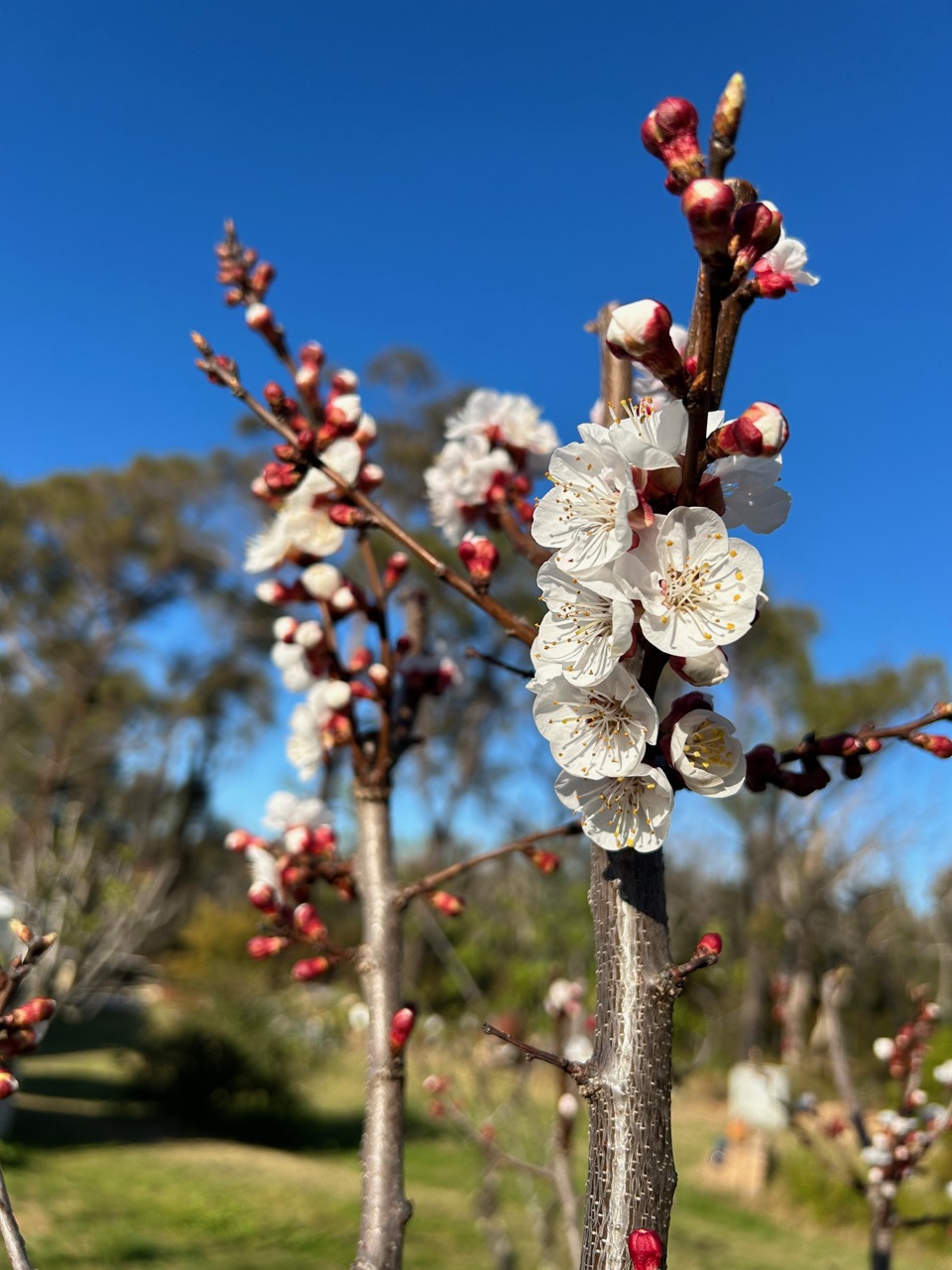
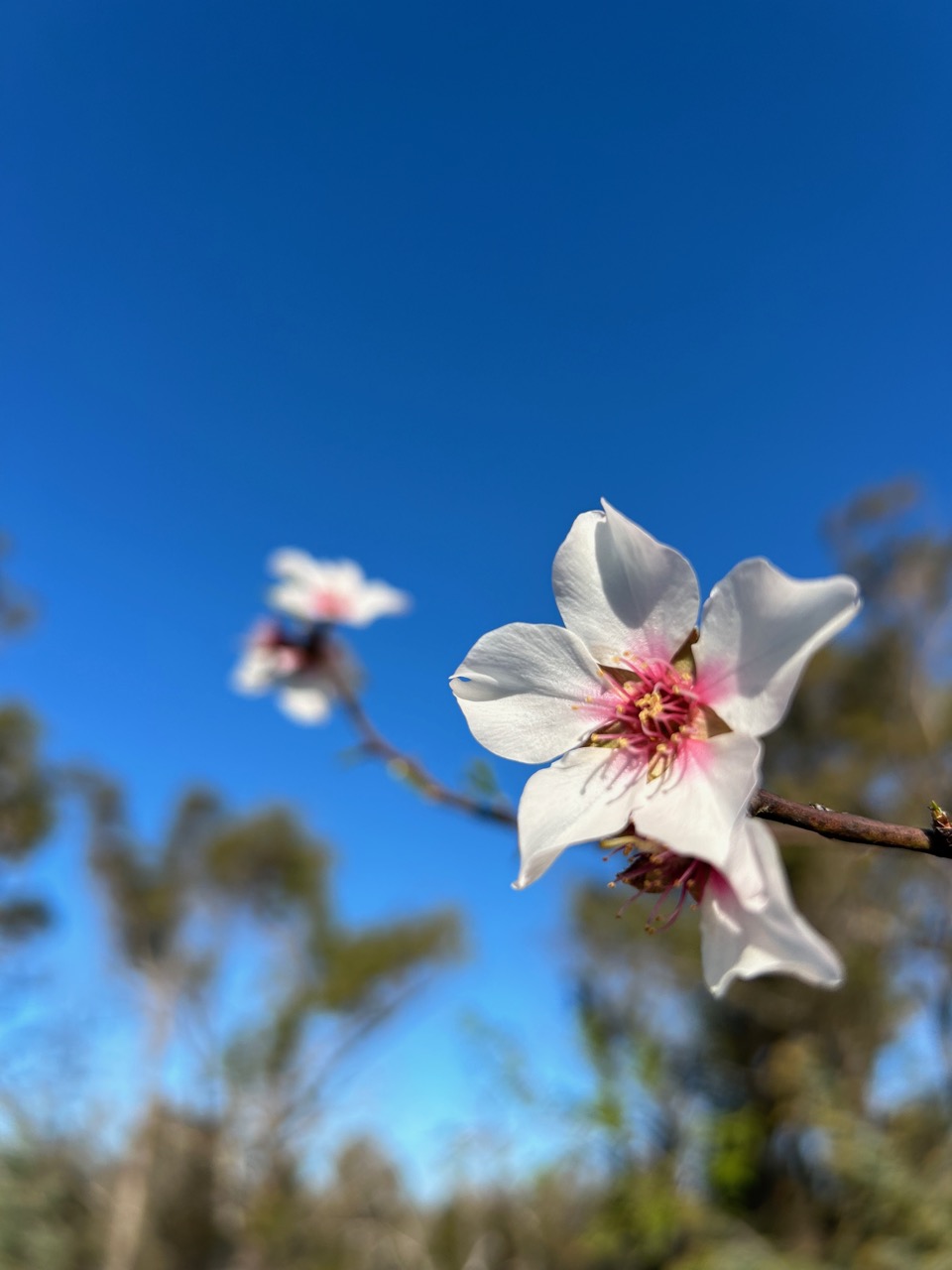
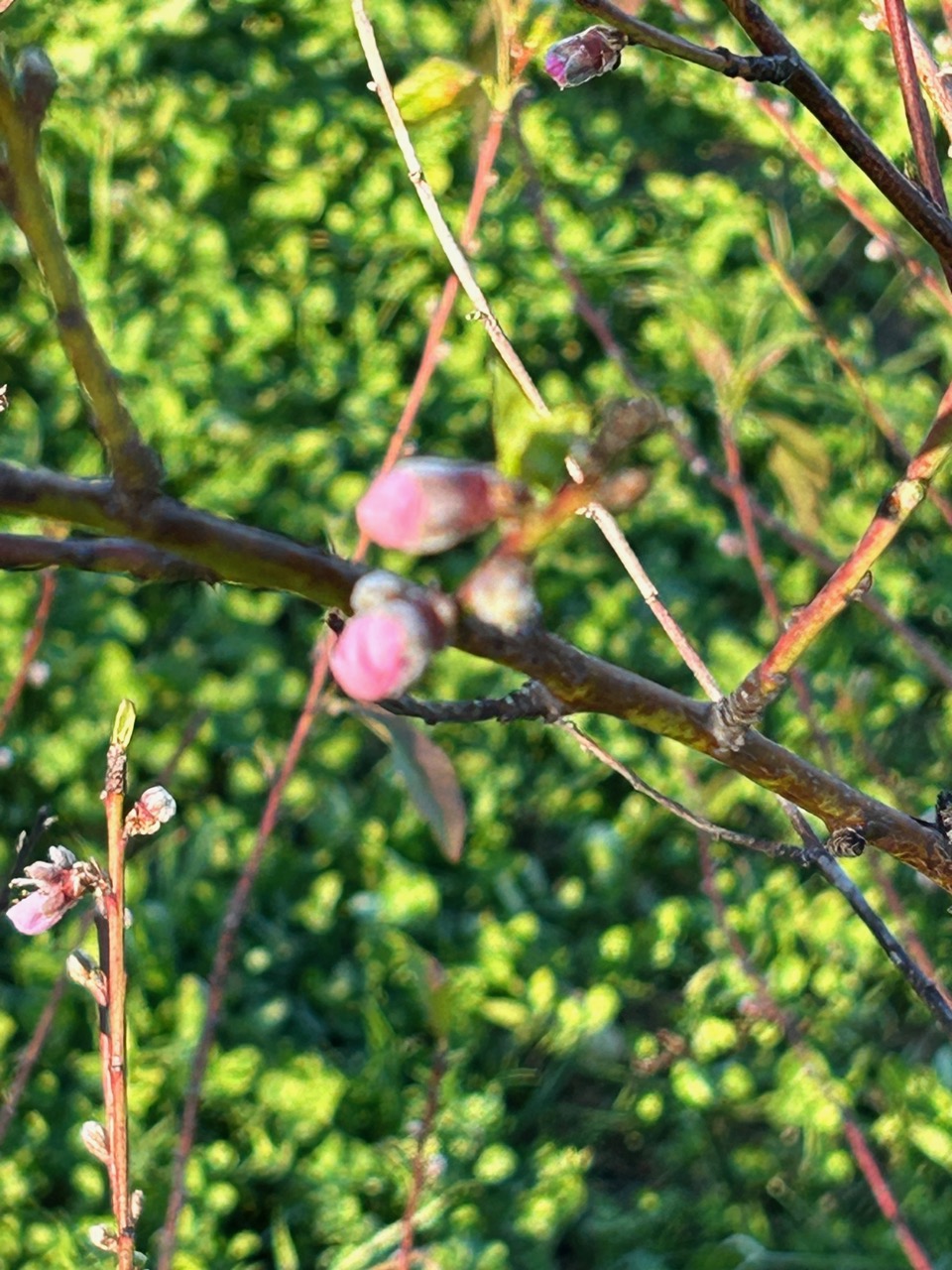
Right on schedule, it’s the beginning of September and therefore Spring, and sure enough the orchard trees are breaking into blossom.
Someone recently said, “spring has come, I’m so excited that I wet my plants”. I liked it, it made me smile, so I’ve stolen it.
Right on cue, everything has burst into bloom.
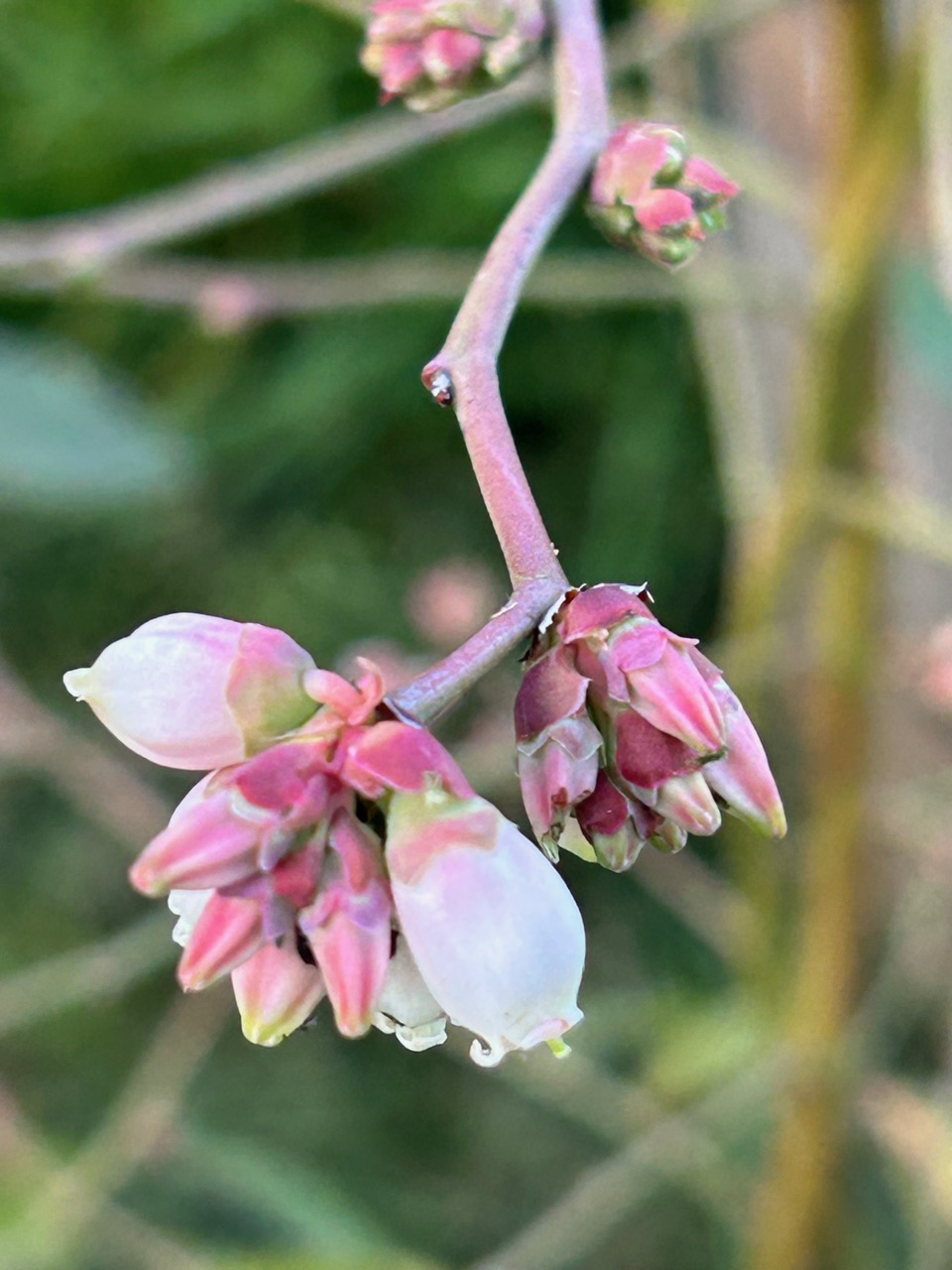
Blueberries
Nectarines
Peaches
Apricots
Almonds
Cherries
Even the hazelnuts are flowering. However, they are almost invisible, unless you get right up close, very close indeed.
Their tiny red flowers are only a couple of millimetres across. Obviously, being so small, they are not relying on bee pollination, like the showy stone fruits. Those floozies are big, brash, colourful and full of rewards for bees. Hazelnuts on the other hand are fully wind pollinated, so don’t need to expend any energy of showing off.
Hazelnuts
The weather is predicted to be hotter and dryer in the coming years as we slip back into El Nino again. We have had 3 wet years of La Nina, that ended the drought and the bush fires, but now we are heading back into the old hot and dry years again.
It hasn’t rained properly for months. The dams are already down to below half and we haven’t even started the summer. I can see that we will be relying on our tank water storage for the garden and everything else as well.
Fortunately, Janine and I invested heavily in large water tank storage over the past decade of our working life. It was that water that I used to save the house and whatever else I could during the fires.
Every roof that can catch water has a water tank attached. We have about 1/3 of a million litres of storage capacity in hand now. Since we have rebuilt the pottery and other sheds after the fire, they are all now connected back into the water storage system with independent, petrol powered, high pressure, fire fighting pumps. They haven’t been used in anger since the fire, so will need to be serviced and tested before the real heat sets in. I feel that we are in the best place possible to deal with the coming dry.
Now the garden needs some TLC and water. I’m so excited, I wet my plants.
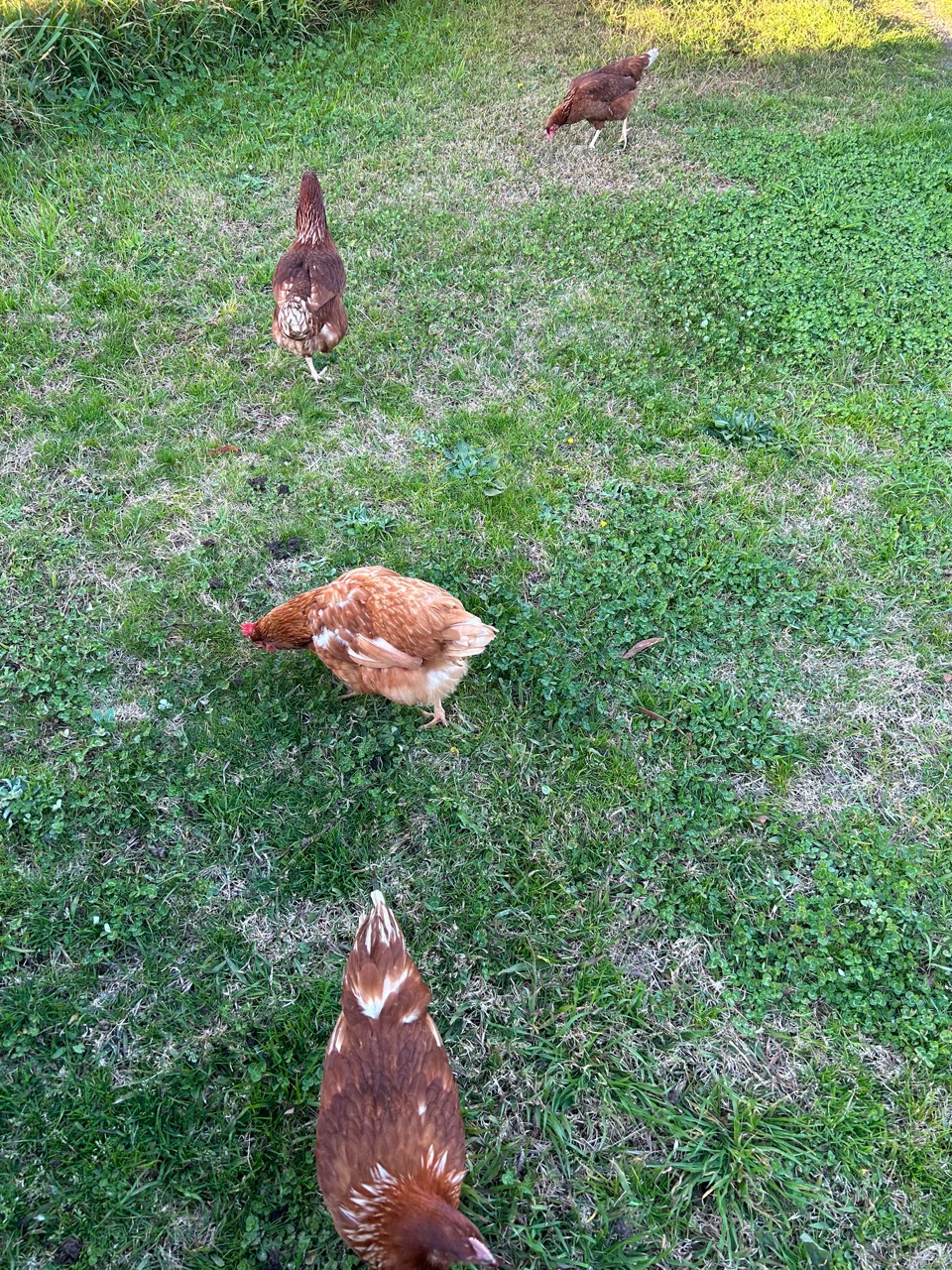
We have had our new chickens for 5 days now, so this afternoon I let them out for a little wander around the garden for an hour before bed time.
They had no hesitation in running straight out onto the lawn and practised running very fast and flapping their wings. First in one direction and then back again.
I’m thinking that it is the first time in their life that they have been outside, with unlimited space to run and flap about.
They stayed close to their house all the time. They only had a passing interest in watching me load compost into a wheel barrow and wheel it into the garden to mulch fruit trees.
At 4.30, they put them selves to bed.
Each day, I’ll let them wander a little bit further and for a little bit longer.
Since the fire we haven’t had any cherries from the burnt out Chekov orchard. I think that most of the tiny, tender fruiting spurs on the cherry trees got roasted in the fire. They don’t regenerate, it seems. The trees can grow new fruiting spurs on mature 2nd year wood, but they haven’t so far. So I only pruned them very lightly last year and not at all this winter. That should produce the possibility of 2nd year mature wood for new spurs next year?
But all the new wood is right up very high reaching for the sky. These are old trees now so the new shoots start up at 3 metres+ and go straight up. That means ladder work to pick the fruit. Not good. It’ll all go to the birds I suspect?
Just in case, I ordered 7 new, dry rooted, cherry trees for this winter. They are all grafted onto dwarf rootstocks and also bred for low chill warmer climate conditions. Perfect for me to maintain into my older age without needing ladder work. All transplanting of deciduous trees is always done in the winter months while they are dormant.
I mowed, then weeded and dug over a suitable strip along the back fence of the netted veggie garden. This reduces the area under cultivation, making the garden smaller and better suited to my diminishing capacity to maintain the larger space of intensively cultivated plots.
We should start to have some more cherries in a couple of years from now.
I noticed that the first early peach has started bud burst in the stone fruit orchard. So I dropped everything and got stuck into the pruning. I should have done it at the end of June, but time slipped by. In the past it took both me and Warren 2 days to prune the old established 40 year old fruit trees in the previous orchard. This time, with all the new dwarf trees. I got it all done in one 3 hour session on my own. That’s so much better.
The first of the early blueberry bushes has also broken into flower. It’s almost as if its spring already and we are only half way through winter.
While I was at it, I made a full weekend of it and also pruned the almond grove. It has not flourished since the fire and I had to prune a lot of dead wood from the trees. I’m not too sure if they will survive? They don’t look very vigorous. We have had quite a number of very big eucalypt trees die this past year. They survived the fire and shot out new branches and were looking OK, but 3 years on, they just turned up their toes and are now dead. They’ll need to be felled at some stage to make the garden safe, otherwise they will start to drop branches.
I was doing a bit of a clean up, mowing and weeding in the veggie patch, while prepping for the new cherry trees, suddenly a glint of red, I discovered yet one more self seeded stray tomato bush. So this must be one of the latest harvests of ripe, free range tomatoes that I have ever done! The seasons seem to be coming around faster and faster, or am I just getting older?
While I was doing all this tidying up I also took the time to pick a red lettice, some red radiccio, chicory and the last of the endive. This mixed with a green onion and some chervil. I made a lovely little bitter salad for lunch.
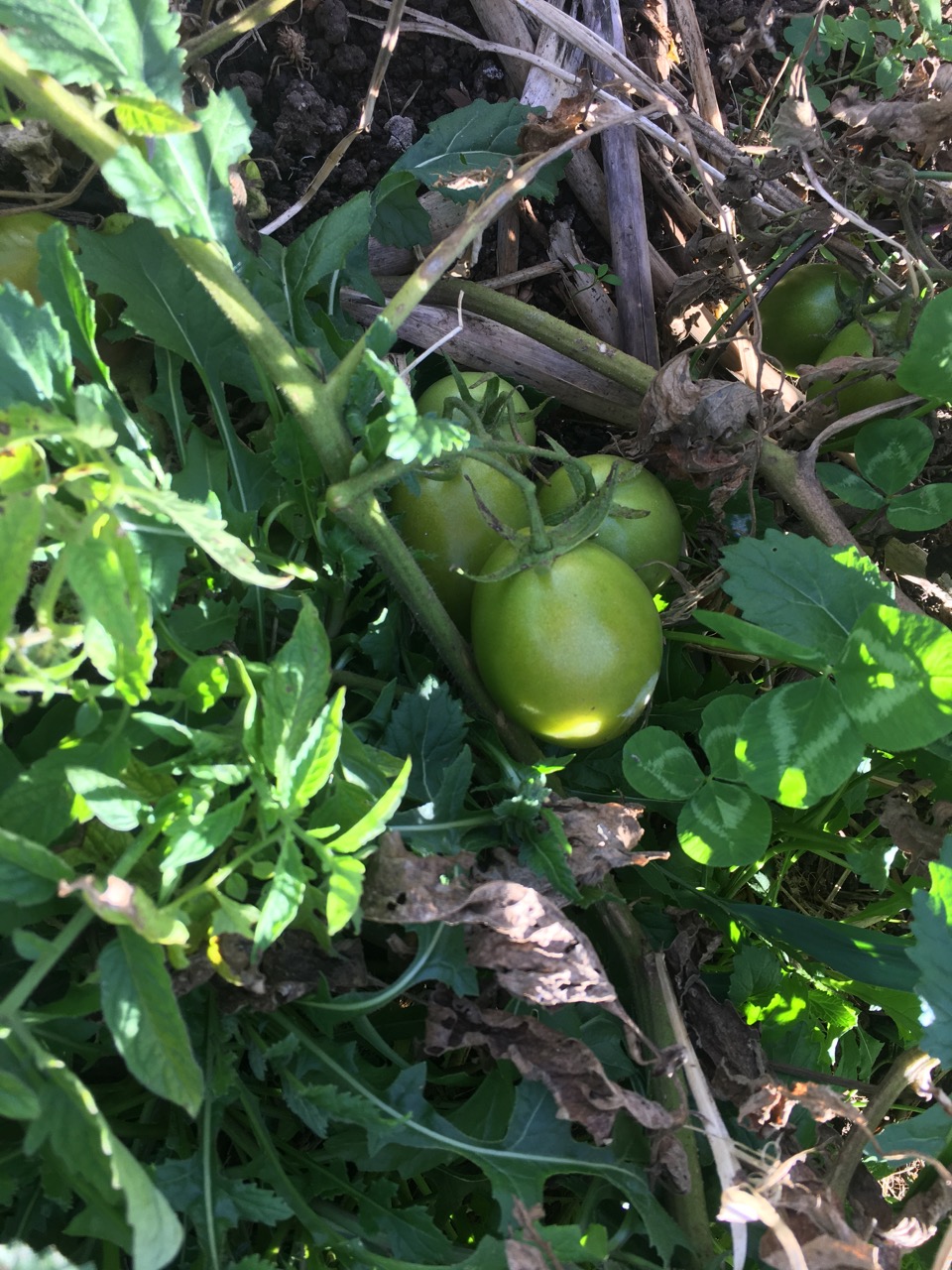
In this last week of autumn, the days are noticeably shorter the weather is so much cooler, and the frosts have started. The tomatoes are dead, but wait. What’s this? Still just a few green tomatoes in among the undergrowth and weeds. AND, 3 red ripe ones!
We are picking plenty of broccoli and cauliflowers. Winter is almost here.
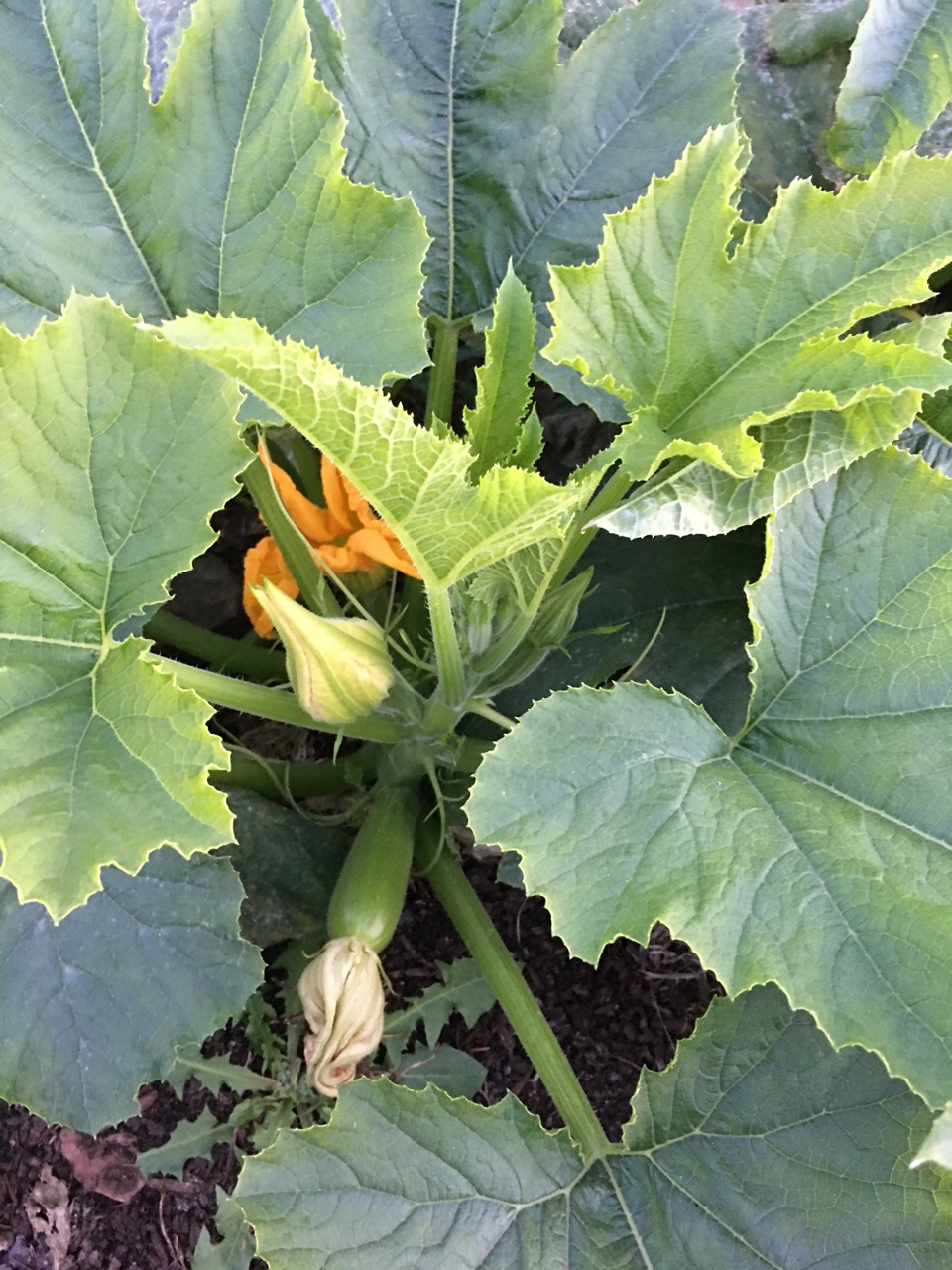
There are just a few very small zucchinis still on the bushes. I need to pick them before they get frosted again and go mushy
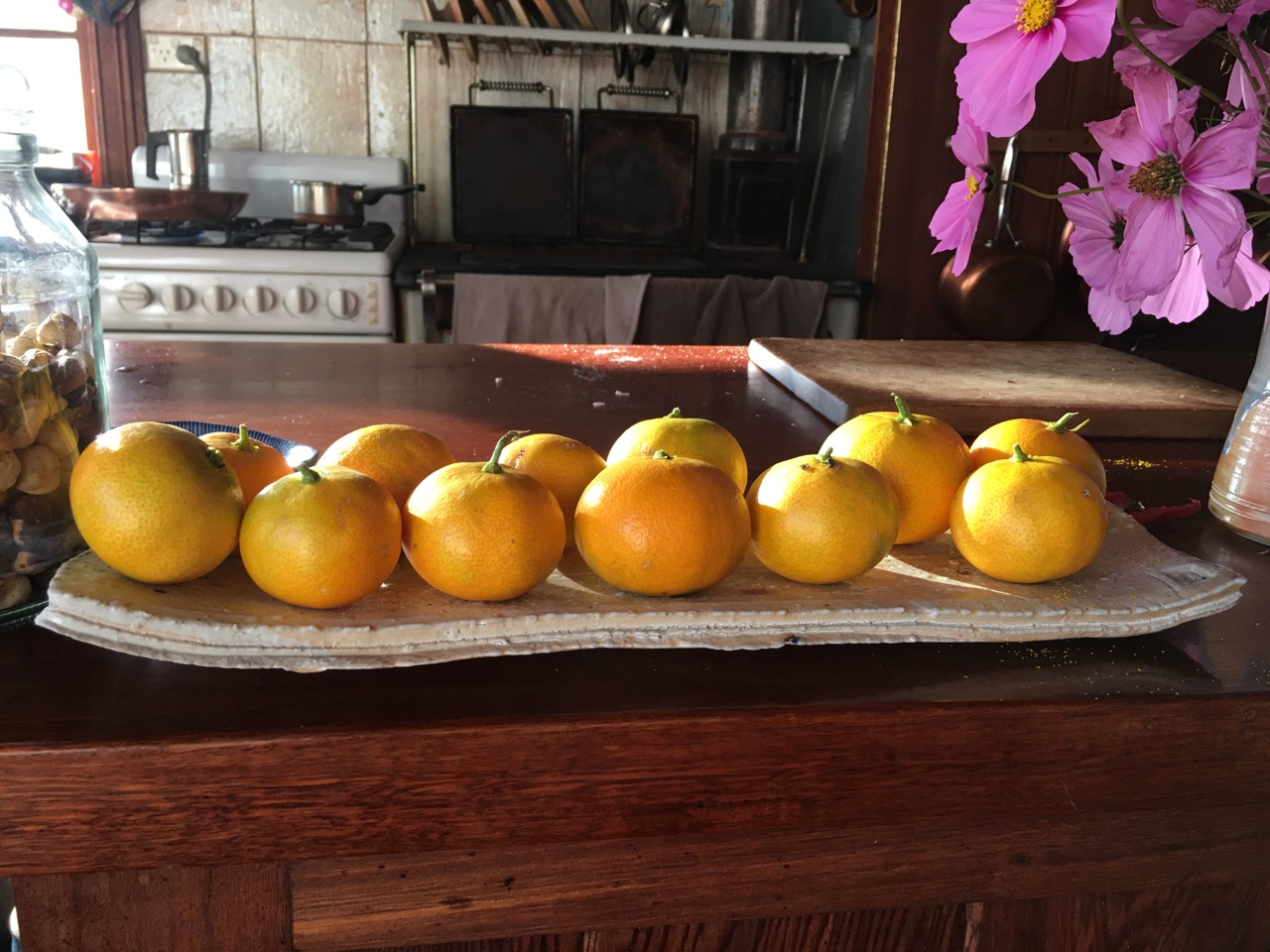
All the apples are finished and we have just picked our last pear. We have started to pick the winter citrus. All of the citrus trees were badly burnt in the fire, as they were growing along side the pottery kiln shed wall. The closest ones were killed, those further away got badly scorched, but with a severe pruning away of the dead wood, fertilising and watering. Then planting new trees in the vacant spaces. We have a citrus grove once again. Because many of the trees are still very young, just two or three years old, We have a lot less fruit to look forward to. We are almost through the Japanese seedless mandarins. It was a small crop of 30 or so. The tree is still very young and this is only our 2nd crop, so not too bad. The Japanese yuzu has just two pieces of fruit on. This is its first crop. The kaffir lime trees out the front of the house got very badly burnt, but are making a come back with a lot of pruning and TLC. The stronger of the two trees had over 60 fruit on this year. We only grow it for the leaves, so the fruit is picked off to allow the tree to flourish.
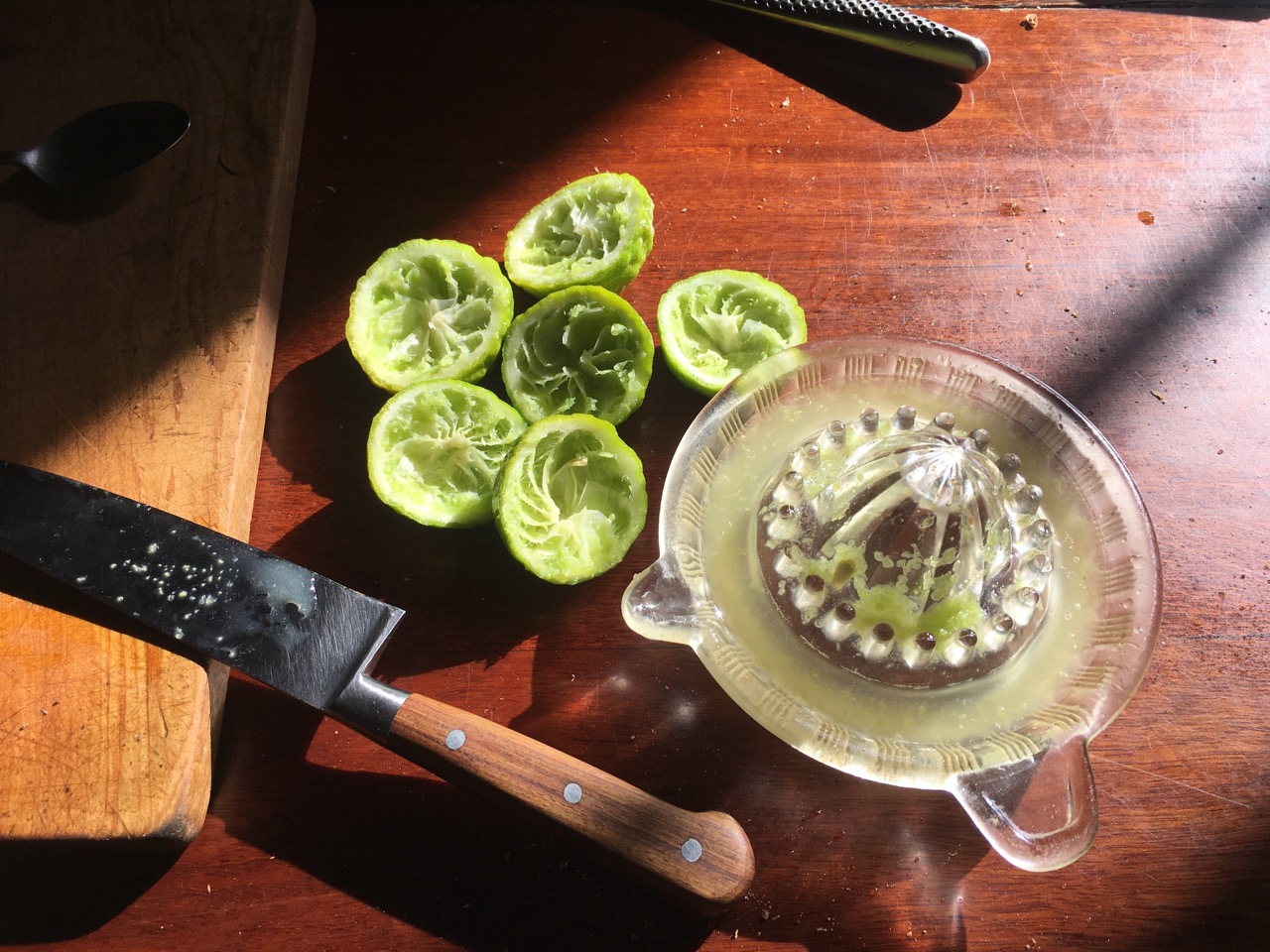
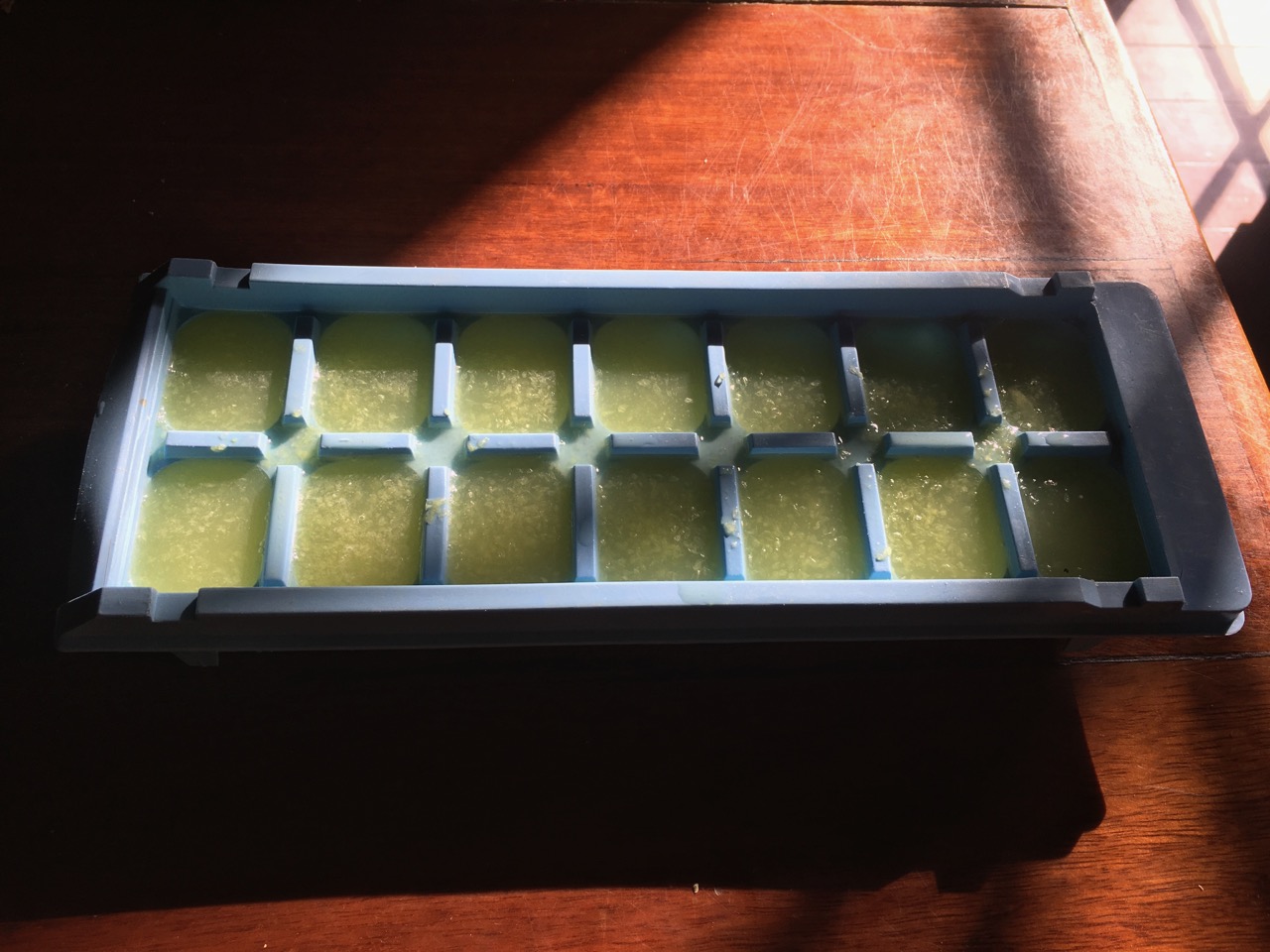
I don’t like to see anything wasted, so I decided to juice 20 of the kaffir limes and make lime juice ice blocks for next summer drinks. I think that it might go well with tequila? It’s a quite sour and bitter form of lime juice perhaps best suited to cocktails?
We have also picked up a fallen grapefruit off the ground, our first, which was very tart and sour. Plenty of room for improvement there as the frosts and winter sunshine sweeten them up.
The other fruit that is plentiful at this time of year is Australian native lilli pilli. This tree survived the fire in behind the house, away from the heat and flames, but it’s a very tall tree and the top branches that extended above the roof got burnt off. It is doing well now with a good crop of pink berries. You can’t eat them, they are only used to make jam or cordial.
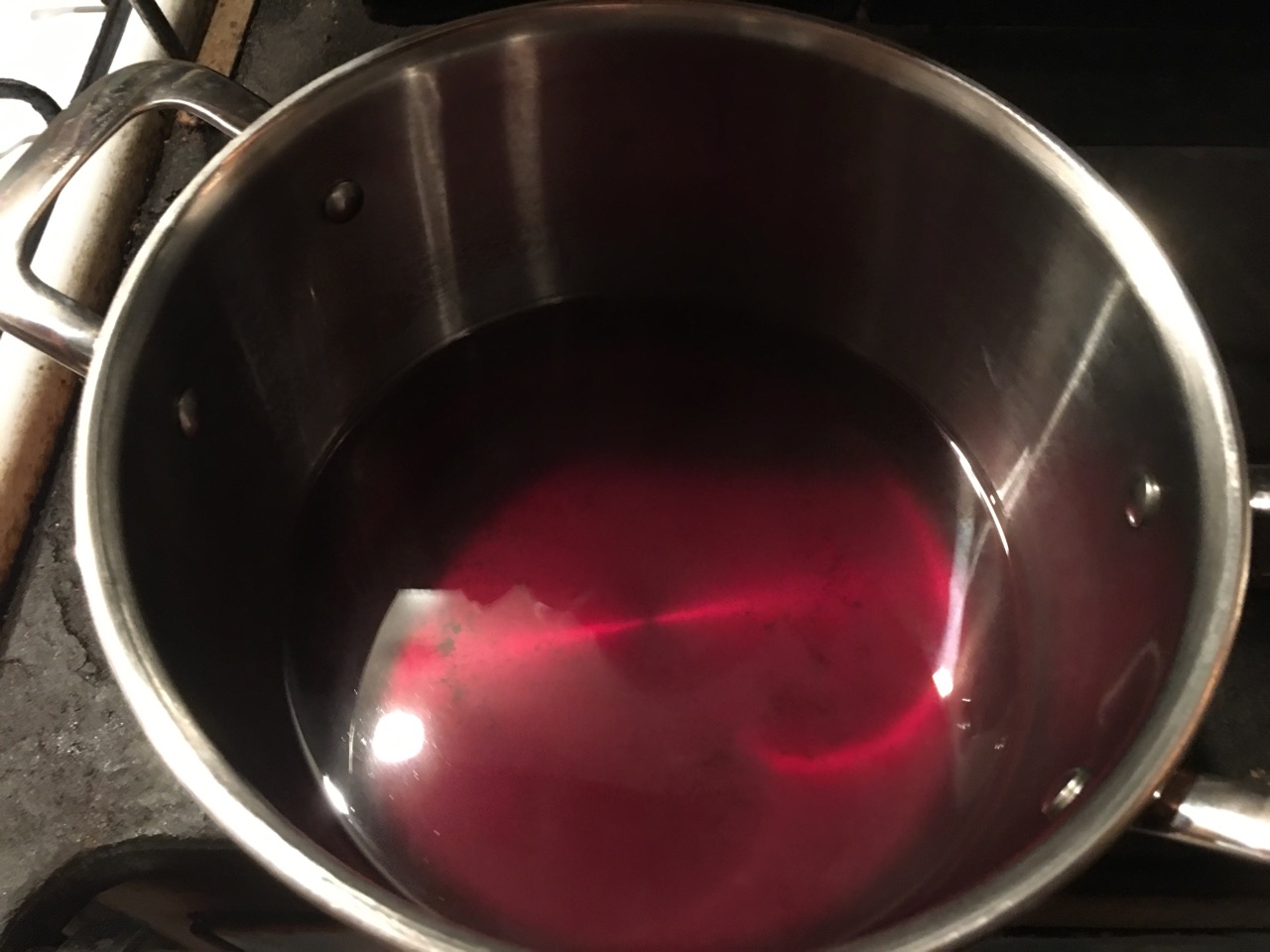
I got up on the tall step ladder and picked enough to fill a basket, once I sorted out all the leaves and twigs, there was sufficient to fill the big 10 litre (2 gal) boiler. Simmered for half an hour and then the fruit is discarded and the liquor left to simmer down to a concentrate of about 750 ml, a bit more than a pint. Quite a big reduction to concentrate the flavour. It needs half a cup of sugar to make it desirable.
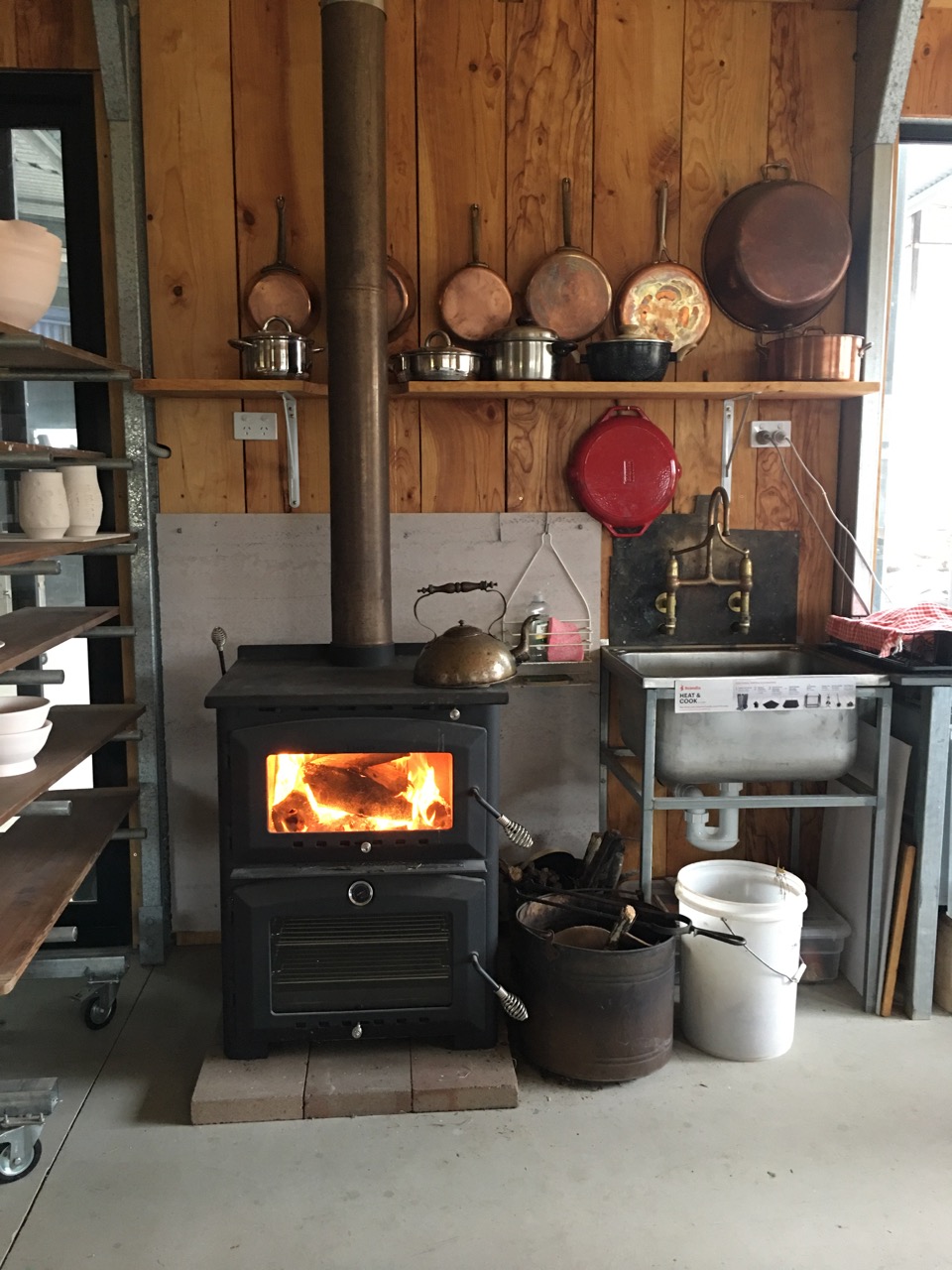
We had to light the wood stove in the pottery for the first time this year. The pottery is so well insulated, that just keeping a small fire ticking over in the stove heats the throwing room area to a gentle comfy warmth. It’s a very nice place to work, great light, comfy warmth, plenty of space.
What more could you want?
Nothing is ever finished, Nothing lasts and nothing is perfect.
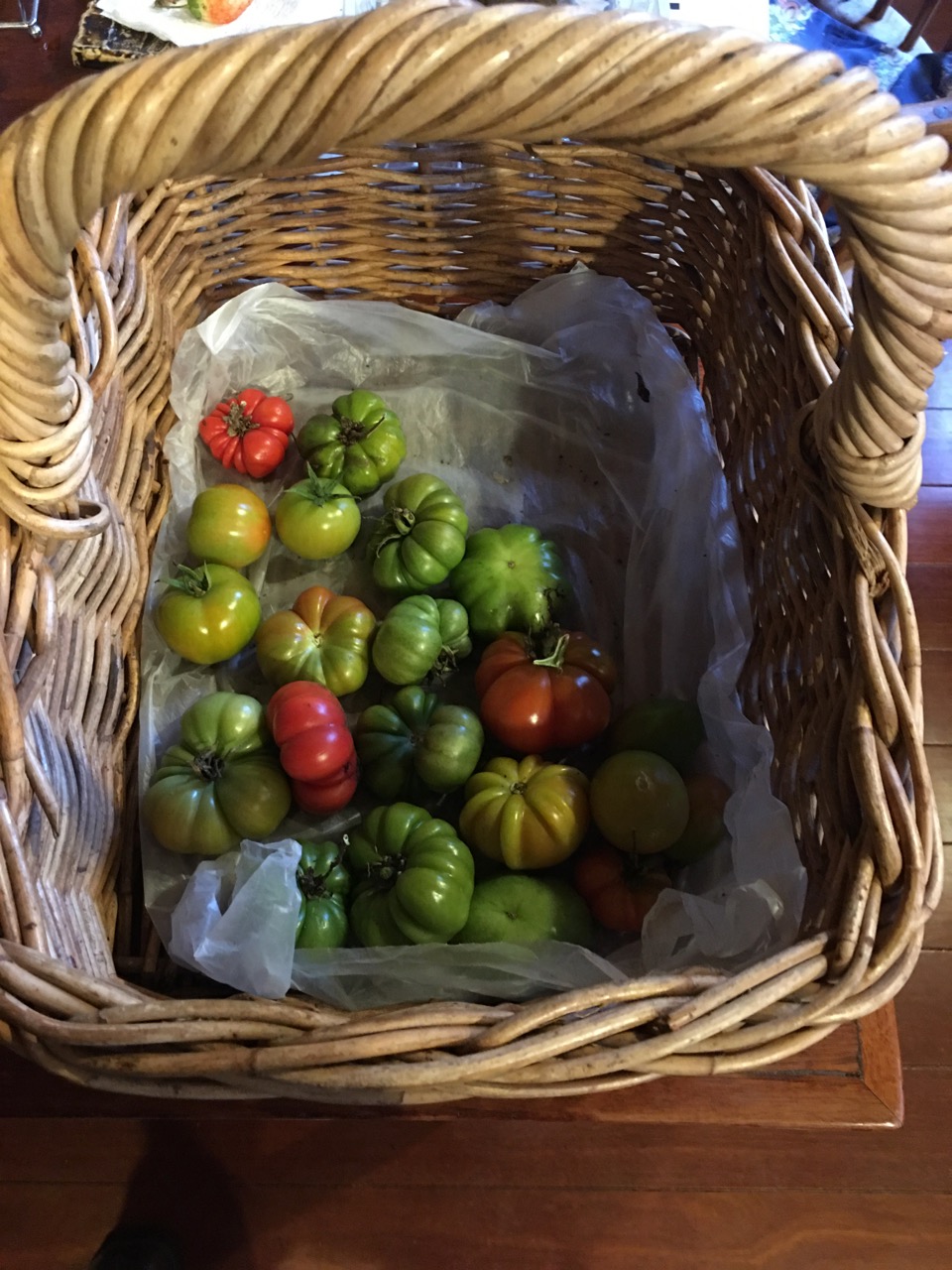
It was only last week that I thought that we had finally finished with the tomato crop, but surprise surprise. 2 more baskets full. and now all that remains are a few stragglers that will be fine over the next few weeks for salads or fried up for brekkie. The last 8 jars have taken us up towards 90 jars! A lifetime record for us.
This is definitely the last batch for this year. A new project will be to find extra ways of cooking with tomato passata that we haven’t tried yet. If you have a favourite recipe, please contact me.
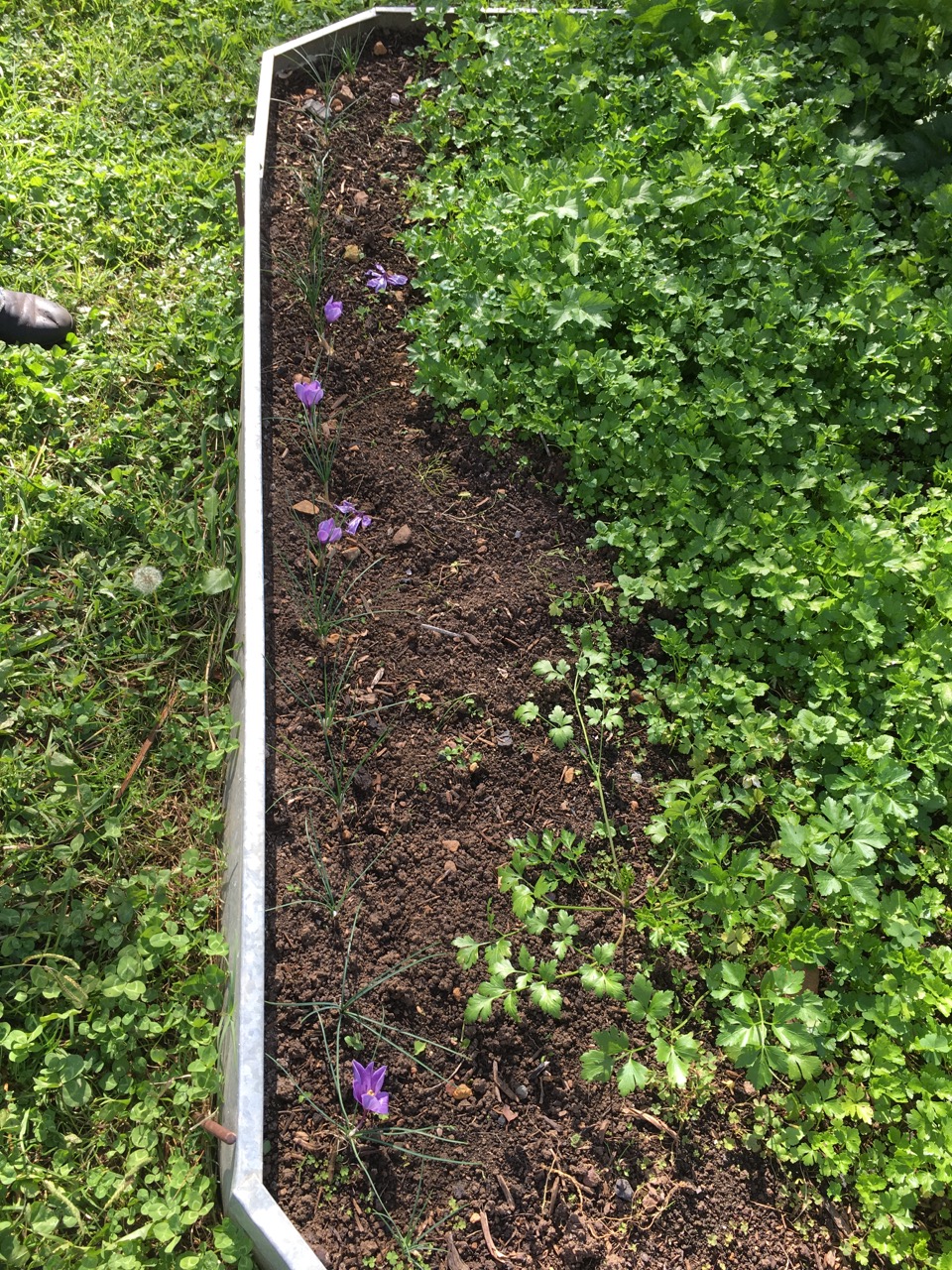
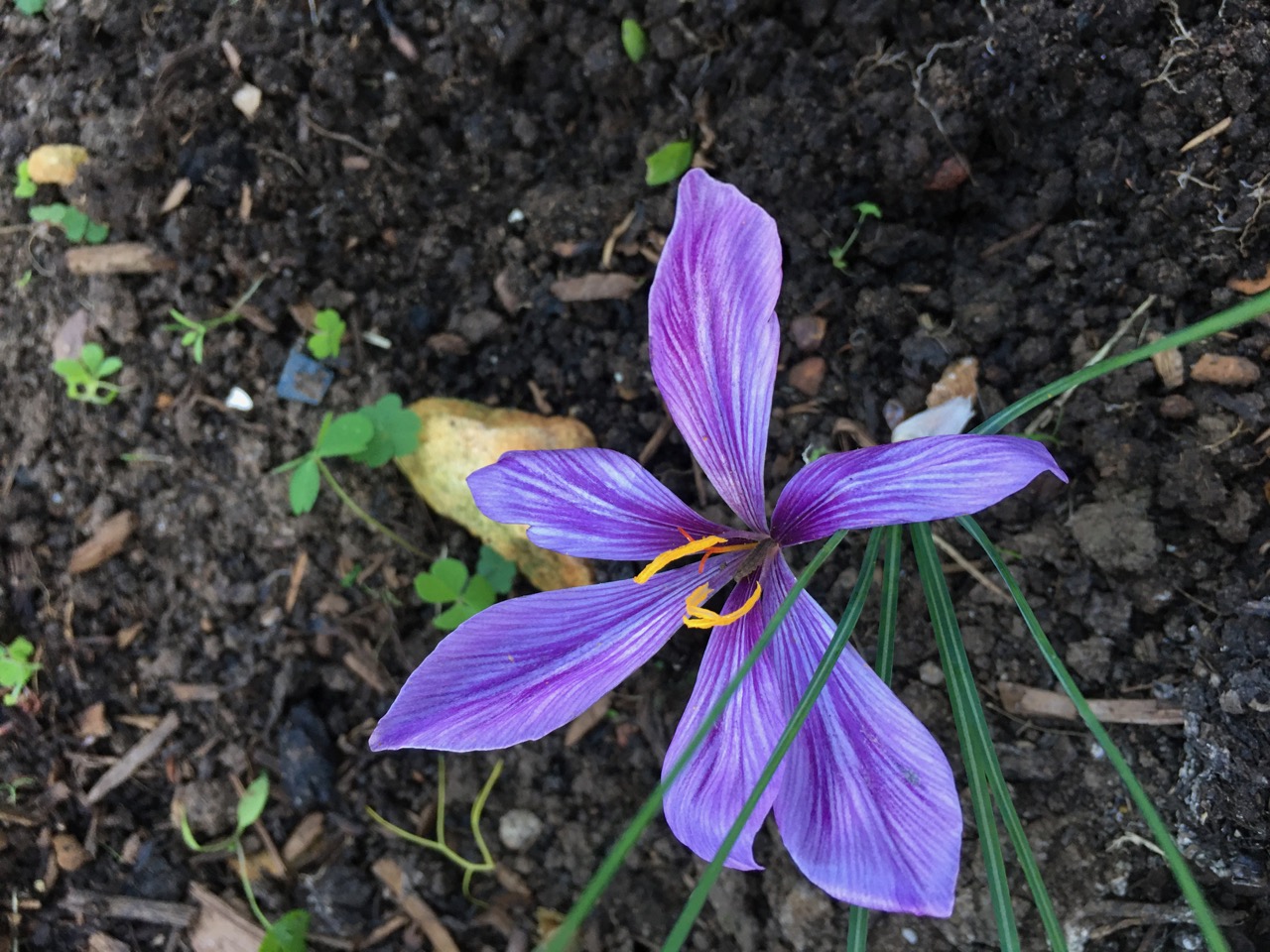
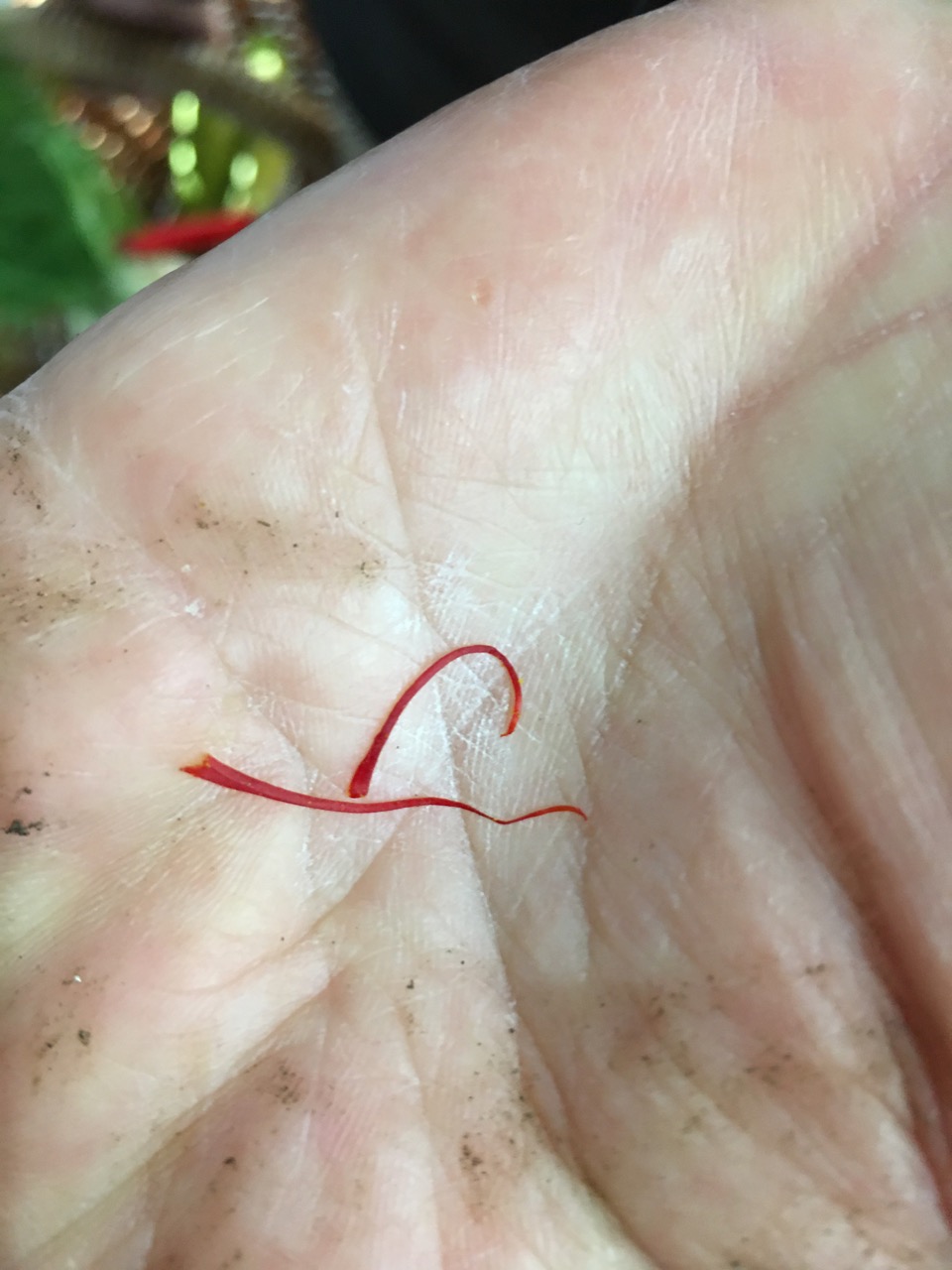
The saffron crop keeps on coming, bit by bit. An extra crocus flower opens each day and we carefully pick the stamens out and dry them on a paper towel in the kitchen.
We wont be retiring on this new crop anytime soon, but we are looking forward to making one dish of saffron rice when we have the whole crop harvested.
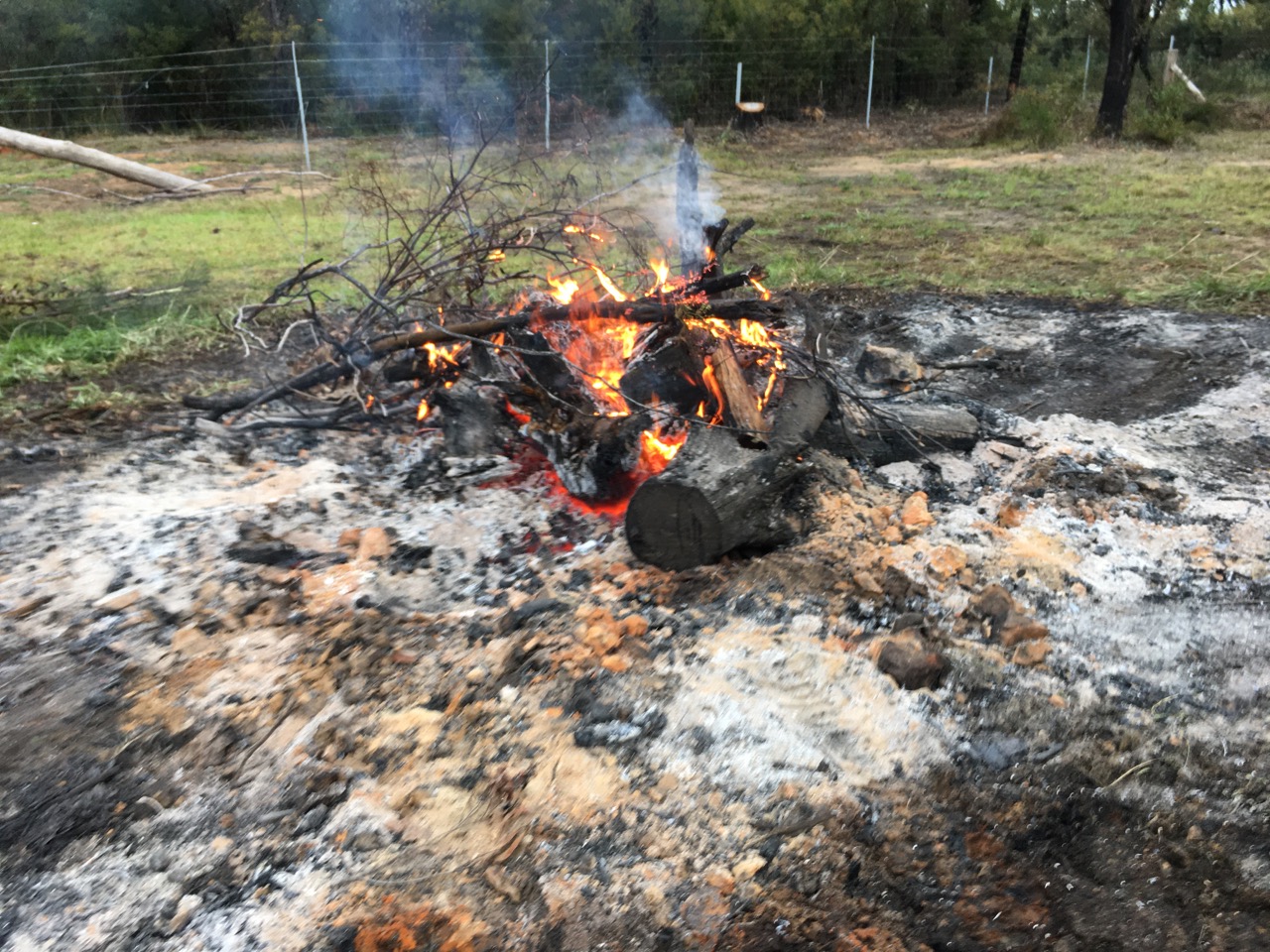
Over the weekend we were busy in the garden and yard. Janine decided to burn off the pile of hardwood stumps that we generated from all the clearing along the new fence line. I’m pleased to report that we have had no more deer inside the garden since the fence went up. However, we have seen fresh scats outside, and along the fence line. So for the time being, the fence is working. Now to deal with the pile of stumps.
Janine worked very hard, all day, both days, patrolling along the fence line and taking out the small trees that had been pushed over and out of the way of the fence. Using her electric chain saw, she could move anywhere along the line and chop up the trees, then drag them back to the bonfire pile. In this way, she kept it going all day.
I helped out intermittently with the toy tractor, moving heavier pieces, but I was also busy.
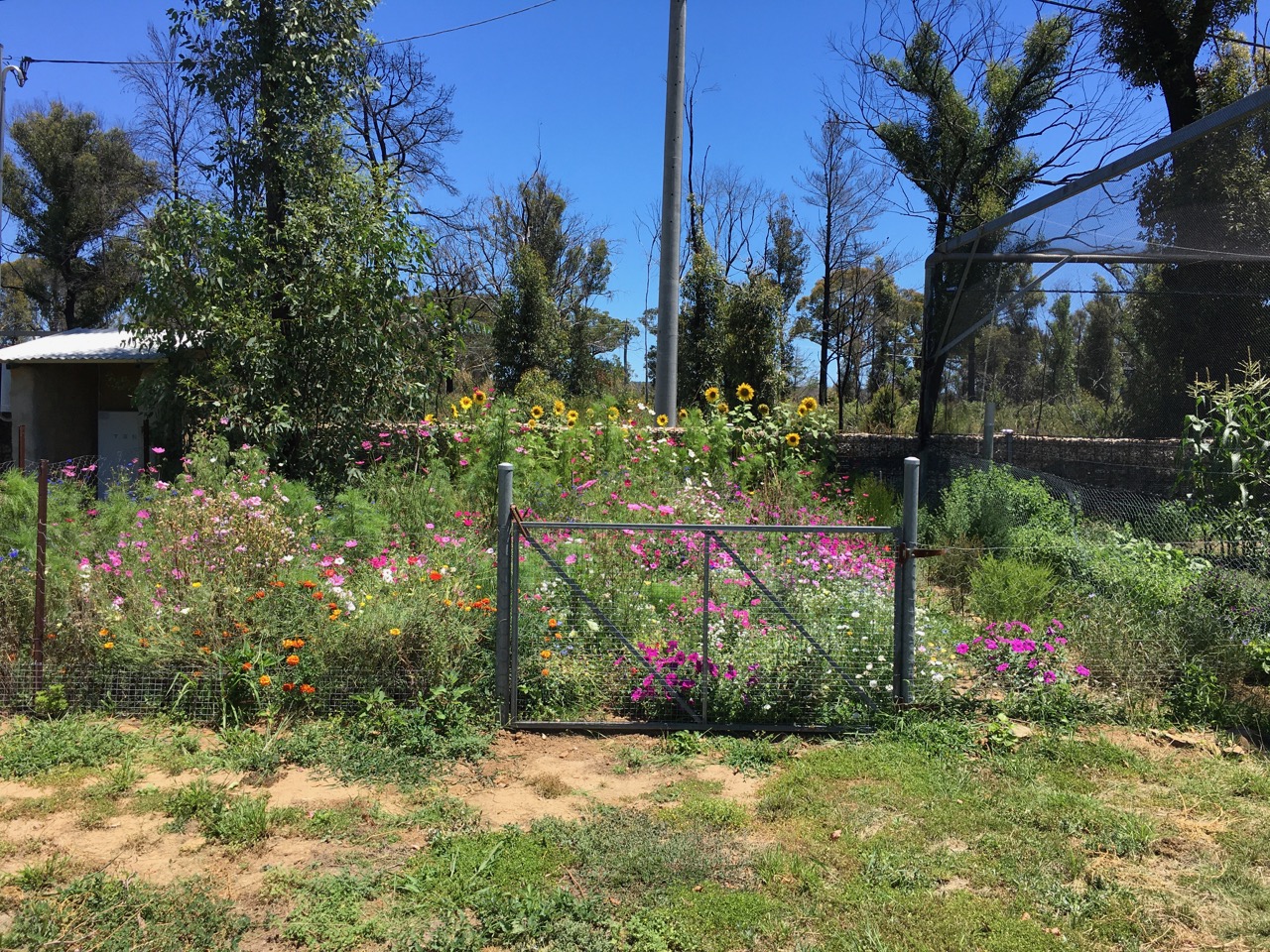
I made two trips to the sand and gravel yard in Mittagong, a 50 km round trip, to buy a couple of cubic meters of mushroom compost. I ploughed over the English cottage garden and also along the front of the new pottery shed, spread the compost, chicken manure and lime, then re-tilled the mix into the soil with the cultivator. A few packets of English Cottage Garden seed mix, and a few punnets of seedlings later, and the new spring garden is underway.
It doesn’t look much just now, but in a couple of months it will come to life, once all the seeds germinate and come into flower. Below is how it used to look.
The strip along the driveway is a new venture, to try and give a bit of a colourful lift to the front of the pottery. I hope that there will be a bit of a splash of colour in time for the mid year ‘Pop-Up’ studio sale on 10, 11 and 12th of June. Save the date. Certainly it will be in full bloom for the December studio sale.
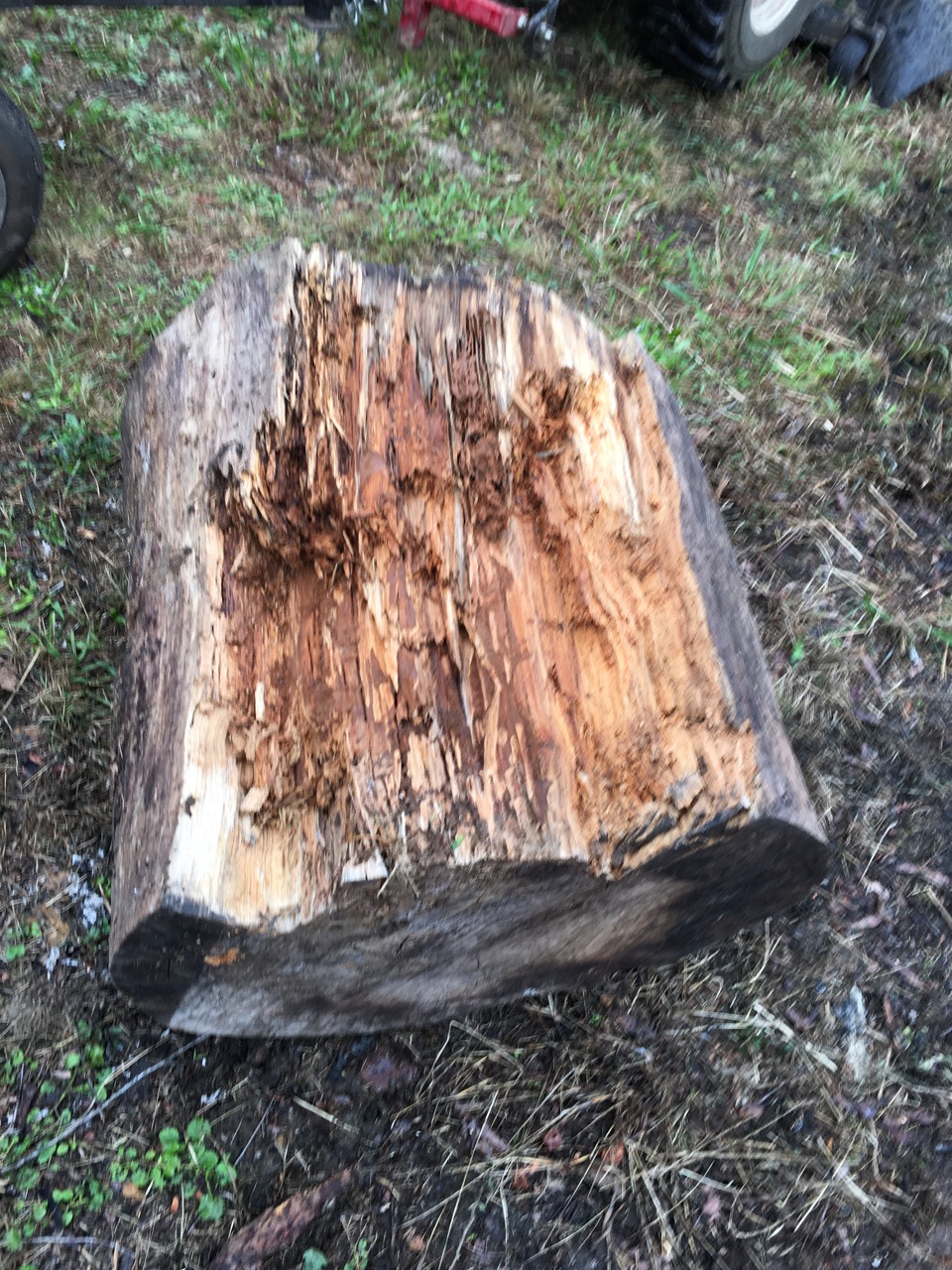
Once I got the gardening done. I was back to help Janine with the bonfire. There was a big pile of huge pine logs left over from the bush fire that burnt everything here. When we milled all the burnt pine trees into slabs and planks to line the pottery, there were a few difficult logs left over. I had thought that I might cut up these last few logs for kiln fuel. But as it has taken me 3 1/2 years to get my act together on this job, it is far too late, I’ve been sitting on my lazy arse too much and these pine logs have all started to go rotten. A shame, but what can you do? I tried splitting them, but they were mostly pithy and full of mush.
I sorted out the better ones and split those and got another half a stack of hob wood logs for the kiln. Better than nothing. But they won’t add many calories to the kiln firing, maybe just a little extra ash?
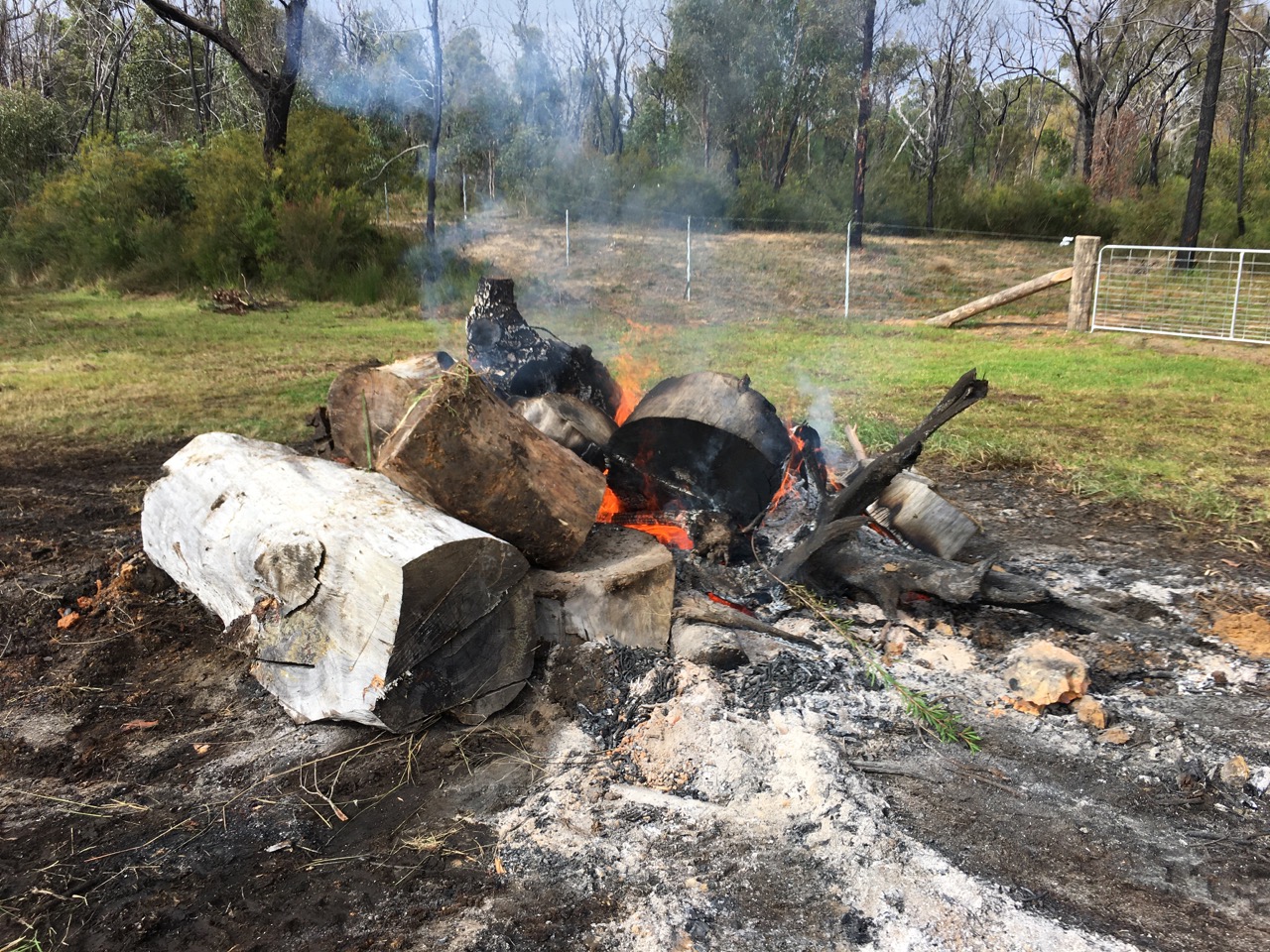
All the rest were just too big, too heavy, too rotten or too branched and knotty to do anything with. So as we had the fire still burning on the Sunday, I added them all to the bonfire and got rid of the ugly, difficult mess.
I’m getting old now, so I can’t man-handle those big, heavy rounds of pine like I used to. I don’t want to do myself so sort of damage wrestling with them. Those logs are 670 mm long and 600 mm dia. and probably the best part of 100kgs. Just too big for me now.
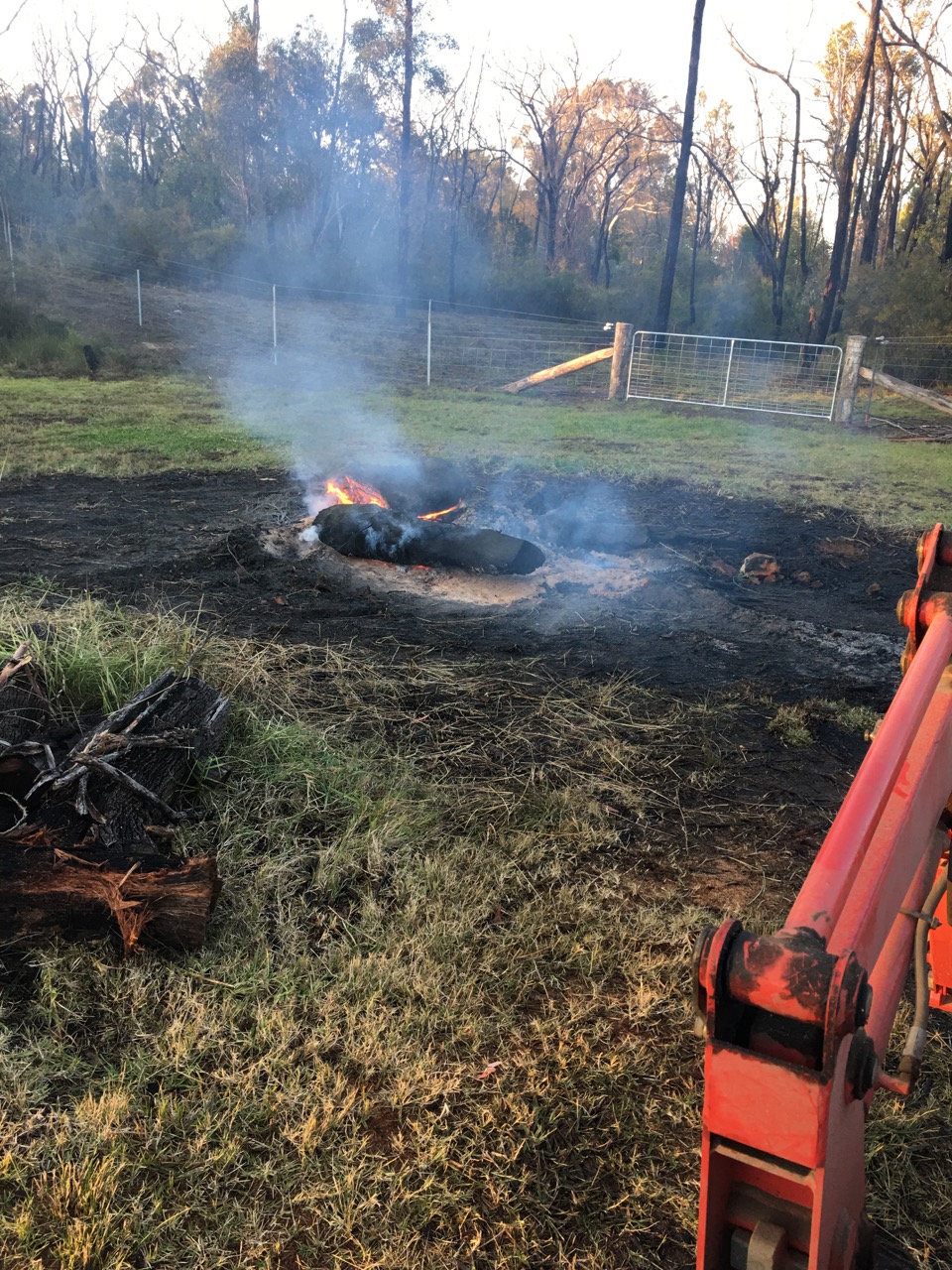
However the little tractor is the best investment that I have made in a long while. I bought it for myself when I turned 60. I traded up to a new model with a front-end 4 in 1 bucket. So much more useful than the old one, that was just a glorified mower and rotary hoe. I was able to push, roll and cajole those big logs onto the pile and keep them all up close together all day as they slowly burnt away. As the big logs burn, they get smaller and slowly move away from each other, then the fire can dawdle and start to go out. It is necessary to keep pushing the lumps closer together, to keep them burning fiercely.
The site looks so much better now and will be lovely after I get in there and scrape it all smooth, then keep it mowed and clear. That pile of huge lumps of wood were just too much work to chop up, so being able to burn them away was the right solution to get the site clean again. It’s taken me 3 1/2 years to getting around to dealing with them, but it is almost done now. Another job ticked off the list.
This is all that remains on Monday morning. it will be all gone by tonight.
This week we have been hard at it everywhere, in the garden, in the pottery In the kitchen.
We thought that we had harvested the last couple of wheel barrows of tomatoes, but then we looked again and there were more.
Janine made two seperate 1 gallon boilers of passata, which I put through the mouli sieve and then reduced down to 1 gallon, or 4 1/2 litres of fine liquid, which Janine then reduced down further on the wood stove each night progressing a bit at a time until we had just 2.5 litres of dense concentrate, down from 11 litres of initial pulp. It takes a couple of nights to get through it all. It’s better than trying to find the non-existant intellectual shows on the idiot box.
While the wood stove is hot after dinner is cooked, it’s a shame not to use up all that potential heat embedded in the stove. It not just cooks the dinner, it warms the house and heats the hot water tank. So to get an extra bit of benefit from it is very frugal and efficient. F@#k the gas companies and energy retailers, gouging excess profits from the misery of war and bad forward planning. We are very lucky here to have been through a terrible fire that has left us with thousands of dead trees in our forest that I couldn’t have ever brought myself to cut down in their prime. But now that they are dead from the bush fire they need to be cleaned up to make the place safe again. Fuel for the rest of our lives. As I said, very lucky. You have to look on the bright side.
We were a bit shocked when Janine had to re-arrange the pantry cupboard to fit these recent jars in. We discovered that we now have 79 jars of passata. We could easily go into business selling this stuff. It’s not as if we are not eating our fare share of tomato and egg for breakfast, tomato salad for lunch, tomatoes in ratatouille for dinner, as well as giving away tomatoes to everyone who calls in and visits
But still they come ripening, even now in this cooler weather. However, they must come to an end soon, as the night time temperature is dropping rapidly down to 3oC this week. Soon there will be frosts again and that should put an end to it.
I was so looking forward to the start of tomato season back in November/December. I could just brush the young leaves and smell the tomato fragrance that promised so much. Now I don’t want to touch the leaves so much any more. I’ve had my fill. This is the reality of living with the seasons. The promise, then the first taste — so good, then the glut, and now enough.
I’m sure that we will appreciate the bottled tomatoes over winter in all manner of cooked dishes, to add and extend flavour to almost anything. Passata is a useful and flexible as chicken stock. We have some of that in the freezer too.
We have already picked another few baskets full of prime ripe red produce to make the next batch. Anyone want any tomatoes?
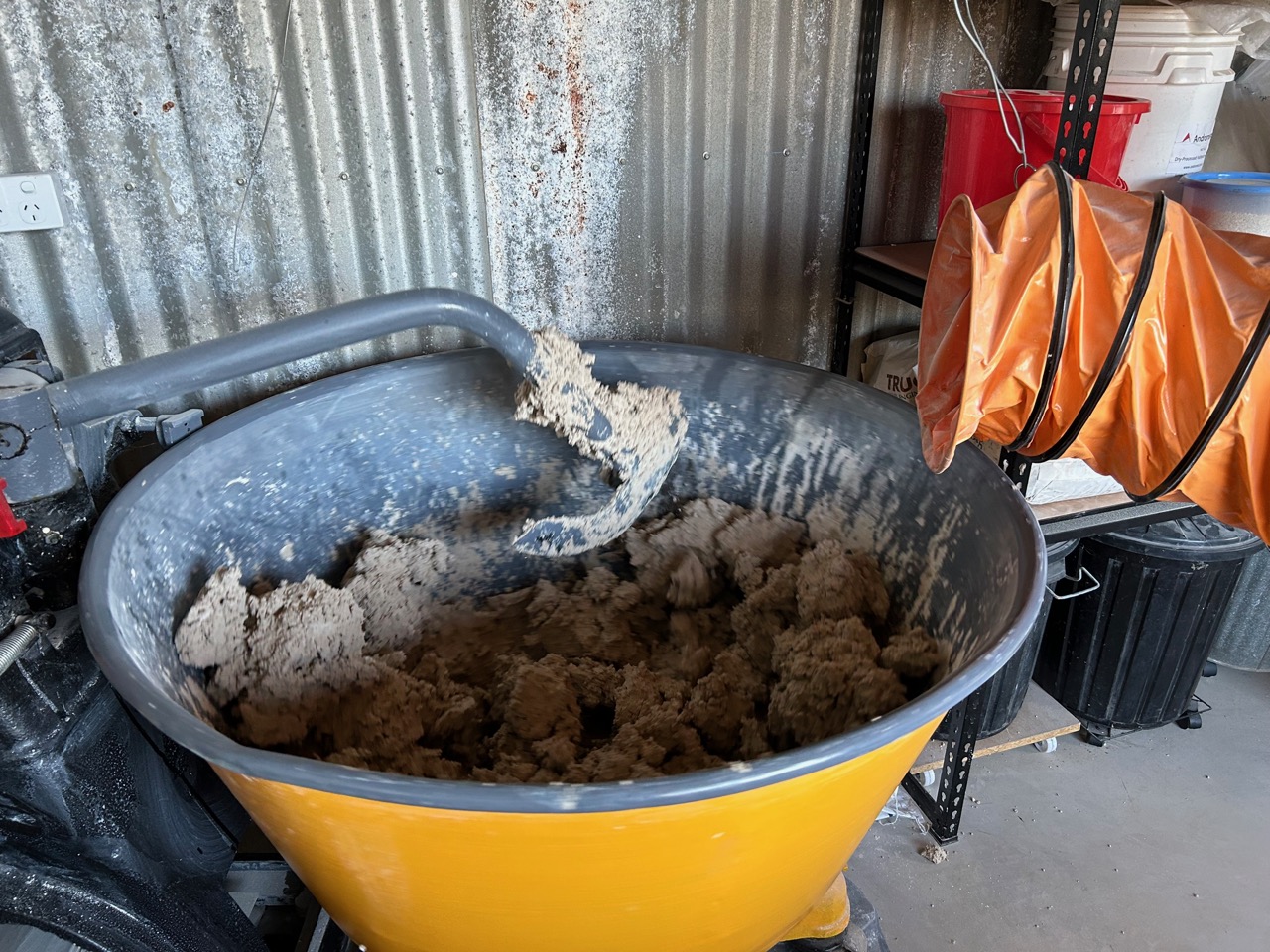
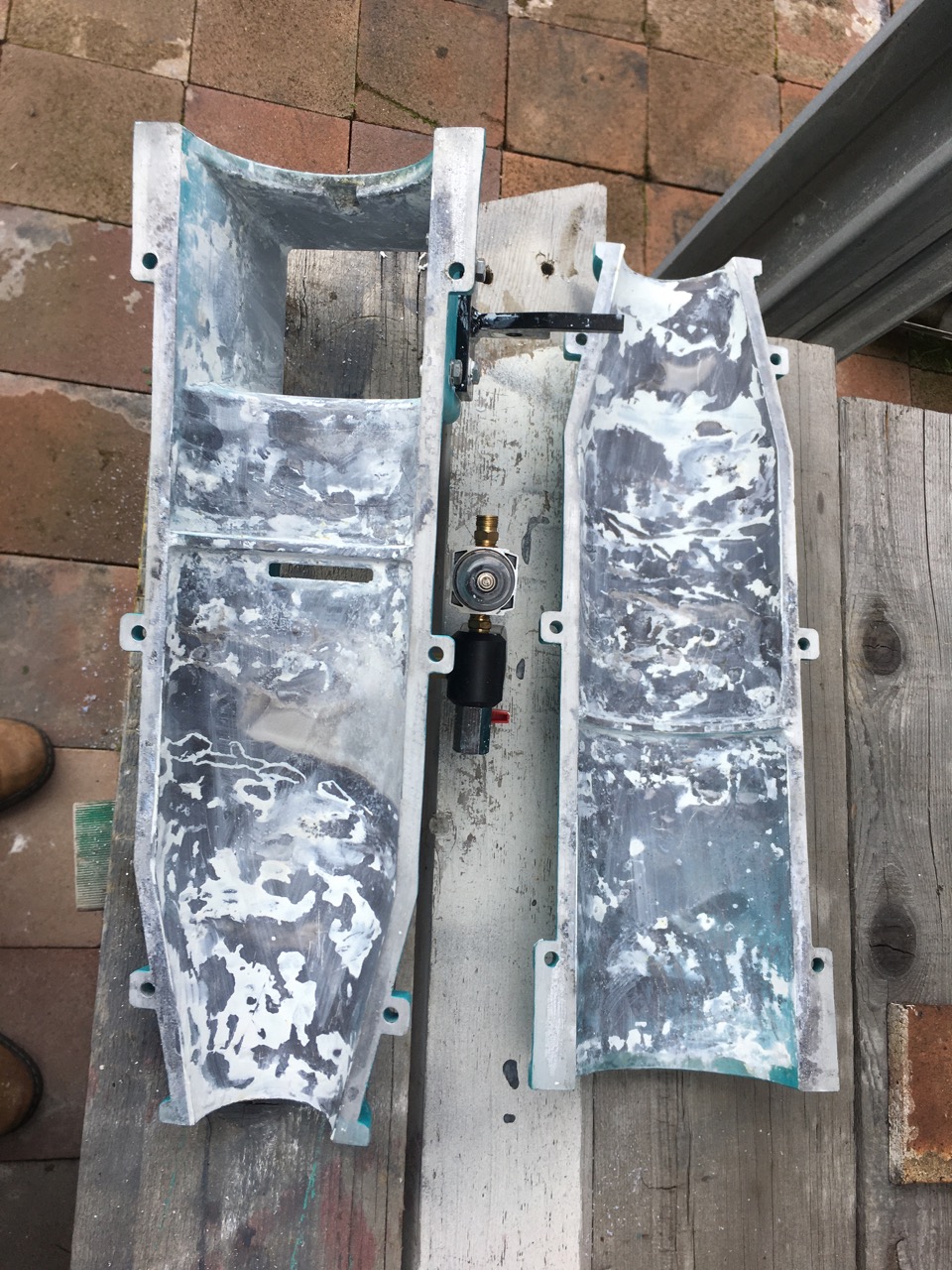
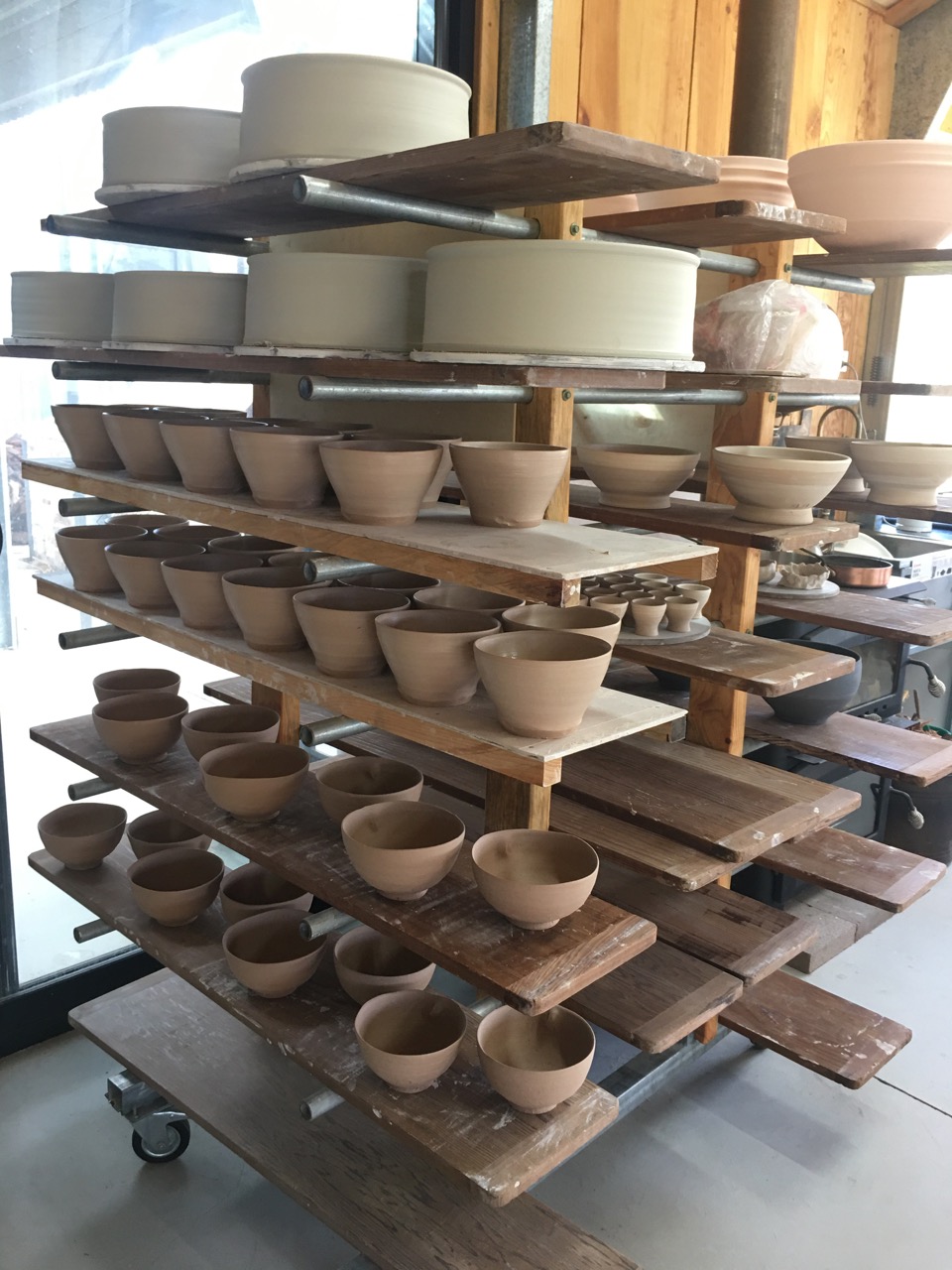
In the pottery, I cleaned out the small Venco pugmill that I use for porcelain. It was starting to allow a few small bits of dryish crumbs through the screens and into the extruded pugs. It has been a year since I last cleaned it out. Unless you use it every day or at least every week. Bits dry out inside the barrel and eventually cause trouble. I hadn’t pugged any porcelain since last year. So now is the time to deal with it. Starting out fresh for the coming work load through till Xmas.
I have found that it is easiest as a two day job. Strip it down last thing in the afternoon, Scrape off all the easily accessible plastic clay. Leave it over night to dry out, then scrape off all the dry clay, and finally sponge it until it is all clean, then reassemble, first thing in the new day.
I have been throwing some gritty clay, making some rough textured bowls for the wood firing.
I have also been making some porcelain dishes for the wood kiln as well.
Back in the vegetable garden we found a great surprise! Our first crocus flower. Janine picked out our first two saffron stamens. We ate one each, just to see if we could taste the fine flavour. We couldn’t. But we did get just a little hint of orange colour on our tongues. Hopefully there will be more to follow, as we have 20 crocus bulbs in the garden. We might double our harvest each year? We might eventually even get enough to be able to taste it.
I made a bush tucker pie for dinner from our massive crop of wild warrigal greens – native spinach. It turned out really well. Cooked with 3 cheeses and one egg to bind it. Not a tomato in sight!
This week is the mid point of autumn, Half way between the equinox and the solstice.
The weather is certainly a lot cooler and we notice that the days are so much shorter. I really like this slightly cooler alternative the long days of summer. Our summer wasn’t so hot as it used to be during the decade of el-nino years. These last few summers have been so much nicer, cooler and wetter, everything has turned green and grown its head off. We have harvested more tomatoes then we have ever grown. It seems that all the planets aligned for the tomatoes. I haven’t counted the bottles, but there must be over 40 jars. Quite enough to last us well over 12 months, possibly even 2 years?
We went to Canberra over Easter for the National Folk Festival.
We caught up with people that we haven’t seen for over 4 years, as we were confined to home because of;
1. The fire,
2. The on-going clean-up,
3. The rebuilding,
4. Covid, followed by a year of lock down.
It’s only now that we feel that we have the time, space and safety to go out again. Womad was on again this year, but we chose to stay home, save time and money and get on with some of the long list of jobs. However, we decided to go to Canberra for ‘The National’, as we can drive to Canberra in just 2 hours in our electric car. Travelling to Adelaide for Womad is looking more and more extravagant and carbon intensive, regardless of whether we drove or flew, we were responsible for burning loads of carbon each way. I just can’t justify it anymore.
The long weekend of music was wonderful, so many great acts, too many to list, but a few stood out.
The ‘We Mavericks’, Lindsay Martin and Virginia vigenser, were excellent. We have had them here in our home to perform for us in one of our house concerts a few years back. I believe that we were their second only performance together. They get better and better.
Billy Bragg was also really good. He was the best that I have ever seen him. Powerful voice, smack on key and few very powerful, short spoken interludes between songs, on why we should care about the state of things and the world. He also explained what he is doing to make a difference. Very inspiring. However, it crossed my mind that he must owe a tremendous carbon debt?
We also enjoyed Gleny Rae Virus, Leroy Johnson, (above) the Park Ranger from Mutawintji National Park out near Broken Hill, and Farhan Shah & SufiOz. singing Sufi devotional chants. + many more.
Back at home we have been Splitting wood for the kiln firing, and working in the garden.
We met up with our friends Susan and Dev in Canberra, and they called in here on their way home to give us a hand with those jobs.
My friend Len Smith also called in and we had a little reunion. As Len, then Janine and finally myself, were Susans teachers at different times in her life, at different colleges.
Together, we ripped out 3 beds of waning tomatoes, that had reached the end of their productive life and added them to the compost heap.
Afterwards, I planted out lettuce and radish seeds as well as lettuce and spinach seedlings.
The garden suddenly looks a bit more loved again after a few weeks of minimal up-keep and absence.
My last job was to plant out 160 of our own self grown and stored garlic cloves. I should have been onto this a month ago, but better late than never.
I did two rows of 80, one of our purple garlic and the other of our white skinned variety. They have started to shoot from their skins. A very good sign that they are ready to be planted out now!
Everything takes time and time needs to be made or created by making decisions about what is most pressing and needs to be to be done NOW.
Tomorrow it is back into the pottery to unpack and repack the electric kiln for yet another bisque. Learning to Juggle my time and energy has been a life long exercise in developing this skill for me.
I want to do so much each day, Even summer days aren’t long enough. I need to triage my desires to fit my capacity to actually achieve outcomes. Added to this, I really don’t know what I’m doing most of the time. I’m reasonably well trained in making pottery, and I have taught myself to grow vegetables and orchard fruit trees, but I have such a low basic understanding of building techniques and mechanical engineering, I just muddle through as best that I can. I rely on asking more knowledgeable friends for advice on what they would do, or where is the best place to buy the correct parts.
I’m so grateful to all of my friends for the advice and help that they have given so generously over the years.
When we built the new ‘kit-form’ tin shed for the new pottery. I paid a bunch of so called ‘expert’ tin shed builders to come onsite and erect the kit. They had experience and all the fancy gear to do the job. A bobcat loader, a scissor lift gantry and a truck load of power tools. They put the frame up OK. It is at least level and vertical. But when I asked them to screw on all the 2nd hand, grey re-cycled old rusty gal iron sheeting that I had collected to give the shed some character, they did the worst job that you could imagine. They chose to use roofing screws without any rubber ring to seal out the weather, and as a consequence, all the walls leaked in heavy weather. The windows weren’t ‘flashed-in’ correctly or at all, and leaked. The cement slab was cast with a definite hollow in the centre. The verandah wasn’t ’stepped-down’ 50 mm to stop water blowing in under the doors, so that when it rained hard, the building leaked, all the water ran to the centre of the building and pooled there. I’ve spent over a year discovering all these faults, omissions and bad workmanship and then correcting them as best that I can. If only I’d known something more about the building trades, I might have spotted these faults occurring and got them seen to at the time. But I trusted them. BIG mistake.
Our previous three potteries that burnt down were all home made on a shoe string budget mostly out of wood and other materials that we could scrounge off the side of the road on council clean-up day, or from the tip. They too had character, but a very different character. This last shed is so much better in all sorts of ways, but mostly it will be easier to defend against fire. Metal clad, metal frame with metal lining and the cavity stuffed full of insulation. All the previous buildings were made of wood and therefore were very flammable.
It seems that I have discovered all the problems with the poor workmanship in this shed now. I’ve discovered all these faults bit by bit over time and fixed them myself. The builders have shot through. There is something to be said for self-reliance.
Do it yourself, do it right the first time. I do it to the best of my ability. If it isn’t the most professional job, at least it is mine and any mistakes are honest ones. The stuff that I do has my character printed all over it. I own my mistakes, my lack of skill and my incompetence, but in the end I figure it all out and I can live with the result. At least I’m not upset with myself for ripping myself off. AND everything is done on a minuscule budget. We have never earned much money, so have learnt to live very frugally.Everyone seems to be obsessed with money these days, as if it solves everything. I heard on the news that the 3 richest Australians have more money than the bottom 10% of the nation. Pretty shocking! It’s a shame that there isn’t a way of making life a little bit more even and equitable for the disadvantaged. The Lovely and I have done very well for ourselves, being able to have built a simple, largely non-acquisitive, low carbon, organic lifestyle here, without ever having had a ‘real’ job. We’ve managed to ‘get away with it’ for all this time, living an engaged, creative, self-employed, part-time amalgam of a life. Without credit card debt or interest payments, doing almost everything ourselves. Living within our self-determined means. We’ve never been on the dole and never asked for handouts. Money may be essential in the modern world, but we don’t let it ruin our lives.
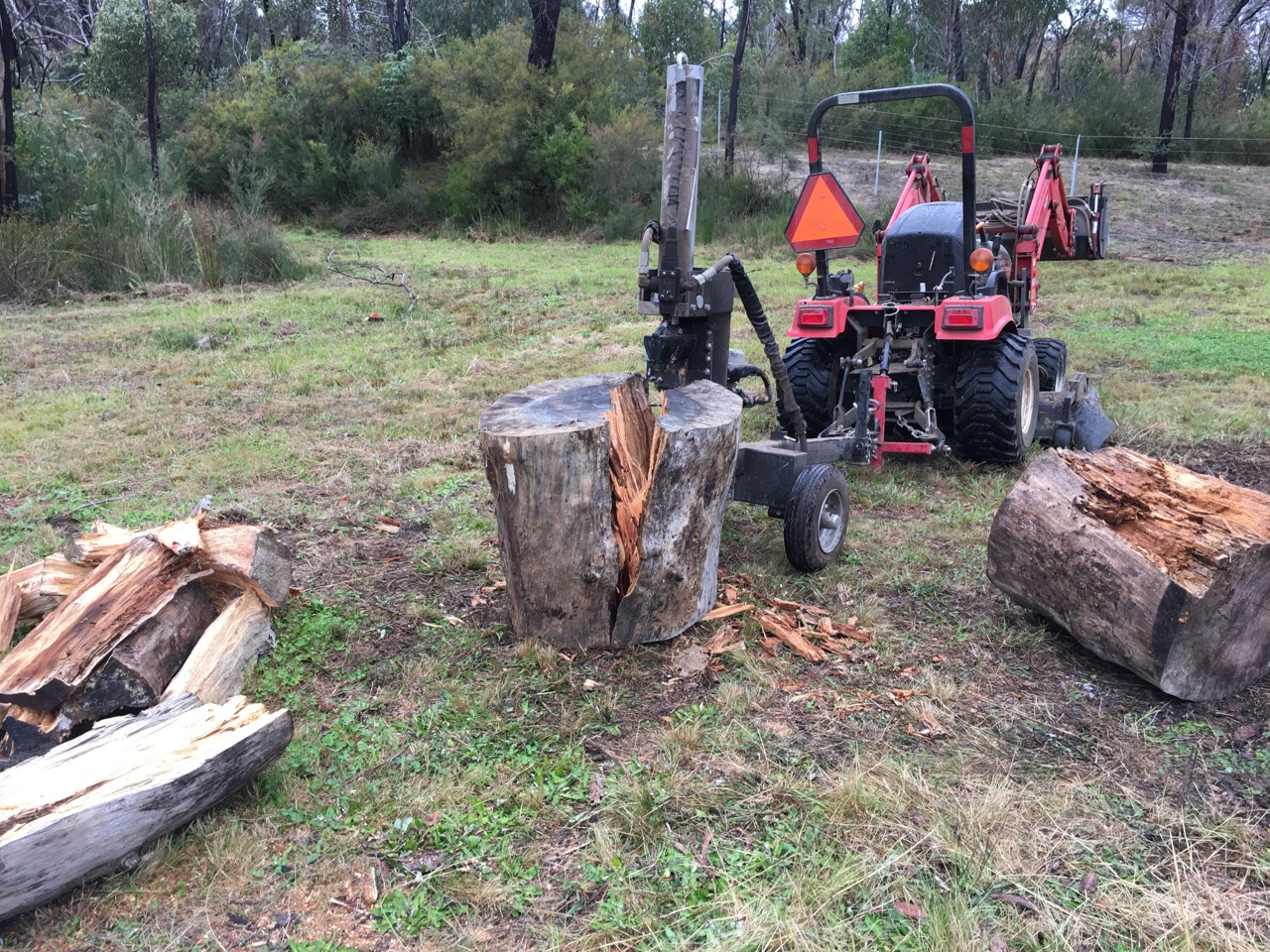
As an example of this frugal self-reliance I recently fixed up an old Chinese wood splitter. It needed a new/old/2nd hand starter and air cleaner to get the engine going again. That wasn’t too difficult. I just stole the parts off another old ruined motor that was in the barn. Best not to throw things out if they might have useful parts on them to keep another machine going for a few more years, There is a lot of embodied energy stored in those old bits of machinery. So it’s better to try to repair something old and get extra life out of it, than to give in and buy a new one. It’s also much, much, cheaper
Once I got the engine working, I decided to make it into a bigger splitter with a longer stroke. All cheap Chinese hydraulic splitters have a 600 mm. (2 ft.) hydraulic ram. That is the upper limit of their log capacity. My new kiln has a fire box length of 690/700 mm. (2’ ft, 4” inches). To give the splitter a longer stroke I decided to cut 75 mm. (3” ) off the cutting wedge to make it shorter ,and therefore add extra length to the logs that can be split.
I wasn’t sure that it would work, but it seemed a lot easier than cutting the end off the frame and welding a new section of RSJ onto the frame to make it a longer machine.
By shortening the blade I achieved the same outcome with much less work. But an hour on the angle grinder was a bit of a chore, as 20mm thick steel plate doesn’t cut easily.
You can see in this image that the blade used to go all the way to the bottom of the backing plate.
Scrooge’s technique of making a bigger splitter out of an old small one.
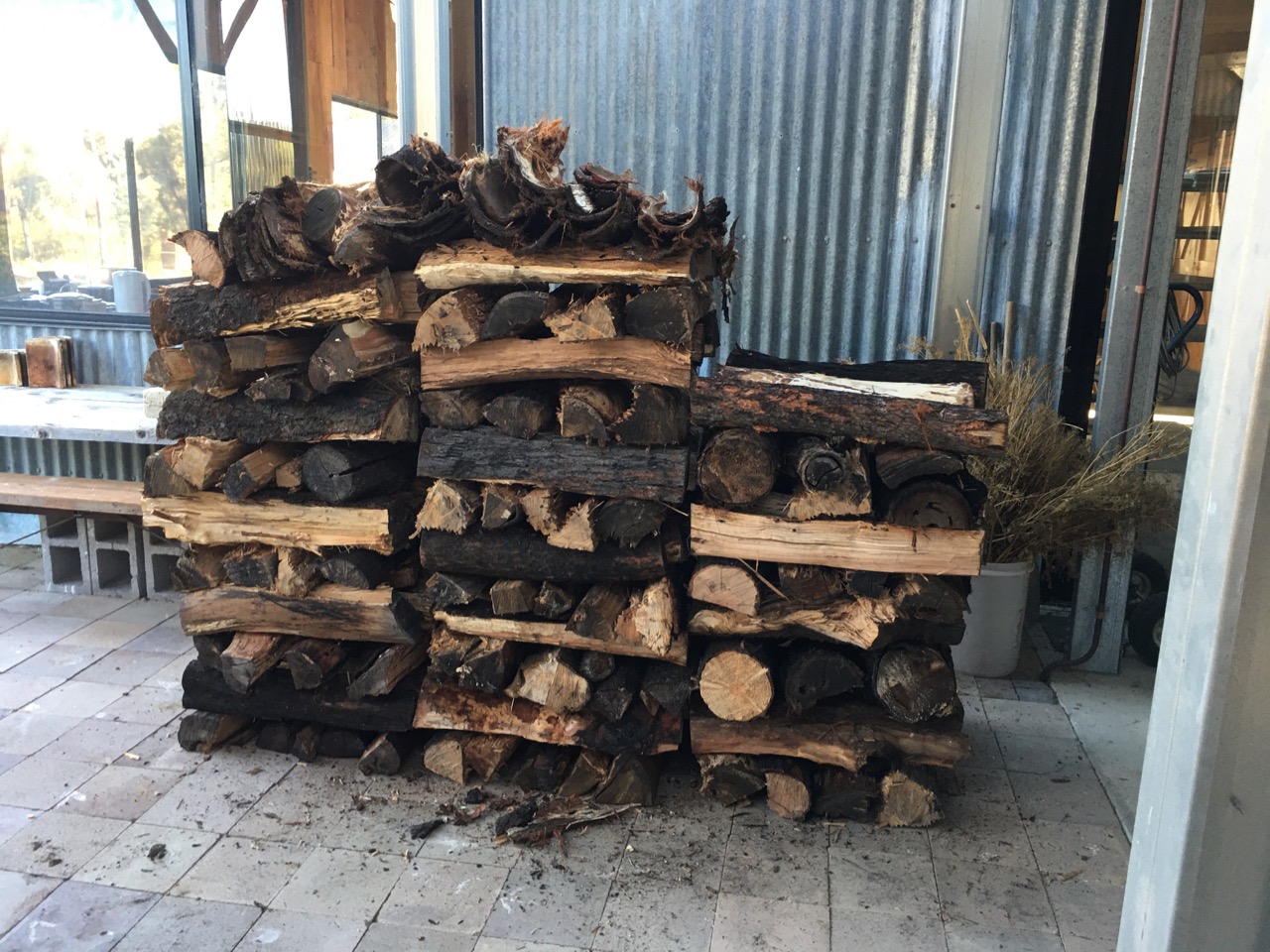
The old small engine managed the longer wood OK. I filled the truck with wood cut and split to 675mm long. That is about enough to fire the kiln to stoneware in 14 hours.
2 1/2 stacks of Hob wood,
A couple of piles of smaller kindling lumps for firing on the floor,
and then a couple of stacks of thinner side stoking wood for the 2nd chamber. Thanks to Dev and Susan.
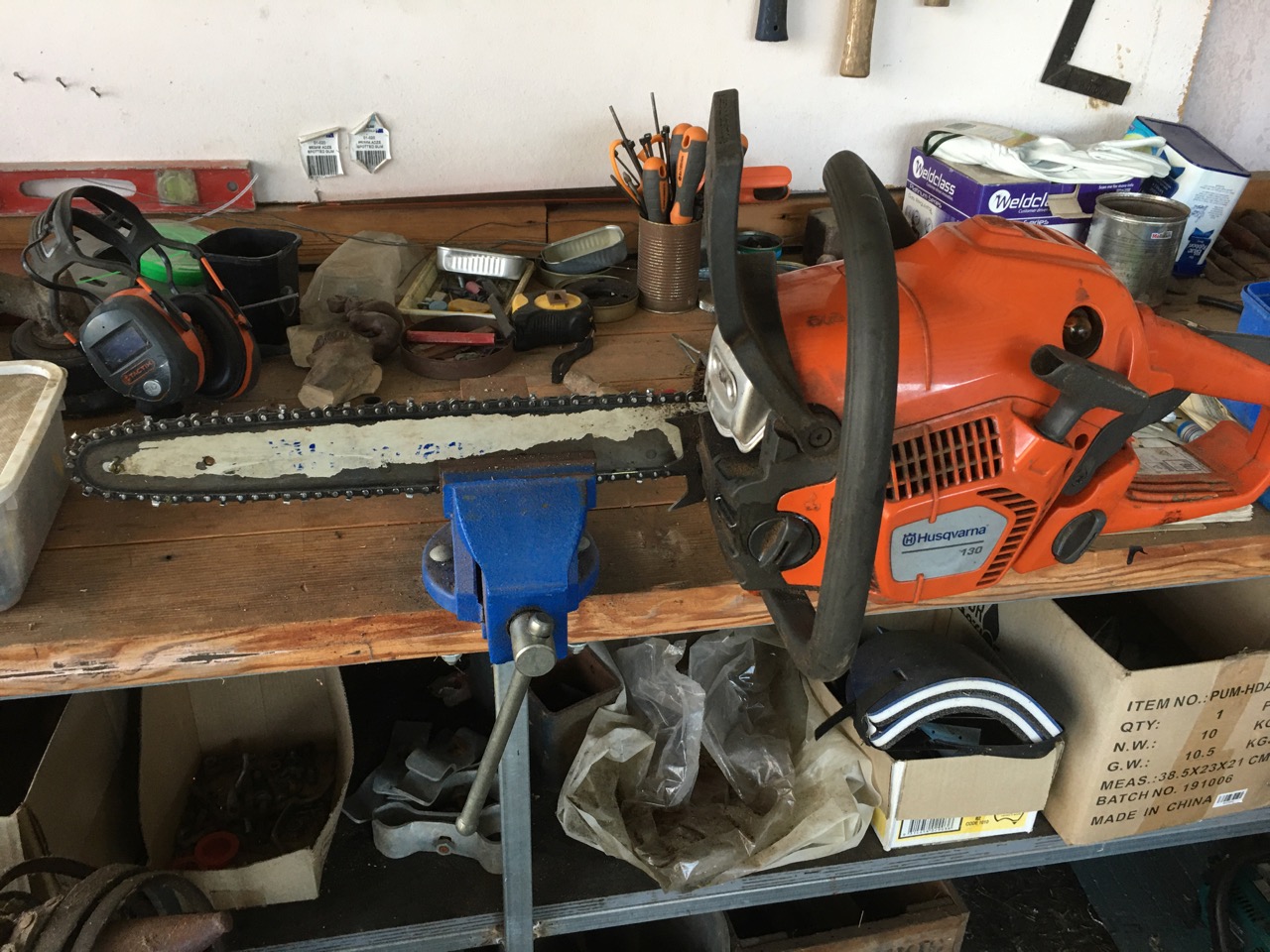
I finish the day by servicing the chain saw. Best to do it when it’s fresh on my mind, even though I’m tired from all the work, fixing the splitter, then testing it out and finally stacking all the wood.
I hate it when I go to use the saw and find that it is blunt and needs servicing, So I do it straight away. Sharpen the chain, blow out the air filter, rotate the bar, fill with 2stroke and bar oil.
It doesn’t take so long and everything is ready to go again, — except me! I need a rest.
More info on recycled sewage.One of my other PhD friends, Bill, a retired biologist sent me this little snippet from ‘The Conversation’.
The thick plottens!
They may have to do further treatments to BioWaste to cope with increasing amounts of PFAS, or ‘Forever Chemicals’ that are showing up in our waste stream.
The author, Ravi Naidu, from Newcastle Uni, Points out that there are treatments to neutralise PFAS chemicals, but isn’t very forth coming on what they are.
He does recommend heating the boiwaste to create biochar, which would destroy or break down the chemicals.
However, later on in the article, he recommends reading the following link;
Which points out that they are very high temperature stable, and aren’t easily broken down by heat. It’s a worry. and far beyond my ken, but then later there is this link to another publication about the breakdown of PFAS. break down Which is more positive.
Bio char is well known to be very beneficial to soil health and fertility. We use it. We make our own. Janine sieves out all the charcoal pieces from our fire place ash when we make ash glaze. I add the charcoal ‘crumb’ to the soil in the veggie garden. Being extremely porous, it absorbs and holds water releasing it slowly over time, as well as its nutrient value. I believe that it helped our garden survive the recent drought.
As all the wood that we burn is collected from our own land, there is little chance of it concentrating any heavy metals and /or PFAS in our garden soil.
PFAS are a major ingredient in non-stick kitchen pans. Luckily I like to collect and re-use old stainless steel lined copper pans for cooking, so we only own one non-stick item, a modern copper fry pan with a non-stick coating. I only use it for poaching/steaming delicate soft white fish, as it doesn’t stick and break up when lifted out of the pan. I’ll have to try harder. I’ll need to put it away and go back to plain stainless steel lined copper.
If nothing else, it makes me feel a lot better about growing all our own vegetables and fruit here, using our own compost. However, our system fails when I use chicken manure from outside as a fertiliser! No easy solutions. Mea Culpa again.


















































You must be logged in to post a comment.