Firing on Sunshine

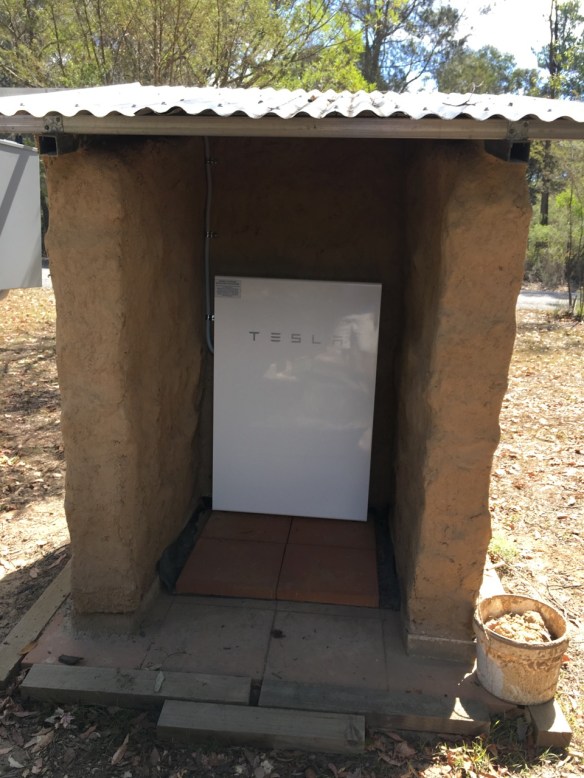
We have had our new Tesla battery for a couple of weeks now and we have just done our first electric kiln firing on sunshine.

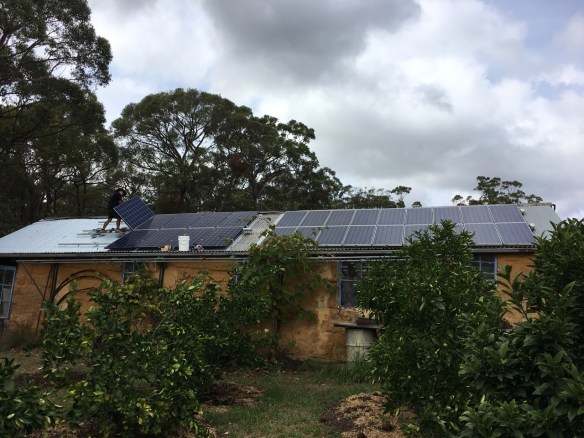
We have had 3 kW of solar PV panels on our kiln shed roof for over a decade now, but we have only recently managed to get our hands on a new PowerWall 2 lithium battery, after being on the Tesla waiting list for over a year. The battery is working perfectly, just as we imagined, and now allows us to run our house and pottery almost totally independent off the grid. We had decided to stay connected to the grid however, as we generate far more solar electricity than we use ourselves most of the time, and up until recently we got a very handsome rebate payment for the power that we sold.

Now that the generous rebate program has ended, it is much better for us to store our daytime solar electricity excess and use it ourselves at night, instead of paying the premium cost of buying back ‘green’ power from the grid at night.

Of course we don’t have to buy ‘green’ power. We just choose to, because we made a decision 13 years ago to remove ourselves from the coal economy. Which we have done. We are of the belief that global warming is real and that it is man-made. Burning coal to make electricity is a very big part of the problem, and green power is going to be part of the solution. It’s affordable, it’s here now and it’s the future. In addition to going solar, we have also declined to use concrete slabs in our building construction and we choose to drive the smallest fuel-efficient car that we could afford.

When we put the first Australian made solar panels on our roof 11 years ago, we didn’t do it to make money. We did it for ethical reasons. However, as it turns out, we paid off the panels and made a slight profit over the decade, because we were paid one or two thousand dollars a year for the power we sold to the grid, but we also didn’t have an electricity bill for that decade. A saving of many more thousands of dollars. These original PV panels still have another 15 years of full productive life in them, before their output starts to decline. I’ll be long dead before they stop working. We recently added another 3kW of PV at the same time as the battery. As I intend to buy a fully electric car as soon as they become available at an affordable/reasonable price.

So now with everything in place, we have just completed our first electric kiln firing using our own solar power, firing through the day on sunshine up until just after lunchtime and then into the afternoon on a mix of solar and battery, then ending in the evening mostly on the battery power. Yes, it works. You can fire on sunlight. The future has arrived!

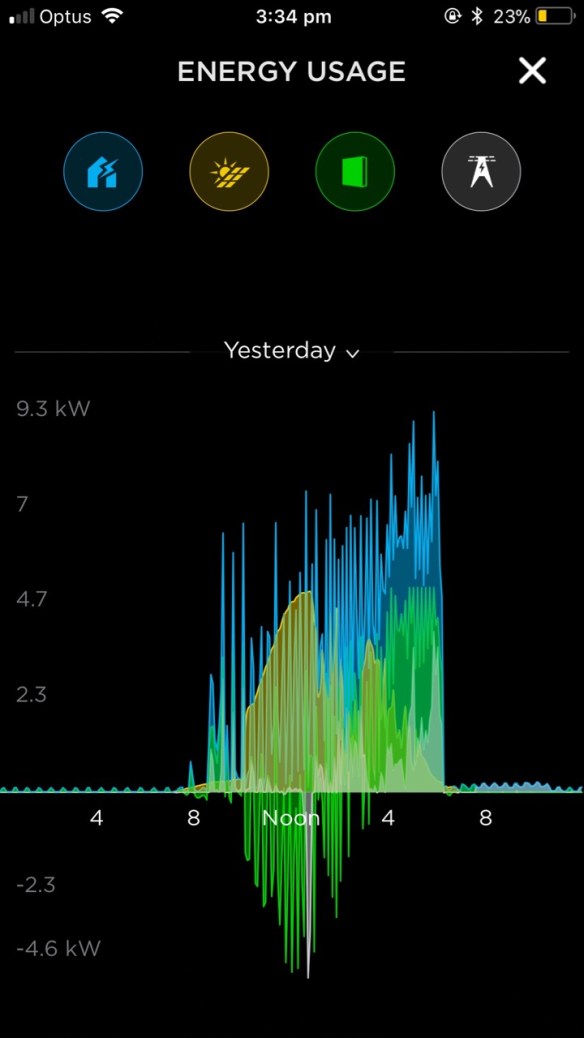
Below you can see a graphic of our power usage though the day.
IMG_0522

The high blue spikes are the electric kiln switching on and off. The golden-yellow hump in the middle, above the line is the solar panel output from the roof. The green areas below the line is the battery being charged up from the solar PV panels in the morning and corresponds perfectly with the yellow solar area above the line, up until noon. The solar panels are both firing the kiln and charging the battery up to noon.

After 12 noon, there was some cloud that came over and the solar output dropped down. By about 3 pm. the PV panels no longer generated sufficient power to both fire the kiln and charge the battery. After 3pm the clouds cleared and solar output increased again and fired the kiln with the assistance of the battery. From 4 pm onwards, the battery fired the kiln with assistance from the solar. Solar production ceased at about 6.30 and the firing finished at about this time also, more or less solely on battery power.

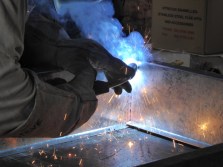
The small zigzag ripple on the base line is the household usage, mostly this comprises the fridge compressor switching on and off. I should also point out that I was also working in the kiln factory throughout the day and using some very heavy 3 phase sheet metal machinery, welders and plasma cutter. This is included in the blue spikes. The lower line of blue spike peaks is the kiln alone, and the higher level of blue spikes is the kiln and the heavy electrically powered machinery working at the same time.

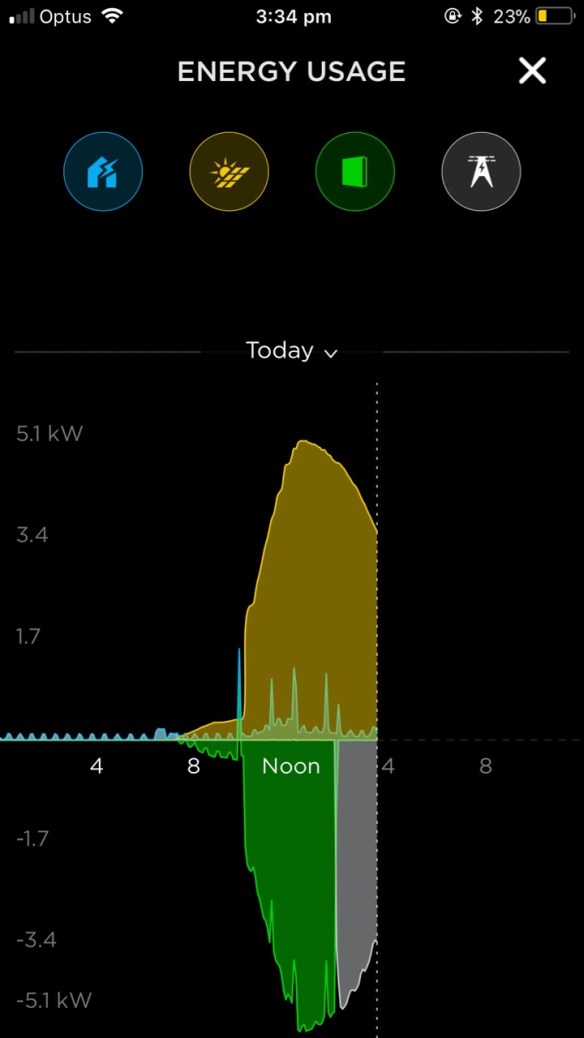
The following day, the PV panels charged the battery back up to full power again by about 1.30pm. Solar output is shown in yellow. The battery shown in green is being charged below the line. Once the battery is fully charged, the solar output is then switched to sell back into the grid for the rest of the day. Shown in white below the line. Household usage is shown in Blue above the line. You can see that we run a very energy-efficient household. The blue spikes represent the toaster and jug in the morning, then the washing machine and then me using the heavy 3 phase welders, and sheet metal machines intermittently in the kiln factory through the day.

By way of explanation, I downloaded this screen shot at 3.30 pm, so that is why the graph suddenly stops.
 

IMG_0521

From this brief explanation I hope that I have illustrated that it is possible to live a ‘normal’ life, carry on working and fire an electric kiln, all from a solar array and a lithium battery.

Food for thought?

Some technical details;

The battery is a Tesla Powerwall 2 lithium-ion battery with a 15 kWh rating.

The solar array is 6 kW. Made up of 3kW of 11-year-old BP solar panels made in Sydney, and 3kW of new ‘Tindo’ solar panels made in Adelaide. In both cases, we paid a premium to purchase Australian made panels to support Australian industries and Australian jobs. If there had been a comparable Australian battery. I would have bought that instead.

The Tesla Powerwall 2 lithium-ion battery is 15 kW/h rating. Made in the USA. The closest Australian contender was ‘ZPower’  also from Adelaide, but at almost 3 time the cost, it was out of our price range. All these things will change quickly and dramatically over the next few years. Watch this space. You can be sure that whatever will replace our battery at the end of its life in 15 to 20 years time, hasn’t even been thought of yet, never mind being built!

The kiln is one that I made myself. It is a half metre cube 500mm. x 500mm. x 500mm.  constructed out of light weight RI bricks.
 

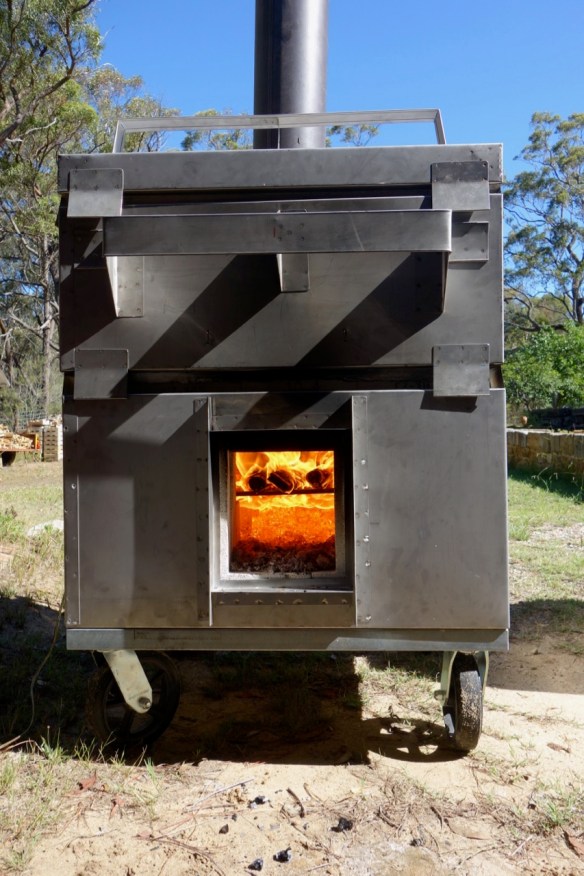
latest little wood fired kilns

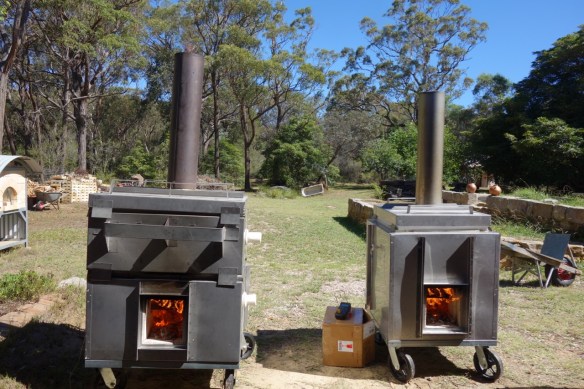
I have just finished and fired the latest little wood fired kiln prototypes.

DSC02915

These two new kilns are a slight improvement on last years model. The big difference is the increased volume. The big kiln is built in 2 parts. This new bigger kiln is 50% larger than the older model. When fired with gas burners, the 2 part design allows the top to be taken off and the lid placed on the lower section. The lower section can then be fired with gas burners and it can be used as a small test kiln. Alternatively, the top section can be replaced and it can be fired as a small production kiln.

In wood fired mode, it must be fired together, as the bottom section is the fire box and the top section is the chamber.

DSC02922

DSC02924

I’m very pleased with them. The bigger kiln got to stoneware, cone 10 down in reduction in just 2 1/2 hours. If I can fire it this fast, then it can be slowed down and fired as slow as you like, with plenty of power in reserve.

I’m taking orders for this kiln now.

New Solar PV and Battery Installed

We have had our solar power installation upgraded from 3,000 watts to 6,000 watts of panels. The old panels are now 10 years old and have worked perfectly for the decade and still produce to their specification at midday. We were told to expect a 10% drop in output over the first decade of their life and then a steady drop-off in output for the next 25 years. There doesn’t seem to be any noticeable decline as yet. So we are really happy with them.

At the time we paid a little bit extra for them, to get Australian made PV panels, made in Sydney at that time. These have been faultless with 0% failure so far. This is not to say that any other panel wouldn’t be just as good. I don’t know, so I can’t say. However, it is our intension to support Australian industries and employ Australians wherever we can, so we paid the small extra premium for locally made product and that has worked out well for us so far.

On this principal, we decided to buy Australian made panels again. As I understand it, there is only one tier-one PV panel manufacturer here. ‘Tindo’ in Adelaide. They are still just 10% more expensive than the imported Chinese PV units, so I had no hesitation in choosing to employ Australians and support Australian industry once again. It isn’t worth saving $600 to put Australians out of work.

IMG_0354

Over the decade the efficiency of the PV has increased significantly. The new panels are almost twice as efficient as the older ones, so the new installation is much smaller. 12 PV panels instead of 18.

We now have 6 kW of PV and we decided to buy a battery to store our own power and use it directly ourselves. Now that the solar feed-in tariff is so low and the price of green power is increasing, it makes sense for us to make the move. In fact we decided to do all this 13 months ago. It has taken Tesla over a year to supply the battery. We ordered the new Tesla PowerWall 2 as soon as it was announced. Tesla is good at advertising and self-promoting, but a bit slow to deliver. Anyway, it’s here now. It’s installed and working just as it should. The battery filled up on the first sunny day and has been powering the house since then. Once the battery fills up in the morning, it then starts to sell the excess back to the grid. Even today, when it is overcast and raining and the PV output is way down, the battery has filled up by early afternoon and we are now exporting again.

IMG_0357

IMG_0358

We bought our original PV array 10 years ago to extract ourselves from the coal economy, which we did. Now we are able to be independent from the grid. The new latest version of the PowerWall 2, has a built-in function to isolate us from the grid when it goes down. In the past the system shut down when the grid went down. Now we are able to stand alone and continue to run everything directly from the panels during the day, whenever there is sunlight, and from the battery at night. If there is a blackout, we won’t know about it.

We have enough power now to charge an electric car – at some stage in the future.


The Last Week of Summer

Here we are in the last week of summer already. We have survived the 44oC day and months of desiccating extended dry weather. Today it is raining – at last! It’s such a relief to hear the rain gently tapping on the tin roof of our house. I wish that it were hammering, but I’m grateful for this small amount of precipitation. It would be nice to see some water flow into the dam again. it’s been almost 12 months since the last time we collected water in the dam.

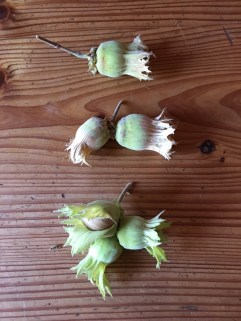
This hot weather that we have been having has brought on the nuts. The hazel nuts are all harvested now. We pick up a basket full every couple of days. Hazels are ripe when they fall off. So it’s just a matter of raking them up. They flower in clusters of one, twos and threes, sometimes even in quads, but that is less common.

IMG_0302 IMG_0297

After each meal, breakfast, lunch and dinner, we sit at the kitchen table and shell and sort the viable nuts from the empty ones. This is done by dropping them on the kitchen table and seeing if they bounce or not, they are them saved or discarded into separate baskets. Full nuts don’t bounce. They just plonk down on the table with a thud. We test a few every now and then to confirm the bounce prediction and its usually correct. Empty nuts bounce all over the table. Only a couple of percent of the nuts are infertile.

The almonds are also ready just about now. Almonds split open their outer shell while still on the tree. So we know when they are ripe and ready to pick. We have to peel off the outer leathery ‘fruit’ coating and then crack the inner shell to get to the nut inside. The inner nut is nearly always quite damp, even in this very hot and dry weather. We spread them out on the kitchen floor in front of the big window, so that  they can dry out a little and become brittle, then we can crack them open with our fingers. This is quite time-consuming and luckily the almond crop follows on after the hazels have finished. We can only cope with one thing at a time.

IMG_0336 IMG_0337

IMG_0339

The almonds are not all off the tree. We have harvested 10 of the dozen trees. Almonds don’t like to get too wet when they are ripening. They have a tendency to go mouldy. We have 6 different varieties and the last two trees are a late variety. They may be OK if this rain is followed by another week of hot dry weather.

IMG_0363 IMG_0367

IMG_0369

The nut harvest is closely followed by the grape vintage. Both the shiraz and the isabellas are both ripe now. Yesterday we had a very big day picking, de-steming juicing, sterilizing and bottling about half the crop. We were both very tired by the end of the day, but now we have the best part of our years supply of dark grape juice in the pantry. So, although we are tired, we are satisfied and rewarded by our efforts. Not just this days work, but the 40 years prior effort, planning and preparation that have made this possible. We have managed to harvest and process and preserve half of the crop so far, about 9 baskets. Even if the weather stays manky now for the next week, we can’t lose. If its wet, we get the water and the garden thrives, if its dry, we’ll be out there harvesting the last of the crops.

My tank is half full.


Lucie Thorne House Concert

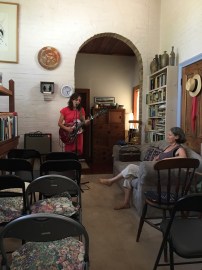
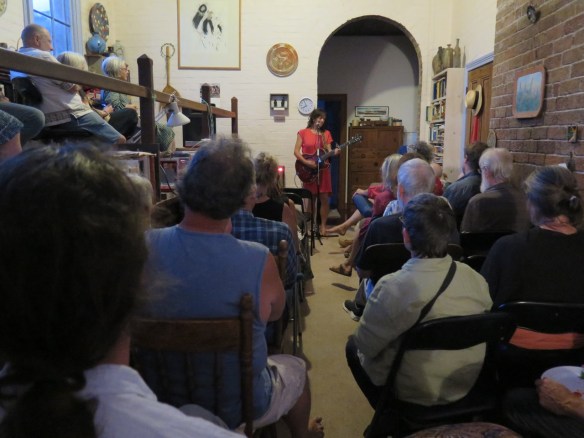
We held another of our house concerts again on Saturday night. This time with Lucie Thorne. We have a couple of attempts to get her here in the past year, and this time all the stars were in alignment.

It was a very enjoyable afternoon/evening/night. Lucie is a very talented singer songwriter. We have all of her CD’s and enjoy listening to them a lot. So it is really nice to be able to have her here in our house for a few hours.

We particularly enjoyed our private performance when Lucie did her sound check.

IMG_0329 IMG_5494

and everybody else enjoyed the full performance, later that night.

Lucie has developed her own individual style, a soft breathy vocal style and such a gentle lyrical guitar sound that she has developed from her hollow body electric guitar, but turned down to the lowest possible level, so that the sound just gently washes over you with a soft reverb effect. She doesn’t really strum the strings, but emotes through her fingers in keeping with the vocal line of the songs. It so individual and idiosyncratic. She is a totally engaging performer.  The music critic from the age described her music as “some of the most simple and beautiful songs you will hear” The Age.

We consider ourselves so lucky to be able to host her here in our house.

IMG_5497

We have already invited her to come back again next year.

Check out her links below for more information on Lucie and her music.

http://www.facebook.com/lucie.thorne

http://www.luciethorne.com

The Dam is Dry

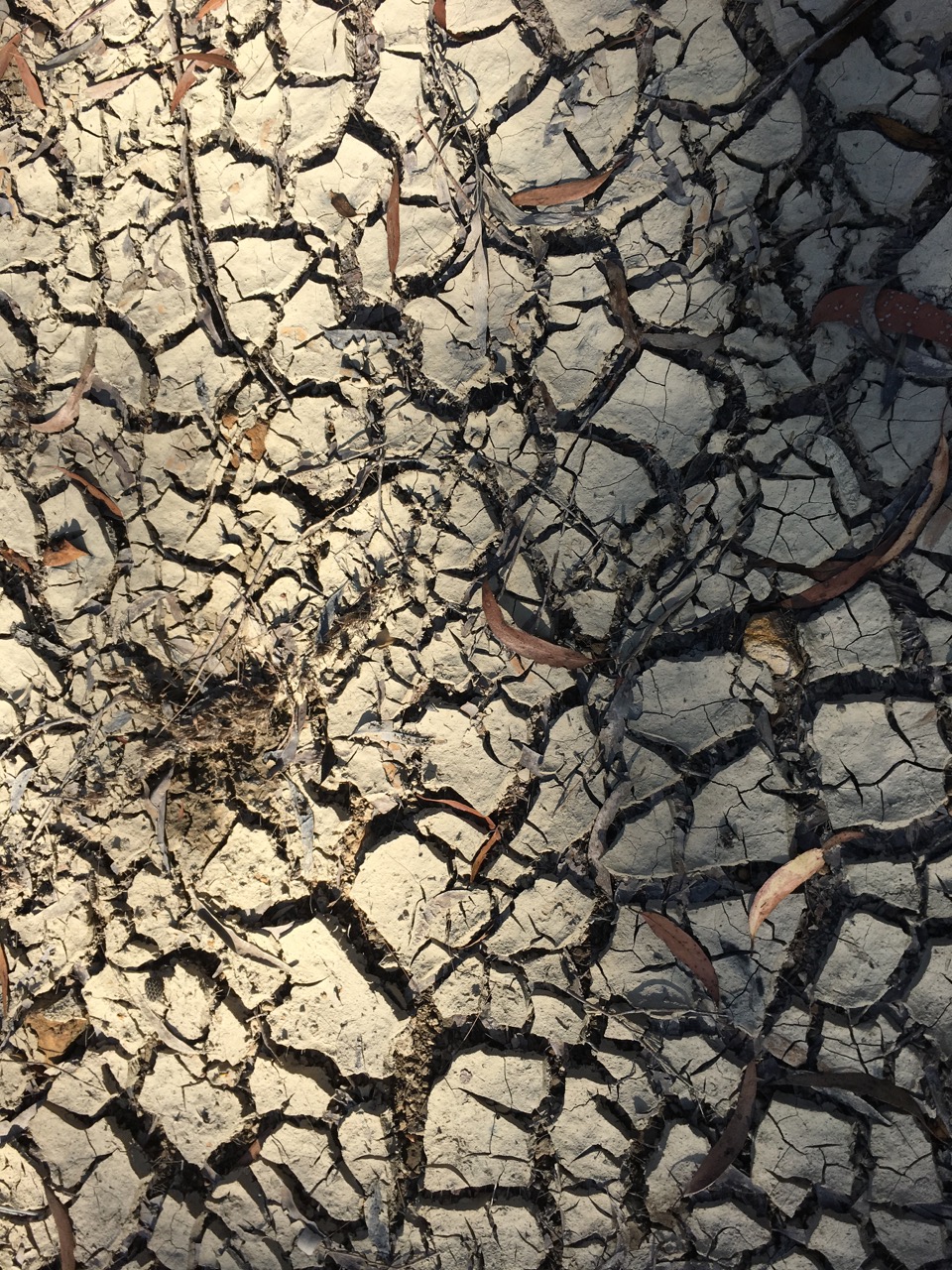
The big dam is dry. We haven’t had significant rain heavy enough to flow water into the dam since March. The small dam is all but empty. I’m trying to save a small amount of water for firefighting – just in case.


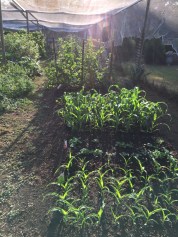
This week I started watering the garden using the rain water stored in our water tanks. The weather continues very hot and dry in the mid thirties. The fruit tress in the orchards are really suffering. There isn’t enough water for every plant. The pot plants and vegetables get priority. We are starting to eat corn form the second planting of three lots of sweet corn. We have started picking from the second planting of zucchinis and tomatoes, even the third planting of cucumbers. It may be hot and dry, but we still eat well with carrots and beetroot still doing well.
 

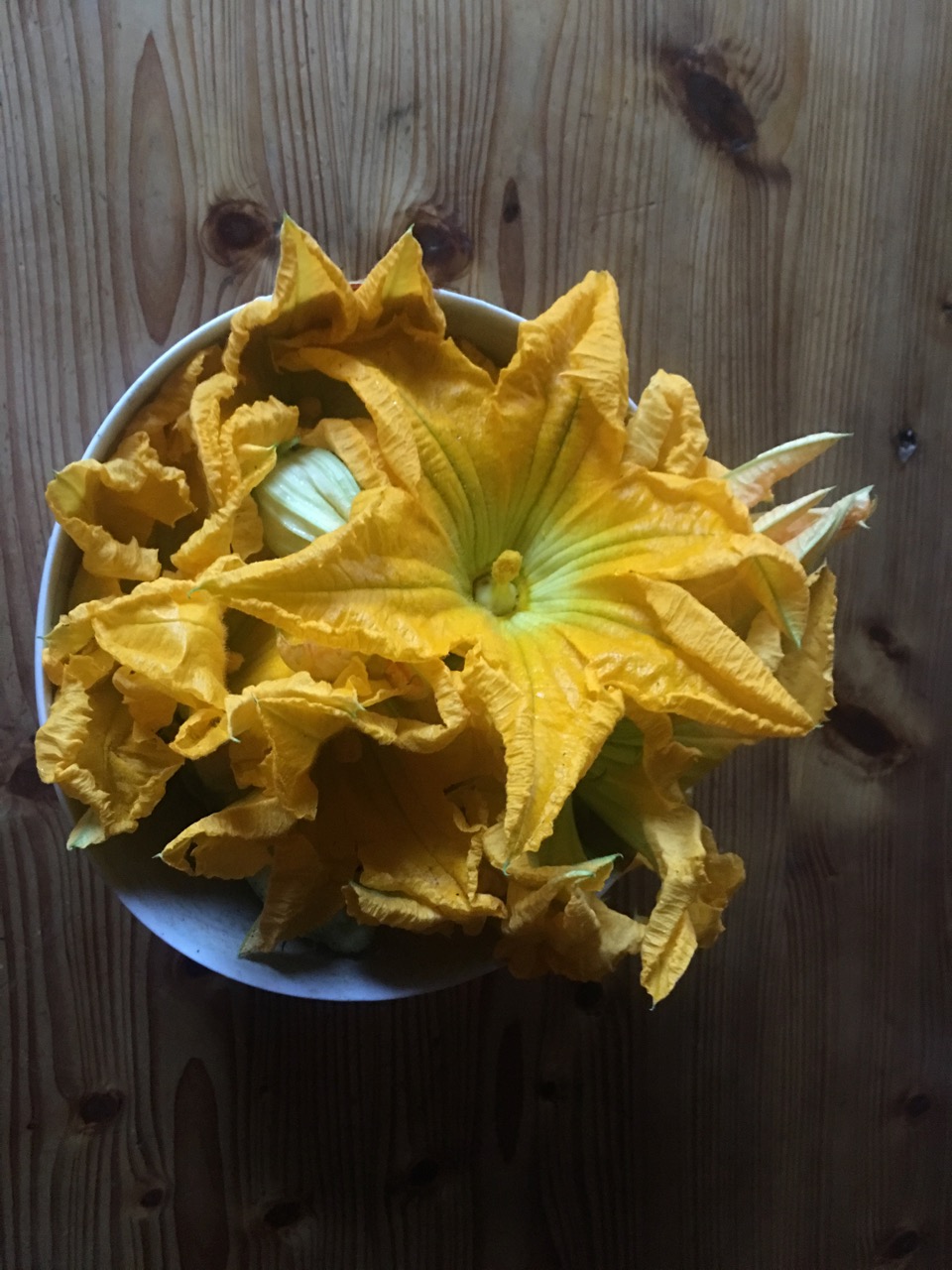
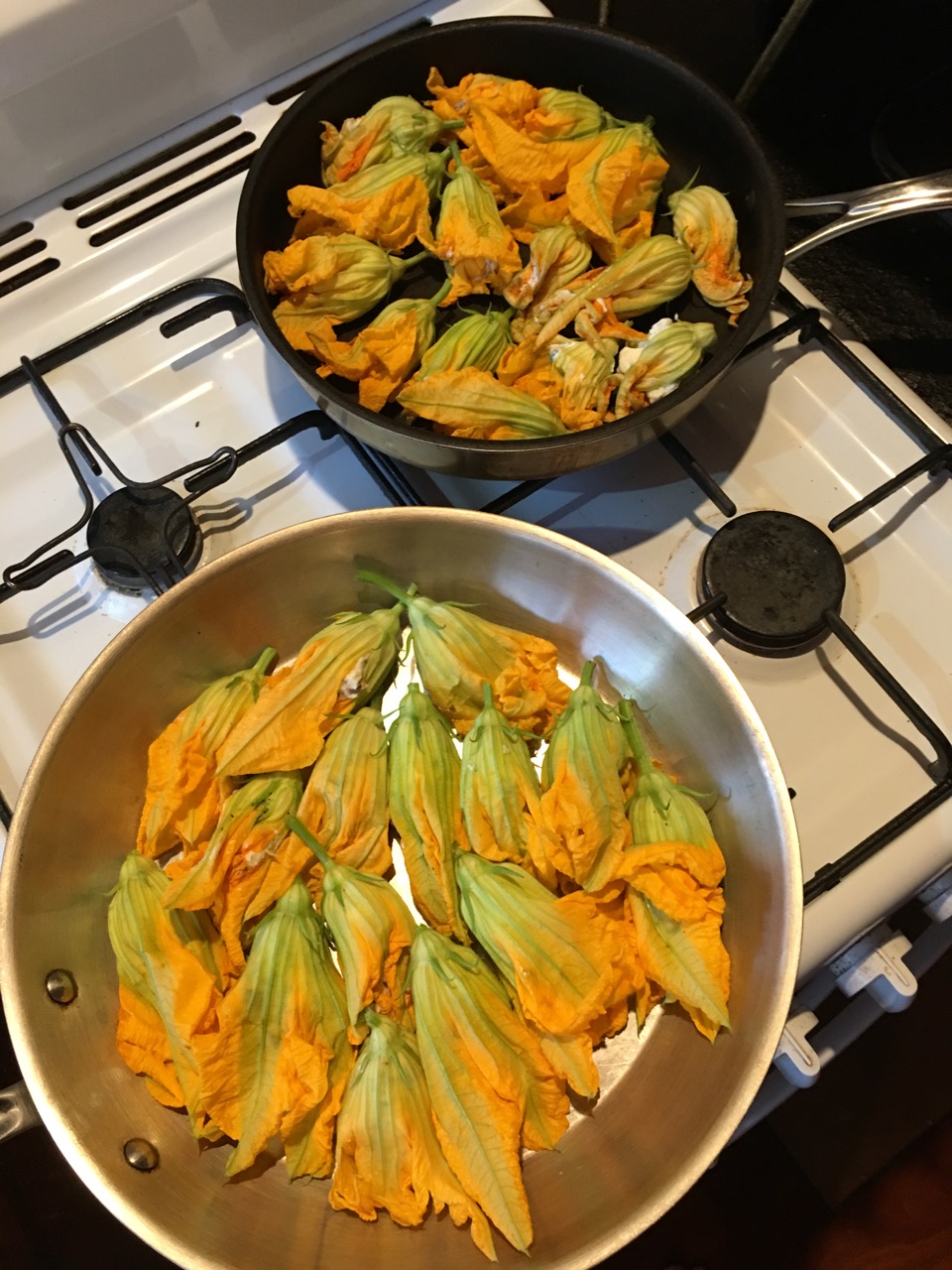
The new zucchini plants are just coming into their own now and flowering profusly. it’s time again for stuffed zucchini flowers. A 50/50 mix of ricotta and finely diced feta for texture, mixed with a few olives, capers, artichoke hearts and an anchovy, all finely diced.


These are pan fried in just a hint of olive oil, just to stop them sticking and covered to allow them to sweat out and steam in their own juices. It’s a lovely seasonal meal, as the flowers are only profuse for the first month of the plants 3 month productive life. All the old plants that we planted as seeds in September were down to just one small zucchini per day, when these Xmas planted seeds started producing this week.

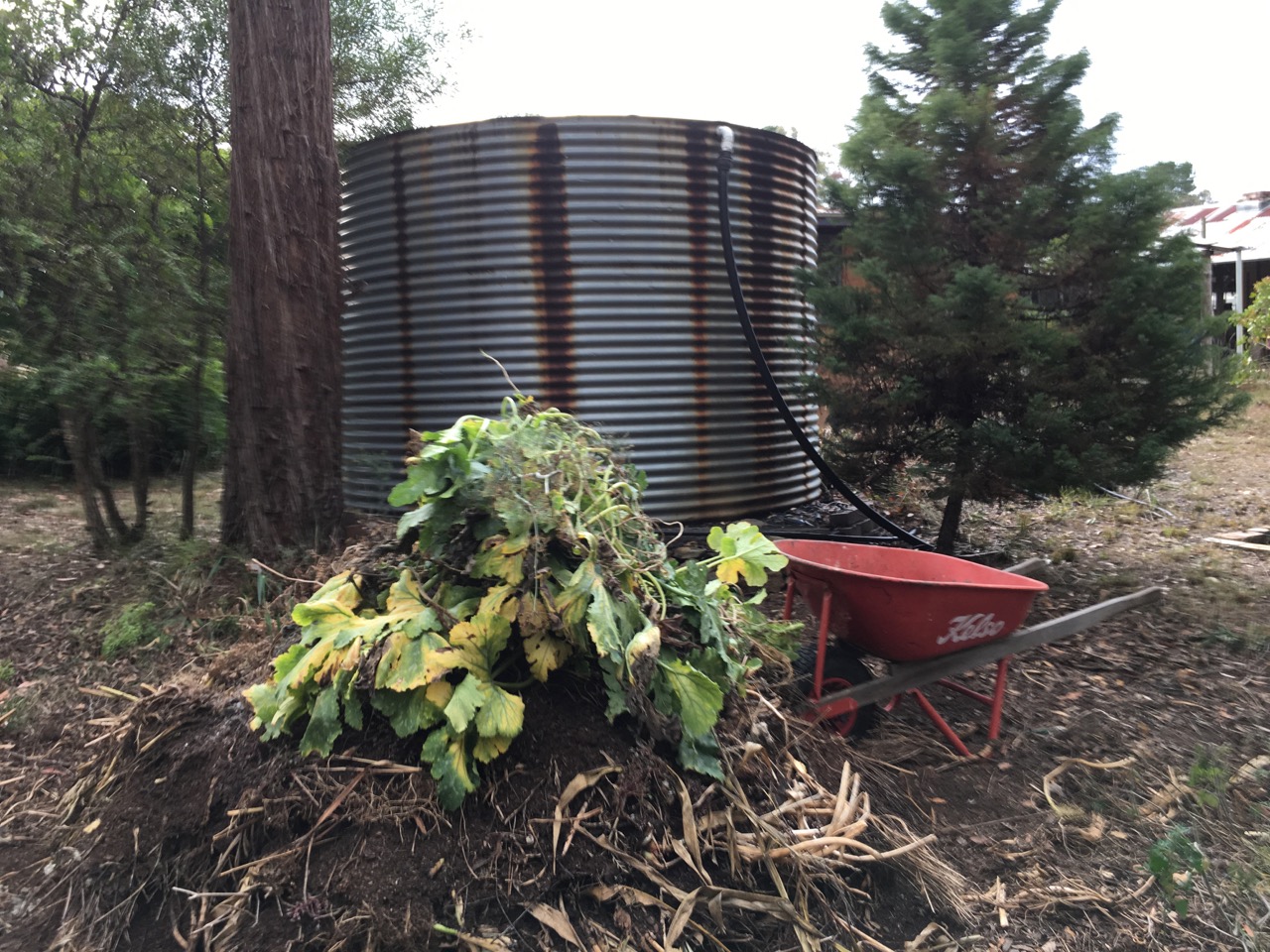
The old zucchinis are now on the compost and caulis, broccoli and cabbages are now planted in their place.


Summer Intern

This time last year we had a summer intern called Lauge from Denmark. He was terrific. A great cook and so helpful with everything that we had to do. He wanted to experience all the environmentally sustainable ceramics activities that we engage with here, from vegetable gardening through to rock crushing and making clays as well as kiln building and rock glazes.

This year we have Catherine and her husband HansPeter from Switzerland. We spend 5 weeks together and get a lot done. She particularly wants to learn  all about my kiln building techniques. She helps me build 3 different kilns over the summer break. We work on finishing kiln number 301 and then we build 2 new prototypes for the portable, dual fuel, little wood fired kilns.

IMG_0057 P1110848

IMG_0052 P1110937

These smaller monocoque framed little kilns are so much easier to move around and line. It’s such a pleasant experience compared to having to rotate the bigger heavy kilns.

IMG_0081 P1110950

IMG_0097

As well as ceramics, Catherine is a trained blacksmith in Switzerland. The combination of a few metal working skills along with ceramics is an advantage in this ceramic kiln building workshop.

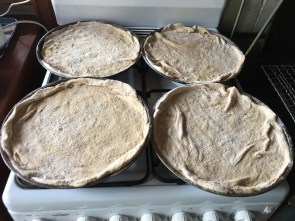
Roasted capsicums and home made pizza for the musicians

We have hosted the local musicians in our home after the monthly ‘session’ in the village hall. I decide to make pizzas.

I roast a few red capsicums and peel them after sweating them off in a plastic bag for 20 mins. Then peel them and dress them with a little oil and vinegar.

IMG_9985 IMG_9986

IMG_9990 IMG_9991

IMG_9992 IMG_9989.jpg

P1110365 (1)

As the weather continues to be very hot. We are invited to our neighbours home for the afternoon/evening for a swim in the pool and a BBQ. Such is summer. We are very lucky to have such generous neighbours.

P1110382 P1110383

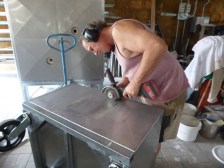
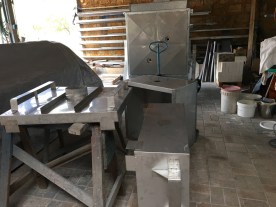
After all this fun and good times, it’s back to work in the kiln factory. I still have to finish one order from last year and then I have 10 kilns ordered for this new year. I’m actually trying to cut down and retire from so much kiln work but these are orders and they mean guaranteed income.

P1110457 P1110460

P1110845

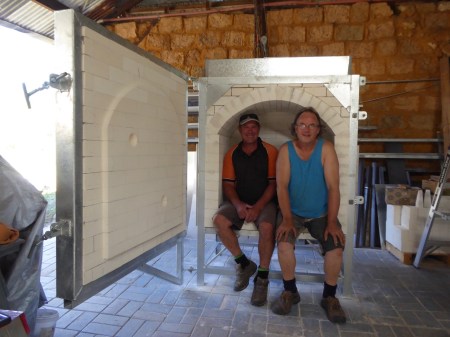
This is kiln number 301 and hopefully my last of the big heavy ones. My amazing and highly skilled friend Warren and I pose for a final photo in this last kiln. From now on I will be concentrating on the small light-weight portable dual fuel wood fired kilns.

IMG_0073


These hot days

We have been enjoying, or perhaps suffering, a few hot days this week.

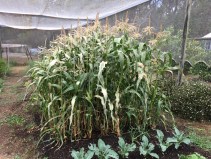
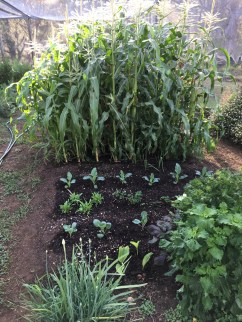
The mercury hit 44oC on the back verandah yesterday. Far too hot to try and very much that was physical out side or even in the kiln shed. I stayed inside after watering the vegetable garden in the morning. I read a book instead. It was really the only sensible thing do.We had watered everything the night before as well, but as the heat set in and built up, the plants wilted and lay down. By the afternoon the sweet corn was frazzled and its leaves white and papery dry. I hope that it survives!

IMG_0017 IMG_0019

IMG_0018

It was so hot that even the candles suffered erectile disfunction!

2017, so long and thanks for all the fish

As this year slowly fades into the next, without a bang or a whimper, each day arrives and passes in a heat haze of small summer jobs around the house and gardens. I service all the fire fighting pumps. We have 4 or them. Cleaning the air filters and changing the oil, ready for any fire emergency that might crop up in this heat. These pumps are used for other jobs throughout the year, for garden irrigation, roof sprinklers on the house and workshop roofs for cooling on the hottest days and water transfer from tank to tank, this occasional work keeps them in good working order, so that I know that I can rely on them in any emergency.

We had a couple of weekend workshops of garden maintenance, with a couple of our pottery students and friends helping us get the garden back up to speed after our long absence OS in the late spring . They earned themselves a free raku firing workshop  ticket in the winter for their trouble. A very special thanks to all those friends who helped us out during the past 12 months, your friendship and support is greatly appreciated.

The garden is now producing a lot of food for us and will continue to do so into the future, with the germination and growth of all the seeds that we planted. We have successive plantings of corn, beans and zucchinis, etc. to keep us going.

IMG_9943 IMG_9944

IMG_9949 IMG_9945

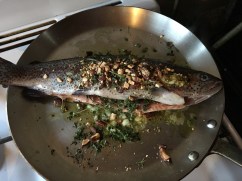
We have enjoyed a number of lovely meals recently from the garden. Our protein is mostly sea food based, as we have a very good fish man that drives up from the coast a couple of days a week. We often bake a whole fish and boil the bones to make a stock that we can use later to make something else. Recently I pan-fried a whole trout in olive oil and garlic, stuffed with lemon thyme from the garden and dressed with lemon juice and crushed almonds. I finished it under alfoil to slowly steam it through, de-glazed with a little splash of chardonnay and a dash of fresh cream before serving it with some steamed kippfler potatoes. I didn’t get any complaints and I made a good stock of the bones.

IMG_9956 IMG_9957

IMG_9958

Not only do I get a very good glutinous richly flavoured stock from the bones, but then the Spice Girls (chooks) get a nice surprise for breakfast the next day.

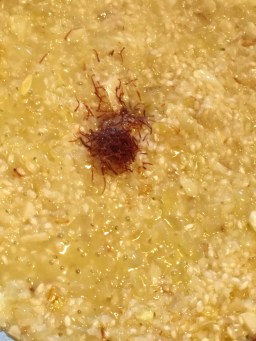
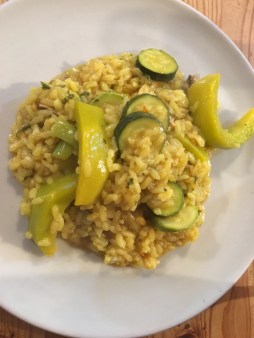
Many meals at this time of year start to look like variations on ratatouille, with mixtures of tomatoes, egg plant, zucchinis and capsicums. I try to mix it up a little using the fish stock to make a blond garden risotto, with Pumpkin, zucchini, caps, garlic and onion. I add a little pinch of saffron and Janine brings in a sprig of fresh oregano to help it along a little. I finish it with a chunk of butter to make it extra creamy and smooth.

IMG_9976.jpg IMG_9977

 IMG_9979 IMG_9981

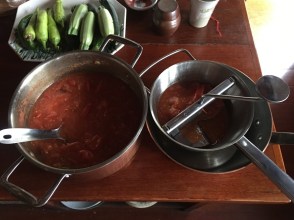
Later, we bake a snapper in the same way, except , this time I use some of the days tomato passata to simmer it with the days vegetable pick.

IMG_9963 IMG_9965.jpg

 IMG_9966 IMG_9968.jpg

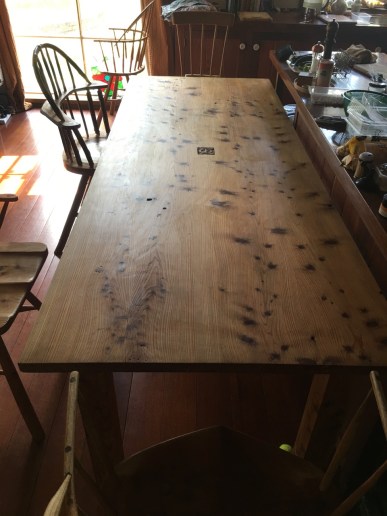
I take the time to clean, scrub, oil and then re-wax the kitchen table.

 Someone once told me that I should oil my handmade furniture once a day for a week, then once a week for a month, once a month for a year and then annually after that. So now is the time for such small details to add up and need addressing. I refuse to go into the factory or the workshop for this precious week between Xmas and new year to do  kiln work. Instead I work at all the other jobs that need doing annually, like this one. A change is as good as a holiday! It’s been a busy year with trips to China, Adelaide, Canberra, Cambodia, Korea, then Japan and Korea and Japan again. Plus the launch of my new book ‘5 Stones’ at my big show of my 15 years of research into single stone porcelain at Watters Gallery. I still haven’t written up all of the recent Japanese trip yet. Maybe in the new year.

IMG_9969

I do go into the workshop many times through this week, but it is to get tools that I need for maintenance and to do repairs on household items.

I will go back to work on the 2nd after our Swiss Intern arrives for a 6 week stay with us. We will be busy making single stone porcelain and building kilns after she has settled in.

Last year we had Lauge from Denmark, this year it will be Catherine from Switzerland. Something to look forward to. However, before that, we will have our annual New Years day recovery party to welcome the new year in and I will be cooking up a selection  of our garden produce for that.