To Get Rich Is Glorious

To get rich might be glorious – but, to be content has its merits too.
We are packed and ready to leave this special place with so much history and future potential. The old and the new worlds are co-mingled here. We breakfast in the street on food cooked on the back of a bicycle and then go looking for a driver. He’ll be here some where along this little bit of road. As we walk along, we are reminded again of how we are seen as being quite exotic here in this remote part of China. There can’t be too many foreigners like us around these parts. This is made obvious to us by a giggle of teenage girls who point and talk about us as we pass. Suddenly, a couple of them run along after us and then past us for a few metres. Once out in front, they quickly turn and take our photo on their phones. Then look nonchalantly straight past us, into the distance, back down the street, as if they are just looking back along the street as if there is nothing unusual going on, just as you do every day! Then, as we get level with them, they turn sideways and snap our image again, but this time in profile, from side on. They run back giggling to their friends to look at the images and chatter and laugh. I turn and wave at them and they wave back, then burst into chatter and laughter once again. We have made their morning more interesting!
IMG_0055
We are looking for our amazingly honest driver from the other day. The one who returned Leo’s wallet full of money. We want him to drive us on this last leg of our journey. He was so honest. We find him in a cafe on the corner. A few days ago we paid him Y80 for 4 hours. Today he wants Y200 for 2 hours. I don’t hesitate in agreeing. He was honest enough to return the wallet, which he could easily have ‘forgotten’ to do. After-all, “to get rich is glorious” in China! Or so he has been told. And that windfall wallet, would have been an easy start for him towards glory. But he didn’t and in so doing restored my faith in the goodness of people. So I thank him and think that the Y200 is like a reward for goodness. He’s a nice guy, and I like him. Even though I can’t tell him.
I smile. He knows.
So now I’m finally back home again.
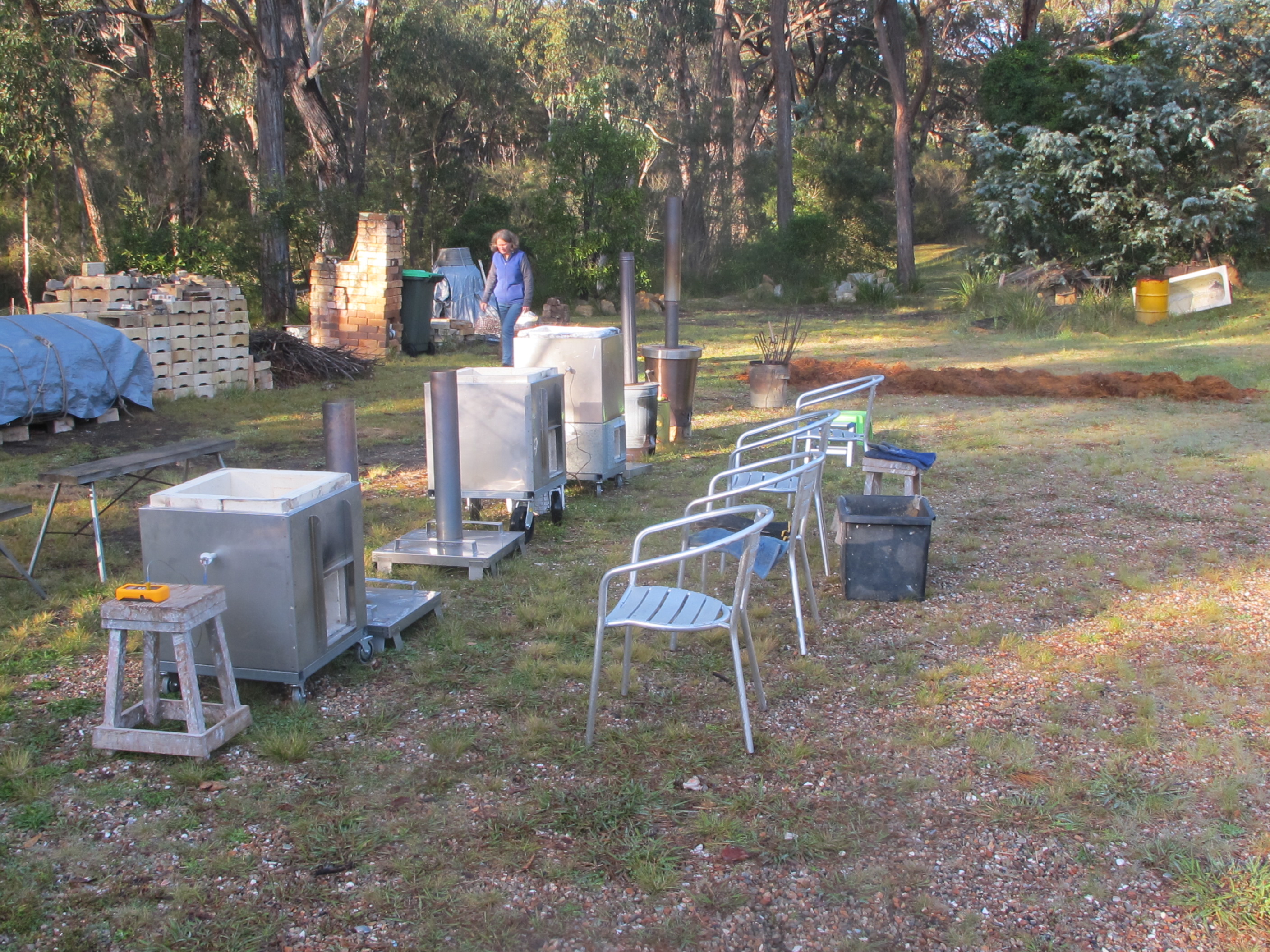
It’s good to see The Lovely again and be back in my own familiar life. My own home, my family, my bed.  I’ve only been away a few weeks, but there is so much that needs to be done. I was busy before I left. Now that I’m back, the work load seems to have multiplied. First, I need to help The Lovely catch up with house work, then, the weeding of the garden and we have several weekend workshops booked over the next few weeks of winter. She has done one while I was away, with the help of our good friend Val, and the next one starts today. So it’s up early to get the portable wood-fired kilns out onto the site. I have built 3 new portable wood fired kilns since we last did these workshops, this time, a year ago. They are a great improvement in speed, ease, size and effort.
IMG_0583IMG_0586
The day goes well and the new larger kilns perform really well, being the most productive and popular kilns on the day, turning over the work, faster than the older kilns.
IMG_0587IMG_0588
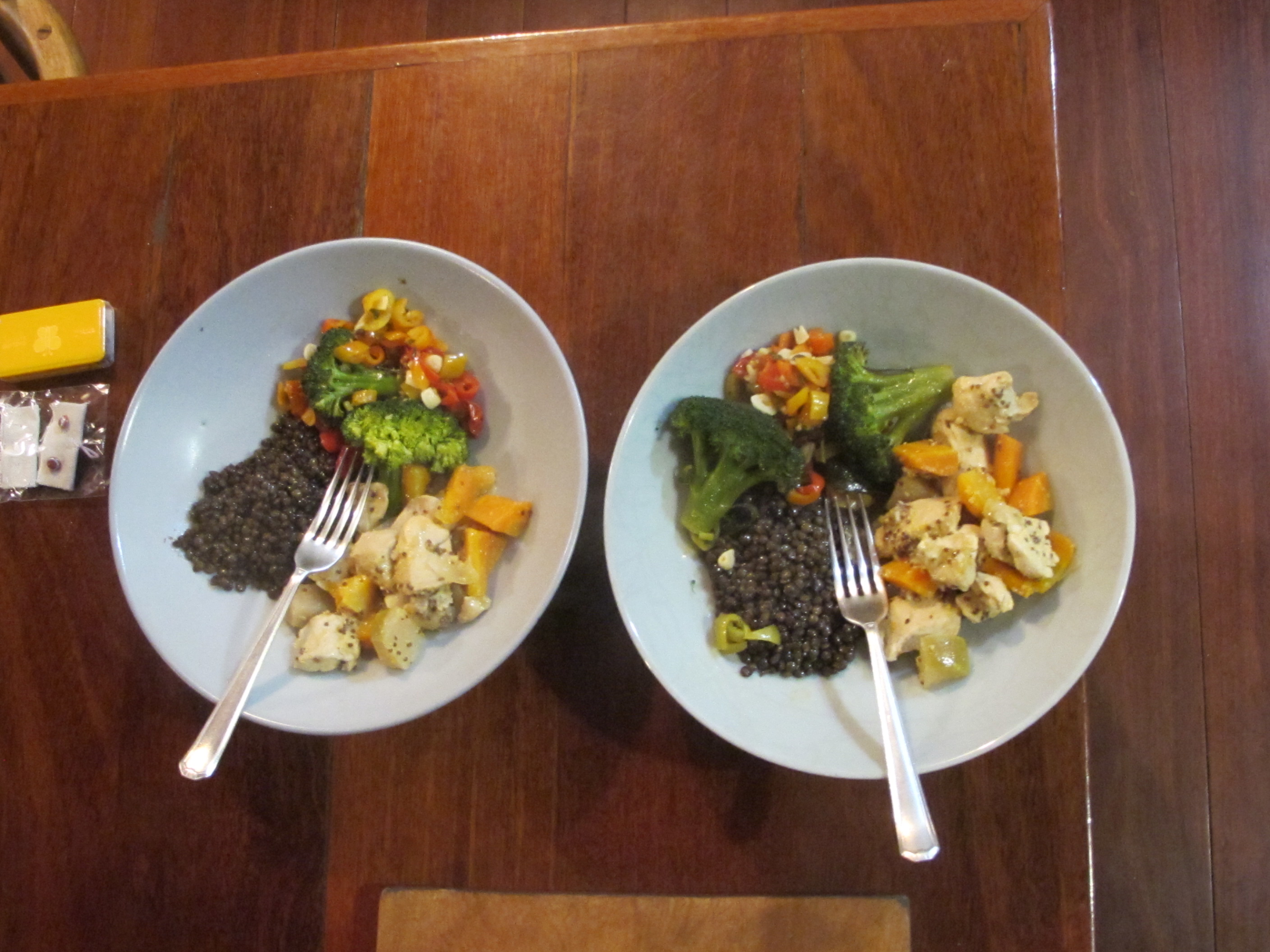
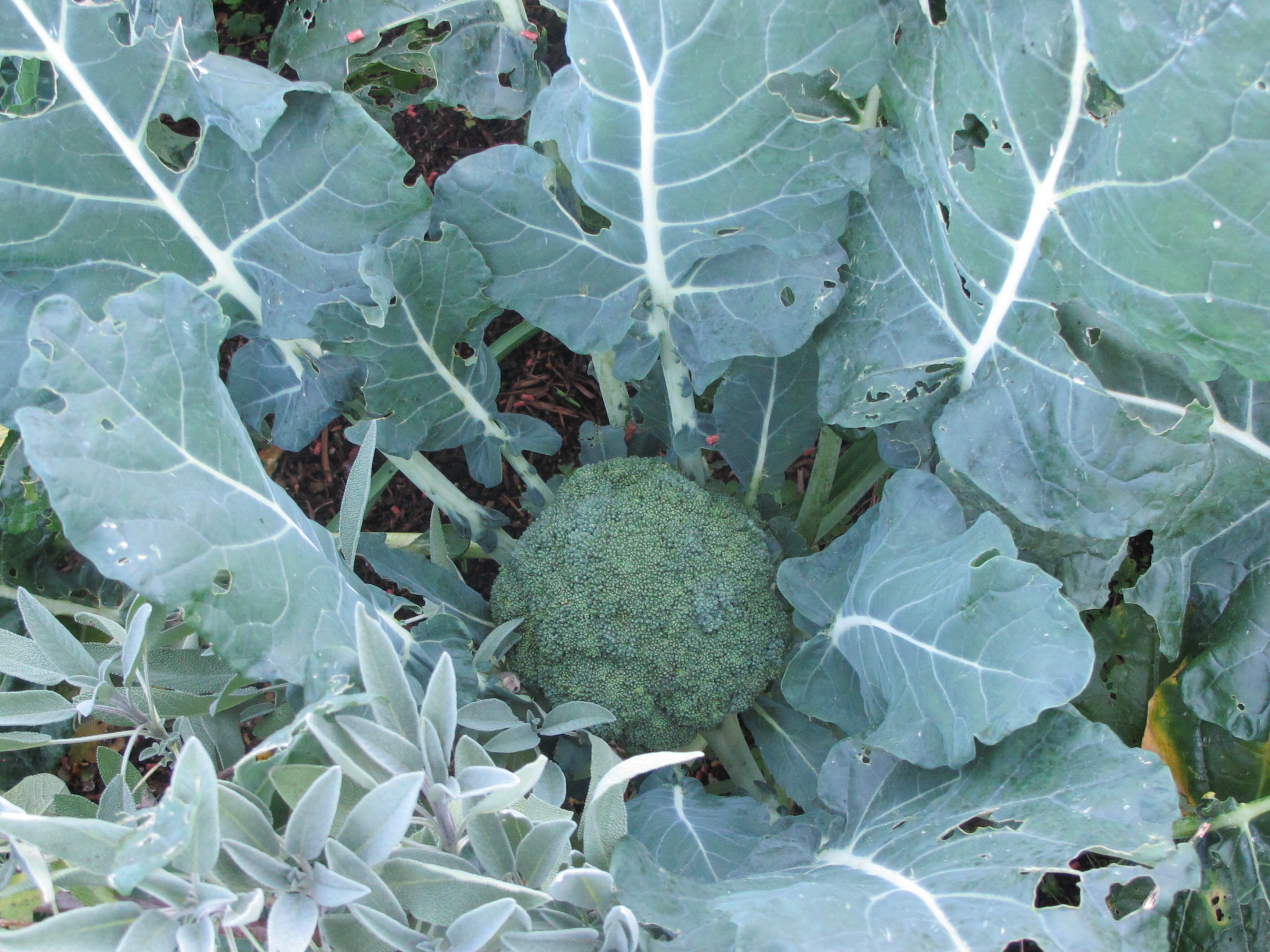
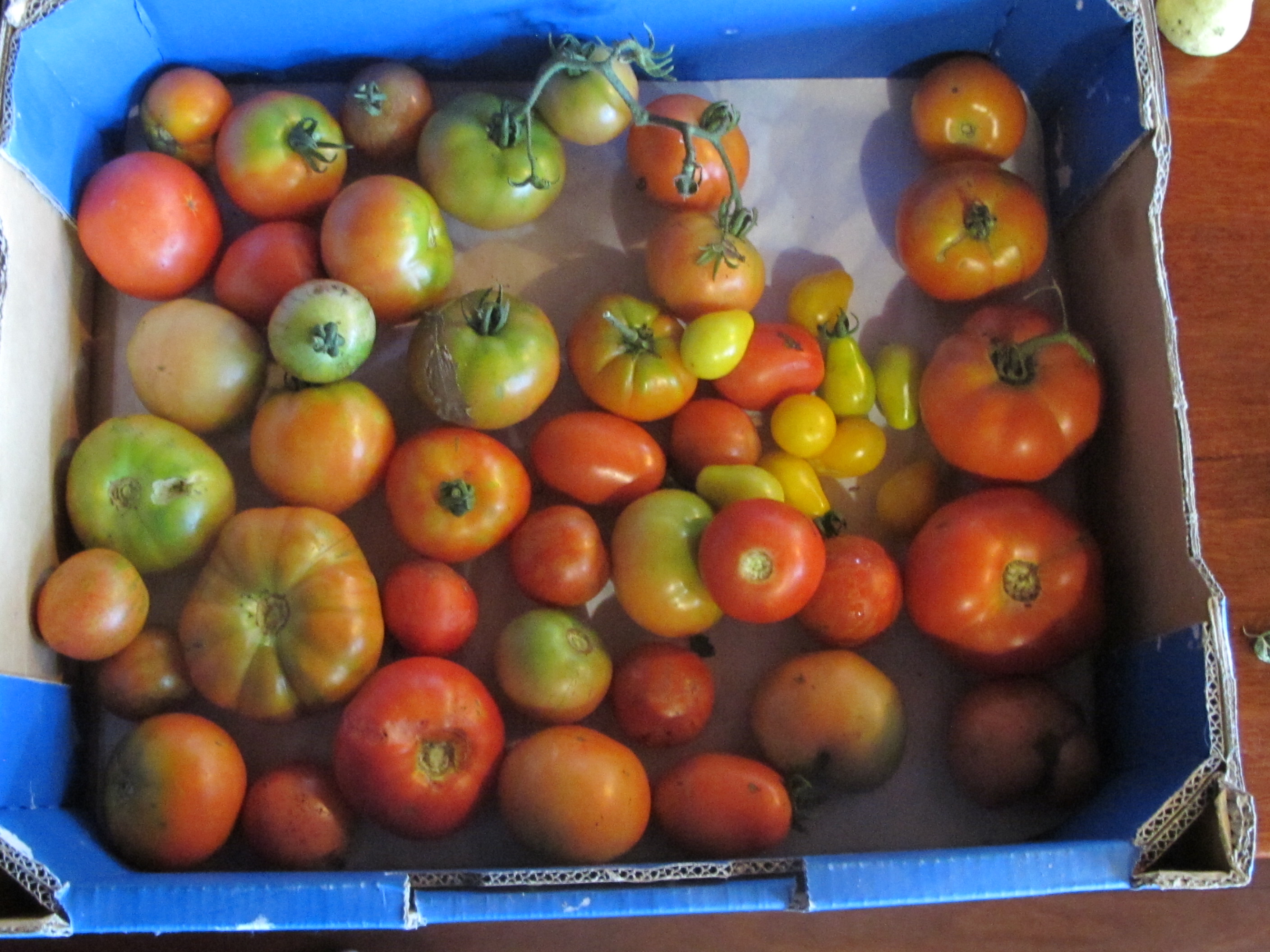
Fortunately, I am home just in time to see the last few tomatoes ripen in the window sill. I cook them with a few of the last capsicums and some garlic, broccoli, pumpkin and lentils cooked in marrow bone stock.
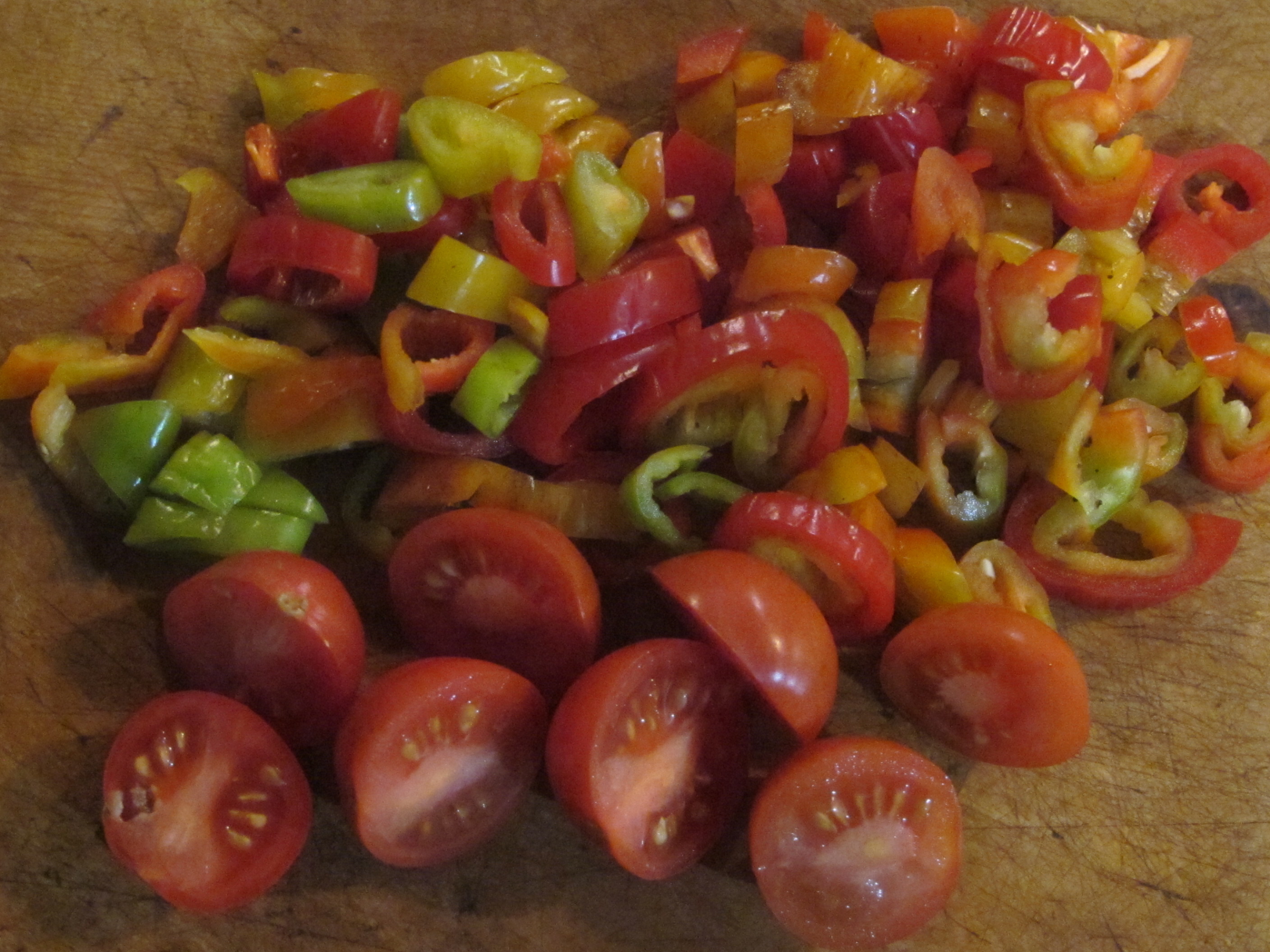
IMG_0573IMG_0577
IMG_0579
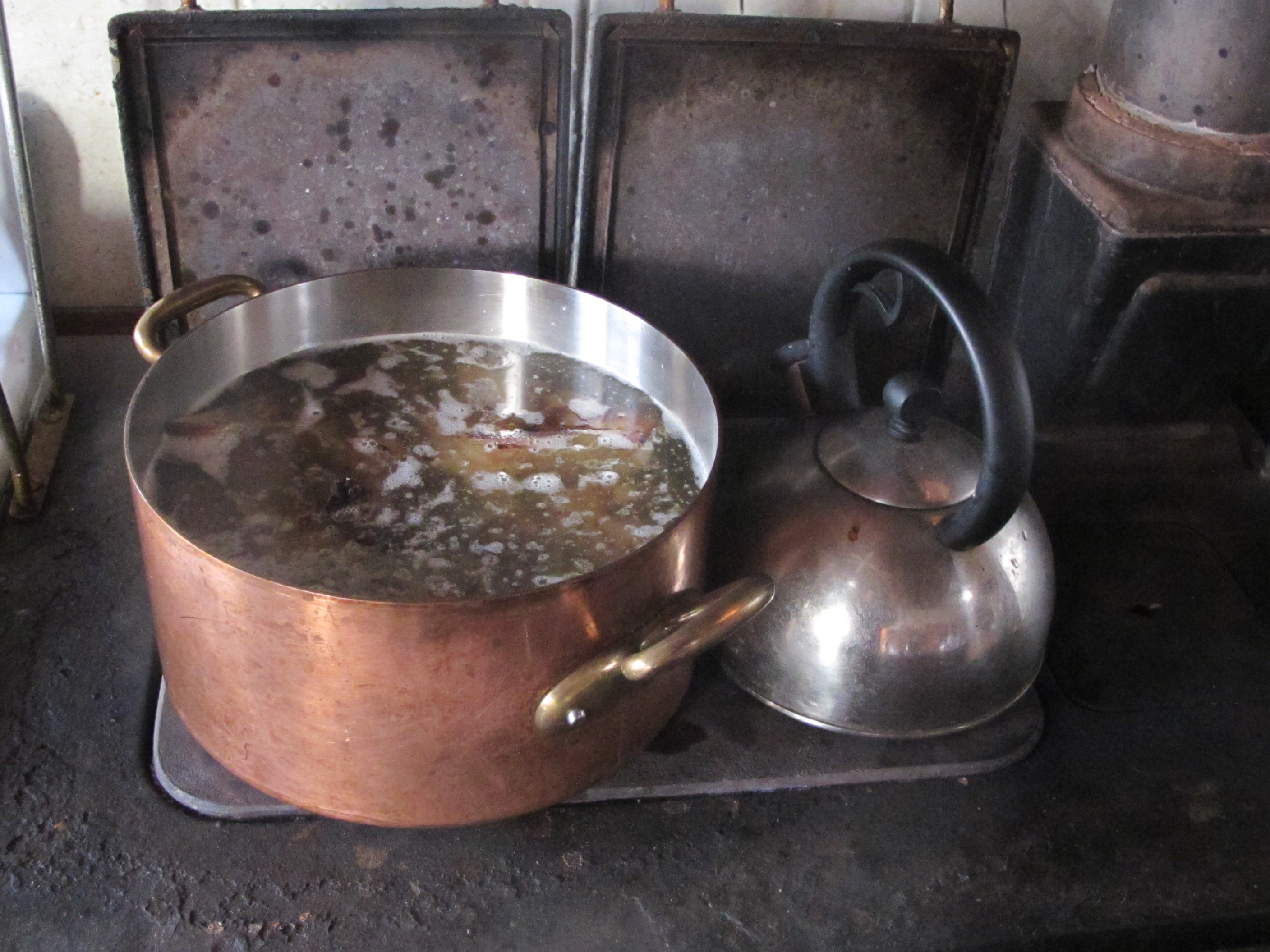
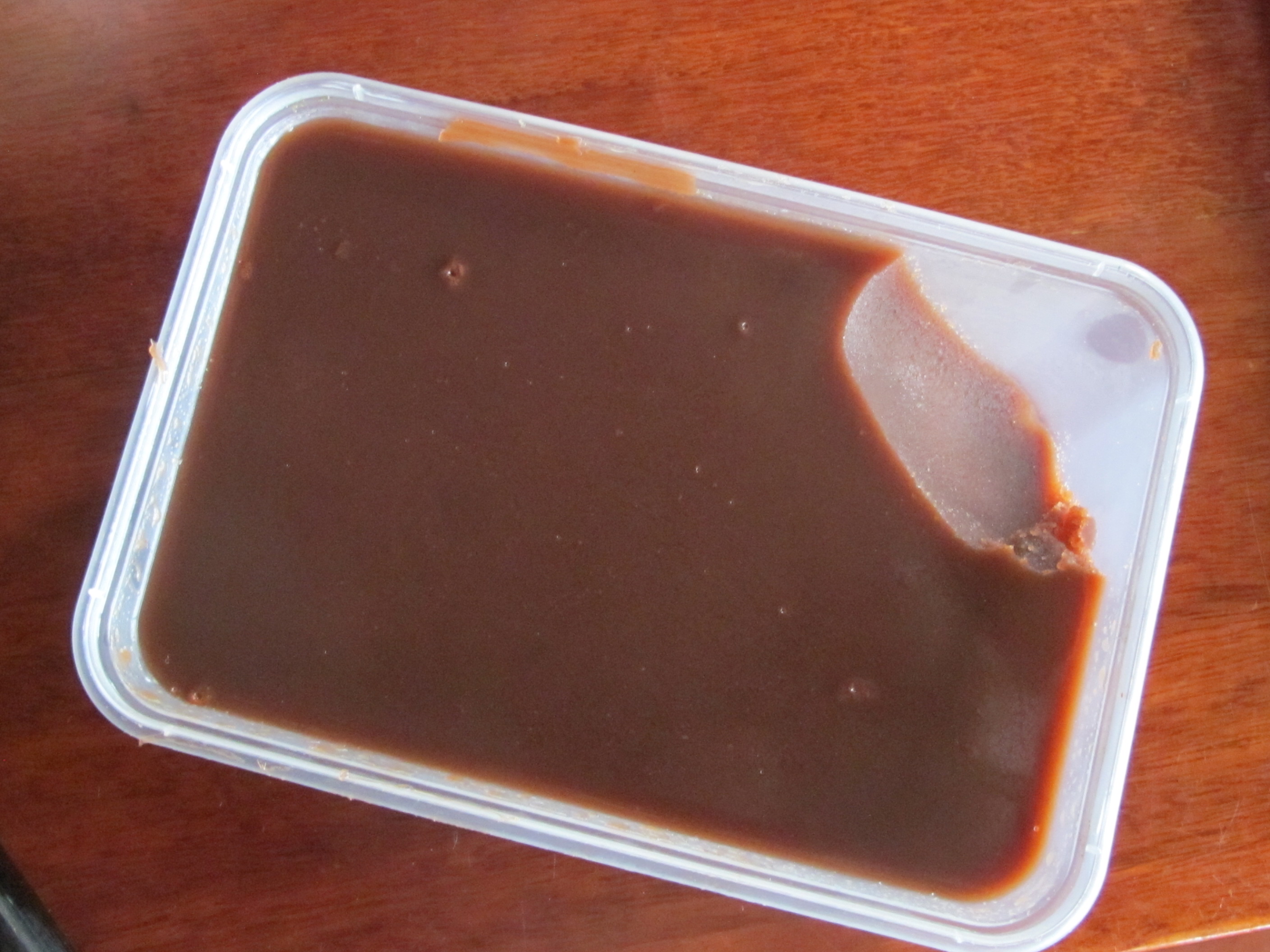
This evening, I set about making a new batch of stock to replenish the skerrick that is left in the fridge. There is something very positive about messing about in the kitchen in the evening, fussing over the wood-fired stove, roasting, simmering, reducing a vegetable and marrow bone stock. There is something so essential and wholesome about it. It warms me! In every possible meaning of the word. In some ways, It defines my existence here, living this, positive, practical, hands-on life. Making something out of (almost) nothing. Creating capital, forestalling waste, making do and in so doing, avoiding buying some inferior mass produced product that is probably bad for you, as all the packaged stocks that I’ve seen are made up with artificial everything and loaded with a lifetimes allowance of salt to boot. What I make is a concentration of leggy vegetables that are on their way to seed, a few marrow bones and some garden herbs, reduced down with a bottle of good, local, red wine, into a firm jelly-like essence of flavour. Using a spoonful of this home-made delight beats using a stock cube of unknown origin and content.
IMG_0599IMG_0600
IMG_0601IMG_9064
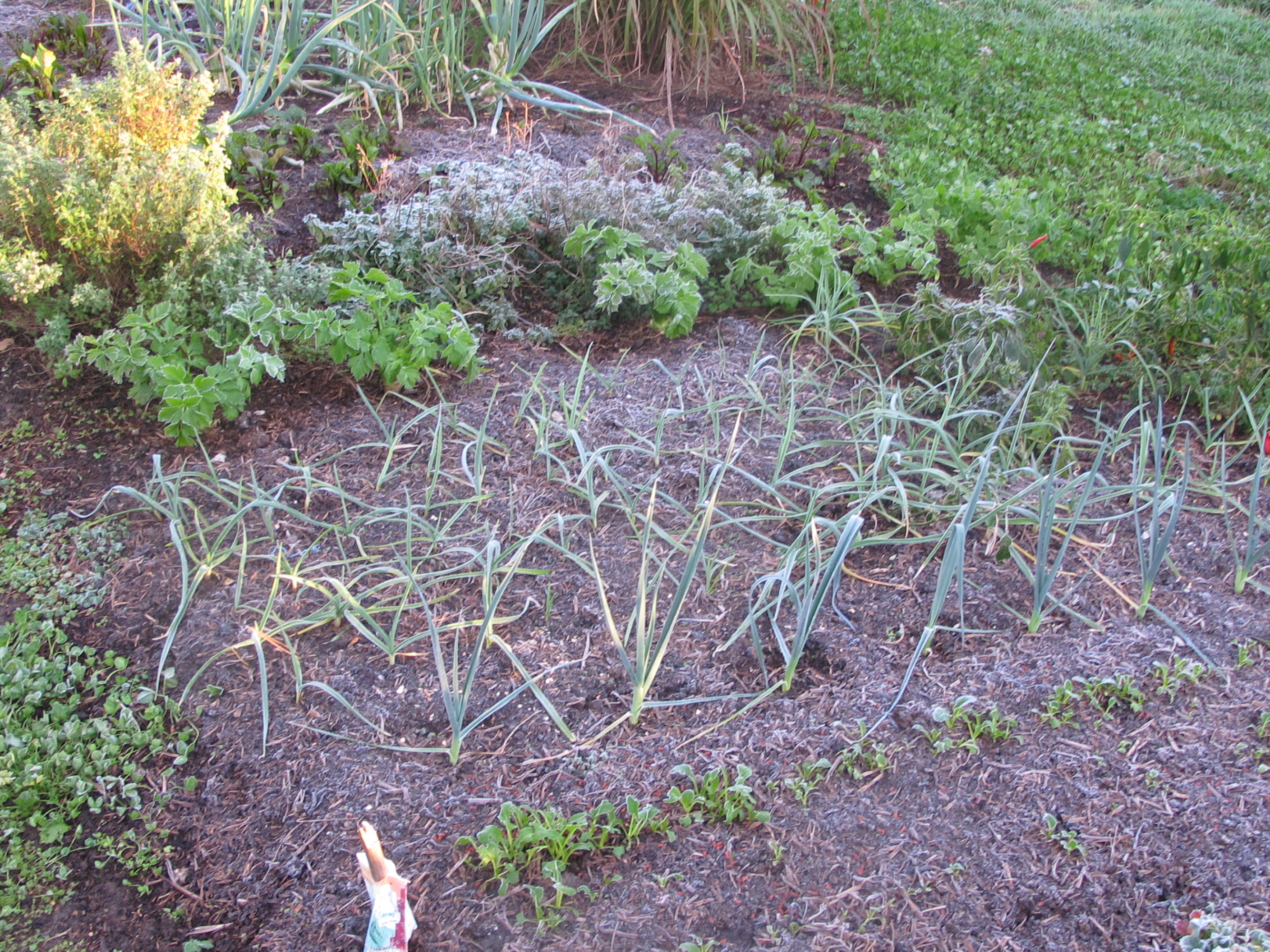
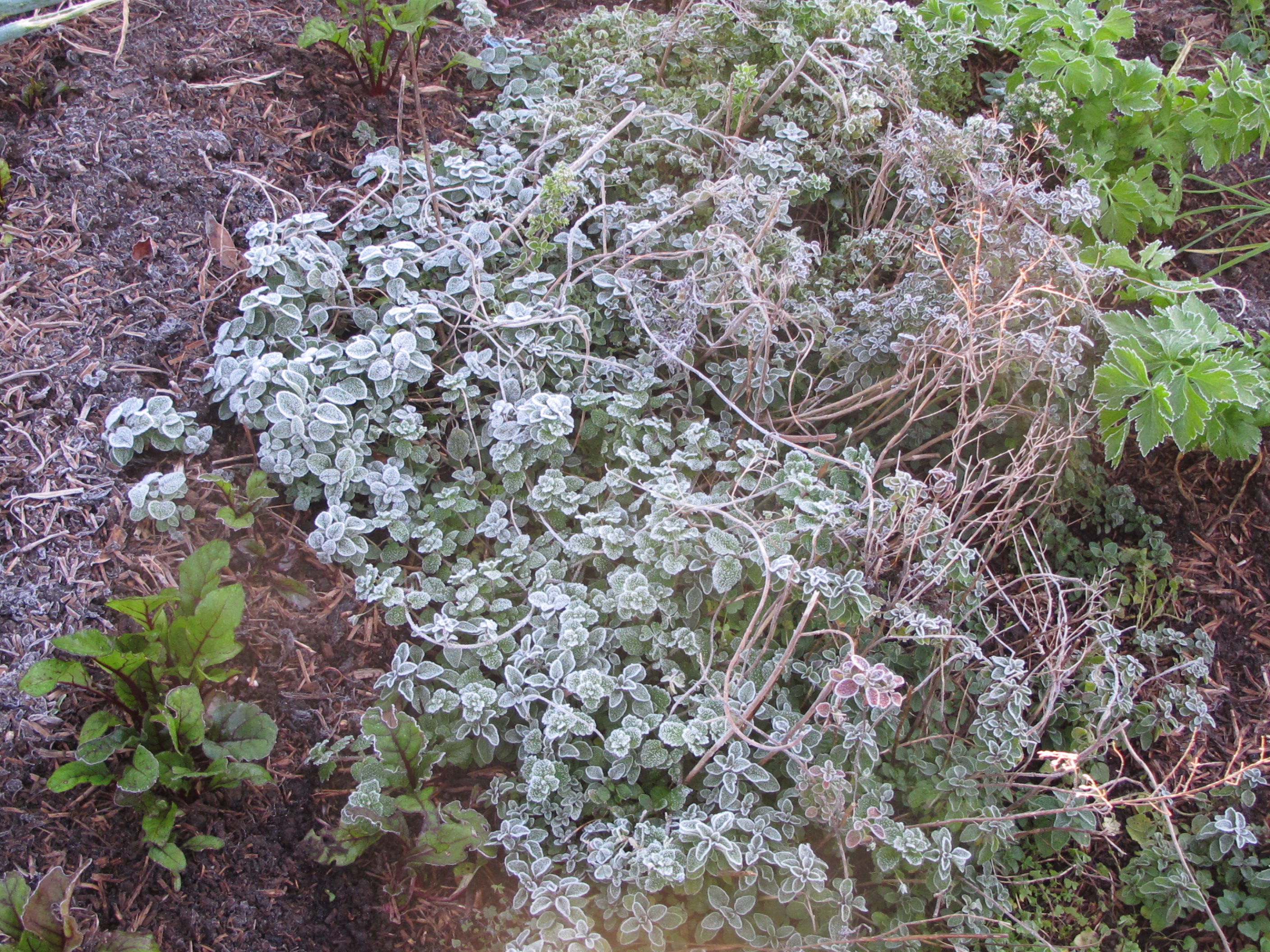
There is a massive frost in the morning. Everything is pure white and crunchy under-foot. This is bad. It will kill off a lot of sensitive plants that were struggling on in the near absolute cold, but it is also very good! It will help kill off all the over-wintering fruit flies and while it is at it, it will ensure that we will get a better crop of apples and pears. Old stone-fruit species, especially apples, need to have a few frosts over the winter to ‘chill’ and stimulate the flower buds and make them fertile, come the spring.
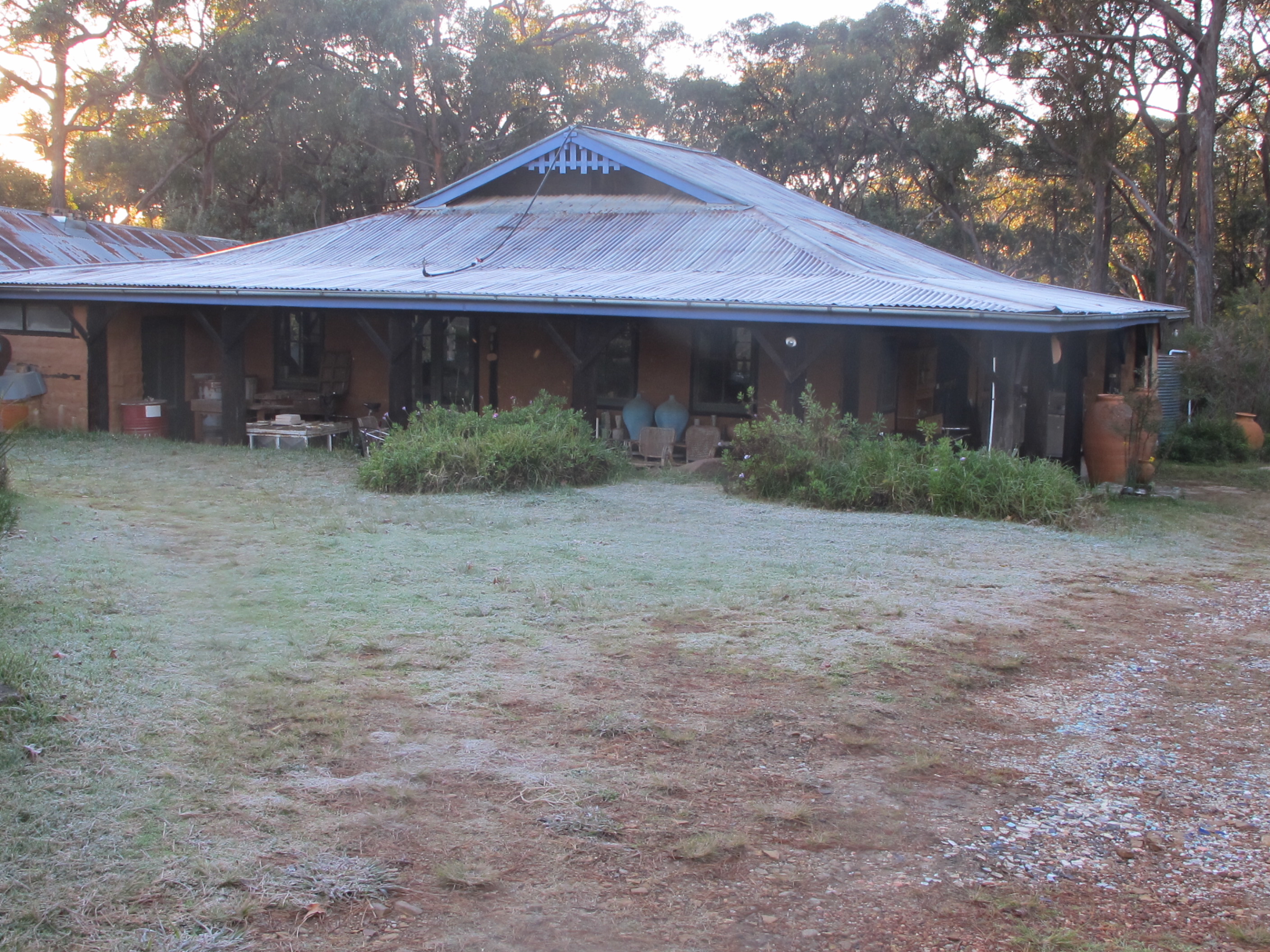
IMG_0620IMG_0621
IMG_0623IMG_0624
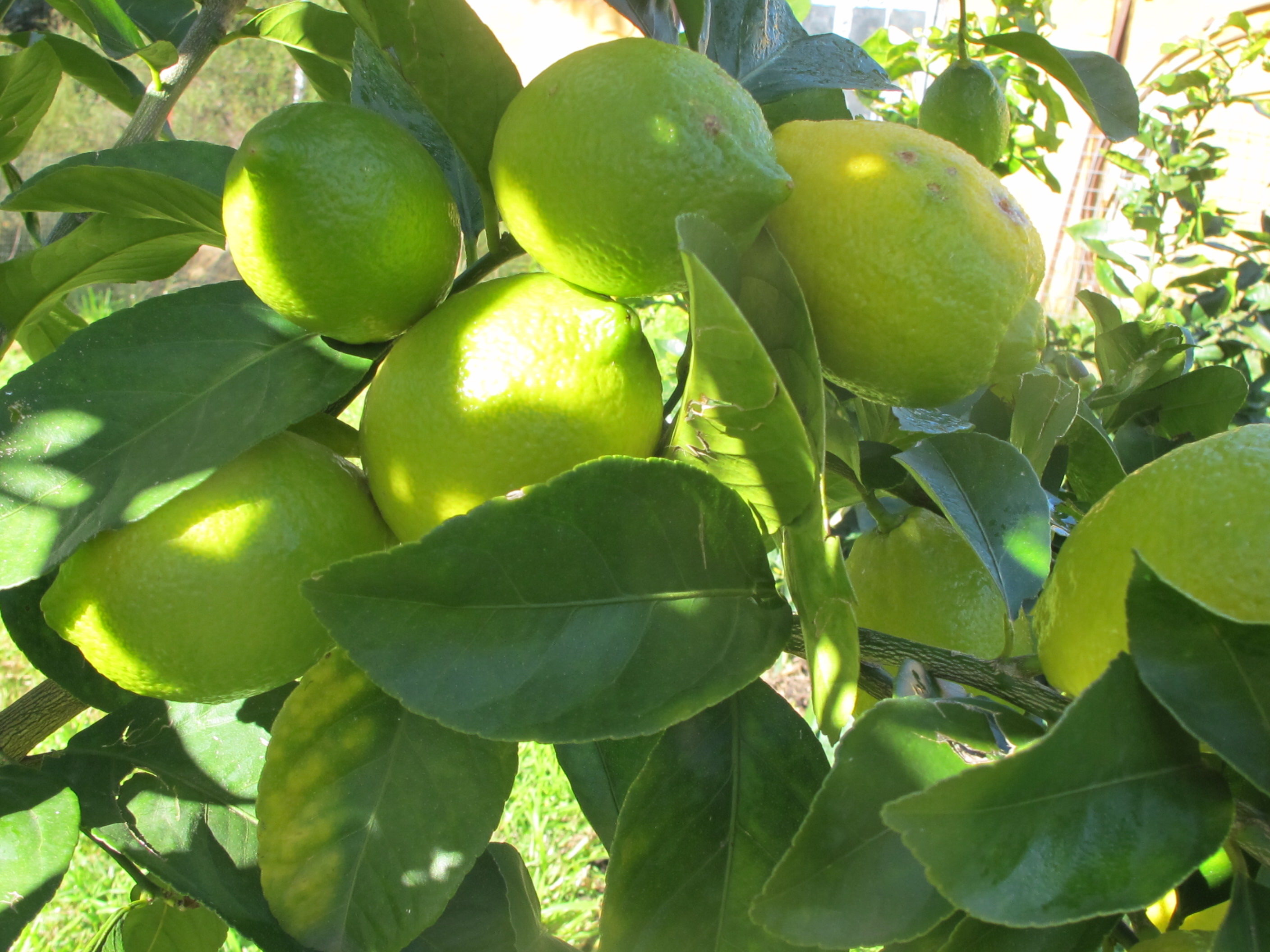
It’s winter and the citrus harvest is now reaching maturity on the trees. There are lemons, Myer and Eureka, plus ’lemonade’ lemons. Then there are ruby-red grape fruit and oranges. Plus tangelos and bitter Italian chinottos. Lastly, there are Tahitian and kaffir limes. They all go in together in a radical seasonal mix of flavour and colour.
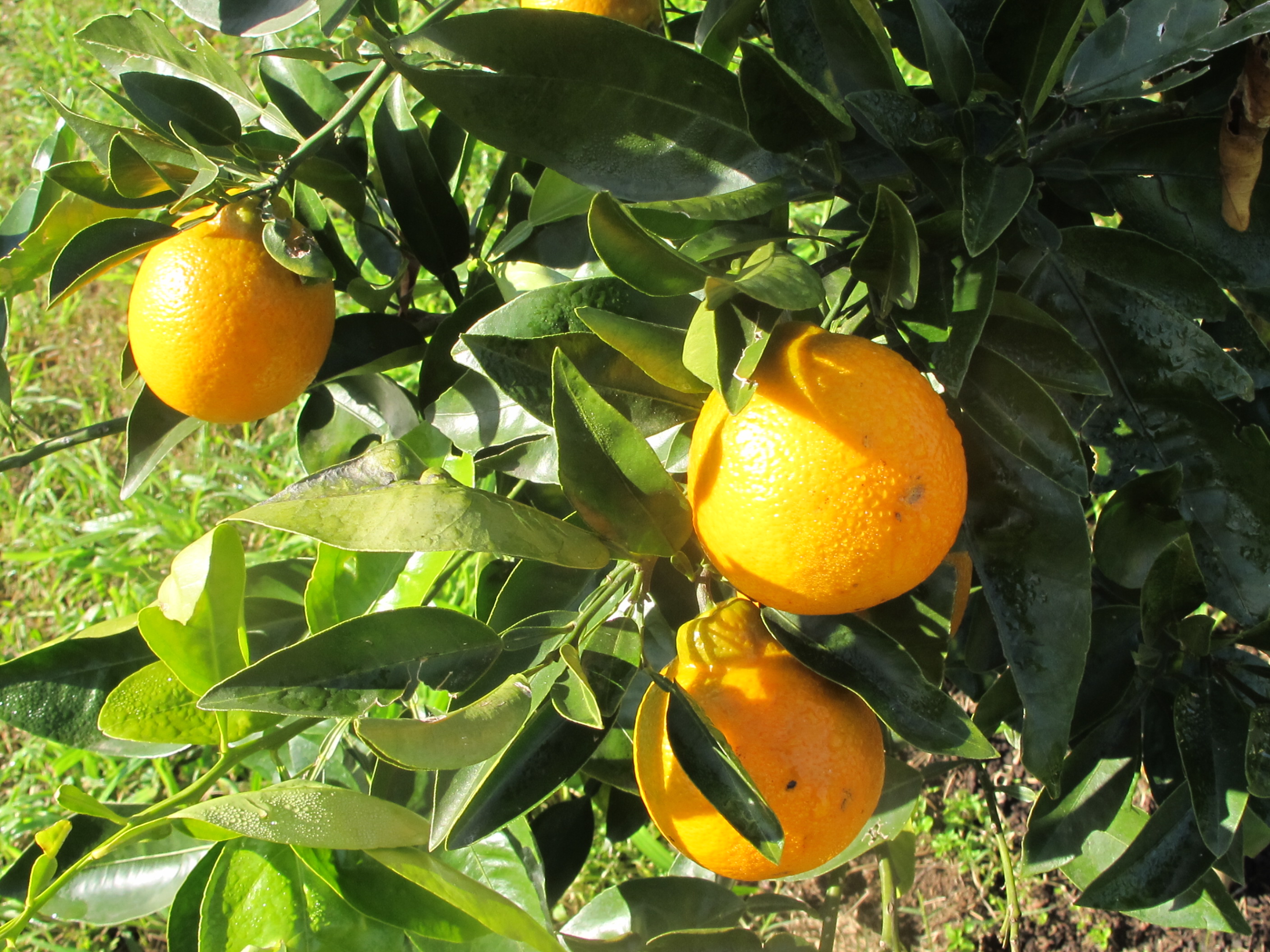
IMG_0631IMG_0632
IMG_0633
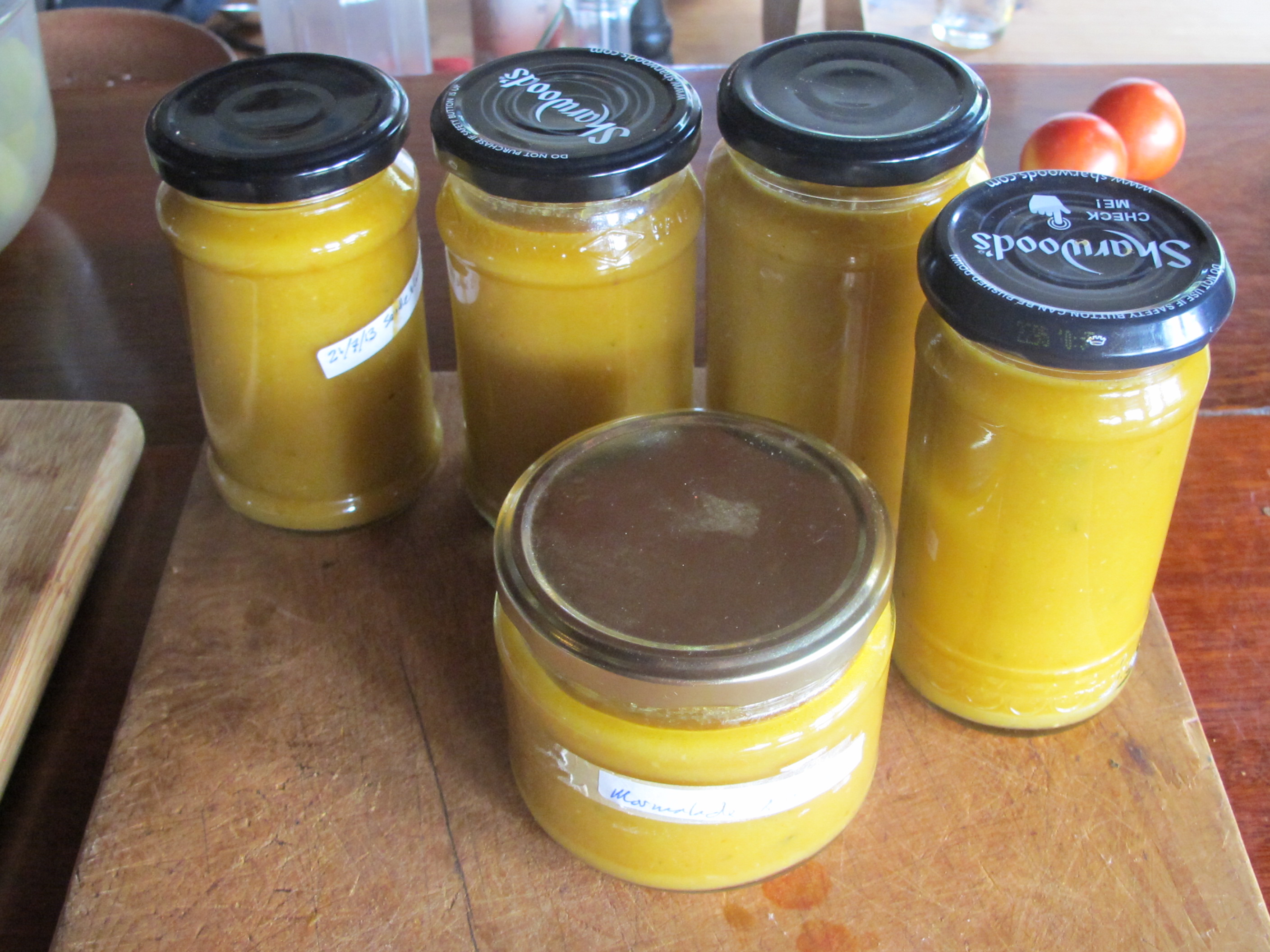
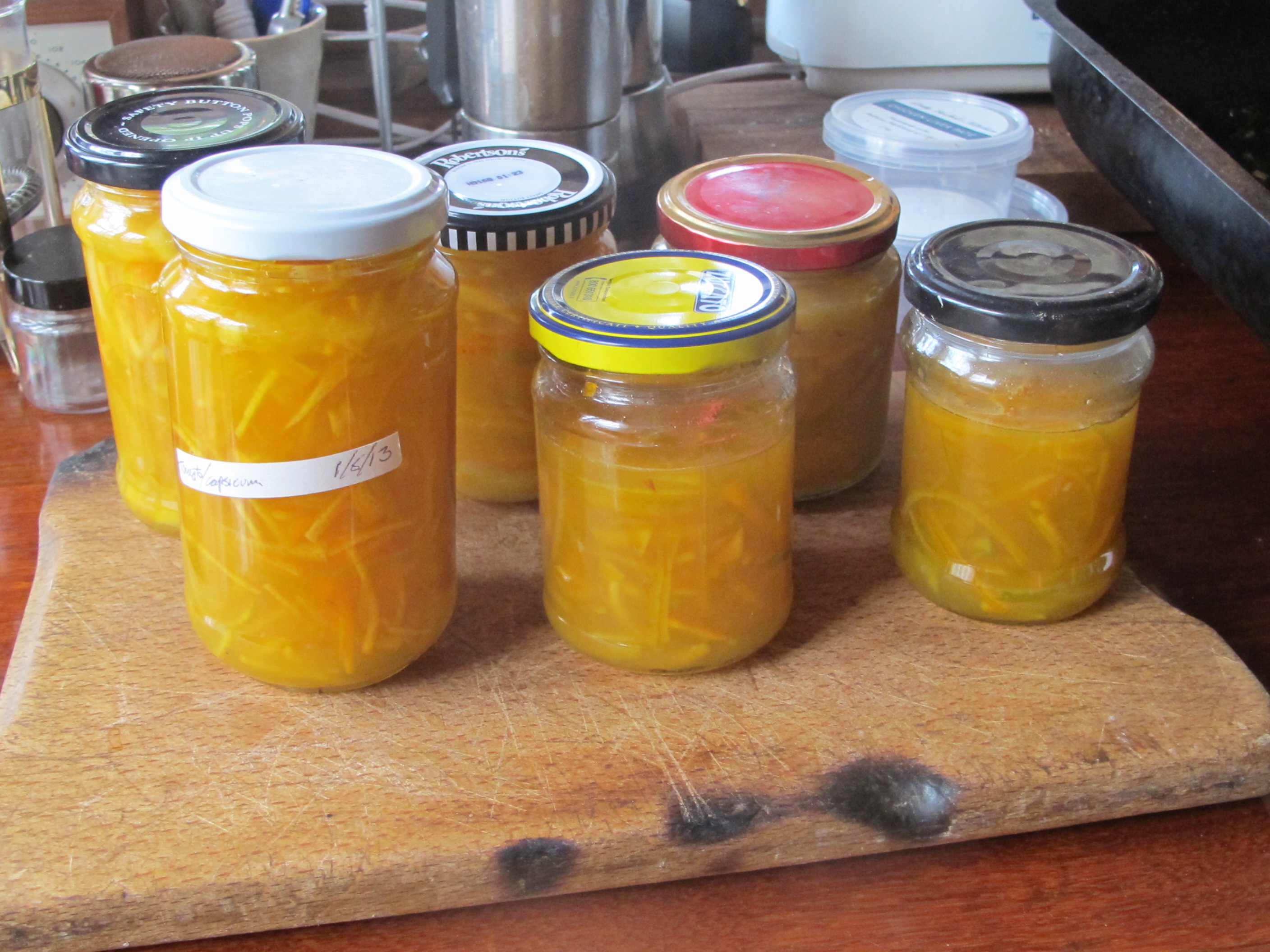
I try some new ideas about making marmalade. I make marmalade every year and I always like to try a new variation on the theme. You never know what you might learn. The recipe that I have evolved over the past 4 decades has changed so much that I don’t know what it was when I first started out. I use about 1kg of mixed fruit and use only the juice squeezed from that fruit as any liquid in the mix. I like to peel out all the fibrous pith from the fruit after juicing, so that I mostly use the coloured peel with just a bit of white on the inside. This  is mixed with 300g of sugar and boiled and stirred for an hour. It’s pretty easy and quick, so i can get 4 or 5 batches done during a session. This makes about a dozen small jars. Up until today, I didn’t really know what the recipe was, so this time I separated out all the parts of the fruit and weighed them before cooking. So now I know.
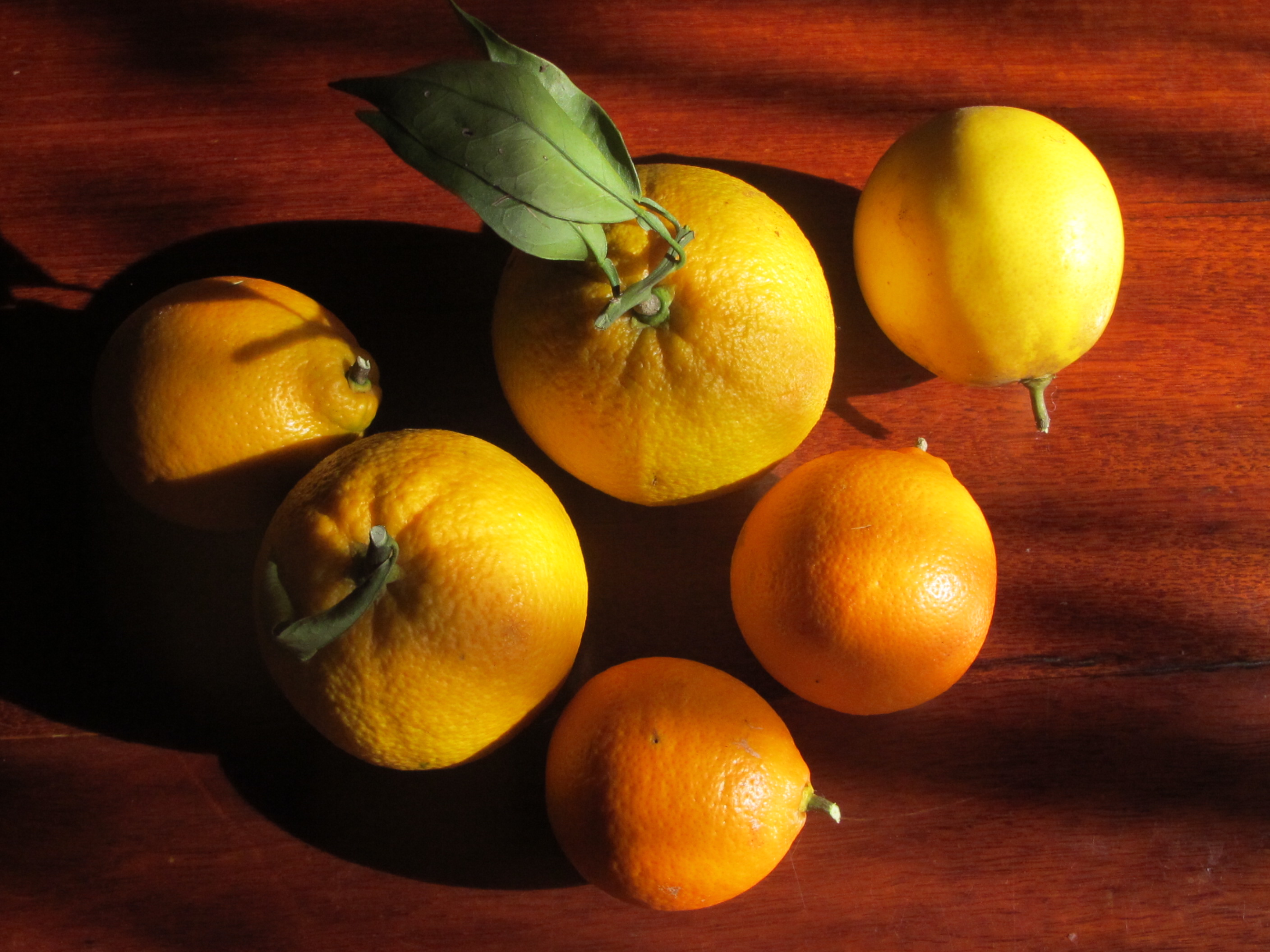
IMG_0628IMG_0650
1 kg of mixed citrus breaks down into;
200g  of peel
460g of juice
275g of white fibrous pith into the compost
65g of pips and other discards
Put the peel, juice and 300g of sugar into the pan and boil while stirring for an hour.
That’s it, pour into hot sterilised jars straight from the oven, 10 mins at 120oC. cap with lids that have been simmered for 10 mins at a low rolling simmer. They will ‘pop’ after 15 mins to let you know that they are now vacuum sealed and good for storage for the coming year.
Confession!
I don’t boil and stir for an hour. I just don’t have the time for it. For the past decade I’ve been using the ‘jam’ setting in the bread maker machine. We have a bread maker machine and have had one for the past 20 odd years. It’s one of the few kitchen gadgets that we own. We have even worn the first one out! But we never make bread in it! We use it for making dough, which we then roll out into bread rolls or a plaited loaf, which we bake in the wood stove, or in this case to make marmalade. It works a treat. The best part is that it leaves you free to get other things done, while it ‘minds’ the jam and it never forgets to stir, or lets it burn or stick. It even rings a bell to let you know that it’s time to bottle.
IMG_0652
Winter is the time for marmalade on toast for breakfast with a warm bowl of milky coffee. So french! We talk and plan the days jobs ahead. Wood splitting for the up coming stoneware wood firing is high on the list.
Working hard to make money, takes so much time, that there isn’t anytime left to enjoy the life that I want to live. So I decided a long time ago that it was best to try to live with an absolute minimum of money and have a lot more time for having fun and being more in control of my everyday life. When you get used to doing most things for yourself and making do, you find that you need less money. I guess that one reason is that I’m so tired by night time that I just don’t feel like going out.
This mentally focussed but physically demanding existence has it’s contentments, but non of them are money.
Best wishes
Steve

Growing Old Together

Potting, throwing, making clay, kiln packing, kiln firing, kiln unpacking, more wood cutting splitting and stacking, gardening, weeding, pruning, composting. It’s been a busy couple of weeks.

Recently we have been doing something different everyday. There is always the garden and the pottery, then the house and land maintenance, but we are also doing weekend workshops over the winter months. We have just completed the 4th weekend in a row, only nine more to go, with a possible tenth.

IMG_8895

IMG_9126 IMG_9123

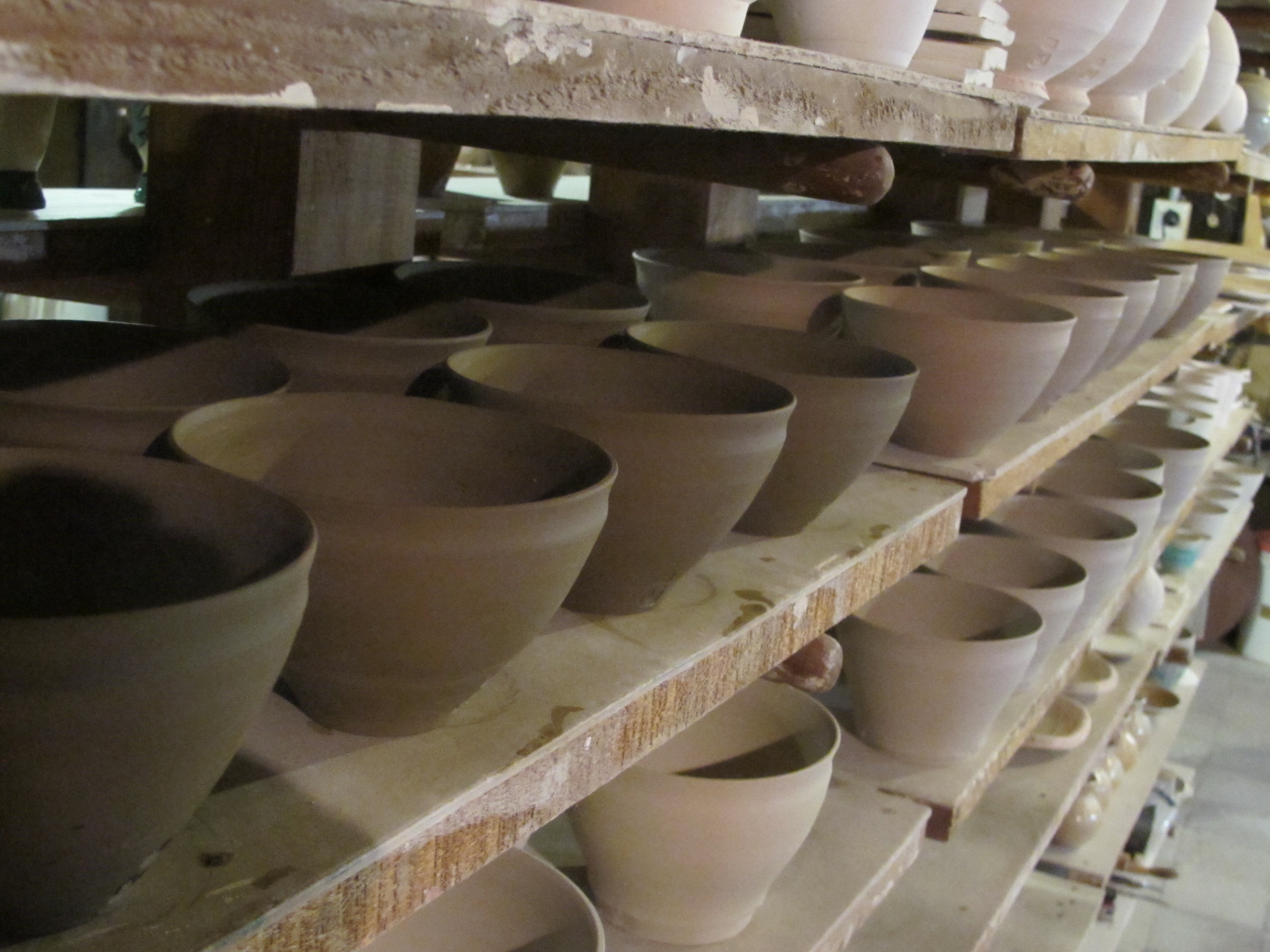
We started off the week in the pottery making pots. It’s always fun to get in there and let a few days slip by un-noticed in the joy of making. Clay is such a tactile and responsive medium. I’ve started to make some white tenmoku bowls out of my native bai-tunze porcelain stone. I also make a pot-board full of stoneware bowls and another of blended kaolin/stone based porcelain body. I finish up by making a board of Black ware tenmoku bowls. I plan to fire these unglazed in the wood kiln so that they will come out jet black. I think that this contrast of matt black and glossy white will work out well together. It’s just an idea. I’ll have to see how it goes. It’s starting out looking OK.

thumb_IMG_2576_1024

The kiln that I welded up last week is back from the galvanisers already. A 7 day turn around! unheard off!. What has gone wrong? It usually takes these buggers at least 2 weeks and more, usually 3 or 4. I’ve even waited 6 weeks for one of my jobs to get through their process. Still, it’s back here now and I’m very pleased, it takes the pressure off. I drove up to Sydney on Monday morning to collect it – to make sure that it was done. I have spent an hour or two each morning this past week grinding, etching, sanding, filing, priming, undercoating, and finally two coats of top coat will go on the inside to make sure that it is really well rust proofed inside for years into the future.

The customer has no idea what has gone on inside this kiln frame. It’s all covered over in Stainless steel, but I know that it is the best way to insure that this kiln will last a working life time and more. I don’t have to do it. I decide to do it, because it’s the right thing to do. No one will ever know, but I know. I build them as if I was going to own it myself. I want it to last for 20, 30 or maybe 40 trouble-free years.

IMG_9251

I know that this effort will be rewarded. I have some kilns out there in Universities and TAFE colleges that are fired on a regular basis, every week and have been now for almost 30 years. I know their history and I also know that they have had only minimal maintenance issues over that time. I’m proud of that. If I buy something, I want it to last, all my life if necessary, with no built-in obsolescence. I want it to work perfectly, for as long as possible, and then to only need minimal attention.  Something like the replacement of the thermocouple or temperature meter. This is my aim, and I’m all-in to go for it as best I can. It’s the product that I want to own!

Another little wood fired raku/midfire portable wood kiln rolls of the production line. This one fitted with all-terrain 200 mm. tyres, for wheeling over wet lawn and/or soft gravel.

IMG_9250 IMG_9253

I started weeding the last of the tomatoes from the summer garden and made a huge couple of heaps of compost of all the weeds and old tomato and spinach plants. At this time of year, the Worrigal greens (tetragonis) seem to spread everywhere. It’s a native plant that is something like spinach, but growing prostrate, and spreading wildly. It seeds prolifically at this time of year and there will be numerous seedlings appearing in the spring.

IMG_9173IMG_9174 IMG_9175

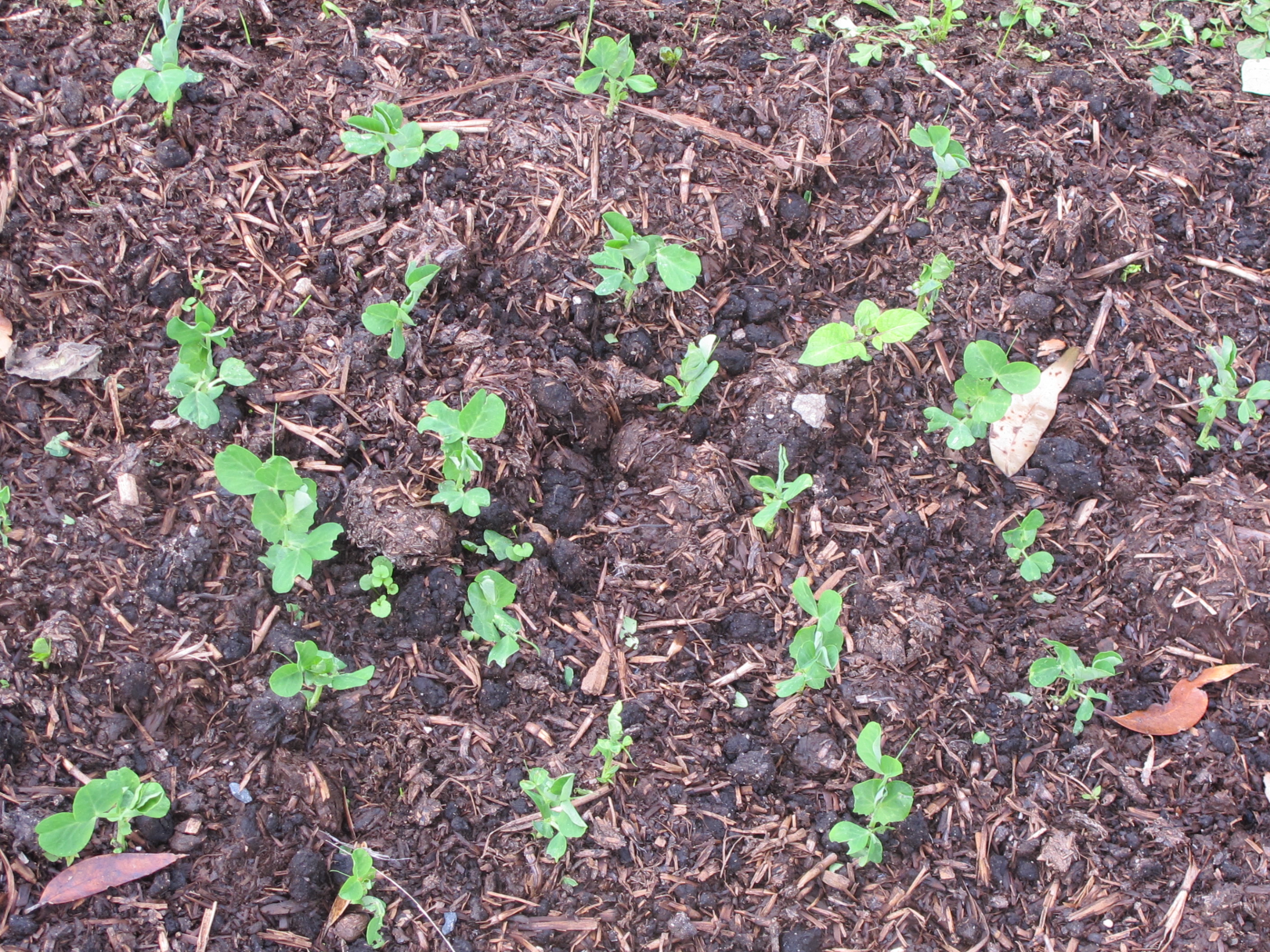
The garlic that I planted in March is all up now, early, mid-season and late varieties. All seem to be doing well. I also planted bush peas and broad beans on either side to accompany them and to fix a little nitrogen as well, while they are at it. We’ll see how the rest of the year pans out, and if the rainfall continues.

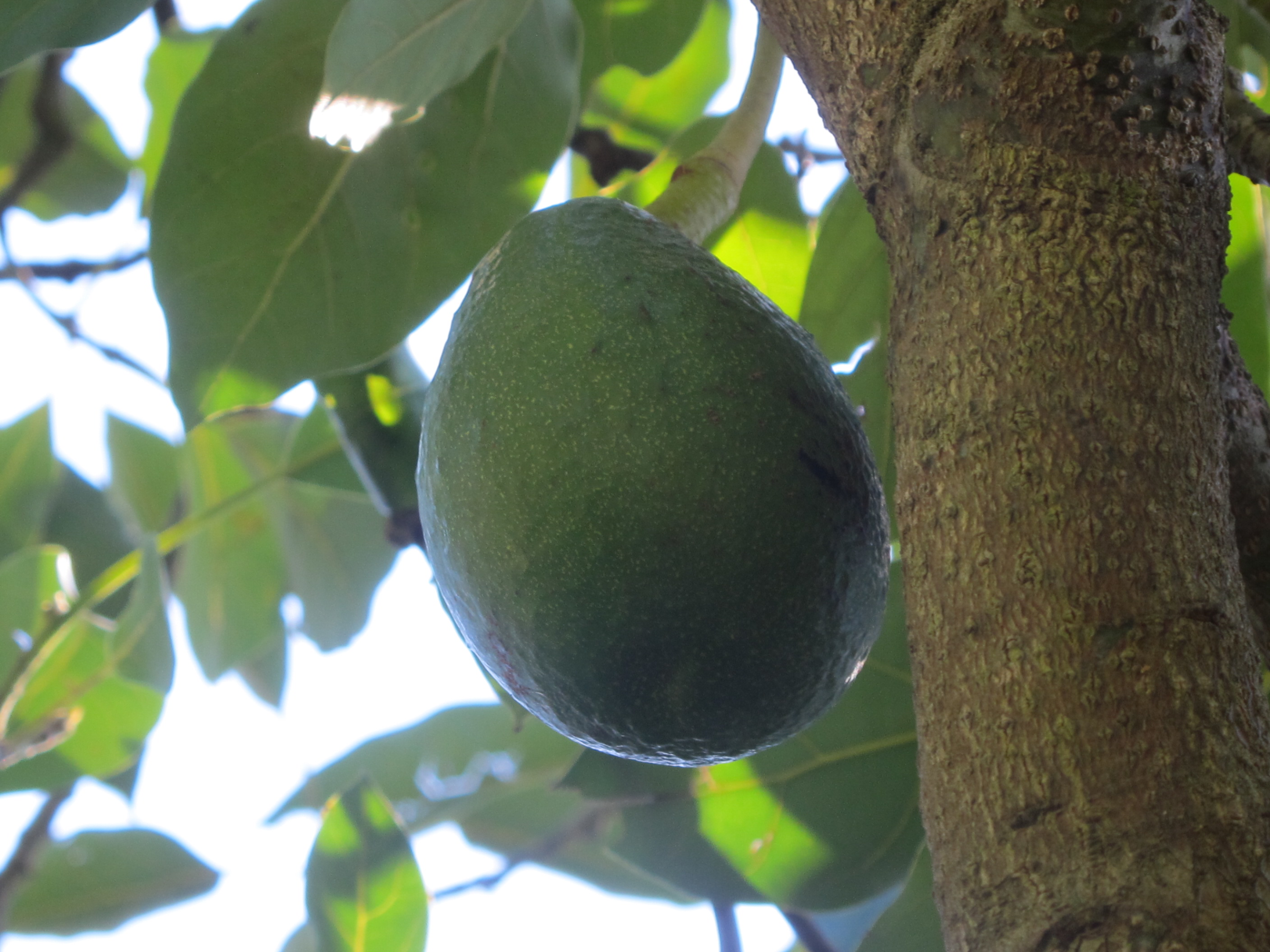
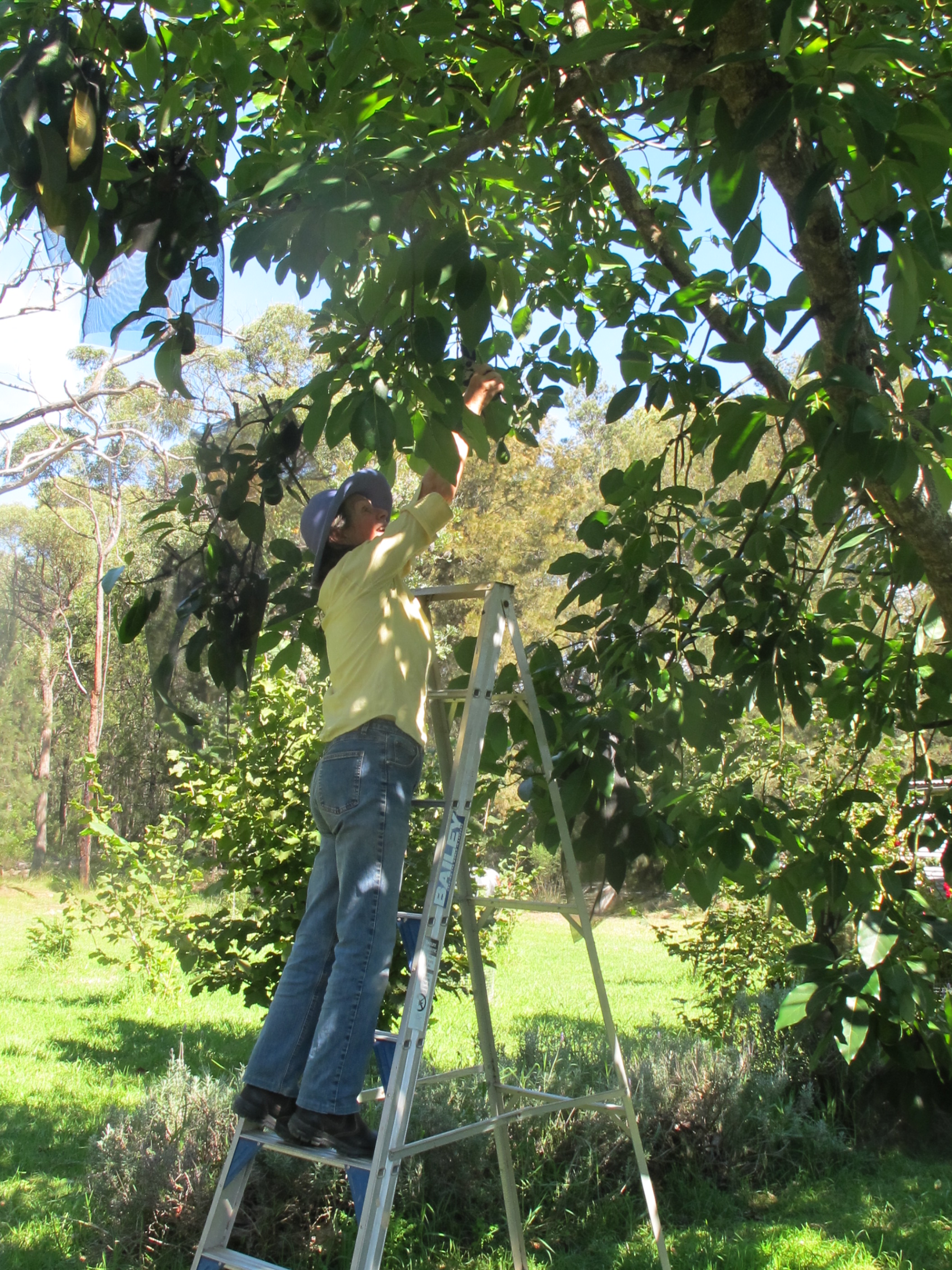
One plant that has thrived in all this rain has been the avocado tree. We have a bumper crop this year, hundreds! We’ll eat what the hail, birds and possum don’t ruin.

IMG_8928IMG_8926

We had such a sustained hail storm last Saturday week. During one of our wood firings. The hail on the tin roof was so loud that I went and put on my industrial ear muffs! One of the potters measured the decibels with her phone app at 89 decibels. That’s as loud as my chain saw, according to the warning sticker! The hail continued and lapsed, then returned 3 times in all during the afternoon and evening. It will have made a mess of the avocados. However the vegetable garden is entirely under cover of both chook wire and small mesh plastic netting now, so I was able to look out of the kiln shed window and watch the hail bounce off the fine plastic netting. After the storm, I wandered out for a quick look, there was no noticeable damage to any of the vegetables. That netting was such an exertion of time, money and effort, but it was worth it in every way. This is part of the pay-back now. All those vegetables saved from a shredding from the hail.

IMG_9136 IMG_9256

In the evenings, early mornings, or whenever I can fit it in throughout the day, I manage to find a little time to play my cello. It’s a beautiful thing. It’s changing over time as the wood ages and settles in.

We are growing older together, Nina, me and this cello, the difference between us being that it’s the cello that is getting better with age !

IMG_9258 IMG_8998

Fond regards

Pau Harrison

A world tour of our garden, in 3 meals.

Breakfast, Lunch and Dinner, a world tour of our garden, in 3 meals.

Gardening is a very enjoyable activity. It gets us out into the fresh air, it’s good exercise and It provides most of all we eat each day. As the autumn progresses towards winter, the cooler weather encourages us to seek out more warming cooked meals. We indulge ourselves in reflecting on the people and places that inhabit our collective memories. Our conversations trigger memories of these people and places. Fond recollections of some past events and friends remembered through pots and food. We don’t attempt to make Italian, Spanish, Japanese or any other type of national cuisine. We make Australian food. Real food, home-grown, eaten fresh where possible, but when preserved, we do it without any added chemicals or preservatives. Preserved in glass jars, not plastic. and all home cooked. We just take the influences that we recall and weave them into our dietary choices, them combine our thoughts with what we actually have available to us from the garden.

This is what happened yesterday, in between, potting, gardening, wood cutting, kiln building and building maintenence. There is time for everything, in its own time.

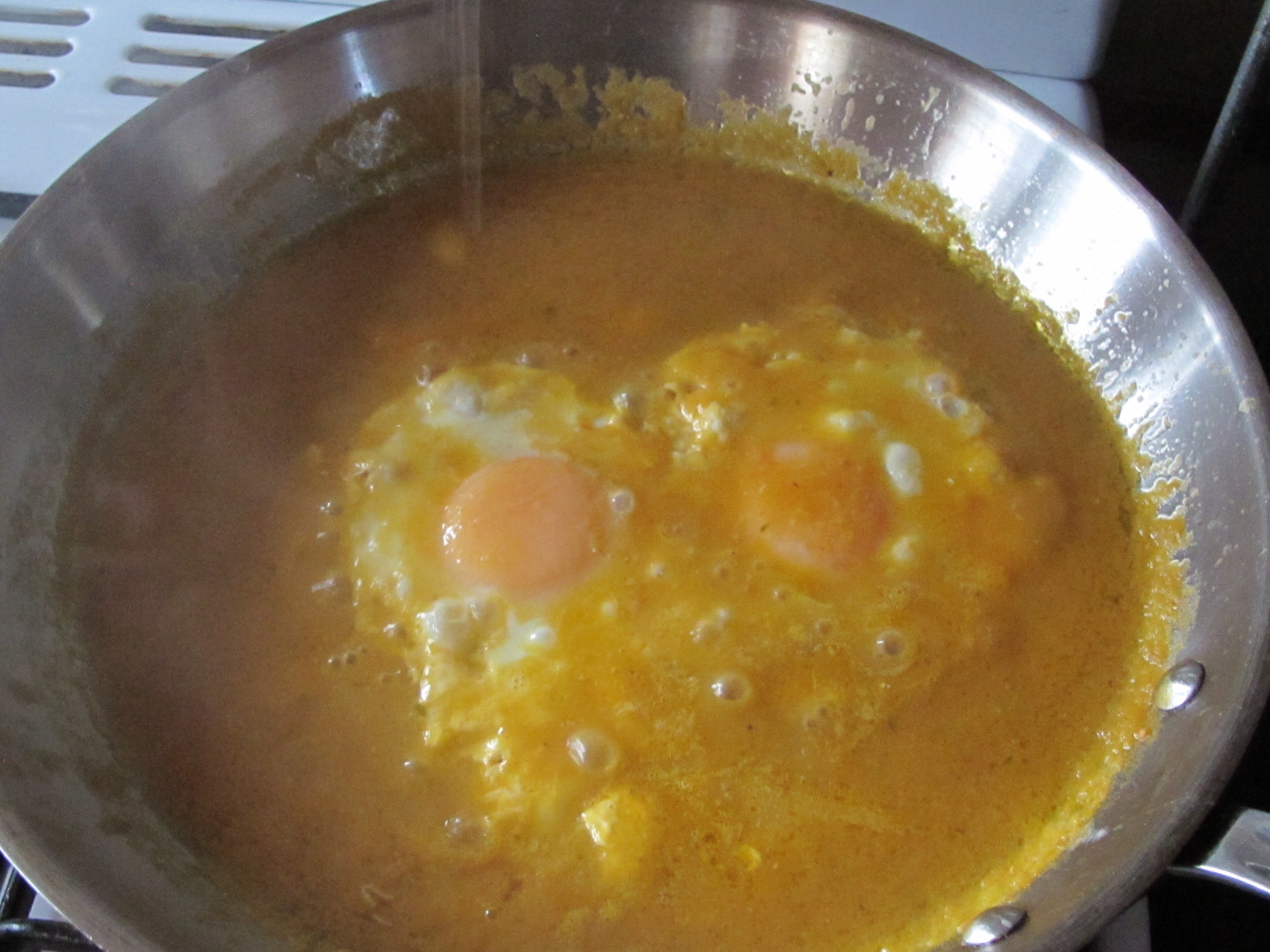
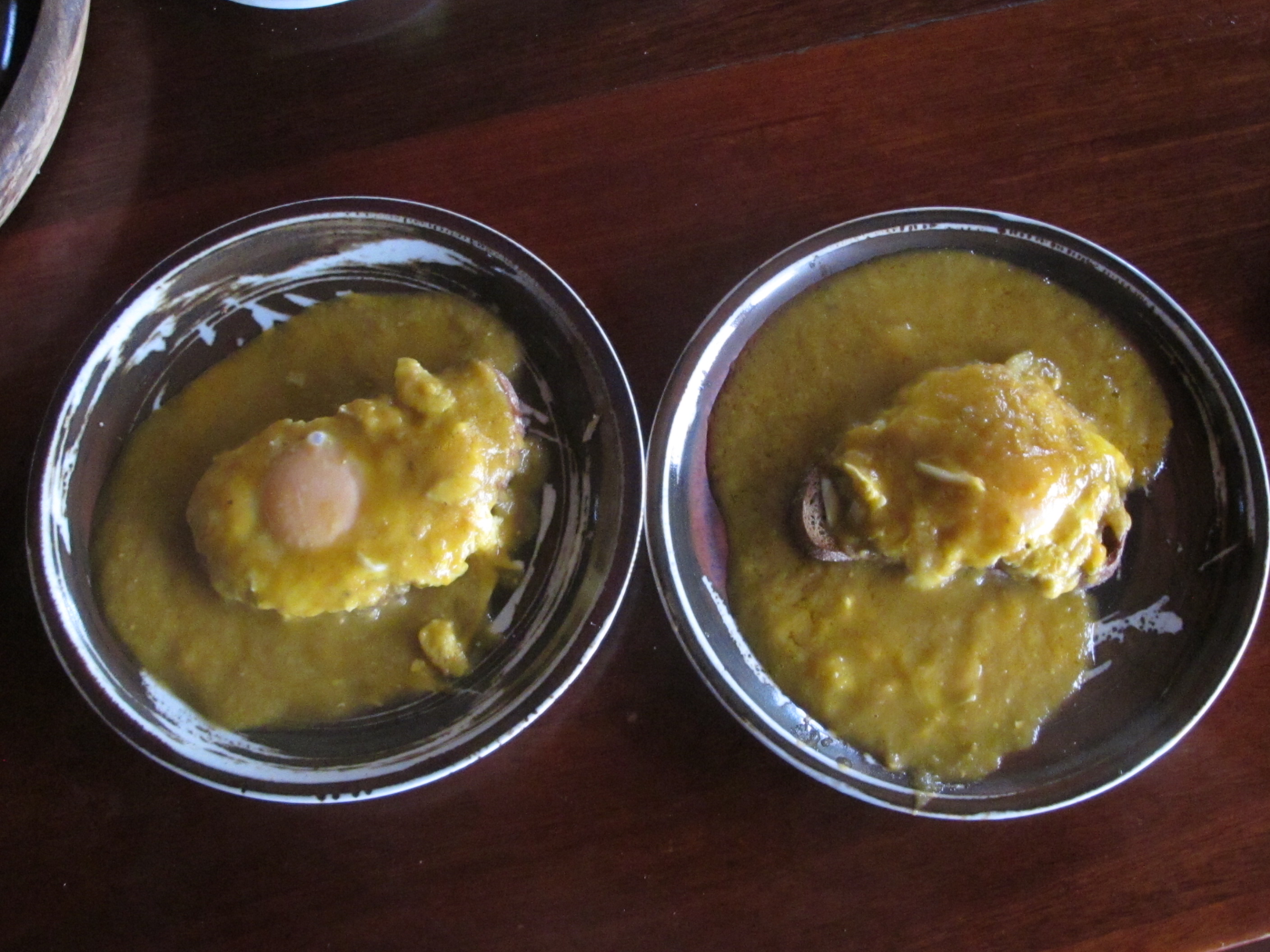
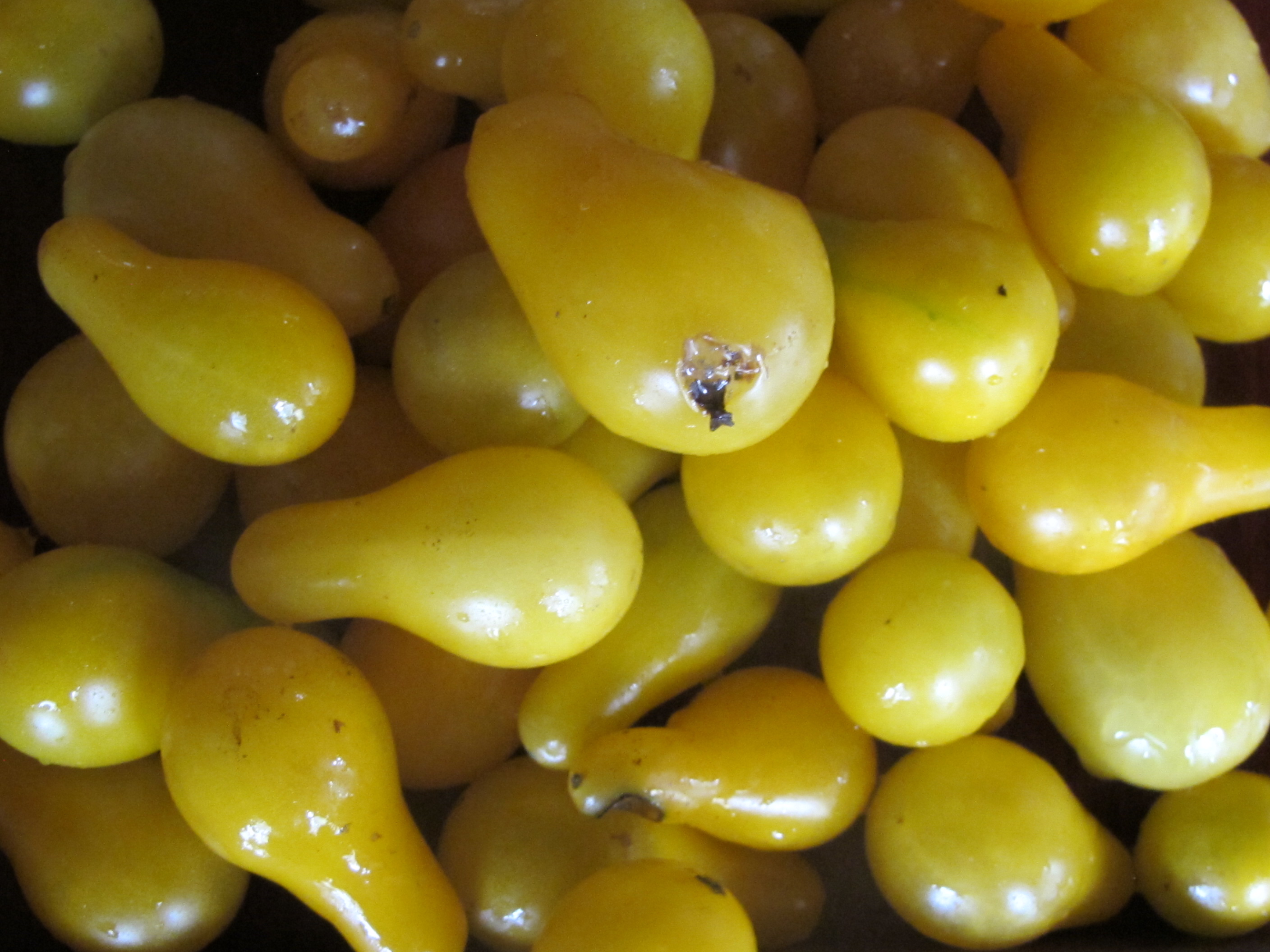
For breakfast I cooked eggs in passata with a few cloves of garlic warmed in good olive oil first.  The passata I used on this occasion was made from little yellow, pear-shaped tomatoes that I preserved a couple of months ago, at the height of summer. The passata is heated up and the eggs cracked in and covered to gently simmer until the whites are firm. I served it up on a piece of rye sour dough toast.

I must say that it was just right for a cool, misty, foggy, morning breakfast. A little cracked pepper makes it perfect.

IMG_9225 IMG_9227

IMG_9229

IMG_9230

We don’t quite lick the plates, but there is certainly nothing left.

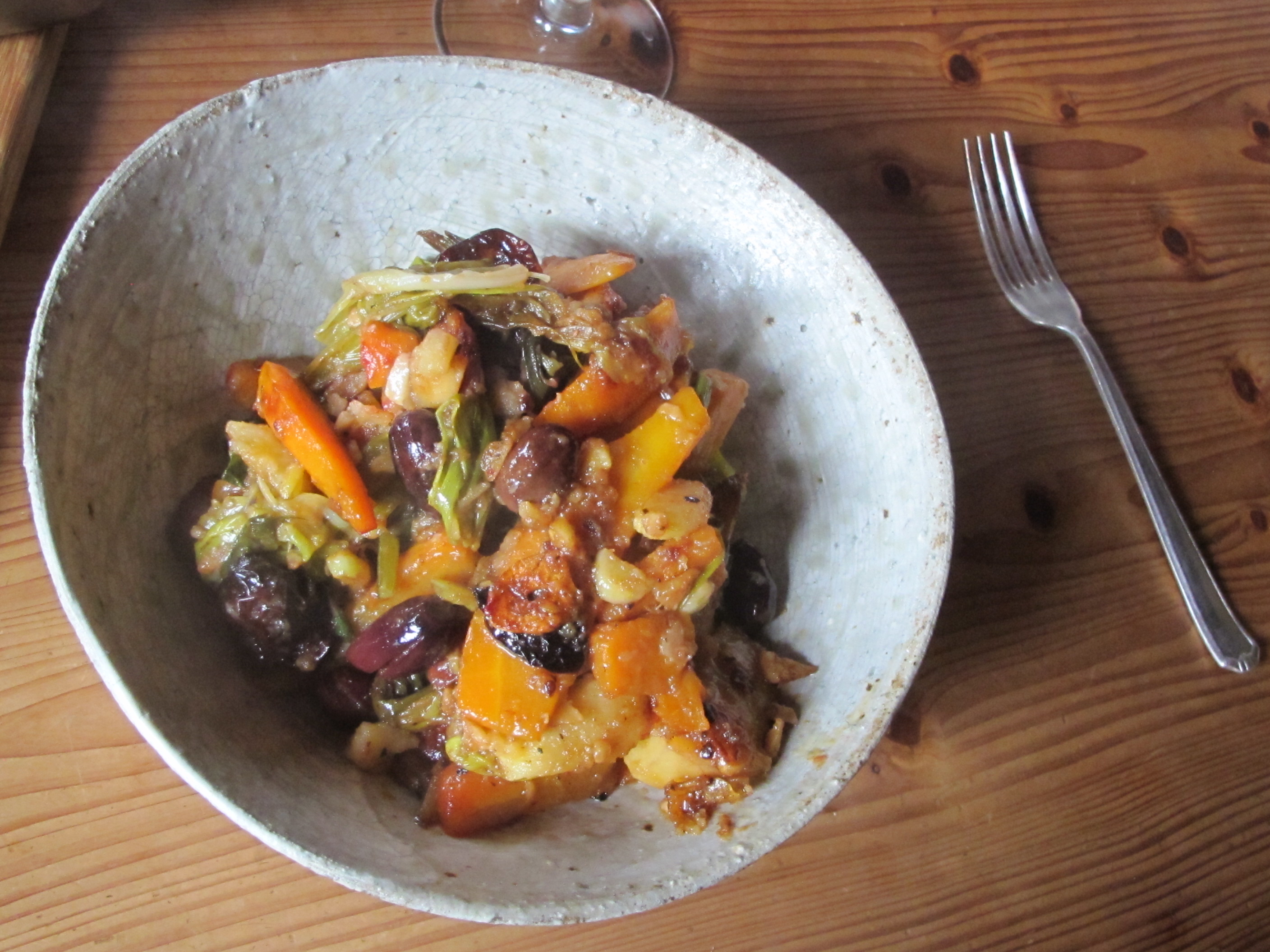
For lunch I made and hotch potch from the left over baked vegetables that Nona Nina made for last nights dinner. Brussel sprouts, parsnip, leeks, carrots, pumpkin, onions, zucchini and beetroot. We had that garnished with preserved spicy plum sauce from our summer orchard fruit.

IMG_9128 IMG_9160

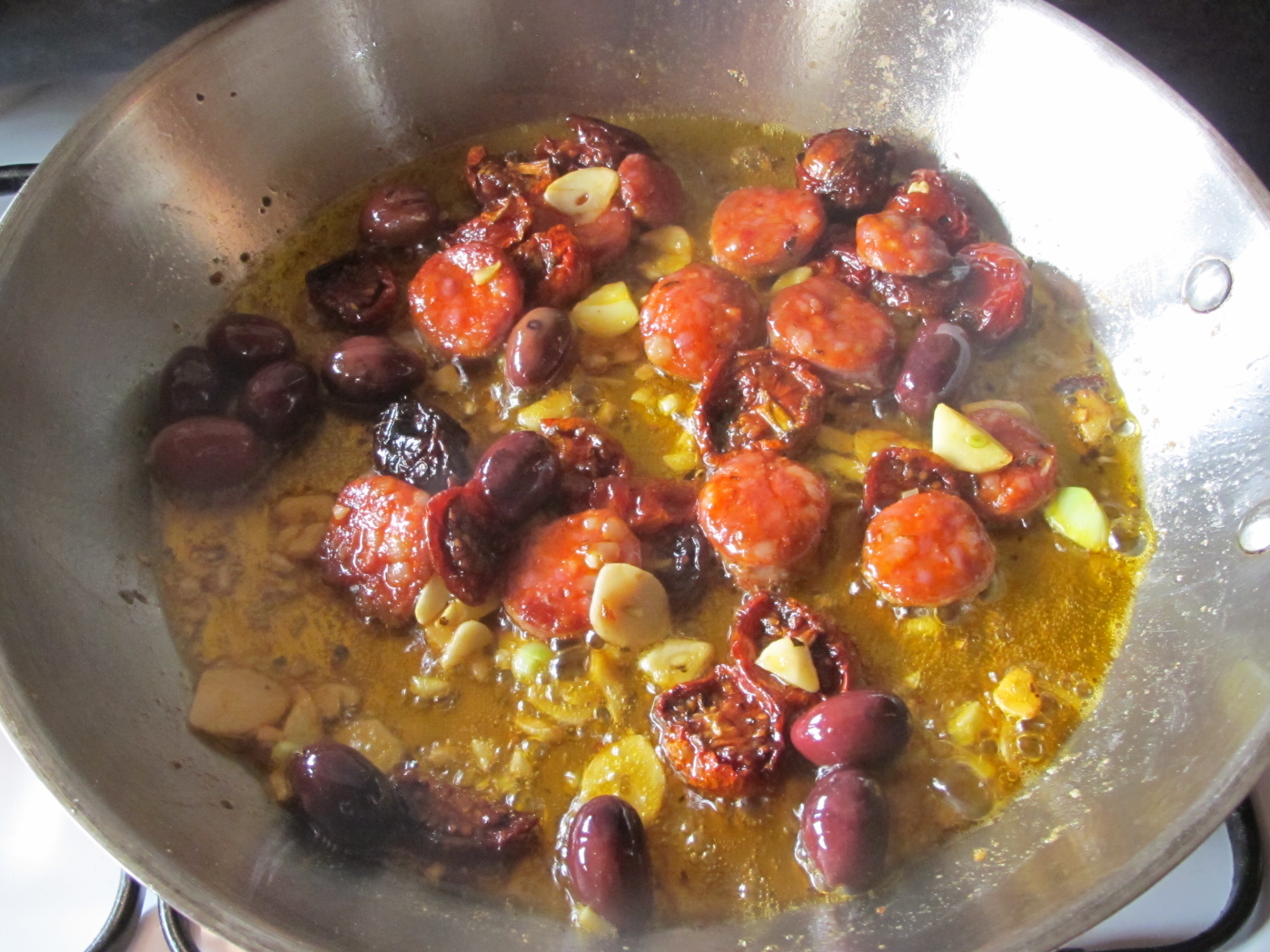
These left-overs were added to some chorizo sausage, our garlic, olives and home-made dried tomatoes from the summer excess. A lovely way to use up everything that we have in different and interesting combinations. We haven’t bought any meat since Xmas as far as I can recall. We aren’t vegetarians, but we don’t eat a lot of meat. So this is our little indulgence, veggie hot-pot with chorizo. Hot, spicy and nicely warming.

IMG_9213 IMG_9215IMG_9217

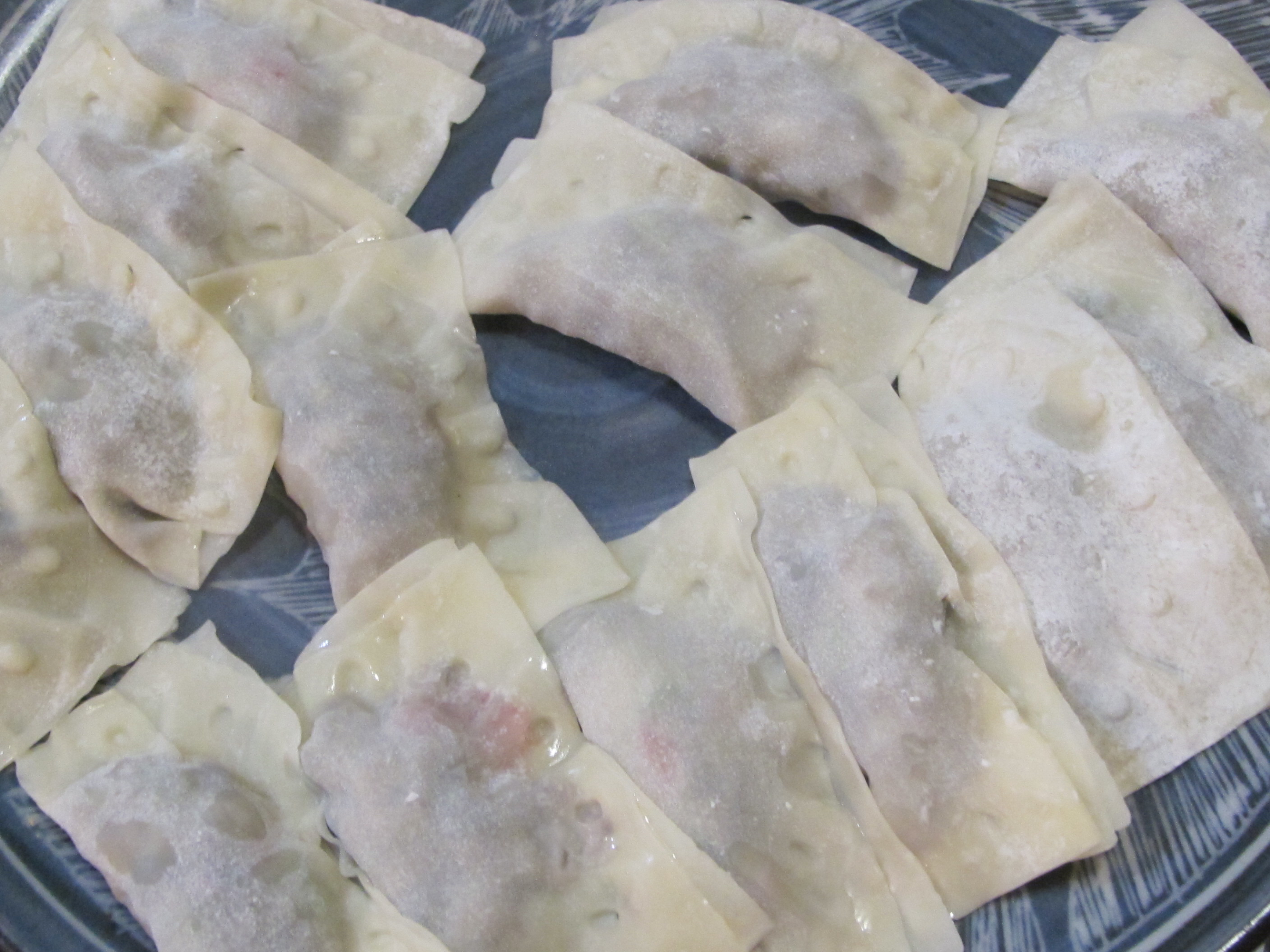
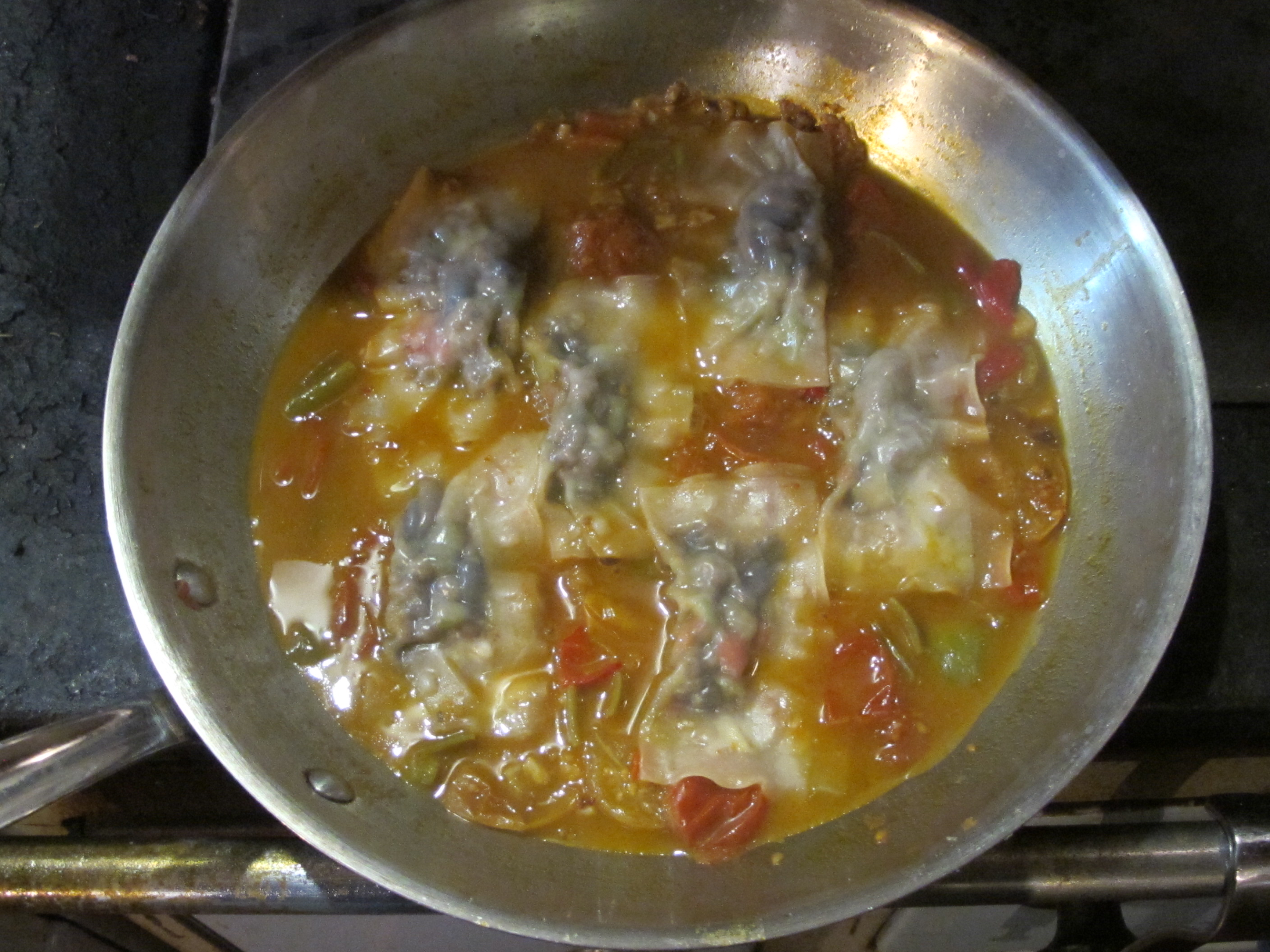
For dinner we decided to have Gyoza. I had previously bought 500g of lean pork and asked the butcher to mince it for me. I divided it into 4 parts and froze 3 of them for later. The 125g of pork mince is just the right amount to make gyoza for two. We fry the pork with lots of garlic in olive oil and some finely diced garden veggies. Then Ninako fills the small parcels with the mixture and I simmer and steam them in a sauce made from the last of the small red and yellow tomatoes from the garden, a few beans and some chillies. When this is reduced down, it makes a delicious simmer sauce.

IMG_9115IMG_9116

IMG_9117

IMG_9118

IMG_9119 IMG_9122

It all mellows out very nicely. 7 each is just the right number of gyoza dumplings for one hungry potter. This sauce, although not culturally authentic, is very well matched to what we are enjoying, and most importantly it is entirely ours, from our garden. This is our Australian ‘gyoza’ influenced local dumpling experience. I’ll have another go at it some time in the future, and I’m sure to enjoy that too. Nothing is ever finished, nothing is perfect and nothing lasts. This meal certainly didn’t!

It’s such an indulgence to tour the world of our recollections with such wholesome and tasty food, and almost entirely from our own produce.

We are very lucky people and I am grateful.

I have arranged to donate one of my recent bowls from my Watters Gallery exhibition to the fund-raiser appeal for the Nepalese victims of the recent earthquake. The pot will be auctioned soon. Please see below;

I believe you will have heard about the recent devastating earthquake in Nepal.

With the help of Vicki Grima, The Journal of Australian Ceramics editor, I am organising a fundraising project called CLAY FOR NEPAL (#clayfornepal15) to raise funds for the Nepalese people affected.

The first part of the project is an AUCTION of ceramics from around the world.

In conjunction with the AUCTION, Adriana Christianson, has offered to help me organise a BUY NOW STORE offering more affordable items for immediate purchase.

Both events will be happening from Friday 15 to Sunday 17 May 2015.

AUCTION: www.stores.ebay.com.au/clayfornepal

BUY NOW STORE: www.clayfornepal.bigcartel.com

PREVIEW of available works for both events here

Thank you for your support,

Vipoo Srivilasa

contact :

AUCTION: vipoo@vipoo.com

BUY NOW STORE: mail@adrianachristianson.com

All funds collected, less any event expenses (eBay and Paypal fees), will be donated to Oxfam, Nepal Earthquake Relief Appeal.

Vipoo Srivilasa is authorised by Oxfam Australia to collect funds for the benefit of Oxfam.

Vipoo is a very nice and thoughtful bloke who has taken on this endeavour of his own volition. It’s a credit to him and I am proud to be associated with the enterprise. Janine and I have donated cash through the Red Cross, but this is a way that we can do more, by doing what we do best. Which is making beautiful, thoughtful, meaningful objects.

 Best wishes

from

Stevbu and Ninako, gardeners of local produce and international flavours.

It’s The Season For Wild Passata

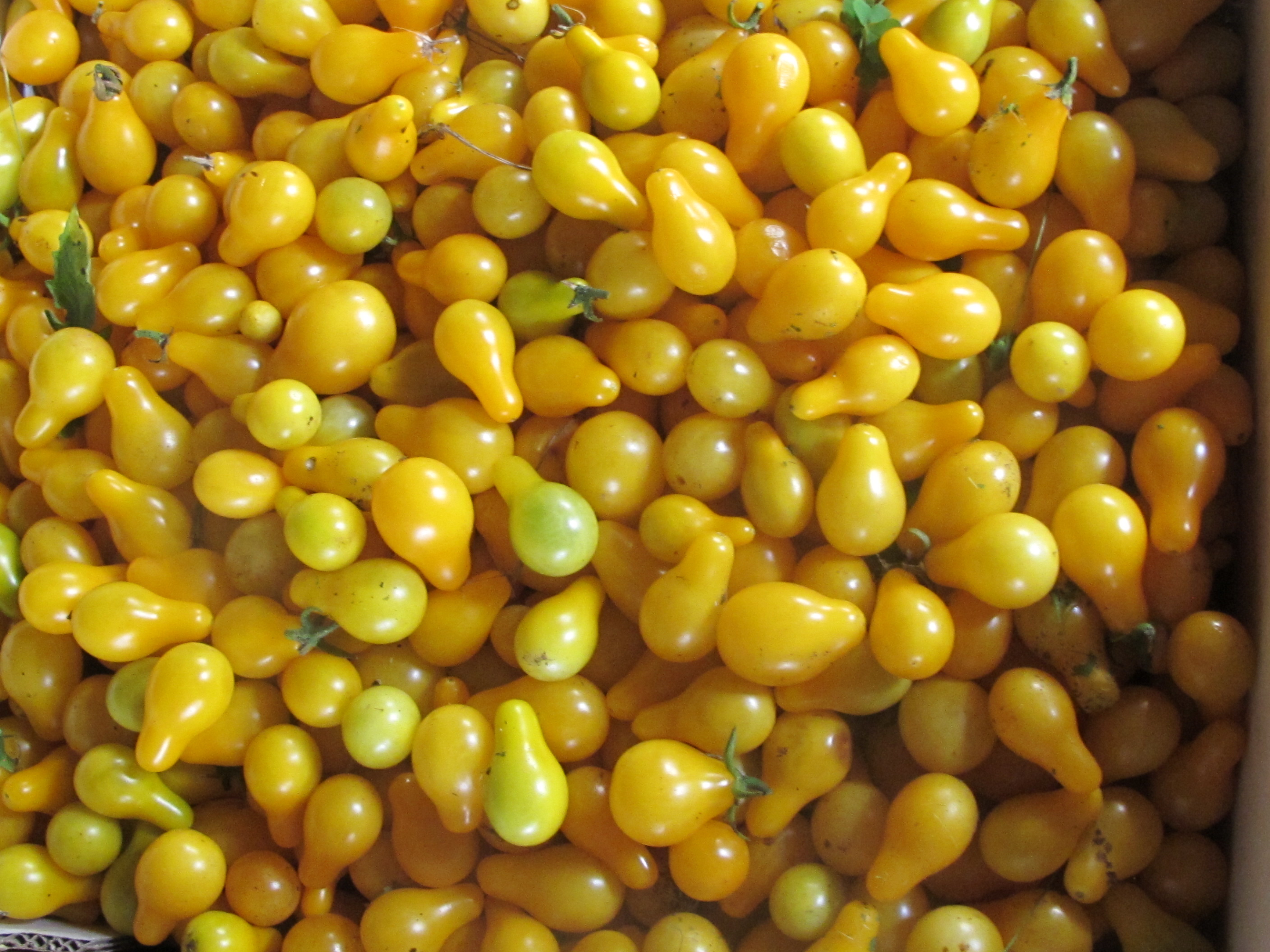
Another on-going job besides kiln maintenance at this time of year, is keeping up with the tomato crop as it slowly sprawls and proliferates all across the garden beds and over the lawn and down the pathways. They keep on flowering and producing loads of ever-smaller compact, flavoursome, little zingers. full of intense tomato flavour, but very small. These little beauties take a long, back-bending, time to pick. There is no easy way. I’ve tried kneeling and I’ve tried bending, but the problem is that there are so few places to put your feet, when the plants spread all over the place. I’m always aware of not crushing the fruit or the plant stems, which set down adventitious roots all along the way to feed and nourish the ever-expanding crop. It takes a long time, as there are so many of them, but it’s worth it. It doesn’t take too long to fill the first box.

IMG_8746IMG_8747IMG_8593IMG_8594

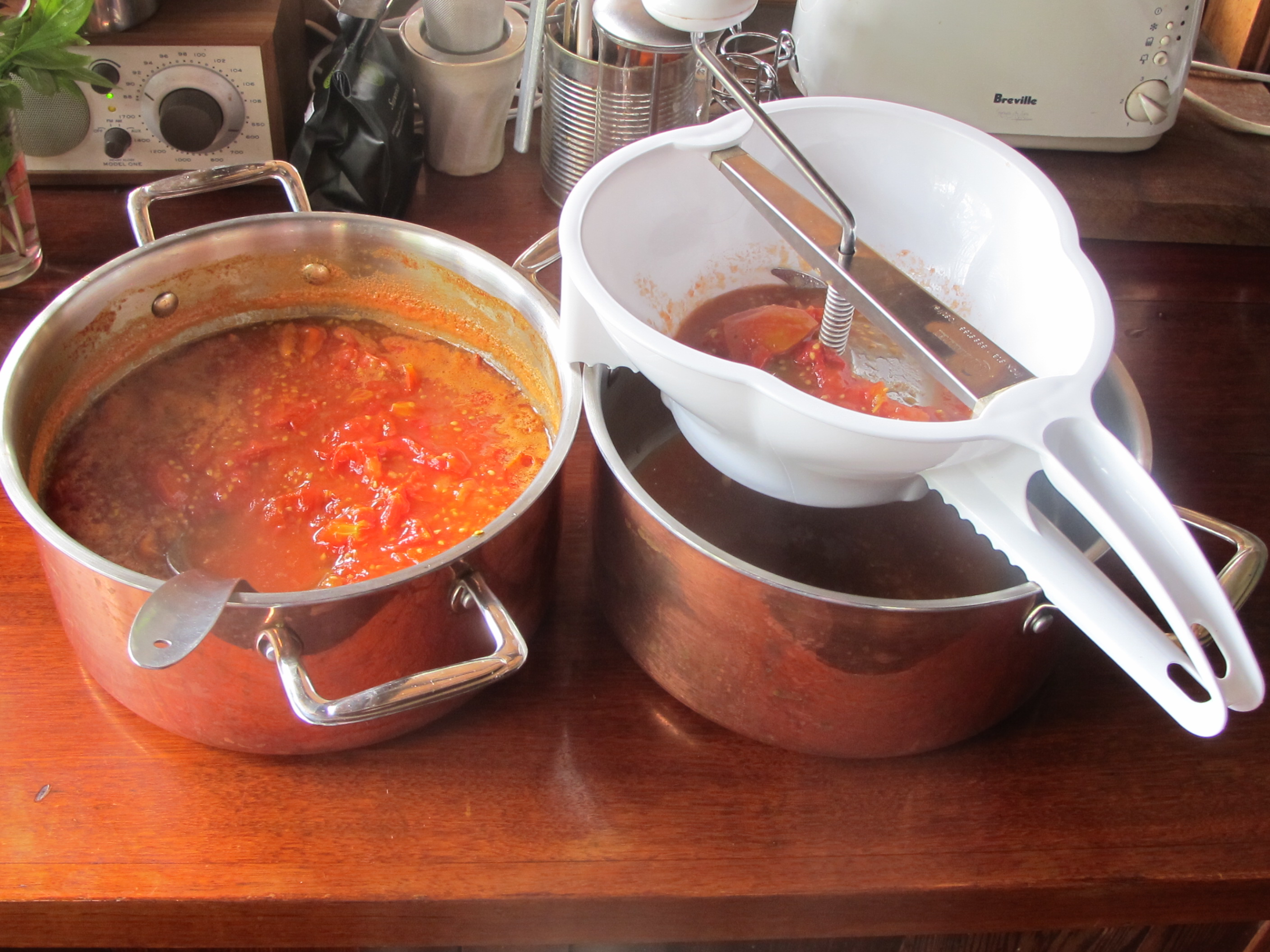
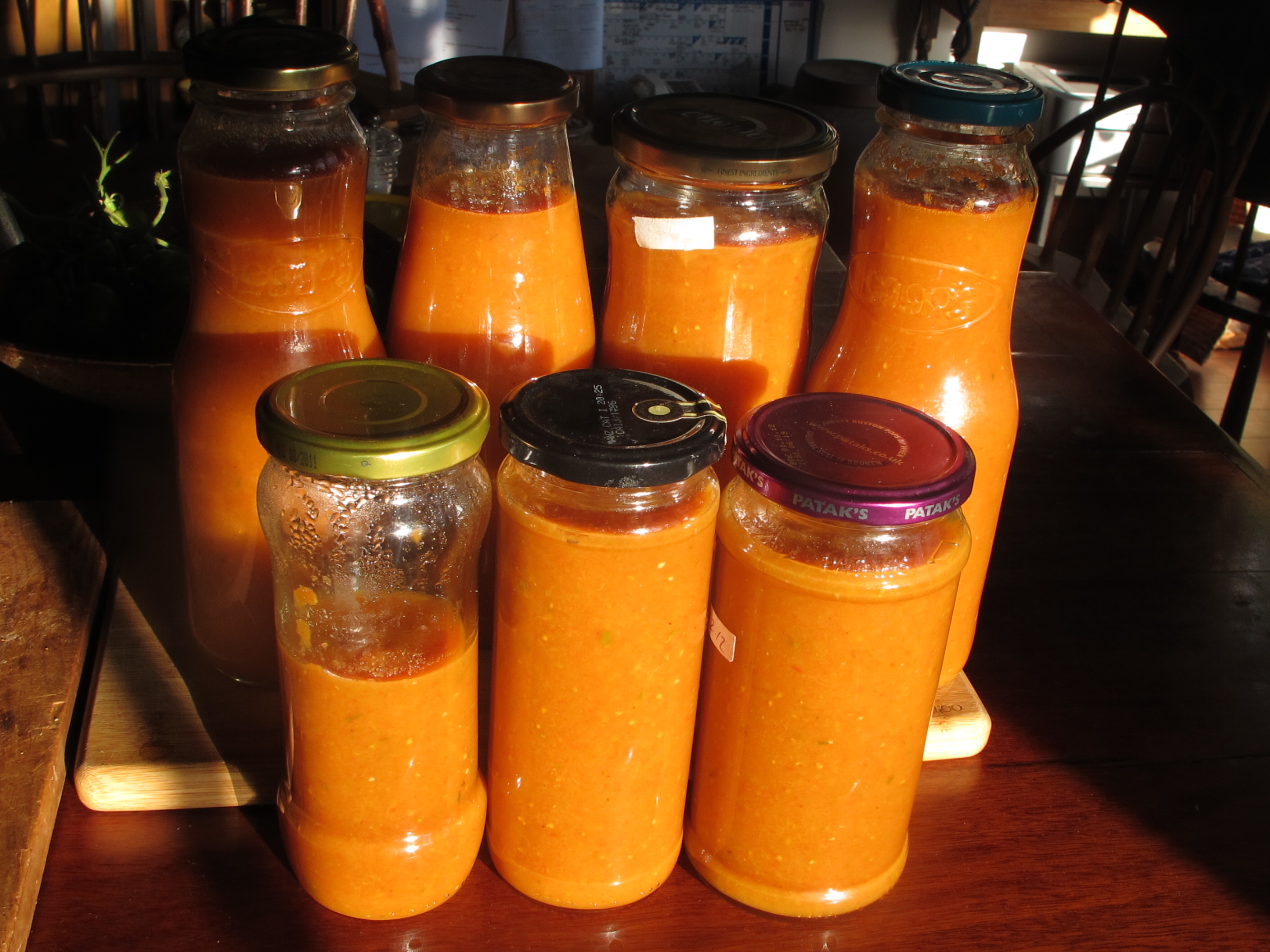
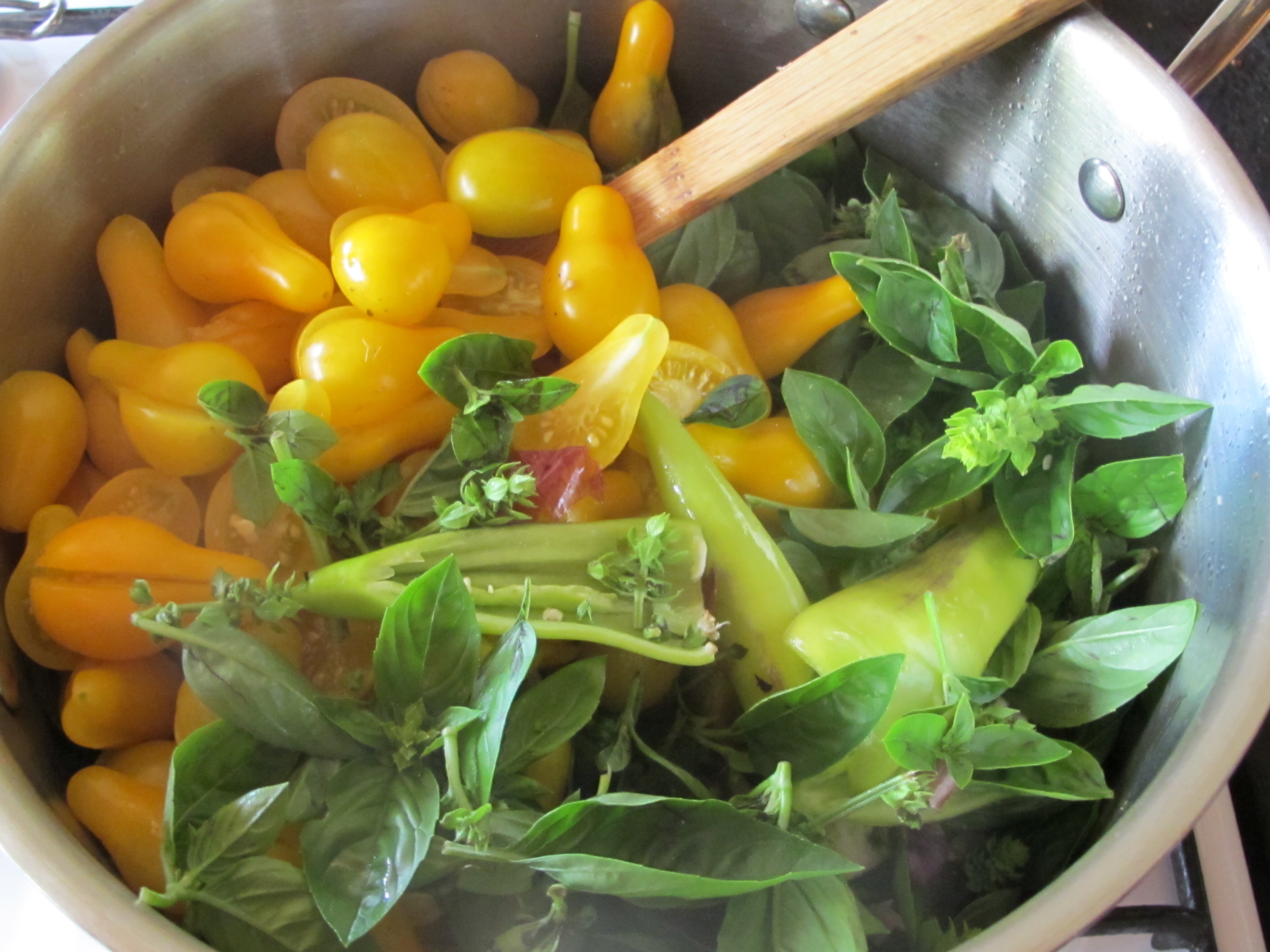
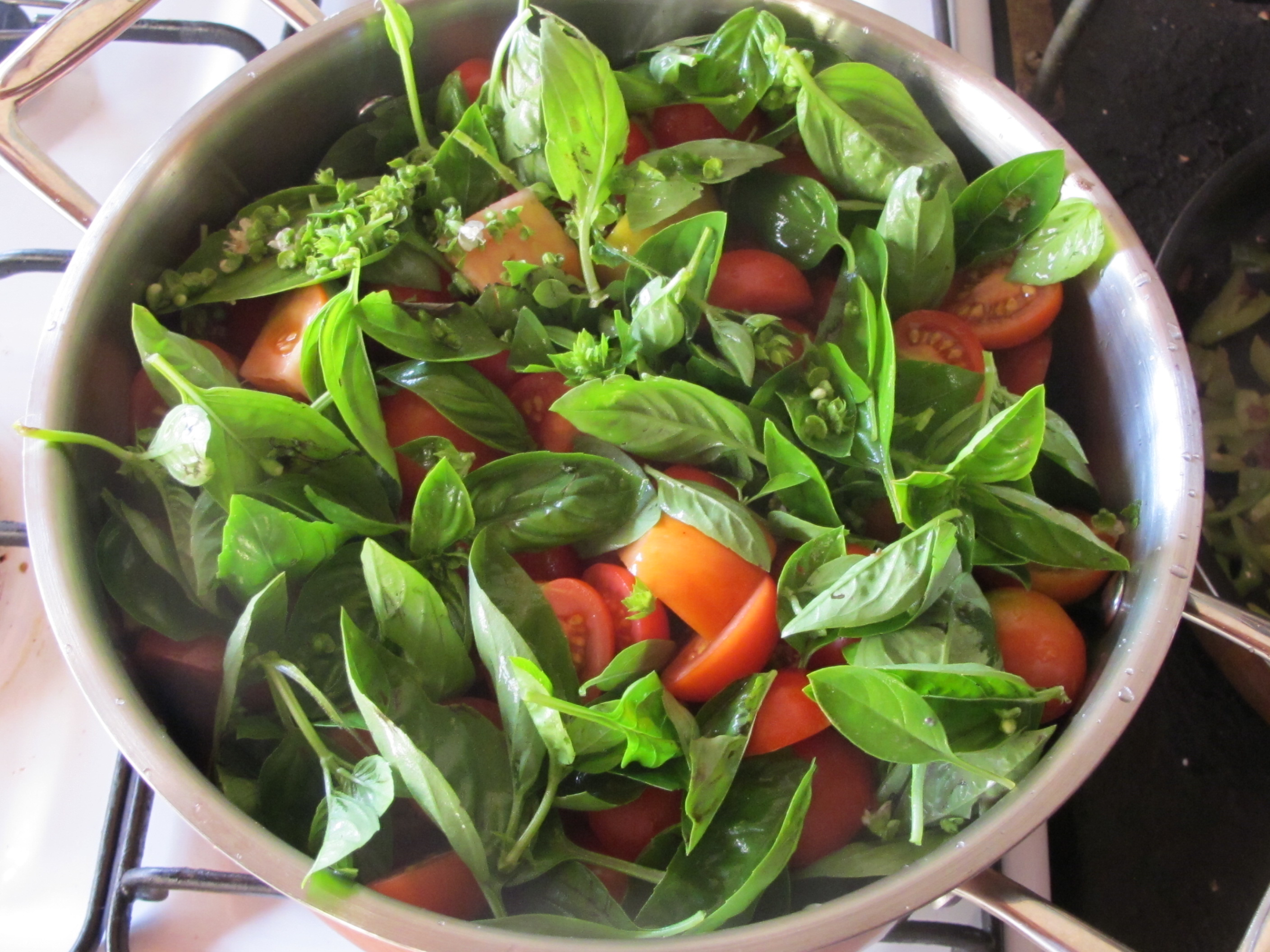
I don’t get all of them, there are just too many, but I fill the basket. it’s enough. We can do this every few days at this time of year, and do. Batch after batch, we slowly fill the pantry cupboard shelves. After cleaning and washing the tomatoes, I simmer them down in the evenings when we light the stove. I make them into tomato passata, some times just straight tomatoes if I’m pressed for time, but on other evenings, when I can make the extra time. I brown our own onions in good EV olive oil and then add garlic, capsicums and basil with the tomatoes. It makes a richer flavour, but the extra fibre takes a lot longer to pass through the mouli sieve. Sometimes it’s just a batch of the prolific little yellow tomatoes, they don’t have the same level of acidity in them, so the piquancy is somewhat less, but they are still worth the effort. A more usual batch is a mix of all of the above. It just depends on what there is the most of on the day. Every batch is slightly different and makes for a natural variety throughout the coming year.

IMG_8776IMG_8473IMG_8786IMG_8787

After sieving out the skins and seeds, the sauce is placed back on the stove to be reduced and concentrated a bit more, by about a third. This intensifies the flavour considerably. I try to make enough passata to last the whole year, so that we don’t have to buy any later on. This has been the case for a long time now. I haven’t needed to buy any pasta sauce for some years. This is one of the few things that we have been completely successful at achieving during our long experiment here. Self-reliance in passata!

IMG_8860IMG_8589

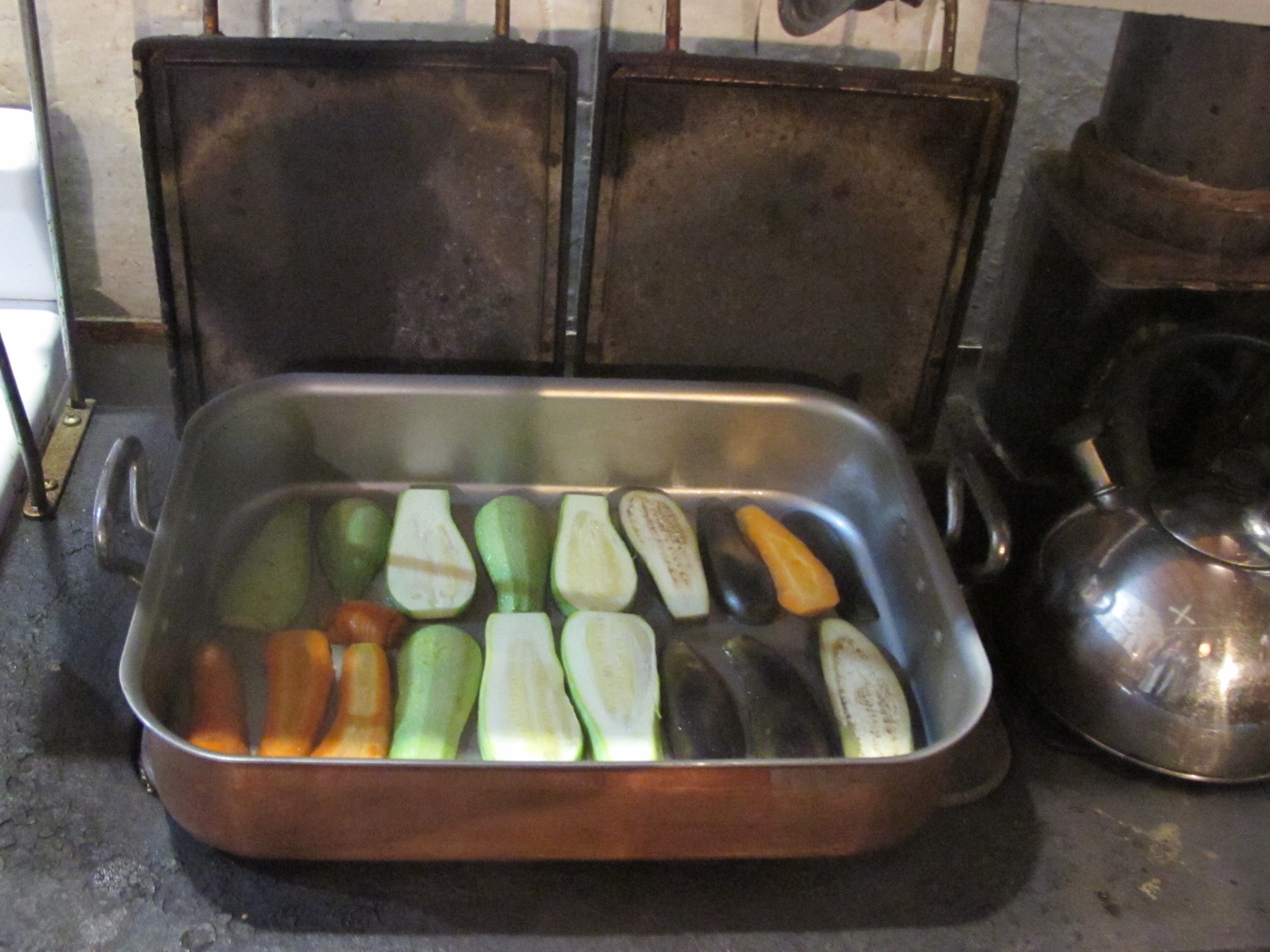
For dinner this night, I bake some carrots, zucchini and aubergines, fresh from the garden and serve it with a helping of tuna steamed with fresh Thai basil leaves, wasabi and a squeeze of lemon. While the oven is hot I use the heat to dry some of the small tomatoes. After an evening when we have guests and make a dozen pizzas. I use the remaining heat to dry a few trays of tomatoes. Dried tomatoes are great, full of concentrated sweet acid flavour. They keep really well without any extra energy needing to be applied. We use them in stews and soups and where-ever we need that little extra hit of added flavour.

IMG_8750IMG_8682 IMG_8821 IMG_8823

Indulging myself in this kind of self-produced and preserved, essential larder-filling activity is one of the reasons that I came here, to a place like this, miles away from services, where there was clean air and a lot of space to live out an imagined ideal. It takes a few hours a day of extra work and then occupies our evenings after dinner at the stove, but what could be better and more rewarding? I could of course be sitting, watching some brain-dead and fake commercial television show about how the cook?

IMG_8600IMG_8885

It seems to have worked out OK for us. We have managed to earn a living from various and diverse means, all more or less associated with pottery making. We have tried making and selling pots, ceramic tiles, making and selling clay to other potters, building kilns, writing books, doing weekend workshops and part-time teaching. None have proved to be sufficient in their own right, but all combined together, has provided us with a self-reliant, if unreliable income through most of the years. This combined with gardening and orcharding, as well as eliminating most tradesmen from our budget by doing all our own building and maintenance, means we have been able to continue to live out this self-reliant, utopian, creative adventure for the past 40 years together.

I beats working for a living.

Best wishes from Dr. Do-Little and his Ms Abundance

The Luxury of Frugal Simplicity

We’ve been making wine, making clay, making kilns, making pots, making preserves and in general making a living, in all the various and diverse ways that we have grown into during this big long experiment called life.

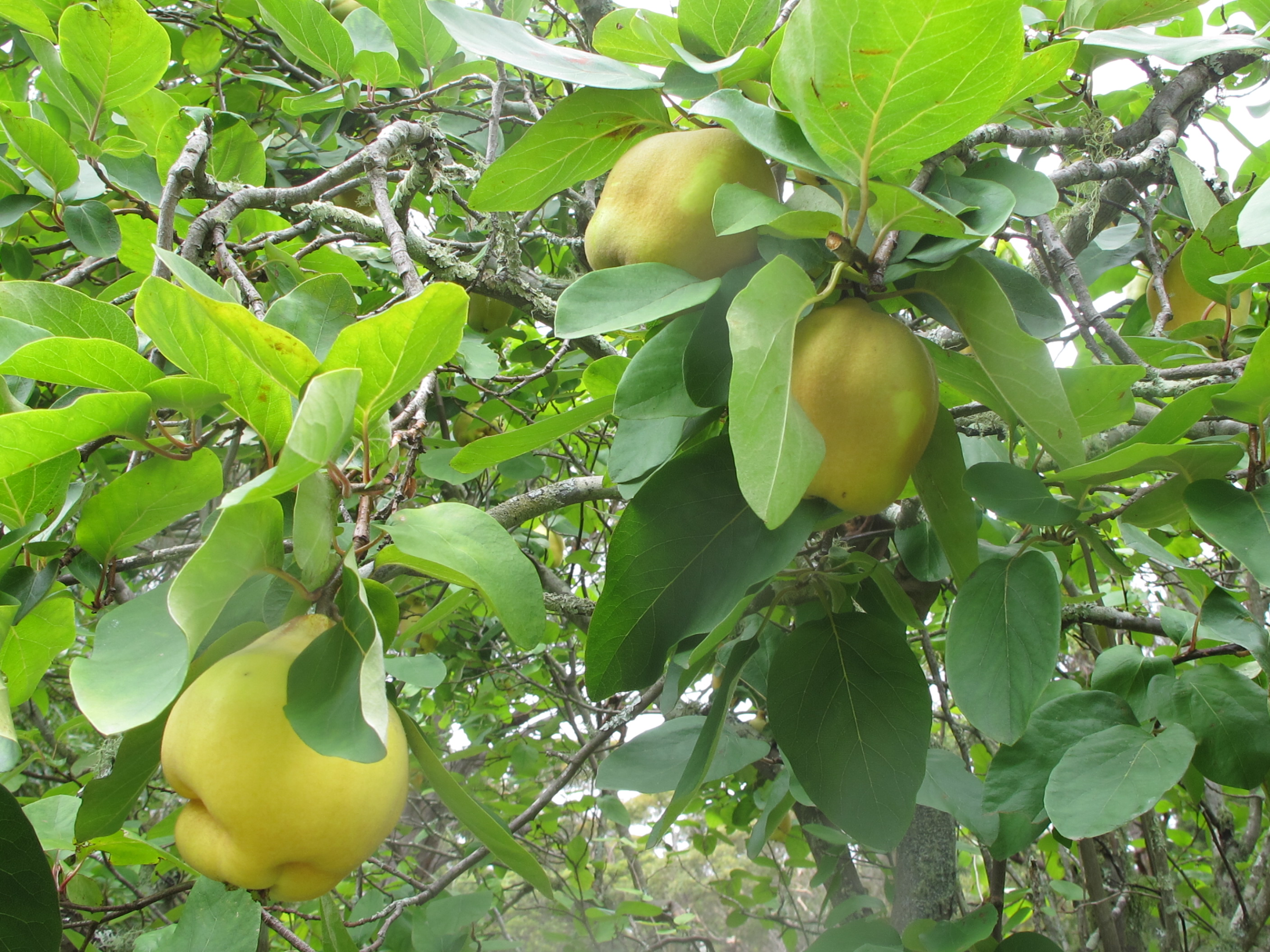
As the last few weeks of summer are slipping away, the days get shorter and the plants are adjusting accordingly. This last week, we have been harvesting the red grapes and the yellow quinces.
IMG_8646IMG_8642
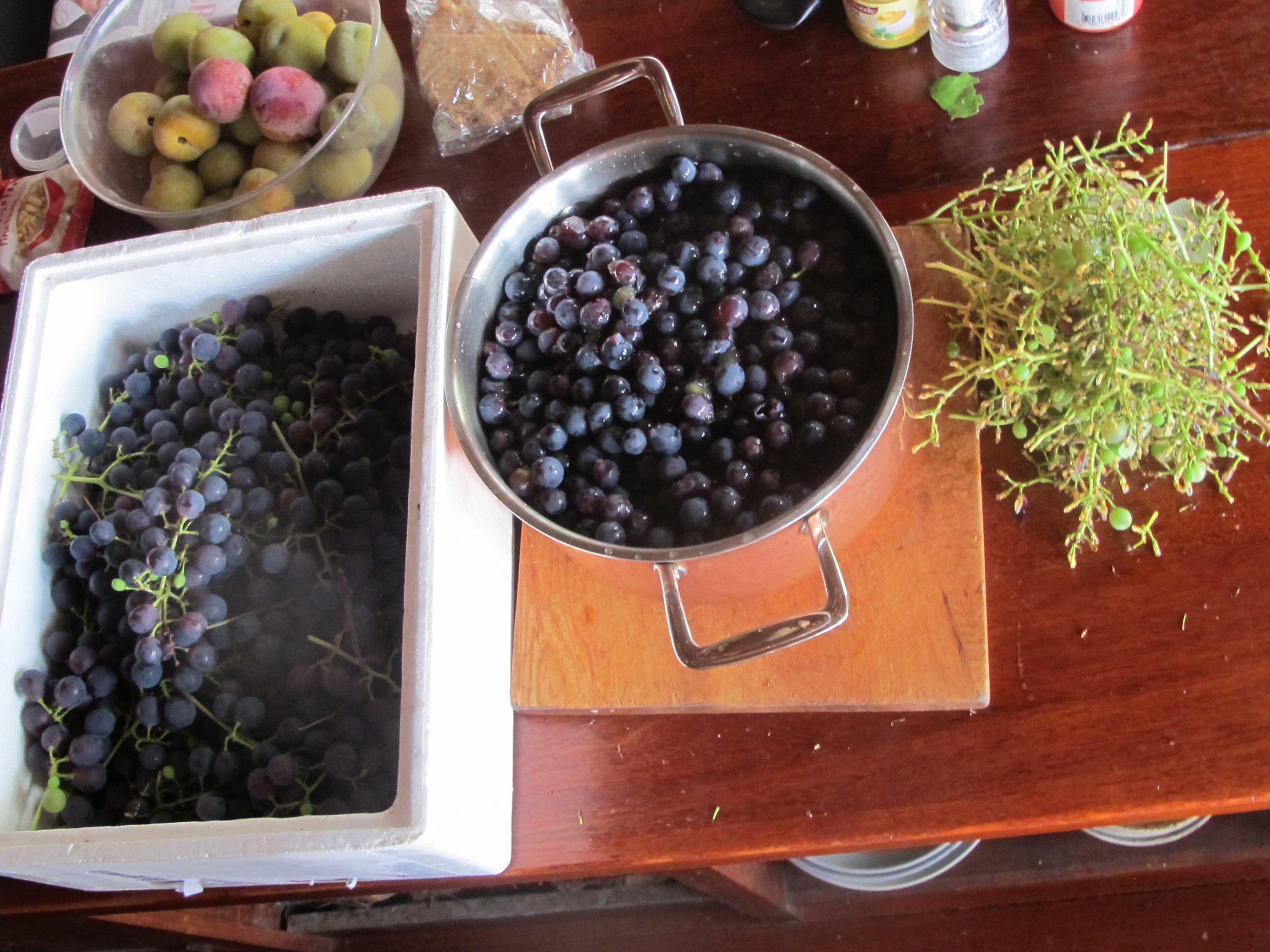
In the past we have tried making wine from our Isabella/fragolino grapes, but it was never very good, due to the fact that we are not at all skilled at making wine, but also because these grapes are not really suited to wine making, so we have taken to bottling the dark red grape juice. This is the very best way to appreciate these grapes. We have also grown both Cabinet Sauvignon and shiraz, which are much better for making wine, but they need a lot of work to protect them from mildew. I refuse to use anything poisonous, restricting myself to only organic treatments. So this meant regular applications of Bordeaux spray, which is copper carbonate and lime mixed together. This works, but has to be applied after every rain, as it is water based and washes off. Long term use can lead to a build-up in the soil, so I decided to let them find there own way to survive without spraying. They didn’t! So no shiraz grapes this wet year.
IMG_8529
However, the Isabella/fragolino hybrid is totally immune to Phytophthora root rot and leafy mildew. So no sprays are needed, perfect! These grapes are only good for juice, but the juice is of excellent flavour and the way that we have developed to extract the juice brings out exceptional depth of colour and flavour. We have tried the more traditional crushing and pressing, but this only results in a clear/pale pink juice. Partial fermentation to make ‘summer wine’. A semi fermented blend of partially fermented sweet juice and a little alcohol from the fermentation, results in a pale pink, cloudy, rose style. This is very nicely spritzig and tangy on the tongue but we have developed a better way of improving it to what we believe is an outstanding level of density of flavour and colour.
IMG_8556IMG_8565
The red colour of wine comes from the skins which contains, amongst other things, anthrocyanins. These complex chemicals are thought to be quite beneficial to your health. But simply pressing the juice out of their skins only results in a white juice or wine. Have you ever thought how clear champagne is made from pinot noir red grapes? The clear juice is quickly squeezed out of the red grapes and separated from their skins so that no contact colouration can occur. If the grape juice is left in contact with the skins, the alcohol that develops in the wine ‘must’ as it ferments starts to dissolve the red colour. Partial contact results in a ‘rose’ light red colour, but full fermentation on the skins produces a red wine. Wine makers have developed a technique called ‘plunging the cap’ which involves pushing the red skins down into the fermenting ‘must’ to encourage the contact and colour extraction. This is done several times a day, for a week or two, as long as the fermentation lasts.
IMG_8602IMG_8607
As we are not making wine, but only juice. Miss Penfold Grange King decided to try heating the juice to sterilize it for bottling, but along the way found by accident that the colour improved as well. So now we don’t really crush the grapes in the normal way. We carefully pick all the ‘berries’ off the grape bunches and separate the stems and any unripe grapes, as these can give a sour acidic flavour to the juice. We also separate any living protein from the bunches as well. In industry this is called “MOG” material other than grapes, and a lot of it, slaters, spiders, caterpillars and especially snails, can pass through the system and separators, just like grapes, if they are the same size. However, It doesn’t seem to affect the finished wine from industrial scaled production wineries.
IMG_8547IMG_8610
IMG_8612
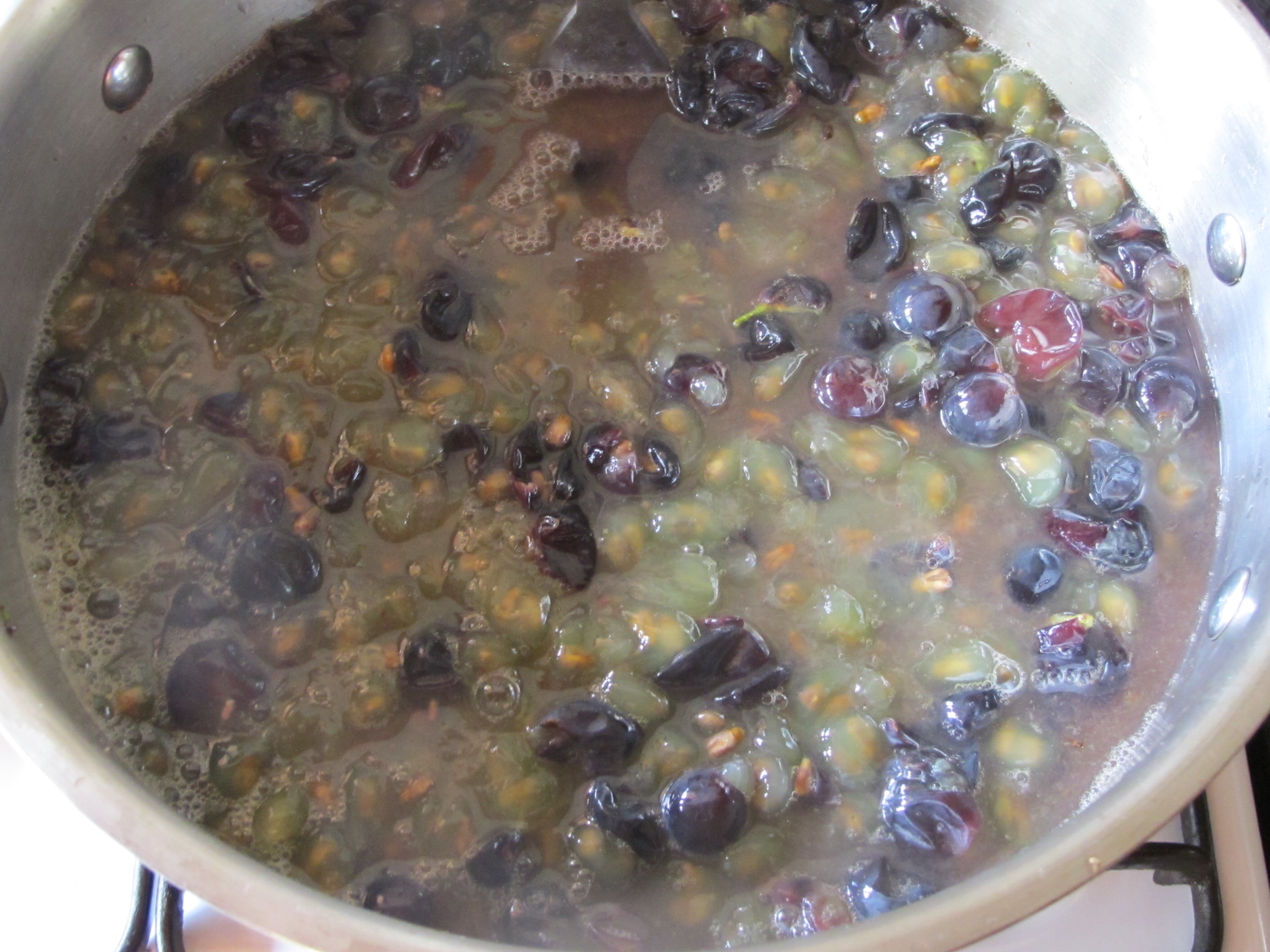
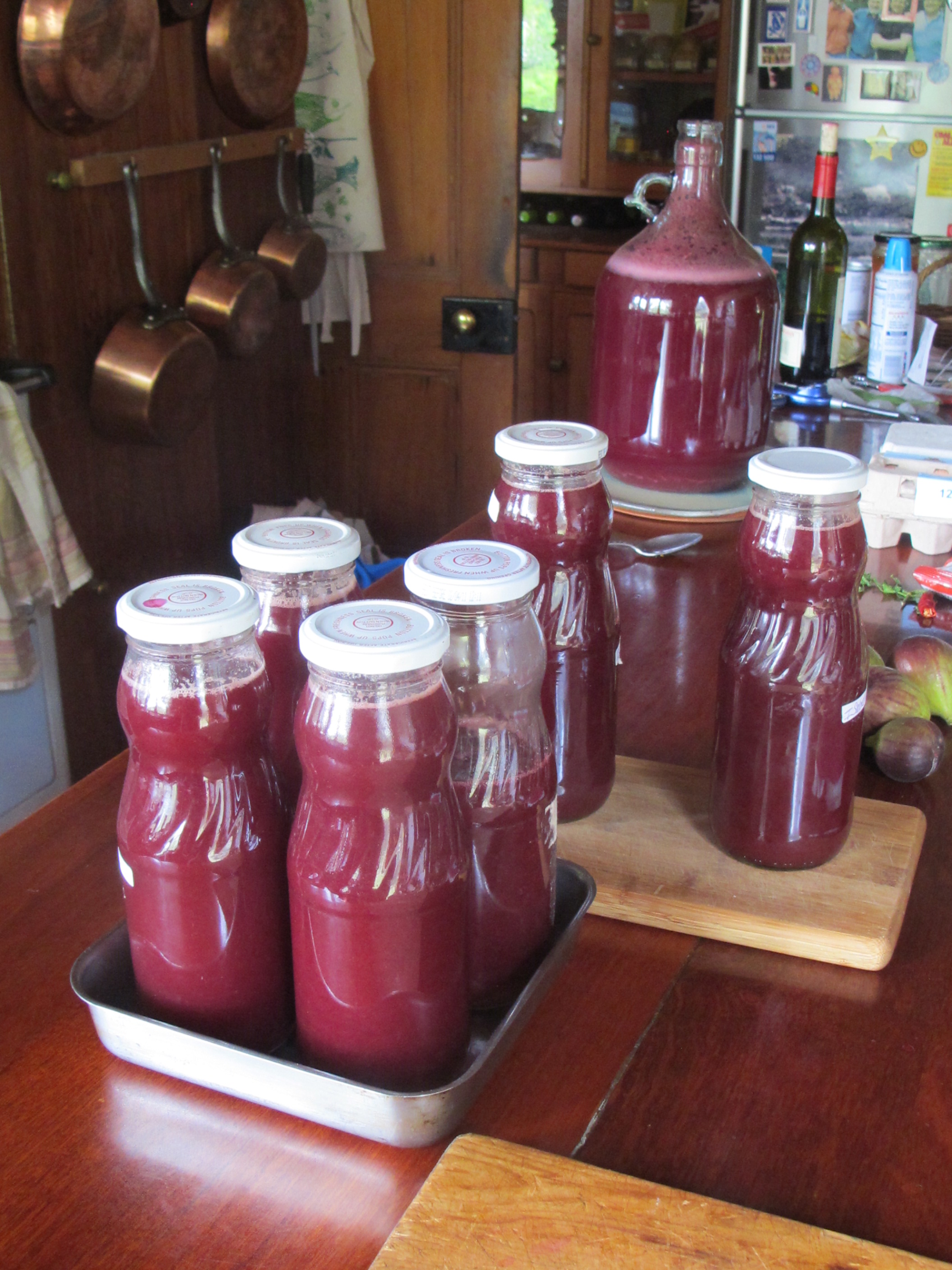
We take the time to carefully separate all of this by hand about 20 kilos at a time and then put the grapes in big boilers and heat them . initially to sterilize the juice for preservation, but we have found that a few minutes of simmering and some squashing using a potato masher, produces a very rich, red, dense grape juice of immense flavour and colour. It seems that anthrocyanins are also extracted by heat just as with alcohol. After the colour has been extracted by this heating, we drain off the skins and pips through a large kitchen sieve, pressing it a little by placing a stack of plates on top, then filling glass jars taken straight from the oven with ‘pop top’ lids simmered in hot water. As the bottles cool. the lids are sucked down and sealed making a loud ‘pop’ noise as they vacuum seal.
IMG_8629
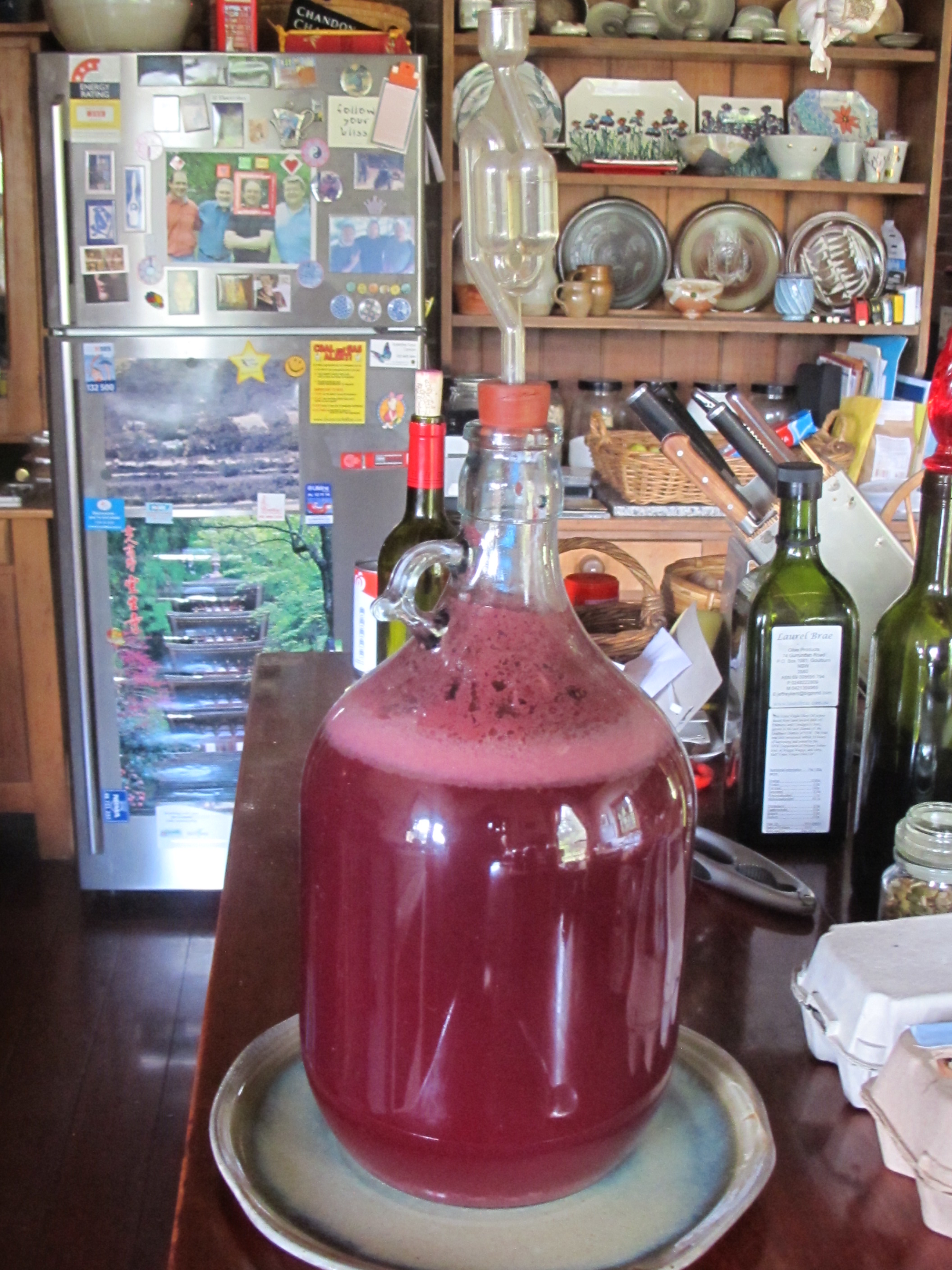
This juice keeps for up to a year in these sealed bottles. Miss Penfold Grange King has found lots of ways to cook with this preserved juice over the years. She makes jelly, by re-heating with some gelatine and a little lemon juice and even some zest occasionally. This year we have also made some summer wine from this improved and concentrated rich red grape juice. it’s absolutely fantastic. If you haven’t ever tried some of this stuff. it is an amazing way to preserve grape juice. Except, as summer wine it isn’t preserved at all, just drunk. we make a batch every few days to replace the last batch, keeping the ferment going, restarting the new batch off the lees of the last one. We make it in 4 litre glass fermenting jars. It’s an ongoing process that lasts as long as the grape crop.
IMG_8567IMG_8553
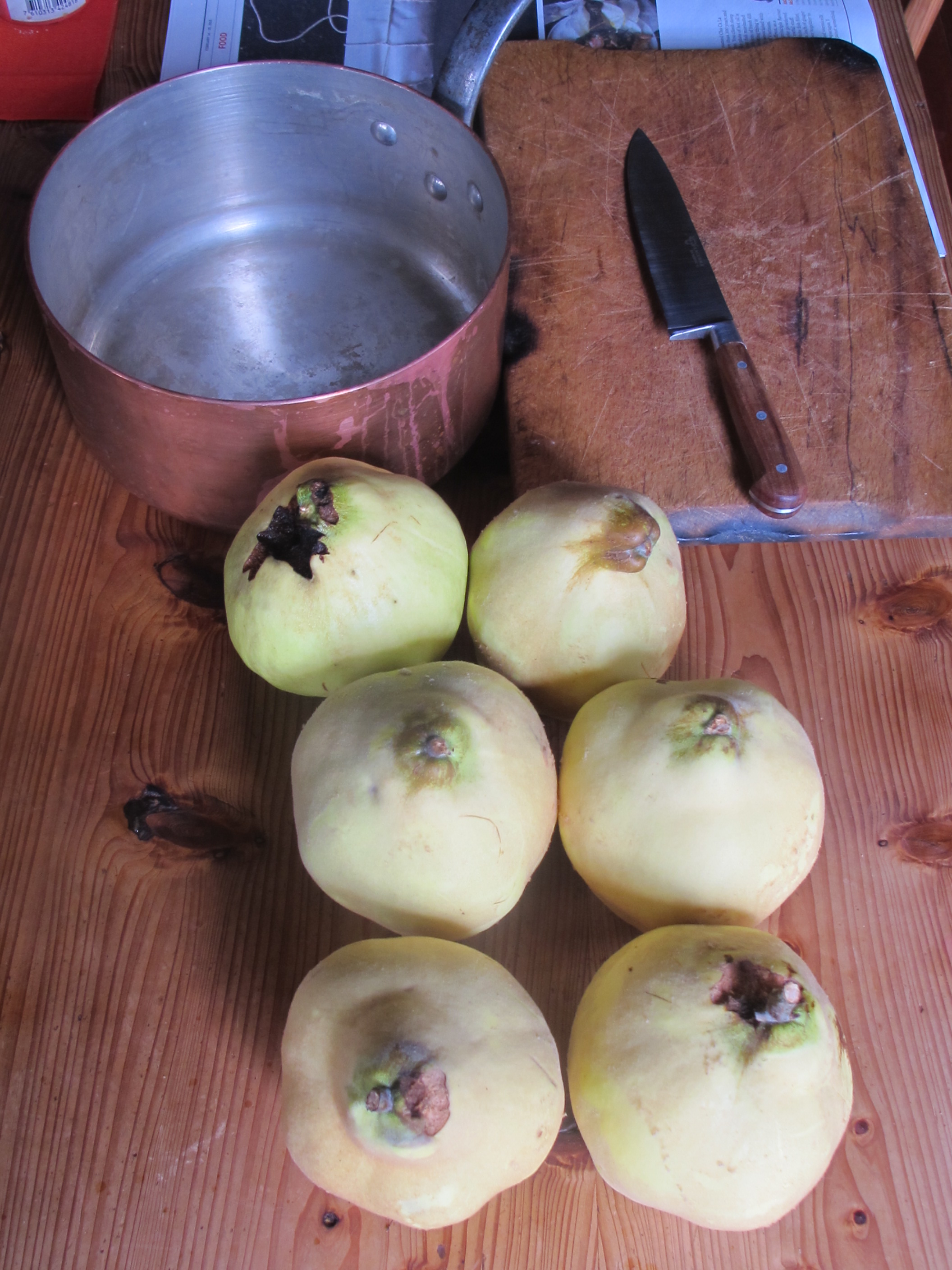
Every year we try something a little different, some other way of dealing with what we have, always trying to find a better way to get the most out of our home grown produce. This year, amongst other things, we have experimented with preserving our quince crop by cooking them in this wonderfully rich, dense and colourful red grape juice which is brim full of flavour.
IMG_8621
Quinces need to be cooked with a little bit of sugar. In the past I have used pure white and deadly as well as local honey, but this year we have decided to use the sweetness of our grape juice to provide the fructose to bring out the luscious red colour of the cooked quinces.
IMG_8639
I bring the quartered and peeled quinces to the boil and then switch them off. Because they are so fresh, they don’t need to be cooked for too long, otherwise they will go all mushy. While the quinces are coming up to the boil. I bring all the quince peelings and cores and pips up to boil for a few minutes, and simmer for a while. The skins and pips are full of pectin, so boiling them dissolves this pectin. I drain off the pectin liquor into a smaller sauce pan and continue to reduce tha pectin sauce further.
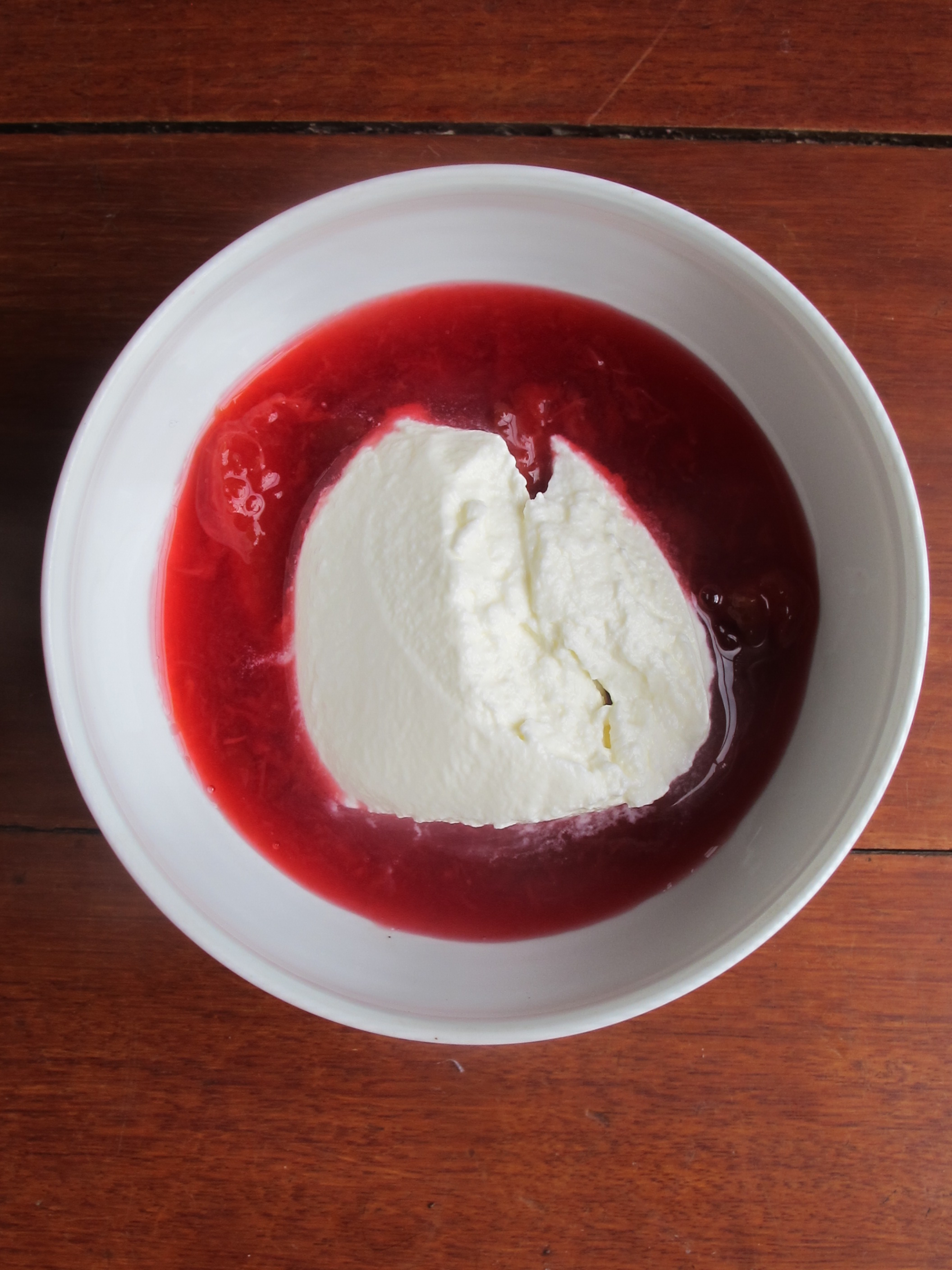
I place the quinces in a baking tray with a few cloves, a 5 star anise, a cinnamon stick and the zest and juice of a lemon. I cut the spent lemon in the baking tray as well and pour the hot grape juice over them and place them in the oven on low to cook a little more. As soon as the pectin liquor is reduced to half, I pour it over the baking quinces and bake them for another half hour. It reduces to a jelly-like, rich, red, fragrant syrup.
Perfect with a little cream or icecream, or both.
IMG_8666
Yum. You don’t know what you are missing if you haven’t tasted something like this.
IMG_8668
We may not have much cash flow, but by gosh we eat well. We just couldn’t afford to pay to eat this quality and range of gourmet foods if we were working for money.
IMG_8671
Best wishes from Miss Penfold Grange and her Maximillion dollar value Schubert

The luscious excess of the summer garden

The luscious excess of the summer garden
Breakfast, lunch and dinner, plus desert.

We have been experimenting with a few new ways of dealing with our excesses from the garden. We have our favourites that we love to cook every season with all the usual suspects as they front up in quantity. It’s just amazing how much I look forward to that first tomato of the season to get ripe enough to pick and eat, right there in the garden. It truly explodes in the mouth with sweet, acidity. Such a flavour. Then all those vitamins that I am obviously in need of, because I crave that first tomato so much. Just brushing the leaves of the tomato plants while weeding is nostalgic and gives me the Pablov’s Dog reaction. i can’t wait.  I’m craving a fresh tomato after 6 months without having any. However, after a month of tomatoes with everything, I seem to have enough of the vitamins and minerals that tomatoes offer, and they lose some of their charm. They are still fantastically delicious, but there is no longer any urgency to eat them. They just become part of the menu landscape. In fact, so much so, that while I’m weeding and watering the plants, I try to avoid brushing the leaves, as the smell is no longer appetising, but slightly off-putting even. What is this reaction? How does it work? My body is telling me what I need to eat and when I’ve had enough. Time to move on, try something different.

The same can be said for zucchinis, capsicum and aubergines as well I suppose, but not with the same urgency.

After we have cooked and eaten all the usual favourite dishes a few times, we start to consider other ways of thinking about what we have and how we can be creative with it.

Breakfast of stewed fruit and yoghurt. Today its blood plums or fresh prunes.
IMG_8507IMG_8508
It’s always interesting to see what other people have found to do with summer vegetables. The following recipe is from Andrew McConnel, from his page in the recently launched “The Saturday Paper” This is a new Australian newspaper launched by Morry Schwartz this time last year. We were foundation subscribers, as I have been to ’The Quatertly Essay’ and the ‘The Monthly’. I think that it’s important to support creative ventures, and anything that may help to subvert the dominant paradigm can’t be a bad thing. The recipe for Zucchini salad is from the 7th of Feb issue.
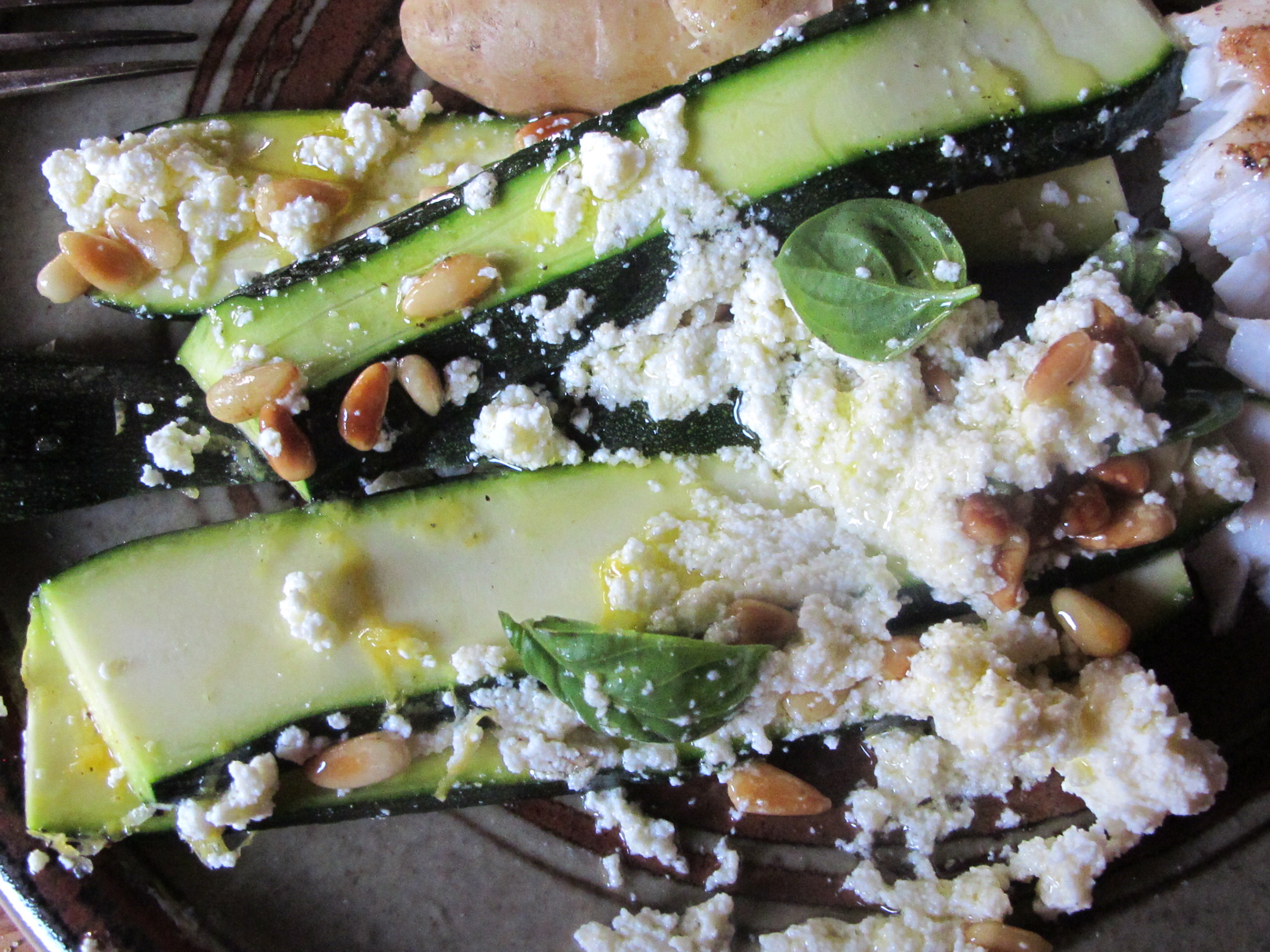
Zucchini Salad and ricotta
The lovely made some fresh ricotta and served it with a few thinly sliced zucchinis. This is a lovely fresh salad of thinly sliced raw zucchinis. Slice the zuchs and season with pepper (plus salt if you use it), then dress with some torn basil leaves and lemon zest, + its juice and some olive oil. Evenly spread the fresh warm ricotta over the top in little lumps and a few lightly roasted pine nuts.
IMG_8468IMG_8465
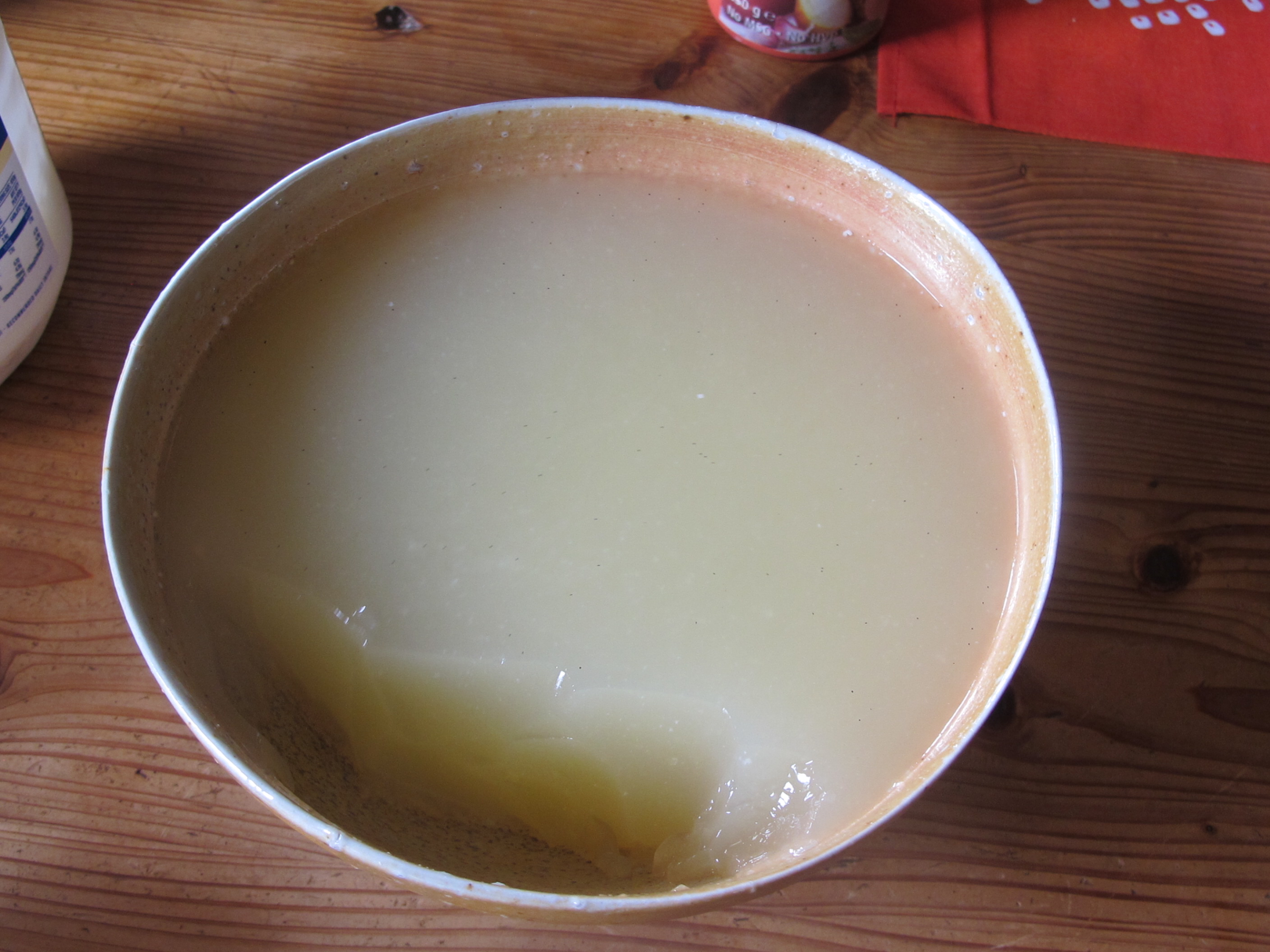
After making the ricotta, there is a lot of whey still left over. This is good to feed to the chickens or a pig – if you happen to be fattening one up at the time, or to make a batch of scones?. Ms ‘one brick’ Einstein has a brilliant idea and decides to make a whey pudding by adding a little bit of vanilla bean paste, some sugar and a little gelatine to the warm whey. It sets in the fridge to a jelly that is surprisingly good as a breakfast or dessert option.
IMG_8480
Lightly steamed capsicums and garlic served warm and topped with fresh ricotta
IMG_8495
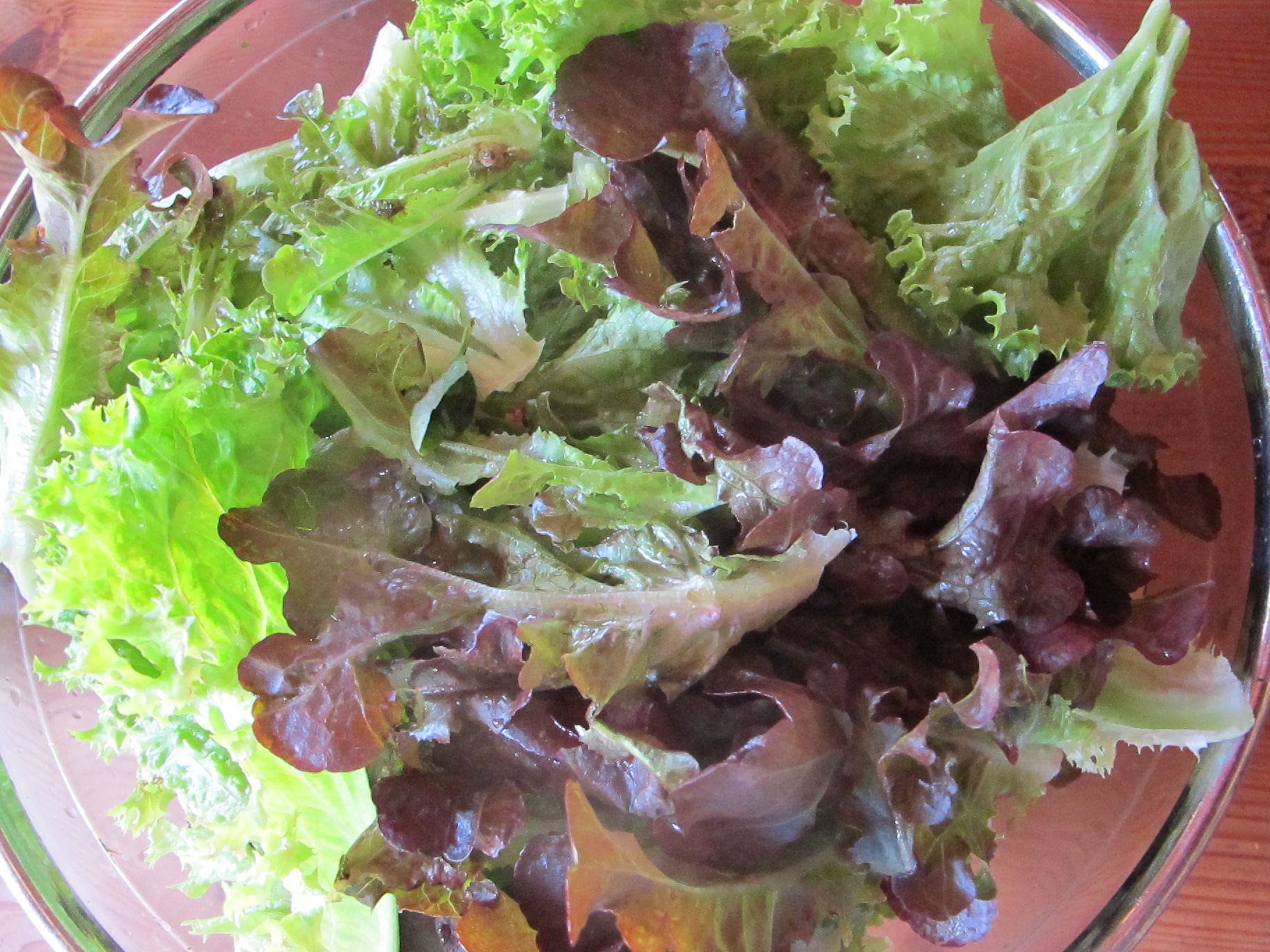
Sliced, fresh warm tomatoes picked straight from the garden 5 minutes earlier and served on a bed of oak leaf lettuce.
IMG_8496
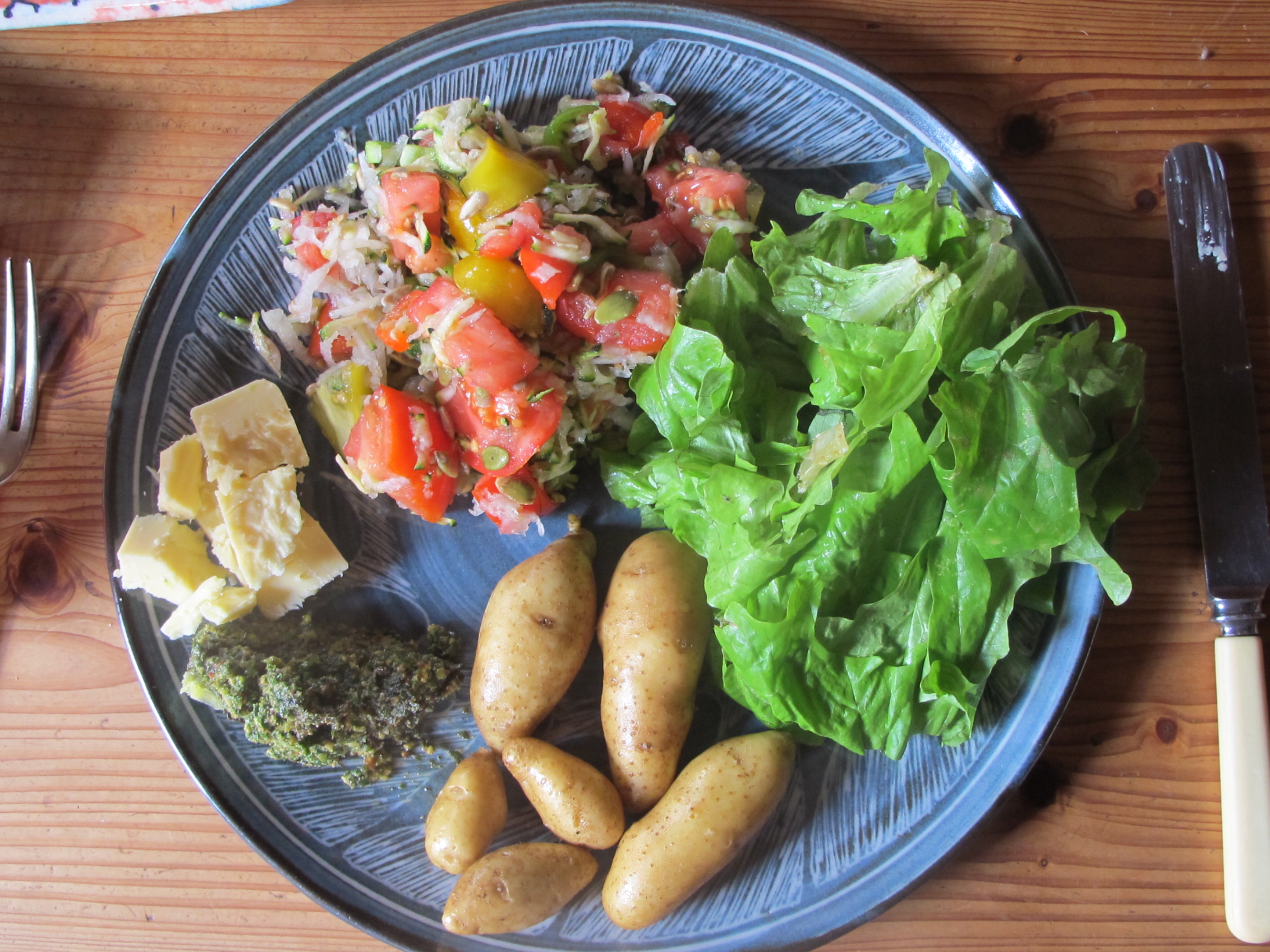
Mixed small tomatoes, finely sliced fresh red onion and grated zucchini salad, served with crispy toasted seeds,(sunflower and pumpkin) dressed with lemon juice. This salad will be going on our list of ‘must do more often’. Really nice mix of flavours and textures.
Served with cold potatoes cheese, fresh basil pesto and green leaves.
IMG_8471IMG_8472
IMG_8488
Zucchini fritters. Grate a few small young zucchinis and mix with a little flour and an egg, season with salt and pepper, some coriander leaves, parsley, a hint of chilli and finely chopped shallots. Fry in a little olive oil till golden on both sides.
IMG_8150
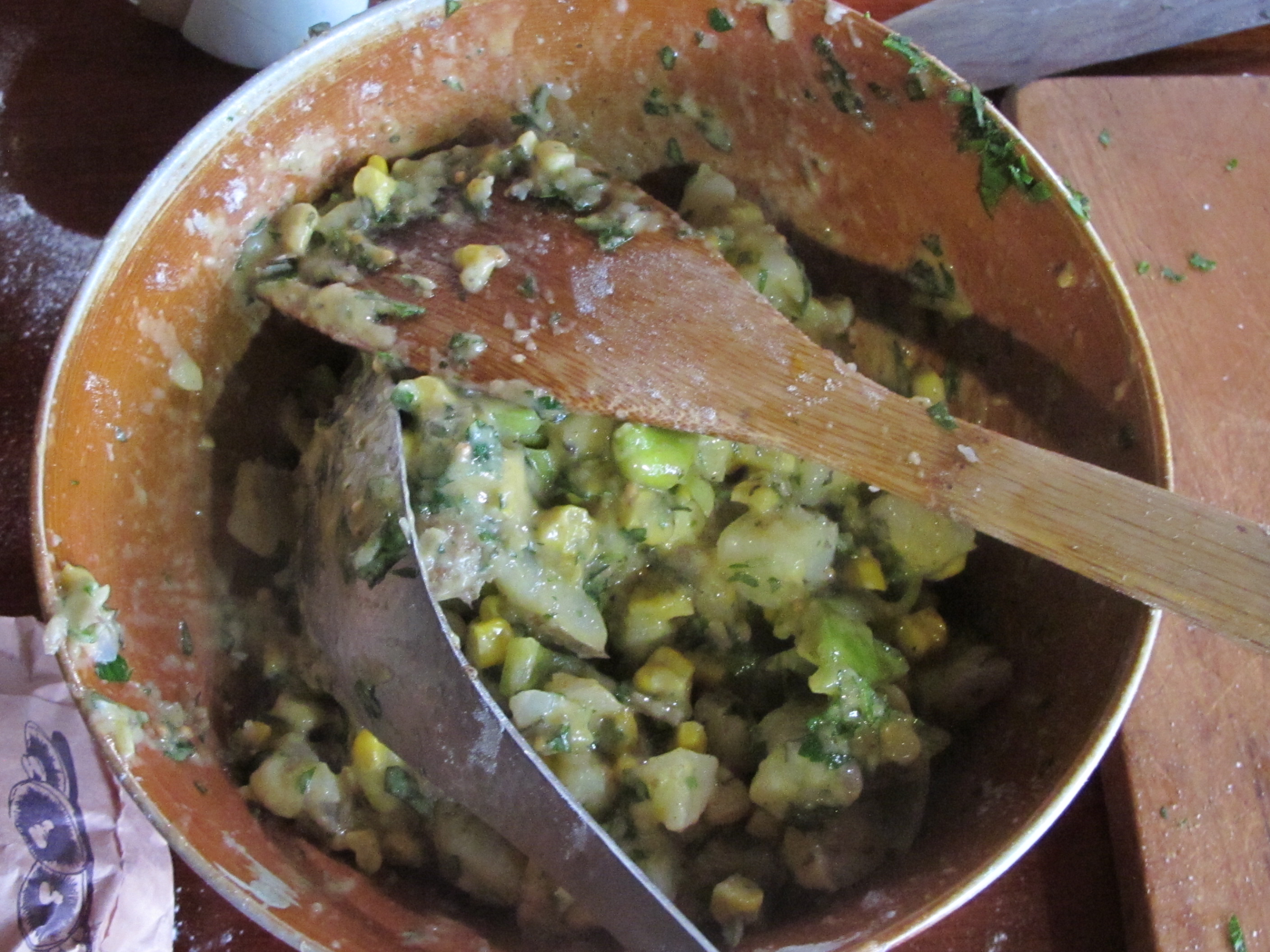
Mixed summer veggie fritters. Grate zucchinis with mashed, steamed and cooled, waxy potatoes, sweet corn nibblets, sliced, steamed French beans, finely chopped capsicum, parsley and Thai basil. Mix with egg and flour and fry in a shallow pan with some extra virgin olive oil. Season to taste.
IMG_8498IMG_8502
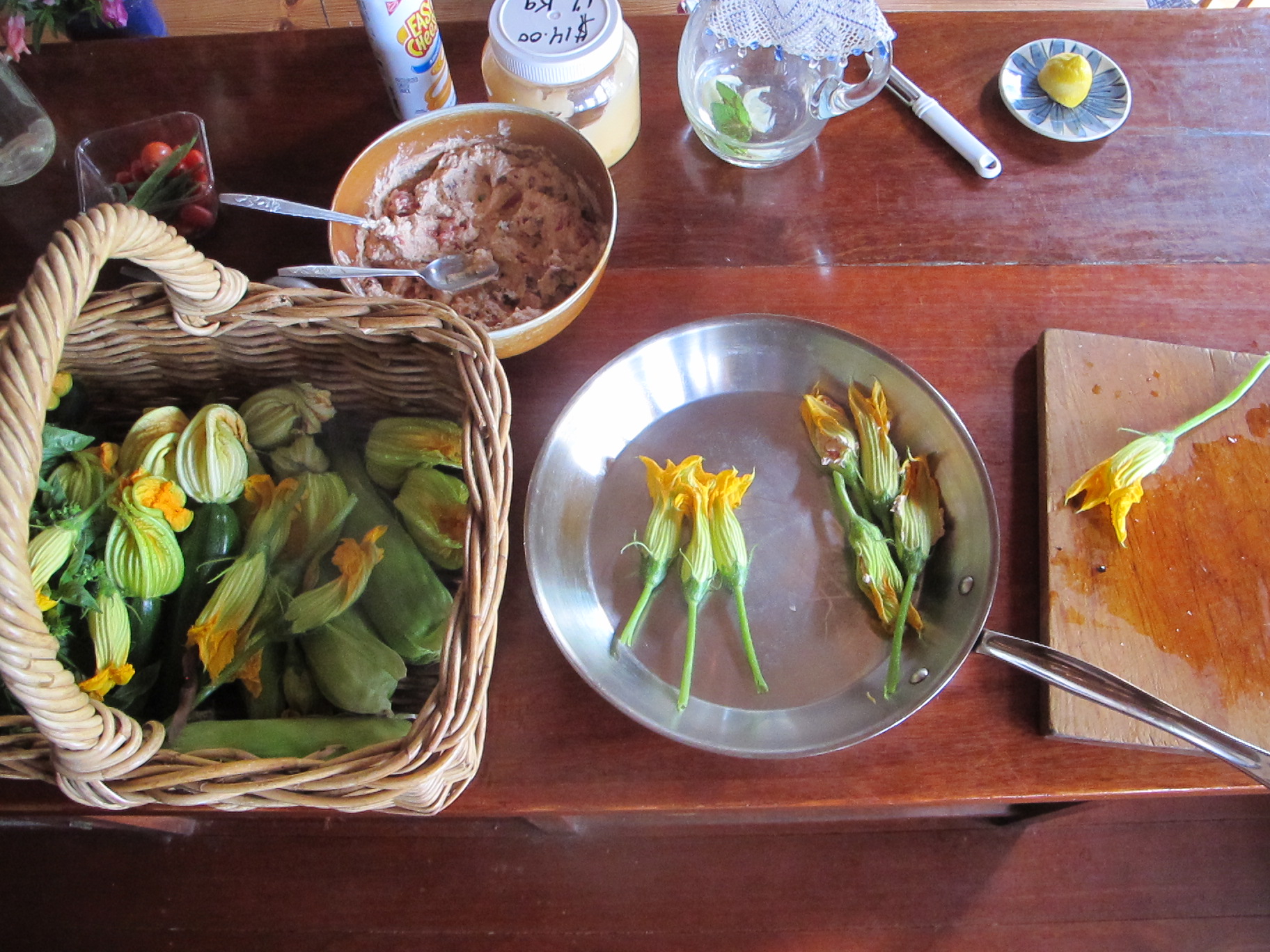
Baked capsicums stuffed with ricotta mixed with olive, garlic and dried tomato tepinade. roasted beetroot dip, grated zucchinis with lemon juice and pepper, sweet corn on the cob, fresh capsicum and cold potato with tomatoes and olives.
IMG_8122
Lightly steamed french beans served with home-made spicy tomato passata. We also have beans like this served in yoghurt with garlic.
IMG_8463
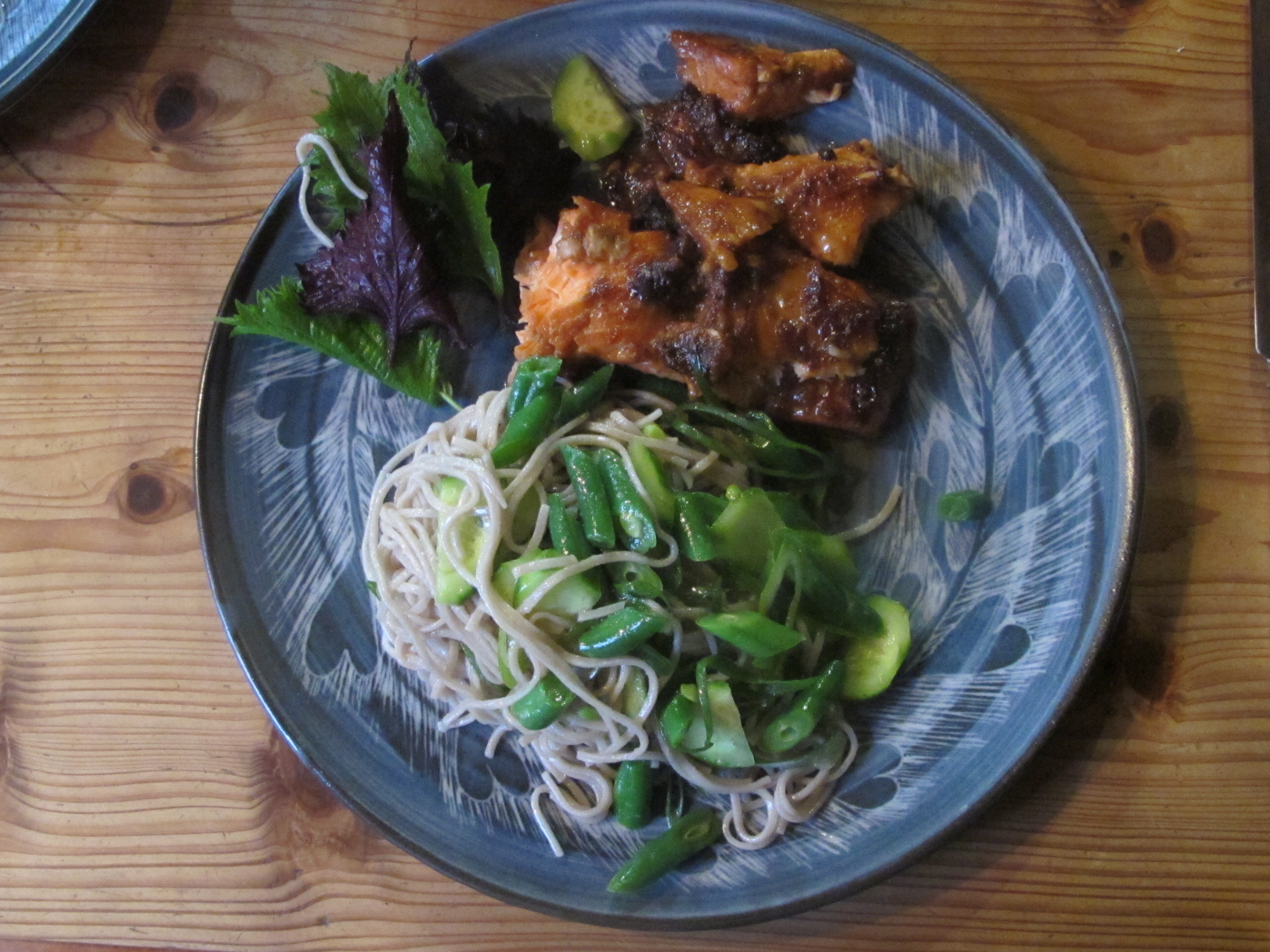
Baked, marinated ocean trout fragments with udon noodles and seasonal veggies. Marinate the fish in some soy, ginger, olive oil and lemon juice for a few hours. Steam, bake or Pan fry the fish in it’s marinade. Meanwhile, boil the udon buckwheat noodles and steam the fresh veggies, beans, broccoli, colli, zucchini chunks, whatever is at hand on the day. Toss the veggies through the drained noodles and serve with a few torn-up fresh Shiso leaves on the side and dress with a mix of mirin, sesame seed oil and meso.
IMG_8437
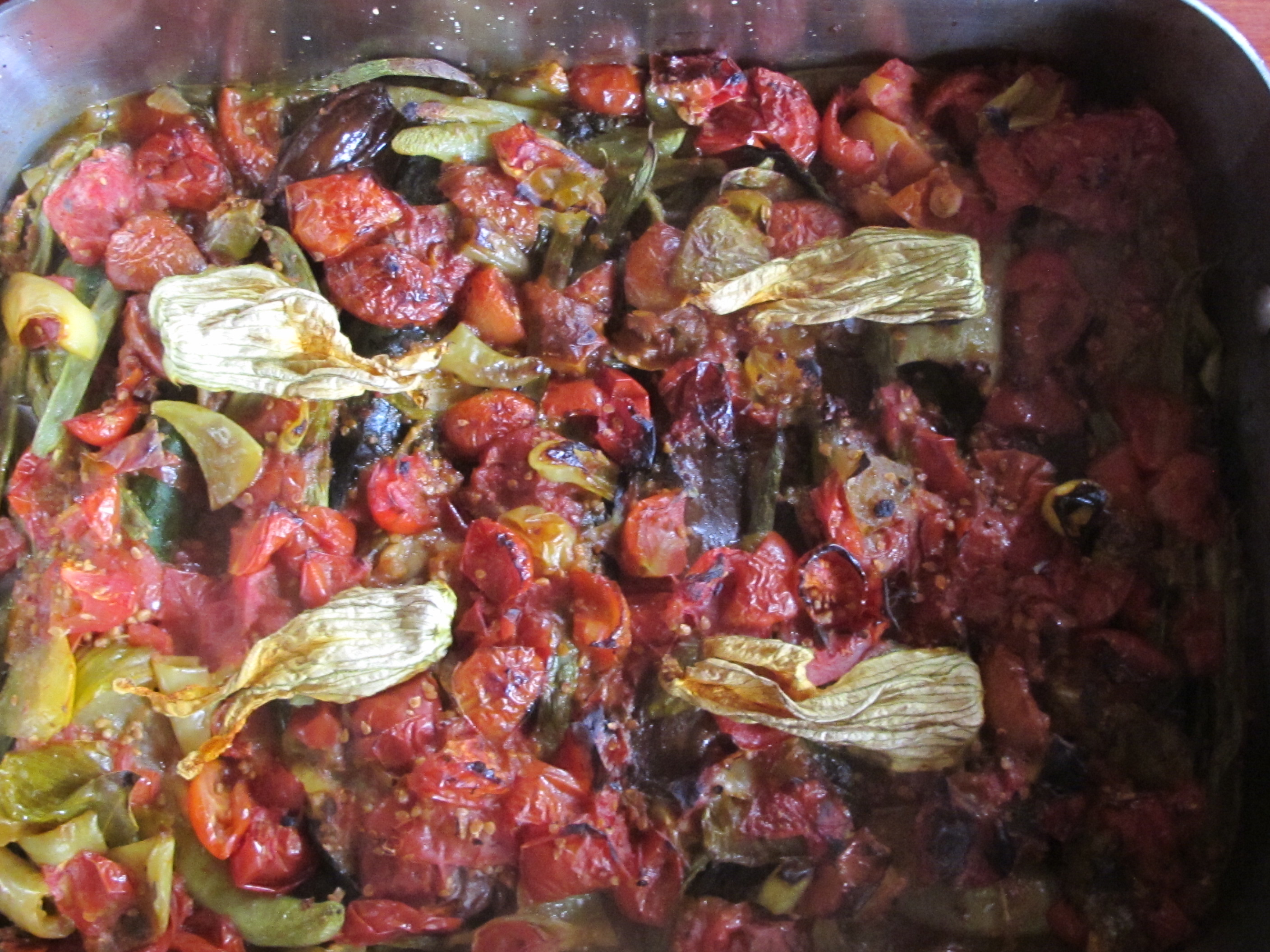
Baked mediterranean vegetables with cumin, Roughly chop up what ever is in the garden by way of Mediterranean vegetables. Zucchinis, tomatoes, beans, aubergines, onion etc. pour a little olive oil into the baking dish and rub it through all the vegetables with your hands. sprinkle some cumin over it and bake in a moderate oven till tender. This is a Nigel Slater recipe that The Lovely has transposed to suit what we have. The cumin isn’t something that I would have thought of, but it works and is really nice. It’s no longer a ratatouille sort of dish, and is suddenly transported to another continent.
IMG_8489
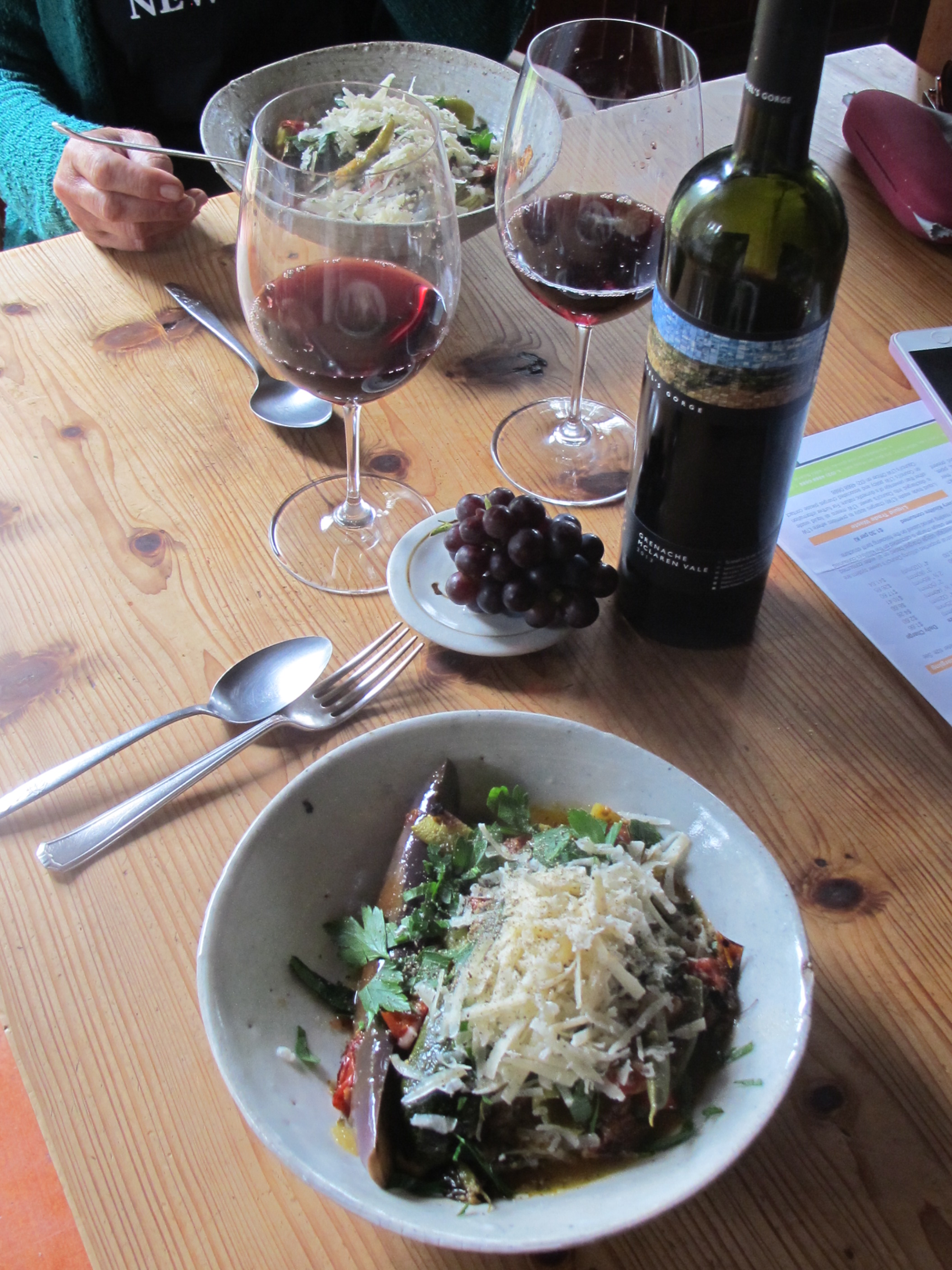
Ratatouille variations. Slice egg-plant, tomatoes, capsicums and onions liberally sprinkled with mashed garlic and plenty of torn basil leaves. Pour over a jar of home-made passata, sugo sauce and bake in a moderate oven for half an hour or so. Crush a few more cloves of fresh garlic and sprinkle over the top before serving. It’s tangy and gorgeous.
Serve with some chopped parsley and a little grated parmigiano.
IMG_8493IMG_8379
IMG_8384
Summer vegetable frittata. Brown some onions and garlic in olive oil, add in chopped tomato, aubergine, capsicum, french beans, zucchini and cold steamed potato slices. Pour over the whisked eggs and grate cheese on top. cook for a few minutes on the stove top and then transfer to the grill. Best to use a flat flan pan or very shallow fry pan for this dish. One with a metal handle that can go under the grill. Grill till the cheese turns golden.
Serve with chunky zucchini steamed with fresh mint leaves. It’s just another way of using up more of the buggers.
Serve with a grating of fresh pepper.
IMG_8390IMG_7979
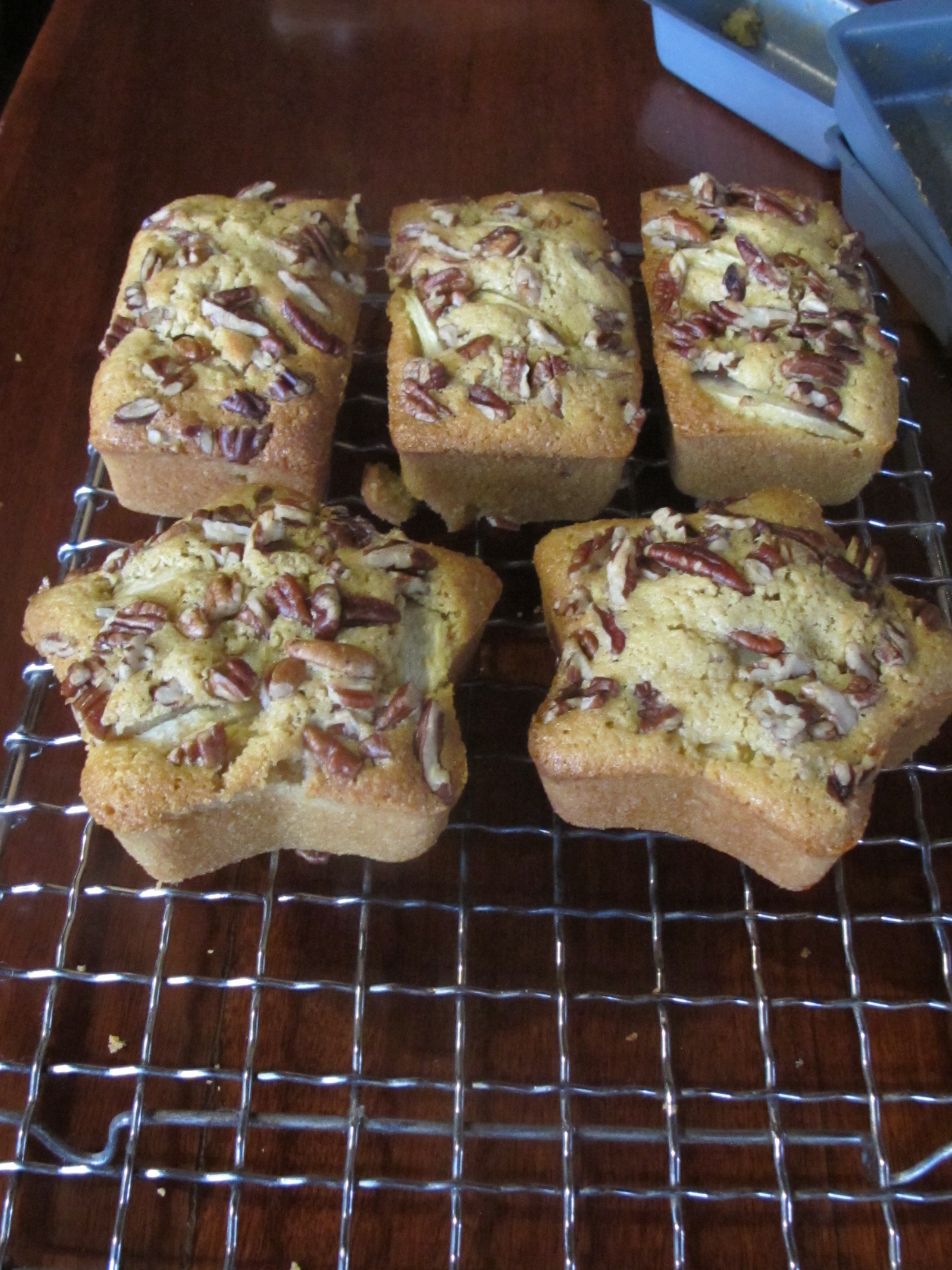
Almond friand cake embedded with slices of fresh pear and topped with local pecans
IMG_8459IMG_8460
IMG_8462
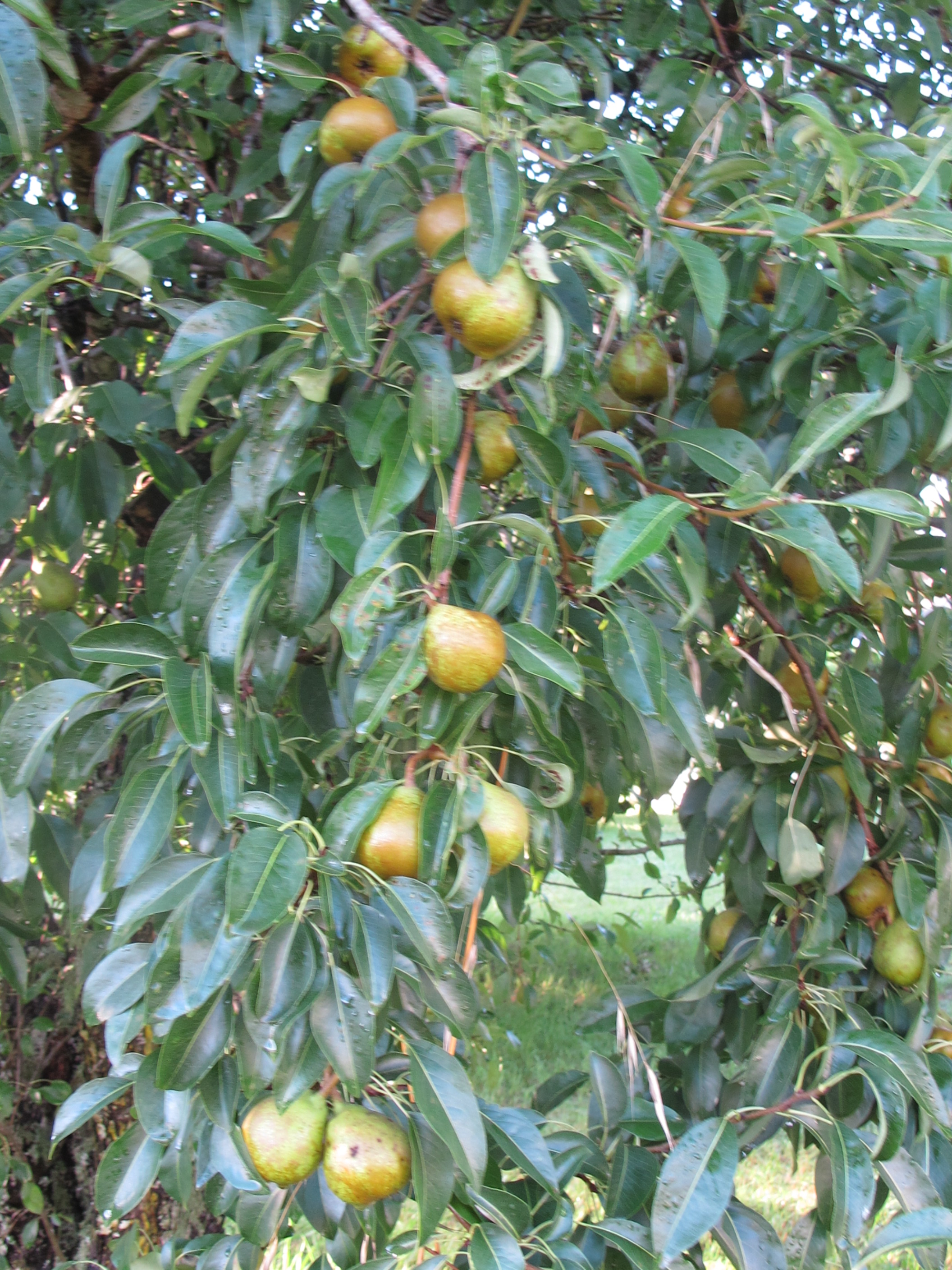
Poached pears with amaretto and served with greek yoghurt
IMG_8192IMG_8191
IMG_8392
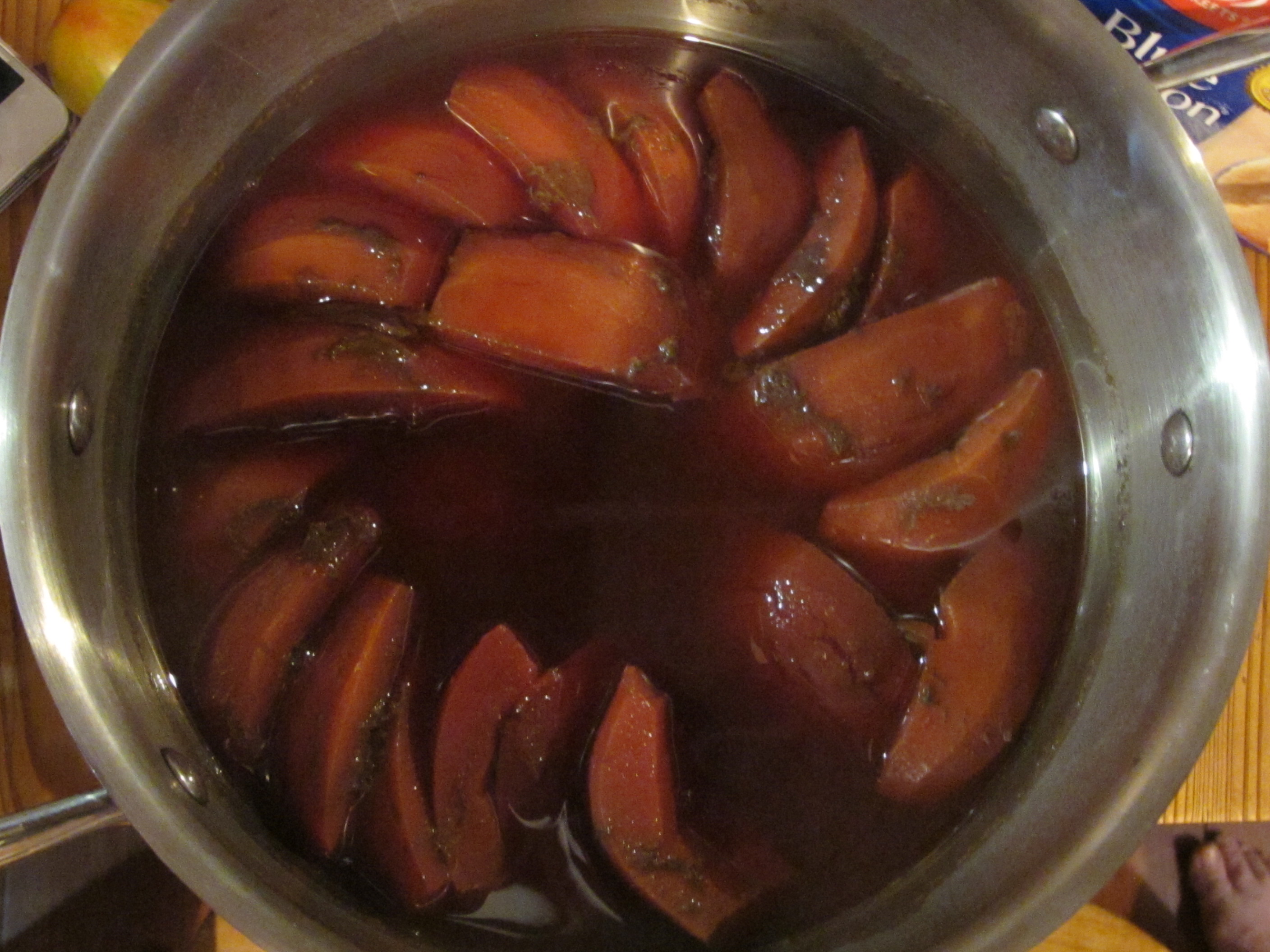
Quinces poached in fresh pressed red grape juice.
Peel and core the quinces, place in a large baking pan cover with fresh pressed red grape juice and slow cook for at least 4 hours in a slow oven, untill they soften and turn red.
IMG_8497
We are not fooling ourselves. There isn’t anything new here. This isn’t fancy food. It’s just simple honest Post Modern Peasant food picked from our garden and cooked within hours, if not minutes of harvest. A good percentage of it is even eaten raw in the garden while we are harvesting. Nothing could be fresher or more wholesome.  Nearly everything on these plates is home-grown and home-made – even the plates.
Best wishes from two well-fed potters

Resistance is Fertile

The summer garden is being very productive and keeping us busy. The heat is back and the rain has largely stopped, so I had to water the garden today. I have been building kilns these last few weeks, more or less full-time, but there are always things to do in the garden and it’s a great entertainment and relaxing break from working on kilns to be able to just walk out of the workshop and spend half an hour with the vegetables as a break. I really enjoy this attempt of ours of the last 40 years to try to achieve some independence and self-reliance, but I still have to earn some money to pay all the rates, regos and insurances that are necessary to be able to live and work here. There are no free lunches in this garden. We know a lot of potters here, but non that makes a living solely from what they can make and sell. Everyone has a second income from part-time work, or a partner with an income who helps to support them. We have both worked part-time to support our artistic ‘habit’. Building kilns and running firing workshops from here are our current income support schemes for our self-reliance. Selling our work makes only a quarter of our income.

The Queen of Quince has started on the late summer preserving sessions. Potatoes, tomatoes, basil, beans, pears, apples, quince and red grapes are all coming on at the same time and have to be dealt with. I lend a hand where I can as an interesting relief from the kiln work. I usually try to keep January free of kiln orders, so that I can be 100% involved in the garden and kitchen at this busy, productive time of year. But this year, events transpired such that I have to work on a kiln to make a deadline that can’t be changed. Being adaptable and adjusting to change is a useful skill I’m told?  Organic growing, nurturing, harvesting, preserving  and cooking and eating our produce is the most rewarding thing that I can think of doing with my life. It is the reason that we have chosen to live out here in the bush with few services, but plenty of space, clean air and water to live out our self-reliant, creative, self-employed utopian dream. As it’s turned out, and much to my surprise, we have managed to ‘get away with it’.

I could have chosen to make something a lot more ‘commercial’ I suppose? And in a very much more efficient manner, but that just doesn’t seem to interest me. I’m not really very interested in ‘efficiency’. I rather like to spend a long time creating something really beautiful with my hands, whether its making a pot on the potters wheel, or weeding a garden bed, writing a real letter on beautiful paper by hand using an ink fountain pen, or at the current time in spending time hand carving and shaping a fire brick to fit in a specific position in the door of a kiln so that it makes a perfect door seal, with a ground face and precision interlock. Some of these firebricks are cut and shaped on 6 faces.

IMG_8482IMG_8483

No-one really understands what goes into a hand-made object. It is no longer part of our Australian culture. It belongs to a time long past. However, I believe that it is important to keep skills alive. So I really do it for me. I’m completely selfish in this. Luckily, there are just enough people out there who are prepared to support me in persisting with this enterprise. The people who buy my kilns or come to my exhibitions have no idea of what they are looking at. “Oh yes, it’s pretty” doesn’t scratch the surface. It’s the back story to all of this that makes it special. No-one can see this in the object. It’s invisible, but the object wouldn’t exist at all without all the preparatory work and research. The research and prep are the two noughts on the price tag.  Anyone can make a bowl. It’s the simplest of shapes. Nothing to it!  I want to prospect, dig, crush and mill all my own materials for my pots, in just the same way that I want to grow all my own food. This isn’t a business, it’s a philosophy.

With the assistance of her friend Vicki, The Lovely has picked and juiced most of the apples, except for one tree.

IMG_8449IMG_8404IMG_8405IMG_8407

The apple juice from these apples are destined to be made into cider vinegar. Tomatoes are picked every few days and reduced to sauce and vacuum sealed in ‘pop’ top glass jars for use later. The basil has been converted into pesto. The first of the pears are stewed and in the fridge for breakfast and desert fruits. We have had the first picking of the 2015 vendage and some is stored as preserved red grape juice while some of it has been left to ferment with it’s own wild yeast to be drunk as Summer Wine. Slightly spritzig, sweet, weak red wine. It’s something that we came across on road-side stalls in Europe some years ago, when travelling around in their late summer/early autumn and it’s so fantastic and relatively quick and easy to make, compared to real wine. Very refreshing and satisfying on a hot summers day.

IMG_8475IMG_8476

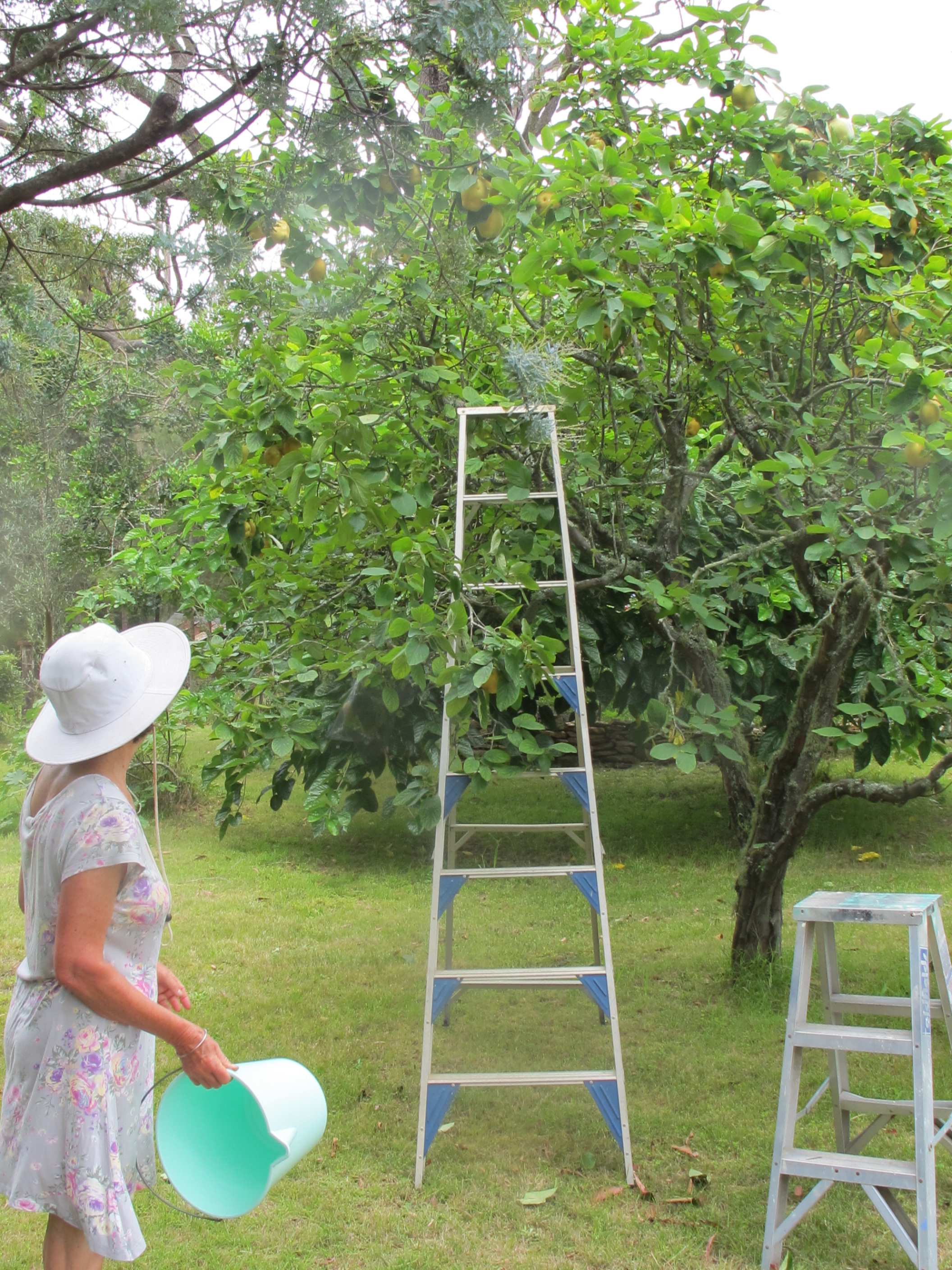
We start by picking the low hanging fruit.

IMG_8425IMG_8427

Then the higher hanging fruit

IMG_8428IMG_8430

IMG_8434

We have been supplying quinces and beans to a local restaurant in the last week as well.

Kipfler King has been planting little batches of potatoes as they start to shoot and this latest batch has come from a wire compost ring, behind the mower shed.

IMG_8419IMG_8466

They are nearly all small kipflers, we steam them in bigger batches. Too much to eat at one sitting, then we cool the excess and place it in the fridge for a later time. This is not to save time or money. We do it because cold potatoes are better for you. Fresh steamed potatoes are digested straight away and go pretty quickly into your bloodstream. High GI. Once cooled however, the potato starch is converted to what is called ‘resistant’ starch or ‘butyrylated resistant starch’. It isn’t digested in the tummy or small intestine, but passes all the way to the lower intestine where it feeds the endemic gut flora that like to live there. It makes for a very fertile environment for this good gut bacteria. So, resistance is fertile, I read an article about this in New Scientist twenty years or so ago and reprised recently, I have practised it ever since. Having a healthy and fertile environment for the good gut bacteria is an excellent way to ward off colorectal cancer. I also remember reading that cooking the spuds a second time and then cooling them, converts even higher percentages of the starch into the resistant form. Providing lots of fibre where it’s needed. We don’t ever seem to get around to doing this second cooking and cooling. We already have enough to fill our days.  I should change my habits, but I’m resistant.

The humble spud, not un-like revenge, is apparently, a dish best served cold.

IMG_8257IMG_8251

IMG_8245IMG_8250

Best wishes

from the highly resistant Steve and his Queen of Quince, the Kipfler King
IMG_8484IMG_8486

Much ado about netting

We have netted all the stone-fruit trees in the orchard that still have fruit on them. We move the nets from the early trees that have finished fruiting and relocate them to the late season trees that are turning colour and ripening. Once all the early fruiting varieties are done, they no-longer need the netting. Some of these trees are getting quite old now and have gained some size. Our oldest trees are over 40 years old, however most are now 2nd generation plantings, still they need a support system that can cover trees up to 4 metres high. This means that we need to use the bigger nets that are 9 metres square.

IMG_8048

We have figured out a way to build a frame simply out of 2 pieces of left-over polypipe tubing, tied together in the middle and spread out at right angles to form an arched support. We hammer in tomato stakes to secure the pipe to the ground and it become quite stable. The difficulty is in getting the netting over the frame. Janine ‘bowline’ King attaches a rope to one side and throws it over, then with me voicing encouragement, she hauls the netting over the frame. The polythene piping is quite smooth and slippery, so the netting travels freely over. We repeat the process for each tree with ripening fruit until we run out of nets.

IMG_8050IMG_8051

IMG_8056

The birds are so very resourceful. They have figured out that if they sit on the netting and bounce up and down on it , it will sag down until it touches some of the fruit. Then they peck at it through the netting.

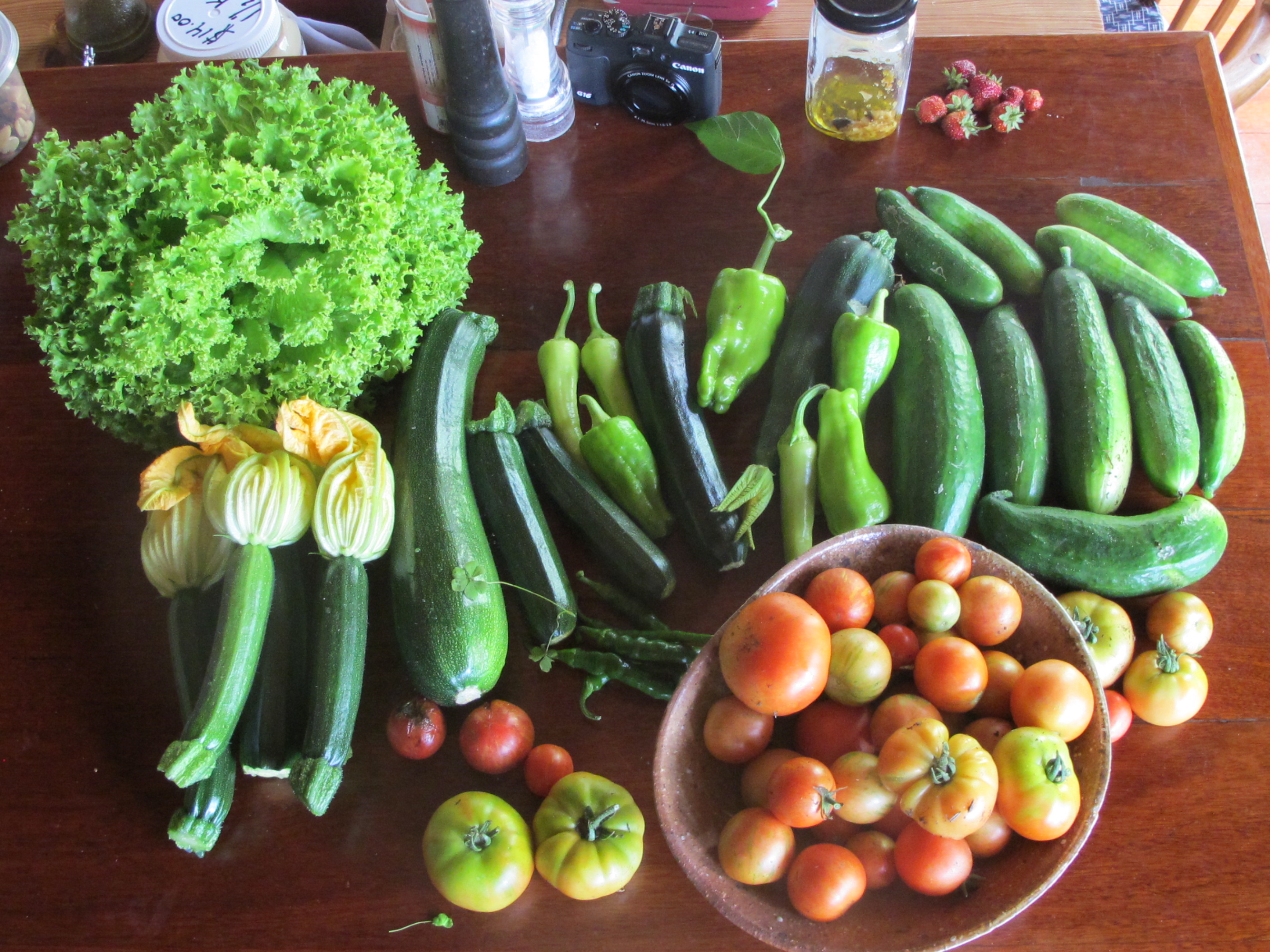
This whole process of netting is fast and efficient, and we get it all done in an hour or so. There is still time in the afternoon to go to the garden and de-fuse the exploding zucchini crop. We lunch on steamed broccoli and cauliflower with a squeeze of lemon juice and a little fresh ground pepper.

IMG_8293

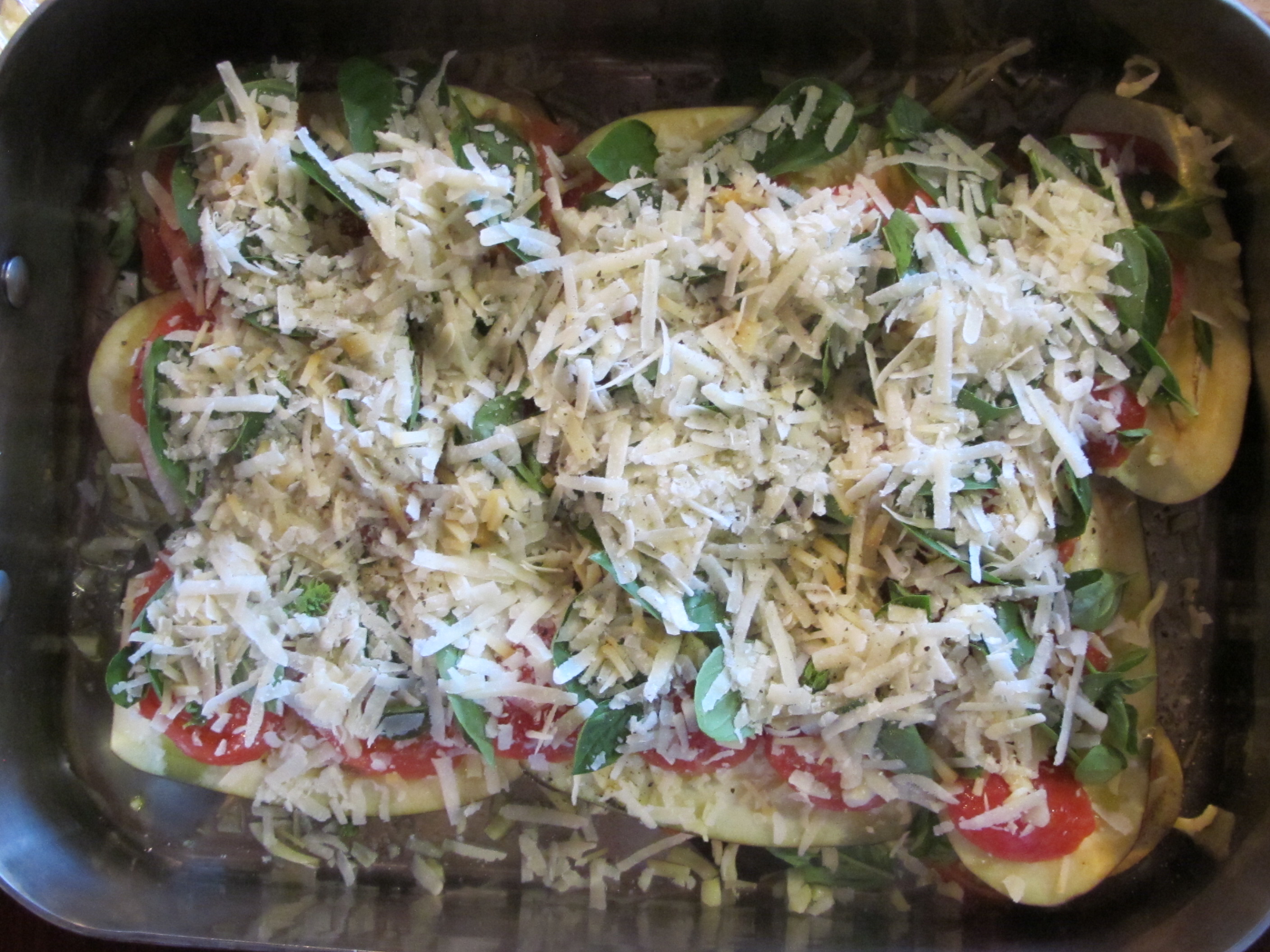
As the garden is so prolific in this warm wet weather, we decide to make an egg plant parmigiana. We have lots of tomatoes and aubergines.

IMG_8319IMG_8320

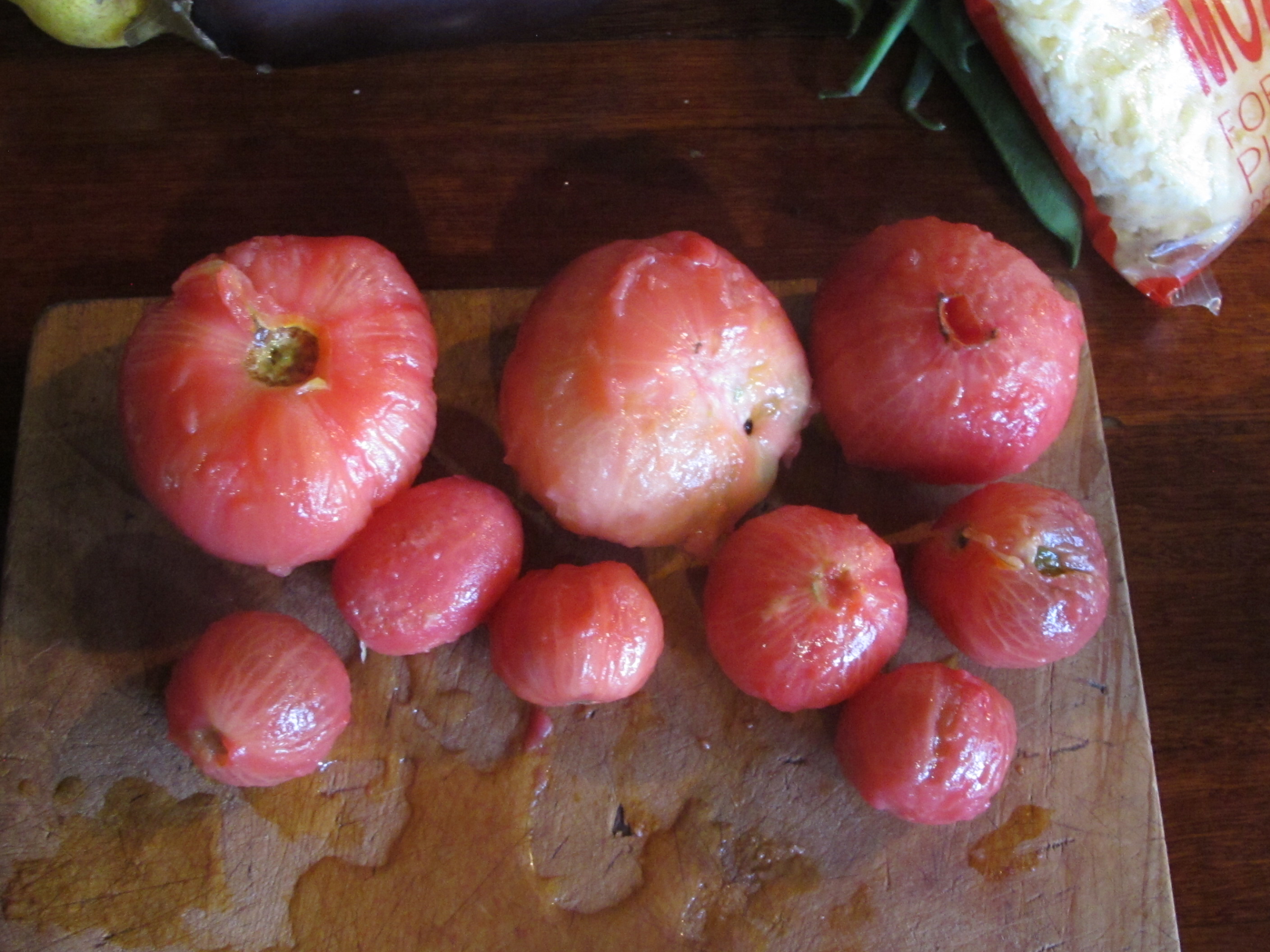
Tomatoes blanched and skinned, sliced and laid over the aubergines with a little olive oil, then sprinkled with torn basil leaves and crushed garlic, finally covered with a jar of our home made tomato, garlic, onion and capsicum sauce. Grate parmigiana on top and bake.

IMG_8321IMG_8322IMG_8323

Another favourite at this time of year for a simple meal on a hot day is cold cucumber soup.

This isn’t really a recipe, more a way of thinking about using up cucumbers. It’s cooling and soothing and a little bit tangy, and you get to use up a lot of cucumbers.

Use half a dozen small, or 3 large cucumbers. Peeled and seeded if they are older and larger, but all in as they come if they are young.

Some mild onion like red or white, or even green spring onions finely chopped

A big bunch of cilantro or coriander leaves finely chopped.

A small bunch of mint leaves finely chopped.

A couple of cloves of garlic, smashed and de-papered.

Some finely chopped chilli to taste and although I don’t use salt, if you want it, add it to your our taste.

Juice of a lemon.

Put it all in the blender or food processor with half a tin of coconut milk and the same quantity of plain greek yoghurt, or just one of them, or some sour cream if that’s what you have in the fridge. You can use a blend of all three.

You can serve it with a little bit of olive oil on top and some paprika sprinkled on.

Janine mixes up the recipe each time she makes it to keep it lively and interesting, sometimes adding chopped dill, parsley or tarragon leaves. Sometimes with only yoghurt and other times with just coconut milk. It works just the same.

It’s always different and always delicious.

IMG_8281IMG_8285

Make Clay While the Sun Shines

Warning! This post could be very boring if you are not a potter – and maybe even if you are?
Contains technical terms and traces of nuts.
.
Making clay while the sun shines is a very good idea and ought to be possible in summer, but not this summer.
This has been the most amazing summer that we have had for many, many years. It’s hot, just like every year, but this year it has rained more than we can remember for a long time. We are having a great time. The rain combined with the warmth has made everything grow its head off. We have plenty of water in the dams and drinking water tanks, plus lots of food coming from the garden. We only have to water the garden every few days, as it usually rains in between at some point. Sometimes it rains hard enough to wet the soil sufficiently that we don’t need to water for a few days.
IMG_8261
Earlier in the summer it was raining very hard and very often, but now that pattern has changed to occasional showers. So it is now dry enough under cover to get my milled porcelain stone slip to dry on the drying beds and in plaster basins. I’m aware that it is not wet like this everywhere. There are bush fires raging down south, while I’m clearing ditches to guide the excess water away from the pottery. When it is this wet, the humidity is so high that it is very hard to dry liquid clay slip. It just tends to sit there and go mouldy while rotting the fabric membrane underneath that separates the clay from the brick bed.
IMG_8270
After 40 years of pursuing my project of self-reliance, I have decided to modify slightly my fundamentalist, hard-line approach of ‘total commitment to maximum achievable’ self reliance, to a more relaxed and flexible approach of ‘substantially committed to’ self-reliance.
In this regard I have recently decided to allow myself some slack and buy in more processed product to allow for an easier life as I age. For example, When I returned from my studies in Japan, late last spring, it was getting a bit late to put in seeds and start a summer garden from scratch, so I decided to compromise and buy some punnets of vegetable seedlings to get the garden up and growing, while I planted my seeds and waited for this second planting to come along as a second, follow-up crop. This worked well and I’m very pleased with the serried plantings and how they are growing and providing a steady flow of tomatoes, sweet corn and zucchini etc.
It’s a small compromise, but once compromised, why not go with it?
IMG_8172IMG_8183
IMG_8240IMG_8241

IMG_8242IMG_8244

Blanched French beans served with fresh, home-made basil pesto.

Blanched French beans served with fresh, home-made basil pesto.

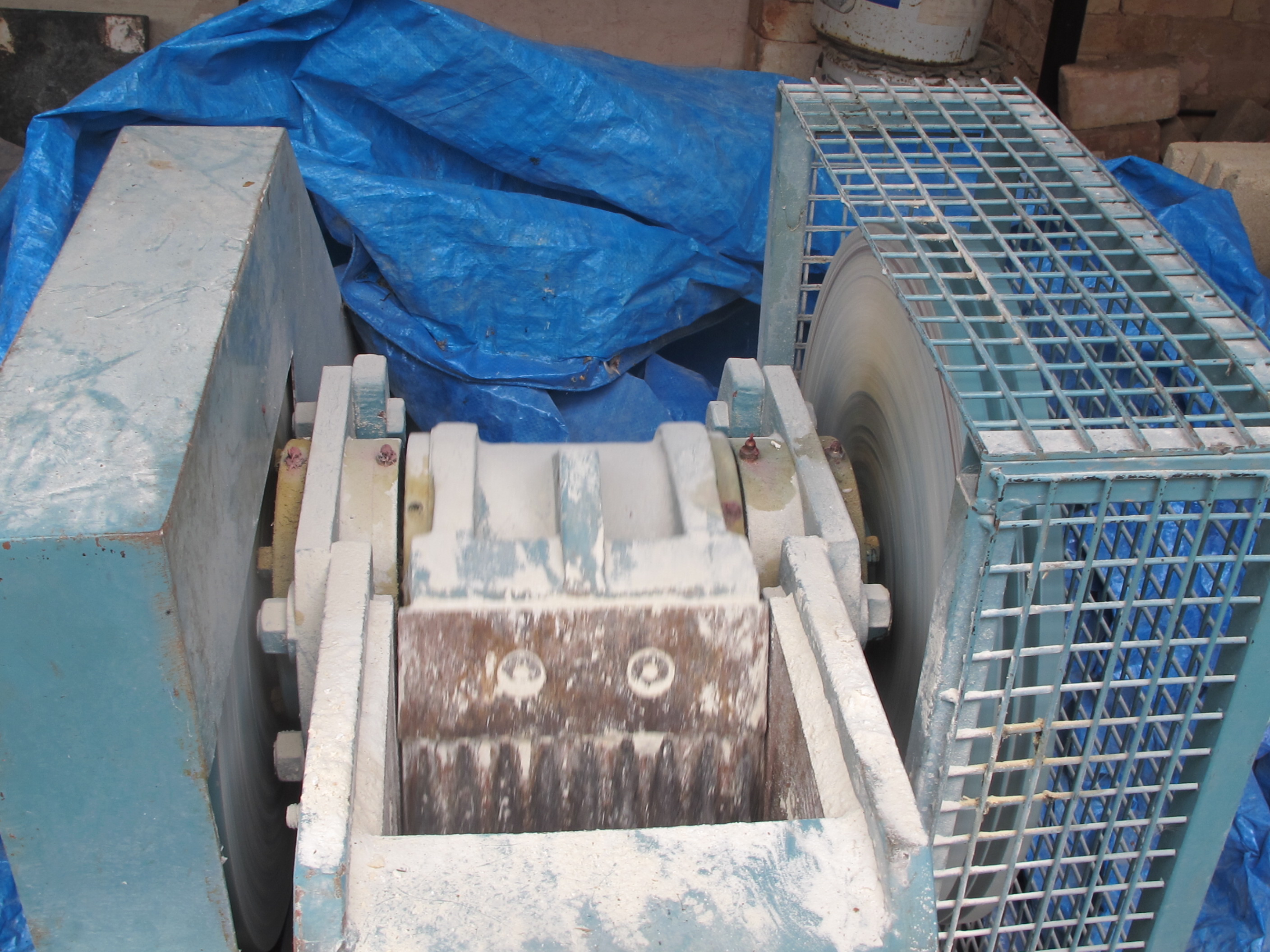
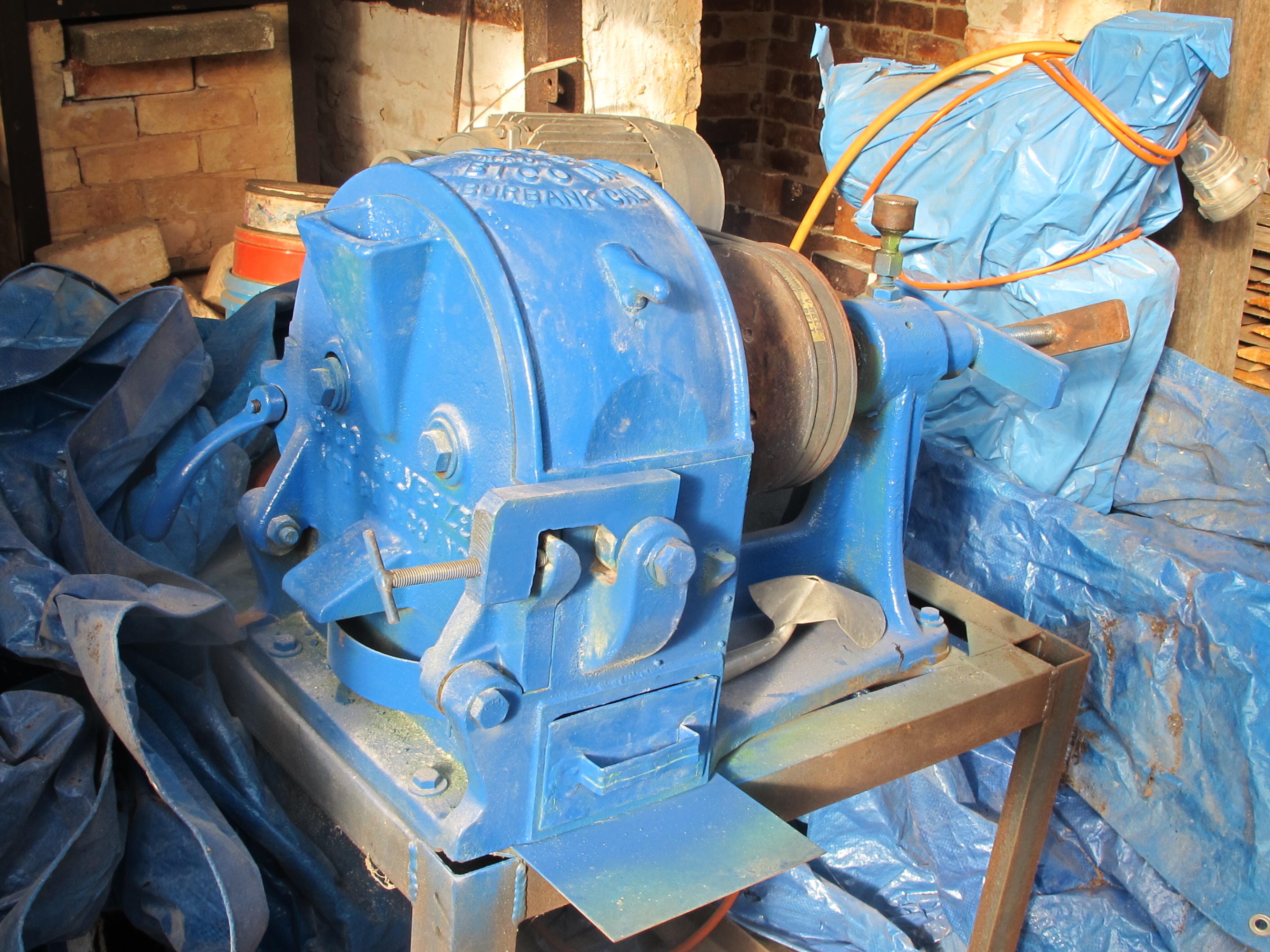
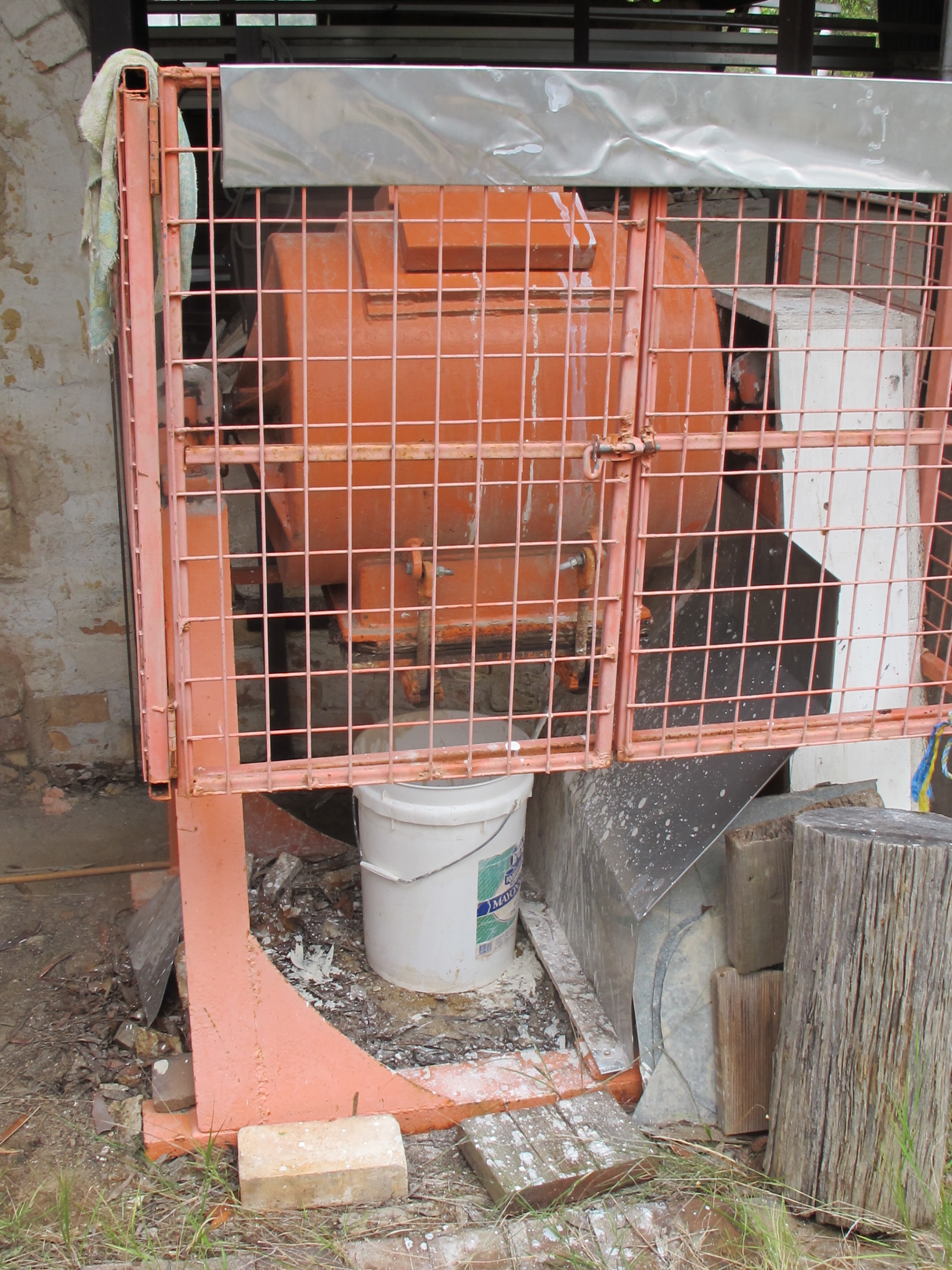
I have decided now to addapt this freer approach to my ceramic materials and my creative work. I have previously only used the rocks, shales and clays of my own local shire and I am still completely committed to this ‘local’ concept. I had found during this long extended period of research that although I tried very hard to locate everything that I needed to make my ceramics from only the materials that I discovered around me. I could not find any pale plastic throwable clay in a quantity that was useable. However, what I did find, was plenty of hard igneous rocks to make glazes and in the end I managed to make two really special, unique and very interesting stoneware clay bodies from self-processed, local rock dusts. To achieve this, I realised that I would need to add some bentonite (a very sticky clay) to bind and slightly plasticise these powdered rock bodies to make them useable. These rocks are so hard, that they need to be crushed first in a large jaw crusher, then a small laboratory jaw crusher and following that I put the grit through a disc mill and finally in the ball mill for 16 hours to get it really fine. Using this rather slow, convoluted and old-fashioned technology, that I obtained as industrial cast-off, from auctions and junk yards, I can process my finds from large rocks down to 200# powder in about 24 hours. It’s the drying out of the liquid clay slip from the ball mill that is taking the longest time and slowing the process down. Not helped by the continuing wet weather.
I never thought that I’d find myself complaining about rain!
IMG_8137IMG_8263
Warning, there are traces of nuts showing in this image!
IMG_8265IMG_8221
I pass the thin liquid slip through 100# sieve before settling out the solids.
IMG_8211
So, bentonite was my first compromise. It may not be local, but it is Australian. I have bought 3 x 25 kg bags of bentonite during my career. I also found that I needed to buy in alumina powder to use as shelf wash. This wasn’t absolutely essential, it was just very much better than all the alternatives, so another compromise. I’m still using this original 25 kg. bag of Al203. I use it sparingly, so It will last a very long time.
Recently, I decided to get some kaolin to add some slight increase in plasticity to my ground up local native porcelain stone bodies. This is not a local material either, as it comes from 300 kms away, but it’s closer than the bentonite. There must be something closer, I just haven’t found it yet. Proceeding on from my initial tests. I have decided to add 15% of this plastic kaolin to my ground porcelain stone body, it makes an enormous difference to it’s workability very quickly. I completed the first small batch tests of 5 kg each last year, before I went to Japan. So now I am making the larger 100 kg batches to see how they work on a larger scale. The tests were very promising, so I am eager to see them perform and feel them on the wheel. I was encouraged to follow on with this blending idea when I saw them making their porcelain body in Arita in Japan recently, using imported New Zealand kaolin. But I’m not prepared to go that far for some kaolin.
I have been told that the most famous porcelain body in Australia, which is exported all over the world, is made from Chinese kaolin, Indian felspar and American bentonite. At least the water is Australian!
IMG_8247
To aid the drying process of my ball milled (bai tunze) porcelain stone slip, to a stiff plastic, usable porcelain body, I make two batches. One of 30 kg in the big ball mill as a liquid slip. This slip has to be thin enough to allow the grinding down of the very hard rock granules from the crushers. After milling I allow the thin liquid to sit and settle for a day or so, to allow the very fine ceramic fragments to flocculate. I drain off the free water from the top of the settled clay material. At the same time I make a second 5 kg. batch in the smaller ball mill which is dry milled. I then add this dry material to the wet batch and mix them together. This significantly stiffens up the slip. I can then put it out on the drying bed or plaster tubs to firm up.
I drag my finger through the stiff slip to make it dry into usable square plastic blocks that are easier to pick up and store for pugging.
IMG_8272IMG_8214
IMG_8290
However, because of the very wet summer continuing on like it has, I’m finding that the clay just won’t dry as usual. The humidity is just too high. I’m having to lift the very soft plastic mass off the sodden brick drying beds and place it in the open air to get a little air movement over it to finish it off to a stiff plastic condition. Perhaps the extra 15% of kaolin content is slowing the drying a little as well?
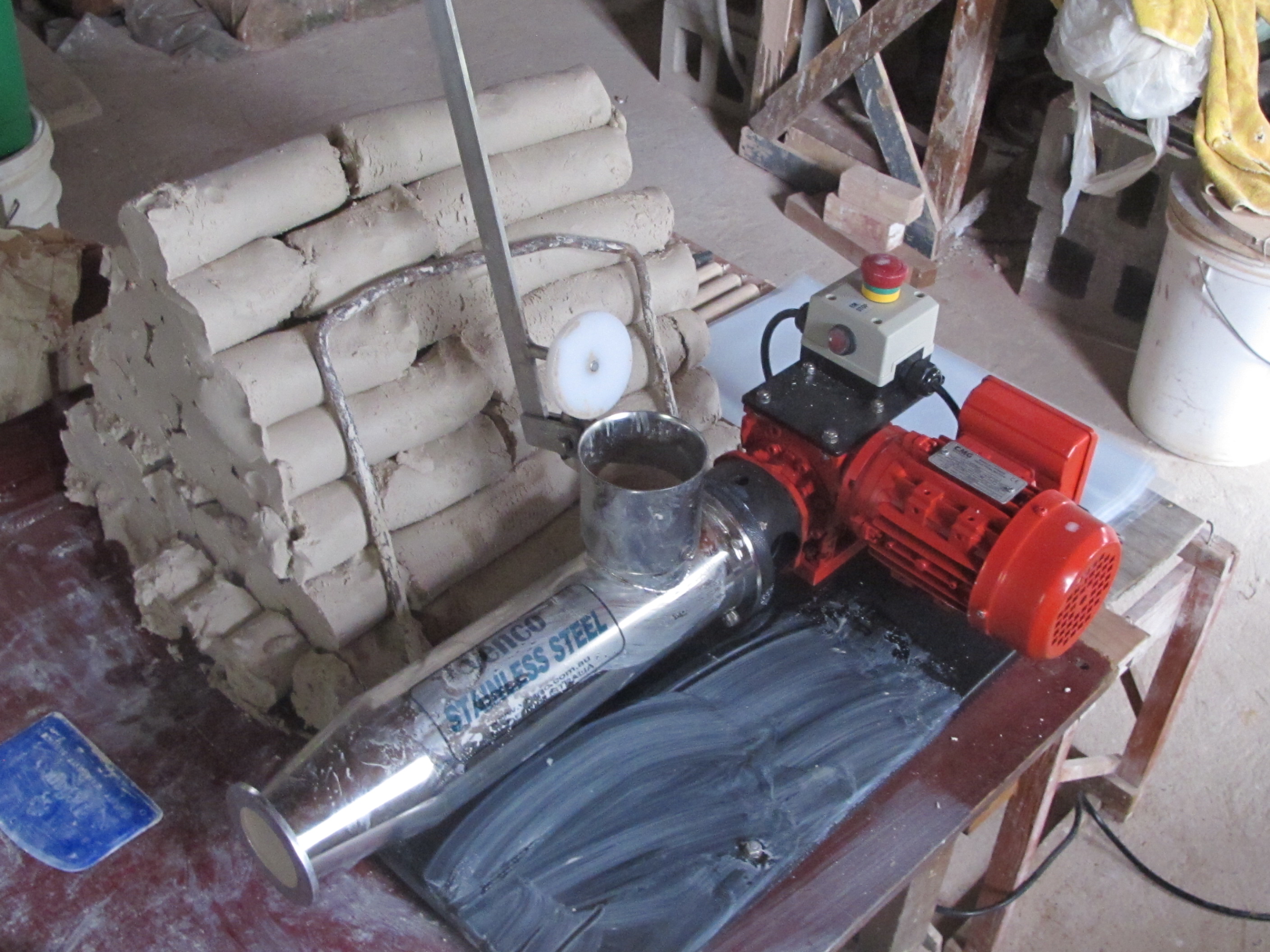
I have been using my new ‘VENCO’ stainless steel mini pug mill to pug the small batches of clay. It’s fantastic, quiet, fast for it’s size and ideal for small batches of porcelain body like the stuff that I’m making. And so much easier on my wrists than hand wedging.
IMG_8295IMG_8299
As part of this sudden loss of intellectual rigour and convenient relaxation of my philosophical standards, I hope to make my life a little easier in my latter years. However, I can’t help somehow feeling a bit like the philosopher Bertie Russell reneging on his death-bed. I am fully aware that this is where the similarity ends. I am no philosopher, and hopefully I am not on my death-bed either – just yet. I just feel like I need to extend my range and have the ability to work with an extended palette of interesting materials for my creative work. 15% of non-local kaolin isn’t going to change the fabric of my work in any noticeable way, but it will make the act of throwing a lot more pleasurable for me and extend what I can make.
So I have decided to start using materials that I have discovered that are outside of my shire and my previous 50 km radius of interest. Over the last 20 years I have experimented with my immediately available local materials, non of which are mentioned in McMeekin’ s book. I have worked on them to the point that I couldn’t think of any more variations that I could make to gain any further insight into these materials. Only extreme ageing could improve their plasticity, I’m too old to wait for that solution to work for me. I’d taken these materials as far as I could imagine. Another potter would certainly find new things to do with these materials, but I feel that I have lived and worked on this restricted palette for long enough. I want to experiment with some ‘new’, and therefore interesting materials that I don’t know anything about.
IMG_8266IMG_8280
To this end, I just went to collect some felspar from a site that I came across a few years ago, near my friend’s house, it’s 150 kms away. I only sampled it at that time, because it wasn’t within my target area, but it looked very interesting all the same and I can’t pass an interesting bit of soil by without at least looking at it and taking a preliminary sample. The initial testing proved that it was felspar and although quite weathered, it still has quite a bit of alkali, so it might turn out be very useful. I’m extending my range, making more flexible choices and hopefully making my life a little more interesting and a little easier.
I have a few different projects in mind for the future.
Best wishes
from the potter making many a slip twixt the mill and the lip

Of cabbages and King

“The time has come the walrus said to speak of many things, of shoes and ships and sealing wax, of cabbages and Kings”
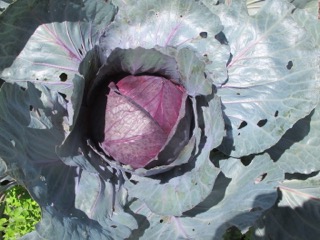
Well, I have both cabbages and a King here right now, so that’s what I’m going to speak about. We are finding ways to eat the flush of red cabbage that is coming on now. Our first idea was to make Japanese okonomiyaki-inspired cabbage pancakes, they are fabulous and a great way to get through a lot of cabbage.
IMG_8068
 We don’t have a recipe, we just use what we have at the time. The main ingredient is the cabbage, finely shredded, a small amount of pan-cake batter. i.e. one egg to one table spoon full of flour. We use organic wholemeal, but you will get a lighter result with white or corn flour. I usually add some of my marrow bone and veggie stock form the freezer, but you can use water or even milk to make the pancake batter mix. Sometimes I only add two eggs without using any flour, cracking them directly into the simmering cabbage mix. Some finely sliced spring onions or a few small shallots go well in the mix.
DSC00070DSC00072
We cook the cabbage and onion in a little oil like a stir-fry, but sometimes with the lid on the frypan for a few minutes to get the whole thing to steam and then add the batter or eggs and stir it through. This binds it all together. When it firms up a little we flip it over and do the other side. Whenever I have had this in Japan it nearly always has some sort of bacon or cured pork added in rashes on one side or cubed chunks mixed through.
DSC00079DSC00080
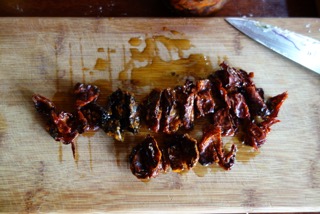
As bacon, or any other cured and preserved meat isn’t all that good for you, we keep it to a minimum. But it is a tasty addition when it’s added in there. The other things that we add as the fancy takes us are; a little bit of ginger pickled in cider vinegar with some salt and honey. Ginger turns slightly pink when pickled in vinegar. This is drained and finely chopped before adding it in, or some roughly chopped home-grown and dried tomatoes preserved in oil.
When the pancake is cooked through on both sides. We serve it with a few katsuobushi bonito flakes sprinkled on top. They shimmer and wobble around on top of the hot meal as if they are alive. It’s an uncanny feeling to see your food, there on the plate, moving about.
The first time that I saw bonito flakes on a pancake, when I bought my first okonomiyaki sitting on a train platform waiting for a train in the 80’s In Japan. I hadn’t ever seen anything like it before, I wasn’t sure what to make of it. I was used to eating food that didn’t move around on my plate. Okonomiyaki is just so delicious that I instantly got used to it and have bought bonito flakes occasionally, when I see them for sale, ever since.
DSC00085
I Japan, they have a special kind of Okonomiyaki sauce. It more or less tastes like a mix of 3 parts of BBQ sauce to 1 part of Worcestershire sauce, or something a bit close to that, if you can imagine it. They also use a lot of mayonnaise as well. In fact an okonomiyaki pancake is usually decorated with lots of squiggly lines of brown and white sauce in delicate cross-hatch patterns.
These two decorative and tasty sauces seem to be essential in Japan, I have never been served an okonomiyaki without them, but for us they are optional here at home. We don’t buy BBQ sauce and only very rarely have mayonnaise, so we’ve got used to our own version of okonomiyaki inspired cabbage pancake. I did once try adding some Worcestershire sauce to some of our reduced tomato salsa, but it wasn’t the same. Presumably because we didn’t add enough salt, sugar and MSG!
I’m pretty sure that anyone who had lived in Japan for any length of time and was used to okonomiyaki just wouldn’t recognise what we cook as okonomiyaki. It doesn’t matter. To us, it’s just a great way to eat cabbage.
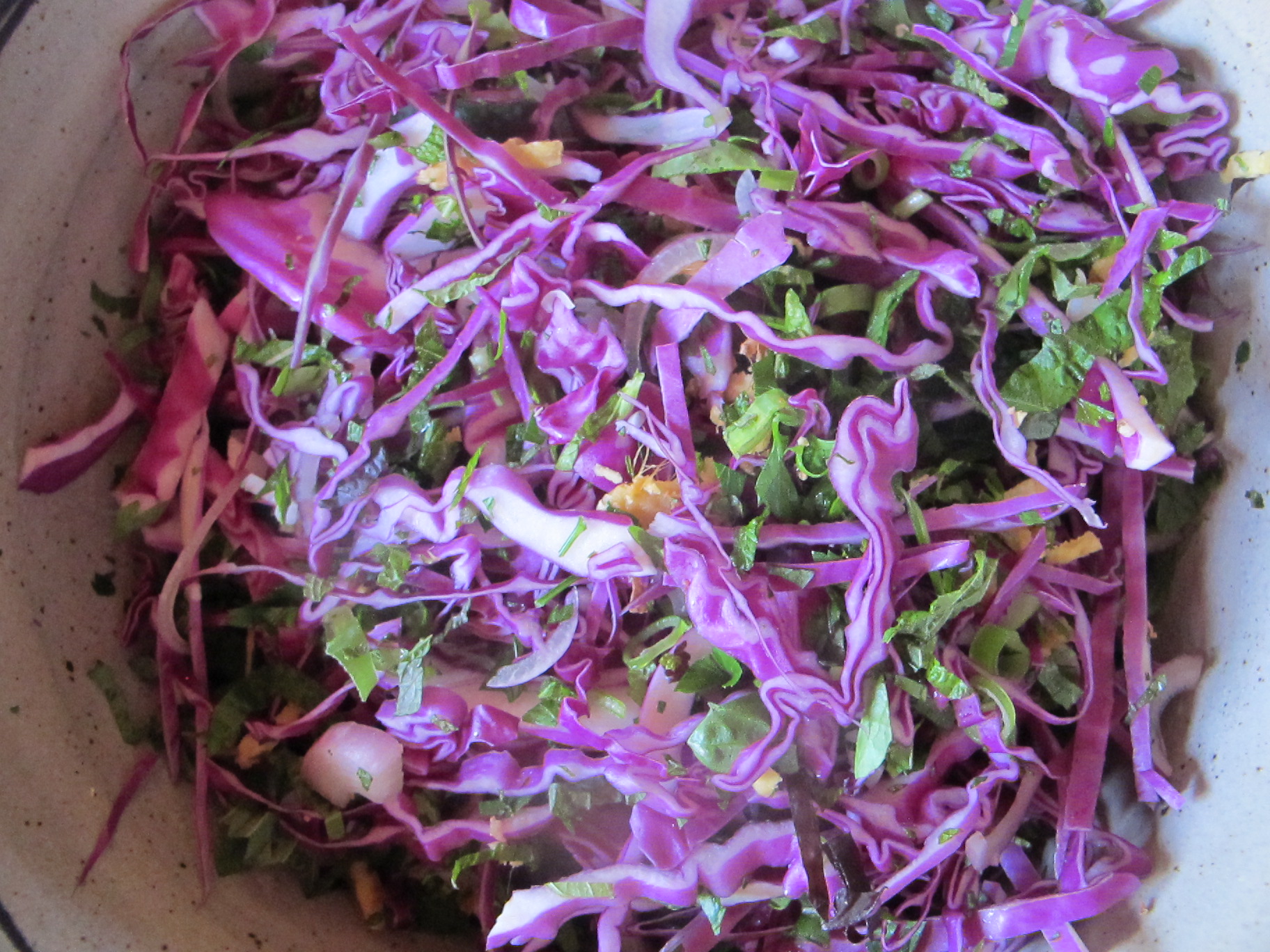
The second way of using a lot of cabbage is in a fresh red cabbage salad. Something that we picked up in the SE Asian restaurants of Cabramatta. The base of the salad is finely shredded cabbage, with other salad green leaves torn and tossed in as available in the season. There is no real recipe, just a fresh idea. I know that both of these aren’t really recipes, more like serving suggestions, but you can imagine.
Shred lots of fresh cabbage. It doesn’t have to be red cabbage, Chinese cabbage or Savoy works just as well. Add whatever other green salad leaves that you have growing in the garden, Lettuce, Mizuma, rocket, radicchio, red mustard leaves, etc.
Add some finely sliced Shallot or any other mild onion and some intensely flavoursome Shiso leaves. The green variety seem to have more essential oils than the red and is more aromatic, but the red one looks so terrific in the mix, especially if you are using green cabbage. Next add in plenty of very finely shredded mint leaves and some grated ginger.
The whole lot is tossed to mix it all up and is seasoned with a sprinkling of white wine vinegar. This gives it a very lively hit when it combines with the shredded ginger and finely chopped mint.
We pick the leaves in the morning and after washing them we put them in the fridge for an hour or two until lunchtime. It makes a cool, crunchy, fresh salad with lots of zing. It’s so good that we have to have seconds.
IMG_8085IMG_8087
The other thing that the walrus said was about yellow-matter custard, but he didn’t give a recipe either.
Only a serving suggestion.
Goo Goo Ga-Choo!
fond regards
from the King and her Walrus