The First Week of Summer

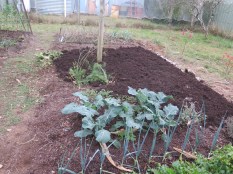
The season cycles past us and spring has gone in a very busy flash of research, firings, workshops, more firings, exhibitions and kiln building. The garden took a back seat and now it’s time for catch-up. We managed to get some time in there, just enough to keep everything watered and growing. In the last week of spring I finally got the time to get in there and do a thorough weeding and cleaning out. We picked the last of the winter veggies, like broccoli, cauliflower and cabbage.

.img_4375 img_4377

img_4378 img_4379

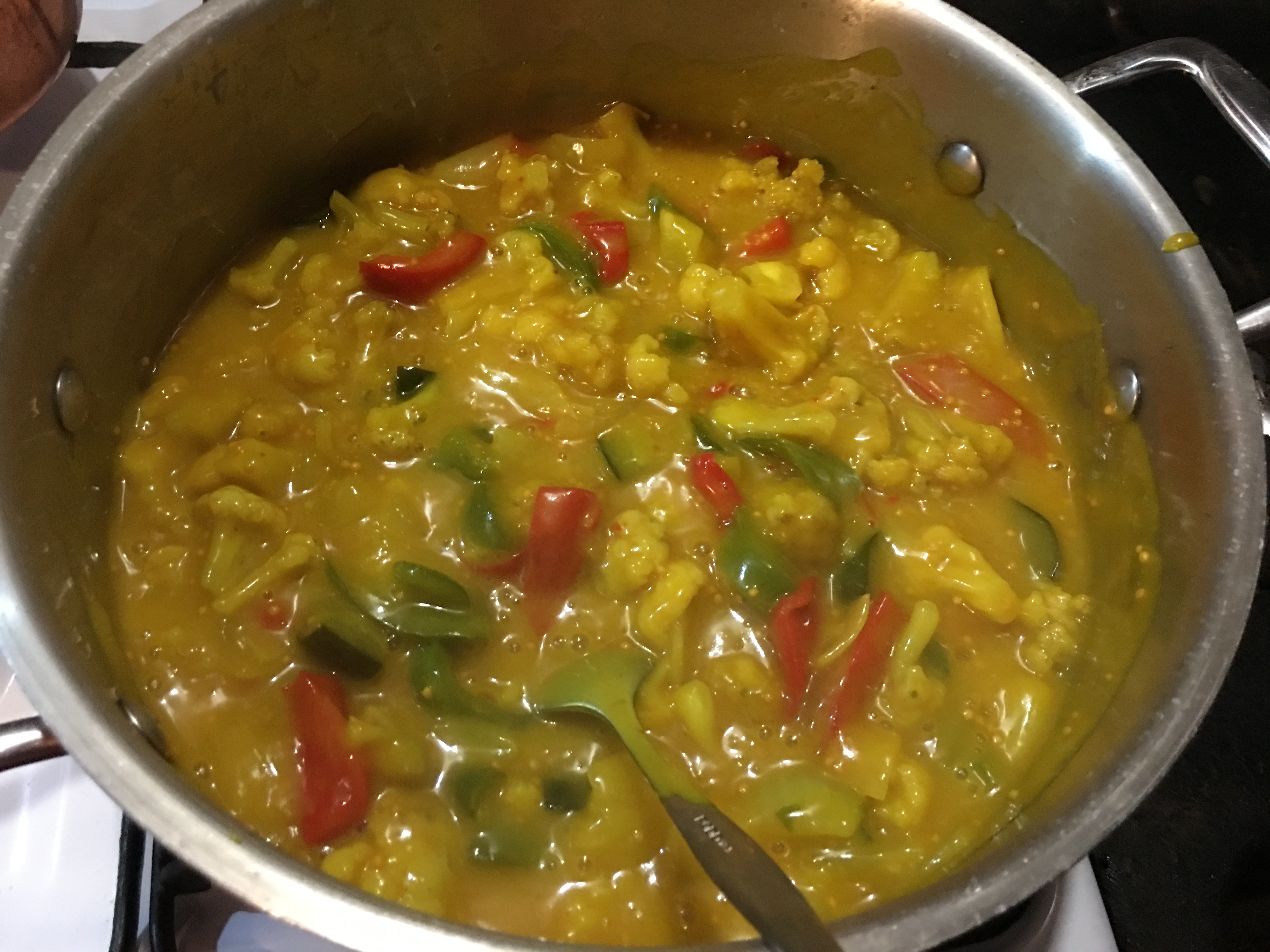
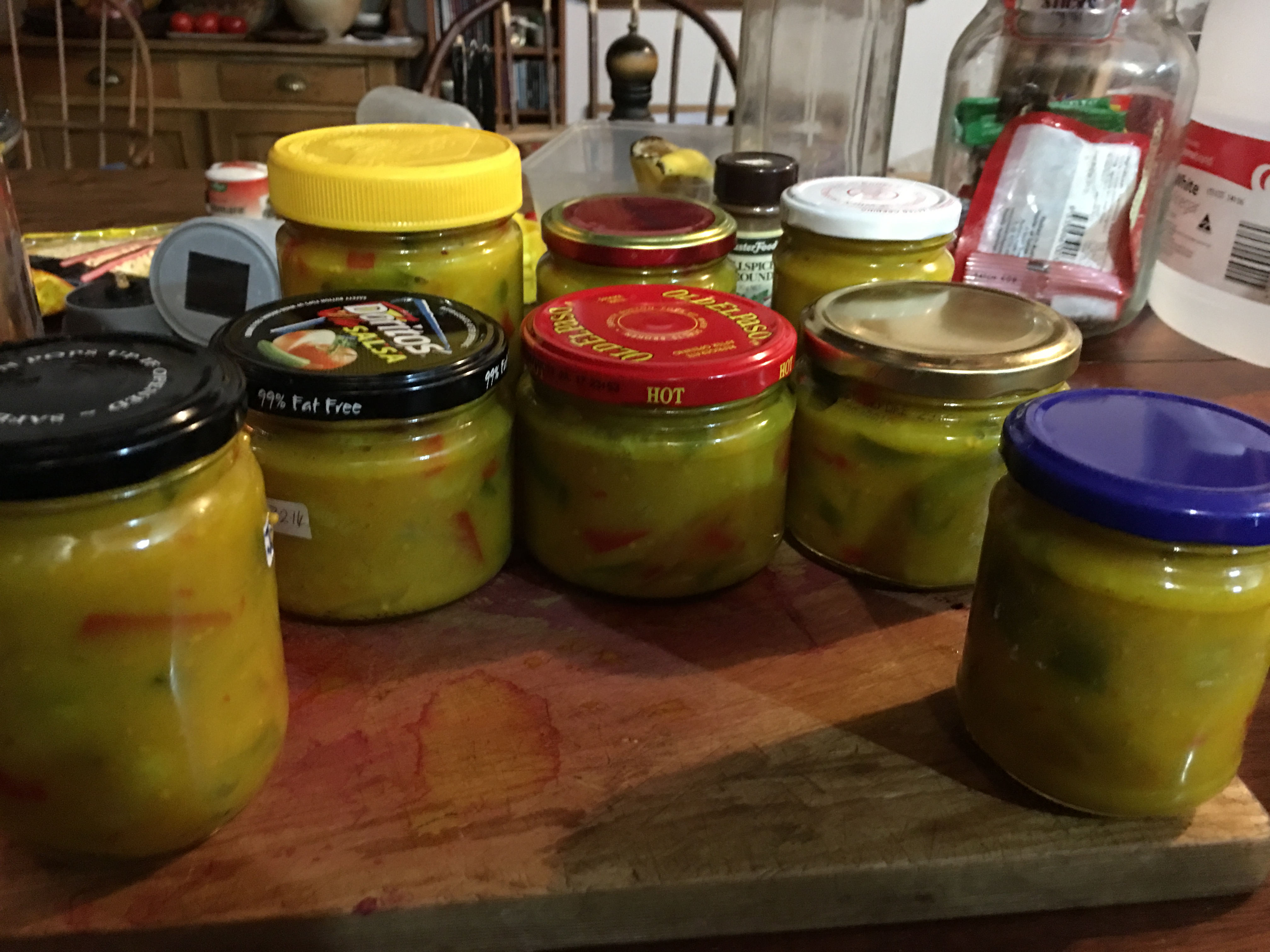
I managed to preserve the cauliflowers into Mustard pickles.

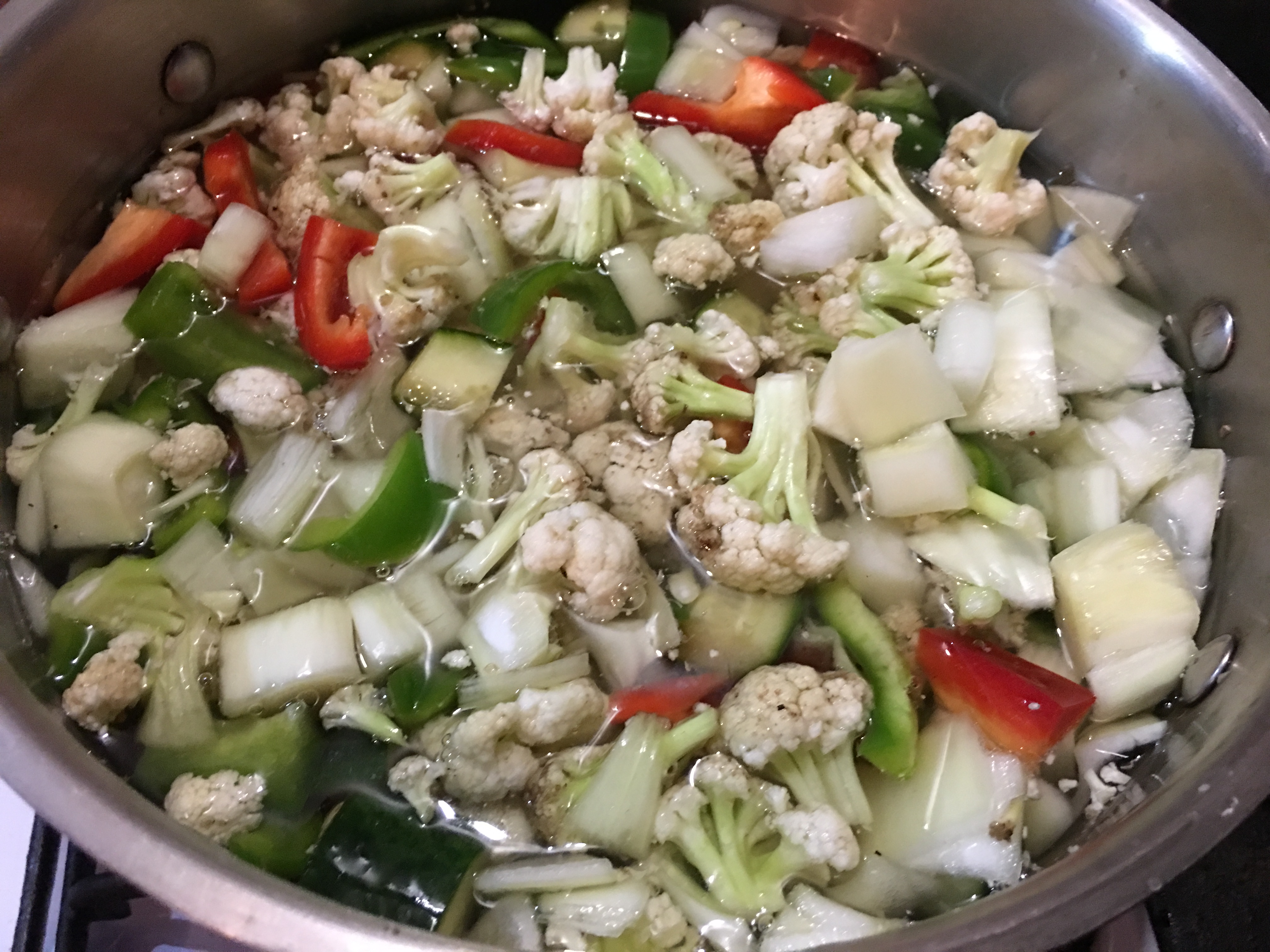
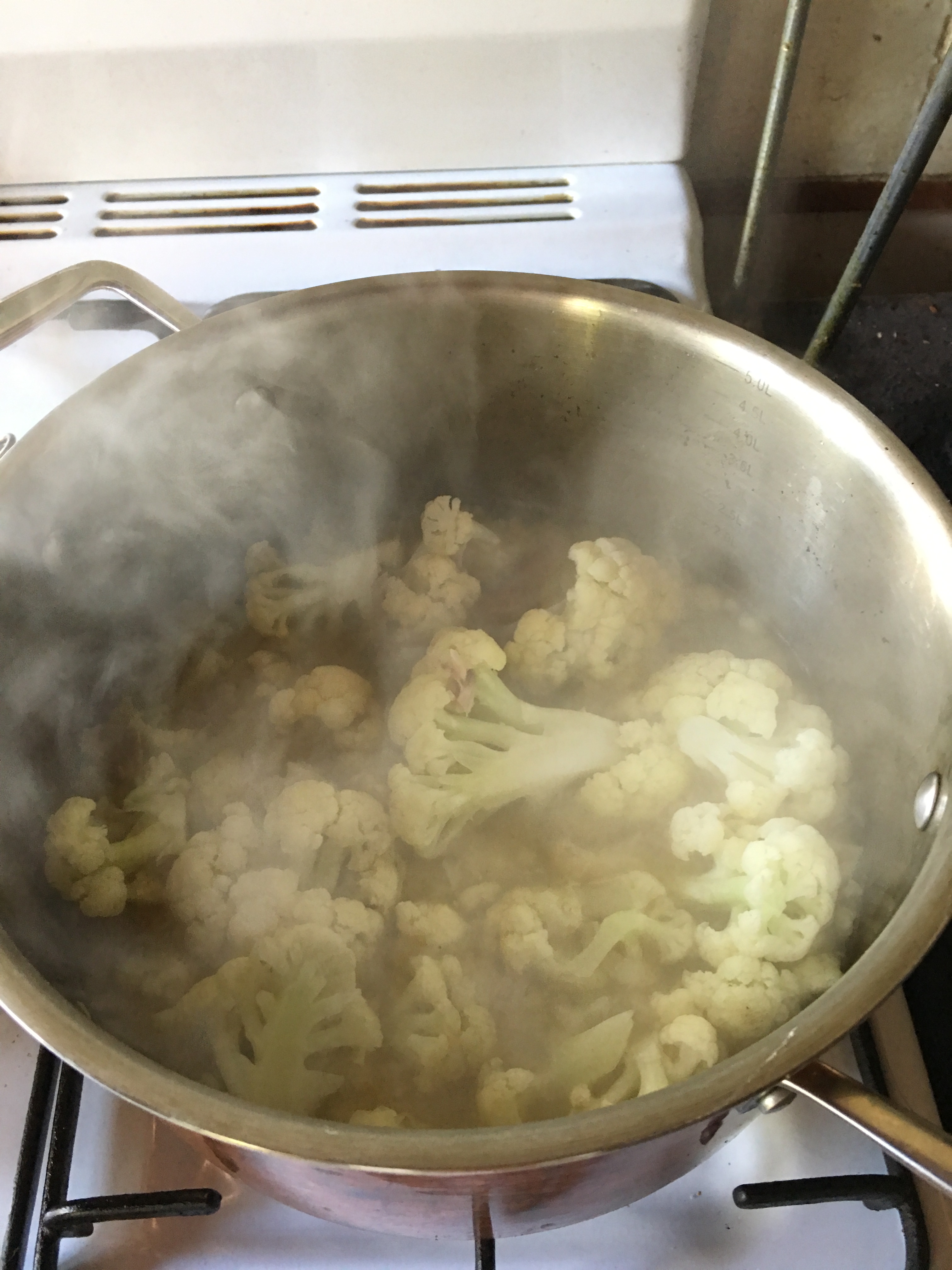
Take one large cauliflower. It doesn’t matter if it is a bit past its best and starting to ‘burst’. You only need the small florets, add a red and green capsicum and a cucumber, plus a couple of brown onions, all diced pop fine into small bite sized chunky pieces. Soak them in brine overnight of 1/2 cup of iodised salt in 2 litres of water.

The next day, bring this to a simmer and drain off the brine. Rinse and drain again.

Depending on how much you have to do, heat up approximately a litre of vinegar ,add two cups of sugar,  +1 Tb spoon of mustard powder, + 1/2 Tb spoon of curry powder and another of turmeric. Mix it all together well and bring it up to the boil. Once it’s heated, add in 1/2 a cup of flour and stir well until it thickens. Add in the drained vegetable pieces and bring back to the simmer fora minute or two.

Spoon into heated glass jars from the oven and seal with ‘pop’ top lids.

img_3937 img_3939

img_3940

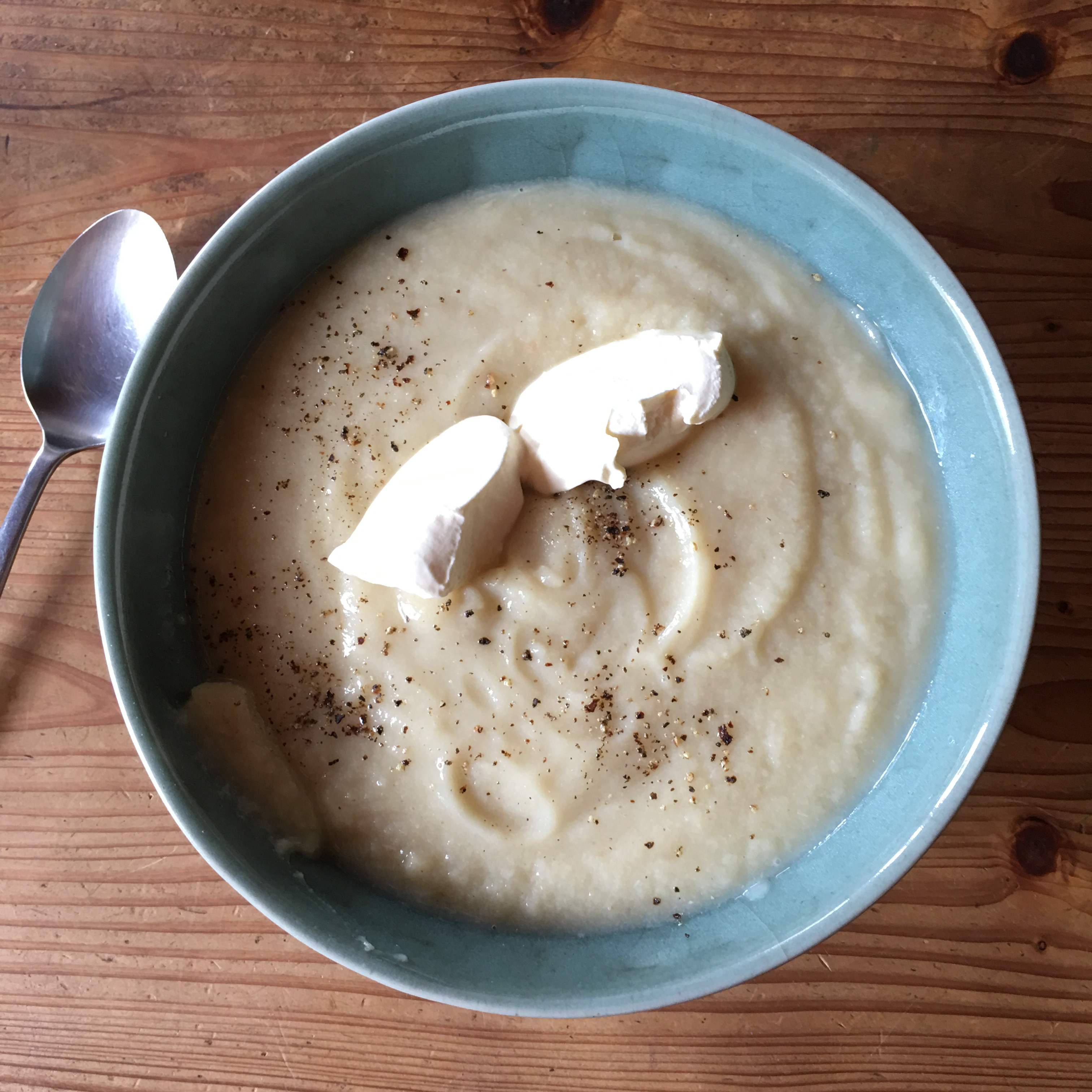
Janine makes cauliflower soup with hers as well as a batch of broccoli soup, some of which she froze. The cabbage went into our own idiosyncratic version of Australian okonomiyaki and the beetroots got pickled and preserved in spiced vinegar.

img_3959 img_3960

img_3963 img_3938

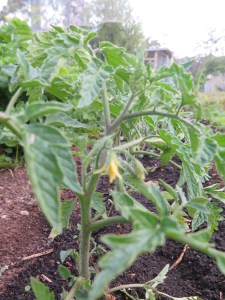
Although we have planted out all the summer veggies seeds and some seedlings now, it is still too soon to get much return. The tomatoes are flowering  and the earliest plants have set some small fruit. I was a bit late getting them in, so I can’t see us getting any ripe fruit before Xmas. However, now the hot weather is here, along with the regular Monday afternoon thunderstorm and its hail, we will just have to wait and see what fruit we can get. I hope that there isn’t another hailstorm tomorrow. We’ve had enough hail for the time being.

img_4380

No Rest in Paradise

The hot weather is here now and we are out in the garden early to get the jobs done before the heat sets in. We’ve had some 30 oC+ days recently. we pick cherries and the early peaches, and lucky that we did as a thunderstorm comes through in the afternoon. All dry thunder at first but then it breaks, and boy does it break. We are pelted with hail stones that pile up on the lawn and against fences and wall. the rain floods in over the verandah. We are safe inside the house, but there are some new leaks in our old 123 year old roof. I’ll have to get up there again tomorrow and see what I can do, but not now.

img_3917

can see the leaves being shredded from the trees in the garden. I can only imagine what is happening to the tomatoes and other soft vegetables in the garden. The chooks will be OK. They will be hiding in their house, very scarred I’m sure, but physically OK. It’s a good thing that we harvested the two boxes of early peaches this morning!

img_3919 img_3920

In the evening we sit and peel peaches for preserving, shelling dried peas and milling dried broad beans down into broad bean flour to make falafel. I also grind down some of last years sun-dried corn niblets into polenta flour. There is always something to do. I might even find some time to watch the idiot box if there were anything on, but there isn’t. So I don’t. The pressure is off on this new big kiln, as the work is well under way and back on schedule, as I have a new welder.

We have delivered all our work for the Xmas shows in the Sydney Galleries as our open studio weekends are over. The tea pot sets are taped up and ready for packing up for delivery. We exhibit our joint domestic wares as King and Co. This is to separate this work from my tea bowls that I show in my own name at Watters Gallery. The opening at Watters went well and I seem to have sold 4 out of the 8  ‘kintsugi’ gold repaired bowls that I took in for the show.

I have found time again to practice my Cello. Its been locked in its case for some time now. We also find some time each morning to work over the garden beds before it gets too hot. We get them planted out with new seeds for the summer. This should have been done a month or two ago, but we have only now just found the time. I haven’t had any spare time since I got busy in August, followed by my research trip to Korea and so on.

img_3922 img_3923
img_3924 img_3927

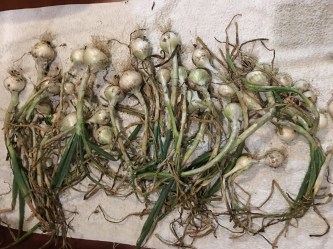
We have harvested the garlic and onions to make room in some of the garden beds. The garlic is a bit disappointing this year, but the onions are fantastic. They have all done well, red, white and brown.

img_3918 img_3929
They all need to be spread out and dried, before plaiting and hanging.
I stole this little piece of text below from one of Janine’s emails to one of our friends. Speaking of our chooks and the garden. I think that it sums up our time here just now.

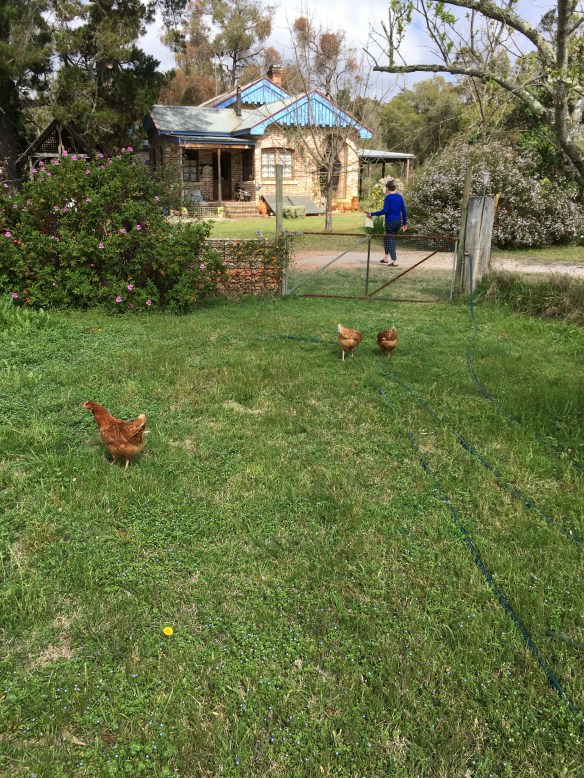
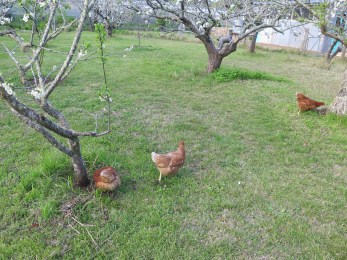
Our ‘spice girls’ who we realise only come to us because there might be food for them. Otherwise they scour our block and so do we (looking for them) so cunning Mr Fox doesn’t have them for dinner.
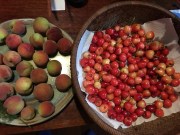
Thankfully the days are a little cooler, for a little while. Summer is no longer my favourite season. But cherries and peaches are sweet, ripe and we eat our way through the ones we save from the birds – with all manner of nets, wires pegs and stalking.
There is no rest in paradise!

img_3933 img_3822 img_3823
It’s time to have some more different sorts of fun. Roll on summer!

Hit The Ground Running

It’s always good to be home and re-united with my 4 girls.

img_3472 img_4361

I have a lot to do. Jobs that have built up while I’ve been away. I hit the ground running. We have 3 weekend workshop booked in for wood firings over the next 3 weekends. We have a lot of bisque-ware ready to be glazed for the Southern Highlands Arts Trail Open Studio Weekends that are coming up, but we can’t get access to our wood kiln until we finish all the workshops.

The effort that we put in to preparation pays off, as all the weekends go smoothly and everyone leaves with something nice to make all the effort worthwhile. And we are lucky with the weather too. It blows a gale all week, and then it settles down and we have a glorious weekend of still, sunny days.

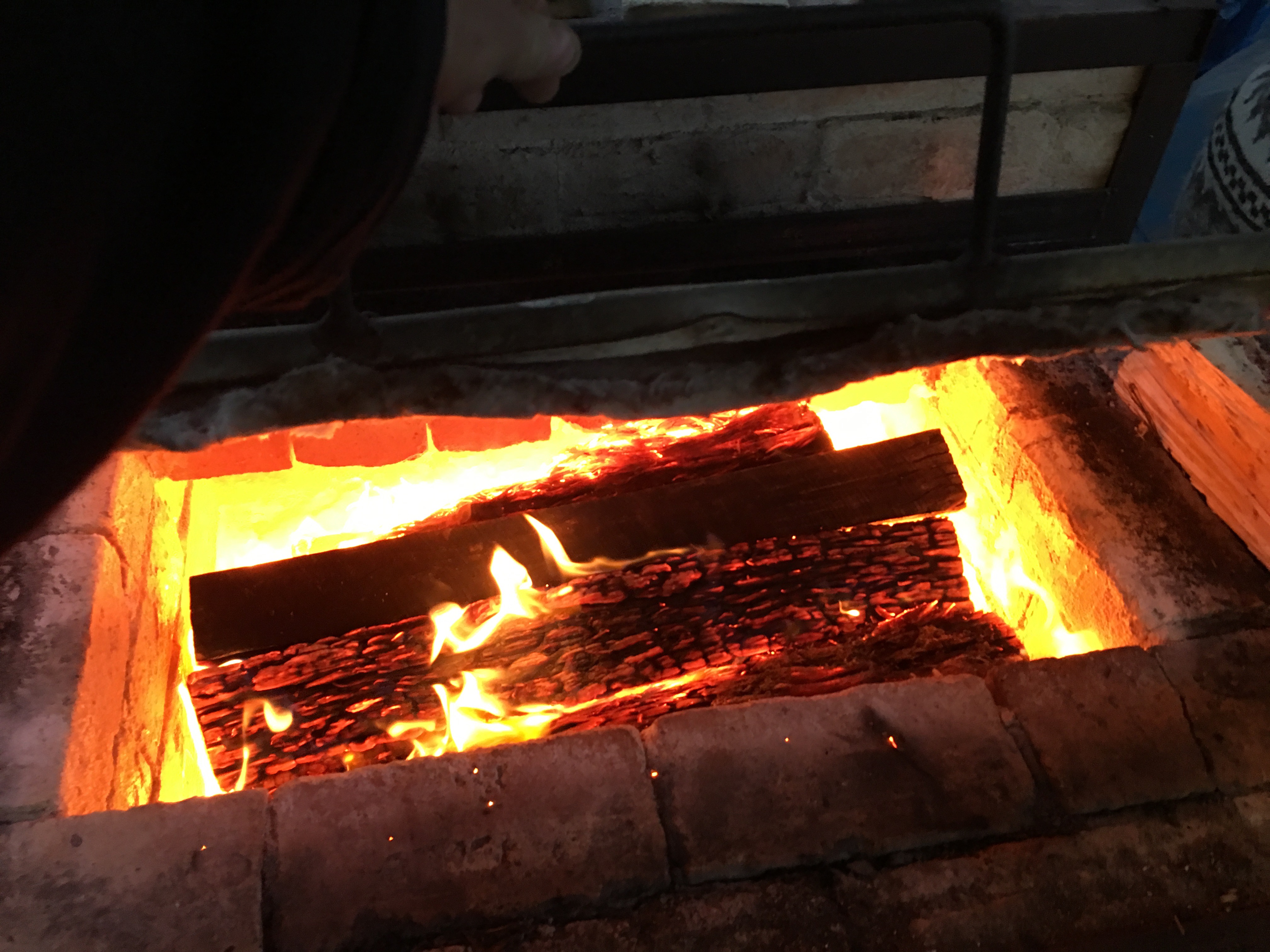
We fire the big wood kiln overnight through the weekend, taking shifts of 4 hours and overlapping each change of personal by 2 hours, so that there is always some continuity. The nights are cold and we huddle near the firebox for warmth. This is a downdraught ‘Bourry’ style firebox, so there isn’t very much to do most of the time.

img_3512 img_3526

If we stoke with big pieces of hardwood. It might take up to one hour for those logs to burn down sufficiently to allow another stoke. The kiln climbs slowly in an even, steady, reducing atmosphere.

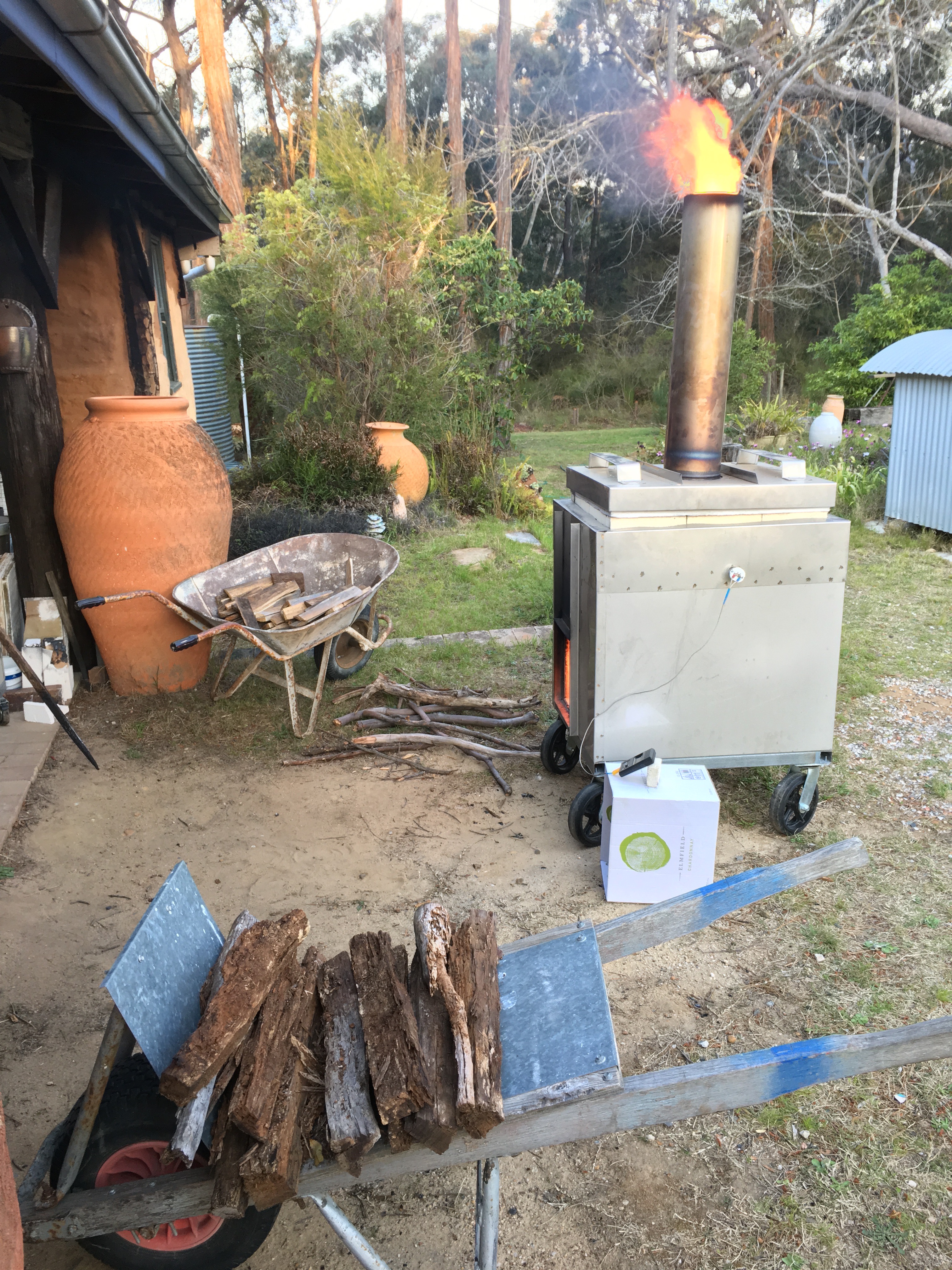
The next weekend we have a low temperature wood firing workshop. We have half a dozen small wood fired kilns that we use throughout the day. We have 10 participants, who each bring 5 or 6 pots to fire, depending on size. We get through them all in the day, along with half a dozen wheel-barrow loads of wood.

img_3563

When the day is over, we pack away all the little kilns, except for one. I leave it out and pack it with my glaze tests for all the new batches of glazes that have made up for the next big wood firing. It will have a lot of work in there for the  ArtsTrail Open Studios Weekends. I want to make sure that I haven’t made any mistakes or poor assumptions, when making-up these glazes.

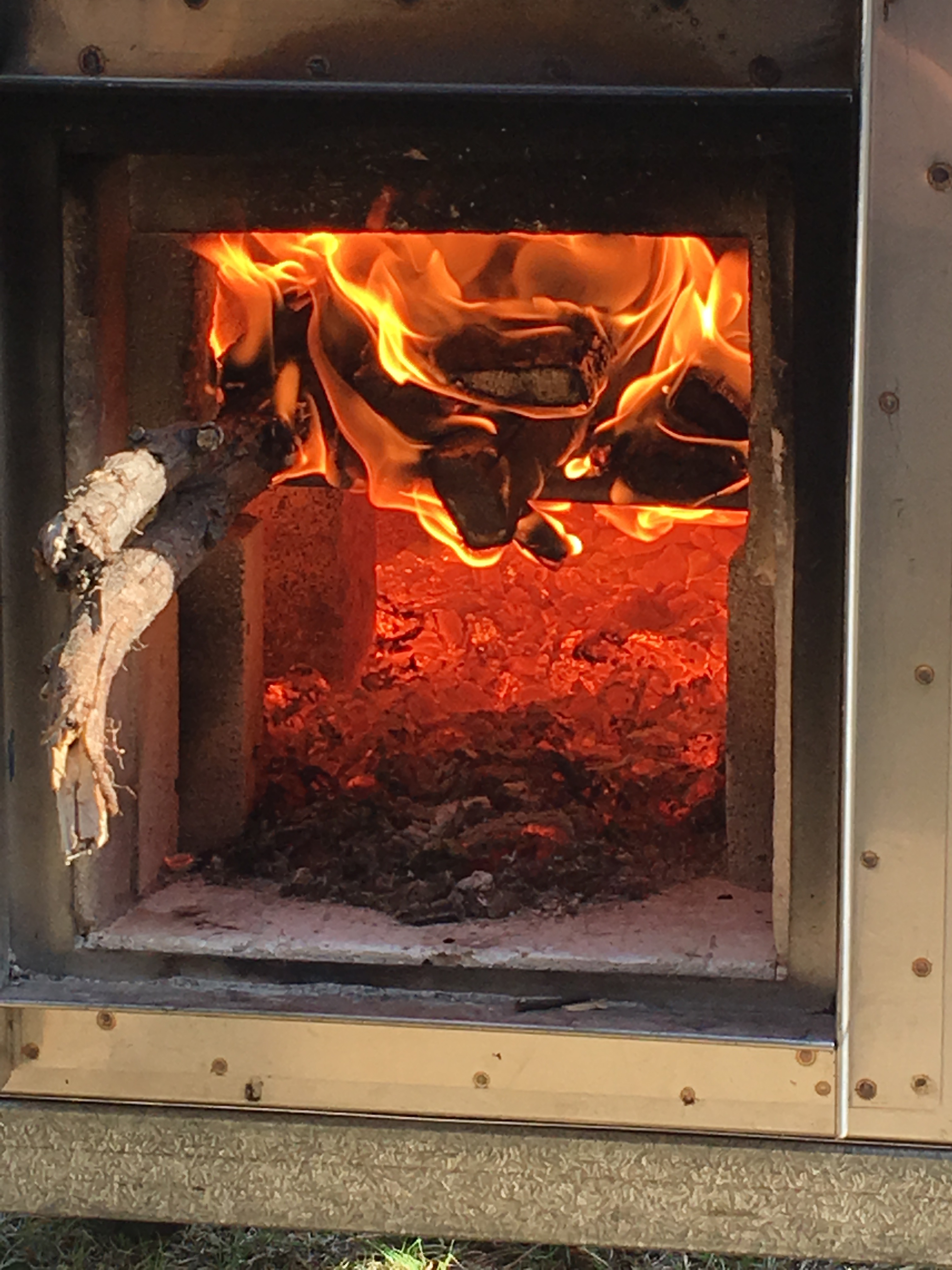
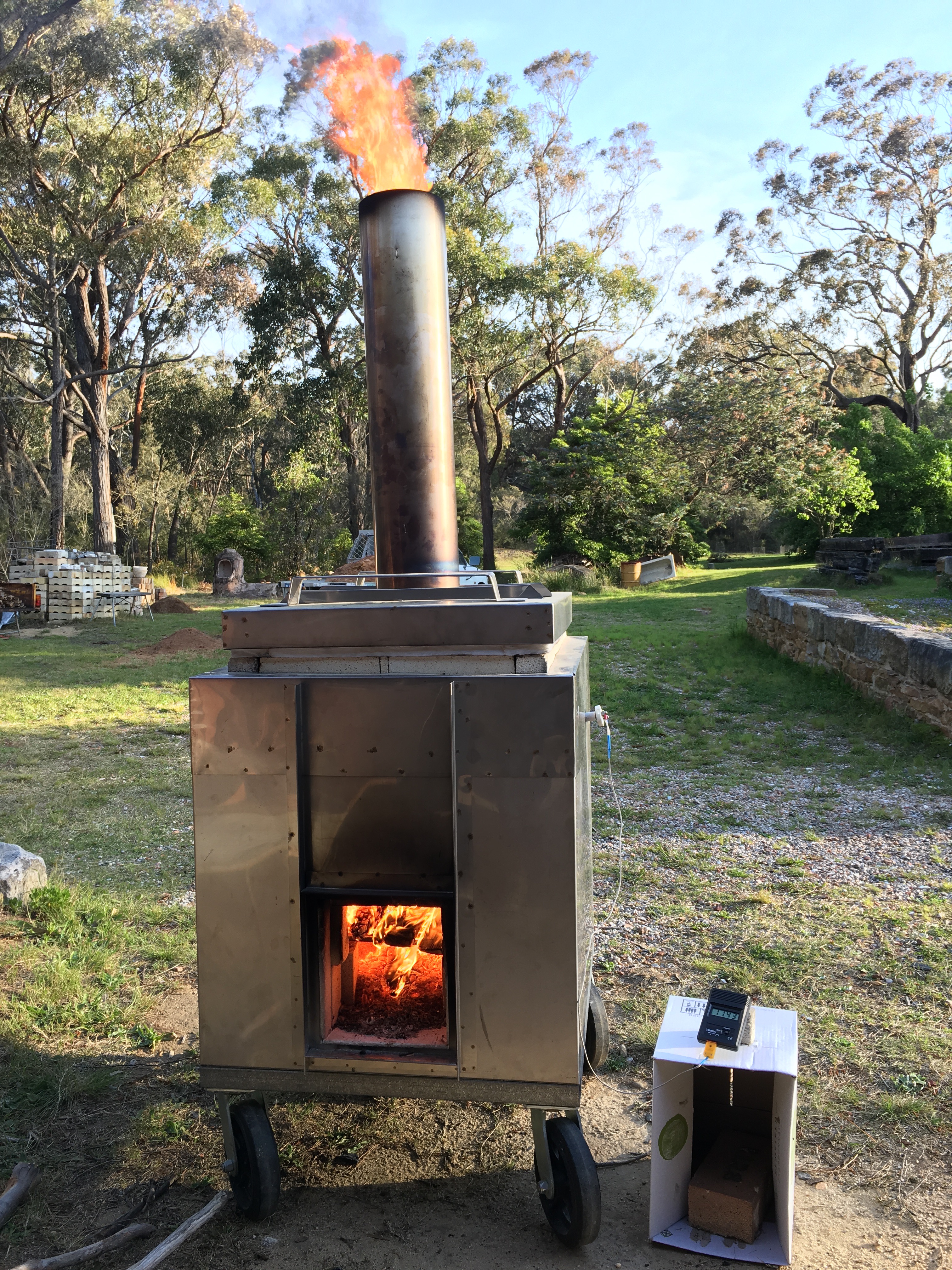
I pack the kiln in the morning and start to fire straight away. I push it along, as I have other things to do this afternoon. This little beauty breaks all previous records and cruises up the cone 10 in just 2 1/2 hours in reduction. The results are really quite good. Everything is well melted. There is no flashing in such a short firing. Nor is there very intense reduction colour, but all the colours are there – only paler than I would expect from a longer wood firing. I’m finished by lunchtime and can get on with other things.

img_3550 img_3554

img_3555 img_3557

img_3558

I even surprise my self! I didn’t know that this sort of speed was possible for a stoneware firing, and with so little effort.

img_4310 img_4373

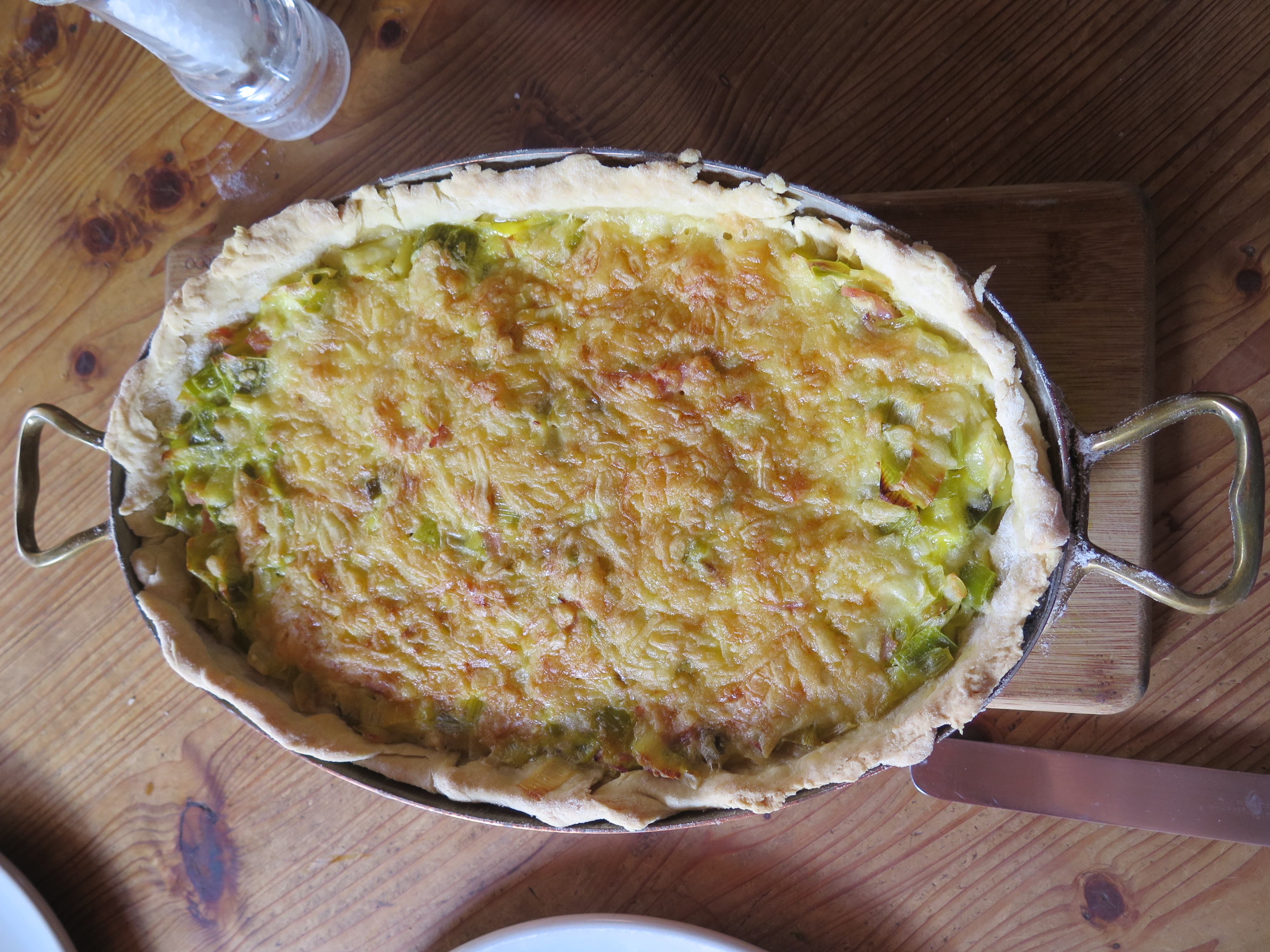
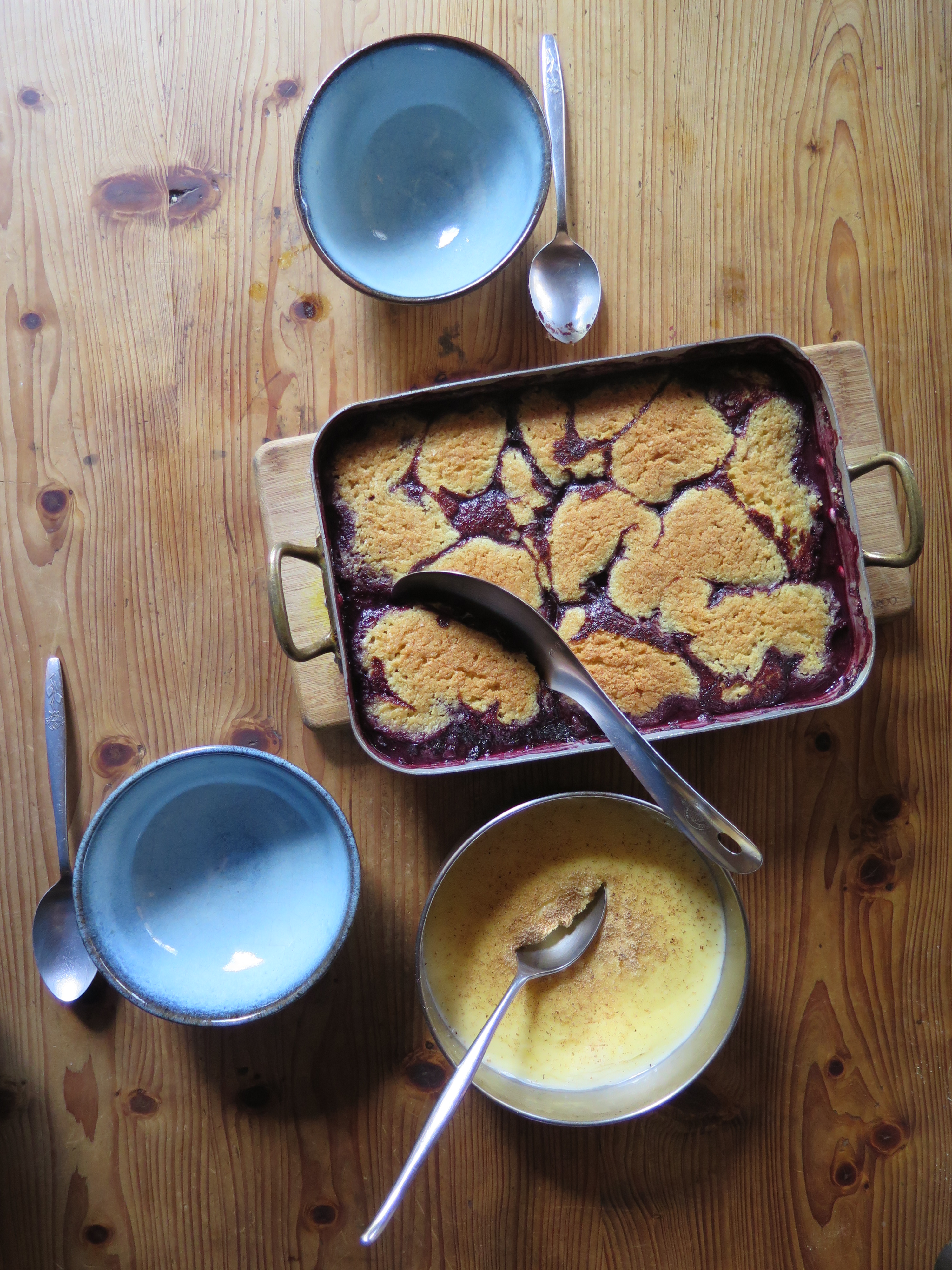
The garden is producing well, with Nina in charge in my absence, she decides to have the evening baking and makes a couple of lovely dishes. A leek pie with a little bit of sour cream and a wholemeal crust, topped with some grated tasty cheese, which is amazing, followed with a berry pie with a baked sponge topping. Served with Edmonds custard. Yum! It’s an economical, warming, dinner on a cold evening. All this garden produce is a fitting reward for all the hours of weeding and watering. However, we don’t do it to save money, but to enjoy wholesome, unpolluted, fresh food.

img_4347 img_4355

Over the years, we have made decisions that have allowed us to be in control of much of our lives, but nothing is perfect, nothing is finished and nothing lasts!

Enjoy the moment.

Harri (son) Potter and The Three Headed Cabbage

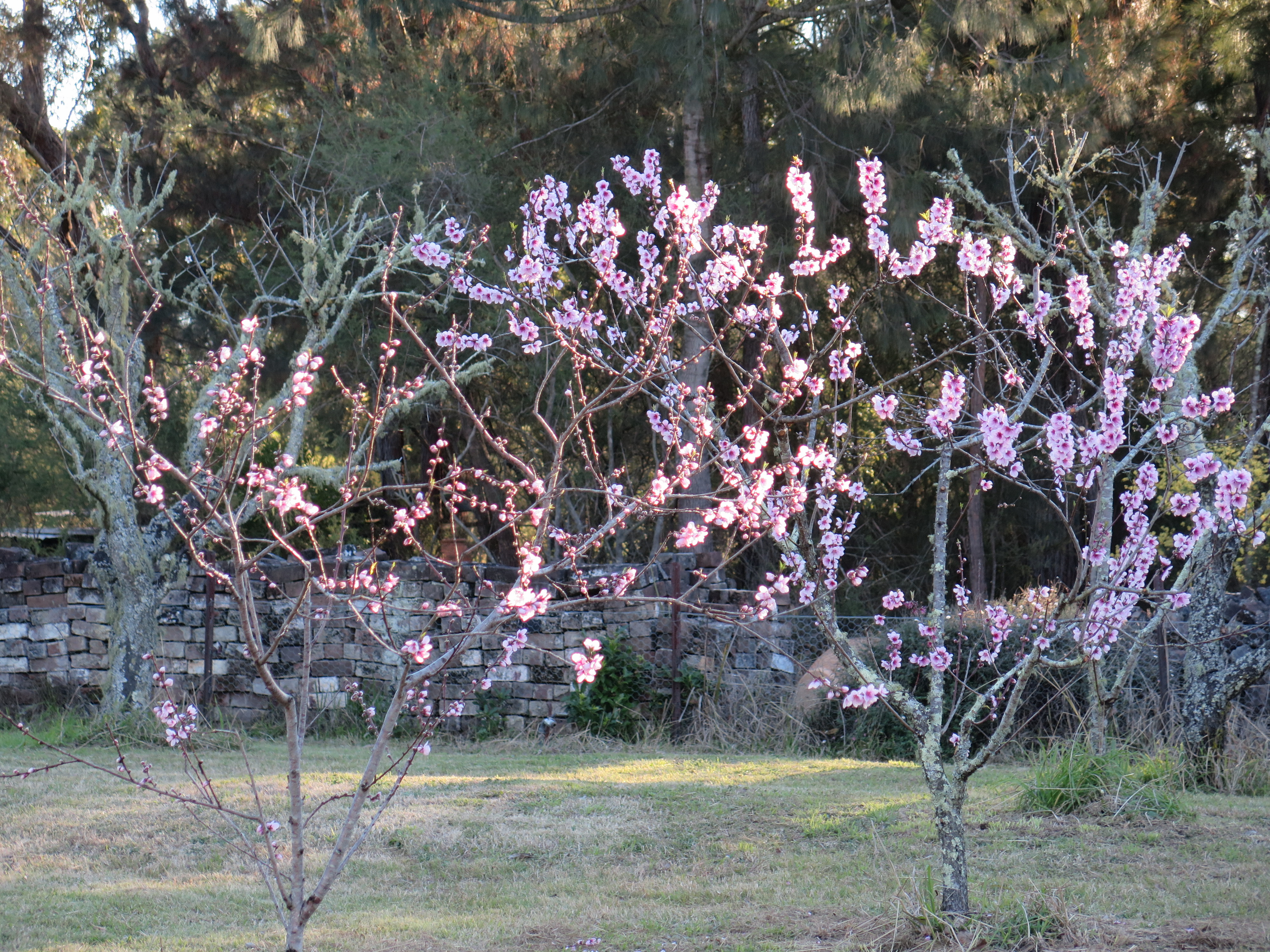
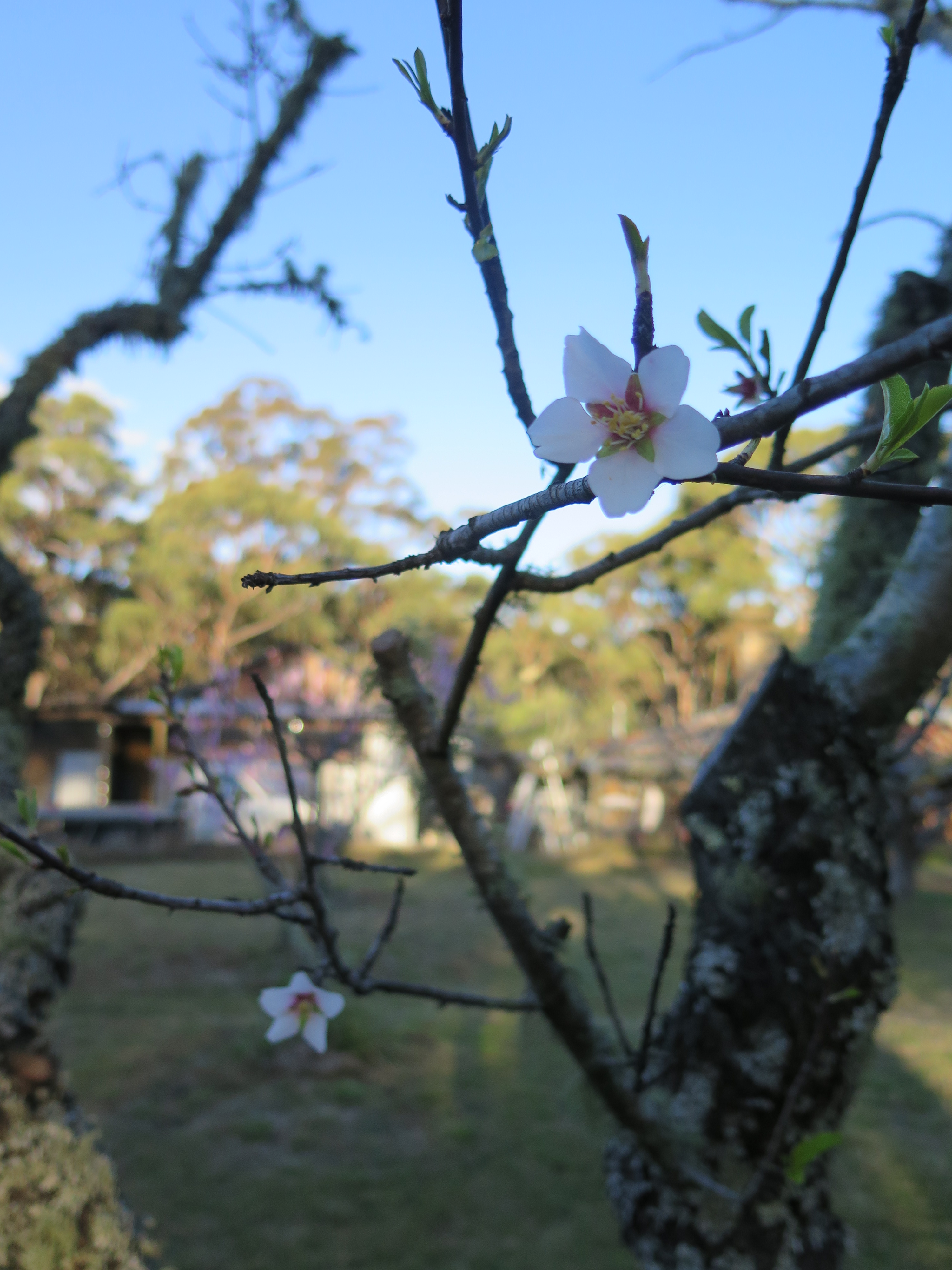
We are in that time of the seasons at the end of winter and just before the beginning of spring. I heard someone call this period ‘Sprinter’. The early peaches are out in full bloom now and the almonds are just starting to burst bud and show their first flowers.

IMG_4163 IMG_4166

Janine knows a secret place just behind the stone wall of the citrus grove. A sun trap in the mornings where the last of the self-sown tomatoes were growing wild. The frost has burned off all the leaves, but the last of the fruit has hung on and turned from green to yellow and red over the past month and a half. It’s amazing, but Janine comes into the kitchen triumphant with a small bowl of tomatoes in mid winter. We have them for lunches over the next few days. On toasted rye bread with some blue cheese, or in a salad.

IMG_2547 IMG_4133

IMG_4134

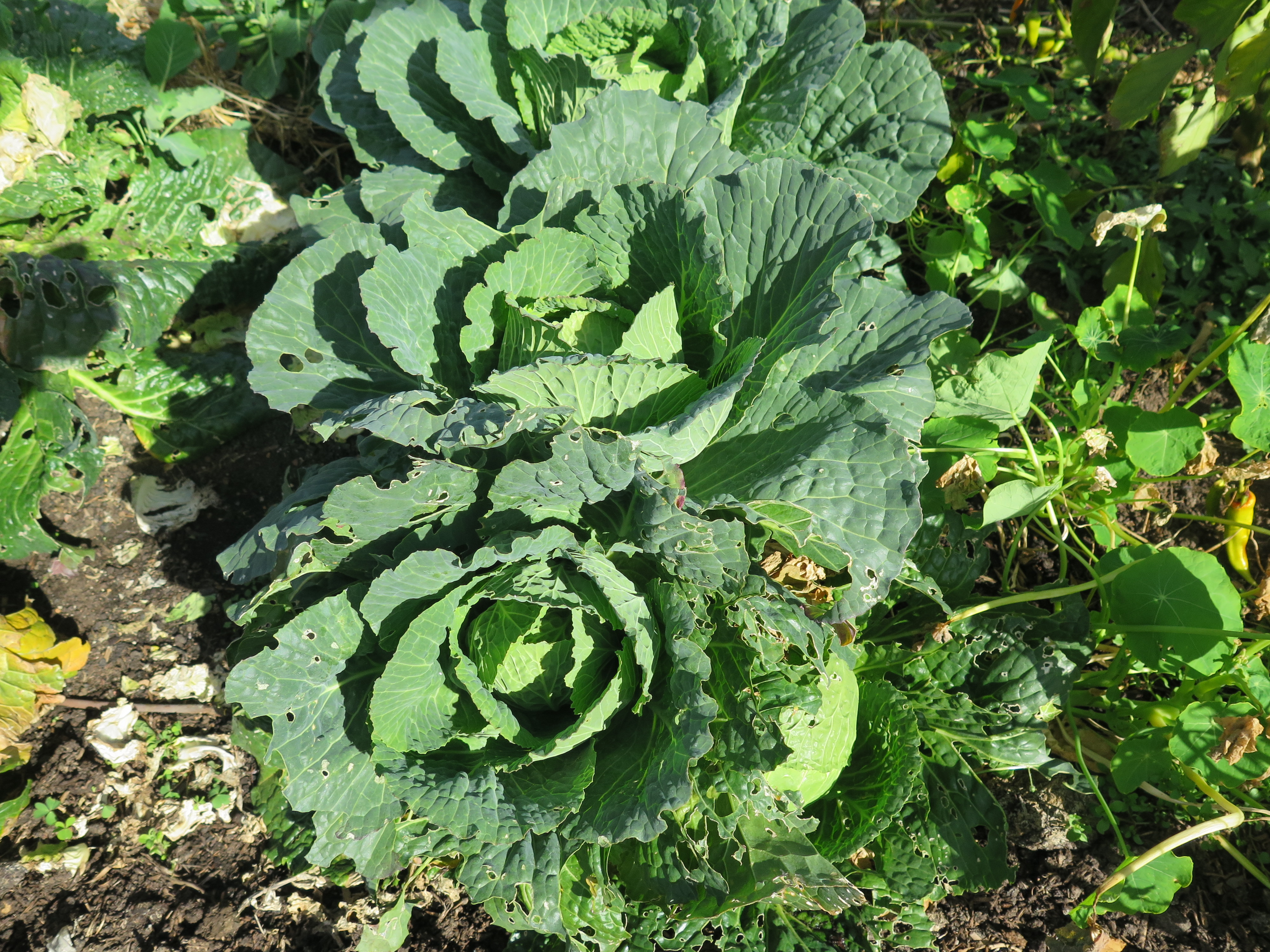
We have learnt over time that when we cut a cabbage and then leave it in-situ. The cabbage will re-shoot new cabbage heads, usually three smaller cabbages will replace the original one large head. The total volume of the 3 new cabbages is almost the same volume as the original.. If you cut these three heads off, then the plant will keep on trying to head up to seed and reproduce. The 3rd generation of multiple, small, cabbage heads rarely amount to much. They put out new shoots, but these rarely manage to form firm heads. They are however still good shredded up for stir fry and salads.

IMG_4231 IMG_4234

We have also found that brocoli responds in this way, giving a larger number of progressively smaller Brocolinis with each picking. We have kept a few plants going like this for months. They don’t seem to mind growing through into the hotter weather. Cauliflower on the other hand doesn’t seem to react in the same way. I think that it might be because they take so long to grow, that by the time they are cut and harvested, the weather is getting too hot for them to continue growing?

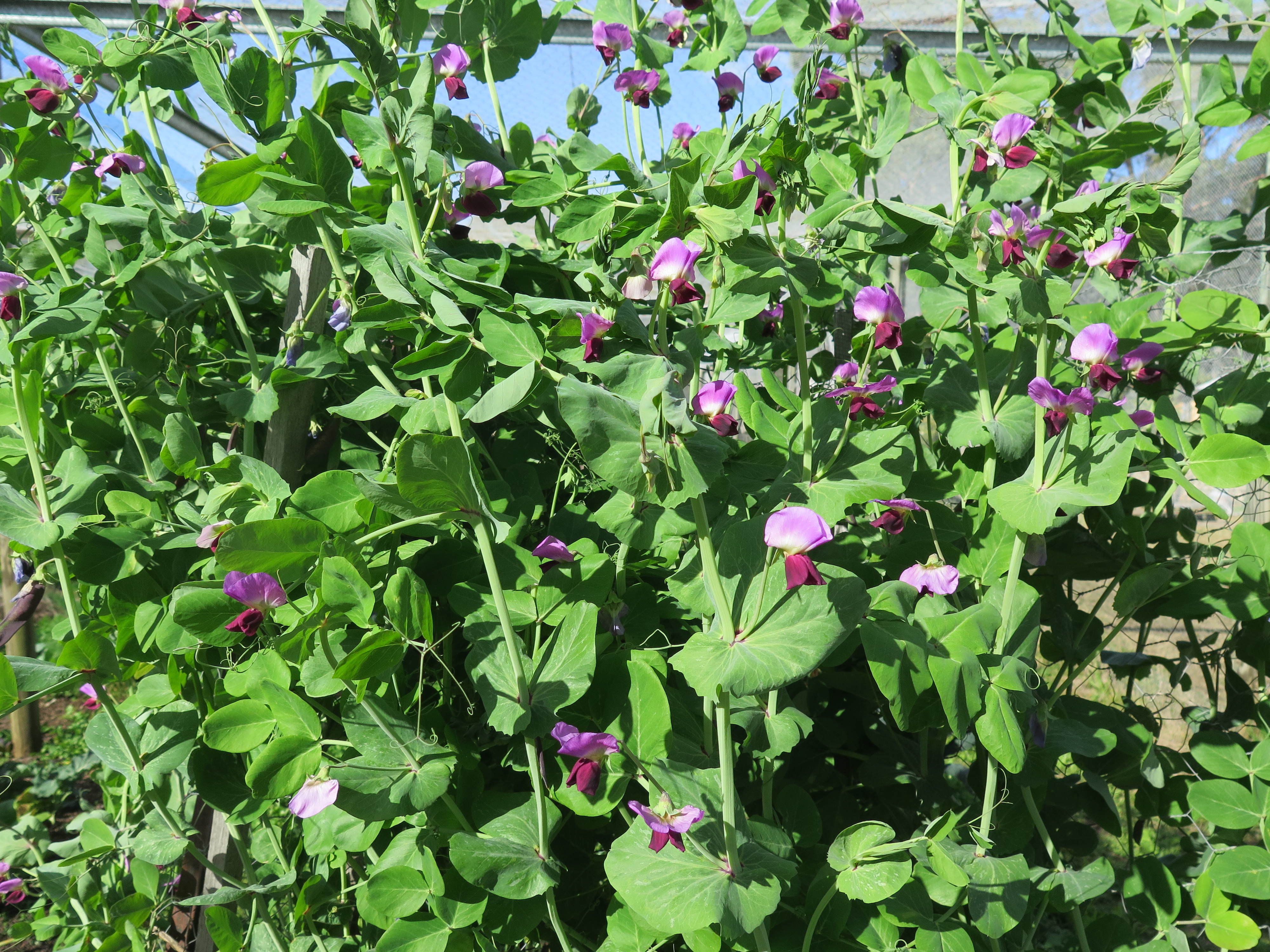
The peas are looking good at the moment. In full flower and starting to set a nice crop.

IMG_4237

I love sprinter. It is loaded with promises of warmer weather to come. I think that I can just start to feel the days getting longer.

The Short Days of Winter

We fill the short days of winter with lots of busy, necessary work. Pruning, preserving and cooking. We are both making marmalade at the moment, in our own respective ways, using the methods and recipes that we have each developed over the years. We have quite enough now to last us for the rest of the year.

IMG_4102

Even though the days are short and the weather is cold, the garden is still producing all our  meals. One or the other, sometimes both of us, go out to the garden at dusk and pick what is at its best and just bursting to be eaten. Food is plucked direct from the garden bed, into the basket and is cooked and on the table within the hour. It just couldn’t be fresher, or more rewarding. I have managed to scale and time the plantings through the summer and autumn, so that there is still enough green produce coming through now, even though everything has slowed down considerably.

IMG_4113 IMG_4114

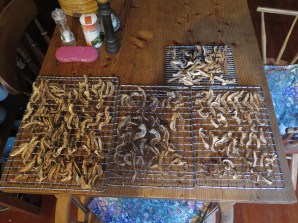
I collect more mushrooms from the recent fungal blooms. I give them a good scrub with the bristle brush and clean them up and make them presentable. There is always bits of grass and other organic ‘natural’, but unwanted ‘stuff’ stuck to them. I slice them and lay them out to dry.

IMG_4104 IMG_4105

Once crisp, they are added into our stock of dried fungi in the glass jars on the kitchen dresser. We collect more of them as they appear and have fresh mushroom risottos, almost every night for a week. Each time with a different vegetable from the garden. Broccoli, cauliflower, brussel sprouts, capsicums and carrots.

IMG_4119 IMG_4120 IMG_4122

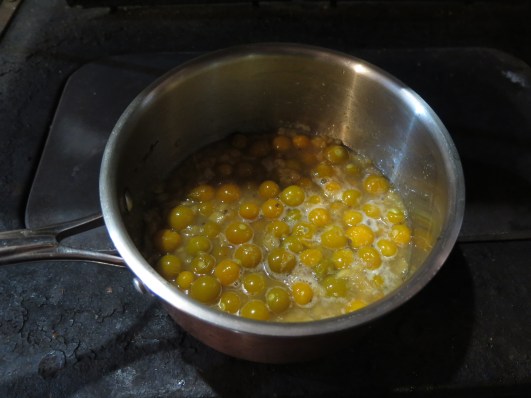
We have loads of golden berries coming on at the moment. Janine makes golden berry (gooseberry) and feijoa fruit mince and uses it to fill a fruit sponge, served with Edmonds custard. It makes a marvellous pudding. It is tangy, sweet and mouth-wateringly luscious and smooth. I have two helpings.

IMG_4106

We have spent the last three days pruning the stone fruit trees. Everything is dormant and deciduous at the moment. Except the earliest peaches, that have started to flower already. We work steadily and meticulously. Opening out the centre of the trees, restoring the ‘vase’ shape. Removing the water-shoots, thinning, shaping and pruning to an outward facing bud.

IMG_4111

IMG_4128

After 3 days of muscle challenging constant work, we are tired, but very pleased with our selves. We have finished pruning our 100 or so trees and spent an equal amount of time dragging all the spent and removed branches down the back to the burn pile and stacking it all up ready to be burnt in a months time, when it has dried out enough to sustain a fire that will purge the pruned wood of any disease and fungal spores that might otherwise infect the orchard trees.

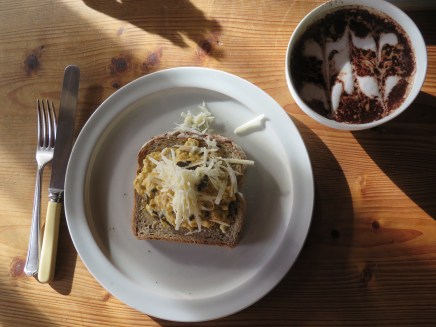
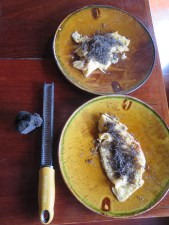
We celebrate with a lovely dinner of wild mushroom risotto, collected directly off the lawn outside the back door, and then a great fortifying breakfast of truffled, creamed eggs. It looks like this will be the last truffle for this season, so we make the most of it.

IMG_4123 IMG_4125

IMG_4126

Truffle Season is Here Again

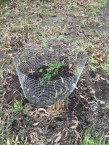
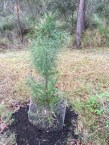
Now we have past the solstice, we are in the coldest part of the year and that means that the French Perigord black truffles will be ready for harvest from our local truffière. Janine and I planted 8 inoculated truffle trees 2 years ago, one, a holly oak, didn’t like it here and turned up its toes pretty quickly, but the other 7 have survived for two years now. The 2 stone pines inoculated with Italian white truffles are growing strongly. As are the hazelnuts carrying the black Perigord truffle spores. The remaining holly oak is not too happy, but the English oaks are doing OK.

IMG_2496 IMG_2494 IMG_2493 IMG_2490

3 Perigord Hazels, A very tiny holly oak, a thriving Italian stone pine and an English oak that has trippled its height and is growing very well..

We don’t expect much from any of these trees, It’s just a fun project on the side. If one day we find a truffle, say in 5 to 10 years time, then it will be a bonus. Growing truffle trees is quite a bit of work and to achieve success, you have to take it quite seriously. I don’t, so our chances of success are greatly diminished.

We live in a suitable climate here, with just the right conditions of light winter frosts and hot summer days, but our rainfall, especially in the hotter summer  months is rather on the low side in most years. Although who can say what will happen in the future, as the climate seems to be changing quite a lot for us here. We are stating to get less winter frosts and more summer rainfall.

Rainfall is not a problem for the serious grower, as piped irrigation is cheap and easy to install. We have dams and pumps and could do this, but for a marginal hobby activity like this it’s still a lot of extra work, not just to install, but to maintain and to remember to put it on when it’s required. I have enough to think about already.

IMG_2451

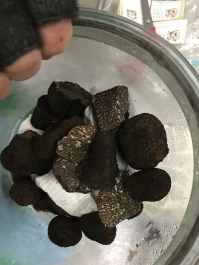
So, all in all, it’s somewhat easier to go and visit the local truffière and buy a nice plump, black, fragrant truffle right now while they are in season. Geordie is going out to pick up the order for the restaurant and he takes us along. It’s a beautiful place. The trees are young and only just coming into harvest in the last few years. Each year the harvest is doubling. I’m a bit dismayed to hear that the holly oaks are the best producers in this area. Regrettably, it is the hollyoaks that are doing the poorest for us in our garden. Not an auspicious sign for us. One dead and the other not even able to grow up to the level of the rabit proof tree guard.

It turns out that we have met the truffle grower many time before in another place. He picks me out. “I know you”. At least he knows my hat. It’s a cold wintery day with light showers blowing in and we are all rugged up. I have on my distinctive large Basque beret. He says “I know that hat. You are a regular at The Royal Society Meetings!”

It’s true, I am. I suddenly recognise Ted, It’s one of those occasions when a face is out of place and suddenly snaps into cognition at the mention of a key word. Ted is on the door at the meetings and we speak regularly, if only superficially. I often wear my Basque beret to the Royal Society meetings on the cold winter nights.

Ted has the record for the biggest truffle ever grown in Australia. 1.173 kgs! The world record is around 1.3+kg for a truffle found in Croatia. The French record is also around 1.3 kg.

He has just harvested and there a quite a few nicely sized truffles to choose from. They don’t do retail sales, so we are lucky to be tagging along with Geordie. However, they do take booked, guided tours on selected weekends through the harvest season.

IMG_2437

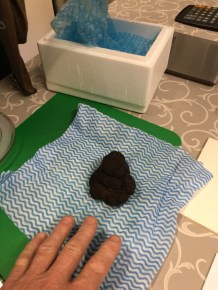
I pick a nice lumpy, mid-sized one that smalls exotic and deliciously fragrant. What is the aroma of a truffle? I can’t define it. I’ve seen it written that it is like “Old socks and sex. Open the spice cupboard and take a deep sniff. Crush an unpeeled clove of garlic. Find some damp leaves and dig your fingers into the earth underneath (oak leaves are best). Then go for something floral, lilies for penetration, roses for sweetness.”(Australian Truffle Growers Assn.)

Now, I didn’t write that, I lifted it from the Australian Truffle Growers Assn. Website, but I can see what they are getting at. I get the old sox and sex bit. Forrest floor compost and some higher floral notes. I can’t come up with a better description, so this will have to do.

We get our precious truffle home and store it in the fridge in a bed of rice along with 2 eggs. The rice will absorb the flavour of the truffle as will the eggs. We’ll be having lightly scrambled eggs for lunch with a little bit of truffle grated on top. Simple, elegant and amazingly flavoursome. The rice will be used to make a truffle risotto for dinner. That’ll be half of our truffle gone. We’ll replace the rice and eggs while we consider our other possible menu options.

IMG_2423 IMG_2456

I opened the fridge this morning and the even though the truffle is buried in rice in a sealed container. I can smell that distinctive aroma as soon as I open the door. it’s fabulous!

IMG_3977 IMG_3978

IMG_3979

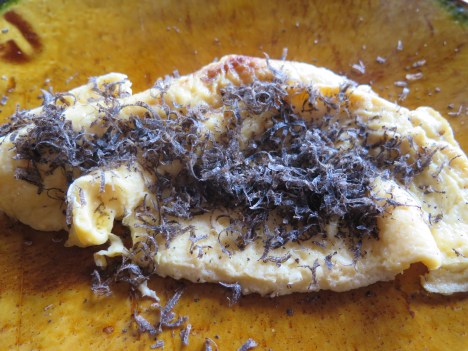
We decide on the simplest of scrambled eggs for lunch and I grate a load of truffle onto them. I feel generous now while the truffle is still so large. In the past when we have bought a very small 20mm, thimble sized truffle, we have used it all in one meal. No reason to be mean with it. Grate it on and really enjoy it. This is the first time that we have had the luxury to think about other meals to follow.

It is fantastic. This winter treat has been a long time coming. The only thing that can improve on this very basic recipe is a little butter to grease the pan and some real salt to help bring out the flavour.

Truffles really make the winter worth waiting for. One of the great joys of seasonal local cuisine.


Midwinter days – & Nights

IMG_2335 IMG_2336 IMG_2338

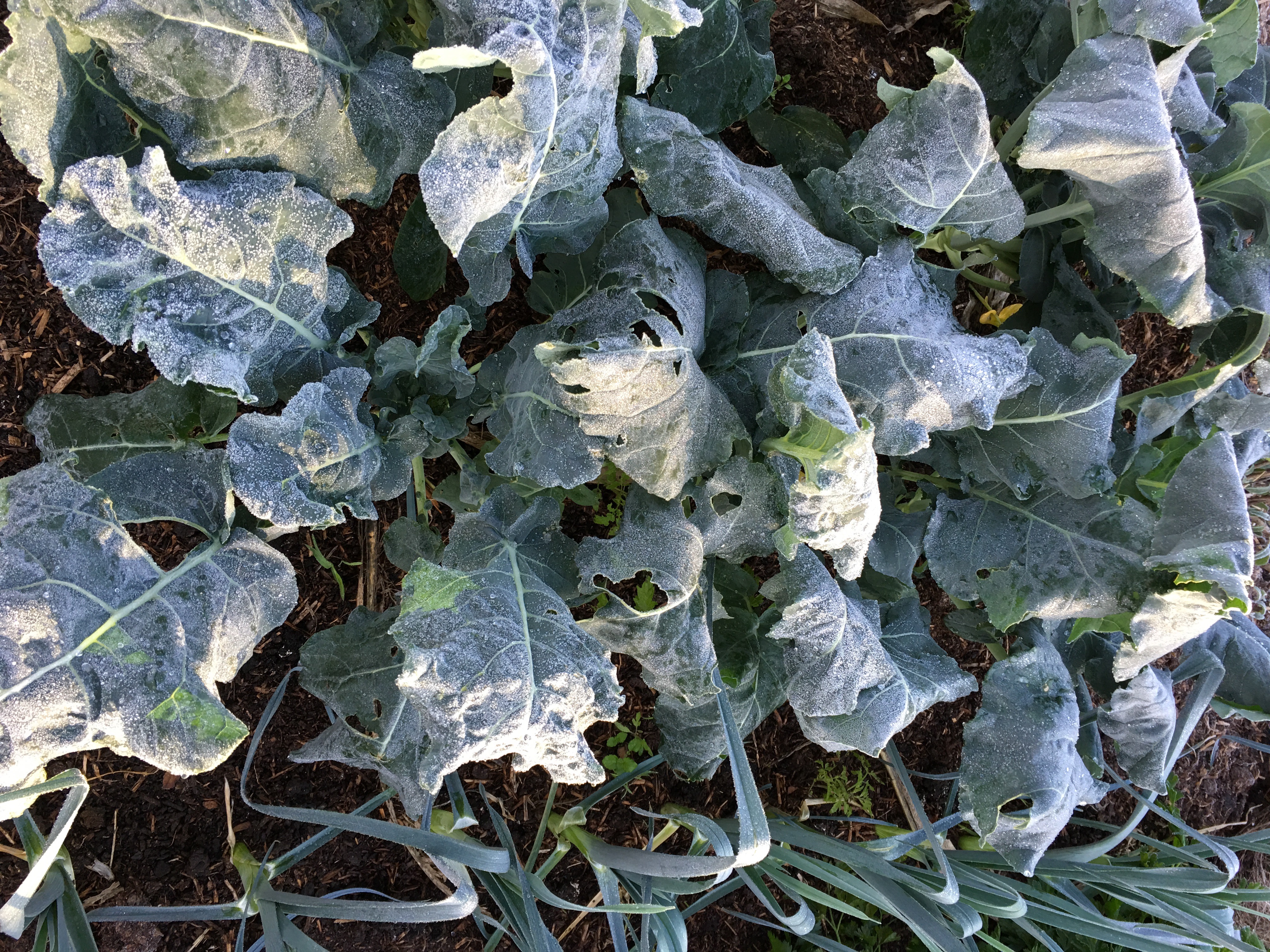
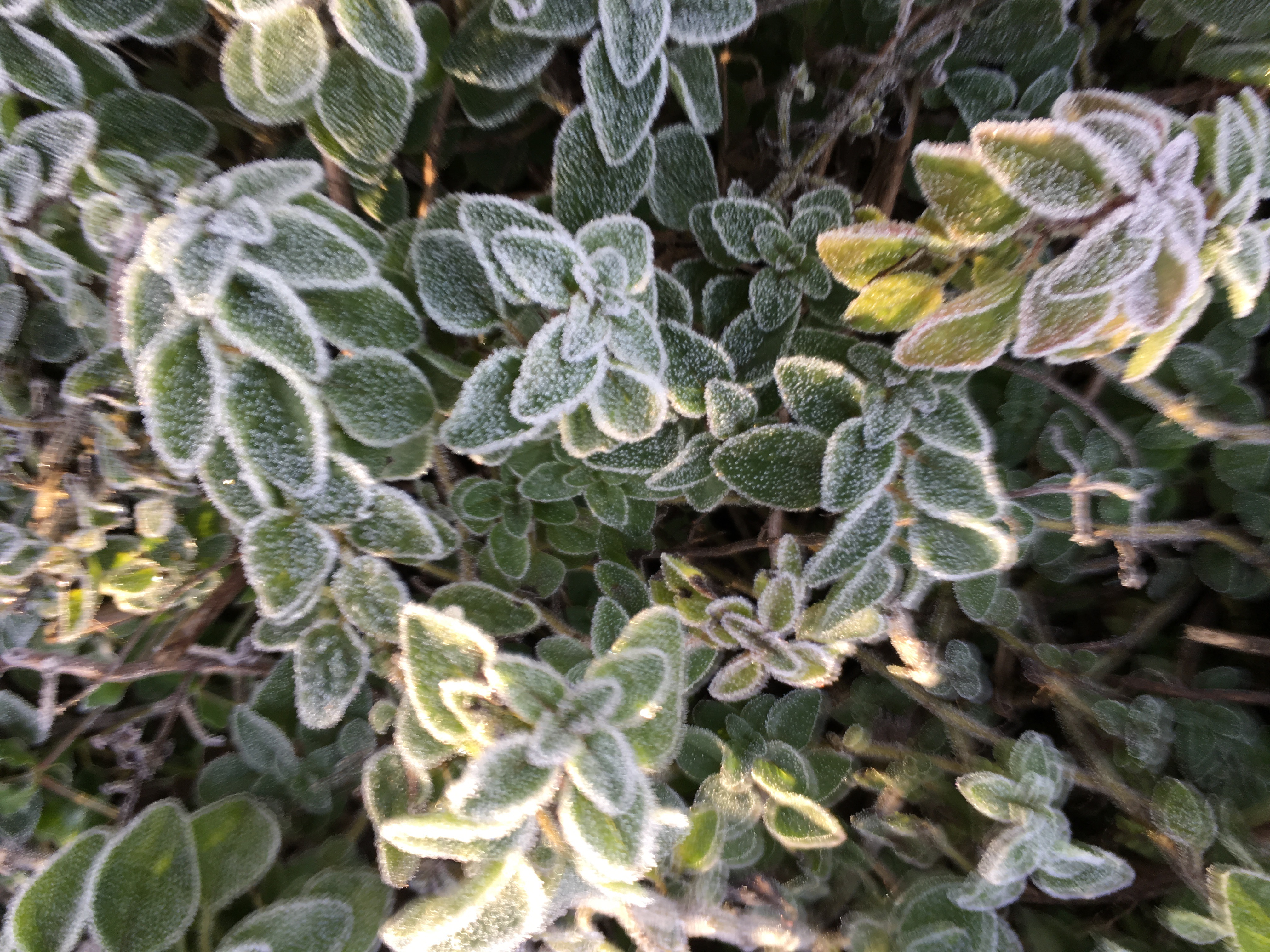
It’s quite frosty these midwinter mornings, now that the rain has cleared. I wander out in the frost to see how the gardening is faring. Especially the small new seedlings and emerging seeds. Everything looks pristine and bright. The frost crystals fringe the leaves and make the foliage look so delicate. My fingers are cold, but I go back and get the camera to take a few images.

IMG_2343 IMG_2339 IMG_2342

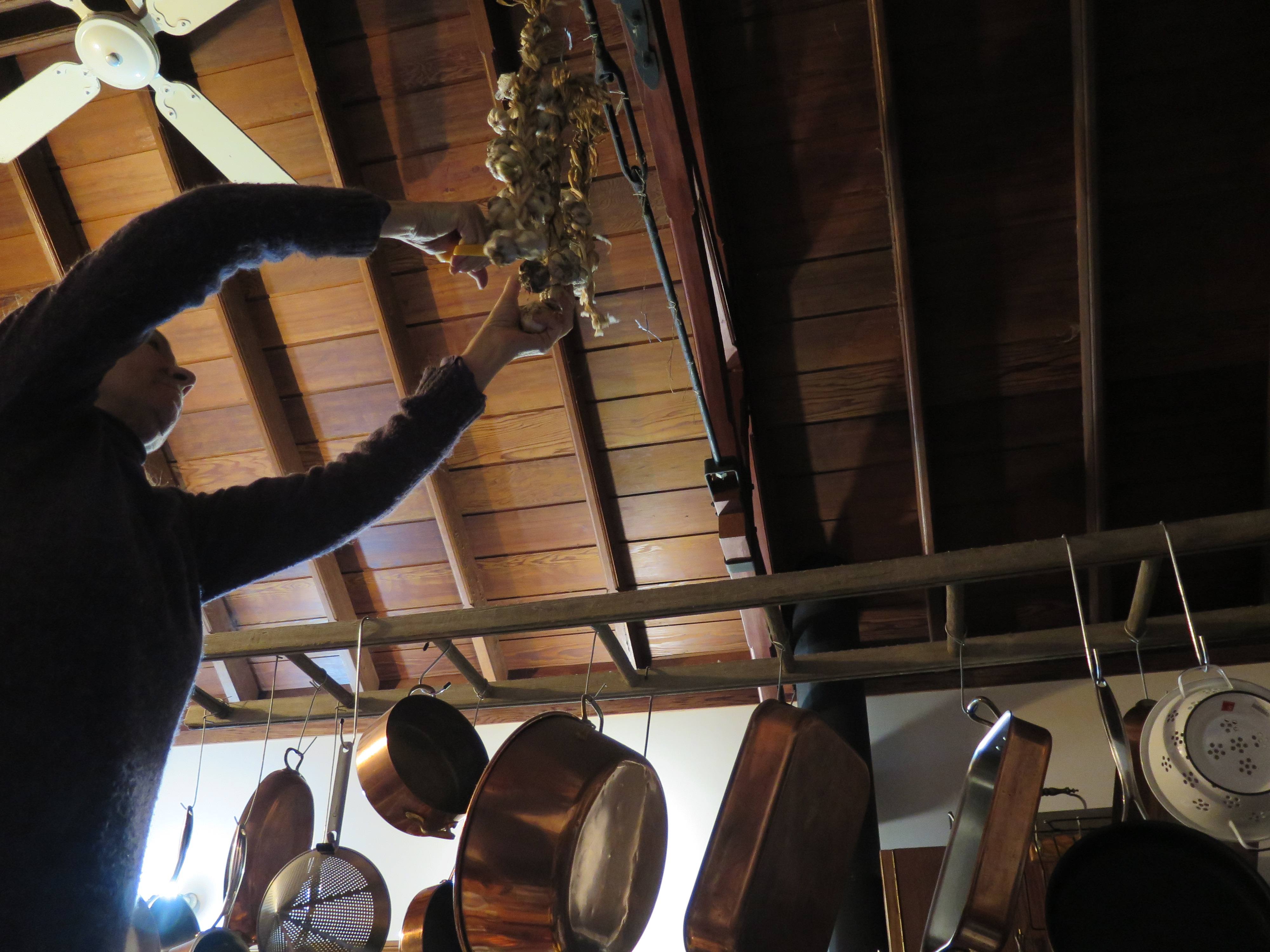
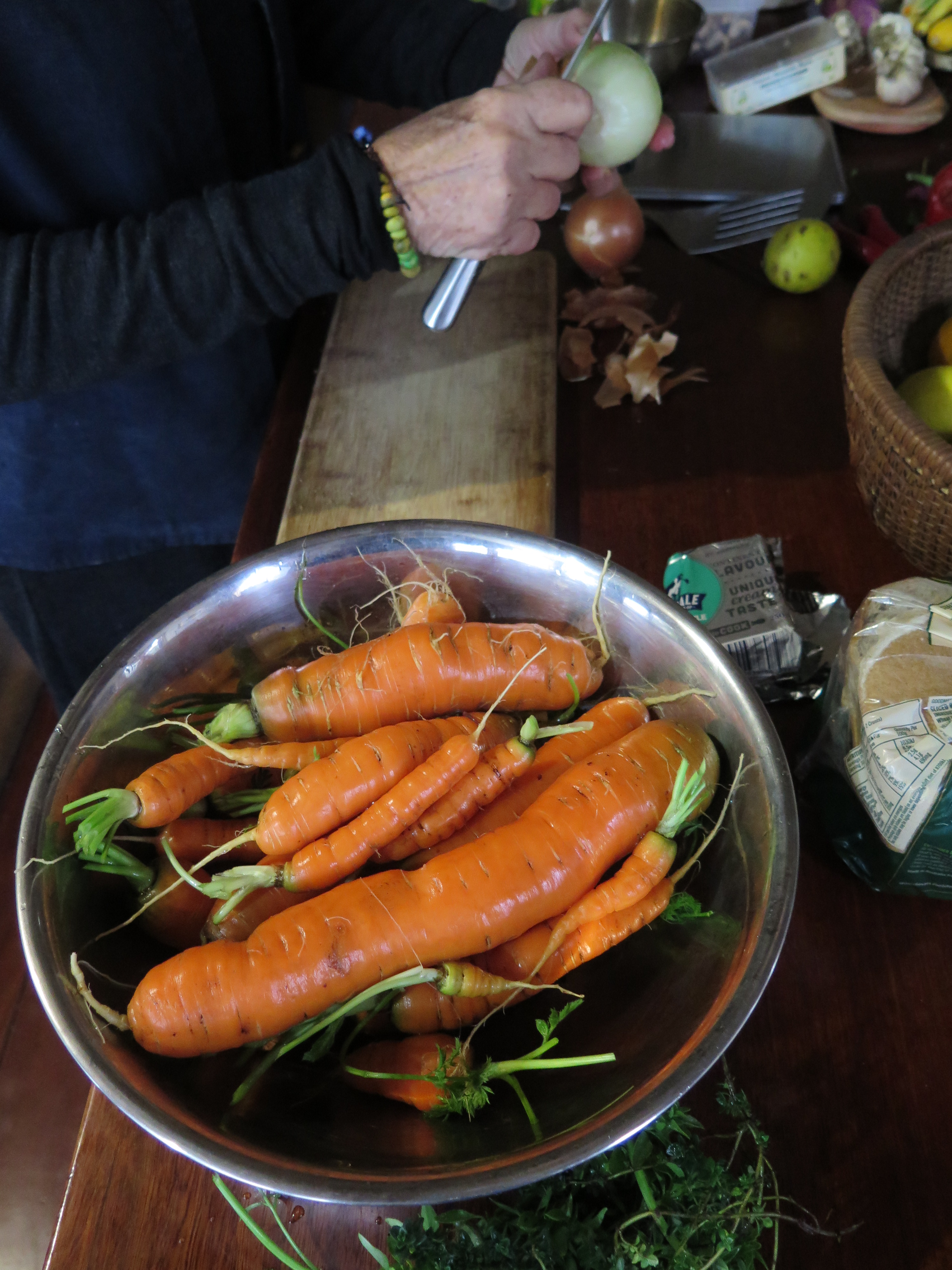
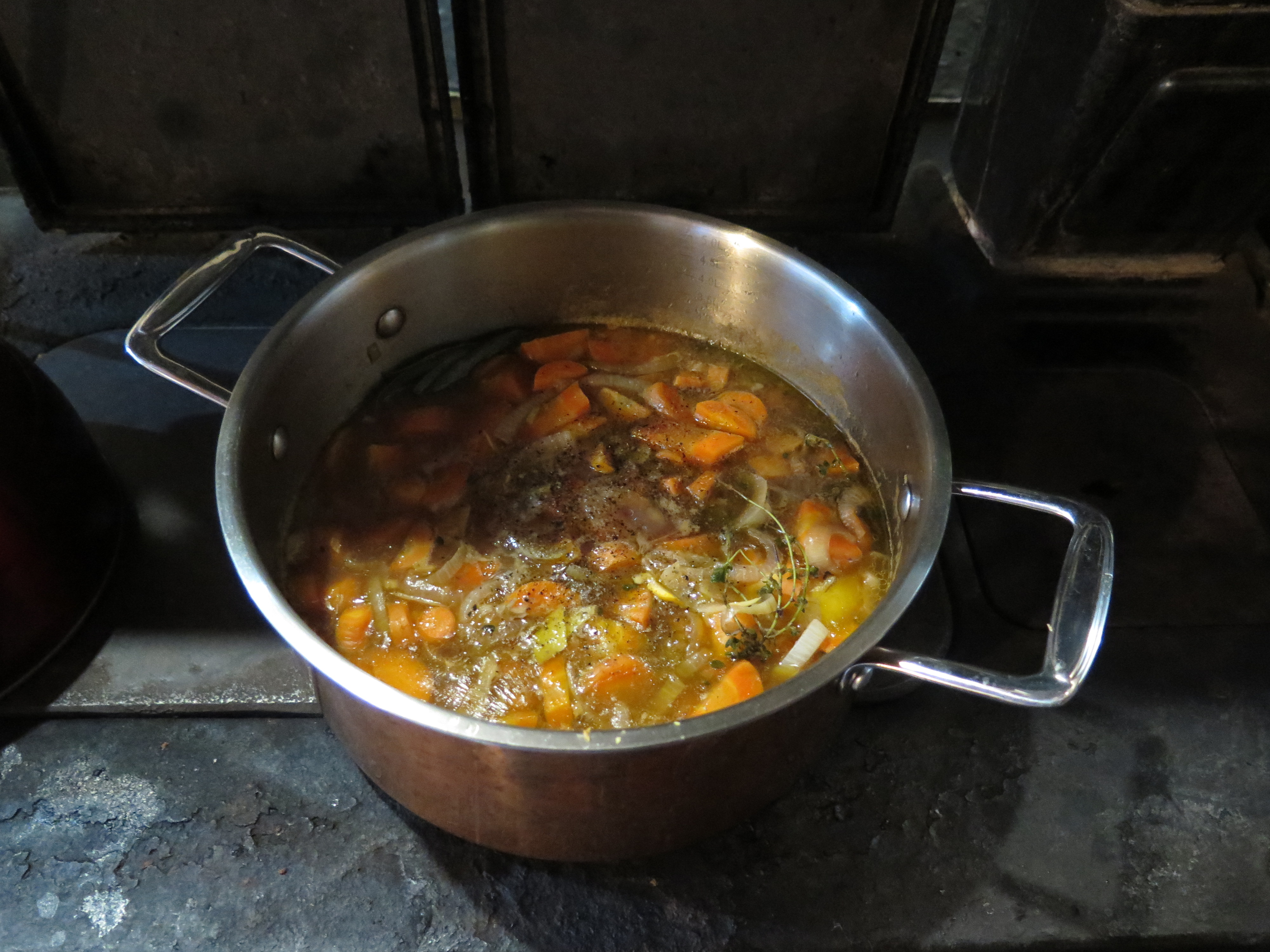
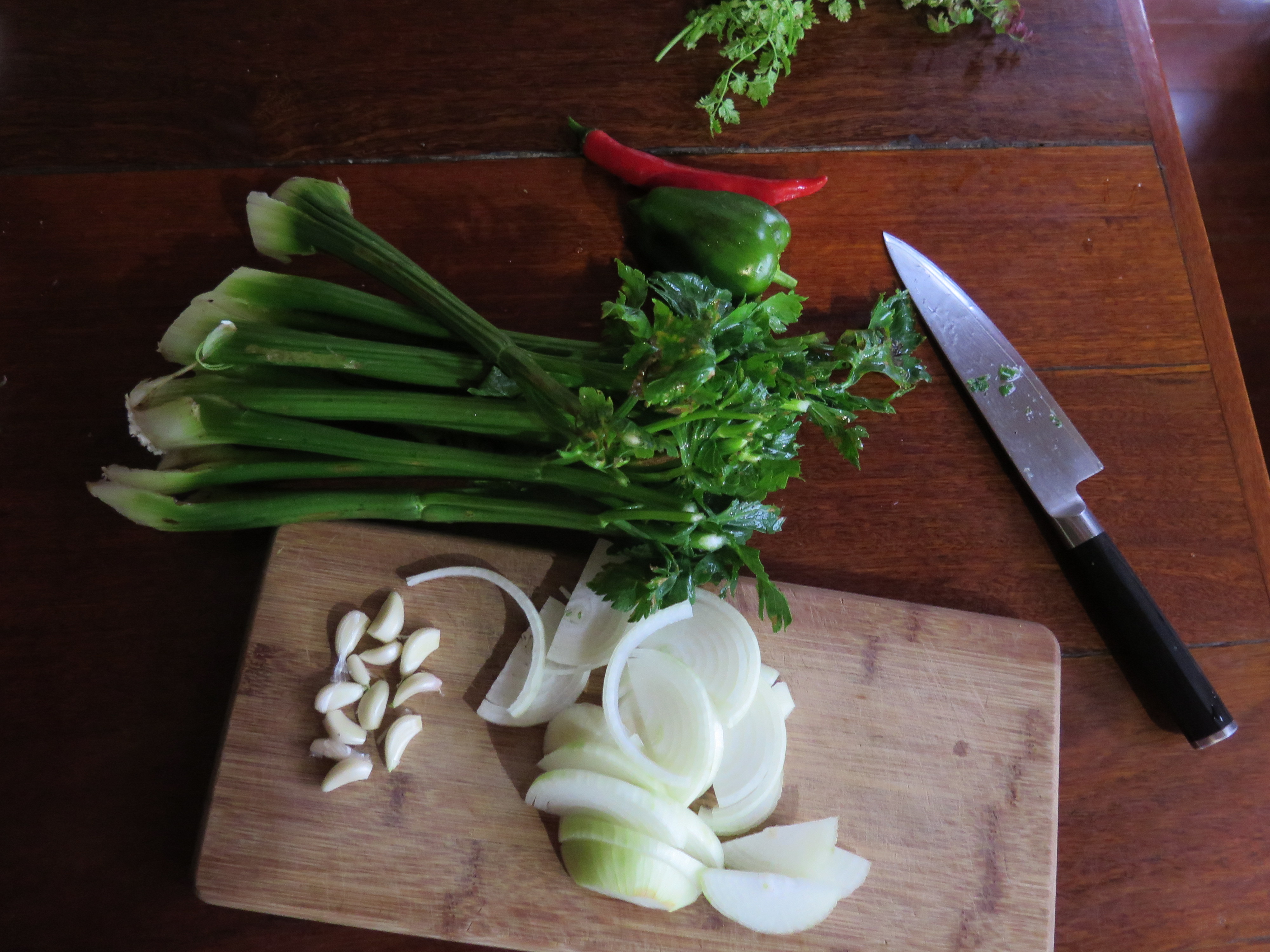
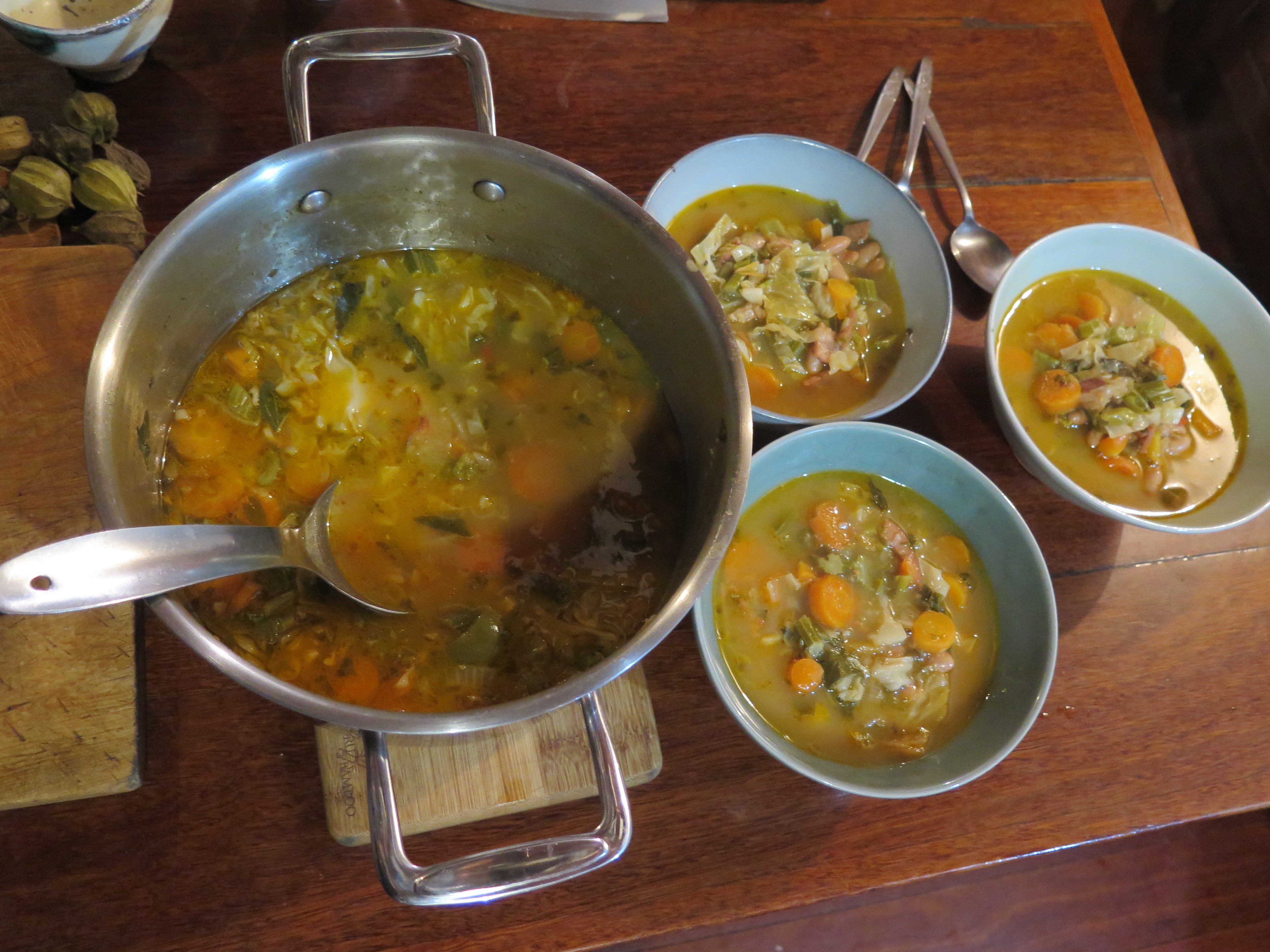
These cold winter days are so appropriate for minestrone. The Lovely picks carrots, cabbage, leeks and celery from the garden and browns an onion in good olive oil. She gas to climb up onto of the kitchen table to reach for another plait of our garlic that is hanging high in the kitchen ceiling curing. We are more or less half way through the garlic year and a bit more than half way through our supply of last years garlic.

IMG_3798 IMG_3808 IMG_3814

IMG_3817

I pick the last of the summers dried beans, still in their pods, shell them and soak them overnight. They make a great start to a wholesome soup base. With the Lady’s magic touch, it all comes together into a warming and nourishing couple of meals.

IMG_3871 IMG_3904

IMG_3905 IMG_3906

IMG_3907

We are enjoying all the usual winter greens. The Brassicas are doing well just now in this cold weather. We have broccoli, cabbage, Brussel Sprouts and cauliflowers all on the go. A typical meals just now might be fish with 3 veg, but otherwise it’s just 3 or 4 veg.

 IMG_3918 IMG_3933

Tonight we have a piece of fish with twice cooked home-grown dutch cream potatoes. Twice cooking starches converts the starch from instantly available high GI starch and sugar, into slowly digested resistant starch, which is very low GI. I Serve this with Brussel sprouts and kale.

IMG_3951 IMG_3953

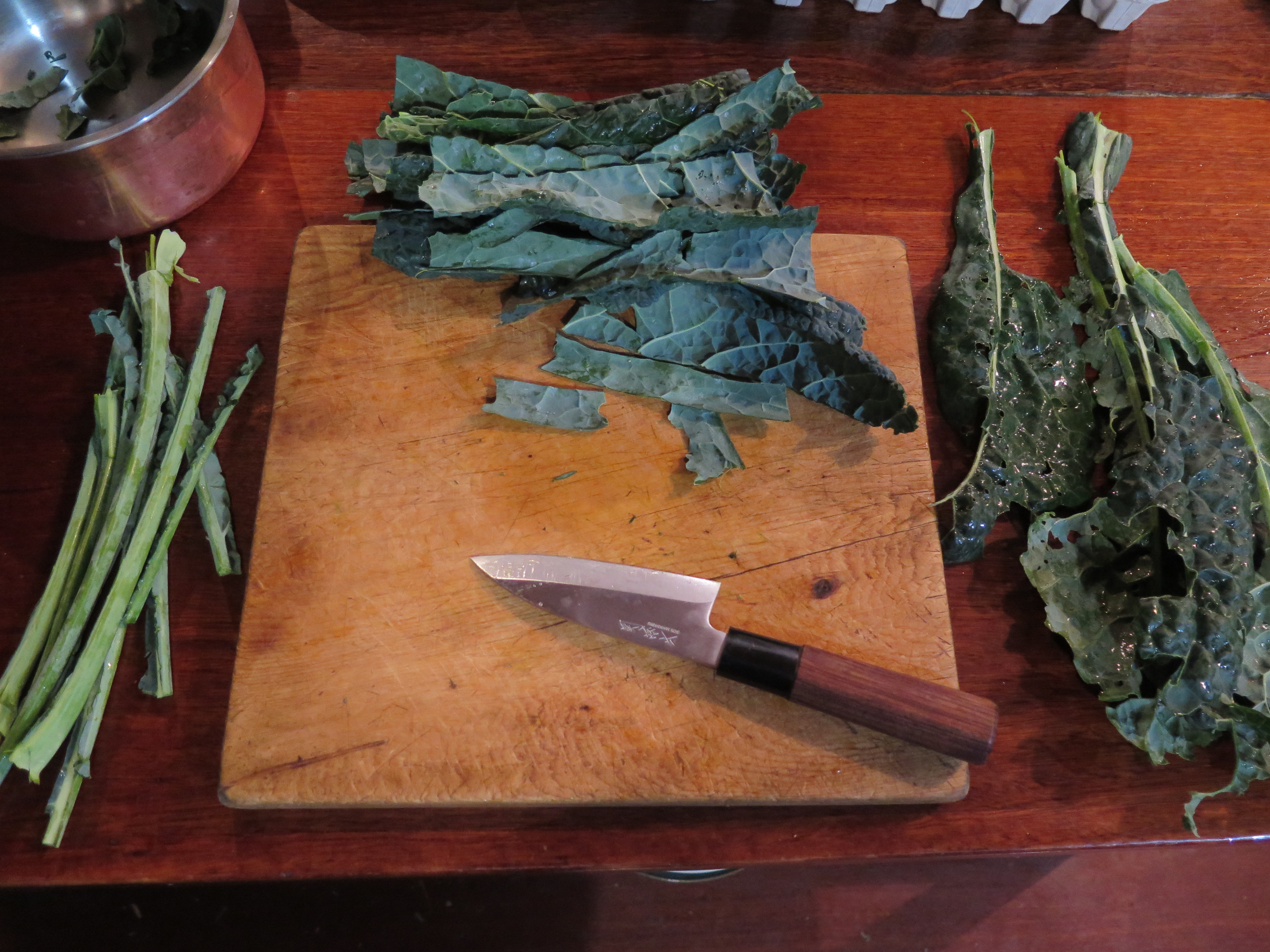
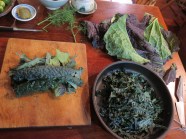
I’ve been trying to find a way to enjoy kale, but it is rather limited in what can be done with it. I persist because kale and all the other older fashioned brassicas. The ones that still have their bitterness still in them, The ones where it hasn’t been bred out yet. These are thought to be very good for you.

Prof. Mark Mattson, of Johns Hopkins University has written a few articles about this. I read one in New Scientist magazine last year. “Whatever doesn’t kill you makes you stronger”. To summarise. The bitter principal in these veggies stimulates your immune system and tones you up.  So, I keep trying to make it more enjoyable. I’ve decided that the best that I can do is to slice the leafy material away from the stem, slice it finely and simmer it in it’s rinse water and a little olive oil with loads of garlic. Then serve with a squeeze of lemon and some fresh ground pepper and a little of my fake salt substitute. It’s almost enjoyable. Once I mixed in some Ethiopian Cabbage and red mustard leaves with the kale. It must have been very good for me, because I could only just eat it. It was so bitter.

IMG_3949

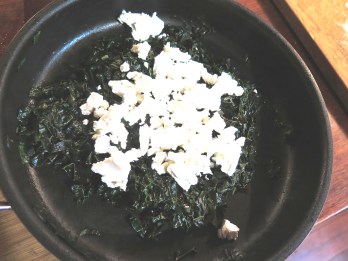
The best way that I have settled into wit kale now, is to simmer the peeled leaves as above and mix in 100g of diced feta , before serving with the seasoning and lemon juice. Have no more fear of kale. This is lovely. The feta makes it all the more delicious and balanced. The fat content dramatically improves the balance, mouth feel and taste.

IMG_3952_01

After the flood

The rain has eased off and we can go out and check the damage. We have had 350 mm. of rain in 36 hours. the rain gauge was over-flowing one morning, so we don’t know how much we lost. That has never happened before. We have emptied 350 mm out of it, so perhaps there was another 50 mm that we missed measuring? That’s about 14″ in the old imperial measure. It was certainly a very heavy and prolonged rain storm.

IMG_3819

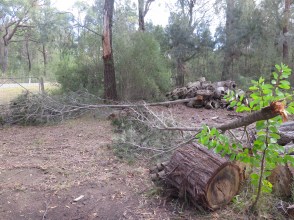
We go out to survey the damage. Not too much thankfully. Just a  few small trees blown over or snapped off. We sprang a few more previously undiagnosed leaks in our 123 year old tin roof, but I can fix those. I always do, I’m used to it. There is a lot of maintenance in owning a hundred+ year old house. I just don’t know where the leaks are going to be in advance. I have to wait for the big storms to be able to find them. So, we sat through the evening with buckets on the floor, dripping and ‘plonking’ away.

Out side everything is still seeping, teeming, running, gushing. Everywhere you look, the ground is so saturated and oozing water. All 4 of our dams are full and overflowing. As I walk around, I make a mental note of all the jobs that will need doing. The kiln shed is a tragic mess. The water has forced itself up and out of the floor in one corner where the shed is cut back into the hill. The new spring has flowed straight through the middle of the  building, washing away all the small items that were left on the floor and making a trail of patterned tidal sand ridges and depressions like you see in the sand beds of creeks.Now a day or two later, everything is starting to turn green with a mossy/lichen sort of growth. The kiln shed has an earth floor with ceramic paving. It’ll take months of dry warm weather to evaporate all this water from the floor. That is once the earth has stopped seeping.

IMG_3821

I walk down along the old lane it has been swept, or rinsed, clean of loose brush and other light materials. All swept away. The water from our big dam higher up overflows down along here. It looks really peaceful and beautiful here now after the event. The grass and undergrowth has all been swept over and ‘combed’ by the torrent. there is still a steady stream of water 100 mm. deep flowing down along here. It’s hard to believe that this was once the main East/West artery for the village. It’s particularly beautiful, right here, right now. I’m brought back from the moment into another reality. My feet are wet from standing in the water and it’s cold. I chose to wear sandals for this walk, as I knew that it would be too wet down here for shoes.

All the dams are brimming full and over-flowing. It’s a very nice sight and it only ever happens like this once every decade. We are so lucky to have put in all this ground work and infrastructure over the past 40+ years. If everything all goes to some sort of plan, like it has in the past, we will have water now for at least another year and possibly two.

The dams don’t stay full for long as seepage and evaporation steadily take their toll. That is why we have paid extra money to have all the top soil from the dam sites kept and then returned to the tops of the dam banks instead of the usual practice of burying it under the wall. The top soil allows the native bush to re-seed into the bank and grow up into a sort of wind break, as it is the wind passing over the water surface that causes evaporation. If you can slow down the air movement, evaporation is reduced. This seem to have worked well for us over the years. Our dams are all now enclosed in native bush and not sticking out like scars on the landscape. We are so lucky and I am grateful.

IMG_3836


Home Again

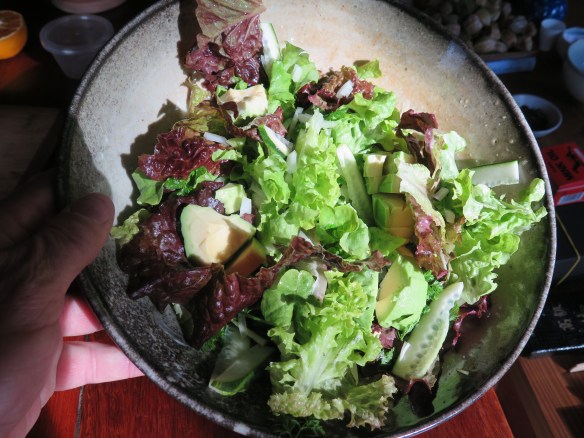
We haven’t been home long and we are able to get most of our meals from the garden. We start with a very fresh and crisp green garden salad. IMG_3713

We find that there are a few ripe avocados still on the tree, so we pick one and add it to the salad. It’s a special bonus. We wouldn’t have any left at all due to the birds and possums if it weren’t for Janine getting out there and bagging the last of the fruit before we left.

I manage to find some time to get out into the garden and pull out all the spent corn stalks and dead tomatoes vines. I have a few goes at it over a couple of days and eventually make a bit of a difference. I lime the soil with dolomite. A natural mixture of calcium carbonate and magnesium carbonate in about a 50/50 ratio. It sweetens the soil and negates some of the natural buildup of acidity through our use of a wide range of organic composts. We make compost from everything that we have on our place here, including pine needles and gum leaves. Everything that is organic and can rot is composted down to a black/brown peaty compost and used as mulch somewhere on the block. Pine needles and gum leaves tend to be acid, so are good for strawberries and blue berries, but bad for other plants that like a more neutral or alkaline pH.

IMG_3781  IMG_3784

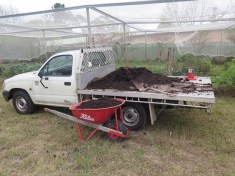
We also add a layer of composted chicken manure on top of the freshly exposed, weeded soil, then cover it all with more compost. I try not to dig unless I have to. The worms seem to do that for us, If left to their own devices.

IMG_3783  IMG_3782

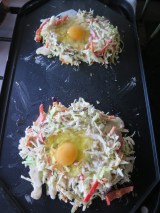
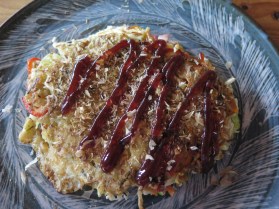
I pick a cabbage and make our first home made okonomiyaki at home here after our return. The cabbage is a whopper. It has grown well while we have been away. I only use a 1/4 for 4 pancakes. I add in some other vegetables that we have including a grated carrot and a finely sliced red capsicum;. These wouldn’t usually be included in such a dish in Japan, but we aren’t in Japan anymore. We are home and this is what we have. And after all, okonomiyaki actually translates as something like ‘add what you like’. So I do!

IMG_3789  IMG_3788 IMG_3787

IMG_3791 IMG_3793

The washing machine decides that it will only do one more wash and then burns out. It stops mid-wash and goes no-more. We have to drain out the water from the unit before we can open the door of the front loader. This machine has done well. Over twenty four years of continuous service. I can thoroughly recommend the ASCO ASEA brand for a quality, reliable, long lasting product. All you have to do is find a brand new and unused model from 20 years ago and you’ll have a good quality machine. God only knows what the current products are like in terms of long lasting quality. Anyway, I’m very pleased with our choice from two and a half decades ago. There is a lot of embodied energy in a thing like this and it really needs to have a long life to justify its existence, otherwise it just becomes more of the same old land fill junk that the big companies want us to cycle through endlessly at great expanse to the planet. Built in obsolescence is a crime against society. So good on you ASCO, for still stocking spare parts for this old model.

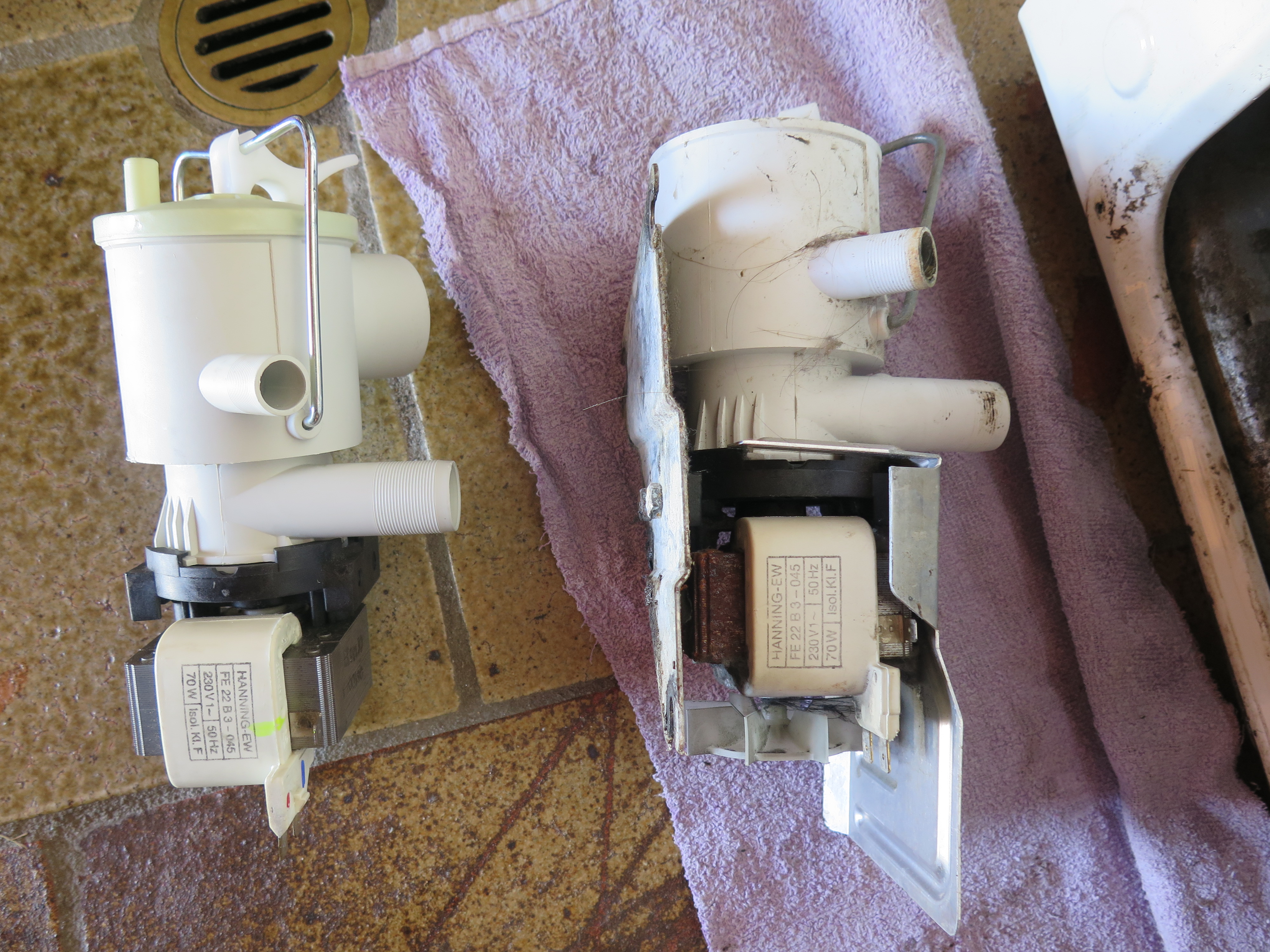
I knew that the water pump in the washing machine was wearing out for some time and I ordered a new one a few months ago. It took a couple of months to get here, as it had to come from Sweden. The new pump arrived just before we left on our travels, so we were lucky that it didn’t fail while we were away and cause Annabelle, our house-sitter, any problems. The local agent doesn’t carry spares for 24 year old products. I can understand. I’m pleased to get one at all after all this time.

I set to work to replace it, but like all these jobs, it turns out to be a bigger, longer, more complex job than I imagined. Firstly, the new pump isn’t complete, I have to take some parts off the old one to make it fit. Second, the old parts are quite well settled into place after 24 years in wet, humid conditions and take quite a bit of un-doing. I am forced to retreat from the laundry and go down to the workshop to get my hands on some serious tools. The Swiss army knife isn’t going to cut it on this job on its own.

IMG_3761 IMG_3765

I manage to get all the parts swapped over including the fan on the pump motor. I’m amazed that this isn’t included. It’s only a simple plastic part worth just a few cents. it has the be prised off the old shaft and it’s a tight press-fit on the new one. I had to pay $250 for this little pump. I’m amazed that they can’t supply a mounting plate and plastic fan for that money!

IMG_3768

The electrical cable is just long enough for the factory technician to fit the pump, while it is up-side-down in the factory, in good light and with the correct tools, and plenty of practice. When I’m working down in a dark corner, on my back, in a confined space, holding a torch in one hand, a pair of pliers in the other and then with my other 2 free hands I am able to manipulate the electrical clips in the correct order, otherwise the last one won’t fit!!!!! I question the logic of this thriftiness. This all has to be accomplished in just 100 x 300 mm. of access space. I’m finding it quite difficult to get both my arms in there at the same time, never mind to be able to see what I’m doing and work accurately.

The last minor annoyance is that the rubber hoses are all crimped on with single-use metal clamps that need to be broken to get them off. Luckily, I keep a lot of different sizes of adjustable hose clamps in stock here for other uses. Fortunately I have 50mm, 35mm and 25mm dia clamps in my tool box. Eventually it’s all done. The only real joy that I can take from this is that I didn’t have to pay a technician another $250 to come out here and do it for me and most importantly, I have forestalled waste by keeping this old appliance going for another few years. So this is self reliance.

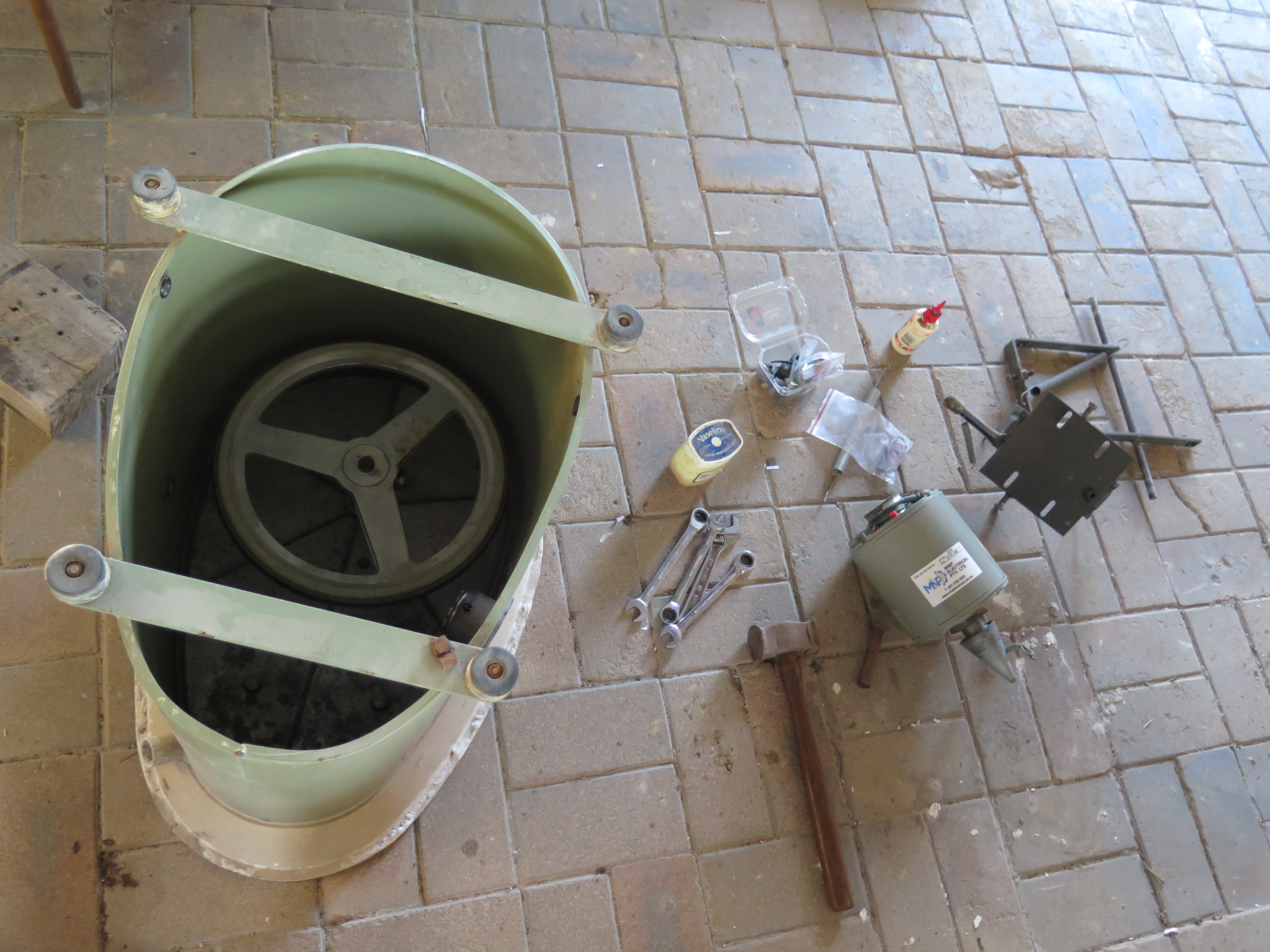
While I’m in maintenance mode, I set about rebuilding a Venco potters wheel destined for an aid project in Cambodia. It arrived here completely disassembled and in a few different cardboard boxes of loose parts. it has a reconditioned motor and all new grommets as well as a new rubber drive wheel. Everything reconditioned for a long life ahead.

It takes me an hour or two just to figure out the order in which I must do the job to get it all to work out. I have one false start and then it goes smoothly. If I had taken it apart myself. I would have remembered the sequence, but as it has all been completely disassembled by someone else, I have no memories to call on. I have to work it out using only logic.

IMG_3770 IMG_3779

It goes and it works OK, so I am happy with that. This old wheel will now have a new life ahead if it in Cambodia in a village pottery workshop for many years to come. More waste forestalled.


Tomatoes for 5 Months

We are now just back from our 5 weeks in Japan continuing our research into single stone porcelain. We were lucky enough to get to many more sites on this visit, where porcelain stone is, or has been mined. See my earlier posts below.

I have been able to make a few nice pots while I’ve been here. Actually, I made a lot of pots, but destroyed all of inferior work that wasn’t up to scratch and didn’t make the cut.  I’m not here to make rubbish. I want to make things that I can be proud of, nothing less. My rejected pots have all been crushed up to dry powder, packed into boxes and shipped back home for a possible 2nd life. My best work was glazed and fired onsite and also shipped home. All my efforts are currently in containers at the port or on the high seas. I will see them again in 2 months. Hopefully they will still look as good when we are reunited.

This work is all a part of my 10 year project to go to all the places in the world where single stone porcelain has been made and then make some work at each of these places, out of the material that is to be found there. These works will then be shipped back here to Australia, where I will exhibit the whole body of work from all the sites along-side my own single stone porcelain pots, that I have made here, in one big show. I’m rather hoping that it will look good when all amassed together in one show. Only time will tell. I’m almost finished. Next year should see the end of it.

As soon as we are back home and settled in. We unpack our bags and put on a load of our soiled clothes into the washing machine, which grumbles and squeeks as it grinds along. I can’t complain, this machine is over twenty years old and still going – just. I think that it is the leaking water pump that is the problem. I have a new one in stock. I ordered it months ago when I noticed the water starting to leak from underneath. It took months to get here. It arrived just a week before we left on our long trip. I didn’t have time to install it before we left. Now that I’m back, I will have to make time.

After the basics are dealt with, then it’s straight out into the garden to check out how all the plants have fared while we have been away. Apparently it has been very dry for most of the time, with just one proper fall of rain. Annabelle Slougetté has been living here in our absence and has kept everything alive for us.

IMG_3723  IMG_3717

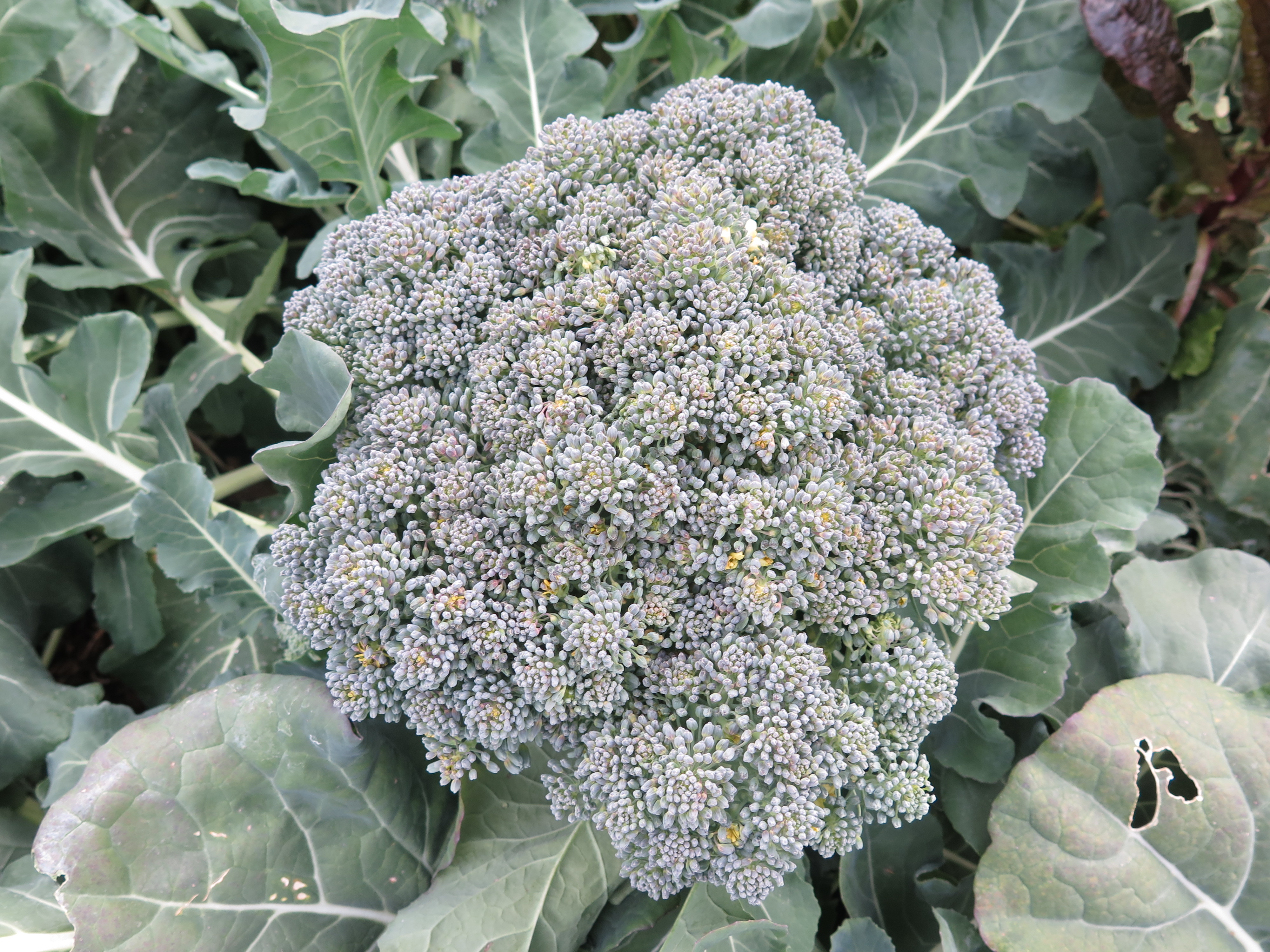
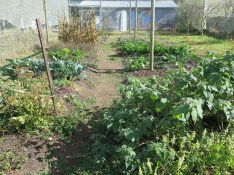
The first thing that I notice when I get into the garden, is how dead so much of the garden is. The last of the summer corn, has finished, dried out and turned up its fibrous toes. We made an effort to mulch as much of it as we could in the week before we left and this has really paid off for us. There are so few weeds now. A couple of days of intensive work will bring it all back into healthy production again, as there are loads of winter vegetables coming on. I made an effort to get all these planted early in the season, at the end of summer/early autumn. So, now we have broccoli, brussels sprouts, cabbage and spinach ready to pick.

Surprisingly, many of the late summer plants are still lingering on and still producing food. Others, their time being up, have gone to the big veggie patch in the sky. They will soon be headed into the compost bin, where they will rot down and be fertiliser for next seasons crop of summer vegetables.

As I look around, I see that there are still some little yellow tomatoes ripening on the old, almost dead, vines. We have been picking tomatoes now for 5 months, pretty amazing for us. So this is global warming?

This will likely be the last pick, as the plants have lost all their leaves and are pretty much dead now. Interestingly though, there are still some small new tomato plants germinating and growing up. One is even flowering, but I can’t believe that this will amount to anything, as the first day of winter is only 2 days away. The first frosts can’t be too long after that.

We  used to get our first frosts at the beginning of May, now its the end of May or early June and possibly later? A couple of years ago, we went right through winter with only minimal frosts, to the point that we didn’t get any apples on any of the trees the following summer. Apples need a minimum number of frosts (or winter chilling hours) to develop the hormones that are necessary to make the flowers fertile.

I go straight back out into the garden with my basket and fill it with little yellow tomatoes, the last of the lingering sweet basil and a load of capsicums and chillis.

IMG_3749

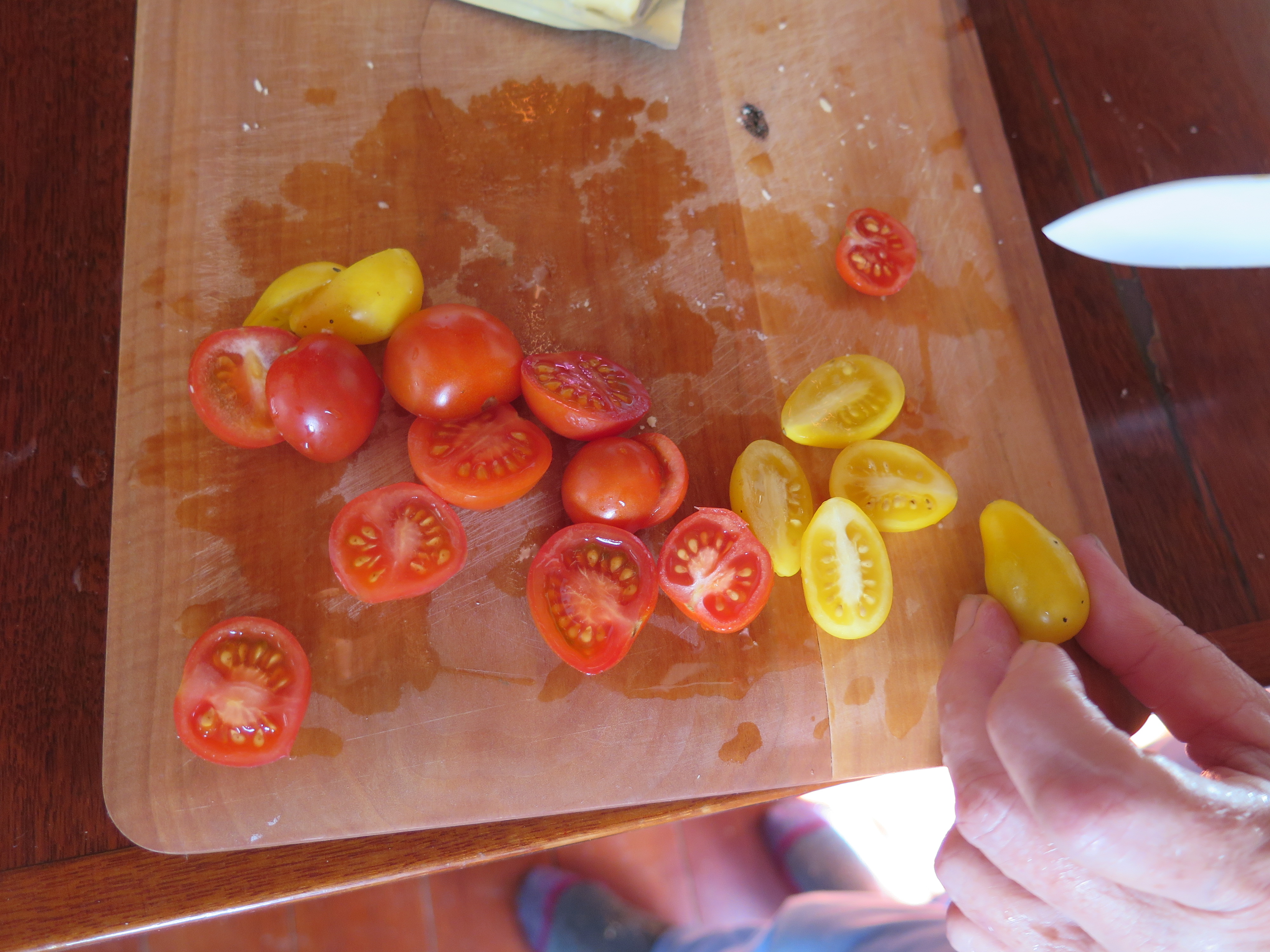
I set about making a tomato/caps/chilli salsa by browning a few onions in good olive oil and adding 6 small knobs of garlic. The ones that are so small at 20 to 30mm. dia. that it really isn’t worth peeling them. They will add heaps of flavour to this mix and the small amount of skins and paper will be removed when I strain the whole batch. I let them softening down along with all the diced fruit over a long time at low heat on the wood fired kitchen stove.

IMG_3750

I will  pass it all through the kitchen mouli sieve to take out all the tomato and capsicum  skins and seeds, then reheat it to sterilise it and bottle it in heated glass jars. It will keep for a year or so, but probably won’t last that long. It’s too delicious, although very ‘hot’ with chilli flavour. It will make a great addition to winter stocks and sauces over the coming cooler months.

This little effort marks the end of our summer preserving for this year. I’m very pleased, as I wasn’t expecting there to be any fruit left to preserve. This simple garden-to-kitchen-to-pantry excercise grounds me and resets my emotional and spirituual compass to ‘home’ after being away. This is what I do. This is what I live for. This is me. The self-reliant potter/gardener.

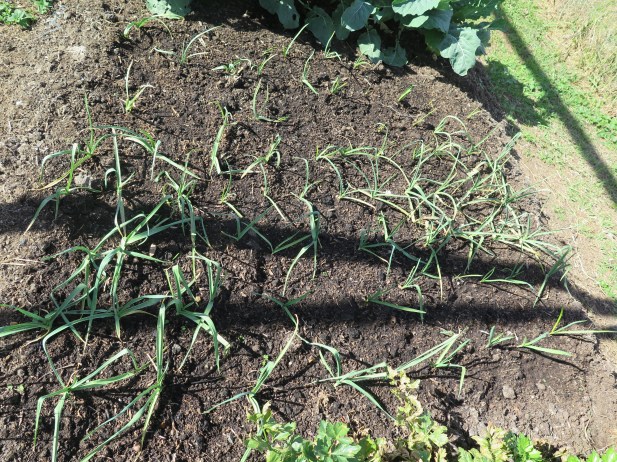
A close inspection of the garden beds reveals a lot of little germinating seedlings of onions, carrots, beetroot and rocket. I planted these seeds just the week before we left. I also planted a few hundred cloves of garlic. Most of which have now germinated and are showing their green shoots. Peas are also up and growing quite strongly, I hope to see them flowering soon.

IMG_3718  IMG_3722

IMG_3721

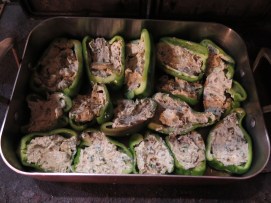
There are a lot of capsicums ready to pick, so I decide to stuff them with ricotta and bake them in the oven, as the stove is lit, we are making hot water and warming the house up as well, seeing that we are now home and the weather is so windy and cold. Such a change from the weather in southern Japan, where it was almost summer and the weather was balmy to hot.
IMG_3726

IMG_3725 IMG_3728

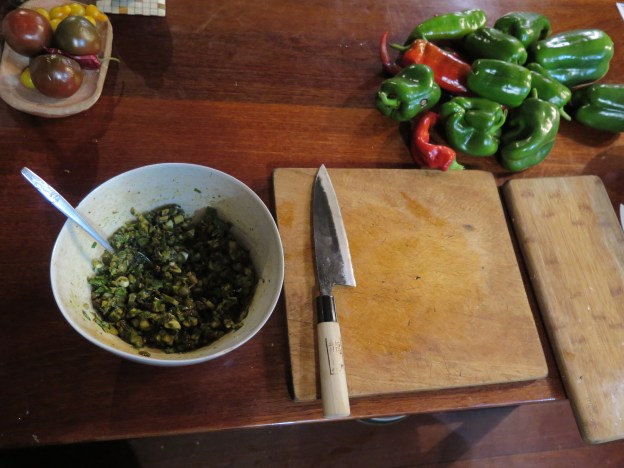
I make a stuffing out of whatever we have at hand in the fridge. Before we left I had bottled some little cucumbers and some dried tomatoes. I add these into a lump of fresh ricotta. I add a few cloves of our garlic, along with a few capers and an anchovy or two, a few olives, a shallot and some parsley. I dice it all up and mash it together with some veggie and herb salt substitute. I would like to add a little bit of finely diced feta cheese to give it a little bit of chewy texture to the cheesey mix, but I don’t have any at this time. I’ll add to my shopping list for next trip into town. There are plenty of capsicums left to pick, so we will be having a meal, not unlike this one again in the coming days or weeks. I like to use what I have in the garden and pantry. Our main food expense these days since we lost our chickens and ducks is protein, which these days consists mostly of fish.

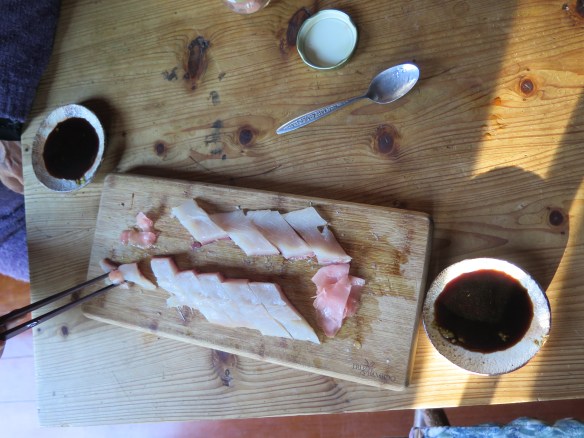
The fresh fish truck is up from the coast today, so I buy a small piece of super-fresh sashimi grade kingfish, we have a small fillet for lunch. I skin it and slice it up and we have it with a little soy sauce, wasabi and pickled ginger in vinegar. Yum. Itadakimas!
IMG_3746