Welcome Home

After The Lovely Saint Nina (Betty/Buffy/Katherine) left me in Taiwan. She arrived back in Australia and was collected from the airport by our very good friend Len. It was a dark and stormy day. Huge thunder storms were raging and trees were down and many roads were blocked or closed by the intense down pours. The tunnel was flooded, so they took the longer, alternative route. This also had many problems and was detoured in parts by flooding or downed trees. As they approached our home in the storm on a narrow stretch of road, through the bush, a kangaroo jumped out onto the road directly in front of them and wrote off Len’s car. So Len the Unlucky and Betty, Buffy, Katherine the Forgetful, had to make their way home the last few kms in the rain to collect our car to get The Lovely’s luggage.
Len borrowed our car to get home and for the next two weeks while his car was being fixed. So Len now collects me from the airport, in my turn, in my car, so that I can drive myself home.
I’m home and its hot. Too hot for this time of year. I suddenly realise that although it was hot a lot of the time in Asia, the one thing that was missing was the smell of eucalypt oil.
I step out of the car and crunch into the dry gum leaf detritus/compost in the gutter, blown there by the strong westerly winds. I know that I’m home. The air is baking and the eucalypt oil smell welcomes me.
Annabelle Sloujetté has done a wonderful job of looking after our house and pottery. She is gone when I return, but I can see from the two tyre scorch marks in the lawn that she hasn’t been gone very long. The pottery is full to bursting with her new work and it’s very lively and an inspiration to walk into another persons studio, full of such exciting forms and decorations — even though it’s really my studio. It looks so different. Her work is so exuberant and joyful.  The Blessed Saint Nina the Forgetful, Buffy/Betty/Katherine, has returned home before me a few weeks ago. But she isn’t here either. She is working up the hill, manning our display for the Southern Highlands Arts Festival ‘Open Studio’ Weekend at our friend Elizabeth’s studio.
IMG_7733 IMG_7746
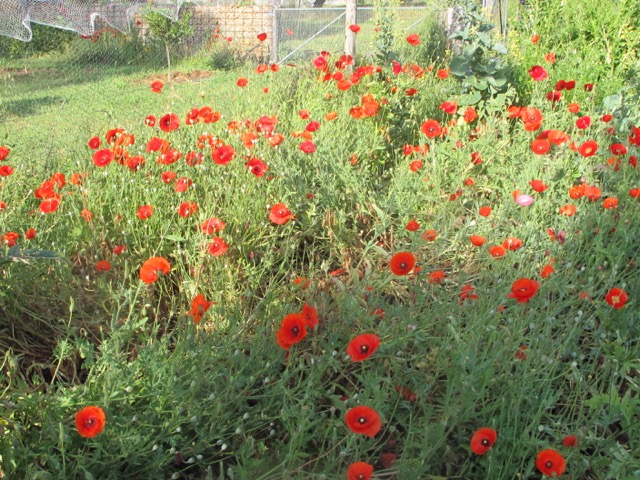
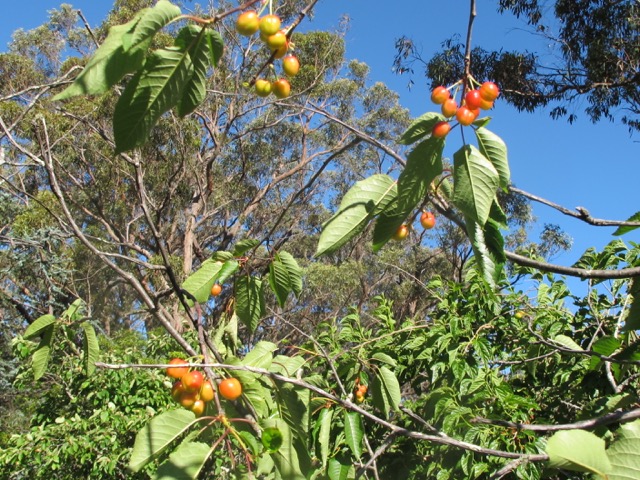
I wander around in my ‘new again’ old home and garden. The cherries have flowered, set fruit, and the fruit is just now turning red. Almost ready to pick, they will be ready to pick in a couple of days. All this has happened in the time that I’ve been away. The air is hot and dry and it is perfect weather to ripen fruit. I walk around the garden and the stone fruit orchard. Everything was still pretty dormant when I left 10 weeks ago. It was really just the end of winter. Now, however, it is late spring and there is plenty to see. The single red poppies are out in force for the 11th of November and the nasturtiums are also adding a burst of colour in little clusters all around the garden. We don’t plant them any more, they just come up nowadays. We did plant a few seeds, many years ago, and since then they just keep on coming up everywhere. I don’t know how they migrate like they do, but they just seem to manage it somehow.
IMG_7760
IMG_7757 IMG_7759
 IMG_7758
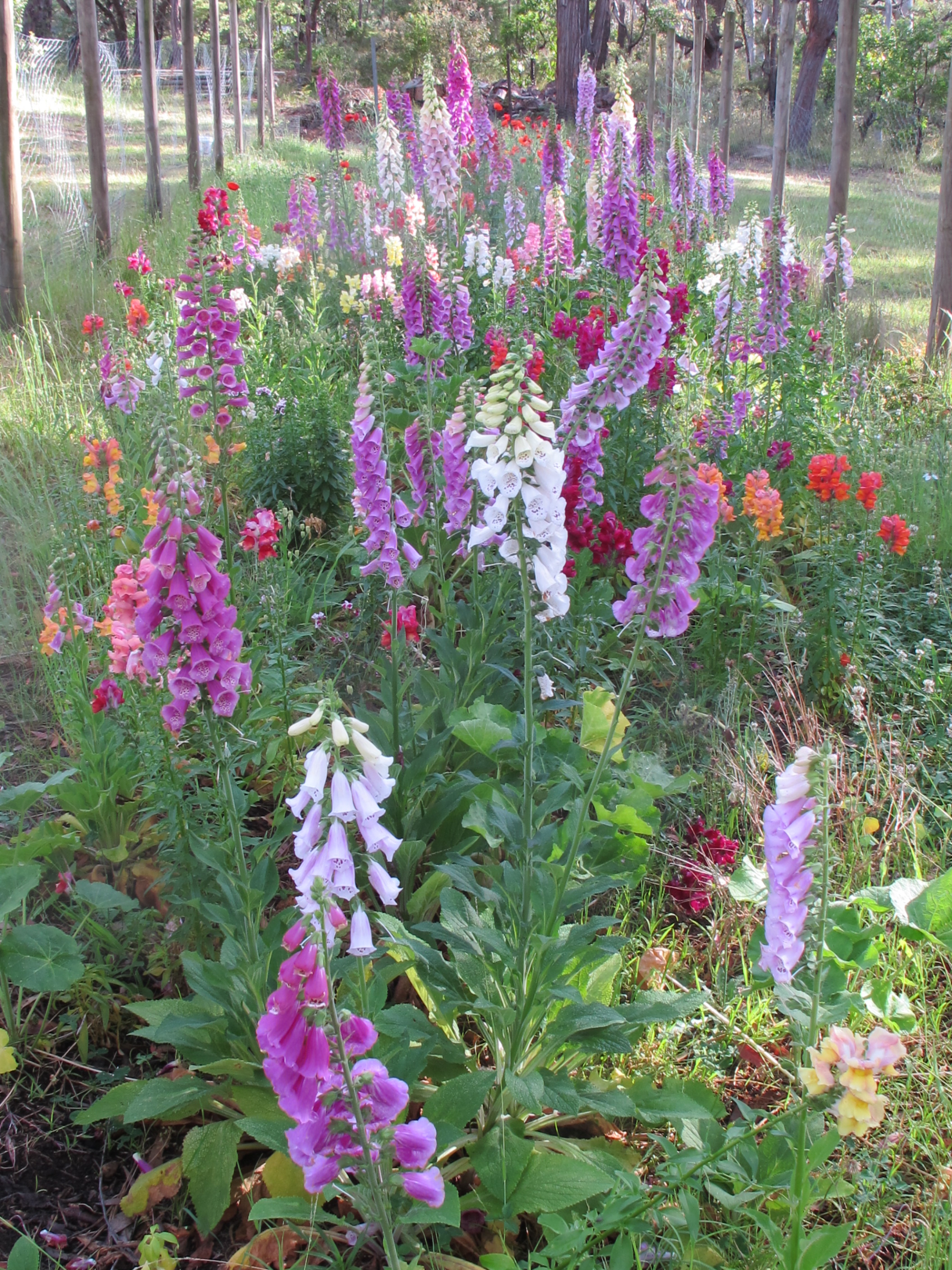
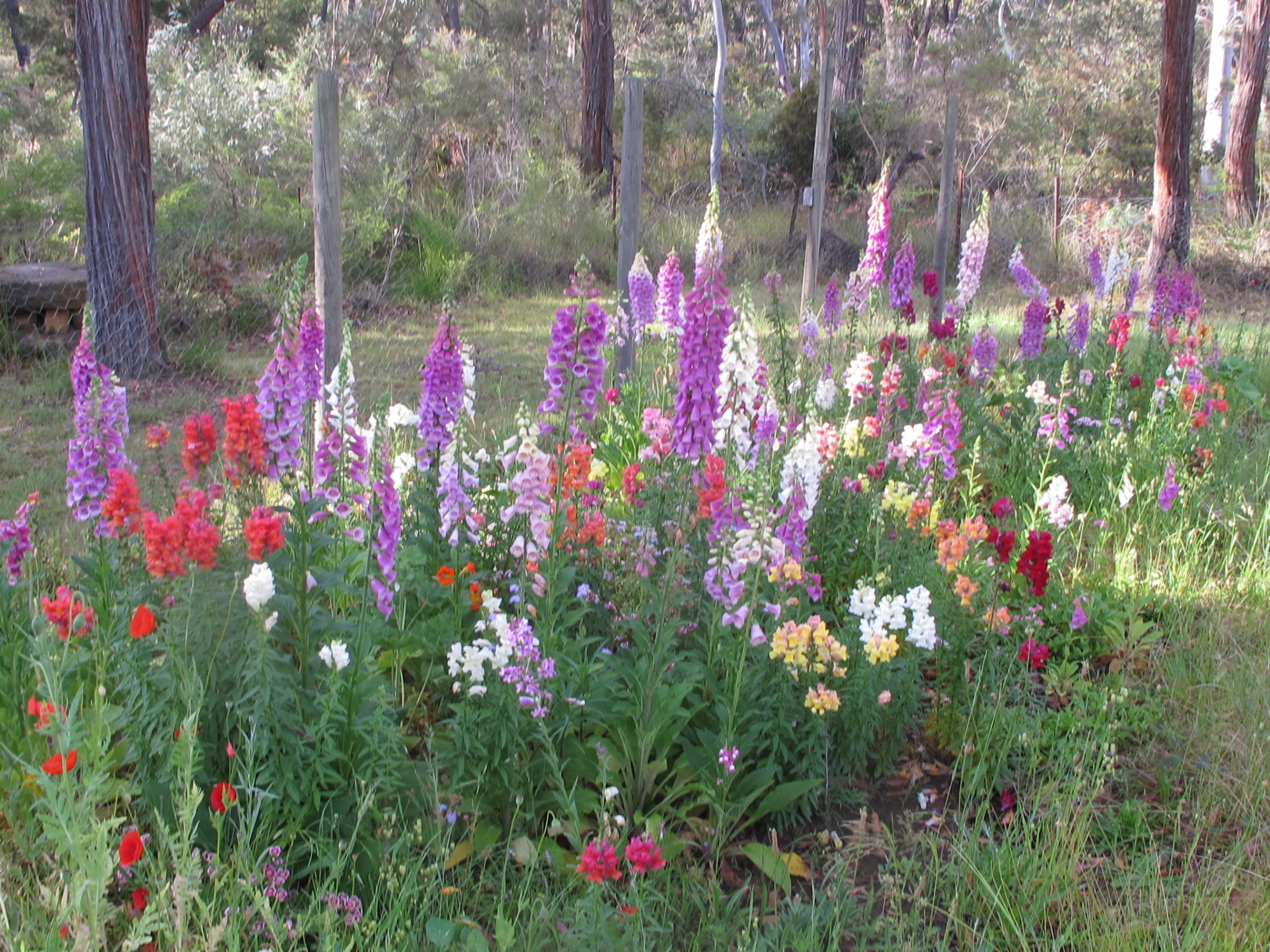
I planted a small area, down in the Pantry Field Garden, to English cottage garden flowers a couple of years ago. It was a surprise for The Lovely One. She loves flowers, so after I ploughed up the area for potatoes, I left half of the ground for English flowers as a present for her. I broadcast 2 packets of ‘English-Country-Garden’ flower seeds into the freshly dug ground and watered them and waited. Sure enough, there was a small show of some annuals that year, but there were also a lot of bi-annuals setting their roots down for a great show for this spring. After looking at all the other parts of the orchards and gardens, I make my way all the way down to the Pantry Field. I can see a burst of local colour. It worked and it looks good. A small gesture, but a pretty one. It only survives the predation of all the local herbivores by being enclosed in a wire mesh fence. Not too pretty, but essential in these circumstances, if the plants are to survive long enough to flower and set seed. I’d like to see this little patch of English country garden flowers self-sow and regenerate on its own in future.
 IMG_7762
 IMG_7763
There are mulberries ready to pick, plus strawberries, and the very early Sherman peaches have turned red. I taste one, Yes, they are already ready to eat, soft, sweet and deliciously warm in the sunshine. The juice squirts out and dribbles down my chin. I slobber and slurp the delicious sweet warm fruit and its juices. One isn’t enough. I take a second and then a third. My fingers are sticky with the juice. My lips and chin are warm and sticky. I need to go into the house and wash myself. Such are the simple natural pleasures of the fruiting season.
IMG_7736
The Divine Saint Nina – The Forgetful turns up. She has been out visiting other studios. It’s lovely to see her again. I missed her. We have always traveled together up until this time. We planned to, but circumstances intervened.
We settle back into our natural routine. Janine opens a new jar of marmalade, it’s sensational. I’ve really missed that taste for some months now. I’m sure that there is some factor of absence at work here, making the taste buds grow fonder, but this jar is really nice, so flavoursome. That lovely tang of the sweetened citrus flavours, but there is something else too. I pick up the jar and examine the small hand-written label. It’s my writing, so it’s one of my batches. It tells me that on the 22nd of July, I used Seville orange, Chinnotto, Meyer lemon, — and the secret ingredient in this batch, which may be why it tastes so extra good, is the addition of prune brandy stirred through the mix, just before bottling. I’d forgotten about that.
IMG_7856
We had made some prune brandy a couple of years before, just as I make cherry brandy most years. It’s a simple operation of pouring brandy over the fruit in a sterilised glass jar and screwing down the lid. You forget about it for a year or two in the back of the pantry cupboard and just leave it to sit and develop. I always include the pips, because the best part of the flavour comes from the tiny amount of cyanide that is in the pips. This is slowly dissolved in the alcohol and gives the brandy a fruit + almond flavour. Yes, almond flavour is the flavour of cyanide. Just in case you didn’t know. And it’s fantastic, as anyone who loves amaretto will attest. So what made this marmalade so good was that last-minute addition of that rich flavoursome brandy stirred through just before capping off.  Wow. So good!
I struggle through the fruit-box-full of letters, parcels, junk mail and other postage that has accumulated over the couple of months. Then I start to deal with the hundreds and hundreds of emails, all queued up and waiting to be sorted, some answered, but mostly trashed. Still, they have to be looked at, so that I can decide which button to press. It’s late when I head off to bed. The Divine Miss N is long gone. I slide quietly under the covers, when suddenly, Buffy springs her trap. She flicks the sheet over my head. I know that resistance is futile and surrender to my fate.
Fond regards from Buffy and her fresh meat.

13 Years of Hard Work Up in Smoke

Winter Delights.

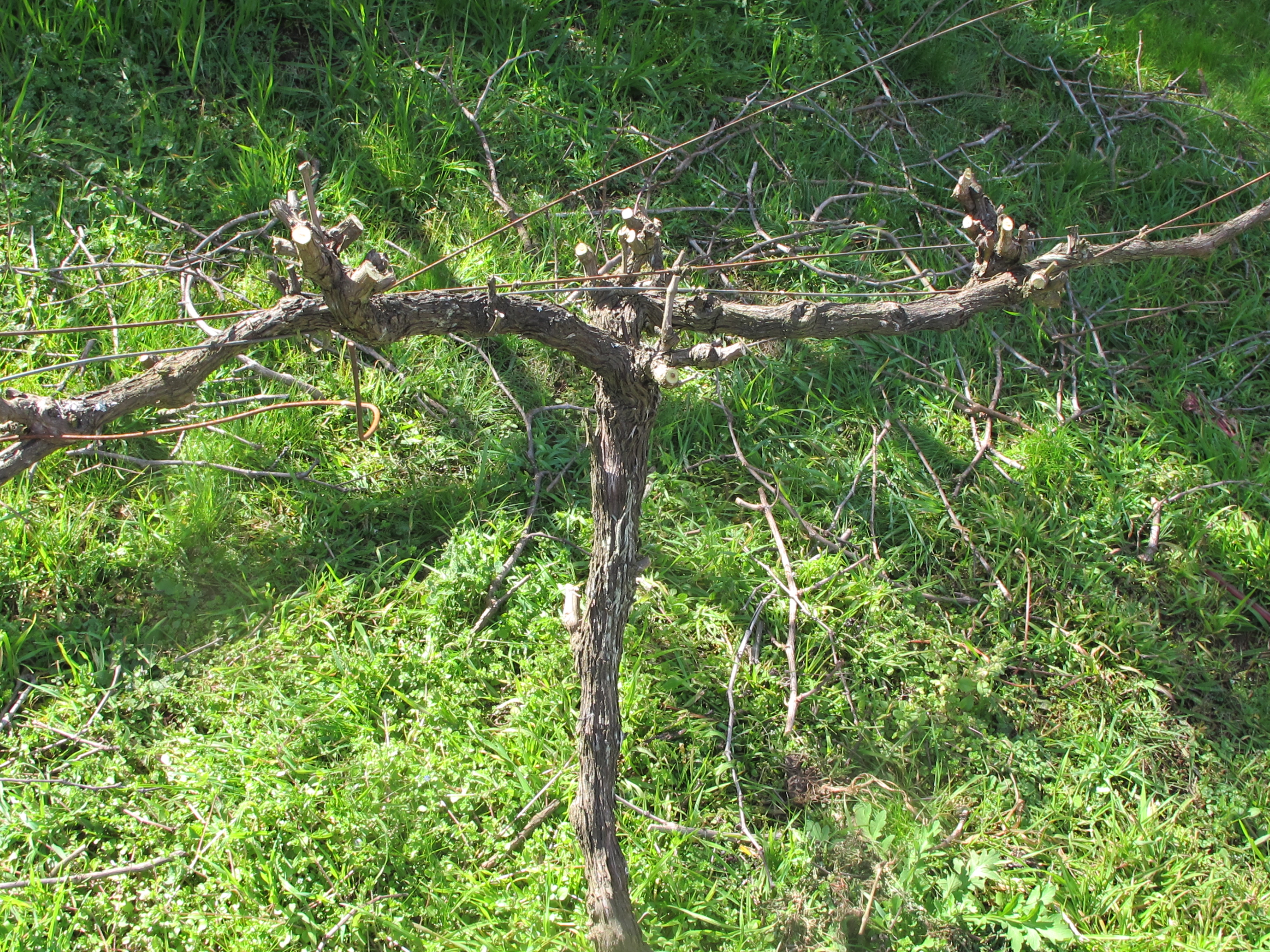
It’s the middle of winter and it’s time for pruning. I spend the morning pruning the dozen or so almond trees and then go on to prune the shiraz grape vines, as they are close together. These young almond trees are just coming into their 13th year now, we have other, older almonds that are 38 years old as well, but they are in another part of the garden, in with the original stone fruit orchard and are quite established.
Once you get into it, it’s an easy, mindless job. The sun is warm on my back, as there is no wind this morning. It’s a nice job, so much better than cleaning out the kiln firebox. My only difficulty is when I’m working around the trees and have to prune into the sun, which is low in the sky and makes me squint with it’s brightness. If this is the only thing that I can find to whinge about, then I am a happy man.
While I’m at it, I can’t help but recall Peter Mayle’s fictional neighbour ‘Massot” who he encounters while ‘Massot’ is pruning his vineyard. He has been pushing a wheel barrow along the rows depositing all the prunings into the wheel barrow. There is a small fire glowing in the bottom of the metal barrow and as each new collection of cuttings is deposited, it is ignited from the coals and ashes of the previous vine. As it is described, I can visualise that it’s a beautiful system of ancient ancestry. It removes the dead wood from the vineyard. It doesn’t require any cartage. It sterilizes the woody plant material that might otherwise spread infected material from vine to vine and as there is a hole in the bottom of the barrow, all the ash from the fire is slowly drained out along the rows of vines as soluble fertilizer for when it rains. A pretty perfect system. Beautiful in it’s simplicity. I’ve thought about burning my prunings in one of our metal barrows. Sending 13 years of hard work up in smoke.

Mayle takes great pleasure in humiliating his hard-working peasant neighbour for his earthy roots by pointing out that he has seen small bundles of vine cuttings for sale in posh English department stores, sold as kindling – selling for 10 Euros per bundle. Massot looks back along the long rows of vine trellises and can visualise hundreds of Euros of kindling gone up in smoke. It’s meant to be funny, but maybe it can be read in a different way. Perhaps it illustrates that Mayle feels inferior to the local French man in his natural environment. Mayle can’t see the beauty of the system, only the money and we know that the peasant isn’t getting the money, he has a life deeply embedded in the terroir. Mayle will never be part of this environment, never really comfortable, never naturalised into it, always the expat, his clean hands will always tell that he is from somewhere else.

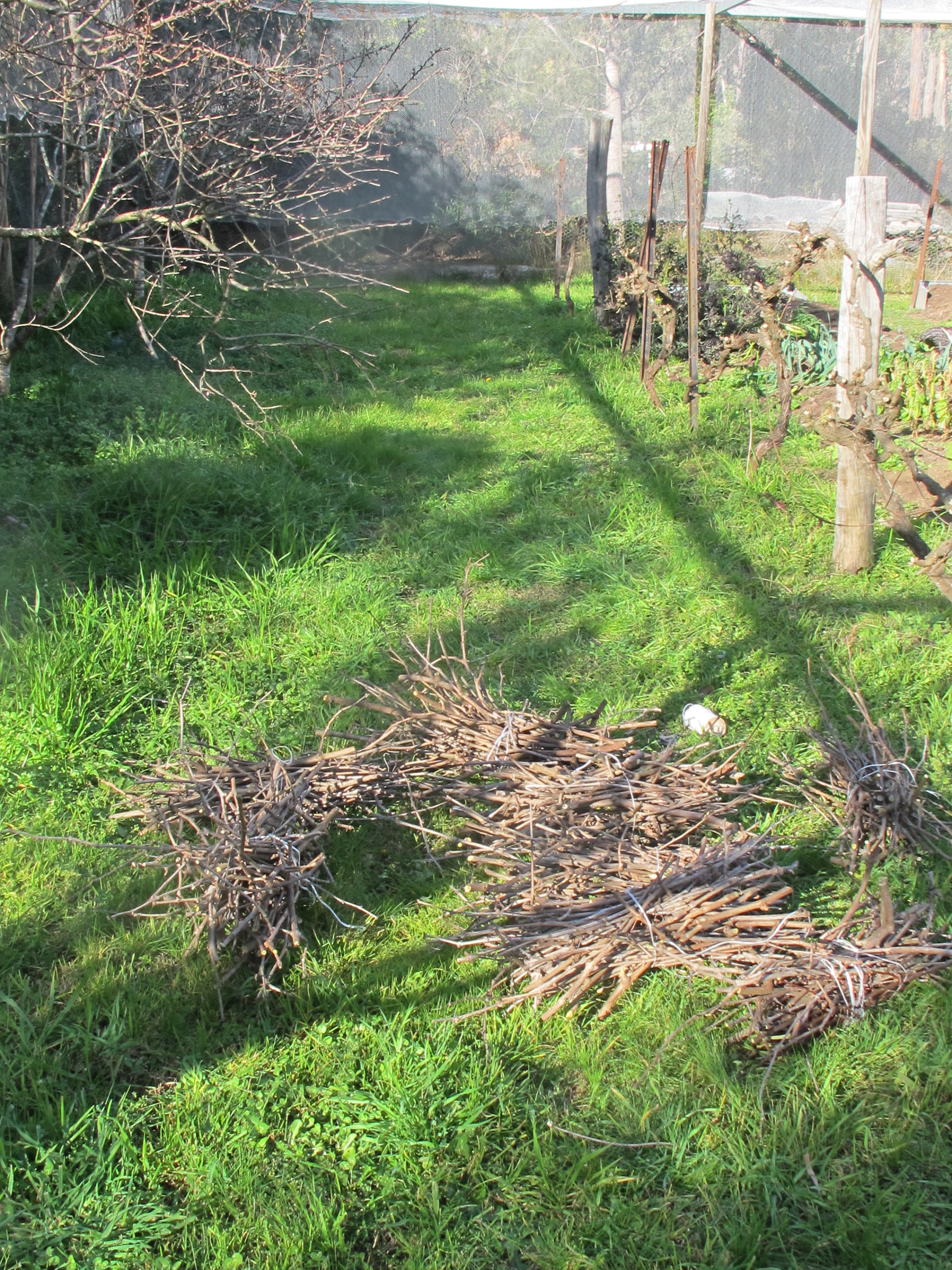
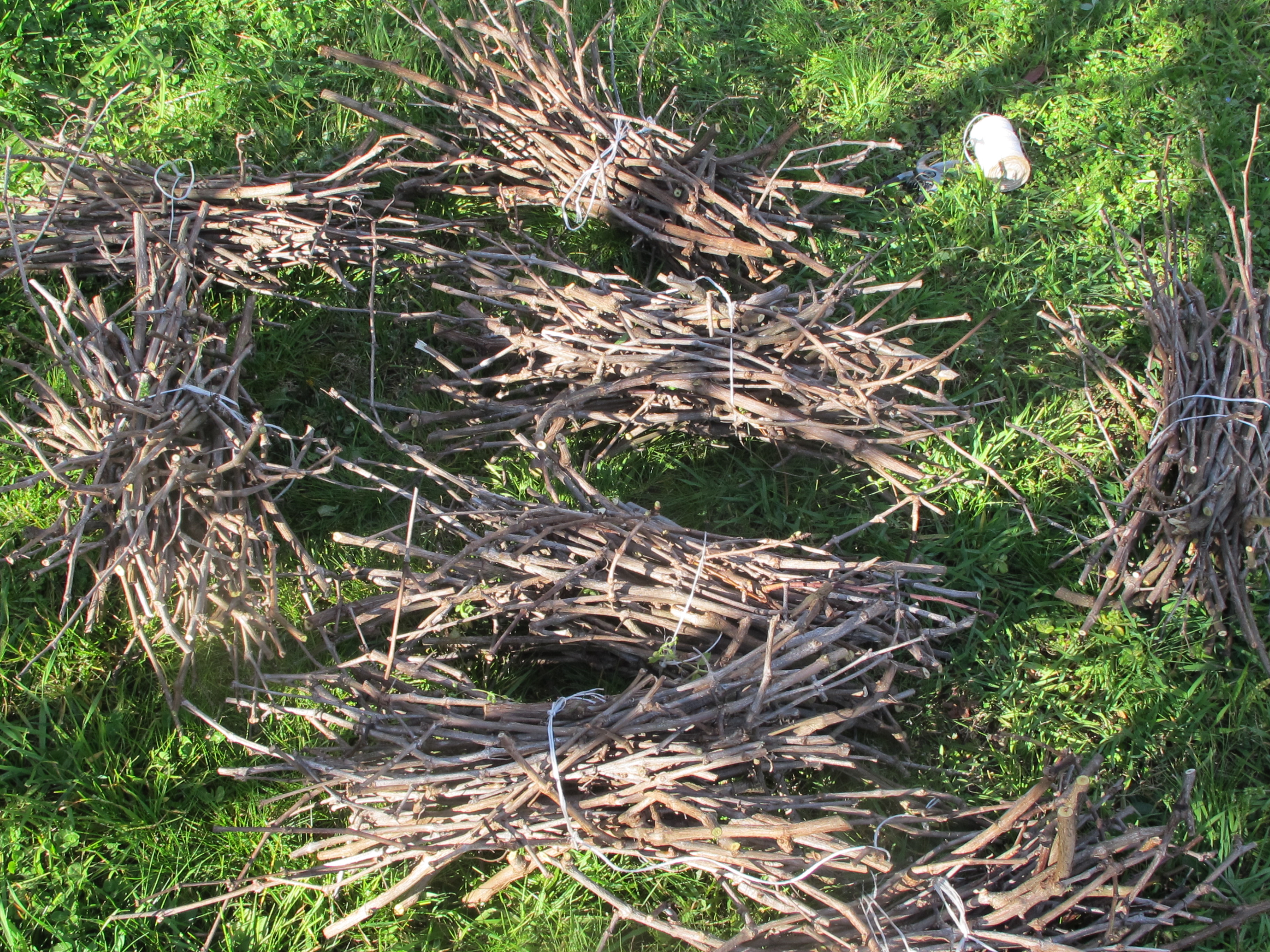
IMG_4653IMG_4649

IMG_4634IMG_4636

IMG_4647IMG_4648

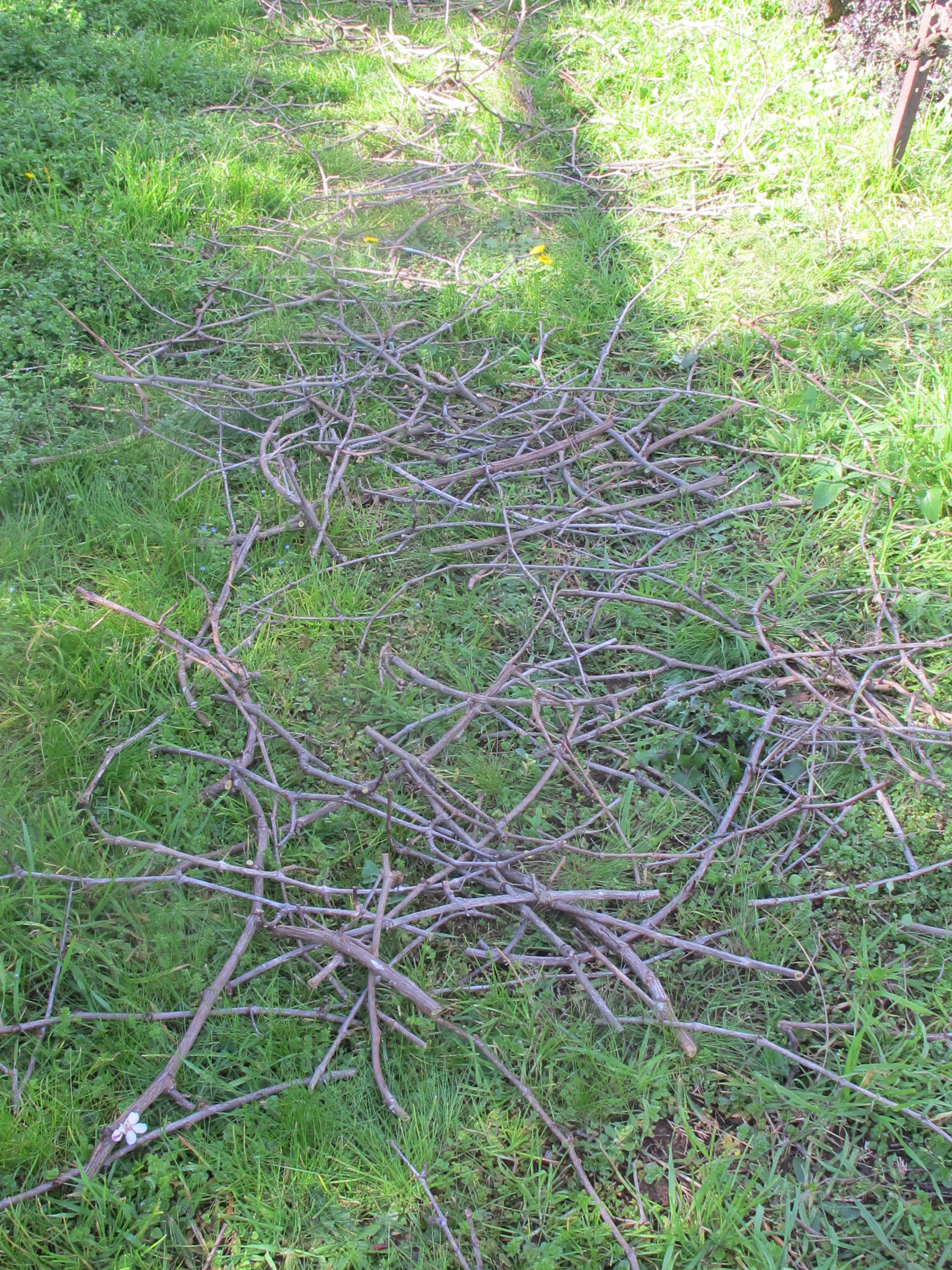
I bundle my prunings, not for sale, but for kindling in our own fire place. Often used to start the kiln. I like the symmetry of the closed loop. Use what you’ve got. The prunings have to be removed from the orchard and vineyard. The best way to deal with the issues of disease is the burn them, but rather than burn them for no beneficial outcome, using them to start the kiln is a positive use, appropriate for a post-modern peasant-potter.

I water the big potato patch down in the Pantry Field and find that they are still growing wonderfully well, as are the field mushrooms in among them. The tall tree cover has worked wonderfully well to keep the frost off. I wasn’t fully aware up until now just how warm it was down there in that secluded little clearing. I collect a dozen big mushrooms for dinner from in amongst the spuds. We’ll have mushroom soup tonight. A few bunches of herbs and an onion browned in olive oil till soft, then the diced mushroom added and sautéed, some marrowbone and garden mirepoix stock added in and all left to simmer down and reduce, lastly a little flour and oil Roux to thicken it up a little, some pepper, a lovely warming and filling garden delight on a winters night.

IMG_4692IMG_4694

IMG_4695IMG_4696

We have a huge pile of stumps, old logs too big for the chain saw and too heavy for the tractor to move around, These massive sections of pine tree trunk were given to us to burn in the kiln by my friend’s Mother, when a hundred year old pine snapped off in a severe storm, crashing down in her garden narrowly missing her house. The tree was 1.8 metres across and each section weighed more than a tonne. It was delivered by bobcat and tip truck, 20 tonnes of it over three trips. I cut up what I could manage by myself, the section up to 1.2 metres, but some of the larger base sections were just too big. Now, after 3 or 4 years, the white ants and wood rot have set in, so I have to deal with it. I get the bobcat back and get what’s left pushed up into a pile. We add some nasty weeds that we don’t want to seed around the garden and woody garden waste too thick for the shredder, but too small for hob wood. It’s all piled up on the spare block, where we stock pile our kiln wood.
IMG_0125IMG_0147
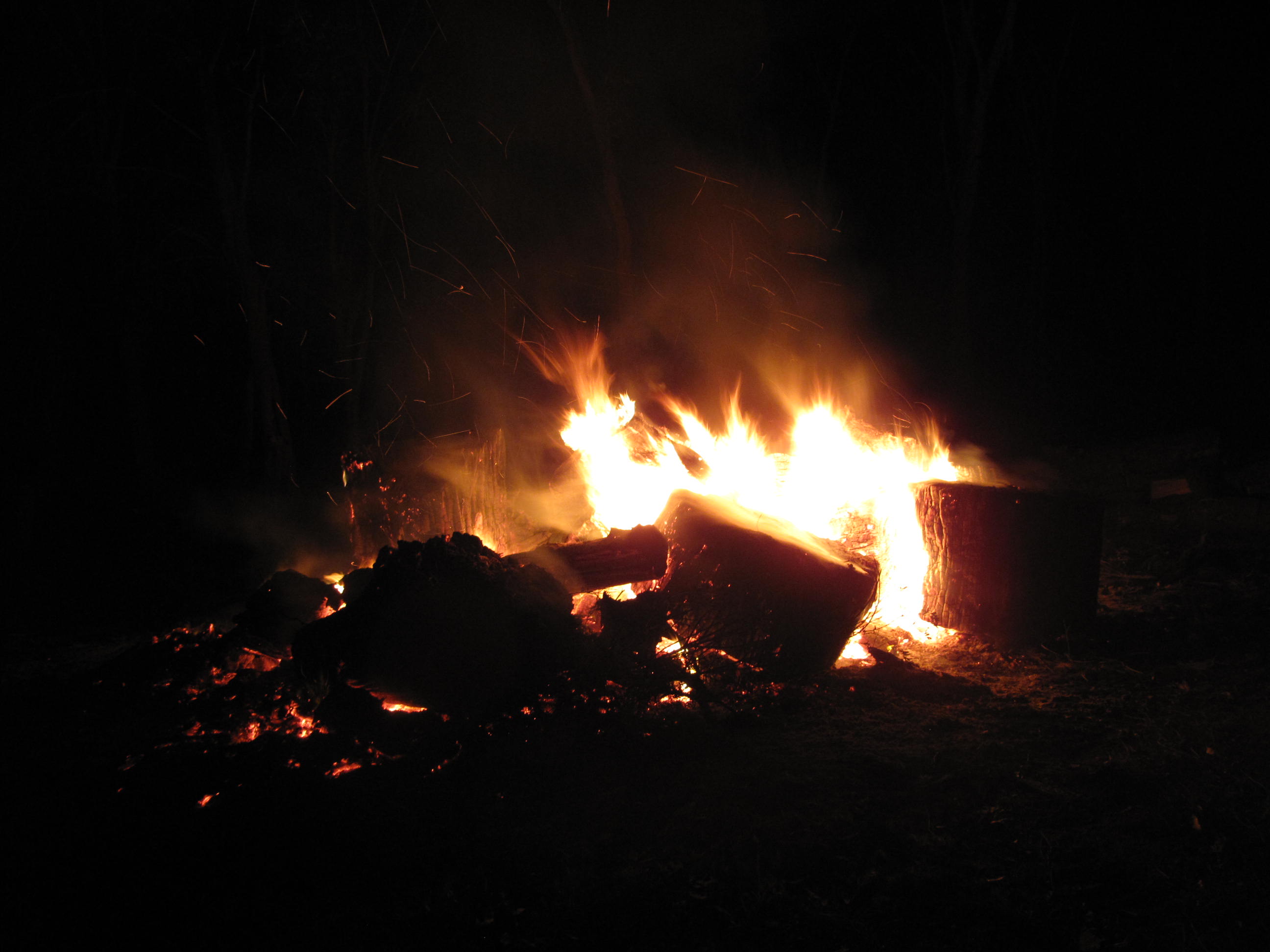
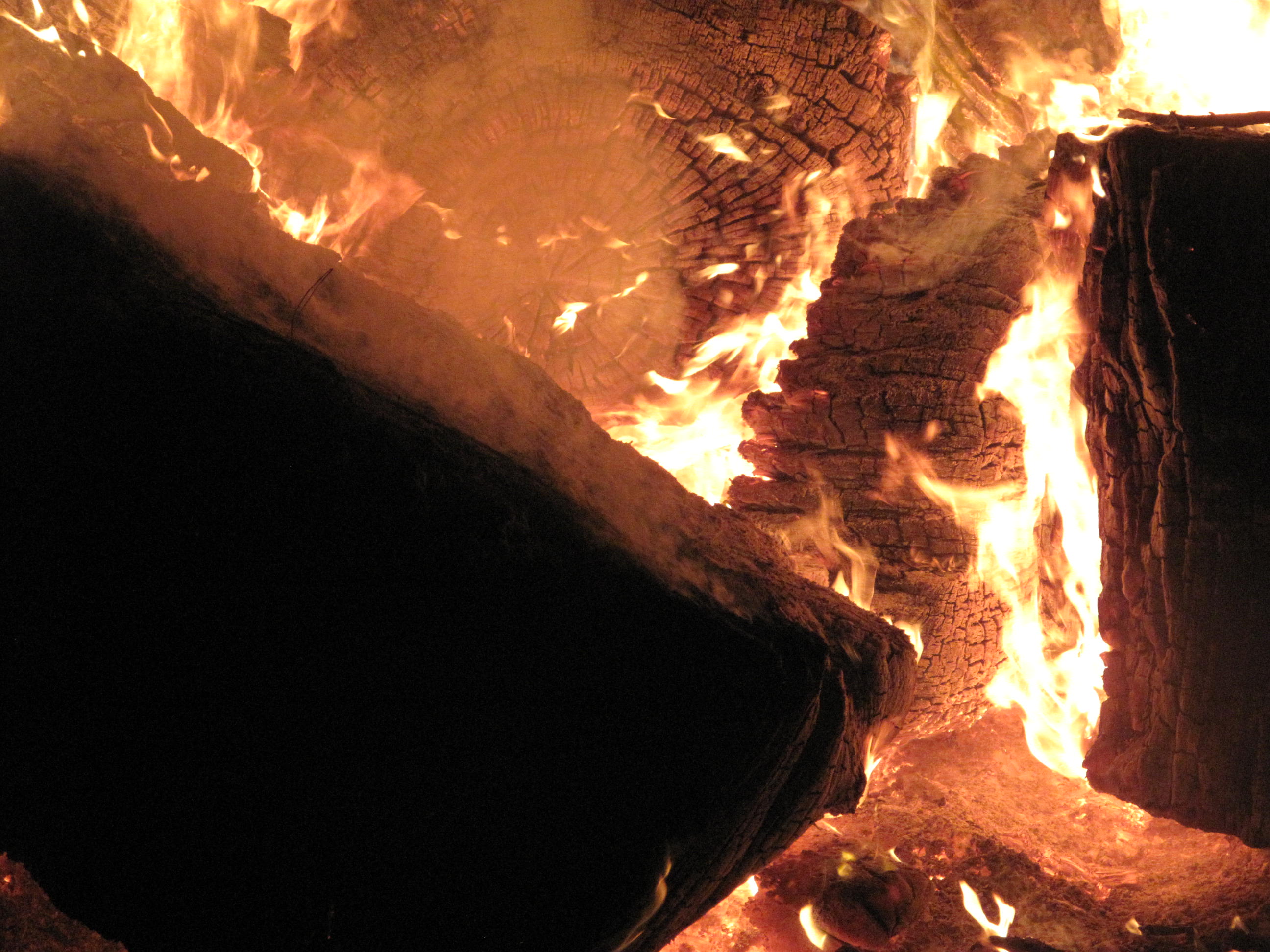
As the weather is clear and fine with no wind, it’s winter and there are no fire bans, we decide to burn off all this otherwise difficult to deal with herbage. In the evening we light it and it goes up like a Guy Fawkes’ night celebration. We have the long fire hoses ready and the high pressure fire pump going. It’s a good chance to give it a run and check that everything is in working order, ready for the summer.
IMG_0175IMG_0174

We crack a bottle of home-brew beer, congratulate ourselves for a long day of hard work and watch it burn, The flare of light tinder is all over in half an hour, but the massive stumps and log sections remain glowing and smouldering into and through the night. Janine is up at 1.00 am to check it and I’m out there again at 6am.
In the early morning light there are three separate collections of smouldering lumps. I get the tractor out and push them all together, back into one big pile and they burst back into flames and continue to burn throughout the day. I hate to waste wood like this, but without the machinery to deal with such big lumps, there doesn’t seem to be any other option for me. I can’t afford to pay the bob cat driver to come and work here regularly, while I work my way through the pile, I don’t want to have a massive termite nest on my door step and now that it has spent a few years in the weather, what’s left of this spongy pine has all gone quite ‘manky’, and lost most of it’s calorific value. A fire seems to be the best way.

We spend all of the next day tending and supervising the fire. Cleaning up a lot of small rubbish, rotten wood and weeds. Someone has to stay with it all of the time, just to be safe. There might be some good ash to be collected, if there isn’t any wind or rain before it all cools down, so that I can get to it.
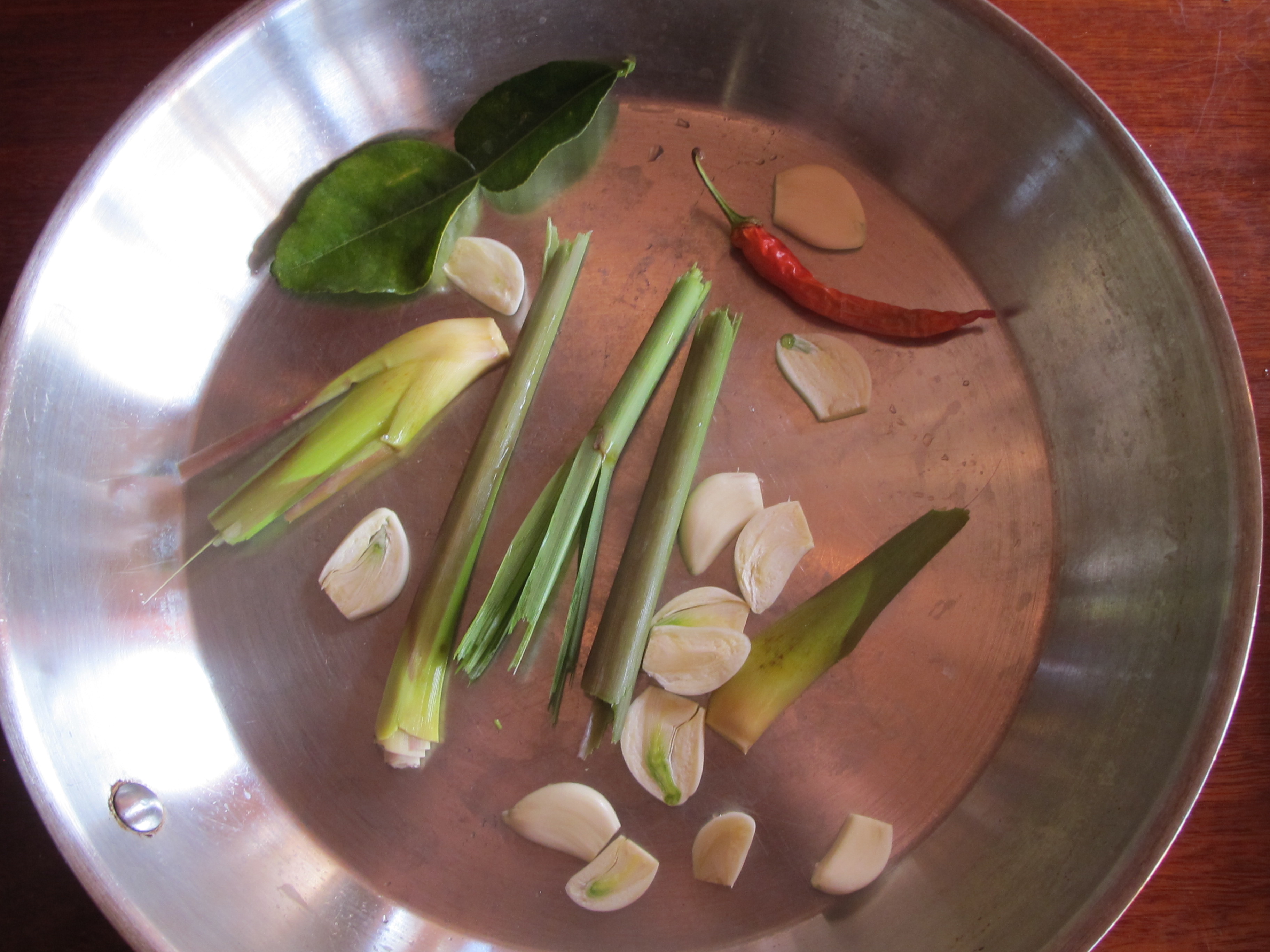
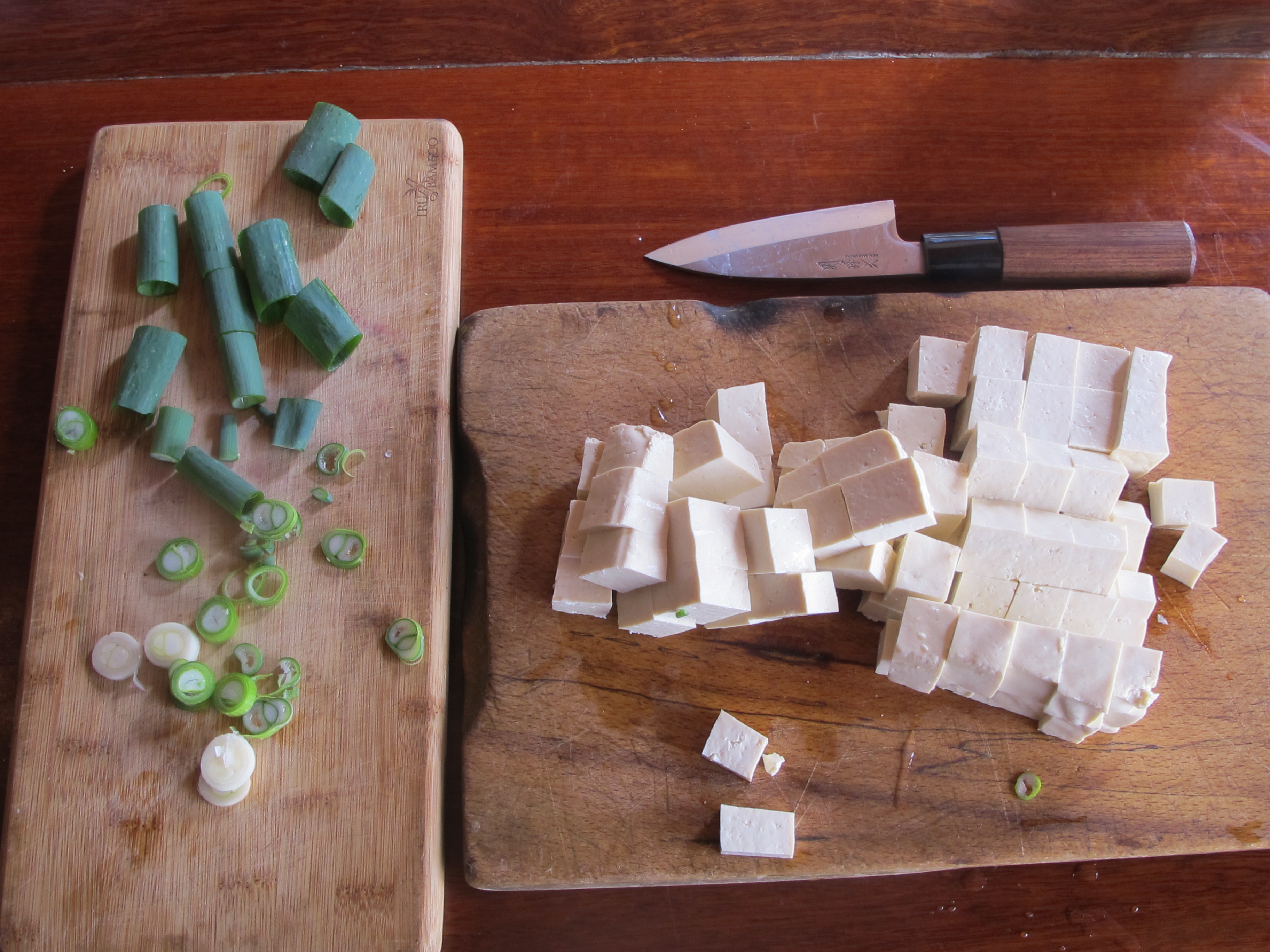
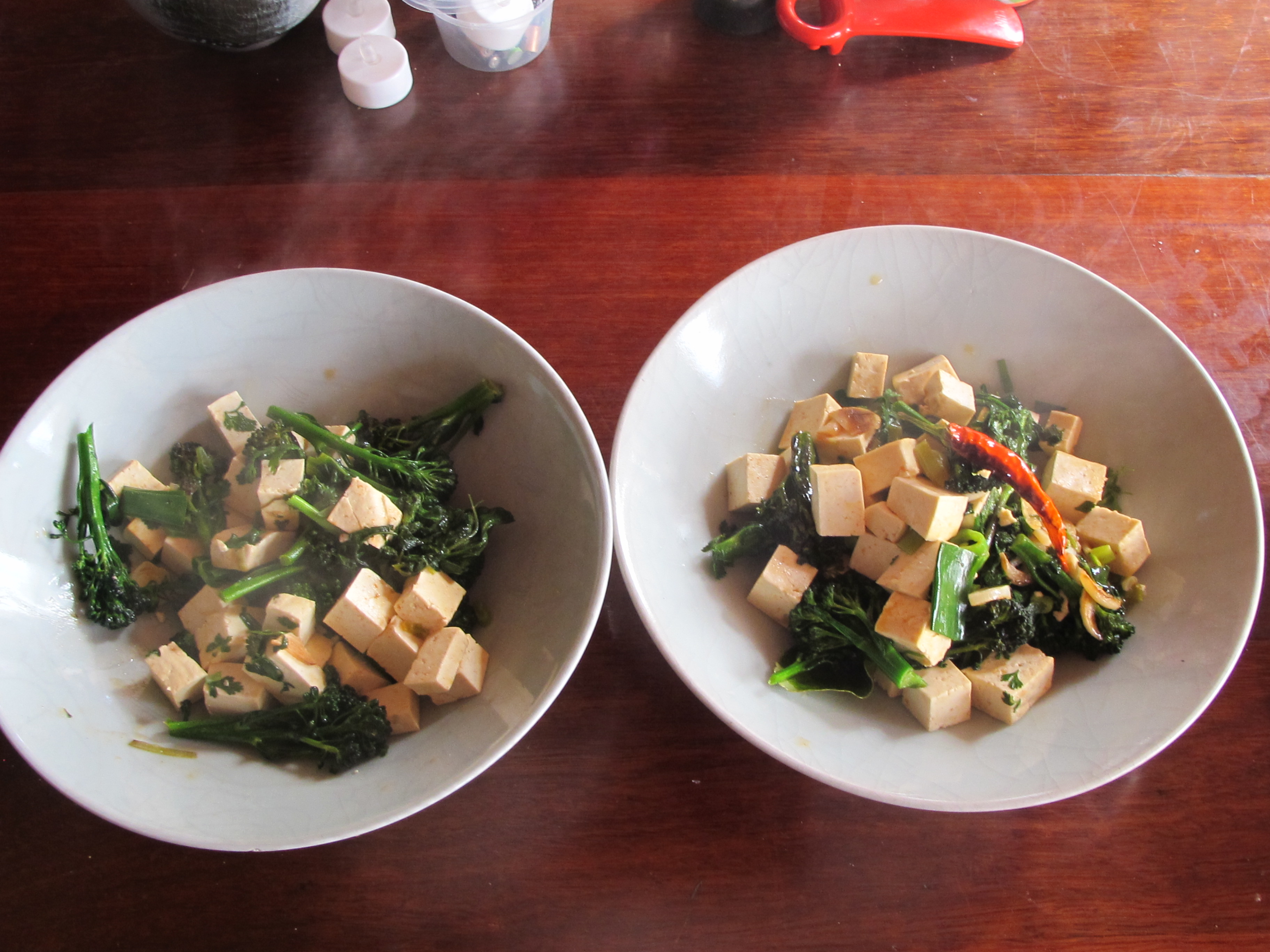
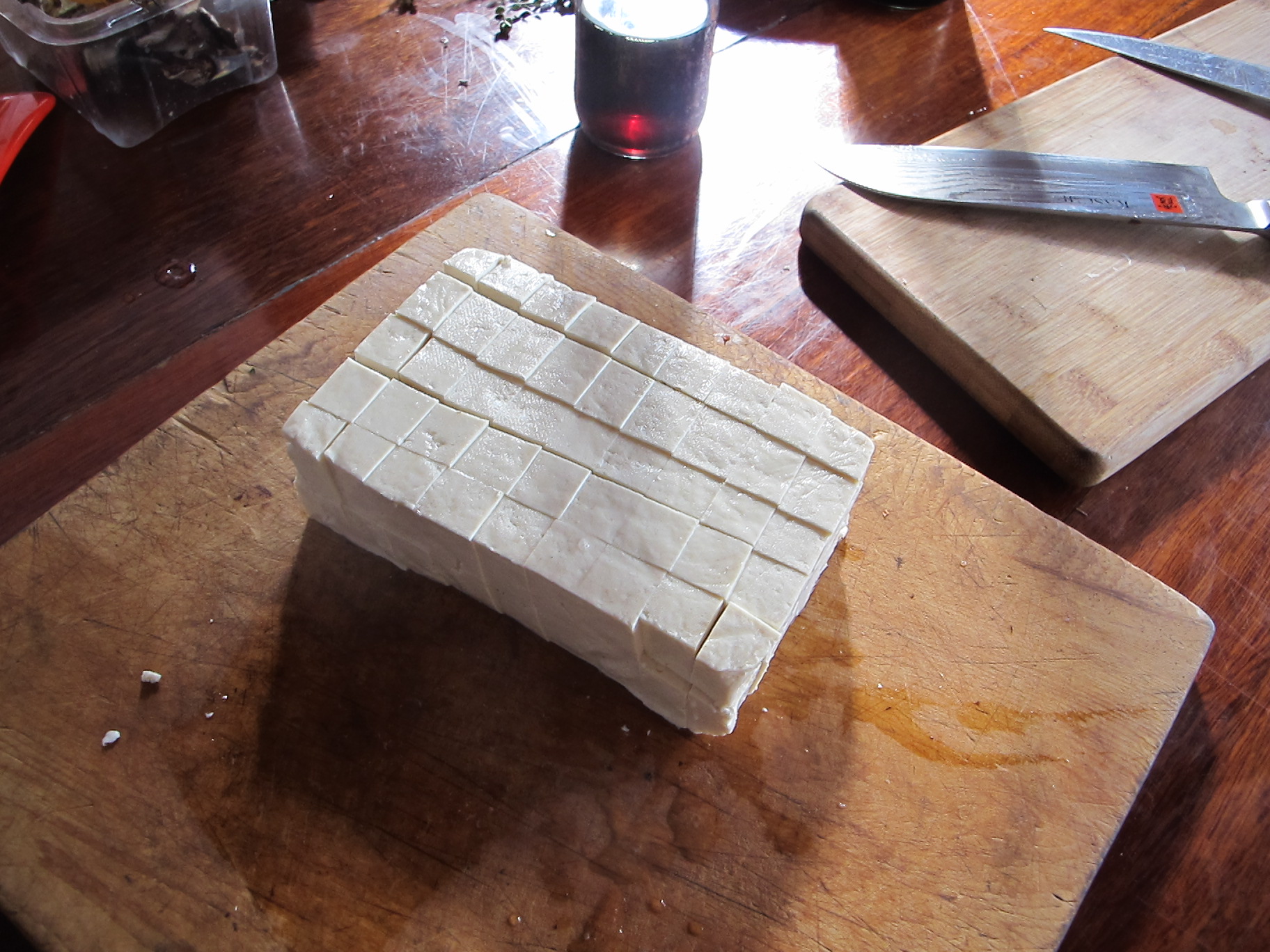
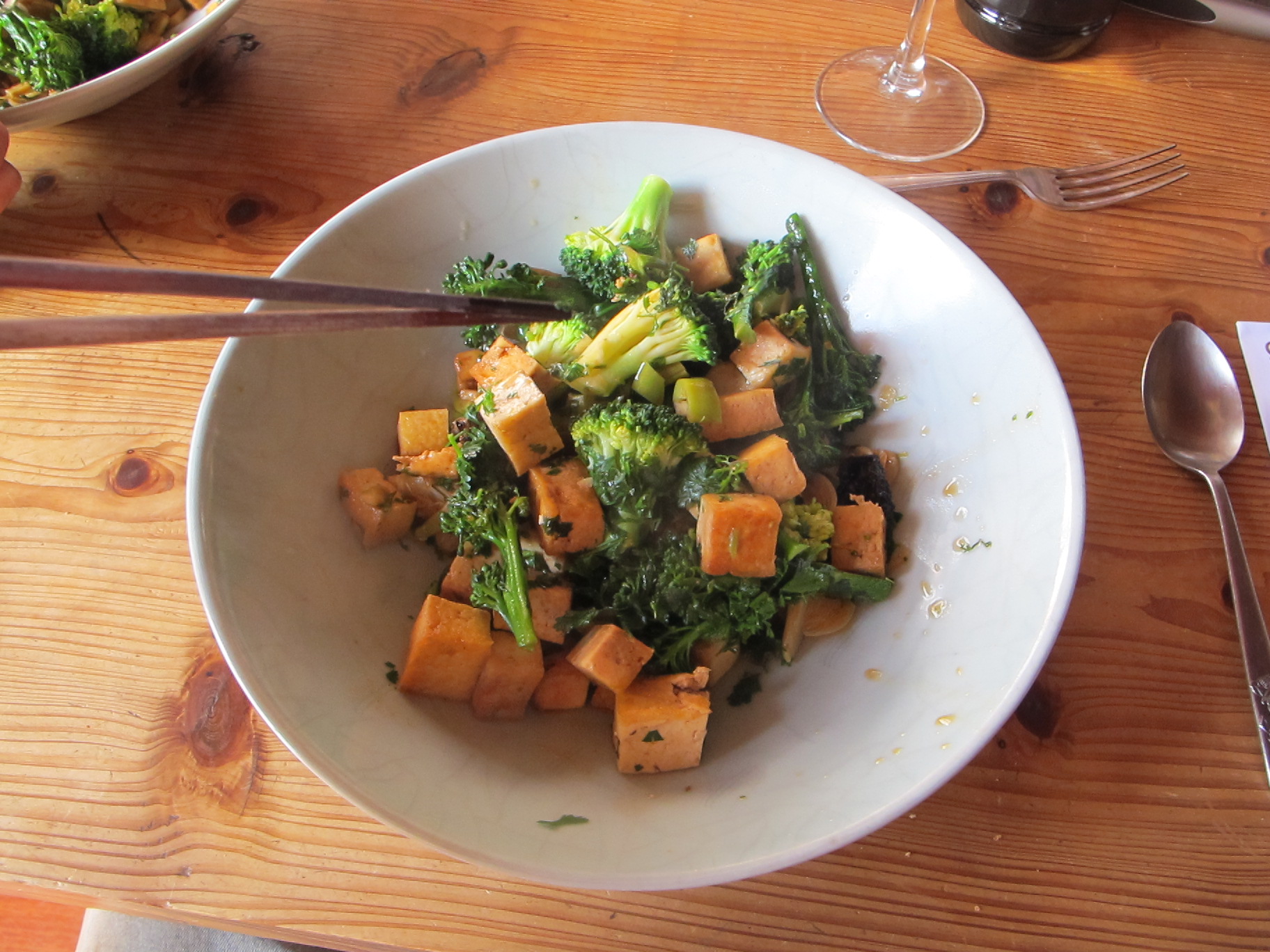
I cook tofu in sesame oil for lunch with garden vegetables, broccolini and coriander. A little bit of fish sauce makes it sing.

IMG_4671IMG_4672

IMG_4673IMG_4675

Day 3 of our fire sees very little left of the pile. Just one big block that started off as a 1.8 x 1.8 metre stump, weighing several tonnes, is now mostly gone. We have to drag in other pieces of wood to keep it alight. It’s a chance to clean up the back block and the little lane that wanders through the centre of our land. This pretty little wandering bushy lane was once the main east west road through the village. It was never legally gazetted, but just used by the locals as the shortest route between A and B. There were 3 attempt to make an access path through to the east ridge and 2 of them went through our place. They were both abandoned because the land there is so low-lying and boggy in wet weather. Parts of the lane were paved with stones to try to overcome this, but never satisfactorily. Eventually a legally gazetted road was built in the right place, but it meant a lot of very expensive earthworks.
IMG_4702IMG_4706
Our small lane is almost completely over grown now. We’ve seen to that by blocking it off at both ends to stop weekend 4 wheel drivers winching their way through our land without asking on long weekends. It’s a very pretty place to go now, and as it isn’t used anymore, except by us to get to the back of our land to collect firewood, it has soon become over-grown. I decide to take the tractor down there, mow it and clean out all the dead wood, and while I’m at it, I cut up a few dead trees that have fallen down along the track and up on the dam bank of the ‘Max Lake’ out biggest dam, The one that we had built in order to collect and store water for irrigating our vineyard.

Janine has a stroke of genius in getting onto the hot smoldering coals and hot ashes to poke at the fire and shift logs with her rake without melting her shoes. She places thick sheets of stringybark bark down on the ashes first then steps onto them to do the work. She then retrieves them before they burst into flames. I have ruined one pair of old boots by working in the hot ashes and melting the soles.
IMG_4698IMG_4699

IMG_4701

As it’s Friday and the end of the week, we celebrate by not eating any mushrooms. We have lightly fried tofu again with more garden greens.

IMG_4707IMG_4708

IMG_4711IMG_4716

So that’s what ‘s been happening this week with the hot-footed, self-reliant Guy and Girl Fawkes, who are lighting the blue touch-paper and standing back to wait and see what happens.

With fond regards from his Naked Flame and her Rake

Bitter and twisted

Making marmalade on a sunny winters morning.

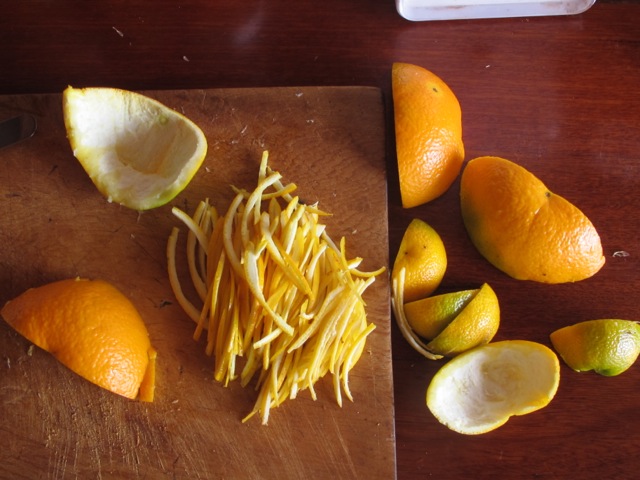
I’ve found the time to make some more marmalade. The citrus trees have fruit to be picked, so I make the time and manage 4 batches throughout the day. I use mainly Seville oranges, but I also like to experiment, we have tangelos, lemons, ruby grapefruit, nagami cumquats and Italian bitter chinotto.

 IMG_4484
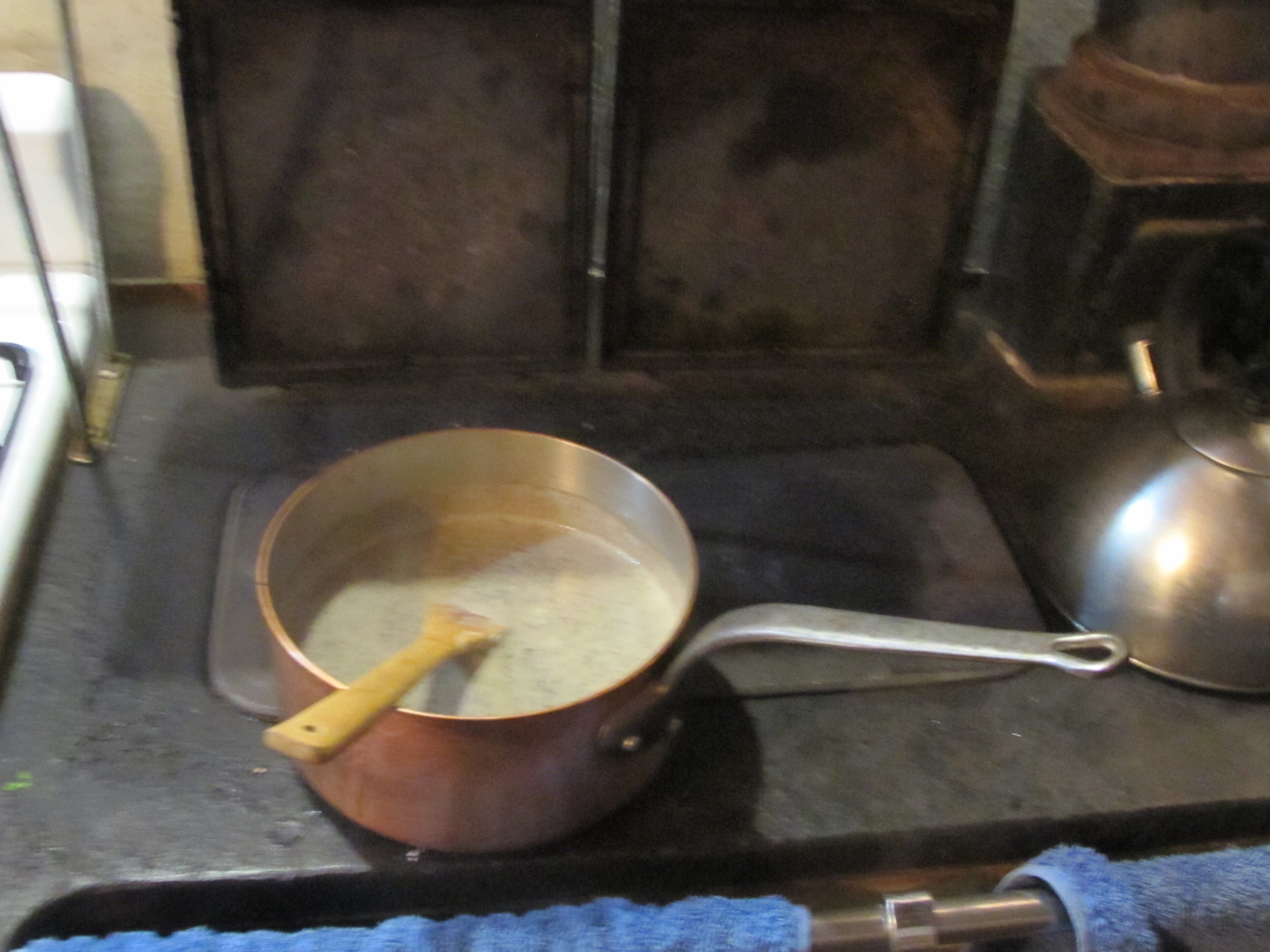
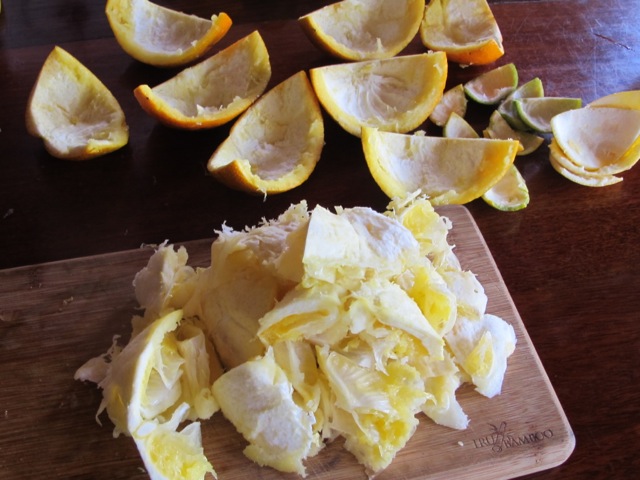
 The Sweet One has already made the tangelo/seville mix. She does everything so properly, measuring out the ingredients to a recipe. Her marmalade always works. She is so sweet, she even adds the correct amount of sugar. I tend to make mine with a little bit less sugar, as I find some marmalade far too sweet for my taste. I have reduced the sugar to 300 grams to 1kg of whole fruit. I juice the fruit and add it into the pan,  and that is the only licquid that I use. Then I scrape out all the pith from inside and discard it to the compost. i havent weighed this pulp, so Im not too sure what the final balance of sugar to peel ends up being, but it works. Next I slice the peel finely, add it to the pan and lastly weight out 300g of sugar and toss it on top. I bake it in the bread maker, set to ‘jam’ setting. I know that it doesn’t sound like the sort of thing that I’d normally do. I’m usually so hans-on. But it works so well. I don’t use the pips, nor do I soak the peel overnight. The machine does a perfect job of it in one hour, while I get on with other things.
IMG_4490
 IMG_4492
 IMG_4486
This next batch, I decide to make a straight seville orange batch, then another one with seville orange, ruby grapefruit and lemon.  Lastly I add some of the bitter Chinotto

IMG_4489 IMG_4488

IMG_4493

 The ruby grapefruits are on at the moment so we are having one each morning before breakfast to cleanse our pallets and freshen us up to start the day, beautiful glowing colour and sharp astringent sour/sweet pulp.
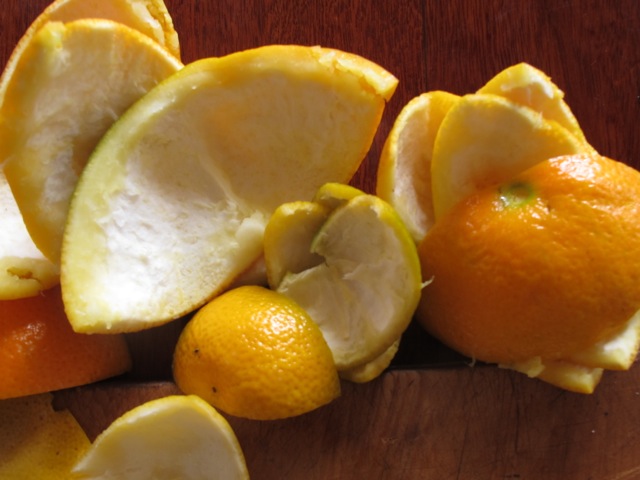
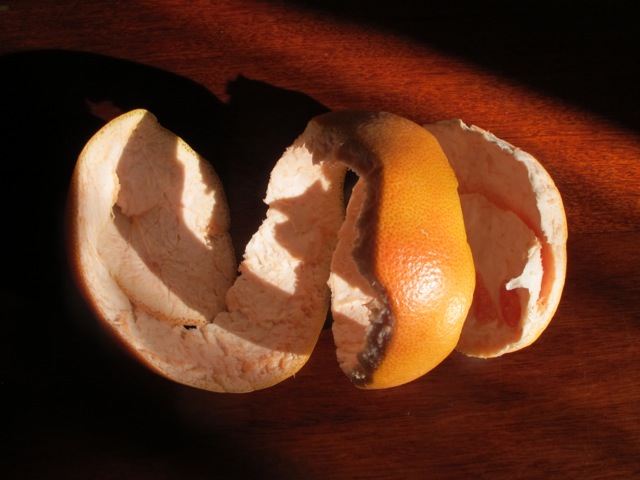
After we have had our ruby grapefruit for breakfast, which The Sweet One has peeled in one long twisted strip of peel. I see that it looks so great. I don’t want to waste it, so I decide to add it to the next batch of marmalade. I will mix it with Seville orange and Myer lemon, with the addition of the finely sliced up twisted grapefruit skin from breakfast and a bitter Italian chinotto.

IMG_4497

In this way I can call this batch of marmalade ‘bitter and twisted’.
I like it.
With best wishes from The Sweet One and her bitter and twisted marmalade maker