Category Archives: cooking
Back from the Lip
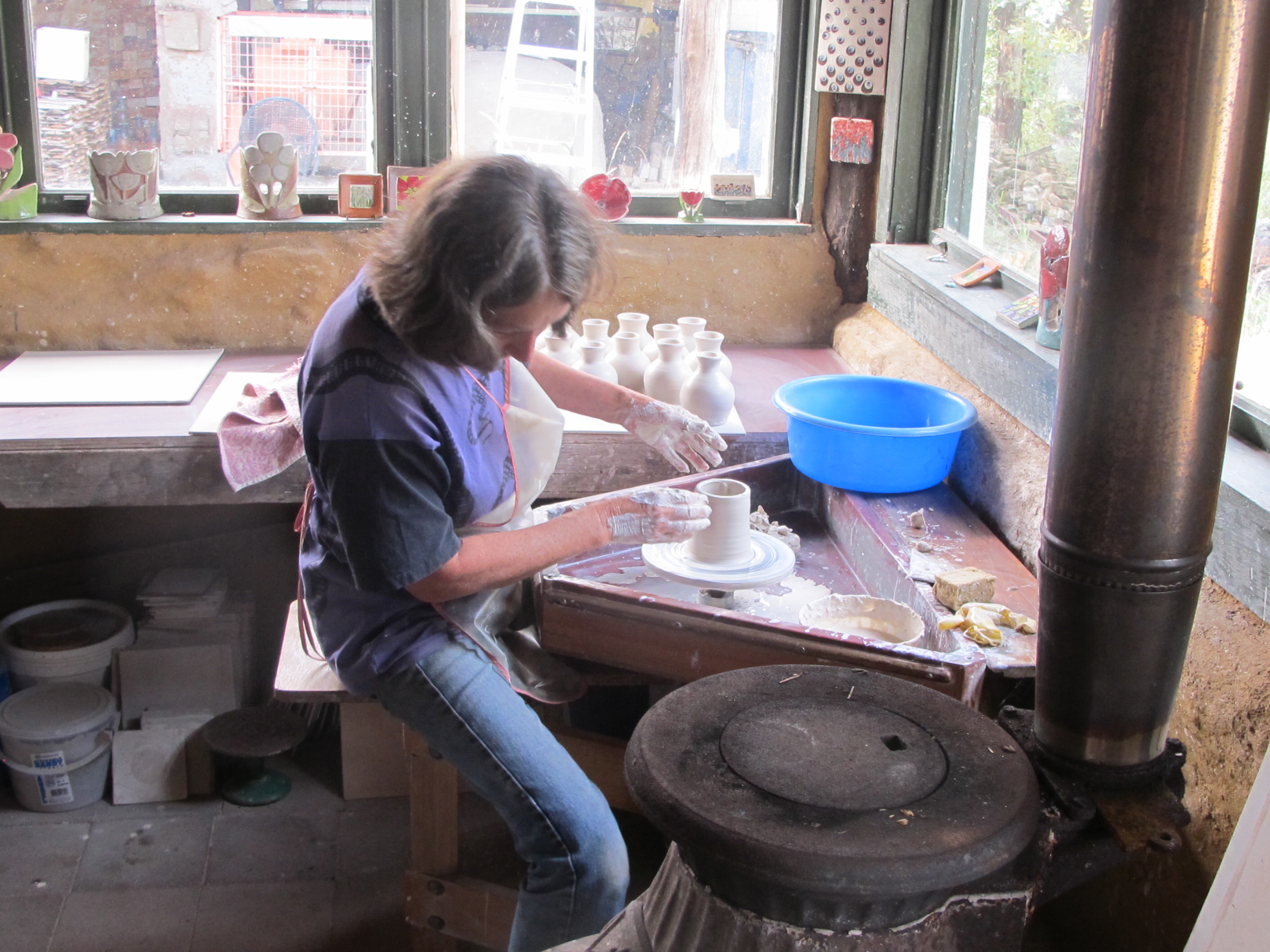
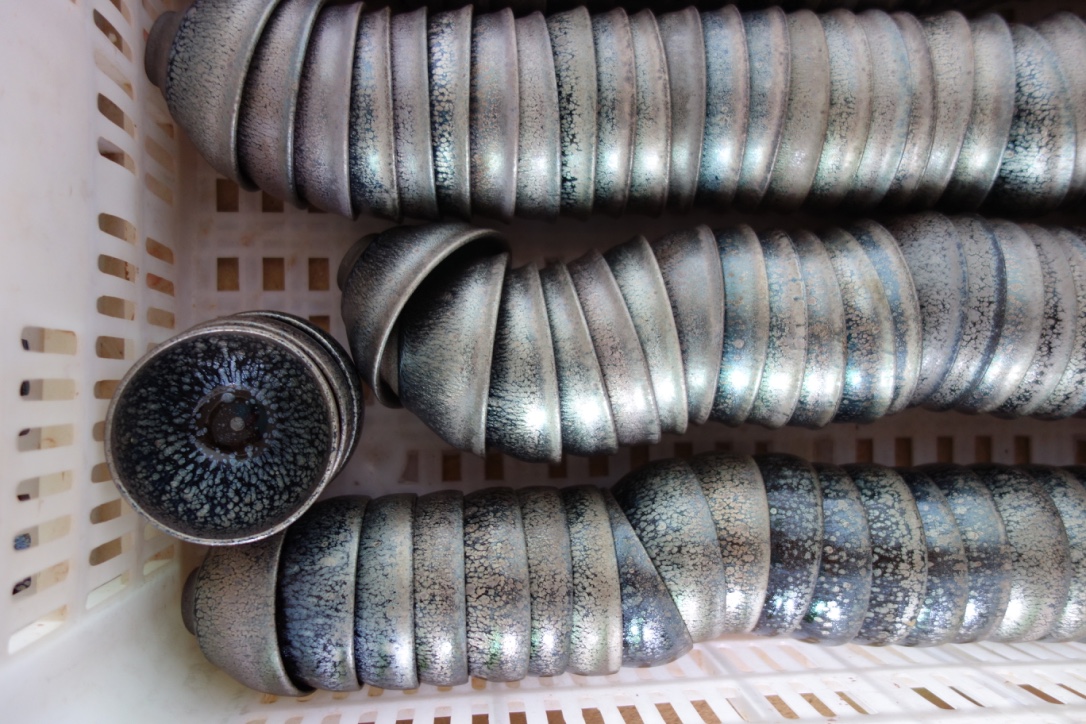
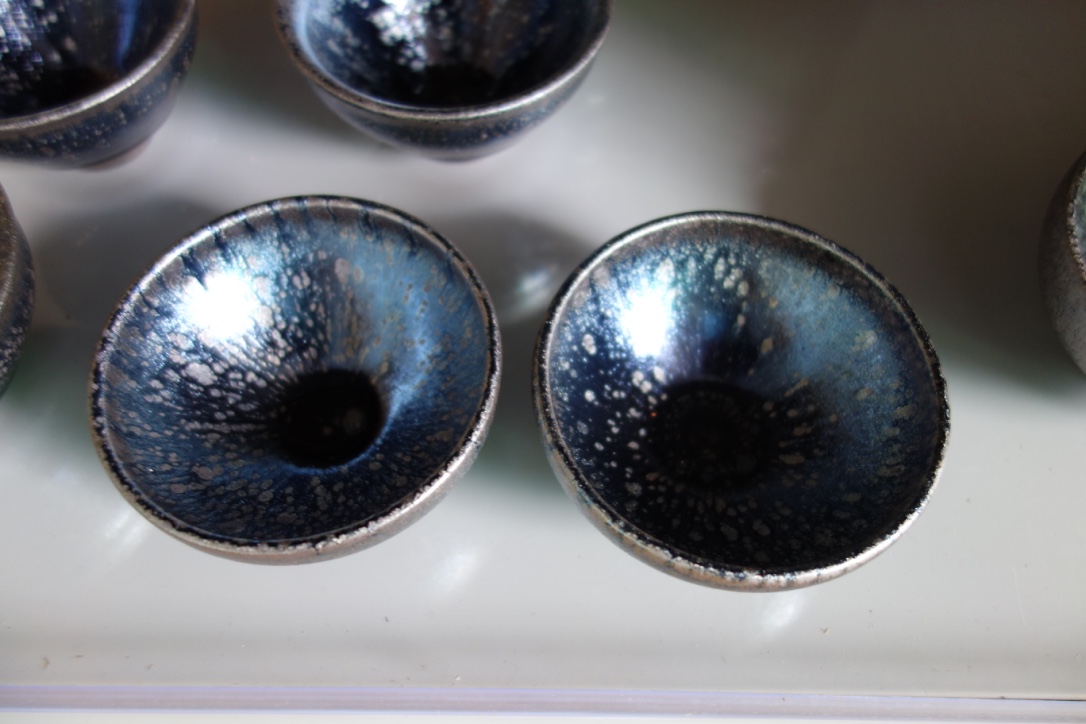
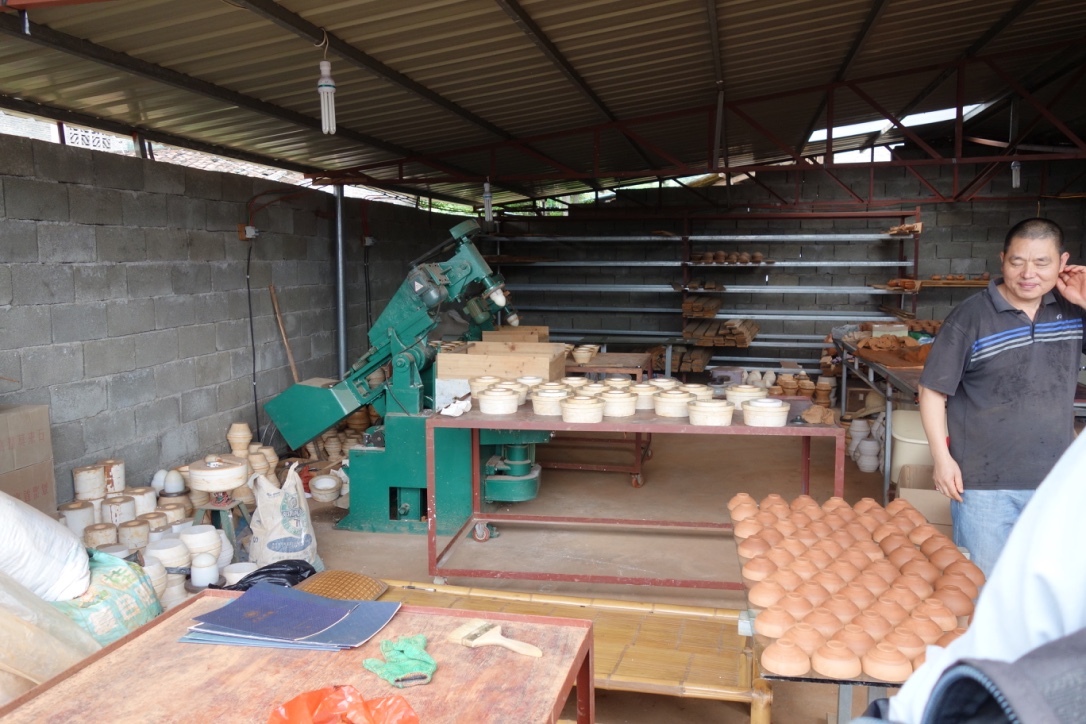
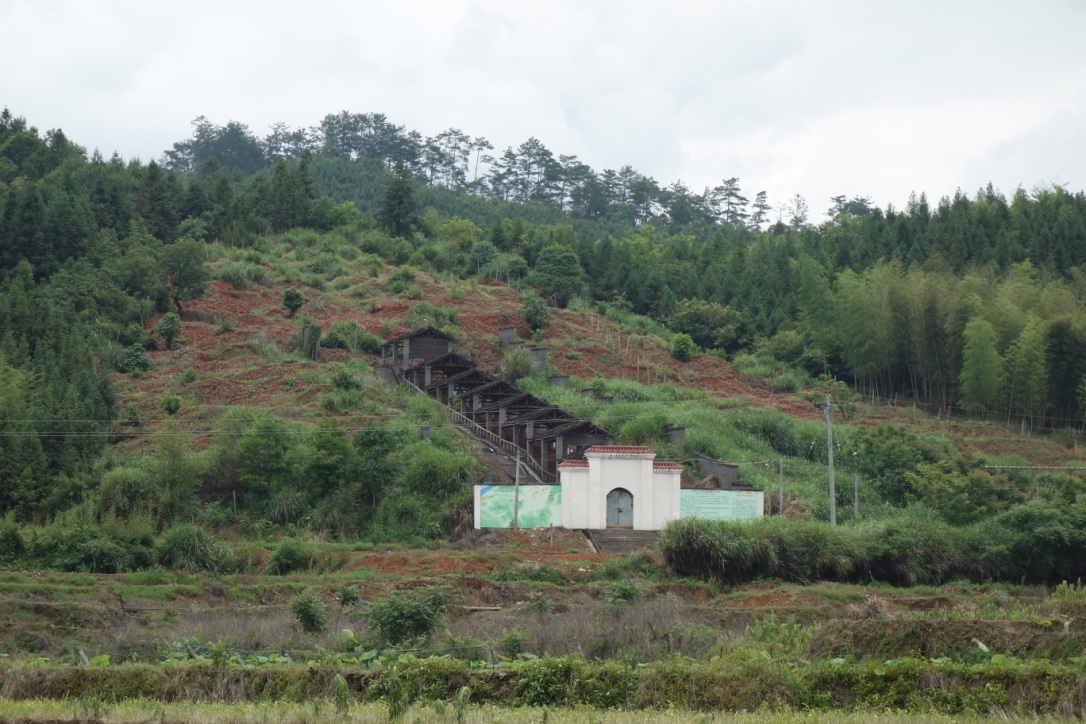
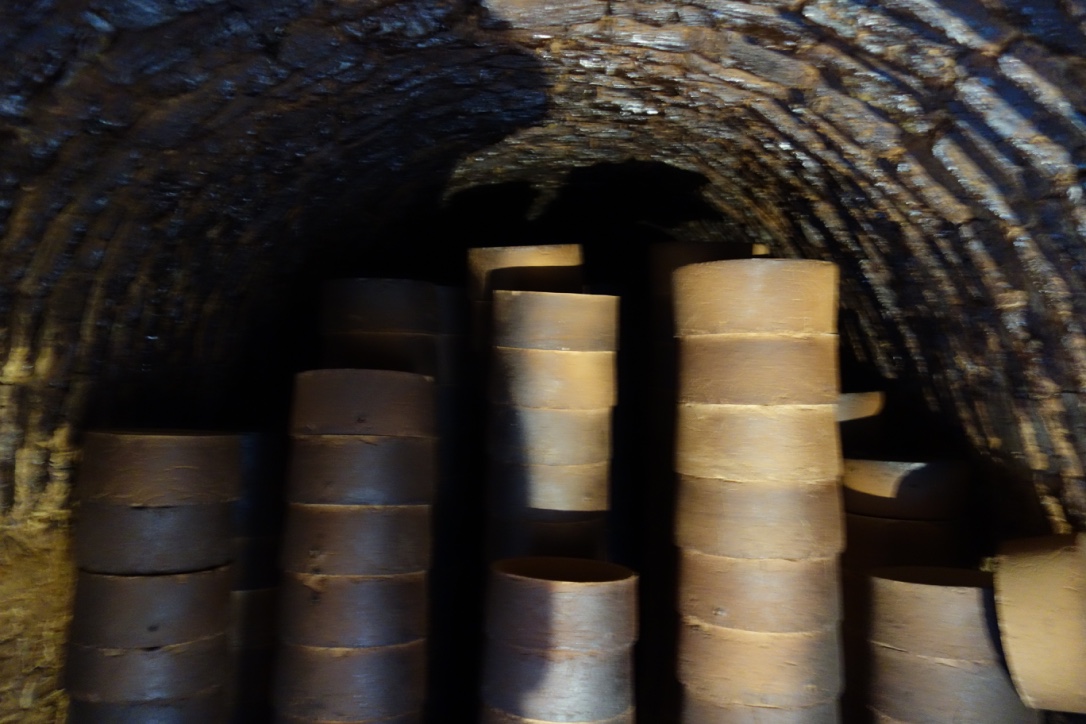
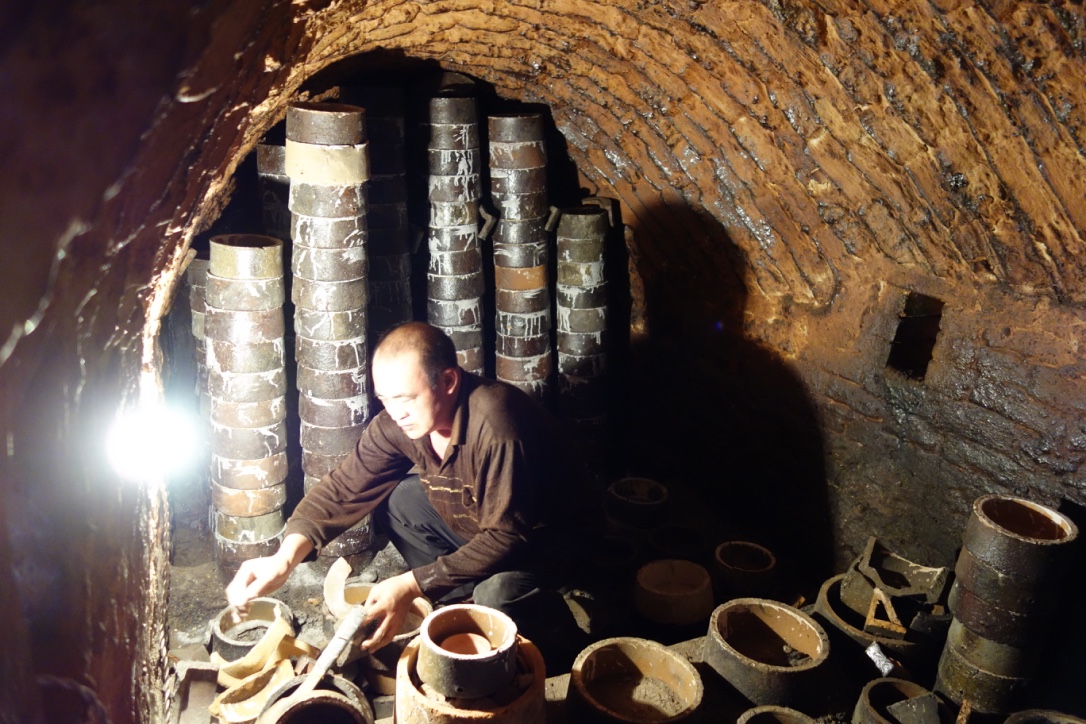
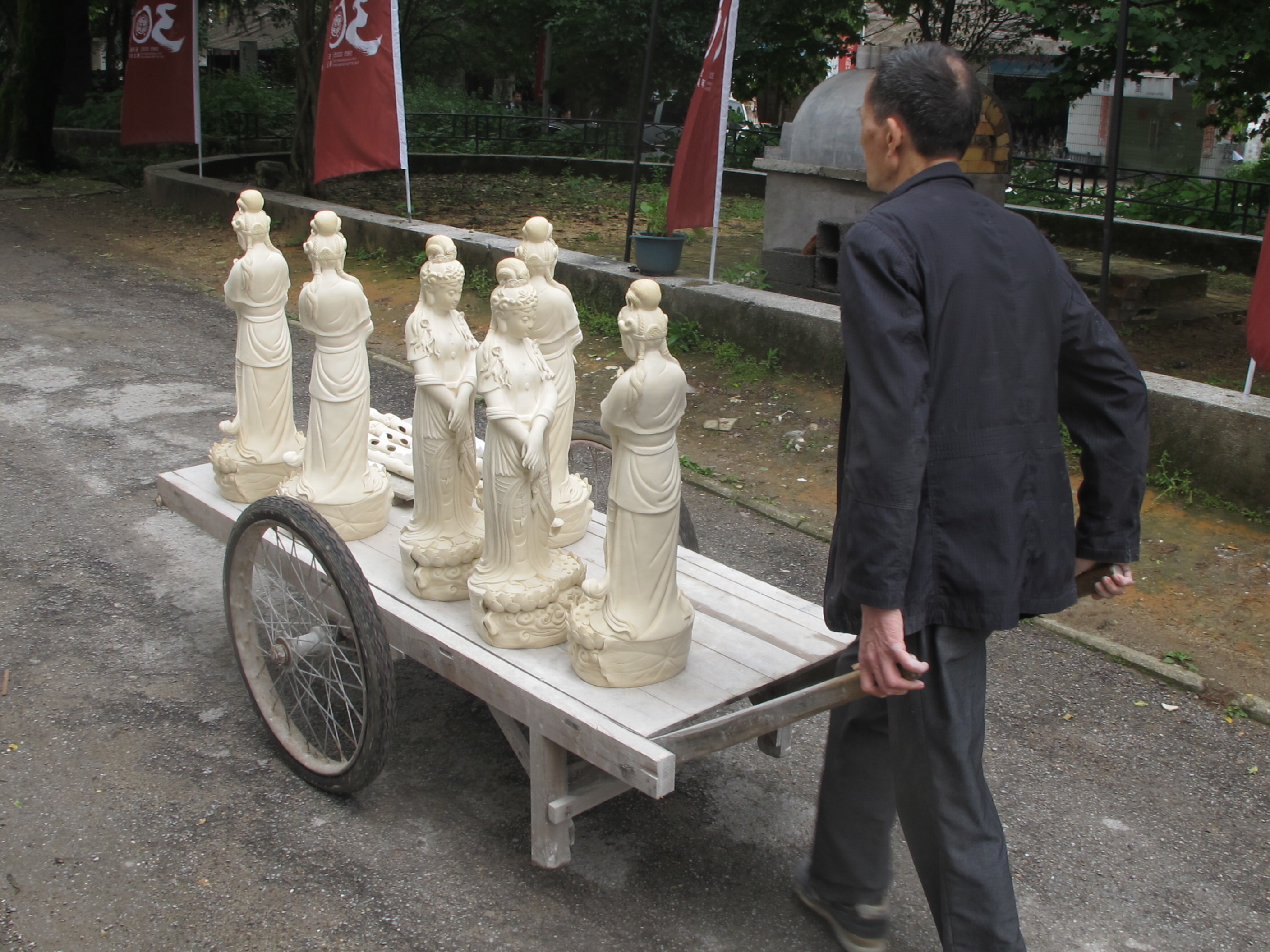
We prepare to leave the realm of our Colonel Kurtz of Tenmoku. We kurtzy, as a kurtesy and take our leave. But before we leave the valley completely, we want to spend a day visiting the contemporary potteries that still practice the forgotten art here in this little remote valley. They are reviving the old style here and dragging the lost art back from the brink. Re-inventing it as they need to as they go.
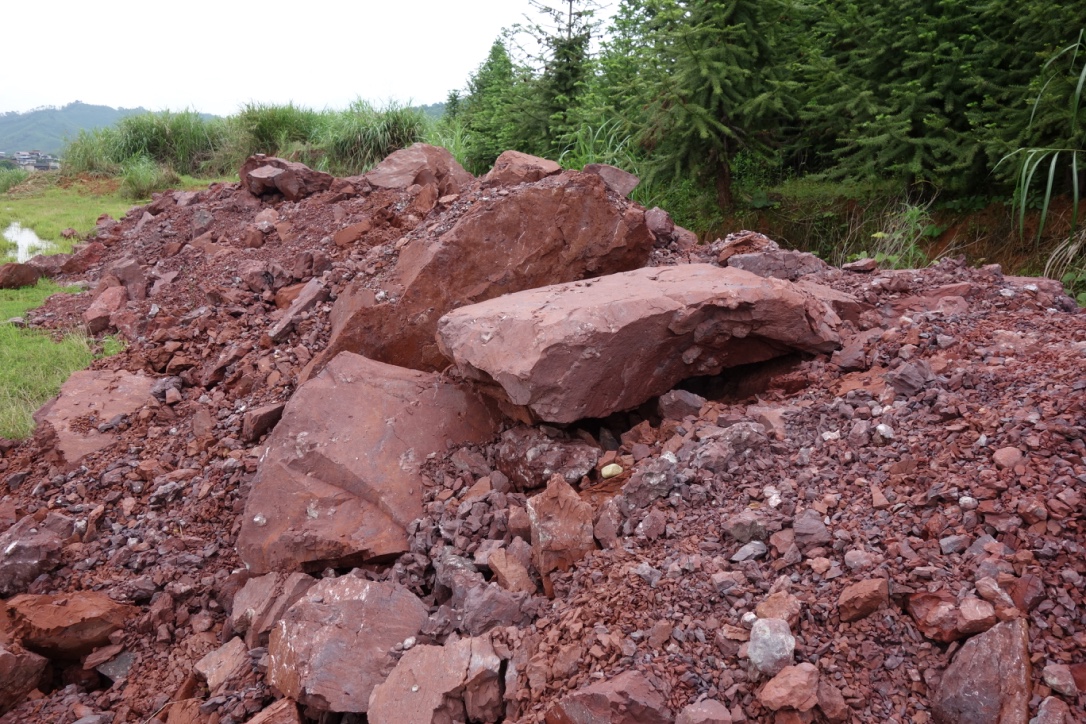
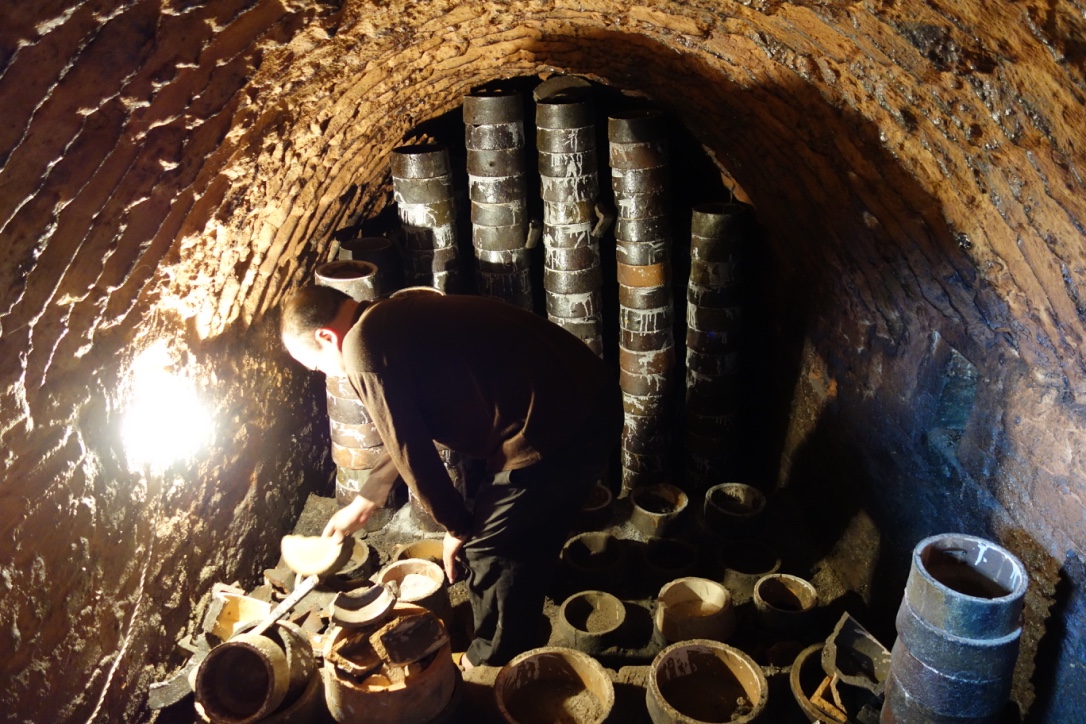
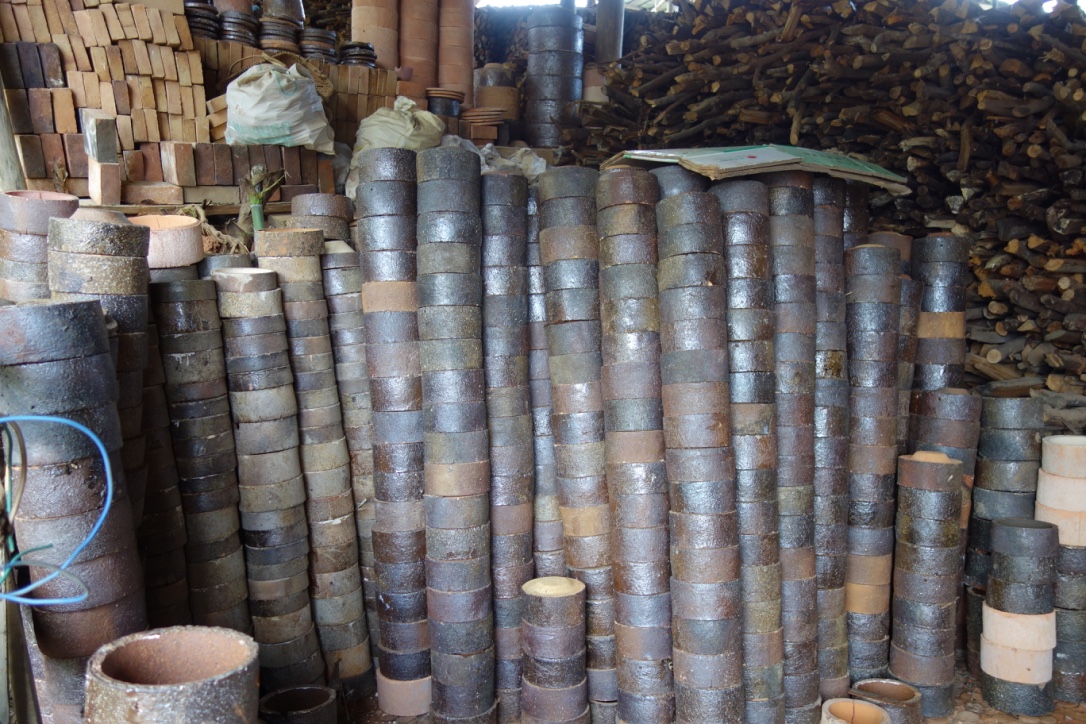
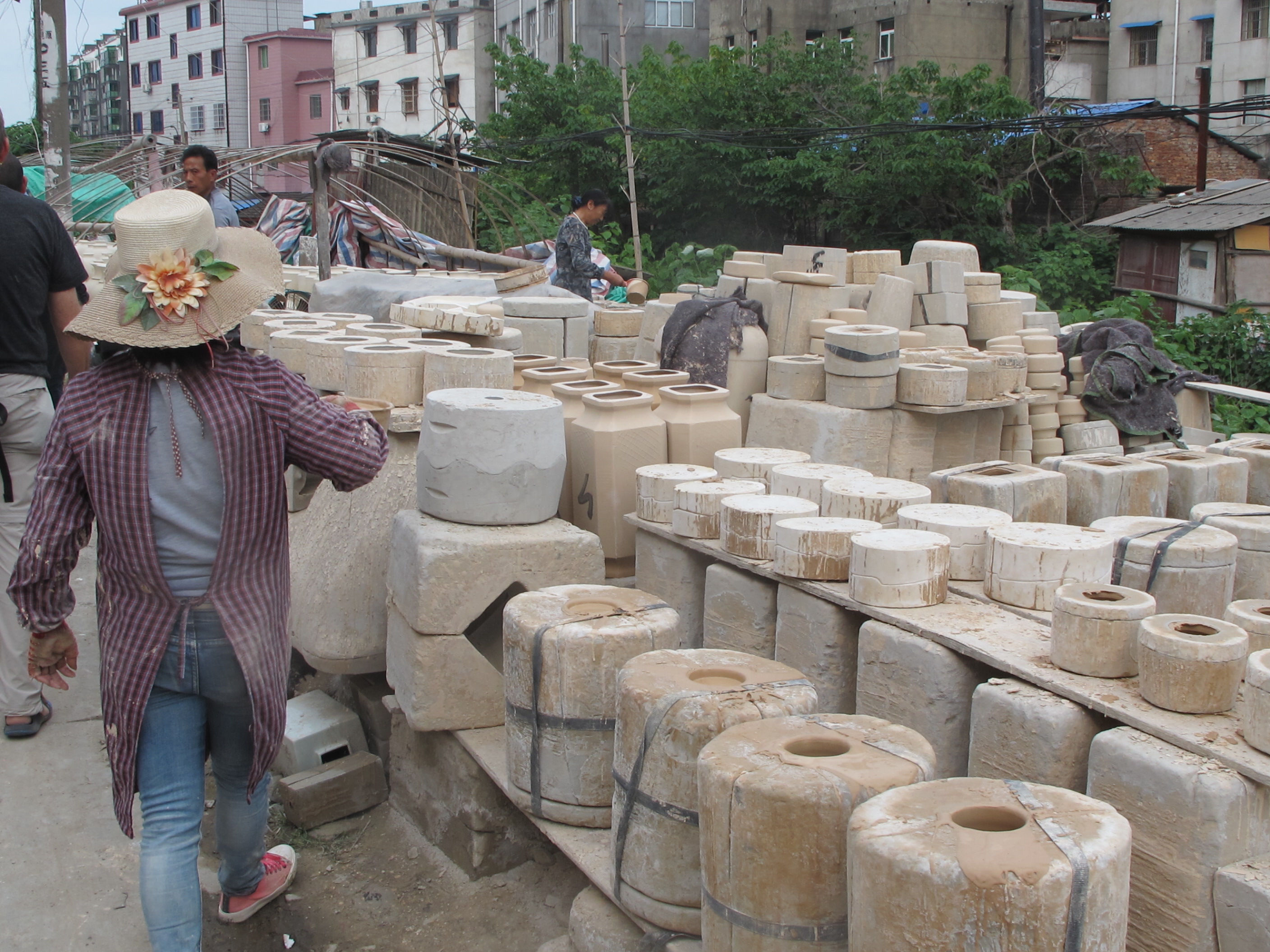
There a still a few potteries here and there around the area, a few either side of the valley and another over the river, plus several in the nearest town. They are all making contemporary interpretations, if not replicas of the old wares. None of them have really worked out how to do the most difficult and rarest styles. Even though they have the exact same raw materials and clays right here on site. We keep on finding the same purple, shale-like material, piled up in great heaps.
The best pots were so very rare, that we couldn’t even identify any broken pieces of shards in among the millions that litter the various sites. Even though our very own Kurtz took us to the actual site that he says was the place identified in the old records. However, we have no way of cross referencing this piece of information and there is no real difference in the nature of the shards here that differentiates this site from some of the others.
What there is here is an amazing little piece of information that is quite unexpected. Leo will have to present a paper on this and publish it to get some cred for it in the academic world. ‘Kurtz’ seems to be indicating that we can keep the shard from here, as he seems to own it??? Not too sure about this. Still, we take loads of photographs and record what we can of what we have found. This is a blog and not a peer-reviewed paper. So I’ll leave it there. Conrad would have had more to say on the matter I’m sure. But I’m not Conrad. Our Colonel Kurtz seems to rule in this remote valley, all the way ‘up-river’. And how appropriate it is that he should dress in a US Army camouflage uniform? But instead of finding Conrad’s ivory trader, we find that he’s a blackware trader. It’s not quite the same. In fact the difference is black and white!
Be Careful What You Wish For!
Only a few weeks ago, just after Easter. The Lovely and I were driving back from Canberra, our Nations Capital. It’s a little over a two-hour drive up the freeway. It’s pretty boring but fortunately not too long. I was thinking out loud and said to Janine. “You know, I should try and go back to China and do a little more research into the original bai-tunze porcelain stone that they have worked on and developed for over a thousand years now. I should go back to the Fragrant Garden Studio where I worked a decade ago and make some bowls out of their native stone. That would be a good project. I could exhibit them along-side my own native porcelain stone pots.” The Lovely just nodded and said something like. “Yeah. Go ahead, that sounds good.”
A world tour of our garden, in 3 meals.
Breakfast, Lunch and Dinner, a world tour of our garden, in 3 meals.
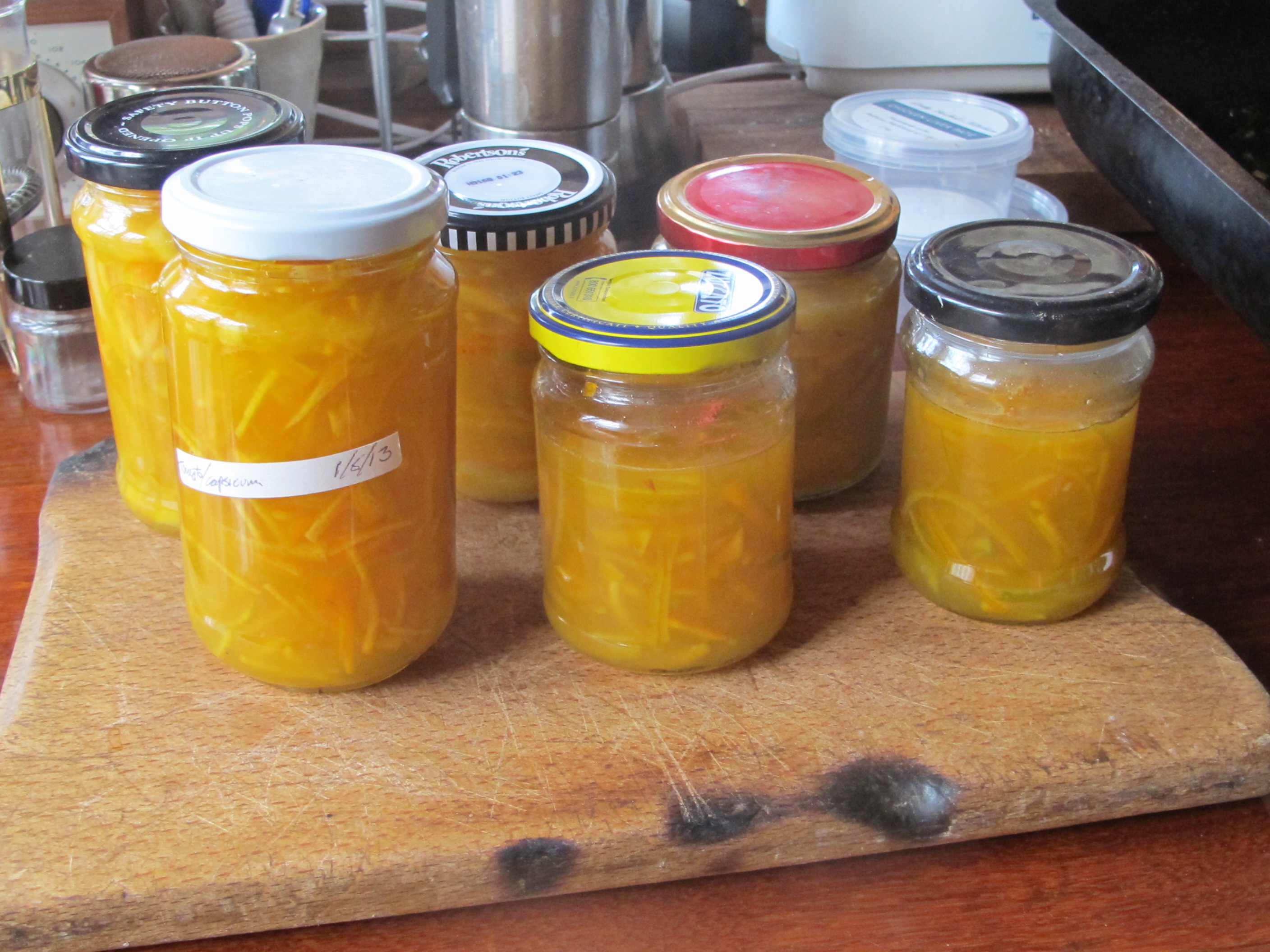
Gardening is a very enjoyable activity. It gets us out into the fresh air, it’s good exercise and It provides most of all we eat each day. As the autumn progresses towards winter, the cooler weather encourages us to seek out more warming cooked meals. We indulge ourselves in reflecting on the people and places that inhabit our collective memories. Our conversations trigger memories of these people and places. Fond recollections of some past events and friends remembered through pots and food. We don’t attempt to make Italian, Spanish, Japanese or any other type of national cuisine. We make Australian food. Real food, home-grown, eaten fresh where possible, but when preserved, we do it without any added chemicals or preservatives. Preserved in glass jars, not plastic. and all home cooked. We just take the influences that we recall and weave them into our dietary choices, them combine our thoughts with what we actually have available to us from the garden.
This is what happened yesterday, in between, potting, gardening, wood cutting, kiln building and building maintenence. There is time for everything, in its own time.
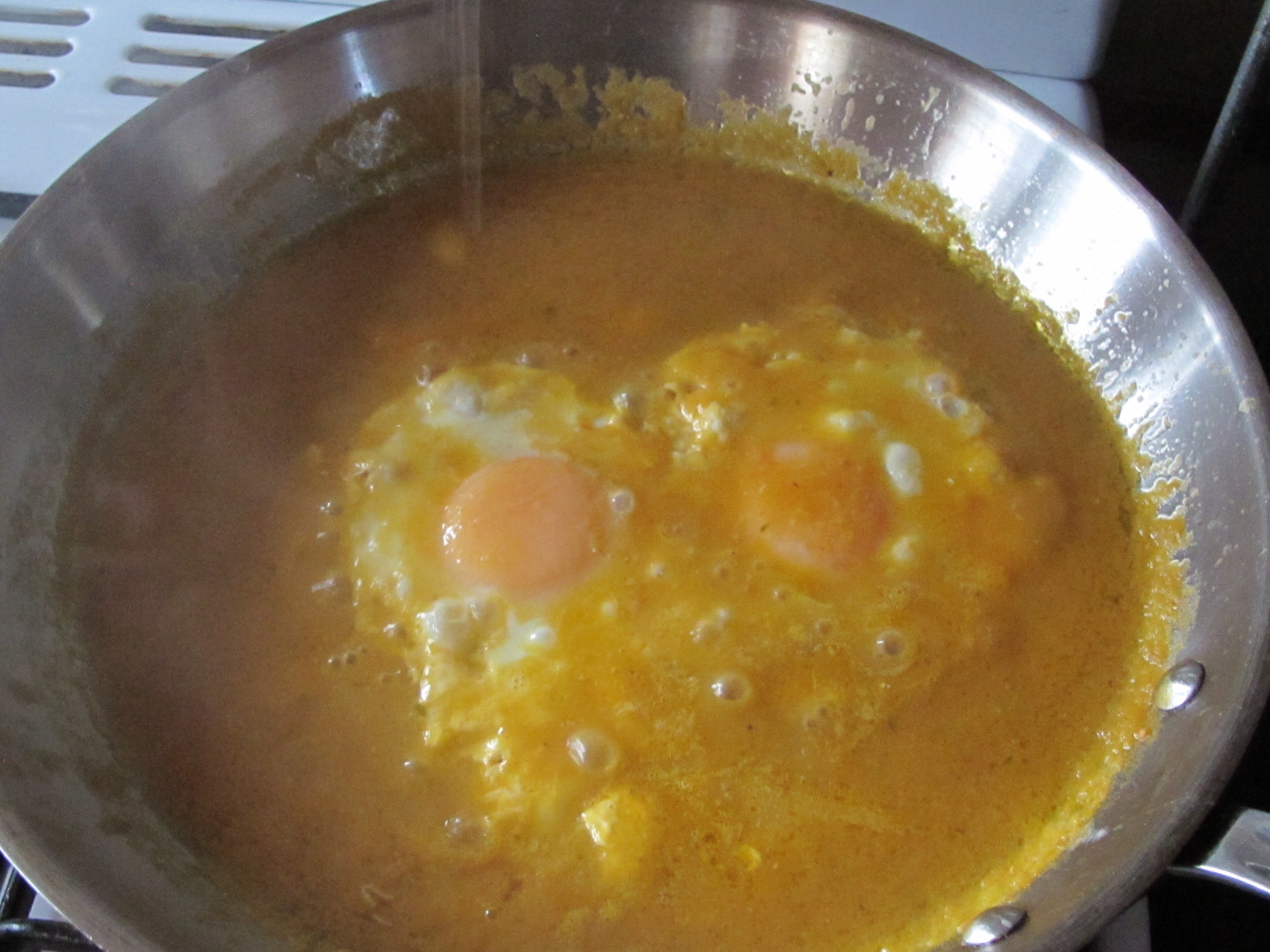
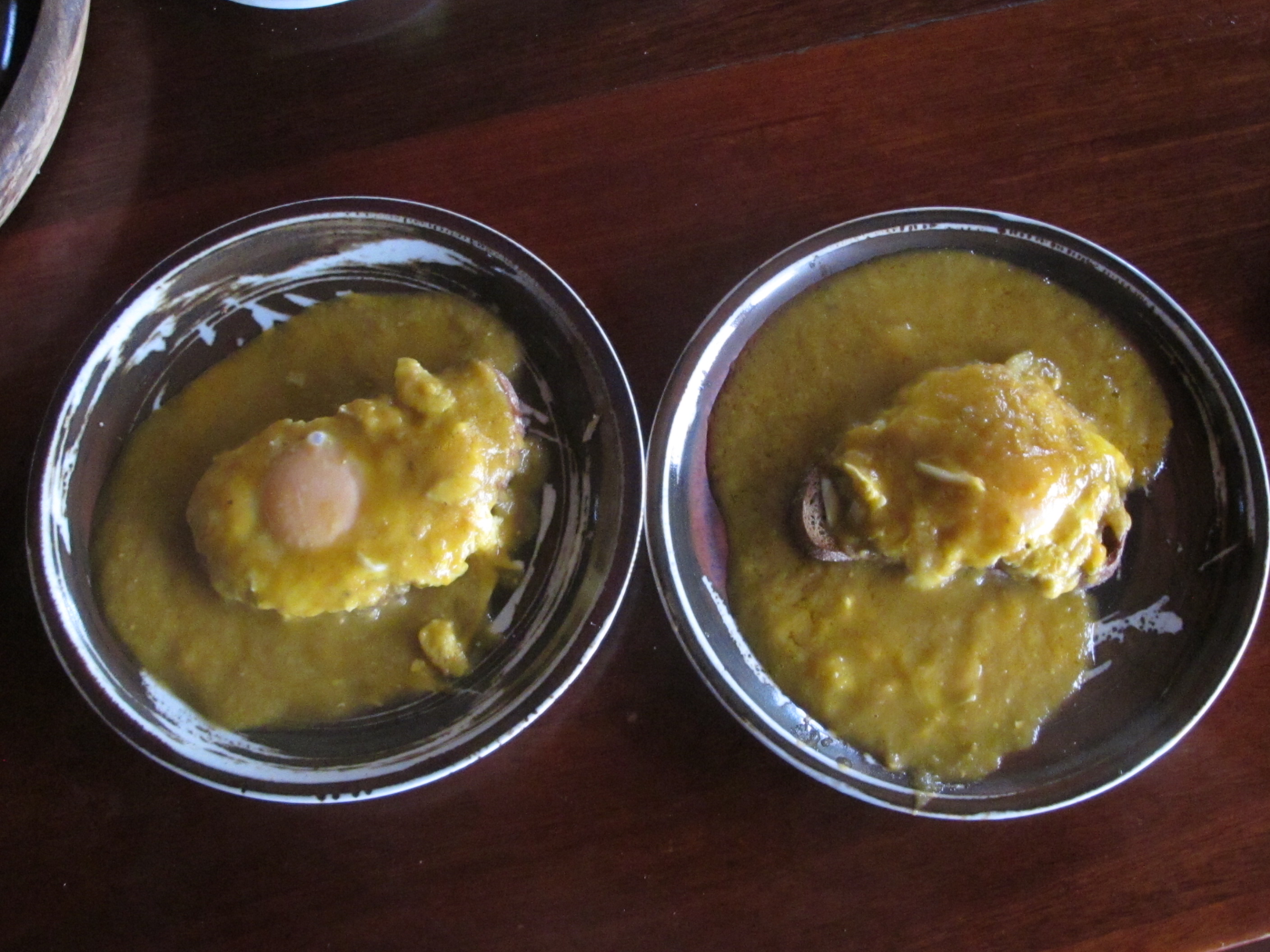
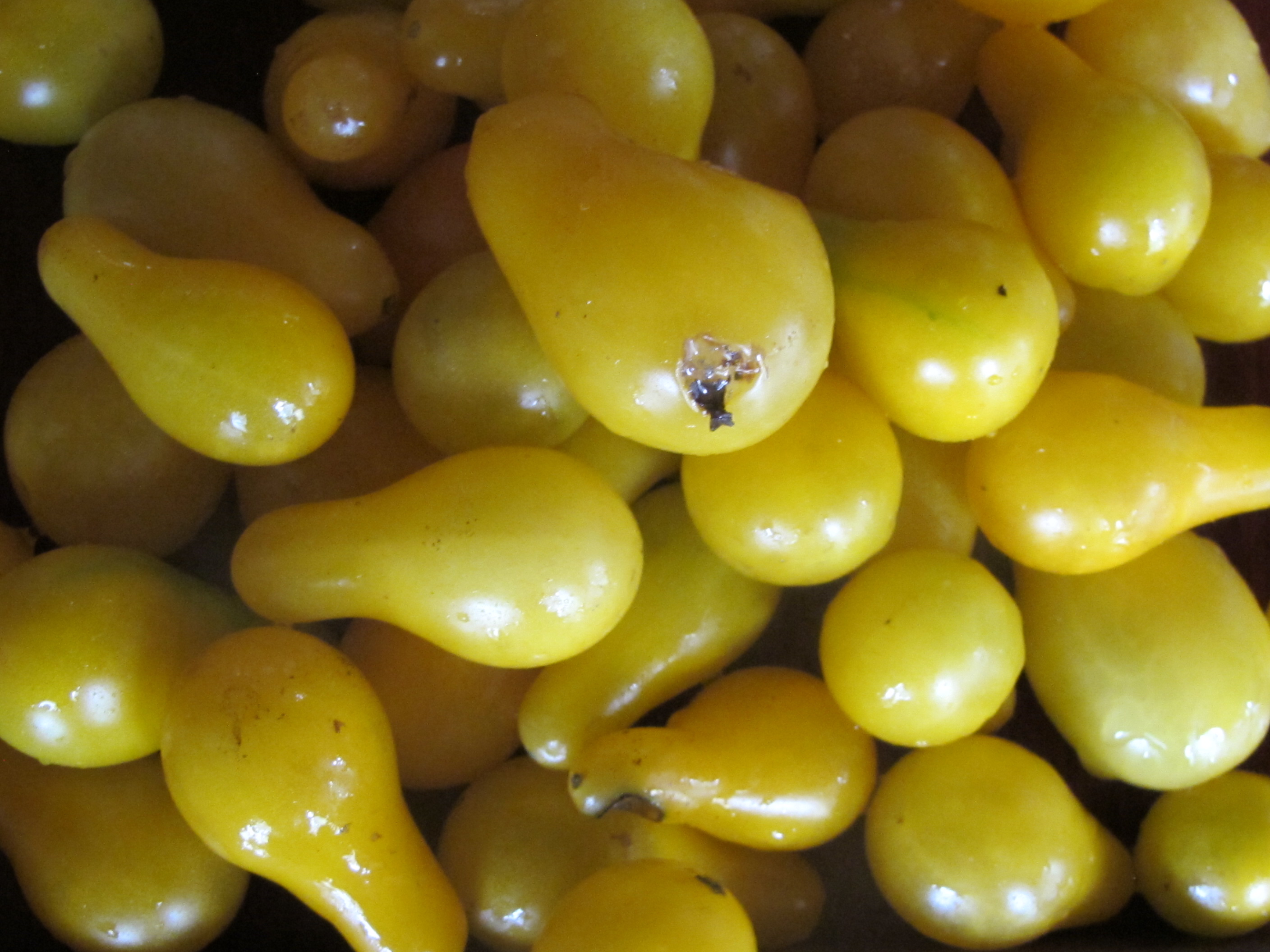
For breakfast I cooked eggs in passata with a few cloves of garlic warmed in good olive oil first. The passata I used on this occasion was made from little yellow, pear-shaped tomatoes that I preserved a couple of months ago, at the height of summer. The passata is heated up and the eggs cracked in and covered to gently simmer until the whites are firm. I served it up on a piece of rye sour dough toast.
I must say that it was just right for a cool, misty, foggy, morning breakfast. A little cracked pepper makes it perfect.
We don’t quite lick the plates, but there is certainly nothing left.
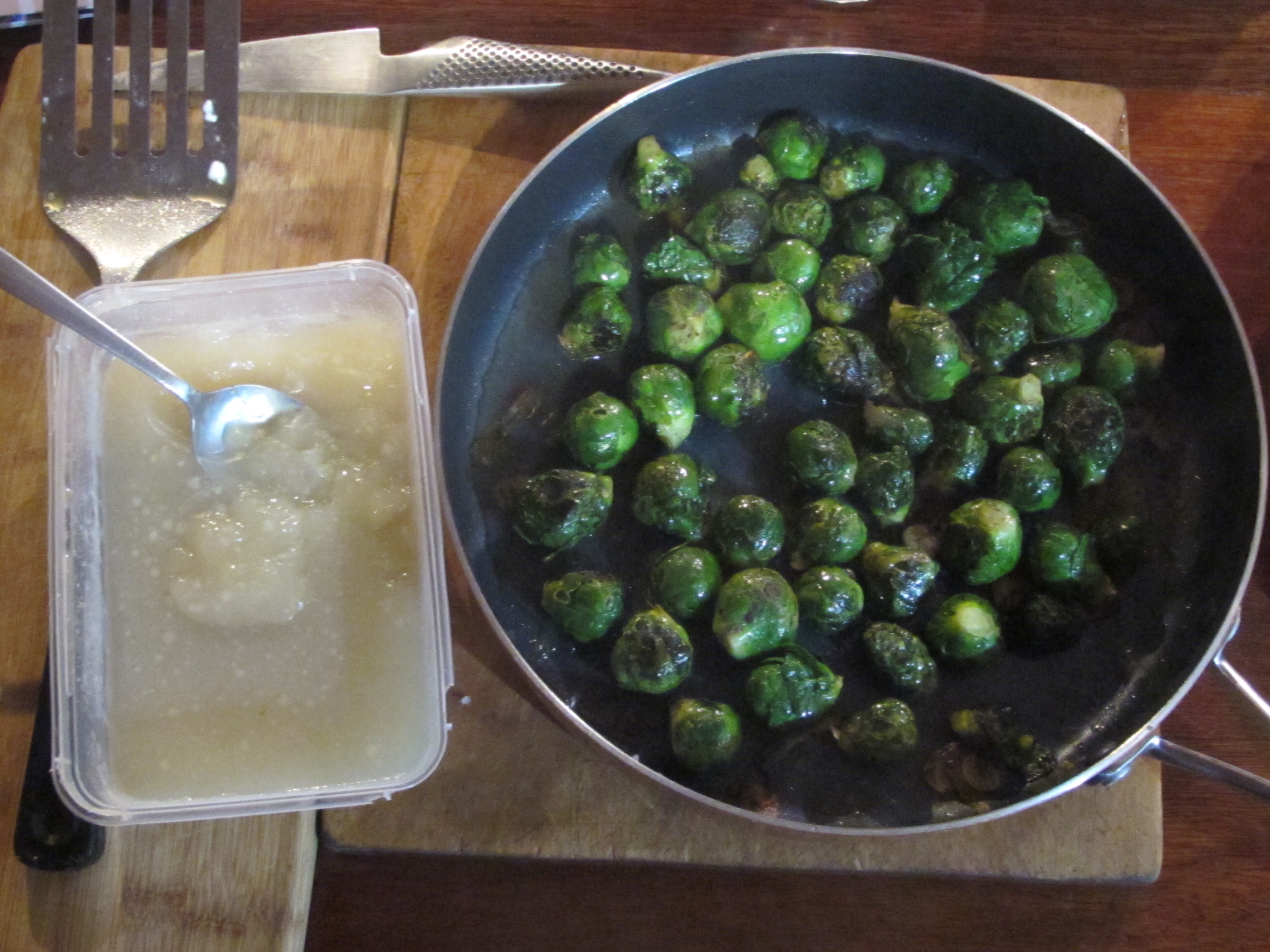
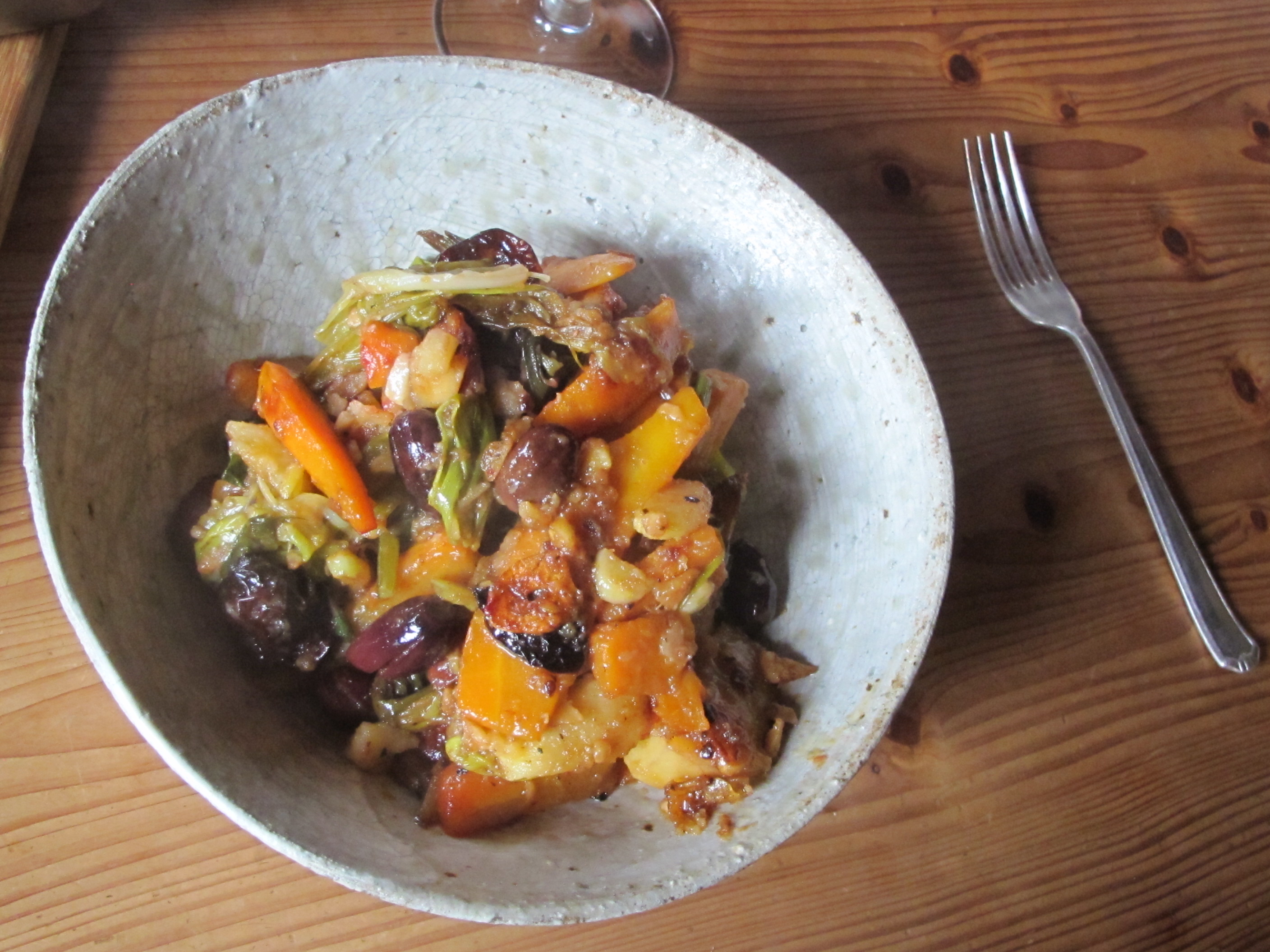
For lunch I made and hotch potch from the left over baked vegetables that Nona Nina made for last nights dinner. Brussel sprouts, parsnip, leeks, carrots, pumpkin, onions, zucchini and beetroot. We had that garnished with preserved spicy plum sauce from our summer orchard fruit.
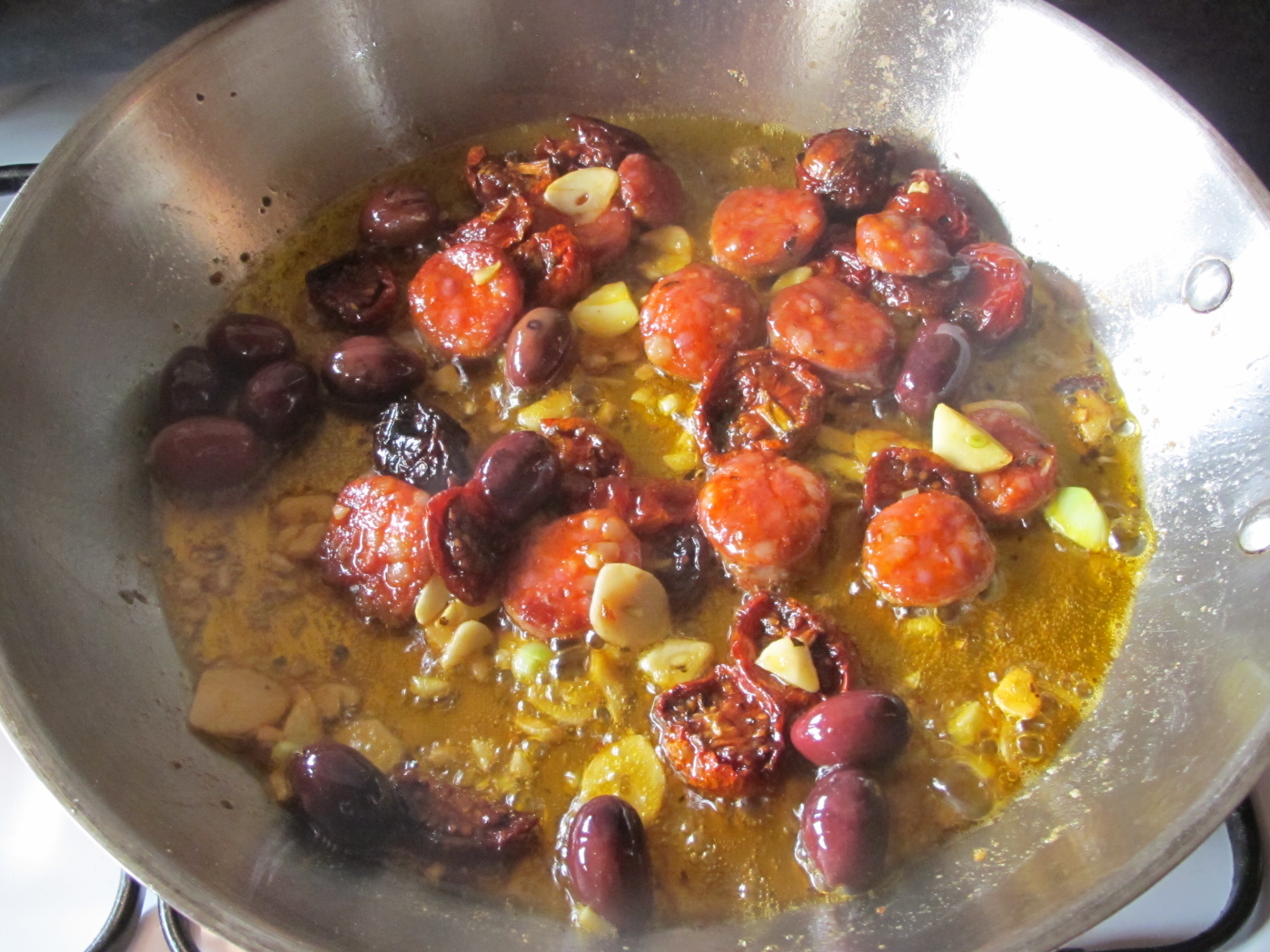
These left-overs were added to some chorizo sausage, our garlic, olives and home-made dried tomatoes from the summer excess. A lovely way to use up everything that we have in different and interesting combinations. We haven’t bought any meat since Xmas as far as I can recall. We aren’t vegetarians, but we don’t eat a lot of meat. So this is our little indulgence, veggie hot-pot with chorizo. Hot, spicy and nicely warming.
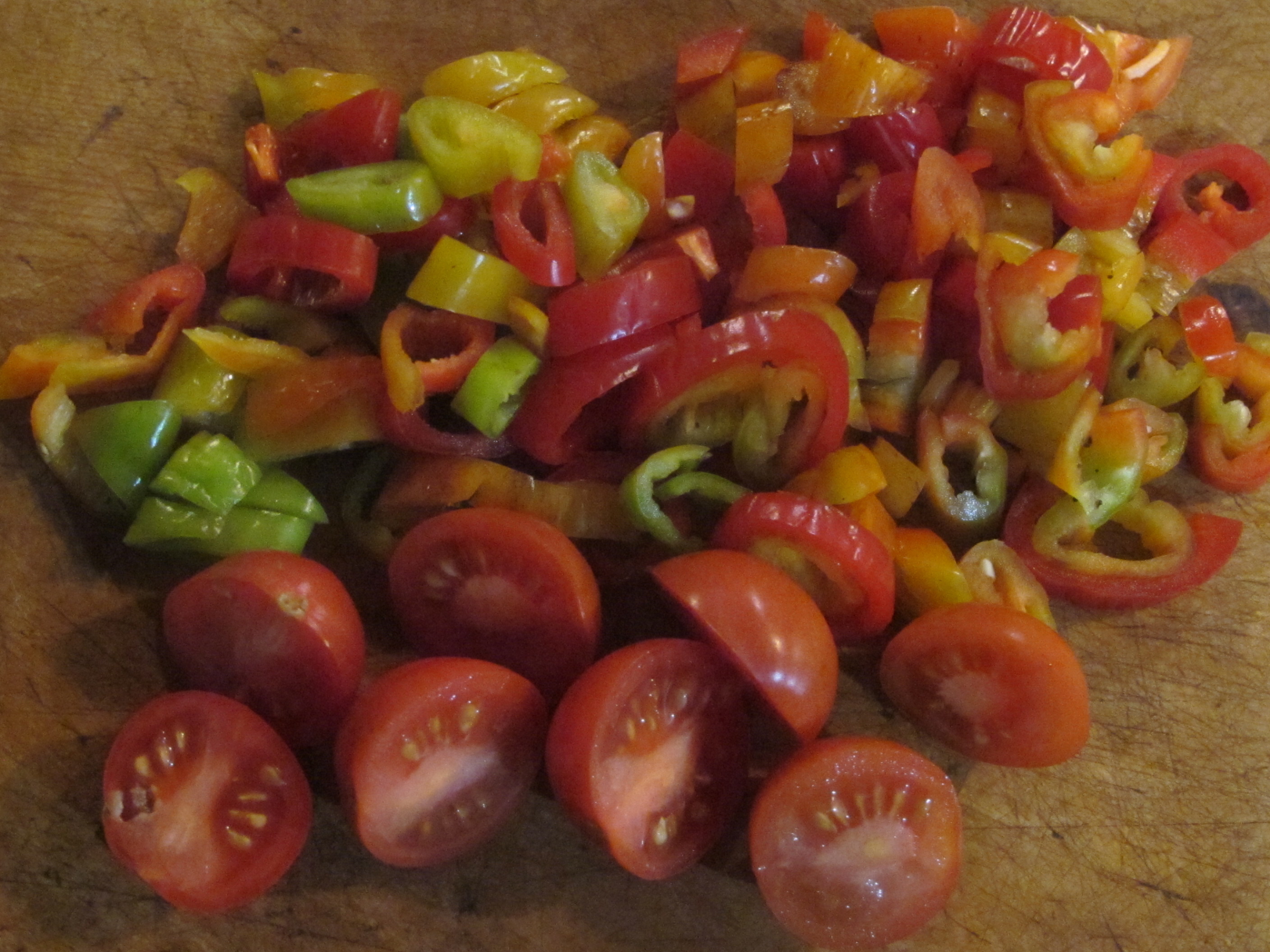
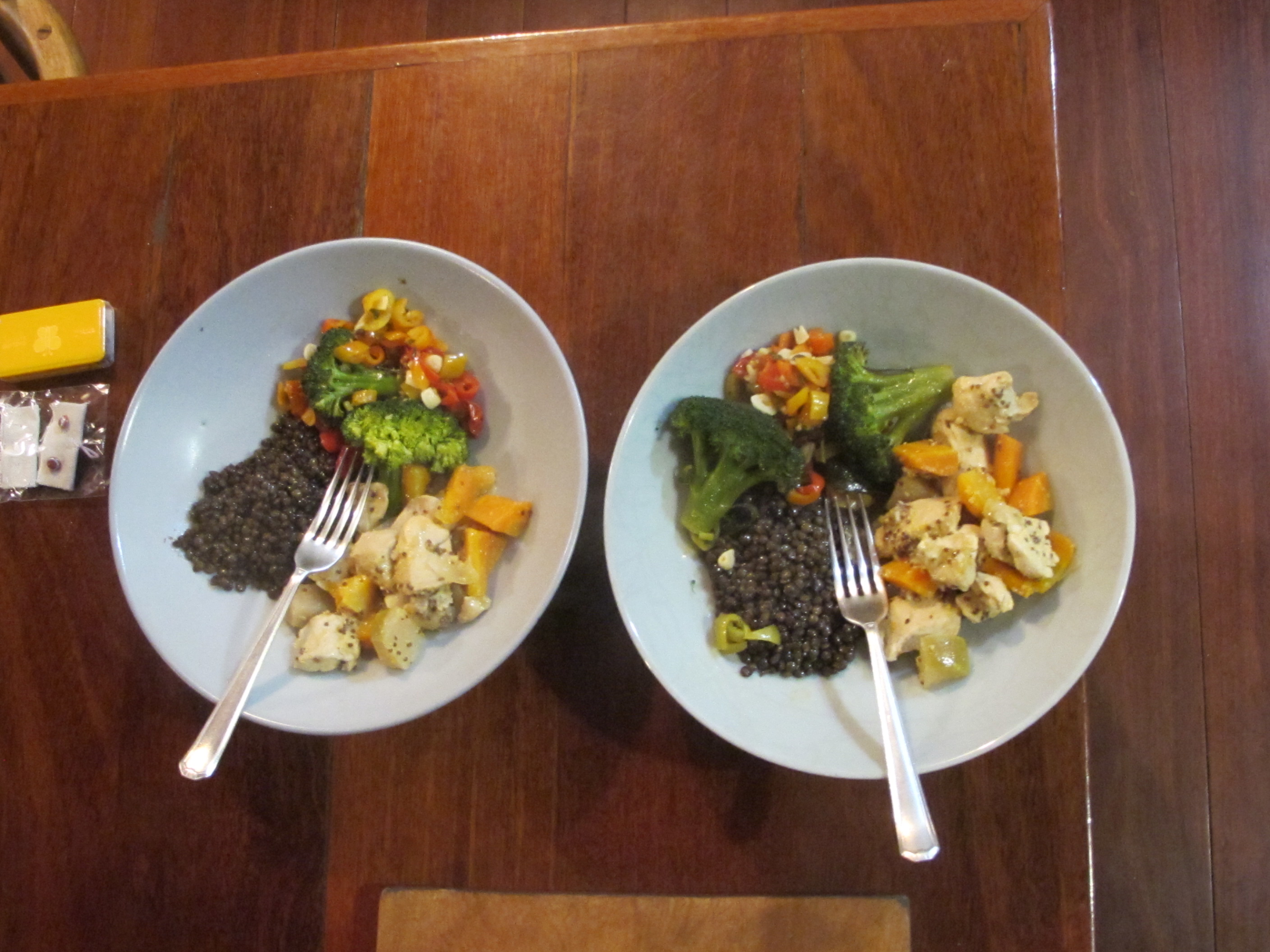
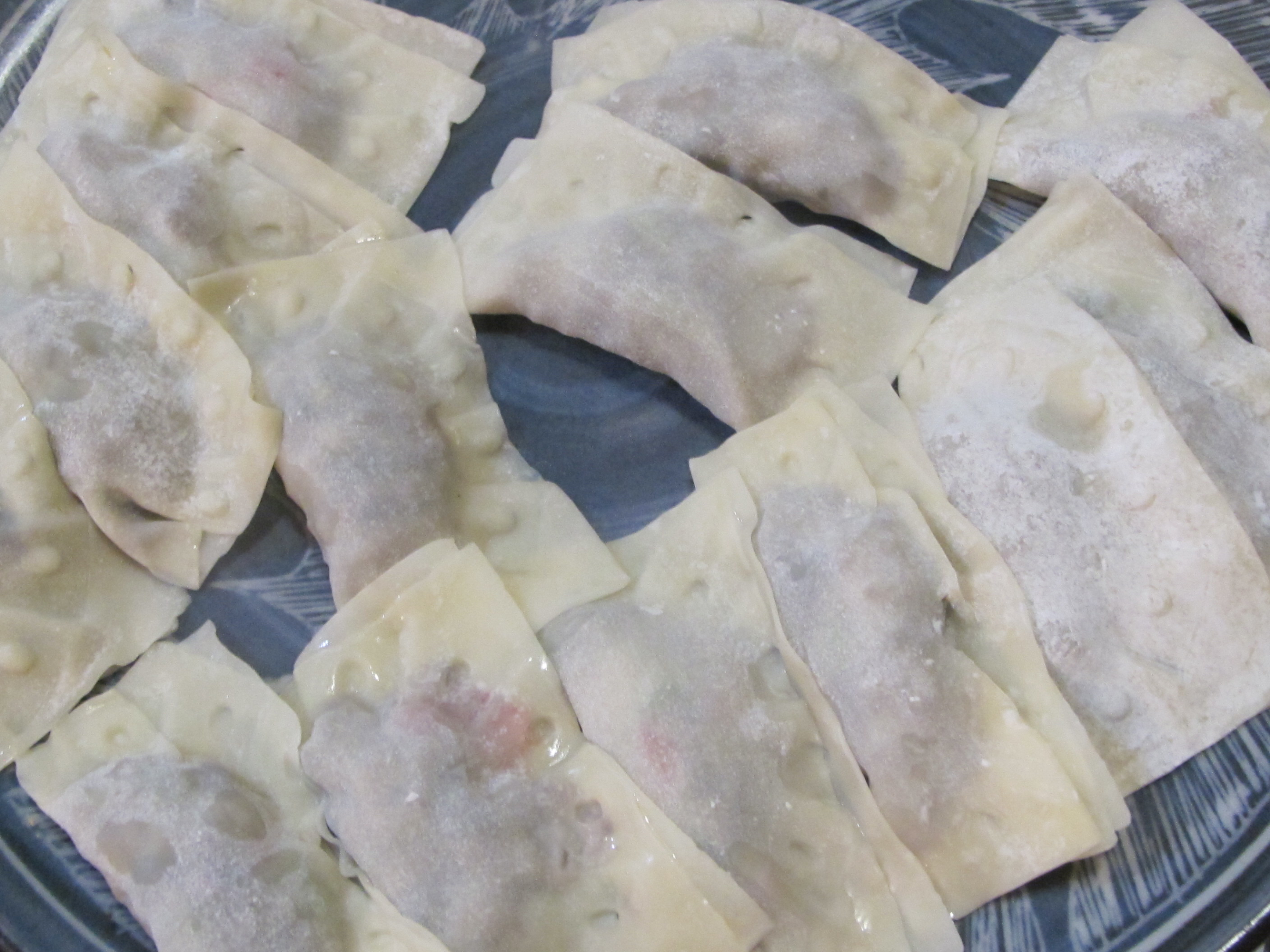
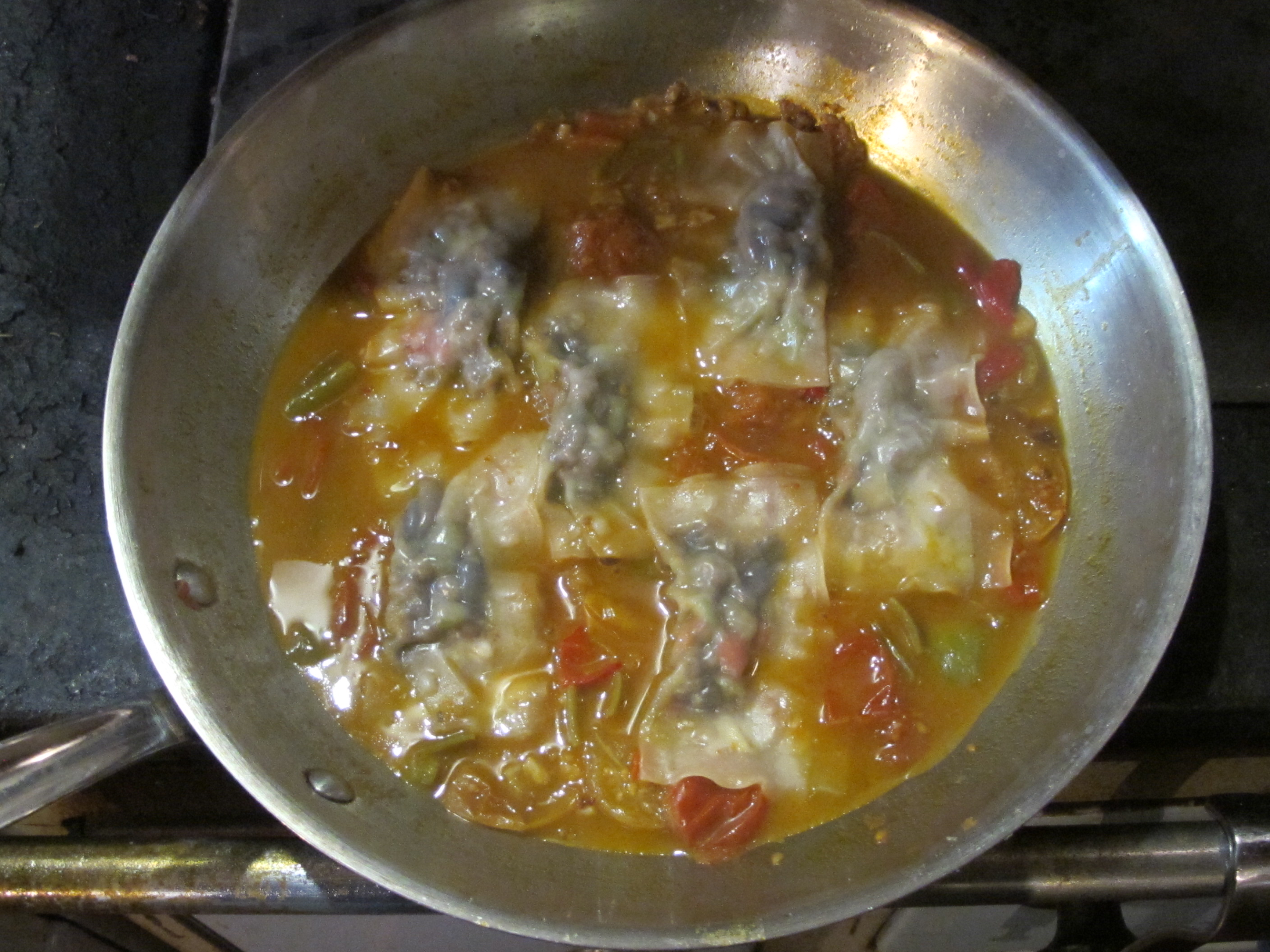
For dinner we decided to have Gyoza. I had previously bought 500g of lean pork and asked the butcher to mince it for me. I divided it into 4 parts and froze 3 of them for later. The 125g of pork mince is just the right amount to make gyoza for two. We fry the pork with lots of garlic in olive oil and some finely diced garden veggies. Then Ninako fills the small parcels with the mixture and I simmer and steam them in a sauce made from the last of the small red and yellow tomatoes from the garden, a few beans and some chillies. When this is reduced down, it makes a delicious simmer sauce.
It all mellows out very nicely. 7 each is just the right number of gyoza dumplings for one hungry potter. This sauce, although not culturally authentic, is very well matched to what we are enjoying, and most importantly it is entirely ours, from our garden. This is our Australian ‘gyoza’ influenced local dumpling experience. I’ll have another go at it some time in the future, and I’m sure to enjoy that too. Nothing is ever finished, nothing is perfect and nothing lasts. This meal certainly didn’t!
It’s such an indulgence to tour the world of our recollections with such wholesome and tasty food, and almost entirely from our own produce.
We are very lucky people and I am grateful.
I have arranged to donate one of my recent bowls from my Watters Gallery exhibition to the fund-raiser appeal for the Nepalese victims of the recent earthquake. The pot will be auctioned soon. Please see below;
I believe you will have heard about the recent devastating earthquake in Nepal.
With the help of Vicki Grima, The Journal of Australian Ceramics editor, I am organising a fundraising project called CLAY FOR NEPAL (#clayfornepal15) to raise funds for the Nepalese people affected.
The first part of the project is an AUCTION of ceramics from around the world.
In conjunction with the AUCTION, Adriana Christianson, has offered to help me organise a BUY NOW STORE offering more affordable items for immediate purchase.
Both events will be happening from Friday 15 to Sunday 17 May 2015.
AUCTION: www.stores.ebay.com.au/clayfornepal
BUY NOW STORE: www.clayfornepal.bigcartel.com
PREVIEW of available works for both events here
Thank you for your support,
Vipoo Srivilasa
contact :
AUCTION: vipoo@vipoo.com
BUY NOW STORE: mail@adrianachristianson.com
All funds collected, less any event expenses (eBay and Paypal fees), will be donated to Oxfam, Nepal Earthquake Relief Appeal.
Vipoo Srivilasa is authorised by Oxfam Australia to collect funds for the benefit of Oxfam.
Vipoo is a very nice and thoughtful bloke who has taken on this endeavour of his own volition. It’s a credit to him and I am proud to be associated with the enterprise. Janine and I have donated cash through the Red Cross, but this is a way that we can do more, by doing what we do best. Which is making beautiful, thoughtful, meaningful objects.
Best wishes
from
Stevbu and Ninako, gardeners of local produce and international flavours.
The Luxury of Frugal Simplicity
We’ve been making wine, making clay, making kilns, making pots, making preserves and in general making a living, in all the various and diverse ways that we have grown into during this big long experiment called life.
The luscious excess of the summer garden
We have been experimenting with a few new ways of dealing with our excesses from the garden. We have our favourites that we love to cook every season with all the usual suspects as they front up in quantity. It’s just amazing how much I look forward to that first tomato of the season to get ripe enough to pick and eat, right there in the garden. It truly explodes in the mouth with sweet, acidity. Such a flavour. Then all those vitamins that I am obviously in need of, because I crave that first tomato so much. Just brushing the leaves of the tomato plants while weeding is nostalgic and gives me the Pablov’s Dog reaction. i can’t wait. I’m craving a fresh tomato after 6 months without having any. However, after a month of tomatoes with everything, I seem to have enough of the vitamins and minerals that tomatoes offer, and they lose some of their charm. They are still fantastically delicious, but there is no longer any urgency to eat them. They just become part of the menu landscape. In fact, so much so, that while I’m weeding and watering the plants, I try to avoid brushing the leaves, as the smell is no longer appetising, but slightly off-putting even. What is this reaction? How does it work? My body is telling me what I need to eat and when I’ve had enough. Time to move on, try something different.
The same can be said for zucchinis, capsicum and aubergines as well I suppose, but not with the same urgency.
After we have cooked and eaten all the usual favourite dishes a few times, we start to consider other ways of thinking about what we have and how we can be creative with it.
Resistance is Fertile
The summer garden is being very productive and keeping us busy. The heat is back and the rain has largely stopped, so I had to water the garden today. I have been building kilns these last few weeks, more or less full-time, but there are always things to do in the garden and it’s a great entertainment and relaxing break from working on kilns to be able to just walk out of the workshop and spend half an hour with the vegetables as a break. I really enjoy this attempt of ours of the last 40 years to try to achieve some independence and self-reliance, but I still have to earn some money to pay all the rates, regos and insurances that are necessary to be able to live and work here. There are no free lunches in this garden. We know a lot of potters here, but non that makes a living solely from what they can make and sell. Everyone has a second income from part-time work, or a partner with an income who helps to support them. We have both worked part-time to support our artistic ‘habit’. Building kilns and running firing workshops from here are our current income support schemes for our self-reliance. Selling our work makes only a quarter of our income.
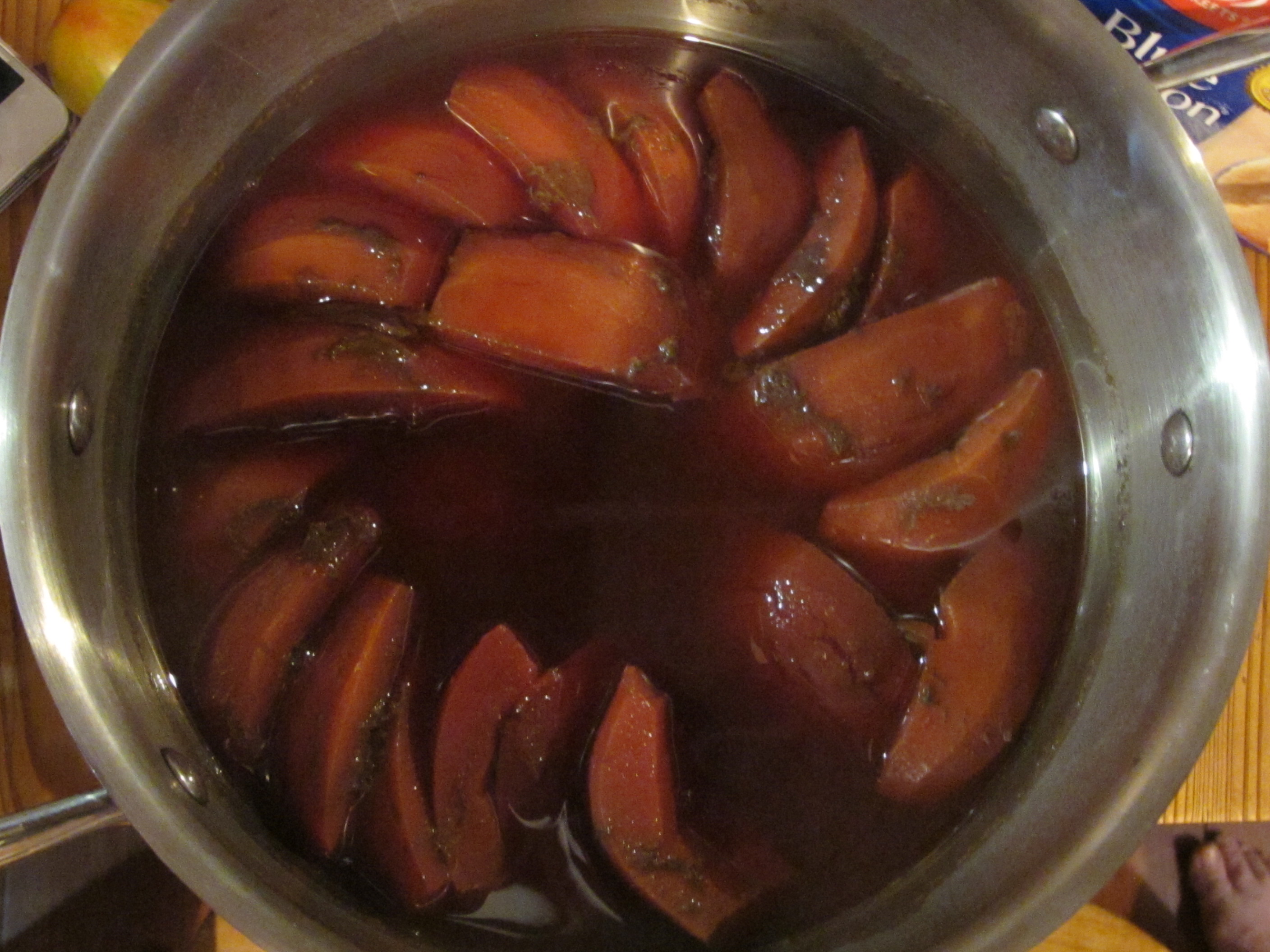
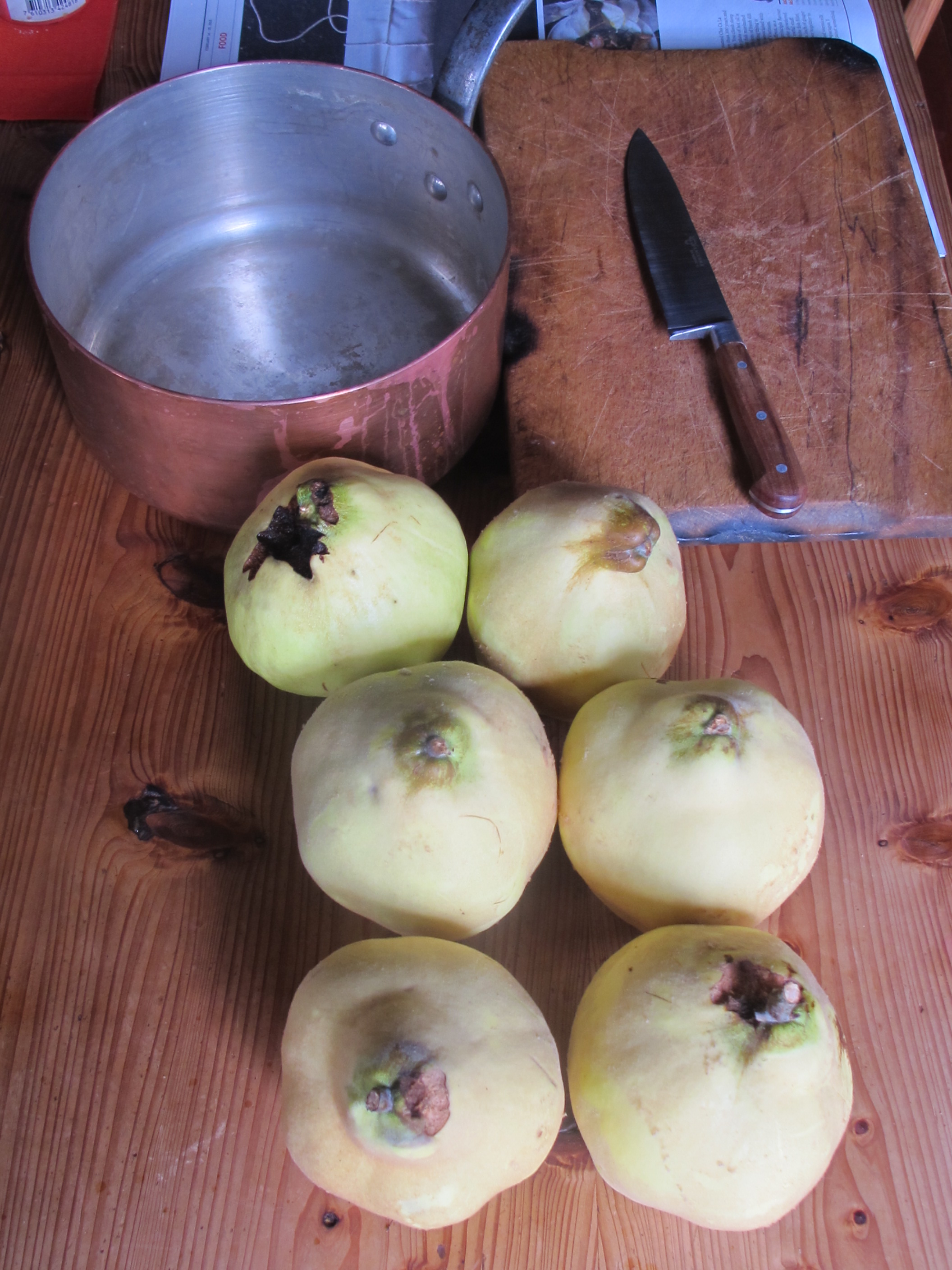
The Queen of Quince has started on the late summer preserving sessions. Potatoes, tomatoes, basil, beans, pears, apples, quince and red grapes are all coming on at the same time and have to be dealt with. I lend a hand where I can as an interesting relief from the kiln work. I usually try to keep January free of kiln orders, so that I can be 100% involved in the garden and kitchen at this busy, productive time of year. But this year, events transpired such that I have to work on a kiln to make a deadline that can’t be changed. Being adaptable and adjusting to change is a useful skill I’m told? Organic growing, nurturing, harvesting, preserving and cooking and eating our produce is the most rewarding thing that I can think of doing with my life. It is the reason that we have chosen to live out here in the bush with few services, but plenty of space, clean air and water to live out our self-reliant, creative, self-employed utopian dream. As it’s turned out, and much to my surprise, we have managed to ‘get away with it’.
I could have chosen to make something a lot more ‘commercial’ I suppose? And in a very much more efficient manner, but that just doesn’t seem to interest me. I’m not really very interested in ‘efficiency’. I rather like to spend a long time creating something really beautiful with my hands, whether its making a pot on the potters wheel, or weeding a garden bed, writing a real letter on beautiful paper by hand using an ink fountain pen, or at the current time in spending time hand carving and shaping a fire brick to fit in a specific position in the door of a kiln so that it makes a perfect door seal, with a ground face and precision interlock. Some of these firebricks are cut and shaped on 6 faces.
No-one really understands what goes into a hand-made object. It is no longer part of our Australian culture. It belongs to a time long past. However, I believe that it is important to keep skills alive. So I really do it for me. I’m completely selfish in this. Luckily, there are just enough people out there who are prepared to support me in persisting with this enterprise. The people who buy my kilns or come to my exhibitions have no idea of what they are looking at. “Oh yes, it’s pretty” doesn’t scratch the surface. It’s the back story to all of this that makes it special. No-one can see this in the object. It’s invisible, but the object wouldn’t exist at all without all the preparatory work and research. The research and prep are the two noughts on the price tag. Anyone can make a bowl. It’s the simplest of shapes. Nothing to it! I want to prospect, dig, crush and mill all my own materials for my pots, in just the same way that I want to grow all my own food. This isn’t a business, it’s a philosophy.
With the assistance of her friend Vicki, The Lovely has picked and juiced most of the apples, except for one tree.
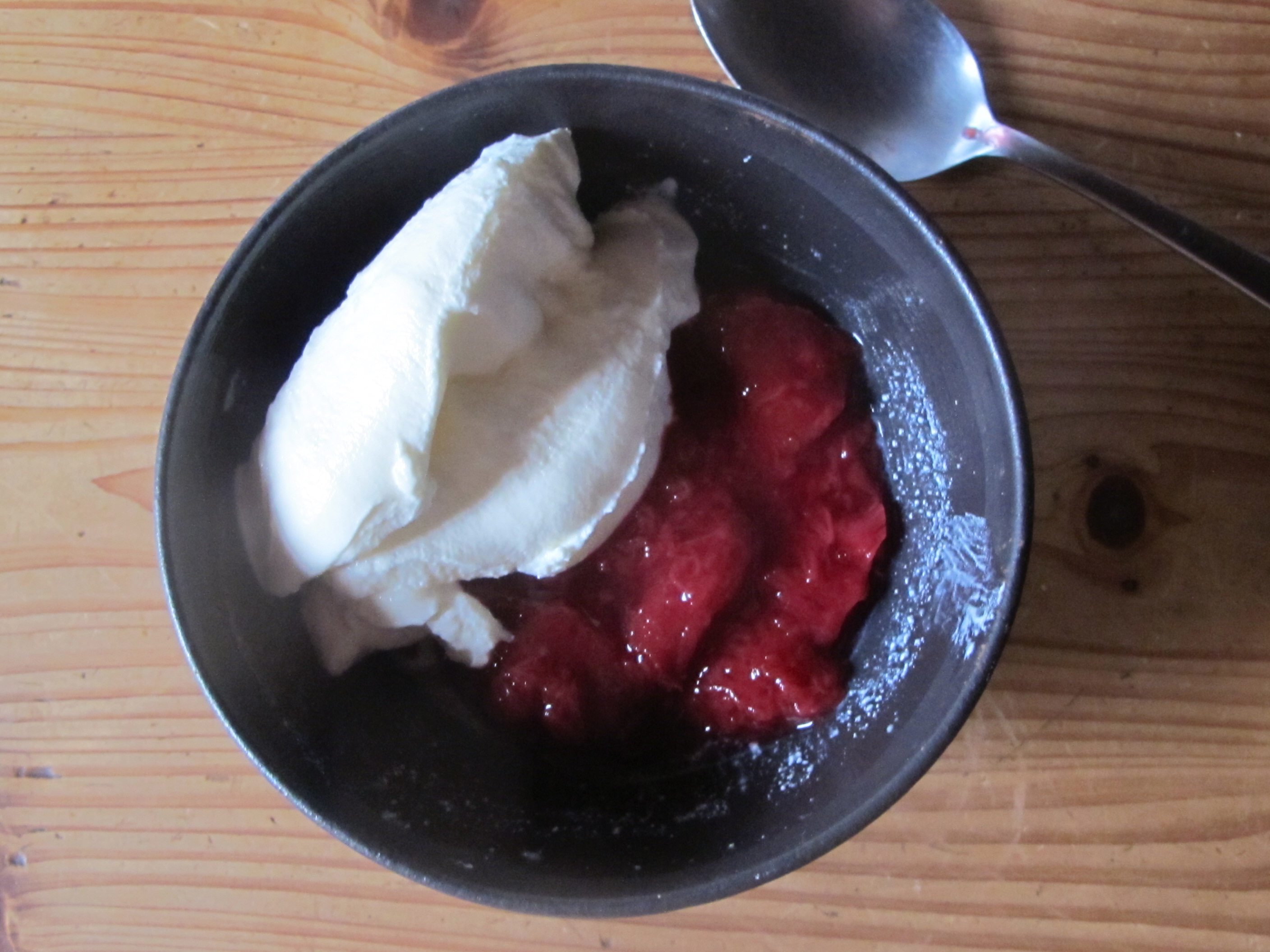
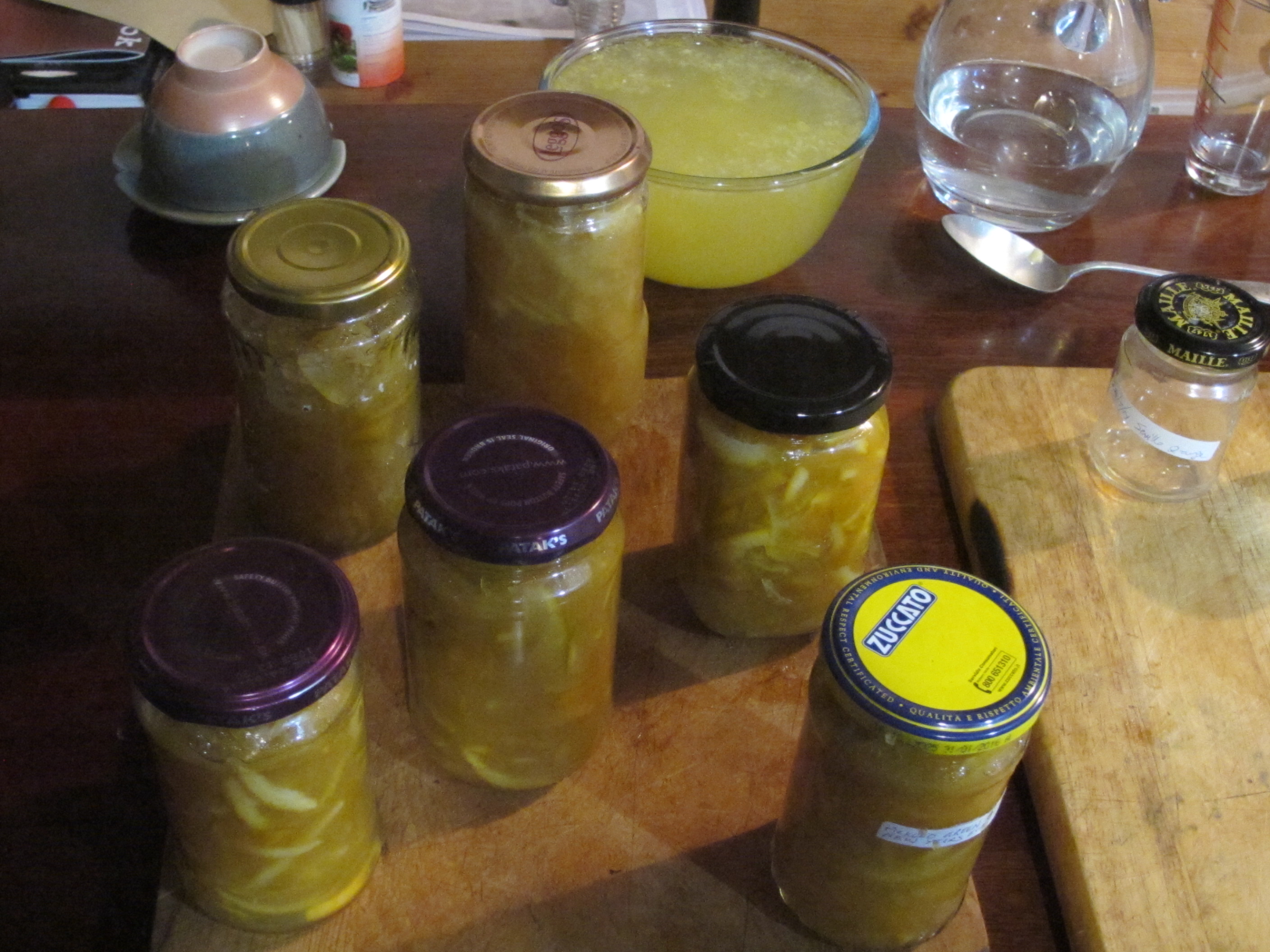
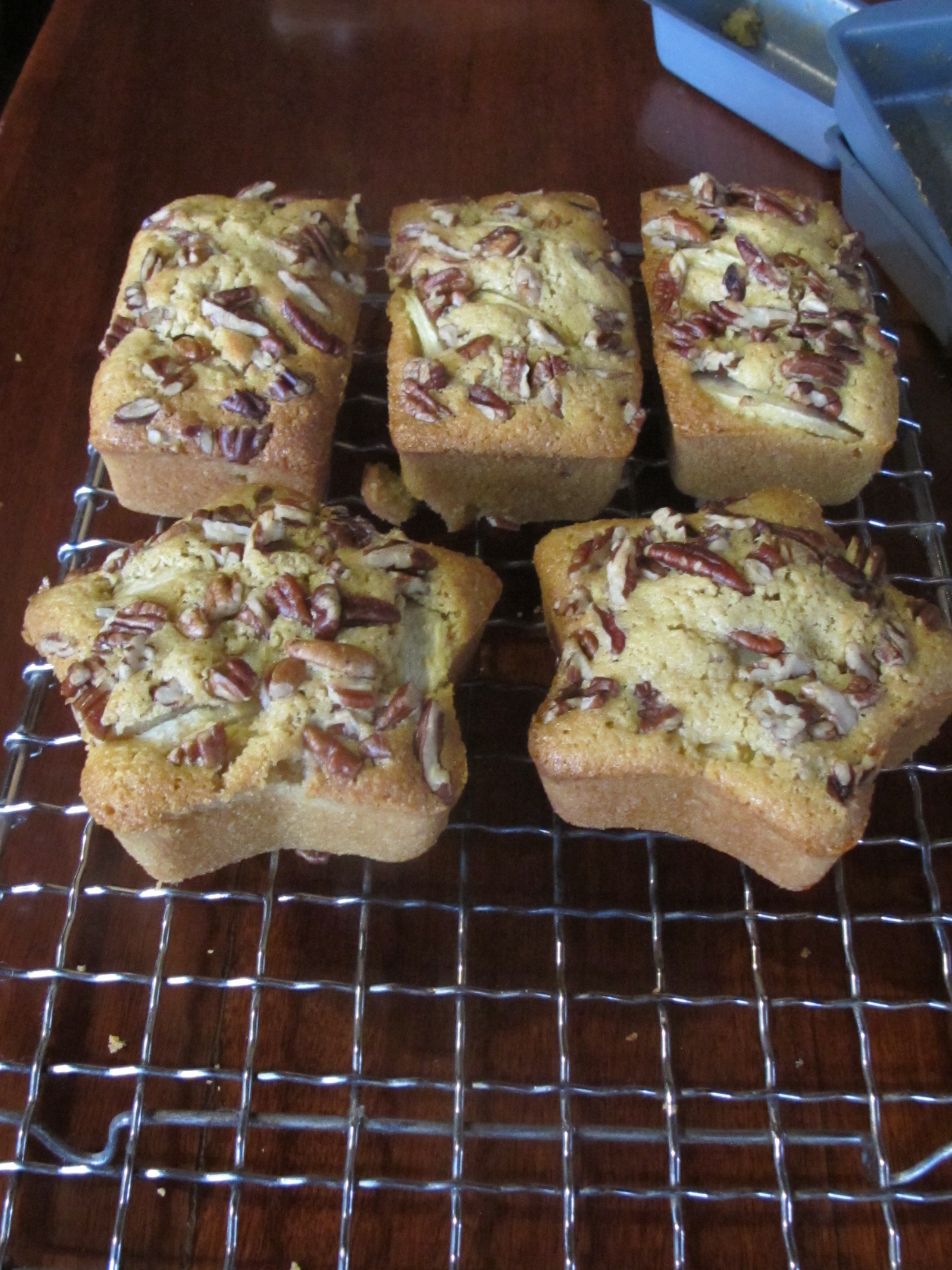
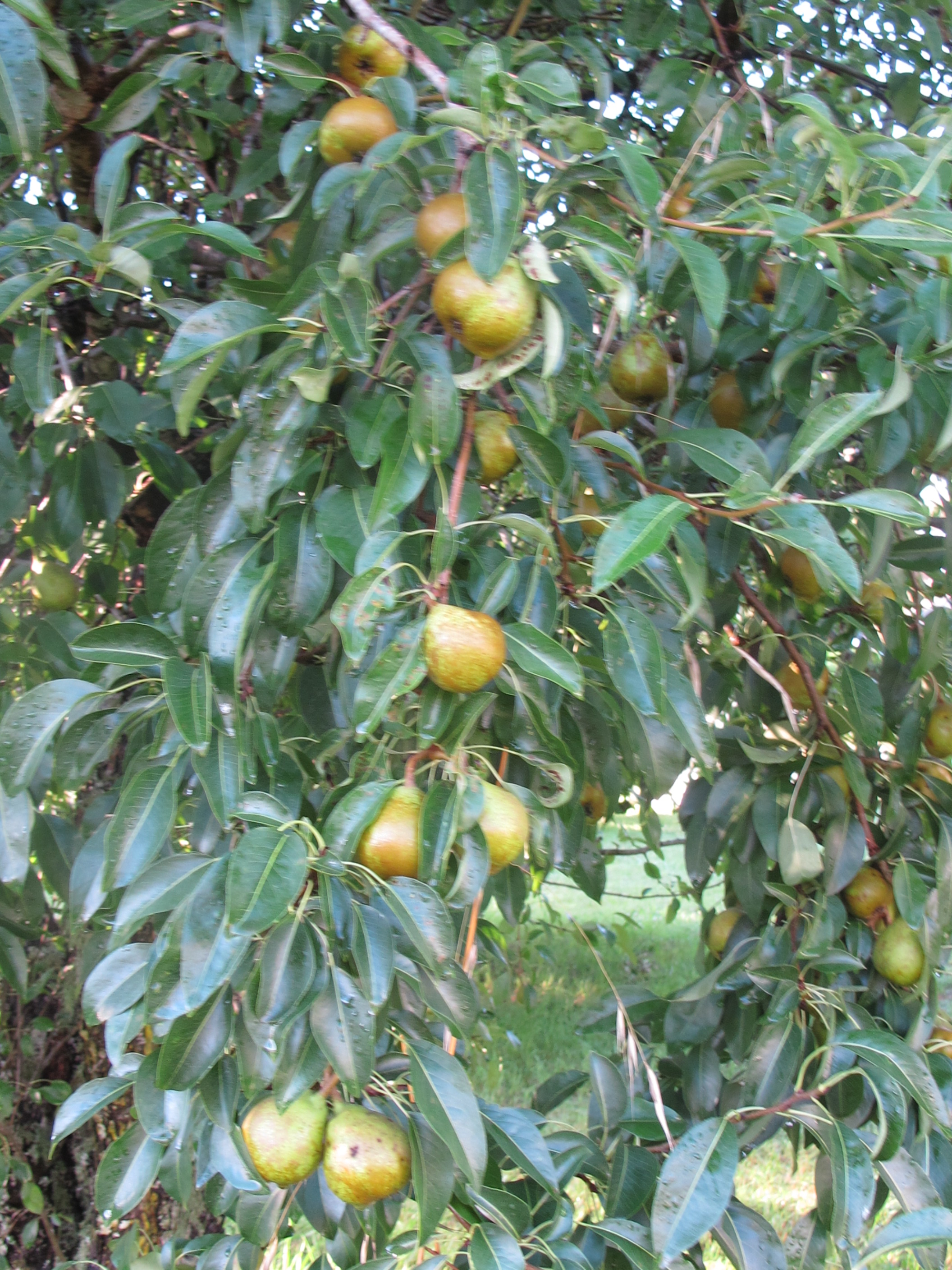
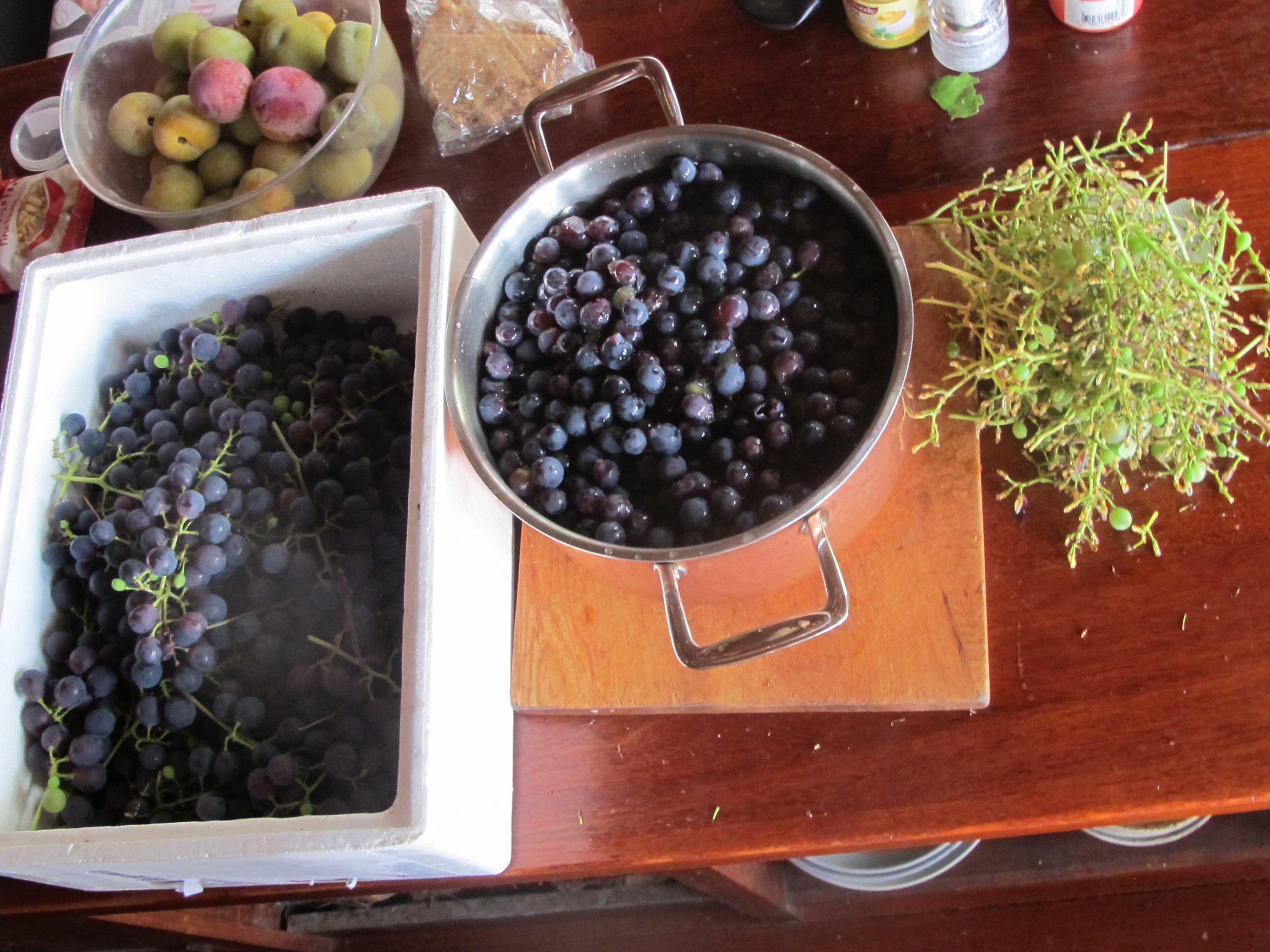
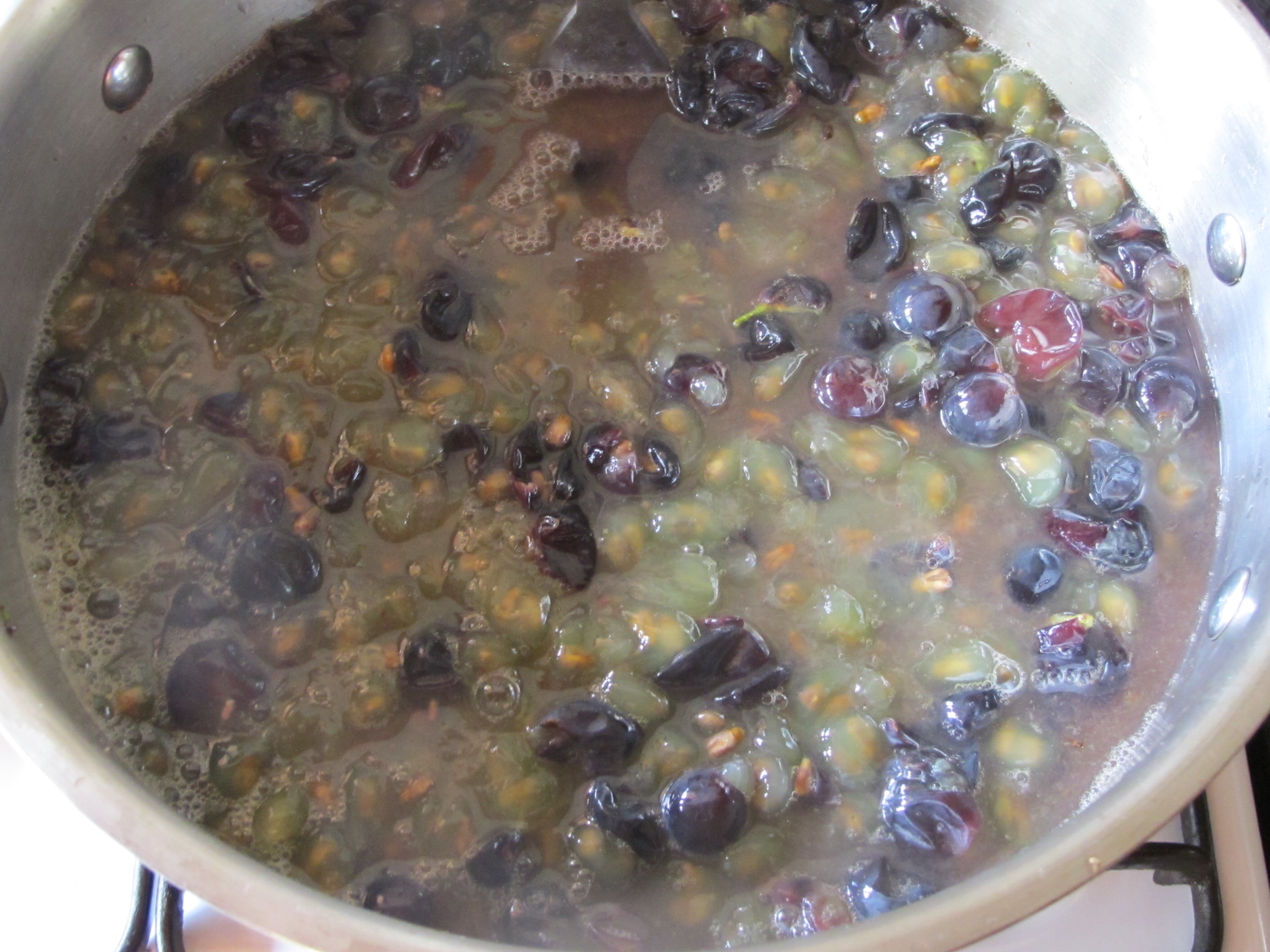
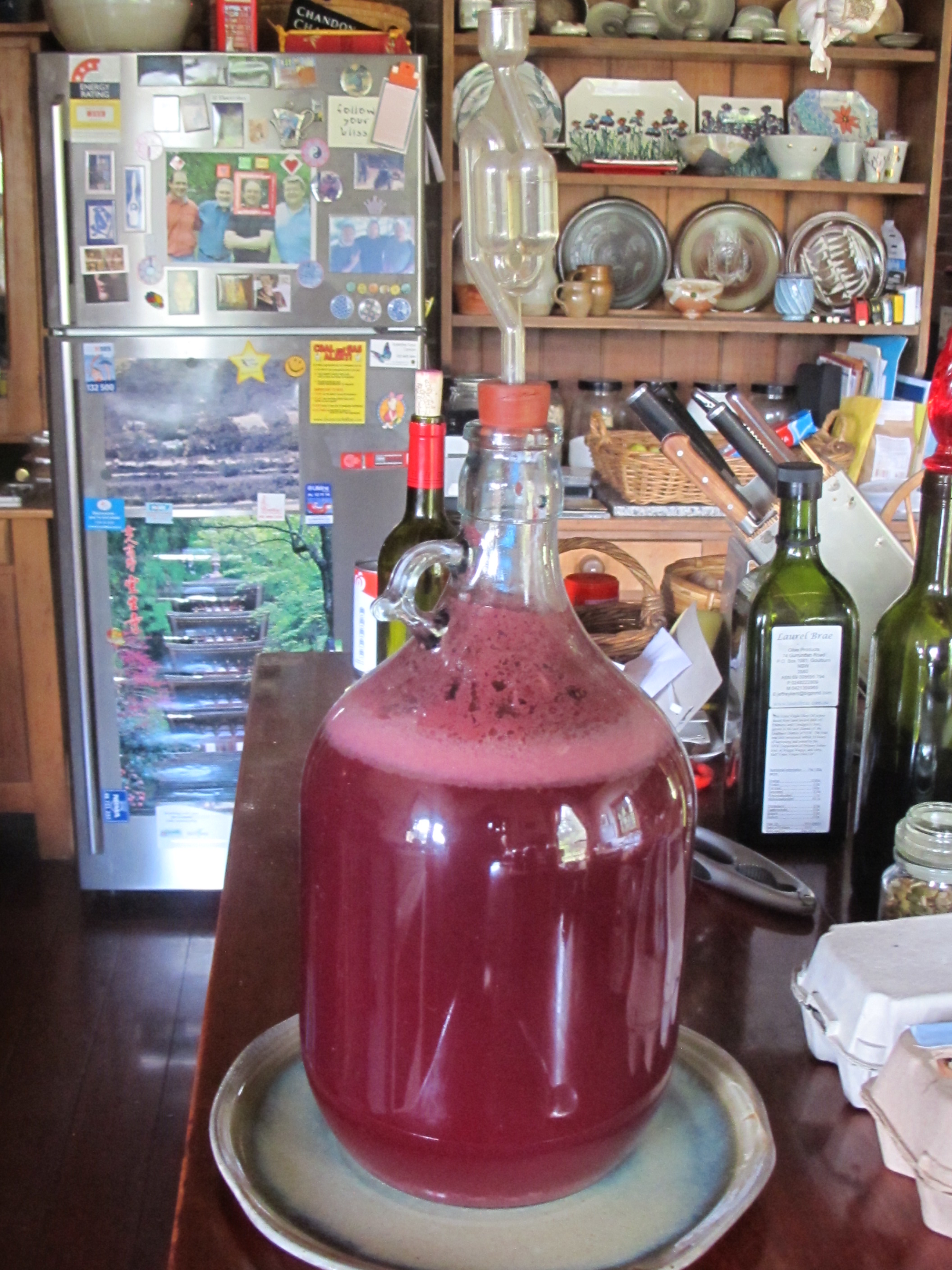
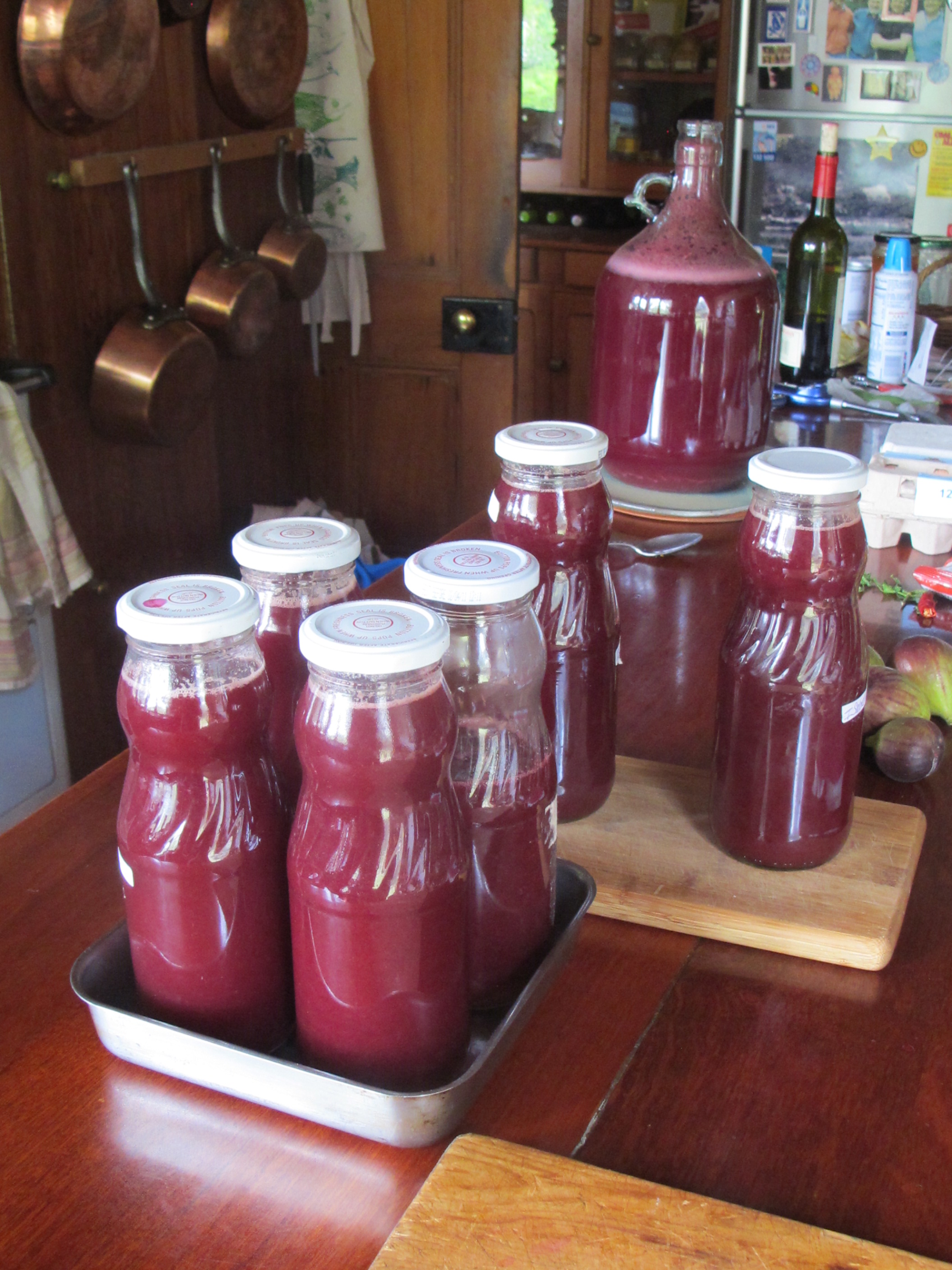
The apple juice from these apples are destined to be made into cider vinegar. Tomatoes are picked every few days and reduced to sauce and vacuum sealed in ‘pop’ top glass jars for use later. The basil has been converted into pesto. The first of the pears are stewed and in the fridge for breakfast and desert fruits. We have had the first picking of the 2015 vendage and some is stored as preserved red grape juice while some of it has been left to ferment with it’s own wild yeast to be drunk as Summer Wine. Slightly spritzig, sweet, weak red wine. It’s something that we came across on road-side stalls in Europe some years ago, when travelling around in their late summer/early autumn and it’s so fantastic and relatively quick and easy to make, compared to real wine. Very refreshing and satisfying on a hot summers day.
We start by picking the low hanging fruit.
Then the higher hanging fruit
We have been supplying quinces and beans to a local restaurant in the last week as well.
Kipfler King has been planting little batches of potatoes as they start to shoot and this latest batch has come from a wire compost ring, behind the mower shed.
They are nearly all small kipflers, we steam them in bigger batches. Too much to eat at one sitting, then we cool the excess and place it in the fridge for a later time. This is not to save time or money. We do it because cold potatoes are better for you. Fresh steamed potatoes are digested straight away and go pretty quickly into your bloodstream. High GI. Once cooled however, the potato starch is converted to what is called ‘resistant’ starch or ‘butyrylated resistant starch’. It isn’t digested in the tummy or small intestine, but passes all the way to the lower intestine where it feeds the endemic gut flora that like to live there. It makes for a very fertile environment for this good gut bacteria. So, resistance is fertile, I read an article about this in New Scientist twenty years or so ago and reprised recently, I have practised it ever since. Having a healthy and fertile environment for the good gut bacteria is an excellent way to ward off colorectal cancer. I also remember reading that cooking the spuds a second time and then cooling them, converts even higher percentages of the starch into the resistant form. Providing lots of fibre where it’s needed. We don’t ever seem to get around to doing this second cooking and cooling. We already have enough to fill our days. I should change my habits, but I’m resistant.
The humble spud, not un-like revenge, is apparently, a dish best served cold.
Best wishes
from the highly resistant Steve and his Queen of Quince, the Kipfler King
Much ado about netting
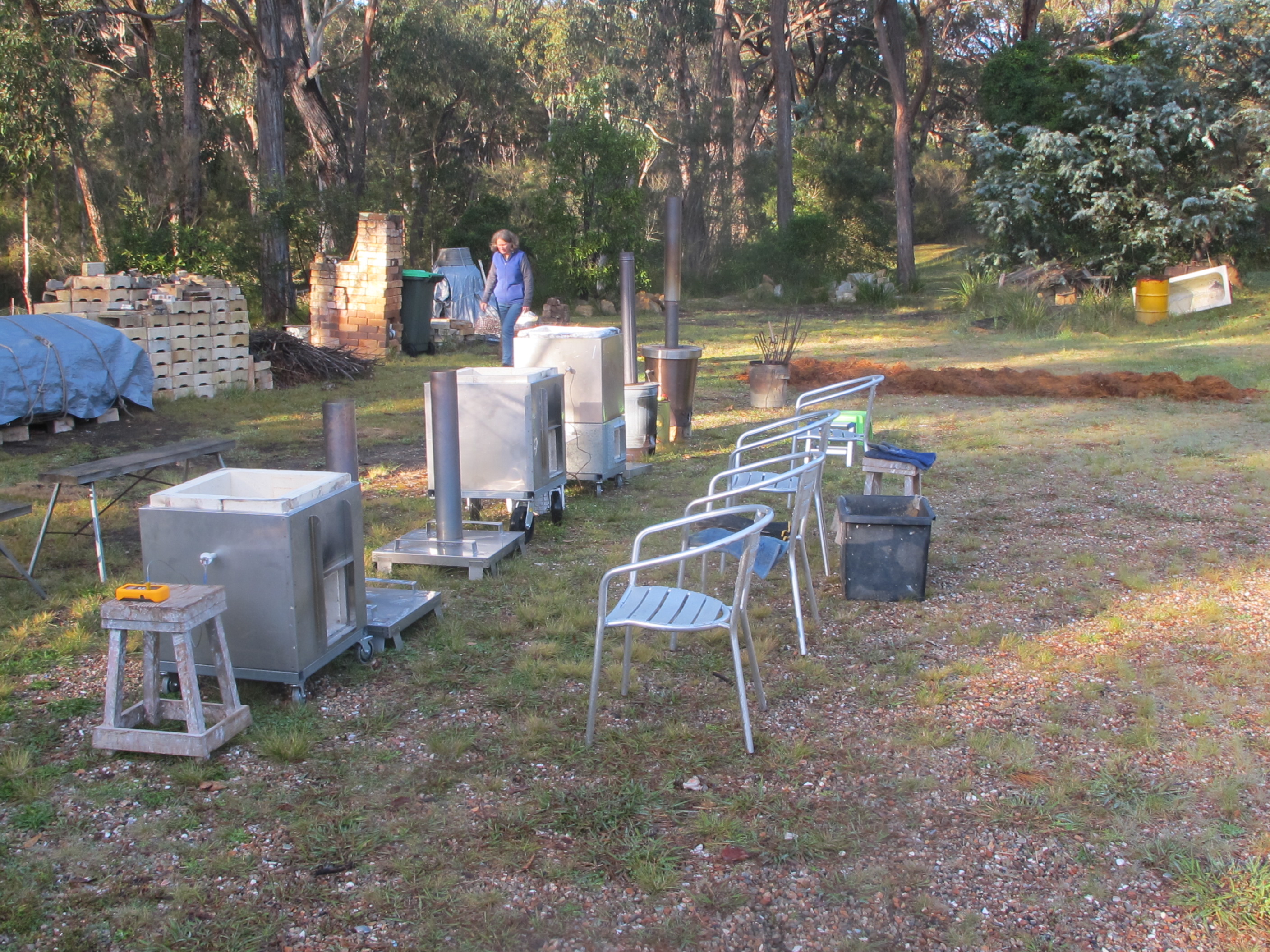
We have netted all the stone-fruit trees in the orchard that still have fruit on them. We move the nets from the early trees that have finished fruiting and relocate them to the late season trees that are turning colour and ripening. Once all the early fruiting varieties are done, they no-longer need the netting. Some of these trees are getting quite old now and have gained some size. Our oldest trees are over 40 years old, however most are now 2nd generation plantings, still they need a support system that can cover trees up to 4 metres high. This means that we need to use the bigger nets that are 9 metres square.
We have figured out a way to build a frame simply out of 2 pieces of left-over polypipe tubing, tied together in the middle and spread out at right angles to form an arched support. We hammer in tomato stakes to secure the pipe to the ground and it become quite stable. The difficulty is in getting the netting over the frame. Janine ‘bowline’ King attaches a rope to one side and throws it over, then with me voicing encouragement, she hauls the netting over the frame. The polythene piping is quite smooth and slippery, so the netting travels freely over. We repeat the process for each tree with ripening fruit until we run out of nets.
The birds are so very resourceful. They have figured out that if they sit on the netting and bounce up and down on it , it will sag down until it touches some of the fruit. Then they peck at it through the netting.
This whole process of netting is fast and efficient, and we get it all done in an hour or so. There is still time in the afternoon to go to the garden and de-fuse the exploding zucchini crop. We lunch on steamed broccoli and cauliflower with a squeeze of lemon juice and a little fresh ground pepper.
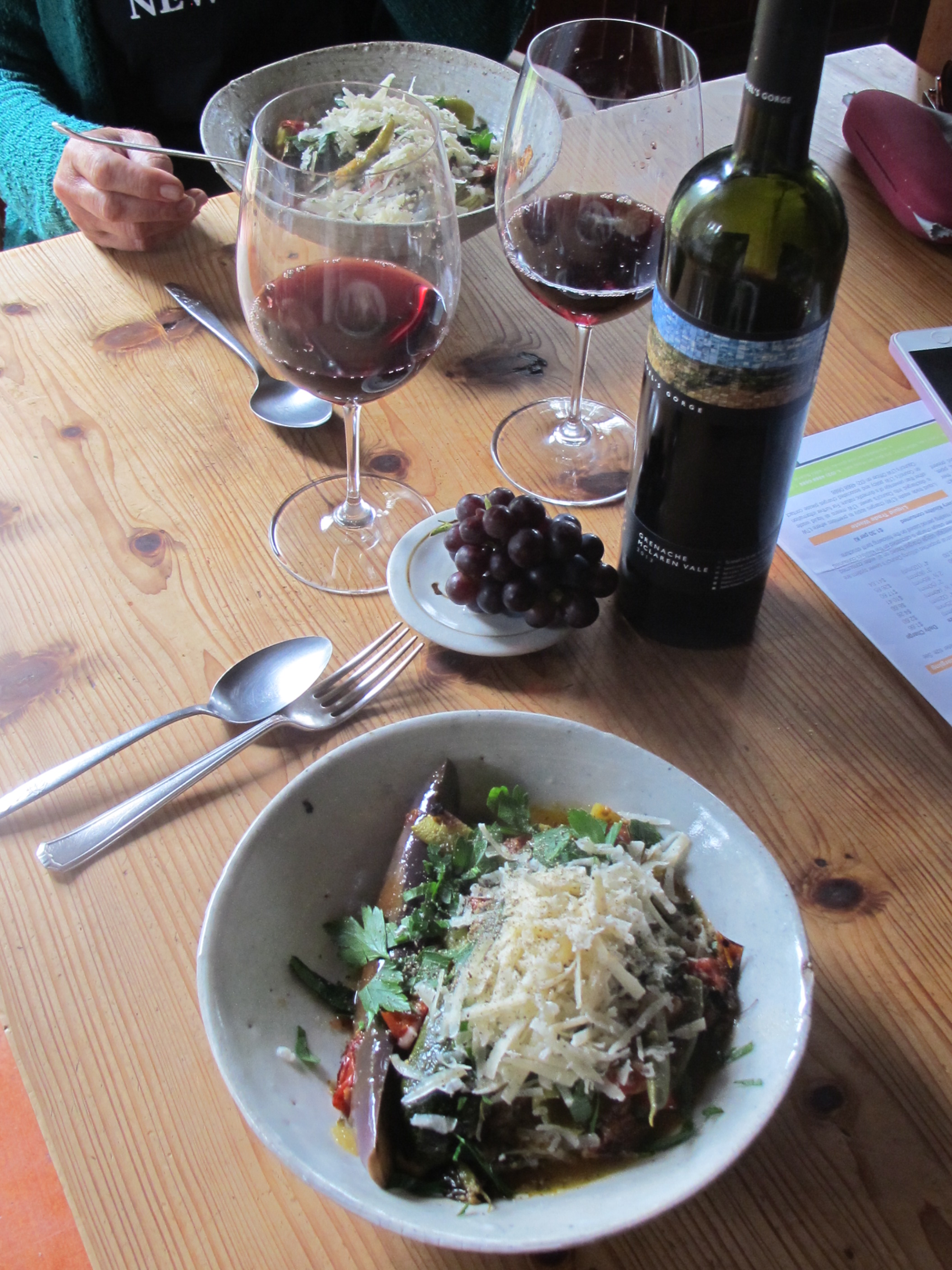
As the garden is so prolific in this warm wet weather, we decide to make an egg plant parmigiana. We have lots of tomatoes and aubergines.
Tomatoes blanched and skinned, sliced and laid over the aubergines with a little olive oil, then sprinkled with torn basil leaves and crushed garlic, finally covered with a jar of our home made tomato, garlic, onion and capsicum sauce. Grate parmigiana on top and bake.
Another favourite at this time of year for a simple meal on a hot day is cold cucumber soup.
This isn’t really a recipe, more a way of thinking about using up cucumbers. It’s cooling and soothing and a little bit tangy, and you get to use up a lot of cucumbers.
Use half a dozen small, or 3 large cucumbers. Peeled and seeded if they are older and larger, but all in as they come if they are young.
Some mild onion like red or white, or even green spring onions finely chopped
A big bunch of cilantro or coriander leaves finely chopped.
A small bunch of mint leaves finely chopped.
A couple of cloves of garlic, smashed and de-papered.
Some finely chopped chilli to taste and although I don’t use salt, if you want it, add it to your our taste.
Juice of a lemon.
Put it all in the blender or food processor with half a tin of coconut milk and the same quantity of plain greek yoghurt, or just one of them, or some sour cream if that’s what you have in the fridge. You can use a blend of all three.
You can serve it with a little bit of olive oil on top and some paprika sprinkled on.
Janine mixes up the recipe each time she makes it to keep it lively and interesting, sometimes adding chopped dill, parsley or tarragon leaves. Sometimes with only yoghurt and other times with just coconut milk. It works just the same.
It’s always different and always delicious.
Half Baked
Without doing anything about it, we find ourselves now at the high point of mid-summer. It was effortless. How did we get here? Time is flying by, the days are getting shorter, but not that noticeably and the fruit is ripening on the trees, even through all this rain. This is probably the apogee of the summer heat, although it’s not that hot this year. Our maximums are in the low to mid thirties.




























You must be logged in to post a comment.