Another Little Portable Wood Fired Kiln Leaves the Workshop

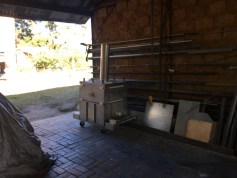
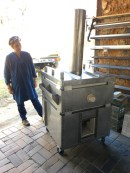
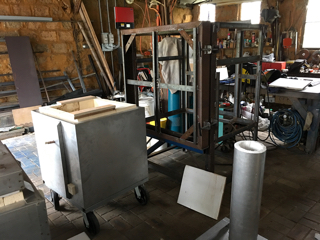
We have been keeping busy rolling out the latest batch of little portable wood fired kilns. Another little wood fire Gem leaves for a new life of fun and fulfilment for another potter. All the remaining kilns are set up with gas burners for dual fuel firing.

IMG_0876 IMG_0843

I spent most of last week making the burners and fitting them to the kiln on removable mountings that slide into place when needed.

These are the last of the first batch and while I wait for collection of these first orders, I start on the 2nd batch. There isn’t enough room in my small kiln building workshop for more than seven kilns at a time and still be able to move around safely and engage in productive work.

IMG_0875 IMG_0877 IMG_0861

I go to the garden after work and pick a load of vegetables for dinner, do a quick bit of weeding and do a little watering, as it is still incredibly dry with no rain storms to speak of for 14 months. The dams remain dry.

I cook a fresh snapper for dinner, steamed on the stove top in a big frypan with a little garlic, lemon juice and white wine.

IMG_0848 (1).jpg


Mustard Pickles

Mustard Pickles are an odd thing. You need cucumbers from the heat of summer, and cauliflowers from the dead of winter to be flowering and bearing at the same time. I have no idea how this might have originated in history. I can only imagine that it is a modern invention. Sometime since global transport was invented, so that food stuffs could be hauled from warm to cold climates and vice versa.

I can’t make this kind of pickle to the traditional recipe. I choose to only make from what I can grow, so this is the time that we have our first early cauliflowers coming on. We have had our first plantings of cauliflower roasted, stir-fried, steamed, gratin’d, and as cauliflower soup, but still they come. So it’s time to pickle the last of the first plantings. When I think of cauliflower, I think of that thick, yellow, acidic/astringent/sweet/salty mustard pickle.

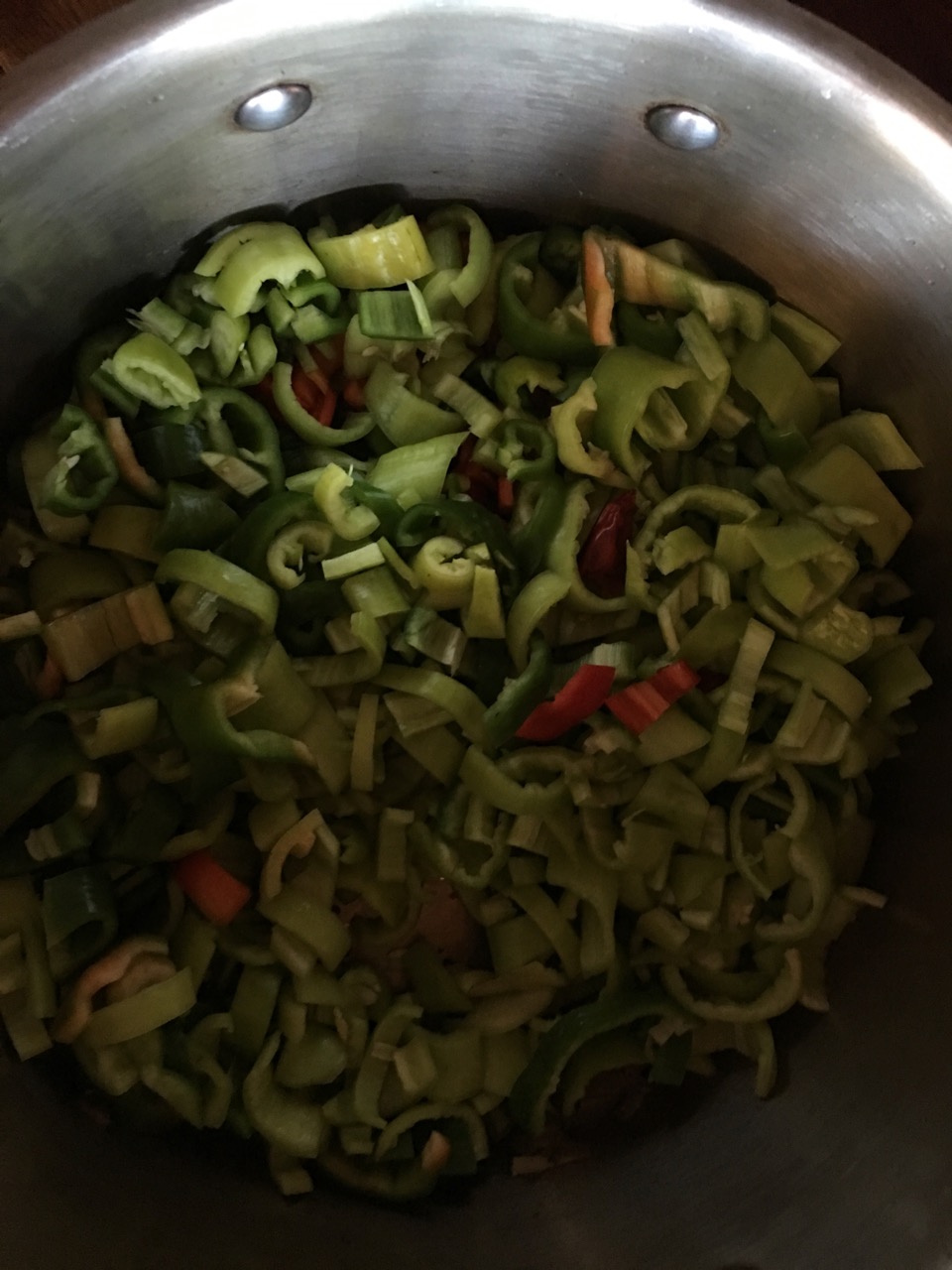
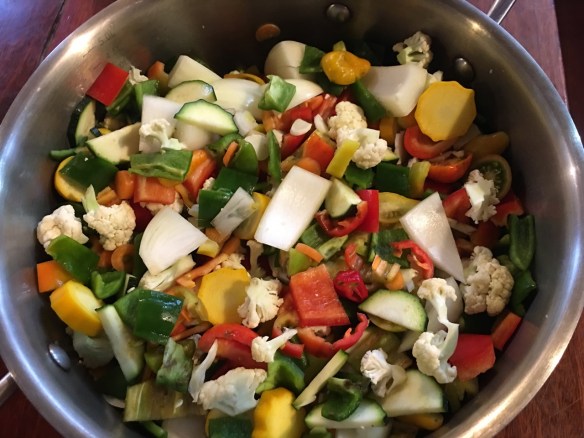
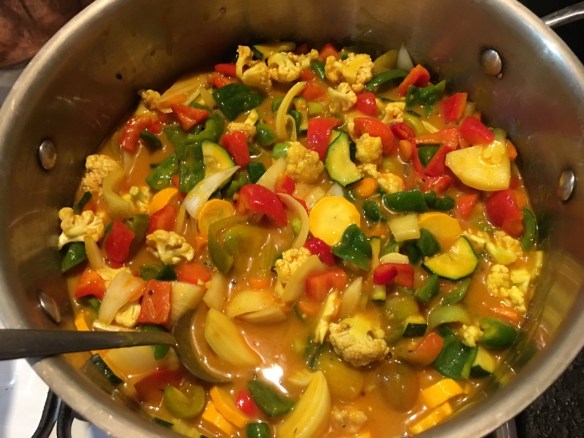
Cucumbers are listed as an essential engredient, But the cucumbers have all shrivelled and died in the hot and dry summer, weeks ago. So I do what I always do on these occations and I do what I can, with what I have. I have the last of the zucchinis, yellow, green and black. They will replace the cucumbers. I have capsicums, long and bell, both green and red, some sweet and some hot peppers, yellow, lime-green and red. Chilli  and onions, the last of the tomatoes, round red, pear shaped yellow and not quite ripe green. Plus some small carrots and a small celery plant. The last few items are not usually included in mustard pickles, but this is what I have. So this is what I will use. I decide to leave out the beetroots. I have lots of them, but I want the pickle to turn out yellow-ish, not red! This is not the usual blend, but its my own home grown autumnal blend. Zucchinis will work fine instead of the cucumbers.

Pickling has been used since the most ancient of times to preserve food from the summer harvest bounty, well into the winter and salting was always the preferred mode. If you add 2.5 % of the weight of the veggies as salt and massage it through the mix, the vegetables will sweat out their juices and then pickle themselves in their own brine over night, while at the same time setting up a natural ferment of lactic acid that consumes the sugars and stops any bacteria from growing in the acidic, low pH environment over the next few days.

Modern mustard pickles however, use a mix of salt, sugar and vinegar to preserve the vegetable mix. I wash and then chop up all the vegetables into small bite sized chunks, place them all in a 5 litre pot and add a good handful of salt. The mix is left to sweat out its juices overnight.

IMG_0711

IMG_0713

After sitting in its own brine over-night, I pour off all the salty liquor and rinse a couple of times. When rinsing, I fill the pan with water, just to cover the vegetables, I pour off the water into a measuring jug and measure the amount water needed to fill the gaps between the veggies. This tells me that the 3 litres of chopped vegetables in the pan leaves 1.12 litres of gaps that need to be filled with the pickling liquid. So that is how i know how much pickling mix to make, as I’m not using a recipe with exact volumes of vegetables. I’m just making something by the seat of my pants and improvising. It doesn’t matter, it always tastes good, and I don’t want to make up too much or too little to cover the vegetables. Having rinsed all the salt off the vegetables,

I prepare a pickling mix of ;

1/2 cup of flour

2 teaspoons of mustard powder

1 table-spoon of Tumeric

2 teaspoons of black mustard seeds

2 teaspoons of white mustard seeds

1 teaspoon of curry powder

1/2 teaspoon of home-made dried cayenne pepper flakes

1/4 teaspoon of home-grown and dried hot chilli granules/flakes.
IMG_0716

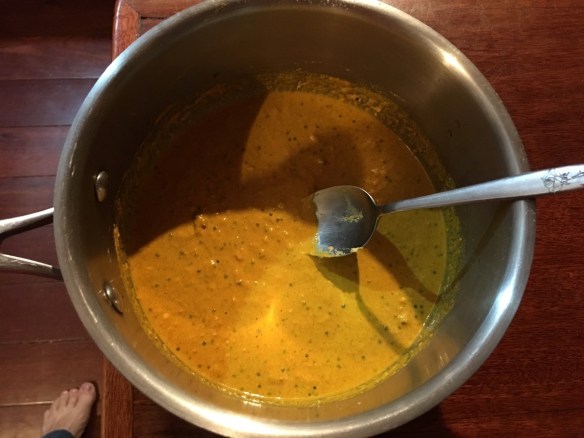
I add Just enough cider vinegar to make a thin paste, that when heated, thickens, while being constantly stirred. Add a spoonful of salt and another of sugar to taste. This is then poured over the vegetables and the whole lot brought to the boil and simmered for just a few minutes to complete the thickening of the sauce and vegetable mix.

Pre-heat glass jars in the oven and simmer the lids. Spoon the thickened mix into the hot jars and seal with sterilised lids while still hot. Perfect! Don’t worry if the liquid seems a little bit thin. It will thicken when it cools.
IMG_0717

IMG_0718

Serve as a condiment with a well aged cheddar style cheese or with cold meats. My own particular favourite cheese is 32 months aged, ‘Epicure’ Cheddar style cheese from New Zealand. Bitey and flavour-some. An excellent combination!

Sterilised in this way, these pickles will last all year, till the next cauliflower glut. If you don’t eat them all first!

 

Boiling and boiler-making

The first batch of new little wood fired dual/fuel kilns takes shape in my workshop. I could say ‘rolls off the assembly line’, but I’d be telling a lie. My kiln shed is only just big enough for 8 of these little gems at one time and there is definitely no assembly line, just a kind of organised chaos as all the parts get made individually and then assembled. I have 9 kilns ordered this time round. I can’t fit them all in comfortably, or even uncomfortably, so I decide to split the work into two parts. The 6 large and then 3 small units.

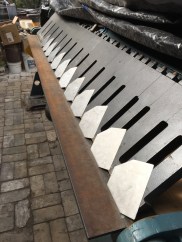
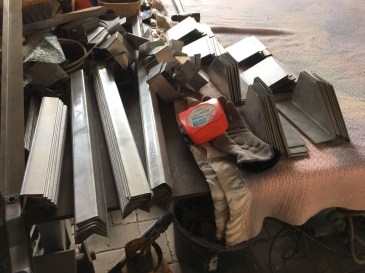
I spend an extraordinary amount of time making all the fiddly parts that go into handles and locating lugs etc. I spend 3 days on these parts, even with a bit of help from my lovely Swiss intern Catherine assisting. There are 100 lugs to be manufactured for just one small part of the first 6 kilns. Each part needs to be filed on all 4 sides and also have the corners filed down and rounded for safety, then a safely edge folded over to make it extra safe. In all there are about 1,000 individual actions that need to be performed on these tiny bits, just make one small part that no-one even realises is there.
That is until it is not there!
After three days of this monotony, I need a day in the garden!
IMG_0578 IMG_0582 IMG_0584
IMG_0609
While all this industry is going on, there is still gardening to be done to continue the flow of food from the garden in 3 months time. The equinox is the time to plant garlic, as well as leeks, brocoli, cabbage and Kale. Cauliflowers and Brussel sprouts were already planted in January. Today I am planting radish seeds to make sure of a continuous supply of salad next month. The lettuce seeds are already up and thriving.
The 2nd planting of corn is all over and we are onto the 3rd crop now. The few small 2nd cobs on the old corn plants are rather small, but I pick them and dry them in the sunny kitchen window to dry them out. when they are fully dried, I’ll mill them up into polenta for winter comfort food.
IMG_0602 IMG_0612
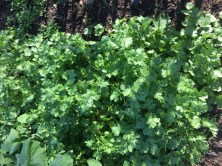
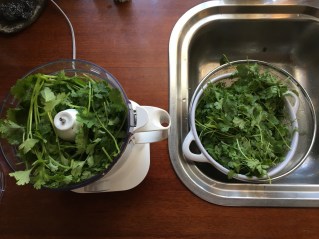
Today, I also harvested half of the coriander crop, as it is at peak leaf just now. This is the seed from the summer planting, which was the seed from the spring planting etc. I decided to make a coriander based green chilli paste.
Recipe;
A bucket of fresh picked coriander leaves
A hand full of green onions
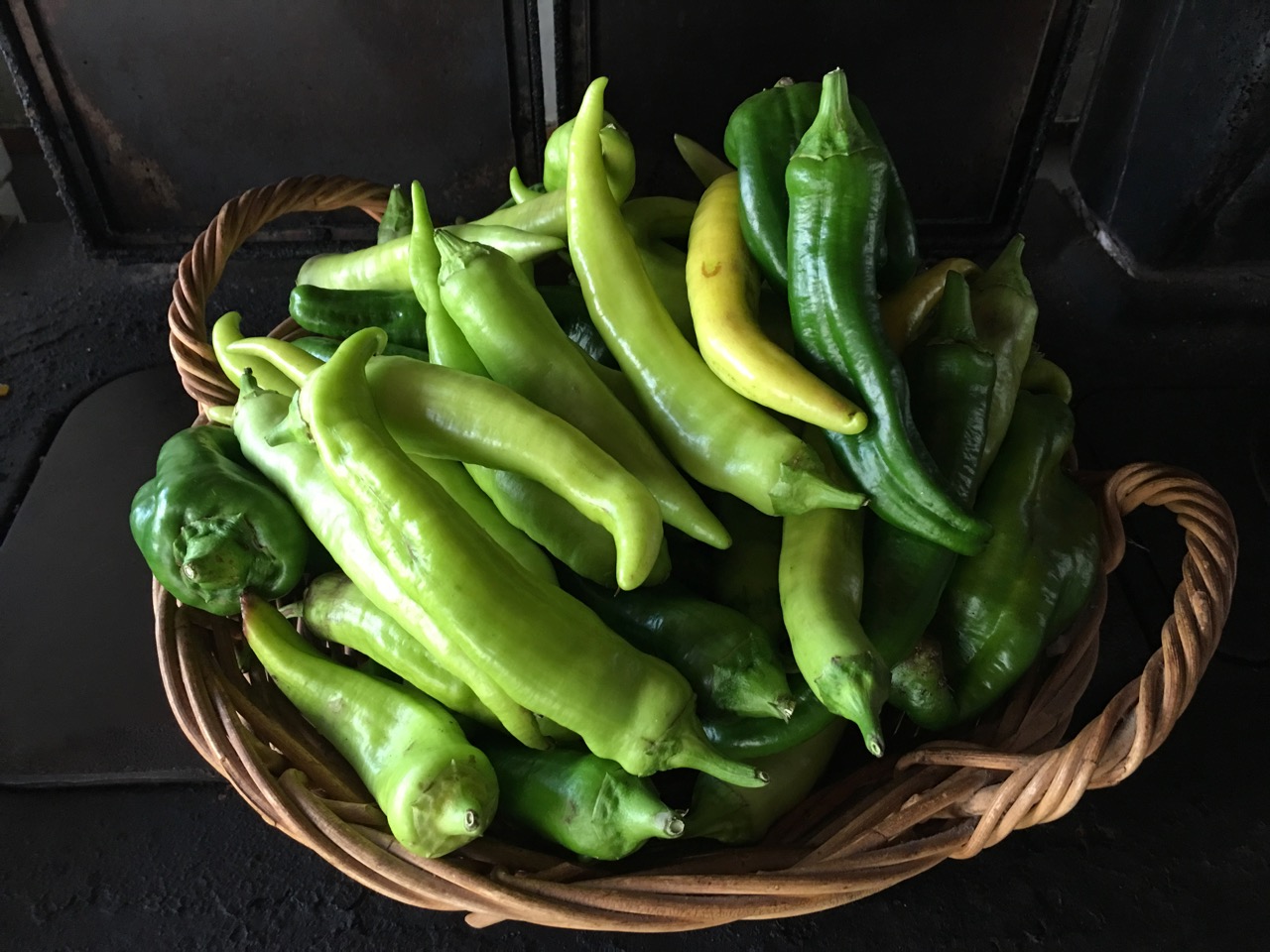
4 long green chillis (hot)
The juice of one each, lemon and lime
Some salt to taste, I keep this to the minimum, but without it the full flavour profile insn’t realised.
Salt is evil stuff, it hardens your arteries and causes hypertension. It is added in far too greater quantities than is really needed to every processed convenience food. We all get way too much of it without even realising it! It’s up there with sugar as a harmfull ingrediant, simply because we eat too much of it.
We don’t buy any junk food, and hardly ever buy much processed foods, but it is still very wise to limit the intake of salt. As a result we don’t have high blood pressure. I think that the two are related.
Still, a tiny pinch of salt goes really well with just a few particular foods like; tomatoes, eggs, curries, pickles and this coriander paste.
IMG_0605 IMG_0607 IMG_0608
I manage to fill 2 plastic tubs with the concoction. It’s tangy, spicy, hot and very aromatic. 3/4 of it goes into the freezer in this way, so that it will keep for the rest of the year, as needed. The rest goes into the fridge for immediate use.
Items like pesto and coriander paste are not cooked, so can’t be sterilised with heat to preserve them. We don’t own a freezer, so we have to limit what we choose to freeze. This raw paste, pesto, bone marrow stock concentrate and a couple of meals, cooked in excess at the time to be frozen for emergency meals.
The last of the summer beetroot crop needs to be dealt with before it bolts, so I give them a fast roiling simmer for a few minutes to boil them and soften them a little and then drained and straight into hot bottles from the oven with preserving vinegar. i.e. cider vinegar with a spoon full of sugar plus a 1/2 of salt and brought to the boil with a few spices like, cloves, cinnamon, star anise, pepper corns, bay leaves, chillis and mustard seeds. Such a mix is variable and is different with every batch, as it takes my fancy. Pour the mix over the sliced beets and cap straight away while almost too hot to touch. They vacuum seal as they cool.
IMG_0594 IMG_0595
Best wishes from Steve the industrious, well-preserved, boiler and boiler-maker.

The Equinox and Preserving Autumn in Jars

The Autumn equinox has just passed and the vegetable garden is doing well despite the prolonged dry spell. We have now had a little rain, but the dams are still very low or empty.

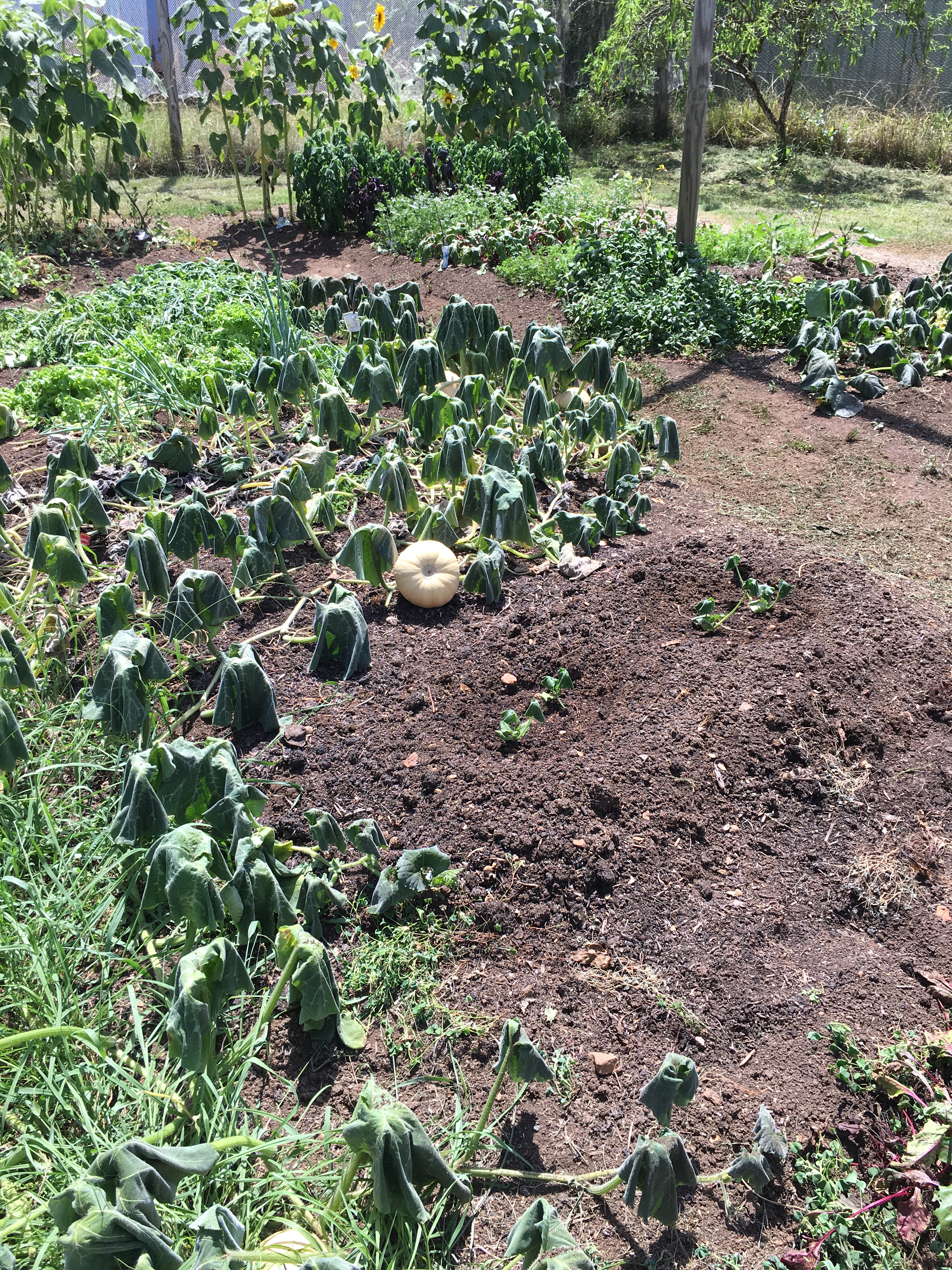
There are still some summer crops lingering on even though the night-time temperatures are falling, some of the days can still be quite hot. We pulled out a lot of spent summer plants and made room for the winter season plants.

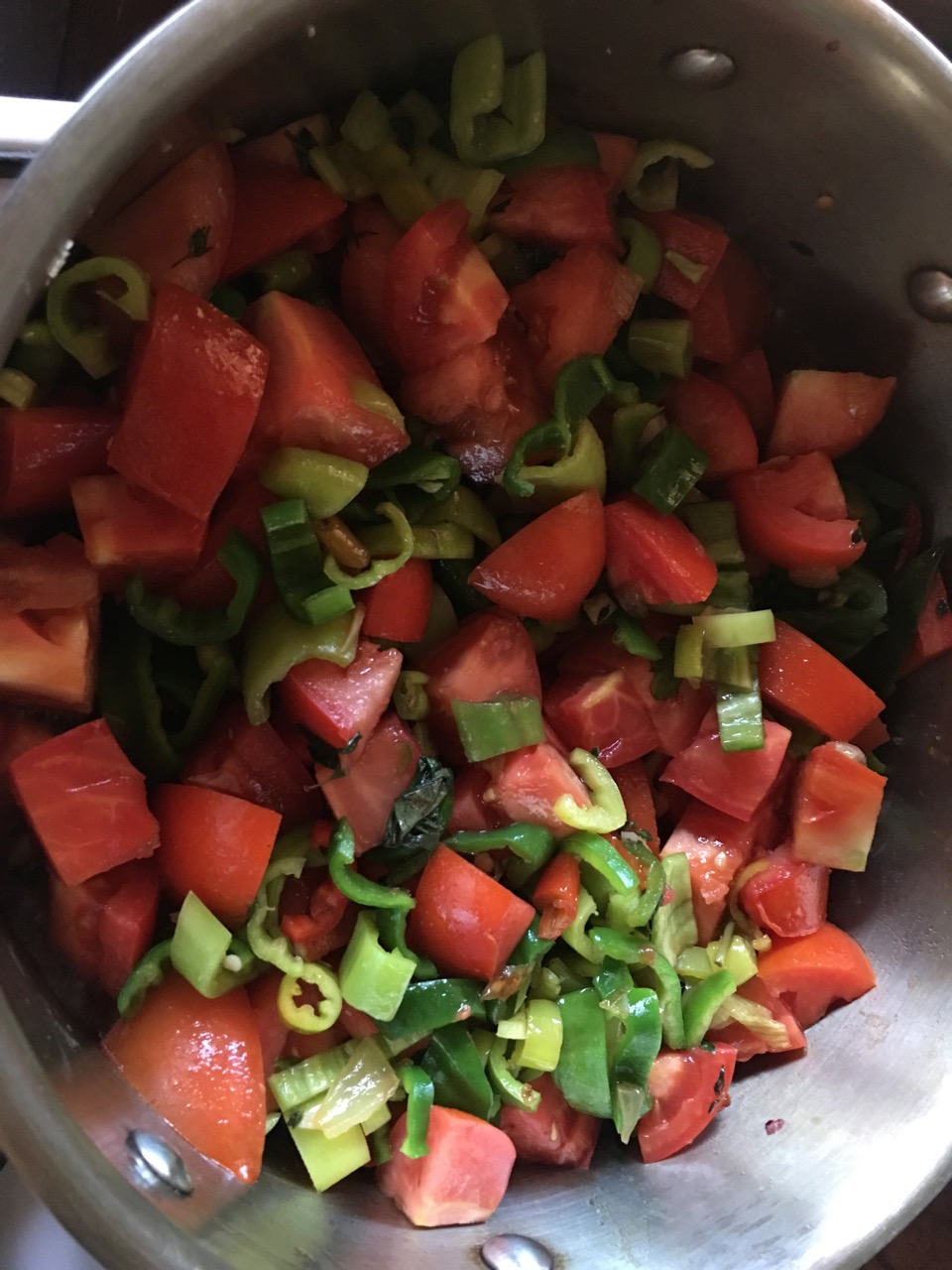
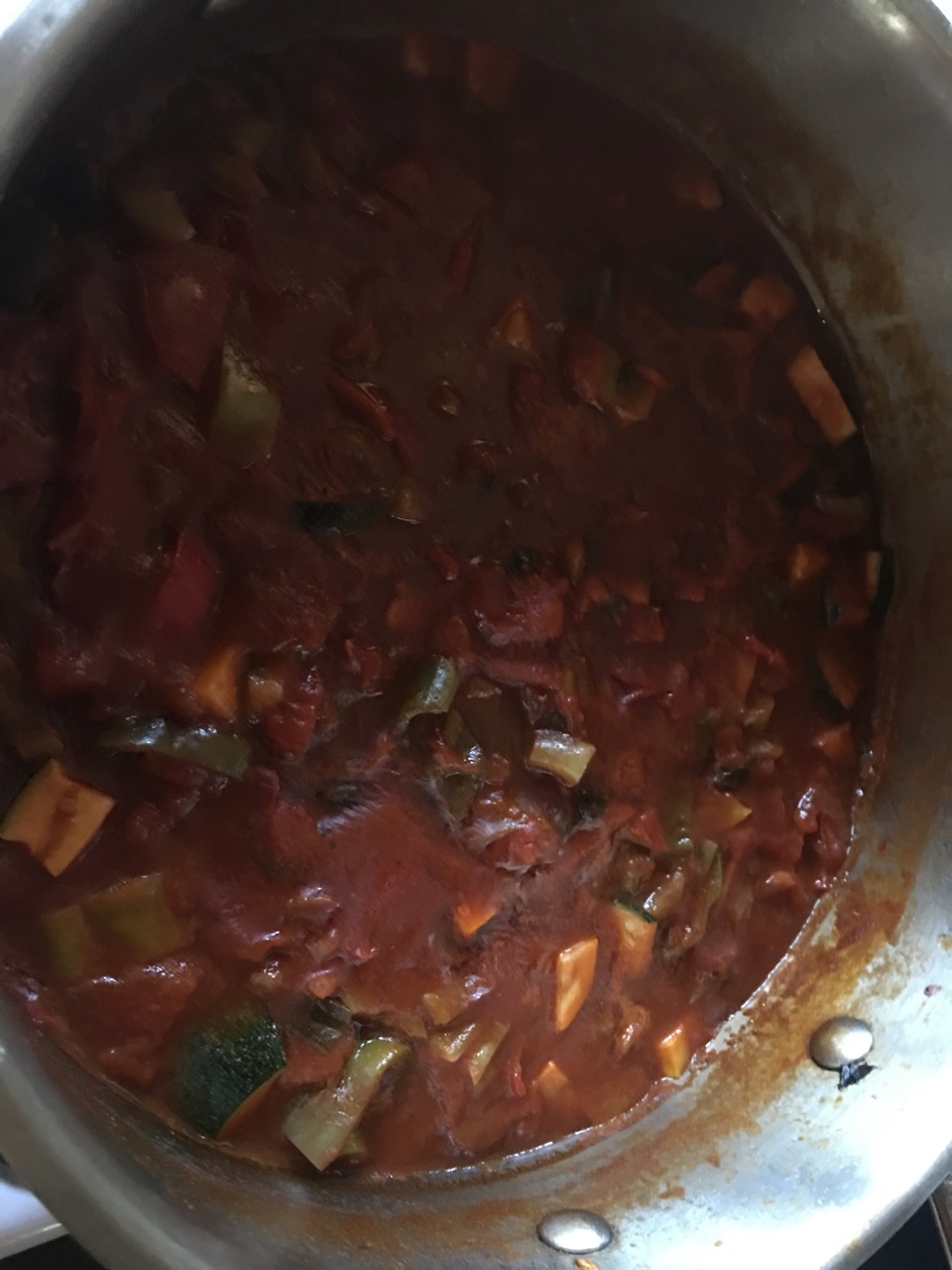
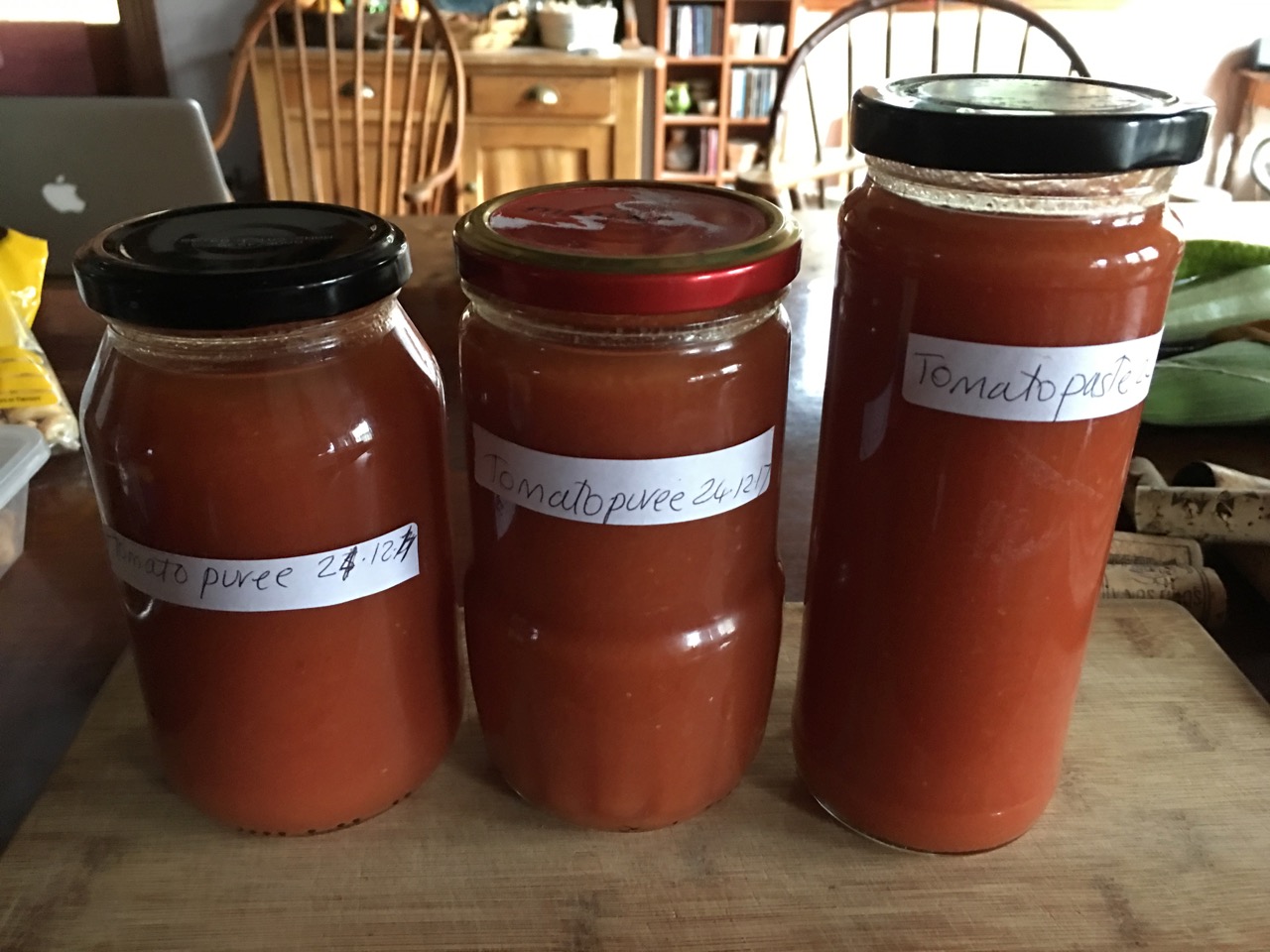
We have already harvested the first cauliflowers and broccoli. We still have some late lingering tomatoes and the last planting of corn to go. But the capsicums, aubergines and chilis are thriving. I managed to get some late zucchini seeds in after Xmas and they have been producing modest numbers of fruit, so ratatouille and all its variations is still on the menu. There is even enough for me to make a couple of batches of passata pasta sauce.


I use some of the last remaining brown onions from our Xmas harvest and a few small knobs of our garlic, lightly browned in good olive oil. The smell fills the house. It’s one of life’s simple pleasures. Hot olive oil with onion and garlic frying. I simmer all the roughly chopped veggies down with a bottle of red wine to make a chunky style pasta sauce. Once its been reduced well and thickened up some what. It is ladled into our 40-year-old, glass Vacola jars and lidded and clipped down to be simmered for 40 mins to be sterilised and vacuum sealed. In this way, it will keep for a year at least, if not longer, if required.

The spring clips are removed the next day after the jars have cooled over night. We test the seal to make sure that they are all perfectly vacuum sealed. Then they are transferred to the pantry cupboard.

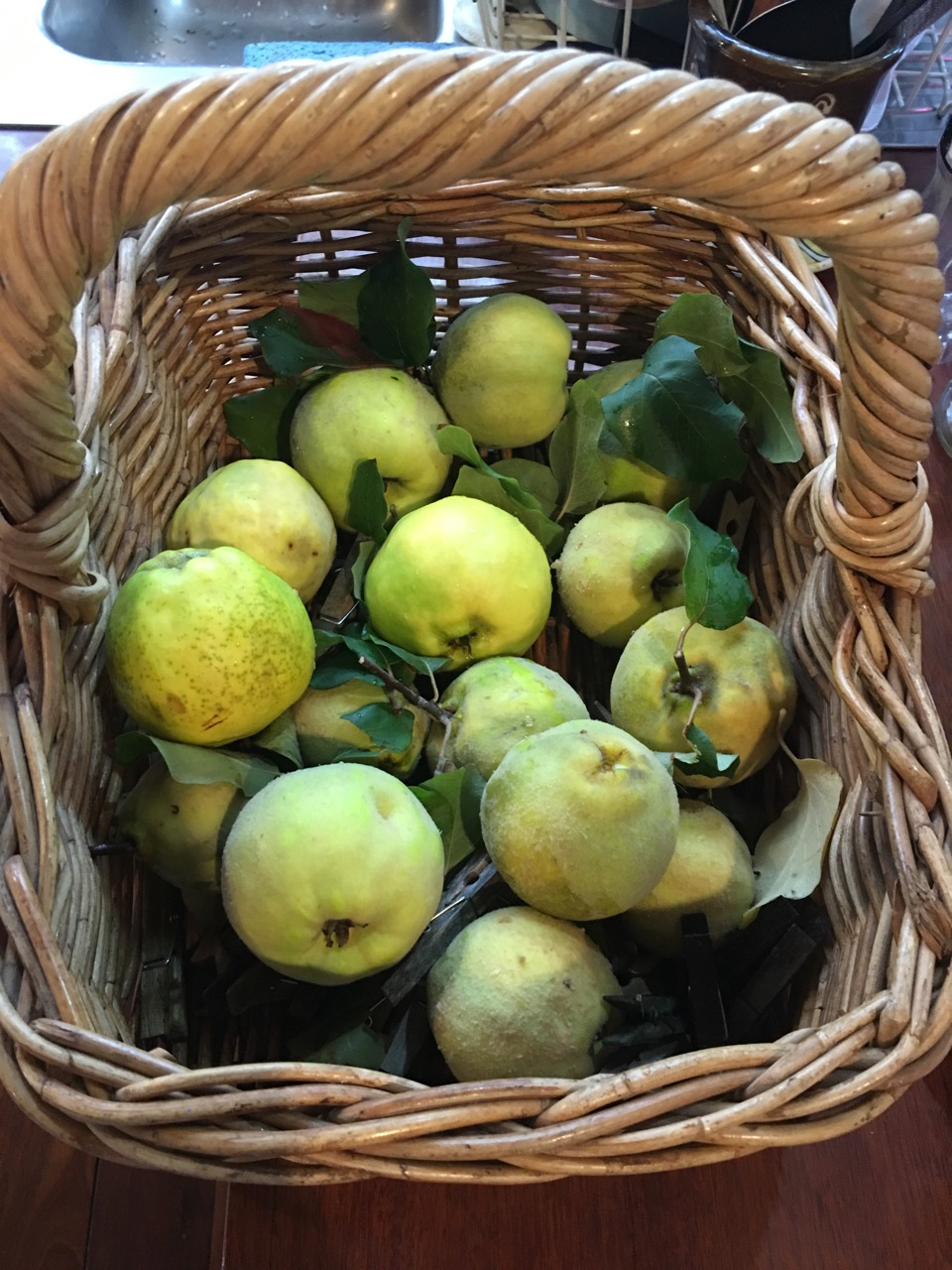
Autumn is also the time for preserving quinces. The quince crop is very small this year due to the drought, but there are a few fruit to pick. This is only because Janine was out in the garden early and netted and bagged the fruit to prevent the birds from getting them. The birds have been very aggressive this years, as I assume that the drought has driven them to hunger. We have more wallabies coming into the orchard too, looking to find extra tucker during the dry. Not to mention the influx of fruit bats or flying foxes, that have migrated up from the colony in Picton recently, possibly also driven by hunger?

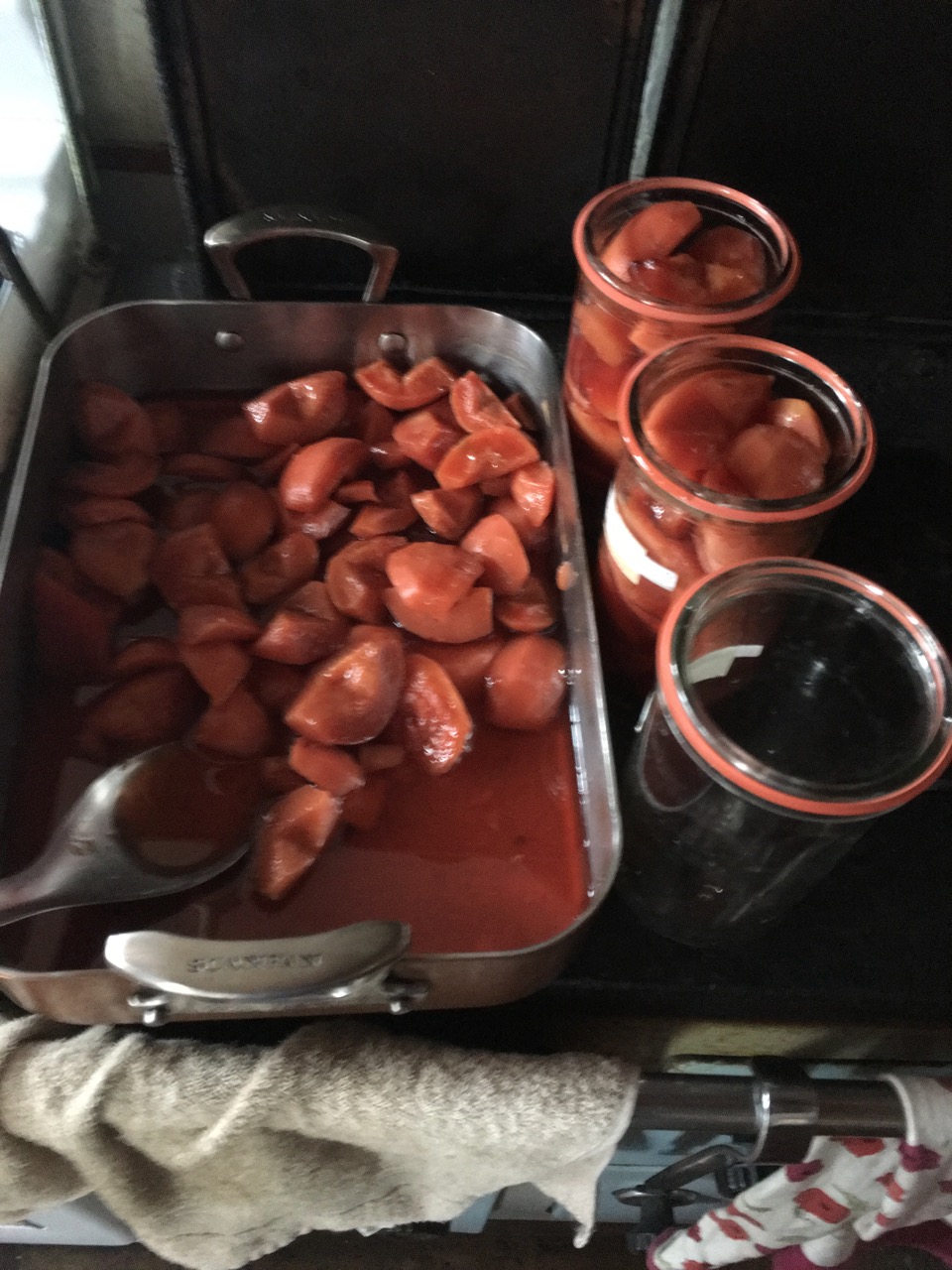
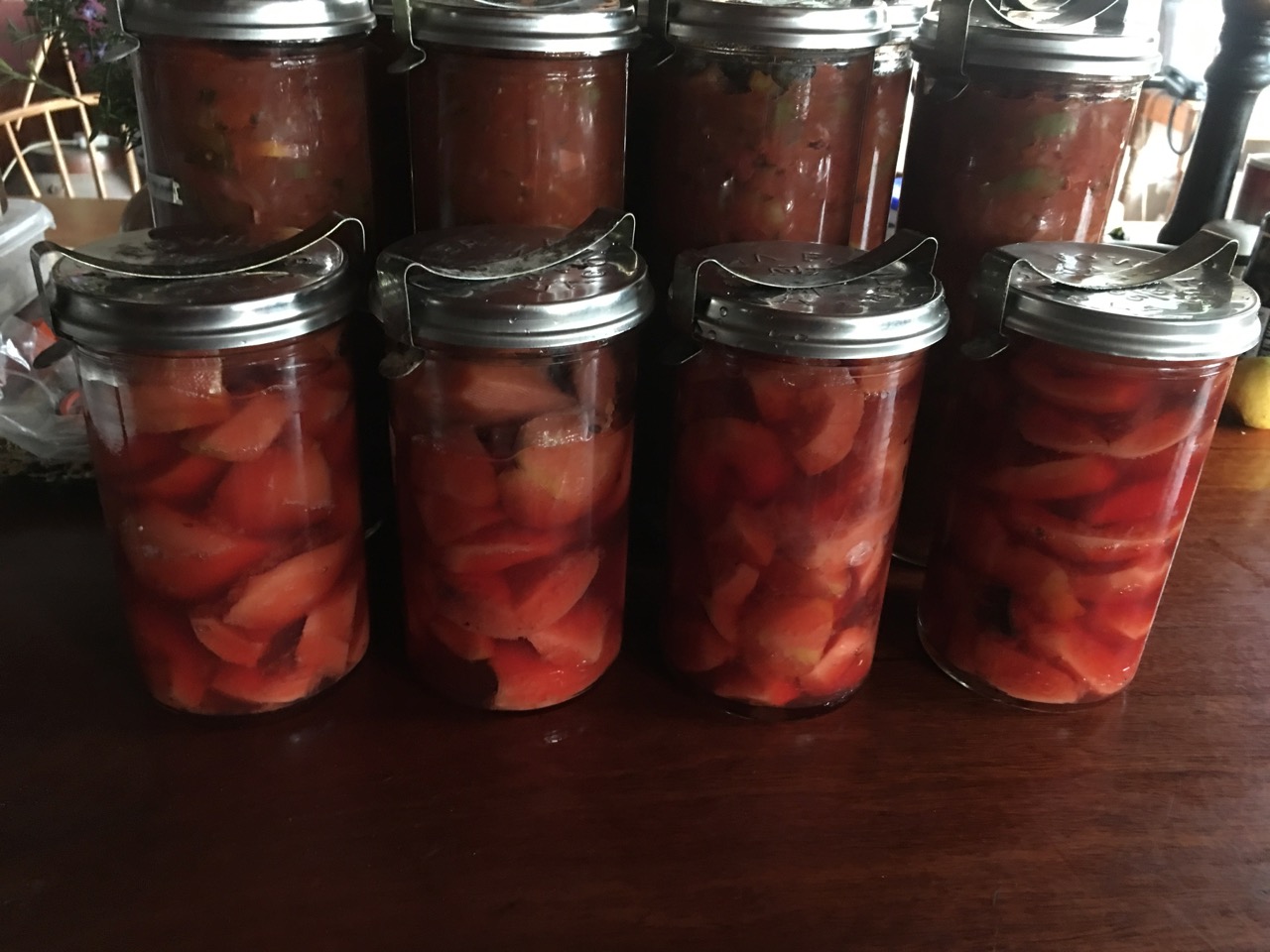
The quinces are washed to remove the ‘fluff’ coating then peeled, cored and sliced. I baked them in a light sugar syrup with some cloves, cinnamon and star anise, and after baking, they turn an inviting ruby/russet colour.  We have some immediately for desert and then again for breakfast the next day. Totally yummy! The remainder are vacuum sealed in ‘Vacola’ jars for use later in the year.


We have harvested the last two late season almond trees and spend the evening de-husking and shelling the small late crop. We have 14 almond trees in our nuttery. We have many different varieties, from very round and almost spherical, to very long and thin. Some are hard shell and others paper shell. Some are slightly salty tasting, while others are somewhat bitter, I suspect that this bitterness is from the naturally occurring cyanide that is found in all the almond/peach related stone fruits. What ever it is it doesn’t seem to be doing us any harm over the past 40+ years of eating them.


Warm autumn wishes from Steve the nutter.

Boxing Day Domestic Meditations

Before we head off to have out Xmas lunch, we are up early to harvest the summer largesse from the garden and orchards. We have been picking a few nice red tomatoes each day since mid December. Our earliest crop ever. Due largely to the fact that I started them off under an improvised cloche in September before we went overseas. This beat the frosts and kept them warm to get them started off earlier in the year. It’s the first time that I have attempted this and it has worked very well.

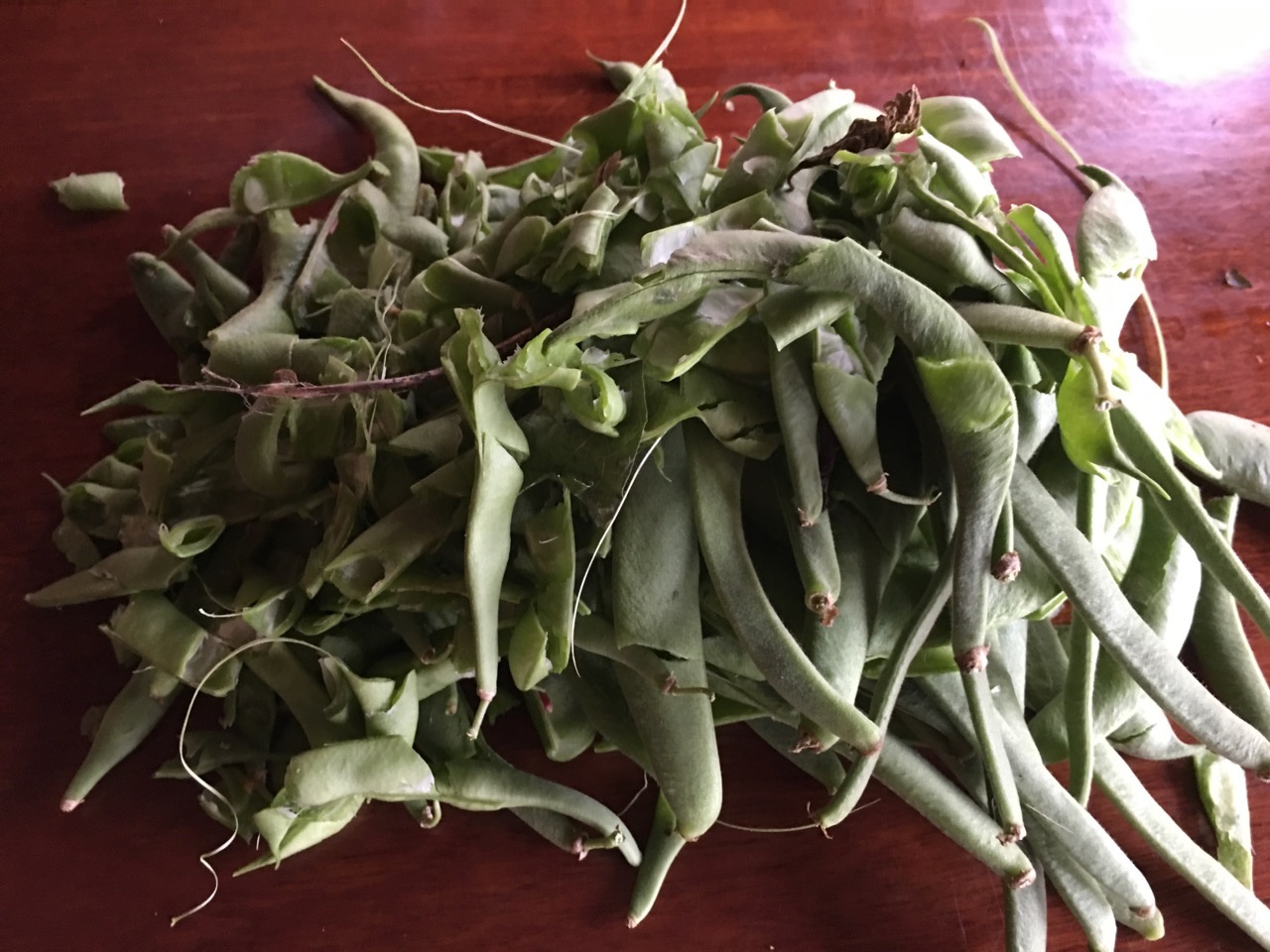
Now we can harvest a basket full of tomatoes each week. So we have been making small amounts of Tomato passata since the week before Xmas. This morning I put on a Jan Garbarek CD and settle in for an hour to shell a big bowl full of beans the have got away and are not as nice as they could have been if I’d got to them earlier. I have been picking, blanching and freezing them each week to keep up. There are some big scarlet runners, some lumpy french climbers and smaller bush beans. I need to harvest them every couple of days to keep them flowering. Today I decide to shell the larger ones and cook them down into a dish of beans in Tomato sauce.


Janine has been chopping and mashing the bigger ripe tomatoes in a large copper boiler to render them down for more passata. This is pretty simple to make. We just cut up the tomatoes, Place them in the pot and mash them with a potato masher and let them boil down in their own juice. After they cool, we will put them through the kitchen sieve to remove the seeds and skins, before re-heating to concentrate the flavour and them vacuum bottle them for later in the year.


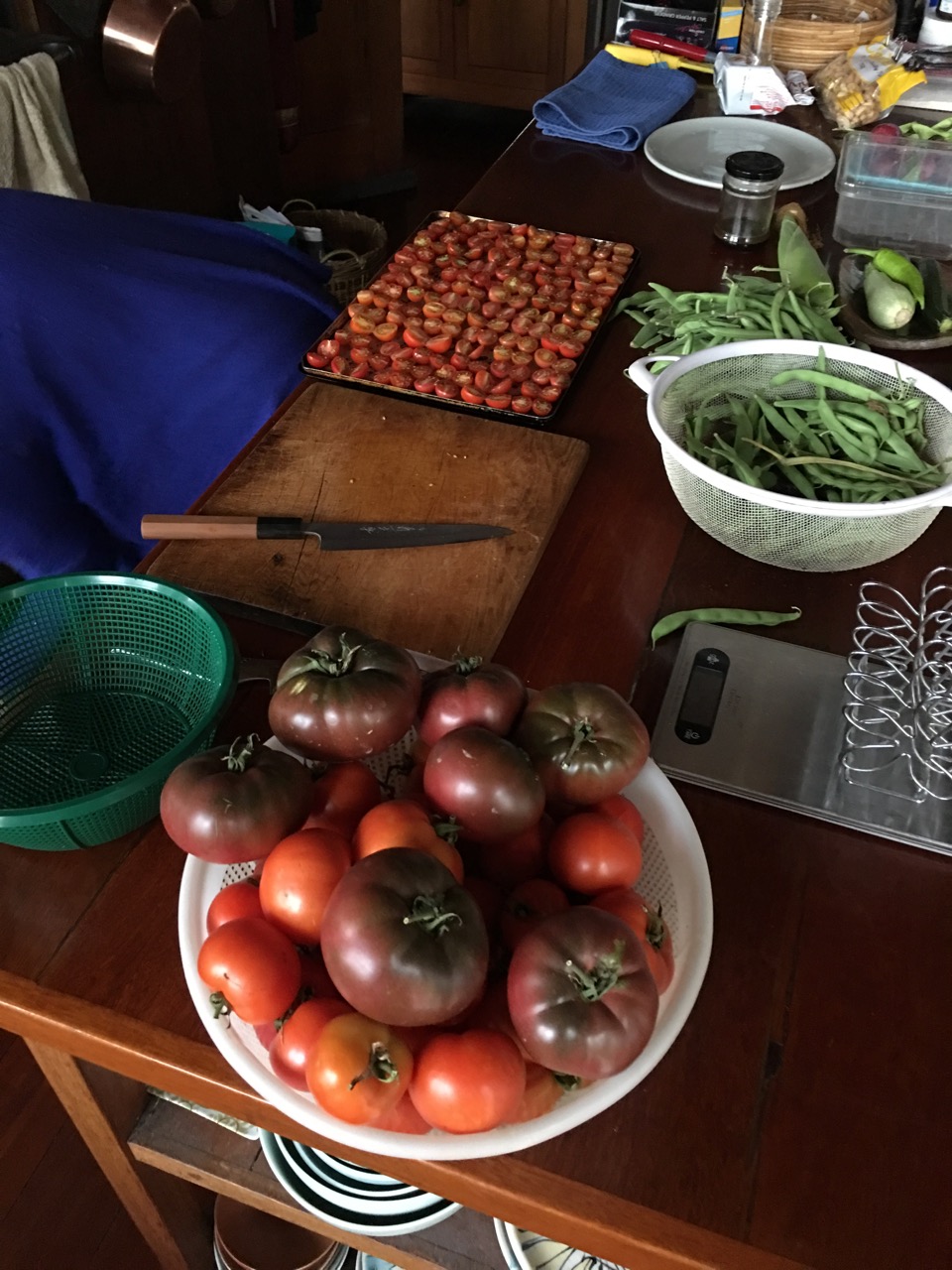
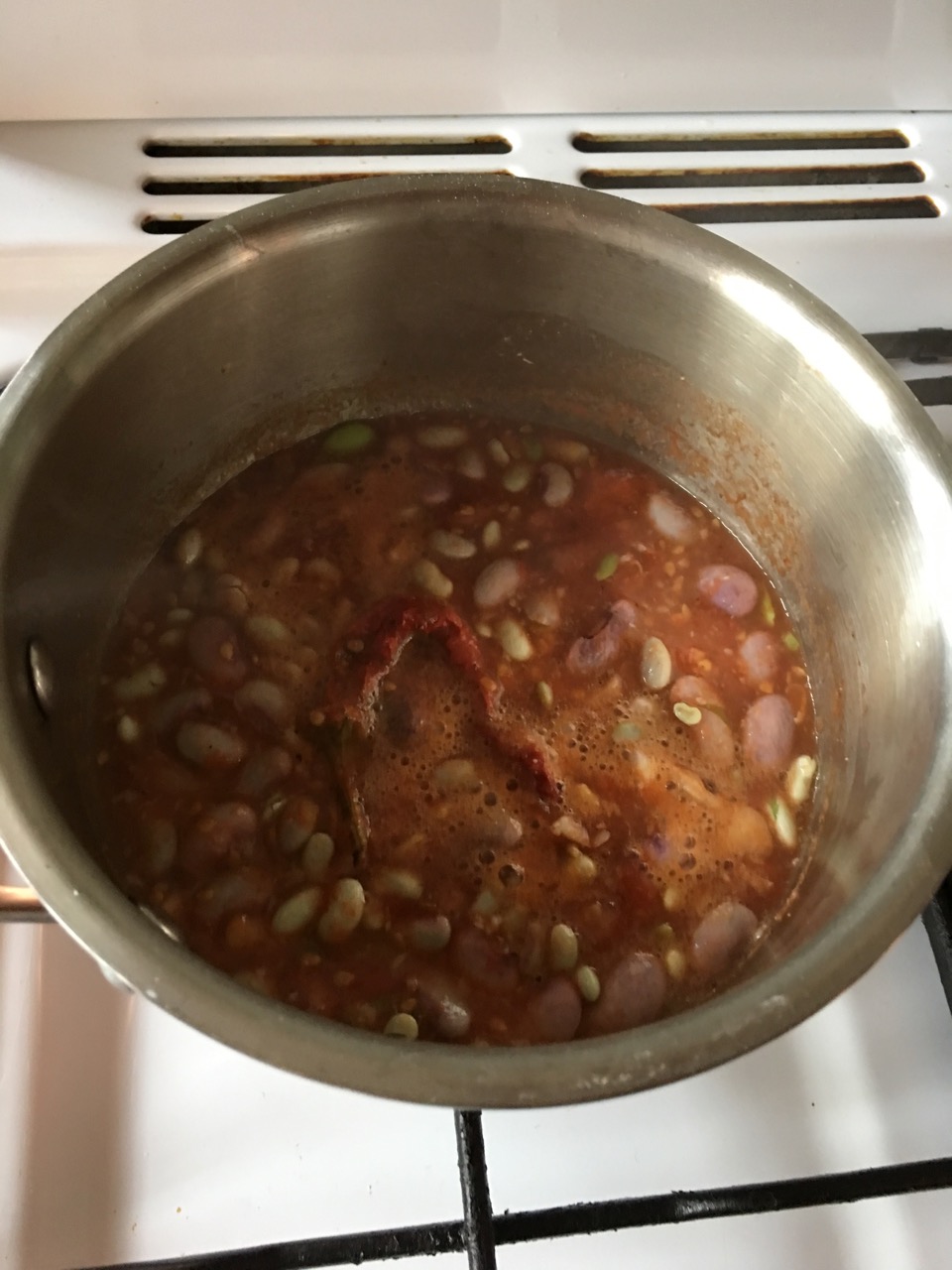
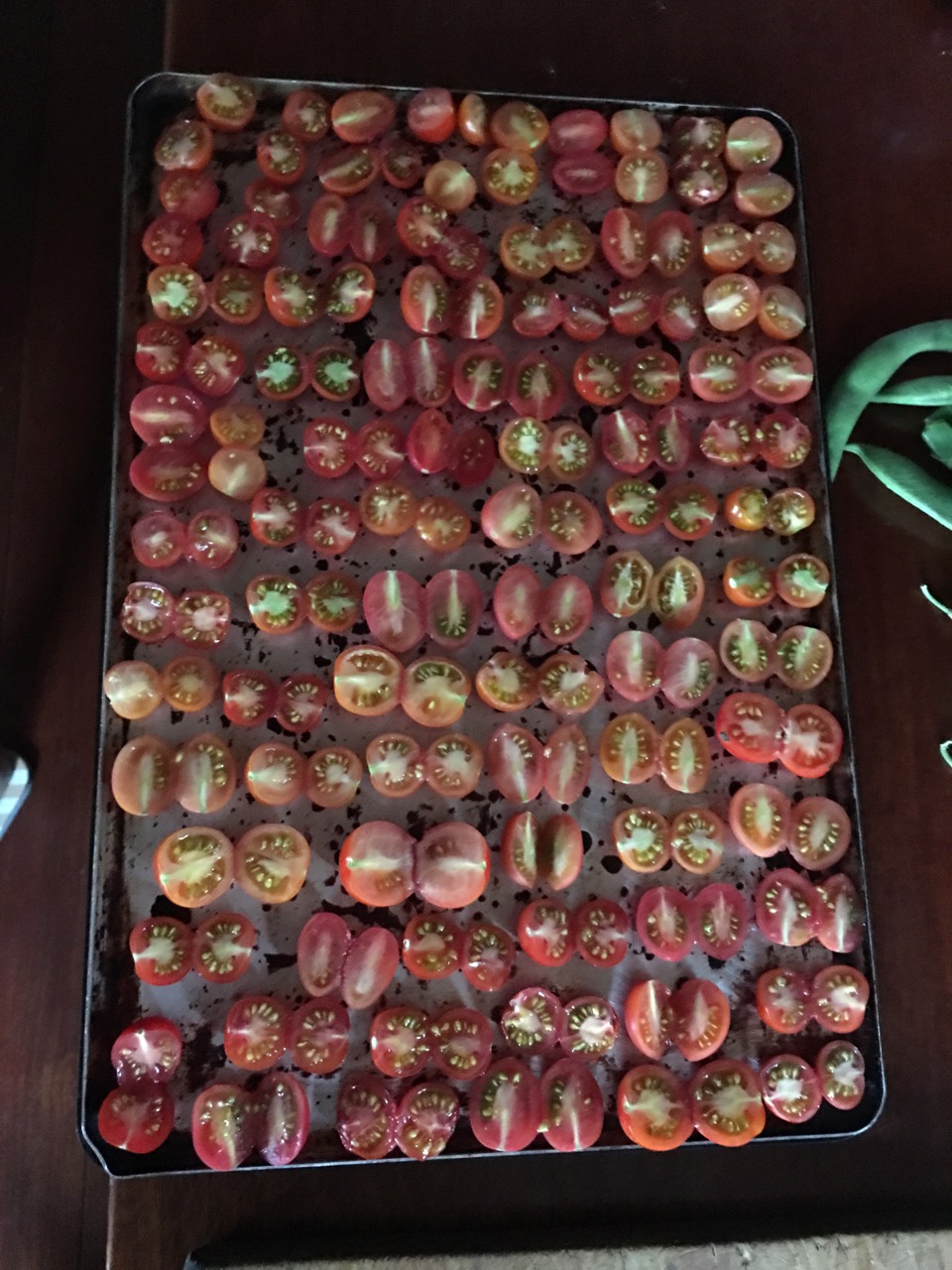
I steal a ladle full of her tomato sauce and add it to the beans in a small pot and add a tiny knob of our home-grown garlic and one of our dried chilis. I set it one small burner to slowly simmer and get stuck into slicing all the small tomatoes in half for drying. It’s a cool morning, so it’s OK to have the stove on.

We are all done by 10.00 am.

The Last Batch of Marmalade

We are almost at the end of winter now and the last of the citrus still on the trees are  the Seville oranges. We have been making marmalade steadily through the winter months – and eating it too. We have been only just keeping ahead of our consumption.

For the past few months, I have been working flat out everyday, hardly ever taking any time off to work in the garden and around the house. Only the bare necessities could be done. The garden was looking a bit neglected and there were some essential maintenance jobs that needed seeing to.

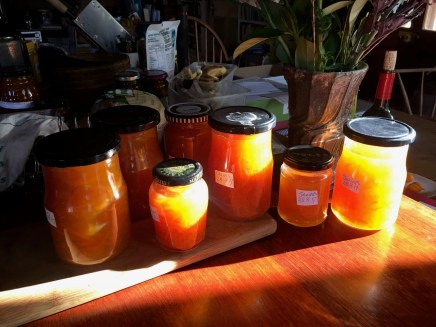
Now my big show is up and I have given my artists talk last Saturday, then run a wood fire weekend workshop on Sunday, Today is a day off. We allow ourselves to sleep in a bit, have a late breakfast, then it is into the garden to harvest the last of the  Seville oranges. I get a couple of baskets full, as well as a few lemons. We spend our ‘day off ‘ making marmalade.

IMG_7635 IMG_7637

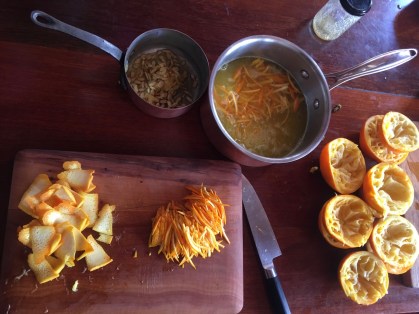
We make something of an effort to make nice marmalade. For us, that means using the orange juice as the only liquid. We take the time to cut away almost all of the white pith, using just the thin strip of coloured fruit skin, and that skin is sliced quite thin. Each of us has our own way of dealing with the process. I like it sliced very thin, as thin as possible, with as little white as possible.

IMG_7641 IMG_7642

IMG_7646

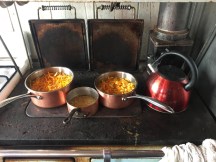
We squeeze out the fruit juice and pour it into a saucepan, all the pips are separated out to another smaller sauce pan and simmered with a minimum of water to extract the pectin. This is pushed through a small kitchen sieve and eventually back into the lager pan of juice and peel. The thinly sliced peel and juice is roughly weighed and about 40% of this weight is added as sugar, but we have experimented with as little as 35% sugar. I like it less sweet and a bit more bitey. I have heard of recipes that say 50% of sugar and even equal parts of sugar. I don’t think that I would like it that sweet.

IMG_7647 IMG_7648

IMG_7656 IMG_7657 IMG_7658

IMG_7651

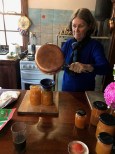
Janine has made a hand-thrown, glazed, pottery funnel to make the pouring of jams, jellies and marmalade easier.

As we only seem to eat marmalade on toast for breakfast through the winter, we will have enough now in stock to last us through the last of the cool weather and through into the next winter, when the citrus will come back on again.


Cold frosty nights, a good time to make stock

I have been sitting with my show at Watters Gallery each Saturday to ‘meetngreet’ and answer questions, if any, from the visitors. I spend some time with a few couples. I tell them stories, recount a joke, offer some insights into the work and its back history. They laugh, we chat, I explain the work, give details of its making, describe the provenance and importance to the overall story, of some specific pieces. I give them a brochure, a colour catalogue and then, after 45 mins., they walk out happily. I look to Frank sitting in the corner. He smiles at me benevolently. “welcome to the life of the gallerist”!

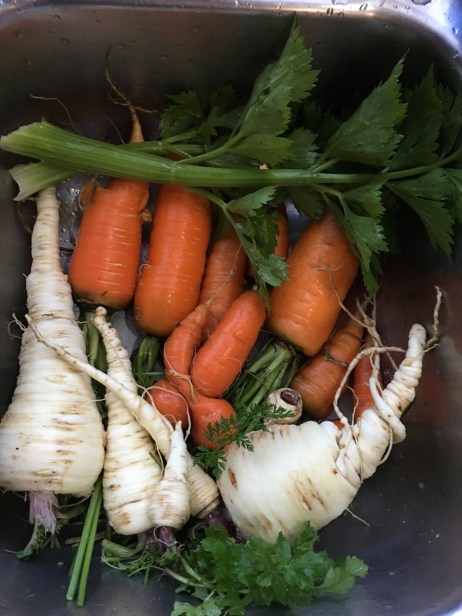
We have had a longish dry spell and the nights are again frosty. Cold evenings are an ideal time to make some stock. I buy a few beef bones and a pigs trotter. We roast them in the wood stove while we cook dinner. Then I boil them down over night on a slow declining fire along with a big boiler of mixed winter vegetables. Some parsnip, carrots, celery, parsley and a hand-full of mixed herbs, bay leaves, chilli, a star anise and a few pepper corns. All the usual suspects. The whole lot is slowly simmered and in the morning each of the big pots is decanted. The marrow extracted from the bones, which are then discarded, the vegetables sieved from the stock and sent to the worm farm.

IMG_7342

DSC02806 IMG_7373

IMG_7378 DSC02808

Both boilers and added together and re-simmered  the next night with a bottle of red wine. This is reduced down to 600mls of thick, gelatinous stock.

This is wonderfully flavoursome stuff. I keep it in the freezer and bring it out when I need a stock cube. This stock is so high in natural gelatine, protein and fat that it doesn’t really freeze. It just sets into a very firm gel that I can slice straight from the freezer. A chunk can be added whenever needed in just a minute. I’m sure that it would keep for a very long time in this frozen state, but it never gets the chance!

What is really good about this stock, which makes it so different from any commercial product is thatches stock is free of salt. Most commercially available stocks are loaded with salt. It’s probably their main ingredient.

This is entirely home made, flavoursome, free of preservatives, insecticides and is almost healthy by comparison. It is also a much better use of my time than watching the idiot box.


Marmalade and Mushroom Sauce

I’m home and it is mid winter. Everything is dull and bleak. The sun is low in the sky and the days are short. The trees are bare and there isn’t a lot of variety in the garden. I can pick a goodly sized parsnip and carrot. A hand full of broccoli and some Brussel sprouts. This will be dinner with the addition of some potatoes from the kitchen store.

We have the basket of goodies at the sink ready to wash when our neighbour John drops in on an errand. He sits down for a chat and we share a beer. He tells us that his favourite butcher has just given him a kilo of eye fillet in exchange for a favour. He asked what we will be eating for dinner. I show him the garden bounty, all freshly picked at the sink.

He looks quite concerned. “Are you really going to eat that! That’s it for dinner?”

Yes indeed. That is what we are going to eat. “Why?”

He mutters something along the lines of “You poor hapless bastards!” “for f*%$#’s sake, don’t you have any real food in the house?”

He tells us that we should come to his place and he’ll feed us up. He adds, “Bring your veggies, I’ll cook the steak.”  We do, and he does. He has a special sauce for the steak. It’s delicious. He asks us what we think is in it. I can see mushrooms. I can taste a soupçon of ginger, there is pepper and salt, all the usual suspects, but there is something else that I just can’t guess. It turns out to be a spoonful of our very own marmalade that we gave them the week before. It’s a really interesting and delicious sauce.

Environmental fellowship

We have had a Danish potter staying with us for the past month. He won the Environmental Ceramics Fellowship for for 2016, but for both of us it was just too difficult to complete it last year, so we postponed to this year.

He is a potter from Denmark who is interested in sustainability and new ways of exploring how to make a living in this new digital age. He has his own web presence in Denmark where he markets Potters wheels, kilns and clay bodies, as well as making his own work. He is a digital native. Whereas, I am, on the other hand, a dig-it-all-native. Making everything myself from the ground up – and that is what he is here to learn.

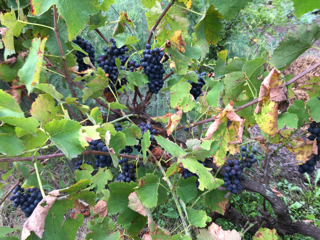
We crushed porcelain stone in the big jaw crusher to make single-stone porcelain body. We made clay tests to investigate unknown clays. We worked in the gardens and orchards. Ate all our own produce. Cooked up some wonderful meals. Lauge is a great cook, so that helped. We went on a geology excursion to look at some of the local stone deposits. Harvested the shiraz grape crop and made dark grape juice from the grapes.

IMG_4683 IMG_4684.jpg

All in all, the month flew by and it all went too fast, leaving so many things un-explored. A month just isn’t enough time to experience everything that we do here.

Janine and I are planning to do some volunteer aid work overseas soon. So we are working towards this by making clay tests out of the local clay that has been posted over to us to process. Our Guest lends a hand in everything that we do.

IMG_4764  IMG_4766

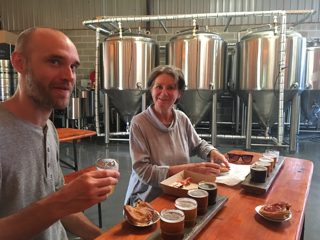
We decide to go exploring and looking at a few rocks for making glazes. Then, to complete the true ‘Australian’ experience, we take him to the local micro-brewery and have a meat pie with tomato sauce, accompanied by a tray of the brewery’s sample beers for lunch. Fantastic! I haven’t eaten a meat pie since I was a kid, so it was an experience for me too!

 IMG_5065 (1)IMG_5068

IMG_5006 (1)

You have to look closely at the image of the analcime basanite deposit above to focus on the small figure in the foreground.

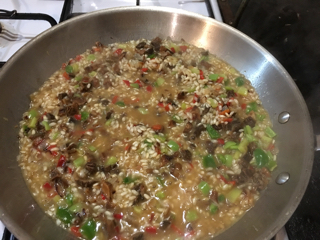
We cook and eat what is in season in the garden this autumn equinox. An autumn garden risotto, a fresh garden salad of shaved beetroot, cucumber, raddish, quince. Served with wasabi rocket, lettuce, beetroot tops, chilli and crunchy pan-roasted almonds.

IMG_4977 (1) IMG_5076

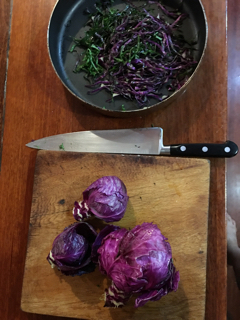
We also make an alternate version of okonomiaki, using some very firm, third pick, red cabbage, our own home grown eggs, garlic, chilli and shiso. Everything from the garden. Red cabbage is too slow to cook straight off as a cabbage pancake. So I pre-cook the cabbage to soften it down before I blend in the pancake mix and all the other ingredients. It’s not really a traditional Japanese okonomiaki. It’s an improvised Aussie OKA-nomiaka. Served with mayonnaise and Japanese okonomi sauce. Topped with bonito flakes and some Japanese pickled ginger.

IMG_5072 (1) IMG_5074 (1)

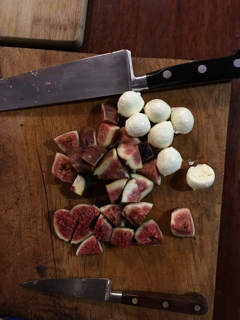
We finish the meal with fresh figs and soft white cheese. We do this desert a lot at this time of year while the figs are coming on. We try it with all manner of different soft cheeses. Boconcini isn’t the best, but you don’t know these things until you try them out. We’ve tried it with blue cheese, fetta and soft white goats cheese which was best.

IMG_5073

Lauge helps me finish off the internal fittings for the 8 little dalek kilns. These are now  almost all delivered, leaving space for me to start welding up my 2nd kiln job of the year. There is just enough room to get both jobs in the factory at the same time, but it takes a little bit of planning and maneuvering to get everything into the tight space.

Now the shed is almost empty, with the big new frame gone off to be galvanised and all the little ones gone to good homes:)

IMG_4999 (1) IMG_4998 (1)

IMG_4997 (1)

We Are Cooking in the Heat

This last few days of heat has really set the garden back. We are out early and late watering. I watered for an hour, early this morning, but by lunch time everything was drooping with this blast of oven temperature air.

img_4607 img_4608

Because it is so baking hot, I have been out cutting bracken fronds and sticking them into the seedling beds to give some shade to the young transplanted seedlings. I transplant them in the evening when it is cool and give them overnight to settle in before the next hot day. They seem to be surviving OK so far.

I have been harvesting the summer excess. A bucket of beetroot, a bucket of cucumbers a bag chillies and another red cabbage.

img_4571 img_4579

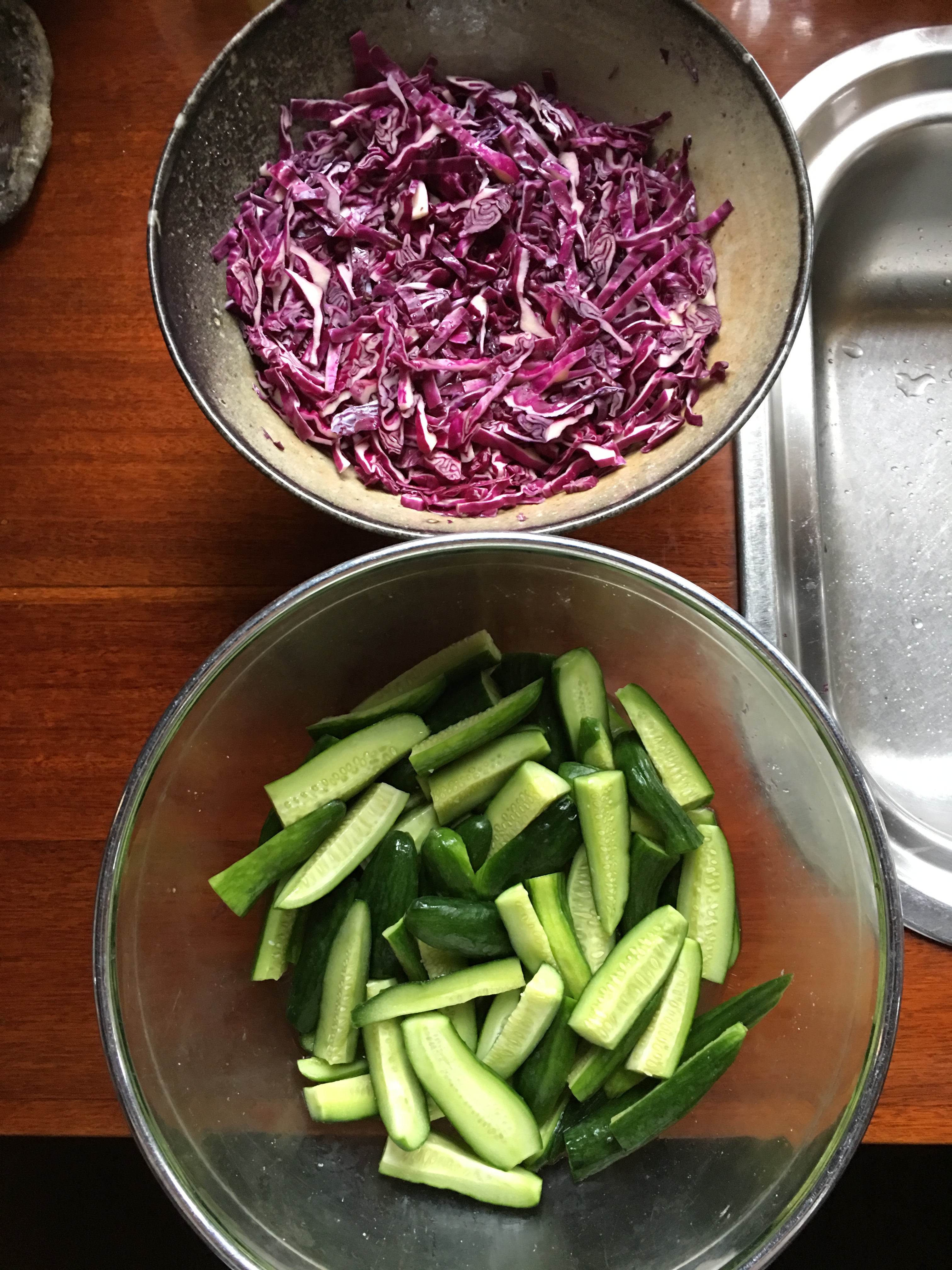
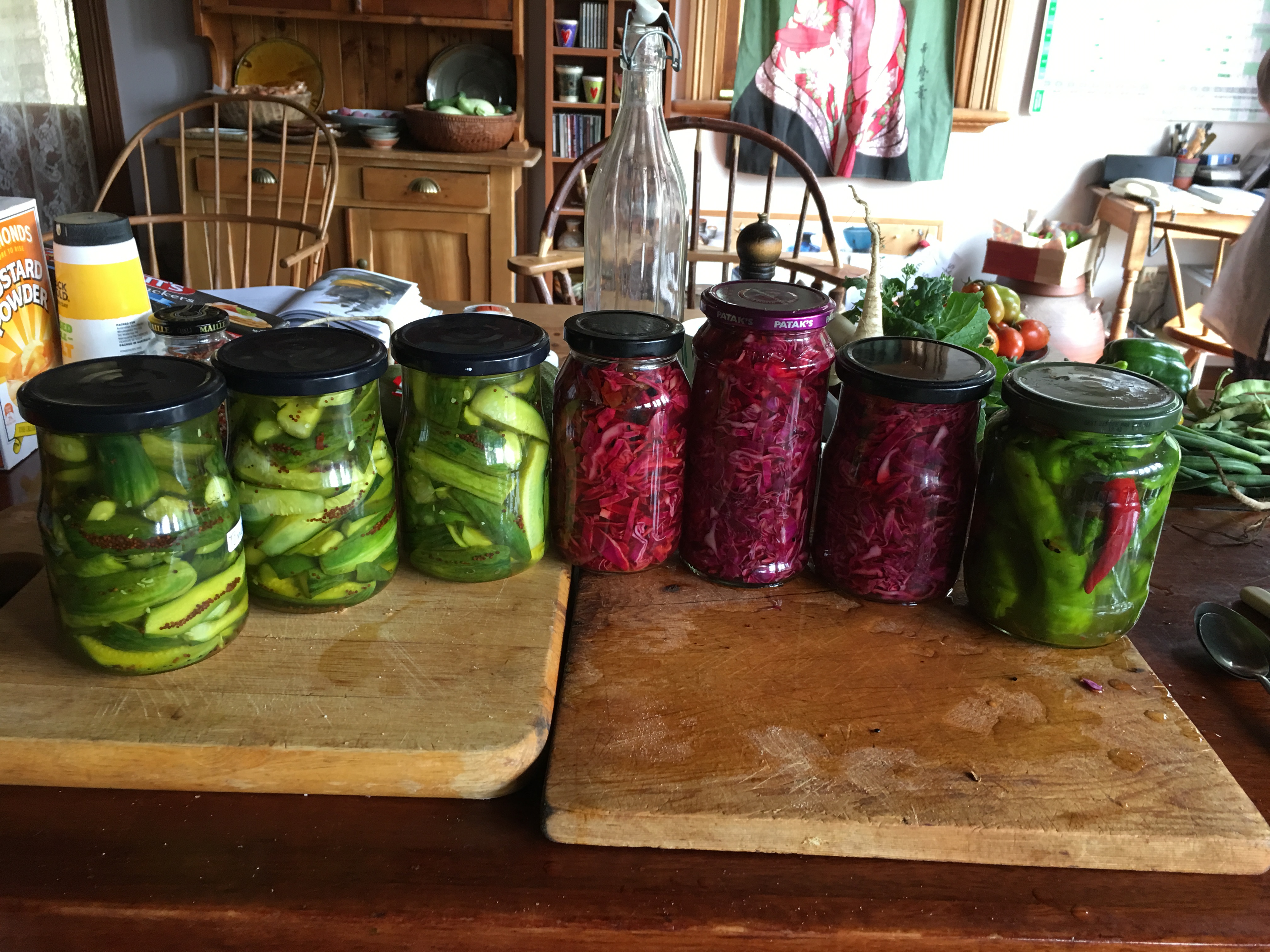
I decide to make pickles, I wash, chop and thinly slice the cabbage, then soak in a brine of 2 cups of salt to 1 litre of water. The cabbage collapses over night and in the morning it is completely submerged. I rinse it twice to get a lot of the salt out, then pack it in hot sterilised jars from the oven and cover with hot pickling vinegar, then seal down the lids.  I hear them ‘pop’, and vacuum seal themselves when they cool, as I go about dealing with the cucumbers. They have been sliced and soaked in brine too. I rinse them and pack them into hot jars, cover with more of the pickling vinegar.

img_4580

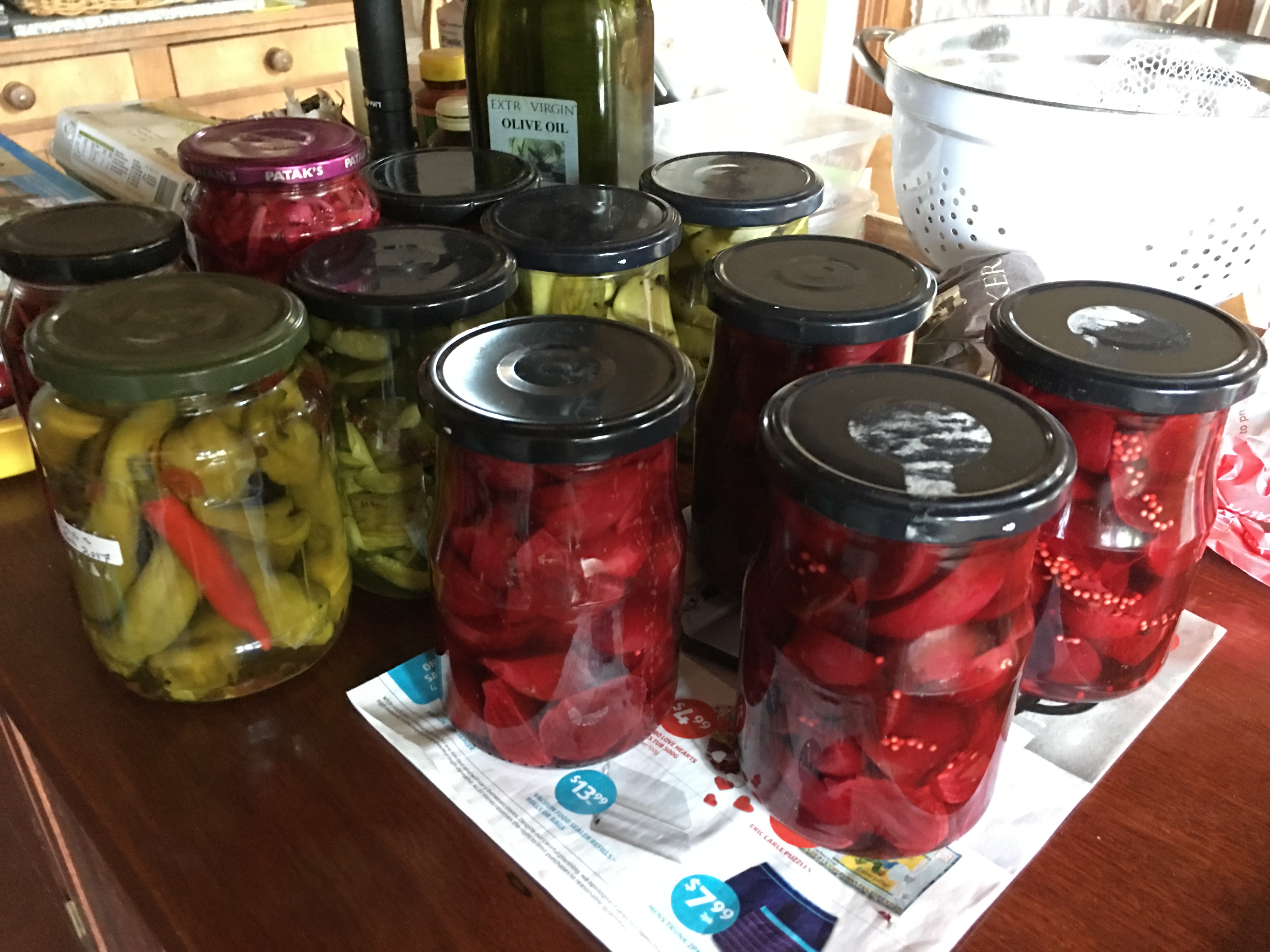
While I’m at it, I stuff another large jar with whole chillies, that I have sliced open on the side to allow the pickling liquid in. My final job is to peel, then slice a big boiler full of cooked beetroot. They are a really wonderful colour. I bring them back to the boil for a minute or two in their original juice, I get 4 jars packed tight. I fish out a chilli, some cloves, pepper corns and a small piece of cinnamon bark to add to each jar. Then cover with the last of the vinegar.

img_4597 img_4598

img_4602 img_4604

I have to go back to work tomorrow in the kiln factory. I have 7 kilns ordered, so far this year already. I’m booked out till September.  I have to get busy. My summer break is over. I started back a couple of weeks ago to get an early start on all these orders, but then I sliced my knuckle open. So that was that till now. With the scorching heat, I don’t fancy working in the tin shed that I call the factory. But needs as needs must. I think that I’ll be running the sprinkler on the roof during the hottest part of the day.