The Kim Chi Chronicles – 4th Instalment

I am in Korea to investigate ancient pottery sites where single-stone porcelain has been made and/or mined and made. These days it is most common that the stone is mined some way out-of-town and then transported to the crushing/processing plants closer to the pottery making areas. Many of the oldest sites are now sterilised by the expansion of the residential areas that grew up around the quarry/mines to support them while they were being developed and then expanded into them.

I am up in the North East mountains of Korea with two potter/colleagues and we are looking for an old mine site for porcelain stone and glaze stone. This mine is well-known, but as a name only. Of all the potters that I spoke to in Yeo Ju, the specialist, pottery making town, located a couple of hours East of Seoul. No one there had ever been to this mine, or even knew of anyone who had. It existed to them as a mythical kind of place, a long way away and high up in the mountains. It’s synonymous with Rampant BB in Australia. Every potter had a bag of it, but no-one had ever been there to check it out.

No-one actually had an address or directions of how to find it either. When I set off on this sojourn with Miss Kang, my driver. We were only going for a couple of days. Well she was anyway. I was going to stay on at the porcelain centre and enjoy their hospitality and work for a while, but all that collapsed like a quantum wave-form calculation when I got there and looked for a result. It seems that I can know the location of the centre, but not the duration of my stay, or I can know the precise length of a stay, without any guarantee of a location. Ah! The duality of light has nothing on this! Damn Schroedinger! Like any sub-atomic particle. I was only ever there in theory! So much for the ‘Copenhagen interpretation’ of short term, impromptu travel.

As our road trip has developed – organically into this week-long, Kerouac-esque, Dharma bum style, endless travail from one pottery site to another. We have adapted as we have had too. I am perfectly OK with this, as I packed my small, red, back-pack with 5 days worth of undies, 4 T shirts, 2 pairs of shorts, one for clay and another for clean etc. But as for these other beat-potters travelling with me, as we enter day 4. It is Miss Kang who proves to be the most resourceful and creative, impromptu traveller. Managing to cope so well with this extended expedition with so little notice.

We make our way along some pretty rough country roads heading ever higher. We eventually end up on a track that rises sharply and winds around the side of the mountain. It ends up being just 2 tyre tracks composed of a melange of concrete, bitumen, gravel and then patches of the same, randomly and very haphazardly applied to keep it navigable. It is definitely only a one way track. I certainly hope that we don’t meet anything like a fully laden 10 tonne truck coming down!

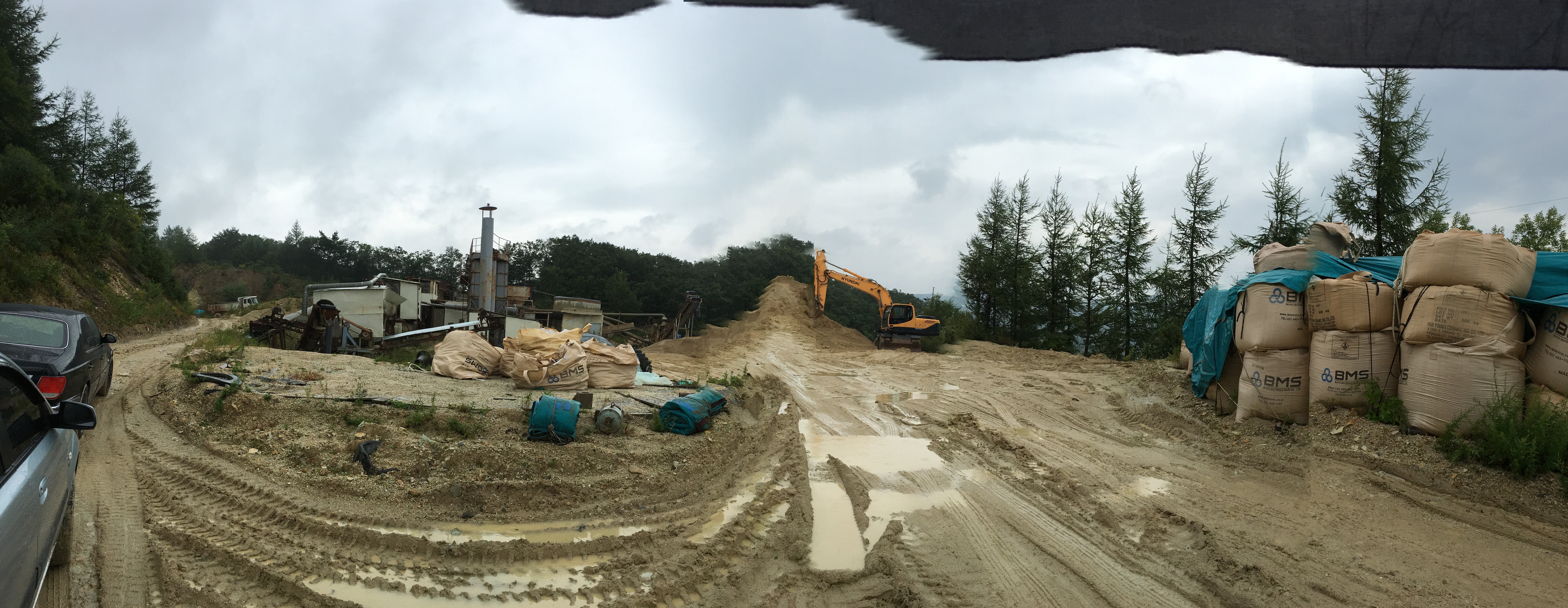
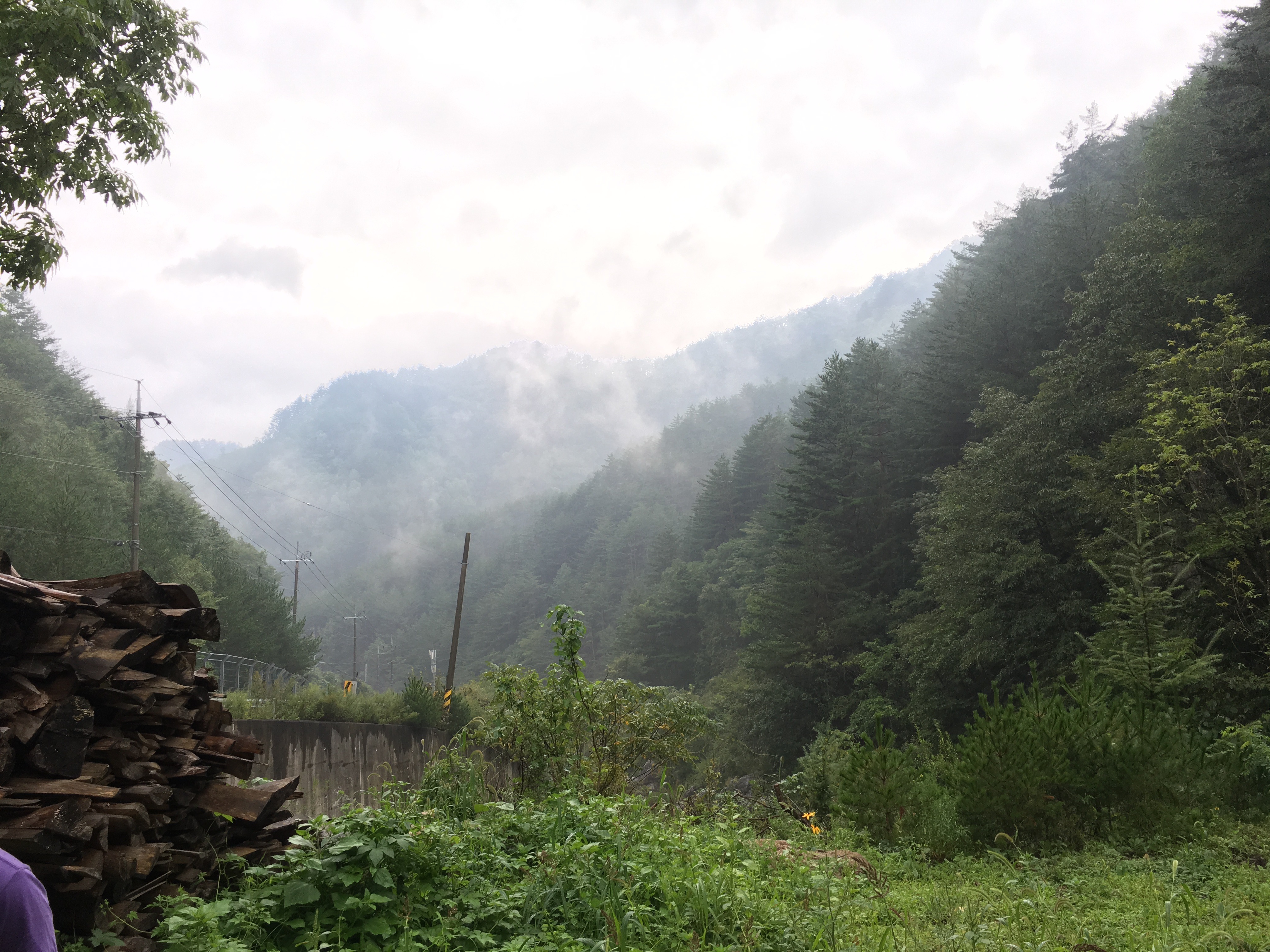
Miss Kang navigates the pot holes and ditches skilfully, always keeping up the revs and our speed to give us the momentum to get to the top. Suddenly we broach a small rise and pop out into a quarry. A very wet and slippery quarry. As it has been raining all night and is still sprinkling with a light shower even now. The air is bracing and crisp. It smells of earth and clay and moisture, with just a hint of diesel exhaust. Our breath condenses as steam as we talk.
img_3175

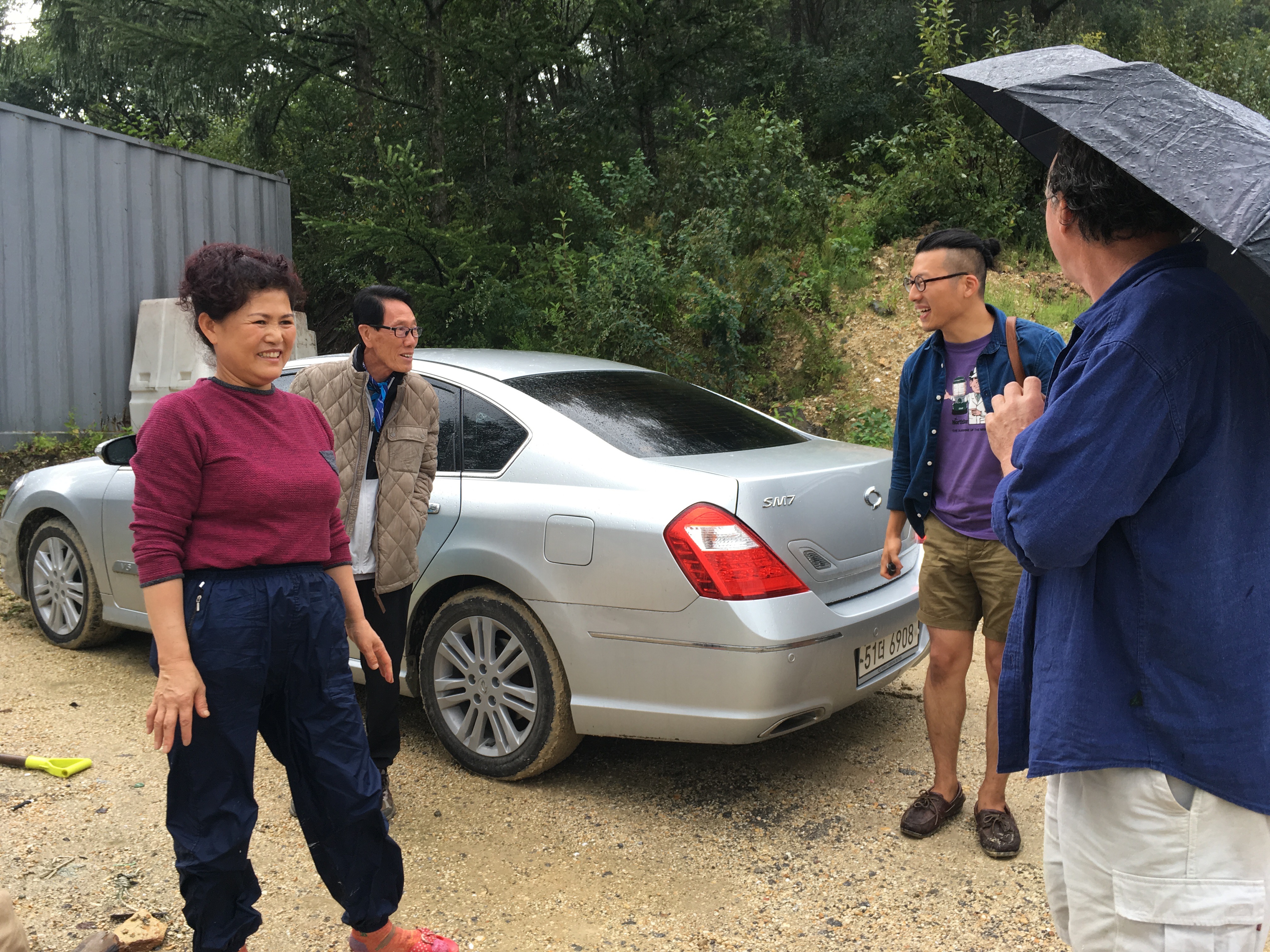
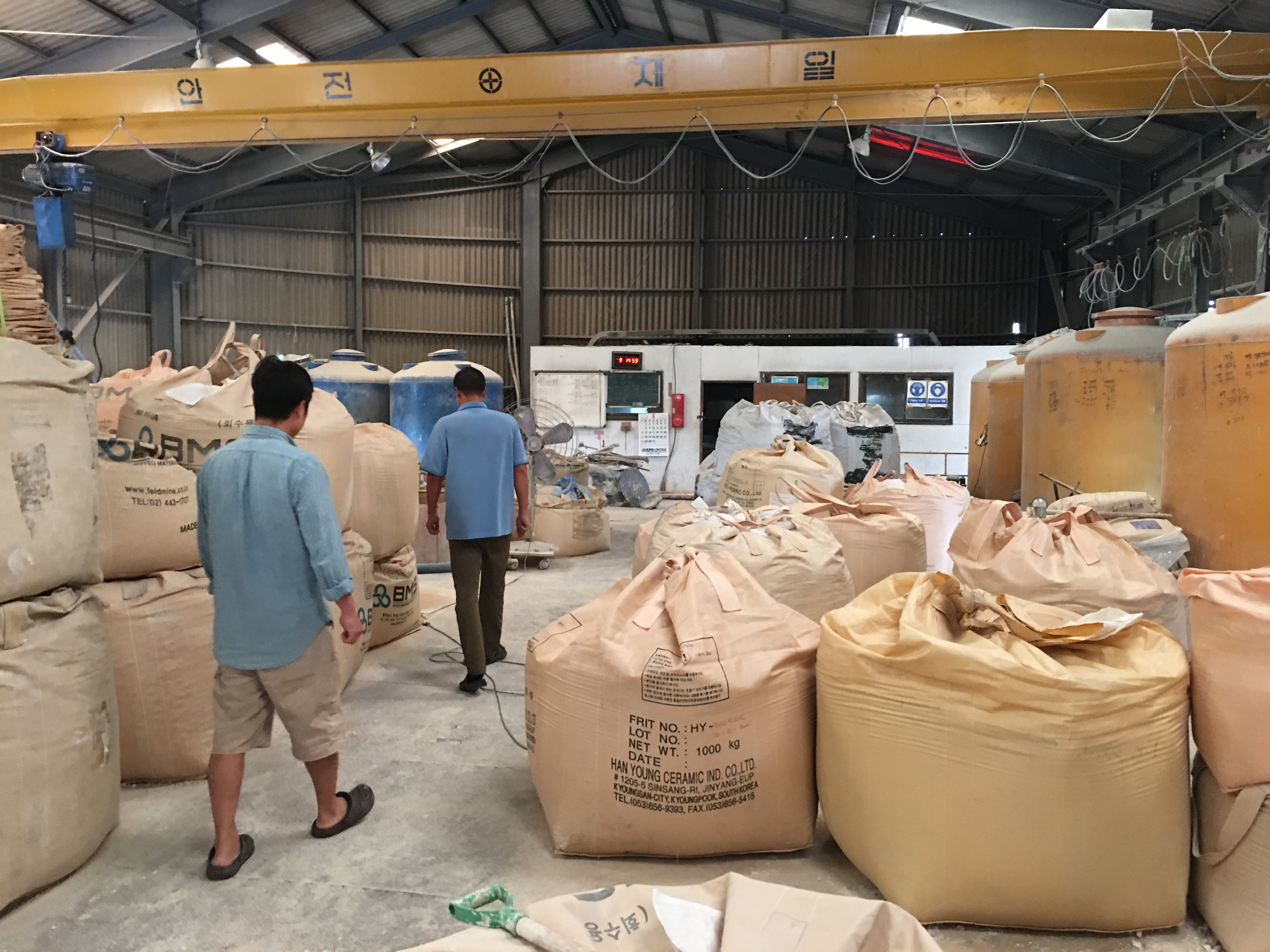
There are a couple of other cars up here. A processing plant straight ahead. Piles of bulker bags stacked 3 high on one side, full of product, ready for delivery. A tip-truck on the other. Over to one side there is what we would call in Australia a ‘donger’. A shipping container, that has been converted into an office. We walk over to the ‘office’ as a small thin older man comes out. He has a weathered, but kind, enquiring face.

Miss Kang introduces us. She has already spoken to him on the phone and he is expecting us. Inside we are gestured to sit down on the bare floor, which is always a challenge for me. I don’t sit well cross-legged. I’m given a special seat against the wall, so I can lean back and spread my legs out under the low table. A well-worn lady dressed in work clothes comes in and attends to a sauce pan, wok and a pressure cooker that are busy chattering, hissing and steaming away on the stove in the corner. We are all presented with a mug of hot, sweet, thick, milky coffee. It just couldn’t be a better gift to welcome us in. Thankfully, the office-donger-container has a heated floor, which is very cosy.

A brisk conversation ensues, all of which is opaque to me. As it is in rather fast Korean. But I can tell that the tone is cherrie and light-hearted, with occasional laughter. Apparently this guy has a very dry sense of humour. Eventually, I get a quick version of events from Miss Kang and am asked the question, “What do you want?”.

I ask her to tell him that I’d like to see the best grade of porcelain stone that he has. He says that he has sold out of his best material. His wife, (I’m assuming that it is his wife) But couldn’t be more wrong on this occasion. The lady doing the washing out the back and cooking lunch in here, making our coffee and generally being all things to all people is, as it turns out. The Vice-President of the company (or is this just another one of his jokes?) and the best geologist on site, it is she who directs the mining and knows all the twists and turns of the best seams.

I ask how many people work here? And am told that there is one guy who drives all the diggers and machinery, another who drives the tip truck for deliveries. Then there is the engineer who keeps the crushing and screen plant operating. And then, he says. There is me. I am sometimes allowed to press the button!

It turns out that he is a retired professor from the university. He has taken on this job to keep occupied in his retirement. Miss Kang and Jaeyong explain my quest to him and he smiles attentively. So completely different from our experience earlier in the week. He smiles a lot and nods. I feel that this is all going to end well.

img_3239

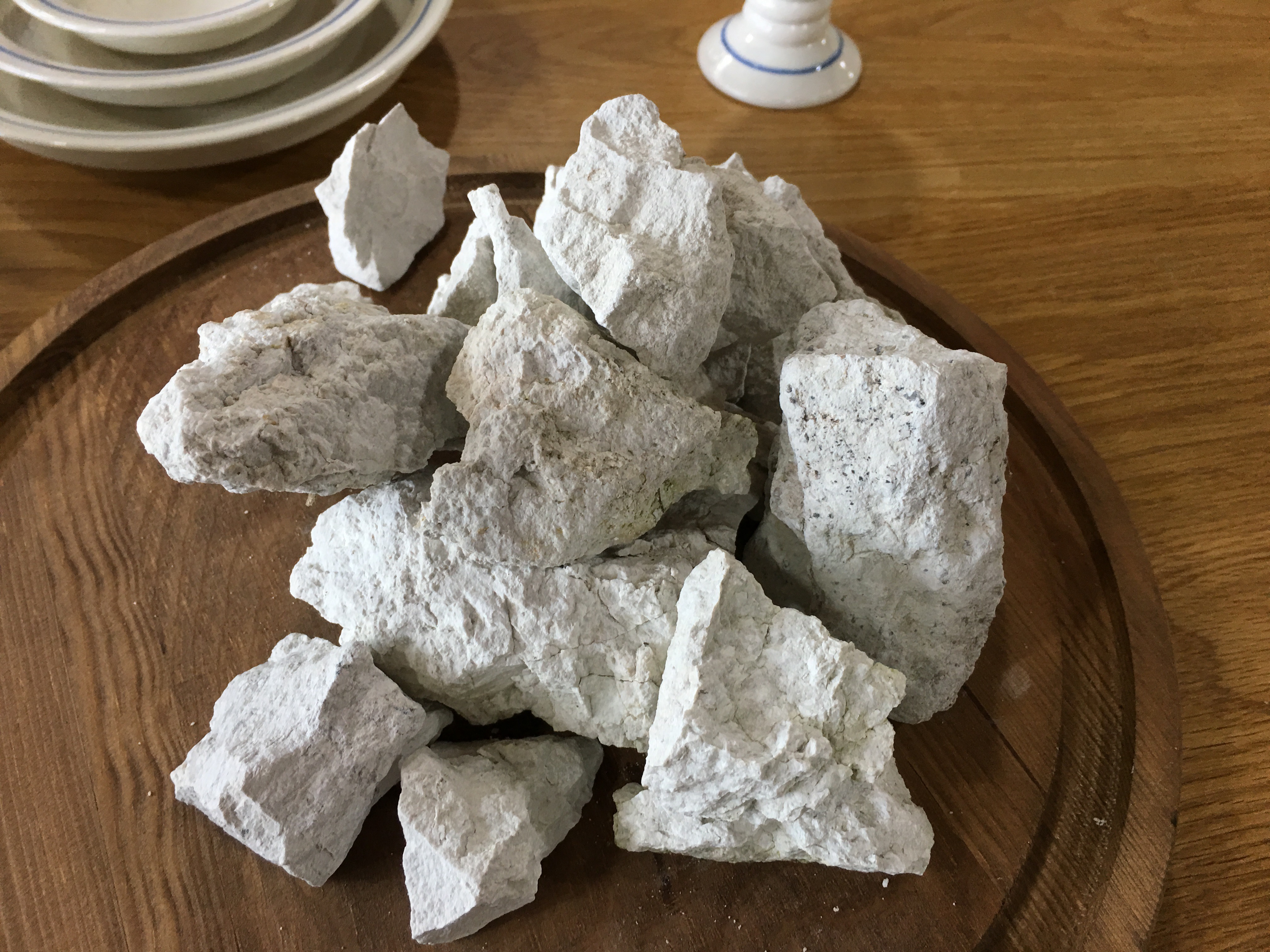
While we have been talking, the NOT Mrs miner, but rather, Vice-President lady has been out and comes in with 2 bags of samples of their very best white material. She knows where there is a little stash kept aside. I’m very grateful. The conversation turns to the topic of who is allowed to own this precious stuff and is there really a ban on it leaving the country. He nods. My memory of the translation of what transpired goes as follows;

There is a ban on selling porcelain stone for export. It isn’t supposed to leave the country. There is some sensitivity about Korean resources being plundered in the past. As Mr Manager understands it. It is a commercial thing. The sort of thing that involves tonnes of stone. He sees no problem with a small sample like this being given to an academic for artistic/research purposes. Shouldn’t be any problem. He smiles a big broad smile…..

But it’s perhaps best if you don’t mention my name. He adds! so, I don’t.

Anyway, I already have a legitimate sample from the clay manufacturing plant.

Mr Manager and Mrs Vice-President are a lovely couple. I feel really welcomed and secure in their under-floor heated donger office. This is honest, generous council. I appreciate it.

I really appreciate it!

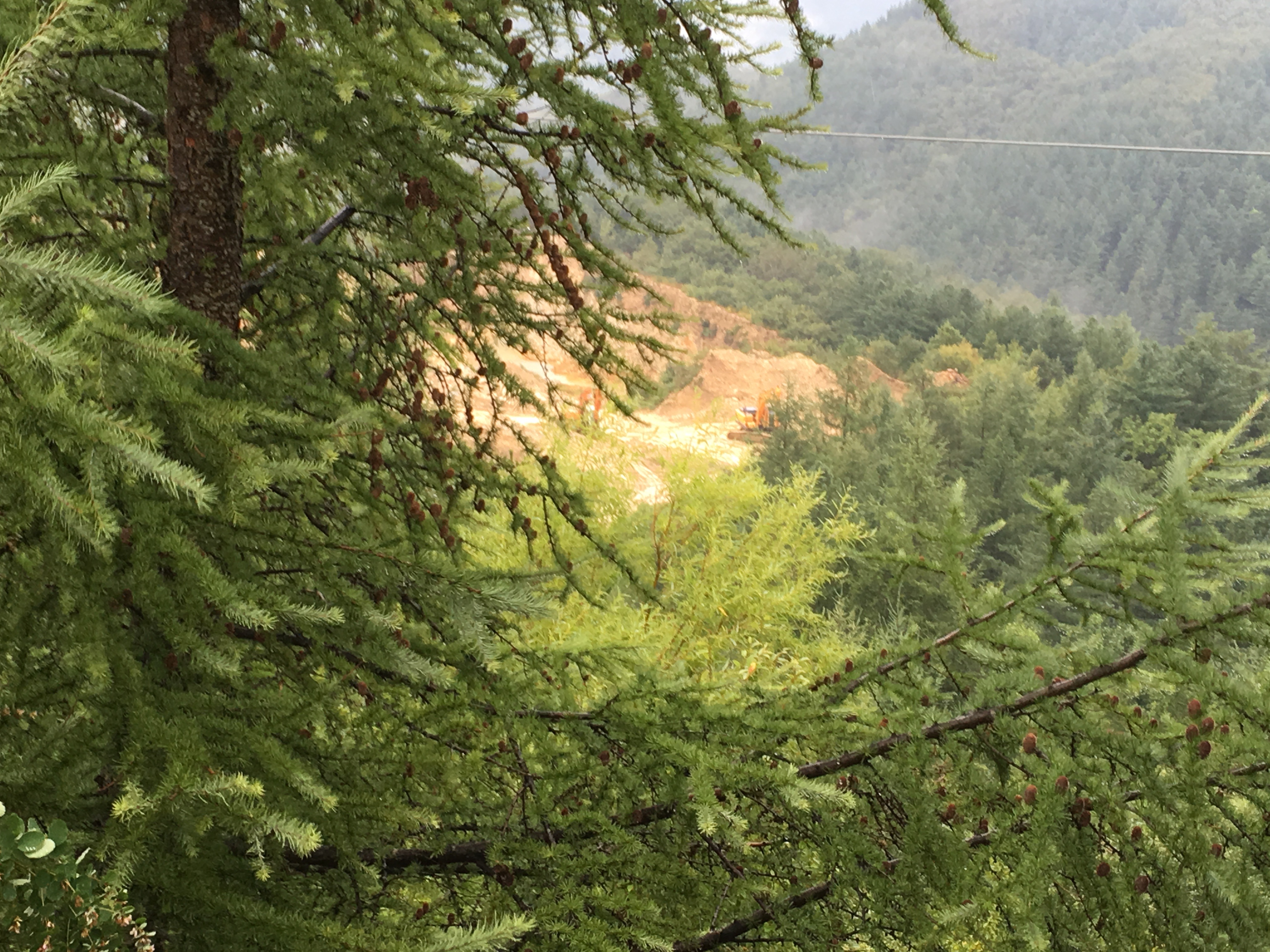
We all go outside into the cold and drizzle. I’d really like to go down to the quarry face for a look, but it is a quarter-mile away, and down a precipitous, wet, seeping, slope. We climb up onto the stack of bulker bags to get a look down onto the working face. It is only just visible through the trees. I’d rather not walk down there in this weather.  I pass.
img_3180   img_3249

img_3254

There is still one more place to go up North here. Way up North! Right on the DMZ. We have made enquiries. At least my amazing Miss Kang has. She has it all sorted on my behalf. I was told last week at a potters meeting back in Yeo Ju, that the place up North is quite isolated. It is the place where all the Royal Patronage Porcelain was made from the 1400’s onwards. Quite unlike the southern site that only made peasant/farmer domestic wares.

I was told that the regime there is even more strict than that down South. I’m told that nothing can leave the premises. Let alone the country. If we are allowed in to look, and If we learn any of their secrets, then they will probably have to kill us!

Nobody in the meeting has actually been there. Certainly nobody has ever returned, it has a huge and scary reputation. I can’t say that I wasn’t told this time! I’m in the NO!

We have experienced the Southern Humiliations, we have survived the fire-swamp and I don’t believe in Rodents of Unusual Size. What’s keeping us? We can drive up there to the North from here in a few hours. We can call in, have a look, They can say NO! And then we can leave. They can only say No! So many times, I’m getting used to it. We will still have time to drive back home again to Yeo Ju by midnight.

We have enough fuel. Lets give it a try!

We say our good-byes and so many thank-yous. They wave and we leave, with our ultra-white sample of single-stone contraband. Mr. Jaeyong has other business to attend to locally, so won’t be coming with us. He really wants to, but will follow if he can, only after he can complete his pressing business.

Into the unkNOwn!

Best wishes from Steve in Korea

The Kim Chi Chronicles – Part 3


I am in Korea, searching for ancient sites where porcelain stone has and/or still is being mined for the creation of porcelain in the old-fashioned way.

We set off in the late afternoon having wasted quite a bit of time unnecessarily here. We drive into the evening and on into the night. We have a way to go up the East Coast to the hight range of mountains that will be near where the home of the next Winter Olympics will be held. It’s a cool damp place this night.

On the way, Mr Jaeyong gets us to stop off at this grandmothers house, where he has to collect something. It’s a beautiful old traditional Korean farm-house. His grandmother appears to be quite elderly, but still quite energetic and vital. She still tends the large vegetable garden in the front area of her land along the driveway coming in. It’s really beautifully picturesque, and a real credit to her and her tenacity and ability for hard work. I love it! Mr Jaeyong had invited me to stay here while I worked in the porcelain Centre, had I stayed on and he would have taken over as my interpreter, but that hasn’t eventuated. Pity, I would have loved it here. I’d have done a bit of weeding to earn my keep.

img_3142 img_3143

While Miss Kang drives, we talk about our experiences of the last two days. What was going on there? We are both at a bit of a loss to come to some sort of clear idea, but as we discuss it, our ideas clarify. My best bet is the we have encountered a corporate ‘yes’ man who just wants a simple, uncomplicated life, and I have come along against all warnings and blundered in an asked him to do something, that although he is paid to do it. He doesn’t want to have to. He wants the wage, he doesn’t want the work. Simply because it is just too hard and a lot of unnecessary bother. I made his life hard for him. I’m the problem. There might also be a bit of a parochial attitude mixed in there too?

Of course, he could have just said. “Here take this pack of clay, no-one will ever know. But please don’t tell.” It could have been so easy. I would have honoured that and exhibited a pot of Korean Stone, but not directly identified to his site.

I will eventually write to him, but I won’t be rushing to do it. Maybe after we get back, I’ll drop him a thank you email note? I really did want to exhibit a pot made from this southern single-stone clay in my show at Watters next year. It would have made the exhibition really comprehensive, but that isn’t going to happen now. I have work that I have made in all 5 countries where singe-stone porcelain has originated, and in several workshops in each of  these places, using differing local versions of their single-stone clay. Also obtaining various selected batches of the local bodies made in different clay making workshops and factories. I also have work that I have made and fired at home in my own kiln, made from all these same single-stone bodies that I have shipped home over the years to continue the research, by making and firing these same clays in my own wood fired kiln.

We move on to more interesting and uplifting conversations about life, pottery, organic gardening. Whatever crops up as we travel. It’s a long drive.

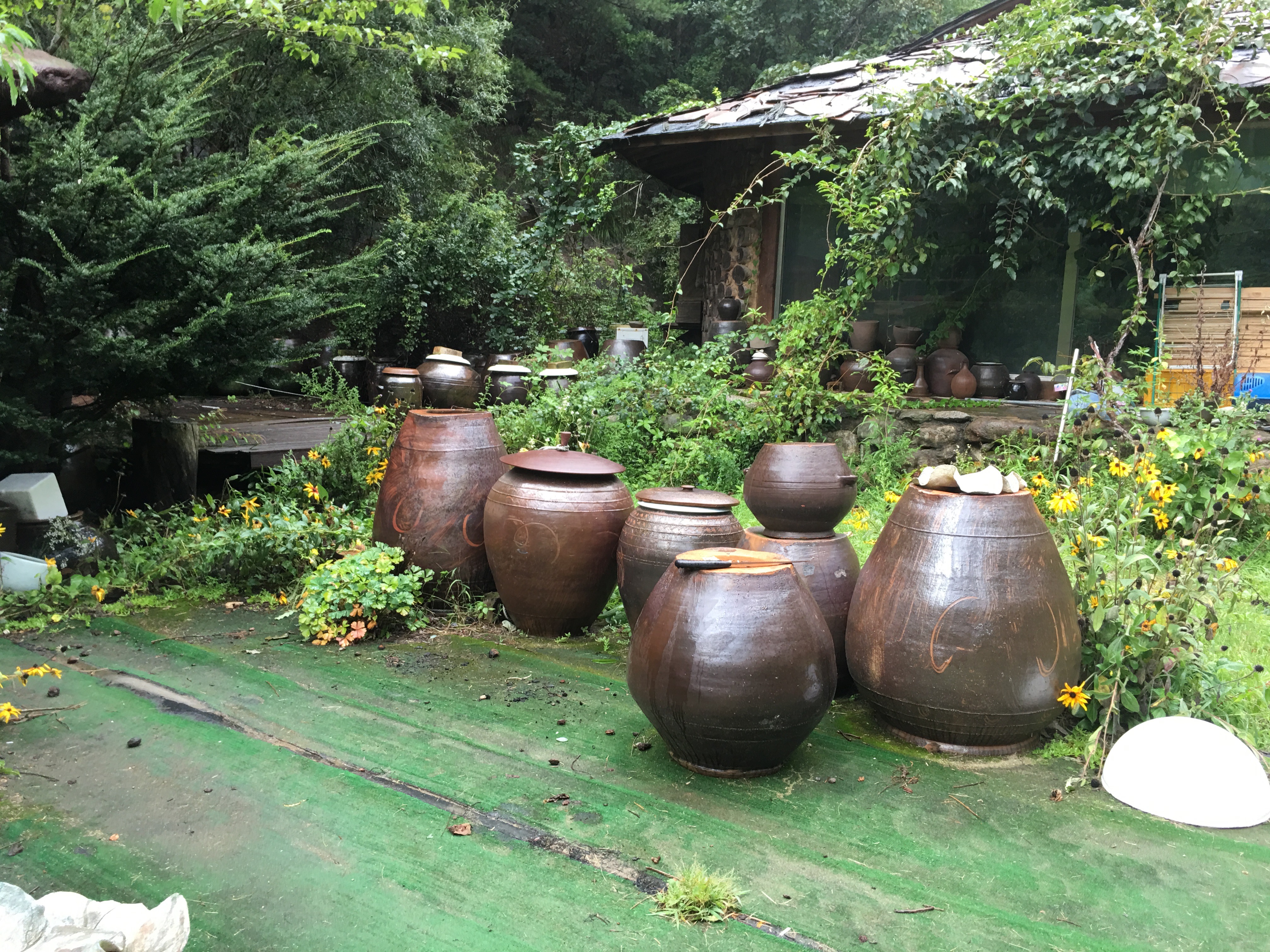
We find Mr Jaeyong’s place without too much trouble, as Miss king has the location plotted in the maps app in her phone. I feel for this young lady, having to drive such long distances. Especially when it is dark and rainy like this. Mr Jaeyong’s place is perched halfway up a mountain, in a clearing on the edge of a precipitous drop into a forested valley. We don’t know this when we arrive in the dark and misty rain. Mr. Jaeyong has driven fast and arrived before us. The lights are on and he is there to guide us into a little parking space between two buildings. There are several little buildings clustered around an open grassy clearing. There are gardens and loads of pots decorating the spaces between the  various pavilions. My first impression of the set up in the dark and rain is that it is very pretty. I can’t wait till morning to get a better look in day light.

We each have a different building to sleep in, each with it’s own on-suit. I’m very impressed. Apparently the place’s owner is currently studying wine making in Australia. At least that is what I think I was told.

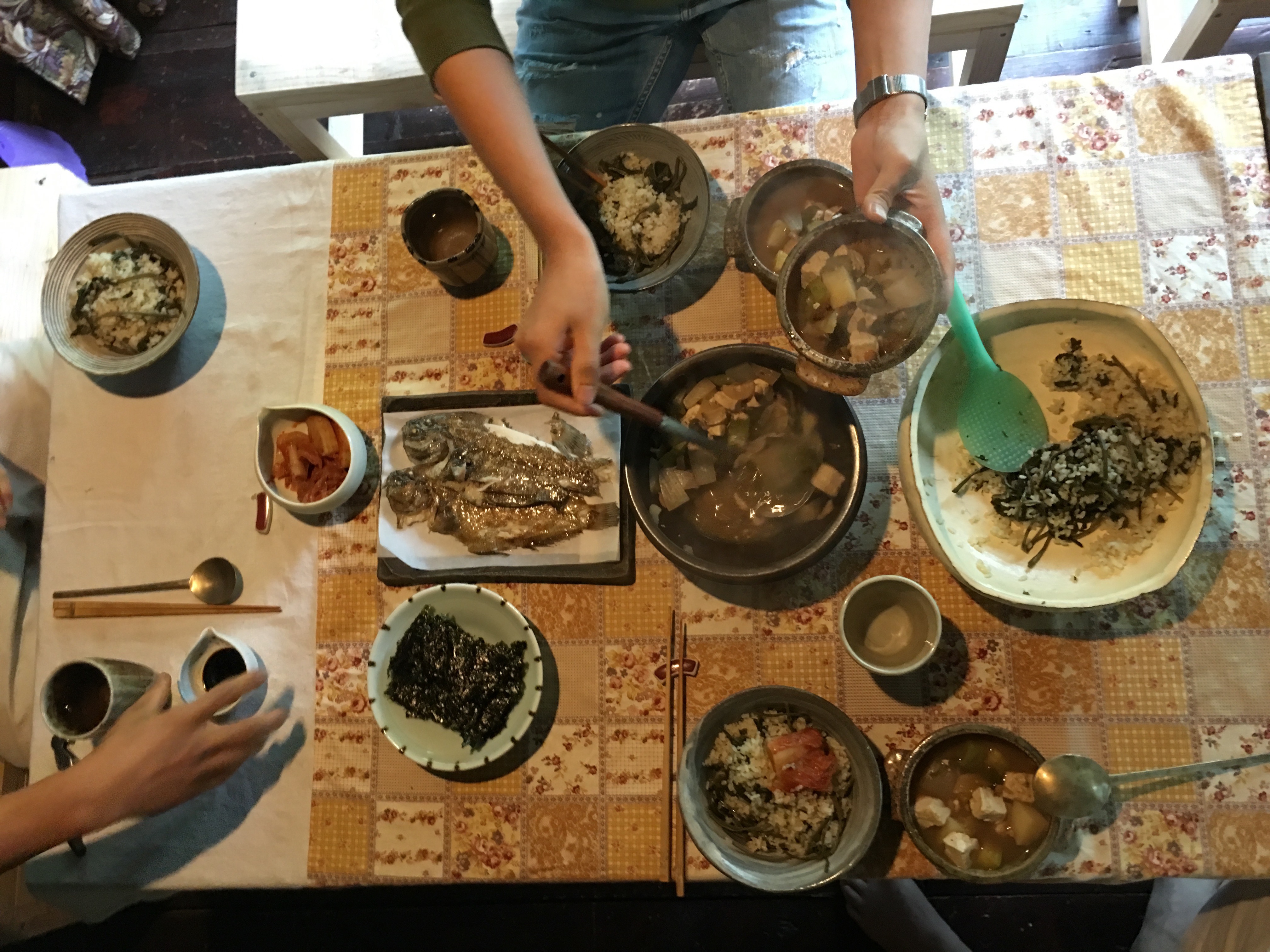
Jaeyong welcomes us into his kitchen/dining room building. It’s warm and dry and very cosy. We even have WiFi internet. Jaeyong cooks us a very nice meal. It transpires during our conversation through this cooking process, that this place is snowed under for 3 to 4 months of the year and is not habitable. My Jaeyong decamps to somewhere warmer during this time. Like his grandmothers farm-house down south, or somewhere overseas to study pottery making around the world. He rattles off quite a list of countries that he has visited to study ceramics. He hasn’t been to Australia yet, so I welcome him, should he make it to Oz. I will return his hospitality.

img_3147

We dine on a very nice traditional Korean meal of rice with soup and a host of other small vegetable and pickle dishes. It’s all extremely warm and welcoming and satisfying to be accepted into someones home like this. So openly and graciously, just as Jun Beom and his family have done in Yeo Ju.

Eventually our conversation return to our difficulties of the morning. Mr Jaeyong offers the opinion that the Manager and Master Initiator is just doing his job, the way he has decided to interpret it. We should feel sorry for him, stuck in his life the way that he is. We eat our beautiful meal, we talk, drink a beer and then some wine with the meal. It’s all so well presented. Mr Jaeyong has gone to some trouble. These two wonderful people talk in Korean in short bursts, but then stop and one or the other interprets for me, sometime the discussion continues in English for my benefit.

Mr Jaeyong had to work with people like that when he worked in a public service job years ago. They suffer from ‘bureaucratic brain syndrome’. It’s all a bit tragic really. They need our sympathy. I take this onboard. I consider my reactions and attitudes. Mr Jaeyong is very generous and open-minded. I look deep into my self and reflect on my own stance, perspectives, predudices and viewpoints. I should have some sympathy for this guy.

But I don’t!

I look harder and quiz myself more deeply. No, there is nothing there for him. Just a blank. I fail this simple test of humanity and compassion. But I am who I am, and I try to be the best person that I can be. I’m just flawed, but in a manageable way. I wish no ill on any other person. I guess that I just don’t have the energy to send out anymore good will out into a void. I haven’t been sleeping well with the jet lag and everynight in a different bed. I’ll put my failings down to that. It’s an easy excuse.

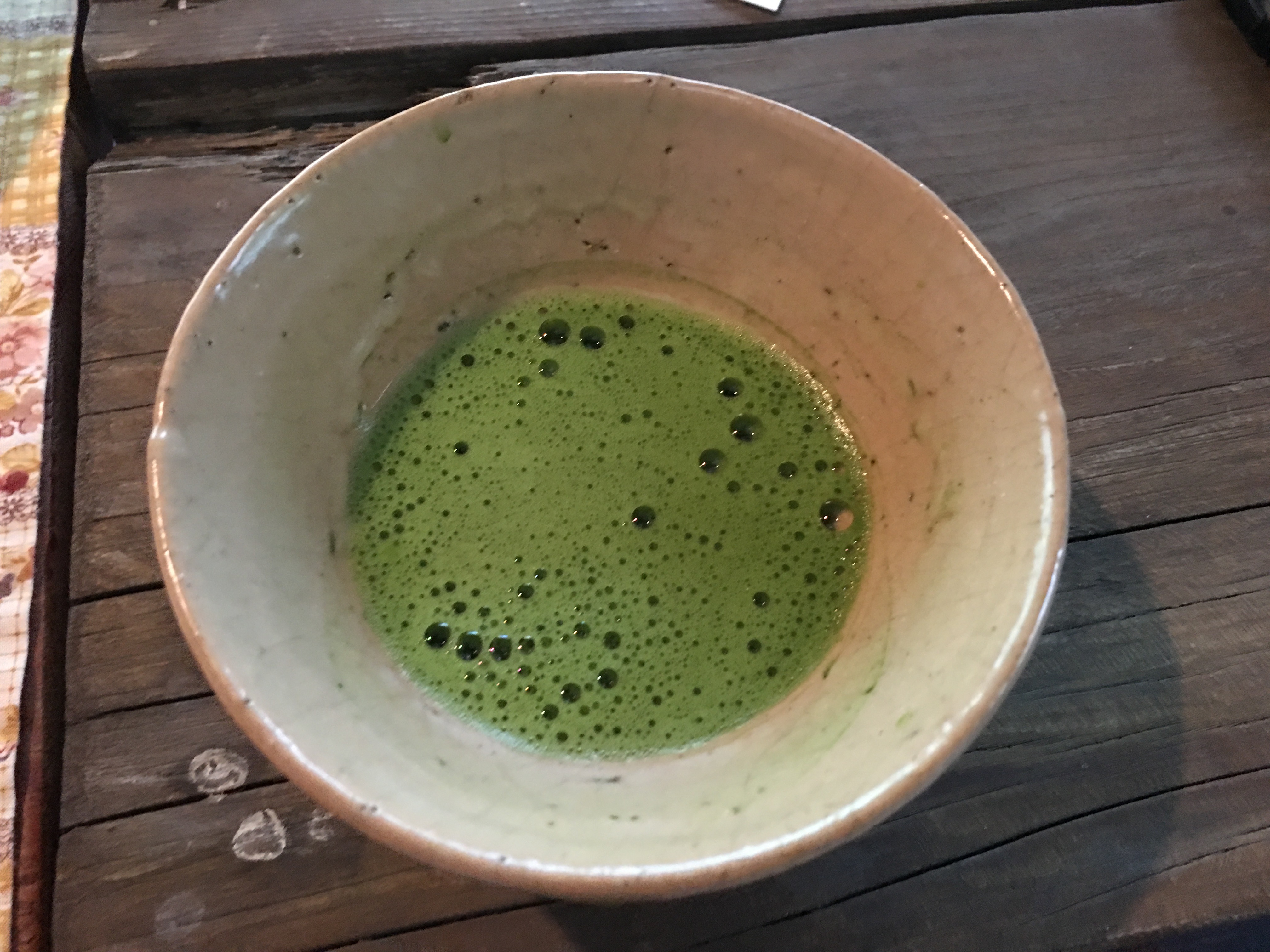
Mr Jaeyong makes us a bowl of green tea to cap off a delightful meal. This is very much in the Japanese style. He has spent quite a bit of time in Japan I gather, working with potters over there to broaden his understanding and training and to enrich his skill base.

img_3150 img_3151

In the morning I awake to a bright sunny day, cool crisp air in the lingering mist up here on this mountain. I wander around the garden and take it all in. It a sort of remnant, Hippy commune style cluster of hand-made buildings, none of which would get building approval from my local council back home. It is beautiful in its sprawling ramshackle way. I love all the clusters of big, dark, ‘ongi’ jars scattered in clumps all around the garden.

img_3152 img_3158

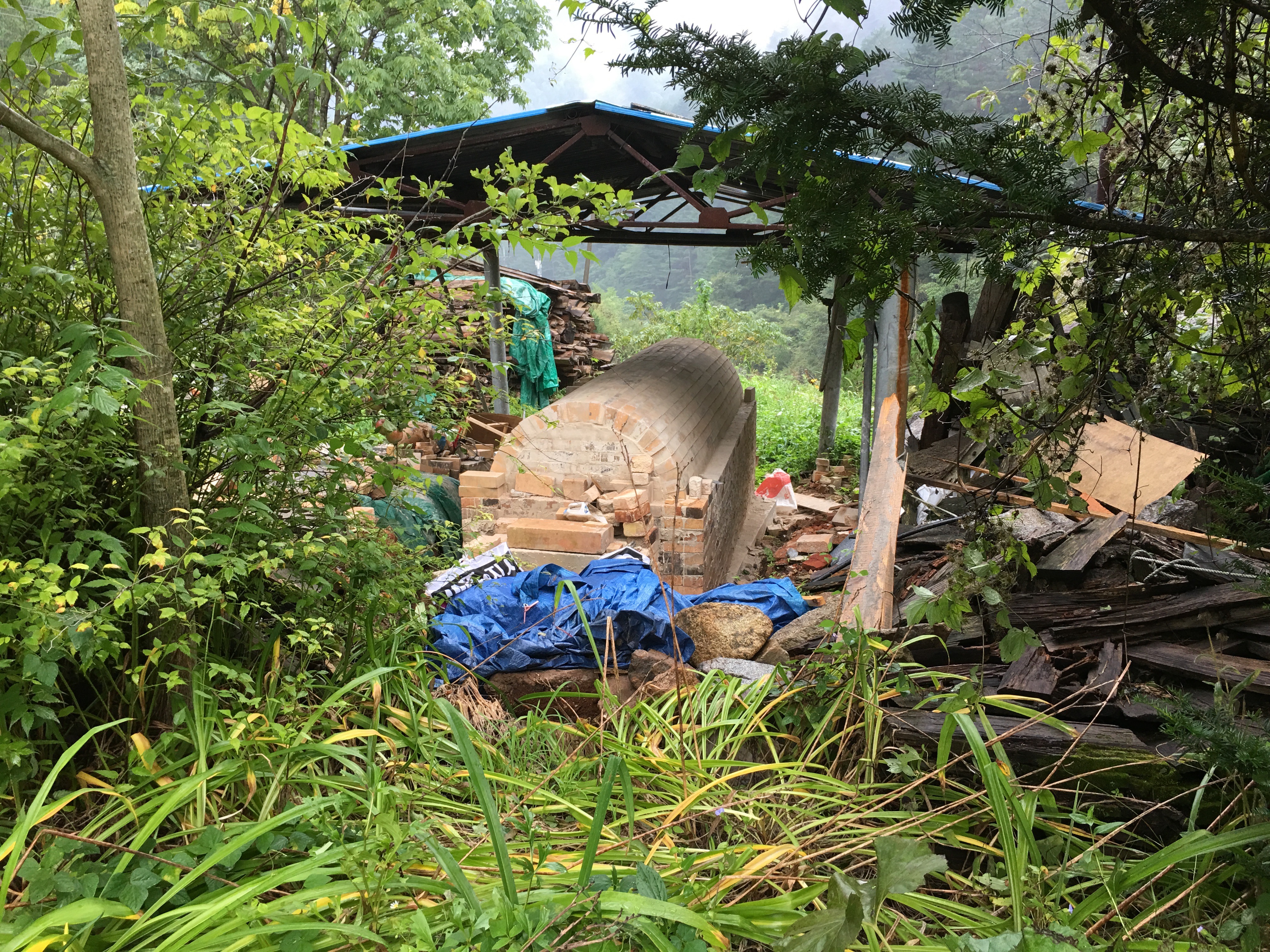
I walk around the site, the view is great. The atmosphere is terrific. His kiln is almost finished. I wish him luck with it. I’m certainly glad that I don’t have to be here right up until the show closes off the road and the place sits idle for 3 to 4 months.

img_3164 img_3160

We set off early, as we are all on a mission to explore deep into these remote mountains to locate the ancient single-stone porcelain site and try to recover a small sample of the stone for my collection. I already have a small sample courtesy of the clay processing factory in Yeo Ju.

I just need to see it in-situ and be able to compare if there are any differences. Perhaps there are more choices, different veins, whiter grades?

Best wishes from Steve in Korea.

The Kim Chee Chronicles. Vol 2.

I have been in Korea. It has been my first trip to Korea and it was amazing, such lovely, friendly and helpful people. 

I eventually visited 3 sites where single stone porcelain is currently being mined and used and a 4th ancient site that is now abandoned by the industry, but still worked by the odd individual potter. As an ‘odd’ individual myself, I know what they are looking for. I am lucky to have a fabulous driver/translator to help me get everything done. Thank you Miss Jane, Mr Lee and Miss Kang, I would have no chance of doing any of this on my own here without the necessary language skills and local knowledge that you provided. I am very grateful to all the Koreans that I met who gave me so much assistance and warm friendship along the way on this trip.

I had been in dialogue with the manager of one old porcelain site in the south that is reputed to be a single-stone porcelain site. The Manager was very dismissive and not really interested in my research project. I wrote politely from Australia, asking for samples and to be able to make a visit. He told me that there is a Korean Government blanket rule that bans the release for export of porcelain clay and/or porcelain stone from leaving the country! He even seemed to be claiming that this ban included porcelain pottery made at the site by outsiders like me. 

I’m amazed. Is this really true? Am I being sold a pup? Apparently there is some basis in truth in this, others corroborate it. This stone is a National Cultural Property or Asset of cultural Significance.

So, I can’t have a small sample for my collection. Not even a golf ball sized piece. It’s forbidden. I can’t have any clay made from it either. Not a skerrick. Verboten. Eventually, I get an email via my beautiful and ever so helpful Korean friend in Sydney, Miss Jane. Explaining to me that she has finally had a response to my letter, but only after following it up with a phone call. The email said that I can visit the porcelain centre and look, but only as a tourist. I cannot keep any of it in any form. The reply reads as follows;

This is an edited, English translation of the reply that I received.

“Hello Harrison,

I am writing to reply your enquiry.

You are able to use single stone as a trial only but you cannot stay in the Porcelain Centre to cure in Kiln or fire, that means you cannot have a complete piece of ceramic. 

This year we have many exhibitions in the Porcelain Centre and we are very busy at the moment. 

We don’t have any residency program to accept candidates who want to learn the Porcelain.”


So, that was pretty comprehensive. I can come and look. I can touch the stuff, but I can’t keep any of it in any form.

I ask my Australian/Korean friend what she thinks this means, and am told that I shouldn’t expect anything at all from this guy. She has rung him for clarification and spoken with him directly. In her opinion this man is not going to be helpful to me at any time in the future, He is just not interested.

I interpret that this means that I shouldn’t expect any help at all in any way. If I go there and visit the site. I do decide to go to Korea anyway. It’s worth a try. My Australian friend’s brother knows a local potter who is currently under-employed, so will be happy to work as my interpreter, guide and driver for a reasonable set fee per day + costs  I agree willingly. What a fantastic opportunity.

I arrange to get two rooms booked for us on the first night and then a couple of nights for me in a single, so that I can stay on and work.  My interpreter will return to her work. I’m confident that once I meet the director of this ancient porcelain making site, he will soften and will let me stay and work with their clay. Once he sees my dedication, enthusiasm and my long term commitment to this noble cause. As you may have guessed. I’m somewhat naive!

We set off on our road trip early, and drive all morning, with only one brief rest stop. We arrive about 11.30. We introduce ourselves. Yes, they are expecting us. We are booked in at the Cultural Centre/Museum’s replica country house accomodation facility.

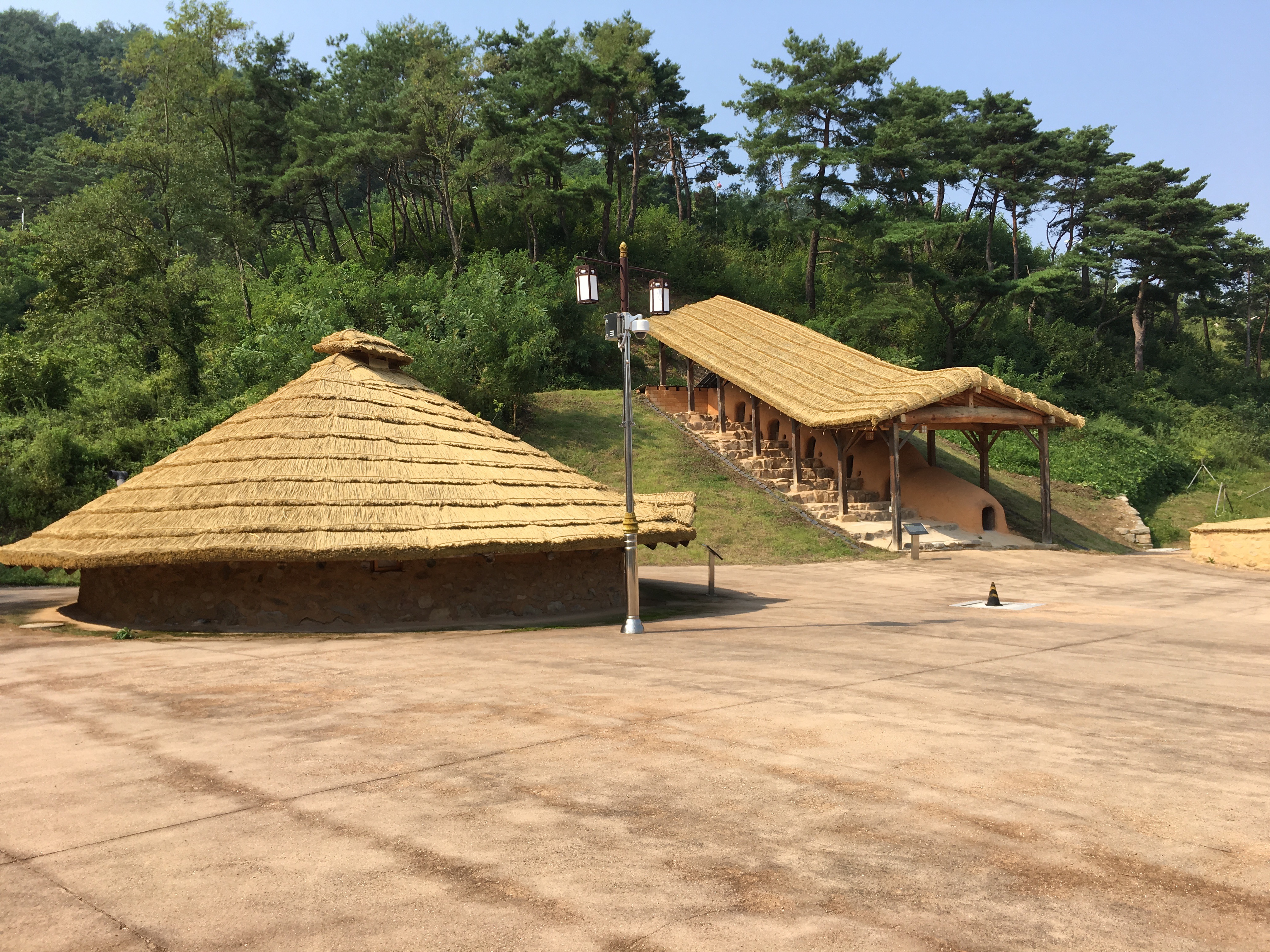
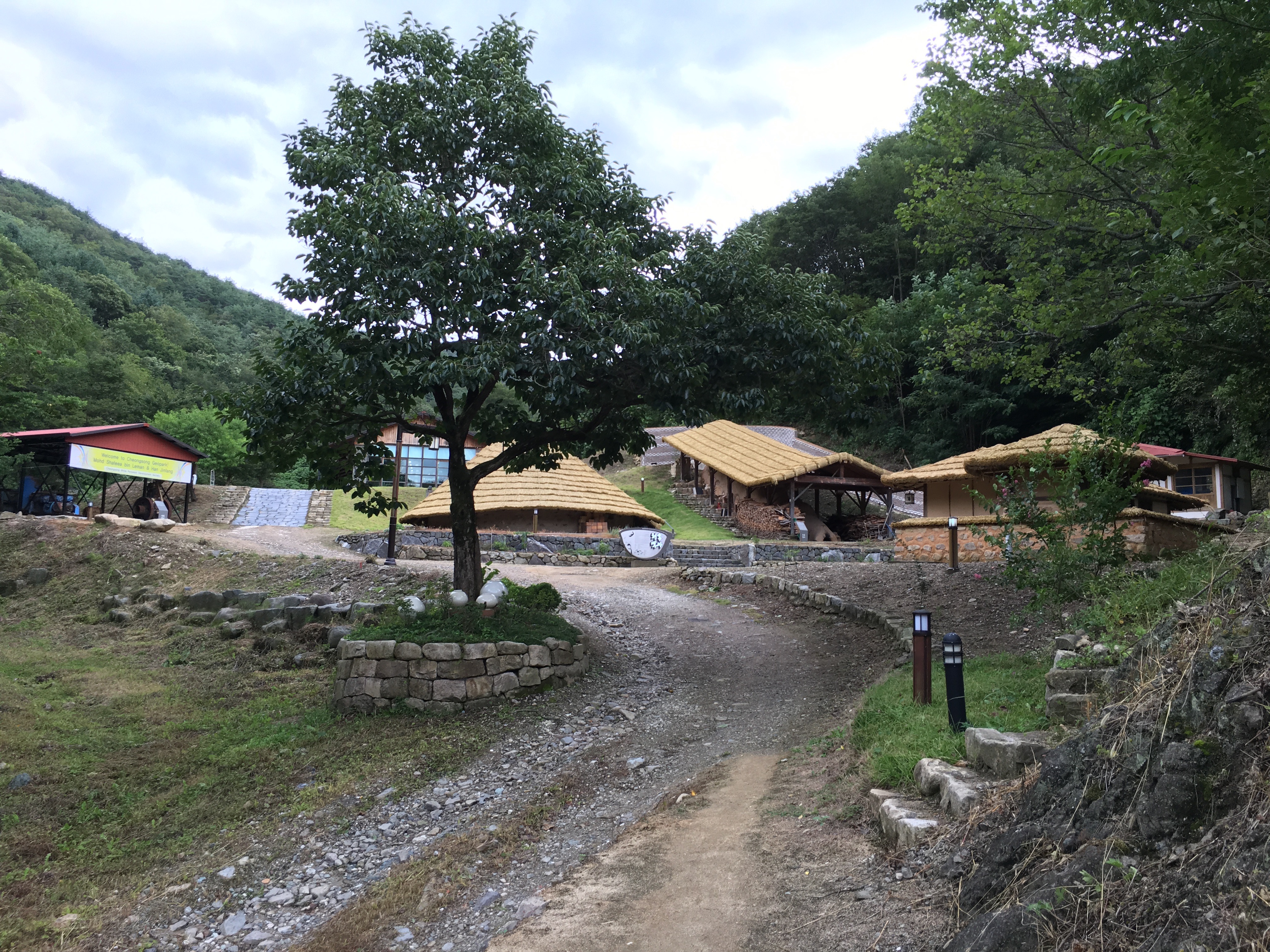
It is actually quite lovely, even though it is a totally fake replica building. It has lots of natural timber. It is very basic, but I don’t mind that. I hope that my guide doesn’t mind. I give her the choice of the larger room. There are a few thatched buildings in the rear courtyard and a climbing chambered kiln. None of which are used. It is some sort of historical display.
 
img_3106
img_3114 img_3115

We are first introduced to the senior man in the front office. He can’t tell us anything positive. He has to ring his supervisor. Eventually the supervisor arrives down from up-stairs. He can’t tell us anything either. He’ll need to consult. He goes outside to call on his mobile. Eventually the Cultural Centres special person whose job it is to stall me arrives and begins his work. He tells me that he has rung the pottery workshop site, but can’t get through. No one is answering. It’s 12.00 o’clock now, so probably at lunch? We are taken on a tour of the facilities.

We are shown through the Museum of local single-stone white porcelain material collected from nearby archaeological sites. Then there is a sudden jump to some few items of turn of the century peasant wares, but the majority of the museum collection is comprised of Japanese Satsuma ware porcelain that they have recently purchased from Japan. Apparently, one of the Korean potters that the War Lord Hideyoshi kidnapped and took back to Japan during his ill fated invasion of Korea in the late 1500’s was captured from around here. The bold claim made by the Museum Curator is that it is the Korean genetic heritage in this person (whatever small that percentage is after 15 generations abroad) it is this Korean heritage that has made him great. So they are claiming him as their own and this Japanese work is somehow now Korean! This is a very strange experience! But no more strange than Australians claiming famous New Zealanders as being Aussies! Read Russell Crowe, Our Nicole, etc. So, fair enough!

Eventually at 2.00pm they are back from lunch at the pottery and someone answers the phone. We will be able to go out to the pottery site, up the mountain, about 10 kms away. They are expecting us this afternoon.  

 I thank them warmly for their ‘help’ in the office at the Cultural Centre before we leave. 

img_3014  
img_3022 img_3050
 
Eventually, we are allowed to go up the mountain, to the pottery. We get to meet the Manager. We get there and he is just as disinterested my requests in person as he was to my Korean friends emails and phone calls from Australia.
My translator makes a passionate case for my interests, but it makes no difference. He is not responding positively to any suggestion that I make through my interpreter.
 
I ask my translator to put the point that I have been negotiating with them for 7 months now, surely they are aware of my visit here. Their web site states that a visitor can have a ceramic ‘experience’ for 10,000 Korean Wan. I want to get to feel the substance of the stuff to get an idea of its ‘nature’. 
I don’t know how my very diplomatic translator conveys this, but ….
 
He relents. Through my interpreter, he tells me that I can ‘experience’ their unique single stone porcelain. 
That’s great! There is a potters wheel over there in the corner of this spotlessly clean show room, and a pug mill. Can I have a go now? 
No! It is actually not that simple. I will have to wait until tomorrow. I will be able to try the clay tomorrow at 10.00am. back at the Cultural Centre/Museum. It takes time to organise these things.
 
We are given our leave to wander around the so-called pottery workshop, but nobody seems to be working here. There are no work racks, no work in progress. No ware boards. All the buildings are spotless and very new looking. The white stone seam opposite the pottery building hasn’t been worked for years. There are no clean faces. No workings. No access track to get to the face. It all looks abandoned and over-grown.
 
I do actually get to meet old Mr Go. He is the old potter, now in his 80’s, who once worked here in his youth. He sees us off the premises. All the way down to the gate and I’m not allowed to take even a very small piece of the stone!
 
img_3036  img_3037
Before we leave, I seem to be being told to make a written ‘proposal’ to them tomorrow? Even though I already have done this from Australia before I left. I’m a bit confused!
 
Miss Kang and I eat out in the local village a few kms away, down by the river. We choose the equivalent of a tasting plate, or plates. Perhaps a degustation? Except that it all comes at once. We get a small bowl of rice, a pot of soup to share and then 20 small dishes of pickles and vegetables to go along with it.
 
img_3104
 
It’s a wonderful local Korean dining experience. The equivalent of Au$35 for the two of us. We retire to our old fashioned style, but new, farmers house. It’s actually quite cosy inside my room. It turns out that it has a heated floor, which I find to be too hot, so I fiddle with the controls for a while to figure out which buttons do what in Korean. I eventually set it for a more comfortable 22oC, down from 26.
 
We have been told to meet at the museum in town at 10am the next day and we do. A young man turns up with a plastic carry bag with a couple of pugs of clay in it. I’m shown to the pottery room attached to the museum. He leaves me there to try the clay on the wheel. 
 
I go behind a partition to change into my clay work-clothes. I find a gas kiln in there for firing the porcelain and a clay box almost full of similar pugs of white clay.  There is a heap of it here in the clay box.
 
I make a few pots and put them out in the sun to speed dry. I am only allowed this one day to have access to the wheel to make and turn my work. 
 
img_3128 img_3138  
 
It’s a hot day and I rotate my work every few minutes to get it dry enough to trim without drying too much on one side and then warping out of shape. No matter what I do the stuff curls up and warps in the intense heat and wind. It’s 30oC out there today. After an hour I bring in the first piece and attempt to turn it almost bone dry on the rim, while still being damp down at the foot where it is thicker.
 
It doesn’t show the normal tearing and chipping that I ‘m accustomed to when turning single stone bodies that are a bit damp. Chipping and tearing is a very common trait of single-stone porcelains in all the other countries where I have done this. It didn’t have any real resistance and lack of plasticity that is also so very common with all the other single-stone materials in the world. 
 
I turn the two pieces that are the least warped and abandon the third. I get the ‘feel’ of the stuff. It doesn’t feel at all like any milled-stone body that I’ve experienced before. Not to throw and not during turning.
 
When I’m finished trimming, I clean up my wheel and sweep up all my turnings and put them in a plastic basin that I find in the room and place them on the wheel head. I leave my 3 pots on a work board on the table. Just in case someone turns up to weigh all my turnings and 3 pots to account for all the clay that has been issued to me. No one turns up!  It must be so very boring for my interpreter to sit and wait all day while I work.
 
 
We are joined in the afternoon by a friend, of a friend, of a friend, from Australia, Mr Jaeyong is a potter who is just starting out on his career and wants to know a little about my project. I go to the office and say my goodbyes and thank them all for their help.
 
We go to our cars to drive up the coast to visit another pottery stone site. Perhaps we can find somewhere more obliging. While I was working Miss Kang has been working hard tracking down the next site and making contact. She has been busy all day on her phone. Not wasting time on facebook, but busy working for me in my interests, chasing up leads. Mr Jaeyong is very interested to come along too.
 
There is a quarry up the East coast. An ancient site where pottery stone has been mined for eons. There is no functioning pottery on the site, but the single-stone material is used extensively all over Korea for glazes and clay bodies. Mr Jaeyong lives not too far from there and doesn’t know of this porcelain stone site. He is offering for us all to stay at his house over night and to go to the site together tomorrow. I ask my translator,  Miss Kang if she has the time?  She makes a phone call. Yes, she can spare me another day. It’s all arranged.
 
 
I’ll just leave this southern site out of my exhibition. I can always use the Yeo Ju porcelain work that I have already made to represent Korea in my show. Plus, I still have another 3 places to investigate yet. 
 
So we get in our cars and drive off.
 
I can’t say that I’m not disappointed, I am. But I was warned!  Still, it could have been better.
 
Such is life. Lets get going!
 
Best wishes from Steve in Korea

The Kim Chi Chronicles

I have been away for a month doing some ceramic archaeology in Korea. It’s my first trip to Korea and it was amazing, such lovely, friendly and helpful people.

15 years ago I discovered my local deposit of Single Stone Porcelain. It got me thinking about the history of porcelain and where it was first discovered and how it spread around the world. I knew in a general sense that it all started in China a long time ago, but my knowledge was lacking in specific details. I decided back then to find out a lot more to fill in the gaps in my education. I read as widely as I could and worked out a time line of events and places.

It all started in China about 1000 years ago. I’ve travelled to China twice in the intervening years to collect samples in-situ and to make work there from their amazing sericite based porcelain body. I also discovered that Korea inherited some of this Chinese knowledge/technology of porcelain making a few hundred years later, which is not too surprising as the two countries are closely land-linked. There are 5 places in the world where porcelain was discovered independently  following on from the Chinese. I decided that I had better go to all these places to see these sites, experience the local terroir, collect samples and if possible, to make work on-site out of the local stone. Korea is the last of these places, so I had to go there and complete my research. 

I did what research that I could on-line before going to work in Korea, but a lot of the sites are only in Korean language. I was lucky to be introduced to a lovely Korean lady here in Australia. It turned out that her brother is a potter in Korea, so all my questions were answered.

Jun Beom, is a potter working in Yeo Ju. A large town, or small city, dedicated to pottery making. He is amazingly friendly and incredibly helpful. He really looked after me so well while I was there. I was able to use his workshop to make some work. He had also organised a local translator/Guide/driver, Miss Kang, who could take me to all the single-stone porcelain sites in South Korea. It eventually turned out to be a 5 day 1500 km. long road trip, full to the brim with interesting events, places and people. I was so incredibly lucky to have stumbled into this situation. Thanks to one of my ex-students in Sydney, Claudia, who has a lot of contacts and to whom I am very grateful.
 

I discovered through my new Korean friends that there are multiple sites in South Korea where porcelain stone has been mined and used to make single-stone porcelain. There were many more according to the archaeological research that I came across. In one place that I visited, there were 32 places in that one valley alone, where archaeologist had found significant kiln sites in the past few years.

I arrived in Incheon and caught the bus straight to Yeo Ju, where Jun Beom met me and took me to the AirB&B that would be my temporary home for the next few weeks on and off. Jun Beom invites me to work in his studio and makes a potters wheel and a few ware boards available to me. He is fully aware of my research interests and although there are no single-stone sites in Yeo Ju. There is a clay making factory in town, just a few minutes away, where porcelain stone from the East Coast is used to make the local porcelain body. 
 
img_2865 img_2867
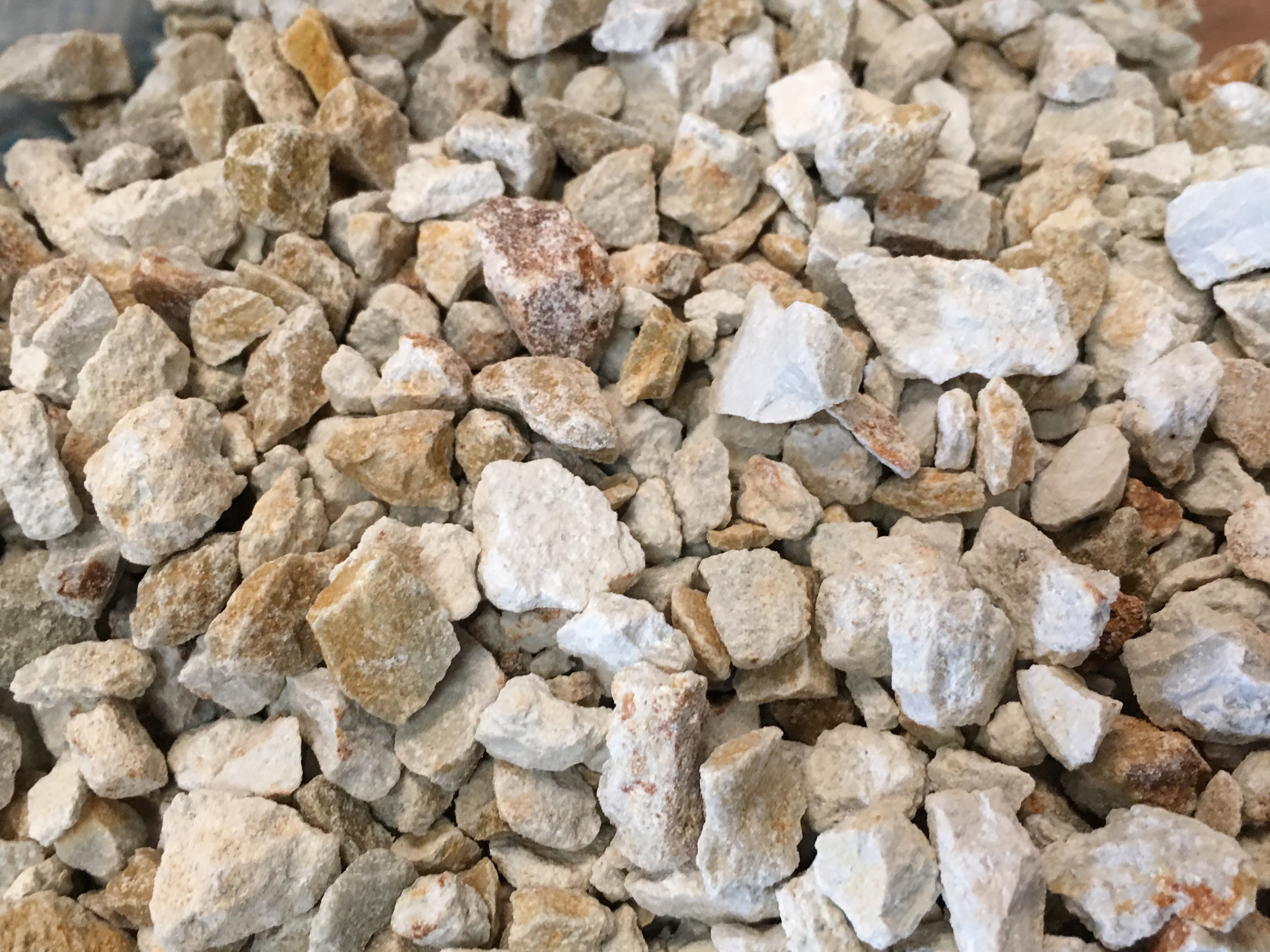
Jun Beom takes me to the factory and we are shown around by the manager, who is very obliging and gives us a full tour. It turns out that he is a friend of Jun Beom’s  I am shown all the materials that they use to make all the various bodies here in the processing plant. Im particularly concerned to see the porcelain stone. They have several grades of it here. I’m quite taken by the whites one. it is delivered to the plant already crushed, washed and screened to 10mm with the 3mm to dust fraction removed by washing it out. It is very familiar looking stuff. Although it is quite small, the pieces show no crystalline structure and it could easily be a sample of my own aplite. A quickly cooled, micro crystalline, mica free acid rock. I’m greatly pleased to see this. They have no hesitation in filling a bag for me to take away as a sample.
 
img_2870 img_2871
I ask if they make a single stone porcelain from it. But no, they don’t. It is mixed with something else. He’s not saying what. Recipes are commercially sensitive and kept in confidence. I have no problem with that at all. I like the look of this stuff and am keen to try some out. I buy 2 bags of the prepared porcelain body made from this stone. It throws exactly like I would expect from my experience with 11 other milled stone blends that I have tried from around the world and a couple of single stone bodies that I’m confident about.
 
The first thing that I have to do is make a few ‘chucks’ so that when my pieces are dry, I will have some tools to use to support them during trimming. This is an essential part of how I work. The chucks are made and then the work. I really like this material. It is just so familiar to me even though I’m thousands of miles away from home.
 
img_2312 img_2311
 
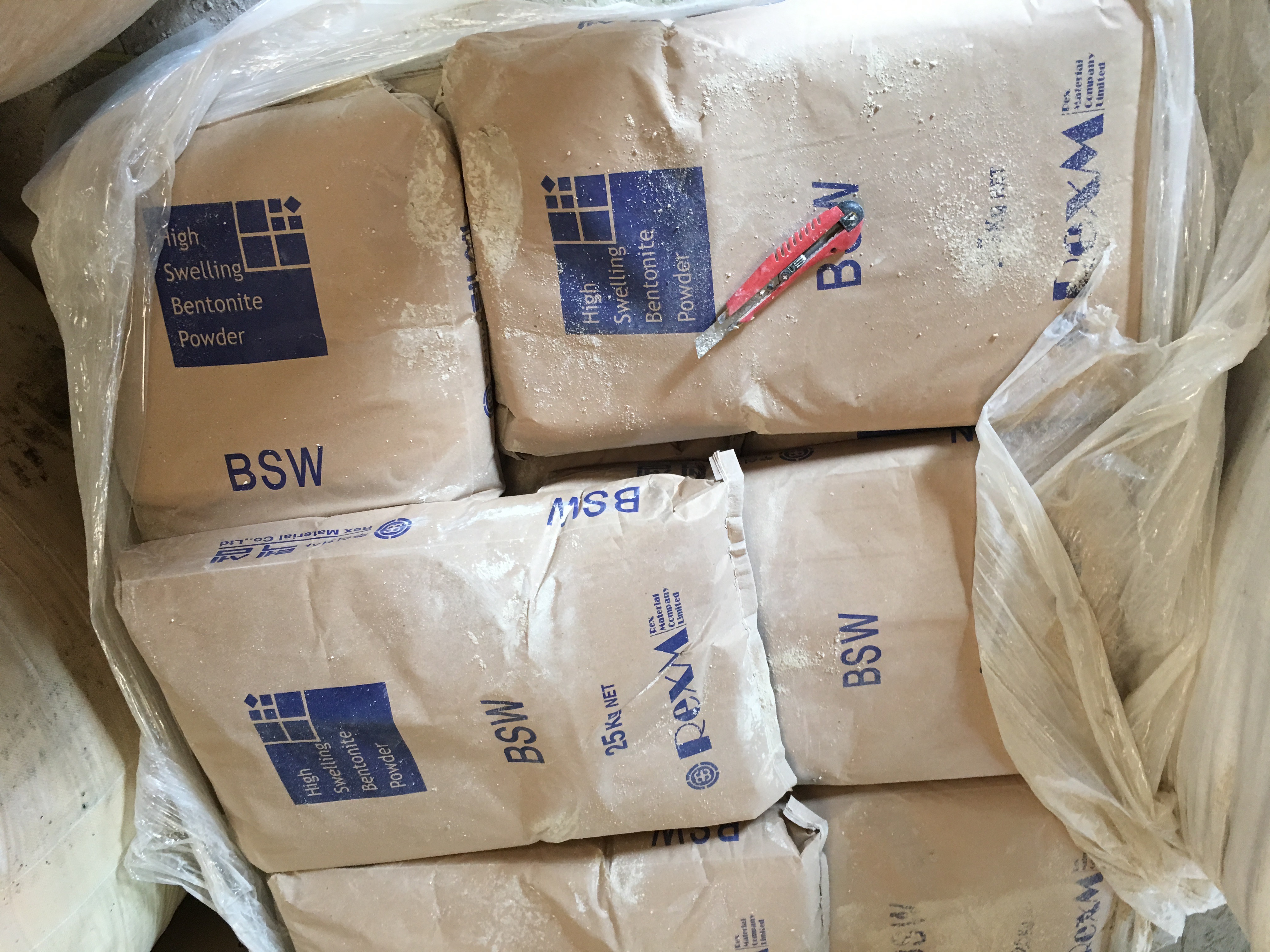
It needs to be coaxed a little in throwing, as it is a little bit sluggish, but quite good, better then my body and better than I imagined that it might be. I am assuming that the thing or things that are added to this stone might be kaolin and bentonite? It suffers from base cracking against the wire cut. This is exacerbated by the thick wire that I have to use here. I hunt around and find a finer one that helps alleviate the problem a little. On trimming the base the next day, it has that totally predictable tearing and chipping quality if it is turned a little damp. It really needs to be just off bone dry to work freely, but for this you really need tungsten carbide turning tools. I just happen to have some with me. Lucky! I’m very confident that this locally produced Yeo Ju porcelain body is composed substantially of milled stone. It looks, feels, acts, throws and turns just like it ought to if it is composed principally of milled stone. 
 
I’m keen to see the fired results, but that will have to wait till next week after these pots have dried and been bisqued, then glazed and finally glaze fired. Pottery making can be a slow process. In the mean time, Jun Beom has organised a translator/guide/driver for me, so that I can travel to other places in Korea to visit sites where single-stone porcelain is made. Everything is arranged for tomorrow morning. The road trip will begin.
I originally planned for a simple 2 day, one night trip to the south and back, but this soon blows out to 5 days and 4 sites, as opportunities arise and offers are made and accepted. Travel can be a very fluid thing if all the planets fall into line and the people involved are flexible in their approach. I am so lucky that my guide is such a generous and flexible person, willing to change her own plans to fit in with mine and take up these opportunities as they arise.
Talk about lucky!
For dinner, I’m invited to a Korean BBQ. It’s great! The only thing that I’m not too certain about is the, quite heavy, slippery and thin stainless steel chop sticks. They will take a bit of getting used to. Everything else is turning out to be wonderfull.
img_2859
I’m so lucky to be here with such friendly, warm and welcoming people.
Best wishes
from Steve in Korea
The Beautiful Simplicity of Baked Beans

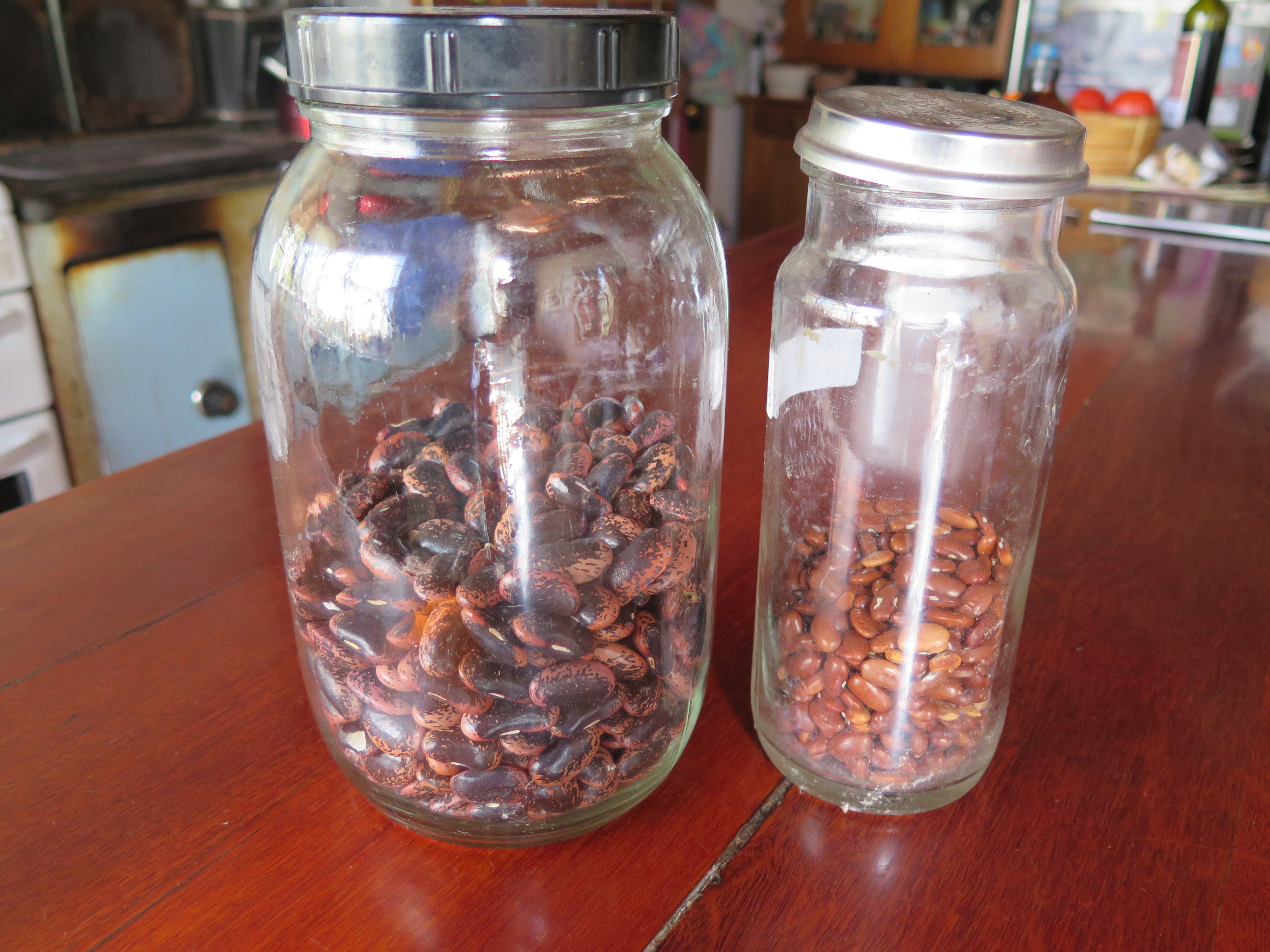
We have jars of dried beans in the pantry cupboard. Many different types. We also have dried tomatoes and dried mushrooms in there too, alongside jars of tomato passata saurse. I decide to take some of our storred summer produce to make the simplest of dishes, Baked Beans.

IMG_4241 IMG_4244

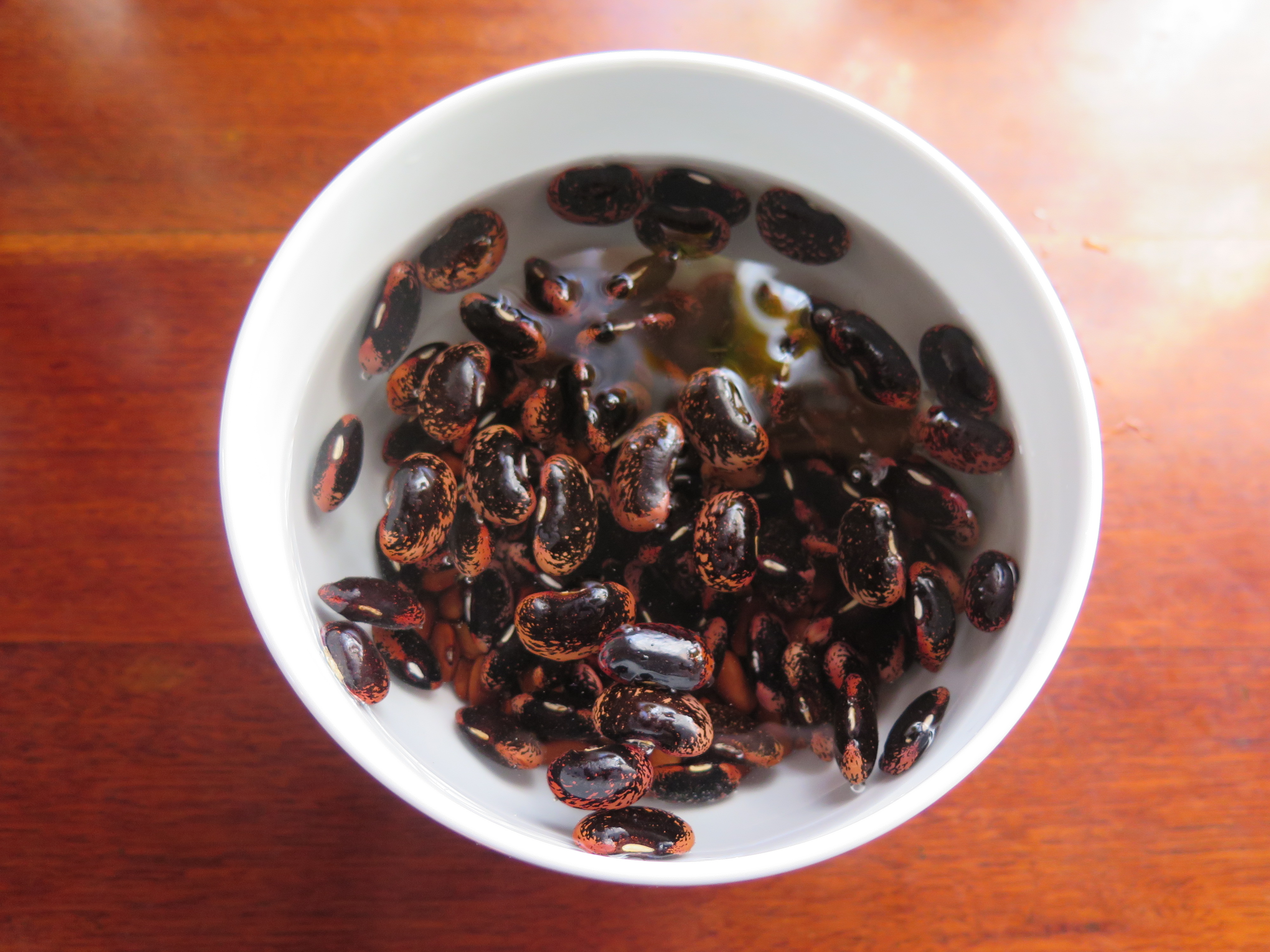
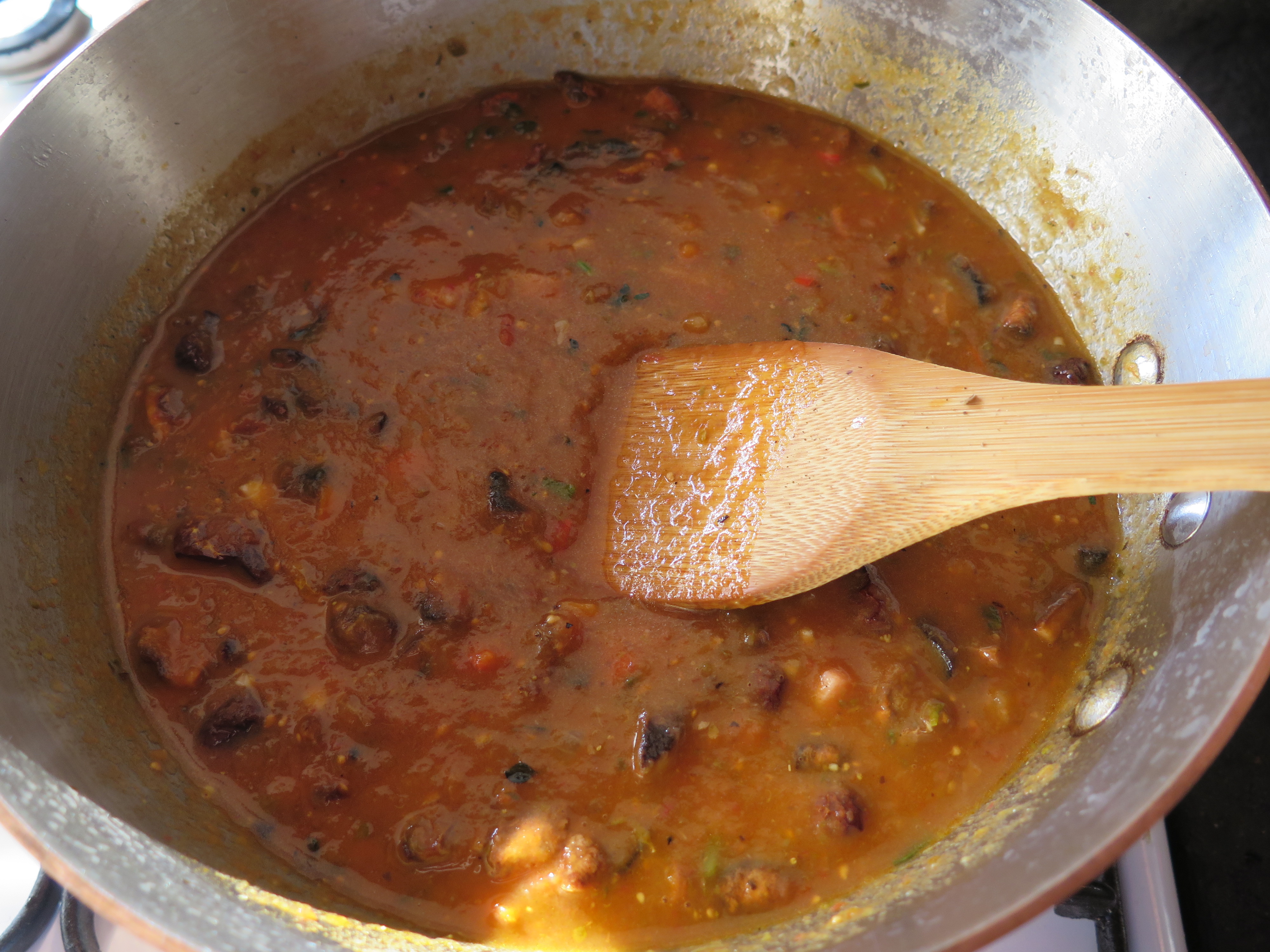
I soak the dried beans overnight, then boil then for an hour or two until they are just cooked. I sweat off some onions and a whole knob of our home grown garlic in the best quality of local olive oil.  I add fresh thyme and marjoram from the garden, a whole knob of our garlic, along with some local bacon. I add in a couple of jars of preserved tomato puree along with a couple of chilli and capsicums. It all comes along nicely. When the herb and vegetable mix is well underway, I add in the pre-cooked bean mix back into the pot and let it all meld in together.

IMG_4250 IMG_4251

I’m tending the dish, when My Lovely arrives and comes into the kitchen. She exclaims, how delicious the smell of the dish is as she comes in through the door. I’m pleased, I want it to be. There is a lot of work storred in all these summer-time ingredients. It ought to be good.

IMG_4253  IMG_4254

IMG_4257

If I was making a more traditional baked bean style dish, I’d probably blitz the whole lot. But this is not an issue to me. I’m happy to eat my more chunky version. If I were to do it again quite soon, I’d probably add in some duck breast and some pork sausage along with carrots and celery. But that would be a very different dish. Then I’d call it a French cassoulet.

This is just a simple beans and tomato meal with no frills. All grown, dried, preserved and cooked locally. What else can a simple post-modern peasant ask for. The natural rewards of hard work and forward planning.

It’s delicious, warming and very nutritious. whole pulses and tomatoes like this, combine to favour healthy gut bacteria and good health.

Funnily enough, I’m not thinking of my guts as I eat his beautiful meal. I’m just so pleased that it so filling and delicious.

Sure to Rise

Janine spent some time in New Zealand when she was at school as an exchange student and it was in New Zealand that she learnt to spin wool and also got deeply interested in making pottery, something that has stayed with her for the rest of her life. Another thing that she learnt about in New Zealand was the Edmonds CookBook. She bought, or was given her first copy over there. She still uses it or refers to it often, mostly for cakes and puddings. It has been one of the constants in her life.

We recently got the latest version, when a relative visited New Zealand last year. I had tried to buy a copy by online direct from Edmonds, It was meant to be a surprise for Janine, but the online option didn’t seem to be available, so I sent an email requesting information on how to buy a copy and have it sent over here to Australia.

I filled out the contact info page and waited. Nothing happened for a day or two, then when I was out. A very nice lady from Edmonds rang directly from New Zealand to inform the bewildered Janine that she couldn’t buy one in New Zealand and  have it posted out to Australia, but rather, all she had to do was go down to the local ‘Dairy’ and buy a copy herself. The ‘Dairy’ in New Zealand is a bit like a small supermarket or local shop. They are everywhere in New Zealand, but not here in OZ.

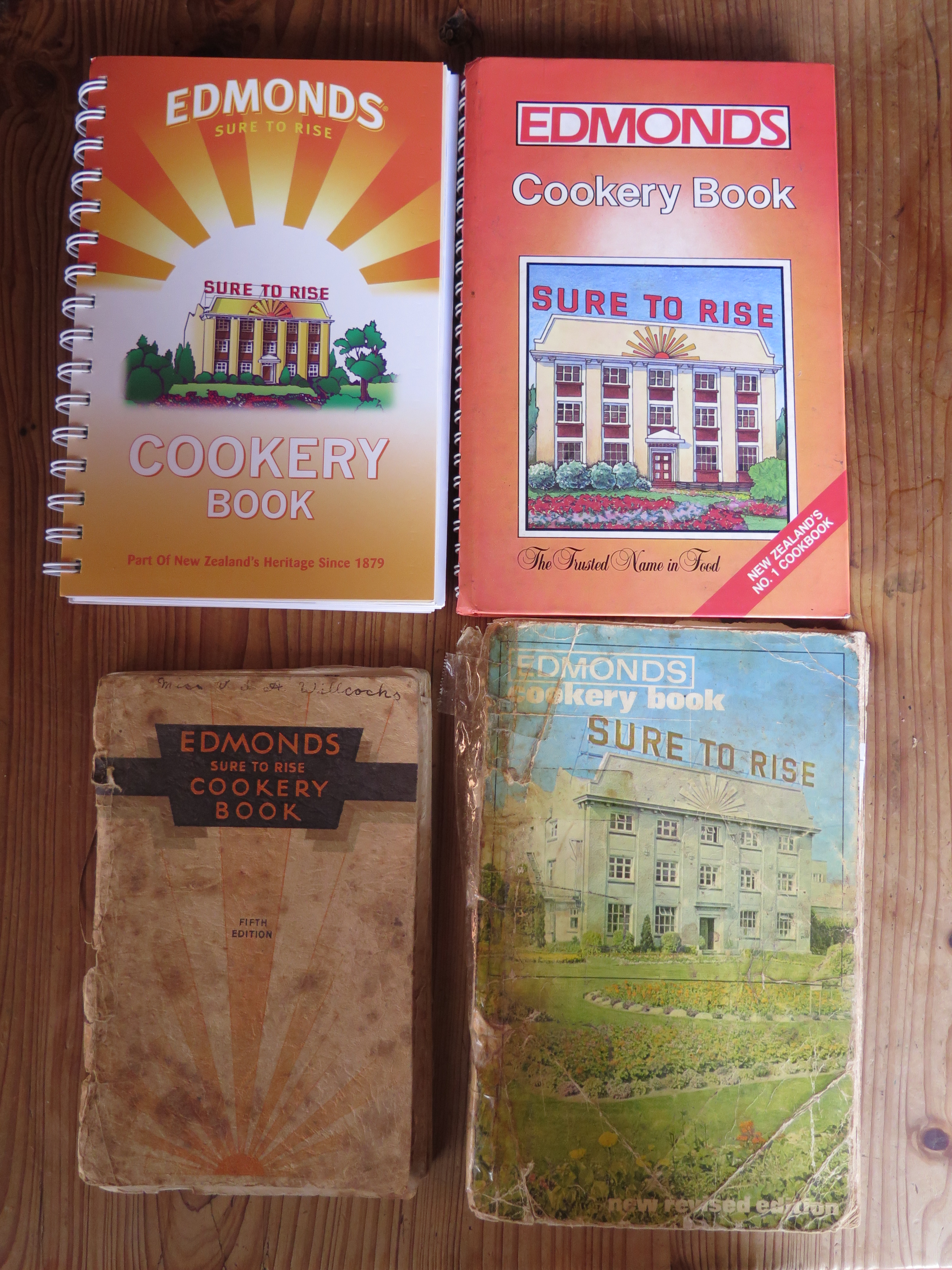
Janine tried to explain that we don’t have a local ‘Dairy’ here. But the Edmonds Lady wouldn’t have it. She insisted that all Janine had to do was to ask. “They will have it!” “Everybody stocks it!” We don’t see Edmonds baking products for sale here in Australia. At least, not where we live anyway. Janine explained that we live in Australia and that the lady must have dialled ISDN to get through to us in Australia. She must know that we are located in Australia. She told her that we just can’t buy Edmonds Baking Products here. All to no avail. So the surprise was lost and we still didn’t have a new Edmonds cookery book. We laughed about it a lot though, and we do now have 4 editions of about 10 to 15 years apart.

IMG_4141

When Janine’s relatives turned up here with the intension of travelling on to New Zealand and back again, it was an opportunity not to be missed. We now have our new copy, along with the other 3 older editions. It’s quite interesting to look through them and see what has changed. In the 60’s edition, all the recipes are detailed on how to make the item from scratch. The biggest difference between the old copy and the new one is that now it is more likely to say something like, open a can or packet of this or that and add something to it. it’s an interesting record of changes in cooking habits over 50 years. Certainly the latest edition has very much more up-market descriptions of the recipes.

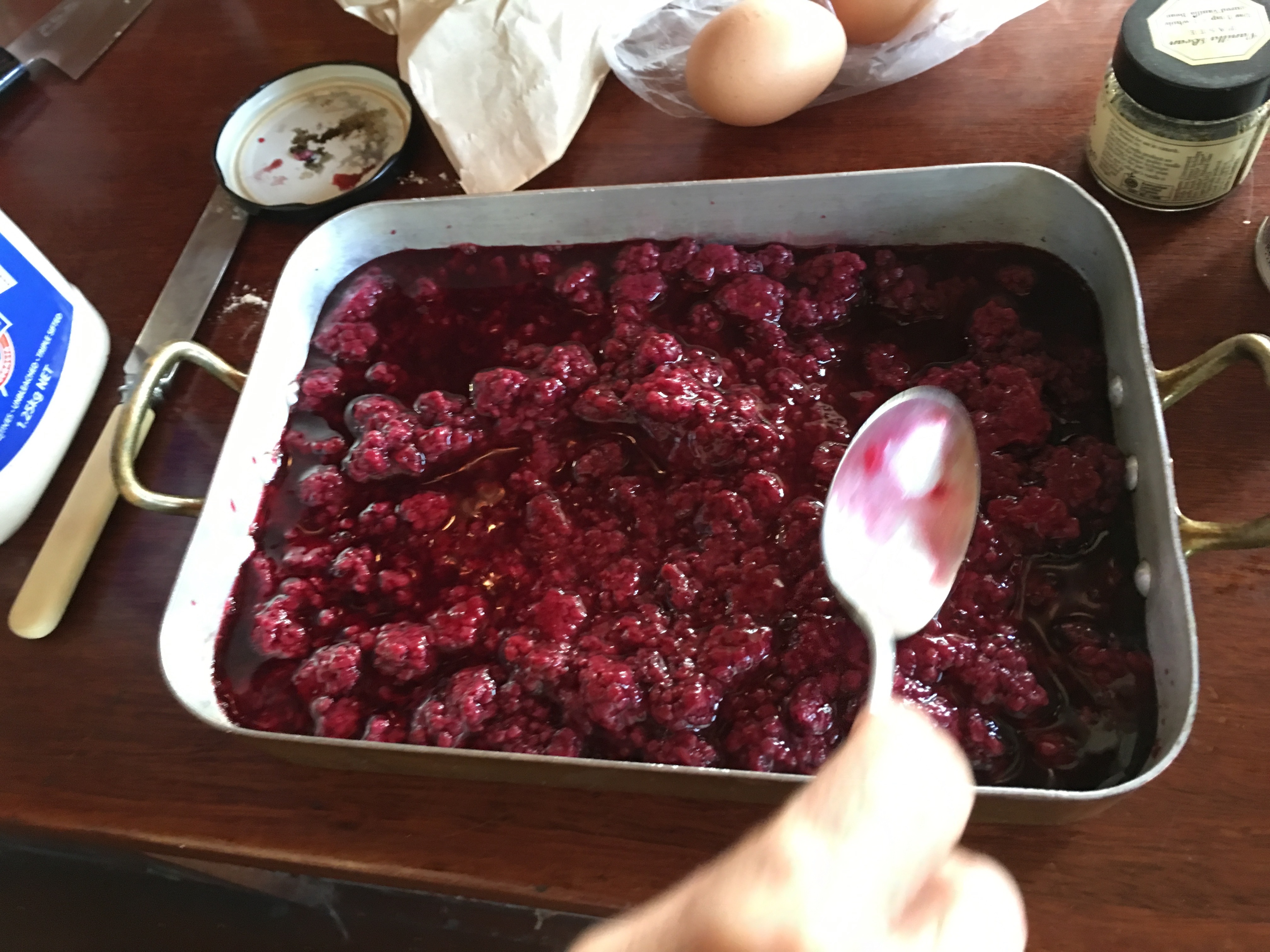
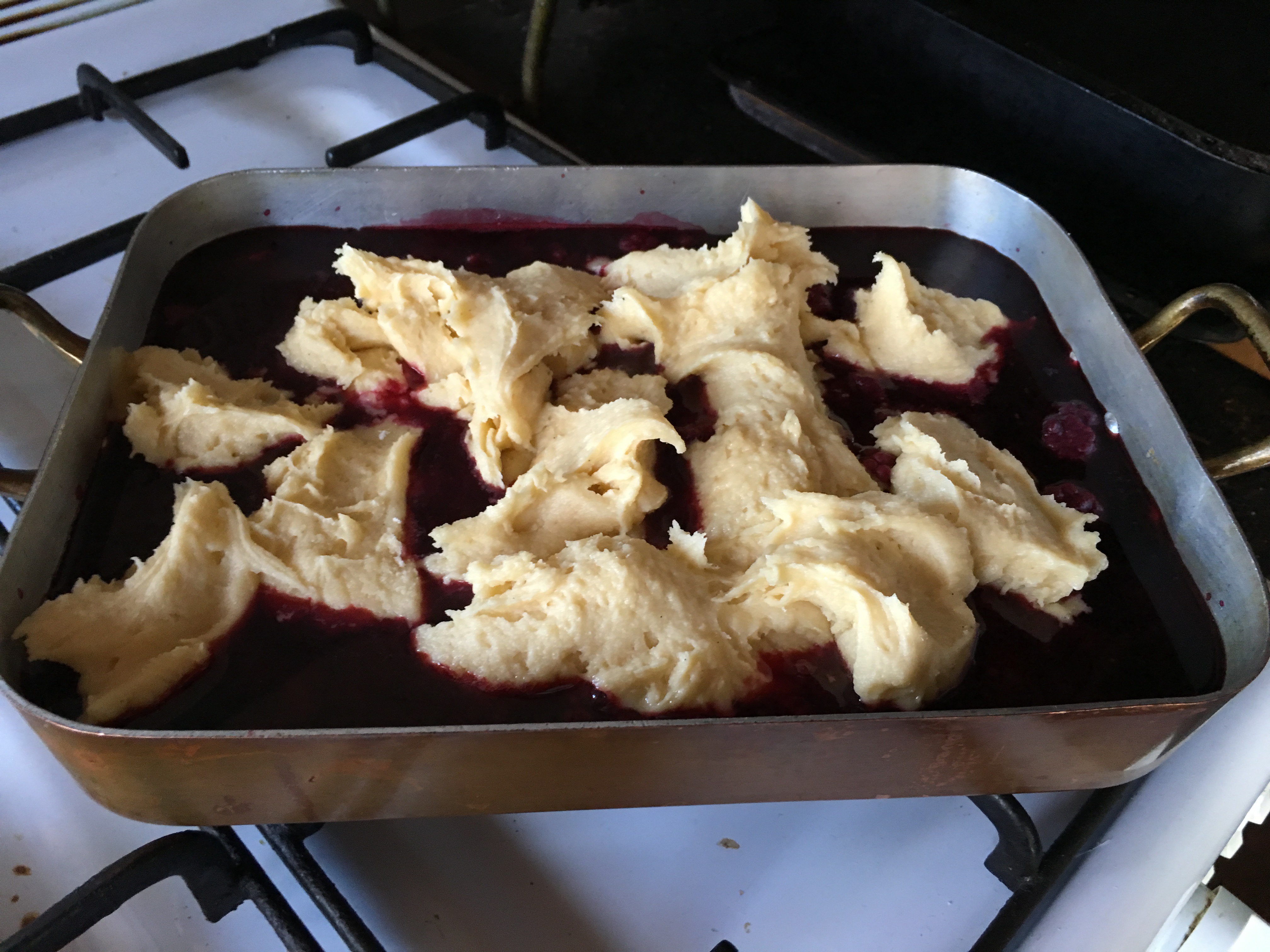
One particular recipe that is all the books is the sponge fruit pudding. The name changes a little, but the recipe remains pretty similar. It’s a lovely, warming, comfort food pudding for cold winter nights. Janine has developed her own particular variation, depending on what is in season or in the preserving cupboard. Tonight it’s preserved young berries that are going into the pud.

IMG_2555 IMG_2557

IMG_4247

This is Janine’s half-size recipe. Good for just two people. Double it if you want to feed more people

Take a 750 ml. jar of home made preserved youngberries. Pour into baking dish. Make a sponge topping as per your favourite Edmonds recipe, spoon it over the cooked fruit and bake until springy and golden. the recipe says from 35 to 45 mins at either 180 or 190oC, but My Sweet is cooking in the wood burning stove, so all the temps are a bit of a guess for us. She knows her stove now after 40 years and gets a wonderful result out of it. Cook until done!

IMG_2562 IMG_2567

Harri (son) Potter and The Three Headed Cabbage

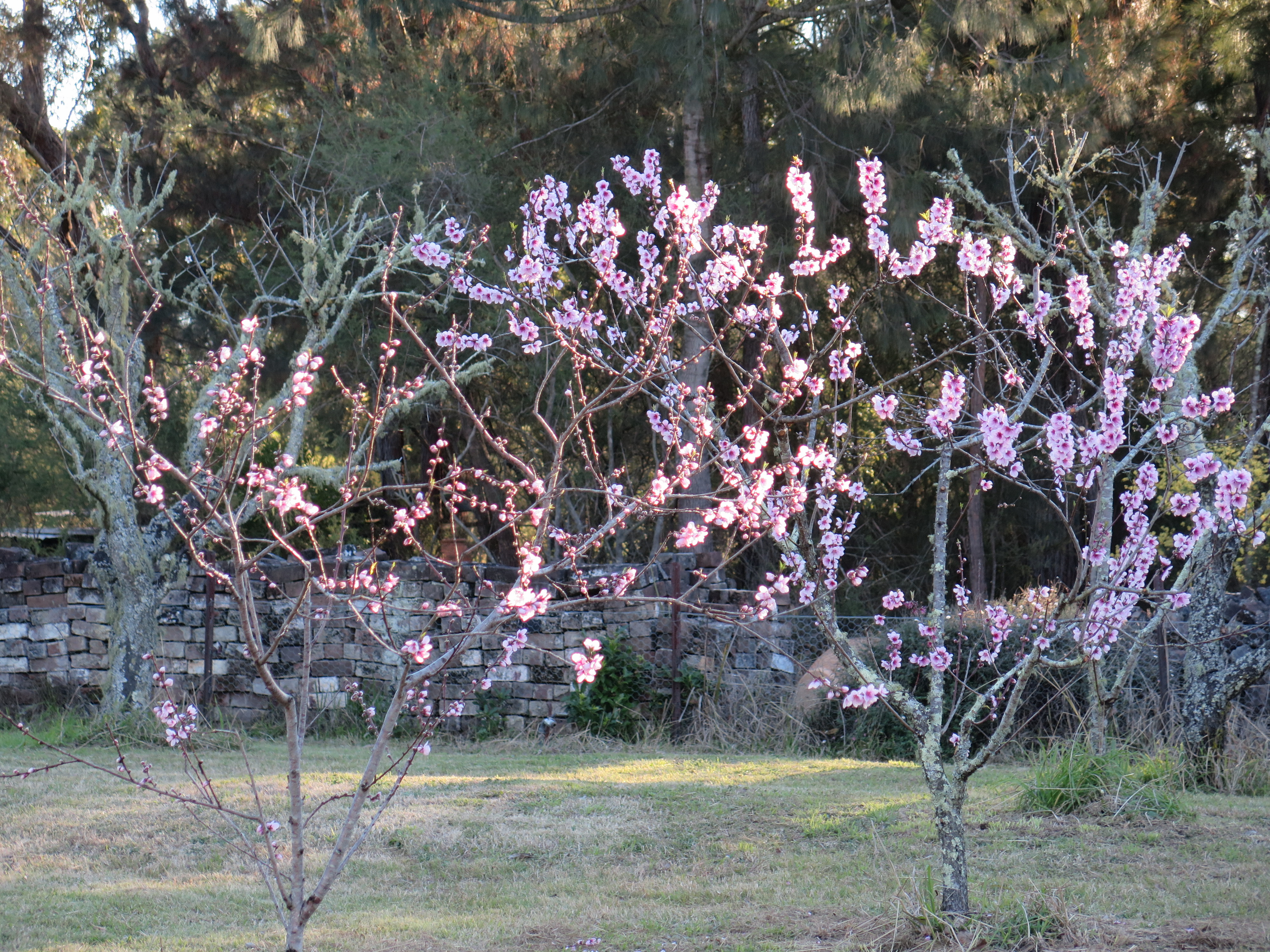
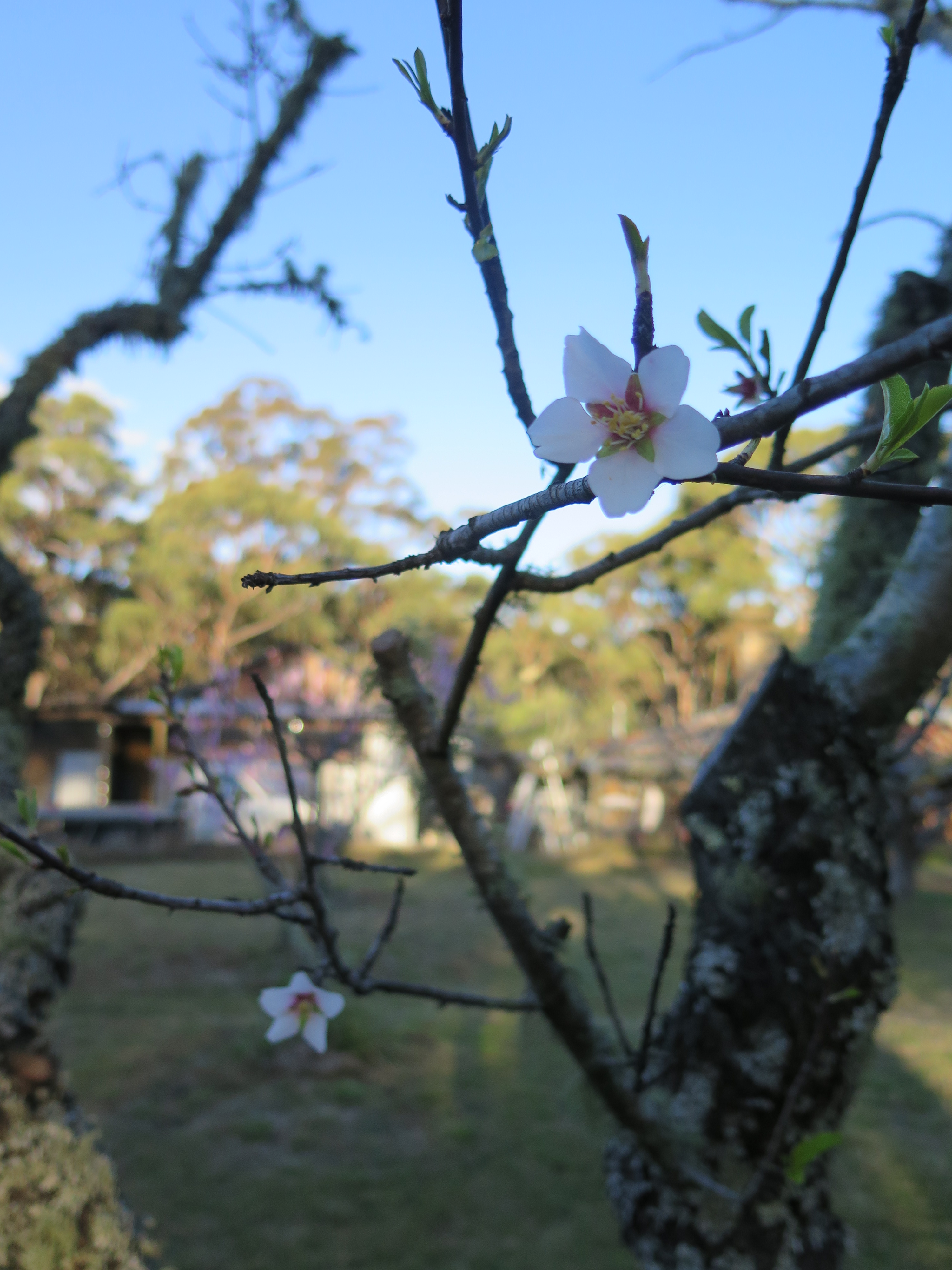
We are in that time of the seasons at the end of winter and just before the beginning of spring. I heard someone call this period ‘Sprinter’. The early peaches are out in full bloom now and the almonds are just starting to burst bud and show their first flowers.

IMG_4163 IMG_4166

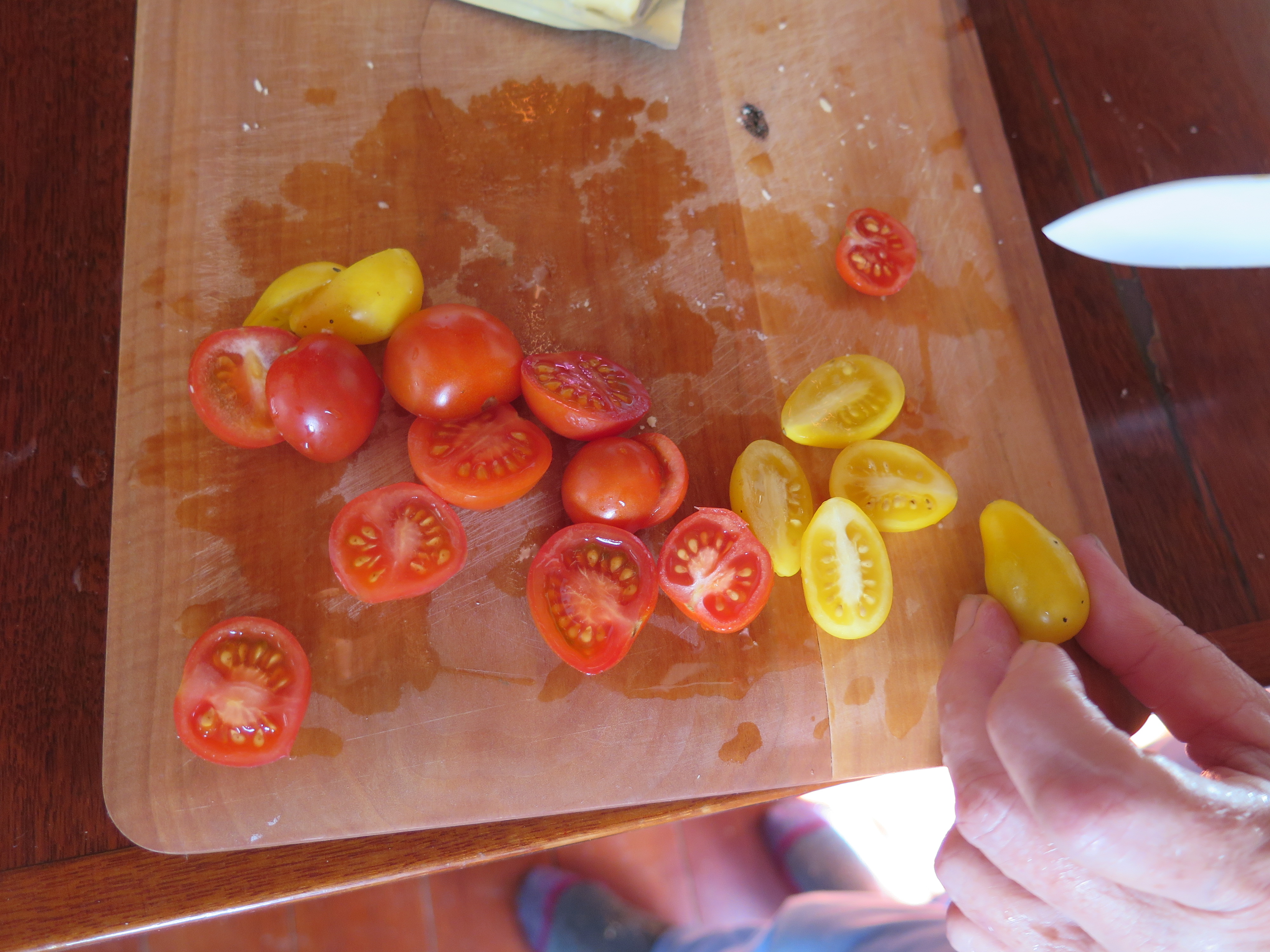
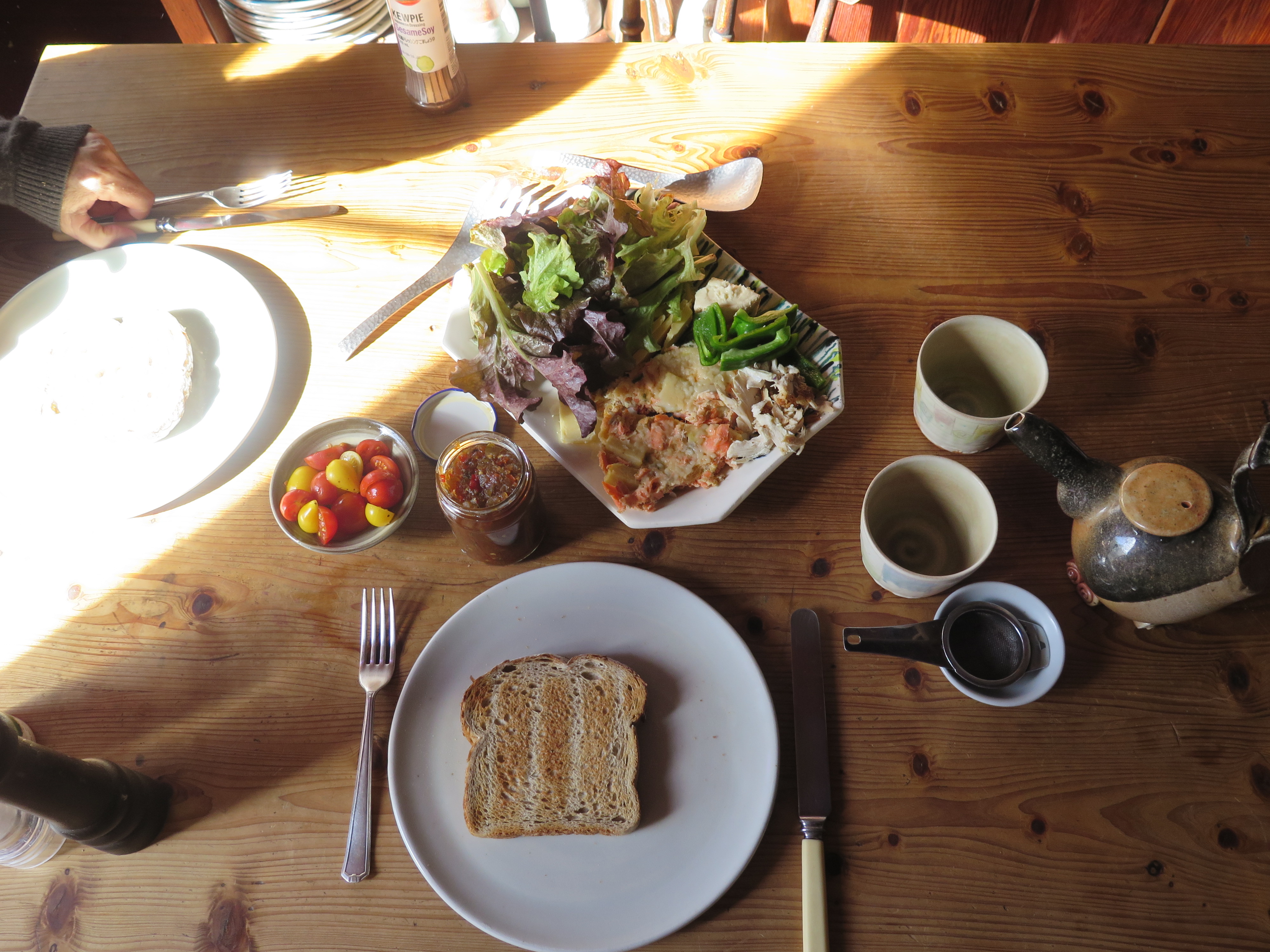
Janine knows a secret place just behind the stone wall of the citrus grove. A sun trap in the mornings where the last of the self-sown tomatoes were growing wild. The frost has burned off all the leaves, but the last of the fruit has hung on and turned from green to yellow and red over the past month and a half. It’s amazing, but Janine comes into the kitchen triumphant with a small bowl of tomatoes in mid winter. We have them for lunches over the next few days. On toasted rye bread with some blue cheese, or in a salad.

IMG_2547 IMG_4133

IMG_4134

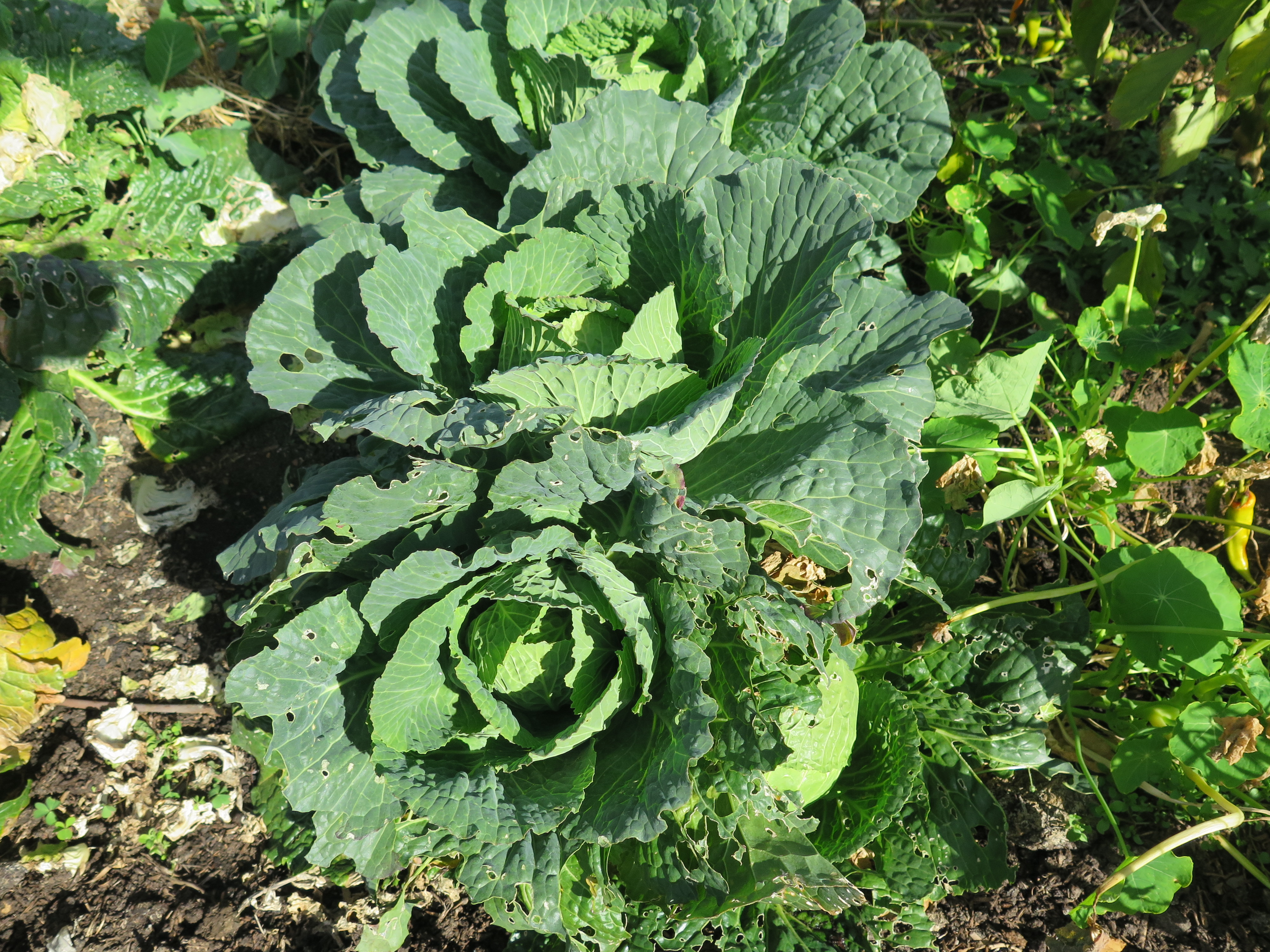
We have learnt over time that when we cut a cabbage and then leave it in-situ. The cabbage will re-shoot new cabbage heads, usually three smaller cabbages will replace the original one large head. The total volume of the 3 new cabbages is almost the same volume as the original.. If you cut these three heads off, then the plant will keep on trying to head up to seed and reproduce. The 3rd generation of multiple, small, cabbage heads rarely amount to much. They put out new shoots, but these rarely manage to form firm heads. They are however still good shredded up for stir fry and salads.

IMG_4231 IMG_4234

We have also found that brocoli responds in this way, giving a larger number of progressively smaller Brocolinis with each picking. We have kept a few plants going like this for months. They don’t seem to mind growing through into the hotter weather. Cauliflower on the other hand doesn’t seem to react in the same way. I think that it might be because they take so long to grow, that by the time they are cut and harvested, the weather is getting too hot for them to continue growing?

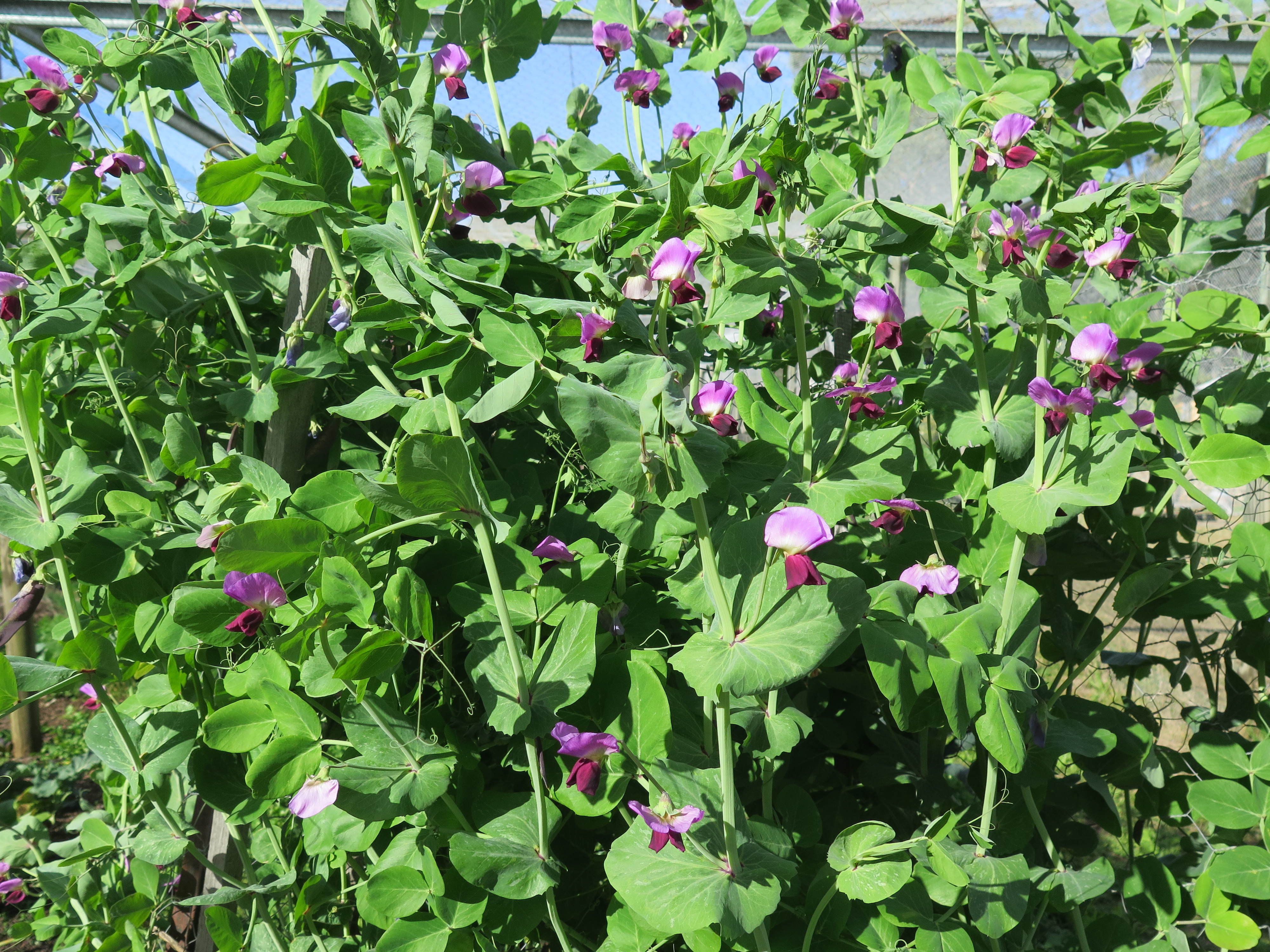
The peas are looking good at the moment. In full flower and starting to set a nice crop.

IMG_4237

I love sprinter. It is loaded with promises of warmer weather to come. I think that I can just start to feel the days getting longer.

A Potters Floor

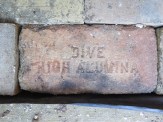
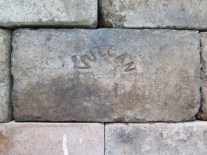
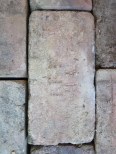
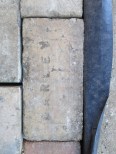
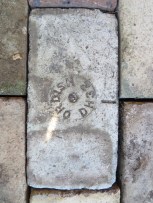
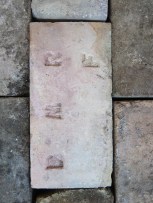
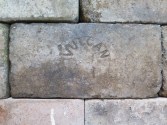
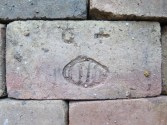
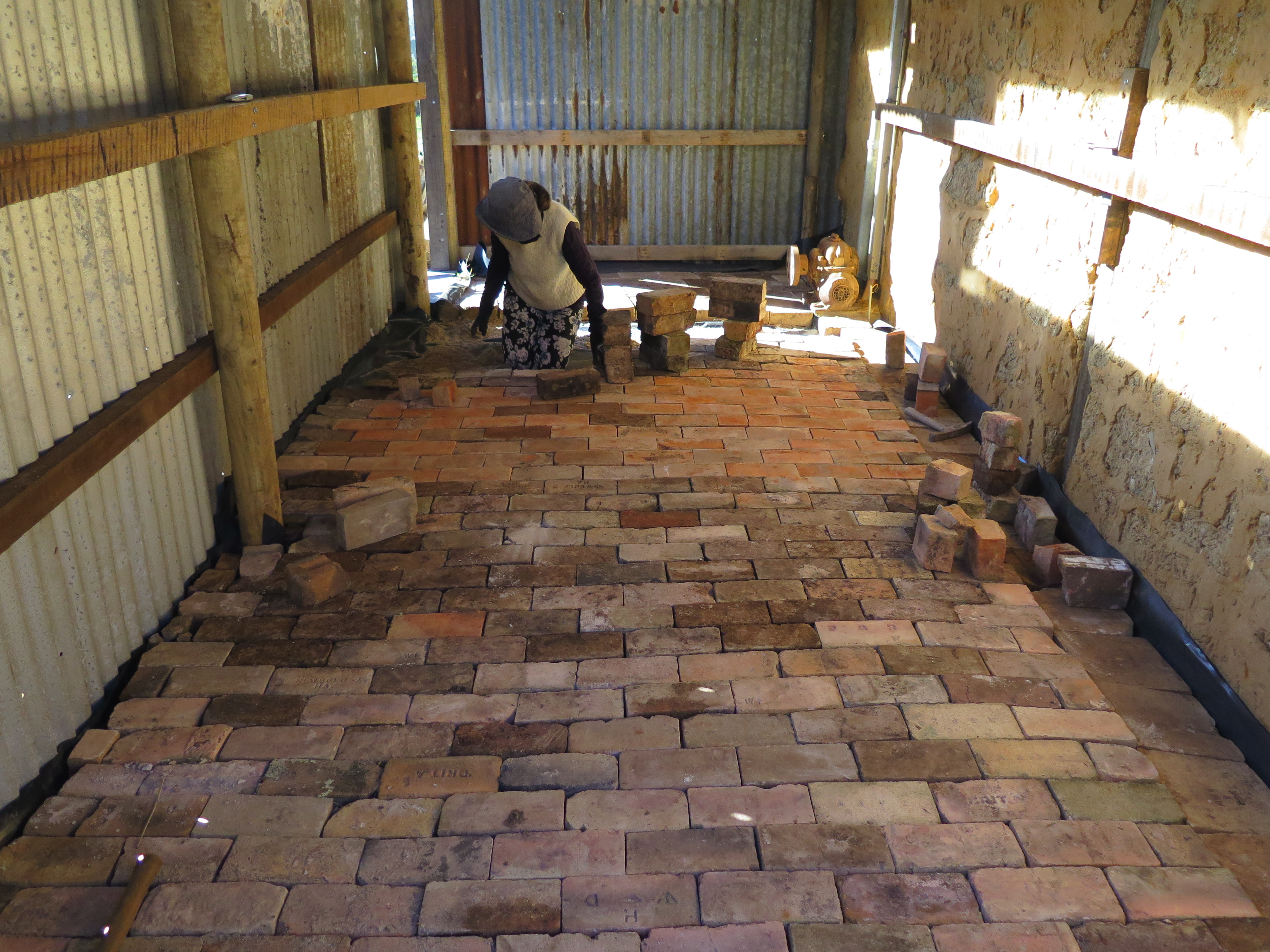
It just occurred to me as we swept some sand into the cracks in our new/old shed floor, that is made up of a mix of fire bricks and house bricks, that this is very much a potters floor and very appropriate. As I look down at the bricks and admire the patina of age and use, with all the varying hues and textures, I start to see the brand names of the various manufacturers.

Here in front of me under my feet is a brief history of refractory brick making in Sydney in the post war period. It doesn’t escape my attention that everyone of these companies that made these firebricks all around the Sydney region are all now gone and defunct. Everything is made in China now. In fact, I believe that I am probably the last refractory fire brick maker left in the greater Sydney area, if not all of New South Wales. I can’t think of any others, and we only make fire bricks for our selves, for use in our own kilns.

All of the old brick makers were bought out by the big multinationals and closed down. The sites were sold off for re-development and all the new stock of bricks were then imported. We don’t manufacture anything here anymore. We only operate warehouses for foreign multinationals to distribute imported product.

As the last Australian refractory brickmaker, perhaps I can look forward to being bought out by a big corporation? This might provide the superannuation that  I don’t otherwise have ?)

IMG_4184 IMG_4183 IMG_4202

IMG_4194 IMG_4195

 IMG_4187 IMG_4199 IMG_4189 IMG_4190

IMG_4191 IMG_4192

IMG_4195 IMG_4201 IMG_4186

Some of the above bricks are; Newbold General Refractories, Dive (Matraville), Illawarra fire brick Company, Waterloo Fire Brick Company, Woodall Duckhams, Vulcan, Bulli, Darley, Grit’A’, Ordish and Booths Medium Refractories.

This is in no way an extensive list, it is just the ones that came out of that small kiln that we dismantled, and the ones where the logo was laid upwards, so that I could photograph them.

We have lost so much in the past 4 decades.

The Accidental New/old Shed

e

I am preparing for a new research exploration project, but while I plan and organise, we decide to take a week off from the pottery to catch up on a few outstanding jobs. The weather has been beautiful all this week. The best winter days are like this with frosty nights followed by sunny days with no wind. Glorious days for working out side. We breakfast on marmalade and toast with coffee, and then the Lovely spends couple of days burning off all the orchard fruit-tree prunings to make ash for glazes, while I start working on the new shed.

IMG_4148 IMG_4209

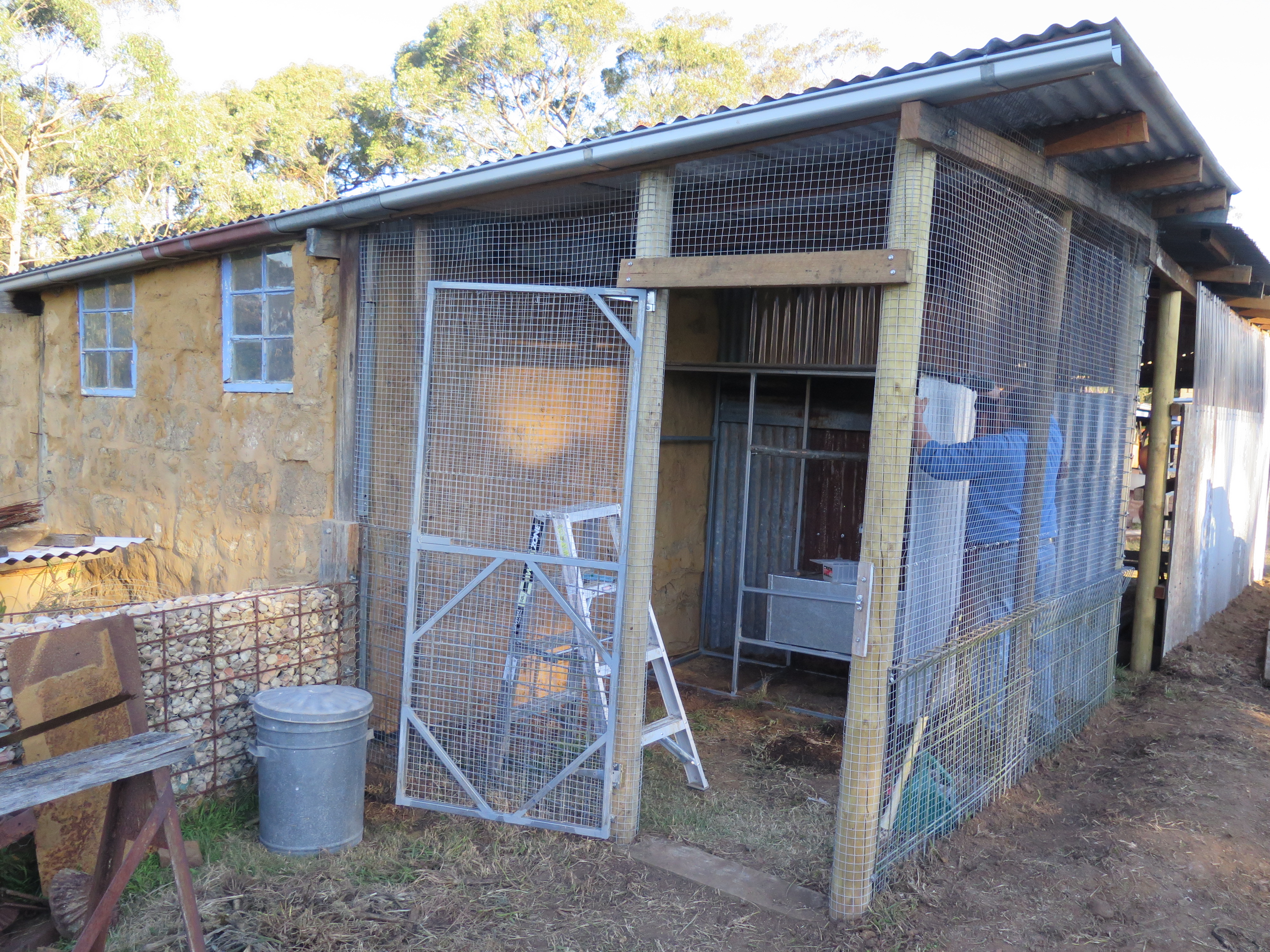
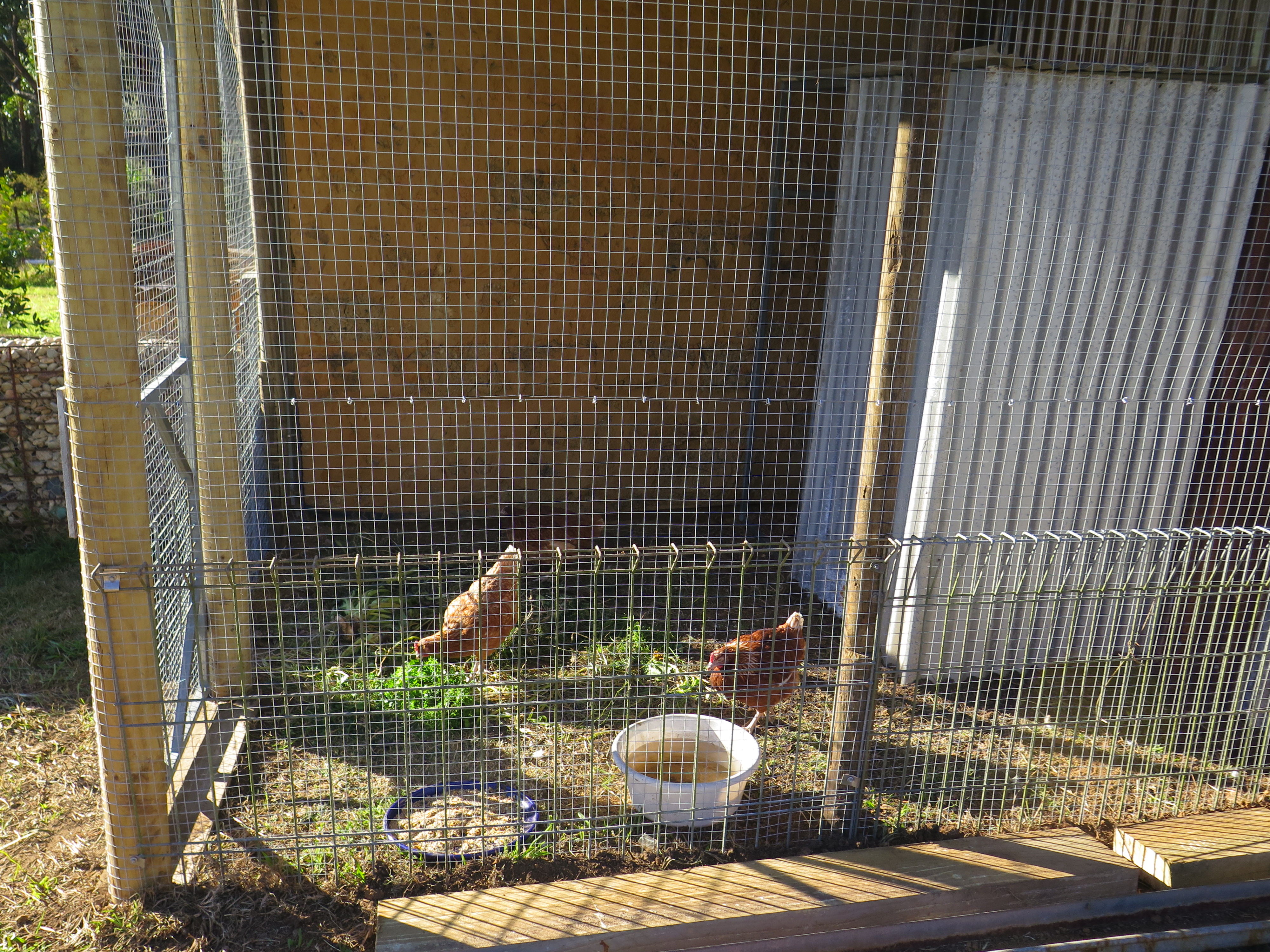
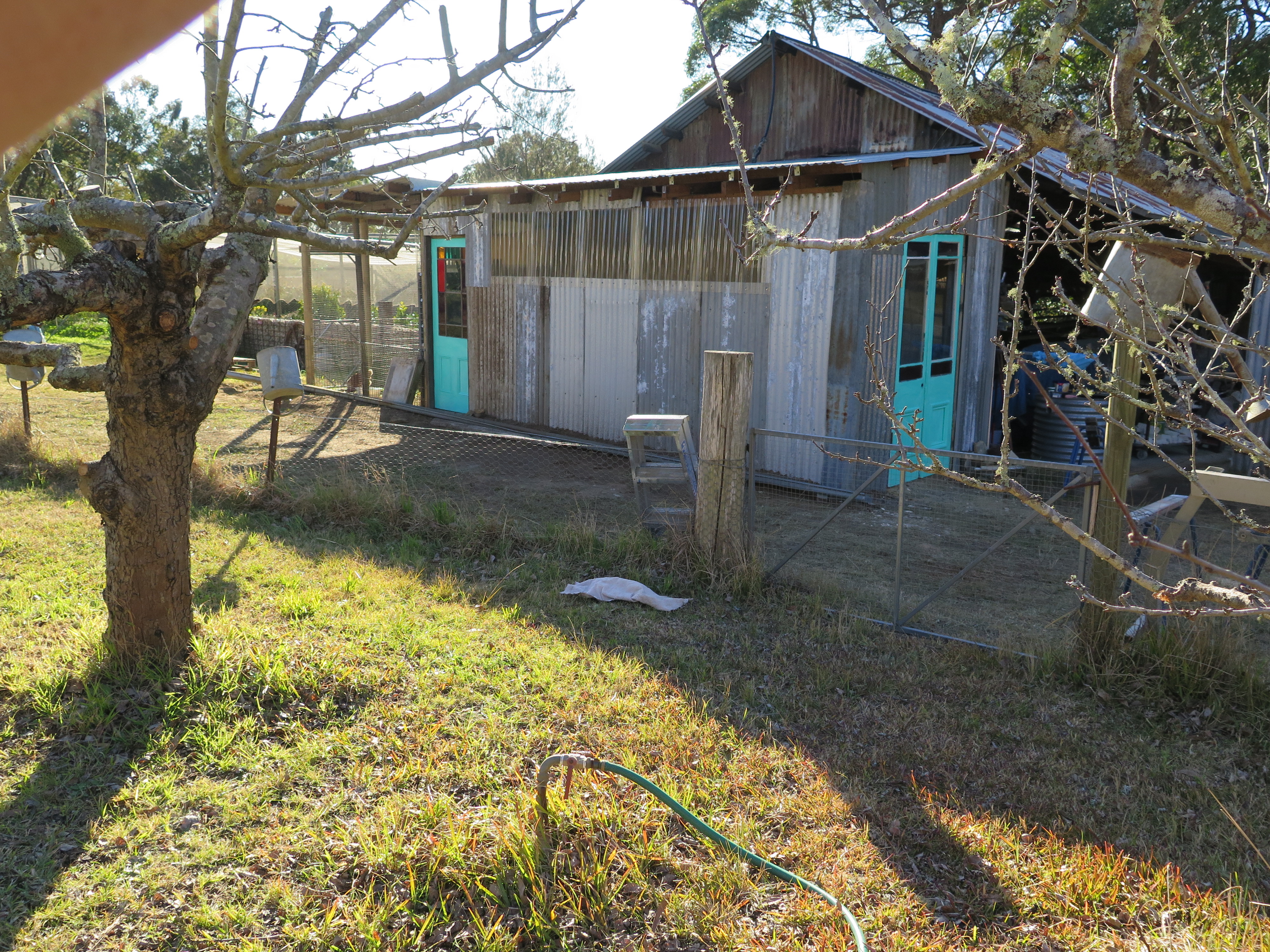
We decided to build an addition to the kiln shed to create some extra storage space, while at the same time it allows me to create some space for a new chicken coop. We raised chickens and ducks here for 25 years, but we had a rather traumatic event with a pack of local village dogs that killed almost all of our birds in one savage attack. The old chook shed was somewhat degraded over time and the wire somewhat rusted and frail. It offered no real protection from the frenzied pack of dogs. I decided that I wouldn’t get anymore chickens until I built a stronger, steel-reinforced chook run.

IMG_4157 IMG_4218

The time has come now and it is done. 25mm. square, welded wire mesh with 6mm dia steel weld mesh dug down into the ground 300 mm. We now have 3 brown chooks at point of lay and are looking forward to our own fresh organic eggs again. The chicken run is quite small, but we only want 3 hens. One or two chickens would be enough for us, but I’m told that a trio is a better number for their own comfort and companionship. Once they are settled in we will let them free range all day, just as we did in the past. Only locking them up at night to protect them from foxes. Chickens are very resourceful at finding their own living out in the orchards and paddocks. Only the vegetable garden is locked up and out of bounds to them. They can be very destructive in a garden, digging up seedlings and excavating large dust bath holes in the soft, moist composted soil.

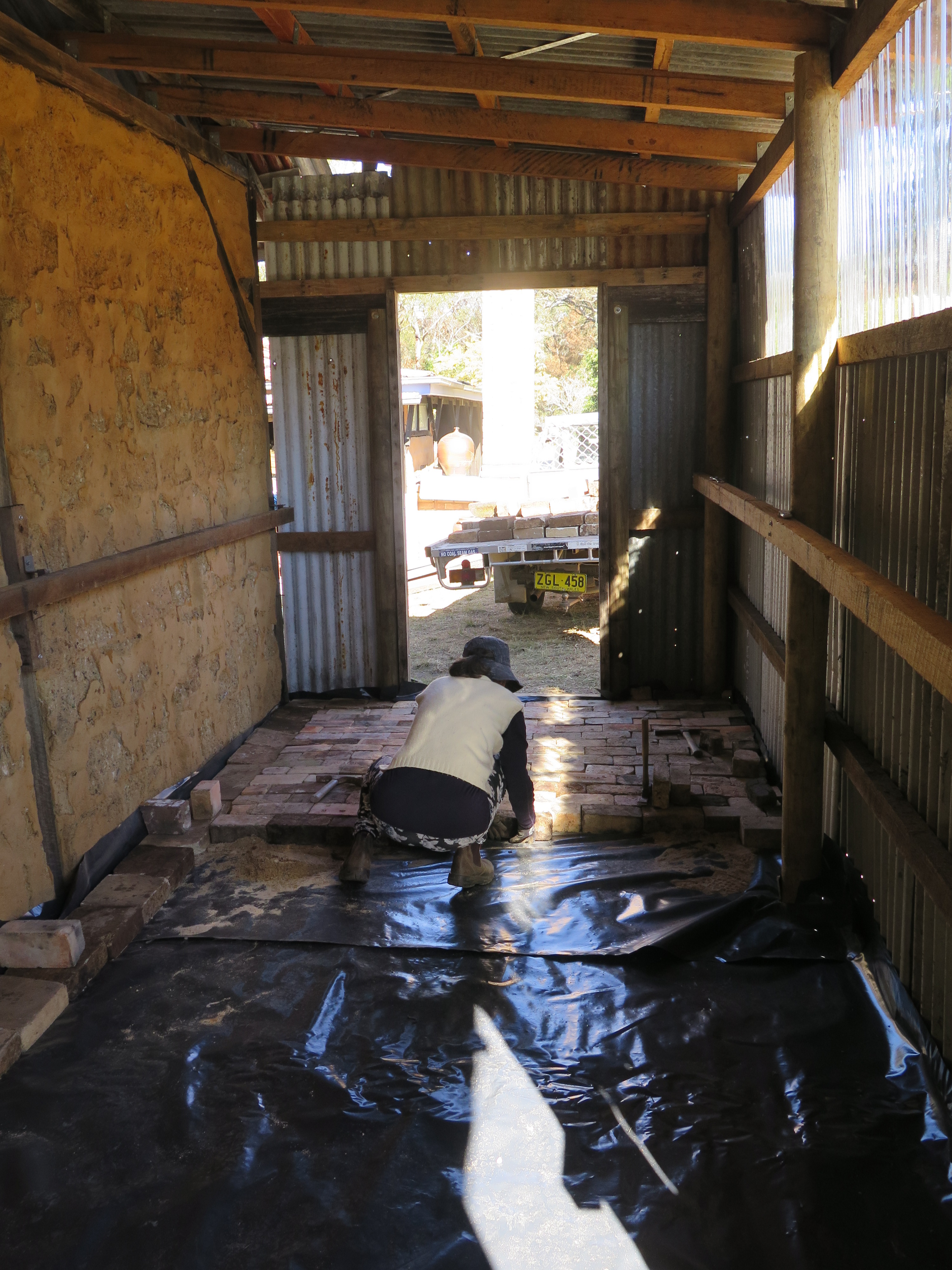
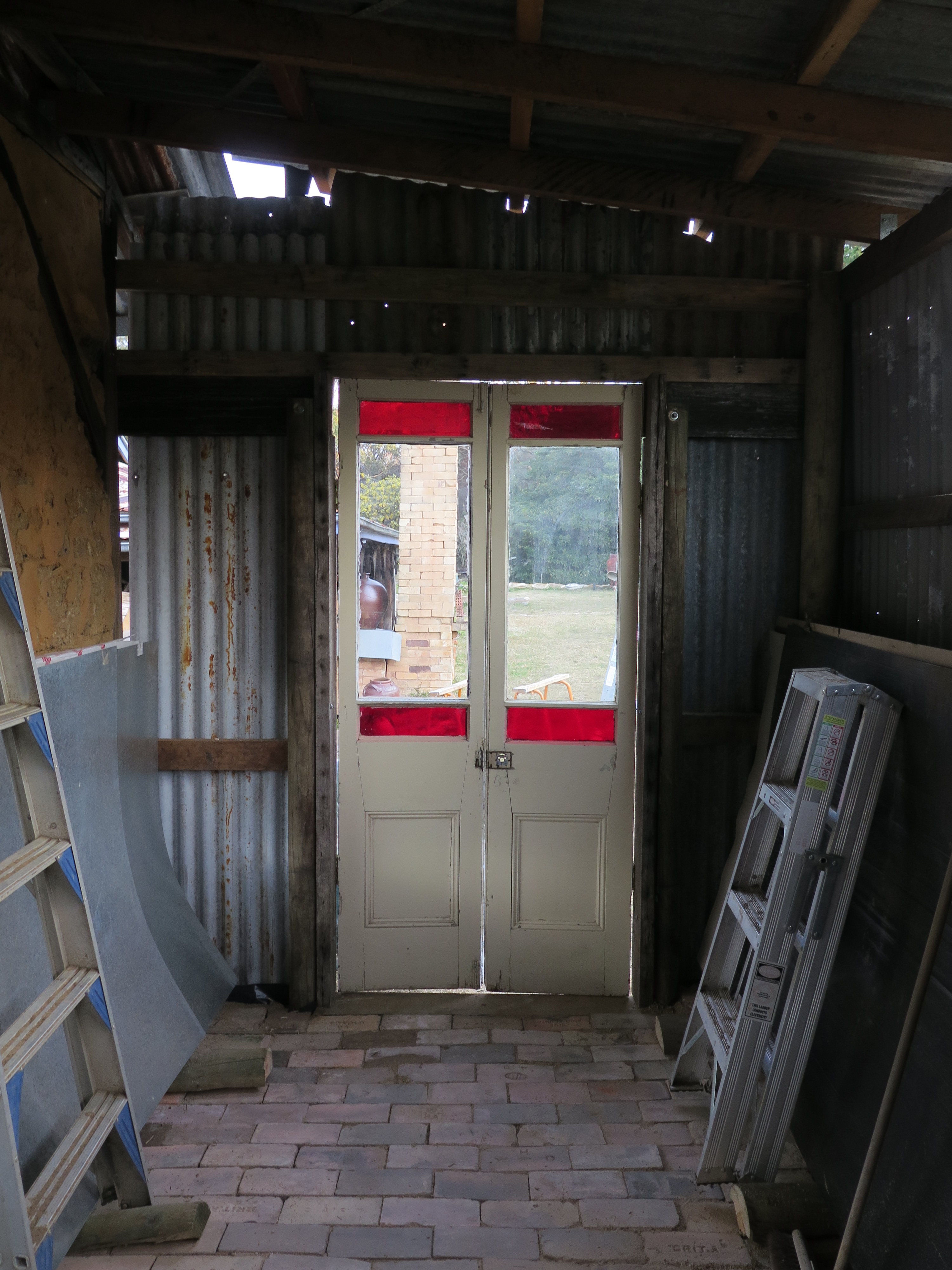
The other two thirds of the shed is a storage space for all the stainless steel sheets and other kiln building paraphernalia that I have to keep in stock, plus a small space for garden tools and the wheel barrow. We decide to pave the floor with bricks. This wasn’t in the original plan, but it seems the right thing to do to make the shed floor moisture proof and flat, so that I can wheel my brick cutting bench in and out easily.

IMG_4177 IMG_4179

IMG_4181 IMG_4205

We dismantle a couple of old, early wood fired kilns that have been in the garden for over thirty five years and are no longer used. The used bricks have a lovely patina of use and age about them. We lay them over a sand and black builders-plastic membrane substrate to keep the shed dry. 500 bricks later, it all comes together rather well. A good days work to dismantle, clean, stack, transport and lay all these bricks in one day.

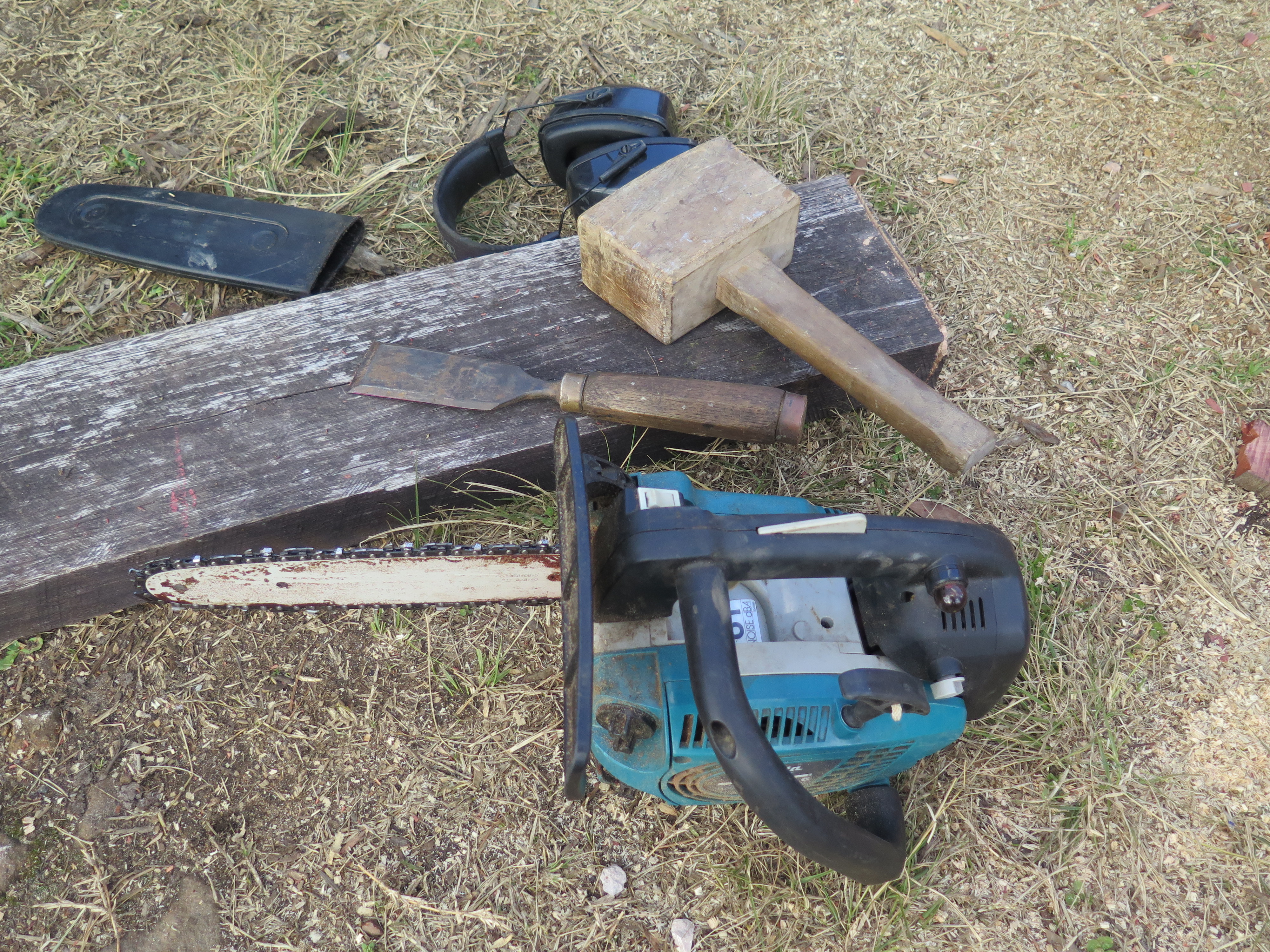
This shed is built from nearly all recycled materials. I only had to buy a few sticks of hardwood for the rafters, nearly all the green poles were recycled from vineyard trellises and the iron sheeting for the walls and roof were all given to us when friends re-roofed their house. To complete the build, Janine suggests that we use some french doors and a solid timber single door that a friend found on the side of the road at council clean-up day and delivered here to us thinking that we might be the kind of people that could find a use for them, and we have. We get stuck into it and don’t seem to be able to stop until it is really formally finished. We hadn’t planned for such a proper shed. It started out as just a lean-to roof to keep the rain off the mud brick wall and an excuse to re-build the chook shed.

5 days later we have a beautiful dry, flat, level and secure, well-lit shed. It’s a thrill and a novelty to be able to let an idea go for a walk and have it end up so beautifully. Just using what recycled ‘rubbish’ we have collected here from what others have thrown out. It is almost too good for just storage. I didn’t intend to do this project, this week. I have a lot of other things that I have to do, but here it is and I’m really pleased with how it has turned out.
IMG_4210 IMG_4214 IMG_4212

We put a bit of effort into restoring the old doors. I need to replace a broken sheet of glass in one french door, which Janine organises and putties into place beautifully. There is one broken sheet of gold-red glass in the single door. We don’t even bother to get a quote on that. It will be too expensive to justify for a shed door, so I cut a small piece of perspex and we paint it with red poster colour – you can hardly tell. Once the doors are cleaned and painted, we end the week with a new/second-hand, recycled shed built for just a few hundred dollars and using a modern combination of old and new tools – because I can.

IMG_4216 IMG_4219 IMG_4172

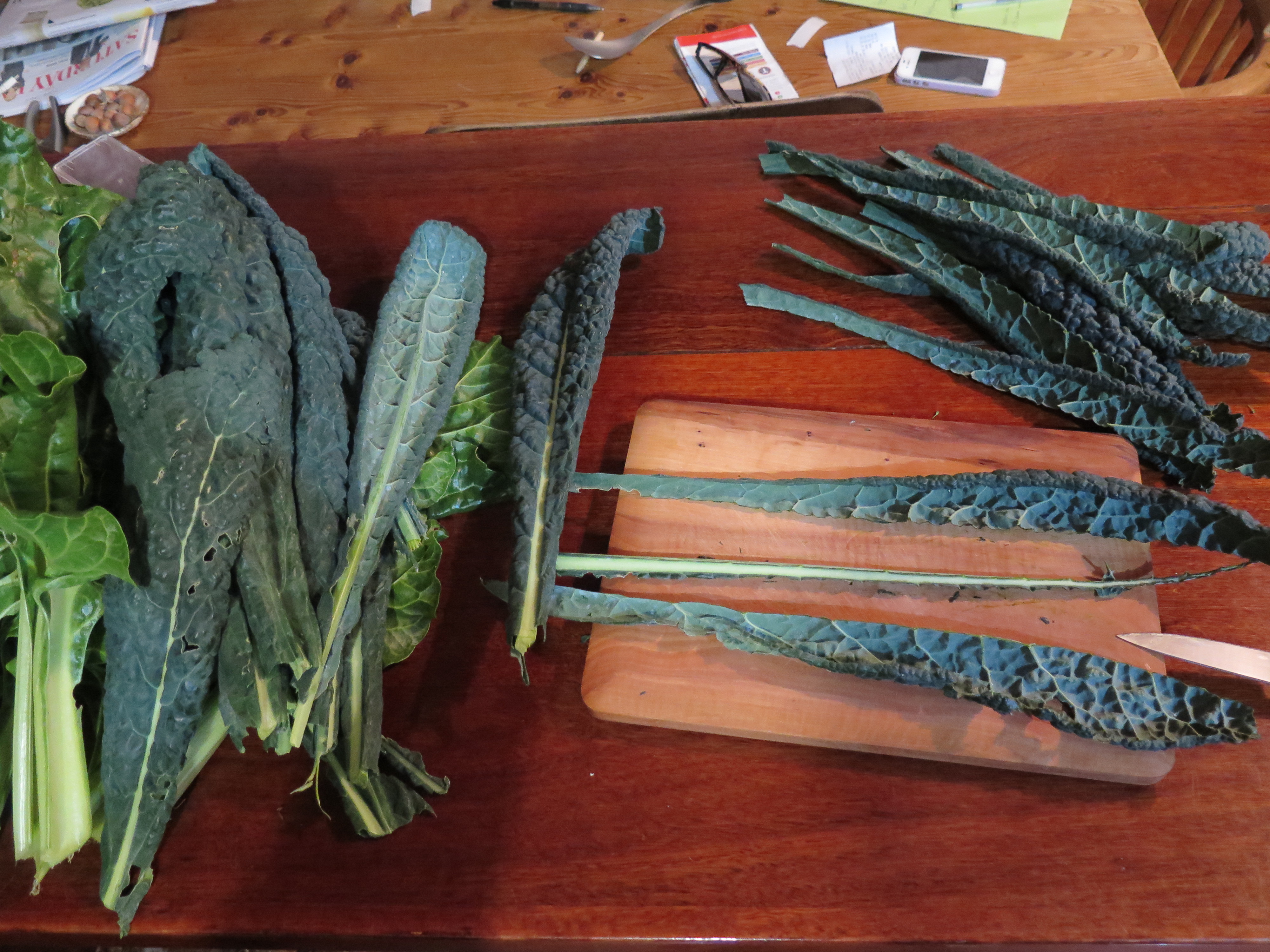
We dine on steamed kale from the garden with our own home dried tomatoes and mushrooms, all softened with a little ricotta and some diced feta for texture.

IMG_4136 IMG_4139

IMG_4138

All suitably self-reliant for a hard-working couple of amateur builders.

The Short Days of Winter

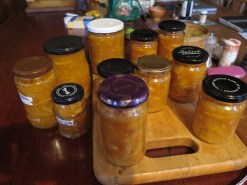
We fill the short days of winter with lots of busy, necessary work. Pruning, preserving and cooking. We are both making marmalade at the moment, in our own respective ways, using the methods and recipes that we have each developed over the years. We have quite enough now to last us for the rest of the year.

IMG_4102

Even though the days are short and the weather is cold, the garden is still producing all our  meals. One or the other, sometimes both of us, go out to the garden at dusk and pick what is at its best and just bursting to be eaten. Food is plucked direct from the garden bed, into the basket and is cooked and on the table within the hour. It just couldn’t be fresher, or more rewarding. I have managed to scale and time the plantings through the summer and autumn, so that there is still enough green produce coming through now, even though everything has slowed down considerably.

IMG_4113 IMG_4114

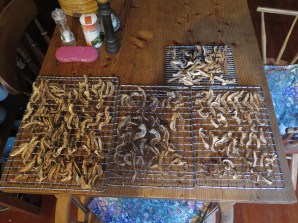
I collect more mushrooms from the recent fungal blooms. I give them a good scrub with the bristle brush and clean them up and make them presentable. There is always bits of grass and other organic ‘natural’, but unwanted ‘stuff’ stuck to them. I slice them and lay them out to dry.

IMG_4104 IMG_4105

Once crisp, they are added into our stock of dried fungi in the glass jars on the kitchen dresser. We collect more of them as they appear and have fresh mushroom risottos, almost every night for a week. Each time with a different vegetable from the garden. Broccoli, cauliflower, brussel sprouts, capsicums and carrots.

IMG_4119 IMG_4120 IMG_4122

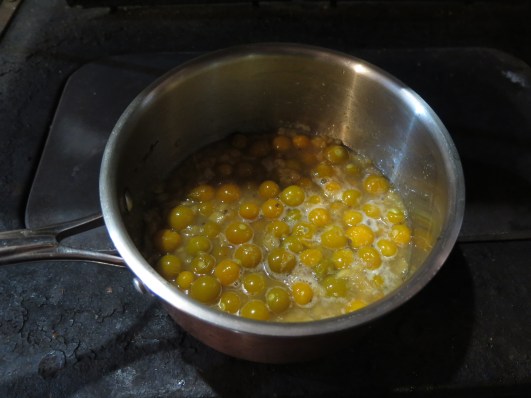
We have loads of golden berries coming on at the moment. Janine makes golden berry (gooseberry) and feijoa fruit mince and uses it to fill a fruit sponge, served with Edmonds custard. It makes a marvellous pudding. It is tangy, sweet and mouth-wateringly luscious and smooth. I have two helpings.

IMG_4106

We have spent the last three days pruning the stone fruit trees. Everything is dormant and deciduous at the moment. Except the earliest peaches, that have started to flower already. We work steadily and meticulously. Opening out the centre of the trees, restoring the ‘vase’ shape. Removing the water-shoots, thinning, shaping and pruning to an outward facing bud.

IMG_4111

IMG_4128

After 3 days of muscle challenging constant work, we are tired, but very pleased with our selves. We have finished pruning our 100 or so trees and spent an equal amount of time dragging all the spent and removed branches down the back to the burn pile and stacking it all up ready to be burnt in a months time, when it has dried out enough to sustain a fire that will purge the pruned wood of any disease and fungal spores that might otherwise infect the orchard trees.

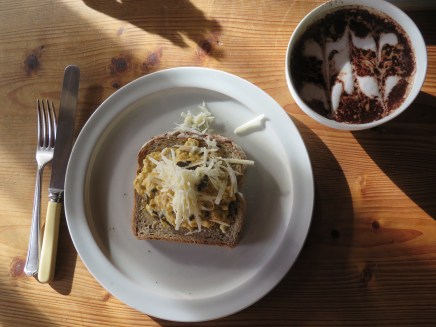
We celebrate with a lovely dinner of wild mushroom risotto, collected directly off the lawn outside the back door, and then a great fortifying breakfast of truffled, creamed eggs. It looks like this will be the last truffle for this season, so we make the most of it.

IMG_4123 IMG_4125

IMG_4126