Baking Dishes and Mixing Bowls

I’ve been back in the pottery on the wheel on and off all last week, but also fitting in some pressing needs to complete preserving and pickling, tomatoes mostly. We must have sufficient for almost 2 years now. It’s been such a huge crop and they’re still coming.

In the pottery I have been making baking dishes and Grandma style large mixing bowls with a pouring spout. They are fun to make and were very popular last year. I sold out, with only one small mixing bowl left in stock after Xmas. I make them out of my rough crushed shale clay mix. It wood fires really well and has an open texture that is really good for oven use.

I’ve made them in 3 sizes, S, M, L. This is one from last years batch, beautiful flashing on the body and glaze from the wood firing.

The old style cooks mixing bowls also all sold out. I remember fondly the one that my Mother used all her married life. It was exactly the same as the one her mother had, both brought over from England on the ‘Orient’ Line ships at different times.

I decided to make these so that I could have one for myself, but I sold them all, so maybe there will be one left from this batch? I usually end up with pots that are second grade pieces, with some tiny fault, Our kitchen is full of pots like this. That’s how we get to keep them.
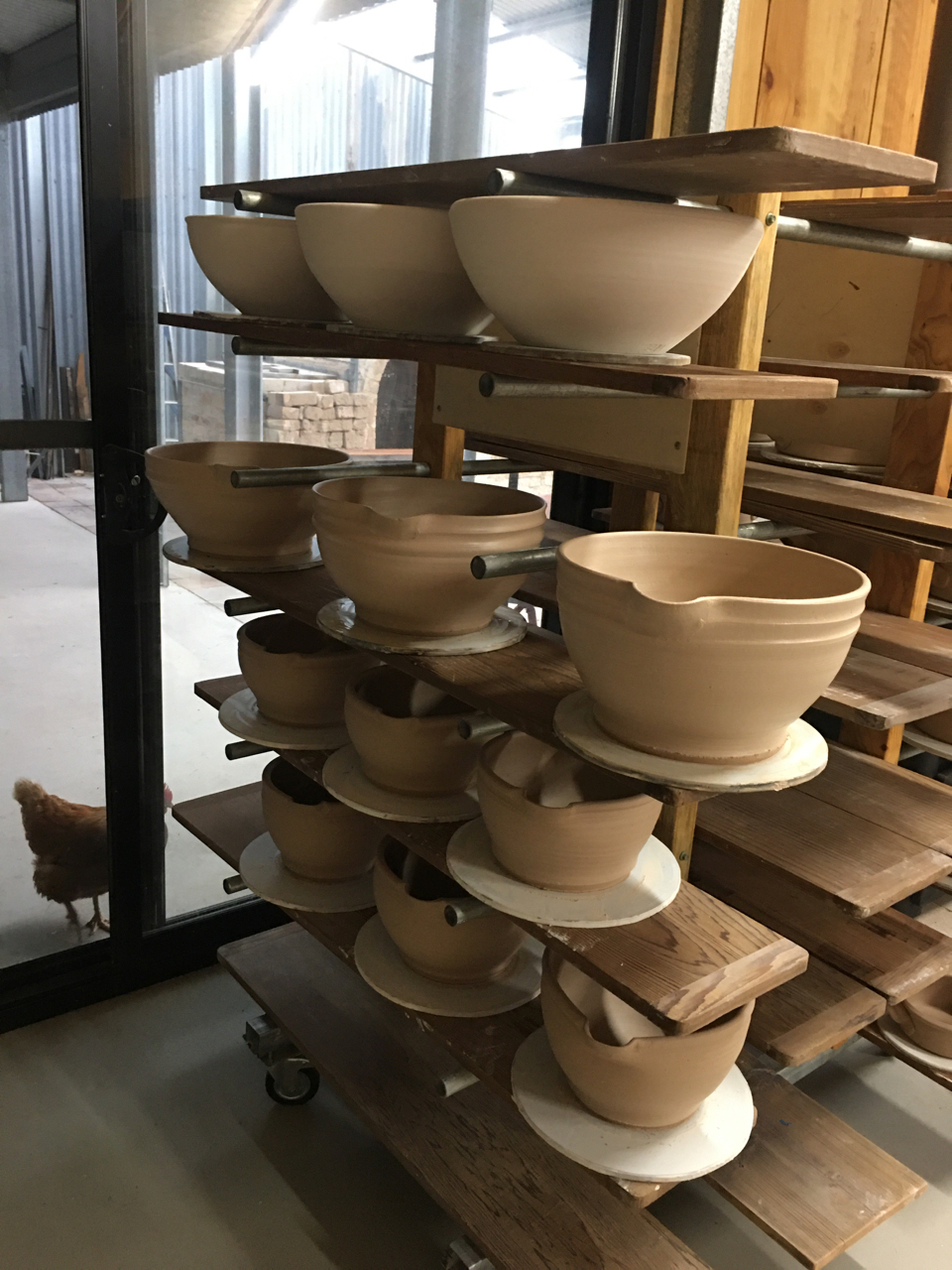
On this side of the drying rack, I have also made 3 bathroom sinks for a customer who lives locally and asked specifically for a sink with one of my rock glazes on the inside and unglazed and wood fired on the out side. I couldn’t do that order till now, as it is not realistic to try to fire the wood kiln over the hot dry summer. Just too much risk of fire bans coming into force half way through the firing. That would be a disaster too awful to think about. So we just don’t attempt to fire during the hotter months.

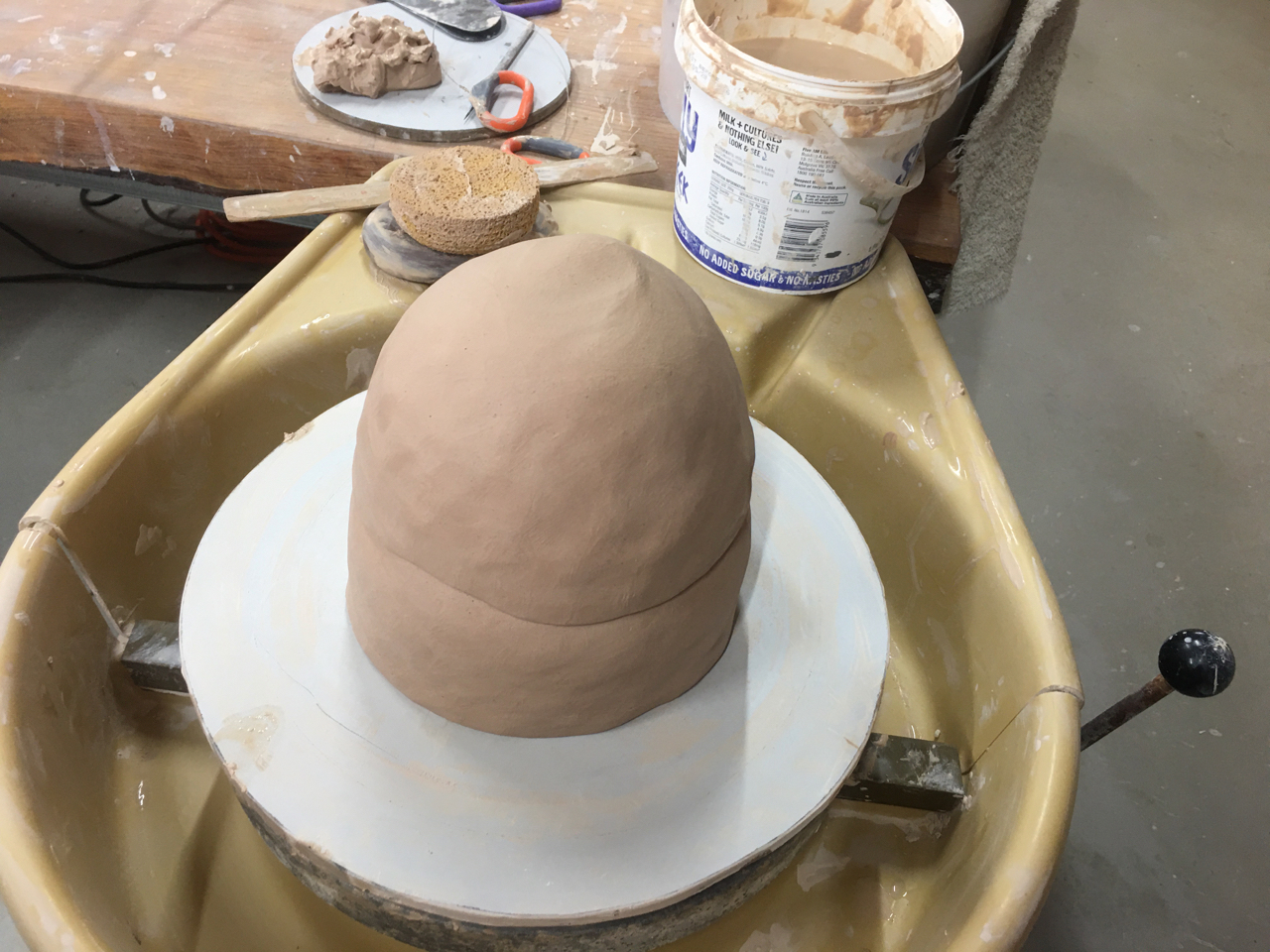
Some of the bigger mixing bowls are quite large, measuring 300mm. dia. and are made from 5 kgs of clay. My ageing wrists are not happy with wedging 5 kgs any more, so I wedge the clay up in two smaller lumps of 2.5 kg. Then join them back together on the wheel. I learnt to ‘slap’ the plastic clay into the centre of the wheel with my hands while still dry. No water involved in this centering technique.

The first 2.5kg lump is slapped into place and rounded off while I rotate the wheel head very slowly. Not using the motor at all, just a slight flick of the wrist as I lift my hands up. This turns the wheel head just 10 mm. each time , so that the next ‘slap’ will be an equal distance apart , so the clay slowly finds the centre. Once it is just about right. I add the 2nd 2.5 kg lump and start the centering all over again.
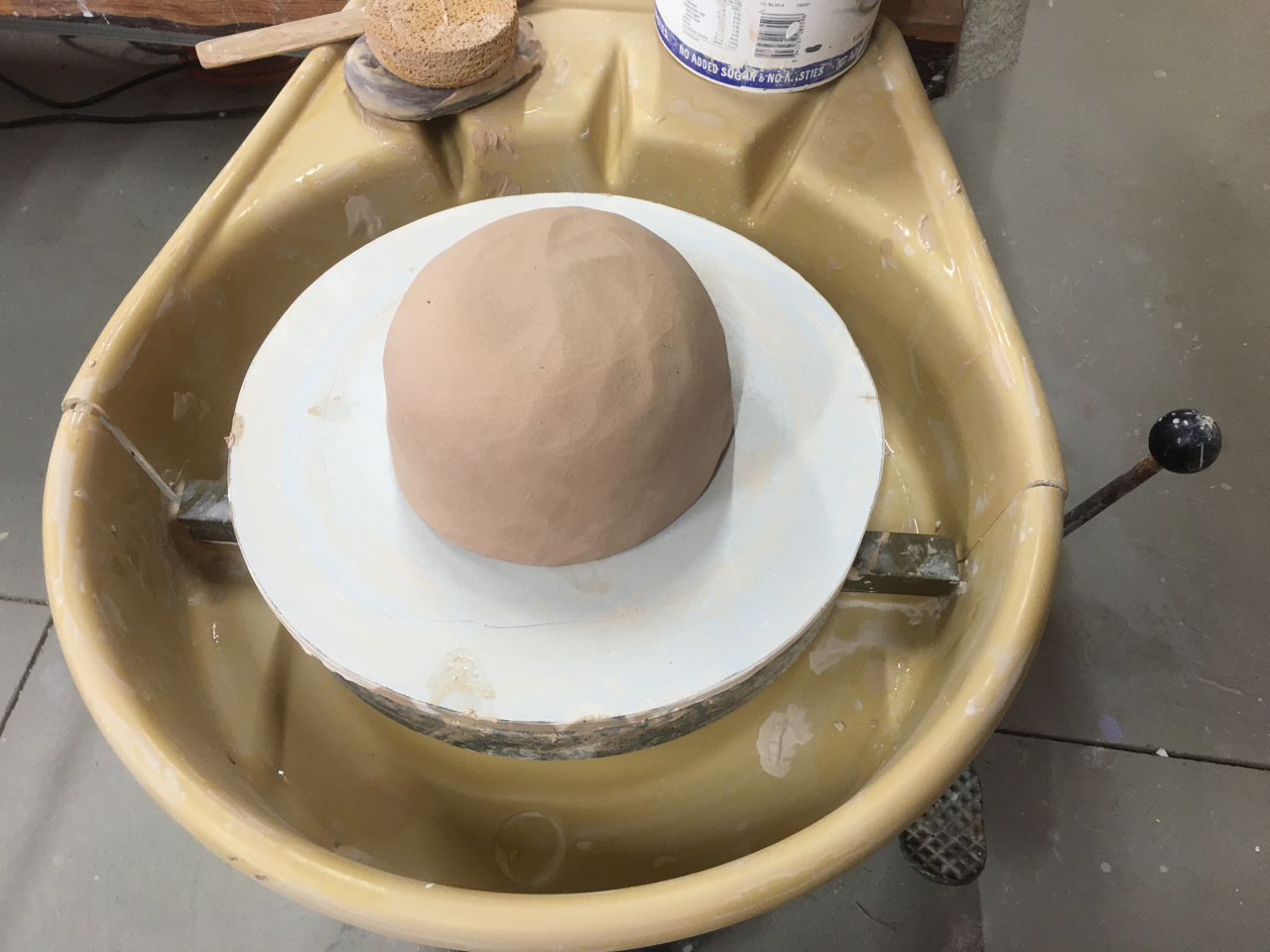
Once the whole 5 kgs are centred, then it is time to punch out the centre, slowly and gently, bit by bit. Lots of little hits while the wheel is very slowly rotated, just as with the first stage of the technique.
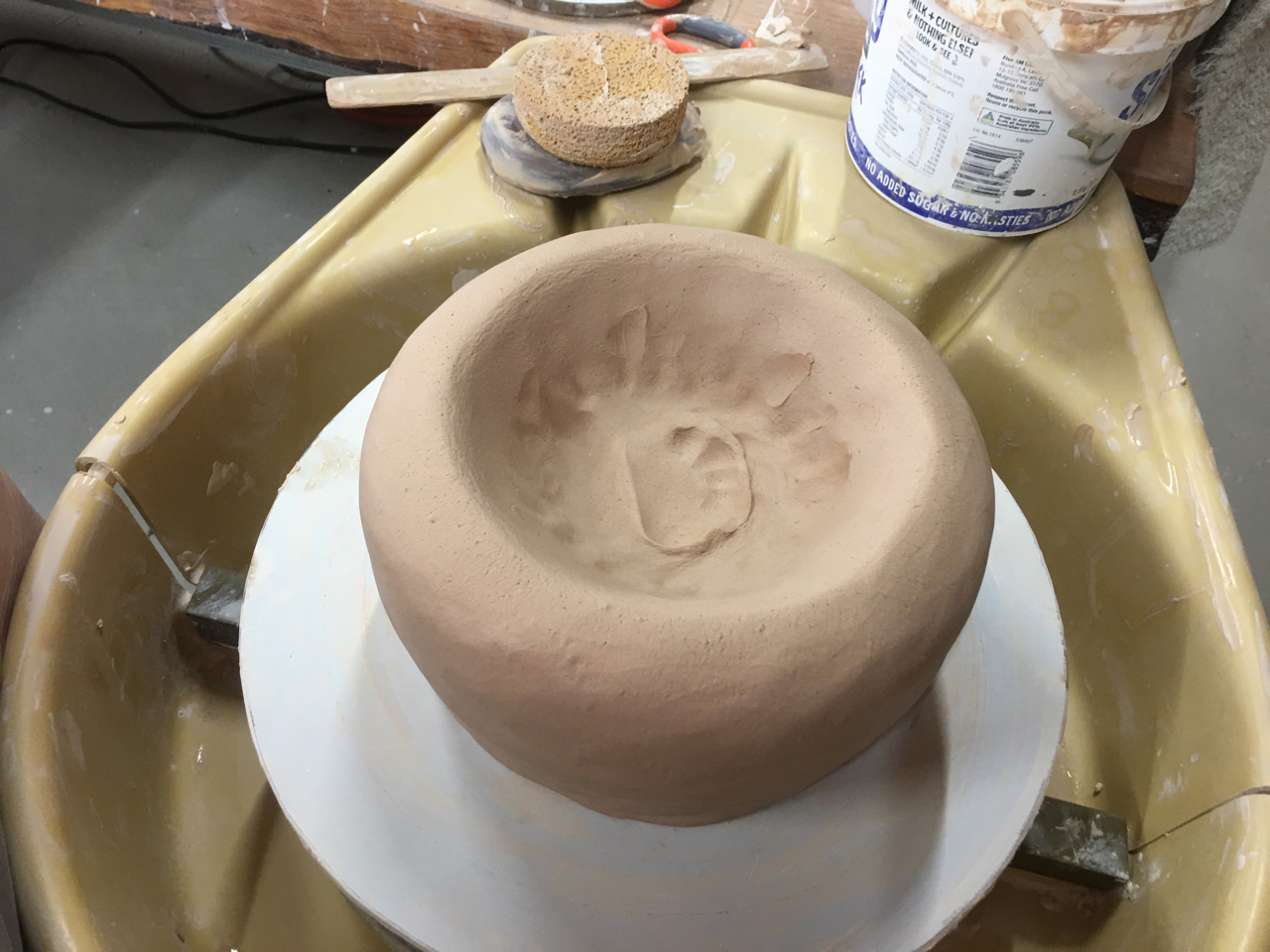
Once the lump is opened up evenly. I ‘slap’ the outside again with both hands evenly to get the lump back into a tight cylinder again.
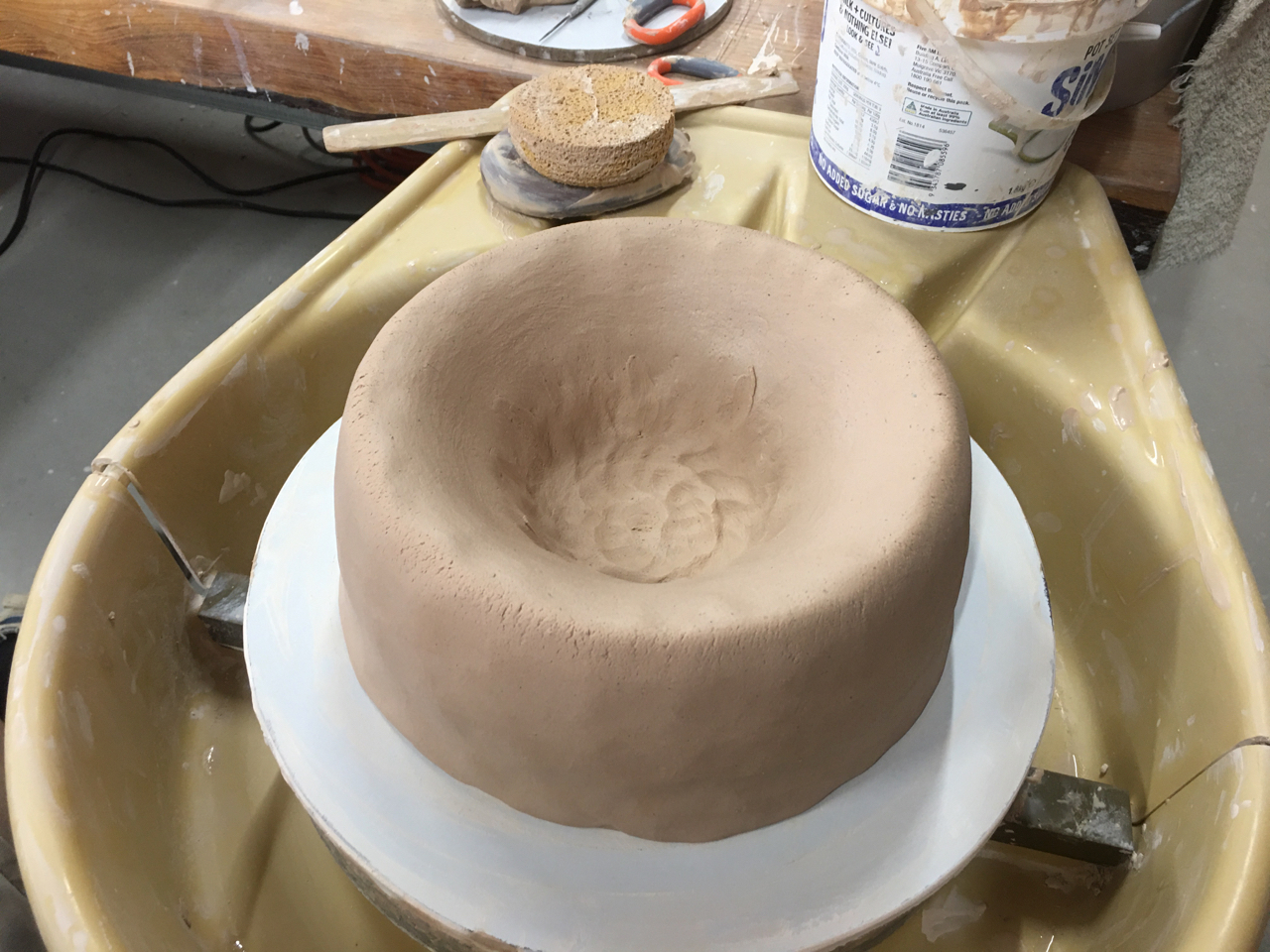
The 5kgs are now centered, tightly bonded to the batt, and opened up ready to throw in a conventional way. The great beauty of a technique like this, is that half of the throwing is now complete, certainly the difficult and very stressful and high energy centering part, and the clay is still dry and ‘fresh’. With no water added up until this point, the clay hasn’t had a chance to get soggy and tired. It is also possible to stop at this point and take a little rest if you are new to the technique and need to rest your self for a minute or two. This is not advisable if you have already wet the clay and started throwing.

Once you have wet the clay to smooth out the surface and start the throwing proper, it’s best to just carry on and not stop for any reason.

Meanwhile in the kitchen, I have been dealing with the great tomato explosion. This week besides making more passata, I made a couple of batches chilli jam. My friend Ian gave me his recipe, which has a lot less sugar and a little more spice than the one I got off the internet some time ago.

2 Kilos of tomatoes boils down to just 4 small glass jars of chilli jam once it has been reduced and concentrated.

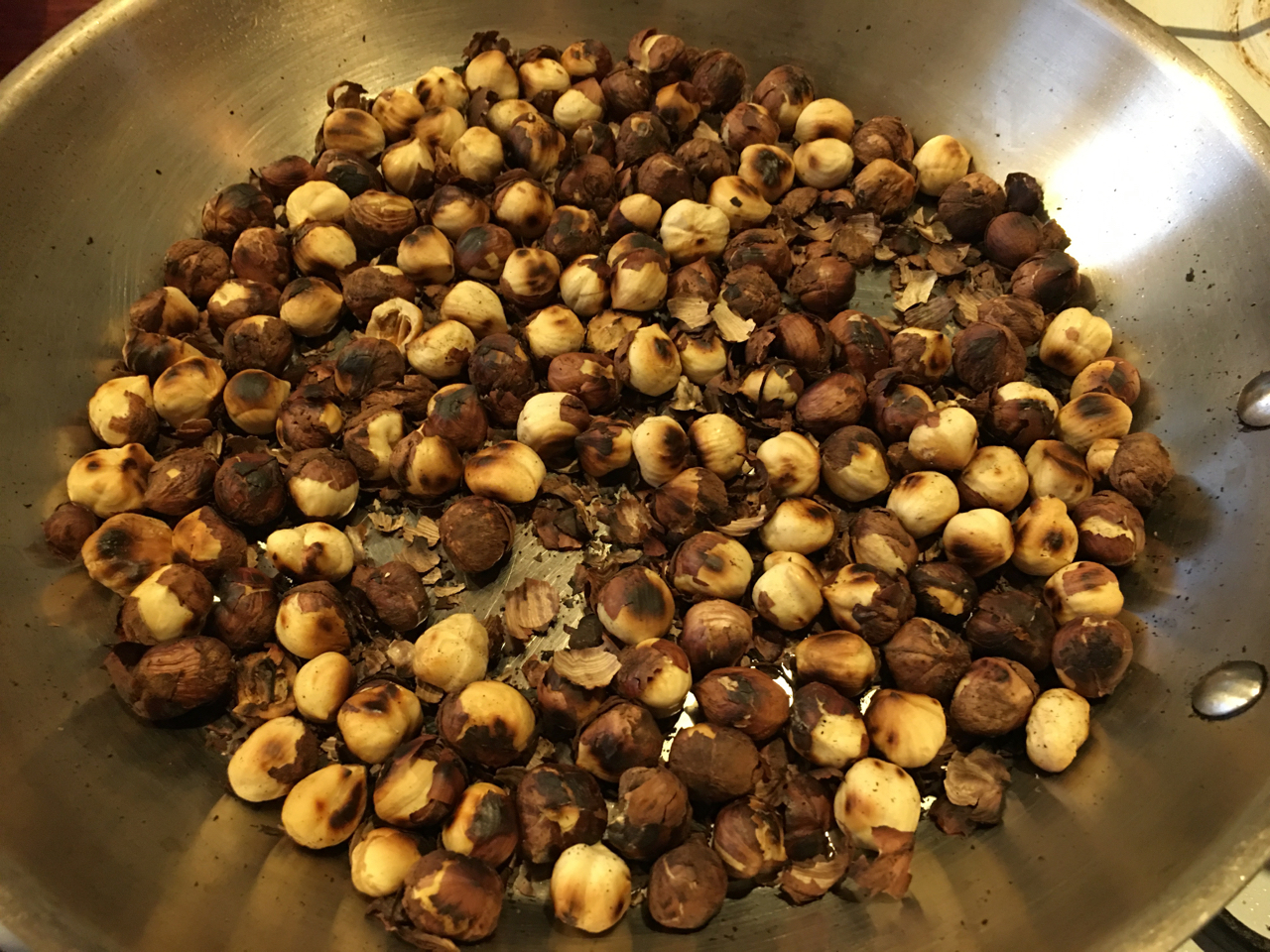
Janine has been shelling and roasting the first few basins full of our hazelnut crop. Unlike tomatoes, there is no urgency to deal with nuts. Once they are collected and inside, they are safe. We have a dozen hazel nut trees and a dozen almonds. The almonds have not recovered well from the fire and are struggling, fighting off an attack of ‘shot hole’ fungus in this damp summer weather.

On the other hand the hazels were more of less burnt to ground level, but they are a smaller and very robust plant, perhaps more suited to be used as a hedging bush. This years crop is our best yet.

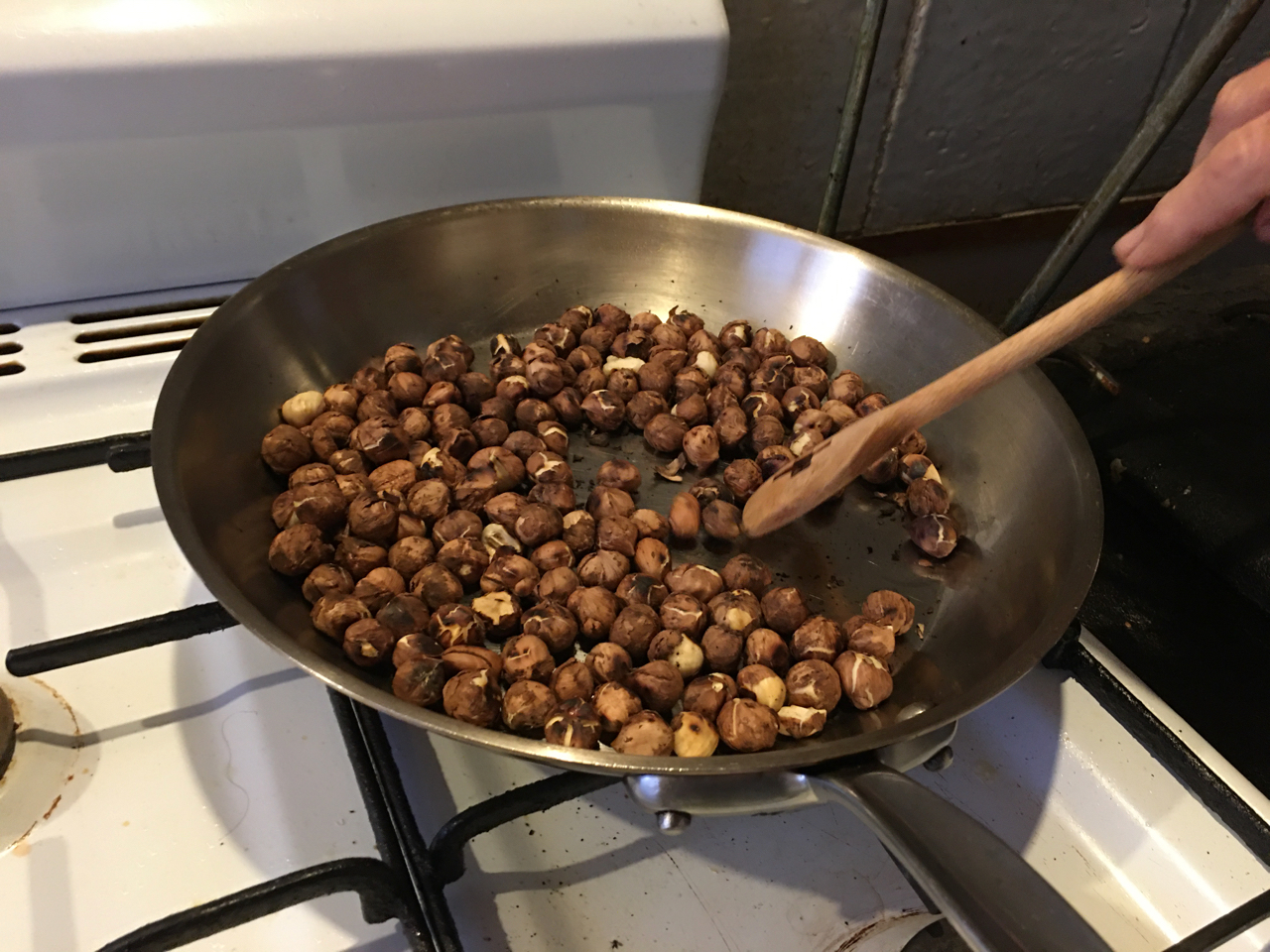
Once roasted, they become really flavourful. Before that, they are pretty dull. We don’t salt them for health reasons.

Finally it’s time to cook dinner. Tonight it will be baked, stuffed, ripe, red capsicums. I used a vegetable and herb mix, so it’s a vegetarian meal tonight, as it so often is most nights.

This is a small part of our attempts to be both creative and self reliant while treading as lightly as we can in this carbon constrained world.

Nothing is perfect, nothing is ever finished, and nothing lasts.

This meal isn’t, wasn’t and didn’t.
Post Webinar links

For those people who attended the recent Zoom ‘Earth Friendly Kiln Firing’ webinar and want to learn a little bit more about what we do, here are a few links that you can follow up on this blog.

You can type in the following key words into the search box in the top right hand corner and there are posts and articles that you can read.

Small portable wood firing kiln

Slower, Smaller, Quieter. Towards A Local Terroir Based Life and Aesthetic

Wood Firing as an Act of Respect

Life as Amalgam – article 2009

Sunshine Came Softly Through My Spy Hole Today

Earth Friendly Kiln Firing webinar

I have been invited to take part in a Zoom Webinar organised by Yuliya Makliuk In Ukraine, on Tuesday Morning Australian time.

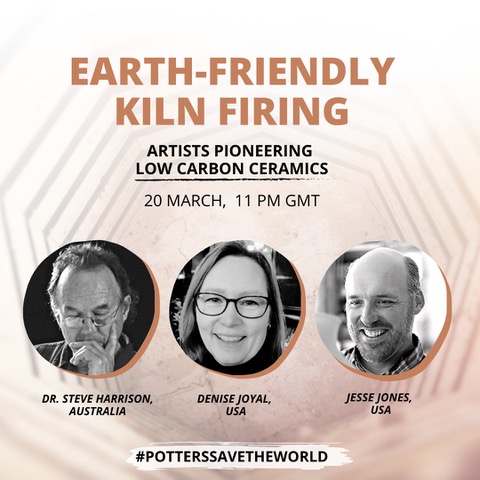
Please see the poster attached below.

If you are interested in wood firing, or just interested in low carbon futures, then this might be for you?

Earth-Friendly Kiln Firing:
Artists Pioneering Low Carbon Ceramics

20 March 2023, 11 pm GMT, online, free upon registration

Firing is by far the most carbon-intensive stage of ceramic production. Burning all the fuel needed to heat the pots up to 1000C releases CO2, contributing to the climate crisis. Is there a way to fire our kilns more sustainably without compromising quality and aesthetics?

Join this free Zoom webinar and meet ceramic artists from the USA, Australia, and Ukraine whose innovative approach to ceramic practice is guided by compassion for the Earth and its inhabitants. Follow their personal examples and learn how potters can reduce their carbon footprint when firing electric, wood, and gas kilns.

The registration link is in the bio/first comment.

This event will feature:
Dr. Steve Harrison, Australia http://www.hotnsticky.com.au/ ‒ A ‘Dig-it-all Native’ and famous author of books about local material usage and laid-back wood firing. Steve builds his smoke-free kilns that operate on dead branches (the so-called ‘vegan wood firing’) or solar power and is known to have survived a recent massive wildfire in one of his kilns.

Denise Joyal, USA @kilnjoy ‒ An Adjunct Professor of Ceramics at Wilson College, known for her atmospheric-fired forms inspired by Neolithic Irish stone constructs. Denise examines the carbon footprint of different kiln types and has developed a universal carbon & cost calculator that she will introduce at the webinar.

Jesse Jones, USA @pleasant_hill_pottery ‒ A civil engineer and potter who runs Pleasant Hill Pottery, home to five wood-fired kilns. He has developed and refined techniques to use Waste Vegetable Oil as supplementary fuel in wood-fired kilns and shares his know-how through articles and workshops.

The event is hosted by Yuliya Makliuk, Ukraine @hereandnowpottery as part of her project ‘Saving the World as a Potter’, aimed at empowering ceramicists on their way towards sustainability. The project is sponsored by people on Patreon. Yuliya’s ‘A Greener Pottery: A Step-by-Step Guide to Sustainable Ceramic Studio Practice’ is currently available in pdf on Amazon and Etsy.

potterssavetheworld #sustainableceramicspractice

Book your free place by the link in bio!

https://forms.gle/jFswVzFvL15DNRAv6

Back to work in the pottery

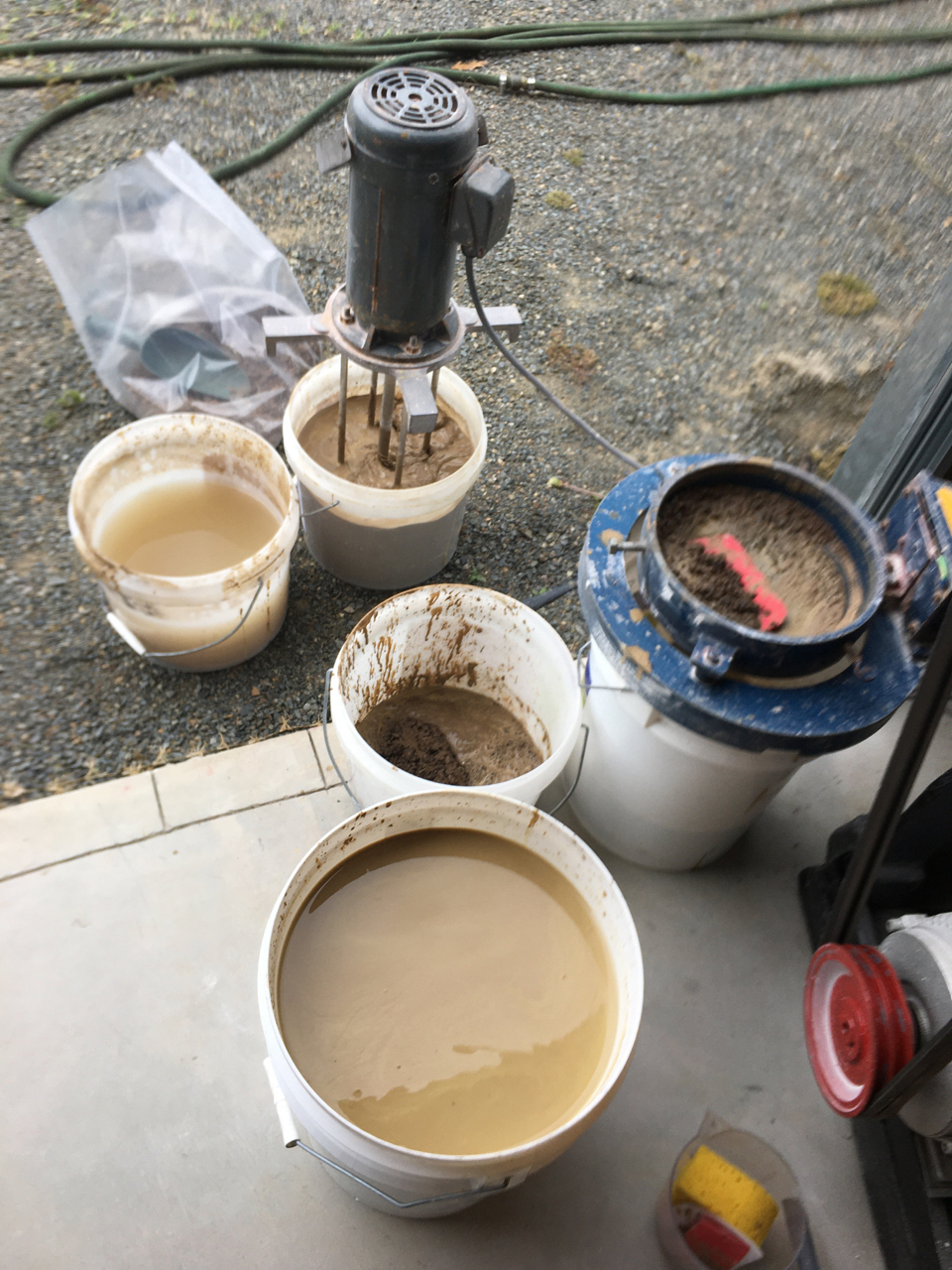
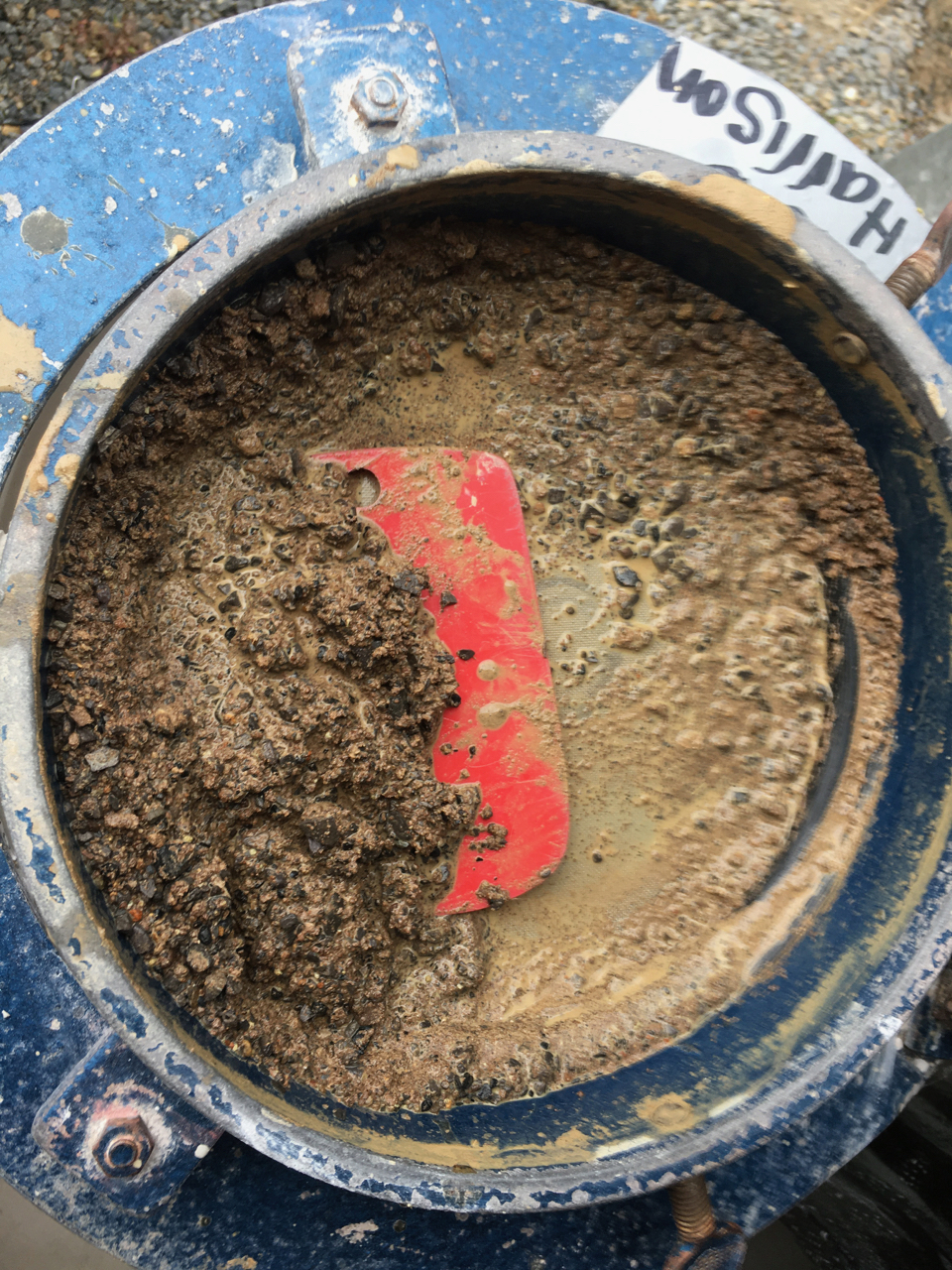
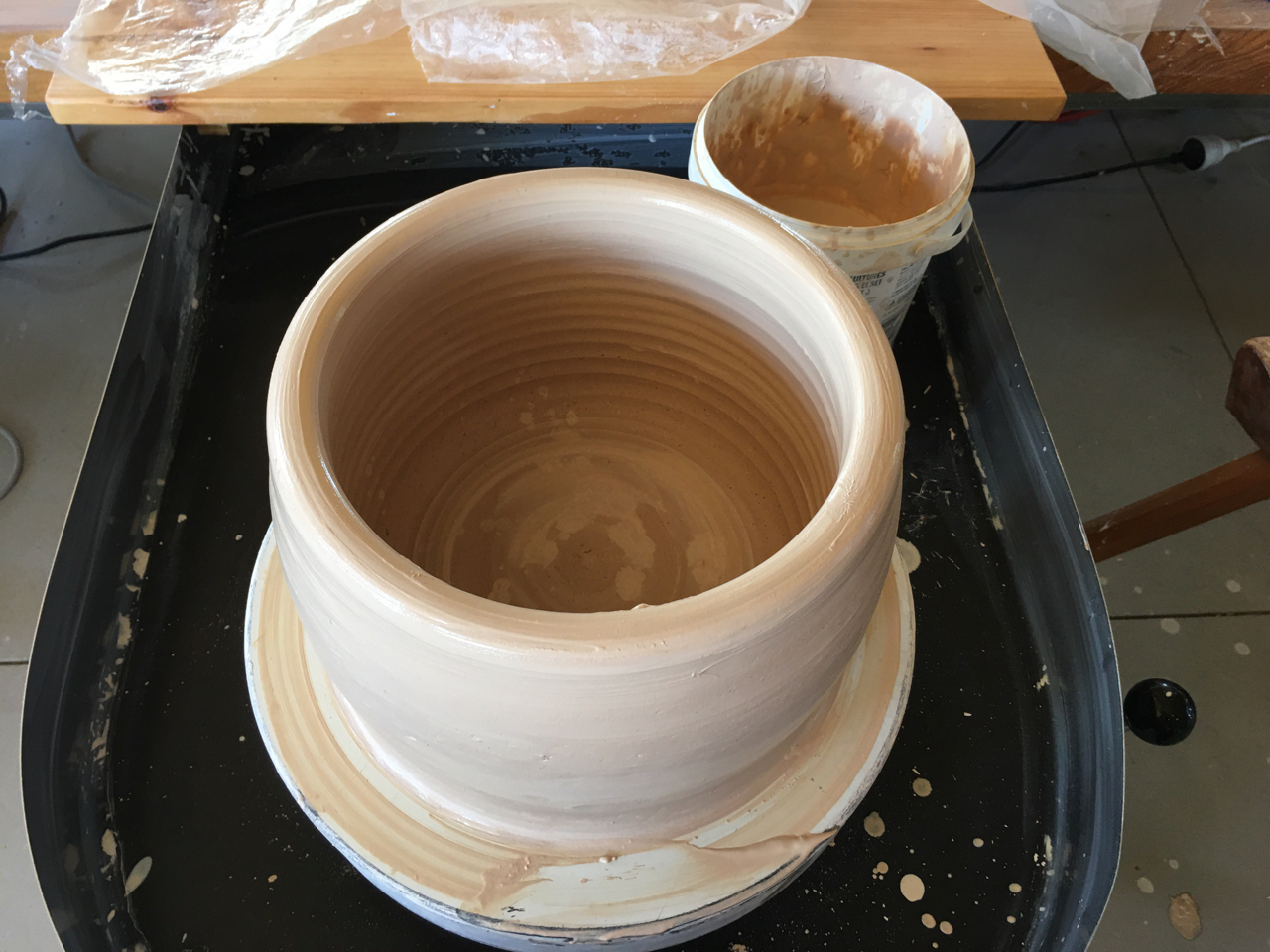
Since half way through February, I have been back at work in the pottery. I started back by making terracotta slip from dark shale that I have collected and had stored in the barn. The half of the barn that didn’t burn. So that was lucky. I carried water in buckets for several hours to keep the fire under control as it slowly spread. 2 of my 4 pumps failed, so I was left with the only option being to carry buckets from the railway station and throw them onto the burning frame. The fire wasn’t finally extinguished until late in the evening, around dusk, when the first fire truck arrived, seven hours after the fire had passed through. I have no idea what they had been doing for all that time, but they never managed to get to my end of the village until dusk.

So now I am making clay slip to mix with some powdered kaolin so as to make a dark stoneware body. Some of the materials that I collect have a lot of iron in them. So much so, to the point that they melt at stoneware temperatures in reduction. I had to be so careful not to over-fire them, or reduce too heavily in the past. This time round I’m adding kaolin to the mix to strengthen the body so that it will be a lot easier to fire without losses, but every new clay body is a bit of an experiment.

I collected some dark shale from the local brickworks shale pit. I was taken there by a local geologist when we were having a day out together exploring the clay/shale resources of the local shire. He was keen to point out that there is a significant amount of coal embedded in layers within the shale beds at this location. I imagine that it starts to fire itself once it reaches ignition temperature of the coal fraction. They must need to hold temperature and allow plenty of excess air into the kiln to counter ‘black heart’ or bloating?

He pointed out that the carbon content was so high, that if it were just a touch higher, they would have to pay a coal mining royalty to the State Government, instead of just a shale royalty. When milled up it can turn out to be almost black, very dark grey to charcoal colour.

I could just buy black clay from a pottery supply shop like everyone else. But I just can’t bring myself to do it. It’s not in my psyche. I love to make everything my self. Even if it is not as good as a bought one. At least it is mine and it is low carbon miles and made entirely with my own hands and on my solar electricity. However, sometimes my own home made stuff actually turns out to be better, certainly more individual and sustainable. So it is much better in my mind.

I only bother to rough crush the shale to allow it to go into the blunger. Then I add plenty of water and blunge it through a first pass of 60 mesh. I take out the harder non-plastic shale particles and they can be ball milled to a finer size. They are the concentrated lumps of coal and iron intimately mixed.  The slip is then passed through the sieve again at 80 mesh to get a fine slip. This is left to flocculate over a few days and then decanted to give a thick slurry. It’s a slow process, so time has to be created to allow for the natural process of flocculation to occur. This is slow clay, not fast convenience clay making, not so much ‘pret-a-porter’ clay, as L’argile-à-porter. 

I also make a coarse textured stoneware from another shale that fires buff to brown, and a finer off-white clay for wood firing that flashes quite nicely given the right firing. All this clay making has been going on since January, interspersed with gardening and fencing work. Important jobs that just had to be done at a certain time and couldn’t be put off.

Finally, three weeks ago I managed to get back on the wheel again. Hurrah!

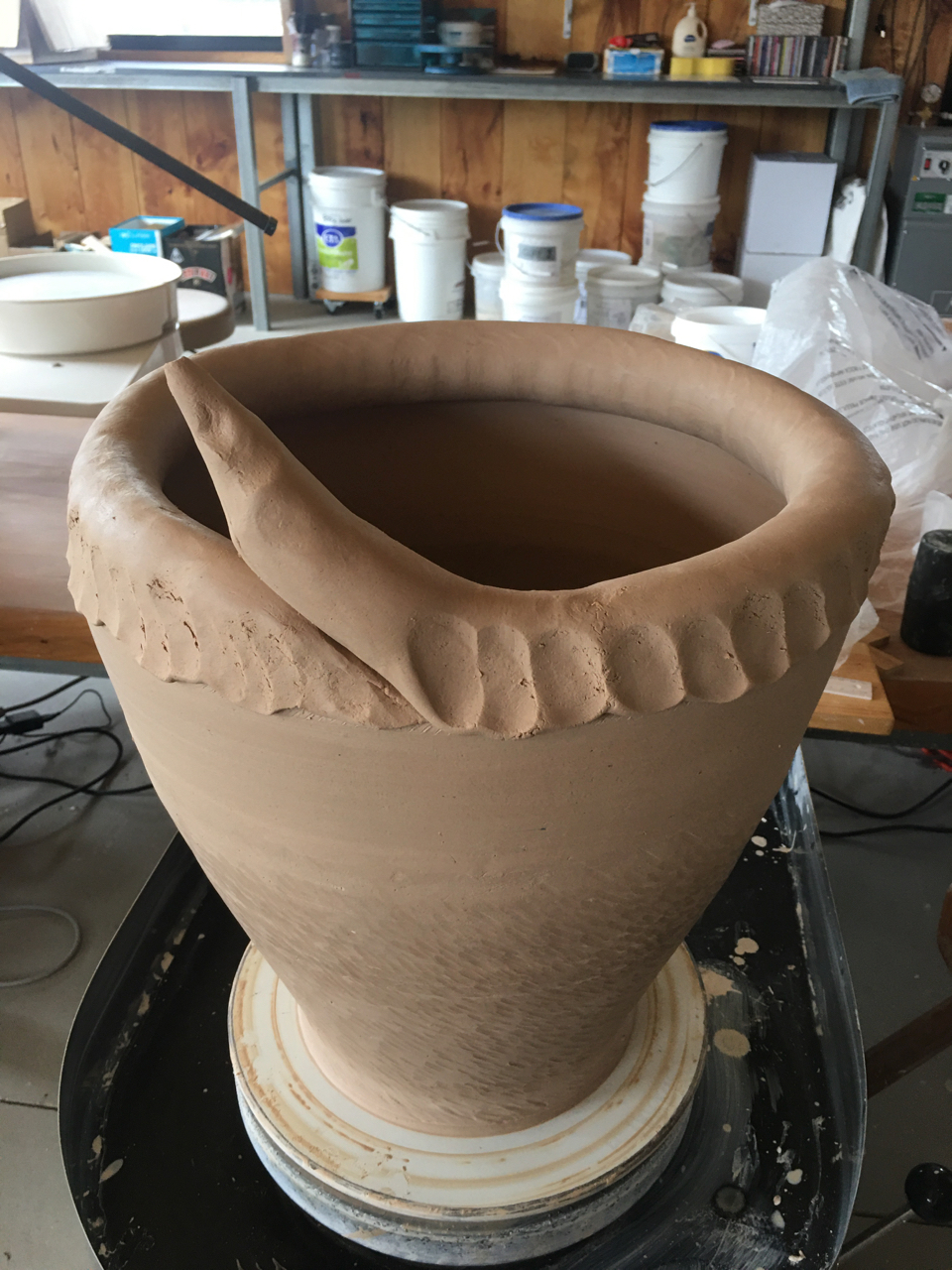
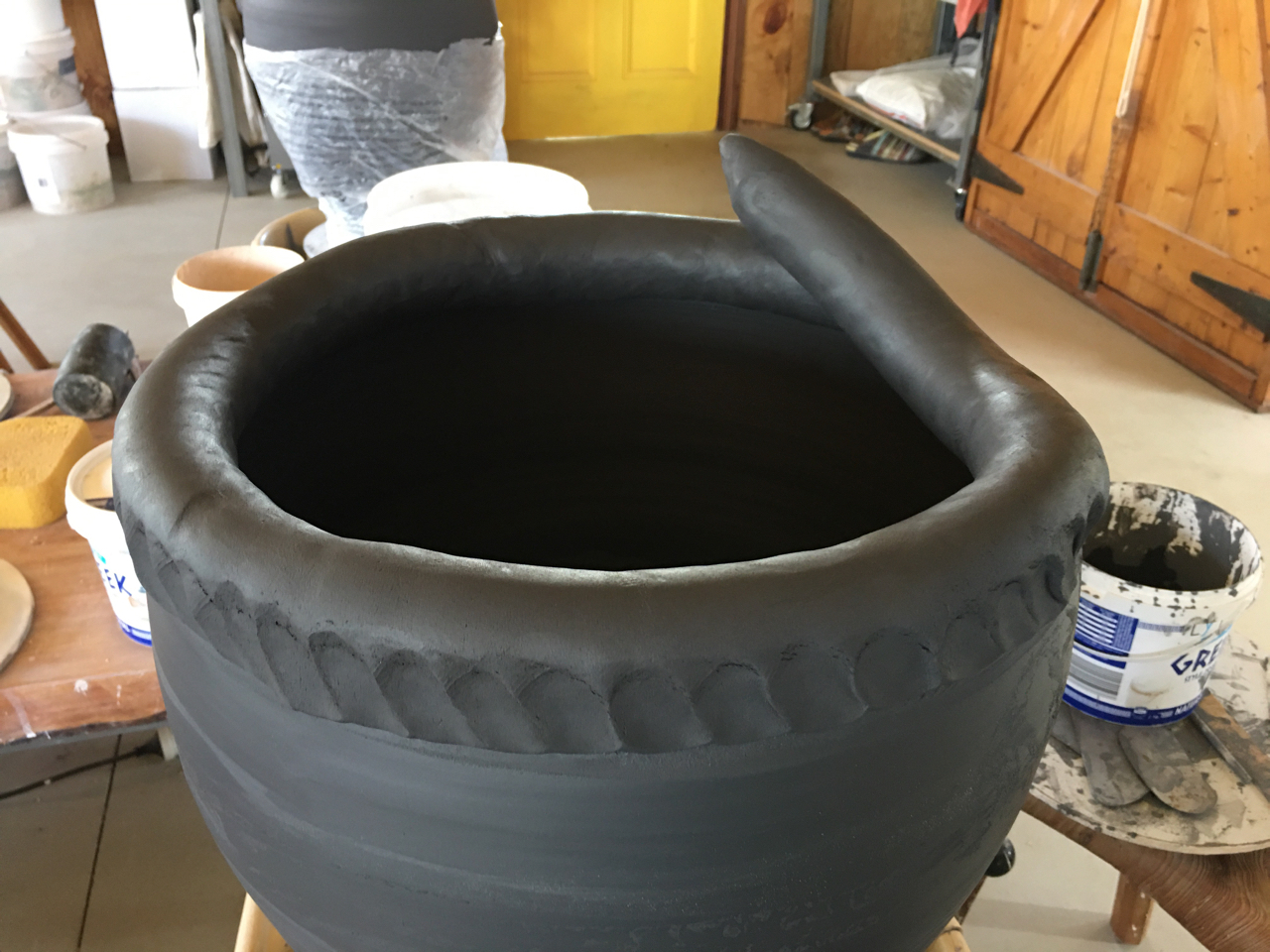
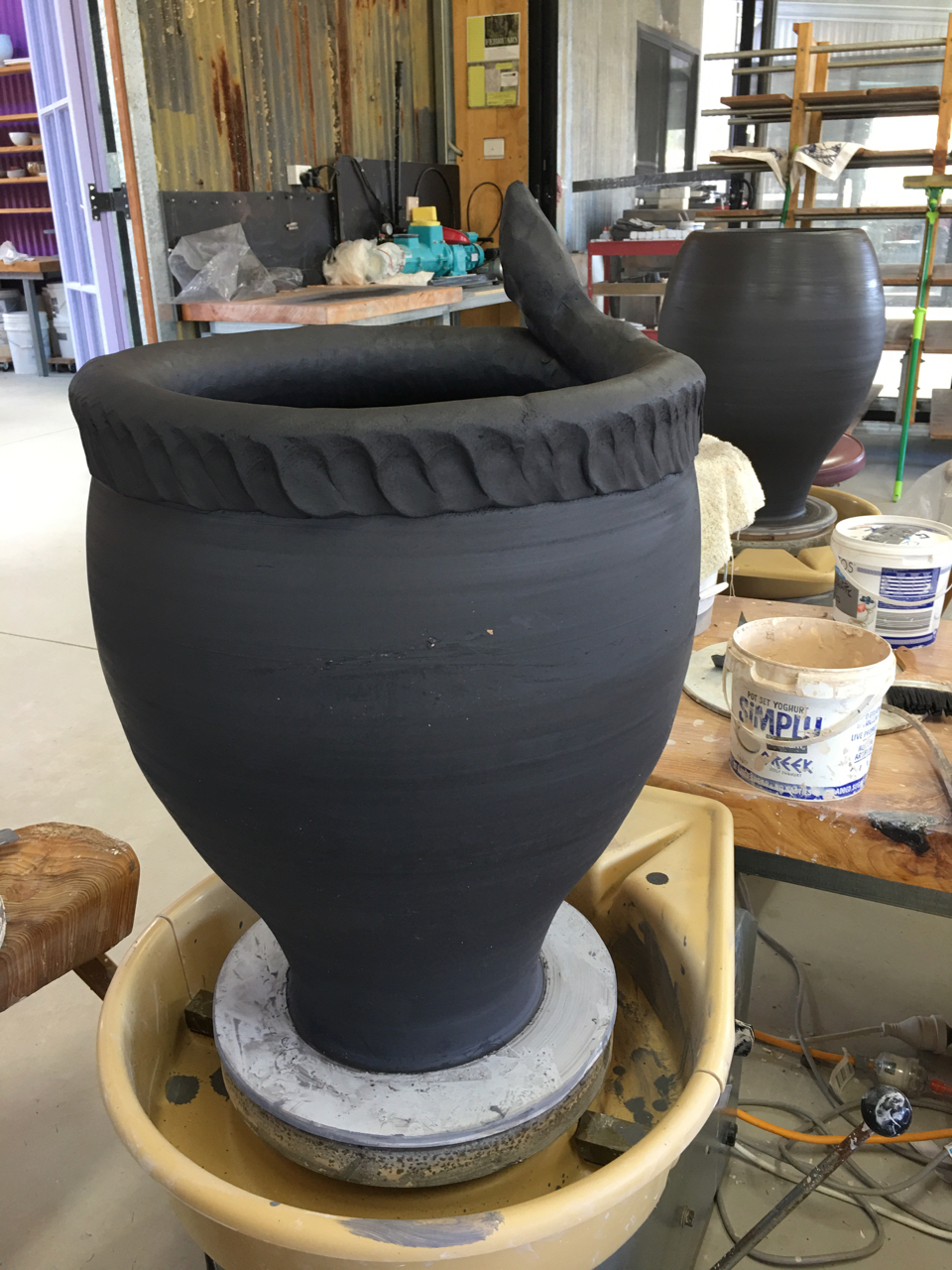
After the previous pottery burnt down in 1983. I spent a year jack hammering out stone foundations to get a more level site and making mud bricks, then hammering 4 inch nails into hard wood beams to create the new studio. The outcome was a beautiful ‘organic’ pottery workshop made of local natural materials at virtually no cost, but the true cost was the severe damage to my wrists, that still persists to this day if I over do it. I had wanted to make some bigger size pots for some time, but couldn’t throw any large lumps of clay due to my wrist damage, so I taught myself how to hand build on the wheel by the ‘coil-and-throw’ technique. I wasn’t taught by anyone. I had only ever seen it done in pictures, so I had to invent my own way. A few years later, when I was doing a demonstration of my technique to an art school class. One of the students called out. “You’re not doing it right. That’s not how Andrew Halford does it”!  Andrew was a local Sydney potter who had studied in Japan with a big pot throwing master potter. “You’re supposed to drape the coil of clay over your shoulder!”

One of the differences in my invented technique is that I don’t like to use a gas burner to dry my pots in-between the addition of coils. I can see that it is necessary if you want to complete a large pot with multiple coil additions in just one day or even less to fit into a school schedule. I have been forced to do this myself at times. But I don’t like to if I don’t have to. I prefer to let the pot sit over night, often wrapped in plastic, and for the clay to go ’thixotropic’ and ’set’ instead of drying out and shrinking due to applied heat. I think that I get a better, and more continuous form if I do it this way. Of course, I’m no expert, and as I haven’t made any big pots for quite some years before the fire. I do still get some undulations in my forms. That is where the ‘hammer and anvil’ paddling technique comes in handy. It corrects the form, but disturbs the thixotropic set of the clay particles and therefore delays the addition of the next coil for half a day or even over night.

So here I am back on the wheel in a new pottery. I have built and test fired the new wood kiln a few times, albeit with some difficult learning going on due to the nature of my wood. And I’m now ready to make a few big pots again. My wrists are still a bit delicate, so I’m going with coil and throw again. I have to start small, as I have to remember what I had learnt the last time that I did it. I’ve forgotten so much due to the trauma. It seems that my mind has dumped any superfluous information and wiped its hard drive clean, to eliminate traumatic memories and make way for the ongoing cleanup and rebuilding learning and knowledge. Recovering old files takes time it seems, but it is mostly coming back to me. Bit by Bit.

I started with smaller pieces, then worked up to taller narrow forms, as these are easier, and my 2nd hand wheels don’t do so well going really, really slowly, as the drive is a bit worn.

I’ll start to work on a couple of wider forms next week.

So far so good. That’s the easy bit, it’s the firing that will be the big test.

March is peak tomato season

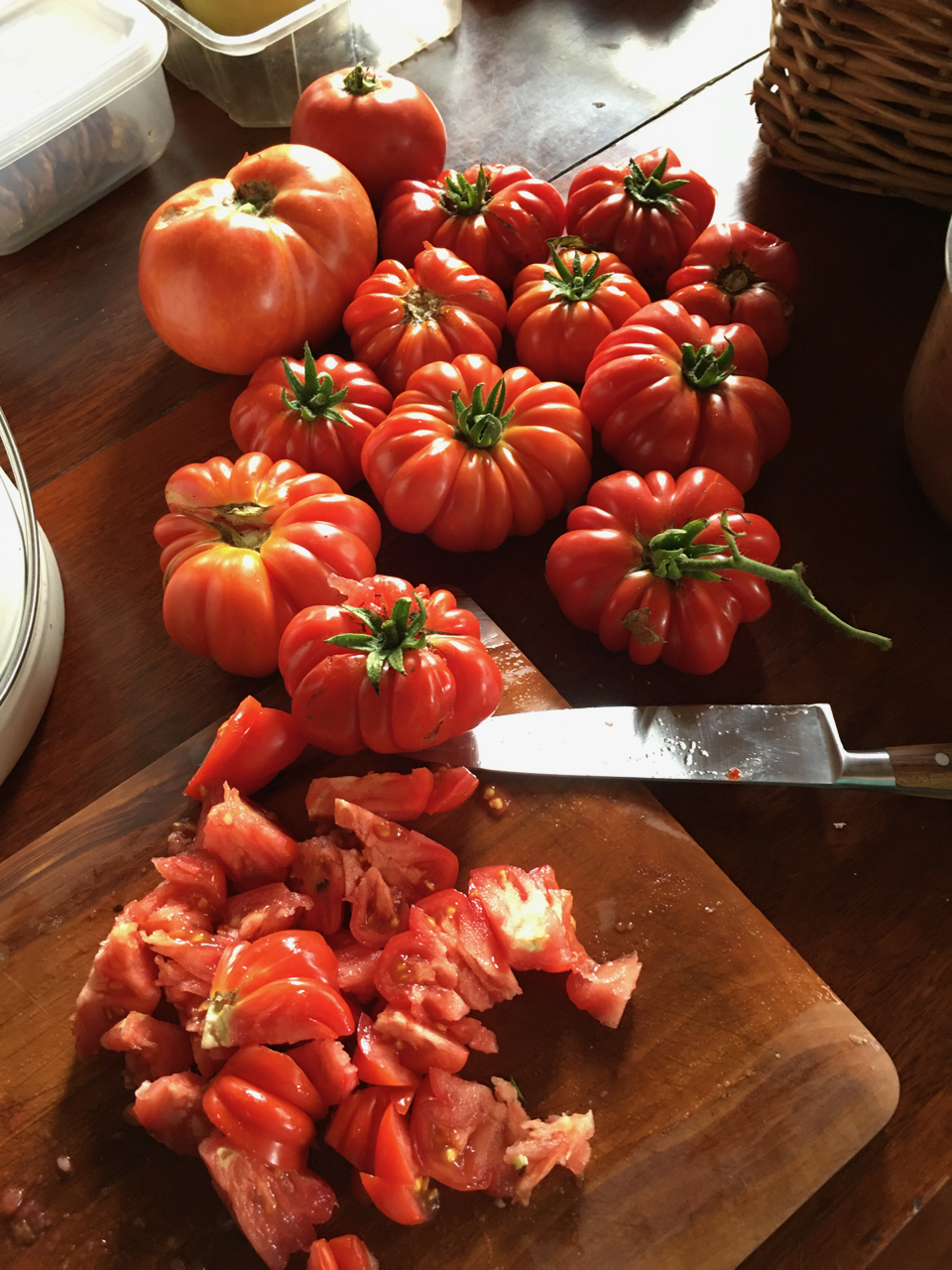
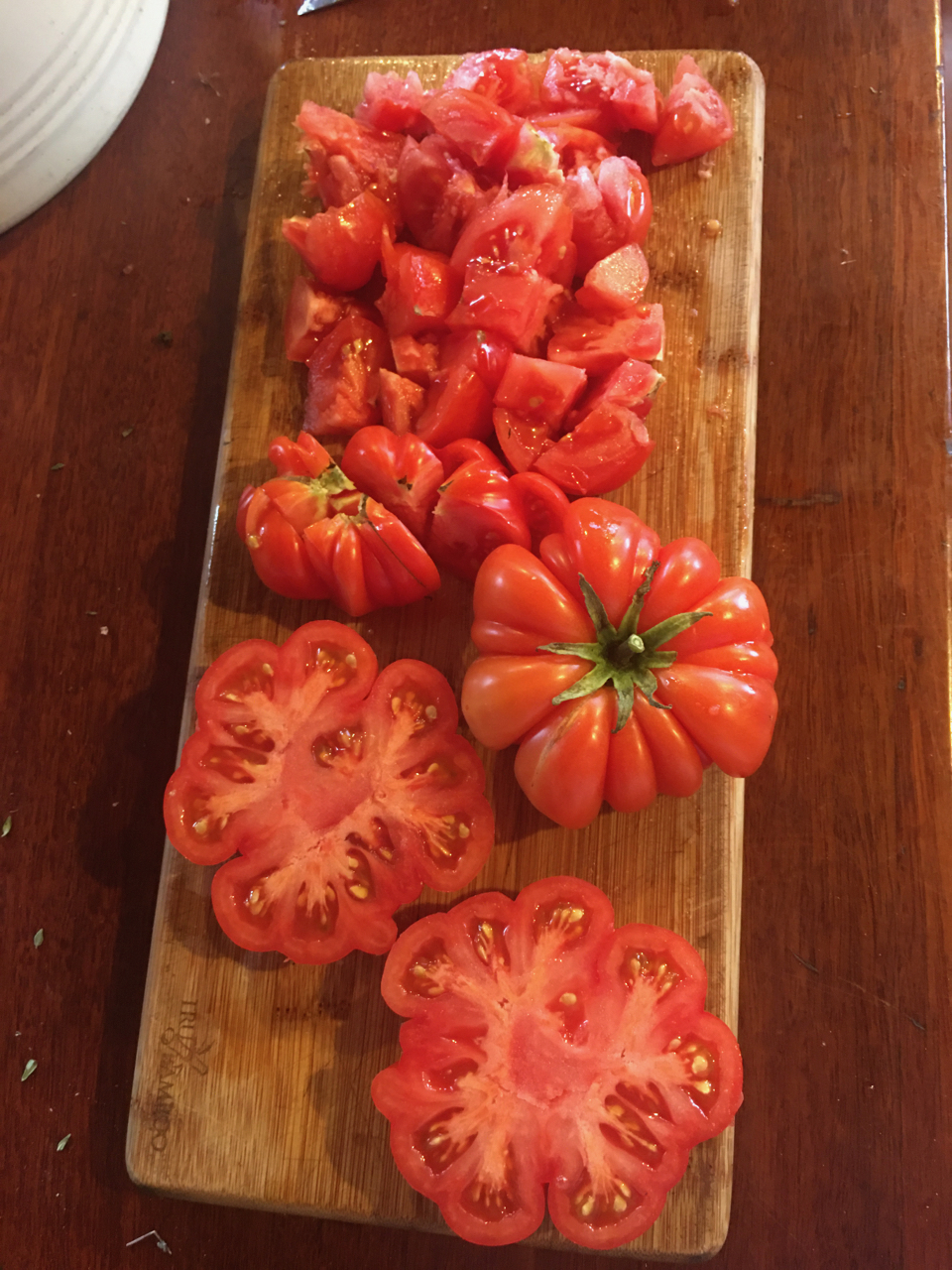
Autumn is peak tomato season. The crop starts to ramp up in February, but really hits its stride in autumn. We are picking a couple of baskets full of red, ripe tomatoes twice a week, with smaller picks in-between for lunches and salads as needed. The big pick goes straight into the large 5 litre copper boilers on the stove with herbs, onions and garlic, to be reduced down to pulp and preserved in sterilised glass jars as tomato passata for use throughout the year in all sorts of meals from pasta sauce to a lovely flavourful addition to soups and stews.

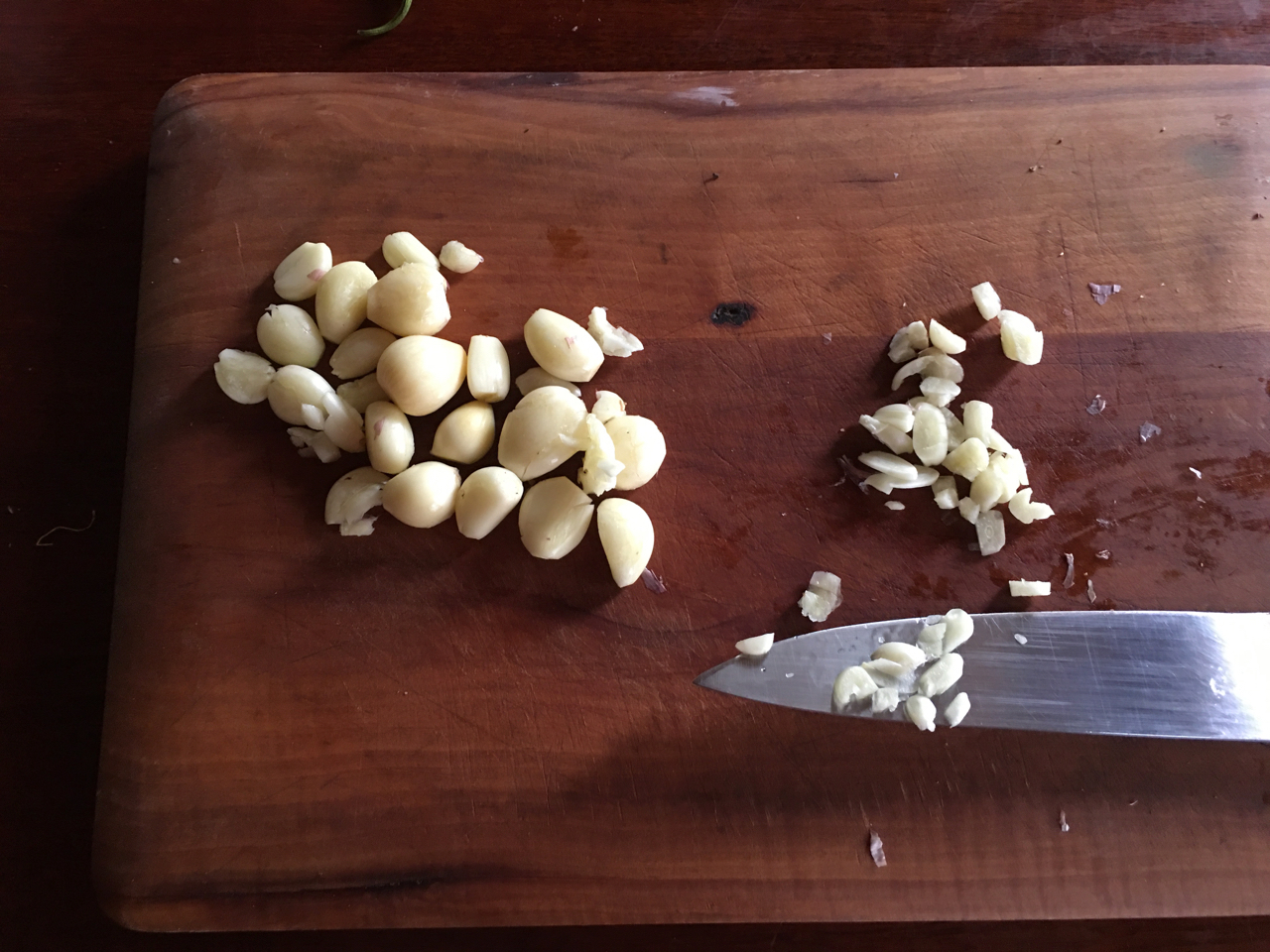
I always start with good olive oil, onions and garlic. I can’t think of anything more delicious than the smell of hot olive oil, and then the salivating addition of the onions and garlic heating and lightly browning as I toss the pan to keep it all moving so that nothing burns. It’s like foreplay. It fills the kitchen with such a wonderful aroma. When Janine comes in from the garden, she always comments how delicious the kitchen smells, and it’s true. I remember years ago when I used to work at the National Arts School in East Sydney. I would cook lunch for the students on Fridays. It was the only day that I came in as a part timer. All the full time staff took their rostered day off on Friday to get a long weekend. They all taught Throwing and hand-building, all the easy enjoyable subjects. So I got the day to teach all the difficult stuff that nobody else wanted to teach, like kiln and firing technology, glaze technology, clay body chemistry and OH&S.

I attempted to make the day more enjoyable by cooking lunch for them, otherwise, many of them wouldn’t bother to turn up at all. I had to keep to a strict budget of $1 per student or less, as no one was funding this exercise. I also noticed that some of the younger student were running perilously short of money by late in the week. So had to resort to going to the Hari Krishna’s in the evening and sit through an hour of indoctrination, so as to get a free veggie meal at the end. That was the real incentive to start cooking for them. One really good cheap brown rice and vegetable meal each week to make sure that they got some proper food with minerals and fresh vitamins. It was fresh, filling, tasty, and free. So they nearly all turned up, as did some of the staff from the library and office on occasions.

Art students don’t usually enrol in Art School to learn technical stuff. They want to express themselves creatively. My subjects weren’t that popular. They mostly turned up because they wanted to get a pass mark. But there were a few quite keen ones. One day while starting to cook lunch, we had a famous chef and restauranteur as a student at the time and he stuck his head over the upstairs rail from the room next door and yelled out how delicious the smells wafting up to his studio were. He offered the analysis that he might be detecting truffles sautéed in cultured butter with thyme and bay leaves. I said NO. Then he suggested some other exotic combination. Again, NO!

I told him that it was just olive oil and garlic so far, nothing else added – yet. He was amazed. It really is that flavoursome.So that is how I start most batches of tomato passata, once the onions are just starting to brown, I add the garlic half way through so that it doesn’t burn. I add in the basket load of tomatoes. It takes about 30 minutes to chop my way through two basketsful of soft ripe tomatoes. Once they are in and heating up, I add in the chopped capsicums, a chilli, pepper corns, loads of sweet basil, a couple of bay leaves, some thyme and or sage and or marjoram, even parsley, whatever is in abundance.

Once all the boilers are full to the brim, I let them simmer for half and hour, to make sure that everything is very soft, as the next step is to pass it all through the kitchen mouli sieve. I wait, usually until the next evening, when its all cooled down before attempting to sieve it. This removes all the herb stalks and tomato skins , etc. 

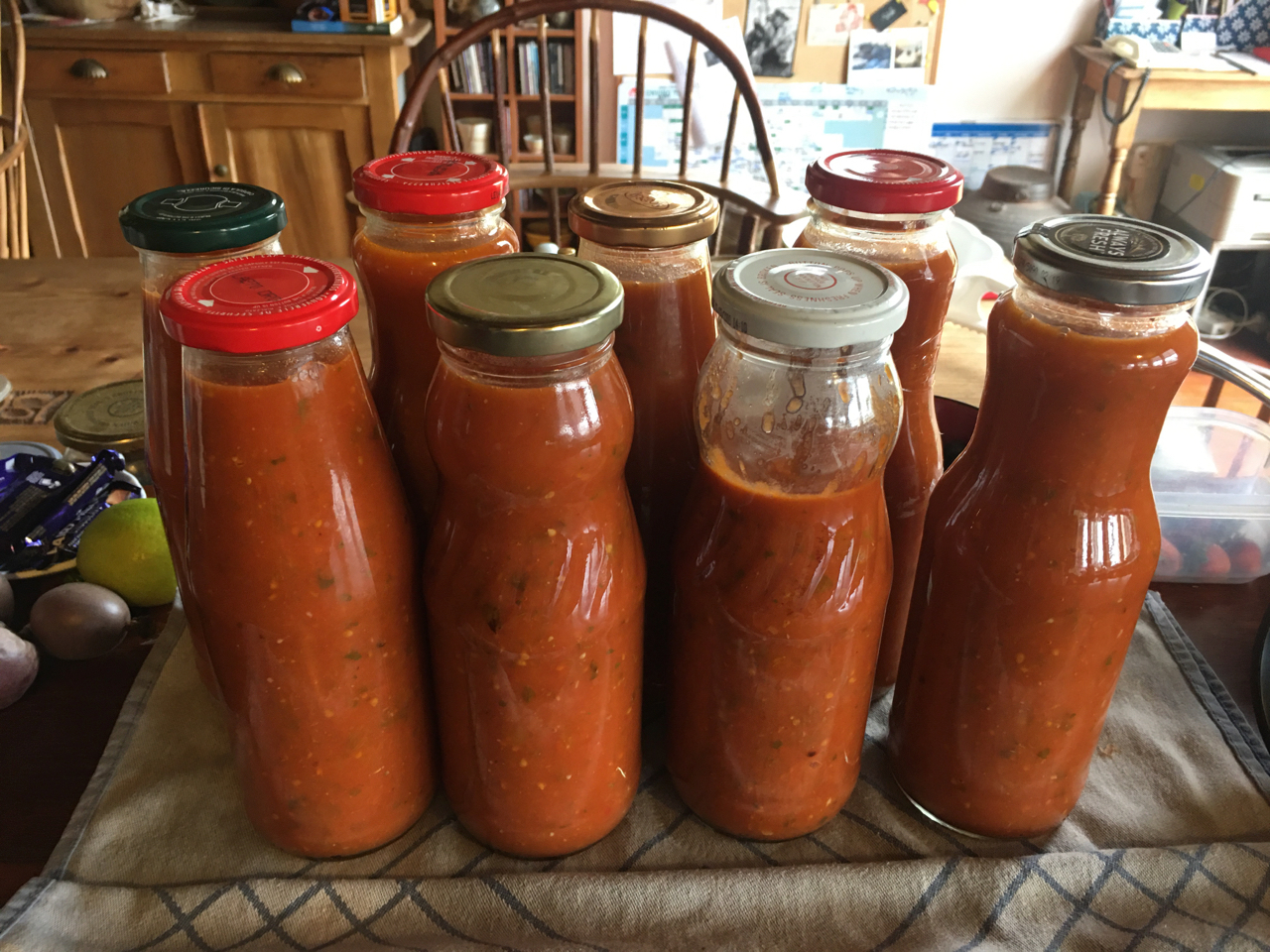
What is left is then reheated on the stove on a low heat to simmer and reduce by about 1/4 to concentrate it. Once this is ready, then I wash and sterilise the glass jars in the oven and bottle the sauce while it is still very hot. If the hot jars are immediately sealed with ‘pop’ top lids that have also been simmered for a few minutes, then the jars will self vacuum seal on cooling  and the sauce will keep for a year or more without any more energy needing to be applied to it. They never last a year. It’s too delicious.

It’s been a very good tomato crop so far this year, so we have already bottled about 30 bottles, our best ever harvest, and still a long way to go. We are already giving away our excess when people call in or if I go out visiting, I take tomatoes as presents. We will soon run out of the ’normal’ glass jars that we have collected over the years, so we will start to use half size jars.

We get about three to four 700 ml. jars of concentrated passata from each basket full of fruit, and a basket fills a 5 litre boiler with chopped fruit, so 5 litres of boiled pulp is reduced to about 2 1/2 litres of concentrate.

I always look forward to making passata, but at this stage the initial novelty of the cooking and preserving of tomatoes is starting to wear off. However, I still really enjoy it. It’s why I live here like this. To live out of our garden for most of the year. Preserving excess is essential to providing our own food for the entire year.

It’s Post Modern Peasant 101.