The Best Laid Plans

We have been away for a few days to install a kiln.
I had sent the finished kiln away on a truck 10 days earlier with instructions for its safe delivery to the site of the installation. Down the back street, up the lane, around down the ally and hey presto. Into the back entrance straight into the studio area. I made sure that all these instructions were on the delivery docket and also taped to the front of the kiln itself. All there along with our mobile and land-line phone numbers and email.
As well as instruction to call us before delivery to confirm time and place etc. 10 days should be enough.
What could possibly go wrong?
The people at the trucking company in my local town were really helpful and very professional, even careful, while unloading the kiln from my truck and placing it in the depot shed. I left with every confidence that they would ‘do the right thing’. A lot of work goes into building one of my kilns for a customer. I spend about 6 weeks working on it, from cutting, folding, bending, then tacking and welding all the steel sections that are needed to frame up a kiln.
There are some sections that are very hard to get commercially or just plain not available at some times, so I have to cut these out of flat steel plate, then fold them into the required cross-section. None of this is in any way efficient, but when you are creating custom-built objects it is just what is required, especially if you want the very best outcome and excellent quality. You just have to do it yourself.
IMG_8342
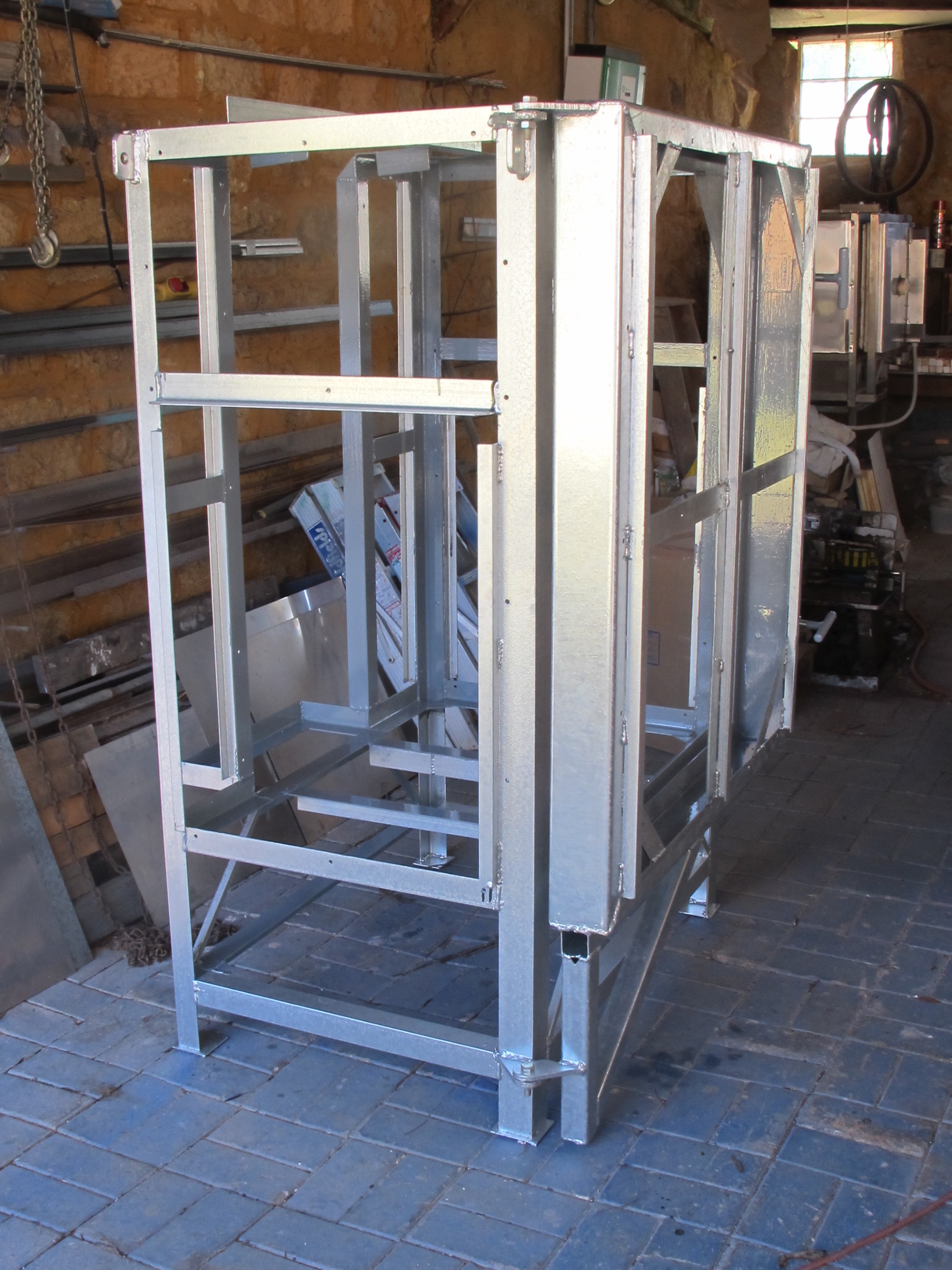
Next there is the guillotining, breaking, bending, and drilling, bolting and fitting all the stainless steel sheeting that comprise the walls and floor of the kiln. These all have to made and measured to make sure that they will all fit and then the holes drilled in the frame before it is galvanised. This is so that the holes for the stainless steel bolts will be lined with zinc and permanently rust proofed. There is no use drilling a lot of holes through the rust proofing to set all the bolts.
IMG_8343The mild steel frame is stripped down and sent off to be hot dipped galvanised, which means that it is dipped into a bath of molten zinc. After this it is almost permanently rust proofed. While the kiln frame is away, I silver solder all the heavy gauge copper pipe gas manifold and commence building the gas burners and safety train from basic rough castings. When the frame has been galvanised. It all gets assembled and put together, so that it is ready for the brick lining to be laid inside.
A kiln is a very complex thing and almost every brick that is laid in it has to be custom shaped in some way or other, so as to get a perfect fit for the ground face door seal and all the other intricate parts, like arch bricks that make it perfect, and not just ordinary. Everything takes time, but it’s the only way, if you want excellence.
IMG_8482
Having spent all this time on a job like this. I want it to arrive in just the same perfect condition that it left my workshop in. So on the appointed day, we sit and wait for the phone call. it doesn’t come at 8.00 am as I was hoping, or at 9 or 10, so I ring the trucking depot to see what has happened to it. They casually tell me that they were just talking about me. The truck has broken down, the cheque is in the mail and some of their best friends are Jewish! Do I detect a lie?
Do I still want the kiln delivered today? is he joking?
He can probably get it here, but not on a crane truck. He can probably hire a tail-gate lift truck to do it, but not till later in the afternoon. Will that be OK?
IMG_8595
I’m snookered, reluctantly, I have to agree, I’ve pre-paid the delivery in advance. It has to be delivered today, everything is in place for it to happen. The plumber is coming a 3.00 pm to connect it. That clearly isn’t going to happen today as planned, but I’ve already booked some thing else for tomorrow. They have had 10 days to think about this and get ready. It’s all a bit laxadaisical and shoddy, quite unprofessional. So we sit and wait for the truck. It arrives around 3.00 pm and a very nice young driver, who is very helpful. He tells me that the depot that he picked the kiln up from is quite chaotic.
Still, the kiln is here now and undamaged. I’m so relieved! We lift it down off the truck using a pallet jack trolley on the tail gate lifter. But unfortunately, the very thoughtful people in the original trucking depot in my home town have strapped it to a pallet for safe, stable travel. Very thoughtful of them. But it is now too high to go through the door into the studio, and we have no means to lift it to get the pallet out from underneath. All these measurements were carefully made in advance and everything planned and measured twice and confirmed. We are completely stuck. I’m away from home in another city with no access to my workshop and tools with chain blocks, lifting gear, pulleys, jacks, slings and shackles, beams and levers. Here, I only have a spanner, which is all that I should have needed.
There is no option but to try and get a crane truck out here before dark, so that we can lift the kiln up, all three quarters of a tonne of it, remove the pallet and then wheel it into the studio on the pallet jack before dark. I don’t want to leave it here out side in the alley over night.
My amazing customer rings around and finds a crane truck that can come at short notice, before dark and do the job. Unfortunately, he arrives with a semi-trailer truck 20 or more metres long with crane on the prime mover and can hardly fit in the street, never mind get up the lane and down the ally.
The truck arrives and takes one look at the narrow lane and shakes his head. There is no way.  If he could unhitch his semi-trailer some where safe? He needs to park his trailer in this street somewhere, but there isn’t anywhere close by, However, there is a gap in the parked cars, a few doors back on the opposite side on a corner. Could it just fit there? He decides to park it there. There are street trees and it will block at least one drive way and we can expect a few home owners returning home at this time of the evening. My beautiful client, volunteers to wait with the semi-trailer unit until we are all done, she’ll explain to the home owner if he returns at this point, why his driveway is blocked.
He does turn up!
She is very diplomatic. She directs him up the lane, where there is some room to park. He is gracious and friendly and very obliging.
While the very helpful and patient truckie is reversing his trailer into position, he nudges a low hanging branch of a street tree on the curb-side. Tragically, it snaps off while he is parking his charge. This shouldn’t be a big problem, as the branch is low hanging, but just our luck, a lady who lives on the corner house is temporarily off her meds, and comes out see the manoeuvre. She starts to scream at the driver. She unleashes a torrent of abuse that brings more people into the street, she threatens him, she’ll sue! She’s a total nutter. He has apparently done it to abuse her and to cause her distress. Of course, he hasn’t, he’s a nice, helpful guy, but she can’t see that in her ‘off-her-meds’, deluded state. She threatens to call the cops!
And does!
Just at this point the local homeless drunk turns up, wandering down the street swigging from his bottle, and decides that he’ll give us a hand.  A hand that we don’t need, or want. He begins by swaying out into the street and directing traffic, then hearing the verbal conflict, lurches over to the corner, “I’ll sort things out for Ya” he slurs, as he starts to scream abuse back at the distressed lady, face to face, red faced and veins throbbing in his forehead, bright red nose, holding his bottle aloft and swinging it about, he issues a long abusive stream of invective and a meaningless expression of anxieties unfolds. “Ya f*&%$ing old bitch, why don’tya get off the f*&%$ing dole and get a f*&%$ing job. Yarra f*&%$ing bludga! Shut up ya f*&%$ing face and get the f*&%k outa-ere!”.
“I dunna why she’s so upset, I’m just tryin a elp”. She storms off to call the Cops.
This in-flames things even more. This is help we don’t need. I wish that he would just go away, but that isn’t very likely. He’s a complete nuisance and appears to be off-his-meds too, just like her, and they slug it out mercilessly between each other, verbally for quite some time. He calls out, “sure, go and call the Cops, see if I care!” She does and they arrive very quickly.  When the Police car turns up. They witness some of the ‘meds-free- zone’ invective and stay clear, for their own safety. Just watching at first. I’m sure that they have seen it all before, many times, and don’t want to get too involved with nutters. My sweet, calm and well mannered client goes over to explain to them what has happened. They listen, but tell her that they will issue the truckie with a move your illegally parked vehicle notice, effective immediately. This isn’t good news, but she is calm and persuasive. They listen.
As soon as the Police car appears, the drunk moves off smartly up the ally. Now to give me and the driver a helping hand. He slumps down against the fence and swigs from another bottle that he has stashed in his coat pocket. He is calling out instructions to the driver on how to reverse his big prime mover and crane.
I discreetly escort the prime-mover with crane attached, up the lane, to our site, while my sweet, patient, client does her explaining and waits near the blocked off driveway for the returning home-owners, then helps to calm down the situation with the police, carefully and quietly explaining the circumstances of the events. The truck backs up to our site, but declares that there are too many cars parked in the lane for him to be able to reverse into position.
While we are working out how to solve this next problem. The Police officer arrives up the lane. We explain carefully and quietly what our mission is. I try to explain, that it is very hard to be a truckie in a modern city. Every one wants their goods delivered, but no-one likes to be inconvenienced. We are trying to do this as legally and safely as we can given the circumstances. The driver is only doing his job, no-one wants conflict. It’s a difficult balancing act to get a difficult job done and not inconveniencing anyone in the mean time. Everyone needs to get a truck to deliver their goods at some point in their life. It’s a tricky and difficult job, but absolutely essential in the modern age. My client invites the very nice young police man into her studio to show him her work and where the kiln will go. He responds appropriately and gives the truckie a one-hour grace to complete the job. All the neighbours are now placated and safely parked. Mr. Helpful – the drunk, has disappeared on first sight of the blue uniform, thank goodness. The Officer walks back down the lane to his car.
IMG_8719
The the crane operator now has a one hour leave of grace to do his difficult job. I feel for him, one minute, he is being abused by a nutter, then the next by a drunk. All he wants to do is to do his job, with as much care as he can muster. He is quietly spoken and very careful. I feel for him. He expresses great remorse at the broken tree branch. He tried to avoid it. It was hanging very low. If not now, then some other time a delivery truck would have caught it.
The copper leaves, taking no notice of the stream of invective coming from across the street.
IMG_8721
We get the kiln lifted off the pallet, an hours work for just a 6” lift, taking just a few seconds. Success! The kiln is now able to be wheeled into place in just 60 seconds, and it’s all over.  9 hours later!
IMG_8729
It’s a simple job to deliver a kiln. What could possibly go wrong?
Best wishes
from the kiln delivery man

Dig-it-all Native

I have a new show of my work coming up at Watters Gallery next week, so I thought that I’d  preview it with some text and images.

As you will already know, if you have been reading these pages, I have always been interested in living gently. All my ceramic work incorporates this philosophy, this respect for the environment. My lifestyle choices include growing my own food, generating my own solar power, collecting my own drinking water, building my own hand-made house from local materials, and growing my own fuel for my kiln. So when it comes to making my work. I choose to make it from locally available materials that I can find around me, in my immediate locality. This grounds me in my environment. It also severely limits what I can make, however, this is not a problem, it is an intriguing challenge that engages me on many levels physically, mentally and spiritually.

I dig all my native ceramic materials locally, within a 50 km radius of where I live. This has enabled me to develop my own unique quality of wood fired porcelain, proto-porcelains and blackware made from these special native stones. The Essential nature of this enterprise is about a respectful interaction with my environment, in this locality.

When I was young I wanted to believe that there were some absolutes in life. I wanted to believe that there could be a definition of such concepts as truth and beauty. I’ve come to realise that there will not be any absolutes in my life other than old age, incontinence and death, possibly taxes. I have had to come to terms with the fact that good and evil, truth and lies, beauty and ugliness are all relative and coexist in each of us, all of the time. I accept this duality and embrace the angst that comes with the rejection of false certainties.

 DSC_0002We have lost our bush land, we are loosing our native animals. The corner shop has gone. We are forced to drive in a car to a distant, edge of town, shopping mall to get to a bank and supermarket. Our neighbours houses have locked gates and shuttered windows. In short we are loosing our society. Everything has changed in my lifetime, and I don’t see it as better. I go to great lengths to avoid supporting the shopping mall. I search out the remaining family owned small businesses, the butcher, baker, fish monger and the greengrocer, to do my trade We have worked to become largely self-reliant in most of our food from our garden and orchards, but we still need to buy some protein.

 DSC_0044We are no longer a nation of makers, we are all being corralled into becoming a nation of consumers. I reject this coercion. I will not buy vinyl coated chip-board and plastic, throw-away rubbish from Ikea or the hyper-mall. This apparent convenience is ruining the world. I want real things in my life, things that are beautiful as well as useful and that will last a lifetime if needed. I enjoy engaging with the patina of age and the mundane chips and tears of a life well lived on objects that I have come to love and respect.

DSC_0058

Being brought up in a loosely Buddhist/Quaker household, I was probably the only 7 year old in my primary school who knew the whereabouts of the Dalai Lama, not that I thought that this was in any way important at the time, but looking back now it seems a bit weird? Given this starting point, it should be no surprise that my first pot in 1959 was an interpretation of a Tibetan butter lamp. It’s amazing what kids pick up from parents conversations. Not that I knew much about Tibetan butter lamps, but it is quite interesting to me on reflection, that this is what I chose to make, sitting in the gutter of the dirt road in front of where we lived and picking out fresh wet clay from the gutter after a rain storm. I suppose that it supports Loloya’s assertion that the man is made in the child before his seventh year.
My mother kept that pot all her life and after her death, I discovered it amongst her personal treasures, tucked safely away and so it came back to me and I still have it. At that time, in this family setting, it was not the pot that was important, but the activity of its making and the effect that the pot and its creation would have on the maker and the people who used it, which was up for discussion and appreciation. Around this time it became clear to me that the best things in life were not things at all.

 DSC_0015Rachel Carson was a hot topic in 1962. I was 10 and old enough to be expected to help shovel manure into the ‘turned’ compost heap for the large extended-family vegetable plot that fed us all. In 1972 I had decided that I wanted to be a professional potter and was at Art School, starting to wonder where I would be living and how I could achieve a passive, independent existence as an artist. The Vietnam War was in full swing. I registered as a Conscientious Objector and the ‘The Club Of Rome’ released ‘Limits to Growth’.

I decided that I could only hope to achieve financial, artistic and food security if I chose to live out in the country where land was cheaper and the air and water cleaner. These events and others like them ground my cultural lens and set its focal length. So now when I think about firing my kiln, I first think how important it is to fire as cleanly as possible, as I would be the first one to be concerned, if my neighbour were to create a lot of unnecessary smoke and pollution in his day to day life. I don’t see that being involved in a creative activity gives us some sort of carte blanche or ‘get out of jail free card’ to pollute.

 DSC_0020I also think about how I can use as little wood as possible while still being able to see that my pot is obviously wood fired. I don’t buy my wood from a merchant. I grow it, cut it and split it myself. I have a finite amount of energy, everything that happens here is facilitated by human effort. However, I do use a few machines these days to help me do the heavy work as I get older. I have replaced my original old cross-cut saw with a chain saw. The block buster with a hydraulic splitter. I am not a luddite, but I am aware that everything has an environmental cost. However, as I age I need to reduce the physical strain on my body if I’m to continue to keep working and creating beautiful objects into the future.
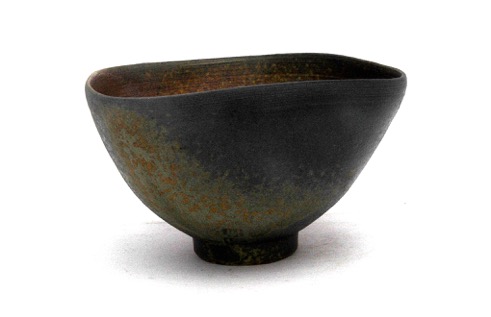
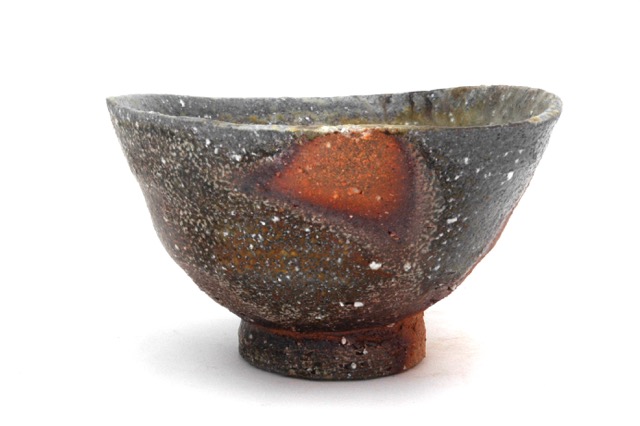
 DSC_0034I have an image of what I want to create. I chase it. It is beautiful, but elusive. I can never achieve what is in my minds eye, but I keep prosecuting the illusion that it is possible. I like the intimacy of the bowl form. It is small, round and engaging when cupped in the hands. I love them as objects, the symbolism of sharing, the embedded meaning of the food container, nourishment and sustenance. I love the rich history of the peasant rice bowl and the Japanese tea bowl. They are omnipresent at every level of my life. I eat and drink from my bowls every day

DSC_0022

This image that I have of a beautiful bowl worthy of contemplation has a gentle wood fired and flashed surface. A surface that I have worked at developing over the past forty five years of my creative practice, where my selected local timbers, when burnt in my hand made kiln, leave their delicate ash patterns on the surface of my locally sourced, water-ground native porcelain stone clay bodies. This subtle wood fired ash glazing of the ceramic surfaces at high temperatures develops a wide range of colours, textures and patinas that are not usually seen on porcelain.

DSC_0027

I think a lot about my firing process and the best way to get the soft, delicate and engaging surfaces that are tactile and suited to being hand held and smoothly functional as well as endeavoring to exploit Asian aesthetic concepts of irregularity. This porcelain is not from the molds of Sèvres or Meissen. This work has a proud Southern Hemisphere heritage.

 DSC_0026

I also think about the effect that my firing will have on others, my neighbours and finally myself and my family. Will these small bowls that I am making have any genuine useful place in society? Will the viewer appreciate the philosophical meaning embedded in their making? I certainly hope so, but nothing is certain.

DSC_0033

It has been said that the most rare and expensive commodity today is time. My methods are fully hands-on, antiquated, quaint and oh, so very slow, so my output is quite small. These objects are time solidified and made manifest. Beautiful, unique things like these take time to be brought to life, and more time to be given a useful life in daily use, so that they develop their mundane scars and patina of use. They grow and develop with time, just as they require time to be fully appreciated by use and enquiry.

The unexamined bowl, is a bowl not worth living with.

You can buy those bowls at Ikea.

The Luxury of Frugal Simplicity

We’ve been making wine, making clay, making kilns, making pots, making preserves and in general making a living, in all the various and diverse ways that we have grown into during this big long experiment called life.

As the last few weeks of summer are slipping away, the days get shorter and the plants are adjusting accordingly. This last week, we have been harvesting the red grapes and the yellow quinces.
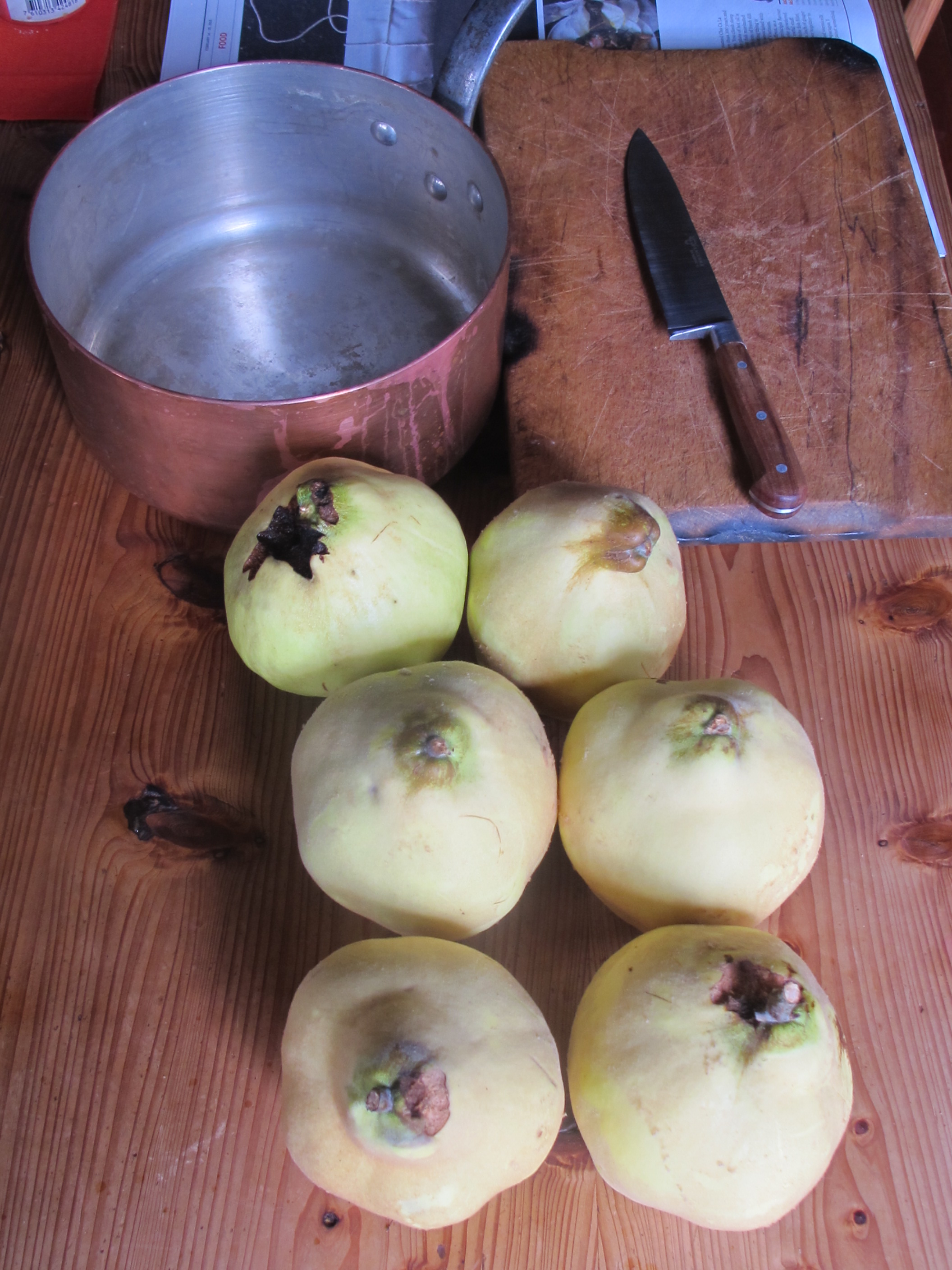
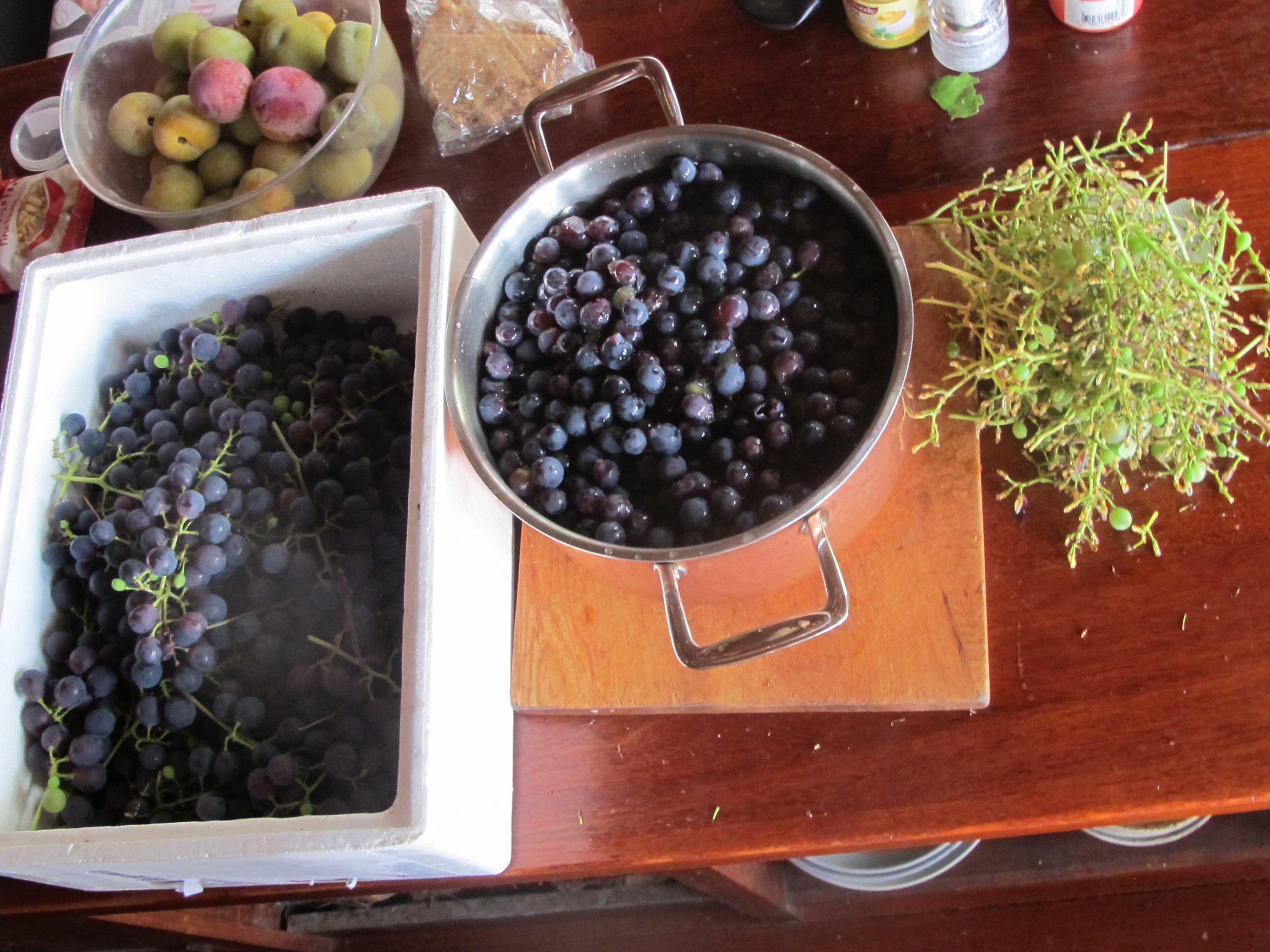
IMG_8646IMG_8642
In the past we have tried making wine from our Isabella/fragolino grapes, but it was never very good, due to the fact that we are not at all skilled at making wine, but also because these grapes are not really suited to wine making, so we have taken to bottling the dark red grape juice. This is the very best way to appreciate these grapes. We have also grown both Cabinet Sauvignon and shiraz, which are much better for making wine, but they need a lot of work to protect them from mildew. I refuse to use anything poisonous, restricting myself to only organic treatments. So this meant regular applications of Bordeaux spray, which is copper carbonate and lime mixed together. This works, but has to be applied after every rain, as it is water based and washes off. Long term use can lead to a build-up in the soil, so I decided to let them find there own way to survive without spraying. They didn’t! So no shiraz grapes this wet year.
IMG_8529
However, the Isabella/fragolino hybrid is totally immune to Phytophthora root rot and leafy mildew. So no sprays are needed, perfect! These grapes are only good for juice, but the juice is of excellent flavour and the way that we have developed to extract the juice brings out exceptional depth of colour and flavour. We have tried the more traditional crushing and pressing, but this only results in a clear/pale pink juice. Partial fermentation to make ‘summer wine’. A semi fermented blend of partially fermented sweet juice and a little alcohol from the fermentation, results in a pale pink, cloudy, rose style. This is very nicely spritzig and tangy on the tongue but we have developed a better way of improving it to what we believe is an outstanding level of density of flavour and colour.
IMG_8556IMG_8565
The red colour of wine comes from the skins which contains, amongst other things, anthrocyanins. These complex chemicals are thought to be quite beneficial to your health. But simply pressing the juice out of their skins only results in a white juice or wine. Have you ever thought how clear champagne is made from pinot noir red grapes? The clear juice is quickly squeezed out of the red grapes and separated from their skins so that no contact colouration can occur. If the grape juice is left in contact with the skins, the alcohol that develops in the wine ‘must’ as it ferments starts to dissolve the red colour. Partial contact results in a ‘rose’ light red colour, but full fermentation on the skins produces a red wine. Wine makers have developed a technique called ‘plunging the cap’ which involves pushing the red skins down into the fermenting ‘must’ to encourage the contact and colour extraction. This is done several times a day, for a week or two, as long as the fermentation lasts.
IMG_8602IMG_8607
As we are not making wine, but only juice. Miss Penfold Grange King decided to try heating the juice to sterilize it for bottling, but along the way found by accident that the colour improved as well. So now we don’t really crush the grapes in the normal way. We carefully pick all the ‘berries’ off the grape bunches and separate the stems and any unripe grapes, as these can give a sour acidic flavour to the juice. We also separate any living protein from the bunches as well. In industry this is called “MOG” material other than grapes, and a lot of it, slaters, spiders, caterpillars and especially snails, can pass through the system and separators, just like grapes, if they are the same size. However, It doesn’t seem to affect the finished wine from industrial scaled production wineries.
IMG_8547IMG_8610
IMG_8612
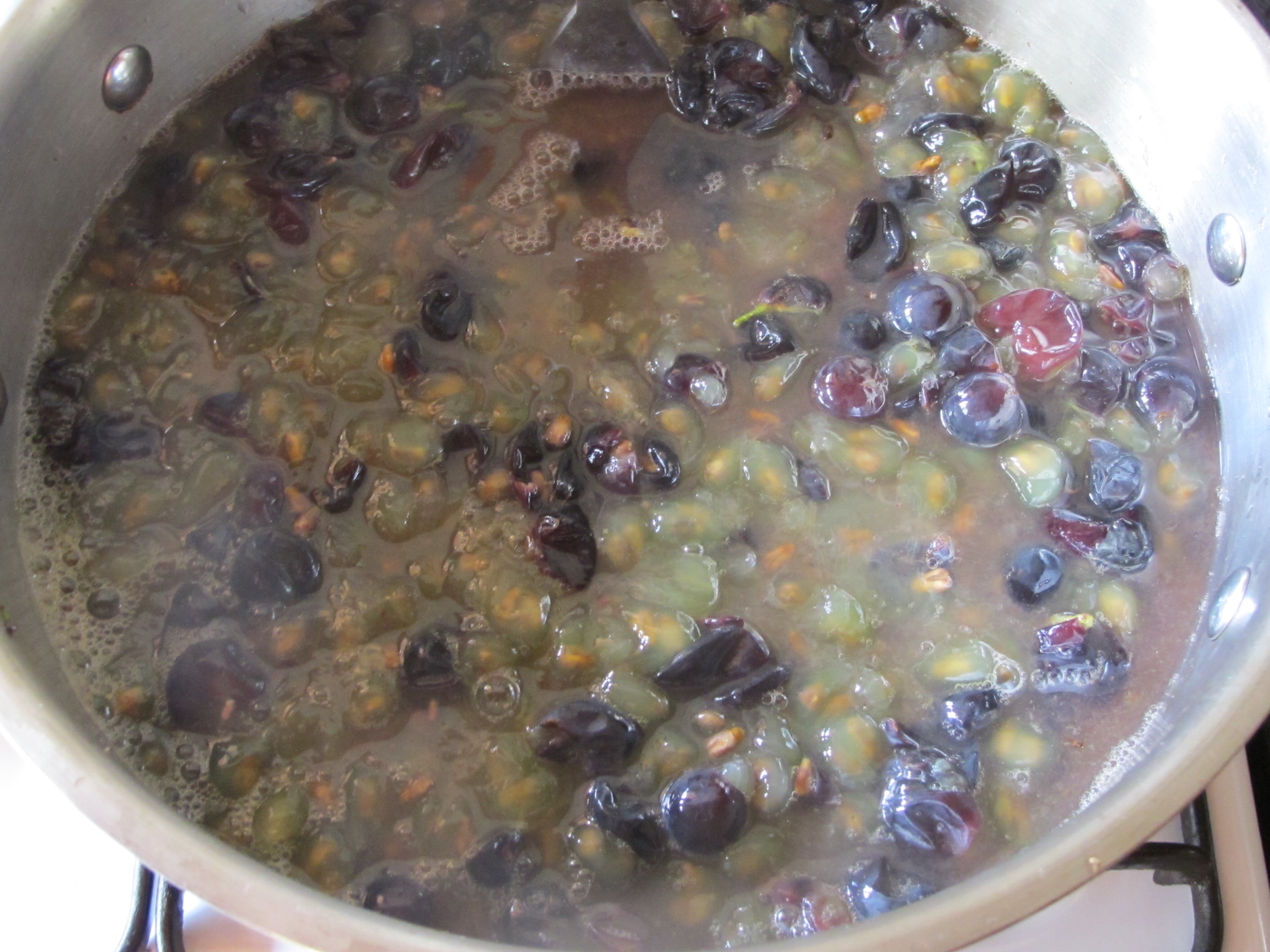
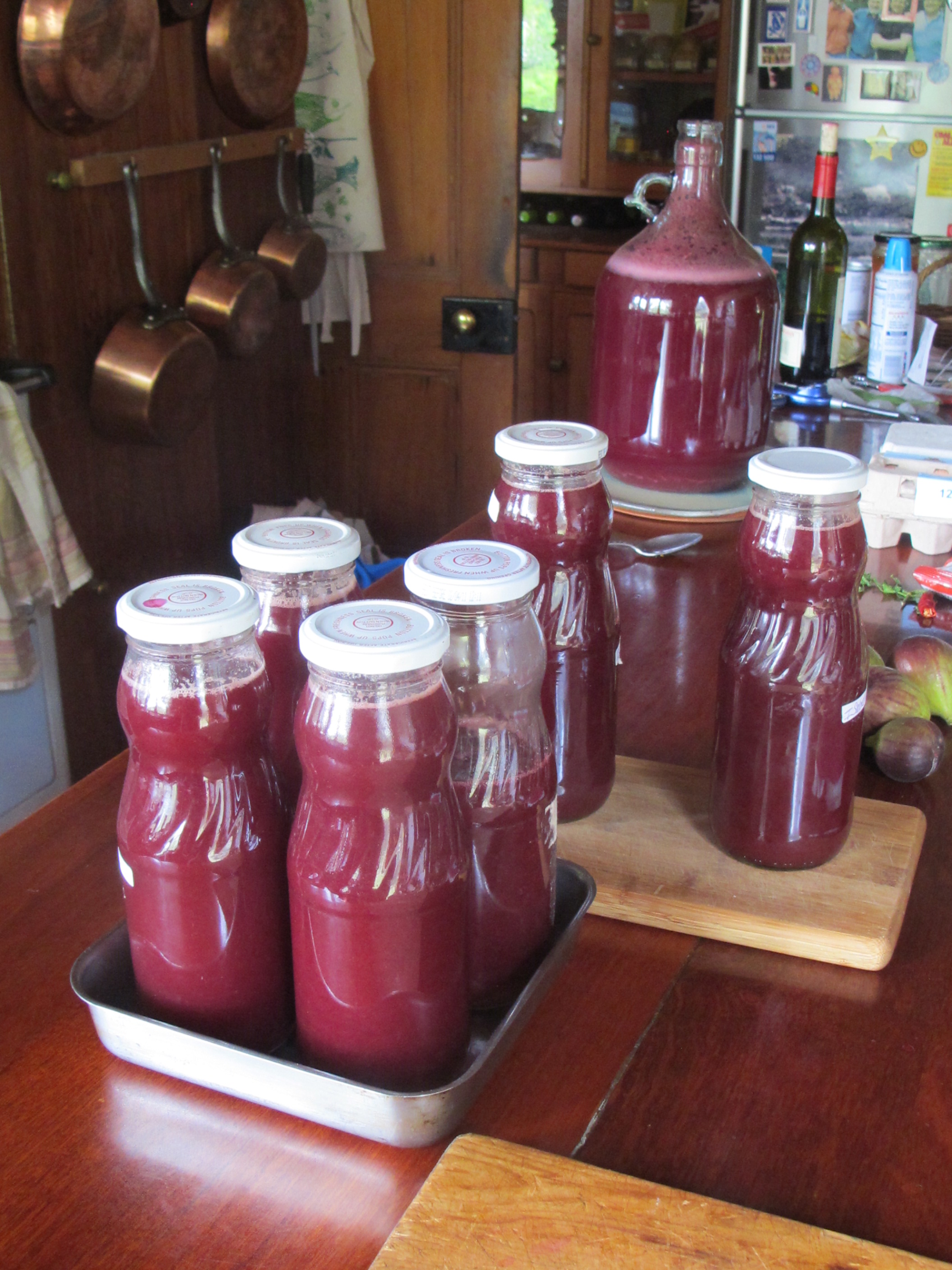
We take the time to carefully separate all of this by hand about 20 kilos at a time and then put the grapes in big boilers and heat them . initially to sterilize the juice for preservation, but we have found that a few minutes of simmering and some squashing using a potato masher, produces a very rich, red, dense grape juice of immense flavour and colour. It seems that anthrocyanins are also extracted by heat just as with alcohol. After the colour has been extracted by this heating, we drain off the skins and pips through a large kitchen sieve, pressing it a little by placing a stack of plates on top, then filling glass jars taken straight from the oven with ‘pop top’ lids simmered in hot water. As the bottles cool. the lids are sucked down and sealed making a loud ‘pop’ noise as they vacuum seal.
IMG_8629
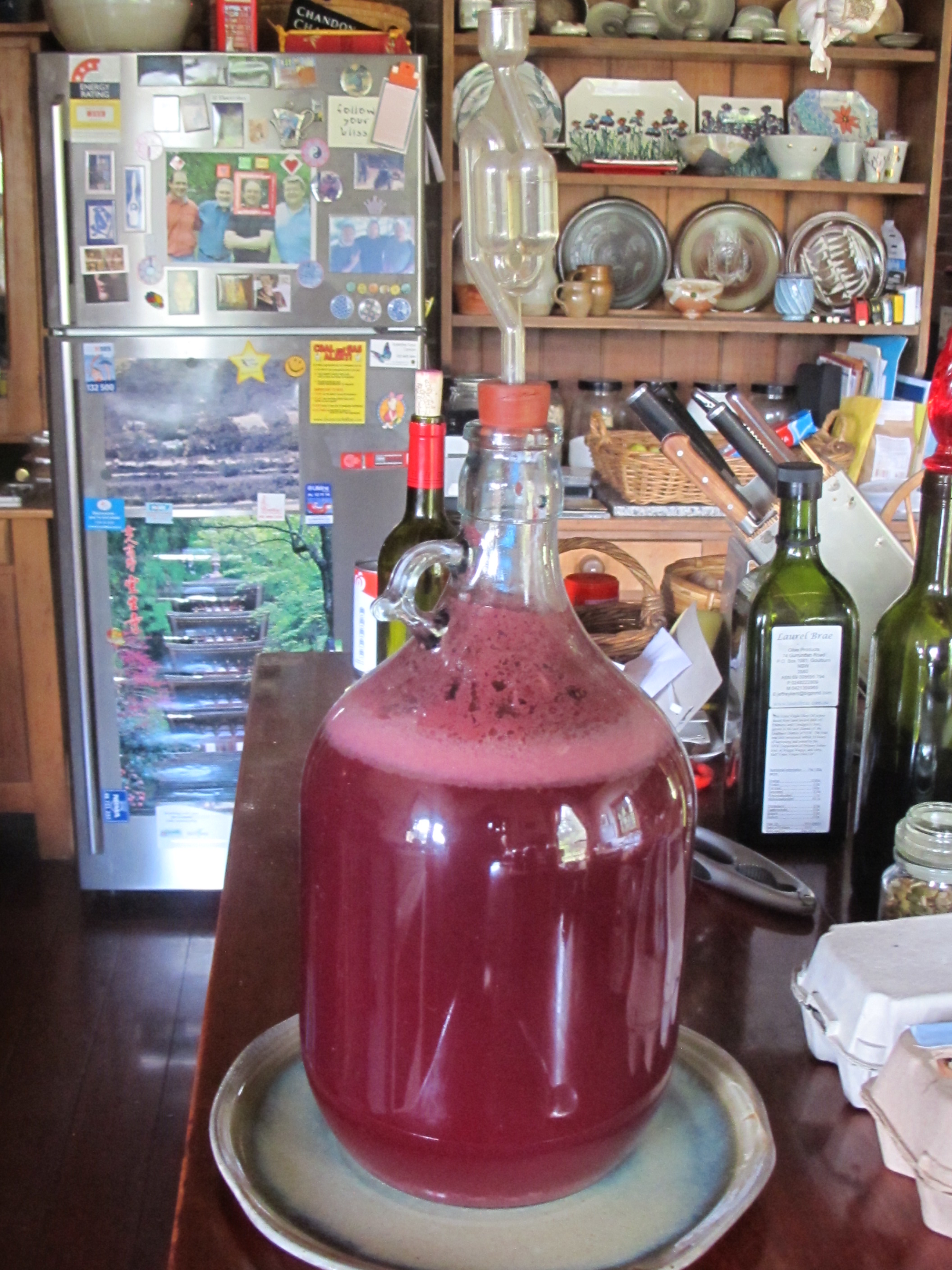
This juice keeps for up to a year in these sealed bottles. Miss Penfold Grange King has found lots of ways to cook with this preserved juice over the years. She makes jelly, by re-heating with some gelatine and a little lemon juice and even some zest occasionally. This year we have also made some summer wine from this improved and concentrated rich red grape juice. it’s absolutely fantastic. If you haven’t ever tried some of this stuff. it is an amazing way to preserve grape juice. Except, as summer wine it isn’t preserved at all, just drunk. we make a batch every few days to replace the last batch, keeping the ferment going, restarting the new batch off the lees of the last one. We make it in 4 litre glass fermenting jars. It’s an ongoing process that lasts as long as the grape crop.
IMG_8567IMG_8553
Every year we try something a little different, some other way of dealing with what we have, always trying to find a better way to get the most out of our home grown produce. This year, amongst other things, we have experimented with preserving our quince crop by cooking them in this wonderfully rich, dense and colourful red grape juice which is brim full of flavour.
IMG_8621
Quinces need to be cooked with a little bit of sugar. In the past I have used pure white and deadly as well as local honey, but this year we have decided to use the sweetness of our grape juice to provide the fructose to bring out the luscious red colour of the cooked quinces.
IMG_8639
I bring the quartered and peeled quinces to the boil and then switch them off. Because they are so fresh, they don’t need to be cooked for too long, otherwise they will go all mushy. While the quinces are coming up to the boil. I bring all the quince peelings and cores and pips up to boil for a few minutes, and simmer for a while. The skins and pips are full of pectin, so boiling them dissolves this pectin. I drain off the pectin liquor into a smaller sauce pan and continue to reduce tha pectin sauce further.
I place the quinces in a baking tray with a few cloves, a 5 star anise, a cinnamon stick and the zest and juice of a lemon. I cut the spent lemon in the baking tray as well and pour the hot grape juice over them and place them in the oven on low to cook a little more. As soon as the pectin liquor is reduced to half, I pour it over the baking quinces and bake them for another half hour. It reduces to a jelly-like, rich, red, fragrant syrup.
Perfect with a little cream or icecream, or both.
IMG_8666
Yum. You don’t know what you are missing if you haven’t tasted something like this.
IMG_8668
We may not have much cash flow, but by gosh we eat well. We just couldn’t afford to pay to eat this quality and range of gourmet foods if we were working for money.
IMG_8671
Best wishes from Miss Penfold Grange and her Maximillion dollar value Schubert

New Show of my pots at Watters Gallery

I have a new show of work at Watters Gallery in Sydney coming up in March, titled;
Just one Idea
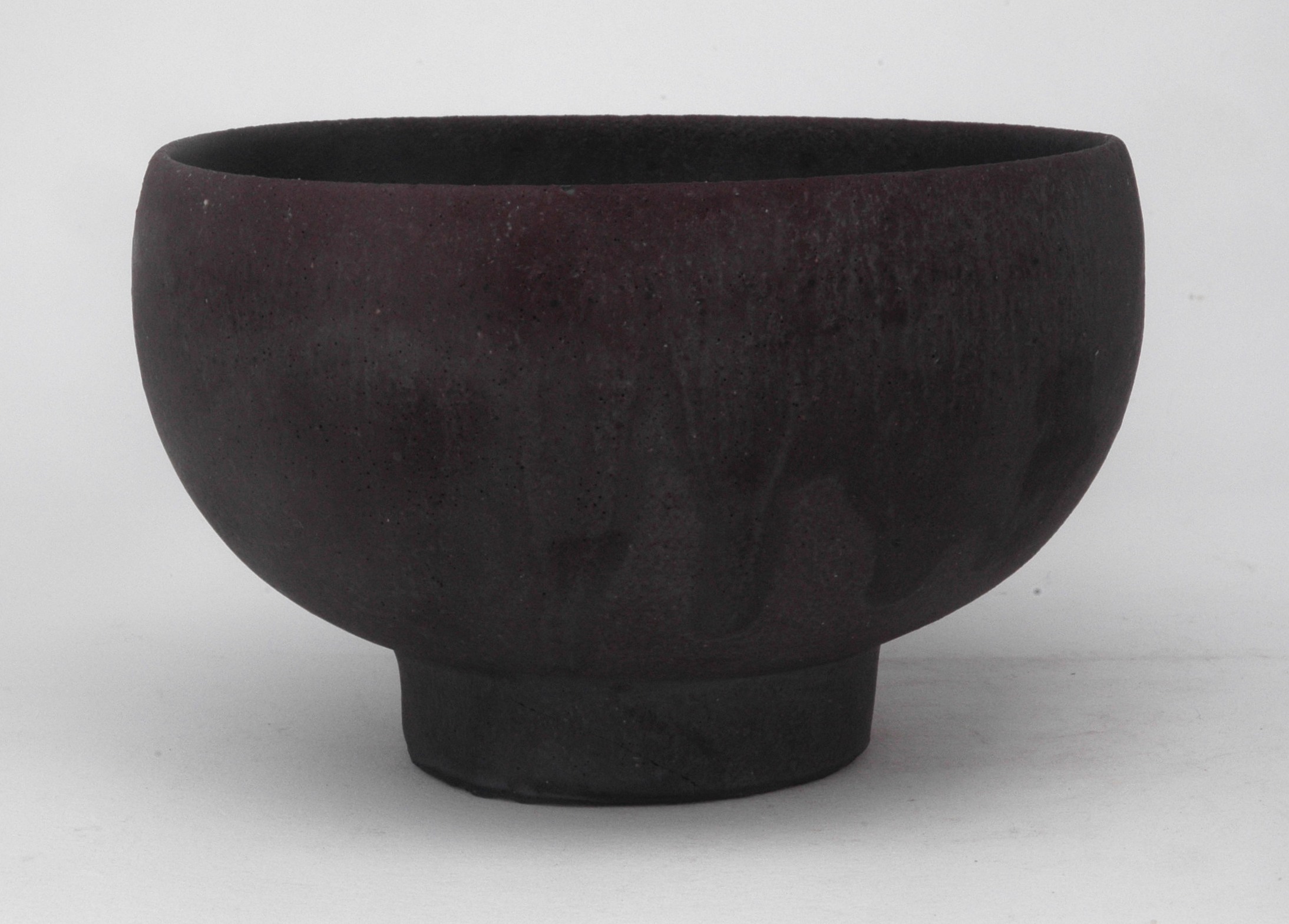
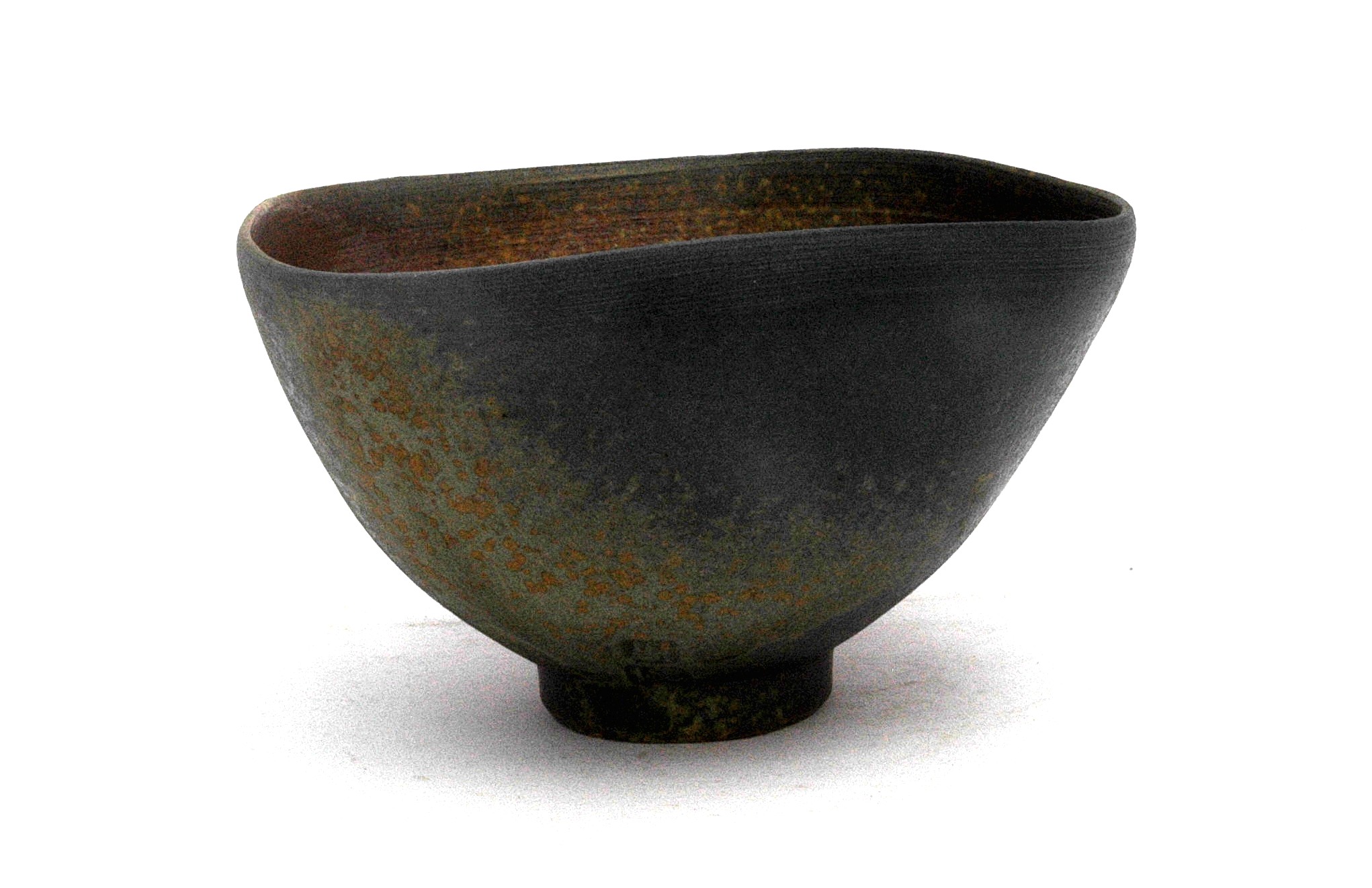
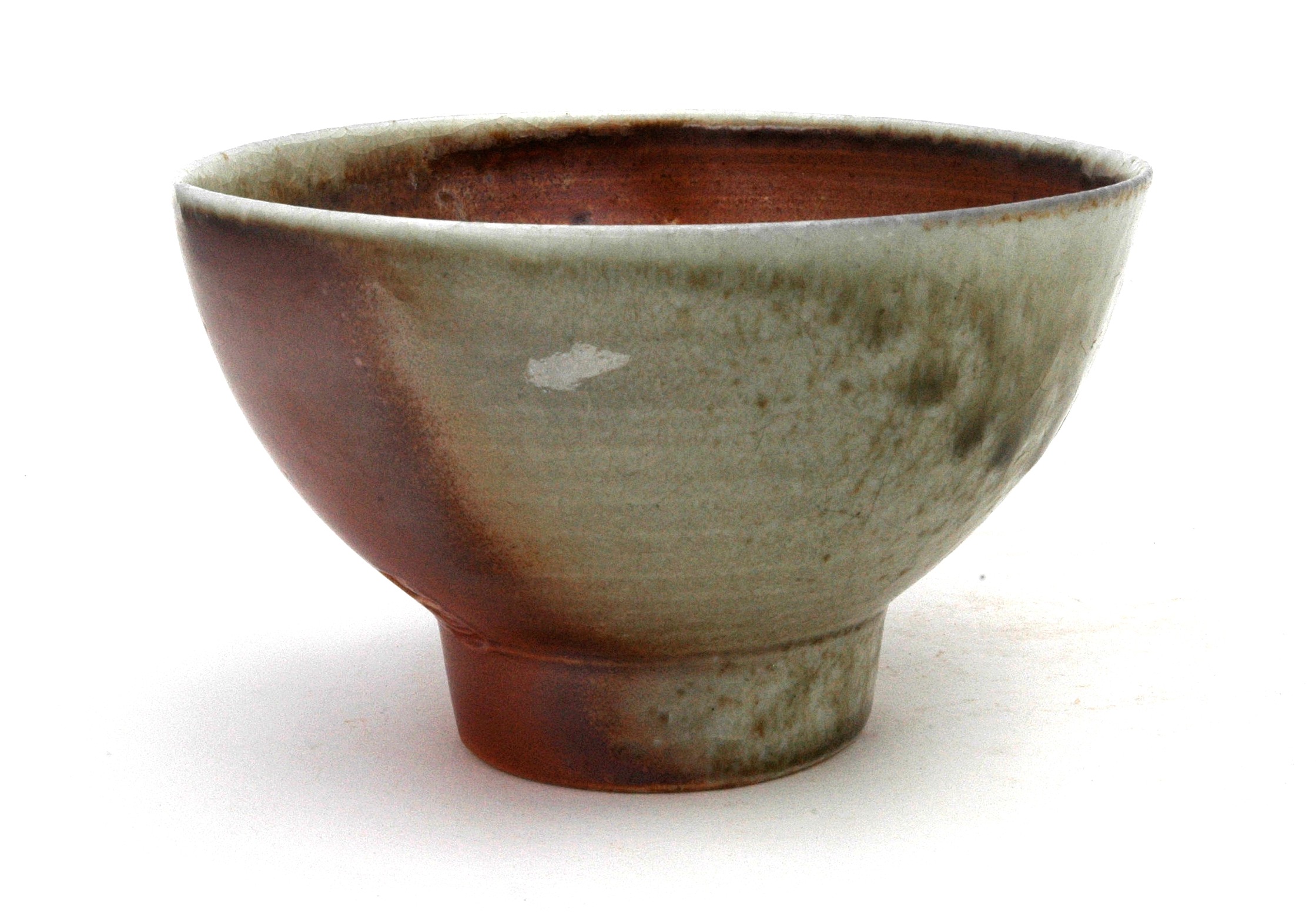
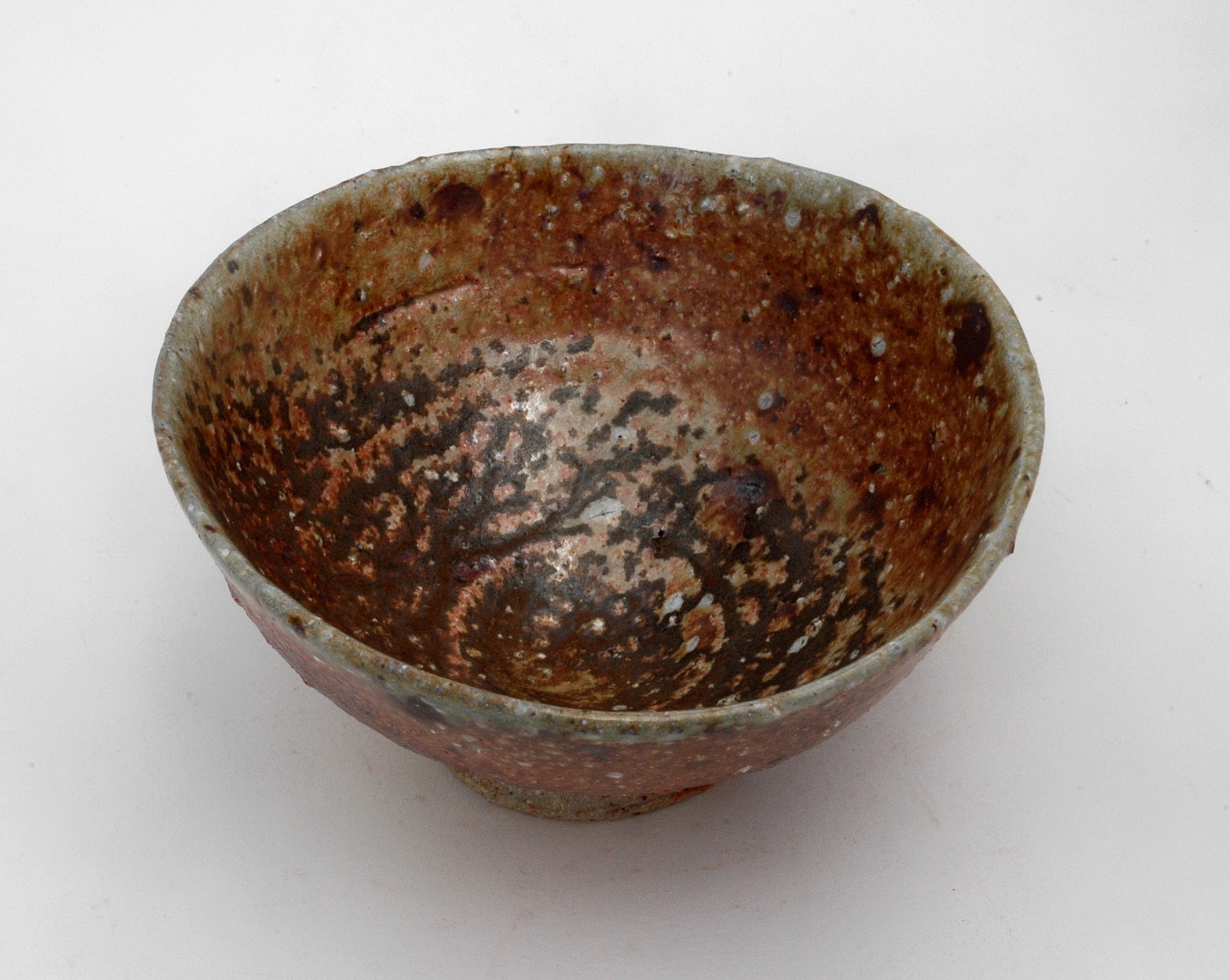
I will be showing a series of groups of unglazed, wood fired, porcelain bowls, all different. Each group is made from a different local porcelain clay/ground rock material combination. all unglazed and wood fired using different species of timber, all from local, hand collected and carefully sorted sources
There will be 6 different groups.
6 Dreams
5 Inspirations
4 Rough Notions
3 Humours
2 Dark Thoughts
and Just One Idea.
Below are a few of the pots that will be in the show;
DSC_0026DSC_0020DSC_0044DSC_0015DSC_0002

Much ado about netting

We have netted all the stone-fruit trees in the orchard that still have fruit on them. We move the nets from the early trees that have finished fruiting and relocate them to the late season trees that are turning colour and ripening. Once all the early fruiting varieties are done, they no-longer need the netting. Some of these trees are getting quite old now and have gained some size. Our oldest trees are over 40 years old, however most are now 2nd generation plantings, still they need a support system that can cover trees up to 4 metres high. This means that we need to use the bigger nets that are 9 metres square.

IMG_8048

We have figured out a way to build a frame simply out of 2 pieces of left-over polypipe tubing, tied together in the middle and spread out at right angles to form an arched support. We hammer in tomato stakes to secure the pipe to the ground and it become quite stable. The difficulty is in getting the netting over the frame. Janine ‘bowline’ King attaches a rope to one side and throws it over, then with me voicing encouragement, she hauls the netting over the frame. The polythene piping is quite smooth and slippery, so the netting travels freely over. We repeat the process for each tree with ripening fruit until we run out of nets.

IMG_8050IMG_8051

IMG_8056

The birds are so very resourceful. They have figured out that if they sit on the netting and bounce up and down on it , it will sag down until it touches some of the fruit. Then they peck at it through the netting.

This whole process of netting is fast and efficient, and we get it all done in an hour or so. There is still time in the afternoon to go to the garden and de-fuse the exploding zucchini crop. We lunch on steamed broccoli and cauliflower with a squeeze of lemon juice and a little fresh ground pepper.

IMG_8293

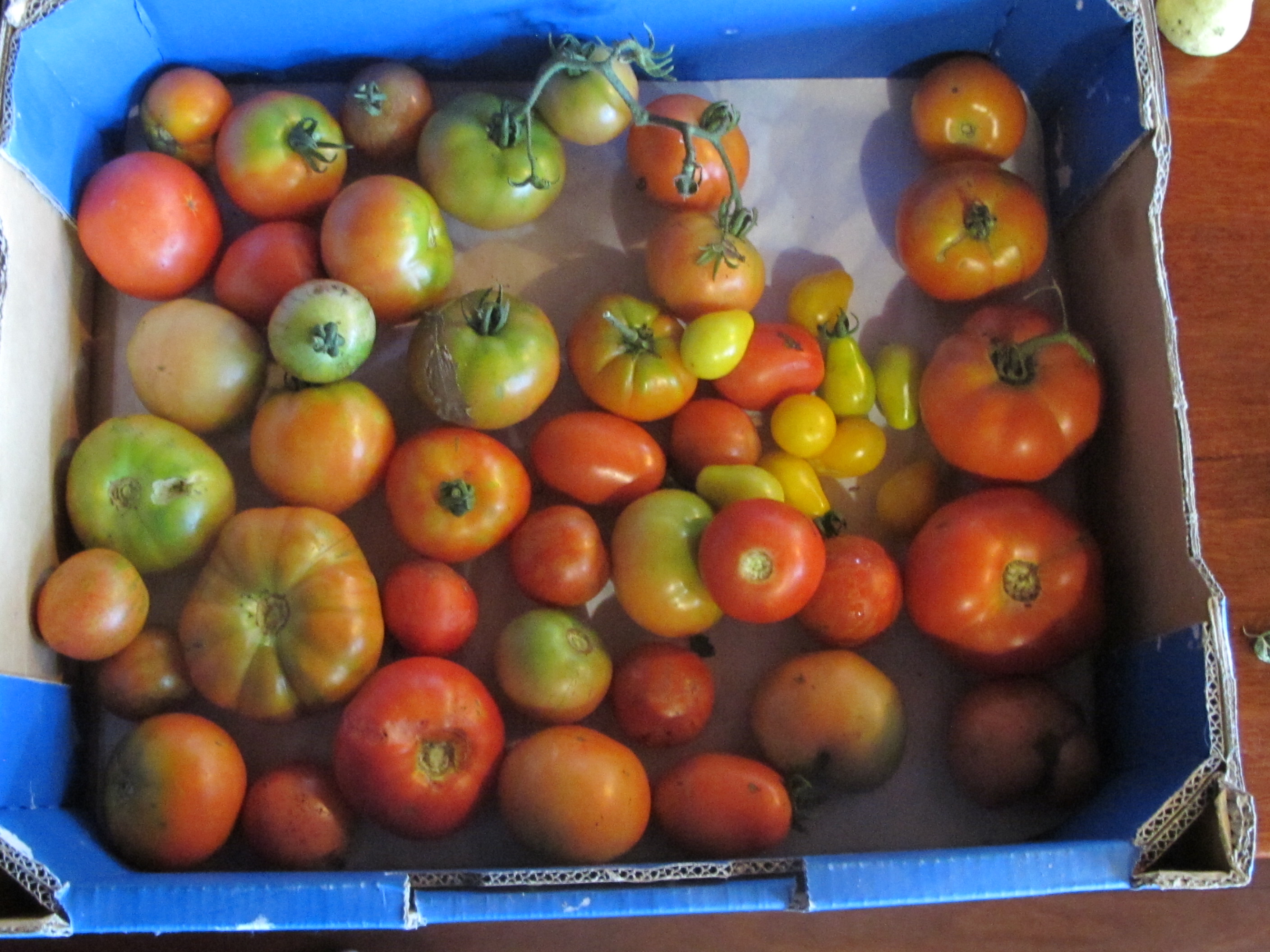
As the garden is so prolific in this warm wet weather, we decide to make an egg plant parmigiana. We have lots of tomatoes and aubergines.

IMG_8319IMG_8320

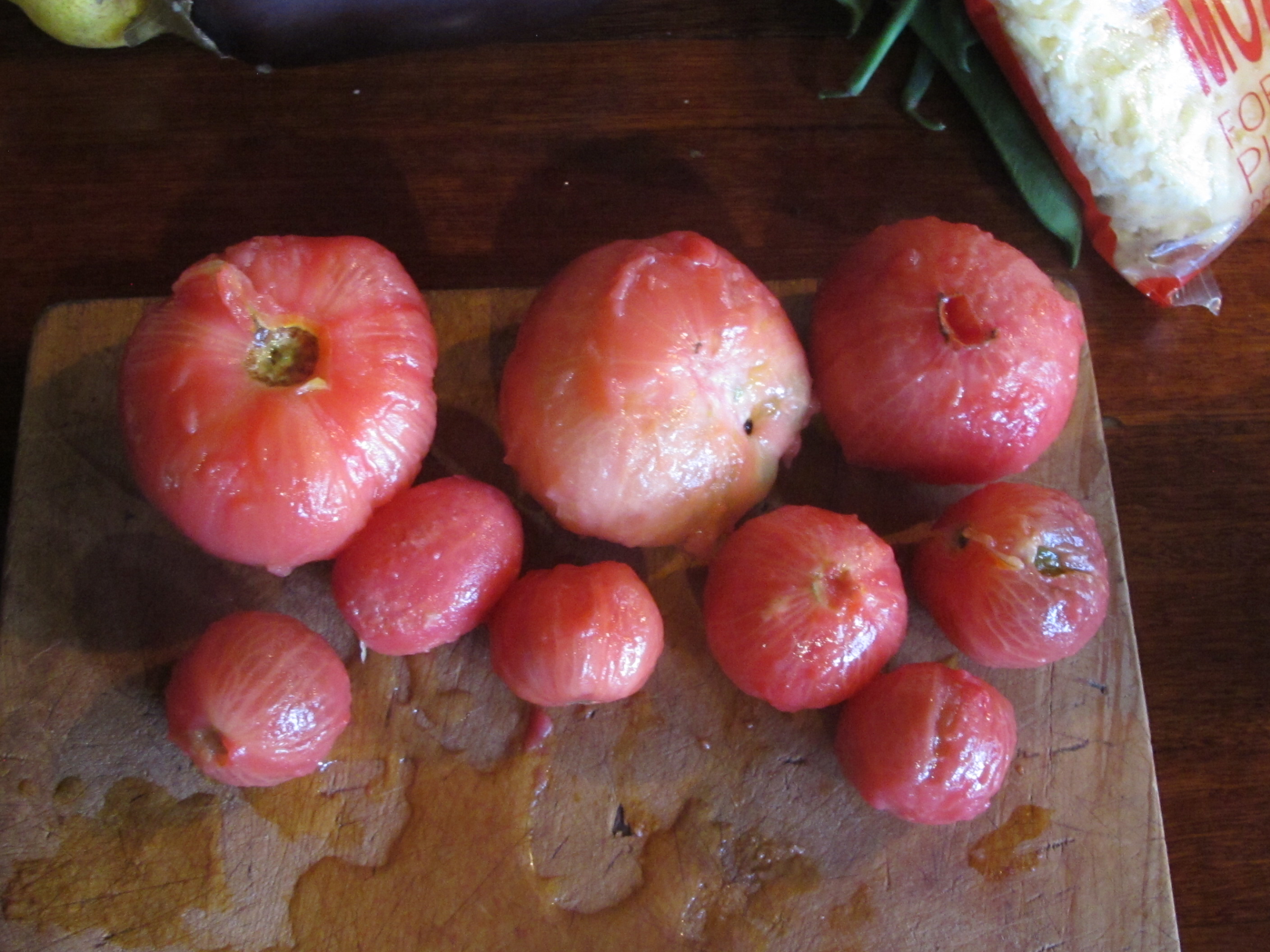
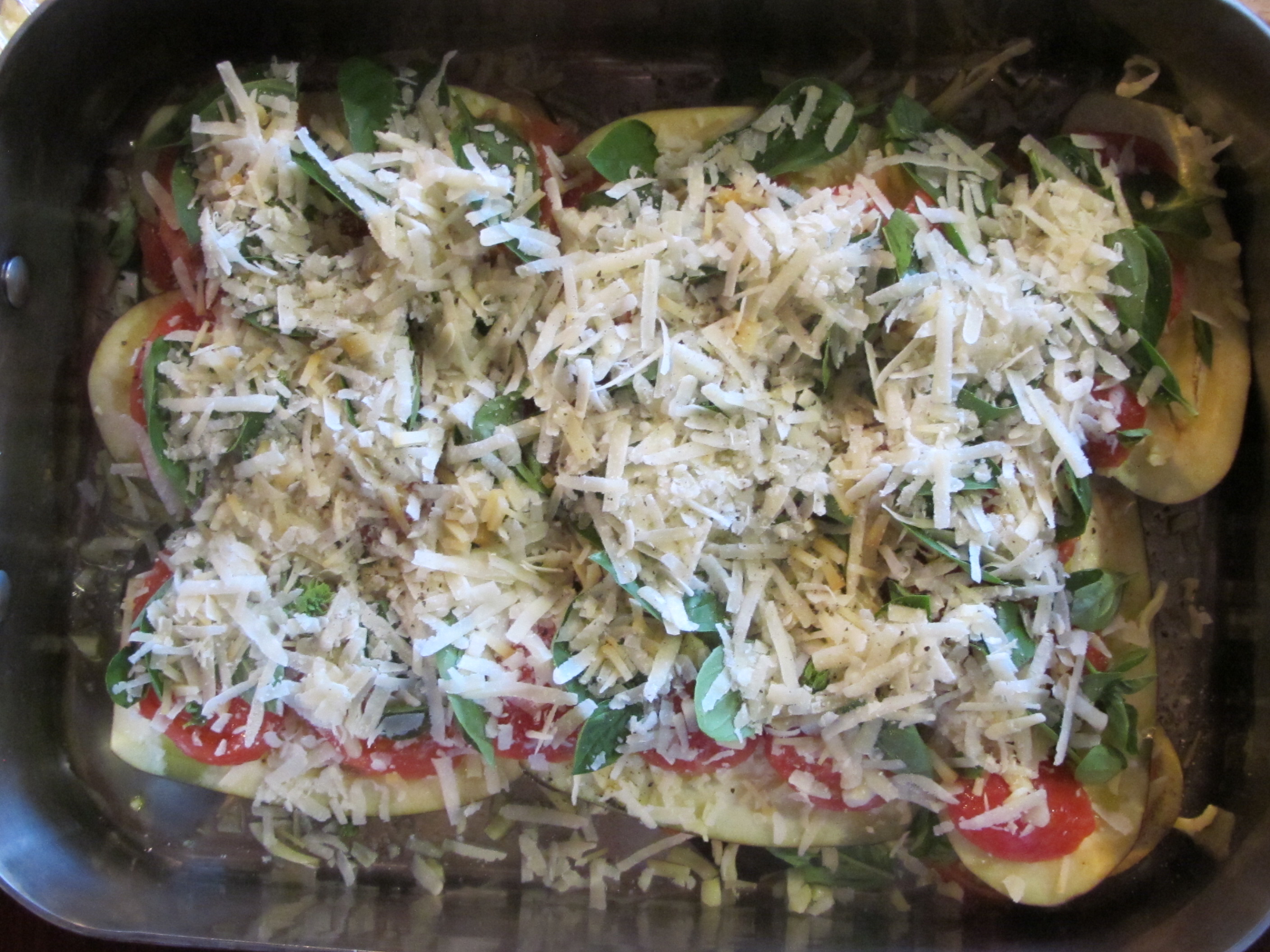
Tomatoes blanched and skinned, sliced and laid over the aubergines with a little olive oil, then sprinkled with torn basil leaves and crushed garlic, finally covered with a jar of our home made tomato, garlic, onion and capsicum sauce. Grate parmigiana on top and bake.

IMG_8321IMG_8322IMG_8323

Another favourite at this time of year for a simple meal on a hot day is cold cucumber soup.

This isn’t really a recipe, more a way of thinking about using up cucumbers. It’s cooling and soothing and a little bit tangy, and you get to use up a lot of cucumbers.

Use half a dozen small, or 3 large cucumbers. Peeled and seeded if they are older and larger, but all in as they come if they are young.

Some mild onion like red or white, or even green spring onions finely chopped

A big bunch of cilantro or coriander leaves finely chopped.

A small bunch of mint leaves finely chopped.

A couple of cloves of garlic, smashed and de-papered.

Some finely chopped chilli to taste and although I don’t use salt, if you want it, add it to your our taste.

Juice of a lemon.

Put it all in the blender or food processor with half a tin of coconut milk and the same quantity of plain greek yoghurt, or just one of them, or some sour cream if that’s what you have in the fridge. You can use a blend of all three.

You can serve it with a little bit of olive oil on top and some paprika sprinkled on.

Janine mixes up the recipe each time she makes it to keep it lively and interesting, sometimes adding chopped dill, parsley or tarragon leaves. Sometimes with only yoghurt and other times with just coconut milk. It works just the same.

It’s always different and always delicious.

IMG_8281IMG_8285

A Shocking Xmas

We were having such a quiet and relaxing Xmas day, – until the storm broke.

We have been enjoying warm, wet weather recently. Everything has been growing so well in the garden and orchards.
On Xmas Day all was quiet and relaxed and we were expecting rain in the afternoon, more or less as has been usual for some weeks now. Just a few showers, we thought.
The sky grew dark, like evening was approaching early, but it was only afternoon. Then the thunder came rolling in like distant artillery. The rain started and the wind picked up. We weren’t too worried, we have a safe, dry home. It’s been here for one hundred and twenty-one years now. We’ve been comfortable in it here for 38 of those years.
The rain increased to the point that it as blowing in horizontally with strong gusty winds driving it up against the walls even under the verandah. We stand and gape out the window and watch the water cascade over the gutters as it gushes off the roof and splash back out of the downpipes. I go around the house and pull out all the electrical plugs and disconnect the internet. We are laughing and joking until it gets worse and I remember that I have two pairs of leather boots on the verandah. I rush out quickly to pick them up and bring them in.
Just as I bend down to pick them up, there is an astounding BANG and crack with triple hissing flash and shudder. I’m thrown back against the door and for a moment I think that I can see the bones in my hand illuminated like an Xray against the flash as I reach for my shoes. I leap back inside bouncing and hopping from one leg to another. I’m not hurt, only shocked and surprised. I can’t stand still. I have to keep bouncing around the room. I think that I’m in shock. I’m not too sure, but I’m certainly surprised and amazed.
I don’t know what was hit by the lightning strike, but it sure must have been very close. The Lovely was in the loo at the time and heard it, felt it, and saw the flash through the window. She knows that it was too close for comfort. It scarred the shit out of her! Luckily, she was in the right place. Not to be de-turd myself. I go back out and finish clearing up the shoes.
We hug each other and comfort ourselves with each others presence. It’s then that I feel the splash of water on my head and shoulder. I’m not outside any more. I shouldn’t be getting wet inside here. I look up and see that there is a stream of water coming in through the ceiling and dribbling down onto the library bookshelves. There are some very nice old books in there. I rush to get towels and a chair to stand on and a plastic bucket to place on top of the book-case to catch it all. I have to move some sculptures and pots to make space for the bucket. We get everything under control and sit and wait to sit-out the storm. We end up getting 82 mm. in one hour.
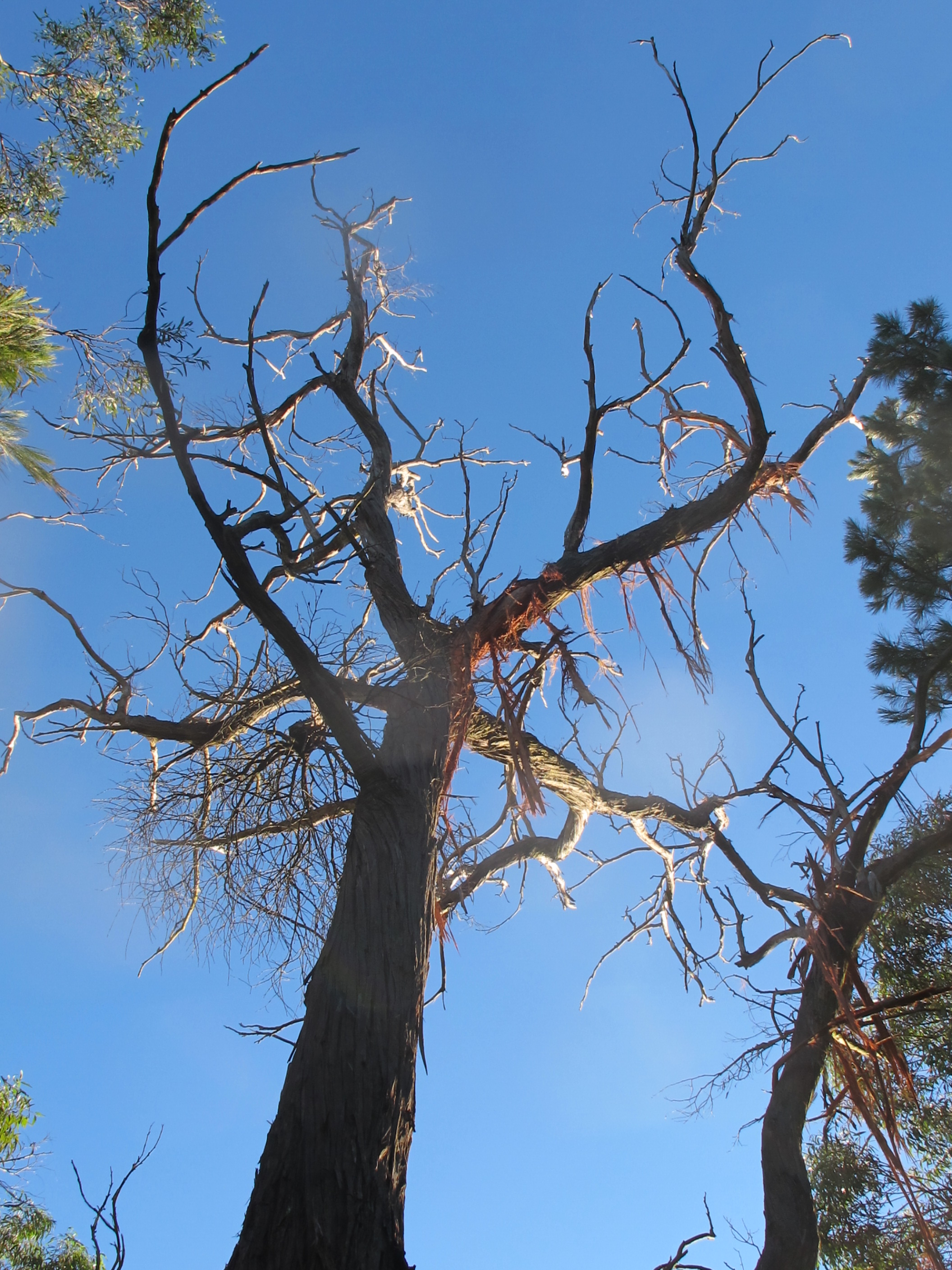
In the morning we stroll around to view the damage. Nothing too bad. The pottery and kiln shed are all OK, but the power had been knocked out. As I walk up to the garden. I can see the shredded bark all over the driveway and front garden. I look up to see where it has come from and it’s then that I see the damage that the lightning has done to this huge old tree. It’s thoroughly dead and blown apart by the force of the strike. There is not a leaf left on it. The lightning has collected it at the tip of the highest branch and then the electricity has followed the grain of the wood down and around the tree in a spiral, following the twisting grain. Blowing off the bark and exposing a strip of the cambian all the way to the ground. The tremendous energy has vaporized the sap and blown off the immensely dense, tough and thickly matted and interwoven stringy bark, shredding it and blowing the fragments all over the front garden, as far as the neighbour’s fence.
IMG_8168IMG_8166
IMG_8171
This tree is a metre across at the base. It’ll be a winters load of fire wood in a year or two. However, there is a saying around here often quoted to me by the old blokes that used to be here when I arrived as a young novice to country living. They insisted that a tree that has been hit by lightning won’t burn as fire wood. I really don’t know. I can’t see any reason for it, but that doesn’t mean that it isn’t true. I’m about to find out for real. I’m sceptical! Those old blokes also told me to go and buy a left-handed spanner and to ask the storeman for a long weight while I was there. I got the long weight alright, but not the spanner. Now I’ve got my own electrocuted tree. The truth is not too far away. All will be revealed!
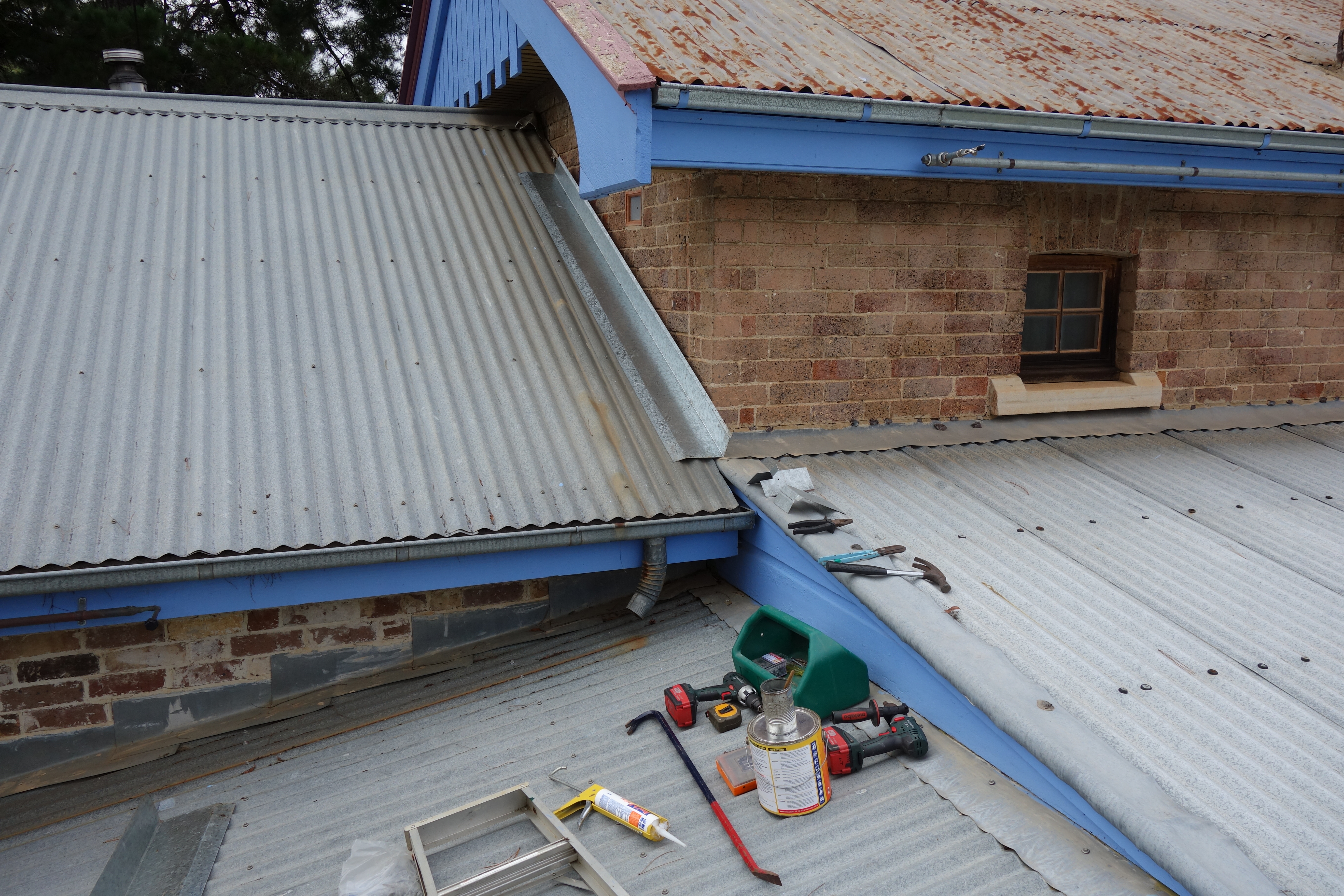
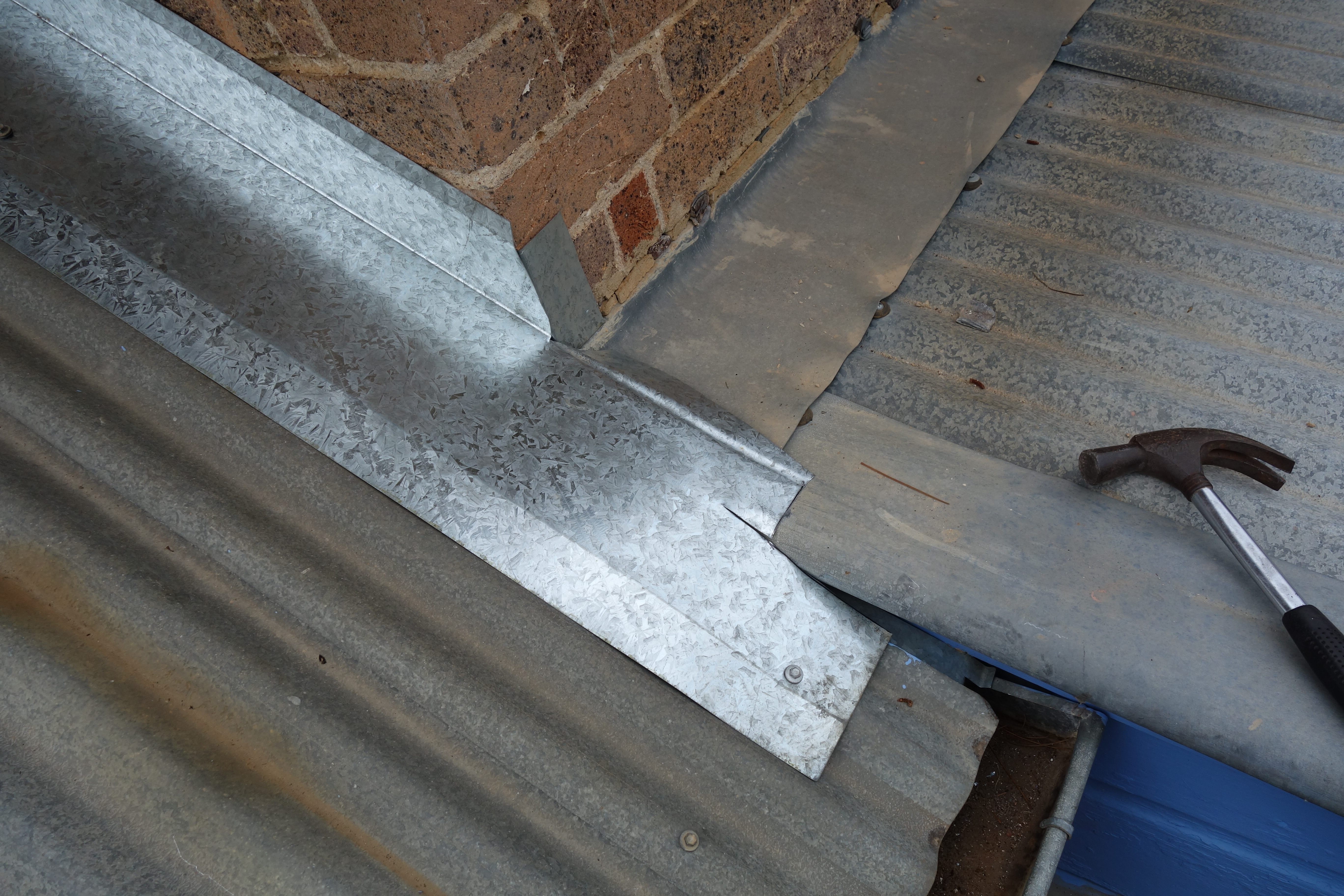
As the sun begins to shine again. I get up on the roof and look for obvious holes, but there is no obvious gap in the roofing. What I can see are several places where the 120 year old roof screws are coming loose and allowing the overlapping sheets of corrugated iron to be slightly raised. That would be enough space to allow rain in, on a night like last night’s storm, with the pressure of the driving wind in behind it. I take out a lot of the old screws, any that seem to be at all loose. These are replaced by new, longer ’ Tek’ screws. I also finally get around to installing the last of the flashing at the edges where the two roofs more or less meet up, but don’t quite. This has been a difficult problem, that has been waiting for me to solve for some time. I make up some special galvanised steel flashing parts that are custom-made to close the tapered gap. I want to keep out possums, bush rats and also wind-blown embers from getting into the roof cavity and the eves during bush fires.
DSC00061DSC00064
I get it all done in a couple of hours, before it rains again. I’m pleased. I feel good. It’s all done. This is a job that has been on my mind for a long time. I made up the sheets of special flashing two years ago, and they have been sitting in my workshop ever since then. Now the western side of the roof is finally finished. I must get back up there and do the more difficult and complicated Eastern side some time soon. But not until I unload and re-charge the ball mills again. Grinding media waits for no man.
I guess that this is what time off from normal work is all about. Allowing time for other things. All those other things that never got done during the past year (or two, or three…)
Yesterday I was glowing with electrical static, today with satisfaction.
fond regards
from Steve the Glowing Illuminated Manualscribe.

A Handmade Christmas

We have been busy making things for Xmas.

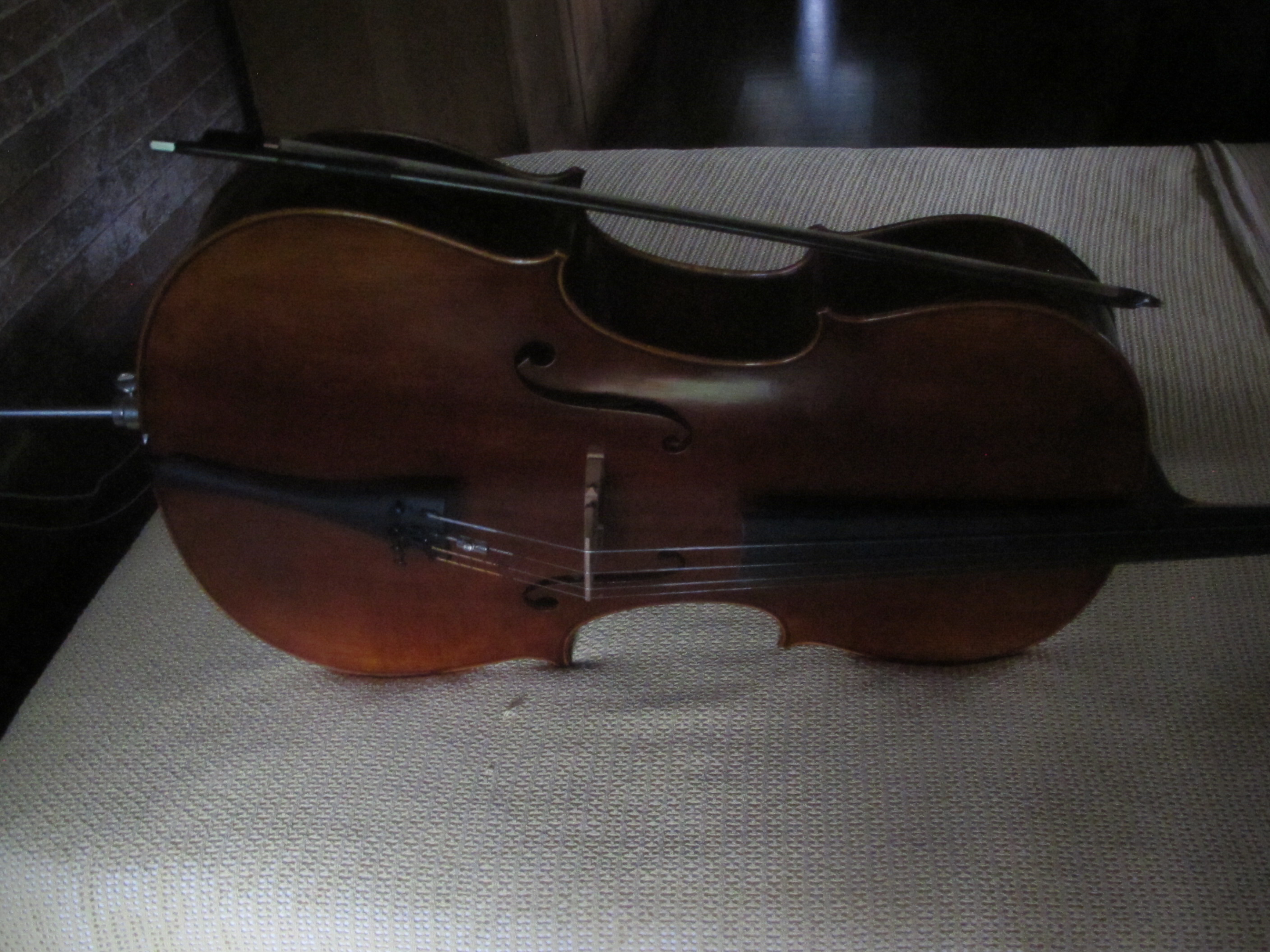
We have been making beer, making porcelain body and making kilns, cooking and sewing. I’d like to claim that I have been making music as well, but I’m so bad at playing my cello that I can’t claim that the noise I make is music, just noise — but with some sort of intent and structure.

IMG_7799IMG_7800

IMG_7883

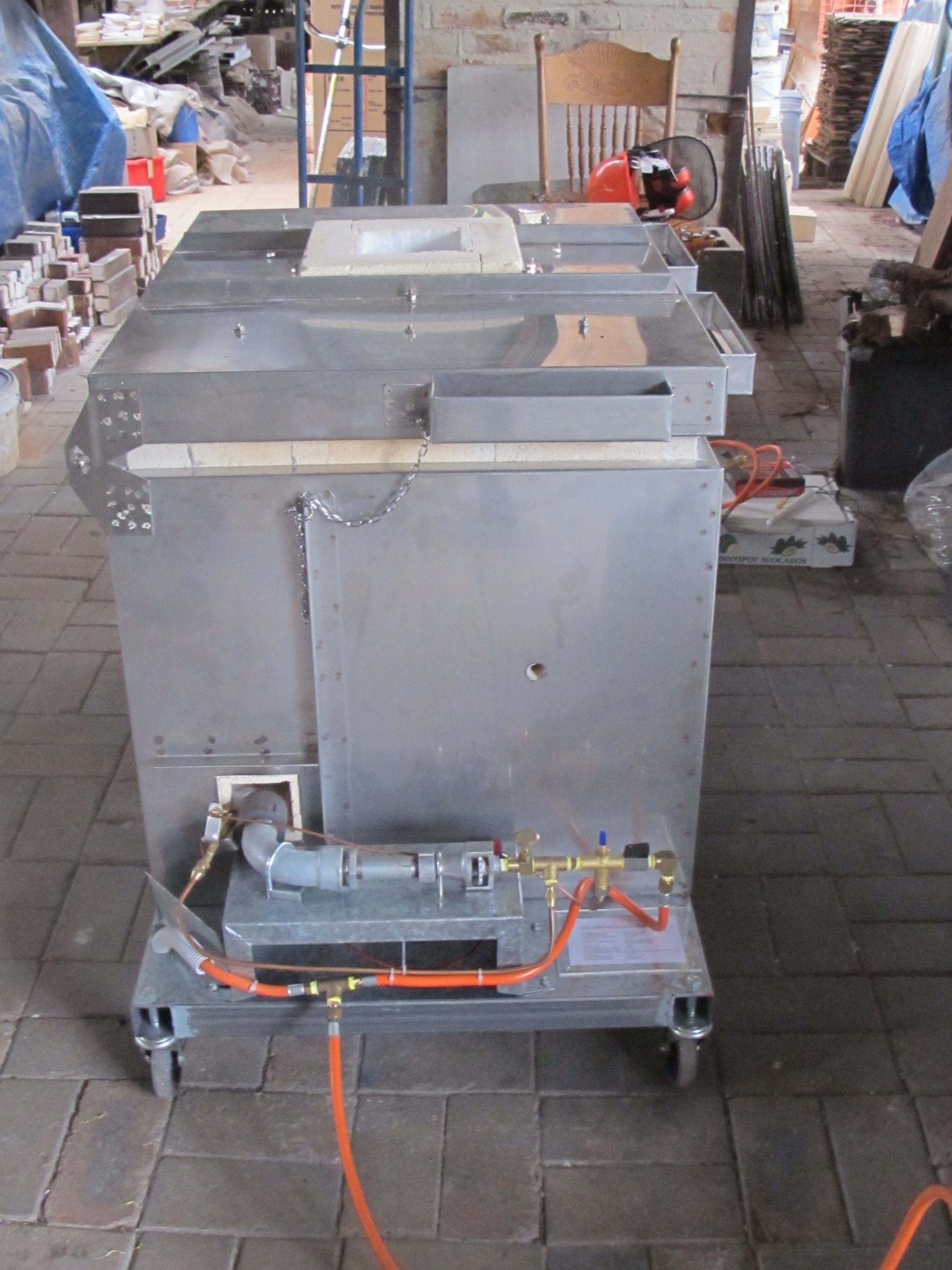
I had a kiln ordered for before Xmas as well as one for after Xmas as well, while the first one was at the galvanisers, waiting to be dipped in molten zinc to permanently rustproof it. I spent the waiting-time, and there is always waiting time at the galvanisers, 3 weeks is usual and longer nearer to Xmas. I spent this time productively making a small re-locatable kiln on castors. This one is for a potter who only has the use of one arm, so everything had to be designed to be flexible and achievable one-handed.  This kiln is designed to use 2 quite small and thin kiln shelves, so that it can be loaded with one hand. The kiln has a ceramic fibre-lined lid, which is light weight and hinged, using an adjustable hinge system, that I built, so that it can be lifted simply up into a safe position and held there with chains, just past the pivot point. As the ceramic fibre on the lid seal compresses the hinge can be adjusted to allow for the change in height, so as to maintain a perfect seal. The gas burners are self-igniting using a piezo-electric ignition system that can be operated along with the thermo-electric safety switch, all with one hand.

I’ve tried to think it all through so that it is as flexible and practical as possible as well as being safe. I have to make sure that it conforms to all of the Australian Standards as well.

IMG_7987_1IMG_7991

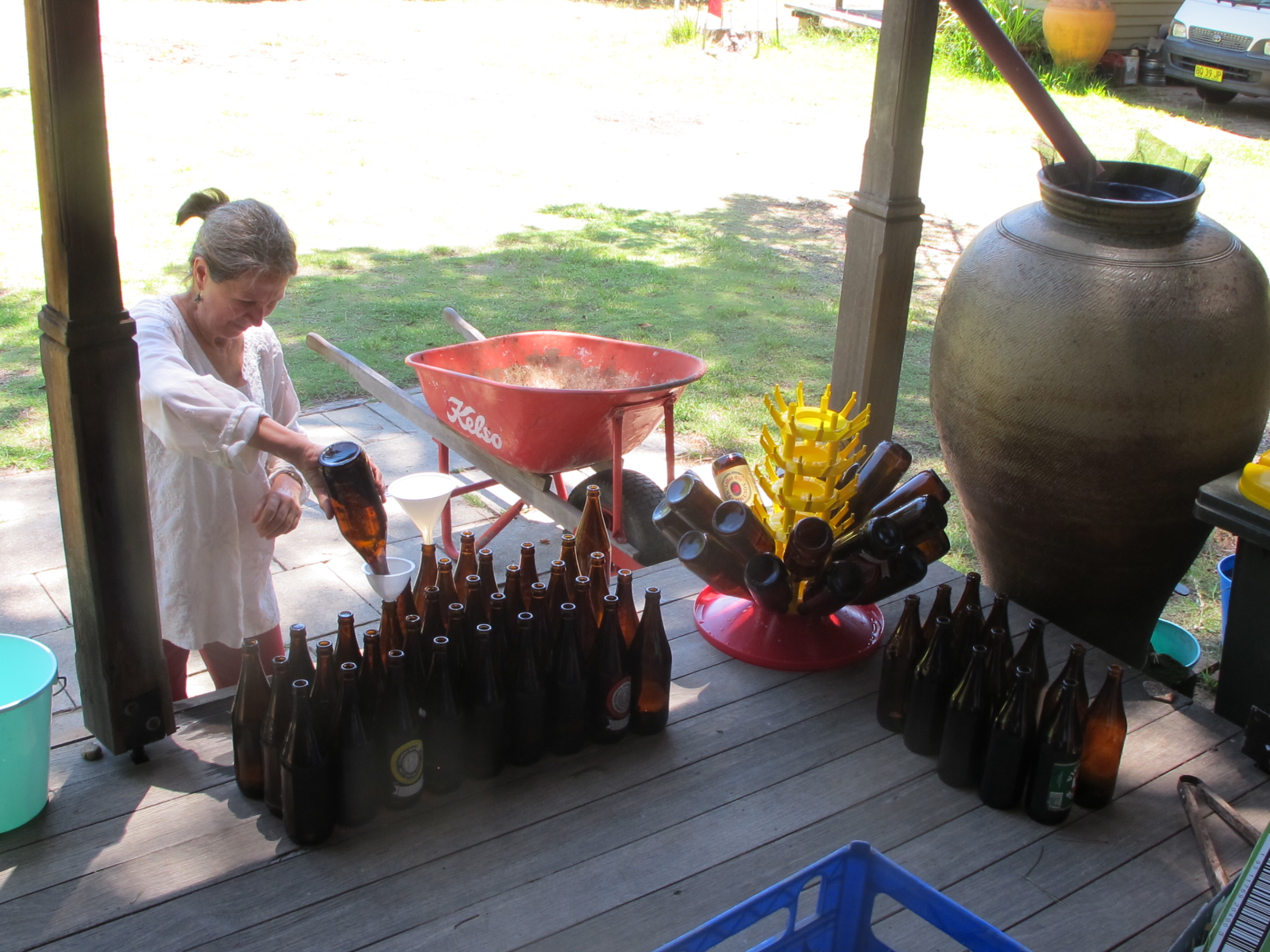
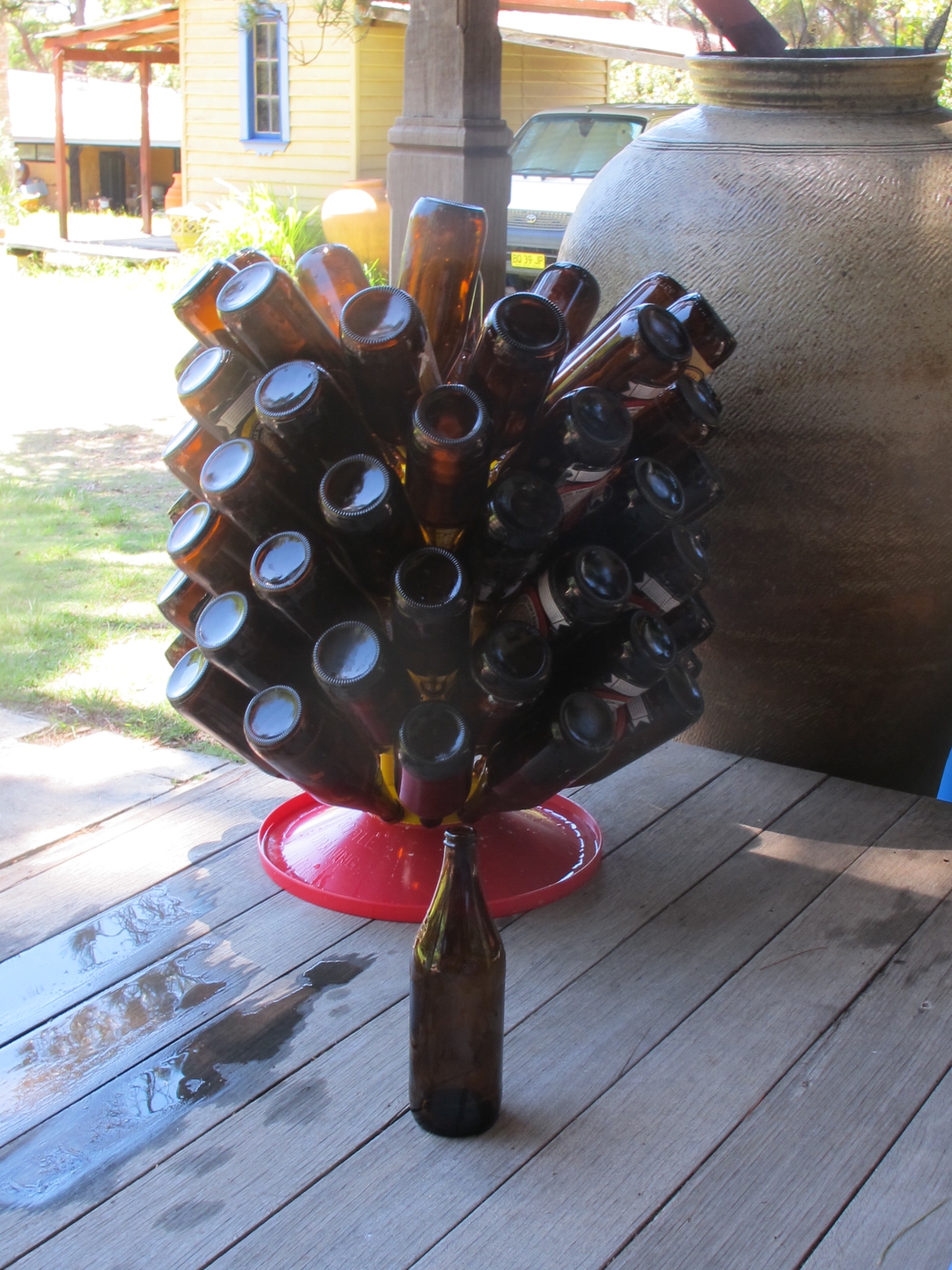
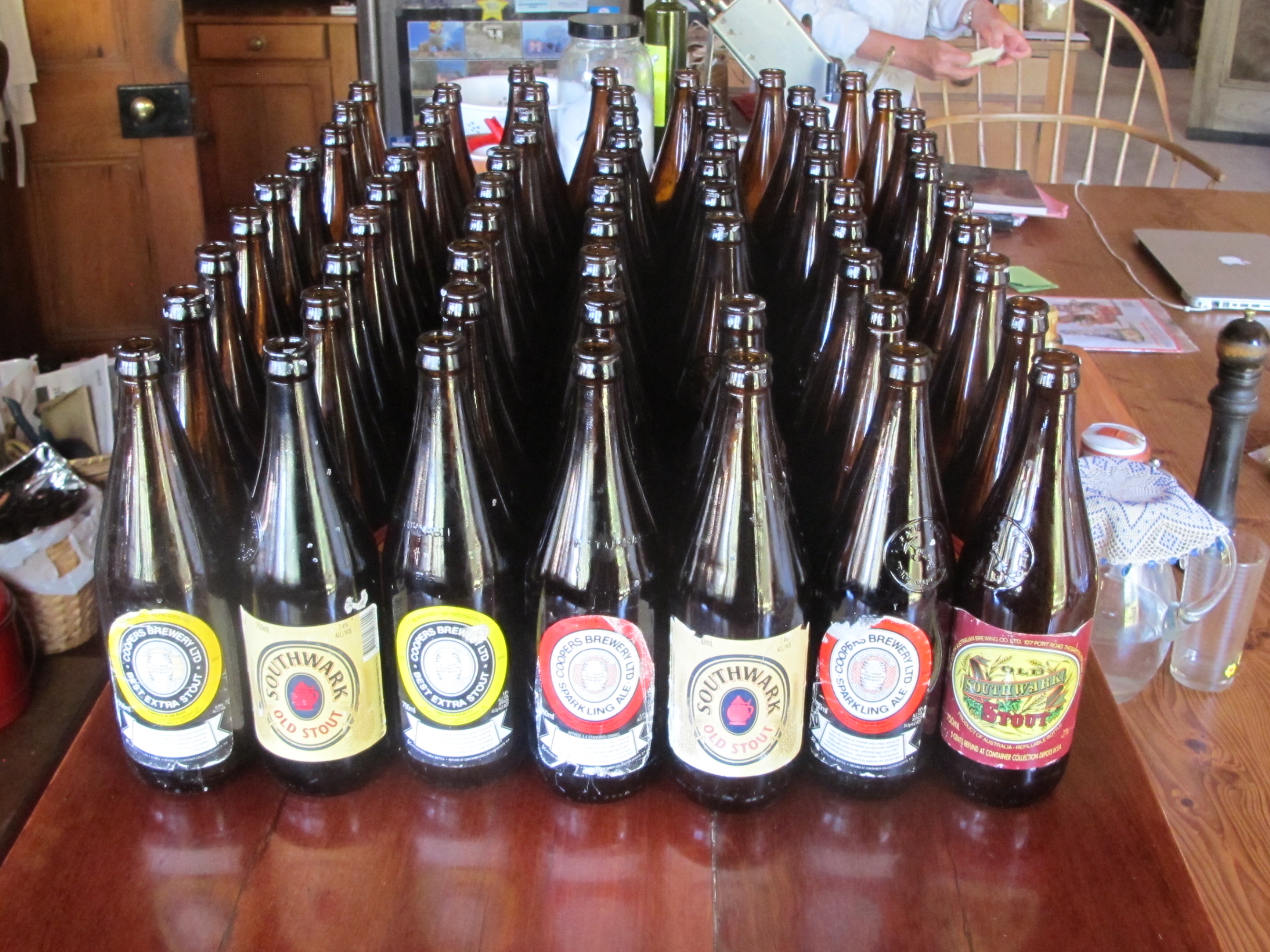
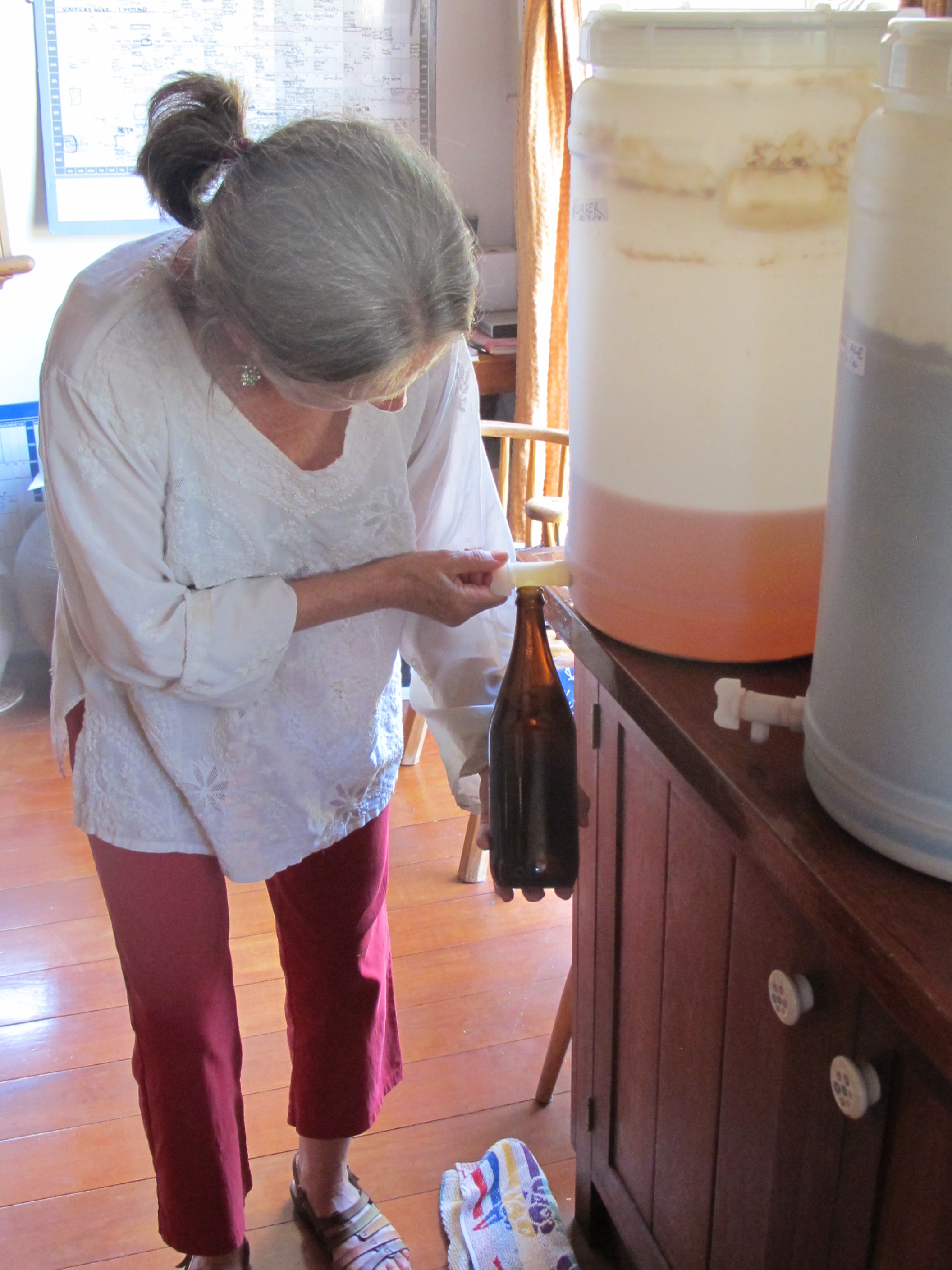
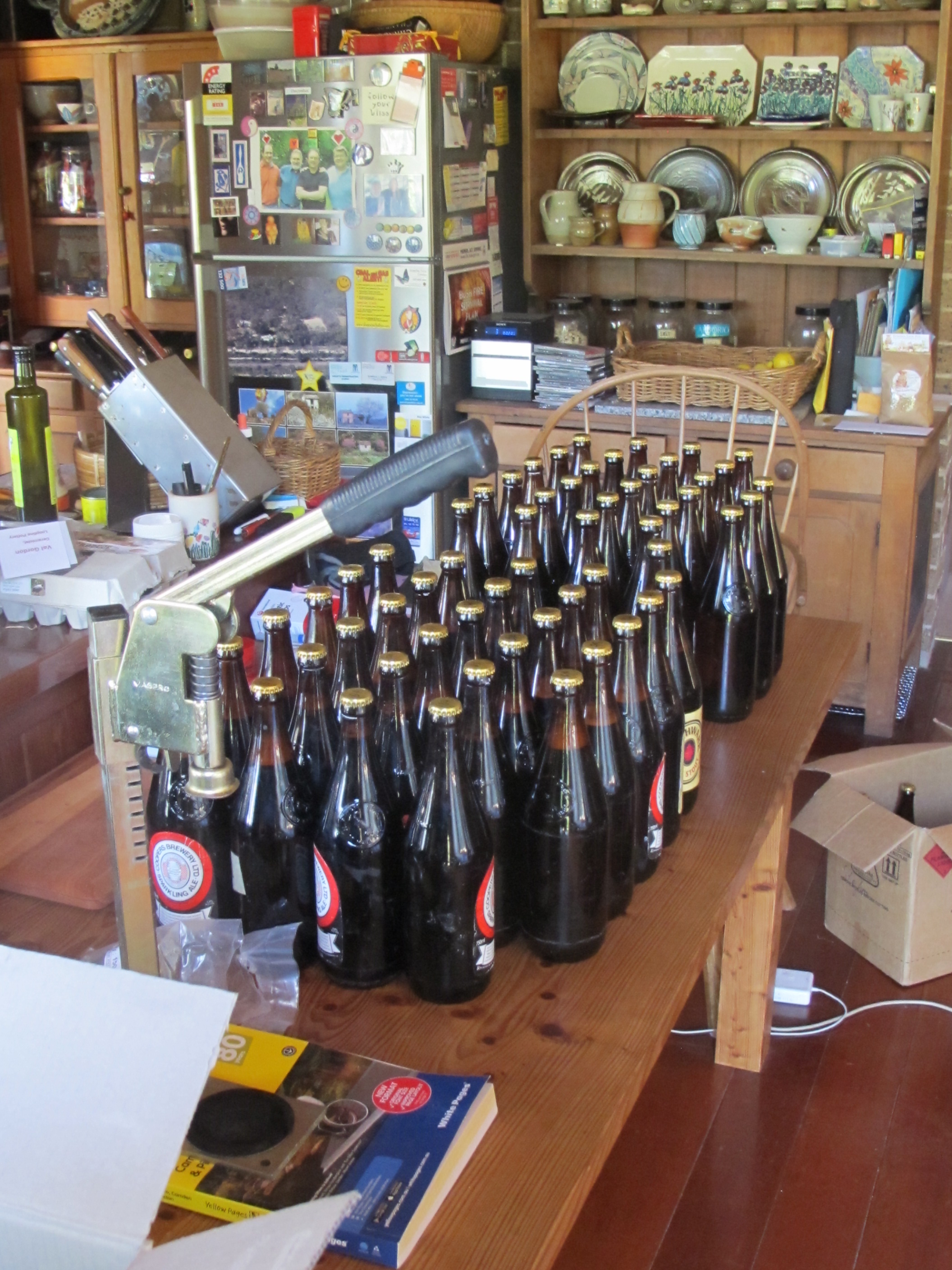
Yesterday, we spent a day washing, cleaning and sterilising 60 of our 30 year old beer bottles. There are some real antiques in this collection. Labels from breweries that you can’t buy any more. The old Coopers long necks were so solid and reliable. It takes longer to clean, sterilise and dry them than it does to fill and cap them. It takes us most of a leisurely day to get it all done and then clean everything up again and put all the gear back in its place. It’s a once a year job.

60 bottles of beer will last us all year, because we also make cider from our apples in the autumn, as well as a small amount of wine from our shiraz grapes. Last year we didn’t get to make any cider, because after the bad bush fires that cleaned up all the forest around here. There was not very much for the birds to eat, so they came here and cleaned up every piece of fruit that wasn’t netted. The apples trees are just too big now in their 38th year to get nets over, so there was no crop, hence  no cider. However, the year before was really good and we made 120 bottles of cider, so we still have plenty in the cellar, enough to last a few years. Once the bottles are crown sealed, the cider will last many years. We have drunk it up to 5 year old with no noticeable deterioration of flavour or head/mouse.

IMG_8113IMG_8117

IMG_8123IMG_8127

IMG_8128IMG_8130

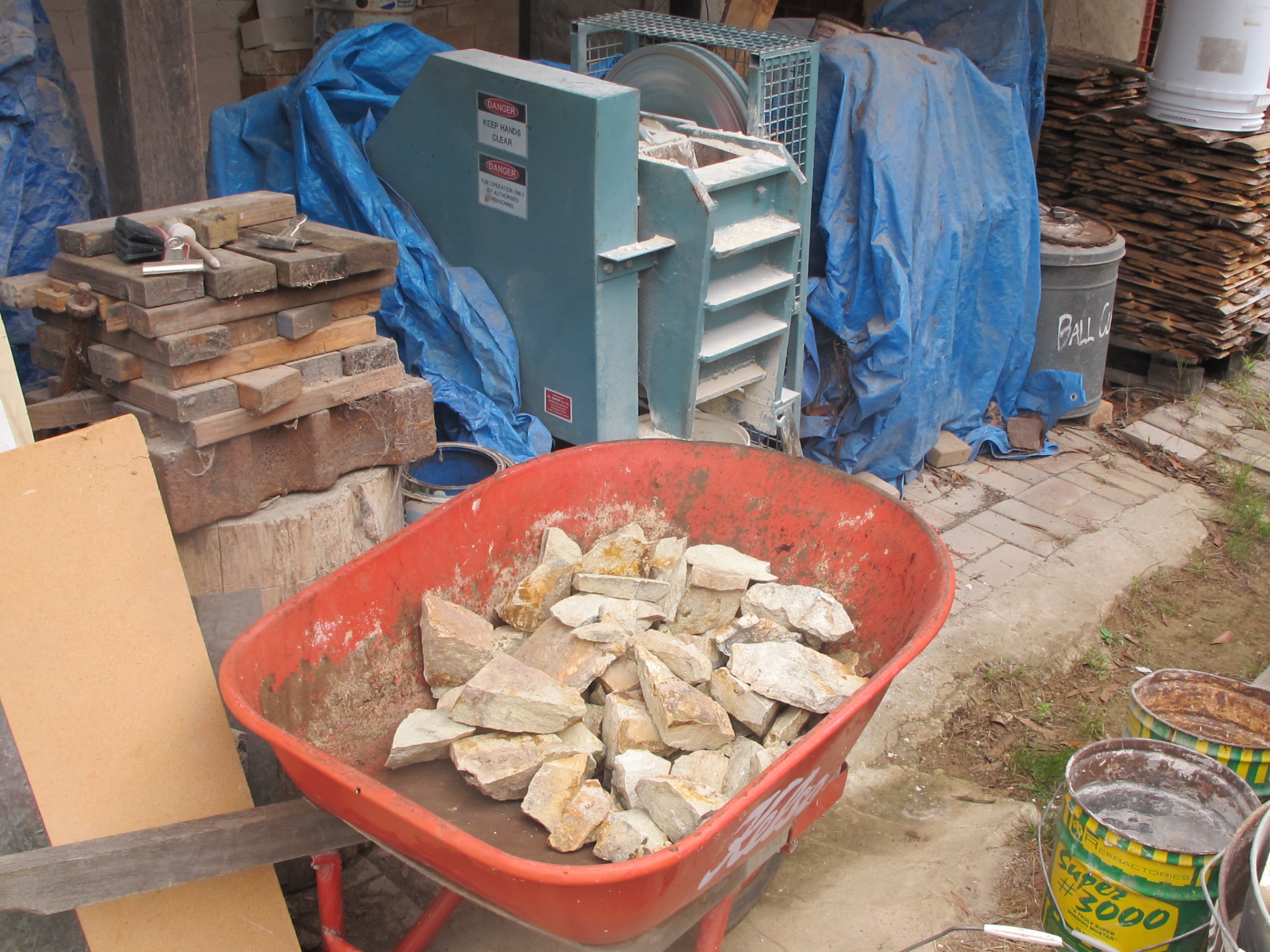
I try to make a years supply of porcelain clay body in the summer time while the weather is hot and the humidity is low. It is made from ball milled ‘bai-tunze’ porcelain stone in a liquid ‘slip’ form, so it needs to be dried out and firmed up on a drying bed in the sun after milling. These drying conditions have not been present up until now. We have had almost constant rain, thunderstorms and showers every day since I got back. It’s been wonderful for the garden and orchards. Now it is easing off a little I’m hopeful that I can get some porcelain made. I’ve started the process of crushing and ball milling and will store the body as slip to age until I can get it dry. I should have been doing this before today, but there just isn’t enough time in the day to do everything that I want to achieve. As well as make a living.

IMG_8136

A wheel barrow load of porcelain stones in front of the big Jaw crusher

IMG_8134

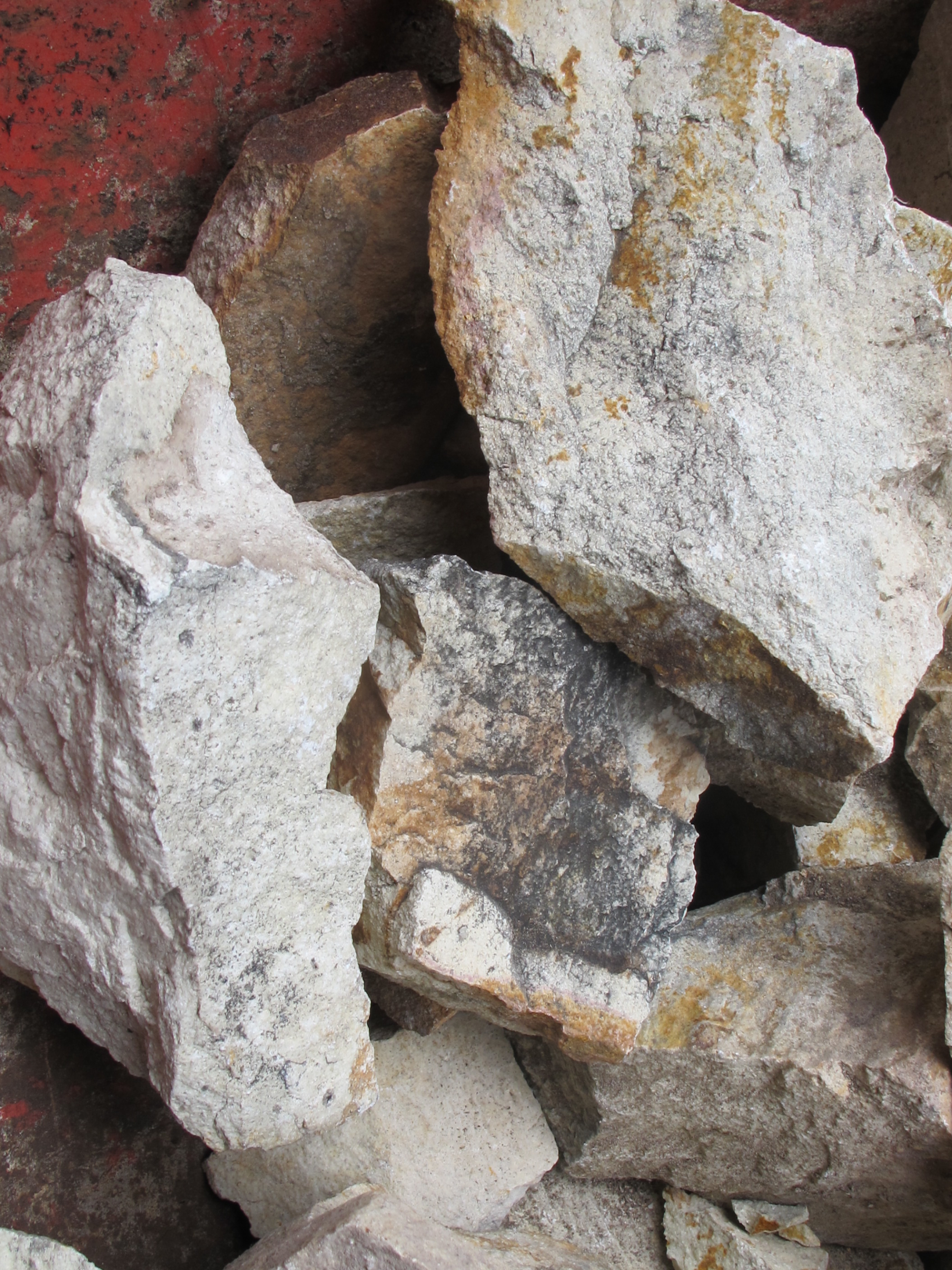
close-up of the stone fragments. They have the same black mould on the surface as the similar porcelain stone from Arita.

IMG_8142

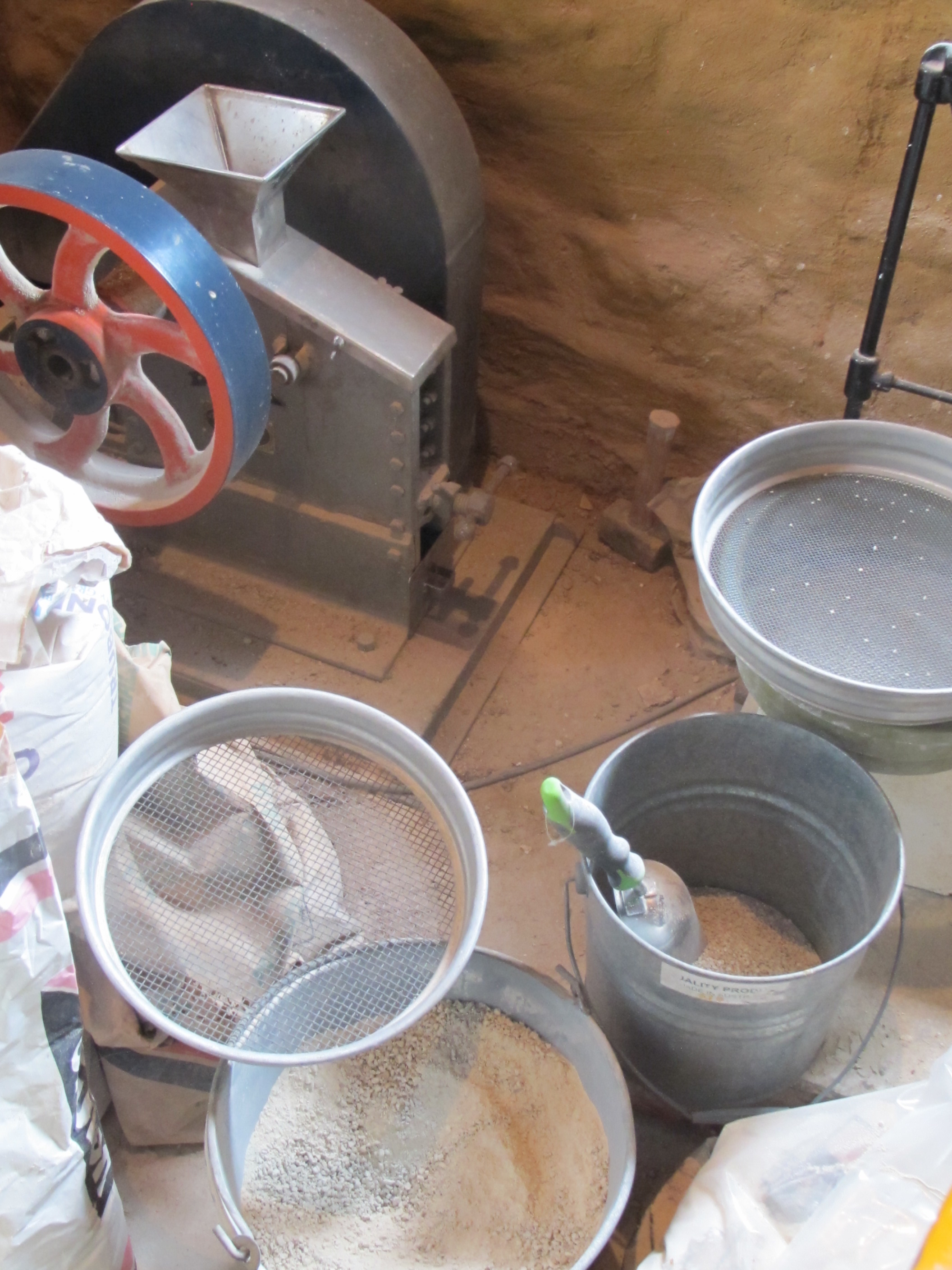
The small jaw crusher and buckets and sieves.

IMG_8145

The big ball mill that holds 30 kgs of stone grit.

I got an unexpected Xmas gift yesterday. I went for a hearing test, because my doctor thought that I might be loosing some acuity in one ear in my old age. The Lovely often says that I don’t listen, but I think that that is another matter all together. I was concerned, because a life spent working with power tools, angle grinders, rock crushers, ball mills and chainsaws, must surely have taken its toll. Fortunately, the audiologist found that my hearing was normal for someone of my age, not perfect, but OK. I must admit that some times I don’t wear the ear-muffs on every single occasion that I ought to, but I wear them most of the time and the benefits of that cautious behaviour are now paying dividends.

A nice unexpected present.

IMG_8151IMG_8154

DSC00033

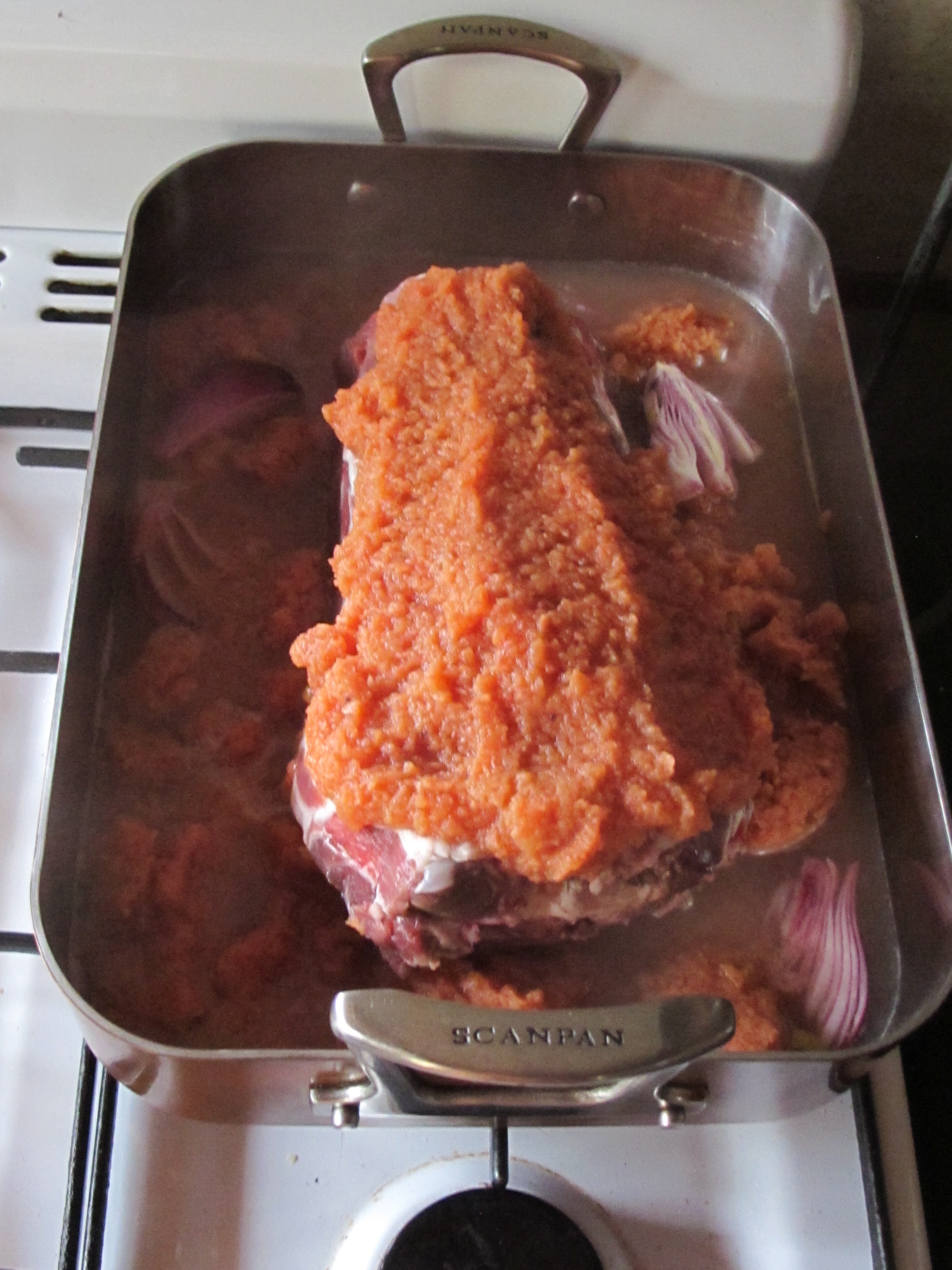
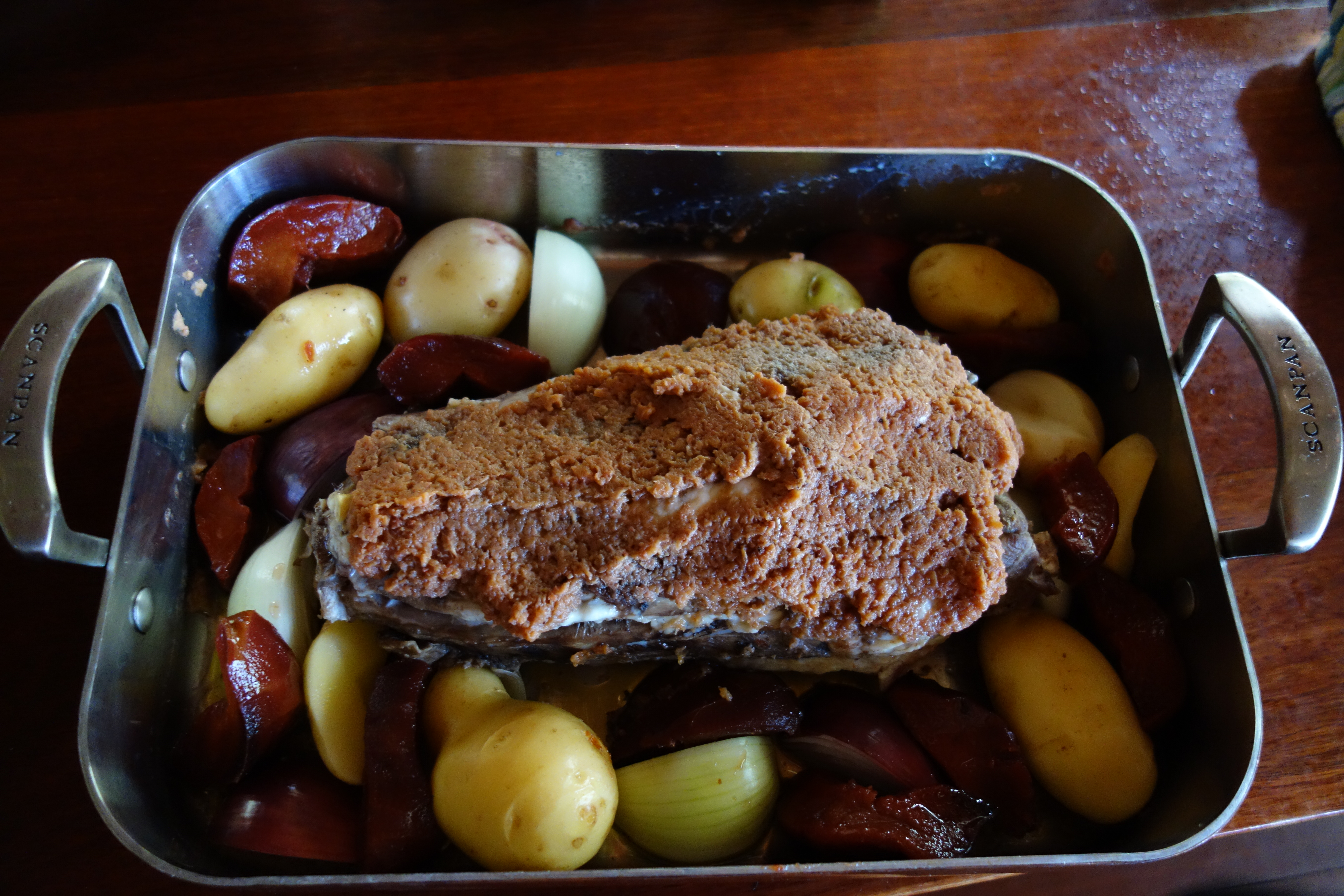
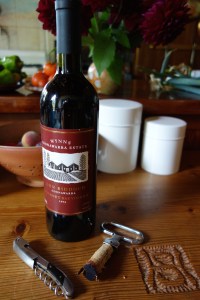
We decide to cook one of the last pieces of lamb that our son Geordie bought in the middle of the year. As he is a chef at a very prestigious restaurant with a couple of ‘hats’ rating. He will be cooking Xmas dinner for everyone else today. We will have our Xmas lunch with him tomorrow. This last piece of his lamb is the saddle with the eye fillets. Saving the best till last. This will be this months red meat meal. I simmer it very gently in a bottle of our home made quince cider along with a couple of our sliced onions. Put half a bottle of quince puree in the mix and spread the remaining half bottle of puree over the top of the saddle as a paste. After 1 1/2 hrs I drain it off and add a little of our local EV olive oil. I add a few of our newly lifted new season potatoes, a couple more onions and half a bottle of preserved baked, quartered quinces from last autumn. I bake this combo slowly for another 1 1/2 hrs. It’s a triumph of melt-in-your-mouth flavours. The twice baked quinces are amazing and the quince puree that has covered the lamb has kept it succulent and moist and amazingly flavoursome. We are very lucky people to be able to enjoy what would otherwise be an unaffordable meal. Janine steams some of our diced zucchinis with mint leaves. I go under the floor and into the wine cellar and retrieve a bottle of 1994 Wynns Coonawarra, John Riddoch, Cab sav. At 20 years old, it is amazingly spritely and still just a little bit tannic. It still has plenty of life left in it. I open it when we start cooking and it is very mellow and smooth, rich and complex and by the time the meal is ready, it is well breathed and a very good match. I still have one bottle left in the box. We’ll try it again in another couple of years.

We spend the rest of the day relaxing. Janine reading the letters of John and Sunday Reed, while I get out my cello.

DSC00043IMG_8160

I am really grateful that we are able to live this indulgent, self-reliant life that we have chosen for ourselves. On this quiet day, when it isn’t possible to do much else, we do what we always do. I check out the garden, pull a few weeds, pick some food for dinner, do a bit of watering of those soft, tender young seedlings, I also unload the ball mill that was running for 16 hours over-night milling 30 kgs of porcelain stone. While The Lovely spends a relaxing morning cutting up some worn out cotton pants and making a couple of pairs of ‘gaiters’, ankle protectors to cover her socks and boot tops while gardening and mowing. Nothing is thrown out until it has been well and truly all used up. Re-used, re-purposed and finally re-cycled. I am also immensely grateful that we are fortunate enough to be living here, where there are no helicopter gunships, no land mines and no civil war. I am aware that we are very fortunate indeed!

DSC00042

I am grateful.

fond regards from a lucky bloke and his industrious captain of her own of industry

First and Last

Happy Solstice or Bah Humbug, take your pick.

Wishing you all a very Happy Solstice Greetings in traditional red and green colours.

IMG_8077
The last string of last summers dried red chillies with the first picking of this summers fresh green chillies.
Janine suggests that these are also very good images with which to celebrate the solstice.

IMG_0233
The King parrots come to visit us at this time of year, looking for seeds and seed pods. This one is sitting in the native sollya vine. Australian Native blue bell vine. It seems to grow quite well here, so we don’t mind if the parrots come and eat the seeds. After all, they are called King Parrots so Janine has quite an affinity for them. What with them both being regal, it’s like they’re family.
IMG_3270
The other picture that she took recently, was in Japan. It is a bit of a weed over there. It grows along the rice paddies and drainage channels. Lycoris radiata. The red spider lily.
In times long gone the sap was used as a poison for stunning wild animals so that they could be caught – or so we were told.
It’s a pretty wild flower in the autumn around about rice harvest time.
Wishing you all a relaxing, peaceful and non-commercial Solstice holiday season.

Coming Clean

Coming Clean

One job that crops up 2 or 3 times a year is the making of liquid soap ‘gell’ for washing clothes. The Bright and Shiny King of Household Management is on to it and is well prepared. She has been doing this continuously since the early 80’s. Miss ‘Sunlight’ uses one cake of cheap generic brand laundry soap, which is still made in Australia surprisingly. The Soap Queen cuts the block of soap into thin slices. about 1/3 is used in each batch.

IMG_8011IMG_8008

Image 2IMG_8026

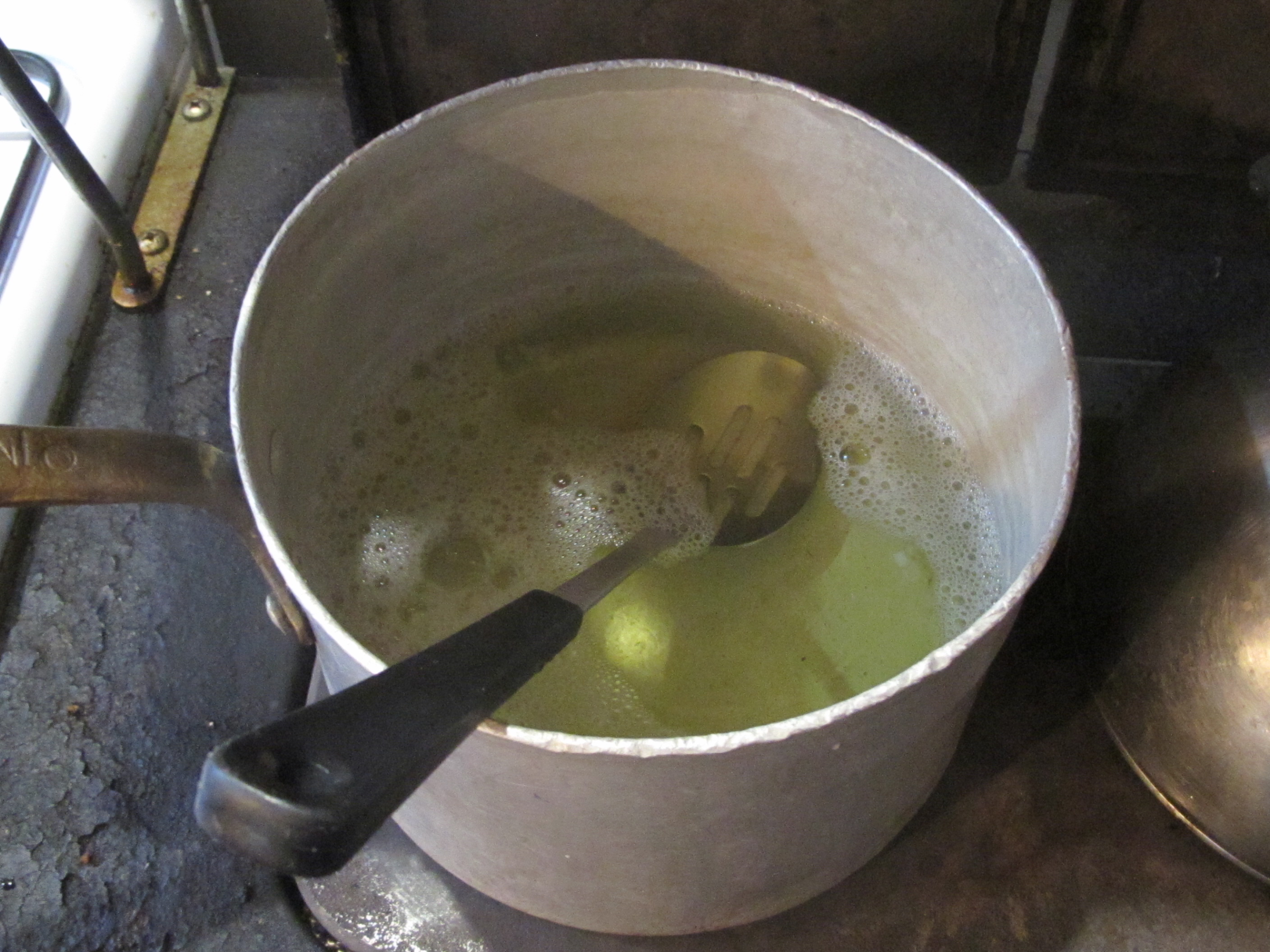
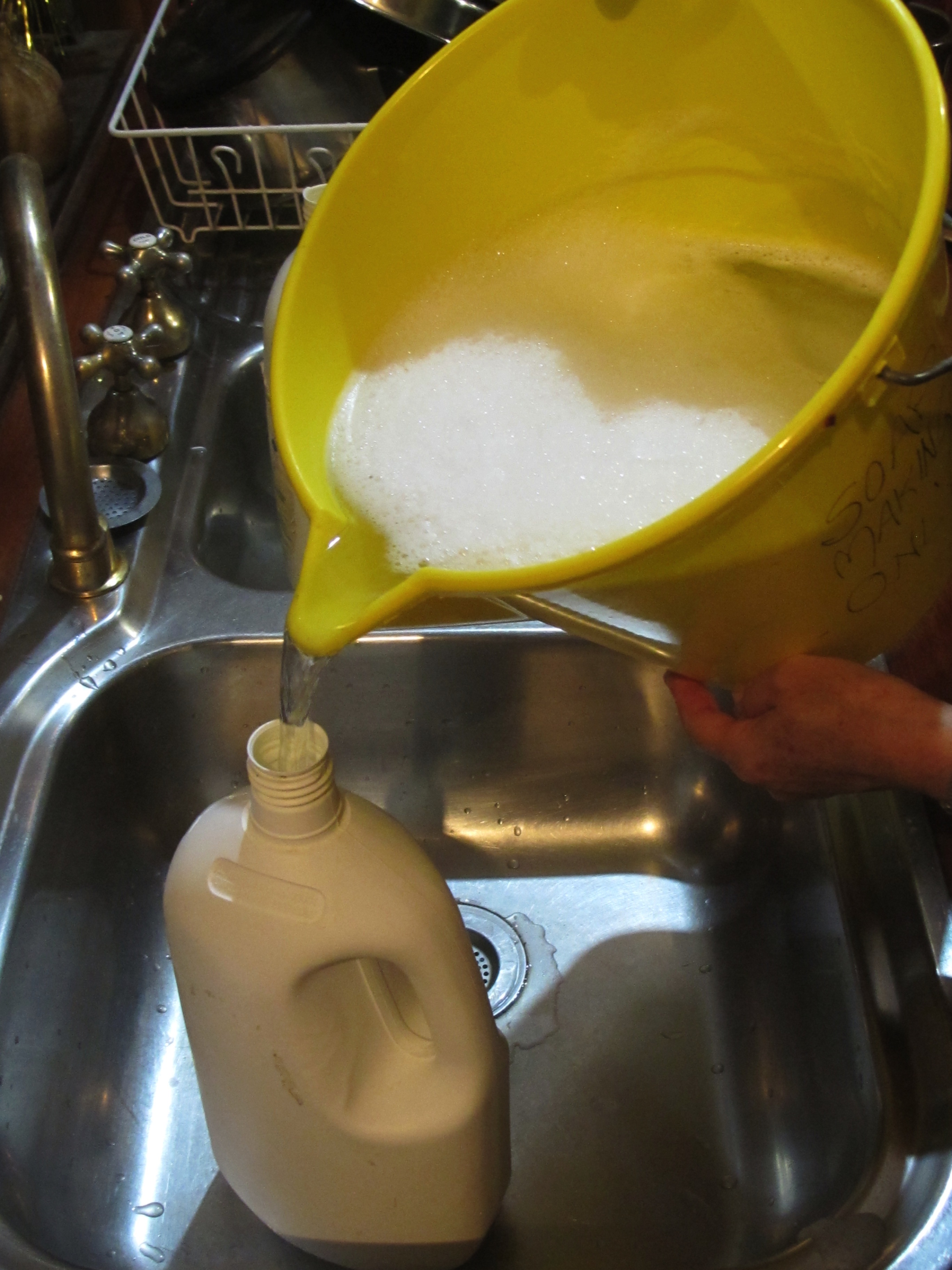
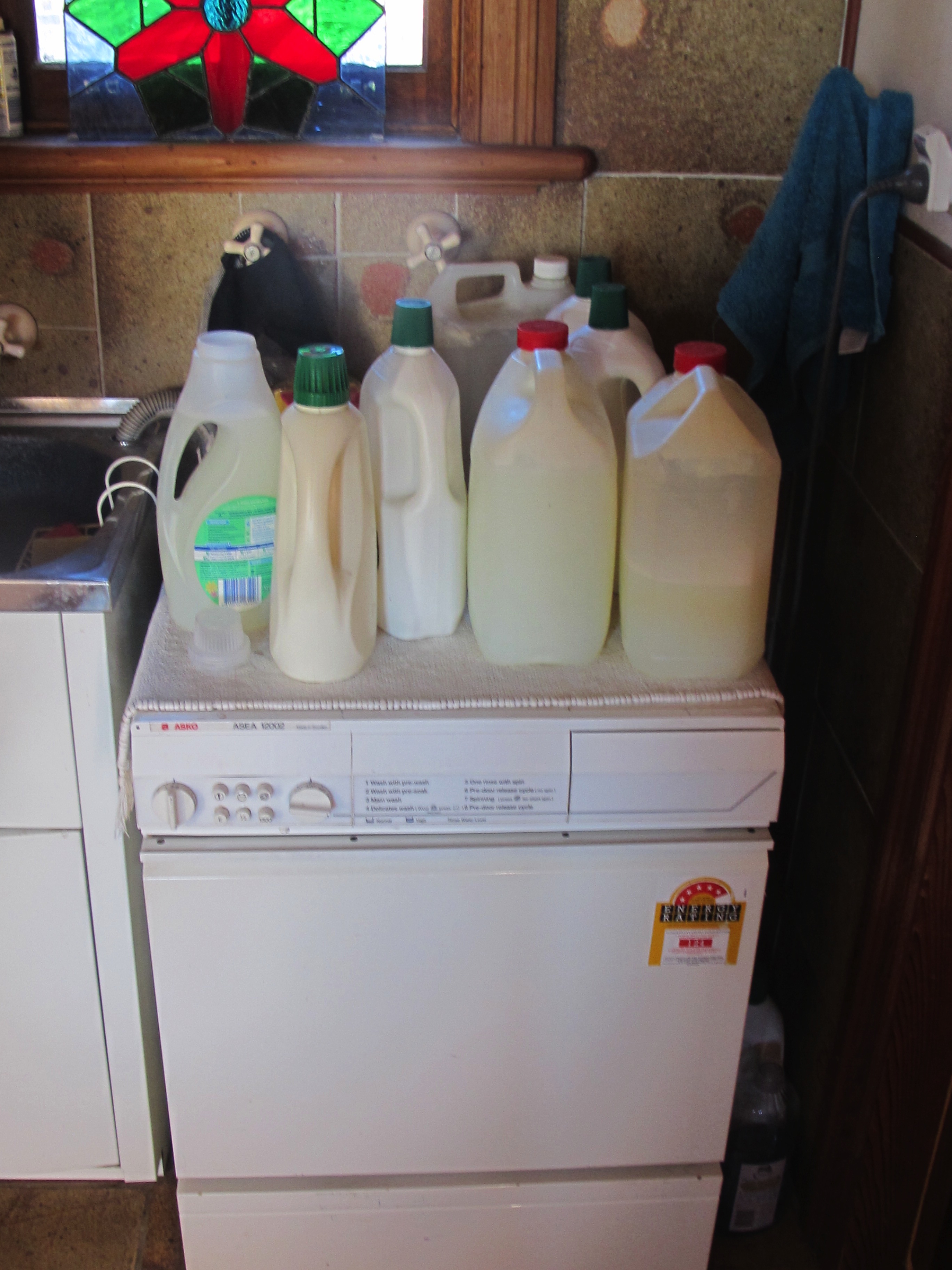
This amount of shredded soap ‘flakes’ is dissolved in a couple of litres of boiling water. We usually do it when the wood fired stove is lit, so as not to waste energy. The dissolved soap concentrate is then mixed with cold water up to about 7 or 8 litres in a bucket. If you want to add some fragrance, this is the time to do it. The diluted mixture is poured into flagons for long-term storage under the laundry sink. This is repeated, this is repeated, this is repeated, 3 times, until the whole block of soap is used up and all the available recycled plastic bottles and flagons are full, about 20 litres in all. This amount of soap ‘glug’ usually last us about 4 months for all our clothes washing needs.

She is my Sunlight, my only Sunlight, She makes me happy when clothes are grey – by washing them with home-made soap.

We have what is now, a very old, front loading washing machine that uses our own stored solar hot water, instead of electrically heating cold water. This saves energy. The front loading design also uses less water and energy all up. This machine was built in Europe and we have had it for well over 20 years. It’s been exceptionally reliable and paid for itself many times over in all the water and energy that it has saved us.

Image 3

We used to add an equal amount of washing soda crystals to this clothes washing soap mix, but we read that the soda was bad for the soil and the water ways, where it inevitably ends up, so we cut it out from the recipe some years ago and haven’t noticed any difference in the outcome of our washing.

The reason that we started to make our own washing soap ‘glug’, was after we read a shocking report on the build-up of phosphates in the water system and the blooms of algae that occurred in some of our rivers during the summer ‘dry’ back then. We decided then that we ought to do something ourselves to take control of our part of the system. So we stopped buying phosphate detergents. We’ve rarely needed to use much detergent since then. We still buy the occasional bottle of ‘green’ detergent. It claims to very environmentally friendly, but all advertising does. It’s sodium Laurel sulphate based. a small compromise. We only use it for the very odd occasion when I need to wash my very dirty work clothes, especially if they have oil or grease on them. But this is fairly rare.

I always wash the dishes using the same laundry soap, which I scrub against a green dish scourer pad and then scrub the dirty dishes with that scourer. The soap cuts the oils from cooking with no trouble and because all our pots and pans are beautiful objects in their own right, it’s really good to get to handle each item as it gets washed, rinsed and placed in the drainer. Half of all the ceramic pots that we use are things that we have bought from other potters on our travels. Miss ‘Sunlight’, The Soap Queen, rotates the pots in the kitchen, so that it is always interesting to use newly recycled pots that we haven’t used for a while.

We don’t own a dish washer machine. I’m not too sure about the strong detergents that they use in those machines. Anything that can slowly dissolve plastic cups and strip the 24 carat gold lustre off ceramics, can’t be too good for the environment? As all our water is recycled through the soil on our own block of land here. I don’t want that kind of stuff in my orchard, growing my fruit. Best not to get involved. Leave it on the shelf, in the shop.

IMG_8094

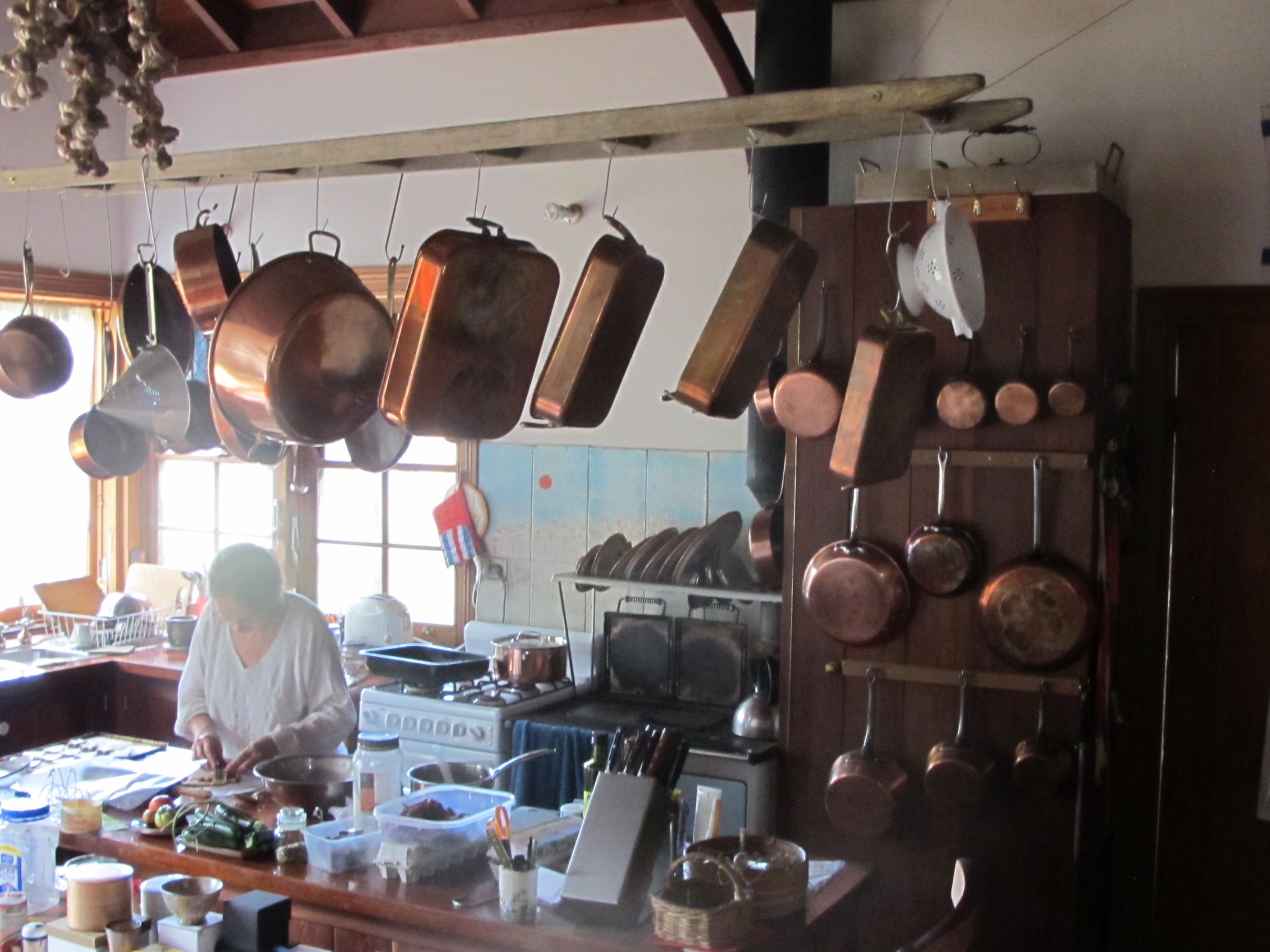
All the kitchen cookware has been collected over many years on our travels and most of it is tinned copper or stainless/copper combination. They are lovely things to handle and use. I wash these with the same soapy plastic scourer pad and after rinsing I give them and extra wash-over with a piece of used lemon rind with some salt on it. This keeps them always looking new and shiny. Soap is all that is needed to dissolve the grease and oils that we use in cooking. Mind you, we don’t tend to eat very many greasy things. Most of our cooking is by streaming with just a little use of olive oil to stop things sticking too much.

IMG_8012

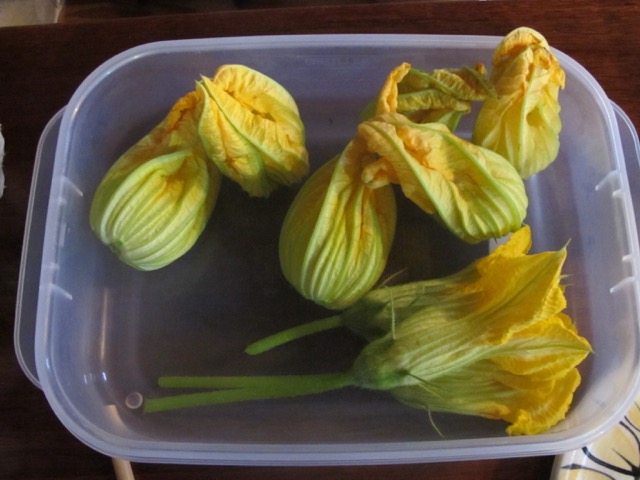
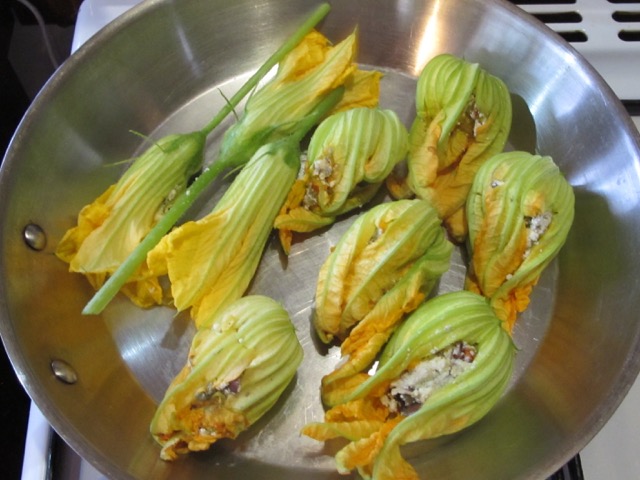
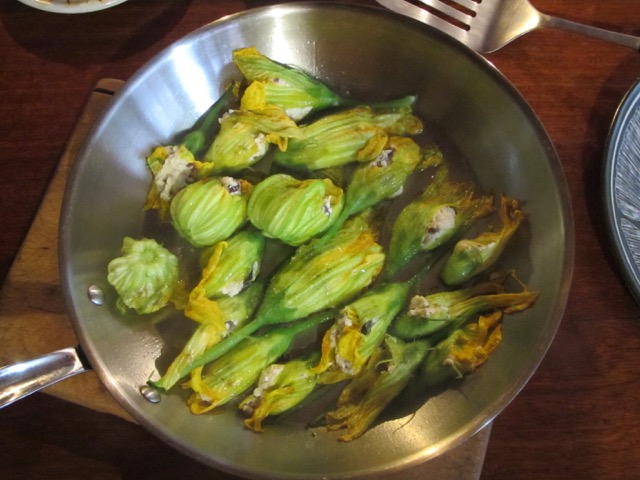
This week the zuchinis have started flowering in profusion, so we have begun eating those, stuffed with ricotta cheese and various diced condiments. Miss frugality saw two litre flagons of our local organic milk offered at $1 on it’s use-by date. The King of Curds brought it home and made ricotta out of it that afternoon – no time to loose, it might curdle 🙂

IMG_8059IMG_8027

For stuffing zucchini flowers, the ricotta has to be well drained and pressed. The rubbish that is sold as ricotta in tubs the supermarket is all water. Artisanal ricotta may be a bit  more expensive, but it’s got 50% more cheese solids in it and less water. If you try to use the cheaper commercial tub stuff it drains out of the flowers in a big wet watery mess. It still tastes OK, but it doesn’t fill me with joy to see my beautiful flowers all turn to ‘sog’  in a pool of cheesy water. No whey!

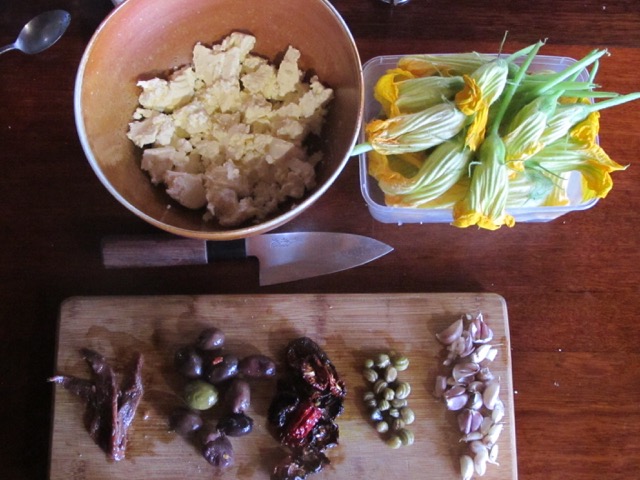
I’ve been using our own preserved  nasturtium  seed, masquerading as imitation capers, our own dried tomatoes and this season’s fresh, but small garlic, local olives and some anchovies. This time I used a few pickled green French beans instead of a gherkin and I’ve been adding a little bit of firm blue cheese in the recent mixes. It makes a lovely combination of flavours in the savoury cheese filling. I don’t use much of it, but just enough to give it a hint of spice to the otherwise rather bland curd filling. They don’t just taste good, but the flowers look lovely too.

IMG_8028  IMG_8060

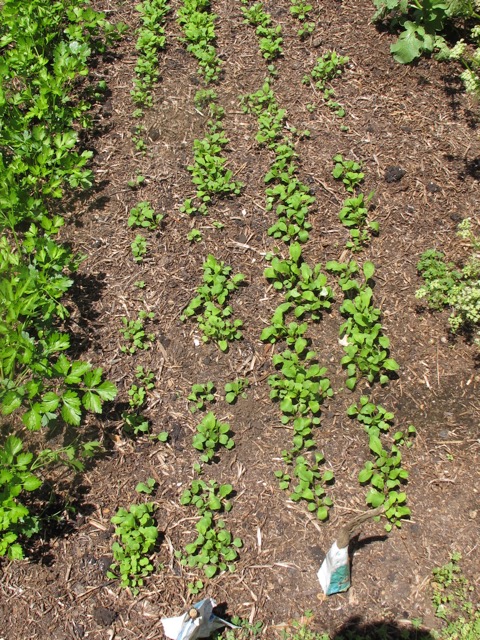
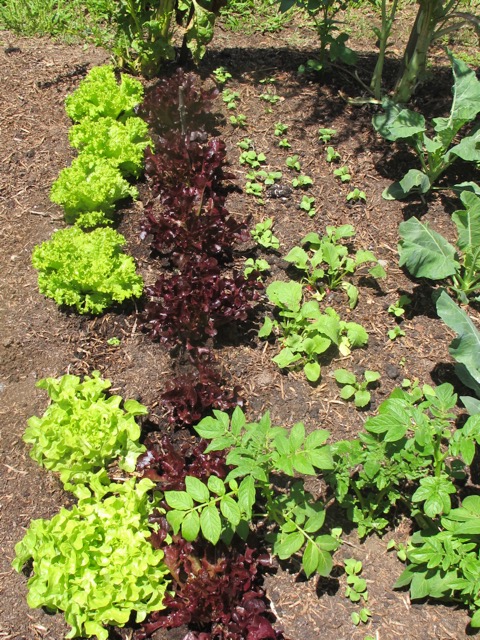
All the seeds that I planted in the past few weeks are all up now and putting on some size with all this rain that we have been having combined with the warm weather, it has made for good growing conditions. On the other hand, it has been so wet that I haven’t bothered to mill any porcelain stones into slip as yet, as the slip wouldn’t have dried at all on the drying bed. I’m not set up for drying clay in the rain like they are at Onta in Kyushu. See earlier blog. I was able to make good use of all the indoor time by building 2 kilns for my customers and getting everything done right on schedule.

IMG_8069IMG_8072

So I’m pleased. The garden looks good and is producing all our summer fruit and vegetable needs. We are already bottling our excesses. The bit of flat dirt that we laughingly call the ‘lawn’, is actually green in summer. That is something that we haven’t seen for quite a few years and we have plenty of work lined up.

from my Miss Sunlight and her Mr Bubbles

Portents and signs

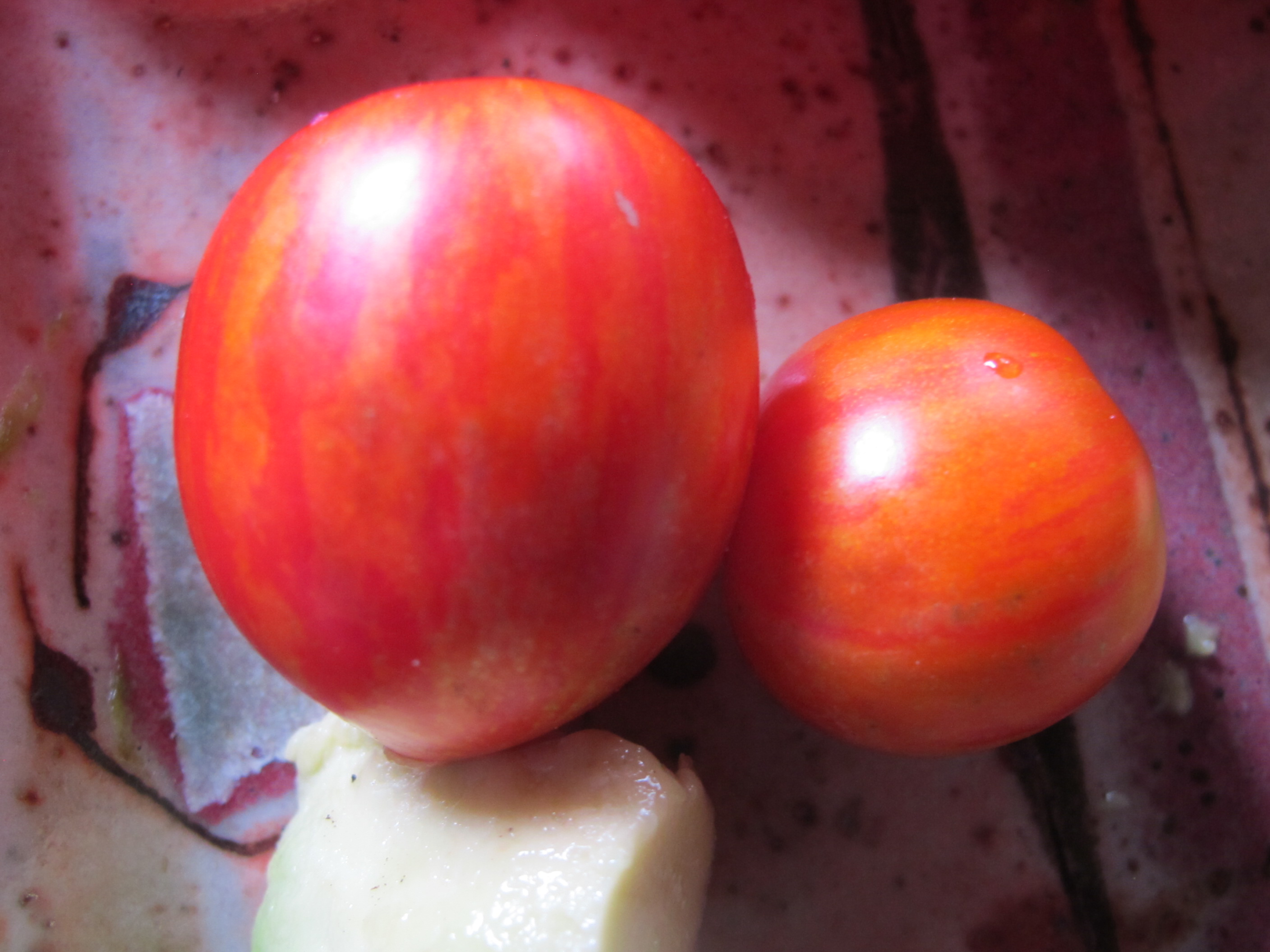
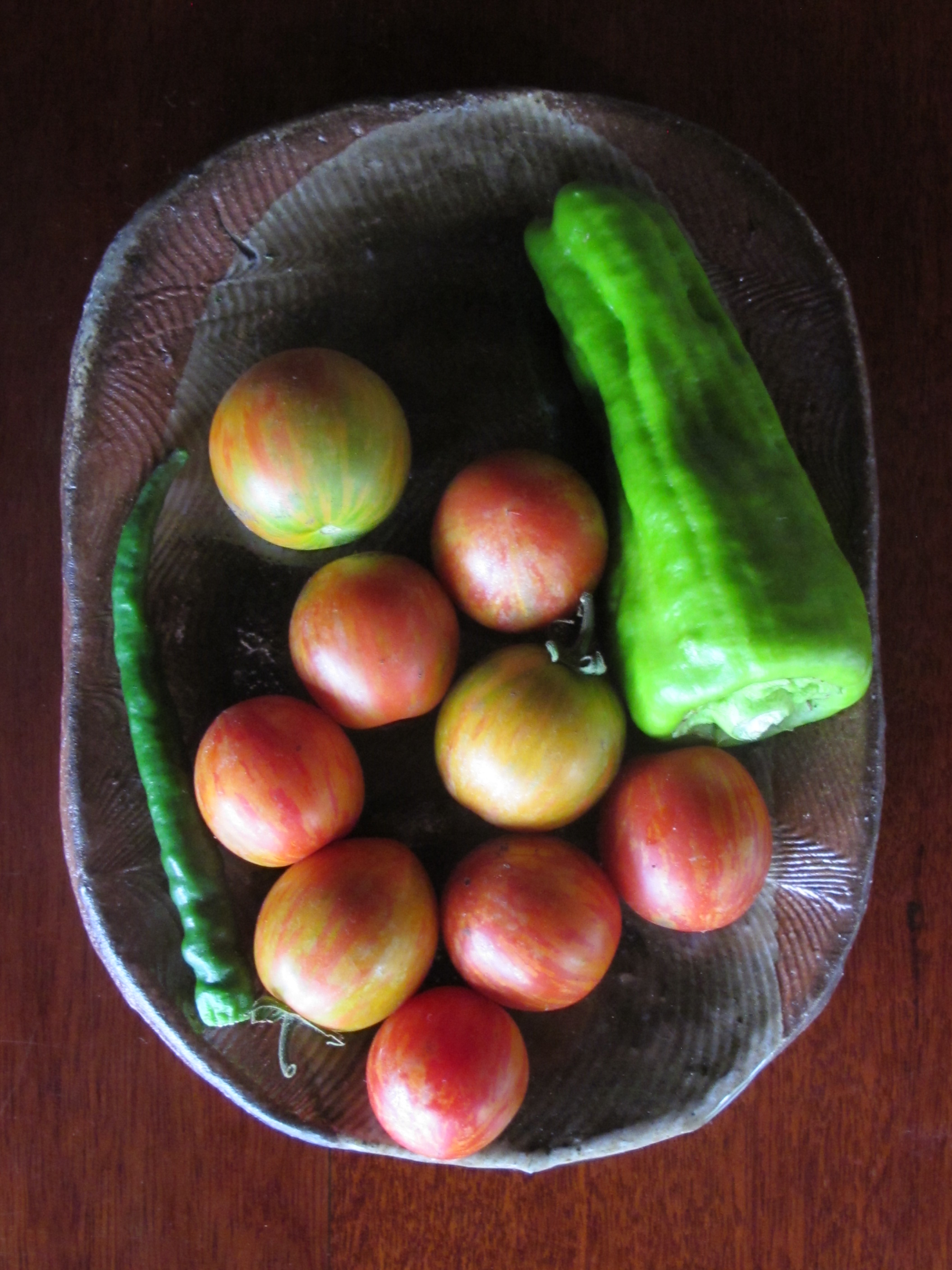
This time last year we were fighting bush fires. This year it’s all different. There are no fires here now. It’s turned out to be a very wet start to the summer. It’s hot, but also wet. On the 3rd of December we picked our first ripe tomato of the season. That is so very early. We have never been able to do that before. We usually get our first tomatoes in January. If we are lucky and very industrious, we might get a very early plant to give as it’s first fruit in the week between Xmas and New Year. But this year it’s all different. Annabelle Sloujetté planted 3 advanced seedling tomatoes for us in the vegetable garden while she was house sitting, sometime while we were away in September or October. Apparently there were no sudden cold snaps or even very cold nights from that time on. So here we are in the first week of summer and eating our own red ripe tomatoes. It’s a miracle! Or is it just a sign of things to come? A Portent?

IMG_7898

Tomatoes don’t ripen in the sunshine. They respond to the day length and average temperature. Certainly, If they get too much sun, they get sunburnt and develop bleached white leathery scars. Not nice. To help prevent this, we have developed a system of growing our tomatoes here, where we don’t stake them up, but just allow them to sprawl across the ground. The fruit hangs down and is shaded by it’s own foliage above. It’s a lot less work, the shady foliage discourages weed growth and retains soil moisture. We mulch the plants well and as long as the fruit doesn’t get attacked by slugs and snails, the system works quite well. Less work, less weeding, less watering, less bleaching.

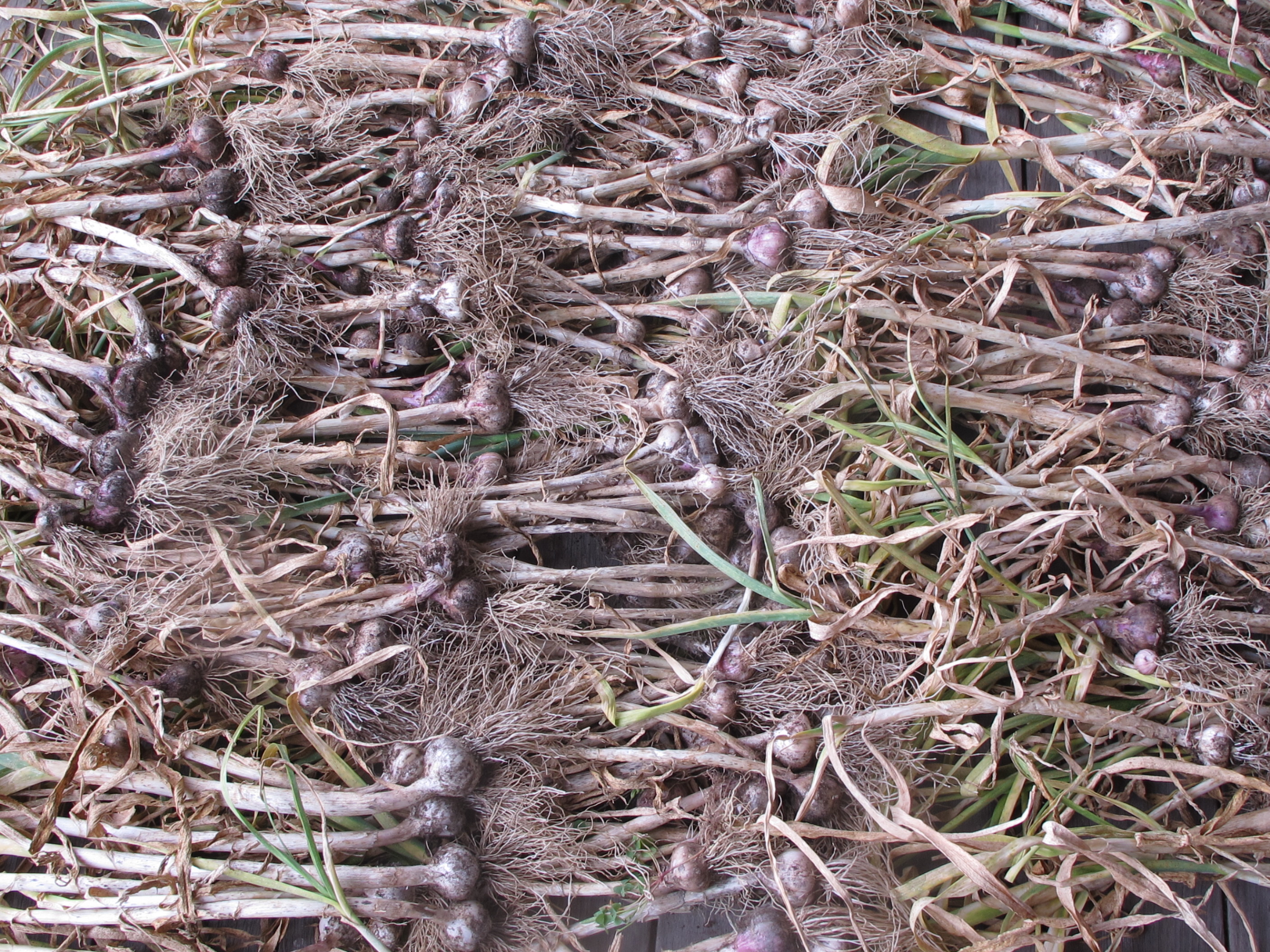
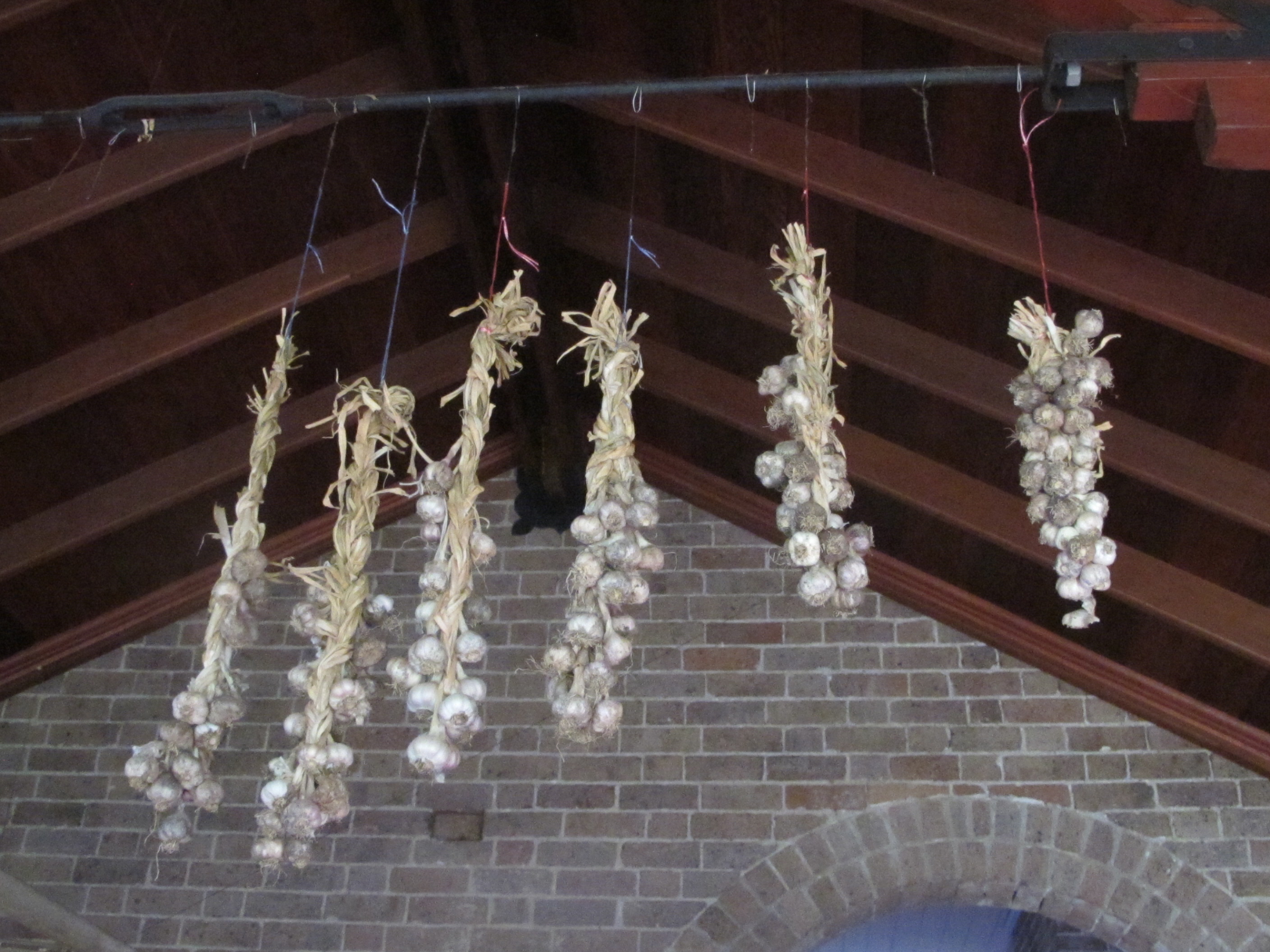
We have lifted the garlic crop it was very poor this year. As there was virtually no rain for the whole time that we were away, the bulbs didn’t get a chance to swell up in their final months of growing. We have plenty of plants. They all survived, but the bulb size is very small. The smallest that I’ve seen in all the years that we’ve been here. It’s flavoursome and intense, just tiny. Is this a portent of a hot, dry future?

IMG_7752IMG_8035

I lift them all and lay them out on the north facing verandah to dry in the sunshine for a week, then Miss industry herself, cleans and plaits them into bunches. I bring in the big 3 metre step-ladder and Miss Plait passes them up to me as I hang them up from the kitchen roof truss to dry further, ready for use as we need them. They are so small this year that Miss Plait gets about 20 to 30 knobs in a plait, instead of the usual dozen.

The smallest of the crop isn’t worth plaiting and hanging. It all goes into a basket on the kitchen work bench. They are so small that I don’t bother to try to peel them. I just bash the knob with the side of a large chef’s knife to separate the cloves and them place half a dozen of the tiny segments into the garlic press and mash them out of their papery skins straight into whatever dish I’m preparing. It’s a lot less effort than peeling them and works just as well. In fact, I read somewhere that garlic releases more of it’s flavour if it is crushed like this instead of just being cut and sliced.

The rain has now come in this first week of summer. We have 30oC days and then a big thunderstorm in the afternoon. We get 10 to 20 mm. most afternoons. Over the week, the system settles in to a rhythm of days in the high 20’s with rain and scattered showers throughout the day or overnight, with occasional heavy storms and hail. Fortunately, we have missed out on the really bad hail here, but up the road a bit, it was piled up to a foot thick and remained there for a day or two afterwards in frozen beds of ice in the shady places. Since we have netted our garden, the netting has helped dissipate some of the damage that we used to get from the hail. All this water is very welcome in the beginning of summer. It’s better than bush fires and everything is growing well in the combination of warm weather and lots of water. We haven’t had to water the garden for a couple of weeks now. Doesn’t the weather know that it’s supposed to be summer? It’s a miracle! Or is it a portent? We have a full dam and green grass in the lawn, instead of the burnt off crisps of brown and dry, parched, dusty gravel. If this is the new ’normal’ then I’m happy about that.

IMG_7936 IMG_7940

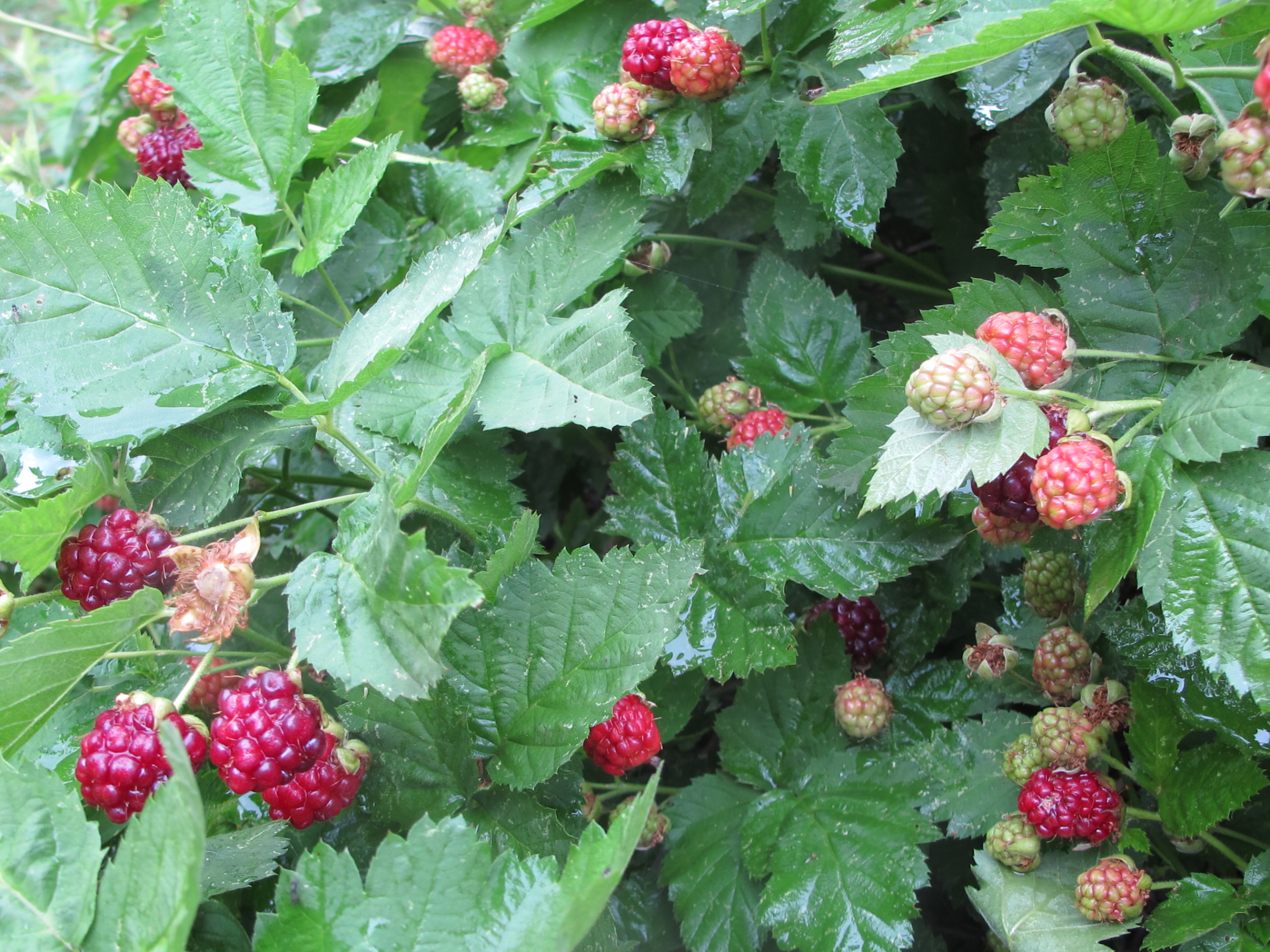
We have been continuously picking the youngberries every alternate day, all this time and Miss Plait has been bottling and preserving them each day. We are up to 20 jars now in the larder. It’s been a very good crop. Their season is almost over now, with only a couple of small pickings remaining on the canes. We have been getting 2 to 3 kilos each pick. Surprisingly, there is very little rot in the fruit, even though we have been getting all this rain. Young berries seem to be another one of those fruits that seem to ripen due to-day length and average temperature, without direct sunshine. The best fruit is to be found deep in and under the dense foliage on the shady side of the canes.

IMG_7862

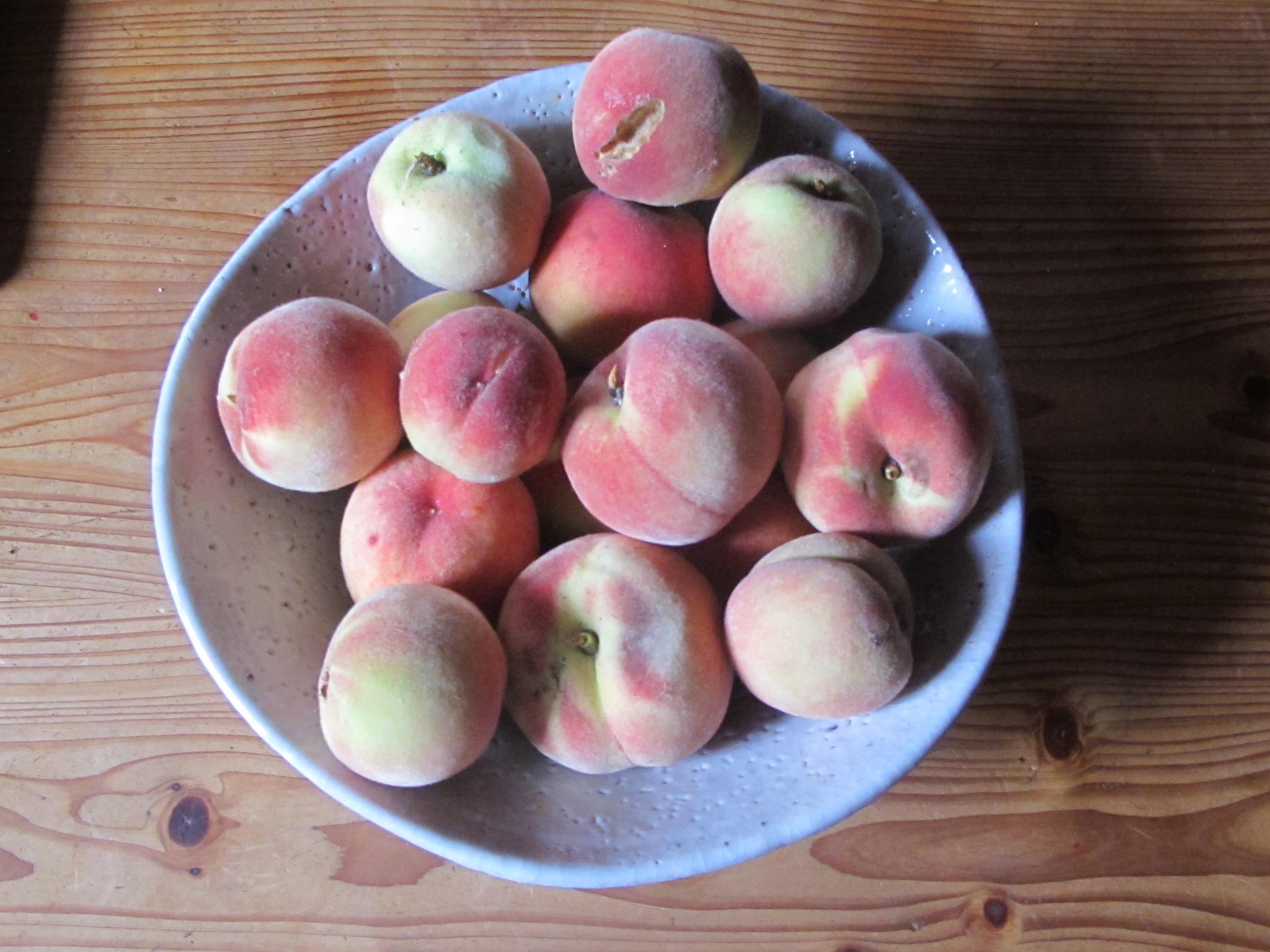
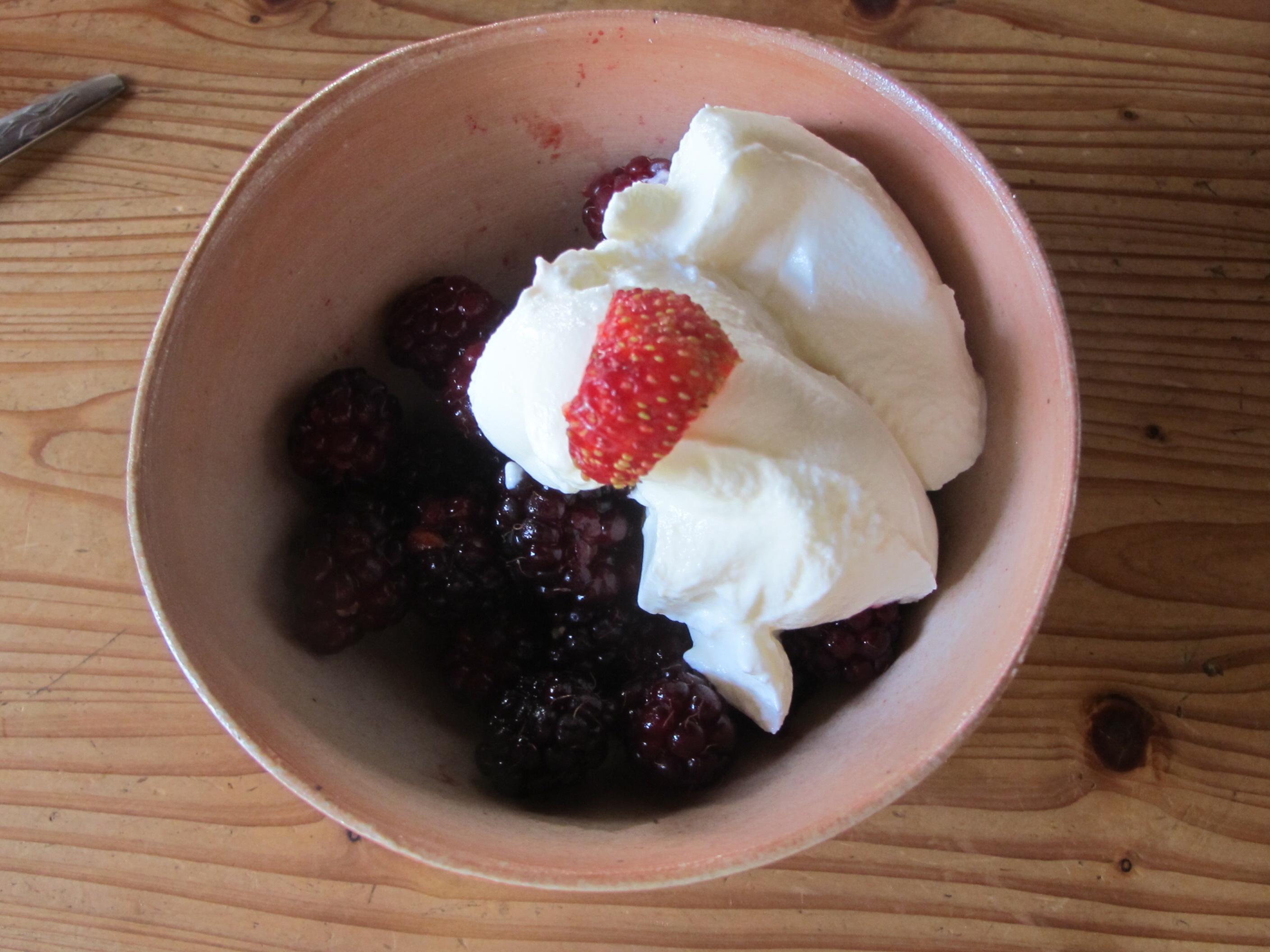
The early peaches are all picked and we have finished eating the last of the fresh fruit from those early trees. The freezer is full of punnets of stewed peaches, which we will start to eat soon, as we wait for the late peaches to come on. Each morning we breakfast on berries, peaches and strawberries with yoghurt.

IMG_7900IMG_7935

IMG_7958

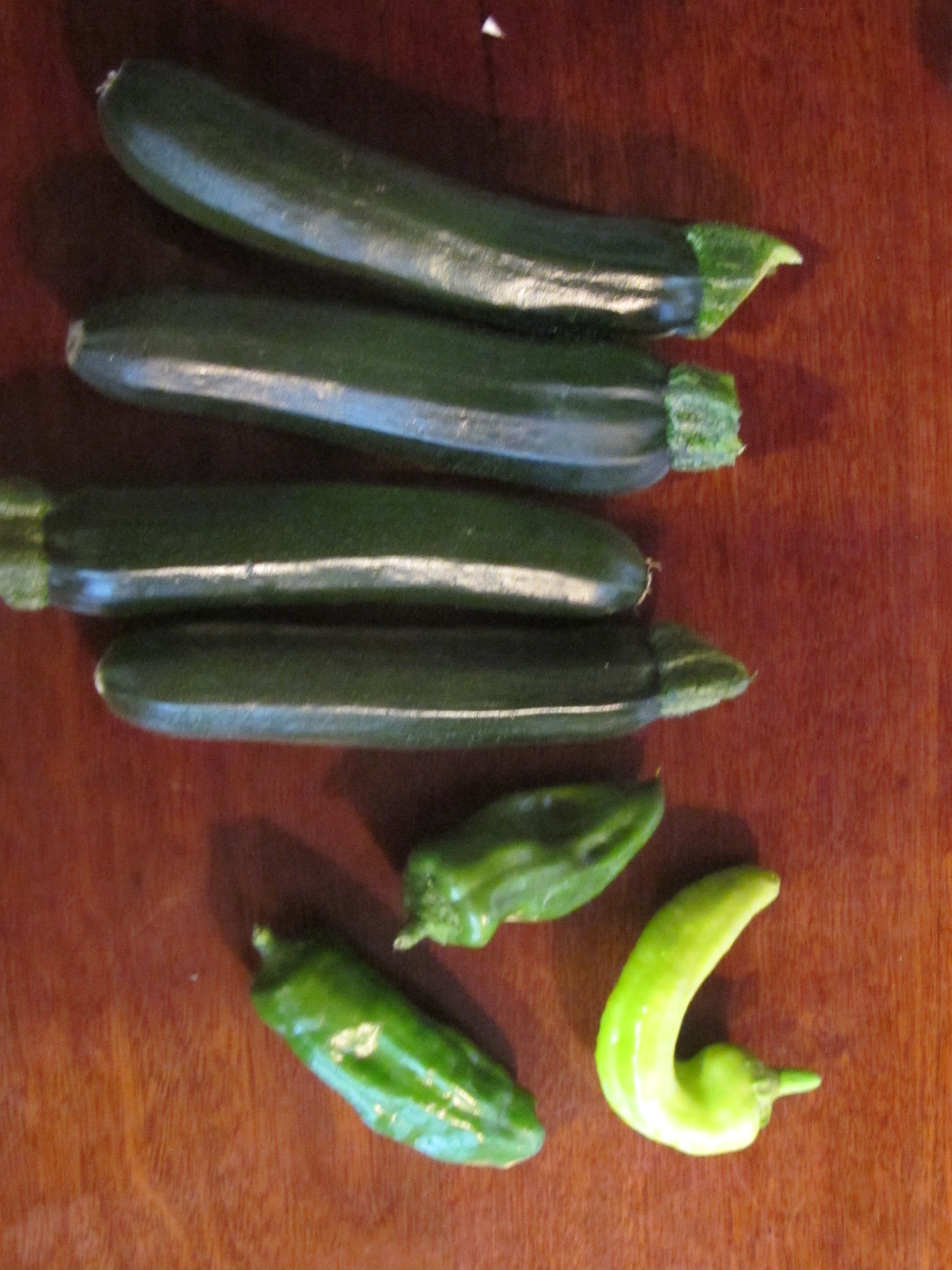
We also started to pick our first zucchini, capsicum and chills in the same week.  It’s a sign! These were all early plantings done as a gift by Annabelle Sloujetté in our absence.  It’s a gift! A lovely gift. And one that is very gratefully and thankfully received.

IMG_8033IMG_7881

IMG_7982

IMG_8036

I have been busy in the garden too, along with Miss Plait. I think that I’ll have to start calling her Sylvia, because she’s poetry in motion. Or maybe Ariel. That’s a sign!

I planted corn seeds the day before I left, at the end of August and they are flowering now. The first thing that I did in the garden when I returned was to buy some sweet corn seedlings in a punnet at the markets so that there would be some continuity. I also planted out some more seeds at the same time. These will take some time to germinate and guarantee a continuity of sweet corn over the summer. We pull out all the old tired left overs from the winter garden. I shred them along with all the other stuff for the compost, by laying it all out on the grass  and driving over it with the mower. The shredded mulch is so much more compact and rots down quicker. It also shreds the snails hiding it’s midst.

IMG_7964IMG_7965

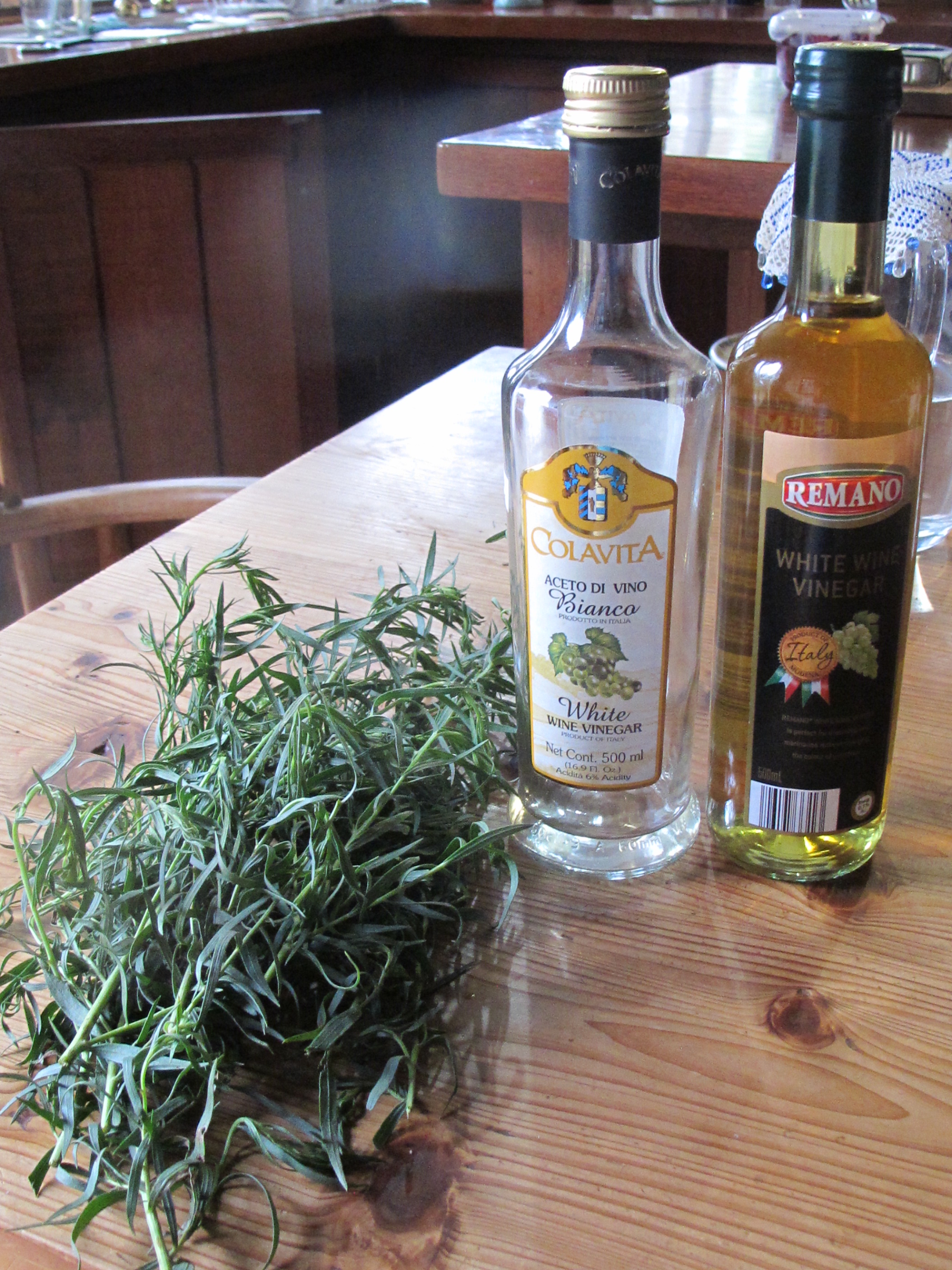
While we are at it, and the rain is holding off. It’s a bright sunny patch in amongst all the rain. We rejoice in the sunshine and spend the rest of the day, weeding, pruning and mulching. I stake up some of the winter plants that have gone very leggy as they go to seed. So I stake them up to keep them tidy and out-of-the-way so that I can make room to plant other things in the row. I plant out a lot of seeds for later in the summer; lettuce, carrots, beetroot, rocket, radish, mesclun, mizuna, dwarf French & climbing beans, plus Lebanese cucumbers. Finally, we cut back a lot of the leggy herbs and Miss Sylvia Plait crops the Russian Tarragon. As the rain returns we head to the house and I trim the tarragon leaves and fill a white wine vinegar bottle with them, to steep for later use.

IMG_7973IMG_7975

At the end of a long day we head for bed and dream of wonders, portents and signs.

fond regards from, the rhyming couplet of Silvia Plait and Her Man whose fingers smell of Garlic