Old Leach Kick Wheel

All this continued wet weather has filled all the dams to over-flowing, as well as all the water tanks. Everything is saturated. the ground is seeping water from every ledge and embankment.
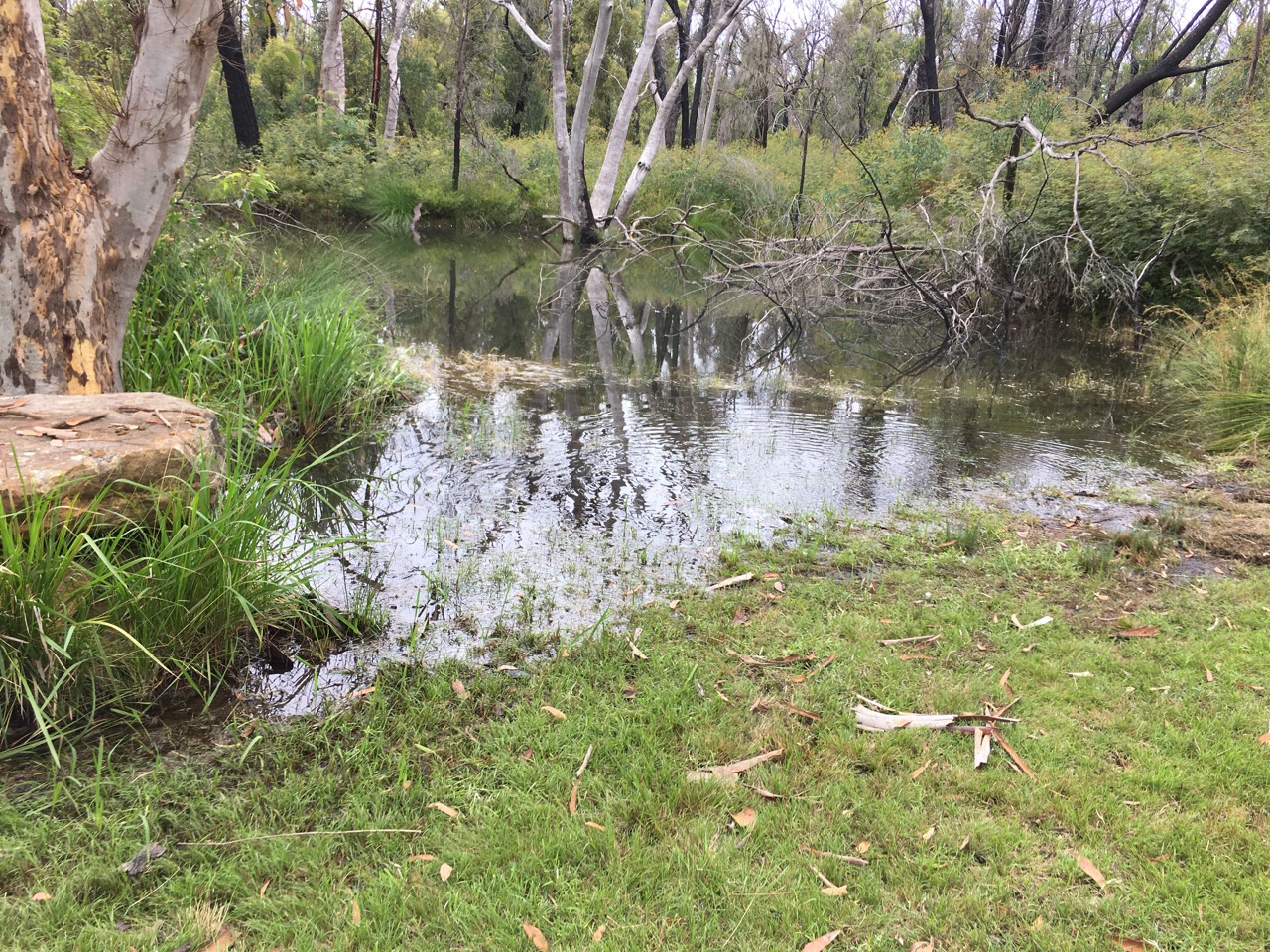

The edge of this dam slopes gently down towards the deep area. I mowed about 2 metres into this flooded riparian zone just a couple of weeks ago. Now its totally under water.It is so wet everywhere.
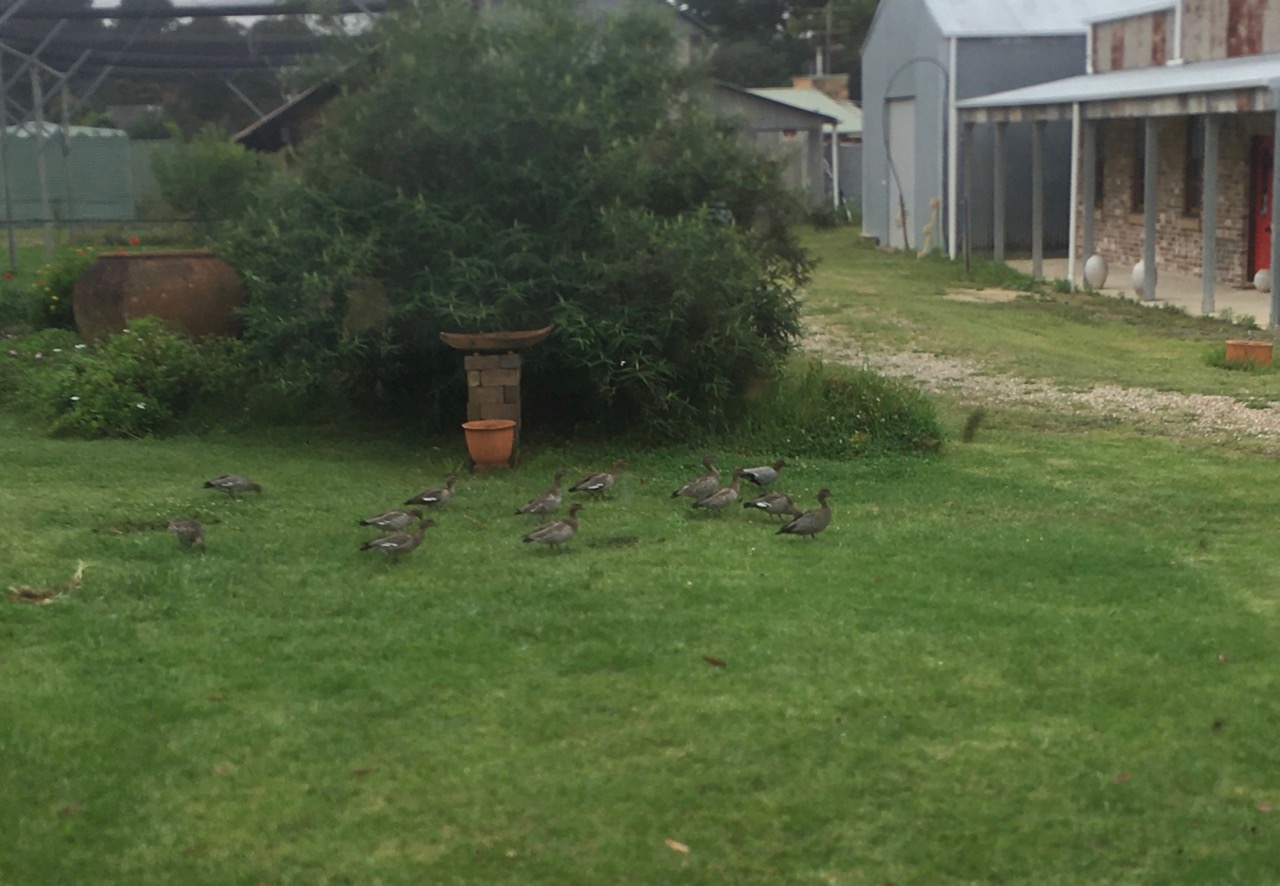
It’s great weather for ducks. We have now got over a dozen mature wood ducks grazing the lawns every morning. These would have been some of the tiny little hatchlings that we saw a few months ago. They are looking great and very healthy wandering around eating the lush grass growth. They alternate between the dams and the huge expanse of lush grass that we now have. Unfortunately, they don’t eat enough to keep the grass down low enough to save us from having to mow the grass. It’s a full days job every week.If we don’t keep up to it, it can get out of control and then its much harder to mow, as the mower can’t cut through thick, deep, long, wet grass.

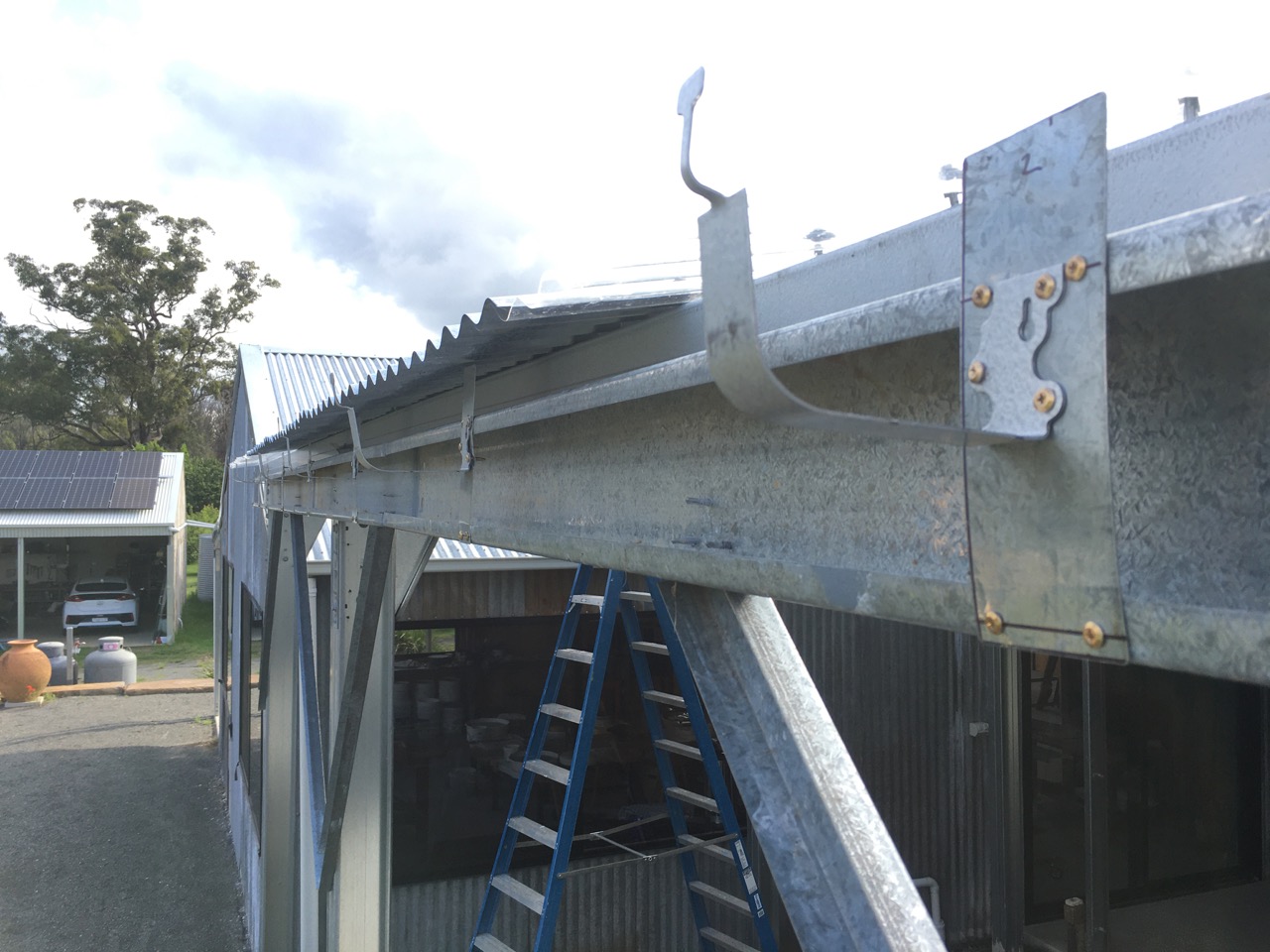
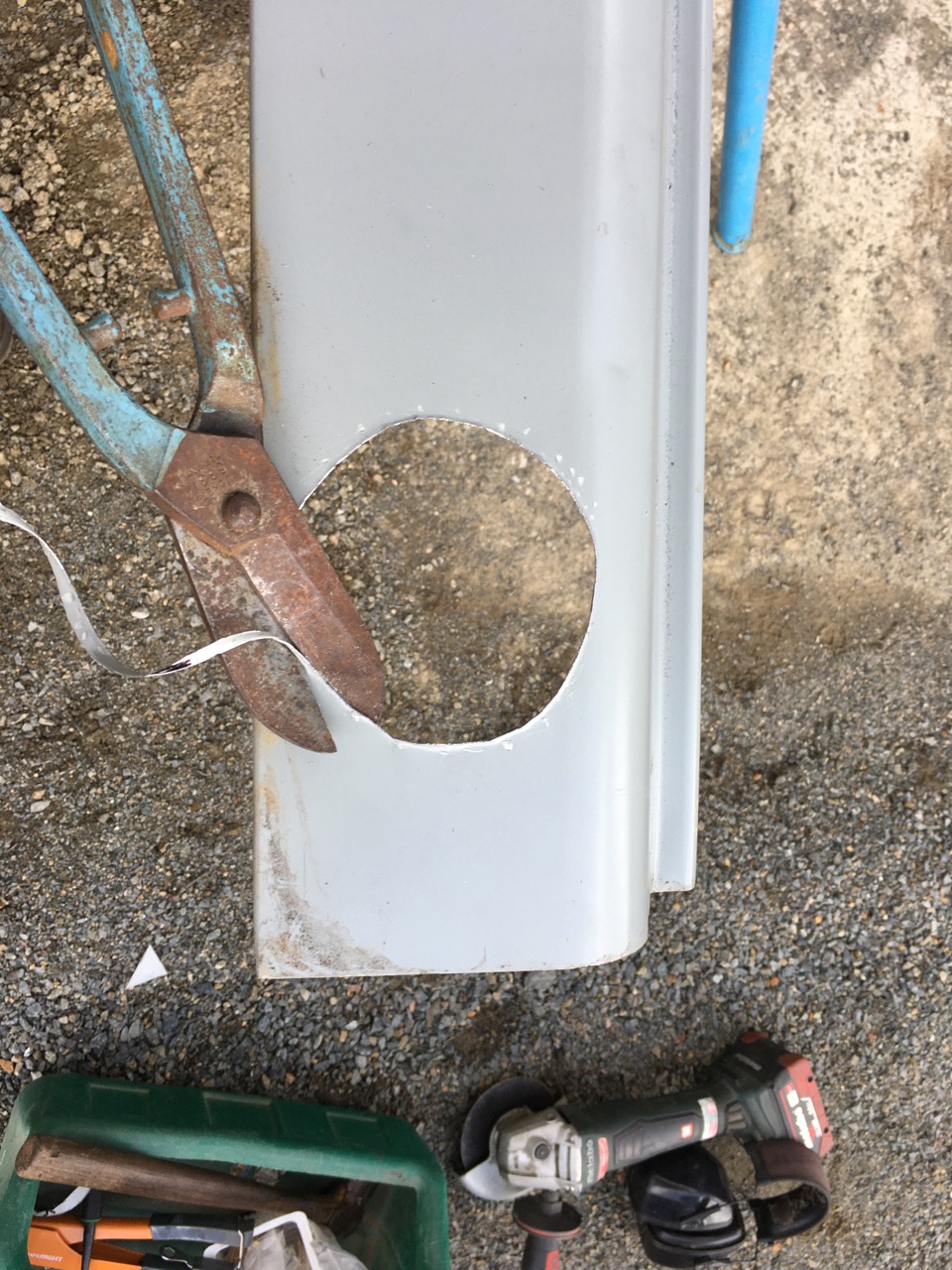
Today I finished installing the guttering on the new kiln shed roof. I spent a day making special metal brackets to span the gap of the ‘C’ section purlins, to support the new gutter with the correct fall.I interrupted the former down pipe that took water straight down the wall from the big shed roof. down into the underground piping system that takes it all down to the big concrete water storage tank.  The big shed down pipe now empties onto the kiln shed roof, and then collects with all the water off the kin roof, down the new gutter and back into the old plastic down pipe system. Neat.
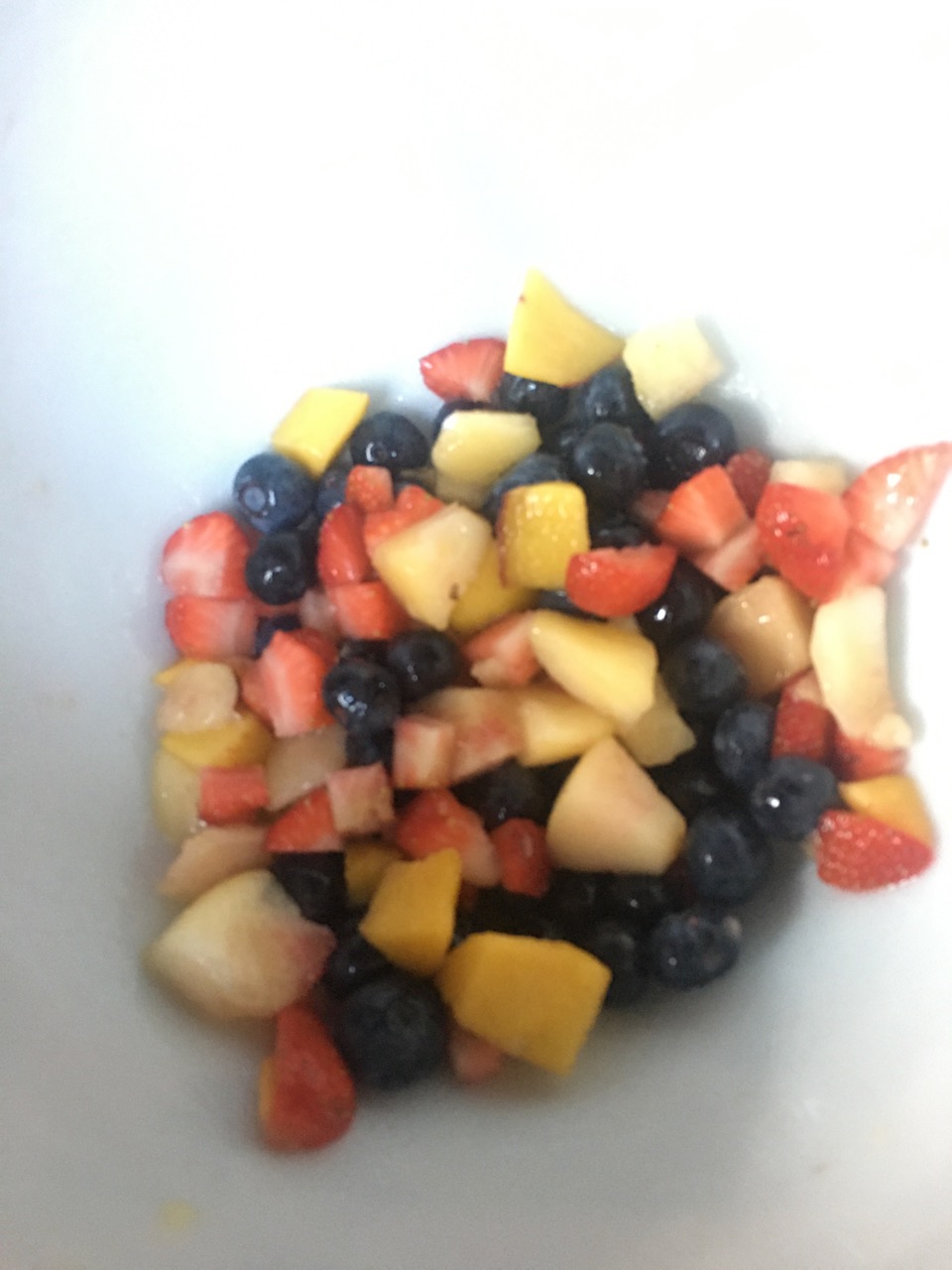
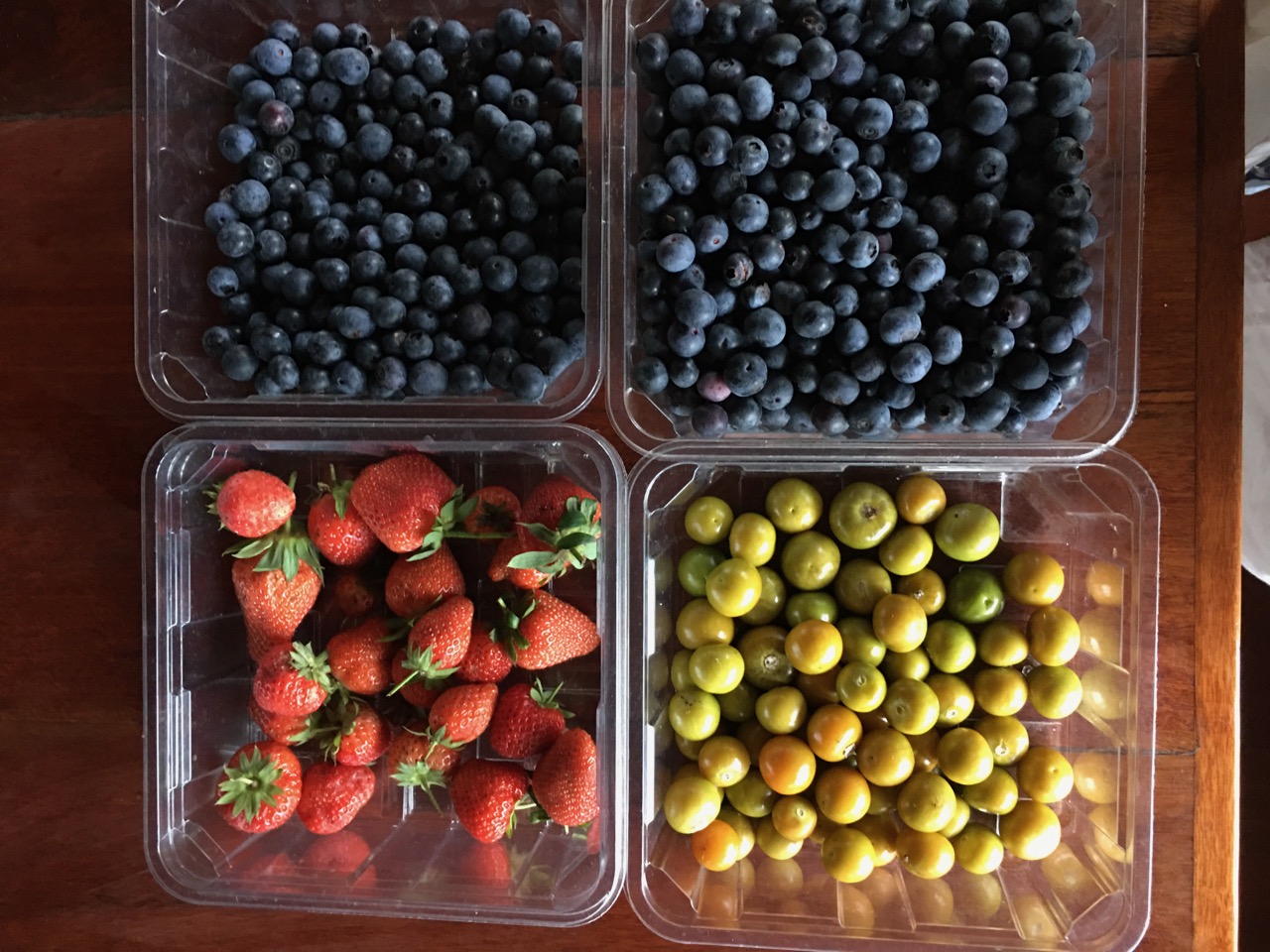
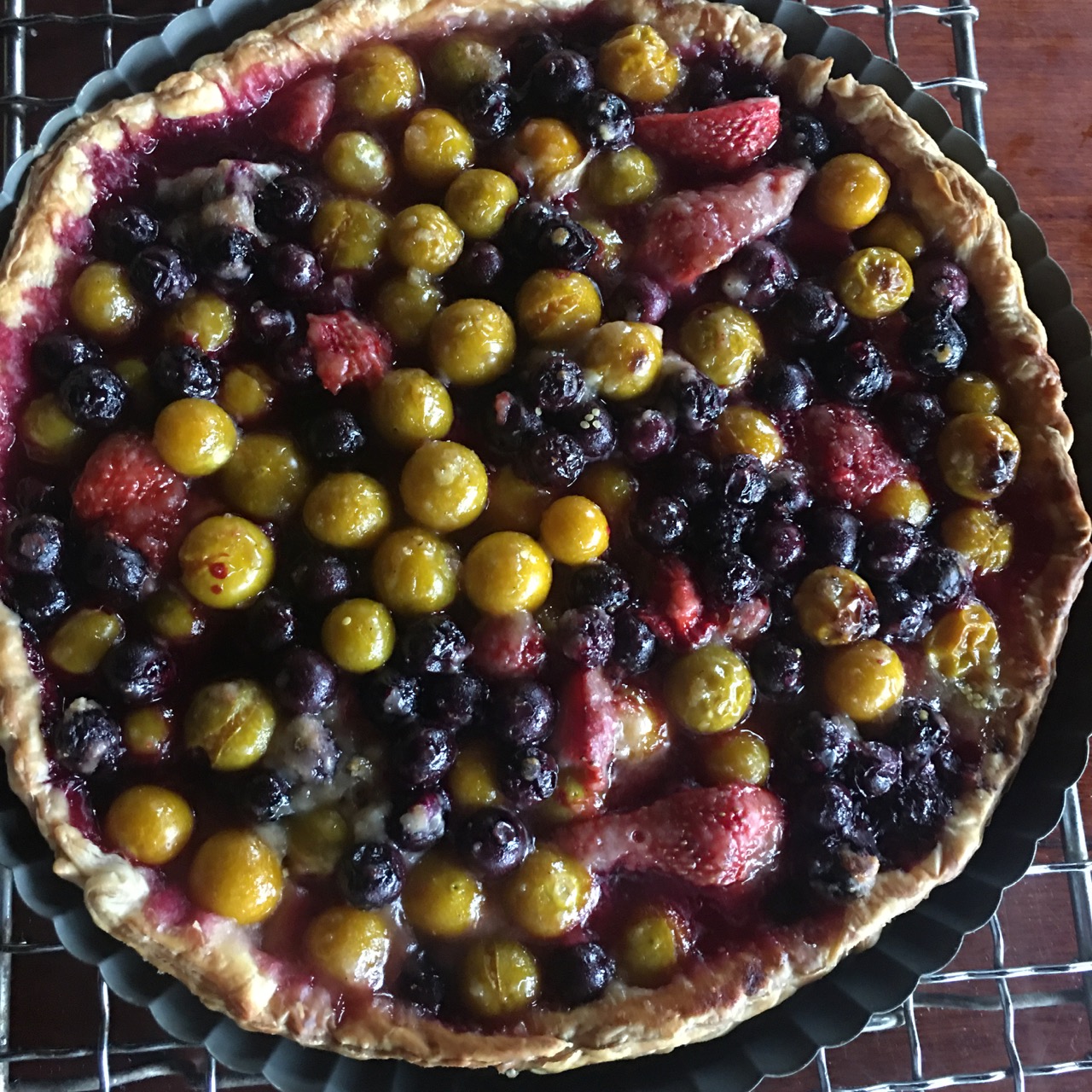
The loganberries have finished now, but the Chinese gooseberries have started and the blue berries are in full season, along with the strawberries. So we are having a lot of fruit salads for breakfast and I have a new variation on berry tart. Strawberry, blueberry and gooseberry tart.

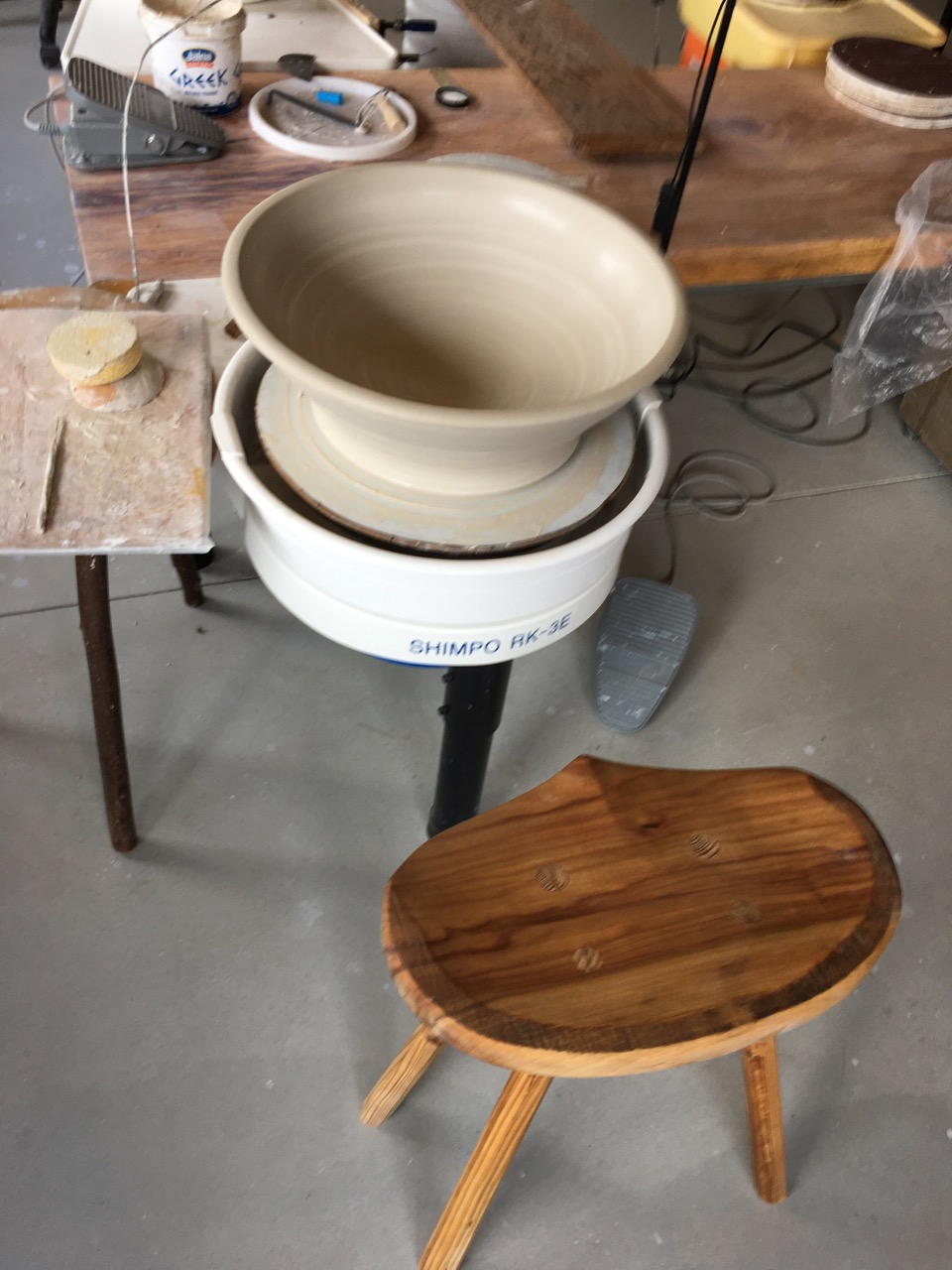
On Wednesday we drove for 4 1/2 hours up to Gloucester to pick up an old Leach potters wheel that was given to me by an old friend, Griselda Brown. We knew Griselda back in the 70’s when we both lived on the outskirts of Sydney. Griselda had studied at the old ‘East Sydney Tech’ Art School where Janine and I both studied with Peter Rushforth, Bernie Sahm and Derek Smith, only Griselda had gone through some years earlier than us, in the mid 60’s.Griselda used to visit us out at Dural, where we had built a big 3 chamber wood fired climbing kiln. She had studied with Michael Cardew in Cornwall after finishing her course here and had a love of wood firing, but was not in a position to build her own wood fired kiln herself. We filled that gap. 
When Griselda went to Cornwall, she thought that she would be working in the pottery, but Cardew issued her straight into the kitchen and explained that his wife wasn’t living there and her job was to make his meals and clean the house. She could come to the pottery once all her domestic jobs were done!
Griselda bought one of the early Leach style potters wheels from J. H. Wilson in Canterbury, who built them here under licence from the Leach Pottery in Cornwall. She had this wheel all her life and as she is considerably older than us now. She is retired and the wheel was sitting idle.It has the full copper tray, with drain pipe and overflow spigot, to stop any water going over the wheel head bearing. It’s in very good condition mechanically, but the wood work has suffered recently as it was stored out in the weather for a while.


When I got it home after our marathon 9 hour drive, the next day, I took the wheel head off and cleaned all the turnings and dust out of the top bearing mount. Gave it a blast with compressed air, oiled the bearing and installed a rubber flange over the shaft to stop any more dust getting to the bearing in the future. Then I made a new plastic collar for the copper tray, as the original copper collar is very low to allow for access to the grub screws holding the wheel head on. 


Interestingly, I have never seen an Australian Leach wheel with the wheel head held on with grub screws, needing an Allen key to remove them. This is the fourth different mechanism that I’ve come across used on these wheels over their 25 year history. My first wheel had the wheel head screwed on with a large 1” thread cut into the shaft and head. Then another one had a morse taper and just pressed on, then the third one had a shallow taper and a ’T’ bar pushed through the shaft.
After sanding and a couple of coats of tung oil it looks and works great. I sanded the very rusty wheel head to remove a lot of the pitted rust, and then gave it a coat of rust converter to stabilise the corrosion, and finally a light coat of zinc primer to keep it in good nick. I’ve owned 5 of these wheels over my life and tragically lost them all in the past 3 previous fires. I just can’t be trusted with them!  I tried a few different ways of looking after the cast iron wheel heads over the years, and this is the best. However, the main point is to always wash the wheel head clean and dry it after use. Most potters wouldn’t be so bothered, but I use white clay and porcelain, so I can’t have rust in the tray or on the wheel head.I’ve always had two of these wheels in use, One kept strictly for porcelain, and the other for stoneware. It’s easier this way and saves a lot of time spent in thorough cleaning between clays.I’m really pleased to have the chance to own and use this wheel that belonged to my friend from a long time ago.

A Productive First Week of the New Year

We have hit the ground running in this first week of the new year. I still have to build the wood fired kin so that I can get on with my work and research.

Before I can build the new wood fired kiln, I need to build a roof to keep the new kiln dry and weather proof.

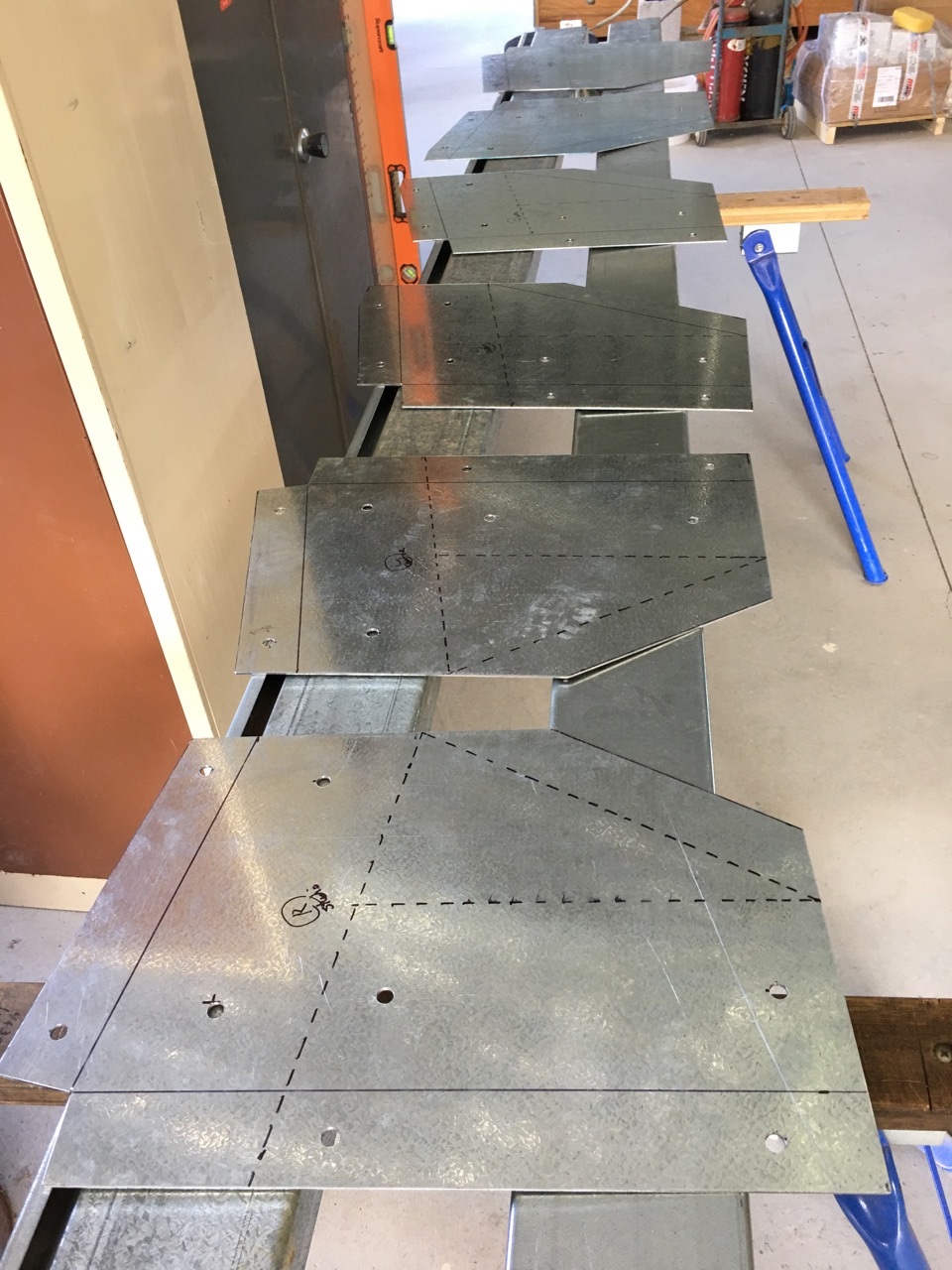
We have a beautiful court yard area that only needs a skillion roof over it. I spent the first couple of days of this week making the portal brackets that I need to join all the rolled steel purlins for the roof.

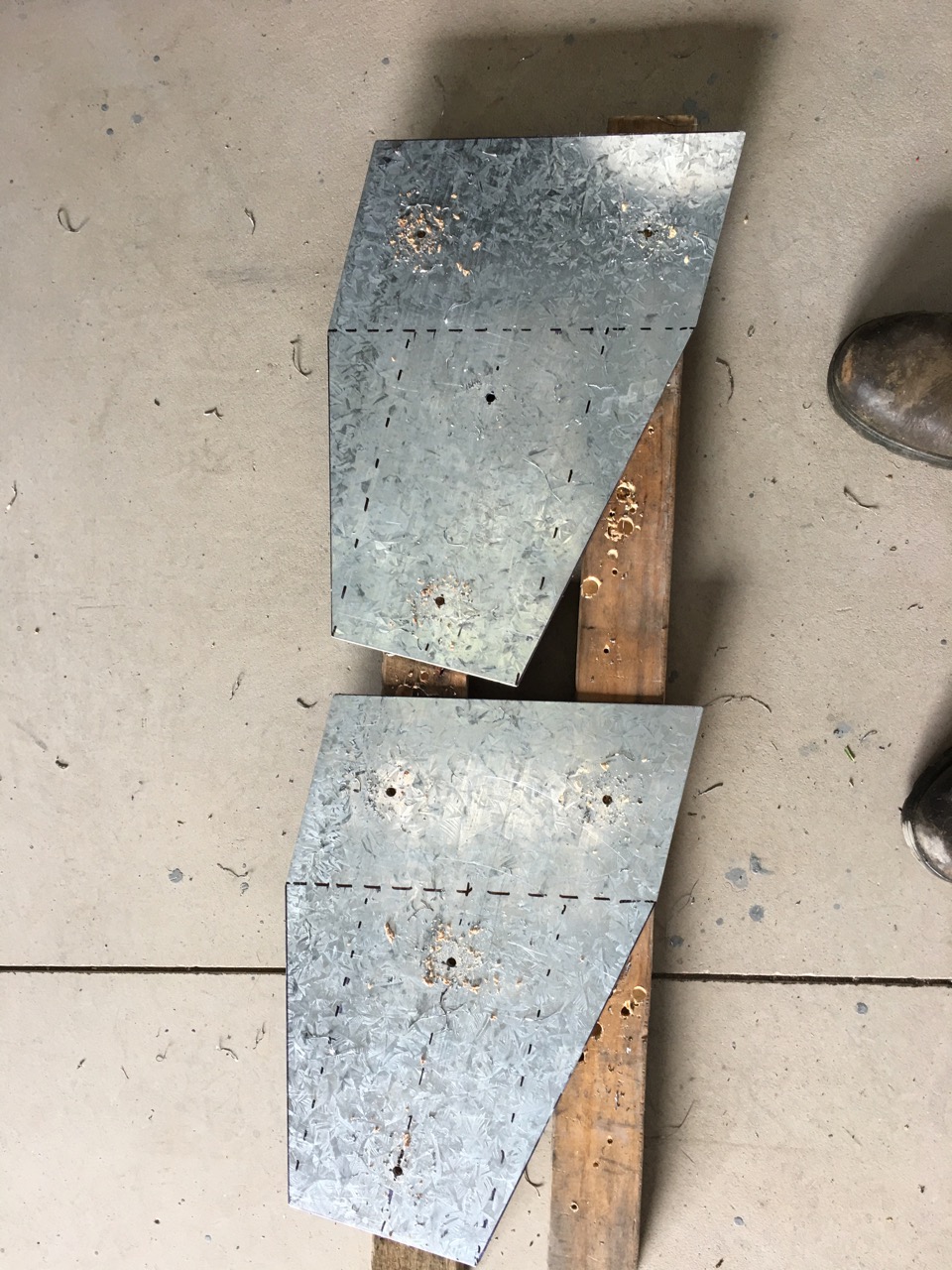
I had half a sheet of 3mm gal steel, so was able to make all my own brackets from this. Cut and folded into useful custom brackets. Then pre-drilled to take the 12 mm. high tensile gal bolts. I drilled 200 holes on Tuesday with my hand held battery drill. I spent quite some time sharpening drill bits to keep them all sharp as the day wore on.

Once the 12mm. bolts are in and tightened, it prevents the various members from parting company. Then there are 8 to 10 ‘tek’ screws to be drilled in around the bolts to stop any lateral movement or swivelling around the bolts. It’s a very quick and elegant system to secure the rolled steel purlins together with great structural stability. There are 8 bolts and 24 tek screws holding each triangular corner plate together.

By fabricating all the crucial parts myself, all I need to purchase are the long, rolled steel purlins, as these are 6 or 8 metres long, and too big for me to fold myself in my workshop. Everything else is scrounged, recycled, repurposed or home made on site. We are even using some of the hundreds of metal screws that Janine picked up around the building site after the contractors erected the original shed frame.

On Wednesday, my friend Warren turned up for a 3 day stint. We dug the footings and cast the ‘H’ section posts in concrete. I had pre-cut and stacked the posts ready to go into the ground. On Thursday, the cement had set and we were able to bolt on the cross-beams and triangulate the structure with knee braces, making it free standing and structurally stable.

Friday saw us screw on the ‘top hat’ rafters, or roofing battens, and then finally screw on the galvanised iron roofing and polycarbonate sky-light sheeting. Not too bad for a couple of amateurs in 3 days. What was remarkable was that all this was done in the pouring rain. It seems that all the negatives of working on ladders, at height, when over 69 years old, with power tools, in the rain, on slippery steel. These all seem to cancel each other out and the result is all positive. A finished, metal-framed, kiln shed roof with skylights and excellent ventilation.

I wrapped the power tools in a plastic bag to keep the rain out of the electrics. Just had the drill bit sticking out of the cut-off corner of the bag. It worked really well.

This coming week, the second week of the new year, We will be picking up and carting the paving stones back from their storage stacks post-fire and re-laying them in the courtyard in preparation for the bricklaying of the wood kiln. I really need the wood fired kiln built and fired as soon as possible, as I need to get my exhibition commitments under way.

Each week brings us closer to the completion of our new workshop. Nothing is ever finished, Nothing last for ever and nothing is perfect.

A new year, a new beginning

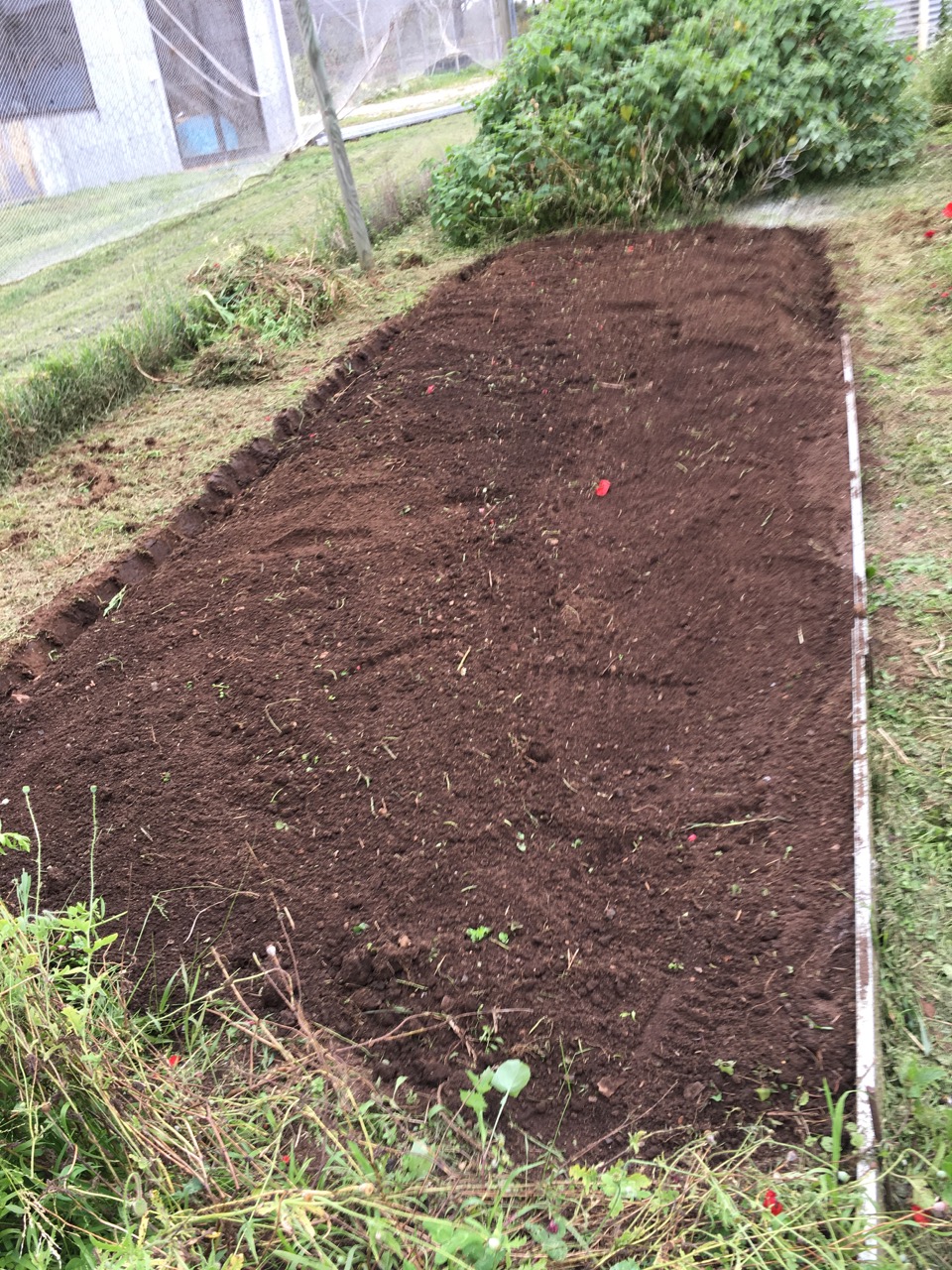
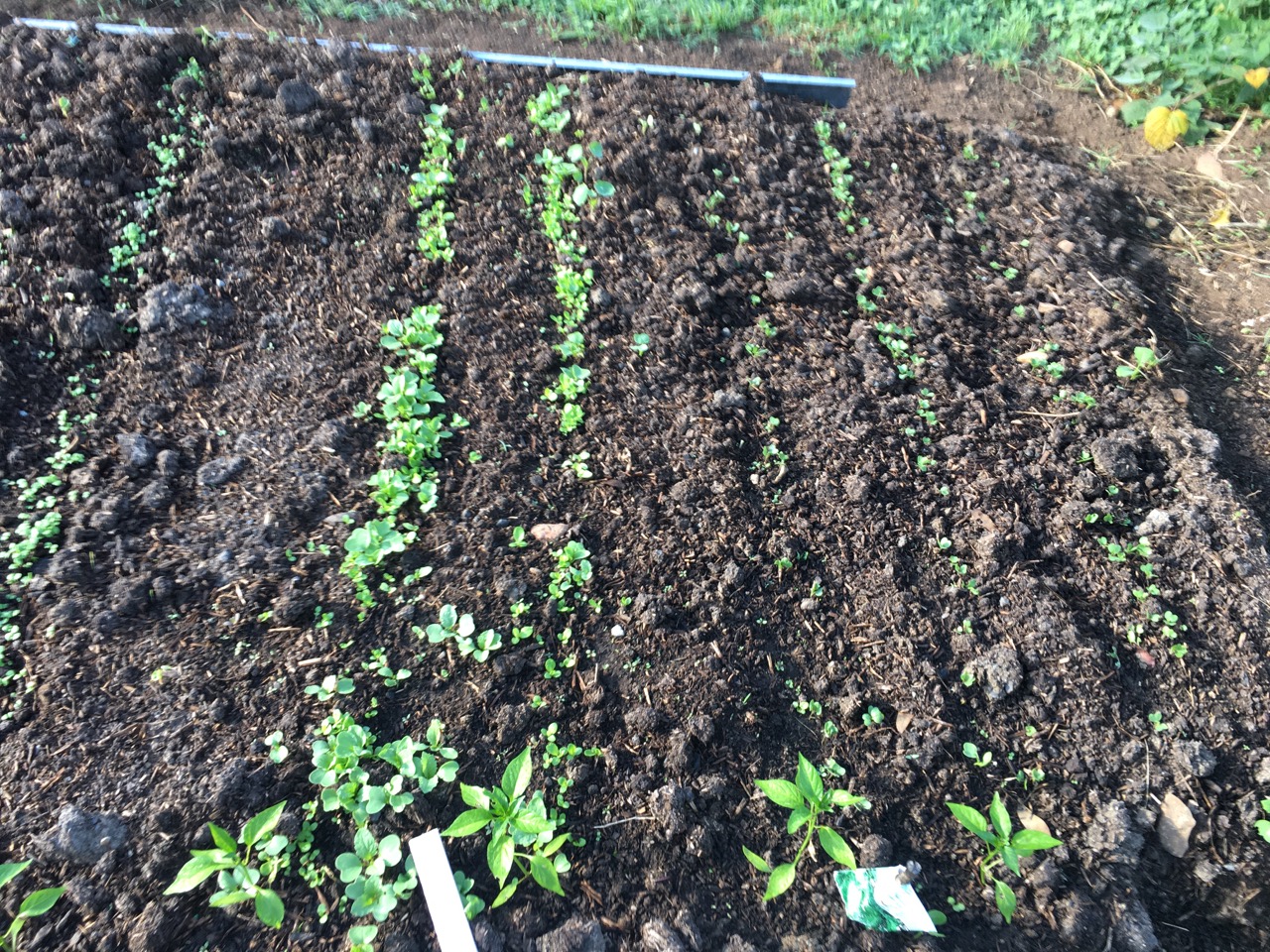
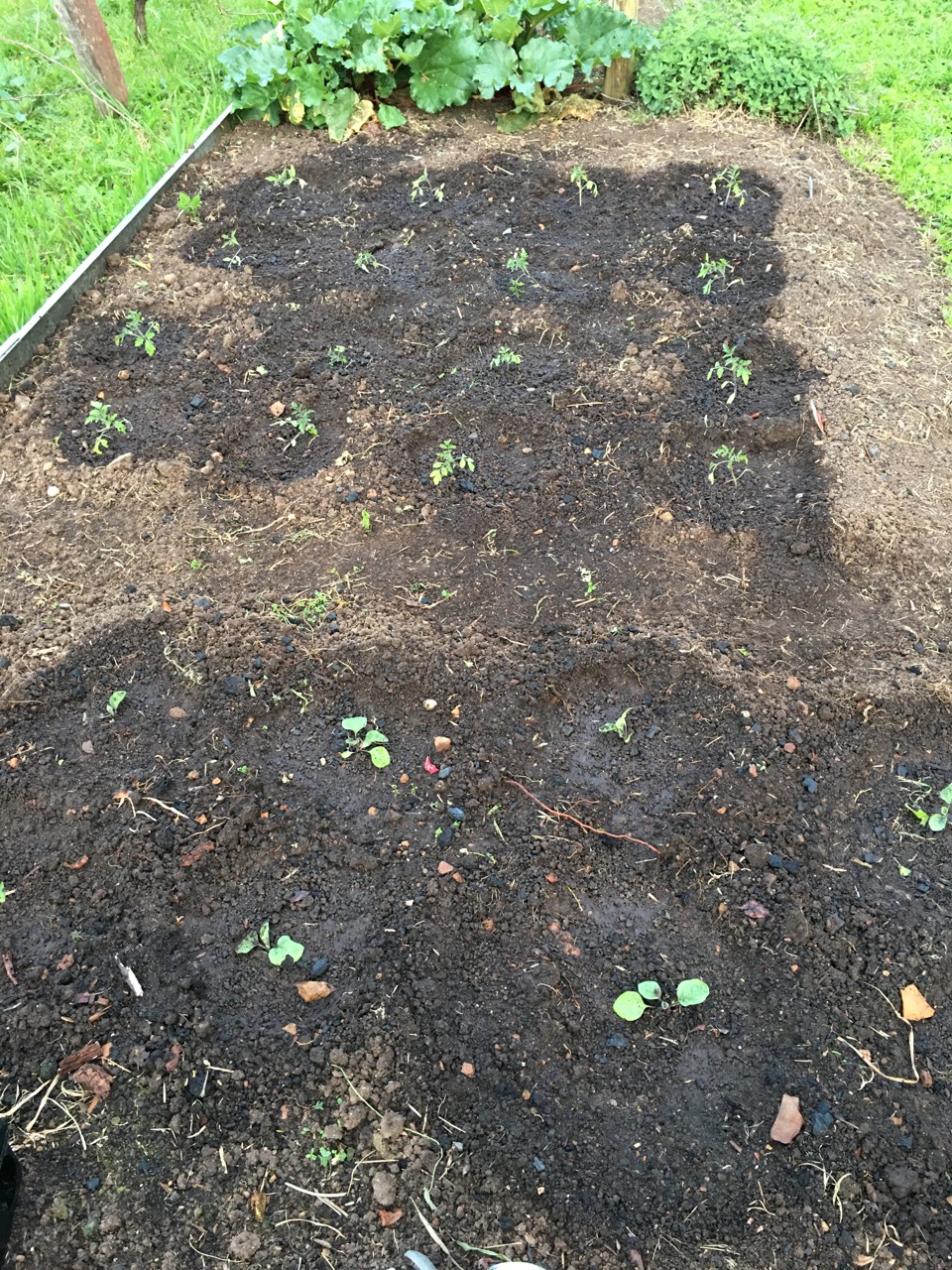
Two weeks ago I got into the garden and cleared out a lot of veggies that had gone to seed and even more weeds that had slowly crept in during the time I was otherwise distracted by the more pressing jobs of bushfire recovery and re-building. I’m back now and making more time for the garden. It’s only taken two years, but we managed to keep the vegetable garden going all that time, sort of limping along, but being productive in a minimal way. There are still 3 of the 4 beds that need the same severe clearing out, thorough weeding, composting and restarting with fresh seeds.The new bed is now starting to turn green with the newly emerging shoots of basil, chilli, sweet corn, radish, beetroot, carrots and cabbages.

The weather couldn’t be more perfect just now. It might be the beginning of summer, but it hasn’t become too hot yet to plant out some more summer veggies.It is also time to think ahead and consider that autumn is just a few months away. If we want to get some good cauliflowers, Brussel Sprouts and cabbages going. Now is the time to think about it.

When we first came here in 1976 there was a hardware shop in the nearby village of Thirlmere. It had been there since before the war. It was run by the elderly Middleton Bros. Their business was started by their father a generation before them, who had originally taken a horse and dray from farm to farm, orchard to orchard. Selling hardware and iron mongery items door to door, Eventually building up a clientele sufficient to start a shop front in the village.

His business grew over the years and expanded eventually taking over the three or four shops next to it, until it occupied a considerable slice of the main road shop-fronts. The Middletons eventually sold everything from hardware and building materials through fencing wire and agricultural supplies like fertiliser and chook feed, bales of hay to galvanised water-tanks, household items and small electrical goods. They even had a haberdashery dept. and a tiny supermarket.

On our first visit there we bought a large galvanised laundry tub there as well as a pepper grinder and even ordered our first galvanised water-tank for the old School plus all the plumbing fittings that were required to go along with it. I picked up a hardwood adze handle/shaft which was still priced in pounds, shillings and pence.

The conversation went something like this;

“This says that it costs one pound, two and six. How much do you want for it now?

Mr Middleton smiled kindly and said, “Let me see now. One pound, two and six That would convert as $2.25″

“But this is 10 years later!” I replied.

“That’s OK, $2.25 will do”

We walked through to the haberdashery dept, and Janine asked the lady, in her 60′s then, who had worked there all her life, woman and girl, if she stocked circular section, leather drive belts for foot operated treadle sowing machines. As Janine thought that if anywhere would have one it might just be here. The lady politely replied. “What size would that be, large or small, stapled or bonded?” She had several in stock to suit the various machines that had been on the market over the years!

Mr Middleton stocked real charred-hide blood and bone fertiliser with the blackened fragments of hide, hair and bone chips all in there, direct from the abattoir in those days!

We bought seeds from the gardening dept. and I remember well that he gave me the following advice. That we should plant out the brassica seeds on Boxing Day and trans-plant them on Empire Day!!!! – which is now Australia Day.

So loosely, this translates as germinate brassica seeds on the summer solstice, around the 26th of December and transplant the seedlings once they have their second set of leaves, a month later on the 26th of January.

This was very good advice and I have followed it ever since with good results.

The Middleton brothers were kindly souls, always polite and attentive. They wore aprons over their suits and ties. Card dealers eye shades over their foreheads and sleeves held back from their cuffs with silver, metal, expandable, spring-loaded, sleeve retainers. For want of a proper name. I don’t know what these items of apparel are really called.

They seemed to have fashioned themselves on old-fashioned, out-back, western, casino croupiers. An odd, but somehow comforting, look after a while, when we got to know how helpful, friendly and attentive they were, it just became normal.

I really miss them!

Of course things have changed, the weather is getting warmer, the summers longer and the winters shorter. Fewer frosts and less severe. Added to that, there has been a lot of effort put into breeding new varieties of vegetables to remove their bitterness. Plants like aubergines used to have to be salted to remove some of the bitterness. This hasn’t been the case for a long time. The new varieties are quite sweet. In the case of Brussel sprouts. when I was younger, they were quite bitter. These days that bitterness has more or less been bread out and I don’t believe that it’s a good thing.


The bitterness in vegetables had some health giving benefits. The older heritage varieties of brassicas. The ones that still have their bitterness still in them, The ones where it hasn’t been bred out yet. These are thought to be very good for you.

Prof. Mark Mattson, of Johns Hopkins University has written a few articles about this. I read one in New Scientist magazine a while ago. “Whatever doesn’t kill you makes you stronger”. To summarise. The bitter principal in these veggies stimulates your immune system and tones you up. The Brassicas have several bitter phytonutrients that are produced by the plant to make them unappetising to predators – like us, as well as caterpillars. Sulforaphane is one such protective phytonutrient that gives them the particular sulphur smell. It has anti-cancer functions and is an antioxidant. Sounds pretty good to me. But yes, they are bitter.I steam them briefly, then stir fry them in olive oil, garlic and herbs. It works for me.
The new stone fruit orchard has really hit its straps now and we are eating strawberries  peaches, nectarines  and blue berries. Mostly as fruit salad in the mornings, but also as fruit tarts that I cook for morning teas and deserts.


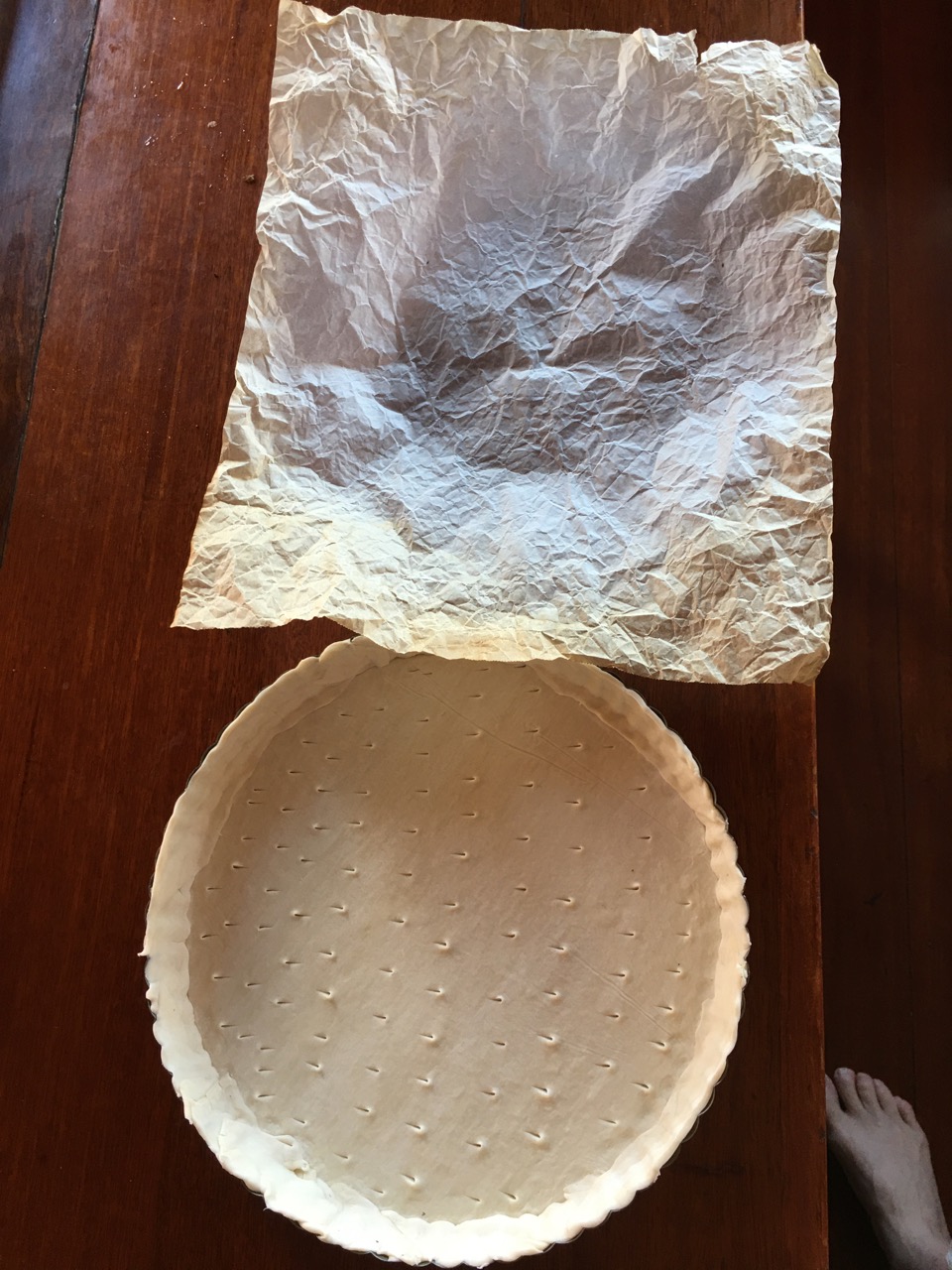
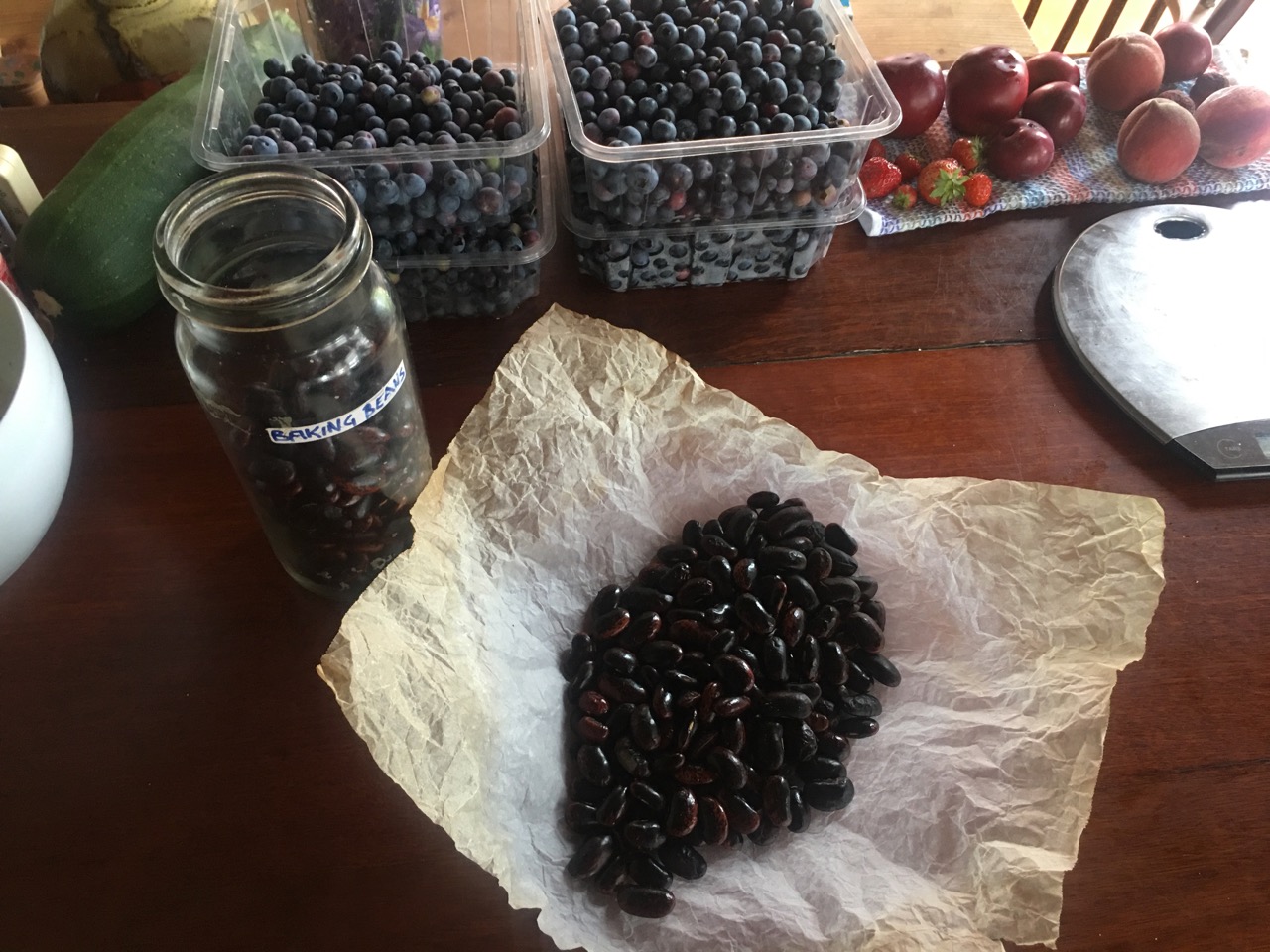
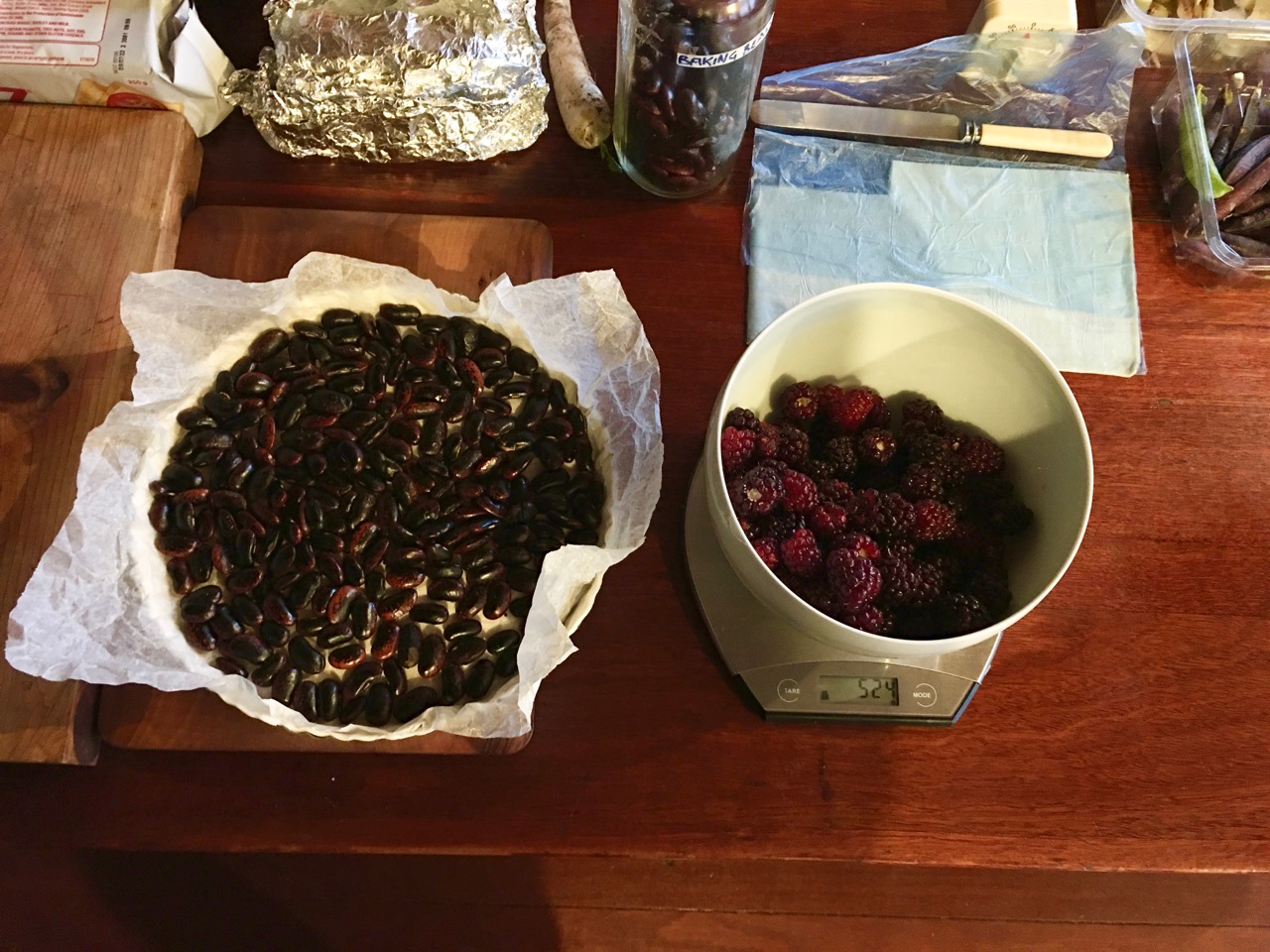
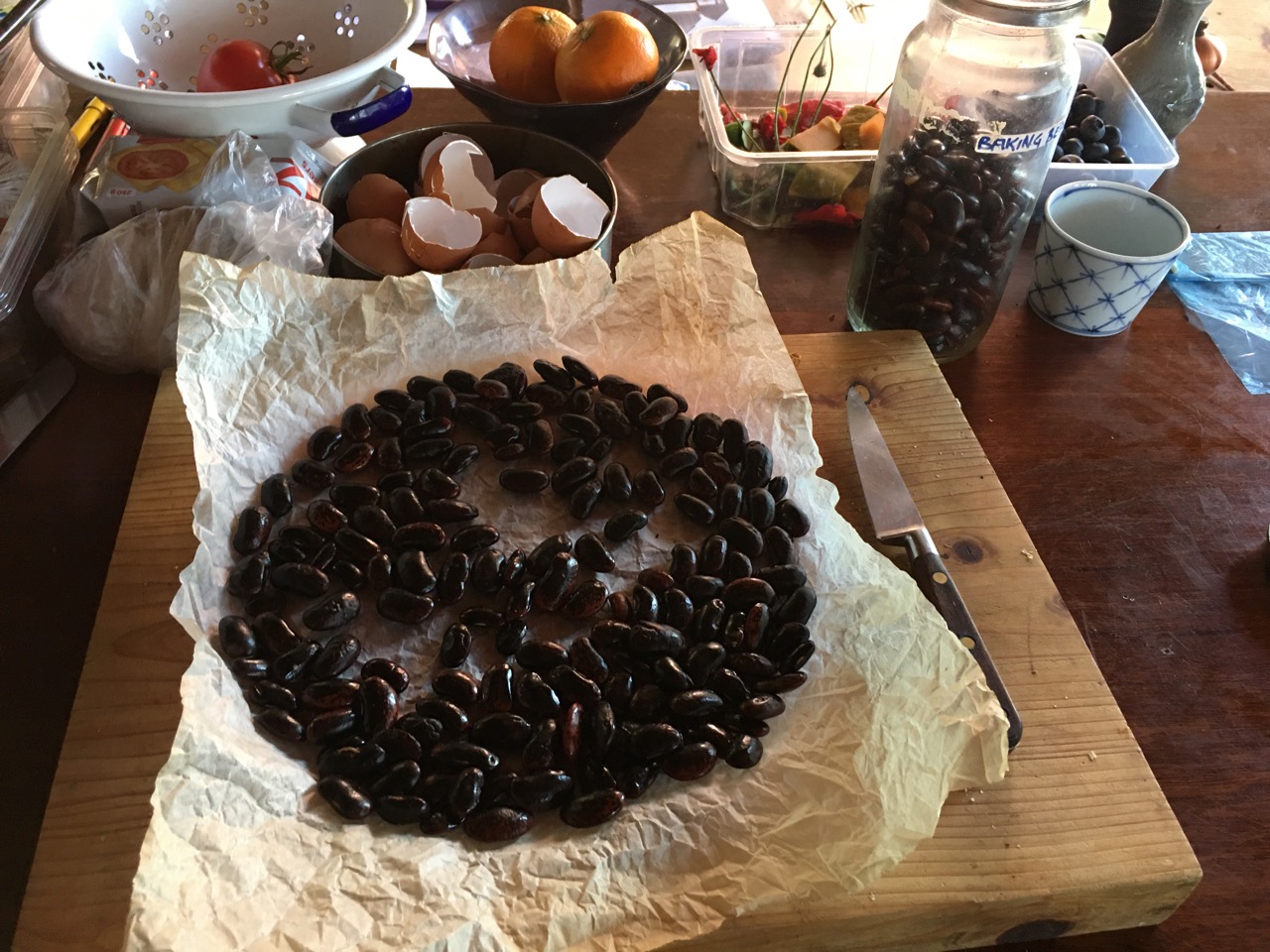
I have managed to get about 10 uses out of the crumpled sheet of baking paper that I use for blind baking the pastry casings with baking beans. I flatten it and put it aside for later use. I think that it will out last the berry season. I’ll shout myself a new piece of paper new season. Waste not, want not.


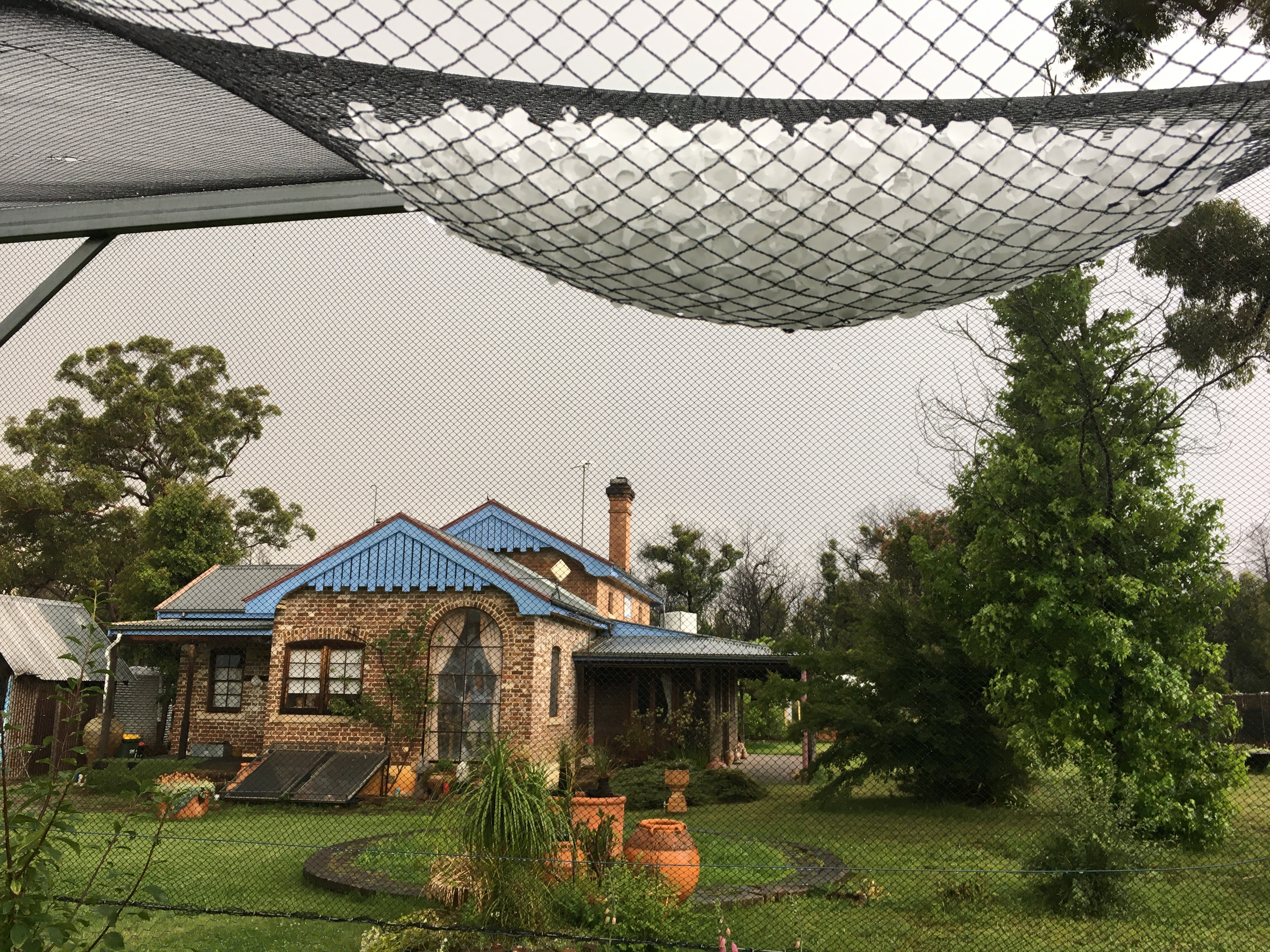
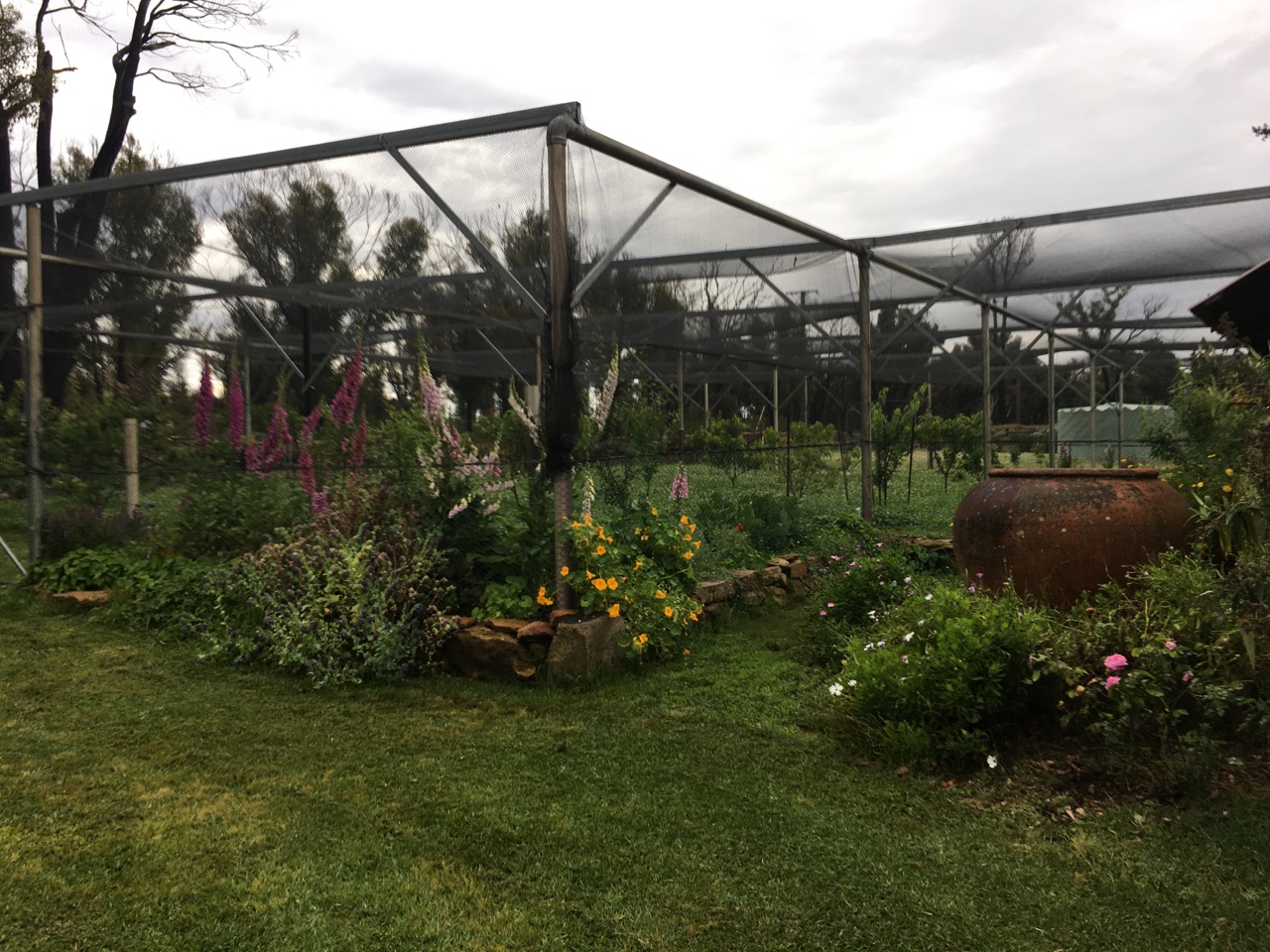
Between Xmas and New Year, we had a massive thunder storm with severe hail between 20mm and 30mm dia.. It was so big and it came down so hard and fast that it filled up the nylon roof netting over the orchard and veggie garden. Being too big to fall through, it just piled up and got caught there in mid air, causing the netting to be weighed down and sag into circular hammock shapes. Fortunately, because if we hadn’t netted the garden and orchard, there would have been nothing left of the plants and fruit trees.


As the latest sowings of seeds germinate and appear, its a reminder of the perpetual cycle of life and renewal. A new beginning for the new year.


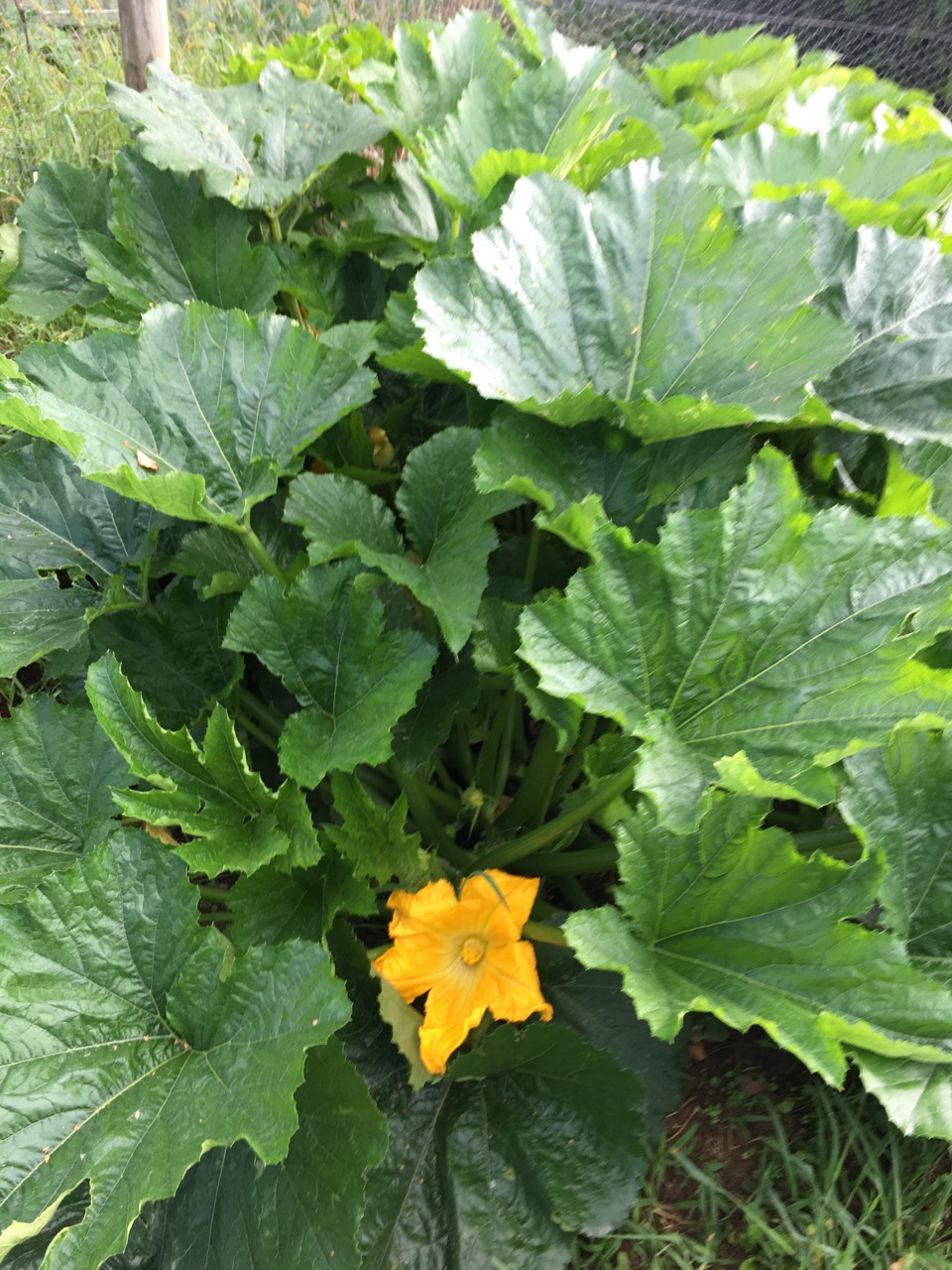
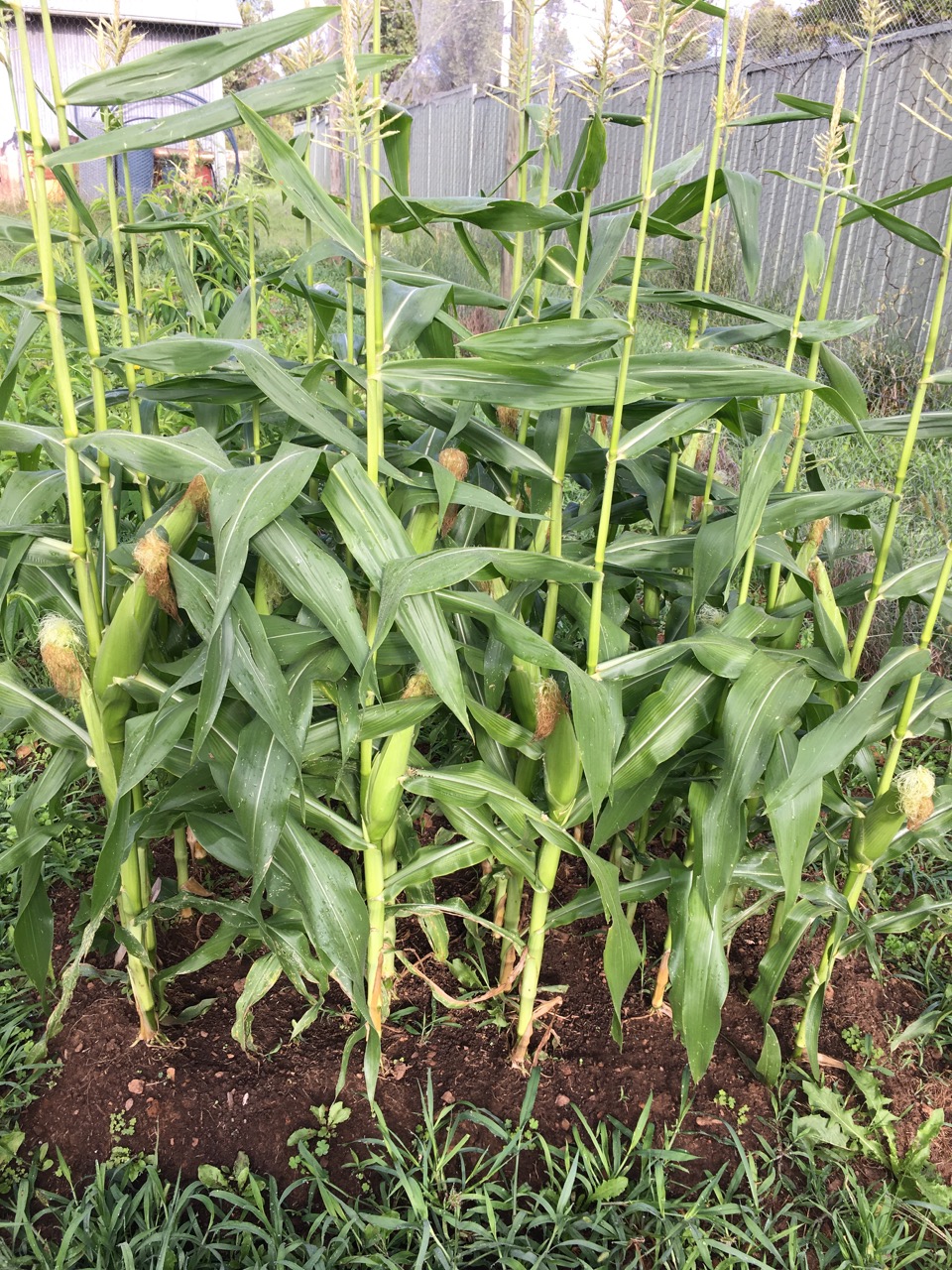
Besides fruit, almost every other meal must involve zucchinis, squash or sweet corn. The tomatoes are not quite ready yet, but are so close. Once they start to come on, then we will enter the phase of summer dining where every other meal will be some form of ratatouille  🙂

Some R & R as the Kilns Cool

The seasons turn around and the old familiar meals come back onto the table. We’ve waited half a year for these yummy tastes and flavours to come back into our lives. When I weed in amongst the new tomatoes plants and brush the leaves, I get  that amazing tomato leaf fragrance wafting up. It makes me hungry just to smell it.  Funnily, after 3 or 4 months of summer picking tomatoes, that smell starts to become a little oppressive?


We are still waiting for most of the summer veggies to arrive. The tomatoes are flowering and the zucchinis have set some fruit, but they are slow developing. We have plenty of lettuces and radish. I have managed to find the time to get a few things planted during this last few months of hectic  work.


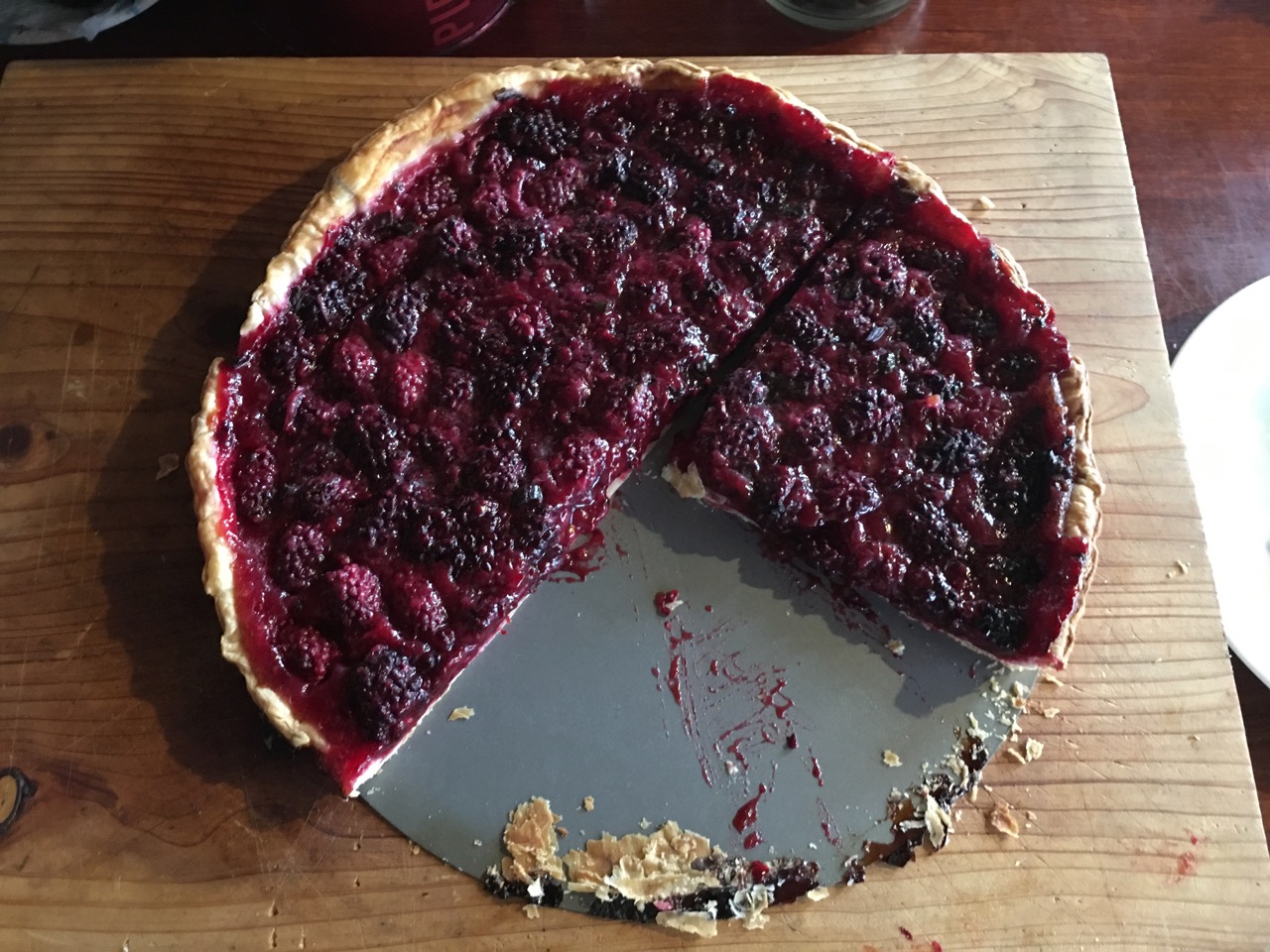
I found the inspiration and therefore time, to make 3 mulberry tarts during the short 3 to 4 weeks of the mulberry season. They are now all long gone, all finished off by the birds. However, the youngberries are now back in season and I made the first youngberry tart on Monday. So delicious! I’ve missed the sharp sweetness of the youngberries for the past 11 months. Their season is just as short as the mulberries. We make the most of it while the fruit is here for the picking. They’ll be all gone before Xmas. I think that this small window of availability for special seasonal fruits makes them all the more special. We notice it particularly because we eat what we grow. Everything, every unique flavour, every special aroma and specific texture and taste is here for such a short time. We have learnt to really appreciate these gifts when we can. 


We are naturally busy kinds of people. There is always so much that we want to do. So it’s important to take the time out to enjoy these little gifts from the garden and orchard while they are there.


By the end of the season for each fruit variety we have usually had our fill and are ready for the next special treat. If these fruits were available all year for us, we would become somewhat blasé about it all, our enthusiasm killed off by over indulgence, then perpetual availability. This doesn’t happen when you grow your own. For most people, everything is available all year round in the supermarkets, if not fresh then frozen. Modern grocery shopping has no seasonal calendar anymore. Everything is demanded all the time. So it’s always there in one form or another. I tend to avoid this as much as I can. I’m not pretending that I don’t eat out of season, of course not. I’m human. I still go to the supermarket. But I go with a list and a purpose. Eyes straight ahead. I buy what I don’t grow. Cheese, lentils, chick peas, bread flour, coconut milk, olive oil and fish. Things that I can’t grow, or not efficiently.


Of course I don’t buy all these things every week. A three litre tin of Olive oil is once every 2 to 3 months. Bread flour is once a month. I make one loaf a week. coconut milk is a couple of tins once a month, etc. and so it goes. Things like tofu, Janine learnt how to make it herself, but there is no time to do everything that you want, something has to give. So our life is an ongoing, shifting, grey scale of compromise of what we want to do and what we absolutely need to do. We’re flexible, so it’s working out pretty well.


I bought a packet of frozen short crust pasty recently, a dozen sheets. That will be enough to get me through the fresh fruit season for making fruit  tarts. From the first mulberry tart, to the youngberries, then the cherries, onto the blue berries, followed by the early peaches, plums, apples and then pears and finally the quinces. That’s our summer calendar from November through to March/April.Just writing about it is making my mouth water. I can hardly wait.


To day I’m making the 2nd youngberry tart of the season.


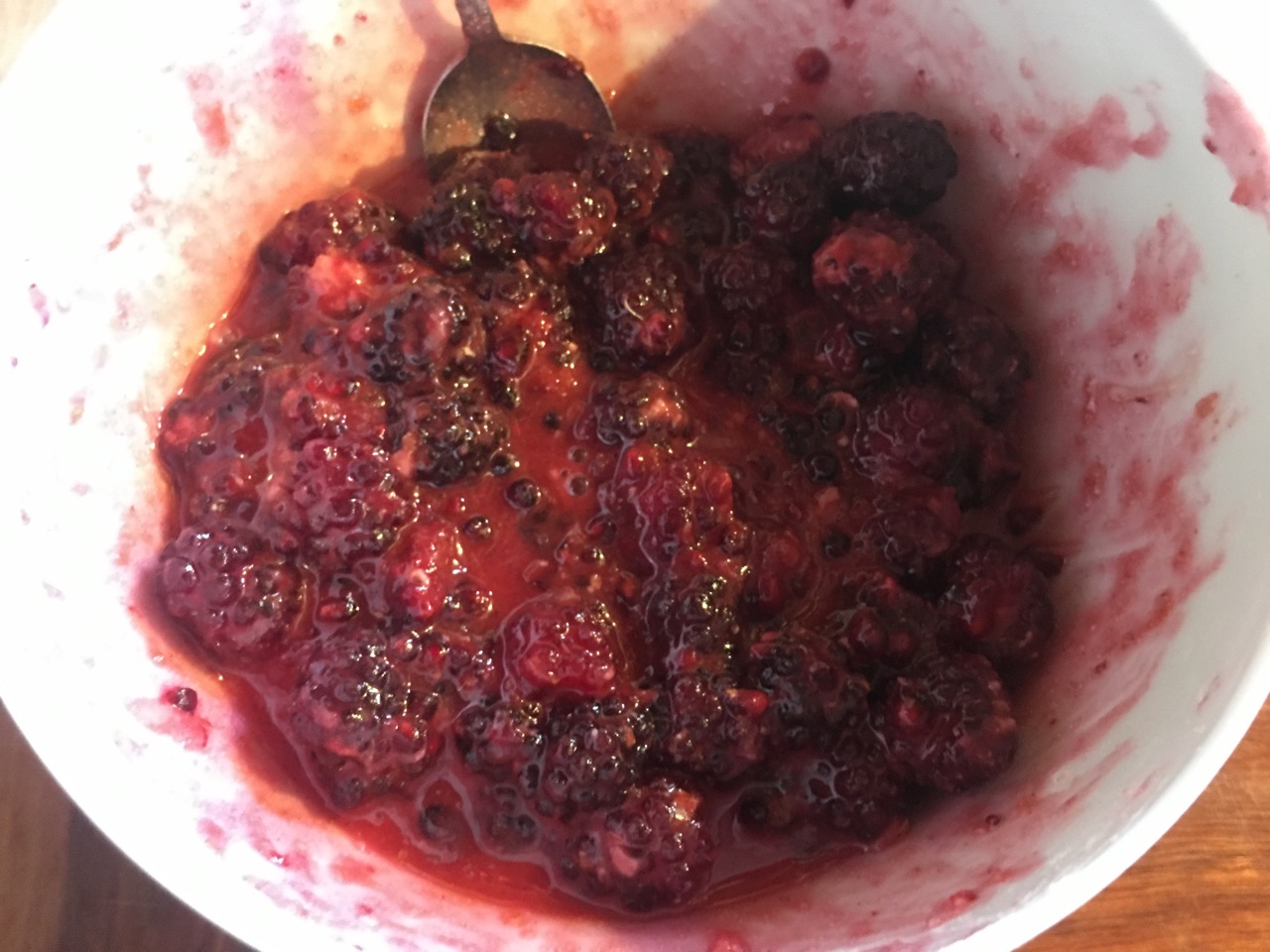
The berries are picked and weighed. The pastry sheet is in the pre-buttered pan and the blind baking beans are in the shell ready for the oven.


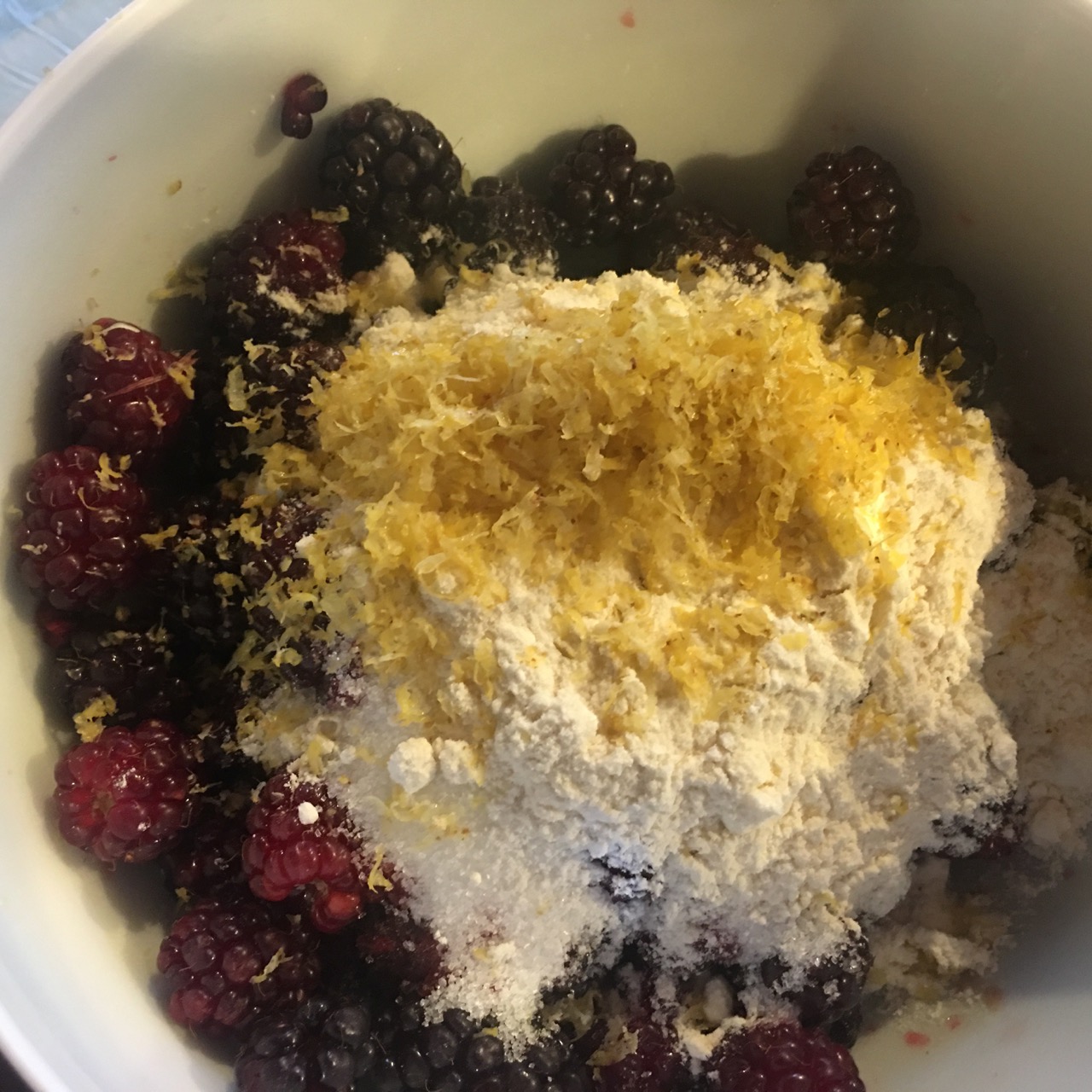
While the base is baking at 180 for 10 mins add 140g of sugar, 40g of plain flour, zest and juice of one lemon, some vanilla and cinnamon, then stir.


It looks a mess, but its delicious. Lift out the paper with the beans and continue to bake for another 10 mins


I re-use the crumpled paper over and over for all the tarts throughout the season. Reuse , then recycle.


Pour the fruit mixture into the baked case and bake for another 20 to 25 mins at 180, or until its ready. Depending on your oven.It’s ready when you can see the liquid fruit gel bubbling. When I open the oven door, the fragrance bursts into the kitchen. It’s the warmest most homely smell. Quite appropriate really, as this is a warm, friendly home.


You could add lattice work pastry if you are inclined to and have extra pastry to use up, I sometimes do. Or dust with icing sugar for visual effect, but it’s sweet enough for this post modern peasant.

.


In the pottery, all the drying shelves are now empty.


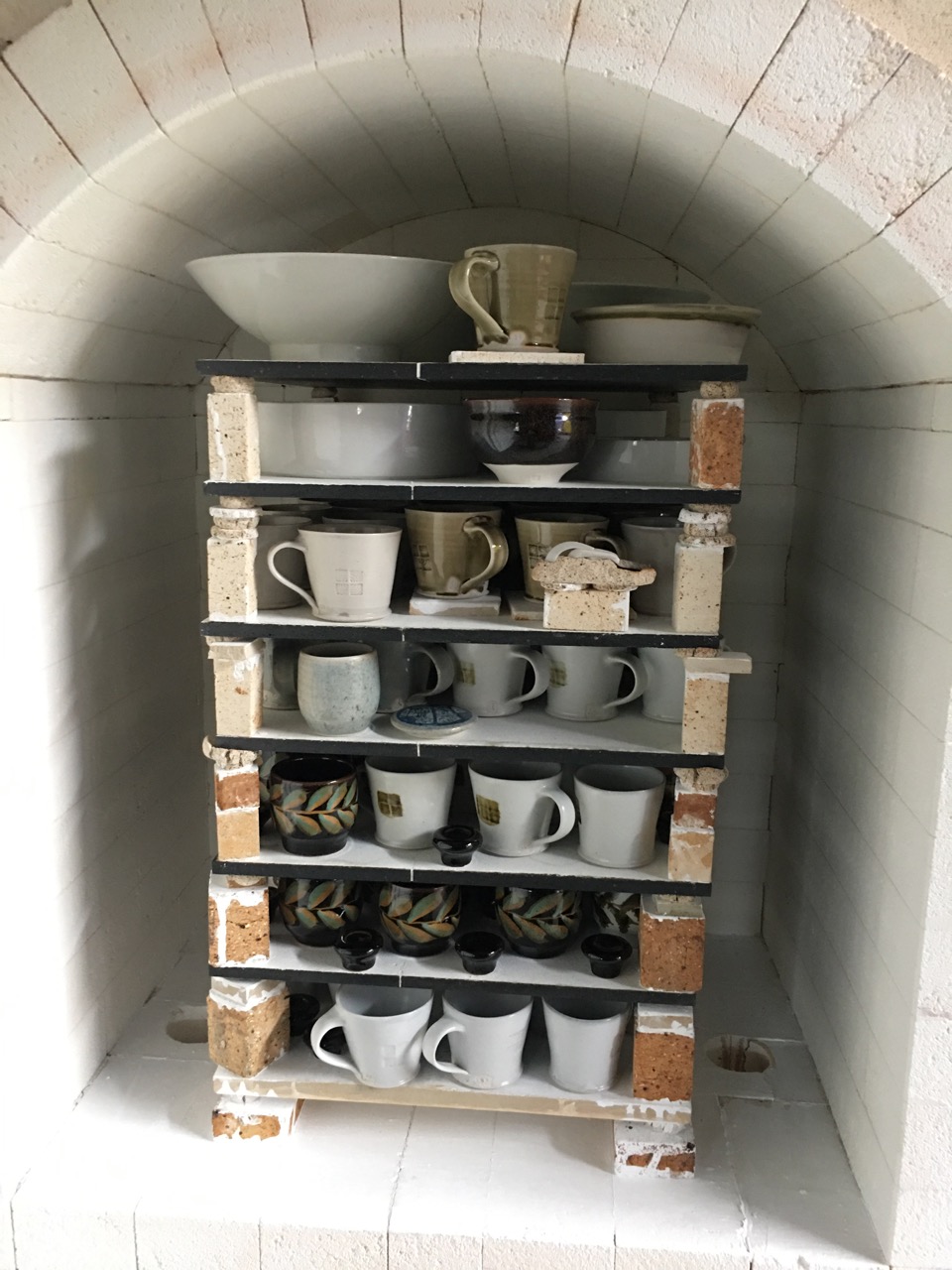
In the glaze room, all the bisque shelves are just about empty, as all the pots are in the last two firings. Due to be unpacked tomorrow.We have done 3 bisques and 2 stoneware firings in the small electric kiln and two stoneware reduction firings in the bigger gas kiln in the past 10 days. it’s been all go.
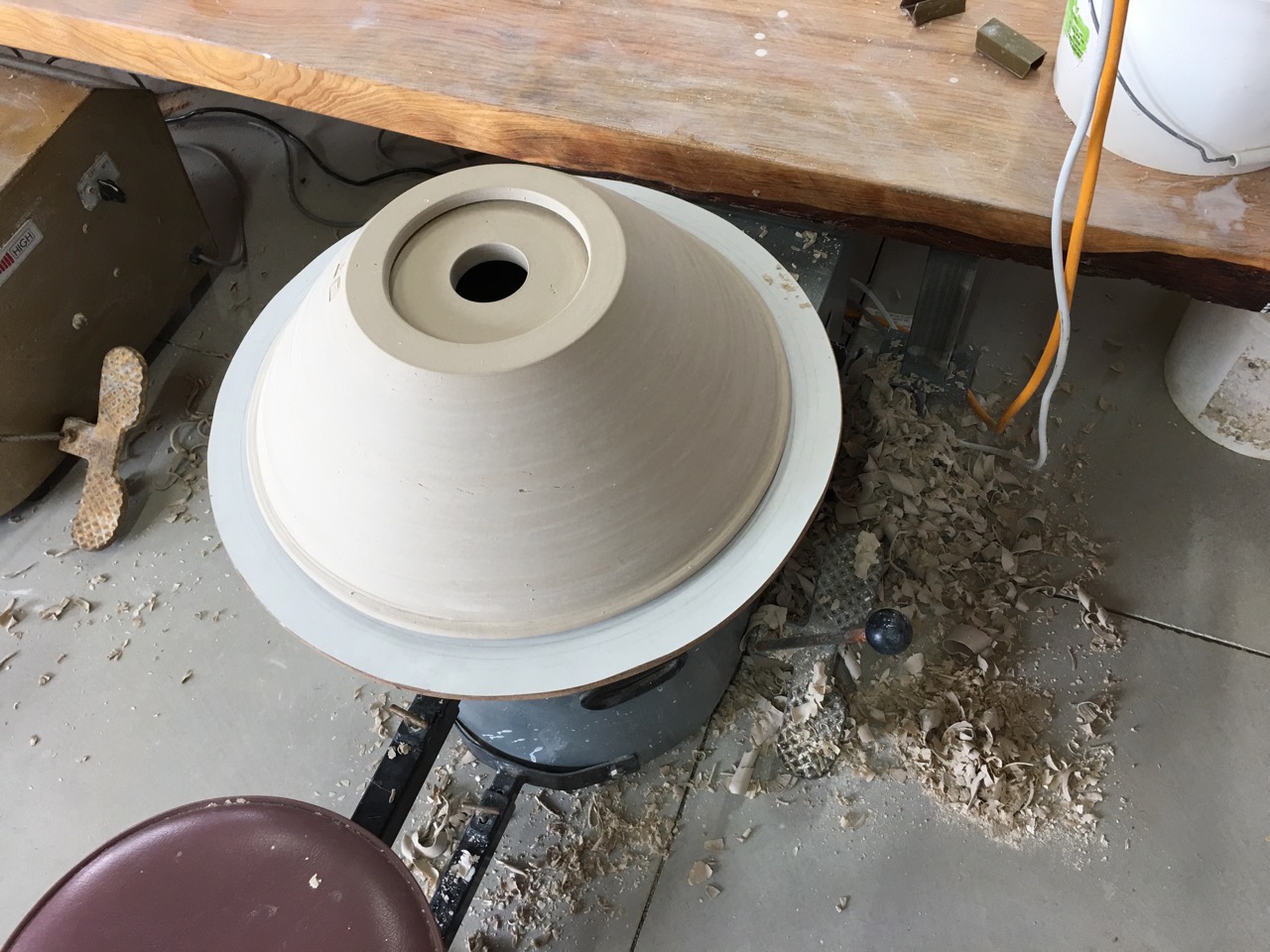


Now the shelves in the gallery are mostly re-stocked and ready for the next two weekends of Open Studio Sales.


Today was a day off while the kilns cool. We did some badly needed weeding in the garden and orchard, then we had a little snooze after lunch as it turned out to be quite hot and the predicted rain didn’t eventuate. Janine spent the afternoon at her friends house for some catchup, R&R, chat and afternoon tea.I baked a tart and a loaf of bread. Same sort of thing really!

Making more pots for Xmas Sale

Janine and I are back in the studio making more pots to re-stock the shelves for the next Open Studio Weekends coming up on the first two weekends of December.

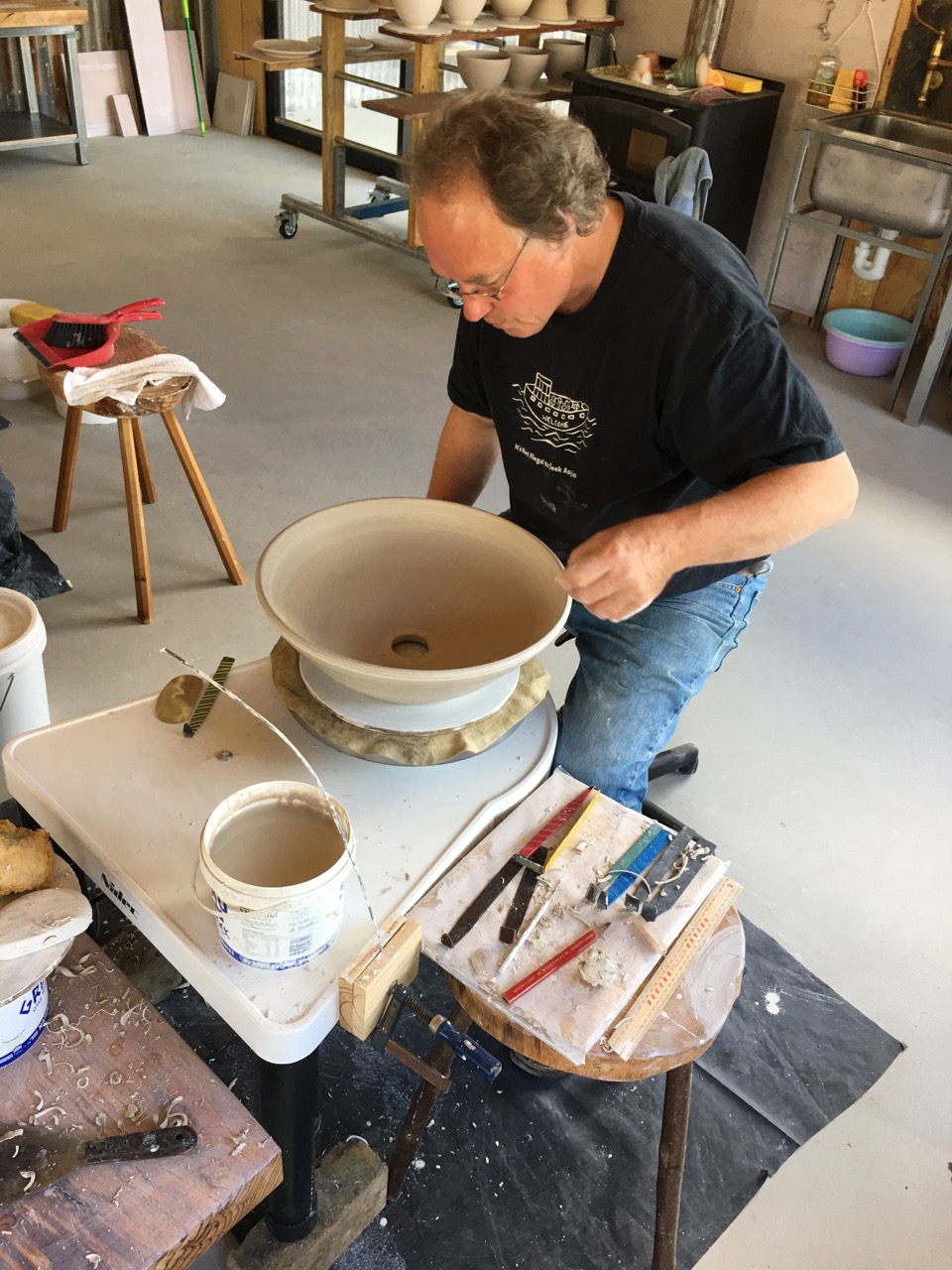
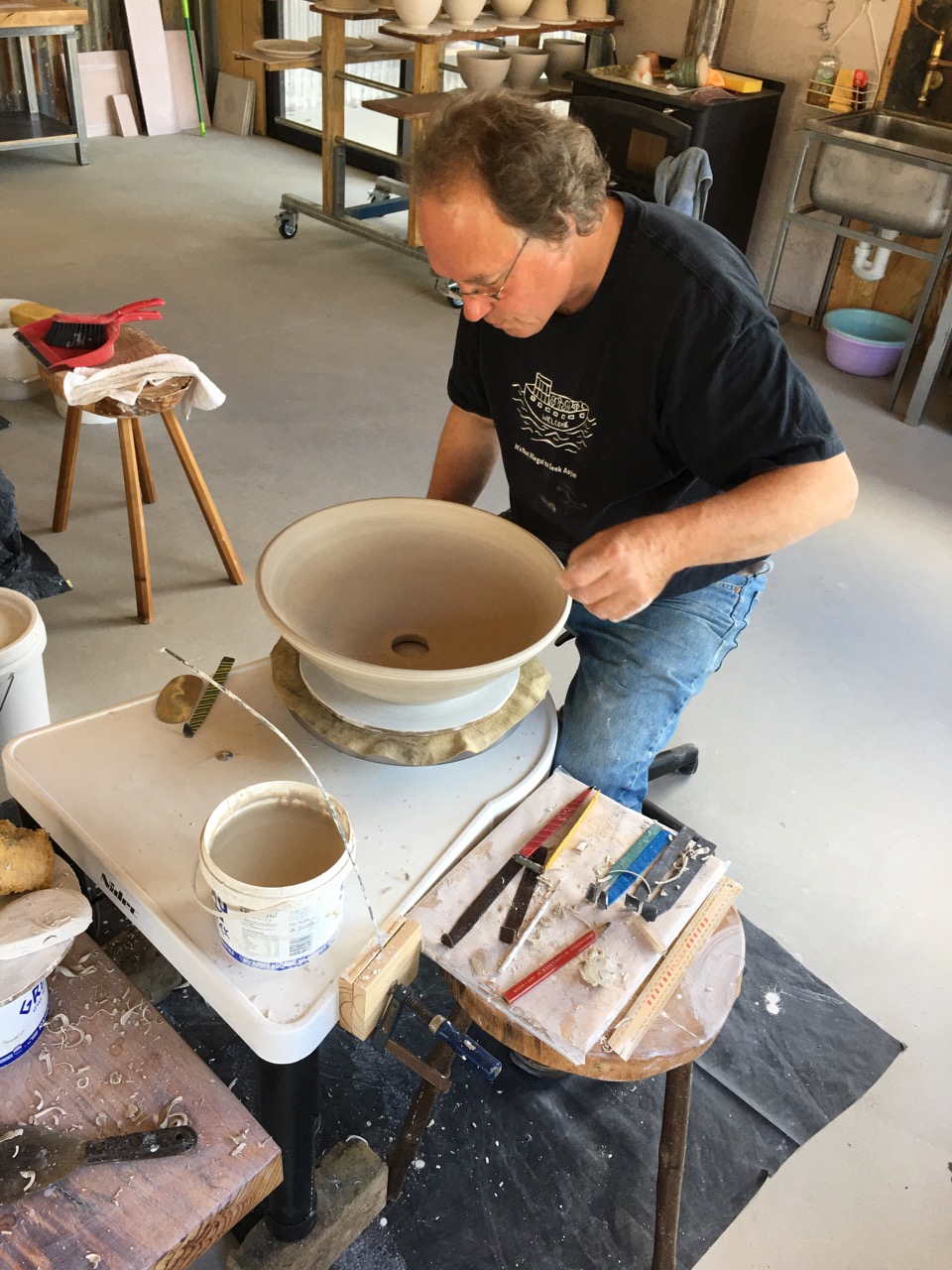
While I am back throwing on the wheel. I am making a vanity basin for my friends Roxanne and John Lillis who lost their house in the Black Summer Fires, on the same day that we lost all our pottery, sheds, orchard etc.

I wanted to do something nice for them and their new house which is currently nearing completion. I wasn’t able to be of much assistance during the construction, as we were flat out working here to get our building done. So I promised that I would make them a bathroom vanity basin. This is my 2nd attempt, as the first one cracked. I will use it as a pot planter, as it has a hole in the bottom ready to go.
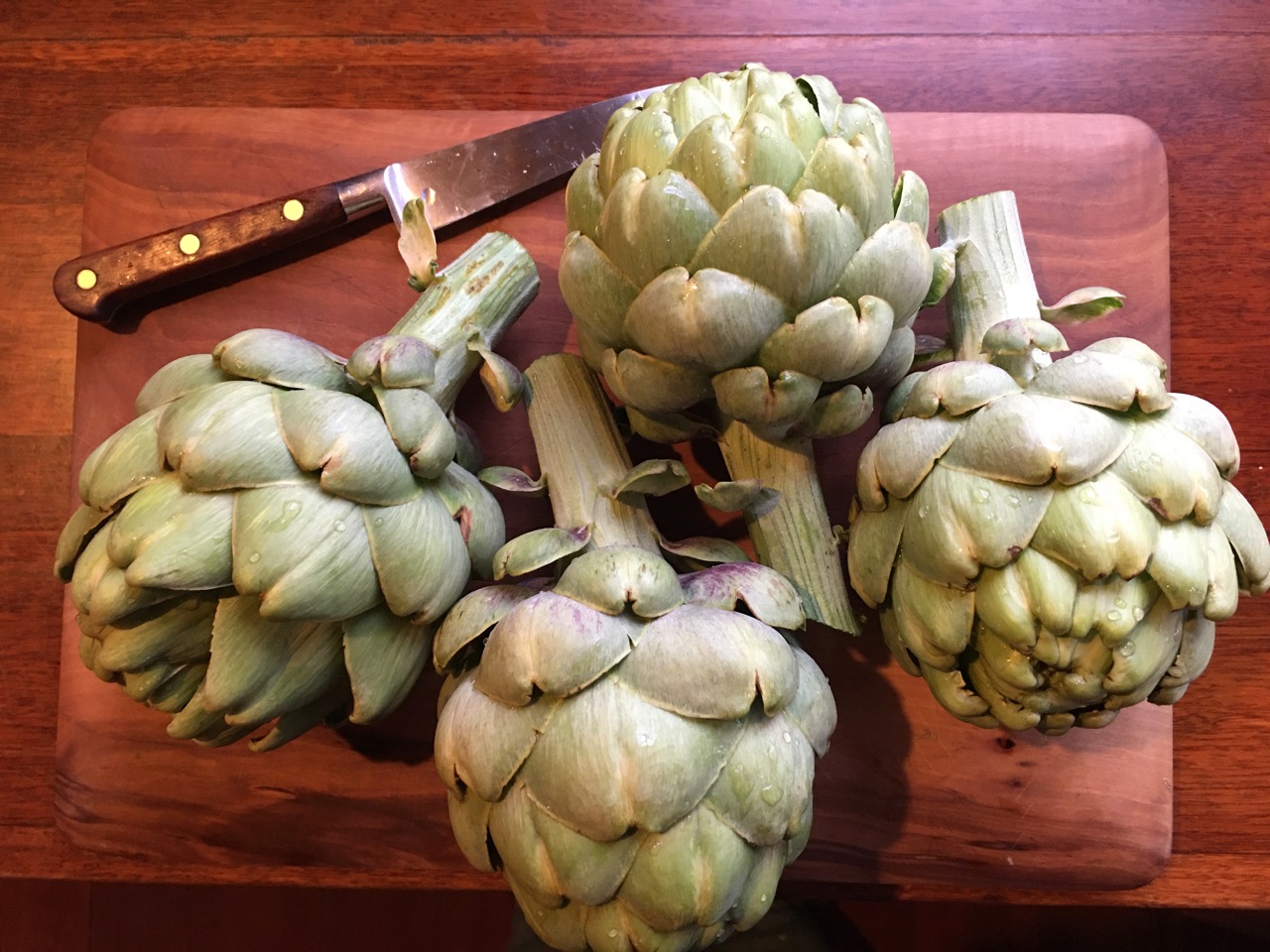
I have to make the hole in the base 12.5% larger then the plug fitting, as this clay shrinks that much. Actually, I’m making it 13.5% bigger , just to make sure that it will fit easily. Silicon hides all manner of sloppiness, if it turns out to be a little bit too big 🙂

With all this warm wet rainy weather, the garden is growing faster than we can find the time to weed it. So it’s looking a little bit neglected and over grown. I will have a garden blitz as soon as the open studio weekends are over.

In the mean time there has been a wonderful crop of artichokes. The just kept on coming and coming. These last few were a little bit past their best and getting a little bit wooly with lots of choke fluff. I peeled them, split them and extracted the ‘choke’ them boiled them and dressed them with a slightly soft mustard flavoured mayonnaise like sauce. something new for me. I liked it and will try it again.

I mixed a pretty standard olive oil and sherry vinegar dressing, added a spoonful of mayonnaise and a spoonful of dijon mustard, whisked it all together. Instant, easy and very delicately flavoured to go with the artichoke hearts.

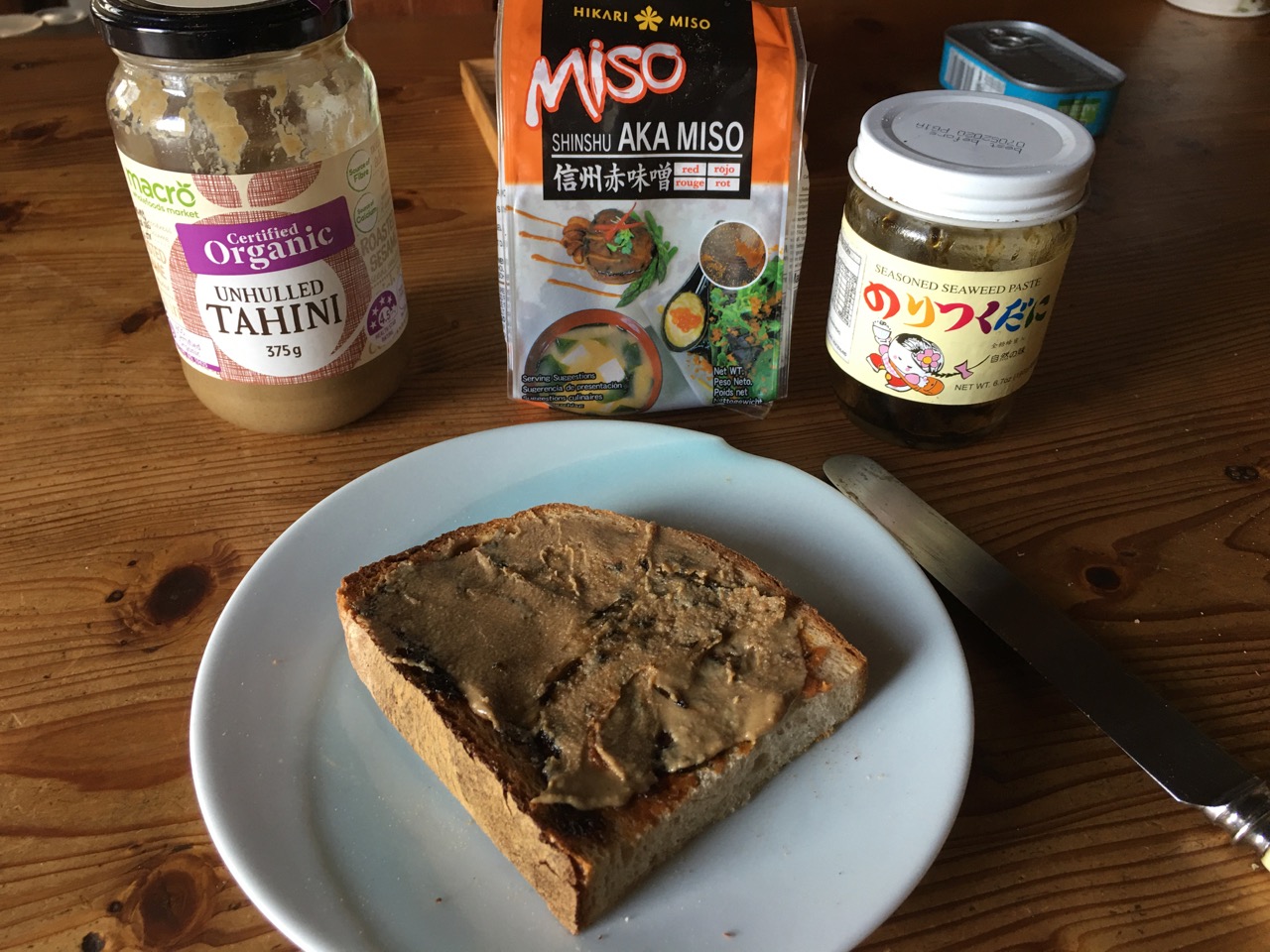
For breakfast I’ve recently got a taste for an unusual combination of umami flavours. I toast a slice of my home baked rye bread and spread a little bit of aka miso over the toast, then a thin spread of Japanese fermented seaweed paste, and finally some organic, un-hulled tahini. It’s really savoury and very nice. I wonder if I’m lacking some sort of mineral in my diet, to make me want to eat this unusual combination?

We picked the last of the broad beans yesterday. They are such a wonderful springtime treat. The season is so short. Broadbeans are so particular. If I plant them too early, they flower and flower, but refuse to set any beans. If I plant them too late, they refuse to germinate in the cooler soil. I don’t know if it is my particular situation here and my terroir, or if other veggie gardeners find the same thing? I have just got used to them flowering for some time until the conditions are right for them to set beans. The ripening of the beans always seems to coincide with the winter/spring (sprinter) winds. Just when they are tall and laden with a heavy crop of beans, the winds come and knock them all over. I’ve learnt to stake the plot and run some rope around the plants to keep them vertical.

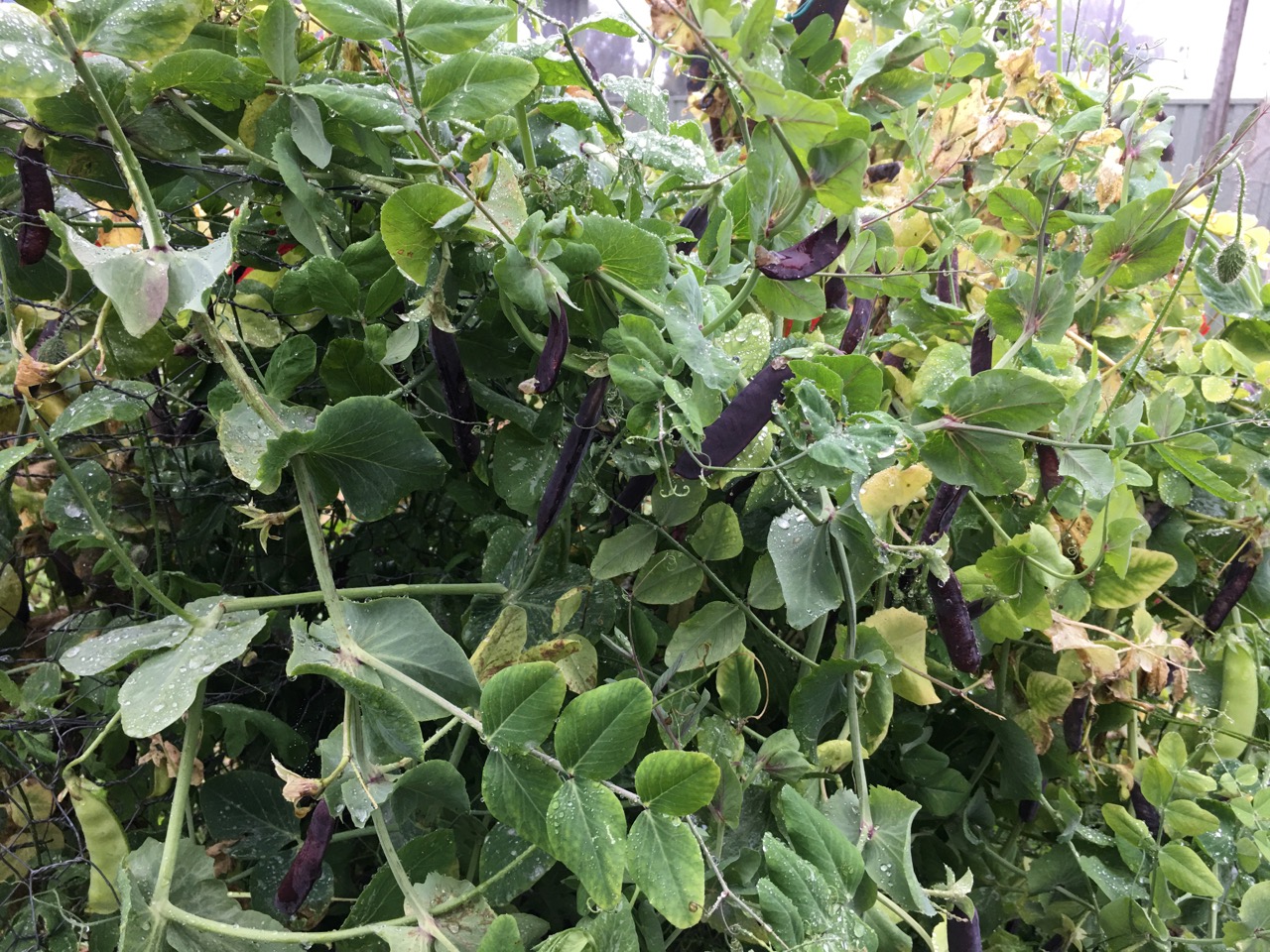
This spring I grew the same red flowering and purple podded peas that we have been growing here for years. Collecting our own seeds each summer as the plants dry off, so as to replant the following year.

We probably have just one more picking of the peas before the hot weather arrives to desiccate them. However, it seems that this year is declared to be a La Nina event year, so the onset of the heat mat be delayed. Apparently we can look forward to a wet and steamy beginning to summer.
Even though the garden looks like it is more or less abandoned, there is always something to pick for dinner in amongst the weeds.  The blue berry bushes are loaded and just starting to ripen. we can pick a punnet every other day at the moment, but there will soon come a time are the season peaks that we will be eating blueberries in everything and even preserving some.

Even though the garden looks like it is more or less abandoned, there is always something to pick for dinner in amongst the weeds. We are always so busy. There is always something to do. I can’t imagine that I will ever find my self being bored!

Open Studio Weekends

We have just had our first Open Studio weekend. It was good. Not too busy, just right. We had an influx on Saturday morning with half a dozen cars in the first hour. We even had a queue at the wrapping table for a short time. but after that it settled down to just one car after another until lunch time and then a long spell of quiet. In the afternoon we had several more visitors spread out more or less evenly until just after 3pm when it stopped.

We were lucky that there was a big function on at Sturt Workshops in Mittagong all day Saturday, so we picked up a few car loads of visitors that called in here on the way past, coming from Sydney and going to Sturt.

We have had only 4 stoneware glaze firings in the 3rd hand gas kiln that I bought back after 26 years out in the wild. It’s now back in captivity and working well.

Sunday was quieter, but still good. We had the same lull in the middle of the day but a much quieter afternoon. It was a great start to this 4th pottery iteration after loosing the first 3 to fires, we have been a lot more cautious about what sort of garden and just how much foliage we can accept near our house and workshop. As this new 4th pottery is almost entirely made of steel, it is a lot less flammable. Steel building can still be ruined by intense fire – they bend and collapse in intense heat. So that is why we have decided to build this new studio in the middle of our block well away from any bush. I have already plumbed the building with fire fighting sprinkler lines. Although as it is so wet they year. I haven’t got around to fitting the sprinklers yet.

I decided to spend those couple of days in the pottery making work for the sale. Everything in it’s own time.

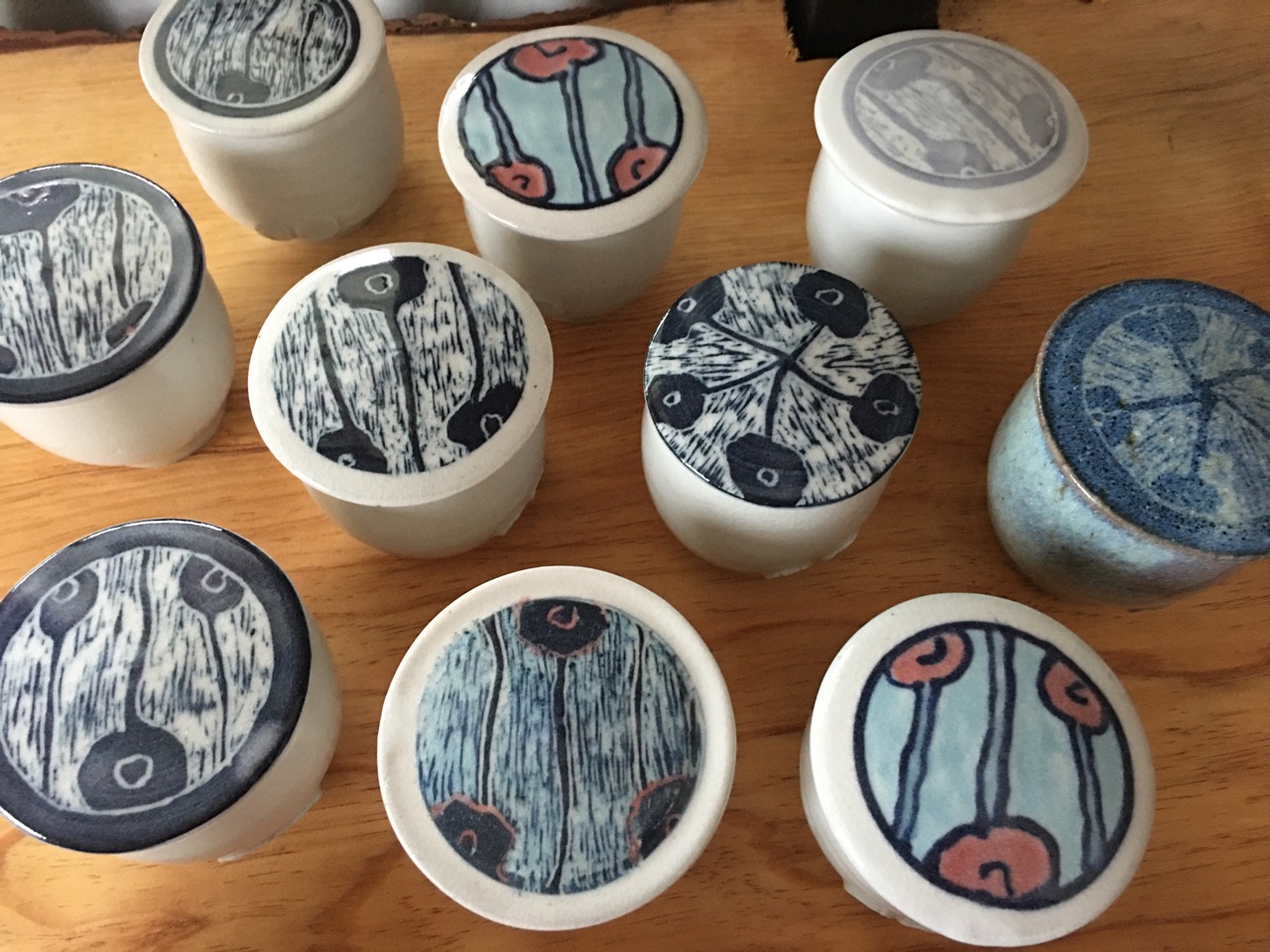
We almost sold out of Janines painted unomi beakers and inlaid lidded boxes, as well as my breakfast bowls.

So on Monday morning we were both back on the wheel making new stock for the up-coming December Open Studio weekends as we have elected to be part of the Southern Highlands ‘Pop-up’ Artists Open Studios on the first two weekends on December, – 4th and 5th, then the 11th and 12th.

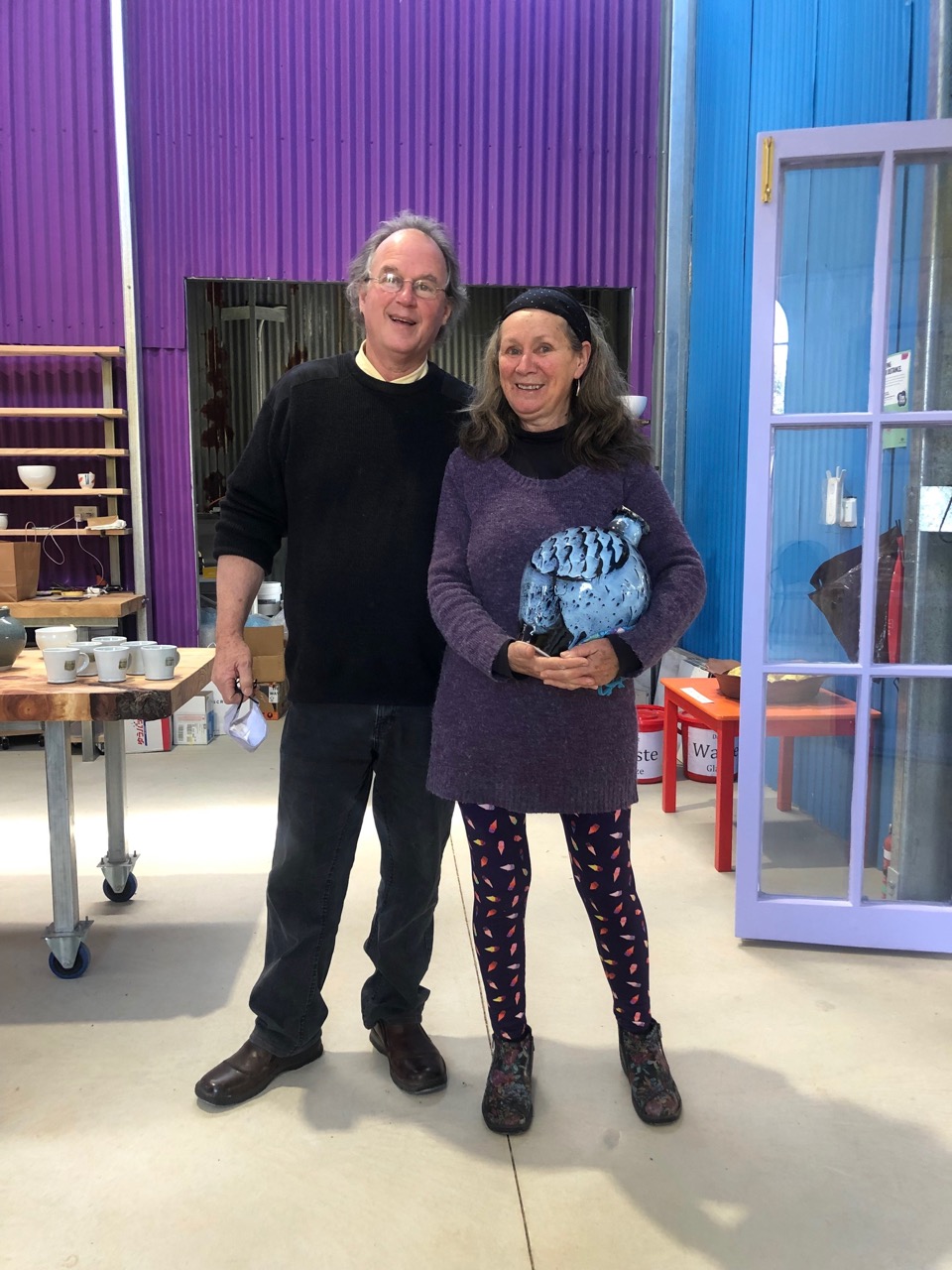
This image of us by Eva Czernis-Ryl. Thank you Eva.

3 firings in one day. Preparing for our Open Studio Weekends

Yesterday we had all three kilns firing at once. A bisque in the little electric kiln, a stoneware reduction glaze in the big gas kiln and another stoneware reduction firing going on in the old relocatable mini wood fired kiln. I recovered it from the ashes of the fire. As it was built from a stainless steel monocoque frame with insulation brick lining, it mostly survived the fire, because it was stored out on the verandah and didn’t get too badly burnt. It just needed some cosmetic TLC on the frame and a new set of castor wheels. Lucky!

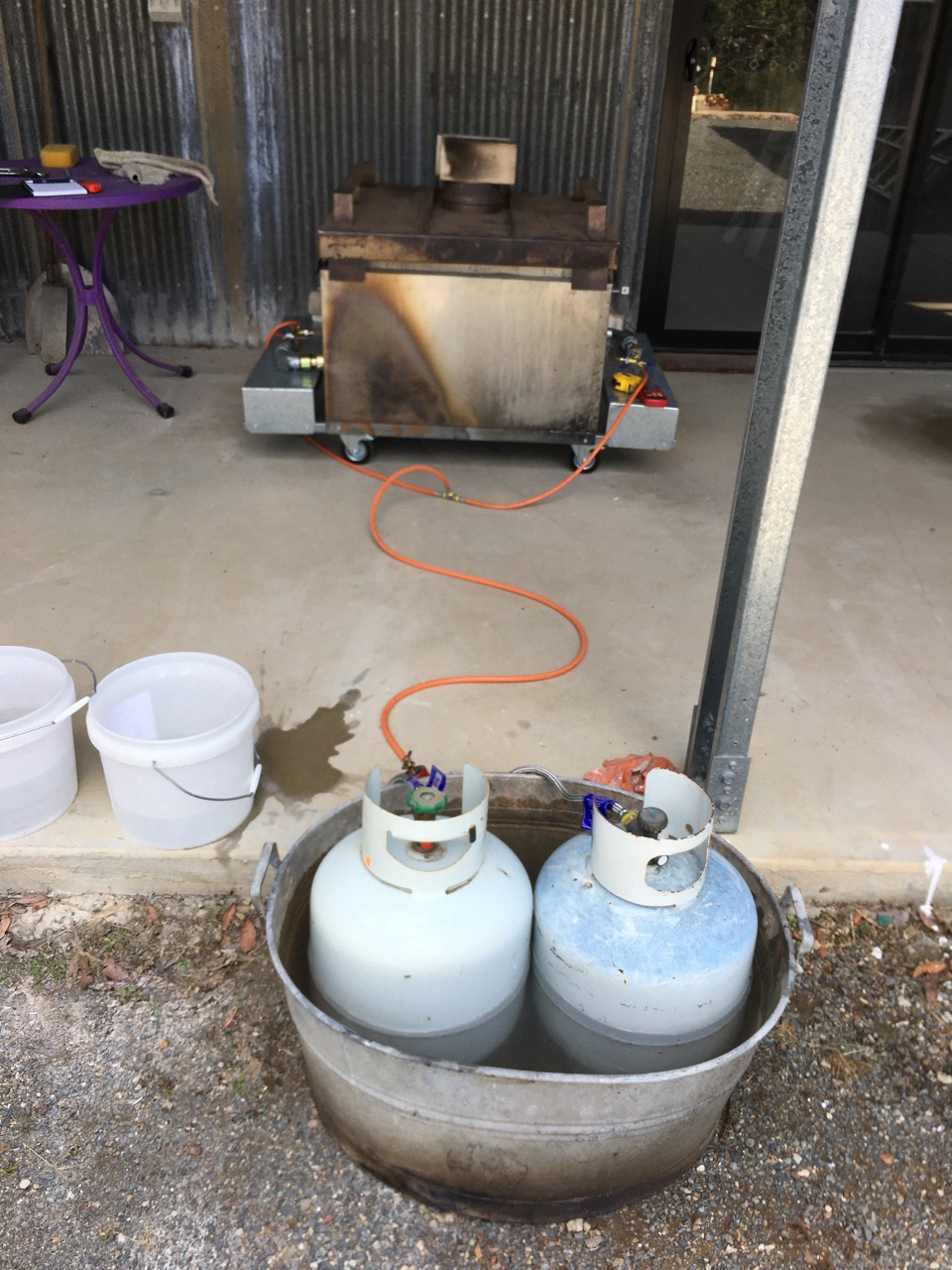
It was designed and built as a possible dual fuel kiln to be fired with either wood or LP gas from BBQ bottles. However I had never fitted it with burners and only fired it with wood previously. Now is the time to finish fitting it out with burners. I spent a day making shiny new burners and gal steel mountings. I chose to only pack and fire the bottom half of the kiln , as it is designed to be in two sections. A bottom half with the fire box opening and burner holes – which ever is chosen to be used. Then a top half composed of a removable ceramic fibre ring and lid. The ring can be removed and the lid placed on the base section to make a smaller half sized kiln. Which is what I did yesterday. As it was the first test firing of the kiln, I thought it best to go small for a first firing.

After an initial tweaking and tuning, It worked perfectly and fired to stoneware in reduction easily in 2 1/2 hrs. using less than one 9kg bottle of BBQ gas. I had 2 set up ready with a change over switch just in case, but the 2nd bottle wasn’t needed. I also set them up in a tub of water that can be warmed. In this way I can fire them to dead empty without them freezing. But none of this was necessary yesterday.

I’m a bit more confident about our local rock glazes now after 3 rounds of test firings. The hares fur/teadust tenmoku is a little more stable.

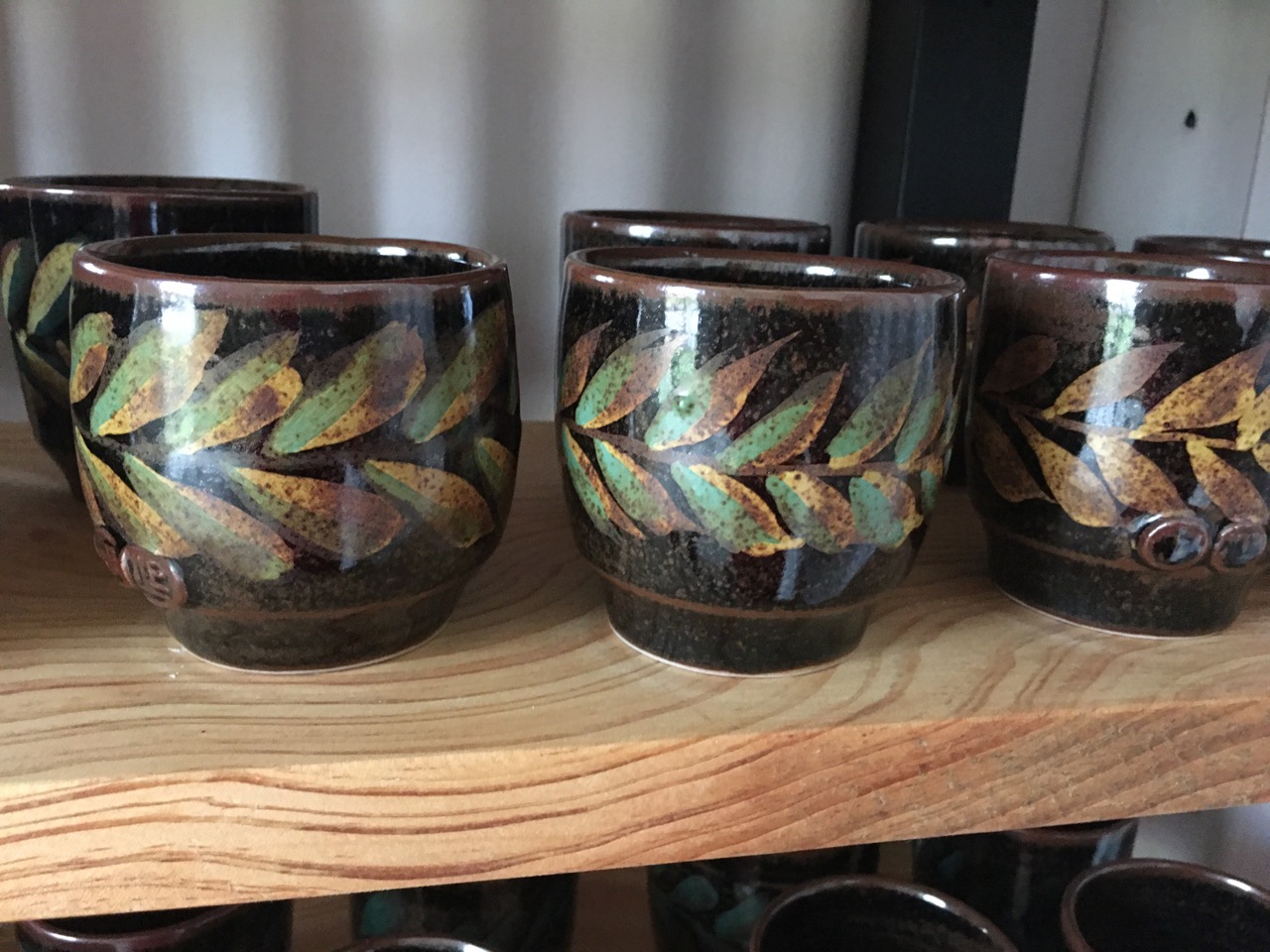
Both Janine and I have been investigating the use of colours over tenmoku.

and I have managed to stabilise the local Balmoral dirty feldspathic stone and wood ash opalescent Jun glaze.

Janine has made some slip decorated lidded boxes.

The stone fruit orchard is looking great after a wet start to the spring season and everything is green and luscious.

The almond grove is also very lush and green. All these mature almond trees were burnt and transplanted into this area that was formally a native garden. We have decided to keep the more flammable native bush at a much safer distance from the house now.

The pottery will be open this coming weekend, the 13th and 14th of November as part of the Australian Ceramics Assn. Open Studios weekend that will operate nationally. We will be open in conjunction with Megan Patey in Colo Vale. Megan makes beautiful Majolica and Smoked Arab lustre.

click on the QR code to find your local potter.

Janine and I will be also open on the first two weekends in December and the Southern Highlands Artists Pop-Up Open Studios group.

We will be open on the 4th/5th and in conjunction with Sandy Lockwood, on the 11th/12th of December.

We look forward to being able to show you around the new pottery on one of these 6 days.

We will be following the government recommended COVID19 safety protocols. So please come if you are double vaccinated and have your vaccination certificate. There is our Service NSW, QR code poster on the door for login

We have a covid-safe plan that includes keeping the space very well ventilated and limiting numbers to 4 sq.m. per person.

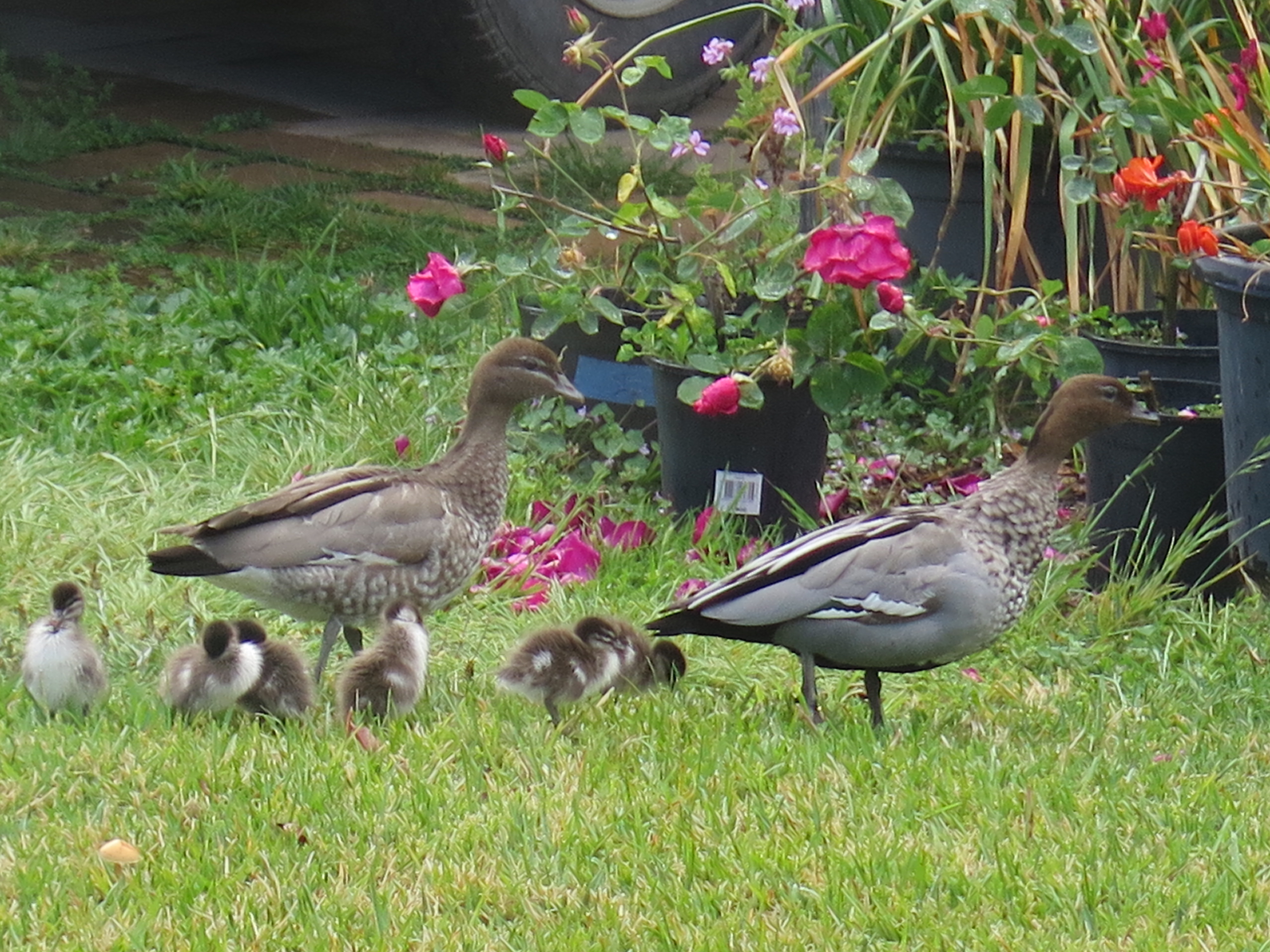
Please don’t bring dogs, as we have recently had both wood ducks and brown ducks hatching clutches of little ducklings that waddle all around the property with their parents feeding on the lush grass. These are timid wild animals and we have no control over where they wander. So please keep a respectful distance if you are walking around the garden.

These last two photos by Janine King.

Pottery Sale – Open Studio Weekend

Dear Friends, We will be opening our pottery on the weekend of 13th and 14th of November. We are informed that on the 1st of November, the state will be opening up to allow people from the Greater Sydney Region to travel to the regions like ours in the Southern Highlands. We have joined the Open Studio Weekend organised by the Australian Ceramics Assn. and accordingly, we will be open from 10 am to 4.00 pm on both Saturday 13th Nov. and Sunday 14th Nov.
We are looking forward to seeing our friends again after such a long time in lock down.

We must remind you all that we will be observing strict Government COVID safe protocols.

Please don’t come unless you are double immunised, and have a vaccine certificate to show us. 

We will need to see your vaccination certificate before you can come in and there will be a strict 4 Sq. M. rule applied. That’s 7 people max. in the gallery. Although I can’t imagine that we will get more than 7 people all day, never mind all at one time 🙂
We will have all the doors and windows open for good ventilation and to keep the CO2 levels down to around 450 ppm. As this is considered good practice to minimise the chances of infection.
We won’t have a lot of work fired and for sale by that time, as we have only now just had our first stoneware reduction glaze firing full of glaze tests. I have been very busy working on the 3 local igneous rocks that I could collect within 5 km of our home here, or near the supermarket and Post Office on our once a week shopping excursion. That has limited my choices, but it’s a challenge to make the best I can out of what I have available in my immediate vicinity.


Its shaping up to look like we can make a tenmoku and tea dust glazes from the Hill Top basalt found in the next village. A green celadon from some washed felspathic gutter sand, A pale blue celadon, a yellow matt glaze, Blue/yellow mottled glaze, also made from the local ‘Living Waters’ Basalt intrusion, and a pink matt glaze made from the sericite porcelain body. As well as something resembling a pink/orange shino style of glaze made from the Balmoral dirty felspathic igneous stone. Nothing special, but a workable mix to get us started.
As long as you are double vaxed, We’d love to see you here at some stage, once we are all allowed to travel inter-regionally. Even if there is only a small selection of our our work on the shelves, we welcome you to call in and see the new shed. I’ll be pleased to give you a tour of the Workshop, Pottery studio and Gallery, as well as the raw material processing facilities that we are in the midst of developing – for those so inclined.

We will probably also be open from then on, each weekend, through until Xmas, but please ring beforehand, just to make sure that we are in and open, and not out doing shopping.

Crisis in the Chook House

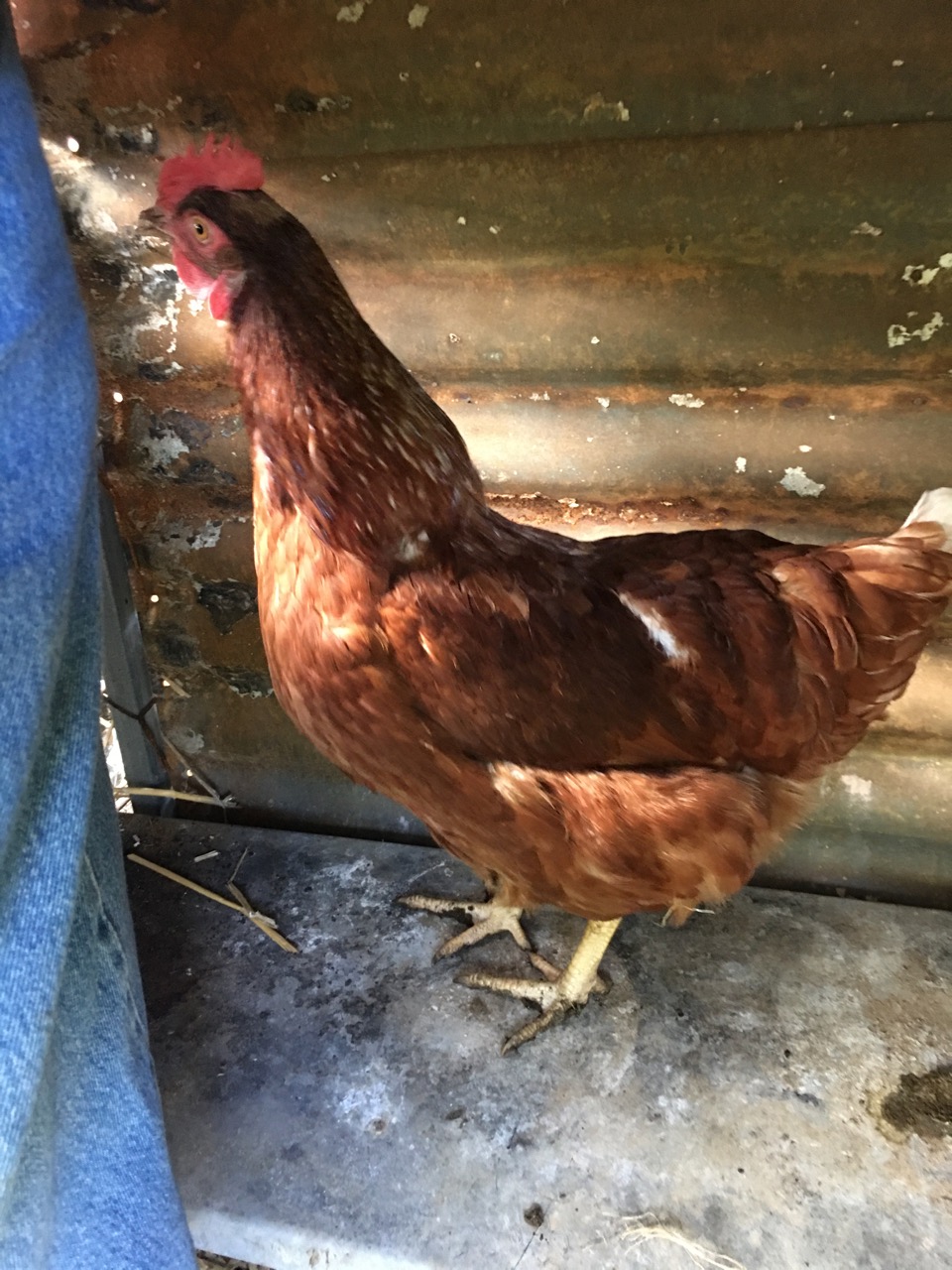
With the news last week that the State Premier, Gladys Berejiklian, had resigned under a cloud of corruption allegations and had been called to appear before ICAC, there was some very disturbing cackling noises coming from the chook house. Our two chickens, given to us after the fire by out 2 very thoughtful friends Warren and Trudie, were making a bit of a fuss. These two lovely chooks arrived here from Balmain as tree change chook refugees. We had to wean them off their previous diet of smashed avo on chia sourdough rye and sipping chardonnay! They arrived with names already given, assigned to them by their previous owner. They are Edna and Gladys. We decided to call Gladys Berechickenlian, it seemed funny at the time. Now all of a sudden it isn’t appropriate any more! and Gladys is a bit upset.

So we have re-named her as Gladys ICACkle !

With the longer days and warmer weather creeping in in fits and starts, in-between cooler days and bouts of rain, everything is growing very well.All the seeds that I planted a month ago are now up and starting to grow.

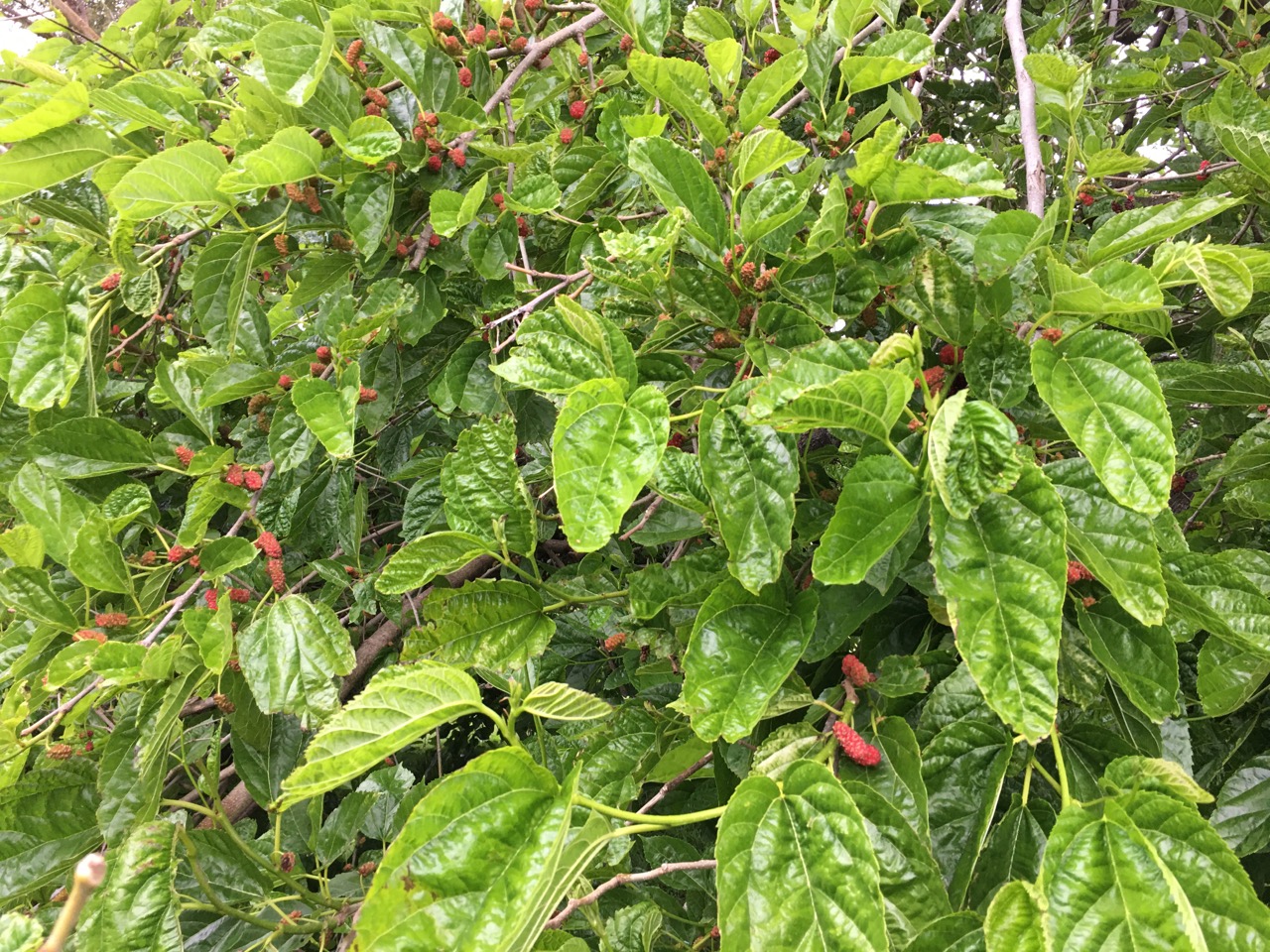
The mulberry tree has set a good crop and the berries are starting to turn red. We will be eating them in about another two weeks.

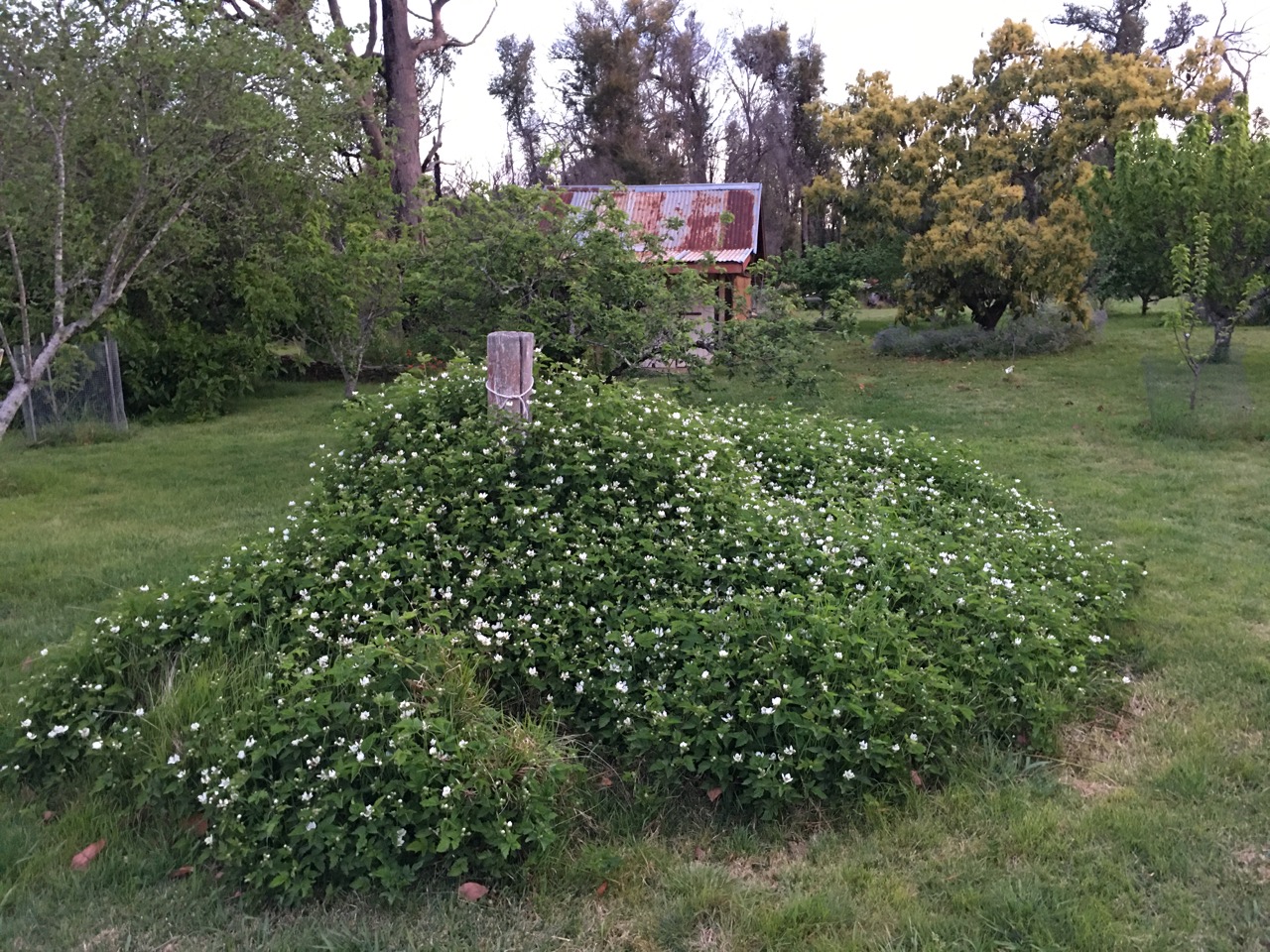
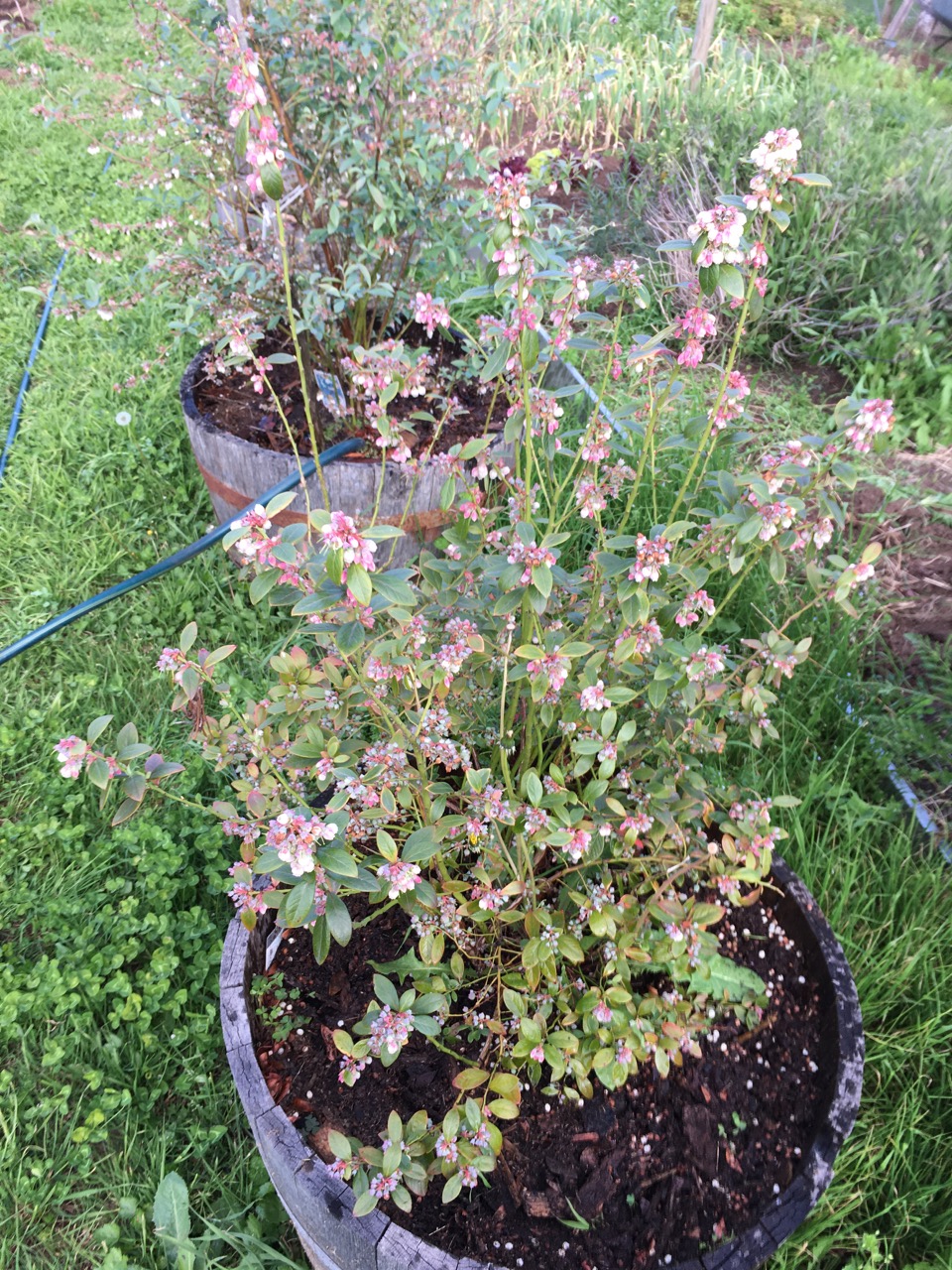
The young berries are in full flower as well and the blueberry crop is just about ripe. We have already eaten our first few blueberries.

The avocado tree seen behind the youngberries is in full bloom, so much so that it has turned from green to yellow with all the flowers obscuring the leaves.Hopefully, there will be a good crop of avocados in the autumn/winter. This tree was badly burnt in the fire and lost all its leaves, completely scorched off. Many of the small branches were killed by the heat. It still has a lot of dead wood that I need to prune off, but it is a long way down on my jobs list.
There will be no ‘hungry gap’ this spring. The hungry gap is a time in the year, when long ago, there was a gap in the food production from peasants gardens at the end of winter, when the winter vegetables were mostly consumed, and the spring planting was done, but no eatable food was ready to harvest until the beginning of summer.


See <https://tonightmyfingerssmellofgarlic.com/2015/11/24/new-and-old/>and  <https://tonightmyfingerssmellofgarlic.com/2017/09/17/the-hungry-gap-risotto/&gt;


We harvested the last of our 3rd or 4th pick of little broccolini shoots last week, and managed to pick the first of the new season large round broccoli heads this week. Excellent timing on my part. And although I’m flat out busy building the pottery and starting to make the first of our new work, testing clay bodies and glazes. I’m proud to say that I have still managed to get into the garden every now and then to do some weeding, watering and planting. Janine goes to the garden every evening to pick what is available and ready for dinner. We have no money, but we eat well and healthily, because we don’t buy most of our food. We grow it. 

Our biggest expense each week is protein, ie, fish from the fish truck that comes up from the south coast on Thursdays and Fridays. We go to town and do all our food shopping on one of these days to coincide with the fish truck. We also make up a list of things that we need to get from the other shops like hardware, iron mongers, and plumbers supplies. As I’m building a lot of this building myself and doing 100% of the fitting out, I always have a list of steel, bolts and screws etc. that I need to make all the tables, benches, shelves, racks, stools etc. etc.
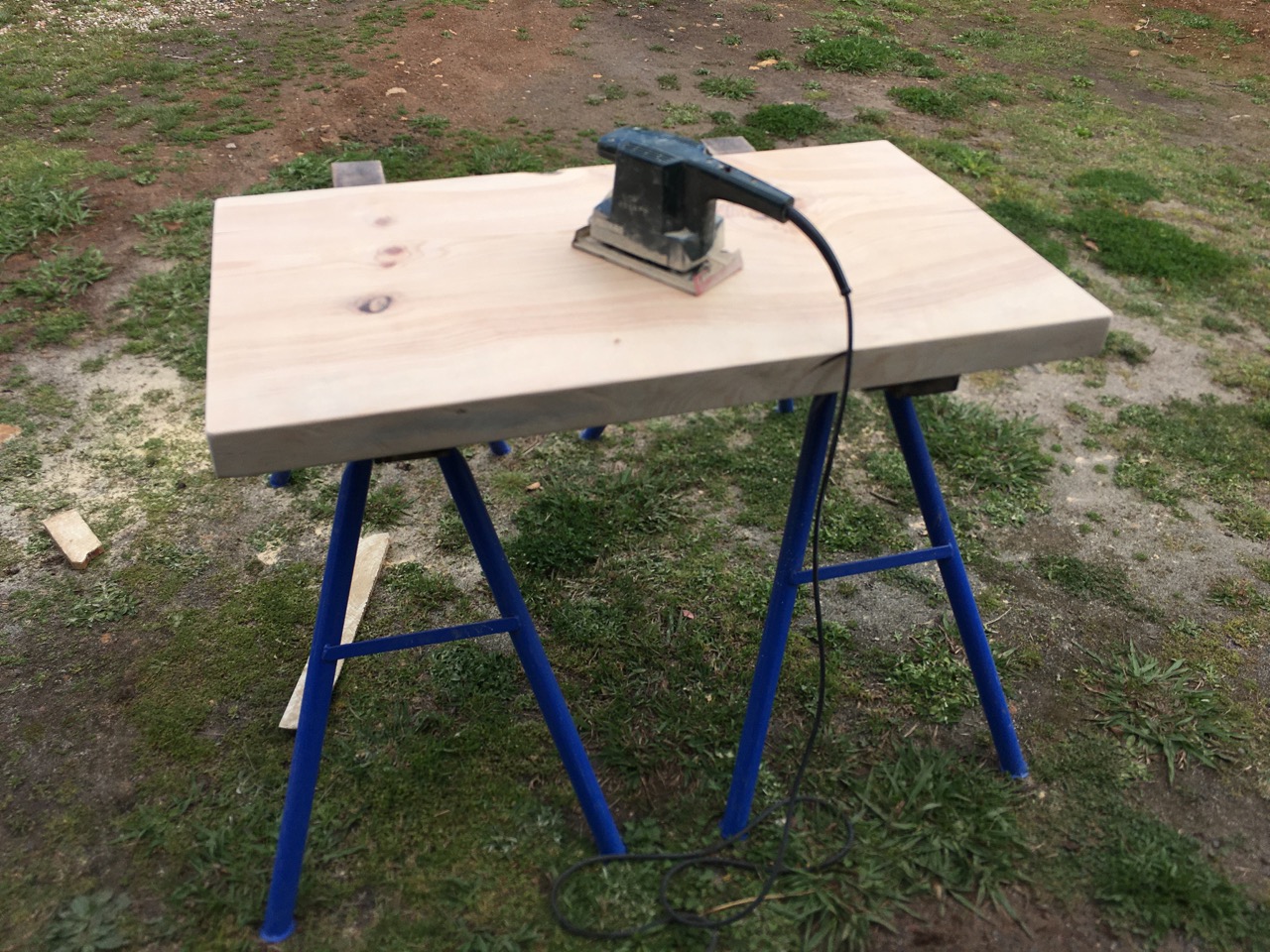
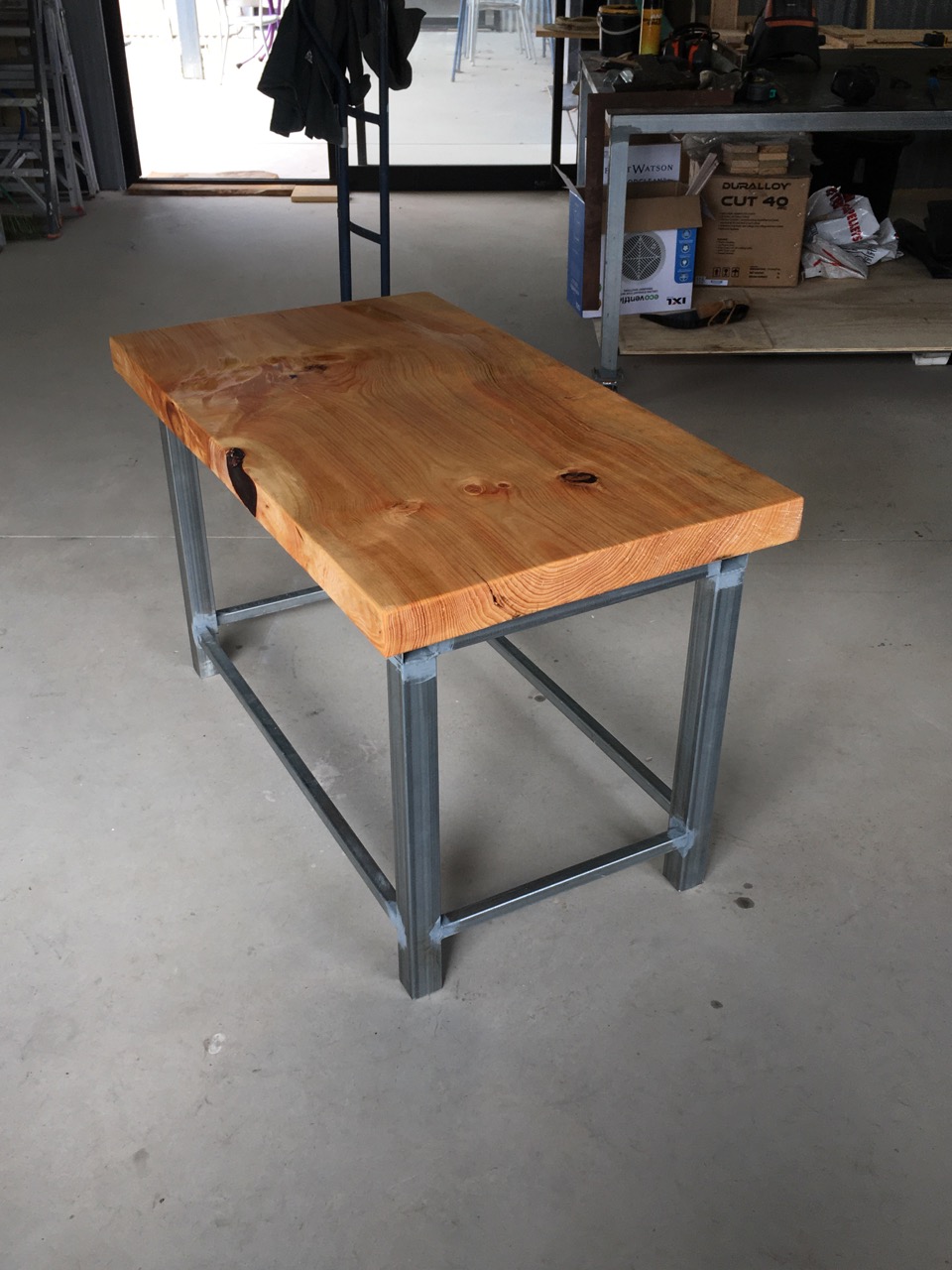
This last week, I made a dedicated wedging bench to sit against the wall in the pottery. I used one of the massive slabs of pine that we milled a year ago from our own burnt pine trees that we felled. Waste not, want not. This is beautiful timber. I’m really pleased to be able to make my bench form such lovely stuff.

The equinox has come and gone

We are past the equinox now and firmly in spring. I have planted out the summer garden seeds and even a few seedlings to get things started a little early. Things like tomatoes and squash. I’m never really sure when it will be safe to plant out those tender summer vegetables, just in case there is a late frost, but as the years go by, the chances of a late frost get more remote. Global heating is running rampant and no one seems to want to do anything about it. We seem to have some of the laziest and most corrupt and stupid politicians in the world. Firmly welded onto burning coal and gas as the solution to everything. Still refusing to commit to zero carbon economy by 2050. Pathetic!

On the bright side. The cherries have started t flower, always a safe sign that I can plant to the summer veggies. I checked my diary and found that I planted out the first summer seedlings last year on the 11th of Sept. This year I got into the garden and planted the first seeds on the 13th. pretty similar. 

The quinces are also flowering.

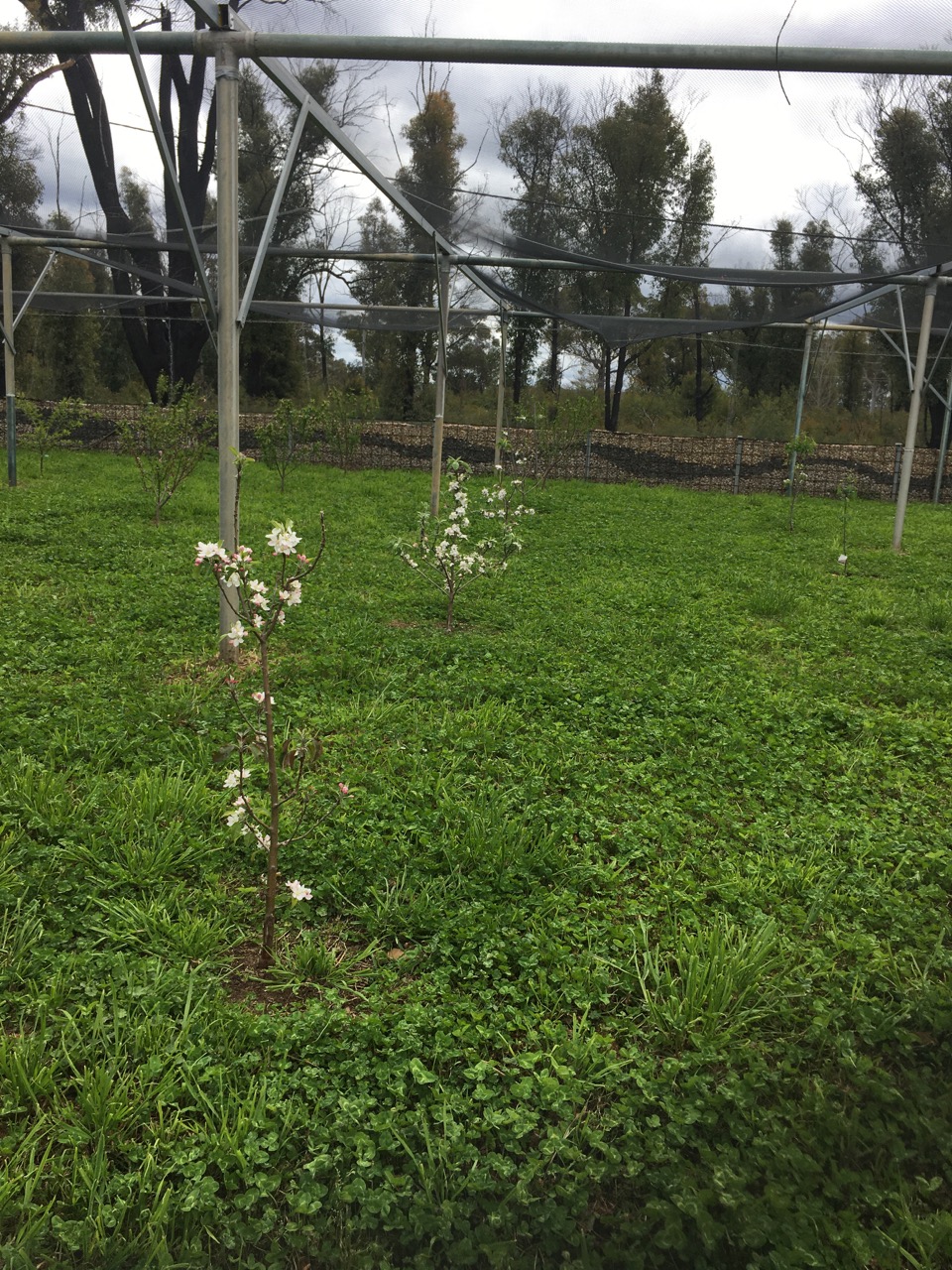
Even the young little apple trees, only I planted last year in the new orchard that we built after the fire, These are also flowering.

I pick off the small fruits as they form, so as to allow the tree to grow vigorously and develop a sound structure. However, I can’t help myself from leaving just one fruit on each tree to develop to maturity, just to see what the fruit looks and tastes like. It’s exciting to see the fruit swell up and mature. There is so much anticipation in the wait for them to become ripe.

All the seeds and seedlings are planted out and watered in. Now we wait and weed.

I spent a few hours each day for the past week weeding the poor neglected vegetable patch. We have been so busy in the pottery making pots and glaze tests, preparing for our first glaze firing, that I haven’t spent very much time in the garden over winter. No its catch-up time. I really have to spend some time in there, or the weeds will taker over with the coming warmth and longer day light hours and all the vegetables will be smothered.

In the past, I used to be in the garden everyday. Whenever I got a bit bored doing whatever it was, I could just walk out the door and around the shed, and into the garden. I’d pick something to chew on and do a bit of weeding and watering, enjoy the creative and productive break, then go back to work refreshed. There is just so much to do these days, that the list is longer than the piece of paper I try to write it all down on. I work until I’m too tired to do more, and the garden gets forgotten. At least I’m smart enough to know when to stop. I don’t want to wear my self out. I know that I can come back to it the next day and finish whatever it is that I didn’t get done the day before.

This week I took time out and weeded the asparagus bed. I desperately needed to be cleaned out to allow the new season growth to get a chance to thrive.

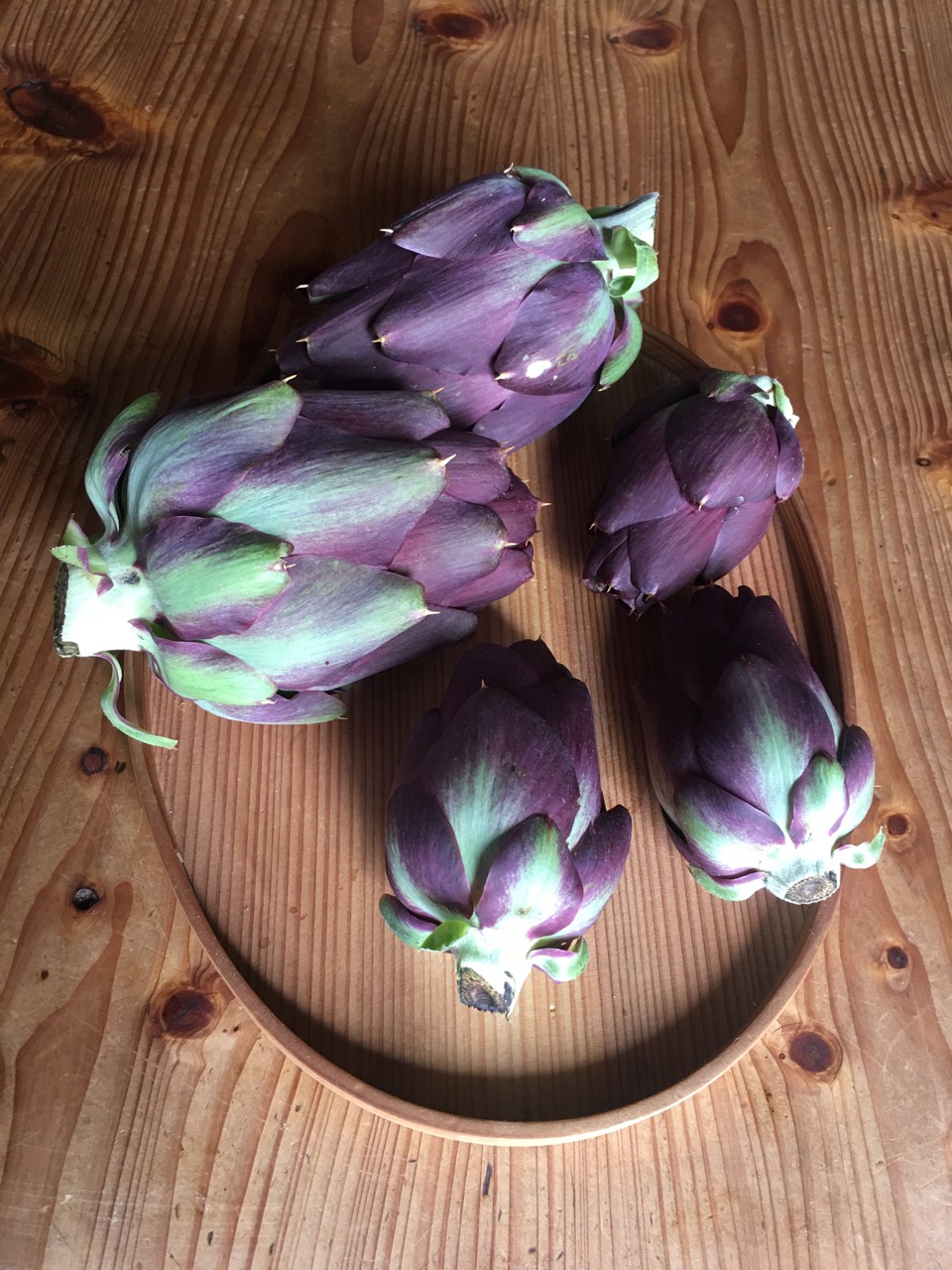
There are two beds, right at the bottom of the garden. They look great all cleaned out. I can’t wait for the new spears to come through. The artichokes behind them are just coming into head. The earliest variety is the early Italian purple. We ate them for lunch.

I grew these plants from seeds, they turned out to be quite spiky, it didn’t mention that on the packet! I just cut the top 1/3 off and peel the first row of outer leaves away, then there is no problem.

Janine and I have each spent a few hours here and there over the winter months weeding the garlic beds. Garlic doesn’t tolerate too much competition. it really impedes the development of good sized bulbs. So because it really needed t one done, we cancelled pottery work and did it – a few hours at a time, then 6 weeks later, we did it again. It has been a mild and somewhat damp winter, so all the weeds out grew the garlic. Now it’s done, it looks good and the garlic is pushing up and filling out. We may not need to weed it again before it matures in the next 6 to 8 weeks.

I try and grow all the garlic that we will need for the whole year, but rarely manage it. This year I managed to find the time to clear 5 beds and plant out about 200 cloves between March and May. Most of them came up, but not every one develops into a big strong knob. Some only grow to a small fiddly size that is rather a lot of effort to peel, but we work our way through them first. Janine doesn’t even bother to plait them, she just pours them all into a wicker basket that we keep on the kitchen work bench. Only when they are used up, do we proceed to bring down the bigger and easier to peel larger knobs. These plaits are hung up in the kitchen ceiling space where they are kept dry and well aired until we need them.

We have just one small bulb left of last years harvest, so I bought 3 knobs from the green grocers last week. These are imported from the northern hemisphere where they are in the opposite season. Janine also picked one very small bulb that had fallen over near the garden path. It wasn’t going to do well, so it’s our first bulb of the new season.