Hit The Ground Running

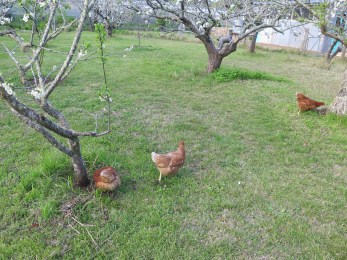
It’s always good to be home and re-united with my 4 girls.
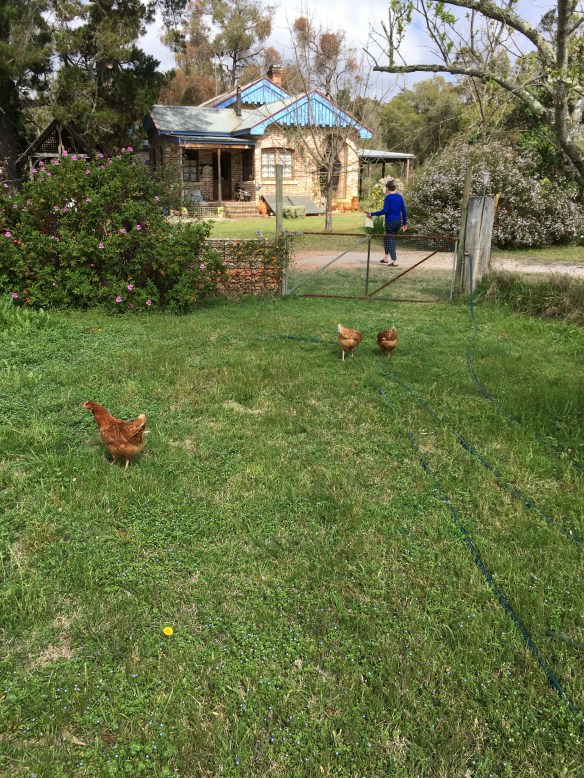
img_3472 img_4361

I have a lot to do. Jobs that have built up while I’ve been away. I hit the ground running. We have 3 weekend workshop booked in for wood firings over the next 3 weekends. We have a lot of bisque-ware ready to be glazed for the Southern Highlands Arts Trail Open Studio Weekends that are coming up, but we can’t get access to our wood kiln until we finish all the workshops.

The effort that we put in to preparation pays off, as all the weekends go smoothly and everyone leaves with something nice to make all the effort worthwhile. And we are lucky with the weather too. It blows a gale all week, and then it settles down and we have a glorious weekend of still, sunny days.

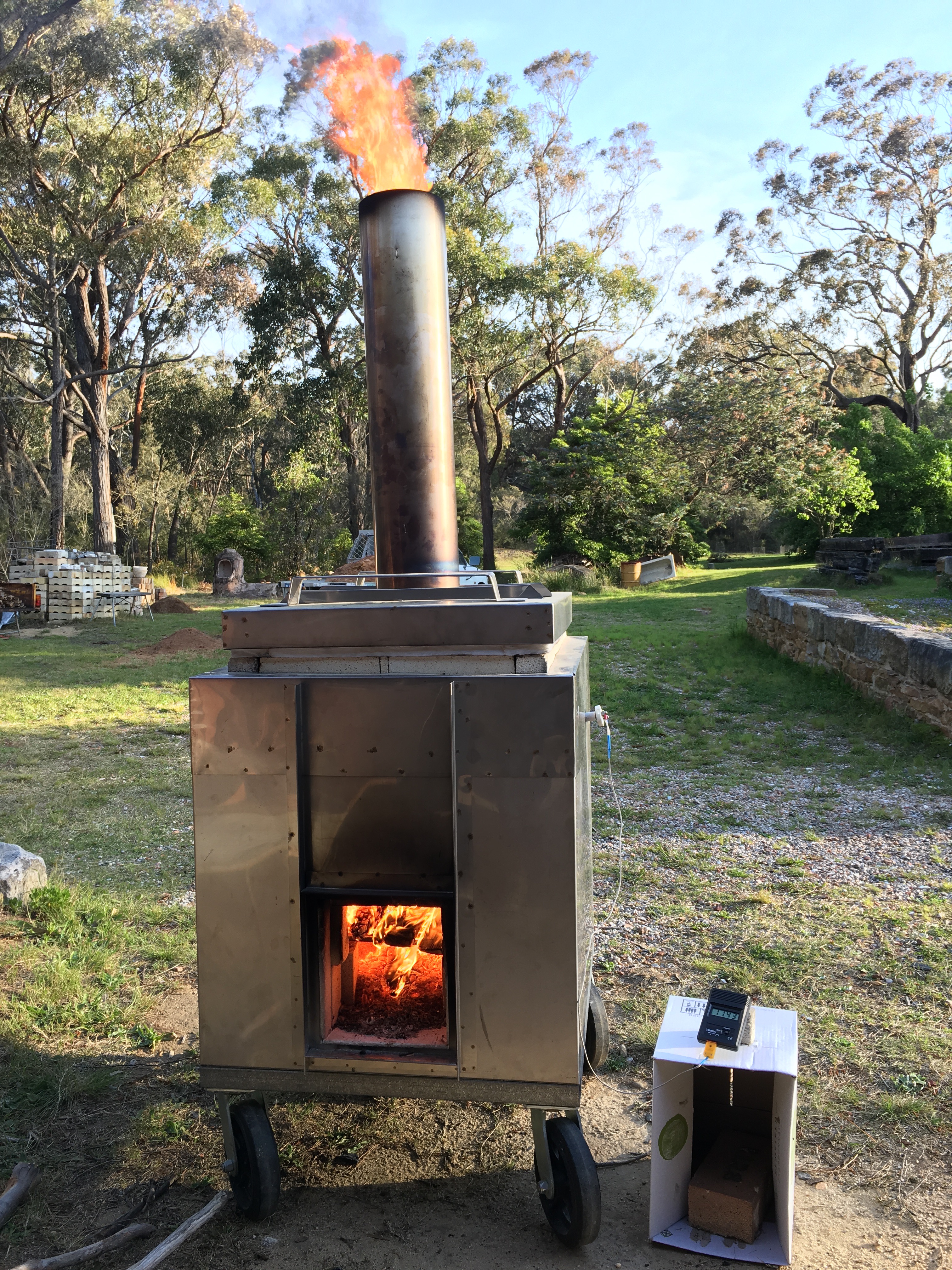
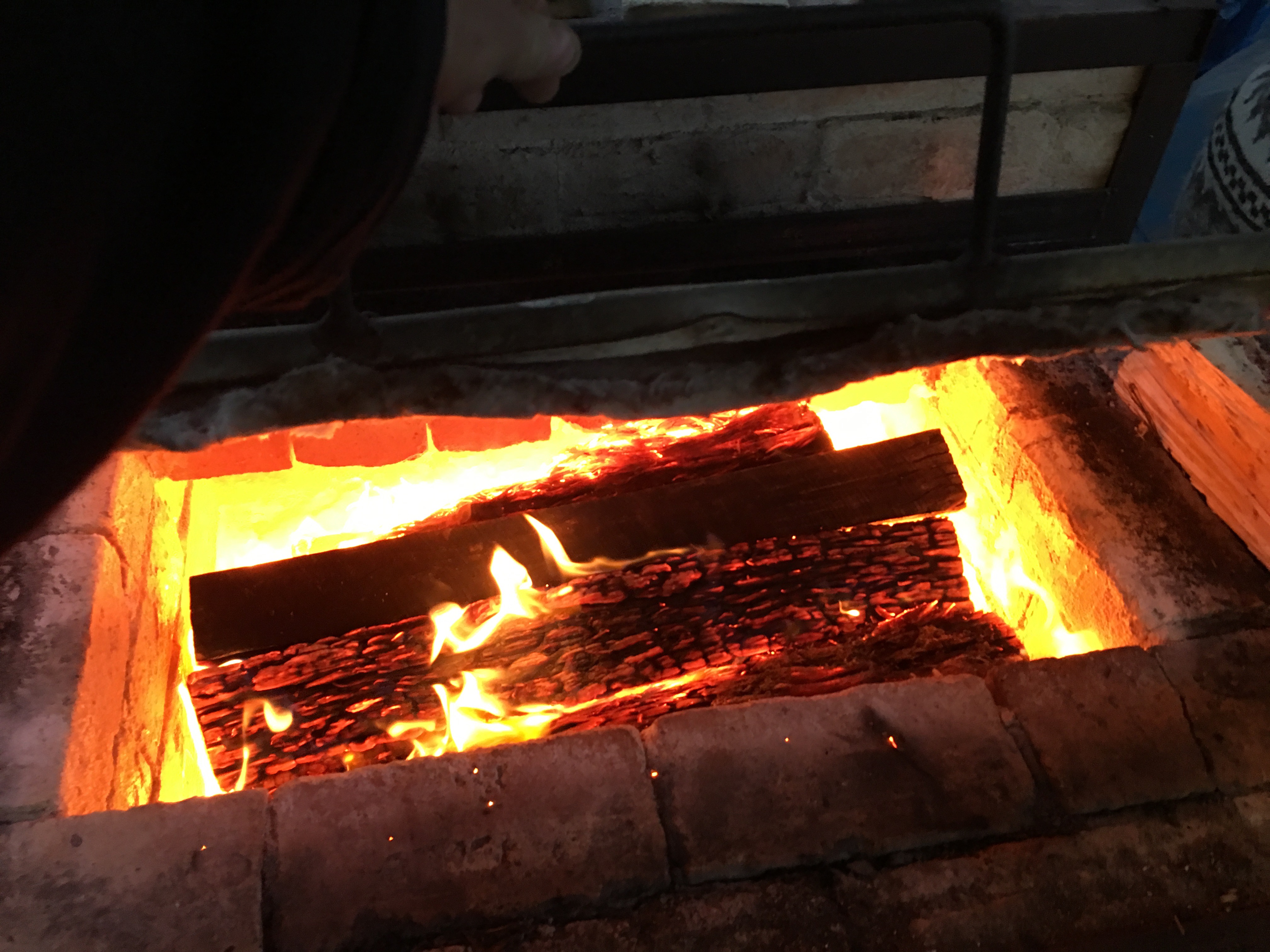
We fire the big wood kiln overnight through the weekend, taking shifts of 4 hours and overlapping each change of personal by 2 hours, so that there is always some continuity. The nights are cold and we huddle near the firebox for warmth. This is a downdraught ‘Bourry’ style firebox, so there isn’t very much to do most of the time.

img_3512 img_3526

If we stoke with big pieces of hardwood. It might take up to one hour for those logs to burn down sufficiently to allow another stoke. The kiln climbs slowly in an even, steady, reducing atmosphere.

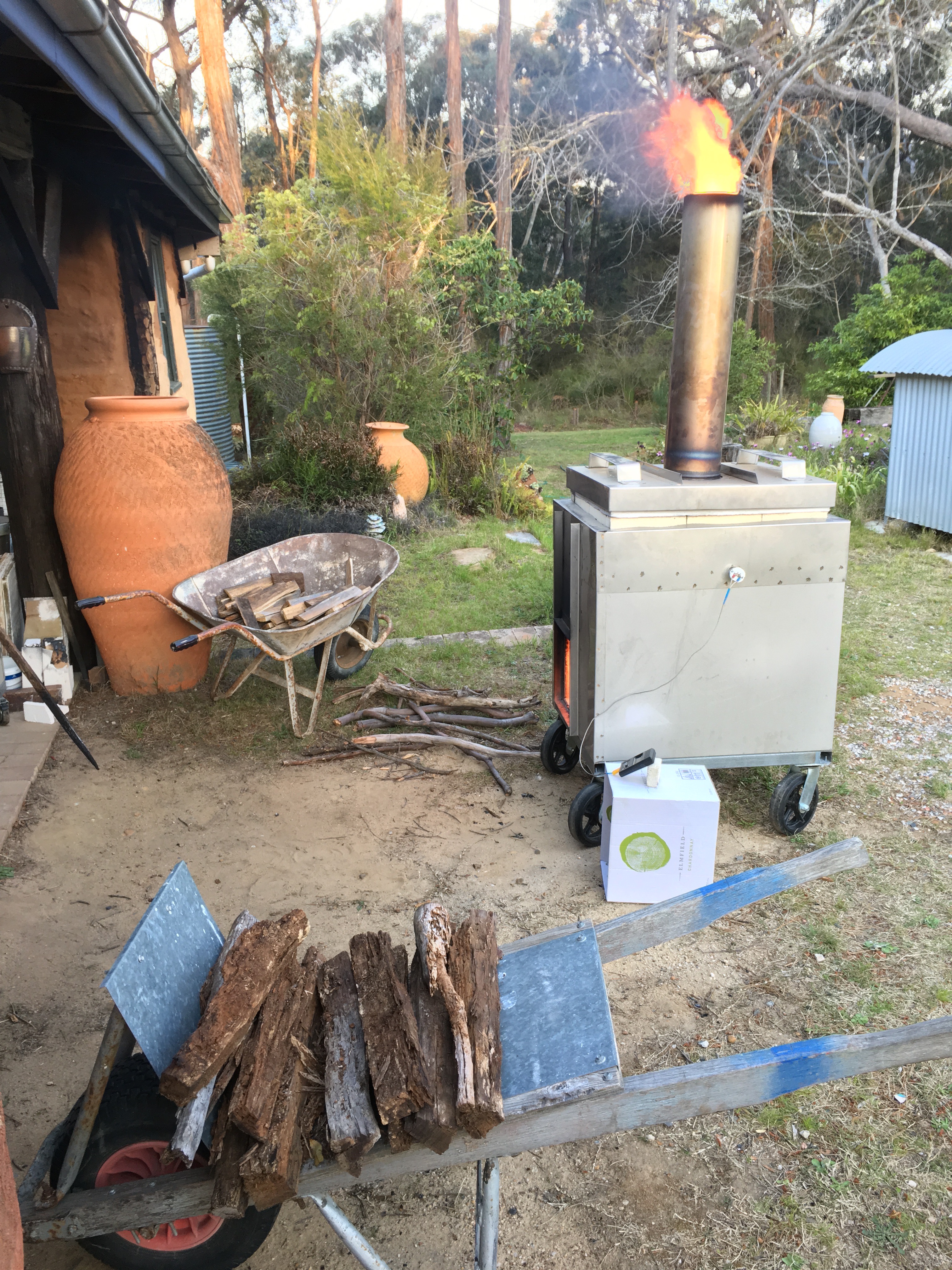
The next weekend we have a low temperature wood firing workshop. We have half a dozen small wood fired kilns that we use throughout the day. We have 10 participants, who each bring 5 or 6 pots to fire, depending on size. We get through them all in the day, along with half a dozen wheel-barrow loads of wood.

img_3563

When the day is over, we pack away all the little kilns, except for one. I leave it out and pack it with my glaze tests for all the new batches of glazes that have made up for the next big wood firing. It will have a lot of work in there for the  ArtsTrail Open Studios Weekends. I want to make sure that I haven’t made any mistakes or poor assumptions, when making-up these glazes.

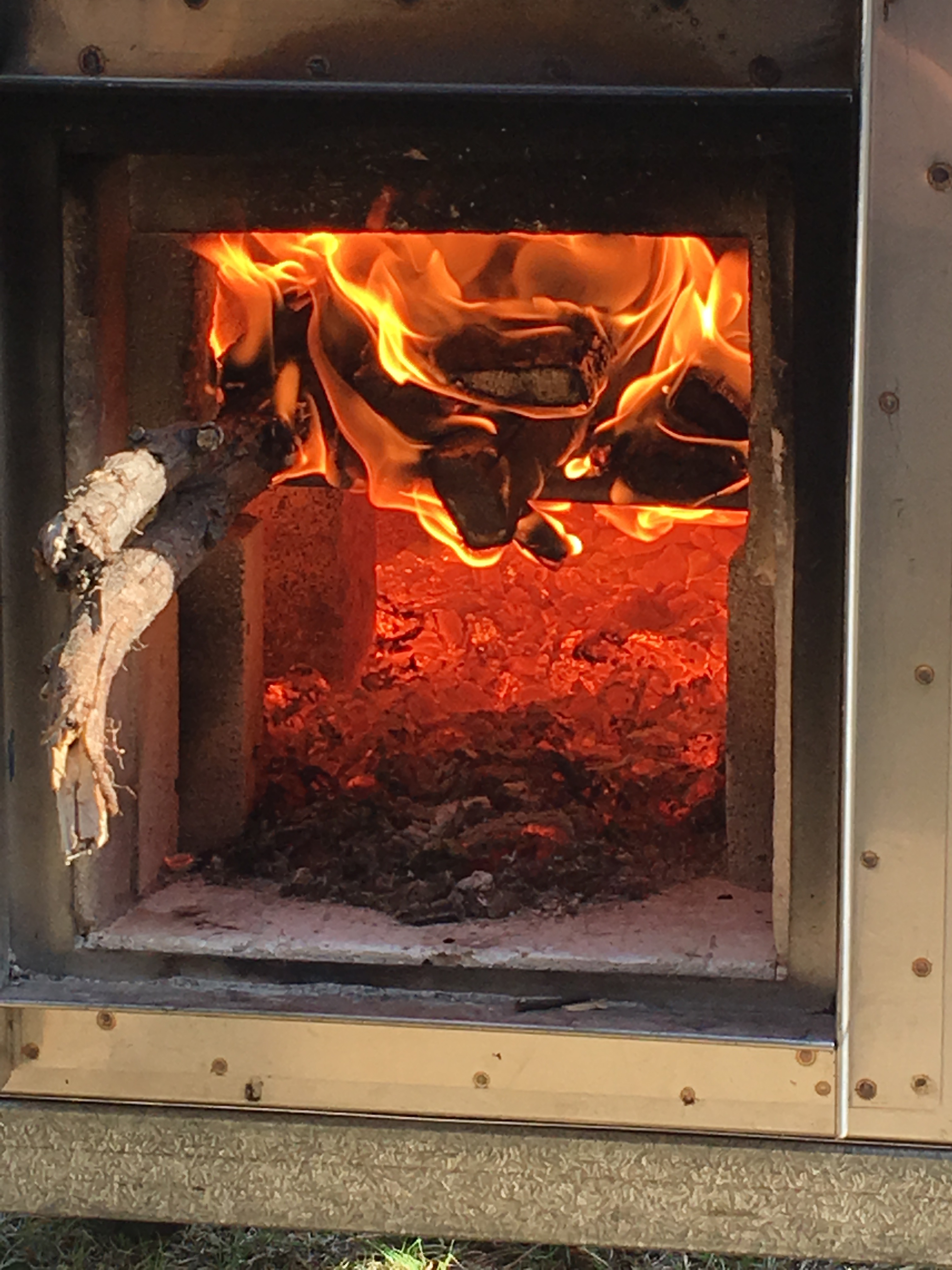
I pack the kiln in the morning and start to fire straight away. I push it along, as I have other things to do this afternoon. This little beauty breaks all previous records and cruises up the cone 10 in just 2 1/2 hours in reduction. The results are really quite good. Everything is well melted. There is no flashing in such a short firing. Nor is there very intense reduction colour, but all the colours are there – only paler than I would expect from a longer wood firing. I’m finished by lunchtime and can get on with other things.

img_3550 img_3554

img_3555 img_3557

img_3558

I even surprise my self! I didn’t know that this sort of speed was possible for a stoneware firing, and with so little effort.

img_4310 img_4373

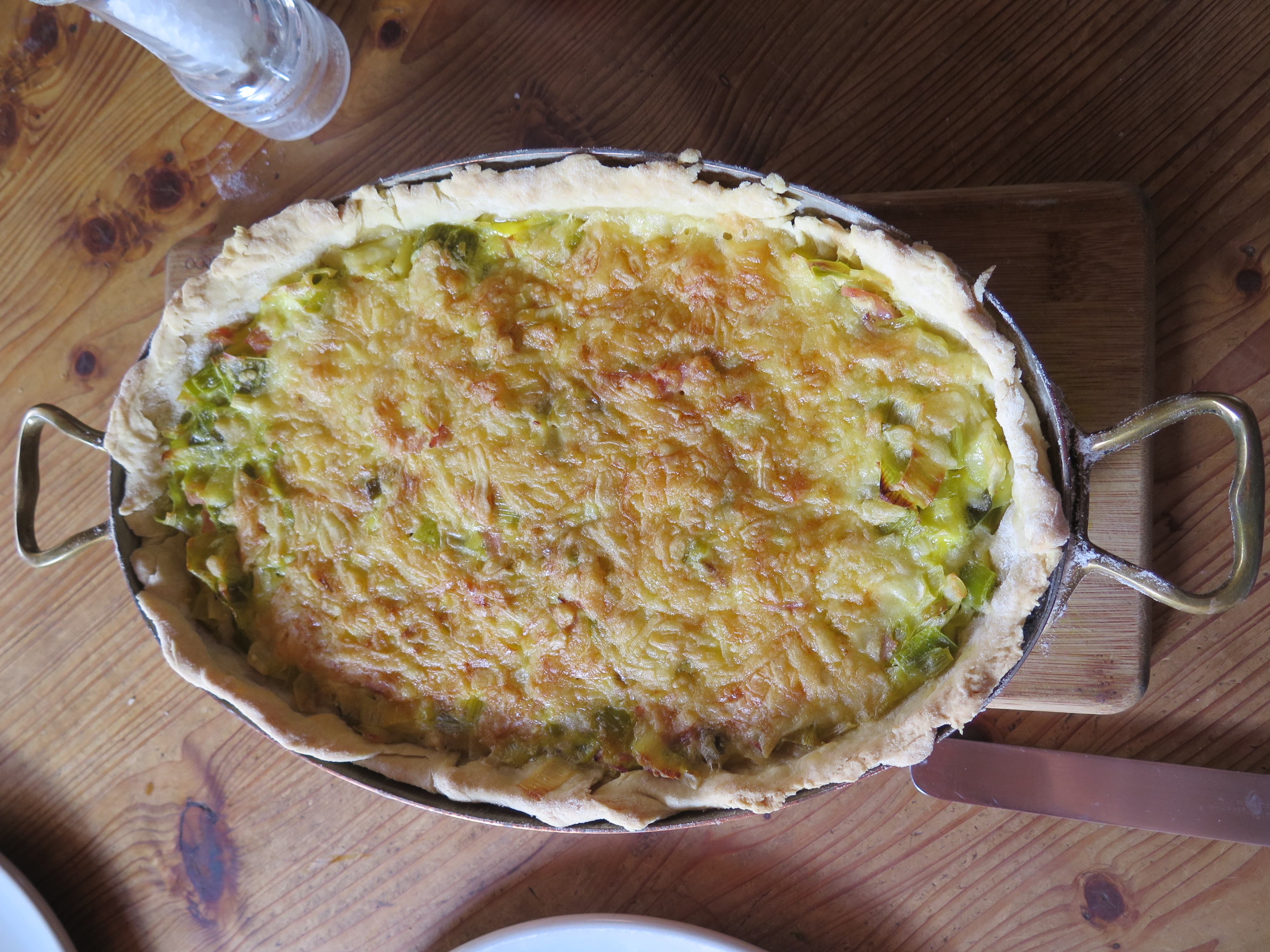
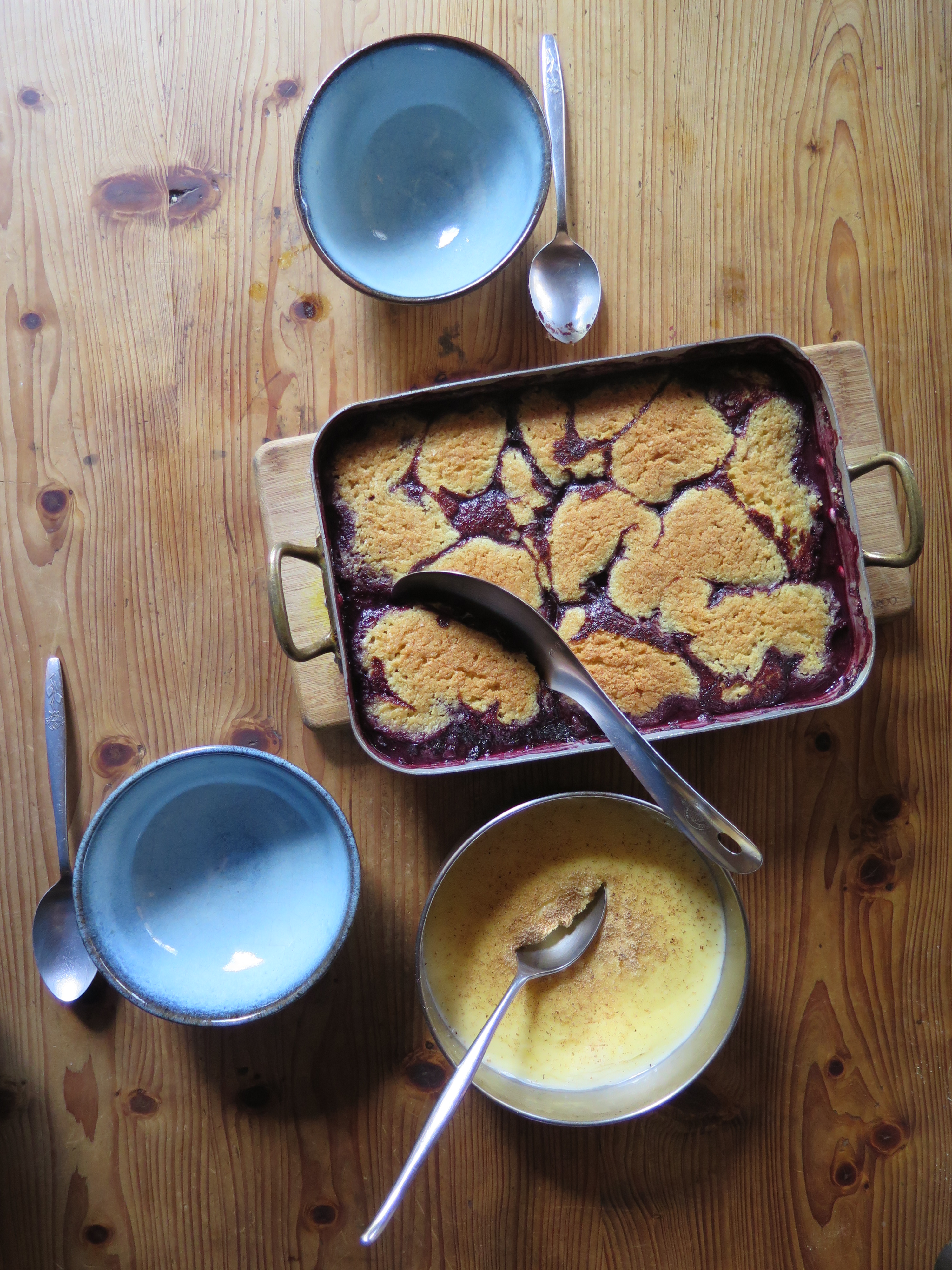
The garden is producing well, with Nina in charge in my absence, she decides to have the evening baking and makes a couple of lovely dishes. A leek pie with a little bit of sour cream and a wholemeal crust, topped with some grated tasty cheese, which is amazing, followed with a berry pie with a baked sponge topping. Served with Edmonds custard. Yum! It’s an economical, warming, dinner on a cold evening. All this garden produce is a fitting reward for all the hours of weeding and watering. However, we don’t do it to save money, but to enjoy wholesome, unpolluted, fresh food.
img_4347 img_4355

Over the years, we have made decisions that have allowed us to be in control of much of our lives, but nothing is perfect, nothing is finished and nothing lasts!

Enjoy the moment.
A Basket full of Fungi

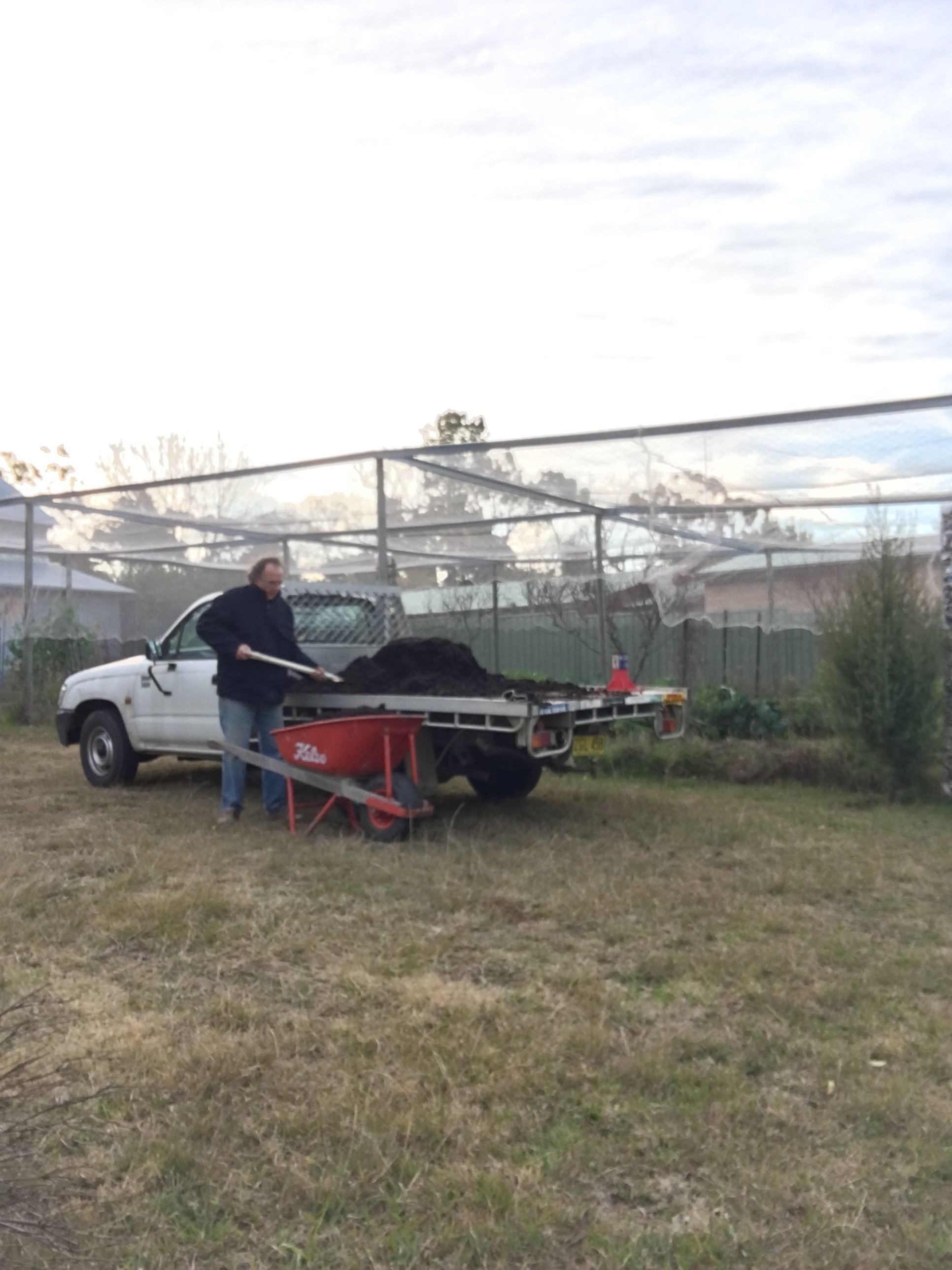
We have been very busy all week. The mornings are cold and a bit misty. We have been having frosts on most mornings. I have to go into town to get some parts for a kiln job, so I take the truck and make the trip pay, by returning with a ute-load of mushroom compost as a bonus. I get stuck into it in the afternoon and unload it into the wheel barrow to spread it around the vegetables. I pull out a lot of spent plants that have been killed off by the frost. Plants like basil are all dried out and dead sticks now. I pull the plants out and weed the patch, then cover it with compost to stop weeds taking advantage of the increased sunlight.

IMG_2516

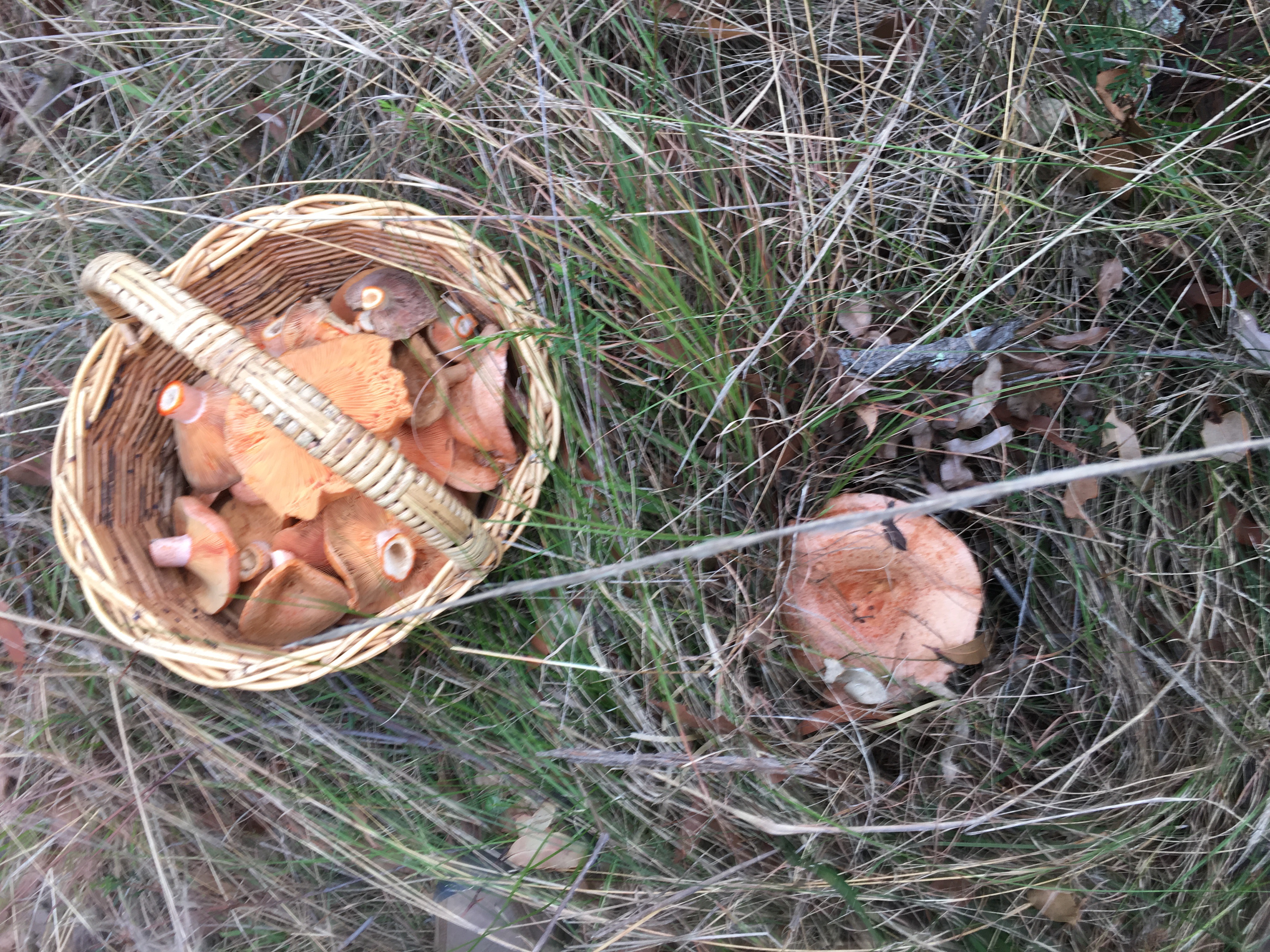
Today has been the first time that I could get out and search for some more mushrooms. Since the tremendous rains of last month, then the few hot and dry days that followed, allowed the fungal spores to force their way up and into the light. This harvest is very late in the season. We usually get mushrooms from late summer/autumn through to early winter. It’s now mid winter and I wouldn’t be expecting too many more mushrooms here now. But here they are. Every year is different. The weather determine everything.

Last weekend the kiln firing crew all decamped en-mass, mid firing, to go and hunt for fungi and came home after 30 mins with half a basket-full of their hard-earned bounty. Three orange fungal heads appeared in our lawn during the week. This led me to think that there may be more around.

I decided to go for a walk this afternoon to try my luck along the fire trail. next to the train line. There are quite a few pines growing along there. We have pines in our garden and that is the source of our mushrooms. So find the pines and then look for mushrooms.

There are loads of mushrooms and toadstools that grow in this area, nearly all of them are not edible. There are two easily recognised species that are edible here. The most common edible wild mushrooms here are the saffron milkcap and the slippery jack. They are symbiotic with pines and seem to prefer it best on the north side of trees where there is open ground with some sunlight penetration and sparse grasses.

IMG_2524 IMG_2525

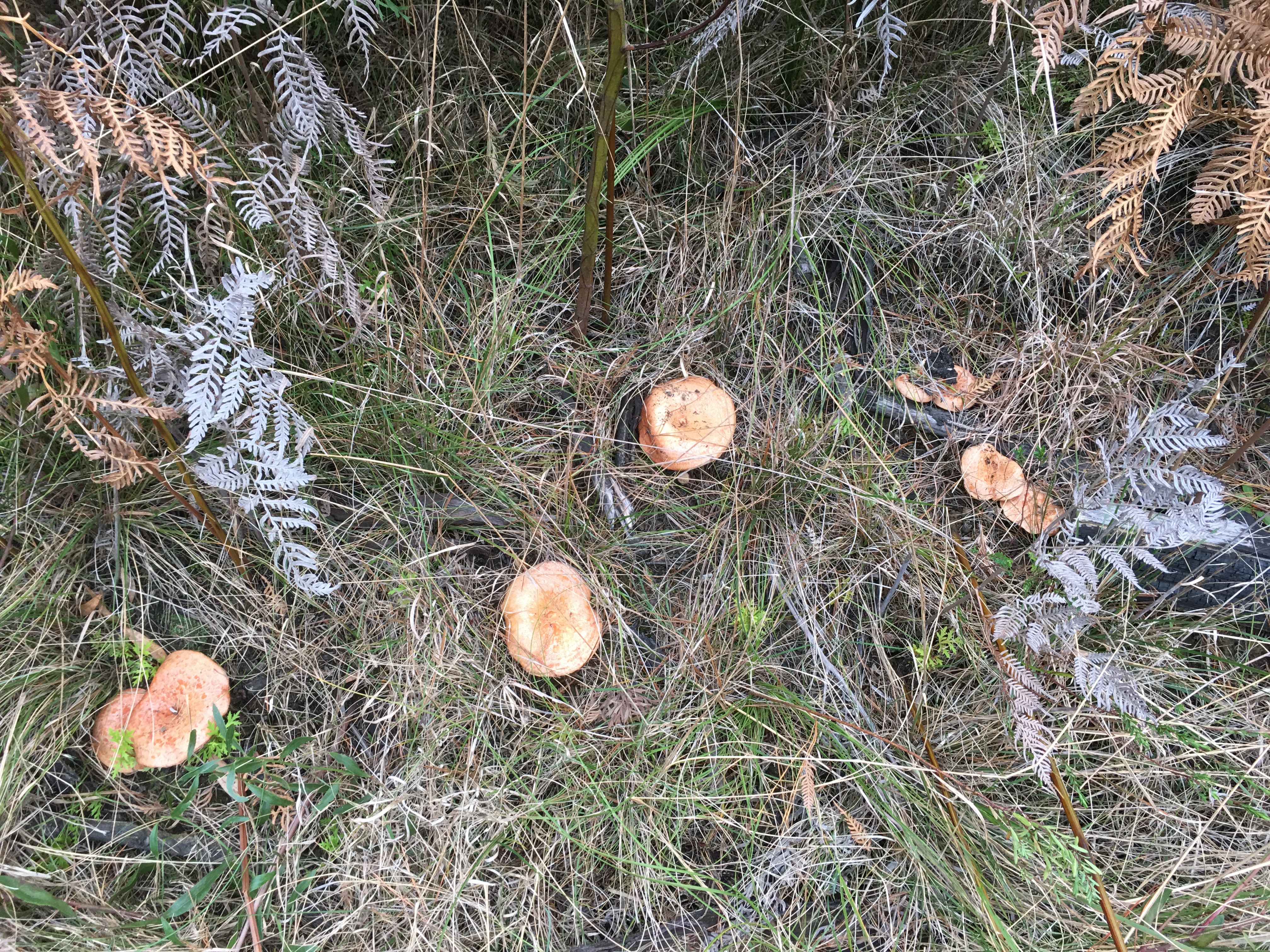
The mushies seem to grow under the dense dried grasses that felt the ground at this cool, frosty, end of the year. Mushrooms are some times hard to spot in the undergrowth, but after a while you get good at spotting them, even though they are often a similar colour.

I look hard in the most likely places and suddenly a few things snap into place. I bend down and scrape away the dried grass and there they are.

IMG_2533 IMG_2535

IMG_2537 IMG_2538

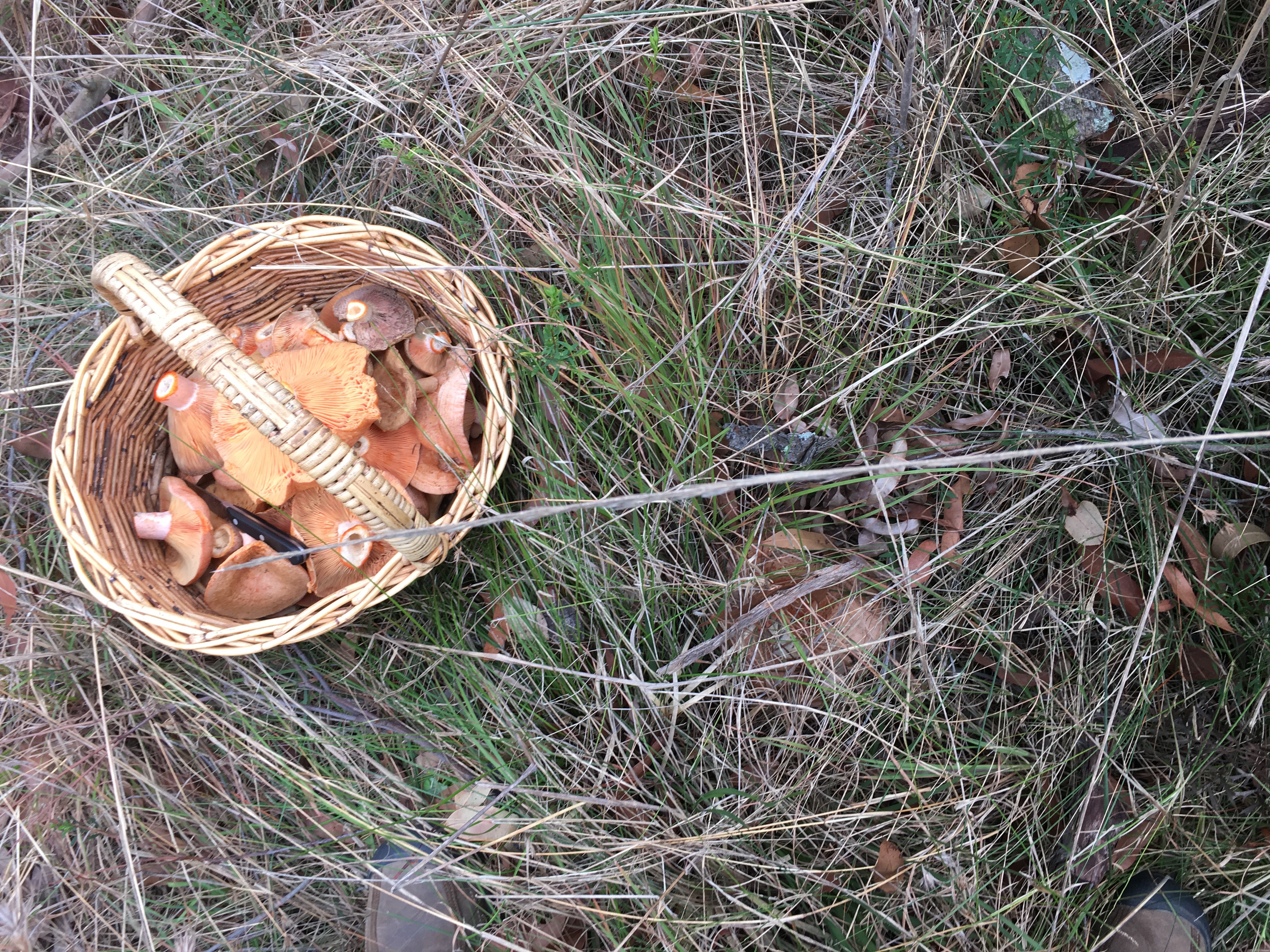
I manage to completely fill my basket without too much trouble. As I walk down the road, I come across a bloke on a big motorbike sitting by the edge. He is staring out into the distance. He isn’t near anywhere at all, just sitting there. I’m zig-zagging across the street from one side to the other, examining the ground under every pine tree as it comes along. He is aware of me and my erratic movements. I walk towards him and ask if he is OK? Does he need help? To use a phone? No! Apparently he is fine. He has a phone, no problems at all, nothing wrong, just waiting to meet someone!?

Weird! In the middle of nowhere? Still he seems happy enough. He asks me if I’m out collecting mushrooms. “Are you out to collect some mushrooms?” Which is not an entirely unreasonable suggestion, as I’m wearing my Basque beret and carrying a wicker basket full of them. Perhaps he thinks that I’m a french peasant that has got lost and walked all the way from Provence without noticing?

IMG_2539

“Yes I am!” I say, as I walk toward him to show him my basket. It’s chockers! He leans forward to see as I lift the basket for him to see in. He has a look and exclaims. “Wow” then he looks closer and focusses in and repeats. “WOW”, then does a double-take at the full to over-flowing basket and reiterates, “WOW!!!” He is visibly shocked. I realise that he wasn’t really expecting to see so many mushrooms.

He asks me if they are all edible. And I tell that they are. He responds, “are you sure?” I tell that I have eaten them many times. I’ve lived in the village for over 40 years and if they are a slow acting poison, then it must be very slow indeed! He responds with another  quieter “wow!”. As I walk on he calls out. “Thanks for your concern.” I nod and lift my hand in recognition.

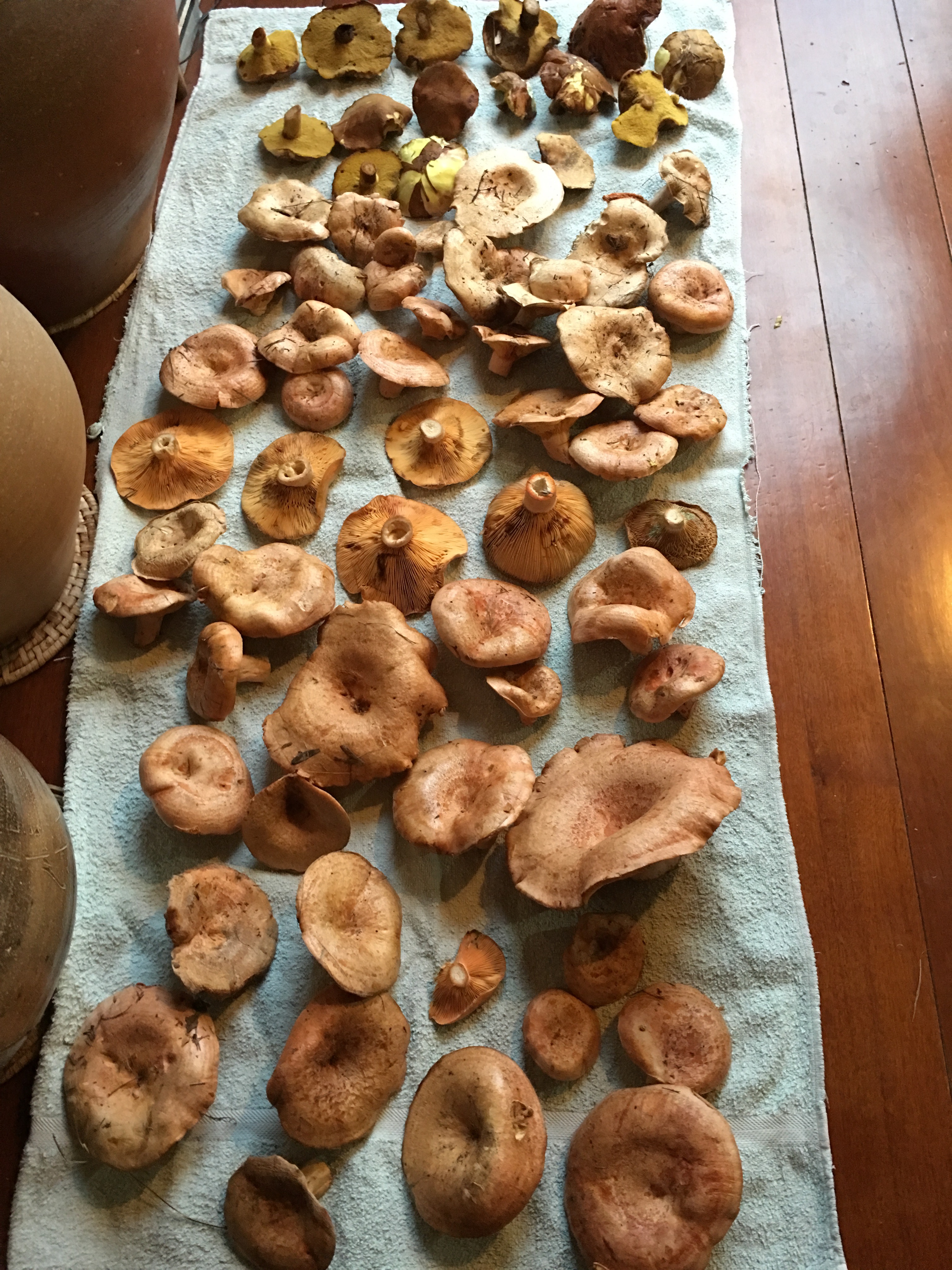
I double back along the other side of the train line and find some more rich pickings. Mostly slippery Jacks on this side. A third of my haul are slippery Jacks, which are sometime called ‘sticky buns’ I guess because of their domed shape and brown sticky/slimey feel, depending on wether they are wet or dry when you find them. The other 2/3 of my basket are the red pine mushrooms that we have learnt to call ‘saffron milk caps’.

I stop looking as I pick up my pace and head for home. I can’t fit anymore mushrooms in the basket. They are starting to be flicked out of the basket by passing branches, sticky shrubs and twigs. I put my beret on top go them to hold them all in. I’m proud of my haul. I feel like a real Post-Modern Peasant.

IMG_2540

When I get home, Janine spreads out my bounty on a towel on the kitchen floor to stop them going mouldy. I need to peel and de-stem the slippery Jacks and slice them to aid the drying. The milk-caps will need some careful cleaning to remove all the grass and leaf-matter that is stuck to their tops. Luckily there has been no rain since they have emerged, so there is no splashed up dirt and sand stuck to their underside gills. That is always hard to spot and remove and results in  some rather gritty and crunchy meals.

I cook a 3 mushroom risotto for dinner with some of our truffle infused rice.

Bon appetito!

IMG_4055

After the flood

The rain has eased off and we can go out and check the damage. We have had 350 mm. of rain in 36 hours. the rain gauge was over-flowing one morning, so we don’t know how much we lost. That has never happened before. We have emptied 350 mm out of it, so perhaps there was another 50 mm that we missed measuring? That’s about 14″ in the old imperial measure. It was certainly a very heavy and prolonged rain storm.

IMG_3819

We go out to survey the damage. Not too much thankfully. Just a  few small trees blown over or snapped off. We sprang a few more previously undiagnosed leaks in our 123 year old tin roof, but I can fix those. I always do, I’m used to it. There is a lot of maintenance in owning a hundred+ year old house. I just don’t know where the leaks are going to be in advance. I have to wait for the big storms to be able to find them. So, we sat through the evening with buckets on the floor, dripping and ‘plonking’ away.

Out side everything is still seeping, teeming, running, gushing. Everywhere you look, the ground is so saturated and oozing water. All 4 of our dams are full and overflowing. As I walk around, I make a mental note of all the jobs that will need doing. The kiln shed is a tragic mess. The water has forced itself up and out of the floor in one corner where the shed is cut back into the hill. The new spring has flowed straight through the middle of the  building, washing away all the small items that were left on the floor and making a trail of patterned tidal sand ridges and depressions like you see in the sand beds of creeks.Now a day or two later, everything is starting to turn green with a mossy/lichen sort of growth. The kiln shed has an earth floor with ceramic paving. It’ll take months of dry warm weather to evaporate all this water from the floor. That is once the earth has stopped seeping.

IMG_3821

I walk down along the old lane it has been swept, or rinsed, clean of loose brush and other light materials. All swept away. The water from our big dam higher up overflows down along here. It looks really peaceful and beautiful here now after the event. The grass and undergrowth has all been swept over and ‘combed’ by the torrent. there is still a steady stream of water 100 mm. deep flowing down along here. It’s hard to believe that this was once the main East/West artery for the village. It’s particularly beautiful, right here, right now. I’m brought back from the moment into another reality. My feet are wet from standing in the water and it’s cold. I chose to wear sandals for this walk, as I knew that it would be too wet down here for shoes.

All the dams are brimming full and over-flowing. It’s a very nice sight and it only ever happens like this once every decade. We are so lucky to have put in all this ground work and infrastructure over the past 40+ years. If everything all goes to some sort of plan, like it has in the past, we will have water now for at least another year and possibly two.

The dams don’t stay full for long as seepage and evaporation steadily take their toll. That is why we have paid extra money to have all the top soil from the dam sites kept and then returned to the tops of the dam banks instead of the usual practice of burying it under the wall. The top soil allows the native bush to re-seed into the bank and grow up into a sort of wind break, as it is the wind passing over the water surface that causes evaporation. If you can slow down the air movement, evaporation is reduced. This seem to have worked well for us over the years. Our dams are all now enclosed in native bush and not sticking out like scars on the landscape. We are so lucky and I am grateful.

IMG_3836