Winsome, Loose Some

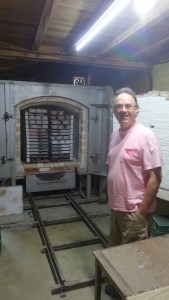
We have unpacked the latest firing and it was largely good, some of it is quite good. A bit of it is very good, but as always there is the odd disaster.  I sport a winsome smile.

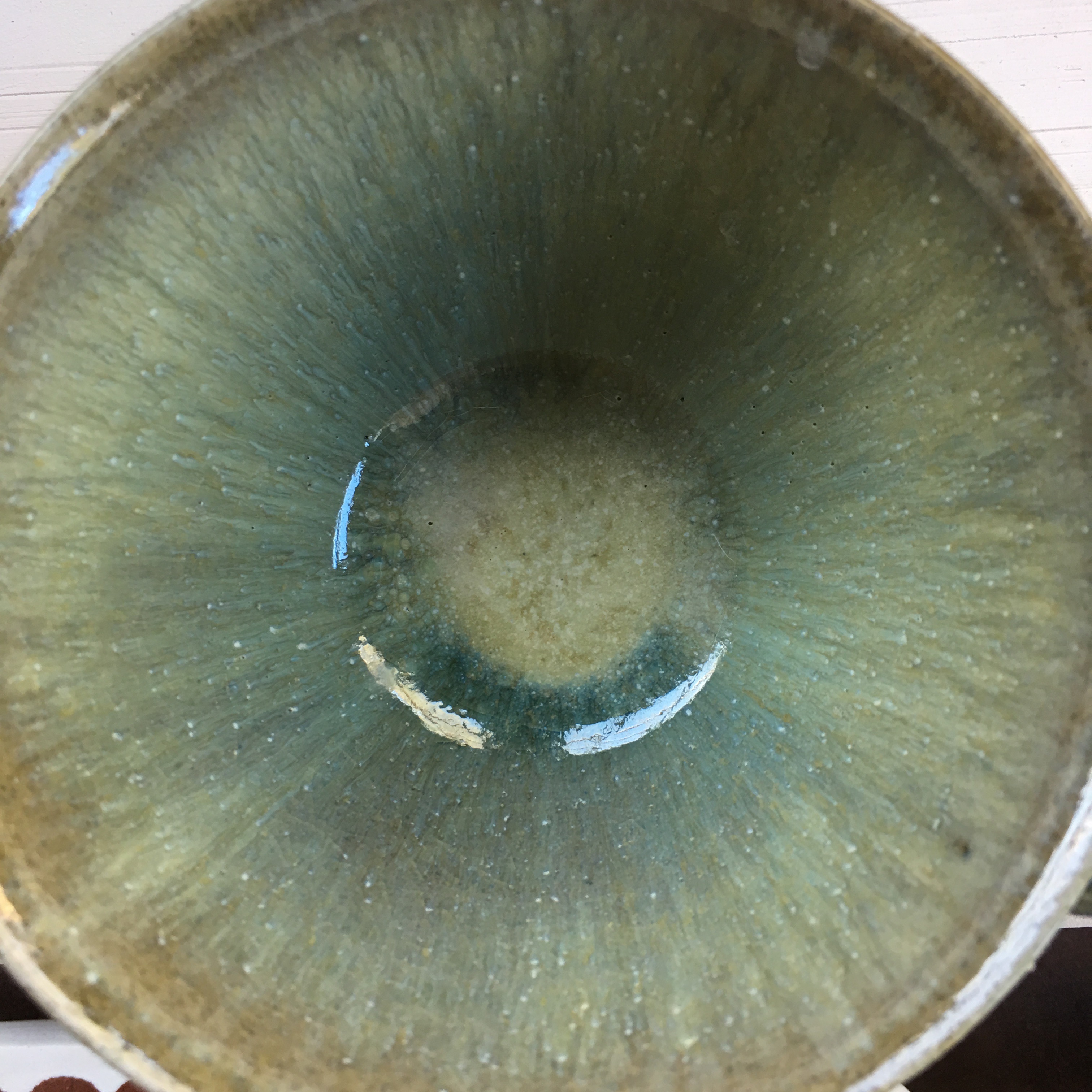
One single disaster was completely my fault. I made up a batch of glaze that has always been straight forward. Porcelain stone and limestone. I got distracted when someone called in and It seems that I forgot to add the limestone, so I have a bowl with what is essentially a coating of porcelain body. Not attractive.
The walls of my kiln are slowly dissolving with the build-up of wood ash. But not bad for 60 firings for home-made lightweight insulating refractories made from local bauxite!
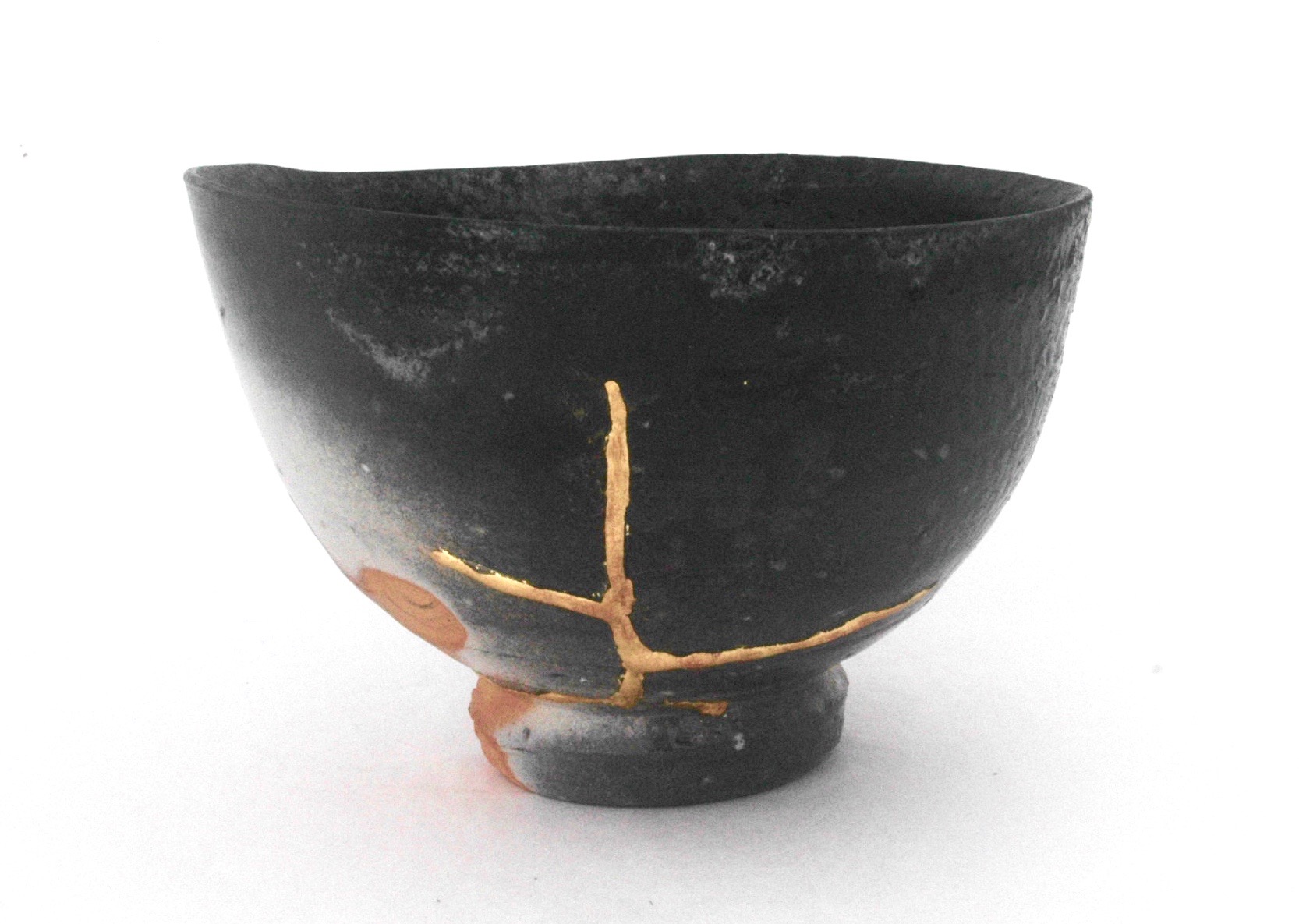
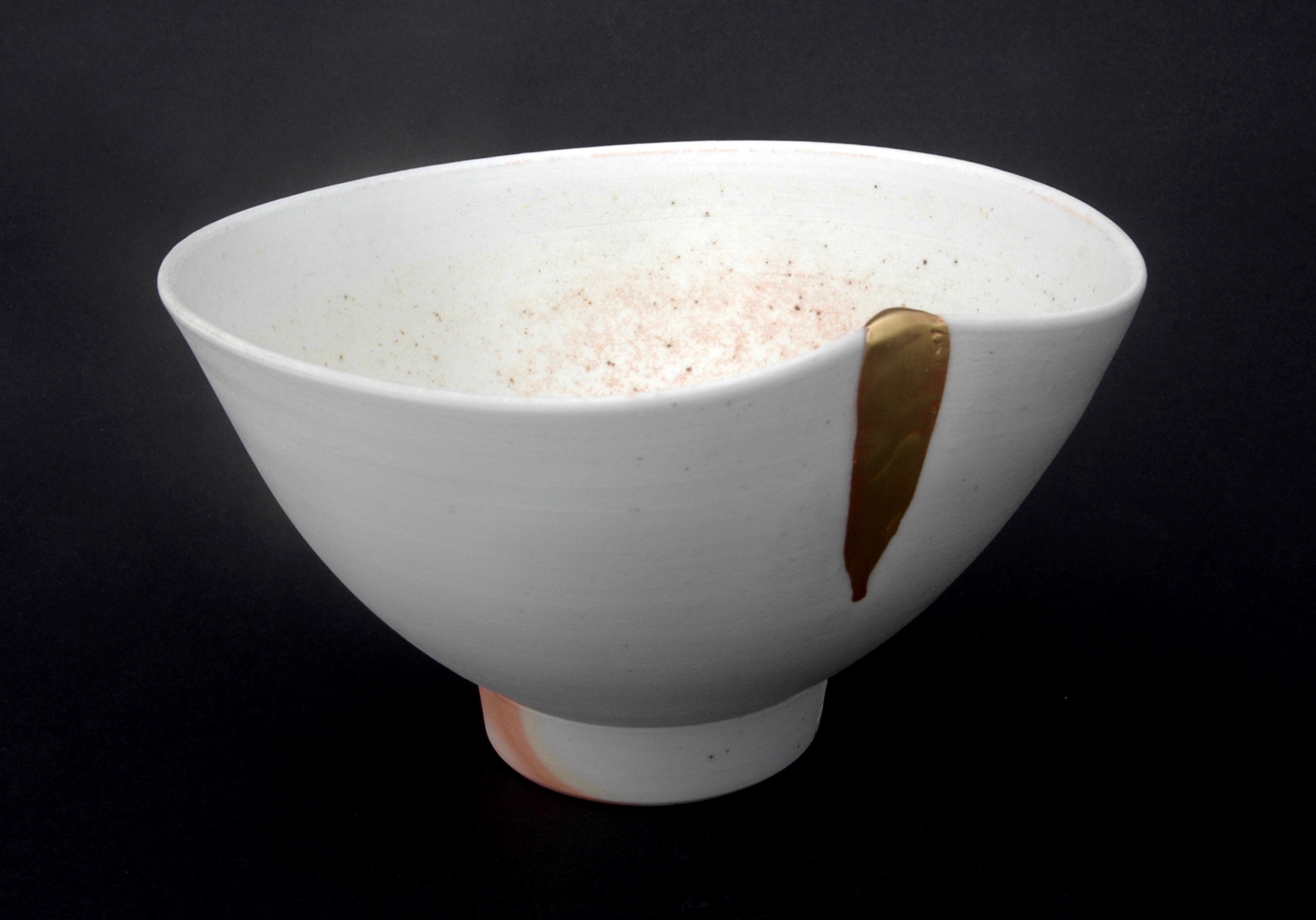
Another casualty this firing was a piece of wall that spalled off and landed on the lip of one of my cups. I may be able to recover it with some judicious grinding and polishing. However, I ask myself if it really is worth half an hours work to make a 2nd grade mug worth $10 out of this ruin? It is quite pretty though. I may decide to spend a bit of time working on it and keep it for myself in the studio. This ‘mishap’ is not my fault, except in that I chose to build my kiln out of my own inferior, local, hand-made, fire bricks
img_3730  img_3728
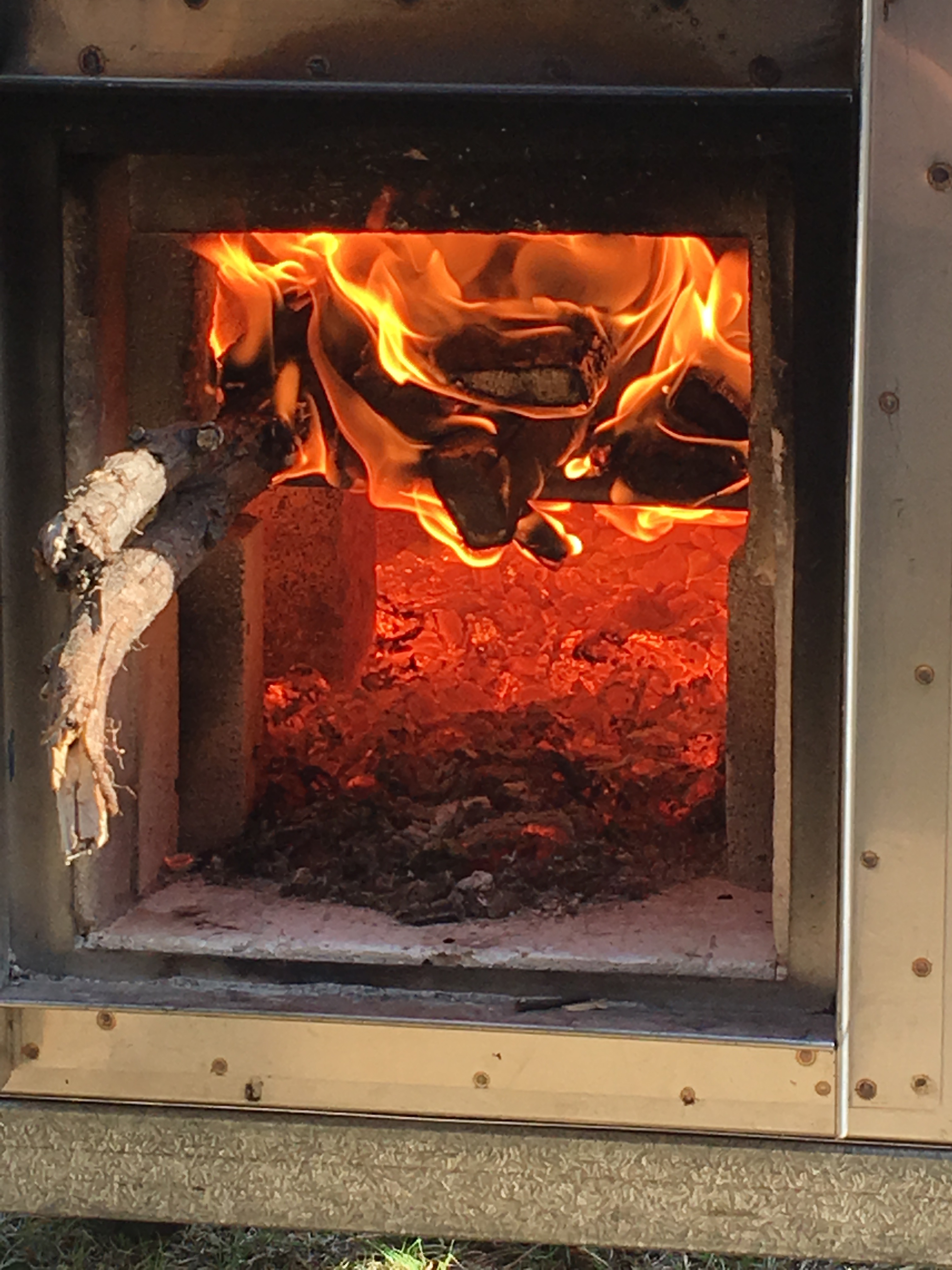
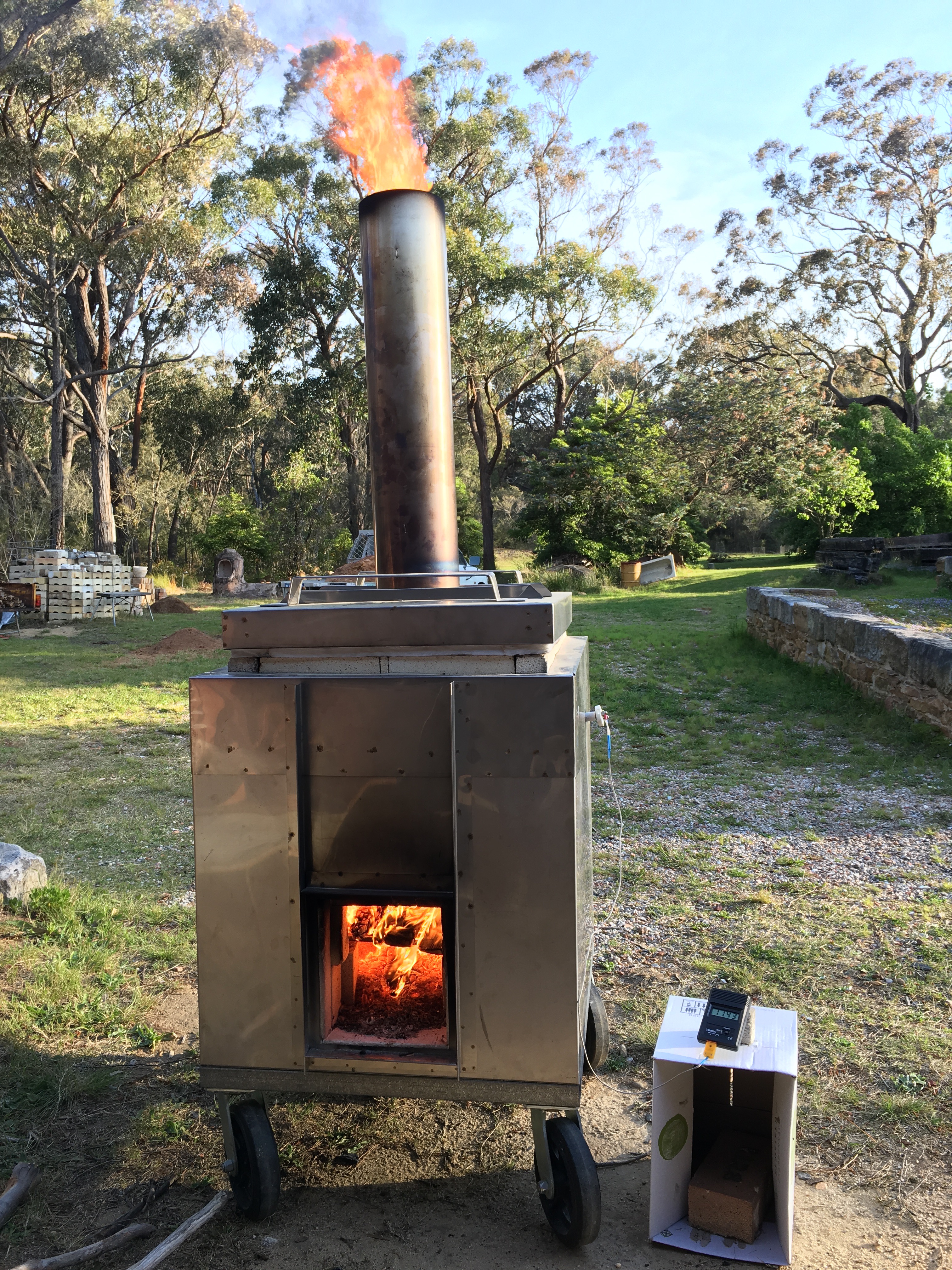
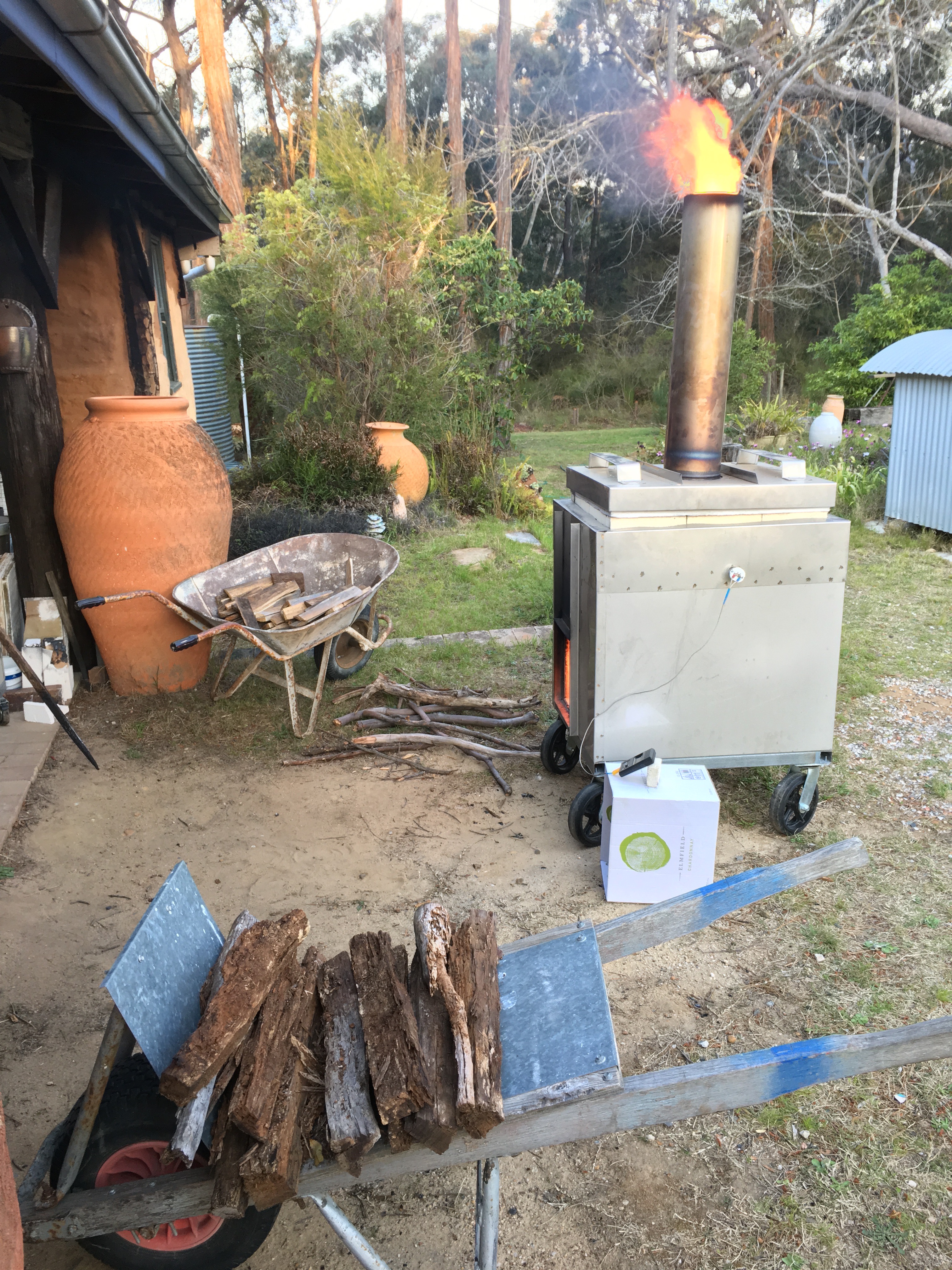
I usually test all new batches of glaze that we mix up, before using them on-mass. I did just this last week to test all the new batches of domestic ware glazes that we were about to use to glaze all the pots for the next firing, destined for the Southern Highlands Open Studios weekend sales. I fired the little portable wood fired kiln with test pieces and small bowls. They all worked perfectly and melted well. The colours that i get in a 2 1/2 hour firing in reduction to stoneware, cone 10, are not as clear and intense as what we get in the bigger kiln firing for 16 hours and with a much slower cooling. However the difference is only really marginal and the faster firing is just fine for domestic ware.
I photographed both sets of tests and there isn’t a whole lot of difference. There is better reduction, especially for carbon sequestration glazes, in the longer sustained reduction firing, and the granite and pegmatite celadons are richer. Funnily, the ching-bai porcelain glaze, on the right, looks pretty indistinguishable!
The tragic, sand-paper-like porcelain-stone glaze, sans limestone, was made up after this test firing, as an afterthought, so missed out on being test fired.
img_3741 img_3558
We have just re-packed the kiln to fire again. This firing will have what I hope will be a new opalescent jun ash glaze. Here’s hoping! Ash is always so variable. We have to test each batch of ash and find the differences from the last batch, then alter the recipe accordingly. What is sometimes a blue opalescent glaze can quickly become a yellow crystalline glaze or a white matt. It changes from ‘nuka’ white through to transparent green glass with minor variations  of ingredients. It always requires felspar and silica to be added. Luckily, porcelain stone is largely composed of felspar and silica. I love it so much when it works!
There is something so rewarding about using the ash from the fire that cooked our dinner to make our glazes! There is something so truly organic and particularly rounded about the concept of waste-not/want-not, and self-reliance about this. Glazes like this are firmly embedded in my sense of place and my sense of self-in-place.
I couldn’t want for more – except perhaps a more reliable and richer opalescent blue?
img_3779 img_3775 img_3768
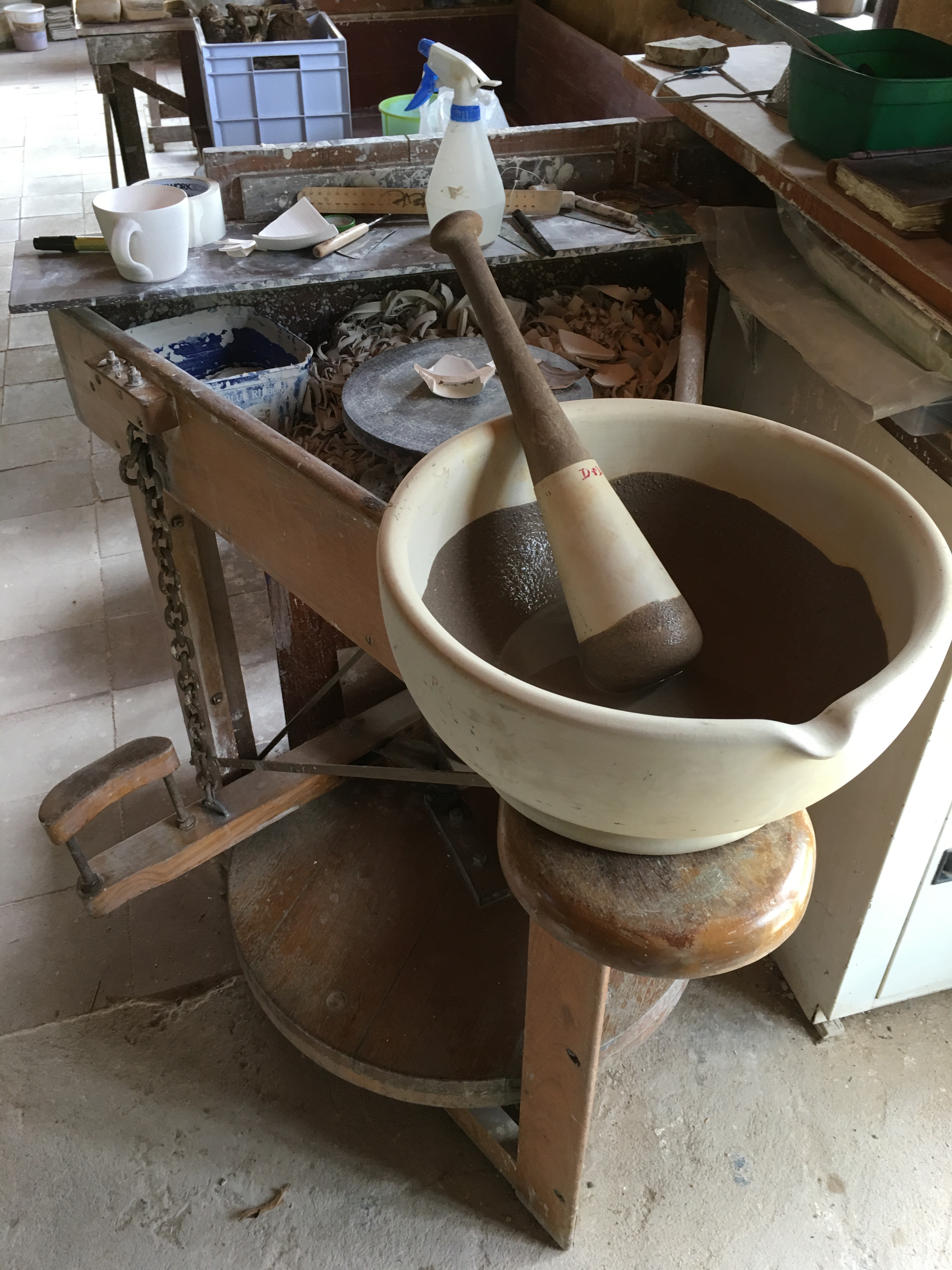
I pass the glaze through a fine sieve and although we have already dry sieved the ash beforehand, there is always a lot of material that refuses to pass through the fine screen. I scrape it off the mesh and put it in the large mortar and pestle. I give it a good few minutes hand grinding, until it doesn’t sound or feel gritty anymore. I know from past experience that it still will not all go through, but a lot of it will. I was lucky to see this 450 mm dia mortar and pestle in a junk shop and snapped it up. It’s a beauty! It dwarfs my Leach kick wheel.
img_3732  img_3733
The kiln is bricked-up and ready to fire now. The weather is a bit warm and dry, so we decide to post-pone the firing until Thursday when a shower or two and some damp weather is forecast. This will be a much safer day to fire.
Ashes to ashes and lust to lust
Steve and Janine

Hit The Ground Running

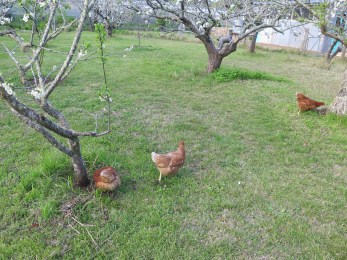
It’s always good to be home and re-united with my 4 girls.

img_3472 img_4361

I have a lot to do. Jobs that have built up while I’ve been away. I hit the ground running. We have 3 weekend workshop booked in for wood firings over the next 3 weekends. We have a lot of bisque-ware ready to be glazed for the Southern Highlands Arts Trail Open Studio Weekends that are coming up, but we can’t get access to our wood kiln until we finish all the workshops.

The effort that we put in to preparation pays off, as all the weekends go smoothly and everyone leaves with something nice to make all the effort worthwhile. And we are lucky with the weather too. It blows a gale all week, and then it settles down and we have a glorious weekend of still, sunny days.

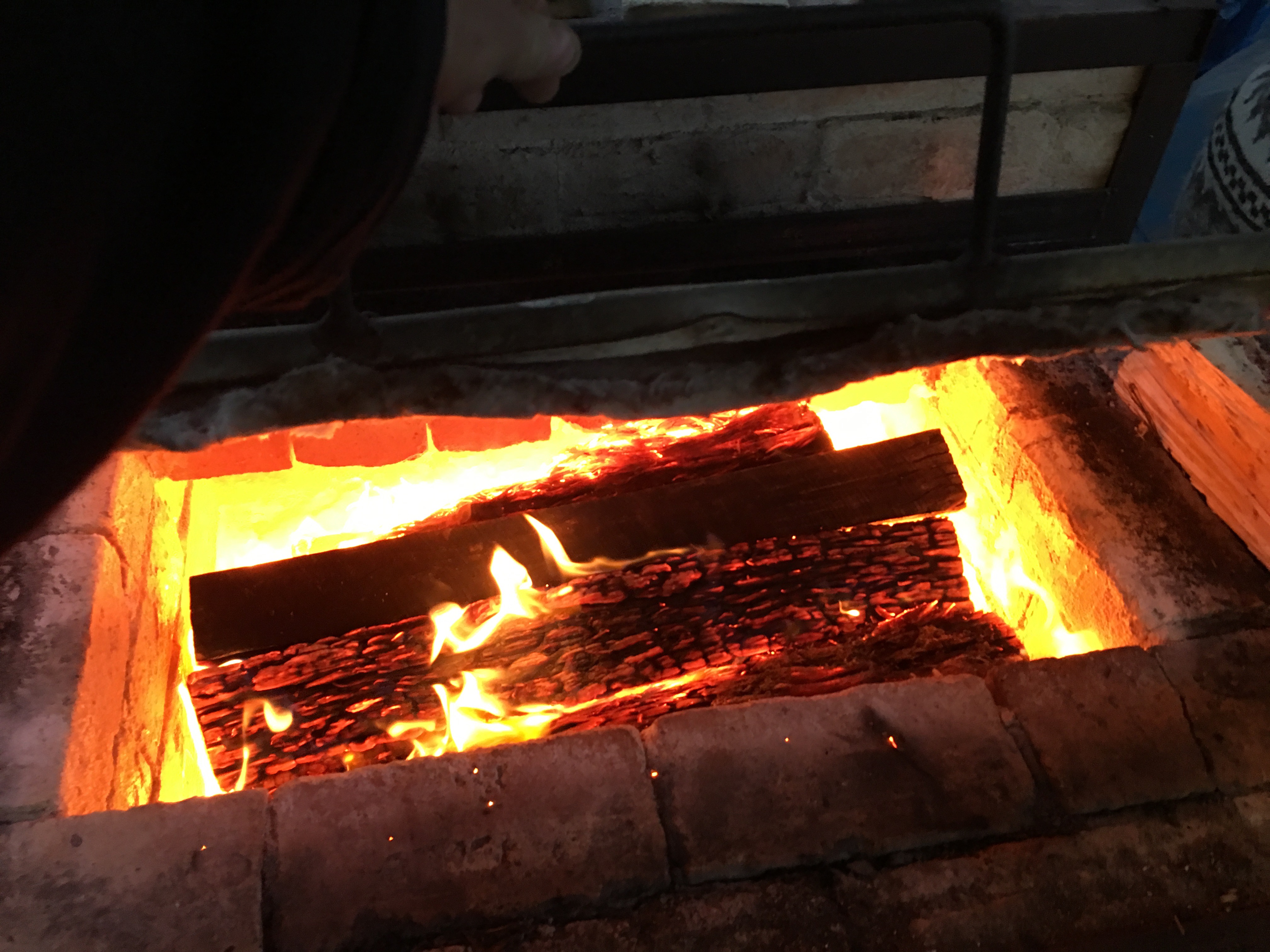
We fire the big wood kiln overnight through the weekend, taking shifts of 4 hours and overlapping each change of personal by 2 hours, so that there is always some continuity. The nights are cold and we huddle near the firebox for warmth. This is a downdraught ‘Bourry’ style firebox, so there isn’t very much to do most of the time.

img_3512 img_3526

If we stoke with big pieces of hardwood. It might take up to one hour for those logs to burn down sufficiently to allow another stoke. The kiln climbs slowly in an even, steady, reducing atmosphere.

The next weekend we have a low temperature wood firing workshop. We have half a dozen small wood fired kilns that we use throughout the day. We have 10 participants, who each bring 5 or 6 pots to fire, depending on size. We get through them all in the day, along with half a dozen wheel-barrow loads of wood.

img_3563

When the day is over, we pack away all the little kilns, except for one. I leave it out and pack it with my glaze tests for all the new batches of glazes that have made up for the next big wood firing. It will have a lot of work in there for the  ArtsTrail Open Studios Weekends. I want to make sure that I haven’t made any mistakes or poor assumptions, when making-up these glazes.

I pack the kiln in the morning and start to fire straight away. I push it along, as I have other things to do this afternoon. This little beauty breaks all previous records and cruises up the cone 10 in just 2 1/2 hours in reduction. The results are really quite good. Everything is well melted. There is no flashing in such a short firing. Nor is there very intense reduction colour, but all the colours are there – only paler than I would expect from a longer wood firing. I’m finished by lunchtime and can get on with other things.

img_3550 img_3554

img_3555 img_3557

img_3558

I even surprise my self! I didn’t know that this sort of speed was possible for a stoneware firing, and with so little effort.

img_4310 img_4373

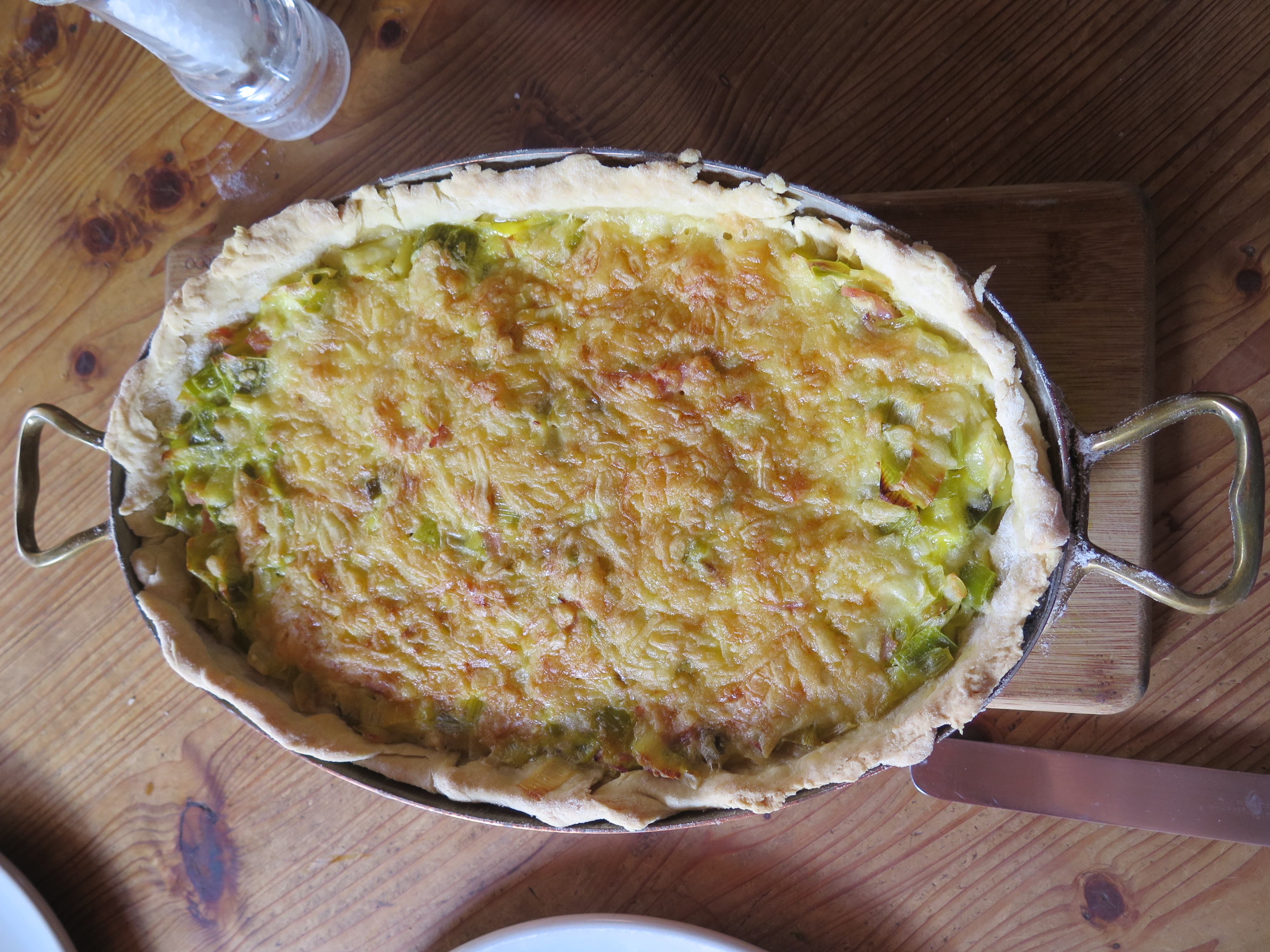
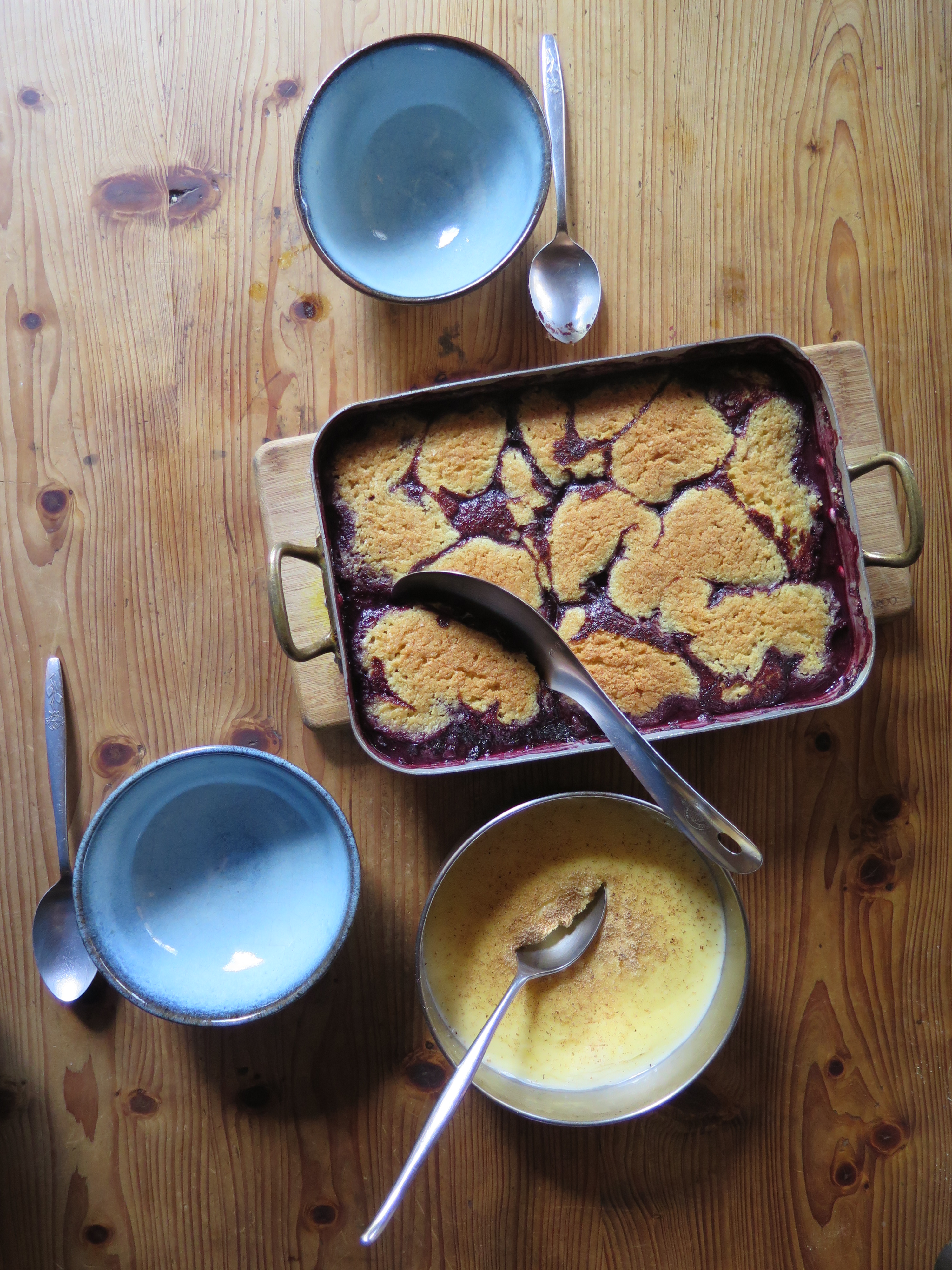
The garden is producing well, with Nina in charge in my absence, she decides to have the evening baking and makes a couple of lovely dishes. A leek pie with a little bit of sour cream and a wholemeal crust, topped with some grated tasty cheese, which is amazing, followed with a berry pie with a baked sponge topping. Served with Edmonds custard. Yum! It’s an economical, warming, dinner on a cold evening. All this garden produce is a fitting reward for all the hours of weeding and watering. However, we don’t do it to save money, but to enjoy wholesome, unpolluted, fresh food.

img_4347 img_4355

Over the years, we have made decisions that have allowed us to be in control of much of our lives, but nothing is perfect, nothing is finished and nothing lasts!

Enjoy the moment.

Kim Chi Chronicles – Chapter 7. Epilogue

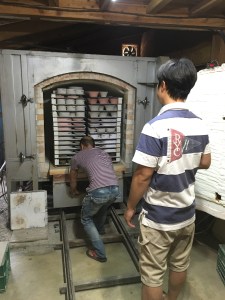
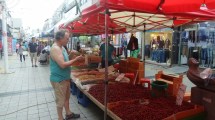
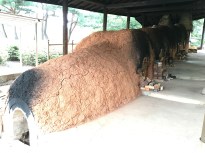
After visiting the Post Office I take Jun Beom and his wife out to lunch, at a restaurant of their choice – for some noodles! After lunch we go to the bank to get the cash to pay Miss Kang tomorrow and then to the bus station to buy my ticket back to the Airport and walk along the street market near the bus station. We travel home via the big wood kiln that has been packed, fired and unpacked in my one week away.
_talkm_owskeshvag_fjokkgjbbdavgkyyynvx6k_i_b0ox4iweoxl11 img_3334

img_3292 img_3303

img_3310 _talkm_owswmirm1y_qktnwnkxk6ntrkx4sc3amk_i_5iz9r7lwgmb8

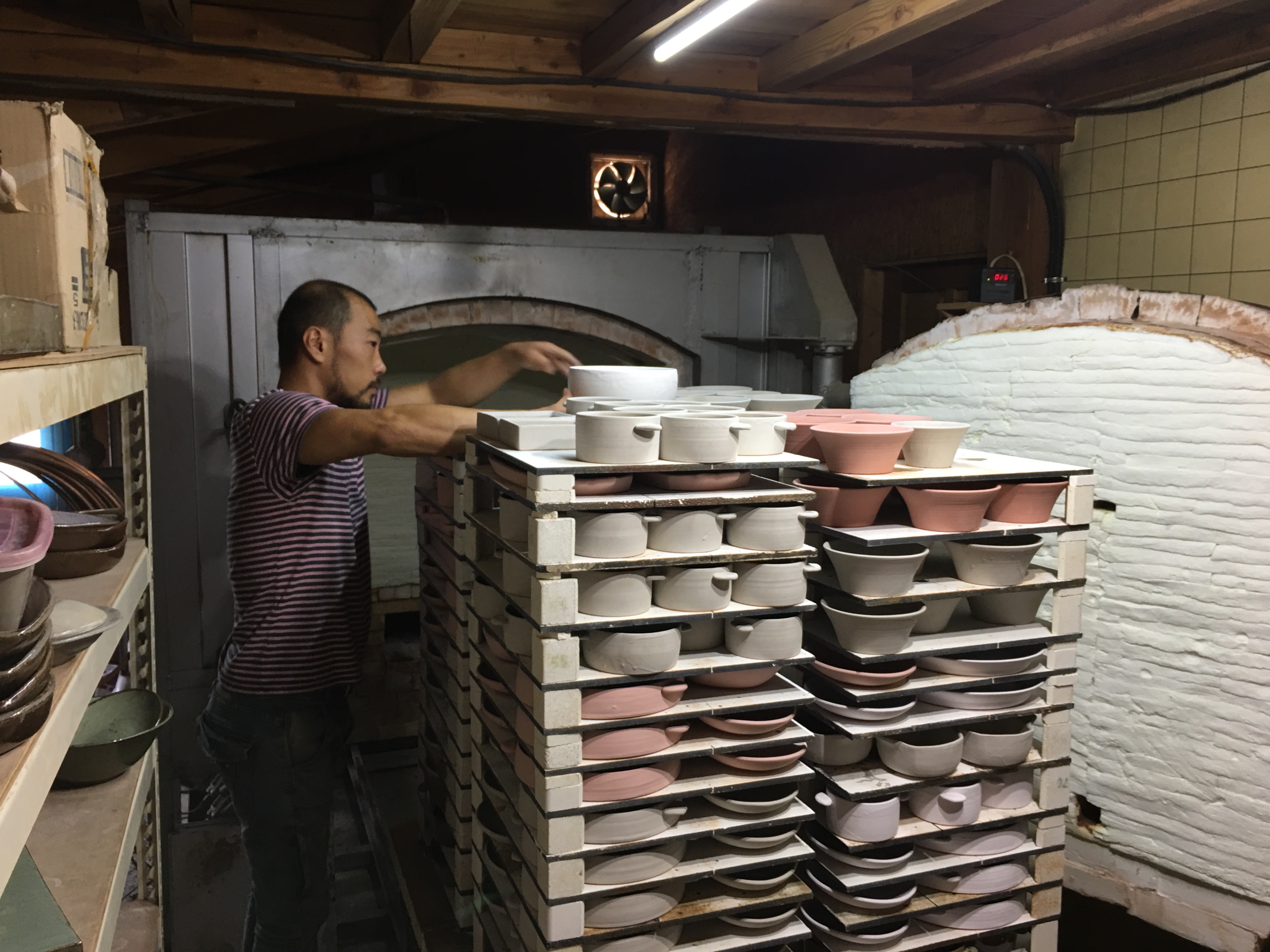
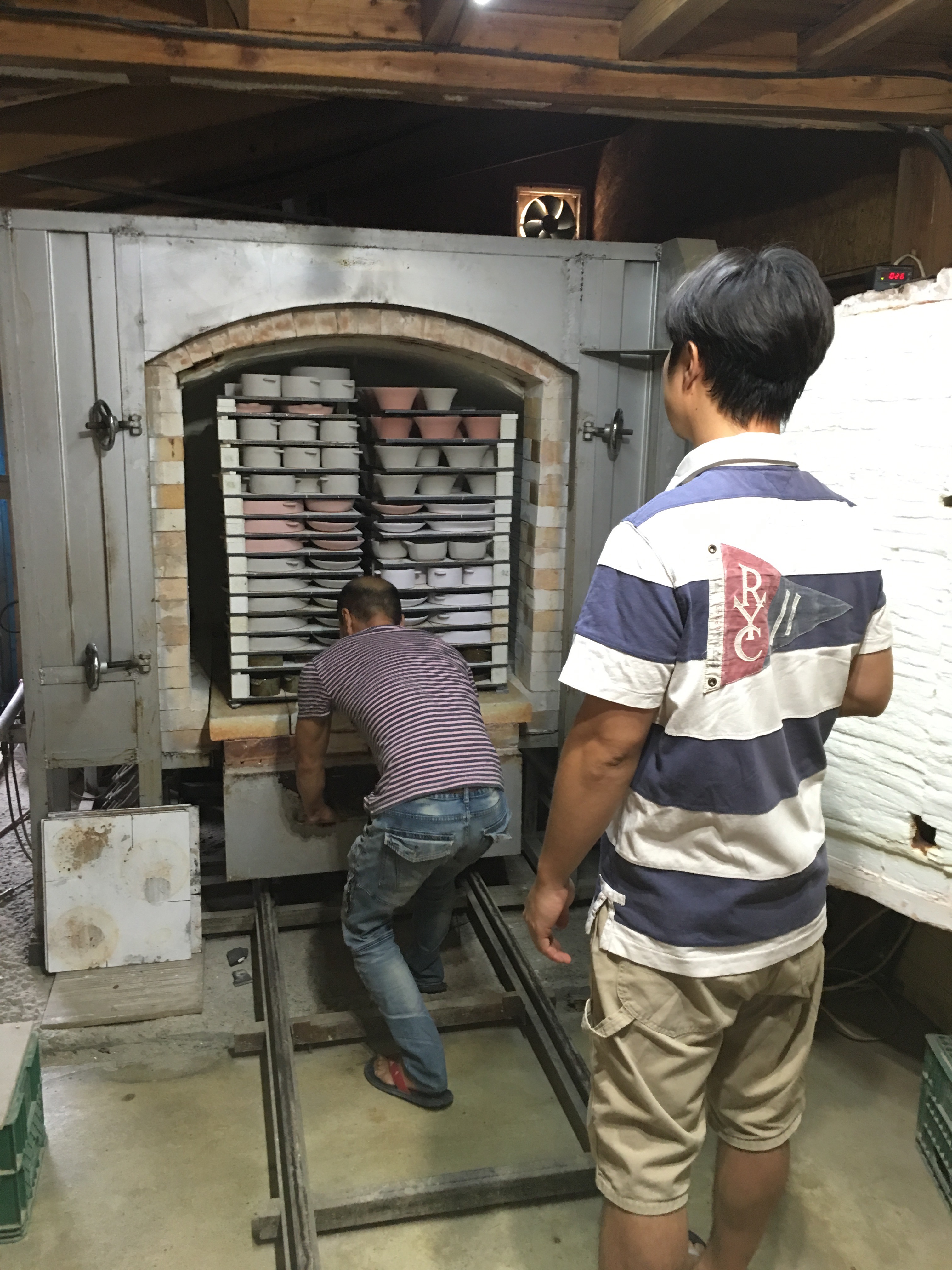
We collect my glazed bowls from the workshop, that have dried overnight and take them to Mr Seo, Seung-gyo’s workshop. He is just finishing packing his kiln and has left some room on the top shelf for my few bowls. We arrive and they go straight onto the top shelf, the door is closed and the burners lit. The firing will finish tonight at midnight and the pots will come out tomorrow, midday.

We go out for dinner with 5 of Jun Beom’s potter friends. They order for me as I can’t read the menu. It turns out that we are all having the same thing. Fried pork and spicy noodles. The meal is hot. It has loads of chilli in it. I’m OK with the heat of chilli in food, as we grow chills every year at home in Australia. We don’t make our meals too hot, but with just enough heat to know that there is chilli in it. I am finding this meal hotter than I would prefer. I break out in a bit of sweat on my brow, but manage to finish the bowl full. I look up to find  that it has been too hot for a couple of these local guys too. They haven’t finished their bowl full.

I earn some cultural credit points for finishing. They are all sweating too. I don’t know if it was some kind of ‘blokey’ test, or if it was just a normal meal out for a bunch of potters. Apparently they meet up every Monday night to talk about life as a potter. They have a self-help group. They all pitch in when something is a bit too big for just one studio. They can tackle bigger contracts this way. I’m impressed. They tell me that life is tough for potters here now. A lot of their contracts have been lost to China. It’s the same everywhere, Japan and Taiwan too. No-one can compete against the low-cost base of Chinese industry.

There is a lot of good-natured chat and laughter that I can’t follow, but I can’t help but laugh too. It’s infectious. I finally get back to the air b&b at 11:30. Way past my bed time normally. I get in to find a collapsible bike in the room. No matter how quiet I am sneaking in I still wake the guy in the other bunk. He jumps up! He’s a bit startled. I say Hi! I’m sleeping here tonight, which shouldn’t be too much of a surprise, as my suitcase is next to my bunk, and my bag of dirty washing is on the bed. I’m dead tired and fall straight to sleep after my shower.

My Peddles in the next bunk has closed every door and window in the place and has the air-con set to glacial. It is a hot night but I’d rather get a bit of fresh air in the room. I drift off to sleep straight away, but wake in the middle of the night. Mr Peddles has turned off the air-con and the air in the room is so ‘close’ and stifling. I feel like I can’t breath. I get up and open the sliding doors onto the deck and also the window next to my bed. I can taste the freshness of the cool night air as it slowly creeps in and through the room. I sleep right through till my alarm wakes me. Mr Peddles is still asleep.

I get up and shower and I’m out the door in minutes. I have to meet Miss Kang early, as we are driving back up to Yanggu today to collect my pots, which should be out of the kiln today. It’s going to be a big days drive for her. We are off and heading out of the city and into the country side. I’ve been sitting next to Miss Kang for about 100 hours now in this little car as we have plied our way this way and that. Up and down the country. We have managed inadvertently to almost circumnavigate the greater part of South Korea in my quest. Miss Kang tells me that I can call her by her first name now! We have moved from ‘vous’ to ‘tu’!  So, I do! There is some small progress! She asks me if visiting cards are expensive in Australia. I tell her that I don’t know, but that I think that they are probably pretty cheap if ordered over the internet. Why?

She has been wondering why I have home-made cards? I think what she really means is, why do I have such crappy cards, but she is far too polite to say that. I answer that I do everything that I can myself. This is all part of my philosophy of self-reliance. Ah, yes! She has been thinking about this. We spent quite a few hours over the past week talking about this. At least I did and she listened. Very politely. I think that she is trying to tell me that most people here in Korea will take a dim view of such ‘different’ visiting cards.

There is a very strong tradition here of exchanging cards when you first meet. It’s a ritual. The card must be offered with two hands and received the same way. You have to study it and show that you are taking it all in. It should be printed on a stiff, robust quality card. Perhaps even with a slightly glossy or textured finish. Mine isn’t this kind of card. I think that she is concerned about how I present myself, so that I can make the very best first impression.

I respond that it isn’t too important to me. I believe that anyone who judges me entirely by my card, probably isn’t going to be very helpful anyway. If they don’t respond to what I have to say. If they aren’t listening, then they aren’t my kind of person. I can probably get by without them. I won’t loose any sleep over it. Self-reliance is more important to me. If I can do something myself I will. Even if the things that I make are not as good as the manufactured ones that I might buy.

For instance, I make my own chairs, they are not as good as bought ones. They are quirky and pretty rough, but they have ‘character’. My character!  I also make my own fire bricks for my kiln. They are definitely not as good as the bought ones, but the are mine and they work OK. I don’t need to have the ‘best’ of things. It’s more important to me to have ‘my’ things.

She tells me that she is impressed by my philosophy. She has thought about it a lot over the past few days. She has been helping her mother work in her garden. Her pottery studio is situated out-of-town at her parents farm, where her mother still maintains a garden. Her parents don’t live on the farm any more. They’ve retired into town, but her mother still goes there to work a few days a week. She thinks that it is a better and more healthy life style. We talk about a lot of things along the way, but mostly to do with lifestyle choices, meaningful work and a healthy diet.

She tells me that there is very strong social pressure in Korea for young women to skip meals and then to take vitamin tablets to stay healthy. What do I think about this? I give her the predictable, obvious response. If you eat a lot of fresh green vegetables from your Mother’s garden and add in a few whole grains, then some fish. You will be fine. You won’t need any extra vitamins. All the meals that you have ordered for us when we have been travelling have been exceptional in terms of a healthy diet. It seems to me, from my very short stay here, that the traditional Korean diet is fantastic. Forget the diet pills. They’ll probably do you some harm rather than any good. Eat fresh healthy food, mostly vegetables and avoid the deep-fried stuff.

When we arrive in Yanggu around lunch time. We go into the pottery studio and there are my pots, all set out on the table in front of me. I go over and start to examine them. Unfortunately, most of them have not fired very well. There is a lot of crawling, even though there are 3 different glazes. Mr Jung knows we are here and comes in. He apologizes for the poor results. He says that they are ready to go to lunch. We should go now as we are booked in.

While we are walking to the restaurant. He apologizes to Miss Kang along the walk. It appears that the day after we left, Mr Jung woke up with some sort of paralysis. He is apologising because this ‘event’ has left him unable to swallow properly. He is warning us that he may dribble while eating. He has only just been discharged from hospital. He has spent the week there. He has almost completely recovered now. Over lunch, I learn 2nd hand, through translation, that this ‘event’ that has happened, was a lot worse earlier, but there is much improvement now. The doctors have warned him that he must cut back his work load and stress levels. He must also change his diet quite a lot. I don’t know how to understand all this. The word ‘stroke’ comes to my mind but also ‘Bell’s palsy’. I just don’t know. Miss Kang either doesn’t know the specific medical terms in English, or which english words to use, or Mr Jung isn’t using any specific words that she can look up to translate. So I’m a bit in the dark, but I do feel for Mr Jung and whatever has happened to him. He seems to be walking alright and speaking clearly, so maybe it isn’t too bad?

We return to the pottery workshop and look at my pots more closely. My Jung explains that because he wasn’t here all week. My pots were dried, bisque fired, glazed and then packed into the glaze kiln and fired by the assistants in Mr Jung’s absence. As he wasn’t here to check any of it, the glazes were applied a bit too thick and then packed into the glaze kiln a bit too damp, or so he assumes. Hence the crawling. He has however, filled 3 little jars with glaze so that I can touch them up and re-fire them when I get home.

After a good examination of the pots I find that there are 4 that are OK and that I can show. That’s enough. I’m happy with that. My Jung asks me if I’m sure. I am! 4 will be OK. He says that he will keep the others and re-fire them himself. One will surely turn out OK so that he will have one for his museum collection. I say that he should choose one of the 4. He refuses. I should take them home with me for my exhibition. A roll of bubble wrap has appeared and a cardboard box, but I decide to wrap them well and carry then in my back pack as hand luggage. This method has worked with other batches of pots that I have made in China and Japan recently. No-one will be more careful than me in moving these precious things around.

We retire to the lounge area for a coffee. I have brought my laptop with me this time, as I promised to show Mr Jung a presentation of my work, local geology, studio and house and garden etc. I have spent half a day during the week, collating a 30 page journal of technical information and photographs about my local single-stone porcelain materials for him. I have taken a lot of it from my PhD thesis. I hand it over to My Jung, he flips through it. stopping at the pages of analysis data. It’s all in English, so I imagine that it will be difficult for him to read. BUT!

He surprises me completely. When he’s sees the electron microscope results and micrographs. He stops dead and turns to look straight at her and says completely clearly in English, that I can understand from where I’m standing behind them. “Did he do all this himself”? I’m shocked! He can speak English very well. Either that, or I’ve suddenly learnt to speak colloquial Korean fluently! But in a weird twist, that surprises me even more, Miss Kang doesn’t realise that he has just spoken to her in English instead of Korean. She translates it anyway out of habit.

“Mr Jung wants to know if you did all this technical research yourself”? I go along with it and answer, that she should tell Mr Jung that the answer is, Yes. I did! He nods, but raises his eyebrows. Maybe a hint of dis-belief? It appears that I have been paying my translator for nothing. I only needed a driver after all. I could have caught the bus!

I explain that a lot of this is taken from my PhD. I did all the electron microscope work using the equipment at Uni of NSW. Yes. It’s all my own work. I really enjoyed doing my PhD. I had a fantastic supervisor who was right on my wavelength. He supported my research in every way, and without interfering and getting me to do his research for him. I have friends who had withdrawn from research degrees because their supervisor was trying to force them to do work the they weren’t interested in. I was very lucky!

Mr Jung has been able to follow almost all of what I have been telling Miss Kang to tell him. It’s a good thing that I have nothing but admiration for the man and have always been totally polite in all my dealings. I carry on as if nothing has happened. Miss Kang continues to translate. I’m the  only one that realises what has just happened. I feel a bit odd!
img_3443

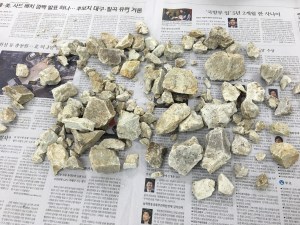
Mr Jung asks me to show him my presentation. He makes a phone call and two other men appear. One of them is an architect and I’m not sire about the other one. They are here to watch as well, along with one of his staff members. They all sit politely, occasionally asking a few questions and at the end they give a soft applause of clapping. That’s never happened before!  We say our thanks and prepare to leave. Mr Jung shows me the porcelain stones that he has washed. I go to collect them in a plastic bag and take them with me, but he stops me. He tells me that they are not dry enough yet. He will post them to me. I offer, through the medium of translation – continuing the charade, that I can dry them myself and carry them in my luggage. No! Apparently, I can’t do that. I will have to wait until he posts them. OK?

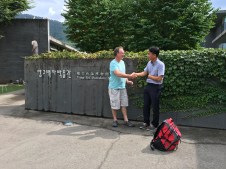
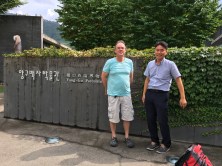
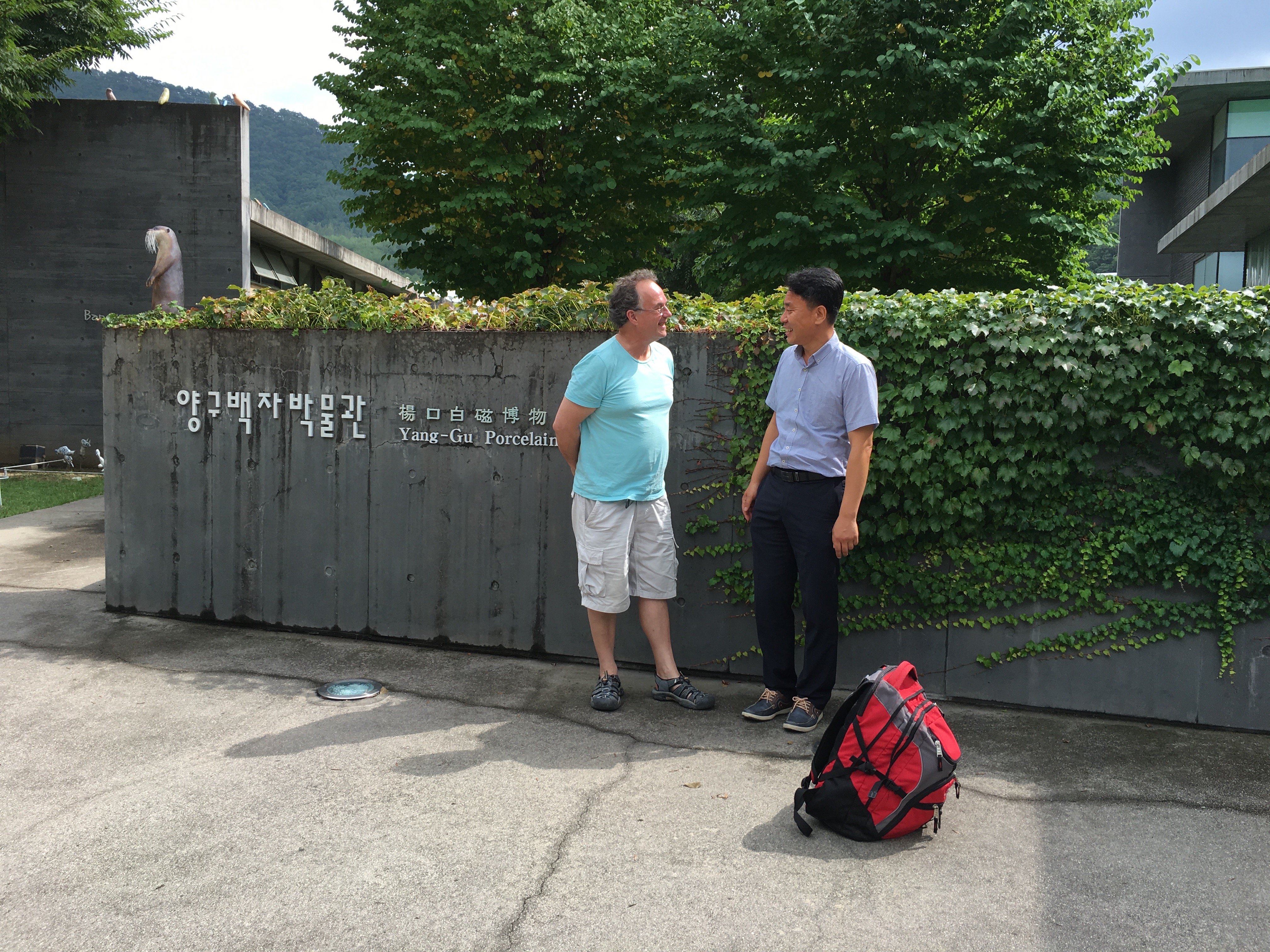
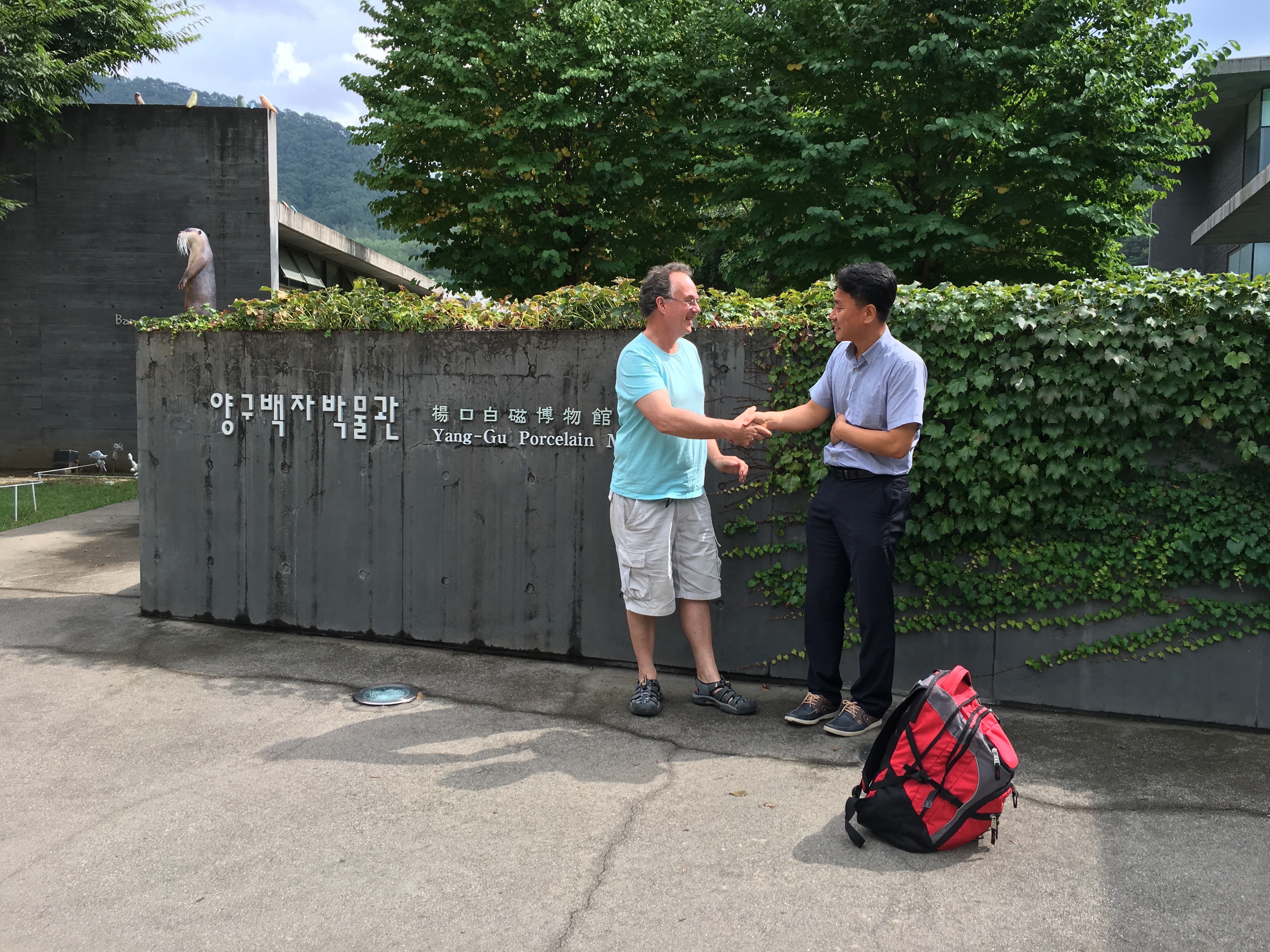
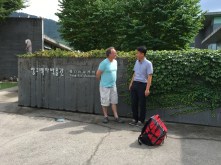
We stop outside the building for the obligatory photos. I offer my phone to Miss kang to take a photo for me as well. She juggles 3 phones and takes a sequence on mine that I feel really captures the total sincerity that has evolved between us in this short time. We are possibly the only two men with this common interest in the world and we have finally met after 15 years of similar research. I feel a strong connection to My Jung. He’s a very thoughtful, creative and helpful person. I like him.

img_3445 img_3446

img_3448 img_3449

I’m a bit sad to say good-bye. But we really must leave now, as the drive is a long one. On the way home we approach an intersection without traffic lights, but only a flashing orange light. I take it that this means take caution, slow down and watch for cars. She doesn’t slow down very much and suddenly we are on the cross roads and there are two cars on our left coming out of no-where and travelling at speed. She brakes and swerves, but too late. Fortunately, the other two cars are able to swerve onto the other side of the road and just miss us – just. Luckily for us all, there were no cars coming the other way. My heart is pounding. The adrenalin rush is severe, almost painful. I’m completely shocked!

We stop and take a break. My driver is tired. We stop at the next truck stop for another coffee and a brisk walk up and down the parking area. I make an effort to keep talking to her all the way home, asking her questions, remarking on the scenery. I don’t want her to drift off again. It would be such a shame to die here, like this, and inconvenient for everyone else to have to cope with.

She is wide awake now and for the rest of the trip, which is uneventful. We break up the next 3 hrs in the middle with another loo stop to discharge the coffee from the last rest break. We talk of all sorts of things. I tell her about the building of the new chicken run. Making it fox-proof and dog-proof using thick galvanised steel mesh all around at floor level, dug deeply into the ground. I tell her of my plans to plant out all the summer vegetables on my return, as it will be the middle of September and starting to warm up. I usually get all the early vegetable seedlings started about this time. Sometimes there is a late frost in October and once in November. Then we have to start again, but that doesn’t stop me. The reason that I chose to leave the city and live in the country was so that I could have a very large vegetable garden and an orchard, as well as a pottery studio and wood fired kiln.

She listens as she usually does, making occasional comments. I have become used to her saying something along the lines of. “Thats very interesting” and “I’ll have to think about that”. This time however, She responds at length. She has been considering all our conversations of the past week. She tells me that she has been helping her Mother in the garden with the weeding.

She tells me that she will think about a change in her life, maybe spending more time at the farm and studio. She’s ready for a change, but will still need a job for some cash. I suggest being a translator and tour guide for specialist pottery tourists like me. There must be other potters who would pay for the particular service of an educated, ceramic specialist, tour guide?

On the way home, she gets several calls, a friend, her sister and boyfriend. But also one from Jun Beom. We are invited to dinner at his wife’s parents house. Her Father has caught a one metre long fish today, so we are all invited. We go to the pottery first. I collect my fired, glazed pots from My Seo’s firing. 4 out of 5 are OK, 3 are very good. I can show these. I offer one to Jun Beom, but he refuses it. I offer one to Miss Kang and she almost grabs it off me. Apparently she is pleased! So, I have 4 pots from this firing too. They are all dully bubble wrapped and packed into my back pack. I can’t fit them all in without unpacking my sweater and rain coat. I won’t need them again now.

The Tae Baek mountain stone body was creamy yellow when raw, but has fired to a very clean, bright white translucent body. I’m very pleased with it. If all goes well, I will have some Australian wood fired versions of it to compliment it later in the year. Everything is shaping up nicely. Better than I could have possibly imagined. I owe special thanks to Claudia, for introducing me to her student, Jane in Australia, who introduced me to her brother in Korea, Jun Beom, he in turn introduced me to Miss Kang and everything flowed from there. Thanks also to Byongchan from Sturt workshops, who introduced me to Mr Jaeyong from Tae Baek.

I knew that Cheonsong was going to be difficult, but couldn’t imagine just how frustrating and negative it was going to be. However, I did end up getting some clay from them. I didn’t even imagine that I would be able to get to Yanggu, as the reputation was quite formidable. This turn out to be the most rewarding experience. I hadn’t even heard of Tae Baek or Siila Mountains before arriving here. They were just lucky breaks. I really do hope that  Mr Jung will end up posting me some samples in due course. Funny that he wouldn’t let me have them when I was there?

This has been a very successful Korean end of my research trip. I have travelled  37,000 kms in the last month. I’m ready to go home and sort all this material out. I also have a long list of jobs to finish when I get home. I have a large kiln ordered. I have 3 weekend wood-firing workshops booked in a row in late September and early October, then the Southern Highlands open studios weekends coming up. I can’t see myself getting to any of this porcelain stone and having some more time for research until the New Year.

I get home to the b&b late. It’s always the same here. Everyone is so friendly, and they stay up so late. I’m back by 10.30 and start to pack my bags. I leave very early tomorrow morning on the 7.00am bus to Incheon Airport via seoul. It’s a long 3 1/2  to 4 hr trip depending on the traffic. I need to be there 2 to 3 hrs early to make sure all goes well. I fly out in the early afternoon. I’m all packed and sorted and in bed by 11.30.

I’m up at 5.45 and all ready to go. Jun Beom picks me up and takes me to the bus station. I want to thank him in some meaning full way. More than just a handshake and a bow. At least with Sang Hee, I was employing her and I could give her a bowl. Jun Beom wants nothing from me. He says it’s all right – relax! We sit and chat until the bus arrives. I thank him profusely again. He just waves it off. “Its OK!” He says. It doesn’t seem enough.

img_3434 img_3442

The traffic in the morning peak hour is appalling. It’s stop start all the way along the free way. Grid lock! The air quality is appalling. Out in the country side we have enjoyed much better air than this. It was always slightly over cast looking. I thought at first it might be cloud, but it was consistently always the same, pale, yellowish, photo-chemical smog. During our driving epic. Miss Kang and I talked about this too. She claimed that all the polluted bad air was blown in across the water from China. Some of it might be, but it wasn’t as bad out in the country side. Here however, in towards Seoul the visibility drops  down to a few km or less. I can’t see the sky scrapers in the distance at one point. I know that they are there, I just can’t see them any more after we have passed them. I’d hate to live here in this air. Miss Kang does. She is breathing this air all the time. I’m sure that the majority of it is self-generated here in Seoul by all the industry and traffic. I hope that she will be OK into the future. She has been a very good guide, translator and driver. I can recommend her!

img_3466

It’s a very good thing that I Caught the early bus to the airport, because when I get to the check-in. I can’t believe the queue. It stretches about 100 metres back from the zig-zag webbing lanes, back out into the foyer of the check-in area. I walk and walk, along the queue. Stopping every now and then to enquire if this is still the same queue. it is! I don’t want to spend an hour or two standing in the wrong queue. I have purchased the cheapest flight combination possible, so have to travel back to Australia via China. the queue is for all the people wanting to go to China.

I’m just so lucky to have been taken to Australia when I was young. We complain a lot, but there aren’t many places that I have been that are better than this when everything is considered. I don’t live near the beach, or have a view. But life is what you make of it. I have my beautiful partner and son, my workshop/business, my gardens and orchards.

I am so very lucky to have such a good life!

And a bag full of porcelain.

Best wishes from Steve in Korea

The Beautiful Simplicity of Baked Beans

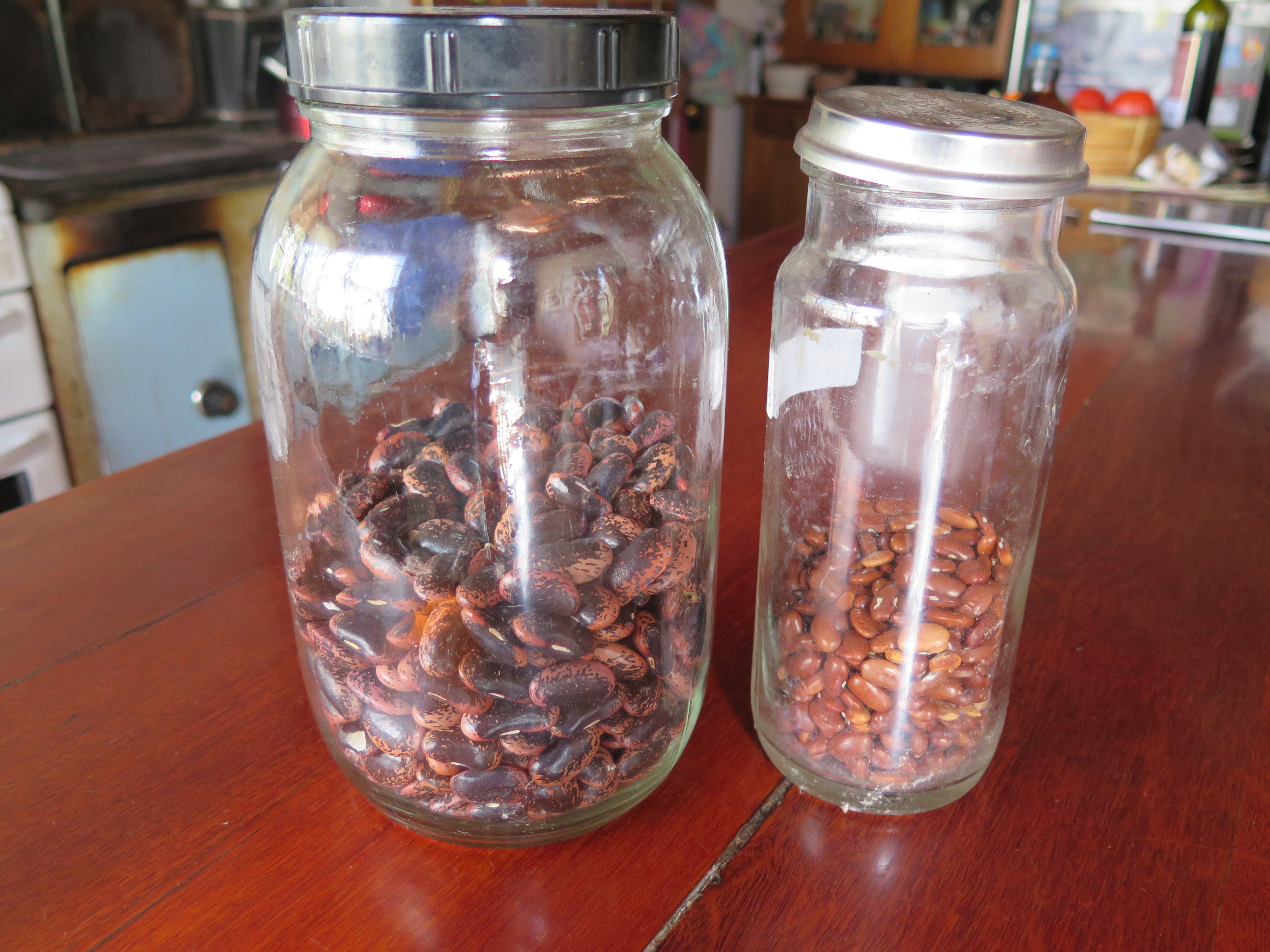
We have jars of dried beans in the pantry cupboard. Many different types. We also have dried tomatoes and dried mushrooms in there too, alongside jars of tomato passata saurse. I decide to take some of our storred summer produce to make the simplest of dishes, Baked Beans.

IMG_4241 IMG_4244

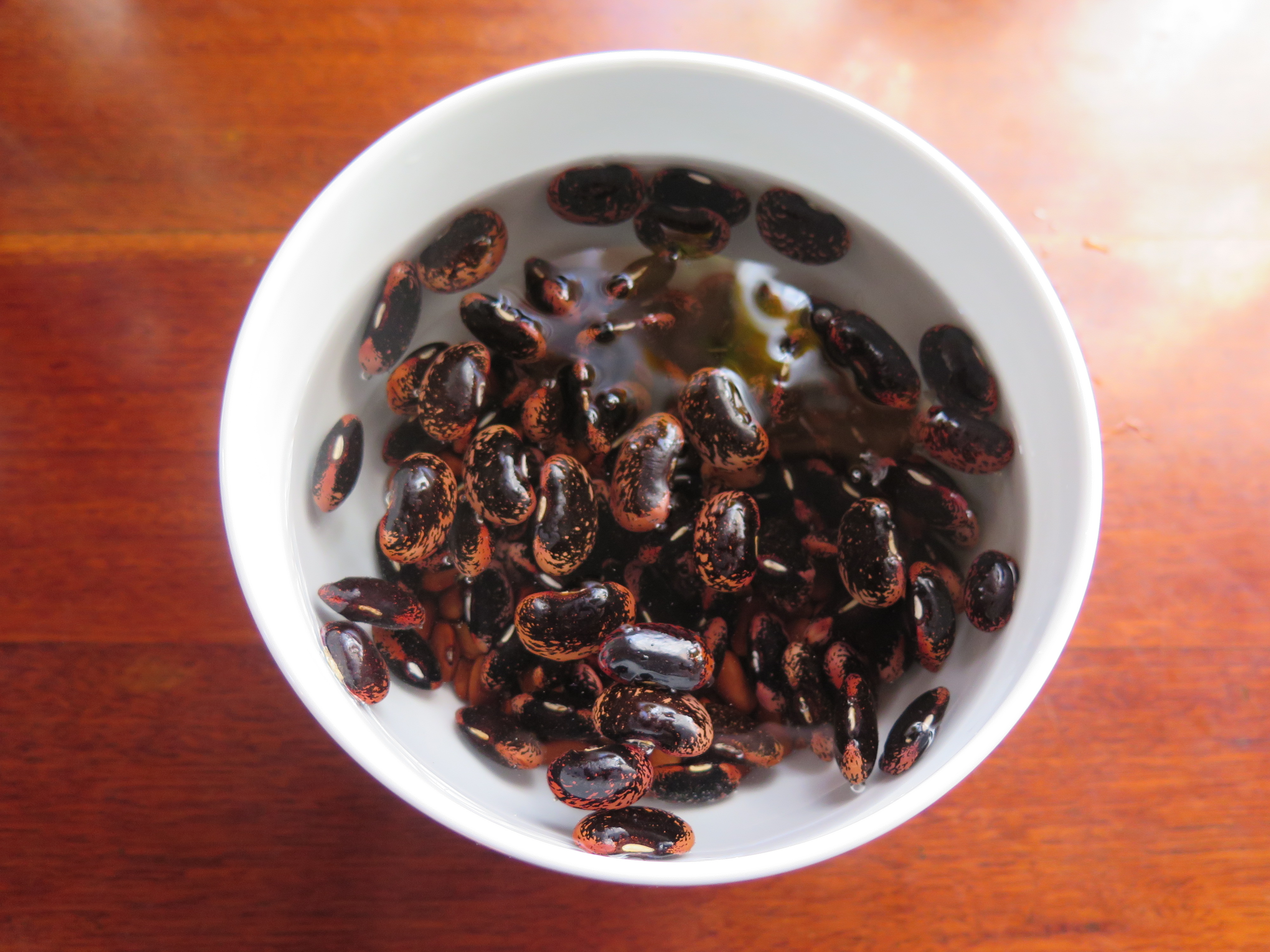
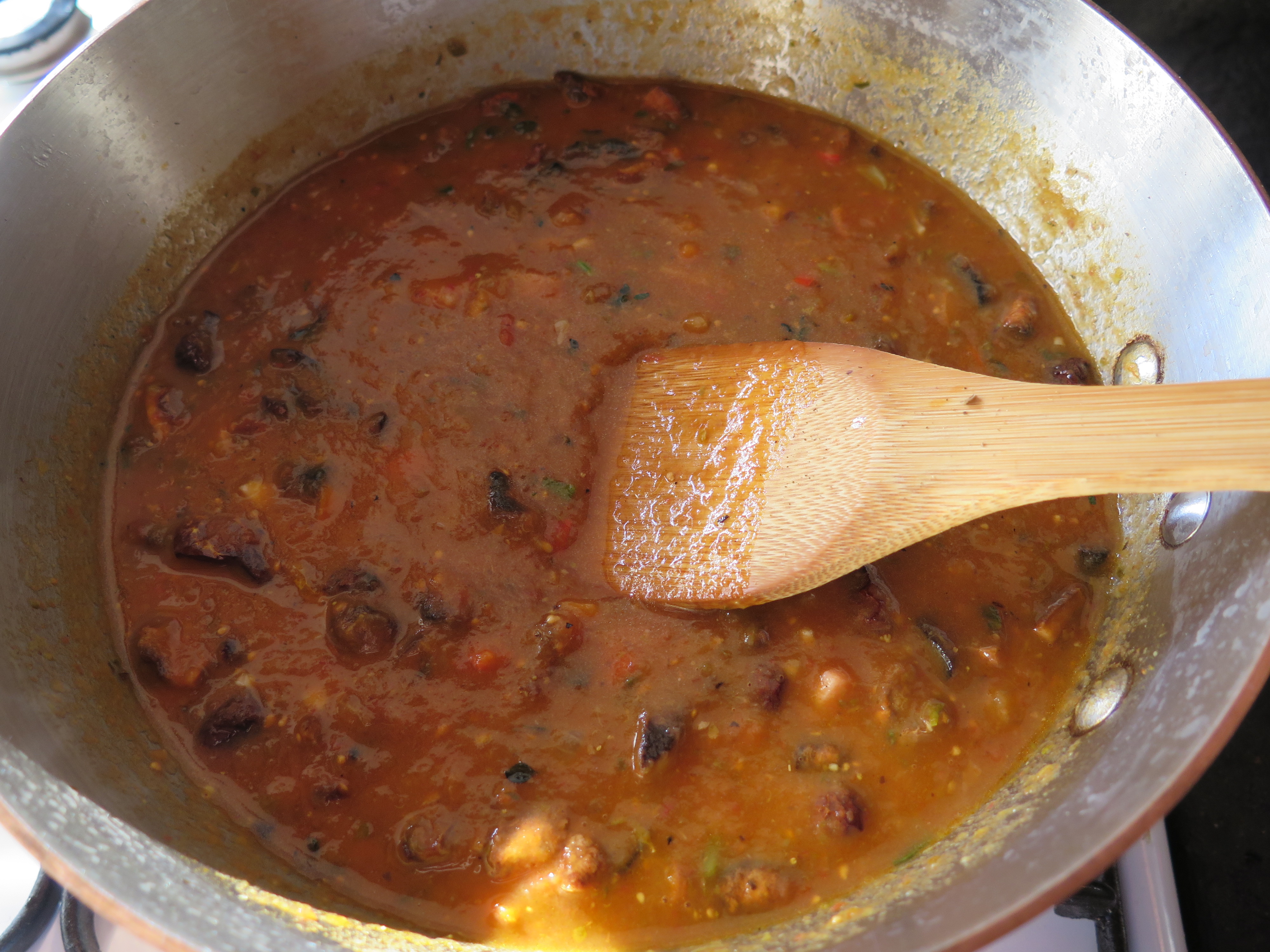
I soak the dried beans overnight, then boil then for an hour or two until they are just cooked. I sweat off some onions and a whole knob of our home grown garlic in the best quality of local olive oil.  I add fresh thyme and marjoram from the garden, a whole knob of our garlic, along with some local bacon. I add in a couple of jars of preserved tomato puree along with a couple of chilli and capsicums. It all comes along nicely. When the herb and vegetable mix is well underway, I add in the pre-cooked bean mix back into the pot and let it all meld in together.

IMG_4250 IMG_4251

I’m tending the dish, when My Lovely arrives and comes into the kitchen. She exclaims, how delicious the smell of the dish is as she comes in through the door. I’m pleased, I want it to be. There is a lot of work storred in all these summer-time ingredients. It ought to be good.

IMG_4253  IMG_4254

IMG_4257

If I was making a more traditional baked bean style dish, I’d probably blitz the whole lot. But this is not an issue to me. I’m happy to eat my more chunky version. If I were to do it again quite soon, I’d probably add in some duck breast and some pork sausage along with carrots and celery. But that would be a very different dish. Then I’d call it a French cassoulet.

This is just a simple beans and tomato meal with no frills. All grown, dried, preserved and cooked locally. What else can a simple post-modern peasant ask for. The natural rewards of hard work and forward planning.

It’s delicious, warming and very nutritious. whole pulses and tomatoes like this, combine to favour healthy gut bacteria and good health.

Funnily enough, I’m not thinking of my guts as I eat his beautiful meal. I’m just so pleased that it so filling and delicious.

Sure to Rise

Janine spent some time in New Zealand when she was at school as an exchange student and it was in New Zealand that she learnt to spin wool and also got deeply interested in making pottery, something that has stayed with her for the rest of her life. Another thing that she learnt about in New Zealand was the Edmonds CookBook. She bought, or was given her first copy over there. She still uses it or refers to it often, mostly for cakes and puddings. It has been one of the constants in her life.

We recently got the latest version, when a relative visited New Zealand last year. I had tried to buy a copy by online direct from Edmonds, It was meant to be a surprise for Janine, but the online option didn’t seem to be available, so I sent an email requesting information on how to buy a copy and have it sent over here to Australia.

I filled out the contact info page and waited. Nothing happened for a day or two, then when I was out. A very nice lady from Edmonds rang directly from New Zealand to inform the bewildered Janine that she couldn’t buy one in New Zealand and  have it posted out to Australia, but rather, all she had to do was go down to the local ‘Dairy’ and buy a copy herself. The ‘Dairy’ in New Zealand is a bit like a small supermarket or local shop. They are everywhere in New Zealand, but not here in OZ.

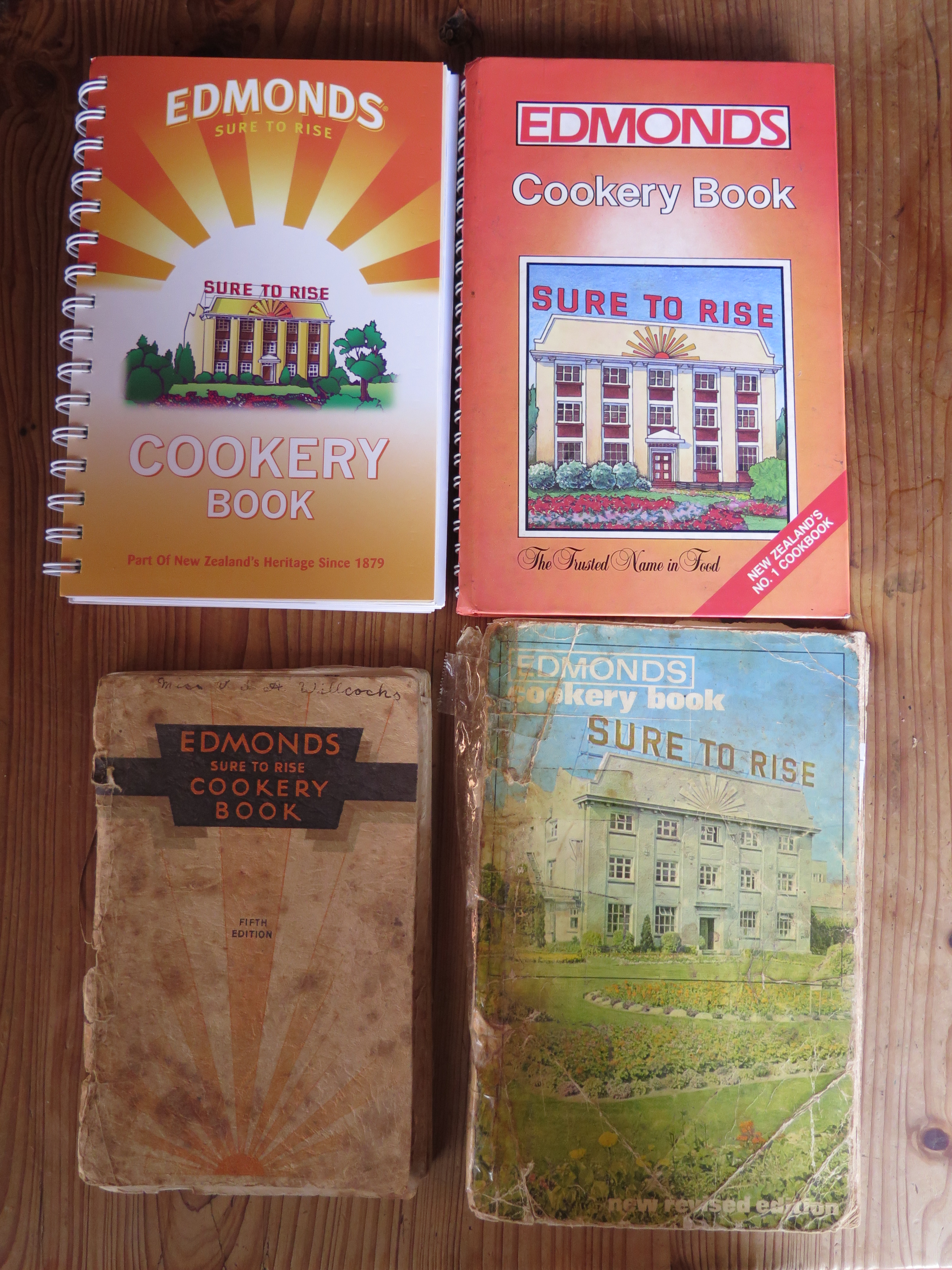
Janine tried to explain that we don’t have a local ‘Dairy’ here. But the Edmonds Lady wouldn’t have it. She insisted that all Janine had to do was to ask. “They will have it!” “Everybody stocks it!” We don’t see Edmonds baking products for sale here in Australia. At least, not where we live anyway. Janine explained that we live in Australia and that the lady must have dialled ISDN to get through to us in Australia. She must know that we are located in Australia. She told her that we just can’t buy Edmonds Baking Products here. All to no avail. So the surprise was lost and we still didn’t have a new Edmonds cookery book. We laughed about it a lot though, and we do now have 4 editions of about 10 to 15 years apart.

IMG_4141

When Janine’s relatives turned up here with the intension of travelling on to New Zealand and back again, it was an opportunity not to be missed. We now have our new copy, along with the other 3 older editions. It’s quite interesting to look through them and see what has changed. In the 60’s edition, all the recipes are detailed on how to make the item from scratch. The biggest difference between the old copy and the new one is that now it is more likely to say something like, open a can or packet of this or that and add something to it. it’s an interesting record of changes in cooking habits over 50 years. Certainly the latest edition has very much more up-market descriptions of the recipes.

One particular recipe that is all the books is the sponge fruit pudding. The name changes a little, but the recipe remains pretty similar. It’s a lovely, warming, comfort food pudding for cold winter nights. Janine has developed her own particular variation, depending on what is in season or in the preserving cupboard. Tonight it’s preserved young berries that are going into the pud.

IMG_2555 IMG_2557

IMG_4247

This is Janine’s half-size recipe. Good for just two people. Double it if you want to feed more people

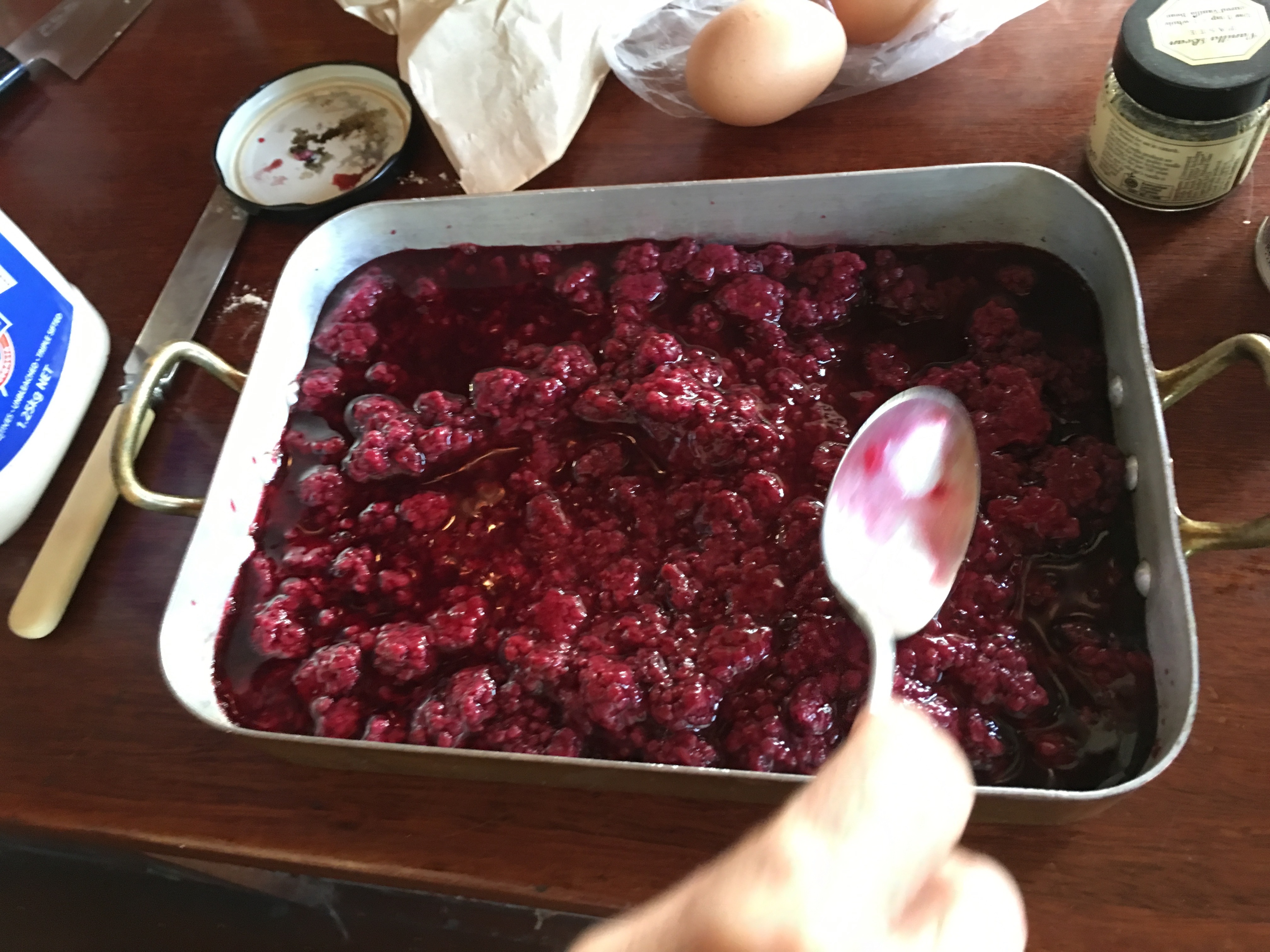
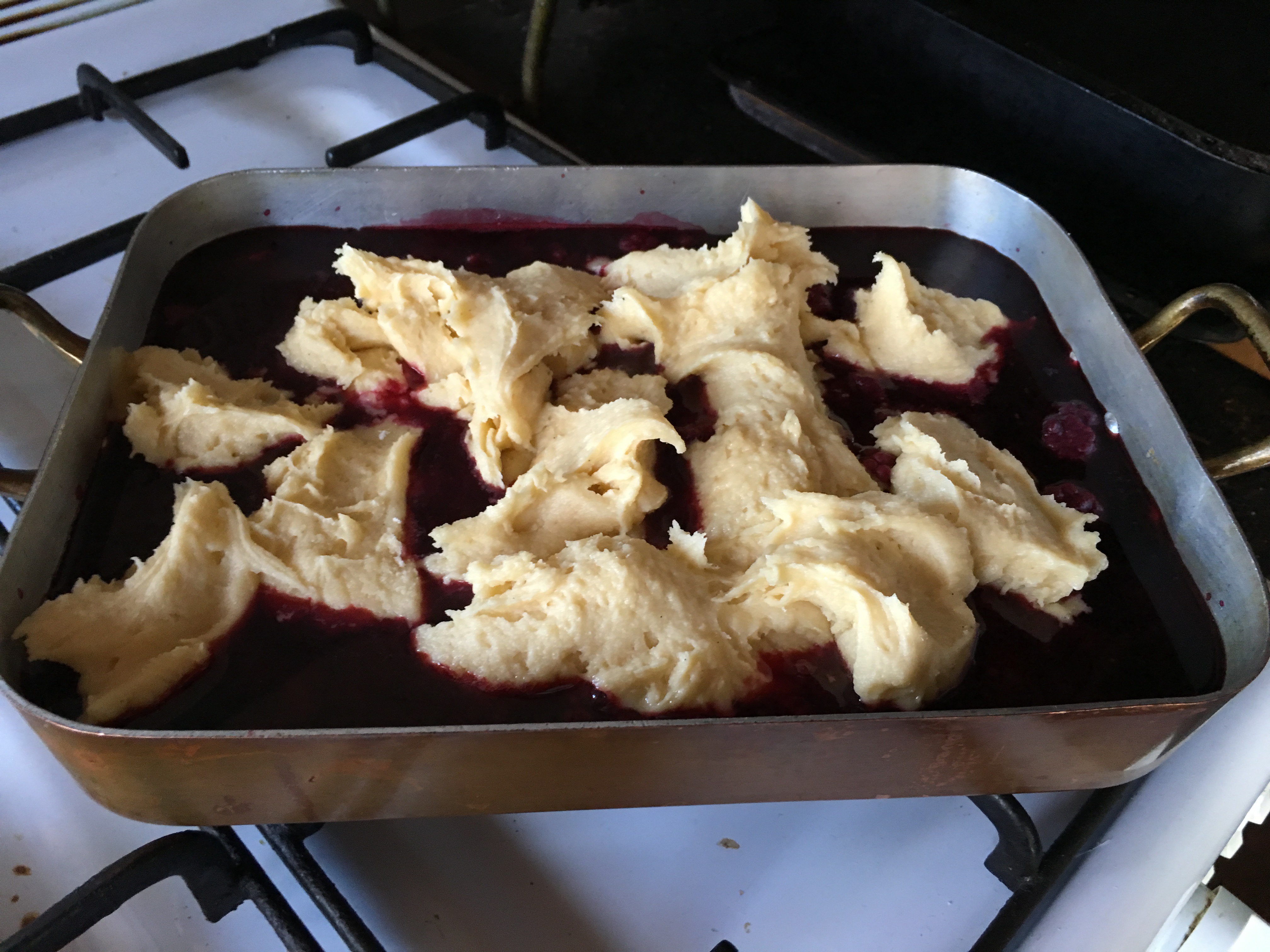
Take a 750 ml. jar of home made preserved youngberries. Pour into baking dish. Make a sponge topping as per your favourite Edmonds recipe, spoon it over the cooked fruit and bake until springy and golden. the recipe says from 35 to 45 mins at either 180 or 190oC, but My Sweet is cooking in the wood burning stove, so all the temps are a bit of a guess for us. She knows her stove now after 40 years and gets a wonderful result out of it. Cook until done!

IMG_2562 IMG_2567

Harri (son) Potter and The Three Headed Cabbage

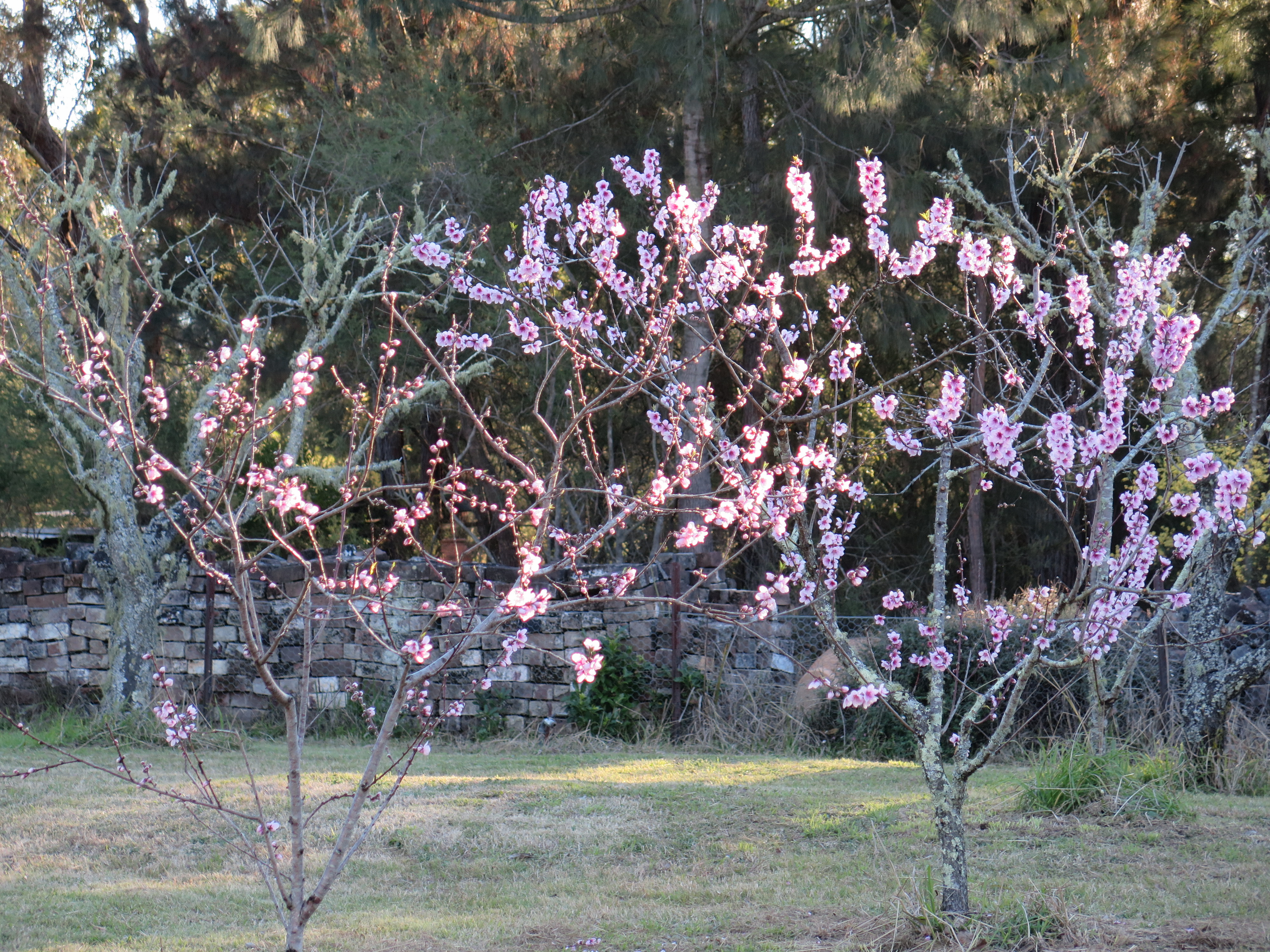
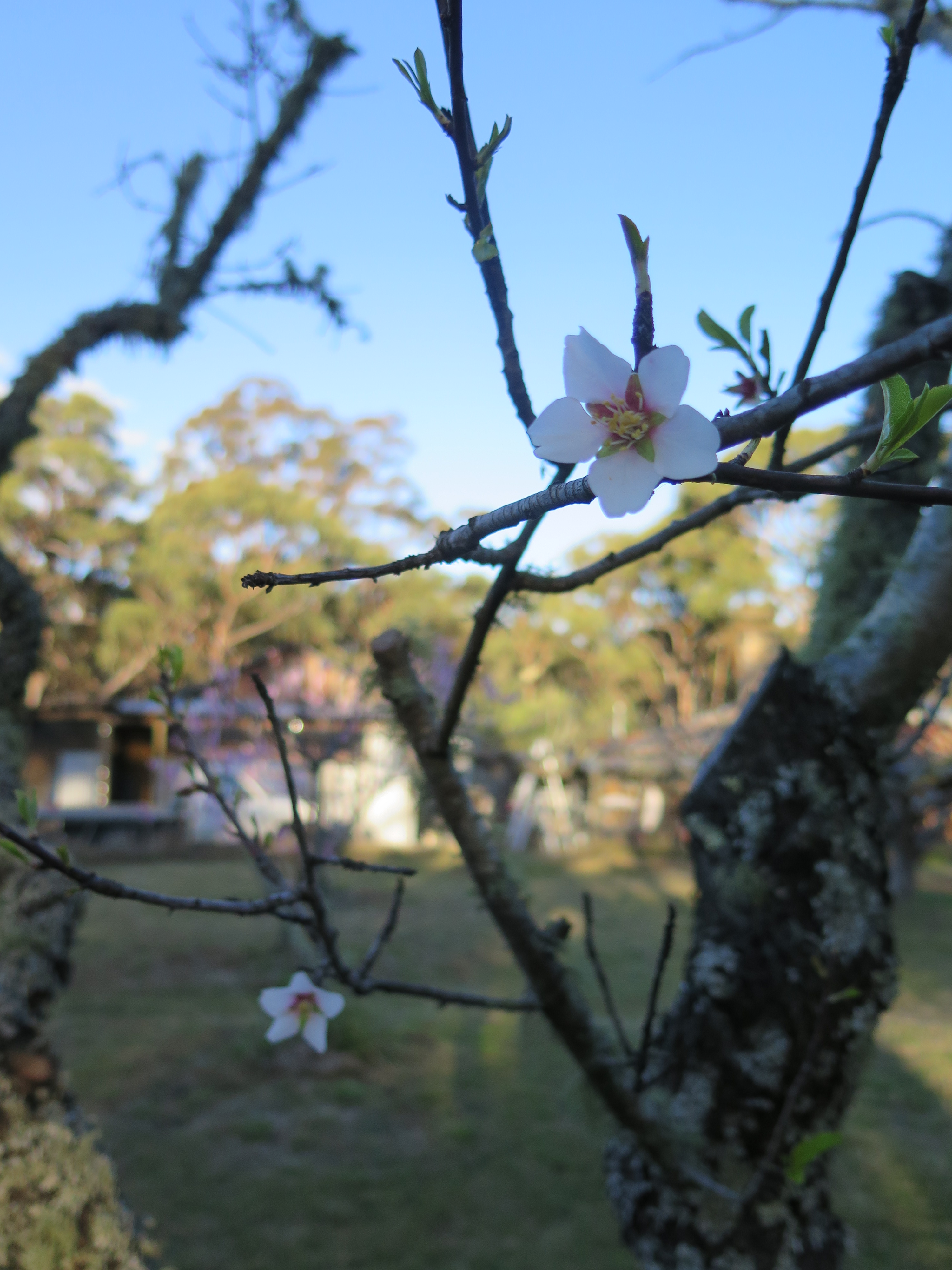
We are in that time of the seasons at the end of winter and just before the beginning of spring. I heard someone call this period ‘Sprinter’. The early peaches are out in full bloom now and the almonds are just starting to burst bud and show their first flowers.

IMG_4163 IMG_4166

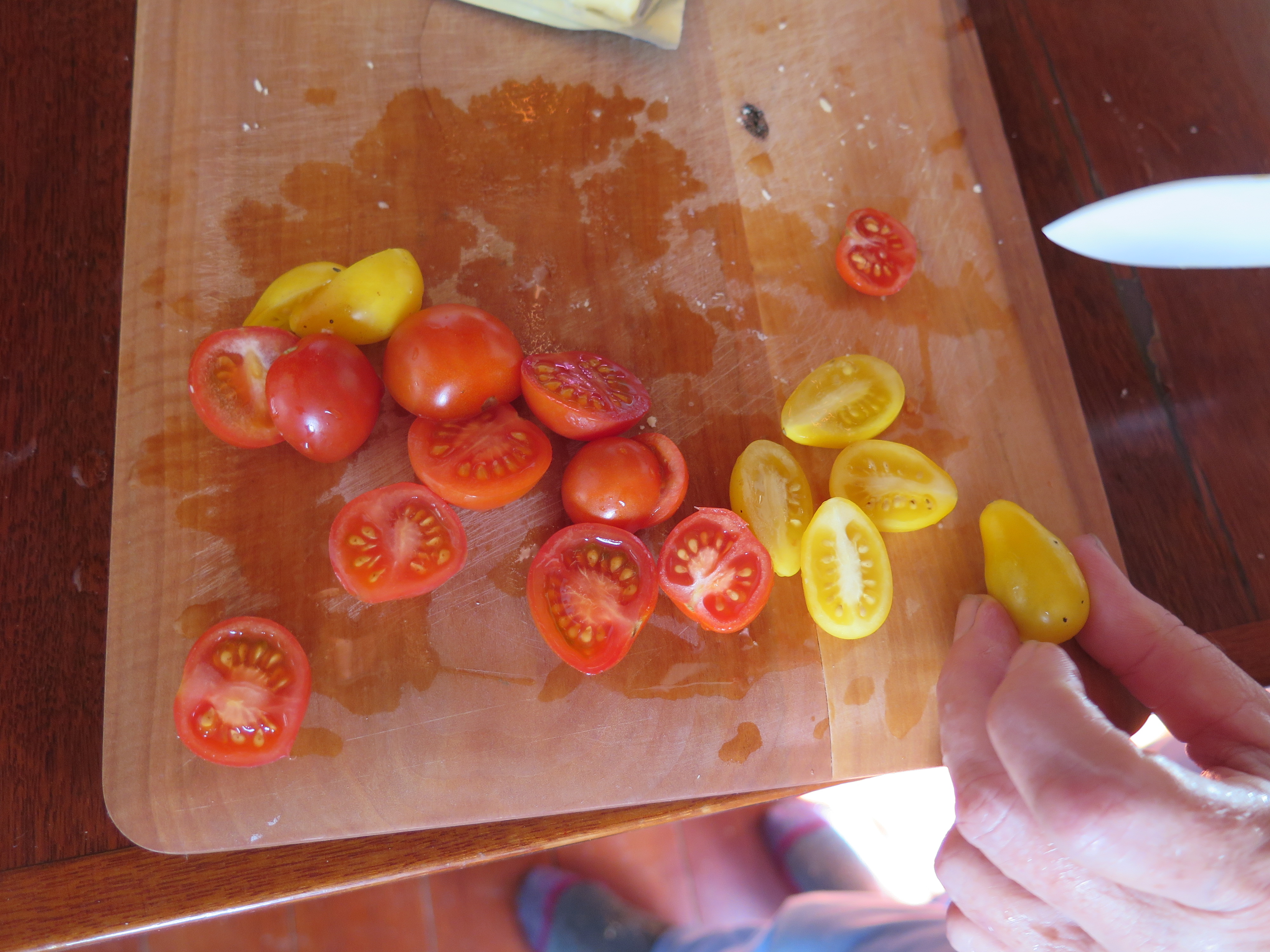
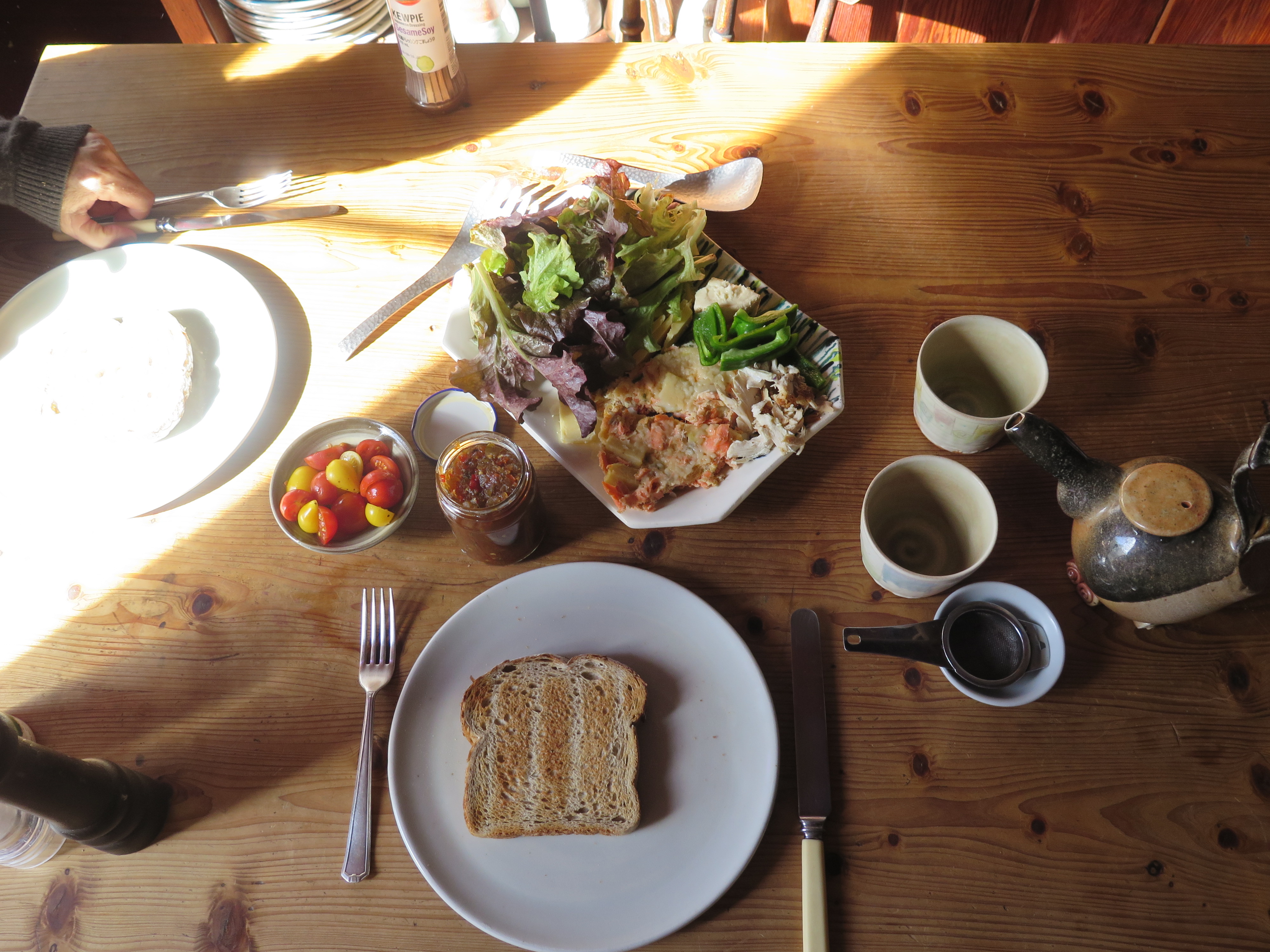
Janine knows a secret place just behind the stone wall of the citrus grove. A sun trap in the mornings where the last of the self-sown tomatoes were growing wild. The frost has burned off all the leaves, but the last of the fruit has hung on and turned from green to yellow and red over the past month and a half. It’s amazing, but Janine comes into the kitchen triumphant with a small bowl of tomatoes in mid winter. We have them for lunches over the next few days. On toasted rye bread with some blue cheese, or in a salad.

IMG_2547 IMG_4133

IMG_4134

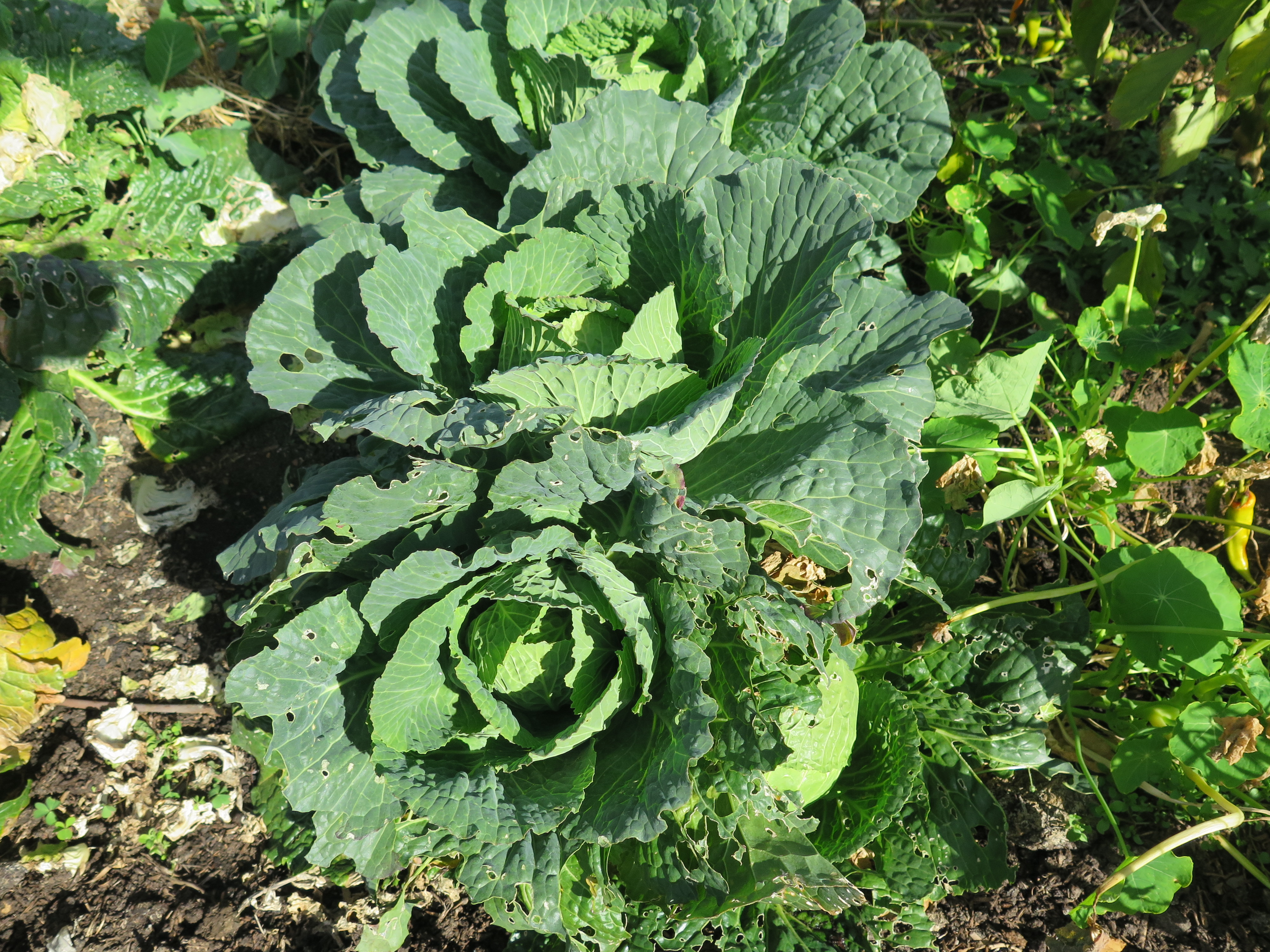
We have learnt over time that when we cut a cabbage and then leave it in-situ. The cabbage will re-shoot new cabbage heads, usually three smaller cabbages will replace the original one large head. The total volume of the 3 new cabbages is almost the same volume as the original.. If you cut these three heads off, then the plant will keep on trying to head up to seed and reproduce. The 3rd generation of multiple, small, cabbage heads rarely amount to much. They put out new shoots, but these rarely manage to form firm heads. They are however still good shredded up for stir fry and salads.

IMG_4231 IMG_4234

We have also found that brocoli responds in this way, giving a larger number of progressively smaller Brocolinis with each picking. We have kept a few plants going like this for months. They don’t seem to mind growing through into the hotter weather. Cauliflower on the other hand doesn’t seem to react in the same way. I think that it might be because they take so long to grow, that by the time they are cut and harvested, the weather is getting too hot for them to continue growing?

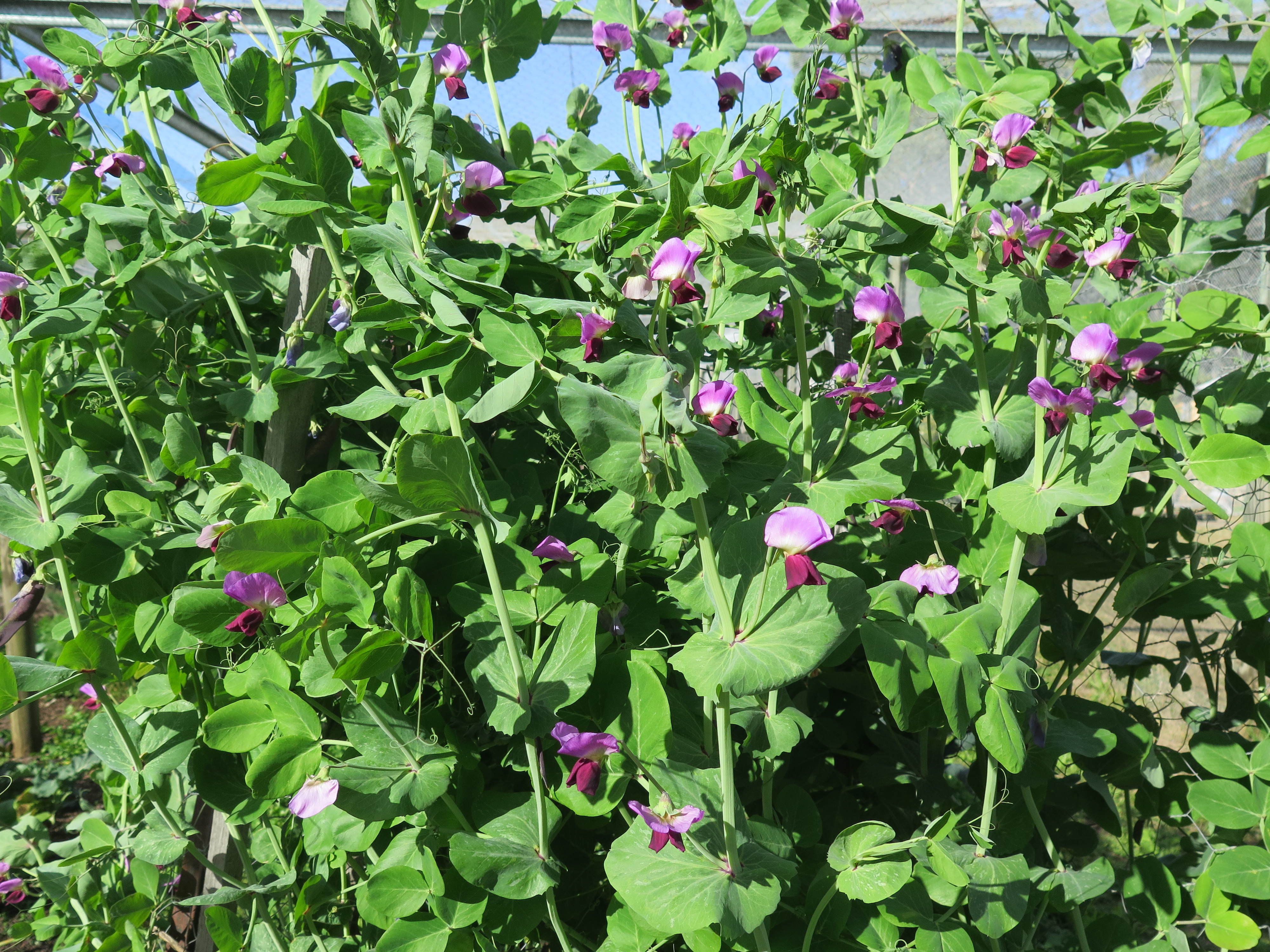
The peas are looking good at the moment. In full flower and starting to set a nice crop.

IMG_4237

I love sprinter. It is loaded with promises of warmer weather to come. I think that I can just start to feel the days getting longer.

A Potters Floor

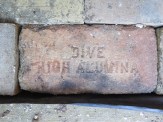
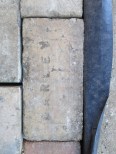
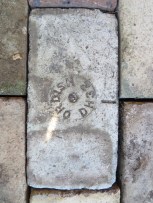
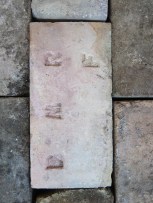
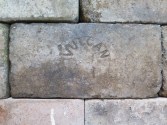
It just occurred to me as we swept some sand into the cracks in our new/old shed floor, that is made up of a mix of fire bricks and house bricks, that this is very much a potters floor and very appropriate. As I look down at the bricks and admire the patina of age and use, with all the varying hues and textures, I start to see the brand names of the various manufacturers.

Here in front of me under my feet is a brief history of refractory brick making in Sydney in the post war period. It doesn’t escape my attention that everyone of these companies that made these firebricks all around the Sydney region are all now gone and defunct. Everything is made in China now. In fact, I believe that I am probably the last refractory fire brick maker left in the greater Sydney area, if not all of New South Wales. I can’t think of any others, and we only make fire bricks for our selves, for use in our own kilns.

All of the old brick makers were bought out by the big multinationals and closed down. The sites were sold off for re-development and all the new stock of bricks were then imported. We don’t manufacture anything here anymore. We only operate warehouses for foreign multinationals to distribute imported product.

As the last Australian refractory brickmaker, perhaps I can look forward to being bought out by a big corporation? This might provide the superannuation that  I don’t otherwise have ?)

IMG_4184 IMG_4183 IMG_4202

IMG_4194 IMG_4195

 IMG_4187 IMG_4199 IMG_4189 IMG_4190

IMG_4191 IMG_4192

IMG_4195 IMG_4201 IMG_4186

Some of the above bricks are; Newbold General Refractories, Dive (Matraville), Illawarra fire brick Company, Waterloo Fire Brick Company, Woodall Duckhams, Vulcan, Bulli, Darley, Grit’A’, Ordish and Booths Medium Refractories.

This is in no way an extensive list, it is just the ones that came out of that small kiln that we dismantled, and the ones where the logo was laid upwards, so that I could photograph them.

We have lost so much in the past 4 decades.

The Accidental New/old Shed

e

I am preparing for a new research exploration project, but while I plan and organise, we decide to take a week off from the pottery to catch up on a few outstanding jobs. The weather has been beautiful all this week. The best winter days are like this with frosty nights followed by sunny days with no wind. Glorious days for working out side. We breakfast on marmalade and toast with coffee, and then the Lovely spends couple of days burning off all the orchard fruit-tree prunings to make ash for glazes, while I start working on the new shed.

IMG_4148 IMG_4209

We decided to build an addition to the kiln shed to create some extra storage space, while at the same time it allows me to create some space for a new chicken coop. We raised chickens and ducks here for 25 years, but we had a rather traumatic event with a pack of local village dogs that killed almost all of our birds in one savage attack. The old chook shed was somewhat degraded over time and the wire somewhat rusted and frail. It offered no real protection from the frenzied pack of dogs. I decided that I wouldn’t get anymore chickens until I built a stronger, steel-reinforced chook run.

IMG_4157 IMG_4218

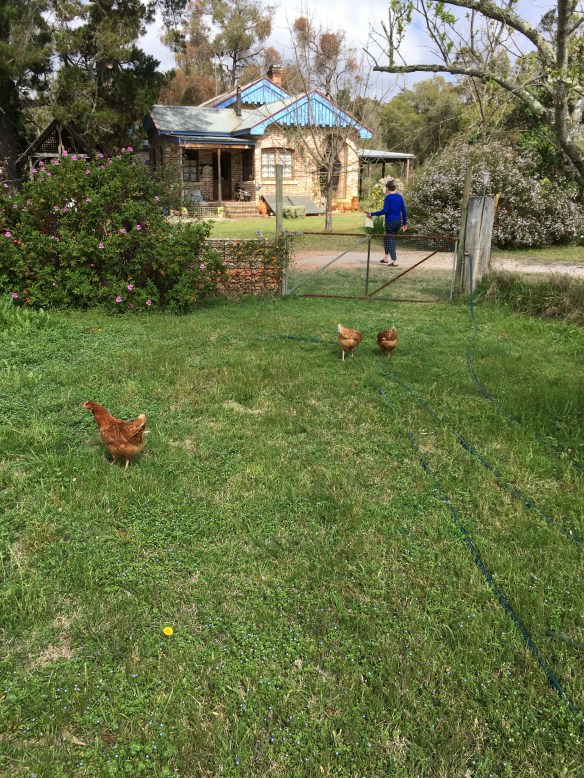
The time has come now and it is done. 25mm. square, welded wire mesh with 6mm dia steel weld mesh dug down into the ground 300 mm. We now have 3 brown chooks at point of lay and are looking forward to our own fresh organic eggs again. The chicken run is quite small, but we only want 3 hens. One or two chickens would be enough for us, but I’m told that a trio is a better number for their own comfort and companionship. Once they are settled in we will let them free range all day, just as we did in the past. Only locking them up at night to protect them from foxes. Chickens are very resourceful at finding their own living out in the orchards and paddocks. Only the vegetable garden is locked up and out of bounds to them. They can be very destructive in a garden, digging up seedlings and excavating large dust bath holes in the soft, moist composted soil.

The other two thirds of the shed is a storage space for all the stainless steel sheets and other kiln building paraphernalia that I have to keep in stock, plus a small space for garden tools and the wheel barrow. We decide to pave the floor with bricks. This wasn’t in the original plan, but it seems the right thing to do to make the shed floor moisture proof and flat, so that I can wheel my brick cutting bench in and out easily.

IMG_4177 IMG_4179

IMG_4181 IMG_4205

We dismantle a couple of old, early wood fired kilns that have been in the garden for over thirty five years and are no longer used. The used bricks have a lovely patina of use and age about them. We lay them over a sand and black builders-plastic membrane substrate to keep the shed dry. 500 bricks later, it all comes together rather well. A good days work to dismantle, clean, stack, transport and lay all these bricks in one day.

This shed is built from nearly all recycled materials. I only had to buy a few sticks of hardwood for the rafters, nearly all the green poles were recycled from vineyard trellises and the iron sheeting for the walls and roof were all given to us when friends re-roofed their house. To complete the build, Janine suggests that we use some french doors and a solid timber single door that a friend found on the side of the road at council clean-up day and delivered here to us thinking that we might be the kind of people that could find a use for them, and we have. We get stuck into it and don’t seem to be able to stop until it is really formally finished. We hadn’t planned for such a proper shed. It started out as just a lean-to roof to keep the rain off the mud brick wall and an excuse to re-build the chook shed.

5 days later we have a beautiful dry, flat, level and secure, well-lit shed. It’s a thrill and a novelty to be able to let an idea go for a walk and have it end up so beautifully. Just using what recycled ‘rubbish’ we have collected here from what others have thrown out. It is almost too good for just storage. I didn’t intend to do this project, this week. I have a lot of other things that I have to do, but here it is and I’m really pleased with how it has turned out.
IMG_4210 IMG_4214 IMG_4212

We put a bit of effort into restoring the old doors. I need to replace a broken sheet of glass in one french door, which Janine organises and putties into place beautifully. There is one broken sheet of gold-red glass in the single door. We don’t even bother to get a quote on that. It will be too expensive to justify for a shed door, so I cut a small piece of perspex and we paint it with red poster colour – you can hardly tell. Once the doors are cleaned and painted, we end the week with a new/second-hand, recycled shed built for just a few hundred dollars and using a modern combination of old and new tools – because I can.

IMG_4216 IMG_4219 IMG_4172

We dine on steamed kale from the garden with our own home dried tomatoes and mushrooms, all softened with a little ricotta and some diced feta for texture.

IMG_4136 IMG_4139

IMG_4138

All suitably self-reliant for a hard-working couple of amateur builders.

The Short Days of Winter

We fill the short days of winter with lots of busy, necessary work. Pruning, preserving and cooking. We are both making marmalade at the moment, in our own respective ways, using the methods and recipes that we have each developed over the years. We have quite enough now to last us for the rest of the year.

IMG_4102

Even though the days are short and the weather is cold, the garden is still producing all our  meals. One or the other, sometimes both of us, go out to the garden at dusk and pick what is at its best and just bursting to be eaten. Food is plucked direct from the garden bed, into the basket and is cooked and on the table within the hour. It just couldn’t be fresher, or more rewarding. I have managed to scale and time the plantings through the summer and autumn, so that there is still enough green produce coming through now, even though everything has slowed down considerably.

IMG_4113 IMG_4114

I collect more mushrooms from the recent fungal blooms. I give them a good scrub with the bristle brush and clean them up and make them presentable. There is always bits of grass and other organic ‘natural’, but unwanted ‘stuff’ stuck to them. I slice them and lay them out to dry.

IMG_4104 IMG_4105

Once crisp, they are added into our stock of dried fungi in the glass jars on the kitchen dresser. We collect more of them as they appear and have fresh mushroom risottos, almost every night for a week. Each time with a different vegetable from the garden. Broccoli, cauliflower, brussel sprouts, capsicums and carrots.

IMG_4119 IMG_4120 IMG_4122

We have loads of golden berries coming on at the moment. Janine makes golden berry (gooseberry) and feijoa fruit mince and uses it to fill a fruit sponge, served with Edmonds custard. It makes a marvellous pudding. It is tangy, sweet and mouth-wateringly luscious and smooth. I have two helpings.

IMG_4106

We have spent the last three days pruning the stone fruit trees. Everything is dormant and deciduous at the moment. Except the earliest peaches, that have started to flower already. We work steadily and meticulously. Opening out the centre of the trees, restoring the ‘vase’ shape. Removing the water-shoots, thinning, shaping and pruning to an outward facing bud.

IMG_4111

IMG_4128

After 3 days of muscle challenging constant work, we are tired, but very pleased with our selves. We have finished pruning our 100 or so trees and spent an equal amount of time dragging all the spent and removed branches down the back to the burn pile and stacking it all up ready to be burnt in a months time, when it has dried out enough to sustain a fire that will purge the pruned wood of any disease and fungal spores that might otherwise infect the orchard trees.

We celebrate with a lovely dinner of wild mushroom risotto, collected directly off the lawn outside the back door, and then a great fortifying breakfast of truffled, creamed eggs. It looks like this will be the last truffle for this season, so we make the most of it.

IMG_4123 IMG_4125

IMG_4126

Marrowbone Stock

Winter days are full to the brim with hard work. We are cutting and splitting wood for the next firing in the wood fired kiln, or for the house. Otherwise, we are working in the garden, weeding or pruning, spreading compost or transplanting out seedlings. We like to keep busy to keep warm. When the weather is too bleak, we migrate inside to make pots or catch-up with bookwork and the never ending BAS statements and the other necessities of running a business. I have completed a kiln job and delivered pots to a gallery for an up-coming wood firing exhibition. So, all our days are full and so are the evenings.

These long winter evenings are a good time to make stock. The kitchen stove is lit almost every night to cook dinner. Best not to waste any of that heat in the stove. The wood fired stove heats the kitchen and makes it a cosy place to be on these chilly winter nights when the frost is settling outside. By working at the kitchen bench with my back to the fire, I get warmed too.

IMG_4028  IMG_4029

I have bought a couple of beef bones from our local butcher. He slices then lengthways and then in half to expose all the marrow. I roast the bones first in the oven for an hour to give them that slightly caramelised flavour. Then into the stock pot and covered with water to boil all through the evening and into the night. For as long as the stove is hot. I also put on a boiler of mixed vegetable and herb stock to simmer alongside the bones. I add all the usual things from the winter garden. An onion, a knob of garlic some thyme and oregano, bay leaves, a few whole pepper corns, a 5star anise, some chilli and a couple of capsicums that are still lingering in a warm spot. Even a small wild cabbage. This is not a gourmet stock, made from all the best, most perfect ingredients like pristine onions, carrots and celery, for some posh restaurant. This is peasant food. Post modern peasant food, We are practising self-reliance, so this is a case of using what we have in the garden at the time, in true peasant fashion. Ever time I make a stock it is different, depending on what there is in the garden that needs to be used up now or it will be wasted.

IMG_4039 IMG_4030

IMG_4038 IMG_4040

The next day I remove the bones from the boiler and scrape out all the marrow, if it hasn’t already dissolved out. I sieve the stock to remove any bone fragments and gristly bits along with the bits of onion, garlic and bay leaves etc. I also skim off as much fat as possible. I the evening, when we relight the stove for dinner, I sieve the vegetables out from the mirepoix, skim the stock again, and add the veggie liquid to the marrow stock. I also add a bottle of local red wine and let the whole lot simmer down from the initial 20 litres, down to a final 1 litre overnight.

I’ve learnt that I can trust the fire to linger on in the stove and keep the stock pot simmering for and extra hour or two, long after I’m asleep. The constantly reducing heat allows the stock to evaporate slowly and safely at no cost or effort.

IMG_4042

All the flavours are concentrated in this way and the resulting jelly-like stock is skimmed of any remaining fat and poured off into plastic containers and placed in the freezer for later use. A thin slice of this magic is just what is needed to add a little extra something to dinners in the coming months. Because the stock is so concentrated and jelly-like, it never really sets hard like water ice in the freezer. It always remains soft-ish and easy to slice even though it is frozen. A thin slice of this stuff is like a stock cube added to a sauce.

The big difference here between what I am making and what is in a stock cube is salt. This stock is made without salt. If salt is required in a dish, then it can be added at the time of final prep or after serving by each individual. Commercial stocks are all loaded to the hilt with far too much salt and in todays ‘convenience’ society, we all get way too much salt in our diet from pre-processed foods. Especially junk food.

We are attempting to live a wholesome life here without resorting to any pre-packs or processed items where ever possible. It takes some effort, but it’s a fun kind of effort.