What a Privilege it is to be a Tax Payer!

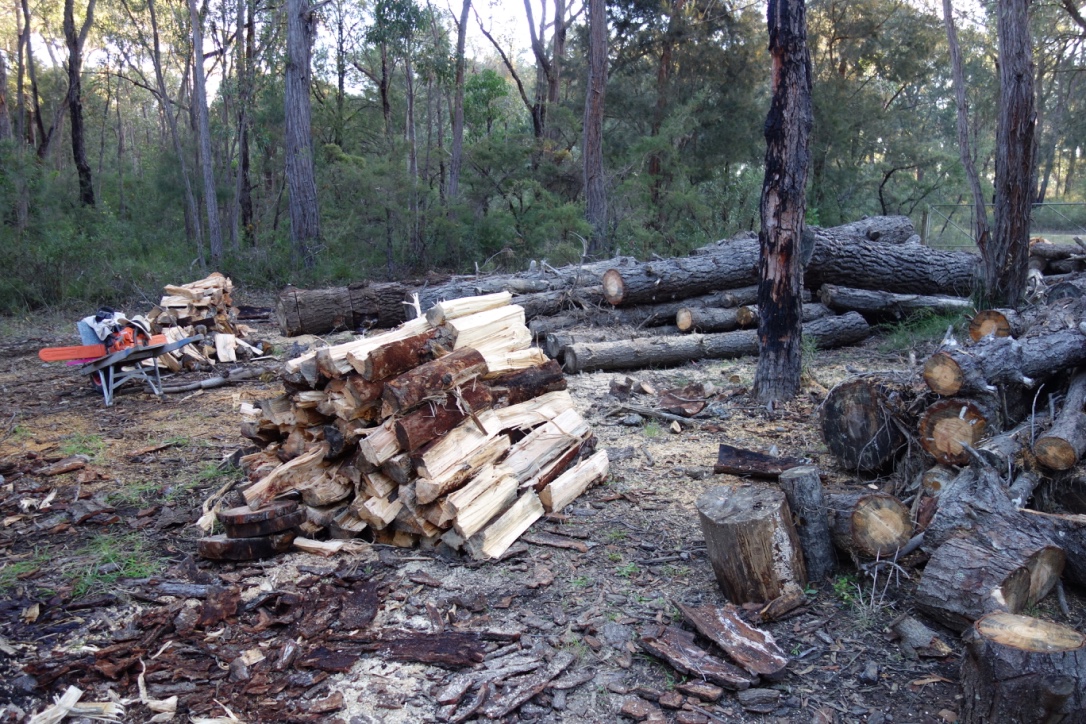
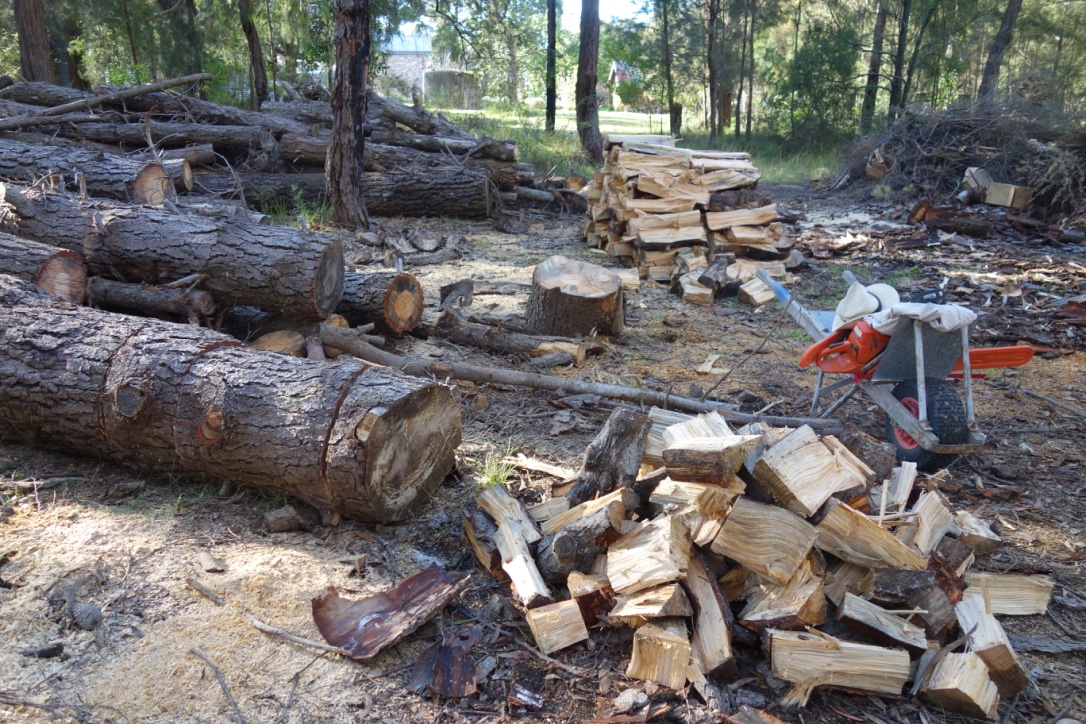
We are smack in the middle of our winter, wood firing program, we have done 9 weekends in a row and still have quite a few to go. I am spending a lot of time cutting, splitting and stacking wood for each firing. It takes about a tonne of wood to fire the kiln for the 20 or so hours for the kind of quick firing that we do here for these workshops.
I get out early and spend a few hours cutting the logs to length to suit the firebox length that I need for this kiln. I spend the next 4 or 5 hours splitting the logs that I have cut. I was busy in the morning with other jobs, so I am a bit late getting started into this job. Still, it has to be done, so I get stuck in. It’s a bit foggy and misty/rainy, but once I get into it and warm up. I don’t notice the rain at all.
Splitting wood is a bit mind numbingly repetitive and ever so dull, but what can you do?. After a few hours, I’m a bit over it. But there isn’t enough split yet, so on I go. It’s getting late and a bit dark now, but I push on when I shouldn’t, but I think that I need to do more. Its stupid, but on I go into the dark. The pile of logs is getting smaller on the fire-wood pile of split pieces is getting wider and taller.
Suddenly it happens. I’m way too tired and should have stopped an hour ago. I catch my finger under a piece of wood in the splitter.
Immediately, I stop the downward motion of the blade, but its too late. The pain explodes like a cracker in my mind. There is a flash-light like burst, but not towards me, it’s from the inside my head outward. My vision isn’t affected like it would be with a camera flash. There is no burnt-out hole in my vision. Instead, there is a ringing, although strangely silent sound, with a flashing stab of pain.
Somehow, a piece of wood, that I had in a tight grip in my hand, has somehow slipped, or been wrenched, from my grip. It flips around and over, twisting my wrist and then comes down hard on my other hand that was supposed to be holding the log secure!
How could this happen? I can’t even imagine that this is possible. The pain is blinding and a little nauseous. I can’t even understand what has happened, I’m stunned, but I know that it is serious. I am sufficiently aware to know that I should shut down the motor of the splitter before heading to the house to wash my hand and have a good look at my finger in the bright-light of the kitchen.  Luckily, on this occasion, here is no broken skin, no blood, but my finger is still numb to this day. Some sort of damage that I hope will eventually repair itself and grow out.
thumb_DSC01082_1024thumb_DSC01079_1024
I remember an earlier event of a few years ago, when I really did do myself some serious damage with the splitter. That time I caught my finger under the edge of the blade and it was dragged in and under by the protective glove. I try to pull back on my hand, but the machine is stronger and the glove is caught in the blade. The pain is so intense that I can’t describe it. I’m blank. There is no real memory of it at all. It’s all gone into the file marked ‘don’t go there’. I can remember that it all happened so slowly. I could see it all happening in slow-mo. It all took seconds to happen in replay, but over so quickly.
I’ve crushed my finger. There is no doubt. I gasp it in a vice-like grip with my other hand. I am suddenly in shock, but I can still remember that I had the presence of mind to stop the machine, kill the motor, and take the keys out of the tractor, before heading for the house. I usually wrap everything up in a tarp to keep it all dry in case of heavy dew or rain, but this is different and I just walk away. I know that it is too serious to be bothered with the trivialities.
 thumb_DSC01081_1024 thumb_DSC01080_1024
I can’t get my glove off. It’s wet through and stuck to me. I can’t bear the thought of shaking it off or pulling it off. A piece of my finger might comer with it!. Is it wet with blood or sweat? I don’t remember it being wet beforehand. I’m gripping my hand so tightly, that I’m cauterising it. I don’t mean too. I can’t help myself. It’s instinctive. I head for the house. I walk in and Janine knows straight away. She grasps her mouth. “What have you done now”!
I often come up to the house with some sort of blood stained head or hand that isn’t any sort of real problem. When you are focussed, and want to get the job done, you just push on and get it finished and don’t let any little nick or scratch deter you.
I say “What blood?” and we go from there. It’s always so superficial. Boring even!
But this is different. I know, that she knows, that I know, that I’m hurt. I haven’t cried since I was a child, but this makes my eyes water a little. I’m far too quiet too. She knows. She goes to get the car keys. We’re off to the hospital.
“Are you OK?”
“Yes, but it’s a bad one this time. I thInk that I might need stitches”
I ease the glove off over the sink. It isn’t blood that is sticking it on, but sweat. It’s crushed out of shape a bit and the numbness is starting to wear off now and it’s hurting like hell.
She drives and I sit and shiver. I’m feeling quite cold now, while only a few minutes ago, I was hot and sweaty and very busy. I want a drink of water, I’m parched, but The Lovely say no!
“You’re in shock and it’s not good to drink anything, just in case you need surgery and anaesthetic. So I sit and shiver it out for the 25 minutes it takes to get us to Bowral Hospital Emergency.
The triage nurse see us coming through the outer doors and comes out from behind her desk to meet us. She ushers us straight through a side door and into some sort of cubicle. So much for all those poor people queued up in the rows of seats in the waiting room! She says to sit here and someone will come. They do. I must look bad, to get this Ryan-Air style priority seating. The nurse comes and asks me some questions that I don’t remember. Janine isn’t here now, she’s back outside. I’m cold and alone. Eventually the Doctor comes. He looks at it and asks how I did it. He flinches! He tells me that I’m stupid! I already know that.
You’ve spent 10 years becoming a doctor. Tell me something that I don’t know!
He responds. “I’ve seem fingers come off in accidents like this. You are very lucky!”
I am lucky. I know it, and I am very stupid with it. I know that too! I should have stopped an hour earlier. But didn’t. I am so fortunate.
However, I’m also aware that if I had lived my life, stopping when I should, and not working extra time, doing over-time and more! Doing too much. working into the dark. Not stopping for beak times and working to rule, then I wouldn’t own my own home by now. You have to put your arse into gear and work hard if you want to get ahead in this Brave New World of part-time, unregulated, contract work and self employment.
The doctor starts to clean the wound and gives me a series of injections around the site. A local anaesthetic. But it doesn’t work very well and I can still feel the needle go in and out, and be pulled through, with each stitch. It hurts! I ask if this is normal and he answers that there are some places that are very hard to anaesthetise fully and this is one of them. He gives me a few more shots and it is a bit better, but still quite sensitive to the needle and thread. More of a sort of prickly sting, than a real pain. I’m not about to complain. I’ve seen the third world, I consider myself so lucky that this has happened here.
Eventually, it is all cobbled back together. X-rays reveal that no bones are broken, but a lot of damage has been done to the knuckle. He warns me that it will take a while to heal and that I should go and see my regular doctor on Monday.  I get a script for antibiotics and pain-killers. It doesn’t look quite normal any more, but at least I still have it. It ends up taking over a year to loose sensitivity and another year to get back to normal function. To this day, if I bump it during the winter when it is cold. It stings and aches for ages.
I’m a very lucky man and I know it. But this is the price of independence in the Brave New Deregulated World.
At least the hospital is clean, the service is fast, excellent and sterile. I’m not in the third world now!. It’s also completely free. I’m amazed. I should pay something. If I went to a doctor, if one was available on a Saturday night. I’d have to pay him or her.  I am so very grateful that such an amazing service is available. I want to pay someone for this incredible service. But No, I can’t, it’s totally free to citizens. This mind blowingly complex and efficient service is apparently covered by my meagre taxes.
What a privilege it is to be a Tax payer!
I am so grateful!
fond regards from ‘Lefty’ Harrison

To Get Rich Is Glorious

To get rich might be glorious – but, to be content has its merits too.
We are packed and ready to leave this special place with so much history and future potential. The old and the new worlds are co-mingled here. We breakfast in the street on food cooked on the back of a bicycle and then go looking for a driver. He’ll be here some where along this little bit of road. As we walk along, we are reminded again of how we are seen as being quite exotic here in this remote part of China. There can’t be too many foreigners like us around these parts. This is made obvious to us by a giggle of teenage girls who point and talk about us as we pass. Suddenly, a couple of them run along after us and then past us for a few metres. Once out in front, they quickly turn and take our photo on their phones. Then look nonchalantly straight past us, into the distance, back down the street, as if they are just looking back along the street as if there is nothing unusual going on, just as you do every day! Then, as we get level with them, they turn sideways and snap our image again, but this time in profile, from side on. They run back giggling to their friends to look at the images and chatter and laugh. I turn and wave at them and they wave back, then burst into chatter and laughter once again. We have made their morning more interesting!
IMG_0055
We are looking for our amazingly honest driver from the other day. The one who returned Leo’s wallet full of money. We want him to drive us on this last leg of our journey. He was so honest. We find him in a cafe on the corner. A few days ago we paid him Y80 for 4 hours. Today he wants Y200 for 2 hours. I don’t hesitate in agreeing. He was honest enough to return the wallet, which he could easily have ‘forgotten’ to do. After-all, “to get rich is glorious” in China! Or so he has been told. And that windfall wallet, would have been an easy start for him towards glory. But he didn’t and in so doing restored my faith in the goodness of people. So I thank him and think that the Y200 is like a reward for goodness. He’s a nice guy, and I like him. Even though I can’t tell him.
I smile. He knows.
So now I’m finally back home again.
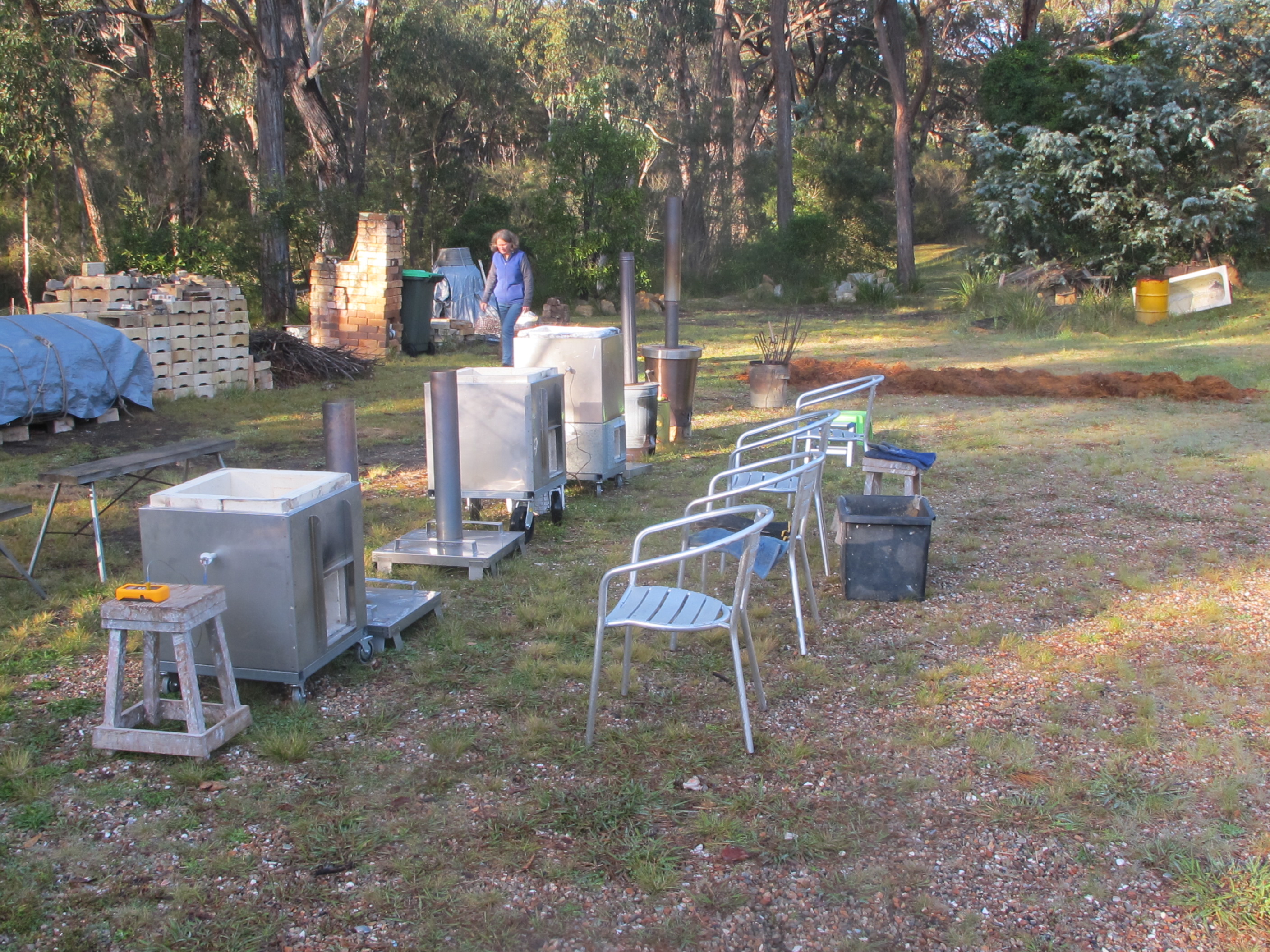
It’s good to see The Lovely again and be back in my own familiar life. My own home, my family, my bed.  I’ve only been away a few weeks, but there is so much that needs to be done. I was busy before I left. Now that I’m back, the work load seems to have multiplied. First, I need to help The Lovely catch up with house work, then, the weeding of the garden and we have several weekend workshops booked over the next few weeks of winter. She has done one while I was away, with the help of our good friend Val, and the next one starts today. So it’s up early to get the portable wood-fired kilns out onto the site. I have built 3 new portable wood fired kilns since we last did these workshops, this time, a year ago. They are a great improvement in speed, ease, size and effort.
IMG_0583IMG_0586
The day goes well and the new larger kilns perform really well, being the most productive and popular kilns on the day, turning over the work, faster than the older kilns.
IMG_0587IMG_0588
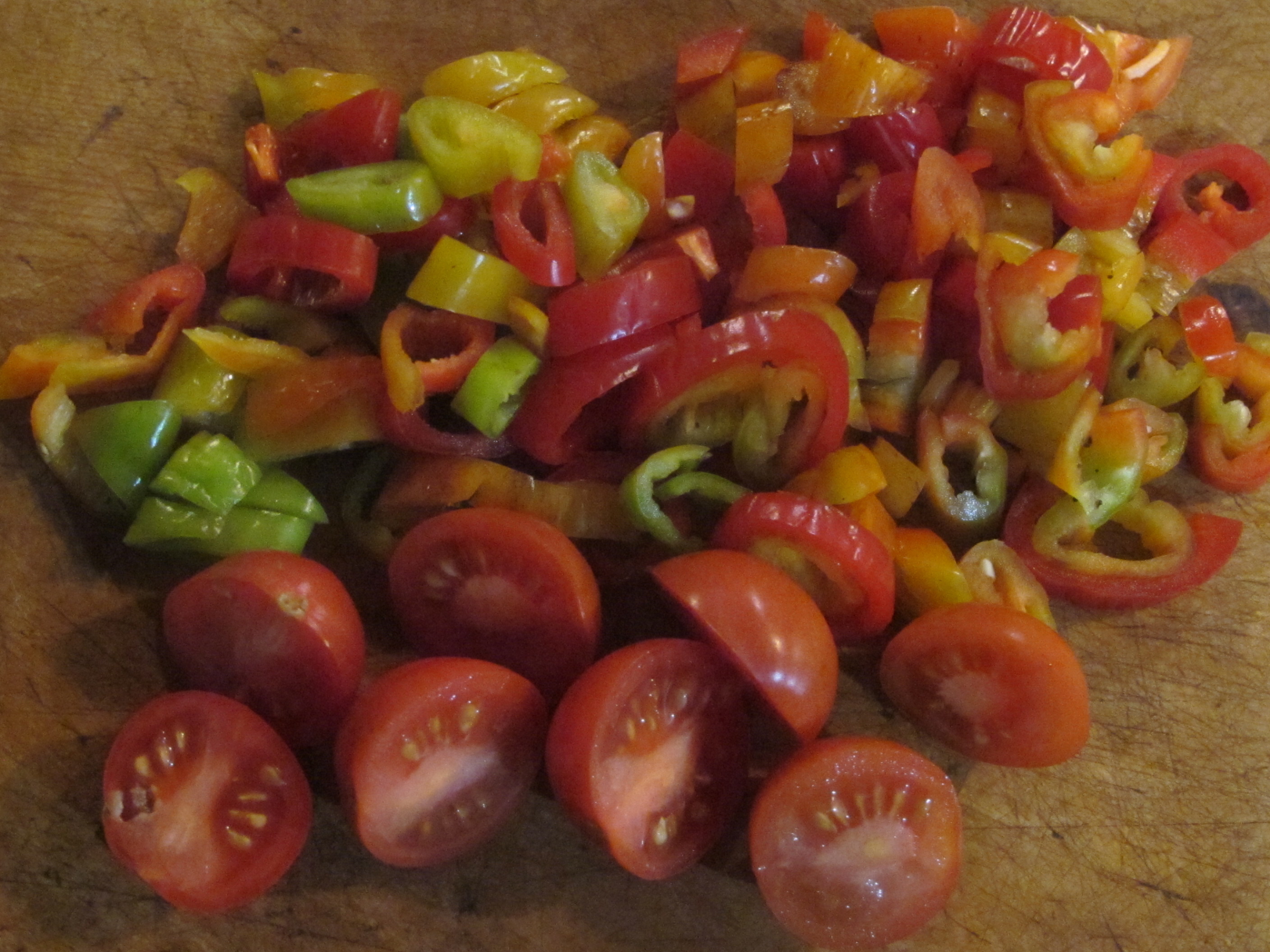
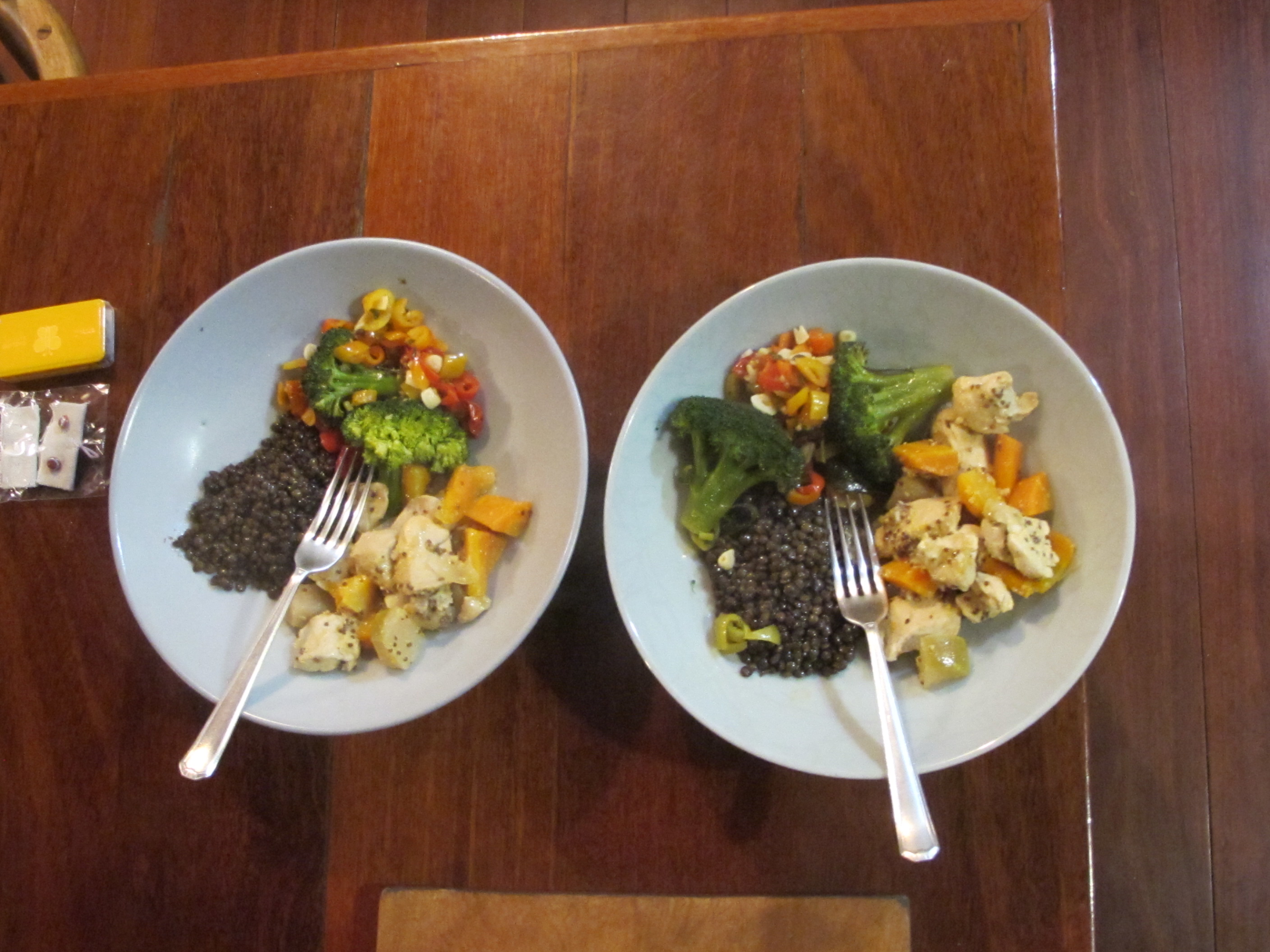
Fortunately, I am home just in time to see the last few tomatoes ripen in the window sill. I cook them with a few of the last capsicums and some garlic, broccoli, pumpkin and lentils cooked in marrow bone stock.
IMG_0573IMG_0577
IMG_0579
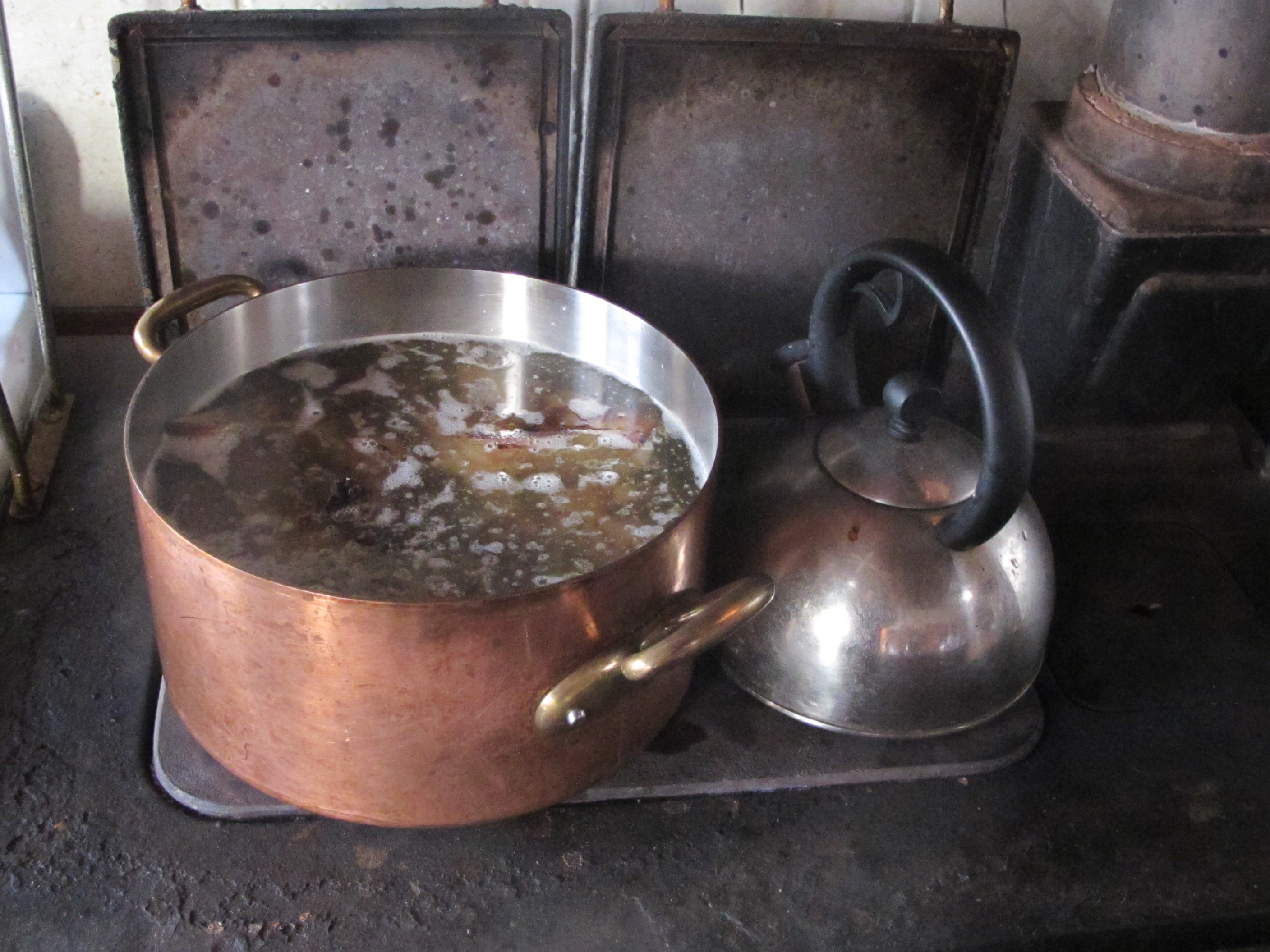
This evening, I set about making a new batch of stock to replenish the skerrick that is left in the fridge. There is something very positive about messing about in the kitchen in the evening, fussing over the wood-fired stove, roasting, simmering, reducing a vegetable and marrow bone stock. There is something so essential and wholesome about it. It warms me! In every possible meaning of the word. In some ways, It defines my existence here, living this, positive, practical, hands-on life. Making something out of (almost) nothing. Creating capital, forestalling waste, making do and in so doing, avoiding buying some inferior mass produced product that is probably bad for you, as all the packaged stocks that I’ve seen are made up with artificial everything and loaded with a lifetimes allowance of salt to boot. What I make is a concentration of leggy vegetables that are on their way to seed, a few marrow bones and some garden herbs, reduced down with a bottle of good, local, red wine, into a firm jelly-like essence of flavour. Using a spoonful of this home-made delight beats using a stock cube of unknown origin and content.
IMG_0599IMG_0600
IMG_0601IMG_9064
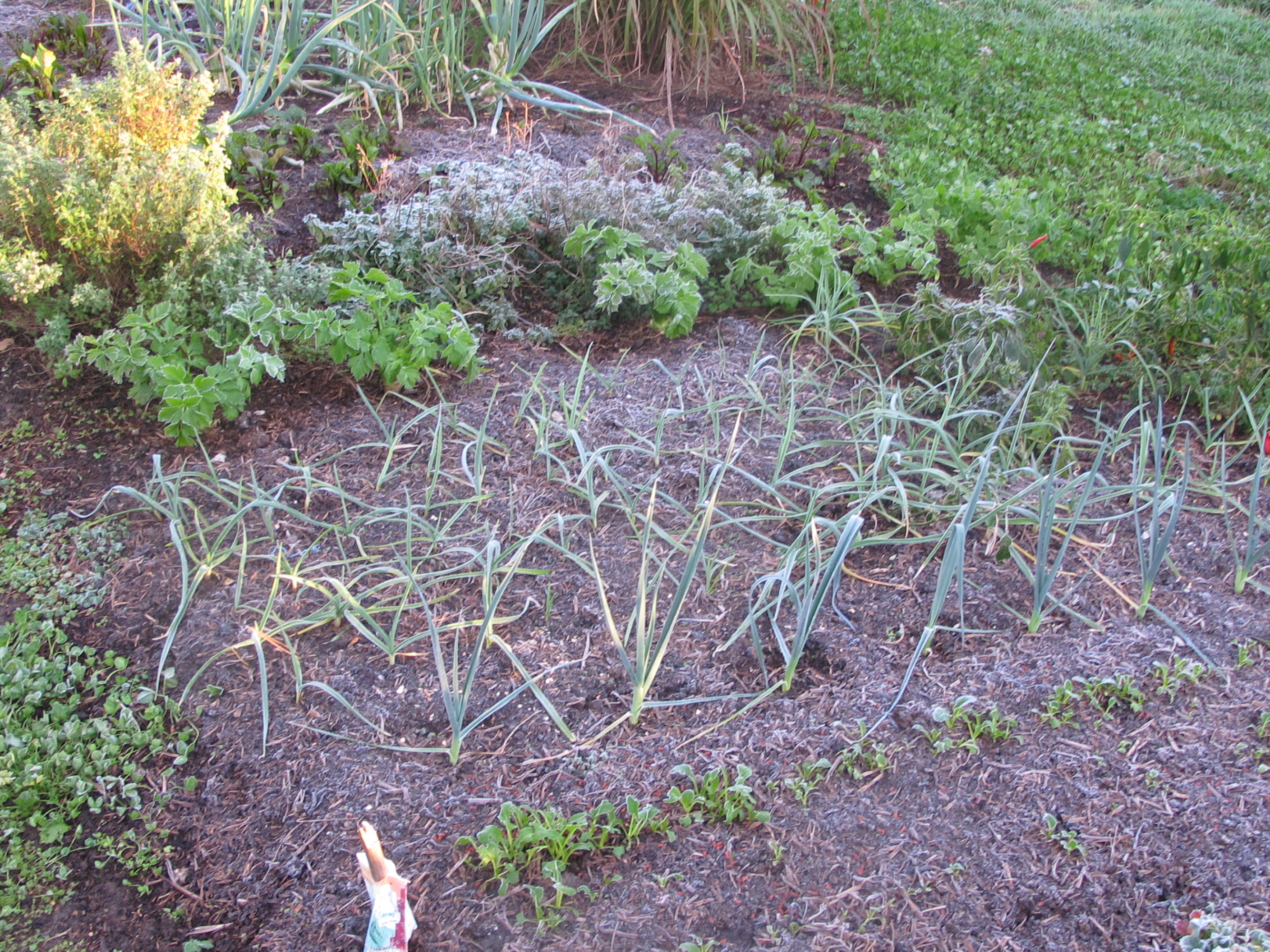
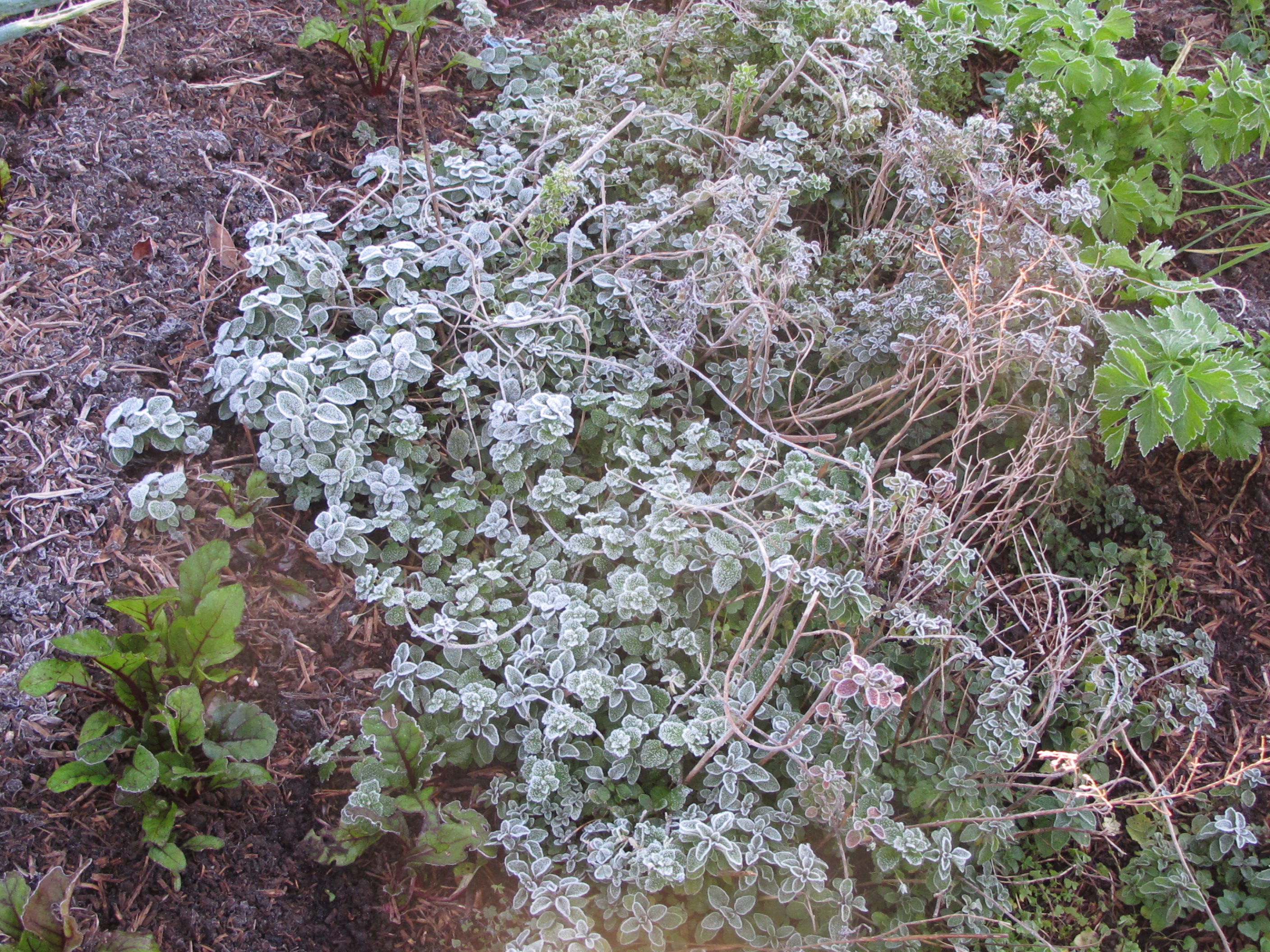
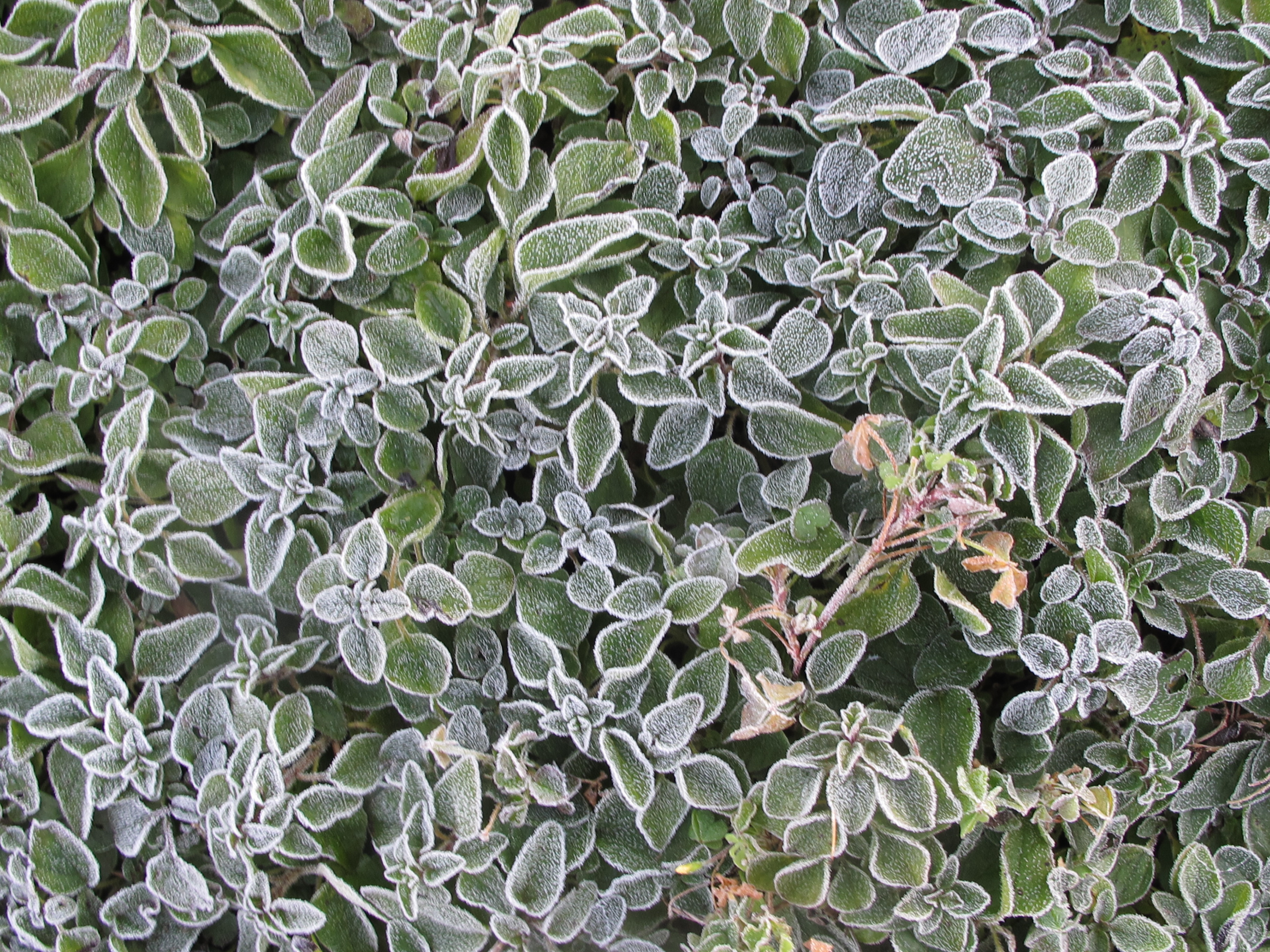
There is a massive frost in the morning. Everything is pure white and crunchy under-foot. This is bad. It will kill off a lot of sensitive plants that were struggling on in the near absolute cold, but it is also very good! It will help kill off all the over-wintering fruit flies and while it is at it, it will ensure that we will get a better crop of apples and pears. Old stone-fruit species, especially apples, need to have a few frosts over the winter to ‘chill’ and stimulate the flower buds and make them fertile, come the spring.
IMG_0620IMG_0621
IMG_0623IMG_0624
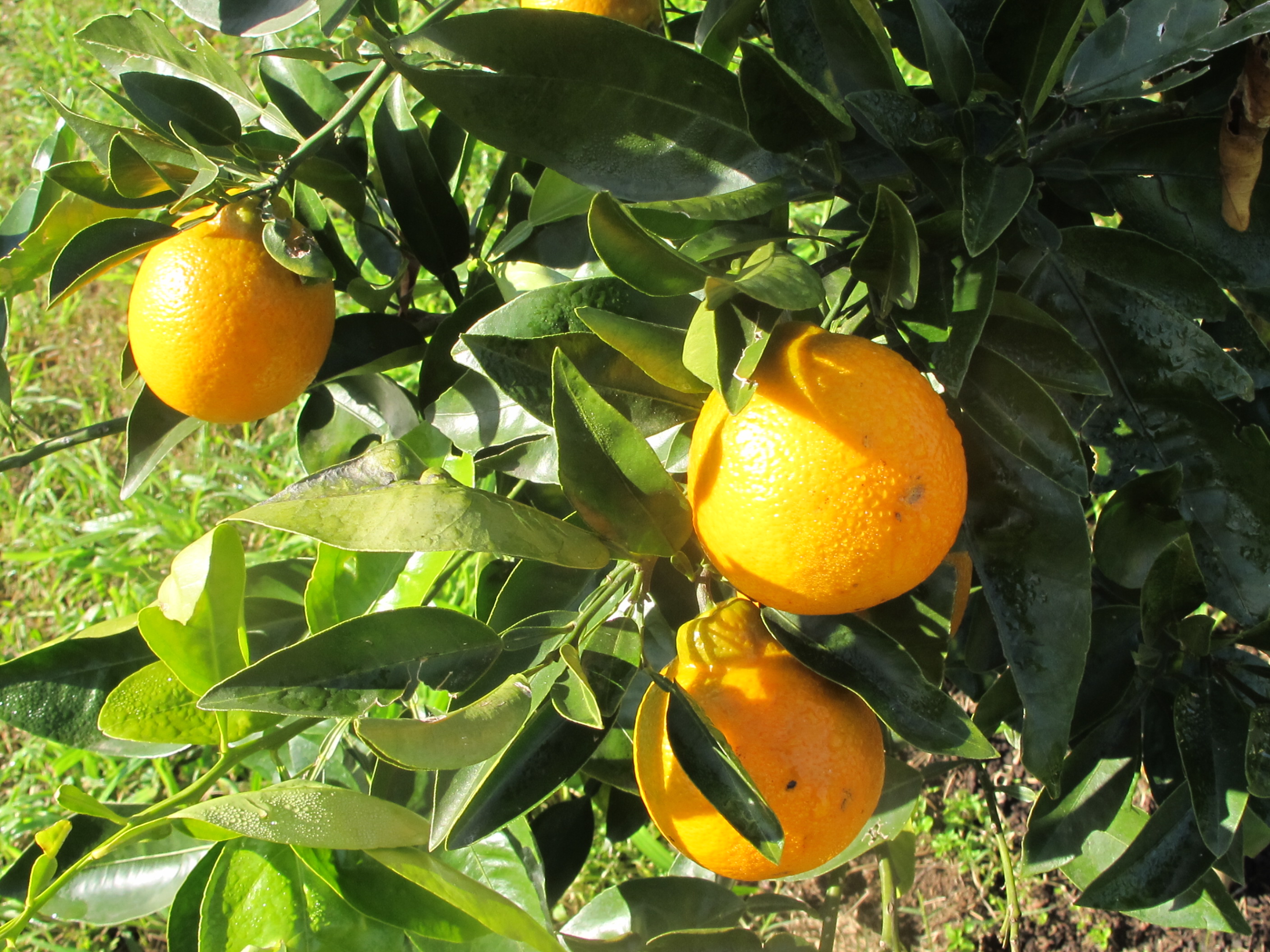
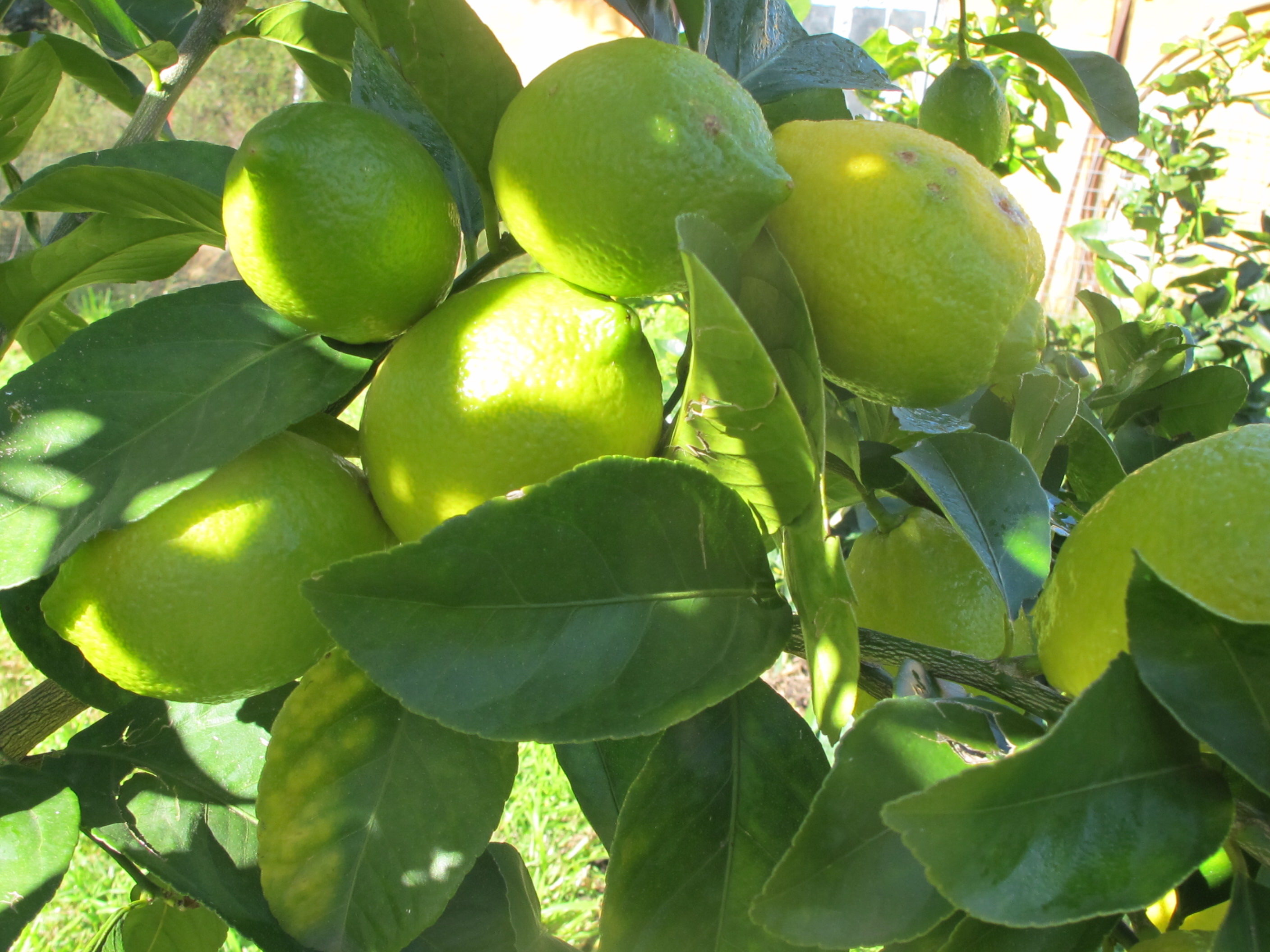
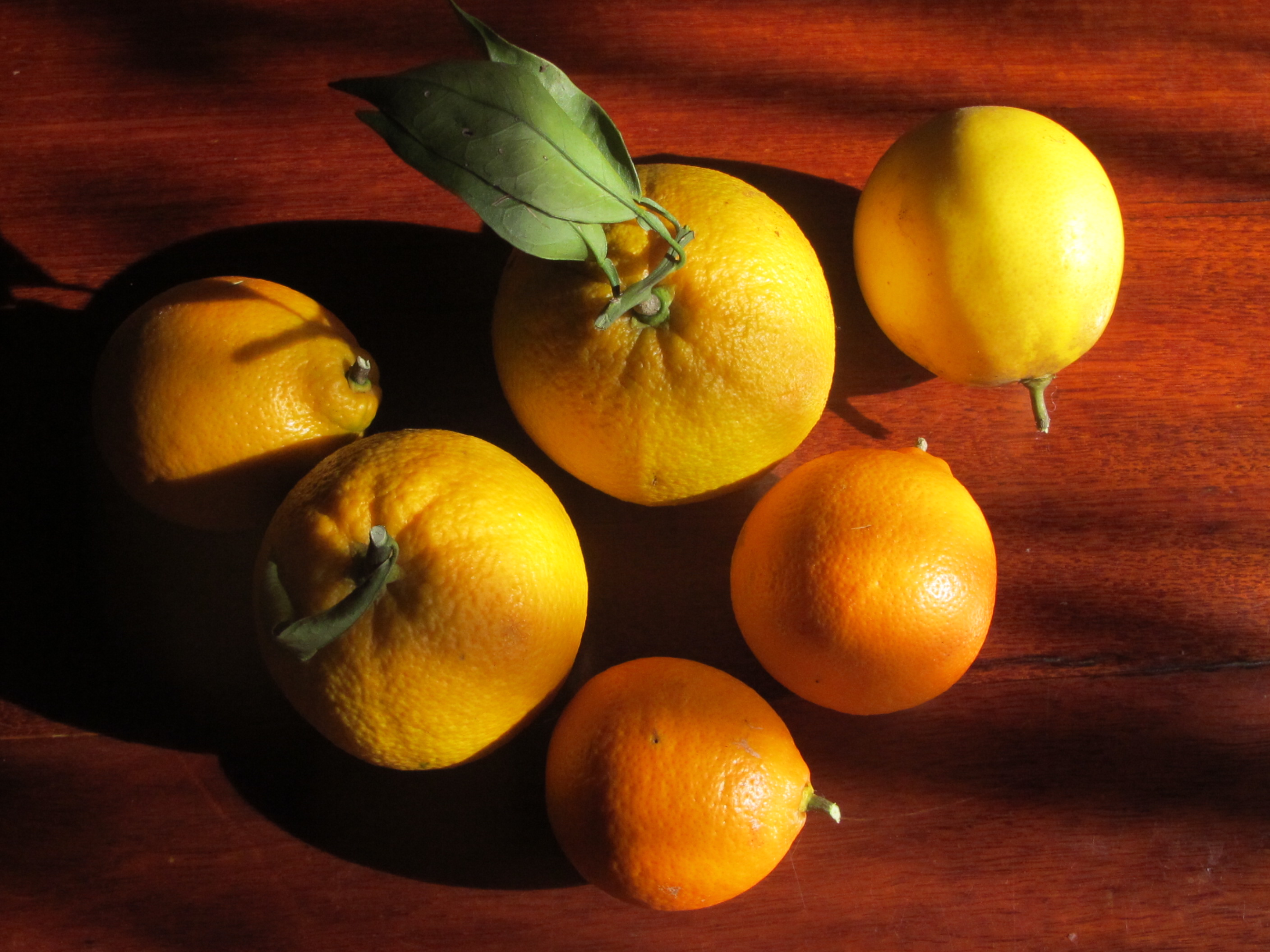
It’s winter and the citrus harvest is now reaching maturity on the trees. There are lemons, Myer and Eureka, plus ’lemonade’ lemons. Then there are ruby-red grape fruit and oranges. Plus tangelos and bitter Italian chinottos. Lastly, there are Tahitian and kaffir limes. They all go in together in a radical seasonal mix of flavour and colour.
IMG_0631IMG_0632
IMG_0633
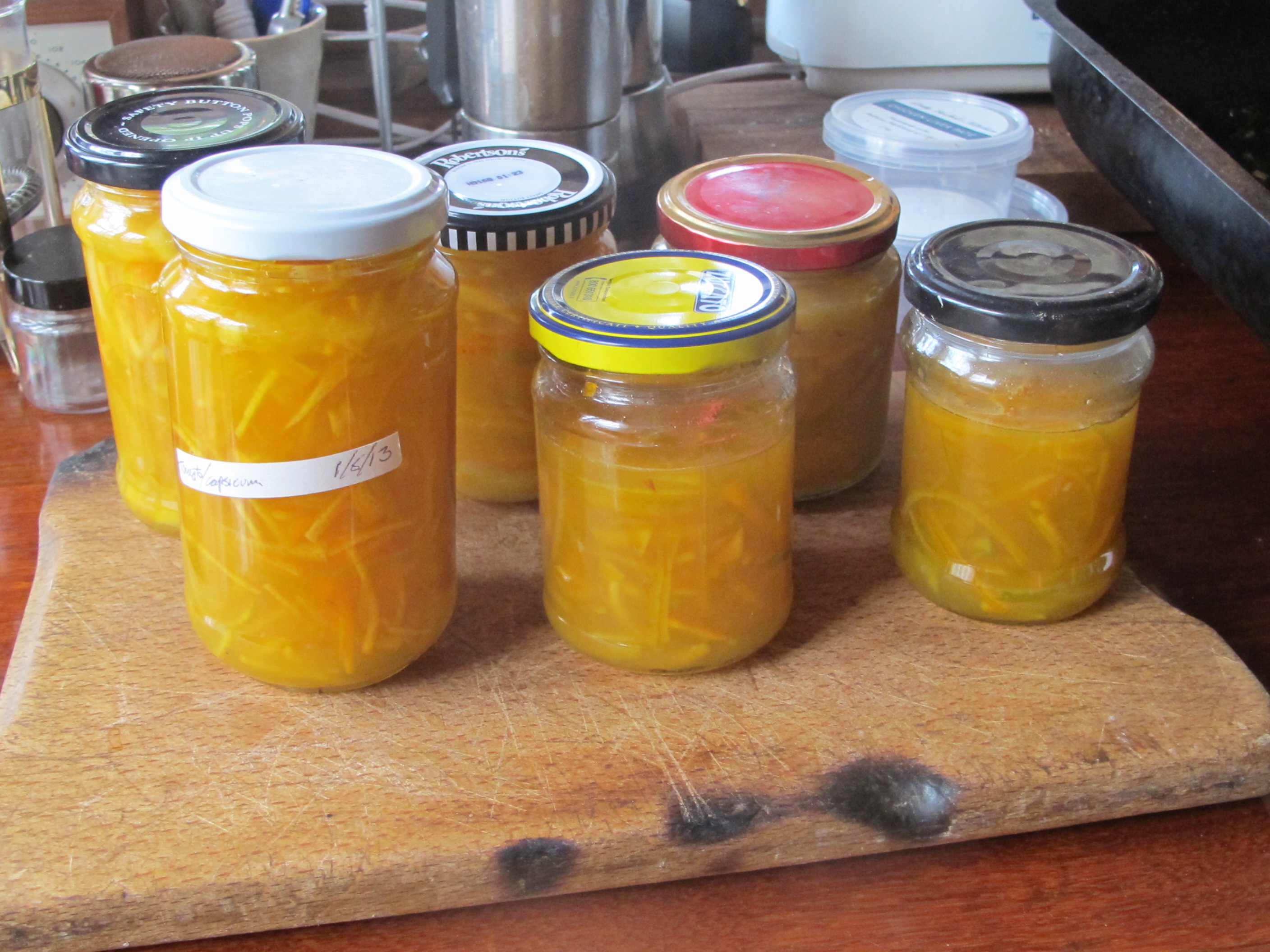
I try some new ideas about making marmalade. I make marmalade every year and I always like to try a new variation on the theme. You never know what you might learn. The recipe that I have evolved over the past 4 decades has changed so much that I don’t know what it was when I first started out. I use about 1kg of mixed fruit and use only the juice squeezed from that fruit as any liquid in the mix. I like to peel out all the fibrous pith from the fruit after juicing, so that I mostly use the coloured peel with just a bit of white on the inside. This  is mixed with 300g of sugar and boiled and stirred for an hour. It’s pretty easy and quick, so i can get 4 or 5 batches done during a session. This makes about a dozen small jars. Up until today, I didn’t really know what the recipe was, so this time I separated out all the parts of the fruit and weighed them before cooking. So now I know.
IMG_0628IMG_0650
1 kg of mixed citrus breaks down into;
200g  of peel
460g of juice
275g of white fibrous pith into the compost
65g of pips and other discards
Put the peel, juice and 300g of sugar into the pan and boil while stirring for an hour.
That’s it, pour into hot sterilised jars straight from the oven, 10 mins at 120oC. cap with lids that have been simmered for 10 mins at a low rolling simmer. They will ‘pop’ after 15 mins to let you know that they are now vacuum sealed and good for storage for the coming year.
Confession!
I don’t boil and stir for an hour. I just don’t have the time for it. For the past decade I’ve been using the ‘jam’ setting in the bread maker machine. We have a bread maker machine and have had one for the past 20 odd years. It’s one of the few kitchen gadgets that we own. We have even worn the first one out! But we never make bread in it! We use it for making dough, which we then roll out into bread rolls or a plaited loaf, which we bake in the wood stove, or in this case to make marmalade. It works a treat. The best part is that it leaves you free to get other things done, while it ‘minds’ the jam and it never forgets to stir, or lets it burn or stick. It even rings a bell to let you know that it’s time to bottle.
IMG_0652
Winter is the time for marmalade on toast for breakfast with a warm bowl of milky coffee. So french! We talk and plan the days jobs ahead. Wood splitting for the up coming stoneware wood firing is high on the list.
Working hard to make money, takes so much time, that there isn’t anytime left to enjoy the life that I want to live. So I decided a long time ago that it was best to try to live with an absolute minimum of money and have a lot more time for having fun and being more in control of my everyday life. When you get used to doing most things for yourself and making do, you find that you need less money. I guess that one reason is that I’m so tired by night time that I just don’t feel like going out.
This mentally focussed but physically demanding existence has it’s contentments, but non of them are money.
Best wishes
Steve

Back from the Lip

We prepare to leave the realm of our Colonel Kurtz of Tenmoku. We kurtzy, as a kurtesy and take our leave. But before we leave the valley completely, we want to spend a day visiting the contemporary potteries that still practice the forgotten art here in this little remote valley. They are reviving the old style here and dragging the lost art back from the brink. Re-inventing it as they need to as they go.

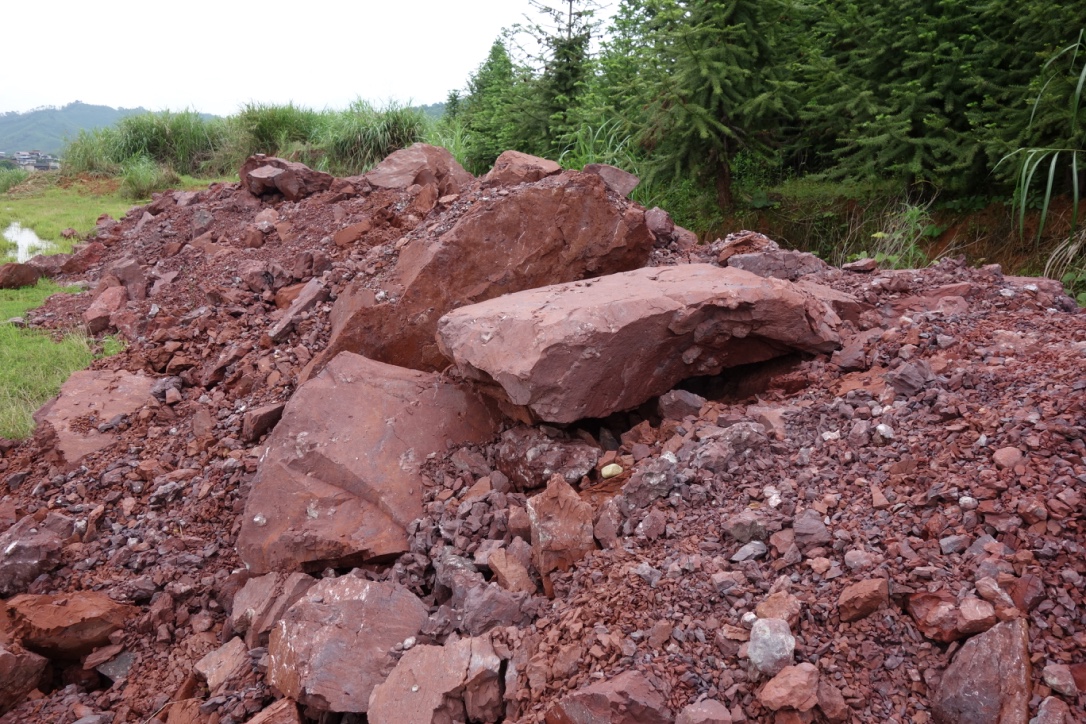
There a still a few potteries here and there around the area, a few either side of the valley and another over the river, plus several in the nearest town. They are all making contemporary interpretations, if not replicas of the old wares. None of them have really worked out how to do the most difficult and rarest styles. Even though they have the exact same raw materials and clays right here on site. We keep on finding the same purple, shale-like material, piled up in great heaps.

thumb_DSC00781_1024thumb_DSC00741_1024
thumb_DSC00464_1024

The best pots were so very rare, that we couldn’t even identify any broken pieces of shards in among the millions that litter the various sites. Even though our very own Kurtz took us to the actual site that he says was the place identified in the old records. However, we have no way of cross referencing this piece of information and there is no real difference in the nature of the shards here that differentiates this site from some of the others.

We also visit the site of the ‘Royal Patronage Kiln’, The tenmokus made here were incised under the foot, with the mark of the emperor. Something to do with death or taxes! However, this site is also pretty much the same as some of the others. All traces of inscribed foot ring shards have been thoroughly worked over and removed for sale elsewhere long ago. However Kurtz finds and shows us a piece of wadding, that is impressed with the royal mark in the negative, from the foot ring that it supported. He immediately pockets it. Kurtz seems to be laying claim to this site too. Perhaps his family own it? Or have some connection with it. I really can’t determine any detailed information from our ‘charades’.

What there is here is an amazing little piece of information that is quite unexpected. Leo will have to present a paper on this and publish it to get some cred for it in the academic world. ‘Kurtz’ seems to be indicating that we can keep the shard from here, as he seems to own it??? Not too sure about this. Still, we take loads of photographs and record what we can of what we have found. This is a blog and not a peer-reviewed paper. So I’ll leave it there. Conrad would have had more to say on the matter I’m sure. But I’m not Conrad. Our Colonel Kurtz seems to rule in this remote valley, all the way ‘up-river’. And how appropriate it is that he should dress in a US Army camouflage uniform? But instead of finding Conrad’s ivory trader, we find that he’s a blackware trader. It’s not quite the same. In fact the difference is black and white!

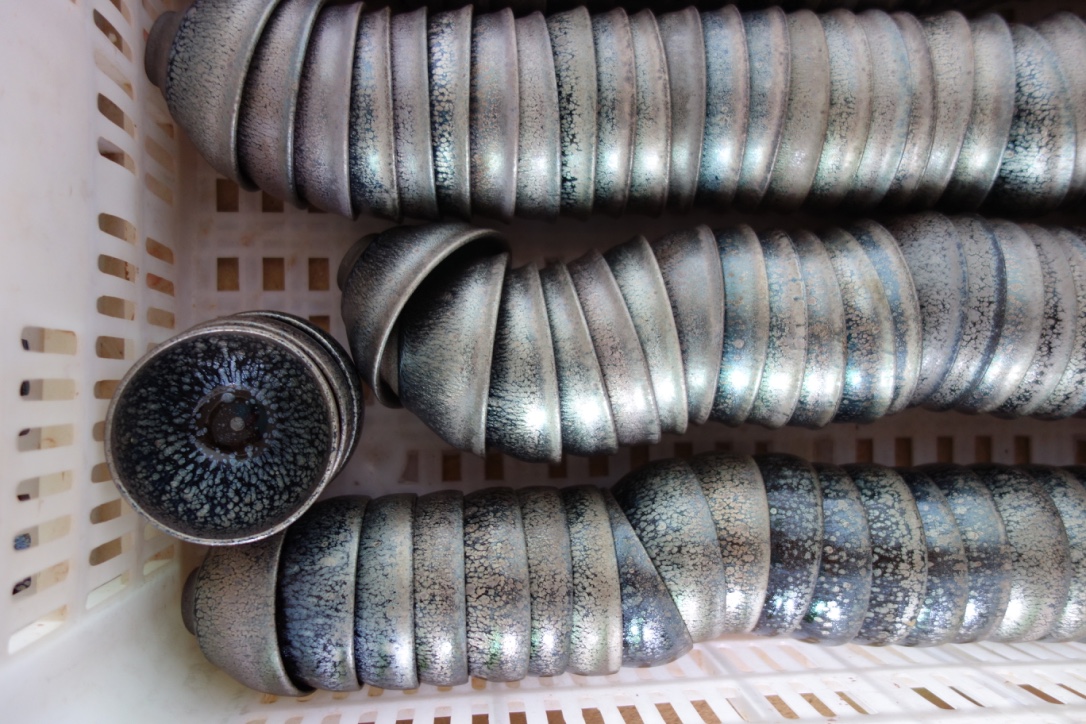
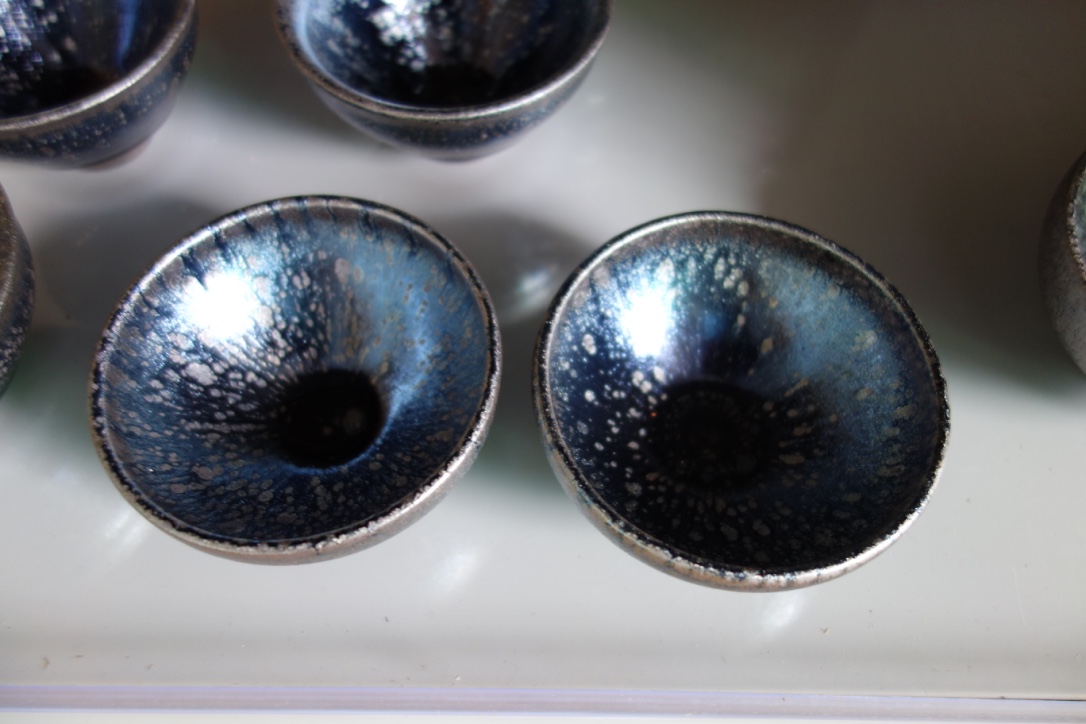
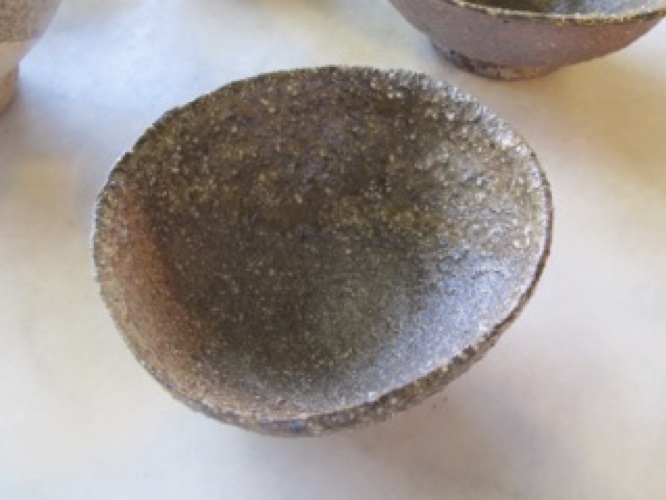
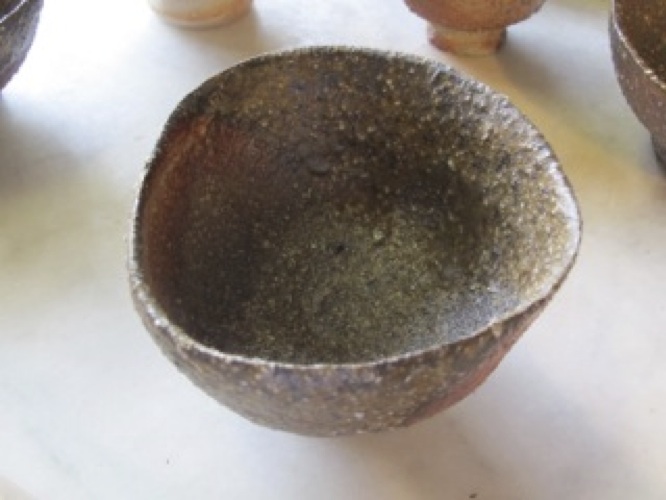
All the contemporary potteries that we visit are making tea wares, mostly small tea cup bowls. We are given one, at each of the potteries that we visit. These are small, low value, items around here. But we are very appreciative of the gift and also for the ability to be able to walk around the pottery and ‘take it all in’!
thumb_DSC00764_1024thumb_DSC00767_1024
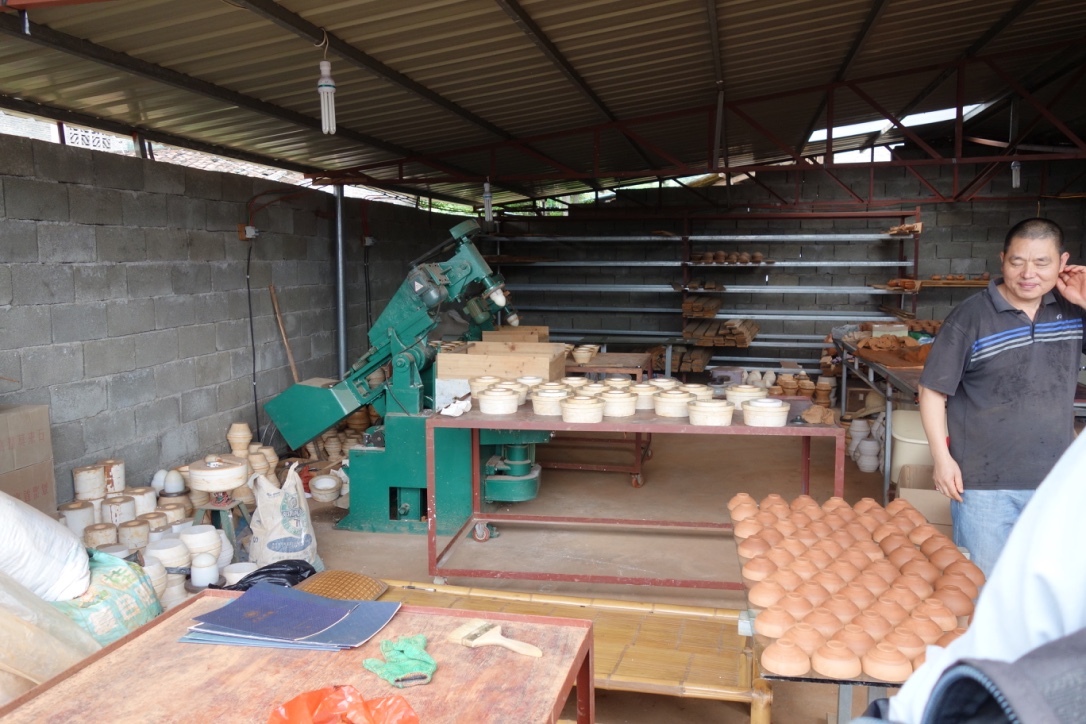
Most of the workshops are quite small and very modest. Everyone of them except one, is using either an automated jigger/jolly machine or a rotor head. We only got to see one place with wheels and throwers. Perhaps this is because the product is sold quite cheaply?
thumb_DSC00757_1024thumb_DSC00765_1024
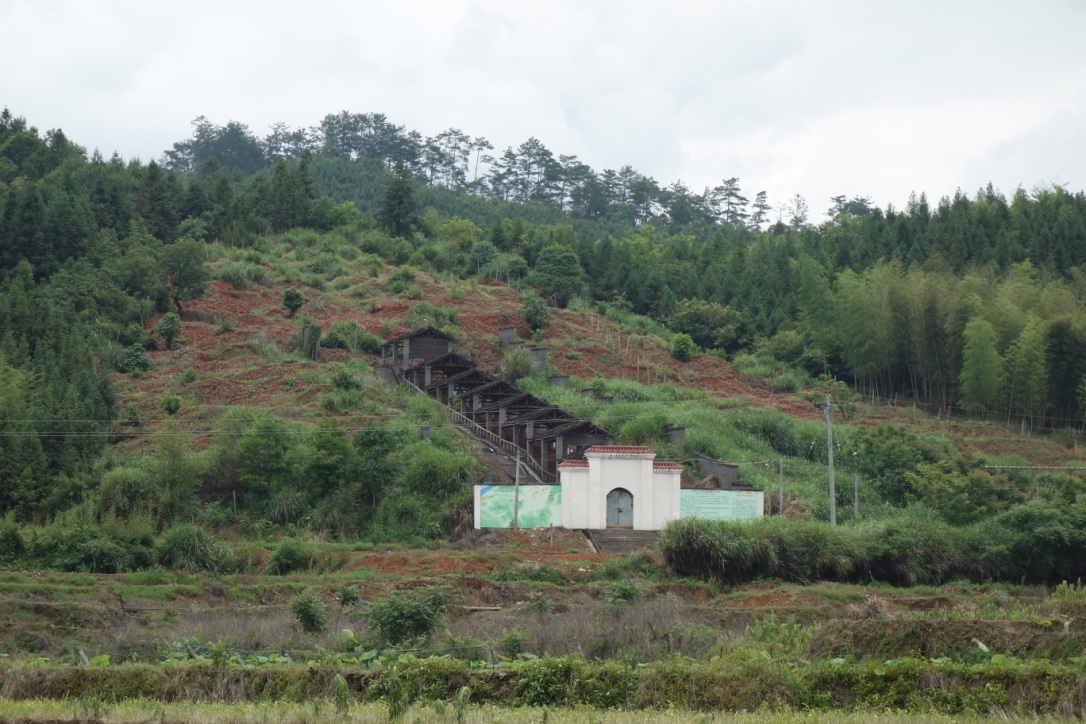
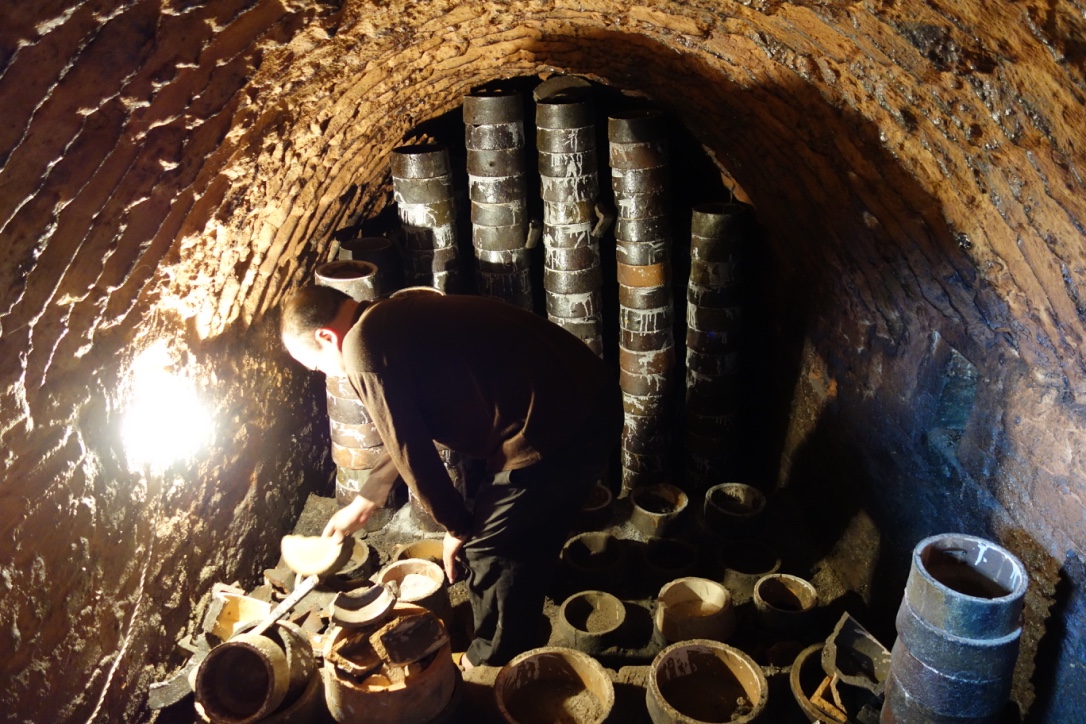
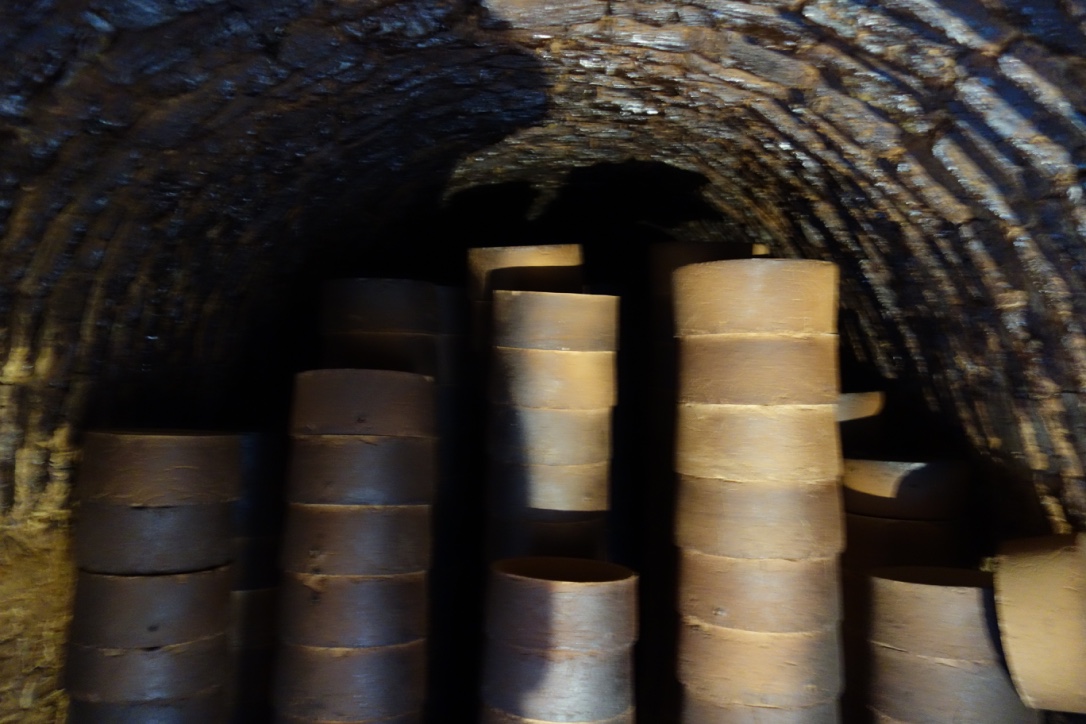
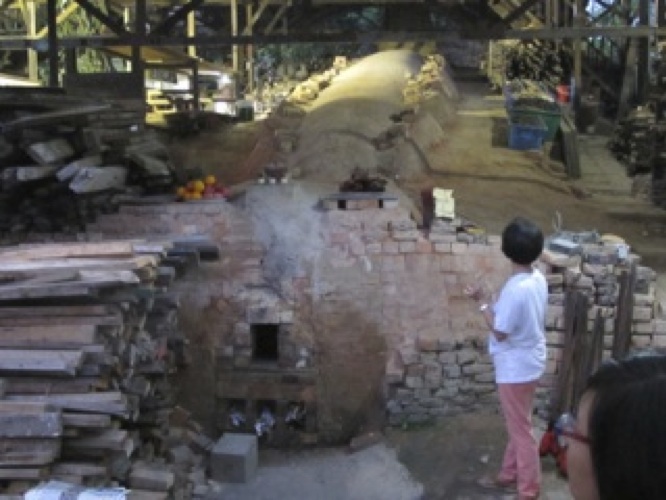
Only two workshops had wood fired kilns and both were the long, inclined single chamber dragon kiln style with multiple doors along the tunnel for ease of stacking. In the valley, there is one site that has been protected from vandals and looters by enclosing it in a fence with an impressive gate.. This kiln appears to have been a tunnel kiln of a similar kind. There are half a dozen sites around the valleys edge, so there must have been a number of kilns here, but they appear to have all been erased by the looters over the centuries.
thumb_DSC00691_1024thumb_DSC00793_1024
thumb_DSC00795_1024thumb_DSC00801_1024
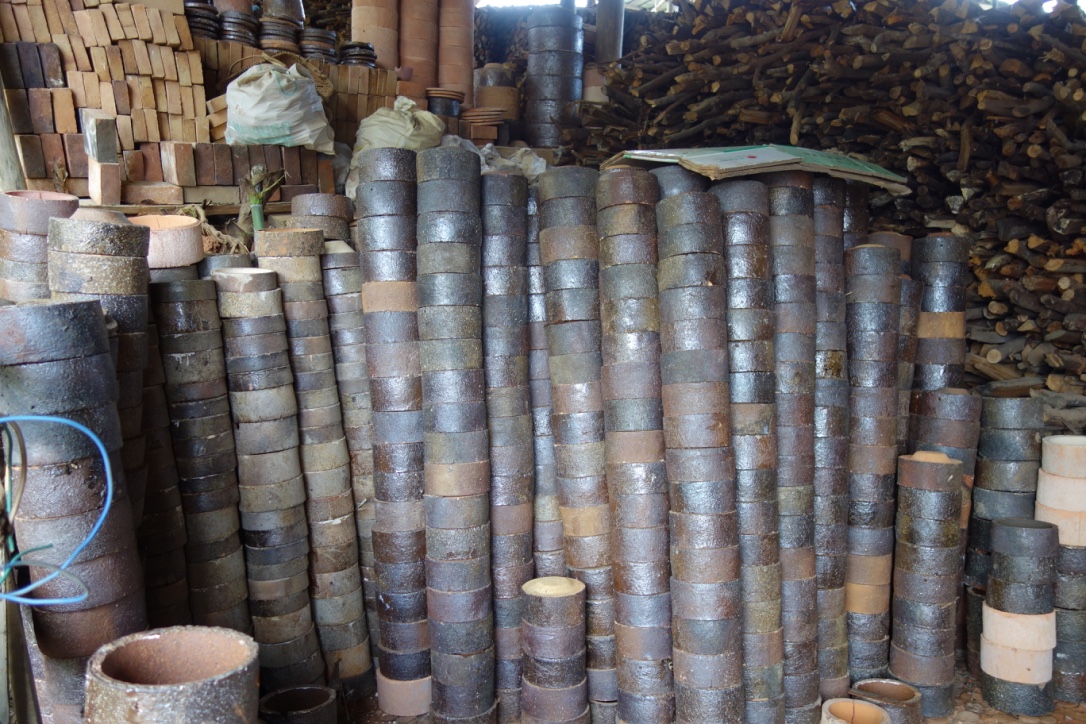
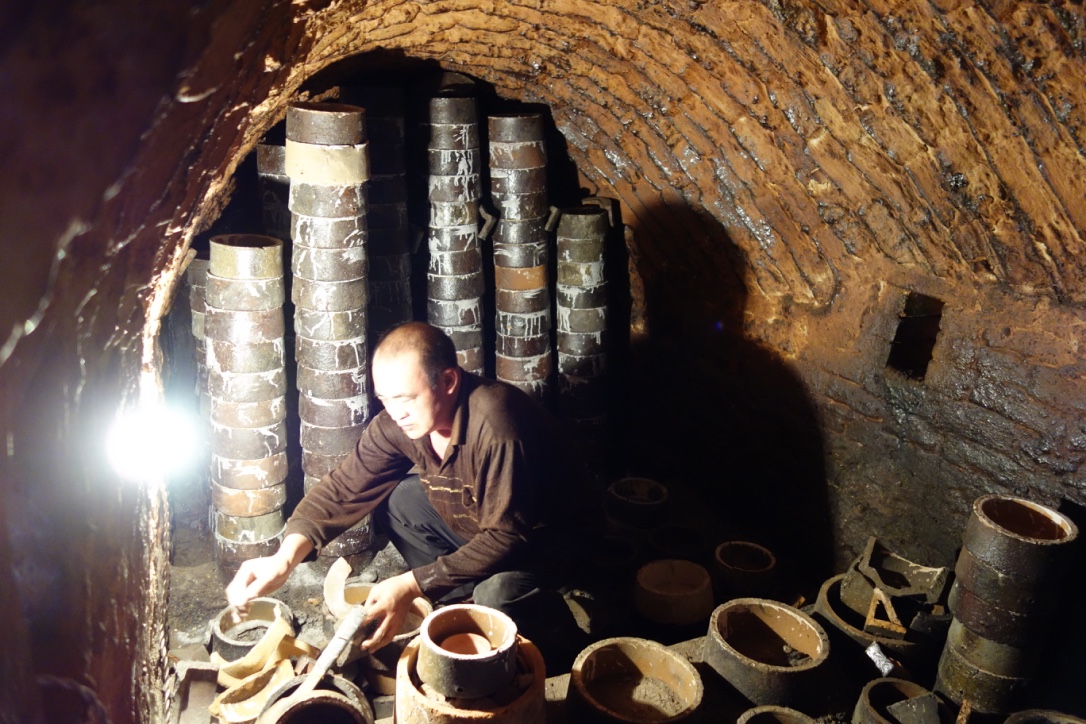
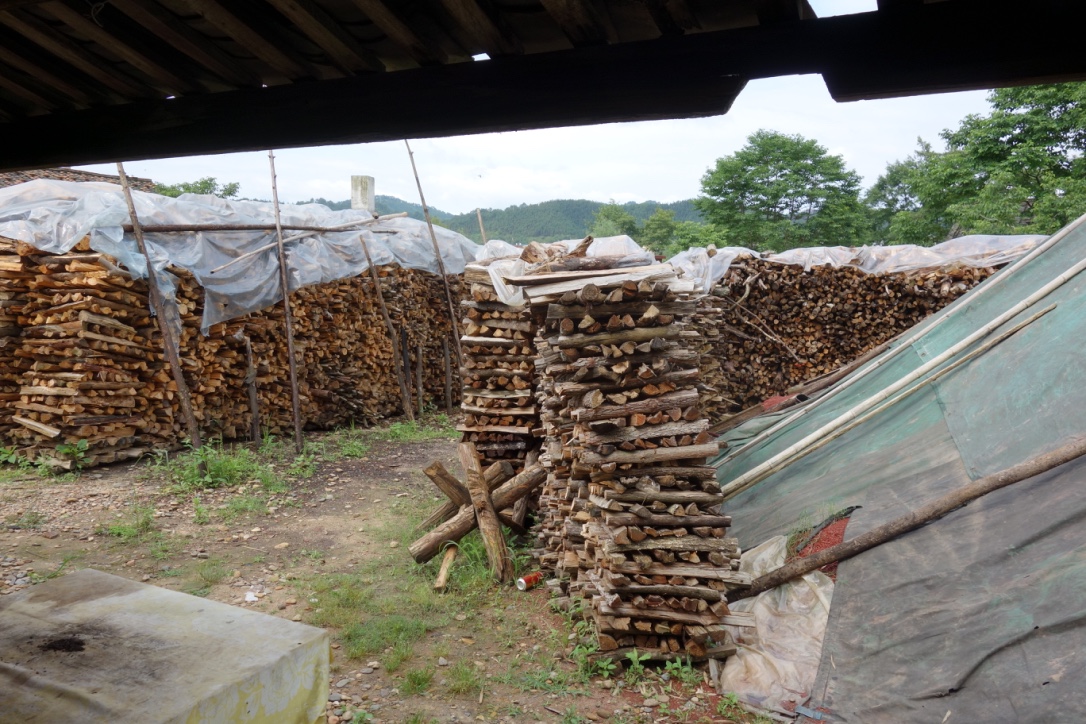
They were packing the kiln at one pottery. Still using saggars for everything and they were getting very nice results too. There is an enormous quantity of thinly split wood stacked along the kiln. It is very impressive. I wish that I owned it! Not that I wish that I had cut, split and stacked it all. I don’t. I’m finding it hard to keep up the wood supply to our own, kitchen slow combustion cooker, lounge room fire, pottery pot belly stove and wood fired kiln. It’s enough.
The real problem here is me. I attempt to do everything myself. Nobody else is so silly. They are all specialists. There is diversification of labour and skill sets. You don’t attempt to learn how to do it, you just play your own small part in the system and buy the rest! Just  give in and buy everything, whatever you need. This is the age of consumerism and conspicuous consumption. It’s not what I aspire to, so I have to deal with my own problems that I create for myself in choosing this engaged life.
I have managed to cope with this issue of wearing myself out over the last couple of decades, as I’ve aged, by finding and restoring old bits of machinery that would make the hard work a little bit easier. Machines like rock crushers and hydraulic wood splitters, but now, even using them to do the really tough work. I’m still finding it a bit tiring.
thumb_DSC00788_1024thumb_DSC00909_1024
thumb_DSC00792_1024 thumb_DSC00808_1024
thumb_DSC00921_1024 thumb_DSC00920_1024
We rejoice in our good fortune and the good will of all those around us who have helped us along on this journey ‘up-river’ into the Heart of Tenmoku Darkness, to stalk the wild tenmoku in its native state and natural surroundings. We have drunk our last cup of green tea from the lip of the tenmoku bowl in its rightful place. Separating lip from lip, I return the bowl to the table. This journey is almost over.
We decide to celebrate with a smack-up meal in one of the little food-sellers shops along the road.
photo
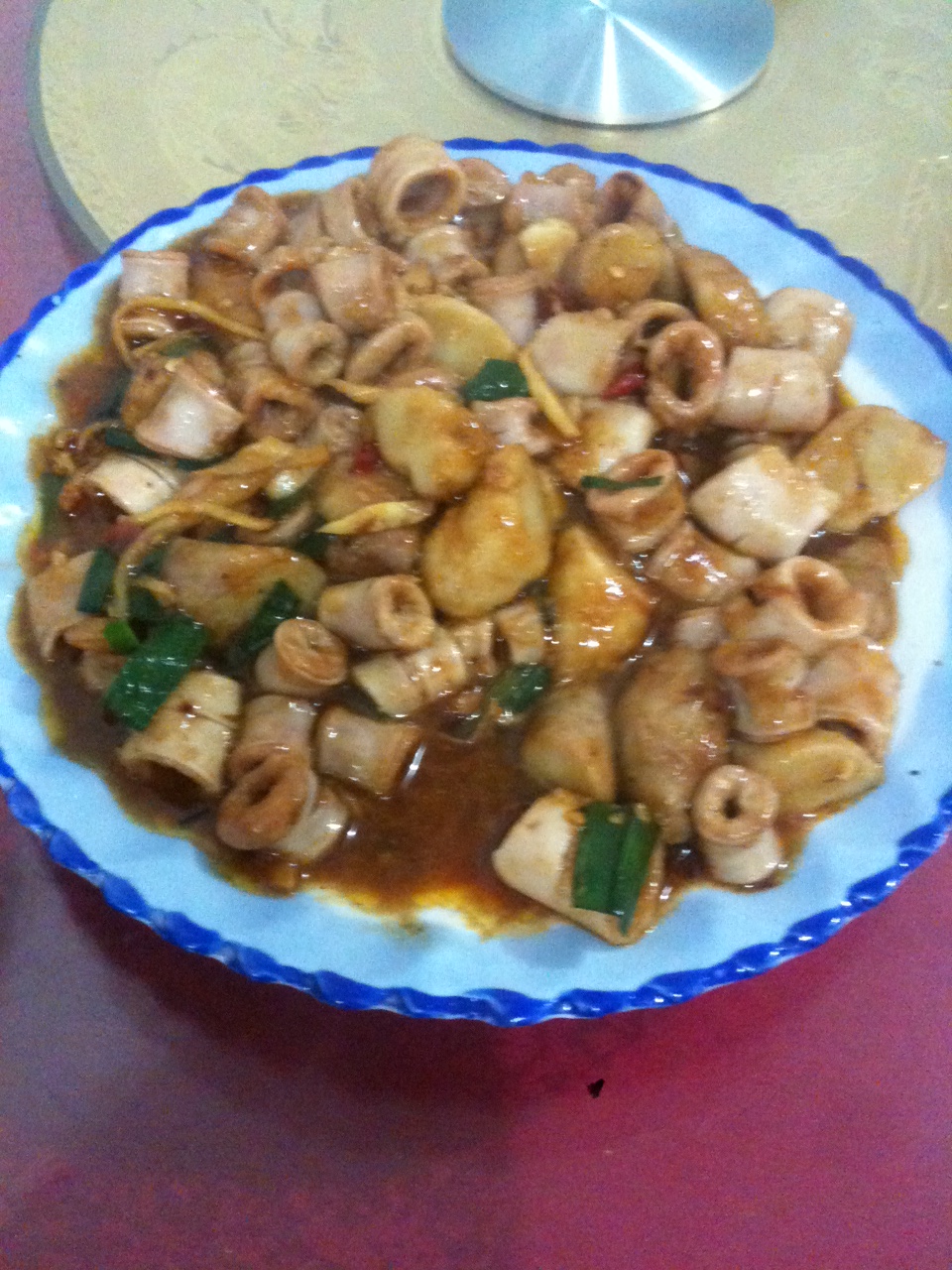
You guessed it, more jowls and bowels – with chilli, Yum!
Best wishes from Marlow and Willard returning from the lip of the Heart of Darkness 

Be Careful What You Wish For!

Only a few weeks ago, just after Easter. The Lovely and I were driving back from Canberra, our Nations Capital. It’s a little over a two-hour drive up the freeway. It’s pretty boring but fortunately not too long. I was thinking out loud and said to Janine. “You know, I should try and go back to China and do a little more research into the original bai-tunze porcelain stone that they have worked on and developed for over a thousand years now. I should go back to the Fragrant Garden Studio where I worked a decade ago and make some bowls out of their native stone. That would be a good project. I could exhibit them along-side my own native porcelain stone pots.” The Lovely just nodded and said something like. “Yeah. Go ahead, that sounds good.”

Then two days later, I got an email from China inviting me to take part in a Tea Bowl Exhibition in Fuzhou, China, all expenses paid!
Be careful what you wish for!
How could I say No? Not only that, but I had recently been appointed as an external supervisor to a PhD student studying at the The Australian National University in Canberra, who is researching the origins of the southern oil spot tenmoku tradition of glazes in China. He wanted me to meet him in China and to undertake a research trip to the original sites. This hadn’t worked out last year, but now was perfect timing for such an investigation.
We set about planning it all. After the exhibition was over, a week in Jingdezhen for me to do my porcelain research and then a week in Jian to do the tenmoku research. It all fell into place in a week!
Then a shock message that the exhibition had been cancelled. Such a shame! But I had made other plans and was primed to carry them all out. I decided to go anyway, pay my own ticket and my colleague was also suitably inclined. We’d done all the prep and made all the other bookings, so we decided to go anyway, We had made lots of connections and arrangements, So off we go.
We fly into Beijing and wait for our connection to Jingdezhen. Beijing is a very large airport. I suppose that I’m looking at a post-olympic, trophy, prestige building, meant to impress and it does!  While wandering around the airport looking for the domestic terminal sign, I see this sign, that tells me that I am here!. So helpful! I already know that I’m here. I just don’t know where ‘here’ actually is. This terminal is over a kilometre long. I need to know where here is, in regard to everything else and as the sign has no reference to any map, it is just about useless.
IMG_0002_1
you are here!
We arrive in Jingdezhen and make our way to the hostel that will be our home for the next week or so. The first thing that we do is to check out the surroundings and get our bearings. It’s been a decade since I was last there working and a lot has changed in that time. Ten years ago, this part of the city was all two-story, old buildings. Now there are so many astonishingly tall, high-rise apartments creeping out from the city into the suburbs. My old view from the back balcony of my flat, that I shared with quite a few factory workers at that time, has completely changed. I find it hard to recognise much. Slowly I re-familiarise myself with the old laneways and paths and get my bearings.
IMG_0385
My old house, where I lived ten years ago, with the upstairs, roof-top balcony, that was actually the kitchen and bathroom area,
In 2005 I could just walk out onto the main street outside the pottery precinct gate and find any number of little street-food kitchens set up and cooking an amazing range of delicious street food. I could go to a different little mobile kitchen, based on a bicycle or possibly a tricycle every morning and never repeat myself and never get more than a few hundred metres from home. I love the food in China. In this part of China the food tradition is of the hot and spicy kind. Every meal seems to be cooked with chilli, even breakfast. I love it!
thumb_DSC00249_1024IMG_0079_1
IMG_0003_1IMG_0306_1
Chilli in breakfast, lunch and dinner, grits and jowls and bit of bowels, with steamed greens. Yum!
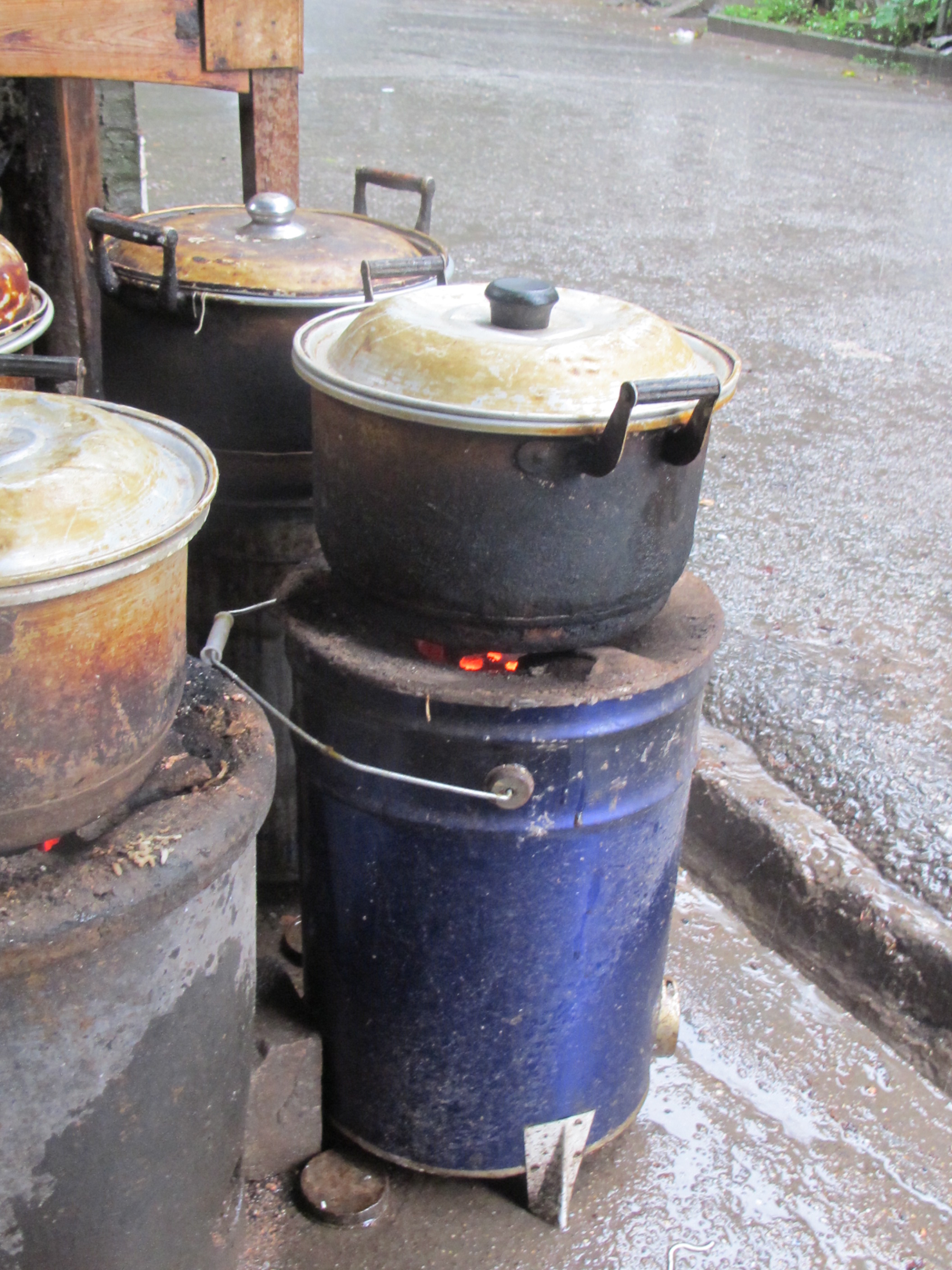
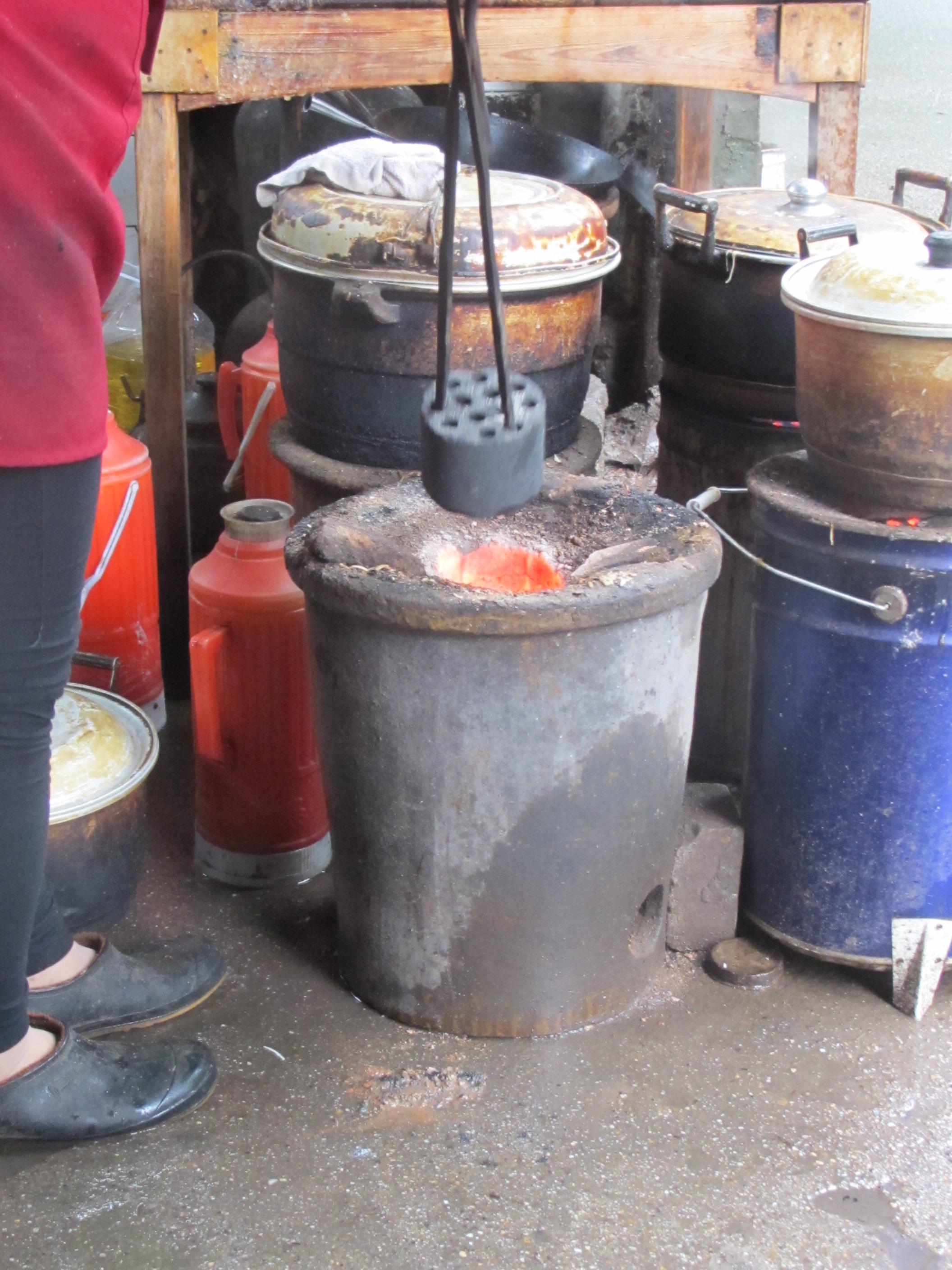
In those days, all the old homes didn’t really have kitchens and bathrooms as we understand the terms. Often, the sink was out in the laneway and shared with 2 or three other houses. The only cooking facility available to most people in those old dwellings at that time was a pressed coal dust briquette, that was lit in a small circular stove, possibly a recycled 20 litre vegetable oil tin. This contraption would take one pot on top and burn for a very long time, possibly an hour or more. No one would get up and light a full briquette in the morning to boil an egg or make a cup of tea and leave the stove burning in an unattended house. such a waste of money and heat, and possibly dangerous too!
IMG_0056_1IMG_0061_1
IMG_0063_1
These briquettes are made from low-grade coal with lots of clay in it. This poor cool is powdered and then pressed into a circular block with extruded holes through it to help it burn efficiently. when its spent and all the coal is burnt out, what is left is a soft, bisque fried clay block. Out in the street there was a steady stream of working men and women stopping off on their way to work to buy a few hot dumplings or a steamed bun. They were usually riding bicycles or possibly motor scooters. There wasn’t a peak hour in those days, as there weren’t so many cars and the cars that there were, were all fairly small and compact copies of Japanese ‘bongo’ vans. The miniature brick on wheels design.
Well everything has changed. There is a peak hour now! There are loads of new cars on the street and they are big ones, just like our standard family sedans. Loads of them and they are so big. It’s hard to find many bicycles any more, even motor cycles and motor scooters have almost been phased out in favour of silent, clean electric motor scooters. A lot of people live in modern high-rise now with conventional western kitchens and bathrooms. They have electricity for micro waves and electric jugs. People can cook their own tea and dumplings, or noodles before driving off to work in their car. All this convenience, has meant the disappearance of many of the street food sellers. They are still there, but in little clusters in off-road open spaces. We were able to find a different place to eat each morning, but some were so well hidden off the beaten track, that we wouldn’t have found them without being tipped off to their location. (A little like Canberra really!)
All the old industrial high-rise is being replaced with new high-rise.
IMG_0106_1IMG_0386_1
IMG_0396_1IMG_0112
IMG_0030
This place is in the midst a very severe period of renewal and change. Most people seem to be looking prosperous and happy There are innumerable little private workshops springing up everywhere. Wherever there is an old empty building, someone has moved in and done it up and it’s now a shop out front and a workspace out the back. Ten years ago, these buildings were mostly empty or just used for storage.
IMG_0047_1 IMG_0050_1
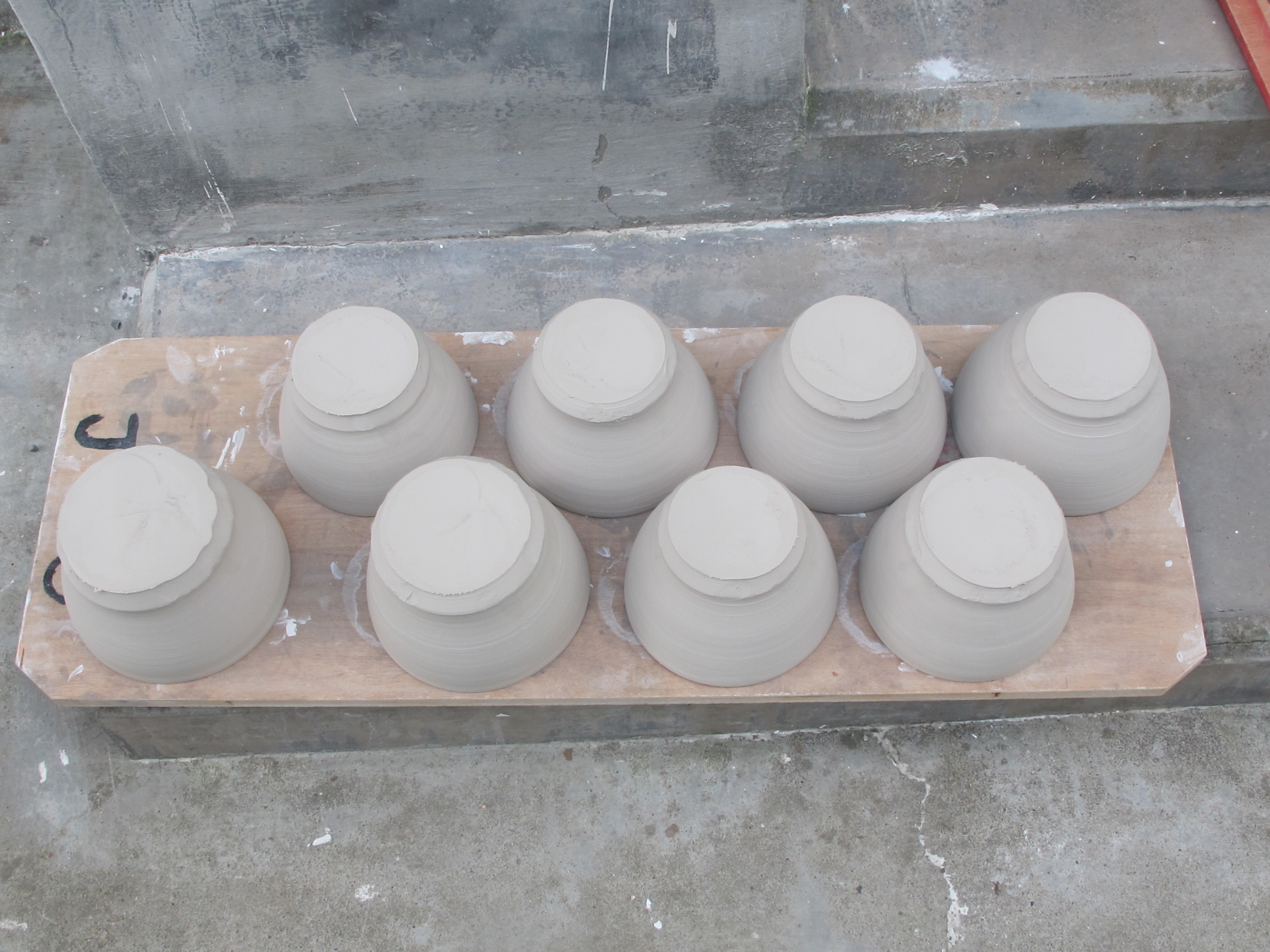
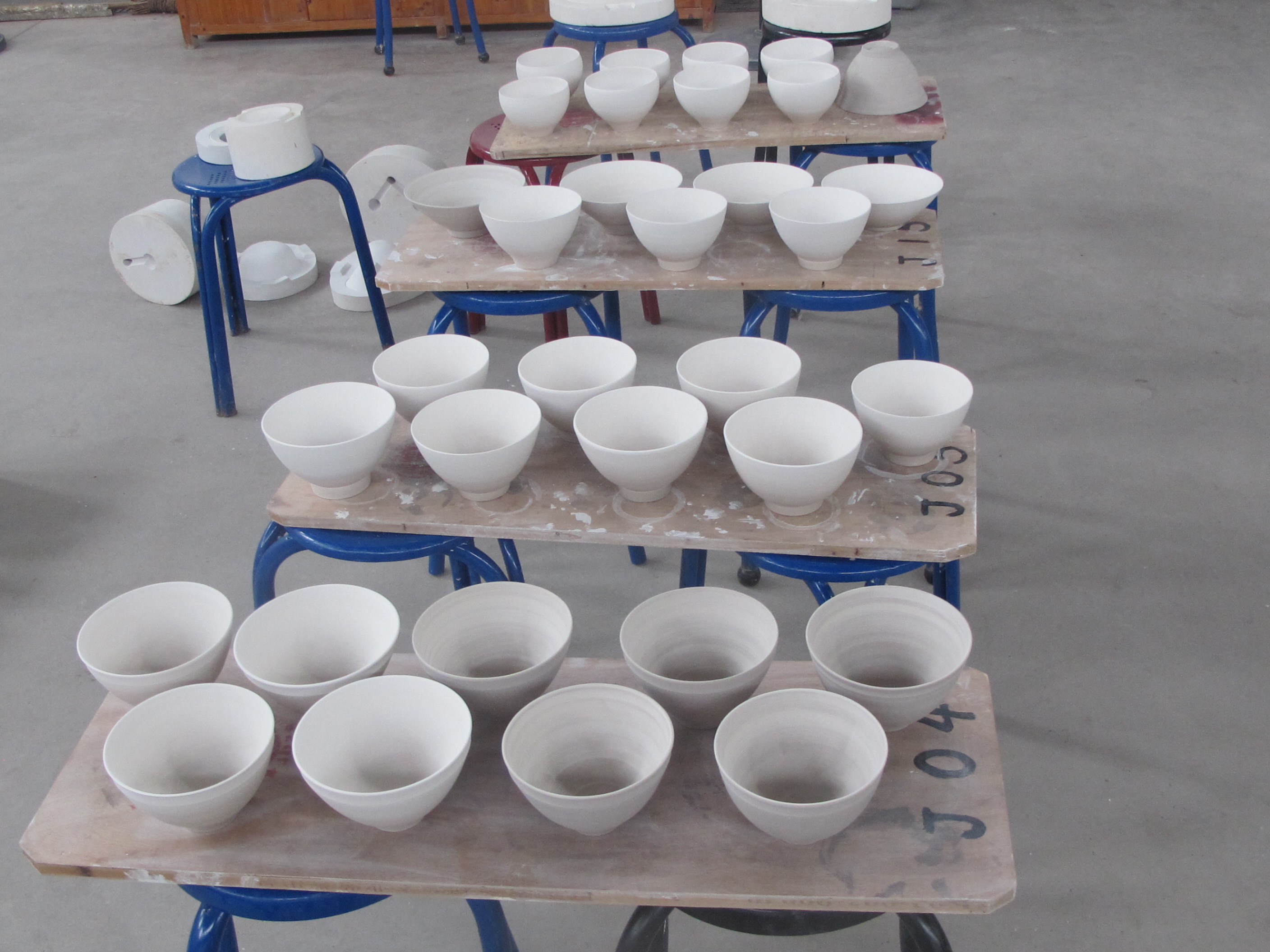
We set to work the next morning and I make 40 bowls on the small pot boards available to me. I make 4 different shapes. I get them out into the sun hoping to be able to start turning them as soon as possible. We are here in the rainy season, so things are slow to dry, but I get most of them over onto their rims by evening. I don’t have the luxury of a slow, even, controlled drying.  The next morning I start to turn the forms so as to rough out the forms to reduce the weight at the base and speed the drying. These one-stone porcelain bodies are quite non-plastic, but I must say that this particular one is very good compared to my own ball-milled ‘Joadja’, ground stone body back at home. The difference being that where as mine is made from a hard, glassy, dense ‘aplite’ or fast cooled granite-like material. This material here in Jingdezhen is a weathered sericite mica and develops a lot more plasticity. Even so, you can’t turn bodies like this when they are leather hard. They just chip and tear. These ‘clays’ , if it’s possible to call them that, need to be molly-coddled a bit and turning is best done at the almost bone dry stage. This allows a better smoother finish, but creates a lot of dust. In Japan, they use a vacuum fan in front of the wheel to create a negative pressure to remove the dust for the workers safety. Here there is no such concern. OH&S is a distinctly ‘western’ luxury concept at work.
IMG_0069_1
I finish all the turning and get them all out into the sun to dry on the third day. I cull them all down to 20, then another cull down to 12. That is all I will be able to carry out on the plane in my back pack. We plan to raw glaze them tomorrow and then into the stoneware kiln the next day, fired over night and unpacked the next morning. We are due to fly out at lunch time. We are cutting it fine, but it is doable. And we do it. It all runs like a Swiss watch. We are greatly aided by Liu Danyun,  The daughter of Master Liu, the owner of the Fragrant Garden International Ceramics Studio, she is most helpful in every way and does all our translating, phone calls, bookings and other organising for us. She is a wonderful friend !
IMG_0135_1 IMG_0136_1
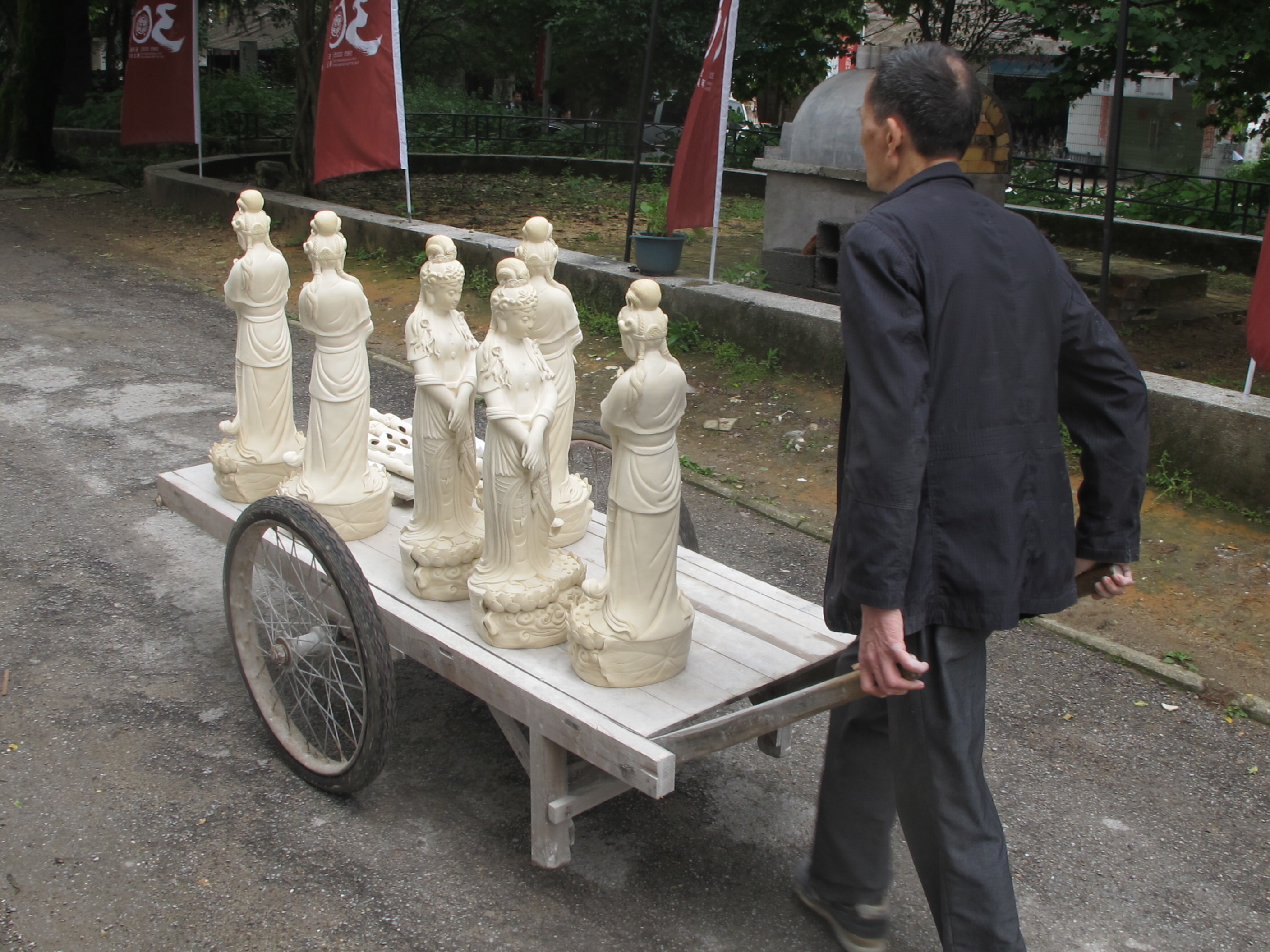
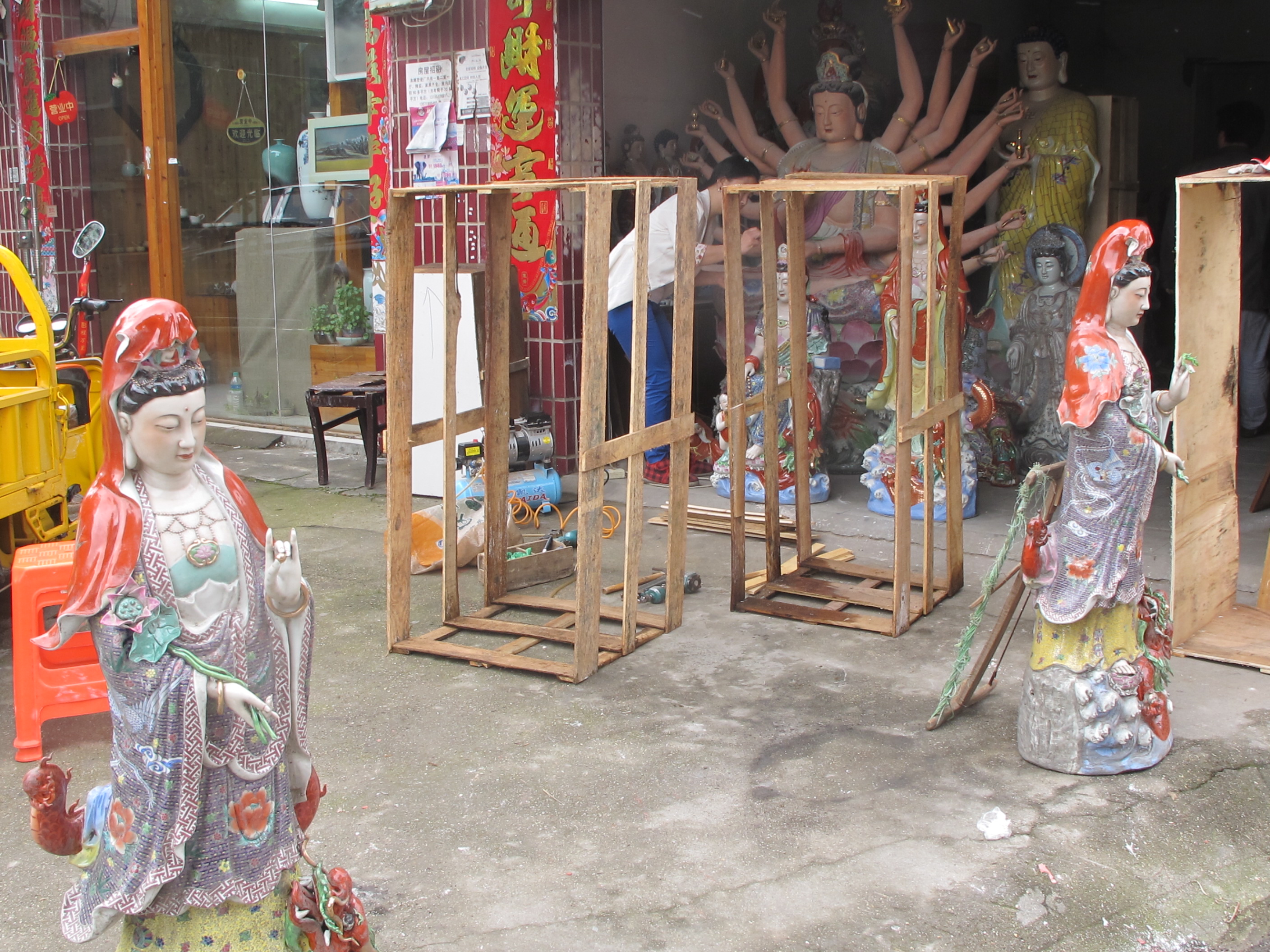
Although there has been enormous change over the ten years since I first came here, with so many technological advances, Some things haven’t changed very much. Pots are still moved from studio to studio and studio to kiln on wheel barrows, but change is catching up there too! Not very many studios have their own kiln, most places still use the public kilns, and there are quite a few to choose from in the pottery precinct. You probably don’t have to move your work more than 100 metres to find a kiln to fire them, a glaze workshop to glaze them, a box maker to fit them or a crate maker to package them securely for transport.
IMG_0345
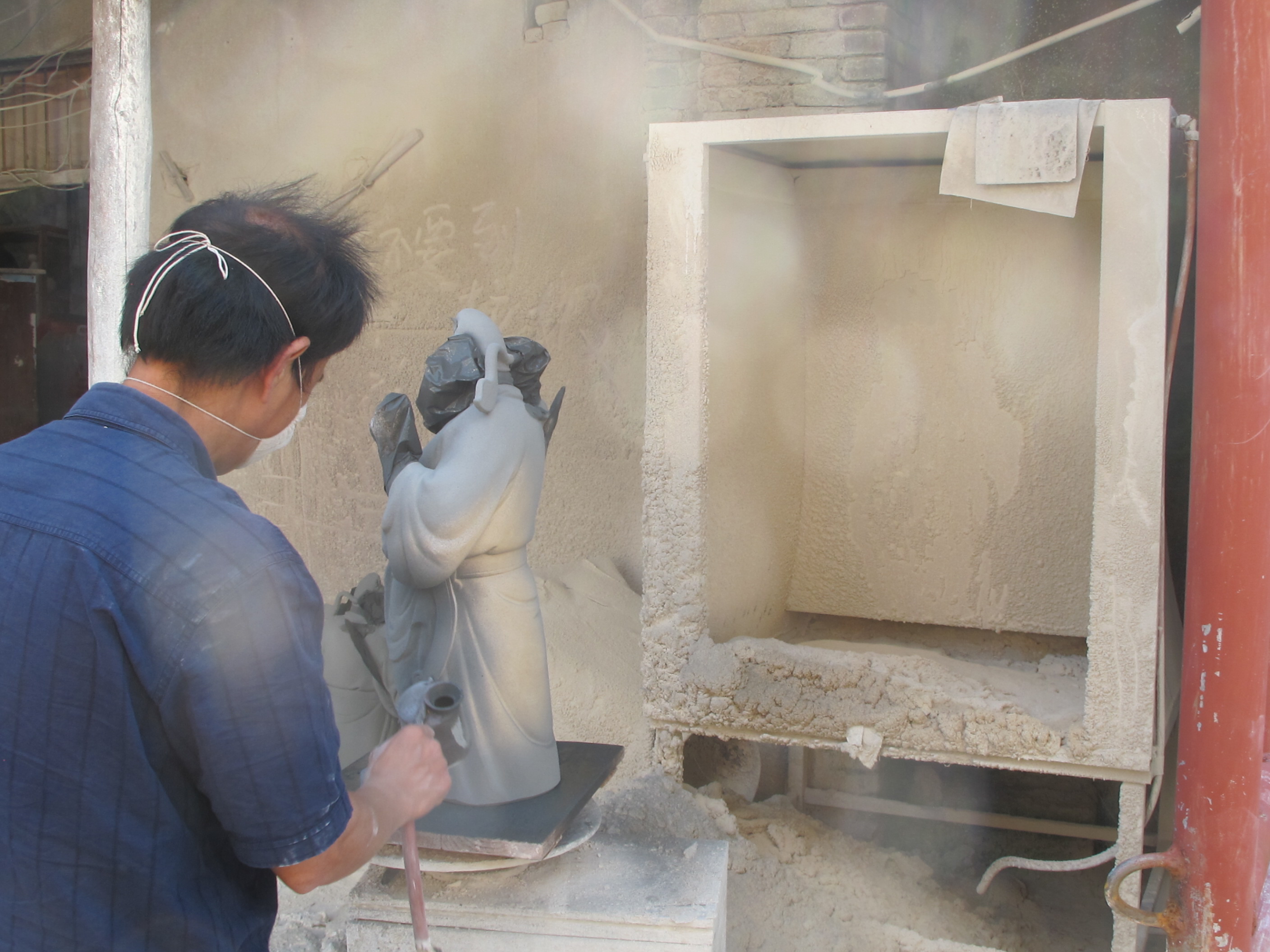
Although they now have sophisticated spray booths, and the use of dust masks is more common. They don’t always were the mask or turn on the fan and water pump!
The privately owned and run kiln firing services are amazing. These kilns are packed and fired every day, with one trolley being packed while the other is in the kiln firing. They seem to crack the door open at very hight temperatures, even while there is still a decent, strong, bright glow in the kiln, so as to crash cool it.
IMG_0163 IMG_0278
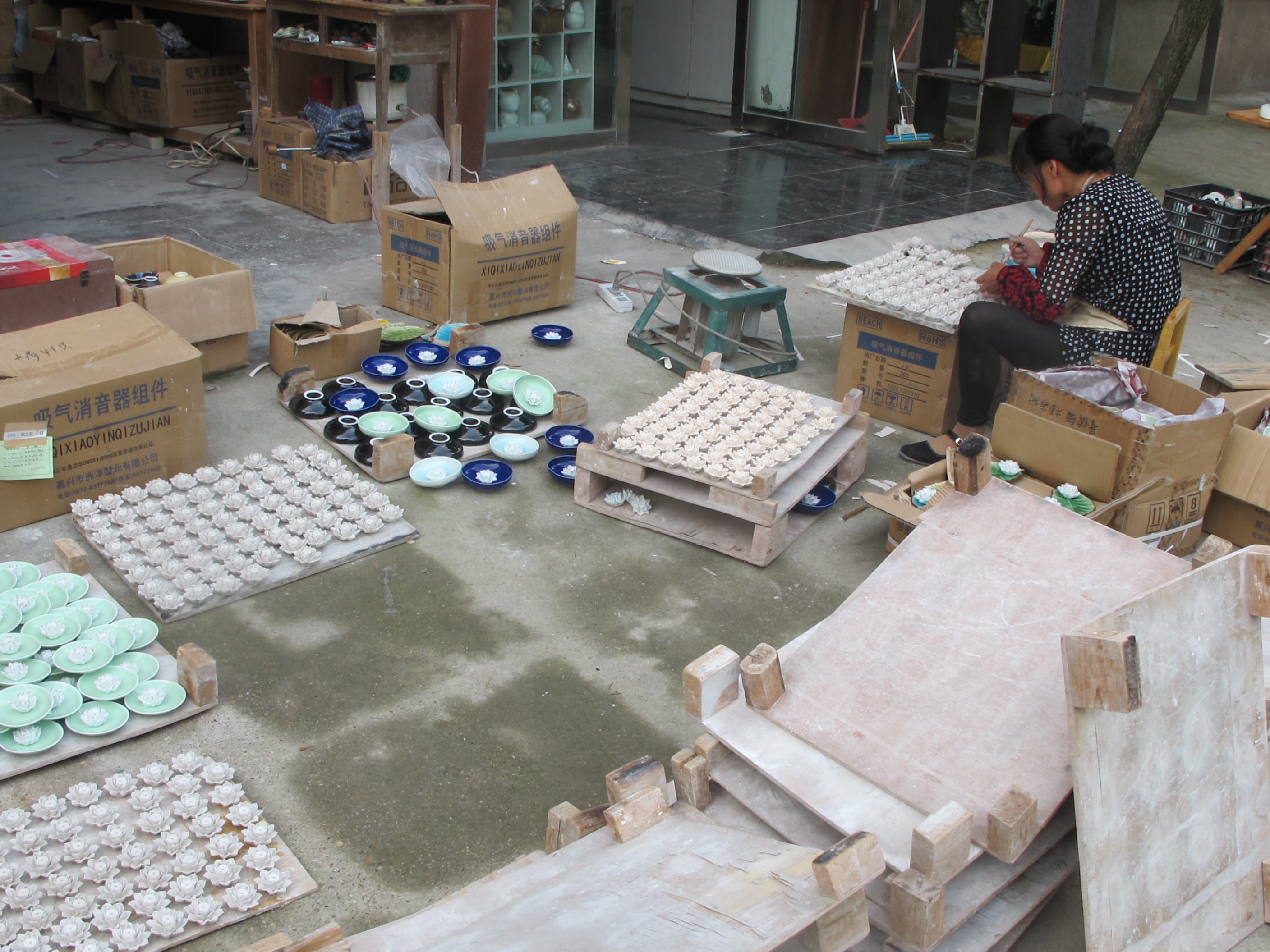
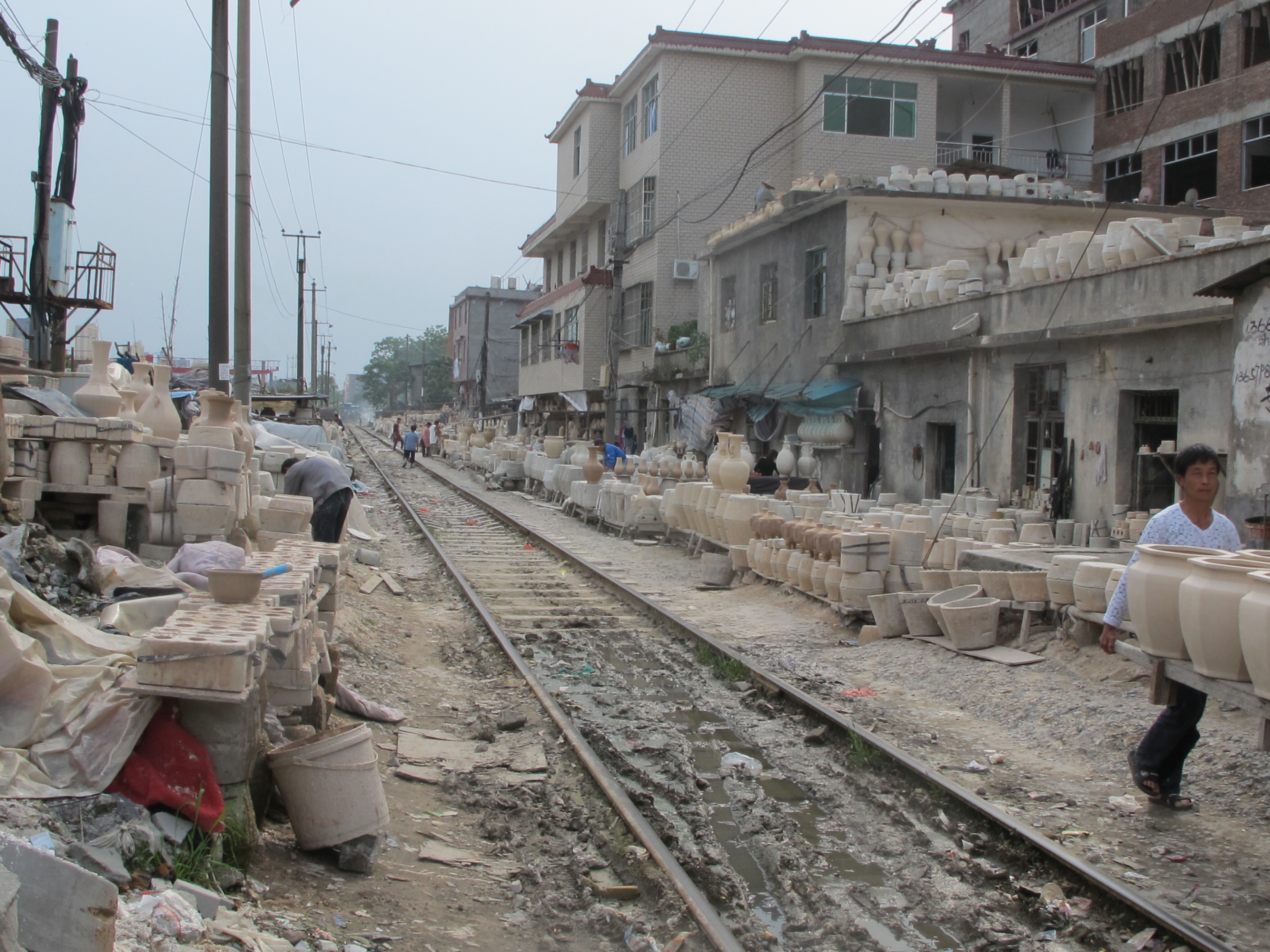
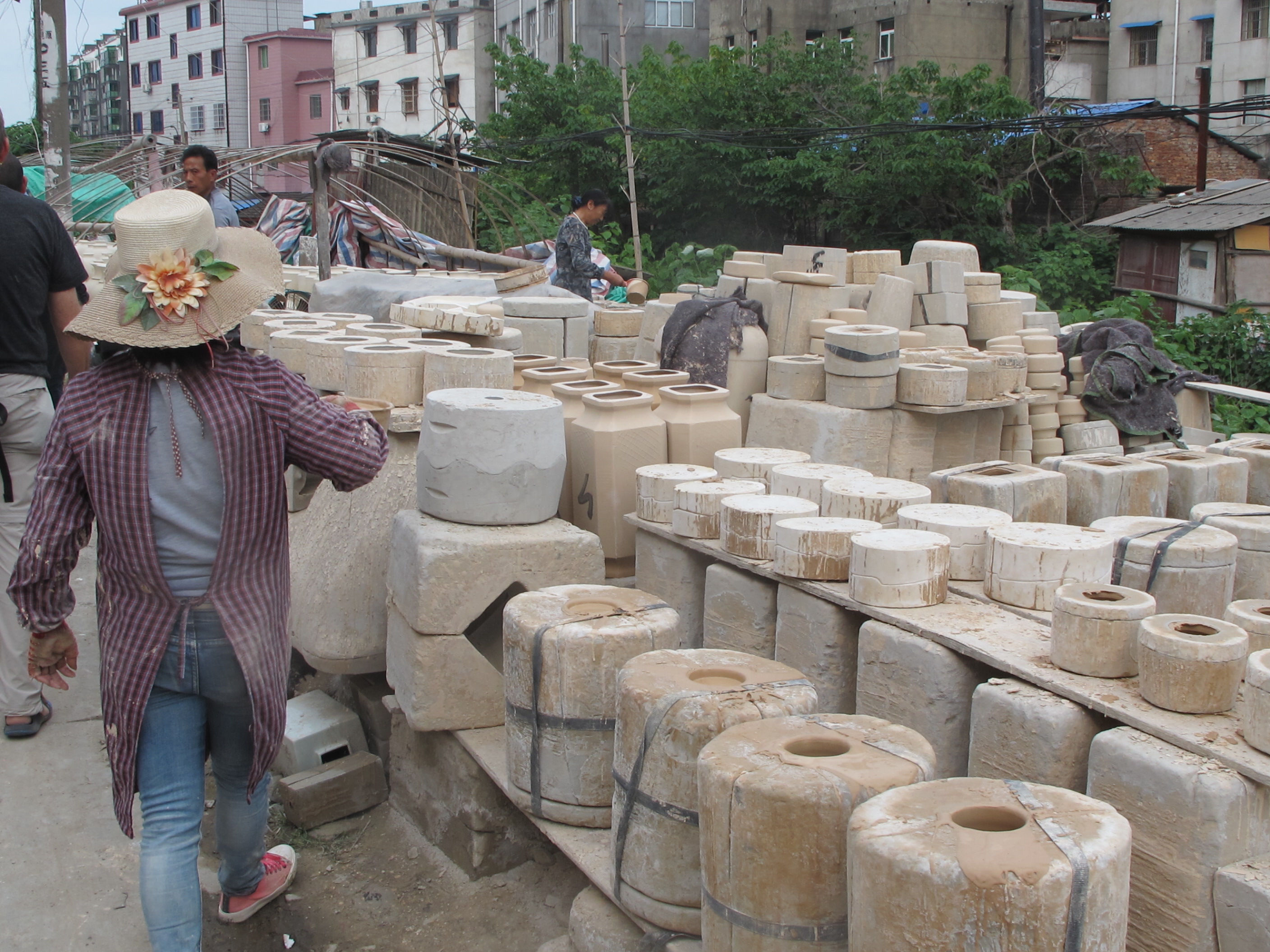
Where ever you go there are pots stacked out on the street to catch the breeze and some sunshine to speed up the drying. The pavement is also used as additional studio space in fine weather. Even the street and train line is used as extra workshop drying areas. Nothing is wasted!
IMG_0115_1 IMG_0134
IMG_0088_1IMG_0093
Where ever you go there are pots stacked out on the street to catch the breeze and some sunshine to speed up the drying. The pavement is also used as additional studio space in fine weather. Even the street and train line is used as extra workshop drying areas. Nothing is wasted!
IMG_0051_1IMG_0082 IMG_0081IMG_0561_1
IMG_0557IMG_0562_1
I’m quite in awe of these people’s ability for hard work, creativity and efficiency in some very difficult circumstances. It’s such an inspiring environment. I don’t want to come and live and work like this permanently, but I’m so very grateful that I have the chance to come and work here on these occasions and experience this life. It grounds me and makes me realise how lucky I am.
Best wishes
from Steve in Jingdezhen

Growing Old Together

Potting, throwing, making clay, kiln packing, kiln firing, kiln unpacking, more wood cutting splitting and stacking, gardening, weeding, pruning, composting. It’s been a busy couple of weeks.

Recently we have been doing something different everyday. There is always the garden and the pottery, then the house and land maintenance, but we are also doing weekend workshops over the winter months. We have just completed the 4th weekend in a row, only nine more to go, with a possible tenth.

IMG_8895

IMG_9126 IMG_9123

We started off the week in the pottery making pots. It’s always fun to get in there and let a few days slip by un-noticed in the joy of making. Clay is such a tactile and responsive medium. I’ve started to make some white tenmoku bowls out of my native bai-tunze porcelain stone. I also make a pot-board full of stoneware bowls and another of blended kaolin/stone based porcelain body. I finish up by making a board of Black ware tenmoku bowls. I plan to fire these unglazed in the wood kiln so that they will come out jet black. I think that this contrast of matt black and glossy white will work out well together. It’s just an idea. I’ll have to see how it goes. It’s starting out looking OK.

thumb_IMG_2576_1024

The kiln that I welded up last week is back from the galvanisers already. A 7 day turn around! unheard off!. What has gone wrong? It usually takes these buggers at least 2 weeks and more, usually 3 or 4. I’ve even waited 6 weeks for one of my jobs to get through their process. Still, it’s back here now and I’m very pleased, it takes the pressure off. I drove up to Sydney on Monday morning to collect it – to make sure that it was done. I have spent an hour or two each morning this past week grinding, etching, sanding, filing, priming, undercoating, and finally two coats of top coat will go on the inside to make sure that it is really well rust proofed inside for years into the future.

The customer has no idea what has gone on inside this kiln frame. It’s all covered over in Stainless steel, but I know that it is the best way to insure that this kiln will last a working life time and more. I don’t have to do it. I decide to do it, because it’s the right thing to do. No one will ever know, but I know. I build them as if I was going to own it myself. I want it to last for 20, 30 or maybe 40 trouble-free years.

IMG_9251

I know that this effort will be rewarded. I have some kilns out there in Universities and TAFE colleges that are fired on a regular basis, every week and have been now for almost 30 years. I know their history and I also know that they have had only minimal maintenance issues over that time. I’m proud of that. If I buy something, I want it to last, all my life if necessary, with no built-in obsolescence. I want it to work perfectly, for as long as possible, and then to only need minimal attention.  Something like the replacement of the thermocouple or temperature meter. This is my aim, and I’m all-in to go for it as best I can. It’s the product that I want to own!

Another little wood fired raku/midfire portable wood kiln rolls of the production line. This one fitted with all-terrain 200 mm. tyres, for wheeling over wet lawn and/or soft gravel.

IMG_9250 IMG_9253

I started weeding the last of the tomatoes from the summer garden and made a huge couple of heaps of compost of all the weeds and old tomato and spinach plants. At this time of year, the Worrigal greens (tetragonis) seem to spread everywhere. It’s a native plant that is something like spinach, but growing prostrate, and spreading wildly. It seeds prolifically at this time of year and there will be numerous seedlings appearing in the spring.

IMG_9173IMG_9174 IMG_9175

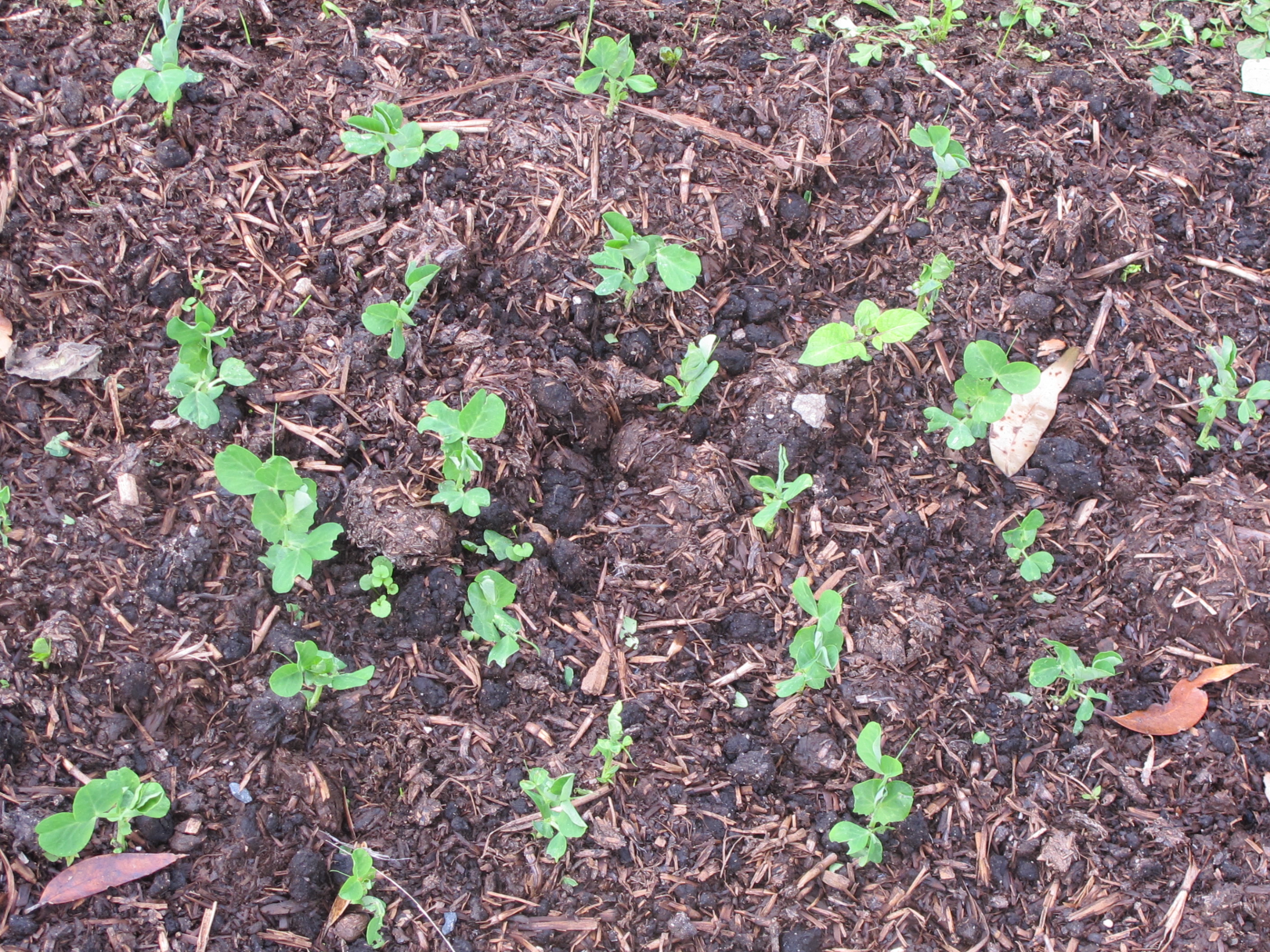
The garlic that I planted in March is all up now, early, mid-season and late varieties. All seem to be doing well. I also planted bush peas and broad beans on either side to accompany them and to fix a little nitrogen as well, while they are at it. We’ll see how the rest of the year pans out, and if the rainfall continues.

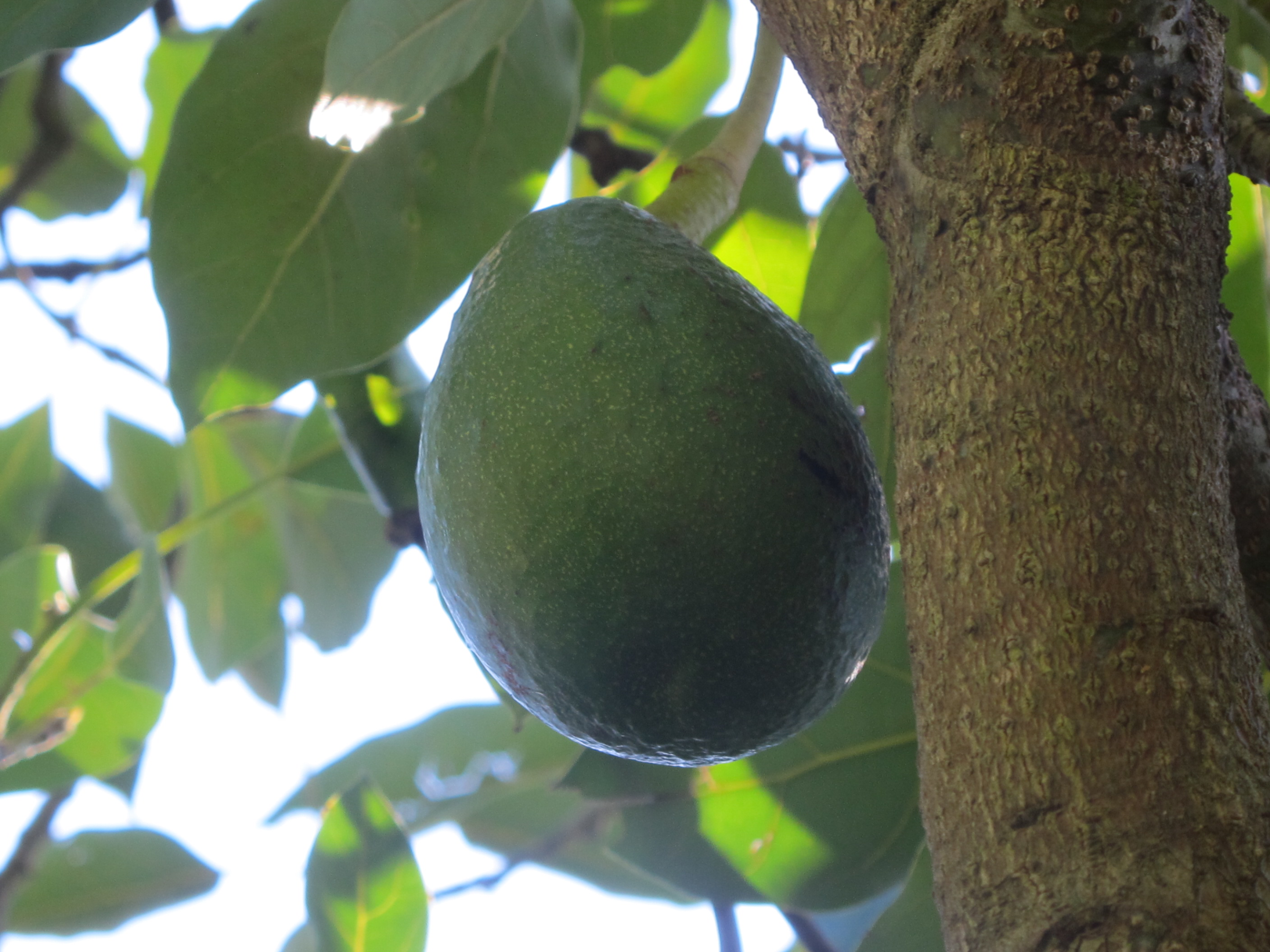
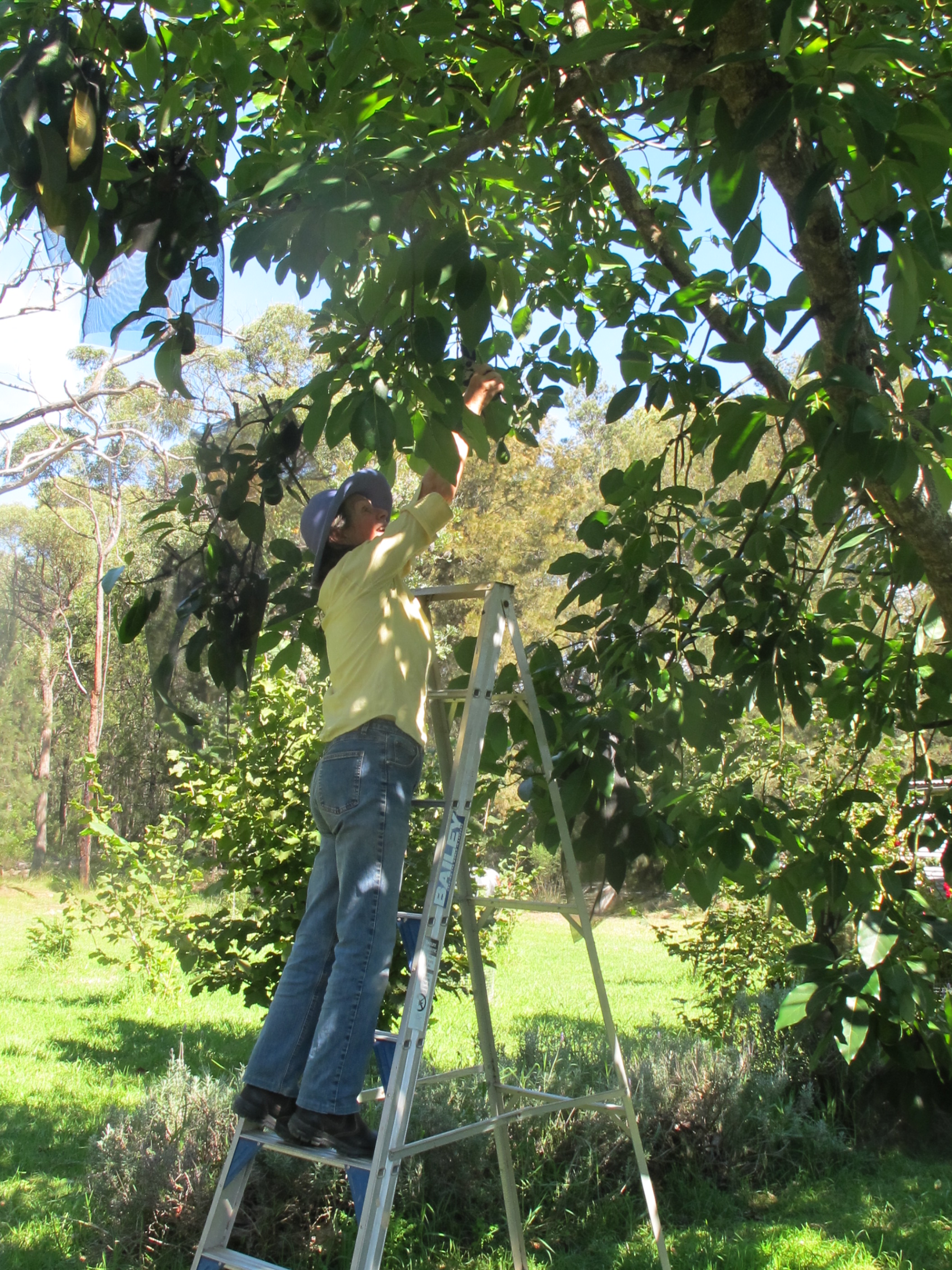
One plant that has thrived in all this rain has been the avocado tree. We have a bumper crop this year, hundreds! We’ll eat what the hail, birds and possum don’t ruin.

IMG_8928IMG_8926

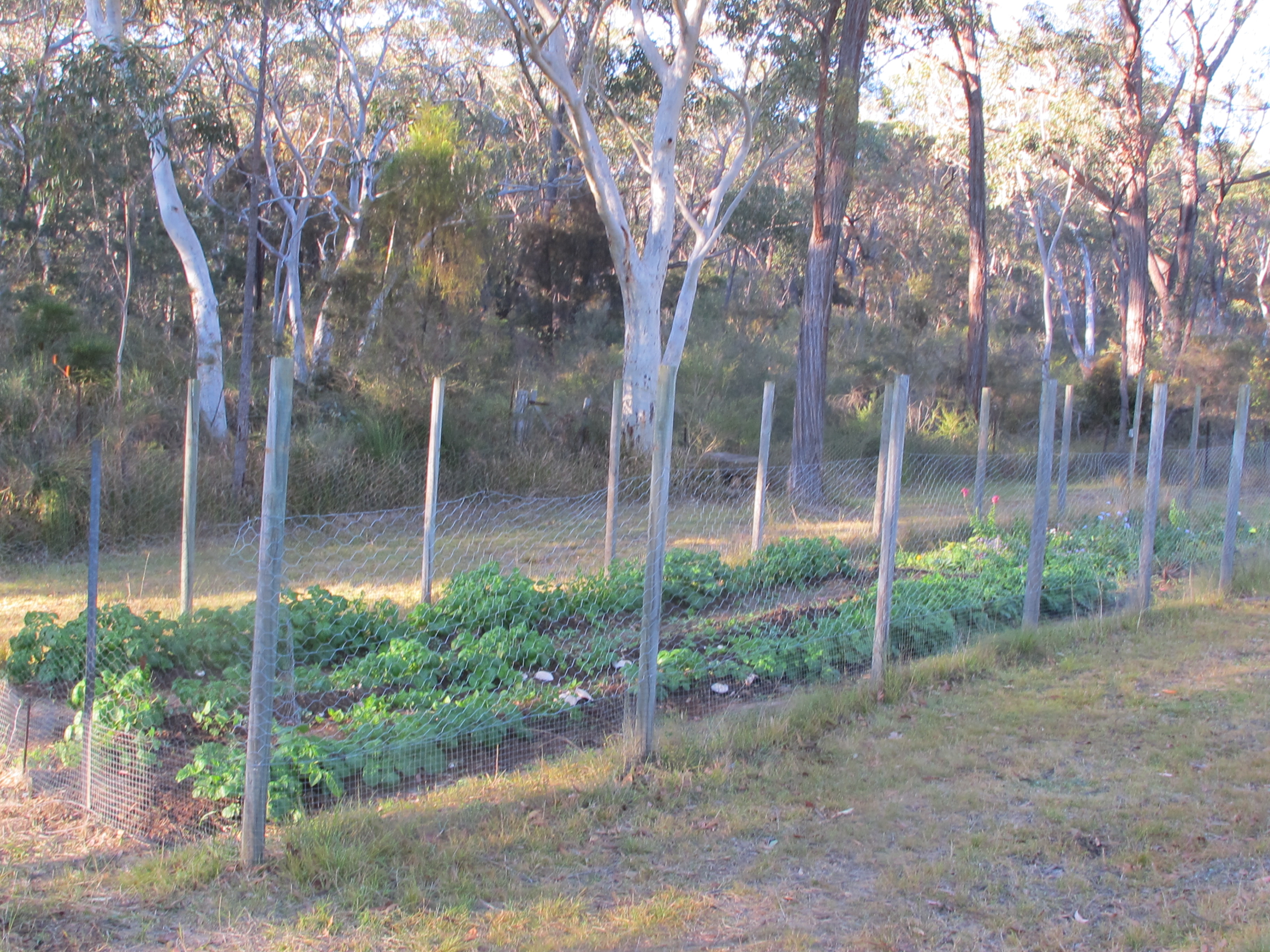
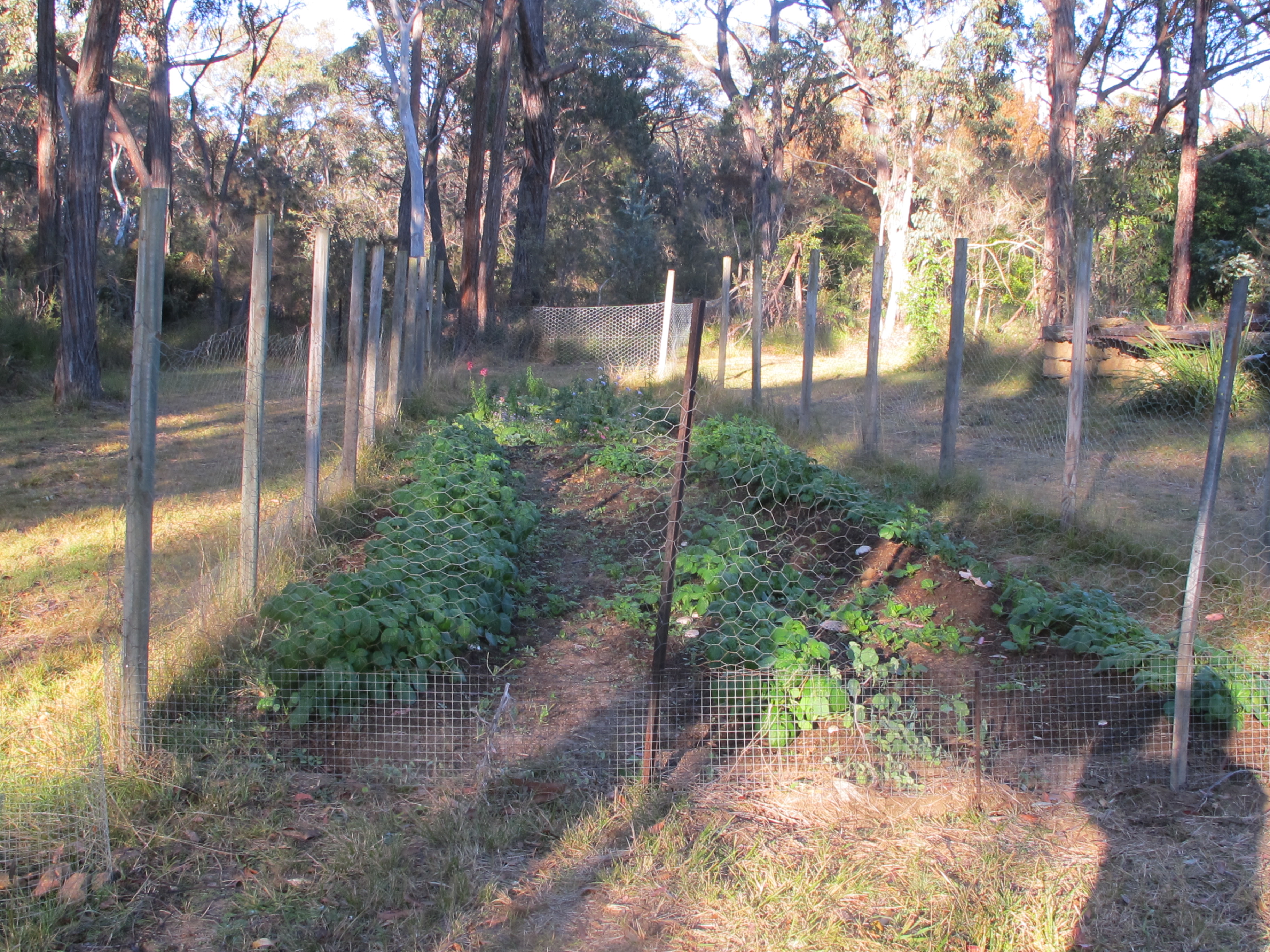
We had such a sustained hail storm last Saturday week. During one of our wood firings. The hail on the tin roof was so loud that I went and put on my industrial ear muffs! One of the potters measured the decibels with her phone app at 89 decibels. That’s as loud as my chain saw, according to the warning sticker! The hail continued and lapsed, then returned 3 times in all during the afternoon and evening. It will have made a mess of the avocados. However the vegetable garden is entirely under cover of both chook wire and small mesh plastic netting now, so I was able to look out of the kiln shed window and watch the hail bounce off the fine plastic netting. After the storm, I wandered out for a quick look, there was no noticeable damage to any of the vegetables. That netting was such an exertion of time, money and effort, but it was worth it in every way. This is part of the pay-back now. All those vegetables saved from a shredding from the hail.

IMG_9136 IMG_9256

In the evenings, early mornings, or whenever I can fit it in throughout the day, I manage to find a little time to play my cello. It’s a beautiful thing. It’s changing over time as the wood ages and settles in.

We are growing older together, Nina, me and this cello, the difference between us being that it’s the cello that is getting better with age !

IMG_9258 IMG_8998

Fond regards

Pau Harrison

Firing the Dragon Kiln

I’m here in Singapore to teach a Master Class in my very own flavour of environmental ceramics, using local rocks to make local glazes for local potters. I’m also here to give a seminar about this work. There is a tea bowl conference and exhibition. I’m here because people buy my bowls to use as tea bowls. I don’t call myself a tea bowl maker. I haven’t been trained, so I can’t really call myself a maker of tea bowls, I’d feel that I was a fraud if I did. However, if people want to buy my bowls for use in the tea ceremony, then I’m pleased about that and happy to sell them one. I’m also here to take part in all the other related activities that go with conferences, but more of that later.

I’m here alone, because The Lovely checked her Passport, that 6 months ago had almost a year of life in it, and that seemed OK at the time, but is now so close to being out of date,  having less than 5 months left on it, that I can’t check her in online at the Airline web site. A bit of a cock-up there. I should have checked in and confirmed, as soon as I bought the tickets. I thought that there would be plenty of time for that later, and there should have been. So it’s my fault. I won’t let it happen again.

We are flying on the cheap, very cheap no-frills, cheap, new Asian low-cost airline, Poverty Air. They offer you nothing, no service, no frills, no meal, no drinks, no movie, just a seat on a plane and it’s quite a small, narrow, hard one at that, with little leg room. But it’s cheap. Their flight path and service, if you can call it that, isn’t very convenient, but it’s cheap. What they do offer is a very cheap fare, and my-goodness it’s cheap! Imagine Ryan Air with all the luxury removed! I agree with the terms and conditions. It’s cheap and I expect nothing. I feel that it will be OK because it’s only a very short flight to asia from here, just 10 or 12 hours, depending on the route taken. Ours is a bit of a round about one to fit in with their scheduled flights to get us to where we want to go, But Hey! It’s cheap!

So Janine has no valid pass port, she can’t get on the plane with me. I go alone. She has already applied for her new Passport online and paid the extra $350 for an overnight/24 hr.  Express Processing, so she will follow me in a couple of days.

I arrive and soon check out the place. I have done a quick look around the area here surrounding the pottery site and found what I think is an aplite rock, just like the bai tunze that I found at home near Mittagong. It looks so similar I have high hopes that it will make some nice glaze. It looks to be a little bit darker than mine, so I don’t think that it will be as pale when fired. But the cleavage planes and the texture look remarkably similar. It might make a dark green ‘Northern’ Celadon, but who’s to know? I’m no geologist, but it does look promising. I also found some white granite that is being used as road gravel here. There is a large amount just outside the gate to the pottery, so I also tested that. Steven Low, who has organised this Masterclass at the Thow Kwang Pottery Jungle has also located a few samples of commercially available rock gravel as well as a local white sandy clay. I will test all of these if time allows.

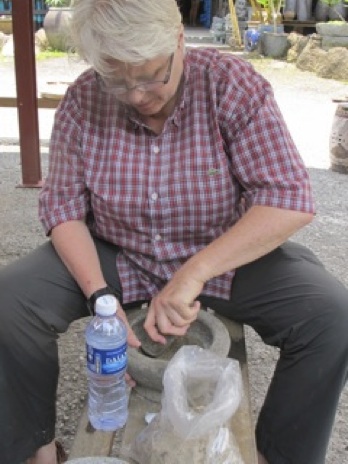
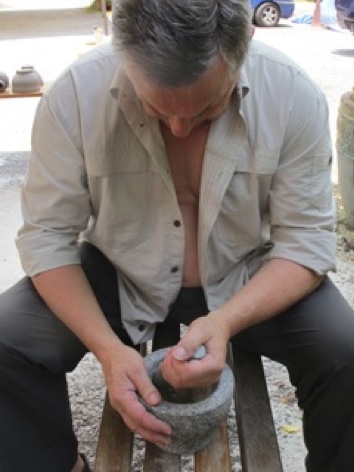
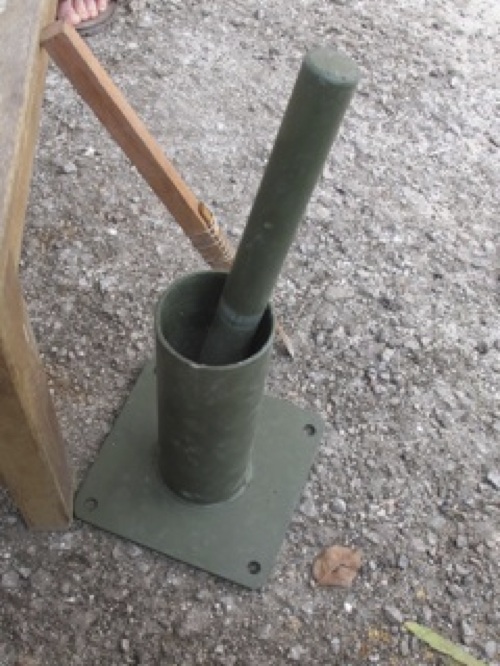
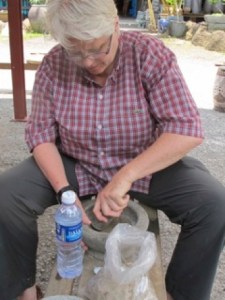
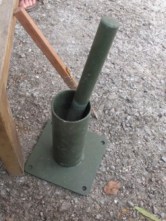
I need to crush all these samples down to very fine dust so as to be able to make glaze tests out of them. All I have to work with is one kitchen mortar and pestle made out of granite and a dozen helpers throughout the day. I will need more than this if we are to get it all done. Steven takes me to the village street markets, where we buy another 4 stone mortars and pestles. He has arranged to get a steel stamping tube mill welded up, to be used for primary crushing and it is there when we get back with the mortars and pestles. So we are all set to go.

We all sit around in the shade and crush the samples. It’s very boring work, so I’m really pleased to have some wonderful, helpful people sharing the work load with me. The day before my Masterclass is due to start, many of the participants have turned up, they are here for the whole event and are happy to put in an hour or so to help me get it all done. I am very grateful. We only have one of my home-made stampers and 5 granite, food-grade mortars and pestles from the markets to work with. But with so much good will and great helpers, it all gets done. I couldn’t have done it all just by myself. Not in this time frame. So thank you very much to all those who helped me. I’m so grateful.
1

2

We don’t get all the materials tested during the Masterclass. There isn’t enough time. There is a bit of theory to explain, as the system that I have developed to analyse the various rocks and ashes for stoneware firing as glaze material is a little complex. If you haven’t done it before, it might seem a bit difficult to follow. So, the first tests take some time, but once everyone gets the hang of it, we get a lot done.

The class is over-subscribed. I have almost 30 students, but only 4 sets of scales and equipment, so we work in teams of 7 or 8 per table. It’s a great atmosphere of cooperation and fraternity. Eventually we run out of time, there is another session booked in for this room in the afternoon. We still have a few of the samples left untested. I go back each evening after work in the pottery and complete a few more samples until they are all finished by the end of the week. I’m interested to know the results.
34

Stamping mill                        Stone mortars and pestles

 56 Demonstrating where to start

These photos of me by Merrie Tonkins, from Qld, who was helping me on the day as assistant.
7

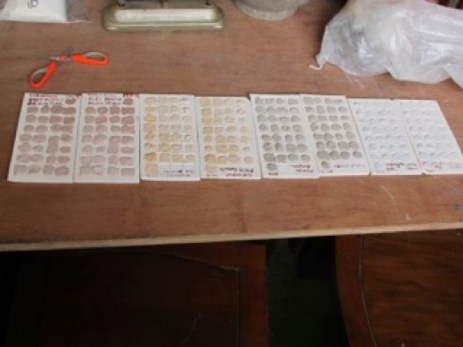
A few of the finished test tiles ready for firing.

My other, or real, reason for being here is to make pots and to fill, pack and fire this Dragon Kiln. We are being hosted for some of the time at the Thow Kwang Dragon kiln Pottery. This is the last remaining working dragon kiln in Singapore. There is another kiln close by, but it closed down some years ago and is now rented out as workshop space to local artists. ‘The Thow Kwang Dragon Kiln Pottery Jungle’ is in a small patch of what used to be jungle up in the North West of the island.

8

It’s a marvelous old structure, built into the slope and mostly underground to get the earth as support for the arch that runs the full length of the kiln. Just the stoke holes are visible at floor level. The kiln is 1.8 metres high inside, but only 500 mm. is visible above the elevated ground level.

9

Over the years, all the other kilns have been closed down and/or demolished. The sites leveled and used for modern developments. This last remaining old Dragon Kiln is threatened too. It’s a shame. It ought to be recognised as an historic site. It’s part of the Nations Heritage of this place, but I don’t think that the bean-counters in the Government are interested or listening. Cash is King here! And money doesn’t just talk, it shouts.

The Dragon Kiln has a 3 year extension on the lease for the site just now, but it can be revoked at any time. No one knows what will happen, but as this is Singapore, it is inevitable that the site will be concreted over in the not too distant future. The place used to be surrounded by dense jungle with a lot of wild life in it. There were jungle fowl, wild boar, monkeys and loads of birds. All living and thriving in this last remaining eco-system. However, the Singapore Development Authority decided in their wisdom to clear the jungle and replace it with a modern designer, jungle-inspired garden walk, designed by a famous German landscape architect. So Appropriate. So local.

Everything was bull dozed and replaced by what a German designer thought would best represent the concept of ‘jungle’ in the modern world. Once the real jungle was removed. It’s basically lawn with a few shrubs. This narrow garden strip, follows what used to be the old creek. Which is now concreted over and filled with imported stones, so that it looks ‘natural’ The rest of the site is being concreted over and high-rise is being built on it.

The new road is completed, and the first two concrete high-rise blocks are built, there are 9 more planned around the site. The district is not called Thow Kwang Pottery Jungle any more. It has a new identity now, The new road that circles the old kiln site is now called ‘Clean-Tech Loop’. Could anything be more insulting and anal? There is no wild life left here now, just a few birds to be seen. But the German designer has thoughtfully placed photographs of each of the animals that used to live here on plastic profile boards all along the walk so that we can be reminded of what was once here just a year or so ago, before its habitat was destroyed in the name of rampant development. Clean fucking Tech Loop indeed!

Welcome to Singapore!

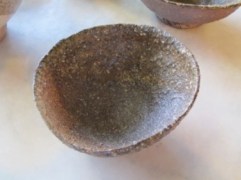
For the pottery making part of the workshop, I chose to make my pots for the firing of the old Dragon Kiln from the local clay. This isn’t particularly smart. I know nothing about this clay. This is clay that was recovered from the local clay pit right outside the pottery, just before it was bull dozed, to become part of the new Post Modern Jungle-free, ‘jungle’ garden walk. In some way it is an ‘homage’ to the old ways, the old folk, the potters and throwers, to the labourers and unskilled workers that this place employed, before they were displaced by the bankers. I think of all that lost culture and history, all the lost techniques and skills. All bulldozed over and concreted in this very time of ours. We did this! We let it happen.

The clay that I’ve chosen is completely unprocessed, it is totally natural, yellow and sticky, straight from the ground. The ground that supported this venture for over a hundred years. It’s very soft and very gritty with huge chunks of organic matter and stones up to 10 mm dia or more. It is a little difficult to throw and to deal with. Probably better suited to making the old, large, thick jars, rather than small functional bowls as I am making, but I decide to give it a go and I persist. The alternative is to use clay imported from Australia. I didn’t come all this way for that. So I persist.

10

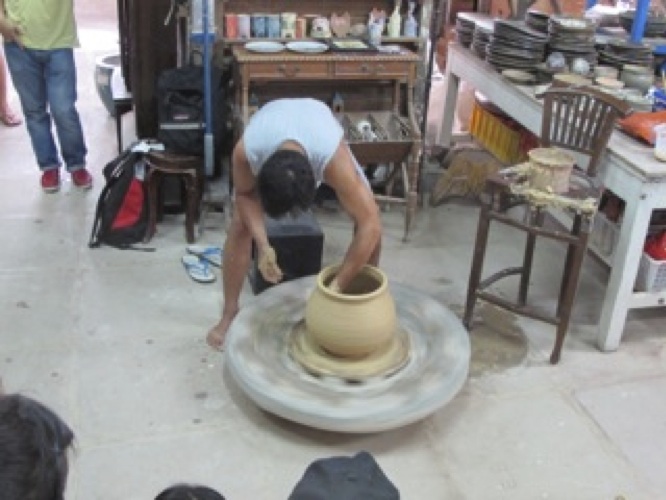
I choose to use the very old, traditional, floor level, 4ft dia. wide, kick wheel. It is essentially a very heavy flat disc. You kick it up to speed with your foot and the momentum keeps it going. You then bend over it, legs akimbo, in a torturous way that can’t be too good for your back, and throw the clay into a pot, as best that you can. As the wheel slowly looses momentum. You have to stand up and kick the wheel up to speed again to give it enough momentum to finish the pot. I made 7 bowls ‘off the hump’, from one big lump of clay, in this way. I was quite surprised that they came off quite well. I’m used to using a kick wheel at home, but not one like this! So the transition wasn’t too hard. However, I’m glad that it was only for 15 mins or so. I don’t think that my back would last all day working in this method.

Still, my pots have a nice soft, gentle undulating quality to them that I like a lot, and it’s mostly due to this method of making. I put my row of pots out in the sun to dry and turn them an hour later. The weather is very hot here and also quite humid, so the pots dry out relatively evenly without getting dry rims. Quite surprising to me. If I were working like this at home in 30oC heat, the rims would be bone dry in 10 mins.

Once my bowls are turned, I put them back out in the sun to dry further. They are eventually packed directly into the huge dragon kiln and the firing is started a few hours later around dark, full of raw pots, just made that day, some still quite moist. The kiln is slowly steamed over-night and then, in the morning, when all the pots are quite dry, the firing is allowed to gain speed and more wood is introduced more often.

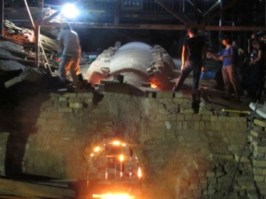
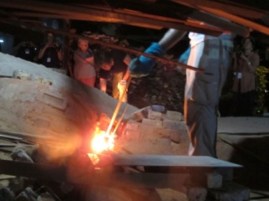
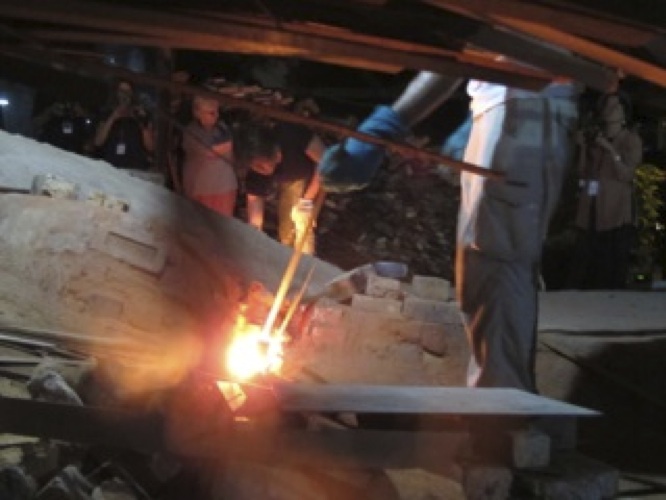
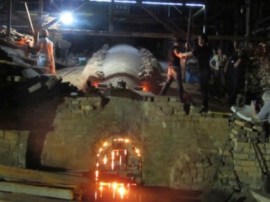
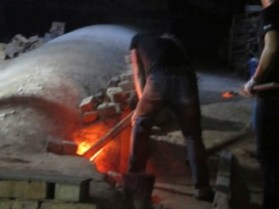
The firing starts to go quite quickly, up to temperature by the following evening. More or less neutral to oxidised atmosphere. The fuel is industrial timber off-cuts and building demolition timber. The final temperature is achieved around mid night, and then the rest of the tunnel kiln is side stoked well into the night, stoke hole by stoke hole, metre by metre, it progresses up the slope, all the way along the kiln and finishes just before dawn.
1112

1314

The kiln takes two days to cool and I’m amazed that my pots turn our rather well for an unknown clay, thrown on an unknown wheel, with an unknown glaze and an unknown ash and fired in an unknown kiln. Luckily, the locals here have us all well organised and keep everything loosely under control. It all goes smoothly enough and I’m really glad that I’m just an innocent bystander and not at all responsible for any of it. I can enjoy myself.

I sell my 3 bowls in the ‘Chawan’ Exhibition in the city and all of my bowls from the dragon kiln at the on-site exhibition at the Dragon Kiln site. So I’m very pleased with this outcome. I give a few away to people who have helped me while I’ve been here. It is strange being here and traveling alone without Janine. I haven’t travelled alone since the 80’s. She is still back at home, waiting for her passport. We Skype each day to keep in touch. But it’s not the same without The Lovely!

They appear to have lost her new passport somewhere and can’t give her tracking number for it either. Sheer, utter incompetence! Someone ought to be hauled over the coals for it, but no-one will be. After two frustrating weeks, they eventually tell her that the Passport will have to be declared ‘lost’ and will be cancelled next Monday. That’s something, but not too much. It means that she will not be able to get to meet up with me here in Singapore. The whole adventure will have finished and be over. I’ll be in Japan by the time that she has the new passport and can then buy a new ticket. That is if they can get her a new passport and if the new one doesn’t end up ‘lost’ in transit as well? It means that we will forfeit two Poverty Air flights, as they are cheap and not transferable.

The only benefit, if I can call it that, is that I get to have an empty seat next to me each flight. So I have a smidgen of extra space to expand into.
1617

I have accumulated a quite a few things over the time I’ve been here, things that I can’t carry with me. Mostly catalogues and tourist brochures, but there are also 2 pots. Just what I need!

I have navigated my way through the maze of shopping center’s to find a very small post office on the third floor of the 2nd tower of the 2nd mall just down the road from the hotel.

I’ve been told where it is by the staff at the hotel, but I doubt that they’ve ever been there themselves? I walk and I walk. It’s a long way. I walk so far that even though I’ve been told that it is in the second mall, I feel that I must have walked too far by now. Maybe I’ve walked  through the first Mall and into the second Mall already. Maybe I’ve gone too far?

I can’t help but feel that I must have missed it. I ask directions. No! You are still in the first Mall! Keep walking! I do, and it’s very dull. Eventually, I ask again and I am told that I am close. It’s such a relief. How much plastic shit can one man walk past without expiring?  Every shop appears to be either a women’s clothes shop or a shoe shop. Or so it seems.

Eventually I find the Post Office. It’s hidden away around a corner, in a back area. But there it is! It’s very small, with only two girls working in there. But they turn out to be quite efficient and it all gets weighed, stamped and sealed, then off into the bag.

So my parcel is sent and my load a little lighter for my flight this afternoon.  I’m very relieved.

Our hotel must be located in some of the ugliest, most concreted, un-natural ‘dead’ location of tourist shopping hell. Ringed by freeway overpasses and tower blocks. There is no-where to walk except to the nearest shopping mall. Which is connected to yet another shopping mall. You can walk all day in glacial air-conditioned comfort on concrete and terrazzo, endlessly, without seeing the sun or breathing fresh air, or seeing greenery or anything that resembles the natural world, unless it’s a photograph, and then it’s of somewhere else.

Luckily, I have no interest in venturing into the dead heart of this dystopia. The ‘Sensoria’ and ‘Vivocity’ Disney-Like plastic and concrete escapist unreality. In fact, I was looking for something to buy as a memento of my visit to this place. Something quintessentially Singaporean, but I couldn’t find anything that would not insult my senses and degrade me later through its ownership. There is nothing here but concrete and plastic and most of that is from China. This is a totally artificial environment, built around misrepresentation and fakery with strict governmental control, keeping everyone and everything in order. It’s the antithesis of my DIY natural philosophy of independence and self-reliance.

Welcome to Singapore!

I suppose that the people who are living here and doing well, making a lot of money in their business’s are happy here. I don’t think that I would be. I’ve been spoilt with too much open space and relatively clean air, a big garden and orchards. I can’t see myself wanting to pay 2 or 3 million for a 100 Sq. m. Apartment on the 9th floor, with nothing to do but work or go shopping. Of course not everyone is happy with the strict authoritarian system here. There was a riot here earlier in the year in the Indian district. Apparently, it shocked the authorities. How could it be that everyone isn’t blissfully happy here? Well, the poor, low-paid labouring classes for instance. The ones doing all the work building the city, repairing it and keeping the city going in every small detail. They can’t afford to buy into the dream.

They aren’t buying apartments or going shopping in the malls It’s street food and rough dossing for them.

Welcome to Singapore!

The taxi driver told me that this is the most boring place in the world. There is nothing to do here other than work and shop. He would love to leave here and live somewhere else, but he can’t, he has no way out. he also told me that there are about 5.5 million people in Singapore and that the Government wants to increase the total number of citizens in the next decade by almost 2 million more. I ask why. It already seems to be over-crowded here. He tells me that the Government is concerned that the percentage of Malaysian muslims in the population is increasing rapidly. They are having lots of children. There is a concern that they will soon out-number the ethnic Chinese part of the population and take political control. This can’t be allowed. So there is a big campaign to import emigrants from mainland China, to boost the number of ethnically Chinese citizens. It doesn’t sound too sustainable to me, but I have no say in the matter and it’s none of my business either. I can see the next step being the Fijian solution?

Welcome to Singapore!

A couple of young potters have asked me if it is possible to come to Australia. Once they are over 30, all I could tell them was that it is only possible to come as a tourist or student for short-term. There is no migration, unless you can get 100 points by being a preferred occupation, like doctor, lawyer, nurse etc. Potters don’t make the cut. Or, of course, the other option is that you emigrate with 100 points by being a millionaire!

Welcome to Australia!

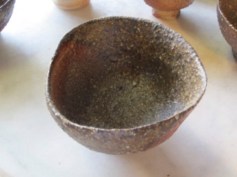
Finally, yesterday, I found a lovely little piece of pottery in Little India. A small pouring bowl of 7cm. dia. Unglazed, low fired and slightly flashed porous clay. Probably fired to 800 oC by the feel of it. Thrown off the hump and cut off with a twisted thread leaving a nice shell pattern on the foot and un-turned.  Very understated, basic and honest. But of course, it’s not from here. It’s made in India!  The shop keeper asked me for 50 cents. I’m a tourist, I knew I was being ripped off blind, but I am comfortably well off in my own chosen frugal life, so I gave him a dollar. I think I have the better part of the bargain.

I get to fly out of here tonight.

I posted it home in the parcel by sea mail. The lady at the Post Office said that it will probably take a month. It ends up taking 6 weeks.

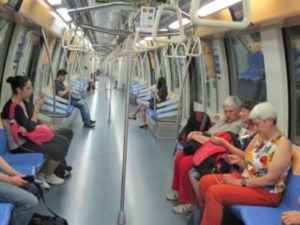
I brought a bit of spending money with me, but haven’t found anything to spend it on, so will convert it into Yen for Japan. There is nothing here that I want, so my money has remained in my pocket. My biggest expense each day is the $1.30 per trip on the metro into various parts of the city and back. The Metro has interesting carriages that are all totally open all the way along. It is the first time that I’ve been on a train like this. It’s a very good, clean, fast, cheap and efficient system. I like it.
18

Oh! Yes, we did go to Raffles one evening and have a Singapore Sling. We bowl up at the front door to be met by the biggest, boldest Seek Indian Gentlemen, replete with turban and loads of bling. He speaks with such a deep, rich Anglo/Indian Raj sort of accent. I’m quite impressed. He informs us politely and with a big smile that we are in the wrong place. This is the entrance to the Hotel. We need to go back out this entrance and around the back to the public entrance, where we can find our way to the Long Bar. We find our way and order our Singapore Slings for $33. It wasn’t worth it. What a rip off! Don’t waste your money, if you are given the chance! Go somewhere else and get a G&T at a more reasonable price. We left and went to Little India for dinner where it is hot, hectic, crowded, cheap and delicious. Later, we all went up the tallest building here and had a beer at the top in the bar for $20. Not my idea, but I went along for the ride. It also wasn’t really worth it either, but you get conned into doing these things at conferences.

I wouldn’t be bothered doing it again.

The most comfortable place here is the Botanical Gardens. We spent a day ‘off’ there. That was a nice bit of open space and greenery. I think that it might be the only bit of open space greenery in Singapore?

Best wishes from

the singular hot and sticky potter in this tropical heat!

Go Slow, Look fast


The Pots from our own firing a week or so ago have all been cleaned and sorted out now in the spare-time that we can find between weekend workshops and work in the garden and orchards. We forwent the leisurely mushroom, egg and bacon brunch and got stuck into cleaning pots early instead. There’ll always be time for that leisure day sometime in the future – when I find myself bored and with nothing to do!
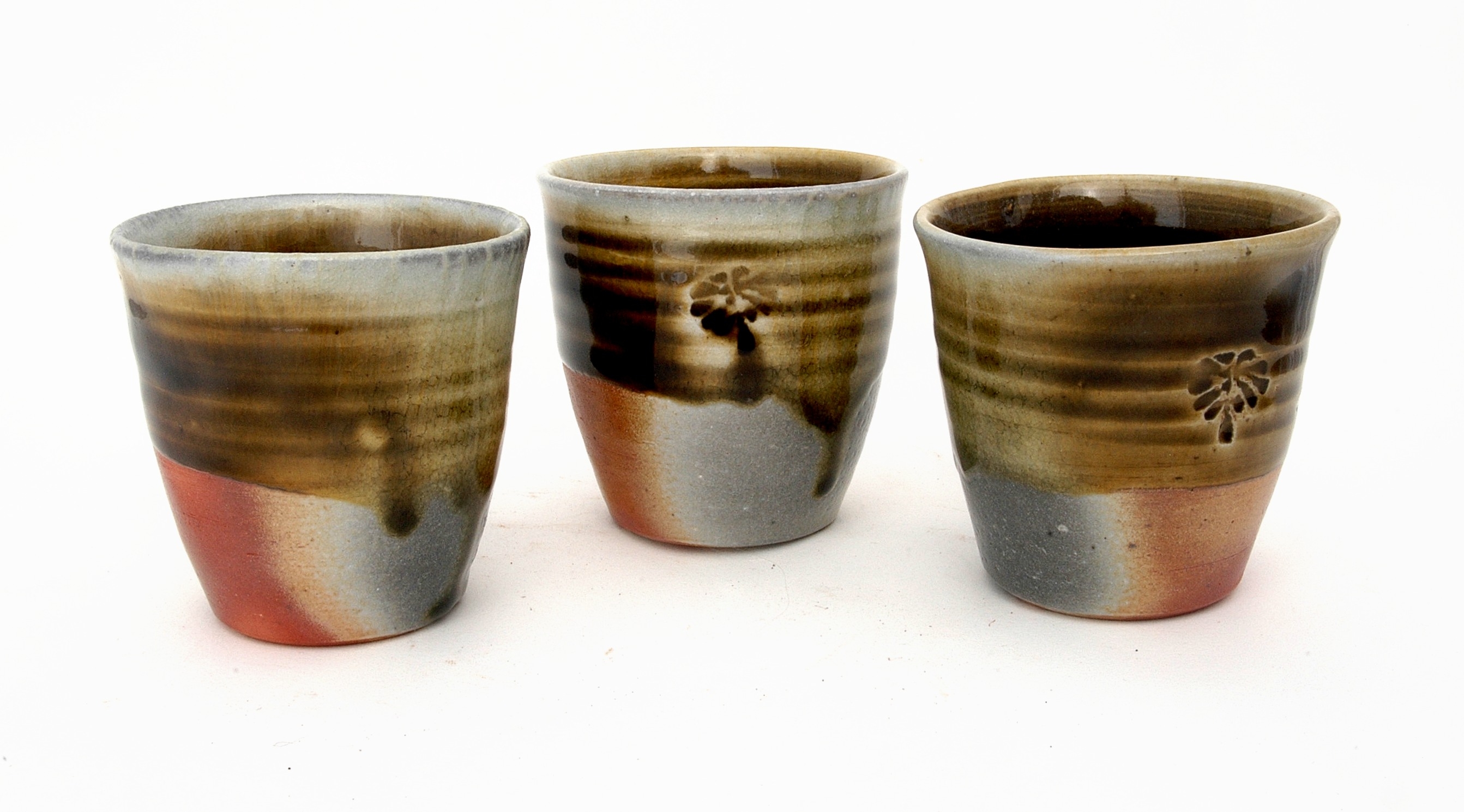
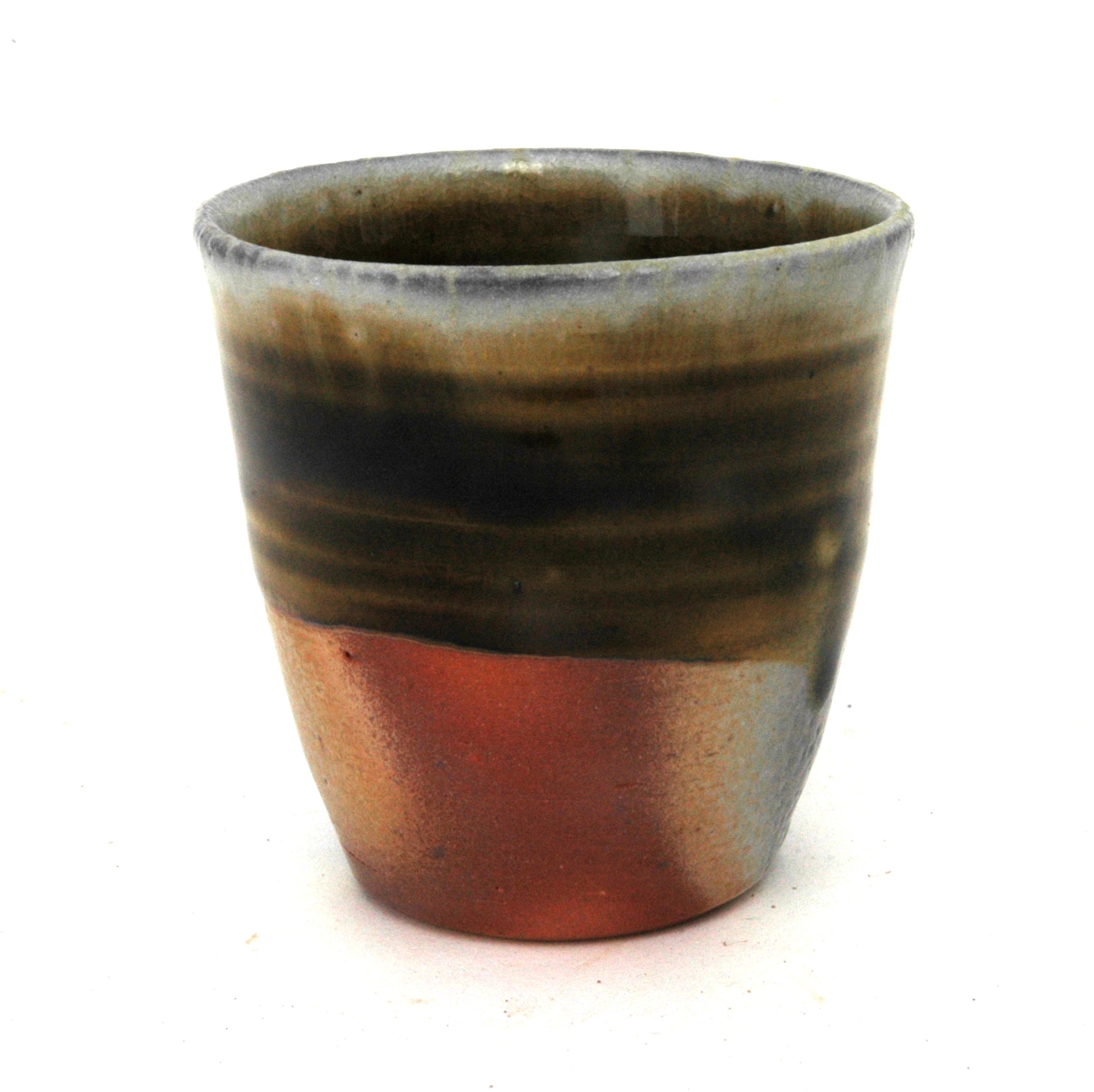
Janine got some really nice little cups with dramatic carbon sequestration and loads of natural ash deposit all over the fire-face. The clay body flashed red and the carbon inclusion is dark charcoal grey and black. A really lovely dramatic result for her.  I think that they are stunning little gems.
DSC_0001_024DSC_0001steve Harrison 2DSC_0002
She has used one of her older North coast, wild beach, pumice glaze. It varies from batch to batch, just as ‘wild’ glazes should. Varying from pale green celadon-like, through darker bottle greens into this transparent ‘honey’ brown on this occasion.
It’s a complex function of the natural variations of the materials, where they are collected and how they are processed, but also what they are blended with and in what proportions, plus the firing and the wood. I love this unknowable and unpredictable quality, so have absolutely no intension of trying to regulate or control this wild beach girl.
 DSC_0004DSC_0005
I love the way these little cups have flashed to a lovely warm red and yet picked up so much grey carbon during the firing, making for such a great contrast.

DSC_0006 DSC_0009

Some of these cups are so grey with sequestered carbon, that it makes them look as though they are on a dark clay body. but they’re not. In fact they are only glazed to half way, and the wood ash during the firing has glazed them all over in some places.
DSC_0024
DSC_0025
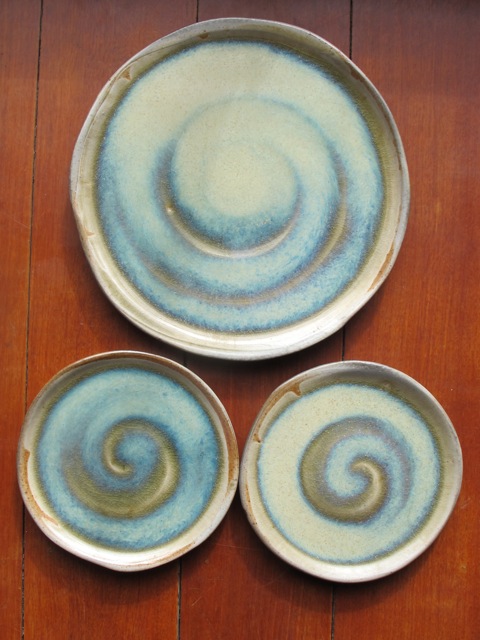
I have some nice rough country kitchen plates, glazed with the fluid blue/cream ash glaze. Some very nice ikebana vases fired in the front of the kiln in the ‘Zone of Death’ for the exhibition in Taiwan and three lovely tea bowls for the exhibition in Singapore. Plus two nice faux shino tea bowls for a group show at Kerrie Lowe Gallery in Sydney. So the pressure is off. I have everything that I need and more. This life of self-reliance and DIY seems to have worked out OK for us. However, it’s a bit late now after almost 40 years together and living here to go back and make any changes. We have committed to this life and it has been good to us.
IMG_4470
The ash glazed plates will mostly go into use in our kitchen, but there will be a few for sale in the pottery and on our ‘Gallery’ menu on the blog, when I get around to it. I threw them with a feeling of being fast and loose so that the throwing marks are quite distinctive. They were actually thrown reasonably slowly, I just wanted them to look ‘fast’. This was to show off the pooling effect of the ash glaze at high temperature. They have turned out well and I’m happy with them. I wrote about making them 6 weeks ago in ‘Give Peas a Chance’, when I was throwing them.
 img_4059
 There is an inevitable time lag between throwing the wet clay on the potters wheel, drying it to leather hard ready for turning the bases into a smooth shape and creating a ‘foot’ ring, if required by the form, then thoroughly drying them out before bisque firing. The biscuit firing is heated slowly up to 1000oC in the solar powered, electric kiln. Then after slow cooling, the pots are unpacked, fettled and prepared for glazing. The water based glaze mixture is made from sieved wood ash from the kiln and/or kitchen stove firebox, mixed with ground up local stones. In this case the application is quite thick because the glaze runs and pools at high temperature. After the glaze is dry, the pots are packed into the wood fired kiln to be heated up to 1300oC in reduction atmosphere over approximately 20 hours of constant stoking.
It’s amazing that potters will actually come here to work through the night firing the kiln with us and be happy for the experience! Potters?!!
The pieces below were in fact fired in my own firings, squeezed in-between the regular weekly workshop firings.
 DSC_0007_014DSC_0007steve Harrison 2DSC_0016

DSC_0009

DSC_0023_013DSC_0023steve Harrison 2

DSC_0025_007DSC_0025steve Harrison 2

DSC_0049_012DSC_0049steve Harrison 2

DSC_0044

These 3 Ikebana vases have come from the kiln looking pretty good. I’m very lucky! They all say wood fired, but they are each different in their own way. The first 2 are made from my washed basalt gravel sediment paste body. Black and mat and exerting a strong influence on the glazes that I apply over them. The 3rd from red flashed stoneware that has picked up a lot of carbon inclusion during the firing.
I made a number of these vases, so I have a few to choose from. I will put these others up in the gallery.
DSC_0002
DSC_0034
DSC_0060
DSC_0067
.
The tea bowls that I have selected for the exhibition of ‘Chawan’ in Singapore are a mix of shapes and styles.

DSC_0012_015DSC_0012steve Harrison 2

 This bowl is of the more open ‘summer’ style of tea bowl.
It is gently undulating with a softness of form and surface, but with superb strength of character. It speaks quietly but looks as if it knows something about a big stick.
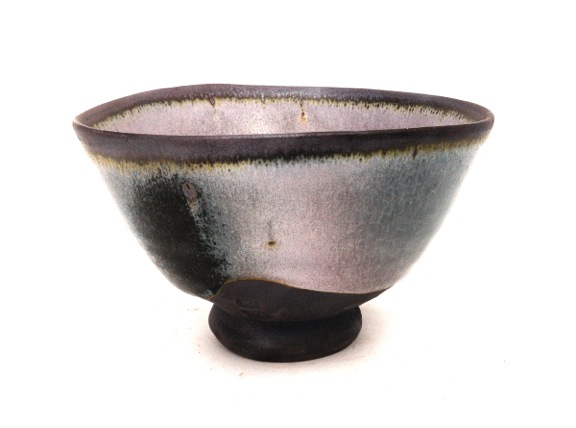
It is made from my washed basaltic gravel sediment body paste. It is very unusual. It fires dark charcoal grey to matt jet black. The extraordinarily high iron content makes it quite tricky to fire to high temperatures in reduction without melting it. When it survives, it is amazing. I love it. The body seeps its iron into what ever glaze is covering it and it changes them. In this case the glaze is an ash and rock combination that fires to a mushroom pink colour, with hints of grey and chocolate. Where the wood ash from the flame during firing impinges on the surface, it can bleed into the glaze base and turn it transparent so that the black body underneath is revealed. This bowl was very fortunate in the kiln. It was enhanced beyond what I put in the kiln, through the firing experience and emerged with a range of surface colours from matt pink to perlucent grey through to transparent black. The rim shows a saturated iron chocolate brown, where the glaze has run away from the rim during firing.
The surface exhibits four seasons, dry matt black, clear glossy transparent black, soft satin pearlescent blue/grey and densely matted soft mushroom pink. I love it!

DSC_0022_01

This bowl although new, looks old.
It has had a tough short life and shows it experiences clearly on its surface. However, it still carries itself with grace and poise, despite its scars and marks of surviving the experience of the firefront. A bit like life.
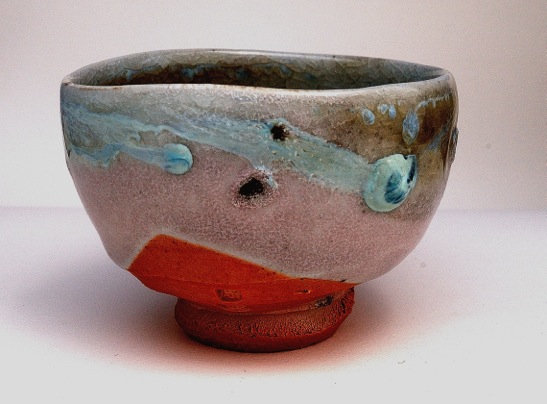
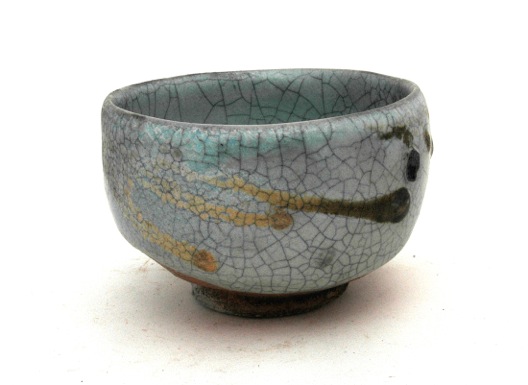
It has superb strength of character. A strong, beautifully textured foot that illustrates the roughness of the clay beneath, while draping itself in a luxuriously soft, satiny, pink/grey cloak of wood ash and granite glaze, with highlights of runny pale blue opalescent ash glaze.  It’s a closed ‘winter’ bowl and feels wonderful in the hands.

DSC_0062

This ‘winter’ bowl is glazed from my local native ‘bai-tunze’ porcelain stone body, converted to a glaze by the addition of our local limestone deposit and a small amount of ash. The resulting glaze is of the ‘guan’ / ‘celadon’ family of glazes. it is pale blue/turquoise green where it is applied thickly over a pale clay and a more sombre grey where thin. this stoneware body has a small amount of iron present, just enough to colour the clay grey in reduction with a charcoal carbon inclusion where it is exposed directly to the wood fire flame. the ash that has melted over it during firing varies from golden yellow to mat brown and contrasts beautifully against the thicker turquoise glaze on the rim.
It has a quiet contemplative feeling and a subtle restrained beauty.
I’m quite happy with these three different bowls, made from 3 different ground or washed rock bodies and with 2 different wood ashes and ground rock glazes.
This next bowl is a response to some wonderful work exhibited by Toni Warburton, where she re-imagined traditional grey shino with a completely contemporary take that involved making grey shino images, textures and colours at earthenware temperatures. These were ceramic paintings/sculptures that imaged the aesthetics of the old wares. They were exhibited at the Australian Ceramics Assn. exhibition; “The Course of Objects – The Fine Lines of Enquiry”.
I really liked this work very much. I couldn’t have thought in this way. But, once having seen it, it spurred my imagination. I’ve always had a reluctance to try my hand at shino. It’s been so overdone and especially by wood firers, and why not? it’s an amazingly good and ever so attractive glaze surface. But, exactly because everyone is doing it, or has done it, it suffers from over exposure. I don’t want my work to be indistinguishable from everyone else’s.
I really admire the original pieces made in Japan in the Mino area in the last two or three generations by Arakawa and his followers and imitators. If Shino is what happens when you take the local stone and apply it over the local clay, then that might have some area left to be explored here in the Southern Highlands and its surrounds. It won’t be shino, but it will be one of the local aesthetic variations that are possible to conceive of in this place, at this time.
I decided to try my local granites. aplite, porphyry and other acid volcanics and their derivatives, just to see what would happen. I even drove out of my shire to access some acid volcanics next door.
I’m thinking that if I apply this simple formula of ‘use what I have’, then do the best that I can with it. I just might get something interesting.
So this is what I have started to do. I don’t know what I’m doing with shino, I’n a novice, but I know my materials, so something has to happen. Let’s hope it’s good.
This winter bowl was fired in the ‘Zone of Death’ at the front of my kiln firebox. It’s blushing with embarrassment at being so lucky to have survived the ‘zone’ in a first attempt at Faux Shino.
It’s called ” Me No Know Mino”
DSC_0048_018DSC_0048steve Harrison 2
I think that there is a bit of potential here.
Watch this space.
This new work will be shown at the Kerrie Lowe Gallery in Newtown in a few weeks time.
Best wishes from the slow moving Faux Peasant and his Wild Beach Girl.

Old Slag and a Tosser

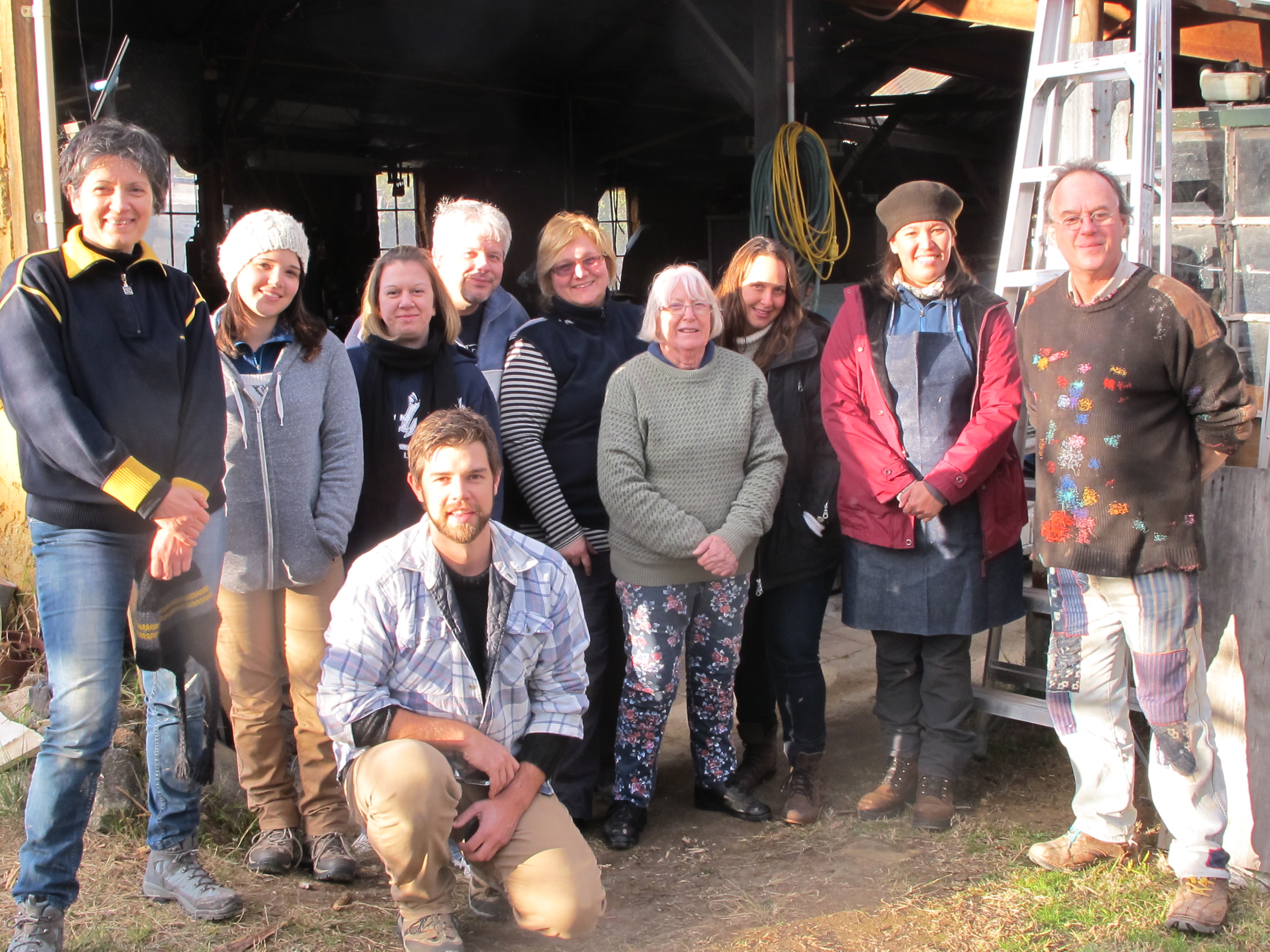
We have another weekend wood firing workshop. Another amazing group of wonderful people. Everyone so engaged and enthusiastic. I have to cut split and stack more wood. Prepare the kiln and its furniture, kiln shelves and props. Check out all the fittings and structural elements to make sure that it all goes smoothly. The fire box lid lining is on its last legs, but will last a few more firings. It takes a few hits from our enthusiastic new stokers, with well-meaning, but miss-placed logs at high temperature.

IMG_4594

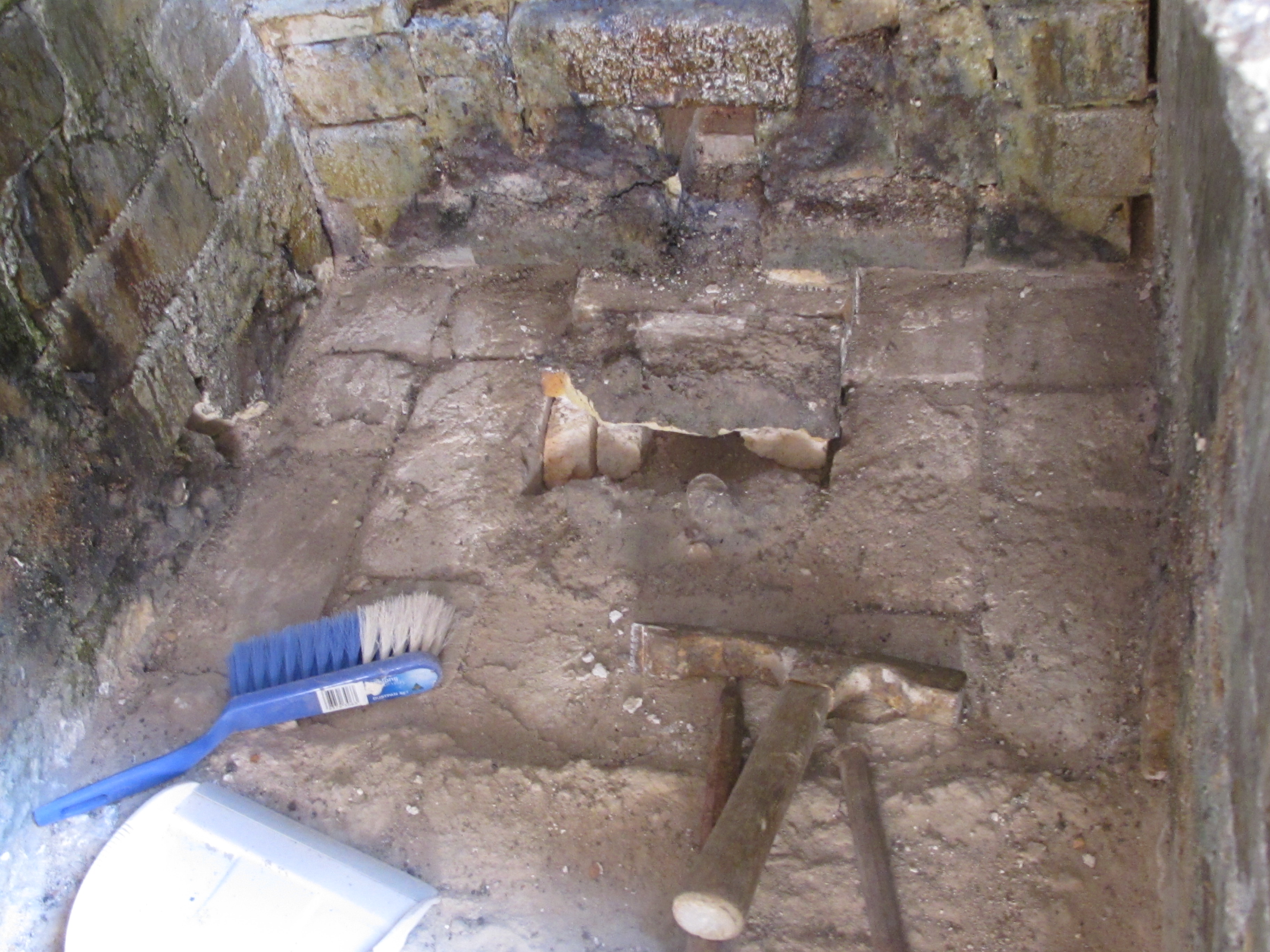
Before we can fire the kiln again, There is maintenance to do. I have to get inside the fire box of the kiln to chip out the molten ash glaze slag from the last firing. This has to be done after every firing. The ash from the firing collects in the base of the firebox and accumulates to the point that it melts into a molten slag at the high temperatures at the end of the firing. It forms flows of liquid natural ash glaze that pool into the floor bricks. This is the same natural ash glaze that decorates our pots during the wood firing and gives them their distinctive wood-fired look.

There is alway some minor repair work required after each firing . Sweeping out the dusty ash and charcoal, chipping out the slag that threatens to block off the air holes. This is normal maintenance. However, when I get inside the firebox this time I see that the last firing had such fluid ash glaze formed at the end of the firing that it has run and pooled into the very important mouse hole in the base of the ash pit. This hole is most important to keep the ember level under control during the firing. It has to work properly, otherwise I can’t control the fire as easily and everything could go pear-shaped.

On close inspection I find that the ash glaze slag has completely filled the air hole and sealed it off completely. To avoid this occurrence, I place a special little kiln shelf ‘lid’ over the hole to deflect most of the ash to the periphery of the hole and this usually works. But the combination of wood that I have used this last time has created a very fluid slag and every thing had disappeared into a grey/brown puddle of lava. I can’t even see the ‘lid’ or the hole beneath it. I work on the principal that I know that it is under there. I have to climb into the firebox base armed with a 2 kg hammer and cold chisel, a crow bar and a skutch hammer. I have protective goggles over my glasses and a dust mask as I set to work in this cramped space, hammering and chiselling as best I can without being fully able to swing the hammer properly. I bash, chip hammer and prize my way through the glassy, lava-like slag. It is brittle and smashes into jagged, conchoidal, shattered spalls. Bits fly everywhere. It’s in my hair and all through my clothes. I have to be careful not to cut my fingers trolling through the pieces, tossing them back into a bucket in the kiln chamber. I finish by sweeping up the small fragments and dust. It’s a crap job, stuffed into this small space with all the dust and sharp edges, but it has to be done and no-one else, including the kiln fairy, is likely to volunteer. I keep putting it off, hoping that the kiln fairy will do it, but no such luck there. It’s all part of being self-reliant. I often put it off till the last minute, because I just don’t enjoy it, other times I get stuck into it first thing. It all depends on my energy levels and state of mind. There is no avoiding it. It just has to be done.

IMG_4590

IMG_4591

Although it doesn’t look it, it’s actually all cleaned out and ready for more work.

I’m lucky and very grateful that this is the worst job that I have to put up with. It’s certainly the least glamorous job in the pottery. It’s all very well, sitting in the sun being creative and making lovely things that are visually engaging and wonderfully tactile. Unpacking the kiln is like Xmas, but no-one daydreams of all the hard graft that goes into ‘creativity’. Don’t give up your day job!

We have a -2 oC frost overnight, during the firing. It keeps us sitting up close to the kiln during the midnight to dawn shift. Our European friends will call us pathetic wimps. That isn’t cold! Minus 40 is cold. I know that, but we are in Australia, the land of heat and sunshine, draughts and heat waves and not used to the severe European cold. Minus 2, certainly felt cold enough to me. If it got colder than this on a regular basis, I’d build a different shed. One that had walls!
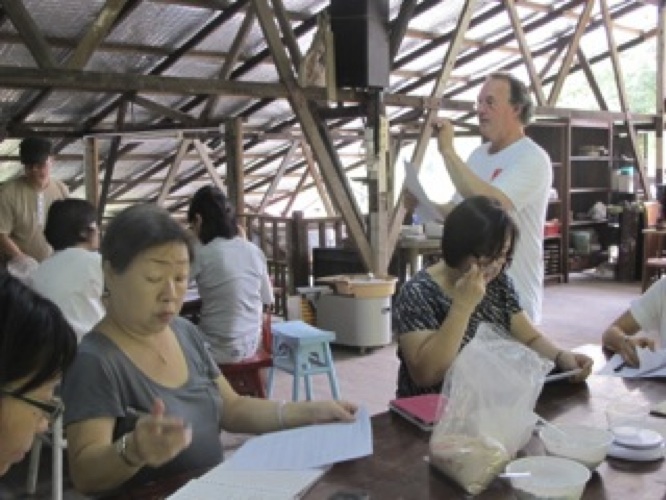
A quick walk around the garden reveals that the last 2 rows of very late potatoes in the garden have now had it. The frosts are coming regularly now. Not severe, but light and regular. I think that this must put an end to these spuds, but they still have a few green leaves. I don’t need the space just now, so will leave them to their own devices, till spring. I can’t see anything coming of them. However the single red Flanders Poppies growing among them seem to love it.

IMG_4620IMG_4656

IMG_4643IMG_4603

IMG_4604

IMG_4619

There are lots of pretty images in the garden of leaves tinged with white frost and ice crystals. The ground crunches under foot as I walk about. There have been several frosts like this one now. It’s good. It will finish off a lot of bugs like the fruit fly, that can over winter in milder climates. This ‘chill’ will help all the old varieties of fruit that need their winter chill to become fertile in the spring.

I walk down to the Pantry Field garden. It’s situated down at the bottom of our land, in a clearing in among the tall eucalypts. the tree cover of the tall crowns gives a modicum of protection. I have a quick look around and see that the frost hasn’t penetrated here as yet. The big potato crop is still doing just fine, no frost damage. But on closer inspection I see that a lot of the tender tops of the plants aren’t burn’t off, but completely missing. Nibbled off by our resident Eastern grey kangaroos that wander through here attracted by the grass, tree cover, undergrowth protection and the availability of 4 dams to choose from for water. No wonder that they hang around. They treat the place like they own it, and they do! They were here first. We haven’t fenced our land at the boundaries at all. It is all open for them to pass through and enjoy. What we have decided to do is to fence off the various islands of garden and orchard, to keep some possibility of getting a crop to ripen. These plants haven’t been attacked till now, so now is the time to do something about it, If I don’t, they all be gone in a week or so.

IMG_4612IMG_4611

IMG_4628IMG_4629

IMG_4630IMG_4639

I make it a priority to extend the fencing wire up to 1.5 metres. Up until now we had got by with only rabbit proofing fencing. Wire mesh that we could step over. Now I need to make a taller fence with a walk in gate, plus an openable end to allow the tractor to be able to get in and out for tilling once a year. While thinking all this through I see that there are another crop of mushrooms coming along. I can count about twenty or more. We’ll be changing our diet slightly now and for the next few weeks to include Mushroom soup, mushroom sauces, mushroom risotto, mushroom in white sauce and eggs and bacon for that leisurely late brunch. If we can find a day that we can declare to be leisurely?

Fond regards from the old fun-gi