Sour Dough Clay

We try to allow ourselves a little time ‘off’ over the summer from the usual on-going procession of jobs. This year we had two lots of relatives visiting, so that was a good excuse to not do any other work for a week or two. Then I taught a Master Class in fine throwing and turning techniques up in Sydney for a week. So now it’s back to work. The very real work of essential property maintenance and more clay making while the weather is hot.

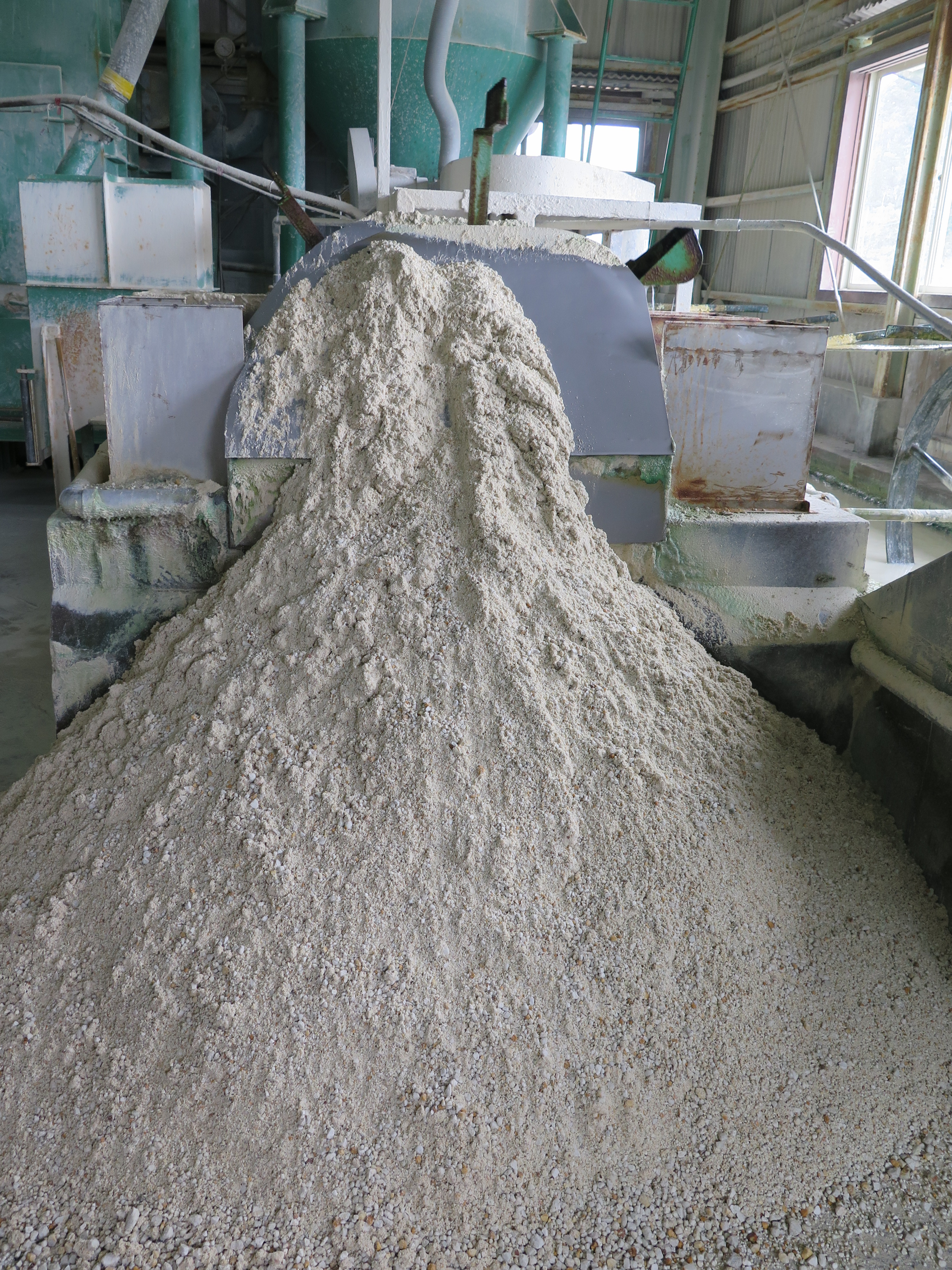
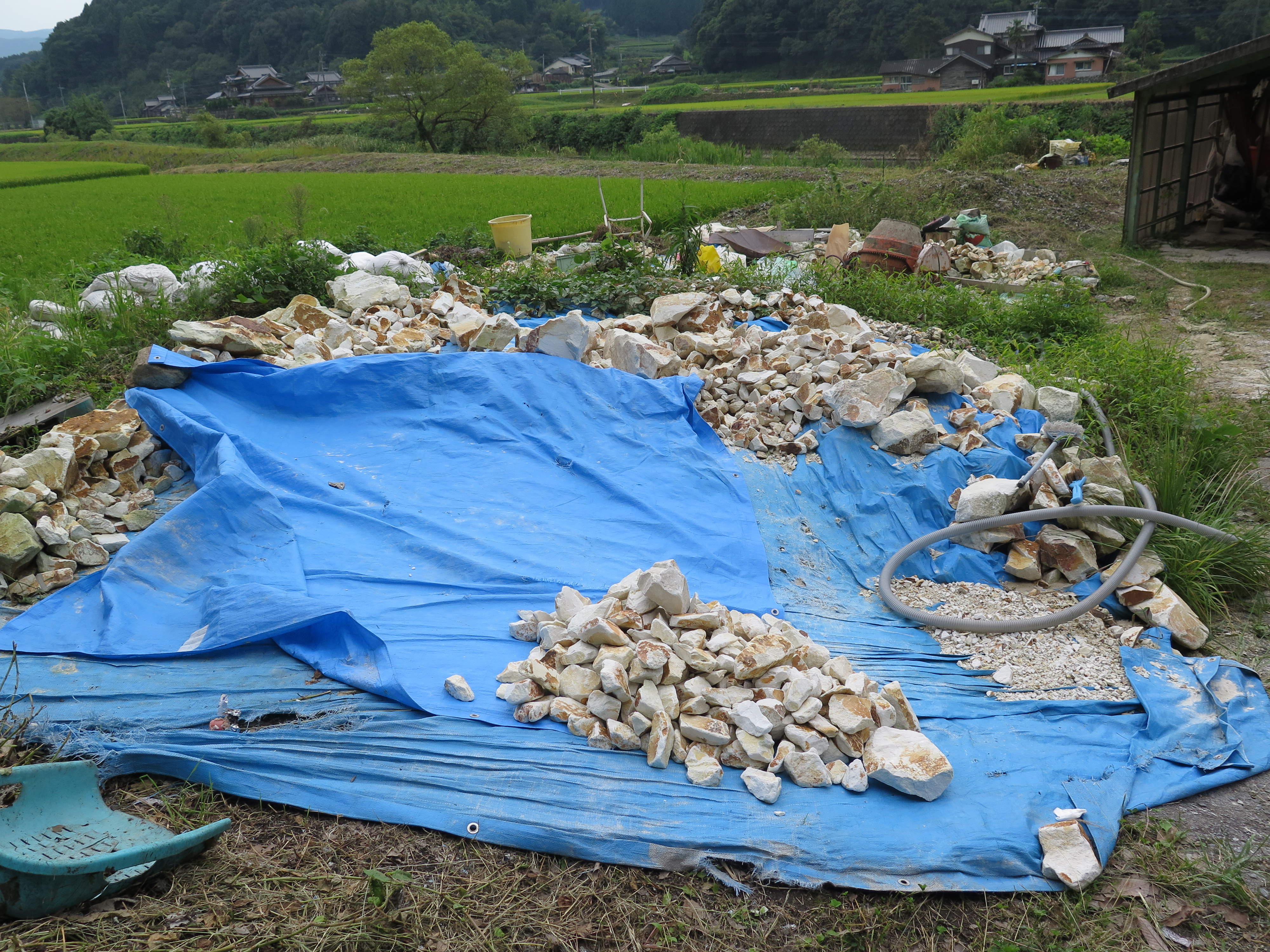
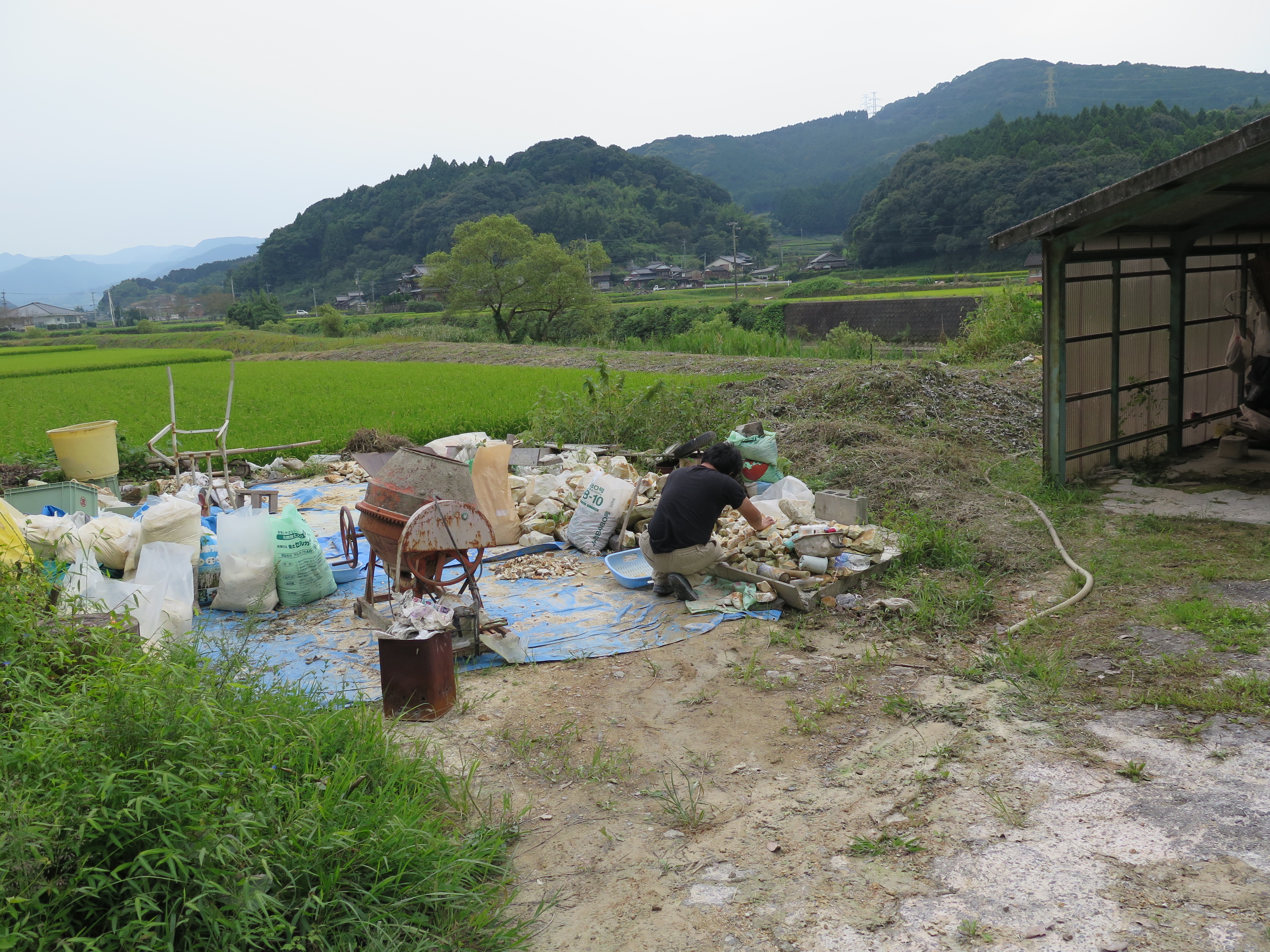
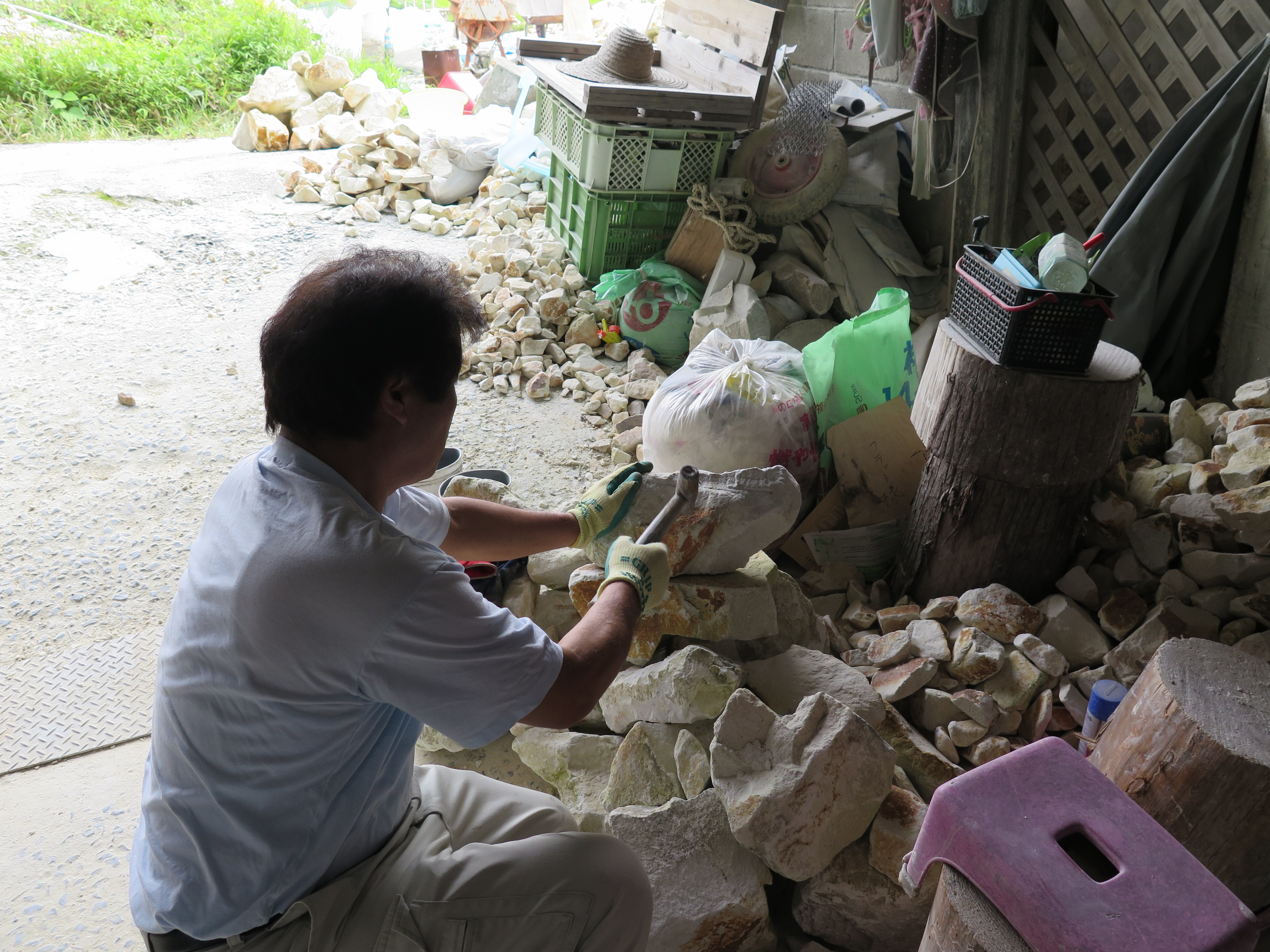
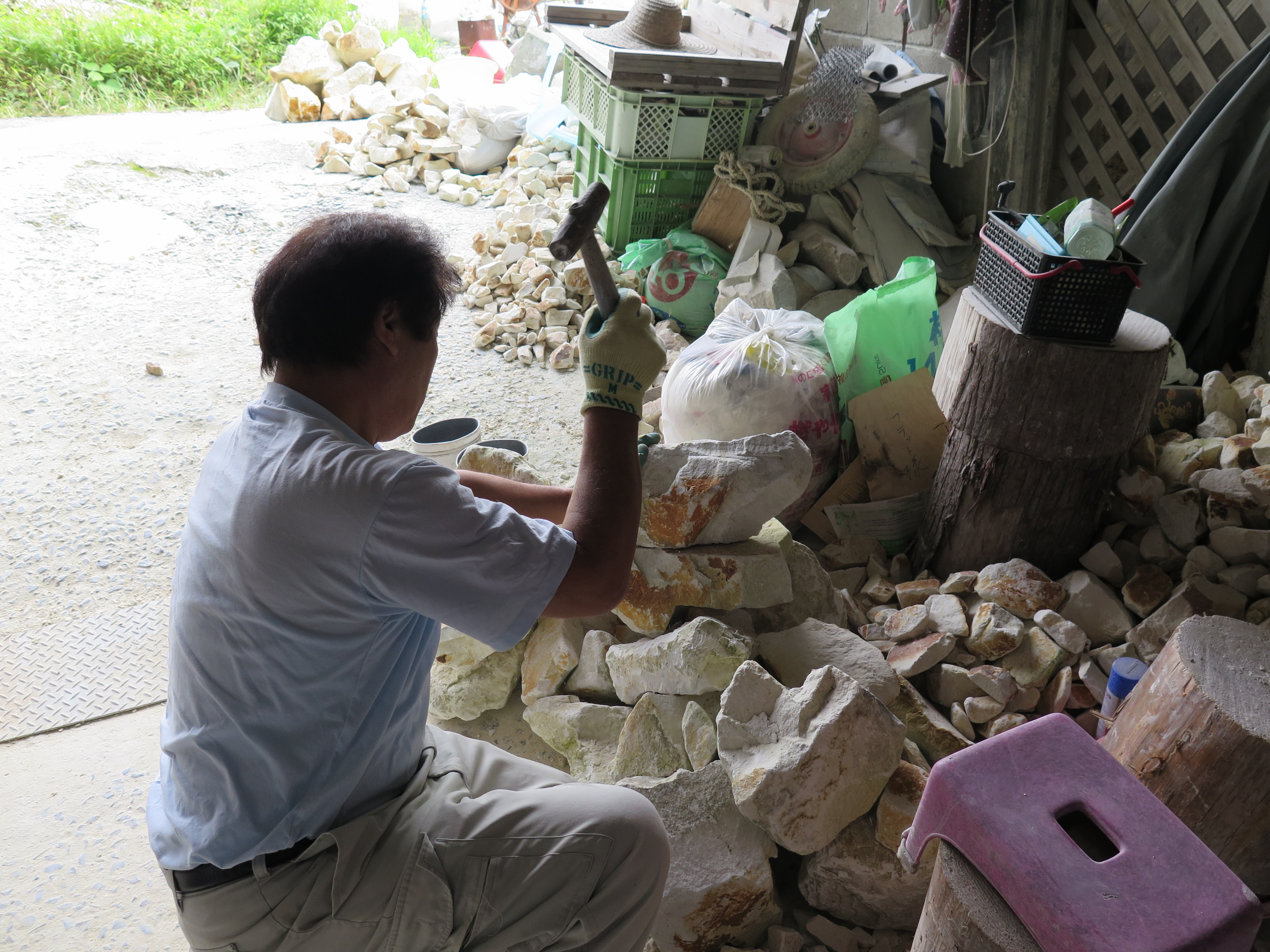
I have been spending time over the summer to prepare ‘clay’ for the coming year. When I say ‘clay’, what I mean by ‘clay’ and what other potters understand from that term are completely different things. I have been crushing and grinding my local porcelain stone down to a fine powder and then ball milling it into a fine impalpable stone paste with a little bentonite to make my native bai-tunze porcelain body. It isn’t plastic and sticky like most potters clay. This wet rock dust is just that. Wet rock dust. It needs a long time weathering and souring to develop any sense of cohesiveness and plasticity. The 15% of illite clay mineral that is present in the stone, gives it some similarities to the weathered ’sericite’ mica bodies of the orient. Illite is closely linked to fine weathered mica minerals, so it does give it some plastic qualities after a few years of ageing.
IMG_2011
I’m constantly trying new ways to see if I can improve the workability of my local stone somewhat, but there isn’t much that you can do with non-plastic rock dust. Other than to add some kaolin and bentonite, which is what I already do and what I saw them doing in the porcelain clay factory in Arita.
Same problem, same solution!
IMG_2015
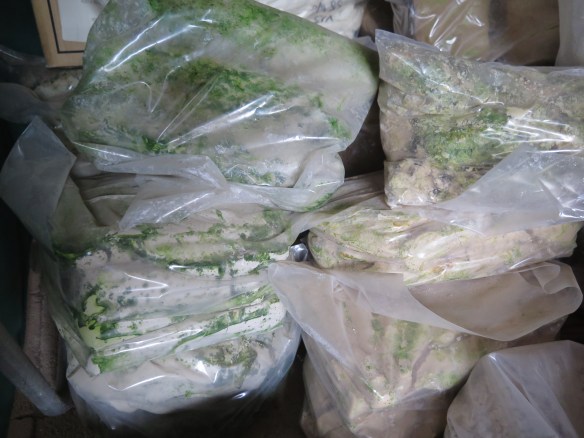
This last year I experimented with another approach to plasticising my rock dust. This time last year, I set aside one 50 litre batch of ball milled porcelain stone slip, and instead of stiffening it on the drying bed, then setting it aside to ‘age’ in a plastic state. I have tried to leave it to settle, flocculate and ‘age’ in the slip state. This produced a very interesting result. The slip developed some sort of ’skin’ on its surface, but below the clear water that appeared above the slip as it settled. This ‘growth’ of skin must be some sort of living material like algae or something similar? I’ve never seen anything like it before. It was quite strong, as I was able to depress a bulge down into it to get the bucket into the barrel to drain off the water from the top. The skin didn’t break and allowed me to recover all the surface water without disturbing the clay below. It even held together well as I lifted it up off the surface of the slip underneath. There was some greenish algae-like growth around the edges of the bucket, where light could get in. This isn’t unusual, as I get loads of green algal-like growth in my clay bags that are set aside to ‘age’. I make my bodies from natural stone powders that I grind myself and I use mostly naturally acidic tannin infused water from the water tanks connected to the pottery roof. Tannin is well documented to be beneficial to plasticising clay materials, as is maintaining an acid pH to counter the natural release of alkalis from the broken down stone fragments as they are ball milled. The overall effect of these natural ingredients is that there is no chlorinated water used in its production and no sterilisation of the powders or any heat treatment of any kind, so the clay is still alive with whatever organics there where in it in the first place.
I’ve kept the ’skin’ to investigate further. I may be able to use it like a sour-dough starter to inoculate the next experimental batch of porcelain body?
When I started to mix the settled and aged slip, it was very viscous and then when I poured it out onto the drying bed and scraped out the bucket, my fingers started to stick together with the extreme viscosity of the slip. I haven’t felt anything quite like this from porcelain slip before. I once had a bucket of porcelain glaze that I kept for special purposes, and then didn’t use for a few years. When I open the bucket and stirred it up. It had set to a stiff gel and took a bit of effort to stir. My fingers stuck together with the viscosity of the glaze at this time too. Ageing has this plasticising effect and is a good thing to do if you can afford the time. I’m 64, so I don’t have a lot of time to do these kinds of experiments over the very long term. I’m keen to see how this specially aged liquid slip batch of porcelain body develops and throws this time next year.
Only time will tell.
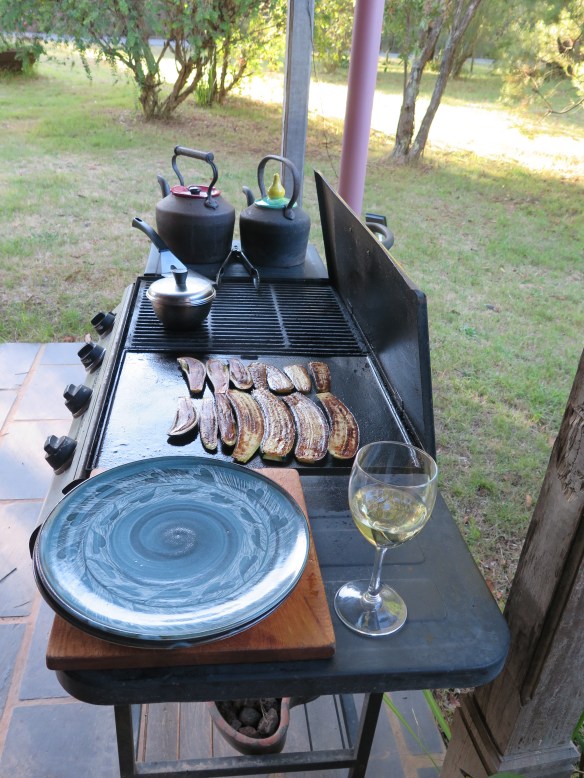
Summer is also a time of fresh garden salads and veggie BBQs. We have a lot of tomatoes, zucchini, aubergines and basil at the moment, so every meal is some sort of variation on ratatouille. Baked, poached, pan-fried, BBQ’d and/or grilled. I’m trying to keep it varied and interesting in lots of different ways.
IMG_1847


Best wishes from all-natural, sour-dough, clay-boy

The First Tomatoes of the Year, Ratatouille

Yesterday, we harvested the first ripe tomatoes of the year. This is only the second time that we have managed to get ripe tomatoes before Xmas. The only other time was last year. Global warming, What global warming?

We also made our first pickings of our large green capsicums and smaller yellow banana capsicums, added to the sweet basil and yellow and green zucchinis, we have the makings of the first ratatouille of the summer. The egg plants bushes oblige us with the first few small aubergines and suddenly, there is our dinner in a basket.

The weather is very hot now 39 0C during the day. Our friends in Adelaide have had 4 days in a row of  41,42,43 and 41 oC. Way too hot to be able to work effectively outside. I make clay while the sun shines, inside under cover of a roof, but still sweltering. Porcelain slip dries very well on the drying bed in this weather. It’s a good time to make single-stone porcelain.

In the evening we sit outside and cook our produce, Ratatouille with the addition of a small jar of last years concentrated tomato, onion and basil ‘sugo’. I lightly brown our new-season onions in olive oil and then add in our crushed garlic. The roughly diced vegetables are added and turned in the oil a few times to coat them, then the sugo is added and the lid placed on to allow it all to simmer and soften for a few minutes.

We sit and chat into the cool of the evening. A nice chilled glass of rosé goes very well with this simple, fresh and very delicious Post Modern Peasants repast. The flavour of summer!

We have really earned this meal. We started making this meal three months ago, when we spread the compost and planted the seedlings. Now it’s payback time. It explodes in our mouths and takes us back to last summer. I can feel myself starting to relax into the idea of taking a little time off over the solstice break. This is a well earned, beautiful moment.

I am grateful!


6 New Bowls

The Xmas show at Watters Gallery opens on Wednesday night at 6 pm.

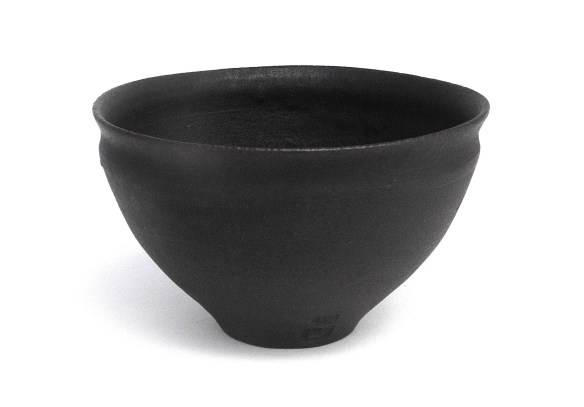
I have 3 of these new bowls in their end of Year show. I have been developing the Balmoral Blackware body that I make by washing rotten basaltic gravel in water then throwing away the gravel to obtain the micron thin film of hydrated ceramic dust off the surface of the rotten stone fragments.

It takes a long time to prepare, as it takes quite a while to get enough sediment to settle out, so that I can stiffen it up into a plastic state and pretend to throw in on the potters wheel. I throw on an old fashioned, handmade wooden ‘Leach’ style kick wheel.

I ‘throw’ the inside of the form and the rim, leaving the outside and the lower form quite thick, so that it supports the fragile, non-plastic material.

After the forms have stiffened over night, I ‘turn’ away all of the excess material that was necessary to support the form from underneath, then shape the foot ring. Turning away all the excess clay and revealing the form, the way that I had conceived it.

DSC_0050_075DSC_0050steve Harrison 2

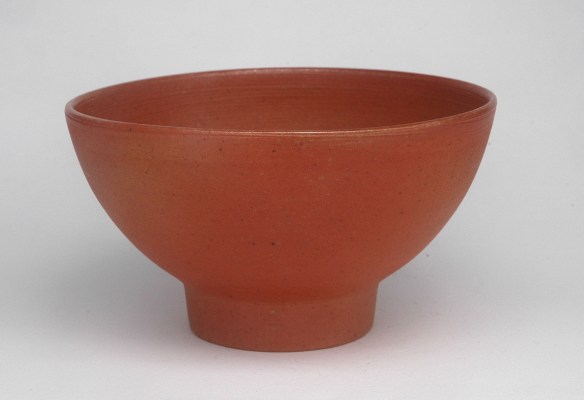
I fire these forms at the front of the 2nd tier of kiln setting. If they are fired too close to the front, they melt. Quite literally, the extra heat is enough to make them turn to liquid sludge. i quite like it when they are just caught at their liquid limit, when they are just starting to melt. I particularly like the pots that are very slightly warped in the firing. Their endurance in the contest of the fire sometime brings about a lovely quiet, natural distortion in the precision of my original form that is very appealing. This piece below, has developed a gorgeous satiny surface of deposited natural ash glaze during the firing. The ash has soaked into the body and started to run down into a rivulet near the foot. It is almost invisible to see, but lovely to feel. The ash has also turned the mat black clay surface to ripe plum reddish brown.

DSC_0053

In developing the blackware forms, I have managed to achieve a couple of exquisite  pieces that really exemplify the potential of this material. I have also been spending a lot of time in working on my native bai tunze stone materials. I spent time both in China and Japan this year trying to extend my understanding of single stone porcelain. These initial results are very encouraging , and I feel that this work is starting to pay off.

DSC_0054_077DSC_0054steve Harrison 2

This form above shows a build up of natural  ash glaze deposit that was built up during the firing. It is slightly greenish in colour where it is thicker and there is a very delicate grey/black carbon inclusion trapped around top of the rim. It defines the rim and completes the form.

I have two pieces of single stone white, unglazed porcelain in this show, they are quite subtle and delicate. I have explored both high footed forms as well as seemingly footless forms like the traditional ‘tenmoku’ forms. I was lucky enough to spend time in China earlier this year, studying both single stone porcelain as well as a trip up-river, in China to study the ancient ‘tenmoku’ ware sites.

DSC_0056

These pieces are are both translucent and made from 97% ground native porcelain stone pastes. The remainder being 3% sticky bentonite clay. This helps ‘glue’ all the stone fragments together so that they can be ‘thrown’ on the wheel. What I do isn’t really ‘throwing’ as most potters know it, but rather a soft, gentle, patient, kind of coaxing the ceramic paste into the  bowl form.

I also brought out some ‘archival’ batches of iron stained porcelain stone body. This time I have used a batch of body that is made from all the iron stained fragments of bai tunze that I hand sorted from the larger batches and threw aside. After a while I realised that I had separated enough yellowish, iron stained material to make a 5 kg batch of irony body. This clay is still translucent, but only just so. It has a lovely warm, mellow reddish/brown blush to it that is so warm and inviting.

DSC_0058

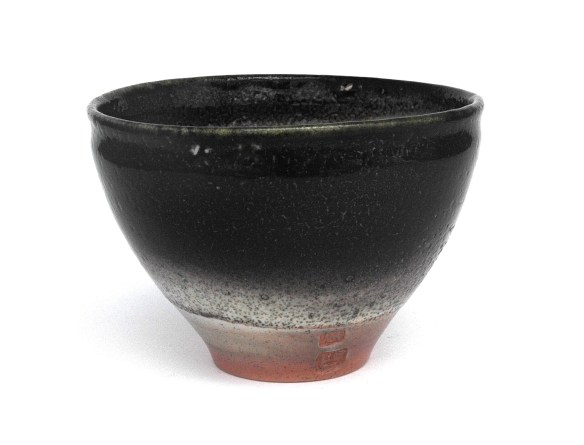
I have made some experiments this year with adding some salt to my feldspathic glazes. Instead of turning out the usual, yellow, orange, pink, brown colours, these recent firings have resulted in a few pieces that are defined by their total carbon sequestration, turning the glaze almost totally black. Except for a small area of grey/white down low near the exposed clay foot. This carbon glazed tenmoku form has turned out better than I could have imagined.

DSC_0055


Reprise clay making, recapitulation and Coda

Today I go to visit another of the local porcelain stone clay makers. It is the 3rd of the 4 that I know off and the largest of the Amakusa stone processing factories in the area. So I’m re-visiting a lot of concepts that I am already familiar with, but it doesn’t hurt to reinforce what I think that I know and take a different perspective on it. This clay factory, I call it a factory, because that is just what it is, It’s huge, is owned by Mr. Coda. So it’s only fitting to reprise my clay making experience with a recapitulation with Coda!

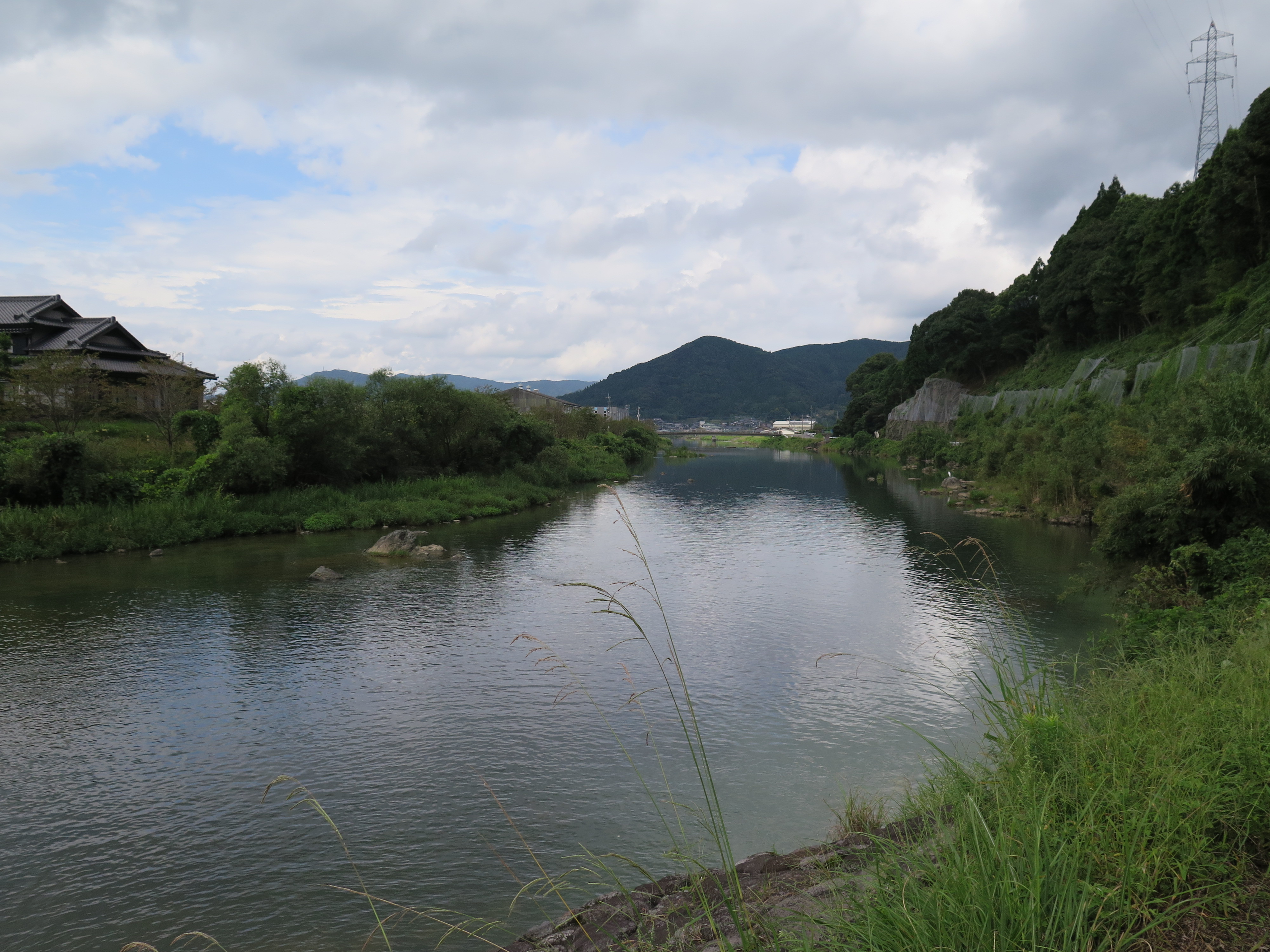
The port in the distance , down river.

The port in the distance , down river.

Coda san’s factory is out of town, quite a long way out-of-town, almost to the coast. In fact the reason that it is located here, by this river, so close to the port, is for two reasons. The river provided all the energy to power the stone crushing and stamping mills in the early days. But the other important reason is that the Amakusa stone quarry is located on an island to the south of here and in the past, the only way to get the rock to the main island was by boat. These days there is a bridge and a ferry. But back in the day, it was all done by boat. So the larger boat would come to the port and the porcelain stone cargo was off-loaded to smaller craft and floated up here at high tide, so this location proved to be crucial.

IMG_0621IMG_0620

The remnants of the levy, leat and water slouches still remain in the river, although substantially rebuilt after some devastating floods that raised the river level to 3 metres above the roadway and half way up the walls of the factory buildings.

IMG_0624

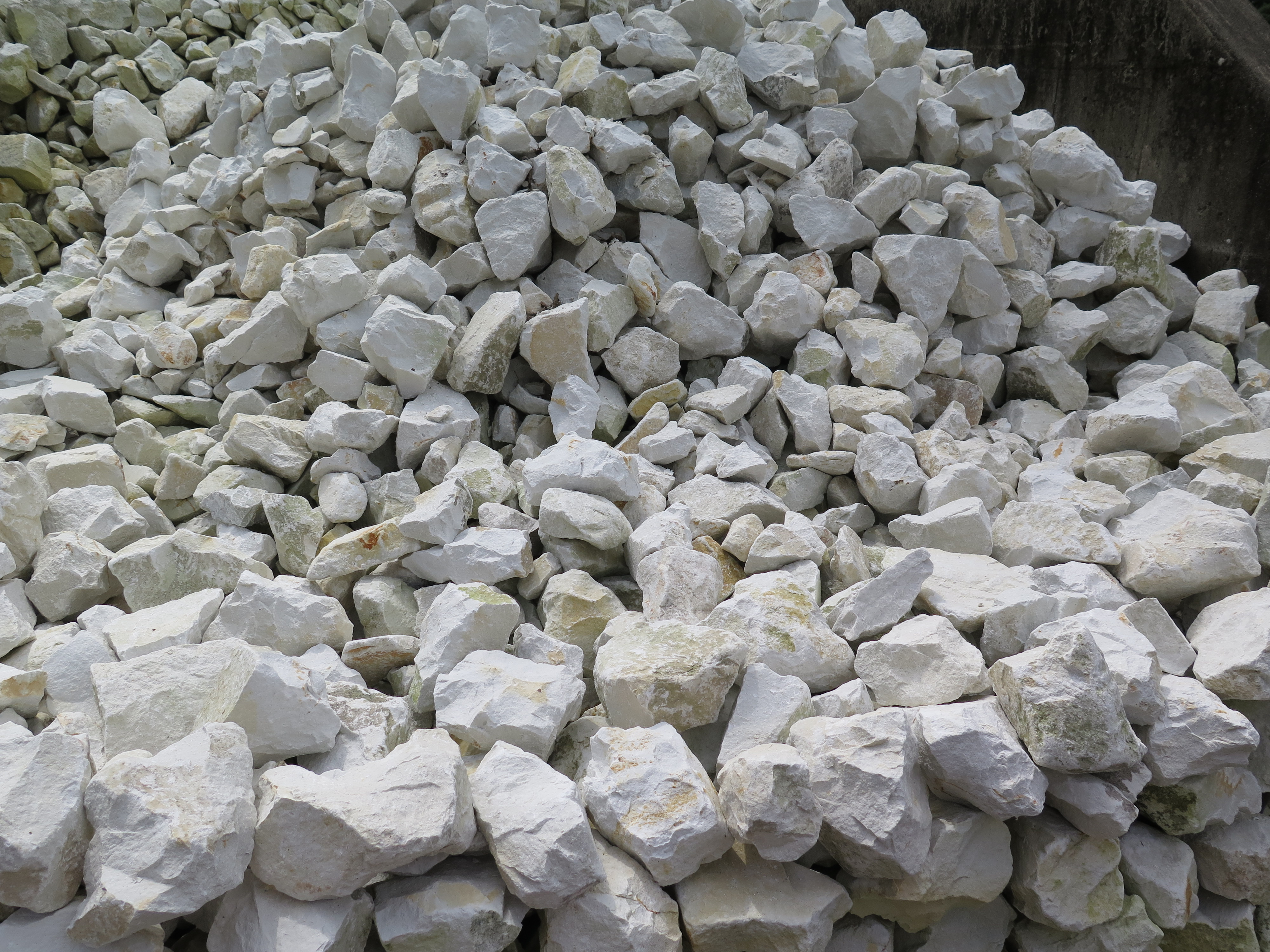
As this is the largest of the processors, there is a very large holding area where the new shipments of porcelain stone are sorted and stock-piled on delivery. The factory receives about 100 tonnes of stone per month on a regular basis. This averages about one 10 tonne truck load every 3 days. They hold about 800 tonnes of stone in total, in stock here. This is because the deliveries of the stone are all varied. The deposit, as it is being mined, produces different variations of the stone at different times, so over the year, the material seems to come in differing grades at different times.

The quarry at Amakusa has horizontal strata of weathering, but the mining is done to some extent vertically down the face, for technical reasons to do with stability and safety in quarrying. The whitest and most desirable material is close to the bottom, so a lot of other iron-stained material has to be removed first. For these reasons, it has proved to be necessary to hold a lot of stock to make sure that there will always be sufficient of any one variety, or variation of the material to fill specific orders. I think I understood Coda san was telling me that the quarry also closes during the hottest months of the summer? Meaning that sufficient stock has to be held to get the factory through the lean times.

IMG_0625IMG_0626

IMG_0627

During our tour, it evolves that this factory supplies clay to Malcolm Greenwood and Simon Reece in Australia. A friend has done all the paper work and organising of the complex, import regulation form filling. So far there have been 3 or 4 orders for 3 tonne lots in the past two years. So that is very interesting. I didn’t know that. I’ve come all this way to find out that my friends are customers here too.

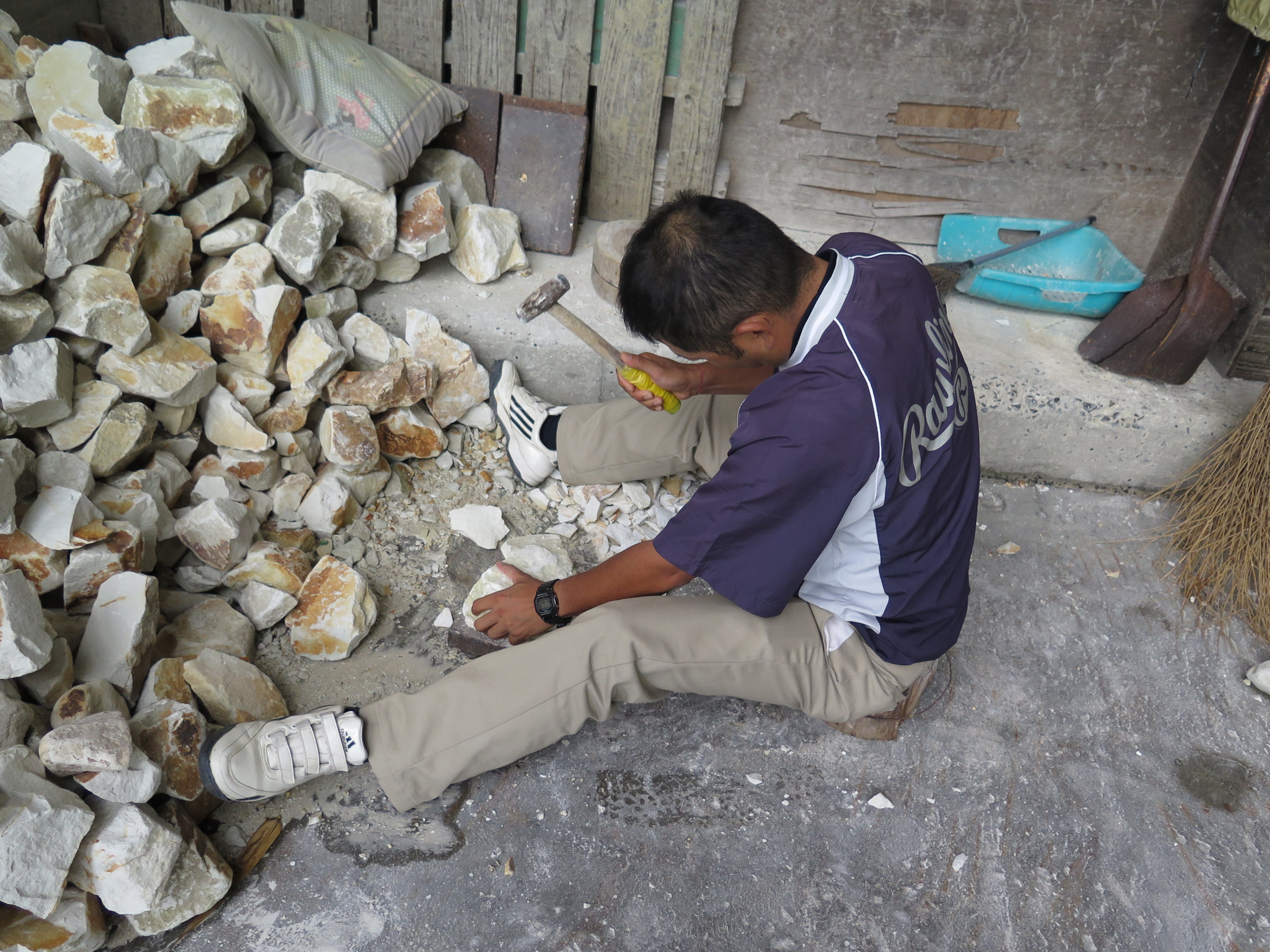
For some special customers the whitest stones are still hand chipped to remove the iron staining from the fissure surfaces. This was once common, but these days it is hardly ever done due to the high cost of hand labour. Coda san gives me a demo, but reiterates that he is glad that this type of processing is in the past. They carry such a huge stock of stone to choose from, that these days they simply choose from the whitest material as it comes to them.

IMG_0633IMG_0639

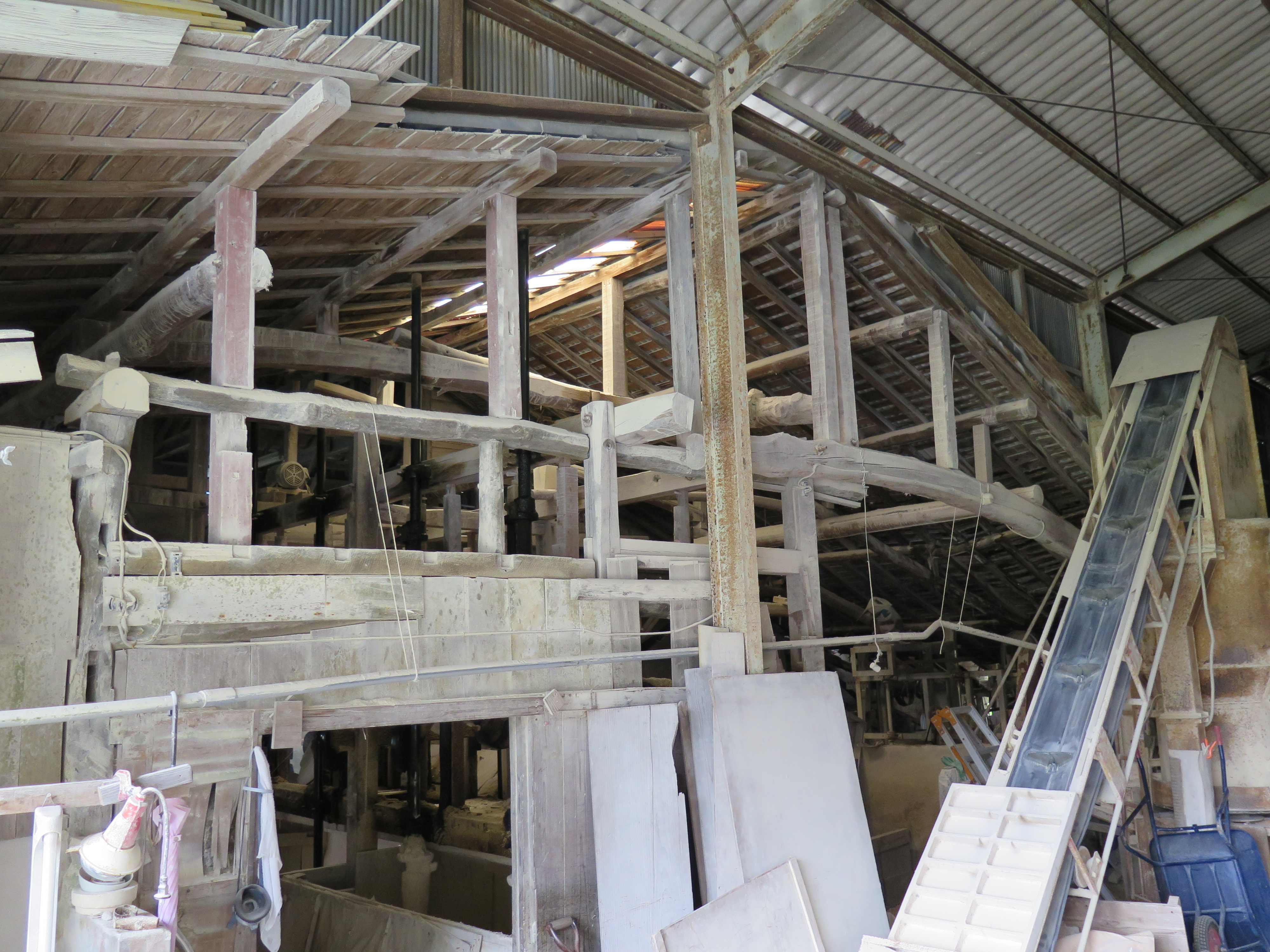
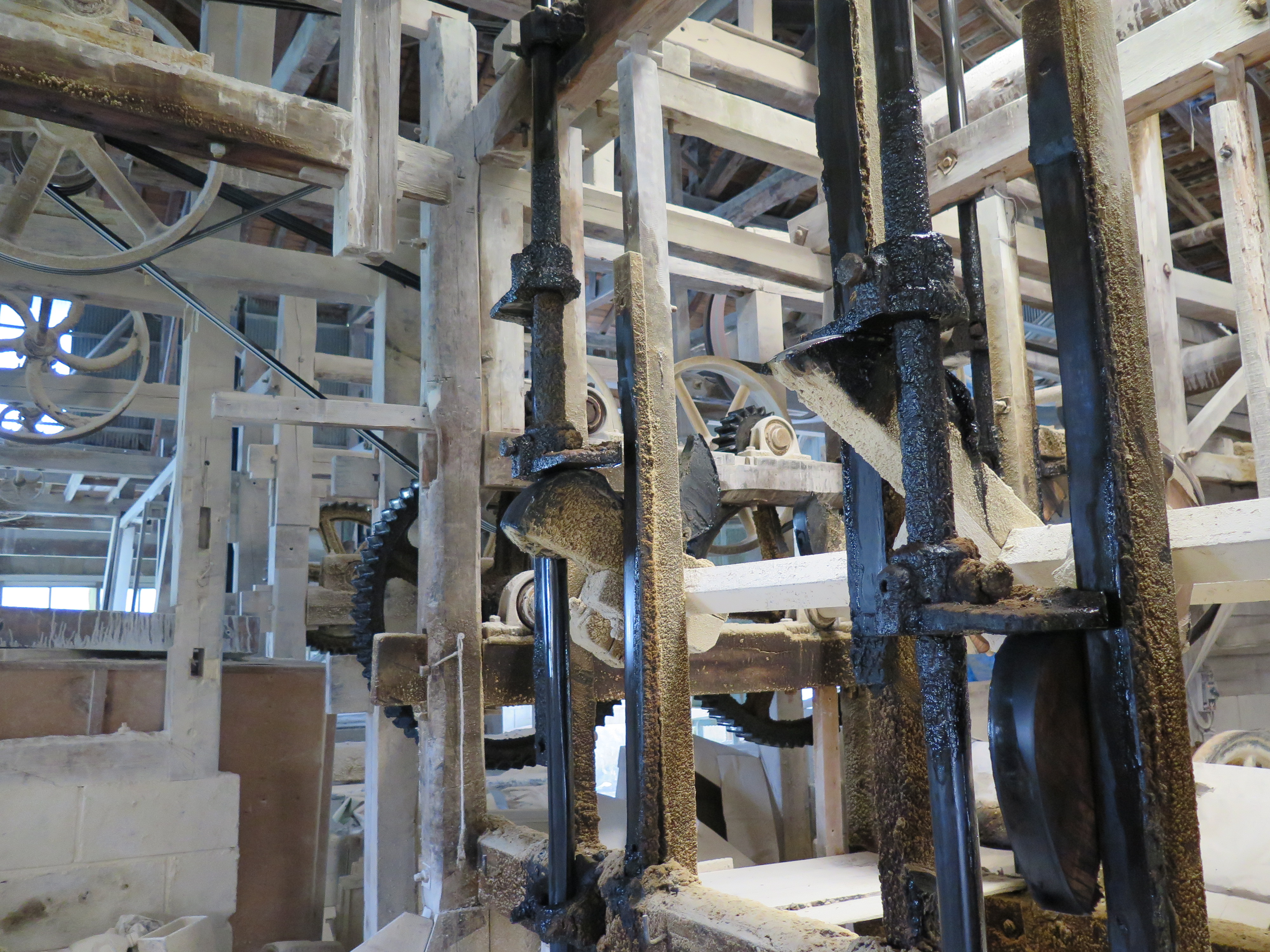
The first thing that you notice as you approach the factory, is the music of the double quick-time rhythm of the stamp mills. These mills run 9 to 10 hrs per day, and there are several batteries of them. All still made of wood, not because they are old, but because the wooden structures have two essential benefits over steel. The first is that they don’t rust and drop iron particles into the stone powder as it is being worked. The other is that wood takes the percussive stresses of the intensive, pounding rhythms that fatigues metal structures.

IMG_0642IMG_0664

Once the stone is reduced to powder in the stamp mills, it is transferred to the wet processing area where it is blunged and levigated to remove the excess silica. This is done in a two stage process. Spring water is used in the factory, as they have a beautiful garden just behind the factory buildings and what appears to be a decorative pond, but is actually the water supply for the processing. Once all the fine silica is sedimented out of the slip, it passes through two sets of electromagnets to remove any stray bit of magnetic iron, such as pieces that have worn off the machinery during processing. Magnets can only remove metallic iron particles. The yellow iron staining that is naturally present in the stone, as it comes from the quarry is in the form of iron oxide and hydrated iron oxide. These minerals cannot be removed by magnets. The slip is then transferred to the filter press area to be de-watered and finally vacuum pugged and bagged ready for delivery.

IMG_0645IMG_0650

There are 4 separate production lines for the basic yellow iron-stained, medium creamy-white and special high quality white products, plus yellow-stained clay for slip casting that doesn’t have to be so fine and plastic. It’s quite an extensive operation and very well organised. Very modern and very efficient for such an ancient process. Very impressive indeed.

IMG_0656IMG_0654

After this very musical, further development and recapitulation of the clay making theme. I pick up my stave and walk to the bars before 4 time!

I’m very impressed with the modernity and efficiency of this slick operation, but there is a part of me that identifies with the romantic idyl of the small rural clay making business of the humble Fuchino family. Having tried clay from all three of the clay makers that I have written about. I rather prefer the idea of rustic, hand-made clay of the Fuchinos.

When I grow up, I want to be like the Fuchinos.

Best wishes from Steve in Arita

Four Generations of Porcelain Stone Clay Makers

Today I am going out to visit the very smallest of small-scale porcelain stone clay making workshops. This family have been crushing and grinding the local porcelain stone here for four generations. The building is located so far out of town and in such an isolated place, that even my friend and driver, who is a local, has difficulty finding his way there. So many little winding roads and intersection.

IMG_0589IMG_0569

Eventually we arrive. Another liminal site, perched just above the edge of the rice paddies, on the edge of the farm track and just below the tea plantations higher up the hill. The family building is absolutely original and built by the great-grandfather here over 100 years ago. It’s a beautiful old wooden structure. Even the supporting frame-work for the stamp mills is completely original and made of wood. The machinery looks pretty original too, especially the stamp mills. The only real concession to modernity here now are the filter presses and the vacuum pug mills.

IMG_0581

IMG_0588IMG_0564

IMG_0566

The family, Mother, father and son still do all of the initial work of sorting and selecting by hand. It is the only way to get the very best quality result. And the result is exceptional. No one else does this to every piece of stone that enters the workshop. One other factory, The Coda Factory, can put through small special batches of hand cleaned superior white stone body, but it is very expensive and only occasionally done these days. The other factories, like Tajima san’s, appear to just take the stone as it comes, wash it and run it all through the jaw crusher. (see, “More, not less, from Japan Posted on 16/11/2014)

On the other hand, this small ‘Fuchino’ family run business puts in a lot of effort to hand sort and classify all the minerals as they are all dumped in a 14 tonne pile straight from the tip truck that delivers the stone from the quarry.

IMG_0565

IMG_0567

First all the stones are sorted and classified into one of 3 groups. The native Amakusa stone is quite varied in its mineralogy with bands of various minerals throughout the deposit. The quarry doesn’t really discriminate that much. A truck load of this mixture can be processed all together as one composite material, as happens at the ‘Tajimi’ and other two clay makers. Here they spend an enormous amount of time sorting and classifying the mixed load into its components. There is felspar, silica and mica. The silica is deeply inter mixed with the felspar and looks for all intents and purposes, the same as the white sericite mica. However, there is a subtle difference in colour and weight. Added to this there is a very slight difference in hardness. Going on these minor differences alone and using 40 years of experience. The miller can tell the difference instantly and throws each of the stones onto a different pile as it passes through his hands.

IMG_0574

To complicate matters, there are veins of iron, that have been leached from the parent material over the millions of years and found itsself concentrated in the cracks that permeate the mass of rock. The iron is slowly leached from the degrading stone as it weathers and concentrates there in the cracks and fissures in wet periods and then dries out and becomes insoluble. This concentrate of iron in the cracks, builds up over the millennia and makes for a red, orange, brown, blackish surface coating around each lump of rock.

IMG_0575

To get the best result. The miller sits and patiently chips away the iron coating on each stone, to reveal the white mineral content inside. Hour by hour, day by day. The miller and his wife and son chip and scrape their way through the entire 14 tonnes of hard rock, until it is all sorted and cleaned. It takes them one month to process the 14 tonnes of stone. The result of this gargantuan effort of exacting perfection is three piles of stones which are processed separately.

IMG_0578IMG_0579

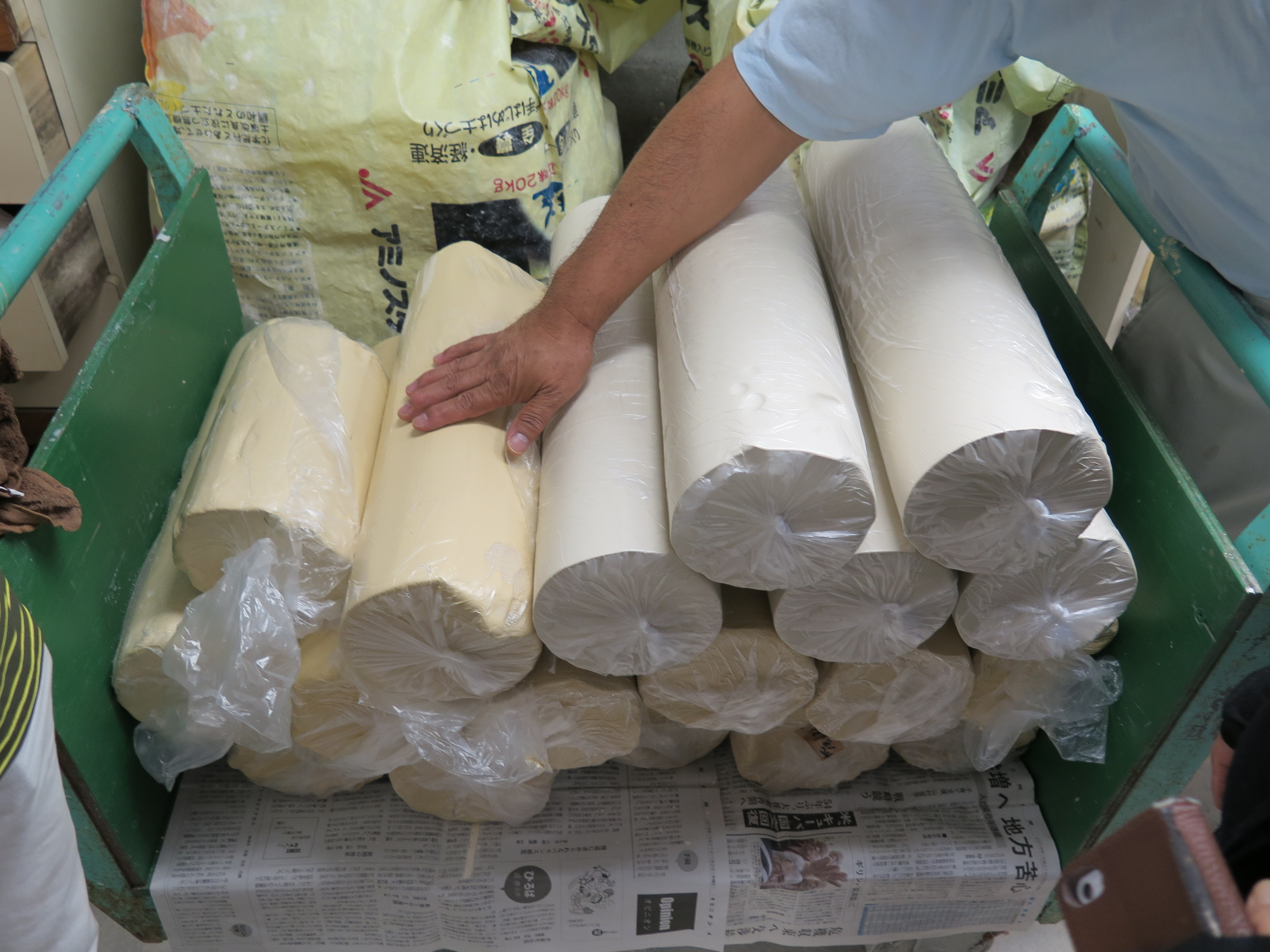
First they are put through the stamp mills and reduced to a fine powder. It is then sieved and sorted again before blunging and sent to the levigation tanks, where the heavier, coarser silica particles are sedimented out and the finer clay and sericite mica fraction is floated off. This slurry is then concentrated and stiffened using a filter press, the only concession to modernity introduced since the great-grandfather built the operation over a hundred years ago. The stiffened filter cakes are then vacuum pugged and bagged ready for delivery.

IMG_0570

The number one product is a very fine white sericite and kaolin based body perfect for the creation of the wheel thrown items. It fires pure white and translucent with perfect glaze fit. This is obviously the most expensive grade and is in very limited supply. The second grade material is creamy white, with a slight iron contamination, but only very slight. It fires white and translucent with perfect glaze fit. Number 2 body is plastic and throwable, just like number 1 body, just not as pure white. The third grade is somewhat yellowish and is made up of all the chipped, hammered, and scraped off iron fragments from the surface of the coloured stones. This is the cheapest grade and the least white, firing a bit grey, with reduced translucency and low plasticity, but with excellent glaze fit.

IMG_0573

During my life as a potter, I’ve spent years, cleaning and sorting my collected native porcelain stones. I never really mentioned this to anybody lest they thought that I was mad. Now I know that I’m not. There are at least three other people in the world who are as committed to excellence as I am. The difference is that this family are well paid to produce this special clay for the most famous pottery families in Japan, and can boast that they supply clay to at least three ‘National Treasure’ category potters. These famous, Nationally awarded potters couldn’t have gained their unique status without the sustained diligence and commitment to excellence of this family.

It is an amazing experience to be able to be with these people, if only briefly. To see this old Wabi/sabi building. To learn of it’s long history. To speak with this couple. It’s all a bit amazing. They are so special and yet so ordinary and humble and uncomplicated. Just dedicated to their exacting work and very proud of their achievement. There is no other place like it in all of Japan, that I am aware of, and as this kind of work is pretty special to Japan. It might be safe to say the entire world. The effort that they have put in is rewarded with the status that they have achieved.

Myself, Tatsuya and Fuchino san

Myself, Tatsuya and Fuchino san

I’m thrilled to get to meet someone a little bit like me and to be able to throw my pots out of this unique material. Needless to say there is a months long waiting list for this couple’s product. There should be a National Treasure Award just for clay makers like these, who work at a very unsexy job, but who have elevated it to stratospheric levels of excellence.

I still find it hard to believe that it is possible to do what I have just seen with my very own eyes. I just didn’t really think that people still worked like this in a modern world. Taking so much time to be the best in the world, while not caring that anybody, other than their customers even know what they do. While we are there we buy 5 bags of this amazing stuff, but only the No.2 creamy white body today. There isn’t a skerrick of No.1 to be had for months yet. It appears to be all sold on advance order to the 3 National Treasure potters. I guess that this is one way of cementing your advantage over your other porcelaineous competitors?

I consider my self so lucky to be associated with Tatsuya san, and therefore able to use both the creamy white and hand selected, ultra-pure white varieties of this family’s clay while I am here. Tatsuya san has had a 40 year relationship with this clay making family and I am lucky to be able to tag along and reap that benefit.

I am grateful.

Best wishes from Steve on the outskirts of Arita