The First Ripe Tomato Before Xmas

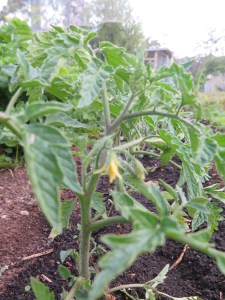
We have just picked our first ripe tomato before Xmas. This was never possible when we came to live here 40 years ago, but now, with global warming, we have been able to do it for the last 3 or 4 years in a row.

img_4264 img_4265 img_4266

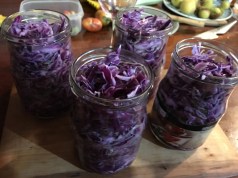
We have a nice crop of red cabbage coming along just now, so it’s time to make a batch of pickled red cabbage. I slice it finely and remove all the coarse bits to be fed to the worms. Then place it in a big bowl and pour over some brine. This is the standard 1 cup of salt to 2 litres of water. This is a pretty saturated solution. It’s just about as much salt as cold water can dissolve. It’s left to stand over night with a weight on top to compress. It soon drops down and is submerged in the brine. In the morning I pour off the brine and rinse it once on cold water, then pack the cabbage into sterilised jars. I prepare a batch of pickling vinegar, by heating up standard white wine vinegar with all the usual spices and a spoon full of sugar. This is poured over the cabbage and the lids sealed down. It couldn’t be simpler.

I want the cabbage to remain crunchy for use in salads, so I don’t cook it. It’ll need to be kept in the fridge for safe keeping.

img_4269 img_4272 img_4285


A good job well done

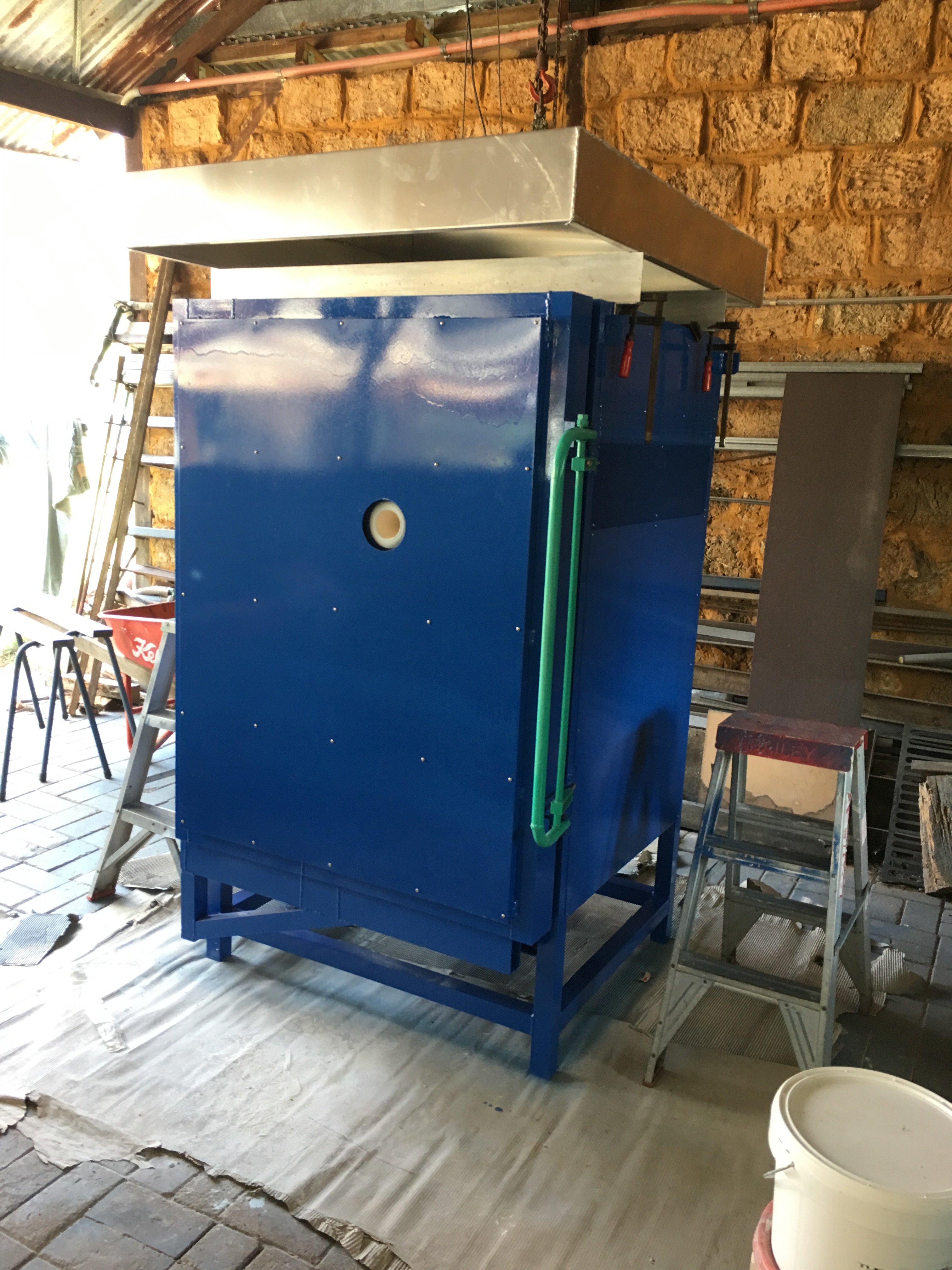
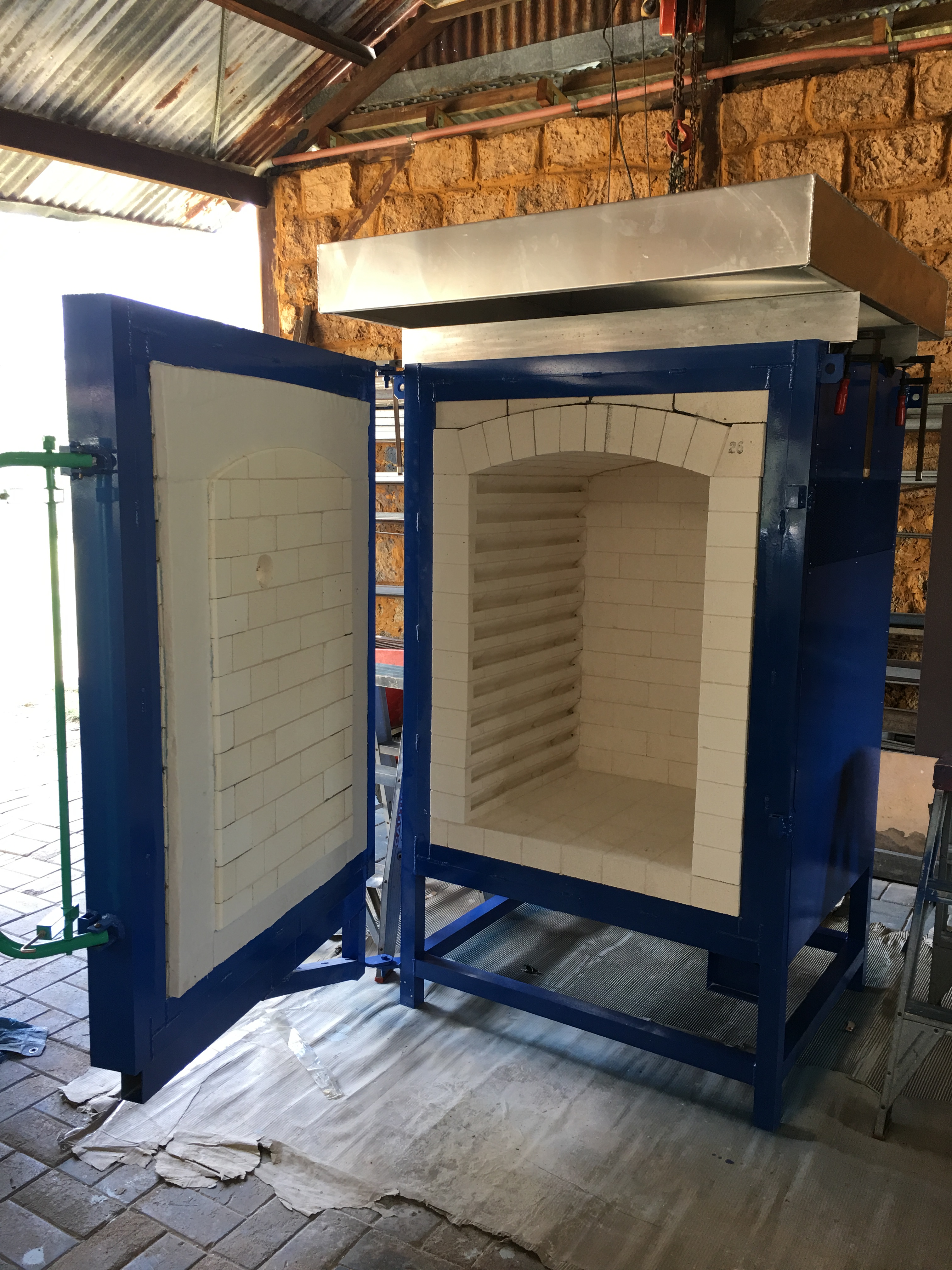
Last week, I delivered the latest kiln to its new home at the Sturt Pottery in Mittagong. Fortunately, everything went as it should, no drunks coming along to ‘help’. No neighbours off their ‘meds’, no visits from the police. Everything went just as it should.

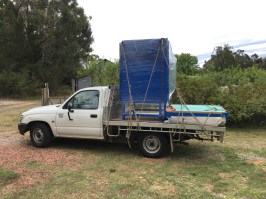
I loaded the kiln on my truck and delivered it to the site. Dave turned up and met me there with his big crane truck, That crane is just the most amazing piece of technology. Every ten years, when Dave replaces his truck, he gets a new crane and it gets bigger and bigger each time. This one is so powerful that he doesn’t even have to turn the truck around to get the crane closer. It reaches right over the truck and lifts the kiln into position perfectly and without effort – but not without cost!

Dave is fitting me into his busy Xmas schedule, between other loads that he has booked in for the day.  The old kiln was moved out and the new one lifted off my truck and onto the lifter trolley. While we push the kiln into position, Dave packs up his crane and it is all over in 30 mins. Just as it should.

A big think you to Mark, Simon and Dave for all doing their essential parts. The kiln now has a new home for many years to come.

img_4222 img_4225

img_4229 img_4230

img_4233

Get your Claus off me

It’s that time of year again and the Village is having its Xmas party for the residents and the emphasis is on the children as always. That’s what Xmas is all about.

It’s my turn to be Santa again this year. This job is rotated around all the fathers about once a decade. This is my third turn. The first time, Santa turned up in a horse and cart. The next I was delivered in the Village Toyota Land Cruiser Ute from the fire shed. This year I’m in the big, shiny new, all wheel drive, 10 tonne tanker, fire trick. I arrive with sirens blazing and lights flashing.

It’s funny that they choose a Bah Humbug person like me to be Santa, but every other compliant father has already done it a couple of times too, so It’s my turn again. I remember the first or second time that I did it. I was wearing hand painted pink sand shoes that were visible from under the long red pants. My little son spotted them and the Jig was up, the game was over. Santa was really his Dad in disguise. Word soon spread through the kiddies in his milieu , that’s Geordie’s Dad under there. Look at the shoes!

Geordie is now in his 30’s, so no one will recognise me this time. I don’t know many of these little toddlers. My job is to turn up in the truck, say “Ho, Ho, Ho” and “Merry Xmas”, “Have you been good?” etcetera, etcetera. I hand out the presents and a bag of lollies each. Pink parcels for the girls and blue wrapped presents for the boys. It all goes off smoothly and my civic Santa duty is over for another year or two – or ten. Someone else’s turn next year.

Once all the kiddies have their presents and are gorging themselves on the lollies. I’m asked  to stay and sit for the photo shoot. I do, and this lovely grown-up girl comes and sits on my lap. I put my arm around her and she tells me to “get your Claus off me”.

IMG_6682.jpeg

Berry Jelly

As we approach the summer solstice, the red berries are starting to ripen. We have to cover them with one of our large sheets of nylon bird netting. If we don’t cover the ripening fruit, the birds will take the lot in a couple of days.

We have made a few small picks over the last week, but now, the real crop is ripening. We go out early, before the heat of the sun builds up. We pull back the net half way and work over one side, then the other. In half an hour we fill half a dozen plastic tubs with luscious ripe red/black berries.

img_4026img_4027

We will do this every 2nd day for a week now and then once or twice more during the next week and they will all be all but gone before Xmas.
Back in the kitchen, Janine weighs the munificence of the canes. We have harvested 3 1/2 kilos this morning, and another 3 kilos the day before. It’s a great start to the day and the week.
img_4028img_4029
Bach in the cool of the house, we re-hydrate with a cup of last years preserved dark grape juice. It’s so thick and concentrated, it is 100% grape juice and nothing else, pasteurized and vacuum sealed. It’s really amazing stuff that bears no resemblance to anything that you can buy in a shop. The commercial grape juices that i have tried, taste like they are 80% water in comparison. This stuff is just so rich and thick and concentrated in comparison. So much so that it has to be mixed 50/50 with water, otherwise it is just too strong. It’s a great natural, flavourful thirst quencher.
While I go back to work down to the kiln factory finishing up the last of the work on the current job, that is due for delivery on Wednesday, Janine stays in the kitchen to make todays harvest into 3 gratifying indulgences.
First, a youngberry sorbet, which is made from the juice sieved from the berries, no pulp in there, she only adds a very small amount of gelatine and some orange juice and then it is churned in the freezer, until it sets.
img_4451
juice of 500g youngberries
juice of a couple of oranges
1 tbs of gelatine powder
img_4058
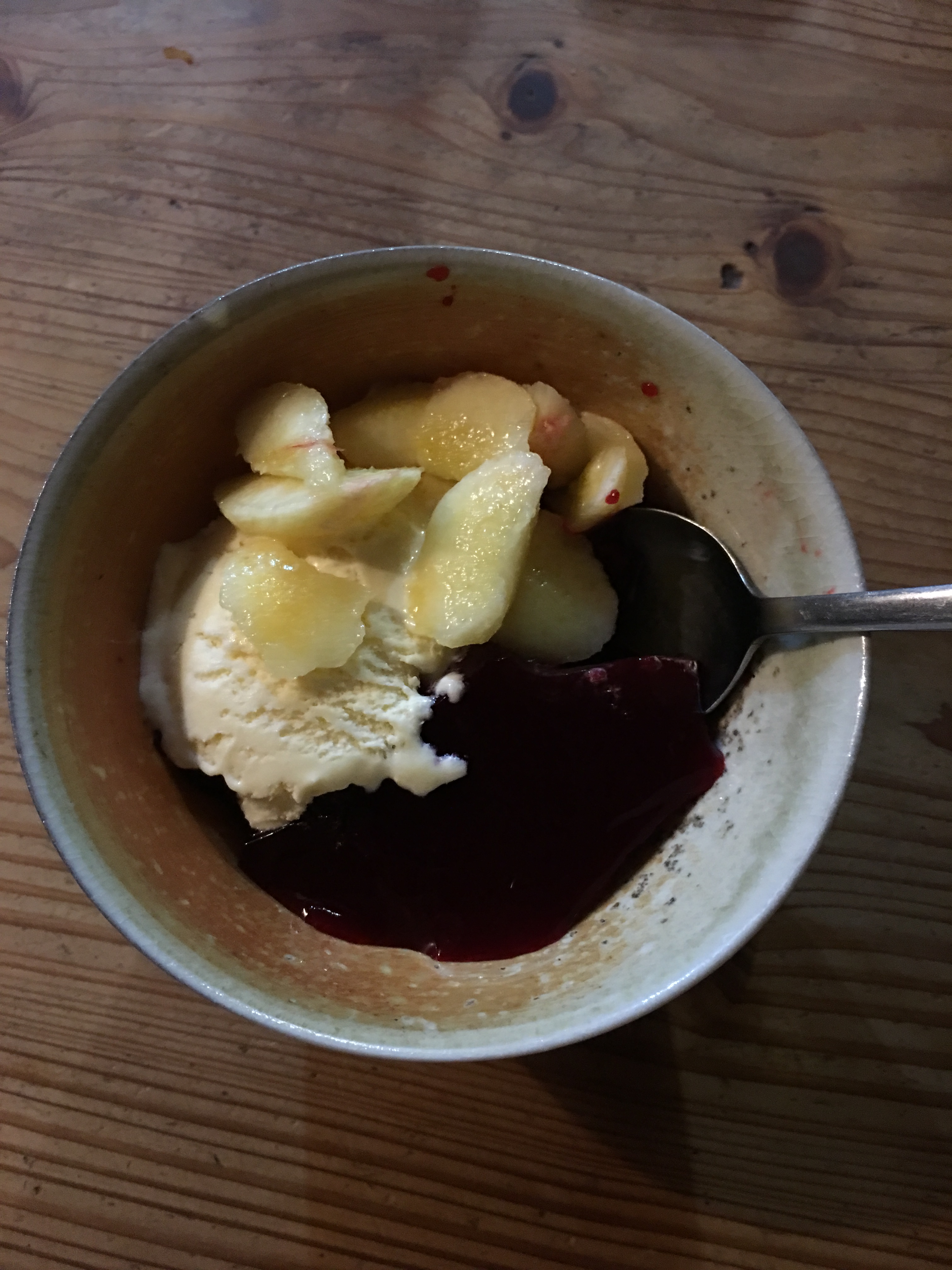
Second, she makes a youngberry jelly. This jelly is a desert jelly. It is made with the berry juice and gelatine and placed in the fridge until it sets.
First bring the whole fresh fruit to the boil and mash it all up with a potato masher as it is heating. This liberates the juice quicker. Pour through a sieve or cheese cloth to remove the pulp and pits. While still warm, pour the juice into a medium pottery bowl and add one tbs of dried gelatine and stir until dissolved. Leave to cool, stirring occasionally while cooling to keep the gelatine in suspension. Once cooled, place in the fridge to set.
Her third creation is youngberry jelly This is a fruit conserve jelly. The kind that you spread on toast at breakfast. This is really sensational. I think that this is the best thing that can be made from youngberries. Everything made with youngberries is good, but this is the best! The balance of concentrated fruit flavour, the natural fruit acid and the natural sweetness of the fruit is just amazing. It takes a bit of time, but it is all there, just for there making.
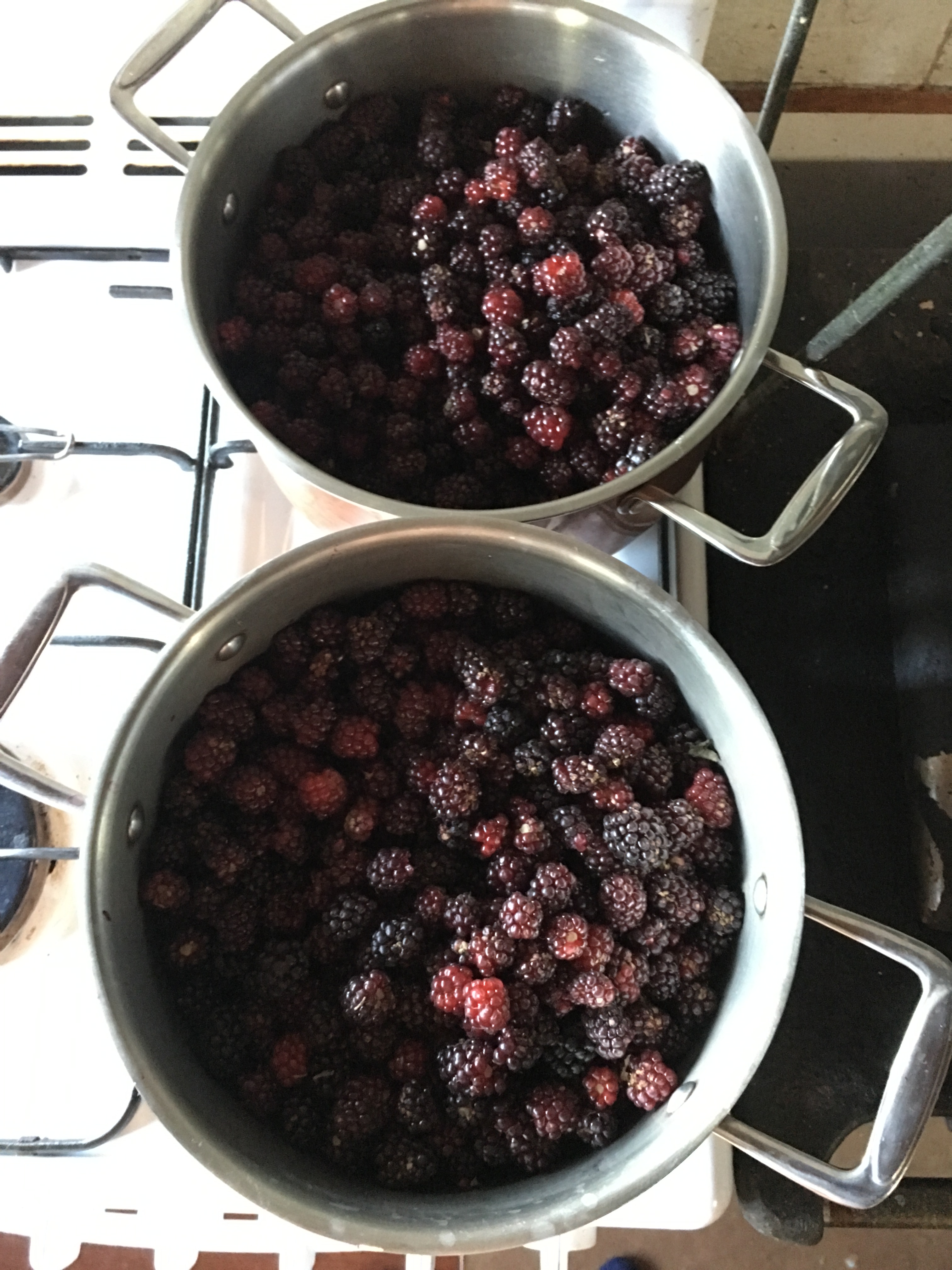
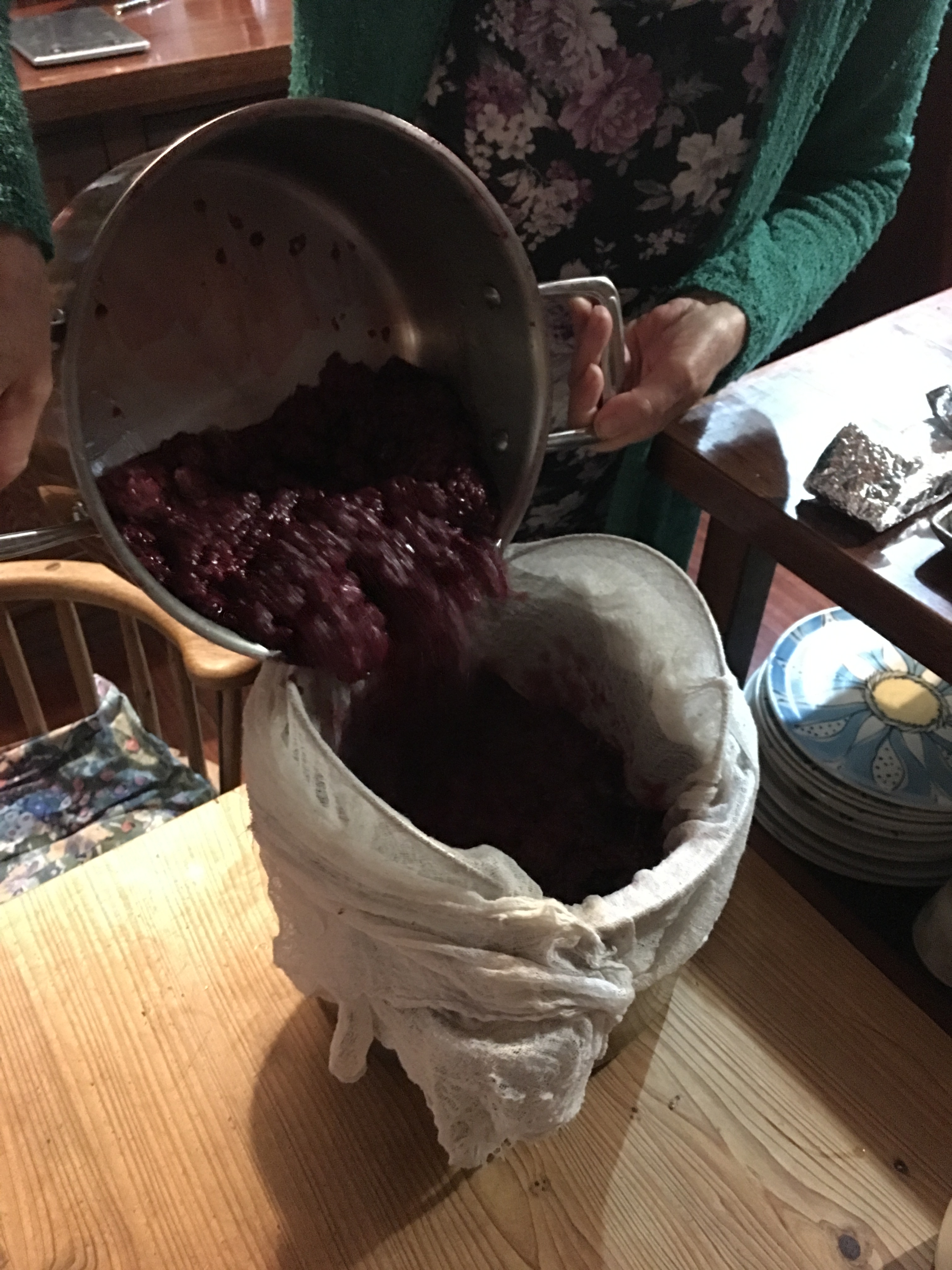
Fill two 5 litre boilers with fresh fruit. Bring the fruit to the boil and simmer for a short time, while mashing the fruit pulp to express the juice. When it has cooled, pour it through cheese cloth and let the liquid drain freely from the fruit for several hours, or overnight. Don’t squeeze of press the cloth to extract more juice, or the jelly will become cloudy. You can add a small amount of sugar to the clear juice and bring back to the boil. Most recipes say to add equal weight of sugar to that of the juice for this kind of jelly, but that makes it ridiculously sweet. However, it does ‘gell’ quicker. Janine only adds a 1/4 of that amount  of sugar and cooks it a little longer. This serves to concentrate it more and makes it all the more intense.
img_4050 img_4054
img_4059 img_4449
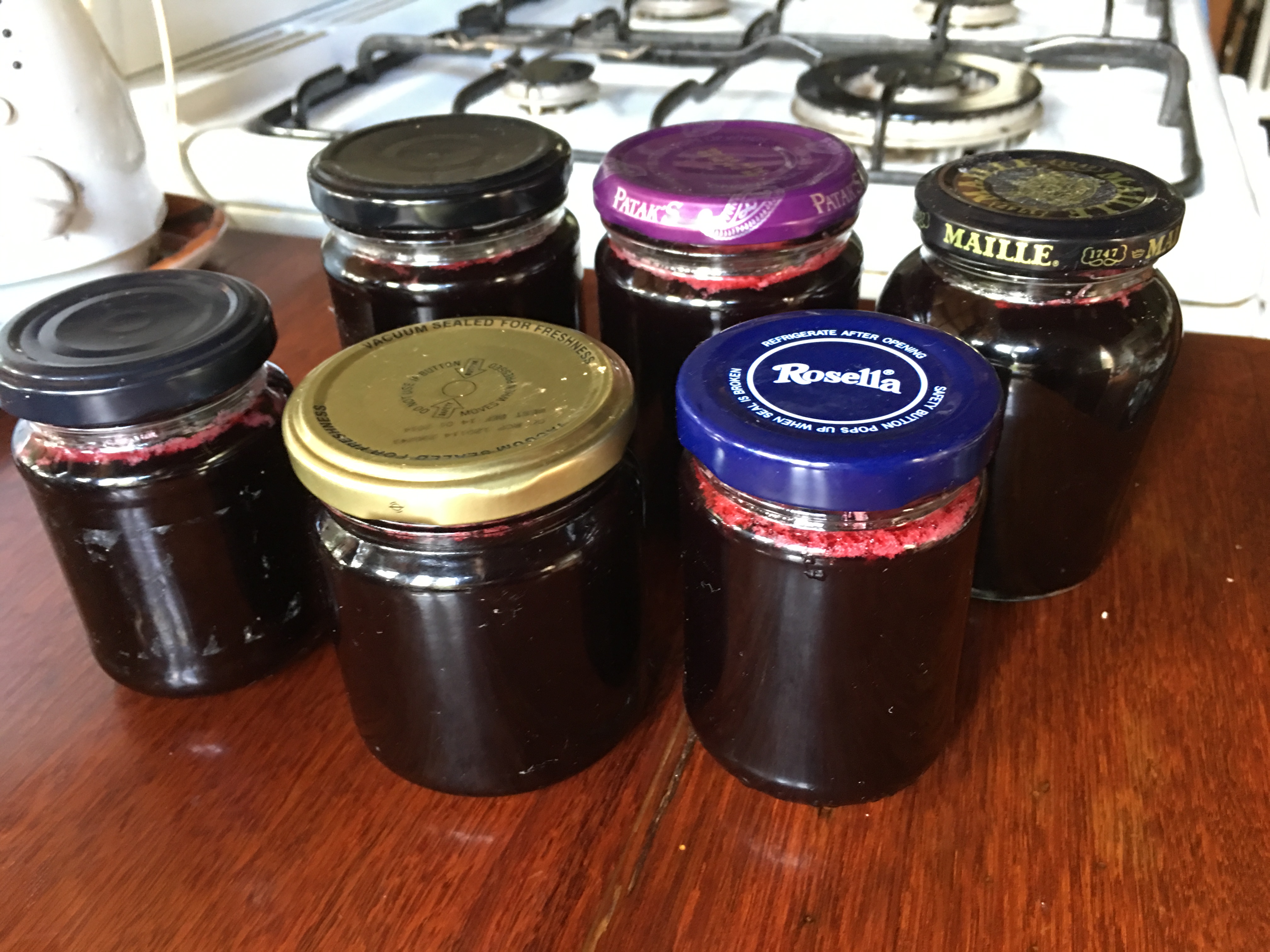
Simmer this mixture to allow the fruit flavour to concentrate and intensify. Test by putting a small sample on a dish and place it in the fridge until it ‘sets’. If it doesn’t ‘set’ , cook it for longer. This standard jam making procedure. Once ready, bottle in sterilized jars straight from the oven and screw the lids down tight.
Technically, it will keep for a year, but it never lasts that long. This jelly making activity makes the kitchen and most of the house smell so delicious. The sweet, acidic fragrance wafts right through the house. It smells so amazingly good. We polish off the first jar in just two sittings.
img_4037 img_4036
Janine also bottles the whole berries as simmered pulp, once sterilised it is bottled hot jars from the oven and keeps for ages. We made so much of this last year, we still have some left.
We are grateful for this largesse of our canes. They provide for us in this bountiful way each year in the early summer and I reciprocate in kind by diverting the underground seepage trench from the septic system over into their direction. These vines and the cherry trees below them are now well watered and well fed throughout the year by this artificially created underground spring of nutrient rich water. Totally natural, gravity fed and organic!
Best wishes Steve

Built-out Obsolescence

We are living a life committed to self reliance, which means lots of gardening, and therefore weeding and at this time of year watering and more weeding, then mulching and more watering. Did I mention weeding? This is all to secure our supply of fresh fruit and vegetables. We are conscious that because we live in an advanced economy, should our efforts fail, we can always go to the supermarket. No Problem! I am mindful of all the others in the world who are not so lucky as to have a local supermarket, or if they do, they don’t have the money to go there. Our life is very easy here compared to that situation. I recognise and appreciate this social safety net that our advanced western economy provides. We might have a drought here sometimes, but we have the facility to buy in drinking water if we need to. We’ve never had to, but it is there as a safety net, as long as you have the cash. Something that we don’t have to deal with is civil unrest or political turmoil. We are so lucky to be here and I am grateful for that luck of my birth.
In between doing all of this on-site manual gardening/farming/produce work here, I also have to earn a living to find the cash to pay the rent. Even though we own our own home, we need to pay all the various institutions that govern our lives for the privilege of living here. So there are the council rates, the home insurance and business insurance, the car registration and its insurance, land tax and public risk, the electricity and all the other minor bills that all add up to a significant sum over the year. I haven’t worked it out recently, but the last time I did, I shocked myself. It’s about 1/3rd of my income. It’s a good thing that I don’t have to pay real rent as well. I’ve worked hard to avoid that.
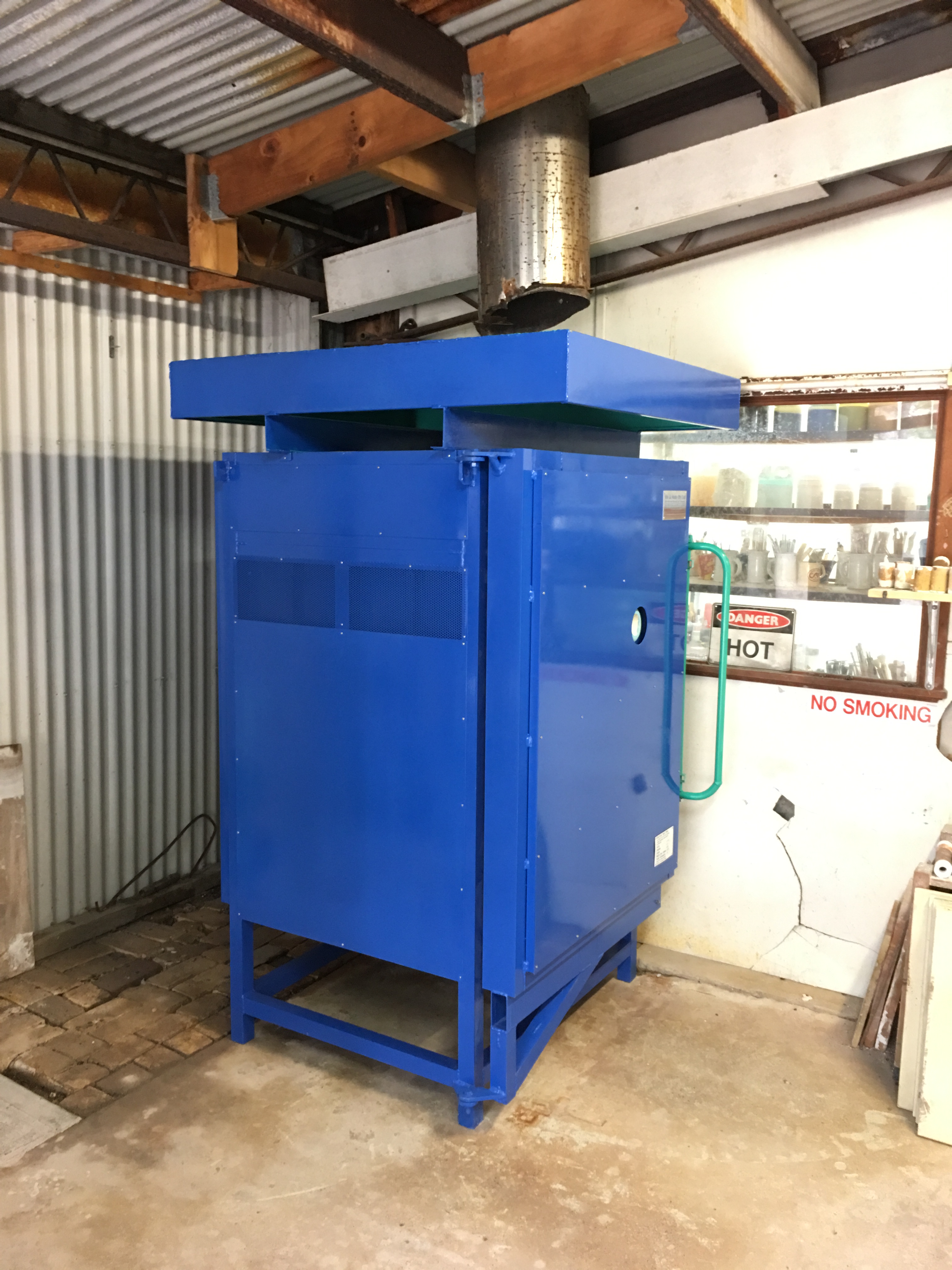
So I’m in the kiln shed this last few weeks, finishing off this great big, beautiful, electric kiln. It’s a gorgeous thing. I wouldn’t mind owning it myself, but I wouldn’t be able to afford it!  I want it to be the best that it can be. I have sourced 3 different kinds of refractory bricks to line it. Each one has different properties. I do the same sort of thing with my gas kilns, but I use different bricks, because the demands are different. Buying bricks used to be simple. There were several different suppliers, but now, with international trade the way it is, and a global economy. There is now more or less only one source, and that’s China, and there is really only one supplier left in Sydney to source them from, so for this last kiln, I have been ringing around to buy up all of the last remaining RI bricks that will suit my needs from other places for this job.
img_3967 img_3969
It’s a complex situation, because as all the manufacturing enterprises have left or shut down in Australia, all the support systems that went along with a manufacturing industry have also disappeared. We are now a post-industrial nation.
Now, as a post industrial society, we have an amazing choice of all manner of imported, cheap, plastic crap. If that is what you want, and apparently the majority of Australians do? Because that is what is selling, so that is what shops are stocking. However, it has left us so much poorer in choice for any kind of quality product. The growth industry in Australia, it seems, is land fill.
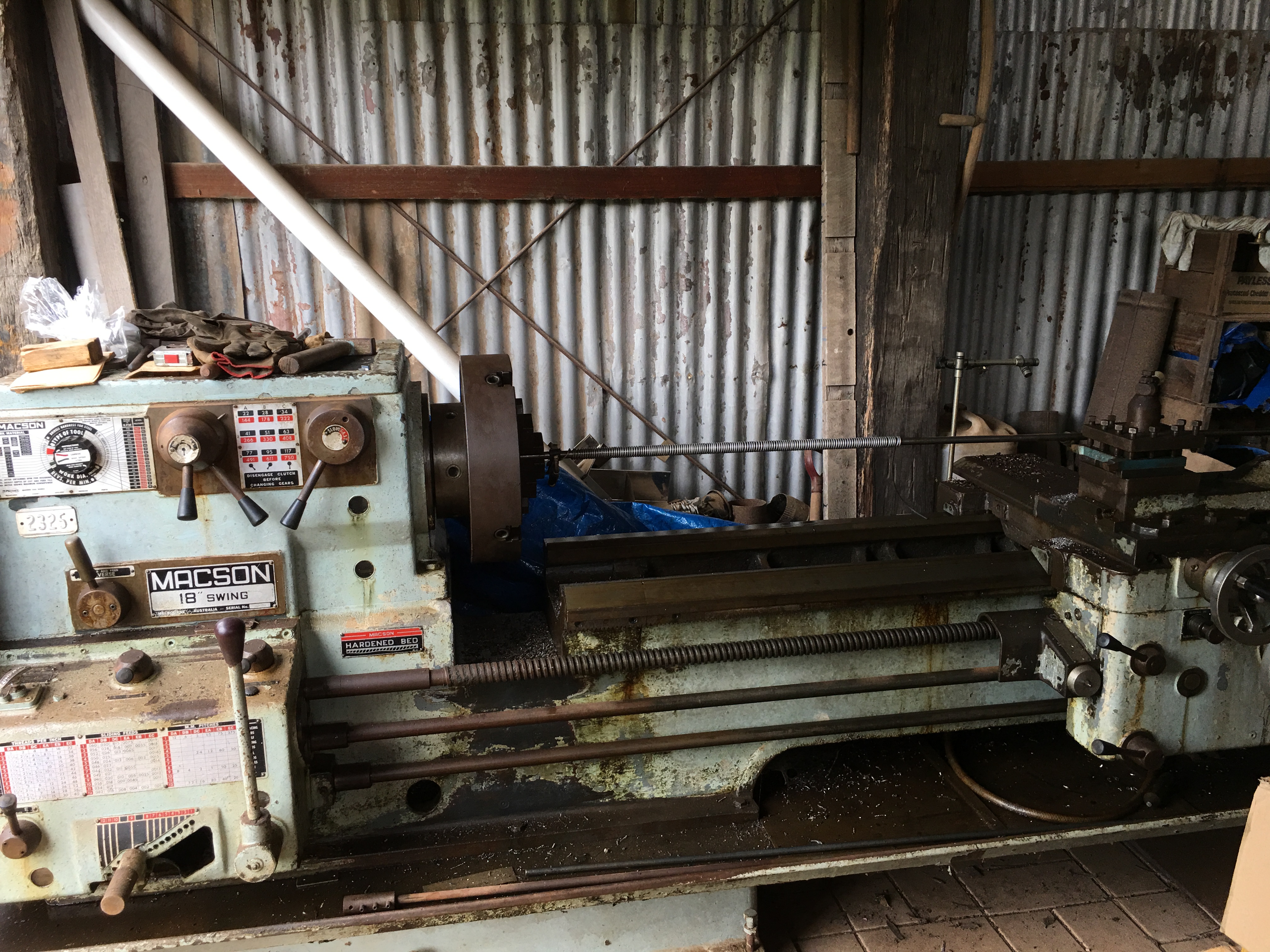
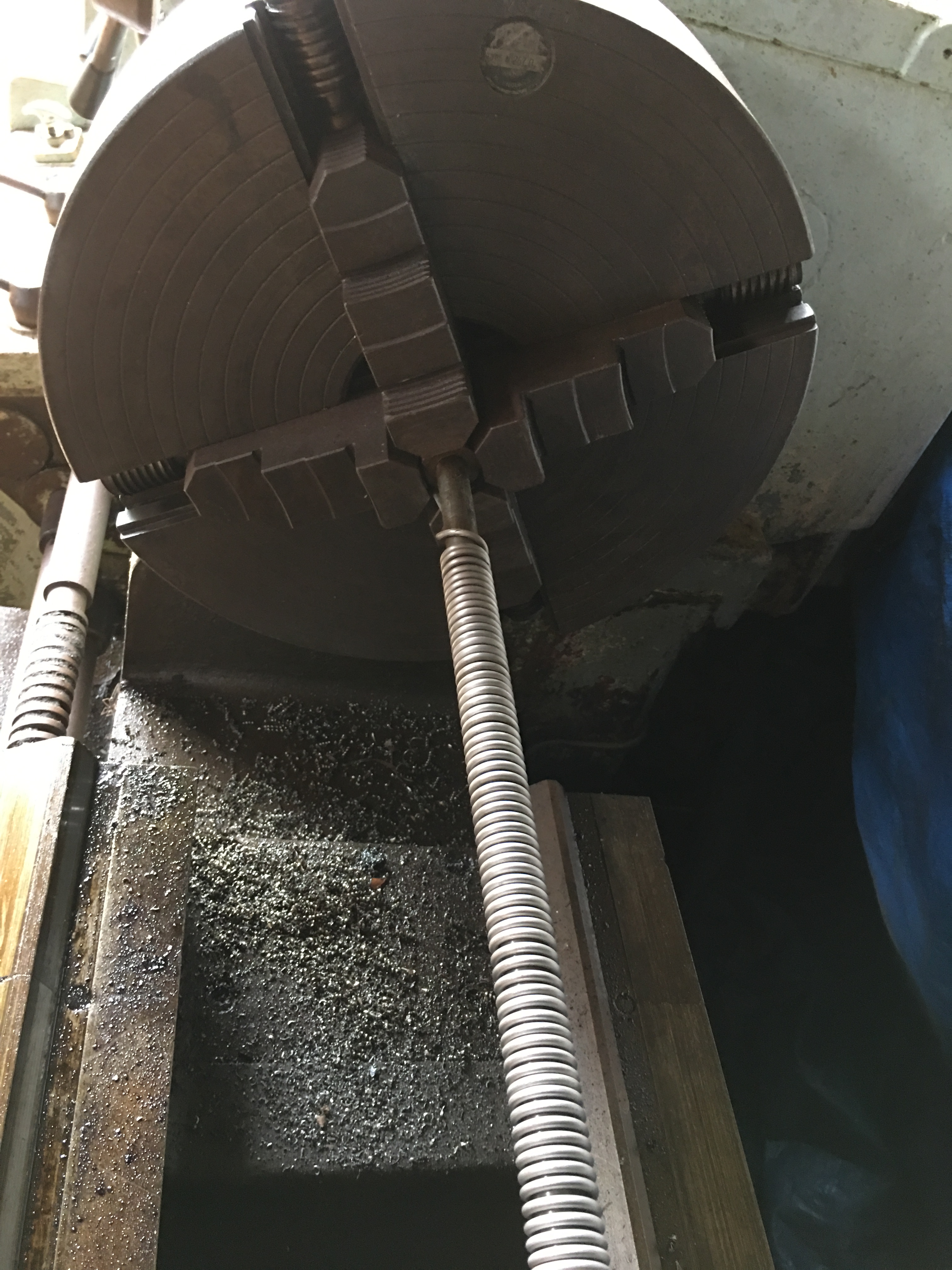
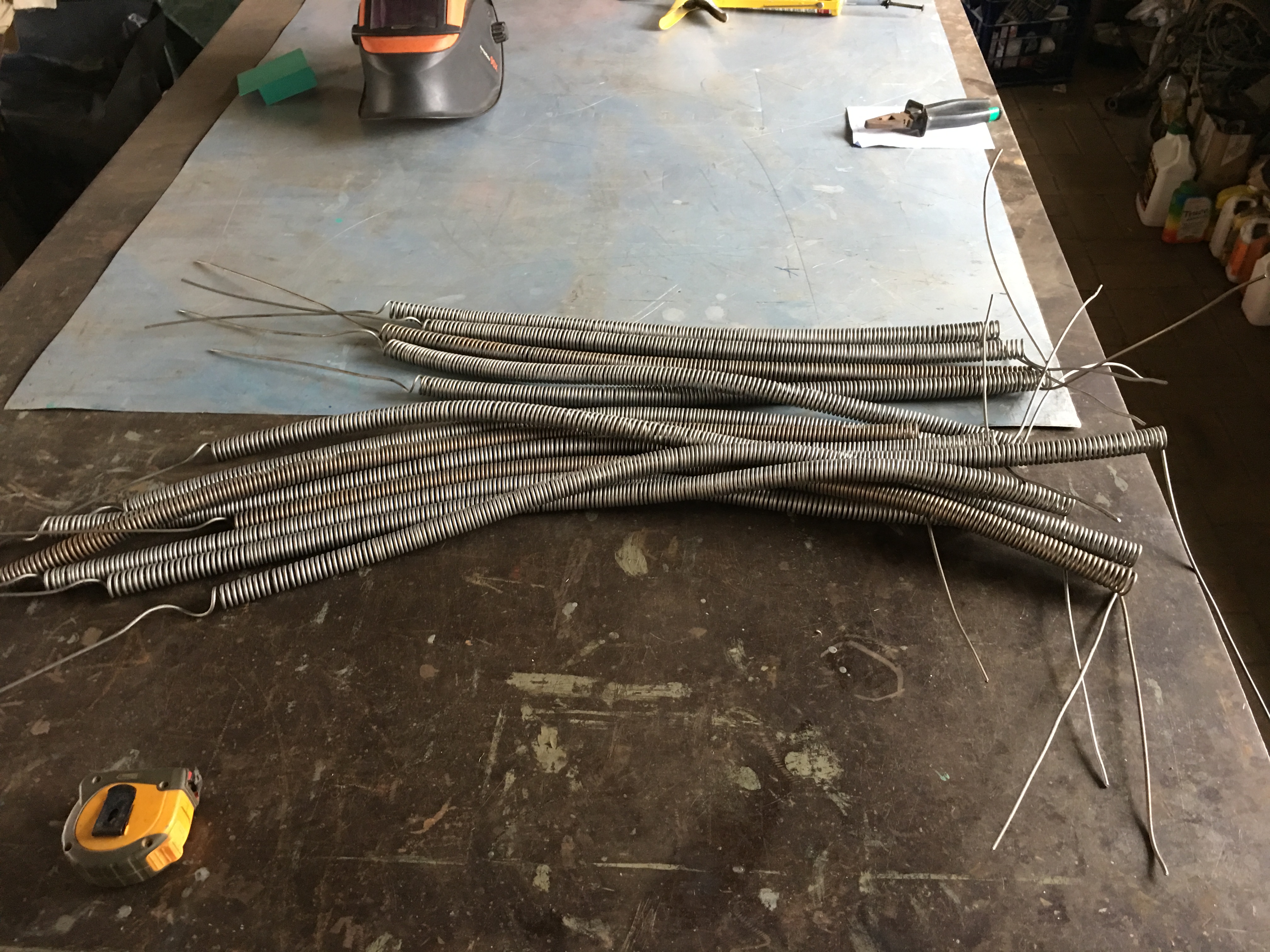
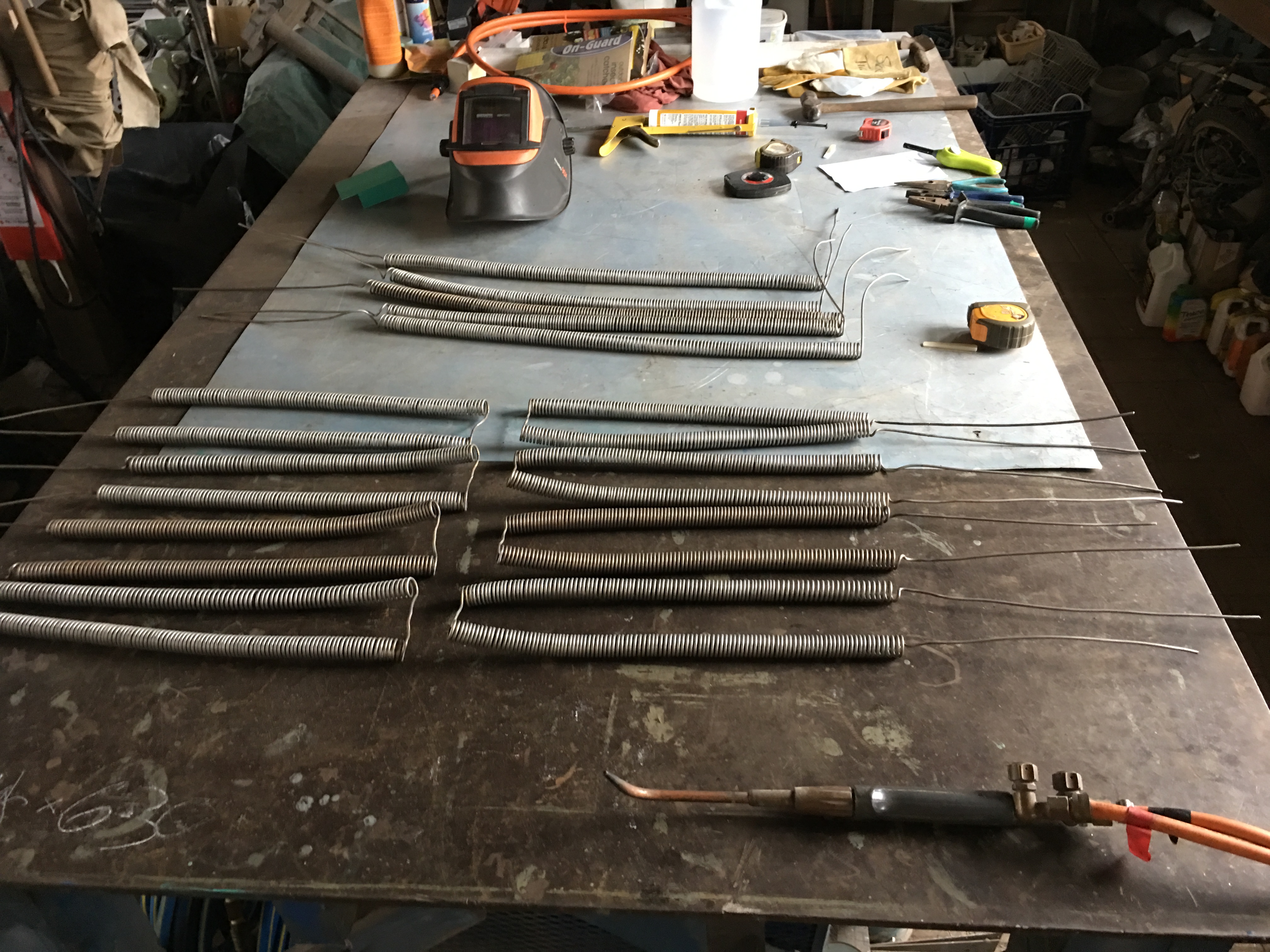
I want the things that I make to last a lifetime, or at least as long as possible. I want to, if not defeat entropy, then at least delay it as long as possible. I want to make and sell the sort of products that I would want to buy myself. I want the things that I make to last as long as possible without any maintenance. To this end, I make almost everything here myself. I make all my own heating elements. I only use the very best quality wire to make my elements. I use Kanthal A1 wire from Sweden. A few months ago, I ordered the Kanthal wire for this kiln from the local distributor, only to discover that there is none of this highest grade wire in the country. Apparently no one else uses this A1 grade in Australia any more.  I’m the only customer, so they don’t stock it as a regular item. Probably because it’s the most expensive wire, it’s rated up to 1,400oC and this makes it the longest lasting, most reliable, heavy duty wire. I’m prepared to wait the time and pay the extra money to get it, because I know, from my 30 years of experience of using it, that it will last. So I do.
img_4012 img_4015
It will cost me just under $2,000 wholesale to buy the bare wire. Then I have to spend a few days winding it on the lathe to make it into coiled elements, followed by some oxy-torch work to anneal it and soften it so that I can bend it and re-configure it into dual hair-pin elements. It’s a lot of work, it requires a lot of expensive equipment and dexterous hand skills. No wonder quality, hand made, custom built product is expensive. I’m amazed that there is still a market for my kilns. I thought that I would retire when I reached 65, but apparently not, as I’m booked out well into next year with kiln orders.
img_4016 img_4020
img_4031 img_4048
If I’m going to work on a kiln like this for 6 to 8 weeks, from start to finish. I want it to be the best that I can make it. I don’t ever want to have to do any service calls or repairs if it can be avoided. I really hate the concept of built-in obsolescence. So I spend quite a bit of time thinking and planning how to make the things that I create, to be the best and most reliable that they can be. I look very carefully at my older kilns when I get to re-visit them on occasions when I go the the Art Schools and potteries where they are. I take notice of parts that get extra wear and tear and try and strengthen, or design out, or around issues that might need repair work in the future.
So I pay the extra money and wait the extra time. I put in the extra hours. I want my kilns to be a marriage of good workmanship and quality material.
If I want to build out obsolescence, I have to be diligent and really apply myself.
Best wishes
Steve

Something boro, Something blue

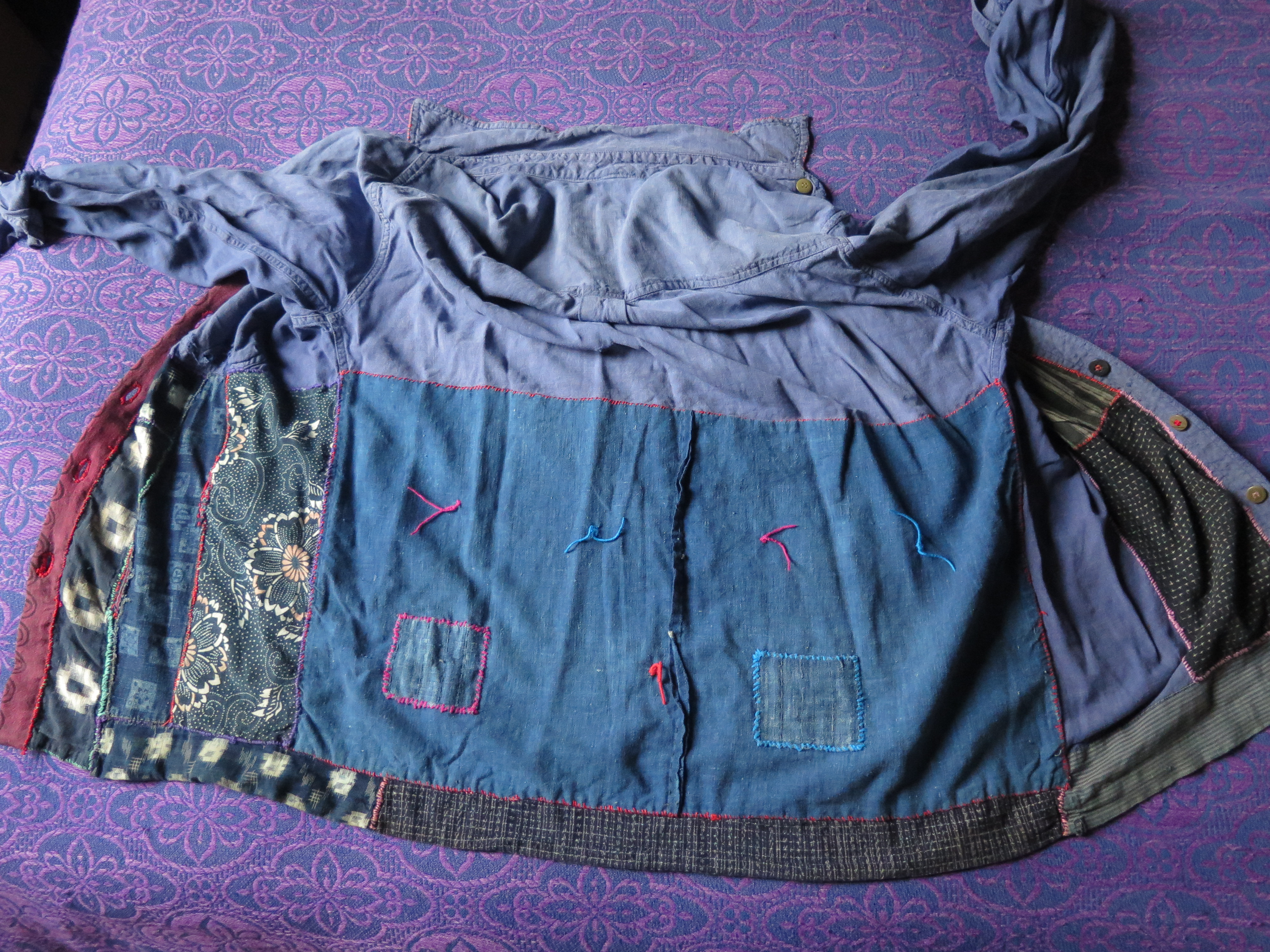
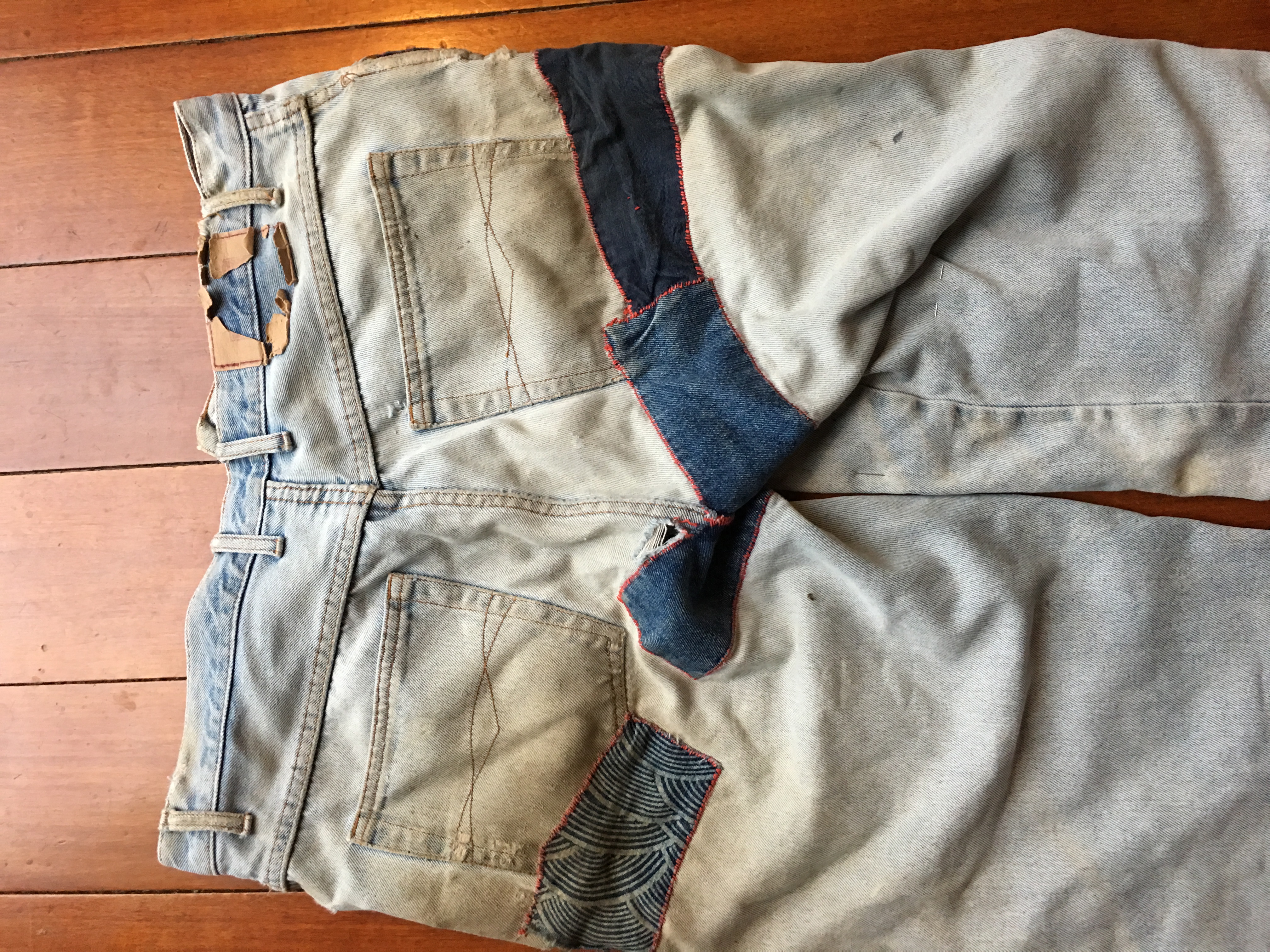
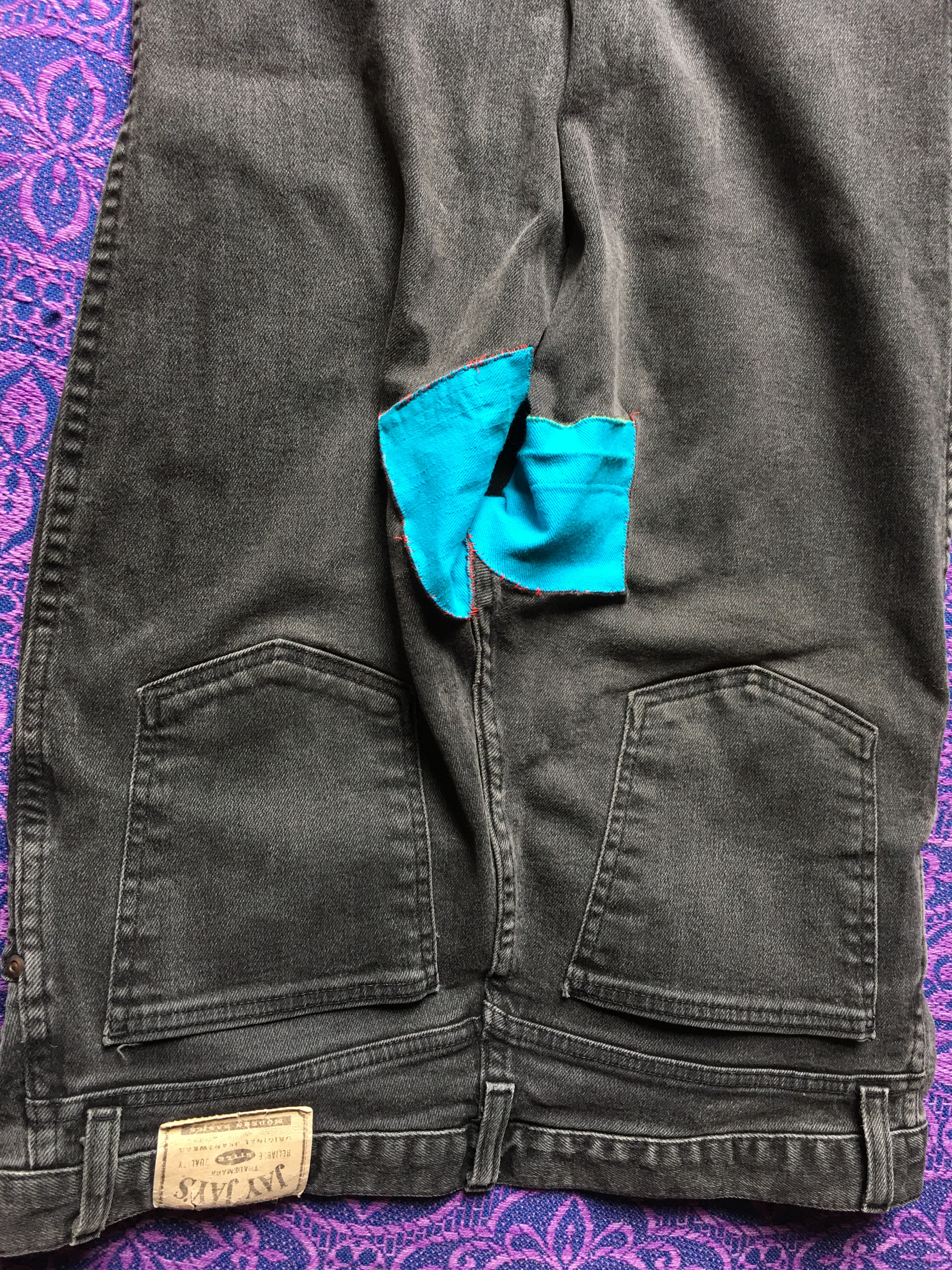
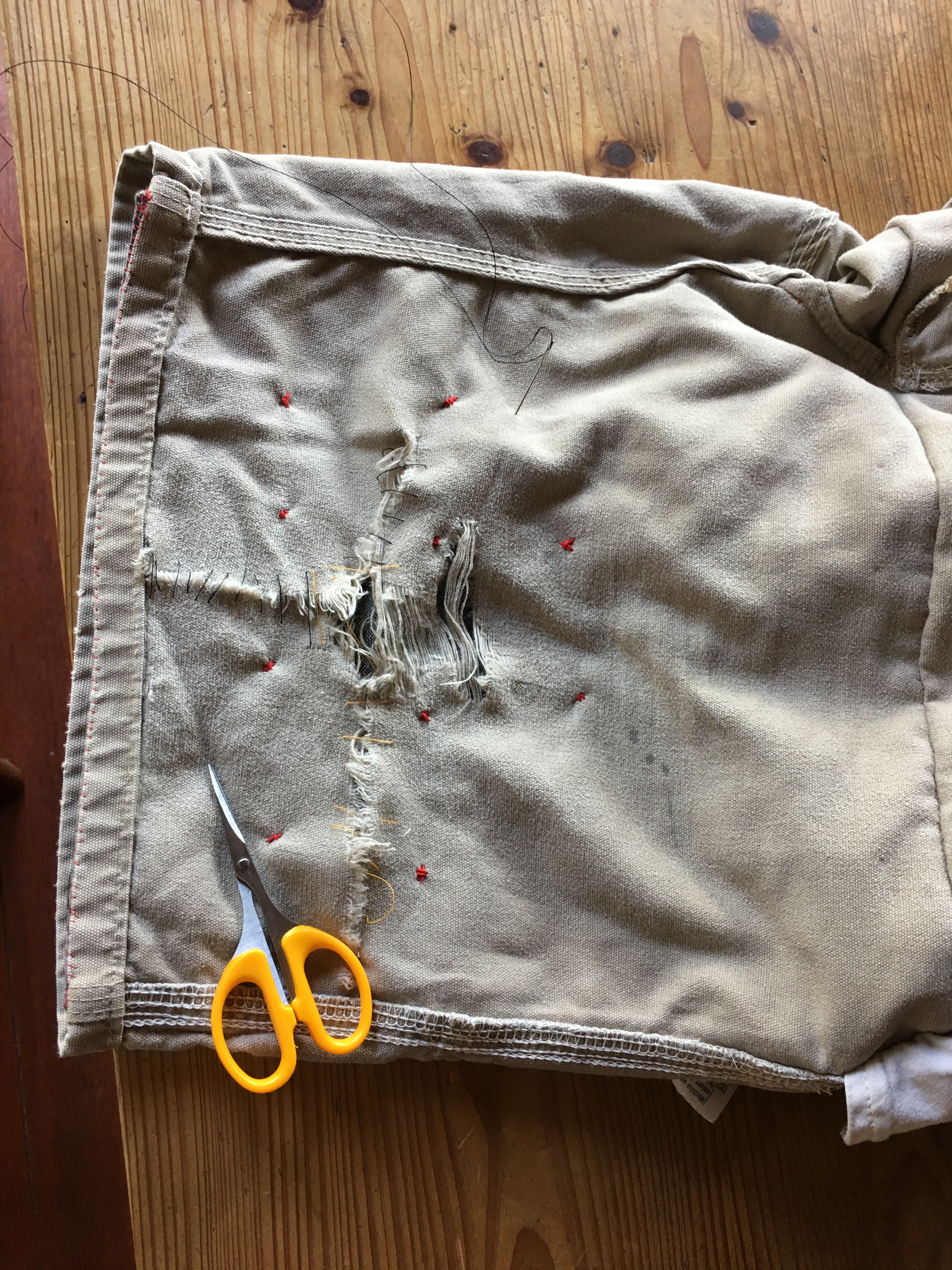
I have started to get stuck into the pile of shirts and jeans that need repairing. I have managed to wear out several pieces of clothing in recent weeks, all work wear items, worn through in the regions of highest wear.

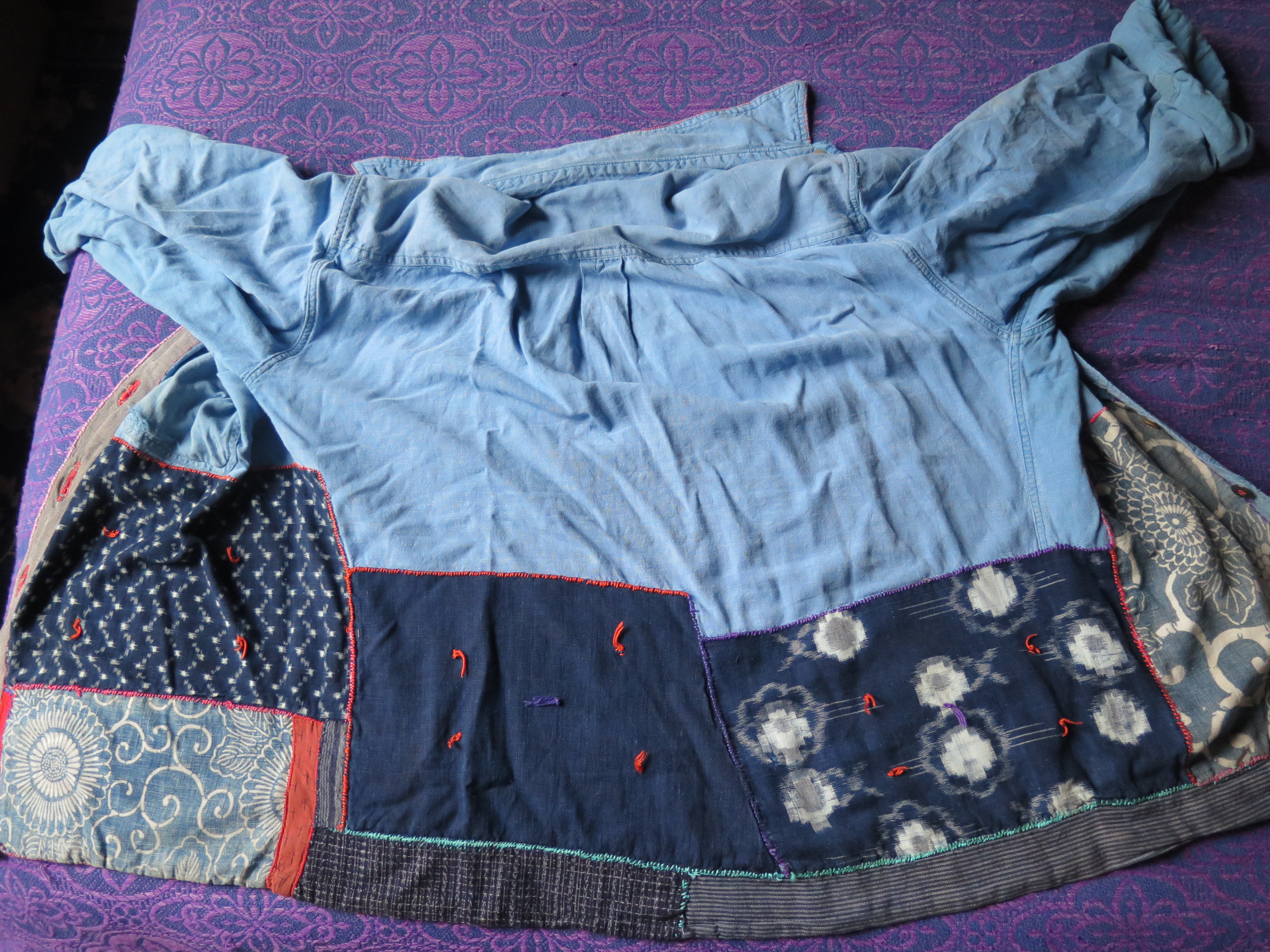
The most critical was my welding shirt, which has worn very well for many years, possibly 5 or 6 years. It had become a bit threadbare and almost transparent at the front. To the point that I got a radiation burn on my tummy after spending a day welding up all the seams on the recent kiln. I didn’t realise at the time of it happening, that I’d torn a hole through it. I had a ‘T’ shirt on as well but it wasn’t enought, as you don’t feel radiation, but in the evening, when I showered, I got a nasty shock.
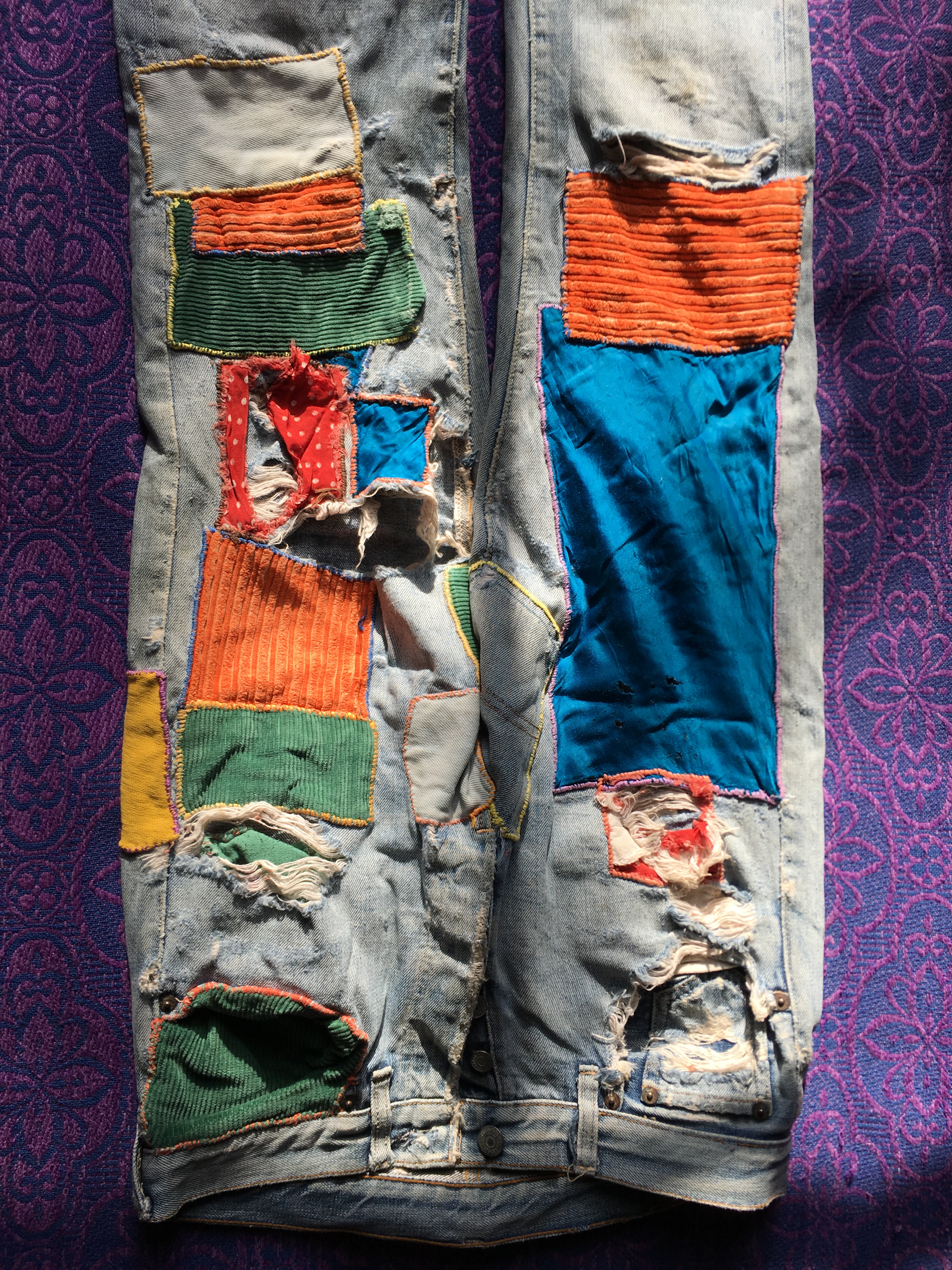
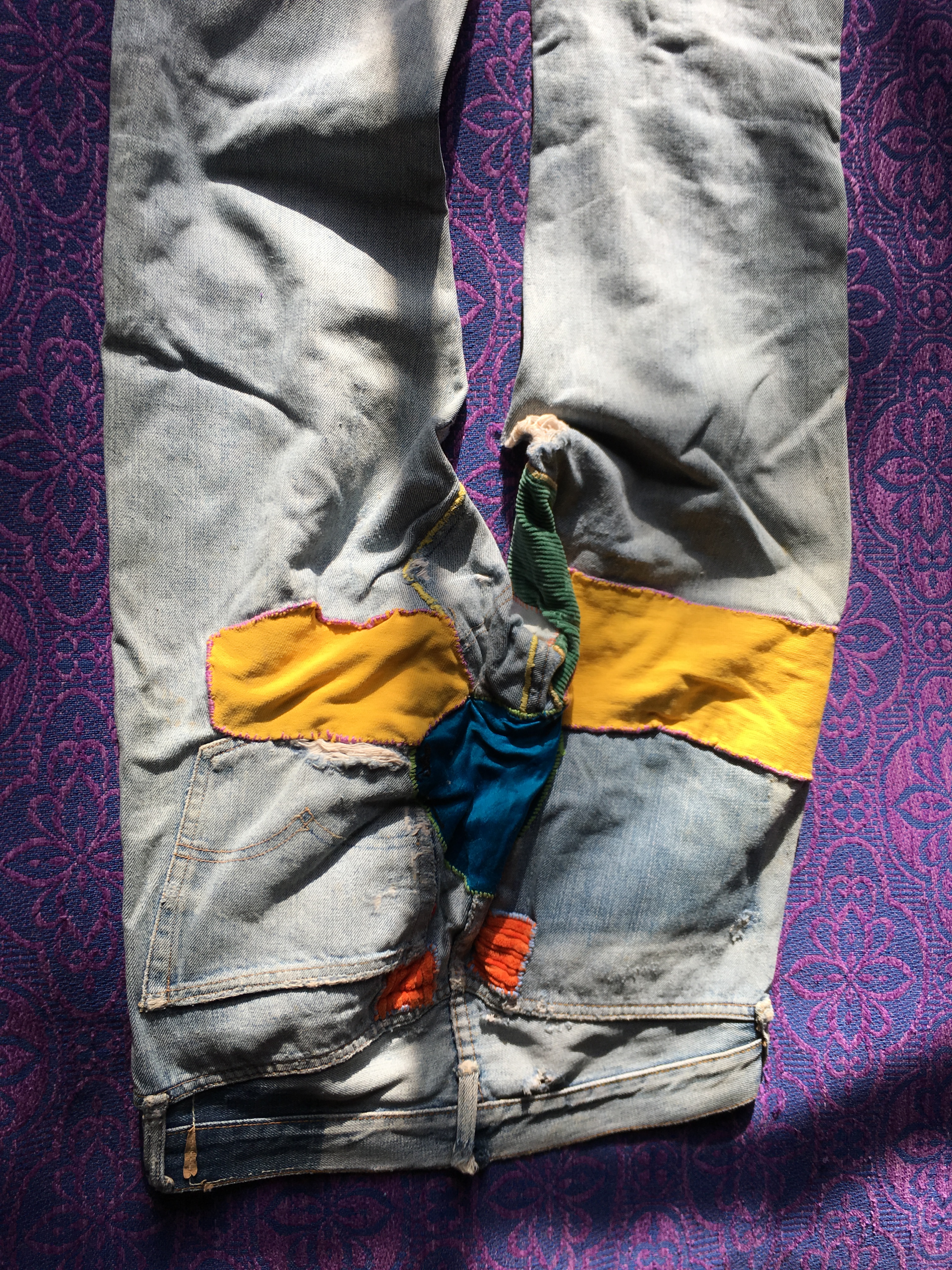
So my first job is to add some dense dark fabric to the front of my shirt. I also have a few pairs of jeans that have worn through in the front thighs and knees, but also suspiciously in the crotch? I’m guessing that this is from sitting on the Leach-style potters kick wheel wooden saddle? I’m hoping so, as I can’t think of any other reason.
These are some sort of stretchy jean fabric, so I steal the off-cuts from the bottom of the legs of Janine’s new turquoise stretch jeans, that she had to shorten, so as to get the same weight and stretch of the materials matched. The colours work OK too. Perhaps not in public? I’d feel a bit like one of those Japanese monkeys!
img_4017 img_4019
I have quite a collection of used, 2nd hand, Japanese indigo fabrics. I buy these off-cuts and old recycled pieces of clothing whenever I go to Japan. They are still plentiful and reasonably cheap in the markets. I really like them. indigo dyed fabric is so long-lasting because of the preserving effect of the indigo. I also just happen to love the colour. There was a time, when I was younger, when I couldn’t feel really comfortable in the colour blue, I preferred orange, then my favourite colour morphed into yellow, eventually into green, and finally I’m OK with blue and mauve, or even a bit of purple. I guess that this leads me to thinking that I’ll end up wearing red. Perhaps I’ll go full circle and wear yellow again? Or will I finally end up liking white? I doubt that. I lead a very busy life. I just can’t wear white. It gets dirty so quickly.
What ever the reason, I’m very happy to wear Japanese indigo fabric as patches on my clothes. The Japanese even have a specific word for this, and it’s called ‘boro’. The repair or mending of worn clothing with patches to prolong their life. It was always seen as something shameful in the past, when it was a sign of poverty, but these days, I’m starting to see Japanese patchwork clothing everywhere. It’s finally trendy. I don’t do it because it’s trendy. I’ve been patching my clothes ever since I learnt to sew. My mother taught me to sew on my own buttons, take up my the legs of my new jeans and hem them. So it wasn’t such a big step to add a patch or two as needed.
Next, I work on my worn out shorts that need a new front to one leg.
 img_3949 img_3950
then the jeans.
img_4021 img_4023
An earlier pair from the time when I was transitioning out of orange through yellow into green.
This activity fits in well with my philosophy of self-reliance and not throwing anything out until it is really worn out. For me this is not any statement of fashion, as fashion is just not on my radar at all. It’s a political statement. Not consuming stuff that you don’t really need and making things last, it’s cutting against all the advertising and market pressures. Over consuming is polluting the world with toxic landfill and adding to global warming. So much of what we are encouraged to buy is just not necessary. So I’ve decided to minimise my spending and as a result, I’ve found that I have more money left over for the things that I really want and need, when I really need them.
img_4452 img_4453
I spend my evenings these days sitting comfortably and listening to music or listening to the idiot box with half an eye to the screen, while I pin-up and stitch my patches. Some of these clothes that I’m working on go back 15 years and they are still going, and I believe becoming more interesting as they display their work life and history. I’m applying new patches over worn-out older ones. The layers just keep building. It’s an interesting topography of work, wear and repair. A 3D sculpture or installation that gently illustrates environmental activism as some sort of artwork.
img_4034  img_4035
I’m pretty sure that it’s not art, It’s not quite ‘boro’, it’s possibly interesting, maybe it’s beautiful? Maybe not?. Otherwise it’s certainly ‘creative’ and a nice piece of re-cycling, re-purposing and life-cycle extending handiwork. After-all, it’s just work-wear.
If nothing else, it’s a very rewarding evenings entertainment.
Best wishes
Steve

The First Week of Summer

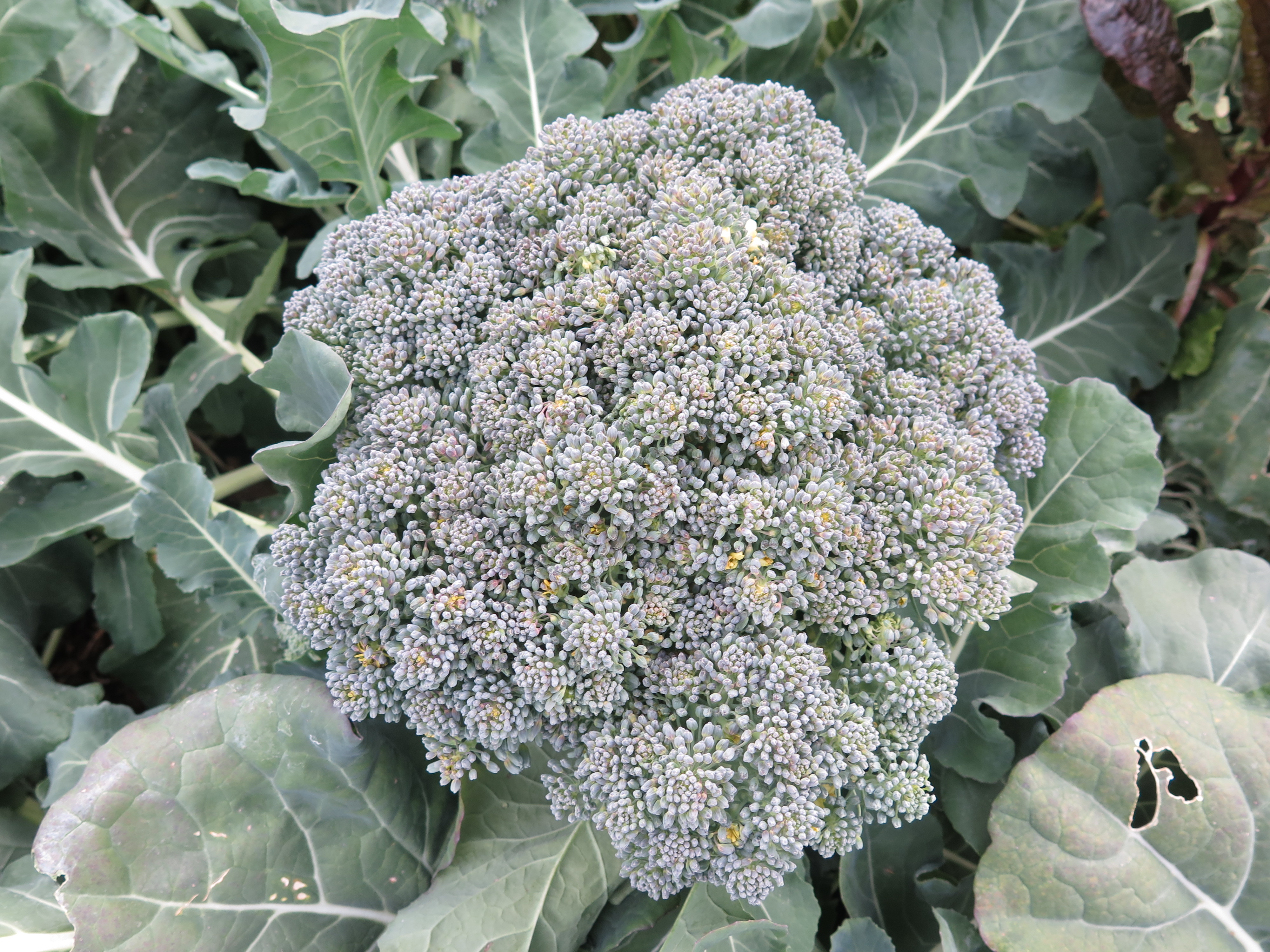
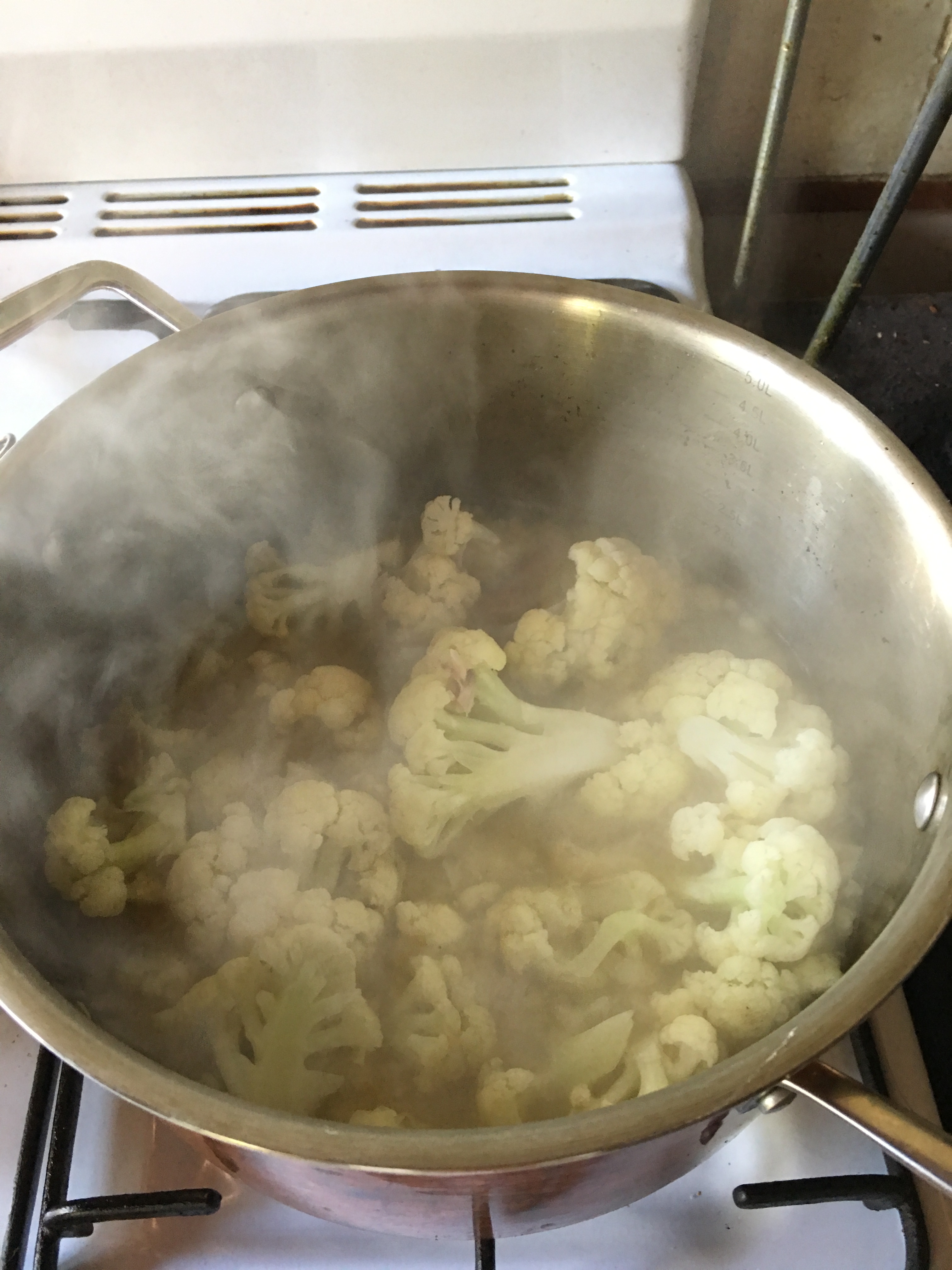
The season cycles past us and spring has gone in a very busy flash of research, firings, workshops, more firings, exhibitions and kiln building. The garden took a back seat and now it’s time for catch-up. We managed to get some time in there, just enough to keep everything watered and growing. In the last week of spring I finally got the time to get in there and do a thorough weeding and cleaning out. We picked the last of the winter veggies, like broccoli, cauliflower and cabbage.

.img_4375 img_4377

img_4378 img_4379

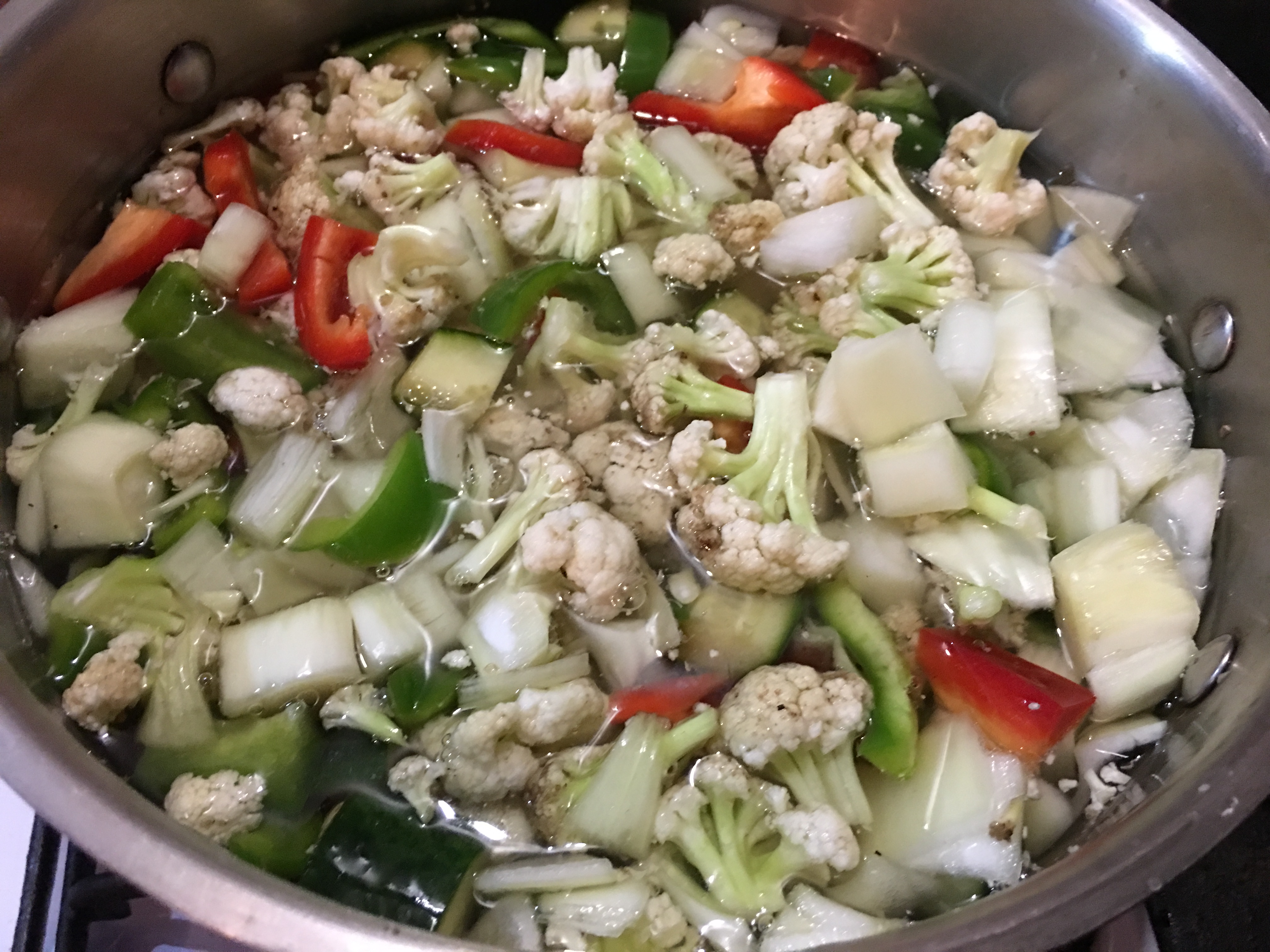
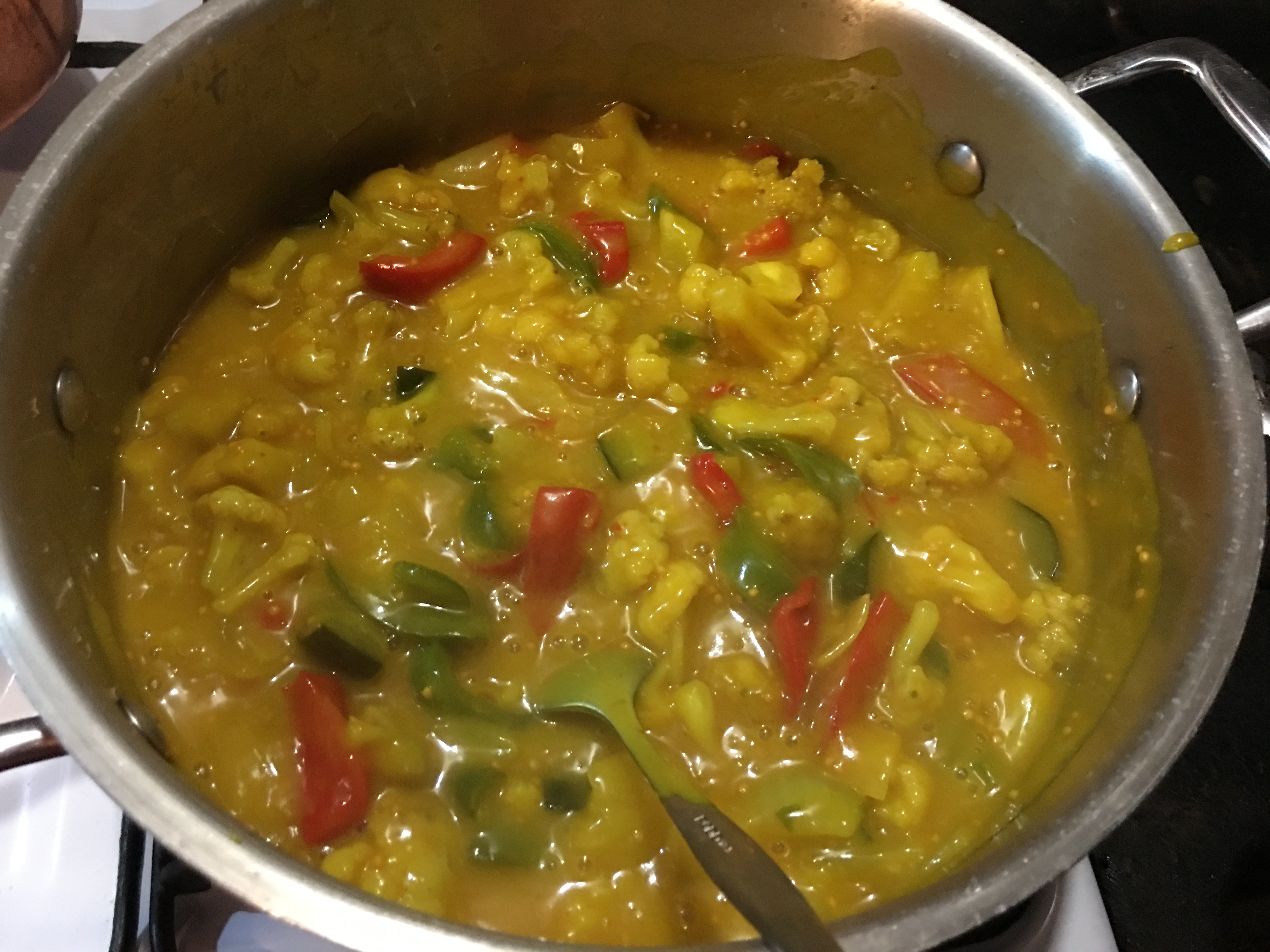
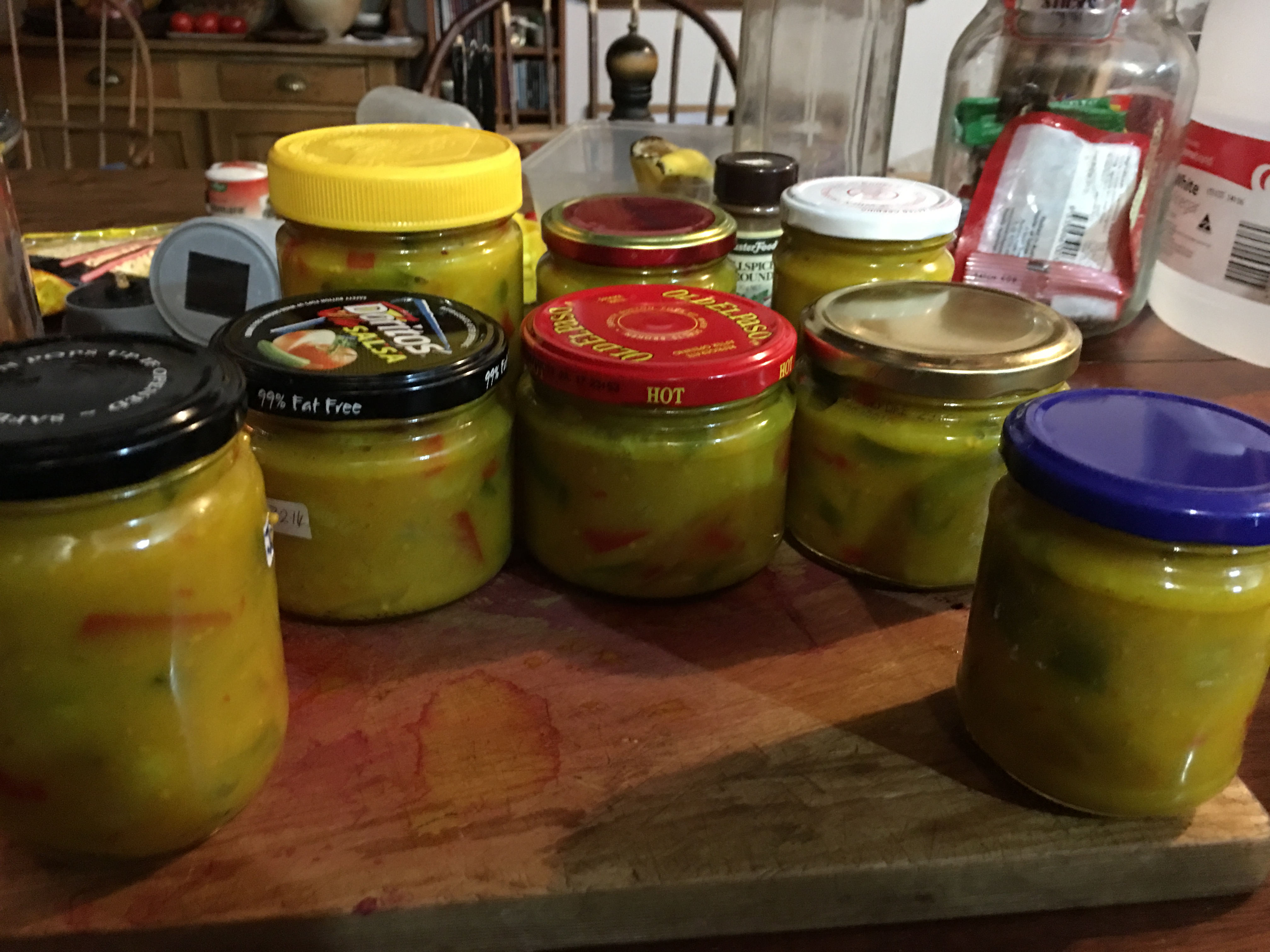
I managed to preserve the cauliflowers into Mustard pickles.

Take one large cauliflower. It doesn’t matter if it is a bit past its best and starting to ‘burst’. You only need the small florets, add a red and green capsicum and a cucumber, plus a couple of brown onions, all diced pop fine into small bite sized chunky pieces. Soak them in brine overnight of 1/2 cup of iodised salt in 2 litres of water.

The next day, bring this to a simmer and drain off the brine. Rinse and drain again.

Depending on how much you have to do, heat up approximately a litre of vinegar ,add two cups of sugar,  +1 Tb spoon of mustard powder, + 1/2 Tb spoon of curry powder and another of turmeric. Mix it all together well and bring it up to the boil. Once it’s heated, add in 1/2 a cup of flour and stir well until it thickens. Add in the drained vegetable pieces and bring back to the simmer fora minute or two.

Spoon into heated glass jars from the oven and seal with ‘pop’ top lids.

img_3937 img_3939

img_3940

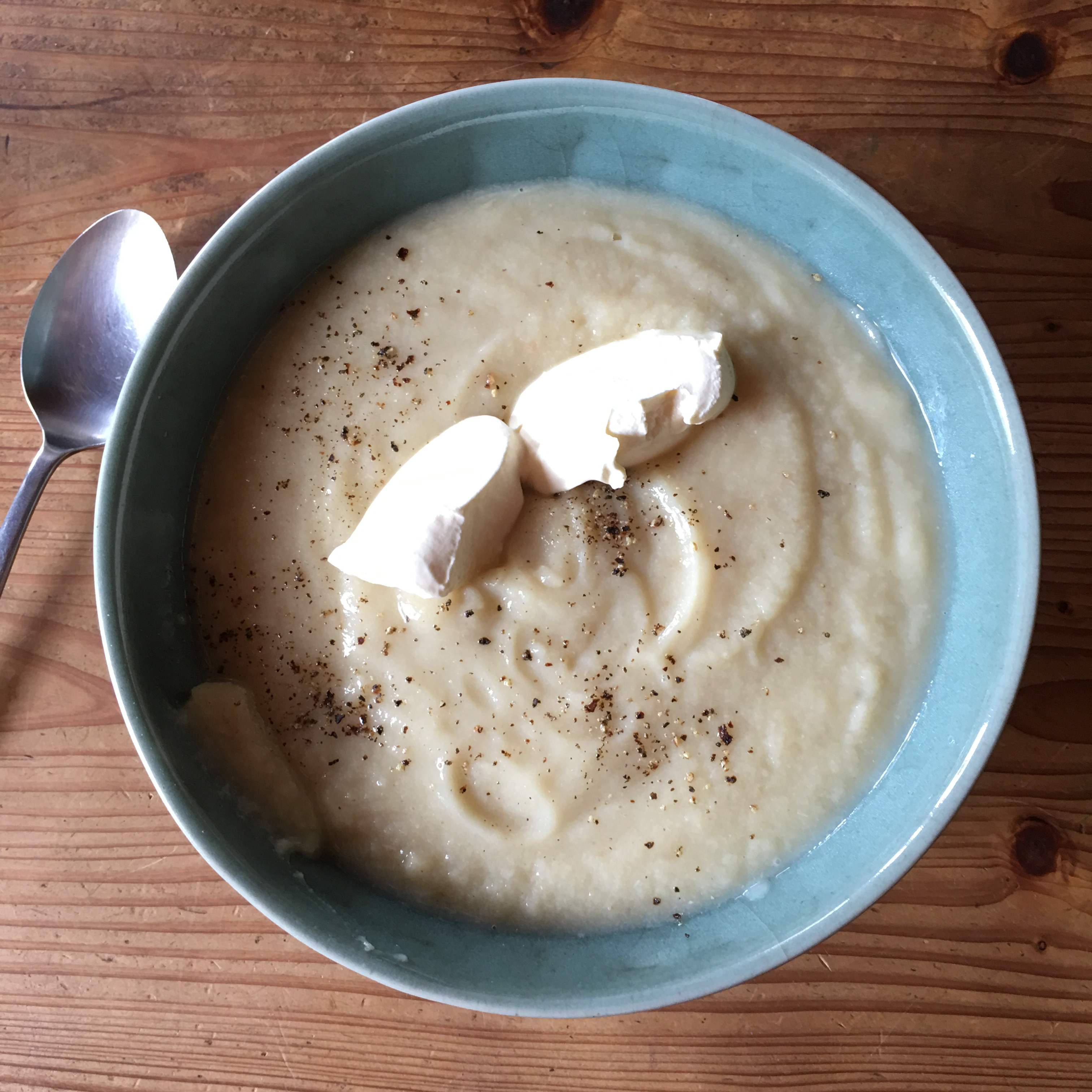
Janine makes cauliflower soup with hers as well as a batch of broccoli soup, some of which she froze. The cabbage went into our own idiosyncratic version of Australian okonomiyaki and the beetroots got pickled and preserved in spiced vinegar.

img_3959 img_3960

img_3963 img_3938

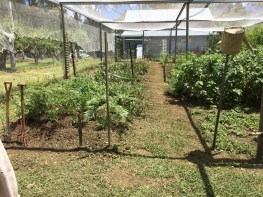
Although we have planted out all the summer veggies seeds and some seedlings now, it is still too soon to get much return. The tomatoes are flowering  and the earliest plants have set some small fruit. I was a bit late getting them in, so I can’t see us getting any ripe fruit before Xmas. However, now the hot weather is here, along with the regular Monday afternoon thunderstorm and its hail, we will just have to wait and see what fruit we can get. I hope that there isn’t another hailstorm tomorrow. We’ve had enough hail for the time being.

img_4380

No Rest in Paradise

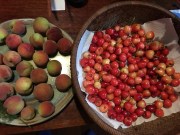
The hot weather is here now and we are out in the garden early to get the jobs done before the heat sets in. We’ve had some 30 oC+ days recently. we pick cherries and the early peaches, and lucky that we did as a thunderstorm comes through in the afternoon. All dry thunder at first but then it breaks, and boy does it break. We are pelted with hail stones that pile up on the lawn and against fences and wall. the rain floods in over the verandah. We are safe inside the house, but there are some new leaks in our old 123 year old roof. I’ll have to get up there again tomorrow and see what I can do, but not now.

img_3917

can see the leaves being shredded from the trees in the garden. I can only imagine what is happening to the tomatoes and other soft vegetables in the garden. The chooks will be OK. They will be hiding in their house, very scarred I’m sure, but physically OK. It’s a good thing that we harvested the two boxes of early peaches this morning!

img_3919 img_3920

In the evening we sit and peel peaches for preserving, shelling dried peas and milling dried broad beans down into broad bean flour to make falafel. I also grind down some of last years sun-dried corn niblets into polenta flour. There is always something to do. I might even find some time to watch the idiot box if there were anything on, but there isn’t. So I don’t. The pressure is off on this new big kiln, as the work is well under way and back on schedule, as I have a new welder.

We have delivered all our work for the Xmas shows in the Sydney Galleries as our open studio weekends are over. The tea pot sets are taped up and ready for packing up for delivery. We exhibit our joint domestic wares as King and Co. This is to separate this work from my tea bowls that I show in my own name at Watters Gallery. The opening at Watters went well and I seem to have sold 4 out of the 8  ‘kintsugi’ gold repaired bowls that I took in for the show.

I have found time again to practice my Cello. Its been locked in its case for some time now. We also find some time each morning to work over the garden beds before it gets too hot. We get them planted out with new seeds for the summer. This should have been done a month or two ago, but we have only now just found the time. I haven’t had any spare time since I got busy in August, followed by my research trip to Korea and so on.

img_3922 img_3923
img_3924 img_3927

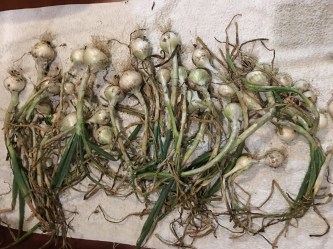
We have harvested the garlic and onions to make room in some of the garden beds. The garlic is a bit disappointing this year, but the onions are fantastic. They have all done well, red, white and brown.

img_3918 img_3929
They all need to be spread out and dried, before plaiting and hanging.
I stole this little piece of text below from one of Janine’s emails to one of our friends. Speaking of our chooks and the garden. I think that it sums up our time here just now.

Our ‘spice girls’ who we realise only come to us because there might be food for them. Otherwise they scour our block and so do we (looking for them) so cunning Mr Fox doesn’t have them for dinner.
Thankfully the days are a little cooler, for a little while. Summer is no longer my favourite season. But cherries and peaches are sweet, ripe and we eat our way through the ones we save from the birds – with all manner of nets, wires pegs and stalking.
There is no rest in paradise!

img_3933 img_3822 img_3823
It’s time to have some more different sorts of fun. Roll on summer!

Death in Furnace

All Good Things Come to an End.

I’ve been busy in the kiln factory during the week in-between our open studio weekends and then every day since. I have a big electric kiln ordered and although I have done a lot of prep on it, I was away in Korea for a while and then doing several weekend woodfiring workshops as soon as I got back, so now I have to start welding all the accumulated parts together.

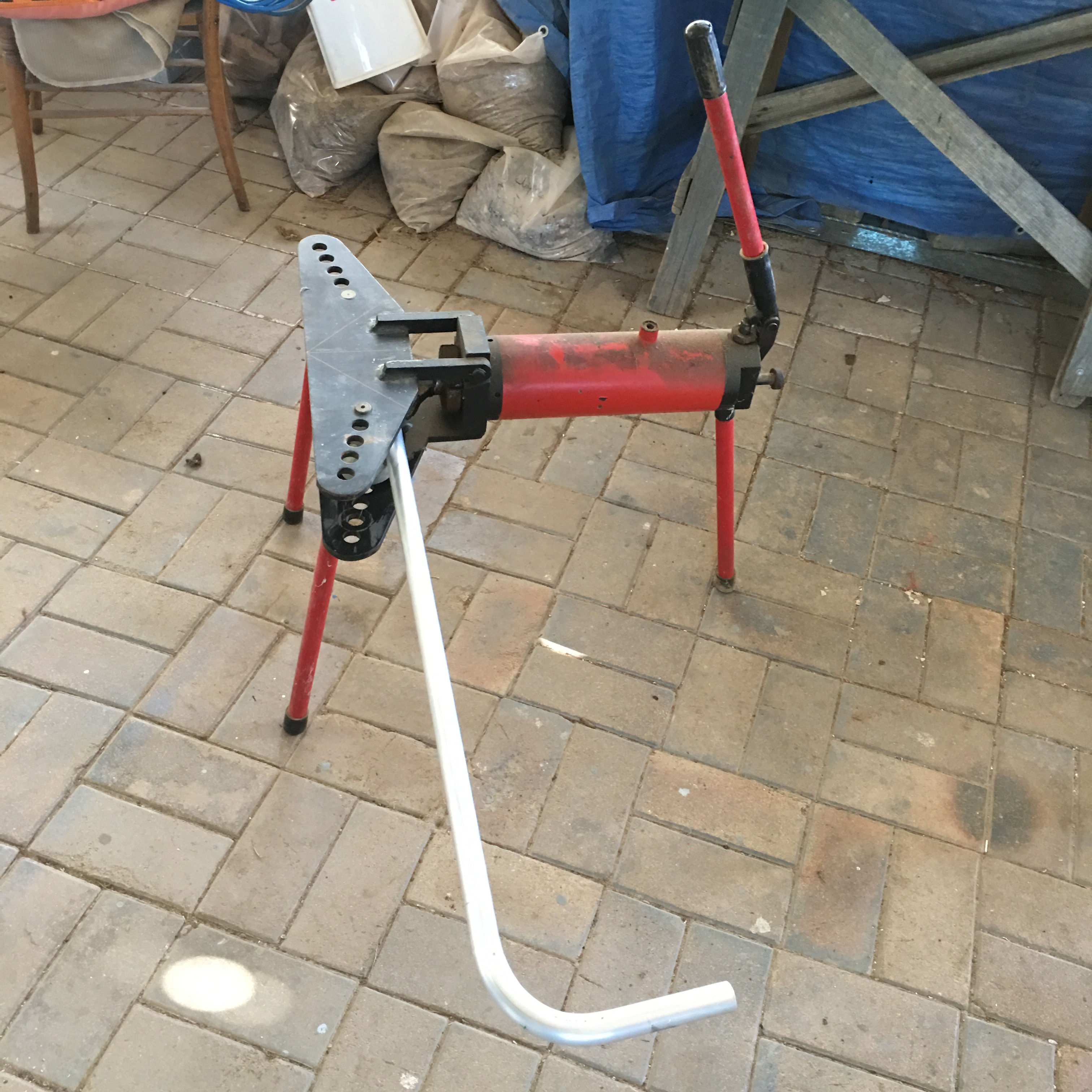
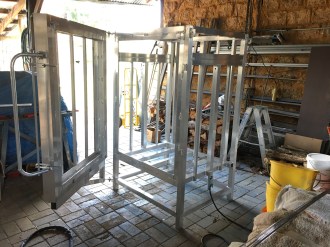
I take a bit of pride in making all the parts here on site. I make all my own small fittings including door locks, handles and hinges, all made out of basic metal stock sections. Some of these parts need to be turned down on the lathe and machined to a pressed fit. This is an electric kiln, so it is all made out of aluminium, marine aluminium. This is because marine aluminium offers the best resistance to corrosion. Just the sort of chemical attack that electric kilns get from the fumes released during firing. I’ve been developing these designs for forty years, slowly improving them as I learn more from my experiences.
img_3856  img_3859
img_3800
Aluminium is best welded using a technique called TIG. TIG welding is a type of welding that is ideally suited to welding aluminium. In fact, you can weld almost any metal with a TIG welder. ‘TIG’ stands for Tungsten Inert Gas. It uses a very high temperature tungsten electrode to pass the current into the metal. This electrode is not consumed in the process, as it is in all other types of welding. This is different. The electrode is very thin and pointed, so that the electrical current can be focussed onto a very small specific area of the job at hand. This part of the job gets very hot and starts to melt. A thin filler rod is then pushed into the weld pool of molten metal with the other hand, a droplet of molten metal melts off the end of the filler rod and merges into the surface, filling the crevice between the two pieces of metal that are to be joined. This is repeated over and over to build up a small mound in that exact spot. The electrode is them moved a very small distance, a few millimetres, and the sequence is repeated. The finished weld looks like a series of droplets, all overlapping and lined up all in a row. It’s a very beautiful, but slow and precise way to weld. Aluminium is notoriously hard to weld with any other method.
TIG maybe slow, but the welds a really nice. I wouldn’t win any prizes for my welding. I don’t do enough of it to get really good at it. After-all, I am a potter. But I make sure to weld both sides of the joint to make sure that I have 100% perfect penetration. So far, I’ve never had a crack in any of my welds in the past 30 years.
The thing that I find amazing about metal work is that all the left-over off-cuts can be re-welded back together to make new long lengths of material and these are stronger than the original section. It really appeals to my sense of purpose in living a frugal life, as well a supporting my philosophy of re-cycling and throwing nothing away until it really is worn out or useless.
If you cut a piece of wood by mistake, that is too short, then you have two short pieces of wood that don’t fit any where. You have to wait for an opportunity to use them somewhere else as two short pieces. However with metal, you just weld them back together – and they are longer and stronger!
I also find the act of joining very symbolic and reassuring. In an age of dislocation and separation, revolt and conflict, civil war and displacement. This act of imagining things in a different way, choosing the path of joining and strengthening, reusing and conserving, creating things out of what other people might consider waste. These are immensely important and powerful acts. To see this potential, then to act on it. It builds instead of destroying, it re-purposes instead of just endlessly consuming.  It creates instead of wasting. This is the world that I want to live in, so I’m building my own world, in my own way. One weld at a time. One pot at a time. One garden bed at a time. One thought at a time.
img_3802
Aluminium is a little bit tricky to weld. It’s slow work, as aluminium moves a lot with heat. You have to pre-heat it and be carefull to stop it warping out of shape. I put a bit of effort into it, to get good penetration, yet not too hot, so as to prevent warping. Working with aluminium involves a lot of setting-up, clamping and tacking, then some time-out, to allow the frame to cool down again before laying down more welds.
The cooling time allows me a short time in the garden for some quick weeding or watering. On the way back to the kiln shed, I feed any snails that I have collected to the chooks. They are omnivores and eat snails as well as green grass. The first thing that they do in the morning when I open the hen house door, is to rush out and start to eat green leaves of grass. But when one of them finds a snail hidden, in down next to a stone, or fence post. It’s off and running with the bounty. They all fight over it until one of them wins the prize it’s a highlight of their day.
img_3869  img_3888
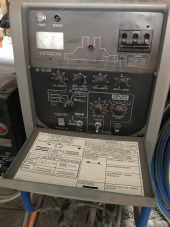
Meanwhile, back in the kiln shed, I discover to my horror that during the process of welding this kiln, my beautiful old welding power source is starting to loose its brains. Bit by bit, some of its capacities start to disappear.  It looses its ‘down-slope’ and ‘crater-fill’  functions first. I’m not mentally prepared to loose this old friend so suddenly. We’ve been working together for the past 20 years and I’m very fond of it. I know its character and how it likes to do things the best. To get the best result.
It was the absolute in cutting edge technology in its day, all solid state, power-tranistor based, AC/DC, inverter, pulse, TIG. I know that this last sentence will sound like a foreign language to most people – and it is. It’s techno-speak for welders. Just think of it as a description where every added word and each comma, costs an extra thousand dollars! This machine cost me as much as my car did back then. Effing expensive. But the car is long gone. I still have the welding plant.
As it slowly looses its functions, hour by hour, I’m left in the afternoon with something that isn’t what it used to be. It only just functions at a very basic level. Solid state alzheimers. I’m reminded of 2001, A Space Odesy, when Dave slowly unscrews HAL’s circuit boards, until it can only sing ‘Daisy, Daisy’.
My welder is reduced to this incontinent, dribbling, unrecognisable state of simplicity by the afternoon. So this is how old welders end up! I can only think of this being me in a few more years. I nurse it along as best I can. There is nothing in the instruction book of welders, or life, to help me out here. Just patience and gentle care, and I do care! I do what I can, but there isn’t really anything to be done. I take it easy on the poor old thing, resting it between welds, but the end comes.
Finally the light goes out.
img_3831  img_3834
I am very sad to see it go. No more Join of Arc! Twenty years on, the new models do not create any better welds than this machine. They just come with a few extra bells and solid-state whistles. Thankfully these new ones are now only a fraction of the cost.
The new machines aren’t the same. They’re small, fast and noisy.
We’ll have to spend a bit of time together to work things out and get used to each other.
Best wishes
Steve

The Art of Embracing Damage

We live in an age of instant access to information and news, except that it’s all mostly bad. I’ve stopped watching the news. It’s all too depressing. I don’t want to be ‘connected’ to this. I want my interactions to be quiet, peaceful and positive. I want to choose a constructive, creative, engagement with my environment and the people around me.

I have spent my life developing a philosophy of minimal consumption and self-reliance. I believe in not buying anything that I don’t need and not throwing anything away that isn’t fully worn out. This has been part of an exploration of how it might be possible to live frugally and gently in a faster, noisier and bigger world of seemingly senseless and excessive consumerism.

My Partner Janine King and I work in isolation, making only what pleases us. This is not good business practice, but we don’t think of ourselves as being in business. We are trying to live an independent creative life, that is sensitive to our surroundings, gentle on the earth, low-carbon and low-impact on others around us. We are attempting to live this life of small monetary rewards, but high satisfaction and so far it seems to be working out OK for us.

I work with the raw materials that I can find around me in my immediate locality and then research and test them, to attempt to discover what interesting qualities they exhibit and then try to make original ‘location-specific’ works from them. I find this approach most fascinating and very rewarding. I have discovered a single-stone native porcelain, and developed a body from it that is very beautiful, especially when wood fired. I have also found and developed a single-stone, washed basalt gravel, blackware body that is gorgeous. These two special materials are the result of a lifetimes research. Not much to show for a life, but I continue to create these Senseless Acts of Beauty, because it pleases me. I am under no illusions. I know that I could not have lived this quality of life without Janine as my partner to help me achieve it, but most importantly, we have been very lucky to have lived this simple, artistic life in Australia, where there has been no civil unrest.

It has been my intension during my career to make simple, elegant, and hopefully beautiful bowls. These bowls have been significantly influenced by Japanese and Chinese aesthetics as well as the  Japanese culture of tea and Zen Buddhism  I’m not a Buddhist. But some of the thinking around Zen practice has influenced my quest to live a simple, non-consumerist, low-carbon life. When I was studying the origins of single-stone porcelain in Japan recently. I did a course in Kintsugi. The Japanese art of repairing broken pottery with lacquer and pure gold. I have started to repair some of my more interesting failures using this technique.

Kintsugi embodies three Buddhist concepts and makes them tangible. The first is ‘wabi-sabi’. Realising that something that is flawed and imperfect can still be extraordinarily beautiful  The second is ‘mushin’, the concept of non-attachment and acceptance of change. Nothing is perfect, nothing lasts and nothing is ever finished. The last is ‘mono no aware’, a certain wistfulness at the impermanence of things. We are only here for such a short time together. Our transience is a reality of our life. Embrace the moment as it is.

I feel that when I repair a beautiful pot that is broken, damaged or otherwise ‘non-perfect’ in a Western, conservative sense, I make it all the more beautiful. Spending time recovering and enhancing something that is otherwise lost, is a sign of great respect for that object. It fits well with my philosophy of minimal-consumption, self-reliance and making things last as long as possible.

Because kintsugi has been called the art of embracing damage, it occurred to me that these, recovered bowls might be a suitable and beautiful metaphor for recovery from conflict. Hence my offering them for inclusion in this up-coming end-of-year show at Watters Gallery called ‘war’.

I have very few ambitions in life. When I was young I decided that I would live in the country and to grow my own food, to make a creative life of some sort, build my own house, and live a self-reliant life. I have more-or-less fulfilled all of these modest ambitions.  My lasting ambition is to make things that are meaningful, simple and modest. I go about this work of creating random acts of beauty without any regard to the effect that it may have on others. I am selfish, but not thoughtless.

Our indigenous peoples have a long tradition of respectful collecting, gathering and hunting. I feel that my small experiments interacting with the natural world, collecting stones to grind up to make my pots are compatible as a contemporary continuation/interpretation of this ancient practice. It respects place and biota. It’s 40 years since I moved to this small Village in the Southern Highlands south of Sydney. I’m pretty self-contained here. I don’t want for a lot, so I have everything that I need and I am grateful for that.

My bowls are small, simple gestures. They appear to be empty, but are in fact full of good wishes and calm, thoughtful intent.

The exhibition ‘War’ at Watters Gallery opens on Wednesday 23rd of November.

dsc_0001 dsc_0008

dsc_0021 dsc_0024

dsc_0027 dsc_0030

dsc_0036 dsc_0041