Just Another Day

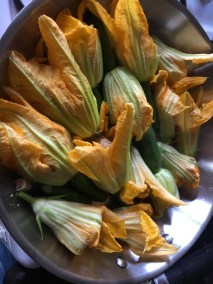
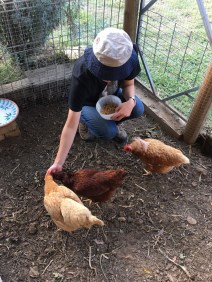
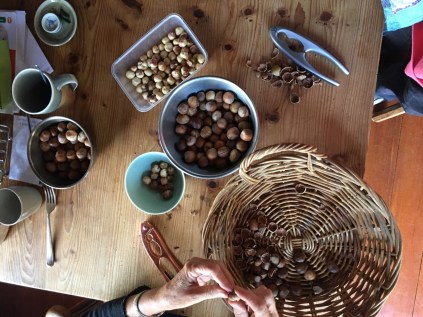
We share our last meal of stuffed Zucchini flowers. This time with a somewhat asian flavour profile, less cheese and more tofu. Ms. Kang feeds the chickens, we say our goodbyes and deliver her to the train station. There is a train service, more or less direct to the airport. We come home and start to shell todays harvest of hazelnuts. Just another day with so many jobs to do.

IMG_4381 IMG_4386

IMG_4393 IMG_4403

IMG_4410

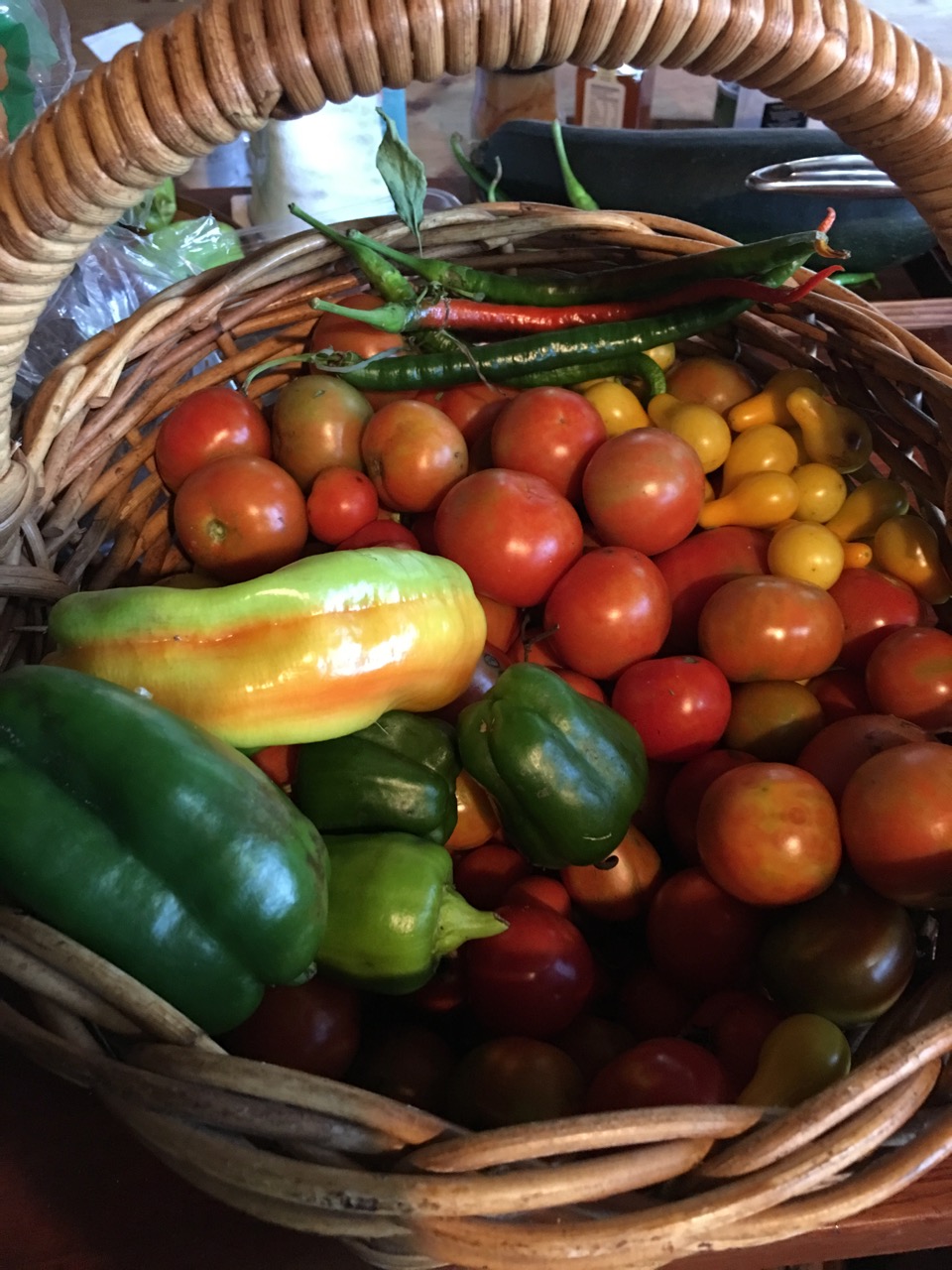
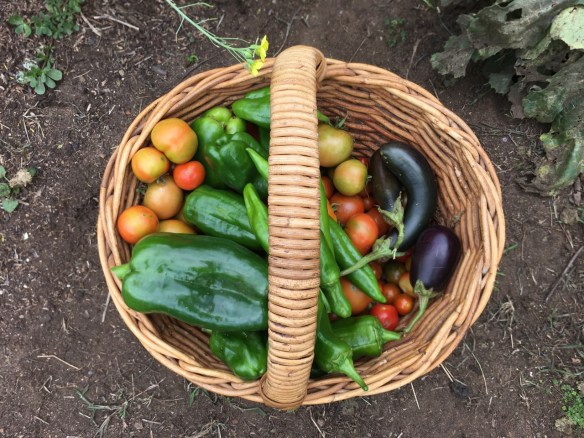
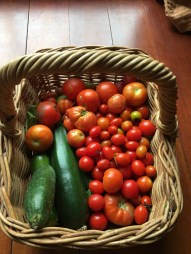
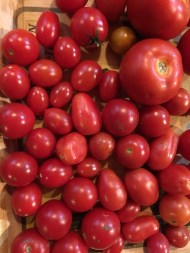
I spend a bit of time weeding and watering in the garden, then harvesting the endless procession of ripening tomatoes. Another batch of passata is on the way. I take the time to grab a handful of bouquet-garni from the garden along the way.
IMG_4415

I finally get some free time to sort out my glaze tests from our recent glaze firing in the solar-fired, electric reduction kiln. They are all quite good, actually very good. These are all glazes made from my local stones, collected around the shire where I live. I’m very pleased with the latest version of my Kangaroo Blue glaze (see earlier post, Kangaroo Blue. 12/12/18) and the Bindook Porphyry pale limpid celadon. Not too bad for a 5 hour solar-powered firing.

IMG_4412

Ms Kang has left the building. We’ll miss her.

From Garden to Glass jars, Preserving our Excess

Our international guest and pottery/environmental living intern, Ms Kang from Korea, is about to leave us. We spend our time in the pottery, garden and kitchen. We put in a big day from early morning through till late night, a 14 hour day. There is a lot to get done at this time of year.

We have glazed our pots and packed the kiln previously, so while we wait for the sun to get up in the sky so that we can start the firing. I get up on the roof and wash the solar panels. We live on a dirt road which is quite dusty in dry weather. We recently had a good rain storm and collected 75mm. (3″) of rain, but then we had 150mm. (6″) of wind and dust, This means that I need to wash the PV panels so that we achieve maximum efficiency. At this time of year, the shadow from the trees doesn’t pass off the last of the panels until 10.00am.

IMG_4334 IMG_4345 IMG_4346

By 10.00am the sun is up in the sky and we are generating good energy, it’s a good time to switch on the electric kiln. I wait until the PV panels are generating enough power before I start the firing. I like to start about 10-ish and finish by 5-ish, thus making the most of the sun. The kiln is very powerful and can easily fire straight through to Stoneware 1300oC in 5 hours if needed. Once the kiln gets to 1000oC, I start reduction with 2 small pilot burners running at 5 kpa. I can’t set the pressure any lower than this and expect it to be reliable. This takes the kiln through to 1300 in reduction using just 300 grams of gas. I’m still experimenting with this kiln.

If we want to fire longer, or on cloudy days when there isn’t enough direct sunlight, we have the Tesla battery to fill the gap. We can, if needed, fire the kiln and charge the car as well on the same day. On a good sunny day, we can charge both car and Kiln, fill the battery and still sell a little to the grid. On the off days when we don’t fire or drive the car, we sell everything to the grid. We sell our excess at 20 cents per kW/hr. occasionally when it is cloudy for a few days we buy back power from the grid. We chose a 100% green power contract and pay the premium price of 35 cents per kW/hr for the privilege. However, we are connected to the grid by a net meter, so we only have to pay for power if our imports exceeds our exports in any given month. It never does.

Once the kiln is on, It fires itself in semi-automatic mode. I only need to check it occasionally. Then its back into the garden to continue the harvest of more tomatoes, chilis, capsicums and aubergines. We are at peak tomatoes now, as we dealt with the last of the late-season plums last week. They are all safely vacuumed sealed in their jars, in the pantry, waiting for later in the year.

IMG_4351 IMG_4360 IMG_4361

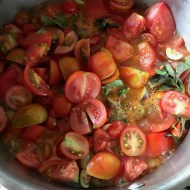
While I harvest the tomatoes et al, in the vegetable garden, the ladies, Ms’s King & Kang collect hazel nuts and quinces from the orchard. We are all soon very busy in the kitchen, by the time the heat of the day sets in. All the tomatoes need to be washed and sorted. Even though we have set fruit fly traps all around our garden and orchards, we still get some fruit fly stings in the very ripe tomatoes in this late summer season of hot and damp weather. All the tomatoes are cut open, checked for fly strike and then sorted into two separate pans. A big boiler for the good fruit and a small sauce pan for the fly struck fruit. The spoilt tomatoes are all boiled to kill the grubs and then fed to the chickens, with the remaining skins and detritus composted or fed to the worms.

IMG_4342 IMG_4336

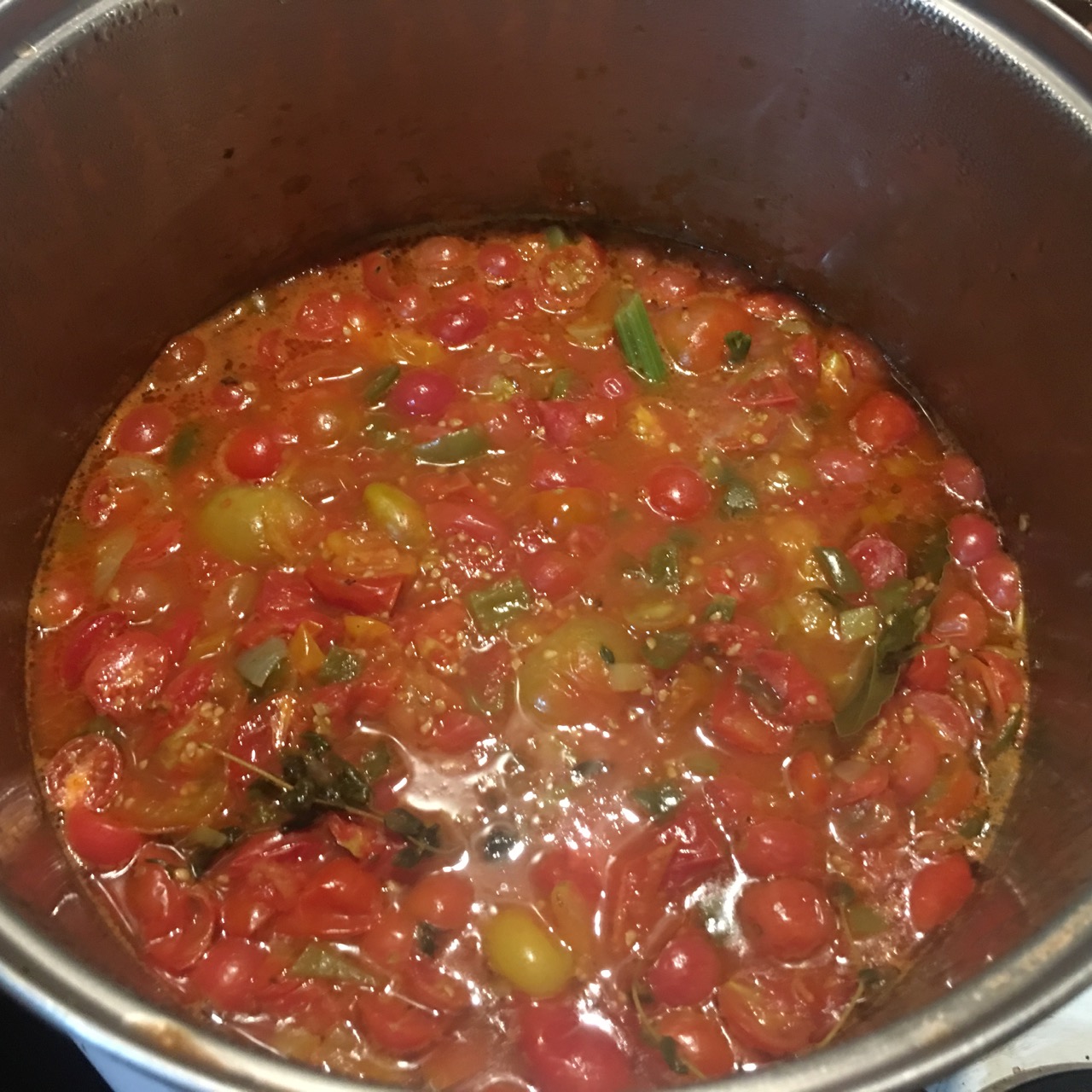
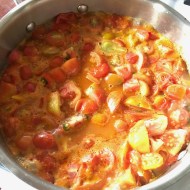
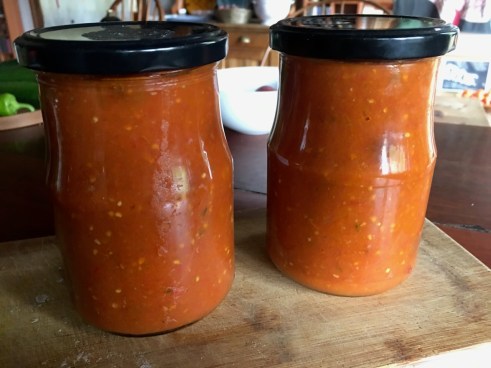
While I’m cooking, Ms Kang is shelling the days pick of hazelnuts. This batch of tomato passata will be cooked with pepper corns, bay leaves and a bottle of good red wine. It looks great and tastes delightfully sweet and sharp, sort of tangy, with just a little bite and lingering heat from a few chilli peppers in the mix.

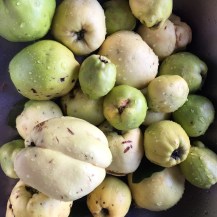
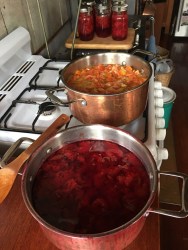
The quinces are washed, peeled sliced and then boiled with a little sugar, 300g in the big boiler + a couple of litres of water to cover them. I add a stick of cinnamon, a few cloves and two star anise. After they have softened. I transfer them to baking trays, pouring the sweet boiling liqueur over them and add a little bit of Canadian maple syrup into the mix I give them 45 mins at 180 and this reduces the liquer to a sticky gel and turns the fruit to a lovely red colour. I choose to cook them with a minimum of sugar. If I added more sugar, they would turn a deeper/richer shade of claret red. I love that colour, but don’t like the saturated sweetness.

IMG_4380 IMG_4355

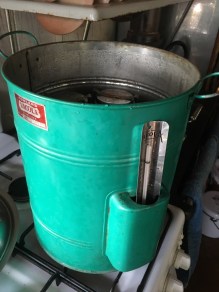
We preserve everything in our antique ‘Fowlers’ Preserving jars. We bought this old boiler and a few boxes of glass jars, 2nd hand at a garage sale over 40 years ago and they are still giving good service. We have only had to replace the rubber rings.

IMG_4375 IMG_4376

IMG_4377

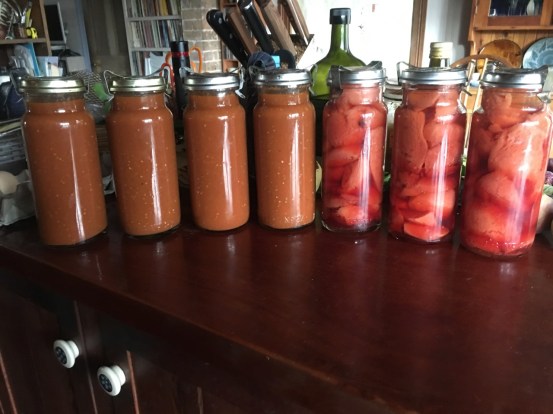
It still surprises me that a basket full of quince fruit can fill the sink when being washed, then fill 2 baking dishes in the cooking and finally be reduced to just 3 jars of concentrated sunlight, colour and flavour after a days work. Two baskets of tomatoes fills two boilers, then makes only 4 jars of passata once it has been reduced on the stove for an few hour.

Such is the business of summer.

The Simple Pleasures of Our Mundane Life

As we approach the end of the summer season, we are busy both in the pottery making, but also in the garden and orchards harvesting and preserving. The late summer season brings loads of fruit and vegetables to deal with.

IMG_4261

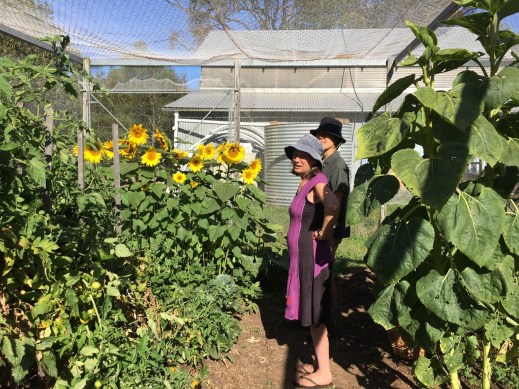
Ms King and Ms Kang in the garden considering the sunflowers. We grow sunflowers in a series of staggered plantings all through the summer to feed to the chickens. They get one sunflower head each day to supplement their-free range foraging.

We have made several batches of tomato passatta this summer. This equates to about 2 to 3 jars per week added to the pantry. A basket full of tomatoes, with a few added capsicums and chillies, fills a medium-sized boiler. I add a big handful of sweet basil, few couple of sage leaves and a sprig of lemon thyme. Whatever is on hand, sometimes I add a couple of bay leaves instead, but not this time. Sometimes a dash of red wine.

IMG_4073 IMG_4092

IMG_4285 IMG_4286

This concentrated tomato concoction is boiled and reduced until it is all softened and a bit mushy. After cooling, I pass it all through the kitchen moulii to remove the skins and seeds, and then bring the resulting liquid to a soft simmer for another hour to reduce the volume and concentrate the flavour.

IMG_4260 IMG_4287

I start the day with a full boiler of tomatoes fresh from the garden and end the night with just 2 half-litre jars of concentrated sauce. By filling the glass jars straight from the oven where they have been pre-heated and capping with their lids that have been simmered for a few minutes, the hot sauce is vacuum sealed as it cools. This will keep all year if needed. Precious little for a days part-time work. Very precious!

IMG_4302

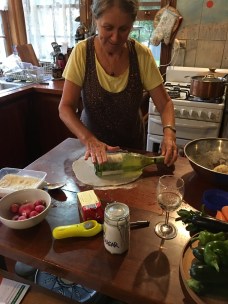
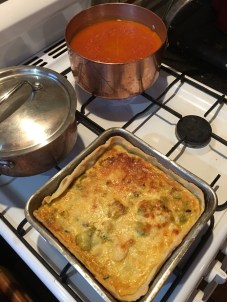
While I’m finishing this latest batch of passatta, Janine has been preserving plums. We are at peak late-seasons plums. She makes a leek pie for dinner. She makes her special easy pastry recipe that she learnt from a visiting Spanish artist-in-residence here, using wine and olive oil with the flour. She improvises with the wine cold bottle straight from the fridge as a roller and pours us both a glass while she is at it.

IMG_4298 IMG_4300

We have a lot of leeks coming on just now. We have learnt to eat what we grow and eat it as it matures. Our life here is not so much what do you fancy tonight, but more a case of this is what we will have tonight because its ripe.

These are the simple pleasures of our mundane life.


Our New Intern from Korea

We have a new intern working with us this January. Our visitor is Ms. Kang from Korea. She has come here to experience our sustainable approach to life and our ceramic work.

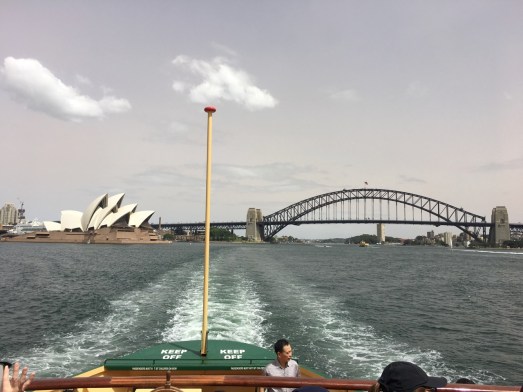
We have been working together crushing and grinding porcelain clay body and glazes from local rocks, throwing pots, working in the vegetable garden growing our food, cooking the food that we harvest and doing a little bit of sightseeing as well. The three of us have been doing some tourist activities together, like a trip to Sydney with a ferry ride on the harbour, and a trip to the local National Park and the south coast beaches.

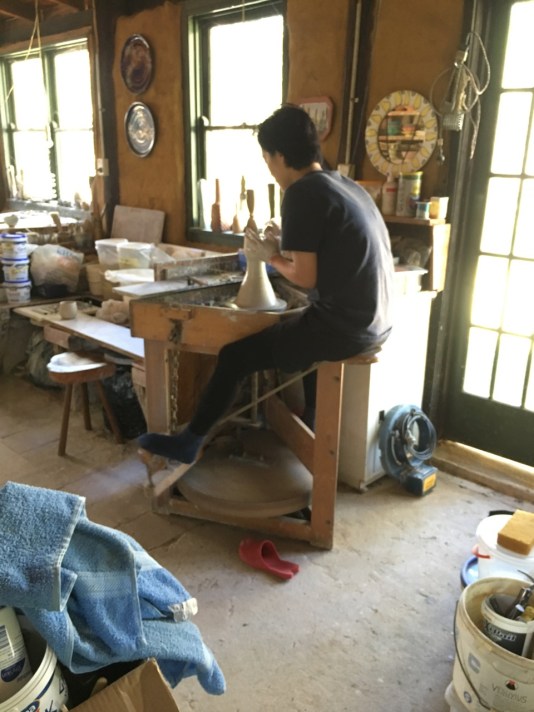
Ms. Kang has been learning to use our foot-powered ‘Leach-style’ kick wheels.  We have just finished making sufficient clay work today to fill the solar powered electric kiln for a bisque firing. Last week we calcined some local white granite rocks, to make our local blue celadon/guan glaze.

Pretty-much life as usual, but with a hard-working and dedicated student-guest.

IMG_4109

IMG_4115

IMG_4238

IMG_4174

IMG_4158


Update on our solar powered car – driving on sunshine.

We have had our new PHEV electric car for three weeks now and have just passed the 1000 km mark. I have chosen to drive it in hybrid mode to get the petrol engine run in a bit before the first service.

The first 1000 kms in a new petrol engine tend to involve a bit of wearing in of some metal parts that rub together. So it is good practice to change the oil and flush out all the iron filings that would cause some unnecessary wear  if left in the oil for a longer period.

Consequently, I have been testing the car out in ‘hybrid’ mode as well as in ‘sports’ mode, which involves running the petrol engine at higher revs for short periods of time. This is thought to get a better result during the ‘running-in period, than just driving the car gently for the whole time.

So we have reached the first 1050 kms and we haven’t used half the fuel tank yet!

IMG_4101

This engine is very efficient and the makers claim it can achieve just over 1000 kms on a tank of fuel.

The cars computer is telling me that we still have 524 kms of fuel left in the tank and we have already done 1050. At this rate we will be getting over 2,000 kms to a tank full of petrol.  I can see us only buying petrol once ever 6 weeks at this rate. It’s quite an eye opener to experience this level of fuel economy.

Not the elephant in the room, but the EV panel on the roof in this case, is the sunshine that has powered about half of our driving. After the car has been serviced for the first time, I will be choosing to drive more in fully electric mode and less in hybrid, and definitely a lot less, if ever in ‘sports’ mode. I can see us getting 2500 kms occasionally to a full tank of fuel at some stage in the future. If we log up 10,000 kms in a year, that will mean going to the petrol station just once every 3 months.

I have worked hard to get us into this position. I’m really enjoying being here now!


Electric Car Review – Ioniq PHEV

I’ve had the new Hyundai Ioniq PHEV Plug-in hybrid electric car for just over a week now. So I can give a better account of what it is like to drive and own. As with most modern cars, it has a heap of complex software options in the inbuilt computer which is capable of doing more things that I care to learn about in the short-term. A bit like my phone or my laptop, it can do much more than I will ever ask it too. It will take me a little more time to work through all the options and internalise them to a point that they are at my finger tips and therefore useful to me. At the current time most of it is still opaque to me, so I don’t attempt to use stuff that I don’t see any need for. Especially if it distracts me from my driving, I don’t go there. 


I am not a petrol head, so I don’t know anything about cars. I’ve always bought the cheapest, fuel-efficient car that I could afford. That was nearly always a 3 cylinder, 1 litre engine car. We had a Daihatsu Charade and then a Daihatsu Sirion. We had them for about 10 years each and about 250,000 kms. Being one of the cheapest cars on the road, they came with manual everything, totally no-frills driving. I really enjoyed driving a small manual car. That is what I’m used to. So the hardest thing to get used to in this new car is not the technology or the electric propulsion, but the fact that it is an automatic! I’ve never driven an automatic car before. I still feel the need to lift my left foot to de-clutch as I approach a stop sign!


The car has 3 modes of travel. Fully electric directly off the battery, Hybrid electric where it starts off in Electric mode and sometimes switches to petrol mode if you put your foot down. and then ‘Sports’ mode, which seems to engage both motors at once. This mode is pretty zippy – I’m impressed! Changing between these modes is done electronically with the press of a button.


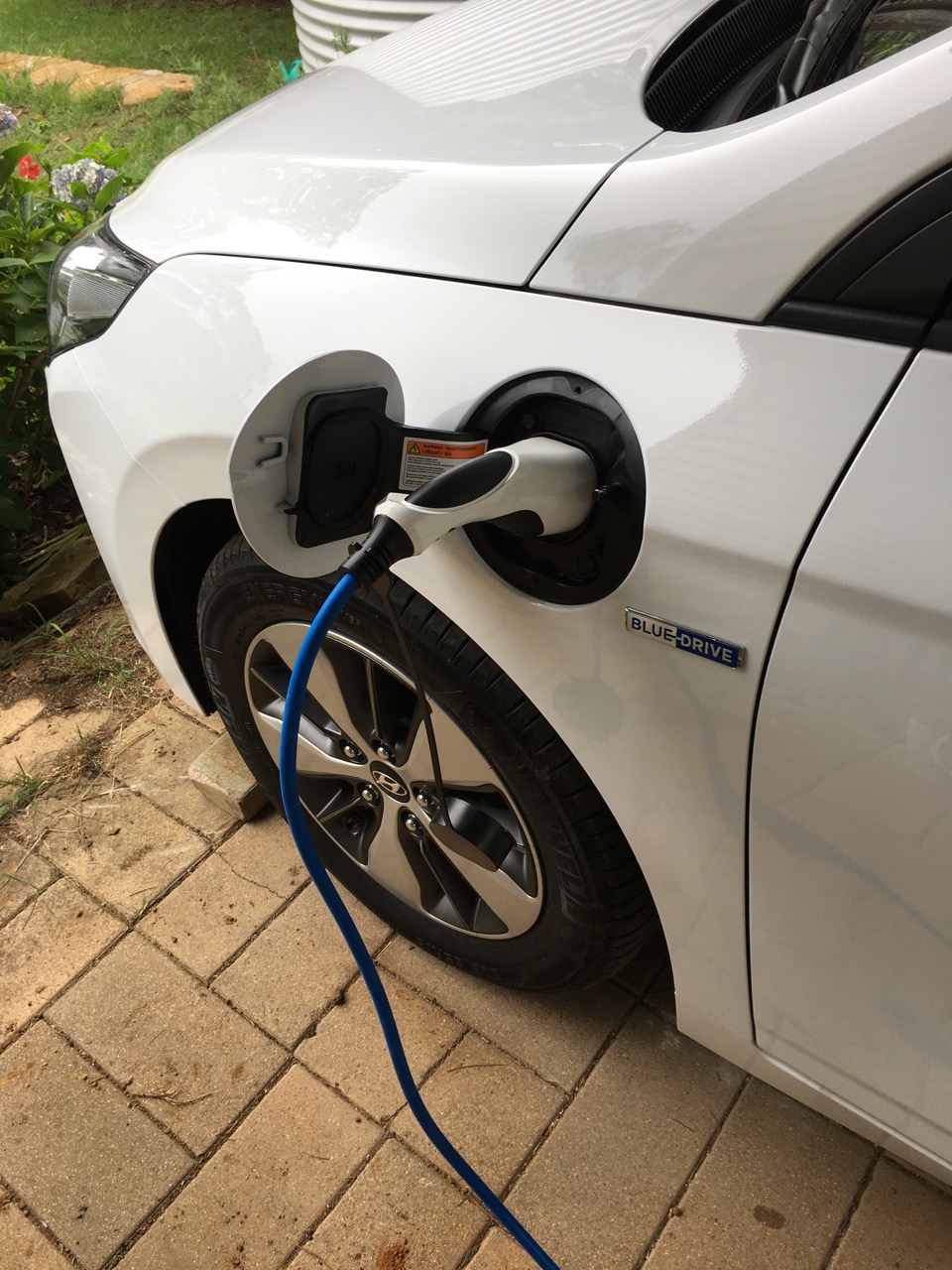
I have spent the first week mostly driving in ‘eco’ mode in fully electric selection, because this is why I chose this car. I have lots of solar PV on my roof and a Tesla battery at home, so I’m completely ready for fully solar electric living and travel. I have found that I can do all my local driving on the battery in eco electric mode. Recharging is done using a bog standard 10 amp 3-pin household power point and takes 4 hrs if the battery is almost fully depleted.


Because I’m not a pushy or aggressive driver, driving as I normally do and am used to doing around here, the car stays in ‘eco’  fully electric mode 99% of the time. Just occasionally when I come to a steep hill and put my foot a little harder on the accelerator, the petrol engine cuts in when I’m in Hybrid mode and I can feel the surge of extra power propel the car forward. Because the car is electric (most of the time), there is no engine noise or vibration when you pull up at the lights. The car pulls away smoothly and silently from the lights. If it is in hybrid mode the engine cuts in after a hundred meters or so, or if/when you get up to 20 kms/hr or so. This is totally seamless and the only way that I know that it has happened is the little icon on the dash that changes from electric to hybrid.


Most of the time it is just steady as she goes, totally silent, comfortably plush and comfy driving. The most noise that I hear is the tyre noise on the bitumen, I’ve become quite aware of the differences in road surface and the various noises that they each create. Visibility is very good with the mirrors. I really dislike cars that have tiny back windows. The back hatch on this car has a metal bar across it as part of the design to strengthen the huge flowing lines of the sculptured, mostly glass hatch. but visibility is still very good. I’m used to driving with the 5 point visibility habit and this design works perfectly well for me. However, I can see that I will eventually start to loose this habit, as I become more accustomed to the reversing camera and the active side mirrors.


Even though this car is the base model it has a few bells and whistles. Like side mirrors that have an alarm built-in that beeps and flashes to let you know another car is very close on that side if you put your blinker on to change lanes. It makes a humming sound that is generated when driving slowly in pedestrian zones like shopping centre car parks, so that people car hear you approaching from behind. It has adaptive cruse control, so that if you are cruising along and another car pulls into your lane in front of you, this car automatically senses that car and slows down to the same speed as the car in front, keeping several car lengths distance. The car also beeps if you cross a marked lane without indication. When reversing, it beeps if there is a car coming from either side that you can’t see, as you attempt to reverse out of your parking spot. The media player/radio also cuts the volume to half when you put the car into reverse, so that you become more aware of your outside surroundings as you reverse. All these little gadgets are very common in all new cars these days I expect, But our last car purchase was 13 years ago and it was the very basic poverty model. So this is all new to me.


The car has an automatic, 6 speed, dual clutch, gear box, so that either motor can operate independently, but also at the same time in unison, when you choose to. It is powered by an Atkinson cycle 4 cylinder, 1.6 litre petrol engine, as well as the electric motor. Although it is still a small car hatch back, it is also the biggest car that I have owned. The Atkinson Cycle motor is a very interesting design and is particularly fuel-efficient. Try searching for it on the Wiki. To get the best fuel efficiency out of the car, many of the panels are made of aluminium and the rest of the body is made from super high strength, hot pressed, high tensile steel making it lighter, yet stronger. This saving in chassis weight is taken up by the battery. In stead of using the brakes, the car uses  standard regenerative braking that is basic to all hybrid cars. An idea that has been around since the 50’s. Over-all there are a lot of little efficiencies all combined together to make this an impressive piece of engineering.


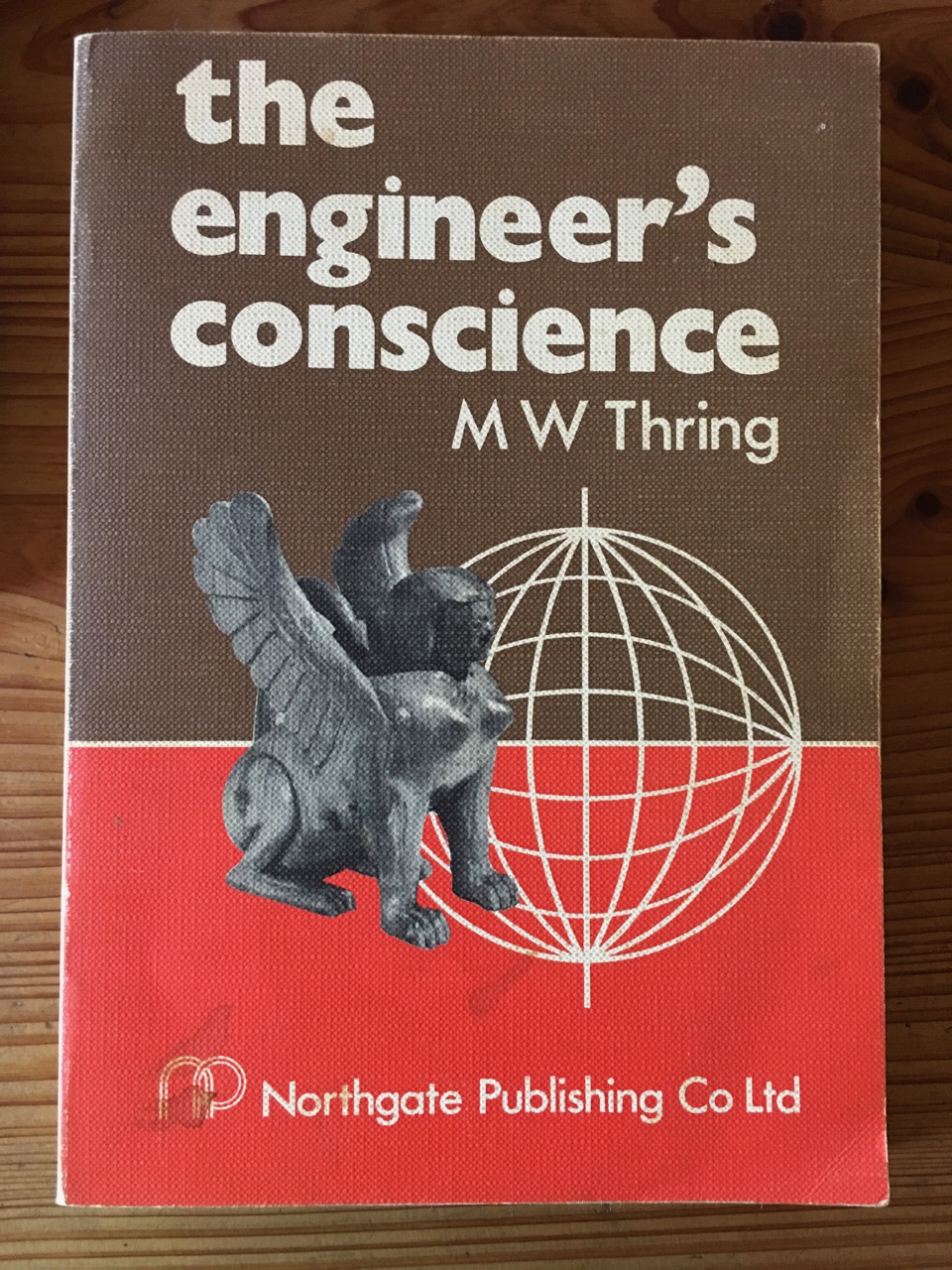
Of course, most of these ideas are not new. The Toyota Prius has been around for 20+ years, but it can’t drive on sunshine, it is strictly a petrol powered car. Many of the initial concepts of both electric and hybrid cars were introduced to me by Meredith Thring in 1980 when I read his book. Professor M W Thring pioneered many of these innovations in Yorkshire at the University of Sheffield and later at Queen Mary College, at the University of London in the post war period. See regenerative braking above. I bought the book that he wrote after he retired in 1980, called ‘The Engineers Conscience’. Interestingly, he was an Australian who moved to the UK to work, so maybe we can lay some marginal claim to the intellectual property invested in this car. I can safely claim to have been intellectually engaged in watching the long, slow development of these cars since the 80’s.


I have driven 500 km so far and the fuel tank is still completely full, the indicator hasn’t left the full mark yet. I must say that it is a very rewarding feeling to be able to drive totally on sunshine. I know that this will annoy some people, but the development of cars like this has been in the back of my mind since 1980 and has now become manifest in the availability of this car in Australia now. I have to say that it is so important to me and very rewarding to be able to drive for the rest of my life on the sunshine that I collect off my own roof. 

That’s priceless.

Driving on Sunshine

I’ve been telling people that 2019 is going to be the year of the electric car. Yes, I’ve said it before, just a week or so ago. Well, It really is now. We have just taken delivery of our  electric car.

It’s a beauty, totally silent running. It’s quite a wonderful experience to behold a powerful, yet simple, quiet and elegant car perform so well. And mostly running on sunshine too! Why has it taken so long for this type of car to become available in Australia?

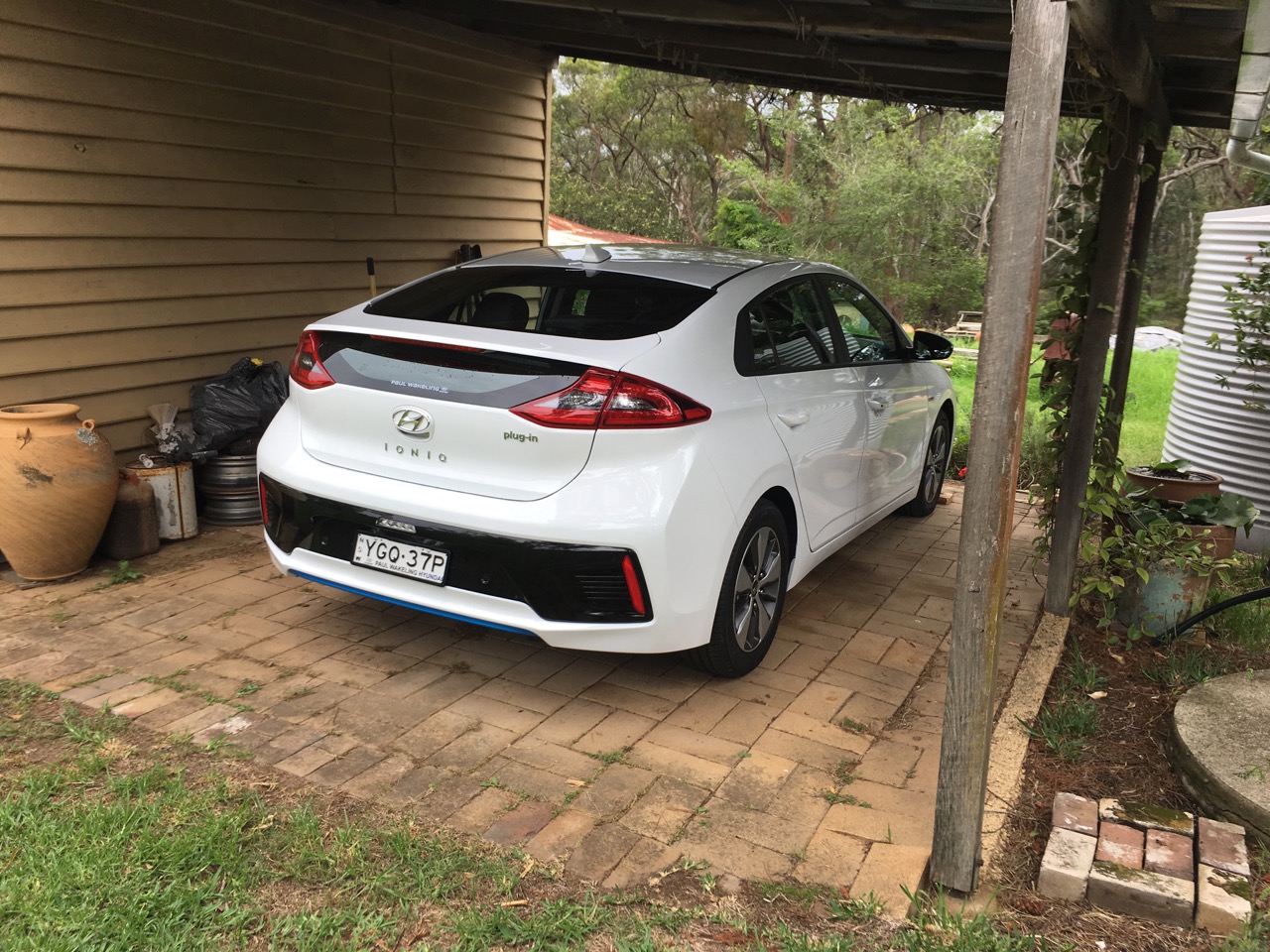
Our new electric car is a Hyundai Ioniq, plug-in electric car. We ordered it a few weeks ago. The first to be delivered here in Australia, or so I’m told by the dealer. We had to order it and wait for it to be built in Korea, then shipped to Australia. The local dealership system doesn’t carry the ‘basic’ model in stock, only the premium model. This car has been available in Korea and other countries like New Zealand for 2 years. Why so long to get to Australia?

The Hyundai Ioniq electric car is available in 3 models. Fully electric, Normal hybrid (like a Toyota Prius), and a plug-in hybrid. After considerable research, we decided to choose the plug-in hybrid model. A fully electric car has a limited range of 230 kms. Not enough for us to live here out in the country and travel to Sydney and back for the day. Maybe in another few years there will be more recharge stations and better batteries? As it stands, we would need to own two cars, a petrol car and an electric one. For this reason we chose the plug-in electric hybrid, because we can do 95% of our trips on fully electric, battery-powered, solar generated electricity. But also be able to drive longer distances on petrol power when we need to go the long distances occasionally. Like our once a year trip to Canberra or up the North coast.

It’s a very modest car. Nothing showy. I have only owned it for one day so far, so very early days. The company claims 63 kms of fully electric power with ‘normal’ driving and 1000 more on a full tank of petrol. The blurb claims something like 110 kms per litre of fuel. I drove it around and reduced the battery down to 20%, where the petrol engine started to cut in occasionally, acting like a hybrid does. I plugged it into the standard 3-pin, 10 amp power point at home and it recharged itself in 3 and a bit hours using the built-in charger. Fully recharged on solar power.

The onboard computer keeps a track of how you drive. I have always driven carefully and steadily to conserve petrol in all my previous cars. Which have always been very small, fuel-efficient cars. Mostly 3 cylinder, 1 litre cars. This is the biggest car that we have ever owned, but it is still classed as a small car. A 5 seater 1.6 litre hatch-back. After charging the battery the computer tells me the distance I can travel on the battery and even shows me on the built-in sat nav screen, the radius of the places I can reach on the map + where all the nearest charging stations are.

We live 25 ks from the nearest towns where we do our shopping and banking, where we have all our accounts etc. So I expect that I can do 100% of our local trips on solar power in future.

So the first day has gone very well. The car does everything that I expected, It comes with an 8 year warranty on the battery and mechanical parts. I look forward to only visiting the fuel pump a few times a year in future. It’s a nice feeling to look forward to driving mostly on sunshine for the rest of my life. Because we already own a Tesla Powerwall II battery, we can always recharge the car on stored sunshine, even on dull over cast days.


Solar PV Fired Pottery Kiln

We have been creating a life here for over 40 years, living as much possible as off our few acres of forrest, orchards and gardens. We have spent a lot of personal energy in converting all our energy needs, to wood fired everything. We have chosen to leave half of our land as forest, and there are always trees that are maturing, dying and falling over in that forest.

We haven’t harvested all the trees that have fallen on our land, as there are too many, so we have left the ones in the most remote locations to rot, as it was just too much effort to make a track into the bush to get to them out. If a tree falls in the forrest – does anybody hear? No! That is line from a song. If a tree falls and we let it rot, then it ends up the same as if we cut it up and burnt it in the house oven or kiln. The carbon that was taken from the air and soil, returns to the air and soil, only just a bit slower with composting than burning it in the kiln. Composting is a slow form of combustion.

Having spent a lot of thought and energy converting our life over to non-fossil fuel energy, we now find that with global warming, the fire bans start a month earlier and go on for a whole month or more longer in the autumn. This has caused us some trouble lately, as we have had to cancel the last few, late winter/early spring wood firing workshops here in the past couple of years.

So, if this new warmer future is to be our new reality, we had better make plans to adapt. Well we have. Starting 13 years ago we decided to go fully solar on our house and workshop and haven’t paid an electricity bill since. Those early Australian made solar PV panels have now paid for themselves, and from now-on we will have free electricity for the rest of our lives.

We live so frugally in our home these days, that we have found that we can now live on a quarter of the electricity that we used to. We have done this very simply by introducing efficiencies. As old appliances wore out, we replaced them with very low energy newer models. It’s not hard to do, but it takes time and a lot of research. It has taken time because we didn’t just throw out working appliances. We waited until they died of old age. There is so much embedded energy in electrical goods, that it is a crime to replace them before they are worn out. We have reduced our daily energy consumption in the house from 11 kW/hrs per day down to 2.5 kW/hrs. This means that there is now a lot of excess, clean, solar electricity that we can use to fire our kilns cleanly and efficiently.

As we now have a problem with firing the wood kilns all year. I have decided to convert all our Electric firing over to solar PV.  I have built a new light weight, portable electric kiln from very low thermal mass materials. I have included a couple of small LP gas pilot burners into the design, to allow me to create reduction atmospheres after 1000oC with tiny amounts of LP gas while the solar panels and the battery fire the kiln load of pots up to Stoneware.

There is nothing earth shattering about this. Korean, Japanese, and Chinese potters that I have met and worked with have been using a combination of LP gas or wood fired electric kilns for years.

This is my version of the idea. Light, flexible, portable, low energy and suitable for solar PV and battery firing.

It didn’t hurt that I was able to build it totally from spare parts and waste material that was left over from my many years as a kiln builder. I only had to buy a thermocouple for this kiln, as the old-fashioned temperature controller unit that I had sitting in a box for the past 20 years, needed a specific thermocouple to make it work.

I find it amazing and very rewarding to be able to convert a few boxes of  old ‘rubbish’ that other people had thrown out, plus some left over material, and turn it into an amazing, functional, energy-efficient, working kiln.

img_3557  img_3561

I had a couple of sheets of stainless steel left over from other jobs.

img_3563  img_3600

img_3737  img_3745

I have been storring a few sheets of ceramic fiber for over fifteen years. They are left over from a glass kiln job that I did many, many years ago. They are pre-fired, pre-shrunk, hardened and ready to use for a job just like this

img_3784

I even find that I have a shrink-wrappped coil of Kanthal A1, element wire sitting in my store.  It’s been there for years. It was left over from a job that I tended for, but which never materialised. I spend sever days working on these new heat flow and emisivity calculations to get the best answer for what I have in stock, compared to what I really want to achieve. After 5 goes at the problem, I have generated many pages of mathsand enough energy to warm the kitchen when I’m working and re-working out all the perameters. I eventually get a good answer that I can live with. I have to make a new mandrel for my lathe to suit this job.  I find that I can use some of the left-over stainless steel fire-bar material that I still have from the little portable wood fired kilns jobs of the last few years. It turns out to be just about the exact size that I need. I alter my calculations and go ahead and use it.

img_3785

img_3817  img_3864

When I go looking, I even find that I have a few control pyrometers and a couple of infinity switches to do the basic job of controlling the kiln. It’s not an electronic, solid state, ramp controller, but it will do nicely. I will have to do the first few firings in conjunction with pyrometric cones viewed from the small circular spy hole.

IMG_3885.jpg

After a few weeks of part-time work, fiddling away in my spare time. I have what I think might be a functional kiln. I have sifted through several piles of ancient junk, destined for the re-cyclers. I have discovered a lot of functional bits and parts that I wasn’t very interested in using 20 years ago, but which I can see potential in now. So many potters wanted to have their kilns converted to electronic ramp controllers in the past. I did the conversions for them, but couldn’t bring myself to throw out a perfectly good, working order, analogue kiln control unit. I’m now glad that I persevered, and storred all this junk for so many years.

I’ve found that I have enough parts to build two kilns, so I probably will. This first kiln is designed to be very low thermal mass, firing to stoneware on solar PV + with some back-up later in the day, as the sun goes down, from our Tesla Battery. I have a couple of very old, but un-used, brand new, pilot burners, these are so old that the company that built them has now ceased to exist. My plan is to use these two tiny pilot burners to create just enough CO atmosphere to give me adequate reduction, while the elements powered by the solar PV fire the kiln.

img_3886

I’m hoping that it will work as I planned. Only time will tell. Watch this space.

It’s been quite good slowly fading into semi-retirement. Cleaning out years of old boxes that I had forgotten about on that dusty top shelf. There were two whole kilns stored away in the form of spare parts.


Note to self, don’t buy plastic crap – again!

I wanted a simple dust pan and hand broom to clean up in the workshop. The only choice in the shop was between 2 similar styled plastic ones. What happened to wooden handled hand brooms with stiff bristles? And metal dust pans!

Long gone in the race to the bottom of quality and price. Couldn’t someone at least produce something of quality that would last? I hate having no choice but to have to buy plastic junk. this is just land fill in waiting. Well, as there was no choice I had to choose a plastic one and lo-n-behold, what happened, but the handle broke in two in the first few weeks. I refuse to be so insulted with such blatant built-in obsolescence, so I determined to fix things.

I made a pair of reinforcing brackets out of some scrap pieces of aluminium and bent them to fit snugly into and onto both sides of the broken handle, then pop riveted them into place. This is still a piece of plastic crap, but at least I have fore-stalled its trip to land fill for a while.


I still want to buy a wooden handled, natural bristled, long-lasting broom. I’ll have to look harder. This impromptu repair won’t stop the rest of the plastic from collapsing in time.. Maybe I can dismantle it and reuse the bristles?

Watch this space.

The old dust pan too is on its last legs. At least this one has seen a bit of use to justify its existence.

I decided to make a dust pan that will last couple of hundred years out of a piece of Stainless steel scrap. The off-cut is a bit smaller than I would have liked, but I use what I have.

It all sort-of goes to plan. It’s a bit narrow. The next one will be better. This is my first attempt after all. When I get a bigger piece of off-cut, I’ll make a wider one.

Home Made Ice Cream

Over the summer Miss Sweet Tooth has been making home-made ice-cream with our excess of fruit from the orchards. Never a dull moment.

Her latest experiment was lemon grass ice cream. That was pretty nice. She crushed some lemongrass shoots. Home-grown, organic, free range, lemon grass. It grows wild under the tank stand these days. She boiled it with a couple of tea spoons of sugar to give it a little sweetness. Then, after cooling it down she whisked it together with a 300 ml. jar of our local dairy’s fresh cream. She did it the simple, old-fashioned way, just using a fork.  The mixture has to be put in the freezer and taken out twice or three times during that day to re-whisk it to get it fluffy and light while it is freezing.

She has made all sorts of fruit based ice creams this season. What ever is in excess gets pulped, boiled, sieved, creamed, whisked and frozen.

So far she has made youngberry, yellow plum, peach, red plum, Japanese green tea, cumquat and now lemongrass. If it’s got a nice flavour, if you can boil it and freeze it, then it can be made into ice-cream. Don’t stand still for too long in this kitchen!

img_3867

img_3869

Simple and very interesting, tangy, fruity, sweet and delicious stuff. Lovely mouthfeel and with that ultimately satisfying hint of saturated fat on the finish! A lovely way to end a meal on these hot days.

She used to make her icecream using an egg custard base to make the ice cream richer. I believe that this might be the traditional way. However, this straight forward simple recipe is quicker and works well enough for us. The only thing to be carefull of is to not use too much water in the fruit juice syrup, or you will get a lot of ice crysytals forming.

Health warning – don’t eat ice-cream. It contains sugar and saturated fat.

Life advice – Chase more butterflies , eat more ice-cream!