Of Passata and Porcelain

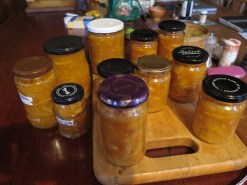
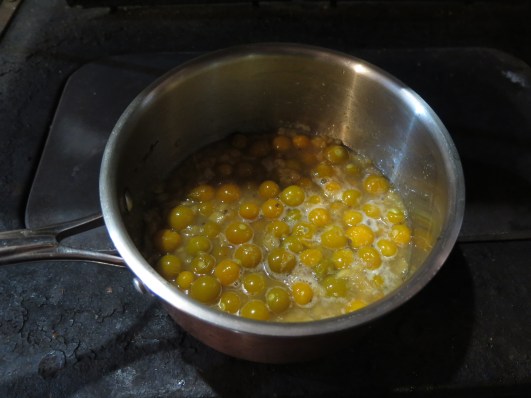
The summertime heat brings on the tomatoes, zucchini, chillis, aubergines and sweet basil. They love this hot weather, as long as they get the water that they need. This means I have to start making passata sauce. We are now harvesting more than we can eat each day. This is just the start. At the moment we have to harvest the tomatoes each day in the small numbers that are ripening. It has taken a week to build up sufficient quantity to fill the boiler. This is the first batch of passata. Soon it will build up to 2 batches a week. I will continue to make this sort of tomato sauce right through the summer and into the autumn.

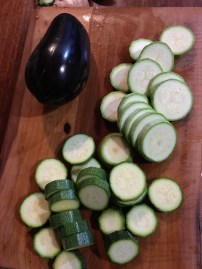
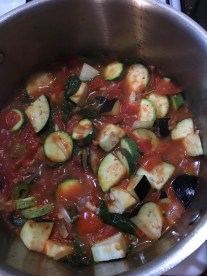
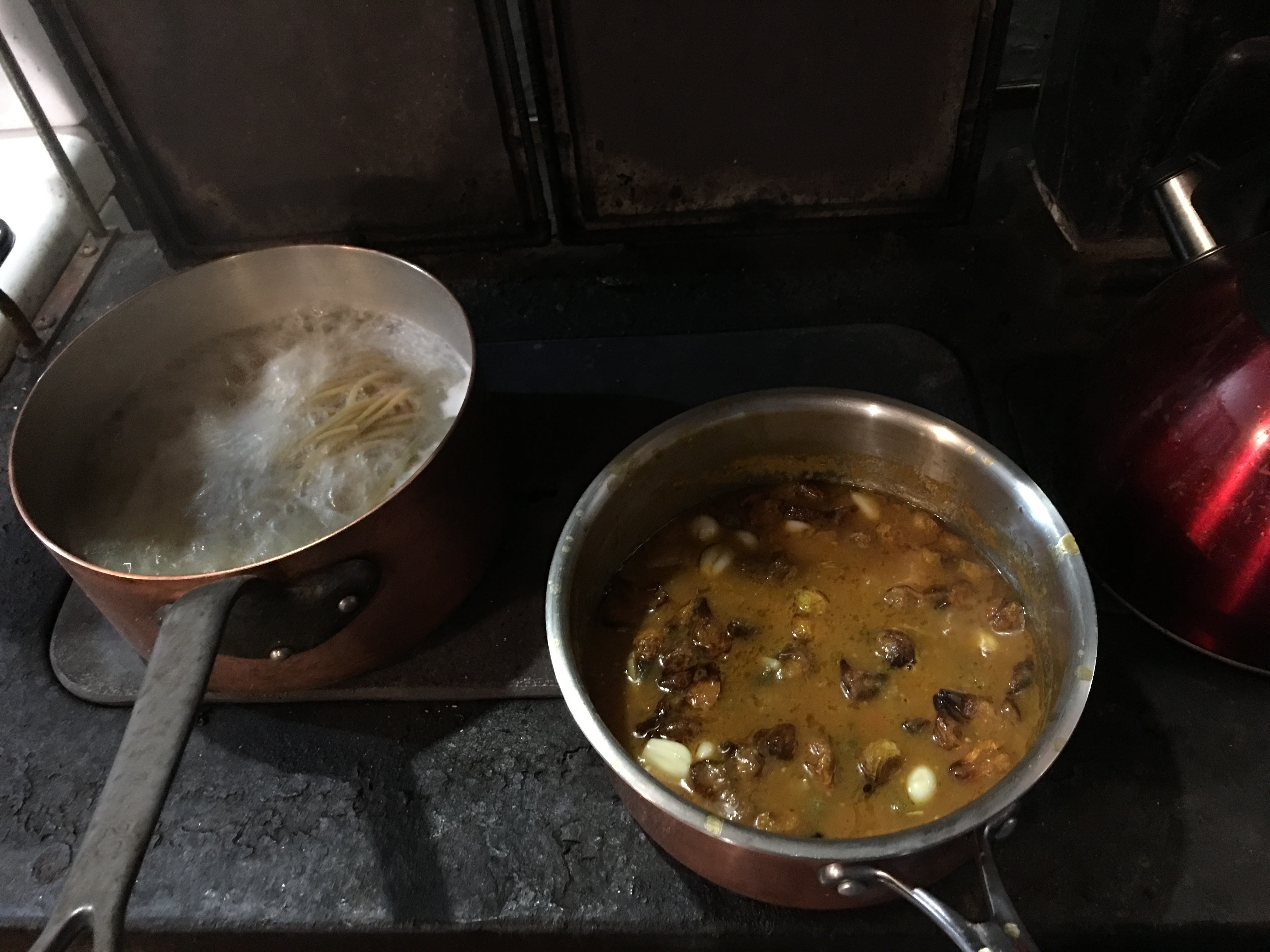
Tonight I’m making a small batch to start with for our dinner, so I’m including a lot of zucchinis and aubergines as well. This will be a sort of variation on the ratatouille theme. All these vegetables grow together, they ripen together and they taste so good together.

img_4528 img_4529 img_4533img_4534 img_4535

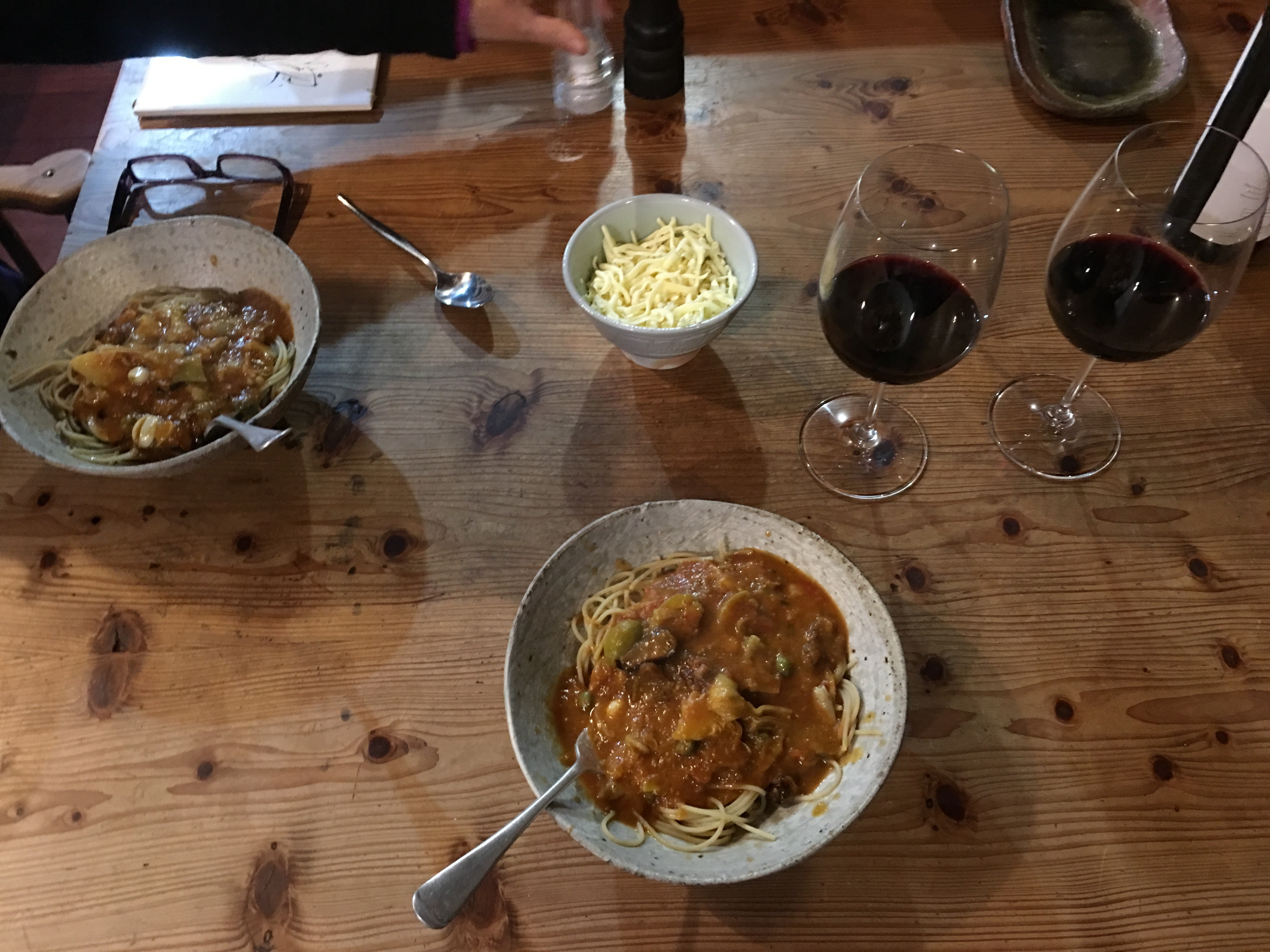
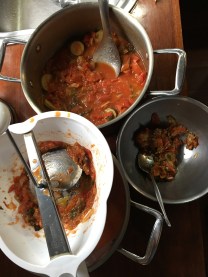
I bring it all to the boil and simmer it for a few minutes, just enough to soften the zucchinis and egg plant chunks, then scoop out a bowl full each for dinner. It’s summer on a plate!

After dinner, I add in all of the other chopped tomatoes and cook it down into a sauce. After it cools I put it all through the mouli sieve to remove all the seeds and skins, then reheat and seal in pre-heated jars to keep for the winter.

img_4531 img_4538 img_4539

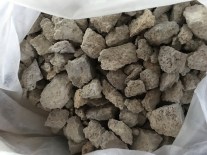
The other thing that I like to do in this summer heat is to make porcelain from my collected stones. They are so hard that I need to put them through the rock crusher first thing to reduce them down to grit, then I can sieve the grit and re-process the larger pieces to get it all to pass through a 3 mm screen, then into the ball mill to be reduced to ultra fine grade.

 From this I can make glazes and/or more throwing body, as required.
img_4444


The Summer Vegetables have Arrived

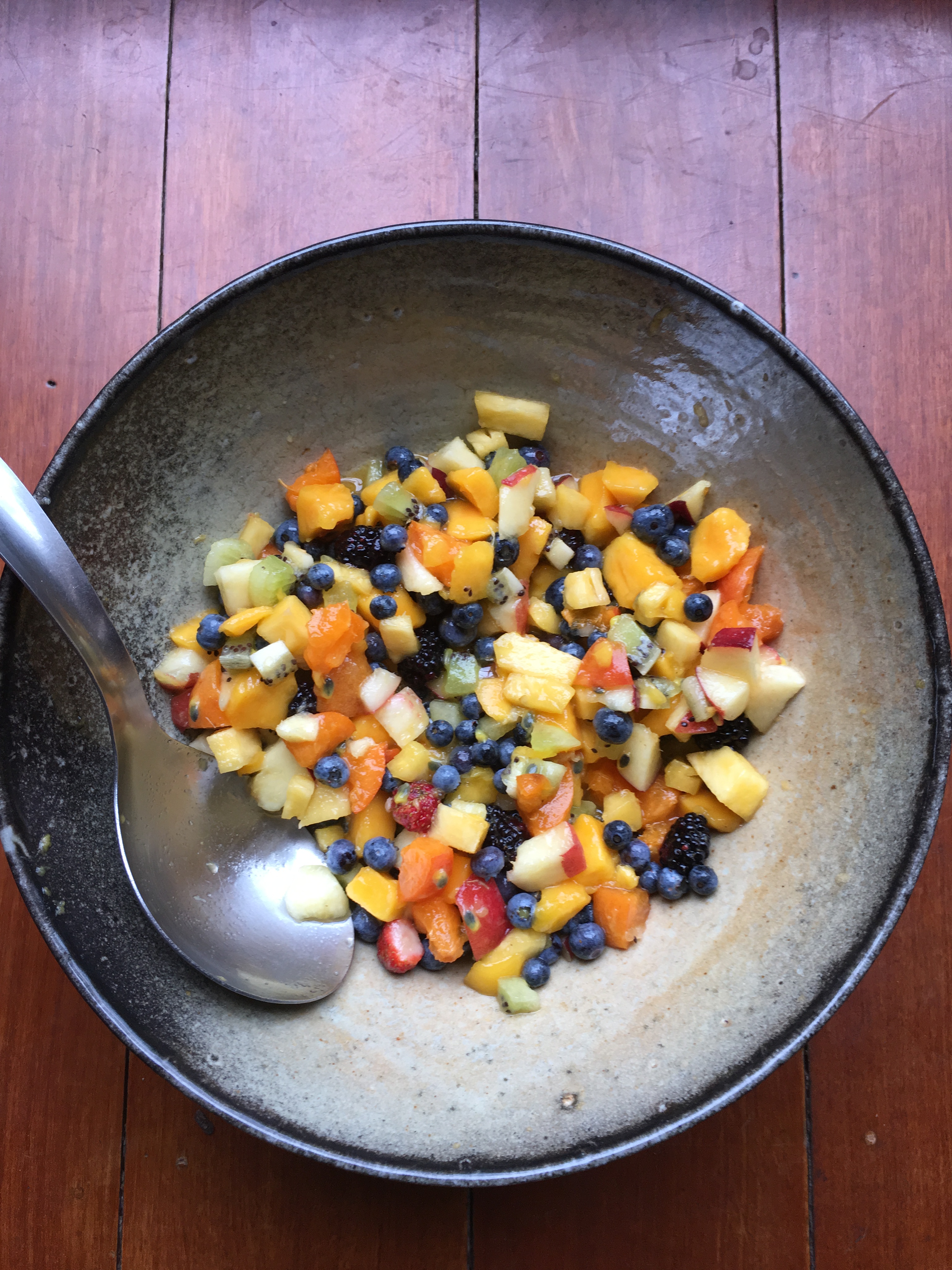
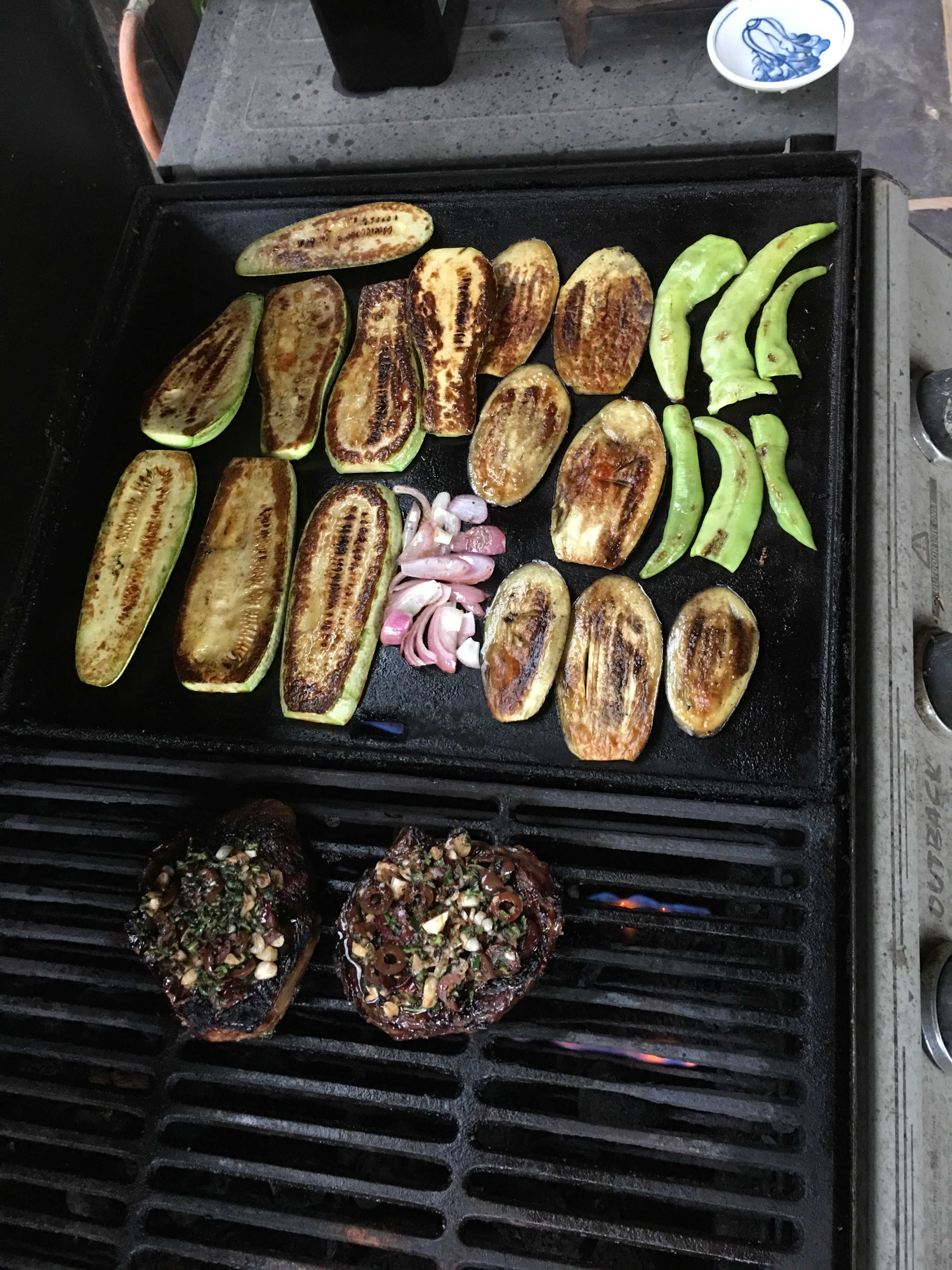
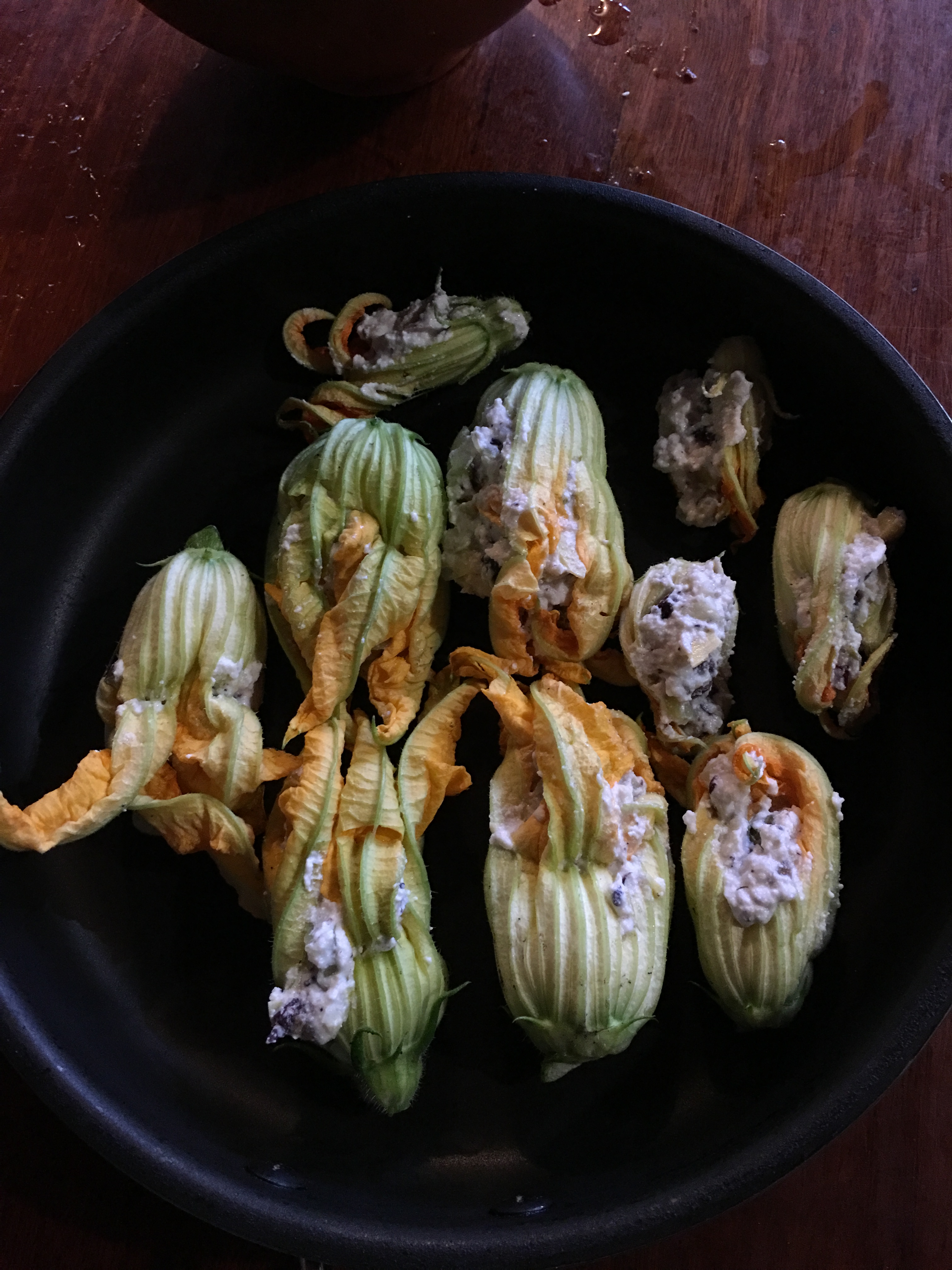
In these last few dying days of the old year, the heat has set in and all the summer vegetables that were dawdling along last month, are now racing in the heat and we have to water the garden every day. We had our first red tomato before the Solstice, as well as  beans, zucchinis and our first aubergines. There are lettuces shooting up, along with the radishes, mesclun greens and rocket. We have enjoyed the first meal of pan-fried, stuffed, zucchini flowers. It’s a rich and varied, fresh and crisp menu these days, with plenty of garlic, chilli and sweet basil. Roll on the summer days of veggie stir fries, BBQ’s and salads. Not to mention our blueberries, blackberries, golden berries, peaches and apricots for our breakfast fruit salads, all given a little bit of a lift with a squeeze of lime juice.

img_4317 img_4318

img_4319 img_4320

img_4332 img_4334

img_4242

The First Ripe Tomato Before Xmas

We have just picked our first ripe tomato before Xmas. This was never possible when we came to live here 40 years ago, but now, with global warming, we have been able to do it for the last 3 or 4 years in a row.

img_4264 img_4265 img_4266

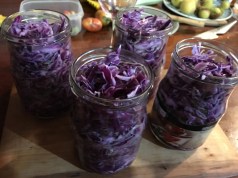
We have a nice crop of red cabbage coming along just now, so it’s time to make a batch of pickled red cabbage. I slice it finely and remove all the coarse bits to be fed to the worms. Then place it in a big bowl and pour over some brine. This is the standard 1 cup of salt to 2 litres of water. This is a pretty saturated solution. It’s just about as much salt as cold water can dissolve. It’s left to stand over night with a weight on top to compress. It soon drops down and is submerged in the brine. In the morning I pour off the brine and rinse it once on cold water, then pack the cabbage into sterilised jars. I prepare a batch of pickling vinegar, by heating up standard white wine vinegar with all the usual spices and a spoon full of sugar. This is poured over the cabbage and the lids sealed down. It couldn’t be simpler.

I want the cabbage to remain crunchy for use in salads, so I don’t cook it. It’ll need to be kept in the fridge for safe keeping.

img_4269 img_4272 img_4285


Berry Jelly

As we approach the summer solstice, the red berries are starting to ripen. We have to cover them with one of our large sheets of nylon bird netting. If we don’t cover the ripening fruit, the birds will take the lot in a couple of days.

We have made a few small picks over the last week, but now, the real crop is ripening. We go out early, before the heat of the sun builds up. We pull back the net half way and work over one side, then the other. In half an hour we fill half a dozen plastic tubs with luscious ripe red/black berries.

img_4026img_4027

We will do this every 2nd day for a week now and then once or twice more during the next week and they will all be all but gone before Xmas.
Back in the kitchen, Janine weighs the munificence of the canes. We have harvested 3 1/2 kilos this morning, and another 3 kilos the day before. It’s a great start to the day and the week.
img_4028img_4029
Bach in the cool of the house, we re-hydrate with a cup of last years preserved dark grape juice. It’s so thick and concentrated, it is 100% grape juice and nothing else, pasteurized and vacuum sealed. It’s really amazing stuff that bears no resemblance to anything that you can buy in a shop. The commercial grape juices that i have tried, taste like they are 80% water in comparison. This stuff is just so rich and thick and concentrated in comparison. So much so that it has to be mixed 50/50 with water, otherwise it is just too strong. It’s a great natural, flavourful thirst quencher.
While I go back to work down to the kiln factory finishing up the last of the work on the current job, that is due for delivery on Wednesday, Janine stays in the kitchen to make todays harvest into 3 gratifying indulgences.
First, a youngberry sorbet, which is made from the juice sieved from the berries, no pulp in there, she only adds a very small amount of gelatine and some orange juice and then it is churned in the freezer, until it sets.
img_4451
juice of 500g youngberries
juice of a couple of oranges
1 tbs of gelatine powder
img_4058
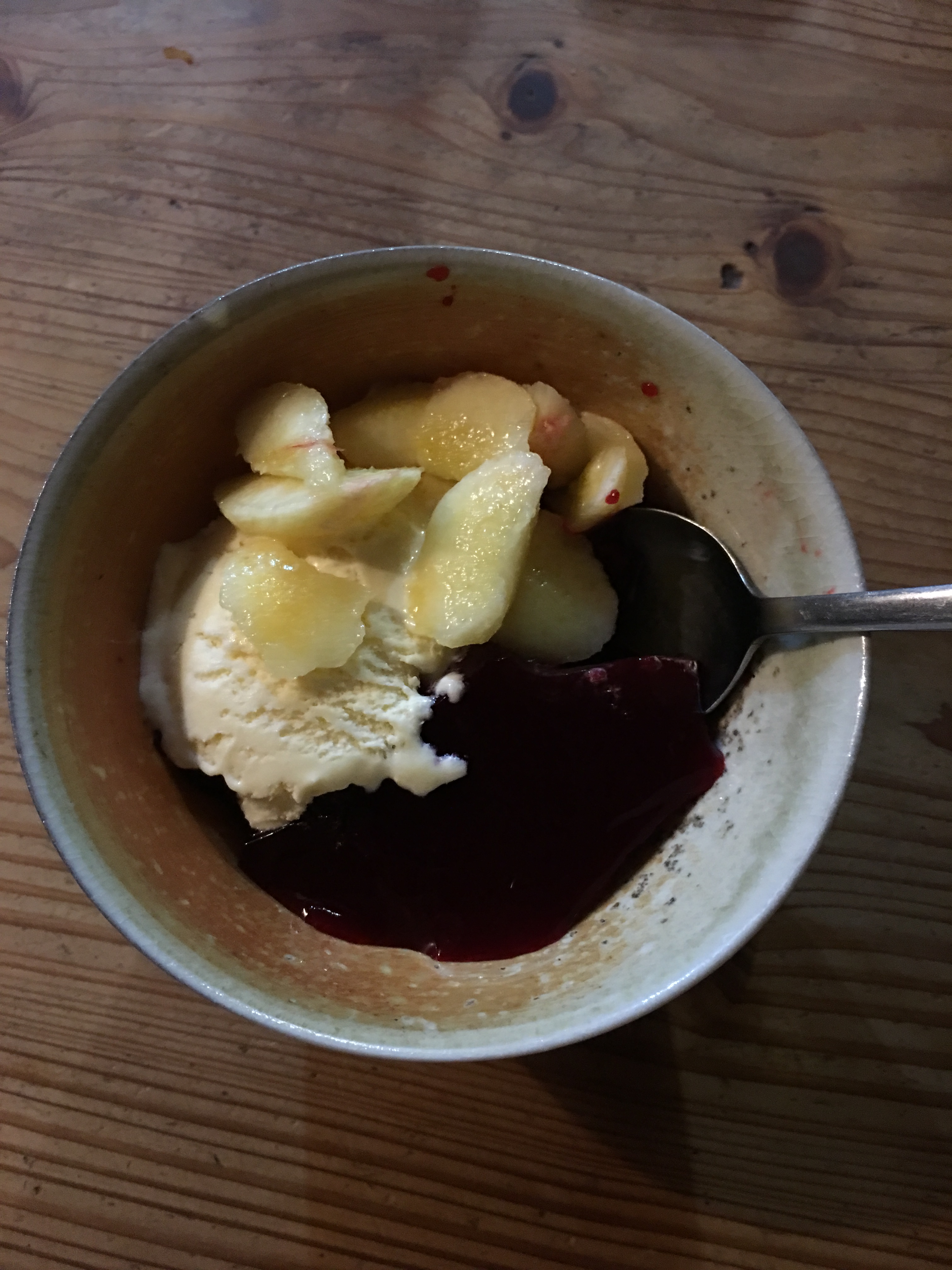
Second, she makes a youngberry jelly. This jelly is a desert jelly. It is made with the berry juice and gelatine and placed in the fridge until it sets.
First bring the whole fresh fruit to the boil and mash it all up with a potato masher as it is heating. This liberates the juice quicker. Pour through a sieve or cheese cloth to remove the pulp and pits. While still warm, pour the juice into a medium pottery bowl and add one tbs of dried gelatine and stir until dissolved. Leave to cool, stirring occasionally while cooling to keep the gelatine in suspension. Once cooled, place in the fridge to set.
Her third creation is youngberry jelly This is a fruit conserve jelly. The kind that you spread on toast at breakfast. This is really sensational. I think that this is the best thing that can be made from youngberries. Everything made with youngberries is good, but this is the best! The balance of concentrated fruit flavour, the natural fruit acid and the natural sweetness of the fruit is just amazing. It takes a bit of time, but it is all there, just for there making.
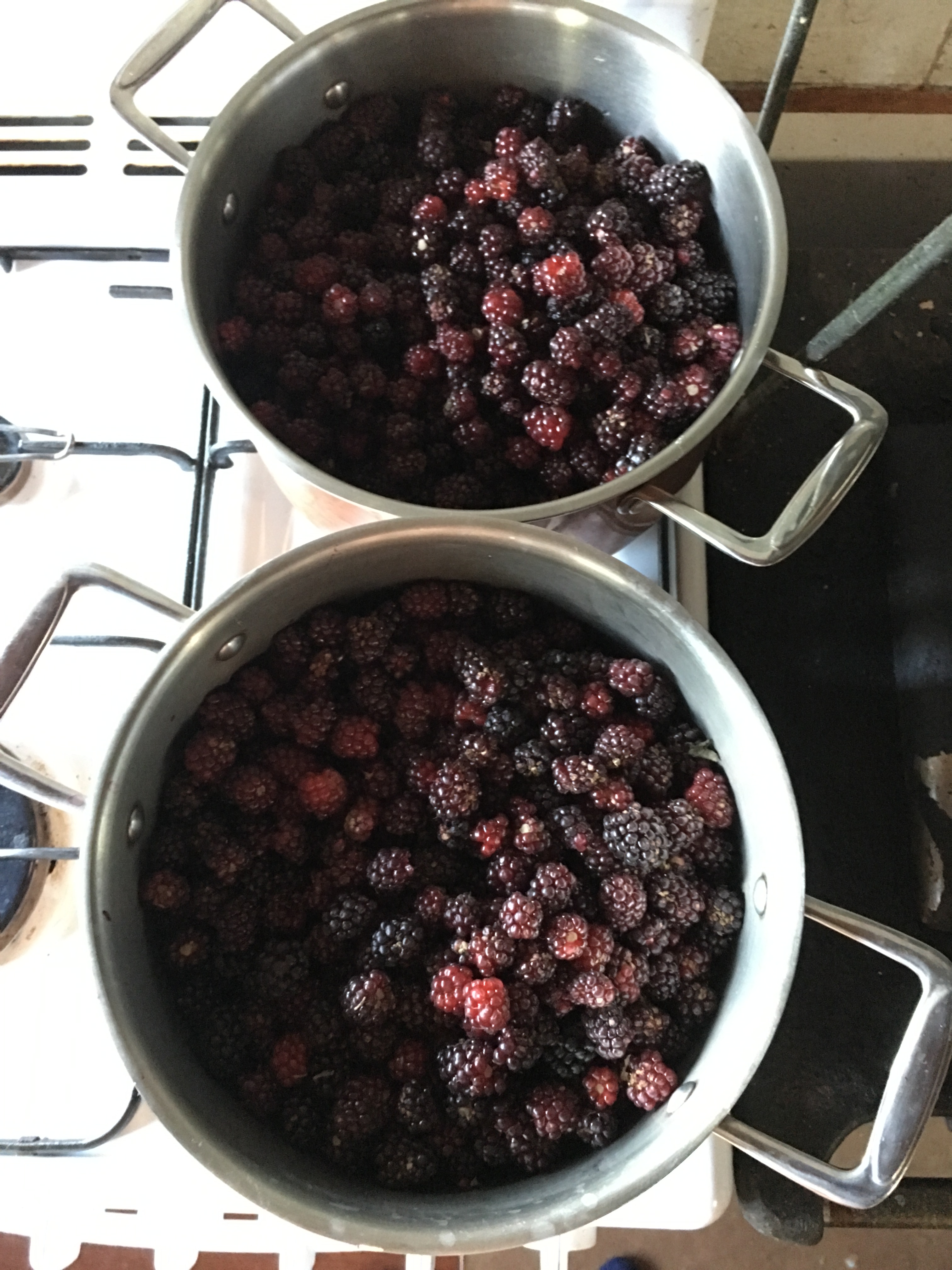
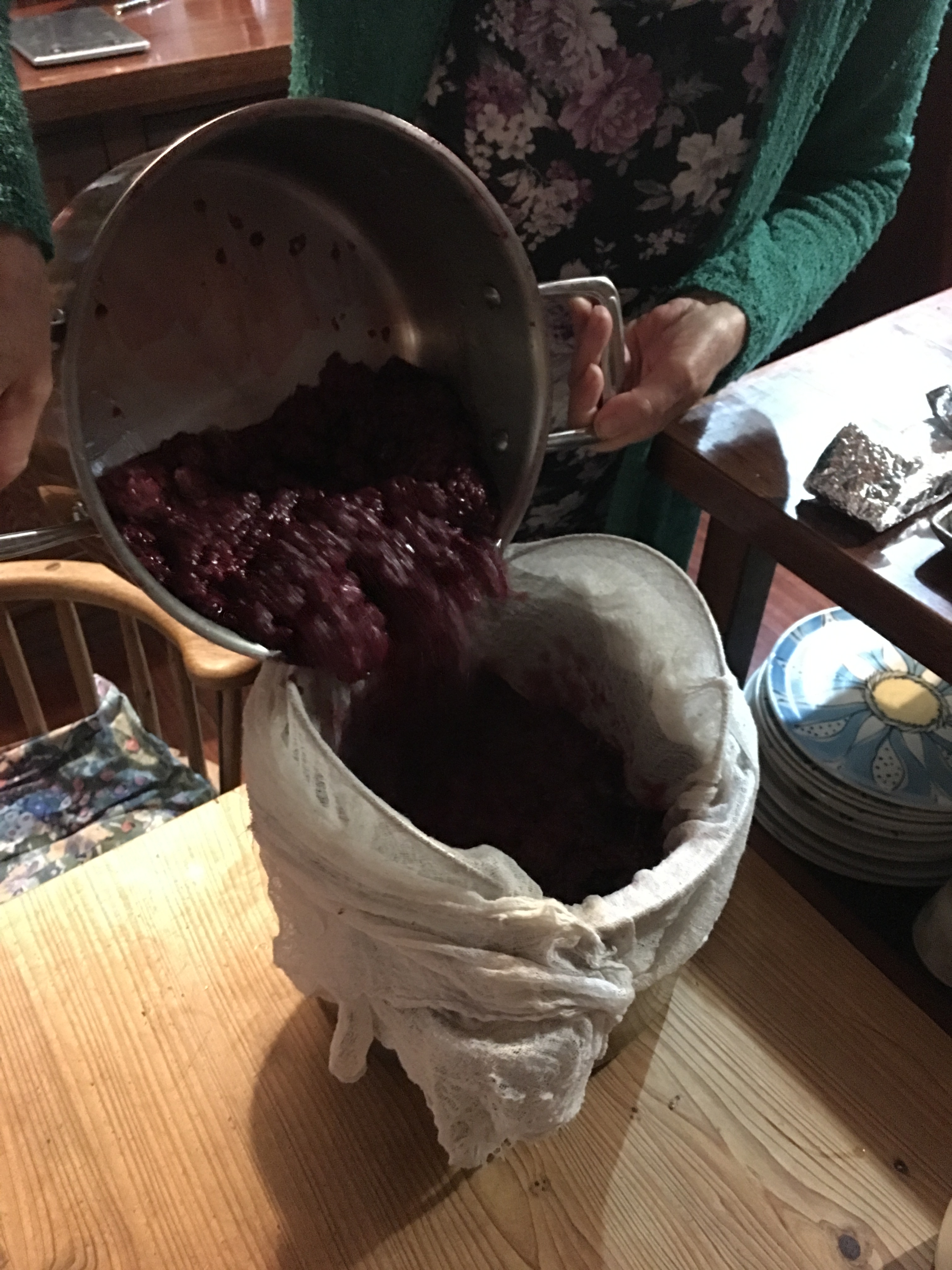
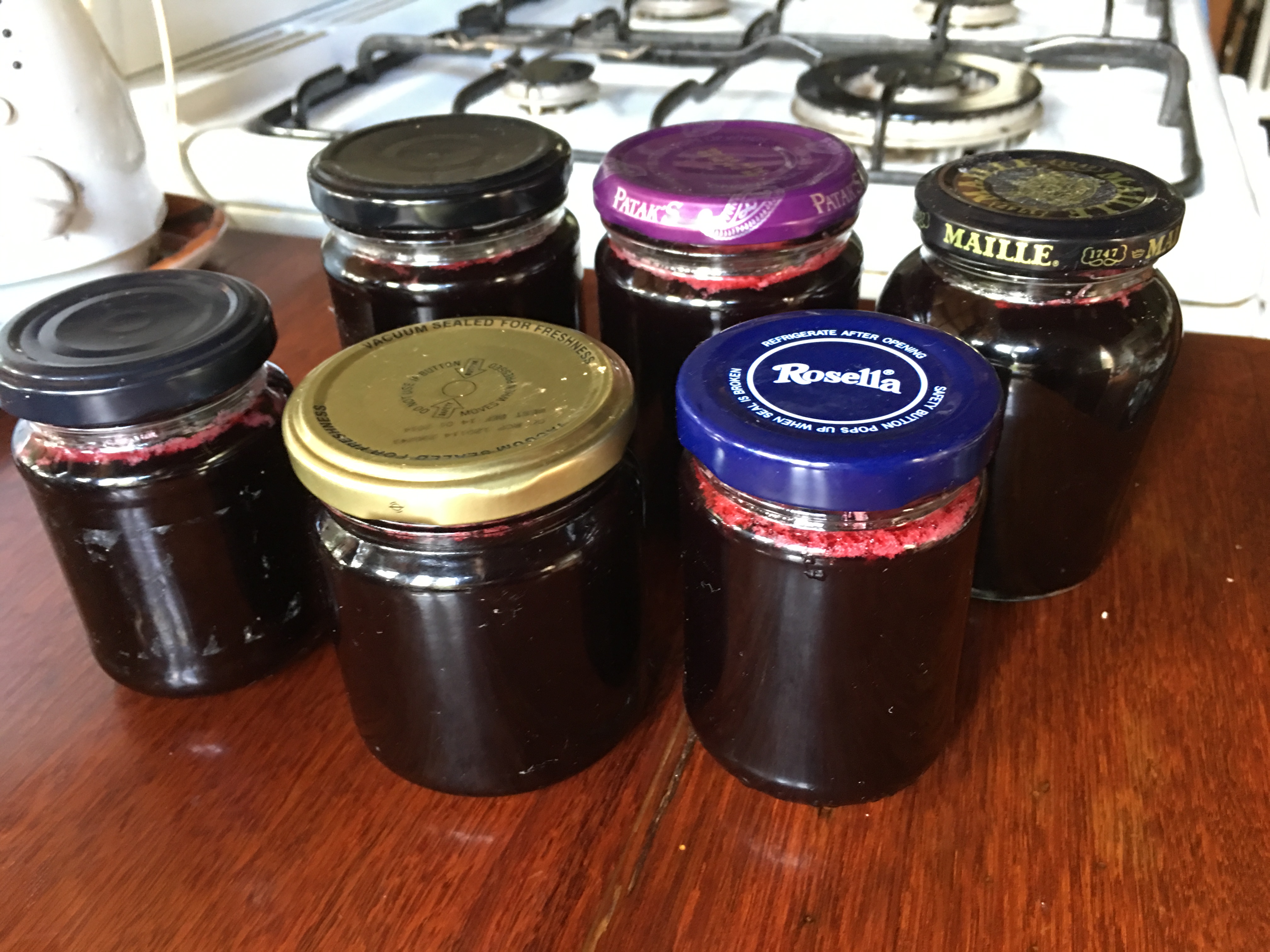
Fill two 5 litre boilers with fresh fruit. Bring the fruit to the boil and simmer for a short time, while mashing the fruit pulp to express the juice. When it has cooled, pour it through cheese cloth and let the liquid drain freely from the fruit for several hours, or overnight. Don’t squeeze of press the cloth to extract more juice, or the jelly will become cloudy. You can add a small amount of sugar to the clear juice and bring back to the boil. Most recipes say to add equal weight of sugar to that of the juice for this kind of jelly, but that makes it ridiculously sweet. However, it does ‘gell’ quicker. Janine only adds a 1/4 of that amount  of sugar and cooks it a little longer. This serves to concentrate it more and makes it all the more intense.
img_4050 img_4054
img_4059 img_4449
Simmer this mixture to allow the fruit flavour to concentrate and intensify. Test by putting a small sample on a dish and place it in the fridge until it ‘sets’. If it doesn’t ‘set’ , cook it for longer. This standard jam making procedure. Once ready, bottle in sterilized jars straight from the oven and screw the lids down tight.
Technically, it will keep for a year, but it never lasts that long. This jelly making activity makes the kitchen and most of the house smell so delicious. The sweet, acidic fragrance wafts right through the house. It smells so amazingly good. We polish off the first jar in just two sittings.
img_4037 img_4036
Janine also bottles the whole berries as simmered pulp, once sterilised it is bottled hot jars from the oven and keeps for ages. We made so much of this last year, we still have some left.
We are grateful for this largesse of our canes. They provide for us in this bountiful way each year in the early summer and I reciprocate in kind by diverting the underground seepage trench from the septic system over into their direction. These vines and the cherry trees below them are now well watered and well fed throughout the year by this artificially created underground spring of nutrient rich water. Totally natural, gravity fed and organic!
Best wishes Steve

The First Week of Summer

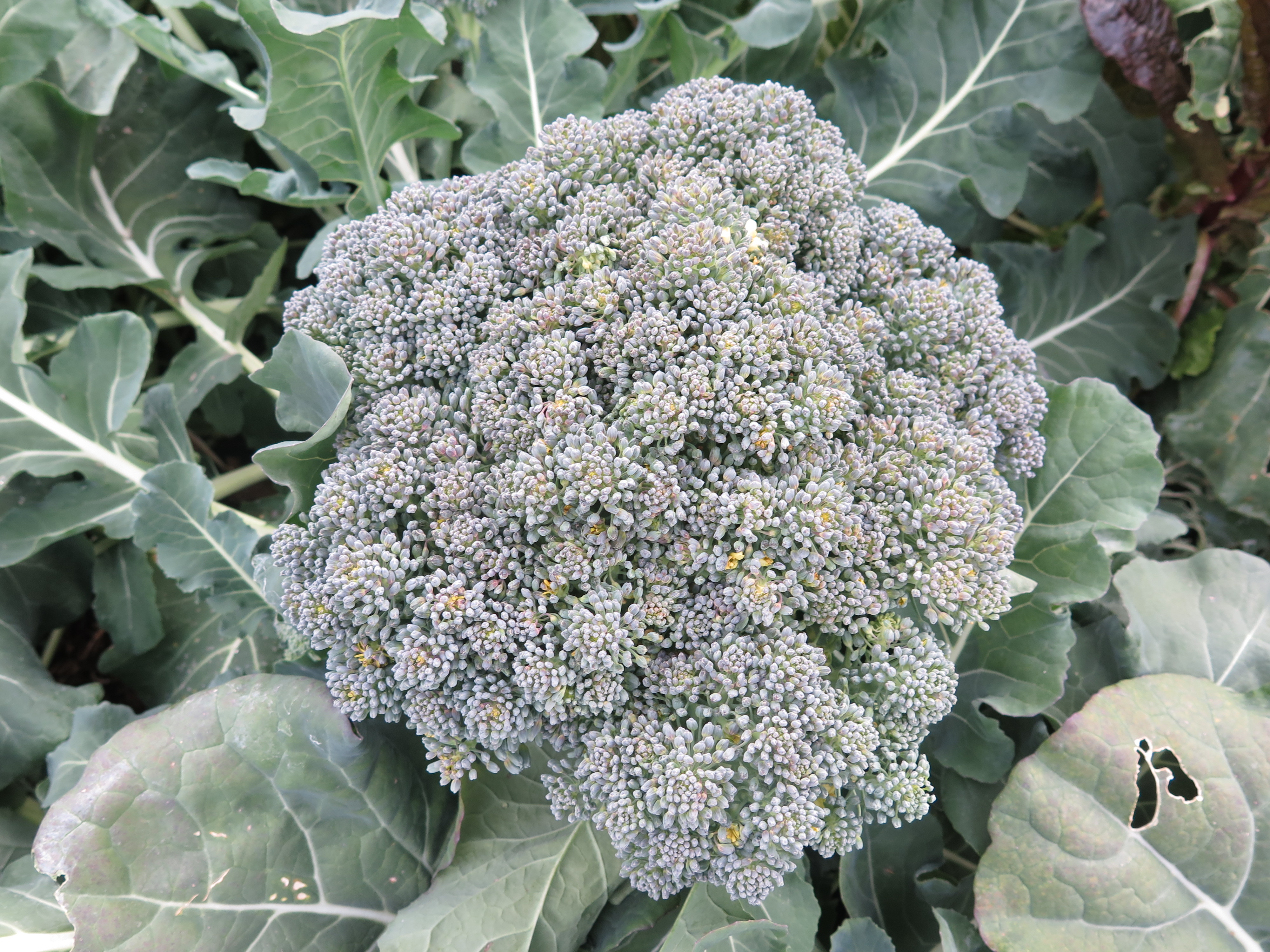
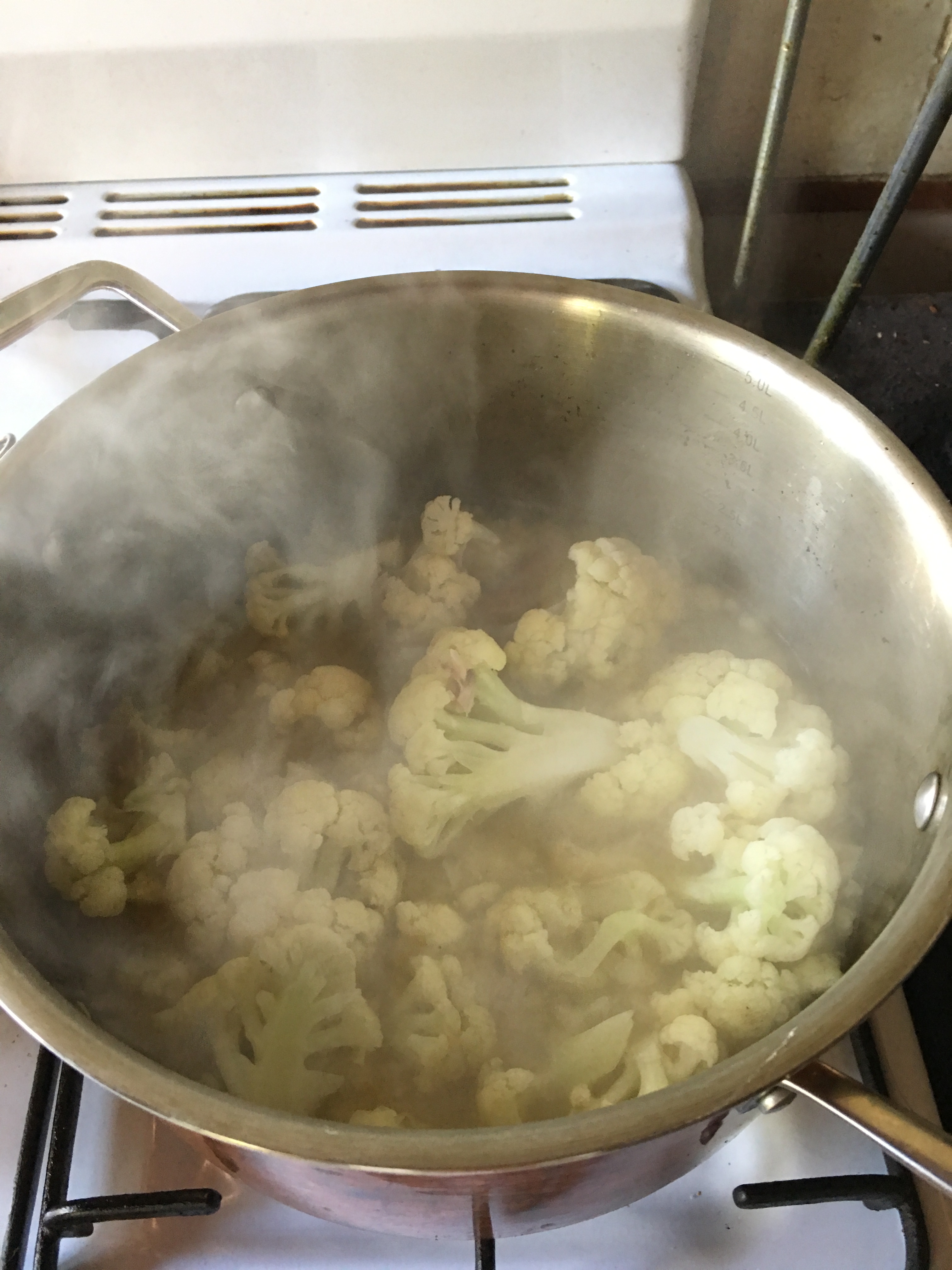
The season cycles past us and spring has gone in a very busy flash of research, firings, workshops, more firings, exhibitions and kiln building. The garden took a back seat and now it’s time for catch-up. We managed to get some time in there, just enough to keep everything watered and growing. In the last week of spring I finally got the time to get in there and do a thorough weeding and cleaning out. We picked the last of the winter veggies, like broccoli, cauliflower and cabbage.

.img_4375 img_4377

img_4378 img_4379

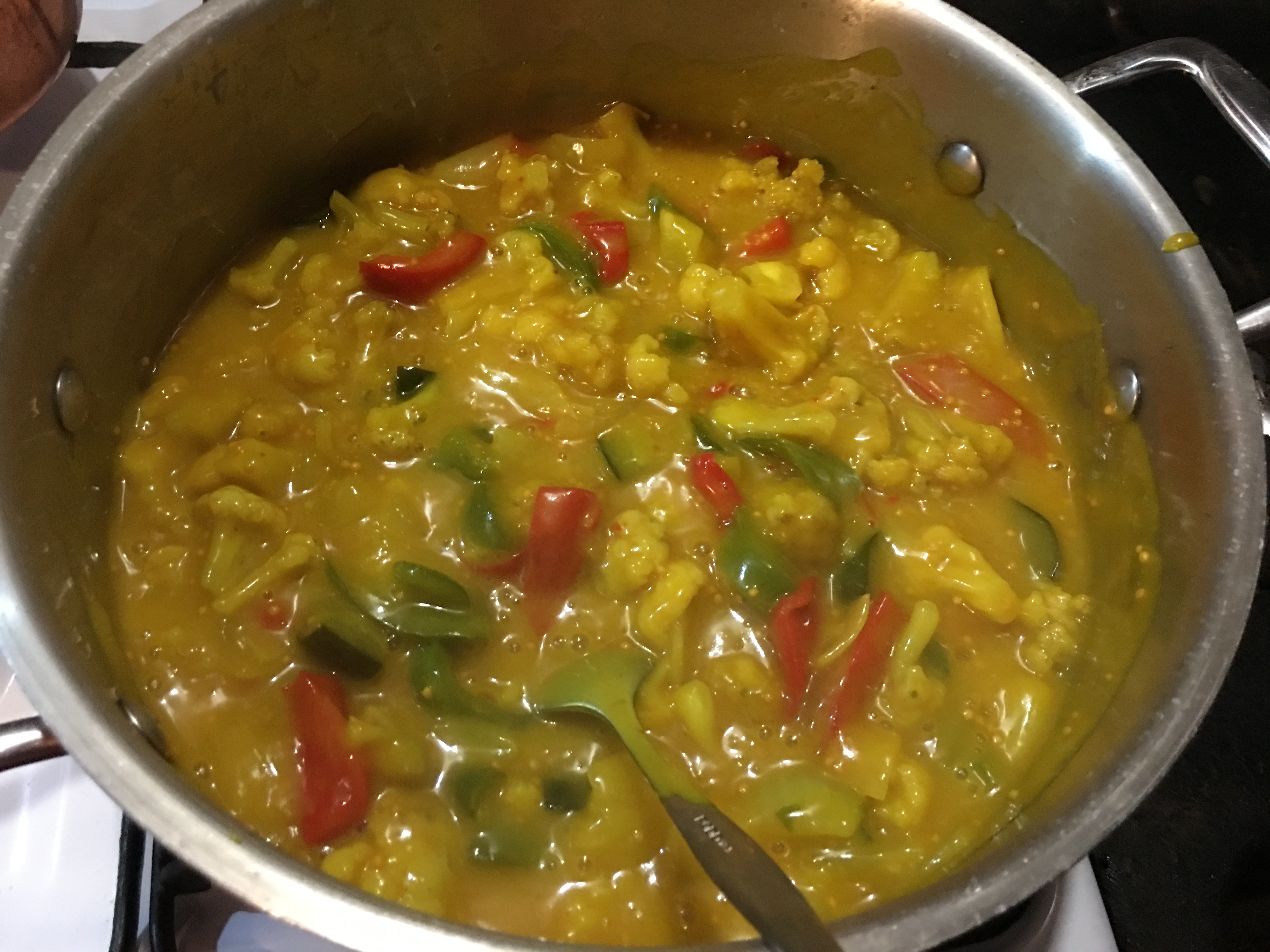
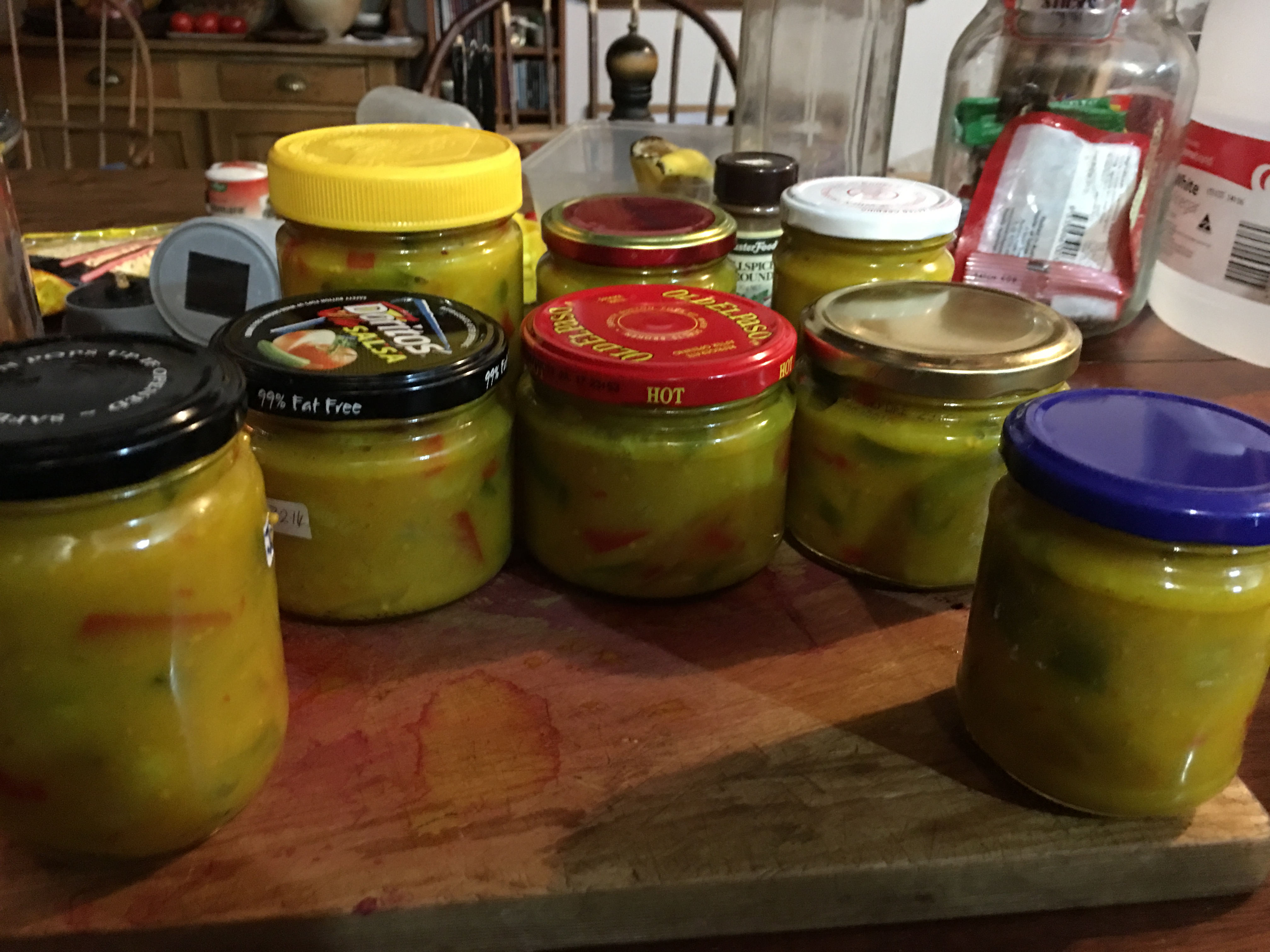
I managed to preserve the cauliflowers into Mustard pickles.

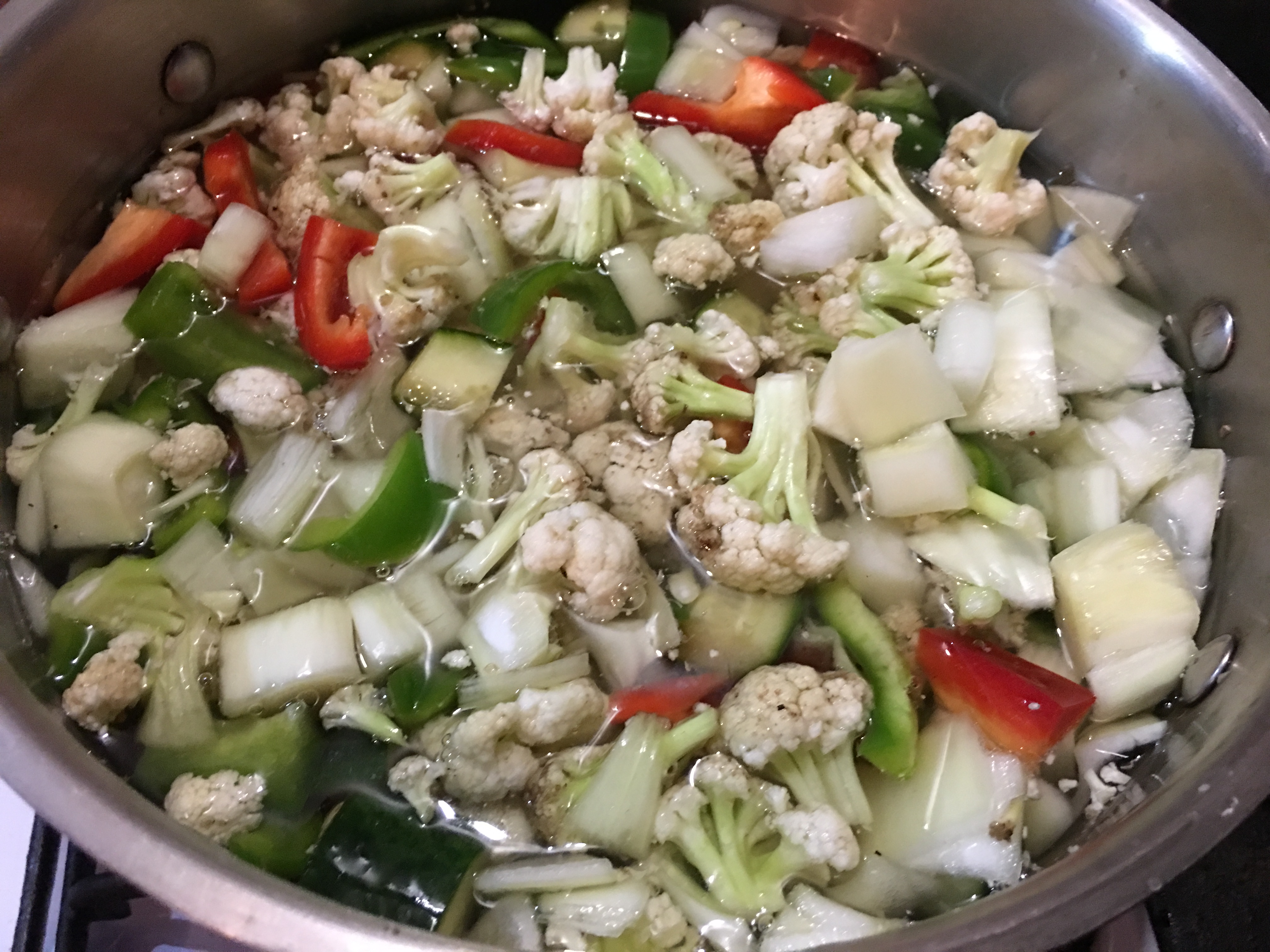
Take one large cauliflower. It doesn’t matter if it is a bit past its best and starting to ‘burst’. You only need the small florets, add a red and green capsicum and a cucumber, plus a couple of brown onions, all diced pop fine into small bite sized chunky pieces. Soak them in brine overnight of 1/2 cup of iodised salt in 2 litres of water.

The next day, bring this to a simmer and drain off the brine. Rinse and drain again.

Depending on how much you have to do, heat up approximately a litre of vinegar ,add two cups of sugar,  +1 Tb spoon of mustard powder, + 1/2 Tb spoon of curry powder and another of turmeric. Mix it all together well and bring it up to the boil. Once it’s heated, add in 1/2 a cup of flour and stir well until it thickens. Add in the drained vegetable pieces and bring back to the simmer fora minute or two.

Spoon into heated glass jars from the oven and seal with ‘pop’ top lids.

img_3937 img_3939

img_3940

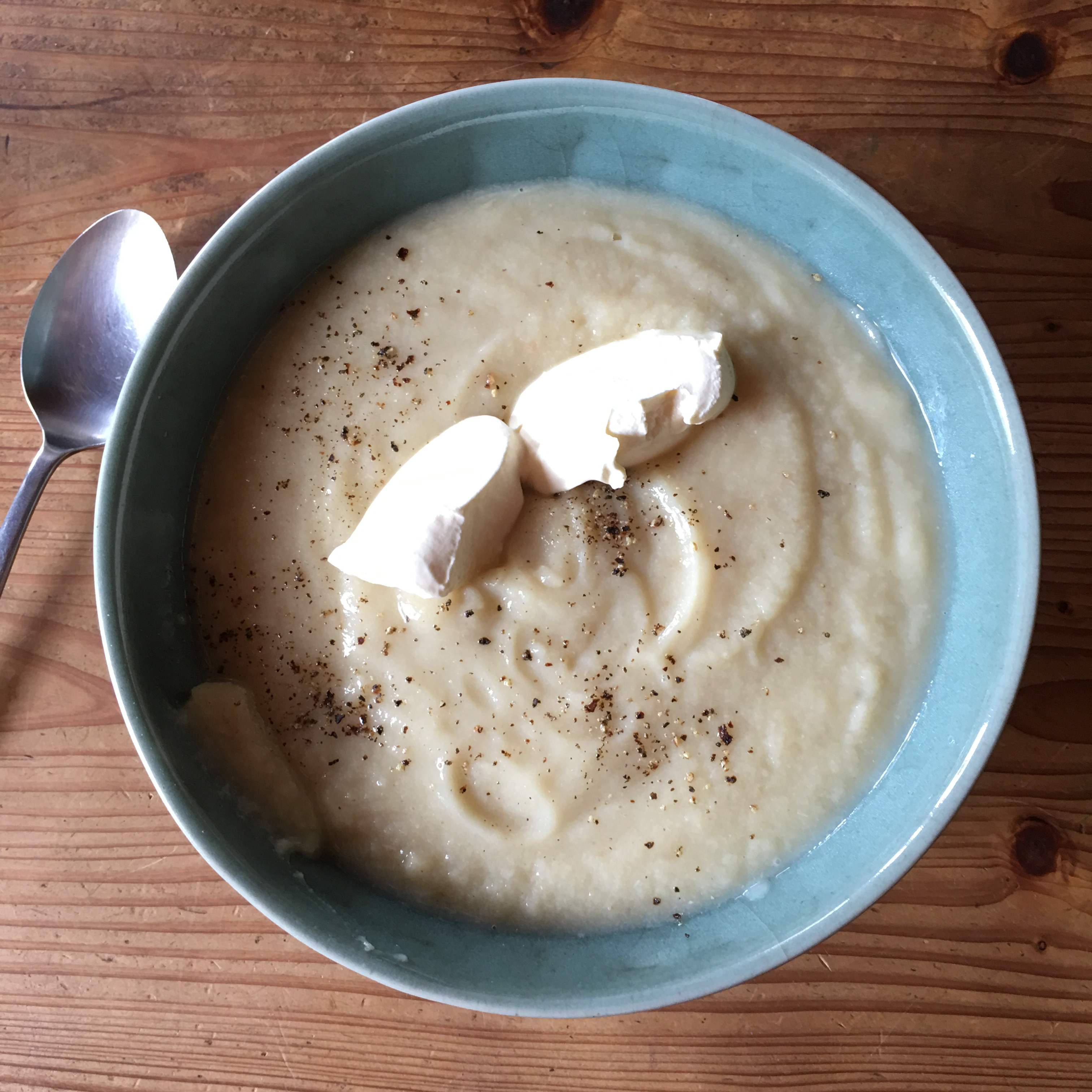
Janine makes cauliflower soup with hers as well as a batch of broccoli soup, some of which she froze. The cabbage went into our own idiosyncratic version of Australian okonomiyaki and the beetroots got pickled and preserved in spiced vinegar.

img_3959 img_3960

img_3963 img_3938

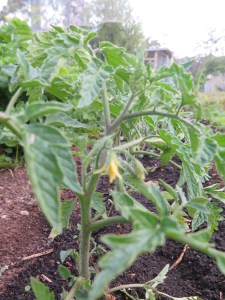
Although we have planted out all the summer veggies seeds and some seedlings now, it is still too soon to get much return. The tomatoes are flowering  and the earliest plants have set some small fruit. I was a bit late getting them in, so I can’t see us getting any ripe fruit before Xmas. However, now the hot weather is here, along with the regular Monday afternoon thunderstorm and its hail, we will just have to wait and see what fruit we can get. I hope that there isn’t another hailstorm tomorrow. We’ve had enough hail for the time being.

img_4380

Be Prepared

I realise that I’m awake and I’m not going to get back to sleep. It’s 4.00 am and we are all ready to fire the kiln today. I usually wake up at about this time on firing days. It’s a habit that I have got into. I like to start early. I love the quiet of the early morning. It’s beautiful. There is a very special time. Just a half hour, when the birds start to wake up and so does the sun in response to their chippering and calling. They have very fine senses. They are awake and calling when it is still dark. I can’t tell the difference with my old worn out eyes. but they know and call out to tell each other. They summon the sun.

img_4394 img_4386
 img_4406 img_4408
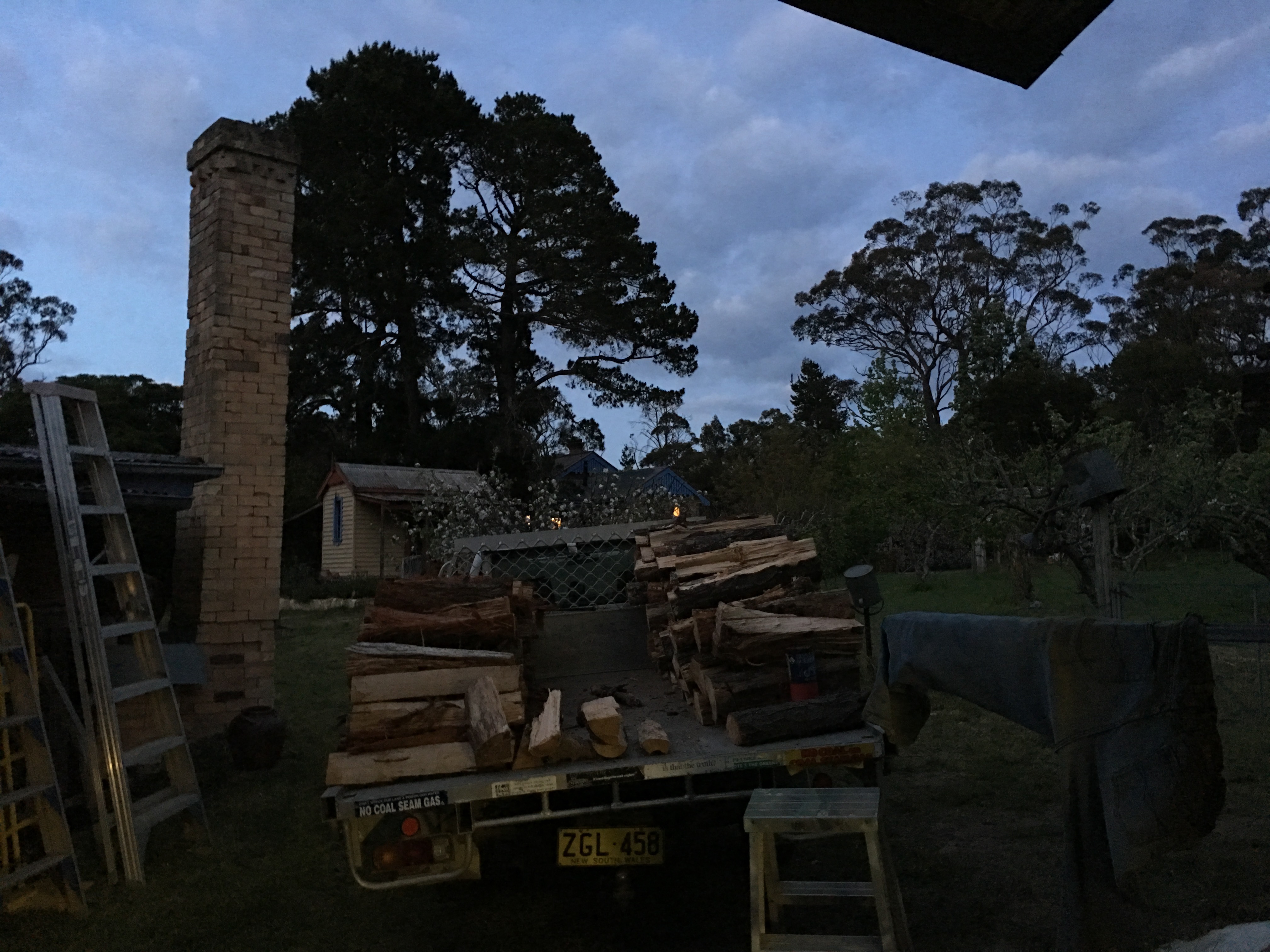
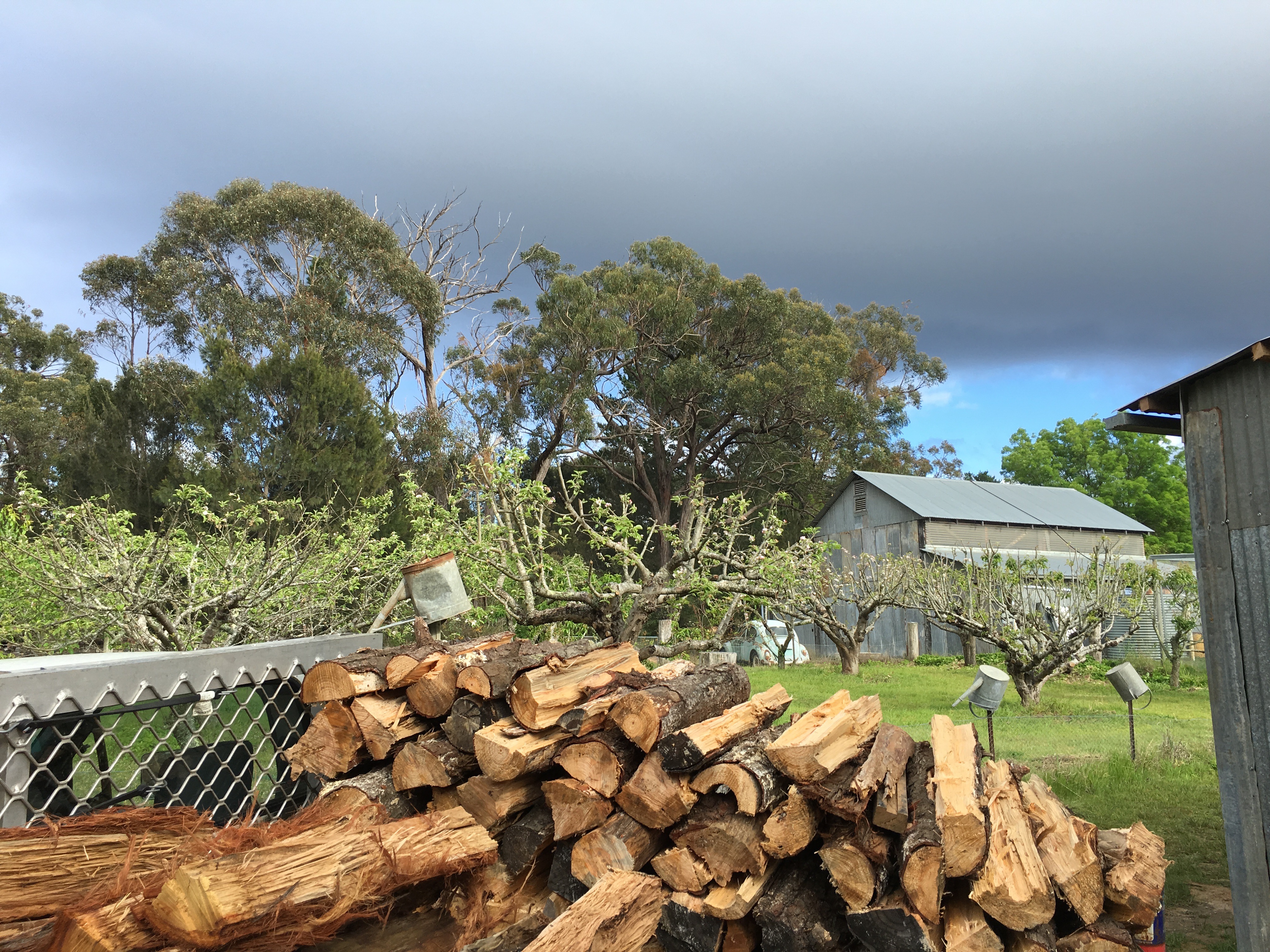
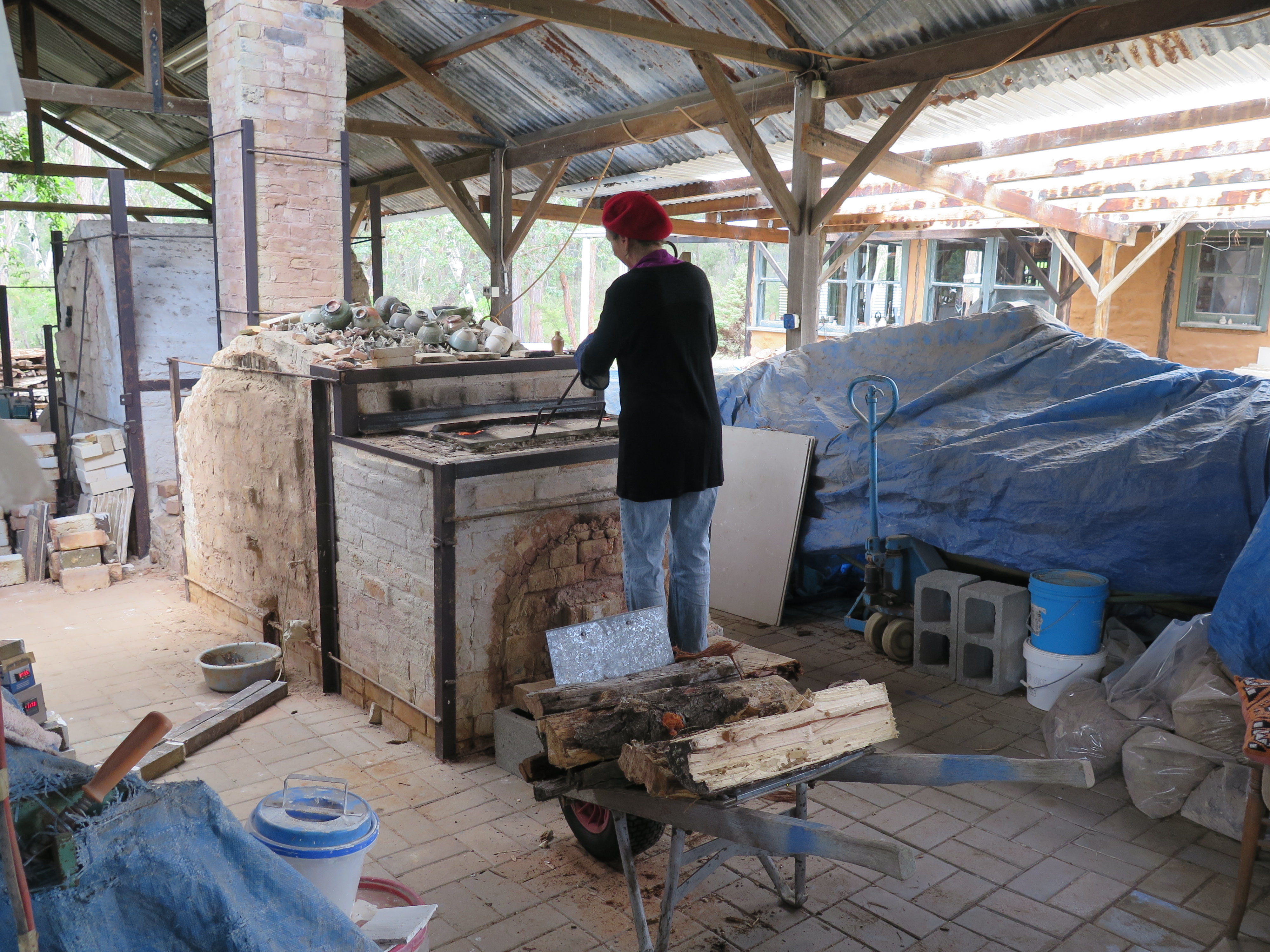
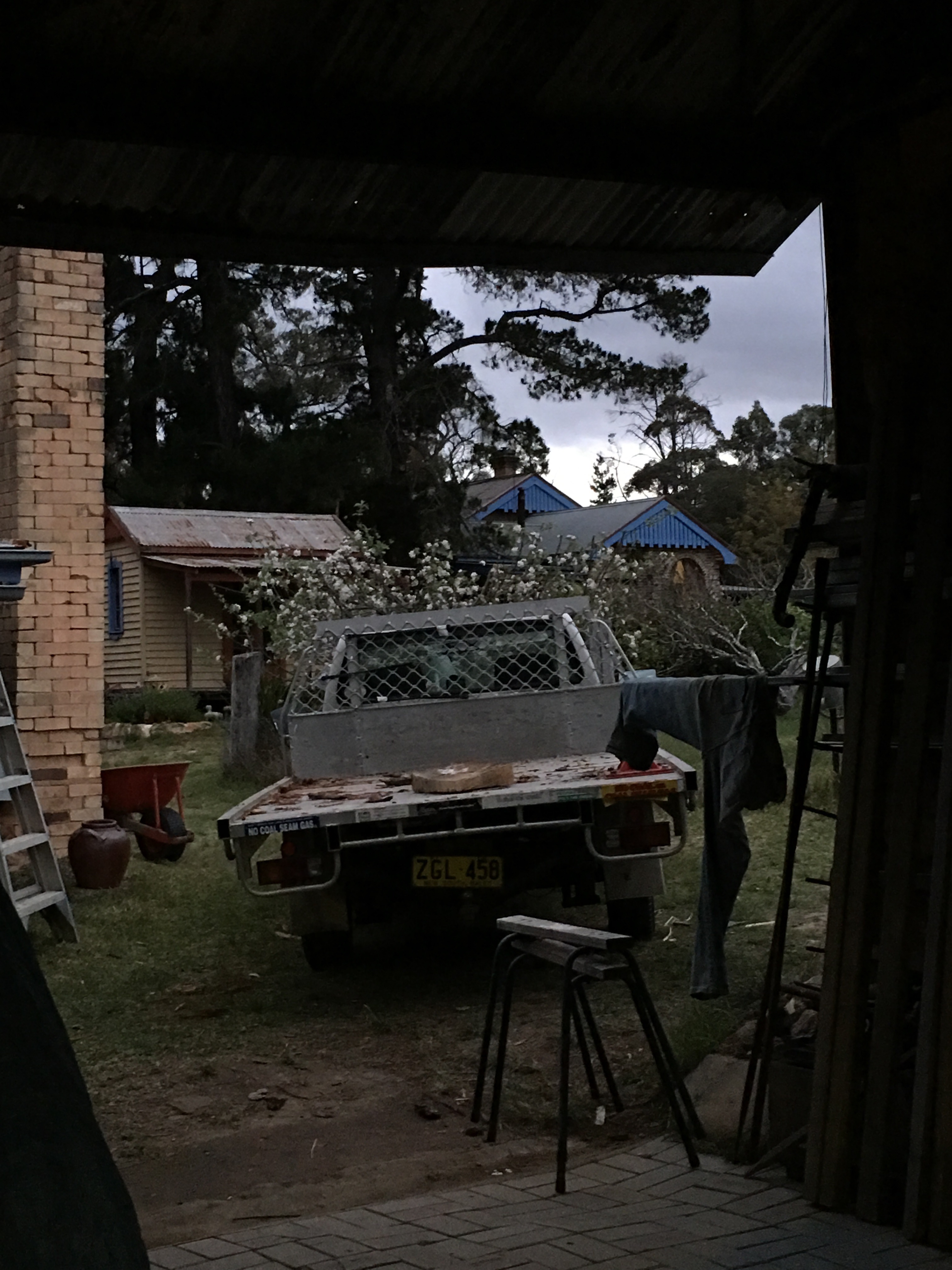
We packed the kiln yesterday and bricked up the door with our home-made fire brick blocks. It’s a big door for easy access for packing, so we needed some large blocks to speed up the door bricking-up process. Making our own firebrick is just one of the many things that we do to live this life of self-reliance. The sun was loosing its heat as drove up to the wood yard and loaded the truck with both pine and stringybark logs. We are all finished before the evening dusk falls. The truck sits in the dark and is slowly revealed this early morning as the sun comes around the curve and slowly illuminates the house and orchard in the distance.
img_3687 img_3690
 img_3689 img_3686
We have a new wood shed now, so all the pine is stacked and ready to load, dry and seasoned. Such luxury! it’s only taken us 40 years to get this small convenience built. There is always so much to do. We have lists! Even lists of lists. But ultimately, it’s a case of the squeaky wheel getting the oil. But now the time is here for a kiln wood, wood shed and it’s a beauty. We’ve had a wood shed for the house wood, particularly for the kitchen stove timber. We couldn’t function here in this self-reliant way without one. That was a very squeaky wheel and got built after only 10 years here. This masterpiece of re-cycling cost next to nothing, being made out of the old wooden tank stand and old roofing iron that we were given. It’s only taken us 40 years to get around to it!
img_3708  img_3713
We are officially into the bushfire season now, so there are fire restrictions in place. Luckily for us today, it is overcast and there are showers forecast. It has just started to rain gently, but just a brief shower. I don’t even bother to cover the pine on the truck. Last night I called the fire captain to tell him that we were going to fire the kiln. It’s a polite notification. We have been here 40 years doing this with no problems so far. That is largely because we are very careful. During the spring, we pack the kiln and wait for a suitable day to fire. A day like this is excellent. Cool, overcast and with this brief shower of rain, it couldn’t be better for firing. The safest of conditions. If it were very hot and windy, we wouldn’t light the kiln. We’d just pack it and leave it full and wait for a break in the weather.
img_4415 img_3693
img_3692 img_4416
img_4418 img_3670
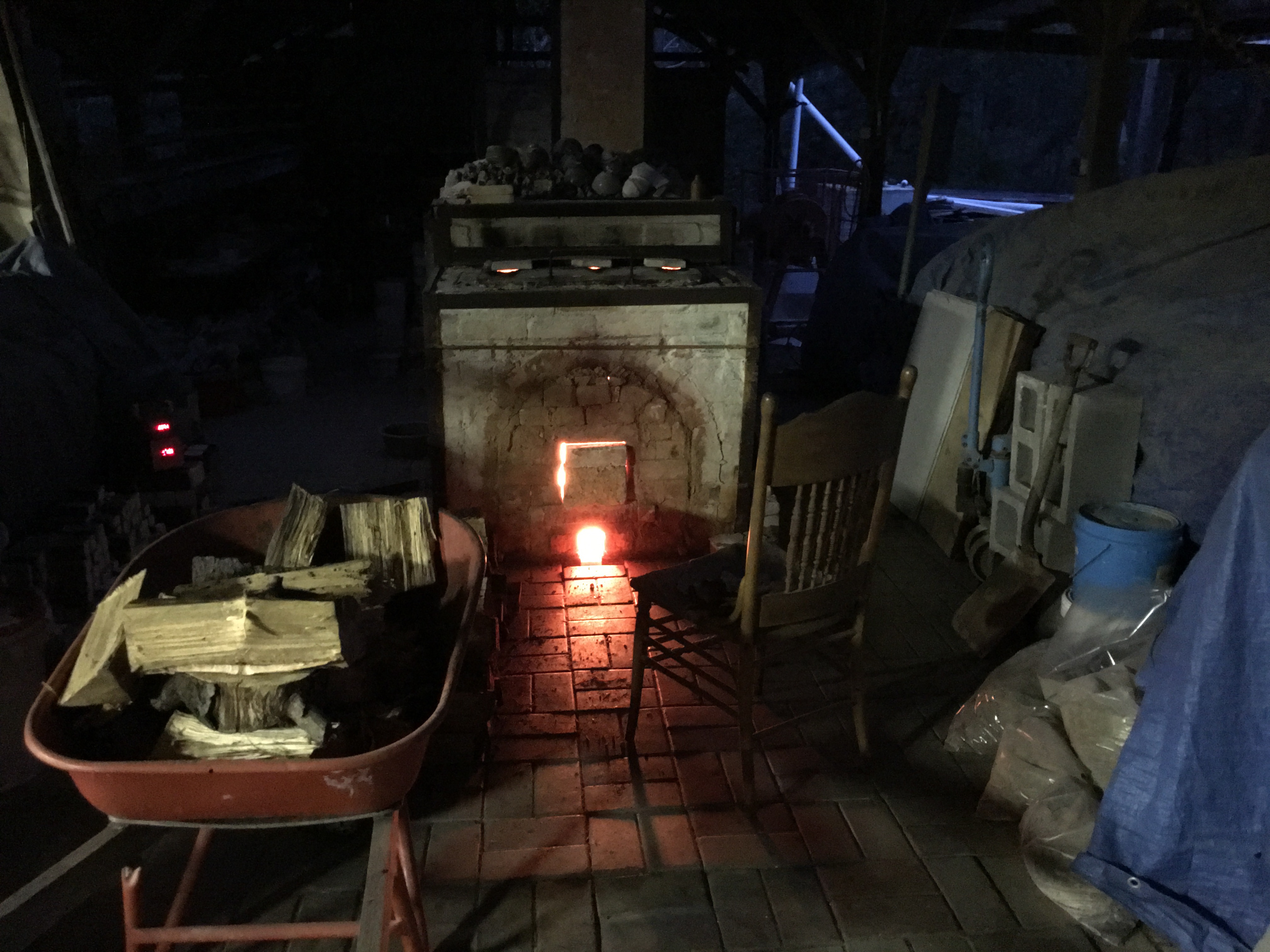
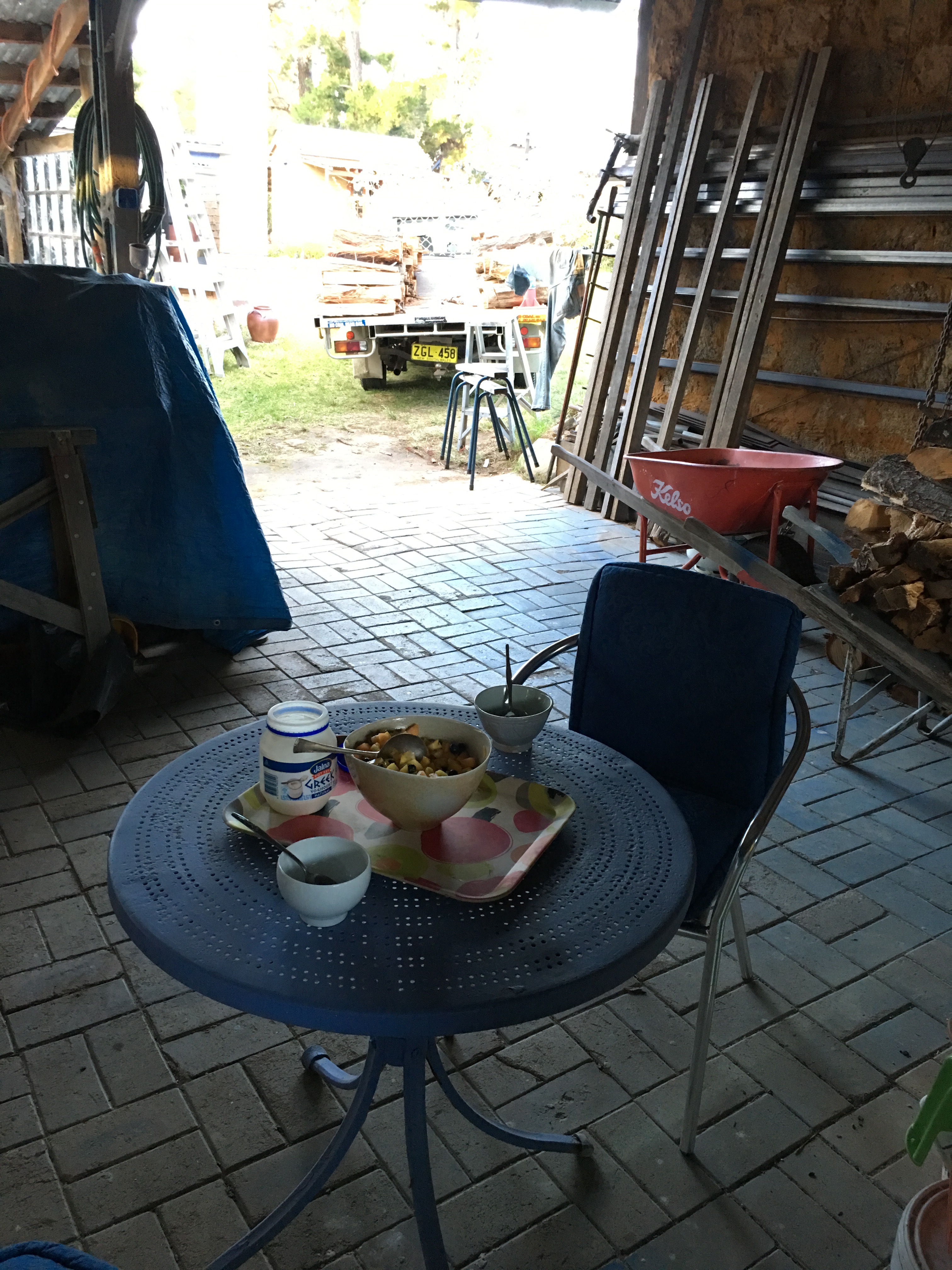
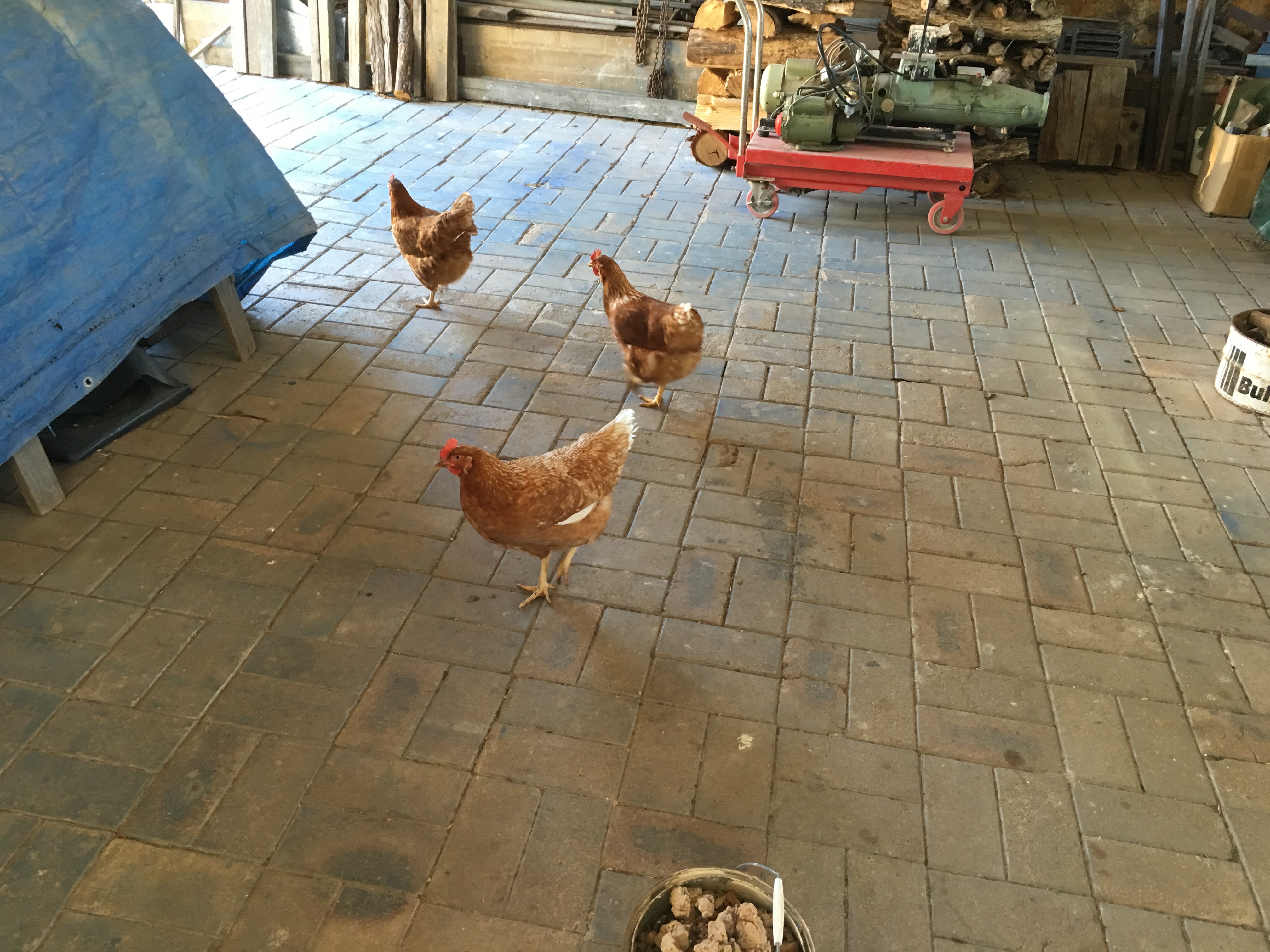
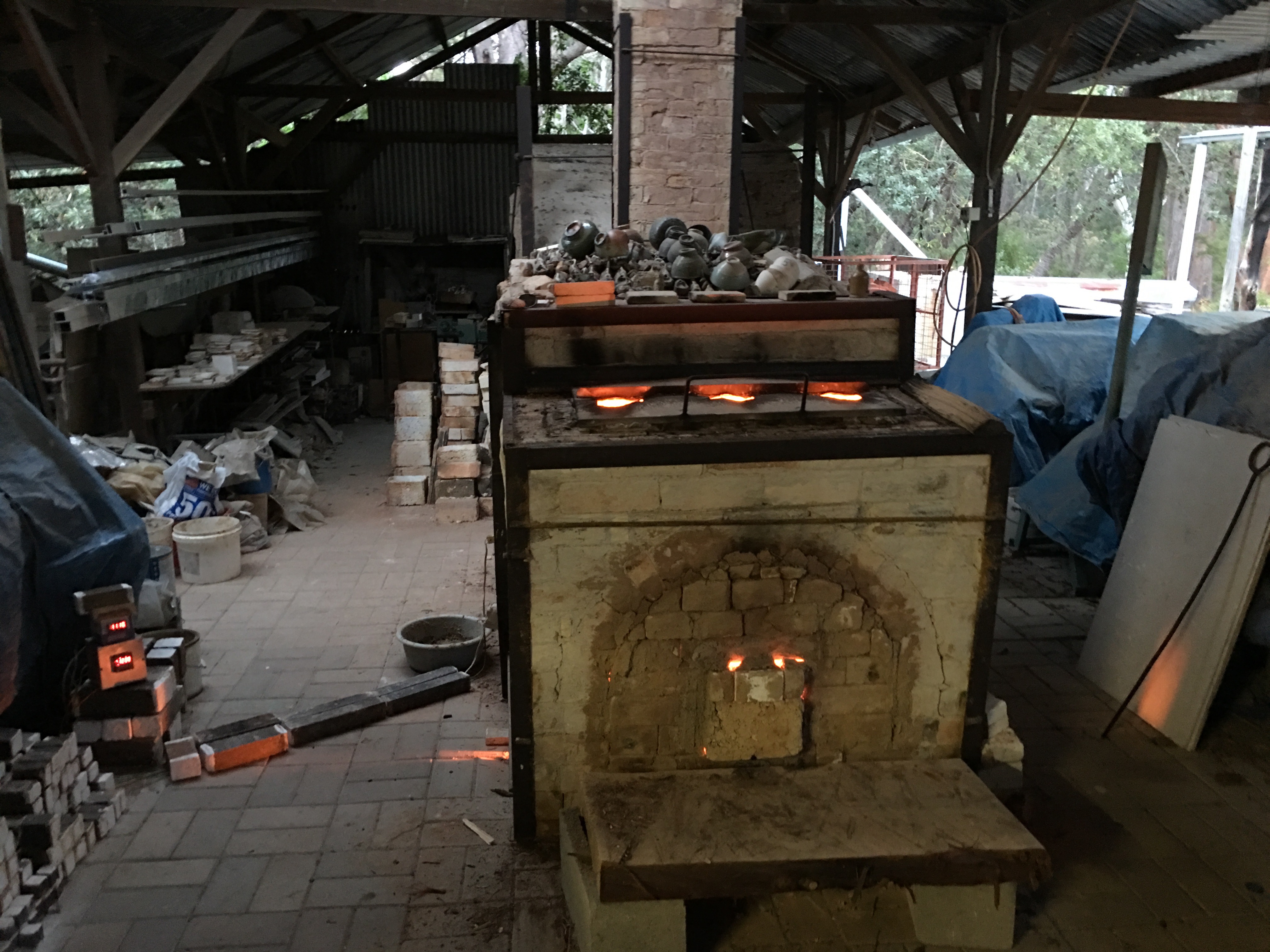
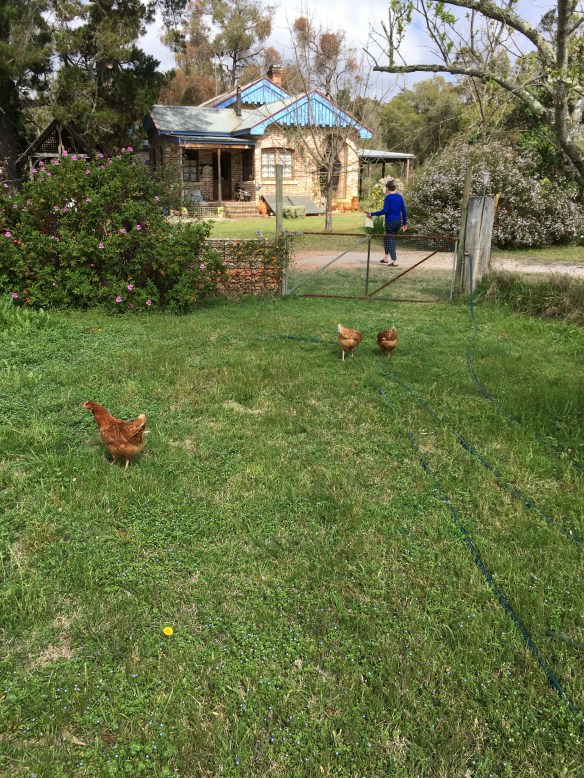
When Janine gets up, she brings me breakfast by the kiln. We eat all our meals during the day down in the kiln shed. We get a visit from the chooks, who call in to see what going on. We fire through into the night. It’s a civilised, steady, easy firing process. With all the wood already cut, split and seasoned in advance. This prepared wood that we are burning, is work that we did months ago in preparation for this moment. To make our lives easier now. We make decisions and make preparations for the future in this way so that we can keep on working, and living this life into our older years.
img_3694 img_3695 img_3701
We finish the firing at night, on the same day that we started. Packing and firing the kiln is an intense couple of days. We celebrate the end of the firing with a bottle of bubbly. I cook pasta for dinner. It’s quick and simple, using all our own home-grown ingredients, preserved tomato pasta sauce, our own garlic, our dried tomatoes and dried mushrooms. It’s just like our firing, everything prepared in advance to make this moment of creation easier.
img_3703 img_3704
img_3707
Best wishes
from the well prepared Steve and Janine, working towards the up-coming Southern Highlands Arts Trail, Open Studio weekends. We will be open on the first two weekends of November.

Hit The Ground Running

It’s always good to be home and re-united with my 4 girls.

img_3472 img_4361

I have a lot to do. Jobs that have built up while I’ve been away. I hit the ground running. We have 3 weekend workshop booked in for wood firings over the next 3 weekends. We have a lot of bisque-ware ready to be glazed for the Southern Highlands Arts Trail Open Studio Weekends that are coming up, but we can’t get access to our wood kiln until we finish all the workshops.

The effort that we put in to preparation pays off, as all the weekends go smoothly and everyone leaves with something nice to make all the effort worthwhile. And we are lucky with the weather too. It blows a gale all week, and then it settles down and we have a glorious weekend of still, sunny days.

We fire the big wood kiln overnight through the weekend, taking shifts of 4 hours and overlapping each change of personal by 2 hours, so that there is always some continuity. The nights are cold and we huddle near the firebox for warmth. This is a downdraught ‘Bourry’ style firebox, so there isn’t very much to do most of the time.

img_3512 img_3526

If we stoke with big pieces of hardwood. It might take up to one hour for those logs to burn down sufficiently to allow another stoke. The kiln climbs slowly in an even, steady, reducing atmosphere.

The next weekend we have a low temperature wood firing workshop. We have half a dozen small wood fired kilns that we use throughout the day. We have 10 participants, who each bring 5 or 6 pots to fire, depending on size. We get through them all in the day, along with half a dozen wheel-barrow loads of wood.

img_3563

When the day is over, we pack away all the little kilns, except for one. I leave it out and pack it with my glaze tests for all the new batches of glazes that have made up for the next big wood firing. It will have a lot of work in there for the  ArtsTrail Open Studios Weekends. I want to make sure that I haven’t made any mistakes or poor assumptions, when making-up these glazes.

I pack the kiln in the morning and start to fire straight away. I push it along, as I have other things to do this afternoon. This little beauty breaks all previous records and cruises up the cone 10 in just 2 1/2 hours in reduction. The results are really quite good. Everything is well melted. There is no flashing in such a short firing. Nor is there very intense reduction colour, but all the colours are there – only paler than I would expect from a longer wood firing. I’m finished by lunchtime and can get on with other things.

img_3550 img_3554

img_3555 img_3557

img_3558

I even surprise my self! I didn’t know that this sort of speed was possible for a stoneware firing, and with so little effort.

img_4310 img_4373

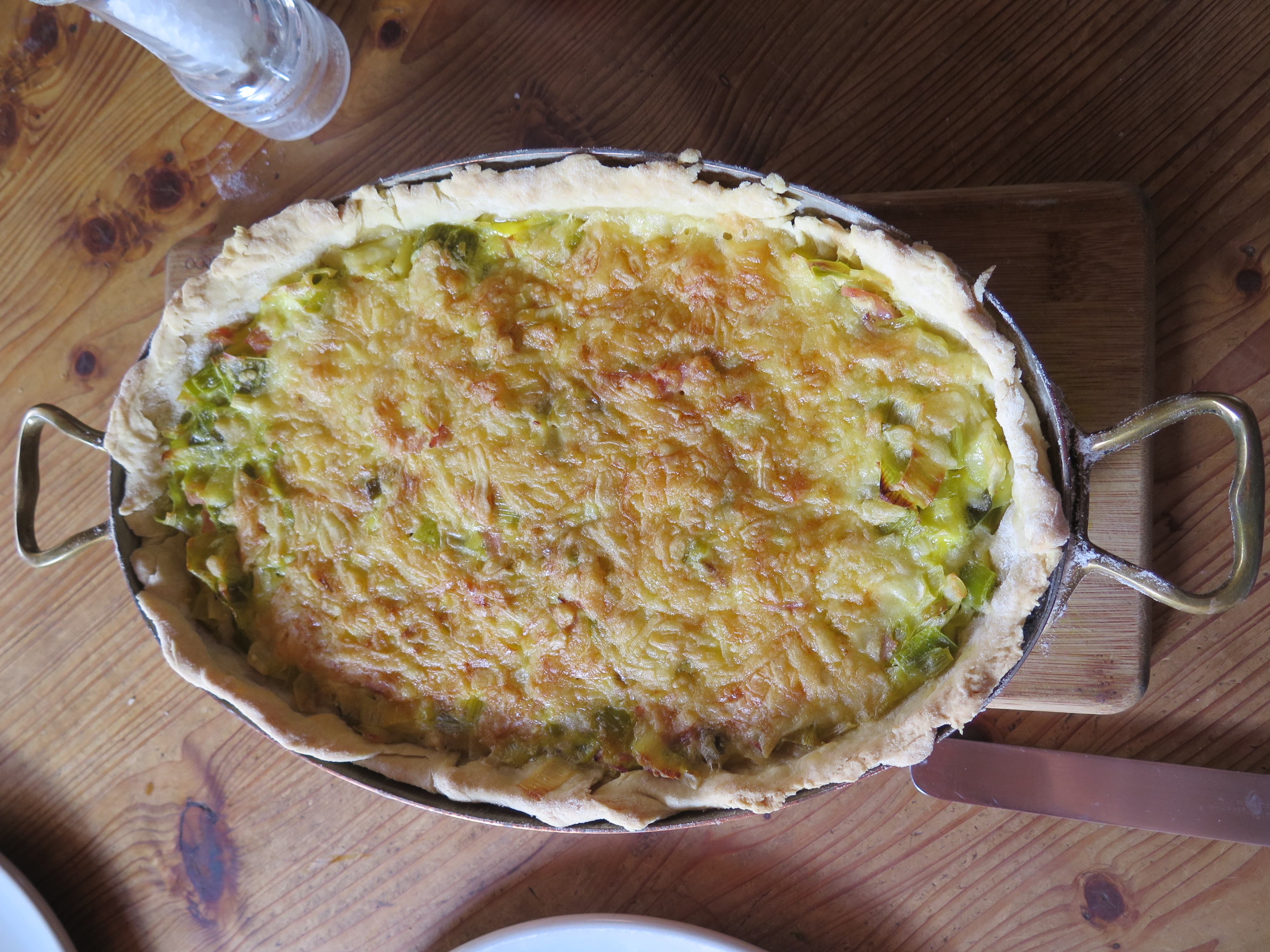
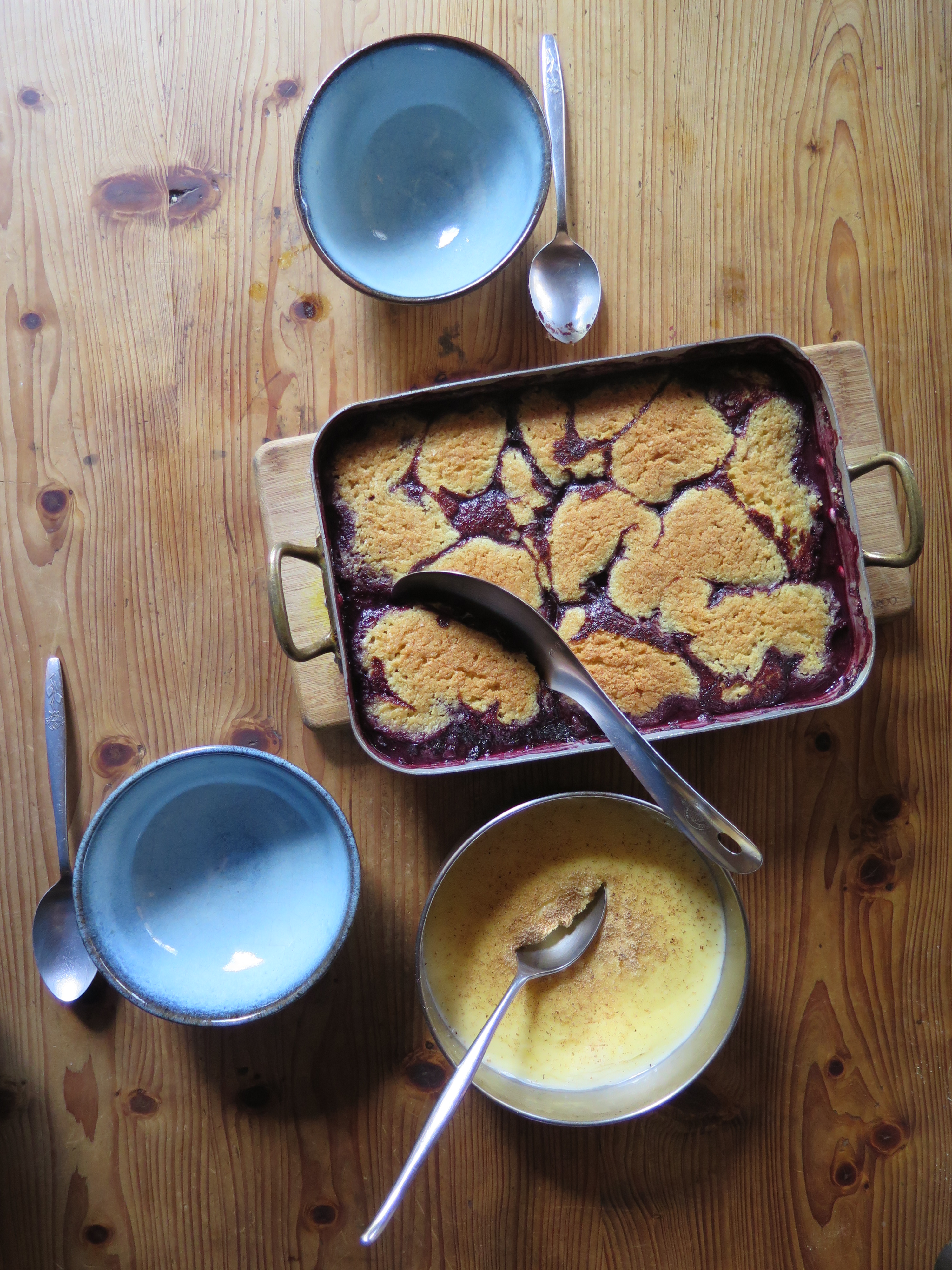
The garden is producing well, with Nina in charge in my absence, she decides to have the evening baking and makes a couple of lovely dishes. A leek pie with a little bit of sour cream and a wholemeal crust, topped with some grated tasty cheese, which is amazing, followed with a berry pie with a baked sponge topping. Served with Edmonds custard. Yum! It’s an economical, warming, dinner on a cold evening. All this garden produce is a fitting reward for all the hours of weeding and watering. However, we don’t do it to save money, but to enjoy wholesome, unpolluted, fresh food.

img_4347 img_4355

Over the years, we have made decisions that have allowed us to be in control of much of our lives, but nothing is perfect, nothing is finished and nothing lasts!

Enjoy the moment.

The Beautiful Simplicity of Baked Beans

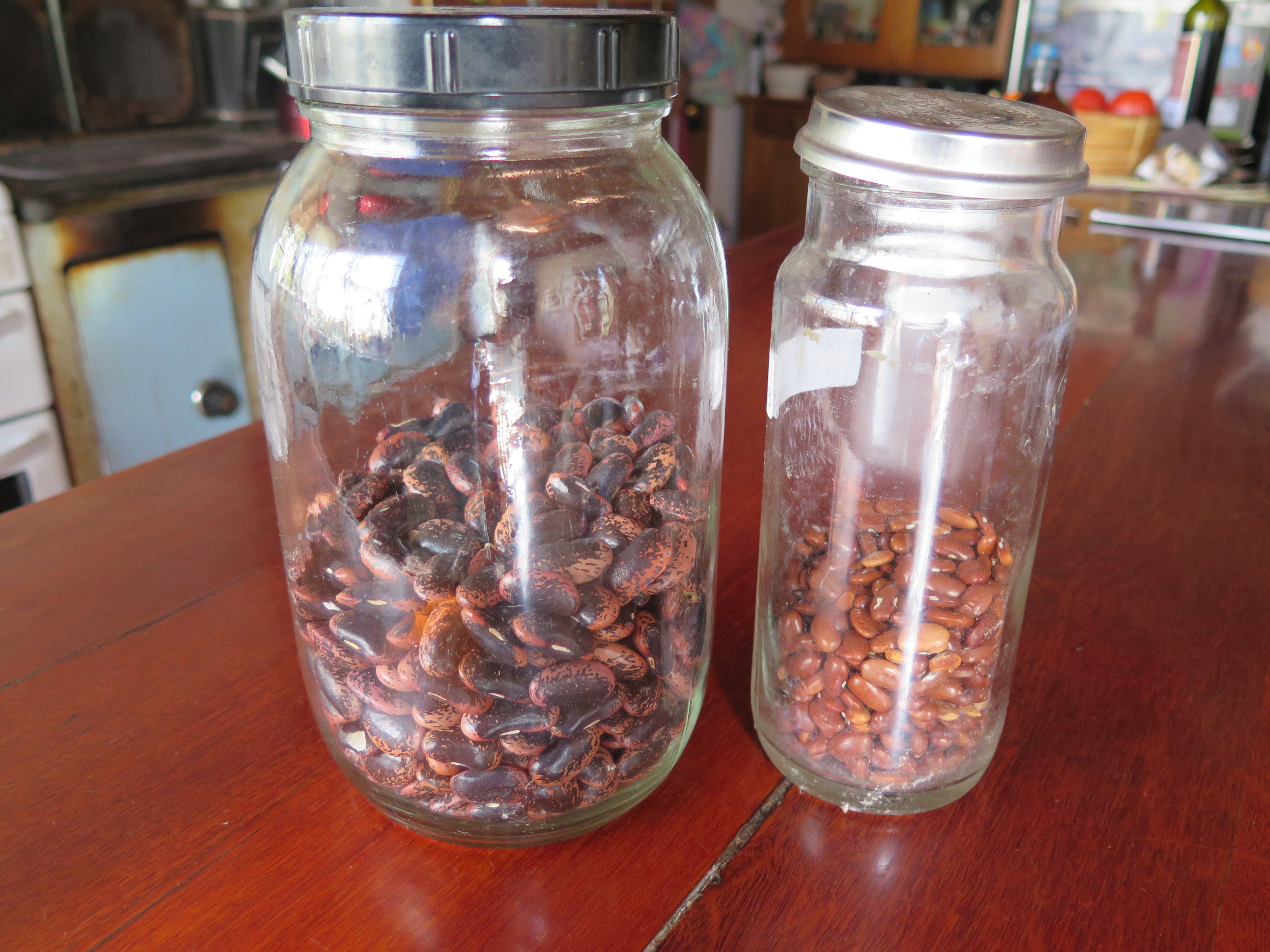
We have jars of dried beans in the pantry cupboard. Many different types. We also have dried tomatoes and dried mushrooms in there too, alongside jars of tomato passata saurse. I decide to take some of our storred summer produce to make the simplest of dishes, Baked Beans.

IMG_4241 IMG_4244

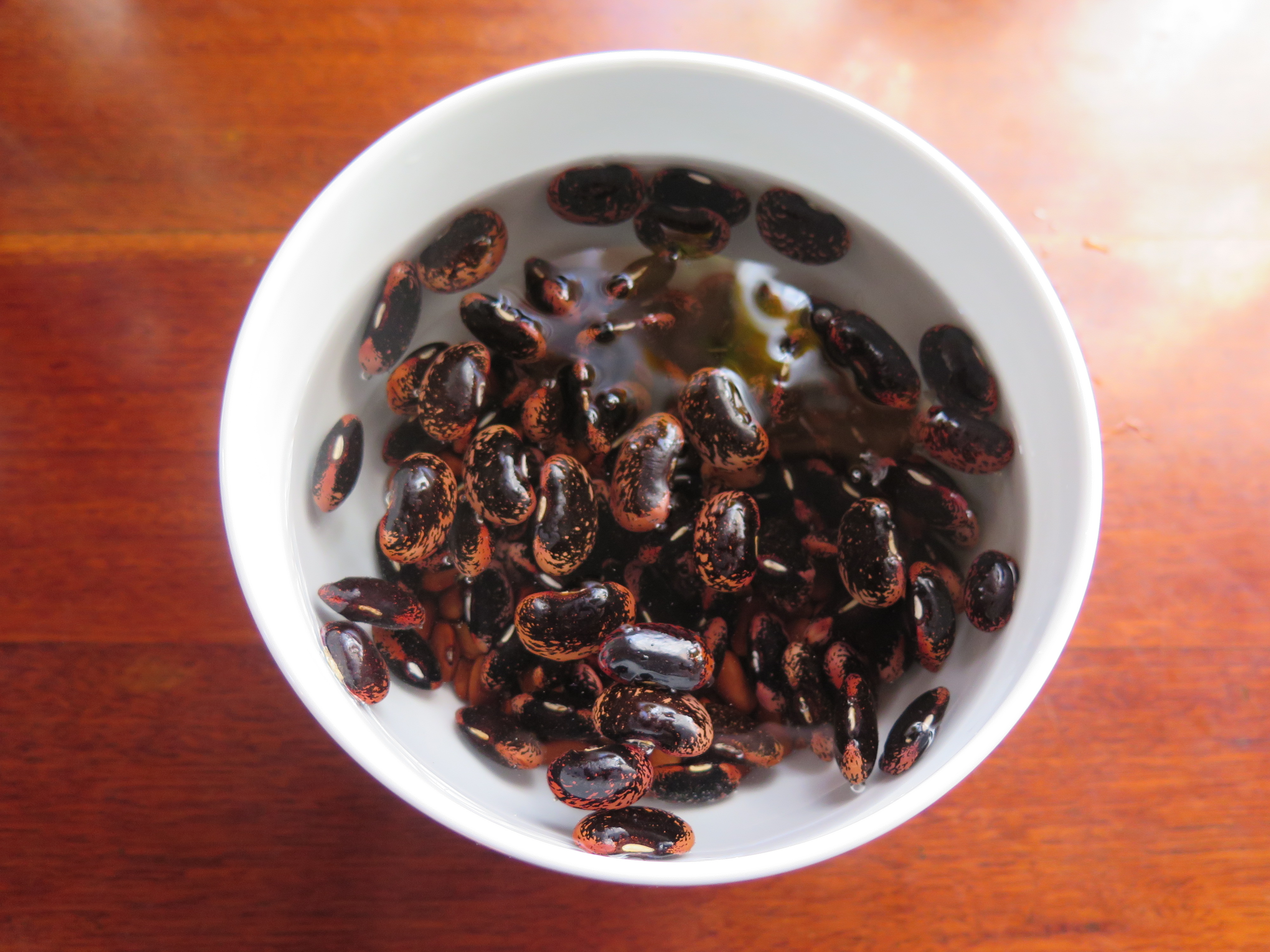
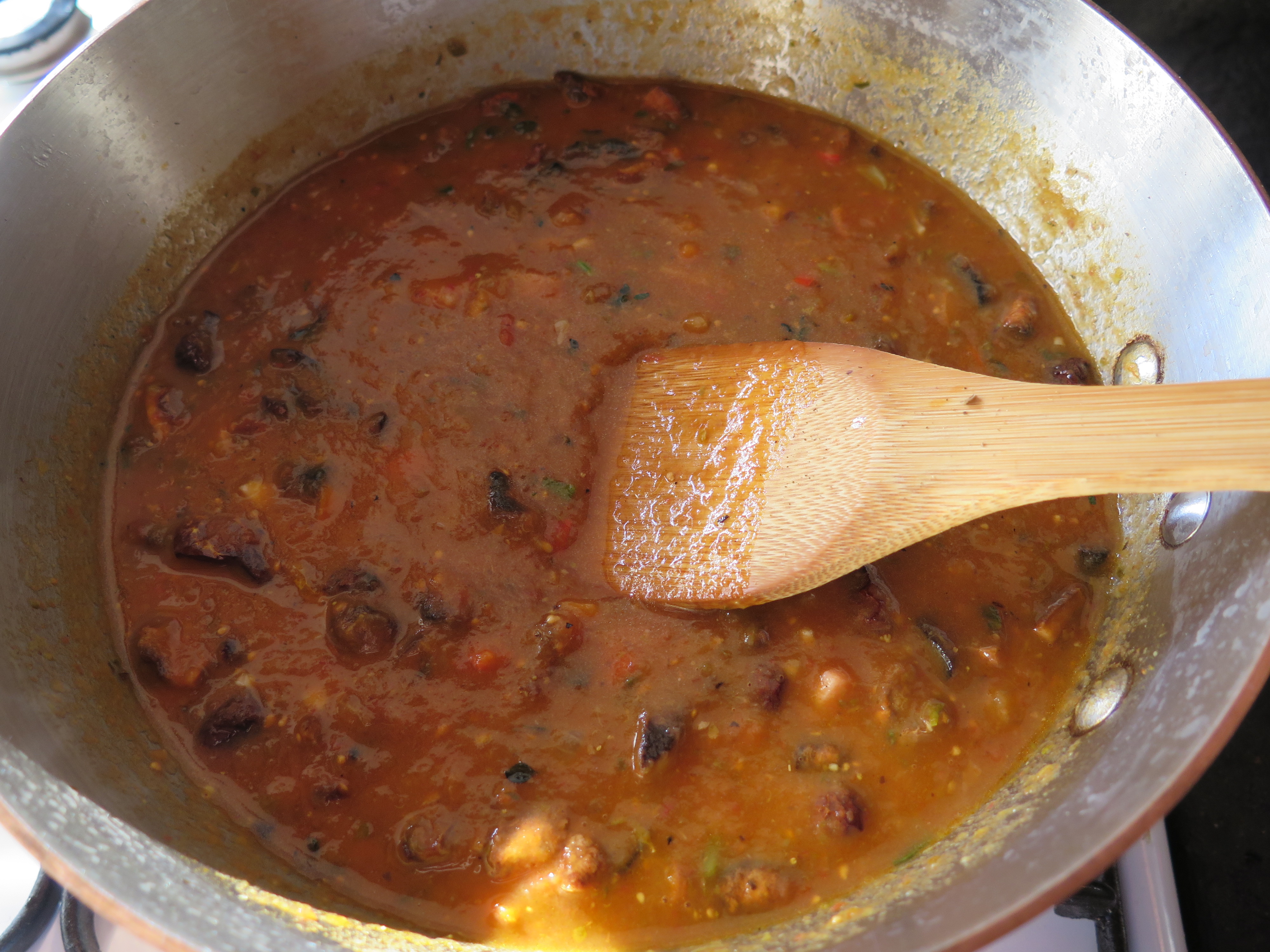
I soak the dried beans overnight, then boil then for an hour or two until they are just cooked. I sweat off some onions and a whole knob of our home grown garlic in the best quality of local olive oil.  I add fresh thyme and marjoram from the garden, a whole knob of our garlic, along with some local bacon. I add in a couple of jars of preserved tomato puree along with a couple of chilli and capsicums. It all comes along nicely. When the herb and vegetable mix is well underway, I add in the pre-cooked bean mix back into the pot and let it all meld in together.

IMG_4250 IMG_4251

I’m tending the dish, when My Lovely arrives and comes into the kitchen. She exclaims, how delicious the smell of the dish is as she comes in through the door. I’m pleased, I want it to be. There is a lot of work storred in all these summer-time ingredients. It ought to be good.

IMG_4253  IMG_4254

IMG_4257

If I was making a more traditional baked bean style dish, I’d probably blitz the whole lot. But this is not an issue to me. I’m happy to eat my more chunky version. If I were to do it again quite soon, I’d probably add in some duck breast and some pork sausage along with carrots and celery. But that would be a very different dish. Then I’d call it a French cassoulet.

This is just a simple beans and tomato meal with no frills. All grown, dried, preserved and cooked locally. What else can a simple post-modern peasant ask for. The natural rewards of hard work and forward planning.

It’s delicious, warming and very nutritious. whole pulses and tomatoes like this, combine to favour healthy gut bacteria and good health.

Funnily enough, I’m not thinking of my guts as I eat his beautiful meal. I’m just so pleased that it so filling and delicious.

Sure to Rise

Janine spent some time in New Zealand when she was at school as an exchange student and it was in New Zealand that she learnt to spin wool and also got deeply interested in making pottery, something that has stayed with her for the rest of her life. Another thing that she learnt about in New Zealand was the Edmonds CookBook. She bought, or was given her first copy over there. She still uses it or refers to it often, mostly for cakes and puddings. It has been one of the constants in her life.

We recently got the latest version, when a relative visited New Zealand last year. I had tried to buy a copy by online direct from Edmonds, It was meant to be a surprise for Janine, but the online option didn’t seem to be available, so I sent an email requesting information on how to buy a copy and have it sent over here to Australia.

I filled out the contact info page and waited. Nothing happened for a day or two, then when I was out. A very nice lady from Edmonds rang directly from New Zealand to inform the bewildered Janine that she couldn’t buy one in New Zealand and  have it posted out to Australia, but rather, all she had to do was go down to the local ‘Dairy’ and buy a copy herself. The ‘Dairy’ in New Zealand is a bit like a small supermarket or local shop. They are everywhere in New Zealand, but not here in OZ.

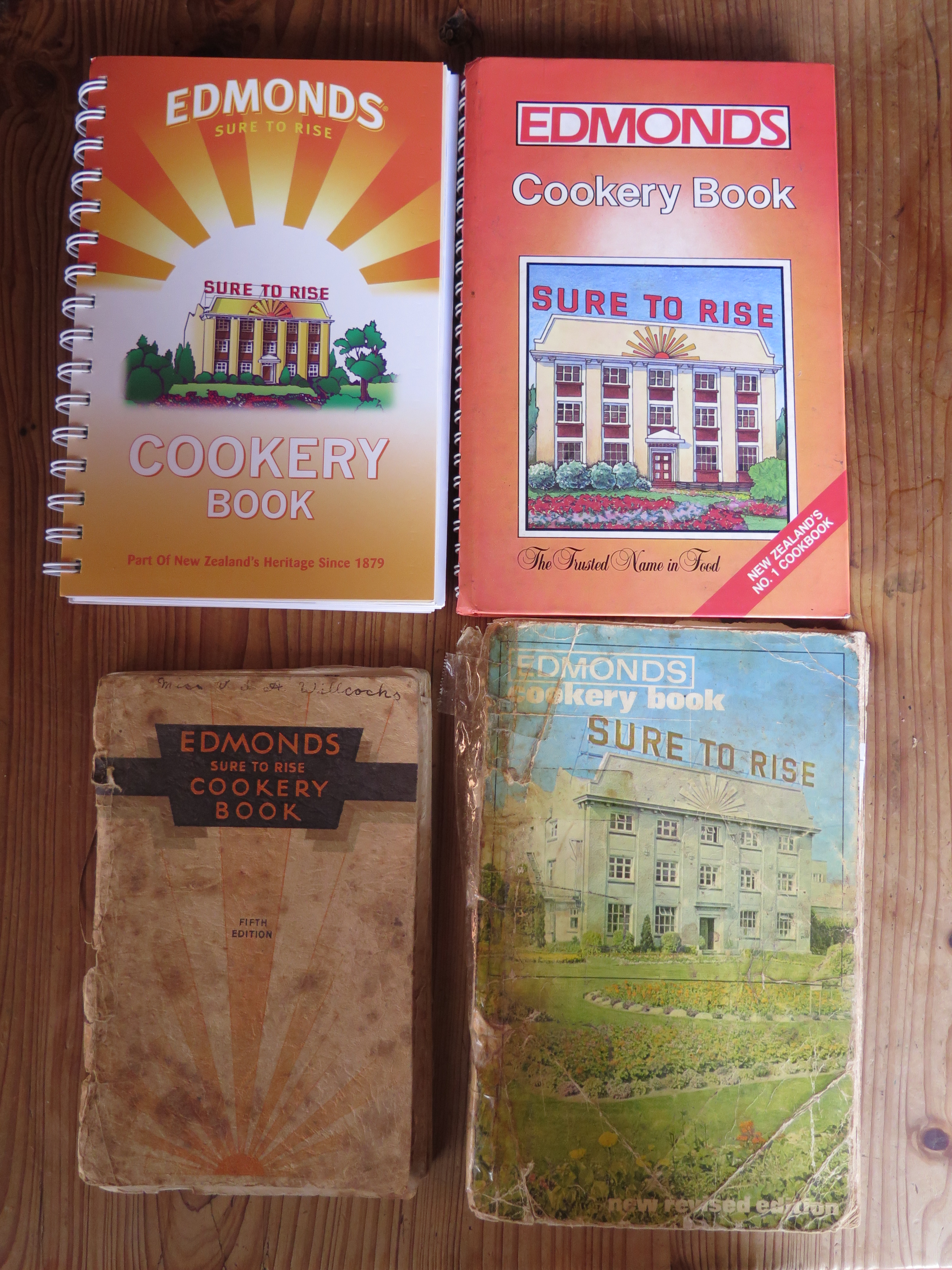
Janine tried to explain that we don’t have a local ‘Dairy’ here. But the Edmonds Lady wouldn’t have it. She insisted that all Janine had to do was to ask. “They will have it!” “Everybody stocks it!” We don’t see Edmonds baking products for sale here in Australia. At least, not where we live anyway. Janine explained that we live in Australia and that the lady must have dialled ISDN to get through to us in Australia. She must know that we are located in Australia. She told her that we just can’t buy Edmonds Baking Products here. All to no avail. So the surprise was lost and we still didn’t have a new Edmonds cookery book. We laughed about it a lot though, and we do now have 4 editions of about 10 to 15 years apart.

IMG_4141

When Janine’s relatives turned up here with the intension of travelling on to New Zealand and back again, it was an opportunity not to be missed. We now have our new copy, along with the other 3 older editions. It’s quite interesting to look through them and see what has changed. In the 60’s edition, all the recipes are detailed on how to make the item from scratch. The biggest difference between the old copy and the new one is that now it is more likely to say something like, open a can or packet of this or that and add something to it. it’s an interesting record of changes in cooking habits over 50 years. Certainly the latest edition has very much more up-market descriptions of the recipes.

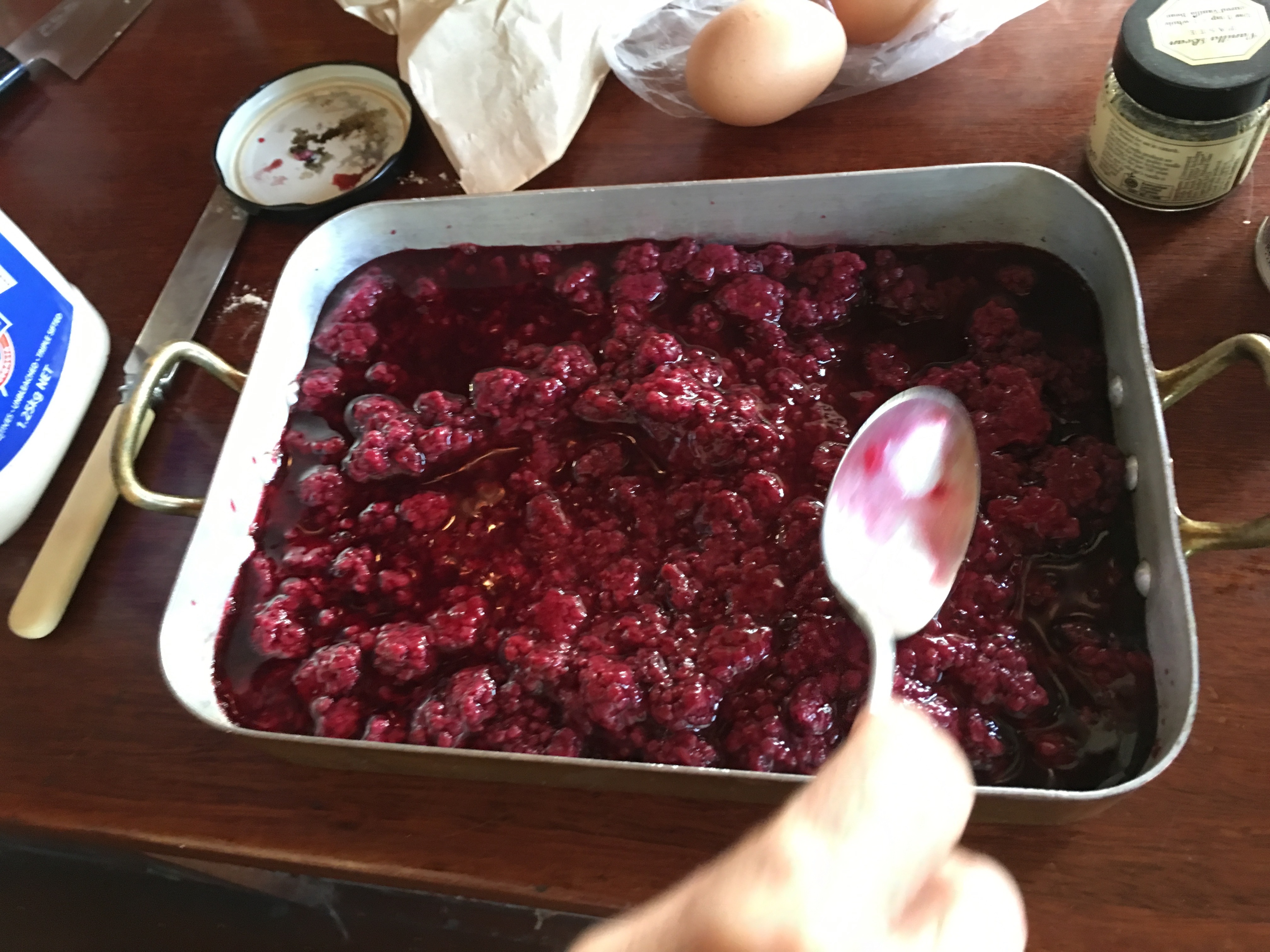
One particular recipe that is all the books is the sponge fruit pudding. The name changes a little, but the recipe remains pretty similar. It’s a lovely, warming, comfort food pudding for cold winter nights. Janine has developed her own particular variation, depending on what is in season or in the preserving cupboard. Tonight it’s preserved young berries that are going into the pud.

IMG_2555 IMG_2557

IMG_4247

This is Janine’s half-size recipe. Good for just two people. Double it if you want to feed more people

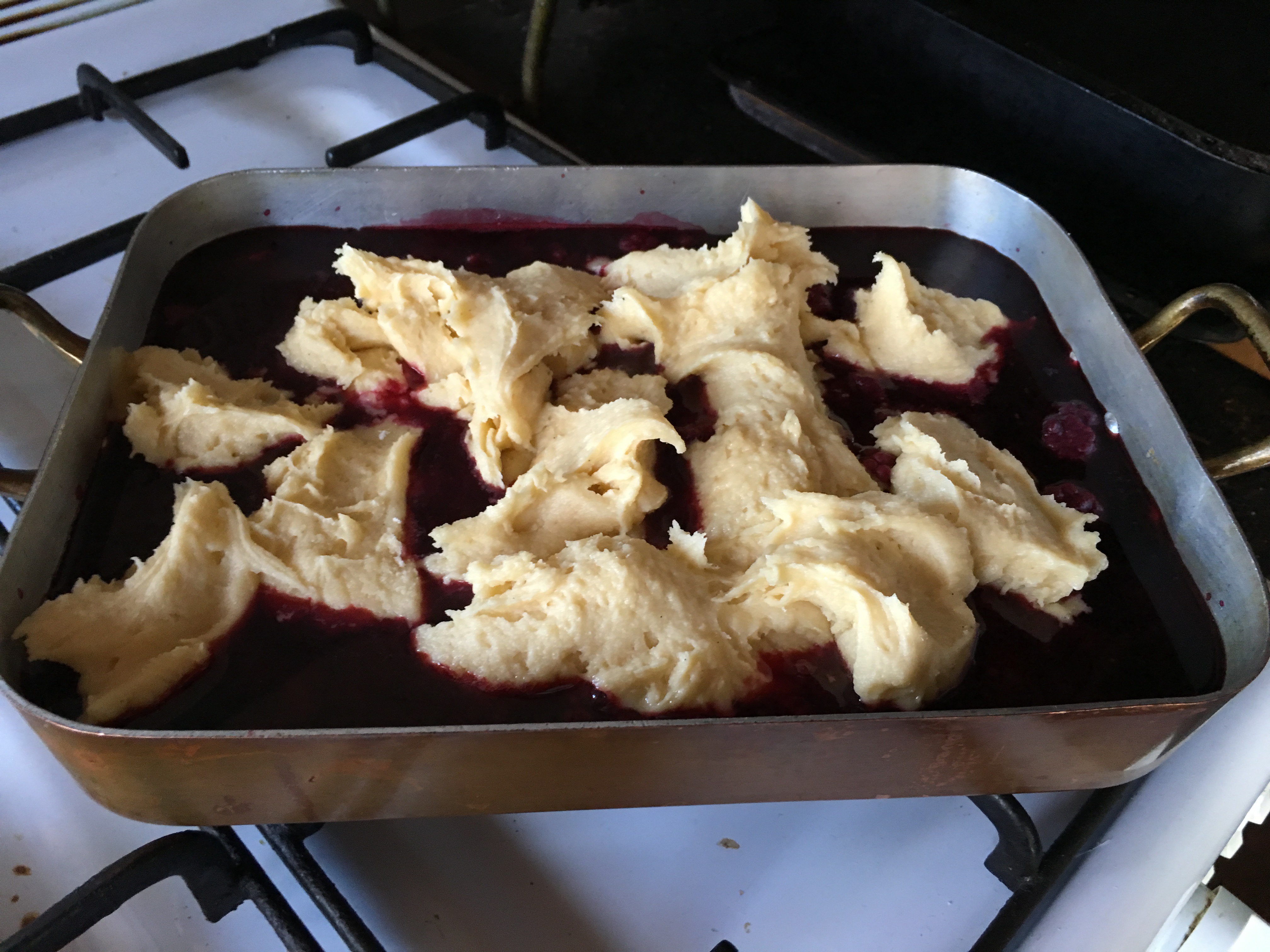
Take a 750 ml. jar of home made preserved youngberries. Pour into baking dish. Make a sponge topping as per your favourite Edmonds recipe, spoon it over the cooked fruit and bake until springy and golden. the recipe says from 35 to 45 mins at either 180 or 190oC, but My Sweet is cooking in the wood burning stove, so all the temps are a bit of a guess for us. She knows her stove now after 40 years and gets a wonderful result out of it. Cook until done!

IMG_2562 IMG_2567

The Short Days of Winter

We fill the short days of winter with lots of busy, necessary work. Pruning, preserving and cooking. We are both making marmalade at the moment, in our own respective ways, using the methods and recipes that we have each developed over the years. We have quite enough now to last us for the rest of the year.

IMG_4102

Even though the days are short and the weather is cold, the garden is still producing all our  meals. One or the other, sometimes both of us, go out to the garden at dusk and pick what is at its best and just bursting to be eaten. Food is plucked direct from the garden bed, into the basket and is cooked and on the table within the hour. It just couldn’t be fresher, or more rewarding. I have managed to scale and time the plantings through the summer and autumn, so that there is still enough green produce coming through now, even though everything has slowed down considerably.

IMG_4113 IMG_4114

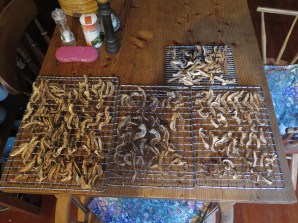
I collect more mushrooms from the recent fungal blooms. I give them a good scrub with the bristle brush and clean them up and make them presentable. There is always bits of grass and other organic ‘natural’, but unwanted ‘stuff’ stuck to them. I slice them and lay them out to dry.

IMG_4104 IMG_4105

Once crisp, they are added into our stock of dried fungi in the glass jars on the kitchen dresser. We collect more of them as they appear and have fresh mushroom risottos, almost every night for a week. Each time with a different vegetable from the garden. Broccoli, cauliflower, brussel sprouts, capsicums and carrots.

IMG_4119 IMG_4120 IMG_4122

We have loads of golden berries coming on at the moment. Janine makes golden berry (gooseberry) and feijoa fruit mince and uses it to fill a fruit sponge, served with Edmonds custard. It makes a marvellous pudding. It is tangy, sweet and mouth-wateringly luscious and smooth. I have two helpings.

IMG_4106

We have spent the last three days pruning the stone fruit trees. Everything is dormant and deciduous at the moment. Except the earliest peaches, that have started to flower already. We work steadily and meticulously. Opening out the centre of the trees, restoring the ‘vase’ shape. Removing the water-shoots, thinning, shaping and pruning to an outward facing bud.

IMG_4111

IMG_4128

After 3 days of muscle challenging constant work, we are tired, but very pleased with our selves. We have finished pruning our 100 or so trees and spent an equal amount of time dragging all the spent and removed branches down the back to the burn pile and stacking it all up ready to be burnt in a months time, when it has dried out enough to sustain a fire that will purge the pruned wood of any disease and fungal spores that might otherwise infect the orchard trees.

We celebrate with a lovely dinner of wild mushroom risotto, collected directly off the lawn outside the back door, and then a great fortifying breakfast of truffled, creamed eggs. It looks like this will be the last truffle for this season, so we make the most of it.

IMG_4123 IMG_4125

IMG_4126