
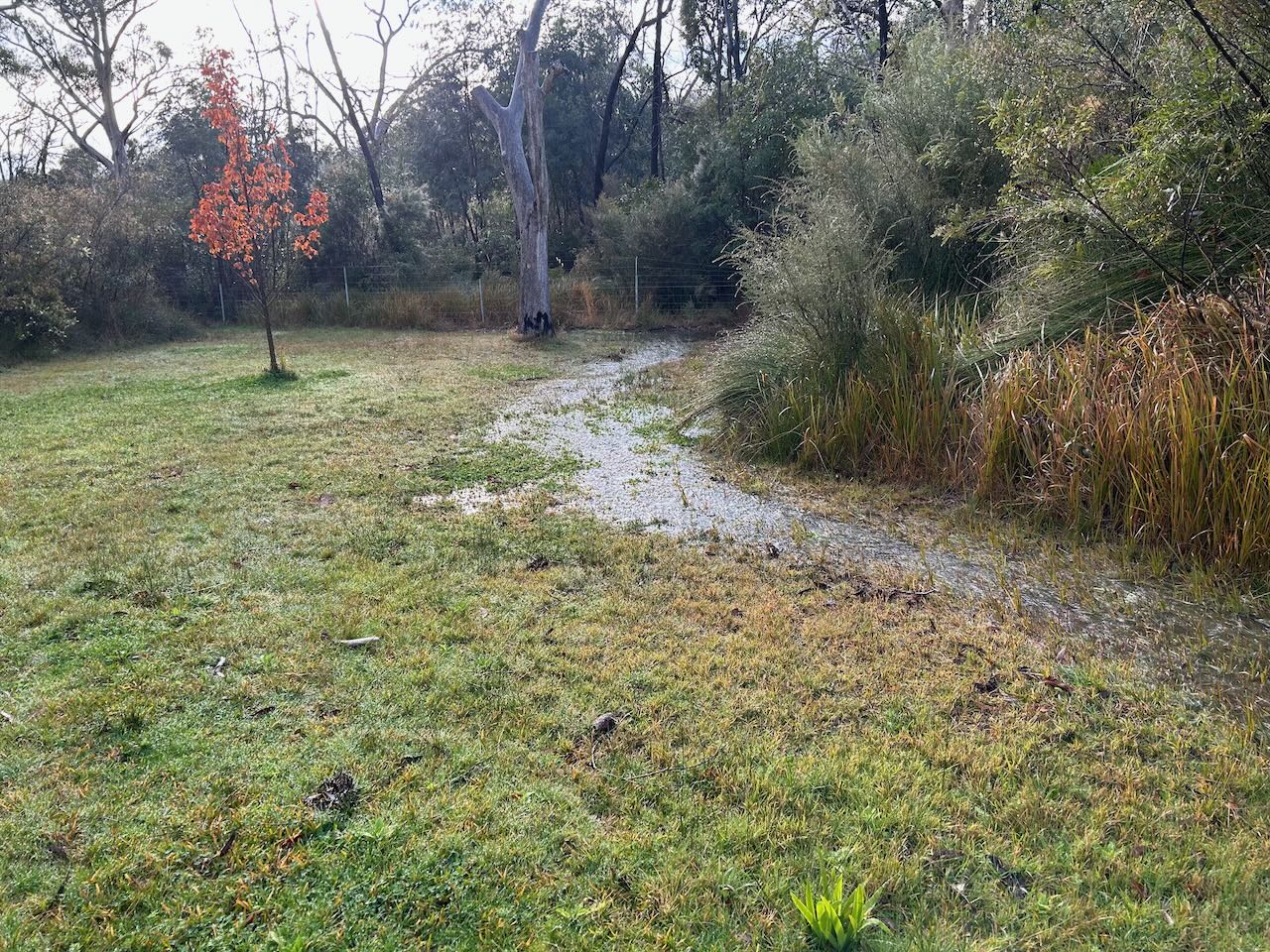
It’s been raining again quite heavily. We now have 4 different little streams flowing across our land, where the dams overflow, and the front lawn is under 25mm of water, like a slow moving shallow lake gently flowing across our kitchen vista.
We had 65mm of rain at one point. I thought about what to do for a while and came to the conclusion that it was probably best if I decided to do all those glaze tests that I had been meaning to do for a while. I certainly didn’t want to do any outside work. So I spent a day rolling out slabs and pressing out grid-tiles from my standard plaster grid-tile mould. This ensures that all my test tiles are the same size and shape, so that I can compare them at any time with tests made years before if needed. Tragically, I lost 3,000 glaze tests in the fire, so I’m starting again.


Weighing out glaze tests can be quite boring, especially when it goes on for days. However, it keeps me gainfully employed in the warm and dry pottery studio. I put on a CD while I work. It takes more than the length of a CD to fill one test tile with the infinitesimally small gradations of ingredients in the logical progression of the recipe. Each tile is 8 x 4 squares = 32 weighings and recordings.That’s 288 tests made in this sitting. Enough!
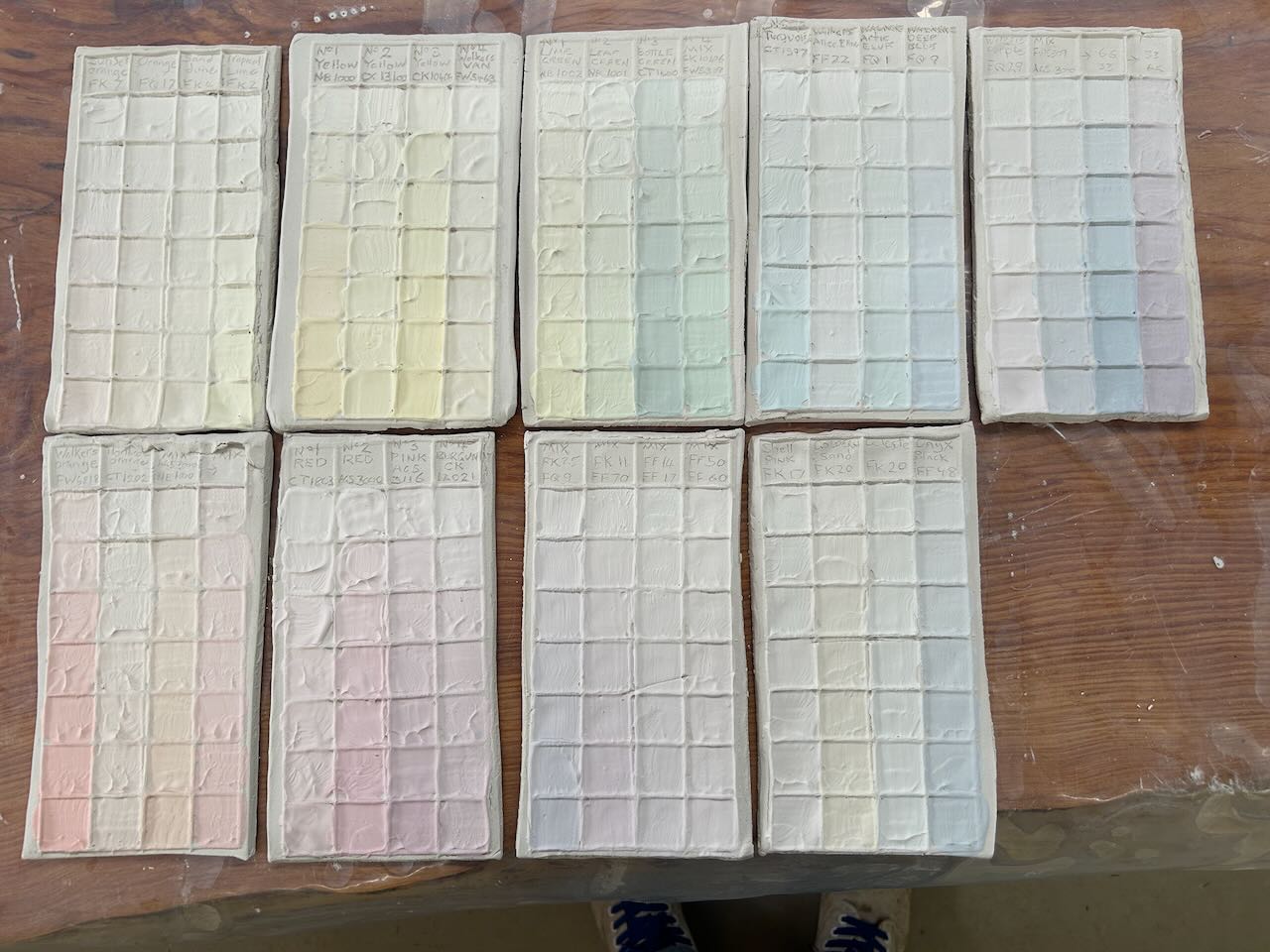
When I was doing my PhD, I did every test in triplicate, so that I could fine them in oxidation, then reduction and also in the wood fired kiln. As each kiln gives its own variation to the test. Having done that very thorough exploration, I’m over it and these days I only make the one series of tests, and fire them in the kiln that I think will deliver what I’m looking for.
It fills 10 pages of my glaze note book this time around. I have to keep detailed records of what I do and why I’m thinking that it might be a good idea. Sometimes, it takes so long to get the firings done at the temperature that I’m imaging will be best and in the atmosphere that I want, and in the kiln that will give me those ideal conditions, so that If I don’t write everything down in detail, then I can forget what I was thinking and why I went to all the trouble. Hopefully, it will help me to understand both the results and more about myself in a few weeks time, when they are all fired, and I can decode the results!
Each tiles takes about one hour to complete. After two days of this, I’m pleased to do the last one – for the time being
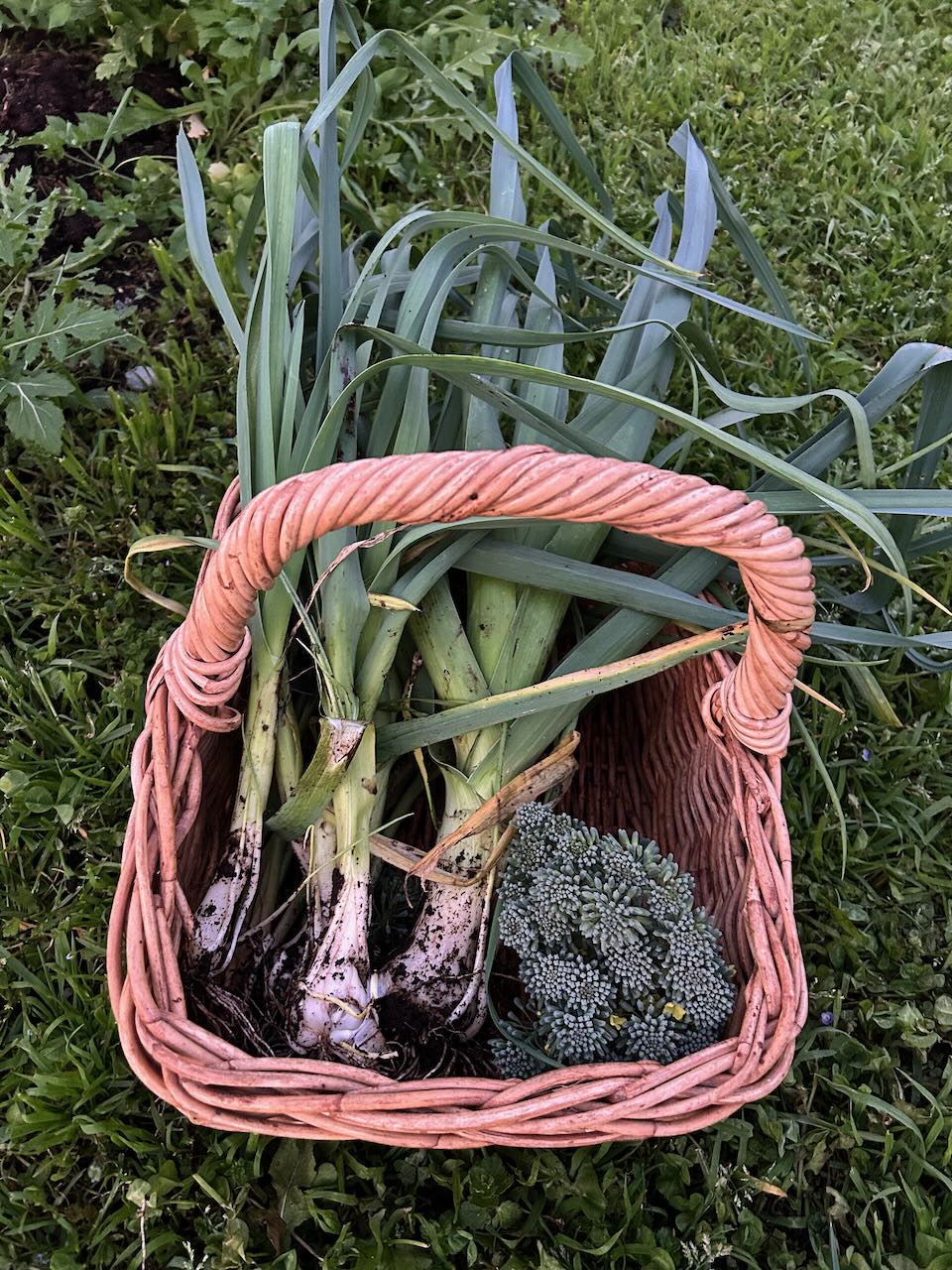
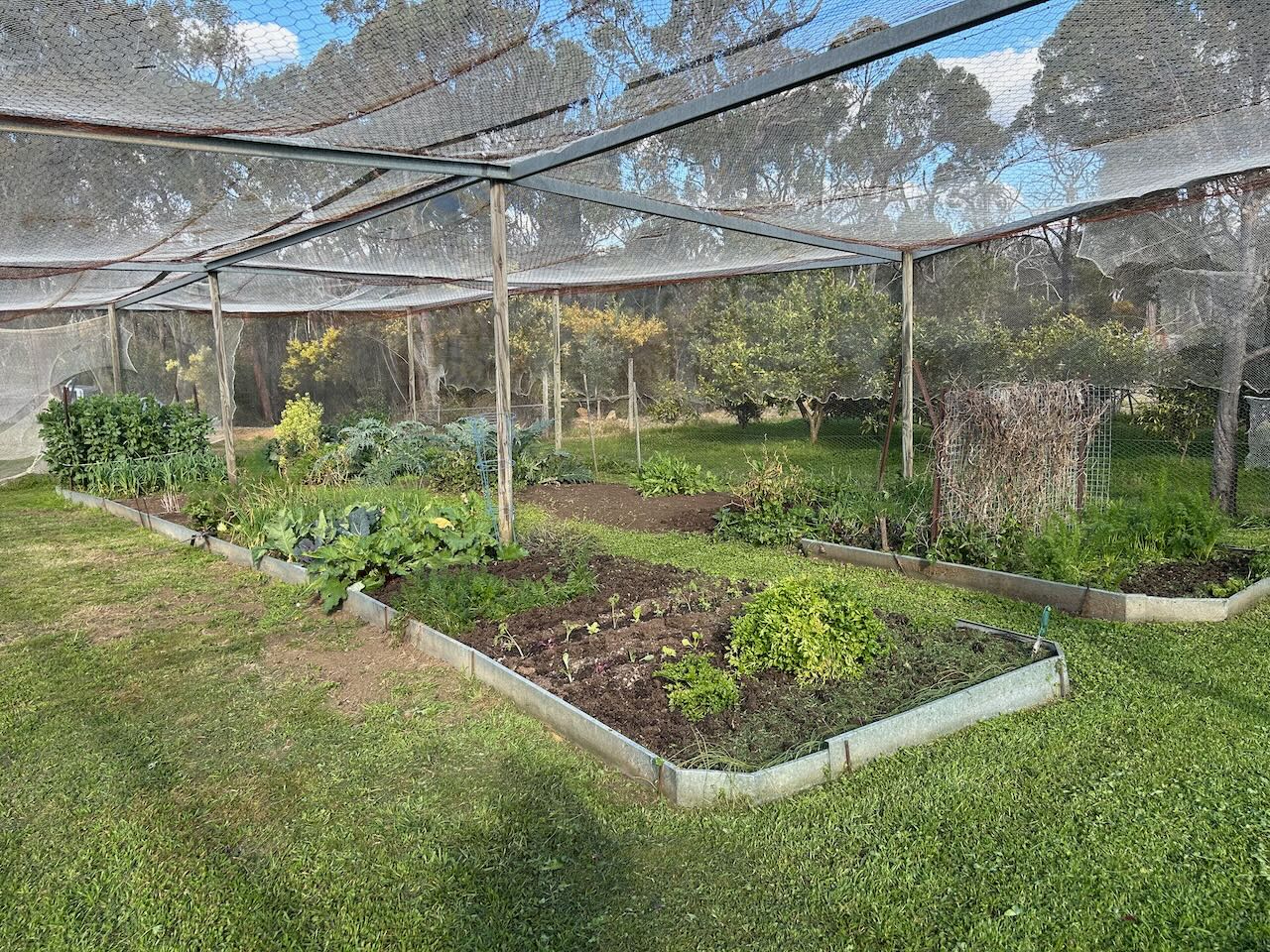
When there comes a break in the rain, I get out and pick vegetables for dinner. This time is leaks, broccoli, Brussel sprouts and carrots. I’m planning baked veggies with a mustard infused béchamel source for dinner. I make a quick and warming lunch of pasta. I tried to steal the spaghetti from the supermarket, but the female security guard saw me and I couldn’t get pasta!
🙂
We decided to try is years cider with dinner. We made this batch of cider back on the 11th of February and bottled it on the 11th of April. So now it has had 4 months to settle down. It will be good to see how it has turned out.
See my blog post; ‘Autumns rewards, Posted on 11/04/2025’
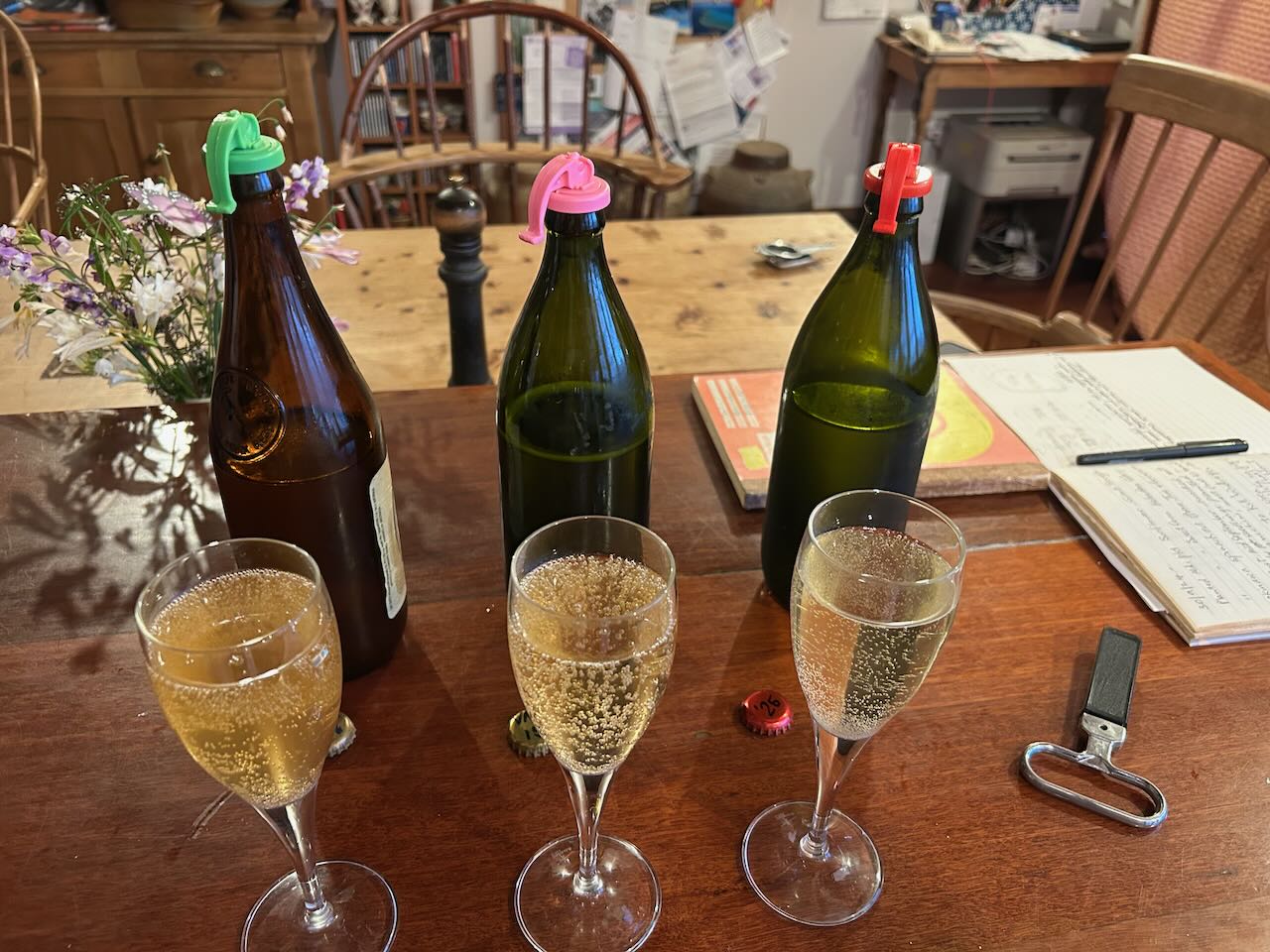
Janine thought that we should do a vertical tasting of the last 3 vintages. What a good idea!
As we still have a few bottles of the 2012 vintage. This was the last vintage from the aged 40 year old apple trees in the previous orchard. From 2012 onwards there was a severe drought, so intense that we didn’t get to harvest any apples from 2012 through until the fire in 2019. So no cider was made. In 2015, our friend Val had a good crop of apples on her trees in ‘Lagan’, 2 hours drive, south of here, so she drove up a couple of washing baskets full of her apples. We were able to make a small batch of cider from those apples. We re-planted a new orchard in 2020 with different varieties of apples.
We opened 3 bottles to see and compare the difference. The older 2012 vintage was still very lively with good spritz, but a darker colour from its age, more akin to a beer in colour. It has a medium nose of sultry notes and a good firm cider flavour, just as we are used to. Completely dry on the finish. The 2015 from Val’s apples is medium in colour and flavour, and similar to above.
The 2025 is very pale with floral notes, a delicate palette and a dry finish, however, not very effervescent, because, as it is the first vintage from all the new apple trees in the new orchard, all planted since the fire, and this being the first year that we had a decent crop. I made the decision to cut the amount of sugar added at bottling, to ensure that there wasn’t too much pressure in the bottles. I don’t want to experience any exploding bottles.
We make a completely ’natural’ cider here from our organic orchard apples. Nothing added at all except yeast. I have always used Moet and Chandon champagne yeast, as it has alway worked well for us. Back in the 70’s, you couldn’t buy cider yeast here in Australia, so i chose champagne yeast, as it is closest to what we wanted to make – a sparkling cider. These days I can buy any number of cider yeasts form the brewers supplies shop, but I stick with what works.
I always leave the cider in the fermenter for 2 months to make sure that it has completely fermented out all the available sugars and is ‘dry’. Over the past 4 decades, I learnt to add one spoonful of white sugar to each bottle at bottling. This is the standard champagne bottling technique. This is to allow it to re-ferment, just enough to make a sparkling cider. Because these are all new trees and therefore an unknown fruit. I played it safe, and only added half a spoonful of sugar at this first bottling. So this batch has only a gentle spritz, but this is better than too much.
After this test run, next year I’ll be brave enough to add the full amount of sugar.
I’ve never been brave enough to go with the wild ferment of naturally present yeasts that are on the skins of the fruit. When we had a small vineyard of 100 cabernet and 30 shiraz vines. I tried making one vintage of a macerated, whole bunch ferment. The wild yeast that was dominant on the skins at that time was very vigorous and resulted in a rather unpleasant distasteful wine. I didn’t like it at all and threw the whole lot out. So I lost a whole vintage. it’s nothing to do with money. It’s all about the investment of time and effort, and the expectation that there will be something interesting and delicious at the end, even if the amount is very small. For instance, we only make 30 to 36 bottle of cider each year, just enough to fill one fermenter. It’s enough.
Nothing is perfect, nothing is ever finished and nothing lasts. Good cider doesn’t.



















 Tonight my Fingers Smell of Garlic
You must be logged in to post a comment.