First Weekend Workshop on Sgraffito

We have just completed our first ‘Make and Scratch’ sgraffito weekend workshop.

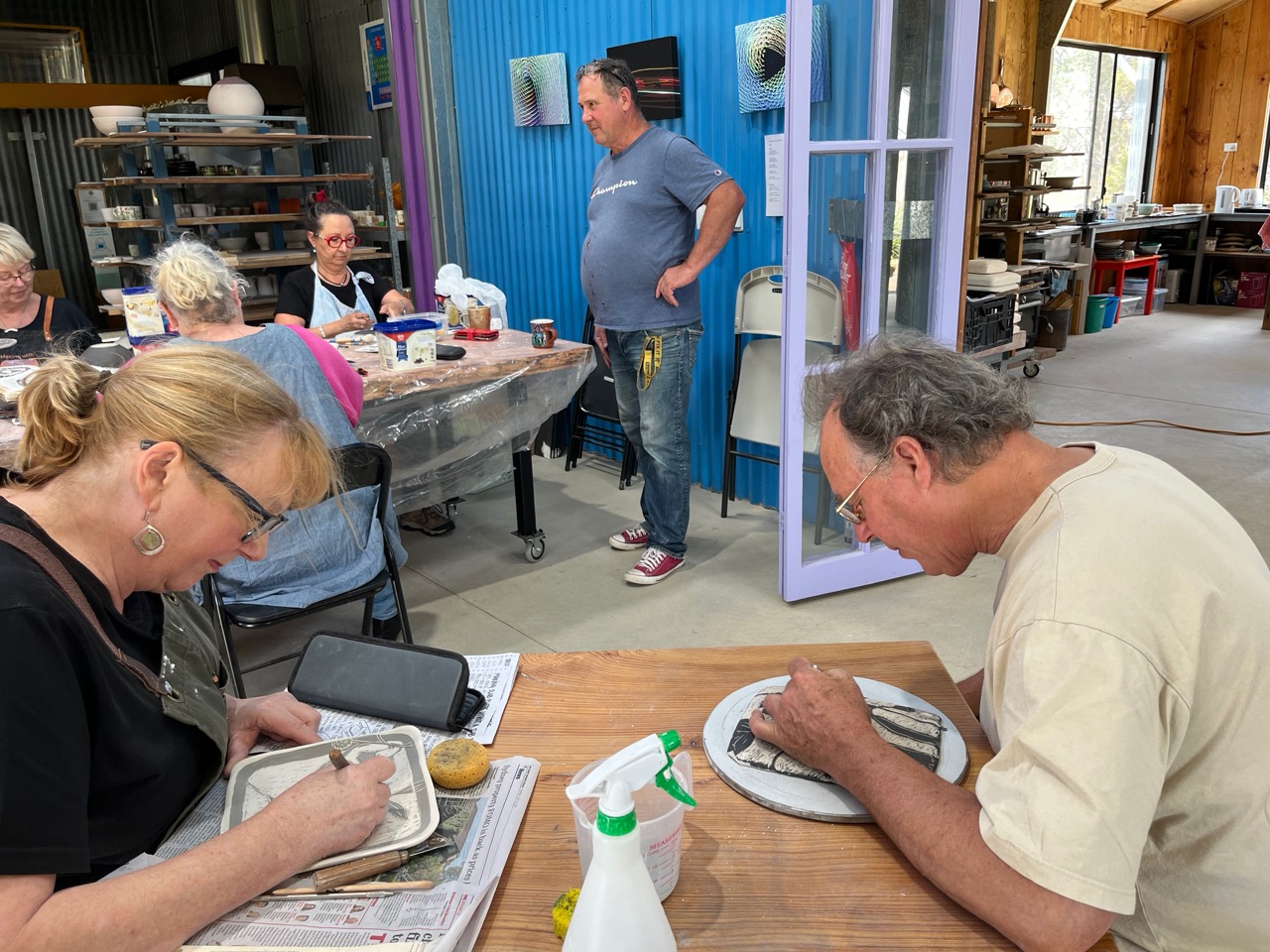
We had 8 lovely creative potters here being tutored in the dark arts of scratching into black slip over white stoneware. The studio was all prepped and ready.

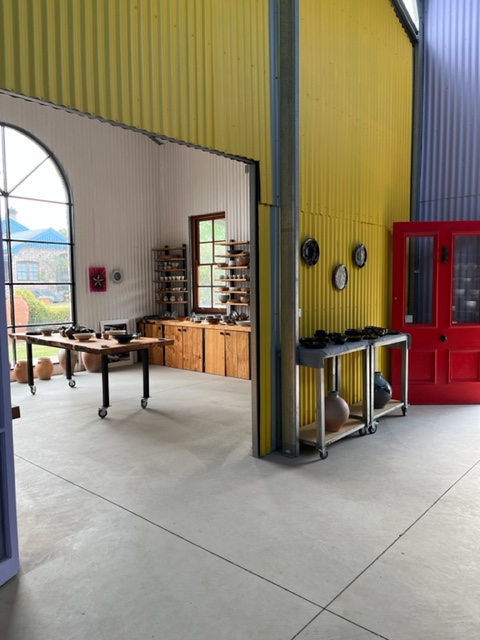
Although it turned out to be cool and rainy on the first day. The studio proved to be a bright, airy, well lit and comfortable place to work for the 8 students and 4 teachers.

As this was our first ‘commercial’ weekend workshop. we were experimenting with the layout and the format. 

It turned out that there was plenty of space for the dozen of us to move about freely.

We converted the gallery room into our dining room and opened the french doors between the throwing room and the hand building room to get good a good flow of people between the two rooms.

It think that it worked out quite well and everyone seemed very happy with the out come.

Warren Hogden demonstrated his slab making technique and press-moulding a slab dish. He brought along a dozen plaster moulds for everyone to use, to make a 250mm sq. dish to work on the next day, after they had stiffened.

The first days project after the demonstrations of technique, was a 6 inch square tile.  I had prepared a dozen of these in advance, dried, stiffened and coated in black slip, then stored in the damp cupboard in perfect condition, ready for everyone to try out their design ideas, with no feeling that it was precious, as I had made plenty of spares.
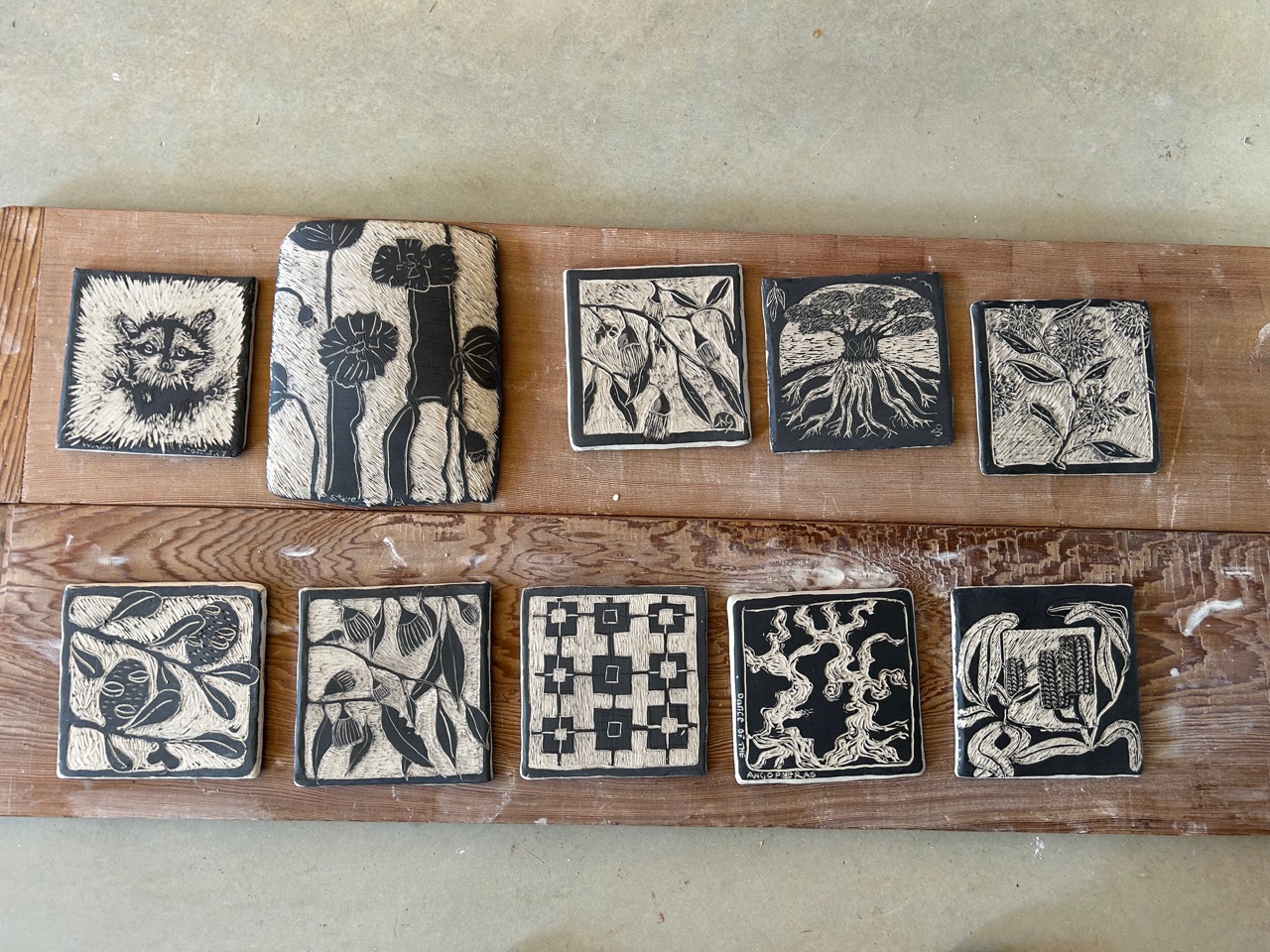
 photos by Janine King

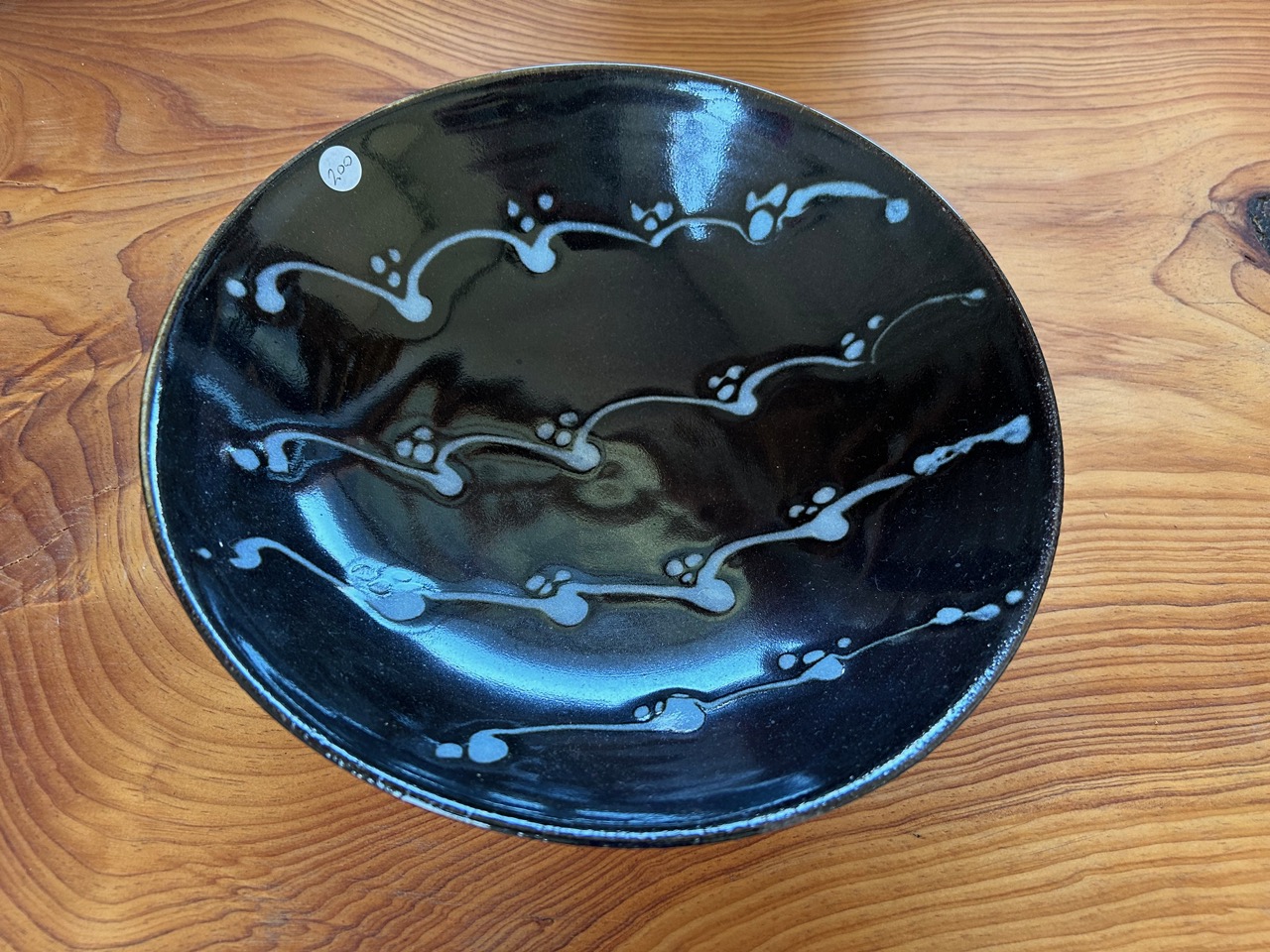
After lunch, Janine demonstrated her techniques of slip work and sgraffito on thrown dishes and plates, including the use of the slip trailer for adding fine detail.

The 2nd days projects were either a thrown piece or a slab dishes, or both. After dinner Warren and I returned to the studio to fettle and slip the students slab dishes, as they were a little bit slow to dry because of the damp weather. We wanted them to be in the best possible condition for the next days work, so that everyone could be as productive as possible.

Day two turned out balmy, with a warm breeze, and everyone arrived early and got stuck into their decorating, to get the most out of their day.

With lots of sun and a warm breeze, I got all the thrown wares outside into the sun and they were stiffened and leather hard by morning tea time.
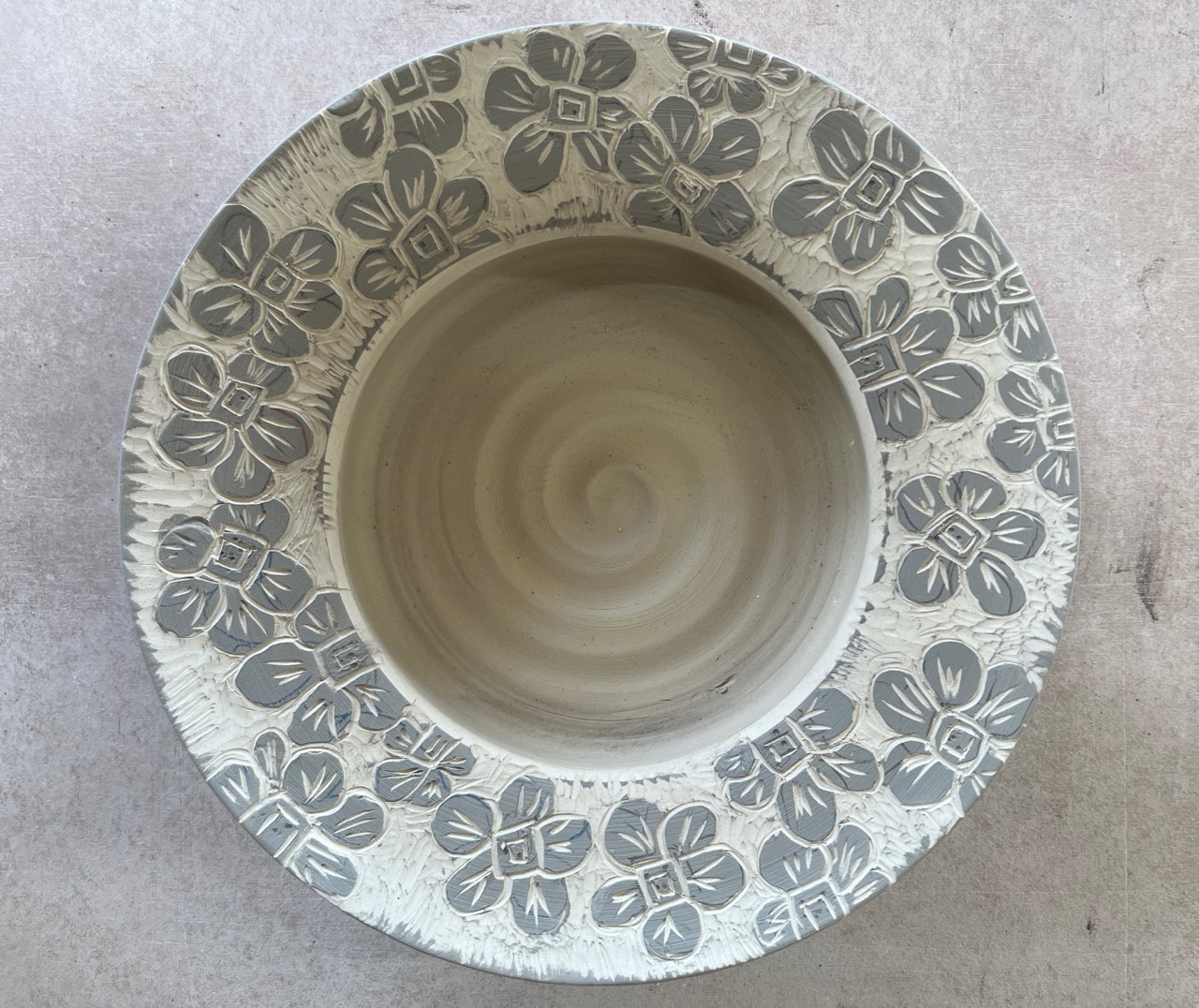
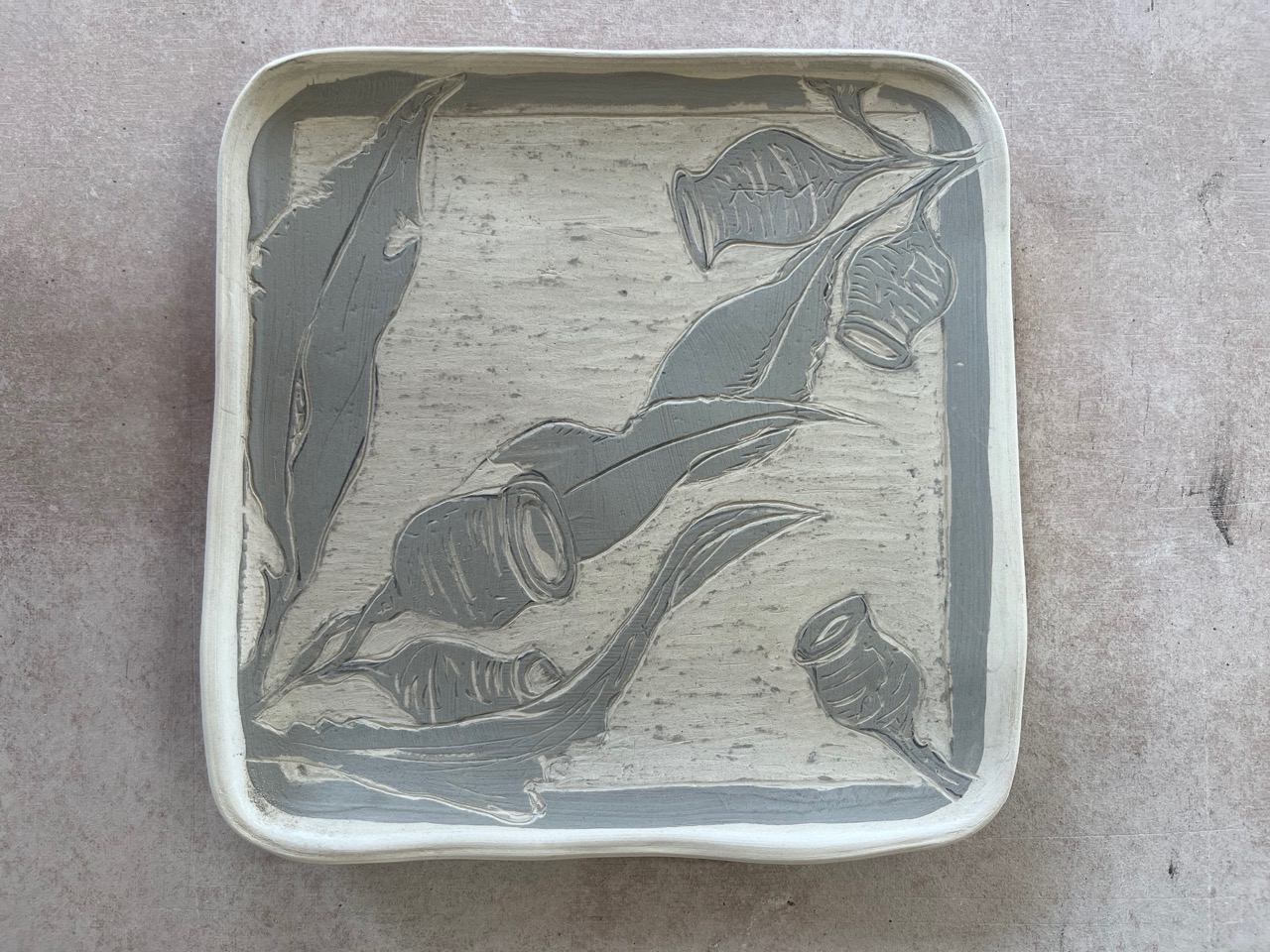
 Photos by Janine King

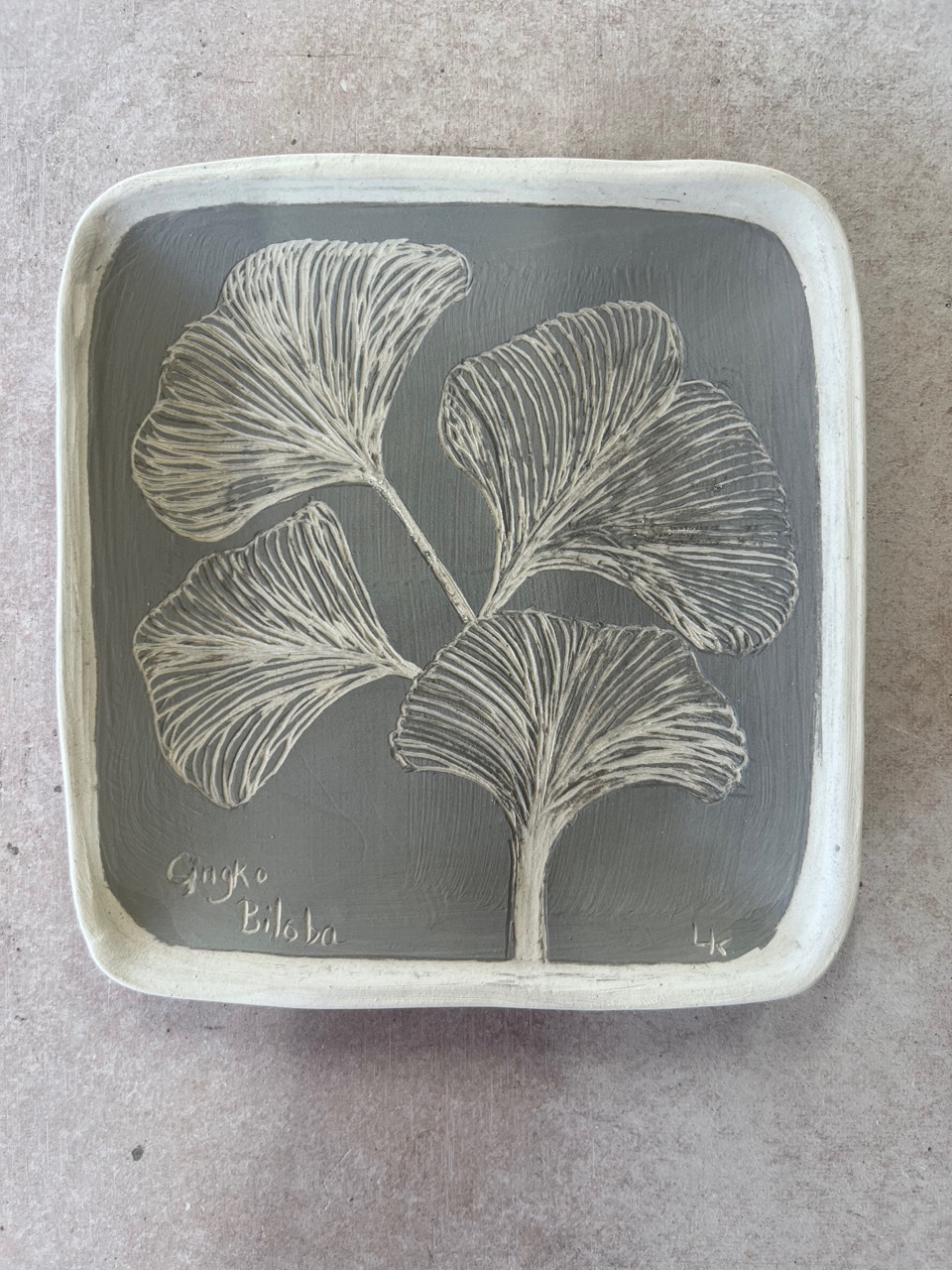
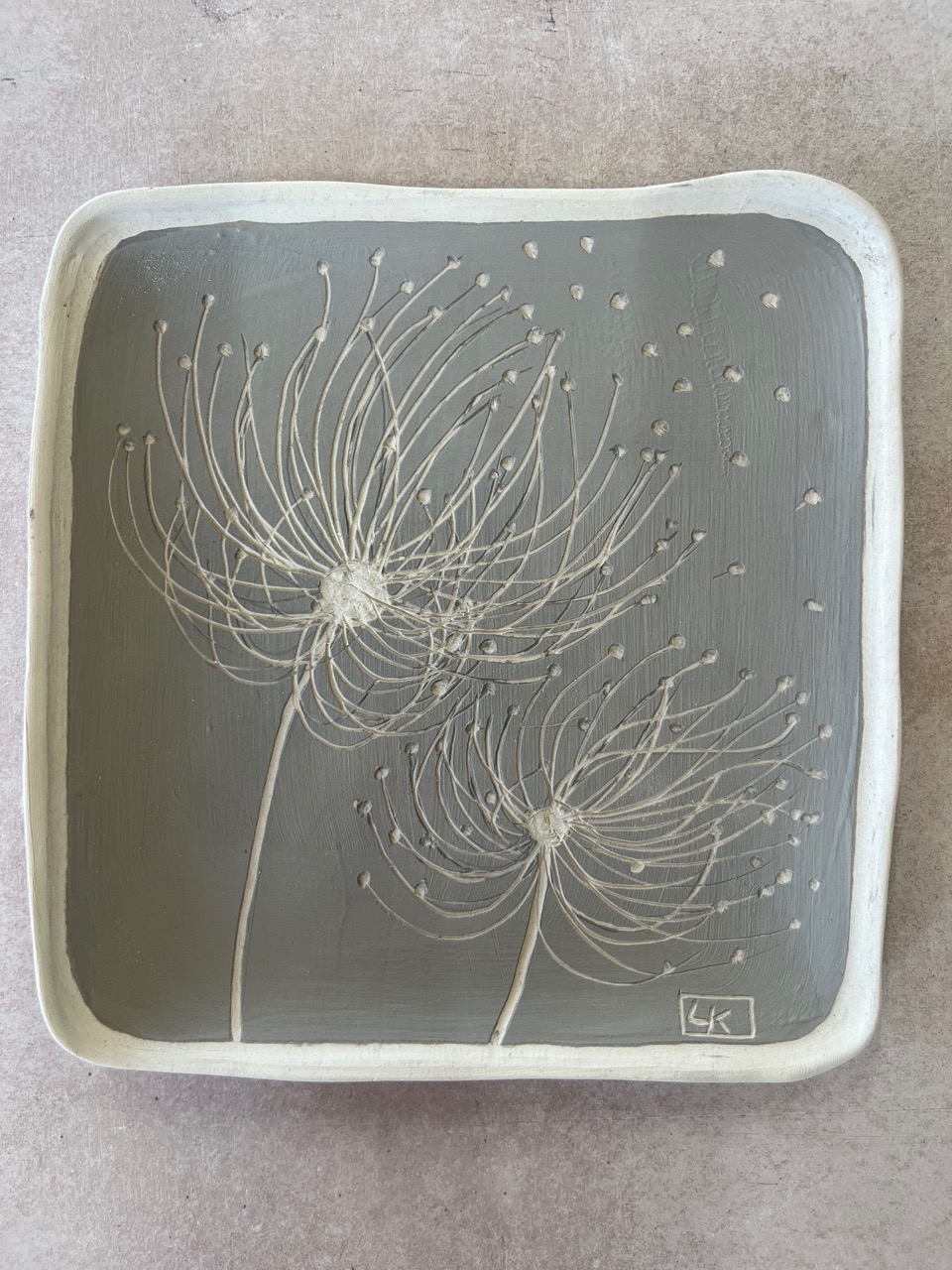
We enjoyed a sumptuous lunch each day, where everybody brought something to share. At the end of the workshop, everybody had several plate, tiles, dishes, or thrown items decorated with amazing graphic designs, showing lively line work and textured details.

 Photo by Len Smith

Everyone seemed to enjoy themselves and were all very productive.

Everything is relative

We are having a short break from the pottery studio for a week to work around the garden, before the next few weeks of weekend workshops. It’s the last week of spring and we are only now getting the time and energy to plant out the summer garden. It will be a smaller garden this summer, as we are forecast to be heading into a long dry ‘el nino’ period. The previous one lasted some years and culminated in a severe drought with bush fires.

We spent the last summer of el nino drought watering our vegetables and garden plants from our rain water tanks, as all the dams had dried up. Luckily for us, we had invested in two huge storage tanks 20 years ago, when I was working and had the money to invest in our future water security. People mocked us, but we have never had to buy water in our life. We are attempting to be self reliant in as much as we can. Rain water and solar electricity are at the top of the list.

Last drought, we emptied one of the very large 125,000 litre water tanks and were half way through the other when the rains returned. Luckily, we didn’t have to buy water. Some people that we used to know years ago, had planted out an extravagant and sophisticated English garden told us that they were spending $300 per week back then, buying water to keep their garden alive and thriving. Three large truck loads of water were delivered and pumped into their tanks each weekend. It was the wrong kind of garden for this area, at this time. They also got a 100 metre deep bore drilled to get access to some underground water, but it dried up, and had to be evacuated, all the pumps and piping had to be hauled out with a crane and hole re-drilled down another 20 metres, to find a more permanent source of water, which then turned out to be iron bearing and needed to be oxidised and treated before it could be used on plants.

We learnt from this and decided to live a more simple and frugal existence, more in keeping with the natural environment. Every part of modern life does damage to the environment. Our aim is to keep that damage to a minimum where we can.

We have been enjoying the very early fruits from the garden as our breakfast fruit salad, Cherries, blue berries and strawberries. They are all growing under cover in the vegetable garden enclosure, safe from birds, so we get them all. Except for what the snails eat.

We had a good crop of mulberries this year and I was able to get my share despite the birds taking everything that they could. It’s the first fruit to come on out there in the orchard, so the birds are very hungry after the winter. They are also looking to feed their new babies hatching out in the spring time. This year we shared the crop. I was able to make 3 mulberry pies over the couple of weeks while the crop lasted. Being a huge tree, we have no way of netting it, so we share. The youngberries come on next and because they are a bunch of canes , and not too high we can net them to get most of the fruit. The birds are resourceful and learn how to land on the netting, pushing it down and then pecking the fruit through the net.

We also netted the apricot tree, as it has a reasonable crop of fruit coming on. Who knows how the rains will turn out? If there is no natural water from the sky, the dams won’t be enough. We have netted it just in case anyway. You never know what might happen. What we do know is, no net = no fruit. So we net.

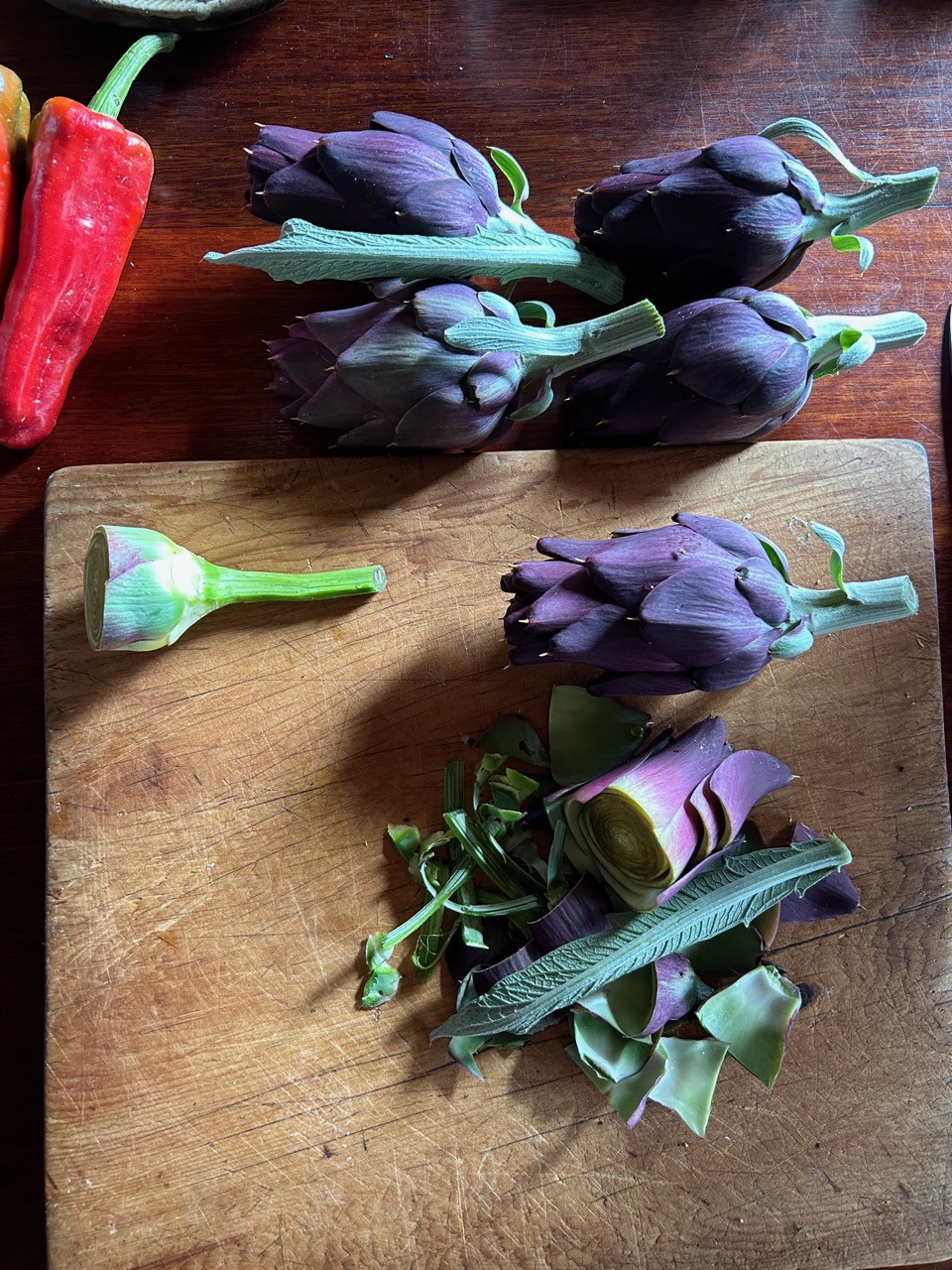
We have finished the last of the globe artichokes. The purple variety are the last to mature. They are a lovely seasonal treat. This year we have been having them on pasta for a slow lunch.

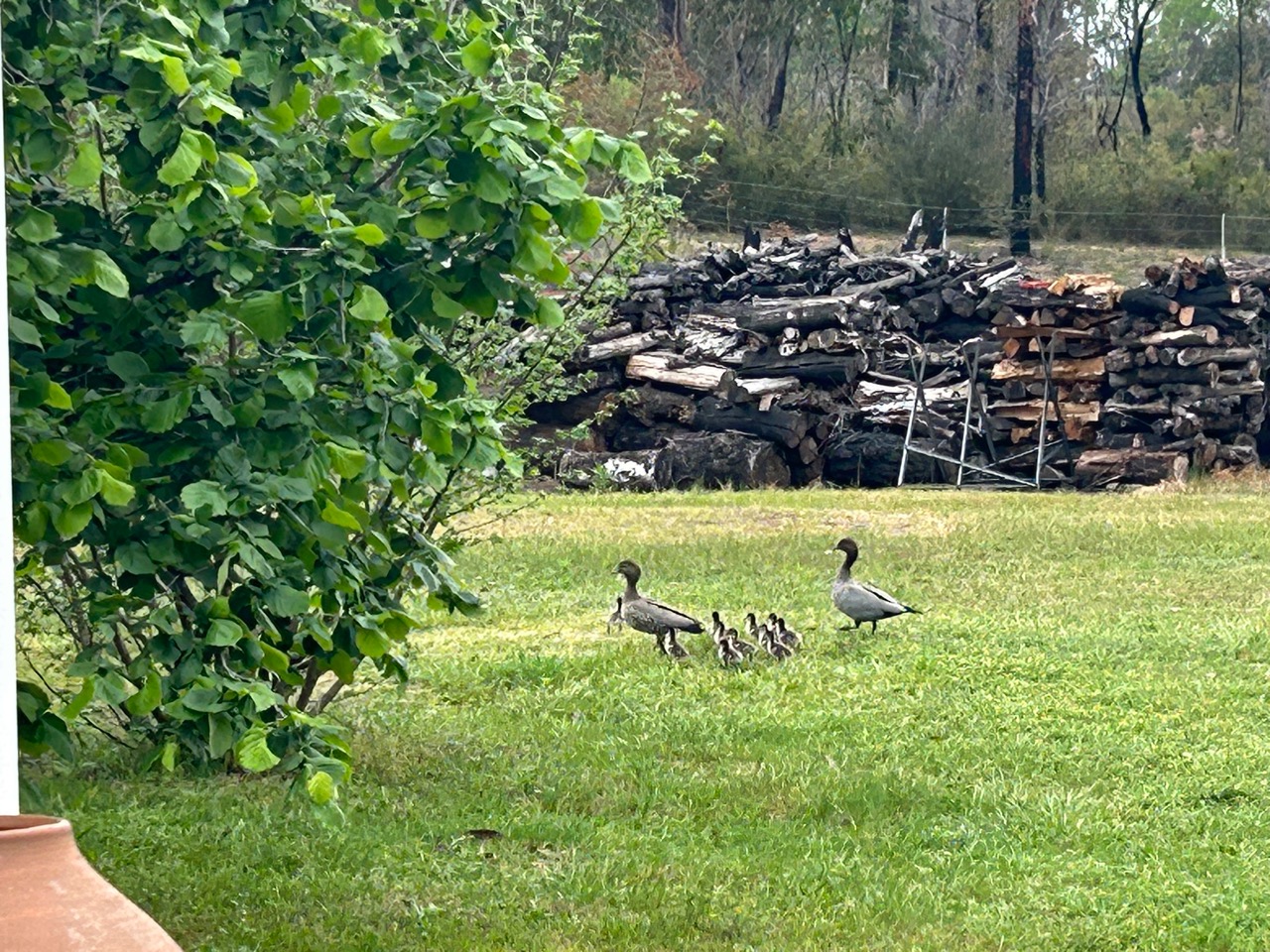
Spring also brings a return of the wood ducks. This season so far, we have had 3 hatchings. They start of with a dozen littlies and day by day the number decline. I assume that they are taken by bigger birds, although I haven’t seem one taken. They are very timid and wary by nature, so we keep out of their way while they have young. Choosing to walk the long way around if we encounter them in the garden or orchards. I think that they are probably lucky to get 2 or 3 to maturity by the end of spring. We have learnt from experience that if you don’t make eye contact, they are less likely to run or fly away. They will stay and keep a very close eye on you but not move. As soon as you turn your head to look at them, then they take off.

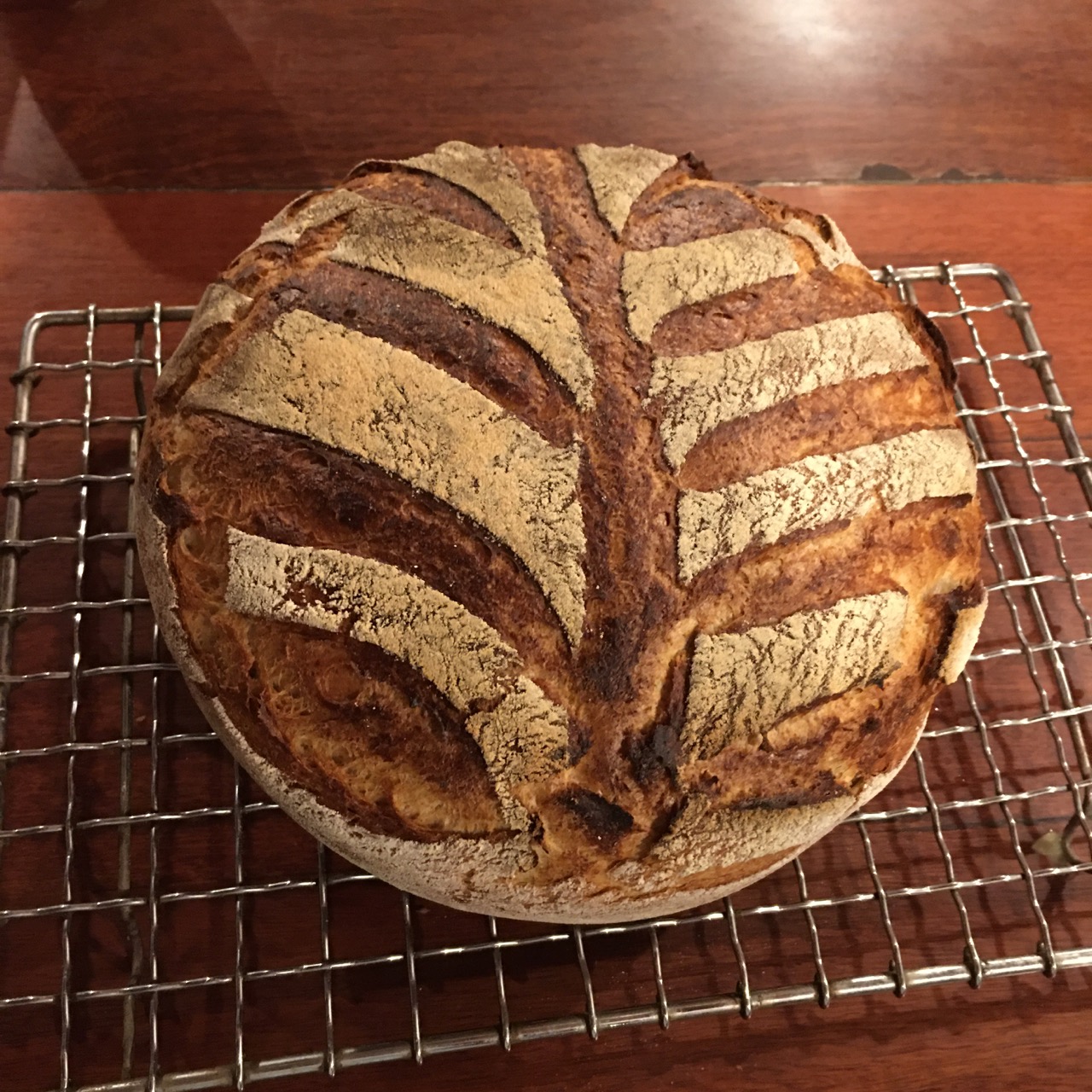
I’m still baking my bread each week. It’s a 50/50 blend of wholemeal and rye. It works out well for me, the way that I have developed it. To save time and make it an easy proposition, I sort of cheat. Sort of! But not really. I use a bread making machine to mix the dough on the ‘dough-only’ setting. It takes 1 1/2 hours to mix, prove, knock down and rise the dough. Then it switches off. I turn up and knock it down one last time and pop it in a cast iron, ‘Dutch-oven’ baking pan and bake it in the oven for 20 mins at 240oC with the lid on, then another 20 mins with the lid off. It works for me.  I can be outside working while the dough is being nurtured and pampered in the machine. We are on to our 3rd bread machine. They last about 10 to 12 years before they burn out, or wear out the bearing. At one loaf a week for 10 years, that’s a 500 loaf life span.
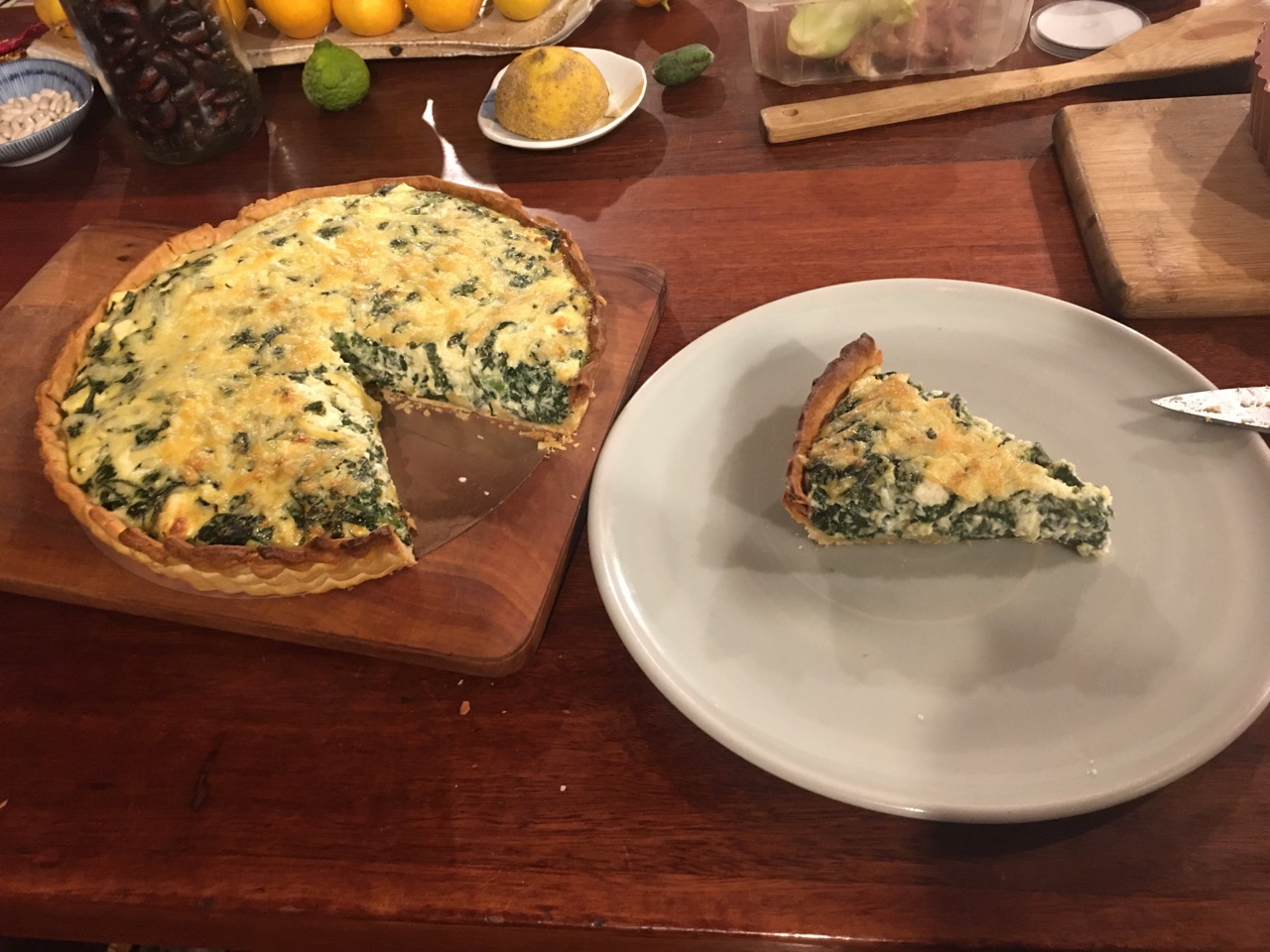
We picked the last of the spinach. Just tiny leaves from the spinach trees, as they bolt skywards heading to seed. I made the last spinach pie for a while. I will need to plant some more. I should have them in the ground by now, but life was too busy to do it all. I have just put in the seed this weekend.

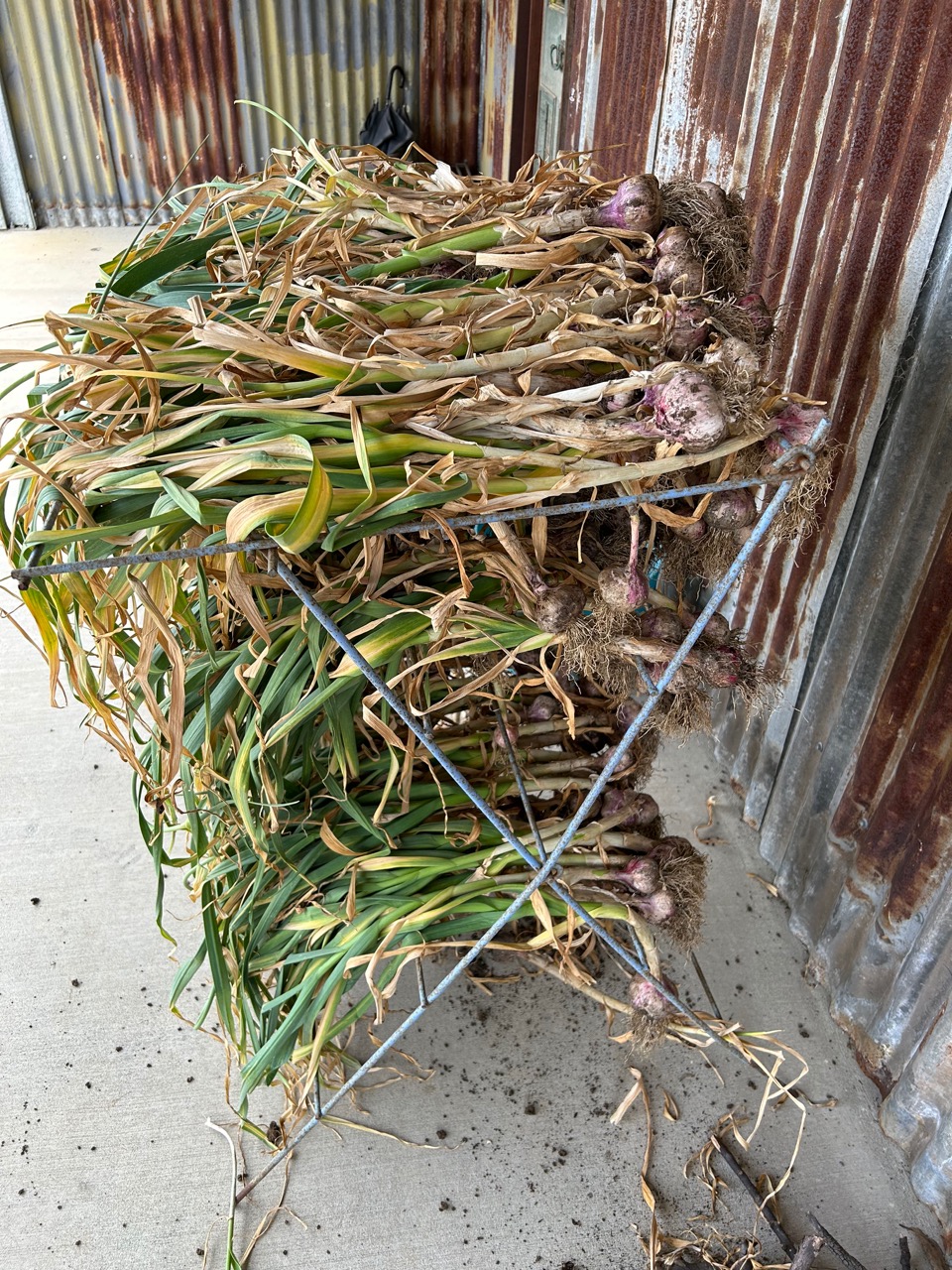
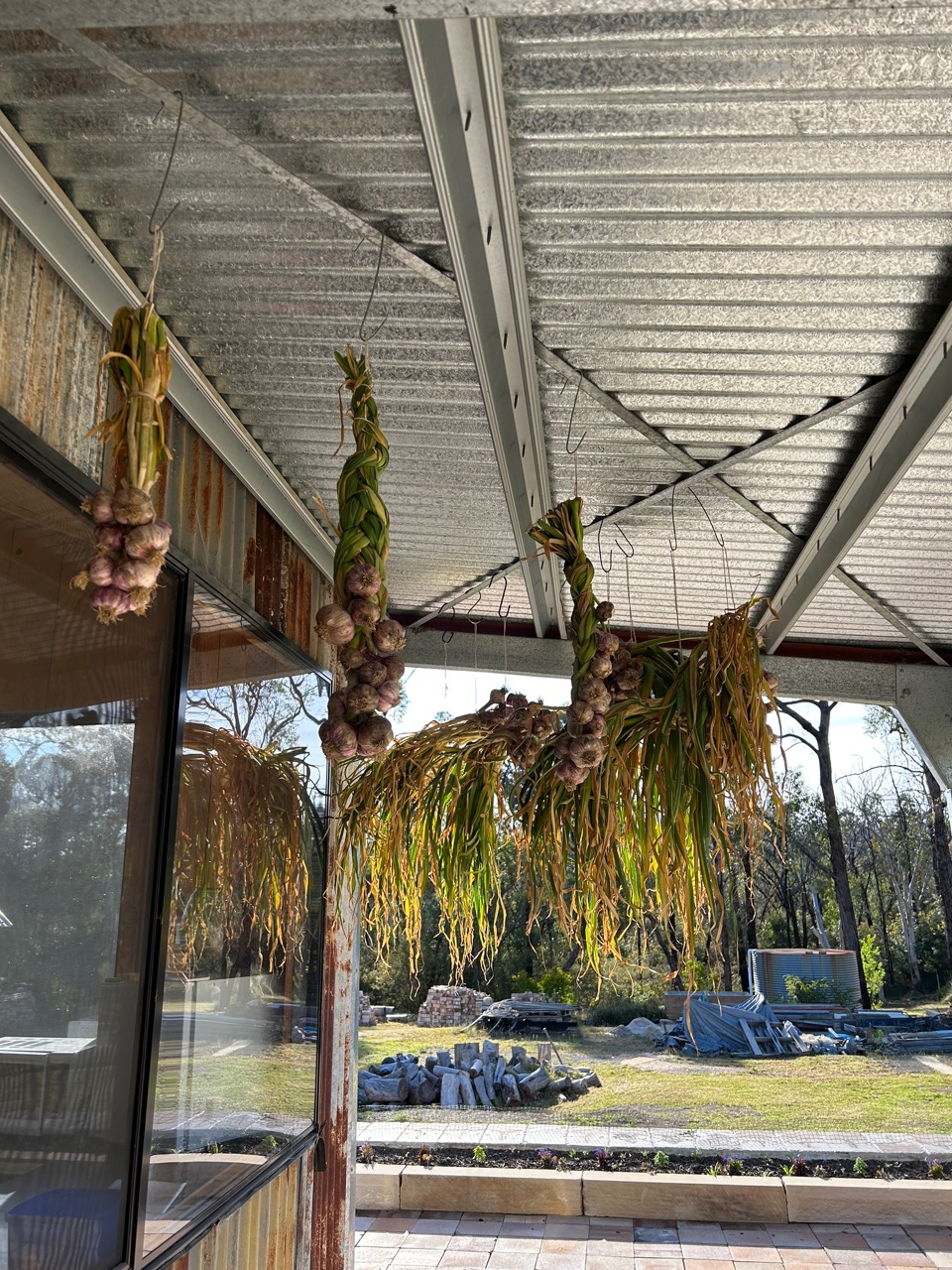
Janine has found the time to plait this years small garlic crop, just half a dozen plaits and a big bowl full of tiny knobs that are too much trouble to plait. Those small garlic knobs sit in their bowl on the kitchen work bench are used first. The biggest and best are kept for replanting in March. Its a very small crop and wont last us through the year. But can’t complain, at least we have some.

I catch myself thinking that things could be better. More or better sized garlic, more regular rain. But things are really pretty perfect for us. I have to remind myself that I’m not in Palestine or Ukraine being bombed. Be happy with what you have.

1st Jingdezhen Porcelain Workshop now full

Our first Jingdezhen White Porcelain Weekend Workshop filled up over night, in just a few hours!

We will offer a 2nd workshop on the following weekend of the 20th/21st of April, so if you are interested in learning the techniques of hard paste sericite porcelain, this is your chance. Sorry, This 2nd workshop is also now full!

I only have enough 8 year old aged sericite porcelain to run this course twice. Then that’s it.

This is special white porcelain was imported from China. It is made from 100% Sericite porcelain stone. We will spend the weekend practicing the special techniques of throwing and turning this unique hard paste Chinese porcelain. Intermediate to advanced level. This special batch of white Jingdezhen sericite porcelain has been ageing in my clay store for 8 years and is in superb condition. It is several levels above anything that might be bought currently. Aged porcelain just isn’t available on the market. This is a unique opportunity for the right person. 2 days, 10 till 4pm, $250 + $100 material fee. 8 places only. You get 15 kgs of this special porcelain body to use and take home any unused excess.

This image taken of my bowl by Lauge Brixvold

Two throwing workshops announced for early 2024

We will be offering 2 throwing workshops in March and April 2024.

On the 2nd weekend in March, the 9th/10th of March, we will be offering a beginners/intermediate throwing on the potters wheel Weekend Workshop. For the beginner, or lapsed potter who wants to improve their skills.  If you have a keen interest in ceramics, but have not learnt how to throw on the potter wheel yet. This workshop just might be a way forward for you to indulge your hobby, or improve your nascent skills if you are a beginner on the potters wheel. 2 days, 10 till 4pm, $250. 8 wheels, two teachers.

On the 2nd weekend in April, 13th/14th April. We will be offering an advanced throwing workshop We will spend the weekend learning to throw Jingdezhen Porcelain. This is special white porcelain imported from China. It is made from 100% Sericite porcelain stone. We will spend the weekend practicing the special techniques of throwing and turning this unique hard paste Chinese porcelain. Intermediate to advanced level. This special batch of white Jingdezhen sericite porcelain has been ageing in my clay store for 8 years and is in superb condition. It is several levels above anything that might be bought currently. Aged porcelain just isn’t available on the market. This is a unique opportunity for the right person. 2 days, 10 till 4pm,  $250 + $100 material fee. 8 places only. You get 15 kgs of this special porcelain body to use and take home any unused excess.

There will be a Stoneware wood firing workshop to follow on in the winter time. No date set as yet.

Open Studio Sale This Weekend

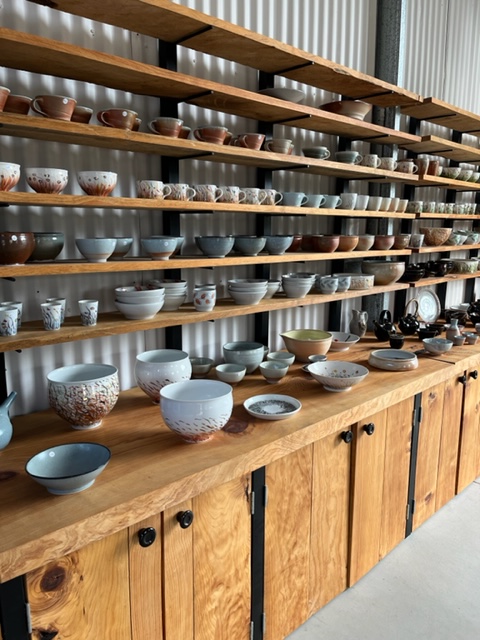
The shelves have been re-stocked. The Pan Forte cake is mixed and is ready to bake. The coffee is freshly ground. 

We are ready for the 2nd Open Studio Sale Weekend starting tomorrow. What could possibly go wrong? Hopefully nothing, as we had 22mm of rain yesterday which has freshened up the garden and topped up the water tanks. 

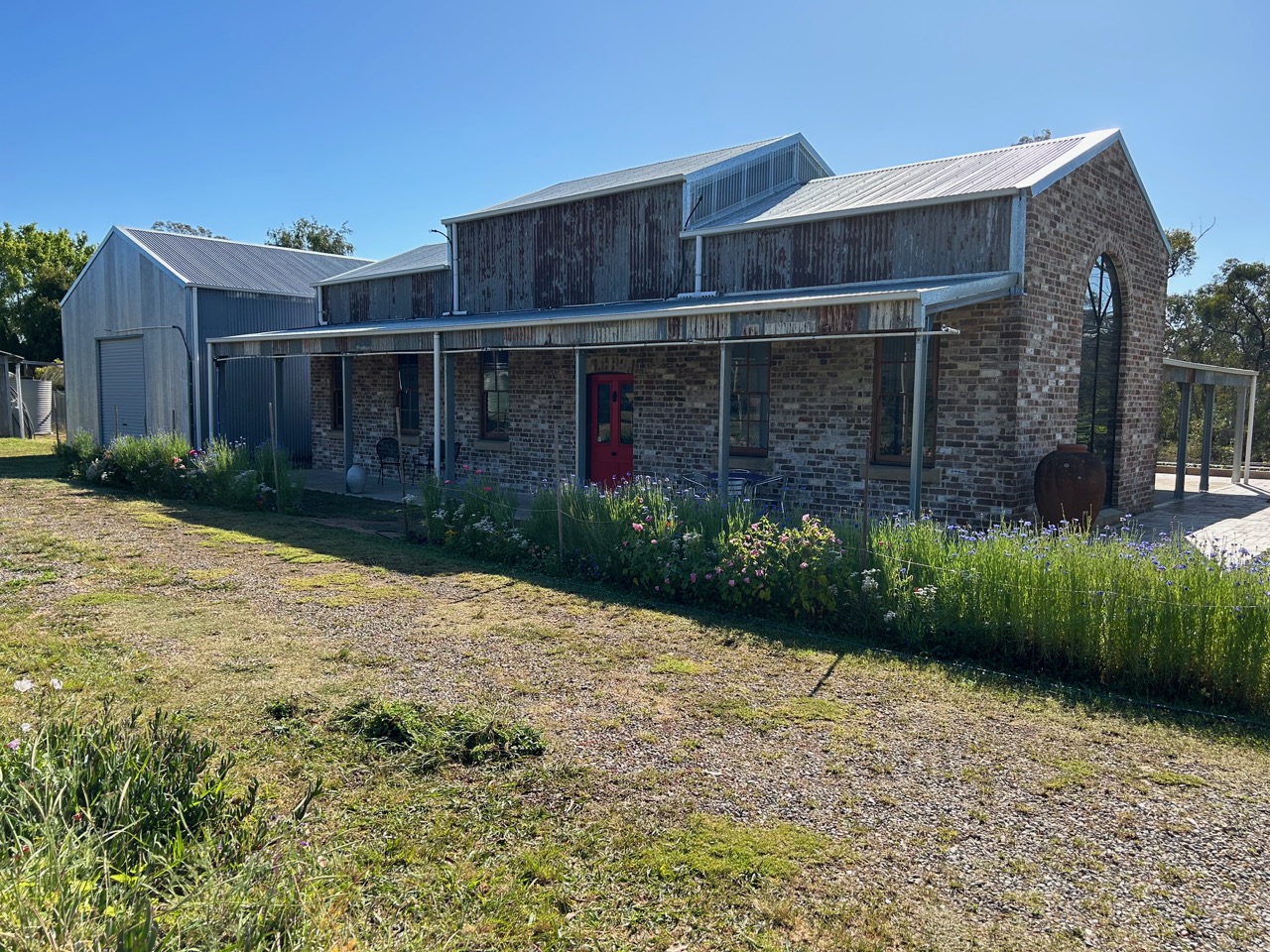
Today started with a heavy mist from yesterdays rain. Regrettably, the rain wasn’t strong enough to flood the gutters and pour down the dirt road and flow into our dam. Most of it soaked in, but that is also very good for the garden and all our fruit trees, some of which had started to drop fruit in the prolonged dry spell. The lawn had turned brown and started to ’crunch’ underfoot it was so dry. However, it is amazing what a little rain will do. What was left of the burnt off grass has turned to a flush of green again over night. One blessing is that as it is only millimetres high, it doesn’t need mowing. There is always a bright side. The welcome rain has watered the english cottage garden flowers along the front of the pottery, so everything is looking bright and perky.

All the shelves are full and the gallery is looking good.

Call in and see us over the weekend if you are in the area. Stop for some cake and coffee if you have time, we’d love to catch up.

The veggie garden has been woefully neglected recently. It still feeds us well from our previous plantings, but because we were away for a lot of August and September. It was pointless planting any seeds in such dry weather, and then not being here to water and nurture them. So we missed out on our spring planting this year. I would normally have started seeds off in mid to late August, and then planted out in late September while keeping an eye on the frosts and possibly using our portable home made closh system of wire and shrink-wrap frames. However, as we have been so busy since our return, I have only just found time to work in the garden again. i found time in-between pumping water uphill to weed out and replant a few beds. 

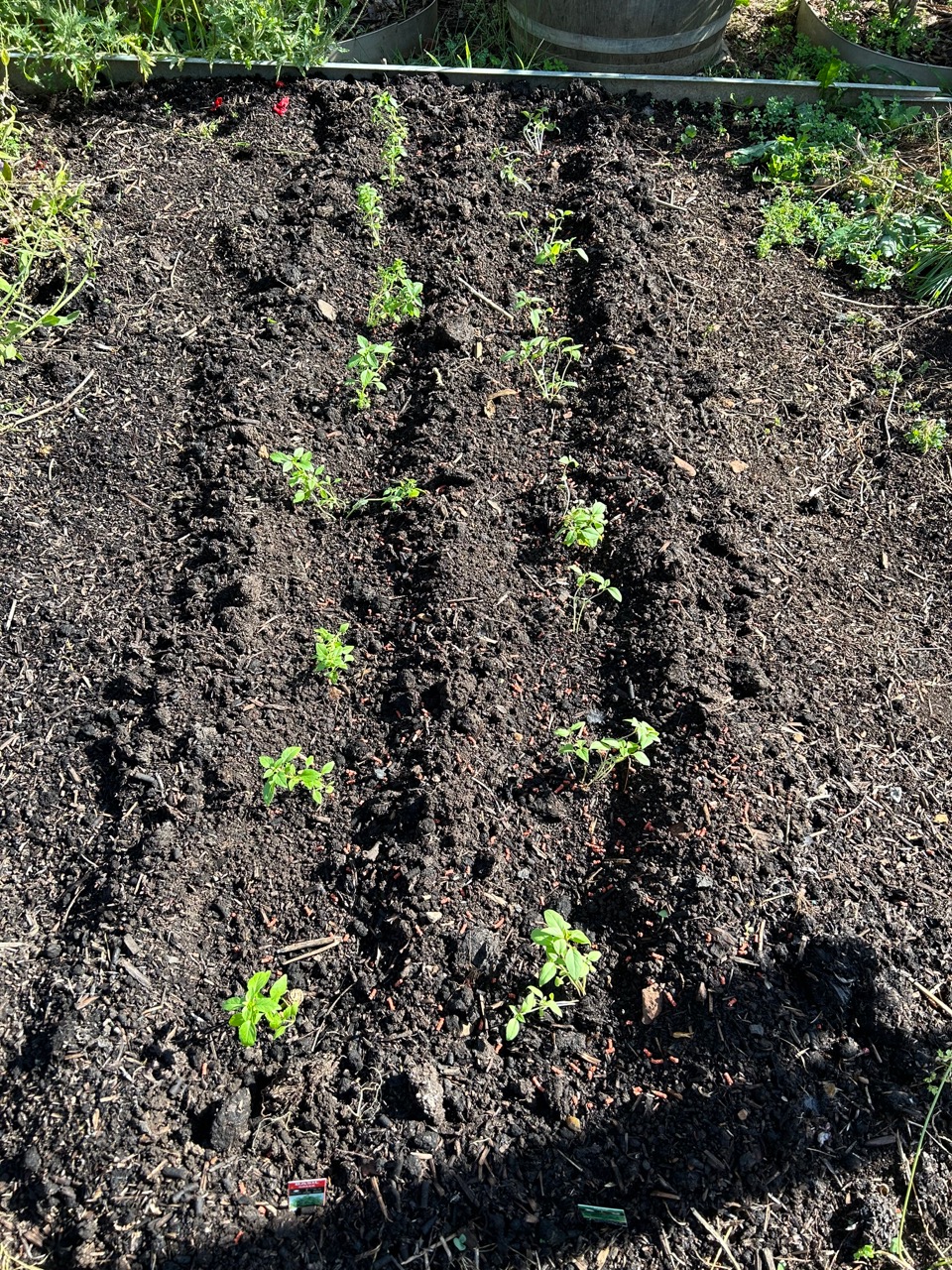
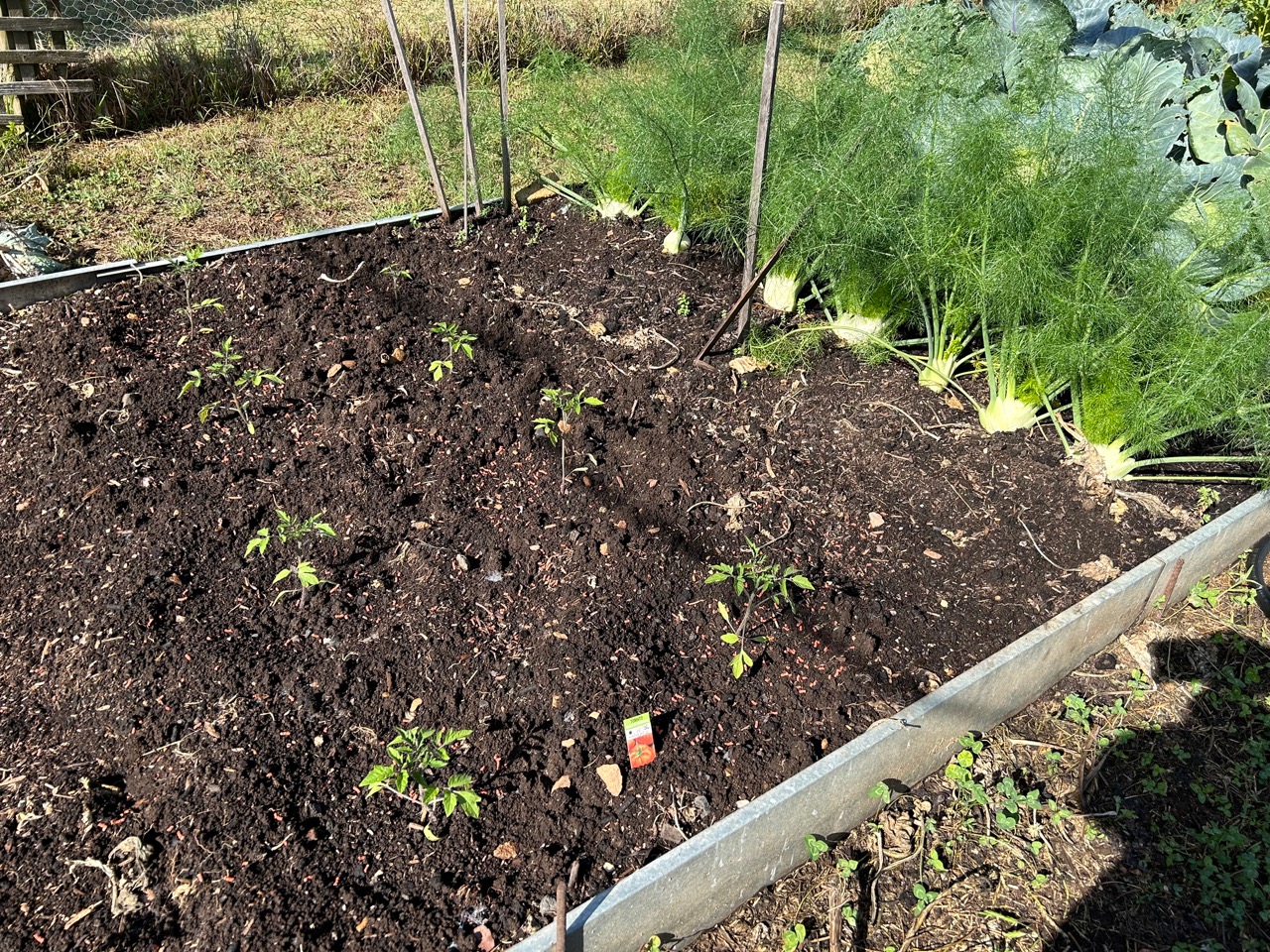
I have had to resort to buying seedlings in punnets this year, so as to get some advanced tomatoes in the ground, along with zucchini, egg plants and lettuce. I also planted out seeds of the same for a follow up planting in December. It will be a smaller vegetable garden this summer. But you can’t do everything.

Buying punnets is a bit of a come-down, but I’m only human and needs as needs must. My own home grown seedlings are on their way.

Nothing is ever finished, nothing is perfect, and nothing lasts. Enjoy the moment.

Bush Fire Water Management

The first Open Studio Weekend is over. One more to go! 

We had a very slow day on the Saturday, as it was raining hard on both sides of us in Picton and Bowral. So visitors were reluctant to leave home, and few and far between. We had just a few brave people venture out. One visitor from Picton had gone to an Open Garden event, but it was so miserable in the pouring rain, that she gave up and decided to come and visit us for some indoor, dry and warm, entertainment.

The Sunday Open Studio was much better, quiet in the morning, but it picked up after lunch and we were almost busy dealing with a steady flow of visitors in the afternoon. We hope for better weather and more visitors next weekend. However, if it is going to rain, I’d prefer it to pour down, flood the gutters and stream down into the dam.

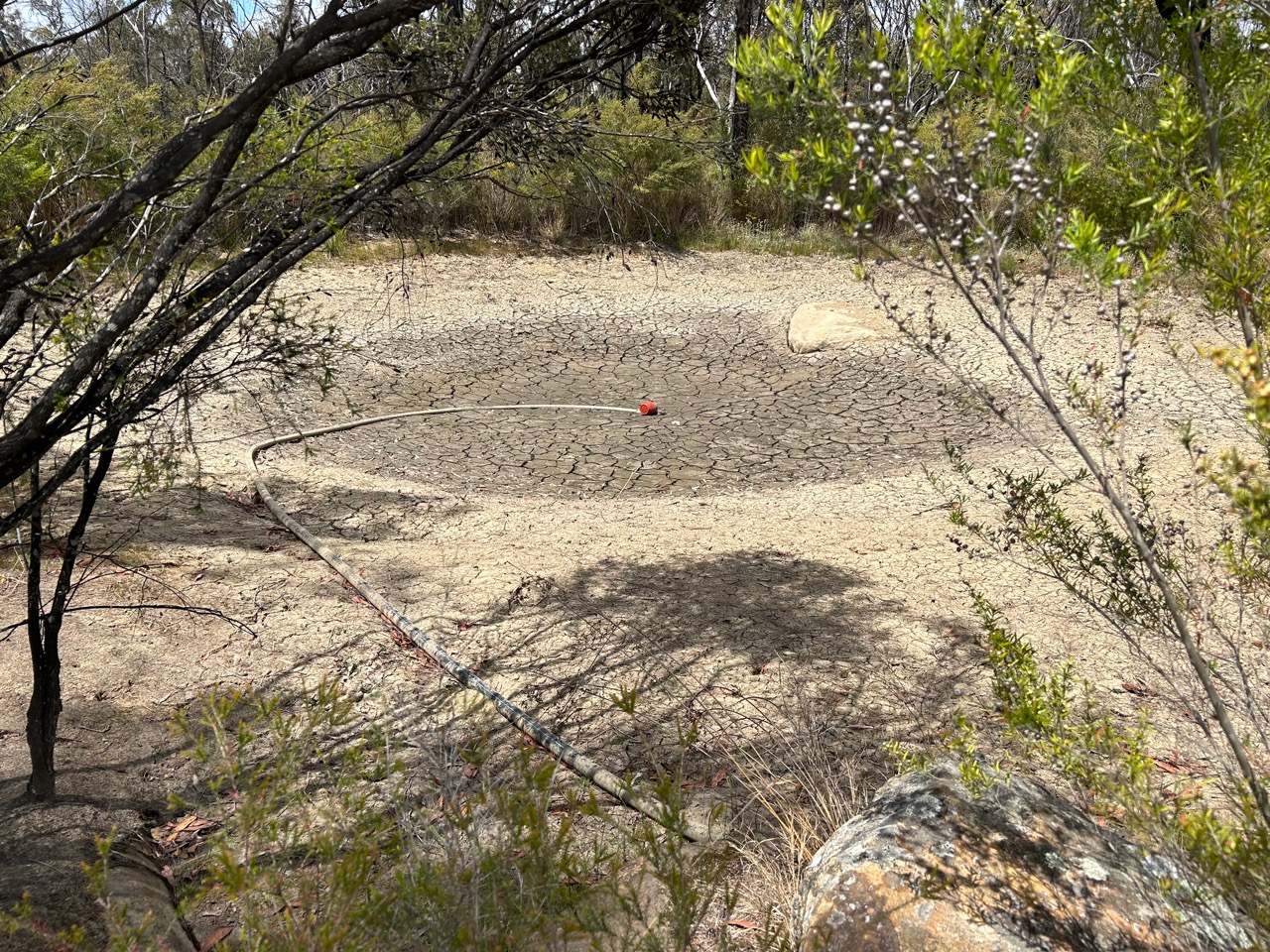
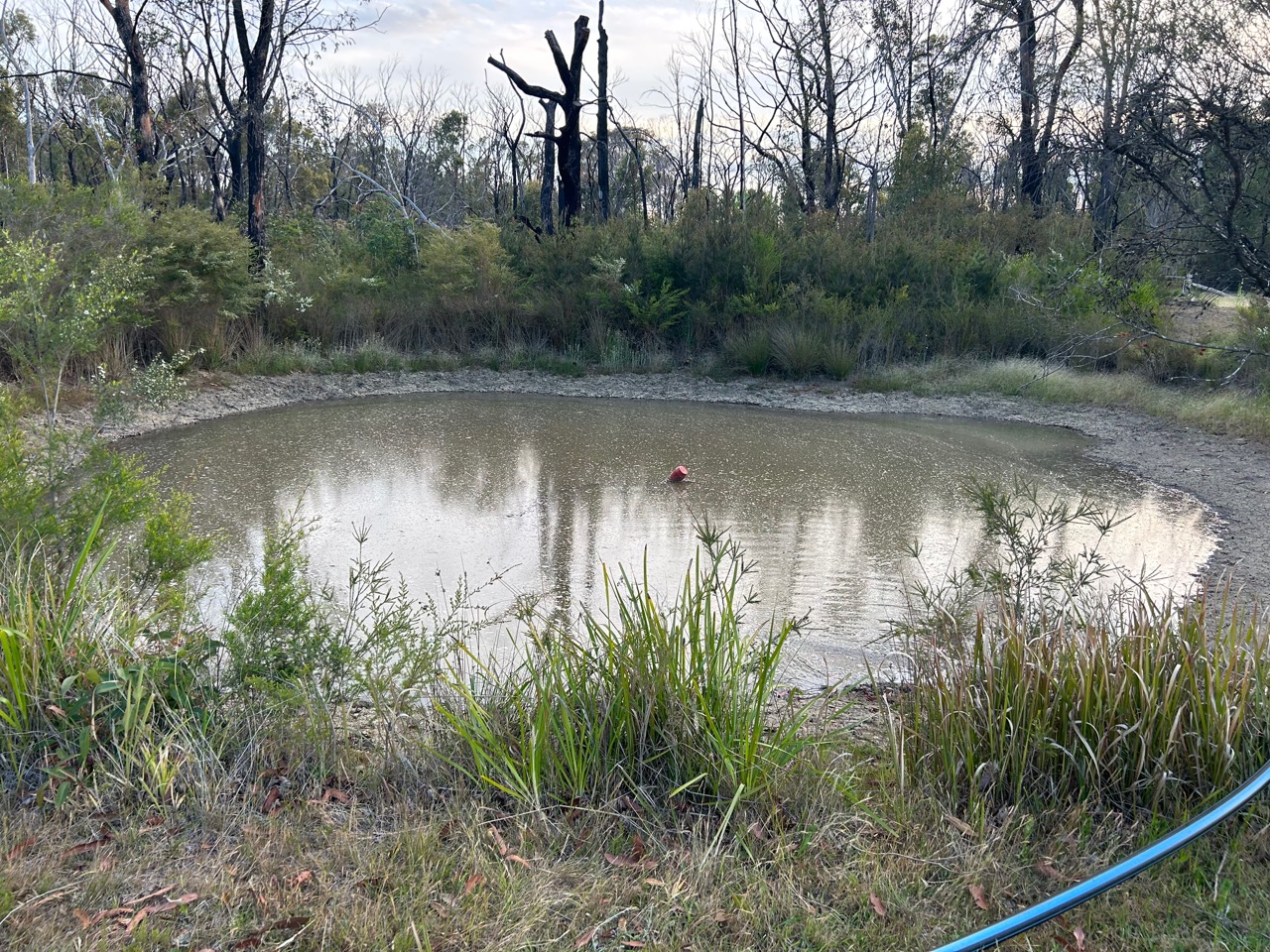
Of course, as usual, it didn’t rain here at all, just a few light passing showers throughout the day. Our top dam, the one closest to the house, that rely on for irrigation and fire fighting water is bone dry. The foot valve for the pump is sitting high and dry on top of the caked and cracked mud. This dam still had a very small amount of water in it when we left for our time away in New Caledonia and then Brisbane. However, we got a call from our lovely neighbour one day to tell us that she had tried to water the garden for us, but no water was coming out of the hose. I knew knew why. I expected it to run out and dry up at any moment. but there was nothing that I could do at a distance.

Starting on the Monday morning, with the news of so many houses burnt down in the north of the state in the terrible bush fire there. I wasted no time in preparing ourselves for the next bushfire – whenever it happens. Maybe sooner than later? With the bushfire season now upon us in earnest. I was straight into action working on all those jobs that I had put off during the recent three wet years.

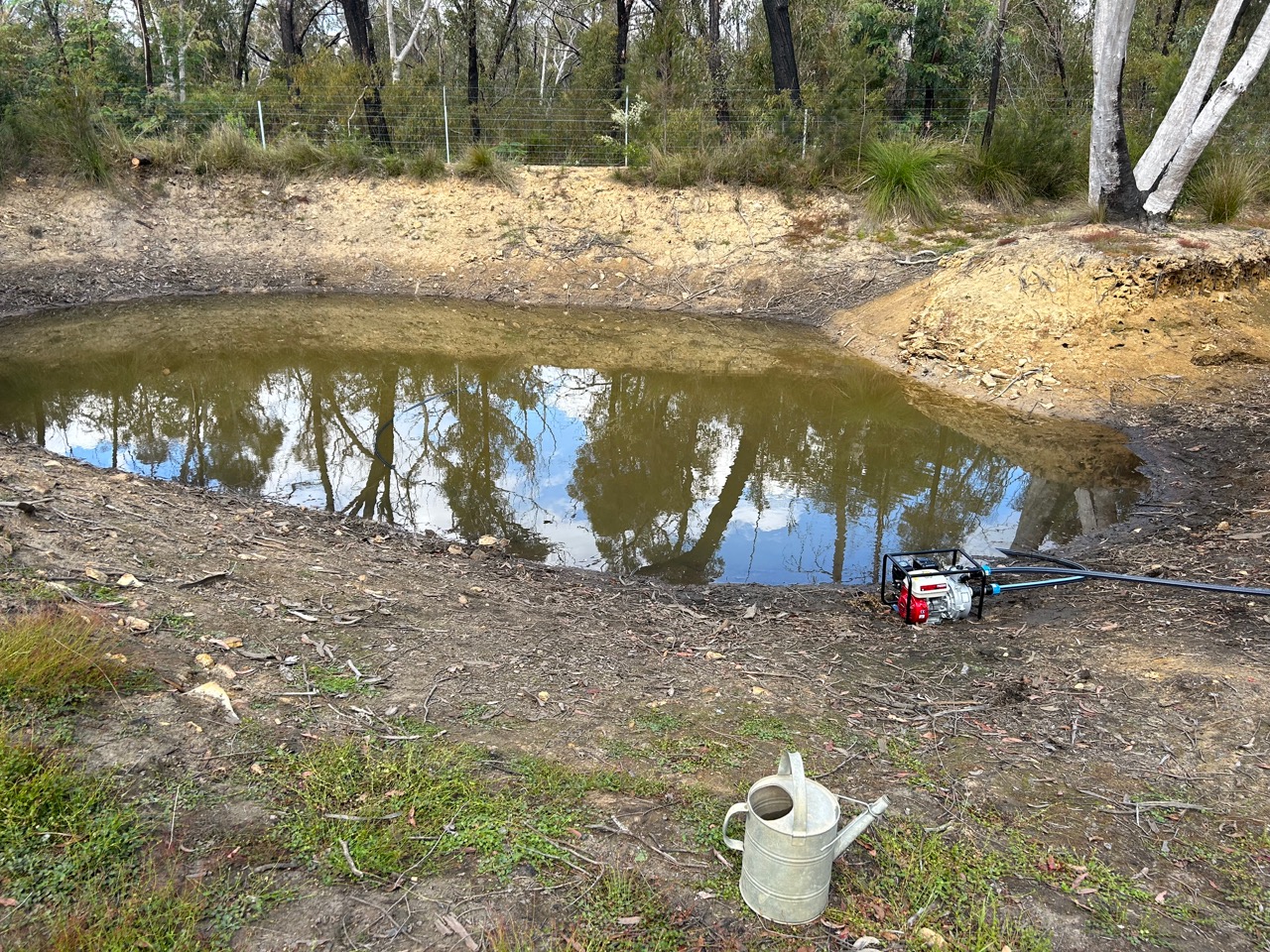
We have 4 dams, built in a key-line system. I moved the high pressure, petrol driven, fire fighting pump, down into the bottom dam, which is nearly empty, but still has some water in it, right at the bottom. I built a jerry-rig, improvised system of poly pipe lines to convey the water from this little bottom dam, up to the larger, middle dam. A day of running the pump moved most of the water up the hill to the next dam. I left just 300 mm of water in the bottom of that dam for the yabbies, to keep them safe over summer. If it does dry out completely, they will bury them selves in the mud.

From the bottom dam, up to the middle dam. This larger middle dam also has next to nothing in it, just 300mm deep in the middle, but every drop counts in summer. Especially when a bush fire is in the offing.

Neither the bottom dam or the middle dam, has a functioning pump on them at the moment, so moving all the available water up to the top dam, where I have both petrol and electric pumps installed gives me access to whatever water is left to us over the hot dry summer for fire fighting. Also, concentrating all our water in one place minimises the losses from evaporation. 

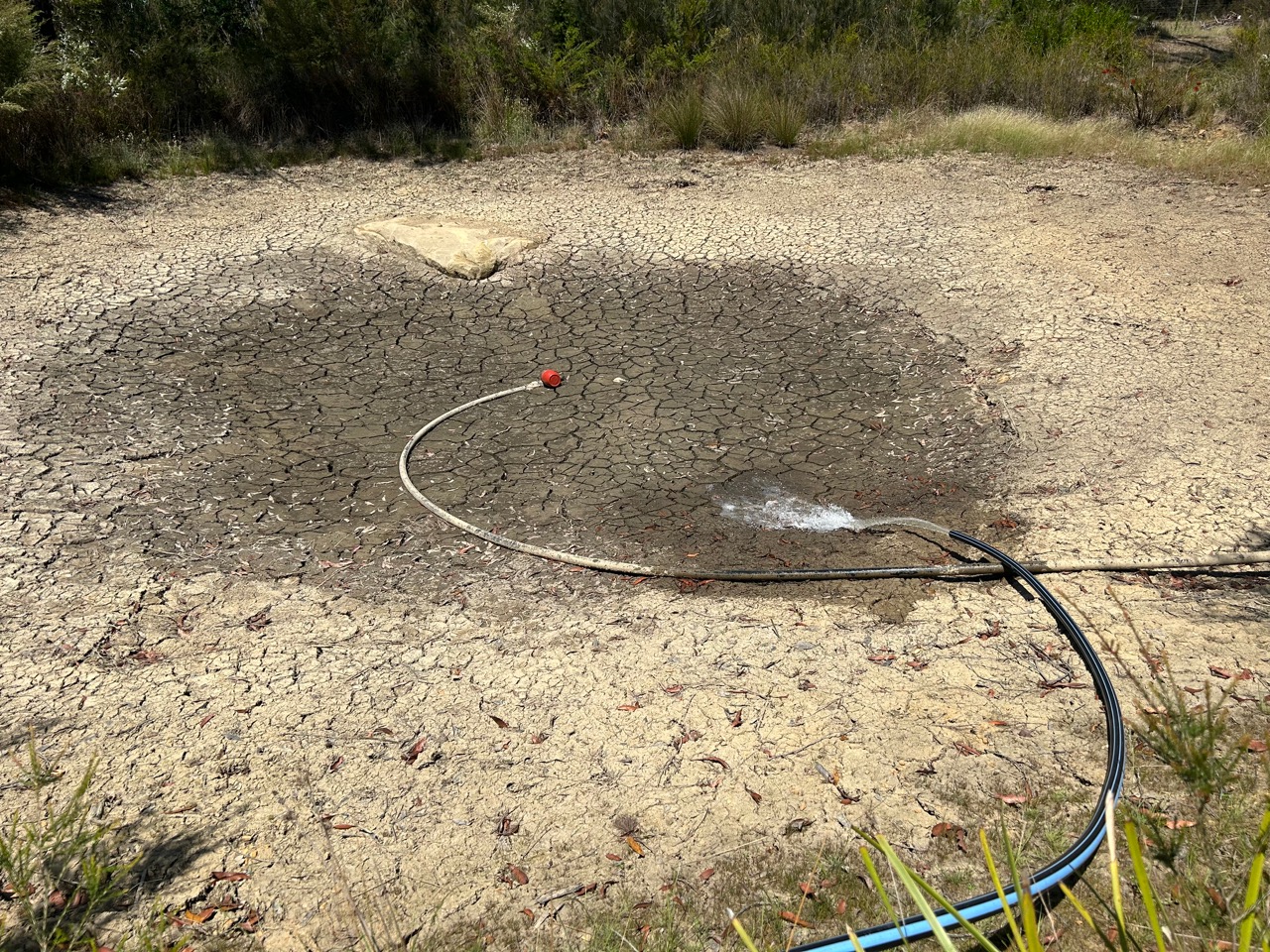
Once the bottom dam was more or less empty. I carried the petrol pump up and into the middle dam, re-arranged all my Heath Robinson, improvised piping and began pumping from the middle up to the top dam. I’ve been on my very own personal, localised, ‘Snowy Hydo 2′ project here for two days now and all the water hasn’t been relocated yet. It’s a slow job, moving thousands of litres of water, up hill through a 40mm dia pipe. I hope to finish it off tomorrow.

From the middle dam up to the top dam.

The little top dam is now half full with all the accumulated water from the other dams, it will keep us safe into January. Then?

While all this was going on. I was also working on the new fire fighting sprinkler system along the verandah and roof of the new pottery building, and also rebuilding the burnt out sprinkler system on the barn. It worked perfectly during the fire, and saved the barn for burning, but when the power failed and the electric pump stopped, the plastic pipe system melted. I will be installing a petrol driven, high pressure, fire fighting pump in this system when I’ve finished pumping all the dam water uphill.

The roof and wall sprinklers all rebuilt and up and running again now.

Nothing is perfect. Nothing is ever finished, and nothing lasts.

However, I feel safer knowing that I have water in the system available to use to fight the next fire, 

and a reasonably functional system in place that I hope will be able to cope with whatever nature throws at us

I make sure that I use the fire pumps often over the summer months to irrigate the garden and orchards. 

In this way, I always know that the pumps are in reliable working order, then if one of them gives some trouble with the irrigation, I can step in and fix it well before there is any emergency, when there is no time for fixing things. Everything must work perfectly and immediately.

Since the last fire 4 years ago, I have installed 45,000 litres of tanks in front of the Barn, dedicated to the fire pump for the pottery and barn system. I have also installed 30,000 litres of new water storage tanks on the old Railway Station and car port with its own fire pump.

We are much better prepared now than we were 4 years ago. This is self reliance!