
As soon as the Pop-Up long weekend Open Studio sale was over, we got busy tackling the next big urgent job.
That job is dealing with the cracking and spalling of the big sandstone blocks that we used to make the retaining wall behind the pottery.
I knew when I bought them that they were rejects. I naively thought that they were cheap because they were split in an irregular way and not square, but tapered. That didn’t worry me, as I could arrange them so that they had a reasonably flat and square face outwards. I could hide the unevenness in behind the grave back-fill.
However, as it has transpired, the real problem with them, and the reason for them being very cheap, is that they are not hard sandstone, but rather soft and sugary.
Bummer!
Over the past 3 years that they have been sitting there year in, year out, through the rain storms and winter frosts, they have begun to spall. Water soaks in to the porous stone and when the frosts come and the ice expands, bits of the face split off. Recently we noticed that the blocks were beginning to split down the centre, not just the face and edges. This is serious stuff. If not dealt with immediately, the stones will start to loose their stability.


I decided that the best approach would be to cap the stones with some sort of waterproofing system. We had a load of old roofing slates stacked away under the railway station. They came off the roof of my brothers house before it was demolished many years ago. We always intended to use them as floor tiles, but never did. So we have plenty of these old weathered slates. We needed to get them out from under the floor and give them a good scrape and clean, then a good scrub and a wash to get all the grunge of history off them, so that we could get the cement to stick securely.
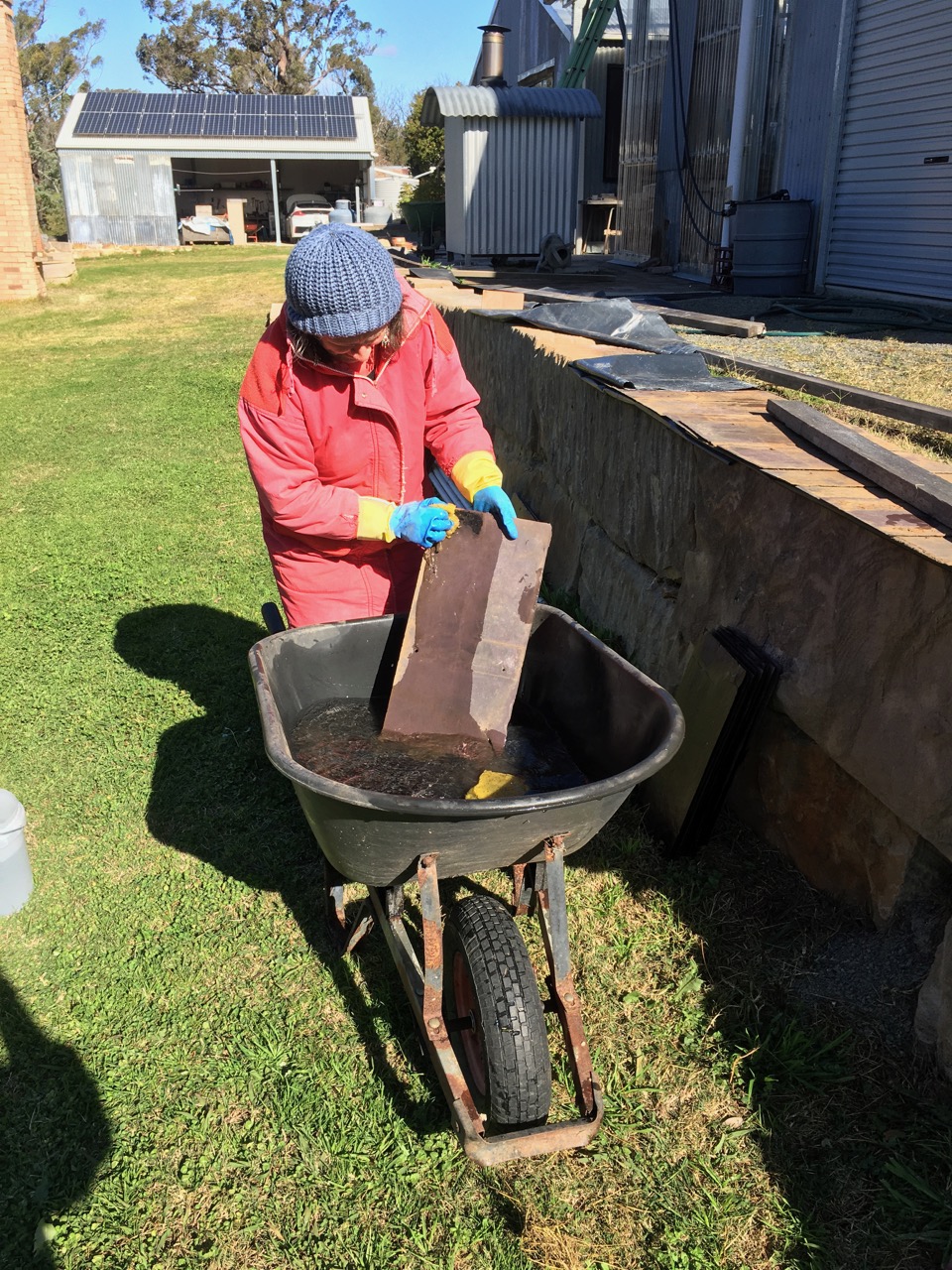

We spent 2 half days fettling and washing the slates. A cold, wet job for the first of winter after a cracking good frost.
I took the truck down to the sand and gravel yard each day to pick up half a tonne of sand and 7 bags of cement each day for the 3 days that it took us to get the job done. We employed a young, local guy to give us a hand, as we are getting too old for this kind of heavy work on our own these days.

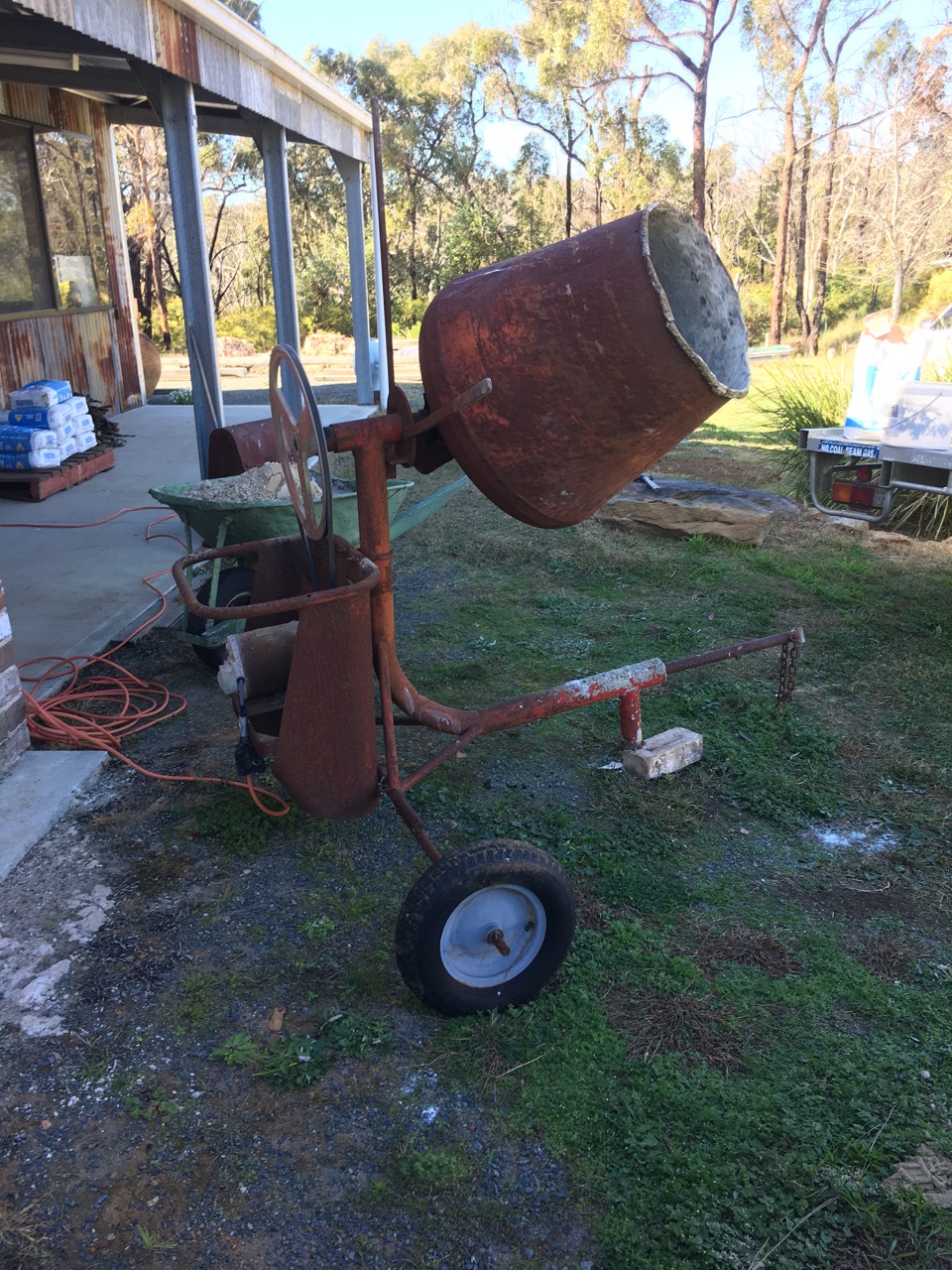
Using our very old ‘wabi-sabi’ Steam-Punk cement mixer that we bought 2nd hand for $50, 35 years ago. We mixed 14 loads a day and got through 1 1/2 tonnes of sand and 20 bags of cement to render a 70mm thick bed of mortar over the stones to get a continuous straight level, thick enough to be water proof and strong enough to cap the stones and support the slate capping.
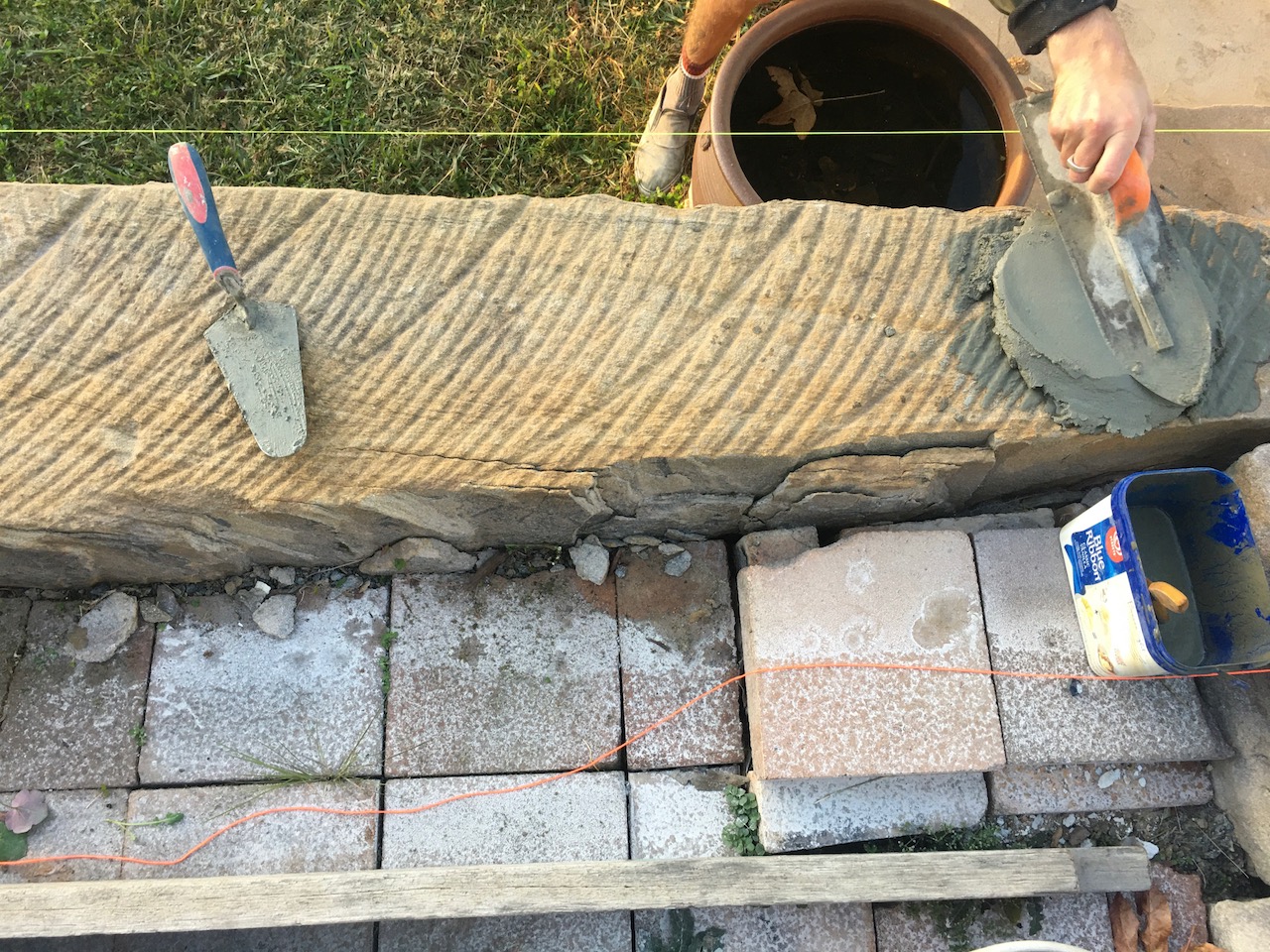

Time will tell if this has worked well enough to deter any further spalling. I did notice that there was enough embedded heat energy in the stones, such that after the frost melted in the morning, the slates were very soon dry, except where the edge extends over the stonewall to create a clear drip line. The extended slate stayed wet, frozen and cold.
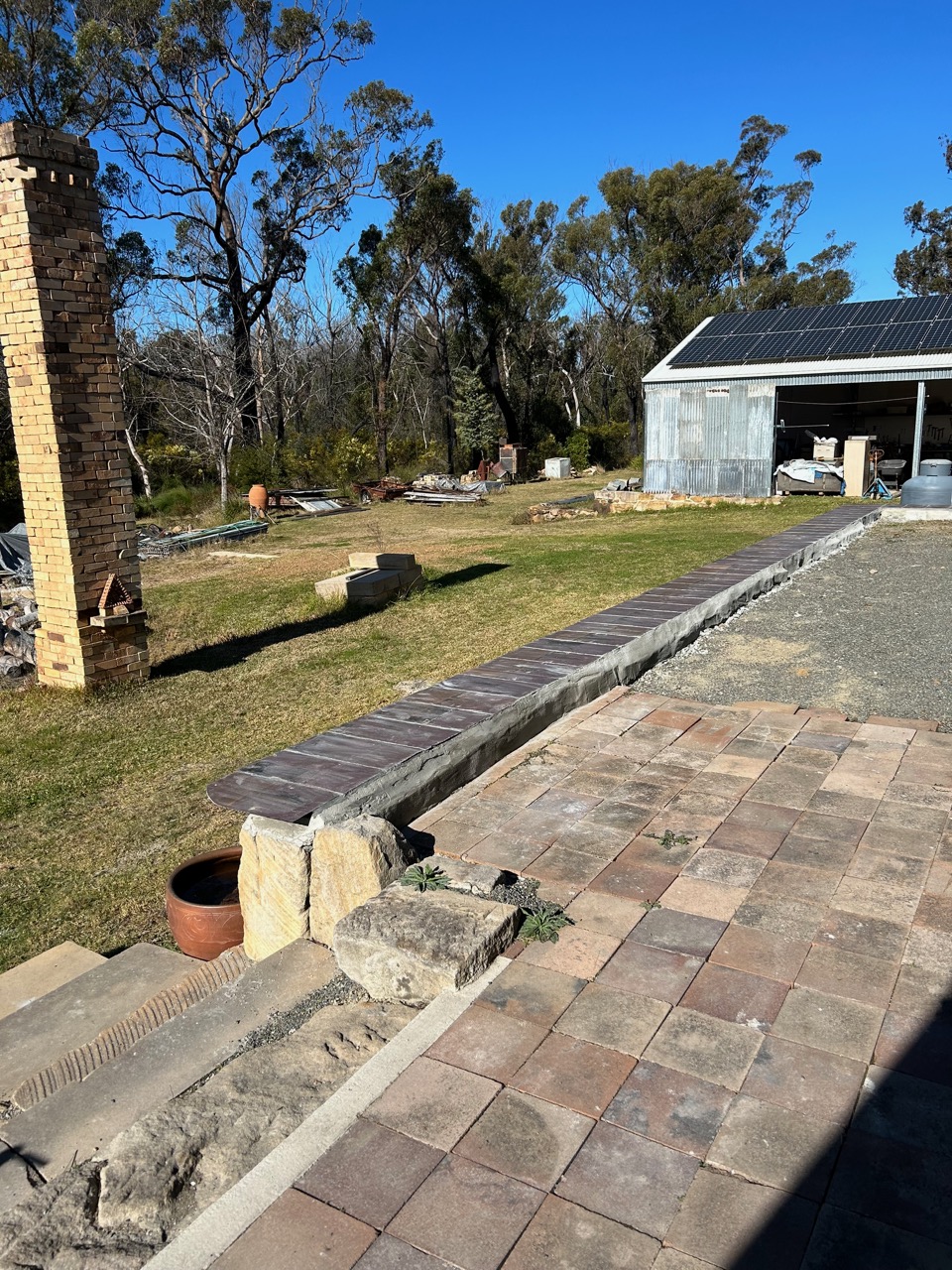
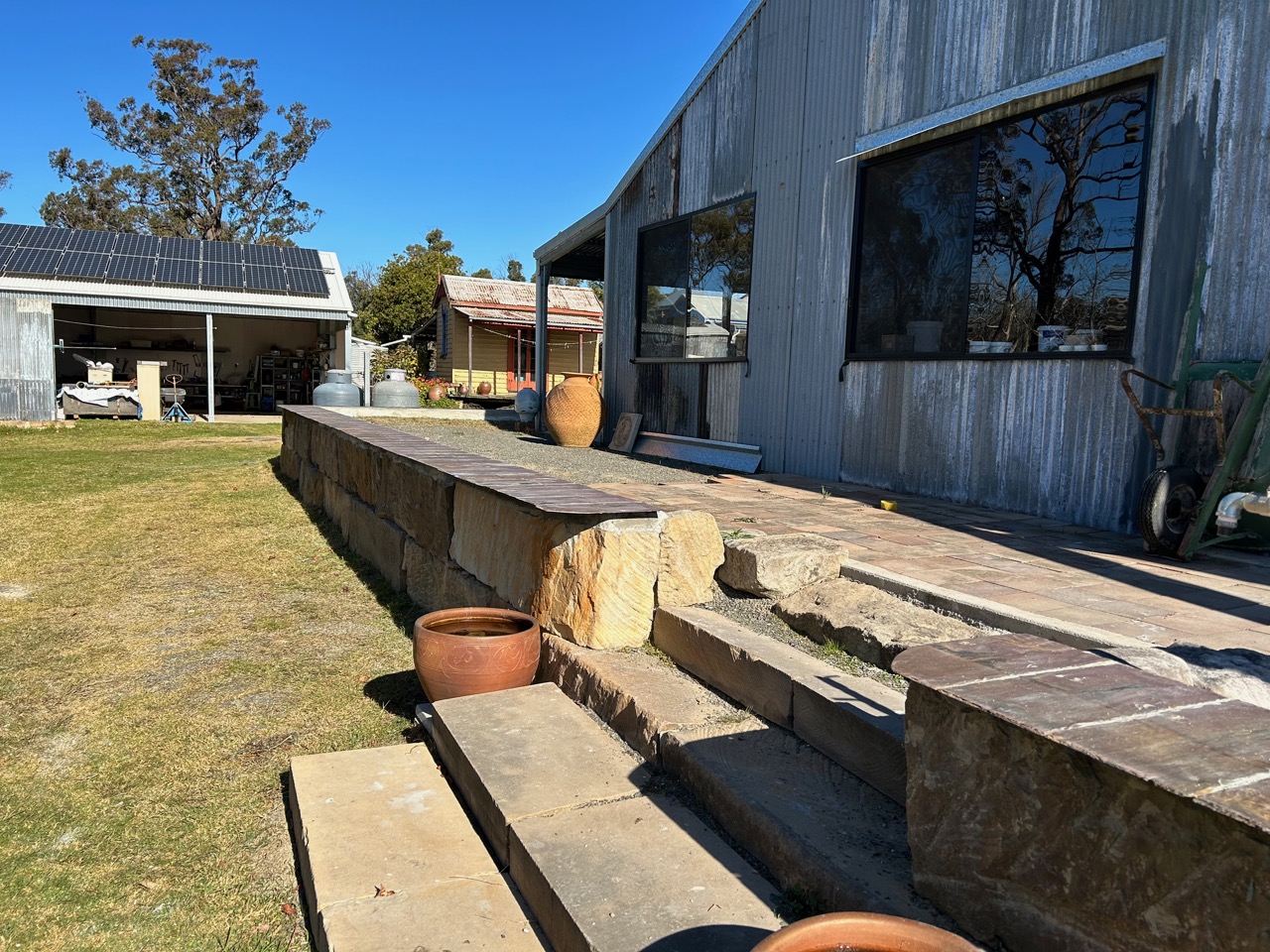
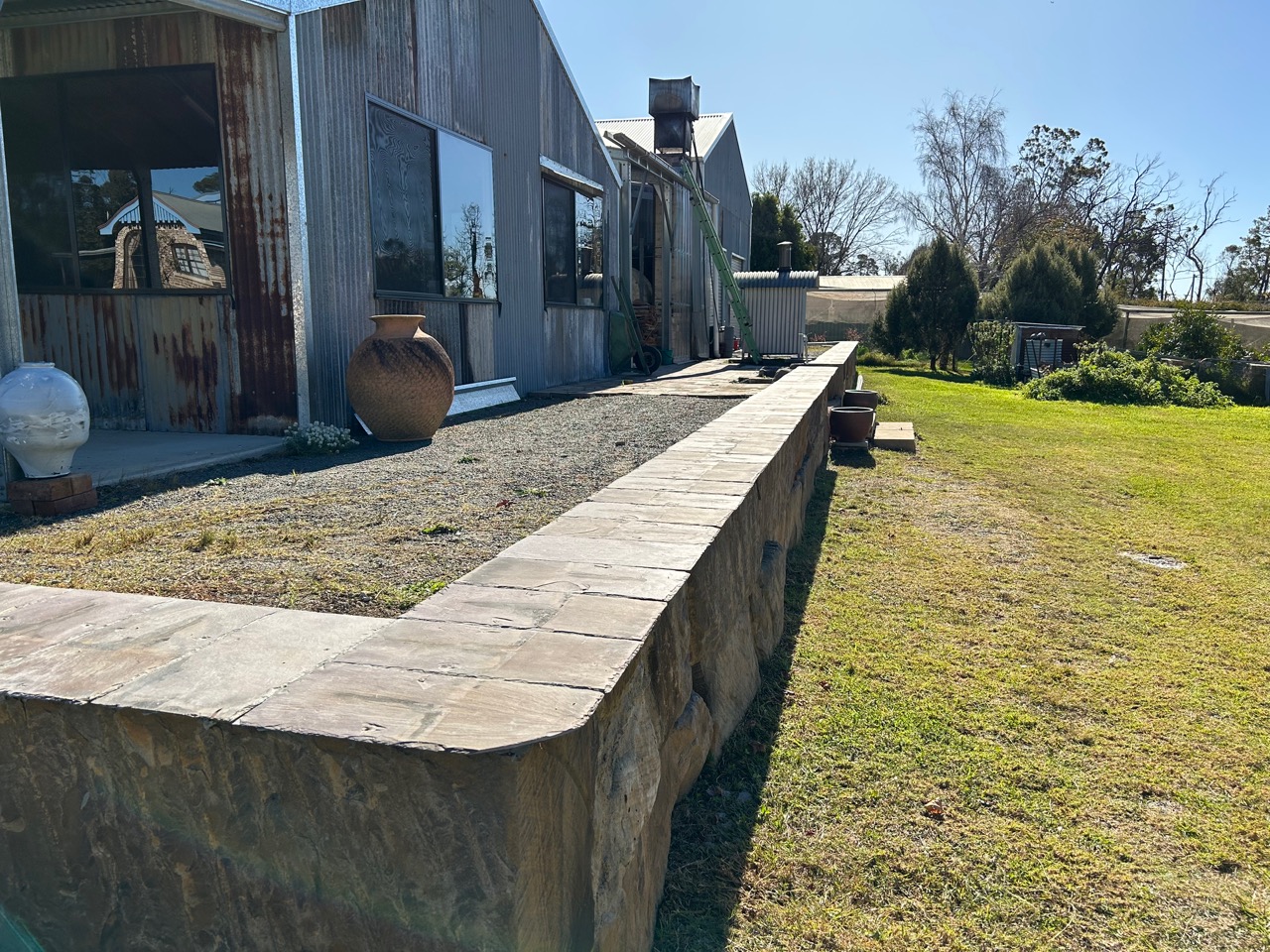
We still have a lot of paving to do, but everything in its own time. This job was an absolute priority now that winter is here and the frosts are back.
 Tonight my Fingers Smell of Garlic
You must be logged in to post a comment.