
The winter is well and truely here now. We have passed the solstice. We are getting cracking frosts that turn the paddocks silver/white. Janine harvested the last of the almost red, struggling, self sown, tomatoes just in time before the first of the really heavy frosts reduced the plants to crisp brown stalks. The shrivelled plants and their remaining unripened green tomatoes will be composted – eventually, when the weather warms up a little. The mid-winter garden looks a little bit forlorn, but it is still feeding us really well.
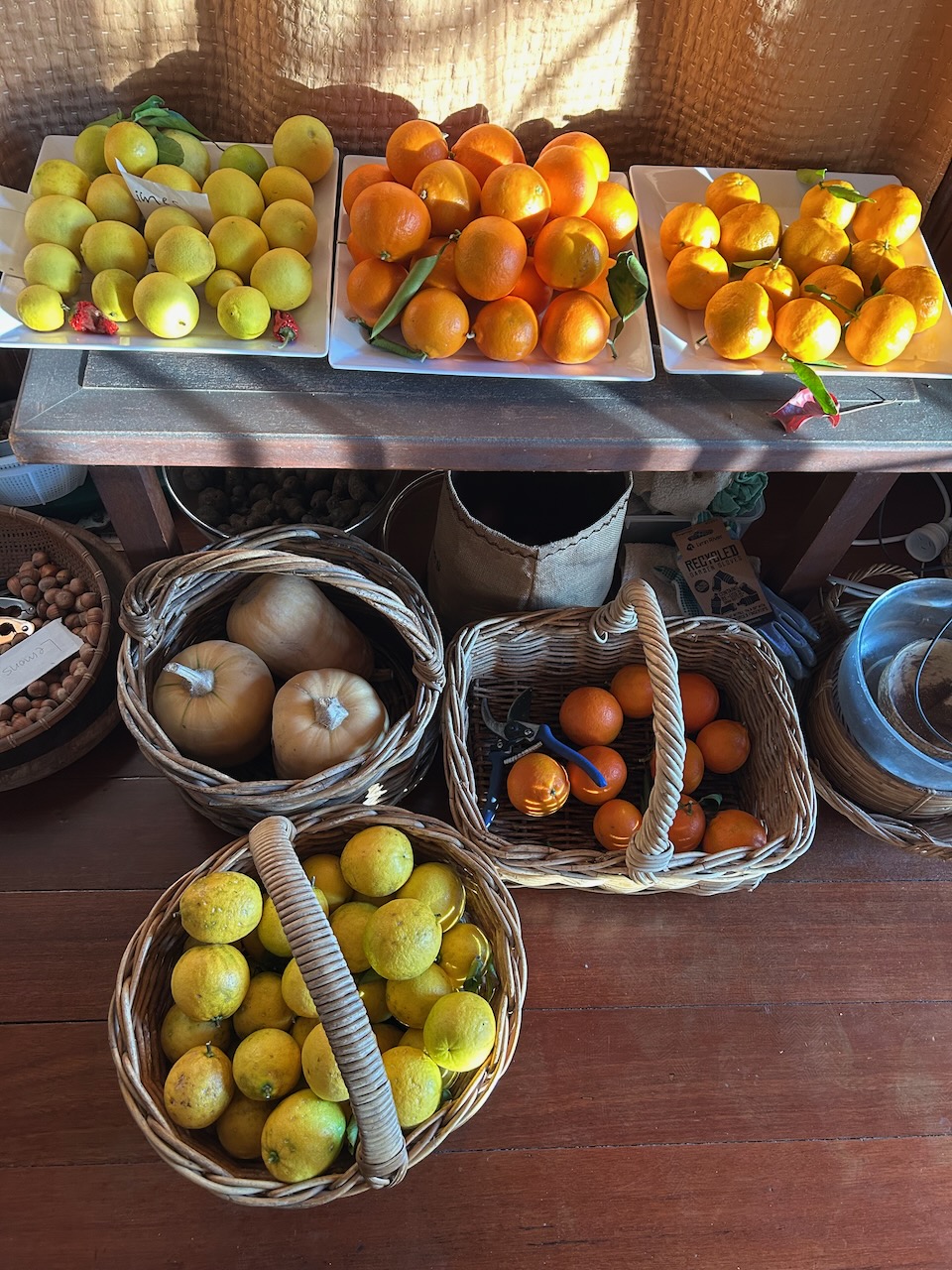
We are continuing to pick the citrus fruits. The later crop of Seville oranges are just starting now, so some serious marmalade making will be taking place in the evenings from now on.
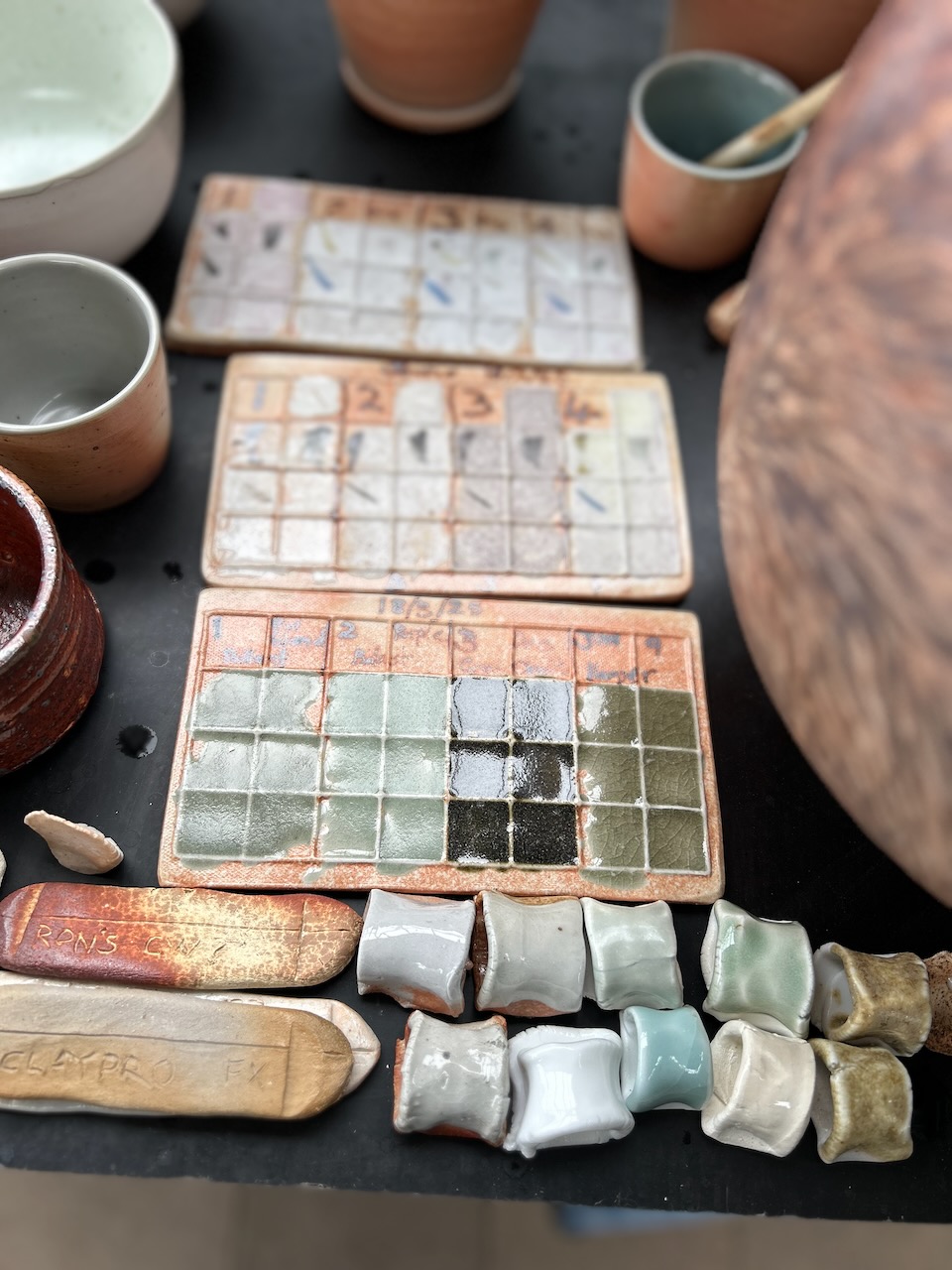
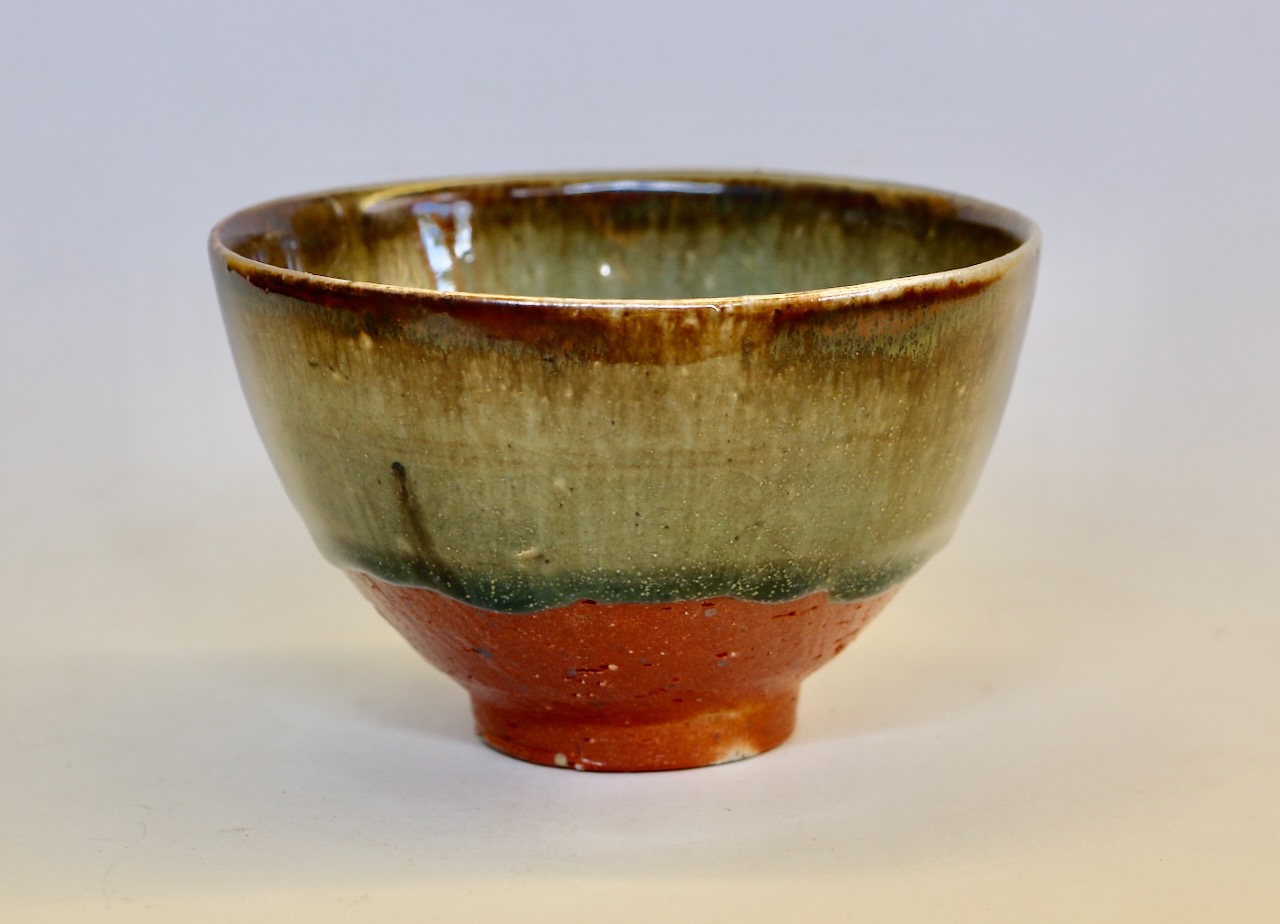
I’ve done the first wood kiln firing since returning from my work in Korea. It worked perfectly, and the results were good, although I’m always hoping for something a little bit better, however, I’m happy with the best pots and there is always a string of new test bodies and glazes developing from my local rocks. The samples are encouraging.
I start the firing in the very early morning, so early that there is no noise at all. At 3.30am it is pitch black and really quiet. No traffic noises from the main road. Every body is in bed. It’s a great time to start that tiny little kindling fire, nurture it and watch it slowly grow and develop into something with a life of its own. The little kindling fire is quite an intense time, you can’t walk away for any reason. You have to turn up prepared to sit and pay attention. I don’t leave to make some breakfast and a cup of tea until I start to stoke the bigger blocks of hard wood. Then there is some time to boil the kettle and make some toast.

By morning, I’ve progressed to the hobs and my firing friends have turned up, so Janine makes us all a proper hot breakfast, cooked on the pottery wood stove. A special treat of our own chickens eggs and some nitrate-free bacon, followed by coffee, our own marmalade on my home made rye bread toast.

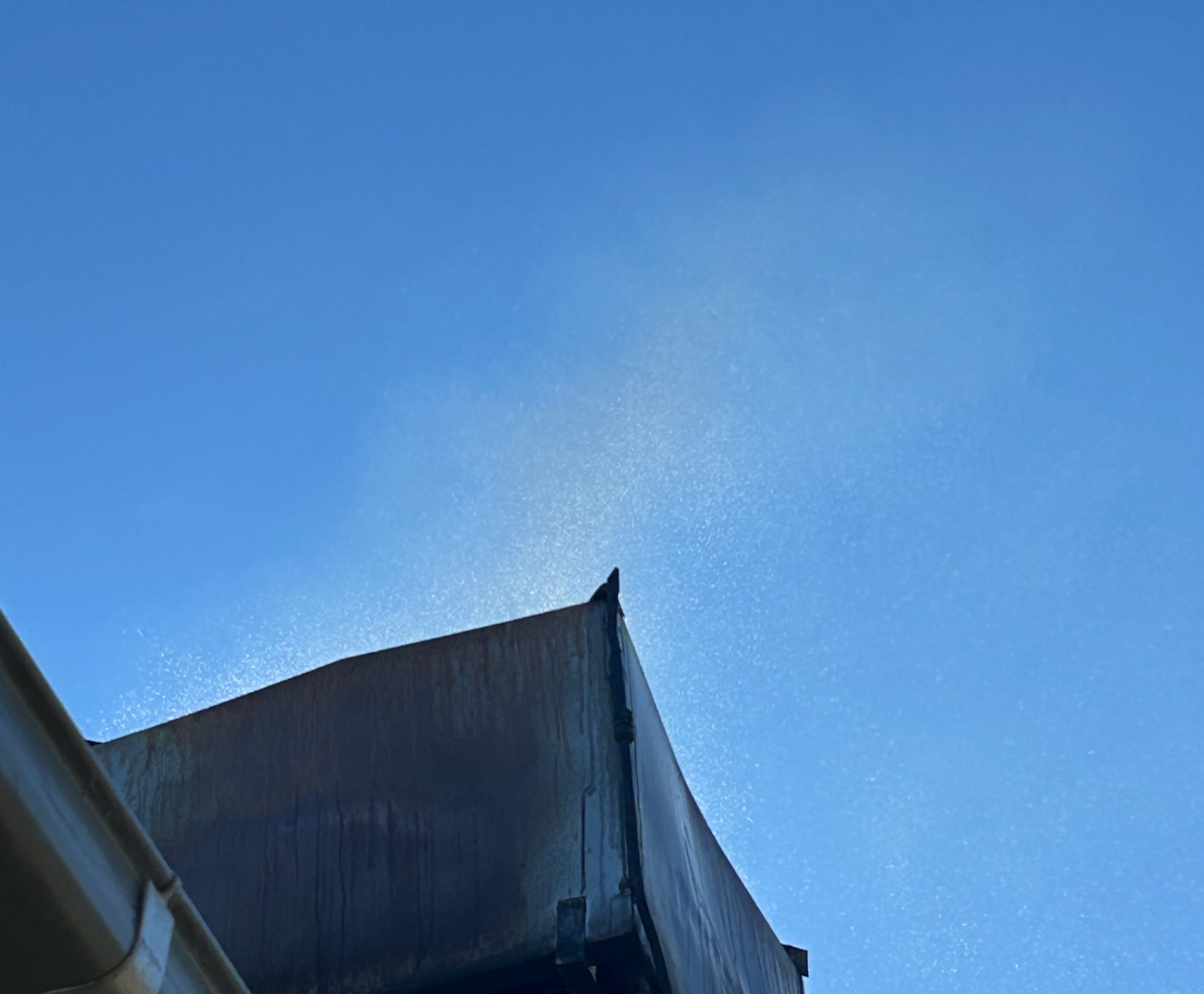
I have put a second water spray in my chimney top scrubber and the coarser droplets can be seen wafting out from the top of the scrubber, illuminated in the morning light. They fall like light rain bringing down PM2.5 carbon particles with them. The rest are collected inside the scrubber gutter and drained down into the soil in the back garden.
After unpacking the kiln, the first thing is the house-keeping, cleaning out the firebox and chamber floor, washing the bricks and kiln shelves with alumina, then finally fettling the work. I can see that the sgraffito work is quite different in the wood kiln. The ash and higher temperatures completely change the look of the work compared to the similar pieces fired with solar electricity in the electric kiln.



As heavy rain is forecast for the next week, I wanted to get a load of kiln fuel, in and under cover, ready for the next firing. I spent a few days winching over and cutting down some of our standing dead trees in the far paddock. They were killed in the 2019 catastrophic bush fires that cleaned us out. There is a lot of re-growth now and the understory is coming back up. I’m not sure about these long-dead, burnt trees. Just how stable they are, or if they are partially rotten inside. Dead wood like this can be unpredictable – therefore dangerous. So I’m taking no chances. I wrap a load-chain around the trunk up as far as I can reach, or if they are very tall, I use a ladder to get the connection point up as high as I can. Felling trees is dangerous, so to make it safer, I climb ladders – which is equally dangerous after you turn 50? or 60? or 70? Climbing ladders to make it safer seems a bit of a contradiction, but who said life was straightforward and easy.
Once the chain is (un)safely connected. I remove the ladder and pay out the chain over to where I have a steel wire winch connected to a substantial tree trunk. I cut out a wedge from the chosen tree in the direction that I expect it to fall, then go to the winch and apply a bit of tension, quite a bit, until I see the tree bend over slightly in the desired direction. Lastly, I put a cut in the back of the trunk, stand aside and watch as it falls over to where it is being pulled by the directional cutting and the pull of the winch.
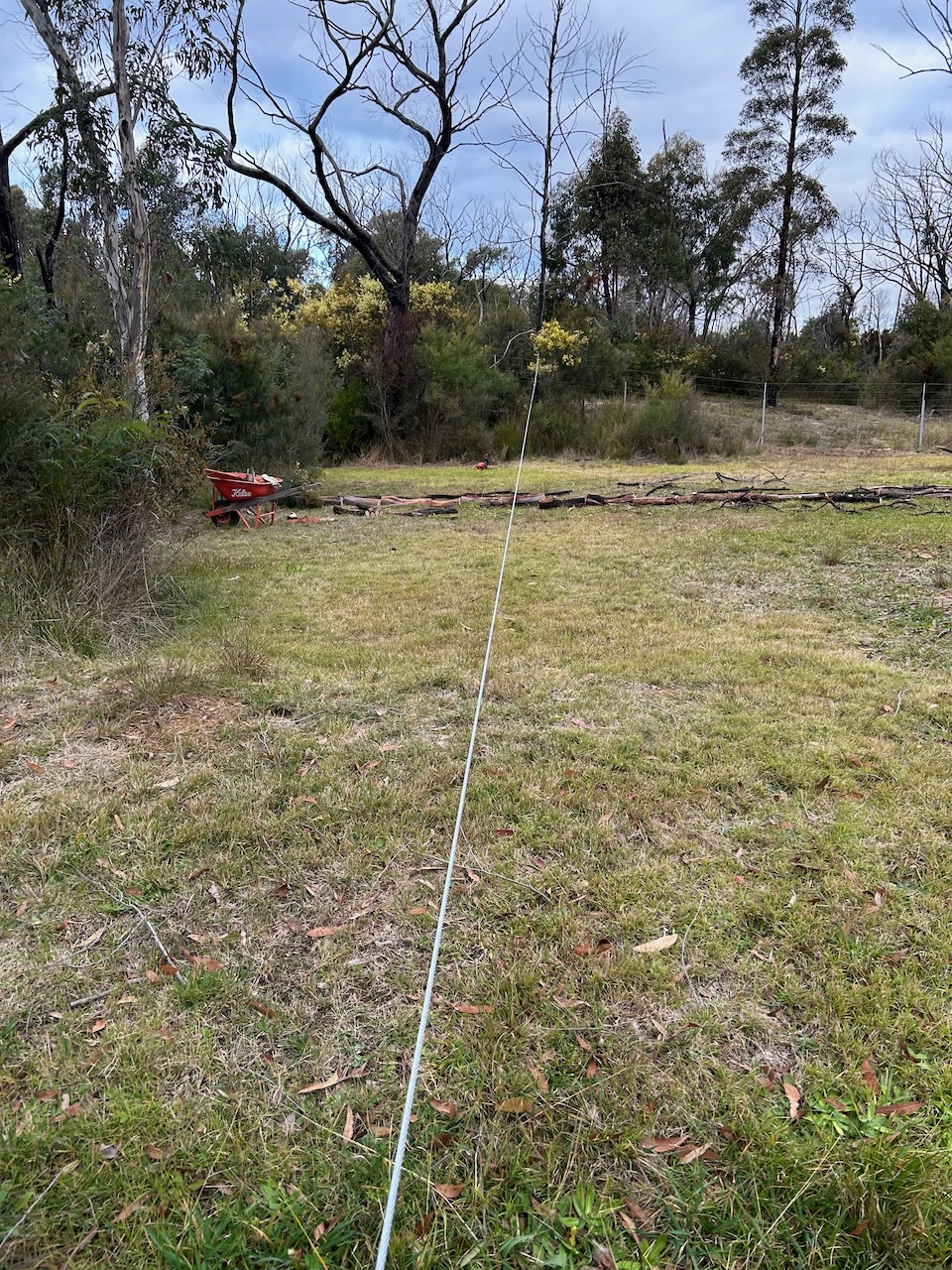
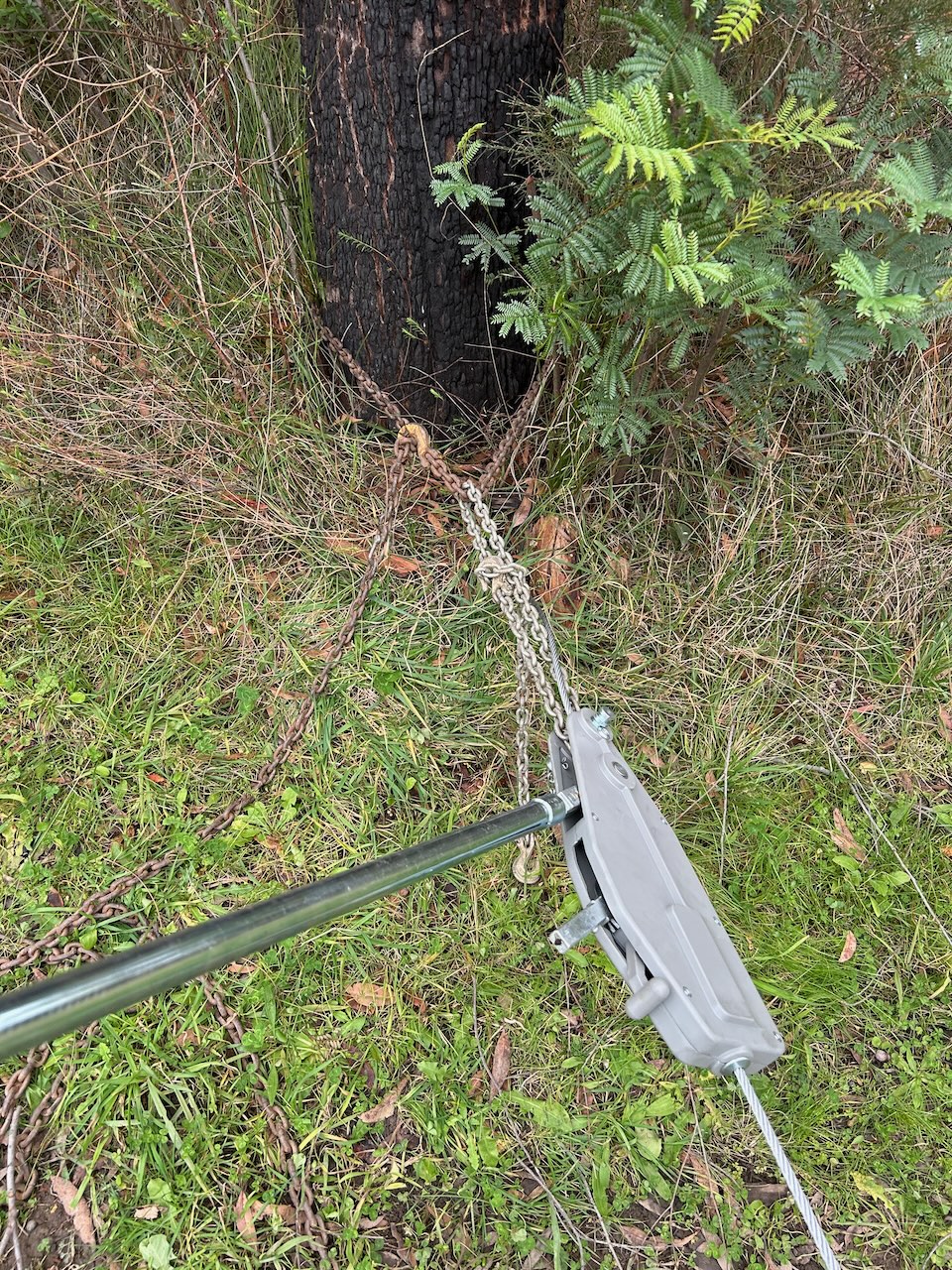

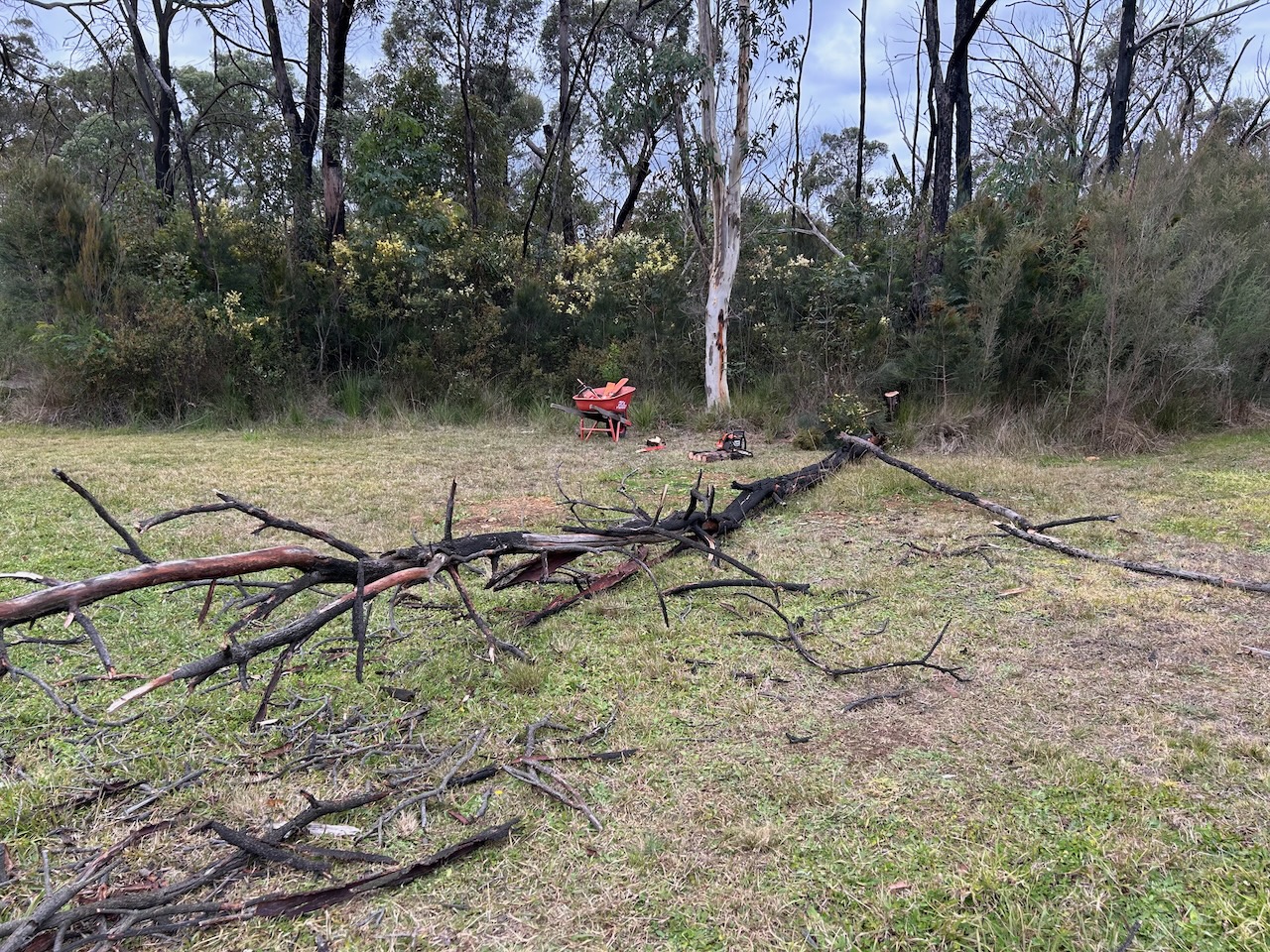
I has worked perfectly every time so far, except once. When the tree was so rotten inside that the weight of a large side branch took it across in an unexpected direction to one side. As I’m standing well back and a little to one side as it goes. I feel that I’m relatively safe. I have been so far, even when the tree goes off sideways in it’s own way.
With smaller saplings, I just attach the wire rope/load chain to the tractor and pull them over.
The wood is all cut, split and stacked ready for the next firing. My hardwood seems to be getting harder as I get softer? It’s a big effort these days to restock the kiln hob wood pile.
After it’s all done. I’m blessed with a perfect red sunset. Some shepherd somewhere will be delighted.

 Tonight my Fingers Smell of Garlic
You must be logged in to post a comment.